<?xml version="1.0" encoding="utf-8"?>
<?xml-stylesheet type="text/xsl" href="/global/feed/rss.xslt" ?>
<rss version="2.0" xmlns:atom="http://www.w3.org/2005/Atom" xmlns:googleplay="http://www.google.com/schemas/play-podcasts/1.0" xmlns:itunes="http://www.itunes.com/dtds/podcast-1.0.dtd" xmlns:media="http://search.yahoo.com/mrss/" xmlns:podaccess="https://access.acast.com/schema/1.0/" xmlns:acast="https://schema.acast.com/1.0/">
    <channel>
		<ttl>60</ttl>
		<generator>acast.com</generator>
		<title>This Sustainable Life</title>
		<link>http://joshuaspodek.com/podcast</link>
		<atom:link href="https://feeds.acast.com/public/shows/5a481aca95dfbf9d13d4dc6f" rel="self" type="application/rss+xml"/>
		<language>en</language>
		<copyright>Joshua Spodek: Author, Speaker, Professor</copyright>
		<itunes:keywords>leadership, environment, value, meaning, purpose, science, action, TED talk, authority</itunes:keywords>
		<itunes:author>Joshua Spodek: Author, Speaker, Professor</itunes:author>
		<itunes:subtitle>Systemic change begins with personal change</itunes:subtitle>
		<itunes:summary><![CDATA[<p>Do you care about the environment but feel "I want to act but if no one else does it won't make a difference" and "But if you don't solve everything it isn't worth doing anything"?</p><p>We are the antidote! You're not alone. Hearing role models overcome the same feelings to enjoy acting on their values creates meaning, purpose, community, and emotional reward.</p><p>Want to improve as a leader? Bestselling author, 3-time TEDx speaker, leadership speaker, coach, and professor Joshua Spodek, PhD MBA, brings joy and inspiration to acting on the environment. You'll learn to lead without relying on authority.</p><p>We bring you leaders from many areas -- business, politics, sports, arts, education, and more -- to share their expertise for you to learn from. We then ask them to share and act on their environmental values. That's leadership without authority -- so they act for their reasons, not out of guilt, blame, doom, gloom, or someone telling them what to do.</p><p><a href="https://joshuaspodek.com/leadership-and-the-environment-top-downloads" rel="noopener noreferrer" target="_blank">Click for a list of popular downloads</a></p><p><a href="https://joshuaspodek.com/all-podcast" rel="noopener noreferrer" target="_blank">Click for a list of all episodes</a></p><br><p>Guests include</p><ul><li><strong>Dan Pink</strong>, 40+ million Ted talk views</li><li><strong>Marshall Goldsmith</strong>, #1 ranked leadership guru and author</li><li><strong>Frances Hesselbein</strong>, Presidential Medal of Freedom honoree, former CEO of the Girl Scouts</li><li><strong>Elizabeth Kolbert</strong>, Pulitzer Prize winning author</li><li><strong>David Allen</strong>, author of Getting Things Done</li><li><strong>Ken Blanchard</strong>, author, The One Minute Manager</li><li><strong>Vincent Stanley</strong>, Director of Patagonia</li><li><strong>Dorie Clark</strong>, bestselling author</li><li><strong>Bryan Braman</strong>, Super Bowl champion Philadelphia Eagle</li><li><strong>John Lee Dumas</strong>, top entrepreneurial podcaster</li><li><strong>Alisa Cohn</strong>, top 100 speaker and coach</li><li><strong>David Biello</strong>, Science curator for TED</li></ul><hr><p style='color:grey; font-size:0.75em;'> Hosted on Acast. See <a style='color:grey;' target='_blank' rel='noopener noreferrer' href='https://acast.com/privacy'>acast.com/privacy</a> for more information.</p>]]></itunes:summary>
		<description><![CDATA[<p>Do you care about the environment but feel "I want to act but if no one else does it won't make a difference" and "But if you don't solve everything it isn't worth doing anything"?</p><p>We are the antidote! You're not alone. Hearing role models overcome the same feelings to enjoy acting on their values creates meaning, purpose, community, and emotional reward.</p><p>Want to improve as a leader? Bestselling author, 3-time TEDx speaker, leadership speaker, coach, and professor Joshua Spodek, PhD MBA, brings joy and inspiration to acting on the environment. You'll learn to lead without relying on authority.</p><p>We bring you leaders from many areas -- business, politics, sports, arts, education, and more -- to share their expertise for you to learn from. We then ask them to share and act on their environmental values. That's leadership without authority -- so they act for their reasons, not out of guilt, blame, doom, gloom, or someone telling them what to do.</p><p><a href="https://joshuaspodek.com/leadership-and-the-environment-top-downloads" rel="noopener noreferrer" target="_blank">Click for a list of popular downloads</a></p><p><a href="https://joshuaspodek.com/all-podcast" rel="noopener noreferrer" target="_blank">Click for a list of all episodes</a></p><br><p>Guests include</p><ul><li><strong>Dan Pink</strong>, 40+ million Ted talk views</li><li><strong>Marshall Goldsmith</strong>, #1 ranked leadership guru and author</li><li><strong>Frances Hesselbein</strong>, Presidential Medal of Freedom honoree, former CEO of the Girl Scouts</li><li><strong>Elizabeth Kolbert</strong>, Pulitzer Prize winning author</li><li><strong>David Allen</strong>, author of Getting Things Done</li><li><strong>Ken Blanchard</strong>, author, The One Minute Manager</li><li><strong>Vincent Stanley</strong>, Director of Patagonia</li><li><strong>Dorie Clark</strong>, bestselling author</li><li><strong>Bryan Braman</strong>, Super Bowl champion Philadelphia Eagle</li><li><strong>John Lee Dumas</strong>, top entrepreneurial podcaster</li><li><strong>Alisa Cohn</strong>, top 100 speaker and coach</li><li><strong>David Biello</strong>, Science curator for TED</li></ul><hr><p style='color:grey; font-size:0.75em;'> Hosted on Acast. See <a style='color:grey;' target='_blank' rel='noopener noreferrer' href='https://acast.com/privacy'>acast.com/privacy</a> for more information.</p>]]></description>
		<itunes:explicit>true</itunes:explicit>
		<itunes:owner>
			<itunes:name>Joshua Spodek</itunes:name>
			<itunes:email>info+5a481aca95dfbf9d13d4dc6f@mg-eu.acast.com</itunes:email>
		</itunes:owner>
		<acast:showId>5a481aca95dfbf9d13d4dc6f</acast:showId>
		<acast:showUrl>leadership-and-the-environment</acast:showUrl>
		<acast:signature key="EXAMPLE" algorithm="aes-256-cbc"><![CDATA[wbG1Z7+6h9QOi+CR1Dv0uQ==]]></acast:signature>
		<acast:settings><![CDATA[FYjHyZbXWHZ7gmX8Pp1rmQI5cfyaoZT5d8ESYLTxQI+oAha7v+V10xKwMoiq7EPFP2b+M99O3AV/WWpCJmm3YWf1cKTbzFc6/Xgfa2mAP88eQSGQOf8NcZK2ZZ9A4guA55UW3o/RNziqZPEQN6mj9g==]]></acast:settings>
        <acast:network id="60075bb3795a1c638da147c9" slug="josh-spodek"><![CDATA[Josh Spodek]]></acast:network>
		<acast:importedFeed>http://leadershipandtheenvironment.libsyn.com/rss</acast:importedFeed>
		<itunes:type>episodic</itunes:type>
			<itunes:image href="https://assets.pippa.io/shows/5a481aca95dfbf9d13d4dc6f/1607568708606-ddbbab92b7e0736c16ba3a24a6ef974f.jpeg"/>
			<image>
				<url>https://assets.pippa.io/shows/5a481aca95dfbf9d13d4dc6f/1607568708606-ddbbab92b7e0736c16ba3a24a6ef974f.jpeg</url>
				<link>http://joshuaspodek.com/podcast</link>
				<title>This Sustainable Life</title>
			</image>
			<itunes:new-feed-url>https://feeds.acast.com/public/shows/5a481aca95dfbf9d13d4dc6f</itunes:new-feed-url>
		<item>
			<title><![CDATA[848: Peter Simek, part 1: EarthX's CEO]]></title>
			<itunes:title><![CDATA[848: Peter Simek, part 1: EarthX's CEO]]></itunes:title>
			<pubDate>Mon, 13 Apr 2026 19:31:14 GMT</pubDate>
			<itunes:duration>49:57</itunes:duration>
			<enclosure url="https://sphinx.acast.com/p/open/s/5a481aca95dfbf9d13d4dc6f/e/69dd39f4715b7d1039e9a4d0/media.mp3" length="35910050" type="audio/mpeg"/>
			<guid isPermaLink="false">69dd39f4715b7d1039e9a4d0</guid>
			<itunes:explicit>false</itunes:explicit>
			<link>https://shows.acast.com/leadership-and-the-environment/episodes/848-peter-simek-part-1-earthxs-ceo</link>
			<acast:episodeId>69dd39f4715b7d1039e9a4d0</acast:episodeId>
			<acast:showId>5a481aca95dfbf9d13d4dc6f</acast:showId>
			<acast:episodeUrl>848-peter-simek-part-1-earthxs-ceo</acast:episodeUrl>
			<acast:settings><![CDATA[FYjHyZbXWHZ7gmX8Pp1rmbKbhgrQiwYShz70Q9/ffXZMTtedvdcRQbP4eiLMjXzCKLPjEYLpGj+NMVKa+5C8pL4u/EOj1Vw4h5MMJYp0lCcFAe0fnxBJy/1ju4Qxy1fh8gO4DvlGA40yms2g0/hOkcrfHIopjTygHFqGwwOPKFIai4SuTvs86Lx3UYCyl6Zs3xkA7C8TGSMrfsPpumxdyaQ1zGRJxsJB1N1/tCRLmvPMnIdV6ev2BaHDaE0ElnYlq4kxCxUPehsKbOX/YDphIjaCYS9dGCNcTSQcUMXpjY7kUC9wbhiCRE/c544D+jRW]]></acast:settings>
			<itunes:episodeType>full</itunes:episodeType>
			<itunes:episode>848</itunes:episode>
			<itunes:image href="https://assets.pippa.io/shows/5a481aca95dfbf9d13d4dc6f/1776105067251-ef826f25-3fbe-48f4-91af-b64820a74892.jpeg"/>
			<description><![CDATA[<p>I met Peter in person at a local (Manhattan) event that EarthX hosted for media people. I was invited for hosting this podcast.</p><p>We spoke about leadership and sustainability. We focused on crossing political boundaries. We shared about our successes in these efforts, how important we consider such tactics and strategies, and how much that success is missing in the US.</p><p>He invited me to participate in this year's conference, as you'll hear in our conversation. I wrote back that I don't fly, so I'd like to but transportation would be a challenge. I didn't say that I consider conferences that dozens to thousands of people fly to counterproductive because I didn't yet know enough about the conference or him, but I offered a few ways to make it work.</p><p>You'll hear more in the conversation, but I suggested to him what I've suggested to a couple other conference organizers. If enough people who were flying might switch to a chartered bus, I could help that process.</p><p>Tune in to hear our conversation on that topic. Also, you'll learn more about EarthX, Peter's relationship with EarthX and why they brought him on, and his start of the Spodek Method. As often happens, it seemed like it couldn't work until it did, and then he looked at his commitment with enthusiasm.</p><ul><li>Peter's <a href="https://petersimek.com/" rel="noopener noreferrer" target="_blank">home page</a></li><li>EarthX's <a href="https://earthx.org/" rel="noopener noreferrer" target="_blank">page</a></li><li>For its <a href="https://earthx.org/earthx2026/" rel="noopener noreferrer" target="_blank">2026 conference</a></li></ul><hr><p style='color:grey; font-size:0.75em;'> Hosted on Acast. See <a style='color:grey;' target='_blank' rel='noopener noreferrer' href='https://acast.com/privacy'>acast.com/privacy</a> for more information.</p>]]></description>
			<itunes:summary><![CDATA[<p>I met Peter in person at a local (Manhattan) event that EarthX hosted for media people. I was invited for hosting this podcast.</p><p>We spoke about leadership and sustainability. We focused on crossing political boundaries. We shared about our successes in these efforts, how important we consider such tactics and strategies, and how much that success is missing in the US.</p><p>He invited me to participate in this year's conference, as you'll hear in our conversation. I wrote back that I don't fly, so I'd like to but transportation would be a challenge. I didn't say that I consider conferences that dozens to thousands of people fly to counterproductive because I didn't yet know enough about the conference or him, but I offered a few ways to make it work.</p><p>You'll hear more in the conversation, but I suggested to him what I've suggested to a couple other conference organizers. If enough people who were flying might switch to a chartered bus, I could help that process.</p><p>Tune in to hear our conversation on that topic. Also, you'll learn more about EarthX, Peter's relationship with EarthX and why they brought him on, and his start of the Spodek Method. As often happens, it seemed like it couldn't work until it did, and then he looked at his commitment with enthusiasm.</p><ul><li>Peter's <a href="https://petersimek.com/" rel="noopener noreferrer" target="_blank">home page</a></li><li>EarthX's <a href="https://earthx.org/" rel="noopener noreferrer" target="_blank">page</a></li><li>For its <a href="https://earthx.org/earthx2026/" rel="noopener noreferrer" target="_blank">2026 conference</a></li></ul><hr><p style='color:grey; font-size:0.75em;'> Hosted on Acast. See <a style='color:grey;' target='_blank' rel='noopener noreferrer' href='https://acast.com/privacy'>acast.com/privacy</a> for more information.</p>]]></itunes:summary>
		</item>
		<item>
			<title>847: Tzeporah Berman: Ending Fossil Fuels by Treaty</title>
			<itunes:title>847: Tzeporah Berman: Ending Fossil Fuels by Treaty</itunes:title>
			<pubDate>Sat, 28 Feb 2026 01:55:32 GMT</pubDate>
			<itunes:duration>47:42</itunes:duration>
			<enclosure url="https://sphinx.acast.com/p/open/s/5a481aca95dfbf9d13d4dc6f/e/6994b7ddc4b7a0510c66d80d/media.mp3" length="36351482" type="audio/mpeg"/>
			<guid isPermaLink="false">6994b7ddc4b7a0510c66d80d</guid>
			<itunes:explicit>false</itunes:explicit>
			<link>https://shows.acast.com/leadership-and-the-environment/episodes/847-tzeporah-berman</link>
			<acast:episodeId>6994b7ddc4b7a0510c66d80d</acast:episodeId>
			<acast:showId>5a481aca95dfbf9d13d4dc6f</acast:showId>
			<acast:episodeUrl>847-tzeporah-berman</acast:episodeUrl>
			<acast:settings><![CDATA[FYjHyZbXWHZ7gmX8Pp1rmbKbhgrQiwYShz70Q9/ffXZMTtedvdcRQbP4eiLMjXzCKLPjEYLpGj+NMVKa+5C8pL4u/EOj1Vw4h5MMJYp0lCcFAe0fnxBJy/1ju4Qxy1fh8gO4DvlGA40yms2g0/hOkcrfHIopjTygHFqGwwOPKFIai4SuTvs86Lx3UYCyl6Zs3xkA7C8TGSMrfsPpumxdyaQ1zGRJxsJB1N1/tCRLmvNN8pmu5bGfq2Wk5L/ZEkuz5gS28M/1JlGEFccbx33Y2g2042mf0+h/PysearGZZAJH5wqJHIiNXgCIBTO43vrG]]></acast:settings>
			<itunes:episodeType>full</itunes:episodeType>
			<itunes:episode>847</itunes:episode>
			<itunes:image href="https://assets.pippa.io/shows/5a481aca95dfbf9d13d4dc6f/1771365752749-b849ada0-319e-469f-8c0c-de88ca93a91d.jpeg"/>
			<description><![CDATA[<p>I met Tzeporah at an event called Climate Week NYC last fall. She was nearly the only person there who spoke about decreasing and stopping extracting fossil fuels. I had to bring her here.</p><p>Our conversation grew more compelling and interesting as we spoke. The early parts about energy sources besides fossil fuels you may have heard before, but give context.</p><p>After she shares the realizations that prompted her to lead are what I valued. In particular, she exposes and clarifies how people have simply ignored fossil fuel production or extraction in favor of accounting methods and seeing if they can offset things&nbsp;<em>but not decreasing extraction</em>.</p><p>She also talked about her strategy, which differs from Paris Agreement approaches and is based on how treaties on land mines and chemical weapons succeeded. She also shares some eye-popping statistics, like how much fossil fuels are used just to transport other fossil fuels, which is just over two-thirds.</p><p>The bottom line is almost too simple to say, but it bears repeating: <strong>we have to stop extracting fossil fuels fast</strong>. Tzeporah is one of the few working on, undistracted by things that don't stop us from extracting them.</p><ul><li>The <a href="https://fossilfueltreaty.org/" rel="noopener noreferrer" target="_blank">Fossil Fuel Treaty Initiative</a></li><li>Her TED talk:&nbsp;<a href="https://www.ted.com/talks/tzeporah_berman_the_bad_math_of_the_fossil_fuel_industry" rel="noopener noreferrer" target="_blank">The bad math of the fossil fuel industry</a></li><li>Her book: <a href="https://www.penguinrandomhouse.com/books/204860/this-crazy-time-by-tzeporah-berman-with-mark-leiren-young/#" rel="noopener noreferrer" target="_blank">This Crazy Time: Living Our Environmental Challenge</a></li><li>Her <a href="https://en.wikipedia.org/wiki/Tzeporah_Berman" rel="noopener noreferrer" target="_blank">Wikipedia page</a></li></ul><hr><p style='color:grey; font-size:0.75em;'> Hosted on Acast. See <a style='color:grey;' target='_blank' rel='noopener noreferrer' href='https://acast.com/privacy'>acast.com/privacy</a> for more information.</p>]]></description>
			<itunes:summary><![CDATA[<p>I met Tzeporah at an event called Climate Week NYC last fall. She was nearly the only person there who spoke about decreasing and stopping extracting fossil fuels. I had to bring her here.</p><p>Our conversation grew more compelling and interesting as we spoke. The early parts about energy sources besides fossil fuels you may have heard before, but give context.</p><p>After she shares the realizations that prompted her to lead are what I valued. In particular, she exposes and clarifies how people have simply ignored fossil fuel production or extraction in favor of accounting methods and seeing if they can offset things&nbsp;<em>but not decreasing extraction</em>.</p><p>She also talked about her strategy, which differs from Paris Agreement approaches and is based on how treaties on land mines and chemical weapons succeeded. She also shares some eye-popping statistics, like how much fossil fuels are used just to transport other fossil fuels, which is just over two-thirds.</p><p>The bottom line is almost too simple to say, but it bears repeating: <strong>we have to stop extracting fossil fuels fast</strong>. Tzeporah is one of the few working on, undistracted by things that don't stop us from extracting them.</p><ul><li>The <a href="https://fossilfueltreaty.org/" rel="noopener noreferrer" target="_blank">Fossil Fuel Treaty Initiative</a></li><li>Her TED talk:&nbsp;<a href="https://www.ted.com/talks/tzeporah_berman_the_bad_math_of_the_fossil_fuel_industry" rel="noopener noreferrer" target="_blank">The bad math of the fossil fuel industry</a></li><li>Her book: <a href="https://www.penguinrandomhouse.com/books/204860/this-crazy-time-by-tzeporah-berman-with-mark-leiren-young/#" rel="noopener noreferrer" target="_blank">This Crazy Time: Living Our Environmental Challenge</a></li><li>Her <a href="https://en.wikipedia.org/wiki/Tzeporah_Berman" rel="noopener noreferrer" target="_blank">Wikipedia page</a></li></ul><hr><p style='color:grey; font-size:0.75em;'> Hosted on Acast. See <a style='color:grey;' target='_blank' rel='noopener noreferrer' href='https://acast.com/privacy'>acast.com/privacy</a> for more information.</p>]]></itunes:summary>
		</item>
		<item>
			<title>846: Gail Eisnitz: The Inside Story of a Life Investigating Factory Farms</title>
			<itunes:title>846: Gail Eisnitz: The Inside Story of a Life Investigating Factory Farms</itunes:title>
			<pubDate>Tue, 17 Feb 2026 21:52:27 GMT</pubDate>
			<itunes:duration>1:00:13</itunes:duration>
			<enclosure url="https://sphinx.acast.com/p/open/s/5a481aca95dfbf9d13d4dc6f/e/6994b7c06415006ed22e041d/media.mp3" length="44269634" type="audio/mpeg"/>
			<guid isPermaLink="false">6994b7c06415006ed22e041d</guid>
			<itunes:explicit>false</itunes:explicit>
			<link>https://shows.acast.com/leadership-and-the-environment/episodes/846-gail-eisnitz</link>
			<acast:episodeId>6994b7c06415006ed22e041d</acast:episodeId>
			<acast:showId>5a481aca95dfbf9d13d4dc6f</acast:showId>
			<acast:episodeUrl>846-gail-eisnitz</acast:episodeUrl>
			<acast:settings><![CDATA[FYjHyZbXWHZ7gmX8Pp1rmbKbhgrQiwYShz70Q9/ffXZMTtedvdcRQbP4eiLMjXzCKLPjEYLpGj+NMVKa+5C8pL4u/EOj1Vw4h5MMJYp0lCcFAe0fnxBJy/1ju4Qxy1fh8gO4DvlGA40yms2g0/hOkcrfHIopjTygHFqGwwOPKFIai4SuTvs86Lx3UYCyl6Zs3xkA7C8TGSMrfsPpumxdyaQ1zGRJxsJB1N1/tCRLmvMT0pSnIl957sTglip9Oh98WyNWnI653HVeDgpFZh2w5FML1jdcngN7yp2TYWe0Pbh837NxSW7+hMX3h/8NhXVT]]></acast:settings>
			<itunes:episodeType>full</itunes:episodeType>
			<itunes:episode>846</itunes:episode>
			<itunes:image href="https://assets.pippa.io/shows/5a481aca95dfbf9d13d4dc6f/1771365138301-9c10980e-5ad2-464c-862f-42dbe144dd22.jpeg"/>
			<description><![CDATA[<p>Gail shares her investigations into meat industry practices, exploring how exorbitant slaughterhouse production line speeds in a consolidated slaughter industry affect animals as they are being handled and killed, and how the proliferation of massive factory farms impacts animals being raised in intensive confinement.</p><p>She spent decades in the field documenting violations against farm animals and in the office preparing cases and writing about her investigations in articles and books. Her efforts to expose and prosecute animal abusers were often thwarted by network television producers and by law enforcement authorities. Producers considered her findings too disturbing. The law refused to prosecute abusers. Instead they provided cover for the meat industry---a billion-dollar industry.</p><p>She gives an inside view behind the closed doors of U.S. slaughterhouses and factory farms. She also shared her challenges and successes in documenting and exposing the findings.</p><p>As a memoir, <em>Out of Sight</em> has been described by reviewers as a “detective story” and a “page turner” that they “can’t put down," probably for her personal challenges related to her diagnosis with a rare medical visual condition she shares in our conversation.</p><ul><li><a href="https://www.gaileisnitz.com/" rel="noopener noreferrer" target="_blank">Gail's web page</a></li><li>The <a href="https://hfa.org/" rel="noopener noreferrer" target="_blank">Humane Farming Association</a></li><li>Her most recent book: <a href="https://www.gaileisnitz.com/outofsight" rel="noopener noreferrer" target="_blank">Out of Sight An Undercover Investigator's Fight for Animal Rights and Her Own Survival</a></li><li>Her first book: <a href="https://www.gaileisnitz.com/slaughterhouse" rel="noopener noreferrer" target="_blank">Slaughterhouse The Shocking Story of Greed, Neglect, and Inhumane Treatment Inside the U.S. Meat Industry</a></li></ul><hr><p style='color:grey; font-size:0.75em;'> Hosted on Acast. See <a style='color:grey;' target='_blank' rel='noopener noreferrer' href='https://acast.com/privacy'>acast.com/privacy</a> for more information.</p>]]></description>
			<itunes:summary><![CDATA[<p>Gail shares her investigations into meat industry practices, exploring how exorbitant slaughterhouse production line speeds in a consolidated slaughter industry affect animals as they are being handled and killed, and how the proliferation of massive factory farms impacts animals being raised in intensive confinement.</p><p>She spent decades in the field documenting violations against farm animals and in the office preparing cases and writing about her investigations in articles and books. Her efforts to expose and prosecute animal abusers were often thwarted by network television producers and by law enforcement authorities. Producers considered her findings too disturbing. The law refused to prosecute abusers. Instead they provided cover for the meat industry---a billion-dollar industry.</p><p>She gives an inside view behind the closed doors of U.S. slaughterhouses and factory farms. She also shared her challenges and successes in documenting and exposing the findings.</p><p>As a memoir, <em>Out of Sight</em> has been described by reviewers as a “detective story” and a “page turner” that they “can’t put down," probably for her personal challenges related to her diagnosis with a rare medical visual condition she shares in our conversation.</p><ul><li><a href="https://www.gaileisnitz.com/" rel="noopener noreferrer" target="_blank">Gail's web page</a></li><li>The <a href="https://hfa.org/" rel="noopener noreferrer" target="_blank">Humane Farming Association</a></li><li>Her most recent book: <a href="https://www.gaileisnitz.com/outofsight" rel="noopener noreferrer" target="_blank">Out of Sight An Undercover Investigator's Fight for Animal Rights and Her Own Survival</a></li><li>Her first book: <a href="https://www.gaileisnitz.com/slaughterhouse" rel="noopener noreferrer" target="_blank">Slaughterhouse The Shocking Story of Greed, Neglect, and Inhumane Treatment Inside the U.S. Meat Industry</a></li></ul><hr><p style='color:grey; font-size:0.75em;'> Hosted on Acast. See <a style='color:grey;' target='_blank' rel='noopener noreferrer' href='https://acast.com/privacy'>acast.com/privacy</a> for more information.</p>]]></itunes:summary>
		</item>
		<item>
			<title>845: Sarah Goodyear and Doug Gordon: The War on Cars and Life After Cars</title>
			<itunes:title>845: Sarah Goodyear and Doug Gordon: The War on Cars and Life After Cars</itunes:title>
			<pubDate>Fri, 13 Feb 2026 17:02:53 GMT</pubDate>
			<itunes:duration>1:26:50</itunes:duration>
			<enclosure url="https://sphinx.acast.com/p/open/s/5a481aca95dfbf9d13d4dc6f/e/698f56564d911476d82f5990/media.mp3" length="69036266" type="audio/mpeg"/>
			<guid isPermaLink="false">698f56564d911476d82f5990</guid>
			<itunes:explicit>false</itunes:explicit>
			<link>https://shows.acast.com/leadership-and-the-environment/episodes/845-sarah-goodyear-and-doug-gordon-the-war-on-cars-and-life</link>
			<acast:episodeId>698f56564d911476d82f5990</acast:episodeId>
			<acast:showId>5a481aca95dfbf9d13d4dc6f</acast:showId>
			<acast:episodeUrl>845-sarah-goodyear-and-doug-gordon-the-war-on-cars-and-life</acast:episodeUrl>
			<acast:settings><![CDATA[FYjHyZbXWHZ7gmX8Pp1rmbKbhgrQiwYShz70Q9/ffXZMTtedvdcRQbP4eiLMjXzCKLPjEYLpGj+NMVKa+5C8pL4u/EOj1Vw4h5MMJYp0lCfBV8N6fRlyrZe/+SzJZNzCVwkK1bLleLSrAMjliazsZYRIggxec87J56TPMuS+3sAllImKcXmG3E77ZFoyb8FsahhkORcZHKG76jdKZxO5gnlIBQx4EfdpwatvQsiLaJLmjJ3aNel+54h4ZHUKQ+BSkQeFqOyffcnhc2aQ5DxI9iQNUcfcaYQUWTtWot9CEgyYwKVqrU2HDRGylr2r9g/y]]></acast:settings>
			<itunes:episodeType>full</itunes:episodeType>
			<itunes:episode>845</itunes:episode>
			<itunes:image href="https://assets.pippa.io/shows/5a481aca95dfbf9d13d4dc6f/1771001451737-60492368-6259-43da-b14d-f808ef74edc0.jpeg"/>
			<description><![CDATA[<h1>Doug and Sarah's podcast</h1><p><strong><em>The War on Cars</em></strong> is a podcast that delivers news and commentary on the latest developments in the worldwide fight to undo a century’s worth of damage wrought by the automobile, approaching the topic from all angles, from politics to pop culture. They release two regular episodes and one <a href="https://www.patreon.com/c/thewaroncarspod" rel="noopener noreferrer" target="_blank">Patreon bonus</a> episode per month.</p><p><br></p><h1>Doug and Sarah's Book</h1><p>Cars ruin everything. That’s why we need <strong><em>Life After Cars</em></strong>.</p><p>When the very first cars rolled off production lines, they were a technological marvel, predicted to make life easier and better for everyone; yet a hundred years later, that dream is running on empty.</p><br><p>Instead of unbounded freedom, the never-ending proliferation of automobiles has delivered a host of costs, among them the demolition of our neighborhoods, towns, and cities to make way for car infrastructure; an epidemic of violent death; countless hours lost in traffic; isolation from our fellow human beings; and the ongoing destruction of the natural world.</p><br><p>That’s why we need <em>Life After Cars</em>. Through historical records, revealing interviews, and unflinching statistics, Sarah Goodyear and Doug Gordon, hosts of the podcast <em>The War on Cars</em>, and former host Aaron Naparstek unpack the scale of damage that cars cause, the forces that have created our current crisis and are invested in perpetuating it, and the way that the fight for better transportation is deeply linked to the fight for a more equitable and just society.</p><p><strong><em>Life After Cars</em> expands on the podcast with new interviews and original content—offering something for everyone, </strong>from longtime listeners familiar with the harms of car culture to those just beginning to imagine a world with fewer metal boxes zooming around.</p><br><p>Cars as we know them today are unsustainable—but there is hope. <em>Life After Cars</em> will arm readers with the tools they need to implement real, transformative change, from simply raising awareness to taking a stand at public forums.</p><p>It’s past time to radically rethink—and shrink—society’s collective relationship with the automobile.</p><ul><li>The podcast:&nbsp;<a href="https://thewaroncars.org/" rel="noopener noreferrer" target="_blank"><strong><em>The War on Cars</em></strong></a></li><li>The book: <a href="https://www.lifeaftercars.com/" rel="noopener noreferrer" target="_blank"><strong><em>Life After Cars</em></strong></a></li></ul><hr><p style='color:grey; font-size:0.75em;'> Hosted on Acast. See <a style='color:grey;' target='_blank' rel='noopener noreferrer' href='https://acast.com/privacy'>acast.com/privacy</a> for more information.</p>]]></description>
			<itunes:summary><![CDATA[<h1>Doug and Sarah's podcast</h1><p><strong><em>The War on Cars</em></strong> is a podcast that delivers news and commentary on the latest developments in the worldwide fight to undo a century’s worth of damage wrought by the automobile, approaching the topic from all angles, from politics to pop culture. They release two regular episodes and one <a href="https://www.patreon.com/c/thewaroncarspod" rel="noopener noreferrer" target="_blank">Patreon bonus</a> episode per month.</p><p><br></p><h1>Doug and Sarah's Book</h1><p>Cars ruin everything. That’s why we need <strong><em>Life After Cars</em></strong>.</p><p>When the very first cars rolled off production lines, they were a technological marvel, predicted to make life easier and better for everyone; yet a hundred years later, that dream is running on empty.</p><br><p>Instead of unbounded freedom, the never-ending proliferation of automobiles has delivered a host of costs, among them the demolition of our neighborhoods, towns, and cities to make way for car infrastructure; an epidemic of violent death; countless hours lost in traffic; isolation from our fellow human beings; and the ongoing destruction of the natural world.</p><br><p>That’s why we need <em>Life After Cars</em>. Through historical records, revealing interviews, and unflinching statistics, Sarah Goodyear and Doug Gordon, hosts of the podcast <em>The War on Cars</em>, and former host Aaron Naparstek unpack the scale of damage that cars cause, the forces that have created our current crisis and are invested in perpetuating it, and the way that the fight for better transportation is deeply linked to the fight for a more equitable and just society.</p><p><strong><em>Life After Cars</em> expands on the podcast with new interviews and original content—offering something for everyone, </strong>from longtime listeners familiar with the harms of car culture to those just beginning to imagine a world with fewer metal boxes zooming around.</p><br><p>Cars as we know them today are unsustainable—but there is hope. <em>Life After Cars</em> will arm readers with the tools they need to implement real, transformative change, from simply raising awareness to taking a stand at public forums.</p><p>It’s past time to radically rethink—and shrink—society’s collective relationship with the automobile.</p><ul><li>The podcast:&nbsp;<a href="https://thewaroncars.org/" rel="noopener noreferrer" target="_blank"><strong><em>The War on Cars</em></strong></a></li><li>The book: <a href="https://www.lifeaftercars.com/" rel="noopener noreferrer" target="_blank"><strong><em>Life After Cars</em></strong></a></li></ul><hr><p style='color:grey; font-size:0.75em;'> Hosted on Acast. See <a style='color:grey;' target='_blank' rel='noopener noreferrer' href='https://acast.com/privacy'>acast.com/privacy</a> for more information.</p>]]></itunes:summary>
		</item>
		<item>
			<title>844: Maya Lilly, part 1: Effective Storytelling and Producing The Years Project</title>
			<itunes:title>844: Maya Lilly, part 1: Effective Storytelling and Producing The Years Project</itunes:title>
			<pubDate>Tue, 13 Jan 2026 00:21:24 GMT</pubDate>
			<itunes:duration>1:35:59</itunes:duration>
			<enclosure url="https://sphinx.acast.com/p/open/s/5a481aca95dfbf9d13d4dc6f/e/69658bd388da0c07c1a988df/media.mp3" length="71789186" type="audio/mpeg"/>
			<guid isPermaLink="false">69658bd388da0c07c1a988df</guid>
			<itunes:explicit>false</itunes:explicit>
			<link>https://shows.acast.com/leadership-and-the-environment/episodes/844-maya-lilly-part-1-effective-storytelling-and-producing-t</link>
			<acast:episodeId>69658bd388da0c07c1a988df</acast:episodeId>
			<acast:showId>5a481aca95dfbf9d13d4dc6f</acast:showId>
			<acast:episodeUrl>844-maya-lilly-part-1-effective-storytelling-and-producing-t</acast:episodeUrl>
			<acast:settings><![CDATA[FYjHyZbXWHZ7gmX8Pp1rmbKbhgrQiwYShz70Q9/ffXZMTtedvdcRQbP4eiLMjXzCKLPjEYLpGj+NMVKa+5C8pL4u/EOj1Vw4h5MMJYp0lCe+Oc+VSI4yu69RCg9c6j0dHzLKkzNX1mFtrUCNMi28WUugdgy2M70B8RFZQ/pIbcFEisYP8DdKWC4bORmv8+K2m7uOG89DJBcOHdSVJYKhdNH9+AFdvBc6CZS6UKAIouFHLUIenxy/0aAnYUtI9G2ROCMpNjozhjAcPQvucxRdPlrBdeUt9prv7UOXTh+Qylu8upiCEQ4hMsFkelQ89q1f3sN10fVZRAUfD17HbZB9vg==]]></acast:settings>
			<itunes:episodeType>full</itunes:episodeType>
			<itunes:episode>844</itunes:episode>
			<itunes:image href="https://assets.pippa.io/shows/5a481aca95dfbf9d13d4dc6f/1768262323824-5230441f-94a4-4fcc-b510-f7ccd7a4cb4a.jpeg"/>
			<description><![CDATA[<p>Since I've seen Maya's work on <em>the Years Project</em> with people like executive producers James Cameron and Arnold Schwarzenegger, I was worried I might feel starstruck.</p><p>Oh wait, she also worked with series creators Joel Bach and David Gelber (of 60 Minutes); chief science advisors podcast guest <a href="https://joshuaspodek.com/guests/joe-romm" rel="noopener noreferrer" target="_blank">Joseph Romm</a> and Heidi Cullen; and episode hosts including Cameron, Schwarzenegger, Harrison Ford, Ian Somerhalder, America Ferrera, David Letterman, Gisele Bündchen, Jack Black, Matt Damon, Jessica Alba, Sigourney Weaver.</p><p>Oh, and the series won an Emmy for Outstanding Documentary or Nonfiction Series.</p><p>She was engaging, informative, open, and fun. We laughed a bunch We talked about her passion for the art and practice of storytelling. You have to be true to the science, but you can't skimp on the story or take for granted it will work. We also talked about her background that brought her to this level.</p><ul><li><a href="https://www.theyearsproject.com/" rel="noopener noreferrer" target="_blank">The Years Project</a></li><li><a href="https://www.youtube.com/@Years" rel="noopener noreferrer" target="_blank">Its YouTube page</a></li><li><a href="https://docs.google.com/document/d/10LUBlLnXjtysFfnM8adOWA368cs1IXHhune1mgDf_QA/edit?tab=t.0" rel="noopener noreferrer" target="_blank">Maya's curated climate list</a></li></ul><p><br></p><p>UPDATE: After we recorded, Maya noted that about halfway in, she said "Bread and Puppet theatre in San Francisco." The actual troop was The San Francisco Mime Troupe.</p><hr><p style='color:grey; font-size:0.75em;'> Hosted on Acast. See <a style='color:grey;' target='_blank' rel='noopener noreferrer' href='https://acast.com/privacy'>acast.com/privacy</a> for more information.</p>]]></description>
			<itunes:summary><![CDATA[<p>Since I've seen Maya's work on <em>the Years Project</em> with people like executive producers James Cameron and Arnold Schwarzenegger, I was worried I might feel starstruck.</p><p>Oh wait, she also worked with series creators Joel Bach and David Gelber (of 60 Minutes); chief science advisors podcast guest <a href="https://joshuaspodek.com/guests/joe-romm" rel="noopener noreferrer" target="_blank">Joseph Romm</a> and Heidi Cullen; and episode hosts including Cameron, Schwarzenegger, Harrison Ford, Ian Somerhalder, America Ferrera, David Letterman, Gisele Bündchen, Jack Black, Matt Damon, Jessica Alba, Sigourney Weaver.</p><p>Oh, and the series won an Emmy for Outstanding Documentary or Nonfiction Series.</p><p>She was engaging, informative, open, and fun. We laughed a bunch We talked about her passion for the art and practice of storytelling. You have to be true to the science, but you can't skimp on the story or take for granted it will work. We also talked about her background that brought her to this level.</p><ul><li><a href="https://www.theyearsproject.com/" rel="noopener noreferrer" target="_blank">The Years Project</a></li><li><a href="https://www.youtube.com/@Years" rel="noopener noreferrer" target="_blank">Its YouTube page</a></li><li><a href="https://docs.google.com/document/d/10LUBlLnXjtysFfnM8adOWA368cs1IXHhune1mgDf_QA/edit?tab=t.0" rel="noopener noreferrer" target="_blank">Maya's curated climate list</a></li></ul><p><br></p><p>UPDATE: After we recorded, Maya noted that about halfway in, she said "Bread and Puppet theatre in San Francisco." The actual troop was The San Francisco Mime Troupe.</p><hr><p style='color:grey; font-size:0.75em;'> Hosted on Acast. See <a style='color:grey;' target='_blank' rel='noopener noreferrer' href='https://acast.com/privacy'>acast.com/privacy</a> for more information.</p>]]></itunes:summary>
		</item>
		<item>
			<title>843: Judith Enck, part 2: The Problem with Plastic (the Book)</title>
			<itunes:title>843: Judith Enck, part 2: The Problem with Plastic (the Book)</itunes:title>
			<pubDate>Wed, 07 Jan 2026 03:35:04 GMT</pubDate>
			<itunes:duration>28:43</itunes:duration>
			<enclosure url="https://sphinx.acast.com/p/open/s/5a481aca95dfbf9d13d4dc6f/e/695dd468154465cd603ac4df/media.mp3" length="22733810" type="audio/mpeg"/>
			<guid isPermaLink="false">695dd468154465cd603ac4df</guid>
			<itunes:explicit>false</itunes:explicit>
			<link>https://shows.acast.com/leadership-and-the-environment/episodes/843-judith-enck-part-2-the-problem-with-plastic-the-book</link>
			<acast:episodeId>695dd468154465cd603ac4df</acast:episodeId>
			<acast:showId>5a481aca95dfbf9d13d4dc6f</acast:showId>
			<acast:episodeUrl>843-judith-enck-part-2-the-problem-with-plastic-the-book</acast:episodeUrl>
			<acast:settings><![CDATA[FYjHyZbXWHZ7gmX8Pp1rmbKbhgrQiwYShz70Q9/ffXZMTtedvdcRQbP4eiLMjXzCKLPjEYLpGj+NMVKa+5C8pL4u/EOj1Vw4h5MMJYp0lCdeFGMUSUGNkXyioS1xCRB3/2K05xZ5NgmY2tB0K1gIB6QoEHDAe4Zg0hFhdTFIMPiEQDedsRpKRLCS5LqXqXuthTGptn/y0zPqbGsJANSARvawZakrSvR2rEOSo4B+3/1ijVhbUj7ol21yJdsl+GNPY+3w001OqmFYIaMZRsPi3Y9g2XPxU8E9tLrrESUUUUxvwrCAfjFJtHvjtqgzsBPO2f1ypgfMvWZ3uYD41ueRVA==]]></acast:settings>
			<itunes:episodeType>full</itunes:episodeType>
			<itunes:episode>843</itunes:episode>
			<itunes:image href="https://assets.pippa.io/shows/5a481aca95dfbf9d13d4dc6f/1767756343509-18bd3997-bb59-4511-8c37-731059d399c3.jpeg"/>
			<description><![CDATA[<p>Judith just published&nbsp;<a href="https://www.beyondplastics.org/publications/problem-with-plastic-book" rel="noopener noreferrer" target="_blank">The Problem with Plastic: How We Can Save Ourselves and Our Planet Before It’s Too Late</a>.</p><p>I've read a lot about plastic and hosted many authors. I won't lie. Before starting the book, I thought I should read it because I knew her, but didn't expect much.</p><p>Instead, I learned a lot new. I found it engaging and compelling. I recommend it.</p><p>Yes, you'll learn things that are sobering, but you'd rather know than not know, especially things that affect your health and safety and your family's. It also guides you to how to respond, personally, socially, and politically. Judith cares and has experience.</p><p>Start by listening to our conversation. Then read the book.</p><ul><li><a href="https://www.beyondplastics.org/publications/problem-with-plastic-book" rel="noopener noreferrer" target="_blank">The Problem with Plastic: How We Can Save Ourselves and Our Planet Before It’s Too Late</a></li><li><a href="https://www.beyondplastics.org/book-events/book-launch-webinar-jan-28" rel="noopener noreferrer" target="_blank">WEBINAR with co-authors Judith Enck, Adam Mahoney, and Melissa Valliant, January 28, 2026</a></li></ul><p><br></p><hr><p style='color:grey; font-size:0.75em;'> Hosted on Acast. See <a style='color:grey;' target='_blank' rel='noopener noreferrer' href='https://acast.com/privacy'>acast.com/privacy</a> for more information.</p>]]></description>
			<itunes:summary><![CDATA[<p>Judith just published&nbsp;<a href="https://www.beyondplastics.org/publications/problem-with-plastic-book" rel="noopener noreferrer" target="_blank">The Problem with Plastic: How We Can Save Ourselves and Our Planet Before It’s Too Late</a>.</p><p>I've read a lot about plastic and hosted many authors. I won't lie. Before starting the book, I thought I should read it because I knew her, but didn't expect much.</p><p>Instead, I learned a lot new. I found it engaging and compelling. I recommend it.</p><p>Yes, you'll learn things that are sobering, but you'd rather know than not know, especially things that affect your health and safety and your family's. It also guides you to how to respond, personally, socially, and politically. Judith cares and has experience.</p><p>Start by listening to our conversation. Then read the book.</p><ul><li><a href="https://www.beyondplastics.org/publications/problem-with-plastic-book" rel="noopener noreferrer" target="_blank">The Problem with Plastic: How We Can Save Ourselves and Our Planet Before It’s Too Late</a></li><li><a href="https://www.beyondplastics.org/book-events/book-launch-webinar-jan-28" rel="noopener noreferrer" target="_blank">WEBINAR with co-authors Judith Enck, Adam Mahoney, and Melissa Valliant, January 28, 2026</a></li></ul><p><br></p><hr><p style='color:grey; font-size:0.75em;'> Hosted on Acast. See <a style='color:grey;' target='_blank' rel='noopener noreferrer' href='https://acast.com/privacy'>acast.com/privacy</a> for more information.</p>]]></itunes:summary>
		</item>
		<item>
			<title><![CDATA[842: Silvia Bellezza, part 1.5 and 2: When at first you don't succeed]]></title>
			<itunes:title><![CDATA[842: Silvia Bellezza, part 1.5 and 2: When at first you don't succeed]]></itunes:title>
			<pubDate>Fri, 26 Dec 2025 20:00:19 GMT</pubDate>
			<itunes:duration>39:44</itunes:duration>
			<enclosure url="https://sphinx.acast.com/p/open/s/5a481aca95dfbf9d13d4dc6f/e/694072be80257c9e35045925/media.mp3" length="30392754" type="audio/mpeg"/>
			<guid isPermaLink="false">694072be80257c9e35045925</guid>
			<itunes:explicit>false</itunes:explicit>
			<link>https://shows.acast.com/leadership-and-the-environment/episodes/842-silvia-bellezza-part-2</link>
			<acast:episodeId>694072be80257c9e35045925</acast:episodeId>
			<acast:showId>5a481aca95dfbf9d13d4dc6f</acast:showId>
			<acast:episodeUrl>842-silvia-bellezza-part-2</acast:episodeUrl>
			<acast:settings><![CDATA[FYjHyZbXWHZ7gmX8Pp1rmbKbhgrQiwYShz70Q9/ffXZMTtedvdcRQbP4eiLMjXzCKLPjEYLpGj+NMVKa+5C8pL4u/EOj1Vw4h5MMJYp0lCcFAe0fnxBJy/1ju4Qxy1fh8gO4DvlGA40yms2g0/hOkcrfHIopjTygHFqGwwOPKFIai4SuTvs86Lx3UYCyl6Zs3xkA7C8TGSMrfsPpumxdyaQ1zGRJxsJB1N1/tCRLmvOEhoZ9MZaBAIP3ZODZjx6gOrmISLydrBD/9t9MGsUlYDJQLrt7FwnBvmVI0FVjCxhEQucTrRqeTbVcibF/2ACd]]></acast:settings>
			<itunes:episodeType>full</itunes:episodeType>
			<itunes:episode>842</itunes:episode>
			<itunes:image href="https://assets.pippa.io/shows/5a481aca95dfbf9d13d4dc6f/1765831352258-af5cea8e-a430-481b-ba50-d26857c9b7e6.jpeg"/>
			<description><![CDATA[<p>Since Silvia teaches as a business school, I'll address a leadership aspect of our interaction. I skimped on a leadership step, so we did an episode 1.5, which is my lingo for redoing episode 1 when the person wasn't able to fulfill his or her commitment. That's my responsibility as leader of the interaction.</p><p>Silvia and I had a wonderful first conversation that led to a commitment that sounded like she'd enjoy it and doable, but in the end wasn't quite. Even if a quick hike north of the city would be enjoyable, catching a Metro-North train from Columbia University isn't that convenient and her schedule may not have bee as flexible as she suspected in our first conversation.</p><p>For those listening to these conversations to learn the Spodek Method, in <a href="https://joshuaspodek.com/guests/silvia-bellezza" rel="noopener noreferrer" target="_blank">our first conversation</a> I didn't check with her how practical the commitment was given her constraints. As the leader of the interaction, I should have asked ahead to imagine her schedule, the logistics of catching the train, and so on. The key measure the first time someone acts on their intrinsic motivation isn't how big it is. It's if they person does it.</p><p>When someone acts on intrinsic motivation, they'll find it rewarding. If they feel reward, they'll want to do it again and the next time will be bigger, especially if they've always considered acting on sustainability a sacrifice or something that has to be big or any of the other myths people propagate. Sadly, even ardent environmentalists lead people to think of acting more sustainably as something they won't like or won't find rewarding when they use tactics like trying to convince, cajole, coerce, or seek compliance.</p><p>In this double episode we hear how she did something more practical. At the end, note that she's open to doing more.</p><hr><p style='color:grey; font-size:0.75em;'> Hosted on Acast. See <a style='color:grey;' target='_blank' rel='noopener noreferrer' href='https://acast.com/privacy'>acast.com/privacy</a> for more information.</p>]]></description>
			<itunes:summary><![CDATA[<p>Since Silvia teaches as a business school, I'll address a leadership aspect of our interaction. I skimped on a leadership step, so we did an episode 1.5, which is my lingo for redoing episode 1 when the person wasn't able to fulfill his or her commitment. That's my responsibility as leader of the interaction.</p><p>Silvia and I had a wonderful first conversation that led to a commitment that sounded like she'd enjoy it and doable, but in the end wasn't quite. Even if a quick hike north of the city would be enjoyable, catching a Metro-North train from Columbia University isn't that convenient and her schedule may not have bee as flexible as she suspected in our first conversation.</p><p>For those listening to these conversations to learn the Spodek Method, in <a href="https://joshuaspodek.com/guests/silvia-bellezza" rel="noopener noreferrer" target="_blank">our first conversation</a> I didn't check with her how practical the commitment was given her constraints. As the leader of the interaction, I should have asked ahead to imagine her schedule, the logistics of catching the train, and so on. The key measure the first time someone acts on their intrinsic motivation isn't how big it is. It's if they person does it.</p><p>When someone acts on intrinsic motivation, they'll find it rewarding. If they feel reward, they'll want to do it again and the next time will be bigger, especially if they've always considered acting on sustainability a sacrifice or something that has to be big or any of the other myths people propagate. Sadly, even ardent environmentalists lead people to think of acting more sustainably as something they won't like or won't find rewarding when they use tactics like trying to convince, cajole, coerce, or seek compliance.</p><p>In this double episode we hear how she did something more practical. At the end, note that she's open to doing more.</p><hr><p style='color:grey; font-size:0.75em;'> Hosted on Acast. See <a style='color:grey;' target='_blank' rel='noopener noreferrer' href='https://acast.com/privacy'>acast.com/privacy</a> for more information.</p>]]></itunes:summary>
		</item>
		<item>
			<title>841: Sandra Goldmark, part 1: Fixation: How to Have Stuff without Breaking the Planet</title>
			<itunes:title>841: Sandra Goldmark, part 1: Fixation: How to Have Stuff without Breaking the Planet</itunes:title>
			<pubDate>Mon, 03 Nov 2025 20:18:33 GMT</pubDate>
			<itunes:duration>41:57</itunes:duration>
			<enclosure url="https://sphinx.acast.com/p/open/s/5a481aca95dfbf9d13d4dc6f/e/69090855fdc0dff06d0a07cd/media.mp3" length="31599074" type="audio/mpeg"/>
			<guid isPermaLink="false">69090855fdc0dff06d0a07cd</guid>
			<itunes:explicit>false</itunes:explicit>
			<link>https://shows.acast.com/leadership-and-the-environment/episodes/841-sandra-goldmark-part-1-fixation-how-to-have-stuff-withou</link>
			<acast:episodeId>69090855fdc0dff06d0a07cd</acast:episodeId>
			<acast:showId>5a481aca95dfbf9d13d4dc6f</acast:showId>
			<acast:episodeUrl>841-sandra-goldmark-part-1-fixation-how-to-have-stuff-withou</acast:episodeUrl>
			<acast:settings><![CDATA[FYjHyZbXWHZ7gmX8Pp1rmbKbhgrQiwYShz70Q9/ffXZMTtedvdcRQbP4eiLMjXzCKLPjEYLpGj+NMVKa+5C8pL4u/EOj1Vw4h5MMJYp0lCcFAe0fnxBJy/1ju4Qxy1fh8gO4DvlGA40yms2g0/hOkcrfHIopjTygHFqGwwOPKFIai4SuTvs86Lx3UYCyl6Zs3xkA7C8TGSMrfsPpumxdyaQ1zGRJxsJB1N1/tCRLmvPtDvnLSrdouWDYvdUHk0GIkX2KrVi6H6uwZ0L2vGA4OOiXj66Se0KNTIzwvBhnprY1RtiMBnFbhRCWPVEG6zvi]]></acast:settings>
			<itunes:episodeType>full</itunes:episodeType>
			<itunes:episode>841</itunes:episode>
			<itunes:image href="https://assets.pippa.io/shows/5a481aca95dfbf9d13d4dc6f/1762199619791-3dc8af6a-2979-4d5d-9166-70d69267e4ba.jpeg"/>
			<description><![CDATA[<p>How often does something break that you know could be fixed, but you don't know how and there are no places to fix it? I remember repair stores all over the place, but the field doesn't exist any more. We all know about planned obsolescence and how products are designed to break. Now we feel we have to throw things away and replace them (after avoiding buying things when possible, which is far more than most of us practice).</p><p>Enter Sandra Goldmark, as a member of a growing movement to fix things and make things fixable. She's also an Ivy League professor at Barnard and the Columbia Climate School, so, no, professors don't have to be out of touch.</p><p>I met Sandra before the pandemic, at a shop she set up down by the South Street Seaport to repair things. Besides her own book&nbsp;<em>Fixation</em>, she was mentioned in a book (<em>The Repair Revolution</em>) in my sustainability leadership workshop alumni book club.</p><p>Lest you think people have to be born fixers or educated as engineers, a preconception that I find still holds me back, she shares her background not growing up with those things. On the contrary, she found she enjoyed it and found community.</p><p>Listen for a basic human approach to fixing things and changing culture.</p><ul><li>Sandra's <a href="https://sandragoldmark.com/" rel="noopener noreferrer" target="_blank">home page</a></li><li>Her book, <a href="https://sandragoldmark.com/book" rel="noopener noreferrer" target="_blank"><em>Fixation</em></a></li><li>Her <a href="https://barnard.edu/profiles/sandra-goldmark" rel="noopener noreferrer" target="_blank">page at Barnard</a></li></ul><hr><p style='color:grey; font-size:0.75em;'> Hosted on Acast. See <a style='color:grey;' target='_blank' rel='noopener noreferrer' href='https://acast.com/privacy'>acast.com/privacy</a> for more information.</p>]]></description>
			<itunes:summary><![CDATA[<p>How often does something break that you know could be fixed, but you don't know how and there are no places to fix it? I remember repair stores all over the place, but the field doesn't exist any more. We all know about planned obsolescence and how products are designed to break. Now we feel we have to throw things away and replace them (after avoiding buying things when possible, which is far more than most of us practice).</p><p>Enter Sandra Goldmark, as a member of a growing movement to fix things and make things fixable. She's also an Ivy League professor at Barnard and the Columbia Climate School, so, no, professors don't have to be out of touch.</p><p>I met Sandra before the pandemic, at a shop she set up down by the South Street Seaport to repair things. Besides her own book&nbsp;<em>Fixation</em>, she was mentioned in a book (<em>The Repair Revolution</em>) in my sustainability leadership workshop alumni book club.</p><p>Lest you think people have to be born fixers or educated as engineers, a preconception that I find still holds me back, she shares her background not growing up with those things. On the contrary, she found she enjoyed it and found community.</p><p>Listen for a basic human approach to fixing things and changing culture.</p><ul><li>Sandra's <a href="https://sandragoldmark.com/" rel="noopener noreferrer" target="_blank">home page</a></li><li>Her book, <a href="https://sandragoldmark.com/book" rel="noopener noreferrer" target="_blank"><em>Fixation</em></a></li><li>Her <a href="https://barnard.edu/profiles/sandra-goldmark" rel="noopener noreferrer" target="_blank">page at Barnard</a></li></ul><hr><p style='color:grey; font-size:0.75em;'> Hosted on Acast. See <a style='color:grey;' target='_blank' rel='noopener noreferrer' href='https://acast.com/privacy'>acast.com/privacy</a> for more information.</p>]]></itunes:summary>
		</item>
		<item>
			<title>840: Dr. Leonardo Trasande, part 1: Sicker, Fatter, Poorer: The Urgent Threat of Hormone-Disrupting Chemicals to Our Health and Future ... and What We Can Do About It</title>
			<itunes:title>840: Dr. Leonardo Trasande, part 1: Sicker, Fatter, Poorer: The Urgent Threat of Hormone-Disrupting Chemicals to Our Health and Future ... and What We Can Do About It</itunes:title>
			<pubDate>Sun, 02 Nov 2025 02:34:17 GMT</pubDate>
			<itunes:duration>1:10:11</itunes:duration>
			<enclosure url="https://sphinx.acast.com/p/open/s/5a481aca95dfbf9d13d4dc6f/e/69061816e4f1777b418de633/media.mp3" length="56813018" type="audio/mpeg"/>
			<guid isPermaLink="false">69061816e4f1777b418de633</guid>
			<itunes:explicit>false</itunes:explicit>
			<link>https://shows.acast.com/leadership-and-the-environment/episodes/840-dr-leonardo-trasande-part-1-sicker-fatter-poorer-the-urg</link>
			<acast:episodeId>69061816e4f1777b418de633</acast:episodeId>
			<acast:showId>5a481aca95dfbf9d13d4dc6f</acast:showId>
			<acast:episodeUrl>840-dr-leonardo-trasande-part-1-sicker-fatter-poorer-the-urg</acast:episodeUrl>
			<acast:settings><![CDATA[FYjHyZbXWHZ7gmX8Pp1rmbKbhgrQiwYShz70Q9/ffXZMTtedvdcRQbP4eiLMjXzCKLPjEYLpGj+NMVKa+5C8pL4u/EOj1Vw4h5MMJYp0lCcFAe0fnxBJy/1ju4Qxy1fh8gO4DvlGA40yms2g0/hOkcrfHIopjTygHFqGwwOPKFIai4SuTvs86Lx3UYCyl6Zs3xkA7C8TGSMrfsPpumxdyaQ1zGRJxsJB1N1/tCRLmvO9COlJl7SvEAjvgs4OwSi80F3mRClmQahLSGL5PvdPeVvv0NyYxkS3rcP37B8e/1ykqQZCHwBnA8kcUJyYYbgW]]></acast:settings>
			<itunes:episodeType>full</itunes:episodeType>
			<itunes:episode>840</itunes:episode>
			<itunes:image href="https://assets.pippa.io/shows/5a481aca95dfbf9d13d4dc6f/1762049485673-696225d8-c8ce-44e5-9233-a3e36e36df99.jpeg"/>
			<description><![CDATA[<p>I found Dr. Trasande quoted in a&nbsp;<em>Washington Post</em> article <a href="https://www.washingtonpost.com/climate-environment/interactive/2025/plastic-chemicals-phthalates-pregnancy-infertility/" rel="noopener noreferrer" target="_blank">The health risks from plastics almost nobody knows about: Phthalates, chemicals found in plastics, are linked to an array of problems, especially in pregnancy</a>. He said, "Endocrine-disrupting chemicals are one of the biggest global health threats of our time ... And 2 percent of us know about it---but 99 percent of us are affected by it.”</p><p>The article said that he said that "at the population level, scientists can see telltale signs that those chemicals are undermining human health, adding to growing male infertility or growing cases of ADHD." This outcome suggests a violation of this nation being founded on protecting life, liberty, and property, and the consent of the governed. I also found from this video,&nbsp;<a href="https://www.youtube.com/watch?v=ROtjC66NcA8" rel="noopener noreferrer" target="_blank">Food Contaminants and Additives</a>, that he reported his results thoroughly, taking care not to venture outside his research.</p><p>I had to talk to him.</p><p>We talked about his research, what brought him to a new field, now burgeoning, of learning about chemicals that disrupt our endocrine systems---that is, they mess with our hormones. You'll hear that he didn't intend to go into it. It was (tragically) growing in importance since our hormone systems are becoming increasingly disrupted, as are those of many species.</p><p>I should be more accurate. They aren't passively being disrupted. Consumers are paying companies to produce chemicals that do it.</p><p>It sounds slimy and scary. I'd rather it didn't happen, but since it does, I'd rather know than not know. I think you would too.</p><ul><li><a href="https://med.nyu.edu/faculty/leonardo-trasande" rel="noopener noreferrer" target="_blank">Dr. Trasande's NYU faculty page</a></li></ul><hr><p style='color:grey; font-size:0.75em;'> Hosted on Acast. See <a style='color:grey;' target='_blank' rel='noopener noreferrer' href='https://acast.com/privacy'>acast.com/privacy</a> for more information.</p>]]></description>
			<itunes:summary><![CDATA[<p>I found Dr. Trasande quoted in a&nbsp;<em>Washington Post</em> article <a href="https://www.washingtonpost.com/climate-environment/interactive/2025/plastic-chemicals-phthalates-pregnancy-infertility/" rel="noopener noreferrer" target="_blank">The health risks from plastics almost nobody knows about: Phthalates, chemicals found in plastics, are linked to an array of problems, especially in pregnancy</a>. He said, "Endocrine-disrupting chemicals are one of the biggest global health threats of our time ... And 2 percent of us know about it---but 99 percent of us are affected by it.”</p><p>The article said that he said that "at the population level, scientists can see telltale signs that those chemicals are undermining human health, adding to growing male infertility or growing cases of ADHD." This outcome suggests a violation of this nation being founded on protecting life, liberty, and property, and the consent of the governed. I also found from this video,&nbsp;<a href="https://www.youtube.com/watch?v=ROtjC66NcA8" rel="noopener noreferrer" target="_blank">Food Contaminants and Additives</a>, that he reported his results thoroughly, taking care not to venture outside his research.</p><p>I had to talk to him.</p><p>We talked about his research, what brought him to a new field, now burgeoning, of learning about chemicals that disrupt our endocrine systems---that is, they mess with our hormones. You'll hear that he didn't intend to go into it. It was (tragically) growing in importance since our hormone systems are becoming increasingly disrupted, as are those of many species.</p><p>I should be more accurate. They aren't passively being disrupted. Consumers are paying companies to produce chemicals that do it.</p><p>It sounds slimy and scary. I'd rather it didn't happen, but since it does, I'd rather know than not know. I think you would too.</p><ul><li><a href="https://med.nyu.edu/faculty/leonardo-trasande" rel="noopener noreferrer" target="_blank">Dr. Trasande's NYU faculty page</a></li></ul><hr><p style='color:grey; font-size:0.75em;'> Hosted on Acast. See <a style='color:grey;' target='_blank' rel='noopener noreferrer' href='https://acast.com/privacy'>acast.com/privacy</a> for more information.</p>]]></itunes:summary>
		</item>
		<item>
			<title>839: Saabira Chaudhuri: Consumed: Throwaway Plastic Has Corrupted Us</title>
			<itunes:title>839: Saabira Chaudhuri: Consumed: Throwaway Plastic Has Corrupted Us</itunes:title>
			<pubDate>Tue, 07 Oct 2025 15:51:00 GMT</pubDate>
			<itunes:duration>48:34</itunes:duration>
			<enclosure url="https://sphinx.acast.com/p/open/s/5a481aca95dfbf9d13d4dc6f/e/68e478e05f95c3d419da8302/media.mp3" length="38154578" type="audio/mpeg"/>
			<guid isPermaLink="false">68e478e05f95c3d419da8302</guid>
			<itunes:explicit>false</itunes:explicit>
			<link>https://shows.acast.com/leadership-and-the-environment/episodes/839-saabira-chaudhuri-consumed-throwaway-plastic-has-corrupt</link>
			<acast:episodeId>68e478e05f95c3d419da8302</acast:episodeId>
			<acast:showId>5a481aca95dfbf9d13d4dc6f</acast:showId>
			<acast:episodeUrl>839-saabira-chaudhuri-consumed-throwaway-plastic-has-corrupt</acast:episodeUrl>
			<acast:settings><![CDATA[FYjHyZbXWHZ7gmX8Pp1rmbKbhgrQiwYShz70Q9/ffXZMTtedvdcRQbP4eiLMjXzCKLPjEYLpGj+NMVKa+5C8pL4u/EOj1Vw4h5MMJYp0lCcFAe0fnxBJy/1ju4Qxy1fh8gO4DvlGA40yms2g0/hOkcrfHIopjTygHFqGwwOPKFIai4SuTvs86Lx3UYCyl6Zs3xkA7C8TGSMrfsPpumxdyaQ1zGRJxsJB1N1/tCRLmvOt8PBKxSDttvX24phtfxVCawfn37WL1DADJI5B5dcADn/gR0qCPrXEd/DgAORKsO53ObqcbhwA/B+AmJ7sPwkq]]></acast:settings>
			<itunes:episodeType>full</itunes:episodeType>
			<itunes:episode>839</itunes:episode>
			<itunes:image href="https://assets.pippa.io/shows/5a481aca95dfbf9d13d4dc6f/1759803604525-ca204ad0-a9f9-42ee-9d06-54a00b009e5f.jpeg"/>
			<description><![CDATA[<p>Reading Saabira's&nbsp;<em>New York Times</em> piece <a href="https://www.nytimes.com/2025/09/06/opinion/plastic-trash-disposable.html" rel="noopener noreferrer" target="_blank">Throwaway Plastic Has Corrupted Us</a> told me she saw more about plastic and its effect on our culture than most. A quote from it: "The social costs of our addiction to disposable plastics are more subtle but significant. Cooking skills have declined. Sit-down family meals are less common. Fast fashion, enabled by synthetic plastic fibers, is encouraging compulsive consumption and waste."</p><p>Her tenure at the <em>Wall Street Journal</em> told me she would communicate it effectively, pulling no punches. As much as I prefer not to link to social media, this <a href="https://www.instagram.com/reel/DJwMJKaIkSx/?igsh=MTB1ZXRjcXN1ZjA4cA%3D%3D" rel="noopener noreferrer" target="_blank">video review</a>&nbsp;by Chris van Tulleken, bestselling author of <em>Ultra-Processed People</em>, is about as positive a review as I've seen, all the more since he clarifies that he doesn't know her.</p><p>So I invited her to talk about her book <a href="https://www.saabirachaudhuri.com/book" rel="noopener noreferrer" target="_blank">Consumed: How Big Brands Got Us Hooked on Plastic</a>. It launches today (October 7) in the US, so I've only finished the beginning, but it delivers. In our conversation, she describes what to expect when you read it, plus her back story driving her to write it.</p><p>Many reviews describe her humor. You'll hear that I held back from asking her about how she worked humor into the topic, since she's not a comedian so I wouldn't expect to perform unprepared, but no worry, she made me laugh unprompted and shared more humor from the book. Obviously it's a serious topic, and Saabira's work shows how much more serious than you probably thought, but being depressed doesn't help solve it.</p><ul><li><a href="https://www.saabirachaudhuri.com" rel="noopener noreferrer" target="_blank">Saabira's home page</a></li><li>Her&nbsp;<em>New York Times</em> piece that brought me to her: <a href="https://www.nytimes.com/2025/09/06/opinion/plastic-trash-disposable.html" rel="noopener noreferrer" target="_blank">Throwaway Plastic Has Corrupted Us</a></li><li>Her <a href="https://www.saabirachaudhuri.com/book" rel="noopener noreferrer" target="_blank">book page for Consumed</a></li><li>The <a href="https://www.instagram.com/reel/DJwMJKaIkSx/?igsh=MTB1ZXRjcXN1ZjA4cA%3D%3D" rel="noopener noreferrer" target="_blank">video review we mention</a> by Chris van Tulleken, bestselling author of <em>Ultra-Processed People</em></li></ul><hr><p style='color:grey; font-size:0.75em;'> Hosted on Acast. See <a style='color:grey;' target='_blank' rel='noopener noreferrer' href='https://acast.com/privacy'>acast.com/privacy</a> for more information.</p>]]></description>
			<itunes:summary><![CDATA[<p>Reading Saabira's&nbsp;<em>New York Times</em> piece <a href="https://www.nytimes.com/2025/09/06/opinion/plastic-trash-disposable.html" rel="noopener noreferrer" target="_blank">Throwaway Plastic Has Corrupted Us</a> told me she saw more about plastic and its effect on our culture than most. A quote from it: "The social costs of our addiction to disposable plastics are more subtle but significant. Cooking skills have declined. Sit-down family meals are less common. Fast fashion, enabled by synthetic plastic fibers, is encouraging compulsive consumption and waste."</p><p>Her tenure at the <em>Wall Street Journal</em> told me she would communicate it effectively, pulling no punches. As much as I prefer not to link to social media, this <a href="https://www.instagram.com/reel/DJwMJKaIkSx/?igsh=MTB1ZXRjcXN1ZjA4cA%3D%3D" rel="noopener noreferrer" target="_blank">video review</a>&nbsp;by Chris van Tulleken, bestselling author of <em>Ultra-Processed People</em>, is about as positive a review as I've seen, all the more since he clarifies that he doesn't know her.</p><p>So I invited her to talk about her book <a href="https://www.saabirachaudhuri.com/book" rel="noopener noreferrer" target="_blank">Consumed: How Big Brands Got Us Hooked on Plastic</a>. It launches today (October 7) in the US, so I've only finished the beginning, but it delivers. In our conversation, she describes what to expect when you read it, plus her back story driving her to write it.</p><p>Many reviews describe her humor. You'll hear that I held back from asking her about how she worked humor into the topic, since she's not a comedian so I wouldn't expect to perform unprepared, but no worry, she made me laugh unprompted and shared more humor from the book. Obviously it's a serious topic, and Saabira's work shows how much more serious than you probably thought, but being depressed doesn't help solve it.</p><ul><li><a href="https://www.saabirachaudhuri.com" rel="noopener noreferrer" target="_blank">Saabira's home page</a></li><li>Her&nbsp;<em>New York Times</em> piece that brought me to her: <a href="https://www.nytimes.com/2025/09/06/opinion/plastic-trash-disposable.html" rel="noopener noreferrer" target="_blank">Throwaway Plastic Has Corrupted Us</a></li><li>Her <a href="https://www.saabirachaudhuri.com/book" rel="noopener noreferrer" target="_blank">book page for Consumed</a></li><li>The <a href="https://www.instagram.com/reel/DJwMJKaIkSx/?igsh=MTB1ZXRjcXN1ZjA4cA%3D%3D" rel="noopener noreferrer" target="_blank">video review we mention</a> by Chris van Tulleken, bestselling author of <em>Ultra-Processed People</em></li></ul><hr><p style='color:grey; font-size:0.75em;'> Hosted on Acast. See <a style='color:grey;' target='_blank' rel='noopener noreferrer' href='https://acast.com/privacy'>acast.com/privacy</a> for more information.</p>]]></itunes:summary>
		</item>
		<item>
			<title>838: Zach Rabinor, part 2: What if your business and values clash?</title>
			<itunes:title>838: Zach Rabinor, part 2: What if your business and values clash?</itunes:title>
			<pubDate>Sat, 27 Sep 2025 11:22:15 GMT</pubDate>
			<itunes:duration>1:01:27</itunes:duration>
			<enclosure url="https://sphinx.acast.com/p/open/s/5a481aca95dfbf9d13d4dc6f/e/68a9d7e273bf5b6298599481/media.mp3" length="46310450" type="audio/mpeg"/>
			<guid isPermaLink="false">68a9d7e273bf5b6298599481</guid>
			<itunes:explicit>false</itunes:explicit>
			<link>https://shows.acast.com/leadership-and-the-environment/episodes/837-zach-rabinor-part-2</link>
			<acast:episodeId>68a9d7e273bf5b6298599481</acast:episodeId>
			<acast:showId>5a481aca95dfbf9d13d4dc6f</acast:showId>
			<acast:episodeUrl>837-zach-rabinor-part-2</acast:episodeUrl>
			<acast:settings><![CDATA[FYjHyZbXWHZ7gmX8Pp1rmbKbhgrQiwYShz70Q9/ffXZMTtedvdcRQbP4eiLMjXzCKLPjEYLpGj+NMVKa+5C8pL4u/EOj1Vw4h5MMJYp0lCcFAe0fnxBJy/1ju4Qxy1fh8gO4DvlGA40yms2g0/hOkcrfHIopjTygHFqGwwOPKFIai4SuTvs86Lx3UYCyl6Zs3xkA7C8TGSMrfsPpumxdyaQ1zGRJxsJB1N1/tCRLmvMzZFKrzyXYlba1ncgCBlfoBlIufIo0O9EyTQXmiNzOtOuAnn/DaHpzpLKekfUAvylQem1llY6dOLxiLoG7WIxu]]></acast:settings>
			<itunes:episodeType>full</itunes:episodeType>
			<itunes:episode>838</itunes:episode>
			<itunes:image href="https://assets.pippa.io/shows/5a481aca95dfbf9d13d4dc6f/1755961279681-d7e2103b-4f12-40b8-af67-52c16fae5f13.jpeg"/>
			<description><![CDATA[<p>Zach and I got so into our first conversation that we had to take a second one to get to the Spodek Method.</p><p>Listen for yourself, but I hear Zach working with three motivations:</p><p>His surfer, outdoors self wants to conserve, protect, and enjoy nature and enable others to do the same by experiencing it.</p><p>His CEO self wants to deliver what his customers want, despite what they want including polluting and depleting---that is, hurting people and wildlife---beyond what nearly anyone who ever lived has. They don't know it and his company's current message implies that they're helping, not hurting.</p><p>His leadership self wants to improve himself and his work, to resolve conflict, to explore his boundaries and his team's to see if they can change the world.</p><p>This situation exists in nearly everyone I know: we love humanity and nature, we live in a culture that rewards the destruction of each, and we want to help resolve that conflict. The difference with Zach is not that the stakes are higher. It's that he is willing to share this internal conflict publicly, not to hide it or act like it isn't there. Only by examining one's blind spots and vulnerabilities can one grow in the areas we care about most. Zach is out on the forefront.</p><hr><p style='color:grey; font-size:0.75em;'> Hosted on Acast. See <a style='color:grey;' target='_blank' rel='noopener noreferrer' href='https://acast.com/privacy'>acast.com/privacy</a> for more information.</p>]]></description>
			<itunes:summary><![CDATA[<p>Zach and I got so into our first conversation that we had to take a second one to get to the Spodek Method.</p><p>Listen for yourself, but I hear Zach working with three motivations:</p><p>His surfer, outdoors self wants to conserve, protect, and enjoy nature and enable others to do the same by experiencing it.</p><p>His CEO self wants to deliver what his customers want, despite what they want including polluting and depleting---that is, hurting people and wildlife---beyond what nearly anyone who ever lived has. They don't know it and his company's current message implies that they're helping, not hurting.</p><p>His leadership self wants to improve himself and his work, to resolve conflict, to explore his boundaries and his team's to see if they can change the world.</p><p>This situation exists in nearly everyone I know: we love humanity and nature, we live in a culture that rewards the destruction of each, and we want to help resolve that conflict. The difference with Zach is not that the stakes are higher. It's that he is willing to share this internal conflict publicly, not to hide it or act like it isn't there. Only by examining one's blind spots and vulnerabilities can one grow in the areas we care about most. Zach is out on the forefront.</p><hr><p style='color:grey; font-size:0.75em;'> Hosted on Acast. See <a style='color:grey;' target='_blank' rel='noopener noreferrer' href='https://acast.com/privacy'>acast.com/privacy</a> for more information.</p>]]></itunes:summary>
		</item>
		<item>
			<title>837: Zach Rabinor, part 1: Getting serious about sustainable travel?</title>
			<itunes:title>837: Zach Rabinor, part 1: Getting serious about sustainable travel?</itunes:title>
			<pubDate>Fri, 26 Sep 2025 11:44:22 GMT</pubDate>
			<itunes:duration>1:03:40</itunes:duration>
			<enclosure url="https://sphinx.acast.com/p/open/s/5a481aca95dfbf9d13d4dc6f/e/6893fffbb5f8d99f35b110a0/media.mp3" length="46798274" type="audio/mpeg"/>
			<guid isPermaLink="false">6893fffbb5f8d99f35b110a0</guid>
			<itunes:explicit>false</itunes:explicit>
			<link>https://shows.acast.com/leadership-and-the-environment/episodes/833-zach-rabinor-part-1-young-presidents-organization-luxury</link>
			<acast:episodeId>6893fffbb5f8d99f35b110a0</acast:episodeId>
			<acast:showId>5a481aca95dfbf9d13d4dc6f</acast:showId>
			<acast:episodeUrl>833-zach-rabinor-part-1-young-presidents-organization-luxury</acast:episodeUrl>
			<acast:settings><![CDATA[FYjHyZbXWHZ7gmX8Pp1rmbKbhgrQiwYShz70Q9/ffXZMTtedvdcRQbP4eiLMjXzCKLPjEYLpGj+NMVKa+5C8pL4u/EOj1Vw4h5MMJYp0lCcFAe0fnxBJy/1ju4Qxy1fh8gO4DvlGA40yms2g0/hOkcrfHIopjTygHFqGwwOPKFIai4SuTvs86Lx3UYCyl6Zs3xkA7C8TGSMrfsPpumxdyaQ1zGRJxsJB1N1/tCRLmvNOJ89BI+9Mzd1p+rmUqLWnTNRdeYoKI0f6+T+63MRll+iA6vzOYm1x9lqSU/+FDcuySf6u44t+CQSob628oE1P]]></acast:settings>
			<itunes:episodeType>full</itunes:episodeType>
			<itunes:episode>837</itunes:episode>
			<itunes:image href="https://assets.pippa.io/shows/5a481aca95dfbf9d13d4dc6f/1755301776468-28025ad5-b860-41da-9bb1-4f29bf8105c4.jpeg"/>
			<description><![CDATA[<p>I met Zach at an event I spoke at sponsored by the Young Presidents Organization, whose members tend to be successful in business. The criteria to join require it. I knew the people would be friendly, but suspected they would pollute and deplete more than most without realizing it.</p><p>Zach plays a leadership role in the local chapter and was one of the organizers for this event so we interacted more. He was open and sincere about learning about my work and sustainability leadership. As you'll hear, he runs a business that pollutes and depletes---that is, hurts people and wildlife---a lot. Like nearly all businesses that do, it portrays itself as clean and helping people stay clean while doing things that pollute and deplete.</p><p>Not many people face their inner conflicts, let alone voice them publicly. I see no other way to resolve them. No one has solved the challenges Zach is choosing to face. I know they can be solved as does he, I suspect, but getting there will be hard. Restoring sustainability to his business, among the most polluting and depleting, will be hard, mostly people and cultural challenges, not technical or legislative.</p><p>I see Zach as a potential pioneer. Let's see if we can help him achieve what few others are trying and most are just covering up.</p><hr><p style='color:grey; font-size:0.75em;'> Hosted on Acast. See <a style='color:grey;' target='_blank' rel='noopener noreferrer' href='https://acast.com/privacy'>acast.com/privacy</a> for more information.</p>]]></description>
			<itunes:summary><![CDATA[<p>I met Zach at an event I spoke at sponsored by the Young Presidents Organization, whose members tend to be successful in business. The criteria to join require it. I knew the people would be friendly, but suspected they would pollute and deplete more than most without realizing it.</p><p>Zach plays a leadership role in the local chapter and was one of the organizers for this event so we interacted more. He was open and sincere about learning about my work and sustainability leadership. As you'll hear, he runs a business that pollutes and depletes---that is, hurts people and wildlife---a lot. Like nearly all businesses that do, it portrays itself as clean and helping people stay clean while doing things that pollute and deplete.</p><p>Not many people face their inner conflicts, let alone voice them publicly. I see no other way to resolve them. No one has solved the challenges Zach is choosing to face. I know they can be solved as does he, I suspect, but getting there will be hard. Restoring sustainability to his business, among the most polluting and depleting, will be hard, mostly people and cultural challenges, not technical or legislative.</p><p>I see Zach as a potential pioneer. Let's see if we can help him achieve what few others are trying and most are just covering up.</p><hr><p style='color:grey; font-size:0.75em;'> Hosted on Acast. See <a style='color:grey;' target='_blank' rel='noopener noreferrer' href='https://acast.com/privacy'>acast.com/privacy</a> for more information.</p>]]></itunes:summary>
		</item>
		<item>
			<title>836 Dr. Robert Fullilove, part 5: Unsustainability is upstream of imperialism, colonialism, slavery, and racism</title>
			<itunes:title>836 Dr. Robert Fullilove, part 5: Unsustainability is upstream of imperialism, colonialism, slavery, and racism</itunes:title>
			<pubDate>Wed, 24 Sep 2025 00:16:15 GMT</pubDate>
			<itunes:duration>1:34:47</itunes:duration>
			<enclosure url="https://sphinx.acast.com/p/open/s/5a481aca95dfbf9d13d4dc6f/e/68d203b202bd5915976d23ac/media.mp3" length="70577642" type="audio/mpeg"/>
			<guid isPermaLink="false">68d203b202bd5915976d23ac</guid>
			<itunes:explicit>false</itunes:explicit>
			<link>https://shows.acast.com/leadership-and-the-environment/episodes/836-dr-robert-fullilove-part-5</link>
			<acast:episodeId>68d203b202bd5915976d23ac</acast:episodeId>
			<acast:showId>5a481aca95dfbf9d13d4dc6f</acast:showId>
			<acast:episodeUrl>836-dr-robert-fullilove-part-5</acast:episodeUrl>
			<acast:settings><![CDATA[FYjHyZbXWHZ7gmX8Pp1rmbKbhgrQiwYShz70Q9/ffXZMTtedvdcRQbP4eiLMjXzCKLPjEYLpGj+NMVKa+5C8pL4u/EOj1Vw4h5MMJYp0lCcFAe0fnxBJy/1ju4Qxy1fh8gO4DvlGA40yms2g0/hOkcrfHIopjTygHFqGwwOPKFIai4SuTvs86Lx3UYCyl6Zs3xkA7C8TGSMrfsPpumxdyaQ1zGRJxsJB1N1/tCRLmvOOdwrn8ZZFZDohMcOat0xCX9zJoVtyw+QTOfK9hZTkFen90fB19GEdGR12xyARXm6PHojq43zhJjePD8NWy9FR]]></acast:settings>
			<itunes:episodeType>full</itunes:episodeType>
			<itunes:episode>836</itunes:episode>
			<itunes:image href="https://assets.pippa.io/shows/5a481aca95dfbf9d13d4dc6f/1758593870444-19e215d4-7d4c-4810-8f63-967c8d9fb14a.jpeg"/>
			<description><![CDATA[<p>Since our fourth recording, Dr. Bob and I spoke at length about what's driving me and keeping me going beyond where nearly anyone else does on sustainability leadership. We cover in this recording most of that conversation, plus we go in other directions.</p><p>He shares the commonalities of what he sees in me and my work with the people he's known and worked with who are also working or worked to change the world, including Martin Luther King, Stokely Carmichael, John Lewis, and his wife, Mindy Fullilove. In the process, I end up sharing parts of my upcoming book. His experience with them, as well as working with prisoners and his experience with psychology and social work, gave me space to open up about racism and my past.</p><p>This episode felt personal to me. Normally I try to showcase the guest, but his experience and demeanor ended up mentoring me. I felt like I got more out of the conversation than he did, but he said he loved it.</p><p>This episode differs from most on this podcast. I suspect you'll like its openness, previews of my next book, and his warmth.</p><hr><p style='color:grey; font-size:0.75em;'> Hosted on Acast. See <a style='color:grey;' target='_blank' rel='noopener noreferrer' href='https://acast.com/privacy'>acast.com/privacy</a> for more information.</p>]]></description>
			<itunes:summary><![CDATA[<p>Since our fourth recording, Dr. Bob and I spoke at length about what's driving me and keeping me going beyond where nearly anyone else does on sustainability leadership. We cover in this recording most of that conversation, plus we go in other directions.</p><p>He shares the commonalities of what he sees in me and my work with the people he's known and worked with who are also working or worked to change the world, including Martin Luther King, Stokely Carmichael, John Lewis, and his wife, Mindy Fullilove. In the process, I end up sharing parts of my upcoming book. His experience with them, as well as working with prisoners and his experience with psychology and social work, gave me space to open up about racism and my past.</p><p>This episode felt personal to me. Normally I try to showcase the guest, but his experience and demeanor ended up mentoring me. I felt like I got more out of the conversation than he did, but he said he loved it.</p><p>This episode differs from most on this podcast. I suspect you'll like its openness, previews of my next book, and his warmth.</p><hr><p style='color:grey; font-size:0.75em;'> Hosted on Acast. See <a style='color:grey;' target='_blank' rel='noopener noreferrer' href='https://acast.com/privacy'>acast.com/privacy</a> for more information.</p>]]></itunes:summary>
		</item>
		<item>
			<title>835: At last! I can access my roof to charge solar for the first time in 18 months.</title>
			<itunes:title>835: At last! I can access my roof to charge solar for the first time in 18 months.</itunes:title>
			<pubDate>Fri, 12 Sep 2025 01:15:46 GMT</pubDate>
			<itunes:duration>30:21</itunes:duration>
			<enclosure url="https://sphinx.acast.com/p/open/s/5a481aca95dfbf9d13d4dc6f/e/68c3744386eb67a6f6d0aec6/media.mp3" length="24088961" type="audio/mpeg"/>
			<guid isPermaLink="false">68c3744386eb67a6f6d0aec6</guid>
			<itunes:explicit>false</itunes:explicit>
			<link>https://shows.acast.com/leadership-and-the-environment/episodes/835-at-last-i-can-access-my-roof-to-charge-solar-for-the-fir</link>
			<acast:episodeId>68c3744386eb67a6f6d0aec6</acast:episodeId>
			<acast:showId>5a481aca95dfbf9d13d4dc6f</acast:showId>
			<acast:episodeUrl>835-at-last-i-can-access-my-roof-to-charge-solar-for-the-fir</acast:episodeUrl>
			<acast:settings><![CDATA[FYjHyZbXWHZ7gmX8Pp1rmbKbhgrQiwYShz70Q9/ffXZMTtedvdcRQbP4eiLMjXzCKLPjEYLpGj+NMVKa+5C8pL4u/EOj1Vw4h5MMJYp0lCdB9eRWJt3HLtU98UgafGFkbJIIj/v9JPA8HnR3rGy1+U9eXCsrVPAkgnTARKbJLUL5ei1ExfBmRP8n89lXKgc5T0O8NekBWe/XMUzVDgy9A5ecCtC0PCyeRR/l84wz0j4pKhlAUOJYFkmUftoVHUZmAudwStx1M6MxQQA4N5Gaz+TXlByr5YMdj7Ch/8BeCWgDcRDX9C47VuOcIkOBdcfGXCZth0/WJ9rn78yyvp5x7w==]]></acast:settings>
			<itunes:episodeType>full</itunes:episodeType>
			<itunes:episode>835</itunes:episode>
			<itunes:image href="https://assets.pippa.io/shows/5a481aca95dfbf9d13d4dc6f/1757638894799-5c072732-16cb-4a9d-b49d-9614f2d4faca.jpeg"/>
			<description><![CDATA[<p>This week, I charged my solar panel and battery on my roof for the first time for over 18 months. My building had to do maintenance during which no residents could access the roof. They told us the job would take 5 months, but it took over 18. They also didn't say exactly when it would start until one day I got an email that said I couldn't access the roof until they finished the job.</p><p>What a relief! This episode shares some of my experiences. Some I liked, like that it helped me develop resilience, it saved me more money, it led to my food being fresher, and it led me to connect with people ranging from local residents to indigenous people around the world to people who lived without electrical power in the past, which is all your ancestors up to the most recent few.</p><hr><p style='color:grey; font-size:0.75em;'> Hosted on Acast. See <a style='color:grey;' target='_blank' rel='noopener noreferrer' href='https://acast.com/privacy'>acast.com/privacy</a> for more information.</p>]]></description>
			<itunes:summary><![CDATA[<p>This week, I charged my solar panel and battery on my roof for the first time for over 18 months. My building had to do maintenance during which no residents could access the roof. They told us the job would take 5 months, but it took over 18. They also didn't say exactly when it would start until one day I got an email that said I couldn't access the roof until they finished the job.</p><p>What a relief! This episode shares some of my experiences. Some I liked, like that it helped me develop resilience, it saved me more money, it led to my food being fresher, and it led me to connect with people ranging from local residents to indigenous people around the world to people who lived without electrical power in the past, which is all your ancestors up to the most recent few.</p><hr><p style='color:grey; font-size:0.75em;'> Hosted on Acast. See <a style='color:grey;' target='_blank' rel='noopener noreferrer' href='https://acast.com/privacy'>acast.com/privacy</a> for more information.</p>]]></itunes:summary>
		</item>
		<item>
			<title>834: Do Americans Know How to Prepare Food From Scratch?</title>
			<itunes:title>834: Do Americans Know How to Prepare Food From Scratch?</itunes:title>
			<pubDate>Mon, 25 Aug 2025 23:40:41 GMT</pubDate>
			<itunes:duration>14:10</itunes:duration>
			<enclosure url="https://sphinx.acast.com/p/open/s/5a481aca95dfbf9d13d4dc6f/e/68acf479f842e159c576b212/media.mp3" length="11470579" type="audio/mpeg"/>
			<guid isPermaLink="false">68acf479f842e159c576b212</guid>
			<itunes:explicit>false</itunes:explicit>
			<link>https://shows.acast.com/leadership-and-the-environment/episodes/834-do-americans-know-how-to-prepare-food-from-scratch</link>
			<acast:episodeId>68acf479f842e159c576b212</acast:episodeId>
			<acast:showId>5a481aca95dfbf9d13d4dc6f</acast:showId>
			<acast:episodeUrl>834-do-americans-know-how-to-prepare-food-from-scratch</acast:episodeUrl>
			<acast:settings><![CDATA[FYjHyZbXWHZ7gmX8Pp1rmbKbhgrQiwYShz70Q9/ffXZMTtedvdcRQbP4eiLMjXzCKLPjEYLpGj+NMVKa+5C8pL4u/EOj1Vw4h5MMJYp0lCdlwzlbn/uGmbmlbsIE0YDhxD92hg/qqy9MdqPkdwGvZnu1+UZxhfsuqncrbly+xrX/psMvo7vMHfDbcwvyciqfdT6fAB3EKQuEIWcGPAJ7TEbLRXqDb7oNzXHL3HNeuwUQ/9geP2oWartpcW4Y0DAxUKy3tumHCyZcF1wGNUmE6jJE9k91O4abRKXH19Q+SgfDHuGcKvCnJvs+ytzuJaNR]]></acast:settings>
			<itunes:episodeType>full</itunes:episodeType>
			<itunes:episode>834</itunes:episode>
			<itunes:image href="https://assets.pippa.io/shows/5a481aca95dfbf9d13d4dc6f/1756164191880-4e70495a-2232-4a32-8016-b8e4a4c200a3.jpeg"/>
			<description><![CDATA[<p>Late summer means produce at peak ripeness, especially peaches and heirloom tomatoes. Regular readers of my blog and subscribers to my newsletter have read of how my volunteering to bring overstock food from stores to places that give it to anyone for free has led to my getting for free amounts I can barely keep up eating&nbsp;<em>that people turn down</em>.</p><p>This episode shares a saga of my confusion and exasperation at people throwing away and not accepting perfectly good food. I don't want to take it but the alternative is to throw it away.</p><p>While it's tragic that poor people don't accept this bounty of nature and our broken food system, I'm concluding a bigger picture. I think a large fraction of Americans don't know what to do with fresh, unpackaged produce. They know how to eat apples and bananas. Even other fruit, let alone vegetables like zucchini or radishes, I think they don't know what to do with. I mean, you can pick up a tomato and eat it, and heirloom tomatoes have so much flavor, eating them is like eating gazpacho. Well, the flavor is subtle, so if you're used to doof like Doritos and Ben and Jerry's, you won't notice their nuance and complexity, but still, eating them takes no skill.</p><p>A couple recent blog posts on the topic:</p><ul><li><a href="https://joshuaspodek.com/when-did-you-last-prepare-a-full-meal-from-scratch-not-one-packaged-product" rel="noopener noreferrer" target="_blank">When did you last prepare a full meal from scratch, not one packaged product?</a></li><li><a href="https://joshuaspodek.com/more-fresh-juicy-local-peaches-and-heirloom-tomatoes-than-i-can-handle-saved-from-waste-by-rich-and-poor-alike" rel="noopener noreferrer" target="_blank">More fresh juicy local peaches and heirloom tomatoes than I can handle, saved from waste by rich and poor alike</a></li></ul><hr><p style='color:grey; font-size:0.75em;'> Hosted on Acast. See <a style='color:grey;' target='_blank' rel='noopener noreferrer' href='https://acast.com/privacy'>acast.com/privacy</a> for more information.</p>]]></description>
			<itunes:summary><![CDATA[<p>Late summer means produce at peak ripeness, especially peaches and heirloom tomatoes. Regular readers of my blog and subscribers to my newsletter have read of how my volunteering to bring overstock food from stores to places that give it to anyone for free has led to my getting for free amounts I can barely keep up eating&nbsp;<em>that people turn down</em>.</p><p>This episode shares a saga of my confusion and exasperation at people throwing away and not accepting perfectly good food. I don't want to take it but the alternative is to throw it away.</p><p>While it's tragic that poor people don't accept this bounty of nature and our broken food system, I'm concluding a bigger picture. I think a large fraction of Americans don't know what to do with fresh, unpackaged produce. They know how to eat apples and bananas. Even other fruit, let alone vegetables like zucchini or radishes, I think they don't know what to do with. I mean, you can pick up a tomato and eat it, and heirloom tomatoes have so much flavor, eating them is like eating gazpacho. Well, the flavor is subtle, so if you're used to doof like Doritos and Ben and Jerry's, you won't notice their nuance and complexity, but still, eating them takes no skill.</p><p>A couple recent blog posts on the topic:</p><ul><li><a href="https://joshuaspodek.com/when-did-you-last-prepare-a-full-meal-from-scratch-not-one-packaged-product" rel="noopener noreferrer" target="_blank">When did you last prepare a full meal from scratch, not one packaged product?</a></li><li><a href="https://joshuaspodek.com/more-fresh-juicy-local-peaches-and-heirloom-tomatoes-than-i-can-handle-saved-from-waste-by-rich-and-poor-alike" rel="noopener noreferrer" target="_blank">More fresh juicy local peaches and heirloom tomatoes than I can handle, saved from waste by rich and poor alike</a></li></ul><hr><p style='color:grey; font-size:0.75em;'> Hosted on Acast. See <a style='color:grey;' target='_blank' rel='noopener noreferrer' href='https://acast.com/privacy'>acast.com/privacy</a> for more information.</p>]]></itunes:summary>
		</item>
		<item>
			<title>833: Aaron Blaise: A Master Disney Director and Animator on Self Expression, Leadership, and Nature</title>
			<itunes:title>833: Aaron Blaise: A Master Disney Director and Animator on Self Expression, Leadership, and Nature</itunes:title>
			<pubDate>Fri, 15 Aug 2025 23:30:06 GMT</pubDate>
			<itunes:duration>1:06:47</itunes:duration>
			<enclosure url="https://sphinx.acast.com/p/open/s/5a481aca95dfbf9d13d4dc6f/e/68940093b5f8d99f35b12ae5/media.mp3" length="50386963" type="audio/mpeg"/>
			<guid isPermaLink="false">68940093b5f8d99f35b12ae5</guid>
			<itunes:explicit>false</itunes:explicit>
			<link>https://shows.acast.com/leadership-and-the-environment/episodes/834-aaron-blaise-a-master-disney-director-and-animator-on-se</link>
			<acast:episodeId>68940093b5f8d99f35b12ae5</acast:episodeId>
			<acast:showId>5a481aca95dfbf9d13d4dc6f</acast:showId>
			<acast:episodeUrl>834-aaron-blaise-a-master-disney-director-and-animator-on-se</acast:episodeUrl>
			<acast:settings><![CDATA[FYjHyZbXWHZ7gmX8Pp1rmbKbhgrQiwYShz70Q9/ffXZMTtedvdcRQbP4eiLMjXzCKLPjEYLpGj+NMVKa+5C8pL4u/EOj1Vw4h5MMJYp0lCcFAe0fnxBJy/1ju4Qxy1fh8gO4DvlGA40yms2g0/hOkcrfHIopjTygHFqGwwOPKFIai4SuTvs86Lx3UYCyl6Zs3xkA7C8TGSMrfsPpumxdyaQ1zGRJxsJB1N1/tCRLmvOT52cif7WL2k73EnuLf7CSG7RVyQoLd8GtH7eh3qMSPR5dG3HlptuAuNq6BQjRvnHpF1vdz4BFgf/F/yzH0BuA]]></acast:settings>
			<itunes:episodeType>full</itunes:episodeType>
			<itunes:episode>833</itunes:episode>
			<itunes:image href="https://assets.pippa.io/shows/5a481aca95dfbf9d13d4dc6f/1755299542484-f453e3fc-e755-40b4-92b1-b5dc02c6072d.jpeg"/>
			<description><![CDATA[<p>Aaron and I met after I got to see a screening of his recent short animated film <a href="https://snowbearshort.com/" rel="noopener noreferrer" target="_blank"><em>Snow Bear</em></a>.&nbsp;I knew about Aaron's achievements from participating in some of the biggest animated movies of all time. I expected to talk about art, creativity, and expression, topics I love. We did, after first hitting on leadership, especially empathy.</p><p>He started by sharing his growth as an animator and director at Disney. Soon enough we dove into talking about the overlap between leadership and things he loved about his career: directing, teamwork, self-expression, and empathy. We talked about being generous, what it takes to get the best out of a team, and how it feels when you do. We distinguished leadership from authority and how many people confuse them.</p><p>You'll hear we both enjoyed the richness and depth of our exploration of similar passions from different directions. Plus you'll hear the back story&nbsp;<em>Snow Bear</em> that gives it its richness and depth.</p><ul><li><a href="https://creatureartteacher.com/" rel="noopener noreferrer" target="_blank">Aaron's web page</a></li></ul><hr><p style='color:grey; font-size:0.75em;'> Hosted on Acast. See <a style='color:grey;' target='_blank' rel='noopener noreferrer' href='https://acast.com/privacy'>acast.com/privacy</a> for more information.</p>]]></description>
			<itunes:summary><![CDATA[<p>Aaron and I met after I got to see a screening of his recent short animated film <a href="https://snowbearshort.com/" rel="noopener noreferrer" target="_blank"><em>Snow Bear</em></a>.&nbsp;I knew about Aaron's achievements from participating in some of the biggest animated movies of all time. I expected to talk about art, creativity, and expression, topics I love. We did, after first hitting on leadership, especially empathy.</p><p>He started by sharing his growth as an animator and director at Disney. Soon enough we dove into talking about the overlap between leadership and things he loved about his career: directing, teamwork, self-expression, and empathy. We talked about being generous, what it takes to get the best out of a team, and how it feels when you do. We distinguished leadership from authority and how many people confuse them.</p><p>You'll hear we both enjoyed the richness and depth of our exploration of similar passions from different directions. Plus you'll hear the back story&nbsp;<em>Snow Bear</em> that gives it its richness and depth.</p><ul><li><a href="https://creatureartteacher.com/" rel="noopener noreferrer" target="_blank">Aaron's web page</a></li></ul><hr><p style='color:grey; font-size:0.75em;'> Hosted on Acast. See <a style='color:grey;' target='_blank' rel='noopener noreferrer' href='https://acast.com/privacy'>acast.com/privacy</a> for more information.</p>]]></itunes:summary>
		</item>
		<item>
			<title>832: Robert Fullilove, part 4: Action in the Center of Civil Rights in the 1960s</title>
			<itunes:title>832: Robert Fullilove, part 4: Action in the Center of Civil Rights in the 1960s</itunes:title>
			<pubDate>Thu, 07 Aug 2025 01:18:21 GMT</pubDate>
			<itunes:duration>1:06:21</itunes:duration>
			<enclosure url="https://sphinx.acast.com/p/open/s/5a481aca95dfbf9d13d4dc6f/e/6887faf36ba6bf2e178ef9b1/media.mp3" length="50001818" type="audio/mpeg"/>
			<guid isPermaLink="false">6887faf36ba6bf2e178ef9b1</guid>
			<itunes:explicit>false</itunes:explicit>
			<link>https://shows.acast.com/leadership-and-the-environment/episodes/834-robert-fullilove-part-4</link>
			<acast:episodeId>6887faf36ba6bf2e178ef9b1</acast:episodeId>
			<acast:showId>5a481aca95dfbf9d13d4dc6f</acast:showId>
			<acast:episodeUrl>834-robert-fullilove-part-4</acast:episodeUrl>
			<acast:settings><![CDATA[FYjHyZbXWHZ7gmX8Pp1rmbKbhgrQiwYShz70Q9/ffXZMTtedvdcRQbP4eiLMjXzCKLPjEYLpGj+NMVKa+5C8pL4u/EOj1Vw4h5MMJYp0lCcFAe0fnxBJy/1ju4Qxy1fh8gO4DvlGA40yms2g0/hOkcrfHIopjTygHFqGwwOPKFIai4SuTvs86Lx3UYCyl6Zs3xkA7C8TGSMrfsPpumxdyaQ1zGRJxsJB1N1/tCRLmvPy08bFVDlNvtSq5qvIYb19GOwraZRfhbSdGEWd1VJto3ALPwU8cku/m5r4FkrrSq0FCpLuhgzaqZJOH72RDmOD]]></acast:settings>
			<itunes:episodeType>full</itunes:episodeType>
			<itunes:episode>832</itunes:episode>
			<itunes:image href="https://assets.pippa.io/shows/5a481aca95dfbf9d13d4dc6f/1754528584266-a4cd8a43-661a-4e4d-b5e2-12b2a5ebd8f3.jpeg"/>
			<description><![CDATA[<p>Dr. Bob worked in the heart of the US Civil Rights movement in the 1960s. He shares stories of his interactions with Stokely Carmichael (later Kwame Ture), John Lewis, and more.</p><p>In earlier conversations with him, I shared what brought me to him. I had been telling people who acted as if acting on sustainability was a burden. I pointed out that people who acted in the Civil Rights movement took greater risks and undertook more challenging work, risking jail, risking physical injury, going to jail, being beaten, and worse, compared to eating fresh, local fruits and vegetables. I continued that I bet they would consider those experiences high points in their lives, ones they wouldn't take back or trade for anything.</p><p>Then I saw him speak on a panel and heard him describe his experiences. I invited him to the podcast and he shared some experiences relevant to acting on sustainability, as well as on education, leadership, and more.</p><p>In this episode, he speaks in more detail, including about big challenges they faced: should they continue with nonviolence or adopt violence? He shares the emotional tenor of conversations of people living through history, not knowing answers.</p><p>First, we talk about fishing, family, and disappearing nature. I'll cherish this conversation. I think you'll value it too.</p><hr><p style='color:grey; font-size:0.75em;'> Hosted on Acast. See <a style='color:grey;' target='_blank' rel='noopener noreferrer' href='https://acast.com/privacy'>acast.com/privacy</a> for more information.</p>]]></description>
			<itunes:summary><![CDATA[<p>Dr. Bob worked in the heart of the US Civil Rights movement in the 1960s. He shares stories of his interactions with Stokely Carmichael (later Kwame Ture), John Lewis, and more.</p><p>In earlier conversations with him, I shared what brought me to him. I had been telling people who acted as if acting on sustainability was a burden. I pointed out that people who acted in the Civil Rights movement took greater risks and undertook more challenging work, risking jail, risking physical injury, going to jail, being beaten, and worse, compared to eating fresh, local fruits and vegetables. I continued that I bet they would consider those experiences high points in their lives, ones they wouldn't take back or trade for anything.</p><p>Then I saw him speak on a panel and heard him describe his experiences. I invited him to the podcast and he shared some experiences relevant to acting on sustainability, as well as on education, leadership, and more.</p><p>In this episode, he speaks in more detail, including about big challenges they faced: should they continue with nonviolence or adopt violence? He shares the emotional tenor of conversations of people living through history, not knowing answers.</p><p>First, we talk about fishing, family, and disappearing nature. I'll cherish this conversation. I think you'll value it too.</p><hr><p style='color:grey; font-size:0.75em;'> Hosted on Acast. See <a style='color:grey;' target='_blank' rel='noopener noreferrer' href='https://acast.com/privacy'>acast.com/privacy</a> for more information.</p>]]></itunes:summary>
		</item>
		<item>
			<title>831: Glenn Hubbard: Dean of Columbia Business School on Adam Smith and Leadership</title>
			<itunes:title>831: Glenn Hubbard: Dean of Columbia Business School on Adam Smith and Leadership</itunes:title>
			<pubDate>Tue, 05 Aug 2025 02:13:13 GMT</pubDate>
			<itunes:duration>36:31</itunes:duration>
			<enclosure url="https://sphinx.acast.com/p/open/s/5a481aca95dfbf9d13d4dc6f/e/6884e54e6e658a8b3ccf8790/media.mp3" length="27368899" type="audio/mpeg"/>
			<guid isPermaLink="false">6884e54e6e658a8b3ccf8790</guid>
			<itunes:explicit>false</itunes:explicit>
			<link>https://shows.acast.com/leadership-and-the-environment/episodes/831-glenn-hubbard</link>
			<acast:episodeId>6884e54e6e658a8b3ccf8790</acast:episodeId>
			<acast:showId>5a481aca95dfbf9d13d4dc6f</acast:showId>
			<acast:episodeUrl>831-glenn-hubbard</acast:episodeUrl>
			<acast:settings><![CDATA[FYjHyZbXWHZ7gmX8Pp1rmbKbhgrQiwYShz70Q9/ffXZMTtedvdcRQbP4eiLMjXzCKLPjEYLpGj+NMVKa+5C8pL4u/EOj1Vw4h5MMJYp0lCemblDtLJzlJb6ezrQBggyAjM6Mb1Zrg3EbKZ1FMPtk+iNCXREFVzyWQ6qPDLgOvmHZGnf8WszNM30ZPM+ffYdUA8zPQfgyrDrbiNa5qFrBNCaN3AtcGDxsSAIOnKS/oIFJ7EJklVUmSMZLgxeWYrqTbno9iHHQwfAiwqaYLyP3iLBXrF1gLJOoA9MGN1vX+k1TW0sFgYM1F0s31eQHJzmR]]></acast:settings>
			<itunes:episodeType>full</itunes:episodeType>
			<itunes:episode>831</itunes:episode>
			<itunes:image href="https://assets.pippa.io/shows/5a481aca95dfbf9d13d4dc6f/1754359164589-64f7ac80-6ede-4b63-a1e7-599f24cd2a87.jpeg"/>
			<description><![CDATA[<p>I can't help but call Glenn "Dean Hubbard" since I met him as a student at Columbia Business School. That was 2005, making him one of the guests I've known the longest.</p><p>I invited him to the podcast after seeing a talk he gave on the 300th birthday of Adam Smith. My recent learning more about Smith and other Enlightenment thinkers led me to find relevance between their thinking about how to live together without hurting each other and how we handle polluting and depleting today. I knew Glenn studied Smith for longer and in more depth than I have so I invited him to share about Smith.</p><p>We started with his background, having worked with the White House. He then shared about Smith, in particular not seeing just his economics in&nbsp;<em>Wealth of Nations</em>, also his philosophy in&nbsp;<em>Theory of Moral Sentiments</em>.</p><p>I shared some of the views I've been developing, though not comprehensively. He responded, politely and informatively, considering my inexperience expressing my ideas. He pushed back and educated.</p><p>I couldn't help also sharing how much I'd learned at business school that was relevant to sustainability and I found little elsewhere, especially the social and emotional skills of leadership. I couldn't help building up my alma mater and the value of leadership in the task of changing culture.</p><ul><li>Glenn's <a href="https://business.columbia.edu/faculty/people/r-glenn-hubbard" rel="noopener noreferrer" target="_blank">home page at Columbia Business School</a></li></ul><p><br></p><hr><p style='color:grey; font-size:0.75em;'> Hosted on Acast. See <a style='color:grey;' target='_blank' rel='noopener noreferrer' href='https://acast.com/privacy'>acast.com/privacy</a> for more information.</p>]]></description>
			<itunes:summary><![CDATA[<p>I can't help but call Glenn "Dean Hubbard" since I met him as a student at Columbia Business School. That was 2005, making him one of the guests I've known the longest.</p><p>I invited him to the podcast after seeing a talk he gave on the 300th birthday of Adam Smith. My recent learning more about Smith and other Enlightenment thinkers led me to find relevance between their thinking about how to live together without hurting each other and how we handle polluting and depleting today. I knew Glenn studied Smith for longer and in more depth than I have so I invited him to share about Smith.</p><p>We started with his background, having worked with the White House. He then shared about Smith, in particular not seeing just his economics in&nbsp;<em>Wealth of Nations</em>, also his philosophy in&nbsp;<em>Theory of Moral Sentiments</em>.</p><p>I shared some of the views I've been developing, though not comprehensively. He responded, politely and informatively, considering my inexperience expressing my ideas. He pushed back and educated.</p><p>I couldn't help also sharing how much I'd learned at business school that was relevant to sustainability and I found little elsewhere, especially the social and emotional skills of leadership. I couldn't help building up my alma mater and the value of leadership in the task of changing culture.</p><ul><li>Glenn's <a href="https://business.columbia.edu/faculty/people/r-glenn-hubbard" rel="noopener noreferrer" target="_blank">home page at Columbia Business School</a></li></ul><p><br></p><hr><p style='color:grey; font-size:0.75em;'> Hosted on Acast. See <a style='color:grey;' target='_blank' rel='noopener noreferrer' href='https://acast.com/privacy'>acast.com/privacy</a> for more information.</p>]]></itunes:summary>
		</item>
		<item>
			<title>830: Jo Nemeth, part 2: Nature improves time with loved ones</title>
			<itunes:title>830: Jo Nemeth, part 2: Nature improves time with loved ones</itunes:title>
			<pubDate>Wed, 30 Jul 2025 01:25:54 GMT</pubDate>
			<itunes:duration>58:20</itunes:duration>
			<enclosure url="https://sphinx.acast.com/p/open/s/5a481aca95dfbf9d13d4dc6f/e/6862e3e3f1f23373696d3014/media.mp3" length="44490194" type="audio/mpeg"/>
			<guid isPermaLink="false">6862e3e3f1f23373696d3014</guid>
			<itunes:explicit>false</itunes:explicit>
			<link>https://shows.acast.com/leadership-and-the-environment/episodes/826-jo-nemeth-part-2</link>
			<acast:episodeId>6862e3e3f1f23373696d3014</acast:episodeId>
			<acast:showId>5a481aca95dfbf9d13d4dc6f</acast:showId>
			<acast:episodeUrl>826-jo-nemeth-part-2</acast:episodeUrl>
			<acast:settings><![CDATA[FYjHyZbXWHZ7gmX8Pp1rmbKbhgrQiwYShz70Q9/ffXZMTtedvdcRQbP4eiLMjXzCKLPjEYLpGj+NMVKa+5C8pL4u/EOj1Vw4h5MMJYp0lCcFAe0fnxBJy/1ju4Qxy1fh8gO4DvlGA40yms2g0/hOkcrfHIopjTygHFqGwwOPKFIai4SuTvs86Lx3UYCyl6Zs3xkA7C8TGSMrfsPpumxdyaQ1zGRJxsJB1N1/tCRLmvN7j29325frgfkjNjtKtfexvluL+oI7/gB1MDHP2QUJYAcWpO62OigcUgnwbCkMk4azbfyTiJCRco0de35bdfax]]></acast:settings>
			<itunes:episodeType>full</itunes:episodeType>
			<itunes:episode>830</itunes:episode>
			<itunes:image href="https://assets.pippa.io/shows/5a481aca95dfbf9d13d4dc6f/1753274893223-1eae3948-6750-4d11-8024-9ce995e32774.jpeg"/>
			<description><![CDATA[<p>We jumped in to talking about her Spodek Method commitment. She lives in a suburban area. There's a place near her that borders on bush, which I guess is Australian for undeveloped land. This spot with a bench designed for experiencing nature has been a short walk away from her for a long time, yet until now she never experienced it. Even this time, she put off acting on the commitment.</p><p>Then she went. You'll hear what it did for her. I had to compare her description to what many people derive from big vacations to Hawaii or Bali, but she spent nothing, didn't have to plan, and didn't pollute or deplete.</p><p>Her sharing about her experience recreating a wonderful past experience led to her sharing many unique challenges of living without money. Jo will lead you to think differently about your world and relationships to your loved ones and nature.</p><ul><li>Jo's <a href="https://jolowimpact.wordpress.com/" rel="noopener noreferrer" target="_blank">home page</a>, including her post on catatrophism we talked about</li></ul><hr><p style='color:grey; font-size:0.75em;'> Hosted on Acast. See <a style='color:grey;' target='_blank' rel='noopener noreferrer' href='https://acast.com/privacy'>acast.com/privacy</a> for more information.</p>]]></description>
			<itunes:summary><![CDATA[<p>We jumped in to talking about her Spodek Method commitment. She lives in a suburban area. There's a place near her that borders on bush, which I guess is Australian for undeveloped land. This spot with a bench designed for experiencing nature has been a short walk away from her for a long time, yet until now she never experienced it. Even this time, she put off acting on the commitment.</p><p>Then she went. You'll hear what it did for her. I had to compare her description to what many people derive from big vacations to Hawaii or Bali, but she spent nothing, didn't have to plan, and didn't pollute or deplete.</p><p>Her sharing about her experience recreating a wonderful past experience led to her sharing many unique challenges of living without money. Jo will lead you to think differently about your world and relationships to your loved ones and nature.</p><ul><li>Jo's <a href="https://jolowimpact.wordpress.com/" rel="noopener noreferrer" target="_blank">home page</a>, including her post on catatrophism we talked about</li></ul><hr><p style='color:grey; font-size:0.75em;'> Hosted on Acast. See <a style='color:grey;' target='_blank' rel='noopener noreferrer' href='https://acast.com/privacy'>acast.com/privacy</a> for more information.</p>]]></itunes:summary>
		</item>
		<item>
			<title>829: Adam Galinsky, part 1: Do you love being inspired? He wrote the book on it.</title>
			<itunes:title>829: Adam Galinsky, part 1: Do you love being inspired? He wrote the book on it.</itunes:title>
			<pubDate>Wed, 23 Jul 2025 01:35:24 GMT</pubDate>
			<itunes:duration>55:18</itunes:duration>
			<enclosure url="https://sphinx.acast.com/p/open/s/5a481aca95dfbf9d13d4dc6f/e/687924c6b93bd5454dd5110e/media.mp3" length="42676754" type="audio/mpeg"/>
			<guid isPermaLink="false">687924c6b93bd5454dd5110e</guid>
			<itunes:explicit>false</itunes:explicit>
			<link>https://shows.acast.com/leadership-and-the-environment/episodes/829-adam-galinsky</link>
			<acast:episodeId>687924c6b93bd5454dd5110e</acast:episodeId>
			<acast:showId>5a481aca95dfbf9d13d4dc6f</acast:showId>
			<acast:episodeUrl>829-adam-galinsky</acast:episodeUrl>
			<acast:settings><![CDATA[FYjHyZbXWHZ7gmX8Pp1rmbKbhgrQiwYShz70Q9/ffXZMTtedvdcRQbP4eiLMjXzCKLPjEYLpGj+NMVKa+5C8pL4u/EOj1Vw4h5MMJYp0lCcFAe0fnxBJy/1ju4Qxy1fh8gO4DvlGA40yms2g0/hOkcrfHIopjTygHFqGwwOPKFIai4SuTvs86Lx3UYCyl6Zs3xkA7C8TGSMrfsPpumxdyaQ1zGRJxsJB1N1/tCRLmvNB3gkZ0UFPF4JU/TTY4eiIQAEhc7Czfk2MLXIdxPB4D7zqTEA9Oam7NV57zoj7A4KTdQ/KrqAFOK3oA0orGUUp]]></acast:settings>
			<itunes:episodeType>full</itunes:episodeType>
			<itunes:episode>829</itunes:episode>
			<itunes:image href="https://assets.pippa.io/shows/5a481aca95dfbf9d13d4dc6f/1753150707795-0c5ebd40-1196-4ccf-8579-cf37741bc89a.jpeg"/>
			<description><![CDATA[<p>Adam teaches leadership at Columbia Business School, where I learned there were classes in leadership, which changed the direction of my life. Regular listeners know I consider leadership the most important missing element in sustainability. To change the environmental effects we're barreling into, we have to change the causes, which are our behavior, which result from culture.</p><p>Changing culture requires leadership, not just management. Effective leadership inspires. Adam's latest book is&nbsp;<em>Inspire</em>.</p><p>You can imagine my enthusiasm to talk with a star professor at one of the world's top institutions (to which I'm deeply connected) teaching leadership on the topic of how to inspire and become an inspirational person and leader.</p><p>We begin by talking about his background, how he began working in psychology, then moved to teaching at a business school, and the rewards he found there. Of all the departments and schools in a university, I believe business schools' leadership departments provide the most useful and effective tools and people to solve our environmental situation.</p><p>In other words, if you are interested in solving our environmental problems, you can learn from Adam. We mostly talk about his book,&nbsp;<em>Inspire</em>, and how to put it into practice.</p><ul><li>Adam's <a href="https://adamgalinsky.com/" rel="noopener noreferrer" target="_blank">home page</a></li><li>Adam's <a href="https://business.columbia.edu/faculty/people/adam-galinsky" rel="noopener noreferrer" target="_blank">page at Columbia Business School</a></li></ul><p><br></p><hr><p style='color:grey; font-size:0.75em;'> Hosted on Acast. See <a style='color:grey;' target='_blank' rel='noopener noreferrer' href='https://acast.com/privacy'>acast.com/privacy</a> for more information.</p>]]></description>
			<itunes:summary><![CDATA[<p>Adam teaches leadership at Columbia Business School, where I learned there were classes in leadership, which changed the direction of my life. Regular listeners know I consider leadership the most important missing element in sustainability. To change the environmental effects we're barreling into, we have to change the causes, which are our behavior, which result from culture.</p><p>Changing culture requires leadership, not just management. Effective leadership inspires. Adam's latest book is&nbsp;<em>Inspire</em>.</p><p>You can imagine my enthusiasm to talk with a star professor at one of the world's top institutions (to which I'm deeply connected) teaching leadership on the topic of how to inspire and become an inspirational person and leader.</p><p>We begin by talking about his background, how he began working in psychology, then moved to teaching at a business school, and the rewards he found there. Of all the departments and schools in a university, I believe business schools' leadership departments provide the most useful and effective tools and people to solve our environmental situation.</p><p>In other words, if you are interested in solving our environmental problems, you can learn from Adam. We mostly talk about his book,&nbsp;<em>Inspire</em>, and how to put it into practice.</p><ul><li>Adam's <a href="https://adamgalinsky.com/" rel="noopener noreferrer" target="_blank">home page</a></li><li>Adam's <a href="https://business.columbia.edu/faculty/people/adam-galinsky" rel="noopener noreferrer" target="_blank">page at Columbia Business School</a></li></ul><p><br></p><hr><p style='color:grey; font-size:0.75em;'> Hosted on Acast. See <a style='color:grey;' target='_blank' rel='noopener noreferrer' href='https://acast.com/privacy'>acast.com/privacy</a> for more information.</p>]]></itunes:summary>
		</item>
		<item>
			<title>828: Richard Reeves: For Boys and Men: support and love over misunderstanding</title>
			<itunes:title>828: Richard Reeves: For Boys and Men: support and love over misunderstanding</itunes:title>
			<pubDate>Sat, 19 Jul 2025 02:54:33 GMT</pubDate>
			<itunes:duration>48:07</itunes:duration>
			<enclosure url="https://sphinx.acast.com/p/open/s/5a481aca95dfbf9d13d4dc6f/e/68792456b93bd5454dd4ecfa/media.mp3" length="37905530" type="audio/mpeg"/>
			<guid isPermaLink="false">68792456b93bd5454dd4ecfa</guid>
			<itunes:explicit>false</itunes:explicit>
			<link>https://shows.acast.com/leadership-and-the-environment/episodes/828-richard-reeves-of-boys-and-men</link>
			<acast:episodeId>68792456b93bd5454dd4ecfa</acast:episodeId>
			<acast:showId>5a481aca95dfbf9d13d4dc6f</acast:showId>
			<acast:episodeUrl>828-richard-reeves-of-boys-and-men</acast:episodeUrl>
			<acast:settings><![CDATA[FYjHyZbXWHZ7gmX8Pp1rmbKbhgrQiwYShz70Q9/ffXZMTtedvdcRQbP4eiLMjXzCKLPjEYLpGj+NMVKa+5C8pL4u/EOj1Vw4h5MMJYp0lCcFAe0fnxBJy/1ju4Qxy1fh8gO4DvlGA40yms2g0/hOkcrfHIopjTygHFqGwwOPKFIai4SuTvs86Lx3UYCyl6Zs3xkA7C8TGSMrfsPpumxdyaQ1zGRJxsJB1N1/tCRLmvPlelqjEh8hKSKqad8qSypdgF6Asy58g5qI+UQxi220x3vaJ+Lg5qBYWzOHFcsVGIspF2348gFdup7hrIu30KMD]]></acast:settings>
			<itunes:episodeType>full</itunes:episodeType>
			<itunes:episode>828</itunes:episode>
			<itunes:image href="https://assets.pippa.io/shows/5a481aca95dfbf9d13d4dc6f/1752850796314-3e3a1116-713c-4f36-8c23-2ab4d1d8e1b9.jpeg"/>
			<description><![CDATA[<p>When people talk about helping men, a lot of people think any and maybe every man might just have latent misogyny, so helping him risks augmenting misogyny. Richard Reeves has researched the situation extensively and for whatever advantages they (we) once had in some areas, still have in some of them, society has been kicking us down, especially in education, income, medicine, and law.</p><p>A big part of his job is handling preconceptions and objections. In this regard, his work overlaps a lot with sustainability leadership: people's preconceptions override seeing what's happening right in front of them. Listen to him on any other podcast and you hear he has to bend over backward and repeat himself on simple points that I would think should be obvious to clarify that helping men doesn't mean hurting women. His success shows me that we who work on leadership in sustainability can learn a lot from him.</p><p>His book <em>Of Boys and Men</em> takes him into challenging territory, but to do important work, sadly difficult. Many of these problems are not caused by boys and men, but boys and men experience them. I found it heavily researched, well researched, and well written. I don't think I'm overstating things, not that I came up with the following observation, but when society disadvantages girls and woman, people tend to say society needs to be fixed but when society disadvantages men, people tend to say men need to be fixed.</p><p>We can learn from his leadership.</p><ul><li>Richard's <a href="https://richardvreeves.com" rel="noopener noreferrer" target="_blank">home page</a></li><li><a href="https://aibm.org" rel="noopener noreferrer" target="_blank">The American Institute of Boys and Men</a></li></ul><hr><p style='color:grey; font-size:0.75em;'> Hosted on Acast. See <a style='color:grey;' target='_blank' rel='noopener noreferrer' href='https://acast.com/privacy'>acast.com/privacy</a> for more information.</p>]]></description>
			<itunes:summary><![CDATA[<p>When people talk about helping men, a lot of people think any and maybe every man might just have latent misogyny, so helping him risks augmenting misogyny. Richard Reeves has researched the situation extensively and for whatever advantages they (we) once had in some areas, still have in some of them, society has been kicking us down, especially in education, income, medicine, and law.</p><p>A big part of his job is handling preconceptions and objections. In this regard, his work overlaps a lot with sustainability leadership: people's preconceptions override seeing what's happening right in front of them. Listen to him on any other podcast and you hear he has to bend over backward and repeat himself on simple points that I would think should be obvious to clarify that helping men doesn't mean hurting women. His success shows me that we who work on leadership in sustainability can learn a lot from him.</p><p>His book <em>Of Boys and Men</em> takes him into challenging territory, but to do important work, sadly difficult. Many of these problems are not caused by boys and men, but boys and men experience them. I found it heavily researched, well researched, and well written. I don't think I'm overstating things, not that I came up with the following observation, but when society disadvantages girls and woman, people tend to say society needs to be fixed but when society disadvantages men, people tend to say men need to be fixed.</p><p>We can learn from his leadership.</p><ul><li>Richard's <a href="https://richardvreeves.com" rel="noopener noreferrer" target="_blank">home page</a></li><li><a href="https://aibm.org" rel="noopener noreferrer" target="_blank">The American Institute of Boys and Men</a></li></ul><hr><p style='color:grey; font-size:0.75em;'> Hosted on Acast. See <a style='color:grey;' target='_blank' rel='noopener noreferrer' href='https://acast.com/privacy'>acast.com/privacy</a> for more information.</p>]]></itunes:summary>
		</item>
		<item>
			<title>827: Chris Berdik: Scientific American loved his book Clamor (so did I)</title>
			<itunes:title>827: Chris Berdik: Scientific American loved his book Clamor (so did I)</itunes:title>
			<pubDate>Thu, 17 Jul 2025 15:51:18 GMT</pubDate>
			<itunes:duration>48:44</itunes:duration>
			<enclosure url="https://sphinx.acast.com/p/open/s/5a481aca95dfbf9d13d4dc6f/e/6862e56b9951fac41b114703/media.mp3" length="43000178" type="audio/mpeg"/>
			<guid isPermaLink="false">6862e56b9951fac41b114703</guid>
			<itunes:explicit>false</itunes:explicit>
			<link>https://shows.acast.com/leadership-and-the-environment/episodes/827-chris-berdik-sound-pollution-is-pollution</link>
			<acast:episodeId>6862e56b9951fac41b114703</acast:episodeId>
			<acast:showId>5a481aca95dfbf9d13d4dc6f</acast:showId>
			<acast:episodeUrl>827-chris-berdik-sound-pollution-is-pollution</acast:episodeUrl>
			<acast:settings><![CDATA[FYjHyZbXWHZ7gmX8Pp1rmbKbhgrQiwYShz70Q9/ffXZMTtedvdcRQbP4eiLMjXzCKLPjEYLpGj+NMVKa+5C8pL4u/EOj1Vw4h5MMJYp0lCd/ZsvHgJf4M73d3PT5xXdUjfs+K9gNnHGpbFJenXc+UbcRZsOzEIvJdYU9/krQPLBxVD5sTJO0ySWanng1s6Ei7AmxXmUnDdG55MbCZZ4xrtbsuqiG0bEgAlfGEAPf7e2WySYFEE+jWDoPJhShkWcK9Imj2AJZs7dXvXKgomtd/XomIQbRqufMXpR73O0jfHH+qzfZIXdnispkXXTzoCVE]]></acast:settings>
			<itunes:episodeType>full</itunes:episodeType>
			<itunes:episode>827</itunes:episode>
			<itunes:image href="https://assets.pippa.io/shows/5a481aca95dfbf9d13d4dc6f/1751311716421-172165ae-46cf-44f1-9818-8d6eb73ef4c0.jpeg"/>
			<description><![CDATA[<p>Sound pollution is pollution. You know it's been growing for your whole life with little sign of decreasing.</p><p>I wish I lived in a world with less sound pollution, but given that I do, I'd rather be aware and conscious of it than not know. Ignorance of how much sound was affecting me wasn't blissful. Noise still affected me. Awareness enables me to act.</p><p>But it's not what you think. More decibels doesn't necessarily mean more annoying. Lower decibels doesn't necessarily mean less. Just think of a whiny drone that sounds like a mosquito. I can hear an electric leaf blower as I'm typing these words and while it may be quieter than a two-stroke engine, it's freaking annoying and I can't tune it out.</p><p>Chris's book <em>Clamor: How Noise Took Over the World and How We Can Take It Back</em> describes more about sound, noise, how they affect us, how our understanding of them change, and new industries developing on sound design. I start by sharing how just the first chapter of his book illuminated elements of sound I hadn't thought of.</p><p>We cover in our conversation many of the topics his book does, not only the facts but the emotional and health responses, what we can do, what others are doing.</p><ul><li>Chris's <a href="https://www.chrisberdik.com/clamor" rel="noopener noreferrer" target="_blank">home page</a></li><li>Chris's <a href="https://substack.com/@chrisberdik" rel="noopener noreferrer" target="_blank">newsletter</a></li><li><em>Scientific American</em>'s review: <a href="https://www.scientificamerican.com/article/4-nonfiction-books-scientific-american-recommended-in-june/" rel="noopener noreferrer" target="_blank">4 Books <em>Scientific American</em> Loved</a></li></ul><p><br></p><hr><p style='color:grey; font-size:0.75em;'> Hosted on Acast. See <a style='color:grey;' target='_blank' rel='noopener noreferrer' href='https://acast.com/privacy'>acast.com/privacy</a> for more information.</p>]]></description>
			<itunes:summary><![CDATA[<p>Sound pollution is pollution. You know it's been growing for your whole life with little sign of decreasing.</p><p>I wish I lived in a world with less sound pollution, but given that I do, I'd rather be aware and conscious of it than not know. Ignorance of how much sound was affecting me wasn't blissful. Noise still affected me. Awareness enables me to act.</p><p>But it's not what you think. More decibels doesn't necessarily mean more annoying. Lower decibels doesn't necessarily mean less. Just think of a whiny drone that sounds like a mosquito. I can hear an electric leaf blower as I'm typing these words and while it may be quieter than a two-stroke engine, it's freaking annoying and I can't tune it out.</p><p>Chris's book <em>Clamor: How Noise Took Over the World and How We Can Take It Back</em> describes more about sound, noise, how they affect us, how our understanding of them change, and new industries developing on sound design. I start by sharing how just the first chapter of his book illuminated elements of sound I hadn't thought of.</p><p>We cover in our conversation many of the topics his book does, not only the facts but the emotional and health responses, what we can do, what others are doing.</p><ul><li>Chris's <a href="https://www.chrisberdik.com/clamor" rel="noopener noreferrer" target="_blank">home page</a></li><li>Chris's <a href="https://substack.com/@chrisberdik" rel="noopener noreferrer" target="_blank">newsletter</a></li><li><em>Scientific American</em>'s review: <a href="https://www.scientificamerican.com/article/4-nonfiction-books-scientific-american-recommended-in-june/" rel="noopener noreferrer" target="_blank">4 Books <em>Scientific American</em> Loved</a></li></ul><p><br></p><hr><p style='color:grey; font-size:0.75em;'> Hosted on Acast. See <a style='color:grey;' target='_blank' rel='noopener noreferrer' href='https://acast.com/privacy'>acast.com/privacy</a> for more information.</p>]]></itunes:summary>
		</item>
		<item>
			<title>826: Jo Nemeth, part 1: Living without money frees her to do what she loves</title>
			<itunes:title>826: Jo Nemeth, part 1: Living without money frees her to do what she loves</itunes:title>
			<pubDate>Wed, 09 Jul 2025 01:42:37 GMT</pubDate>
			<itunes:duration>48:28</itunes:duration>
			<enclosure url="https://sphinx.acast.com/p/open/s/5a481aca95dfbf9d13d4dc6f/e/6869e52b71f42fef12bc8326/media.mp3" length="37440530" type="audio/mpeg"/>
			<guid isPermaLink="false">6869e52b71f42fef12bc8326</guid>
			<itunes:explicit>false</itunes:explicit>
			<link>https://shows.acast.com/leadership-and-the-environment/episodes/826-jo-nemeth-part-1</link>
			<acast:episodeId>6869e52b71f42fef12bc8326</acast:episodeId>
			<acast:showId>5a481aca95dfbf9d13d4dc6f</acast:showId>
			<acast:episodeUrl>826-jo-nemeth-part-1</acast:episodeUrl>
			<acast:settings><![CDATA[FYjHyZbXWHZ7gmX8Pp1rmbKbhgrQiwYShz70Q9/ffXZMTtedvdcRQbP4eiLMjXzCKLPjEYLpGj+NMVKa+5C8pL4u/EOj1Vw4h5MMJYp0lCd/qAW5tOx6kjxC35cbDG9IDSAuPhAdhXYjs5w/OrE3VRouOybAJ8Gv18/Qe64Ji21xP5f9cRXWTvdd4DQVkZQA7wSfM6EwcJtEj0zcqvCnPqTlx+3ujJncQdEjEx6CLEoKEJOxKjYKqTOigOtGFyhrvV2yAmD4SX3mbDQ/+uDbEnVhlmOIaRWFA+yCEJXE6eo2goLIapjgVlwhriwScXR80mwsMs6xkD2PTZhMoBXD6A==]]></acast:settings>
			<itunes:episodeType>full</itunes:episodeType>
			<itunes:episode>826</itunes:episode>
			<itunes:image href="https://assets.pippa.io/shows/5a481aca95dfbf9d13d4dc6f/1751770405422-10f4ccb0-ef00-4231-908e-63bf37e9ae81.jpeg"/>
			<description><![CDATA[<p>Can you imagine living without money? Humans lived without money for 250,000 years, so it's not necessary for life. Money seems like an invention on par with the big ones, like fire, the wheel, writing, and language.</p><p>Right off the bat, Jo shares how her life before choosing to live without money was stressful, with less freedom or free time. If you thought having more money would give you more freedom, more free time, and less stress, her experiencing the opposite may prompt you to consider the basics of human interaction. <strong>What does it mean about our lifestyles, values, and beliefs that having zero of our culture promotes having more of actually giving us what we want?</strong></p><p>In earning a doctorate in experimental science, maybe the most fundamental thing I learned is that no matter what I expect or want, nature is always right. If my theory predicts one thing but nature does something different, nature is right and my theory is wrong. Jo's experience suggests something wrong at the heart of economic theory.</p><p>Anyway, you'll hear how she learned of the possibility of living without money and acted on it. You'll also hear our mutual appreciation and admiration of our living without things society teaches us we can't live without. We're not extreme. More like we're conservative and loving.</p><ul><li>Jo's page: <a href="https://jolowimpact.wordpress.com/" rel="noopener noreferrer" target="_blank">Jolowimpact Moneyless Low Impact Living</a></li></ul><hr><p style='color:grey; font-size:0.75em;'> Hosted on Acast. See <a style='color:grey;' target='_blank' rel='noopener noreferrer' href='https://acast.com/privacy'>acast.com/privacy</a> for more information.</p>]]></description>
			<itunes:summary><![CDATA[<p>Can you imagine living without money? Humans lived without money for 250,000 years, so it's not necessary for life. Money seems like an invention on par with the big ones, like fire, the wheel, writing, and language.</p><p>Right off the bat, Jo shares how her life before choosing to live without money was stressful, with less freedom or free time. If you thought having more money would give you more freedom, more free time, and less stress, her experiencing the opposite may prompt you to consider the basics of human interaction. <strong>What does it mean about our lifestyles, values, and beliefs that having zero of our culture promotes having more of actually giving us what we want?</strong></p><p>In earning a doctorate in experimental science, maybe the most fundamental thing I learned is that no matter what I expect or want, nature is always right. If my theory predicts one thing but nature does something different, nature is right and my theory is wrong. Jo's experience suggests something wrong at the heart of economic theory.</p><p>Anyway, you'll hear how she learned of the possibility of living without money and acted on it. You'll also hear our mutual appreciation and admiration of our living without things society teaches us we can't live without. We're not extreme. More like we're conservative and loving.</p><ul><li>Jo's page: <a href="https://jolowimpact.wordpress.com/" rel="noopener noreferrer" target="_blank">Jolowimpact Moneyless Low Impact Living</a></li></ul><hr><p style='color:grey; font-size:0.75em;'> Hosted on Acast. See <a style='color:grey;' target='_blank' rel='noopener noreferrer' href='https://acast.com/privacy'>acast.com/privacy</a> for more information.</p>]]></itunes:summary>
		</item>
		<item>
			<title>825: Ryan Mandelbaum, part 2: Rising to the challenge of random acts of friendliness</title>
			<itunes:title>825: Ryan Mandelbaum, part 2: Rising to the challenge of random acts of friendliness</itunes:title>
			<pubDate>Sun, 06 Jul 2025 02:46:55 GMT</pubDate>
			<itunes:duration>27:19</itunes:duration>
			<enclosure url="https://sphinx.acast.com/p/open/s/5a481aca95dfbf9d13d4dc6f/e/6862e371653df36e7b1c0b17/media.mp3" length="22333106" type="audio/mpeg"/>
			<guid isPermaLink="false">6862e371653df36e7b1c0b17</guid>
			<itunes:explicit>false</itunes:explicit>
			<link>https://shows.acast.com/leadership-and-the-environment/episodes/825-ryan-mandelbaum-part-2</link>
			<acast:episodeId>6862e371653df36e7b1c0b17</acast:episodeId>
			<acast:showId>5a481aca95dfbf9d13d4dc6f</acast:showId>
			<acast:episodeUrl>825-ryan-mandelbaum-part-2</acast:episodeUrl>
			<acast:settings><![CDATA[FYjHyZbXWHZ7gmX8Pp1rmbKbhgrQiwYShz70Q9/ffXZMTtedvdcRQbP4eiLMjXzCKLPjEYLpGj+NMVKa+5C8pL4u/EOj1Vw4h5MMJYp0lCcFAe0fnxBJy/1ju4Qxy1fh8gO4DvlGA40yms2g0/hOkcrfHIopjTygHFqGwwOPKFIai4SuTvs86Lx3UYCyl6Zs3xkA7C8TGSMrfsPpumxdyaQ1zGRJxsJB1N1/tCRLmvPnHkEDF/B6ARA1PxBdiecVUhlEMaoRabQGNB6wGfEuAMmBxbNjAyz163Egvo8nvFfmIeyc/Iqnz5pItI2Tktce]]></acast:settings>
			<itunes:episodeType>full</itunes:episodeType>
			<itunes:episode>825</itunes:episode>
			<itunes:image href="https://assets.pippa.io/shows/5a481aca95dfbf9d13d4dc6f/1751311212201-98fdd22f-f269-4bfc-8a68-cfb64a5092de.jpeg"/>
			<description><![CDATA[<p>Ryan shares his experience approaching people to share in his joy. The task is not easy anywhere, least of all the Bronx, where he doesn't live but was visiting.</p><p>Do people in the big city want to hear why some guy is walking around looking at trees and the sky? They wouldn't know he was bird watching until he told them. Do you think they'd welcome him or consider some guy with big binoculars too odd?</p><p>I don't think I'll spoil anything by giving away that the several conversations he initiated went well because the issue is how they went well and how it led him to feel and act the next day and after.</p><p>Aren't we all looking for ways to talk about the environment and sustainability that bring joy, affect people, and result in them expressing gratitude?</p><ul><li><a href="http://www.ryanfmandelbaum.com/" rel="noopener noreferrer" target="_blank">Ryan's home page</a></li></ul><hr><p style='color:grey; font-size:0.75em;'> Hosted on Acast. See <a style='color:grey;' target='_blank' rel='noopener noreferrer' href='https://acast.com/privacy'>acast.com/privacy</a> for more information.</p>]]></description>
			<itunes:summary><![CDATA[<p>Ryan shares his experience approaching people to share in his joy. The task is not easy anywhere, least of all the Bronx, where he doesn't live but was visiting.</p><p>Do people in the big city want to hear why some guy is walking around looking at trees and the sky? They wouldn't know he was bird watching until he told them. Do you think they'd welcome him or consider some guy with big binoculars too odd?</p><p>I don't think I'll spoil anything by giving away that the several conversations he initiated went well because the issue is how they went well and how it led him to feel and act the next day and after.</p><p>Aren't we all looking for ways to talk about the environment and sustainability that bring joy, affect people, and result in them expressing gratitude?</p><ul><li><a href="http://www.ryanfmandelbaum.com/" rel="noopener noreferrer" target="_blank">Ryan's home page</a></li></ul><hr><p style='color:grey; font-size:0.75em;'> Hosted on Acast. See <a style='color:grey;' target='_blank' rel='noopener noreferrer' href='https://acast.com/privacy'>acast.com/privacy</a> for more information.</p>]]></itunes:summary>
		</item>
		<item>
			<title>824: Dr. Rob Reed, part 2: Learning to love leading effectively</title>
			<itunes:title>824: Dr. Rob Reed, part 2: Learning to love leading effectively</itunes:title>
			<pubDate>Wed, 02 Jul 2025 02:07:38 GMT</pubDate>
			<itunes:duration>41:39</itunes:duration>
			<enclosure url="https://sphinx.acast.com/p/open/s/5a481aca95dfbf9d13d4dc6f/e/685222e368b0c25e38d84cdf/media.mp3" length="31150322" type="audio/mpeg"/>
			<guid isPermaLink="false">685222e368b0c25e38d84cdf</guid>
			<itunes:explicit>false</itunes:explicit>
			<link>https://shows.acast.com/leadership-and-the-environment/episodes/824-dr-rob-reed-part-2</link>
			<acast:episodeId>685222e368b0c25e38d84cdf</acast:episodeId>
			<acast:showId>5a481aca95dfbf9d13d4dc6f</acast:showId>
			<acast:episodeUrl>824-dr-rob-reed-part-2</acast:episodeUrl>
			<acast:settings><![CDATA[FYjHyZbXWHZ7gmX8Pp1rmbKbhgrQiwYShz70Q9/ffXZMTtedvdcRQbP4eiLMjXzCKLPjEYLpGj+NMVKa+5C8pL4u/EOj1Vw4h5MMJYp0lCcFAe0fnxBJy/1ju4Qxy1fh8gO4DvlGA40yms2g0/hOkcrfHIopjTygHFqGwwOPKFIai4SuTvs86Lx3UYCyl6Zs3xkA7C8TGSMrfsPpumxdyaQ1zGRJxsJB1N1/tCRLmvO4AFPiS3Cl1TnIqOHB6Aqx5UmqZK7Ur45nsRv1iyVHNTz4g5L8DS+iZuG6/Pvx+3iG659sEapIhrSqWbN/Rwof]]></acast:settings>
			<itunes:episodeType>full</itunes:episodeType>
			<itunes:episode>824</itunes:episode>
			<itunes:image href="https://assets.pippa.io/shows/5a481aca95dfbf9d13d4dc6f/1750213331904-d43f5bf6-d532-4911-8b1f-d7f741535da8.jpeg"/>
			<description><![CDATA[<p>Rob starts by sharing his experience from leadership coaching in the context of a hospital with people in intensive care as well as their families. Situations are often emotionally intense. Treating just facts doesn't work, or can work against you. It can be "terribly ineffective" (not unique to medicine).</p><p>He recounts learning to lead through emotional awareness, using social and emotional skills he developed through practice in our coaching. He connects with people meaningfully: patients, their families, the other members of his team, everyone.</p><p>He talks about not telling people what to do but to listen and act with empathy and compassion, that he's developing through deliberate practice.</p><p>Maybe the most heartfelt part of our conversation comes at the end where he speaks about his longtime vision and dreams for being a doctor. As much as he wanted to care for patients and their families, now he sees how much the skills of leadership enable him to help far more people by leading others to care more effectively.</p><hr><p style='color:grey; font-size:0.75em;'> Hosted on Acast. See <a style='color:grey;' target='_blank' rel='noopener noreferrer' href='https://acast.com/privacy'>acast.com/privacy</a> for more information.</p>]]></description>
			<itunes:summary><![CDATA[<p>Rob starts by sharing his experience from leadership coaching in the context of a hospital with people in intensive care as well as their families. Situations are often emotionally intense. Treating just facts doesn't work, or can work against you. It can be "terribly ineffective" (not unique to medicine).</p><p>He recounts learning to lead through emotional awareness, using social and emotional skills he developed through practice in our coaching. He connects with people meaningfully: patients, their families, the other members of his team, everyone.</p><p>He talks about not telling people what to do but to listen and act with empathy and compassion, that he's developing through deliberate practice.</p><p>Maybe the most heartfelt part of our conversation comes at the end where he speaks about his longtime vision and dreams for being a doctor. As much as he wanted to care for patients and their families, now he sees how much the skills of leadership enable him to help far more people by leading others to care more effectively.</p><hr><p style='color:grey; font-size:0.75em;'> Hosted on Acast. See <a style='color:grey;' target='_blank' rel='noopener noreferrer' href='https://acast.com/privacy'>acast.com/privacy</a> for more information.</p>]]></itunes:summary>
		</item>
		<item>
			<title>823: Mark Mills, part 5: We’ll Never Have an Energy Transition</title>
			<itunes:title>823: Mark Mills, part 5: We’ll Never Have an Energy Transition</itunes:title>
			<pubDate>Wed, 18 Jun 2025 02:15:43 GMT</pubDate>
			<itunes:duration>1:06:42</itunes:duration>
			<enclosure url="https://sphinx.acast.com/p/open/s/5a481aca95dfbf9d13d4dc6f/e/6852214f0bed216db715fc48/media.mp3" length="53655962" type="audio/mpeg"/>
			<guid isPermaLink="false">6852214f0bed216db715fc48</guid>
			<itunes:explicit>false</itunes:explicit>
			<link>https://shows.acast.com/leadership-and-the-environment/episodes/823-mark-mills-part-5-well-never-have-an-energy-transition</link>
			<acast:episodeId>6852214f0bed216db715fc48</acast:episodeId>
			<acast:showId>5a481aca95dfbf9d13d4dc6f</acast:showId>
			<acast:episodeUrl>823-mark-mills-part-5-well-never-have-an-energy-transition</acast:episodeUrl>
			<acast:settings><![CDATA[FYjHyZbXWHZ7gmX8Pp1rmbKbhgrQiwYShz70Q9/ffXZMTtedvdcRQbP4eiLMjXzCKLPjEYLpGj+NMVKa+5C8pL4u/EOj1Vw4h5MMJYp0lCfCcXUwGAt6cksPQnF8arQsXada/EFYXc3zh28j6zG6Fqpws8F1sPM4FZBPByWawt4Gk8F4AYsGf6WHiOXn7toGtDWHpdgYSNfnlrXFLlzBsvj6O29cCteVFf8t02NTIKTvZ9FCLFykGCIF2hYsAcFcKiw84siBHUjyWCQY4aeCZLvsUv5ZF3MgfMDJmhkZsI04iEwKxYjWfmDa7RWHdP1bcGQq+6ytIoK5qT1tmgLykQ==]]></acast:settings>
			<itunes:episodeType>full</itunes:episodeType>
			<itunes:episode>823</itunes:episode>
			<itunes:image href="https://assets.pippa.io/shows/5a481aca95dfbf9d13d4dc6f/1750212126317-59c97b6a-c5d8-4634-afd7-e110a19e5208.jpeg"/>
			<description><![CDATA[<p>Reading Mark's recent piece&nbsp;<a href="https://www.city-journal.org/article/energy-transition-green-new-deal" rel="noopener noreferrer" target="_blank">We’ll Never Have an Energy Transition</a> in Manhattan Institute's&nbsp;<em>City Journal</em> prompted me to write my recent post, <a href="https://joshuaspodek.com/when-they-say-transition-fuel-they-mean-more-polluting-and-depleting-not-less-pollution-or-depletion" rel="noopener noreferrer" target="_blank">When they say “transition fuel,” they mean “more polluting and depleting,” not less pollution or depletion</a>.</p><p>Read them both and you'll see he inspired what I wrote and he wrote a lot more, with more research and editing. I recommend reading it and listening to his podcast episode there, but I'd start with this one.&nbsp;In our conversation, you'll hear more details and back story.</p><p>The core idea of his piece: Every fuel we’ve ever used, we still use, and more than ever. If you think that by ramping up solar and wind that in any way that new energy availability will decrease our use of old energy, you’re dreaming. More likely you’re lying to yourself.</p><p>That idea is hard for people to swallow if they think humanity's best hope for survival is what they call "clean," "green," or "renewable" energy and learn that those sources aren't clean, green, or renewable. It matters to do the numbers. Mark does.</p><p>For the record, I come to different strategies than Mark, but I agree with his starting point in the article. I don't think we should start from denying the numbers.</p><ul><li><a href="https://www.tech-pundit.com" rel="noopener noreferrer" target="_blank">Mark's home page</a></li><li>His recent article in <em>City Journal</em> that prompted me to invite him back: <a href="https://www.city-journal.org/article/energy-transition-green-new-deal" rel="noopener noreferrer" target="_blank">We’ll Never Have an Energy Transition</a></li><li>His appearance on the&nbsp;<em>City Journal</em> podcast on that piece: <a href="https://www.city-journal.org/multimedia/green-energy-fallacies" rel="noopener noreferrer" target="_blank">Green Energy Fallacies</a></li></ul><hr><p style='color:grey; font-size:0.75em;'> Hosted on Acast. See <a style='color:grey;' target='_blank' rel='noopener noreferrer' href='https://acast.com/privacy'>acast.com/privacy</a> for more information.</p>]]></description>
			<itunes:summary><![CDATA[<p>Reading Mark's recent piece&nbsp;<a href="https://www.city-journal.org/article/energy-transition-green-new-deal" rel="noopener noreferrer" target="_blank">We’ll Never Have an Energy Transition</a> in Manhattan Institute's&nbsp;<em>City Journal</em> prompted me to write my recent post, <a href="https://joshuaspodek.com/when-they-say-transition-fuel-they-mean-more-polluting-and-depleting-not-less-pollution-or-depletion" rel="noopener noreferrer" target="_blank">When they say “transition fuel,” they mean “more polluting and depleting,” not less pollution or depletion</a>.</p><p>Read them both and you'll see he inspired what I wrote and he wrote a lot more, with more research and editing. I recommend reading it and listening to his podcast episode there, but I'd start with this one.&nbsp;In our conversation, you'll hear more details and back story.</p><p>The core idea of his piece: Every fuel we’ve ever used, we still use, and more than ever. If you think that by ramping up solar and wind that in any way that new energy availability will decrease our use of old energy, you’re dreaming. More likely you’re lying to yourself.</p><p>That idea is hard for people to swallow if they think humanity's best hope for survival is what they call "clean," "green," or "renewable" energy and learn that those sources aren't clean, green, or renewable. It matters to do the numbers. Mark does.</p><p>For the record, I come to different strategies than Mark, but I agree with his starting point in the article. I don't think we should start from denying the numbers.</p><ul><li><a href="https://www.tech-pundit.com" rel="noopener noreferrer" target="_blank">Mark's home page</a></li><li>His recent article in <em>City Journal</em> that prompted me to invite him back: <a href="https://www.city-journal.org/article/energy-transition-green-new-deal" rel="noopener noreferrer" target="_blank">We’ll Never Have an Energy Transition</a></li><li>His appearance on the&nbsp;<em>City Journal</em> podcast on that piece: <a href="https://www.city-journal.org/multimedia/green-energy-fallacies" rel="noopener noreferrer" target="_blank">Green Energy Fallacies</a></li></ul><hr><p style='color:grey; font-size:0.75em;'> Hosted on Acast. See <a style='color:grey;' target='_blank' rel='noopener noreferrer' href='https://acast.com/privacy'>acast.com/privacy</a> for more information.</p>]]></itunes:summary>
		</item>
		<item>
			<title>822: Ryan Mandelbaum, part 1: Wildlife Is Everywhere, Including (especially) NYC (and where you live)</title>
			<itunes:title>822: Ryan Mandelbaum, part 1: Wildlife Is Everywhere, Including (especially) NYC (and where you live)</itunes:title>
			<pubDate>Wed, 11 Jun 2025 01:47:46 GMT</pubDate>
			<itunes:duration>56:05</itunes:duration>
			<enclosure url="https://sphinx.acast.com/p/open/s/5a481aca95dfbf9d13d4dc6f/e/6837bfb8998551779fdee981/media.mp3" length="46058690" type="audio/mpeg"/>
			<guid isPermaLink="false">6837bfb8998551779fdee981</guid>
			<itunes:explicit>false</itunes:explicit>
			<link>https://shows.acast.com/leadership-and-the-environment/episodes/822-ryan-mandelbaum-part-1-wildlife-is-everywhere-including-</link>
			<acast:episodeId>6837bfb8998551779fdee981</acast:episodeId>
			<acast:showId>5a481aca95dfbf9d13d4dc6f</acast:showId>
			<acast:episodeUrl>822-ryan-mandelbaum-part-1-wildlife-is-everywhere-including-</acast:episodeUrl>
			<acast:settings><![CDATA[FYjHyZbXWHZ7gmX8Pp1rmbKbhgrQiwYShz70Q9/ffXZMTtedvdcRQbP4eiLMjXzCKLPjEYLpGj+NMVKa+5C8pL4u/EOj1Vw4h5MMJYp0lCf8QGyZQt9DmJlUA3g8CgjwVhIW3xKDxwAYqJw9PEq6M9W0W2U/NRG5x34y9qcDMsSoGmaDw2YVLKPjkJ+SyjAow7Twh5OwsNOcq8OkZPBEtTIoD+SrSDf70sgrgHhey/mPqGGX2rGs/R6wFkA8KxRYaXFXlbgaSOuHT92tpAo70sK6kIEG4gPxAhczZOkd5mIwMSQLm/4l0xAy5euw2g1M]]></acast:settings>
			<itunes:episodeType>full</itunes:episodeType>
			<itunes:episode>822</itunes:episode>
			<itunes:image href="https://assets.pippa.io/shows/5a481aca95dfbf9d13d4dc6f/1748484017217-a2c46de2-2a72-42d3-9809-c17d01ca1fde.jpeg"/>
			<description><![CDATA[<p>This recording went far beyond my usual preference for recording with guests in person when I can.</p><p>We met in Prospect Park on one of the peak birding days of the year. Tons of people were out with powerful binoculars and cameras. You'll hear lots of birds chirping in th background and even people who knew Ryan coming up to talk to him.</p><p><strong>Nature is everywhere. We can enjoy it where we are when we want.</strong></p><p>You'll pick up how much fun we were having, wonder we were experiencing, and community we were connecting with. Nature makes such experiences happen.</p><p>Have fun listening to us in nature watching and listening to birds and birders. Keep in mind: the point is only superficially birds and birders, as important as they are. The point is that you can access nature and create moments. It doesn't hurt to have an expert who wrote the book on local wildlife, but it's not necessary. As I mention in the recording, if you plan to visit New York City and want to explore, I'd recommend&nbsp;<em>Wild NYC</em> over nearly any guidebook.</p><ul><li>Ryan's <a href="http://www.ryanfmandelbaum.com/" rel="noopener noreferrer" target="_blank">home page</a>, which links to his book&nbsp;<em>Wild NYC: Experience the Amazing Nature in and around New York City</em></li></ul><hr><p style='color:grey; font-size:0.75em;'> Hosted on Acast. See <a style='color:grey;' target='_blank' rel='noopener noreferrer' href='https://acast.com/privacy'>acast.com/privacy</a> for more information.</p>]]></description>
			<itunes:summary><![CDATA[<p>This recording went far beyond my usual preference for recording with guests in person when I can.</p><p>We met in Prospect Park on one of the peak birding days of the year. Tons of people were out with powerful binoculars and cameras. You'll hear lots of birds chirping in th background and even people who knew Ryan coming up to talk to him.</p><p><strong>Nature is everywhere. We can enjoy it where we are when we want.</strong></p><p>You'll pick up how much fun we were having, wonder we were experiencing, and community we were connecting with. Nature makes such experiences happen.</p><p>Have fun listening to us in nature watching and listening to birds and birders. Keep in mind: the point is only superficially birds and birders, as important as they are. The point is that you can access nature and create moments. It doesn't hurt to have an expert who wrote the book on local wildlife, but it's not necessary. As I mention in the recording, if you plan to visit New York City and want to explore, I'd recommend&nbsp;<em>Wild NYC</em> over nearly any guidebook.</p><ul><li>Ryan's <a href="http://www.ryanfmandelbaum.com/" rel="noopener noreferrer" target="_blank">home page</a>, which links to his book&nbsp;<em>Wild NYC: Experience the Amazing Nature in and around New York City</em></li></ul><hr><p style='color:grey; font-size:0.75em;'> Hosted on Acast. See <a style='color:grey;' target='_blank' rel='noopener noreferrer' href='https://acast.com/privacy'>acast.com/privacy</a> for more information.</p>]]></itunes:summary>
		</item>
		<item>
			<title>821: Rob Reed MD, part 1: Learning leadership transforms your life and work</title>
			<itunes:title>821: Rob Reed MD, part 1: Learning leadership transforms your life and work</itunes:title>
			<pubDate>Thu, 29 May 2025 01:47:24 GMT</pubDate>
			<itunes:duration>1:01:02</itunes:duration>
			<enclosure url="https://sphinx.acast.com/p/open/s/5a481aca95dfbf9d13d4dc6f/e/6836f8cd9bd0275f2c2771a8/media.mp3" length="87890498" type="audio/mpeg"/>
			<guid isPermaLink="false">6836f8cd9bd0275f2c2771a8</guid>
			<itunes:explicit>false</itunes:explicit>
			<link>https://shows.acast.com/leadership-and-the-environment/episodes/821-rob-reed-md-part-1</link>
			<acast:episodeId>6836f8cd9bd0275f2c2771a8</acast:episodeId>
			<acast:showId>5a481aca95dfbf9d13d4dc6f</acast:showId>
			<acast:episodeUrl>821-rob-reed-md-part-1</acast:episodeUrl>
			<acast:settings><![CDATA[FYjHyZbXWHZ7gmX8Pp1rmbKbhgrQiwYShz70Q9/ffXZMTtedvdcRQbP4eiLMjXzCKLPjEYLpGj+NMVKa+5C8pL4u/EOj1Vw4h5MMJYp0lCeOKot60F4BYt12saDfTuG/rNNgign3PYsEZW+WwzSgXDrBjBH5vl96pUPiC9rG45yiO0DdV6Wck2Z8wLf0ZAw/DbrTn0/O8VQC/fptq1OSMhqN1h9WLYZKM73iXteJy69Ur0WxjsA9RJliatdHGTcqjSBf22B/Mew+mFaeRRVQp0r/ILOuc1STL4HghP5Lw7iYw6f0uBQZGwZGHbLMDt7qGayYXpaaiqLyd8WmeFWHcA==]]></acast:settings>
			<itunes:episodeType>full</itunes:episodeType>
			<itunes:episode>821</itunes:episode>
			<itunes:image href="https://assets.pippa.io/shows/5a481aca95dfbf9d13d4dc6f/1748433072300-4021dfd8-c0aa-412d-9194-0f8ec2ebe50f.jpeg"/>
			<description><![CDATA[<p>Rob is one of my coaching clients. I asked him to be a guest here since many people perceive leadership and learning it as different than I mean. His work in medicine may not be at the center of sustainability, but I work in leadership, which I apply to sustainability. Listen to this episode to learn what changes to your life you can expect when you take <a href="https://spodekmethod.com" rel="noopener noreferrer" target="_blank">my workshops</a>. Listen to him for the full picture, but I think you'll hear profound and enduring personal growth, professional growth, improved relationships with spouse, children, and coworkers, promotion, security, connecting with your passions and realizing them, and more.</p><p>It seems an overwhelming majority of people I talk to who haven't explicitly learned leadership associate leadership with the opposite of what I mean when I talk about leadership. They think of it as imposing authority, manipulating, convincing, telling people what to do, and the like.</p><p>My definition of leadership is helping people do what they already want but haven't figured out how. Rob shares how he is learning and improving his leadership. People in sustainability can learn a lot from his fast and significant learning.</p><hr><p style='color:grey; font-size:0.75em;'> Hosted on Acast. See <a style='color:grey;' target='_blank' rel='noopener noreferrer' href='https://acast.com/privacy'>acast.com/privacy</a> for more information.</p>]]></description>
			<itunes:summary><![CDATA[<p>Rob is one of my coaching clients. I asked him to be a guest here since many people perceive leadership and learning it as different than I mean. His work in medicine may not be at the center of sustainability, but I work in leadership, which I apply to sustainability. Listen to this episode to learn what changes to your life you can expect when you take <a href="https://spodekmethod.com" rel="noopener noreferrer" target="_blank">my workshops</a>. Listen to him for the full picture, but I think you'll hear profound and enduring personal growth, professional growth, improved relationships with spouse, children, and coworkers, promotion, security, connecting with your passions and realizing them, and more.</p><p>It seems an overwhelming majority of people I talk to who haven't explicitly learned leadership associate leadership with the opposite of what I mean when I talk about leadership. They think of it as imposing authority, manipulating, convincing, telling people what to do, and the like.</p><p>My definition of leadership is helping people do what they already want but haven't figured out how. Rob shares how he is learning and improving his leadership. People in sustainability can learn a lot from his fast and significant learning.</p><hr><p style='color:grey; font-size:0.75em;'> Hosted on Acast. See <a style='color:grey;' target='_blank' rel='noopener noreferrer' href='https://acast.com/privacy'>acast.com/privacy</a> for more information.</p>]]></itunes:summary>
		</item>
		<item>
			<title>820: Andy Samuel CBE: From worry before the workshop to Fun and Community during and after</title>
			<itunes:title>820: Andy Samuel CBE: From worry before the workshop to Fun and Community during and after</itunes:title>
			<pubDate>Fri, 23 May 2025 01:30:00 GMT</pubDate>
			<itunes:duration>56:26</itunes:duration>
			<enclosure url="https://sphinx.acast.com/p/open/s/5a481aca95dfbf9d13d4dc6f/e/682f8fa29cad4906be45bb4e/media.mp3" length="43888754" type="audio/mpeg"/>
			<guid isPermaLink="false">682f8fa29cad4906be45bb4e</guid>
			<itunes:explicit>false</itunes:explicit>
			<link>https://shows.acast.com/leadership-and-the-environment/episodes/820-andy-samuel-cbe</link>
			<acast:episodeId>682f8fa29cad4906be45bb4e</acast:episodeId>
			<acast:showId>5a481aca95dfbf9d13d4dc6f</acast:showId>
			<acast:episodeUrl>820-andy-samuel-cbe</acast:episodeUrl>
			<acast:settings><![CDATA[FYjHyZbXWHZ7gmX8Pp1rmbKbhgrQiwYShz70Q9/ffXZMTtedvdcRQbP4eiLMjXzCKLPjEYLpGj+NMVKa+5C8pL4u/EOj1Vw4h5MMJYp0lCcFAe0fnxBJy/1ju4Qxy1fh8gO4DvlGA40yms2g0/hOkcrfHIopjTygHFqGwwOPKFIai4SuTvs86Lx3UYCyl6Zs3xkA7C8TGSMrfsPpumxdyaQ1zGRJxsJB1N1/tCRLmvPq4/k3aH3x8WIuTRanZ9un/kWISKh6en/RPsTcc9r8MLa9HnXfV4YZ07dfNOkS4hDYmFDXdjI+erpcHleUgYHu]]></acast:settings>
			<itunes:episodeType>full</itunes:episodeType>
			<itunes:episode>820</itunes:episode>
			<itunes:image href="https://assets.pippa.io/shows/5a481aca95dfbf9d13d4dc6f/1747947319600-8a4a624d-02dd-4d24-95e7-a013072b3a41.jpeg"/>
			<description><![CDATA[<p>Are you thinking about acting more but concerned about feeling guilty or judged that you aren't doing enough? If so, you'll love this conversation.&nbsp;I feel honored to work with people with Andy's background and community, which you'll hear about in our conversation.</p><p>Despite his working with prime ministers and across Europe and the world, and acting in many ways already in his life, he was also worried about feeling judged or guilty.</p><p>As he learned more about <a href="https://spodekmethod.com/" rel="noopener noreferrer" target="_blank">the Workshop</a>, especially listening to <a href="https://joshuaspodek.com/guests/lorna-davis" rel="noopener noreferrer" target="_blank">Lorna's episodes</a> before and after she took the workshop, he went for it. The nerves he started with faded before the first session ended, as you'll hear.</p><p>You'll also hear that instead, he ended up fun. Try to count how many times he says the word in the conversation. He shares about the rewards (also the work). One big benefit: He lives in a home he's rewilding, already surrounded by nature, but the workshop led him to appreciate more.</p><p>As much as he appreciated nature more, it sounds like the people and community that came with the workshop created as much value as the other changes. Maybe also the connections what he learned helped him create and deepen outside the workshop.</p><p>Make sure you listen to the end. Andy shares the most in the last 10 to 15 minutes. Hearing people share things like he did makes all the time, effort, and other resources creating the workshop worth it.</p><p>When you're ready to join, <a href="https://spodekmethod.com/" rel="noopener noreferrer" target="_blank">here's the link</a>.</p><ul><li><a href="https://andysamuel.co.uk/" rel="noopener noreferrer" target="_blank">Andy's personal page</a></li><li><a href="https://joshuaspodek.com/guests/lorna-davis" rel="noopener noreferrer" target="_blank">Lorna's episodes</a> that led him to expect not guilt but fun</li></ul><hr><p style='color:grey; font-size:0.75em;'> Hosted on Acast. See <a style='color:grey;' target='_blank' rel='noopener noreferrer' href='https://acast.com/privacy'>acast.com/privacy</a> for more information.</p>]]></description>
			<itunes:summary><![CDATA[<p>Are you thinking about acting more but concerned about feeling guilty or judged that you aren't doing enough? If so, you'll love this conversation.&nbsp;I feel honored to work with people with Andy's background and community, which you'll hear about in our conversation.</p><p>Despite his working with prime ministers and across Europe and the world, and acting in many ways already in his life, he was also worried about feeling judged or guilty.</p><p>As he learned more about <a href="https://spodekmethod.com/" rel="noopener noreferrer" target="_blank">the Workshop</a>, especially listening to <a href="https://joshuaspodek.com/guests/lorna-davis" rel="noopener noreferrer" target="_blank">Lorna's episodes</a> before and after she took the workshop, he went for it. The nerves he started with faded before the first session ended, as you'll hear.</p><p>You'll also hear that instead, he ended up fun. Try to count how many times he says the word in the conversation. He shares about the rewards (also the work). One big benefit: He lives in a home he's rewilding, already surrounded by nature, but the workshop led him to appreciate more.</p><p>As much as he appreciated nature more, it sounds like the people and community that came with the workshop created as much value as the other changes. Maybe also the connections what he learned helped him create and deepen outside the workshop.</p><p>Make sure you listen to the end. Andy shares the most in the last 10 to 15 minutes. Hearing people share things like he did makes all the time, effort, and other resources creating the workshop worth it.</p><p>When you're ready to join, <a href="https://spodekmethod.com/" rel="noopener noreferrer" target="_blank">here's the link</a>.</p><ul><li><a href="https://andysamuel.co.uk/" rel="noopener noreferrer" target="_blank">Andy's personal page</a></li><li><a href="https://joshuaspodek.com/guests/lorna-davis" rel="noopener noreferrer" target="_blank">Lorna's episodes</a> that led him to expect not guilt but fun</li></ul><hr><p style='color:grey; font-size:0.75em;'> Hosted on Acast. See <a style='color:grey;' target='_blank' rel='noopener noreferrer' href='https://acast.com/privacy'>acast.com/privacy</a> for more information.</p>]]></itunes:summary>
		</item>
		<item>
			<title>819: A Course in Sustainability Leadership: 6: Our Brighter Future</title>
			<itunes:title>819: A Course in Sustainability Leadership: 6: Our Brighter Future</itunes:title>
			<pubDate>Mon, 12 May 2025 12:32:56 GMT</pubDate>
			<itunes:duration>11:44</itunes:duration>
			<enclosure url="https://sphinx.acast.com/p/open/s/5a481aca95dfbf9d13d4dc6f/e/681eb71f365a6906d3ad3b74/media.mp3" length="8971558" type="audio/mpeg"/>
			<guid isPermaLink="false">681eb71f365a6906d3ad3b74</guid>
			<itunes:explicit>false</itunes:explicit>
			<link>https://shows.acast.com/leadership-and-the-environment/episodes/819-a-course-in-sustainability-leadership-6-our-brighter-fut</link>
			<acast:episodeId>681eb71f365a6906d3ad3b74</acast:episodeId>
			<acast:showId>5a481aca95dfbf9d13d4dc6f</acast:showId>
			<acast:episodeUrl>819-a-course-in-sustainability-leadership-6-our-brighter-fut</acast:episodeUrl>
			<acast:settings><![CDATA[FYjHyZbXWHZ7gmX8Pp1rmbKbhgrQiwYShz70Q9/ffXZMTtedvdcRQbP4eiLMjXzCKLPjEYLpGj+NMVKa+5C8pL4u/EOj1Vw4h5MMJYp0lCdTfQhir60d1BN3qLqGSb94IUanO8CBqwOpjAHh0oHx1k2A7lhDkrUZazjDmaCqOrhl2vLZr+LtWupo6fOWR/i3/E9DyvHpRen6TSaUp5EYnJAZhkGPMqMUmR0XLhP2kGM89hDD1RozebwvwpqqYHLGQ7ftE+79PsE5Zfz3Dl1W7B08ZSFq5IaKLDuyjZjLAjWKM7K+oyi+1qjM9Ptc5MlF]]></acast:settings>
			<itunes:episodeType>full</itunes:episodeType>
			<itunes:episode>819</itunes:episode>
			<itunes:image href="https://assets.pippa.io/shows/5a481aca95dfbf9d13d4dc6f/1746843353518-aecd57f0-5c4a-4bd7-b736-bed87978c334.jpeg"/>
			<description><![CDATA[<p>This last recording in the series brings together the opportunities. We can't fix all the world's problems or to go back in time and change history. We can't change that people are already dying by the tens of millions annually from environmental problems, a number projected to increase by factors of ten or more.</p><p>But we can do the best we can. The best we can is all we ever could do. Even if our culture weren't creating all these environmental problems, conflict would always exist. Restoring lost value to our culture that would restore stewardship would keep us from having to hurt innocent people, contributing to this suffering, just to live.</p><p>Doing the best we can replaces despair, helplessness, hopelessness, anxiety, and all the internal conflict resulting from giving up on our values with meaning, purpose, love, and passion. People say action is the antidote to those things, but not just any action. The action must be effective, as part of a plan that leads to meaningful results.</p><p>This series shows what action will work for you in the moment and for humanity in the long run, leading to global cultural change, restoring basic human values we've jettisoned in a fool's trade for what we think of as comfort and convenience but has become satisfying short-term, meaningless craving.</p><p>This summary shows what you can do, on a different scale than avoiding straws. It means taking leadership roles to bring others with us. It's hard work that will take years, but you will love it. You will grow and you will help others around you grow, as well as your whole nation and species to grow from timidity and hoping for the best to restoring values of love, stewardship, family, community, and more.</p><p>To follow up:</p><ul><li>The <a href="https://joshuaspodek.com/a-short-course-in-sustainability-leadership" rel="noopener noreferrer" target="_blank">videos of this course</a></li><li>My book, <a href="https://amplifypublishinggroup.com/product/nonfiction/business-and-finance/general-business-and-finance/sustainability-simplified/" rel="noopener noreferrer" target="_blank"><em>Sustainability Simplified</em></a></li><li><a href="https://spodekmethod.com/" rel="noopener noreferrer" target="_blank">The Workshop and community</a></li></ul><hr><p style='color:grey; font-size:0.75em;'> Hosted on Acast. See <a style='color:grey;' target='_blank' rel='noopener noreferrer' href='https://acast.com/privacy'>acast.com/privacy</a> for more information.</p>]]></description>
			<itunes:summary><![CDATA[<p>This last recording in the series brings together the opportunities. We can't fix all the world's problems or to go back in time and change history. We can't change that people are already dying by the tens of millions annually from environmental problems, a number projected to increase by factors of ten or more.</p><p>But we can do the best we can. The best we can is all we ever could do. Even if our culture weren't creating all these environmental problems, conflict would always exist. Restoring lost value to our culture that would restore stewardship would keep us from having to hurt innocent people, contributing to this suffering, just to live.</p><p>Doing the best we can replaces despair, helplessness, hopelessness, anxiety, and all the internal conflict resulting from giving up on our values with meaning, purpose, love, and passion. People say action is the antidote to those things, but not just any action. The action must be effective, as part of a plan that leads to meaningful results.</p><p>This series shows what action will work for you in the moment and for humanity in the long run, leading to global cultural change, restoring basic human values we've jettisoned in a fool's trade for what we think of as comfort and convenience but has become satisfying short-term, meaningless craving.</p><p>This summary shows what you can do, on a different scale than avoiding straws. It means taking leadership roles to bring others with us. It's hard work that will take years, but you will love it. You will grow and you will help others around you grow, as well as your whole nation and species to grow from timidity and hoping for the best to restoring values of love, stewardship, family, community, and more.</p><p>To follow up:</p><ul><li>The <a href="https://joshuaspodek.com/a-short-course-in-sustainability-leadership" rel="noopener noreferrer" target="_blank">videos of this course</a></li><li>My book, <a href="https://amplifypublishinggroup.com/product/nonfiction/business-and-finance/general-business-and-finance/sustainability-simplified/" rel="noopener noreferrer" target="_blank"><em>Sustainability Simplified</em></a></li><li><a href="https://spodekmethod.com/" rel="noopener noreferrer" target="_blank">The Workshop and community</a></li></ul><hr><p style='color:grey; font-size:0.75em;'> Hosted on Acast. See <a style='color:grey;' target='_blank' rel='noopener noreferrer' href='https://acast.com/privacy'>acast.com/privacy</a> for more information.</p>]]></itunes:summary>
		</item>
		<item>
			<title>818: A Course in Sustainability Leadership: 5: The Celebrity Opportunities</title>
			<itunes:title>818: A Course in Sustainability Leadership: 5: The Celebrity Opportunities</itunes:title>
			<pubDate>Sat, 10 May 2025 02:04:01 GMT</pubDate>
			<itunes:duration>30:37</itunes:duration>
			<enclosure url="https://sphinx.acast.com/p/open/s/5a481aca95dfbf9d13d4dc6f/e/681cd1fd5acb8b715f20ceed/media.mp3" length="23662546" type="audio/mpeg"/>
			<guid isPermaLink="false">681cd1fd5acb8b715f20ceed</guid>
			<itunes:explicit>false</itunes:explicit>
			<link>https://shows.acast.com/leadership-and-the-environment/episodes/81-a-course-in-sustainability-leadership-4-the-celebrity-opp</link>
			<acast:episodeId>681cd1fd5acb8b715f20ceed</acast:episodeId>
			<acast:showId>5a481aca95dfbf9d13d4dc6f</acast:showId>
			<acast:episodeUrl>81-a-course-in-sustainability-leadership-4-the-celebrity-opp</acast:episodeUrl>
			<acast:settings><![CDATA[FYjHyZbXWHZ7gmX8Pp1rmbKbhgrQiwYShz70Q9/ffXZMTtedvdcRQbP4eiLMjXzCKLPjEYLpGj+NMVKa+5C8pL4u/EOj1Vw4h5MMJYp0lCcFAe0fnxBJy/1ju4Qxy1fh8gO4DvlGA40yms2g0/hOkcrfHIopjTygHFqGwwOPKFIai4SuTvs86Lx3UYCyl6Zs3xkA7C8TGSMrfsPpumxdyaQ1zGRJxsJB1N1/tCRLmvOd0tR3BichoTyo5d35kDvFvp5Mmm053ks3FZt+IhJuNUNGtcAQ5p4obSFQnmJGj3HUIMki2QxgfBZ4XkC4KcBL]]></acast:settings>
			<itunes:episodeType>full</itunes:episodeType>
			<itunes:episode>818</itunes:episode>
			<itunes:image href="https://assets.pippa.io/shows/5a481aca95dfbf9d13d4dc6f/1746842844577-fcf06f60-2178-4150-b865-d03a62525a96.jpeg"/>
			<description><![CDATA[<p>Look up "Greatest of All Time" on Wikipedia and you'll find&nbsp;Muhammad Ali. This lesson shares how he went from being just the heavyweight champion of the world to the greatest of all time, transcending sport to becoming a statesman.</p><p>Business people say "culture eats strategy for breakfast," and our culture, while paying lip service to sustainability, promotes and rewards polluting, depleting behavior. Celebrities play a major role in setting culture. When I tell people, "Taylor Swift is probably in an airplane right now," they know what I mean. No one disputes because even if she isn't flying literally that moment, she flies plenty.</p><p>Yet billions of people want leadership. They want to follow people living by their values.</p><p>This lesson shares the potential legacy available to any celebrity in an area of global demand that can last centuries to millennia. Those doing performative, ineffective things won't reach it, but that constraint doesn't mean celebrities have to act perfect.</p><p>They don't have to act perfect.</p><p>They only have to show they are doing their best.</p><p>But they have to act genuinely and authentically, allowing their vulnerabilities to show.</p><p>The Spodek Method enables them to automatically, which is why so many of my podcast guests return for multiple episodes.</p><br><p>To follow up:</p><ul><li>The <a href="https://joshuaspodek.com/a-short-course-in-sustainability-leadership" rel="noopener noreferrer" target="_blank">videos of this course</a></li><li>My book, <a href="https://amplifypublishinggroup.com/product/nonfiction/business-and-finance/general-business-and-finance/sustainability-simplified/" rel="noopener noreferrer" target="_blank"><em>Sustainability Simplified</em></a></li><li><a href="https://spodekmethod.com/" rel="noopener noreferrer" target="_blank">The Workshop and community</a></li></ul><hr><p style='color:grey; font-size:0.75em;'> Hosted on Acast. See <a style='color:grey;' target='_blank' rel='noopener noreferrer' href='https://acast.com/privacy'>acast.com/privacy</a> for more information.</p>]]></description>
			<itunes:summary><![CDATA[<p>Look up "Greatest of All Time" on Wikipedia and you'll find&nbsp;Muhammad Ali. This lesson shares how he went from being just the heavyweight champion of the world to the greatest of all time, transcending sport to becoming a statesman.</p><p>Business people say "culture eats strategy for breakfast," and our culture, while paying lip service to sustainability, promotes and rewards polluting, depleting behavior. Celebrities play a major role in setting culture. When I tell people, "Taylor Swift is probably in an airplane right now," they know what I mean. No one disputes because even if she isn't flying literally that moment, she flies plenty.</p><p>Yet billions of people want leadership. They want to follow people living by their values.</p><p>This lesson shares the potential legacy available to any celebrity in an area of global demand that can last centuries to millennia. Those doing performative, ineffective things won't reach it, but that constraint doesn't mean celebrities have to act perfect.</p><p>They don't have to act perfect.</p><p>They only have to show they are doing their best.</p><p>But they have to act genuinely and authentically, allowing their vulnerabilities to show.</p><p>The Spodek Method enables them to automatically, which is why so many of my podcast guests return for multiple episodes.</p><br><p>To follow up:</p><ul><li>The <a href="https://joshuaspodek.com/a-short-course-in-sustainability-leadership" rel="noopener noreferrer" target="_blank">videos of this course</a></li><li>My book, <a href="https://amplifypublishinggroup.com/product/nonfiction/business-and-finance/general-business-and-finance/sustainability-simplified/" rel="noopener noreferrer" target="_blank"><em>Sustainability Simplified</em></a></li><li><a href="https://spodekmethod.com/" rel="noopener noreferrer" target="_blank">The Workshop and community</a></li></ul><hr><p style='color:grey; font-size:0.75em;'> Hosted on Acast. See <a style='color:grey;' target='_blank' rel='noopener noreferrer' href='https://acast.com/privacy'>acast.com/privacy</a> for more information.</p>]]></itunes:summary>
		</item>
		<item>
			<title>817: A Course in Sustainability Leadership: 4: The Political Opportunities</title>
			<itunes:title>817: A Course in Sustainability Leadership: 4: The Political Opportunities</itunes:title>
			<pubDate>Thu, 08 May 2025 15:44:13 GMT</pubDate>
			<itunes:duration>59:22</itunes:duration>
			<enclosure url="https://sphinx.acast.com/p/open/s/5a481aca95dfbf9d13d4dc6f/e/68196847eb737caf8cd7771d/media.mp3" length="46330669" type="audio/mpeg"/>
			<guid isPermaLink="false">68196847eb737caf8cd7771d</guid>
			<itunes:explicit>false</itunes:explicit>
			<link>https://shows.acast.com/leadership-and-the-environment/episodes/817-a-course-in-sustainability-leadership-4-political-opport</link>
			<acast:episodeId>68196847eb737caf8cd7771d</acast:episodeId>
			<acast:showId>5a481aca95dfbf9d13d4dc6f</acast:showId>
			<acast:episodeUrl>817-a-course-in-sustainability-leadership-4-political-opport</acast:episodeUrl>
			<acast:settings><![CDATA[FYjHyZbXWHZ7gmX8Pp1rmbKbhgrQiwYShz70Q9/ffXZMTtedvdcRQbP4eiLMjXzCKLPjEYLpGj+NMVKa+5C8pL4u/EOj1Vw4h5MMJYp0lCccAB7fSaZykSLtmLdhkb8apvLs2Z+0sC6E6raDHQHcsbF5Y6PMRULUPlQvpgu2ir/zWha0pyQ8KA1efFCAwdlSObrOd+0+jmCz2XcS+mO+nfTKCT85ssumNYffAZsctMFWrMcOUH1wY47vxbTqniPY+5UKy+5QqOsquhufRx2V4stPnEa2SslWFW4YwD6yPFCEM/pp1TQugu4S0nW/Lg5VDCTT2wUOo2SwAx3qmy7ADw==]]></acast:settings>
			<itunes:episodeType>full</itunes:episodeType>
			<itunes:episode>817</itunes:episode>
			<itunes:image href="https://assets.pippa.io/shows/5a481aca95dfbf9d13d4dc6f/1746495525335-9fad40eb-5262-4025-a779-670cc9b6689f.jpeg"/>
			<description><![CDATA[<p>Sustainability has become a polarized partisan political issue, despite everyone wanting clean air, land, water, and food. In the US, neither the Democrats nor Republicans have a vision of or plan to sustainability. Both rely on purported solutions that exacerbate and accelerate our current results. Since we reach the general through the specific, I focus on US political opportunities. I believe those outside the US will see clearly how to apply the spirit of this video to their homes.</p><p>They're like two tired boxers who get stuck toward the end of a fight in an embrace, holding each other up, acting like they're punching but not. On the contrary, they've evolved into a mutually supportive dance, pandering to their bases, pointing at each other, not taking responsibility.</p><p>Yet there are political paths toward sustainability, which is why I work in sustainability leadership, as opposed to sustainability itself. We need leadership, not performances designed to look like leadership but are the opposite.</p><p>This video shows conservative, libertarian, and liberal approaches to sustainability from each tradition's principles, including limited government, free market approaches and anti-racist, anti-imperialist, anti-colonial approaches. All are based in the opposite of coercion, convincing, cajoling, or manipulation.</p><p>They lead to what appears the only solution that works, an APPLE PIE amendment. While it will work, it's as hard for people as dependent on pollution and depletion as we are to envision as the Thirteenth Amendment must have looked to plantation owners. Yet the Thirteenth passed, replacing the most divisive issue in America's history with a source of unity.</p><p>Passing the APPLE PIE amendment will unify us. Future generations will wonder why we took so long.</p><p>To follow up:</p><ul><li>The <a href="https://joshuaspodek.com/a-short-course-in-sustainability-leadership" rel="noopener noreferrer" target="_blank">videos of this course</a></li><li>My book, <a href="https://amplifypublishinggroup.com/product/nonfiction/business-and-finance/general-business-and-finance/sustainability-simplified/" rel="noopener noreferrer" target="_blank"><em>Sustainability Simplified</em></a></li><li><a href="https://spodekmethod.com/" rel="noopener noreferrer" target="_blank">The Workshop and community</a></li></ul><hr><p style='color:grey; font-size:0.75em;'> Hosted on Acast. See <a style='color:grey;' target='_blank' rel='noopener noreferrer' href='https://acast.com/privacy'>acast.com/privacy</a> for more information.</p>]]></description>
			<itunes:summary><![CDATA[<p>Sustainability has become a polarized partisan political issue, despite everyone wanting clean air, land, water, and food. In the US, neither the Democrats nor Republicans have a vision of or plan to sustainability. Both rely on purported solutions that exacerbate and accelerate our current results. Since we reach the general through the specific, I focus on US political opportunities. I believe those outside the US will see clearly how to apply the spirit of this video to their homes.</p><p>They're like two tired boxers who get stuck toward the end of a fight in an embrace, holding each other up, acting like they're punching but not. On the contrary, they've evolved into a mutually supportive dance, pandering to their bases, pointing at each other, not taking responsibility.</p><p>Yet there are political paths toward sustainability, which is why I work in sustainability leadership, as opposed to sustainability itself. We need leadership, not performances designed to look like leadership but are the opposite.</p><p>This video shows conservative, libertarian, and liberal approaches to sustainability from each tradition's principles, including limited government, free market approaches and anti-racist, anti-imperialist, anti-colonial approaches. All are based in the opposite of coercion, convincing, cajoling, or manipulation.</p><p>They lead to what appears the only solution that works, an APPLE PIE amendment. While it will work, it's as hard for people as dependent on pollution and depletion as we are to envision as the Thirteenth Amendment must have looked to plantation owners. Yet the Thirteenth passed, replacing the most divisive issue in America's history with a source of unity.</p><p>Passing the APPLE PIE amendment will unify us. Future generations will wonder why we took so long.</p><p>To follow up:</p><ul><li>The <a href="https://joshuaspodek.com/a-short-course-in-sustainability-leadership" rel="noopener noreferrer" target="_blank">videos of this course</a></li><li>My book, <a href="https://amplifypublishinggroup.com/product/nonfiction/business-and-finance/general-business-and-finance/sustainability-simplified/" rel="noopener noreferrer" target="_blank"><em>Sustainability Simplified</em></a></li><li><a href="https://spodekmethod.com/" rel="noopener noreferrer" target="_blank">The Workshop and community</a></li></ul><hr><p style='color:grey; font-size:0.75em;'> Hosted on Acast. See <a style='color:grey;' target='_blank' rel='noopener noreferrer' href='https://acast.com/privacy'>acast.com/privacy</a> for more information.</p>]]></itunes:summary>
		</item>
		<item>
			<title>816: A Course in Sustainability Leadership: 3: Business/Entrepreneurial Opportunities</title>
			<itunes:title>816: A Course in Sustainability Leadership: 3: Business/Entrepreneurial Opportunities</itunes:title>
			<pubDate>Tue, 06 May 2025 01:35:03 GMT</pubDate>
			<itunes:duration>1:01:36</itunes:duration>
			<enclosure url="https://sphinx.acast.com/p/open/s/5a481aca95dfbf9d13d4dc6f/e/6816b6fecea66829865aaba6/media.mp3" length="47678218" type="audio/mpeg"/>
			<guid isPermaLink="false">6816b6fecea66829865aaba6</guid>
			<itunes:explicit>false</itunes:explicit>
			<link>https://shows.acast.com/leadership-and-the-environment/episodes/816-a-course-in-sustainability-leadership-3-businessentrepre</link>
			<acast:episodeId>6816b6fecea66829865aaba6</acast:episodeId>
			<acast:showId>5a481aca95dfbf9d13d4dc6f</acast:showId>
			<acast:episodeUrl>816-a-course-in-sustainability-leadership-3-businessentrepre</acast:episodeUrl>
			<acast:settings><![CDATA[FYjHyZbXWHZ7gmX8Pp1rmbKbhgrQiwYShz70Q9/ffXZMTtedvdcRQbP4eiLMjXzCKLPjEYLpGj+NMVKa+5C8pL4u/EOj1Vw4h5MMJYp0lCeoDii52/RIOANgiSKtdCEL39pvnUQywDuS2s0qUbhb0qqGzCxUQfVaVIa5+iuqXfRkChNf9ItQV5p2CmP6/uPWayiwS5zTm7tkCOl/7BGjxSj4fAHOx6hV4rd7MmG+yx8hDHotAukII8jZfqbbumhAs8fbfGhOgzNOn34BmiPJbWhc/CD+EbvZj5PPademr9dBJsPACT8Bb8vo54oWw9PU3VJgR8h8cho4mYHntxhutA==]]></acast:settings>
			<itunes:episodeType>full</itunes:episodeType>
			<itunes:episode>816</itunes:episode>
			<itunes:image href="https://assets.pippa.io/shows/5a481aca95dfbf9d13d4dc6f/1746319068531-d8c27aae-fd4f-441a-8498-a9acd153ec88.jpeg"/>
			<description><![CDATA[<p>The solution in video 3---the Spodek Method---creates a new, more effective situation than anything I know of in sustainability.</p><p>People act on their own motivation that they felt before I met them. Instead of me motivating them, it was more like I unleashed and inspired them. That's the difference in acting on intrinsic motivation instead of extrinsic.</p><p>Every other sustainability effort I'd ever come across convinced, cajoled, coerced, lectured, manipulated. It might get compliance, but squashed motivation.</p><p>When someone wants to do something but doesn't know how to achieve it, and you know they'll thank you for helping them do it, that's a business opportunity.</p><p>This video explores the potential to revolutionize leading people and cultures, even global, toward acting more sustainable. It covers just leading yourself to live more by your values, to working with our team, to starting a project or venture yourself, up to creating a culture-changing project creating a legacy to last centuries and beyond.</p><p>I'm not saying you can just start these projects tomorrow. Our culture has poisoned the market so much that nearly everyone associates living more sustainably with making their lives and cultures worse. The Workshop will lead you to know otherwise from hands-on practical experience, but it will take time to build the market.</p><p>Then we'll see demand from billions of people.</p><p>To follow up:</p><ul><li>The <a href="https://joshuaspodek.com/a-short-course-in-sustainability-leadership" rel="noopener noreferrer" target="_blank">videos of this course</a></li><li>My book, <a href="https://amplifypublishinggroup.com/product/nonfiction/business-and-finance/general-business-and-finance/sustainability-simplified/" rel="noopener noreferrer" target="_blank"><em>Sustainability Simplified</em></a></li><li><a href="https://spodekmethod.com/" rel="noopener noreferrer" target="_blank">The Workshop and community</a></li></ul><p><br></p><hr><p style='color:grey; font-size:0.75em;'> Hosted on Acast. See <a style='color:grey;' target='_blank' rel='noopener noreferrer' href='https://acast.com/privacy'>acast.com/privacy</a> for more information.</p>]]></description>
			<itunes:summary><![CDATA[<p>The solution in video 3---the Spodek Method---creates a new, more effective situation than anything I know of in sustainability.</p><p>People act on their own motivation that they felt before I met them. Instead of me motivating them, it was more like I unleashed and inspired them. That's the difference in acting on intrinsic motivation instead of extrinsic.</p><p>Every other sustainability effort I'd ever come across convinced, cajoled, coerced, lectured, manipulated. It might get compliance, but squashed motivation.</p><p>When someone wants to do something but doesn't know how to achieve it, and you know they'll thank you for helping them do it, that's a business opportunity.</p><p>This video explores the potential to revolutionize leading people and cultures, even global, toward acting more sustainable. It covers just leading yourself to live more by your values, to working with our team, to starting a project or venture yourself, up to creating a culture-changing project creating a legacy to last centuries and beyond.</p><p>I'm not saying you can just start these projects tomorrow. Our culture has poisoned the market so much that nearly everyone associates living more sustainably with making their lives and cultures worse. The Workshop will lead you to know otherwise from hands-on practical experience, but it will take time to build the market.</p><p>Then we'll see demand from billions of people.</p><p>To follow up:</p><ul><li>The <a href="https://joshuaspodek.com/a-short-course-in-sustainability-leadership" rel="noopener noreferrer" target="_blank">videos of this course</a></li><li>My book, <a href="https://amplifypublishinggroup.com/product/nonfiction/business-and-finance/general-business-and-finance/sustainability-simplified/" rel="noopener noreferrer" target="_blank"><em>Sustainability Simplified</em></a></li><li><a href="https://spodekmethod.com/" rel="noopener noreferrer" target="_blank">The Workshop and community</a></li></ul><p><br></p><hr><p style='color:grey; font-size:0.75em;'> Hosted on Acast. See <a style='color:grey;' target='_blank' rel='noopener noreferrer' href='https://acast.com/privacy'>acast.com/privacy</a> for more information.</p>]]></itunes:summary>
		</item>
		<item>
			<title>815: A Course in Sustainability Leadership: 2: The Solution</title>
			<itunes:title>815: A Course in Sustainability Leadership: 2: The Solution</itunes:title>
			<pubDate>Sun, 04 May 2025 00:30:43 GMT</pubDate>
			<itunes:duration>58:42</itunes:duration>
			<enclosure url="https://sphinx.acast.com/p/open/s/5a481aca95dfbf9d13d4dc6f/e/681686af6ac0e5213b9144da/media.mp3" length="44549180" type="audio/mpeg"/>
			<guid isPermaLink="false">681686af6ac0e5213b9144da</guid>
			<itunes:explicit>false</itunes:explicit>
			<link>https://shows.acast.com/leadership-and-the-environment/episodes/815-a-course-in-sustainability-leadership-1-the-solution</link>
			<acast:episodeId>681686af6ac0e5213b9144da</acast:episodeId>
			<acast:showId>5a481aca95dfbf9d13d4dc6f</acast:showId>
			<acast:episodeUrl>815-a-course-in-sustainability-leadership-1-the-solution</acast:episodeUrl>
			<acast:settings><![CDATA[FYjHyZbXWHZ7gmX8Pp1rmbKbhgrQiwYShz70Q9/ffXZMTtedvdcRQbP4eiLMjXzCKLPjEYLpGj+NMVKa+5C8pL4u/EOj1Vw4h5MMJYp0lCcFAe0fnxBJy/1ju4Qxy1fh8gO4DvlGA40yms2g0/hOkcrfHIopjTygHFqGwwOPKFIai4SuTvs86Lx3UYCyl6Zs3xkA7C8TGSMrfsPpumxdyaQ1zGRJxsJB1N1/tCRLmvNxScNh027/fuf/GEnGBZLcTCWHh4vzvMcb33aIYDBgy4SIen+Pc2JWycpcPdHF0x4823ExjwZ/mKcAb2nhhnb7]]></acast:settings>
			<itunes:episodeType>full</itunes:episodeType>
			<itunes:episode>815</itunes:episode>
			<itunes:image href="https://assets.pippa.io/shows/5a481aca95dfbf9d13d4dc6f/1746306729307-4f785adf-7368-4119-add4-7cbf3a9110ee.jpeg"/>
			<description><![CDATA[<p>Now that we understand our environmental problems as cultural, proposals based in technology, market incentives, and legislation don't address the problem. They generally won't achieve the desired outcome and will often achieve the opposite.</p><p>I share my path toward discovering a solution that works, now called the Spodek Method. Changing culture requires many things, and leadership is one. The Spodek Method is an experiential leadership technique that prompts people to share and act on their values---that is, based on intrinsic motivations. I describe how it works and what it achieves, in yourself and others.</p><p>So you don't have to take my word for it, I share the experiences of people who have learned the technique, some renowned. Some took my Workshop, others were guests on the podcast. Once you get the Spodek Method and a sense of how it prompts you to transform, I share the vision, mission, and strategies it enables in my mission of changing global culture through a path that is intrinsically rewarding for everyone who tries it.</p><p>To follow up:</p><ul><li>The <a href="https://joshuaspodek.com/a-short-course-in-sustainability-leadership" rel="noopener noreferrer" target="_blank">videos of this course</a></li><li>My book, <a href="https://amplifypublishinggroup.com/product/nonfiction/business-and-finance/general-business-and-finance/sustainability-simplified/" rel="noopener noreferrer" target="_blank"><em>Sustainability Simplified</em></a></li><li><a href="https://spodekmethod.com/" rel="noopener noreferrer" target="_blank">The Workshop and community</a></li></ul><hr><p style='color:grey; font-size:0.75em;'> Hosted on Acast. See <a style='color:grey;' target='_blank' rel='noopener noreferrer' href='https://acast.com/privacy'>acast.com/privacy</a> for more information.</p>]]></description>
			<itunes:summary><![CDATA[<p>Now that we understand our environmental problems as cultural, proposals based in technology, market incentives, and legislation don't address the problem. They generally won't achieve the desired outcome and will often achieve the opposite.</p><p>I share my path toward discovering a solution that works, now called the Spodek Method. Changing culture requires many things, and leadership is one. The Spodek Method is an experiential leadership technique that prompts people to share and act on their values---that is, based on intrinsic motivations. I describe how it works and what it achieves, in yourself and others.</p><p>So you don't have to take my word for it, I share the experiences of people who have learned the technique, some renowned. Some took my Workshop, others were guests on the podcast. Once you get the Spodek Method and a sense of how it prompts you to transform, I share the vision, mission, and strategies it enables in my mission of changing global culture through a path that is intrinsically rewarding for everyone who tries it.</p><p>To follow up:</p><ul><li>The <a href="https://joshuaspodek.com/a-short-course-in-sustainability-leadership" rel="noopener noreferrer" target="_blank">videos of this course</a></li><li>My book, <a href="https://amplifypublishinggroup.com/product/nonfiction/business-and-finance/general-business-and-finance/sustainability-simplified/" rel="noopener noreferrer" target="_blank"><em>Sustainability Simplified</em></a></li><li><a href="https://spodekmethod.com/" rel="noopener noreferrer" target="_blank">The Workshop and community</a></li></ul><hr><p style='color:grey; font-size:0.75em;'> Hosted on Acast. See <a style='color:grey;' target='_blank' rel='noopener noreferrer' href='https://acast.com/privacy'>acast.com/privacy</a> for more information.</p>]]></itunes:summary>
		</item>
		<item>
			<title>814: A Course in Sustainability Leadership: 1: The Actual Problem</title>
			<itunes:title>814: A Course in Sustainability Leadership: 1: The Actual Problem</itunes:title>
			<pubDate>Fri, 02 May 2025 01:52:18 GMT</pubDate>
			<itunes:duration>40:56</itunes:duration>
			<enclosure url="https://sphinx.acast.com/p/open/s/5a481aca95dfbf9d13d4dc6f/e/68142552cea6682986d4dae3/media.mp3" length="30879901" type="audio/mpeg"/>
			<guid isPermaLink="false">68142552cea6682986d4dae3</guid>
			<itunes:explicit>false</itunes:explicit>
			<link>https://shows.acast.com/leadership-and-the-environment/episodes/814-a-course-in-sustainability-leadership-1-the-actual-probl</link>
			<acast:episodeId>68142552cea6682986d4dae3</acast:episodeId>
			<acast:showId>5a481aca95dfbf9d13d4dc6f</acast:showId>
			<acast:episodeUrl>814-a-course-in-sustainability-leadership-1-the-actual-probl</acast:episodeUrl>
			<acast:settings><![CDATA[FYjHyZbXWHZ7gmX8Pp1rmbKbhgrQiwYShz70Q9/ffXZMTtedvdcRQbP4eiLMjXzCKLPjEYLpGj+NMVKa+5C8pL4u/EOj1Vw4h5MMJYp0lCfctXvh+Yyzh5EI6J0eSmjGt6dr+guCa3KLMP2m76W1ibARhAswODla7h/XFnA/ZbytNklLFmwLGA7EK75gsuAhTfKTAI3PTREtBlT0L7Cdg7+gDzMmV40SPBcR9+osXcYJSd8itDUDl+vxIgdzw/yB5YcGbWXjqBkDrvC6tmhMGWx2mYtYq+gYK+qfIXbuvDfdF/bfLkJpUfwq1CuBjoOfOpBu5YVEZmGa0Shhoe+SWg==]]></acast:settings>
			<itunes:episodeType>full</itunes:episodeType>
			<itunes:episode>814</itunes:episode>
			<itunes:image href="https://assets.pippa.io/shows/5a481aca95dfbf9d13d4dc6f/1746150188269-1813e301-9b6b-464d-9a6a-55f65c62b2b3.jpeg"/>
			<description><![CDATA[<p>Do you think our environmental problems are rooted in greenhouse gas levels or emissions? Or biodiversity loss? Or any of what makes the headlines?</p><p>They are symptoms. They all result from our behavior, which results from our beliefs, stories, role models, images, and what makes up our culture.</p><p>If we magically fixed all of the environmental conditions making the headlines, but didn't change our culture, we would recreate them.</p><p>Every time you say, "individual action doesn't matter," blame someone else or BP, or anything that keeps you polluting, depleting, living unsustainably, you contribute to that culture, even if you really wish you weren't. You fund the lobbyists creating the political forces accelerating more polluting and depleting.</p><p>Only by understanding the actual problem can we avoid distractions and solve it.</p><p>The video goes into more depth and detail. It sets up all the later videos.</p><p><strong>You'll never see the world the same again. </strong></p><br><p>To follow up:</p><ul><li>The <a href="https://joshuaspodek.com/a-short-course-in-sustainability-leadership" rel="noopener noreferrer" target="_blank">videos of this course</a></li><li>My book, <a href="https://amplifypublishinggroup.com/product/nonfiction/business-and-finance/general-business-and-finance/sustainability-simplified/" rel="noopener noreferrer" target="_blank"><em>Sustainability Simplified</em></a></li><li><a href="https://spodekmethod.com/" rel="noopener noreferrer" target="_blank">The Workshop and community</a></li></ul><hr><p style='color:grey; font-size:0.75em;'> Hosted on Acast. See <a style='color:grey;' target='_blank' rel='noopener noreferrer' href='https://acast.com/privacy'>acast.com/privacy</a> for more information.</p>]]></description>
			<itunes:summary><![CDATA[<p>Do you think our environmental problems are rooted in greenhouse gas levels or emissions? Or biodiversity loss? Or any of what makes the headlines?</p><p>They are symptoms. They all result from our behavior, which results from our beliefs, stories, role models, images, and what makes up our culture.</p><p>If we magically fixed all of the environmental conditions making the headlines, but didn't change our culture, we would recreate them.</p><p>Every time you say, "individual action doesn't matter," blame someone else or BP, or anything that keeps you polluting, depleting, living unsustainably, you contribute to that culture, even if you really wish you weren't. You fund the lobbyists creating the political forces accelerating more polluting and depleting.</p><p>Only by understanding the actual problem can we avoid distractions and solve it.</p><p>The video goes into more depth and detail. It sets up all the later videos.</p><p><strong>You'll never see the world the same again. </strong></p><br><p>To follow up:</p><ul><li>The <a href="https://joshuaspodek.com/a-short-course-in-sustainability-leadership" rel="noopener noreferrer" target="_blank">videos of this course</a></li><li>My book, <a href="https://amplifypublishinggroup.com/product/nonfiction/business-and-finance/general-business-and-finance/sustainability-simplified/" rel="noopener noreferrer" target="_blank"><em>Sustainability Simplified</em></a></li><li><a href="https://spodekmethod.com/" rel="noopener noreferrer" target="_blank">The Workshop and community</a></li></ul><hr><p style='color:grey; font-size:0.75em;'> Hosted on Acast. See <a style='color:grey;' target='_blank' rel='noopener noreferrer' href='https://acast.com/privacy'>acast.com/privacy</a> for more information.</p>]]></itunes:summary>
		</item>
		<item>
			<title>813: A Course in Sustainability Leadership: Quick Introduction: Welcome to the Sustainability Simplified community</title>
			<itunes:title>813: A Course in Sustainability Leadership: Quick Introduction: Welcome to the Sustainability Simplified community</itunes:title>
			<pubDate>Wed, 30 Apr 2025 02:42:55 GMT</pubDate>
			<itunes:duration>19:16</itunes:duration>
			<enclosure url="https://sphinx.acast.com/p/open/s/5a481aca95dfbf9d13d4dc6f/e/68118e2f6ac0e5213b6884ea/media.mp3" length="14779765" type="audio/mpeg"/>
			<guid isPermaLink="false">68118e2f6ac0e5213b6884ea</guid>
			<itunes:explicit>false</itunes:explicit>
			<link>https://shows.acast.com/leadership-and-the-environment/episodes/813-a-course-in-sustainability-leadrship-quick-introduction-</link>
			<acast:episodeId>68118e2f6ac0e5213b6884ea</acast:episodeId>
			<acast:showId>5a481aca95dfbf9d13d4dc6f</acast:showId>
			<acast:episodeUrl>813-a-course-in-sustainability-leadrship-quick-introduction-</acast:episodeUrl>
			<acast:settings><![CDATA[FYjHyZbXWHZ7gmX8Pp1rmbKbhgrQiwYShz70Q9/ffXZMTtedvdcRQbP4eiLMjXzCKLPjEYLpGj+NMVKa+5C8pL4u/EOj1Vw4h5MMJYp0lCfdPwqoyu29L6vy1w5iXYeG9HvvY1P85rYQ+DGU3mMyqDwUjCpFYoarExelAKm06seWqrym7FpqZBbzYV0hKQ0P3cJChIDTLIX0MCZiZdevImyHj46lYivjgVBiA4wTbBQaAu4fCL8Lrn6A8U6p2bXin55MQb3ctBlZsQvwvdZsPGR1jAkLyoVaF55PR2r3Yb0kQIVHxnSBbI4ZMeyENRKi]]></acast:settings>
			<itunes:episodeType>full</itunes:episodeType>
			<itunes:episode>813</itunes:episode>
			<itunes:image href="https://assets.pippa.io/shows/5a481aca95dfbf9d13d4dc6f/1745980378798-9ae3674a-ee3c-4396-964d-d0364bfe7ea3.jpeg"/>
			<description><![CDATA[<p>Many people see whatever part of what I do, think that's everything, and conclude I'm just doing some personal action or other form of spitting into the wind.</p><p>I don't like wasting my time any more than anyone else does, nor do I want to see people continuing to</p><ul><li>Lower earth's ability to sustain life</li><li>Destroy others' life, liberty, or property without the consent</li><li>Deplete from nature to where there is not enough as good in common for others</li></ul><p>I'm partly insulted that they think I'm wasting my time or that I haven't developed a comprehensive plan that stops all those things that works at every stage, mainly by working on people's existing motivations. It's based on the Spodek Method and other effective leadership techniques.</p><p>I posted a series of videos I call <a href="https://joshuaspodek.com/a-short-course-in-sustainability-leadership" rel="noopener noreferrer" target="_blank">A Short Course in Sustainability Leadership</a> that outlines the plan. I designed it for people who want to act and lead, not abdicate and capitulate like nearly everyone else. I recommend watching the <a href="https://joshuaspodek.com/a-short-course-in-sustainability-leadership" rel="noopener noreferrer" target="_blank">videos, which are on this page</a>, but I'm posting the audio here.</p><br><p>To follow up: </p><ul><li>The <a href="https://joshuaspodek.com/a-short-course-in-sustainability-leadership" rel="noopener noreferrer" target="_blank">videos of this course</a></li><li>My book, <a href="https://amplifypublishinggroup.com/product/nonfiction/business-and-finance/general-business-and-finance/sustainability-simplified/" rel="noopener noreferrer" target="_blank"><em>Sustainability Simplified</em></a></li><li><a href="https://spodekmethod.com/" rel="noopener noreferrer" target="_blank">The Workshop and community</a></li></ul><hr><p style='color:grey; font-size:0.75em;'> Hosted on Acast. See <a style='color:grey;' target='_blank' rel='noopener noreferrer' href='https://acast.com/privacy'>acast.com/privacy</a> for more information.</p>]]></description>
			<itunes:summary><![CDATA[<p>Many people see whatever part of what I do, think that's everything, and conclude I'm just doing some personal action or other form of spitting into the wind.</p><p>I don't like wasting my time any more than anyone else does, nor do I want to see people continuing to</p><ul><li>Lower earth's ability to sustain life</li><li>Destroy others' life, liberty, or property without the consent</li><li>Deplete from nature to where there is not enough as good in common for others</li></ul><p>I'm partly insulted that they think I'm wasting my time or that I haven't developed a comprehensive plan that stops all those things that works at every stage, mainly by working on people's existing motivations. It's based on the Spodek Method and other effective leadership techniques.</p><p>I posted a series of videos I call <a href="https://joshuaspodek.com/a-short-course-in-sustainability-leadership" rel="noopener noreferrer" target="_blank">A Short Course in Sustainability Leadership</a> that outlines the plan. I designed it for people who want to act and lead, not abdicate and capitulate like nearly everyone else. I recommend watching the <a href="https://joshuaspodek.com/a-short-course-in-sustainability-leadership" rel="noopener noreferrer" target="_blank">videos, which are on this page</a>, but I'm posting the audio here.</p><br><p>To follow up: </p><ul><li>The <a href="https://joshuaspodek.com/a-short-course-in-sustainability-leadership" rel="noopener noreferrer" target="_blank">videos of this course</a></li><li>My book, <a href="https://amplifypublishinggroup.com/product/nonfiction/business-and-finance/general-business-and-finance/sustainability-simplified/" rel="noopener noreferrer" target="_blank"><em>Sustainability Simplified</em></a></li><li><a href="https://spodekmethod.com/" rel="noopener noreferrer" target="_blank">The Workshop and community</a></li></ul><hr><p style='color:grey; font-size:0.75em;'> Hosted on Acast. See <a style='color:grey;' target='_blank' rel='noopener noreferrer' href='https://acast.com/privacy'>acast.com/privacy</a> for more information.</p>]]></itunes:summary>
		</item>
		<item>
			<title>812: Robert Fullilove, part 3: Politics, family, race, and sustainability</title>
			<itunes:title>812: Robert Fullilove, part 3: Politics, family, race, and sustainability</itunes:title>
			<pubDate>Sun, 20 Apr 2025 02:14:11 GMT</pubDate>
			<itunes:duration>1:08:14</itunes:duration>
			<enclosure url="https://sphinx.acast.com/p/open/s/5a481aca95dfbf9d13d4dc6f/e/6801b6106aefdc1cfcde7c4e/media.mp3" length="98261378" type="audio/mpeg"/>
			<guid isPermaLink="false">6801b6106aefdc1cfcde7c4e</guid>
			<itunes:explicit>false</itunes:explicit>
			<link>https://shows.acast.com/leadership-and-the-environment/episodes/812-robert-fullilove-part-3</link>
			<acast:episodeId>6801b6106aefdc1cfcde7c4e</acast:episodeId>
			<acast:showId>5a481aca95dfbf9d13d4dc6f</acast:showId>
			<acast:episodeUrl>812-robert-fullilove-part-3</acast:episodeUrl>
			<acast:settings><![CDATA[FYjHyZbXWHZ7gmX8Pp1rmbKbhgrQiwYShz70Q9/ffXZMTtedvdcRQbP4eiLMjXzCKLPjEYLpGj+NMVKa+5C8pL4u/EOj1Vw4h5MMJYp0lCcFAe0fnxBJy/1ju4Qxy1fh8gO4DvlGA40yms2g0/hOkcrfHIopjTygHFqGwwOPKFIai4SuTvs86Lx3UYCyl6Zs3xkA7C8TGSMrfsPpumxdyaQ1zGRJxsJB1N1/tCRLmvOULFkKSxyQanpHmyEkQsj1W4HCMJnjOmVmiS4QHLQKH5aL9Sgqq/RDfkXgd+SEp8/OAE/HdSEh3AUNJ8RTtA+l]]></acast:settings>
			<itunes:episodeType>full</itunes:episodeType>
			<itunes:episode>812</itunes:episode>
			<itunes:image href="https://assets.pippa.io/shows/5a481aca95dfbf9d13d4dc6f/1744942402864-aa03fa1c-f2a4-4550-945a-c01e8a98d3c3.jpeg"/>
			<description><![CDATA[<p>Our third conversation matches the first two in intrigue and quality. We talk about the things that came up for Dr. Bob that got in the way of his commitment. These issues come up for nearly everyone (implying they aren't personal, but cultural beliefs): politics (including reacting to Trump), family, and race.</p><p>This conversation was one of my first engaging on race unscripted. It's tempting to see some issues as immediate and conclude we have to address them first. This view misses that unsustainability causes them, including racism, tyranny, and corruption. I'm not saying sustainability alone will solve them, but as long as we live unsustainably, we keep causing them.</p><p>You'll hear a lot more in the conversation. This conversation exemplifies what our culture needs more of.</p><hr><p style='color:grey; font-size:0.75em;'> Hosted on Acast. See <a style='color:grey;' target='_blank' rel='noopener noreferrer' href='https://acast.com/privacy'>acast.com/privacy</a> for more information.</p>]]></description>
			<itunes:summary><![CDATA[<p>Our third conversation matches the first two in intrigue and quality. We talk about the things that came up for Dr. Bob that got in the way of his commitment. These issues come up for nearly everyone (implying they aren't personal, but cultural beliefs): politics (including reacting to Trump), family, and race.</p><p>This conversation was one of my first engaging on race unscripted. It's tempting to see some issues as immediate and conclude we have to address them first. This view misses that unsustainability causes them, including racism, tyranny, and corruption. I'm not saying sustainability alone will solve them, but as long as we live unsustainably, we keep causing them.</p><p>You'll hear a lot more in the conversation. This conversation exemplifies what our culture needs more of.</p><hr><p style='color:grey; font-size:0.75em;'> Hosted on Acast. See <a style='color:grey;' target='_blank' rel='noopener noreferrer' href='https://acast.com/privacy'>acast.com/privacy</a> for more information.</p>]]></itunes:summary>
		</item>
		<item>
			<title>811: Tina Tombstone: A friend I volunteer delivering food to the needy with</title>
			<itunes:title>811: Tina Tombstone: A friend I volunteer delivering food to the needy with</itunes:title>
			<pubDate>Tue, 15 Apr 2025 01:31:25 GMT</pubDate>
			<itunes:duration>55:16</itunes:duration>
			<enclosure url="https://sphinx.acast.com/p/open/s/5a481aca95dfbf9d13d4dc6f/e/67e71dc259009cabb2c64894/media.mp3" length="79599202" type="audio/mpeg"/>
			<guid isPermaLink="false">67e71dc259009cabb2c64894</guid>
			<itunes:explicit>false</itunes:explicit>
			<link>https://shows.acast.com/leadership-and-the-environment/episodes/811-tina-my-friend-i-volunteer-delivering-food-to-the-need-w</link>
			<acast:episodeId>67e71dc259009cabb2c64894</acast:episodeId>
			<acast:showId>5a481aca95dfbf9d13d4dc6f</acast:showId>
			<acast:episodeUrl>811-tina-my-friend-i-volunteer-delivering-food-to-the-need-w</acast:episodeUrl>
			<acast:settings><![CDATA[FYjHyZbXWHZ7gmX8Pp1rmbKbhgrQiwYShz70Q9/ffXZMTtedvdcRQbP4eiLMjXzCKLPjEYLpGj+NMVKa+5C8pL4u/EOj1Vw4h5MMJYp0lCcFAe0fnxBJy/1ju4Qxy1fh8gO4DvlGA40yms2g0/hOkcrfHIopjTygHFqGwwOPKFIai4SuTvs86Lx3UYCyl6Zs3xkA7C8TGSMrfsPpumxdyaQ1zGRJxsJB1N1/tCRLmvOMN+nHd610jEAKJ5bhLyL87g+uWDdtaqg4DvR6VWVNZc4UIXMCCmyzg0YlFy0EfmmHKglIO0NemfJ5e7vc9LT+]]></acast:settings>
			<itunes:episodeType>full</itunes:episodeType>
			<itunes:episode>811</itunes:episode>
			<itunes:image href="https://assets.pippa.io/shows/5a481aca95dfbf9d13d4dc6f/1743199643864-5eab7a0c-5508-4292-a9cd-d8c385dee260.jpeg"/>
			<description><![CDATA[<p>Tina is one of the central characters in that group that everyone knows (another is <a href="https://joshuaspodek.com/guests/kevin-fucillo" rel="noopener noreferrer" target="_blank">Kevin Fucillo</a>, also a podcast guest). We go back a few years. She was born in the south in 1933, so you can do the math, but you'd never guess. She's at times a firecracker, full of life, ready to handle anyone. She's friendly to all, but ready to police anyone overstepping bounds. She's always caring about the community as a whole and each person in it. She goes out of her way to help people beyond just delivering food. The community wouldn't be the same without her.</p><p>We talk about volunteering, homelessness, slavery, Africa, the South, and more. She worked at the <a href="https://en.wikipedia.org/wiki/Lone_Star_Cafe" rel="noopener noreferrer" target="_blank">Lone Star Cafe</a>, which was a famous club in the 1970s and 80s, so shared some big names of people she hung out with, like Willie Nelson, James Brown, Courtney Cox (we couldn't remember her name), Bruce Springsteen, and more.</p><p>We recorded in the lobby of her building, so you can hear people coming through and some sound issues. She spoke more softly than her usual self when I turned the microphone on, so <a href="https://joshuaspodek.com/tina-tombstone-a-friend-i-volunteer-delivering-food-with-on-fifth-avenue-with-vegetables" rel="noopener noreferrer" target="_blank">I urge you to watch this video to see her energy outdoors</a>. It was taken by a TV crew doing a story on me but they didn't use it.</p><p>She asked me not to share her picture, so I'm only showing her side picture here, during a winter delivery, but she's okay with my sharing the video that still came from.</p><hr><p style='color:grey; font-size:0.75em;'> Hosted on Acast. See <a style='color:grey;' target='_blank' rel='noopener noreferrer' href='https://acast.com/privacy'>acast.com/privacy</a> for more information.</p>]]></description>
			<itunes:summary><![CDATA[<p>Tina is one of the central characters in that group that everyone knows (another is <a href="https://joshuaspodek.com/guests/kevin-fucillo" rel="noopener noreferrer" target="_blank">Kevin Fucillo</a>, also a podcast guest). We go back a few years. She was born in the south in 1933, so you can do the math, but you'd never guess. She's at times a firecracker, full of life, ready to handle anyone. She's friendly to all, but ready to police anyone overstepping bounds. She's always caring about the community as a whole and each person in it. She goes out of her way to help people beyond just delivering food. The community wouldn't be the same without her.</p><p>We talk about volunteering, homelessness, slavery, Africa, the South, and more. She worked at the <a href="https://en.wikipedia.org/wiki/Lone_Star_Cafe" rel="noopener noreferrer" target="_blank">Lone Star Cafe</a>, which was a famous club in the 1970s and 80s, so shared some big names of people she hung out with, like Willie Nelson, James Brown, Courtney Cox (we couldn't remember her name), Bruce Springsteen, and more.</p><p>We recorded in the lobby of her building, so you can hear people coming through and some sound issues. She spoke more softly than her usual self when I turned the microphone on, so <a href="https://joshuaspodek.com/tina-tombstone-a-friend-i-volunteer-delivering-food-with-on-fifth-avenue-with-vegetables" rel="noopener noreferrer" target="_blank">I urge you to watch this video to see her energy outdoors</a>. It was taken by a TV crew doing a story on me but they didn't use it.</p><p>She asked me not to share her picture, so I'm only showing her side picture here, during a winter delivery, but she's okay with my sharing the video that still came from.</p><hr><p style='color:grey; font-size:0.75em;'> Hosted on Acast. See <a style='color:grey;' target='_blank' rel='noopener noreferrer' href='https://acast.com/privacy'>acast.com/privacy</a> for more information.</p>]]></itunes:summary>
		</item>
		<item>
			<title><![CDATA[810: Giora Netzer, part 2: Leadership coaching leads to far more than "just" the C-Suite]]></title>
			<itunes:title><![CDATA[810: Giora Netzer, part 2: Leadership coaching leads to far more than "just" the C-Suite]]></itunes:title>
			<pubDate>Mon, 31 Mar 2025 01:55:27 GMT</pubDate>
			<itunes:duration>41:57</itunes:duration>
			<enclosure url="https://sphinx.acast.com/p/open/s/5a481aca95dfbf9d13d4dc6f/e/67e71c25735649420e260620/media.mp3" length="60410402" type="audio/mpeg"/>
			<guid isPermaLink="false">67e71c25735649420e260620</guid>
			<itunes:explicit>false</itunes:explicit>
			<link>https://shows.acast.com/leadership-and-the-environment/episodes/810-giora-netzer-part-2-leadership-coaching-leads-to-far-mor</link>
			<acast:episodeId>67e71c25735649420e260620</acast:episodeId>
			<acast:showId>5a481aca95dfbf9d13d4dc6f</acast:showId>
			<acast:episodeUrl>810-giora-netzer-part-2-leadership-coaching-leads-to-far-mor</acast:episodeUrl>
			<acast:settings><![CDATA[FYjHyZbXWHZ7gmX8Pp1rmbKbhgrQiwYShz70Q9/ffXZMTtedvdcRQbP4eiLMjXzCKLPjEYLpGj+NMVKa+5C8pL4u/EOj1Vw4h5MMJYp0lCcFAe0fnxBJy/1ju4Qxy1fh8gO4DvlGA40yms2g0/hOkcrfHIopjTygHFqGwwOPKFIai4SuTvs86Lx3UYCyl6Zs3xkA7C8TGSMrfsPpumxdyaQ1zGRJxsJB1N1/tCRLmvOq/IXBl6VbJ67nrYI+NpJh+Sv4+g2wsv4+LdfQH29JIYbZPyfzO4HS89WSst5xvD0IJYcCz1FcfxWbzvjFcdcs]]></acast:settings>
			<itunes:episodeType>full</itunes:episodeType>
			<itunes:episode>810</itunes:episode>
			<itunes:image href="https://assets.pippa.io/shows/5a481aca95dfbf9d13d4dc6f/1743199220324-f5a5f0c0-5a4b-4ed7-86e0-0c079806fa9c.jpeg"/>
			<description><![CDATA[<p>In our second conversation, Giora reveals more about his developing as a leader. If you listen for it, you can hear the vision he had for himself and his profession, but also the development he needed to realize it.</p><p>This podcast is about sustainability leadership. You probably envision a sustainable world, or at least trying with everything you can to help achieve it. Maybe you've adopted my vision and mission. Developing leadership skills and experience as Giora have is essential. We can learn from him.</p><p>Beyond his leadership skills and experience, his doing the reps earned him credibility and developed integrity, essential elements for effective leadership.</p><hr><p style='color:grey; font-size:0.75em;'> Hosted on Acast. See <a style='color:grey;' target='_blank' rel='noopener noreferrer' href='https://acast.com/privacy'>acast.com/privacy</a> for more information.</p>]]></description>
			<itunes:summary><![CDATA[<p>In our second conversation, Giora reveals more about his developing as a leader. If you listen for it, you can hear the vision he had for himself and his profession, but also the development he needed to realize it.</p><p>This podcast is about sustainability leadership. You probably envision a sustainable world, or at least trying with everything you can to help achieve it. Maybe you've adopted my vision and mission. Developing leadership skills and experience as Giora have is essential. We can learn from him.</p><p>Beyond his leadership skills and experience, his doing the reps earned him credibility and developed integrity, essential elements for effective leadership.</p><hr><p style='color:grey; font-size:0.75em;'> Hosted on Acast. See <a style='color:grey;' target='_blank' rel='noopener noreferrer' href='https://acast.com/privacy'>acast.com/privacy</a> for more information.</p>]]></itunes:summary>
		</item>
		<item>
			<title>809: Alexander Clapp: Waste Wars, how we profit off polluting the world claiming to help them</title>
			<itunes:title>809: Alexander Clapp: Waste Wars, how we profit off polluting the world claiming to help them</itunes:title>
			<pubDate>Fri, 28 Mar 2025 21:55:53 GMT</pubDate>
			<itunes:duration>58:23</itunes:duration>
			<enclosure url="https://sphinx.acast.com/p/open/s/5a481aca95dfbf9d13d4dc6f/e/67e6eecdea383e9506b0d9db/media.mp3" length="84094370" type="audio/mpeg"/>
			<guid isPermaLink="false">67e6eecdea383e9506b0d9db</guid>
			<itunes:explicit>false</itunes:explicit>
			<link>https://shows.acast.com/leadership-and-the-environment/episodes/809-alexander-clapp-waste-wars-how-we-profit-off-polluting-t</link>
			<acast:episodeId>67e6eecdea383e9506b0d9db</acast:episodeId>
			<acast:showId>5a481aca95dfbf9d13d4dc6f</acast:showId>
			<acast:episodeUrl>809-alexander-clapp-waste-wars-how-we-profit-off-polluting-t</acast:episodeUrl>
			<acast:settings><![CDATA[FYjHyZbXWHZ7gmX8Pp1rmbKbhgrQiwYShz70Q9/ffXZMTtedvdcRQbP4eiLMjXzCKLPjEYLpGj+NMVKa+5C8pL4u/EOj1Vw4h5MMJYp0lCcFAe0fnxBJy/1ju4Qxy1fh8gO4DvlGA40yms2g0/hOkcrfHIopjTygHFqGwwOPKFIai4SuTvs86Lx3UYCyl6Zs3xkA7C8TGSMrfsPpumxdyaQ1zGRJxsJB1N1/tCRLmvOs9dH+0VeO3HyBn0Wl/kKUu5NGMuqiDsmSU8Ui4p7d/oQSQ6isneajOPjcWu6f+GRPDsUZnaGQwiTTZak21c/I]]></acast:settings>
			<itunes:episodeType>full</itunes:episodeType>
			<itunes:episode>809</itunes:episode>
			<itunes:image href="https://assets.pippa.io/shows/5a481aca95dfbf9d13d4dc6f/1743187652888-946bf195-86f1-4afd-a041-ee65bebf987e.jpeg"/>
			<description><![CDATA[<p>I found Alex when listeners sent me an opinion piece in the <em>New York Times</em> he wrote, <a href="https://www.nytimes.com/2025/02/14/opinion/trash-recycling-global-waste-trade.html" rel="noopener noreferrer" target="_blank">The Story You’ve Been Told About Recycling Is a Lie</a>.</p><p>Getting to where I take years to fill a load of trash means I've researched waste a lot, so based on the headline, I thought, "yeah, I've read this story before. I'll skim it so I can say I read it and then move on to important things." Instead, I was fascinated and found plenty new. I had to read his book, <a href="https://www.hachettebookgroup.com/titles/alexander-clapp/waste-wars/9780316459020/" rel="noopener noreferrer" target="_blank"><em>Waste Wars: The Wild Afterlife of Your Trash</em></a>, which came out last month. I can't recommend it enough.</p><p>Whatever you know about waste and pollution, the book shares more and it's relevant to your life if you value liberty, freedom, justice, not killing people for profit, and not destroying your own health, safety, and security. Our system of waste forces us to act in opposition to those values.</p><p>We don't have to. We can change the system. Understanding it helps. Listen to this episode, read Alex's book, and read his opinion piece. Here are its opening paragraphs:</p><blockquote>In the closing years of the Cold War, something strange started to happen.</blockquote><blockquote>Much of the West’s trash stopped heading to the nearest landfill and instead started crossing national borders and traversing oceans. The stuff people tossed away and probably never thought about again — dirty yogurt cups, old Coke bottles — became some of the most redistributed objects on the planet, typically winding up thousands of miles away. It was a bewildering process, one that began with the export of toxic industrial waste. By the late 1980s, thousands of tons of hazardous chemicals had left the United States and Europe for the ravines of Africa, the beaches of the Caribbean and the swamps of Latin America.</blockquote><blockquote>In return for this cascade of toxins, developing countries were offered large sums of cash or promised hospitals and schools. The result everywhere was much the same. Many countries that had broken from Western imperialism in the 1960s found that they were being turned into graveyards for Western industrialization in the 1980s, an injustice that Daniel arap Moi, then the president of Kenya, referred to as “garbage imperialism.” Outraged, dozens of developing nations banded together to end waste export. The resulting treaty — the Basel Convention, entered into force in 1992 and ratified by nearly every nation in the world but not the United States — made it illegal to export toxic waste from developed to developing countries.</blockquote><ul><li>The NY Times opinion piece Alexander wrote that led me to him: <a href="https://www.nytimes.com/2025/02/14/opinion/trash-recycling-global-waste-trade.html" rel="noopener noreferrer" target="_blank">The Story You’ve Been Told About Recycling Is a Lie</a></li><li><a href="https://www.hachettebookgroup.com/titles/alexander-clapp/waste-wars/9780316459020/" rel="noopener noreferrer" target="_blank"><em>Waste Wars: The Wild Afterlife of Your Trash</em></a> at Hachette</li></ul><p>&nbsp;</p><hr><p style='color:grey; font-size:0.75em;'> Hosted on Acast. See <a style='color:grey;' target='_blank' rel='noopener noreferrer' href='https://acast.com/privacy'>acast.com/privacy</a> for more information.</p>]]></description>
			<itunes:summary><![CDATA[<p>I found Alex when listeners sent me an opinion piece in the <em>New York Times</em> he wrote, <a href="https://www.nytimes.com/2025/02/14/opinion/trash-recycling-global-waste-trade.html" rel="noopener noreferrer" target="_blank">The Story You’ve Been Told About Recycling Is a Lie</a>.</p><p>Getting to where I take years to fill a load of trash means I've researched waste a lot, so based on the headline, I thought, "yeah, I've read this story before. I'll skim it so I can say I read it and then move on to important things." Instead, I was fascinated and found plenty new. I had to read his book, <a href="https://www.hachettebookgroup.com/titles/alexander-clapp/waste-wars/9780316459020/" rel="noopener noreferrer" target="_blank"><em>Waste Wars: The Wild Afterlife of Your Trash</em></a>, which came out last month. I can't recommend it enough.</p><p>Whatever you know about waste and pollution, the book shares more and it's relevant to your life if you value liberty, freedom, justice, not killing people for profit, and not destroying your own health, safety, and security. Our system of waste forces us to act in opposition to those values.</p><p>We don't have to. We can change the system. Understanding it helps. Listen to this episode, read Alex's book, and read his opinion piece. Here are its opening paragraphs:</p><blockquote>In the closing years of the Cold War, something strange started to happen.</blockquote><blockquote>Much of the West’s trash stopped heading to the nearest landfill and instead started crossing national borders and traversing oceans. The stuff people tossed away and probably never thought about again — dirty yogurt cups, old Coke bottles — became some of the most redistributed objects on the planet, typically winding up thousands of miles away. It was a bewildering process, one that began with the export of toxic industrial waste. By the late 1980s, thousands of tons of hazardous chemicals had left the United States and Europe for the ravines of Africa, the beaches of the Caribbean and the swamps of Latin America.</blockquote><blockquote>In return for this cascade of toxins, developing countries were offered large sums of cash or promised hospitals and schools. The result everywhere was much the same. Many countries that had broken from Western imperialism in the 1960s found that they were being turned into graveyards for Western industrialization in the 1980s, an injustice that Daniel arap Moi, then the president of Kenya, referred to as “garbage imperialism.” Outraged, dozens of developing nations banded together to end waste export. The resulting treaty — the Basel Convention, entered into force in 1992 and ratified by nearly every nation in the world but not the United States — made it illegal to export toxic waste from developed to developing countries.</blockquote><ul><li>The NY Times opinion piece Alexander wrote that led me to him: <a href="https://www.nytimes.com/2025/02/14/opinion/trash-recycling-global-waste-trade.html" rel="noopener noreferrer" target="_blank">The Story You’ve Been Told About Recycling Is a Lie</a></li><li><a href="https://www.hachettebookgroup.com/titles/alexander-clapp/waste-wars/9780316459020/" rel="noopener noreferrer" target="_blank"><em>Waste Wars: The Wild Afterlife of Your Trash</em></a> at Hachette</li></ul><p>&nbsp;</p><hr><p style='color:grey; font-size:0.75em;'> Hosted on Acast. See <a style='color:grey;' target='_blank' rel='noopener noreferrer' href='https://acast.com/privacy'>acast.com/privacy</a> for more information.</p>]]></itunes:summary>
		</item>
		<item>
			<title>808: Silvia Bellezza: Sustainable Marketing at Columbia Business School</title>
			<itunes:title>808: Silvia Bellezza: Sustainable Marketing at Columbia Business School</itunes:title>
			<pubDate>Fri, 21 Mar 2025 01:54:17 GMT</pubDate>
			<itunes:duration>36:54</itunes:duration>
			<enclosure url="https://sphinx.acast.com/p/open/s/5a481aca95dfbf9d13d4dc6f/e/67dcc480d1a5740aeb174813/media.mp3" length="35432174" type="audio/mpeg"/>
			<guid isPermaLink="false">67dcc480d1a5740aeb174813</guid>
			<itunes:explicit>false</itunes:explicit>
			<link>https://shows.acast.com/leadership-and-the-environment/episodes/808-silvia-bellezza-sustainable-marketing-at-columbia-busine</link>
			<acast:episodeId>67dcc480d1a5740aeb174813</acast:episodeId>
			<acast:showId>5a481aca95dfbf9d13d4dc6f</acast:showId>
			<acast:episodeUrl>808-silvia-bellezza-sustainable-marketing-at-columbia-busine</acast:episodeUrl>
			<acast:settings><![CDATA[FYjHyZbXWHZ7gmX8Pp1rmbKbhgrQiwYShz70Q9/ffXZMTtedvdcRQbP4eiLMjXzCKLPjEYLpGj+NMVKa+5C8pL4u/EOj1Vw4h5MMJYp0lCcFAe0fnxBJy/1ju4Qxy1fh8gO4DvlGA40yms2g0/hOkcrfHIopjTygHFqGwwOPKFIai4SuTvs86Lx3UYCyl6Zs3xkA7C8TGSMrfsPpumxdyaQ1zGRJxsJB1N1/tCRLmvM+sLSx5nfwQGAVEpmg+BvWVpFGZd85p0g6oDzp4y+t0VrCyUPsUnGj90k7QZSmVPzhyHEPw/oThRvwQVHZJlTA]]></acast:settings>
			<itunes:episodeType>full</itunes:episodeType>
			<itunes:episode>808</itunes:episode>
			<itunes:image href="https://assets.pippa.io/shows/5a481aca95dfbf9d13d4dc6f/1742521326724-bc4b5e8e-ed65-4b37-b2f1-48cc04386c13.jpeg"/>
			<description><![CDATA[<p>Silvia created the course <a href="https://courses.business.columbia.edu/B8654" rel="noopener noreferrer" target="_blank">Sustainable Marketing</a> at Columbia. It's an elective and has become the class at the business school with the most students from other schools at the university.</p><p>In looking for a guest speaker on sustainable consumerism, she found the <em>New York Times</em> profile on me. She decided to invite me before realizing I'd gotten my MBA where she teaches. Only when we spoke did she learn I focus beyond just living sustainably to creating a leadership program with a mission to change global culture.</p><p>When I spoke to hear class, I spoke about changing culture, which in some ways conflicted with the marketing goal of selling more products. It also resonated with many of her students' interests in creating a more sustainable world. I got a lot of attention after class. We recorded this episode before I guest-spoke at another section of her course.</p><p>We talk in this episode about how that class went from her perspective as well as differences between sustainability leadership and marketing. We did the first part of the Spodek Method. You can hear that as a business educator, she analyzed it, so we talked about that analysis.</p><ul><li><a href="https://business.columbia.edu/faculty/people/silvia-bellezza" rel="noopener noreferrer" target="_blank">Silvia's page</a> at Columbia Business School</li></ul><hr><p style='color:grey; font-size:0.75em;'> Hosted on Acast. See <a style='color:grey;' target='_blank' rel='noopener noreferrer' href='https://acast.com/privacy'>acast.com/privacy</a> for more information.</p>]]></description>
			<itunes:summary><![CDATA[<p>Silvia created the course <a href="https://courses.business.columbia.edu/B8654" rel="noopener noreferrer" target="_blank">Sustainable Marketing</a> at Columbia. It's an elective and has become the class at the business school with the most students from other schools at the university.</p><p>In looking for a guest speaker on sustainable consumerism, she found the <em>New York Times</em> profile on me. She decided to invite me before realizing I'd gotten my MBA where she teaches. Only when we spoke did she learn I focus beyond just living sustainably to creating a leadership program with a mission to change global culture.</p><p>When I spoke to hear class, I spoke about changing culture, which in some ways conflicted with the marketing goal of selling more products. It also resonated with many of her students' interests in creating a more sustainable world. I got a lot of attention after class. We recorded this episode before I guest-spoke at another section of her course.</p><p>We talk in this episode about how that class went from her perspective as well as differences between sustainability leadership and marketing. We did the first part of the Spodek Method. You can hear that as a business educator, she analyzed it, so we talked about that analysis.</p><ul><li><a href="https://business.columbia.edu/faculty/people/silvia-bellezza" rel="noopener noreferrer" target="_blank">Silvia's page</a> at Columbia Business School</li></ul><hr><p style='color:grey; font-size:0.75em;'> Hosted on Acast. See <a style='color:grey;' target='_blank' rel='noopener noreferrer' href='https://acast.com/privacy'>acast.com/privacy</a> for more information.</p>]]></itunes:summary>
		</item>
		<item>
			<title>807: Giora Netzer MD MSCE, part 1: A leader I coached to the C-suite</title>
			<itunes:title>807: Giora Netzer MD MSCE, part 1: A leader I coached to the C-suite</itunes:title>
			<pubDate>Wed, 05 Mar 2025 04:13:54 GMT</pubDate>
			<itunes:duration>1:05:58</itunes:duration>
			<enclosure url="https://sphinx.acast.com/p/open/s/5a481aca95dfbf9d13d4dc6f/e/67c74bab3384591a385d6416/media.mp3" length="95015330" type="audio/mpeg"/>
			<guid isPermaLink="false">67c74bab3384591a385d6416</guid>
			<itunes:explicit>false</itunes:explicit>
			<link>https://shows.acast.com/leadership-and-the-environment/episodes/807-giora-netzer-part-1</link>
			<acast:episodeId>67c74bab3384591a385d6416</acast:episodeId>
			<acast:showId>5a481aca95dfbf9d13d4dc6f</acast:showId>
			<acast:episodeUrl>807-giora-netzer-part-1</acast:episodeUrl>
			<acast:settings><![CDATA[FYjHyZbXWHZ7gmX8Pp1rmbKbhgrQiwYShz70Q9/ffXZMTtedvdcRQbP4eiLMjXzCKLPjEYLpGj+NMVKa+5C8pL4u/EOj1Vw4h5MMJYp0lCcFAe0fnxBJy/1ju4Qxy1fh8gO4DvlGA40yms2g0/hOkcrfHIopjTygHFqGwwOPKFIai4SuTvs86Lx3UYCyl6Zs3xkA7C8TGSMrfsPpumxdyaQ1zGRJxsJB1N1/tCRLmvMTtlihAIgIWhLDNnK7cvfNF0lKbKCXl5qOma6slJ9SepU4Y2IgPrhSY5D52o7oZTxkLzRXscTVdXwbVXhguGGJ]]></acast:settings>
			<itunes:episodeType>full</itunes:episodeType>
			<itunes:episode>807</itunes:episode>
			<itunes:image href="https://assets.pippa.io/shows/5a481aca95dfbf9d13d4dc6f/1741114277134-982bcdfa-019b-4290-830c-fdd9fe960dce.jpeg"/>
			<description><![CDATA[<p>Are you reaching your potential, professionally or personally? Have you wondered what would happen if you got coaching?</p><p>Giora did. A friend of his who was a client of mine recommended he get coaching from me. We worked together for several years. People who think my podcast is primarily about sustainability may think it's off-topic, but those who know I focus primarily on leadership will see this conversation is exactly what I focus on and I think is most necessary and lacking from sustainability.</p><p>Recently he told me one of the most heartwarming things I'd ever heard. Despite that our coaching focused on his professional life, he told me that coaching improved his relationship with his daughter in ways he couldn't have imagined. That improvement was one of the greatest changes to his life.</p><p>Since I teach leadership to people who took my sustainability leadership workshop,&nbsp;I asked if he would share for this podcast his experience learning leadership through me. I believe his experience will tell people in the sustainability simplified community what to expect from learning leadership.</p><p>In this conversation, Giora and I focus on three points in our coaching relationship:</p><ol><li>Before starting: his decision to get coaching</li><li>His reaching the c-suite and finding the culture there</li><li>His transformation with his family and daughter</li></ol><hr><p style='color:grey; font-size:0.75em;'> Hosted on Acast. See <a style='color:grey;' target='_blank' rel='noopener noreferrer' href='https://acast.com/privacy'>acast.com/privacy</a> for more information.</p>]]></description>
			<itunes:summary><![CDATA[<p>Are you reaching your potential, professionally or personally? Have you wondered what would happen if you got coaching?</p><p>Giora did. A friend of his who was a client of mine recommended he get coaching from me. We worked together for several years. People who think my podcast is primarily about sustainability may think it's off-topic, but those who know I focus primarily on leadership will see this conversation is exactly what I focus on and I think is most necessary and lacking from sustainability.</p><p>Recently he told me one of the most heartwarming things I'd ever heard. Despite that our coaching focused on his professional life, he told me that coaching improved his relationship with his daughter in ways he couldn't have imagined. That improvement was one of the greatest changes to his life.</p><p>Since I teach leadership to people who took my sustainability leadership workshop,&nbsp;I asked if he would share for this podcast his experience learning leadership through me. I believe his experience will tell people in the sustainability simplified community what to expect from learning leadership.</p><p>In this conversation, Giora and I focus on three points in our coaching relationship:</p><ol><li>Before starting: his decision to get coaching</li><li>His reaching the c-suite and finding the culture there</li><li>His transformation with his family and daughter</li></ol><hr><p style='color:grey; font-size:0.75em;'> Hosted on Acast. See <a style='color:grey;' target='_blank' rel='noopener noreferrer' href='https://acast.com/privacy'>acast.com/privacy</a> for more information.</p>]]></itunes:summary>
		</item>
		<item>
			<title>806: Robert Fullilove, part 2: the spirit of the Civil Rights movement</title>
			<itunes:title>806: Robert Fullilove, part 2: the spirit of the Civil Rights movement</itunes:title>
			<pubDate>Fri, 21 Feb 2025 18:02:27 GMT</pubDate>
			<itunes:duration>1:25:33</itunes:duration>
			<enclosure url="https://sphinx.acast.com/p/open/s/5a481aca95dfbf9d13d4dc6f/e/67b5f2e65033e3e15affb6ae/media.mp3" length="65297730" type="audio/mpeg"/>
			<guid isPermaLink="false">67b5f2e65033e3e15affb6ae</guid>
			<itunes:explicit>false</itunes:explicit>
			<link>https://shows.acast.com/leadership-and-the-environment/episodes/806-robert-fullilove-part-2-the-spirit-of-the-civil-rights-m</link>
			<acast:episodeId>67b5f2e65033e3e15affb6ae</acast:episodeId>
			<acast:showId>5a481aca95dfbf9d13d4dc6f</acast:showId>
			<acast:episodeUrl>806-robert-fullilove-part-2-the-spirit-of-the-civil-rights-m</acast:episodeUrl>
			<acast:settings><![CDATA[FYjHyZbXWHZ7gmX8Pp1rmbKbhgrQiwYShz70Q9/ffXZMTtedvdcRQbP4eiLMjXzCKLPjEYLpGj+NMVKa+5C8pL4u/EOj1Vw4h5MMJYp0lCcFAe0fnxBJy/1ju4Qxy1fh8gO4DvlGA40yms2g0/hOkcrfHIopjTygHFqGwwOPKFIai4SuTvs86Lx3UYCyl6Zs3xkA7C8TGSMrfsPpumxdyaQ1zGRJxsJB1N1/tCRLmvM7r4p1EqDa9nQ0wRUAxG2NOK6zNyz3uZyh9eSrpmZ0VFHc2eHJrwvGA1gpLqT/t0Vjv5RMbqw7hVgp4qwTjV3B]]></acast:settings>
			<itunes:episodeType>full</itunes:episodeType>
			<itunes:episode>806</itunes:episode>
			<itunes:image href="https://assets.pippa.io/shows/5a481aca95dfbf9d13d4dc6f/1739977008073-1ae91615-fc1f-4ed1-ac2d-b80a3b39fbc5.jpeg"/>
			<description><![CDATA[<p>Dr. Bob shares more about his experience acting during the 1960s, as well as today on helping prisoners and more. I hope you can hear the electricity I felt listening. Two kinds of electricity: one for the stories, another for how they resonated with the community, teamwork, and passion I see in the team I'm working with creating sustainability leadership workshops to change culture. He describes how they saw abolitionism as a role model movement. I see how they and abolitionism are role model movements for us.</p><p>We did the Spodek Method. Since he works on engaging people to create mass change, you'll hear him both responding and evaluating the technique.</p><hr><p style='color:grey; font-size:0.75em;'> Hosted on Acast. See <a style='color:grey;' target='_blank' rel='noopener noreferrer' href='https://acast.com/privacy'>acast.com/privacy</a> for more information.</p>]]></description>
			<itunes:summary><![CDATA[<p>Dr. Bob shares more about his experience acting during the 1960s, as well as today on helping prisoners and more. I hope you can hear the electricity I felt listening. Two kinds of electricity: one for the stories, another for how they resonated with the community, teamwork, and passion I see in the team I'm working with creating sustainability leadership workshops to change culture. He describes how they saw abolitionism as a role model movement. I see how they and abolitionism are role model movements for us.</p><p>We did the Spodek Method. Since he works on engaging people to create mass change, you'll hear him both responding and evaluating the technique.</p><hr><p style='color:grey; font-size:0.75em;'> Hosted on Acast. See <a style='color:grey;' target='_blank' rel='noopener noreferrer' href='https://acast.com/privacy'>acast.com/privacy</a> for more information.</p>]]></itunes:summary>
		</item>
		<item>
			<title><![CDATA[805: Osprey Orielle Lake: Founder and Executive Director of the Women's Earth and Climate Action Network (WECAN)]]></title>
			<itunes:title><![CDATA[805: Osprey Orielle Lake: Founder and Executive Director of the Women's Earth and Climate Action Network (WECAN)]]></itunes:title>
			<pubDate>Wed, 19 Feb 2025 01:04:28 GMT</pubDate>
			<itunes:duration>59:58</itunes:duration>
			<enclosure url="https://sphinx.acast.com/p/open/s/5a481aca95dfbf9d13d4dc6f/e/67b3f243a16c1d2aa5bf37c8/media.mp3" length="39993902" type="audio/mpeg"/>
			<guid isPermaLink="false">67b3f243a16c1d2aa5bf37c8</guid>
			<itunes:explicit>false</itunes:explicit>
			<link>https://shows.acast.com/leadership-and-the-environment/episodes/805-osprey-orielle-lake-founder-and-executive-director-of-th</link>
			<acast:episodeId>67b3f243a16c1d2aa5bf37c8</acast:episodeId>
			<acast:showId>5a481aca95dfbf9d13d4dc6f</acast:showId>
			<acast:episodeUrl>805-osprey-orielle-lake-founder-and-executive-director-of-th</acast:episodeUrl>
			<acast:settings><![CDATA[FYjHyZbXWHZ7gmX8Pp1rmbKbhgrQiwYShz70Q9/ffXZMTtedvdcRQbP4eiLMjXzCKLPjEYLpGj+NMVKa+5C8pL4u/EOj1Vw4h5MMJYp0lCcFAe0fnxBJy/1ju4Qxy1fh8gO4DvlGA40yms2g0/hOkcrfHIopjTygHFqGwwOPKFIai4SuTvs86Lx3UYCyl6Zs3xkA7C8TGSMrfsPpumxdyaQ1zGRJxsJB1N1/tCRLmvO5E7EEn+A3W0cdHXX9tV/yM+Bq4HncEepMkdtoYS4/NZrtJZjT0yYnpnQltnbRMiwTNKGVdRwl6Gqbv1dAB/a3]]></acast:settings>
			<itunes:episodeType>full</itunes:episodeType>
			<itunes:episode>805</itunes:episode>
			<itunes:image href="https://assets.pippa.io/shows/5a481aca95dfbf9d13d4dc6f/1739846158218-11a88d66-8450-4983-99c8-7362cf0425cf.jpeg"/>
			<description><![CDATA[<p>I was pleasantly surprised in reading Osprey's book <a href="https://bookshop.org/p/books/the-story-is-in-our-bones-how-worldviews-and-climate-justice-can-remake-a-world-in-crisis-osprey-orielle-lake/19998762?ean=9780865719941&amp;next=t&amp;next=t" rel="noopener noreferrer" target="_blank">The Story is in Our Bones</a> that she also sees the need to change culture, including elements like our stories, role models, images, and beliefs. Focusing on cultural elements doesn't mean ignoring or leaving out measurable things like greenhouse gas emissions or plastic waste. On the contrary, focusing on those things without addressing our stories tends to result in people complying at best, more often feeling despair at the lack of vision.</p><p>Regarding role models, she also looks to sustainable indigenous cultures, and not to give solar panels or western-style schools to, as if we know better, but to learn from with humility.</p><p>She uses different language, which I tried to learn from.</p><ul><li>Osprey's book: <a href="https://bookshop.org/p/books/the-story-is-in-our-bones-how-worldviews-and-climate-justice-can-remake-a-world-in-crisis-osprey-orielle-lake/19998762?ean=9780865719941&amp;next=t&amp;next=t" rel="noopener noreferrer" target="_blank">The Story is in Our Bones: How Worldviews and Climate Justice Can Remake a World in Crisis</a></li><li><a href="https://www.resilience.org/stories/2024-03-22/the-story-is-in-our-bones-excerpt/" rel="noopener noreferrer" target="_blank">An excerpt in Resilience.org</a></li></ul><hr><p style='color:grey; font-size:0.75em;'> Hosted on Acast. See <a style='color:grey;' target='_blank' rel='noopener noreferrer' href='https://acast.com/privacy'>acast.com/privacy</a> for more information.</p>]]></description>
			<itunes:summary><![CDATA[<p>I was pleasantly surprised in reading Osprey's book <a href="https://bookshop.org/p/books/the-story-is-in-our-bones-how-worldviews-and-climate-justice-can-remake-a-world-in-crisis-osprey-orielle-lake/19998762?ean=9780865719941&amp;next=t&amp;next=t" rel="noopener noreferrer" target="_blank">The Story is in Our Bones</a> that she also sees the need to change culture, including elements like our stories, role models, images, and beliefs. Focusing on cultural elements doesn't mean ignoring or leaving out measurable things like greenhouse gas emissions or plastic waste. On the contrary, focusing on those things without addressing our stories tends to result in people complying at best, more often feeling despair at the lack of vision.</p><p>Regarding role models, she also looks to sustainable indigenous cultures, and not to give solar panels or western-style schools to, as if we know better, but to learn from with humility.</p><p>She uses different language, which I tried to learn from.</p><ul><li>Osprey's book: <a href="https://bookshop.org/p/books/the-story-is-in-our-bones-how-worldviews-and-climate-justice-can-remake-a-world-in-crisis-osprey-orielle-lake/19998762?ean=9780865719941&amp;next=t&amp;next=t" rel="noopener noreferrer" target="_blank">The Story is in Our Bones: How Worldviews and Climate Justice Can Remake a World in Crisis</a></li><li><a href="https://www.resilience.org/stories/2024-03-22/the-story-is-in-our-bones-excerpt/" rel="noopener noreferrer" target="_blank">An excerpt in Resilience.org</a></li></ul><hr><p style='color:grey; font-size:0.75em;'> Hosted on Acast. See <a style='color:grey;' target='_blank' rel='noopener noreferrer' href='https://acast.com/privacy'>acast.com/privacy</a> for more information.</p>]]></itunes:summary>
		</item>
		<item>
			<title><![CDATA[804: Robert Fullilove EdD, part 1: Lessons from America's Civil Rights era and effective action today]]></title>
			<itunes:title><![CDATA[804: Robert Fullilove EdD, part 1: Lessons from America's Civil Rights era and effective action today]]></itunes:title>
			<pubDate>Thu, 13 Feb 2025 03:59:46 GMT</pubDate>
			<itunes:duration>1:20:30</itunes:duration>
			<enclosure url="https://sphinx.acast.com/p/open/s/5a481aca95dfbf9d13d4dc6f/e/67acdd1ab468a1d76f130a72/media.mp3" length="115933634" type="audio/mpeg"/>
			<guid isPermaLink="false">67acdd1ab468a1d76f130a72</guid>
			<itunes:explicit>false</itunes:explicit>
			<link>https://shows.acast.com/leadership-and-the-environment/episodes/804-robert-fullilove-edd-part-1</link>
			<acast:episodeId>67acdd1ab468a1d76f130a72</acast:episodeId>
			<acast:showId>5a481aca95dfbf9d13d4dc6f</acast:showId>
			<acast:episodeUrl>804-robert-fullilove-edd-part-1</acast:episodeUrl>
			<acast:settings><![CDATA[FYjHyZbXWHZ7gmX8Pp1rmbKbhgrQiwYShz70Q9/ffXZMTtedvdcRQbP4eiLMjXzCKLPjEYLpGj+NMVKa+5C8pL4u/EOj1Vw4h5MMJYp0lCcFAe0fnxBJy/1ju4Qxy1fh8gO4DvlGA40yms2g0/hOkcrfHIopjTygHFqGwwOPKFIai4SuTvs86Lx3UYCyl6Zs3xkA7C8TGSMrfsPpumxdyaQ1zGRJxsJB1N1/tCRLmvPXVmUHWl2mx6ar8Ue3h+C25LA6C/qrlMurYZbEHIlpuWvUxG+YlEMLJHw5F4yTZJsrWz0jw/zwa9NDHKrp3M8t]]></acast:settings>
			<itunes:episodeType>full</itunes:episodeType>
			<itunes:episode>804</itunes:episode>
			<itunes:image href="https://assets.pippa.io/shows/5a481aca95dfbf9d13d4dc6f/1739380898058-c4f74281-f698-4e9b-8731-37c8e7a0ca86.jpeg"/>
			<description><![CDATA[<p>People call my behavior extreme, though I'm just acting in service of others. To be more precise, I'm acting in love for others. When people suggest what I'm doing is too hard, I sometimes remark how during America's Civil Rights era, some people went to jail for different people's freedom.</p><p>Nobody looks forward to going to jail, yet people did. Their actions make mine look easy and fun. Still, I suggest, I bet they consider those actions of going to jail or even being attacked by dogs or beaten some of the best events of their lives. I doubt they regret it. I wanted to confirm my beliefs.</p><p>I didn't go out of my way, but I looked out for people who had marched, protested, and gone to jail then. Then, a few months ago, I saw Robert Fullilove speak on a panel on leadership for Columbia's alumni community. He stole the show. That is, he was entertaining, engaging, fascinating, and informative. He spoke about many things: education, public health, prisons, and, catching my ear most, his involvement in the Civil Rights era.</p><p>I brought him to the podcast as soon as I could, meeting him in his office. We talk about all the topics he did and more: education, public health, prisons, his involvement in the Civil Rights era, and more. In particular, not only does he not regret going to jail for other people's freedom, he considers that experience essential for him teaching public health today.</p><hr><p style='color:grey; font-size:0.75em;'> Hosted on Acast. See <a style='color:grey;' target='_blank' rel='noopener noreferrer' href='https://acast.com/privacy'>acast.com/privacy</a> for more information.</p>]]></description>
			<itunes:summary><![CDATA[<p>People call my behavior extreme, though I'm just acting in service of others. To be more precise, I'm acting in love for others. When people suggest what I'm doing is too hard, I sometimes remark how during America's Civil Rights era, some people went to jail for different people's freedom.</p><p>Nobody looks forward to going to jail, yet people did. Their actions make mine look easy and fun. Still, I suggest, I bet they consider those actions of going to jail or even being attacked by dogs or beaten some of the best events of their lives. I doubt they regret it. I wanted to confirm my beliefs.</p><p>I didn't go out of my way, but I looked out for people who had marched, protested, and gone to jail then. Then, a few months ago, I saw Robert Fullilove speak on a panel on leadership for Columbia's alumni community. He stole the show. That is, he was entertaining, engaging, fascinating, and informative. He spoke about many things: education, public health, prisons, and, catching my ear most, his involvement in the Civil Rights era.</p><p>I brought him to the podcast as soon as I could, meeting him in his office. We talk about all the topics he did and more: education, public health, prisons, his involvement in the Civil Rights era, and more. In particular, not only does he not regret going to jail for other people's freedom, he considers that experience essential for him teaching public health today.</p><hr><p style='color:grey; font-size:0.75em;'> Hosted on Acast. See <a style='color:grey;' target='_blank' rel='noopener noreferrer' href='https://acast.com/privacy'>acast.com/privacy</a> for more information.</p>]]></itunes:summary>
		</item>
		<item>
			<title>803: Nick Loris, part 3: Liberty, freedom, sustainability, and Rock Creek Park</title>
			<itunes:title>803: Nick Loris, part 3: Liberty, freedom, sustainability, and Rock Creek Park</itunes:title>
			<pubDate>Tue, 28 Jan 2025 01:55:43 GMT</pubDate>
			<itunes:duration>41:57</itunes:duration>
			<enclosure url="https://sphinx.acast.com/p/open/s/5a481aca95dfbf9d13d4dc6f/e/6798391fdc087d2d294b0789/media.mp3" length="60432866" type="audio/mpeg"/>
			<guid isPermaLink="false">6798391fdc087d2d294b0789</guid>
			<itunes:explicit>false</itunes:explicit>
			<link>https://shows.acast.com/leadership-and-the-environment/episodes/803-nick-loris-part-3-liberty-freedom-sustainability-and-roc</link>
			<acast:episodeId>6798391fdc087d2d294b0789</acast:episodeId>
			<acast:showId>5a481aca95dfbf9d13d4dc6f</acast:showId>
			<acast:episodeUrl>803-nick-loris-part-3-liberty-freedom-sustainability-and-roc</acast:episodeUrl>
			<acast:settings><![CDATA[FYjHyZbXWHZ7gmX8Pp1rmbKbhgrQiwYShz70Q9/ffXZMTtedvdcRQbP4eiLMjXzCKLPjEYLpGj+NMVKa+5C8pL4u/EOj1Vw4h5MMJYp0lCcFAe0fnxBJy/1ju4Qxy1fh8gO4DvlGA40yms2g0/hOkcrfHIopjTygHFqGwwOPKFIai4SuTvs86Lx3UYCyl6Zs3xkA7C8TGSMrfsPpumxdyaQ1zGRJxsJB1N1/tCRLmvPAszwdn59q4uEToZPH10PvZvwS8ge3SVsQy86bNNTTOmtkPRG7OSsHW9iac2DFa7IIc1gs5yT/qGwJTCvyZNEk]]></acast:settings>
			<itunes:episodeType>full</itunes:episodeType>
			<itunes:episode>803</itunes:episode>
			<itunes:image href="https://assets.pippa.io/shows/5a481aca95dfbf9d13d4dc6f/1738026972086-4961b414-605e-4d40-acbb-0a66144d0917.jpeg"/>
			<description><![CDATA[<p>You probably came to hear Nick's experience exploring Rock Creek Park in Washington DC based on his childhood experiences in nature with his father. Since we recorded shortly after my visit to DC, where I missed Nick but visited his friends and colleagues, and podcast guests, <a href="https://joshuaspodek.com/guests/jack-spencer" rel="noopener noreferrer" target="_blank">Jack Spencer</a> and <a href="https://joshuaspodek.com/guests/travis-fisher" rel="noopener noreferrer" target="_blank">Travis Fisher</a>, we talked about them. I mentioned visiting Heritage and Cato. Then we spoke about differences between conservatism and classical liberalism, as well as their different approaches to energy and the environment.</p><p>Then we spoke about his experiences recreating the awe and wonder he recalled from his childhood. I predict you'll find the experience heartwarming.</p><p>We inadvertently ended on a cliffhanger: if his experience improved his life while leading to consuming less and requiring less extraction, what if everyone improved their life while lowering overall economic activity? I think you'll enjoy our build up to that view. You'll have to wait like us for the next conversation.</p><hr><p style='color:grey; font-size:0.75em;'> Hosted on Acast. See <a style='color:grey;' target='_blank' rel='noopener noreferrer' href='https://acast.com/privacy'>acast.com/privacy</a> for more information.</p>]]></description>
			<itunes:summary><![CDATA[<p>You probably came to hear Nick's experience exploring Rock Creek Park in Washington DC based on his childhood experiences in nature with his father. Since we recorded shortly after my visit to DC, where I missed Nick but visited his friends and colleagues, and podcast guests, <a href="https://joshuaspodek.com/guests/jack-spencer" rel="noopener noreferrer" target="_blank">Jack Spencer</a> and <a href="https://joshuaspodek.com/guests/travis-fisher" rel="noopener noreferrer" target="_blank">Travis Fisher</a>, we talked about them. I mentioned visiting Heritage and Cato. Then we spoke about differences between conservatism and classical liberalism, as well as their different approaches to energy and the environment.</p><p>Then we spoke about his experiences recreating the awe and wonder he recalled from his childhood. I predict you'll find the experience heartwarming.</p><p>We inadvertently ended on a cliffhanger: if his experience improved his life while leading to consuming less and requiring less extraction, what if everyone improved their life while lowering overall economic activity? I think you'll enjoy our build up to that view. You'll have to wait like us for the next conversation.</p><hr><p style='color:grey; font-size:0.75em;'> Hosted on Acast. See <a style='color:grey;' target='_blank' rel='noopener noreferrer' href='https://acast.com/privacy'>acast.com/privacy</a> for more information.</p>]]></itunes:summary>
		</item>
		<item>
			<title><![CDATA[802: Lorraine Smith, part 2: The hidden, dirty secrets of corporate "sustainability" work]]></title>
			<itunes:title><![CDATA[802: Lorraine Smith, part 2: The hidden, dirty secrets of corporate "sustainability" work]]></itunes:title>
			<pubDate>Tue, 14 Jan 2025 04:11:22 GMT</pubDate>
			<itunes:duration>1:11:52</itunes:duration>
			<enclosure url="https://sphinx.acast.com/p/open/s/5a481aca95dfbf9d13d4dc6f/e/677f3f6e9c8e2047f509c08b/media.mp3" length="103501538" type="audio/mpeg"/>
			<guid isPermaLink="false">677f3f6e9c8e2047f509c08b</guid>
			<itunes:explicit>false</itunes:explicit>
			<link>https://shows.acast.com/leadership-and-the-environment/episodes/802-lorraine-smith-part-2</link>
			<acast:episodeId>677f3f6e9c8e2047f509c08b</acast:episodeId>
			<acast:showId>5a481aca95dfbf9d13d4dc6f</acast:showId>
			<acast:episodeUrl>802-lorraine-smith-part-2</acast:episodeUrl>
			<acast:settings><![CDATA[FYjHyZbXWHZ7gmX8Pp1rmbKbhgrQiwYShz70Q9/ffXZMTtedvdcRQbP4eiLMjXzCKLPjEYLpGj+NMVKa+5C8pL4u/EOj1Vw4h5MMJYp0lCcFAe0fnxBJy/1ju4Qxy1fh8gO4DvlGA40yms2g0/hOkcrfHIopjTygHFqGwwOPKFIai4SuTvs86Lx3UYCyl6Zs3xkA7C8TGSMrfsPpumxdyaQ1zGRJxsJB1N1/tCRLmvOT0UHW/7oFfyrOlkcue/3VMRuaxIqUdoqJrrmZKSdomCai81ILH3dfy22atPWngXvKV7VYau6zpFmRtn3xoLxm]]></acast:settings>
			<itunes:episodeType>full</itunes:episodeType>
			<itunes:episode>802</itunes:episode>
			<itunes:image href="https://assets.pippa.io/shows/5a481aca95dfbf9d13d4dc6f/1736392463533-bb87a3b1-ce07-41b7-8366-cd722abb06d7.jpeg"/>
			<description><![CDATA[<p>I start by sharing how much value I get from participating in Lorraine's weekly coaching group.</p><p>Then she shares her path to coaching on sustainability. She worked in the heart of the corporate sustainability accounting and reporting. She saw it mostly did nothing and often exacerbated the situations it purported to solve.</p><p>She has created a practice that exposes and helps fix these problems. I ended up coaching her back in asking her to clarify what a potential client would see in her work to start working with her.</p><p>As I wrote before, Lorraine understands our environmental situation more accurately than nearly anyone. We have to change our culture. Transforming leaders of industry is necessary if we expect to change the system.</p><ul><li><a href="https://www.blorrainesmith.com/" rel="noopener noreferrer" target="_blank">Lorraine's home page</a></li></ul><hr><p style='color:grey; font-size:0.75em;'> Hosted on Acast. See <a style='color:grey;' target='_blank' rel='noopener noreferrer' href='https://acast.com/privacy'>acast.com/privacy</a> for more information.</p>]]></description>
			<itunes:summary><![CDATA[<p>I start by sharing how much value I get from participating in Lorraine's weekly coaching group.</p><p>Then she shares her path to coaching on sustainability. She worked in the heart of the corporate sustainability accounting and reporting. She saw it mostly did nothing and often exacerbated the situations it purported to solve.</p><p>She has created a practice that exposes and helps fix these problems. I ended up coaching her back in asking her to clarify what a potential client would see in her work to start working with her.</p><p>As I wrote before, Lorraine understands our environmental situation more accurately than nearly anyone. We have to change our culture. Transforming leaders of industry is necessary if we expect to change the system.</p><ul><li><a href="https://www.blorrainesmith.com/" rel="noopener noreferrer" target="_blank">Lorraine's home page</a></li></ul><hr><p style='color:grey; font-size:0.75em;'> Hosted on Acast. See <a style='color:grey;' target='_blank' rel='noopener noreferrer' href='https://acast.com/privacy'>acast.com/privacy</a> for more information.</p>]]></itunes:summary>
		</item>
		<item>
			<title>801: Travis Fisher, part 3: Restoring time with family</title>
			<itunes:title>801: Travis Fisher, part 3: Restoring time with family</itunes:title>
			<pubDate>Thu, 09 Jan 2025 03:10:15 GMT</pubDate>
			<itunes:duration>38:07</itunes:duration>
			<enclosure url="https://sphinx.acast.com/p/open/s/5a481aca95dfbf9d13d4dc6f/e/676b670e2931d5881882c232/media.mp3" length="31731225" type="audio/mpeg"/>
			<guid isPermaLink="false">676b670e2931d5881882c232</guid>
			<itunes:explicit>false</itunes:explicit>
			<link>https://shows.acast.com/leadership-and-the-environment/episodes/801-travis-fisher-part-3</link>
			<acast:episodeId>676b670e2931d5881882c232</acast:episodeId>
			<acast:showId>5a481aca95dfbf9d13d4dc6f</acast:showId>
			<acast:episodeUrl>801-travis-fisher-part-3</acast:episodeUrl>
			<acast:settings><![CDATA[FYjHyZbXWHZ7gmX8Pp1rmbKbhgrQiwYShz70Q9/ffXZMTtedvdcRQbP4eiLMjXzCKLPjEYLpGj+NMVKa+5C8pL4u/EOj1Vw4h5MMJYp0lCcFAe0fnxBJy/1ju4Qxy1fh8gO4DvlGA40yms2g0/hOkcrfHIopjTygHFqGwwOPKFIai4SuTvs86Lx3UYCyl6Zs3xkA7C8TGSMrfsPpumxdyaQ1zGRJxsJB1N1/tCRLmvPfqNP25gBxgEeNtVbalIwy706viJFfmiRfqyWC+hcsIzoq97pZDhbLNdgpgoUaz+j9YmL8kRcBz+4leXmkPifG]]></acast:settings>
			<itunes:episodeType>full</itunes:episodeType>
			<itunes:episode>801</itunes:episode>
			<itunes:image href="https://assets.pippa.io/shows/5a481aca95dfbf9d13d4dc6f/1735091974317-18316528-46bf-4646-a023-99ac048a7f5f.jpeg"/>
			<description><![CDATA[<p>Meaningful interactions don't have to be complex. Travis simply shares his experiences in nature in childhood and finds ways to recreate the emotional experience today. To me the most meaningful part is the result: he expects to spend more time with his children (and dog) <em>doing something he's meant to do a long time</em>. It doesn't cost money. It sounds like it will give him more time. The cleaning part, we'll see how it goes, though I predict the activation that comes from that part of it will affect him.</p><p>He works in policy so he describes how he sees personal change leading to systemic change more than trying to start with something top-down alone, like working from government or coercion. As I understand, he sees more than most that starting from intrinsic motivation, as the Spodek Method does, can lead to exponential growth in cultural change.</p><p>Time will tell, but I see it happening.</p><hr><p style='color:grey; font-size:0.75em;'> Hosted on Acast. See <a style='color:grey;' target='_blank' rel='noopener noreferrer' href='https://acast.com/privacy'>acast.com/privacy</a> for more information.</p>]]></description>
			<itunes:summary><![CDATA[<p>Meaningful interactions don't have to be complex. Travis simply shares his experiences in nature in childhood and finds ways to recreate the emotional experience today. To me the most meaningful part is the result: he expects to spend more time with his children (and dog) <em>doing something he's meant to do a long time</em>. It doesn't cost money. It sounds like it will give him more time. The cleaning part, we'll see how it goes, though I predict the activation that comes from that part of it will affect him.</p><p>He works in policy so he describes how he sees personal change leading to systemic change more than trying to start with something top-down alone, like working from government or coercion. As I understand, he sees more than most that starting from intrinsic motivation, as the Spodek Method does, can lead to exponential growth in cultural change.</p><p>Time will tell, but I see it happening.</p><hr><p style='color:grey; font-size:0.75em;'> Hosted on Acast. See <a style='color:grey;' target='_blank' rel='noopener noreferrer' href='https://acast.com/privacy'>acast.com/privacy</a> for more information.</p>]]></itunes:summary>
		</item>
		<item>
			<title>800: Lorna Davis, part 4: After the Sustainability Leadership Workshop</title>
			<itunes:title>800: Lorna Davis, part 4: After the Sustainability Leadership Workshop</itunes:title>
			<pubDate>Tue, 31 Dec 2024 23:45:48 GMT</pubDate>
			<itunes:duration>1:02:20</itunes:duration>
			<enclosure url="https://sphinx.acast.com/p/open/s/5a481aca95dfbf9d13d4dc6f/e/6774822c97bec40ae9b30388/media.mp3" length="89780354" type="audio/mpeg"/>
			<guid isPermaLink="false">6774822c97bec40ae9b30388</guid>
			<itunes:explicit>false</itunes:explicit>
			<link>https://shows.acast.com/leadership-and-the-environment/episodes/800-lorna-davis-part-4-after-the-sustainability-leadership-w</link>
			<acast:episodeId>6774822c97bec40ae9b30388</acast:episodeId>
			<acast:showId>5a481aca95dfbf9d13d4dc6f</acast:showId>
			<acast:episodeUrl>800-lorna-davis-part-4-after-the-sustainability-leadership-w</acast:episodeUrl>
			<acast:settings><![CDATA[FYjHyZbXWHZ7gmX8Pp1rmbKbhgrQiwYShz70Q9/ffXZMTtedvdcRQbP4eiLMjXzCKLPjEYLpGj+NMVKa+5C8pL4u/EOj1Vw4h5MMJYp0lCcFAe0fnxBJy/1ju4Qxy1fh8gO4DvlGA40yms2g0/hOkcrfHIopjTygHFqGwwOPKFIai4SuTvs86Lx3UYCyl6Zs3xkA7C8TGSMrfsPpumxdyaQ1zGRJxsJB1N1/tCRLmvM23geBr0+13/QbOkRn5h//nEH2NpmBqwoPJXvrPzgDjnwq1plUXdbADavYmwPLwpDzVfqsUS5t5J72b0M3g+hX]]></acast:settings>
			<itunes:episodeType>full</itunes:episodeType>
			<itunes:episode>800</itunes:episode>
			<itunes:image href="https://assets.pippa.io/shows/5a481aca95dfbf9d13d4dc6f/1735688208031-25ac063c-8992-4636-b662-235bade8b4e8.jpeg"/>
			<description><![CDATA[<p>If you haven't listened to my conversation with Lorna before taking the <a href="https://spodekleadership.com/workshop/" rel="noopener noreferrer" target="_blank">sustainability leadership workshop</a>, I recommend listening to it first: <a href="https://shows.acast.com/leadership-and-the-environment/episodes/790-lorna-davis-part-3" rel="noopener noreferrer" target="_blank">794: Lorna Davis, part 3: Before taking the sustainability leadership workshop</a>.</p><p>In this episode, Lorna shares her experiences, reactions, and thoughts from taking the workshop. They're all multifaceted. They come from her classmates, leading them in the exercises, being led by them in the exercises, curiosity, and more. She shares vulnerabilities as openly as her discoveries and new commitments.</p><p>I predict you'll find her engaging and captivating. Longtime listeners have heard me talk about the workshop, maybe Evelyn, but you might think consider me biased as the person who developed it and Evelyn as someone else leading it. Check out Lorna's experiences.</p><p>If interested in learning more about the workshop or taking it, <a href="https://joshuaspodek.com/contactconnect" rel="noopener noreferrer" target="_blank">contact me</a>.</p><ul><li>Lorna's <a href="https://www.lornadavis.net/" rel="noopener noreferrer" target="_blank">home page</a></li><li>Her <a href="https://www.ted.com/speakers/lorna_davis" rel="noopener noreferrer" target="_blank">TED talk</a></li></ul><hr><p style='color:grey; font-size:0.75em;'> Hosted on Acast. See <a style='color:grey;' target='_blank' rel='noopener noreferrer' href='https://acast.com/privacy'>acast.com/privacy</a> for more information.</p>]]></description>
			<itunes:summary><![CDATA[<p>If you haven't listened to my conversation with Lorna before taking the <a href="https://spodekleadership.com/workshop/" rel="noopener noreferrer" target="_blank">sustainability leadership workshop</a>, I recommend listening to it first: <a href="https://shows.acast.com/leadership-and-the-environment/episodes/790-lorna-davis-part-3" rel="noopener noreferrer" target="_blank">794: Lorna Davis, part 3: Before taking the sustainability leadership workshop</a>.</p><p>In this episode, Lorna shares her experiences, reactions, and thoughts from taking the workshop. They're all multifaceted. They come from her classmates, leading them in the exercises, being led by them in the exercises, curiosity, and more. She shares vulnerabilities as openly as her discoveries and new commitments.</p><p>I predict you'll find her engaging and captivating. Longtime listeners have heard me talk about the workshop, maybe Evelyn, but you might think consider me biased as the person who developed it and Evelyn as someone else leading it. Check out Lorna's experiences.</p><p>If interested in learning more about the workshop or taking it, <a href="https://joshuaspodek.com/contactconnect" rel="noopener noreferrer" target="_blank">contact me</a>.</p><ul><li>Lorna's <a href="https://www.lornadavis.net/" rel="noopener noreferrer" target="_blank">home page</a></li><li>Her <a href="https://www.ted.com/speakers/lorna_davis" rel="noopener noreferrer" target="_blank">TED talk</a></li></ul><hr><p style='color:grey; font-size:0.75em;'> Hosted on Acast. See <a style='color:grey;' target='_blank' rel='noopener noreferrer' href='https://acast.com/privacy'>acast.com/privacy</a> for more information.</p>]]></itunes:summary>
		</item>
		<item>
			<title>799: Josh Bandoch, part 2: Leadership: Humans feel first, then reason</title>
			<itunes:title>799: Josh Bandoch, part 2: Leadership: Humans feel first, then reason</itunes:title>
			<pubDate>Sat, 28 Dec 2024 01:43:20 GMT</pubDate>
			<itunes:duration>1:02:59</itunes:duration>
			<enclosure url="https://sphinx.acast.com/p/open/s/5a481aca95dfbf9d13d4dc6f/e/67686c4591b5ed8948866407/media.mp3" length="90699650" type="audio/mpeg"/>
			<guid isPermaLink="false">67686c4591b5ed8948866407</guid>
			<itunes:explicit>false</itunes:explicit>
			<link>https://shows.acast.com/leadership-and-the-environment/episodes/799-josh-bandoch-part-2</link>
			<acast:episodeId>67686c4591b5ed8948866407</acast:episodeId>
			<acast:showId>5a481aca95dfbf9d13d4dc6f</acast:showId>
			<acast:episodeUrl>799-josh-bandoch-part-2</acast:episodeUrl>
			<acast:settings><![CDATA[FYjHyZbXWHZ7gmX8Pp1rmbKbhgrQiwYShz70Q9/ffXZMTtedvdcRQbP4eiLMjXzCKLPjEYLpGj+NMVKa+5C8pL4u/EOj1Vw4h5MMJYp0lCcFAe0fnxBJy/1ju4Qxy1fh8gO4DvlGA40yms2g0/hOkcrfHIopjTygHFqGwwOPKFIai4SuTvs86Lx3UYCyl6Zs3xkA7C8TGSMrfsPpumxdyaQ1zGRJxsJB1N1/tCRLmvODn4tfBKEKd1IAY5UG1wP7w+8HPER0cakj8eJro95XZE1EGXnUdvkKu3v8/NF8+AYNP3iMU5y13M6NL9uqRMrb]]></acast:settings>
			<itunes:episodeType>full</itunes:episodeType>
			<itunes:episode>799</itunes:episode>
			<itunes:image href="https://assets.pippa.io/shows/5a481aca95dfbf9d13d4dc6f/1734897288940-bbf19495-4825-4bcf-b1d4-46d2ec9a39b5.jpeg"/>
			<description><![CDATA[<p>Josh and I talked about a few aspects of his acting on his commitment from the Spodek Method. For one thing, since he and I both study, practice, and teach leadership, we talked about the technique, how it works, how it impacted him. Since leadership involves emotion, empathy, and related social and emotional skills, we talked about the emotional journey.</p><p>If you ever want to infuriate me, maybe the most effective way is to get me talking about environmentalists who talk only science and policy, just what they consider the facts that make them right. They try to browbeat people into doing what they don't do themselves, as if integrity, credibility, and personal, hands-on, practical experience didn't matter for leading others. They're essential. Oops, I could feel the fury rising.</p><p>Josh and I talk about what works in leading and influencing others. Listening works more than lecturing. Empathy more than instruction. Intrinsic motivation over extrinsic.</p><p>Also we talked about finding and experiencing the beauty of nature, including something of his Kauai experience in Chicago, not despite but in part because he picked up litter too. As always, once people start picking it up, they find more than they thought, including in places they pass daily.</p><hr><p style='color:grey; font-size:0.75em;'> Hosted on Acast. See <a style='color:grey;' target='_blank' rel='noopener noreferrer' href='https://acast.com/privacy'>acast.com/privacy</a> for more information.</p>]]></description>
			<itunes:summary><![CDATA[<p>Josh and I talked about a few aspects of his acting on his commitment from the Spodek Method. For one thing, since he and I both study, practice, and teach leadership, we talked about the technique, how it works, how it impacted him. Since leadership involves emotion, empathy, and related social and emotional skills, we talked about the emotional journey.</p><p>If you ever want to infuriate me, maybe the most effective way is to get me talking about environmentalists who talk only science and policy, just what they consider the facts that make them right. They try to browbeat people into doing what they don't do themselves, as if integrity, credibility, and personal, hands-on, practical experience didn't matter for leading others. They're essential. Oops, I could feel the fury rising.</p><p>Josh and I talk about what works in leading and influencing others. Listening works more than lecturing. Empathy more than instruction. Intrinsic motivation over extrinsic.</p><p>Also we talked about finding and experiencing the beauty of nature, including something of his Kauai experience in Chicago, not despite but in part because he picked up litter too. As always, once people start picking it up, they find more than they thought, including in places they pass daily.</p><hr><p style='color:grey; font-size:0.75em;'> Hosted on Acast. See <a style='color:grey;' target='_blank' rel='noopener noreferrer' href='https://acast.com/privacy'>acast.com/privacy</a> for more information.</p>]]></itunes:summary>
		</item>
		<item>
			<title>798: Nick Romeo: The Alternative: How to Build a Just Economy</title>
			<itunes:title>798: Nick Romeo: The Alternative: How to Build a Just Economy</itunes:title>
			<pubDate>Wed, 25 Dec 2024 01:54:47 GMT</pubDate>
			<itunes:duration>57:13</itunes:duration>
			<enclosure url="https://sphinx.acast.com/p/open/s/5a481aca95dfbf9d13d4dc6f/e/6765ae0f575cbdaa9d842063/media.mp3" length="82417346" type="audio/mpeg"/>
			<guid isPermaLink="false">6765ae0f575cbdaa9d842063</guid>
			<itunes:explicit>false</itunes:explicit>
			<link>https://shows.acast.com/leadership-and-the-environment/episodes/798-nick-romeo</link>
			<acast:episodeId>6765ae0f575cbdaa9d842063</acast:episodeId>
			<acast:showId>5a481aca95dfbf9d13d4dc6f</acast:showId>
			<acast:episodeUrl>798-nick-romeo</acast:episodeUrl>
			<acast:settings><![CDATA[FYjHyZbXWHZ7gmX8Pp1rmbKbhgrQiwYShz70Q9/ffXZMTtedvdcRQbP4eiLMjXzCKLPjEYLpGj+NMVKa+5C8pL4u/EOj1Vw4h5MMJYp0lCcFAe0fnxBJy/1ju4Qxy1fh8gO4DvlGA40yms2g0/hOkcrfHIopjTygHFqGwwOPKFIai4SuTvs86Lx3UYCyl6Zs3xkA7C8TGSMrfsPpumxdyaQ1zGRJxsJB1N1/tCRLmvOcOtFdFuHEj1UM4Cyi2yBc5FGj28aqlwsRiC+X3cOGSEZjjYkzbmMJ0uJ4B5/FFc3CXM62RzdUxfs+wS64tvo5]]></acast:settings>
			<itunes:episodeType>full</itunes:episodeType>
			<itunes:image href="https://assets.pippa.io/shows/5a481aca95dfbf9d13d4dc6f/1734897403100-0a1c2ef7-b476-4494-b720-23e2d4906794.jpeg"/>
			<description><![CDATA[<p>Regular listeners and readers of my podcast and blog know I grew up with parents who helped form a grocery buying group which folded into a food co-op. Different co-ops work differently, but the general idea is that shoppers co-own the business. There's less motivation to stock <a href="https://joshuaspodek.com/avoid-eating-doof" rel="noopener noreferrer" target="_blank">doof</a> and more to source local, fresh produce and keep money in the community. While we still shopped at supermarkets, we favored the co-op for having greater selection of produce that was fresher and tasted better. It was such a part of my childhood that I make sure to belong to a co-op today.</p><p>Many people today see co-ops as luxuries or privileged, which seems bizarre to me since they did it because they didn't have much time or money and had three children to feed. I also see them as not capitalist, communist, or representing any particular political or economic system. They're just people shopping together.</p><p>Nick Romeo's book title refers to Margaret Thatcher saying there was no alternative. Quoting <a href="https://en.wikipedia.org/wiki/There_is_no_alternative" rel="noopener noreferrer" target="_blank">Wikipedia</a>:</p><blockquote>"There is no alternative" is a political slogan originally arguing that liberal capitalism is the only viable system. At the turn of the 21st century the TINA rhetoric became closely tied to neoliberalism, and its traits of liberalization and marketization. Politicians used it to justify policies of fiscal conservatism and austerity.</blockquote><blockquote>In a speech to the Conservative Women's Conference on 21 May 1980, Thatcher appealed to the notion saying, "We have to get our production and our earnings into balance. There's no easy popularity in what we are proposing but it is fundamentally sound. Yet I believe people accept there's no real alternative." Later in the speech, she returned to the theme: "What's the alternative? To go on as we were before? All that leads to is higher spending. And that means more taxes, more borrowing, higher interest rates more inflation, more unemployment."</blockquote><p>I grew up knowing plenty of alternatives to what other people couldn't imagine alternatives to. Nick's book treats plenty of alternative systems that work. I found the book while researching Mondragon by way of his <em>New Yorker</em> article <a href="https://www.newyorker.com/business/currency/how-mondragon-became-the-worlds-largest-co-op" rel="noopener noreferrer" target="_blank">How Mondragon Became the World’s Largest Co-Op: <em>In Spain, an industrial-sized conglomerate owned by its workers suggests an alternative future for capitalism</em></a>.</p><p>Beyond the details of particular alternatives like co-ops, purpose trusts, letting citizens make crucial budget decisions, job guarantee programs, and so on, his book undermines the belief that no alternatives exist. Unquestioned beliefs are a big part of culture. Sustainability is full of them. They show a failure of imagination and promote it too.</p><p>Nick's book reverses that course.</p><ul><li>Nick's <a href="https://www.nickromeowriter.com/" rel="noopener noreferrer" target="_blank">home page</a></li><li>Nick's <a href="https://www.newyorker.com/contributors/nick-romeo" rel="noopener noreferrer" target="_blank">articles at the <em>New Yorker</em></a></li></ul><hr><p style='color:grey; font-size:0.75em;'> Hosted on Acast. See <a style='color:grey;' target='_blank' rel='noopener noreferrer' href='https://acast.com/privacy'>acast.com/privacy</a> for more information.</p>]]></description>
			<itunes:summary><![CDATA[<p>Regular listeners and readers of my podcast and blog know I grew up with parents who helped form a grocery buying group which folded into a food co-op. Different co-ops work differently, but the general idea is that shoppers co-own the business. There's less motivation to stock <a href="https://joshuaspodek.com/avoid-eating-doof" rel="noopener noreferrer" target="_blank">doof</a> and more to source local, fresh produce and keep money in the community. While we still shopped at supermarkets, we favored the co-op for having greater selection of produce that was fresher and tasted better. It was such a part of my childhood that I make sure to belong to a co-op today.</p><p>Many people today see co-ops as luxuries or privileged, which seems bizarre to me since they did it because they didn't have much time or money and had three children to feed. I also see them as not capitalist, communist, or representing any particular political or economic system. They're just people shopping together.</p><p>Nick Romeo's book title refers to Margaret Thatcher saying there was no alternative. Quoting <a href="https://en.wikipedia.org/wiki/There_is_no_alternative" rel="noopener noreferrer" target="_blank">Wikipedia</a>:</p><blockquote>"There is no alternative" is a political slogan originally arguing that liberal capitalism is the only viable system. At the turn of the 21st century the TINA rhetoric became closely tied to neoliberalism, and its traits of liberalization and marketization. Politicians used it to justify policies of fiscal conservatism and austerity.</blockquote><blockquote>In a speech to the Conservative Women's Conference on 21 May 1980, Thatcher appealed to the notion saying, "We have to get our production and our earnings into balance. There's no easy popularity in what we are proposing but it is fundamentally sound. Yet I believe people accept there's no real alternative." Later in the speech, she returned to the theme: "What's the alternative? To go on as we were before? All that leads to is higher spending. And that means more taxes, more borrowing, higher interest rates more inflation, more unemployment."</blockquote><p>I grew up knowing plenty of alternatives to what other people couldn't imagine alternatives to. Nick's book treats plenty of alternative systems that work. I found the book while researching Mondragon by way of his <em>New Yorker</em> article <a href="https://www.newyorker.com/business/currency/how-mondragon-became-the-worlds-largest-co-op" rel="noopener noreferrer" target="_blank">How Mondragon Became the World’s Largest Co-Op: <em>In Spain, an industrial-sized conglomerate owned by its workers suggests an alternative future for capitalism</em></a>.</p><p>Beyond the details of particular alternatives like co-ops, purpose trusts, letting citizens make crucial budget decisions, job guarantee programs, and so on, his book undermines the belief that no alternatives exist. Unquestioned beliefs are a big part of culture. Sustainability is full of them. They show a failure of imagination and promote it too.</p><p>Nick's book reverses that course.</p><ul><li>Nick's <a href="https://www.nickromeowriter.com/" rel="noopener noreferrer" target="_blank">home page</a></li><li>Nick's <a href="https://www.newyorker.com/contributors/nick-romeo" rel="noopener noreferrer" target="_blank">articles at the <em>New Yorker</em></a></li></ul><hr><p style='color:grey; font-size:0.75em;'> Hosted on Acast. See <a style='color:grey;' target='_blank' rel='noopener noreferrer' href='https://acast.com/privacy'>acast.com/privacy</a> for more information.</p>]]></itunes:summary>
		</item>
		<item>
			<title>797: Alden Wicker, part 2: Try and Try Again: E-biking in Vermont</title>
			<itunes:title>797: Alden Wicker, part 2: Try and Try Again: E-biking in Vermont</itunes:title>
			<pubDate>Fri, 20 Dec 2024 17:44:51 GMT</pubDate>
			<itunes:duration>39:24</itunes:duration>
			<enclosure url="https://sphinx.acast.com/p/open/s/5a481aca95dfbf9d13d4dc6f/e/675ce067a89833ab771bce91/media.mp3" length="56756546" type="audio/mpeg"/>
			<guid isPermaLink="false">675ce067a89833ab771bce91</guid>
			<itunes:explicit>false</itunes:explicit>
			<link>https://shows.acast.com/leadership-and-the-environment/episodes/796-alden-wicker-part-2</link>
			<acast:episodeId>675ce067a89833ab771bce91</acast:episodeId>
			<acast:showId>5a481aca95dfbf9d13d4dc6f</acast:showId>
			<acast:episodeUrl>796-alden-wicker-part-2</acast:episodeUrl>
			<acast:settings><![CDATA[FYjHyZbXWHZ7gmX8Pp1rmbKbhgrQiwYShz70Q9/ffXZMTtedvdcRQbP4eiLMjXzCKLPjEYLpGj+NMVKa+5C8pL4u/EOj1Vw4h5MMJYp0lCcFAe0fnxBJy/1ju4Qxy1fh8gO4DvlGA40yms2g0/hOkcrfHIopjTygHFqGwwOPKFIai4SuTvs86Lx3UYCyl6Zs3xkA7C8TGSMrfsPpumxdyaQ1zGRJxsJB1N1/tCRLmvOoq9wI2OFE5QtA2sBMngkos3239ztkt2/o/IdwisAY6iru0ru3BnTRjBbC02L7QWUIsrJCpkcI9wHlLXhsqwOO]]></acast:settings>
			<itunes:episodeType>full</itunes:episodeType>
			<itunes:episode>797</itunes:episode>
			<itunes:image href="https://assets.pippa.io/shows/5a481aca95dfbf9d13d4dc6f/1734139947029-f0cf781e-8f71-4a99-99c9-fd527b93dac4.jpeg"/>
			<description><![CDATA[<p>Many people think sustainability requires fixing everything or else we'll collapse. The Spodek Method creates a mindset shift followed by continual improvement, not, as they might hope, a mindset shift followed by perfection.</p><p>Alden has had her electronic bike in Vermont for some time but hasn't ridden it. She's used doing the Spodek Method as her excuse to ride it, but it's taken time. This time she used it and you'll hear both how she got it working as well as the challenges. As tends to happen with acting on sustainability, even the challenges end up rewarding.</p><hr><p style='color:grey; font-size:0.75em;'> Hosted on Acast. See <a style='color:grey;' target='_blank' rel='noopener noreferrer' href='https://acast.com/privacy'>acast.com/privacy</a> for more information.</p>]]></description>
			<itunes:summary><![CDATA[<p>Many people think sustainability requires fixing everything or else we'll collapse. The Spodek Method creates a mindset shift followed by continual improvement, not, as they might hope, a mindset shift followed by perfection.</p><p>Alden has had her electronic bike in Vermont for some time but hasn't ridden it. She's used doing the Spodek Method as her excuse to ride it, but it's taken time. This time she used it and you'll hear both how she got it working as well as the challenges. As tends to happen with acting on sustainability, even the challenges end up rewarding.</p><hr><p style='color:grey; font-size:0.75em;'> Hosted on Acast. See <a style='color:grey;' target='_blank' rel='noopener noreferrer' href='https://acast.com/privacy'>acast.com/privacy</a> for more information.</p>]]></itunes:summary>
		</item>
		<item>
			<title>796: Jack Spencer, part 3: Authenticity on Acting on Sustainability (also Project 2025)</title>
			<itunes:title>796: Jack Spencer, part 3: Authenticity on Acting on Sustainability (also Project 2025)</itunes:title>
			<pubDate>Wed, 18 Dec 2024 13:05:45 GMT</pubDate>
			<itunes:duration>44:45</itunes:duration>
			<enclosure url="https://sphinx.acast.com/p/open/s/5a481aca95dfbf9d13d4dc6f/e/6762c8aad9cd65ec1eadcdd8/media.mp3" length="64446146" type="audio/mpeg"/>
			<guid isPermaLink="false">6762c8aad9cd65ec1eadcdd8</guid>
			<itunes:explicit>false</itunes:explicit>
			<link>https://shows.acast.com/leadership-and-the-environment/episodes/796-jack-spencer-part-3-authenticity-on-acting-on-sustainabi</link>
			<acast:episodeId>6762c8aad9cd65ec1eadcdd8</acast:episodeId>
			<acast:showId>5a481aca95dfbf9d13d4dc6f</acast:showId>
			<acast:episodeUrl>796-jack-spencer-part-3-authenticity-on-acting-on-sustainabi</acast:episodeUrl>
			<acast:settings><![CDATA[FYjHyZbXWHZ7gmX8Pp1rmbKbhgrQiwYShz70Q9/ffXZMTtedvdcRQbP4eiLMjXzCKLPjEYLpGj+NMVKa+5C8pL4u/EOj1Vw4h5MMJYp0lCcFAe0fnxBJy/1ju4Qxy1fh8gO4DvlGA40yms2g0/hOkcrfHIopjTygHFqGwwOPKFIai4SuTvs86Lx3UYCyl6Zs3xkA7C8TGSMrfsPpumxdyaQ1zGRJxsJB1N1/tCRLmvP2leUQ2s8pcJsiXdNYDBCo/IZC/vN54Ledf8zhKjH7ckyWz00qscMotqiw9kEHsUDwjhkrwUkvBARUPnMEyAc5]]></acast:settings>
			<itunes:episodeType>full</itunes:episodeType>
			<itunes:episode>796</itunes:episode>
			<itunes:image href="https://assets.pippa.io/shows/5a481aca95dfbf9d13d4dc6f/1734526704065-965f2973-3a8f-4ee7-a6d0-2e305d2c85cd.jpeg"/>
			<description><![CDATA[<p>We start by talking about the internal challenges Jack felt about acting to do something he wouldn't have otherwise. He cares about the environment and lives accordingly. Still, he wouldn't have done what he committed to when we spoke. Does that mean what we would do is inauthentic?</p><p>Then we talk about nuclear and other policy issues. Heritage's Project 2025 came up so he shared some back story the news doesn't cover about it.</p><p>Then we return to acting. On my suggestion, he invites me to visit and fish. I see this call as the beginning of meaningful collaboration and friendship based on a different approach to sustainability than I've seen in mainstream environmentalism.</p><hr><p style='color:grey; font-size:0.75em;'> Hosted on Acast. See <a style='color:grey;' target='_blank' rel='noopener noreferrer' href='https://acast.com/privacy'>acast.com/privacy</a> for more information.</p>]]></description>
			<itunes:summary><![CDATA[<p>We start by talking about the internal challenges Jack felt about acting to do something he wouldn't have otherwise. He cares about the environment and lives accordingly. Still, he wouldn't have done what he committed to when we spoke. Does that mean what we would do is inauthentic?</p><p>Then we talk about nuclear and other policy issues. Heritage's Project 2025 came up so he shared some back story the news doesn't cover about it.</p><p>Then we return to acting. On my suggestion, he invites me to visit and fish. I see this call as the beginning of meaningful collaboration and friendship based on a different approach to sustainability than I've seen in mainstream environmentalism.</p><hr><p style='color:grey; font-size:0.75em;'> Hosted on Acast. See <a style='color:grey;' target='_blank' rel='noopener noreferrer' href='https://acast.com/privacy'>acast.com/privacy</a> for more information.</p>]]></itunes:summary>
		</item>
		<item>
			<title><![CDATA[795: Lorraine Smith, part 1: Leaving mainstream "sustainability" to pursue actual sustainability]]></title>
			<itunes:title><![CDATA[795: Lorraine Smith, part 1: Leaving mainstream "sustainability" to pursue actual sustainability]]></itunes:title>
			<pubDate>Sat, 14 Dec 2024 01:26:57 GMT</pubDate>
			<itunes:duration>1:17:35</itunes:duration>
			<enclosure url="https://sphinx.acast.com/p/open/s/5a481aca95dfbf9d13d4dc6f/e/675cdee227740406d87c114f/media.mp3" length="111736322" type="audio/mpeg"/>
			<guid isPermaLink="false">675cdee227740406d87c114f</guid>
			<itunes:explicit>false</itunes:explicit>
			<link>https://shows.acast.com/leadership-and-the-environment/episodes/795-lorraine-smith-part-1-leaving-mainstream-sustainability-</link>
			<acast:episodeId>675cdee227740406d87c114f</acast:episodeId>
			<acast:showId>5a481aca95dfbf9d13d4dc6f</acast:showId>
			<acast:episodeUrl>795-lorraine-smith-part-1-leaving-mainstream-sustainability-</acast:episodeUrl>
			<acast:settings><![CDATA[FYjHyZbXWHZ7gmX8Pp1rmbKbhgrQiwYShz70Q9/ffXZMTtedvdcRQbP4eiLMjXzCKLPjEYLpGj+NMVKa+5C8pL4u/EOj1Vw4h5MMJYp0lCcFAe0fnxBJy/1ju4Qxy1fh8gO4DvlGA40yms2g0/hOkcrfHIopjTygHFqGwwOPKFIai4SuTvs86Lx3UYCyl6Zs3xkA7C8TGSMrfsPpumxdyaQ1zGRJxsJB1N1/tCRLmvM0PLp/iRa3UCvJDTC8kT36/6Bdqrm7PK+v8IEToIFWs8xOeGvITS5BNeAdogPgOQJZ5nEe264G0DipDj41L9XH]]></acast:settings>
			<itunes:episodeType>full</itunes:episodeType>
			<itunes:episode>795</itunes:episode>
			<itunes:image href="https://assets.pippa.io/shows/5a481aca95dfbf9d13d4dc6f/1734138032799-f1022e7a-fb4f-4fa4-963d-c1d2fa4fc508.jpeg"/>
			<description><![CDATA[<p>Lorraine is one of the few people I know who saw mainstream sustainability efforts for what they are: ineffective and often counterproductive but self-congratulatory. I call most of them "stepping on the gas, thinking it's the brake, wanting congratulations."</p><p>Unlike most others, once she saw their counterproductivity, if not outright lies, she left. She works to promote an "economy in service of life." I think it's easy to see that our current global economy is not serving life. The amount of life on earth is decreasing.</p><p>Lorraine shares her history of ramping up on mainstream sustainability, her disillusionment, her acting by her values to exit, and her finding what to do. We also commiserate on the challenges we face in living by different cultures than mainstream. It's hard. We face headwinds every day, even from people who want to help us; especially from people trying to help us, like people who claim to be environmentalist but don't change culture or themselves.</p><hr><p style='color:grey; font-size:0.75em;'> Hosted on Acast. See <a style='color:grey;' target='_blank' rel='noopener noreferrer' href='https://acast.com/privacy'>acast.com/privacy</a> for more information.</p>]]></description>
			<itunes:summary><![CDATA[<p>Lorraine is one of the few people I know who saw mainstream sustainability efforts for what they are: ineffective and often counterproductive but self-congratulatory. I call most of them "stepping on the gas, thinking it's the brake, wanting congratulations."</p><p>Unlike most others, once she saw their counterproductivity, if not outright lies, she left. She works to promote an "economy in service of life." I think it's easy to see that our current global economy is not serving life. The amount of life on earth is decreasing.</p><p>Lorraine shares her history of ramping up on mainstream sustainability, her disillusionment, her acting by her values to exit, and her finding what to do. We also commiserate on the challenges we face in living by different cultures than mainstream. It's hard. We face headwinds every day, even from people who want to help us; especially from people trying to help us, like people who claim to be environmentalist but don't change culture or themselves.</p><hr><p style='color:grey; font-size:0.75em;'> Hosted on Acast. See <a style='color:grey;' target='_blank' rel='noopener noreferrer' href='https://acast.com/privacy'>acast.com/privacy</a> for more information.</p>]]></itunes:summary>
		</item>
		<item>
			<title>794: Lorna Davis, part 3: Before taking the sustainability leadership workshop</title>
			<itunes:title>794: Lorna Davis, part 3: Before taking the sustainability leadership workshop</itunes:title>
			<pubDate>Thu, 12 Dec 2024 03:28:17 GMT</pubDate>
			<itunes:duration>53:53</itunes:duration>
			<enclosure url="https://sphinx.acast.com/p/open/s/5a481aca95dfbf9d13d4dc6f/e/67361910040267d4ef203a11/media.mp3" length="77617538" type="audio/mpeg"/>
			<guid isPermaLink="false">67361910040267d4ef203a11</guid>
			<itunes:explicit>false</itunes:explicit>
			<link>https://shows.acast.com/leadership-and-the-environment/episodes/790-lorna-davis-part-3</link>
			<acast:episodeId>67361910040267d4ef203a11</acast:episodeId>
			<acast:showId>5a481aca95dfbf9d13d4dc6f</acast:showId>
			<acast:episodeUrl>790-lorna-davis-part-3</acast:episodeUrl>
			<acast:settings><![CDATA[FYjHyZbXWHZ7gmX8Pp1rmbKbhgrQiwYShz70Q9/ffXZMTtedvdcRQbP4eiLMjXzCKLPjEYLpGj+NMVKa+5C8pL4u/EOj1Vw4h5MMJYp0lCcFAe0fnxBJy/1ju4Qxy1fh8gO4DvlGA40yms2g0/hOkcrfHIopjTygHFqGwwOPKFIai4SuTvs86Lx3UYCyl6Zs3xkA7C8TGSMrfsPpumxdyaQ1zGRJxsJB1N1/tCRLmvP3HIlpaN0H9kHgKAxZoj/lcepg6tfWWabPVsOYMAB/G6A/TvOZmqwLnE5KanUyjFhqYz2a58pn8b4LqC4Llq0R]]></acast:settings>
			<itunes:episodeType>full</itunes:episodeType>
			<itunes:episode>794</itunes:episode>
			<itunes:image href="https://assets.pippa.io/shows/5a481aca95dfbf9d13d4dc6f/1733882552096-b83e28ce-75b7-45a5-9473-9ea7f33e5ebd.jpeg"/>
			<description><![CDATA[<p>Lorna first appeared on this podcast in 2021. We became friends and remained so, though we challenge each other, as you'll hear in this conversation. We don't try to. Just things about the other annoy us. But how much we respect and learn from each other outshines that annoyance.</p><p>Lorna knew about the Spodek Method and workshops for years. I don't know why she didn't join one until now, but something clicked and she decided to. I think meeting Evelyn led her to see the technique appealed to people like her and unlike me; that acting as much as I do on sustainability didn't result from a quirk of mine.</p><p>In this episode, she shares her views, concerns, and thoughts about the workshop and how it might affect her and her relationships. We plan to record another conversation after she finishes the workshop. If you haven't thought about taking it, learn more about it <a href="https://spodekleadership.com/workshop" rel="noopener noreferrer" target="_blank">here</a>, then compare how you feel about taking it with what Lorna expresses.</p><p>I don't know about you, but I'm curious how she'll experience it. Have I overpromised? Is there something quirky about me leading me to unique or unusual results?</p><p>Don't forget to come back to listen to her experience after taking the workshop.</p><hr><p style='color:grey; font-size:0.75em;'> Hosted on Acast. See <a style='color:grey;' target='_blank' rel='noopener noreferrer' href='https://acast.com/privacy'>acast.com/privacy</a> for more information.</p>]]></description>
			<itunes:summary><![CDATA[<p>Lorna first appeared on this podcast in 2021. We became friends and remained so, though we challenge each other, as you'll hear in this conversation. We don't try to. Just things about the other annoy us. But how much we respect and learn from each other outshines that annoyance.</p><p>Lorna knew about the Spodek Method and workshops for years. I don't know why she didn't join one until now, but something clicked and she decided to. I think meeting Evelyn led her to see the technique appealed to people like her and unlike me; that acting as much as I do on sustainability didn't result from a quirk of mine.</p><p>In this episode, she shares her views, concerns, and thoughts about the workshop and how it might affect her and her relationships. We plan to record another conversation after she finishes the workshop. If you haven't thought about taking it, learn more about it <a href="https://spodekleadership.com/workshop" rel="noopener noreferrer" target="_blank">here</a>, then compare how you feel about taking it with what Lorna expresses.</p><p>I don't know about you, but I'm curious how she'll experience it. Have I overpromised? Is there something quirky about me leading me to unique or unusual results?</p><p>Don't forget to come back to listen to her experience after taking the workshop.</p><hr><p style='color:grey; font-size:0.75em;'> Hosted on Acast. See <a style='color:grey;' target='_blank' rel='noopener noreferrer' href='https://acast.com/privacy'>acast.com/privacy</a> for more information.</p>]]></itunes:summary>
		</item>
		<item>
			<title>793: Nick Loris, part 1.5: Heartwarming nature, family, and fatherhood</title>
			<itunes:title>793: Nick Loris, part 1.5: Heartwarming nature, family, and fatherhood</itunes:title>
			<pubDate>Tue, 10 Dec 2024 02:47:00 GMT</pubDate>
			<itunes:duration>49:47</itunes:duration>
			<enclosure url="https://sphinx.acast.com/p/open/s/5a481aca95dfbf9d13d4dc6f/e/6753b7212dd88df132c4e6ac/media.mp3" length="45634098" type="audio/mpeg"/>
			<guid isPermaLink="false">6753b7212dd88df132c4e6ac</guid>
			<itunes:explicit>false</itunes:explicit>
			<link>https://shows.acast.com/leadership-and-the-environment/episodes/793-nick-loris-part-15</link>
			<acast:episodeId>6753b7212dd88df132c4e6ac</acast:episodeId>
			<acast:showId>5a481aca95dfbf9d13d4dc6f</acast:showId>
			<acast:episodeUrl>793-nick-loris-part-15</acast:episodeUrl>
			<acast:settings><![CDATA[FYjHyZbXWHZ7gmX8Pp1rmbKbhgrQiwYShz70Q9/ffXZMTtedvdcRQbP4eiLMjXzCKLPjEYLpGj+NMVKa+5C8pL4u/EOj1Vw4h5MMJYp0lCcFAe0fnxBJy/1ju4Qxy1fh8gO4DvlGA40yms2g0/hOkcrfHIopjTygHFqGwwOPKFIai4SuTvs86Lx3UYCyl6Zs3xkA7C8TGSMrfsPpumxdyaQ1zGRJxsJB1N1/tCRLmvPxOSl2JOezXRB8lneVBvS+c9bJtQiEtmfvMuKP49+i2qImcVBNWPHuvsqyTzwFjoTuhtps3ba0nvpaCPZcSBJ9]]></acast:settings>
			<itunes:episodeType>full</itunes:episodeType>
			<itunes:episode>793</itunes:episode>
			<itunes:image href="https://assets.pippa.io/shows/5a481aca95dfbf9d13d4dc6f/1733539528806-80573143-67a8-4a75-9c3e-9f3d03eed8fe.jpeg"/>
			<description><![CDATA[<p>People I talk to on the political left who care about the environment see people on the political right as opponents to defeat. When I share that I talk to people from Heritage Foundation, where Nick worked, they sound skeptical at best, more commonly incredulous and fearful.</p><p>In this episode, you'll hear heartwarming stories of Nick's childhood with his father, then Nick today finding a way to manifest what he experienced then. You'll also hear he just got married, so I predict the commitment he made in this episode helps contribute to his growing family life.</p><p>I'm starting to find it hard to believe people see others as opponents regarding the environment and sustainability. Treating them that way makes things adversarial. I wish they'd stop. Let's see if working together, practicing sustainability leadership, such as with the Spodek Method, helps us work together to solve our environmental problems more effectively.</p><hr><p style='color:grey; font-size:0.75em;'> Hosted on Acast. See <a style='color:grey;' target='_blank' rel='noopener noreferrer' href='https://acast.com/privacy'>acast.com/privacy</a> for more information.</p>]]></description>
			<itunes:summary><![CDATA[<p>People I talk to on the political left who care about the environment see people on the political right as opponents to defeat. When I share that I talk to people from Heritage Foundation, where Nick worked, they sound skeptical at best, more commonly incredulous and fearful.</p><p>In this episode, you'll hear heartwarming stories of Nick's childhood with his father, then Nick today finding a way to manifest what he experienced then. You'll also hear he just got married, so I predict the commitment he made in this episode helps contribute to his growing family life.</p><p>I'm starting to find it hard to believe people see others as opponents regarding the environment and sustainability. Treating them that way makes things adversarial. I wish they'd stop. Let's see if working together, practicing sustainability leadership, such as with the Spodek Method, helps us work together to solve our environmental problems more effectively.</p><hr><p style='color:grey; font-size:0.75em;'> Hosted on Acast. See <a style='color:grey;' target='_blank' rel='noopener noreferrer' href='https://acast.com/privacy'>acast.com/privacy</a> for more information.</p>]]></itunes:summary>
		</item>
		<item>
			<title>792: Travis Fisher, part 2: The spirit that America was founded on, Cato, and sustainability</title>
			<itunes:title>792: Travis Fisher, part 2: The spirit that America was founded on, Cato, and sustainability</itunes:title>
			<pubDate>Sat, 07 Dec 2024 02:39:49 GMT</pubDate>
			<itunes:duration>1:16:20</itunes:duration>
			<enclosure url="https://sphinx.acast.com/p/open/s/5a481aca95dfbf9d13d4dc6f/e/6752690f6af55bd515ed4215/media.mp3" length="109932290" type="audio/mpeg"/>
			<guid isPermaLink="false">6752690f6af55bd515ed4215</guid>
			<itunes:explicit>false</itunes:explicit>
			<link>https://shows.acast.com/leadership-and-the-environment/episodes/792-travis-fisher-part-2</link>
			<acast:episodeId>6752690f6af55bd515ed4215</acast:episodeId>
			<acast:showId>5a481aca95dfbf9d13d4dc6f</acast:showId>
			<acast:episodeUrl>792-travis-fisher-part-2</acast:episodeUrl>
			<acast:settings><![CDATA[FYjHyZbXWHZ7gmX8Pp1rmbKbhgrQiwYShz70Q9/ffXZMTtedvdcRQbP4eiLMjXzCKLPjEYLpGj+NMVKa+5C8pL4u/EOj1Vw4h5MMJYp0lCcFAe0fnxBJy/1ju4Qxy1fh8gO4DvlGA40yms2g0/hOkcrfHIopjTygHFqGwwOPKFIai4SuTvs86Lx3UYCyl6Zs3xkA7C8TGSMrfsPpumxdyaQ1zGRJxsJB1N1/tCRLmvMvPYZFRwR+pnpWIze/r+208iemThNrF8dZBFzGnNIKBb0ITqh61QmdFWOepVOTjFJY+sWmXyledVrruQeRIJ3O]]></acast:settings>
			<itunes:episodeType>full</itunes:episodeType>
			<itunes:episode>792</itunes:episode>
			<itunes:image href="https://assets.pippa.io/shows/5a481aca95dfbf9d13d4dc6f/1733453898970-fbdcd04c-bd32-494c-897e-3797ec153002.jpeg"/>
			<description><![CDATA[<p>We recorded this conversation just after the election. We talked about it, especially Travis's and the Cato Institute's views. One of his main views is that the US puts too much executive authority in the president. I'm also</p><p>We shared our concerns about the Inflation Reduction Act coming from different standpoints, but agreeing with each other.</p><p>Our main conversation was about approaching sustainability from a view of freedom, not coercion or imposing values. I share my view that</p><p><strong>If you think living more sustainably makes people’s lives worse, you have to become a better dictator.</strong></p><p><strong>If you think living more sustainably improves people’s lives, you learn to become a better marketer, entrepreneur, or leader.</strong></p><p>Travis agrees on the problems with top-down coercion and we took off from there.</p><ul><li><a href="https://joshuaspodek.com/see-me-interviewed-by-don-lemon-in-washington-square-park-on-the-election" rel="noopener noreferrer" target="_blank">My interview in Washington Square Park</a> where the interviewer tried to rile me up.</li><li>My post: <a href="https://joshuaspodek.com/environmentalism-coercion-and-authoritarianism" rel="noopener noreferrer" target="_blank">If you think living more sustainably makes people’s lives worse, you have to become a better dictator. If you think living more sustainably improves people’s lives, you learn to become a better marketer, entrepreneur, or leader.</a></li></ul><hr><p style='color:grey; font-size:0.75em;'> Hosted on Acast. See <a style='color:grey;' target='_blank' rel='noopener noreferrer' href='https://acast.com/privacy'>acast.com/privacy</a> for more information.</p>]]></description>
			<itunes:summary><![CDATA[<p>We recorded this conversation just after the election. We talked about it, especially Travis's and the Cato Institute's views. One of his main views is that the US puts too much executive authority in the president. I'm also</p><p>We shared our concerns about the Inflation Reduction Act coming from different standpoints, but agreeing with each other.</p><p>Our main conversation was about approaching sustainability from a view of freedom, not coercion or imposing values. I share my view that</p><p><strong>If you think living more sustainably makes people’s lives worse, you have to become a better dictator.</strong></p><p><strong>If you think living more sustainably improves people’s lives, you learn to become a better marketer, entrepreneur, or leader.</strong></p><p>Travis agrees on the problems with top-down coercion and we took off from there.</p><ul><li><a href="https://joshuaspodek.com/see-me-interviewed-by-don-lemon-in-washington-square-park-on-the-election" rel="noopener noreferrer" target="_blank">My interview in Washington Square Park</a> where the interviewer tried to rile me up.</li><li>My post: <a href="https://joshuaspodek.com/environmentalism-coercion-and-authoritarianism" rel="noopener noreferrer" target="_blank">If you think living more sustainably makes people’s lives worse, you have to become a better dictator. If you think living more sustainably improves people’s lives, you learn to become a better marketer, entrepreneur, or leader.</a></li></ul><hr><p style='color:grey; font-size:0.75em;'> Hosted on Acast. See <a style='color:grey;' target='_blank' rel='noopener noreferrer' href='https://acast.com/privacy'>acast.com/privacy</a> for more information.</p>]]></itunes:summary>
		</item>
		<item>
			<title>791: Sustainability Leadership Is a Performance Art</title>
			<itunes:title>791: Sustainability Leadership Is a Performance Art</itunes:title>
			<pubDate>Tue, 19 Nov 2024 02:29:36 GMT</pubDate>
			<itunes:duration>1:06:59</itunes:duration>
			<enclosure url="https://sphinx.acast.com/p/open/s/5a481aca95dfbf9d13d4dc6f/e/673bf81075e6ea9d687082d5/media.mp3" length="43481112" type="audio/mpeg"/>
			<guid isPermaLink="false">673bf81075e6ea9d687082d5</guid>
			<itunes:explicit>false</itunes:explicit>
			<link>https://shows.acast.com/leadership-and-the-environment/episodes/791-sustainability-leadership-is-a-performance-art</link>
			<acast:episodeId>673bf81075e6ea9d687082d5</acast:episodeId>
			<acast:showId>5a481aca95dfbf9d13d4dc6f</acast:showId>
			<acast:episodeUrl>791-sustainability-leadership-is-a-performance-art</acast:episodeUrl>
			<acast:settings><![CDATA[FYjHyZbXWHZ7gmX8Pp1rmbKbhgrQiwYShz70Q9/ffXZMTtedvdcRQbP4eiLMjXzCKLPjEYLpGj+NMVKa+5C8pL4u/EOj1Vw4h5MMJYp0lCcFAe0fnxBJy/1ju4Qxy1fh8gO4DvlGA40yms2g0/hOkcrfHIopjTygHFqGwwOPKFIai4SuTvs86Lx3UYCyl6Zs3xkA7C8TGSMrfsPpumxdyaQ1zGRJxsJB1N1/tCRLmvMDshpGqZe/lAEXeneVe1T6CW3Iu1jb2JsDd88r/FDtljQhEKRU0y4mphCy6pLdsO+qEDbJlvcScFVL+/4Z9ntU]]></acast:settings>
			<itunes:episodeType>full</itunes:episodeType>
			<itunes:episode>791</itunes:episode>
			<itunes:image href="https://assets.pippa.io/shows/5a481aca95dfbf9d13d4dc6f/1731981943042-17bc03ab-aef7-45e8-95e5-724c9e4d56b6.jpeg"/>
			<description><![CDATA[<p>I'm following up my recent solo post, <a href="https://joshuaspodek.com/guests/solo-episodes-volume-20" rel="noopener noreferrer" target="_blank">790: Talking to a guy injecting on the sidewalk</a>, with another extemporaneous one. This one is also with a former podcast guest and fellow teacher of <a href="https://spodekleadership.com/workshop/" rel="noopener noreferrer" target="_blank">our sustainability leadership workshop</a>, Evelyn Wallace.</p><p>This episode gives an inside view of how I develop ideas in our entrepreneurial team. In particular, I share a few insights into what I offer in the workshops. I've long known to avoid facts, numbers, and lecture. I avoid convincing, cajoling, and coercing, which I call bludgeoning. Most sustainability work I know of go in those directions.</p><p>I've long seen leadership as a performance art. We learn to practice arts through practicing the basics, which is why my books <a href="https://joshuaspodek.com/leadership-step-by-step" rel="noopener noreferrer" target="_blank"><em>Leadership Step by Step</em></a> and <a href="https://joshuaspodek.com/initiative" rel="noopener noreferrer" target="_blank"><em>Initiative</em></a> teach through experiential learning: practicing the basics.</p><p>Our sustainability leadership workshops teach the basics of sustainability leadership. As with any skill or art, mastering it creates freedom to express oneself, as well as liberation, fun, self-expression, self-awareness, and other skills that make life transcendent.</p><hr><p style='color:grey; font-size:0.75em;'> Hosted on Acast. See <a style='color:grey;' target='_blank' rel='noopener noreferrer' href='https://acast.com/privacy'>acast.com/privacy</a> for more information.</p>]]></description>
			<itunes:summary><![CDATA[<p>I'm following up my recent solo post, <a href="https://joshuaspodek.com/guests/solo-episodes-volume-20" rel="noopener noreferrer" target="_blank">790: Talking to a guy injecting on the sidewalk</a>, with another extemporaneous one. This one is also with a former podcast guest and fellow teacher of <a href="https://spodekleadership.com/workshop/" rel="noopener noreferrer" target="_blank">our sustainability leadership workshop</a>, Evelyn Wallace.</p><p>This episode gives an inside view of how I develop ideas in our entrepreneurial team. In particular, I share a few insights into what I offer in the workshops. I've long known to avoid facts, numbers, and lecture. I avoid convincing, cajoling, and coercing, which I call bludgeoning. Most sustainability work I know of go in those directions.</p><p>I've long seen leadership as a performance art. We learn to practice arts through practicing the basics, which is why my books <a href="https://joshuaspodek.com/leadership-step-by-step" rel="noopener noreferrer" target="_blank"><em>Leadership Step by Step</em></a> and <a href="https://joshuaspodek.com/initiative" rel="noopener noreferrer" target="_blank"><em>Initiative</em></a> teach through experiential learning: practicing the basics.</p><p>Our sustainability leadership workshops teach the basics of sustainability leadership. As with any skill or art, mastering it creates freedom to express oneself, as well as liberation, fun, self-expression, self-awareness, and other skills that make life transcendent.</p><hr><p style='color:grey; font-size:0.75em;'> Hosted on Acast. See <a style='color:grey;' target='_blank' rel='noopener noreferrer' href='https://acast.com/privacy'>acast.com/privacy</a> for more information.</p>]]></itunes:summary>
		</item>
		<item>
			<title>790: Talking to a guy injecting on the sidewalk</title>
			<itunes:title>790: Talking to a guy injecting on the sidewalk</itunes:title>
			<pubDate>Sat, 16 Nov 2024 21:52:12 GMT</pubDate>
			<itunes:duration>47:59</itunes:duration>
			<enclosure url="https://sphinx.acast.com/p/open/s/5a481aca95dfbf9d13d4dc6f/e/673911c4efa89af0b5d77f8d/media.mp3" length="27013716" type="audio/mpeg"/>
			<guid isPermaLink="false">673911c4efa89af0b5d77f8d</guid>
			<itunes:explicit>false</itunes:explicit>
			<link>https://shows.acast.com/leadership-and-the-environment/episodes/790-talking-to-a-guy-injecting-on-the-sidewalk</link>
			<acast:episodeId>673911c4efa89af0b5d77f8d</acast:episodeId>
			<acast:showId>5a481aca95dfbf9d13d4dc6f</acast:showId>
			<acast:episodeUrl>790-talking-to-a-guy-injecting-on-the-sidewalk</acast:episodeUrl>
			<acast:settings><![CDATA[FYjHyZbXWHZ7gmX8Pp1rmbKbhgrQiwYShz70Q9/ffXZMTtedvdcRQbP4eiLMjXzCKLPjEYLpGj+NMVKa+5C8pL4u/EOj1Vw4h5MMJYp0lCcFAe0fnxBJy/1ju4Qxy1fh8gO4DvlGA40yms2g0/hOkcrfHIopjTygHFqGwwOPKFIai4SuTvs86Lx3UYCyl6Zs3xkA7C8TGSMrfsPpumxdyaQ1zGRJxsJB1N1/tCRLmvOHABhNsRpMEGl6DBPqPpbQWowg4WITLLHATotR/5cj3xBDBp2KnTHnS4vud9B/vA+H37z5+eD5SYx5MaGW+T4I]]></acast:settings>
			<itunes:episodeType>full</itunes:episodeType>
			<itunes:episode>790</itunes:episode>
			<itunes:image href="https://assets.pippa.io/shows/5a481aca95dfbf9d13d4dc6f/1731793262333-ef3b65e4-dc7b-4281-a299-9d44ff934e94.jpeg"/>
			<description><![CDATA[<p>On a beautiful sunny Saturday, 9:50am, I was walking to Washington Square Park to charge my battery and talk at 10am to my friend Dan McPherson (<a href="https://joshuaspodek.com/guests/dan-mcpherson" rel="noopener noreferrer" target="_blank">he's been on the podcast</a>, where he shared about his heart attack at age 46 the week before we recorded). I saw the guy in the picture injecting. I asked if I could take his picture and a brief conversation ensued.</p><p>Instead of my planned conversation with Dan, we recorded my experience and thoughts about the conversation with the guy injecting on the sidewalk. I haven't edited anything. I recorded with just my headphone microphone so sorry about the audio quality, but I think you'll be able to understand us fine.</p><p>I also didn't prepare. I'm not speaking from notes or even more than a few minutes to reflect. You'll get to hear my thoughts raw.</p><p>As it happens, Dan is about a third of the way through my book, <em>Sustainability Simplified</em>. It came up in conversation, so you'll get to hear the impressions of someone who has read it. Only at the very end of the call did I think to text Dan the pictures, so listen to the end to hear his thoughts on the book.</p><hr><p style='color:grey; font-size:0.75em;'> Hosted on Acast. See <a style='color:grey;' target='_blank' rel='noopener noreferrer' href='https://acast.com/privacy'>acast.com/privacy</a> for more information.</p>]]></description>
			<itunes:summary><![CDATA[<p>On a beautiful sunny Saturday, 9:50am, I was walking to Washington Square Park to charge my battery and talk at 10am to my friend Dan McPherson (<a href="https://joshuaspodek.com/guests/dan-mcpherson" rel="noopener noreferrer" target="_blank">he's been on the podcast</a>, where he shared about his heart attack at age 46 the week before we recorded). I saw the guy in the picture injecting. I asked if I could take his picture and a brief conversation ensued.</p><p>Instead of my planned conversation with Dan, we recorded my experience and thoughts about the conversation with the guy injecting on the sidewalk. I haven't edited anything. I recorded with just my headphone microphone so sorry about the audio quality, but I think you'll be able to understand us fine.</p><p>I also didn't prepare. I'm not speaking from notes or even more than a few minutes to reflect. You'll get to hear my thoughts raw.</p><p>As it happens, Dan is about a third of the way through my book, <em>Sustainability Simplified</em>. It came up in conversation, so you'll get to hear the impressions of someone who has read it. Only at the very end of the call did I think to text Dan the pictures, so listen to the end to hear his thoughts on the book.</p><hr><p style='color:grey; font-size:0.75em;'> Hosted on Acast. See <a style='color:grey;' target='_blank' rel='noopener noreferrer' href='https://acast.com/privacy'>acast.com/privacy</a> for more information.</p>]]></itunes:summary>
		</item>
		<item>
			<title>789: Solomon Schmidt: Author of Legal Gladiator, on Alan Dershowitz</title>
			<itunes:title>789: Solomon Schmidt: Author of Legal Gladiator, on Alan Dershowitz</itunes:title>
			<pubDate>Thu, 14 Nov 2024 15:27:37 GMT</pubDate>
			<itunes:duration>53:40</itunes:duration>
			<enclosure url="https://sphinx.acast.com/p/open/s/5a481aca95dfbf9d13d4dc6f/e/673405d365b2afe07a4d556e/media.mp3" length="77305058" type="audio/mpeg"/>
			<guid isPermaLink="false">673405d365b2afe07a4d556e</guid>
			<itunes:explicit>false</itunes:explicit>
			<link>https://shows.acast.com/leadership-and-the-environment/episodes/789-solomon-schmidt-author-of-legal-gladiator-on-alan-dersho</link>
			<acast:episodeId>673405d365b2afe07a4d556e</acast:episodeId>
			<acast:showId>5a481aca95dfbf9d13d4dc6f</acast:showId>
			<acast:episodeUrl>789-solomon-schmidt-author-of-legal-gladiator-on-alan-dersho</acast:episodeUrl>
			<acast:settings><![CDATA[FYjHyZbXWHZ7gmX8Pp1rmbKbhgrQiwYShz70Q9/ffXZMTtedvdcRQbP4eiLMjXzCKLPjEYLpGj+NMVKa+5C8pL4u/EOj1Vw4h5MMJYp0lCcFAe0fnxBJy/1ju4Qxy1fh8gO4DvlGA40yms2g0/hOkcrfHIopjTygHFqGwwOPKFIai4SuTvs86Lx3UYCyl6Zs3xkA7C8TGSMrfsPpumxdyaQ1zGRJxsJB1N1/tCRLmvP4SSaMzGRRNe7pegxal60lC8rc2R08VefDmd9/rF3wI9X+M112T9WZ0c+N9A10/E7qSwz0Qtv0RP/atpTsNUZK]]></acast:settings>
			<itunes:episodeType>full</itunes:episodeType>
			<itunes:episode>789</itunes:episode>
			<itunes:image href="https://assets.pippa.io/shows/5a481aca95dfbf9d13d4dc6f/1731462605017-ff9b0a71-1431-41d8-87bd-1586857a75c0.jpeg"/>
			<description><![CDATA[<p>As a podcast host, I get pitched a lot of authors, books, and more. Most aren't relevant or are counterproductive to sustainability. I received an email promoting the author of <a href="https://www.amazon.com/Legal-Gladiator-Life-Alan-Dershowitz/dp/1510780645" rel="noopener noreferrer" target="_blank">Legal Gladiator</a>, a biography of Alan Dershowitz. I knew the name from the news, but didn't know more than the name, maybe a whiff of his being controversial.</p><p>I looked up the book and author and found both fascinating. I scheduled talking to Solomon unrecorded to meet him and see if the connection would fit. I like bringing leaders from any field to sustainability since the field nearly completely lacks it. Solomon and Alan both seem like leaders, so I invited him.</p><p>Quoting from the book's page:</p><blockquote><u>Praise for Solomon Schmidt:</u></blockquote><blockquote><br></blockquote><blockquote>“You are a very talented young man with a bright future ahead of you.”</blockquote><blockquote>—Pres. Donald Trump&nbsp;</blockquote><blockquote><br></blockquote><blockquote>“An amazing young author.”</blockquote><blockquote>—Mike Tyson&nbsp;</blockquote><blockquote><br></blockquote><blockquote>“[You have] quite a remarkable record. [I’m] really impressed.”</blockquote><blockquote>—Dr. Noam Chomsky&nbsp;</blockquote><blockquote><br></blockquote><blockquote>“Solomon, thanks for all you do.”</blockquote><blockquote>—Gov. Mike Huckabee&nbsp;</blockquote><blockquote><br></blockquote><blockquote>“Solomon...is perhaps the youngest child historian in America.”</blockquote><blockquote>—Steve Doocy</blockquote><blockquote><br></blockquote><blockquote>“Solomon’s doing the hard work and getting after it.</blockquote><blockquote>—Jocko Willink&nbsp;</blockquote><blockquote><br></blockquote><blockquote>“[I have] admiration for all [Solomon is] doing to make this a better world—and a more educated world.”</blockquote><blockquote>—Dame Jane Goodall</blockquote><blockquote><br></blockquote><blockquote>"A reputable author."</blockquote><blockquote>—Rep. Jamie Raskin</blockquote><p>We talk mostly about Alan, though also about Solomon. We don't talk much about sustainability, though the leadership shines. I am confident you'll find this episode, Solomon, and Alan fascinating. I'd love your thoughts.</p><hr><p style='color:grey; font-size:0.75em;'> Hosted on Acast. See <a style='color:grey;' target='_blank' rel='noopener noreferrer' href='https://acast.com/privacy'>acast.com/privacy</a> for more information.</p>]]></description>
			<itunes:summary><![CDATA[<p>As a podcast host, I get pitched a lot of authors, books, and more. Most aren't relevant or are counterproductive to sustainability. I received an email promoting the author of <a href="https://www.amazon.com/Legal-Gladiator-Life-Alan-Dershowitz/dp/1510780645" rel="noopener noreferrer" target="_blank">Legal Gladiator</a>, a biography of Alan Dershowitz. I knew the name from the news, but didn't know more than the name, maybe a whiff of his being controversial.</p><p>I looked up the book and author and found both fascinating. I scheduled talking to Solomon unrecorded to meet him and see if the connection would fit. I like bringing leaders from any field to sustainability since the field nearly completely lacks it. Solomon and Alan both seem like leaders, so I invited him.</p><p>Quoting from the book's page:</p><blockquote><u>Praise for Solomon Schmidt:</u></blockquote><blockquote><br></blockquote><blockquote>“You are a very talented young man with a bright future ahead of you.”</blockquote><blockquote>—Pres. Donald Trump&nbsp;</blockquote><blockquote><br></blockquote><blockquote>“An amazing young author.”</blockquote><blockquote>—Mike Tyson&nbsp;</blockquote><blockquote><br></blockquote><blockquote>“[You have] quite a remarkable record. [I’m] really impressed.”</blockquote><blockquote>—Dr. Noam Chomsky&nbsp;</blockquote><blockquote><br></blockquote><blockquote>“Solomon, thanks for all you do.”</blockquote><blockquote>—Gov. Mike Huckabee&nbsp;</blockquote><blockquote><br></blockquote><blockquote>“Solomon...is perhaps the youngest child historian in America.”</blockquote><blockquote>—Steve Doocy</blockquote><blockquote><br></blockquote><blockquote>“Solomon’s doing the hard work and getting after it.</blockquote><blockquote>—Jocko Willink&nbsp;</blockquote><blockquote><br></blockquote><blockquote>“[I have] admiration for all [Solomon is] doing to make this a better world—and a more educated world.”</blockquote><blockquote>—Dame Jane Goodall</blockquote><blockquote><br></blockquote><blockquote>"A reputable author."</blockquote><blockquote>—Rep. Jamie Raskin</blockquote><p>We talk mostly about Alan, though also about Solomon. We don't talk much about sustainability, though the leadership shines. I am confident you'll find this episode, Solomon, and Alan fascinating. I'd love your thoughts.</p><hr><p style='color:grey; font-size:0.75em;'> Hosted on Acast. See <a style='color:grey;' target='_blank' rel='noopener noreferrer' href='https://acast.com/privacy'>acast.com/privacy</a> for more information.</p>]]></itunes:summary>
		</item>
		<item>
			<title>788: Susan Liebell: John Locke, Stewardship, and the US Constitution</title>
			<itunes:title>788: Susan Liebell: John Locke, Stewardship, and the US Constitution</itunes:title>
			<pubDate>Wed, 13 Nov 2024 01:37:46 GMT</pubDate>
			<itunes:duration>1:11:19</itunes:duration>
			<enclosure url="https://sphinx.acast.com/p/open/s/5a481aca95dfbf9d13d4dc6f/e/673166fe1f785cb571474d92/media.mp3" length="102721346" type="audio/mpeg"/>
			<guid isPermaLink="false">673166fe1f785cb571474d92</guid>
			<itunes:explicit>false</itunes:explicit>
			<link>https://shows.acast.com/leadership-and-the-environment/episodes/788-susan-liebell</link>
			<acast:episodeId>673166fe1f785cb571474d92</acast:episodeId>
			<acast:showId>5a481aca95dfbf9d13d4dc6f</acast:showId>
			<acast:episodeUrl>788-susan-liebell</acast:episodeUrl>
			<acast:settings><![CDATA[FYjHyZbXWHZ7gmX8Pp1rmbKbhgrQiwYShz70Q9/ffXZMTtedvdcRQbP4eiLMjXzCKLPjEYLpGj+NMVKa+5C8pL4u/EOj1Vw4h5MMJYp0lCcFAe0fnxBJy/1ju4Qxy1fh8gO4DvlGA40yms2g0/hOkcrfHIopjTygHFqGwwOPKFIai4SuTvs86Lx3UYCyl6Zs3xkA7C8TGSMrfsPpumxdyaQ1zGRJxsJB1N1/tCRLmvPeZKGvU4iU3shA3Uw434VEmR+4FbwPK/z/m0s1P84QnTEk9snfRb/x+iqMJTJs8n9RjefTkm2JvnLWa/rtiuWO]]></acast:settings>
			<itunes:episodeType>full</itunes:episodeType>
			<itunes:episode>788</itunes:episode>
			<itunes:image href="https://assets.pippa.io/shows/5a481aca95dfbf9d13d4dc6f/1731460503662-d0095eaa-6208-44e8-8341-1332a38b15c4.jpeg"/>
			<description><![CDATA[<p>I quote Susan in my book, <em>Sustainability Simplified</em>. In it you'll see how much John Locke influenced my long-term vision for the US to understand and solve our environmental problems. Learning about the Thirteenth Amendment, which (mostly) banned slavery, and its improbable path to passage and ratification led me to think about solving our environmental problems similarly.</p><p>I learned that many people working to abolish slavery worked hard when drafting the US Constitution to make it able to support abolitionism and to disallow property in man. Slaveholders opposed them, so they accepted compromises. Still, they put enough into the Constitution to enable weakening the institution enough to eventually end it. I wondered if sustainability might have similar precedent, like some law or phrasing of the Constitution that might have disallowed polluting or depleting.</p><p>It turns out there was. It was in John Locke's <em>Two Treatises on Government</em>. The more I researched the man, his writings, and our Constitution, the more he seemed to apply to our environmental problems. That research led me to a paper by Susan Liebell, which I link to below.</p><p>My conversation with Susan explore the application of his work and theories.</p><ul><li>Her paper that brought me to her: <a href="https://www.jstor.org/stable/23015152" rel="noopener noreferrer" target="_blank">The Text and Context of "Enough and as Good": John Locke as the Foundation of an Environmental Liberalism</a></li></ul><hr><p style='color:grey; font-size:0.75em;'> Hosted on Acast. See <a style='color:grey;' target='_blank' rel='noopener noreferrer' href='https://acast.com/privacy'>acast.com/privacy</a> for more information.</p>]]></description>
			<itunes:summary><![CDATA[<p>I quote Susan in my book, <em>Sustainability Simplified</em>. In it you'll see how much John Locke influenced my long-term vision for the US to understand and solve our environmental problems. Learning about the Thirteenth Amendment, which (mostly) banned slavery, and its improbable path to passage and ratification led me to think about solving our environmental problems similarly.</p><p>I learned that many people working to abolish slavery worked hard when drafting the US Constitution to make it able to support abolitionism and to disallow property in man. Slaveholders opposed them, so they accepted compromises. Still, they put enough into the Constitution to enable weakening the institution enough to eventually end it. I wondered if sustainability might have similar precedent, like some law or phrasing of the Constitution that might have disallowed polluting or depleting.</p><p>It turns out there was. It was in John Locke's <em>Two Treatises on Government</em>. The more I researched the man, his writings, and our Constitution, the more he seemed to apply to our environmental problems. That research led me to a paper by Susan Liebell, which I link to below.</p><p>My conversation with Susan explore the application of his work and theories.</p><ul><li>Her paper that brought me to her: <a href="https://www.jstor.org/stable/23015152" rel="noopener noreferrer" target="_blank">The Text and Context of "Enough and as Good": John Locke as the Foundation of an Environmental Liberalism</a></li></ul><hr><p style='color:grey; font-size:0.75em;'> Hosted on Acast. See <a style='color:grey;' target='_blank' rel='noopener noreferrer' href='https://acast.com/privacy'>acast.com/privacy</a> for more information.</p>]]></itunes:summary>
		</item>
		<item>
			<title>787: Travis Fisher, part 1: A nonpartisan, libertarian view on the environment from the Cato Institute</title>
			<itunes:title>787: Travis Fisher, part 1: A nonpartisan, libertarian view on the environment from the Cato Institute</itunes:title>
			<pubDate>Mon, 11 Nov 2024 01:59:04 GMT</pubDate>
			<itunes:duration>46:26</itunes:duration>
			<enclosure url="https://sphinx.acast.com/p/open/s/5a481aca95dfbf9d13d4dc6f/e/672e41ba61e4ef810f46f1a1/media.mp3" length="66886946" type="audio/mpeg"/>
			<guid isPermaLink="false">672e41ba61e4ef810f46f1a1</guid>
			<itunes:explicit>false</itunes:explicit>
			<link>https://shows.acast.com/leadership-and-the-environment/episodes/787-travis-fisher-part-1</link>
			<acast:episodeId>672e41ba61e4ef810f46f1a1</acast:episodeId>
			<acast:showId>5a481aca95dfbf9d13d4dc6f</acast:showId>
			<acast:episodeUrl>787-travis-fisher-part-1</acast:episodeUrl>
			<acast:settings><![CDATA[FYjHyZbXWHZ7gmX8Pp1rmbKbhgrQiwYShz70Q9/ffXZMTtedvdcRQbP4eiLMjXzCKLPjEYLpGj+NMVKa+5C8pL4u/EOj1Vw4h5MMJYp0lCcFAe0fnxBJy/1ju4Qxy1fh8gO4DvlGA40yms2g0/hOkcrfHIopjTygHFqGwwOPKFIai4SuTvs86Lx3UYCyl6Zs3xkA7C8TGSMrfsPpumxdyaQ1zGRJxsJB1N1/tCRLmvPxmmlzzgeQZF5C+gfzM5tGJWopbAZF8EiwP8iSdhgGQHbVYPPEXz7xVSYoK4aNfwRDsdy0B/SwvjWbfWwXrNJ3]]></acast:settings>
			<itunes:episodeType>full</itunes:episodeType>
			<itunes:episode>787</itunes:episode>
			<itunes:image href="https://assets.pippa.io/shows/5a481aca95dfbf9d13d4dc6f/1731084724802-54e72bc5-1083-45d5-8019-97ac531eb672.jpeg"/>
			<description><![CDATA[<p>I've been curious in what ways libertarian views on the environment and sustainability differ from conservative views. Travis worked at the Heritage Foundation, which is more conservative, and now works at the Cato Institute, which is more libertarian. Since I haven't spoken to many libertarians directly, I'm interested in this conversation to learn, so it's a conversation, not a debate.</p><p>Early in our conversation, he describes some of their differences and similarities, and why he chose Cato. He shares some of his training and background that led him to his views.</p><p>Then we talked about a few issues: the Inflation Reduction Act, regulation, how government funding of many programs results in industries growing without being profitable from its customers. We look at several moral hazards, including government gaining money and power from permitting polluting behavior and distributing funding evenly so everyone votes for something even if it doesn't help.</p><p>We recorded just before the election so talked about recording again after the election to talk about how its results affect the political, energy, and pollution landscape.</p><hr><p style='color:grey; font-size:0.75em;'> Hosted on Acast. See <a style='color:grey;' target='_blank' rel='noopener noreferrer' href='https://acast.com/privacy'>acast.com/privacy</a> for more information.</p>]]></description>
			<itunes:summary><![CDATA[<p>I've been curious in what ways libertarian views on the environment and sustainability differ from conservative views. Travis worked at the Heritage Foundation, which is more conservative, and now works at the Cato Institute, which is more libertarian. Since I haven't spoken to many libertarians directly, I'm interested in this conversation to learn, so it's a conversation, not a debate.</p><p>Early in our conversation, he describes some of their differences and similarities, and why he chose Cato. He shares some of his training and background that led him to his views.</p><p>Then we talked about a few issues: the Inflation Reduction Act, regulation, how government funding of many programs results in industries growing without being profitable from its customers. We look at several moral hazards, including government gaining money and power from permitting polluting behavior and distributing funding evenly so everyone votes for something even if it doesn't help.</p><p>We recorded just before the election so talked about recording again after the election to talk about how its results affect the political, energy, and pollution landscape.</p><hr><p style='color:grey; font-size:0.75em;'> Hosted on Acast. See <a style='color:grey;' target='_blank' rel='noopener noreferrer' href='https://acast.com/privacy'>acast.com/privacy</a> for more information.</p>]]></itunes:summary>
		</item>
		<item>
			<title>786: Jan Mulder, part 2: The joy of finding and leading community</title>
			<itunes:title>786: Jan Mulder, part 2: The joy of finding and leading community</itunes:title>
			<pubDate>Fri, 08 Nov 2024 16:32:19 GMT</pubDate>
			<itunes:duration>31:32</itunes:duration>
			<enclosure url="https://sphinx.acast.com/p/open/s/5a481aca95dfbf9d13d4dc6f/e/67218addfab47fdf2639aba0/media.mp3" length="45421730" type="audio/mpeg"/>
			<guid isPermaLink="false">67218addfab47fdf2639aba0</guid>
			<itunes:explicit>false</itunes:explicit>
			<link>https://shows.acast.com/leadership-and-the-environment/episodes/786-jan-mulder-part-2</link>
			<acast:episodeId>67218addfab47fdf2639aba0</acast:episodeId>
			<acast:showId>5a481aca95dfbf9d13d4dc6f</acast:showId>
			<acast:episodeUrl>786-jan-mulder-part-2</acast:episodeUrl>
			<acast:settings><![CDATA[FYjHyZbXWHZ7gmX8Pp1rmbKbhgrQiwYShz70Q9/ffXZMTtedvdcRQbP4eiLMjXzCKLPjEYLpGj+NMVKa+5C8pL4u/EOj1Vw4h5MMJYp0lCcFAe0fnxBJy/1ju4Qxy1fh8gO4DvlGA40yms2g0/hOkcrfHIopjTygHFqGwwOPKFIai4SuTvs86Lx3UYCyl6Zs3xkA7C8TGSMrfsPpumxdyaQ1zGRJxsJB1N1/tCRLmvPhipldzgJ3tG3aEnAUq7yNzNo3fR1DYiP6rVutoyJgKDmPUdT7PUA/jzGENKq0j/9VnSqCY7sFfPIl9NxnG+ap]]></acast:settings>
			<itunes:episodeType>full</itunes:episodeType>
			<itunes:episode>786</itunes:episode>
			<itunes:image href="https://assets.pippa.io/shows/5a481aca95dfbf9d13d4dc6f/1730251417724-6da331c9-8af2-4d75-80d3-0eba8a957b90.jpeg"/>
			<description><![CDATA[<p>Usually when someone does their commitment with the Spodek Method, they enjoy it. Nearly always they do more than they commit to. Sometimes someone <em>really</em> enjoys it.</p><p>Jan went to town on his commitment. You might wonder if there's any appeal to picking up litter. Is it worth the effort? Who cares, anyway? After all, more people litter than pick it up, as anyone can tell by how much litter there is and how much it's growing.</p><p>Yet the pattern I've discovered keeps happening. On the other side of working on sustainability is always community. I can't prove it always happens, but so far it does.</p><p>In Jan's case, he found community, in particular, people who had long wanted to act. They were just waiting for someone to lead them. When someone did, they embraced acting.</p><p>How many people around you are waiting for someone to activate them? How much community is waiting to form? How much easier do you think it will be than you probably expect, based on Jan's experience?</p><hr><p style='color:grey; font-size:0.75em;'> Hosted on Acast. See <a style='color:grey;' target='_blank' rel='noopener noreferrer' href='https://acast.com/privacy'>acast.com/privacy</a> for more information.</p>]]></description>
			<itunes:summary><![CDATA[<p>Usually when someone does their commitment with the Spodek Method, they enjoy it. Nearly always they do more than they commit to. Sometimes someone <em>really</em> enjoys it.</p><p>Jan went to town on his commitment. You might wonder if there's any appeal to picking up litter. Is it worth the effort? Who cares, anyway? After all, more people litter than pick it up, as anyone can tell by how much litter there is and how much it's growing.</p><p>Yet the pattern I've discovered keeps happening. On the other side of working on sustainability is always community. I can't prove it always happens, but so far it does.</p><p>In Jan's case, he found community, in particular, people who had long wanted to act. They were just waiting for someone to lead them. When someone did, they embraced acting.</p><p>How many people around you are waiting for someone to activate them? How much community is waiting to form? How much easier do you think it will be than you probably expect, based on Jan's experience?</p><hr><p style='color:grey; font-size:0.75em;'> Hosted on Acast. See <a style='color:grey;' target='_blank' rel='noopener noreferrer' href='https://acast.com/privacy'>acast.com/privacy</a> for more information.</p>]]></itunes:summary>
		</item>
		<item>
			<title>785: Josh Bandoch, part 1: Teaching persuasion and leadership</title>
			<itunes:title>785: Josh Bandoch, part 1: Teaching persuasion and leadership</itunes:title>
			<pubDate>Wed, 30 Oct 2024 01:04:22 GMT</pubDate>
			<itunes:duration>1:20:20</itunes:duration>
			<enclosure url="https://sphinx.acast.com/p/open/s/5a481aca95dfbf9d13d4dc6f/e/67215c88b4c51fd569677f1b/media.mp3" length="115697762" type="audio/mpeg"/>
			<guid isPermaLink="false">67215c88b4c51fd569677f1b</guid>
			<itunes:explicit>false</itunes:explicit>
			<link>https://shows.acast.com/leadership-and-the-environment/episodes/785-josh-bandoch-part-1</link>
			<acast:episodeId>67215c88b4c51fd569677f1b</acast:episodeId>
			<acast:showId>5a481aca95dfbf9d13d4dc6f</acast:showId>
			<acast:episodeUrl>785-josh-bandoch-part-1</acast:episodeUrl>
			<acast:settings><![CDATA[FYjHyZbXWHZ7gmX8Pp1rmbKbhgrQiwYShz70Q9/ffXZMTtedvdcRQbP4eiLMjXzCKLPjEYLpGj+NMVKa+5C8pL4u/EOj1Vw4h5MMJYp0lCcFAe0fnxBJy/1ju4Qxy1fh8gO4DvlGA40yms2g0/hOkcrfHIopjTygHFqGwwOPKFIai4SuTvs86Lx3UYCyl6Zs3xkA7C8TGSMrfsPpumxdyaQ1zGRJxsJB1N1/tCRLmvN6uYBHpeSqUEBzVNtGTCQNjddr4RfKlFOpuqtGR+3eCIAHe0Xb2pS+YCUP7PnFpCXJTIbu+ugG6r+ViwiNvDbT]]></acast:settings>
			<itunes:episodeType>full</itunes:episodeType>
			<itunes:episode>785</itunes:episode>
			<itunes:image href="https://assets.pippa.io/shows/5a481aca95dfbf9d13d4dc6f/1730239529204-23f77fa7-5e81-4366-9d9a-71463f1a6478.jpeg"/>
			<description><![CDATA[<p>I participated in an online workshop in influence and persuasion that Josh led. We got in touch afterward and found our approaches to the practices and how to learn them overlap. We start this episode talking about his background and what led him to learning and training others in the practices. Then we talk about what we like about learning and practicing them, what works, what doesn't, misconceptions, and other aspects. Some related subjects include authority, extrinsic emotions, management, and such.</p><p>We practiced the Spodek Method, him experiencing it for the first time. In this first conversation, he only experienced being led to share what the environment means to him and coming up with a commitment to help evoke that meaning. You can hear that beyond just participating in the exercise, he's also analyzing it as a professional. We'll have to wait for his second exercise to hear his experience and analysis of the whole exercise.</p><hr><p style='color:grey; font-size:0.75em;'> Hosted on Acast. See <a style='color:grey;' target='_blank' rel='noopener noreferrer' href='https://acast.com/privacy'>acast.com/privacy</a> for more information.</p>]]></description>
			<itunes:summary><![CDATA[<p>I participated in an online workshop in influence and persuasion that Josh led. We got in touch afterward and found our approaches to the practices and how to learn them overlap. We start this episode talking about his background and what led him to learning and training others in the practices. Then we talk about what we like about learning and practicing them, what works, what doesn't, misconceptions, and other aspects. Some related subjects include authority, extrinsic emotions, management, and such.</p><p>We practiced the Spodek Method, him experiencing it for the first time. In this first conversation, he only experienced being led to share what the environment means to him and coming up with a commitment to help evoke that meaning. You can hear that beyond just participating in the exercise, he's also analyzing it as a professional. We'll have to wait for his second exercise to hear his experience and analysis of the whole exercise.</p><hr><p style='color:grey; font-size:0.75em;'> Hosted on Acast. See <a style='color:grey;' target='_blank' rel='noopener noreferrer' href='https://acast.com/privacy'>acast.com/privacy</a> for more information.</p>]]></itunes:summary>
		</item>
		<item>
			<title>784: Serving in Uniform on September 11, 2024</title>
			<itunes:title>784: Serving in Uniform on September 11, 2024</itunes:title>
			<pubDate>Fri, 11 Oct 2024 13:21:03 GMT</pubDate>
			<itunes:duration>14:42</itunes:duration>
			<enclosure url="https://sphinx.acast.com/p/open/s/5a481aca95dfbf9d13d4dc6f/e/6706df4247b414d154717db2/media.mp3" length="11663666" type="audio/mpeg"/>
			<guid isPermaLink="false">6706df4247b414d154717db2</guid>
			<itunes:explicit>false</itunes:explicit>
			<link>https://shows.acast.com/leadership-and-the-environment/episodes/784-serving-in-uniform-on-september-11-2024</link>
			<acast:episodeId>6706df4247b414d154717db2</acast:episodeId>
			<acast:showId>5a481aca95dfbf9d13d4dc6f</acast:showId>
			<acast:episodeUrl>784-serving-in-uniform-on-september-11-2024</acast:episodeUrl>
			<acast:settings><![CDATA[FYjHyZbXWHZ7gmX8Pp1rmbKbhgrQiwYShz70Q9/ffXZMTtedvdcRQbP4eiLMjXzCKLPjEYLpGj+NMVKa+5C8pL4u/EOj1Vw4h5MMJYp0lCcFAe0fnxBJy/1ju4Qxy1fh8gO4DvlGA40yms2g0/hOkcrfHIopjTygHFqGwwOPKFIai4SuTvs86Lx3UYCyl6Zs3xkA7C8TGSMrfsPpumxdyaQ1zGRJxsJB1N1/tCRLmvMtLmnNhnx6xjLhyfkY6i0jKn08uTkqSL38cwKroz2ul6QFjdxzQnAU0XfubNVsXgmUW4sgxkEVT7Ary5IM6fG2]]></acast:settings>
			<itunes:episodeType>full</itunes:episodeType>
			<itunes:episode>784</itunes:episode>
			<itunes:image href="https://assets.pippa.io/shows/5a481aca95dfbf9d13d4dc6f/1728503567953-5fbae38a-1567-4bdb-ae32-733726725e2c.jpeg"/>
			<description><![CDATA[<p>If you haven't listened to episode <a href="https://shows.acast.com/leadership-and-the-environment/episodes/781-my-new-major-life-volunteering-community-project-four-ye" rel="noopener noreferrer" target="_blank">781: My New Major Life Volunteering Community Project, four years in the making</a>, listen to it first for context.</p><p>That episode describes my journey to start volunteering as an auxiliary police officer and the background to it. Depending on how well you know me or not, you may find the activity as surprising as I do, though I seem to be a minority in that regard. Everyone else congratulates me. I remark on how different this part of my identity seems compared to the younger me who protested America's involvement in Central America, disrupted graduation to protest Apartheid, and knew friends who chose to be arrested at such protests.</p><p>This episode recounts one of my first activities as an auxiliary. One month ago today I participated in uniform in the Sixth Precinct's September 11 memorial service. I didn't expect the experience to affect me as much as it did. It did, so I'm sharing it, along with how the activity emerged from living more sustainably, related to how living in unsustainable modernity inhibits introspection and reflection with constant distraction.</p><hr><p style='color:grey; font-size:0.75em;'> Hosted on Acast. See <a style='color:grey;' target='_blank' rel='noopener noreferrer' href='https://acast.com/privacy'>acast.com/privacy</a> for more information.</p>]]></description>
			<itunes:summary><![CDATA[<p>If you haven't listened to episode <a href="https://shows.acast.com/leadership-and-the-environment/episodes/781-my-new-major-life-volunteering-community-project-four-ye" rel="noopener noreferrer" target="_blank">781: My New Major Life Volunteering Community Project, four years in the making</a>, listen to it first for context.</p><p>That episode describes my journey to start volunteering as an auxiliary police officer and the background to it. Depending on how well you know me or not, you may find the activity as surprising as I do, though I seem to be a minority in that regard. Everyone else congratulates me. I remark on how different this part of my identity seems compared to the younger me who protested America's involvement in Central America, disrupted graduation to protest Apartheid, and knew friends who chose to be arrested at such protests.</p><p>This episode recounts one of my first activities as an auxiliary. One month ago today I participated in uniform in the Sixth Precinct's September 11 memorial service. I didn't expect the experience to affect me as much as it did. It did, so I'm sharing it, along with how the activity emerged from living more sustainably, related to how living in unsustainable modernity inhibits introspection and reflection with constant distraction.</p><hr><p style='color:grey; font-size:0.75em;'> Hosted on Acast. See <a style='color:grey;' target='_blank' rel='noopener noreferrer' href='https://acast.com/privacy'>acast.com/privacy</a> for more information.</p>]]></itunes:summary>
		</item>
		<item>
			<title>783: Jan Mulder, part 1: Listening to every episode of this podcast, starting from episode 000</title>
			<itunes:title>783: Jan Mulder, part 1: Listening to every episode of this podcast, starting from episode 000</itunes:title>
			<pubDate>Wed, 09 Oct 2024 16:04:08 GMT</pubDate>
			<itunes:duration>1:11:03</itunes:duration>
			<enclosure url="https://sphinx.acast.com/p/open/s/5a481aca95dfbf9d13d4dc6f/e/66d9906cd740de0852ae6a61/media.mp3" length="102331682" type="audio/mpeg"/>
			<guid isPermaLink="false">66d9906cd740de0852ae6a61</guid>
			<itunes:explicit>false</itunes:explicit>
			<link>https://shows.acast.com/leadership-and-the-environment/episodes/781-jan-mulder-part-1</link>
			<acast:episodeId>66d9906cd740de0852ae6a61</acast:episodeId>
			<acast:showId>5a481aca95dfbf9d13d4dc6f</acast:showId>
			<acast:episodeUrl>781-jan-mulder-part-1</acast:episodeUrl>
			<acast:settings><![CDATA[FYjHyZbXWHZ7gmX8Pp1rmbKbhgrQiwYShz70Q9/ffXZMTtedvdcRQbP4eiLMjXzCKLPjEYLpGj+NMVKa+5C8pL4u/EOj1Vw4h5MMJYp0lCcFAe0fnxBJy/1ju4Qxy1fh8gO4DvlGA40yms2g0/hOkcrfHIopjTygHFqGwwOPKFIai4SuTvs86Lx3UYCyl6Zs3xkA7C8TGSMrfsPpumxdyaQ1zGRJxsJB1N1/tCRLmvPm2sJj3iVbWgX103h9y0EHDY20/vbKUZ5PWhEb+4NoYqatZw8UtvBHyKM6fRIYn4fQYOT09O1xwRysk0CNKp9v]]></acast:settings>
			<itunes:episodeType>full</itunes:episodeType>
			<itunes:episode>783</itunes:episode>
			<itunes:image href="https://assets.pippa.io/shows/5a481aca95dfbf9d13d4dc6f/1728489132984-84e000fc-26c0-4bf1-b5a4-dd71924debf7.jpeg"/>
			<description><![CDATA[<p>Jan is a listener of this podcast who contacted me about how it changed his life. He is listening to each episode, starting from <a href="https://shows.acast.com/5a481aca95dfbf9d13d4dc6f/episodes/5a481aeb4d903aa21331787d?" rel="noopener noreferrer" target="_blank">the beginning</a>. I invited him to be a guest and he accepted. We've also crossed paths through working with podcast guest <a href="https://joshuaspodek.com/guests/dave-gardner" rel="noopener noreferrer" target="_blank">Dave Gardner</a>, and his work in <a href="https://www.youtube.com/watch?v=_w0LiBsVFBo" rel="noopener noreferrer" target="_blank">Growthbusters</a> and <a href="https://davetheplanet2024.com/podcast.html" rel="noopener noreferrer" target="_blank">running for President of the United States</a>.</p><p>Jan is Dutch, living in Germany, so can't vote in the US, but acts on sustainability locally. He told me he found my podcast made him feel empowered to act in a world where most people seem resigned not to act.</p><p>I invited him to share more and to experience the Spodek Method. Beyond recording this episode, he joined the <a href="https://spodekleadership.com/workshop/" rel="noopener noreferrer" target="_blank">sustainability leadership workshop</a>.</p><p>To other listeners: if you're interested in sharing, others can learn from you. I invite you to contact me. You don't have to be a guest, but you may like it. You can also connect with the rest of this growing community.</p><hr><p style='color:grey; font-size:0.75em;'> Hosted on Acast. See <a style='color:grey;' target='_blank' rel='noopener noreferrer' href='https://acast.com/privacy'>acast.com/privacy</a> for more information.</p>]]></description>
			<itunes:summary><![CDATA[<p>Jan is a listener of this podcast who contacted me about how it changed his life. He is listening to each episode, starting from <a href="https://shows.acast.com/5a481aca95dfbf9d13d4dc6f/episodes/5a481aeb4d903aa21331787d?" rel="noopener noreferrer" target="_blank">the beginning</a>. I invited him to be a guest and he accepted. We've also crossed paths through working with podcast guest <a href="https://joshuaspodek.com/guests/dave-gardner" rel="noopener noreferrer" target="_blank">Dave Gardner</a>, and his work in <a href="https://www.youtube.com/watch?v=_w0LiBsVFBo" rel="noopener noreferrer" target="_blank">Growthbusters</a> and <a href="https://davetheplanet2024.com/podcast.html" rel="noopener noreferrer" target="_blank">running for President of the United States</a>.</p><p>Jan is Dutch, living in Germany, so can't vote in the US, but acts on sustainability locally. He told me he found my podcast made him feel empowered to act in a world where most people seem resigned not to act.</p><p>I invited him to share more and to experience the Spodek Method. Beyond recording this episode, he joined the <a href="https://spodekleadership.com/workshop/" rel="noopener noreferrer" target="_blank">sustainability leadership workshop</a>.</p><p>To other listeners: if you're interested in sharing, others can learn from you. I invite you to contact me. You don't have to be a guest, but you may like it. You can also connect with the rest of this growing community.</p><hr><p style='color:grey; font-size:0.75em;'> Hosted on Acast. See <a style='color:grey;' target='_blank' rel='noopener noreferrer' href='https://acast.com/privacy'>acast.com/privacy</a> for more information.</p>]]></itunes:summary>
		</item>
		<item>
			<title><![CDATA[782: Jane Muncke PhD MSc: Toxins in your food from plastic packaging. You'd rather know.]]></title>
			<itunes:title><![CDATA[782: Jane Muncke PhD MSc: Toxins in your food from plastic packaging. You'd rather know.]]></itunes:title>
			<pubDate>Tue, 17 Sep 2024 13:36:04 GMT</pubDate>
			<itunes:duration>43:39</itunes:duration>
			<enclosure url="https://sphinx.acast.com/p/open/s/5a481aca95dfbf9d13d4dc6f/e/66e985a60befac28e33eb52f/media.mp3" length="62873666" type="audio/mpeg"/>
			<guid isPermaLink="false">66e985a60befac28e33eb52f</guid>
			<itunes:explicit>false</itunes:explicit>
			<link>https://shows.acast.com/leadership-and-the-environment/episodes/782-jane-muncke-phd-msc-toxins-in-your-food-from-plastic-pac</link>
			<acast:episodeId>66e985a60befac28e33eb52f</acast:episodeId>
			<acast:showId>5a481aca95dfbf9d13d4dc6f</acast:showId>
			<acast:episodeUrl>782-jane-muncke-phd-msc-toxins-in-your-food-from-plastic-pac</acast:episodeUrl>
			<acast:settings><![CDATA[FYjHyZbXWHZ7gmX8Pp1rmbKbhgrQiwYShz70Q9/ffXZMTtedvdcRQbP4eiLMjXzCKLPjEYLpGj+NMVKa+5C8pL4u/EOj1Vw4h5MMJYp0lCcFAe0fnxBJy/1ju4Qxy1fh8gO4DvlGA40yms2g0/hOkcrfHIopjTygHFqGwwOPKFIai4SuTvs86Lx3UYCyl6Zs3xkA7C8TGSMrfsPpumxdyaQ1zGRJxsJB1N1/tCRLmvPwCDWe+NcjFIHUvJADbYwhxNGb5mt0AlPjk6cvtjhmkO0wuZHfZy5OwZmTLX4WNEOXBB+4rfhrpFliw8COegRB]]></acast:settings>
			<itunes:episodeType>full</itunes:episodeType>
			<itunes:episode>782</itunes:episode>
			<itunes:image href="https://assets.pippa.io/shows/5a481aca95dfbf9d13d4dc6f/1726578885765-c7bfd8bf-548b-4bcb-8ef9-1387af28c749.jpeg"/>
			<description><![CDATA[<p>Toxic chemicals leach from food packaging into your food. Some of these chemicals disrupt your hormones. Some cause cancer. Some affect your children more. Some disperse into the environment and harm wildlife.</p><p>For 300,000 years, humans lived without plastic. We created this system, maybe thinking only of the effects we wanted, imagining these toxic effects wouldn't happen. Maybe we didn't imagine they could happen. We don't have to create these materials or use them. We are creating more all the time. There's just so much oil, it's so cheap, and there's nothing stopping producers from creating and selling them. Nearly everyone agrees a role of government is to protect you from my taking or destroying your life, liberty, and property, yet businesses and government gain money and power from creating them.</p><p>Jane's research and <a href="https://www.foodpackagingforum.org/resources/food-contact-materials-and-health" rel="noopener noreferrer" target="_blank">courses</a> inform us of the dangers the producers don't want us to know about. In this episode, she shares how she discovered this problem, what she's doing about it, and details about the problems. She didn't originally intend to go in this direction, but chemicals from plastic were leaching into other experiments she was doing. The producer of the leaching materials didn't tell her. She had to do new research to find out, saw its seriousness, and kept going.</p><p>It's scary to learn. Still, while I'd rather live in a world where we don't permit people to poison us and profit from it, as long as we do, I'd rather know than not know.</p><ul><li><a href="https://www.foodpackagingforum.org/" rel="noopener noreferrer" target="_blank">The Food Packaging Forum</a></li><li>Their <a href="https://www.foodpackagingforum.org/resources/food-contact-materials-and-health" rel="noopener noreferrer" target="_blank">Crash Course in Food Contact Materials and Health</a></li><li>The article she co-wrote published in the <em>Journal of Exposure Science and Environmental Epidemiology</em> the day of this episode: <a href="https://www.nature.com/articles/s41370-024-00718-2" rel="noopener noreferrer" target="_blank">Evidence for widespread human exposure to food contact chemicals</a></li><li>A CNN article on Jane's research that happened to come out the day before this episode: <a href="https://www.cnn.com/2024/09/16/health/food-packaging-chemical-toxins-study-wellness/index.html" rel="noopener noreferrer" target="_blank">Toxic chemicals used in food preparation leach into human bodies, study finds</a></li></ul><hr><p style='color:grey; font-size:0.75em;'> Hosted on Acast. See <a style='color:grey;' target='_blank' rel='noopener noreferrer' href='https://acast.com/privacy'>acast.com/privacy</a> for more information.</p>]]></description>
			<itunes:summary><![CDATA[<p>Toxic chemicals leach from food packaging into your food. Some of these chemicals disrupt your hormones. Some cause cancer. Some affect your children more. Some disperse into the environment and harm wildlife.</p><p>For 300,000 years, humans lived without plastic. We created this system, maybe thinking only of the effects we wanted, imagining these toxic effects wouldn't happen. Maybe we didn't imagine they could happen. We don't have to create these materials or use them. We are creating more all the time. There's just so much oil, it's so cheap, and there's nothing stopping producers from creating and selling them. Nearly everyone agrees a role of government is to protect you from my taking or destroying your life, liberty, and property, yet businesses and government gain money and power from creating them.</p><p>Jane's research and <a href="https://www.foodpackagingforum.org/resources/food-contact-materials-and-health" rel="noopener noreferrer" target="_blank">courses</a> inform us of the dangers the producers don't want us to know about. In this episode, she shares how she discovered this problem, what she's doing about it, and details about the problems. She didn't originally intend to go in this direction, but chemicals from plastic were leaching into other experiments she was doing. The producer of the leaching materials didn't tell her. She had to do new research to find out, saw its seriousness, and kept going.</p><p>It's scary to learn. Still, while I'd rather live in a world where we don't permit people to poison us and profit from it, as long as we do, I'd rather know than not know.</p><ul><li><a href="https://www.foodpackagingforum.org/" rel="noopener noreferrer" target="_blank">The Food Packaging Forum</a></li><li>Their <a href="https://www.foodpackagingforum.org/resources/food-contact-materials-and-health" rel="noopener noreferrer" target="_blank">Crash Course in Food Contact Materials and Health</a></li><li>The article she co-wrote published in the <em>Journal of Exposure Science and Environmental Epidemiology</em> the day of this episode: <a href="https://www.nature.com/articles/s41370-024-00718-2" rel="noopener noreferrer" target="_blank">Evidence for widespread human exposure to food contact chemicals</a></li><li>A CNN article on Jane's research that happened to come out the day before this episode: <a href="https://www.cnn.com/2024/09/16/health/food-packaging-chemical-toxins-study-wellness/index.html" rel="noopener noreferrer" target="_blank">Toxic chemicals used in food preparation leach into human bodies, study finds</a></li></ul><hr><p style='color:grey; font-size:0.75em;'> Hosted on Acast. See <a style='color:grey;' target='_blank' rel='noopener noreferrer' href='https://acast.com/privacy'>acast.com/privacy</a> for more information.</p>]]></itunes:summary>
		</item>
		<item>
			<title>781: My New Major Life Volunteering Community Project, four years in the making</title>
			<itunes:title>781: My New Major Life Volunteering Community Project, four years in the making</itunes:title>
			<pubDate>Fri, 13 Sep 2024 02:22:01 GMT</pubDate>
			<itunes:duration>44:33</itunes:duration>
			<enclosure url="https://sphinx.acast.com/p/open/s/5a481aca95dfbf9d13d4dc6f/e/66e39e7891930cce759380df/media.mp3" length="35302613" type="audio/mpeg"/>
			<guid isPermaLink="false">66e39e7891930cce759380df</guid>
			<itunes:explicit>false</itunes:explicit>
			<link>https://shows.acast.com/leadership-and-the-environment/episodes/781-my-new-major-life-volunteering-community-project-four-ye</link>
			<acast:episodeId>66e39e7891930cce759380df</acast:episodeId>
			<acast:showId>5a481aca95dfbf9d13d4dc6f</acast:showId>
			<acast:episodeUrl>781-my-new-major-life-volunteering-community-project-four-ye</acast:episodeUrl>
			<acast:settings><![CDATA[FYjHyZbXWHZ7gmX8Pp1rmbKbhgrQiwYShz70Q9/ffXZMTtedvdcRQbP4eiLMjXzCKLPjEYLpGj+NMVKa+5C8pL4u/EOj1Vw4h5MMJYp0lCcFAe0fnxBJy/1ju4Qxy1fh8gO4DvlGA40yms2g0/hOkcrfHIopjTygHFqGwwOPKFIai4SuTvs86Lx3UYCyl6Zs3xkA7C8TGSMrfsPpumxdyaQ1zGRJxsJB1N1/tCRLmvMB8F2G+2QNhkF1cJrde2GD3U2fRZqWA4YJ0/XON/Mry2m8PhDW/JgqATeFWz4HhrZLuuXqT4FiutqkIuONsGqj]]></acast:settings>
			<itunes:episodeType>full</itunes:episodeType>
			<itunes:episode>781</itunes:episode>
			<itunes:image href="https://assets.pippa.io/shows/5a481aca95dfbf9d13d4dc6f/1728479203986-15b44b9b-b5d9-47f9-8c55-a223a7567038.jpeg"/>
			<description><![CDATA[<p>I started a new project volunteering in my community that is also a big life change I wouldn't believe I'm doing except that I am. In a sense I started the project over four years ago and it's only seeing the light of day now.</p><p>Sorry I'm writing little about and the episode is long, but for now I wanted only those interested to learn in so you have to listen all the way through to hear the full scope and details.</p><ul><li>The episode I quoted in this one: <a href="https://shows.acast.com/leadership-and-the-environment/episodes/366-the-cops-jocko-willink-and-joe-rogan" rel="noopener noreferrer" target="_blank">366: The Cops, Jocko Willink, and Joe Rogan</a></li><li>Another episode I mentioned: <a href="https://shows.acast.com/5a481aca95dfbf9d13d4dc6f/613ca7b5a2662e0013933f71" rel="noopener noreferrer" target="_blank">506: I lost $10 million on September 11, 2001. Here is what I learned from those who sacrificed and served.</a></li></ul><hr><p style='color:grey; font-size:0.75em;'> Hosted on Acast. See <a style='color:grey;' target='_blank' rel='noopener noreferrer' href='https://acast.com/privacy'>acast.com/privacy</a> for more information.</p>]]></description>
			<itunes:summary><![CDATA[<p>I started a new project volunteering in my community that is also a big life change I wouldn't believe I'm doing except that I am. In a sense I started the project over four years ago and it's only seeing the light of day now.</p><p>Sorry I'm writing little about and the episode is long, but for now I wanted only those interested to learn in so you have to listen all the way through to hear the full scope and details.</p><ul><li>The episode I quoted in this one: <a href="https://shows.acast.com/leadership-and-the-environment/episodes/366-the-cops-jocko-willink-and-joe-rogan" rel="noopener noreferrer" target="_blank">366: The Cops, Jocko Willink, and Joe Rogan</a></li><li>Another episode I mentioned: <a href="https://shows.acast.com/5a481aca95dfbf9d13d4dc6f/613ca7b5a2662e0013933f71" rel="noopener noreferrer" target="_blank">506: I lost $10 million on September 11, 2001. Here is what I learned from those who sacrificed and served.</a></li></ul><hr><p style='color:grey; font-size:0.75em;'> Hosted on Acast. See <a style='color:grey;' target='_blank' rel='noopener noreferrer' href='https://acast.com/privacy'>acast.com/privacy</a> for more information.</p>]]></itunes:summary>
		</item>
		<item>
			<title>780: Jack Spencer, part 2: Policy and the Individual Choosing</title>
			<itunes:title>780: Jack Spencer, part 2: Policy and the Individual Choosing</itunes:title>
			<pubDate>Thu, 05 Sep 2024 02:16:22 GMT</pubDate>
			<itunes:duration>52:41</itunes:duration>
			<enclosure url="https://sphinx.acast.com/p/open/s/5a481aca95dfbf9d13d4dc6f/e/66d62a90a7a4982508b9f251/media.mp3" length="75888962" type="audio/mpeg"/>
			<guid isPermaLink="false">66d62a90a7a4982508b9f251</guid>
			<itunes:explicit>false</itunes:explicit>
			<link>https://shows.acast.com/leadership-and-the-environment/episodes/780-jack-spencer-part-2</link>
			<acast:episodeId>66d62a90a7a4982508b9f251</acast:episodeId>
			<acast:showId>5a481aca95dfbf9d13d4dc6f</acast:showId>
			<acast:episodeUrl>780-jack-spencer-part-2</acast:episodeUrl>
			<acast:settings><![CDATA[FYjHyZbXWHZ7gmX8Pp1rmbKbhgrQiwYShz70Q9/ffXZMTtedvdcRQbP4eiLMjXzCKLPjEYLpGj+NMVKa+5C8pL4u/EOj1Vw4h5MMJYp0lCcFAe0fnxBJy/1ju4Qxy1fh8gO4DvlGA40yms2g0/hOkcrfHIopjTygHFqGwwOPKFIai4SuTvs86Lx3UYCyl6Zs3xkA7C8TGSMrfsPpumxdyaQ1zGRJxsJB1N1/tCRLmvNHRCve9uUp5Crx6Nf/76dGRy329oVRMTIFJ2KTSDNhBrGR6igg+b+SV+TQmXZyDGkGl/Fc5hn4MOuxdgolNvBL]]></acast:settings>
			<itunes:episodeType>full</itunes:episodeType>
			<itunes:episode>780</itunes:episode>
			<itunes:image href="https://assets.pippa.io/shows/5a481aca95dfbf9d13d4dc6f/1725311532185-502f3ca2-f10b-409e-8a4f-0d3f0c7506ed.jpeg"/>
			<description><![CDATA[<p>Jack shares his love for nature and passion to care for it, how central it is to his life, how much of his time and focus he devotes to it. He shares his principles of individual choice over top-down regulation. He especially opposes government subsidy for squashing innovation, including industries he prefers, like nuclear. He's not anti-government.</p><p>Listen to the episode for his views in more detail. He is as sincere as they come and has thought the issues through.</p><p>I couldn't help wonder how many political conservatives and libertarians care deeply about the environment yet get called "not caring." If they care but approach it differently, if I said they didn't care, it would drop my credibility in their view.</p><p>I valued this conversation for his sharing openly. I think we could use more like it. Plus we did the Spodek Method and can't wait to hear how his commitment goes. I predict it will affect his relationships. Heritage is influential. I wonder if it will affect politics.</p><hr><p style='color:grey; font-size:0.75em;'> Hosted on Acast. See <a style='color:grey;' target='_blank' rel='noopener noreferrer' href='https://acast.com/privacy'>acast.com/privacy</a> for more information.</p>]]></description>
			<itunes:summary><![CDATA[<p>Jack shares his love for nature and passion to care for it, how central it is to his life, how much of his time and focus he devotes to it. He shares his principles of individual choice over top-down regulation. He especially opposes government subsidy for squashing innovation, including industries he prefers, like nuclear. He's not anti-government.</p><p>Listen to the episode for his views in more detail. He is as sincere as they come and has thought the issues through.</p><p>I couldn't help wonder how many political conservatives and libertarians care deeply about the environment yet get called "not caring." If they care but approach it differently, if I said they didn't care, it would drop my credibility in their view.</p><p>I valued this conversation for his sharing openly. I think we could use more like it. Plus we did the Spodek Method and can't wait to hear how his commitment goes. I predict it will affect his relationships. Heritage is influential. I wonder if it will affect politics.</p><hr><p style='color:grey; font-size:0.75em;'> Hosted on Acast. See <a style='color:grey;' target='_blank' rel='noopener noreferrer' href='https://acast.com/privacy'>acast.com/privacy</a> for more information.</p>]]></itunes:summary>
		</item>
		<item>
			<title>779: Nick Loris, part 2: Freedom to Explore, Freedom to Choose</title>
			<itunes:title>779: Nick Loris, part 2: Freedom to Explore, Freedom to Choose</itunes:title>
			<pubDate>Mon, 02 Sep 2024 21:08:29 GMT</pubDate>
			<itunes:duration>1:03:58</itunes:duration>
			<enclosure url="https://sphinx.acast.com/p/open/s/5a481aca95dfbf9d13d4dc6f/e/66d268714c501f5496497629/media.mp3" length="92131010" type="audio/mpeg"/>
			<guid isPermaLink="false">66d268714c501f5496497629</guid>
			<itunes:explicit>false</itunes:explicit>
			<link>https://shows.acast.com/leadership-and-the-environment/episodes/777-nick-loris-part-2</link>
			<acast:episodeId>66d268714c501f5496497629</acast:episodeId>
			<acast:showId>5a481aca95dfbf9d13d4dc6f</acast:showId>
			<acast:episodeUrl>777-nick-loris-part-2</acast:episodeUrl>
			<acast:settings><![CDATA[FYjHyZbXWHZ7gmX8Pp1rmbKbhgrQiwYShz70Q9/ffXZMTtedvdcRQbP4eiLMjXzCKLPjEYLpGj+NMVKa+5C8pL4u/EOj1Vw4h5MMJYp0lCcFAe0fnxBJy/1ju4Qxy1fh8gO4DvlGA40yms2g0/hOkcrfHIopjTygHFqGwwOPKFIai4SuTvs86Lx3UYCyl6Zs3xkA7C8TGSMrfsPpumxdyaQ1zGRJxsJB1N1/tCRLmvOwlWFj2zqnghExMatIr0bc9GYTeAEngX+WLNggSo0EyxrzwHp1/3BdimMmSF7IyJWJfmXFi2HRFmPvX+Px/Ef5]]></acast:settings>
			<itunes:episodeType>full</itunes:episodeType>
			<itunes:episode>779</itunes:episode>
			<itunes:image href="https://assets.pippa.io/shows/5a481aca95dfbf9d13d4dc6f/1725064552116-c5f691ec-b3b1-48ee-b6d8-afd4e0f27695.jpeg"/>
			<description><![CDATA[<p>Nick and I talk about freedom, liberty, personal action and, however paradoxical to most people, how important personal behavior is in changing systems. Then we talk about markets, regulation, and democracy and how they interact with community norms. Looking at the words markets, regulation, and democracy, they may look academic or abstract, but I think you'll find the conversation fun because it's personal. We don't talk theory. We're talking about how we live and work.</p><p>A core of our conversation is where a society or state draws a line between things that benefit some people but hurt others. Some things may make messes but everyone agrees should be allowed, like exhaling or pooping. Others everyone agrees should be illegal, like putting poison in someone's food. But what about putting poison in the air in the process of doing something people like, like flying?</p><p>We talked about free markets too.</p><p>We also did the Spodek Method. Nick grew up near me, so his description of nature resonated more than most.</p><ul><li>Nick's <a href="https://www.c3solutions.org/profile/nick-loris/" rel="noopener noreferrer" target="_blank">profile at C3 Solutions</a></li></ul><hr><p style='color:grey; font-size:0.75em;'> Hosted on Acast. See <a style='color:grey;' target='_blank' rel='noopener noreferrer' href='https://acast.com/privacy'>acast.com/privacy</a> for more information.</p>]]></description>
			<itunes:summary><![CDATA[<p>Nick and I talk about freedom, liberty, personal action and, however paradoxical to most people, how important personal behavior is in changing systems. Then we talk about markets, regulation, and democracy and how they interact with community norms. Looking at the words markets, regulation, and democracy, they may look academic or abstract, but I think you'll find the conversation fun because it's personal. We don't talk theory. We're talking about how we live and work.</p><p>A core of our conversation is where a society or state draws a line between things that benefit some people but hurt others. Some things may make messes but everyone agrees should be allowed, like exhaling or pooping. Others everyone agrees should be illegal, like putting poison in someone's food. But what about putting poison in the air in the process of doing something people like, like flying?</p><p>We talked about free markets too.</p><p>We also did the Spodek Method. Nick grew up near me, so his description of nature resonated more than most.</p><ul><li>Nick's <a href="https://www.c3solutions.org/profile/nick-loris/" rel="noopener noreferrer" target="_blank">profile at C3 Solutions</a></li></ul><hr><p style='color:grey; font-size:0.75em;'> Hosted on Acast. See <a style='color:grey;' target='_blank' rel='noopener noreferrer' href='https://acast.com/privacy'>acast.com/privacy</a> for more information.</p>]]></itunes:summary>
		</item>
		<item>
			<title>778: The Entrepreneurial Strategy to Restore Sustainability Globally Without Waiting for Governments and Corporations</title>
			<itunes:title>778: The Entrepreneurial Strategy to Restore Sustainability Globally Without Waiting for Governments and Corporations</itunes:title>
			<pubDate>Sun, 01 Sep 2024 01:11:32 GMT</pubDate>
			<itunes:duration>21:27</itunes:duration>
			<enclosure url="https://sphinx.acast.com/p/open/s/5a481aca95dfbf9d13d4dc6f/e/66d37b874c501f54967e8909/media.mp3" length="16211768" type="audio/mpeg"/>
			<guid isPermaLink="false">66d37b874c501f54967e8909</guid>
			<itunes:explicit>false</itunes:explicit>
			<link>https://shows.acast.com/leadership-and-the-environment/episodes/778-the-entrepreneurial-strategy-the-spodek-method-enables</link>
			<acast:episodeId>66d37b874c501f54967e8909</acast:episodeId>
			<acast:showId>5a481aca95dfbf9d13d4dc6f</acast:showId>
			<acast:episodeUrl>778-the-entrepreneurial-strategy-the-spodek-method-enables</acast:episodeUrl>
			<acast:settings><![CDATA[FYjHyZbXWHZ7gmX8Pp1rmbKbhgrQiwYShz70Q9/ffXZMTtedvdcRQbP4eiLMjXzCKLPjEYLpGj+NMVKa+5C8pL4u/EOj1Vw4h5MMJYp0lCcFAe0fnxBJy/1ju4Qxy1fh8gO4DvlGA40yms2g0/hOkcrfHIopjTygHFqGwwOPKFIai4SuTvs86Lx3UYCyl6Zs3xkA7C8TGSMrfsPpumxdyaQ1zGRJxsJB1N1/tCRLmvMYH2Nm5hi4NgOt121NLz2KbHsCZfmnZSZzMwcaDXvABDn5lngG+XD8f6ogZ6nbXzyEeKPVEcrZPPShFantz2+e]]></acast:settings>
			<itunes:episodeType>full</itunes:episodeType>
			<itunes:episode>778</itunes:episode>
			<itunes:image href="https://assets.pippa.io/shows/5a481aca95dfbf9d13d4dc6f/1725152485002-1d837134-4d73-4574-88c3-b1b705b638cd.jpeg"/>
			<description><![CDATA[<p>This episode follows up the last one, on how you can learn sustainability leadership through our workshops, so you can practice sustainability joyfully. You can teach others to, and teach others to teach others.</p><p>If the process only led to a few people changing, or even many, it wouldn't be worth pursuing. Unlike almost any sustainability work, it can lead to global cultural change <em>and a joyful, rewarding path to it</em>. It doesn't require sacrifice or deprivation. It may look like it from our current culture, the culture that's lowering Earth's ability to sustain life, increasing isolation, and decreasing health, safety, and security globally, despite our reaching such pinnacles of scientific and technological achievement.</p><p>Hear in this episode how we can change the world by having more fun.</p><p><strong>Then </strong><a href="https://joshuaspodek.com/contactconnect" rel="noopener noreferrer" target="_blank"><strong>contact me</strong></a><strong> to learn more and sign up. The next workshop begins September 10, 2024. You'll only wish you started earlier.</strong></p><ul><li><a href="https://joshuaspodek.com/the-sustainability-simplified-entrepreneurship-strategy" rel="noopener noreferrer" target="_blank">The Sustainability Simplified Entrepreneurship Strategy</a></li><li><a href="https://joshuaspodek.com/contactconnect" rel="noopener noreferrer" target="_blank">Contact me</a> to learn more and sign up</li></ul><hr><p style='color:grey; font-size:0.75em;'> Hosted on Acast. See <a style='color:grey;' target='_blank' rel='noopener noreferrer' href='https://acast.com/privacy'>acast.com/privacy</a> for more information.</p>]]></description>
			<itunes:summary><![CDATA[<p>This episode follows up the last one, on how you can learn sustainability leadership through our workshops, so you can practice sustainability joyfully. You can teach others to, and teach others to teach others.</p><p>If the process only led to a few people changing, or even many, it wouldn't be worth pursuing. Unlike almost any sustainability work, it can lead to global cultural change <em>and a joyful, rewarding path to it</em>. It doesn't require sacrifice or deprivation. It may look like it from our current culture, the culture that's lowering Earth's ability to sustain life, increasing isolation, and decreasing health, safety, and security globally, despite our reaching such pinnacles of scientific and technological achievement.</p><p>Hear in this episode how we can change the world by having more fun.</p><p><strong>Then </strong><a href="https://joshuaspodek.com/contactconnect" rel="noopener noreferrer" target="_blank"><strong>contact me</strong></a><strong> to learn more and sign up. The next workshop begins September 10, 2024. You'll only wish you started earlier.</strong></p><ul><li><a href="https://joshuaspodek.com/the-sustainability-simplified-entrepreneurship-strategy" rel="noopener noreferrer" target="_blank">The Sustainability Simplified Entrepreneurship Strategy</a></li><li><a href="https://joshuaspodek.com/contactconnect" rel="noopener noreferrer" target="_blank">Contact me</a> to learn more and sign up</li></ul><hr><p style='color:grey; font-size:0.75em;'> Hosted on Acast. See <a style='color:grey;' target='_blank' rel='noopener noreferrer' href='https://acast.com/privacy'>acast.com/privacy</a> for more information.</p>]]></itunes:summary>
		</item>
		<item>
			<title>777: How the Spodek Method Workshop Differs From Other Sustainability Work</title>
			<itunes:title>777: How the Spodek Method Workshop Differs From Other Sustainability Work</itunes:title>
			<pubDate>Sun, 01 Sep 2024 00:57:06 GMT</pubDate>
			<itunes:duration>18:21</itunes:duration>
			<enclosure url="https://sphinx.acast.com/p/open/s/5a481aca95dfbf9d13d4dc6f/e/66d37b574c501f54967e8210/media.mp3" length="14595060" type="audio/mpeg"/>
			<guid isPermaLink="false">66d37b574c501f54967e8210</guid>
			<itunes:explicit>false</itunes:explicit>
			<link>https://shows.acast.com/leadership-and-the-environment/episodes/777-the-spodek-method-workshop-why-youll-love-it</link>
			<acast:episodeId>66d37b574c501f54967e8210</acast:episodeId>
			<acast:showId>5a481aca95dfbf9d13d4dc6f</acast:showId>
			<acast:episodeUrl>777-the-spodek-method-workshop-why-youll-love-it</acast:episodeUrl>
			<acast:settings><![CDATA[FYjHyZbXWHZ7gmX8Pp1rmbKbhgrQiwYShz70Q9/ffXZMTtedvdcRQbP4eiLMjXzCKLPjEYLpGj+NMVKa+5C8pL4u/EOj1Vw4h5MMJYp0lCcFAe0fnxBJy/1ju4Qxy1fh8gO4DvlGA40yms2g0/hOkcrfHIopjTygHFqGwwOPKFIai4SuTvs86Lx3UYCyl6Zs3xkA7C8TGSMrfsPpumxdyaQ1zGRJxsJB1N1/tCRLmvOIYDC+gB+4SwWxoM3xiI+P8b5ISCF06HbmjDSqIvL5TiGB/luZ6236JP3ibwwVLw4xUFNSl4aMXYu51CJU9d8X]]></acast:settings>
			<itunes:episodeType>full</itunes:episodeType>
			<itunes:episode>777</itunes:episode>
			<itunes:image href="https://assets.pippa.io/shows/5a481aca95dfbf9d13d4dc6f/1725152030848-310302a5-ee9a-4be9-86d0-77d5d8f0b96f.jpeg"/>
			<description><![CDATA[<p>If you've listened to a lot of this podcast, you've heard me walk guests through sharing their values on sustainability and acting on them.</p><p>Why do they enjoy what most people consider deprivation and sacrifice?</p><p>You can learn to do it. A growing team of us teach workshops in sustainability leadership. One is coming up, September 10, 2024.</p><p><strong>You can become a leader in a movement to live joyfully sustainably, to change global culture at the last minute.</strong></p><p>Here is the recommendation I quote</p><blockquote>I would like to share with you my experience with confronting climate change head on this year. I decided to make it the year I stop my gloom and doom and to let go of my self-talk that reinforced that I am helpless to do anything. I am discovering that changing my own behavior is joyful and empowering. Deprivation and sacrifice are the OPPOSITE of how I feel about the daily journey toward habits that care for our beautiful planetary home.</blockquote><blockquote>How did I come to this change of heart? My daughter took a class with Josh Spodek in Sustainability Leadership and I happened to be at her house while she was taking it. This led to conversations that challenged my pessimism about being able to do anything more than I was already doing. My pessimism about individual action making any difference was challenged. It fundamentally came down to “I can continue along as I am and for certain nothing will change, or I can take the reins of my part of this giant puzzle and have the chance to be a part of the solution”.</blockquote><blockquote>A large part of my motivation came when I used an online carbon calculator to determine my “carbon footprint”. I discovered that from flying alone for the first seven months 2023 I had belched out over 10 times the amount of carbon that is considered the “sustainable limit” per person per year. This number didn’t even include gasoline, natural gas, or any other modes of consuming or polluting. It literally made me cry. It also made me get serious.</blockquote><blockquote>I took the course that my daughter had taken and found a source of support, inspiration, information, and skills that were new. One of the things about this class that I think is most powerful is that there is nothing “prescriptive” about it. There are no lists of things you should do now and things you should avoid now. No one is deciding for you or shaming you into choices. Instead, it is an inward journey of connection to one’s own internal motivation that is grounded in our own experiences in nature. It is a process of continuous improvement, so I didn’t decide to reduce my trash consumption and then stop when I did that. I look every day for new ways to lessen my impact, and every time I find another way I feel GREAT and motivated to figure out what’s next.</blockquote><blockquote>I am writing to invite you to take this class. Josh’s model is to use conversations with each other as the foundation of connecting to our internal motivation, conversations using the Spodek Method. These conversations help build a community of people who have experienced the joy of taking self-directed action in one’s own life. As with any BIG problem, the solutions require all of us. This class helps, one person at a time, to build a community of people who see themselves as part of the solution. I think you will be surprised and delighted with the empowerment you feel to take action.</blockquote><ul><li><a href="https://joshuaspodek.com/the-sustainability-simplified-entrepreneurship-strategy" rel="noopener noreferrer" target="_blank">The Entrepreneurship Strategy</a></li><li><a href="https://joshuaspodek.com/contactconnect" rel="noopener noreferrer" target="_blank">Contact me</a> and sign up</li><li><a href="https://joshuaspodek.com/guests/aunt-trish-ellis-and-niece-evelyn-wallace#new_tab" rel="noopener noreferrer" target="_blank">The episode with Trish</a>, who has cancer</li></ul><hr><p style='color:grey; font-size:0.75em;'> Hosted on Acast. See <a style='color:grey;' target='_blank' rel='noopener noreferrer' href='https://acast.com/privacy'>acast.com/privacy</a> for more information.</p>]]></description>
			<itunes:summary><![CDATA[<p>If you've listened to a lot of this podcast, you've heard me walk guests through sharing their values on sustainability and acting on them.</p><p>Why do they enjoy what most people consider deprivation and sacrifice?</p><p>You can learn to do it. A growing team of us teach workshops in sustainability leadership. One is coming up, September 10, 2024.</p><p><strong>You can become a leader in a movement to live joyfully sustainably, to change global culture at the last minute.</strong></p><p>Here is the recommendation I quote</p><blockquote>I would like to share with you my experience with confronting climate change head on this year. I decided to make it the year I stop my gloom and doom and to let go of my self-talk that reinforced that I am helpless to do anything. I am discovering that changing my own behavior is joyful and empowering. Deprivation and sacrifice are the OPPOSITE of how I feel about the daily journey toward habits that care for our beautiful planetary home.</blockquote><blockquote>How did I come to this change of heart? My daughter took a class with Josh Spodek in Sustainability Leadership and I happened to be at her house while she was taking it. This led to conversations that challenged my pessimism about being able to do anything more than I was already doing. My pessimism about individual action making any difference was challenged. It fundamentally came down to “I can continue along as I am and for certain nothing will change, or I can take the reins of my part of this giant puzzle and have the chance to be a part of the solution”.</blockquote><blockquote>A large part of my motivation came when I used an online carbon calculator to determine my “carbon footprint”. I discovered that from flying alone for the first seven months 2023 I had belched out over 10 times the amount of carbon that is considered the “sustainable limit” per person per year. This number didn’t even include gasoline, natural gas, or any other modes of consuming or polluting. It literally made me cry. It also made me get serious.</blockquote><blockquote>I took the course that my daughter had taken and found a source of support, inspiration, information, and skills that were new. One of the things about this class that I think is most powerful is that there is nothing “prescriptive” about it. There are no lists of things you should do now and things you should avoid now. No one is deciding for you or shaming you into choices. Instead, it is an inward journey of connection to one’s own internal motivation that is grounded in our own experiences in nature. It is a process of continuous improvement, so I didn’t decide to reduce my trash consumption and then stop when I did that. I look every day for new ways to lessen my impact, and every time I find another way I feel GREAT and motivated to figure out what’s next.</blockquote><blockquote>I am writing to invite you to take this class. Josh’s model is to use conversations with each other as the foundation of connecting to our internal motivation, conversations using the Spodek Method. These conversations help build a community of people who have experienced the joy of taking self-directed action in one’s own life. As with any BIG problem, the solutions require all of us. This class helps, one person at a time, to build a community of people who see themselves as part of the solution. I think you will be surprised and delighted with the empowerment you feel to take action.</blockquote><ul><li><a href="https://joshuaspodek.com/the-sustainability-simplified-entrepreneurship-strategy" rel="noopener noreferrer" target="_blank">The Entrepreneurship Strategy</a></li><li><a href="https://joshuaspodek.com/contactconnect" rel="noopener noreferrer" target="_blank">Contact me</a> and sign up</li><li><a href="https://joshuaspodek.com/guests/aunt-trish-ellis-and-niece-evelyn-wallace#new_tab" rel="noopener noreferrer" target="_blank">The episode with Trish</a>, who has cancer</li></ul><hr><p style='color:grey; font-size:0.75em;'> Hosted on Acast. See <a style='color:grey;' target='_blank' rel='noopener noreferrer' href='https://acast.com/privacy'>acast.com/privacy</a> for more information.</p>]]></itunes:summary>
		</item>
		<item>
			<title>776: Chuck Marohn, part 1: Strong Towns and Sustainability Leadership</title>
			<itunes:title>776: Chuck Marohn, part 1: Strong Towns and Sustainability Leadership</itunes:title>
			<pubDate>Sat, 31 Aug 2024 00:32:03 GMT</pubDate>
			<itunes:duration>58:16</itunes:duration>
			<enclosure url="https://sphinx.acast.com/p/open/s/5a481aca95dfbf9d13d4dc6f/e/66d260cec7651a10d356ec6b/media.mp3" length="83910338" type="audio/mpeg"/>
			<guid isPermaLink="false">66d260cec7651a10d356ec6b</guid>
			<itunes:explicit>false</itunes:explicit>
			<link>https://shows.acast.com/leadership-and-the-environment/episodes/776-chuck-marohn-part-1-how-strong-towns-started</link>
			<acast:episodeId>66d260cec7651a10d356ec6b</acast:episodeId>
			<acast:showId>5a481aca95dfbf9d13d4dc6f</acast:showId>
			<acast:episodeUrl>776-chuck-marohn-part-1-how-strong-towns-started</acast:episodeUrl>
			<acast:settings><![CDATA[FYjHyZbXWHZ7gmX8Pp1rmbKbhgrQiwYShz70Q9/ffXZMTtedvdcRQbP4eiLMjXzCKLPjEYLpGj+NMVKa+5C8pL4u/EOj1Vw4h5MMJYp0lCcFAe0fnxBJy/1ju4Qxy1fh8gO4DvlGA40yms2g0/hOkcrfHIopjTygHFqGwwOPKFIai4SuTvs86Lx3UYCyl6Zs3xkA7C8TGSMrfsPpumxdyaQ1zGRJxsJB1N1/tCRLmvPsvbjISdQsKuIAZUDHd2xwtr7DgkRitbAusqQ6Gpfo3gHjrty2+tj4seB8FeDNrPg8reOKtrDgVN0/SwRXp9sX]]></acast:settings>
			<itunes:episodeType>full</itunes:episodeType>
			<itunes:episode>776</itunes:episode>
			<itunes:image href="https://assets.pippa.io/shows/5a481aca95dfbf9d13d4dc6f/1725063394799-07362c9c-54ca-4354-9a24-ed8e5e1b8ba0.jpeg"/>
			<description><![CDATA[<p>I'd heard of Strong Towns for years, mainly through guest <a href="https://joshuaspodek.com/guests/jason-slaughter-creator-of-not-just-bikes" rel="noopener noreferrer" target="_blank">Jason Slaughter</a>'s <a href="https://www.youtube.com/@NotJustBikes" rel="noopener noreferrer" target="_blank"><em>Not Just Bikes</em></a> video series, and finally joined the community by taking a couple of their <a href="https://academy.strongtowns.org/courses/" rel="noopener noreferrer" target="_blank">courses</a>. I can't recommend them enough. Chuck Marohn founded that community. He found and publicized several of their core discoveries. Some include: North American cities grow based on a Ponzi scheme, the combination of a street and a road fails at both and wrecks everything it touches, cores of cities usually make the most economic sense, and outlying areas usually sap money and vitality.</p><p>I invited Chuck because of the overlap between city planning and sustainability. Over half of humans live in cities. Many can't avoid following the patterns of where to live, traffic, where to eat and shop, and how to spend money determined by their urban environment. I often say we don't need more electric cars, we need fewer roads, not that electric cars help.</p><p>I also learned from reading about him and you'll hear in our conversation that I wanted to learn from his having started a community running against the mainstream values making a lot of people money. I see him as a role model in this way. We talked about it some, but then got into the Spodek Method, which I think you'll hear he enjoyed.</p><ul><li><a href="https://www.strongtowns.org/" rel="noopener noreferrer" target="_blank">Strong Towns web page</a></li><li><a href="https://academy.strongtowns.org/courses/" rel="noopener noreferrer" target="_blank">Their courses</a> (I've taken 101 and their <em>Not Just Bikes</em> courses so far and recommend them)</li></ul><hr><p style='color:grey; font-size:0.75em;'> Hosted on Acast. See <a style='color:grey;' target='_blank' rel='noopener noreferrer' href='https://acast.com/privacy'>acast.com/privacy</a> for more information.</p>]]></description>
			<itunes:summary><![CDATA[<p>I'd heard of Strong Towns for years, mainly through guest <a href="https://joshuaspodek.com/guests/jason-slaughter-creator-of-not-just-bikes" rel="noopener noreferrer" target="_blank">Jason Slaughter</a>'s <a href="https://www.youtube.com/@NotJustBikes" rel="noopener noreferrer" target="_blank"><em>Not Just Bikes</em></a> video series, and finally joined the community by taking a couple of their <a href="https://academy.strongtowns.org/courses/" rel="noopener noreferrer" target="_blank">courses</a>. I can't recommend them enough. Chuck Marohn founded that community. He found and publicized several of their core discoveries. Some include: North American cities grow based on a Ponzi scheme, the combination of a street and a road fails at both and wrecks everything it touches, cores of cities usually make the most economic sense, and outlying areas usually sap money and vitality.</p><p>I invited Chuck because of the overlap between city planning and sustainability. Over half of humans live in cities. Many can't avoid following the patterns of where to live, traffic, where to eat and shop, and how to spend money determined by their urban environment. I often say we don't need more electric cars, we need fewer roads, not that electric cars help.</p><p>I also learned from reading about him and you'll hear in our conversation that I wanted to learn from his having started a community running against the mainstream values making a lot of people money. I see him as a role model in this way. We talked about it some, but then got into the Spodek Method, which I think you'll hear he enjoyed.</p><ul><li><a href="https://www.strongtowns.org/" rel="noopener noreferrer" target="_blank">Strong Towns web page</a></li><li><a href="https://academy.strongtowns.org/courses/" rel="noopener noreferrer" target="_blank">Their courses</a> (I've taken 101 and their <em>Not Just Bikes</em> courses so far and recommend them)</li></ul><hr><p style='color:grey; font-size:0.75em;'> Hosted on Acast. See <a style='color:grey;' target='_blank' rel='noopener noreferrer' href='https://acast.com/privacy'>acast.com/privacy</a> for more information.</p>]]></itunes:summary>
		</item>
		<item>
			<title>775: Bruce Alexander, part 4: The Spodek Method clicks at last!</title>
			<itunes:title>775: Bruce Alexander, part 4: The Spodek Method clicks at last!</itunes:title>
			<pubDate>Thu, 29 Aug 2024 03:25:26 GMT</pubDate>
			<itunes:duration>44:34</itunes:duration>
			<enclosure url="https://sphinx.acast.com/p/open/s/5a481aca95dfbf9d13d4dc6f/e/66cf7582a661bb994c2bd7d0/media.mp3" length="64190402" type="audio/mpeg"/>
			<guid isPermaLink="false">66cf7582a661bb994c2bd7d0</guid>
			<itunes:explicit>false</itunes:explicit>
			<link>https://shows.acast.com/leadership-and-the-environment/episodes/775-bruce-alexander-part-4-the-spodek-method-clicks-at-last</link>
			<acast:episodeId>66cf7582a661bb994c2bd7d0</acast:episodeId>
			<acast:showId>5a481aca95dfbf9d13d4dc6f</acast:showId>
			<acast:episodeUrl>775-bruce-alexander-part-4-the-spodek-method-clicks-at-last</acast:episodeUrl>
			<acast:settings><![CDATA[FYjHyZbXWHZ7gmX8Pp1rmbKbhgrQiwYShz70Q9/ffXZMTtedvdcRQbP4eiLMjXzCKLPjEYLpGj+NMVKa+5C8pL4u/EOj1Vw4h5MMJYp0lCcFAe0fnxBJy/1ju4Qxy1fh8gO4DvlGA40yms2g0/hOkcrfHIopjTygHFqGwwOPKFIai4SuTvs86Lx3UYCyl6Zs3xkA7C8TGSMrfsPpumxdyaQ1zGRJxsJB1N1/tCRLmvMCIq9cizv7m+b8raNWo5XaE8UPQqerGI0gxNHOmG+NdWkqpiPGyjAwYeP3bYEsZHzUW5x+YdJypjkKD/UJSjsr]]></acast:settings>
			<itunes:episodeType>full</itunes:episodeType>
			<itunes:episode>775</itunes:episode>
			<itunes:image href="https://assets.pippa.io/shows/5a481aca95dfbf9d13d4dc6f/1724872061505-4de259f2-2aa3-4442-ab04-3887bb22b865.jpeg"/>
			<description><![CDATA[<p>You've probably listened to Bruce's past three episodes, so you probably know he wants a path to exist that leads people to want to live more sustainably and spread that change to others. It would mean them overcoming their addictions. By them, I mean all of us, since if we order takeout, fly, and drive big cars, we're in the group that has to change.</p><p>His experience with addicts tells him it's hard, maybe impossible. On the other hand, while people may be conflicted and may have suppressed many of our emotions around the environment, we love nature.</p><p>In this episode, we hear the Spodek Method finally clicking with Bruce. One interaction with it isn't supposed to change the world itself. It creates a mindset shift, which one has to follow with continual improvement to change one person, then to spread, but here you can hear it clicking.</p><p>Ideas that spread, win. Emotions too. Here is a case where the emotion kicked in with someone skeptical. It's not alone a solution, but a proof of concept. In entrepreneurial terms, the technology works.</p><hr><p style='color:grey; font-size:0.75em;'> Hosted on Acast. See <a style='color:grey;' target='_blank' rel='noopener noreferrer' href='https://acast.com/privacy'>acast.com/privacy</a> for more information.</p>]]></description>
			<itunes:summary><![CDATA[<p>You've probably listened to Bruce's past three episodes, so you probably know he wants a path to exist that leads people to want to live more sustainably and spread that change to others. It would mean them overcoming their addictions. By them, I mean all of us, since if we order takeout, fly, and drive big cars, we're in the group that has to change.</p><p>His experience with addicts tells him it's hard, maybe impossible. On the other hand, while people may be conflicted and may have suppressed many of our emotions around the environment, we love nature.</p><p>In this episode, we hear the Spodek Method finally clicking with Bruce. One interaction with it isn't supposed to change the world itself. It creates a mindset shift, which one has to follow with continual improvement to change one person, then to spread, but here you can hear it clicking.</p><p>Ideas that spread, win. Emotions too. Here is a case where the emotion kicked in with someone skeptical. It's not alone a solution, but a proof of concept. In entrepreneurial terms, the technology works.</p><hr><p style='color:grey; font-size:0.75em;'> Hosted on Acast. See <a style='color:grey;' target='_blank' rel='noopener noreferrer' href='https://acast.com/privacy'>acast.com/privacy</a> for more information.</p>]]></itunes:summary>
		</item>
		<item>
			<title>774: Alden Wicker, part 1.5: Foraging Is Fun</title>
			<itunes:title>774: Alden Wicker, part 1.5: Foraging Is Fun</itunes:title>
			<pubDate>Tue, 27 Aug 2024 02:31:56 GMT</pubDate>
			<itunes:duration>44:20</itunes:duration>
			<enclosure url="https://sphinx.acast.com/p/open/s/5a481aca95dfbf9d13d4dc6f/e/66c1519b97d5e0cc4f7be760/media.mp3" length="63862946" type="audio/mpeg"/>
			<guid isPermaLink="false">66c1519b97d5e0cc4f7be760</guid>
			<itunes:explicit>false</itunes:explicit>
			<link>https://shows.acast.com/leadership-and-the-environment/episodes/774-alden-wicker-part-15</link>
			<acast:episodeId>66c1519b97d5e0cc4f7be760</acast:episodeId>
			<acast:showId>5a481aca95dfbf9d13d4dc6f</acast:showId>
			<acast:episodeUrl>774-alden-wicker-part-15</acast:episodeUrl>
			<acast:settings><![CDATA[FYjHyZbXWHZ7gmX8Pp1rmbKbhgrQiwYShz70Q9/ffXZMTtedvdcRQbP4eiLMjXzCKLPjEYLpGj+NMVKa+5C8pL4u/EOj1Vw4h5MMJYp0lCcFAe0fnxBJy/1ju4Qxy1fh8gO4DvlGA40yms2g0/hOkcrfHIopjTygHFqGwwOPKFIai4SuTvs86Lx3UYCyl6Zs3xkA7C8TGSMrfsPpumxdyaQ1zGRJxsJB1N1/tCRLmvMfuIB0Z3+sQt22X5MgVSrSf8B87Vrfx5CuD0lVvskoLFQWxREUi0sLAuhjqgKNP3LfSvfoL54z0NSNeULErOc/]]></acast:settings>
			<itunes:episodeType>full</itunes:episodeType>
			<itunes:episode>774</itunes:episode>
			<itunes:image href="https://assets.pippa.io/shows/5a481aca95dfbf9d13d4dc6f/1723945368663-aacae7a0-d739-4b29-837d-5f73beeadbf8.jpeg"/>
			<description><![CDATA[<p>I ask guests to do episodes 1.5 when they tell me they couldn't do their Spodek Method commitment or keep postponing. Sometimes they say they don't want to share that they didn't do it. But experience has shown that talking about that vulnerability by sharing that they didn't do it overcomes it. Then redoing the Spodek Method usually leads to it working better than expected. The goal isn't perfection, after all. It's to create experiences that prompt emotions they like.</p><p>Alden wasn't doing her ebike commitment, as you'll hear in this episode. She also shares some of her priorities in the rest of life. Many people think they don't have time for sustainability, but that view is a red herring. The Spodek Method acts on strong emotions the person likes. Emotion and values are related. To manifest powerful emotions is pretty close to living by your values, which is what our time is for.</p><p>We redid the Spodek Method. Listen for yourself, but I'd say she enjoyed the process. She came up with a new commitment. She also shared why she expects this commitment will be easier. We also shared common natural joys like foraging, permaculture, and wild food.</p><hr><p style='color:grey; font-size:0.75em;'> Hosted on Acast. See <a style='color:grey;' target='_blank' rel='noopener noreferrer' href='https://acast.com/privacy'>acast.com/privacy</a> for more information.</p>]]></description>
			<itunes:summary><![CDATA[<p>I ask guests to do episodes 1.5 when they tell me they couldn't do their Spodek Method commitment or keep postponing. Sometimes they say they don't want to share that they didn't do it. But experience has shown that talking about that vulnerability by sharing that they didn't do it overcomes it. Then redoing the Spodek Method usually leads to it working better than expected. The goal isn't perfection, after all. It's to create experiences that prompt emotions they like.</p><p>Alden wasn't doing her ebike commitment, as you'll hear in this episode. She also shares some of her priorities in the rest of life. Many people think they don't have time for sustainability, but that view is a red herring. The Spodek Method acts on strong emotions the person likes. Emotion and values are related. To manifest powerful emotions is pretty close to living by your values, which is what our time is for.</p><p>We redid the Spodek Method. Listen for yourself, but I'd say she enjoyed the process. She came up with a new commitment. She also shared why she expects this commitment will be easier. We also shared common natural joys like foraging, permaculture, and wild food.</p><hr><p style='color:grey; font-size:0.75em;'> Hosted on Acast. See <a style='color:grey;' target='_blank' rel='noopener noreferrer' href='https://acast.com/privacy'>acast.com/privacy</a> for more information.</p>]]></itunes:summary>
		</item>
		<item>
			<title><![CDATA[773: Frederic Laloux, part 1: His program, "The Week," creates space for conversations on the environment]]></title>
			<itunes:title><![CDATA[773: Frederic Laloux, part 1: His program, "The Week," creates space for conversations on the environment]]></itunes:title>
			<pubDate>Sun, 18 Aug 2024 01:36:46 GMT</pubDate>
			<itunes:duration>1:10:29</itunes:duration>
			<enclosure url="https://sphinx.acast.com/p/open/s/5a481aca95dfbf9d13d4dc6f/e/66bc1c52a7f4fbb9912679fd/media.mp3" length="101511170" type="audio/mpeg"/>
			<guid isPermaLink="false">66bc1c52a7f4fbb9912679fd</guid>
			<itunes:explicit>false</itunes:explicit>
			<link>https://shows.acast.com/leadership-and-the-environment/episodes/773-frederic-laloux-part-1</link>
			<acast:episodeId>66bc1c52a7f4fbb9912679fd</acast:episodeId>
			<acast:showId>5a481aca95dfbf9d13d4dc6f</acast:showId>
			<acast:episodeUrl>773-frederic-laloux-part-1</acast:episodeUrl>
			<acast:settings><![CDATA[FYjHyZbXWHZ7gmX8Pp1rmbKbhgrQiwYShz70Q9/ffXZMTtedvdcRQbP4eiLMjXzCKLPjEYLpGj+NMVKa+5C8pL4u/EOj1Vw4h5MMJYp0lCcFAe0fnxBJy/1ju4Qxy1fh8gO4DvlGA40yms2g0/hOkcrfHIopjTygHFqGwwOPKFIai4SuTvs86Lx3UYCyl6Zs3xkA7C8TGSMrfsPpumxdyaQ1zGRJxsJB1N1/tCRLmvMMQVvY5/MKkBO9es33+Adrhl/WSzfL6UV4HViC0eP9yX4cToh4uDhXoOcAZ6Cp1pdy1j5/liHEKPlHEvXvZtOe]]></acast:settings>
			<itunes:episodeType>full</itunes:episodeType>
			<itunes:episode>773</itunes:episode>
			<itunes:image href="https://assets.pippa.io/shows/5a481aca95dfbf9d13d4dc6f/1723944071052-2eb3712e-d64b-4d9a-929f-2adbc81ed06c.jpeg"/>
			<description><![CDATA[<p>Frederic describes his program <em>The Week</em> in our conversation. I did it last year, invited by a friend (whom I misname in our conversation, sorry) and recognized him. Podcast guest and mutual friend <a href="https://joshuaspodek.com/guests/lorna-davis" rel="noopener noreferrer" target="_blank">Lorna Davis</a> had introduced us before he had started creating <em>The Week</em>.</p><p><em>The Week</em> is one of the few programs on sustainability approaching it as a leadership effort, not management or lecture. Anyone can do it. It's a series of videos you watch with a group, then engage in discussion about it. It's different than the Spodek Method, but shares many aspects.</p><p>I could describe it more here, but the best way to learn is to hear his description in our conversation, then sign up for it.</p><ul><li>Frederic's program <a href="https://www.theweek.ooo/about-us" rel="noopener noreferrer" target="_blank">The Week</a></li><li>His book <a href="https://www.reinventingorganizations.com/" rel="noopener noreferrer" target="_blank">Reinventing Organizations</a></li></ul><hr><p style='color:grey; font-size:0.75em;'> Hosted on Acast. See <a style='color:grey;' target='_blank' rel='noopener noreferrer' href='https://acast.com/privacy'>acast.com/privacy</a> for more information.</p>]]></description>
			<itunes:summary><![CDATA[<p>Frederic describes his program <em>The Week</em> in our conversation. I did it last year, invited by a friend (whom I misname in our conversation, sorry) and recognized him. Podcast guest and mutual friend <a href="https://joshuaspodek.com/guests/lorna-davis" rel="noopener noreferrer" target="_blank">Lorna Davis</a> had introduced us before he had started creating <em>The Week</em>.</p><p><em>The Week</em> is one of the few programs on sustainability approaching it as a leadership effort, not management or lecture. Anyone can do it. It's a series of videos you watch with a group, then engage in discussion about it. It's different than the Spodek Method, but shares many aspects.</p><p>I could describe it more here, but the best way to learn is to hear his description in our conversation, then sign up for it.</p><ul><li>Frederic's program <a href="https://www.theweek.ooo/about-us" rel="noopener noreferrer" target="_blank">The Week</a></li><li>His book <a href="https://www.reinventingorganizations.com/" rel="noopener noreferrer" target="_blank">Reinventing Organizations</a></li></ul><hr><p style='color:grey; font-size:0.75em;'> Hosted on Acast. See <a style='color:grey;' target='_blank' rel='noopener noreferrer' href='https://acast.com/privacy'>acast.com/privacy</a> for more information.</p>]]></itunes:summary>
		</item>
		<item>
			<title>772: Bruce Alexander, part 3: Advanced Spodek Method</title>
			<itunes:title>772: Bruce Alexander, part 3: Advanced Spodek Method</itunes:title>
			<pubDate>Sat, 03 Aug 2024 03:07:14 GMT</pubDate>
			<itunes:duration>1:06:56</itunes:duration>
			<enclosure url="https://sphinx.acast.com/p/open/s/5a481aca95dfbf9d13d4dc6f/e/66a998c6ec85576657b889bf/media.mp3" length="96409826" type="audio/mpeg"/>
			<guid isPermaLink="false">66a998c6ec85576657b889bf</guid>
			<itunes:explicit>false</itunes:explicit>
			<link>https://shows.acast.com/leadership-and-the-environment/episodes/772-bruce-alexander-part-3</link>
			<acast:episodeId>66a998c6ec85576657b889bf</acast:episodeId>
			<acast:showId>5a481aca95dfbf9d13d4dc6f</acast:showId>
			<acast:episodeUrl>772-bruce-alexander-part-3</acast:episodeUrl>
			<acast:settings><![CDATA[FYjHyZbXWHZ7gmX8Pp1rmbKbhgrQiwYShz70Q9/ffXZMTtedvdcRQbP4eiLMjXzCKLPjEYLpGj+NMVKa+5C8pL4u/EOj1Vw4h5MMJYp0lCcFAe0fnxBJy/1ju4Qxy1fh8gO4DvlGA40yms2g0/hOkcrfHIopjTygHFqGwwOPKFIai4SuTvs86Lx3UYCyl6Zs3xkA7C8TGSMrfsPpumxdyaQ1zGRJxsJB1N1/tCRLmvMvUOzmWbR8llrv17iqLV4bpWwM/v5m35TY1sHGKRtMnLieXtJOm/Sj2rgnttParuO0mD0BPL5dL1GLQKE2RRYS]]></acast:settings>
			<itunes:episodeType>full</itunes:episodeType>
			<itunes:episode>772</itunes:episode>
			<itunes:image href="https://assets.pippa.io/shows/5a481aca95dfbf9d13d4dc6f/1722390358049-7f336c40-db04-46a7-8fc7-d7dccf73edc4.jpeg"/>
			<description><![CDATA[<p>I find this series of conversations with Bruce to be ending up excellent examples to learn advanced Spodek Method from. I think they're also engaging. I certainly enjoyed the conversations with Bruce.</p><p>You can tell he believes in the vision and isn't trying to answer askew, or maybe I'm not picking up on cues, but the interaction is both not clicking but not falling apart either. If you're learning the Spodek Method from the How-To Guide or a workshop, or finished either, I think you can learn a lot from these conversations. Also, from Bruce, a lot about addiction, science, and applying them to modern life.</p><hr><p style='color:grey; font-size:0.75em;'> Hosted on Acast. See <a style='color:grey;' target='_blank' rel='noopener noreferrer' href='https://acast.com/privacy'>acast.com/privacy</a> for more information.</p>]]></description>
			<itunes:summary><![CDATA[<p>I find this series of conversations with Bruce to be ending up excellent examples to learn advanced Spodek Method from. I think they're also engaging. I certainly enjoyed the conversations with Bruce.</p><p>You can tell he believes in the vision and isn't trying to answer askew, or maybe I'm not picking up on cues, but the interaction is both not clicking but not falling apart either. If you're learning the Spodek Method from the How-To Guide or a workshop, or finished either, I think you can learn a lot from these conversations. Also, from Bruce, a lot about addiction, science, and applying them to modern life.</p><hr><p style='color:grey; font-size:0.75em;'> Hosted on Acast. See <a style='color:grey;' target='_blank' rel='noopener noreferrer' href='https://acast.com/privacy'>acast.com/privacy</a> for more information.</p>]]></itunes:summary>
		</item>
		<item>
			<title>771: Jack Spencer, part 1: The Heritage Foundation, limited government, free markets and the environment</title>
			<itunes:title>771: Jack Spencer, part 1: The Heritage Foundation, limited government, free markets and the environment</itunes:title>
			<pubDate>Tue, 30 Jul 2024 00:18:22 GMT</pubDate>
			<itunes:duration>1:03:51</itunes:duration>
			<enclosure url="https://sphinx.acast.com/p/open/s/5a481aca95dfbf9d13d4dc6f/e/66a442eb70177ec184955002/media.mp3" length="91957634" type="audio/mpeg"/>
			<guid isPermaLink="false">66a442eb70177ec184955002</guid>
			<itunes:explicit>false</itunes:explicit>
			<link>https://shows.acast.com/leadership-and-the-environment/episodes/771-jack-spencer-part-1</link>
			<acast:episodeId>66a442eb70177ec184955002</acast:episodeId>
			<acast:showId>5a481aca95dfbf9d13d4dc6f</acast:showId>
			<acast:episodeUrl>771-jack-spencer-part-1</acast:episodeUrl>
			<acast:settings><![CDATA[FYjHyZbXWHZ7gmX8Pp1rmbKbhgrQiwYShz70Q9/ffXZMTtedvdcRQbP4eiLMjXzCKLPjEYLpGj+NMVKa+5C8pL4u/EOj1Vw4h5MMJYp0lCcFAe0fnxBJy/1ju4Qxy1fh8gO4DvlGA40yms2g0/hOkcrfHIopjTygHFqGwwOPKFIai4SuTvs86Lx3UYCyl6Zs3xkA7C8TGSMrfsPpumxdyaQ1zGRJxsJB1N1/tCRLmvM7sEXDqyCvIqHdXj4D9dSWY1IqHVP5u/zPuuOA4pOKL2DI/1rDAmykw76T6YUqzTmKex0UL4Uu675/TA1SSeyy]]></acast:settings>
			<itunes:episodeType>full</itunes:episodeType>
			<itunes:episode>771</itunes:episode>
			<itunes:image href="https://assets.pippa.io/shows/5a481aca95dfbf9d13d4dc6f/1722041018018-c9a134cf21bdbc2792efc8fe08eeaea1.jpeg"/>
			<description><![CDATA[<p>Regular readers of my blog know I took a course, Conservatism 101, from the Leadership Institute, which led me to read conservative literature I hadn't before: Edmund Burke, Frederic Bastiat, Friedrich Hayek, Russell Kirk, and more. This reading came after I started reading and watching Milton Friedman, Julian Simon, Ayn Rand, and current followers of their work like Marian Tupy, Gale Pooley, and Alex Epstein. I had blogged about them after reading their works too. I began seeing relevance of their work to sustainability that I don't think even their fans appreciate.</p><p>At a social event, I met a woman who works at the Cato Institute. I told her of what I was learning and invited her to talk about it. She said sustainability and the environment weren't her focus, but she could put me in touch with colleagues. She knew Jack Spencer from the Heritage Foundation.</p><p>I share some of my background, generally left politics, but opening up to learning more from (podcast guest) Jonathan Haidt's work, then attending an event at the Trump Bedminster Golf Course, which led to learning about the Leadership Institute. There I took Conservatism 101, which led the above.</p><p>Jack shares some of his background, also not starting on the political right, and how he applies the above to politics today, especially energy, regulation, subsidy, and the motivations of government employees and what he sees happen as they gain power.</p><p>We don't reach the point of talking policy. I started to bring up the Spodek Method, but became so engrossed in Jack's sharing about nature, I followed up with it, especially wondering if he experienced environmentalists saying he didn't care. He clearly cares plenty about the environment.</p><p>This conversation is different than nearly any I've heard on sustainability. I think you'll like it. My main flaw was my inexperience in talking about some topics so was tongue-tied at times.</p><ul><li><a href="https://www.heritage.org/staff/jack-spencer" rel="noopener noreferrer" target="_blank">Jack's profile at Heritage Foundation</a></li></ul><hr><p style='color:grey; font-size:0.75em;'> Hosted on Acast. See <a style='color:grey;' target='_blank' rel='noopener noreferrer' href='https://acast.com/privacy'>acast.com/privacy</a> for more information.</p>]]></description>
			<itunes:summary><![CDATA[<p>Regular readers of my blog know I took a course, Conservatism 101, from the Leadership Institute, which led me to read conservative literature I hadn't before: Edmund Burke, Frederic Bastiat, Friedrich Hayek, Russell Kirk, and more. This reading came after I started reading and watching Milton Friedman, Julian Simon, Ayn Rand, and current followers of their work like Marian Tupy, Gale Pooley, and Alex Epstein. I had blogged about them after reading their works too. I began seeing relevance of their work to sustainability that I don't think even their fans appreciate.</p><p>At a social event, I met a woman who works at the Cato Institute. I told her of what I was learning and invited her to talk about it. She said sustainability and the environment weren't her focus, but she could put me in touch with colleagues. She knew Jack Spencer from the Heritage Foundation.</p><p>I share some of my background, generally left politics, but opening up to learning more from (podcast guest) Jonathan Haidt's work, then attending an event at the Trump Bedminster Golf Course, which led to learning about the Leadership Institute. There I took Conservatism 101, which led the above.</p><p>Jack shares some of his background, also not starting on the political right, and how he applies the above to politics today, especially energy, regulation, subsidy, and the motivations of government employees and what he sees happen as they gain power.</p><p>We don't reach the point of talking policy. I started to bring up the Spodek Method, but became so engrossed in Jack's sharing about nature, I followed up with it, especially wondering if he experienced environmentalists saying he didn't care. He clearly cares plenty about the environment.</p><p>This conversation is different than nearly any I've heard on sustainability. I think you'll like it. My main flaw was my inexperience in talking about some topics so was tongue-tied at times.</p><ul><li><a href="https://www.heritage.org/staff/jack-spencer" rel="noopener noreferrer" target="_blank">Jack's profile at Heritage Foundation</a></li></ul><hr><p style='color:grey; font-size:0.75em;'> Hosted on Acast. See <a style='color:grey;' target='_blank' rel='noopener noreferrer' href='https://acast.com/privacy'>acast.com/privacy</a> for more information.</p>]]></itunes:summary>
		</item>
		<item>
			<title>770: Nick Loris, part 1: A limited government free market approach to our environmental problems</title>
			<itunes:title>770: Nick Loris, part 1: A limited government free market approach to our environmental problems</itunes:title>
			<pubDate>Sat, 27 Jul 2024 00:39:19 GMT</pubDate>
			<itunes:duration>1:04:23</itunes:duration>
			<enclosure url="https://sphinx.acast.com/p/open/s/5a481aca95dfbf9d13d4dc6f/e/66a27a288f24d109f221dda1/media.mp3" length="92734658" type="audio/mpeg"/>
			<guid isPermaLink="false">66a27a288f24d109f221dda1</guid>
			<itunes:explicit>false</itunes:explicit>
			<link>https://shows.acast.com/leadership-and-the-environment/episodes/770-nick-loris-part-1</link>
			<acast:episodeId>66a27a288f24d109f221dda1</acast:episodeId>
			<acast:showId>5a481aca95dfbf9d13d4dc6f</acast:showId>
			<acast:episodeUrl>770-nick-loris-part-1</acast:episodeUrl>
			<acast:settings><![CDATA[FYjHyZbXWHZ7gmX8Pp1rmbKbhgrQiwYShz70Q9/ffXZMTtedvdcRQbP4eiLMjXzCKLPjEYLpGj+NMVKa+5C8pL4u/EOj1Vw4h5MMJYp0lCcFAe0fnxBJy/1ju4Qxy1fh8gO4DvlGA40yms2g0/hOkcrfHIopjTygHFqGwwOPKFIai4SuTvs86Lx3UYCyl6Zs3xkA7C8TGSMrfsPpumxdyaQ1zGRJxsJB1N1/tCRLmvMUEE19eyd8HxlX5RMaAXlH0lQBX5eChlmKEzFcndpGcGlRf5T1a9FIuihFx2zBANAt/R2Vg1hKSVcD7THtPmJ+]]></acast:settings>
			<itunes:episodeType>full</itunes:episodeType>
			<itunes:episode>770</itunes:episode>
			<itunes:image href="https://assets.pippa.io/shows/5a481aca95dfbf9d13d4dc6f/1721924129634-8d0e8c8db621fa84ca7b762bd421209c.jpeg"/>
			<description><![CDATA[<p>Regular readers of my blog know I took a course, Conservatism 101, from the Leadership Institute, which led me to read conservative literature I hadn't before: Edmund Burke, Frederic Bastiat, Friedrich Hayek, Russell Kirk, and more. This reading came after I started reading and watching Milton Friedman, Julian Simon, Ayn Rand, and current followers of their work like Marian Tupy, Gale Pooley, and Alex Epstein. I had blogged about them after reading their works too. I began seeing relevance of their work to sustainability that I don't think even their fans appreciate.</p><p>At a social event, I met a woman who works at the Cato Institute. I told her of what I was learning and invited her to talk about it. She said sustainability and the environment weren't her focus, but she could put me in touch with colleagues. She knew Nick Loris from when he worked at the Heritage Foundation. Now he works at C3 Solutions---the Conservative Coalition for Climate Solutions.</p><p>I invited him to talk about our approaches to the environment, both our historical journeys and our philosophical views. We talked about first-principles approaches from a limited government, free market view.</p><p>I haven't heard conversations like this one on sustainability. You'll hear genuine curiosity and learning.</p><ul><li>Nick's <a href="https://www.c3solutions.org/profile/nick-loris/" rel="noopener noreferrer" target="_blank">profile at C3 Solutions</a></li></ul><hr><p style='color:grey; font-size:0.75em;'> Hosted on Acast. See <a style='color:grey;' target='_blank' rel='noopener noreferrer' href='https://acast.com/privacy'>acast.com/privacy</a> for more information.</p>]]></description>
			<itunes:summary><![CDATA[<p>Regular readers of my blog know I took a course, Conservatism 101, from the Leadership Institute, which led me to read conservative literature I hadn't before: Edmund Burke, Frederic Bastiat, Friedrich Hayek, Russell Kirk, and more. This reading came after I started reading and watching Milton Friedman, Julian Simon, Ayn Rand, and current followers of their work like Marian Tupy, Gale Pooley, and Alex Epstein. I had blogged about them after reading their works too. I began seeing relevance of their work to sustainability that I don't think even their fans appreciate.</p><p>At a social event, I met a woman who works at the Cato Institute. I told her of what I was learning and invited her to talk about it. She said sustainability and the environment weren't her focus, but she could put me in touch with colleagues. She knew Nick Loris from when he worked at the Heritage Foundation. Now he works at C3 Solutions---the Conservative Coalition for Climate Solutions.</p><p>I invited him to talk about our approaches to the environment, both our historical journeys and our philosophical views. We talked about first-principles approaches from a limited government, free market view.</p><p>I haven't heard conversations like this one on sustainability. You'll hear genuine curiosity and learning.</p><ul><li>Nick's <a href="https://www.c3solutions.org/profile/nick-loris/" rel="noopener noreferrer" target="_blank">profile at C3 Solutions</a></li></ul><hr><p style='color:grey; font-size:0.75em;'> Hosted on Acast. See <a style='color:grey;' target='_blank' rel='noopener noreferrer' href='https://acast.com/privacy'>acast.com/privacy</a> for more information.</p>]]></itunes:summary>
		</item>
		<item>
			<title>769: Kevin Fucillo, part 1: An inside view of our community fridge and its volunteers</title>
			<itunes:title>769: Kevin Fucillo, part 1: An inside view of our community fridge and its volunteers</itunes:title>
			<pubDate>Thu, 25 Jul 2024 02:41:06 GMT</pubDate>
			<itunes:duration>46:18</itunes:duration>
			<enclosure url="https://sphinx.acast.com/p/open/s/5a481aca95dfbf9d13d4dc6f/e/669918149973ff30ead25ebd/media.mp3" length="66685026" type="audio/mpeg"/>
			<guid isPermaLink="false">669918149973ff30ead25ebd</guid>
			<itunes:explicit>false</itunes:explicit>
			<link>https://shows.acast.com/leadership-and-the-environment/episodes/769-kevin-fucillo-part-1</link>
			<acast:episodeId>669918149973ff30ead25ebd</acast:episodeId>
			<acast:showId>5a481aca95dfbf9d13d4dc6f</acast:showId>
			<acast:episodeUrl>769-kevin-fucillo-part-1</acast:episodeUrl>
			<acast:settings><![CDATA[FYjHyZbXWHZ7gmX8Pp1rmbKbhgrQiwYShz70Q9/ffXZMTtedvdcRQbP4eiLMjXzCKLPjEYLpGj+NMVKa+5C8pL4u/EOj1Vw4h5MMJYp0lCcFAe0fnxBJy/1ju4Qxy1fh8gO4DvlGA40yms2g0/hOkcrfHIopjTygHFqGwwOPKFIai4SuTvs86Lx3UYCyl6Zs3xkA7C8TGSMrfsPpumxdyaQ1zGRJxsJB1N1/tCRLmvMZ/+X7ByFJHjZlZBgrjW6PtgA1fWCHN4wNE93jK8p7bJG2TJL1oW9Ns5MY4PYmxvcmutXP/wdV+LDnzN4e4vRp]]></acast:settings>
			<itunes:episodeType>full</itunes:episodeType>
			<itunes:episode>769</itunes:episode>
			<itunes:image href="https://assets.pippa.io/shows/5a481aca95dfbf9d13d4dc6f/1721838023028-a146f309f345900697c7720b3d93ebb8.jpeg"/>
			<description><![CDATA[<p>Kevin and I talk about volunteering at the Chelsea Community Fridge, how it formed, how it's evolved, and our roles.</p><p>You'll hear he's involved with it more. I was curious to learn about parts I don't know about. It's outdoors so it operates 24/7, 365 days a year. New York City has no lack of hungry people, nor places with extra food. It's insane to see how much we waste, except that nearly every American wastes food. We can reduce that waste.</p><p>I hope hearing our conversation inspires you to volunteer more, waste food less, and appreciate what food you have. Volunteering for me replaces time in front of screens, so it saves time and money. It connects me with my neighbors, including the hungry and homeless.</p><p>I write about Kevin in my upcoming book, so if the book isn't out yet, I hope it whets your appetite to read it. If it's later and you've read the book, this episode will let you learn more about a fellow volunteer.</p><p>Besides volunteering, you can start a community fridge. As you'll hear the woman who started this one has moved on, and the community continues to grow and thrive, though it has its challenges.</p><hr><p style='color:grey; font-size:0.75em;'> Hosted on Acast. See <a style='color:grey;' target='_blank' rel='noopener noreferrer' href='https://acast.com/privacy'>acast.com/privacy</a> for more information.</p>]]></description>
			<itunes:summary><![CDATA[<p>Kevin and I talk about volunteering at the Chelsea Community Fridge, how it formed, how it's evolved, and our roles.</p><p>You'll hear he's involved with it more. I was curious to learn about parts I don't know about. It's outdoors so it operates 24/7, 365 days a year. New York City has no lack of hungry people, nor places with extra food. It's insane to see how much we waste, except that nearly every American wastes food. We can reduce that waste.</p><p>I hope hearing our conversation inspires you to volunteer more, waste food less, and appreciate what food you have. Volunteering for me replaces time in front of screens, so it saves time and money. It connects me with my neighbors, including the hungry and homeless.</p><p>I write about Kevin in my upcoming book, so if the book isn't out yet, I hope it whets your appetite to read it. If it's later and you've read the book, this episode will let you learn more about a fellow volunteer.</p><p>Besides volunteering, you can start a community fridge. As you'll hear the woman who started this one has moved on, and the community continues to grow and thrive, though it has its challenges.</p><hr><p style='color:grey; font-size:0.75em;'> Hosted on Acast. See <a style='color:grey;' target='_blank' rel='noopener noreferrer' href='https://acast.com/privacy'>acast.com/privacy</a> for more information.</p>]]></itunes:summary>
		</item>
		<item>
			<title>768: Trish and Evelyn, part 2: The birth of sustainability awards</title>
			<itunes:title>768: Trish and Evelyn, part 2: The birth of sustainability awards</itunes:title>
			<pubDate>Wed, 17 Jul 2024 22:21:35 GMT</pubDate>
			<itunes:duration>51:02</itunes:duration>
			<enclosure url="https://sphinx.acast.com/p/open/s/5a481aca95dfbf9d13d4dc6f/e/6695c9c02437ed05c5dee0e1/media.mp3" length="73506051" type="audio/mpeg"/>
			<guid isPermaLink="false">6695c9c02437ed05c5dee0e1</guid>
			<itunes:explicit>false</itunes:explicit>
			<link>https://shows.acast.com/leadership-and-the-environment/episodes/768-trish-and-evelyn-part-2</link>
			<acast:episodeId>6695c9c02437ed05c5dee0e1</acast:episodeId>
			<acast:showId>5a481aca95dfbf9d13d4dc6f</acast:showId>
			<acast:episodeUrl>768-trish-and-evelyn-part-2</acast:episodeUrl>
			<acast:settings><![CDATA[FYjHyZbXWHZ7gmX8Pp1rmbKbhgrQiwYShz70Q9/ffXZMTtedvdcRQbP4eiLMjXzCKLPjEYLpGj+NMVKa+5C8pL4u/EOj1Vw4h5MMJYp0lCcFAe0fnxBJy/1ju4Qxy1fh8gO4DvlGA40yms2g0/hOkcrfHIopjTygHFqGwwOPKFIai4SuTvs86Lx3UYCyl6Zs3xkA7C8TGSMrfsPpumxdyaQ1zGRJxsJB1N1/tCRLmvMRgQhe78xFBSs2z51zlMqWAnBsnHphNj1nVY4dFXBxupCfDlNCXekwrEgVa92M+uuIlhWQ+/TaeSlamoOSZc3Q]]></acast:settings>
			<itunes:episodeType>full</itunes:episodeType>
			<itunes:episode>768</itunes:episode>
			<itunes:image href="https://assets.pippa.io/shows/5a481aca95dfbf9d13d4dc6f/1721307820892-a269305a6fbe1a3f0a0bfe59dda38bfe.jpeg"/>
			<description><![CDATA[<p>Trish and Evelyn took the <a href="https://spodekleadership.com/workshop/" rel="noopener noreferrer" target="_blank">workshop</a>, and neither seriously acted on sustainability before it, so one thing to listen for in this conversation is what people who look at personally living more sustainably sound like. I think it's safe to say we have fun. Partly we express exasperation at the depravity of our polluting and depleting culture. We also share the experience of our eyes opening to those things. Trish, for example, shares how she doesn't want to take cruises, despite anticipating enjoying them and her friends not seeing their pollution. I share how our culture turned preserving fruit from a way to conserve to a way to waste.</p><p>We also talk about our vision to create sustainability awards. A few of them exist, often won by companies on the forefront of sustainability like Coca-Cola and DuPont &lt;/sarcasm&gt;. We want to make meaningful, authentic ones. Since some would be for contributing to sustainability and others would be to highlight greenwashing and other nefarious, deceptive anti-sustainable practices, we want a name that can suggest positive and negative. Listen to hear what we came up with. In a few years they'll become the go-to sustainability awards.</p><hr><p style='color:grey; font-size:0.75em;'> Hosted on Acast. See <a style='color:grey;' target='_blank' rel='noopener noreferrer' href='https://acast.com/privacy'>acast.com/privacy</a> for more information.</p>]]></description>
			<itunes:summary><![CDATA[<p>Trish and Evelyn took the <a href="https://spodekleadership.com/workshop/" rel="noopener noreferrer" target="_blank">workshop</a>, and neither seriously acted on sustainability before it, so one thing to listen for in this conversation is what people who look at personally living more sustainably sound like. I think it's safe to say we have fun. Partly we express exasperation at the depravity of our polluting and depleting culture. We also share the experience of our eyes opening to those things. Trish, for example, shares how she doesn't want to take cruises, despite anticipating enjoying them and her friends not seeing their pollution. I share how our culture turned preserving fruit from a way to conserve to a way to waste.</p><p>We also talk about our vision to create sustainability awards. A few of them exist, often won by companies on the forefront of sustainability like Coca-Cola and DuPont &lt;/sarcasm&gt;. We want to make meaningful, authentic ones. Since some would be for contributing to sustainability and others would be to highlight greenwashing and other nefarious, deceptive anti-sustainable practices, we want a name that can suggest positive and negative. Listen to hear what we came up with. In a few years they'll become the go-to sustainability awards.</p><hr><p style='color:grey; font-size:0.75em;'> Hosted on Acast. See <a style='color:grey;' target='_blank' rel='noopener noreferrer' href='https://acast.com/privacy'>acast.com/privacy</a> for more information.</p>]]></itunes:summary>
		</item>
		<item>
			<title>767: Andrew Bennett, part 2: Behind the scenes with a New York City chef</title>
			<itunes:title>767: Andrew Bennett, part 2: Behind the scenes with a New York City chef</itunes:title>
			<pubDate>Tue, 16 Jul 2024 01:07:10 GMT</pubDate>
			<itunes:duration>47:13</itunes:duration>
			<enclosure url="https://sphinx.acast.com/p/open/s/5a481aca95dfbf9d13d4dc6f/e/6691c8fa3ea110e1ebeb1ce4/media.mp3" length="68013891" type="audio/mpeg"/>
			<guid isPermaLink="false">6691c8fa3ea110e1ebeb1ce4</guid>
			<itunes:explicit>false</itunes:explicit>
			<link>https://shows.acast.com/leadership-and-the-environment/episodes/767-andrew-bennett-part-2</link>
			<acast:episodeId>6691c8fa3ea110e1ebeb1ce4</acast:episodeId>
			<acast:showId>5a481aca95dfbf9d13d4dc6f</acast:showId>
			<acast:episodeUrl>767-andrew-bennett-part-2</acast:episodeUrl>
			<acast:settings><![CDATA[FYjHyZbXWHZ7gmX8Pp1rmbKbhgrQiwYShz70Q9/ffXZMTtedvdcRQbP4eiLMjXzCKLPjEYLpGj+NMVKa+5C8pL4u/EOj1Vw4h5MMJYp0lCcFAe0fnxBJy/1ju4Qxy1fh8gO4DvlGA40yms2g0/hOkcrfHIopjTygHFqGwwOPKFIai4SuTvs86Lx3UYCyl6Zs3xkA7C8TGSMrfsPpumxdyaQ1zGRJxsJB1N1/tCRLmvPnIl/TfhcOiPgOJE/ssDVBJck0hYMM7wRqIXD+YBqTV9k+jMDGkqwh6s39R3RXna9BCsIlcEN+8TT6gXonJYh7]]></acast:settings>
			<itunes:episodeType>full</itunes:episodeType>
			<itunes:episode>767</itunes:episode>
			<itunes:image href="https://assets.pippa.io/shows/5a481aca95dfbf9d13d4dc6f/1721061288660-5ae80f56492ad15cc7a5a79c4fb65aa3.jpeg"/>
			<description><![CDATA[<p>If you like food, you'll love this episode.</p><p>I shared before how unbelievably delicious Andrew's food was, even if it were at a top restaurant. But he works at a hospital, so it was healthy too. I almost don't go to restaurants any more since they just pile salt, sugar, and fat onto everything. I don't need a stick of butter in every dish.</p><p>I also tasted his food at a chef competition. He's shared his background training at groundbreaking top restaurants.</p><p>I couldn't help indulge in asking him about behind the scenes in top kitchens and he shared. We talked about his artistry, how he learned, and teamwork.</p><p>He also shared about his commitment, which led to talking about leadership, changing culture, intrinsic emotion, and liberation. How long can you go without your phone?</p><hr><p style='color:grey; font-size:0.75em;'> Hosted on Acast. See <a style='color:grey;' target='_blank' rel='noopener noreferrer' href='https://acast.com/privacy'>acast.com/privacy</a> for more information.</p>]]></description>
			<itunes:summary><![CDATA[<p>If you like food, you'll love this episode.</p><p>I shared before how unbelievably delicious Andrew's food was, even if it were at a top restaurant. But he works at a hospital, so it was healthy too. I almost don't go to restaurants any more since they just pile salt, sugar, and fat onto everything. I don't need a stick of butter in every dish.</p><p>I also tasted his food at a chef competition. He's shared his background training at groundbreaking top restaurants.</p><p>I couldn't help indulge in asking him about behind the scenes in top kitchens and he shared. We talked about his artistry, how he learned, and teamwork.</p><p>He also shared about his commitment, which led to talking about leadership, changing culture, intrinsic emotion, and liberation. How long can you go without your phone?</p><hr><p style='color:grey; font-size:0.75em;'> Hosted on Acast. See <a style='color:grey;' target='_blank' rel='noopener noreferrer' href='https://acast.com/privacy'>acast.com/privacy</a> for more information.</p>]]></itunes:summary>
		</item>
		<item>
			<title>766: Chip Conley, part 1: Learning to Love Midlife</title>
			<itunes:title>766: Chip Conley, part 1: Learning to Love Midlife</itunes:title>
			<pubDate>Sat, 13 Jul 2024 00:16:22 GMT</pubDate>
			<itunes:duration>46:52</itunes:duration>
			<enclosure url="https://sphinx.acast.com/p/open/s/5a481aca95dfbf9d13d4dc6f/e/668f099e38b2771216455f8a/media.mp3" length="67510755" type="audio/mpeg"/>
			<guid isPermaLink="false">668f099e38b2771216455f8a</guid>
			<itunes:explicit>false</itunes:explicit>
			<link>https://shows.acast.com/leadership-and-the-environment/episodes/766-chip-conley-part-1-learning-to-love-midlife</link>
			<acast:episodeId>668f099e38b2771216455f8a</acast:episodeId>
			<acast:showId>5a481aca95dfbf9d13d4dc6f</acast:showId>
			<acast:episodeUrl>766-chip-conley-part-1-learning-to-love-midlife</acast:episodeUrl>
			<acast:settings><![CDATA[FYjHyZbXWHZ7gmX8Pp1rmbKbhgrQiwYShz70Q9/ffXZMTtedvdcRQbP4eiLMjXzCKLPjEYLpGj+NMVKa+5C8pL4u/EOj1Vw4h5MMJYp0lCcFAe0fnxBJy/1ju4Qxy1fh8gO4DvlGA40yms2g0/hOkcrfHIopjTygHFqGwwOPKFIai4SuTvs86Lx3UYCyl6Zs3xkA7C8TGSMrfsPpumxdyaQ1zGRJxsJB1N1/tCRLmvOhgfAzgLsqA7N+RQmmtIRckt7U98zfJ9Y1VIP5bTmKb1mXh4jyFeogIqPHPgaampSwazSYpAtjkysBbyMgI/F6]]></acast:settings>
			<itunes:episodeType>full</itunes:episodeType>
			<itunes:episode>766</itunes:episode>
			<itunes:image href="https://assets.pippa.io/shows/5a481aca95dfbf9d13d4dc6f/1720650135701-dabe141135d0e4248b7ffa06ae279ee9.jpeg"/>
			<description><![CDATA[<p>I'd heard about Chip long ago but only met him recently at a launch event for his book <em>Learning to Love Midlife</em>. It resonated since at 52 years old, I was smack in the middle of the part of life he was talking about, after adulthood but before old age. I've also been approached by universities with programs for people in their third acts.</p><p>A big topic is finding and creating meaning and purpose. My life is overflowing with them since no one seems to be leading on the biggest issue or even know effective things we can do. So I was curious how sustainability fit into Chip's curriculum.</p><p>Since he started a program from scratch, I was curious how it started and what drove him. Then we did the Spodek Method.</p><ul><li>Chip's <a href="https://chipconley.com" rel="noopener noreferrer" target="_blank">home page</a></li></ul><hr><p style='color:grey; font-size:0.75em;'> Hosted on Acast. See <a style='color:grey;' target='_blank' rel='noopener noreferrer' href='https://acast.com/privacy'>acast.com/privacy</a> for more information.</p>]]></description>
			<itunes:summary><![CDATA[<p>I'd heard about Chip long ago but only met him recently at a launch event for his book <em>Learning to Love Midlife</em>. It resonated since at 52 years old, I was smack in the middle of the part of life he was talking about, after adulthood but before old age. I've also been approached by universities with programs for people in their third acts.</p><p>A big topic is finding and creating meaning and purpose. My life is overflowing with them since no one seems to be leading on the biggest issue or even know effective things we can do. So I was curious how sustainability fit into Chip's curriculum.</p><p>Since he started a program from scratch, I was curious how it started and what drove him. Then we did the Spodek Method.</p><ul><li>Chip's <a href="https://chipconley.com" rel="noopener noreferrer" target="_blank">home page</a></li></ul><hr><p style='color:grey; font-size:0.75em;'> Hosted on Acast. See <a style='color:grey;' target='_blank' rel='noopener noreferrer' href='https://acast.com/privacy'>acast.com/privacy</a> for more information.</p>]]></itunes:summary>
		</item>
		<item>
			<title>765: Bruce Alexander, part 2: Can the Spodek Method scale from the individual to the world?</title>
			<itunes:title>765: Bruce Alexander, part 2: Can the Spodek Method scale from the individual to the world?</itunes:title>
			<pubDate>Wed, 10 Jul 2024 22:14:01 GMT</pubDate>
			<itunes:duration>1:19:00</itunes:duration>
			<enclosure url="https://sphinx.acast.com/p/open/s/5a481aca95dfbf9d13d4dc6f/e/668896d9453c109b96c93874/media.mp3" length="113786595" type="audio/mpeg"/>
			<guid isPermaLink="false">668896d9453c109b96c93874</guid>
			<itunes:explicit>false</itunes:explicit>
			<link>https://shows.acast.com/leadership-and-the-environment/episodes/765-bruce-alexander-part-2</link>
			<acast:episodeId>668896d9453c109b96c93874</acast:episodeId>
			<acast:showId>5a481aca95dfbf9d13d4dc6f</acast:showId>
			<acast:episodeUrl>765-bruce-alexander-part-2</acast:episodeUrl>
			<acast:settings><![CDATA[FYjHyZbXWHZ7gmX8Pp1rmbKbhgrQiwYShz70Q9/ffXZMTtedvdcRQbP4eiLMjXzCKLPjEYLpGj+NMVKa+5C8pL4u/EOj1Vw4h5MMJYp0lCcFAe0fnxBJy/1ju4Qxy1fh8gO4DvlGA40yms2g0/hOkcrfHIopjTygHFqGwwOPKFIai4SuTvs86Lx3UYCyl6Zs3xkA7C8TGSMrfsPpumxdyaQ1zGRJxsJB1N1/tCRLmvPzMwTyfqGDHUtdN+b+u+h9/eHnBJgJFaH2G+IyAtlPo7XdEkNGMY+A3EOSWKfoEL9y0lyzEIY65c/iP6iqHL2L]]></acast:settings>
			<itunes:episodeType>full</itunes:episodeType>
			<itunes:episode>765</itunes:episode>
			<itunes:image href="https://assets.pippa.io/shows/5a481aca95dfbf9d13d4dc6f/1720648994274-2cd8502142820b927a80974f35b1b2c9.jpeg"/>
			<description><![CDATA[<p>I think I can safely say Bruce and I have formed a friendship, both professional and from similar interests, even though he's retired and I'm not a psychologist. I learn psychology to help lead. We're both intrigued by addiction. We both want to improve our environmental situation, not just give in.</p><p>He likes the idea of the Spodek Method. He hopes it works beyond just one person. He's not sure it can. In this episode we start practicing it.</p><p>Working with him was one of the more challenging times doing the Spodek Method. I expect that as more people learn it, these conversations with Bruce will make effective lessons in challenging cases. He wasn't trying to challenge me. So far, it just works with some personalities more smoothly than with others. Finding examples of different types lets me learn how to apply it with different people and personality types.</p><p>Some types I haven't figured out. Let's see how things go with Bruce. If you're learning the Spodek Method, I think you can learn a lot from this conversation. I'd say it's advanced. On further thought, it might be me. Maybe other people would have an easy time. If so, let me know what I might be missing.</p><ul><li>Bruce's <a href="https://brucekalexander.com" rel="noopener noreferrer" target="_blank">home page</a></li></ul><hr><p style='color:grey; font-size:0.75em;'> Hosted on Acast. See <a style='color:grey;' target='_blank' rel='noopener noreferrer' href='https://acast.com/privacy'>acast.com/privacy</a> for more information.</p>]]></description>
			<itunes:summary><![CDATA[<p>I think I can safely say Bruce and I have formed a friendship, both professional and from similar interests, even though he's retired and I'm not a psychologist. I learn psychology to help lead. We're both intrigued by addiction. We both want to improve our environmental situation, not just give in.</p><p>He likes the idea of the Spodek Method. He hopes it works beyond just one person. He's not sure it can. In this episode we start practicing it.</p><p>Working with him was one of the more challenging times doing the Spodek Method. I expect that as more people learn it, these conversations with Bruce will make effective lessons in challenging cases. He wasn't trying to challenge me. So far, it just works with some personalities more smoothly than with others. Finding examples of different types lets me learn how to apply it with different people and personality types.</p><p>Some types I haven't figured out. Let's see how things go with Bruce. If you're learning the Spodek Method, I think you can learn a lot from this conversation. I'd say it's advanced. On further thought, it might be me. Maybe other people would have an easy time. If so, let me know what I might be missing.</p><ul><li>Bruce's <a href="https://brucekalexander.com" rel="noopener noreferrer" target="_blank">home page</a></li></ul><hr><p style='color:grey; font-size:0.75em;'> Hosted on Acast. See <a style='color:grey;' target='_blank' rel='noopener noreferrer' href='https://acast.com/privacy'>acast.com/privacy</a> for more information.</p>]]></itunes:summary>
		</item>
		<item>
			<title><![CDATA[764: Erica Frank, part 2: "No Hairshirt At All." Instead: Abundance]]></title>
			<itunes:title><![CDATA[764: Erica Frank, part 2: "No Hairshirt At All." Instead: Abundance]]></itunes:title>
			<pubDate>Sat, 06 Jul 2024 00:51:50 GMT</pubDate>
			<itunes:duration>1:02:13</itunes:duration>
			<enclosure url="https://sphinx.acast.com/p/open/s/5a481aca95dfbf9d13d4dc6f/e/6684b7d4f364c64008eadbf1/media.mp3" length="89594307" type="audio/mpeg"/>
			<guid isPermaLink="false">6684b7d4f364c64008eadbf1</guid>
			<itunes:explicit>false</itunes:explicit>
			<link>https://shows.acast.com/leadership-and-the-environment/episodes/764-erica-frank-part-2</link>
			<acast:episodeId>6684b7d4f364c64008eadbf1</acast:episodeId>
			<acast:showId>5a481aca95dfbf9d13d4dc6f</acast:showId>
			<acast:episodeUrl>764-erica-frank-part-2</acast:episodeUrl>
			<acast:settings><![CDATA[FYjHyZbXWHZ7gmX8Pp1rmbKbhgrQiwYShz70Q9/ffXZMTtedvdcRQbP4eiLMjXzCKLPjEYLpGj+NMVKa+5C8pL4u/EOj1Vw4h5MMJYp0lCcFAe0fnxBJy/1ju4Qxy1fh8gO4DvlGA40yms2g0/hOkcrfHIopjTygHFqGwwOPKFIai4SuTvs86Lx3UYCyl6Zs3xkA7C8TGSMrfsPpumxdyaQ1zGRJxsJB1N1/tCRLmvMjxRxixEfCq4Ec3CD4DOlta8Ozmz932xqCDlYiGf3GuY4N4EU1puiN1O8xk6+rU40hGRUrQzwBfoznEWDxUiD9]]></acast:settings>
			<itunes:episodeType>full</itunes:episodeType>
			<itunes:episode>764</itunes:episode>
			<itunes:image href="https://assets.pippa.io/shows/5a481aca95dfbf9d13d4dc6f/1719972957406-5031022fa8673bc05c63380379ab4388.jpeg"/>
			<description><![CDATA[<p>I rarely get to talk to people who expect living more sustainably to be joyful and rewarding from personal experience, not just hoping for the best. I enjoyed sharing that perspective with Erica last time, I invited her back with no specific agenda.</p><p>This episode presents conversation between two people who have left mainstream culture and are living more how many people agree we should, but hold themselves back. So they speak in speculation and generalities. They still think more sustainability means lower quality of life because they can't speak from experience otherwise.</p><p>Erica and I can, so we do. We don't lament missing out on things we don't do any more because we don't miss them. Moreover, we realize they weren't helping us in the first place. Soon we'll all talk about how much we prefer living more locally with less stuff. Today, for listeners who suspect it's possible but haven't witnessed it, enjoy listening.</p><hr><p style='color:grey; font-size:0.75em;'> Hosted on Acast. See <a style='color:grey;' target='_blank' rel='noopener noreferrer' href='https://acast.com/privacy'>acast.com/privacy</a> for more information.</p>]]></description>
			<itunes:summary><![CDATA[<p>I rarely get to talk to people who expect living more sustainably to be joyful and rewarding from personal experience, not just hoping for the best. I enjoyed sharing that perspective with Erica last time, I invited her back with no specific agenda.</p><p>This episode presents conversation between two people who have left mainstream culture and are living more how many people agree we should, but hold themselves back. So they speak in speculation and generalities. They still think more sustainability means lower quality of life because they can't speak from experience otherwise.</p><p>Erica and I can, so we do. We don't lament missing out on things we don't do any more because we don't miss them. Moreover, we realize they weren't helping us in the first place. Soon we'll all talk about how much we prefer living more locally with less stuff. Today, for listeners who suspect it's possible but haven't witnessed it, enjoy listening.</p><hr><p style='color:grey; font-size:0.75em;'> Hosted on Acast. See <a style='color:grey;' target='_blank' rel='noopener noreferrer' href='https://acast.com/privacy'>acast.com/privacy</a> for more information.</p>]]></itunes:summary>
		</item>
		<item>
			<title>763: Guy Spier, part 2: Limited government, free market, low tax sustainability solutions</title>
			<itunes:title>763: Guy Spier, part 2: Limited government, free market, low tax sustainability solutions</itunes:title>
			<pubDate>Fri, 28 Jun 2024 02:26:11 GMT</pubDate>
			<itunes:duration>1:27:25</itunes:duration>
			<enclosure url="https://sphinx.acast.com/p/open/s/5a481aca95dfbf9d13d4dc6f/e/6676307bc14d7b0012475209/media.mp3" length="125905059" type="audio/mpeg"/>
			<guid isPermaLink="false">6676307bc14d7b0012475209</guid>
			<itunes:explicit>false</itunes:explicit>
			<link>https://shows.acast.com/leadership-and-the-environment/episodes/763-guy-spier-part-2</link>
			<acast:episodeId>6676307bc14d7b0012475209</acast:episodeId>
			<acast:showId>5a481aca95dfbf9d13d4dc6f</acast:showId>
			<acast:episodeUrl>763-guy-spier-part-2</acast:episodeUrl>
			<acast:settings><![CDATA[FYjHyZbXWHZ7gmX8Pp1rmbKbhgrQiwYShz70Q9/ffXZMTtedvdcRQbP4eiLMjXzCKLPjEYLpGj+NMVKa+5C8pL4u/EOj1Vw4h5MMJYp0lCcFAe0fnxBJy/1ju4Qxy1fh8gO4DvlGA40yms2g0/hOkcrfHIopjTygHFqGwwOPKFIai4SuTvs86Lx3UYCyl6Zs3xkA7C8TGSMrfsPpumxdyaQ1zGRJxsJB1N1/tCRLmvPQMYxe9jpezpag46BH4AaDmAN0tf8vQAlIvJUzZMjJ0MQxZWjGMJqgAbhQvtG9JEGrrcMoFvnYAsLRCcgxVJMv]]></acast:settings>
			<itunes:episodeType>full</itunes:episodeType>
			<itunes:episode>763</itunes:episode>
			<itunes:image href="https://assets.pippa.io/shows/5a481aca95dfbf9d13d4dc6f/1719021671737-32eb5a793e1b06aa6797a0260dfbf6a0.jpeg"/>
			<description><![CDATA[<p>I loved where this conversation led.</p><p>We began by talking about recent news: Greta Thunberg taking a political stand and acting publicly on it on an issue unrelated to the environment. Guy described how he saw this action distracting and undermining her credibility in sustainability. We got to talking about overwhelming tribalism today.</p><p>In the process, Guy shared views he once held that he overcame, specifically about Apartheid. We talked about ones views changing.</p><p>In the end we got to Guy sharing what I read as something he's had to settle on: that while he generally prefers limited government, low tax policies, with our environmental problems, he's concluded otherwise. Like with national defense, where you need aircraft carriers and such, with the environment he's concluded we need big government solutions.</p><p>I shared some of my views on big action but to limit government's ability to permit pollution. I read that the views were new to him and attractive. They led him to read my book. Sorry you have to wait until fall to read it, but what I share in this episode hints at why he's written a wonderful endorsement for the book.</p><hr><p style='color:grey; font-size:0.75em;'> Hosted on Acast. See <a style='color:grey;' target='_blank' rel='noopener noreferrer' href='https://acast.com/privacy'>acast.com/privacy</a> for more information.</p>]]></description>
			<itunes:summary><![CDATA[<p>I loved where this conversation led.</p><p>We began by talking about recent news: Greta Thunberg taking a political stand and acting publicly on it on an issue unrelated to the environment. Guy described how he saw this action distracting and undermining her credibility in sustainability. We got to talking about overwhelming tribalism today.</p><p>In the process, Guy shared views he once held that he overcame, specifically about Apartheid. We talked about ones views changing.</p><p>In the end we got to Guy sharing what I read as something he's had to settle on: that while he generally prefers limited government, low tax policies, with our environmental problems, he's concluded otherwise. Like with national defense, where you need aircraft carriers and such, with the environment he's concluded we need big government solutions.</p><p>I shared some of my views on big action but to limit government's ability to permit pollution. I read that the views were new to him and attractive. They led him to read my book. Sorry you have to wait until fall to read it, but what I share in this episode hints at why he's written a wonderful endorsement for the book.</p><hr><p style='color:grey; font-size:0.75em;'> Hosted on Acast. See <a style='color:grey;' target='_blank' rel='noopener noreferrer' href='https://acast.com/privacy'>acast.com/privacy</a> for more information.</p>]]></itunes:summary>
		</item>
		<item>
			<title>762: Chef Andrew Bennett: Changing the Culture of Hospital Food</title>
			<itunes:title>762: Chef Andrew Bennett: Changing the Culture of Hospital Food</itunes:title>
			<pubDate>Sat, 22 Jun 2024 01:36:50 GMT</pubDate>
			<itunes:duration>1:12:29</itunes:duration>
			<enclosure url="https://sphinx.acast.com/p/open/s/5a481aca95dfbf9d13d4dc6f/e/665149293ad63600126ccb99/media.mp3" length="104384259" type="audio/mpeg"/>
			<guid isPermaLink="false">665149293ad63600126ccb99</guid>
			<itunes:explicit>false</itunes:explicit>
			<link>https://shows.acast.com/leadership-and-the-environment/episodes/758-chef-andrew-benett</link>
			<acast:episodeId>665149293ad63600126ccb99</acast:episodeId>
			<acast:showId>5a481aca95dfbf9d13d4dc6f</acast:showId>
			<acast:episodeUrl>758-chef-andrew-benett</acast:episodeUrl>
			<acast:settings><![CDATA[FYjHyZbXWHZ7gmX8Pp1rmbKbhgrQiwYShz70Q9/ffXZMTtedvdcRQbP4eiLMjXzCKLPjEYLpGj+NMVKa+5C8pL4u/EOj1Vw4h5MMJYp0lCcFAe0fnxBJy/1ju4Qxy1fh8gO4DvlGA40yms2g0/hOkcrfHIopjTygHFqGwwOPKFIai4SuTvs86Lx3UYCyl6Zs3xkA7C8TGSMrfsPpumxdyaQ1zGRJxsJB1N1/tCRLmvO9XxuRyGGU3FfItLOx6r4MW0Kn40NqsrCbZ6azx6Sq0ZJoLwI0zDHpc3J0JzpJI2UjSE4cVpaJqRo67yuUfuEk]]></acast:settings>
			<itunes:episodeType>full</itunes:episodeType>
			<itunes:episode>762</itunes:episode>
			<itunes:image href="https://assets.pippa.io/shows/5a481aca95dfbf9d13d4dc6f/1718984795256-5483263a70ae6471f5538b1526815e6a.jpeg"/>
			<description><![CDATA[<p>I start my conversation with Andy with what brought me to him: the meal after recording with the guy who hired him, <a href="https://joshuaspodek.com/guests/sven-gierlinger" rel="noopener noreferrer" target="_blank">podcast guest Sven Gierlinger</a>, and the Washington Post article that read like a paid ad for their food, <a href="https://www.washingtonpost.com/food/2023/02/27/hospital-food-fine-dining-northwell/" rel="noopener noreferrer" target="_blank">Hospital food is a punchline. These chefs are redefining it</a>. I didn't record in my conversation with Sven how off-the-charts the food was because I at it after recording.</p><p>Andy was the Executive Chef at the hospital where we met who prepared that food. It was amazing. It would have been amazing in any restaurant, let alone a hospital.</p><p>We talk about two main things. One was the art of food preparation. Andy shared his path there from washing dishes through working with chef Raymond Blanc, chef Daniel Boulud, and the restaurant Rouge Tomate. At each stage he learned appreciation for ingredients and honed his craft.</p><p>The other was changing culture. Regular listeners know my goal in sustainability is changing culture. Nearly all attempts to change how our culture impacts Earth's biosphere use technology, market reforms, and legislation. Those things don't change culture.</p><p>Northwell Health is deliberately changing their culture around food. They've come a long way, but can still go a long way. Changing culture means resistance, including from the people it would help. It's hard and takes a long time. In the case of Northwell, I hear that despite the challenges, nobody wants to go back.</p><p>We living in unsustainable cultures could benefit from learning what Northwell achieved.</p><p>Here's the picture Andy mentioned:</p><p><img src="https://joshuaspodek.com/wp-content/uploads/2024/06/AndrewBennett_Landscape-225x300.jpg"></p><hr><p style='color:grey; font-size:0.75em;'> Hosted on Acast. See <a style='color:grey;' target='_blank' rel='noopener noreferrer' href='https://acast.com/privacy'>acast.com/privacy</a> for more information.</p>]]></description>
			<itunes:summary><![CDATA[<p>I start my conversation with Andy with what brought me to him: the meal after recording with the guy who hired him, <a href="https://joshuaspodek.com/guests/sven-gierlinger" rel="noopener noreferrer" target="_blank">podcast guest Sven Gierlinger</a>, and the Washington Post article that read like a paid ad for their food, <a href="https://www.washingtonpost.com/food/2023/02/27/hospital-food-fine-dining-northwell/" rel="noopener noreferrer" target="_blank">Hospital food is a punchline. These chefs are redefining it</a>. I didn't record in my conversation with Sven how off-the-charts the food was because I at it after recording.</p><p>Andy was the Executive Chef at the hospital where we met who prepared that food. It was amazing. It would have been amazing in any restaurant, let alone a hospital.</p><p>We talk about two main things. One was the art of food preparation. Andy shared his path there from washing dishes through working with chef Raymond Blanc, chef Daniel Boulud, and the restaurant Rouge Tomate. At each stage he learned appreciation for ingredients and honed his craft.</p><p>The other was changing culture. Regular listeners know my goal in sustainability is changing culture. Nearly all attempts to change how our culture impacts Earth's biosphere use technology, market reforms, and legislation. Those things don't change culture.</p><p>Northwell Health is deliberately changing their culture around food. They've come a long way, but can still go a long way. Changing culture means resistance, including from the people it would help. It's hard and takes a long time. In the case of Northwell, I hear that despite the challenges, nobody wants to go back.</p><p>We living in unsustainable cultures could benefit from learning what Northwell achieved.</p><p>Here's the picture Andy mentioned:</p><p><img src="https://joshuaspodek.com/wp-content/uploads/2024/06/AndrewBennett_Landscape-225x300.jpg"></p><hr><p style='color:grey; font-size:0.75em;'> Hosted on Acast. See <a style='color:grey;' target='_blank' rel='noopener noreferrer' href='https://acast.com/privacy'>acast.com/privacy</a> for more information.</p>]]></itunes:summary>
		</item>
		<item>
			<title>761: Dave Kerpen, part 2: Joyfully Skipping Donuts</title>
			<itunes:title>761: Dave Kerpen, part 2: Joyfully Skipping Donuts</itunes:title>
			<pubDate>Wed, 19 Jun 2024 01:53:46 GMT</pubDate>
			<itunes:duration>23:04</itunes:duration>
			<enclosure url="https://sphinx.acast.com/p/open/s/5a481aca95dfbf9d13d4dc6f/e/6668911e2868cb0011e7d413/media.mp3" length="33221187" type="audio/mpeg"/>
			<guid isPermaLink="false">6668911e2868cb0011e7d413</guid>
			<itunes:explicit>false</itunes:explicit>
			<link>https://shows.acast.com/leadership-and-the-environment/episodes/761-dave-kerpen-part-2</link>
			<acast:episodeId>6668911e2868cb0011e7d413</acast:episodeId>
			<acast:showId>5a481aca95dfbf9d13d4dc6f</acast:showId>
			<acast:episodeUrl>761-dave-kerpen-part-2</acast:episodeUrl>
			<acast:settings><![CDATA[FYjHyZbXWHZ7gmX8Pp1rmbKbhgrQiwYShz70Q9/ffXZMTtedvdcRQbP4eiLMjXzCKLPjEYLpGj+NMVKa+5C8pL4u/EOj1Vw4h5MMJYp0lCcFAe0fnxBJy/1ju4Qxy1fh8gO4DvlGA40yms2g0/hOkcrfHIopjTygHFqGwwOPKFIai4SuTvs86Lx3UYCyl6Zs3xkA7C8TGSMrfsPpumxdyaQ1zGRJxsJB1N1/tCRLmvNKaRAXmdABZflPHn2p2nin6lM/3V4f51b4jdfJ1nhsEGN0LJvOwLVvwm6fifooXIbPljd9ecl2NNGKztpOOa2X]]></acast:settings>
			<itunes:episodeType>full</itunes:episodeType>
			<itunes:episode>761</itunes:episode>
			<itunes:image href="https://assets.pippa.io/shows/5a481aca95dfbf9d13d4dc6f/1718128923796-0e1d6d207707570d8baca0c500bd4e27.jpeg"/>
			<description><![CDATA[<p>This conversation was brief, but covered the important points, particularly the challenges of changing habits. Dave didn't do everything he intended, though I thought he succeeded more than he did. The goal of the Spodek Method isn't to make big changes, though some do, but to share and act on intrinsic motivation relevant to nature and the environment. Just accessing intrinsic motivation at all can be a challenge in a world where most messages on the environment are based in lecture and telling people what to do.</p><p>Yet we care about the environment. If we expect to be told what to or lectured at, we hold back from sharing. Dave seemed partly to hold back, but he also works in leadership so overcame the inhibition and shared.</p><p>He didn't do as much as he hoped, but the parts he did he enjoyed. If you're concerned about acting yourself, you might appreciate Dave's experience. Starting new habits or even just acting once or twice for the first time can be challenging. When done for intrinsic motivation, you'll feel meaning and want to continue. Dave also skipped some Dunkin' Donuts, which seems like a big success to me.</p><hr><p style='color:grey; font-size:0.75em;'> Hosted on Acast. See <a style='color:grey;' target='_blank' rel='noopener noreferrer' href='https://acast.com/privacy'>acast.com/privacy</a> for more information.</p>]]></description>
			<itunes:summary><![CDATA[<p>This conversation was brief, but covered the important points, particularly the challenges of changing habits. Dave didn't do everything he intended, though I thought he succeeded more than he did. The goal of the Spodek Method isn't to make big changes, though some do, but to share and act on intrinsic motivation relevant to nature and the environment. Just accessing intrinsic motivation at all can be a challenge in a world where most messages on the environment are based in lecture and telling people what to do.</p><p>Yet we care about the environment. If we expect to be told what to or lectured at, we hold back from sharing. Dave seemed partly to hold back, but he also works in leadership so overcame the inhibition and shared.</p><p>He didn't do as much as he hoped, but the parts he did he enjoyed. If you're concerned about acting yourself, you might appreciate Dave's experience. Starting new habits or even just acting once or twice for the first time can be challenging. When done for intrinsic motivation, you'll feel meaning and want to continue. Dave also skipped some Dunkin' Donuts, which seems like a big success to me.</p><hr><p style='color:grey; font-size:0.75em;'> Hosted on Acast. See <a style='color:grey;' target='_blank' rel='noopener noreferrer' href='https://acast.com/privacy'>acast.com/privacy</a> for more information.</p>]]></itunes:summary>
		</item>
		<item>
			<title>760: Adam Alter: Irresistible: The Rise of Addictive Technology and the Business of Keeping Us Hooked</title>
			<itunes:title>760: Adam Alter: Irresistible: The Rise of Addictive Technology and the Business of Keeping Us Hooked</itunes:title>
			<pubDate>Tue, 11 Jun 2024 01:57:58 GMT</pubDate>
			<itunes:duration>52:42</itunes:duration>
			<enclosure url="https://sphinx.acast.com/p/open/s/5a481aca95dfbf9d13d4dc6f/e/66639e25b46da300129d97ca/media.mp3" length="75890691" type="audio/mpeg"/>
			<guid isPermaLink="false">66639e25b46da300129d97ca</guid>
			<itunes:explicit>false</itunes:explicit>
			<link>https://shows.acast.com/leadership-and-the-environment/episodes/760-adam-alter-irresistible</link>
			<acast:episodeId>66639e25b46da300129d97ca</acast:episodeId>
			<acast:showId>5a481aca95dfbf9d13d4dc6f</acast:showId>
			<acast:episodeUrl>760-adam-alter-irresistible</acast:episodeUrl>
			<acast:settings><![CDATA[FYjHyZbXWHZ7gmX8Pp1rmbKbhgrQiwYShz70Q9/ffXZMTtedvdcRQbP4eiLMjXzCKLPjEYLpGj+NMVKa+5C8pL4u/EOj1Vw4h5MMJYp0lCcFAe0fnxBJy/1ju4Qxy1fh8gO4DvlGA40yms2g0/hOkcrfHIopjTygHFqGwwOPKFIai4SuTvs86Lx3UYCyl6Zs3xkA7C8TGSMrfsPpumxdyaQ1zGRJxsJB1N1/tCRLmvPPrpV5pYfE/Y++TlKuOop4dasZX9ViMXeMqmflZ6gP7QMMzIGa8nm41eP2MOQISx97kkQ95d0tNrz15K535J8o]]></acast:settings>
			<itunes:episodeType>full</itunes:episodeType>
			<itunes:episode>760</itunes:episode>
			<itunes:image href="https://assets.pippa.io/shows/5a481aca95dfbf9d13d4dc6f/1717804561196-22538f137910c46d751cebc448e2e620.jpeg"/>
			<description><![CDATA[<p>Adam treats dependence and addiction in some ways different and unique than past guests who have covered addiction. One way is the business side. For example, early in this conversation, he talks about how people at companies that create products designed to addict, like cell phones, tablets, and the apps and games on them, <em>don't allow their children to use them</em>. Yet they gleefully reach trillion-dollar valuations based on making it difficult for children or anyone to stop using their products.</p><p>Is this pattern not outrageous? Adam reinforces about how widespread the patterns are.</p><p>The result is growth in addiction beyond anything before and people keep finding more ways to addict. People often feel isolated and helpless. Addiction wrecks your self-esteem. We miss that our culture supports it. Adam shares how they keep us coming back for things we don't even like.</p><p>Adam teaches at one of the world's top business schools. He doesn't oppose business, but he explores our culture's addiction problems. He elaborates on the problems, research, and possible solutions.</p><p>At the end, I ask him his thoughts about the viability of contracts and society when people can control others as predictably and effectively as by coercing through threat or violence. We as individuals are outmatched by corporations and institutions able to control people this effectively with big, long-term consequences.</p><ul><li>Adam's <a href="https://adamalterauthor.com" rel="noopener noreferrer" target="_blank">home page</a></li><li>His book <a href="https://adamalterauthor.com/irresistible/" rel="noopener noreferrer" target="_blank">Irresistible: The Rise of Addictive Technology and the Business of Keeping Us Hooked</a></li></ul><hr><p style='color:grey; font-size:0.75em;'> Hosted on Acast. See <a style='color:grey;' target='_blank' rel='noopener noreferrer' href='https://acast.com/privacy'>acast.com/privacy</a> for more information.</p>]]></description>
			<itunes:summary><![CDATA[<p>Adam treats dependence and addiction in some ways different and unique than past guests who have covered addiction. One way is the business side. For example, early in this conversation, he talks about how people at companies that create products designed to addict, like cell phones, tablets, and the apps and games on them, <em>don't allow their children to use them</em>. Yet they gleefully reach trillion-dollar valuations based on making it difficult for children or anyone to stop using their products.</p><p>Is this pattern not outrageous? Adam reinforces about how widespread the patterns are.</p><p>The result is growth in addiction beyond anything before and people keep finding more ways to addict. People often feel isolated and helpless. Addiction wrecks your self-esteem. We miss that our culture supports it. Adam shares how they keep us coming back for things we don't even like.</p><p>Adam teaches at one of the world's top business schools. He doesn't oppose business, but he explores our culture's addiction problems. He elaborates on the problems, research, and possible solutions.</p><p>At the end, I ask him his thoughts about the viability of contracts and society when people can control others as predictably and effectively as by coercing through threat or violence. We as individuals are outmatched by corporations and institutions able to control people this effectively with big, long-term consequences.</p><ul><li>Adam's <a href="https://adamalterauthor.com" rel="noopener noreferrer" target="_blank">home page</a></li><li>His book <a href="https://adamalterauthor.com/irresistible/" rel="noopener noreferrer" target="_blank">Irresistible: The Rise of Addictive Technology and the Business of Keeping Us Hooked</a></li></ul><hr><p style='color:grey; font-size:0.75em;'> Hosted on Acast. See <a style='color:grey;' target='_blank' rel='noopener noreferrer' href='https://acast.com/privacy'>acast.com/privacy</a> for more information.</p>]]></itunes:summary>
		</item>
		<item>
			<title>759: Bruce Alexander, part 1: Rat Park, Addiction, and Sustainability</title>
			<itunes:title>759: Bruce Alexander, part 1: Rat Park, Addiction, and Sustainability</itunes:title>
			<pubDate>Fri, 07 Jun 2024 23:46:51 GMT</pubDate>
			<itunes:duration>1:02:18</itunes:duration>
			<enclosure url="https://sphinx.acast.com/p/open/s/5a481aca95dfbf9d13d4dc6f/e/66639bebdb997d00121be557/media.mp3" length="89723331" type="audio/mpeg"/>
			<guid isPermaLink="false">66639bebdb997d00121be557</guid>
			<itunes:explicit>false</itunes:explicit>
			<link>https://shows.acast.com/leadership-and-the-environment/episodes/759-bruce-alexander-part-1-rat-park-addiction-and-sustainabi</link>
			<acast:episodeId>66639bebdb997d00121be557</acast:episodeId>
			<acast:showId>5a481aca95dfbf9d13d4dc6f</acast:showId>
			<acast:episodeUrl>759-bruce-alexander-part-1-rat-park-addiction-and-sustainabi</acast:episodeUrl>
			<acast:settings><![CDATA[FYjHyZbXWHZ7gmX8Pp1rmbKbhgrQiwYShz70Q9/ffXZMTtedvdcRQbP4eiLMjXzCKLPjEYLpGj+NMVKa+5C8pL4u/EOj1Vw4h5MMJYp0lCcFAe0fnxBJy/1ju4Qxy1fh8gO4DvlGA40yms2g0/hOkcrfHIopjTygHFqGwwOPKFIai4SuTvs86Lx3UYCyl6Zs3xkA7C8TGSMrfsPpumxdyaQ1zGRJxsJB1N1/tCRLmvPVuykIhrSBz0Rw/yuP9uQXtRxHueLWR93vRudKmYSdl+U8Xsxgrs/avGuyOlfrMKnt7B0WuM6J0sPbyahfHd0O]]></acast:settings>
			<itunes:episodeType>full</itunes:episodeType>
			<itunes:episode>759</itunes:episode>
			<itunes:image href="https://assets.pippa.io/shows/5a481aca95dfbf9d13d4dc6f/1717802552167-9d110b973b8dc2aa2436d8717cf30f1b.jpeg"/>
			<description><![CDATA[<p>I start by describing how <a href="https://joshuaspodek.com/guests/carl-erik-fisher" rel="noopener noreferrer" target="_blank">podcast guest Carl Erik Fisher</a>, author of bestseller <em>The Urge</em>, reviewed my upcoming book <em>Sustainability Simplified</em> as a subject matter expert on addiction. Carl mentioned how my book suffered from what Bruce describes as the <a href="https://brucekalexander.com/articles-speeches/demon-drug-myths" rel="noopener noreferrer" target="_blank">demon drug myth</a>. He pointed to Bruce's work as seminal, so I started reading it.</p><p>I'd heard of Rat Park and later remembered Johan Hari mentioning Bruce in his&nbsp;TED talk where he said "the opposite of addiction is community". I couldn't wait to talk to Bruce. Carl introduced us. We spoke. Bruce clarified the demon drug myth. I described how addiction and <a href="https://joshuaspodek.com/avoid-eating-doof" rel="noopener noreferrer" target="_blank">doof</a> figure in my sustainability leadership work.</p><p>In our conversation, Bruce described how working with self-described junkies in the early 1950s led him to reinterpret the common wisdom "proved" by experiments that some chemicals addicted people, end of story. He then described how he created Rat Park, which showed a lot more nuance and alternative explanations. You can read about Rat Park on <a href="https://brucekalexander.com/" rel="noopener noreferrer" target="_blank">Bruce's page</a> or this <a href="http://www.stuartmcmillen.com/comics_en/rat-park/" rel="noopener noreferrer" target="_blank">comic book version</a>, but his description in our conversation is engaging and thorough.</p><p>Then he shares how people continue to stick with the old view of addiction and drugs. It's easy. It takes parents and others off the hook.</p><p>He describes new views of addiction. You won't see addiction the same after. If you want to stop polluting and depleting yourself and help people you know and communities you are a member of, this conversation will change how you view it forever. You'll approach it with more understanding, empathy, and compassion.</p><ul><li>Bruce's <a href="https://brucekalexander.com/" rel="noopener noreferrer" target="_blank">home page</a>, aka Bruce K. Alexander's Globalization of Addiction Website</li></ul><hr><p style='color:grey; font-size:0.75em;'> Hosted on Acast. See <a style='color:grey;' target='_blank' rel='noopener noreferrer' href='https://acast.com/privacy'>acast.com/privacy</a> for more information.</p>]]></description>
			<itunes:summary><![CDATA[<p>I start by describing how <a href="https://joshuaspodek.com/guests/carl-erik-fisher" rel="noopener noreferrer" target="_blank">podcast guest Carl Erik Fisher</a>, author of bestseller <em>The Urge</em>, reviewed my upcoming book <em>Sustainability Simplified</em> as a subject matter expert on addiction. Carl mentioned how my book suffered from what Bruce describes as the <a href="https://brucekalexander.com/articles-speeches/demon-drug-myths" rel="noopener noreferrer" target="_blank">demon drug myth</a>. He pointed to Bruce's work as seminal, so I started reading it.</p><p>I'd heard of Rat Park and later remembered Johan Hari mentioning Bruce in his&nbsp;TED talk where he said "the opposite of addiction is community". I couldn't wait to talk to Bruce. Carl introduced us. We spoke. Bruce clarified the demon drug myth. I described how addiction and <a href="https://joshuaspodek.com/avoid-eating-doof" rel="noopener noreferrer" target="_blank">doof</a> figure in my sustainability leadership work.</p><p>In our conversation, Bruce described how working with self-described junkies in the early 1950s led him to reinterpret the common wisdom "proved" by experiments that some chemicals addicted people, end of story. He then described how he created Rat Park, which showed a lot more nuance and alternative explanations. You can read about Rat Park on <a href="https://brucekalexander.com/" rel="noopener noreferrer" target="_blank">Bruce's page</a> or this <a href="http://www.stuartmcmillen.com/comics_en/rat-park/" rel="noopener noreferrer" target="_blank">comic book version</a>, but his description in our conversation is engaging and thorough.</p><p>Then he shares how people continue to stick with the old view of addiction and drugs. It's easy. It takes parents and others off the hook.</p><p>He describes new views of addiction. You won't see addiction the same after. If you want to stop polluting and depleting yourself and help people you know and communities you are a member of, this conversation will change how you view it forever. You'll approach it with more understanding, empathy, and compassion.</p><ul><li>Bruce's <a href="https://brucekalexander.com/" rel="noopener noreferrer" target="_blank">home page</a>, aka Bruce K. Alexander's Globalization of Addiction Website</li></ul><hr><p style='color:grey; font-size:0.75em;'> Hosted on Acast. See <a style='color:grey;' target='_blank' rel='noopener noreferrer' href='https://acast.com/privacy'>acast.com/privacy</a> for more information.</p>]]></itunes:summary>
		</item>
		<item>
			<title>758: Peter Singer, part 2: A philosopher approaches sustainability</title>
			<itunes:title>758: Peter Singer, part 2: A philosopher approaches sustainability</itunes:title>
			<pubDate>Thu, 06 Jun 2024 03:31:03 GMT</pubDate>
			<itunes:duration>46:43</itunes:duration>
			<enclosure url="https://sphinx.acast.com/p/open/s/5a481aca95dfbf9d13d4dc6f/e/666129afd62b8d001240cc23/media.mp3" length="67288131" type="audio/mpeg"/>
			<guid isPermaLink="false">666129afd62b8d001240cc23</guid>
			<itunes:explicit>false</itunes:explicit>
			<link>https://shows.acast.com/leadership-and-the-environment/episodes/758-peter-singer-part-2-a-philosophical-approach-to-sustaina</link>
			<acast:episodeId>666129afd62b8d001240cc23</acast:episodeId>
			<acast:showId>5a481aca95dfbf9d13d4dc6f</acast:showId>
			<acast:episodeUrl>758-peter-singer-part-2-a-philosophical-approach-to-sustaina</acast:episodeUrl>
			<acast:settings><![CDATA[FYjHyZbXWHZ7gmX8Pp1rmbKbhgrQiwYShz70Q9/ffXZMTtedvdcRQbP4eiLMjXzCKLPjEYLpGj+NMVKa+5C8pL4u/EOj1Vw4h5MMJYp0lCcFAe0fnxBJy/1ju4Qxy1fh8gO4DvlGA40yms2g0/hOkcrfHIopjTygHFqGwwOPKFIai4SuTvs86Lx3UYCyl6Zs3xkA7C8TGSMrfsPpumxdyaQ1zGRJxsJB1N1/tCRLmvMB3YlmqD8hsoqlL6LBvZa+P0aGldOkv0mT87zgG8Dw/h8PKDek67xUSbBZlo5FOyJ4st+WtE+Ge+9BSChC+P+u]]></acast:settings>
			<itunes:episodeType>full</itunes:episodeType>
			<itunes:episode>758</itunes:episode>
			<itunes:image href="https://assets.pippa.io/shows/5a481aca95dfbf9d13d4dc6f/1717643689413-52fd4520cdcad2d5808f252f98ef57e9.jpeg"/>
			<description><![CDATA[<p>I started by sharing my experience giving after reading Peter's book <em>The Life You Can Save</em>. I confess I only read it after our first conversation, but loved it. I feared reading a book by an academic philosopher arguing a point would be dry and boring. Instead it led me to donate to causes. Then, even though I didn't donate for recognition or personal benefit, the organizations I donated to contacted me with gratitude, connected to me, and one even invited me to its annual dinner.</p><p>Then we talk more about flying, following up our last conversation. From Peter's perspective, I view flying too black-and-white, not considering someone's reason for flying or what benefit it might provide. I don't challenge that perspective. I'm just looking to learn from my guest. My book treats that perspective.</p><p>Then I share my new take on his drowning child analogy as it relates to sustainability.</p><p>Other topics too, but we close with our mutual appreciation for calm conversation and democracy, both lacking these days.</p><ul><li>Peter's <a href="https://petersinger.info/" rel="noopener noreferrer" target="_blank">home page</a></li></ul><hr><p style='color:grey; font-size:0.75em;'> Hosted on Acast. See <a style='color:grey;' target='_blank' rel='noopener noreferrer' href='https://acast.com/privacy'>acast.com/privacy</a> for more information.</p>]]></description>
			<itunes:summary><![CDATA[<p>I started by sharing my experience giving after reading Peter's book <em>The Life You Can Save</em>. I confess I only read it after our first conversation, but loved it. I feared reading a book by an academic philosopher arguing a point would be dry and boring. Instead it led me to donate to causes. Then, even though I didn't donate for recognition or personal benefit, the organizations I donated to contacted me with gratitude, connected to me, and one even invited me to its annual dinner.</p><p>Then we talk more about flying, following up our last conversation. From Peter's perspective, I view flying too black-and-white, not considering someone's reason for flying or what benefit it might provide. I don't challenge that perspective. I'm just looking to learn from my guest. My book treats that perspective.</p><p>Then I share my new take on his drowning child analogy as it relates to sustainability.</p><p>Other topics too, but we close with our mutual appreciation for calm conversation and democracy, both lacking these days.</p><ul><li>Peter's <a href="https://petersinger.info/" rel="noopener noreferrer" target="_blank">home page</a></li></ul><hr><p style='color:grey; font-size:0.75em;'> Hosted on Acast. See <a style='color:grey;' target='_blank' rel='noopener noreferrer' href='https://acast.com/privacy'>acast.com/privacy</a> for more information.</p>]]></itunes:summary>
		</item>
		<item>
			<title>757: Dr. Anna Lembke, part 1: Dopamine Nation</title>
			<itunes:title>757: Dr. Anna Lembke, part 1: Dopamine Nation</itunes:title>
			<pubDate>Sat, 25 May 2024 01:59:06 GMT</pubDate>
			<itunes:duration>39:14</itunes:duration>
			<enclosure url="https://sphinx.acast.com/p/open/s/5a481aca95dfbf9d13d4dc6f/e/664f40787b80470012a7df5d/media.mp3" length="56512035" type="audio/mpeg"/>
			<guid isPermaLink="false">664f40787b80470012a7df5d</guid>
			<itunes:explicit>false</itunes:explicit>
			<link>https://shows.acast.com/leadership-and-the-environment/episodes/757-dr-anna-lembke-part-1-dopamine-nation</link>
			<acast:episodeId>664f40787b80470012a7df5d</acast:episodeId>
			<acast:showId>5a481aca95dfbf9d13d4dc6f</acast:showId>
			<acast:episodeUrl>757-dr-anna-lembke-part-1-dopamine-nation</acast:episodeUrl>
			<acast:settings><![CDATA[FYjHyZbXWHZ7gmX8Pp1rmbKbhgrQiwYShz70Q9/ffXZMTtedvdcRQbP4eiLMjXzCKLPjEYLpGj+NMVKa+5C8pL4u/EOj1Vw4h5MMJYp0lCcFAe0fnxBJy/1ju4Qxy1fh8gO4DvlGA40yms2g0/hOkcrfHIopjTygHFqGwwOPKFIai4SuTvs86Lx3UYCyl6Zs3xkA7C8TGSMrfsPpumxdyaQ1zGRJxsJB1N1/tCRLmvOSqYr9kY3i6dW0obFKouxu4Bf03lALpFmQATfaVuuEZQjZUnhzKyazLFewYYkB8BlEVcx18Ma6D6Uz/FWtxAxV]]></acast:settings>
			<itunes:episodeType>full</itunes:episodeType>
			<itunes:episode>757</itunes:episode>
			<itunes:image href="https://assets.pippa.io/shows/5a481aca95dfbf9d13d4dc6f/1716469843065-899a35399aaf251c498a62577e030b51.jpeg"/>
			<description><![CDATA[<p>Regular listeners know I see our relationships with many activities that are enabled by pollution as behavioral addictions like gambling or playing video games. Thus, I bring experts in addiction.</p><p>Anna's book <em>Dopamine Nation</em> is one of the most accessible I've read. She covers the scale of addiction, how much it's increasing, how it works, her personal history with her own addiction, and the stories of several of her patients.</p><p>After she describes her background, we start by talking about the shame that accompanies addiction and makes it hard to share about, including our personal experiences of it. We cover how much our culture and economy have embraced addiction. It's profitable, after all.</p><p>She describes in lay terms how addiction works, how it disrupts homeostasis and the results, for example tolerance. She talks about the paradox that as we create more material abundance, we see more anxiety, depression, and other problems. We find addictive things lead us to feel we're treating our problems, but more often add to them.</p><p>She asked me about avoiding packaged food, doof, and other sustainability experiments. I read she asked out of genuine curiosity, recognizing I'm not just doing it for myself. I think she wants to practice sustainability more and is looking to learn how.</p><p>We talk about our culture. She identifies commercially-driven epidemics for profit. You can tell I enjoyed this conversation.</p><p>Selected publications</p><ul><li>Lembke, A., <a href="https://www.wsj.com/articles/digital-addictions-are-drowning-us-in-dopamine-11628861572" rel="noopener noreferrer" target="_blank"><strong>Digital Addictions Are Drowning Us in Dopamine</strong></a>, <em>The Wall Street Journal</em>, August 13, 2021</li><li>Lembke, A., Eyal, N. <a href="https://www.pairagraph.com/dialogue/efa31e60b1e2498588ddc10d074b494c" rel="noopener noreferrer" target="_blank"><strong>Is Social Media Hijacking our Minds?</strong></a>, Pairagraph: A hub of discourse between pairs of notable individuals, 2021</li><li>Lembke, A. <a href="https://www.pairagraph.com/dialogue/efa31e60b1e2498588ddc10d074b494c" rel="noopener noreferrer" target="_blank"><strong>Unsafe Supply: Why Making Controlled Prescription Drugs Available for Unsupervised Use Will Not Target the Syndemic of HIV, Hepatitis C, Overdose, and COVID-19</strong></a><strong>,</strong> <em>Journal of Studies on Alcohol and Drugs</em>, 2020 Sep;81(5):564-565.</li><li>Lembke, A. <a href="http://fortune.com/2018/02/13/purdue-pharma-oxycontin-opioid-crisis/" rel="noopener noreferrer" target="_blank"><strong>Purdue Pharma is Done Promoting Opioids: Here’s Why It’s a Big Deal</strong></a>, <em>Fortune Magazine</em>, Feb 2018</li><li>Lembke, A., Papac, J., Humphreys, K. <a href="https://www.nejm.org/doi/full/10.1056/NEJMp1715050" rel="noopener noreferrer" target="_blank"><strong>Our Other Prescription Drug Problem</strong></a>, NEJM, 2018; 378(8):693-695.</li></ul><hr><p style='color:grey; font-size:0.75em;'> Hosted on Acast. See <a style='color:grey;' target='_blank' rel='noopener noreferrer' href='https://acast.com/privacy'>acast.com/privacy</a> for more information.</p>]]></description>
			<itunes:summary><![CDATA[<p>Regular listeners know I see our relationships with many activities that are enabled by pollution as behavioral addictions like gambling or playing video games. Thus, I bring experts in addiction.</p><p>Anna's book <em>Dopamine Nation</em> is one of the most accessible I've read. She covers the scale of addiction, how much it's increasing, how it works, her personal history with her own addiction, and the stories of several of her patients.</p><p>After she describes her background, we start by talking about the shame that accompanies addiction and makes it hard to share about, including our personal experiences of it. We cover how much our culture and economy have embraced addiction. It's profitable, after all.</p><p>She describes in lay terms how addiction works, how it disrupts homeostasis and the results, for example tolerance. She talks about the paradox that as we create more material abundance, we see more anxiety, depression, and other problems. We find addictive things lead us to feel we're treating our problems, but more often add to them.</p><p>She asked me about avoiding packaged food, doof, and other sustainability experiments. I read she asked out of genuine curiosity, recognizing I'm not just doing it for myself. I think she wants to practice sustainability more and is looking to learn how.</p><p>We talk about our culture. She identifies commercially-driven epidemics for profit. You can tell I enjoyed this conversation.</p><p>Selected publications</p><ul><li>Lembke, A., <a href="https://www.wsj.com/articles/digital-addictions-are-drowning-us-in-dopamine-11628861572" rel="noopener noreferrer" target="_blank"><strong>Digital Addictions Are Drowning Us in Dopamine</strong></a>, <em>The Wall Street Journal</em>, August 13, 2021</li><li>Lembke, A., Eyal, N. <a href="https://www.pairagraph.com/dialogue/efa31e60b1e2498588ddc10d074b494c" rel="noopener noreferrer" target="_blank"><strong>Is Social Media Hijacking our Minds?</strong></a>, Pairagraph: A hub of discourse between pairs of notable individuals, 2021</li><li>Lembke, A. <a href="https://www.pairagraph.com/dialogue/efa31e60b1e2498588ddc10d074b494c" rel="noopener noreferrer" target="_blank"><strong>Unsafe Supply: Why Making Controlled Prescription Drugs Available for Unsupervised Use Will Not Target the Syndemic of HIV, Hepatitis C, Overdose, and COVID-19</strong></a><strong>,</strong> <em>Journal of Studies on Alcohol and Drugs</em>, 2020 Sep;81(5):564-565.</li><li>Lembke, A. <a href="http://fortune.com/2018/02/13/purdue-pharma-oxycontin-opioid-crisis/" rel="noopener noreferrer" target="_blank"><strong>Purdue Pharma is Done Promoting Opioids: Here’s Why It’s a Big Deal</strong></a>, <em>Fortune Magazine</em>, Feb 2018</li><li>Lembke, A., Papac, J., Humphreys, K. <a href="https://www.nejm.org/doi/full/10.1056/NEJMp1715050" rel="noopener noreferrer" target="_blank"><strong>Our Other Prescription Drug Problem</strong></a>, NEJM, 2018; 378(8):693-695.</li></ul><hr><p style='color:grey; font-size:0.75em;'> Hosted on Acast. See <a style='color:grey;' target='_blank' rel='noopener noreferrer' href='https://acast.com/privacy'>acast.com/privacy</a> for more information.</p>]]></itunes:summary>
		</item>
		<item>
			<title>756: Kimberly Nicholas: How Fly Less? Fly less.</title>
			<itunes:title>756: Kimberly Nicholas: How Fly Less? Fly less.</itunes:title>
			<pubDate>Thu, 23 May 2024 03:20:31 GMT</pubDate>
			<itunes:duration>48:43</itunes:duration>
			<enclosure url="https://sphinx.acast.com/p/open/s/5a481aca95dfbf9d13d4dc6f/e/664809ae2b73150012de272e/media.mp3" length="70170435" type="audio/mpeg"/>
			<guid isPermaLink="false">664809ae2b73150012de272e</guid>
			<itunes:explicit>false</itunes:explicit>
			<link>https://shows.acast.com/leadership-and-the-environment/episodes/756-kimberly-nicholas</link>
			<acast:episodeId>664809ae2b73150012de272e</acast:episodeId>
			<acast:showId>5a481aca95dfbf9d13d4dc6f</acast:showId>
			<acast:episodeUrl>756-kimberly-nicholas</acast:episodeUrl>
			<acast:settings><![CDATA[FYjHyZbXWHZ7gmX8Pp1rmbKbhgrQiwYShz70Q9/ffXZMTtedvdcRQbP4eiLMjXzCKLPjEYLpGj+NMVKa+5C8pL4u/EOj1Vw4h5MMJYp0lCcFAe0fnxBJy/1ju4Qxy1fh8gO4DvlGA40yms2g0/hOkcrfHIopjTygHFqGwwOPKFIai4SuTvs86Lx3UYCyl6Zs3xkA7C8TGSMrfsPpumxdyaQ1zGRJxsJB1N1/tCRLmvOPt3D9Ro55tOvcUyxFLe9zxGW3Qar/K6223r3Jsnh6tKHoSclYFkxVqV2bkvY/RWd/gjrRDURkR3oviKpq8LKj]]></acast:settings>
			<itunes:episodeType>full</itunes:episodeType>
			<itunes:episode>756</itunes:episode>
			<itunes:image href="https://assets.pippa.io/shows/5a481aca95dfbf9d13d4dc6f/1715997124708-027a258d8024a7c3dfd222354e116585.jpeg"/>
			<description><![CDATA[<p>Kimberly has, by dramatically reducing her flying, improved her life, living more deliberately and consistent with her values.</p><p>I met her when she was a panelist at an event on promoting hurting people less by flying less. I invited her as someone to explore her journey of reducing her flying. In our conversation, the shared how she went from learning the possibility to promoting staying grounded. Many stages overlapped with mine, from the analysis paralysis of not starting to finding more travel experience despite less flying, or rather because of it.</p><p>She shared how you need to act to see what we have to do, not just to change ourselves but to change culture. After being in room where Paris Agreement was signed, she realized, we have to do what the signatories agreed to. It means action, not just talk. She realized that every nation, company, and individual has to live sustainably (to which I add: we'll love it even though from our current perspective it looks like sacrifice).</p><p>The point of acting on important issues is to know how to lead others. Science, facts, and lecturing had their role, but have to act on emotions to motivate and sustain action.</p><p>Much of what she said was music to my ears.</p><p><br></p><ul><li>Kimberly's book <a href="https://www.kimnicholas.com/under-the-sky-we-make.html" rel="noopener noreferrer" target="_blank">Under the Sky We Make</a></li><li>Her Substack newsletter <a href="https://wecanfixit.substack.com/" rel="noopener noreferrer" target="_blank">We Can Fix It</a></li><li>Her <a href="https://www.kimnicholas.com/" rel="noopener noreferrer" target="_blank">home page</a></li></ul><p><br></p><hr><p style='color:grey; font-size:0.75em;'> Hosted on Acast. See <a style='color:grey;' target='_blank' rel='noopener noreferrer' href='https://acast.com/privacy'>acast.com/privacy</a> for more information.</p>]]></description>
			<itunes:summary><![CDATA[<p>Kimberly has, by dramatically reducing her flying, improved her life, living more deliberately and consistent with her values.</p><p>I met her when she was a panelist at an event on promoting hurting people less by flying less. I invited her as someone to explore her journey of reducing her flying. In our conversation, the shared how she went from learning the possibility to promoting staying grounded. Many stages overlapped with mine, from the analysis paralysis of not starting to finding more travel experience despite less flying, or rather because of it.</p><p>She shared how you need to act to see what we have to do, not just to change ourselves but to change culture. After being in room where Paris Agreement was signed, she realized, we have to do what the signatories agreed to. It means action, not just talk. She realized that every nation, company, and individual has to live sustainably (to which I add: we'll love it even though from our current perspective it looks like sacrifice).</p><p>The point of acting on important issues is to know how to lead others. Science, facts, and lecturing had their role, but have to act on emotions to motivate and sustain action.</p><p>Much of what she said was music to my ears.</p><p><br></p><ul><li>Kimberly's book <a href="https://www.kimnicholas.com/under-the-sky-we-make.html" rel="noopener noreferrer" target="_blank">Under the Sky We Make</a></li><li>Her Substack newsletter <a href="https://wecanfixit.substack.com/" rel="noopener noreferrer" target="_blank">We Can Fix It</a></li><li>Her <a href="https://www.kimnicholas.com/" rel="noopener noreferrer" target="_blank">home page</a></li></ul><p><br></p><hr><p style='color:grey; font-size:0.75em;'> Hosted on Acast. See <a style='color:grey;' target='_blank' rel='noopener noreferrer' href='https://acast.com/privacy'>acast.com/privacy</a> for more information.</p>]]></itunes:summary>
		</item>
		<item>
			<title>755: Stefan Gössling: Busting self-serving myths about flying</title>
			<itunes:title>755: Stefan Gössling: Busting self-serving myths about flying</itunes:title>
			<pubDate>Sat, 18 May 2024 01:44:11 GMT</pubDate>
			<itunes:duration>1:03:42</itunes:duration>
			<enclosure url="https://sphinx.acast.com/p/open/s/5a481aca95dfbf9d13d4dc6f/e/6647cf23d49418001222bdad/media.mp3" length="91737603" type="audio/mpeg"/>
			<guid isPermaLink="false">6647cf23d49418001222bdad</guid>
			<itunes:explicit>false</itunes:explicit>
			<link>https://shows.acast.com/leadership-and-the-environment/episodes/755-stefan-gossling</link>
			<acast:episodeId>6647cf23d49418001222bdad</acast:episodeId>
			<acast:showId>5a481aca95dfbf9d13d4dc6f</acast:showId>
			<acast:episodeUrl>755-stefan-gossling</acast:episodeUrl>
			<acast:settings><![CDATA[FYjHyZbXWHZ7gmX8Pp1rmbKbhgrQiwYShz70Q9/ffXZMTtedvdcRQbP4eiLMjXzCKLPjEYLpGj+NMVKa+5C8pL4u/EOj1Vw4h5MMJYp0lCcFAe0fnxBJy/1ju4Qxy1fh8gO4DvlGA40yms2g0/hOkcrfHIopjTygHFqGwwOPKFIai4SuTvs86Lx3UYCyl6Zs3xkA7C8TGSMrfsPpumxdyaQ1zGRJxsJB1N1/tCRLmvO1nW/h74YVq04fZbeaiIaFlQmxAL/QL+6SXOP9NnCLwJtJgg6w0Fqy3VkWxbNh7P7McGV12Xe27hE4XvTsuVqE]]></acast:settings>
			<itunes:episodeType>full</itunes:episodeType>
			<itunes:episode>755</itunes:episode>
			<itunes:image href="https://assets.pippa.io/shows/5a481aca95dfbf9d13d4dc6f/1715995969810-012cd6e1201408c7ed593b224f28f3cb.jpeg"/>
			<description><![CDATA[<p>People who fly think most people fly, but it's more like a few percent. A small fraction of people fly, let alone across oceans or multiple times per year. If you fly, it's probably your action that hurts people most through its environmental impact, but you probably rationalize and justify it. Unlike many other polluting activities, most of the money you spend on flying goes to polluting, displacing people and wildlife from their land to extract fuel and minerals, and lobbying governments to pollute and extract more.</p><p>Stefan has been reporting and publishing on flying for decades longer than I've worked on it. I met him following a panel he participated in hosted by <a href="https://stay-grounded.org/" rel="noopener noreferrer" target="_blank">Stay Grounded</a> on the impacts of flying on people and wildlife. That talk was on frequent flyer programs, but Stay Grounded works on many related issues.</p><p>After sharing his background, Stefan talks about his research. My biggest takeaway: People believe a lot of myths about flying. Partly the industry promotes the myths, but people will do whatever mental gymnastics they have to to accept those myths, even when they're blatantly false. Some things Stefan shares:</p><ul><li>Around 2 - 4 percent of people fly in a given year outside their country</li><li>People who fly think more like half the population flies</li><li>Flying is heavily subsidizes, so poor people help fund rich people flying</li><li>Airports and airlines are often supported and bailed out by taxes</li><li>Poor people are hurt more</li></ul><p>Stefan shares more information in more detail. Despite knowing much of it, even I was outraged anew at new things I learned of how much flying hurts people and how much people who fly pay to cause more of that suffering, while telling themselves they are helping. Of course, they aren't choosing to fly from reasoning things out. They want to travel without effort, feel inner conflict at hurting people, and try to resolve their inner conflict by rationalizing and justifying their choices.</p><p>Here is the post I refer to, documenting the travels of a guy whose email newsletter I subscribe to: <a href="https://joshuaspodek.com/what-do-you-think-of-this-persons-flying-habits" rel="noopener noreferrer" target="_blank">What do you think of this person’s flying habits? (part 1)</a>.</p><p><br></p><ul><li>Stefan's <a href="https://stefangossling.de/" rel="noopener noreferrer" target="_blank">home page</a></li><li>His <a href="https://lnu.se/en/staff/stefan.gossling/" rel="noopener noreferrer" target="_blank">page at Linnaeus University</a>, including links to his recent publications.</li><li>Some recent publications:</li><li><a href="https://urn.kb.se/resolve?urn=urn:nbn:se:lnu:diva-129004" rel="noopener noreferrer" target="_blank">Are emissions from global air transport significantly underestimated?</a>. <em>Current Issues in Tourism</em>. Status: Epub ahead of print</li><li><a href="https://urn.kb.se/resolve?urn=urn:nbn:se:lnu:diva-128688" rel="noopener noreferrer" target="_blank">National tourism organizations and climate change</a>. <em>Tourism Geographies</em>. Status: Epub ahead of print</li><li><a href="https://urn.kb.se/resolve?urn=urn:nbn:se:lnu:diva-126079" rel="noopener noreferrer" target="_blank">On track to net-zero? Large tourism enterprises and climate change</a>. <em>Tourism Management</em>. 100. 104842-104842</li><li><a href="https://urn.kb.se/resolve?urn=urn:nbn:se:lnu:diva-127683" rel="noopener noreferrer" target="_blank">Net-zero aviation : Transition barriers and radical climate policy design implications</a>. <em>Science of the Total Environment</em>. 912</li><li><a href="https://urn.kb.se/resolve?urn=urn:nbn:se:lnu:diva-116361" rel="noopener noreferrer" target="_blank">A review of air travel behavior and climate change</a>. <em>Wiley Interdisciplinary Reviews : Climate Change</em>. 14 (1)</li></ul><hr><p style='color:grey; font-size:0.75em;'> Hosted on Acast. See <a style='color:grey;' target='_blank' rel='noopener noreferrer' href='https://acast.com/privacy'>acast.com/privacy</a> for more information.</p>]]></description>
			<itunes:summary><![CDATA[<p>People who fly think most people fly, but it's more like a few percent. A small fraction of people fly, let alone across oceans or multiple times per year. If you fly, it's probably your action that hurts people most through its environmental impact, but you probably rationalize and justify it. Unlike many other polluting activities, most of the money you spend on flying goes to polluting, displacing people and wildlife from their land to extract fuel and minerals, and lobbying governments to pollute and extract more.</p><p>Stefan has been reporting and publishing on flying for decades longer than I've worked on it. I met him following a panel he participated in hosted by <a href="https://stay-grounded.org/" rel="noopener noreferrer" target="_blank">Stay Grounded</a> on the impacts of flying on people and wildlife. That talk was on frequent flyer programs, but Stay Grounded works on many related issues.</p><p>After sharing his background, Stefan talks about his research. My biggest takeaway: People believe a lot of myths about flying. Partly the industry promotes the myths, but people will do whatever mental gymnastics they have to to accept those myths, even when they're blatantly false. Some things Stefan shares:</p><ul><li>Around 2 - 4 percent of people fly in a given year outside their country</li><li>People who fly think more like half the population flies</li><li>Flying is heavily subsidizes, so poor people help fund rich people flying</li><li>Airports and airlines are often supported and bailed out by taxes</li><li>Poor people are hurt more</li></ul><p>Stefan shares more information in more detail. Despite knowing much of it, even I was outraged anew at new things I learned of how much flying hurts people and how much people who fly pay to cause more of that suffering, while telling themselves they are helping. Of course, they aren't choosing to fly from reasoning things out. They want to travel without effort, feel inner conflict at hurting people, and try to resolve their inner conflict by rationalizing and justifying their choices.</p><p>Here is the post I refer to, documenting the travels of a guy whose email newsletter I subscribe to: <a href="https://joshuaspodek.com/what-do-you-think-of-this-persons-flying-habits" rel="noopener noreferrer" target="_blank">What do you think of this person’s flying habits? (part 1)</a>.</p><p><br></p><ul><li>Stefan's <a href="https://stefangossling.de/" rel="noopener noreferrer" target="_blank">home page</a></li><li>His <a href="https://lnu.se/en/staff/stefan.gossling/" rel="noopener noreferrer" target="_blank">page at Linnaeus University</a>, including links to his recent publications.</li><li>Some recent publications:</li><li><a href="https://urn.kb.se/resolve?urn=urn:nbn:se:lnu:diva-129004" rel="noopener noreferrer" target="_blank">Are emissions from global air transport significantly underestimated?</a>. <em>Current Issues in Tourism</em>. Status: Epub ahead of print</li><li><a href="https://urn.kb.se/resolve?urn=urn:nbn:se:lnu:diva-128688" rel="noopener noreferrer" target="_blank">National tourism organizations and climate change</a>. <em>Tourism Geographies</em>. Status: Epub ahead of print</li><li><a href="https://urn.kb.se/resolve?urn=urn:nbn:se:lnu:diva-126079" rel="noopener noreferrer" target="_blank">On track to net-zero? Large tourism enterprises and climate change</a>. <em>Tourism Management</em>. 100. 104842-104842</li><li><a href="https://urn.kb.se/resolve?urn=urn:nbn:se:lnu:diva-127683" rel="noopener noreferrer" target="_blank">Net-zero aviation : Transition barriers and radical climate policy design implications</a>. <em>Science of the Total Environment</em>. 912</li><li><a href="https://urn.kb.se/resolve?urn=urn:nbn:se:lnu:diva-116361" rel="noopener noreferrer" target="_blank">A review of air travel behavior and climate change</a>. <em>Wiley Interdisciplinary Reviews : Climate Change</em>. 14 (1)</li></ul><hr><p style='color:grey; font-size:0.75em;'> Hosted on Acast. See <a style='color:grey;' target='_blank' rel='noopener noreferrer' href='https://acast.com/privacy'>acast.com/privacy</a> for more information.</p>]]></itunes:summary>
		</item>
		<item>
			<title>754: (Aunt) Trish Ellis and (Niece) Evelyn Wallace, part 1: Not Even Cancer Holds Her Back</title>
			<itunes:title>754: (Aunt) Trish Ellis and (Niece) Evelyn Wallace, part 1: Not Even Cancer Holds Her Back</itunes:title>
			<pubDate>Tue, 07 May 2024 02:40:55 GMT</pubDate>
			<itunes:duration>1:16:14</itunes:duration>
			<enclosure url="https://sphinx.acast.com/p/open/s/5a481aca95dfbf9d13d4dc6f/e/663994b72f30550012dae0b7/media.mp3" length="109797507" type="audio/mpeg"/>
			<guid isPermaLink="false">663994b72f30550012dae0b7</guid>
			<itunes:explicit>false</itunes:explicit>
			<link>https://shows.acast.com/leadership-and-the-environment/episodes/754-aunt-trish-ellis-and-niece-evelyn-wallace-part-1-not-eve</link>
			<acast:episodeId>663994b72f30550012dae0b7</acast:episodeId>
			<acast:showId>5a481aca95dfbf9d13d4dc6f</acast:showId>
			<acast:episodeUrl>754-aunt-trish-ellis-and-niece-evelyn-wallace-part-1-not-eve</acast:episodeUrl>
			<acast:settings><![CDATA[FYjHyZbXWHZ7gmX8Pp1rmbKbhgrQiwYShz70Q9/ffXZMTtedvdcRQbP4eiLMjXzCKLPjEYLpGj+NMVKa+5C8pL4u/EOj1Vw4h5MMJYp0lCcFAe0fnxBJy/1ju4Qxy1fh8gO4DvlGA40yms2g0/hOkcrfHIopjTygHFqGwwOPKFIai4SuTvs86Lx3UYCyl6Zs3xkA7C8TGSMrfsPpumxdyaQ1zGRJxsJB1N1/tCRLmvPPIOPofGGs1qZ+ubUzCq/mxQuWibKrC/sxDcaJHBAGPuB4kmXZmKiErUfBM4QTj/6F/rbtW6PuhtDAn04xFnIw]]></acast:settings>
			<itunes:episodeType>full</itunes:episodeType>
			<itunes:episode>754</itunes:episode>
			<itunes:image href="https://assets.pippa.io/shows/5a481aca95dfbf9d13d4dc6f/1715048502394-dd63e87b294cb10bd63980e1a9ba438e.jpeg"/>
			<description><![CDATA[<p>"What I do doesn't matter" is one of the more common sentiments of our time. We use it to avoid acting when we see problems. A similar rationalization not to act: "I have faith that younger people will solve our environmental problems. After all they will be affected more." People say these things to avoid acting, avoiding personal responsibility.</p><p>If anyone can say she deserves to relax and not have to work on problems, nobody would tell someone with incurable cancer she can't spend her time how she wants. Trish has incurable cancer. She worked her whole life to enjoy her retirement. She didn't grow up planning to act on sustainability. She didn't plan to take my <a href="https://spodekleadership.com/workshop/" rel="noopener noreferrer" target="_blank">sustainability leadership workshops</a>, but her niece, Evelyn, and sister, Beth, told her about taking the workshop so she did.</p><p>In this episode, you'll hear Trish sharing why acting on sustainability and leading others <strong>is</strong> spending her remaining time how she wants. She once envisioned flying around in her retirement. She could and no one would judge her. But having learned that she can make a difference from the workshop, she's acting on sustainability. <strong>Living by your values and helping others live by theirs isn't deprivation or sacrifice</strong>.</p><p>The above is my read of Trish's situation and motivations. Listen to the episode to hear her describe why someone who could do anything she wants and doesn't have to care about people far away or younger finds helping future generations and people far away she'll never meet the best way to spend her precious time. Then sign up for a workshop to create as much meaning in your life.</p><hr><p style='color:grey; font-size:0.75em;'> Hosted on Acast. See <a style='color:grey;' target='_blank' rel='noopener noreferrer' href='https://acast.com/privacy'>acast.com/privacy</a> for more information.</p>]]></description>
			<itunes:summary><![CDATA[<p>"What I do doesn't matter" is one of the more common sentiments of our time. We use it to avoid acting when we see problems. A similar rationalization not to act: "I have faith that younger people will solve our environmental problems. After all they will be affected more." People say these things to avoid acting, avoiding personal responsibility.</p><p>If anyone can say she deserves to relax and not have to work on problems, nobody would tell someone with incurable cancer she can't spend her time how she wants. Trish has incurable cancer. She worked her whole life to enjoy her retirement. She didn't grow up planning to act on sustainability. She didn't plan to take my <a href="https://spodekleadership.com/workshop/" rel="noopener noreferrer" target="_blank">sustainability leadership workshops</a>, but her niece, Evelyn, and sister, Beth, told her about taking the workshop so she did.</p><p>In this episode, you'll hear Trish sharing why acting on sustainability and leading others <strong>is</strong> spending her remaining time how she wants. She once envisioned flying around in her retirement. She could and no one would judge her. But having learned that she can make a difference from the workshop, she's acting on sustainability. <strong>Living by your values and helping others live by theirs isn't deprivation or sacrifice</strong>.</p><p>The above is my read of Trish's situation and motivations. Listen to the episode to hear her describe why someone who could do anything she wants and doesn't have to care about people far away or younger finds helping future generations and people far away she'll never meet the best way to spend her precious time. Then sign up for a workshop to create as much meaning in your life.</p><hr><p style='color:grey; font-size:0.75em;'> Hosted on Acast. See <a style='color:grey;' target='_blank' rel='noopener noreferrer' href='https://acast.com/privacy'>acast.com/privacy</a> for more information.</p>]]></itunes:summary>
		</item>
		<item>
			<title>753: Martin Doblmeier, part 2: Sabbath and Sustainablity</title>
			<itunes:title>753: Martin Doblmeier, part 2: Sabbath and Sustainablity</itunes:title>
			<pubDate>Thu, 18 Apr 2024 03:01:58 GMT</pubDate>
			<itunes:duration>58:45</itunes:duration>
			<enclosure url="https://sphinx.acast.com/p/open/s/5a481aca95dfbf9d13d4dc6f/e/661dc23b17216800165573e8/media.mp3" length="84617091" type="audio/mpeg"/>
			<guid isPermaLink="false">661dc23b17216800165573e8</guid>
			<itunes:explicit>false</itunes:explicit>
			<link>https://shows.acast.com/leadership-and-the-environment/episodes/753-martin-doblmeier-part-2-sabbath-and-sustainablity</link>
			<acast:episodeId>661dc23b17216800165573e8</acast:episodeId>
			<acast:showId>5a481aca95dfbf9d13d4dc6f</acast:showId>
			<acast:episodeUrl>753-martin-doblmeier-part-2-sabbath-and-sustainablity</acast:episodeUrl>
			<acast:settings><![CDATA[FYjHyZbXWHZ7gmX8Pp1rmbKbhgrQiwYShz70Q9/ffXZMTtedvdcRQbP4eiLMjXzCKLPjEYLpGj+NMVKa+5C8pL4u/EOj1Vw4h5MMJYp0lCcFAe0fnxBJy/1ju4Qxy1fh8gO4DvlGA40yms2g0/hOkcrfHIopjTygHFqGwwOPKFIai4SuTvs86Lx3UYCyl6Zs3xkA7C8TGSMrfsPpumxdyaQ1zGRJxsJB1N1/tCRLmvNi2bGDKI5Z8ndcsUrpGpwMOmVEG46rRwDIAZ8cVxHuZUUvDAvBUJimvnLC43IrB5sbfS1cOFwqBgm/4mPGE808]]></acast:settings>
			<itunes:episodeType>full</itunes:episodeType>
			<itunes:episode>753</itunes:episode>
			<itunes:image href="https://assets.pippa.io/shows/5a481aca95dfbf9d13d4dc6f/1713226207008-d42c2e321797e66b7baf0757d91f4777.jpeg"/>
			<description><![CDATA[<p>A blackout struck New York City and a large part of the U.S. northeast in 2003. It happened only two years after 9/11. How could we not first wonder if it was terrorism. I had been at work at the time. After waiting maybe an hour, we all walked down the stairs and went home. Phones worked for a while, so I called the woman I was dating and coordinated to meet at her place. I ended up hitch-hiking a ride there.</p><p>The people who gave me the ride were having a great time. In a big van, they were picking up people here and there, navigating intersections with no traffic lights. We all had a great time, which continued when I reached my girlfriend's place. Later I heard of people dancing around bonfires and so on.</p><p>For months afterward, when we saw someone we hadn't seen since the blackout, we asked each other's blackout experience. I soon noticed that nearly everyone enjoyed themselves.</p><p>At first I thought it odd, since we suspected terrorism at first. After a while, I realized technology wasn't the unalloyed good I had thought it was. I started telling friends I was thinking about taking time off from things that used power regularly. One person responded, "You know, orthodox Jews have been taking time off from technology every week for thousands of years."</p><p>Martin Doblmeier returns for a second conversation to talk about his latest movie, <em>Sabbath</em>, which explores the day of rest in culture. The movie explores several groups each of Protestants, Jews, Catholics, Muslims, and secular communities. It covers history, stories, motivations, and many relevant viewpoints.</p><p>You'll hear me in the conversation considering how to manifest and explore this concept in my like. I predict you'll consider bringing more sabbath to your life. Since recording the conversation, I've been thinking about how to manifest some regular rest in my life, seeing if I can bring others in on it.</p><p>Whether you act or not, you'll appreciate how Martin's movie provokes introspection. How did most cultures lose this day of rest? At what cost did we lose it? Do we want to restore it?</p><ul><li><a href="https://www.youtube.com/watch?v=WTfzePC5lt0" rel="noopener noreferrer" target="_blank">Watch Sabbath online</a></li><li>Martin's site: <a href="https://www.journeyfilms.com/" rel="noopener noreferrer" target="_blank">Journey Films</a></li><li><a href="https://www.journeyfilms.com/sabbath-events" rel="noopener noreferrer" target="_blank">Upcoming screenings and events</a></li><li><a href="https://www.journeyfilms.com/sabbath-ed-landing" rel="noopener noreferrer" target="_blank">Educational materials</a>, including many thought-provoking and conversation-provoking questions and discussion points</li></ul><hr><p style='color:grey; font-size:0.75em;'> Hosted on Acast. See <a style='color:grey;' target='_blank' rel='noopener noreferrer' href='https://acast.com/privacy'>acast.com/privacy</a> for more information.</p>]]></description>
			<itunes:summary><![CDATA[<p>A blackout struck New York City and a large part of the U.S. northeast in 2003. It happened only two years after 9/11. How could we not first wonder if it was terrorism. I had been at work at the time. After waiting maybe an hour, we all walked down the stairs and went home. Phones worked for a while, so I called the woman I was dating and coordinated to meet at her place. I ended up hitch-hiking a ride there.</p><p>The people who gave me the ride were having a great time. In a big van, they were picking up people here and there, navigating intersections with no traffic lights. We all had a great time, which continued when I reached my girlfriend's place. Later I heard of people dancing around bonfires and so on.</p><p>For months afterward, when we saw someone we hadn't seen since the blackout, we asked each other's blackout experience. I soon noticed that nearly everyone enjoyed themselves.</p><p>At first I thought it odd, since we suspected terrorism at first. After a while, I realized technology wasn't the unalloyed good I had thought it was. I started telling friends I was thinking about taking time off from things that used power regularly. One person responded, "You know, orthodox Jews have been taking time off from technology every week for thousands of years."</p><p>Martin Doblmeier returns for a second conversation to talk about his latest movie, <em>Sabbath</em>, which explores the day of rest in culture. The movie explores several groups each of Protestants, Jews, Catholics, Muslims, and secular communities. It covers history, stories, motivations, and many relevant viewpoints.</p><p>You'll hear me in the conversation considering how to manifest and explore this concept in my like. I predict you'll consider bringing more sabbath to your life. Since recording the conversation, I've been thinking about how to manifest some regular rest in my life, seeing if I can bring others in on it.</p><p>Whether you act or not, you'll appreciate how Martin's movie provokes introspection. How did most cultures lose this day of rest? At what cost did we lose it? Do we want to restore it?</p><ul><li><a href="https://www.youtube.com/watch?v=WTfzePC5lt0" rel="noopener noreferrer" target="_blank">Watch Sabbath online</a></li><li>Martin's site: <a href="https://www.journeyfilms.com/" rel="noopener noreferrer" target="_blank">Journey Films</a></li><li><a href="https://www.journeyfilms.com/sabbath-events" rel="noopener noreferrer" target="_blank">Upcoming screenings and events</a></li><li><a href="https://www.journeyfilms.com/sabbath-ed-landing" rel="noopener noreferrer" target="_blank">Educational materials</a>, including many thought-provoking and conversation-provoking questions and discussion points</li></ul><hr><p style='color:grey; font-size:0.75em;'> Hosted on Acast. See <a style='color:grey;' target='_blank' rel='noopener noreferrer' href='https://acast.com/privacy'>acast.com/privacy</a> for more information.</p>]]></itunes:summary>
		</item>
		<item>
			<title>752: Dave Kerpen, part 1: Delegation for leaders and entrepreneurs</title>
			<itunes:title>752: Dave Kerpen, part 1: Delegation for leaders and entrepreneurs</itunes:title>
			<pubDate>Tue, 16 Apr 2024 00:20:00 GMT</pubDate>
			<itunes:duration>42:04</itunes:duration>
			<enclosure url="https://sphinx.acast.com/p/open/s/5a481aca95dfbf9d13d4dc6f/e/66174eadc5619400172812b4/media.mp3" length="60580611" type="audio/mpeg"/>
			<guid isPermaLink="false">66174eadc5619400172812b4</guid>
			<itunes:explicit>false</itunes:explicit>
			<link>https://shows.acast.com/leadership-and-the-environment/episodes/752-dave-kerpen-part-1-delegation-for-leaders-and-entreprene</link>
			<acast:episodeId>66174eadc5619400172812b4</acast:episodeId>
			<acast:showId>5a481aca95dfbf9d13d4dc6f</acast:showId>
			<acast:episodeUrl>752-dave-kerpen-part-1-delegation-for-leaders-and-entreprene</acast:episodeUrl>
			<acast:settings><![CDATA[FYjHyZbXWHZ7gmX8Pp1rmbKbhgrQiwYShz70Q9/ffXZMTtedvdcRQbP4eiLMjXzCKLPjEYLpGj+NMVKa+5C8pL4u/EOj1Vw4h5MMJYp0lCcFAe0fnxBJy/1ju4Qxy1fh8gO4DvlGA40yms2g0/hOkcrfHIopjTygHFqGwwOPKFIai4SuTvs86Lx3UYCyl6Zs3xkA7C8TGSMrfsPpumxdyaQ1zGRJxsJB1N1/tCRLmvM3nZ+bbslPFKDAHgtQ/KRxhtFevPQxJgaBGLAHo94jxcYYHenpXY4DRjKai3ts2W8nIfbdaEI8tAeJNf2nFLls]]></acast:settings>
			<itunes:episodeType>full</itunes:episodeType>
			<itunes:episode>752</itunes:episode>
			<itunes:image href="https://assets.pippa.io/shows/5a481aca95dfbf9d13d4dc6f/1713226130281-52650ef4107e90755f0a42dd3e043937.jpeg"/>
			<description><![CDATA[<p>Dave and I go back years, to when we both wrote columns at <em>Inc.</em> I'm surprised I didn't bring him on before. He helps entrepreneurs, leaders, and aspiring leaders develop social and emotional skills, as well as college students aspiring to internships.</p><p>We recorded now on the occasion of his new book, <em>Get Over Yourself! How to Lead and Delegate Effectively for More Time, More Freedom, and More Success</em>, on improving your skills working with others, like all his books. He shares stories of himself and clients, often personal, leading to practical advice.</p><p>Sustainability requires changing American and global culture, which requires entrepreneurship and leadership.</p><ul><li><a href="https://davekerpen.com" rel="noopener noreferrer" target="_blank">Dave's page</a>, which links to his books and how to book him for a one-on-one</li><li><a href="https://www.chooseapprentice.com/" rel="noopener noreferrer" target="_blank">Apprentice</a></li></ul><hr><p style='color:grey; font-size:0.75em;'> Hosted on Acast. See <a style='color:grey;' target='_blank' rel='noopener noreferrer' href='https://acast.com/privacy'>acast.com/privacy</a> for more information.</p>]]></description>
			<itunes:summary><![CDATA[<p>Dave and I go back years, to when we both wrote columns at <em>Inc.</em> I'm surprised I didn't bring him on before. He helps entrepreneurs, leaders, and aspiring leaders develop social and emotional skills, as well as college students aspiring to internships.</p><p>We recorded now on the occasion of his new book, <em>Get Over Yourself! How to Lead and Delegate Effectively for More Time, More Freedom, and More Success</em>, on improving your skills working with others, like all his books. He shares stories of himself and clients, often personal, leading to practical advice.</p><p>Sustainability requires changing American and global culture, which requires entrepreneurship and leadership.</p><ul><li><a href="https://davekerpen.com" rel="noopener noreferrer" target="_blank">Dave's page</a>, which links to his books and how to book him for a one-on-one</li><li><a href="https://www.chooseapprentice.com/" rel="noopener noreferrer" target="_blank">Apprentice</a></li></ul><hr><p style='color:grey; font-size:0.75em;'> Hosted on Acast. See <a style='color:grey;' target='_blank' rel='noopener noreferrer' href='https://acast.com/privacy'>acast.com/privacy</a> for more information.</p>]]></itunes:summary>
		</item>
		<item>
			<title>751: Erica Frank, part 1: Living More Joyfully Sustainably for Decades</title>
			<itunes:title>751: Erica Frank, part 1: Living More Joyfully Sustainably for Decades</itunes:title>
			<pubDate>Thu, 11 Apr 2024 02:33:47 GMT</pubDate>
			<itunes:duration>55:52</itunes:duration>
			<enclosure url="https://sphinx.acast.com/p/open/s/5a481aca95dfbf9d13d4dc6f/e/6616ec816428ee0016e971f7/media.mp3" length="80469027" type="audio/mpeg"/>
			<guid isPermaLink="false">6616ec816428ee0016e971f7</guid>
			<itunes:explicit>false</itunes:explicit>
			<link>https://shows.acast.com/leadership-and-the-environment/episodes/751-erica-frank-part-1</link>
			<acast:episodeId>6616ec816428ee0016e971f7</acast:episodeId>
			<acast:showId>5a481aca95dfbf9d13d4dc6f</acast:showId>
			<acast:episodeUrl>751-erica-frank-part-1</acast:episodeUrl>
			<acast:settings><![CDATA[FYjHyZbXWHZ7gmX8Pp1rmbKbhgrQiwYShz70Q9/ffXZMTtedvdcRQbP4eiLMjXzCKLPjEYLpGj+NMVKa+5C8pL4u/EOj1Vw4h5MMJYp0lCcFAe0fnxBJy/1ju4Qxy1fh8gO4DvlGA40yms2g0/hOkcrfHIopjTygHFqGwwOPKFIai4SuTvs86Lx3UYCyl6Zs3xkA7C8TGSMrfsPpumxdyaQ1zGRJxsJB1N1/tCRLmvNrP+/jbXOetCGVzWxdbqOeWh5VzGCTjr//FbTDHWpQlHNXZw3HFTWYIz1SWA60ceRxR1qUXSaJ2rCuBJdY8Pe6]]></acast:settings>
			<itunes:episodeType>full</itunes:episodeType>
			<itunes:episode>751</itunes:episode>
			<itunes:image href="https://assets.pippa.io/shows/5a481aca95dfbf9d13d4dc6f/1712778286065-a575aa9eadfd865caf6c50af050bcf4c.jpeg"/>
			<description><![CDATA[<p>I met Erica in a online meeting of academics who promote avoiding flying. A major perk for many academics is that universities pay for flying to academic conferences, for research, and for other academic reasons, of where there are many. In other words, they often fly for free. (As an aside, since academics learned about our environmental problems first, people flying free and often include many academics.)</p><p>I found her comments valid, including a criticism of something I said, so contacted her afterward and invited her to the podcast. I also think people who hold Nobel Prizes are more influential than those who don't, in general, and a goal for this podcast is to bring the most influential people.</p><p>The conversation was fun and a blast! She does more than research and promote less flying. She lived off-grid long before I started, for example, something we could bond on.</p><p>More than any actions, I found her tone and attitude engaging and infectious. She enjoys living more sustainably. Most of the world acts like each step of living more sustainably means more deprivation and sacrifice. What do you know, they haven't tried it. Erica has, and found joy and liberation as I did.</p><p>She is a role model. We can all enjoy sustainability as much as her and more than we enjoy life now, twisted up inside knowing we're hurting people (and wildlife). Enjoy our conversation. Join the club of living joyfully sustainably.</p><hr><p style='color:grey; font-size:0.75em;'> Hosted on Acast. See <a style='color:grey;' target='_blank' rel='noopener noreferrer' href='https://acast.com/privacy'>acast.com/privacy</a> for more information.</p>]]></description>
			<itunes:summary><![CDATA[<p>I met Erica in a online meeting of academics who promote avoiding flying. A major perk for many academics is that universities pay for flying to academic conferences, for research, and for other academic reasons, of where there are many. In other words, they often fly for free. (As an aside, since academics learned about our environmental problems first, people flying free and often include many academics.)</p><p>I found her comments valid, including a criticism of something I said, so contacted her afterward and invited her to the podcast. I also think people who hold Nobel Prizes are more influential than those who don't, in general, and a goal for this podcast is to bring the most influential people.</p><p>The conversation was fun and a blast! She does more than research and promote less flying. She lived off-grid long before I started, for example, something we could bond on.</p><p>More than any actions, I found her tone and attitude engaging and infectious. She enjoys living more sustainably. Most of the world acts like each step of living more sustainably means more deprivation and sacrifice. What do you know, they haven't tried it. Erica has, and found joy and liberation as I did.</p><p>She is a role model. We can all enjoy sustainability as much as her and more than we enjoy life now, twisted up inside knowing we're hurting people (and wildlife). Enjoy our conversation. Join the club of living joyfully sustainably.</p><hr><p style='color:grey; font-size:0.75em;'> Hosted on Acast. See <a style='color:grey;' target='_blank' rel='noopener noreferrer' href='https://acast.com/privacy'>acast.com/privacy</a> for more information.</p>]]></itunes:summary>
		</item>
		<item>
			<title><![CDATA[750: Alden Wicker: To Dye For: How Toxic Fashion Is Poisoning Us. You'll Be Shocked]]></title>
			<itunes:title><![CDATA[750: Alden Wicker: To Dye For: How Toxic Fashion Is Poisoning Us. You'll Be Shocked]]></itunes:title>
			<pubDate>Thu, 21 Mar 2024 01:28:57 GMT</pubDate>
			<itunes:duration>1:12:50</itunes:duration>
			<enclosure url="https://sphinx.acast.com/p/open/s/5a481aca95dfbf9d13d4dc6f/e/65f3adb50f24540016d2d371/media.mp3" length="104884803" type="audio/mpeg"/>
			<guid isPermaLink="false">65f3adb50f24540016d2d371</guid>
			<itunes:explicit>false</itunes:explicit>
			<link>https://shows.acast.com/leadership-and-the-environment/episodes/750-alden-wicker-to-dye-for-how-toxic-fashion-is-poisoning-u</link>
			<acast:episodeId>65f3adb50f24540016d2d371</acast:episodeId>
			<acast:showId>5a481aca95dfbf9d13d4dc6f</acast:showId>
			<acast:episodeUrl>750-alden-wicker-to-dye-for-how-toxic-fashion-is-poisoning-u</acast:episodeUrl>
			<acast:settings><![CDATA[FYjHyZbXWHZ7gmX8Pp1rmbKbhgrQiwYShz70Q9/ffXZMTtedvdcRQbP4eiLMjXzCKLPjEYLpGj+NMVKa+5C8pL4u/EOj1Vw4h5MMJYp0lCcFAe0fnxBJy/1ju4Qxy1fh8gO4DvlGA40yms2g0/hOkcrfHIopjTygHFqGwwOPKFIai4SuTvs86Lx3UYCyl6Zs3xkA7C8TGSMrfsPpumxdyaQ1zGRJxsJB1N1/tCRLmvP4B5dTJV4StrPZhsLK3wIa48+TXsQ4Yqo51f4Nbx+Z2xW96bg7lgZWrHKWvVU3B1m5lCFyvCLJ5UwpYfwAyRlZ]]></acast:settings>
			<itunes:episodeType>full</itunes:episodeType>
			<itunes:episode>750</itunes:episode>
			<itunes:image href="https://assets.pippa.io/shows/5a481aca95dfbf9d13d4dc6f/1710468472277-d999f18c18c7a87c3637b26b24b6c3a7.jpeg"/>
			<description><![CDATA[<p>Since recording this conversation, I've mentioned to a lot of people, "you wouldn't believe the situation with dyes and poisons in our clothes."</p><p>The most common response has been something like, "Oh yeah, I've heard. It's terrible."</p><p>Then I share some of what Alden shares in this conversation and they say, "Wow, I didn't realize it was <em>that</em> serious," and become very interested to learn more.</p><p>Our clothing touches us intimately. Microfibers enter our lungs. Our children, everyone is affected.</p><p>You'll value learning from Alden in this conversation, then reading her book <a href="https://www.penguinrandomhouse.com/books/705645/to-dye-for-by-alden-wicker/" rel="noopener noreferrer" target="_blank"><em>To Dye For</em></a>, then acting personally, then acting politically.</p><p><br></p><ul><li>Alden's <a href="https://www.aldenwicker.com" rel="noopener noreferrer" target="_blank">home page</a></li><li>Her book, <a href="https://www.penguinrandomhouse.com/books/705645/to-dye-for-by-alden-wicker/" rel="noopener noreferrer" target="_blank"><em>To Dye For</em></a></li><li>Her <a href="https://www.npr.org/2023/07/19/1188343293/is-toxic-fashion-making-us-sick-a-look-at-the-chemicals-lurking-in-our-clothes" rel="noopener noreferrer" target="_blank">conversation on NPR</a>, among many media appearances</li></ul><hr><p style='color:grey; font-size:0.75em;'> Hosted on Acast. See <a style='color:grey;' target='_blank' rel='noopener noreferrer' href='https://acast.com/privacy'>acast.com/privacy</a> for more information.</p>]]></description>
			<itunes:summary><![CDATA[<p>Since recording this conversation, I've mentioned to a lot of people, "you wouldn't believe the situation with dyes and poisons in our clothes."</p><p>The most common response has been something like, "Oh yeah, I've heard. It's terrible."</p><p>Then I share some of what Alden shares in this conversation and they say, "Wow, I didn't realize it was <em>that</em> serious," and become very interested to learn more.</p><p>Our clothing touches us intimately. Microfibers enter our lungs. Our children, everyone is affected.</p><p>You'll value learning from Alden in this conversation, then reading her book <a href="https://www.penguinrandomhouse.com/books/705645/to-dye-for-by-alden-wicker/" rel="noopener noreferrer" target="_blank"><em>To Dye For</em></a>, then acting personally, then acting politically.</p><p><br></p><ul><li>Alden's <a href="https://www.aldenwicker.com" rel="noopener noreferrer" target="_blank">home page</a></li><li>Her book, <a href="https://www.penguinrandomhouse.com/books/705645/to-dye-for-by-alden-wicker/" rel="noopener noreferrer" target="_blank"><em>To Dye For</em></a></li><li>Her <a href="https://www.npr.org/2023/07/19/1188343293/is-toxic-fashion-making-us-sick-a-look-at-the-chemicals-lurking-in-our-clothes" rel="noopener noreferrer" target="_blank">conversation on NPR</a>, among many media appearances</li></ul><hr><p style='color:grey; font-size:0.75em;'> Hosted on Acast. See <a style='color:grey;' target='_blank' rel='noopener noreferrer' href='https://acast.com/privacy'>acast.com/privacy</a> for more information.</p>]]></itunes:summary>
		</item>
		<item>
			<title>749: Sven Gierlinger, part 1: Transforming the Culture of a New York Hospital Chain as a Chief Experience Officer </title>
			<itunes:title>749: Sven Gierlinger, part 1: Transforming the Culture of a New York Hospital Chain as a Chief Experience Officer </itunes:title>
			<pubDate>Fri, 15 Mar 2024 01:58:41 GMT</pubDate>
			<itunes:duration>1:03:41</itunes:duration>
			<enclosure url="https://sphinx.acast.com/p/open/s/5a481aca95dfbf9d13d4dc6f/e/65f10e4aff45710017ac8680/media.mp3" length="91706499" type="audio/mpeg"/>
			<guid isPermaLink="false">65f10e4aff45710017ac8680</guid>
			<itunes:explicit>false</itunes:explicit>
			<link>https://shows.acast.com/leadership-and-the-environment/episodes/749-sven-gierlinger-part-1-changing-the-culture-of-a-major-n</link>
			<acast:episodeId>65f10e4aff45710017ac8680</acast:episodeId>
			<acast:showId>5a481aca95dfbf9d13d4dc6f</acast:showId>
			<acast:episodeUrl>749-sven-gierlinger-part-1-changing-the-culture-of-a-major-n</acast:episodeUrl>
			<acast:settings><![CDATA[FYjHyZbXWHZ7gmX8Pp1rmbKbhgrQiwYShz70Q9/ffXZMTtedvdcRQbP4eiLMjXzCKLPjEYLpGj+NMVKa+5C8pL4u/EOj1Vw4h5MMJYp0lCcFAe0fnxBJy/1ju4Qxy1fh8gO4DvlGA40yms2g0/hOkcrfHIopjTygHFqGwwOPKFIai4SuTvs86Lx3UYCyl6Zs3xkA7C8TGSMrfsPpumxdyaQ1zGRJxsJB1N1/tCRLmvOd5Wi6Z8+mpSEWd/zhri6Et9KW7uygFhZp+Cxr97+V9DYHpGOectdITY1gxWCQGEMBWv4eNMPPNZ2vBVr+UDsx]]></acast:settings>
			<itunes:episodeType>full</itunes:episodeType>
			<itunes:episode>749</itunes:episode>
			<itunes:image href="https://assets.pippa.io/shows/5a481aca95dfbf9d13d4dc6f/1710467082890-a3e44c0d327ef60881949c7d18b4be15.jpeg"/>
			<description><![CDATA[<p>I heard about Sven through the articles below about the cultural change at Northwell, a chain of hospitals around New York City.</p><p>I recommend reading the <em>Post</em> article before listening to this episode. It may read overly positive about the food, but Sven and I ate just after recording at the hospital the regular food they serve patients. It was incredible. I would never have dreamed food at a hospital could taste so good and look so appealing. I figured American hospitals had just capitulated and converted to doof.</p><p>From a leadership perspective, I'm most interested in the processes and people behind changing a culture. Serving better food overlaps with the environment in that everyone knows and agrees high-quality food beats low-quality, especially at a hospital, and everyone knows clean air beats polluted air, but we created a culture that makes low quality hospital food and polluted air normal. Sven helped turn around a system and not just any system. Hospitals handle life and death, face heavy regulation, include doctors with special needs, and more things that raise the stakes. He has to deal with people, technology, finances, and everything.</p><p>He seems to have succeeded. Can Sven be a role model for we who are trying to change global culture?</p><br><p>Two articles featuring Sven:</p><ul><li>Washington Post: <a href="https://www.washingtonpost.com/food/2023/02/27/hospital-food-fine-dining-northwell/" rel="noopener noreferrer" target="_blank">Hospital food is a punchline. These chefs are redefining it.</a></li><li>Becker's Hospital Review: <a href="https://www.beckershospitalreview.com/hospital-management-administration/how-one-health-system-rewrote-a-menu-and-big-cliche.html" rel="noopener noreferrer" target="_blank">How one health system rewrote a menu and big cliché</a></li></ul><hr><p style='color:grey; font-size:0.75em;'> Hosted on Acast. See <a style='color:grey;' target='_blank' rel='noopener noreferrer' href='https://acast.com/privacy'>acast.com/privacy</a> for more information.</p>]]></description>
			<itunes:summary><![CDATA[<p>I heard about Sven through the articles below about the cultural change at Northwell, a chain of hospitals around New York City.</p><p>I recommend reading the <em>Post</em> article before listening to this episode. It may read overly positive about the food, but Sven and I ate just after recording at the hospital the regular food they serve patients. It was incredible. I would never have dreamed food at a hospital could taste so good and look so appealing. I figured American hospitals had just capitulated and converted to doof.</p><p>From a leadership perspective, I'm most interested in the processes and people behind changing a culture. Serving better food overlaps with the environment in that everyone knows and agrees high-quality food beats low-quality, especially at a hospital, and everyone knows clean air beats polluted air, but we created a culture that makes low quality hospital food and polluted air normal. Sven helped turn around a system and not just any system. Hospitals handle life and death, face heavy regulation, include doctors with special needs, and more things that raise the stakes. He has to deal with people, technology, finances, and everything.</p><p>He seems to have succeeded. Can Sven be a role model for we who are trying to change global culture?</p><br><p>Two articles featuring Sven:</p><ul><li>Washington Post: <a href="https://www.washingtonpost.com/food/2023/02/27/hospital-food-fine-dining-northwell/" rel="noopener noreferrer" target="_blank">Hospital food is a punchline. These chefs are redefining it.</a></li><li>Becker's Hospital Review: <a href="https://www.beckershospitalreview.com/hospital-management-administration/how-one-health-system-rewrote-a-menu-and-big-cliche.html" rel="noopener noreferrer" target="_blank">How one health system rewrote a menu and big cliché</a></li></ul><hr><p style='color:grey; font-size:0.75em;'> Hosted on Acast. See <a style='color:grey;' target='_blank' rel='noopener noreferrer' href='https://acast.com/privacy'>acast.com/privacy</a> for more information.</p>]]></itunes:summary>
		</item>
		<item>
			<title>748: Stephen Broyles, part 2: A Calming, Life Change From One Small Commitment</title>
			<itunes:title>748: Stephen Broyles, part 2: A Calming, Life Change From One Small Commitment</itunes:title>
			<pubDate>Wed, 13 Mar 2024 02:12:03 GMT</pubDate>
			<itunes:duration>52:32</itunes:duration>
			<enclosure url="https://sphinx.acast.com/p/open/s/5a481aca95dfbf9d13d4dc6f/e/65f0d15e7d344f0017cc4cbd/media.mp3" length="75654819" type="audio/mpeg"/>
			<guid isPermaLink="false">65f0d15e7d344f0017cc4cbd</guid>
			<itunes:explicit>false</itunes:explicit>
			<link>https://shows.acast.com/leadership-and-the-environment/episodes/748-stephen-broyles-part-2</link>
			<acast:episodeId>65f0d15e7d344f0017cc4cbd</acast:episodeId>
			<acast:showId>5a481aca95dfbf9d13d4dc6f</acast:showId>
			<acast:episodeUrl>748-stephen-broyles-part-2</acast:episodeUrl>
			<acast:settings><![CDATA[FYjHyZbXWHZ7gmX8Pp1rmbKbhgrQiwYShz70Q9/ffXZMTtedvdcRQbP4eiLMjXzCKLPjEYLpGj+NMVKa+5C8pL4u/EOj1Vw4h5MMJYp0lCcFAe0fnxBJy/1ju4Qxy1fh8gO4DvlGA40yms2g0/hOkcrfHIopjTygHFqGwwOPKFIai4SuTvs86Lx3UYCyl6Zs3xkA7C8TGSMrfsPpumxdyaQ1zGRJxsJB1N1/tCRLmvPM7Soi2vNeb85+j/wvp5/k71Eqon5qpLVr+WFzsQjbnLPS5UIU72LcLDE59kdmLN9fGmQtTjP26v/jqoht0keB]]></acast:settings>
			<itunes:episodeType>full</itunes:episodeType>
			<itunes:episode>748</itunes:episode>
			<itunes:image href="https://assets.pippa.io/shows/5a481aca95dfbf9d13d4dc6f/1710280938875-dcabe118f9cb030c5662aa39647ccd3a.jpeg"/>
			<description><![CDATA[<p>About fifteen minutes into this conversation, it hit me how powerfully Stephen's commitment affected him. (Sorry I took so long to catch on, Stephen!) All he had to do was volunteer around a body of water.</p><p>His experience shows the impact of intrinsic motivation. Maybe observing and spending time by the water means as much to you as to Stephen. Maybe it doesn't mean that much to you. It means a lot to him. Things mean as much to you that may not mean as much to others, but acting on them becomes meaningful. That resonance what happened with Stephen, because he picked his commitment based on his connection to nature.</p><p>Wouldn't you love to be able to help others bring things they care about to their lives as Stephen does? You can, by <a href="https://spodekleadership.com/workshop/" rel="noopener noreferrer" target="_blank">learning the Spodek Method</a>.</p><hr><p style='color:grey; font-size:0.75em;'> Hosted on Acast. See <a style='color:grey;' target='_blank' rel='noopener noreferrer' href='https://acast.com/privacy'>acast.com/privacy</a> for more information.</p>]]></description>
			<itunes:summary><![CDATA[<p>About fifteen minutes into this conversation, it hit me how powerfully Stephen's commitment affected him. (Sorry I took so long to catch on, Stephen!) All he had to do was volunteer around a body of water.</p><p>His experience shows the impact of intrinsic motivation. Maybe observing and spending time by the water means as much to you as to Stephen. Maybe it doesn't mean that much to you. It means a lot to him. Things mean as much to you that may not mean as much to others, but acting on them becomes meaningful. That resonance what happened with Stephen, because he picked his commitment based on his connection to nature.</p><p>Wouldn't you love to be able to help others bring things they care about to their lives as Stephen does? You can, by <a href="https://spodekleadership.com/workshop/" rel="noopener noreferrer" target="_blank">learning the Spodek Method</a>.</p><hr><p style='color:grey; font-size:0.75em;'> Hosted on Acast. See <a style='color:grey;' target='_blank' rel='noopener noreferrer' href='https://acast.com/privacy'>acast.com/privacy</a> for more information.</p>]]></itunes:summary>
		</item>
		<item>
			<title>747: Go Alan Go!, part 1: The drummer rocking Washington Square Park</title>
			<itunes:title>747: Go Alan Go!, part 1: The drummer rocking Washington Square Park</itunes:title>
			<pubDate>Sat, 17 Feb 2024 22:12:45 GMT</pubDate>
			<itunes:duration>1:08:27</itunes:duration>
			<enclosure url="https://sphinx.acast.com/p/open/s/5a481aca95dfbf9d13d4dc6f/e/65ce87e1171b2a0016cb9f67/media.mp3" length="98575299" type="audio/mpeg"/>
			<guid isPermaLink="false">65ce87e1171b2a0016cb9f67</guid>
			<itunes:explicit>false</itunes:explicit>
			<link>https://shows.acast.com/leadership-and-the-environment/episodes/747-go-alan-go</link>
			<acast:episodeId>65ce87e1171b2a0016cb9f67</acast:episodeId>
			<acast:showId>5a481aca95dfbf9d13d4dc6f</acast:showId>
			<acast:episodeUrl>747-go-alan-go</acast:episodeUrl>
			<acast:settings><![CDATA[FYjHyZbXWHZ7gmX8Pp1rmbKbhgrQiwYShz70Q9/ffXZMTtedvdcRQbP4eiLMjXzCKLPjEYLpGj+NMVKa+5C8pL4u/EOj1Vw4h5MMJYp0lCcFAe0fnxBJy/1ju4Qxy1fh8gO4DvlGA40yms2g0/hOkcrfHIopjTygHFqGwwOPKFIai4SuTvs86Lx3UYCyl6Zs3xkA7C8TGSMrfsPpumxdyaQ1zGRJxsJB1N1/tCRLmvPDt2mSZWwT7WT9rYrlwHOtO56IcSso7BBKXIPWem2vKV5pJnnEtm4u2XrAkqlpDPi2K9faGNJjlkmLoLoI9lgm]]></acast:settings>
			<itunes:episodeType>full</itunes:episodeType>
			<itunes:episode>747</itunes:episode>
			<itunes:image href="https://assets.pippa.io/shows/5a481aca95dfbf9d13d4dc6f/1708033978010-707db4dfc81e25f476526f81078bf333.jpeg"/>
			<description><![CDATA[<p>Regular listeners and blog readers know I talk about litter and how much we wreck nature, especially my neighborhood's back yard, Washington Square Park. Click the links below to see some of the worst litter you've seen, in a supposedly nice part of town.</p><p>Today the opposite: someone who brings joy, fun, creativity, music, and dancing to the park. Alan began playing drums in the park three years ago and he rocks the place. <a href="https://www.youtube.com/watch?v=TiG4RnKtsXA" rel="noopener noreferrer" target="_blank">Click to watch this video</a> of him in action, though when he plays different music, he creates different vibes, so the video shows only a tiny slice of that magic.</p><p>You wouldn't believe how much effort he needs to perform each time he plays. You also wouldn't believe how good playing makes him feel, and everyone else there too.</p><p>If I report the awful, I'll report the awesome. Feel inspired to bring value to your community, even if it isn't designed for profit, though you should donate to his funds since he's a street performer and can use your support (I'll post a link when I get it from him). If you have to work as much as him, you'll love it all the more!</p><br><p>Photos and videos of the park when flooded with litter -- the opposite of what Alan brings. Be prepared to cry.</p><ul><li><a href="https://joshuaspodek.com/lgbtq-garbage-and-leaving-it-worse-than-you-found-it-the-pride-and-queer-liberation-marches-2023" rel="noopener noreferrer" target="_blank">LGBTQ+ People’s Garbage and Leaving It Worse Than You Found It: The Pride and Queer Liberation Marches 2023</a></li><li><a href="https://joshuaspodek.com/not-only-pride-and-queer-liberation-a-regular-day-in-washington-square-park" rel="noopener noreferrer" target="_blank">Not only Pride and Queer Liberation: A Regular Day in Washington Square Park</a></li><li><a href="https://joshuaspodek.com/after-the-pride-and-queer-liberation-marches-washington-square-park-wrecked-again-i-could-cry" rel="noopener noreferrer" target="_blank">After the Pride and Queer Liberation Marches 2022: Washington Square Park wrecked again. I could cry.</a></li><li><a href="https://joshuaspodek.com/pride-destroyed-the-park-washington-square-park-after-a-parade" rel="noopener noreferrer" target="_blank">“Pride Destroyed the Park”, Washington Square Park after a parade (Video)</a></li><li><a href="https://joshuaspodek.com/more-pride-less-pollution-in-2022" rel="noopener noreferrer" target="_blank">More Pride, Less Pollution in 2022</a></li></ul><hr><p style='color:grey; font-size:0.75em;'> Hosted on Acast. See <a style='color:grey;' target='_blank' rel='noopener noreferrer' href='https://acast.com/privacy'>acast.com/privacy</a> for more information.</p>]]></description>
			<itunes:summary><![CDATA[<p>Regular listeners and blog readers know I talk about litter and how much we wreck nature, especially my neighborhood's back yard, Washington Square Park. Click the links below to see some of the worst litter you've seen, in a supposedly nice part of town.</p><p>Today the opposite: someone who brings joy, fun, creativity, music, and dancing to the park. Alan began playing drums in the park three years ago and he rocks the place. <a href="https://www.youtube.com/watch?v=TiG4RnKtsXA" rel="noopener noreferrer" target="_blank">Click to watch this video</a> of him in action, though when he plays different music, he creates different vibes, so the video shows only a tiny slice of that magic.</p><p>You wouldn't believe how much effort he needs to perform each time he plays. You also wouldn't believe how good playing makes him feel, and everyone else there too.</p><p>If I report the awful, I'll report the awesome. Feel inspired to bring value to your community, even if it isn't designed for profit, though you should donate to his funds since he's a street performer and can use your support (I'll post a link when I get it from him). If you have to work as much as him, you'll love it all the more!</p><br><p>Photos and videos of the park when flooded with litter -- the opposite of what Alan brings. Be prepared to cry.</p><ul><li><a href="https://joshuaspodek.com/lgbtq-garbage-and-leaving-it-worse-than-you-found-it-the-pride-and-queer-liberation-marches-2023" rel="noopener noreferrer" target="_blank">LGBTQ+ People’s Garbage and Leaving It Worse Than You Found It: The Pride and Queer Liberation Marches 2023</a></li><li><a href="https://joshuaspodek.com/not-only-pride-and-queer-liberation-a-regular-day-in-washington-square-park" rel="noopener noreferrer" target="_blank">Not only Pride and Queer Liberation: A Regular Day in Washington Square Park</a></li><li><a href="https://joshuaspodek.com/after-the-pride-and-queer-liberation-marches-washington-square-park-wrecked-again-i-could-cry" rel="noopener noreferrer" target="_blank">After the Pride and Queer Liberation Marches 2022: Washington Square Park wrecked again. I could cry.</a></li><li><a href="https://joshuaspodek.com/pride-destroyed-the-park-washington-square-park-after-a-parade" rel="noopener noreferrer" target="_blank">“Pride Destroyed the Park”, Washington Square Park after a parade (Video)</a></li><li><a href="https://joshuaspodek.com/more-pride-less-pollution-in-2022" rel="noopener noreferrer" target="_blank">More Pride, Less Pollution in 2022</a></li></ul><hr><p style='color:grey; font-size:0.75em;'> Hosted on Acast. See <a style='color:grey;' target='_blank' rel='noopener noreferrer' href='https://acast.com/privacy'>acast.com/privacy</a> for more information.</p>]]></itunes:summary>
		</item>
		<item>
			<title>746: Martin Doblmeier, part 1: What We Can Learn from Dietrich Bonhoeffer</title>
			<itunes:title>746: Martin Doblmeier, part 1: What We Can Learn from Dietrich Bonhoeffer</itunes:title>
			<pubDate>Thu, 15 Feb 2024 03:45:42 GMT</pubDate>
			<itunes:duration>1:02:14</itunes:duration>
			<enclosure url="https://sphinx.acast.com/p/open/s/5a481aca95dfbf9d13d4dc6f/e/65c406fe2f12a600161718b4/media.mp3" length="89636355" type="audio/mpeg"/>
			<guid isPermaLink="false">65c406fe2f12a600161718b4</guid>
			<itunes:explicit>false</itunes:explicit>
			<link>https://shows.acast.com/leadership-and-the-environment/episodes/746-martin-doblmeier-part-1</link>
			<acast:episodeId>65c406fe2f12a600161718b4</acast:episodeId>
			<acast:showId>5a481aca95dfbf9d13d4dc6f</acast:showId>
			<acast:episodeUrl>746-martin-doblmeier-part-1</acast:episodeUrl>
			<acast:settings><![CDATA[FYjHyZbXWHZ7gmX8Pp1rmbKbhgrQiwYShz70Q9/ffXZMTtedvdcRQbP4eiLMjXzCKLPjEYLpGj+NMVKa+5C8pL4u/EOj1Vw4h5MMJYp0lCcFAe0fnxBJy/1ju4Qxy1fh8gO4DvlGA40yms2g0/hOkcrfHIopjTygHFqGwwOPKFIai4SuTvs86Lx3UYCyl6Zs3xkA7C8TGSMrfsPpumxdyaQ1zGRJxsJB1N1/tCRLmvMWxeynIBgt7fya3bmdSm8kz82aWZ0pLAiI6NQifAEihc2whjDBXTwlAtAkYGT5bzJZ976RmalqEOJuDM/ht8r7]]></acast:settings>
			<itunes:episodeType>full</itunes:episodeType>
			<itunes:episode>746</itunes:episode>
			<itunes:image href="https://assets.pippa.io/shows/5a481aca95dfbf9d13d4dc6f/1707345285607-e6c6e072eddbde5cee464fa6eb5c8562.jpeg"/>
			<description><![CDATA[<p>I'm searching for role models including people who changed cultures and undid dominance hierarchies, particularly people who came from status. I can think of many who came from subjugated classes, but not many who could have declined to engage, but did instead.</p><p>Dietrich Bonhoeffer is one. I could share more about him, but my guest today, Martin Doblmeier, made a <a href="https://youtu.be/_9vqxljH6Ok" rel="noopener noreferrer" target="_blank">wonderful documentary about him</a> available online free. It's worth it to watch the documentary before listening to this episode if you don't know much about Bonhoeffer.</p><p>Martin had more insight into Bonhoeffer than many. He met many people who knew him, and he featured them in the documentary. As you'll see, the documentary is thoughtful and considerate, which told me Martin must have thought deeply about what motivated Bonhoeffer. He shared about these things in the conversation. We also connected it all to sustainability leadership.</p><ul><li><a href="https://youtu.be/_9vqxljH6Ok" rel="noopener noreferrer" target="_blank">Bonhoeffer (2003) | Full Movie</a></li><li>Martin's film company: <a href="https://www.journeyfilms.com" rel="noopener noreferrer" target="_blank">Journey Films</a></li><li>Martin's film <a href="https://www.youtube.com/watch?v=WTfzePC5lt0" rel="noopener noreferrer" target="_blank">Sabbath</a></li></ul><hr><p style='color:grey; font-size:0.75em;'> Hosted on Acast. See <a style='color:grey;' target='_blank' rel='noopener noreferrer' href='https://acast.com/privacy'>acast.com/privacy</a> for more information.</p>]]></description>
			<itunes:summary><![CDATA[<p>I'm searching for role models including people who changed cultures and undid dominance hierarchies, particularly people who came from status. I can think of many who came from subjugated classes, but not many who could have declined to engage, but did instead.</p><p>Dietrich Bonhoeffer is one. I could share more about him, but my guest today, Martin Doblmeier, made a <a href="https://youtu.be/_9vqxljH6Ok" rel="noopener noreferrer" target="_blank">wonderful documentary about him</a> available online free. It's worth it to watch the documentary before listening to this episode if you don't know much about Bonhoeffer.</p><p>Martin had more insight into Bonhoeffer than many. He met many people who knew him, and he featured them in the documentary. As you'll see, the documentary is thoughtful and considerate, which told me Martin must have thought deeply about what motivated Bonhoeffer. He shared about these things in the conversation. We also connected it all to sustainability leadership.</p><ul><li><a href="https://youtu.be/_9vqxljH6Ok" rel="noopener noreferrer" target="_blank">Bonhoeffer (2003) | Full Movie</a></li><li>Martin's film company: <a href="https://www.journeyfilms.com" rel="noopener noreferrer" target="_blank">Journey Films</a></li><li>Martin's film <a href="https://www.youtube.com/watch?v=WTfzePC5lt0" rel="noopener noreferrer" target="_blank">Sabbath</a></li></ul><hr><p style='color:grey; font-size:0.75em;'> Hosted on Acast. See <a style='color:grey;' target='_blank' rel='noopener noreferrer' href='https://acast.com/privacy'>acast.com/privacy</a> for more information.</p>]]></itunes:summary>
		</item>
		<item>
			<title><![CDATA[745: Mattan Griffel, part 2: Is our dependence on polluting behavior "addiction"?]]></title>
			<itunes:title><![CDATA[745: Mattan Griffel, part 2: Is our dependence on polluting behavior "addiction"?]]></itunes:title>
			<pubDate>Sun, 04 Feb 2024 03:15:14 GMT</pubDate>
			<itunes:duration>54:37</itunes:duration>
			<enclosure url="https://sphinx.acast.com/p/open/s/5a481aca95dfbf9d13d4dc6f/e/65bf01560fb47b001706ee37/media.mp3" length="78668739" type="audio/mpeg"/>
			<guid isPermaLink="false">65bf01560fb47b001706ee37</guid>
			<itunes:explicit>false</itunes:explicit>
			<link>https://shows.acast.com/leadership-and-the-environment/episodes/745-mattan-griffel-part-2-is-our-dependence-on-polluting-beh</link>
			<acast:episodeId>65bf01560fb47b001706ee37</acast:episodeId>
			<acast:showId>5a481aca95dfbf9d13d4dc6f</acast:showId>
			<acast:episodeUrl>745-mattan-griffel-part-2-is-our-dependence-on-polluting-beh</acast:episodeUrl>
			<acast:settings><![CDATA[FYjHyZbXWHZ7gmX8Pp1rmbKbhgrQiwYShz70Q9/ffXZMTtedvdcRQbP4eiLMjXzCKLPjEYLpGj+NMVKa+5C8pL4u/EOj1Vw4h5MMJYp0lCcFAe0fnxBJy/1ju4Qxy1fh8gO4DvlGA40yms2g0/hOkcrfHIopjTygHFqGwwOPKFIai4SuTvs86Lx3UYCyl6Zs3xkA7C8TGSMrfsPpumxdyaQ1zGRJxsJB1N1/tCRLmvP6rnpDEZH60tfyXSLP4Tzgo+CYtSLNkl1tETeIjaEJUwBTWUw1yRSfyqycF7Wzkz7bAuzX/UjbaKYsku76L/3i]]></acast:settings>
			<itunes:episodeType>full</itunes:episodeType>
			<itunes:episode>745</itunes:episode>
			<itunes:image href="https://assets.pippa.io/shows/5a481aca95dfbf9d13d4dc6f/1707015949751-33ba446b9e557f689b1d3c85d0c73ebf.jpeg"/>
			<description><![CDATA[<p>I have spoken and written at length how I see our relationship with polluting behavior as qualifying as addiction, a view that I think helps frame the challenge of sustainability. Overcoming addiction is harder than creating new technologies or taxing things. It takes powerful internal social and emotional skills. Just acknowledging one is addicted and harming others is a big hurdle, let alone acting on it.</p><p>Not seeing the huge challenges of taking on one's addiction and trying to overcome it, facing withdrawal and so on leaves us not doing the hard work and using effective tools like listening, role models, compassion, and so on. Now multiply the number of people addicted by billions. If billions of people are addicted to flying, container ship-delivered goods, air conditioning, and so on, we better start soon.</p><p>Mattan and I talk about how well addiction describes the challenges of changing culture toward sustainability. He's an experienced professional in the field, but not a licensed or trained professional, though licensing and training aren't necessarily as educational as time spent with people overcoming addiction.</p><p>Listen for yourself, but I heard him see the comparison as valid. I'm also asking him since this addiction model of polluting and depleting appears in my upcoming book.</p><hr><p style='color:grey; font-size:0.75em;'> Hosted on Acast. See <a style='color:grey;' target='_blank' rel='noopener noreferrer' href='https://acast.com/privacy'>acast.com/privacy</a> for more information.</p>]]></description>
			<itunes:summary><![CDATA[<p>I have spoken and written at length how I see our relationship with polluting behavior as qualifying as addiction, a view that I think helps frame the challenge of sustainability. Overcoming addiction is harder than creating new technologies or taxing things. It takes powerful internal social and emotional skills. Just acknowledging one is addicted and harming others is a big hurdle, let alone acting on it.</p><p>Not seeing the huge challenges of taking on one's addiction and trying to overcome it, facing withdrawal and so on leaves us not doing the hard work and using effective tools like listening, role models, compassion, and so on. Now multiply the number of people addicted by billions. If billions of people are addicted to flying, container ship-delivered goods, air conditioning, and so on, we better start soon.</p><p>Mattan and I talk about how well addiction describes the challenges of changing culture toward sustainability. He's an experienced professional in the field, but not a licensed or trained professional, though licensing and training aren't necessarily as educational as time spent with people overcoming addiction.</p><p>Listen for yourself, but I heard him see the comparison as valid. I'm also asking him since this addiction model of polluting and depleting appears in my upcoming book.</p><hr><p style='color:grey; font-size:0.75em;'> Hosted on Acast. See <a style='color:grey;' target='_blank' rel='noopener noreferrer' href='https://acast.com/privacy'>acast.com/privacy</a> for more information.</p>]]></itunes:summary>
		</item>
		<item>
			<title>744: Stephen Broyles, part 1: What Is Social Work and How Does It Relate to Leadership and Action?</title>
			<itunes:title>744: Stephen Broyles, part 1: What Is Social Work and How Does It Relate to Leadership and Action?</itunes:title>
			<pubDate>Thu, 25 Jan 2024 02:51:24 GMT</pubDate>
			<itunes:duration>1:18:45</itunes:duration>
			<enclosure url="https://sphinx.acast.com/p/open/s/5a481aca95dfbf9d13d4dc6f/e/65aef17a36e769001501499d/media.mp3" length="113410179" type="audio/mpeg"/>
			<guid isPermaLink="false">65aef17a36e769001501499d</guid>
			<itunes:explicit>false</itunes:explicit>
			<link>https://shows.acast.com/leadership-and-the-environment/episodes/744-stephen-broyles-part-1-what-is-social-work-and-how-does-</link>
			<acast:episodeId>65aef17a36e769001501499d</acast:episodeId>
			<acast:showId>5a481aca95dfbf9d13d4dc6f</acast:showId>
			<acast:episodeUrl>744-stephen-broyles-part-1-what-is-social-work-and-how-does-</acast:episodeUrl>
			<acast:settings><![CDATA[FYjHyZbXWHZ7gmX8Pp1rmbKbhgrQiwYShz70Q9/ffXZMTtedvdcRQbP4eiLMjXzCKLPjEYLpGj+NMVKa+5C8pL4u/EOj1Vw4h5MMJYp0lCcFAe0fnxBJy/1ju4Qxy1fh8gO4DvlGA40yms2g0/hOkcrfHIopjTygHFqGwwOPKFIai4SuTvs86Lx3UYCyl6Zs3xkA7C8TGSMrfsPpumxdyaQ1zGRJxsJB1N1/tCRLmvPV5+tV6ihGssqXTiuQPC94SwNFh2KD2vE0hh730mbNUFsTh4kM+I2d6jSzHzvD5KMB2vpun4alHCaYTmoIQ/At]]></acast:settings>
			<itunes:episodeType>full</itunes:episodeType>
			<itunes:episode>744</itunes:episode>
			<itunes:image href="https://assets.pippa.io/shows/5a481aca95dfbf9d13d4dc6f/1705963882769-cfbfffac7021efc27edfb69aebe62ed8.jpeg"/>
			<description><![CDATA[<p>Regular listeners and readers of my blog will know my <a href="https://spodekleadership.com/workshop/" rel="noopener noreferrer" target="_blank">sustainability leadership workshops</a> and one of the participants of the first, Evelyn (she's in the video on that link). After being the teaching assistant for a couple cohorts, she is leading this winter's session.</p><p>Often when I talked to her about leadership, she would comment, "We do that in social work too, but we call it" . . . and she'd mention a practice she was learning while getting her Masters in Social Work at Howard University. I'd heard of social work, but didn't know what people in the field did.</p><p>She put me in touch with one of her professors, Stephen. We had a great conversation talking about the overlap between leadership and social work, which led me to invite him on the podcast. Here he speaks about</p><ul><li>Social work</li><li>The overlap of personal action and change with systemic change</li><li>Influencing without authority,</li><li>The need to live the values you want to evoke in others</li><li>The need for experience where you want to influence</li></ul><p>and more.</p><p>Doing the Spodek Method, he picked up on it and took great interest, as I read, seeing its practicality in and applicability in social work.</p><ul><li><a href="https://profiles.howard.edu/stephen-broyles" rel="noopener noreferrer" target="_blank">Stephen's profile page</a> at Howard University</li></ul><hr><p style='color:grey; font-size:0.75em;'> Hosted on Acast. See <a style='color:grey;' target='_blank' rel='noopener noreferrer' href='https://acast.com/privacy'>acast.com/privacy</a> for more information.</p>]]></description>
			<itunes:summary><![CDATA[<p>Regular listeners and readers of my blog will know my <a href="https://spodekleadership.com/workshop/" rel="noopener noreferrer" target="_blank">sustainability leadership workshops</a> and one of the participants of the first, Evelyn (she's in the video on that link). After being the teaching assistant for a couple cohorts, she is leading this winter's session.</p><p>Often when I talked to her about leadership, she would comment, "We do that in social work too, but we call it" . . . and she'd mention a practice she was learning while getting her Masters in Social Work at Howard University. I'd heard of social work, but didn't know what people in the field did.</p><p>She put me in touch with one of her professors, Stephen. We had a great conversation talking about the overlap between leadership and social work, which led me to invite him on the podcast. Here he speaks about</p><ul><li>Social work</li><li>The overlap of personal action and change with systemic change</li><li>Influencing without authority,</li><li>The need to live the values you want to evoke in others</li><li>The need for experience where you want to influence</li></ul><p>and more.</p><p>Doing the Spodek Method, he picked up on it and took great interest, as I read, seeing its practicality in and applicability in social work.</p><ul><li><a href="https://profiles.howard.edu/stephen-broyles" rel="noopener noreferrer" target="_blank">Stephen's profile page</a> at Howard University</li></ul><hr><p style='color:grey; font-size:0.75em;'> Hosted on Acast. See <a style='color:grey;' target='_blank' rel='noopener noreferrer' href='https://acast.com/privacy'>acast.com/privacy</a> for more information.</p>]]></itunes:summary>
		</item>
		<item>
			<title>743: Benjamin Hett: The Death of Democracy: Hitler’s Rise to Power and the Downfall of the Weimar Republic</title>
			<itunes:title>743: Benjamin Hett: The Death of Democracy: Hitler’s Rise to Power and the Downfall of the Weimar Republic</itunes:title>
			<pubDate>Mon, 22 Jan 2024 22:39:27 GMT</pubDate>
			<itunes:duration>1:18:37</itunes:duration>
			<enclosure url="https://sphinx.acast.com/p/open/s/5a481aca95dfbf9d13d4dc6f/e/65ac43d6d2ac2100169cbc9e/media.mp3" length="113229282" type="audio/mpeg"/>
			<guid isPermaLink="false">65ac43d6d2ac2100169cbc9e</guid>
			<itunes:explicit>false</itunes:explicit>
			<link>https://shows.acast.com/leadership-and-the-environment/episodes/743-benjamin-hett-the-death-of-democracy</link>
			<acast:episodeId>65ac43d6d2ac2100169cbc9e</acast:episodeId>
			<acast:showId>5a481aca95dfbf9d13d4dc6f</acast:showId>
			<acast:episodeUrl>743-benjamin-hett-the-death-of-democracy</acast:episodeUrl>
			<acast:settings><![CDATA[FYjHyZbXWHZ7gmX8Pp1rmbKbhgrQiwYShz70Q9/ffXZMTtedvdcRQbP4eiLMjXzCKLPjEYLpGj+NMVKa+5C8pL4u/EOj1Vw4h5MMJYp0lCcFAe0fnxBJy/1ju4Qxy1fh8gO4DvlGA40yms2g0/hOkcrfHIopjTygHFqGwwOPKFIai4SuTvs86Lx3UYCyl6Zs3xkA7C8TGSMrfsPpumxdyaQ1zGRJxsJB1N1/tCRLmvOUnkrUiuGb5/l86+bsBnbfdDfeaKCo7rDNYPbHyiW31wT8i7B4Gsu3CD/ow8z9j7vJmd9TnxF1ZqY5ZBlw+dYY]]></acast:settings>
			<itunes:episodeType>full</itunes:episodeType>
			<itunes:episode>743</itunes:episode>
			<itunes:image href="https://assets.pippa.io/shows/5a481aca95dfbf9d13d4dc6f/1705789832889-69ecb66e723ebead48f4111d1f4b7b8f.jpeg"/>
			<description><![CDATA[<p>Regular listeners know how I look for role models in similar situations to ours regarding the environment. We know our polluting and depleting are bringing us toward collapse, but instead of acting, we procrastinate on acting. We rationalize and justify our inaction. We abdicate our responsibility, capitulate, and resign to complacency and complicity.</p><p>Humans behaved this way in the face of slavery, especially during and after the Atlantic Slave Trade, which led me to bring several guests who were experts on that period and people who acted against it.</p><p>Humans behaved this way in the face of fascism too. I'm not comparing people today to Nazis, but to Germans who may not have been Nazis, and may even have opposed them, but continued paying taxes, supporting them, and not opposing them. This episode brings my first subject-matter expert in the field of the rise of the Nazis. I've written and brought guests on who knew some people like Dietrich Bonhoeffer, Sousa Mendez, Raoul Wallenberg, and Oskar Schindler, but I haven't learned about the politics and conditions that led to Hitler's rise.</p><p>Benjamin Carter Hett's book <em>The Death of Democracy</em> recounts that rise, to critical praise (of the book, not Hitler's rise), including new historical information.</p><p><strong>How could people watch it happen and not stop it?</strong></p><p><strong>What can we learn from them to stop ourselves from procrastinating and watching it happen?</strong></p><p><strong>What options do we have? What options can we create? </strong></p><ul><li><a href="https://www.benjamincarterhett.com" rel="noopener noreferrer" target="_blank">Ben's home page</a></li><li>His book: <a href="https://www.benjamincarterhett.com/death-of-democracy" rel="noopener noreferrer" target="_blank">The Death of Democracy: Hitler’s Rise to Power and the Downfall of the Weimar Republic</a></li><li><a href="https://www.gc.cuny.edu/people/benjamin-hett" rel="noopener noreferrer" target="_blank">His page at the CUNY Graduate Center</a></li></ul><p><br></p><hr><p style='color:grey; font-size:0.75em;'> Hosted on Acast. See <a style='color:grey;' target='_blank' rel='noopener noreferrer' href='https://acast.com/privacy'>acast.com/privacy</a> for more information.</p>]]></description>
			<itunes:summary><![CDATA[<p>Regular listeners know how I look for role models in similar situations to ours regarding the environment. We know our polluting and depleting are bringing us toward collapse, but instead of acting, we procrastinate on acting. We rationalize and justify our inaction. We abdicate our responsibility, capitulate, and resign to complacency and complicity.</p><p>Humans behaved this way in the face of slavery, especially during and after the Atlantic Slave Trade, which led me to bring several guests who were experts on that period and people who acted against it.</p><p>Humans behaved this way in the face of fascism too. I'm not comparing people today to Nazis, but to Germans who may not have been Nazis, and may even have opposed them, but continued paying taxes, supporting them, and not opposing them. This episode brings my first subject-matter expert in the field of the rise of the Nazis. I've written and brought guests on who knew some people like Dietrich Bonhoeffer, Sousa Mendez, Raoul Wallenberg, and Oskar Schindler, but I haven't learned about the politics and conditions that led to Hitler's rise.</p><p>Benjamin Carter Hett's book <em>The Death of Democracy</em> recounts that rise, to critical praise (of the book, not Hitler's rise), including new historical information.</p><p><strong>How could people watch it happen and not stop it?</strong></p><p><strong>What can we learn from them to stop ourselves from procrastinating and watching it happen?</strong></p><p><strong>What options do we have? What options can we create? </strong></p><ul><li><a href="https://www.benjamincarterhett.com" rel="noopener noreferrer" target="_blank">Ben's home page</a></li><li>His book: <a href="https://www.benjamincarterhett.com/death-of-democracy" rel="noopener noreferrer" target="_blank">The Death of Democracy: Hitler’s Rise to Power and the Downfall of the Weimar Republic</a></li><li><a href="https://www.gc.cuny.edu/people/benjamin-hett" rel="noopener noreferrer" target="_blank">His page at the CUNY Graduate Center</a></li></ul><p><br></p><hr><p style='color:grey; font-size:0.75em;'> Hosted on Acast. See <a style='color:grey;' target='_blank' rel='noopener noreferrer' href='https://acast.com/privacy'>acast.com/privacy</a> for more information.</p>]]></itunes:summary>
		</item>
		<item>
			<title><![CDATA[742: John Brooke, part 2: American slavery transformed to today's industry and anti-stewardship of our environment]]></title>
			<itunes:title><![CDATA[742: John Brooke, part 2: American slavery transformed to today's industry and anti-stewardship of our environment]]></itunes:title>
			<pubDate>Sat, 20 Jan 2024 22:02:24 GMT</pubDate>
			<itunes:duration>1:38:54</itunes:duration>
			<enclosure url="https://sphinx.acast.com/p/open/s/5a481aca95dfbf9d13d4dc6f/e/659de62d4214ee001577ce62/media.mp3" length="62942139" type="audio/mpeg"/>
			<guid isPermaLink="false">659de62d4214ee001577ce62</guid>
			<itunes:explicit>false</itunes:explicit>
			<link>https://shows.acast.com/leadership-and-the-environment/episodes/742-john-brooke-part-2</link>
			<acast:episodeId>659de62d4214ee001577ce62</acast:episodeId>
			<acast:showId>5a481aca95dfbf9d13d4dc6f</acast:showId>
			<acast:episodeUrl>742-john-brooke-part-2</acast:episodeUrl>
			<acast:settings><![CDATA[FYjHyZbXWHZ7gmX8Pp1rmbKbhgrQiwYShz70Q9/ffXZMTtedvdcRQbP4eiLMjXzCKLPjEYLpGj+NMVKa+5C8pL4u/EOj1Vw4h5MMJYp0lCcFAe0fnxBJy/1ju4Qxy1fh8gO4DvlGA40yms2g0/hOkcrfHIopjTygHFqGwwOPKFIai4SuTvs86Lx3UYCyl6Zs3xkA7C8TGSMrfsPpumxdyaQ1zGRJxsJB1N1/tCRLmvPdajkQjo+PwJtYooY2+d/40JPhWZGpgQggnP7La5q0L75cSj7eqj0YNtu2N0YFANdlY2K6aZlaj7W2tC8aHFnE]]></acast:settings>
			<itunes:episodeType>full</itunes:episodeType>
			<itunes:episode>742</itunes:episode>
			<itunes:image href="https://assets.pippa.io/shows/5a481aca95dfbf9d13d4dc6f/1704846876987-1407b0d0183e36c9e4b301de49790ee5.jpeg"/>
			<description><![CDATA[<p>If John's specialty in deep history weren't valuable enough to understand how our culture's dominance hierarchy formed from the material conditions of the dawn of agriculture, he also specializes in American history, including slavery from before the Revolutionary War through to the Thirteenth Amendment.</p><p>We start with his sharing what drew him to the two fields. Then I introduce what led me to want to learn from him. I share a main thesis of my book, starting with the journey that led me to see how today's industry and technology evolved from slavery. To clarify, I understand that machines and industry didn't help end slavery, but sustained the system, including its cruelty, just changing the mechanism.</p><p>As I heard, my thesis is essentially accurate. He shared more history of how slavery evolved from before the Atlantic Slave Trade, through North American chattel slavery, how the framers of the Constitution handled it (or sold out on it), how it evolved with cotton, and more.</p><p>If you are interested in how our culture still practices the cruelty that slavery did, though with more people suffering and dying, listen to this episode. Then read my book when it comes out to see how to channel the motivation to change that system to effective action.</p><ul><li>John's article on deep history, a short version of his book: <a href="https://origins.osu.edu/article/climate-human-population-and-human-survival-what-deep-past-tells-us-about-future" rel="noopener noreferrer" target="_blank">Climate, Human Population and Human Survival</a></li></ul><hr><p style='color:grey; font-size:0.75em;'> Hosted on Acast. See <a style='color:grey;' target='_blank' rel='noopener noreferrer' href='https://acast.com/privacy'>acast.com/privacy</a> for more information.</p>]]></description>
			<itunes:summary><![CDATA[<p>If John's specialty in deep history weren't valuable enough to understand how our culture's dominance hierarchy formed from the material conditions of the dawn of agriculture, he also specializes in American history, including slavery from before the Revolutionary War through to the Thirteenth Amendment.</p><p>We start with his sharing what drew him to the two fields. Then I introduce what led me to want to learn from him. I share a main thesis of my book, starting with the journey that led me to see how today's industry and technology evolved from slavery. To clarify, I understand that machines and industry didn't help end slavery, but sustained the system, including its cruelty, just changing the mechanism.</p><p>As I heard, my thesis is essentially accurate. He shared more history of how slavery evolved from before the Atlantic Slave Trade, through North American chattel slavery, how the framers of the Constitution handled it (or sold out on it), how it evolved with cotton, and more.</p><p>If you are interested in how our culture still practices the cruelty that slavery did, though with more people suffering and dying, listen to this episode. Then read my book when it comes out to see how to channel the motivation to change that system to effective action.</p><ul><li>John's article on deep history, a short version of his book: <a href="https://origins.osu.edu/article/climate-human-population-and-human-survival-what-deep-past-tells-us-about-future" rel="noopener noreferrer" target="_blank">Climate, Human Population and Human Survival</a></li></ul><hr><p style='color:grey; font-size:0.75em;'> Hosted on Acast. See <a style='color:grey;' target='_blank' rel='noopener noreferrer' href='https://acast.com/privacy'>acast.com/privacy</a> for more information.</p>]]></itunes:summary>
		</item>
		<item>
			<title>741: Tony Hansen, part 2: Volunteering hard labor creating meaning and generosity</title>
			<itunes:title>741: Tony Hansen, part 2: Volunteering hard labor creating meaning and generosity</itunes:title>
			<pubDate>Wed, 10 Jan 2024 00:13:12 GMT</pubDate>
			<itunes:duration>38:01</itunes:duration>
			<enclosure url="https://sphinx.acast.com/p/open/s/5a481aca95dfbf9d13d4dc6f/e/658583c13b6b6d001649fb81/media.mp3" length="28716243" type="audio/mpeg"/>
			<guid isPermaLink="false">658583c13b6b6d001649fb81</guid>
			<itunes:explicit>false</itunes:explicit>
			<link>https://shows.acast.com/leadership-and-the-environment/episodes/740-tony-hansen-part-2</link>
			<acast:episodeId>658583c13b6b6d001649fb81</acast:episodeId>
			<acast:showId>5a481aca95dfbf9d13d4dc6f</acast:showId>
			<acast:episodeUrl>740-tony-hansen-part-2</acast:episodeUrl>
			<acast:settings><![CDATA[FYjHyZbXWHZ7gmX8Pp1rmbKbhgrQiwYShz70Q9/ffXZMTtedvdcRQbP4eiLMjXzCKLPjEYLpGj+NMVKa+5C8pL4u/EOj1Vw4h5MMJYp0lCcFAe0fnxBJy/1ju4Qxy1fh8gO4DvlGA40yms2g0/hOkcrfHIopjTygHFqGwwOPKFIai4SuTvs86Lx3UYCyl6Zs3xkA7C8TGSMrfsPpumxdyaQ1zGRJxsJB1N1/tCRLmvMLSH7V6Q0sUiYzx/IegQE4gI2gSJ4UVWCnGzd+nNYcpXAxHN57ePn3NGDokn6zhhbg0b/vFEbe+RwWRHDqkCbY]]></acast:settings>
			<itunes:episodeType>full</itunes:episodeType>
			<itunes:episode>741</itunes:episode>
			<itunes:image href="https://assets.pippa.io/shows/5a481aca95dfbf9d13d4dc6f/1703193126239-90494d385f954fd0f5fd6dd4a9d48bef.jpeg"/>
			<description><![CDATA[<p>You'll hear Tony's story of rolling up his sleeves and doing some hard labor. You'll also hear the labor being just the start of the reward. He shares about the less tangible but not lesser results in community, emotional reward, enthusiasm to do more.</p><p>Given his leadership role and experience, we talk about the Spodek Method. I took the liberty of pulling some what he said and formatting it. Listen to the conversation for context for the full meaning, but here's some:</p><blockquote>You opened some doors. The idea [to act] was there but I'd come up with excuses for why I couldn't engage now. If [I'm] honest I'll be a whole lot more effective right now . . . than I might be in fifteen years time. It makes a huge amount of sense to do right now so I thank you . . .because I don't know if I would have acted on it. Now that I've committed to it, I will.</blockquote><blockquote>Very few have done what you've done: changing diet . . . stopping air travel. . .</blockquote><blockquote>[Those] not doing it:</blockquote><blockquote>Don't recognize what it takes</blockquote><ol><li><br></li></ol><blockquote>Don't recognize the benefits of it, and</blockquote><ol><li><br></li></ol><blockquote>Can't credibly convince others.</blockquote><blockquote>There's no better way than trying it yourself. You can then speak with authority and awareness, as opposed to just saying <em>oh we should do this</em> but not really intending to.</blockquote><blockquote>Sometimes [we] require some form of awakening that . . . gives intrinsic motivation to do something, something different . . . through that action of doing something differently, you can build momentum. </blockquote><blockquote>The Spodek Method is one of those tools to enable that awakening.</blockquote><p><br></p><hr><p style='color:grey; font-size:0.75em;'> Hosted on Acast. See <a style='color:grey;' target='_blank' rel='noopener noreferrer' href='https://acast.com/privacy'>acast.com/privacy</a> for more information.</p>]]></description>
			<itunes:summary><![CDATA[<p>You'll hear Tony's story of rolling up his sleeves and doing some hard labor. You'll also hear the labor being just the start of the reward. He shares about the less tangible but not lesser results in community, emotional reward, enthusiasm to do more.</p><p>Given his leadership role and experience, we talk about the Spodek Method. I took the liberty of pulling some what he said and formatting it. Listen to the conversation for context for the full meaning, but here's some:</p><blockquote>You opened some doors. The idea [to act] was there but I'd come up with excuses for why I couldn't engage now. If [I'm] honest I'll be a whole lot more effective right now . . . than I might be in fifteen years time. It makes a huge amount of sense to do right now so I thank you . . .because I don't know if I would have acted on it. Now that I've committed to it, I will.</blockquote><blockquote>Very few have done what you've done: changing diet . . . stopping air travel. . .</blockquote><blockquote>[Those] not doing it:</blockquote><blockquote>Don't recognize what it takes</blockquote><ol><li><br></li></ol><blockquote>Don't recognize the benefits of it, and</blockquote><ol><li><br></li></ol><blockquote>Can't credibly convince others.</blockquote><blockquote>There's no better way than trying it yourself. You can then speak with authority and awareness, as opposed to just saying <em>oh we should do this</em> but not really intending to.</blockquote><blockquote>Sometimes [we] require some form of awakening that . . . gives intrinsic motivation to do something, something different . . . through that action of doing something differently, you can build momentum. </blockquote><blockquote>The Spodek Method is one of those tools to enable that awakening.</blockquote><p><br></p><hr><p style='color:grey; font-size:0.75em;'> Hosted on Acast. See <a style='color:grey;' target='_blank' rel='noopener noreferrer' href='https://acast.com/privacy'>acast.com/privacy</a> for more information.</p>]]></itunes:summary>
		</item>
		<item>
			<title>740: Christopher Ketcham, part 3:  Inside the mind of an “ecoterrorist”</title>
			<itunes:title>740: Christopher Ketcham, part 3:  Inside the mind of an “ecoterrorist”</itunes:title>
			<pubDate>Sat, 06 Jan 2024 23:51:35 GMT</pubDate>
			<itunes:duration>1:10:53</itunes:duration>
			<enclosure url="https://sphinx.acast.com/p/open/s/5a481aca95dfbf9d13d4dc6f/e/659204830afafb0017e39f76/media.mp3" length="45046395" type="audio/mpeg"/>
			<guid isPermaLink="false">659204830afafb0017e39f76</guid>
			<itunes:explicit>false</itunes:explicit>
			<link>https://shows.acast.com/leadership-and-the-environment/episodes/740-christopher-ketcham-part-3</link>
			<acast:episodeId>659204830afafb0017e39f76</acast:episodeId>
			<acast:showId>5a481aca95dfbf9d13d4dc6f</acast:showId>
			<acast:episodeUrl>740-christopher-ketcham-part-3</acast:episodeUrl>
			<acast:settings><![CDATA[FYjHyZbXWHZ7gmX8Pp1rmbKbhgrQiwYShz70Q9/ffXZMTtedvdcRQbP4eiLMjXzCKLPjEYLpGj+NMVKa+5C8pL4u/EOj1Vw4h5MMJYp0lCcFAe0fnxBJy/1ju4Qxy1fh8gO4DvlGA40yms2g0/hOkcrfHIopjTygHFqGwwOPKFIai4SuTvs86Lx3UYCyl6Zs3xkA7C8TGSMrfsPpumxdyaQ1zGRJxsJB1N1/tCRLmvMjl49u9O2jbhOIZH7TZigsGek0HMAdcggSBkVjLn9IrVEmioku+yM+YeBsAt3bbtHHZrPScst1MtNpPs0L2vNM]]></acast:settings>
			<itunes:episodeType>full</itunes:episodeType>
			<itunes:episode>740</itunes:episode>
			<itunes:image href="https://assets.pippa.io/shows/5a481aca95dfbf9d13d4dc6f/1704584747123-9b827ac9ac538dbfdb097c775abe238d.jpeg"/>
			<description><![CDATA[<p>I was reading Harper's magazine and Christopher's story was on the cover: Inside the mind of an “ecoterrorist”! It begins</p><blockquote>In the summer of 2016, a fifty-seven-year-old Texan named Stephen McRae drove east out of the rainforests of Oregon and into the vast expanse of the Great Basin. His plan was to commit sabotage. First up was a coal-burning power plant near Carlin, Nevada, a 242-megawatt facility owned by the Newmont Corporation that existed to service two nearby gold mines, also owned by Newmont.</blockquote><blockquote>McRae hated coal-burning power plants with a passion, but even more he hated gold mines. Gold represented most everything frivolous, wanton, and destructive. Love of gold was for McRae a form of civilizational degeneracy, because of the pollution associated with it, the catastrophic disruption of soil, the poisoning of water and air, and because it set people against one&nbsp;another.</blockquote><blockquote>Gold mines needed to die, McRae told me years later, around a campfire in the wilderness, when he felt that he could finally share his story. “And the power plant too. I wanted it all to go down. But it was only that summer I got up the balls to finally do&nbsp;it.”</blockquote><p>We talked about his doing the story, speaking with McRae, developing a relationship with him that involved his girlfriend and other people he knew. What's it like to hear your voice in an FBI file? Also, the media's and public's taste for such stories.</p><p>Whatever your views on how to respond, if you understand or support people like McRae or consider them counterproductive (he knows he's a criminal), you'll rarely find such inside relationships with such remarkable people elsewhere.</p><ul><li>Chris's cover story in Harper's: <a href="https://harpers.org/archive/2023/11/the-machine-breaker" rel="noopener noreferrer" target="_blank">The Machine Breaker Inside the mind of an “ecoterrorist" </a>&nbsp;(at <a href="https://web.archive.org/web/20231117203110/https://harpers.org/archive/2023/11/the-machine-breaker" rel="noopener noreferrer" target="_blank">archive.org</a>)</li></ul><hr><p style='color:grey; font-size:0.75em;'> Hosted on Acast. See <a style='color:grey;' target='_blank' rel='noopener noreferrer' href='https://acast.com/privacy'>acast.com/privacy</a> for more information.</p>]]></description>
			<itunes:summary><![CDATA[<p>I was reading Harper's magazine and Christopher's story was on the cover: Inside the mind of an “ecoterrorist”! It begins</p><blockquote>In the summer of 2016, a fifty-seven-year-old Texan named Stephen McRae drove east out of the rainforests of Oregon and into the vast expanse of the Great Basin. His plan was to commit sabotage. First up was a coal-burning power plant near Carlin, Nevada, a 242-megawatt facility owned by the Newmont Corporation that existed to service two nearby gold mines, also owned by Newmont.</blockquote><blockquote>McRae hated coal-burning power plants with a passion, but even more he hated gold mines. Gold represented most everything frivolous, wanton, and destructive. Love of gold was for McRae a form of civilizational degeneracy, because of the pollution associated with it, the catastrophic disruption of soil, the poisoning of water and air, and because it set people against one&nbsp;another.</blockquote><blockquote>Gold mines needed to die, McRae told me years later, around a campfire in the wilderness, when he felt that he could finally share his story. “And the power plant too. I wanted it all to go down. But it was only that summer I got up the balls to finally do&nbsp;it.”</blockquote><p>We talked about his doing the story, speaking with McRae, developing a relationship with him that involved his girlfriend and other people he knew. What's it like to hear your voice in an FBI file? Also, the media's and public's taste for such stories.</p><p>Whatever your views on how to respond, if you understand or support people like McRae or consider them counterproductive (he knows he's a criminal), you'll rarely find such inside relationships with such remarkable people elsewhere.</p><ul><li>Chris's cover story in Harper's: <a href="https://harpers.org/archive/2023/11/the-machine-breaker" rel="noopener noreferrer" target="_blank">The Machine Breaker Inside the mind of an “ecoterrorist" </a>&nbsp;(at <a href="https://web.archive.org/web/20231117203110/https://harpers.org/archive/2023/11/the-machine-breaker" rel="noopener noreferrer" target="_blank">archive.org</a>)</li></ul><hr><p style='color:grey; font-size:0.75em;'> Hosted on Acast. See <a style='color:grey;' target='_blank' rel='noopener noreferrer' href='https://acast.com/privacy'>acast.com/privacy</a> for more information.</p>]]></itunes:summary>
		</item>
		<item>
			<title>739: John Brooke, part 1: Deep history and how our culture formed</title>
			<itunes:title>739: John Brooke, part 1: Deep history and how our culture formed</itunes:title>
			<pubDate>Sun, 24 Dec 2023 02:16:23 GMT</pubDate>
			<itunes:duration>1:28:45</itunes:duration>
			<enclosure url="https://sphinx.acast.com/p/open/s/5a481aca95dfbf9d13d4dc6f/e/65826174715d5300168a2b74/media.mp3" length="62824803" type="audio/mpeg"/>
			<guid isPermaLink="false">65826174715d5300168a2b74</guid>
			<itunes:explicit>false</itunes:explicit>
			<link>https://shows.acast.com/leadership-and-the-environment/episodes/739-john-brooke-part-1-deep-history-and-how-our-culture-form</link>
			<acast:episodeId>65826174715d5300168a2b74</acast:episodeId>
			<acast:showId>5a481aca95dfbf9d13d4dc6f</acast:showId>
			<acast:episodeUrl>739-john-brooke-part-1-deep-history-and-how-our-culture-form</acast:episodeUrl>
			<acast:settings><![CDATA[FYjHyZbXWHZ7gmX8Pp1rmbKbhgrQiwYShz70Q9/ffXZMTtedvdcRQbP4eiLMjXzCKLPjEYLpGj+NMVKa+5C8pL4u/EOj1Vw4h5MMJYp0lCcFAe0fnxBJy/1ju4Qxy1fh8gO4DvlGA40yms2g0/hOkcrfHIopjTygHFqGwwOPKFIai4SuTvs86Lx3UYCyl6Zs3xkA7C8TGSMrfsPpumxdyaQ1zGRJxsJB1N1/tCRLmvMHBzhGBRJu2Gs0BNiyJRg71AlQTUzYzVLRvDrB9SeDFsO6TLxbyDg+ELhg0W4K3OzkH1A/J7u9TutDkmahVHWD]]></acast:settings>
			<itunes:episodeType>full</itunes:episodeType>
			<itunes:episode>739</itunes:episode>
			<itunes:image href="https://assets.pippa.io/shows/5a481aca95dfbf9d13d4dc6f/1703384173542-9167680ef9e099f0ed7ae78d1bb35eff.jpeg"/>
			<description><![CDATA[<p>Greenhouse gas and ocean plastic levels don't rise on their own. The cause of our environmental problems is our behavior, which results from our culture. The world's dominant culture pollutes, depletes, addicts, and imperially takes over other cultures. Yet each person wants clean air, land, water, and food.</p><p>How did humans create a culture that manifests the opposite of many of their values? Why do most people defend that culture, resist changing it, and promote it, even when faced with evidence that it's sickening them, isolating them, killing them, and risking killing billions more within our lifetimes? If we can't answer these questions, we'll have a hard time changing our culture and therefore the disasters we're sleepwalking into.</p><p>I've been trying to answer them. Learning about our ancestral past for 250,000 years before agriculture, why and how agriculture started, and what changes agriculture prompted tells us. John Brooke's book, <a href="https://www.cambridge.org/core/books/climate-change-and-the-course-of-global-history/5D34A7A8FEA6626CD475635ADCFAA4EB" rel="noopener noreferrer" target="_blank">Climate Change and the Course of Global History: A Rough Journey</a>, starts to answer these questions. It's a book of deep history and environmental history---that is, going back hundreds of thousands and even millions of years, treating how environmental changes influenced human behavior.</p><p>John and I talk about the field of deep history, how we learn the incredible detailed and fascinating histories of how environments changed and people reacted over many time scales. I would find the scholarship fascinating on its own, and all the more because it's relevant to our environmental situation today. Changes that started twelve thousand years ago started patterns that persist today. In fact, some of them are the dominant factors in how we interact with the environment, in particular how dominance hierarchies formed, what patterns they set into our culture, and how they persist.</p><p>I hadn't heard of this field before his book. If you hadn't either, you'll love it.</p><p>(He also studies American history including slavery and abolitionism, another relevant part of history. We'll cover them in our next conversation.)</p><p><br></p><ul><li><a href="https://history.osu.edu/people/brooke.10" rel="noopener noreferrer" target="_blank">John's home page</a> at Ohio State</li><li>His book, <a href="https://www.cambridge.org/core/books/climate-change-and-the-course-of-global-history/5D34A7A8FEA6626CD475635ADCFAA4EB" rel="noopener noreferrer" target="_blank">Climate Change and the Course of Global History: A Rough Journey</a></li><li>A shorter article John wrote on deep history: <a href="https://origins.osu.edu/article/climate-human-population-and-human-survival-what-deep-past-tells-us-about-future?language_content_entity=en" rel="noopener noreferrer" target="_blank">Climate, Human Population and Human Survival</a></li></ul><hr><p style='color:grey; font-size:0.75em;'> Hosted on Acast. See <a style='color:grey;' target='_blank' rel='noopener noreferrer' href='https://acast.com/privacy'>acast.com/privacy</a> for more information.</p>]]></description>
			<itunes:summary><![CDATA[<p>Greenhouse gas and ocean plastic levels don't rise on their own. The cause of our environmental problems is our behavior, which results from our culture. The world's dominant culture pollutes, depletes, addicts, and imperially takes over other cultures. Yet each person wants clean air, land, water, and food.</p><p>How did humans create a culture that manifests the opposite of many of their values? Why do most people defend that culture, resist changing it, and promote it, even when faced with evidence that it's sickening them, isolating them, killing them, and risking killing billions more within our lifetimes? If we can't answer these questions, we'll have a hard time changing our culture and therefore the disasters we're sleepwalking into.</p><p>I've been trying to answer them. Learning about our ancestral past for 250,000 years before agriculture, why and how agriculture started, and what changes agriculture prompted tells us. John Brooke's book, <a href="https://www.cambridge.org/core/books/climate-change-and-the-course-of-global-history/5D34A7A8FEA6626CD475635ADCFAA4EB" rel="noopener noreferrer" target="_blank">Climate Change and the Course of Global History: A Rough Journey</a>, starts to answer these questions. It's a book of deep history and environmental history---that is, going back hundreds of thousands and even millions of years, treating how environmental changes influenced human behavior.</p><p>John and I talk about the field of deep history, how we learn the incredible detailed and fascinating histories of how environments changed and people reacted over many time scales. I would find the scholarship fascinating on its own, and all the more because it's relevant to our environmental situation today. Changes that started twelve thousand years ago started patterns that persist today. In fact, some of them are the dominant factors in how we interact with the environment, in particular how dominance hierarchies formed, what patterns they set into our culture, and how they persist.</p><p>I hadn't heard of this field before his book. If you hadn't either, you'll love it.</p><p>(He also studies American history including slavery and abolitionism, another relevant part of history. We'll cover them in our next conversation.)</p><p><br></p><ul><li><a href="https://history.osu.edu/people/brooke.10" rel="noopener noreferrer" target="_blank">John's home page</a> at Ohio State</li><li>His book, <a href="https://www.cambridge.org/core/books/climate-change-and-the-course-of-global-history/5D34A7A8FEA6626CD475635ADCFAA4EB" rel="noopener noreferrer" target="_blank">Climate Change and the Course of Global History: A Rough Journey</a></li><li>A shorter article John wrote on deep history: <a href="https://origins.osu.edu/article/climate-human-population-and-human-survival-what-deep-past-tells-us-about-future?language_content_entity=en" rel="noopener noreferrer" target="_blank">Climate, Human Population and Human Survival</a></li></ul><hr><p style='color:grey; font-size:0.75em;'> Hosted on Acast. See <a style='color:grey;' target='_blank' rel='noopener noreferrer' href='https://acast.com/privacy'>acast.com/privacy</a> for more information.</p>]]></itunes:summary>
		</item>
		<item>
			<title><![CDATA[738: Jacqueline Bicanic, part 2: Sustainability doesn't cost time and energy, it gives it]]></title>
			<itunes:title><![CDATA[738: Jacqueline Bicanic, part 2: Sustainability doesn't cost time and energy, it gives it]]></itunes:title>
			<pubDate>Wed, 20 Dec 2023 03:33:19 GMT</pubDate>
			<itunes:duration>1:02:23</itunes:duration>
			<enclosure url="https://sphinx.acast.com/p/open/s/5a481aca95dfbf9d13d4dc6f/e/657bc9b9fbbef100162a9d7f/media.mp3" length="54590091" type="audio/mpeg"/>
			<guid isPermaLink="false">657bc9b9fbbef100162a9d7f</guid>
			<itunes:explicit>false</itunes:explicit>
			<link>https://shows.acast.com/leadership-and-the-environment/episodes/738-jacqueline-bicanic-part-2</link>
			<acast:episodeId>657bc9b9fbbef100162a9d7f</acast:episodeId>
			<acast:showId>5a481aca95dfbf9d13d4dc6f</acast:showId>
			<acast:episodeUrl>738-jacqueline-bicanic-part-2</acast:episodeUrl>
			<acast:settings><![CDATA[FYjHyZbXWHZ7gmX8Pp1rmbKbhgrQiwYShz70Q9/ffXZMTtedvdcRQbP4eiLMjXzCKLPjEYLpGj+NMVKa+5C8pL4u/EOj1Vw4h5MMJYp0lCcFAe0fnxBJy/1ju4Qxy1fh8gO4DvlGA40yms2g0/hOkcrfHIopjTygHFqGwwOPKFIai4SuTvs86Lx3UYCyl6Zs3xkA7C8TGSMrfsPpumxdyaQ1zGRJxsJB1N1/tCRLmvPYMk7urZdIgJLFHSnTW2yJ6F547G8mQDADphDEA3pL4oGU2+YdqavciI7HIgcrdRUnj7CV6sfgR2qOLzaLrK4l]]></acast:settings>
			<itunes:episodeType>full</itunes:episodeType>
			<itunes:episode>738</itunes:episode>
			<itunes:image href="https://assets.pippa.io/shows/5a481aca95dfbf9d13d4dc6f/1702611371563-f7f62146e126f6b6e4171d55b10ced7f.jpeg"/>
			<description><![CDATA[<p>People complain they don't have time, money, or energy to live more sustainably, I think because marketers see the demand so come up with things to sell people to address the demand. Since neither buyer nor seller understand how nature or systems work, the offerings don't help sustainability. Meanwhile, high demand and low supply means high prices, so people associate costing time, money, and energy with sustainability when they should associate it with their gullibility and ignorance.</p><p>Jacquie didn't complain about costs, but she did say she was too busy. She was even busy working on sustainability. I suggested in our first conversation that cause and effect might be the opposite of what she expected. That is, I suggested that her busy-ness wasn't keeping her from nature but that her disconnect from nature was distorting her values to where she did many low-value things that kept her from what she valued more.</p><p>I based this prediction on seeing the pattern many times. I think of it mostly in people insisting they buy takeout food (really mostly <a href="https://joshuaspodek.com/avoid-eating-doof" rel="noopener noreferrer" target="_blank">doof</a>) and coffee to save time because they're so busy, but the ones who switch to sit down for meals and coffee find it gives them <em>more</em> time, not <em>less</em>.</p><p>In our second conversation, you'll hear many things, including this pattern play out in Jacquie acting on her intrinsic values and seeing where it leads.</p><p>I recommend connecting more with nature to help restore your values and priorities, which will create more time and energy in your life, allowing you to save money too.</p><hr><p style='color:grey; font-size:0.75em;'> Hosted on Acast. See <a style='color:grey;' target='_blank' rel='noopener noreferrer' href='https://acast.com/privacy'>acast.com/privacy</a> for more information.</p>]]></description>
			<itunes:summary><![CDATA[<p>People complain they don't have time, money, or energy to live more sustainably, I think because marketers see the demand so come up with things to sell people to address the demand. Since neither buyer nor seller understand how nature or systems work, the offerings don't help sustainability. Meanwhile, high demand and low supply means high prices, so people associate costing time, money, and energy with sustainability when they should associate it with their gullibility and ignorance.</p><p>Jacquie didn't complain about costs, but she did say she was too busy. She was even busy working on sustainability. I suggested in our first conversation that cause and effect might be the opposite of what she expected. That is, I suggested that her busy-ness wasn't keeping her from nature but that her disconnect from nature was distorting her values to where she did many low-value things that kept her from what she valued more.</p><p>I based this prediction on seeing the pattern many times. I think of it mostly in people insisting they buy takeout food (really mostly <a href="https://joshuaspodek.com/avoid-eating-doof" rel="noopener noreferrer" target="_blank">doof</a>) and coffee to save time because they're so busy, but the ones who switch to sit down for meals and coffee find it gives them <em>more</em> time, not <em>less</em>.</p><p>In our second conversation, you'll hear many things, including this pattern play out in Jacquie acting on her intrinsic values and seeing where it leads.</p><p>I recommend connecting more with nature to help restore your values and priorities, which will create more time and energy in your life, allowing you to save money too.</p><hr><p style='color:grey; font-size:0.75em;'> Hosted on Acast. See <a style='color:grey;' target='_blank' rel='noopener noreferrer' href='https://acast.com/privacy'>acast.com/privacy</a> for more information.</p>]]></itunes:summary>
		</item>
		<item>
			<title>737: Michael Gerrard: Considering a stewardship amendment with a foremost environmental lawyer</title>
			<itunes:title>737: Michael Gerrard: Considering a stewardship amendment with a foremost environmental lawyer</itunes:title>
			<pubDate>Fri, 15 Dec 2023 03:30:43 GMT</pubDate>
			<itunes:duration>57:10</itunes:duration>
			<enclosure url="https://sphinx.acast.com/p/open/s/5a481aca95dfbf9d13d4dc6f/e/656fcaca562dfa0012bdf929/media.mp3" length="43828947" type="audio/mpeg"/>
			<guid isPermaLink="false">656fcaca562dfa0012bdf929</guid>
			<itunes:explicit>false</itunes:explicit>
			<link>https://shows.acast.com/leadership-and-the-environment/episodes/737-michael-gerrard</link>
			<acast:episodeId>656fcaca562dfa0012bdf929</acast:episodeId>
			<acast:showId>5a481aca95dfbf9d13d4dc6f</acast:showId>
			<acast:episodeUrl>737-michael-gerrard</acast:episodeUrl>
			<acast:settings><![CDATA[FYjHyZbXWHZ7gmX8Pp1rmbKbhgrQiwYShz70Q9/ffXZMTtedvdcRQbP4eiLMjXzCKLPjEYLpGj+NMVKa+5C8pL4u/EOj1Vw4h5MMJYp0lCcFAe0fnxBJy/1ju4Qxy1fh8gO4DvlGA40yms2g0/hOkcrfHIopjTygHFqGwwOPKFIai4SuTvs86Lx3UYCyl6Zs3xkA7C8TGSMrfsPpumxdyaQ1zGRJxsJB1N1/tCRLmvO6sFfC1SgZEbKVNdeH7agJVYr1zTAeahGpOFpkzvH2yu5HxDBo/m9PbUwHRGMTyes/UpxRKoVqvVYDXWPi4uU5]]></acast:settings>
			<itunes:episodeType>full</itunes:episodeType>
			<itunes:episode>737</itunes:episode>
			<itunes:image href="https://assets.pippa.io/shows/5a481aca95dfbf9d13d4dc6f/1701825475257-01940bbac95604129d6334c616d0a8d3.jpeg"/>
			<description><![CDATA[<p>I follow podcast guest <a href="https://joshuaspodek.com/guests/maya-k-van-rossum" rel="noopener noreferrer" target="_blank">Maya Van Rossum</a> on her work on constitutional amendments protecting a clean environment. You may have heard of the legal victory in Montana, <em>Held versus Montana</em>, earlier this year (yay!), Montana being one of the three states with such an amendment.</p><p>Maya appeared on a panel, <a href="https://youtu.be/NASBpfok0AM" rel="noopener noreferrer" target="_blank">Securing Climate Justice Through Green Amendments: The Held v. Montana Victory</a>, that discussed that case. The more I learn, the more I realize that however impossible it may sound, we can't solve our environmental problems for good without amending the Constitution.</p><p>On the panel with her was Michael Gerrard, professor at Columbia Law School, one of America's foremost environmental laws. In today's conversation we talk about the possibilities about a constitutional amendment banning unsustainability. Mark my words: we will make one happen. If you're like I was, you'll think of how impossible it sounds for a dozen reasons. How could it pass? How could it be enforced? How would we define sustainable? Would we return to the Stone Age. But the more you think about it, the more essential it will sound, which may take months of consideration, or did with me.</p><p>Listen to learn more on constitutional law and the environment from a top practitioner and teacher.</p><ul><li>The panel Michael appeared on with Maya: <a href="https://youtu.be/NASBpfok0AM" rel="noopener noreferrer" target="_blank">Securing Climate Justice Through Green Amendments: The Held v. Montana Victory</a></li></ul><hr><p style='color:grey; font-size:0.75em;'> Hosted on Acast. See <a style='color:grey;' target='_blank' rel='noopener noreferrer' href='https://acast.com/privacy'>acast.com/privacy</a> for more information.</p>]]></description>
			<itunes:summary><![CDATA[<p>I follow podcast guest <a href="https://joshuaspodek.com/guests/maya-k-van-rossum" rel="noopener noreferrer" target="_blank">Maya Van Rossum</a> on her work on constitutional amendments protecting a clean environment. You may have heard of the legal victory in Montana, <em>Held versus Montana</em>, earlier this year (yay!), Montana being one of the three states with such an amendment.</p><p>Maya appeared on a panel, <a href="https://youtu.be/NASBpfok0AM" rel="noopener noreferrer" target="_blank">Securing Climate Justice Through Green Amendments: The Held v. Montana Victory</a>, that discussed that case. The more I learn, the more I realize that however impossible it may sound, we can't solve our environmental problems for good without amending the Constitution.</p><p>On the panel with her was Michael Gerrard, professor at Columbia Law School, one of America's foremost environmental laws. In today's conversation we talk about the possibilities about a constitutional amendment banning unsustainability. Mark my words: we will make one happen. If you're like I was, you'll think of how impossible it sounds for a dozen reasons. How could it pass? How could it be enforced? How would we define sustainable? Would we return to the Stone Age. But the more you think about it, the more essential it will sound, which may take months of consideration, or did with me.</p><p>Listen to learn more on constitutional law and the environment from a top practitioner and teacher.</p><ul><li>The panel Michael appeared on with Maya: <a href="https://youtu.be/NASBpfok0AM" rel="noopener noreferrer" target="_blank">Securing Climate Justice Through Green Amendments: The Held v. Montana Victory</a></li></ul><hr><p style='color:grey; font-size:0.75em;'> Hosted on Acast. See <a style='color:grey;' target='_blank' rel='noopener noreferrer' href='https://acast.com/privacy'>acast.com/privacy</a> for more information.</p>]]></itunes:summary>
		</item>
		<item>
			<title>736: Mattan Griffel, part 1: Online opioid addiction treatment that (actually) works</title>
			<itunes:title>736: Mattan Griffel, part 1: Online opioid addiction treatment that (actually) works</itunes:title>
			<pubDate>Wed, 06 Dec 2023 01:11:09 GMT</pubDate>
			<itunes:duration>1:05:06</itunes:duration>
			<enclosure url="https://sphinx.acast.com/p/open/s/5a481aca95dfbf9d13d4dc6f/e/656bf6fe6ce42b001259a438/media.mp3" length="52594227" type="audio/mpeg"/>
			<guid isPermaLink="false">656bf6fe6ce42b001259a438</guid>
			<itunes:explicit>false</itunes:explicit>
			<link>https://shows.acast.com/leadership-and-the-environment/episodes/736-mattan-griffel-part-1</link>
			<acast:episodeId>656bf6fe6ce42b001259a438</acast:episodeId>
			<acast:showId>5a481aca95dfbf9d13d4dc6f</acast:showId>
			<acast:episodeUrl>736-mattan-griffel-part-1</acast:episodeUrl>
			<acast:settings><![CDATA[FYjHyZbXWHZ7gmX8Pp1rmbKbhgrQiwYShz70Q9/ffXZMTtedvdcRQbP4eiLMjXzCKLPjEYLpGj+NMVKa+5C8pL4u/EOj1Vw4h5MMJYp0lCcFAe0fnxBJy/1ju4Qxy1fh8gO4DvlGA40yms2g0/hOkcrfHIopjTygHFqGwwOPKFIai4SuTvs86Lx3UYCyl6Zs3xkA7C8TGSMrfsPpumxdyaQ1zGRJxsJB1N1/tCRLmvPl+VDrJHRze6/BwiRs1tx0DABT+PJ7zMSjUrxOqY2D92/ifdiuAFXiX86KomOPb0f6a/EHF6+2Q75UFTEgGib2]]></acast:settings>
			<itunes:episodeType>full</itunes:episodeType>
			<itunes:episode>736</itunes:episode>
			<itunes:image href="https://assets.pippa.io/shows/5a481aca95dfbf9d13d4dc6f/1701574235307-dbcee84027473022e1366a1d71c9fd77.jpeg"/>
			<description><![CDATA[<p>Regular listeners know I focus on understanding addiction. I see people in my neighborhood and in headlines nearly daily addicted to heroin, fentanyl, meth, and crack. Since our culture promotes craving and dependence as what many would call "good business," I see people on those drugs not as outliers or anomalies from culture. I see them as slightly more acute versions of mainstream America.</p><p>I see addiction to <a href="https://joshuaspodek.com/avoid-eating-doof" rel="noopener noreferrer" target="_blank">doof</a> as serious as addiction to illegal drugs. Increasingly medical professionals are recognizing what they would call ultra-processed foods as addictive. Plenty of other polluting things---fast fashion, cell phones, etc---are addictions our culture promotes. <em>The product sells itself!</em> What could be better for the GDP.</p><p>Mattan cofounded Ophelia, which treats opiate addiction online. He shares the deaths he and people his community experienced that prompted him to start the company. You can see in his bio his entrepreneurial background.</p><p>He brings a unique, healing, effective, passionate voice to addiction. You can tell the time and effort he's put into understanding the people he helps.</p><ul><li><a href="https://www.mattangriffel.com/" rel="noopener noreferrer" target="_blank">Mattan's home page</a></li><li><a href="https://ophelia.com/" rel="noopener noreferrer" target="_blank">Ophelia: Online opioid addiction treatment that (actually) works﻿</a></li></ul><hr><p style='color:grey; font-size:0.75em;'> Hosted on Acast. See <a style='color:grey;' target='_blank' rel='noopener noreferrer' href='https://acast.com/privacy'>acast.com/privacy</a> for more information.</p>]]></description>
			<itunes:summary><![CDATA[<p>Regular listeners know I focus on understanding addiction. I see people in my neighborhood and in headlines nearly daily addicted to heroin, fentanyl, meth, and crack. Since our culture promotes craving and dependence as what many would call "good business," I see people on those drugs not as outliers or anomalies from culture. I see them as slightly more acute versions of mainstream America.</p><p>I see addiction to <a href="https://joshuaspodek.com/avoid-eating-doof" rel="noopener noreferrer" target="_blank">doof</a> as serious as addiction to illegal drugs. Increasingly medical professionals are recognizing what they would call ultra-processed foods as addictive. Plenty of other polluting things---fast fashion, cell phones, etc---are addictions our culture promotes. <em>The product sells itself!</em> What could be better for the GDP.</p><p>Mattan cofounded Ophelia, which treats opiate addiction online. He shares the deaths he and people his community experienced that prompted him to start the company. You can see in his bio his entrepreneurial background.</p><p>He brings a unique, healing, effective, passionate voice to addiction. You can tell the time and effort he's put into understanding the people he helps.</p><ul><li><a href="https://www.mattangriffel.com/" rel="noopener noreferrer" target="_blank">Mattan's home page</a></li><li><a href="https://ophelia.com/" rel="noopener noreferrer" target="_blank">Ophelia: Online opioid addiction treatment that (actually) works﻿</a></li></ul><hr><p style='color:grey; font-size:0.75em;'> Hosted on Acast. See <a style='color:grey;' target='_blank' rel='noopener noreferrer' href='https://acast.com/privacy'>acast.com/privacy</a> for more information.</p>]]></itunes:summary>
		</item>
		<item>
			<title>735: Casey Mahoney, part 1: A Jazz Musician Lowering His Impact to 3 Tons CO2/Year in L.A.</title>
			<itunes:title>735: Casey Mahoney, part 1: A Jazz Musician Lowering His Impact to 3 Tons CO2/Year in L.A.</itunes:title>
			<pubDate>Sun, 03 Dec 2023 03:26:02 GMT</pubDate>
			<itunes:duration>1:13:45</itunes:duration>
			<enclosure url="https://sphinx.acast.com/p/open/s/5a481aca95dfbf9d13d4dc6f/e/65628bb5a21bff0011b68c07/media.mp3" length="48141894" type="audio/mpeg"/>
			<guid isPermaLink="false">65628bb5a21bff0011b68c07</guid>
			<itunes:explicit>false</itunes:explicit>
			<link>https://shows.acast.com/leadership-and-the-environment/episodes/734-casey-mahoney-part-1-a-jazz-musician-lowering-his-impact</link>
			<acast:episodeId>65628bb5a21bff0011b68c07</acast:episodeId>
			<acast:showId>5a481aca95dfbf9d13d4dc6f</acast:showId>
			<acast:episodeUrl>734-casey-mahoney-part-1-a-jazz-musician-lowering-his-impact</acast:episodeUrl>
			<acast:settings><![CDATA[FYjHyZbXWHZ7gmX8Pp1rmbKbhgrQiwYShz70Q9/ffXZMTtedvdcRQbP4eiLMjXzCKLPjEYLpGj+NMVKa+5C8pL4u/EOj1Vw4h5MMJYp0lCcFAe0fnxBJy/1ju4Qxy1fh8gO4DvlGA40yms2g0/hOkcrfHIopjTygHFqGwwOPKFIai4SuTvs86Lx3UYCyl6Zs3xkA7C8TGSMrfsPpumxdyaQ1zGRJxsJB1N1/tCRLmvNa61qJ2N2/Ad5IpNUkDses1IQQxTEXsiQLDividFSNKs+7kf87CN7+d4GD66Ud72oT27Wt69VJqE4jZJOlhPzR]]></acast:settings>
			<itunes:episodeType>full</itunes:episodeType>
			<itunes:episode>735</itunes:episode>
			<itunes:image href="https://assets.pippa.io/shows/5a481aca95dfbf9d13d4dc6f/1700957095458-ef63ab1fcdb63d9980797ca548a87f98.jpeg"/>
			<description><![CDATA[<p>Casey is a longtime friend. One day a few months ago he mentioned in a call he was choosing to lower his carbon footprint to a few tons of CO2 per year. I hadn't been trying to lead or persuade him, so I started asking him why, what prompted him, was it hard in Los Angeles where people drive everywhere and some people say they need air conditioning, and so on.</p><p>Knowing me and my actions prompted him, but there was more to it. He faced challenges from his family and profession, but found parts easy too. He started biking to jazz gigs by electric bike. <em>What jazz musician bikes to perform?!? . . . with his equipment in a bike trailer?!?</em></p><p>I had to bring him here. If a jazz musician in Los Angeles can bike to work and enjoy it, a lot more people can than admit it. I think of jazz musicians as where cool originated. I see Casey raising sustainability's coolness for everyone.</p><ul><li><a href="https://www.caseymahoney.com/" rel="noopener noreferrer" target="_blank">Casey's home page</a> (he's done more than play jazz)</li></ul><hr><p style='color:grey; font-size:0.75em;'> Hosted on Acast. See <a style='color:grey;' target='_blank' rel='noopener noreferrer' href='https://acast.com/privacy'>acast.com/privacy</a> for more information.</p>]]></description>
			<itunes:summary><![CDATA[<p>Casey is a longtime friend. One day a few months ago he mentioned in a call he was choosing to lower his carbon footprint to a few tons of CO2 per year. I hadn't been trying to lead or persuade him, so I started asking him why, what prompted him, was it hard in Los Angeles where people drive everywhere and some people say they need air conditioning, and so on.</p><p>Knowing me and my actions prompted him, but there was more to it. He faced challenges from his family and profession, but found parts easy too. He started biking to jazz gigs by electric bike. <em>What jazz musician bikes to perform?!? . . . with his equipment in a bike trailer?!?</em></p><p>I had to bring him here. If a jazz musician in Los Angeles can bike to work and enjoy it, a lot more people can than admit it. I think of jazz musicians as where cool originated. I see Casey raising sustainability's coolness for everyone.</p><ul><li><a href="https://www.caseymahoney.com/" rel="noopener noreferrer" target="_blank">Casey's home page</a> (he's done more than play jazz)</li></ul><hr><p style='color:grey; font-size:0.75em;'> Hosted on Acast. See <a style='color:grey;' target='_blank' rel='noopener noreferrer' href='https://acast.com/privacy'>acast.com/privacy</a> for more information.</p>]]></itunes:summary>
		</item>
		<item>
			<title>734: Alon Tal, part 1: Israel, Hamas, and overpopulation from a former Knesset member</title>
			<itunes:title>734: Alon Tal, part 1: Israel, Hamas, and overpopulation from a former Knesset member</itunes:title>
			<pubDate>Wed, 29 Nov 2023 00:04:02 GMT</pubDate>
			<itunes:duration>1:00:03</itunes:duration>
			<enclosure url="https://sphinx.acast.com/p/open/s/5a481aca95dfbf9d13d4dc6f/e/65667ff2f7e6aa00129998a5/media.mp3" length="46923651" type="audio/mpeg"/>
			<guid isPermaLink="false">65667ff2f7e6aa00129998a5</guid>
			<itunes:explicit>false</itunes:explicit>
			<link>https://shows.acast.com/leadership-and-the-environment/episodes/734-alon-tal-part-1-israel-and-population-from-a-former-knes</link>
			<acast:episodeId>65667ff2f7e6aa00129998a5</acast:episodeId>
			<acast:showId>5a481aca95dfbf9d13d4dc6f</acast:showId>
			<acast:episodeUrl>734-alon-tal-part-1-israel-and-population-from-a-former-knes</acast:episodeUrl>
			<acast:settings><![CDATA[FYjHyZbXWHZ7gmX8Pp1rmbKbhgrQiwYShz70Q9/ffXZMTtedvdcRQbP4eiLMjXzCKLPjEYLpGj+NMVKa+5C8pL4u/EOj1Vw4h5MMJYp0lCcFAe0fnxBJy/1ju4Qxy1fh8gO4DvlGA40yms2g0/hOkcrfHIopjTygHFqGwwOPKFIai4SuTvs86Lx3UYCyl6Zs3xkA7C8TGSMrfsPpumxdyaQ1zGRJxsJB1N1/tCRLmvOQfNNGSo9GTjhKuk3Nfi18vGKaMIl2ZLQ+Ogtc2AazEGSCQbv5AckPEOwSVALhTssCDDMeGgm3I/TjOTyiGqyQ]]></acast:settings>
			<itunes:episodeType>full</itunes:episodeType>
			<itunes:episode>734</itunes:episode>
			<itunes:image href="https://assets.pippa.io/shows/5a481aca95dfbf9d13d4dc6f/1701214720037-8d35fa033203c0dca36ab236faaad282.jpeg"/>
			<description><![CDATA[<p>Last month I read Hamas-Israel story from an angle few will touch, but is critical: overpopulation, which I wrote about in my post <a href="https://joshuaspodek.com/overpopulation-in-israel-and-gaza" rel="noopener noreferrer" target="_blank">Overpopulation in Israel and Gaza</a>. The population in Israel and Palestine have both more than <em>quintupled</em> since 1950. There are plenty of sources of problems there, but not many places can handle that kind of growth, especially when mostly desert.</p><p>The article led me to read Alon's book <a href="https://yalebooks.yale.edu/book/9780300216882/the-land-is-full" rel="noopener noreferrer" target="_blank">The Land Is Full: Addressing Overpopulation in Israel</a>. You can't understand the situation there without including population---including human violence and environmental degradation.</p><p>Alon isn't only a professor. He also served in the Knesset, Israel's parliament. He's one of the few politicians to talk about overpopulation. In Israel it's impossible to miss, though many people still want to keep growing it.</p><p>In our conversation, we talk about population, participating in politics, the meaning of his book title <em>The Land Is Full</em>, and Hamas.</p><ul><li><a href="https://english.tau.ac.il/profile/alontal" rel="noopener noreferrer" target="_blank">Alon's page at Tel Aviv University﻿</a></li></ul><hr><p style='color:grey; font-size:0.75em;'> Hosted on Acast. See <a style='color:grey;' target='_blank' rel='noopener noreferrer' href='https://acast.com/privacy'>acast.com/privacy</a> for more information.</p>]]></description>
			<itunes:summary><![CDATA[<p>Last month I read Hamas-Israel story from an angle few will touch, but is critical: overpopulation, which I wrote about in my post <a href="https://joshuaspodek.com/overpopulation-in-israel-and-gaza" rel="noopener noreferrer" target="_blank">Overpopulation in Israel and Gaza</a>. The population in Israel and Palestine have both more than <em>quintupled</em> since 1950. There are plenty of sources of problems there, but not many places can handle that kind of growth, especially when mostly desert.</p><p>The article led me to read Alon's book <a href="https://yalebooks.yale.edu/book/9780300216882/the-land-is-full" rel="noopener noreferrer" target="_blank">The Land Is Full: Addressing Overpopulation in Israel</a>. You can't understand the situation there without including population---including human violence and environmental degradation.</p><p>Alon isn't only a professor. He also served in the Knesset, Israel's parliament. He's one of the few politicians to talk about overpopulation. In Israel it's impossible to miss, though many people still want to keep growing it.</p><p>In our conversation, we talk about population, participating in politics, the meaning of his book title <em>The Land Is Full</em>, and Hamas.</p><ul><li><a href="https://english.tau.ac.il/profile/alontal" rel="noopener noreferrer" target="_blank">Alon's page at Tel Aviv University﻿</a></li></ul><hr><p style='color:grey; font-size:0.75em;'> Hosted on Acast. See <a style='color:grey;' target='_blank' rel='noopener noreferrer' href='https://acast.com/privacy'>acast.com/privacy</a> for more information.</p>]]></itunes:summary>
		</item>
		<item>
			<title>733: Jacqueline Bicanic, part 1: Listener as Guest: Australian University Student, Very Active in Sustainability</title>
			<itunes:title>733: Jacqueline Bicanic, part 1: Listener as Guest: Australian University Student, Very Active in Sustainability</itunes:title>
			<pubDate>Sat, 25 Nov 2023 23:58:54 GMT</pubDate>
			<itunes:duration>1:19:22</itunes:duration>
			<enclosure url="https://sphinx.acast.com/p/open/s/5a481aca95dfbf9d13d4dc6f/e/655e244cc7f93a001273bb4c/media.mp3" length="55049979" type="audio/mpeg"/>
			<guid isPermaLink="false">655e244cc7f93a001273bb4c</guid>
			<itunes:explicit>false</itunes:explicit>
			<link>https://shows.acast.com/leadership-and-the-environment/episodes/733-jacqueline-bicanic-part-1</link>
			<acast:episodeId>655e244cc7f93a001273bb4c</acast:episodeId>
			<acast:showId>5a481aca95dfbf9d13d4dc6f</acast:showId>
			<acast:episodeUrl>733-jacqueline-bicanic-part-1</acast:episodeUrl>
			<acast:settings><![CDATA[FYjHyZbXWHZ7gmX8Pp1rmbKbhgrQiwYShz70Q9/ffXZMTtedvdcRQbP4eiLMjXzCKLPjEYLpGj+NMVKa+5C8pL4u/EOj1Vw4h5MMJYp0lCcFAe0fnxBJy/1ju4Qxy1fh8gO4DvlGA40yms2g0/hOkcrfHIopjTygHFqGwwOPKFIai4SuTvs86Lx3UYCyl6Zs3xkA7C8TGSMrfsPpumxdyaQ1zGRJxsJB1N1/tCRLmvMh6ElM/4RflyFu3KNl8PsWPsGGpatQCABUIg/ejJOviHC2QOG2bAAMvuaYXpemWOh0LTGcESyVQww/67+qV84T]]></acast:settings>
			<itunes:episodeType>full</itunes:episodeType>
			<itunes:episode>733</itunes:episode>
			<itunes:image href="https://assets.pippa.io/shows/5a481aca95dfbf9d13d4dc6f/1700955984048-e3626ac6c5eea945b5c65a30e17107da.jpeg"/>
			<description><![CDATA[<p>Jacquie emailed me that this podcast is inspiring her. She wrote that she'd "always had a spark of interest in sustainability, but I mostly followed the herd mentality and went about my life not really making a conscious effort &amp; just <em>thinking</em> about ways I could reduce my impacts. In the last couple of years, it’s like jet fuel has been added to that spark and it’s changed the trajectory of my career aspirations, and had a significant impact on my life as a whole. . . It’s comforting to know that there are people all around the world who feel similarly to me, and it’s been inspiring to hear other peoples’ stories. I find this especially helpful on the days where I feel helpless/hopeless or even on low energy days."</p><p>She asked me for advice, we got to emailing, and I invited her to be a guest, following the lines of other impassioned listeners who contacted me. You wouldn't believe it from her sounding natural and confident in our conversation, but she hadn't been on a podcast before.</p><p>In our emails, she talked about how busy she was, which I hear from everyone, especially businesspeople, who say: "I'd love to work on sustainability. It's very important to me. I just have to do this one thing first, then I'll get to it." If you've felt that way, you may learn a lot from Jacquie and our experience doing the Spodek Method.</p><p>Working on a podcast may sound like me talking to guests a lot. There's a lot of solo work, so I can't help but quote her from her first email again, since I appreciate her validating all that solo work: "Again, I’m a hug fan of the show and yourself. You’re an inspiration and a wonderful reminder that individuals don’t have to fix the worlds problems overnight by themselves."</p><hr><p style='color:grey; font-size:0.75em;'> Hosted on Acast. See <a style='color:grey;' target='_blank' rel='noopener noreferrer' href='https://acast.com/privacy'>acast.com/privacy</a> for more information.</p>]]></description>
			<itunes:summary><![CDATA[<p>Jacquie emailed me that this podcast is inspiring her. She wrote that she'd "always had a spark of interest in sustainability, but I mostly followed the herd mentality and went about my life not really making a conscious effort &amp; just <em>thinking</em> about ways I could reduce my impacts. In the last couple of years, it’s like jet fuel has been added to that spark and it’s changed the trajectory of my career aspirations, and had a significant impact on my life as a whole. . . It’s comforting to know that there are people all around the world who feel similarly to me, and it’s been inspiring to hear other peoples’ stories. I find this especially helpful on the days where I feel helpless/hopeless or even on low energy days."</p><p>She asked me for advice, we got to emailing, and I invited her to be a guest, following the lines of other impassioned listeners who contacted me. You wouldn't believe it from her sounding natural and confident in our conversation, but she hadn't been on a podcast before.</p><p>In our emails, she talked about how busy she was, which I hear from everyone, especially businesspeople, who say: "I'd love to work on sustainability. It's very important to me. I just have to do this one thing first, then I'll get to it." If you've felt that way, you may learn a lot from Jacquie and our experience doing the Spodek Method.</p><p>Working on a podcast may sound like me talking to guests a lot. There's a lot of solo work, so I can't help but quote her from her first email again, since I appreciate her validating all that solo work: "Again, I’m a hug fan of the show and yourself. You’re an inspiration and a wonderful reminder that individuals don’t have to fix the worlds problems overnight by themselves."</p><hr><p style='color:grey; font-size:0.75em;'> Hosted on Acast. See <a style='color:grey;' target='_blank' rel='noopener noreferrer' href='https://acast.com/privacy'>acast.com/privacy</a> for more information.</p>]]></itunes:summary>
		</item>
		<item>
			<title>732: Siddharth Kara, part 1: Cobalt Red: How the Blood of the Congo Powers Our Lives</title>
			<itunes:title>732: Siddharth Kara, part 1: Cobalt Red: How the Blood of the Congo Powers Our Lives</itunes:title>
			<pubDate>Tue, 21 Nov 2023 22:46:09 GMT</pubDate>
			<itunes:duration>57:06</itunes:duration>
			<enclosure url="https://sphinx.acast.com/p/open/s/5a481aca95dfbf9d13d4dc6f/e/65594269eddaaa0012715d39/media.mp3" length="40812110" type="audio/mpeg"/>
			<guid isPermaLink="false">65594269eddaaa0012715d39</guid>
			<itunes:explicit>false</itunes:explicit>
			<link>https://shows.acast.com/leadership-and-the-environment/episodes/732-siddharth-kara-part-1-cobalt-red-how-the-blood-of-the-co</link>
			<acast:episodeId>65594269eddaaa0012715d39</acast:episodeId>
			<acast:showId>5a481aca95dfbf9d13d4dc6f</acast:showId>
			<acast:episodeUrl>732-siddharth-kara-part-1-cobalt-red-how-the-blood-of-the-co</acast:episodeUrl>
			<acast:settings><![CDATA[FYjHyZbXWHZ7gmX8Pp1rmbKbhgrQiwYShz70Q9/ffXZMTtedvdcRQbP4eiLMjXzCKLPjEYLpGj+NMVKa+5C8pL4u/EOj1Vw4h5MMJYp0lCcFAe0fnxBJy/1ju4Qxy1fh8gO4DvlGA40yms2g0/hOkcrfHIopjTygHFqGwwOPKFIai4SuTvs86Lx3UYCyl6Zs3xkA7C8TGSMrfsPpumxdyaQ1zGRJxsJB1N1/tCRLmvOn71QGqIB723lcWn7t74wkBxyTPbMLH15aa5nVh+SOujzd/A/HDV1qYXbYEagd9lcjRgZUX1Ivdjie9qlJsROU]]></acast:settings>
			<itunes:episodeType>full</itunes:episodeType>
			<itunes:episode>732</itunes:episode>
			<itunes:image href="https://assets.pippa.io/shows/5a481aca95dfbf9d13d4dc6f/1700348517006-50fe7799f7bf3c8f4b900679e72d734c.jpeg"/>
			<description><![CDATA[<p>Living unsustainably means you need resources beyond your immediate environment. It requires you take from others. When done on a cultural level, it's known as imperialism. When we take their land too, it's colonialism. When we take their labor, it's slavery.</p><p>All of these things are happening in the Congo. If you think solar and wind are sustainable or avoid human suffering, read Siddharth's book <em>Cobalt Red</em>. If you listened to my last conversation with <a href="https://joshuaspodek.com/guests/adam-hochschild" rel="noopener noreferrer" target="_blank">Adam Hochschild</a> on his book <em>King Leopold's Ghost</em>, you know about the west's cruelty in the Congo. It hasn't ended. Adam put me in touch with Siddharth.</p><p>The book will change your views on what we call clean, green, and renewable. Siddharth doesn't outright say it, but it seems every rechargeable battery, therefore every phone, electric vehicle, laptop, and so on should be labelled: "Produced with slave labor."</p><ul><li><a href="https://us.macmillan.com/books/9781250284297/cobaltred" rel="noopener noreferrer" target="_blank"><em>Cobalt Red</em></a></li><li>Reviews in the <a href="https://www.nytimes.com/2023/01/23/books/review/cobalt-red-siddharth-kara.html" rel="noopener noreferrer" target="_blank"><em>New York Times</em></a> and <a href="https://www.latimes.com/business/story/2023-02-13/the-horrors-behind-the-mining-industry-that-powers-your-life" rel="noopener noreferrer" target="_blank"><em>L.A. Times</em></a></li></ul><hr><p style='color:grey; font-size:0.75em;'> Hosted on Acast. See <a style='color:grey;' target='_blank' rel='noopener noreferrer' href='https://acast.com/privacy'>acast.com/privacy</a> for more information.</p>]]></description>
			<itunes:summary><![CDATA[<p>Living unsustainably means you need resources beyond your immediate environment. It requires you take from others. When done on a cultural level, it's known as imperialism. When we take their land too, it's colonialism. When we take their labor, it's slavery.</p><p>All of these things are happening in the Congo. If you think solar and wind are sustainable or avoid human suffering, read Siddharth's book <em>Cobalt Red</em>. If you listened to my last conversation with <a href="https://joshuaspodek.com/guests/adam-hochschild" rel="noopener noreferrer" target="_blank">Adam Hochschild</a> on his book <em>King Leopold's Ghost</em>, you know about the west's cruelty in the Congo. It hasn't ended. Adam put me in touch with Siddharth.</p><p>The book will change your views on what we call clean, green, and renewable. Siddharth doesn't outright say it, but it seems every rechargeable battery, therefore every phone, electric vehicle, laptop, and so on should be labelled: "Produced with slave labor."</p><ul><li><a href="https://us.macmillan.com/books/9781250284297/cobaltred" rel="noopener noreferrer" target="_blank"><em>Cobalt Red</em></a></li><li>Reviews in the <a href="https://www.nytimes.com/2023/01/23/books/review/cobalt-red-siddharth-kara.html" rel="noopener noreferrer" target="_blank"><em>New York Times</em></a> and <a href="https://www.latimes.com/business/story/2023-02-13/the-horrors-behind-the-mining-industry-that-powers-your-life" rel="noopener noreferrer" target="_blank"><em>L.A. Times</em></a></li></ul><hr><p style='color:grey; font-size:0.75em;'> Hosted on Acast. See <a style='color:grey;' target='_blank' rel='noopener noreferrer' href='https://acast.com/privacy'>acast.com/privacy</a> for more information.</p>]]></itunes:summary>
		</item>
		<item>
			<title>731: Debate and Understanding on Population Projections with Wolfgang Lutz and Chris Bystroff</title>
			<itunes:title>731: Debate and Understanding on Population Projections with Wolfgang Lutz and Chris Bystroff</itunes:title>
			<pubDate>Sat, 18 Nov 2023 22:53:37 GMT</pubDate>
			<itunes:duration>46:32</itunes:duration>
			<enclosure url="https://sphinx.acast.com/p/open/s/5a481aca95dfbf9d13d4dc6f/e/6546b805a809bc0012d6cd12/media.mp3" length="30385110" type="audio/mpeg"/>
			<guid isPermaLink="false">6546b805a809bc0012d6cd12</guid>
			<itunes:explicit>false</itunes:explicit>
			<link>https://shows.acast.com/leadership-and-the-environment/episodes/730-debate-and-understanding-on-population-projections-with-</link>
			<acast:episodeId>6546b805a809bc0012d6cd12</acast:episodeId>
			<acast:showId>5a481aca95dfbf9d13d4dc6f</acast:showId>
			<acast:episodeUrl>730-debate-and-understanding-on-population-projections-with-</acast:episodeUrl>
			<acast:settings><![CDATA[FYjHyZbXWHZ7gmX8Pp1rmbKbhgrQiwYShz70Q9/ffXZMTtedvdcRQbP4eiLMjXzCKLPjEYLpGj+NMVKa+5C8pL4u/EOj1Vw4h5MMJYp0lCcFAe0fnxBJy/1ju4Qxy1fh8gO4DvlGA40yms2g0/hOkcrfHIopjTygHFqGwwOPKFIai4SuTvs86Lx3UYCyl6Zs3xkA7C8TGSMrfsPpumxdyaQ1zGRJxsJB1N1/tCRLmvPWiQl0keolysbbgg5qsZfFmCiUC09+OHLfQ4pNUplc3wpwkDOeaCuxrGSI495kzUUBK53kGS5LNQKKgoWzKYMT]]></acast:settings>
			<itunes:episodeType>full</itunes:episodeType>
			<itunes:episode>731</itunes:episode>
			<itunes:image href="https://assets.pippa.io/shows/5a481aca95dfbf9d13d4dc6f/1700346781220-d65ae238c5096c3bdc0f200fe1ff9925.jpeg"/>
			<description><![CDATA[<p>I hosted two professionals who model population growth with different views, some complementary, some conflicting: <a href="https://joshuaspodek.com/guests/wolfgang-lutz" rel="noopener noreferrer" target="_blank">Wolfgang Lutz</a> and <a href="https://joshuaspodek.com/guests/chris-bystroff" rel="noopener noreferrer" target="_blank">Chris Bystroff</a>. I learned from both and recommend listening to their episodes first. I've also recorded episodes with many guests and solo episodes on population:</p><ul><li><a href="https://shows.acast.com/leadership-and-the-environment/episodes/475" rel="noopener noreferrer" target="_blank">475: We Can Dance Around Environmental Problems All We Want. We Eventually Reach Overpopulation and Overconsumption</a></li><li><a href="https://shows.acast.com/leadership-and-the-environment/episodes/294-population-how-much-is-too-much" rel="noopener noreferrer" target="_blank">294: Population: How Much Is Too Much?</a></li><li><a href="https://shows.acast.com/leadership-and-the-environment/episodes/251-lets-make-birth-control-only-a-finance-issue" rel="noopener noreferrer" target="_blank">251: Let's make overpopulation only a finance issue</a></li><li><a href="https://shows.acast.com/leadership-and-the-environment/episodes/250-why-talk-about-birthrate-and-population-so-much" rel="noopener noreferrer" target="_blank">250: Why talk about birthrate and population so much?</a></li><li><a href="https://shows.acast.com/leadership-and-the-environment/episodes/248-countdown-a-book-i-recommend-by-alan-weisman" rel="noopener noreferrer" target="_blank">248: Countdown, a book I recommend by Alan Weisman</a></li></ul><p>I invited Wolfgang and Chris to talk about their different views and see if they could learn from each other and we could learn from them. That's this episode. I clarified I wasn't looking for Crossfire-like talking past each other but seeing what each or the other is missing and mutual learning. I think you'll enjoy the conversation. My only regret is that we couldn't have talked longer because we could have covered more.</p><br><p>Past guests who spoke on population</p><ul><li><a href="https://joshuaspodek.com/guests/jane-osullivan" rel="noopener noreferrer" target="_blank">Jane O'Sullivan</a></li><li><a href="https://joshuaspodek.com/guests/alan-weisman" rel="noopener noreferrer" target="_blank">Alan Weisman</a></li><li><a href="https://joshuaspodek.com/guests/alexandra-paul" rel="noopener noreferrer" target="_blank">Alexandra Paul</a></li><li><a href="https://joshuaspodek.com/guests/bill-ryerson" rel="noopener noreferrer" target="_blank">Bill Ryerson</a></li><li><a href="https://joshuaspodek.com/guests/michael-gurven" rel="noopener noreferrer" target="_blank">Dr. Michael Gurven</a></li><li><a href="https://joshuaspodek.com/guests/karen-shragg-e-d-d" rel="noopener noreferrer" target="_blank">Karen Shragg﻿</a></li></ul><hr><p style='color:grey; font-size:0.75em;'> Hosted on Acast. See <a style='color:grey;' target='_blank' rel='noopener noreferrer' href='https://acast.com/privacy'>acast.com/privacy</a> for more information.</p>]]></description>
			<itunes:summary><![CDATA[<p>I hosted two professionals who model population growth with different views, some complementary, some conflicting: <a href="https://joshuaspodek.com/guests/wolfgang-lutz" rel="noopener noreferrer" target="_blank">Wolfgang Lutz</a> and <a href="https://joshuaspodek.com/guests/chris-bystroff" rel="noopener noreferrer" target="_blank">Chris Bystroff</a>. I learned from both and recommend listening to their episodes first. I've also recorded episodes with many guests and solo episodes on population:</p><ul><li><a href="https://shows.acast.com/leadership-and-the-environment/episodes/475" rel="noopener noreferrer" target="_blank">475: We Can Dance Around Environmental Problems All We Want. We Eventually Reach Overpopulation and Overconsumption</a></li><li><a href="https://shows.acast.com/leadership-and-the-environment/episodes/294-population-how-much-is-too-much" rel="noopener noreferrer" target="_blank">294: Population: How Much Is Too Much?</a></li><li><a href="https://shows.acast.com/leadership-and-the-environment/episodes/251-lets-make-birth-control-only-a-finance-issue" rel="noopener noreferrer" target="_blank">251: Let's make overpopulation only a finance issue</a></li><li><a href="https://shows.acast.com/leadership-and-the-environment/episodes/250-why-talk-about-birthrate-and-population-so-much" rel="noopener noreferrer" target="_blank">250: Why talk about birthrate and population so much?</a></li><li><a href="https://shows.acast.com/leadership-and-the-environment/episodes/248-countdown-a-book-i-recommend-by-alan-weisman" rel="noopener noreferrer" target="_blank">248: Countdown, a book I recommend by Alan Weisman</a></li></ul><p>I invited Wolfgang and Chris to talk about their different views and see if they could learn from each other and we could learn from them. That's this episode. I clarified I wasn't looking for Crossfire-like talking past each other but seeing what each or the other is missing and mutual learning. I think you'll enjoy the conversation. My only regret is that we couldn't have talked longer because we could have covered more.</p><br><p>Past guests who spoke on population</p><ul><li><a href="https://joshuaspodek.com/guests/jane-osullivan" rel="noopener noreferrer" target="_blank">Jane O'Sullivan</a></li><li><a href="https://joshuaspodek.com/guests/alan-weisman" rel="noopener noreferrer" target="_blank">Alan Weisman</a></li><li><a href="https://joshuaspodek.com/guests/alexandra-paul" rel="noopener noreferrer" target="_blank">Alexandra Paul</a></li><li><a href="https://joshuaspodek.com/guests/bill-ryerson" rel="noopener noreferrer" target="_blank">Bill Ryerson</a></li><li><a href="https://joshuaspodek.com/guests/michael-gurven" rel="noopener noreferrer" target="_blank">Dr. Michael Gurven</a></li><li><a href="https://joshuaspodek.com/guests/karen-shragg-e-d-d" rel="noopener noreferrer" target="_blank">Karen Shragg﻿</a></li></ul><hr><p style='color:grey; font-size:0.75em;'> Hosted on Acast. See <a style='color:grey;' target='_blank' rel='noopener noreferrer' href='https://acast.com/privacy'>acast.com/privacy</a> for more information.</p>]]></itunes:summary>
		</item>
		<item>
			<title><![CDATA[730: Tony Hansen, part 1 : McKinsey's Director of Natural Capital and Nature]]></title>
			<itunes:title><![CDATA[730: Tony Hansen, part 1 : McKinsey's Director of Natural Capital and Nature]]></itunes:title>
			<pubDate>Wed, 08 Nov 2023 02:44:31 GMT</pubDate>
			<itunes:duration>53:39</itunes:duration>
			<enclosure url="https://sphinx.acast.com/p/open/s/5a481aca95dfbf9d13d4dc6f/e/654af60f18fa100012789964/media.mp3" length="41362502" type="audio/mpeg"/>
			<guid isPermaLink="false">654af60f18fa100012789964</guid>
			<itunes:explicit>false</itunes:explicit>
			<link>https://shows.acast.com/leadership-and-the-environment/episodes/730-tony-hansen-part-1-mckinseys-director-of-natural-capital</link>
			<acast:episodeId>654af60f18fa100012789964</acast:episodeId>
			<acast:showId>5a481aca95dfbf9d13d4dc6f</acast:showId>
			<acast:episodeUrl>730-tony-hansen-part-1-mckinseys-director-of-natural-capital</acast:episodeUrl>
			<acast:settings><![CDATA[FYjHyZbXWHZ7gmX8Pp1rmbKbhgrQiwYShz70Q9/ffXZMTtedvdcRQbP4eiLMjXzCKLPjEYLpGj+NMVKa+5C8pL4u/EOj1Vw4h5MMJYp0lCcFAe0fnxBJy/1ju4Qxy1fh8gO4DvlGA40yms2g0/hOkcrfHIopjTygHFqGwwOPKFIai4SuTvs86Lx3UYCyl6Zs3xkA7C8TGSMrfsPpumxdyaQ1zGRJxsJB1N1/tCRLmvOc66TSACxfQ/7nrihfbVRqqn46lKqNey9KzDyNER2rR0ZOt7pTKP4OQKeVzuVhm9pIH7yh7Vvtx6dz6gd+FlDR]]></acast:settings>
			<itunes:episodeType>full</itunes:episodeType>
			<itunes:episode>730</itunes:episode>
			<itunes:image href="https://assets.pippa.io/shows/5a481aca95dfbf9d13d4dc6f/1699410780509-7490c6ef851b59bb834b21a658386efb.jpeg"/>
			<description><![CDATA[<p>Most of the partners I know at the top tier consulting firms have worked there since business school. Tony has a different background, as he describes at the beginning.</p><p>Because the Firm influences people at high levels of business and government, therefore potentially able to help change culture, I'm very interested in working with them. They are as prone to inertia as any other group, so I'm curious how much they can change others. After all, it's hard to help someone stop a habit while you keep doing it.</p><p>I consider the Spodek Method the most effective way to help people who want to lead others lead others---a mindset shift followed by a continual improvement. It opens the door to systemic change, which begins with personal change.</p><p>If you don't mind my spoiling what happens a bit, but I think I can safely say that Tony responded positively to the Spodek Method. Listen to hear how. I can't wait for the second episode to hear his results.</p><ul><li><a href="https://www.mckinsey.com/our-people/tony-hansen" rel="noopener noreferrer" target="_blank">Tony's publications at McKinsey﻿</a></li></ul><hr><p style='color:grey; font-size:0.75em;'> Hosted on Acast. See <a style='color:grey;' target='_blank' rel='noopener noreferrer' href='https://acast.com/privacy'>acast.com/privacy</a> for more information.</p>]]></description>
			<itunes:summary><![CDATA[<p>Most of the partners I know at the top tier consulting firms have worked there since business school. Tony has a different background, as he describes at the beginning.</p><p>Because the Firm influences people at high levels of business and government, therefore potentially able to help change culture, I'm very interested in working with them. They are as prone to inertia as any other group, so I'm curious how much they can change others. After all, it's hard to help someone stop a habit while you keep doing it.</p><p>I consider the Spodek Method the most effective way to help people who want to lead others lead others---a mindset shift followed by a continual improvement. It opens the door to systemic change, which begins with personal change.</p><p>If you don't mind my spoiling what happens a bit, but I think I can safely say that Tony responded positively to the Spodek Method. Listen to hear how. I can't wait for the second episode to hear his results.</p><ul><li><a href="https://www.mckinsey.com/our-people/tony-hansen" rel="noopener noreferrer" target="_blank">Tony's publications at McKinsey﻿</a></li></ul><hr><p style='color:grey; font-size:0.75em;'> Hosted on Acast. See <a style='color:grey;' target='_blank' rel='noopener noreferrer' href='https://acast.com/privacy'>acast.com/privacy</a> for more information.</p>]]></itunes:summary>
		</item>
		<item>
			<title>729:  How to Develop a Sustainability Leadership Culture in Your Organization: a Panel I moderated</title>
			<itunes:title>729:  How to Develop a Sustainability Leadership Culture in Your Organization: a Panel I moderated</itunes:title>
			<pubDate>Sat, 04 Nov 2023 21:26:46 GMT</pubDate>
			<itunes:duration>1:02:02</itunes:duration>
			<enclosure url="https://sphinx.acast.com/p/open/s/5a481aca95dfbf9d13d4dc6f/e/6546b716a809bc0012d6749e/media.mp3" length="64063859" type="audio/mpeg"/>
			<guid isPermaLink="false">6546b716a809bc0012d6749e</guid>
			<itunes:explicit>false</itunes:explicit>
			<link>https://shows.acast.com/leadership-and-the-environment/episodes/729-how-to-develop-a-sustainability-leadership-culture-in-yo</link>
			<acast:episodeId>6546b716a809bc0012d6749e</acast:episodeId>
			<acast:showId>5a481aca95dfbf9d13d4dc6f</acast:showId>
			<acast:episodeUrl>729-how-to-develop-a-sustainability-leadership-culture-in-yo</acast:episodeUrl>
			<acast:settings><![CDATA[FYjHyZbXWHZ7gmX8Pp1rmbKbhgrQiwYShz70Q9/ffXZMTtedvdcRQbP4eiLMjXzCKLPjEYLpGj+NMVKa+5C8pL4u/EOj1Vw4h5MMJYp0lCcFAe0fnxBJy/1ju4Qxy1fh8gO4DvlGA40yms2g0/hOkcrfHIopjTygHFqGwwOPKFIai4SuTvs86Lx3UYCyl6Zs3xkA7C8TGSMrfsPpumxdyaQ1zGRJxsJB1N1/tCRLmvPHWtNPco8AMzNDmHWwVaN+y69Epkz1kjm0KbkFqAVOXc7gzOQwUl3Tk1h91qBaJF56CVIJDPEuNGMo98dbNAS3]]></acast:settings>
			<itunes:episodeType>full</itunes:episodeType>
			<itunes:episode>729</itunes:episode>
			<itunes:image href="https://assets.pippa.io/shows/5a481aca95dfbf9d13d4dc6f/1699132886334-eaee73c3112f5ab0acc80011990da98c.jpeg"/>
			<description><![CDATA[<p>If no one is changing culture in your world, it's your opportunity to fill the leadership vacuum, no matter where you are in your organization or communities.</p><br><p>Many companies are making strides toward goals for greening their businesses but need to find ways to maintain the momentum now that they have tackled the easiest challenges. Others are about to embark on their sustainability journeys and seek a roadmap and best practices. Increasing regulations, particularly in Europe and the U.S., and demands from investors are pressing businesses to define, monitor and publish their net zero targets and green their practices and products.</p><br><p>The IPCC reports that there is a closing window in which global citizens can mobilize to reduce carbon emissions and hope to achieve the target needed to stabilize the climate. It is becoming clear that it is up to leaders to transform corporate and political cultures to meet these inside and outside pressures. The webinar panel featured guest speakers:</p><p><br></p><ul><li>Lorna Davis, TED Speaker, Coach and Board Member, created largest B-Corp on Earth (Danone USA)</li><li>Gautam Mukunda, Author, Podcast Host, Senior Advisor, America’s Frontier Fund and Professor at Harvard and Yale</li><li>Michael Ventura, Advisor, Author of Applied Empathy, Entrepreneur and Keynote Speaker</li><li>​Bob Inglis​, former U.S. Congressman for South Carolina, Executive Director of RepublicEN, leader of EcoRight</li></ul><p><br></p><p>They shared success stories and lessons learned: how they got reluctant board members, voters, and employees on board; what products and processes they prioritized and how; how they held suppliers accountable; what worked; and what didn’t. Speakers discussed their journeys and answered questions. If you are a senior executive responsible for mobilizing your organization’s sustainability initiative, a shareholder who realizes her investment companies’ efforts need a boost, a citizen considering running for office, or a board member who wants to catalyze the greening process, you'll enjoy this lively panel.</p><br><p>Moderated by Joshua Spodek PhD MBA, a premier voice in sustainability leadership, host of the award-winning This Sustainable Life podcast, four-time TEDx speaker <a href="https://www.youtube.com/redirect?event=video_description&amp;redir_token=QUFFLUhqa2hiMGFPZ2pKZDlXTkR1Y2wxOE1SQTI3bkQ2Z3xBQ3Jtc0tseW5JUmFsaThjY3RoNDJWM243RVhJM09lSGgtSGVvU2hKbk1xYkYxbV93NnZPMFFhZHo1VXUtd0ZEUnozcXZWR3pXQWo5R1B0R0tGMGNhYTF6eFJHTkpFd3duZ3A5bHdCdExFQ2xyRURERWczWS1fUQ&amp;q=https%3A%2F%2Fjoshuaspodek.com%2Ftedx&amp;v=mvCGAdJ7AW8" rel="noopener noreferrer" target="_blank">https://joshuaspodek.com/tedx</a>, bestselling author of <a href="https://joshuaspodek.com/initiative" rel="noopener noreferrer" target="_blank">Initiative</a> and <a href="https://www.youtube.com/redirect?event=video_description&amp;redir_token=QUFFLUhqbG5iTWpZV1hqcS02WE5FTHZuYmdnb2tkVGNLUXxBQ3Jtc0ttc25vNExWeUlJVnkweEdGbWZ0eDM4R3hNUFk2eV9vQVV1QmZhNWxQbGtZU2piOXlEbkZsMnl6RHZIdUNVUTZ4Z1JUNk5wdDR3SnNSM3gzald6czVWVmVZWndocDNia2tmNTBfRmhuc2VJTXZwQUp2dw&amp;q=https%3A%2F%2Fjoshuaspodek.com%2Fleadership-step-by-step&amp;v=mvCGAdJ7AW8" rel="noopener noreferrer" target="_blank">Leadership Step by Step</a>, professor at NYU, and leadership coach.</p><hr><p style='color:grey; font-size:0.75em;'> Hosted on Acast. See <a style='color:grey;' target='_blank' rel='noopener noreferrer' href='https://acast.com/privacy'>acast.com/privacy</a> for more information.</p>]]></description>
			<itunes:summary><![CDATA[<p>If no one is changing culture in your world, it's your opportunity to fill the leadership vacuum, no matter where you are in your organization or communities.</p><br><p>Many companies are making strides toward goals for greening their businesses but need to find ways to maintain the momentum now that they have tackled the easiest challenges. Others are about to embark on their sustainability journeys and seek a roadmap and best practices. Increasing regulations, particularly in Europe and the U.S., and demands from investors are pressing businesses to define, monitor and publish their net zero targets and green their practices and products.</p><br><p>The IPCC reports that there is a closing window in which global citizens can mobilize to reduce carbon emissions and hope to achieve the target needed to stabilize the climate. It is becoming clear that it is up to leaders to transform corporate and political cultures to meet these inside and outside pressures. The webinar panel featured guest speakers:</p><p><br></p><ul><li>Lorna Davis, TED Speaker, Coach and Board Member, created largest B-Corp on Earth (Danone USA)</li><li>Gautam Mukunda, Author, Podcast Host, Senior Advisor, America’s Frontier Fund and Professor at Harvard and Yale</li><li>Michael Ventura, Advisor, Author of Applied Empathy, Entrepreneur and Keynote Speaker</li><li>​Bob Inglis​, former U.S. Congressman for South Carolina, Executive Director of RepublicEN, leader of EcoRight</li></ul><p><br></p><p>They shared success stories and lessons learned: how they got reluctant board members, voters, and employees on board; what products and processes they prioritized and how; how they held suppliers accountable; what worked; and what didn’t. Speakers discussed their journeys and answered questions. If you are a senior executive responsible for mobilizing your organization’s sustainability initiative, a shareholder who realizes her investment companies’ efforts need a boost, a citizen considering running for office, or a board member who wants to catalyze the greening process, you'll enjoy this lively panel.</p><br><p>Moderated by Joshua Spodek PhD MBA, a premier voice in sustainability leadership, host of the award-winning This Sustainable Life podcast, four-time TEDx speaker <a href="https://www.youtube.com/redirect?event=video_description&amp;redir_token=QUFFLUhqa2hiMGFPZ2pKZDlXTkR1Y2wxOE1SQTI3bkQ2Z3xBQ3Jtc0tseW5JUmFsaThjY3RoNDJWM243RVhJM09lSGgtSGVvU2hKbk1xYkYxbV93NnZPMFFhZHo1VXUtd0ZEUnozcXZWR3pXQWo5R1B0R0tGMGNhYTF6eFJHTkpFd3duZ3A5bHdCdExFQ2xyRURERWczWS1fUQ&amp;q=https%3A%2F%2Fjoshuaspodek.com%2Ftedx&amp;v=mvCGAdJ7AW8" rel="noopener noreferrer" target="_blank">https://joshuaspodek.com/tedx</a>, bestselling author of <a href="https://joshuaspodek.com/initiative" rel="noopener noreferrer" target="_blank">Initiative</a> and <a href="https://www.youtube.com/redirect?event=video_description&amp;redir_token=QUFFLUhqbG5iTWpZV1hqcS02WE5FTHZuYmdnb2tkVGNLUXxBQ3Jtc0ttc25vNExWeUlJVnkweEdGbWZ0eDM4R3hNUFk2eV9vQVV1QmZhNWxQbGtZU2piOXlEbkZsMnl6RHZIdUNVUTZ4Z1JUNk5wdDR3SnNSM3gzald6czVWVmVZWndocDNia2tmNTBfRmhuc2VJTXZwQUp2dw&amp;q=https%3A%2F%2Fjoshuaspodek.com%2Fleadership-step-by-step&amp;v=mvCGAdJ7AW8" rel="noopener noreferrer" target="_blank">Leadership Step by Step</a>, professor at NYU, and leadership coach.</p><hr><p style='color:grey; font-size:0.75em;'> Hosted on Acast. See <a style='color:grey;' target='_blank' rel='noopener noreferrer' href='https://acast.com/privacy'>acast.com/privacy</a> for more information.</p>]]></itunes:summary>
		</item>
		<item>
			<title>728: Chefs Irene and Margaret Li, part1: Winning Awards Saving Perfectly Good Food</title>
			<itunes:title>728: Chefs Irene and Margaret Li, part1: Winning Awards Saving Perfectly Good Food</itunes:title>
			<pubDate>Tue, 31 Oct 2023 18:47:27 GMT</pubDate>
			<itunes:duration>55:22</itunes:duration>
			<enclosure url="https://sphinx.acast.com/p/open/s/5a481aca95dfbf9d13d4dc6f/e/65371d464702040012e58b8b/media.mp3" length="38146134" type="audio/mpeg"/>
			<guid isPermaLink="false">65371d464702040012e58b8b</guid>
			<itunes:explicit>false</itunes:explicit>
			<link>https://shows.acast.com/leadership-and-the-environment/episodes/727-irene-and-margaret-li-part1</link>
			<acast:episodeId>65371d464702040012e58b8b</acast:episodeId>
			<acast:showId>5a481aca95dfbf9d13d4dc6f</acast:showId>
			<acast:episodeUrl>727-irene-and-margaret-li-part1</acast:episodeUrl>
			<acast:settings><![CDATA[FYjHyZbXWHZ7gmX8Pp1rmbKbhgrQiwYShz70Q9/ffXZMTtedvdcRQbP4eiLMjXzCKLPjEYLpGj+NMVKa+5C8pL4u/EOj1Vw4h5MMJYp0lCcFAe0fnxBJy/1ju4Qxy1fh8gO4DvlGA40yms2g0/hOkcrfHIopjTygHFqGwwOPKFIai4SuTvs86Lx3UYCyl6Zs3xkA7C8TGSMrfsPpumxdyaQ1zGRJxsJB1N1/tCRLmvOQRnUYoVhYTUc51Byqnkyq1WHzuW+jLD+cB22aegQpTbiTWoHLC3HyQIRu9ZEYETVn38fwkTwiy734oDvSbZ9c]]></acast:settings>
			<itunes:episodeType>full</itunes:episodeType>
			<itunes:episode>728</itunes:episode>
			<itunes:image href="https://assets.pippa.io/shows/5a481aca95dfbf9d13d4dc6f/1698110773085-2b48eac4b867ddf818521c3b008ade50.jpeg"/>
			<description><![CDATA[<p>I first read about Margaret and Irene and their book&nbsp;<a href="https://wwnorton.com/books/perfectly-good-food" rel="noopener noreferrer" target="_blank"><em>Perfectly Good Food: A Totally Achievable Zero Waste Approach to Home Cooking</em></a> in an article on doof in the <em>New</em> <em>Yorker</em>. Then the next week the magazine devoted an article just on them and their approach to avoiding wasting food by eating it all.</p><p>You might say to me---someone who avoids packaged food, in his fifth year on one load of trash, who eats citrus peels, who almost never throws away something edible---their perfect for you. But avoiding waste alone wasn't what made me invite them here.</p><p>What made me invite them here was&nbsp;their attitude: <strong>They're fun! They make enjoying every last bit of food fun.</strong> I invited them here because I'm working on changing culture and they belong to the culture I do, which is joy, freedom, fun, and delicious. I don't hear anything from them that's obligation, judgment, telling people what to do, our what I call CCCSC bludgeoning (convincing, cajoling, coercing, seeking compliance).</p><p>They also win awards and organize community.</p><p>Listen for the fun and freedom of it. Enjoy never throwing food away again.</p><ul><li>Their restaurant, cafe, community center: <a href="https://meimeidumplings.com/" rel="noopener noreferrer" target="_blank">Mei Mei Dumplings Factory, Cafe and Classroom</a></li><li>The <em>New Yorker</em> article on them: <a href="https://www.newyorker.com/magazine/2023/08/07/the-sisters-behind-the-fridge-cleanout-dinner" rel="noopener noreferrer" target="_blank">The Sisters Behind the Fridge-Cleanout Dinner</a></li><li>The <em>New Yorker</em> article on <a href="https://joshuaspodek.com/avoid-eating-doof" rel="noopener noreferrer" target="_blank">doof</a> that mentioned them the week before: <a href="https://www.newyorker.com/magazine/2023/07/31/ultra-processed-people-chris-van-tulleken-book-review" rel="noopener noreferrer" target="_blank">The Perils of Highly Processed Food</a></li></ul><hr><p style='color:grey; font-size:0.75em;'> Hosted on Acast. See <a style='color:grey;' target='_blank' rel='noopener noreferrer' href='https://acast.com/privacy'>acast.com/privacy</a> for more information.</p>]]></description>
			<itunes:summary><![CDATA[<p>I first read about Margaret and Irene and their book&nbsp;<a href="https://wwnorton.com/books/perfectly-good-food" rel="noopener noreferrer" target="_blank"><em>Perfectly Good Food: A Totally Achievable Zero Waste Approach to Home Cooking</em></a> in an article on doof in the <em>New</em> <em>Yorker</em>. Then the next week the magazine devoted an article just on them and their approach to avoiding wasting food by eating it all.</p><p>You might say to me---someone who avoids packaged food, in his fifth year on one load of trash, who eats citrus peels, who almost never throws away something edible---their perfect for you. But avoiding waste alone wasn't what made me invite them here.</p><p>What made me invite them here was&nbsp;their attitude: <strong>They're fun! They make enjoying every last bit of food fun.</strong> I invited them here because I'm working on changing culture and they belong to the culture I do, which is joy, freedom, fun, and delicious. I don't hear anything from them that's obligation, judgment, telling people what to do, our what I call CCCSC bludgeoning (convincing, cajoling, coercing, seeking compliance).</p><p>They also win awards and organize community.</p><p>Listen for the fun and freedom of it. Enjoy never throwing food away again.</p><ul><li>Their restaurant, cafe, community center: <a href="https://meimeidumplings.com/" rel="noopener noreferrer" target="_blank">Mei Mei Dumplings Factory, Cafe and Classroom</a></li><li>The <em>New Yorker</em> article on them: <a href="https://www.newyorker.com/magazine/2023/08/07/the-sisters-behind-the-fridge-cleanout-dinner" rel="noopener noreferrer" target="_blank">The Sisters Behind the Fridge-Cleanout Dinner</a></li><li>The <em>New Yorker</em> article on <a href="https://joshuaspodek.com/avoid-eating-doof" rel="noopener noreferrer" target="_blank">doof</a> that mentioned them the week before: <a href="https://www.newyorker.com/magazine/2023/07/31/ultra-processed-people-chris-van-tulleken-book-review" rel="noopener noreferrer" target="_blank">The Perils of Highly Processed Food</a></li></ul><hr><p style='color:grey; font-size:0.75em;'> Hosted on Acast. See <a style='color:grey;' target='_blank' rel='noopener noreferrer' href='https://acast.com/privacy'>acast.com/privacy</a> for more information.</p>]]></itunes:summary>
		</item>
		<item>
			<title>727: Fun, liberation, freedom: How people talk after seriously acting on sustainability</title>
			<itunes:title>727: Fun, liberation, freedom: How people talk after seriously acting on sustainability</itunes:title>
			<pubDate>Thu, 26 Oct 2023 23:49:14 GMT</pubDate>
			<itunes:duration>1:44:02</itunes:duration>
			<enclosure url="https://sphinx.acast.com/p/open/s/5a481aca95dfbf9d13d4dc6f/e/653afafa8b57bc0012c8a5ef/media.mp3" length="72053523" type="audio/mpeg"/>
			<guid isPermaLink="false">653afafa8b57bc0012c8a5ef</guid>
			<itunes:explicit>false</itunes:explicit>
			<link>https://shows.acast.com/leadership-and-the-environment/episodes/727-fun-liberation-freedom-how-people-talk-after-seriously-a</link>
			<acast:episodeId>653afafa8b57bc0012c8a5ef</acast:episodeId>
			<acast:showId>5a481aca95dfbf9d13d4dc6f</acast:showId>
			<acast:episodeUrl>727-fun-liberation-freedom-how-people-talk-after-seriously-a</acast:episodeUrl>
			<acast:settings><![CDATA[FYjHyZbXWHZ7gmX8Pp1rmbKbhgrQiwYShz70Q9/ffXZMTtedvdcRQbP4eiLMjXzCKLPjEYLpGj+NMVKa+5C8pL4u/EOj1Vw4h5MMJYp0lCcFAe0fnxBJy/1ju4Qxy1fh8gO4DvlGA40yms2g0/hOkcrfHIopjTygHFqGwwOPKFIai4SuTvs86Lx3UYCyl6Zs3xkA7C8TGSMrfsPpumxdyaQ1zGRJxsJB1N1/tCRLmvOKEyDe+01Bl6tipqst2UfPH7NblHn2cmvei45unBSuLC4iVZwkjrHR1X+/9s9QI4PkRxaK3bvuCwUrlG3Oq6Aq]]></acast:settings>
			<itunes:episodeType>full</itunes:episodeType>
			<itunes:episode>727</itunes:episode>
			<itunes:image href="https://assets.pippa.io/shows/5a481aca95dfbf9d13d4dc6f/1698363303289-9c4e01abe4311895f44ed70cd3d17666.jpeg"/>
			<description><![CDATA[<p>Evelyn joined the first workshop I led in the Spodek Method: practicing it, leading others through it, and how to create a movement. She then became the teaching assistant for the next two workshops.</p><p>The liberation, fun, and intimacy of sharing one's fears, anxieties, and other vulnerabilities from acting more sustainably in a corrupt culture that makes it hard, all the more so in teaching others to reveal these things and still to act, led us to get to know each other. We decided the world could benefit from hearing how people who have acted to live significantly more sustainably sound: fun, playful, but still challenging.</p><p>We decided to livestream our conversations for people to join and ask questions. Setting up the technology is taking time. Do we wait to figure everything out before starting? Hell, no! We just started recording with what we could. When we get livestreaming working, we'll do it there and hope you can join us to ask questions, challenge us, and whatever you want.</p><p>In the meantime, here's how we sound. We start with Evelyn sharing about a sustainable cooking workshop she led at a culinary school with a chef. He invited her as an expert even though she only started anything on sustainability about six months ago. Then I talk about my third annual cooking workshop I led in the Bronx. Many digressions and such along the way.</p><p><a href="https://spodekleadership.com/workshop" rel="noopener noreferrer" target="_blank">Learn more about the workshop here</a>. You'll love the experience.</p><ul><li><a href="https://youtu.be/yckZpPFtgvM" rel="noopener noreferrer" target="_blank">﻿Our first recorded conversation</a></li><li><a href="https://youtu.be/phvJ5p2aY_4" rel="noopener noreferrer" target="_blank">Our second recorded conversation</a></li></ul><hr><p style='color:grey; font-size:0.75em;'> Hosted on Acast. See <a style='color:grey;' target='_blank' rel='noopener noreferrer' href='https://acast.com/privacy'>acast.com/privacy</a> for more information.</p>]]></description>
			<itunes:summary><![CDATA[<p>Evelyn joined the first workshop I led in the Spodek Method: practicing it, leading others through it, and how to create a movement. She then became the teaching assistant for the next two workshops.</p><p>The liberation, fun, and intimacy of sharing one's fears, anxieties, and other vulnerabilities from acting more sustainably in a corrupt culture that makes it hard, all the more so in teaching others to reveal these things and still to act, led us to get to know each other. We decided the world could benefit from hearing how people who have acted to live significantly more sustainably sound: fun, playful, but still challenging.</p><p>We decided to livestream our conversations for people to join and ask questions. Setting up the technology is taking time. Do we wait to figure everything out before starting? Hell, no! We just started recording with what we could. When we get livestreaming working, we'll do it there and hope you can join us to ask questions, challenge us, and whatever you want.</p><p>In the meantime, here's how we sound. We start with Evelyn sharing about a sustainable cooking workshop she led at a culinary school with a chef. He invited her as an expert even though she only started anything on sustainability about six months ago. Then I talk about my third annual cooking workshop I led in the Bronx. Many digressions and such along the way.</p><p><a href="https://spodekleadership.com/workshop" rel="noopener noreferrer" target="_blank">Learn more about the workshop here</a>. You'll love the experience.</p><ul><li><a href="https://youtu.be/yckZpPFtgvM" rel="noopener noreferrer" target="_blank">﻿Our first recorded conversation</a></li><li><a href="https://youtu.be/phvJ5p2aY_4" rel="noopener noreferrer" target="_blank">Our second recorded conversation</a></li></ul><hr><p style='color:grey; font-size:0.75em;'> Hosted on Acast. See <a style='color:grey;' target='_blank' rel='noopener noreferrer' href='https://acast.com/privacy'>acast.com/privacy</a> for more information.</p>]]></itunes:summary>
		</item>
		<item>
			<title><![CDATA[726: Amy Westervelt, part 1: Showing What's Actually Happening Behind the Scenes]]></title>
			<itunes:title><![CDATA[726: Amy Westervelt, part 1: Showing What's Actually Happening Behind the Scenes]]></itunes:title>
			<pubDate>Tue, 24 Oct 2023 01:17:52 GMT</pubDate>
			<itunes:duration>44:59</itunes:duration>
			<enclosure url="https://sphinx.acast.com/p/open/s/5a481aca95dfbf9d13d4dc6f/e/6531c42aa3745c0012c521ea/media.mp3" length="31170630" type="audio/mpeg"/>
			<guid isPermaLink="false">6531c42aa3745c0012c521ea</guid>
			<itunes:explicit>false</itunes:explicit>
			<link>https://shows.acast.com/leadership-and-the-environment/episodes/726-david-blight-part-2</link>
			<acast:episodeId>6531c42aa3745c0012c521ea</acast:episodeId>
			<acast:showId>5a481aca95dfbf9d13d4dc6f</acast:showId>
			<acast:episodeUrl>726-david-blight-part-2</acast:episodeUrl>
			<acast:settings><![CDATA[FYjHyZbXWHZ7gmX8Pp1rmbKbhgrQiwYShz70Q9/ffXZMTtedvdcRQbP4eiLMjXzCKLPjEYLpGj+NMVKa+5C8pL4u/EOj1Vw4h5MMJYp0lCcFAe0fnxBJy/1ju4Qxy1fh8gO4DvlGA40yms2g0/hOkcrfHIopjTygHFqGwwOPKFIai4SuTvs86Lx3UYCyl6Zs3xkA7C8TGSMrfsPpumxdyaQ1zGRJxsJB1N1/tCRLmvP9NtHSVqCVTJ8saXjM2eURwpBWAPcEZsEx3Ryjie/SFt/Av6xSm1J8ebRtwzyD93ndIcm5LgnyMrawwqY8EjjL]]></acast:settings>
			<itunes:episodeType>full</itunes:episodeType>
			<itunes:episode>726</itunes:episode>
			<itunes:image href="https://assets.pippa.io/shows/5a481aca95dfbf9d13d4dc6f/1698099001008-233152c34479db7bdc856064701b7408.jpeg"/>
			<description><![CDATA[<p>Amy hosts and produces a lot of podcasts, but <a href="http://www.drilledpodcast.com" rel="noopener noreferrer" target="_blank"><em>Drilled</em></a> is the big one I've listened to a lot. I listen partly to learn what happens behind the scenes and in the past in the fossil fuel industry. She's also covered how these companies influence the public in what until about World War II was called <em>propaganda</em> but the advertising industry changed to <em>public relations</em>.</p><p>As a podcaster myself, I wanted to know how she came to win all those awards, start all those podcasts, and found the company that produces them. If you think you've struggled and failed, you'll love her story since she struggled and failed on the way to success.</p><p>I recommend listening to her podcasts. First listen to our conversation to learn about the person behind the microphone.</p><ul><li><a href="https://www.amywestervelt.com/about" rel="noopener noreferrer" target="_blank">Amy's home page</a></li></ul><p>By the way, I misstated about my friend's small car. It tops off at 25 miles per <em>hour</em>, not per <em>gallon</em>. It doesn't have an internal combustion engine.</p><hr><p style='color:grey; font-size:0.75em;'> Hosted on Acast. See <a style='color:grey;' target='_blank' rel='noopener noreferrer' href='https://acast.com/privacy'>acast.com/privacy</a> for more information.</p>]]></description>
			<itunes:summary><![CDATA[<p>Amy hosts and produces a lot of podcasts, but <a href="http://www.drilledpodcast.com" rel="noopener noreferrer" target="_blank"><em>Drilled</em></a> is the big one I've listened to a lot. I listen partly to learn what happens behind the scenes and in the past in the fossil fuel industry. She's also covered how these companies influence the public in what until about World War II was called <em>propaganda</em> but the advertising industry changed to <em>public relations</em>.</p><p>As a podcaster myself, I wanted to know how she came to win all those awards, start all those podcasts, and found the company that produces them. If you think you've struggled and failed, you'll love her story since she struggled and failed on the way to success.</p><p>I recommend listening to her podcasts. First listen to our conversation to learn about the person behind the microphone.</p><ul><li><a href="https://www.amywestervelt.com/about" rel="noopener noreferrer" target="_blank">Amy's home page</a></li></ul><p>By the way, I misstated about my friend's small car. It tops off at 25 miles per <em>hour</em>, not per <em>gallon</em>. It doesn't have an internal combustion engine.</p><hr><p style='color:grey; font-size:0.75em;'> Hosted on Acast. See <a style='color:grey;' target='_blank' rel='noopener noreferrer' href='https://acast.com/privacy'>acast.com/privacy</a> for more information.</p>]]></itunes:summary>
		</item>
		<item>
			<title><![CDATA[725: Gautam Mukunda, part 3: The Spodek Method Doesn't Always Create a Huge Mindset Shift]]></title>
			<itunes:title><![CDATA[725: Gautam Mukunda, part 3: The Spodek Method Doesn't Always Create a Huge Mindset Shift]]></itunes:title>
			<pubDate>Thu, 19 Oct 2023 23:58:14 GMT</pubDate>
			<itunes:duration>46:24</itunes:duration>
			<enclosure url="https://sphinx.acast.com/p/open/s/5a481aca95dfbf9d13d4dc6f/e/65260cf4d5cc040012d79d90/media.mp3" length="30721806" type="audio/mpeg"/>
			<guid isPermaLink="false">65260cf4d5cc040012d79d90</guid>
			<itunes:explicit>false</itunes:explicit>
			<link>https://shows.acast.com/leadership-and-the-environment/episodes/725-gautam-mukunda-part-3</link>
			<acast:episodeId>65260cf4d5cc040012d79d90</acast:episodeId>
			<acast:showId>5a481aca95dfbf9d13d4dc6f</acast:showId>
			<acast:episodeUrl>725-gautam-mukunda-part-3</acast:episodeUrl>
			<acast:settings><![CDATA[FYjHyZbXWHZ7gmX8Pp1rmbKbhgrQiwYShz70Q9/ffXZMTtedvdcRQbP4eiLMjXzCKLPjEYLpGj+NMVKa+5C8pL4u/EOj1Vw4h5MMJYp0lCcFAe0fnxBJy/1ju4Qxy1fh8gO4DvlGA40yms2g0/hOkcrfHIopjTygHFqGwwOPKFIai4SuTvs86Lx3UYCyl6ZsoxhINu4Ad7VkAnsB5MGv7cyfgfqEQjM/DzSZF2HpVdp31dke9HhNUOtA/6HCbJAzQlJjku0Z0OqupqSnzbclG2i6T8LgASsBEvlDYXFgWvg=]]></acast:settings>
			<itunes:episodeType>full</itunes:episodeType>
			<itunes:episode>725</itunes:episode>
			<itunes:image href="https://assets.pippa.io/shows/5a481aca95dfbf9d13d4dc6f/1697501580614-92856ded4cfcd1ba7af71a92bfcb3cae.jpeg"/>
			<description><![CDATA[<p>Gautam and I had a lovely conversation about environmental things. He's become a good friend (we talk outside our recordings). Still, listen to determine for yourself, but I'd say this conversation exhibited a minor mindset shift if any. After we talked about Gautam's experience, we spoke mostly about abstract environmental issues, not personal ones.</p><p>He spoke about some difference in his views and feelings brought on by his commitment, but mostly he talked about the beauty of nature flying-distance away. I want to help people find the beauty or any value they like of nature where they are, or realize that it's possible, or worth fighting to restore if we've paved too much of it over.</p><p>So it's a different conversation than usual---both friendlier between us and more abstract on his connection with the environment---though you might hear differently.</p><hr><p style='color:grey; font-size:0.75em;'> Hosted on Acast. See <a style='color:grey;' target='_blank' rel='noopener noreferrer' href='https://acast.com/privacy'>acast.com/privacy</a> for more information.</p>]]></description>
			<itunes:summary><![CDATA[<p>Gautam and I had a lovely conversation about environmental things. He's become a good friend (we talk outside our recordings). Still, listen to determine for yourself, but I'd say this conversation exhibited a minor mindset shift if any. After we talked about Gautam's experience, we spoke mostly about abstract environmental issues, not personal ones.</p><p>He spoke about some difference in his views and feelings brought on by his commitment, but mostly he talked about the beauty of nature flying-distance away. I want to help people find the beauty or any value they like of nature where they are, or realize that it's possible, or worth fighting to restore if we've paved too much of it over.</p><p>So it's a different conversation than usual---both friendlier between us and more abstract on his connection with the environment---though you might hear differently.</p><hr><p style='color:grey; font-size:0.75em;'> Hosted on Acast. See <a style='color:grey;' target='_blank' rel='noopener noreferrer' href='https://acast.com/privacy'>acast.com/privacy</a> for more information.</p>]]></itunes:summary>
		</item>
		<item>
			<title>724: Dr. Michael Greger, part 2: How Not to Age</title>
			<itunes:title>724: Dr. Michael Greger, part 2: How Not to Age</itunes:title>
			<pubDate>Wed, 11 Oct 2023 02:42:12 GMT</pubDate>
			<itunes:duration>28:48</itunes:duration>
			<enclosure url="https://sphinx.acast.com/p/open/s/5a481aca95dfbf9d13d4dc6f/e/651b6f82369a6a0011e4fed2/media.mp3" length="19689727" type="audio/mpeg"/>
			<guid isPermaLink="false">651b6f82369a6a0011e4fed2</guid>
			<itunes:explicit>false</itunes:explicit>
			<link>https://shows.acast.com/leadership-and-the-environment/episodes/724-dr-michael-greger-part-2-how-not-to-age</link>
			<acast:episodeId>651b6f82369a6a0011e4fed2</acast:episodeId>
			<acast:showId>5a481aca95dfbf9d13d4dc6f</acast:showId>
			<acast:episodeUrl>724-dr-michael-greger-part-2-how-not-to-age</acast:episodeUrl>
			<acast:settings><![CDATA[FYjHyZbXWHZ7gmX8Pp1rmbKbhgrQiwYShz70Q9/ffXZMTtedvdcRQbP4eiLMjXzCKLPjEYLpGj+NMVKa+5C8pL4u/EOj1Vw4h5MMJYp0lCcFAe0fnxBJy/1ju4Qxy1fh8gO4DvlGA40yms2g0/hOkcrfHIopjTygHFqGwwOPKFIai4SuTvs86Lx3UYCyl6ZsoxhINu4Ad7VkAnsB5MGv7f//+Fjd274zDn9FnvQ9sfFdVK32rXvSjumw8a+apj7yU/01GOz029xufkf2apnasesl+c0IjaMdAsAR+/yy84E=]]></acast:settings>
			<itunes:episodeType>full</itunes:episodeType>
			<itunes:episode>724</itunes:episode>
			<itunes:image href="https://assets.pippa.io/shows/5a481aca95dfbf9d13d4dc6f/1696296823626-d54f1a116f2988262814cf6f6db3ea26.jpeg"/>
			<description><![CDATA[<p>I follow Doctor Greger's newsletter and watch his videos every week. I unsubscribe from nearly everything else.</p><p>In this episode we get a sneak preview of his next book, <em>How Not to Age</em>. Since he mostly covers diet, I wanted to check how much the book covered. Since my biggest problem with aging is my torn meniscus, I looked it up first, and the book covered torn menisci.</p><p>Since my diet overlaps so much with his recommendations, I shared my diet and exercise. We talked about his book, his web presence, and what I love: behind-the-scenes stuff.</p><p>I also shared my doof concept with him and he started using the term too. He's on a book tour, so we kept it short, but if nutrition is important to you, listen.</p><ul><li><a href="https://nutritionfacts.org/" rel="noopener noreferrer" target="_blank">Nutritionfacts.org</a></li></ul><hr><p style='color:grey; font-size:0.75em;'> Hosted on Acast. See <a style='color:grey;' target='_blank' rel='noopener noreferrer' href='https://acast.com/privacy'>acast.com/privacy</a> for more information.</p>]]></description>
			<itunes:summary><![CDATA[<p>I follow Doctor Greger's newsletter and watch his videos every week. I unsubscribe from nearly everything else.</p><p>In this episode we get a sneak preview of his next book, <em>How Not to Age</em>. Since he mostly covers diet, I wanted to check how much the book covered. Since my biggest problem with aging is my torn meniscus, I looked it up first, and the book covered torn menisci.</p><p>Since my diet overlaps so much with his recommendations, I shared my diet and exercise. We talked about his book, his web presence, and what I love: behind-the-scenes stuff.</p><p>I also shared my doof concept with him and he started using the term too. He's on a book tour, so we kept it short, but if nutrition is important to you, listen.</p><ul><li><a href="https://nutritionfacts.org/" rel="noopener noreferrer" target="_blank">Nutritionfacts.org</a></li></ul><hr><p style='color:grey; font-size:0.75em;'> Hosted on Acast. See <a style='color:grey;' target='_blank' rel='noopener noreferrer' href='https://acast.com/privacy'>acast.com/privacy</a> for more information.</p>]]></itunes:summary>
		</item>
		<item>
			<title>723: David Blight, part 2: A Constitutional Amendment on Stewardship Based on the Thirteenth and John Locke</title>
			<itunes:title>723: David Blight, part 2: A Constitutional Amendment on Stewardship Based on the Thirteenth and John Locke</itunes:title>
			<pubDate>Tue, 03 Oct 2023 01:11:12 GMT</pubDate>
			<itunes:duration>1:09:55</itunes:duration>
			<enclosure url="https://sphinx.acast.com/p/open/s/5a481aca95dfbf9d13d4dc6f/e/651780a3c8d4ce001120e866/media.mp3" length="39096678" type="audio/mpeg"/>
			<guid isPermaLink="false">651780a3c8d4ce001120e866</guid>
			<itunes:explicit>false</itunes:explicit>
			<link>https://shows.acast.com/leadership-and-the-environment/episodes/723-michael-blight-part-2-a-constitutional-amendment-on-stew</link>
			<acast:episodeId>651780a3c8d4ce001120e866</acast:episodeId>
			<acast:showId>5a481aca95dfbf9d13d4dc6f</acast:showId>
			<acast:episodeUrl>723-michael-blight-part-2-a-constitutional-amendment-on-stew</acast:episodeUrl>
			<acast:settings><![CDATA[FYjHyZbXWHZ7gmX8Pp1rmbKbhgrQiwYShz70Q9/ffXZMTtedvdcRQbP4eiLMjXzCKLPjEYLpGj+NMVKa+5C8pL4u/EOj1Vw4h5MMJYp0lCcFAe0fnxBJy/1ju4Qxy1fh8gO4DvlGA40yms2g0/hOkcrfHIopjTygHFqGwwOPKFIai4SuTvs86Lx3UYCyl6ZsoxhINu4Ad7VkAnsB5MGv7eolnzfS5azQcZqV6bckEfYO8jZzUn5Qt5ghyTcT6wlSIvkOFl7h0pcyXYWkJpZEl6kUwl+ej6oCC84NOSxmMn0=]]></acast:settings>
			<itunes:episodeType>full</itunes:episodeType>
			<itunes:episode>723</itunes:episode>
			<itunes:image href="https://assets.pippa.io/shows/5a481aca95dfbf9d13d4dc6f/1696039072051-0719426646a14c121db1d03082172aa8.jpeg"/>
			<description><![CDATA[<p>I've spoken to several guests about the idea of a constitutional stewardship amendment in the style of the Thirteenth Amendment, complementary to a <a href="https://joshuaspodek.com/guests/maya-k-van-rossum" rel="noopener noreferrer" target="_blank">Green Amendment</a>. Amendments tend to pass in waves so I could see them helping build a movement together.</p><p>David knows as much about the history of the need for the Thirteenth Amendment, its evolution, and its passing. In this conversation I share some of what I learned since our first conversation. I read him as supportive of something new and promising. I'm biased since I wanted to hear what will motivate me. Listen for yourself to a conversation that may be an early part of a historical movement.</p><p>As I've said before, an amendment wouldn't solve our environmental problems and it can only pass with overwhelming popular support, but the idea of it can make it possible and without it many environmental problems will never end.</p><hr><p style='color:grey; font-size:0.75em;'> Hosted on Acast. See <a style='color:grey;' target='_blank' rel='noopener noreferrer' href='https://acast.com/privacy'>acast.com/privacy</a> for more information.</p>]]></description>
			<itunes:summary><![CDATA[<p>I've spoken to several guests about the idea of a constitutional stewardship amendment in the style of the Thirteenth Amendment, complementary to a <a href="https://joshuaspodek.com/guests/maya-k-van-rossum" rel="noopener noreferrer" target="_blank">Green Amendment</a>. Amendments tend to pass in waves so I could see them helping build a movement together.</p><p>David knows as much about the history of the need for the Thirteenth Amendment, its evolution, and its passing. In this conversation I share some of what I learned since our first conversation. I read him as supportive of something new and promising. I'm biased since I wanted to hear what will motivate me. Listen for yourself to a conversation that may be an early part of a historical movement.</p><p>As I've said before, an amendment wouldn't solve our environmental problems and it can only pass with overwhelming popular support, but the idea of it can make it possible and without it many environmental problems will never end.</p><hr><p style='color:grey; font-size:0.75em;'> Hosted on Acast. See <a style='color:grey;' target='_blank' rel='noopener noreferrer' href='https://acast.com/privacy'>acast.com/privacy</a> for more information.</p>]]></itunes:summary>
		</item>
		<item>
			<title>722: Michael Forsythe: When McKinsey Comes to Town</title>
			<itunes:title>722: Michael Forsythe: When McKinsey Comes to Town</itunes:title>
			<pubDate>Sat, 30 Sep 2023 01:52:01 GMT</pubDate>
			<itunes:duration>57:37</itunes:duration>
			<enclosure url="https://sphinx.acast.com/p/open/s/5a481aca95dfbf9d13d4dc6f/e/65177b4bc8d4ce00111fffb1/media.mp3" length="37024393" type="audio/mpeg"/>
			<guid isPermaLink="false">65177b4bc8d4ce00111fffb1</guid>
			<itunes:explicit>false</itunes:explicit>
			<link>https://shows.acast.com/leadership-and-the-environment/episodes/722-michael-forsythe-when-mckinsey-comes-to-town</link>
			<acast:episodeId>65177b4bc8d4ce00111fffb1</acast:episodeId>
			<acast:showId>5a481aca95dfbf9d13d4dc6f</acast:showId>
			<acast:episodeUrl>722-michael-forsythe-when-mckinsey-comes-to-town</acast:episodeUrl>
			<acast:settings><![CDATA[FYjHyZbXWHZ7gmX8Pp1rmbKbhgrQiwYShz70Q9/ffXZMTtedvdcRQbP4eiLMjXzCKLPjEYLpGj+NMVKa+5C8pL4u/EOj1Vw4h5MMJYp0lCcFAe0fnxBJy/1ju4Qxy1fh8gO4DvlGA40yms2g0/hOkcrfHIopjTygHFqGwwOPKFIai4SuTvs86Lx3UYCyl6ZsoxhINu4Ad7VkAnsB5MGv7VNSDFt8zAVhQc4ROpnE/4DRSmEZrmjx9tJu/QplATq0MXq/ks/Ly/uOa0MGQK0FSQLCoVXGnM3JOln5OOvqN7I=]]></acast:settings>
			<itunes:episodeType>full</itunes:episodeType>
			<itunes:episode>722</itunes:episode>
			<itunes:image href="https://assets.pippa.io/shows/5a481aca95dfbf9d13d4dc6f/1696037269110-c72b61f40c2a577feeabc1a869b6026c.jpeg"/>
			<description><![CDATA[<p>When I started business school at Columbia, I hadn't heard of McKinsey. The Firm recruited heavily there, so I found out about them, but little, since they were so secretive. I learned more from my classmates, that the business world held them in high regard. People wanted to work there.</p><p>I interviewed and learned I got high reviews there, but I had entered business school to improve as an entrepreneur and stayed on my path. Several friends worked there and at its peers Boston Consulting Group and Bain, as well as other consulting firms like Deloitte.</p><p>I heard about Michael's book while I was reading books on colonialism, especially <em>Heart of Darkness</em> and <a href="https://joshuaspodek.com/guests/adam-hochschild" rel="noopener noreferrer" target="_blank"><em>King Leopold's Ghost</em></a>. Leopold crafted a public persona of a benevolent philanthropist helping end the Arab slave trade in the Congo while creating a huge, cruel slave state he profited from. Given what I knew about McKinsey, I read several reviews and watched videos of the authors. They showed a company crafting a benevolent philanthropic image while profiting from others' suffering---promoting tobacco, opiates, dictatorships, and, most relevant to sustainability, oil and petroleum states.</p><p>Maybe I was looking for patterns that weren't there, but they made me wonder how much McKinsey and its peers had become a modern King Leopold. The book presents some devastating finds. It's well researched, as you can imagine how anything it revealed wrongly could prompt lawsuits. Beyond McKinsey's work with the world's most polluting corporations and nations, many McKinsey people transitioned to help run some of the world's most polluting companies, including previous guest and three-time Global Managing Director <a href="https://joshuaspodek.com/guests/dominic-barton" rel="noopener noreferrer" target="_blank">Dominic Barton</a>.</p><p>In our conversation, Michael reviews some of the book and shares back stories into how he and his coauthor Walt worked. We treated many areas of McKinsey's work, but focused on sustainability-related ones.</p><ul><li>Michael's <a href="https://www.nytimes.com/by/michael-forsythe" rel="noopener noreferrer" target="_blank">column at the <em>New York Times</em></a></li><li>His book <a href="https://www.penguinrandomhouse.com/books/634029/when-mckinsey-comes-to-town-by-walt-bogdanich-and-michael-forsythe" rel="noopener noreferrer" target="_blank"><em>When McKinsey Comes to Town</em></a></li><li>Its review in the <em>Times</em>: <a href="https://www.nytimes.com/2022/09/29/books/review/when-mckinsey-comes-to-town-walt-bogdanich-michael-forsythe.html" rel="noopener noreferrer" target="_blank">Book Review: “When McKinsey Comes to Town,” by Walt Bogdanich and Michael Forsythe</a></li></ul><hr><p style='color:grey; font-size:0.75em;'> Hosted on Acast. See <a style='color:grey;' target='_blank' rel='noopener noreferrer' href='https://acast.com/privacy'>acast.com/privacy</a> for more information.</p>]]></description>
			<itunes:summary><![CDATA[<p>When I started business school at Columbia, I hadn't heard of McKinsey. The Firm recruited heavily there, so I found out about them, but little, since they were so secretive. I learned more from my classmates, that the business world held them in high regard. People wanted to work there.</p><p>I interviewed and learned I got high reviews there, but I had entered business school to improve as an entrepreneur and stayed on my path. Several friends worked there and at its peers Boston Consulting Group and Bain, as well as other consulting firms like Deloitte.</p><p>I heard about Michael's book while I was reading books on colonialism, especially <em>Heart of Darkness</em> and <a href="https://joshuaspodek.com/guests/adam-hochschild" rel="noopener noreferrer" target="_blank"><em>King Leopold's Ghost</em></a>. Leopold crafted a public persona of a benevolent philanthropist helping end the Arab slave trade in the Congo while creating a huge, cruel slave state he profited from. Given what I knew about McKinsey, I read several reviews and watched videos of the authors. They showed a company crafting a benevolent philanthropic image while profiting from others' suffering---promoting tobacco, opiates, dictatorships, and, most relevant to sustainability, oil and petroleum states.</p><p>Maybe I was looking for patterns that weren't there, but they made me wonder how much McKinsey and its peers had become a modern King Leopold. The book presents some devastating finds. It's well researched, as you can imagine how anything it revealed wrongly could prompt lawsuits. Beyond McKinsey's work with the world's most polluting corporations and nations, many McKinsey people transitioned to help run some of the world's most polluting companies, including previous guest and three-time Global Managing Director <a href="https://joshuaspodek.com/guests/dominic-barton" rel="noopener noreferrer" target="_blank">Dominic Barton</a>.</p><p>In our conversation, Michael reviews some of the book and shares back stories into how he and his coauthor Walt worked. We treated many areas of McKinsey's work, but focused on sustainability-related ones.</p><ul><li>Michael's <a href="https://www.nytimes.com/by/michael-forsythe" rel="noopener noreferrer" target="_blank">column at the <em>New York Times</em></a></li><li>His book <a href="https://www.penguinrandomhouse.com/books/634029/when-mckinsey-comes-to-town-by-walt-bogdanich-and-michael-forsythe" rel="noopener noreferrer" target="_blank"><em>When McKinsey Comes to Town</em></a></li><li>Its review in the <em>Times</em>: <a href="https://www.nytimes.com/2022/09/29/books/review/when-mckinsey-comes-to-town-walt-bogdanich-michael-forsythe.html" rel="noopener noreferrer" target="_blank">Book Review: “When McKinsey Comes to Town,” by Walt Bogdanich and Michael Forsythe</a></li></ul><hr><p style='color:grey; font-size:0.75em;'> Hosted on Acast. See <a style='color:grey;' target='_blank' rel='noopener noreferrer' href='https://acast.com/privacy'>acast.com/privacy</a> for more information.</p>]]></itunes:summary>
		</item>
		<item>
			<title>721: Jim Burke, part 1: The Most Beautiful Street in New York City?</title>
			<itunes:title>721: Jim Burke, part 1: The Most Beautiful Street in New York City?</itunes:title>
			<pubDate>Thu, 14 Sep 2023 08:38:16 GMT</pubDate>
			<itunes:duration>1:10:09</itunes:duration>
			<enclosure url="https://sphinx.acast.com/p/open/s/5a481aca95dfbf9d13d4dc6f/e/64ff68954e4e3000111b3e40/media.mp3" length="51002154" type="audio/mpeg"/>
			<guid isPermaLink="false">64ff68954e4e3000111b3e40</guid>
			<itunes:explicit>false</itunes:explicit>
			<link>https://shows.acast.com/leadership-and-the-environment/episodes/721-jim-burke-part-1-the-most-beautiful-street-in-new-york-c</link>
			<acast:episodeId>64ff68954e4e3000111b3e40</acast:episodeId>
			<acast:showId>5a481aca95dfbf9d13d4dc6f</acast:showId>
			<acast:episodeUrl>721-jim-burke-part-1-the-most-beautiful-street-in-new-york-c</acast:episodeUrl>
			<acast:settings><![CDATA[FYjHyZbXWHZ7gmX8Pp1rmbKbhgrQiwYShz70Q9/ffXZMTtedvdcRQbP4eiLMjXzCKLPjEYLpGj+NMVKa+5C8pL4u/EOj1Vw4h5MMJYp0lCcFAe0fnxBJy/1ju4Qxy1fh8gO4DvlGA40yms2g0/hOkcrfHIopjTygHFqGwwOPKFIai4SuTvs86Lx3UYCyl6ZsoxhINu4Ad7VkAnsB5MGv7UeKoiLlAcnUBrLsRdwZtBFDi/w3i0puGT/ZMUtAixUM2/wDMlMehySgog6pwqGIqnS+3l1QENWt38rEZ+Y4geA=]]></acast:settings>
			<itunes:episodeType>full</itunes:episodeType>
			<itunes:episode>721</itunes:episode>
			<itunes:image href="https://assets.pippa.io/shows/5a481aca95dfbf9d13d4dc6f/1694460033224-78a4245e84f3d0205e0944ccd187da7f.jpeg"/>
			<description><![CDATA[<p>After reading about 34th Avenue in Queens and watching the video linked below, I had to ride to see it. Over a mile of a once congested street was transformed into safer, quieter places people enjoyed, especially kids. There are three schools along the route. The kids can come out and play.</p><p>I met Jim there, felt inspired to do something similar near me, and invited him to the podcast. He talks about what made it possible, what's happened since it started, resistance, celebration, and more.</p><p>After we recorded, we walked around my neighborhood and he showed what streets would work best to start the program with. I'm already starting to act.</p><p>Before we overbuilt streets for cars, people did fine without cars. Once built, people adjusted their lives, forgot how things worked before, and claim they have no choice to drive. They act like this privilege and addiction helps the poor it impoverishes or people who can't walk everywhere whom it traps.</p><p>The answer is to change our environment so cars aren't so necessary. People can adjust back.</p><p>Please listen to my episode with <a href="https://joshuaspodek.com/guests/jason-slaughter-creator-of-not-just-bikes" rel="noopener noreferrer" target="_blank">Jason Slaughter</a> of the video series <a href="https://www.youtube.com/@NotJustBikes" rel="noopener noreferrer" target="_blank">Not Just Bikes</a> for more advanced city changes. The U.S. is sorely lagging.</p><ul><li><a href="https://citylimits.org/2023/04/14/opinion-queens-34th-avenue-shows-what-open-streets-can-do-for-people/" rel="noopener noreferrer" target="_blank">Queens’ 34th Avenue Shows What Open Streets Can Do for People</a></li><li><a href="https://34aveoralhistory.org/jim-burke" rel="noopener noreferrer" target="_blank">34th Avenue Oral History on Jim Burke</a></li><li><a href="https://www.youtube.com/watch?v=nMznYh4V6ME" rel="noopener noreferrer" target="_blank">Designing Open Streets</a> video</li></ul><hr><p style='color:grey; font-size:0.75em;'> Hosted on Acast. See <a style='color:grey;' target='_blank' rel='noopener noreferrer' href='https://acast.com/privacy'>acast.com/privacy</a> for more information.</p>]]></description>
			<itunes:summary><![CDATA[<p>After reading about 34th Avenue in Queens and watching the video linked below, I had to ride to see it. Over a mile of a once congested street was transformed into safer, quieter places people enjoyed, especially kids. There are three schools along the route. The kids can come out and play.</p><p>I met Jim there, felt inspired to do something similar near me, and invited him to the podcast. He talks about what made it possible, what's happened since it started, resistance, celebration, and more.</p><p>After we recorded, we walked around my neighborhood and he showed what streets would work best to start the program with. I'm already starting to act.</p><p>Before we overbuilt streets for cars, people did fine without cars. Once built, people adjusted their lives, forgot how things worked before, and claim they have no choice to drive. They act like this privilege and addiction helps the poor it impoverishes or people who can't walk everywhere whom it traps.</p><p>The answer is to change our environment so cars aren't so necessary. People can adjust back.</p><p>Please listen to my episode with <a href="https://joshuaspodek.com/guests/jason-slaughter-creator-of-not-just-bikes" rel="noopener noreferrer" target="_blank">Jason Slaughter</a> of the video series <a href="https://www.youtube.com/@NotJustBikes" rel="noopener noreferrer" target="_blank">Not Just Bikes</a> for more advanced city changes. The U.S. is sorely lagging.</p><ul><li><a href="https://citylimits.org/2023/04/14/opinion-queens-34th-avenue-shows-what-open-streets-can-do-for-people/" rel="noopener noreferrer" target="_blank">Queens’ 34th Avenue Shows What Open Streets Can Do for People</a></li><li><a href="https://34aveoralhistory.org/jim-burke" rel="noopener noreferrer" target="_blank">34th Avenue Oral History on Jim Burke</a></li><li><a href="https://www.youtube.com/watch?v=nMznYh4V6ME" rel="noopener noreferrer" target="_blank">Designing Open Streets</a> video</li></ul><hr><p style='color:grey; font-size:0.75em;'> Hosted on Acast. See <a style='color:grey;' target='_blank' rel='noopener noreferrer' href='https://acast.com/privacy'>acast.com/privacy</a> for more information.</p>]]></itunes:summary>
		</item>
		<item>
			<title><![CDATA[720: Maya Van Rossum, part 2: You Don't Have a Right to a Clean Environment. You Have to Work for It.]]></title>
			<itunes:title><![CDATA[720: Maya Van Rossum, part 2: You Don't Have a Right to a Clean Environment. You Have to Work for It.]]></itunes:title>
			<pubDate>Mon, 11 Sep 2023 19:14:59 GMT</pubDate>
			<itunes:duration>1:09:23</itunes:duration>
			<enclosure url="https://sphinx.acast.com/p/open/s/5a481aca95dfbf9d13d4dc6f/e/64fd18841bcf4700116d069d/media.mp3" length="46953336" type="audio/mpeg"/>
			<guid isPermaLink="false">64fd18841bcf4700116d069d</guid>
			<itunes:explicit>false</itunes:explicit>
			<link>https://shows.acast.com/leadership-and-the-environment/episodes/720-maya-van-rossum-part-2</link>
			<acast:episodeId>64fd18841bcf4700116d069d</acast:episodeId>
			<acast:showId>5a481aca95dfbf9d13d4dc6f</acast:showId>
			<acast:episodeUrl>720-maya-van-rossum-part-2</acast:episodeUrl>
			<acast:settings><![CDATA[FYjHyZbXWHZ7gmX8Pp1rmbKbhgrQiwYShz70Q9/ffXZMTtedvdcRQbP4eiLMjXzCKLPjEYLpGj+NMVKa+5C8pL4u/EOj1Vw4h5MMJYp0lCcFAe0fnxBJy/1ju4Qxy1fh8gO4DvlGA40yms2g0/hOkcrfHIopjTygHFqGwwOPKFIai4SuTvs86Lx3UYCyl6ZsoxhINu4Ad7VkAnsB5MGv7UUxH3C8jbrmp44g+A1eCZ8UbViv6rVhZHXPySOzsexol1XmgER5rKFBj7hvEAZtFj8qUeD1p2+K5b0+1I5n984=]]></acast:settings>
			<itunes:episodeType>full</itunes:episodeType>
			<itunes:episode>720</itunes:episode>
			<itunes:image href="https://assets.pippa.io/shows/5a481aca95dfbf9d13d4dc6f/1694458801266-ff994378103c618e47cb5a56cc7226f9.jpeg"/>
			<description><![CDATA[<p>Do you think government should protect people's life, liberty, and property? What if it turned out it didn't, if it said other people could destroy your life, liberty, and property, and would help them do it?</p><p>That's what pollution does. A lack of a clean environment means that someone polluted it and hurt you, your children, your loved ones. <strong>You don't have a right to a clean environment if you are an American, or likely anyone. Instead, others have the right to destroy your life, liberty, and property</strong>.</p><p>Three states have amendments where you can sue for it, but it's hard and the nation doesn't overall.</p><p>What would you do if you lost your right to free speech? Would you not work like hell to restore it? Wouldn't you recognize that others would figure out ways to profit from limiting your speech, maybe charging you for it, as a bottled water company would charge your for water? You'd act fast to prevent them from eroding your lost rights more and holding them from you.</p><p>Maya is doing that work for your potential right to a clean environment. We start with this perspective, then consider how serious it is, what you can do about it, and how important it is.</p><p>In short, you would much prefer life with the right to a clean environment at the constitutional level, as much as you want all the rights in the Bill of Rights.</p><hr><p style='color:grey; font-size:0.75em;'> Hosted on Acast. See <a style='color:grey;' target='_blank' rel='noopener noreferrer' href='https://acast.com/privacy'>acast.com/privacy</a> for more information.</p>]]></description>
			<itunes:summary><![CDATA[<p>Do you think government should protect people's life, liberty, and property? What if it turned out it didn't, if it said other people could destroy your life, liberty, and property, and would help them do it?</p><p>That's what pollution does. A lack of a clean environment means that someone polluted it and hurt you, your children, your loved ones. <strong>You don't have a right to a clean environment if you are an American, or likely anyone. Instead, others have the right to destroy your life, liberty, and property</strong>.</p><p>Three states have amendments where you can sue for it, but it's hard and the nation doesn't overall.</p><p>What would you do if you lost your right to free speech? Would you not work like hell to restore it? Wouldn't you recognize that others would figure out ways to profit from limiting your speech, maybe charging you for it, as a bottled water company would charge your for water? You'd act fast to prevent them from eroding your lost rights more and holding them from you.</p><p>Maya is doing that work for your potential right to a clean environment. We start with this perspective, then consider how serious it is, what you can do about it, and how important it is.</p><p>In short, you would much prefer life with the right to a clean environment at the constitutional level, as much as you want all the rights in the Bill of Rights.</p><hr><p style='color:grey; font-size:0.75em;'> Hosted on Acast. See <a style='color:grey;' target='_blank' rel='noopener noreferrer' href='https://acast.com/privacy'>acast.com/privacy</a> for more information.</p>]]></itunes:summary>
		</item>
		<item>
			<title>719: David Blight, part 1: From Abolitionism to Sustainability</title>
			<itunes:title>719: David Blight, part 1: From Abolitionism to Sustainability</itunes:title>
			<pubDate>Sun, 10 Sep 2023 01:03:55 GMT</pubDate>
			<itunes:duration>51:55</itunes:duration>
			<enclosure url="https://sphinx.acast.com/p/open/s/5a481aca95dfbf9d13d4dc6f/e/64fa80dcae1e4b0011bfe614/media.mp3" length="29727750" type="audio/mpeg"/>
			<guid isPermaLink="false">64fa80dcae1e4b0011bfe614</guid>
			<itunes:explicit>false</itunes:explicit>
			<link>https://shows.acast.com/leadership-and-the-environment/episodes/719-david-blight-part-1-abolitionism-and-sustainability</link>
			<acast:episodeId>64fa80dcae1e4b0011bfe614</acast:episodeId>
			<acast:showId>5a481aca95dfbf9d13d4dc6f</acast:showId>
			<acast:episodeUrl>719-david-blight-part-1-abolitionism-and-sustainability</acast:episodeUrl>
			<acast:settings><![CDATA[FYjHyZbXWHZ7gmX8Pp1rmbKbhgrQiwYShz70Q9/ffXZMTtedvdcRQbP4eiLMjXzCKLPjEYLpGj+NMVKa+5C8pL4u/EOj1Vw4h5MMJYp0lCcFAe0fnxBJy/1ju4Qxy1fh8gO4DvlGA40yms2g0/hOkcrfHIopjTygHFqGwwOPKFIai4SuTvs86Lx3UYCyl6Zs3xkA7C8TGSMrfsPpumxdyaQ1zGRJxsJB1N1/tCRLmvN3eYPouyIty7rOS7l+peqtts22rZrOnh8Xfazfg3ONmmFzg1nqQgVXcSfyiIWGSI8AfgPbw9pAVXeREupAFl/8]]></acast:settings>
			<itunes:episodeType>full</itunes:episodeType>
			<itunes:episode>719</itunes:episode>
			<itunes:image href="https://assets.pippa.io/shows/5a481aca95dfbf9d13d4dc6f/1694138583518-ac1df1bf03bf85963b84b71ff3790da0.jpeg"/>
			<description><![CDATA[<p>Regular listeners and blog readers know my developing abolitionism as a role model for a sustainability movement. I've hosted several top scholars on the history of abolitionism in England and America, as well as the relevant constitutional law.</p><p>Today's guest is a top historian and I found our conversation fascinating. He knows the history like an encyclopedia and can analyze it to answer my questions immediately.</p><p>We talk about anti-slavery politics, abolitionism, Frederick Douglass's interpretation of the Constitution over time and in comparison to William Lloyd Garrison's and slave owners', and more.</p><p>The big question we pursue is can we use the Constitution to make our nation sustainable? If so, how?</p><p>You'll hear I'm narrowing in on answers. David and I will speak again. This conversation sets the groundwork. I believe it's history in the making, in that it's leading to political solutions for our environmental problems caused by our culture.</p><ul><li><a href="http://www.davidwblight.com" rel="noopener noreferrer" target="_blank">David's home page</a></li><li><a href="https://history.yale.edu/people/david-blight" rel="noopener noreferrer" target="_blank">David's page at Yale</a></li></ul><hr><p style='color:grey; font-size:0.75em;'> Hosted on Acast. See <a style='color:grey;' target='_blank' rel='noopener noreferrer' href='https://acast.com/privacy'>acast.com/privacy</a> for more information.</p>]]></description>
			<itunes:summary><![CDATA[<p>Regular listeners and blog readers know my developing abolitionism as a role model for a sustainability movement. I've hosted several top scholars on the history of abolitionism in England and America, as well as the relevant constitutional law.</p><p>Today's guest is a top historian and I found our conversation fascinating. He knows the history like an encyclopedia and can analyze it to answer my questions immediately.</p><p>We talk about anti-slavery politics, abolitionism, Frederick Douglass's interpretation of the Constitution over time and in comparison to William Lloyd Garrison's and slave owners', and more.</p><p>The big question we pursue is can we use the Constitution to make our nation sustainable? If so, how?</p><p>You'll hear I'm narrowing in on answers. David and I will speak again. This conversation sets the groundwork. I believe it's history in the making, in that it's leading to political solutions for our environmental problems caused by our culture.</p><ul><li><a href="http://www.davidwblight.com" rel="noopener noreferrer" target="_blank">David's home page</a></li><li><a href="https://history.yale.edu/people/david-blight" rel="noopener noreferrer" target="_blank">David's page at Yale</a></li></ul><hr><p style='color:grey; font-size:0.75em;'> Hosted on Acast. See <a style='color:grey;' target='_blank' rel='noopener noreferrer' href='https://acast.com/privacy'>acast.com/privacy</a> for more information.</p>]]></itunes:summary>
		</item>
		<item>
			<title>718: Albert Garcia-Romeu, part 2: Psychedelics and Appreciating Nature Where You Are</title>
			<itunes:title>718: Albert Garcia-Romeu, part 2: Psychedelics and Appreciating Nature Where You Are</itunes:title>
			<pubDate>Fri, 08 Sep 2023 01:57:42 GMT</pubDate>
			<itunes:duration>1:06:19</itunes:duration>
			<enclosure url="https://sphinx.acast.com/p/open/s/5a481aca95dfbf9d13d4dc6f/e/64f6823ce4ccb400113f40ca/media.mp3" length="39758542" type="audio/mpeg"/>
			<guid isPermaLink="false">64f6823ce4ccb400113f40ca</guid>
			<itunes:explicit>false</itunes:explicit>
			<link>https://shows.acast.com/leadership-and-the-environment/episodes/718-albert-garcia-romeu-part-2</link>
			<acast:episodeId>64f6823ce4ccb400113f40ca</acast:episodeId>
			<acast:showId>5a481aca95dfbf9d13d4dc6f</acast:showId>
			<acast:episodeUrl>718-albert-garcia-romeu-part-2</acast:episodeUrl>
			<acast:settings><![CDATA[FYjHyZbXWHZ7gmX8Pp1rmbKbhgrQiwYShz70Q9/ffXZMTtedvdcRQbP4eiLMjXzCKLPjEYLpGj+NMVKa+5C8pL4u/EOj1Vw4h5MMJYp0lCcFAe0fnxBJy/1ju4Qxy1fh8gO4DvlGA40yms2g0/hOkcrfHIopjTygHFqGwwOPKFIai4SuTvs86Lx3UYCyl6Zs3xkA7C8TGSMrfsPpumxdyaQ1zGRJxsJB1N1/tCRLmvMkxVtwSYjjka7jlZfIuNustlwfyM8SRlnvWtyvufUVFc5oIb1uDF2/JxJwHyuiZkVXI85QKPli13uuJvZbLlOW]]></acast:settings>
			<itunes:episodeType>full</itunes:episodeType>
			<itunes:episode>718</itunes:episode>
			<itunes:image href="https://assets.pippa.io/shows/5a481aca95dfbf9d13d4dc6f/1693876702722-fa06c472f22cd1511c92af7afdccd8c3.jpeg"/>
			<description><![CDATA[<p>I couldn't help asking question about the field of psychedelics research beyond our last conversation. He's a professional at the top of the field and well-connected. I started by asking him about comedy and psychedelics, after reading a funny piece in <em>The Onion</em> about it. He responded seriously, after all, there's a lot of humor in psychedelics.</p><p>Then he shared about the growing communities of professionals and non-professionals. We both talked about trends in tourism, psychedelics, and sustainability. A lot of people are flying around and doing other things that lower Earth's ability to sustain life in the name of helping. They're achieving the opposite of what the marketers sold them on. Others are homogenizing and assimilating cultures in the name of promoting and protecting them.</p><p>We talked about his experiences with his commitment from last time, including appreciating nature where we are, not feeling we have to drive or travel to find it.</p><hr><p style='color:grey; font-size:0.75em;'> Hosted on Acast. See <a style='color:grey;' target='_blank' rel='noopener noreferrer' href='https://acast.com/privacy'>acast.com/privacy</a> for more information.</p>]]></description>
			<itunes:summary><![CDATA[<p>I couldn't help asking question about the field of psychedelics research beyond our last conversation. He's a professional at the top of the field and well-connected. I started by asking him about comedy and psychedelics, after reading a funny piece in <em>The Onion</em> about it. He responded seriously, after all, there's a lot of humor in psychedelics.</p><p>Then he shared about the growing communities of professionals and non-professionals. We both talked about trends in tourism, psychedelics, and sustainability. A lot of people are flying around and doing other things that lower Earth's ability to sustain life in the name of helping. They're achieving the opposite of what the marketers sold them on. Others are homogenizing and assimilating cultures in the name of promoting and protecting them.</p><p>We talked about his experiences with his commitment from last time, including appreciating nature where we are, not feeling we have to drive or travel to find it.</p><hr><p style='color:grey; font-size:0.75em;'> Hosted on Acast. See <a style='color:grey;' target='_blank' rel='noopener noreferrer' href='https://acast.com/privacy'>acast.com/privacy</a> for more information.</p>]]></itunes:summary>
		</item>
		<item>
			<title>717: Pamela Paul: Writing on Controversial Subjects With Confidence</title>
			<itunes:title>717: Pamela Paul: Writing on Controversial Subjects With Confidence</itunes:title>
			<pubDate>Sat, 02 Sep 2023 01:12:00 GMT</pubDate>
			<itunes:duration>47:52</itunes:duration>
			<enclosure url="https://sphinx.acast.com/p/open/s/5a481aca95dfbf9d13d4dc6f/e/64ed5871fcef650011663259/media.mp3" length="32363736" type="audio/mpeg"/>
			<guid isPermaLink="false">64ed5871fcef650011663259</guid>
			<itunes:explicit>false</itunes:explicit>
			<link>https://shows.acast.com/leadership-and-the-environment/episodes/717-pamela-paul</link>
			<acast:episodeId>64ed5871fcef650011663259</acast:episodeId>
			<acast:showId>5a481aca95dfbf9d13d4dc6f</acast:showId>
			<acast:episodeUrl>717-pamela-paul</acast:episodeUrl>
			<acast:settings><![CDATA[FYjHyZbXWHZ7gmX8Pp1rmbKbhgrQiwYShz70Q9/ffXZMTtedvdcRQbP4eiLMjXzCKLPjEYLpGj+NMVKa+5C8pL4u/EOj1Vw4h5MMJYp0lCcFAe0fnxBJy/1ju4Qxy1fh8gO4DvlGA40yms2g0/hOkcrfHIopjTygHFqGwwOPKFIai4SuTvs86Lx3UYCyl6Zs3xkA7C8TGSMrfsPpumxdyaQ1zGRJxsJB1N1/tCRLmvNtNtjke+GfDSyWo7qlvS/A13s77TmspMYLsFJOQQ2K2ccwM1sNW9an25TfyZAxoCyRFt3Ja2PJoBgnfL2n5UOI]]></acast:settings>
			<itunes:episodeType>full</itunes:episodeType>
			<itunes:episode>717</itunes:episode>
			<itunes:image href="https://assets.pippa.io/shows/5a481aca95dfbf9d13d4dc6f/1693276267729-09e5bc1ffcaf903cfe3586cadfa4ae86.jpeg"/>
			<description><![CDATA[<p>I met Pamela Paul after she mentioned previous guest John Sargent in a piece, <a href="https://www.nytimes.com/2022/07/24/opinion/book-banning-censorship.html" rel="noopener noreferrer" target="_blank">There's More Than One Way to Ban a Book</a>. I found her column covered issues others shy away from. I was curious what motivated her.</p><p>We talked about what motivates her to write, how she chooses her columns, and how she writes. I was looking for encouragement to take on difficult topics with confidence, since I'm doing it in my book. I'm concerned my book could be maybe not banned but attacked for taking on topics people tell me to shy away from.</p><p>She gives an inside view of an industry and vaunted institution. She also encouraged me a lot. If you're interested in exploring your boundaries, I expect her words will help you too.</p><ul><li>Pamela's <a href="https://www.nytimes.com/by/pamela-paul" rel="noopener noreferrer" target="_blank">opinion column</a> at the <em>New York Times</em></li><li>Her <a href="https://www.pamelapaul.com" rel="noopener noreferrer" target="_blank">home page</a></li></ul><hr><p style='color:grey; font-size:0.75em;'> Hosted on Acast. See <a style='color:grey;' target='_blank' rel='noopener noreferrer' href='https://acast.com/privacy'>acast.com/privacy</a> for more information.</p>]]></description>
			<itunes:summary><![CDATA[<p>I met Pamela Paul after she mentioned previous guest John Sargent in a piece, <a href="https://www.nytimes.com/2022/07/24/opinion/book-banning-censorship.html" rel="noopener noreferrer" target="_blank">There's More Than One Way to Ban a Book</a>. I found her column covered issues others shy away from. I was curious what motivated her.</p><p>We talked about what motivates her to write, how she chooses her columns, and how she writes. I was looking for encouragement to take on difficult topics with confidence, since I'm doing it in my book. I'm concerned my book could be maybe not banned but attacked for taking on topics people tell me to shy away from.</p><p>She gives an inside view of an industry and vaunted institution. She also encouraged me a lot. If you're interested in exploring your boundaries, I expect her words will help you too.</p><ul><li>Pamela's <a href="https://www.nytimes.com/by/pamela-paul" rel="noopener noreferrer" target="_blank">opinion column</a> at the <em>New York Times</em></li><li>Her <a href="https://www.pamelapaul.com" rel="noopener noreferrer" target="_blank">home page</a></li></ul><hr><p style='color:grey; font-size:0.75em;'> Hosted on Acast. See <a style='color:grey;' target='_blank' rel='noopener noreferrer' href='https://acast.com/privacy'>acast.com/privacy</a> for more information.</p>]]></itunes:summary>
		</item>
		<item>
			<title>716: Arnold Leitner, part 2: How much energy and power do you need to be happy?</title>
			<itunes:title>716: Arnold Leitner, part 2: How much energy and power do you need to be happy?</itunes:title>
			<pubDate>Tue, 29 Aug 2023 02:22:25 GMT</pubDate>
			<itunes:duration>1:04:32</itunes:duration>
			<enclosure url="https://sphinx.acast.com/p/open/s/5a481aca95dfbf9d13d4dc6f/e/64e15a914189310011dd60d3/media.mp3" length="39709870" type="audio/mpeg"/>
			<guid isPermaLink="false">64e15a914189310011dd60d3</guid>
			<itunes:explicit>false</itunes:explicit>
			<link>https://shows.acast.com/leadership-and-the-environment/episodes/714-arnold-leitner-part-2</link>
			<acast:episodeId>64e15a914189310011dd60d3</acast:episodeId>
			<acast:showId>5a481aca95dfbf9d13d4dc6f</acast:showId>
			<acast:episodeUrl>714-arnold-leitner-part-2</acast:episodeUrl>
			<acast:settings><![CDATA[FYjHyZbXWHZ7gmX8Pp1rmbKbhgrQiwYShz70Q9/ffXZMTtedvdcRQbP4eiLMjXzCKLPjEYLpGj+NMVKa+5C8pL4u/EOj1Vw4h5MMJYp0lCcFAe0fnxBJy/1ju4Qxy1fh8gO4DvlGA40yms2g0/hOkcrfHIopjTygHFqGwwOPKFIai4SuTvs86Lx3UYCyl6Zs3xkA7C8TGSMrfsPpumxdyaQ1zGRJxsJB1N1/tCRLmvOR+bWA7GIORljDqQUzCktIaQbitzjdEP7Q4KIQCLxVXMdz1vT0esXrefl5U3ChObtDeccWvGO84NQYnIXqtL16]]></acast:settings>
			<itunes:episodeType>full</itunes:episodeType>
			<itunes:episode>716</itunes:episode>
			<itunes:image href="https://assets.pippa.io/shows/5a481aca95dfbf9d13d4dc6f/1692674011247-532d9cd19a7bab74b765bc64983f3892.jpeg"/>
			<description><![CDATA[<p>How do we affect others and how does it relate to what brings meaning to life? I'm surprised it took this long for one of my conversations to cover the meaning of life, but I'm not surprised it came with a fellow physicist. Being able to talk quantitatively about nature comfortably, from lots of practice, lets us understand patterns of what's happening.</p><p>Arnold can also talk with integrity for living by the values he talks about. We see the challenges similarly, though I focus on changing culture and he focuses more on technology.</p><p>Talking about culture and meaning comes later in this conversation. First we talk in numbers about the patterns he sees in power use, then we expand to reducing battery needs overall, though mostly in houses and transportation.</p><p>We also talk about most likely outcomes for humanity. He sees similar results to what I expect if humanity continues business as usual, which isn't pretty. I think we can do more than he can, though I recognize few people think hundreds of millions of Americans can reduce their overall impact something like ninety percent in a few years. I didn't think I could until I did.</p><p>Listen and find out why I looked up the lyrics to <em>99 Red Balloons</em> and watched the Matrix for first time in at least a decade.</p><ul><li>Arnold's company <a href="https://yousolar.com/" rel="noopener noreferrer" target="_blank">YouSolar</a></li></ul><hr><p style='color:grey; font-size:0.75em;'> Hosted on Acast. See <a style='color:grey;' target='_blank' rel='noopener noreferrer' href='https://acast.com/privacy'>acast.com/privacy</a> for more information.</p>]]></description>
			<itunes:summary><![CDATA[<p>How do we affect others and how does it relate to what brings meaning to life? I'm surprised it took this long for one of my conversations to cover the meaning of life, but I'm not surprised it came with a fellow physicist. Being able to talk quantitatively about nature comfortably, from lots of practice, lets us understand patterns of what's happening.</p><p>Arnold can also talk with integrity for living by the values he talks about. We see the challenges similarly, though I focus on changing culture and he focuses more on technology.</p><p>Talking about culture and meaning comes later in this conversation. First we talk in numbers about the patterns he sees in power use, then we expand to reducing battery needs overall, though mostly in houses and transportation.</p><p>We also talk about most likely outcomes for humanity. He sees similar results to what I expect if humanity continues business as usual, which isn't pretty. I think we can do more than he can, though I recognize few people think hundreds of millions of Americans can reduce their overall impact something like ninety percent in a few years. I didn't think I could until I did.</p><p>Listen and find out why I looked up the lyrics to <em>99 Red Balloons</em> and watched the Matrix for first time in at least a decade.</p><ul><li>Arnold's company <a href="https://yousolar.com/" rel="noopener noreferrer" target="_blank">YouSolar</a></li></ul><hr><p style='color:grey; font-size:0.75em;'> Hosted on Acast. See <a style='color:grey;' target='_blank' rel='noopener noreferrer' href='https://acast.com/privacy'>acast.com/privacy</a> for more information.</p>]]></itunes:summary>
		</item>
		<item>
			<title>715: My mom, Marie Spodek, part 3: Starting a food coop and making ends meet as a single mom in a food desert with three kids</title>
			<itunes:title>715: My mom, Marie Spodek, part 3: Starting a food coop and making ends meet as a single mom in a food desert with three kids</itunes:title>
			<pubDate>Thu, 24 Aug 2023 21:34:27 GMT</pubDate>
			<itunes:duration>1:09:42</itunes:duration>
			<enclosure url="https://sphinx.acast.com/p/open/s/5a481aca95dfbf9d13d4dc6f/e/64e7c884f8a6d8001127e4d9/media.mp3" length="46415462" type="audio/mpeg"/>
			<guid isPermaLink="false">64e7c884f8a6d8001127e4d9</guid>
			<itunes:explicit>false</itunes:explicit>
			<link>https://shows.acast.com/leadership-and-the-environment/episodes/715-my-mom-marie-spodek-part-3-starting-a-food-coop-and-maki</link>
			<acast:episodeId>64e7c884f8a6d8001127e4d9</acast:episodeId>
			<acast:showId>5a481aca95dfbf9d13d4dc6f</acast:showId>
			<acast:episodeUrl>715-my-mom-marie-spodek-part-3-starting-a-food-coop-and-maki</acast:episodeUrl>
			<acast:settings><![CDATA[FYjHyZbXWHZ7gmX8Pp1rmbKbhgrQiwYShz70Q9/ffXZMTtedvdcRQbP4eiLMjXzCKLPjEYLpGj+NMVKa+5C8pL4u/EOj1Vw4h5MMJYp0lCcFAe0fnxBJy/1ju4Qxy1fh8gO4DvlGA40yms2g0/hOkcrfHIopjTygHFqGwwOPKFIai4SuTvs86Lx3UYCyl6Zs3xkA7C8TGSMrfsPpumxdyaQ1zGRJxsJB1N1/tCRLmvMYFQDrSBpvI4yMdc4oNAftVBJPX192wuVDQFuIxVXbvIILqI5e3o2VEyn5KqYyt8S5PmusameonK8QXHQAYjaV]]></acast:settings>
			<itunes:episodeType>full</itunes:episodeType>
			<itunes:episode>715</itunes:episode>
			<itunes:image href="https://assets.pippa.io/shows/5a481aca95dfbf9d13d4dc6f/1692912067001-2e5ae832ae0664b32bcbed8076826b27.jpeg"/>
			<description><![CDATA[<p>I've written about how people act like food coops don't work for people without resources like time and money or who have kids. It took me a long time to realize they didn't see food coops being started <strong>because </strong>the people starting them didn't have time or money and had kids. When my parents couldn't make ends meet, then after they divorced and struggled more to make ends meet, forming cooperative groups <em>was their way out of poverty</em>.</p><p>Luckily nobody told them they couldn't do it! Likewise with the people behind <a href="https://joshuaspodek.com/?s=drew%20garden" rel="noopener noreferrer" target="_blank">Drew Gardens</a> in the Bronx, <a href="https://shows.acast.com/5a481aca95dfbf9d13d4dc6f/episodes/5b61f4a715a47fb43d4fb12a" rel="noopener noreferrer" target="_blank">Harlem Grown</a>, my credit union, or countless other results of community organizing.</p><p>I wrote about it in <a href="https://joshuaspodek.com/if-you-think-food-coops-cost-more-or-complain-that-some-people-dont-have-access-to-them-you-dont-know-what-youre-talking-about-and-are-exacerbating-the-problem" rel="noopener noreferrer" target="_blank">If you think food coops cost more or complain that some people don’t have access to them, you don’t know what you’re talking about and are exacerbating the problem</a>, but my mom was there. In this episode we talk about how they helped organize a group of families to save money and time to buy higher quality food. Later that group folded into Weavers Way coop, which is one of my favorite parts of my childhood. I didn't recognize it as such as a child, though.</p><hr><p style='color:grey; font-size:0.75em;'> Hosted on Acast. See <a style='color:grey;' target='_blank' rel='noopener noreferrer' href='https://acast.com/privacy'>acast.com/privacy</a> for more information.</p>]]></description>
			<itunes:summary><![CDATA[<p>I've written about how people act like food coops don't work for people without resources like time and money or who have kids. It took me a long time to realize they didn't see food coops being started <strong>because </strong>the people starting them didn't have time or money and had kids. When my parents couldn't make ends meet, then after they divorced and struggled more to make ends meet, forming cooperative groups <em>was their way out of poverty</em>.</p><p>Luckily nobody told them they couldn't do it! Likewise with the people behind <a href="https://joshuaspodek.com/?s=drew%20garden" rel="noopener noreferrer" target="_blank">Drew Gardens</a> in the Bronx, <a href="https://shows.acast.com/5a481aca95dfbf9d13d4dc6f/episodes/5b61f4a715a47fb43d4fb12a" rel="noopener noreferrer" target="_blank">Harlem Grown</a>, my credit union, or countless other results of community organizing.</p><p>I wrote about it in <a href="https://joshuaspodek.com/if-you-think-food-coops-cost-more-or-complain-that-some-people-dont-have-access-to-them-you-dont-know-what-youre-talking-about-and-are-exacerbating-the-problem" rel="noopener noreferrer" target="_blank">If you think food coops cost more or complain that some people don’t have access to them, you don’t know what you’re talking about and are exacerbating the problem</a>, but my mom was there. In this episode we talk about how they helped organize a group of families to save money and time to buy higher quality food. Later that group folded into Weavers Way coop, which is one of my favorite parts of my childhood. I didn't recognize it as such as a child, though.</p><hr><p style='color:grey; font-size:0.75em;'> Hosted on Acast. See <a style='color:grey;' target='_blank' rel='noopener noreferrer' href='https://acast.com/privacy'>acast.com/privacy</a> for more information.</p>]]></itunes:summary>
		</item>
		<item>
			<title><![CDATA[714: Adam Hochschild, part 3: King Leopold's Ghost]]></title>
			<itunes:title><![CDATA[714: Adam Hochschild, part 3: King Leopold's Ghost]]></itunes:title>
			<pubDate>Wed, 23 Aug 2023 02:40:31 GMT</pubDate>
			<itunes:duration>1:02:53</itunes:duration>
			<enclosure url="https://sphinx.acast.com/p/open/s/5a481aca95dfbf9d13d4dc6f/e/64e571a004052a00118f155e/media.mp3" length="38263354" type="audio/mpeg"/>
			<guid isPermaLink="false">64e571a004052a00118f155e</guid>
			<itunes:explicit>false</itunes:explicit>
			<link>https://shows.acast.com/leadership-and-the-environment/episodes/714-adam-hochschild-part-3-king-leopolds-ghost</link>
			<acast:episodeId>64e571a004052a00118f155e</acast:episodeId>
			<acast:showId>5a481aca95dfbf9d13d4dc6f</acast:showId>
			<acast:episodeUrl>714-adam-hochschild-part-3-king-leopolds-ghost</acast:episodeUrl>
			<acast:settings><![CDATA[FYjHyZbXWHZ7gmX8Pp1rmbKbhgrQiwYShz70Q9/ffXZMTtedvdcRQbP4eiLMjXzCKLPjEYLpGj+NMVKa+5C8pL4u/EOj1Vw4h5MMJYp0lCcFAe0fnxBJy/1ju4Qxy1fh8gO4DvlGA40yms2g0/hOkcrfHIopjTygHFqGwwOPKFIai4SuTvs86Lx3UYCyl6Zs3xkA7C8TGSMrfsPpumxdyaQ1zGRJxsJB1N1/tCRLmvOFhBV+8EPkzJXVdLMz4MFnwsFvotimdnsvIxo5KlX6NseeuQ/xRe2+LnkyAoRszqCU8hnhLq1IAbbS/Z1/dZOP]]></acast:settings>
			<itunes:episodeType>full</itunes:episodeType>
			<itunes:episode>714</itunes:episode>
			<itunes:image href="https://assets.pippa.io/shows/5a481aca95dfbf9d13d4dc6f/1692757328829-da7ec7d786de04941cda32481115e5e0.jpeg"/>
			<description><![CDATA[<p><a href="https://journalism.berkeley.edu/person/adam_hochschild/" rel="noopener noreferrer" target="_blank">Adam</a>'s book <em>Bury the Chains</em> inspired me to see British abolitionism as a role model movement for sustainability. The writing was simple and clear. The subject inspirational and relevant. We talked about it in our <a href="https://joshuaspodek.com/guests/adam-hochschild" rel="noopener noreferrer" target="_blank">first episodes</a>, which I recommend.</p><p>At last I read his most renowned book, <em>King Leopold's Ghost</em>, which we talk about in this episode. I came to it after reading&nbsp;<em>Heart of Darkness</em>, which it complements. Regular readers know how much I've found imperialism, colonialism, and slavery. <em>King Leopold's Ghost</em> covers the case of Belgium's king pulling it off while cultivating a philanthropic reputation. It's shocking and more relevant than ever, given the continuing imperialism, colonialism, and slavery in Africa today, now for our cell phones and electric vehicles. They aren't clean, green, or renewable.</p><p>Adam shares the highlights of the story. Again, the writing is simple and clear so I recommend the whole book. Start with our conversation. <em>King Leopold's Ghost</em> is as relevant to today as any book. If you're concerned about the environment and how corporations and government can promote themselves as green while behaving the opposite, I can't recommend it enough.</p><ul><li>Adam's <a href="https://journalism.berkeley.edu/person/adam_hochschild/" rel="noopener noreferrer" target="_blank">page at UC Berkeley's Journalism School﻿</a></li></ul><hr><p style='color:grey; font-size:0.75em;'> Hosted on Acast. See <a style='color:grey;' target='_blank' rel='noopener noreferrer' href='https://acast.com/privacy'>acast.com/privacy</a> for more information.</p>]]></description>
			<itunes:summary><![CDATA[<p><a href="https://journalism.berkeley.edu/person/adam_hochschild/" rel="noopener noreferrer" target="_blank">Adam</a>'s book <em>Bury the Chains</em> inspired me to see British abolitionism as a role model movement for sustainability. The writing was simple and clear. The subject inspirational and relevant. We talked about it in our <a href="https://joshuaspodek.com/guests/adam-hochschild" rel="noopener noreferrer" target="_blank">first episodes</a>, which I recommend.</p><p>At last I read his most renowned book, <em>King Leopold's Ghost</em>, which we talk about in this episode. I came to it after reading&nbsp;<em>Heart of Darkness</em>, which it complements. Regular readers know how much I've found imperialism, colonialism, and slavery. <em>King Leopold's Ghost</em> covers the case of Belgium's king pulling it off while cultivating a philanthropic reputation. It's shocking and more relevant than ever, given the continuing imperialism, colonialism, and slavery in Africa today, now for our cell phones and electric vehicles. They aren't clean, green, or renewable.</p><p>Adam shares the highlights of the story. Again, the writing is simple and clear so I recommend the whole book. Start with our conversation. <em>King Leopold's Ghost</em> is as relevant to today as any book. If you're concerned about the environment and how corporations and government can promote themselves as green while behaving the opposite, I can't recommend it enough.</p><ul><li>Adam's <a href="https://journalism.berkeley.edu/person/adam_hochschild/" rel="noopener noreferrer" target="_blank">page at UC Berkeley's Journalism School﻿</a></li></ul><hr><p style='color:grey; font-size:0.75em;'> Hosted on Acast. See <a style='color:grey;' target='_blank' rel='noopener noreferrer' href='https://acast.com/privacy'>acast.com/privacy</a> for more information.</p>]]></itunes:summary>
		</item>
		<item>
			<title><![CDATA[713: Matthew Matern, part 3: A trial lawyer's view]]></title>
			<itunes:title><![CDATA[713: Matthew Matern, part 3: A trial lawyer's view]]></itunes:title>
			<pubDate>Sun, 20 Aug 2023 00:08:25 GMT</pubDate>
			<itunes:duration>57:31</itunes:duration>
			<enclosure url="https://sphinx.acast.com/p/open/s/5a481aca95dfbf9d13d4dc6f/e/64dd8dc4e0516a0011568d7d/media.mp3" length="40108444" type="audio/mpeg"/>
			<guid isPermaLink="false">64dd8dc4e0516a0011568d7d</guid>
			<itunes:explicit>false</itunes:explicit>
			<link>https://shows.acast.com/leadership-and-the-environment/episodes/713-matthew-matern-part-3</link>
			<acast:episodeId>64dd8dc4e0516a0011568d7d</acast:episodeId>
			<acast:showId>5a481aca95dfbf9d13d4dc6f</acast:showId>
			<acast:episodeUrl>713-matthew-matern-part-3</acast:episodeUrl>
			<acast:settings><![CDATA[FYjHyZbXWHZ7gmX8Pp1rmbKbhgrQiwYShz70Q9/ffXZMTtedvdcRQbP4eiLMjXzCKLPjEYLpGj+NMVKa+5C8pL4u/EOj1Vw4h5MMJYp0lCcFAe0fnxBJy/1ju4Qxy1fh8gO4DvlGA40yms2g0/hOkcrfHIopjTygHFqGwwOPKFIai4SuTvs86Lx3UYCyl6Zs3xkA7C8TGSMrfsPpumxdyaQ1zGRJxsJB1N1/tCRLmvMXYfIEDjsIUFKOCk/WJe9uW95GSxJvf5NXCzIVzdu5i9luygN3XRj3TIxUb7O19XsgL20BmcK2LiFTDnwh1Z0n]]></acast:settings>
			<itunes:episodeType>full</itunes:episodeType>
			<itunes:episode>713</itunes:episode>
			<itunes:image href="https://assets.pippa.io/shows/5a481aca95dfbf9d13d4dc6f/1692487630153-0f78664e21c6c32ad448c68660baffda.jpeg"/>
			<description><![CDATA[<p>Matt and I talk about his commitment and how it affected him. I talk about the Spodek Method in general and other leadership tools like creating role models. Matt talked about his hopes and expectations about technology.</p><p>When I asked him if he could imagine a world where no one polluted, he shared that he hadn't thought about it, but find the idea almost beyond conception. Think about it: if someone can't imagine an outcome, how likely do you think that person can achieve it? How likely do you think they'll subconsciously sabotage attempts? Won't it seem scary?</p><p>Can you imagine a world without pollution? Matt points out if we pollute, we violate Do Unto Others As You Would Have Them Do Unto You. That means people who can't imagine a world without pollution can't imagine a world restoring the Golden Rule.</p><p>Listen for our conversation on this topic. Matt also talks about large changes he's incorporated in his life, already starting to avoid flying.</p><hr><p style='color:grey; font-size:0.75em;'> Hosted on Acast. See <a style='color:grey;' target='_blank' rel='noopener noreferrer' href='https://acast.com/privacy'>acast.com/privacy</a> for more information.</p>]]></description>
			<itunes:summary><![CDATA[<p>Matt and I talk about his commitment and how it affected him. I talk about the Spodek Method in general and other leadership tools like creating role models. Matt talked about his hopes and expectations about technology.</p><p>When I asked him if he could imagine a world where no one polluted, he shared that he hadn't thought about it, but find the idea almost beyond conception. Think about it: if someone can't imagine an outcome, how likely do you think that person can achieve it? How likely do you think they'll subconsciously sabotage attempts? Won't it seem scary?</p><p>Can you imagine a world without pollution? Matt points out if we pollute, we violate Do Unto Others As You Would Have Them Do Unto You. That means people who can't imagine a world without pollution can't imagine a world restoring the Golden Rule.</p><p>Listen for our conversation on this topic. Matt also talks about large changes he's incorporated in his life, already starting to avoid flying.</p><hr><p style='color:grey; font-size:0.75em;'> Hosted on Acast. See <a style='color:grey;' target='_blank' rel='noopener noreferrer' href='https://acast.com/privacy'>acast.com/privacy</a> for more information.</p>]]></itunes:summary>
		</item>
		<item>
			<title>712: Guy Spier, part 1: The Education of a Value Investor</title>
			<itunes:title>712: Guy Spier, part 1: The Education of a Value Investor</itunes:title>
			<pubDate>Thu, 17 Aug 2023 02:58:08 GMT</pubDate>
			<itunes:duration>1:26:21</itunes:duration>
			<enclosure url="https://sphinx.acast.com/p/open/s/5a481aca95dfbf9d13d4dc6f/e/64d6ef3222b0610011994cd0/media.mp3" length="51923873" type="audio/mpeg"/>
			<guid isPermaLink="false">64d6ef3222b0610011994cd0</guid>
			<itunes:explicit>false</itunes:explicit>
			<link>https://shows.acast.com/leadership-and-the-environment/episodes/712-guy-spier-part-1</link>
			<acast:episodeId>64d6ef3222b0610011994cd0</acast:episodeId>
			<acast:showId>5a481aca95dfbf9d13d4dc6f</acast:showId>
			<acast:episodeUrl>712-guy-spier-part-1</acast:episodeUrl>
			<acast:settings><![CDATA[FYjHyZbXWHZ7gmX8Pp1rmbKbhgrQiwYShz70Q9/ffXZMTtedvdcRQbP4eiLMjXzCKLPjEYLpGj+NMVKa+5C8pL4u/EOj1Vw4h5MMJYp0lCcFAe0fnxBJy/1ju4Qxy1fh8gO4DvlGA40yms2g0/hOkcrfHIopjTygHFqGwwOPKFIai4SuTvs86Lx3UYCyl6Zs3xkA7C8TGSMrfsPpumxdyaQ1zGRJxsJB1N1/tCRLmvP/qxFf3fSM0tkO0/SQsK62r8XrAtLueTfqQEBJJRrMXNAP/OEVes+Lbm+2GO+bDxxSkAB6Tk7cLS8PCf58y6Wo]]></acast:settings>
			<itunes:episodeType>full</itunes:episodeType>
			<itunes:episode>712</itunes:episode>
			<itunes:image href="https://assets.pippa.io/shows/5a481aca95dfbf9d13d4dc6f/1691807524406-f1c964b710ec9bb14603136c727ed17b.jpeg"/>
			<description><![CDATA[<p>Guy is a successful, well-known hedge fund founder. He's famous for paying a lot of money for one meal with Warren Buffet (hundreds of thousands of dollars), which he found worth it.</p><p>He and I know each other partly through a guest also in finance I did several episodes with, <a href="https://joshuaspodek.com/guests/whitney-tilson" rel="noopener noreferrer" target="_blank">Whitney Tilson</a>, though we emailed before we found Whitney in common.</p><p>Regular listeners know a strategy of this podcast is to bring leaders from all areas to sustainability, which lacks leadership. I also look for people in fields that people who call themselves environmentalists often call the enemy. They talk about finance people as just looking for profit, not caring whom they hurt. I think they're presuming someone's intent based on what they see. I think psychologists call that presumption the fundamental attribution error.</p><p>I don't agree with them. I think everyone has deep, intrinsic motivations on stewardship, but you have to listen more than project onto them to learn it. When it comes out, if you enable them to act on it, they may find the action inspiring and meaningful, and want to do more. I think you'll hear that happen with Guy.</p><p>I found his book, <a href="https://www.guyspier.com/" rel="noopener noreferrer" target="_blank"><em>The Education of a Value Investor</em></a>, an engaging read that shows the opposite of him caring only about money or profit. I can't wait for our second episode.</p><ul><li><a href="https://www.guyspier.com/" rel="noopener noreferrer" target="_blank">Guy's home page﻿</a></li></ul><hr><p style='color:grey; font-size:0.75em;'> Hosted on Acast. See <a style='color:grey;' target='_blank' rel='noopener noreferrer' href='https://acast.com/privacy'>acast.com/privacy</a> for more information.</p>]]></description>
			<itunes:summary><![CDATA[<p>Guy is a successful, well-known hedge fund founder. He's famous for paying a lot of money for one meal with Warren Buffet (hundreds of thousands of dollars), which he found worth it.</p><p>He and I know each other partly through a guest also in finance I did several episodes with, <a href="https://joshuaspodek.com/guests/whitney-tilson" rel="noopener noreferrer" target="_blank">Whitney Tilson</a>, though we emailed before we found Whitney in common.</p><p>Regular listeners know a strategy of this podcast is to bring leaders from all areas to sustainability, which lacks leadership. I also look for people in fields that people who call themselves environmentalists often call the enemy. They talk about finance people as just looking for profit, not caring whom they hurt. I think they're presuming someone's intent based on what they see. I think psychologists call that presumption the fundamental attribution error.</p><p>I don't agree with them. I think everyone has deep, intrinsic motivations on stewardship, but you have to listen more than project onto them to learn it. When it comes out, if you enable them to act on it, they may find the action inspiring and meaningful, and want to do more. I think you'll hear that happen with Guy.</p><p>I found his book, <a href="https://www.guyspier.com/" rel="noopener noreferrer" target="_blank"><em>The Education of a Value Investor</em></a>, an engaging read that shows the opposite of him caring only about money or profit. I can't wait for our second episode.</p><ul><li><a href="https://www.guyspier.com/" rel="noopener noreferrer" target="_blank">Guy's home page﻿</a></li></ul><hr><p style='color:grey; font-size:0.75em;'> Hosted on Acast. See <a style='color:grey;' target='_blank' rel='noopener noreferrer' href='https://acast.com/privacy'>acast.com/privacy</a> for more information.</p>]]></itunes:summary>
		</item>
		<item>
			<title><![CDATA[711: Kate Siber: "Should I Stop Flying? It’s a Difficult Decision to Make."]]></title>
			<itunes:title><![CDATA[711: Kate Siber: "Should I Stop Flying? It’s a Difficult Decision to Make."]]></itunes:title>
			<pubDate>Sat, 12 Aug 2023 02:11:55 GMT</pubDate>
			<itunes:duration>1:00:43</itunes:duration>
			<enclosure url="https://sphinx.acast.com/p/open/s/5a481aca95dfbf9d13d4dc6f/e/64d2500aaf9a6f001111142f/media.mp3" length="43644322" type="audio/mpeg"/>
			<guid isPermaLink="false">64d2500aaf9a6f001111142f</guid>
			<itunes:explicit>false</itunes:explicit>
			<link>https://shows.acast.com/leadership-and-the-environment/episodes/711-kate-siber</link>
			<acast:episodeId>64d2500aaf9a6f001111142f</acast:episodeId>
			<acast:showId>5a481aca95dfbf9d13d4dc6f</acast:showId>
			<acast:episodeUrl>711-kate-siber</acast:episodeUrl>
			<acast:settings><![CDATA[FYjHyZbXWHZ7gmX8Pp1rmbKbhgrQiwYShz70Q9/ffXZMTtedvdcRQbP4eiLMjXzCKLPjEYLpGj+NMVKa+5C8pL4u/EOj1Vw4h5MMJYp0lCcFAe0fnxBJy/1ju4Qxy1fh8gO4DvlGA40yms2g0/hOkcrfHIopjTygHFqGwwOPKFIai4SuTvs86Lx3UYCyl6Zs3xkA7C8TGSMrfsPpumxdyaQ1zGRJxsJB1N1/tCRLmvO0ffztflnrZYkEhgxkFl1aDzkQljndiGIx4y0COTxmcRR508Q/WA0Oe45CxpJBUSjYqWAZE2UwfSfHvcvGEZQi]]></acast:settings>
			<itunes:episodeType>full</itunes:episodeType>
			<itunes:episode>711</itunes:episode>
			<itunes:image href="https://assets.pippa.io/shows/5a481aca95dfbf9d13d4dc6f/1691504644879-73fb5bf334a27588ce4575f2950e435d.jpeg"/>
			<description><![CDATA[<p>I was led to Kate's article <a href="https://www.outsideonline.com/adventure-travel/essays/should-i-stop-flying/" rel="noopener noreferrer" target="_blank">Should I Stop Flying? It’s a Difficult Decision to Make.</a> from a newsletter from <a href="https://flightfree.org/" rel="noopener noreferrer" target="_blank">Flight Free USA</a>. I've read, heard, written, and said a lot about not flying. I found her article the most sensitive, comprehensive, and thoughtful on the internal, personal challenge and gut check of deciding to stop flying.</p><p>I'll let you read the article to find where she lands on not flying. I expect you'll find she covers your angle and others.</p><p>It's challenging. We know it pollutes. We know it's not necessary. We want to do it, so we convince ourselves that what we believe is wrong is right, that the plane was going to fly anyway, that we're powerless to choose otherwise, and various other rationalizations and justifications (I used to. Now I find it repugnant). Though eighty percent of people alive today will never fly, we who fly feel like everyone does. So we convince ourselves that flying is inevitable, benign, and does more good than harm. Yet for people who fly, it's often their greatest contribution to pollution.</p><p>Such are my views. I suspect you probably haven't heard people thoughtfully, intelligently explore the subject. In this episode, we do.</p><ul><li><a href="https://katesiber.com/" rel="noopener noreferrer" target="_blank">Kate's home page﻿</a></li></ul><hr><p style='color:grey; font-size:0.75em;'> Hosted on Acast. See <a style='color:grey;' target='_blank' rel='noopener noreferrer' href='https://acast.com/privacy'>acast.com/privacy</a> for more information.</p>]]></description>
			<itunes:summary><![CDATA[<p>I was led to Kate's article <a href="https://www.outsideonline.com/adventure-travel/essays/should-i-stop-flying/" rel="noopener noreferrer" target="_blank">Should I Stop Flying? It’s a Difficult Decision to Make.</a> from a newsletter from <a href="https://flightfree.org/" rel="noopener noreferrer" target="_blank">Flight Free USA</a>. I've read, heard, written, and said a lot about not flying. I found her article the most sensitive, comprehensive, and thoughtful on the internal, personal challenge and gut check of deciding to stop flying.</p><p>I'll let you read the article to find where she lands on not flying. I expect you'll find she covers your angle and others.</p><p>It's challenging. We know it pollutes. We know it's not necessary. We want to do it, so we convince ourselves that what we believe is wrong is right, that the plane was going to fly anyway, that we're powerless to choose otherwise, and various other rationalizations and justifications (I used to. Now I find it repugnant). Though eighty percent of people alive today will never fly, we who fly feel like everyone does. So we convince ourselves that flying is inevitable, benign, and does more good than harm. Yet for people who fly, it's often their greatest contribution to pollution.</p><p>Such are my views. I suspect you probably haven't heard people thoughtfully, intelligently explore the subject. In this episode, we do.</p><ul><li><a href="https://katesiber.com/" rel="noopener noreferrer" target="_blank">Kate's home page﻿</a></li></ul><hr><p style='color:grey; font-size:0.75em;'> Hosted on Acast. See <a style='color:grey;' target='_blank' rel='noopener noreferrer' href='https://acast.com/privacy'>acast.com/privacy</a> for more information.</p>]]></itunes:summary>
		</item>
		<item>
			<title>710: Madeline Ostrander, part 2: Finding Refuge on a Changed Earth</title>
			<itunes:title>710: Madeline Ostrander, part 2: Finding Refuge on a Changed Earth</itunes:title>
			<pubDate>Tue, 08 Aug 2023 14:15:26 GMT</pubDate>
			<itunes:duration>58:22</itunes:duration>
			<enclosure url="https://sphinx.acast.com/p/open/s/5a481aca95dfbf9d13d4dc6f/e/64d1afdb24931300118f35d9/media.mp3" length="39112884" type="audio/mpeg"/>
			<guid isPermaLink="false">64d1afdb24931300118f35d9</guid>
			<itunes:explicit>false</itunes:explicit>
			<link>https://shows.acast.com/leadership-and-the-environment/episodes/710-madeline-ostrander-part-2-finding-refuge-on-a-changed-ea</link>
			<acast:episodeId>64d1afdb24931300118f35d9</acast:episodeId>
			<acast:showId>5a481aca95dfbf9d13d4dc6f</acast:showId>
			<acast:episodeUrl>710-madeline-ostrander-part-2-finding-refuge-on-a-changed-ea</acast:episodeUrl>
			<acast:settings><![CDATA[FYjHyZbXWHZ7gmX8Pp1rmbKbhgrQiwYShz70Q9/ffXZMTtedvdcRQbP4eiLMjXzCKLPjEYLpGj+NMVKa+5C8pL4u/EOj1Vw4h5MMJYp0lCcFAe0fnxBJy/1ju4Qxy1fh8gO4DvlGA40yms2g0/hOkcrfHIopjTygHFqGwwOPKFIai4SuTvs86Lx3UYCyl6Zs3xkA7C8TGSMrfsPpumxdyaQ1zGRJxsJB1N1/tCRLmvMjGw+kiMW2722hIxSjWskAidExat2aYmffNn9RUyhU9H4j+OjsNwImhnlo0XCk42zr61c1DiFGdgUu9oHnpG1D]]></acast:settings>
			<itunes:episodeType>full</itunes:episodeType>
			<itunes:episode>710</itunes:episode>
			<itunes:image href="https://assets.pippa.io/shows/5a481aca95dfbf9d13d4dc6f/1691463564789-30bd2be7b9f9d482ebcd10ea71bf1b2e.jpeg"/>
			<description><![CDATA[<p>Since our last conversation, check out the reviews that have come in about <a href="https://madelineostrander.com/" rel="noopener noreferrer" target="_blank"><em>Home on an Unruly Planet</em></a> from past guests of this podcast:</p><ul><li>“With deep, compassionate reporting and elegant prose …&nbsp;Ostrander finds creativity, vital hope, and a sense of home that outlasts any address.”—<a href="https://joshuaspodek.com/guests/michelle-nijhuis" rel="noopener noreferrer" target="_blank"><strong>Michelle Nijhuis</strong></a><strong>, author of <em>Beloved Beasts: Fighting for Life in an Age of Extinction</em></strong></li><li>“As each new climate calamity obliterates, incinerates, or engulfs entire communities, we shudder to think our own could be next. Gently but purposefully, Ostrander guides us into places that have known this nightmare, not to shock but to show that the meaning of home is so powerful that people will make surprising, imaginative, even transcendent leaps to hold on to theirs. By her book’s end, you realize that maybe you could, too.” —<a href="https://joshuaspodek.com/guests/alan-weisman" rel="noopener noreferrer" target="_blank"><strong>Alan Weisman</strong></a><strong>, author of <em>The World Without Us</em> and <em>Countdown</em></strong></li><li>“What does it mean to maintain a sense of place in an age of climate change? In <em>At Home on an Unruly Planet</em>, Madeline Ostrander explores this question with searching intelligence and uncommon empathy.” <strong>—</strong><a href="https://joshuaspodek.com/guests/elizabeth-kolbert" rel="noopener noreferrer" target="_blank"><strong>Elizabeth Kolbert</strong></a><strong>,&nbsp;Pulitzer-prize-winning author of <em>Under a White Sky: The Nature of the Future</em></strong></li></ul><p>The book comes out in <a href="https://bookshop.org/p/books/at-home-on-an-unruly-planet-finding-refuge-on-a-changed-earth-madeline-ostrander/17346979?ean=9781250871411" rel="noopener noreferrer" target="_blank">paperback&nbsp;<strong>today</strong></a> (As I wrote in part 1, I don't get a commission, I just couldn't stop reading the book).</p><p>In today's conversation, we talk more about what people are doing in the communities she spent time with. I may not have conveyed enough in the notes to part 1 that she spent years with these communities. She didn't just drop in on them. She created enduring relationships. She shares more from behind the scenes and her personal relationships with people who start with creating gardens and bike programs. They don't stop there. They organize to find ways to move oil refineries out of their neighborhoods.</p><p>I brought up how Chevron doesn't buy its products. We all do. What they do, when we fill our gas tanks, buy airplane tickets, buy things shipped around the world, buy disposable diapers and other plastic, we fund their efforts. In my view, we have to change those patterns, not wait for them even if we say it's their responsibility. So Madeline and I talk about that view a bit too: individualism, capitalism, profit, and sustainability. Also, the way out: fun, community, gardens, persistence, and taking responsibility.</p><ul><li><a href="https://madelineostrander.com" rel="noopener noreferrer" target="_blank">Madeline's Home Page</a>, featuring her book <a href="https://madelineostrander.com" rel="noopener noreferrer" target="_blank"><em>At Home on an Unruly Planet</em></a></li><li>All her <a href="https://madelineostrander.com/articles-and-essays" rel="noopener noreferrer" target="_blank">published articles and essays</a></li><li>Her <a href="https://www.thenation.com/authors/madeline-ostrander" rel="noopener noreferrer" target="_blank">stories at <em>The Nation</em></a></li></ul><hr><p style='color:grey; font-size:0.75em;'> Hosted on Acast. See <a style='color:grey;' target='_blank' rel='noopener noreferrer' href='https://acast.com/privacy'>acast.com/privacy</a> for more information.</p>]]></description>
			<itunes:summary><![CDATA[<p>Since our last conversation, check out the reviews that have come in about <a href="https://madelineostrander.com/" rel="noopener noreferrer" target="_blank"><em>Home on an Unruly Planet</em></a> from past guests of this podcast:</p><ul><li>“With deep, compassionate reporting and elegant prose …&nbsp;Ostrander finds creativity, vital hope, and a sense of home that outlasts any address.”—<a href="https://joshuaspodek.com/guests/michelle-nijhuis" rel="noopener noreferrer" target="_blank"><strong>Michelle Nijhuis</strong></a><strong>, author of <em>Beloved Beasts: Fighting for Life in an Age of Extinction</em></strong></li><li>“As each new climate calamity obliterates, incinerates, or engulfs entire communities, we shudder to think our own could be next. Gently but purposefully, Ostrander guides us into places that have known this nightmare, not to shock but to show that the meaning of home is so powerful that people will make surprising, imaginative, even transcendent leaps to hold on to theirs. By her book’s end, you realize that maybe you could, too.” —<a href="https://joshuaspodek.com/guests/alan-weisman" rel="noopener noreferrer" target="_blank"><strong>Alan Weisman</strong></a><strong>, author of <em>The World Without Us</em> and <em>Countdown</em></strong></li><li>“What does it mean to maintain a sense of place in an age of climate change? In <em>At Home on an Unruly Planet</em>, Madeline Ostrander explores this question with searching intelligence and uncommon empathy.” <strong>—</strong><a href="https://joshuaspodek.com/guests/elizabeth-kolbert" rel="noopener noreferrer" target="_blank"><strong>Elizabeth Kolbert</strong></a><strong>,&nbsp;Pulitzer-prize-winning author of <em>Under a White Sky: The Nature of the Future</em></strong></li></ul><p>The book comes out in <a href="https://bookshop.org/p/books/at-home-on-an-unruly-planet-finding-refuge-on-a-changed-earth-madeline-ostrander/17346979?ean=9781250871411" rel="noopener noreferrer" target="_blank">paperback&nbsp;<strong>today</strong></a> (As I wrote in part 1, I don't get a commission, I just couldn't stop reading the book).</p><p>In today's conversation, we talk more about what people are doing in the communities she spent time with. I may not have conveyed enough in the notes to part 1 that she spent years with these communities. She didn't just drop in on them. She created enduring relationships. She shares more from behind the scenes and her personal relationships with people who start with creating gardens and bike programs. They don't stop there. They organize to find ways to move oil refineries out of their neighborhoods.</p><p>I brought up how Chevron doesn't buy its products. We all do. What they do, when we fill our gas tanks, buy airplane tickets, buy things shipped around the world, buy disposable diapers and other plastic, we fund their efforts. In my view, we have to change those patterns, not wait for them even if we say it's their responsibility. So Madeline and I talk about that view a bit too: individualism, capitalism, profit, and sustainability. Also, the way out: fun, community, gardens, persistence, and taking responsibility.</p><ul><li><a href="https://madelineostrander.com" rel="noopener noreferrer" target="_blank">Madeline's Home Page</a>, featuring her book <a href="https://madelineostrander.com" rel="noopener noreferrer" target="_blank"><em>At Home on an Unruly Planet</em></a></li><li>All her <a href="https://madelineostrander.com/articles-and-essays" rel="noopener noreferrer" target="_blank">published articles and essays</a></li><li>Her <a href="https://www.thenation.com/authors/madeline-ostrander" rel="noopener noreferrer" target="_blank">stories at <em>The Nation</em></a></li></ul><hr><p style='color:grey; font-size:0.75em;'> Hosted on Acast. See <a style='color:grey;' target='_blank' rel='noopener noreferrer' href='https://acast.com/privacy'>acast.com/privacy</a> for more information.</p>]]></itunes:summary>
		</item>
		<item>
			<title>709: Madeline Ostrander, part 1: At Home on an Unruly Planet</title>
			<itunes:title>709: Madeline Ostrander, part 1: At Home on an Unruly Planet</itunes:title>
			<pubDate>Tue, 08 Aug 2023 02:57:45 GMT</pubDate>
			<itunes:duration>1:11:25</itunes:duration>
			<enclosure url="https://sphinx.acast.com/p/open/s/5a481aca95dfbf9d13d4dc6f/e/64d1af2924931300118f194b/media.mp3" length="46482137" type="audio/mpeg"/>
			<guid isPermaLink="false">64d1af2924931300118f194b</guid>
			<itunes:explicit>false</itunes:explicit>
			<link>https://shows.acast.com/leadership-and-the-environment/episodes/709-madeline-ostrander-part-1-at-home-on-an-unruly-planet</link>
			<acast:episodeId>64d1af2924931300118f194b</acast:episodeId>
			<acast:showId>5a481aca95dfbf9d13d4dc6f</acast:showId>
			<acast:episodeUrl>709-madeline-ostrander-part-1-at-home-on-an-unruly-planet</acast:episodeUrl>
			<acast:settings><![CDATA[FYjHyZbXWHZ7gmX8Pp1rmbKbhgrQiwYShz70Q9/ffXZMTtedvdcRQbP4eiLMjXzCKLPjEYLpGj+NMVKa+5C8pL4u/EOj1Vw4h5MMJYp0lCcFAe0fnxBJy/1ju4Qxy1fh8gO4DvlGA40yms2g0/hOkcrfHIopjTygHFqGwwOPKFIai4SuTvs86Lx3UYCyl6Zs3xkA7C8TGSMrfsPpumxdyaQ1zGRJxsJB1N1/tCRLmvNR6yST+SAfWqzpJb7ojNjI56X0qKffzlJBsuejOSQgJ6eX3f8mMHT2ed7P8ju56YHPIXKFT6dRPcf77ba1tLex]]></acast:settings>
			<itunes:episodeType>full</itunes:episodeType>
			<itunes:episode>709</itunes:episode>
			<itunes:image href="https://assets.pippa.io/shows/5a481aca95dfbf9d13d4dc6f/1691462459697-eda41961dfe1f46cc6cdfa4b1103b3a3.jpeg"/>
			<description><![CDATA[<p>What's actually happening with our environmental problems? Scientists predict. Journalists in periodicals tend to write what gets attention and clicks, so we don't know how accurately they represent versus sensationalize. There's plenty to sensationalize after all.</p><p>Madeline spent time with several communities to find out what problems they faced, how seriously, and what they were doing about it. The result is she sensitively portrayed them in her book <em>At Home on an Unruly Planet: Finding Refuge on a Changed Earth</em>. The book reads at time like she's projecting doom, but she isn't. She's describing things as she sees them and the people there describe them. The second half of the book talks about what people are doing. It's sobering, but if we want to do anything, we have to know where we are and how fast we're changing.</p><p>In our conversation, beyond describing highlights of the book, she gives backstories of how she picked them, what motivated her, her goals, and more.</p><p>GOOD NEWS: the paperback comes out tomorrow. (I don't get a commission, I just couldn't stop reading it once I started).</p><ul><li><a href="https://madelineostrander.com" rel="noopener noreferrer" target="_blank">Madeline's Home Page</a>, featuring her book <a href="https://madelineostrander.com" rel="noopener noreferrer" target="_blank"><em>At Home on an Unruly Planet</em></a></li><li>All her <a href="https://madelineostrander.com/articles-and-essays" rel="noopener noreferrer" target="_blank">published articles and essays</a></li><li>Her <a href="https://www.thenation.com/authors/madeline-ostrander" rel="noopener noreferrer" target="_blank">stories at <em>The Nation</em></a></li></ul><hr><p style='color:grey; font-size:0.75em;'> Hosted on Acast. See <a style='color:grey;' target='_blank' rel='noopener noreferrer' href='https://acast.com/privacy'>acast.com/privacy</a> for more information.</p>]]></description>
			<itunes:summary><![CDATA[<p>What's actually happening with our environmental problems? Scientists predict. Journalists in periodicals tend to write what gets attention and clicks, so we don't know how accurately they represent versus sensationalize. There's plenty to sensationalize after all.</p><p>Madeline spent time with several communities to find out what problems they faced, how seriously, and what they were doing about it. The result is she sensitively portrayed them in her book <em>At Home on an Unruly Planet: Finding Refuge on a Changed Earth</em>. The book reads at time like she's projecting doom, but she isn't. She's describing things as she sees them and the people there describe them. The second half of the book talks about what people are doing. It's sobering, but if we want to do anything, we have to know where we are and how fast we're changing.</p><p>In our conversation, beyond describing highlights of the book, she gives backstories of how she picked them, what motivated her, her goals, and more.</p><p>GOOD NEWS: the paperback comes out tomorrow. (I don't get a commission, I just couldn't stop reading it once I started).</p><ul><li><a href="https://madelineostrander.com" rel="noopener noreferrer" target="_blank">Madeline's Home Page</a>, featuring her book <a href="https://madelineostrander.com" rel="noopener noreferrer" target="_blank"><em>At Home on an Unruly Planet</em></a></li><li>All her <a href="https://madelineostrander.com/articles-and-essays" rel="noopener noreferrer" target="_blank">published articles and essays</a></li><li>Her <a href="https://www.thenation.com/authors/madeline-ostrander" rel="noopener noreferrer" target="_blank">stories at <em>The Nation</em></a></li></ul><hr><p style='color:grey; font-size:0.75em;'> Hosted on Acast. See <a style='color:grey;' target='_blank' rel='noopener noreferrer' href='https://acast.com/privacy'>acast.com/privacy</a> for more information.</p>]]></itunes:summary>
		</item>
		<item>
			<title><![CDATA[708: Chris Bystroff, part 2: Understanding the United Nation's Projections]]></title>
			<itunes:title><![CDATA[708: Chris Bystroff, part 2: Understanding the United Nation's Projections]]></itunes:title>
			<pubDate>Fri, 04 Aug 2023 23:12:35 GMT</pubDate>
			<itunes:duration>1:21:25</itunes:duration>
			<enclosure url="https://sphinx.acast.com/p/open/s/5a481aca95dfbf9d13d4dc6f/e/64ca3dab3489580011ba0dd3/media.mp3" length="49854634" type="audio/mpeg"/>
			<guid isPermaLink="false">64ca3dab3489580011ba0dd3</guid>
			<itunes:explicit>false</itunes:explicit>
			<link>https://shows.acast.com/leadership-and-the-environment/episodes/708-chris-bystroff-part-2</link>
			<acast:episodeId>64ca3dab3489580011ba0dd3</acast:episodeId>
			<acast:showId>5a481aca95dfbf9d13d4dc6f</acast:showId>
			<acast:episodeUrl>708-chris-bystroff-part-2</acast:episodeUrl>
			<acast:settings><![CDATA[FYjHyZbXWHZ7gmX8Pp1rmbKbhgrQiwYShz70Q9/ffXZMTtedvdcRQbP4eiLMjXzCKLPjEYLpGj+NMVKa+5C8pL4u/EOj1Vw4h5MMJYp0lCcFAe0fnxBJy/1ju4Qxy1fh8gO4DvlGA40yms2g0/hOkcrfHIopjTygHFqGwwOPKFIai4SuTvs86Lx3UYCyl6Zs3xkA7C8TGSMrfsPpumxdyaQ1zGRJxsJB1N1/tCRLmvNVVTSse2/dp+hx1qB/JEU9LHnasN8Ls5Rp3a9NqYqJSCx+0qKJWAcmfM4Q+y+QvxvyNwnP+lD8xJ5OQ8T7n3nc]]></acast:settings>
			<itunes:episodeType>full</itunes:episodeType>
			<itunes:episode>708</itunes:episode>
			<itunes:image href="https://assets.pippa.io/shows/5a481aca95dfbf9d13d4dc6f/1690975612725-69629931a8a086c6f3e4a8fc2105f68f.jpeg"/>
			<description><![CDATA[<p>Talking with Chris has made me more concerned about population projections that only show the possibility of collapse as error bars. I hope to bring him and past guest <a href="https://joshuaspodek.com/guests/wolfgang-lutz" rel="noopener noreferrer" target="_blank">Wolfgang Lutz</a> on the podcast together to help resolve their disparate views.</p><p>I see some of humanity's effects on the environment that could affect our population beyond what the UN projections show not as low-probability high-impact events, but already happening. I mean things like depleting aquifers or fisheries that hundreds of millions of people rely on or plastic building up in the ocean. Several major rivers don't reach the ocean, including the Colorado, Tigris, and Euphrates. <em>Solving these problems</em> could be low-probability.</p><p><em>They’re like driving by looking only in the rear-view mirror.</em></p><p><strong>Our relevant question is not, as the UN projections imply, “how do we feed ten billion?” It’s, “might human population collapse?”</strong> By implying we don’t have to worry about collapse, I see the UN discouraging acting on sustainability, in my view.</p><hr><p style='color:grey; font-size:0.75em;'> Hosted on Acast. See <a style='color:grey;' target='_blank' rel='noopener noreferrer' href='https://acast.com/privacy'>acast.com/privacy</a> for more information.</p>]]></description>
			<itunes:summary><![CDATA[<p>Talking with Chris has made me more concerned about population projections that only show the possibility of collapse as error bars. I hope to bring him and past guest <a href="https://joshuaspodek.com/guests/wolfgang-lutz" rel="noopener noreferrer" target="_blank">Wolfgang Lutz</a> on the podcast together to help resolve their disparate views.</p><p>I see some of humanity's effects on the environment that could affect our population beyond what the UN projections show not as low-probability high-impact events, but already happening. I mean things like depleting aquifers or fisheries that hundreds of millions of people rely on or plastic building up in the ocean. Several major rivers don't reach the ocean, including the Colorado, Tigris, and Euphrates. <em>Solving these problems</em> could be low-probability.</p><p><em>They’re like driving by looking only in the rear-view mirror.</em></p><p><strong>Our relevant question is not, as the UN projections imply, “how do we feed ten billion?” It’s, “might human population collapse?”</strong> By implying we don’t have to worry about collapse, I see the UN discouraging acting on sustainability, in my view.</p><hr><p style='color:grey; font-size:0.75em;'> Hosted on Acast. See <a style='color:grey;' target='_blank' rel='noopener noreferrer' href='https://acast.com/privacy'>acast.com/privacy</a> for more information.</p>]]></itunes:summary>
		</item>
		<item>
			<title>707: Arnold Leitner, part 1: The founder of YouSolar, more than off-grid living</title>
			<itunes:title>707: Arnold Leitner, part 1: The founder of YouSolar, more than off-grid living</itunes:title>
			<pubDate>Tue, 01 Aug 2023 01:09:39 GMT</pubDate>
			<itunes:duration>1:02:51</itunes:duration>
			<enclosure url="https://sphinx.acast.com/p/open/s/5a481aca95dfbf9d13d4dc6f/e/64c5ab950a9bc700112888c7/media.mp3" length="37832074" type="audio/mpeg"/>
			<guid isPermaLink="false">64c5ab950a9bc700112888c7</guid>
			<itunes:explicit>false</itunes:explicit>
			<link>https://shows.acast.com/leadership-and-the-environment/episodes/707-arnold-leitner-part-1</link>
			<acast:episodeId>64c5ab950a9bc700112888c7</acast:episodeId>
			<acast:showId>5a481aca95dfbf9d13d4dc6f</acast:showId>
			<acast:episodeUrl>707-arnold-leitner-part-1</acast:episodeUrl>
			<acast:settings><![CDATA[FYjHyZbXWHZ7gmX8Pp1rmbKbhgrQiwYShz70Q9/ffXZMTtedvdcRQbP4eiLMjXzCKLPjEYLpGj+NMVKa+5C8pL4u/EOj1Vw4h5MMJYp0lCcFAe0fnxBJy/1ju4Qxy1fh8gO4DvlGA40yms2g0/hOkcrfHIopjTygHFqGwwOPKFIai4SuTvs86Lx3UYCyl6Zs3xkA7C8TGSMrfsPpumxdyaQ1zGRJxsJB1N1/tCRLmvOCydUlTj0SvqQtJYEURUBsXenfhnC9qofo/gtUxz8hneN7zXFAylObQXM6J7FOdfvKrEUcQSnu9KeSSF3koPvI]]></acast:settings>
			<itunes:episodeType>full</itunes:episodeType>
			<itunes:episode>707</itunes:episode>
			<itunes:image href="https://assets.pippa.io/shows/5a481aca95dfbf9d13d4dc6f/1690675754861-eaea36cab7ea68952708fb32db5d040a.jpeg"/>
			<description><![CDATA[<p>Do you like my work because of my nearly unique background of a PhD in physics, having cofounded a couple companies, and having an MBA? You're in luck with Arnold, who has done the same. We got our MBAs together at Columbia so inevitably met. He was working on his solar startup then, Skyfuel, which was making news, though I wasn't working on sustainability yet the, still feeling like individual action wouldn't matter yet.</p><p>We ran into each other and talked about his new company, YouSolar, comparing how much power, energy, and reliability he supplies his clients with my little portable battery and panels I have to carry to my roof.</p><p>In today's conversation, after he shares his background, he shares YouSolar's grand goal, which is to change the grid, not just provide solutions to some clients. He's looking toward systemic change, filling in a power gap.</p><ul><li>Arnold's company, <a href="https://yousolar.com/" rel="noopener noreferrer" target="_blank">YouSolar</a></li></ul><hr><p style='color:grey; font-size:0.75em;'> Hosted on Acast. See <a style='color:grey;' target='_blank' rel='noopener noreferrer' href='https://acast.com/privacy'>acast.com/privacy</a> for more information.</p>]]></description>
			<itunes:summary><![CDATA[<p>Do you like my work because of my nearly unique background of a PhD in physics, having cofounded a couple companies, and having an MBA? You're in luck with Arnold, who has done the same. We got our MBAs together at Columbia so inevitably met. He was working on his solar startup then, Skyfuel, which was making news, though I wasn't working on sustainability yet the, still feeling like individual action wouldn't matter yet.</p><p>We ran into each other and talked about his new company, YouSolar, comparing how much power, energy, and reliability he supplies his clients with my little portable battery and panels I have to carry to my roof.</p><p>In today's conversation, after he shares his background, he shares YouSolar's grand goal, which is to change the grid, not just provide solutions to some clients. He's looking toward systemic change, filling in a power gap.</p><ul><li>Arnold's company, <a href="https://yousolar.com/" rel="noopener noreferrer" target="_blank">YouSolar</a></li></ul><hr><p style='color:grey; font-size:0.75em;'> Hosted on Acast. See <a style='color:grey;' target='_blank' rel='noopener noreferrer' href='https://acast.com/privacy'>acast.com/privacy</a> for more information.</p>]]></itunes:summary>
		</item>
		<item>
			<title>706: What I sound like talking sustainability when I forgot I was being recorded</title>
			<itunes:title>706: What I sound like talking sustainability when I forgot I was being recorded</itunes:title>
			<pubDate>Sat, 29 Jul 2023 23:57:58 GMT</pubDate>
			<itunes:duration>38:31</itunes:duration>
			<enclosure url="https://sphinx.acast.com/p/open/s/5a481aca95dfbf9d13d4dc6f/e/64c03b0c8e16bd001128d36a/media.mp3" length="15072310" type="audio/mpeg"/>
			<guid isPermaLink="false">64c03b0c8e16bd001128d36a</guid>
			<itunes:explicit>false</itunes:explicit>
			<link>https://shows.acast.com/leadership-and-the-environment/episodes/706-what-i-sound-like-talking-sustainability-when-i-dont-kno</link>
			<acast:episodeId>64c03b0c8e16bd001128d36a</acast:episodeId>
			<acast:showId>5a481aca95dfbf9d13d4dc6f</acast:showId>
			<acast:episodeUrl>706-what-i-sound-like-talking-sustainability-when-i-dont-kno</acast:episodeUrl>
			<acast:settings><![CDATA[FYjHyZbXWHZ7gmX8Pp1rmbKbhgrQiwYShz70Q9/ffXZMTtedvdcRQbP4eiLMjXzCKLPjEYLpGj+NMVKa+5C8pL4u/EOj1Vw4h5MMJYp0lCcFAe0fnxBJy/1ju4Qxy1fh8gO4DvlGA40yms2g0/hOkcrfHIopjTygHFqGwwOPKFIai4SuTvs86Lx3UYCyl6Zs3xkA7C8TGSMrfsPpumxdyaQ1zGRJxsJB1N1/tCRLmvOggHmzT2T7hp9N8WGqmjeUMBlZJ4lIFMRDo6ybihO5eNZGz7eCPA/1WHz5bJTOxXXm7sZau5jWTR/ctLz7EC7+]]></acast:settings>
			<itunes:episodeType>full</itunes:episodeType>
			<itunes:episode>706</itunes:episode>
			<itunes:image href="https://assets.pippa.io/shows/5a481aca95dfbf9d13d4dc6f/1690319619935-5e058f79091ba00bdbf276099190aa3f.jpeg"/>
			<description><![CDATA[<p>You've heard me talk sustainability leadership on this podcast and probably others. Have you wondered what I sound like talking to friends unrecorded?</p><p>A friend who also teaches leadership at NYU knew my background and had talked about climate with her students. She scheduled a call to talk sustainability leadership with me to help prepare. She told me she would record it, but since we were talking on the phone and I wasn't using my recording microphone, I forgot. I felt like I was just talking to a friend. I'm posting that recording: what I sound like when I haven't prepared and don't know I'm being recorded.</p><p>In this case, I'm talking with someone I know who wanted to talk about sustainability, so it's not out of the blue with a stranger, but unrehearsed and raw.</p><hr><p style='color:grey; font-size:0.75em;'> Hosted on Acast. See <a style='color:grey;' target='_blank' rel='noopener noreferrer' href='https://acast.com/privacy'>acast.com/privacy</a> for more information.</p>]]></description>
			<itunes:summary><![CDATA[<p>You've heard me talk sustainability leadership on this podcast and probably others. Have you wondered what I sound like talking to friends unrecorded?</p><p>A friend who also teaches leadership at NYU knew my background and had talked about climate with her students. She scheduled a call to talk sustainability leadership with me to help prepare. She told me she would record it, but since we were talking on the phone and I wasn't using my recording microphone, I forgot. I felt like I was just talking to a friend. I'm posting that recording: what I sound like when I haven't prepared and don't know I'm being recorded.</p><p>In this case, I'm talking with someone I know who wanted to talk about sustainability, so it's not out of the blue with a stranger, but unrehearsed and raw.</p><hr><p style='color:grey; font-size:0.75em;'> Hosted on Acast. See <a style='color:grey;' target='_blank' rel='noopener noreferrer' href='https://acast.com/privacy'>acast.com/privacy</a> for more information.</p>]]></itunes:summary>
		</item>
		<item>
			<title>705: Greg Bertelsen: A bipartisan climate roadmap including a carbon tax</title>
			<itunes:title>705: Greg Bertelsen: A bipartisan climate roadmap including a carbon tax</itunes:title>
			<pubDate>Thu, 27 Jul 2023 13:32:02 GMT</pubDate>
			<itunes:duration>1:00:41</itunes:duration>
			<enclosure url="https://sphinx.acast.com/p/open/s/5a481aca95dfbf9d13d4dc6f/e/64bf2221fd9f5c00119ca53b/media.mp3" length="35494810" type="audio/mpeg"/>
			<guid isPermaLink="false">64bf2221fd9f5c00119ca53b</guid>
			<itunes:explicit>false</itunes:explicit>
			<link>https://shows.acast.com/leadership-and-the-environment/episodes/705-greg-bertelsen</link>
			<acast:episodeId>64bf2221fd9f5c00119ca53b</acast:episodeId>
			<acast:showId>5a481aca95dfbf9d13d4dc6f</acast:showId>
			<acast:episodeUrl>705-greg-bertelsen</acast:episodeUrl>
			<acast:settings><![CDATA[FYjHyZbXWHZ7gmX8Pp1rmbKbhgrQiwYShz70Q9/ffXZMTtedvdcRQbP4eiLMjXzCKLPjEYLpGj+NMVKa+5C8pL4u/EOj1Vw4h5MMJYp0lCcFAe0fnxBJy/1ju4Qxy1fh8gO4DvlGA40yms2g0/hOkcrfHIopjTygHFqGwwOPKFIai4SuTvs86Lx3UYCyl6Zs3xkA7C8TGSMrfsPpumxdyaQ1zGRJxsJB1N1/tCRLmvPBB5vzpwA1jcx1XGxGbNsqdpHoG7jf3qGnKPnw+wz84OSnilVGZm++8DEVXuoj/Vb7sCfH3YovANSLPNVg3yEG]]></acast:settings>
			<itunes:episodeType>full</itunes:episodeType>
			<itunes:episode>705</itunes:episode>
			<itunes:image href="https://assets.pippa.io/shows/5a481aca95dfbf9d13d4dc6f/1690247701361-fa61c841ffbce54037bfe0927e84b4b6.jpeg"/>
			<description><![CDATA[<p>Recent guest <a href="https://joshuaspodek.com/guests/robert-litterman" rel="noopener noreferrer" target="_blank">Bob Litterman</a> spoke highly of Greg and his work at the Climate Leadership Council, a rare bipartisan effort on climate. He put us in touch. In the meantime, I was curious about a climate group started by Secretaries of State James A. Baker and George P. Shultz along with Ted Halstead. But they and other prominent Republicans published <a href="https://clcouncil.org/report/the-conservative-case-carbon-dividends/" rel="noopener noreferrer" target="_blank"><em>The Conservative Case for Carbon Dividends</em></a>.</p><p>Greg is CLC's CEO, leading that project on the ground working with politicians. If you're curious how it can work, he explains it in our conversation.</p><p>You'll hear my long-standing concern that people and organizations who focus on climate and greenhouse gases end up increasing other problems. He sees in some areas that if you solve part of the problem you increase it in other areas, like squeezing a balloon, as he puts it, or whack-a-mole, as I do, but doesn't speak about that problem in focusing only on carbon.</p><p>I also didn't get to ask him about the fourth pillar of the <a href="https://clcouncil.org/media/2017/03/The-Conservative-Case-for-Carbon-Dividends.pdf" rel="noopener noreferrer" target="_blank">case</a>: "significant regulatory simplification." Could it open the door for more pollution and a net lowering of Earth's ability to sustain life?</p><p>Still, listen and hear directly from him on the bipartisan effort he's leading.</p><ul><li>The <a href="https://clcouncil.org/staff/greg-bertelsen/" rel="noopener noreferrer" target="_blank">Climate Leadership Council</a></li><li><a href="https://afcd.org" rel="noopener noreferrer" target="_blank">Americans for Carbon Dividends</a></li></ul><hr><p style='color:grey; font-size:0.75em;'> Hosted on Acast. See <a style='color:grey;' target='_blank' rel='noopener noreferrer' href='https://acast.com/privacy'>acast.com/privacy</a> for more information.</p>]]></description>
			<itunes:summary><![CDATA[<p>Recent guest <a href="https://joshuaspodek.com/guests/robert-litterman" rel="noopener noreferrer" target="_blank">Bob Litterman</a> spoke highly of Greg and his work at the Climate Leadership Council, a rare bipartisan effort on climate. He put us in touch. In the meantime, I was curious about a climate group started by Secretaries of State James A. Baker and George P. Shultz along with Ted Halstead. But they and other prominent Republicans published <a href="https://clcouncil.org/report/the-conservative-case-carbon-dividends/" rel="noopener noreferrer" target="_blank"><em>The Conservative Case for Carbon Dividends</em></a>.</p><p>Greg is CLC's CEO, leading that project on the ground working with politicians. If you're curious how it can work, he explains it in our conversation.</p><p>You'll hear my long-standing concern that people and organizations who focus on climate and greenhouse gases end up increasing other problems. He sees in some areas that if you solve part of the problem you increase it in other areas, like squeezing a balloon, as he puts it, or whack-a-mole, as I do, but doesn't speak about that problem in focusing only on carbon.</p><p>I also didn't get to ask him about the fourth pillar of the <a href="https://clcouncil.org/media/2017/03/The-Conservative-Case-for-Carbon-Dividends.pdf" rel="noopener noreferrer" target="_blank">case</a>: "significant regulatory simplification." Could it open the door for more pollution and a net lowering of Earth's ability to sustain life?</p><p>Still, listen and hear directly from him on the bipartisan effort he's leading.</p><ul><li>The <a href="https://clcouncil.org/staff/greg-bertelsen/" rel="noopener noreferrer" target="_blank">Climate Leadership Council</a></li><li><a href="https://afcd.org" rel="noopener noreferrer" target="_blank">Americans for Carbon Dividends</a></li></ul><hr><p style='color:grey; font-size:0.75em;'> Hosted on Acast. See <a style='color:grey;' target='_blank' rel='noopener noreferrer' href='https://acast.com/privacy'>acast.com/privacy</a> for more information.</p>]]></itunes:summary>
		</item>
		<item>
			<title>704: Gernot Wagner, part 1: Guiding Misguided Economic Forces in the Right Direction</title>
			<itunes:title>704: Gernot Wagner, part 1: Guiding Misguided Economic Forces in the Right Direction</itunes:title>
			<pubDate>Tue, 25 Jul 2023 00:58:12 GMT</pubDate>
			<itunes:duration>1:20:14</itunes:duration>
			<enclosure url="https://sphinx.acast.com/p/open/s/5a481aca95dfbf9d13d4dc6f/e/64bb3c51081d3500112a4683/media.mp3" length="53215594" type="audio/mpeg"/>
			<guid isPermaLink="false">64bb3c51081d3500112a4683</guid>
			<itunes:explicit>false</itunes:explicit>
			<link>https://shows.acast.com/leadership-and-the-environment/episodes/704-gernot-wagner-part-1</link>
			<acast:episodeId>64bb3c51081d3500112a4683</acast:episodeId>
			<acast:showId>5a481aca95dfbf9d13d4dc6f</acast:showId>
			<acast:episodeUrl>704-gernot-wagner-part-1</acast:episodeUrl>
			<acast:settings><![CDATA[FYjHyZbXWHZ7gmX8Pp1rmbKbhgrQiwYShz70Q9/ffXZMTtedvdcRQbP4eiLMjXzCKLPjEYLpGj+NMVKa+5C8pL4u/EOj1Vw4h5MMJYp0lCcFAe0fnxBJy/1ju4Qxy1fh8gO4DvlGA40yms2g0/hOkcrfHIopjTygHFqGwwOPKFIai4SuTvs86Lx3UYCyl6Zs3xkA7C8TGSMrfsPpumxdyaQ1zGRJxsJB1N1/tCRLmvP1zp1PaztVDeYWaGapTpm9SbV2IhAPF/CejeRAtdxzjrmqzhnSYCkT8u+XgKLc+wicwgQ1kSrNLZxmYXNhhBLS]]></acast:settings>
			<itunes:episodeType>full</itunes:episodeType>
			<itunes:episode>704</itunes:episode>
			<itunes:image href="https://assets.pippa.io/shows/5a481aca95dfbf9d13d4dc6f/1689992267864-1e0d0db8926e73f566ec1213b003af47.jpeg"/>
			<description><![CDATA[<p>Gernot and I go back a few years from meeting online over sustainability issues, finding out that we lived about a mile from each other, then meeting in person. Our first meeting, we got annoyed at each other, but our second we found we agreed on more controversial topics and had a grand old time. We also ran into each other at the conference where I met his longtime collaborator <a href="https://joshuaspodek.com/guests/robert-litterman" rel="noopener noreferrer" target="_blank">Bob Litterman</a>, who was a recent podcast guest.</p><p>Gernot combined economics with sustainability before others did and kept at it, putting him at the forefront of environmental economics. As regular listeners know, I value experience and living by one's values, not just talking about it. How else can you gain relevant experience, credibility, integrity, and character? How else do you know what you're talking about?</p><p>Gernot has acted plenty. He talks about living more sustainably in his personal life along with his family. (As a side note, you wouldn't believe how many people tell me living sustainably with a family is impossible. It's not impossible for him, nor was it for all humans for 300,000 years. What makes it hard is marrying someone who doesn't share your values, which is another problem from sustainability, but not for Gernot).</p><p>He talks about how he renovated his loft here in New York City. He also led renovating the house he grew up in in Austria as a teenager.</p><p>He also shares an experienced environmental economist's view of the world and life. He speaks in plain English, not academic-speak, so I find him engaging and enlightening.</p><hr><p style='color:grey; font-size:0.75em;'> Hosted on Acast. See <a style='color:grey;' target='_blank' rel='noopener noreferrer' href='https://acast.com/privacy'>acast.com/privacy</a> for more information.</p>]]></description>
			<itunes:summary><![CDATA[<p>Gernot and I go back a few years from meeting online over sustainability issues, finding out that we lived about a mile from each other, then meeting in person. Our first meeting, we got annoyed at each other, but our second we found we agreed on more controversial topics and had a grand old time. We also ran into each other at the conference where I met his longtime collaborator <a href="https://joshuaspodek.com/guests/robert-litterman" rel="noopener noreferrer" target="_blank">Bob Litterman</a>, who was a recent podcast guest.</p><p>Gernot combined economics with sustainability before others did and kept at it, putting him at the forefront of environmental economics. As regular listeners know, I value experience and living by one's values, not just talking about it. How else can you gain relevant experience, credibility, integrity, and character? How else do you know what you're talking about?</p><p>Gernot has acted plenty. He talks about living more sustainably in his personal life along with his family. (As a side note, you wouldn't believe how many people tell me living sustainably with a family is impossible. It's not impossible for him, nor was it for all humans for 300,000 years. What makes it hard is marrying someone who doesn't share your values, which is another problem from sustainability, but not for Gernot).</p><p>He talks about how he renovated his loft here in New York City. He also led renovating the house he grew up in in Austria as a teenager.</p><p>He also shares an experienced environmental economist's view of the world and life. He speaks in plain English, not academic-speak, so I find him engaging and enlightening.</p><hr><p style='color:grey; font-size:0.75em;'> Hosted on Acast. See <a style='color:grey;' target='_blank' rel='noopener noreferrer' href='https://acast.com/privacy'>acast.com/privacy</a> for more information.</p>]]></itunes:summary>
		</item>
		<item>
			<title><![CDATA[703: David Gessner, part 1: A Traveler's Guide to the End of the World]]></title>
			<itunes:title><![CDATA[703: David Gessner, part 1: A Traveler's Guide to the End of the World]]></itunes:title>
			<pubDate>Sat, 22 Jul 2023 02:06:55 GMT</pubDate>
			<itunes:duration>1:07:02</itunes:duration>
			<enclosure url="https://sphinx.acast.com/p/open/s/5a481aca95dfbf9d13d4dc6f/e/64b5f4b1ef027b001175052c/media.mp3" length="45684328" type="audio/mpeg"/>
			<guid isPermaLink="false">64b5f4b1ef027b001175052c</guid>
			<itunes:explicit>false</itunes:explicit>
			<link>https://shows.acast.com/leadership-and-the-environment/episodes/703-david-gessner-part-1-a-travelers-guide-to-the-end-of-the</link>
			<acast:episodeId>64b5f4b1ef027b001175052c</acast:episodeId>
			<acast:showId>5a481aca95dfbf9d13d4dc6f</acast:showId>
			<acast:episodeUrl>703-david-gessner-part-1-a-travelers-guide-to-the-end-of-the</acast:episodeUrl>
			<acast:settings><![CDATA[FYjHyZbXWHZ7gmX8Pp1rmbKbhgrQiwYShz70Q9/ffXZMTtedvdcRQbP4eiLMjXzCKLPjEYLpGj+NMVKa+5C8pL4u/EOj1Vw4h5MMJYp0lCcFAe0fnxBJy/1ju4Qxy1fh8gO4DvlGA40yms2g0/hOkcrfHIopjTygHFqGwwOPKFIai4SuTvs86Lx3UYCyl6Zs3xkA7C8TGSMrfsPpumxdyaQ1zGRJxsJB1N1/tCRLmvM1yJkINzGBNNyRKcC4JJRr5yMHmZNo2D5bL7b+UxIELzxMV60nANWXCshhB5nJZjT1XbwQON1XXtbaGo1HDked]]></acast:settings>
			<itunes:episodeType>full</itunes:episodeType>
			<itunes:episode>703</itunes:episode>
			<itunes:image href="https://assets.pippa.io/shows/5a481aca95dfbf9d13d4dc6f/1689646251859-202119815a611027528d2d0ea3ca8f94.jpeg"/>
			<description><![CDATA[<p>What does the world look like today with regard to our environmental situation? Not the latest news about a disaster we can write off as a one-time event, even if yet another once a once-in-a-century event now common, but what does it look like on the ground. We know there have been record-breaking fires, floods, and storms. What are they like?</p><p>David travels the United States to record what he sees and reports it in <a href="https://davidgessner.net/the-travelers-guide-to-the-end-of-the-world/" rel="noopener noreferrer" target="_blank"><em>Traveler's Guide to the End of the World</em></a><em>.</em> He comes from a literary background, so he puts it in the context of past nature writers. He also has a daughter so asks scientists what the world will be like when she is his age. The book is not always easy to read, but always engaging and fascinating.</p><p>He represents nature. He declines to lead about it, which, if you know me, I see as the most important course we can take, but there's no denying the value of seeing the world as it has become.</p><p>In our conversation, he shares his background, motivations, and the process of researching and writing.</p><p>We talk about ultimate Frisbee too, beyond since we both loved it when we played. It also informed our views of our roles in the world.</p><hr><p style='color:grey; font-size:0.75em;'> Hosted on Acast. See <a style='color:grey;' target='_blank' rel='noopener noreferrer' href='https://acast.com/privacy'>acast.com/privacy</a> for more information.</p>]]></description>
			<itunes:summary><![CDATA[<p>What does the world look like today with regard to our environmental situation? Not the latest news about a disaster we can write off as a one-time event, even if yet another once a once-in-a-century event now common, but what does it look like on the ground. We know there have been record-breaking fires, floods, and storms. What are they like?</p><p>David travels the United States to record what he sees and reports it in <a href="https://davidgessner.net/the-travelers-guide-to-the-end-of-the-world/" rel="noopener noreferrer" target="_blank"><em>Traveler's Guide to the End of the World</em></a><em>.</em> He comes from a literary background, so he puts it in the context of past nature writers. He also has a daughter so asks scientists what the world will be like when she is his age. The book is not always easy to read, but always engaging and fascinating.</p><p>He represents nature. He declines to lead about it, which, if you know me, I see as the most important course we can take, but there's no denying the value of seeing the world as it has become.</p><p>In our conversation, he shares his background, motivations, and the process of researching and writing.</p><p>We talk about ultimate Frisbee too, beyond since we both loved it when we played. It also informed our views of our roles in the world.</p><hr><p style='color:grey; font-size:0.75em;'> Hosted on Acast. See <a style='color:grey;' target='_blank' rel='noopener noreferrer' href='https://acast.com/privacy'>acast.com/privacy</a> for more information.</p>]]></itunes:summary>
		</item>
		<item>
			<title>702: Peter Singer, part 1: Calm, reflective talk considering not flying</title>
			<itunes:title>702: Peter Singer, part 1: Calm, reflective talk considering not flying</itunes:title>
			<pubDate>Tue, 18 Jul 2023 01:53:05 GMT</pubDate>
			<itunes:duration>1:06:01</itunes:duration>
			<enclosure url="https://sphinx.acast.com/p/open/s/5a481aca95dfbf9d13d4dc6f/e/64b3e93c4e9feb0011dd5efc/media.mp3" length="49527224" type="audio/mpeg"/>
			<guid isPermaLink="false">64b3e93c4e9feb0011dd5efc</guid>
			<itunes:explicit>false</itunes:explicit>
			<link>https://shows.acast.com/leadership-and-the-environment/episodes/702-peter-singer-part-1</link>
			<acast:episodeId>64b3e93c4e9feb0011dd5efc</acast:episodeId>
			<acast:showId>5a481aca95dfbf9d13d4dc6f</acast:showId>
			<acast:episodeUrl>702-peter-singer-part-1</acast:episodeUrl>
			<acast:settings><![CDATA[FYjHyZbXWHZ7gmX8Pp1rmbKbhgrQiwYShz70Q9/ffXZMTtedvdcRQbP4eiLMjXzCKLPjEYLpGj+NMVKa+5C8pL4u/EOj1Vw4h5MMJYp0lCcFAe0fnxBJy/1ju4Qxy1fh8gO4DvlGA40yms2g0/hOkcrfHIopjTygHFqGwwOPKFIai4SuTvs86Lx3UYCyl6Zs3xkA7C8TGSMrfsPpumxdyaQ1zGRJxsJB1N1/tCRLmvN+jnLMt/blGHWPN/vCyqu4w8I/LFzkHS48dFyFw5GfNn8DNLcRptooVhBe/c4PwREBWXdYkhdPAD7DgGabX5qs]]></acast:settings>
			<itunes:episodeType>full</itunes:episodeType>
			<itunes:episode>702</itunes:episode>
			<itunes:image href="https://assets.pippa.io/shows/5a481aca95dfbf9d13d4dc6f/1689511725501-fd1fdc2b67c165cbc7132cdf6ad7fe78.jpeg"/>
			<description><![CDATA[<p>With Peter Singer, I could have picked several topics relevant to sustainability leadership: veganism, vegetarianism, and charity come to mind, as does my post about him six months ago, <a href="https://joshuaspodek.com/fixing-peter-singers-drowning-child-situation-for-sustainability" rel="noopener noreferrer" target="_blank">Fixing Peter Singer’s drowning child analogy for sustainability</a>. The day before recording, I saw him speak live and asked during the question-and-answer period at the end about not flying.</p><p>He answered thoughtfully and reflectively, not with the usual reactivity and emotional intensity most people do, protecting their feelings of guilt and shame, as I see them (I wrote <a href="https://joshuaspodek.com/the-reason-you-feel-judged-isnt-because-environmentalists-are-judging-you-its-because-you-have-a-conscience" rel="noopener noreferrer" target="_blank">The reason you feel judged isn’t because environmentalists are judging you. It’s because you have a conscience.</a>) Several audience members told me they appreciated my asking the question. So when we spoke after he finished his stage performance, I asked if he'd mind following up the question in our podcast conversation.</p><p>So we spoke in more depth about flying versus not flying. I think I can safely say we both learned from each other, though I think he hasn't spoken with many people who have stopped flying to gain from their experience.</p><br><p>Coincidentally, his talk on stage was fireside chat-style with podcast guest <a href="https://joshuaspodek.com/guests/a-j-jacobs" rel="noopener noreferrer" target="_blank">AJ Jacobs</a>. Small world. If you like intelligent, thoughtful conversation, check out <a href="https://thinkinc.org.au/pages/an-evening-with-peter-singer" rel="noopener noreferrer" target="_blank">Think Inc., the company that organized the talk</a>. They host events with many speakers who are peers.</p><hr><p style='color:grey; font-size:0.75em;'> Hosted on Acast. See <a style='color:grey;' target='_blank' rel='noopener noreferrer' href='https://acast.com/privacy'>acast.com/privacy</a> for more information.</p>]]></description>
			<itunes:summary><![CDATA[<p>With Peter Singer, I could have picked several topics relevant to sustainability leadership: veganism, vegetarianism, and charity come to mind, as does my post about him six months ago, <a href="https://joshuaspodek.com/fixing-peter-singers-drowning-child-situation-for-sustainability" rel="noopener noreferrer" target="_blank">Fixing Peter Singer’s drowning child analogy for sustainability</a>. The day before recording, I saw him speak live and asked during the question-and-answer period at the end about not flying.</p><p>He answered thoughtfully and reflectively, not with the usual reactivity and emotional intensity most people do, protecting their feelings of guilt and shame, as I see them (I wrote <a href="https://joshuaspodek.com/the-reason-you-feel-judged-isnt-because-environmentalists-are-judging-you-its-because-you-have-a-conscience" rel="noopener noreferrer" target="_blank">The reason you feel judged isn’t because environmentalists are judging you. It’s because you have a conscience.</a>) Several audience members told me they appreciated my asking the question. So when we spoke after he finished his stage performance, I asked if he'd mind following up the question in our podcast conversation.</p><p>So we spoke in more depth about flying versus not flying. I think I can safely say we both learned from each other, though I think he hasn't spoken with many people who have stopped flying to gain from their experience.</p><br><p>Coincidentally, his talk on stage was fireside chat-style with podcast guest <a href="https://joshuaspodek.com/guests/a-j-jacobs" rel="noopener noreferrer" target="_blank">AJ Jacobs</a>. Small world. If you like intelligent, thoughtful conversation, check out <a href="https://thinkinc.org.au/pages/an-evening-with-peter-singer" rel="noopener noreferrer" target="_blank">Think Inc., the company that organized the talk</a>. They host events with many speakers who are peers.</p><hr><p style='color:grey; font-size:0.75em;'> Hosted on Acast. See <a style='color:grey;' target='_blank' rel='noopener noreferrer' href='https://acast.com/privacy'>acast.com/privacy</a> for more information.</p>]]></itunes:summary>
		</item>
		<item>
			<title><![CDATA[701: Robert Litterman, part 2: "We need legislation, we need a price on carbon."]]></title>
			<itunes:title><![CDATA[701: Robert Litterman, part 2: "We need legislation, we need a price on carbon."]]></itunes:title>
			<pubDate>Sun, 16 Jul 2023 00:44:08 GMT</pubDate>
			<itunes:duration>1:03:19</itunes:duration>
			<enclosure url="https://sphinx.acast.com/p/open/s/5a481aca95dfbf9d13d4dc6f/e/64b027de79e40e001143b5bd/media.mp3" length="39089086" type="audio/mpeg"/>
			<guid isPermaLink="false">64b027de79e40e001143b5bd</guid>
			<itunes:explicit>false</itunes:explicit>
			<link>https://shows.acast.com/leadership-and-the-environment/episodes/701-robert-litterman-part-2</link>
			<acast:episodeId>64b027de79e40e001143b5bd</acast:episodeId>
			<acast:showId>5a481aca95dfbf9d13d4dc6f</acast:showId>
			<acast:episodeUrl>701-robert-litterman-part-2</acast:episodeUrl>
			<acast:settings><![CDATA[FYjHyZbXWHZ7gmX8Pp1rmbKbhgrQiwYShz70Q9/ffXZMTtedvdcRQbP4eiLMjXzCKLPjEYLpGj+NMVKa+5C8pL4u/EOj1Vw4h5MMJYp0lCcFAe0fnxBJy/1ju4Qxy1fh8gO4DvlGA40yms2g0/hOkcrfHIopjTygHFqGwwOPKFIai4SuTvs86Lx3UYCyl6Zs3xkA7C8TGSMrfsPpumxdyaQ1zGRJxsJB1N1/tCRLmvPhTCDPJrlq4nFRJ9vFQ2UBIjeSK4xoIUD6BYf3SzkHRs9Yd9mCAOduZMj0U9WiDCxMo+zipSt5IZo+82rpVkGW]]></acast:settings>
			<itunes:episodeType>full</itunes:episodeType>
			<itunes:episode>701</itunes:episode>
			<itunes:image href="https://assets.pippa.io/shows/5a481aca95dfbf9d13d4dc6f/1689266137421-cc2ff67d5e0e6328b82ba876742db7dd.jpeg"/>
			<description><![CDATA[<p>You won't hear many finance people promoting more taxes, though it's increasing. Bob talks beyond our conversation a few weeks before about a carbon tax, integrity, permanence, standards, measurement, and many different angles. He talks about responsibility and holding the companies creating the problems responsible. It just takes courage.</p><p>Regular listeners know I find that when anyone focuses only on carbon, greenhouse emissions, and climate, they almost always miss our other environmental problems, like plastic, pollution, deforestation, and you know the rest, Bob agrees the tax incentive should apply to these other areas, though I'm not sure he acts on them. It's easy not to change the system, but to make it more efficient and accelerate it overall, even if you lower problems in one part of the system.</p><p>But mostly I wanted to hear his views and strategies, not press, so I hope I listened more than challenge.</p><p>He also shared his inside views of people in finance approaching a tipping point of realizing we have to protect our environment -- everything, not just climate.</p><hr><p style='color:grey; font-size:0.75em;'> Hosted on Acast. See <a style='color:grey;' target='_blank' rel='noopener noreferrer' href='https://acast.com/privacy'>acast.com/privacy</a> for more information.</p>]]></description>
			<itunes:summary><![CDATA[<p>You won't hear many finance people promoting more taxes, though it's increasing. Bob talks beyond our conversation a few weeks before about a carbon tax, integrity, permanence, standards, measurement, and many different angles. He talks about responsibility and holding the companies creating the problems responsible. It just takes courage.</p><p>Regular listeners know I find that when anyone focuses only on carbon, greenhouse emissions, and climate, they almost always miss our other environmental problems, like plastic, pollution, deforestation, and you know the rest, Bob agrees the tax incentive should apply to these other areas, though I'm not sure he acts on them. It's easy not to change the system, but to make it more efficient and accelerate it overall, even if you lower problems in one part of the system.</p><p>But mostly I wanted to hear his views and strategies, not press, so I hope I listened more than challenge.</p><p>He also shared his inside views of people in finance approaching a tipping point of realizing we have to protect our environment -- everything, not just climate.</p><hr><p style='color:grey; font-size:0.75em;'> Hosted on Acast. See <a style='color:grey;' target='_blank' rel='noopener noreferrer' href='https://acast.com/privacy'>acast.com/privacy</a> for more information.</p>]]></itunes:summary>
		</item>
		<item>
			<title>700: Matt Matern, part 2: Plant a Tree</title>
			<itunes:title>700: Matt Matern, part 2: Plant a Tree</itunes:title>
			<pubDate>Thu, 13 Jul 2023 16:30:58 GMT</pubDate>
			<itunes:duration>48:48</itunes:duration>
			<enclosure url="https://sphinx.acast.com/p/open/s/5a481aca95dfbf9d13d4dc6f/e/64ae13e8d104220011f2b73e/media.mp3" length="34623927" type="audio/mpeg"/>
			<guid isPermaLink="false">64ae13e8d104220011f2b73e</guid>
			<itunes:explicit>false</itunes:explicit>
			<link>https://shows.acast.com/leadership-and-the-environment/episodes/700-matt-matern-part-2</link>
			<acast:episodeId>64ae13e8d104220011f2b73e</acast:episodeId>
			<acast:showId>5a481aca95dfbf9d13d4dc6f</acast:showId>
			<acast:episodeUrl>700-matt-matern-part-2</acast:episodeUrl>
			<acast:settings><![CDATA[FYjHyZbXWHZ7gmX8Pp1rmbKbhgrQiwYShz70Q9/ffXZMTtedvdcRQbP4eiLMjXzCKLPjEYLpGj+NMVKa+5C8pL4u/EOj1Vw4h5MMJYp0lCcFAe0fnxBJy/1ju4Qxy1fh8gO4DvlGA40yms2g0/hOkcrfHIopjTygHFqGwwOPKFIai4SuTvs86Lx3UYCyl6Zs3xkA7C8TGSMrfsPpumxdyaQ1zGRJxsJB1N1/tCRLmvM3uHFlatmhIwONbyvh99DpPLapYuBnsB7DtD6q4kYA6LpQ7ItwI271D/AxKomx3qWXBTY4j0puJLNdyQ3uXdHP]]></acast:settings>
			<itunes:episodeType>full</itunes:episodeType>
			<itunes:episode>700</itunes:episode>
			<itunes:image href="https://assets.pippa.io/shows/5a481aca95dfbf9d13d4dc6f/1689129952890-698ddf698b029797934f45af298ecb08.jpeg"/>
			<description><![CDATA[<p>Matt shared last time about the redwoods I keep hearing about in California that I've never seen but find they transform people.</p><p>His goal was to plant a tree. He ended up with a new tree, plus he planted other plants. Listen to hear the story. More than what he did, I recommend listening to his emotional experience. Did he <em>have</em> to do all the things he did? Could he do other things that are more mainstream but might pollute more if he wanted?</p><p>We talked first about the problems with what most people mean when they talk about teaching children, helping poor people experience nature, and a few other tactics people promote without thinking them through, as I believe. They sound great. What are they missing?</p><p>Matt has thought through such issues more than most and was patient enough to let me share some of my views.</p><hr><p style='color:grey; font-size:0.75em;'> Hosted on Acast. See <a style='color:grey;' target='_blank' rel='noopener noreferrer' href='https://acast.com/privacy'>acast.com/privacy</a> for more information.</p>]]></description>
			<itunes:summary><![CDATA[<p>Matt shared last time about the redwoods I keep hearing about in California that I've never seen but find they transform people.</p><p>His goal was to plant a tree. He ended up with a new tree, plus he planted other plants. Listen to hear the story. More than what he did, I recommend listening to his emotional experience. Did he <em>have</em> to do all the things he did? Could he do other things that are more mainstream but might pollute more if he wanted?</p><p>We talked first about the problems with what most people mean when they talk about teaching children, helping poor people experience nature, and a few other tactics people promote without thinking them through, as I believe. They sound great. What are they missing?</p><p>Matt has thought through such issues more than most and was patient enough to let me share some of my views.</p><hr><p style='color:grey; font-size:0.75em;'> Hosted on Acast. See <a style='color:grey;' target='_blank' rel='noopener noreferrer' href='https://acast.com/privacy'>acast.com/privacy</a> for more information.</p>]]></itunes:summary>
		</item>
		<item>
			<title>699: Robert Litterman, part 1: A Carbon Tax and Managing Risk</title>
			<itunes:title>699: Robert Litterman, part 1: A Carbon Tax and Managing Risk</itunes:title>
			<pubDate>Wed, 12 Jul 2023 02:34:23 GMT</pubDate>
			<itunes:duration>59:59</itunes:duration>
			<enclosure url="https://sphinx.acast.com/p/open/s/5a481aca95dfbf9d13d4dc6f/e/64a624192963f80010098601/media.mp3" length="39828577" type="audio/mpeg"/>
			<guid isPermaLink="false">64a624192963f80010098601</guid>
			<itunes:explicit>false</itunes:explicit>
			<link>https://shows.acast.com/leadership-and-the-environment/episodes/699-bob-litterman-part-1</link>
			<acast:episodeId>64a624192963f80010098601</acast:episodeId>
			<acast:showId>5a481aca95dfbf9d13d4dc6f</acast:showId>
			<acast:episodeUrl>699-bob-litterman-part-1</acast:episodeUrl>
			<acast:settings><![CDATA[FYjHyZbXWHZ7gmX8Pp1rmbKbhgrQiwYShz70Q9/ffXZMTtedvdcRQbP4eiLMjXzCKLPjEYLpGj+NMVKa+5C8pL4u/EOj1Vw4h5MMJYp0lCcFAe0fnxBJy/1ju4Qxy1fh8gO4DvlGA40yms2g0/hOkcrfHIopjTygHFqGwwOPKFIai4SuTvs86Lx3UYCyl6Zs3xkA7C8TGSMrfsPpumxdyaQ1zGRJxsJB1N1/tCRLmvOV66my5xEUuiyXJBHYAl4HEEea9JRjxz4kGUvV6HzT4RIoAFgQeusyc33yErX9VbFw0HVNdkt9Nf898k0Lux+7]]></acast:settings>
			<itunes:episodeType>full</itunes:episodeType>
			<itunes:episode>699</itunes:episode>
			<itunes:image href="https://assets.pippa.io/shows/5a481aca95dfbf9d13d4dc6f/1688609813721-9559e21b06dd438e19a23677731930b5.jpeg"/>
			<description><![CDATA[<p>I met Bob at a conference on climate at my old school, Columbia Business School. He knew another participant, Gernot Wagner, with whom I recorded an episode I'll post soon, and was a peer with past guest <a href="https://joshuaspodek.com/guests/mark-tercek" rel="noopener noreferrer" target="_blank">Mark Tercek</a>. I didn't work in finance, but I understand Bob and Mark were like dieties there.</p><p>Bob brings two huge new things to climate (he talks about climate almost exclusively among our environmental problems, though we touch on others briefly in the conversation). First, he knows risk management. Most of his career, he didn't think much about the environment, but when he learned about it, he identified that we have to manage risk, so he dove into the issue.</p><p>Second, he connected with a group of conservative politicians promoting what he sees as the most effective solution: a carbon tax. That he's working with groups normally seen as resisting climate action could bring people together.</p><p>Also, just after we recorded, the <em>New York Times</em> published a big piece on Bob: <a href="https://www.nytimes.com/2023/06/26/opinion/climate-change-carbon-linked-bonds.html" rel="noopener noreferrer" target="_blank">A Renowned Economist’s New Idea for Stopping Climate Change</a>.</p><p>A personal note: I don't challenge his views because I'm learning them and meeting him. I agree our economic system doesn't account for pollution and depletion. Without proper accounting, no business can stay in business that long, nor can any government. So I consider proper accounting essential, but it's only extrinsic. It doesn't change our culture or the values driving it. Since our culture has abandoned, at least regarding how we treat each other when mediated through the environment, <em>Do Unto Others As You Would Have Them Do Unto You</em>, <em>Live and Let Live</em>, and <em>Leave It Better Than You Found It</em>, a tax won't fix a values problem.</p><p>I didn't challenge Bob in it in our conversation, but I find when people focus on climate and greenhouse emissions they nearly always "solve" them with "whack-a-mole" ideas that increase biodiversity loss, deforestation, and other problems. They claim they're solving one thing at a time, but I see them not addressing the culture causing everything.</p><p>I look forward to more conversations with him.</p><ul><li>A <em>New York Times</em> piece on Bob: <a href="https://www.nytimes.com/2023/06/26/opinion/climate-change-carbon-linked-bonds.html" rel="noopener noreferrer" target="_blank">A Renowned Economist’s New Idea for Stopping Climate Change﻿</a></li></ul><hr><p style='color:grey; font-size:0.75em;'> Hosted on Acast. See <a style='color:grey;' target='_blank' rel='noopener noreferrer' href='https://acast.com/privacy'>acast.com/privacy</a> for more information.</p>]]></description>
			<itunes:summary><![CDATA[<p>I met Bob at a conference on climate at my old school, Columbia Business School. He knew another participant, Gernot Wagner, with whom I recorded an episode I'll post soon, and was a peer with past guest <a href="https://joshuaspodek.com/guests/mark-tercek" rel="noopener noreferrer" target="_blank">Mark Tercek</a>. I didn't work in finance, but I understand Bob and Mark were like dieties there.</p><p>Bob brings two huge new things to climate (he talks about climate almost exclusively among our environmental problems, though we touch on others briefly in the conversation). First, he knows risk management. Most of his career, he didn't think much about the environment, but when he learned about it, he identified that we have to manage risk, so he dove into the issue.</p><p>Second, he connected with a group of conservative politicians promoting what he sees as the most effective solution: a carbon tax. That he's working with groups normally seen as resisting climate action could bring people together.</p><p>Also, just after we recorded, the <em>New York Times</em> published a big piece on Bob: <a href="https://www.nytimes.com/2023/06/26/opinion/climate-change-carbon-linked-bonds.html" rel="noopener noreferrer" target="_blank">A Renowned Economist’s New Idea for Stopping Climate Change</a>.</p><p>A personal note: I don't challenge his views because I'm learning them and meeting him. I agree our economic system doesn't account for pollution and depletion. Without proper accounting, no business can stay in business that long, nor can any government. So I consider proper accounting essential, but it's only extrinsic. It doesn't change our culture or the values driving it. Since our culture has abandoned, at least regarding how we treat each other when mediated through the environment, <em>Do Unto Others As You Would Have Them Do Unto You</em>, <em>Live and Let Live</em>, and <em>Leave It Better Than You Found It</em>, a tax won't fix a values problem.</p><p>I didn't challenge Bob in it in our conversation, but I find when people focus on climate and greenhouse emissions they nearly always "solve" them with "whack-a-mole" ideas that increase biodiversity loss, deforestation, and other problems. They claim they're solving one thing at a time, but I see them not addressing the culture causing everything.</p><p>I look forward to more conversations with him.</p><ul><li>A <em>New York Times</em> piece on Bob: <a href="https://www.nytimes.com/2023/06/26/opinion/climate-change-carbon-linked-bonds.html" rel="noopener noreferrer" target="_blank">A Renowned Economist’s New Idea for Stopping Climate Change﻿</a></li></ul><hr><p style='color:grey; font-size:0.75em;'> Hosted on Acast. See <a style='color:grey;' target='_blank' rel='noopener noreferrer' href='https://acast.com/privacy'>acast.com/privacy</a> for more information.</p>]]></itunes:summary>
		</item>
		<item>
			<title>698: Chris Bystroff, part 1: Population Growth and Overpopulation</title>
			<itunes:title>698: Chris Bystroff, part 1: Population Growth and Overpopulation</itunes:title>
			<pubDate>Thu, 06 Jul 2023 02:05:04 GMT</pubDate>
			<itunes:duration>1:09:30</itunes:duration>
			<enclosure url="https://sphinx.acast.com/p/open/s/5a481aca95dfbf9d13d4dc6f/e/64a37c23843ca90011a183b6/media.mp3" length="42757342" type="audio/mpeg"/>
			<guid isPermaLink="false">64a37c23843ca90011a183b6</guid>
			<itunes:explicit>false</itunes:explicit>
			<link>https://shows.acast.com/leadership-and-the-environment/episodes/698-chris-bystroff-part-1</link>
			<acast:episodeId>64a37c23843ca90011a183b6</acast:episodeId>
			<acast:showId>5a481aca95dfbf9d13d4dc6f</acast:showId>
			<acast:episodeUrl>698-chris-bystroff-part-1</acast:episodeUrl>
			<acast:settings><![CDATA[FYjHyZbXWHZ7gmX8Pp1rmbKbhgrQiwYShz70Q9/ffXZMTtedvdcRQbP4eiLMjXzCKLPjEYLpGj+NMVKa+5C8pL4u/EOj1Vw4h5MMJYp0lCcFAe0fnxBJy/1ju4Qxy1fh8gO4DvlGA40yms2g0/hOkcrfHIopjTygHFqGwwOPKFIai4SuTvs86Lx3UYCyl6Zs3xkA7C8TGSMrfsPpumxdyaQ1zGRJxsJB1N1/tCRLmvOIsTCIebo7dVOV3YIfYoWZXqmcO5EDGryVFbDTwWlpmFJ3SuvZIHSXytO9GYo5abubJNU3PWuPEkv2V8bRnfdo]]></acast:settings>
			<itunes:episodeType>full</itunes:episodeType>
			<itunes:episode>698</itunes:episode>
			<itunes:image href="https://assets.pippa.io/shows/5a481aca95dfbf9d13d4dc6f/1688435741895-7c6afeb1e6263346d4a1a1f666705ef9.jpeg"/>
			<description><![CDATA[<p>Population modeling can be hard, as is figuring out a prediction's accuracy, therefore how much confidence to give your conclusions. Many people can't hear talk about population without hearing things like eugenics and racism even when they aren't there.</p><p>But population is one of the most important factors in sustainability. <strong>Everything becomes easier when population isn't near or above what Earth can sustain and harder when it's above.</strong></p><p>I came to Chris from reading his paper on modeling population growth, <a href="https://www.scopus.com/inward/record.uri?partnerID=HzOxMe3b&amp;scp=85106359892&amp;origin=inward" rel="noopener noreferrer" target="_blank">Footprints to singularity</a>, which showed a couple things. It clarified that UN and peer projections lacked feedback mechanisms so couldn't show population decline. If your model can't show a population decline, it will blind you to the possibility and therefore keep you from preventing or preparing for it. It also leads you to ask, "how do we feed ten billion people" instead of seeing that we can't without causing a steep drop in population soon after, a pattern called overshoot and collapse.</p><p>Second, it showed a good chance that population would likely decline significantly soon. It and he also reinforced my confidence in <em>Limits to Growth</em>'s dynamical systems approach.</p><p>Chris's paper prompted my contacting Wolfgang Lutz, and I recommend listening to <a href="https://joshuaspodek.com/guests/wolfgang-lutz" rel="noopener noreferrer" target="_blank">his episode</a> too. I hope to bring them together on one episode to see if they can reconcile their differences.</p><p>Oh yeah, I also enjoyed and learned from the <a href="http://www.bioinfo.rpi.edu/bystrc/courses/biol4961/biol4961.html" rel="noopener noreferrer" target="_blank">class slides for his undergraduate course</a> in human population.</p><hr><p style='color:grey; font-size:0.75em;'> Hosted on Acast. See <a style='color:grey;' target='_blank' rel='noopener noreferrer' href='https://acast.com/privacy'>acast.com/privacy</a> for more information.</p>]]></description>
			<itunes:summary><![CDATA[<p>Population modeling can be hard, as is figuring out a prediction's accuracy, therefore how much confidence to give your conclusions. Many people can't hear talk about population without hearing things like eugenics and racism even when they aren't there.</p><p>But population is one of the most important factors in sustainability. <strong>Everything becomes easier when population isn't near or above what Earth can sustain and harder when it's above.</strong></p><p>I came to Chris from reading his paper on modeling population growth, <a href="https://www.scopus.com/inward/record.uri?partnerID=HzOxMe3b&amp;scp=85106359892&amp;origin=inward" rel="noopener noreferrer" target="_blank">Footprints to singularity</a>, which showed a couple things. It clarified that UN and peer projections lacked feedback mechanisms so couldn't show population decline. If your model can't show a population decline, it will blind you to the possibility and therefore keep you from preventing or preparing for it. It also leads you to ask, "how do we feed ten billion people" instead of seeing that we can't without causing a steep drop in population soon after, a pattern called overshoot and collapse.</p><p>Second, it showed a good chance that population would likely decline significantly soon. It and he also reinforced my confidence in <em>Limits to Growth</em>'s dynamical systems approach.</p><p>Chris's paper prompted my contacting Wolfgang Lutz, and I recommend listening to <a href="https://joshuaspodek.com/guests/wolfgang-lutz" rel="noopener noreferrer" target="_blank">his episode</a> too. I hope to bring them together on one episode to see if they can reconcile their differences.</p><p>Oh yeah, I also enjoyed and learned from the <a href="http://www.bioinfo.rpi.edu/bystrc/courses/biol4961/biol4961.html" rel="noopener noreferrer" target="_blank">class slides for his undergraduate course</a> in human population.</p><hr><p style='color:grey; font-size:0.75em;'> Hosted on Acast. See <a style='color:grey;' target='_blank' rel='noopener noreferrer' href='https://acast.com/privacy'>acast.com/privacy</a> for more information.</p>]]></itunes:summary>
		</item>
		<item>
			<title>697: Dan Walsh, part 2: He sold his motorcycle and Playstation to gain freedom</title>
			<itunes:title>697: Dan Walsh, part 2: He sold his motorcycle and Playstation to gain freedom</itunes:title>
			<pubDate>Tue, 04 Jul 2023 01:47:28 GMT</pubDate>
			<itunes:duration>1:06:59</itunes:duration>
			<enclosure url="https://sphinx.acast.com/p/open/s/5a481aca95dfbf9d13d4dc6f/e/649cfaca1f97a1001190d341/media.mp3" length="51673330" type="audio/mpeg"/>
			<guid isPermaLink="false">649cfaca1f97a1001190d341</guid>
			<itunes:explicit>false</itunes:explicit>
			<link>https://shows.acast.com/leadership-and-the-environment/episodes/697-dan-walsh-part-2</link>
			<acast:episodeId>649cfaca1f97a1001190d341</acast:episodeId>
			<acast:showId>5a481aca95dfbf9d13d4dc6f</acast:showId>
			<acast:episodeUrl>697-dan-walsh-part-2</acast:episodeUrl>
			<acast:settings><![CDATA[FYjHyZbXWHZ7gmX8Pp1rmbKbhgrQiwYShz70Q9/ffXZMTtedvdcRQbP4eiLMjXzCKLPjEYLpGj+NMVKa+5C8pL4u/EOj1Vw4h5MMJYp0lCcFAe0fnxBJy/1ju4Qxy1fh8gO4DvlGA40yms2g0/hOkcrfHIopjTygHFqGwwOPKFIai4SuTvs86Lx3UYCyl6Zs3xkA7C8TGSMrfsPpumxdyaQ1zGRJxsJB1N1/tCRLmvO4LaV0THOUmV/8Yidrch3jUZgFRaLVeAMHzlnCjelj4izeoSWK5YQKhWS3TKG159FKkgSjFx483aEgY+TYE3qD]]></acast:settings>
			<itunes:episodeType>full</itunes:episodeType>
			<itunes:episode>697</itunes:episode>
			<itunes:image href="https://assets.pippa.io/shows/5a481aca95dfbf9d13d4dc6f/1688009438205-6372c03ea6f9c51727ca92ab6b38e170.jpeg"/>
			<description><![CDATA[<p>In what looks to me like one of the biggest overcommitments of guests on this podcast and participants in the Spodek Method, Dan shares that to free his mind for meditation, he ended up selling his motorcycle and Playstation.</p><p>Then we spoke about coaching and leading people to reach their potentials, which he experienced on the receiving end in reaching the Olympics twice and does now with others, and he appreciates me doing in corporations and on sustainability. You'll hear we both admire each other and are learning from each other.</p><p>A curious note: you'll hear me puzzled at his tone, which I couldn't place. It didn't convey the sense of accomplishment and freedom his words did. We're still getting to know each other.</p><p>I also think he expects acting more sustainably to take more time and money, when I find it frees both.</p><hr><p style='color:grey; font-size:0.75em;'> Hosted on Acast. See <a style='color:grey;' target='_blank' rel='noopener noreferrer' href='https://acast.com/privacy'>acast.com/privacy</a> for more information.</p>]]></description>
			<itunes:summary><![CDATA[<p>In what looks to me like one of the biggest overcommitments of guests on this podcast and participants in the Spodek Method, Dan shares that to free his mind for meditation, he ended up selling his motorcycle and Playstation.</p><p>Then we spoke about coaching and leading people to reach their potentials, which he experienced on the receiving end in reaching the Olympics twice and does now with others, and he appreciates me doing in corporations and on sustainability. You'll hear we both admire each other and are learning from each other.</p><p>A curious note: you'll hear me puzzled at his tone, which I couldn't place. It didn't convey the sense of accomplishment and freedom his words did. We're still getting to know each other.</p><p>I also think he expects acting more sustainably to take more time and money, when I find it frees both.</p><hr><p style='color:grey; font-size:0.75em;'> Hosted on Acast. See <a style='color:grey;' target='_blank' rel='noopener noreferrer' href='https://acast.com/privacy'>acast.com/privacy</a> for more information.</p>]]></itunes:summary>
		</item>
		<item>
			<title>696: Anonymous executive from a fossil fuel corporation: A view from the inside</title>
			<itunes:title>696: Anonymous executive from a fossil fuel corporation: A view from the inside</itunes:title>
			<pubDate>Thu, 29 Jun 2023 03:22:04 GMT</pubDate>
			<itunes:duration>42:29</itunes:duration>
			<enclosure url="https://sphinx.acast.com/p/open/s/5a481aca95dfbf9d13d4dc6f/e/64961145f937660011098af3/media.mp3" length="61181108" type="audio/mpeg"/>
			<guid isPermaLink="false">64961145f937660011098af3</guid>
			<itunes:explicit>false</itunes:explicit>
			<link>https://shows.acast.com/leadership-and-the-environment/episodes/696-oliver-burkeman-part-2</link>
			<acast:episodeId>64961145f937660011098af3</acast:episodeId>
			<acast:showId>5a481aca95dfbf9d13d4dc6f</acast:showId>
			<acast:episodeUrl>696-oliver-burkeman-part-2</acast:episodeUrl>
			<acast:settings><![CDATA[FYjHyZbXWHZ7gmX8Pp1rmbKbhgrQiwYShz70Q9/ffXZMTtedvdcRQbP4eiLMjXzCKLPjEYLpGj+NMVKa+5C8pL4u/EOj1Vw4h5MMJYp0lCcFAe0fnxBJy/1ju4Qxy1fh8gO4DvlGA40yms2g0/hOkcrfHIopjTygHFqGwwOPKFIai4SuTvs86Lx3UYCyl6Zs3xkA7C8TGSMrfsPpumxdyaQ1zGRJxsJB1N1/tCRLmvML0XF4BVgcUScSyZOjLgW/W0B6LEZWqhHRLtBtW/rsJHECZAppOuPL37ao3nwUGGWhfF1WVUS4tXoTbY/VcwPS]]></acast:settings>
			<itunes:episodeType>full</itunes:episodeType>
			<itunes:episode>696</itunes:episode>
			<itunes:image href="https://assets.pippa.io/shows/5a481aca95dfbf9d13d4dc6f/1748701623526-03fcf4bd-7faa-4b5b-a5ee-843600bf5ba6.jpeg"/>
			<description><![CDATA[<p>People who work at fossil fuel companies are people just like you and me. When you buy what the industry sells, you support it too. You rationalize and justify that your money supports lobbyists, advertising, extraction, pollution, depletion, making refugees, dictators, and so on.</p><p>Want to stop people working there? I suggest it helps to understand them. We can start by understanding ourselves. Stopping ourselves from supporting that industry is easier than stopping them, so I recommend starting with ourselves.</p><p>Note: we recorded this episode a few years ago, before I fully developed the <a href="https://spodekmethod.com/" rel="noopener noreferrer" target="_blank">Spodek Method</a>.</p><hr><p style='color:grey; font-size:0.75em;'> Hosted on Acast. See <a style='color:grey;' target='_blank' rel='noopener noreferrer' href='https://acast.com/privacy'>acast.com/privacy</a> for more information.</p>]]></description>
			<itunes:summary><![CDATA[<p>People who work at fossil fuel companies are people just like you and me. When you buy what the industry sells, you support it too. You rationalize and justify that your money supports lobbyists, advertising, extraction, pollution, depletion, making refugees, dictators, and so on.</p><p>Want to stop people working there? I suggest it helps to understand them. We can start by understanding ourselves. Stopping ourselves from supporting that industry is easier than stopping them, so I recommend starting with ourselves.</p><p>Note: we recorded this episode a few years ago, before I fully developed the <a href="https://spodekmethod.com/" rel="noopener noreferrer" target="_blank">Spodek Method</a>.</p><hr><p style='color:grey; font-size:0.75em;'> Hosted on Acast. See <a style='color:grey;' target='_blank' rel='noopener noreferrer' href='https://acast.com/privacy'>acast.com/privacy</a> for more information.</p>]]></itunes:summary>
		</item>
		<item>
			<title>695: Dan Walsh, part 1: Two-time Olympian and Bronze medalist in rowing</title>
			<itunes:title>695: Dan Walsh, part 1: Two-time Olympian and Bronze medalist in rowing</itunes:title>
			<pubDate>Fri, 23 Jun 2023 21:36:00 GMT</pubDate>
			<itunes:duration>1:06:35</itunes:duration>
			<enclosure url="https://sphinx.acast.com/p/open/s/5a481aca95dfbf9d13d4dc6f/e/649266a7a7d917001135c18a/media.mp3" length="51359962" type="audio/mpeg"/>
			<guid isPermaLink="false">649266a7a7d917001135c18a</guid>
			<itunes:explicit>false</itunes:explicit>
			<link>https://shows.acast.com/leadership-and-the-environment/episodes/695-dan-walsh-part-1-two-time-olympian-and-bronze-medalist-i</link>
			<acast:episodeId>649266a7a7d917001135c18a</acast:episodeId>
			<acast:showId>5a481aca95dfbf9d13d4dc6f</acast:showId>
			<acast:episodeUrl>695-dan-walsh-part-1-two-time-olympian-and-bronze-medalist-i</acast:episodeUrl>
			<acast:settings><![CDATA[FYjHyZbXWHZ7gmX8Pp1rmbKbhgrQiwYShz70Q9/ffXZMTtedvdcRQbP4eiLMjXzCKLPjEYLpGj+NMVKa+5C8pL4u/EOj1Vw4h5MMJYp0lCcFAe0fnxBJy/1ju4Qxy1fh8gO4DvlGA40yms2g0/hOkcrfHIopjTygHFqGwwOPKFIai4SuTvs86Lx3UYCyl6Zs3xkA7C8TGSMrfsPpumxdyaQ1zGRJxsJB1N1/tCRLmvN58USUodxf+ubaqN9DvItlL4n5bjwatWVSOUSLMQNfInrYjN55EzZxvIVwN1rddK6gDrIPejbi57JDJ9gdty+S]]></acast:settings>
			<itunes:episodeType>full</itunes:episodeType>
			<itunes:episode>695</itunes:episode>
			<itunes:image href="https://assets.pippa.io/shows/5a481aca95dfbf9d13d4dc6f/1687316128220-1cf8a2966588bc7bf2805d1f8730f6f1.jpeg"/>
			<description><![CDATA[<p>If learning what it's like to watch your team win an Olympic gold medal from the sidelines isn't enough, and if learning what it's like to grow up in a family beset with poverty and addiction before reaching Olympic level competition isn't enough, and if learning what it's like after four more years to win an Olympic medal isn't enough, I'd say the best part of our conversation comes after all that. Then we talk about bringing out the best in others as a coach.</p><p>How do you find out how to coach each person, athlete, executive, or otherwise?</p><p>How to you lead a team to give to their potential?</p><p>How do you keep everyone motivated?</p><p>How do you keep yourself motivated?</p><p>We both deeply appreciate each other's experience. You'll hear us trying to learn from each other. I want to learn how to shift sustainability, which everyone gives lip service to, from trying to avoid losing to winning by having fun, giving everything we've got, learning our deepest values, and acting on them. Dan does those things.</p><ul><li><a href="https://www.walshrowing.com/" rel="noopener noreferrer" target="_blank">Dan's hom﻿e page</a></li></ul><p><br></p><hr><p style='color:grey; font-size:0.75em;'> Hosted on Acast. See <a style='color:grey;' target='_blank' rel='noopener noreferrer' href='https://acast.com/privacy'>acast.com/privacy</a> for more information.</p>]]></description>
			<itunes:summary><![CDATA[<p>If learning what it's like to watch your team win an Olympic gold medal from the sidelines isn't enough, and if learning what it's like to grow up in a family beset with poverty and addiction before reaching Olympic level competition isn't enough, and if learning what it's like after four more years to win an Olympic medal isn't enough, I'd say the best part of our conversation comes after all that. Then we talk about bringing out the best in others as a coach.</p><p>How do you find out how to coach each person, athlete, executive, or otherwise?</p><p>How to you lead a team to give to their potential?</p><p>How do you keep everyone motivated?</p><p>How do you keep yourself motivated?</p><p>We both deeply appreciate each other's experience. You'll hear us trying to learn from each other. I want to learn how to shift sustainability, which everyone gives lip service to, from trying to avoid losing to winning by having fun, giving everything we've got, learning our deepest values, and acting on them. Dan does those things.</p><ul><li><a href="https://www.walshrowing.com/" rel="noopener noreferrer" target="_blank">Dan's hom﻿e page</a></li></ul><p><br></p><hr><p style='color:grey; font-size:0.75em;'> Hosted on Acast. See <a style='color:grey;' target='_blank' rel='noopener noreferrer' href='https://acast.com/privacy'>acast.com/privacy</a> for more information.</p>]]></itunes:summary>
		</item>
		<item>
			<title>694: Matthew Matern, part 1: Running for President on Sustainability</title>
			<itunes:title>694: Matthew Matern, part 1: Running for President on Sustainability</itunes:title>
			<pubDate>Wed, 21 Jun 2023 02:43:19 GMT</pubDate>
			<itunes:duration>58:15</itunes:duration>
			<enclosure url="https://sphinx.acast.com/p/open/s/5a481aca95dfbf9d13d4dc6f/e/649215f46b359d001151da1f/media.mp3" length="41388674" type="audio/mpeg"/>
			<guid isPermaLink="false">649215f46b359d001151da1f</guid>
			<itunes:explicit>false</itunes:explicit>
			<link>https://shows.acast.com/leadership-and-the-environment/episodes/694-matthew-matern-part-1-running-for-president-on-sustainab</link>
			<acast:episodeId>649215f46b359d001151da1f</acast:episodeId>
			<acast:showId>5a481aca95dfbf9d13d4dc6f</acast:showId>
			<acast:episodeUrl>694-matthew-matern-part-1-running-for-president-on-sustainab</acast:episodeUrl>
			<acast:settings><![CDATA[FYjHyZbXWHZ7gmX8Pp1rmbKbhgrQiwYShz70Q9/ffXZMTtedvdcRQbP4eiLMjXzCKLPjEYLpGj+NMVKa+5C8pL4u/EOj1Vw4h5MMJYp0lCcFAe0fnxBJy/1ju4Qxy1fh8gO4DvlGA40yms2g0/hOkcrfHIopjTygHFqGwwOPKFIai4SuTvs86Lx3UYCyl6Zs3xkA7C8TGSMrfsPpumxdyaQ1zGRJxsJB1N1/tCRLmvNMhAZhqssI1XxB0/uG7e+whZS6eGMU+wHn/awRHzDPjzJln5hCkvQm+1pMbNj8D0MNuX6eF0yPNACh4EzVad7v]]></acast:settings>
			<itunes:episodeType>full</itunes:episodeType>
			<itunes:episode>694</itunes:episode>
			<itunes:image href="https://assets.pippa.io/shows/5a481aca95dfbf9d13d4dc6f/1687295435757-8c785fdcfb2f23bafc51e18c1f8804aa.jpeg"/>
			<description><![CDATA[<p>Matt invited me to his podcast, <a href="https://aclimatechange.com/shows/104-joshua-spodek-phd-author-podcast-host-tedx-talks-speaker/" rel="noopener noreferrer" target="_blank">A Climate Change</a>. We stayed in touch after recording. He shared that he ran for President, including supporting sustainability. A goal of this podcast is to bring elected officials of all stripes. While he didn't get that many votes, he ran for several reasons, including to run as a Republican opposing Donald Trump. Listen to our conversation to learn more of his motivation.</p><p>I wanted to bring him here not for the campaign alone but for his acting with integrity and character, even if not a huge campaign. How many pro-sustainability, anti-Trump Republicans do you know of? I saw determination arising from personal action.</p><p>I also learned he's trying some things, like buying a hydrogen-powered car. My research shows the science and engineering showing hydrogen cars won't work for most of what we use cars for, nor trucks, planes, or container ships, but he's acting on his values, not just pointing fingers. He will learn from the experience.</p><ul><li>&nbsp;<a href="https://matern2020.com" rel="noopener noreferrer" target="_blank">Matthew Matern for President 2020﻿</a></li><li><a href="https://satyagrahaalliance.com/about/our-team" rel="noopener noreferrer" target="_blank">The Satyagraha Alliance</a></li></ul><p><br></p><hr><p style='color:grey; font-size:0.75em;'> Hosted on Acast. See <a style='color:grey;' target='_blank' rel='noopener noreferrer' href='https://acast.com/privacy'>acast.com/privacy</a> for more information.</p>]]></description>
			<itunes:summary><![CDATA[<p>Matt invited me to his podcast, <a href="https://aclimatechange.com/shows/104-joshua-spodek-phd-author-podcast-host-tedx-talks-speaker/" rel="noopener noreferrer" target="_blank">A Climate Change</a>. We stayed in touch after recording. He shared that he ran for President, including supporting sustainability. A goal of this podcast is to bring elected officials of all stripes. While he didn't get that many votes, he ran for several reasons, including to run as a Republican opposing Donald Trump. Listen to our conversation to learn more of his motivation.</p><p>I wanted to bring him here not for the campaign alone but for his acting with integrity and character, even if not a huge campaign. How many pro-sustainability, anti-Trump Republicans do you know of? I saw determination arising from personal action.</p><p>I also learned he's trying some things, like buying a hydrogen-powered car. My research shows the science and engineering showing hydrogen cars won't work for most of what we use cars for, nor trucks, planes, or container ships, but he's acting on his values, not just pointing fingers. He will learn from the experience.</p><ul><li>&nbsp;<a href="https://matern2020.com" rel="noopener noreferrer" target="_blank">Matthew Matern for President 2020﻿</a></li><li><a href="https://satyagrahaalliance.com/about/our-team" rel="noopener noreferrer" target="_blank">The Satyagraha Alliance</a></li></ul><p><br></p><hr><p style='color:grey; font-size:0.75em;'> Hosted on Acast. See <a style='color:grey;' target='_blank' rel='noopener noreferrer' href='https://acast.com/privacy'>acast.com/privacy</a> for more information.</p>]]></itunes:summary>
		</item>
		<item>
			<title>693: Christopher Ketcham, part 2: The Green Growth Delusion</title>
			<itunes:title>693: Christopher Ketcham, part 2: The Green Growth Delusion</itunes:title>
			<pubDate>Fri, 16 Jun 2023 23:53:32 GMT</pubDate>
			<itunes:duration>1:23:04</itunes:duration>
			<enclosure url="https://sphinx.acast.com/p/open/s/5a481aca95dfbf9d13d4dc6f/e/648cf5fc94de0700110b438f/media.mp3" length="48180850" type="audio/mpeg"/>
			<guid isPermaLink="false">648cf5fc94de0700110b438f</guid>
			<itunes:explicit>false</itunes:explicit>
			<link>https://shows.acast.com/leadership-and-the-environment/episodes/693-christopher-ketcham-part-2-the-green-growth-delusion</link>
			<acast:episodeId>648cf5fc94de0700110b438f</acast:episodeId>
			<acast:showId>5a481aca95dfbf9d13d4dc6f</acast:showId>
			<acast:episodeUrl>693-christopher-ketcham-part-2-the-green-growth-delusion</acast:episodeUrl>
			<acast:settings><![CDATA[FYjHyZbXWHZ7gmX8Pp1rmbKbhgrQiwYShz70Q9/ffXZMTtedvdcRQbP4eiLMjXzCKLPjEYLpGj+NMVKa+5C8pL4u/EOj1Vw4h5MMJYp0lCcFAe0fnxBJy/1ju4Qxy1fh8gO4DvlGA40yms2g0/hOkcrfHIopjTygHFqGwwOPKFIai4SuTvs86Lx3UYCyl6Zs3xkA7C8TGSMrfsPpumxdyaQ1zGRJxsJB1N1/tCRLmvOn6qqI6TNZKyPuQhxcGNQYhMW+wfGFMlriXlSOo5PLMrAD7sARIwdqUGFx2jPj48EnQt/jvJtjhmA2WrBDh+Mg]]></acast:settings>
			<itunes:episodeType>full</itunes:episodeType>
			<itunes:episode>693</itunes:episode>
			<itunes:image href="https://assets.pippa.io/shows/5a481aca95dfbf9d13d4dc6f/1686959516319-a452f330c44ed6d14b473e5a83915e29.jpeg"/>
			<description><![CDATA[<p>Christopher may be the most direct, accurate reporter on sustainability. Our last conversation treated his helpful and accurate reporting on the book <em>Limits to Growth</em>. Today we start from his (in my opinion) excellent article <a href="https://www.truthdig.com/dig-series/green-tinted-glasses" rel="noopener noreferrer" target="_blank">The Green Growth Delusion</a>, in which he reports on the futility and false promise of chasing growth. It's tempting, alluring, and seductive to believe technology, growth, or economic trickery will save us, but wanting to believe something doesn't make it true, even if you really want to believe it.</p><p>As before, Christopher doesn't hold back, nor does he speak inaccurately. I recommend reading <a href="https://www.truthdig.com/dig-series/green-tinted-glasses/" rel="noopener noreferrer" target="_blank">the article</a> first, though you won't go wrong listening right now. Here's how it starts:</p><blockquote>In the annals of industrial civilization, the Green New Deal counts as one of the more ambitious projects. Its scale is vast, promising to reform every aspect of how we power our machines, light our homes and fuel our cars. At this late hour of ecological and climate crisis, the Green New Deal is also an act of desperation. Our energy-ravenous culture cannot continue producing carbon without destroying the systems that are the basis of any advanced civilization, not to mention life itself. Something must be done, and quickly, to moderate the pressure on the atmospheric sink while powering the economic machine.</blockquote><blockquote>The consensus on the need for scaling up renewable energy is rarely disturbed by a disquieting possibility: What if techno-industrial society as currently conceived — based on ever-increasing GDP, global trade and travel, and complex global production and distribution chains designed to satisfy the rich world’s unquenchable appetite for bigger, faster, more of everything — <strong>what if that simply cannot function without energy-dense fossil fuels? What if, despite the promises of Green New Deal boosters, it is impossible to make sustainable the current system that provides billions of people sustenance, shelter, goods?</strong></blockquote><ul><li>Christopher's article this conversation is based on: <a href="https://www.truthdig.com/dig-series/green-tinted-glasses" rel="noopener noreferrer" target="_blank">The Green Growth Delusion﻿</a></li><li>Donate to Chris's nonprofit, <a href="https://www.christopherketcham.com/?page_id=243" rel="noopener noreferrer" target="_blank">Denatured</a> (I did)</li><li><a href="https://www.jasonhickel.org/less-is-more" rel="noopener noreferrer" target="_blank">Less Is More</a> by Jason Hickel</li><li><a href="https://en.wikipedia.org/wiki/Small_Is_Beautiful" rel="noopener noreferrer" target="_blank">Small Is Beautiful</a></li></ul><hr><p style='color:grey; font-size:0.75em;'> Hosted on Acast. See <a style='color:grey;' target='_blank' rel='noopener noreferrer' href='https://acast.com/privacy'>acast.com/privacy</a> for more information.</p>]]></description>
			<itunes:summary><![CDATA[<p>Christopher may be the most direct, accurate reporter on sustainability. Our last conversation treated his helpful and accurate reporting on the book <em>Limits to Growth</em>. Today we start from his (in my opinion) excellent article <a href="https://www.truthdig.com/dig-series/green-tinted-glasses" rel="noopener noreferrer" target="_blank">The Green Growth Delusion</a>, in which he reports on the futility and false promise of chasing growth. It's tempting, alluring, and seductive to believe technology, growth, or economic trickery will save us, but wanting to believe something doesn't make it true, even if you really want to believe it.</p><p>As before, Christopher doesn't hold back, nor does he speak inaccurately. I recommend reading <a href="https://www.truthdig.com/dig-series/green-tinted-glasses/" rel="noopener noreferrer" target="_blank">the article</a> first, though you won't go wrong listening right now. Here's how it starts:</p><blockquote>In the annals of industrial civilization, the Green New Deal counts as one of the more ambitious projects. Its scale is vast, promising to reform every aspect of how we power our machines, light our homes and fuel our cars. At this late hour of ecological and climate crisis, the Green New Deal is also an act of desperation. Our energy-ravenous culture cannot continue producing carbon without destroying the systems that are the basis of any advanced civilization, not to mention life itself. Something must be done, and quickly, to moderate the pressure on the atmospheric sink while powering the economic machine.</blockquote><blockquote>The consensus on the need for scaling up renewable energy is rarely disturbed by a disquieting possibility: What if techno-industrial society as currently conceived — based on ever-increasing GDP, global trade and travel, and complex global production and distribution chains designed to satisfy the rich world’s unquenchable appetite for bigger, faster, more of everything — <strong>what if that simply cannot function without energy-dense fossil fuels? What if, despite the promises of Green New Deal boosters, it is impossible to make sustainable the current system that provides billions of people sustenance, shelter, goods?</strong></blockquote><ul><li>Christopher's article this conversation is based on: <a href="https://www.truthdig.com/dig-series/green-tinted-glasses" rel="noopener noreferrer" target="_blank">The Green Growth Delusion﻿</a></li><li>Donate to Chris's nonprofit, <a href="https://www.christopherketcham.com/?page_id=243" rel="noopener noreferrer" target="_blank">Denatured</a> (I did)</li><li><a href="https://www.jasonhickel.org/less-is-more" rel="noopener noreferrer" target="_blank">Less Is More</a> by Jason Hickel</li><li><a href="https://en.wikipedia.org/wiki/Small_Is_Beautiful" rel="noopener noreferrer" target="_blank">Small Is Beautiful</a></li></ul><hr><p style='color:grey; font-size:0.75em;'> Hosted on Acast. See <a style='color:grey;' target='_blank' rel='noopener noreferrer' href='https://acast.com/privacy'>acast.com/privacy</a> for more information.</p>]]></itunes:summary>
		</item>
		<item>
			<title><![CDATA[692: Daniel, host of the "What Is Politics?" videocast, part 2: Is Changing CEOs Possible]]></title>
			<itunes:title><![CDATA[692: Daniel, host of the "What Is Politics?" videocast, part 2: Is Changing CEOs Possible]]></itunes:title>
			<pubDate>Tue, 13 Jun 2023 03:22:44 GMT</pubDate>
			<itunes:duration>2:13:49</itunes:duration>
			<enclosure url="https://sphinx.acast.com/p/open/s/5a481aca95dfbf9d13d4dc6f/e/648774b95921380011f3d4fc/media.mp3" length="94710132" type="audio/mpeg"/>
			<guid isPermaLink="false">648774b95921380011f3d4fc</guid>
			<itunes:explicit>false</itunes:explicit>
			<link>https://shows.acast.com/leadership-and-the-environment/episodes/692</link>
			<acast:episodeId>648774b95921380011f3d4fc</acast:episodeId>
			<acast:showId>5a481aca95dfbf9d13d4dc6f</acast:showId>
			<acast:episodeUrl>692</acast:episodeUrl>
			<acast:settings><![CDATA[FYjHyZbXWHZ7gmX8Pp1rmbKbhgrQiwYShz70Q9/ffXZMTtedvdcRQbP4eiLMjXzCKLPjEYLpGj+NMVKa+5C8pL4u/EOj1Vw4h5MMJYp0lCcFAe0fnxBJy/1ju4Qxy1fh8gO4DvlGA40yms2g0/hOkcrfHIopjTygHFqGwwOPKFIai4SuTvs86Lx3UYCyl6Zs3xkA7C8TGSMrfsPpumxdyaQ1zGRJxsJB1N1/tCRLmvPWfH/sTWdK6FLr35+HzuTMtguO1/On9tQbkMDxR/Dm7IZR//nImou7zQKLH1tBwicmcImkSBFfE6m5TRkO0kZM]]></acast:settings>
			<itunes:episodeType>full</itunes:episodeType>
			<itunes:episode>692</itunes:episode>
			<itunes:image href="https://assets.pippa.io/shows/5a481aca95dfbf9d13d4dc6f/1686598837836-ccca9ef2d4eab527147e4e913c67c0aa.jpeg"/>
			<description><![CDATA[<p>The spiciest parts of this conversation come at the end. It's possible listeners may think we were annoying each other, but I think I can speak for both of us that we enjoyed the repartee.</p><p>Anyone who has talked to me about my work since I started watching and listening to Daniel's <a href="https://www.youtube.com/c/WHATISPOLITICS69" rel="noopener noreferrer" target="_blank"><em>What Is Politics?</em></a> videocast knows it's shaped how I view politics, meaning how groups make decisions. If we want to change culture, he covers much of the core. If we want to undo some people dominating others, it helps to know how dominance hierarchies form. The core is in anthropology, which shows how humans have related to each other going back hundreds of thousands to millions of years, and current material conditions.</p><p>We talk about creating videos versus writing books. Daniel shares a lot of backstory to his creating <em>What Is Politics?</em>, including his goals and greatest hurdles.</p><p>At the end things heat up as I share what I want to do, which he sees as impossible and a waste of time. Do you think he's right? . . . or that I should keep trying? I will be the first to say I lack experience explaining myself in this area. I just haven't had the chances, which is part of why I valued this conversation so much.</p><ul><li>The <a href="https://dothemath.ucsd.edu" rel="noopener noreferrer" target="_blank"><em>Do the Math</em></a> blog</li><li>Michael Albert's <a href="https://en.wikipedia.org/wiki/Michael_Albert" rel="noopener noreferrer" target="_blank">Wikipedia page</a> and <a href="https://www.youtube.com/results?search_query=michael+albert" rel="noopener noreferrer" target="_blank">videos</a></li><li>Jane O'Sullivan's <a href="https://youtu.be/t9l4Je1YpII" rel="noopener noreferrer" target="_blank">World Population Day Presentation</a> that debunks population myths</li><li>My <a href="https://spodekleadership.com/workshop" rel="noopener noreferrer" target="_blank">sustainability leadership workshop</a></li><li><a href="https://en.wikipedia.org/wiki/Robert_Carter_III" rel="noopener noreferrer" target="_blank">Robert Carter III</a>, who freed 100 slaves starting in 1791</li><li>The largest B corporation to date was led by Lorna Davis, a guest on this podcast. <a href="https://joshuaspodek.com/guests/lorna-davis" rel="noopener noreferrer" target="_blank">Here are her episodes</a>.</li></ul><hr><p style='color:grey; font-size:0.75em;'> Hosted on Acast. See <a style='color:grey;' target='_blank' rel='noopener noreferrer' href='https://acast.com/privacy'>acast.com/privacy</a> for more information.</p>]]></description>
			<itunes:summary><![CDATA[<p>The spiciest parts of this conversation come at the end. It's possible listeners may think we were annoying each other, but I think I can speak for both of us that we enjoyed the repartee.</p><p>Anyone who has talked to me about my work since I started watching and listening to Daniel's <a href="https://www.youtube.com/c/WHATISPOLITICS69" rel="noopener noreferrer" target="_blank"><em>What Is Politics?</em></a> videocast knows it's shaped how I view politics, meaning how groups make decisions. If we want to change culture, he covers much of the core. If we want to undo some people dominating others, it helps to know how dominance hierarchies form. The core is in anthropology, which shows how humans have related to each other going back hundreds of thousands to millions of years, and current material conditions.</p><p>We talk about creating videos versus writing books. Daniel shares a lot of backstory to his creating <em>What Is Politics?</em>, including his goals and greatest hurdles.</p><p>At the end things heat up as I share what I want to do, which he sees as impossible and a waste of time. Do you think he's right? . . . or that I should keep trying? I will be the first to say I lack experience explaining myself in this area. I just haven't had the chances, which is part of why I valued this conversation so much.</p><ul><li>The <a href="https://dothemath.ucsd.edu" rel="noopener noreferrer" target="_blank"><em>Do the Math</em></a> blog</li><li>Michael Albert's <a href="https://en.wikipedia.org/wiki/Michael_Albert" rel="noopener noreferrer" target="_blank">Wikipedia page</a> and <a href="https://www.youtube.com/results?search_query=michael+albert" rel="noopener noreferrer" target="_blank">videos</a></li><li>Jane O'Sullivan's <a href="https://youtu.be/t9l4Je1YpII" rel="noopener noreferrer" target="_blank">World Population Day Presentation</a> that debunks population myths</li><li>My <a href="https://spodekleadership.com/workshop" rel="noopener noreferrer" target="_blank">sustainability leadership workshop</a></li><li><a href="https://en.wikipedia.org/wiki/Robert_Carter_III" rel="noopener noreferrer" target="_blank">Robert Carter III</a>, who freed 100 slaves starting in 1791</li><li>The largest B corporation to date was led by Lorna Davis, a guest on this podcast. <a href="https://joshuaspodek.com/guests/lorna-davis" rel="noopener noreferrer" target="_blank">Here are her episodes</a>.</li></ul><hr><p style='color:grey; font-size:0.75em;'> Hosted on Acast. See <a style='color:grey;' target='_blank' rel='noopener noreferrer' href='https://acast.com/privacy'>acast.com/privacy</a> for more information.</p>]]></itunes:summary>
		</item>
		<item>
			<title>691: Oliver Burkeman, part 1.5:  Embracing Our Inevitable Limitations on Time and Energy</title>
			<itunes:title>691: Oliver Burkeman, part 1.5:  Embracing Our Inevitable Limitations on Time and Energy</itunes:title>
			<pubDate>Wed, 07 Jun 2023 02:50:57 GMT</pubDate>
			<itunes:duration>57:43</itunes:duration>
			<enclosure url="https://sphinx.acast.com/p/open/s/5a481aca95dfbf9d13d4dc6f/e/647ff0912075af0011702f89/media.mp3" length="42306055" type="audio/mpeg"/>
			<guid isPermaLink="false">647ff0912075af0011702f89</guid>
			<itunes:explicit>false</itunes:explicit>
			<link>https://shows.acast.com/leadership-and-the-environment/episodes/691-oliver-burkeman-part-15-embracing-inevitable-limitations</link>
			<acast:episodeId>647ff0912075af0011702f89</acast:episodeId>
			<acast:showId>5a481aca95dfbf9d13d4dc6f</acast:showId>
			<acast:episodeUrl>691-oliver-burkeman-part-15-embracing-inevitable-limitations</acast:episodeUrl>
			<acast:settings><![CDATA[FYjHyZbXWHZ7gmX8Pp1rmbKbhgrQiwYShz70Q9/ffXZMTtedvdcRQbP4eiLMjXzCKLPjEYLpGj+NMVKa+5C8pL4u/EOj1Vw4h5MMJYp0lCcFAe0fnxBJy/1ju4Qxy1fh8gO4DvlGA40yms2g0/hOkcrfHIopjTygHFqGwwOPKFIai4SuTvs86Lx3UYCyl6Zs3xkA7C8TGSMrfsPpumxdyaQ1zGRJxsJB1N1/tCRLmvNheiPT3PwU91sp1n0imcsxbNeQaafMsg0Lx1UrbvndVnGSvQ0416L2+G6SAqDstzShoXJV54eutS5FFztp70b5]]></acast:settings>
			<itunes:episodeType>full</itunes:episodeType>
			<itunes:episode>691</itunes:episode>
			<itunes:image href="https://assets.pippa.io/shows/5a481aca95dfbf9d13d4dc6f/1686105612412-e2041624777f024cbf5b75b039432256.jpeg"/>
			<description><![CDATA[<p>I've been recommending Oliver's book <em>Four Thousand Weeks: Time Management for Mortals</em> a lot. When people ask about it, I have a hard time explaining what it says, only that it's valuable. He has a way of communicating important things about values, time, intent, decision, and related concepts that are hard to express otherwise. In this conversation he shares more.</p><p>One thing I can express that I value: what he says about time parallels what I say about energy, specifically energy as physicists describe it, not emotional energy. We don't have infinite amounts of time or energy. If we see life as missing out on what we lack time or energy for, we'll crave what we lack. We'll be insecure. If instead, we recognize we don't have time or energy to do everything we'd enjoy, we can construct the lives we want, which will be abundant.</p><p>Being an episode 1.5 means he only started doing the commitment from last time, but is gracious enough and a leader enough to share, regroup, and if we can find another way forward. I bring leaders to sustainability because they have learned not to hide vulnerabilities, at least not all of them.</p><hr><p style='color:grey; font-size:0.75em;'> Hosted on Acast. See <a style='color:grey;' target='_blank' rel='noopener noreferrer' href='https://acast.com/privacy'>acast.com/privacy</a> for more information.</p>]]></description>
			<itunes:summary><![CDATA[<p>I've been recommending Oliver's book <em>Four Thousand Weeks: Time Management for Mortals</em> a lot. When people ask about it, I have a hard time explaining what it says, only that it's valuable. He has a way of communicating important things about values, time, intent, decision, and related concepts that are hard to express otherwise. In this conversation he shares more.</p><p>One thing I can express that I value: what he says about time parallels what I say about energy, specifically energy as physicists describe it, not emotional energy. We don't have infinite amounts of time or energy. If we see life as missing out on what we lack time or energy for, we'll crave what we lack. We'll be insecure. If instead, we recognize we don't have time or energy to do everything we'd enjoy, we can construct the lives we want, which will be abundant.</p><p>Being an episode 1.5 means he only started doing the commitment from last time, but is gracious enough and a leader enough to share, regroup, and if we can find another way forward. I bring leaders to sustainability because they have learned not to hide vulnerabilities, at least not all of them.</p><hr><p style='color:grey; font-size:0.75em;'> Hosted on Acast. See <a style='color:grey;' target='_blank' rel='noopener noreferrer' href='https://acast.com/privacy'>acast.com/privacy</a> for more information.</p>]]></itunes:summary>
		</item>
		<item>
			<title>690: Leah Rothstein: Just Action, a blueprint for concerned citizens and community leaders</title>
			<itunes:title>690: Leah Rothstein: Just Action, a blueprint for concerned citizens and community leaders</itunes:title>
			<pubDate>Thu, 01 Jun 2023 18:36:28 GMT</pubDate>
			<itunes:duration>59:57</itunes:duration>
			<enclosure url="https://sphinx.acast.com/p/open/s/5a481aca95dfbf9d13d4dc6f/e/6477dbeee7ef4000114e73bf/media.mp3" length="41743875" type="audio/mpeg"/>
			<guid isPermaLink="false">6477dbeee7ef4000114e73bf</guid>
			<itunes:explicit>false</itunes:explicit>
			<link>https://shows.acast.com/leadership-and-the-environment/episodes/690-leah-rothstein</link>
			<acast:episodeId>6477dbeee7ef4000114e73bf</acast:episodeId>
			<acast:showId>5a481aca95dfbf9d13d4dc6f</acast:showId>
			<acast:episodeUrl>690-leah-rothstein</acast:episodeUrl>
			<acast:settings><![CDATA[FYjHyZbXWHZ7gmX8Pp1rmbKbhgrQiwYShz70Q9/ffXZMTtedvdcRQbP4eiLMjXzCKLPjEYLpGj+NMVKa+5C8pL4u/EOj1Vw4h5MMJYp0lCcFAe0fnxBJy/1ju4Qxy1fh8gO4DvlGA40yms2g0/hOkcrfHIopjTygHFqGwwOPKFIai4SuTvs86Lx3UYCyl6Zs3xkA7C8TGSMrfsPpumxdyaQ1zGRJxsJB1N1/tCRLmvP6+0y16b1lp1LanBanVVujV6EmPnk8wowGOfQ666sHTPNAm7AaztLd0bMTgVxOkasG63AzrS79wNRzGhmtbGmT]]></acast:settings>
			<itunes:episodeType>full</itunes:episodeType>
			<itunes:episode>690</itunes:episode>
			<itunes:image href="https://assets.pippa.io/shows/5a481aca95dfbf9d13d4dc6f/1685634067718-0bce3cb1674f7b176a2b4d62883147bb.jpeg"/>
			<description><![CDATA[<p>This podcast and my mission are about changing culture. <em>The Color of Law</em> compiled our culture's practices that I can only see as cruel and unfair. As long as they're hidden, we can't do much about them. Listen to <a href="https://joshuaspodek.com/guests/richard-rothstein" rel="noopener noreferrer" target="_blank">my episode with Richard</a> and read that book if you aren't on top of America's history of cruel and unfair housing policy.</p><p>Once you're outraged, then what? In this episode, Leah answers that question. She shares at a high level what people can do in their communities.</p><p>You'll hear a couple extra notes of interest from me. One is to see what techniques in the culture she's changing can apply in changing our culture in sustainability. The other is that <a href="https://joshuaspodek.com/guests/my-mom-marie-spodek" rel="noopener noreferrer" target="_blank">my episodes with my mom</a> talking about the racially integrated neighborhood she and my father chose to raise us in, as well as the neighborhood itself, Mount Airy, Philadelphia, factored into her research.</p><p>You'll also hear me recognizing a new element in how a cultural practice could start for one reason, say racism, then even after people in that system oppose racism, that system can continue and perpetuate the racism. At a certain level, I knew it already, but it hit me more viscerally when Leah explained it. You'll hear.</p><ul><li><a href="https://www.justactionbook.org/" rel="noopener noreferrer" target="_blank">The Just Action web page</a></li><li><a href="https://justaction.substack.com" rel="noopener noreferrer" target="_blank">Just Action on Substack</a></li></ul><hr><p style='color:grey; font-size:0.75em;'> Hosted on Acast. See <a style='color:grey;' target='_blank' rel='noopener noreferrer' href='https://acast.com/privacy'>acast.com/privacy</a> for more information.</p>]]></description>
			<itunes:summary><![CDATA[<p>This podcast and my mission are about changing culture. <em>The Color of Law</em> compiled our culture's practices that I can only see as cruel and unfair. As long as they're hidden, we can't do much about them. Listen to <a href="https://joshuaspodek.com/guests/richard-rothstein" rel="noopener noreferrer" target="_blank">my episode with Richard</a> and read that book if you aren't on top of America's history of cruel and unfair housing policy.</p><p>Once you're outraged, then what? In this episode, Leah answers that question. She shares at a high level what people can do in their communities.</p><p>You'll hear a couple extra notes of interest from me. One is to see what techniques in the culture she's changing can apply in changing our culture in sustainability. The other is that <a href="https://joshuaspodek.com/guests/my-mom-marie-spodek" rel="noopener noreferrer" target="_blank">my episodes with my mom</a> talking about the racially integrated neighborhood she and my father chose to raise us in, as well as the neighborhood itself, Mount Airy, Philadelphia, factored into her research.</p><p>You'll also hear me recognizing a new element in how a cultural practice could start for one reason, say racism, then even after people in that system oppose racism, that system can continue and perpetuate the racism. At a certain level, I knew it already, but it hit me more viscerally when Leah explained it. You'll hear.</p><ul><li><a href="https://www.justactionbook.org/" rel="noopener noreferrer" target="_blank">The Just Action web page</a></li><li><a href="https://justaction.substack.com" rel="noopener noreferrer" target="_blank">Just Action on Substack</a></li></ul><hr><p style='color:grey; font-size:0.75em;'> Hosted on Acast. See <a style='color:grey;' target='_blank' rel='noopener noreferrer' href='https://acast.com/privacy'>acast.com/privacy</a> for more information.</p>]]></itunes:summary>
		</item>
		<item>
			<title>689: Workshop results: Can Learning to Lead Sustainability be fun, inspiring, and effective? Yes!</title>
			<itunes:title>689: Workshop results: Can Learning to Lead Sustainability be fun, inspiring, and effective? Yes!</itunes:title>
			<pubDate>Wed, 31 May 2023 23:34:39 GMT</pubDate>
			<itunes:duration>27:52</itunes:duration>
			<enclosure url="https://sphinx.acast.com/p/open/s/5a481aca95dfbf9d13d4dc6f/e/647777af50150f00112c6f3d/media.mp3" length="19900464" type="audio/mpeg"/>
			<guid isPermaLink="false">647777af50150f00112c6f3d</guid>
			<itunes:explicit>false</itunes:explicit>
			<link>https://shows.acast.com/leadership-and-the-environment/episodes/689</link>
			<acast:episodeId>647777af50150f00112c6f3d</acast:episodeId>
			<acast:showId>5a481aca95dfbf9d13d4dc6f</acast:showId>
			<acast:episodeUrl>689</acast:episodeUrl>
			<acast:settings><![CDATA[FYjHyZbXWHZ7gmX8Pp1rmbKbhgrQiwYShz70Q9/ffXZMTtedvdcRQbP4eiLMjXzCKLPjEYLpGj+NMVKa+5C8pL4u/EOj1Vw4h5MMJYp0lCcFAe0fnxBJy/1ju4Qxy1fh8gO4DvlGA40yms2g0/hOkcrfHIopjTygHFqGwwOPKFIai4SuTvs86Lx3UYCyl6Zs3xkA7C8TGSMrfsPpumxdyaQ1zGRJxsJB1N1/tCRLmvMg/4mtb/tdmFIpHRB8rNxFMOyYGgc92QdQm9hgJQacTpgAGS1fF1U61S+alQqKbAFEv2Gs/45zDmcoYgo5w0p3]]></acast:settings>
			<itunes:episodeType>full</itunes:episodeType>
			<itunes:episode>689</itunes:episode>
			<itunes:image href="https://assets.pippa.io/shows/5a481aca95dfbf9d13d4dc6f/1685550990319-1817bf0e332ca0b1f24c0f75eb939afd.jpeg"/>
			<description><![CDATA[<p>[Click to <a href="https://youtu.be/EOsgxTAcA-4" rel="noopener noreferrer" target="_blank">watch the video</a> of this post.]</p><br><p><strong>Can Learning to Lead Sustainability be fun, inspiring, and effective?</strong></p><br><p><strong>Yes!</strong></p><br><p>I just finished leading my first workshop in leading oneself and others effectively to act more sustainably: enduring systemic change <em>and</em> immediate personal change.</p><p>Best of all: it was FUN! . . . both the workshop and the action it led to.</p><p>Don’t take my word for it. Listen to the participants results.</p><p>Today's post is the audio from a conversation with them on their experiences.</p><p>Better yet, <a href="https://youtu.be/EOsgxTAcA-4" rel="noopener noreferrer" target="_blank">watch the video</a>.</p><br><p>You can learn to help change culture and restore a safe, clean, healthy world.</p><br><p>We're organizing two summer 2023 cohorts. If you want to help fix our world, sign up at <a href="https://www.youtube.com/redirect?event=video_description&amp;redir_token=QUFFLUhqbElNTkxreHlEbDdHMXg5cld1V1dGYlI1MGRpZ3xBQ3Jtc0trOFFpWG1aWktQUWtLMWNvdlF3UENKVFN6Rm1udjA2SXdGVGoxMVdySTBTd0xmbnBQLTRiRk0xbHJGdUpsSTNweGVGQXdJd2I1ZUhua3ZOX1RxdFJqZ2dfWDNYR3g2bU5uT3NJSFJ0YUR4bWNHcUVidw&amp;q=https%3A%2F%2Fspodekleadership.com%2Fworkshop&amp;v=EOsgxTAcA-4" rel="noopener noreferrer" target="_blank">https://spodekleadership.com/workshop</a></p><hr><p style='color:grey; font-size:0.75em;'> Hosted on Acast. See <a style='color:grey;' target='_blank' rel='noopener noreferrer' href='https://acast.com/privacy'>acast.com/privacy</a> for more information.</p>]]></description>
			<itunes:summary><![CDATA[<p>[Click to <a href="https://youtu.be/EOsgxTAcA-4" rel="noopener noreferrer" target="_blank">watch the video</a> of this post.]</p><br><p><strong>Can Learning to Lead Sustainability be fun, inspiring, and effective?</strong></p><br><p><strong>Yes!</strong></p><br><p>I just finished leading my first workshop in leading oneself and others effectively to act more sustainably: enduring systemic change <em>and</em> immediate personal change.</p><p>Best of all: it was FUN! . . . both the workshop and the action it led to.</p><p>Don’t take my word for it. Listen to the participants results.</p><p>Today's post is the audio from a conversation with them on their experiences.</p><p>Better yet, <a href="https://youtu.be/EOsgxTAcA-4" rel="noopener noreferrer" target="_blank">watch the video</a>.</p><br><p>You can learn to help change culture and restore a safe, clean, healthy world.</p><br><p>We're organizing two summer 2023 cohorts. If you want to help fix our world, sign up at <a href="https://www.youtube.com/redirect?event=video_description&amp;redir_token=QUFFLUhqbElNTkxreHlEbDdHMXg5cld1V1dGYlI1MGRpZ3xBQ3Jtc0trOFFpWG1aWktQUWtLMWNvdlF3UENKVFN6Rm1udjA2SXdGVGoxMVdySTBTd0xmbnBQLTRiRk0xbHJGdUpsSTNweGVGQXdJd2I1ZUhua3ZOX1RxdFJqZ2dfWDNYR3g2bU5uT3NJSFJ0YUR4bWNHcUVidw&amp;q=https%3A%2F%2Fspodekleadership.com%2Fworkshop&amp;v=EOsgxTAcA-4" rel="noopener noreferrer" target="_blank">https://spodekleadership.com/workshop</a></p><hr><p style='color:grey; font-size:0.75em;'> Hosted on Acast. See <a style='color:grey;' target='_blank' rel='noopener noreferrer' href='https://acast.com/privacy'>acast.com/privacy</a> for more information.</p>]]></itunes:summary>
		</item>
		<item>
			<title>688: Maya K. van Rossum, part 1: Green Amendments for the Environment (State and Federal)</title>
			<itunes:title>688: Maya K. van Rossum, part 1: Green Amendments for the Environment (State and Federal)</itunes:title>
			<pubDate>Sun, 28 May 2023 02:12:45 GMT</pubDate>
			<itunes:duration>55:58</itunes:duration>
			<enclosure url="https://sphinx.acast.com/p/open/s/5a481aca95dfbf9d13d4dc6f/e/6472b48b17d0eb00118e3ab5/media.mp3" length="38404250" type="audio/mpeg"/>
			<guid isPermaLink="false">6472b48b17d0eb00118e3ab5</guid>
			<itunes:explicit>false</itunes:explicit>
			<link>https://shows.acast.com/leadership-and-the-environment/episodes/688-maya-k-van-rossum-part-1-green-amendments-for-the-enviro</link>
			<acast:episodeId>6472b48b17d0eb00118e3ab5</acast:episodeId>
			<acast:showId>5a481aca95dfbf9d13d4dc6f</acast:showId>
			<acast:episodeUrl>688-maya-k-van-rossum-part-1-green-amendments-for-the-enviro</acast:episodeUrl>
			<acast:settings><![CDATA[FYjHyZbXWHZ7gmX8Pp1rmbKbhgrQiwYShz70Q9/ffXZMTtedvdcRQbP4eiLMjXzCKLPjEYLpGj+NMVKa+5C8pL4u/EOj1Vw4h5MMJYp0lCcFAe0fnxBJy/1ju4Qxy1fh8gO4DvlGA40yms2g0/hOkcrfHIopjTygHFqGwwOPKFIai4SuTvs86Lx3UYCyl6Zs3xkA7C8TGSMrfsPpumxdyaQ1zGRJxsJB1N1/tCRLmvM7VNmNACAwJhA61vdT6nYH15tPoT//T6QlbqgN+x5go9rZeRudZHkulFUUn2z7uQObDgj/TPkhQgzyHslftqMD]]></acast:settings>
			<itunes:episodeType>full</itunes:episodeType>
			<itunes:episode>688</itunes:episode>
			<itunes:image href="https://assets.pippa.io/shows/5a481aca95dfbf9d13d4dc6f/1685238870324-97702d70f80980344671c83cc7109762.jpeg"/>
			<description><![CDATA[<p><strong>Some context leading to my conversation with Maya</strong>:</p><p>When I first thought of a constitutional amendment to protect us from pollution, I thought the idea was crazy, but I couldn't stop thinking about it. The more I did, the more it made sense.</p><p>Since learning about the Thirteenth Amendment prompted me to think of it, I first spoke to previous guest <a href="https://joshuaspodek.com/guests/james-oakes" rel="noopener noreferrer" target="_blank">James Oakes</a> about it. Since it involved constitutional law, I spoke to previous guest (and Nobel Prize holder) <a href="https://joshuaspodek.com/guests/seth-shelden-member-of-nobel-peace-prize-laureate-ican" rel="noopener noreferrer" target="_blank">Seth Shelden</a>, who put me in touch with his constitutional law professor and previous guest <a href="https://joshuaspodek.com/guests/michael-herz" rel="noopener noreferrer" target="_blank">Michael Herz</a>. Besides my conversations with them one-on-one, I also spoke with <a href="https://shows.acast.com/leadership-and-the-environment/episodes/68-a-kings-solution-a-constitutional-scholar-michael-herz-an" rel="noopener noreferrer" target="_blank">Michael and Jim together</a>. I recommend listening and watching those conversations for context.</p><p><strong>My conversation with Maya</strong>:</p><p>Then I learned of Maya's work with "green amendments," as she calls them, at the state level as a foundation for the federal level. She has been working on it for years. She shares that history, including a major win in Pennsylvania and New York State's recently becoming the third state with a green amendment.</p><p>She describes the value of an amendment over statutory law, how current legislation doesn't <em>prohibit</em> pollution it <em>legalizes</em> it, the state of the movement, and goals.</p><p>If you, as I did, considered environmental amendments interesting but far-fetched, you'll love this episode. Maya is achieving the seemingly impossible and showing it's beyond possible. It's happening.</p><ul><li>She is the <a href="https://www.delawareriverkeeper.org/delaware-riverkeeper" rel="noopener noreferrer" target="_blank">Delaware Riverkeeper</a>, leading the watershed based advocacy organization, the Delaware Riverkeeper Network</li><li><a href="https://forthegenerations.org/" rel="noopener noreferrer" target="_blank">Green Amendments for the Generations</a></li><li>Her book: <a href="https://forthegenerations.org/the-green-amendment/" rel="noopener noreferrer" target="_blank">The Green Amendment: the People’s Fight for a Clean, Safe, and Healthy Environment</a></li></ul><hr><p style='color:grey; font-size:0.75em;'> Hosted on Acast. See <a style='color:grey;' target='_blank' rel='noopener noreferrer' href='https://acast.com/privacy'>acast.com/privacy</a> for more information.</p>]]></description>
			<itunes:summary><![CDATA[<p><strong>Some context leading to my conversation with Maya</strong>:</p><p>When I first thought of a constitutional amendment to protect us from pollution, I thought the idea was crazy, but I couldn't stop thinking about it. The more I did, the more it made sense.</p><p>Since learning about the Thirteenth Amendment prompted me to think of it, I first spoke to previous guest <a href="https://joshuaspodek.com/guests/james-oakes" rel="noopener noreferrer" target="_blank">James Oakes</a> about it. Since it involved constitutional law, I spoke to previous guest (and Nobel Prize holder) <a href="https://joshuaspodek.com/guests/seth-shelden-member-of-nobel-peace-prize-laureate-ican" rel="noopener noreferrer" target="_blank">Seth Shelden</a>, who put me in touch with his constitutional law professor and previous guest <a href="https://joshuaspodek.com/guests/michael-herz" rel="noopener noreferrer" target="_blank">Michael Herz</a>. Besides my conversations with them one-on-one, I also spoke with <a href="https://shows.acast.com/leadership-and-the-environment/episodes/68-a-kings-solution-a-constitutional-scholar-michael-herz-an" rel="noopener noreferrer" target="_blank">Michael and Jim together</a>. I recommend listening and watching those conversations for context.</p><p><strong>My conversation with Maya</strong>:</p><p>Then I learned of Maya's work with "green amendments," as she calls them, at the state level as a foundation for the federal level. She has been working on it for years. She shares that history, including a major win in Pennsylvania and New York State's recently becoming the third state with a green amendment.</p><p>She describes the value of an amendment over statutory law, how current legislation doesn't <em>prohibit</em> pollution it <em>legalizes</em> it, the state of the movement, and goals.</p><p>If you, as I did, considered environmental amendments interesting but far-fetched, you'll love this episode. Maya is achieving the seemingly impossible and showing it's beyond possible. It's happening.</p><ul><li>She is the <a href="https://www.delawareriverkeeper.org/delaware-riverkeeper" rel="noopener noreferrer" target="_blank">Delaware Riverkeeper</a>, leading the watershed based advocacy organization, the Delaware Riverkeeper Network</li><li><a href="https://forthegenerations.org/" rel="noopener noreferrer" target="_blank">Green Amendments for the Generations</a></li><li>Her book: <a href="https://forthegenerations.org/the-green-amendment/" rel="noopener noreferrer" target="_blank">The Green Amendment: the People’s Fight for a Clean, Safe, and Healthy Environment</a></li></ul><hr><p style='color:grey; font-size:0.75em;'> Hosted on Acast. See <a style='color:grey;' target='_blank' rel='noopener noreferrer' href='https://acast.com/privacy'>acast.com/privacy</a> for more information.</p>]]></itunes:summary>
		</item>
		<item>
			<title>687: Should We Amend the Constitution for the Environment?: A constitutional scholar (Michael Herz) and American abolition historian (James Oakes)</title>
			<itunes:title>687: Should We Amend the Constitution for the Environment?: A constitutional scholar (Michael Herz) and American abolition historian (James Oakes)</itunes:title>
			<pubDate>Sun, 28 May 2023 01:44:18 GMT</pubDate>
			<itunes:duration>1:31:37</itunes:duration>
			<enclosure url="https://sphinx.acast.com/p/open/s/5a481aca95dfbf9d13d4dc6f/e/6462ef58f754a900110d0235/media.mp3" length="61113960" type="audio/mpeg"/>
			<guid isPermaLink="false">6462ef58f754a900110d0235</guid>
			<itunes:explicit>false</itunes:explicit>
			<link>https://shows.acast.com/leadership-and-the-environment/episodes/68-a-kings-solution-a-constitutional-scholar-michael-herz-an</link>
			<acast:episodeId>6462ef58f754a900110d0235</acast:episodeId>
			<acast:showId>5a481aca95dfbf9d13d4dc6f</acast:showId>
			<acast:episodeUrl>68-a-kings-solution-a-constitutional-scholar-michael-herz-an</acast:episodeUrl>
			<acast:settings><![CDATA[FYjHyZbXWHZ7gmX8Pp1rmbKbhgrQiwYShz70Q9/ffXZMTtedvdcRQbP4eiLMjXzCKLPjEYLpGj+NMVKa+5C8pL4u/EOj1Vw4h5MMJYp0lCcFAe0fnxBJy/1ju4Qxy1fh8gO4DvlGA40yms2g0/hOkcrfHIopjTygHFqGwwOPKFIai4SuTvs86Lx3UYCyl6Zs3xkA7C8TGSMrfsPpumxdyaQ1zGRJxsJB1N1/tCRLmvPMjD6Zbw9y346DiB6A21rmucwHMjeIn9HeIxNrTm0896fAZKQyTbj5ACBSMDH16TaG7F2SqshGaGiRDaH2g6gt]]></acast:settings>
			<itunes:episodeType>full</itunes:episodeType>
			<itunes:episode>686</itunes:episode>
			<itunes:image href="https://assets.pippa.io/shows/5a481aca95dfbf9d13d4dc6f/1685238491117-e0ff458c38080a883824ba0ea4608418.jpeg"/>
			<description><![CDATA[<p>See the <a href="https://youtu.be/6dFy8aBrcSw" rel="noopener noreferrer" target="_blank">video for this episode here</a>.</p><p>I speak about the concept of a constitutional amendment on the environment with former guests on the This Sustainable Life podcast:</p><p><br></p><ul><li>Michael Herz: Constitutional scholar and former lawyer for the Environmental Defense Fund (<a href="https://joshuaspodek.com/guests/michael-herz" rel="noopener noreferrer" target="_blank">Michael's podcast episodes</a>)</li><li>James Oakes: US historian, focusing on the Revolutionary War to Reconstruction (<a href="https://joshuaspodek.com/guests/james-oakes" rel="noopener noreferrer" target="_blank">James's podcast episodes</a>)</li></ul><p><br></p><p>We approach the concept from many perspectives, especially comparing it with the Thirteenth Amendment.</p><br><p>This is my first conversation with two experts on a topic I'm just starting to learn about based on very detailed fields, including law, history, abolitionism, and politics. I have to start somewhere. We recorded this conversation months ago and I've learned tremendously since.</p><hr><p style='color:grey; font-size:0.75em;'> Hosted on Acast. See <a style='color:grey;' target='_blank' rel='noopener noreferrer' href='https://acast.com/privacy'>acast.com/privacy</a> for more information.</p>]]></description>
			<itunes:summary><![CDATA[<p>See the <a href="https://youtu.be/6dFy8aBrcSw" rel="noopener noreferrer" target="_blank">video for this episode here</a>.</p><p>I speak about the concept of a constitutional amendment on the environment with former guests on the This Sustainable Life podcast:</p><p><br></p><ul><li>Michael Herz: Constitutional scholar and former lawyer for the Environmental Defense Fund (<a href="https://joshuaspodek.com/guests/michael-herz" rel="noopener noreferrer" target="_blank">Michael's podcast episodes</a>)</li><li>James Oakes: US historian, focusing on the Revolutionary War to Reconstruction (<a href="https://joshuaspodek.com/guests/james-oakes" rel="noopener noreferrer" target="_blank">James's podcast episodes</a>)</li></ul><p><br></p><p>We approach the concept from many perspectives, especially comparing it with the Thirteenth Amendment.</p><br><p>This is my first conversation with two experts on a topic I'm just starting to learn about based on very detailed fields, including law, history, abolitionism, and politics. I have to start somewhere. We recorded this conversation months ago and I've learned tremendously since.</p><hr><p style='color:grey; font-size:0.75em;'> Hosted on Acast. See <a style='color:grey;' target='_blank' rel='noopener noreferrer' href='https://acast.com/privacy'>acast.com/privacy</a> for more information.</p>]]></itunes:summary>
		</item>
		<item>
			<title>686: Gautam Mukunda, part 1.5: Is Technology Necessarily Good?</title>
			<itunes:title>686: Gautam Mukunda, part 1.5: Is Technology Necessarily Good?</itunes:title>
			<pubDate>Fri, 19 May 2023 02:34:48 GMT</pubDate>
			<itunes:duration>1:33:48</itunes:duration>
			<enclosure url="https://sphinx.acast.com/p/open/s/5a481aca95dfbf9d13d4dc6f/e/6466e049c6d90200116d926a/media.mp3" length="57755374" type="audio/mpeg"/>
			<guid isPermaLink="false">6466e049c6d90200116d926a</guid>
			<itunes:explicit>false</itunes:explicit>
			<link>https://shows.acast.com/leadership-and-the-environment/episodes/686-gautam-mukunda-part-15-is-technology-necessarily-good</link>
			<acast:episodeId>6466e049c6d90200116d926a</acast:episodeId>
			<acast:showId>5a481aca95dfbf9d13d4dc6f</acast:showId>
			<acast:episodeUrl>686-gautam-mukunda-part-15-is-technology-necessarily-good</acast:episodeUrl>
			<acast:settings><![CDATA[FYjHyZbXWHZ7gmX8Pp1rmbKbhgrQiwYShz70Q9/ffXZMTtedvdcRQbP4eiLMjXzCKLPjEYLpGj+NMVKa+5C8pL4u/EOj1Vw4h5MMJYp0lCcFAe0fnxBJy/1ju4Qxy1fh8gO4DvlGA40yms2g0/hOkcrfHIopjTygHFqGwwOPKFIai4SuTvs86Lx3UYCyl6Zs3xkA7C8TGSMrfsPpumxdyaQ1zGRJxsJB1N1/tCRLmvPRZxH3B9lM2ljmuhO1ALBkkIV7Cws4cSQnGh/6HRh/bcgvx2lNpyjGMgWAyC8O4FILJOVvjylGPJw6w/oxn8MK]]></acast:settings>
			<itunes:episodeType>full</itunes:episodeType>
			<itunes:episode>686</itunes:episode>
			<itunes:image href="https://assets.pippa.io/shows/5a481aca95dfbf9d13d4dc6f/1684461788966-b66577cbd1561d628fd8e057e8b803d3.jpeg"/>
			<description><![CDATA[<p>In the first part of our conversation, we start by reviewing Gautam's commitment to sailing, which seemed and still seems a good idea to him. but maybe too much for now. We revisit what motivated him and come up with a new commitment.</p><p>The second part gets more exciting. Gautam expresses that we need to develop technology to help people who aren't living as well as us so we can help them. (I may not have summarized accurately; listen to his recorded words for his precise meaning.) This view is like waving a red flag to me since I used to think things like that but now see otherwise.</p><p>We engage in different views on technology, progress, how humans used to live versus how we live today, values, and such.</p><p>In other words, we openly talk about the underlying beliefs driving our culture and individual behavior we don't question or talk about, but that guide our decisions and behavior. If we can only imagine a world working a certain way, we can't change course. If that course leads to billions of people dying, being stuck in beliefs is a problem.</p><p>I greatly appreciate a civil, productive conversation on topic that many find inflammatory.</p><p>The paper on human lifetimes: <a href="https://onlinelibrary.wiley.com/doi/abs/10.1111/j.1728-4457.2007.00171.x" rel="noopener noreferrer" target="_blank">Longevity Among Hunter- Gatherers: A Cross-Cultural Examination</a>, by Michael Gurven, Hillard Kaplan. Michael Guvern was a <a href="https://joshuaspodek.com/guests/michael-gurven" rel="noopener noreferrer" target="_blank">guest on this podcast</a>. Quoting from the paper:</p><blockquote>The average modal age of adult death for hunter-gatherers is 72 with a range of 68–78 years. This range appears to be the closest functional equivalent of an “adaptive” human life span.</blockquote><hr><p style='color:grey; font-size:0.75em;'> Hosted on Acast. See <a style='color:grey;' target='_blank' rel='noopener noreferrer' href='https://acast.com/privacy'>acast.com/privacy</a> for more information.</p>]]></description>
			<itunes:summary><![CDATA[<p>In the first part of our conversation, we start by reviewing Gautam's commitment to sailing, which seemed and still seems a good idea to him. but maybe too much for now. We revisit what motivated him and come up with a new commitment.</p><p>The second part gets more exciting. Gautam expresses that we need to develop technology to help people who aren't living as well as us so we can help them. (I may not have summarized accurately; listen to his recorded words for his precise meaning.) This view is like waving a red flag to me since I used to think things like that but now see otherwise.</p><p>We engage in different views on technology, progress, how humans used to live versus how we live today, values, and such.</p><p>In other words, we openly talk about the underlying beliefs driving our culture and individual behavior we don't question or talk about, but that guide our decisions and behavior. If we can only imagine a world working a certain way, we can't change course. If that course leads to billions of people dying, being stuck in beliefs is a problem.</p><p>I greatly appreciate a civil, productive conversation on topic that many find inflammatory.</p><p>The paper on human lifetimes: <a href="https://onlinelibrary.wiley.com/doi/abs/10.1111/j.1728-4457.2007.00171.x" rel="noopener noreferrer" target="_blank">Longevity Among Hunter- Gatherers: A Cross-Cultural Examination</a>, by Michael Gurven, Hillard Kaplan. Michael Guvern was a <a href="https://joshuaspodek.com/guests/michael-gurven" rel="noopener noreferrer" target="_blank">guest on this podcast</a>. Quoting from the paper:</p><blockquote>The average modal age of adult death for hunter-gatherers is 72 with a range of 68–78 years. This range appears to be the closest functional equivalent of an “adaptive” human life span.</blockquote><hr><p style='color:grey; font-size:0.75em;'> Hosted on Acast. See <a style='color:grey;' target='_blank' rel='noopener noreferrer' href='https://acast.com/privacy'>acast.com/privacy</a> for more information.</p>]]></itunes:summary>
		</item>
		<item>
			<title>685: Chris Bailey, part 3: How to Calm Your Mind: Dropping the latest iPhone for a flip phone and loving it</title>
			<itunes:title>685: Chris Bailey, part 3: How to Calm Your Mind: Dropping the latest iPhone for a flip phone and loving it</itunes:title>
			<pubDate>Tue, 16 May 2023 03:00:49 GMT</pubDate>
			<itunes:duration>45:51</itunes:duration>
			<enclosure url="https://sphinx.acast.com/p/open/s/5a481aca95dfbf9d13d4dc6f/e/644294264561b100114c225e/media.mp3" length="29523310" type="audio/mpeg"/>
			<guid isPermaLink="false">644294264561b100114c225e</guid>
			<itunes:explicit>false</itunes:explicit>
			<link>https://shows.acast.com/leadership-and-the-environment/episodes/chris-bailey-3-how-to-calm-your-mind</link>
			<acast:episodeId>644294264561b100114c225e</acast:episodeId>
			<acast:showId>5a481aca95dfbf9d13d4dc6f</acast:showId>
			<acast:episodeUrl>chris-bailey-3-how-to-calm-your-mind</acast:episodeUrl>
			<acast:settings><![CDATA[FYjHyZbXWHZ7gmX8Pp1rmbKbhgrQiwYShz70Q9/ffXZMTtedvdcRQbP4eiLMjXzCKLPjEYLpGj+NMVKa+5C8pL4u/EOj1Vw4h5MMJYp0lCcFAe0fnxBJy/1ju4Qxy1fh8gO4DvlGA40yms2g0/hOkcrfHIopjTygHFqGwwOPKFIai4SuTvs86Lx3UYCyl6Zs3xkA7C8TGSMrfsPpumxdyaQ1zGRJxsJB1N1/tCRLmvMEAYVIJibII4e5wfplEkCYUeL1C957al+VXgGnHM8RGvCeYI6s1j4uz9D24qWUNrvAc4/9w2szfZ7m3ZDGV9B6]]></acast:settings>
			<itunes:episodeType>full</itunes:episodeType>
			<itunes:episode>685</itunes:episode>
			<itunes:image href="https://assets.pippa.io/shows/5a481aca95dfbf9d13d4dc6f/1684205581028-beda44c69f1ea83530f16a07a6b2b8c8.jpeg"/>
			<description><![CDATA[<p>Chris returns to share his experience with the Spodek Method. He did something different than he committed to: he stopped using his smart phone---the latest Apple iPhone---in favor of a simple flip phone hearkening almost back to the nineties.</p><p>What happens? Does his life fall apart? Does he find more calmness?</p><p>Should you simplify your life by avoiding the call for the latest and greatest?</p><p>He shares his experience and you can find out (I'm not sure he did it for this podcast, in that I think he was planning to do it anyway. Still, he shares his experience).</p><hr><p style='color:grey; font-size:0.75em;'> Hosted on Acast. See <a style='color:grey;' target='_blank' rel='noopener noreferrer' href='https://acast.com/privacy'>acast.com/privacy</a> for more information.</p>]]></description>
			<itunes:summary><![CDATA[<p>Chris returns to share his experience with the Spodek Method. He did something different than he committed to: he stopped using his smart phone---the latest Apple iPhone---in favor of a simple flip phone hearkening almost back to the nineties.</p><p>What happens? Does his life fall apart? Does he find more calmness?</p><p>Should you simplify your life by avoiding the call for the latest and greatest?</p><p>He shares his experience and you can find out (I'm not sure he did it for this podcast, in that I think he was planning to do it anyway. Still, he shares his experience).</p><hr><p style='color:grey; font-size:0.75em;'> Hosted on Acast. See <a style='color:grey;' target='_blank' rel='noopener noreferrer' href='https://acast.com/privacy'>acast.com/privacy</a> for more information.</p>]]></itunes:summary>
		</item>
		<item>
			<title>684, Simon Michaux: Do Governments Understand Energy? How Unprepared Are We?</title>
			<itunes:title>684, Simon Michaux: Do Governments Understand Energy? How Unprepared Are We?</itunes:title>
			<pubDate>Fri, 12 May 2023 02:31:50 GMT</pubDate>
			<itunes:duration>1:11:06</itunes:duration>
			<enclosure url="https://sphinx.acast.com/p/open/s/5a481aca95dfbf9d13d4dc6f/e/644293c28aa57e001157769c/media.mp3" length="45618989" type="audio/mpeg"/>
			<guid isPermaLink="false">644293c28aa57e001157769c</guid>
			<itunes:explicit>false</itunes:explicit>
			<link>https://shows.acast.com/leadership-and-the-environment/episodes/684-simon-michaux</link>
			<acast:episodeId>644293c28aa57e001157769c</acast:episodeId>
			<acast:showId>5a481aca95dfbf9d13d4dc6f</acast:showId>
			<acast:episodeUrl>684-simon-michaux</acast:episodeUrl>
			<acast:settings><![CDATA[FYjHyZbXWHZ7gmX8Pp1rmbKbhgrQiwYShz70Q9/ffXZMTtedvdcRQbP4eiLMjXzCKLPjEYLpGj+NMVKa+5C8pL4u/EOj1Vw4h5MMJYp0lCcFAe0fnxBJy/1ju4Qxy1fh8gO4DvlGA40yms2g0/hOkcrfHIopjTygHFqGwwOPKFIai4SuTvs86Lx3UYCyl6Zs3xkA7C8TGSMrfsPpumxdyaQ1zGRJxsJB1N1/tCRLmvOQO2+2CGD//VKbkvSfg6Bf5oD7SgnBZsrkLxv9CA5/CActiNQza+ewsLutSc58xC7+K9/uYkNBO6BjBZPOZ43v]]></acast:settings>
			<itunes:episodeType>full</itunes:episodeType>
			<itunes:episode>684</itunes:episode>
			<itunes:image href="https://assets.pippa.io/shows/5a481aca95dfbf9d13d4dc6f/1682084788792-e4fa330e1de37a414cd264ebaa02f49b.jpeg"/>
			<description><![CDATA[<p>Simon is a mining engineer who both researches the minerals and mining necessary if we were to try powering our culture with various sources. His work has brought him to work with government teams, especially economists and politicians around the world.</p><p>He shares in our conversation that we will transition to a low-energy future, what it will take, and how little we have tried to figure out if we can do it. It's worrying to hear how poorly we understand the problem, how unprepared we are now, and how poorly we are preparing ourselves.</p><p>What he shares is challenging to process considering the risk for catastrophe coming up. Situations like he describes is why I act so much. If you think scientists, engineers, politicians, or anyone understands the situation better than you and you can have faith people smarter than you will solve it, don't hold your breath.</p><p>I don't understand how people don't take responsibility, prioritize solving these problems, and act.</p><ul><li><a href="https://www.simonmichaux.com" rel="noopener noreferrer" target="_blank">Simon's home page</a></li><li><em>Link to GTK videos: </em><a href="https://www.gtk.fi/en/current/there-are-bottlenecks-in-raw-materials-supply-chain-a-glimpse-of-the-systemic-overview-is-here-discussion-and-the-development-of-the-solutions-have-started" rel="noopener noreferrer" target="_blank"><em>There Are Bottlenecks in Raw Materials Supply Chain – A Glimpse of the Systemic Overview Is Here, Discussion and the Development of the Solutions Have Started</em></a></li><li><em>Summary of report: </em><a href="https://tupa.gtk.fi/raportti/arkisto/42_2021.pdf" rel="noopener noreferrer" target="_blank"><em>Assessment of the Extra Capacity Required of Alternative Energy Electrical Power Systems to Completely Replace Fossil Fuels</em></a><em>, which also links to videos </em></li></ul><p><br></p><hr><p style='color:grey; font-size:0.75em;'> Hosted on Acast. See <a style='color:grey;' target='_blank' rel='noopener noreferrer' href='https://acast.com/privacy'>acast.com/privacy</a> for more information.</p>]]></description>
			<itunes:summary><![CDATA[<p>Simon is a mining engineer who both researches the minerals and mining necessary if we were to try powering our culture with various sources. His work has brought him to work with government teams, especially economists and politicians around the world.</p><p>He shares in our conversation that we will transition to a low-energy future, what it will take, and how little we have tried to figure out if we can do it. It's worrying to hear how poorly we understand the problem, how unprepared we are now, and how poorly we are preparing ourselves.</p><p>What he shares is challenging to process considering the risk for catastrophe coming up. Situations like he describes is why I act so much. If you think scientists, engineers, politicians, or anyone understands the situation better than you and you can have faith people smarter than you will solve it, don't hold your breath.</p><p>I don't understand how people don't take responsibility, prioritize solving these problems, and act.</p><ul><li><a href="https://www.simonmichaux.com" rel="noopener noreferrer" target="_blank">Simon's home page</a></li><li><em>Link to GTK videos: </em><a href="https://www.gtk.fi/en/current/there-are-bottlenecks-in-raw-materials-supply-chain-a-glimpse-of-the-systemic-overview-is-here-discussion-and-the-development-of-the-solutions-have-started" rel="noopener noreferrer" target="_blank"><em>There Are Bottlenecks in Raw Materials Supply Chain – A Glimpse of the Systemic Overview Is Here, Discussion and the Development of the Solutions Have Started</em></a></li><li><em>Summary of report: </em><a href="https://tupa.gtk.fi/raportti/arkisto/42_2021.pdf" rel="noopener noreferrer" target="_blank"><em>Assessment of the Extra Capacity Required of Alternative Energy Electrical Power Systems to Completely Replace Fossil Fuels</em></a><em>, which also links to videos </em></li></ul><p><br></p><hr><p style='color:grey; font-size:0.75em;'> Hosted on Acast. See <a style='color:grey;' target='_blank' rel='noopener noreferrer' href='https://acast.com/privacy'>acast.com/privacy</a> for more information.</p>]]></itunes:summary>
		</item>
		<item>
			<title>683: Alan Ereira, part 3: More about Kogi life and culture, contrasting with ours</title>
			<itunes:title>683: Alan Ereira, part 3: More about Kogi life and culture, contrasting with ours</itunes:title>
			<pubDate>Tue, 09 May 2023 02:46:58 GMT</pubDate>
			<itunes:duration>1:09:59</itunes:duration>
			<enclosure url="https://sphinx.acast.com/p/open/s/5a481aca95dfbf9d13d4dc6f/e/6459b423a4d4a30011ea2aa6/media.mp3" length="41568442" type="audio/mpeg"/>
			<guid isPermaLink="false">6459b423a4d4a30011ea2aa6</guid>
			<itunes:explicit>false</itunes:explicit>
			<link>https://shows.acast.com/leadership-and-the-environment/episodes/683-alan-ereira-part-3-more-about-kogi-life-and-culture-cont</link>
			<acast:episodeId>6459b423a4d4a30011ea2aa6</acast:episodeId>
			<acast:showId>5a481aca95dfbf9d13d4dc6f</acast:showId>
			<acast:episodeUrl>683-alan-ereira-part-3-more-about-kogi-life-and-culture-cont</acast:episodeUrl>
			<acast:settings><![CDATA[FYjHyZbXWHZ7gmX8Pp1rmbKbhgrQiwYShz70Q9/ffXZMTtedvdcRQbP4eiLMjXzCKLPjEYLpGj+NMVKa+5C8pL4u/EOj1Vw4h5MMJYp0lCcFAe0fnxBJy/1ju4Qxy1fh8gO4DvlGA40yms2g0/hOkcrfHIopjTygHFqGwwOPKFIai4SuTvs86Lx3UYCyl6Zs3xkA7C8TGSMrfsPpumxdyaQ1zGRJxsJB1N1/tCRLmvOjzgTedMz0ghqmDDCJ1Z05CJQAonoaO9ENYllmLKVF24+9MBUXJ9EbUBtX/ChIBf6BcqmUsA8njOsn62nIuqFP]]></acast:settings>
			<itunes:episodeType>full</itunes:episodeType>
			<itunes:episode>683</itunes:episode>
			<itunes:image href="https://assets.pippa.io/shows/5a481aca95dfbf9d13d4dc6f/1683598618057-1924fc6389494f955afaa6afaa0a6936.jpeg"/>
			<description><![CDATA[<p>The more I move toward living sustainably, the more I learn about cultures that haven't become as polluting, depleting, addicted, and imperialist as ours. I grew up thinking they were stuck in the Stone Age, but they aren't.</p><p>Conversations with Alan help me learn about the Kogi, with whom he's lived in the mountains of Colombia and made two documentaries with the BBC. The relevant differences is that compared to us, they live sustainably, free, and in abundance.</p><p>Alan shares more in our third conversation about what he's learned from them, including how they see us, which is sobering.</p><hr><p style='color:grey; font-size:0.75em;'> Hosted on Acast. See <a style='color:grey;' target='_blank' rel='noopener noreferrer' href='https://acast.com/privacy'>acast.com/privacy</a> for more information.</p>]]></description>
			<itunes:summary><![CDATA[<p>The more I move toward living sustainably, the more I learn about cultures that haven't become as polluting, depleting, addicted, and imperialist as ours. I grew up thinking they were stuck in the Stone Age, but they aren't.</p><p>Conversations with Alan help me learn about the Kogi, with whom he's lived in the mountains of Colombia and made two documentaries with the BBC. The relevant differences is that compared to us, they live sustainably, free, and in abundance.</p><p>Alan shares more in our third conversation about what he's learned from them, including how they see us, which is sobering.</p><hr><p style='color:grey; font-size:0.75em;'> Hosted on Acast. See <a style='color:grey;' target='_blank' rel='noopener noreferrer' href='https://acast.com/privacy'>acast.com/privacy</a> for more information.</p>]]></itunes:summary>
		</item>
		<item>
			<title>682: Gautam Mukunda, part 1: Teaching Passion for Leadership at Harvard</title>
			<itunes:title>682: Gautam Mukunda, part 1: Teaching Passion for Leadership at Harvard</itunes:title>
			<pubDate>Fri, 21 Apr 2023 13:36:31 GMT</pubDate>
			<itunes:duration>1:05:45</itunes:duration>
			<enclosure url="https://sphinx.acast.com/p/open/s/5a481aca95dfbf9d13d4dc6f/e/643b49a4309d100011f8d9d9/media.mp3" length="42577378" type="audio/mpeg"/>
			<guid isPermaLink="false">643b49a4309d100011f8d9d9</guid>
			<itunes:explicit>false</itunes:explicit>
			<link>https://shows.acast.com/leadership-and-the-environment/episodes/682-gautam-mukunda-part-1</link>
			<acast:episodeId>643b49a4309d100011f8d9d9</acast:episodeId>
			<acast:showId>5a481aca95dfbf9d13d4dc6f</acast:showId>
			<acast:episodeUrl>682-gautam-mukunda-part-1</acast:episodeUrl>
			<acast:settings><![CDATA[FYjHyZbXWHZ7gmX8Pp1rmbKbhgrQiwYShz70Q9/ffXZMTtedvdcRQbP4eiLMjXzCKLPjEYLpGj+NMVKa+5C8pL4u/EOj1Vw4h5MMJYp0lCcFAe0fnxBJy/1ju4Qxy1fh8gO4DvlGA40yms2g0/hOkcrfHIopjTygHFqGwwOPKFIai4SuTvs86Lx3UYCyl6Zs3xkA7C8TGSMrfsPpumxdyaQ1zGRJxsJB1N1/tCRLmvO3D0BeA3efo2Xv5nj2BTGsC6ayeRC0rDS78hew3cR6BaT723Y7JOi5vi9D4G75DXf4NYBsC6IZ0onDxf8cdtpq]]></acast:settings>
			<itunes:episodeType>full</itunes:episodeType>
			<itunes:episode>682</itunes:episode>
			<itunes:image href="https://assets.pippa.io/shows/5a481aca95dfbf9d13d4dc6f/1681607067036-7a8db8344dda227f3841935b1b96c35f.jpeg"/>
			<description><![CDATA[<p>I've made it no secret that sustainability lacks leadership and leaders. If you want to help on sustainability, I suggest that the most valuable thing you can do is learn to lead. If you know how to lead, improve it. Nothing can change as much as leading cultural change.</p><p>Gautam's passion is to learn how leadership works, how to teach it, learning more about it, writing about it, the military, most relevant to our conversation: conveying what he knows and that passion.</p><p>The upshot: someone who knows as much as anyone about leadership, what works, what doesn't, learning more about it, how to teach it, and passionate to convey what he's learned. He also knows and has befriended some of today's most effective leaders, whom he mentions in our conversation. He calls General Stanley McChrystal "Stan."</p><p>Let's see if we can bring Gautam's knowledge, experience, and connections to sustainability.</p><ul><li><a href="https://www.gautammukunda.com/about" rel="noopener noreferrer" target="_blank">Gautam's home page</a></li><li><a href="https://cpl.hks.harvard.edu/people/gautum-mukunda" rel="noopener noreferrer" target="_blank">Gautam's page</a> at Harvard Kennedy School's Center for Public Leadership</li></ul><hr><p style='color:grey; font-size:0.75em;'> Hosted on Acast. See <a style='color:grey;' target='_blank' rel='noopener noreferrer' href='https://acast.com/privacy'>acast.com/privacy</a> for more information.</p>]]></description>
			<itunes:summary><![CDATA[<p>I've made it no secret that sustainability lacks leadership and leaders. If you want to help on sustainability, I suggest that the most valuable thing you can do is learn to lead. If you know how to lead, improve it. Nothing can change as much as leading cultural change.</p><p>Gautam's passion is to learn how leadership works, how to teach it, learning more about it, writing about it, the military, most relevant to our conversation: conveying what he knows and that passion.</p><p>The upshot: someone who knows as much as anyone about leadership, what works, what doesn't, learning more about it, how to teach it, and passionate to convey what he's learned. He also knows and has befriended some of today's most effective leaders, whom he mentions in our conversation. He calls General Stanley McChrystal "Stan."</p><p>Let's see if we can bring Gautam's knowledge, experience, and connections to sustainability.</p><ul><li><a href="https://www.gautammukunda.com/about" rel="noopener noreferrer" target="_blank">Gautam's home page</a></li><li><a href="https://cpl.hks.harvard.edu/people/gautum-mukunda" rel="noopener noreferrer" target="_blank">Gautam's page</a> at Harvard Kennedy School's Center for Public Leadership</li></ul><hr><p style='color:grey; font-size:0.75em;'> Hosted on Acast. See <a style='color:grey;' target='_blank' rel='noopener noreferrer' href='https://acast.com/privacy'>acast.com/privacy</a> for more information.</p>]]></itunes:summary>
		</item>
		<item>
			<title>681: Albert Garcia-Romeu, part 1: Psychedelics and Time in Nature</title>
			<itunes:title>681: Albert Garcia-Romeu, part 1: Psychedelics and Time in Nature</itunes:title>
			<pubDate>Sun, 16 Apr 2023 00:22:08 GMT</pubDate>
			<itunes:duration>1:07:55</itunes:duration>
			<enclosure url="https://sphinx.acast.com/p/open/s/5a481aca95dfbf9d13d4dc6f/e/64388d8d314dbc0011fac732/media.mp3" length="44609110" type="audio/mpeg"/>
			<guid isPermaLink="false">64388d8d314dbc0011fac732</guid>
			<itunes:explicit>false</itunes:explicit>
			<link>https://shows.acast.com/leadership-and-the-environment/episodes/681-albert-garcia-romeu</link>
			<acast:episodeId>64388d8d314dbc0011fac732</acast:episodeId>
			<acast:showId>5a481aca95dfbf9d13d4dc6f</acast:showId>
			<acast:episodeUrl>681-albert-garcia-romeu</acast:episodeUrl>
			<acast:settings><![CDATA[FYjHyZbXWHZ7gmX8Pp1rmbKbhgrQiwYShz70Q9/ffXZMTtedvdcRQbP4eiLMjXzCKLPjEYLpGj+NMVKa+5C8pL4u/EOj1Vw4h5MMJYp0lCcFAe0fnxBJy/1ju4Qxy1fh8gO4DvlGA40yms2g0/hOkcrfHIopjTygHFqGwwOPKFIai4SuTvs86Lx3UYCyl6Zs3xkA7C8TGSMrfsPpumxdyaQ1zGRJxsJB1N1/tCRLmvNBiYcvTCRGCvNeIrV2bV9WozVvhknC5KPVPZ4DvMFC/C73GoFUiE9UWVzbN0OQJE1LnjTgpM2NKt4FGdWhVXrv]]></acast:settings>
			<itunes:episodeType>full</itunes:episodeType>
			<itunes:episode>681</itunes:episode>
			<itunes:image href="https://assets.pippa.io/shows/5a481aca95dfbf9d13d4dc6f/1681427845098-c75cda2b9abe77d027ef9d9b5895d3d0.jpeg"/>
			<description><![CDATA[<p>Regular listeners know I've been asking people what the environment means to them as part of the Spodek Method. Many people respond with touching answers that I would call something close to life-altering. Maybe more like life-guiding, life-enhancing, or giving meaning and purpose.</p><p>I've heard of increasing research into psychedelics recently. Reading reports of people who took psylocibin in clinical settings with guides for the experience, I was struck by how similar their effects to those of quintessential moments in the environment. Both talked about oneness, awe, humility, understanding, feeling understood, connectedness, and similar things, though, of course, each experience was unique. Many said that the effects of their experiences lasted sometimes years, potentially permanently. Many could stop addictions overnight without relapsing. Some improved relationships with loved ones.</p><p>I hypothesized that some of the experience of psychedelics might have been a regular part of the lives of our ancestors who lived in the 250,000 years or so before civilization, as well as those who live outside it today. Might the drugs just be achieving something remedial that had long been part of our lives?</p><p>Might we who live in human-built environments be missing deeply meaningful parts of our lives that were regular for nearly all our ancestors? Might that lack be contributing to our not knowing what we're missing when we capitulate, abdicate, and resign to choose comfort and convenience over alleviating suffering and caring for our neighbors?</p><p>I emailed with Roland Griffiths, the head of the Johns Hopkins Center for Psychedelic Research, which I understand to be the premier research center in the field. He put me in touch with Albert. I couldn't wait to compare the effects and potential of psychedelics with the effects and potential of simply spending time in nature.</p><ul><li><a href="https://hopkinspsychedelic.org/garcia-romeu" rel="noopener noreferrer" target="_blank">Albert Garcia-Romeu's page</a> at the Johns Hopkins Center for Psychedelic and Consciousness Research</li></ul><hr><p style='color:grey; font-size:0.75em;'> Hosted on Acast. See <a style='color:grey;' target='_blank' rel='noopener noreferrer' href='https://acast.com/privacy'>acast.com/privacy</a> for more information.</p>]]></description>
			<itunes:summary><![CDATA[<p>Regular listeners know I've been asking people what the environment means to them as part of the Spodek Method. Many people respond with touching answers that I would call something close to life-altering. Maybe more like life-guiding, life-enhancing, or giving meaning and purpose.</p><p>I've heard of increasing research into psychedelics recently. Reading reports of people who took psylocibin in clinical settings with guides for the experience, I was struck by how similar their effects to those of quintessential moments in the environment. Both talked about oneness, awe, humility, understanding, feeling understood, connectedness, and similar things, though, of course, each experience was unique. Many said that the effects of their experiences lasted sometimes years, potentially permanently. Many could stop addictions overnight without relapsing. Some improved relationships with loved ones.</p><p>I hypothesized that some of the experience of psychedelics might have been a regular part of the lives of our ancestors who lived in the 250,000 years or so before civilization, as well as those who live outside it today. Might the drugs just be achieving something remedial that had long been part of our lives?</p><p>Might we who live in human-built environments be missing deeply meaningful parts of our lives that were regular for nearly all our ancestors? Might that lack be contributing to our not knowing what we're missing when we capitulate, abdicate, and resign to choose comfort and convenience over alleviating suffering and caring for our neighbors?</p><p>I emailed with Roland Griffiths, the head of the Johns Hopkins Center for Psychedelic Research, which I understand to be the premier research center in the field. He put me in touch with Albert. I couldn't wait to compare the effects and potential of psychedelics with the effects and potential of simply spending time in nature.</p><ul><li><a href="https://hopkinspsychedelic.org/garcia-romeu" rel="noopener noreferrer" target="_blank">Albert Garcia-Romeu's page</a> at the Johns Hopkins Center for Psychedelic and Consciousness Research</li></ul><hr><p style='color:grey; font-size:0.75em;'> Hosted on Acast. See <a style='color:grey;' target='_blank' rel='noopener noreferrer' href='https://acast.com/privacy'>acast.com/privacy</a> for more information.</p>]]></itunes:summary>
		</item>
		<item>
			<title>680: Wolfgang Lutz: A Primer in Demographics and Global Population Projections</title>
			<itunes:title>680: Wolfgang Lutz: A Primer in Demographics and Global Population Projections</itunes:title>
			<pubDate>Sat, 01 Apr 2023 00:39:58 GMT</pubDate>
			<itunes:duration>53:31</itunes:duration>
			<enclosure url="https://sphinx.acast.com/p/open/s/5a481aca95dfbf9d13d4dc6f/e/6425ad2ac8901c001161275d/media.mp3" length="35908618" type="audio/mpeg"/>
			<guid isPermaLink="false">6425ad2ac8901c001161275d</guid>
			<itunes:explicit>false</itunes:explicit>
			<link>https://shows.acast.com/leadership-and-the-environment/episodes/680-wolfgang-lutz</link>
			<acast:episodeId>6425ad2ac8901c001161275d</acast:episodeId>
			<acast:showId>5a481aca95dfbf9d13d4dc6f</acast:showId>
			<acast:episodeUrl>680-wolfgang-lutz</acast:episodeUrl>
			<acast:settings><![CDATA[FYjHyZbXWHZ7gmX8Pp1rmbKbhgrQiwYShz70Q9/ffXZMTtedvdcRQbP4eiLMjXzCKLPjEYLpGj+NMVKa+5C8pL4u/EOj1Vw4h5MMJYp0lCcFAe0fnxBJy/1ju4Qxy1fh8gO4DvlGA40yms2g0/hOkcrfHIopjTygHFqGwwOPKFIai4SuTvs86Lx3UYCyl6Zs3xkA7C8TGSMrfsPpumxdyaQ1zGRJxsJB1N1/tCRLmvORCSEtN7egrI+9EYAbcA4E1sTCiwA8+2IQg3vgSJw4XDG2hapAnfZwTLrBndTN+pI2gGBJk+1LrL4dSPMWXesR]]></acast:settings>
			<itunes:episodeType>full</itunes:episodeType>
			<itunes:episode>680</itunes:episode>
			<itunes:image href="https://assets.pippa.io/shows/5a481aca95dfbf9d13d4dc6f/1680190754619-345ffc5c7b26c4a6cf9deaa00f7c276a.jpeg"/>
			<description><![CDATA[<p>Wolfgang Lutz is one of the world's experts in projecting global population levels and demography. I contacted him to help understand the differences between projections based on demography like his and the United Nations' versus systemic ones like in <em>Limits to Growth</em>.</p><p>He gave a comprehensive overview of who projects and how, at least as much as can be covered in under an hour. Some highlights:</p><p>Who projects based on demography: the UN, International Institute for Applied Systems Analysis (IIASA), and the Wittgenstein Center, among others.</p><p>He described what and how demographers project: Assumptions, methods, variables of age, sex, education, migration, fertility rate, mortality rate. He consistently repeated the importance of education.</p><p>On <em>Limits to Growth</em>, he pointed out that systems analyses include feedback mechanisms, but their demographics tend to be less sophisticated, for example lacking age structure or effects of education. Demographers don't take them seriously because of their oversimplification.</p><p>I asked how demographers include feedback. He described a few ways, including asking experts and translate their responses into different scenarios. What about big events like fish or aquifers depleting? He pointed out extreme events are hard to predict, though humanity's historical resilience suggests we'll figure out ways to level their effects. Demographers also include probabilistic models for tipping points, disease, and such, and report levels of variance.</p><p>The results of his research and projections: Human population peaking somewhere around 2080 at around 10 billion then declining. It may reach about 3 to 4 billion by 2200, which could be long-term sustainable, though the transition is uncertain. Humanity could reach a healthy, wealthy, more equal, more resilient, and well educated future, but not given.</p><p>Potential problems: heat waves, drought, floods, sea level rise. Humans can solve to some degree, but we have to prepare.</p><p>What to focus on: since population changes slowly, behavior, technology, and migration first, then education especially of women in the long term since its effects happen more slowly. Also family planning, women's health, contraception, and sexual equality.</p><p>We covered a lot, though scratched the surface, gives understandable overview of demographics and global population projections.</p><p>I put greater weight on difficult-to-predict extreme uncertain events. At least I'd make the uncertainty go down more than the symmetry I see, but our conversation was about learning and understanding, not debate. I've learned a lot each time I've listened to this episode. It's dense with information, but on an important subject.</p><p><br></p><ul><li><a href="https://iiasa.ac.at/staff/wolfgang-lutz" rel="noopener noreferrer" target="_blank">Wolfgang's page</a> at the <a href="https://iiasa.ac.at" rel="noopener noreferrer" target="_blank">International Institute for Applied Systems Analysis</a></li><li>Two of his major papers explaining how he models global population growth</li><li><a href="https://www.nature.com/articles/35087589" rel="noopener noreferrer" target="_blank">The end of world population growth</a>, <em>Nature</em>, 2001</li><li><a href="https://www.ncbi.nlm.nih.gov/pmc/articles/PMC2935115/" rel="noopener noreferrer" target="_blank">Dimensions of global population projections: what do we know about future population trends and structures?</a>, <em>Philosophical Transactions of the Royal Society B: Biological Sciences</em>, 2010</li><li>Executive summary of his book <a href="https://pure.iiasa.ac.at/id/eprint/11189/1/XO-14-031.pdf" rel="noopener noreferrer" target="_blank">World Population and Human Capital in the Twenty-First Century</a></li></ul><hr><p style='color:grey; font-size:0.75em;'> Hosted on Acast. See <a style='color:grey;' target='_blank' rel='noopener noreferrer' href='https://acast.com/privacy'>acast.com/privacy</a> for more information.</p>]]></description>
			<itunes:summary><![CDATA[<p>Wolfgang Lutz is one of the world's experts in projecting global population levels and demography. I contacted him to help understand the differences between projections based on demography like his and the United Nations' versus systemic ones like in <em>Limits to Growth</em>.</p><p>He gave a comprehensive overview of who projects and how, at least as much as can be covered in under an hour. Some highlights:</p><p>Who projects based on demography: the UN, International Institute for Applied Systems Analysis (IIASA), and the Wittgenstein Center, among others.</p><p>He described what and how demographers project: Assumptions, methods, variables of age, sex, education, migration, fertility rate, mortality rate. He consistently repeated the importance of education.</p><p>On <em>Limits to Growth</em>, he pointed out that systems analyses include feedback mechanisms, but their demographics tend to be less sophisticated, for example lacking age structure or effects of education. Demographers don't take them seriously because of their oversimplification.</p><p>I asked how demographers include feedback. He described a few ways, including asking experts and translate their responses into different scenarios. What about big events like fish or aquifers depleting? He pointed out extreme events are hard to predict, though humanity's historical resilience suggests we'll figure out ways to level their effects. Demographers also include probabilistic models for tipping points, disease, and such, and report levels of variance.</p><p>The results of his research and projections: Human population peaking somewhere around 2080 at around 10 billion then declining. It may reach about 3 to 4 billion by 2200, which could be long-term sustainable, though the transition is uncertain. Humanity could reach a healthy, wealthy, more equal, more resilient, and well educated future, but not given.</p><p>Potential problems: heat waves, drought, floods, sea level rise. Humans can solve to some degree, but we have to prepare.</p><p>What to focus on: since population changes slowly, behavior, technology, and migration first, then education especially of women in the long term since its effects happen more slowly. Also family planning, women's health, contraception, and sexual equality.</p><p>We covered a lot, though scratched the surface, gives understandable overview of demographics and global population projections.</p><p>I put greater weight on difficult-to-predict extreme uncertain events. At least I'd make the uncertainty go down more than the symmetry I see, but our conversation was about learning and understanding, not debate. I've learned a lot each time I've listened to this episode. It's dense with information, but on an important subject.</p><p><br></p><ul><li><a href="https://iiasa.ac.at/staff/wolfgang-lutz" rel="noopener noreferrer" target="_blank">Wolfgang's page</a> at the <a href="https://iiasa.ac.at" rel="noopener noreferrer" target="_blank">International Institute for Applied Systems Analysis</a></li><li>Two of his major papers explaining how he models global population growth</li><li><a href="https://www.nature.com/articles/35087589" rel="noopener noreferrer" target="_blank">The end of world population growth</a>, <em>Nature</em>, 2001</li><li><a href="https://www.ncbi.nlm.nih.gov/pmc/articles/PMC2935115/" rel="noopener noreferrer" target="_blank">Dimensions of global population projections: what do we know about future population trends and structures?</a>, <em>Philosophical Transactions of the Royal Society B: Biological Sciences</em>, 2010</li><li>Executive summary of his book <a href="https://pure.iiasa.ac.at/id/eprint/11189/1/XO-14-031.pdf" rel="noopener noreferrer" target="_blank">World Population and Human Capital in the Twenty-First Century</a></li></ul><hr><p style='color:grey; font-size:0.75em;'> Hosted on Acast. See <a style='color:grey;' target='_blank' rel='noopener noreferrer' href='https://acast.com/privacy'>acast.com/privacy</a> for more information.</p>]]></itunes:summary>
		</item>
		<item>
			<title><![CDATA[679: Alan Ereira, part 2: The world through Kogis' eyes]]></title>
			<itunes:title><![CDATA[679: Alan Ereira, part 2: The world through Kogis' eyes]]></itunes:title>
			<pubDate>Sat, 25 Mar 2023 03:15:25 GMT</pubDate>
			<itunes:duration>1:13:09</itunes:duration>
			<enclosure url="https://sphinx.acast.com/p/open/s/5a481aca95dfbf9d13d4dc6f/e/641e63718f42680011a8ddeb/media.mp3" length="45305638" type="audio/mpeg"/>
			<guid isPermaLink="false">641e63718f42680011a8ddeb</guid>
			<itunes:explicit>false</itunes:explicit>
			<link>https://shows.acast.com/leadership-and-the-environment/episodes/679-alan-ereira-part-2-the-world-through-kogis-eye</link>
			<acast:episodeId>641e63718f42680011a8ddeb</acast:episodeId>
			<acast:showId>5a481aca95dfbf9d13d4dc6f</acast:showId>
			<acast:episodeUrl>679-alan-ereira-part-2-the-world-through-kogis-eye</acast:episodeUrl>
			<acast:settings><![CDATA[FYjHyZbXWHZ7gmX8Pp1rmbKbhgrQiwYShz70Q9/ffXZMTtedvdcRQbP4eiLMjXzCKLPjEYLpGj+NMVKa+5C8pL4u/EOj1Vw4h5MMJYp0lCcFAe0fnxBJy/1ju4Qxy1fh8gO4DvlGA40yms2g0/hOkcrfHIopjTygHFqGwwOPKFIai4SuTvs86Lx3UYCyl6Zs3xkA7C8TGSMrfsPpumxdyaQ1zGRJxsJB1N1/tCRLmvMhKihxPYwk2+JmoLqBNjn6QmdTnvqTK20Jt94TpoAzwCGarZ/vDXCjN76EGPAxAo9aH2KyaWkUFb7z1BsVSdwW]]></acast:settings>
			<itunes:episodeType>full</itunes:episodeType>
			<itunes:episode>679</itunes:episode>
			<itunes:image href="https://assets.pippa.io/shows/5a481aca95dfbf9d13d4dc6f/1679713132585-7a32843ea655618db8404f827bf9409c.jpeg"/>
			<description><![CDATA[<p>I was very curious to learn more about the Kogi and Alan's interactions with them.</p><p>Alan is deeply involved with their joint project to learn to restore nature as they have shown they can. "Restoring nature" doesn't do justice for what they are doing. They are also sharing different ways of seeing and interacting with the world, which, as I understand from Alan, is not how they see the world.</p><p>Alan starts with a couple descriptions of how the Kogis view things differently than Europeans, including in ways we wouldn't have suspected were different. How does a medieval castle look to someone who has never seen a stone building? If they see something a typical European sees daily, how much else are we misunderstanding? What are we missing?</p><p>Their process for planting includes steps before planting of contemplation. What are they doing? What are we missing? Can we learn from them? Can we learn from them before we wreck them and ourselves?</p><p>What else about nature are we missing? How common are their views to other cultures that our polluting culture hasn't wrecked yet?</p><ul><li>The <a href="https://www.taironatrust.org/home" rel="noopener noreferrer" target="_blank">Tairona Heritage Trust</a>, where you can learn about and <a href="https://www.taironatrust.org/how-to-help/donate" rel="noopener noreferrer" target="_blank">donate</a> to help the Kogi help us</li><li>Alan's first documentary on the Kogi (1990): <a href="https://youtu.be/Tq0kWs1q3hI" rel="noopener noreferrer" target="_blank">From the Heart of the World - The Elder Brother's Warning</a></li><li>His second (2012): <a href="https://youtu.be/ftFbCwJfs1I" rel="noopener noreferrer" target="_blank">Aluna - An Ecological Warning by the Kogi People</a></li><li>Alan's <a href="https://www.alanereira.co.uk/" rel="noopener noreferrer" target="_blank">home page</a></li></ul><hr><p style='color:grey; font-size:0.75em;'> Hosted on Acast. See <a style='color:grey;' target='_blank' rel='noopener noreferrer' href='https://acast.com/privacy'>acast.com/privacy</a> for more information.</p>]]></description>
			<itunes:summary><![CDATA[<p>I was very curious to learn more about the Kogi and Alan's interactions with them.</p><p>Alan is deeply involved with their joint project to learn to restore nature as they have shown they can. "Restoring nature" doesn't do justice for what they are doing. They are also sharing different ways of seeing and interacting with the world, which, as I understand from Alan, is not how they see the world.</p><p>Alan starts with a couple descriptions of how the Kogis view things differently than Europeans, including in ways we wouldn't have suspected were different. How does a medieval castle look to someone who has never seen a stone building? If they see something a typical European sees daily, how much else are we misunderstanding? What are we missing?</p><p>Their process for planting includes steps before planting of contemplation. What are they doing? What are we missing? Can we learn from them? Can we learn from them before we wreck them and ourselves?</p><p>What else about nature are we missing? How common are their views to other cultures that our polluting culture hasn't wrecked yet?</p><ul><li>The <a href="https://www.taironatrust.org/home" rel="noopener noreferrer" target="_blank">Tairona Heritage Trust</a>, where you can learn about and <a href="https://www.taironatrust.org/how-to-help/donate" rel="noopener noreferrer" target="_blank">donate</a> to help the Kogi help us</li><li>Alan's first documentary on the Kogi (1990): <a href="https://youtu.be/Tq0kWs1q3hI" rel="noopener noreferrer" target="_blank">From the Heart of the World - The Elder Brother's Warning</a></li><li>His second (2012): <a href="https://youtu.be/ftFbCwJfs1I" rel="noopener noreferrer" target="_blank">Aluna - An Ecological Warning by the Kogi People</a></li><li>Alan's <a href="https://www.alanereira.co.uk/" rel="noopener noreferrer" target="_blank">home page</a></li></ul><hr><p style='color:grey; font-size:0.75em;'> Hosted on Acast. See <a style='color:grey;' target='_blank' rel='noopener noreferrer' href='https://acast.com/privacy'>acast.com/privacy</a> for more information.</p>]]></itunes:summary>
		</item>
		<item>
			<title>678: My talk to the International Society of Sustainability Professionals</title>
			<itunes:title>678: My talk to the International Society of Sustainability Professionals</itunes:title>
			<pubDate>Tue, 21 Mar 2023 02:09:49 GMT</pubDate>
			<itunes:duration>58:08</itunes:duration>
			<enclosure url="https://sphinx.acast.com/p/open/s/5a481aca95dfbf9d13d4dc6f/e/641911edc63355001162b0e3/media.mp3" length="46785712" type="audio/mpeg"/>
			<guid isPermaLink="false">641911edc63355001162b0e3</guid>
			<itunes:explicit>false</itunes:explicit>
			<link>https://shows.acast.com/leadership-and-the-environment/episodes/678-my-talk-to-the-international-society-of-sustainability-p</link>
			<acast:episodeId>641911edc63355001162b0e3</acast:episodeId>
			<acast:showId>5a481aca95dfbf9d13d4dc6f</acast:showId>
			<acast:episodeUrl>678-my-talk-to-the-international-society-of-sustainability-p</acast:episodeUrl>
			<acast:settings><![CDATA[FYjHyZbXWHZ7gmX8Pp1rmbKbhgrQiwYShz70Q9/ffXZMTtedvdcRQbP4eiLMjXzCKLPjEYLpGj+NMVKa+5C8pL4u/EOj1Vw4h5MMJYp0lCcFAe0fnxBJy/1ju4Qxy1fh8gO4DvlGA40yms2g0/hOkcrfHIopjTygHFqGwwOPKFIai4SuTvs86Lx3UYCyl6Zs3xkA7C8TGSMrfsPpumxdyaQ1zGRJxsJB1N1/tCRLmvM1LgzctLOcGMPQiJFbUfuc8LhTEG4SJpUoQQREw7B5mBlG0suMBGi0UHmEwaycRf4VQxsdoFohhhlZQQGrl03u]]></acast:settings>
			<itunes:episodeType>full</itunes:episodeType>
			<itunes:episode>678</itunes:episode>
			<itunes:image href="https://assets.pippa.io/shows/5a481aca95dfbf9d13d4dc6f/1679358834517-124e9aec4b056dc4303a21f93d1ada8e.jpeg"/>
			<description><![CDATA[<p>The <a href="https://www.sustainabilityprofessionals.org" rel="noopener noreferrer" target="_blank">International Society of Sustainability Professionals</a> invited me to speak to their New York Chapter. Here is that recording. We "whooshed" out the participants' words, so it's just my speaking. Their mission is "ISSP empowers professionals to advance sustainability in organizations and communities around the globe."</p><p>I described my work, my path to get here, intrinsic versus extrinsic motivation, how you can't lead others to live by values you live the opposite, and concepts relevant to sustainability leadership.</p><p>I didn't take them to task as much as I could have for living unsustainably, undermining their credibility and trust.</p><hr><p style='color:grey; font-size:0.75em;'> Hosted on Acast. See <a style='color:grey;' target='_blank' rel='noopener noreferrer' href='https://acast.com/privacy'>acast.com/privacy</a> for more information.</p>]]></description>
			<itunes:summary><![CDATA[<p>The <a href="https://www.sustainabilityprofessionals.org" rel="noopener noreferrer" target="_blank">International Society of Sustainability Professionals</a> invited me to speak to their New York Chapter. Here is that recording. We "whooshed" out the participants' words, so it's just my speaking. Their mission is "ISSP empowers professionals to advance sustainability in organizations and communities around the globe."</p><p>I described my work, my path to get here, intrinsic versus extrinsic motivation, how you can't lead others to live by values you live the opposite, and concepts relevant to sustainability leadership.</p><p>I didn't take them to task as much as I could have for living unsustainably, undermining their credibility and trust.</p><hr><p style='color:grey; font-size:0.75em;'> Hosted on Acast. See <a style='color:grey;' target='_blank' rel='noopener noreferrer' href='https://acast.com/privacy'>acast.com/privacy</a> for more information.</p>]]></itunes:summary>
		</item>
		<item>
			<title><![CDATA[677: Roz Savage, part 1: It's Doable and You Can Do It. One Oar Stroke at a Time]]></title>
			<itunes:title><![CDATA[677: Roz Savage, part 1: It's Doable and You Can Do It. One Oar Stroke at a Time]]></itunes:title>
			<pubDate>Wed, 15 Mar 2023 02:51:38 GMT</pubDate>
			<itunes:duration>1:10:47</itunes:duration>
			<enclosure url="https://sphinx.acast.com/p/open/s/5a481aca95dfbf9d13d4dc6f/e/6410f30a2467c90011e31f0d/media.mp3" length="49872838" type="audio/mpeg"/>
			<guid isPermaLink="false">6410f30a2467c90011e31f0d</guid>
			<itunes:explicit>false</itunes:explicit>
			<link>https://shows.acast.com/leadership-and-the-environment/episodes/677-roz-savage-part-1</link>
			<acast:episodeId>6410f30a2467c90011e31f0d</acast:episodeId>
			<acast:showId>5a481aca95dfbf9d13d4dc6f</acast:showId>
			<acast:episodeUrl>677-roz-savage-part-1</acast:episodeUrl>
			<acast:settings><![CDATA[FYjHyZbXWHZ7gmX8Pp1rmbKbhgrQiwYShz70Q9/ffXZMTtedvdcRQbP4eiLMjXzCKLPjEYLpGj+NMVKa+5C8pL4u/EOj1Vw4h5MMJYp0lCcFAe0fnxBJy/1ju4Qxy1fh8gO4DvlGA40yms2g0/hOkcrfHIopjTygHFqGwwOPKFIai4SuTvs86Lx3UYCyl6Zs3xkA7C8TGSMrfsPpumxdyaQ1zGRJxsJB1N1/tCRLmvMj6hul1o/LZgNUR3DpIQrjGTUxIZS8/zA/Y87RZEwYKG2yG2+7tdYW5FQueygrSJ/P6W0Vfmo2wYOYoejHy6IB]]></acast:settings>
			<itunes:episodeType>full</itunes:episodeType>
			<itunes:episode>677</itunes:episode>
			<itunes:image href="https://assets.pippa.io/shows/5a481aca95dfbf9d13d4dc6f/1678832387646-8620099ebd8cfc11be0fd3a5460e4fc5.jpeg"/>
			<description><![CDATA[<p>Roz could have stopped at rowing solo across oceans to world records, awards, and national honors.</p><p>She didn't. She had done those things for a purpose: helping make our world more livable, less polluted. They gave her greater skills to appreciate her purpose and implement it better.</p><p>As with most people, the challenges looked insurmountable to her. But unlike most people, she had once made a list to row across an ocean and, finding no impossible steps, <em>she did it</em>. Over and over. It's easy to look at her today and figure, "of course she could do it. She's an ocean rower. She was born that way," or something like that. But before she did it, she was a disgruntled employee and spouse looking for meaning and a way to improve her world, not a record-holding athletic champion.</p><p>So also unlike most people, she looked at what sustainability would take, saw no impossible steps, and knew she could help achieve it. That's my read.</p><p>I would have been happy to host her for the athletic achievements alone, but they were all stepping stones for greater service to humanity.</p><p>She describes her latest book, <a href="https://www.bookdepository.com/Ocean-Drop-Dr-Rosalind-Savage-MBE/9780750999694?ref=grid-view&amp;qid=1669303338732&amp;sr=1-1" rel="noopener noreferrer" target="_blank">The Ocean in a Drop</a> and her life experience and goals.</p><ul><li><a href="https://www.rozsavage.com/about/" rel="noopener noreferrer" target="_blank">Roz's web page</a>, which links to her other books, videos, and more. You'll love it.</li></ul><hr><p style='color:grey; font-size:0.75em;'> Hosted on Acast. See <a style='color:grey;' target='_blank' rel='noopener noreferrer' href='https://acast.com/privacy'>acast.com/privacy</a> for more information.</p>]]></description>
			<itunes:summary><![CDATA[<p>Roz could have stopped at rowing solo across oceans to world records, awards, and national honors.</p><p>She didn't. She had done those things for a purpose: helping make our world more livable, less polluted. They gave her greater skills to appreciate her purpose and implement it better.</p><p>As with most people, the challenges looked insurmountable to her. But unlike most people, she had once made a list to row across an ocean and, finding no impossible steps, <em>she did it</em>. Over and over. It's easy to look at her today and figure, "of course she could do it. She's an ocean rower. She was born that way," or something like that. But before she did it, she was a disgruntled employee and spouse looking for meaning and a way to improve her world, not a record-holding athletic champion.</p><p>So also unlike most people, she looked at what sustainability would take, saw no impossible steps, and knew she could help achieve it. That's my read.</p><p>I would have been happy to host her for the athletic achievements alone, but they were all stepping stones for greater service to humanity.</p><p>She describes her latest book, <a href="https://www.bookdepository.com/Ocean-Drop-Dr-Rosalind-Savage-MBE/9780750999694?ref=grid-view&amp;qid=1669303338732&amp;sr=1-1" rel="noopener noreferrer" target="_blank">The Ocean in a Drop</a> and her life experience and goals.</p><ul><li><a href="https://www.rozsavage.com/about/" rel="noopener noreferrer" target="_blank">Roz's web page</a>, which links to her other books, videos, and more. You'll love it.</li></ul><hr><p style='color:grey; font-size:0.75em;'> Hosted on Acast. See <a style='color:grey;' target='_blank' rel='noopener noreferrer' href='https://acast.com/privacy'>acast.com/privacy</a> for more information.</p>]]></itunes:summary>
		</item>
		<item>
			<title>676: Paulina Porizkova, part 1: No Filter</title>
			<itunes:title>676: Paulina Porizkova, part 1: No Filter</itunes:title>
			<pubDate>Sun, 12 Mar 2023 02:36:39 GMT</pubDate>
			<itunes:duration>1:02:10</itunes:duration>
			<enclosure url="https://sphinx.acast.com/p/open/s/5a481aca95dfbf9d13d4dc6f/e/6408b78409d94b0011897551/media.mp3" length="43335672" type="audio/mpeg"/>
			<guid isPermaLink="false">6408b78409d94b0011897551</guid>
			<itunes:explicit>false</itunes:explicit>
			<link>https://shows.acast.com/leadership-and-the-environment/episodes/676-paulina-porizkova-part-1</link>
			<acast:episodeId>6408b78409d94b0011897551</acast:episodeId>
			<acast:showId>5a481aca95dfbf9d13d4dc6f</acast:showId>
			<acast:episodeUrl>676-paulina-porizkova-part-1</acast:episodeUrl>
			<acast:settings><![CDATA[FYjHyZbXWHZ7gmX8Pp1rmbKbhgrQiwYShz70Q9/ffXZMTtedvdcRQbP4eiLMjXzCKLPjEYLpGj+NMVKa+5C8pL4u/EOj1Vw4h5MMJYp0lCcFAe0fnxBJy/1ju4Qxy1fh8gO4DvlGA40yms2g0/hOkcrfHIopjTygHFqGwwOPKFIai4SuTvs86Lx3UYCyl6Zs3xkA7C8TGSMrfsPpumxdyaQ1zGRJxsJB1N1/tCRLmvNLHq/aIm8xnsSB9nLSIXs7YtvWFJGpAtQpuudrYO1k7vxbgskGBwByg4JIXWxtzssbGbY9XAoqACDXkFviGMdj]]></acast:settings>
			<itunes:episodeType>full</itunes:episodeType>
			<itunes:episode>676</itunes:episode>
			<itunes:image href="https://assets.pippa.io/shows/5a481aca95dfbf9d13d4dc6f/1678292288856-0726049ef526b09115d58a0f9796150c.jpeg"/>
			<description><![CDATA[<p>One of the most famous supermodels, Paulina needs no introduction.</p><p>She's here because mutual friends introduced us and her recent book, <a href="https://www.penguinrandomhouse.com/books/713745/no-filter-by-paulina-porizkova/" rel="noopener noreferrer" target="_blank"><em>No Filter</em></a>, that tells a different story than you'd expect of the once-most-highly-paid model. It deserves the positive reviews from the&nbsp;<em>New York Times</em> and elsewhere. As she describes in our conversation, she spent formative years behind the iron curtain, ingraining in her how to thrive with less, not more, which she caries with her until today. She also wasn't always considered beautiful. I'll leave you to read the book to learn about the toilet bowl incident we allude to in our conversation.</p><p>In any case, you'll hear someone much more approachable, humble, and resilient that you'd expect.</p><p>We recorded in the winter. She agreed to meet me in Washington Square Park to pick up litter together when the weather warmed up. Since models make great role models, the event could help change minds, behavior, and culture. I can't wait to tell you how it went.</p><hr><p style='color:grey; font-size:0.75em;'> Hosted on Acast. See <a style='color:grey;' target='_blank' rel='noopener noreferrer' href='https://acast.com/privacy'>acast.com/privacy</a> for more information.</p>]]></description>
			<itunes:summary><![CDATA[<p>One of the most famous supermodels, Paulina needs no introduction.</p><p>She's here because mutual friends introduced us and her recent book, <a href="https://www.penguinrandomhouse.com/books/713745/no-filter-by-paulina-porizkova/" rel="noopener noreferrer" target="_blank"><em>No Filter</em></a>, that tells a different story than you'd expect of the once-most-highly-paid model. It deserves the positive reviews from the&nbsp;<em>New York Times</em> and elsewhere. As she describes in our conversation, she spent formative years behind the iron curtain, ingraining in her how to thrive with less, not more, which she caries with her until today. She also wasn't always considered beautiful. I'll leave you to read the book to learn about the toilet bowl incident we allude to in our conversation.</p><p>In any case, you'll hear someone much more approachable, humble, and resilient that you'd expect.</p><p>We recorded in the winter. She agreed to meet me in Washington Square Park to pick up litter together when the weather warmed up. Since models make great role models, the event could help change minds, behavior, and culture. I can't wait to tell you how it went.</p><hr><p style='color:grey; font-size:0.75em;'> Hosted on Acast. See <a style='color:grey;' target='_blank' rel='noopener noreferrer' href='https://acast.com/privacy'>acast.com/privacy</a> for more information.</p>]]></itunes:summary>
		</item>
		<item>
			<title>675: Derek Sivers, part 1: Leading versus Exploring Frontiers</title>
			<itunes:title>675: Derek Sivers, part 1: Leading versus Exploring Frontiers</itunes:title>
			<pubDate>Wed, 08 Mar 2023 15:53:52 GMT</pubDate>
			<itunes:duration>1:25:35</itunes:duration>
			<enclosure url="https://sphinx.acast.com/p/open/s/5a481aca95dfbf9d13d4dc6f/e/6407b3149ade870011dc8d36/media.mp3" length="56151430" type="audio/mpeg"/>
			<guid isPermaLink="false">6407b3149ade870011dc8d36</guid>
			<itunes:explicit>false</itunes:explicit>
			<link>https://shows.acast.com/leadership-and-the-environment/episodes/675-derek-sivers-part-1-exploring-frontiers</link>
			<acast:episodeId>6407b3149ade870011dc8d36</acast:episodeId>
			<acast:showId>5a481aca95dfbf9d13d4dc6f</acast:showId>
			<acast:episodeUrl>675-derek-sivers-part-1-exploring-frontiers</acast:episodeUrl>
			<acast:settings><![CDATA[FYjHyZbXWHZ7gmX8Pp1rmbKbhgrQiwYShz70Q9/ffXZMTtedvdcRQbP4eiLMjXzCKLPjEYLpGj+NMVKa+5C8pL4u/EOj1Vw4h5MMJYp0lCcFAe0fnxBJy/1ju4Qxy1fh8gO4DvlGA40yms2g0/hOkcrfHIopjTygHFqGwwOPKFIai4SuTvs86Lx3UYCyl6Zs3xkA7C8TGSMrfsPpumxdyaQ1zGRJxsJB1N1/tCRLmvP118ZfBB7bI6YQZtBksjuQLA//LFZ4H7LnlCXIbmGIMZmL2o4vSVtdZN+hnLSyZNiR95ch/pqds89H5/HonjwP]]></acast:settings>
			<itunes:episodeType>full</itunes:episodeType>
			<itunes:episode>675</itunes:episode>
			<itunes:image href="https://assets.pippa.io/shows/5a481aca95dfbf9d13d4dc6f/1678225932600-97e175cbce8456e6765176ff99282bd6.jpeg"/>
			<description><![CDATA[<p>I bring leaders from all areas to sustainability. The challenges to changing culture to sustainability aren't in technology, science, journalism, activism, or politics, though all those fields are relevant. Their practitioners generally aren't skilled in what changes culture: the social and emotional skills of leadership. Most people don't know that living more sustainably improves their lives, not the reversion to the Stone Age or Mad Max apocalypse our culture teaches us to fear.</p><p>From the start of the conversation, Derek distinguished that he sees himself as an explorer, not a leader. He's exploring the frontiers of life following his whim or what he finds around him. He suggests that leaders give more direction to others to help them follow. He acknowledged with a "touché" that he does have a lot of followers, one of my main measures of a leader.</p><p>The next day, he posted to his page some related thoughts in, <a href="https://sive.rs/exled" rel="noopener noreferrer" target="_blank">Explorers are bad leaders</a>, which sparked lively debate in his comments. Many suggested more overlap than you might think.</p><p>His distinction led me to consider my role. I hadn't thought about seeing myself as exploring the frontier, but I have been. When I've had the option of leading others and exploring more frontier, I've generally chosen to explore more frontier.</p><p>Some examples: avoiding packaged food seemed impossible and took me six months to start. When I succeeded, instead of helping others follow that difficult challenge, sharing recipes and how I did it, I then chose not flying. Avoiding flying seemed harder than avoiding packaged food. When I succeeded in making a better life without it, instead of helping people along, I unplugged my fridge, then my apartment.</p><p>Maybe I'm exploring the frontier of sustainability more than leading. Still, it's funny to call a frontier territory where all humans lived for 300,000 years. I'm working on developing leadership skills and techniques that work.</p><p>Anyway, listen to the episode to hear how Derek got me thinking about my role and what's next for sustainability. We geek out on emacs, vi, and such things. I think I can safely say he sounded intrigued and will likely be back.</p><ul><li><a href="https://sive.rs" rel="noopener noreferrer" target="_blank">Derek's home page</a>, which links to all his work</li></ul><hr><p style='color:grey; font-size:0.75em;'> Hosted on Acast. See <a style='color:grey;' target='_blank' rel='noopener noreferrer' href='https://acast.com/privacy'>acast.com/privacy</a> for more information.</p>]]></description>
			<itunes:summary><![CDATA[<p>I bring leaders from all areas to sustainability. The challenges to changing culture to sustainability aren't in technology, science, journalism, activism, or politics, though all those fields are relevant. Their practitioners generally aren't skilled in what changes culture: the social and emotional skills of leadership. Most people don't know that living more sustainably improves their lives, not the reversion to the Stone Age or Mad Max apocalypse our culture teaches us to fear.</p><p>From the start of the conversation, Derek distinguished that he sees himself as an explorer, not a leader. He's exploring the frontiers of life following his whim or what he finds around him. He suggests that leaders give more direction to others to help them follow. He acknowledged with a "touché" that he does have a lot of followers, one of my main measures of a leader.</p><p>The next day, he posted to his page some related thoughts in, <a href="https://sive.rs/exled" rel="noopener noreferrer" target="_blank">Explorers are bad leaders</a>, which sparked lively debate in his comments. Many suggested more overlap than you might think.</p><p>His distinction led me to consider my role. I hadn't thought about seeing myself as exploring the frontier, but I have been. When I've had the option of leading others and exploring more frontier, I've generally chosen to explore more frontier.</p><p>Some examples: avoiding packaged food seemed impossible and took me six months to start. When I succeeded, instead of helping others follow that difficult challenge, sharing recipes and how I did it, I then chose not flying. Avoiding flying seemed harder than avoiding packaged food. When I succeeded in making a better life without it, instead of helping people along, I unplugged my fridge, then my apartment.</p><p>Maybe I'm exploring the frontier of sustainability more than leading. Still, it's funny to call a frontier territory where all humans lived for 300,000 years. I'm working on developing leadership skills and techniques that work.</p><p>Anyway, listen to the episode to hear how Derek got me thinking about my role and what's next for sustainability. We geek out on emacs, vi, and such things. I think I can safely say he sounded intrigued and will likely be back.</p><ul><li><a href="https://sive.rs" rel="noopener noreferrer" target="_blank">Derek's home page</a>, which links to all his work</li></ul><hr><p style='color:grey; font-size:0.75em;'> Hosted on Acast. See <a style='color:grey;' target='_blank' rel='noopener noreferrer' href='https://acast.com/privacy'>acast.com/privacy</a> for more information.</p>]]></itunes:summary>
		</item>
		<item>
			<title>674: Oliver Burkeman, part 1: Time Management and Sustainability for Mortals</title>
			<itunes:title>674: Oliver Burkeman, part 1: Time Management and Sustainability for Mortals</itunes:title>
			<pubDate>Sat, 04 Mar 2023 00:57:21 GMT</pubDate>
			<itunes:duration>1:19:36</itunes:duration>
			<enclosure url="https://sphinx.acast.com/p/open/s/5a481aca95dfbf9d13d4dc6f/e/63fee2df104c7e0011a33694/media.mp3" length="60183289" type="audio/mpeg"/>
			<guid isPermaLink="false">63fee2df104c7e0011a33694</guid>
			<itunes:explicit>false</itunes:explicit>
			<link>https://shows.acast.com/leadership-and-the-environment/episodes/673-oliver-burkeman-part-1</link>
			<acast:episodeId>63fee2df104c7e0011a33694</acast:episodeId>
			<acast:showId>5a481aca95dfbf9d13d4dc6f</acast:showId>
			<acast:episodeUrl>673-oliver-burkeman-part-1</acast:episodeUrl>
			<acast:settings><![CDATA[FYjHyZbXWHZ7gmX8Pp1rmbKbhgrQiwYShz70Q9/ffXZMTtedvdcRQbP4eiLMjXzCKLPjEYLpGj+NMVKa+5C8pL4u/EOj1Vw4h5MMJYp0lCcFAe0fnxBJy/1ju4Qxy1fh8gO4DvlGA40yms2g0/hOkcrfHIopjTygHFqGwwOPKFIai4SuTvs86Lx3UYCyl6Zs3xkA7C8TGSMrfsPpumxdyaQ1zGRJxsJB1N1/tCRLmvNDWP0lWTvcTYjEG44MW9InK6xUdzB1TOmdsYz8BAkntZRpXeofkKAkqBvI5fkJBy/nk49r95VoYo1eWMuPKay8]]></acast:settings>
			<itunes:episodeType>full</itunes:episodeType>
			<itunes:episode>674</itunes:episode>
			<itunes:image href="https://assets.pippa.io/shows/5a481aca95dfbf9d13d4dc6f/1677791955488-e49e01182c49175d49d3ba7649fa444c.jpeg"/>
			<description><![CDATA[<p>Oliver's book <em>Four Thousand Weeks</em> deserves the incredible praise it gets. I've recommended it to many friends and can't for the life of me put into words how he refines and changes how I look at time, priorities, how to choose what to do, why, and how to feel about it.</p><p>The best I can come up with is that instead of worrying what I'm missing or craving doing what I can't, which leads to a life of feeling like I'm missing out and scarcity, it leads me to construct and build, which makes me feel abundant. I can enjoy what I am doing instead of missing what I'm not. It forces me to think deeper questions than just what would increase my productivity. Productivity doesn't help if I'm pointed in the wrong direction.</p><p>His views resonate with me because I've transformed similarly in how I look at consuming natural resources. Stopping flying, for example, led me from craving visiting places I heard of to realizing the best I can do is enjoy where I am with whom I am as much as possible. The result: I get the life value I wanted without polluting. If I do travel, things I would have disdainfully dismissed as small, like biking somewhere and camping overnight bring me more value than trips I flew to.</p><p>I think it's fair to say we connected meaningfully and learned from each other. Listen to hear for yourself, but I think the Spodek Method resonated with Oliver more than most.</p><hr><p style='color:grey; font-size:0.75em;'> Hosted on Acast. See <a style='color:grey;' target='_blank' rel='noopener noreferrer' href='https://acast.com/privacy'>acast.com/privacy</a> for more information.</p>]]></description>
			<itunes:summary><![CDATA[<p>Oliver's book <em>Four Thousand Weeks</em> deserves the incredible praise it gets. I've recommended it to many friends and can't for the life of me put into words how he refines and changes how I look at time, priorities, how to choose what to do, why, and how to feel about it.</p><p>The best I can come up with is that instead of worrying what I'm missing or craving doing what I can't, which leads to a life of feeling like I'm missing out and scarcity, it leads me to construct and build, which makes me feel abundant. I can enjoy what I am doing instead of missing what I'm not. It forces me to think deeper questions than just what would increase my productivity. Productivity doesn't help if I'm pointed in the wrong direction.</p><p>His views resonate with me because I've transformed similarly in how I look at consuming natural resources. Stopping flying, for example, led me from craving visiting places I heard of to realizing the best I can do is enjoy where I am with whom I am as much as possible. The result: I get the life value I wanted without polluting. If I do travel, things I would have disdainfully dismissed as small, like biking somewhere and camping overnight bring me more value than trips I flew to.</p><p>I think it's fair to say we connected meaningfully and learned from each other. Listen to hear for yourself, but I think the Spodek Method resonated with Oliver more than most.</p><hr><p style='color:grey; font-size:0.75em;'> Hosted on Acast. See <a style='color:grey;' target='_blank' rel='noopener noreferrer' href='https://acast.com/privacy'>acast.com/privacy</a> for more information.</p>]]></itunes:summary>
		</item>
		<item>
			<title>673: Jim Oakes, part 2: Can We Go From Abolition to Anti-Pollution?</title>
			<itunes:title>673: Jim Oakes, part 2: Can We Go From Abolition to Anti-Pollution?</itunes:title>
			<pubDate>Wed, 01 Mar 2023 05:18:19 GMT</pubDate>
			<itunes:duration>1:21:59</itunes:duration>
			<enclosure url="https://sphinx.acast.com/p/open/s/5a481aca95dfbf9d13d4dc6f/e/63fa451c534f640011fbe656/media.mp3" length="60334858" type="audio/mpeg"/>
			<guid isPermaLink="false">63fa451c534f640011fbe656</guid>
			<itunes:explicit>false</itunes:explicit>
			<link>https://shows.acast.com/leadership-and-the-environment/episodes/672-jim-oakes-part-2</link>
			<acast:episodeId>63fa451c534f640011fbe656</acast:episodeId>
			<acast:showId>5a481aca95dfbf9d13d4dc6f</acast:showId>
			<acast:episodeUrl>672-jim-oakes-part-2</acast:episodeUrl>
			<acast:settings><![CDATA[FYjHyZbXWHZ7gmX8Pp1rmbKbhgrQiwYShz70Q9/ffXZMTtedvdcRQbP4eiLMjXzCKLPjEYLpGj+NMVKa+5C8pL4u/EOj1Vw4h5MMJYp0lCcFAe0fnxBJy/1ju4Qxy1fh8gO4DvlGA40yms2g0/hOkcrfHIopjTygHFqGwwOPKFIai4SuTvs86Lx3UYCyl6Zs3xkA7C8TGSMrfsPpumxdyaQ1zGRJxsJB1N1/tCRLmvPcyCmcSMo1sqmVGCz8pFp6tvkhkZgIJ4xrP6pxYYBPdMGgbuw1QRyOt12zLoWr6IPSOJ7RSGsw+xE9BMt7omhM]]></acast:settings>
			<itunes:episodeType>full</itunes:episodeType>
			<itunes:episode>673</itunes:episode>
			<itunes:image href="https://assets.pippa.io/shows/5a481aca95dfbf9d13d4dc6f/1677365371747-bd36705b30c33c11a73e18dfc1a7cdc7.jpeg"/>
			<description><![CDATA[<p>My passion for the possibility of doing for pollution what abolitionists did to slavery: transform it from something normal, as if part of nature, to forever seen as wrong. The more I learn the difficulty of conceiving of the Thirteenth Amendment, banning slavery, let alone passing it, the more possible a parallel amendment on pollution seems.</p><p>Jim and I continue our conversation on abolition's history, mainly from the vantage point of his book <em>Freedom National</em>. I understand a lot more of the history of thirteen slave colonies becoming thirteen slave states then a nation of free and slave states, then with the Thirteenth Amendment, a free nation of thirty-six free states. Jim knows it backward and forward. He helps clarify that history for me and you.</p><p>Then we consider applying lessons from history to today. Jim also clarifies what a movement today would need.</p><p>I love finding history so relevant.</p><ul><li>Jim's book, <a href="https://wwnorton.com/books/Freedom-National/#!" rel="noopener noreferrer" target="_blank"><em>Freedom National</em></a></li></ul><hr><p style='color:grey; font-size:0.75em;'> Hosted on Acast. See <a style='color:grey;' target='_blank' rel='noopener noreferrer' href='https://acast.com/privacy'>acast.com/privacy</a> for more information.</p>]]></description>
			<itunes:summary><![CDATA[<p>My passion for the possibility of doing for pollution what abolitionists did to slavery: transform it from something normal, as if part of nature, to forever seen as wrong. The more I learn the difficulty of conceiving of the Thirteenth Amendment, banning slavery, let alone passing it, the more possible a parallel amendment on pollution seems.</p><p>Jim and I continue our conversation on abolition's history, mainly from the vantage point of his book <em>Freedom National</em>. I understand a lot more of the history of thirteen slave colonies becoming thirteen slave states then a nation of free and slave states, then with the Thirteenth Amendment, a free nation of thirty-six free states. Jim knows it backward and forward. He helps clarify that history for me and you.</p><p>Then we consider applying lessons from history to today. Jim also clarifies what a movement today would need.</p><p>I love finding history so relevant.</p><ul><li>Jim's book, <a href="https://wwnorton.com/books/Freedom-National/#!" rel="noopener noreferrer" target="_blank"><em>Freedom National</em></a></li></ul><hr><p style='color:grey; font-size:0.75em;'> Hosted on Acast. See <a style='color:grey;' target='_blank' rel='noopener noreferrer' href='https://acast.com/privacy'>acast.com/privacy</a> for more information.</p>]]></itunes:summary>
		</item>
		<item>
			<title>672: Chris Bailey, part 2: How to Calm Your Mind</title>
			<itunes:title>672: Chris Bailey, part 2: How to Calm Your Mind</itunes:title>
			<pubDate>Thu, 23 Feb 2023 03:19:06 GMT</pubDate>
			<itunes:duration>59:29</itunes:duration>
			<enclosure url="https://sphinx.acast.com/p/open/s/5a481aca95dfbf9d13d4dc6f/e/63ec666e2d25dc0011a70567/media.mp3" length="37420950" type="audio/mpeg"/>
			<guid isPermaLink="false">63ec666e2d25dc0011a70567</guid>
			<itunes:explicit>false</itunes:explicit>
			<link>https://shows.acast.com/leadership-and-the-environment/episodes/671-chris-bailey-part-2</link>
			<acast:episodeId>63ec666e2d25dc0011a70567</acast:episodeId>
			<acast:showId>5a481aca95dfbf9d13d4dc6f</acast:showId>
			<acast:episodeUrl>671-chris-bailey-part-2</acast:episodeUrl>
			<acast:settings><![CDATA[FYjHyZbXWHZ7gmX8Pp1rmbKbhgrQiwYShz70Q9/ffXZMTtedvdcRQbP4eiLMjXzCKLPjEYLpGj+NMVKa+5C8pL4u/EOj1Vw4h5MMJYp0lCcFAe0fnxBJy/1ju4Qxy1fh8gO4DvlGA40yms2g0/hOkcrfHIopjTygHFqGwwOPKFIai4SuTvs86Lx3UYCyl6Zs3xkA7C8TGSMrfsPpumxdyaQ1zGRJxsJB1N1/tCRLmvPR3385ELpdAwwd12V5c3fKKKN3hUsi1nRirAQIOcJ4bdxtYTR9YWrj8wFfg2Fcc2FZccnFV8U3OPasNAVleoQo]]></acast:settings>
			<itunes:episodeType>full</itunes:episodeType>
			<itunes:episode>672</itunes:episode>
			<itunes:image href="https://assets.pippa.io/shows/5a481aca95dfbf9d13d4dc6f/1677086048576-022377b127fc861e630007e071c888cf.jpeg"/>
			<description><![CDATA[<p>Bringing back Chris for first time since five years ago. Since then, his last book got big, as we briefly discussed.</p><p>We started talking about meditation and at a high level, framed the conversation to come on how the mind works, outside our control, though we don't notice. More framing: we talk about intention and action, meaning and purpose.</p><p>The topic of his new book <a href="https://chrisbailey.com/how-to-calm-your-mind/" rel="noopener noreferrer" target="_blank">How to Calm Your Mind</a> is interesting to me because I see billions of people on autopilot, sleepwalking into polluting ourselves into oblivion. We spend most of our lives reacting, avoiding the feelings of powerlessness, anxiety, and often guilt and shame keeping us from facing that we are powerful, not powerless.</p><p>Chris shares a moment of anxiety, becoming burned out that prompted his research into calming down. That moment was performing on stage in front of an audience.</p><p>His research found that a book was missing and he wrote it. He describes how to calm your mind and to avoid losing our calm and our cultural imperative to achieve more, absent a measure of enough.</p><p>We share our experiences in our journeys. Calming one's mind and pulling back from "more" and chasing dopamine overlap with sustainability.</p><hr><p style='color:grey; font-size:0.75em;'> Hosted on Acast. See <a style='color:grey;' target='_blank' rel='noopener noreferrer' href='https://acast.com/privacy'>acast.com/privacy</a> for more information.</p>]]></description>
			<itunes:summary><![CDATA[<p>Bringing back Chris for first time since five years ago. Since then, his last book got big, as we briefly discussed.</p><p>We started talking about meditation and at a high level, framed the conversation to come on how the mind works, outside our control, though we don't notice. More framing: we talk about intention and action, meaning and purpose.</p><p>The topic of his new book <a href="https://chrisbailey.com/how-to-calm-your-mind/" rel="noopener noreferrer" target="_blank">How to Calm Your Mind</a> is interesting to me because I see billions of people on autopilot, sleepwalking into polluting ourselves into oblivion. We spend most of our lives reacting, avoiding the feelings of powerlessness, anxiety, and often guilt and shame keeping us from facing that we are powerful, not powerless.</p><p>Chris shares a moment of anxiety, becoming burned out that prompted his research into calming down. That moment was performing on stage in front of an audience.</p><p>His research found that a book was missing and he wrote it. He describes how to calm your mind and to avoid losing our calm and our cultural imperative to achieve more, absent a measure of enough.</p><p>We share our experiences in our journeys. Calming one's mind and pulling back from "more" and chasing dopamine overlap with sustainability.</p><hr><p style='color:grey; font-size:0.75em;'> Hosted on Acast. See <a style='color:grey;' target='_blank' rel='noopener noreferrer' href='https://acast.com/privacy'>acast.com/privacy</a> for more information.</p>]]></itunes:summary>
		</item>
		<item>
			<title>671: How Pulling Off a Challenging Day Off Grid Feels</title>
			<itunes:title>671: How Pulling Off a Challenging Day Off Grid Feels</itunes:title>
			<pubDate>Sat, 18 Feb 2023 00:41:38 GMT</pubDate>
			<itunes:duration>14:13</itunes:duration>
			<enclosure url="https://sphinx.acast.com/p/open/s/5a481aca95dfbf9d13d4dc6f/e/63f01ec38f39660011c5dc2b/media.mp3" length="11443238" type="audio/mpeg"/>
			<guid isPermaLink="false">63f01ec38f39660011c5dc2b</guid>
			<itunes:explicit>false</itunes:explicit>
			<link>https://shows.acast.com/leadership-and-the-environment/episodes/671-how-pulling-off-a-challenging-day-off-grid-feels</link>
			<acast:episodeId>63f01ec38f39660011c5dc2b</acast:episodeId>
			<acast:showId>5a481aca95dfbf9d13d4dc6f</acast:showId>
			<acast:episodeUrl>671-how-pulling-off-a-challenging-day-off-grid-feels</acast:episodeUrl>
			<acast:settings><![CDATA[FYjHyZbXWHZ7gmX8Pp1rmbKbhgrQiwYShz70Q9/ffXZMTtedvdcRQbP4eiLMjXzCKLPjEYLpGj+NMVKa+5C8pL4u/EOj1Vw4h5MMJYp0lCcFAe0fnxBJy/1ju4Qxy1fh8gO4DvlGA40yms2g0/hOkcrfHIopjTygHFqGwwOPKFIai4SuTvs86Lx3UYCyl6Zs3xkA7C8TGSMrfsPpumxdyaQ1zGRJxsJB1N1/tCRLmvORMSmhQ6BUZ9wqE7l0dwnaqPxLzCRhbvydSGxXI5wN6/K03Bw+1JG6mv8u43GWFC1DtyqM3QTDUkTx07bXIm2H]]></acast:settings>
			<itunes:episodeType>full</itunes:episodeType>
			<itunes:episode>671</itunes:episode>
			<itunes:image href="https://assets.pippa.io/shows/5a481aca95dfbf9d13d4dc6f/1607568708606-ddbbab92b7e0736c16ba3a24a6ef974f.jpeg"/>
			<description><![CDATA[<p>Last night I had trouble falling asleep because before getting in bed, I noticed I had to record two podcast episodes first thing in the morning but I wanted to cook some stew, the forecast was for rain all day, and didn't think my battery had enough charge to pull everything off. Plus I had lots of computer work to do, which would use more energy from the battery. I could always rely on my "cheat" to charge my computer and phone at NYU, but I prefer not to. I'm trying to avoid polluting. I also didn't have enough time between calls and obligations to walk to NYU without possibly missing the beginnings of calls.</p><p>I found more and more ways to avoid needing battery energy. Toward the end of the day, I realized I not only would I achieve everything, I wouldn't need to go to NYU and use any grid power.</p><p>I happened to have a call just when some sun shone before sunset; not enough to charge from but enough to make me feel great. I commandeered the beginning of the call to share how I felt, recorded it, edited his parts out, and here it is.</p><hr><p style='color:grey; font-size:0.75em;'> Hosted on Acast. See <a style='color:grey;' target='_blank' rel='noopener noreferrer' href='https://acast.com/privacy'>acast.com/privacy</a> for more information.</p>]]></description>
			<itunes:summary><![CDATA[<p>Last night I had trouble falling asleep because before getting in bed, I noticed I had to record two podcast episodes first thing in the morning but I wanted to cook some stew, the forecast was for rain all day, and didn't think my battery had enough charge to pull everything off. Plus I had lots of computer work to do, which would use more energy from the battery. I could always rely on my "cheat" to charge my computer and phone at NYU, but I prefer not to. I'm trying to avoid polluting. I also didn't have enough time between calls and obligations to walk to NYU without possibly missing the beginnings of calls.</p><p>I found more and more ways to avoid needing battery energy. Toward the end of the day, I realized I not only would I achieve everything, I wouldn't need to go to NYU and use any grid power.</p><p>I happened to have a call just when some sun shone before sunset; not enough to charge from but enough to make me feel great. I commandeered the beginning of the call to share how I felt, recorded it, edited his parts out, and here it is.</p><hr><p style='color:grey; font-size:0.75em;'> Hosted on Acast. See <a style='color:grey;' target='_blank' rel='noopener noreferrer' href='https://acast.com/privacy'>acast.com/privacy</a> for more information.</p>]]></itunes:summary>
		</item>
		<item>
			<title>670: Jeffrey Shaw: Self-employment and Sustainability</title>
			<itunes:title>670: Jeffrey Shaw: Self-employment and Sustainability</itunes:title>
			<pubDate>Wed, 15 Feb 2023 04:48:16 GMT</pubDate>
			<itunes:duration>52:20</itunes:duration>
			<enclosure url="https://sphinx.acast.com/p/open/s/5a481aca95dfbf9d13d4dc6f/e/63e6df9a76a4a40010dbec93/media.mp3" length="33437086" type="audio/mpeg"/>
			<guid isPermaLink="false">63e6df9a76a4a40010dbec93</guid>
			<itunes:explicit>false</itunes:explicit>
			<link>https://shows.acast.com/leadership-and-the-environment/episodes/670-jeff-shaw</link>
			<acast:episodeId>63e6df9a76a4a40010dbec93</acast:episodeId>
			<acast:showId>5a481aca95dfbf9d13d4dc6f</acast:showId>
			<acast:episodeUrl>670-jeff-shaw</acast:episodeUrl>
			<acast:settings><![CDATA[FYjHyZbXWHZ7gmX8Pp1rmbKbhgrQiwYShz70Q9/ffXZMTtedvdcRQbP4eiLMjXzCKLPjEYLpGj+NMVKa+5C8pL4u/EOj1Vw4h5MMJYp0lCcFAe0fnxBJy/1ju4Qxy1fh8gO4DvlGA40yms2g0/hOkcrfHIopjTygHFqGwwOPKFIai4SuTvs86Lx3UYCyl6Zs3xkA7C8TGSMrfsPpumxdyaQ1zGRJxsJB1N1/tCRLmvMvIEtSPYsk9GUVGxIeFgrrWjz/z6zx/2fDk8UZtBCooUpO4HnG51eKSs4FCXoavF/bfusGdAhPGl5Gw7U+ecVK]]></acast:settings>
			<itunes:episodeType>full</itunes:episodeType>
			<itunes:episode>670</itunes:episode>
			<itunes:image href="https://assets.pippa.io/shows/5a481aca95dfbf9d13d4dc6f/1676408212720-47a732ef42572e762bdf144c386dd419.jpeg"/>
			<description><![CDATA[<p>Do you want a job working in sustainability? If you want to wait for a job in the field, you're going to wait for a long time. Most businesses' models depend on growth, extraction, and exploiting resources. Many of the biggest and most profitable are built on exploiting people too. I hope I didn't surprise you with news you didn't know.</p><p>Most places with positions like Chief Sustainability Officers or groups like Sustainability Committees are greenwashing at best, judging by how we're extracting ever faster, nearly all ways places claim reductions are scams like carbon offsets or net zero claims that are the equivalent of creative accounting, and most targets are so far off as to be unaccountable.</p><p>Yet billions of people want leadership. They want to change. They want justified hope in a brighter future. Nothing says entrepreneurial opportunity like global unmet demand. To serve people wanting to live more sustainably looks like one of the greatest entrepreneurial opportunities ever. I'm working on meeting it and expect to break the market open. Maybe you'll beat me to it. I hope you do.</p><p>Jeff's latest book covers starting your project. Why would you do it? What will you expect? How does it feel?</p><p>We talk about the move to self-employment, what's in his book, his personal history, and more. If you want to help humanity reach sustainability, nearly the only path to you impacting us in a big way it self-employment, what Jeff focuses on.</p><ul><li><a href="https://www.jeffreyshaw.com" rel="noopener noreferrer" target="_blank">Jeff's home page</a></li></ul><hr><p style='color:grey; font-size:0.75em;'> Hosted on Acast. See <a style='color:grey;' target='_blank' rel='noopener noreferrer' href='https://acast.com/privacy'>acast.com/privacy</a> for more information.</p>]]></description>
			<itunes:summary><![CDATA[<p>Do you want a job working in sustainability? If you want to wait for a job in the field, you're going to wait for a long time. Most businesses' models depend on growth, extraction, and exploiting resources. Many of the biggest and most profitable are built on exploiting people too. I hope I didn't surprise you with news you didn't know.</p><p>Most places with positions like Chief Sustainability Officers or groups like Sustainability Committees are greenwashing at best, judging by how we're extracting ever faster, nearly all ways places claim reductions are scams like carbon offsets or net zero claims that are the equivalent of creative accounting, and most targets are so far off as to be unaccountable.</p><p>Yet billions of people want leadership. They want to change. They want justified hope in a brighter future. Nothing says entrepreneurial opportunity like global unmet demand. To serve people wanting to live more sustainably looks like one of the greatest entrepreneurial opportunities ever. I'm working on meeting it and expect to break the market open. Maybe you'll beat me to it. I hope you do.</p><p>Jeff's latest book covers starting your project. Why would you do it? What will you expect? How does it feel?</p><p>We talk about the move to self-employment, what's in his book, his personal history, and more. If you want to help humanity reach sustainability, nearly the only path to you impacting us in a big way it self-employment, what Jeff focuses on.</p><ul><li><a href="https://www.jeffreyshaw.com" rel="noopener noreferrer" target="_blank">Jeff's home page</a></li></ul><hr><p style='color:grey; font-size:0.75em;'> Hosted on Acast. See <a style='color:grey;' target='_blank' rel='noopener noreferrer' href='https://acast.com/privacy'>acast.com/privacy</a> for more information.</p>]]></itunes:summary>
		</item>
		<item>
			<title>669: David Loy: Ecodharma: Zen Buddhism and Sustainability</title>
			<itunes:title>669: David Loy: Ecodharma: Zen Buddhism and Sustainability</itunes:title>
			<pubDate>Sat, 11 Feb 2023 00:08:16 GMT</pubDate>
			<itunes:duration>1:06:51</itunes:duration>
			<enclosure url="https://sphinx.acast.com/p/open/s/5a481aca95dfbf9d13d4dc6f/e/63e452e927ec45001029a4da/media.mp3" length="38714938" type="audio/mpeg"/>
			<guid isPermaLink="false">63e452e927ec45001029a4da</guid>
			<itunes:explicit>false</itunes:explicit>
			<link>https://shows.acast.com/leadership-and-the-environment/episodes/669-david-loy</link>
			<acast:episodeId>63e452e927ec45001029a4da</acast:episodeId>
			<acast:showId>5a481aca95dfbf9d13d4dc6f</acast:showId>
			<acast:episodeUrl>669-david-loy</acast:episodeUrl>
			<acast:settings><![CDATA[FYjHyZbXWHZ7gmX8Pp1rmbKbhgrQiwYShz70Q9/ffXZMTtedvdcRQbP4eiLMjXzCKLPjEYLpGj+NMVKa+5C8pL4u/EOj1Vw4h5MMJYp0lCcFAe0fnxBJy/1ju4Qxy1fh8gO4DvlGA40yms2g0/hOkcrfHIopjTygHFqGwwOPKFIai4SuTvs86Lx3UYCyl6Zs3xkA7C8TGSMrfsPpumxdyaQ1zGRJxsJB1N1/tCRLmvPLGVRbP+3pVSSZ+uov0oM5NFSC/Cf8da8p0YM6yjkp/yUHnpedVM5Fm7Y54lOkVz6Iop2gvuv53KMGpfzmRP3R]]></acast:settings>
			<itunes:episodeType>full</itunes:episodeType>
			<itunes:episode>669</itunes:episode>
			<itunes:image href="https://assets.pippa.io/shows/5a481aca95dfbf9d13d4dc6f/1676210764895-cf0a262ea1f7cd51c181e8444aac2257.jpeg"/>
			<description><![CDATA[<p>What can we learn from Buddhism to understand and respond to our ecological crisis? This question is the heart of David's focus, as I understand it.</p><p>We started by describing his journey from a more mainstream American childhood to Zen Buddhism and forming the Rocky Mountain Ecodharma Retreat Center near Boulder, Colorado. Then we talk about humanity's disconnect from nature and his work to restore it, in the context of his Buddhist path. We also talk about reconnecting with nature, letting go of the cultural forces to disconnect.</p><p>He shares his work to help people handle these problems and their grief. We talked about how we handle what we humans are doing to our world and what we're doing about it, including from a Buddhist perspective, using Buddhist practice.</p><hr><p style='color:grey; font-size:0.75em;'> Hosted on Acast. See <a style='color:grey;' target='_blank' rel='noopener noreferrer' href='https://acast.com/privacy'>acast.com/privacy</a> for more information.</p>]]></description>
			<itunes:summary><![CDATA[<p>What can we learn from Buddhism to understand and respond to our ecological crisis? This question is the heart of David's focus, as I understand it.</p><p>We started by describing his journey from a more mainstream American childhood to Zen Buddhism and forming the Rocky Mountain Ecodharma Retreat Center near Boulder, Colorado. Then we talk about humanity's disconnect from nature and his work to restore it, in the context of his Buddhist path. We also talk about reconnecting with nature, letting go of the cultural forces to disconnect.</p><p>He shares his work to help people handle these problems and their grief. We talked about how we handle what we humans are doing to our world and what we're doing about it, including from a Buddhist perspective, using Buddhist practice.</p><hr><p style='color:grey; font-size:0.75em;'> Hosted on Acast. See <a style='color:grey;' target='_blank' rel='noopener noreferrer' href='https://acast.com/privacy'>acast.com/privacy</a> for more information.</p>]]></itunes:summary>
		</item>
		<item>
			<title>668: Christopher Ketcham: Growthism Versus Sustainability</title>
			<itunes:title>668: Christopher Ketcham: Growthism Versus Sustainability</itunes:title>
			<pubDate>Thu, 09 Feb 2023 01:46:24 GMT</pubDate>
			<itunes:duration>1:07:36</itunes:duration>
			<enclosure url="https://sphinx.acast.com/p/open/s/5a481aca95dfbf9d13d4dc6f/e/63e429d03f94ee0011e4368a/media.mp3" length="41883406" type="audio/mpeg"/>
			<guid isPermaLink="false">63e429d03f94ee0011e4368a</guid>
			<itunes:explicit>false</itunes:explicit>
			<link>https://shows.acast.com/leadership-and-the-environment/episodes/668-christopher-ketcham</link>
			<acast:episodeId>63e429d03f94ee0011e4368a</acast:episodeId>
			<acast:showId>5a481aca95dfbf9d13d4dc6f</acast:showId>
			<acast:episodeUrl>668-christopher-ketcham</acast:episodeUrl>
			<acast:settings><![CDATA[FYjHyZbXWHZ7gmX8Pp1rmbKbhgrQiwYShz70Q9/ffXZMTtedvdcRQbP4eiLMjXzCKLPjEYLpGj+NMVKa+5C8pL4u/EOj1Vw4h5MMJYp0lCcFAe0fnxBJy/1ju4Qxy1fh8gO4DvlGA40yms2g0/hOkcrfHIopjTygHFqGwwOPKFIai4SuTvs86Lx3UYCyl6Zs3xkA7C8TGSMrfsPpumxdyaQ1zGRJxsJB1N1/tCRLmvPIX4v1MH/81qzrK3IF/8koU7RRHl8GLHXWiulDHLqDuscuj2rbkym1fz9DX3RhMNHZdLco37O77dgc5Ai6JgkW]]></acast:settings>
			<itunes:episodeType>full</itunes:episodeType>
			<itunes:episode>668</itunes:episode>
			<itunes:image href="https://assets.pippa.io/shows/5a481aca95dfbf9d13d4dc6f/1675897709808-6005bd1f75762ed259a2cd260e6528e8.jpeg"/>
			<description><![CDATA[<p>Reading Christopher's story in the Pacific Standard, <a href="https://psmag.com/magazine/fallacy-of-endless-growth" rel="noopener noreferrer" target="_blank">The Fallacy of Endless Economic Growth What economists around the world get wrong about the future</a>, made me contact him. It was one of the only reviews of criticism of our culture's attempting to grow the economy and population forever that didn't prioritize growth dogma over understanding. The article centered on the book <em>Limits to Growth</em>, its analysis, and the unhinged criticism of it.</p><p>I had to look up his other work too. I recommend following up at <a href="https://www.christopherketcham.com/" rel="noopener noreferrer" target="_blank">his page</a>, which links to his writing and <a href="https://www.christopherketcham.com/?page_id=243" rel="noopener noreferrer" target="_blank">Denatured</a>, his journalism nonprofit.</p><p>From the moment he starts talking in this conversation, he lays down basic, common sense understanding of our culture's fundamental tenets, which he calls growthism. To my ears, it sounds like what we see in front of our noses all the time, yet few to no one with prominent voices will say it.</p><p>He talks about how we got this way, how things could be different, how he came to write for such prominent magazines, and more. He is at times serious, funny, calm, exasperated, and always authentic, genuine, and honest.</p><p>I hope you know people who understand things as Christopher does and is as outspoken with what they've learned. I believe everyone should hear messages like his periodically. Our culture tries to drown such voices out, but what he says is too clear and makes too much sense to remain silenced.</p><ul><li>Chris's journalism nonprofit: <a href="https://www.christopherketcham.com/?page_id=243" rel="noopener noreferrer" target="_blank">Denatured</a></li><li><a href="https://www.christopherketcham.com/" rel="noopener noreferrer" target="_blank">His site</a></li></ul><hr><p style='color:grey; font-size:0.75em;'> Hosted on Acast. See <a style='color:grey;' target='_blank' rel='noopener noreferrer' href='https://acast.com/privacy'>acast.com/privacy</a> for more information.</p>]]></description>
			<itunes:summary><![CDATA[<p>Reading Christopher's story in the Pacific Standard, <a href="https://psmag.com/magazine/fallacy-of-endless-growth" rel="noopener noreferrer" target="_blank">The Fallacy of Endless Economic Growth What economists around the world get wrong about the future</a>, made me contact him. It was one of the only reviews of criticism of our culture's attempting to grow the economy and population forever that didn't prioritize growth dogma over understanding. The article centered on the book <em>Limits to Growth</em>, its analysis, and the unhinged criticism of it.</p><p>I had to look up his other work too. I recommend following up at <a href="https://www.christopherketcham.com/" rel="noopener noreferrer" target="_blank">his page</a>, which links to his writing and <a href="https://www.christopherketcham.com/?page_id=243" rel="noopener noreferrer" target="_blank">Denatured</a>, his journalism nonprofit.</p><p>From the moment he starts talking in this conversation, he lays down basic, common sense understanding of our culture's fundamental tenets, which he calls growthism. To my ears, it sounds like what we see in front of our noses all the time, yet few to no one with prominent voices will say it.</p><p>He talks about how we got this way, how things could be different, how he came to write for such prominent magazines, and more. He is at times serious, funny, calm, exasperated, and always authentic, genuine, and honest.</p><p>I hope you know people who understand things as Christopher does and is as outspoken with what they've learned. I believe everyone should hear messages like his periodically. Our culture tries to drown such voices out, but what he says is too clear and makes too much sense to remain silenced.</p><ul><li>Chris's journalism nonprofit: <a href="https://www.christopherketcham.com/?page_id=243" rel="noopener noreferrer" target="_blank">Denatured</a></li><li><a href="https://www.christopherketcham.com/" rel="noopener noreferrer" target="_blank">His site</a></li></ul><hr><p style='color:grey; font-size:0.75em;'> Hosted on Acast. See <a style='color:grey;' target='_blank' rel='noopener noreferrer' href='https://acast.com/privacy'>acast.com/privacy</a> for more information.</p>]]></itunes:summary>
		</item>
		<item>
			<title>667: James Oakes, part 1: Sustainability and Abolition in the United States</title>
			<itunes:title>667: James Oakes, part 1: Sustainability and Abolition in the United States</itunes:title>
			<pubDate>Mon, 06 Feb 2023 01:33:57 GMT</pubDate>
			<itunes:duration>1:00:08</itunes:duration>
			<enclosure url="https://sphinx.acast.com/p/open/s/5a481aca95dfbf9d13d4dc6f/e/63dffcfd90ca6d00115067c6/media.mp3" length="41189122" type="audio/mpeg"/>
			<guid isPermaLink="false">63dffcfd90ca6d00115067c6</guid>
			<itunes:explicit>false</itunes:explicit>
			<link>https://shows.acast.com/leadership-and-the-environment/episodes/667-james-oakes-part-1</link>
			<acast:episodeId>63dffcfd90ca6d00115067c6</acast:episodeId>
			<acast:showId>5a481aca95dfbf9d13d4dc6f</acast:showId>
			<acast:episodeUrl>667-james-oakes-part-1</acast:episodeUrl>
			<acast:settings><![CDATA[FYjHyZbXWHZ7gmX8Pp1rmbKbhgrQiwYShz70Q9/ffXZMTtedvdcRQbP4eiLMjXzCKLPjEYLpGj+NMVKa+5C8pL4u/EOj1Vw4h5MMJYp0lCcFAe0fnxBJy/1ju4Qxy1fh8gO4DvlGA40yms2g0/hOkcrfHIopjTygHFqGwwOPKFIai4SuTvs86Lx3UYCyl6Zs3xkA7C8TGSMrfsPpumxdyaQ1zGRJxsJB1N1/tCRLmvMhwkT1fsvnMtCCDYVBO8dy2GbOGgTxKTurIPPn+qR8cVnPQ2B6kVdH/pBYe60kcjFhYzRE6BQG9Gv0I7NN10Sk]]></acast:settings>
			<itunes:episodeType>full</itunes:episodeType>
			<itunes:episode>667</itunes:episode>
			<itunes:image href="https://assets.pippa.io/shows/5a481aca95dfbf9d13d4dc6f/1675647223842-56160ee309bb721c1a0e40bfbe8c824b.jpeg"/>
			<description><![CDATA[<p>The only was I can see how we can avoid environmental disaster leading to human population collapse is by changing our culture---every unsustainable culture but America most, as the most polluting per capita large nation.</p><p>Can we do it in time? Humanity has changed on a global level within a few generations at least once before. Slavery was legal, normal, and seen as good around the globe since before written history. Then in the late 1700s, abolition increased until within a century people widely viewed it as wrong. Not long after, nations made it illegal nearly everywhere.</p><p>Jim Oakes is one of America's leading historians of America's abolition movement. I met him at his office, where we spoke about American abolition, Abraham Lincoln, the Thirteenth Amendment, and how it happened. The history is fascinating on its own, all the more since I didn't learn it enough growing up, and more so for seeing its application to sustainability.</p><p>I see a constitutional amendment as increasingly necessary, however inconceivable it seems to pass. The more I learn of the Thirteenth Amendment, the more it seemed impossible to pass, yet I doubt I've met anyone who would promote repealing it today.</p><p>This conversation was a pleasure; informative and inspirational for someone looking to learn from history to apply it today.</p><hr><p style='color:grey; font-size:0.75em;'> Hosted on Acast. See <a style='color:grey;' target='_blank' rel='noopener noreferrer' href='https://acast.com/privacy'>acast.com/privacy</a> for more information.</p>]]></description>
			<itunes:summary><![CDATA[<p>The only was I can see how we can avoid environmental disaster leading to human population collapse is by changing our culture---every unsustainable culture but America most, as the most polluting per capita large nation.</p><p>Can we do it in time? Humanity has changed on a global level within a few generations at least once before. Slavery was legal, normal, and seen as good around the globe since before written history. Then in the late 1700s, abolition increased until within a century people widely viewed it as wrong. Not long after, nations made it illegal nearly everywhere.</p><p>Jim Oakes is one of America's leading historians of America's abolition movement. I met him at his office, where we spoke about American abolition, Abraham Lincoln, the Thirteenth Amendment, and how it happened. The history is fascinating on its own, all the more since I didn't learn it enough growing up, and more so for seeing its application to sustainability.</p><p>I see a constitutional amendment as increasingly necessary, however inconceivable it seems to pass. The more I learn of the Thirteenth Amendment, the more it seemed impossible to pass, yet I doubt I've met anyone who would promote repealing it today.</p><p>This conversation was a pleasure; informative and inspirational for someone looking to learn from history to apply it today.</p><hr><p style='color:grey; font-size:0.75em;'> Hosted on Acast. See <a style='color:grey;' target='_blank' rel='noopener noreferrer' href='https://acast.com/privacy'>acast.com/privacy</a> for more information.</p>]]></itunes:summary>
		</item>
		<item>
			<title>666: Mark Plotkin: Learning From Indigenous Cultures, the People Not Just Our Projections</title>
			<itunes:title>666: Mark Plotkin: Learning From Indigenous Cultures, the People Not Just Our Projections</itunes:title>
			<pubDate>Fri, 03 Feb 2023 13:53:48 GMT</pubDate>
			<itunes:duration>54:00</itunes:duration>
			<enclosure url="https://sphinx.acast.com/p/open/s/5a481aca95dfbf9d13d4dc6f/e/63dbc8e1c5658d0011854b06/media.mp3" length="36106034" type="audio/mpeg"/>
			<guid isPermaLink="false">63dbc8e1c5658d0011854b06</guid>
			<itunes:explicit>false</itunes:explicit>
			<link>https://shows.acast.com/leadership-and-the-environment/episodes/666-mark-plotkin</link>
			<acast:episodeId>63dbc8e1c5658d0011854b06</acast:episodeId>
			<acast:showId>5a481aca95dfbf9d13d4dc6f</acast:showId>
			<acast:episodeUrl>666-mark-plotkin</acast:episodeUrl>
			<acast:settings><![CDATA[FYjHyZbXWHZ7gmX8Pp1rmbKbhgrQiwYShz70Q9/ffXZMTtedvdcRQbP4eiLMjXzCKLPjEYLpGj+NMVKa+5C8pL4u/EOj1Vw4h5MMJYp0lCcFAe0fnxBJy/1ju4Qxy1fh8gO4DvlGA40yms2g0/hOkcrfHIopjTygHFqGwwOPKFIai4SuTvs86Lx3UYCyl6Zs3xkA7C8TGSMrfsPpumxdyaQ1zGRJxsJB1N1/tCRLmvNDgReXSRLK/SMGsaDYobo0ueYCP8GF3HUgH91DF48wA3YV5DNFYKUU34FGIFVW3q5Dt5m6CNq7bgiobKw1fpw5]]></acast:settings>
			<itunes:episodeType>full</itunes:episodeType>
			<itunes:episode>666</itunes:episode>
			<itunes:image href="https://assets.pippa.io/shows/5a481aca95dfbf9d13d4dc6f/1675348187815-7ada93afcf1e6c929052141ede02dbea.jpeg"/>
			<description><![CDATA[<p>Every step I take toward sustainability leads me to learn how much humans have figured out how to live sustainably. I'm far from living sustainably, though I've come a long way. We are wiping out the cultures living sustainably these cultures, now hanging on by threads. Besides practices and viewpoints, I'm learning humility. We don't have all the answers. Far from it. They may not either, but at least they can help us restore lost values of community we're jettisoning in favor of isolation and humility to nature we're jettisoning in favor of ignoring that our attempts to dominate nature are accumulating unintended side effects hurting us more than helping.</p><p>Such are my views. I haven't lived among indigenous cultures and don't expect to. Mark has, among several for long times. He can speak more knowledgeably, compassionately, and helpfully than many can.</p><p>In this conversation he shares his decades of learning from experience and research. He describes actual people and cultures, not projections or hopes. I share some views I've developed, which he helps me refine and extend based on that experience. We talk about how life benefits from learning from them, contrary to what our culture tells us, that without what fossil fuels and other tamed energy bring we would suffer.</p><p>On the contrary, on what means the most to us, we would thrive. And we'd stop wiping them out.</p><ul><li><a href="https://markplotkin.com" rel="noopener noreferrer" target="_blank">Mark's home page</a></li><li>Mark's TED talk: <a href="https://youtu.be/_XJ20tt5nPQ" rel="noopener noreferrer" target="_blank">What the people of the Amazon know that you don’t</a></li><li>Mark's podcast: <a href="https://markplotkin.com/podcast/" rel="noopener noreferrer" target="_blank">The Plants of the Gods</a></li></ul><hr><p style='color:grey; font-size:0.75em;'> Hosted on Acast. See <a style='color:grey;' target='_blank' rel='noopener noreferrer' href='https://acast.com/privacy'>acast.com/privacy</a> for more information.</p>]]></description>
			<itunes:summary><![CDATA[<p>Every step I take toward sustainability leads me to learn how much humans have figured out how to live sustainably. I'm far from living sustainably, though I've come a long way. We are wiping out the cultures living sustainably these cultures, now hanging on by threads. Besides practices and viewpoints, I'm learning humility. We don't have all the answers. Far from it. They may not either, but at least they can help us restore lost values of community we're jettisoning in favor of isolation and humility to nature we're jettisoning in favor of ignoring that our attempts to dominate nature are accumulating unintended side effects hurting us more than helping.</p><p>Such are my views. I haven't lived among indigenous cultures and don't expect to. Mark has, among several for long times. He can speak more knowledgeably, compassionately, and helpfully than many can.</p><p>In this conversation he shares his decades of learning from experience and research. He describes actual people and cultures, not projections or hopes. I share some views I've developed, which he helps me refine and extend based on that experience. We talk about how life benefits from learning from them, contrary to what our culture tells us, that without what fossil fuels and other tamed energy bring we would suffer.</p><p>On the contrary, on what means the most to us, we would thrive. And we'd stop wiping them out.</p><ul><li><a href="https://markplotkin.com" rel="noopener noreferrer" target="_blank">Mark's home page</a></li><li>Mark's TED talk: <a href="https://youtu.be/_XJ20tt5nPQ" rel="noopener noreferrer" target="_blank">What the people of the Amazon know that you don’t</a></li><li>Mark's podcast: <a href="https://markplotkin.com/podcast/" rel="noopener noreferrer" target="_blank">The Plants of the Gods</a></li></ul><hr><p style='color:grey; font-size:0.75em;'> Hosted on Acast. See <a style='color:grey;' target='_blank' rel='noopener noreferrer' href='https://acast.com/privacy'>acast.com/privacy</a> for more information.</p>]]></itunes:summary>
		</item>
		<item>
			<title>665: Tony Hiss: Rescuing the Planet: Protecting Half the Land to Heal the Earth</title>
			<itunes:title>665: Tony Hiss: Rescuing the Planet: Protecting Half the Land to Heal the Earth</itunes:title>
			<pubDate>Thu, 02 Feb 2023 04:32:17 GMT</pubDate>
			<itunes:duration>57:28</itunes:duration>
			<enclosure url="https://sphinx.acast.com/p/open/s/5a481aca95dfbf9d13d4dc6f/e/63db03790c4adc0010c9a0a6/media.mp3" length="41254170" type="audio/mpeg"/>
			<guid isPermaLink="false">63db03790c4adc0010c9a0a6</guid>
			<itunes:explicit>false</itunes:explicit>
			<link>https://shows.acast.com/leadership-and-the-environment/episodes/665-tony-hiss-rescuing-the-planet-protecting-half-the-land-t</link>
			<acast:episodeId>63db03790c4adc0010c9a0a6</acast:episodeId>
			<acast:showId>5a481aca95dfbf9d13d4dc6f</acast:showId>
			<acast:episodeUrl>665-tony-hiss-rescuing-the-planet-protecting-half-the-land-t</acast:episodeUrl>
			<acast:settings><![CDATA[FYjHyZbXWHZ7gmX8Pp1rmbKbhgrQiwYShz70Q9/ffXZMTtedvdcRQbP4eiLMjXzCKLPjEYLpGj+NMVKa+5C8pL4u/EOj1Vw4h5MMJYp0lCcFAe0fnxBJy/1ju4Qxy1fh8gO4DvlGA40yms2g0/hOkcrfHIopjTygHFqGwwOPKFIai4SuTvs86Lx3UYCyl6Zs3xkA7C8TGSMrfsPpumxdyaQ1zGRJxsJB1N1/tCRLmvPET8XWwL70UzvN7R0Qeoo3/fekC3IAJlI1Mh0NtidUlq6OoQ/C4uxUo1rhQdeq00xcX8haBvCdEcMzI3hJHKML]]></acast:settings>
			<itunes:episodeType>full</itunes:episodeType>
			<itunes:episode>665</itunes:episode>
			<itunes:image href="https://assets.pippa.io/shows/5a481aca95dfbf9d13d4dc6f/1675297651134-8f1880ea923080aba0bb4ad660c1b992.jpeg"/>
			<description><![CDATA[<p>Tony turns out to live a few blocks from me. I met him at his home, where we recorded. He shared his experience knowing E. O. Wilson, who, as Tony described, conceived of the plan to protect half the Earth's land to protect biodiversity and more to sustain Earth's ability to sustain life.</p><p>I'd heard Wilson describe the plan many years ago and had seen some analysis that it could protect up to ninety percent of biodiversity if implemented effectively, whereas saving less land or implementing ineffectively might save markedly less, which could put humanity at risk, not to discount the value of other species' existence independent of humans (I confess to valuing humans more than others, but still value other life).</p><p>I hadn't heard the stories of people discovering the problems and finding solutions. His book, <a href="https://www.penguinrandomhouse.com/books/585787/rescuing-the-planet-by-tony-hiss-introduction-by-e-o-wilson/" rel="noopener noreferrer" target="_blank"><em>Rescuing the Planet</em></a>, tells their stories and the project's history and chance for success. Some of the stories give remarkable hope. Our conversation tells the stories behind the stories of some of the people in the book as well as his motivations and history.</p><hr><p style='color:grey; font-size:0.75em;'> Hosted on Acast. See <a style='color:grey;' target='_blank' rel='noopener noreferrer' href='https://acast.com/privacy'>acast.com/privacy</a> for more information.</p>]]></description>
			<itunes:summary><![CDATA[<p>Tony turns out to live a few blocks from me. I met him at his home, where we recorded. He shared his experience knowing E. O. Wilson, who, as Tony described, conceived of the plan to protect half the Earth's land to protect biodiversity and more to sustain Earth's ability to sustain life.</p><p>I'd heard Wilson describe the plan many years ago and had seen some analysis that it could protect up to ninety percent of biodiversity if implemented effectively, whereas saving less land or implementing ineffectively might save markedly less, which could put humanity at risk, not to discount the value of other species' existence independent of humans (I confess to valuing humans more than others, but still value other life).</p><p>I hadn't heard the stories of people discovering the problems and finding solutions. His book, <a href="https://www.penguinrandomhouse.com/books/585787/rescuing-the-planet-by-tony-hiss-introduction-by-e-o-wilson/" rel="noopener noreferrer" target="_blank"><em>Rescuing the Planet</em></a>, tells their stories and the project's history and chance for success. Some of the stories give remarkable hope. Our conversation tells the stories behind the stories of some of the people in the book as well as his motivations and history.</p><hr><p style='color:grey; font-size:0.75em;'> Hosted on Acast. See <a style='color:grey;' target='_blank' rel='noopener noreferrer' href='https://acast.com/privacy'>acast.com/privacy</a> for more information.</p>]]></itunes:summary>
		</item>
		<item>
			<title>664: Rodrigo Cámara-Leret: Learning how the Kogi heal the land</title>
			<itunes:title>664: Rodrigo Cámara-Leret: Learning how the Kogi heal the land</itunes:title>
			<pubDate>Tue, 31 Jan 2023 01:36:55 GMT</pubDate>
			<itunes:duration>58:05</itunes:duration>
			<enclosure url="https://sphinx.acast.com/p/open/s/5a481aca95dfbf9d13d4dc6f/e/63d870b9291a0e001078e218/media.mp3" length="39452302" type="audio/mpeg"/>
			<guid isPermaLink="false">63d870b9291a0e001078e218</guid>
			<itunes:explicit>false</itunes:explicit>
			<link>https://shows.acast.com/leadership-and-the-environment/episodes/664-rodrigo-camara-leret-learning-how-the-kogi-heal-the-land</link>
			<acast:episodeId>63d870b9291a0e001078e218</acast:episodeId>
			<acast:showId>5a481aca95dfbf9d13d4dc6f</acast:showId>
			<acast:episodeUrl>664-rodrigo-camara-leret-learning-how-the-kogi-heal-the-land</acast:episodeUrl>
			<acast:settings><![CDATA[FYjHyZbXWHZ7gmX8Pp1rmbKbhgrQiwYShz70Q9/ffXZMTtedvdcRQbP4eiLMjXzCKLPjEYLpGj+NMVKa+5C8pL4u/EOj1Vw4h5MMJYp0lCcFAe0fnxBJy/1ju4Qxy1fh8gO4DvlGA40yms2g0/hOkcrfHIopjTygHFqGwwOPKFIai4SuTvs86Lx3UYCyl6Zs3xkA7C8TGSMrfsPpumxdyaQ1zGRJxsJB1N1/tCRLmvO67D2xuABdBWu8tF7Mr6q5UFICslFppI7iay9ZWHTd0z/dWaj48uRpsZft32y052RrqGrttqN2t2XHvXFdsS5U]]></acast:settings>
			<itunes:episodeType>full</itunes:episodeType>
			<itunes:episode>664</itunes:episode>
			<itunes:image href="https://assets.pippa.io/shows/5a481aca95dfbf9d13d4dc6f/1675128036873-61933e8c8f2879a2c972bf8cc3c049cd.jpeg"/>
			<description><![CDATA[<p>Ethno-botonist Rodrigo Cámara-Leret first describes how podcast guest Alan Ereira chose him to live and work with the Kogi, who want to share, in my language, how to stop wrecking the biosphere.</p><p>He has visited them and seen behind what they show of themselves in the documentaries. Unlike typical scientific research, he will bring his family and learn beyond what they plant. The condition of their environment is the physical manifestation of their culture, as is ours to ours. They aren't living in the Stone Age or as noble savages. They are living appropriate to their environment, sophisticated in their understanding of nature.</p><p>Rodrigo and the organizations supporting him are approaching the Kogi with humility, as I understand, not trying to teach them or assimilate them. He shares some of the challenges to overcome as well as what he looks forward to.</p><p>We all can learn from cultures living sustainably, like how to restore the values we've jettisoned of <em>Do Unto Others As You Would Have Them Do Unto You</em>, <em>Leave It Better Than You Found It</em>, and <em>Live and Let Live</em>.</p><ul><li>The <a href="https://www.taironatrust.org" rel="noopener noreferrer" target="_blank">Tairona Heritage Trust</a></li><li>To <a href="https://www.taironatrust.org/how-to-help/donate" rel="noopener noreferrer" target="_blank">donate and support</a></li></ul><p><br></p><hr><p style='color:grey; font-size:0.75em;'> Hosted on Acast. See <a style='color:grey;' target='_blank' rel='noopener noreferrer' href='https://acast.com/privacy'>acast.com/privacy</a> for more information.</p>]]></description>
			<itunes:summary><![CDATA[<p>Ethno-botonist Rodrigo Cámara-Leret first describes how podcast guest Alan Ereira chose him to live and work with the Kogi, who want to share, in my language, how to stop wrecking the biosphere.</p><p>He has visited them and seen behind what they show of themselves in the documentaries. Unlike typical scientific research, he will bring his family and learn beyond what they plant. The condition of their environment is the physical manifestation of their culture, as is ours to ours. They aren't living in the Stone Age or as noble savages. They are living appropriate to their environment, sophisticated in their understanding of nature.</p><p>Rodrigo and the organizations supporting him are approaching the Kogi with humility, as I understand, not trying to teach them or assimilate them. He shares some of the challenges to overcome as well as what he looks forward to.</p><p>We all can learn from cultures living sustainably, like how to restore the values we've jettisoned of <em>Do Unto Others As You Would Have Them Do Unto You</em>, <em>Leave It Better Than You Found It</em>, and <em>Live and Let Live</em>.</p><ul><li>The <a href="https://www.taironatrust.org" rel="noopener noreferrer" target="_blank">Tairona Heritage Trust</a></li><li>To <a href="https://www.taironatrust.org/how-to-help/donate" rel="noopener noreferrer" target="_blank">donate and support</a></li></ul><p><br></p><hr><p style='color:grey; font-size:0.75em;'> Hosted on Acast. See <a style='color:grey;' target='_blank' rel='noopener noreferrer' href='https://acast.com/privacy'>acast.com/privacy</a> for more information.</p>]]></itunes:summary>
		</item>
		<item>
			<title>663: Nadeem Akhtar, part 2: Breaking a Doof Addiction Can Be Harder Than Expected</title>
			<itunes:title>663: Nadeem Akhtar, part 2: Breaking a Doof Addiction Can Be Harder Than Expected</itunes:title>
			<pubDate>Sat, 28 Jan 2023 00:18:08 GMT</pubDate>
			<itunes:duration>51:12</itunes:duration>
			<enclosure url="https://sphinx.acast.com/p/open/s/5a481aca95dfbf9d13d4dc6f/e/63d43ef18d74bb0011b8288a/media.mp3" length="38007891" type="audio/mpeg"/>
			<guid isPermaLink="false">63d43ef18d74bb0011b8288a</guid>
			<itunes:explicit>false</itunes:explicit>
			<link>https://shows.acast.com/leadership-and-the-environment/episodes/663-nadeem-akhtar-part-2</link>
			<acast:episodeId>63d43ef18d74bb0011b8288a</acast:episodeId>
			<acast:showId>5a481aca95dfbf9d13d4dc6f</acast:showId>
			<acast:episodeUrl>663-nadeem-akhtar-part-2</acast:episodeUrl>
			<acast:settings><![CDATA[FYjHyZbXWHZ7gmX8Pp1rmbKbhgrQiwYShz70Q9/ffXZMTtedvdcRQbP4eiLMjXzCKLPjEYLpGj+NMVKa+5C8pL4u/EOj1Vw4h5MMJYp0lCcFAe0fnxBJy/1ju4Qxy1fh8gO4DvlGA40yms2g0/hOkcrfHIopjTygHFqGwwOPKFIai4SuTvs86Lx3UYCyl6Zs3xkA7C8TGSMrfsPpumxdyaQ1zGRJxsJB1N1/tCRLmvN0rClFN1m3ciOFO+K/Kr/uQZl8Lvp9IKBKp082EnilnEwDseSE2SmOZLqOpVnoE8j39D2Z/Ilwg1p9HI0+ASeL]]></acast:settings>
			<itunes:episodeType>full</itunes:episodeType>
			<itunes:episode>663</itunes:episode>
			<itunes:image href="https://assets.pippa.io/shows/5a481aca95dfbf9d13d4dc6f/1674854121840-6c0f96a1248ccb87a4a3f67e87882afa.jpeg"/>
			<description><![CDATA[<p>Nadeem committed to reducing his doof. He bravely shares the challenge.</p><p>Even in Norway, he's surrounded by messages to keep consuming it. Imagine any other unhealthy addictive substance---cocaine, heroin, etc---was advertised and sold everywhere. On top of extra availability, imagine it was portrayed as like food, which it isn't. Nadeem stopped drinking alcohol long ago despite its prevalence in Norwegian culture, and compares how avoiding doof was harder.</p><p>If you're struggling with getting clean from doof, you'll appreciate hearing what it's like.</p><p>He also shares more about living as a Muslim in Norway.</p><hr><p style='color:grey; font-size:0.75em;'> Hosted on Acast. See <a style='color:grey;' target='_blank' rel='noopener noreferrer' href='https://acast.com/privacy'>acast.com/privacy</a> for more information.</p>]]></description>
			<itunes:summary><![CDATA[<p>Nadeem committed to reducing his doof. He bravely shares the challenge.</p><p>Even in Norway, he's surrounded by messages to keep consuming it. Imagine any other unhealthy addictive substance---cocaine, heroin, etc---was advertised and sold everywhere. On top of extra availability, imagine it was portrayed as like food, which it isn't. Nadeem stopped drinking alcohol long ago despite its prevalence in Norwegian culture, and compares how avoiding doof was harder.</p><p>If you're struggling with getting clean from doof, you'll appreciate hearing what it's like.</p><p>He also shares more about living as a Muslim in Norway.</p><hr><p style='color:grey; font-size:0.75em;'> Hosted on Acast. See <a style='color:grey;' target='_blank' rel='noopener noreferrer' href='https://acast.com/privacy'>acast.com/privacy</a> for more information.</p>]]></itunes:summary>
		</item>
		<item>
			<title>662: Mark Mills, part 4: What to Do Next</title>
			<itunes:title>662: Mark Mills, part 4: What to Do Next</itunes:title>
			<pubDate>Wed, 25 Jan 2023 01:56:07 GMT</pubDate>
			<itunes:duration>36:52</itunes:duration>
			<enclosure url="https://sphinx.acast.com/p/open/s/5a481aca95dfbf9d13d4dc6f/e/63b615731695af00112ecfa7/media.mp3" length="21179950" type="audio/mpeg"/>
			<guid isPermaLink="false">63b615731695af00112ecfa7</guid>
			<itunes:explicit>false</itunes:explicit>
			<link>https://shows.acast.com/leadership-and-the-environment/episodes/657-mark-mills-part-4</link>
			<acast:episodeId>63b615731695af00112ecfa7</acast:episodeId>
			<acast:showId>5a481aca95dfbf9d13d4dc6f</acast:showId>
			<acast:episodeUrl>657-mark-mills-part-4</acast:episodeUrl>
			<acast:settings><![CDATA[FYjHyZbXWHZ7gmX8Pp1rmbKbhgrQiwYShz70Q9/ffXZMTtedvdcRQbP4eiLMjXzCKLPjEYLpGj+NMVKa+5C8pL4u/EOj1Vw4h5MMJYp0lCcFAe0fnxBJy/1ju4Qxy1fh8gO4DvlGA40yms2g0/hOkcrfHIopjTygHFqGwwOPKFIai4SuTvs86Lx3UYCyl6Zs3xkA7C8TGSMrfsPpumxdyaQ1zGRJxsJB1N1/tCRLmvPa9TvFpc737HFDWrSrpbTA8XdjCbLEK9QQGVxP3DdWSWD4E6yUh7x7A3bMGF7LffduJucaXufHDrmJ8d5K4i4P]]></acast:settings>
			<itunes:episodeType>full</itunes:episodeType>
			<itunes:episode>662</itunes:episode>
			<itunes:image href="https://assets.pippa.io/shows/5a481aca95dfbf9d13d4dc6f/1672877420974-43d746ebef3e42f20ff9ac80df82f7ff.jpeg"/>
			<description><![CDATA[<p>I've said before and I'll say again that conversations like mine with Mark Mills are what I value and wish we had more of. We do our research, we have strong opinions, we agree on many things, we disagree on some things we care about.</p><p>Most of all, I believe we learn from each other, respect different opinions, and try to understand the other's view and goals.</p><p>In this conversation we talk about his book and the challenges of predictions at first, The most interesting parts are challenging each other on our understandings of our environmental problems and what we can do about them. We agree most proposed solutions that humanity is pursuing don't work and people are misguided. We differ on our expectations in what can work between technology and people. He has me opening my mind to some things I'd be closed off to otherwise, in part because he's not just spouting opinion or blind hope. He's done the research. I believe I have too.</p><hr><p style='color:grey; font-size:0.75em;'> Hosted on Acast. See <a style='color:grey;' target='_blank' rel='noopener noreferrer' href='https://acast.com/privacy'>acast.com/privacy</a> for more information.</p>]]></description>
			<itunes:summary><![CDATA[<p>I've said before and I'll say again that conversations like mine with Mark Mills are what I value and wish we had more of. We do our research, we have strong opinions, we agree on many things, we disagree on some things we care about.</p><p>Most of all, I believe we learn from each other, respect different opinions, and try to understand the other's view and goals.</p><p>In this conversation we talk about his book and the challenges of predictions at first, The most interesting parts are challenging each other on our understandings of our environmental problems and what we can do about them. We agree most proposed solutions that humanity is pursuing don't work and people are misguided. We differ on our expectations in what can work between technology and people. He has me opening my mind to some things I'd be closed off to otherwise, in part because he's not just spouting opinion or blind hope. He's done the research. I believe I have too.</p><hr><p style='color:grey; font-size:0.75em;'> Hosted on Acast. See <a style='color:grey;' target='_blank' rel='noopener noreferrer' href='https://acast.com/privacy'>acast.com/privacy</a> for more information.</p>]]></itunes:summary>
		</item>
		<item>
			<title>661: Daniel, host of What is Politics?, part 1: Dominance, subjugation, hierarchy, and solutions</title>
			<itunes:title>661: Daniel, host of What is Politics?, part 1: Dominance, subjugation, hierarchy, and solutions</itunes:title>
			<pubDate>Thu, 19 Jan 2023 21:49:35 GMT</pubDate>
			<itunes:duration>2:56:51</itunes:duration>
			<enclosure url="https://sphinx.acast.com/p/open/s/5a481aca95dfbf9d13d4dc6f/e/63bf7594e1da890011183b34/media.mp3" length="125446212" type="audio/mpeg"/>
			<guid isPermaLink="false">63bf7594e1da890011183b34</guid>
			<itunes:explicit>false</itunes:explicit>
			<link>https://shows.acast.com/leadership-and-the-environment/episodes/659-daniel-host-of-what-is-politics-part-1</link>
			<acast:episodeId>63bf7594e1da890011183b34</acast:episodeId>
			<acast:showId>5a481aca95dfbf9d13d4dc6f</acast:showId>
			<acast:episodeUrl>659-daniel-host-of-what-is-politics-part-1</acast:episodeUrl>
			<acast:settings><![CDATA[FYjHyZbXWHZ7gmX8Pp1rmbKbhgrQiwYShz70Q9/ffXZMTtedvdcRQbP4eiLMjXzCKLPjEYLpGj+NMVKa+5C8pL4u/EOj1Vw4h5MMJYp0lCcFAe0fnxBJy/1ju4Qxy1fh8gO4DvlGA40yms2g0/hOkcrfHIopjTygHFqGwwOPKFIai4SuTvs86Lx3UYCyl6Zs3xkA7C8TGSMrfsPpumxdyaQ1zGRJxsJB1N1/tCRLmvOcyNTVOiMoxnTN5Rotk5FMvb9XSdkn3sntxqRnzT12yLU338rFnzGoRfqOX369SBN0MWYOBXuB1geZUZsW+2PY]]></acast:settings>
			<itunes:episodeType>full</itunes:episodeType>
			<itunes:episode>661</itunes:episode>
			<itunes:image href="https://assets.pippa.io/shows/5a481aca95dfbf9d13d4dc6f/1673491856078-842aa0571355185f9d822195a8bf4cc7.jpeg"/>
			<description><![CDATA[<p>I can't tell you how valuable (and entertaining) I found Daniel's video series.</p><p>Regular listeners and readers may know how important I find anthropology to solving our environmental problems. If we want to change our culture, we have to know why it is this way, how other structures have worked, and how we can change.</p><p>I started realizing this importance when I noticed that I had read podcast guest <a href="https://joshuaspodek.com/guests/sebastian-junger" rel="noopener noreferrer" target="_blank">Sebastian Junger</a>'s book <em>Tribe</em> the day I unplugged my apartment. It showed me what we lack in our culture that others have: freedom, equality, community, connection, and what we value when calm, not bombarded with ads and feeling guilt, shame, helplessness, and hopelessness. It gave me something to look forward to beyond being able to fly to see the Eiffel Tower whenever I wanted.</p><p>Next, reading <em>The Dawn of Everything</em>, another book on anthropology, showed a variety of cultures I hadn't known. We don't have to feel constricted to "returning to the Stone Age." But that book left open its main question: why are we stuck in our current culture?</p><p>Enter <a href="https://www.youtube.com/@WHATISPOLITICS69/featured" rel="noopener noreferrer" target="_blank"><em>What Is Politics?</em></a>. In the series, Daniel clarifies what a lot of loose terms mean, thereby simplifying how to understand politics. It led me to understand why we're stuck and what we have to do to free ourselves.</p><p>Daniel and I went to town talking politics, anthropology, hierarchies, how and why they form, sustainability, and more.</p><p>Normally when my conversations go longer than an hour, I break them into parts, but if you like our conversation, you'll keep listening. I expect what we cover here and his series covers to ground a lot of what we have to do to change global culture. I'll close by reminding you of my mission statement on my <a href="https://joshuaspodek.com/bio" rel="noopener noreferrer" target="_blank">bio page</a>:</p><blockquote><em>My mission is to help change American (and global) culture on sustainability and stewardship from expecting deprivation, sacrifice, burden, and chore to expecting rewarding emotions and lifestyles, as I see happen with everyone I lead to act for their intrinsic motivations.</em></blockquote><blockquote><em>In my case the emotions have been joy, fun, freedom, connection, meaning, and purpose.</em></blockquote><blockquote><em>Everyone’s experience will be unique to his or her experience, but I know we all love nature so I don’t have to change anyone. I reveal what’s already there.</em></blockquote><hr><p style='color:grey; font-size:0.75em;'> Hosted on Acast. See <a style='color:grey;' target='_blank' rel='noopener noreferrer' href='https://acast.com/privacy'>acast.com/privacy</a> for more information.</p>]]></description>
			<itunes:summary><![CDATA[<p>I can't tell you how valuable (and entertaining) I found Daniel's video series.</p><p>Regular listeners and readers may know how important I find anthropology to solving our environmental problems. If we want to change our culture, we have to know why it is this way, how other structures have worked, and how we can change.</p><p>I started realizing this importance when I noticed that I had read podcast guest <a href="https://joshuaspodek.com/guests/sebastian-junger" rel="noopener noreferrer" target="_blank">Sebastian Junger</a>'s book <em>Tribe</em> the day I unplugged my apartment. It showed me what we lack in our culture that others have: freedom, equality, community, connection, and what we value when calm, not bombarded with ads and feeling guilt, shame, helplessness, and hopelessness. It gave me something to look forward to beyond being able to fly to see the Eiffel Tower whenever I wanted.</p><p>Next, reading <em>The Dawn of Everything</em>, another book on anthropology, showed a variety of cultures I hadn't known. We don't have to feel constricted to "returning to the Stone Age." But that book left open its main question: why are we stuck in our current culture?</p><p>Enter <a href="https://www.youtube.com/@WHATISPOLITICS69/featured" rel="noopener noreferrer" target="_blank"><em>What Is Politics?</em></a>. In the series, Daniel clarifies what a lot of loose terms mean, thereby simplifying how to understand politics. It led me to understand why we're stuck and what we have to do to free ourselves.</p><p>Daniel and I went to town talking politics, anthropology, hierarchies, how and why they form, sustainability, and more.</p><p>Normally when my conversations go longer than an hour, I break them into parts, but if you like our conversation, you'll keep listening. I expect what we cover here and his series covers to ground a lot of what we have to do to change global culture. I'll close by reminding you of my mission statement on my <a href="https://joshuaspodek.com/bio" rel="noopener noreferrer" target="_blank">bio page</a>:</p><blockquote><em>My mission is to help change American (and global) culture on sustainability and stewardship from expecting deprivation, sacrifice, burden, and chore to expecting rewarding emotions and lifestyles, as I see happen with everyone I lead to act for their intrinsic motivations.</em></blockquote><blockquote><em>In my case the emotions have been joy, fun, freedom, connection, meaning, and purpose.</em></blockquote><blockquote><em>Everyone’s experience will be unique to his or her experience, but I know we all love nature so I don’t have to change anyone. I reveal what’s already there.</em></blockquote><hr><p style='color:grey; font-size:0.75em;'> Hosted on Acast. See <a style='color:grey;' target='_blank' rel='noopener noreferrer' href='https://acast.com/privacy'>acast.com/privacy</a> for more information.</p>]]></itunes:summary>
		</item>
		<item>
			<title>660: Martha Nussbaum: Justice for Animals: Our Collective Responsibility</title>
			<itunes:title>660: Martha Nussbaum: Justice for Animals: Our Collective Responsibility</itunes:title>
			<pubDate>Tue, 17 Jan 2023 22:01:58 GMT</pubDate>
			<itunes:duration>52:36</itunes:duration>
			<enclosure url="https://sphinx.acast.com/p/open/s/5a481aca95dfbf9d13d4dc6f/e/63c5f382636a950010f2b9b5/media.mp3" length="33863390" type="audio/mpeg"/>
			<guid isPermaLink="false">63c5f382636a950010f2b9b5</guid>
			<itunes:explicit>false</itunes:explicit>
			<link>https://shows.acast.com/leadership-and-the-environment/episodes/660-martha-nussbaum-justice-for-animals-our-collective-respo</link>
			<acast:episodeId>63c5f382636a950010f2b9b5</acast:episodeId>
			<acast:showId>5a481aca95dfbf9d13d4dc6f</acast:showId>
			<acast:episodeUrl>660-martha-nussbaum-justice-for-animals-our-collective-respo</acast:episodeUrl>
			<acast:settings><![CDATA[FYjHyZbXWHZ7gmX8Pp1rmbKbhgrQiwYShz70Q9/ffXZMTtedvdcRQbP4eiLMjXzCKLPjEYLpGj+NMVKa+5C8pL4u/EOj1Vw4h5MMJYp0lCcFAe0fnxBJy/1ju4Qxy1fh8gO4DvlGA40yms2g0/hOkcrfHIopjTygHFqGwwOPKFIai4SuTvs86Lx3UYCyl6Zs3xkA7C8TGSMrfsPpumxdyaQ1zGRJxsJB1N1/tCRLmvNNCjQWWLc5JIGe7LvRzoCrjA2qC9rI+0nzKzg+P2tud1goctMOQy54RHDBcoqJiS3688hiPIU5uLO6ShGdgfKT]]></acast:settings>
			<itunes:episodeType>full</itunes:episodeType>
			<itunes:episode>660</itunes:episode>
			<itunes:image href="https://assets.pippa.io/shows/5a481aca95dfbf9d13d4dc6f/1673917188076-ed13beb043c8584ad5e13bda409fb834.jpeg"/>
			<description><![CDATA[<p>Martha Nussbaum's new book, <a href="https://www.simonandschuster.com/books/Justice-for-Animals/Martha-C-Nussbaum/9781982102500" rel="noopener noreferrer" target="_blank"><em>Justice for Animals: Our Collective Responsibility</em></a>, looks like it's about animals, but the more I read it, I found it about us, our values, and our behavior. Regular readers and listeners will see the similarity to how I approach the environment in general.</p><p>Not having eaten meat since 1990 and no animal products at all about ten years, I don't find new materials on human treatment of animals. Candidly, I thought I'd just browse the book. I also don't read much philosophy, which I find too often hard to read.</p><p>Instead, I kept reading the book until I finished it. I found her writing style accessible, her material heartfelt, and her motivations genuine. She takes a few controversial points, like predation and whether wildlife still exists. I don't agree with each point but value that she made them.</p><p>I was interested in learning more of the story behind the story, which she shared in this conversation. She approaches how we treat animals from a more theoretical perspective than I do. She traces a history of humans considering animals' rights, contrasting what worked or not with her view.</p><hr><p style='color:grey; font-size:0.75em;'> Hosted on Acast. See <a style='color:grey;' target='_blank' rel='noopener noreferrer' href='https://acast.com/privacy'>acast.com/privacy</a> for more information.</p>]]></description>
			<itunes:summary><![CDATA[<p>Martha Nussbaum's new book, <a href="https://www.simonandschuster.com/books/Justice-for-Animals/Martha-C-Nussbaum/9781982102500" rel="noopener noreferrer" target="_blank"><em>Justice for Animals: Our Collective Responsibility</em></a>, looks like it's about animals, but the more I read it, I found it about us, our values, and our behavior. Regular readers and listeners will see the similarity to how I approach the environment in general.</p><p>Not having eaten meat since 1990 and no animal products at all about ten years, I don't find new materials on human treatment of animals. Candidly, I thought I'd just browse the book. I also don't read much philosophy, which I find too often hard to read.</p><p>Instead, I kept reading the book until I finished it. I found her writing style accessible, her material heartfelt, and her motivations genuine. She takes a few controversial points, like predation and whether wildlife still exists. I don't agree with each point but value that she made them.</p><p>I was interested in learning more of the story behind the story, which she shared in this conversation. She approaches how we treat animals from a more theoretical perspective than I do. She traces a history of humans considering animals' rights, contrasting what worked or not with her view.</p><hr><p style='color:grey; font-size:0.75em;'> Hosted on Acast. See <a style='color:grey;' target='_blank' rel='noopener noreferrer' href='https://acast.com/privacy'>acast.com/privacy</a> for more information.</p>]]></itunes:summary>
		</item>
		<item>
			<title>659: My video series, episode 01, introduction, part 2: Spodek Method results</title>
			<itunes:title>659: My video series, episode 01, introduction, part 2: Spodek Method results</itunes:title>
			<pubDate>Sat, 14 Jan 2023 22:10:41 GMT</pubDate>
			<itunes:duration>19:03</itunes:duration>
			<enclosure url="https://sphinx.acast.com/p/open/s/5a481aca95dfbf9d13d4dc6f/e/63bf7332b7b4a20011c44c8b/media.mp3" length="15182006" type="audio/mpeg"/>
			<guid isPermaLink="false">63bf7332b7b4a20011c44c8b</guid>
			<itunes:explicit>false</itunes:explicit>
			<link>https://shows.acast.com/leadership-and-the-environment/episodes/658-my-video-series-episode-01-introduction-part-2</link>
			<acast:episodeId>63bf7332b7b4a20011c44c8b</acast:episodeId>
			<acast:showId>5a481aca95dfbf9d13d4dc6f</acast:showId>
			<acast:episodeUrl>658-my-video-series-episode-01-introduction-part-2</acast:episodeUrl>
			<acast:settings><![CDATA[FYjHyZbXWHZ7gmX8Pp1rmbKbhgrQiwYShz70Q9/ffXZMTtedvdcRQbP4eiLMjXzCKLPjEYLpGj+NMVKa+5C8pL4u/EOj1Vw4h5MMJYp0lCcFAe0fnxBJy/1ju4Qxy1fh8gO4DvlGA40yms2g0/hOkcrfHIopjTygHFqGwwOPKFIai4SuTvs86Lx3UYCyl6Zs3xkA7C8TGSMrfsPpumxdyaQ1zGRJxsJB1N1/tCRLmvOE/UMPJah6XJsE3o70y5TN8Qu7yoACxJ/DxsWHGSayyVt4+0cfhlGyEOtLcayJ/+DlzuRpklY0k1YhnGxOBgDS]]></acast:settings>
			<itunes:episodeType>full</itunes:episodeType>
			<itunes:episode>659</itunes:episode>
			<itunes:image href="https://assets.pippa.io/shows/5a481aca95dfbf9d13d4dc6f/1607568708606-ddbbab92b7e0736c16ba3a24a6ef974f.jpeg"/>
			<description><![CDATA[Part 2 of the introduction shares a few stories that illustrate the Spodek Method, a leadership technique to create mindset shifts and continual improvement on the environment. The optimism girds us for a more challenging next episode.<hr><p style='color:grey; font-size:0.75em;'> Hosted on Acast. See <a style='color:grey;' target='_blank' rel='noopener noreferrer' href='https://acast.com/privacy'>acast.com/privacy</a> for more information.</p>]]></description>
			<itunes:summary><![CDATA[Part 2 of the introduction shares a few stories that illustrate the Spodek Method, a leadership technique to create mindset shifts and continual improvement on the environment. The optimism girds us for a more challenging next episode.<hr><p style='color:grey; font-size:0.75em;'> Hosted on Acast. See <a style='color:grey;' target='_blank' rel='noopener noreferrer' href='https://acast.com/privacy'>acast.com/privacy</a> for more information.</p>]]></itunes:summary>
		</item>
		<item>
			<title>658: Rebecca and Josh Tickell, part 1: On Sacred Ground and the Dakota Pipeline</title>
			<itunes:title>658: Rebecca and Josh Tickell, part 1: On Sacred Ground and the Dakota Pipeline</itunes:title>
			<pubDate>Fri, 13 Jan 2023 04:06:25 GMT</pubDate>
			<itunes:duration>1:00:44</itunes:duration>
			<enclosure url="https://sphinx.acast.com/p/open/s/5a481aca95dfbf9d13d4dc6f/e/63c0e1a1b7b4a20011072aba/media.mp3" length="39976337" type="audio/mpeg"/>
			<guid isPermaLink="false">63c0e1a1b7b4a20011072aba</guid>
			<itunes:explicit>false</itunes:explicit>
			<link>https://shows.acast.com/leadership-and-the-environment/episodes/658-rebecca-and-josh-tickell-part-1-on-sacred-ground-and-the</link>
			<acast:episodeId>63c0e1a1b7b4a20011072aba</acast:episodeId>
			<acast:showId>5a481aca95dfbf9d13d4dc6f</acast:showId>
			<acast:episodeUrl>658-rebecca-and-josh-tickell-part-1-on-sacred-ground-and-the</acast:episodeUrl>
			<acast:settings><![CDATA[FYjHyZbXWHZ7gmX8Pp1rmbKbhgrQiwYShz70Q9/ffXZMTtedvdcRQbP4eiLMjXzCKLPjEYLpGj+NMVKa+5C8pL4u/EOj1Vw4h5MMJYp0lCcFAe0fnxBJy/1ju4Qxy1fh8gO4DvlGA40yms2g0/hOkcrfHIopjTygHFqGwwOPKFIai4SuTvs86Lx3UYCyl6Zs3xkA7C8TGSMrfsPpumxdyaQ1zGRJxsJB1N1/tCRLmvNAzYP/ONYP8/8IoXjHwwCKpC6B/c9Ru9VIkLeM+K109KbUOcdTroDpHh5NgKBRHxiUyDrmT8zRK+jJQwOZUYz7]]></acast:settings>
			<itunes:episodeType>full</itunes:episodeType>
			<itunes:episode>658</itunes:episode>
			<itunes:image href="https://assets.pippa.io/shows/5a481aca95dfbf9d13d4dc6f/1673585018601-185a9172534d8952b9578410e7a0f12b.jpeg"/>
			<description><![CDATA[<p>Watching environmental documentaries means having seen the Tickells' work, especially <em>Fuel</em> and <em>Kiss the Ground</em>, which they did with podcast guest Bill Benenson. Bill introduced us, though we scheduled this conversation to release the day before their new movie <em>On Sacred Ground</em>, on the Dakota pipeline.</p><p>In this conversation, they share about the process of choosing the subject, the story and its roots in their lives at the protests, the actors performances, interacting with indigenous cultures, and the emotion the movie evokes.</p><p>You'll hear some behind-the-scenes stories, but most of all, you'll feel compelled to watch the movie. The movie tells the story of an outsider coming to the protests of the Dakota pipeline and seeing the community there, particularly Native Americans, as a last stand to stop the pipeline coming through their land.</p><ul><li><a href="https://www.bigpictureranch.com/heartland" rel="noopener noreferrer" target="_blank">On Sacred Ground</a></li><li><a href="https://www.bigpictureranch.com/films" rel="noopener noreferrer" target="_blank">All their movies</a></li></ul><p><br></p><hr><p style='color:grey; font-size:0.75em;'> Hosted on Acast. See <a style='color:grey;' target='_blank' rel='noopener noreferrer' href='https://acast.com/privacy'>acast.com/privacy</a> for more information.</p>]]></description>
			<itunes:summary><![CDATA[<p>Watching environmental documentaries means having seen the Tickells' work, especially <em>Fuel</em> and <em>Kiss the Ground</em>, which they did with podcast guest Bill Benenson. Bill introduced us, though we scheduled this conversation to release the day before their new movie <em>On Sacred Ground</em>, on the Dakota pipeline.</p><p>In this conversation, they share about the process of choosing the subject, the story and its roots in their lives at the protests, the actors performances, interacting with indigenous cultures, and the emotion the movie evokes.</p><p>You'll hear some behind-the-scenes stories, but most of all, you'll feel compelled to watch the movie. The movie tells the story of an outsider coming to the protests of the Dakota pipeline and seeing the community there, particularly Native Americans, as a last stand to stop the pipeline coming through their land.</p><ul><li><a href="https://www.bigpictureranch.com/heartland" rel="noopener noreferrer" target="_blank">On Sacred Ground</a></li><li><a href="https://www.bigpictureranch.com/films" rel="noopener noreferrer" target="_blank">All their movies</a></li></ul><p><br></p><hr><p style='color:grey; font-size:0.75em;'> Hosted on Acast. See <a style='color:grey;' target='_blank' rel='noopener noreferrer' href='https://acast.com/privacy'>acast.com/privacy</a> for more information.</p>]]></itunes:summary>
		</item>
		<item>
			<title>657: My video series, episode 01, introduction, part 1</title>
			<itunes:title>657: My video series, episode 01, introduction, part 1</itunes:title>
			<pubDate>Mon, 09 Jan 2023 02:37:26 GMT</pubDate>
			<itunes:duration>29:09</itunes:duration>
			<enclosure url="https://sphinx.acast.com/p/open/s/5a481aca95dfbf9d13d4dc6f/e/63bb7de68d926b001101bbf7/media.mp3" length="22365501" type="audio/mpeg"/>
			<guid isPermaLink="false">63bb7de68d926b001101bbf7</guid>
			<itunes:explicit>false</itunes:explicit>
			<link>https://shows.acast.com/leadership-and-the-environment/episodes/657-my-video-series-episode-01-introduction-part-1</link>
			<acast:episodeId>63bb7de68d926b001101bbf7</acast:episodeId>
			<acast:showId>5a481aca95dfbf9d13d4dc6f</acast:showId>
			<acast:episodeUrl>657-my-video-series-episode-01-introduction-part-1</acast:episodeUrl>
			<acast:settings><![CDATA[FYjHyZbXWHZ7gmX8Pp1rmbKbhgrQiwYShz70Q9/ffXZMTtedvdcRQbP4eiLMjXzCKLPjEYLpGj+NMVKa+5C8pL4u/EOj1Vw4h5MMJYp0lCcFAe0fnxBJy/1ju4Qxy1fh8gO4DvlGA40yms2g0/hOkcrfHIopjTygHFqGwwOPKFIai4SuTvs86Lx3UYCyl6Zs3xkA7C8TGSMrfsPpumxdyaQ1zGRJxsJB1N1/tCRLmvOv66y2iyePC0CAaOoJJjfsR0f8xWoER4DJPHM66PnLy65YttOxA8tN6SQKk81aTYbMIXxE9yQX2NVb3Wndk11q]]></acast:settings>
			<itunes:episodeType>full</itunes:episodeType>
			<itunes:episode>657</itunes:episode>
			<itunes:image href="https://assets.pippa.io/shows/5a481aca95dfbf9d13d4dc6f/1607568708606-ddbbab92b7e0736c16ba3a24a6ef974f.jpeg"/>
			<description><![CDATA[Part 1 of the introduction shares a few stories to frame how I approach sustainability, then describes the outcomes I designed it to bring about, mainly to enable you to lead yourself to a more sustainable future that you'll find preferable to any alternative.<hr><p style='color:grey; font-size:0.75em;'> Hosted on Acast. See <a style='color:grey;' target='_blank' rel='noopener noreferrer' href='https://acast.com/privacy'>acast.com/privacy</a> for more information.</p>]]></description>
			<itunes:summary><![CDATA[Part 1 of the introduction shares a few stories to frame how I approach sustainability, then describes the outcomes I designed it to bring about, mainly to enable you to lead yourself to a more sustainable future that you'll find preferable to any alternative.<hr><p style='color:grey; font-size:0.75em;'> Hosted on Acast. See <a style='color:grey;' target='_blank' rel='noopener noreferrer' href='https://acast.com/privacy'>acast.com/privacy</a> for more information.</p>]]></itunes:summary>
		</item>
		<item>
			<title><![CDATA[656: Kate MacKenzie, part 1:  Executive Director of New York City's Mayor’s Office of Food Policy]]></title>
			<itunes:title><![CDATA[656: Kate MacKenzie, part 1:  Executive Director of New York City's Mayor’s Office of Food Policy]]></itunes:title>
			<pubDate>Wed, 04 Jan 2023 23:53:00 GMT</pubDate>
			<itunes:duration>59:45</itunes:duration>
			<enclosure url="https://sphinx.acast.com/p/open/s/5a481aca95dfbf9d13d4dc6f/e/63b60487098b3300100cadd0/media.mp3" length="45721546" type="audio/mpeg"/>
			<guid isPermaLink="false">63b60487098b3300100cadd0</guid>
			<itunes:explicit>false</itunes:explicit>
			<link>https://shows.acast.com/leadership-and-the-environment/episodes/656-kate-mackenzie-part-1</link>
			<acast:episodeId>63b60487098b3300100cadd0</acast:episodeId>
			<acast:showId>5a481aca95dfbf9d13d4dc6f</acast:showId>
			<acast:episodeUrl>656-kate-mackenzie-part-1</acast:episodeUrl>
			<acast:settings><![CDATA[FYjHyZbXWHZ7gmX8Pp1rmbKbhgrQiwYShz70Q9/ffXZMTtedvdcRQbP4eiLMjXzCKLPjEYLpGj+NMVKa+5C8pL4u/EOj1Vw4h5MMJYp0lCcFAe0fnxBJy/1ju4Qxy1fh8gO4DvlGA40yms2g0/hOkcrfHIopjTygHFqGwwOPKFIai4SuTvs86Lx3UYCyl6Zs3xkA7C8TGSMrfsPpumxdyaQ1zGRJxsJB1N1/tCRLmvMie+iaFaFtgONJoquFAVy8b5YoX81PX8rC2EAGzX11DBZo4YcqBocY39cac/TaOaoiD8HX1+0UmsQPjw9V+dyD]]></acast:settings>
			<itunes:episodeType>full</itunes:episodeType>
			<itunes:episode>656</itunes:episode>
			<itunes:image href="https://assets.pippa.io/shows/5a481aca95dfbf9d13d4dc6f/1672873091101-a2a21be62fb2dbe64af0e3c8e0b9f6ed.jpeg"/>
			<description><![CDATA[<p>Food touches nearly all environmental issues, as well as health, social, economic, political, and cultural. Cities like New York and their governance do too. Regular listeners know I talk about food waste, <a href="https://www.youtube.com/watch?v=L4OAaI_uXgY" rel="noopener noreferrer" target="_blank">doof</a>, packaging, and related issues. I celebrate her boss, <a href="https://joshuaspodek.com/guests/brooklyn-borough-president-eric-adams" rel="noopener noreferrer" target="_blank">Eric Adams</a>'s dramatic change in his diet, which tells me his motivations to bring healthier food to New York are authentic and genuine.</p><p>As the top food official in New York City's government, Kate is in the middle of it all. After covering her background, we talk about what New York is doing about food and doof, some initiatives guarded, some bold and visionary. As a New Yorker since the 1980s, you'll hear I want to offer my service. I want to help make doof go the way of cigarettes in the workplace---that is, no longer allowed. After New York banned them, the policy change received overwhelming support.</p><p>While she speaks somewhat officially at the start, the conversation grew more personal as we spoke, in part, maybe because I shared with her an amazingly delicious local apple. Who knows, maybe I'll work with the city and get to help stop tragedies like <a href="https://joshuaspodek.com/pride-destroyed-the-park-washington-square-park-after-a-parade" rel="noopener noreferrer" target="_blank">this disgusting litter</a> and <a href="https://joshuaspodek.com/after-the-pride-and-queer-liberation-marches-washington-square-park-wrecked-again-i-could-cry" rel="noopener noreferrer" target="_blank">this alarming litter</a>, largely doof waste, from happening. New York is one of the most exciting and beautiful cities in the world when not covered with doof and its waste.</p><hr><p style='color:grey; font-size:0.75em;'> Hosted on Acast. See <a style='color:grey;' target='_blank' rel='noopener noreferrer' href='https://acast.com/privacy'>acast.com/privacy</a> for more information.</p>]]></description>
			<itunes:summary><![CDATA[<p>Food touches nearly all environmental issues, as well as health, social, economic, political, and cultural. Cities like New York and their governance do too. Regular listeners know I talk about food waste, <a href="https://www.youtube.com/watch?v=L4OAaI_uXgY" rel="noopener noreferrer" target="_blank">doof</a>, packaging, and related issues. I celebrate her boss, <a href="https://joshuaspodek.com/guests/brooklyn-borough-president-eric-adams" rel="noopener noreferrer" target="_blank">Eric Adams</a>'s dramatic change in his diet, which tells me his motivations to bring healthier food to New York are authentic and genuine.</p><p>As the top food official in New York City's government, Kate is in the middle of it all. After covering her background, we talk about what New York is doing about food and doof, some initiatives guarded, some bold and visionary. As a New Yorker since the 1980s, you'll hear I want to offer my service. I want to help make doof go the way of cigarettes in the workplace---that is, no longer allowed. After New York banned them, the policy change received overwhelming support.</p><p>While she speaks somewhat officially at the start, the conversation grew more personal as we spoke, in part, maybe because I shared with her an amazingly delicious local apple. Who knows, maybe I'll work with the city and get to help stop tragedies like <a href="https://joshuaspodek.com/pride-destroyed-the-park-washington-square-park-after-a-parade" rel="noopener noreferrer" target="_blank">this disgusting litter</a> and <a href="https://joshuaspodek.com/after-the-pride-and-queer-liberation-marches-washington-square-park-wrecked-again-i-could-cry" rel="noopener noreferrer" target="_blank">this alarming litter</a>, largely doof waste, from happening. New York is one of the most exciting and beautiful cities in the world when not covered with doof and its waste.</p><hr><p style='color:grey; font-size:0.75em;'> Hosted on Acast. See <a style='color:grey;' target='_blank' rel='noopener noreferrer' href='https://acast.com/privacy'>acast.com/privacy</a> for more information.</p>]]></itunes:summary>
		</item>
		<item>
			<title>655: Donald Robertson, part 2: Seeking a Wolf</title>
			<itunes:title>655: Donald Robertson, part 2: Seeking a Wolf</itunes:title>
			<pubDate>Fri, 30 Dec 2022 13:00:17 GMT</pubDate>
			<itunes:duration>1:26:51</itunes:duration>
			<enclosure url="https://sphinx.acast.com/p/open/s/5a481aca95dfbf9d13d4dc6f/e/63aa26599f442700112bdd29/media.mp3" length="51816022" type="audio/mpeg"/>
			<guid isPermaLink="false">63aa26599f442700112bdd29</guid>
			<itunes:explicit>false</itunes:explicit>
			<link>https://shows.acast.com/leadership-and-the-environment/episodes/655-don-robertson-part-2</link>
			<acast:episodeId>63aa26599f442700112bdd29</acast:episodeId>
			<acast:showId>5a481aca95dfbf9d13d4dc6f</acast:showId>
			<acast:episodeUrl>655-don-robertson-part-2</acast:episodeUrl>
			<acast:settings><![CDATA[FYjHyZbXWHZ7gmX8Pp1rmbKbhgrQiwYShz70Q9/ffXZMTtedvdcRQbP4eiLMjXzCKLPjEYLpGj+NMVKa+5C8pL4u/EOj1Vw4h5MMJYp0lCcFAe0fnxBJy/1ju4Qxy1fh8gO4DvlGA40yms2g0/hOkcrfHIopjTygHFqGwwOPKFIai4SuTvs86Lx3UYCyl6Zs3xkA7C8TGSMrfsPpumxdyaQ1zGRJxsJB1N1/tCRLmvMAlpDdtOxVBj0vfpcrZ+bT2hpPVUN+OT+sdfhso1ThsqU1Lg3KBjz0L7Mbf1BXijINhMJyoxUoK0ELlOjTro2m]]></acast:settings>
			<itunes:episodeType>full</itunes:episodeType>
			<itunes:episode>655</itunes:episode>
			<itunes:image href="https://assets.pippa.io/shows/5a481aca95dfbf9d13d4dc6f/1672095025582-54ceea73633b969a1ea38d475495234e.jpeg"/>
			<description><![CDATA[<p>Donald committed to seeking out seeing a wolf. He shares about his experience on this commitment. He shares his deep connection and commitment to nature and how the project affected it.</p><p>Donald thinks and acts in systems. We know we are a part of nature, but not all of us behave as if we understand what that means. Donald shares what it means to him, given his background in systems based especially in one of my great role models, W. Edwards Deming.</p><hr><p style='color:grey; font-size:0.75em;'> Hosted on Acast. See <a style='color:grey;' target='_blank' rel='noopener noreferrer' href='https://acast.com/privacy'>acast.com/privacy</a> for more information.</p>]]></description>
			<itunes:summary><![CDATA[<p>Donald committed to seeking out seeing a wolf. He shares about his experience on this commitment. He shares his deep connection and commitment to nature and how the project affected it.</p><p>Donald thinks and acts in systems. We know we are a part of nature, but not all of us behave as if we understand what that means. Donald shares what it means to him, given his background in systems based especially in one of my great role models, W. Edwards Deming.</p><hr><p style='color:grey; font-size:0.75em;'> Hosted on Acast. See <a style='color:grey;' target='_blank' rel='noopener noreferrer' href='https://acast.com/privacy'>acast.com/privacy</a> for more information.</p>]]></itunes:summary>
		</item>
		<item>
			<title>654: Mark Mills, part 3: The Cloud Revolution</title>
			<itunes:title>654: Mark Mills, part 3: The Cloud Revolution</itunes:title>
			<pubDate>Wed, 28 Dec 2022 13:00:10 GMT</pubDate>
			<itunes:duration>1:21:55</itunes:duration>
			<enclosure url="https://sphinx.acast.com/p/open/s/5a481aca95dfbf9d13d4dc6f/e/63aa2612cc3f7e0011d05c74/media.mp3" length="50962715" type="audio/mpeg"/>
			<guid isPermaLink="false">63aa2612cc3f7e0011d05c74</guid>
			<itunes:explicit>false</itunes:explicit>
			<link>https://shows.acast.com/leadership-and-the-environment/episodes/654-mark-mills-part-3</link>
			<acast:episodeId>63aa2612cc3f7e0011d05c74</acast:episodeId>
			<acast:showId>5a481aca95dfbf9d13d4dc6f</acast:showId>
			<acast:episodeUrl>654-mark-mills-part-3</acast:episodeUrl>
			<acast:settings><![CDATA[FYjHyZbXWHZ7gmX8Pp1rmbKbhgrQiwYShz70Q9/ffXZMTtedvdcRQbP4eiLMjXzCKLPjEYLpGj+NMVKa+5C8pL4u/EOj1Vw4h5MMJYp0lCcFAe0fnxBJy/1ju4Qxy1fh8gO4DvlGA40yms2g0/hOkcrfHIopjTygHFqGwwOPKFIai4SuTvs86Lx3UYCyl6Zs3xkA7C8TGSMrfsPpumxdyaQ1zGRJxsJB1N1/tCRLmvOqJut7ziqnILb23K/lQfAL3FGlBADKtnw1GTB3Mcu9VYE/rouZ/y5KknKg2uMNWu4b7iDphhZ+Oln4erkK+K6Y]]></acast:settings>
			<itunes:episodeType>full</itunes:episodeType>
			<itunes:episode>654</itunes:episode>
			<itunes:image href="https://assets.pippa.io/shows/5a481aca95dfbf9d13d4dc6f/1672094950149-e0b1accad5fa8e3eccd26e9a0c7b2d48.jpeg"/>
			<description><![CDATA[<p>After I've read his recent book The Cloud Revolution, Mark and I continue our conversation on sustainability and what to do based on qualitative <em>and</em> quantitative understanding. I've also been listening to his podcast.</p><p>I came to Mark for his thoughtful research on the problems with solar and wind power, which people call clean, green, and renewable but are none of the above. I mainly want to get his views in general, which he shares. Within that frame, and trying as a host, not an investigative journalist, I've tried to focus him on exposing the larger problems with fossil fuels, nuclear, fusion, and other sources.</p><p>He doesn't seem to consider their problems seriously. I hear him motivated by the view that lower energy prices and greater supply have benefited society and the concern for society breaking down if energy prices increased or supply decreased.</p><p>Regular listeners know I find huge potential life improvements in lowering energy use and that I see significant problems with our lives and future if we stay with oil, gas, coal, nuclear, and fusion so I support decreasing energy demand and supply, as I've lived and am living.</p><p>As you can hear, we two physics-trained examiners of our environmental situation enjoy our conversations. I expect it won't be our last.</p><hr><p style='color:grey; font-size:0.75em;'> Hosted on Acast. See <a style='color:grey;' target='_blank' rel='noopener noreferrer' href='https://acast.com/privacy'>acast.com/privacy</a> for more information.</p>]]></description>
			<itunes:summary><![CDATA[<p>After I've read his recent book The Cloud Revolution, Mark and I continue our conversation on sustainability and what to do based on qualitative <em>and</em> quantitative understanding. I've also been listening to his podcast.</p><p>I came to Mark for his thoughtful research on the problems with solar and wind power, which people call clean, green, and renewable but are none of the above. I mainly want to get his views in general, which he shares. Within that frame, and trying as a host, not an investigative journalist, I've tried to focus him on exposing the larger problems with fossil fuels, nuclear, fusion, and other sources.</p><p>He doesn't seem to consider their problems seriously. I hear him motivated by the view that lower energy prices and greater supply have benefited society and the concern for society breaking down if energy prices increased or supply decreased.</p><p>Regular listeners know I find huge potential life improvements in lowering energy use and that I see significant problems with our lives and future if we stay with oil, gas, coal, nuclear, and fusion so I support decreasing energy demand and supply, as I've lived and am living.</p><p>As you can hear, we two physics-trained examiners of our environmental situation enjoy our conversations. I expect it won't be our last.</p><hr><p style='color:grey; font-size:0.75em;'> Hosted on Acast. See <a style='color:grey;' target='_blank' rel='noopener noreferrer' href='https://acast.com/privacy'>acast.com/privacy</a> for more information.</p>]]></itunes:summary>
		</item>
		<item>
			<title>653: Mark Z. Jacobson: Roadmaps for 100% clean renewable energy</title>
			<itunes:title>653: Mark Z. Jacobson: Roadmaps for 100% clean renewable energy</itunes:title>
			<pubDate>Sat, 24 Dec 2022 23:21:04 GMT</pubDate>
			<itunes:duration>51:00</itunes:duration>
			<enclosure url="https://sphinx.acast.com/p/open/s/5a481aca95dfbf9d13d4dc6f/e/63a6203e4715630010e2035b/media.mp3" length="33593784" type="audio/mpeg"/>
			<guid isPermaLink="false">63a6203e4715630010e2035b</guid>
			<itunes:explicit>false</itunes:explicit>
			<link>https://shows.acast.com/leadership-and-the-environment/episodes/653-mark-jacobson</link>
			<acast:episodeId>63a6203e4715630010e2035b</acast:episodeId>
			<acast:showId>5a481aca95dfbf9d13d4dc6f</acast:showId>
			<acast:episodeUrl>653-mark-jacobson</acast:episodeUrl>
			<acast:settings><![CDATA[FYjHyZbXWHZ7gmX8Pp1rmbKbhgrQiwYShz70Q9/ffXZMTtedvdcRQbP4eiLMjXzCKLPjEYLpGj+NMVKa+5C8pL4u/EOj1Vw4h5MMJYp0lCcFAe0fnxBJy/1ju4Qxy1fh8gO4DvlGA40yms2g0/hOkcrfHIopjTygHFqGwwOPKFIai4SuTvs86Lx3UYCyl6Zs3xkA7C8TGSMrfsPpumxdyaQ1zGRJxsJB1N1/tCRLmvOqyiCEMhPXmHGrh6BJu828wbusBRvtKo+IbyMpZsJ8AC7WRlC3culFNLbI+QJnRQTe9Ed6cjKzHSiELqAPFM78]]></acast:settings>
			<itunes:episodeType>full</itunes:episodeType>
			<itunes:episode>653</itunes:episode>
			<itunes:image href="https://assets.pippa.io/shows/5a481aca95dfbf9d13d4dc6f/1671924054950-528364a208c386e5b95d9a5a826df4e1.jpeg"/>
			<description><![CDATA[<p>After I shared episodes on the hazards of solar and wind, as well as my experiment <a href="https://time.com/6228967/living-off-grid-in-new-york-city" rel="noopener noreferrer" target="_blank">disconnecting my apartment from the electric grid in Manhattan</a> (in month 8 as I type these words), a listener pointed me to Mark Jacobs. I can't believe I hadn't found him yet.</p><p>I dove into Mark's prolific research and writing. He makes <a href="https://web.stanford.edu/group/efmh/jacobson/" rel="noopener noreferrer" target="_blank">plenty free on his site</a>. As a professor of engineering at Stanford with great passion, he researches what he's talking about and makes it all available. He's not just talking or hoping for the best.</p><p>His research helps form the Green New Deal. He contributed to the IPCC work that won the Nobel Prize. Coincidentally, he criticized podcast guest Mark P. Mills article I linked to in <a href="https://issues.org/renewables-minerals-energy-transition-jacobson-forum/" rel="noopener noreferrer" target="_blank">More Hopeful Calculations for the Energy Transition</a>.</p><p>We talked about his roadmaps for transitioning the world, countries, states, cities, and towns to 100% clean, renewable wind, water, and sunlight in all energy sectors and his books, <a href="https://web.stanford.edu/group/efmh/jacobson/WWSBook/WWSBook.html" rel="noopener noreferrer" target="_blank">100% Clean, Renewable Energy and Storage for Everything</a> (2020) and <a href="https://web.stanford.edu/group/efmh/jacobson/WWSNoMN/NoMiracles.html" rel="noopener noreferrer" target="_blank">No Miracles Needed</a> (2023).</p><hr><p style='color:grey; font-size:0.75em;'> Hosted on Acast. See <a style='color:grey;' target='_blank' rel='noopener noreferrer' href='https://acast.com/privacy'>acast.com/privacy</a> for more information.</p>]]></description>
			<itunes:summary><![CDATA[<p>After I shared episodes on the hazards of solar and wind, as well as my experiment <a href="https://time.com/6228967/living-off-grid-in-new-york-city" rel="noopener noreferrer" target="_blank">disconnecting my apartment from the electric grid in Manhattan</a> (in month 8 as I type these words), a listener pointed me to Mark Jacobs. I can't believe I hadn't found him yet.</p><p>I dove into Mark's prolific research and writing. He makes <a href="https://web.stanford.edu/group/efmh/jacobson/" rel="noopener noreferrer" target="_blank">plenty free on his site</a>. As a professor of engineering at Stanford with great passion, he researches what he's talking about and makes it all available. He's not just talking or hoping for the best.</p><p>His research helps form the Green New Deal. He contributed to the IPCC work that won the Nobel Prize. Coincidentally, he criticized podcast guest Mark P. Mills article I linked to in <a href="https://issues.org/renewables-minerals-energy-transition-jacobson-forum/" rel="noopener noreferrer" target="_blank">More Hopeful Calculations for the Energy Transition</a>.</p><p>We talked about his roadmaps for transitioning the world, countries, states, cities, and towns to 100% clean, renewable wind, water, and sunlight in all energy sectors and his books, <a href="https://web.stanford.edu/group/efmh/jacobson/WWSBook/WWSBook.html" rel="noopener noreferrer" target="_blank">100% Clean, Renewable Energy and Storage for Everything</a> (2020) and <a href="https://web.stanford.edu/group/efmh/jacobson/WWSNoMN/NoMiracles.html" rel="noopener noreferrer" target="_blank">No Miracles Needed</a> (2023).</p><hr><p style='color:grey; font-size:0.75em;'> Hosted on Acast. See <a style='color:grey;' target='_blank' rel='noopener noreferrer' href='https://acast.com/privacy'>acast.com/privacy</a> for more information.</p>]]></itunes:summary>
		</item>
		<item>
			<title>652: Carl Erik Fisher: The Urge: Our History of Addiction</title>
			<itunes:title>652: Carl Erik Fisher: The Urge: Our History of Addiction</itunes:title>
			<pubDate>Wed, 21 Dec 2022 03:33:24 GMT</pubDate>
			<itunes:duration>1:00:01</itunes:duration>
			<enclosure url="https://sphinx.acast.com/p/open/s/5a481aca95dfbf9d13d4dc6f/e/63a27a53b9e6b00011d9316c/media.mp3" length="36380554" type="audio/mpeg"/>
			<guid isPermaLink="false">63a27a53b9e6b00011d9316c</guid>
			<itunes:explicit>false</itunes:explicit>
			<link>https://shows.acast.com/leadership-and-the-environment/episodes/652-carl-erik-fisher-the-urge-our-history-of-addiction</link>
			<acast:episodeId>63a27a53b9e6b00011d9316c</acast:episodeId>
			<acast:showId>5a481aca95dfbf9d13d4dc6f</acast:showId>
			<acast:episodeUrl>652-carl-erik-fisher-the-urge-our-history-of-addiction</acast:episodeUrl>
			<acast:settings><![CDATA[FYjHyZbXWHZ7gmX8Pp1rmbKbhgrQiwYShz70Q9/ffXZMTtedvdcRQbP4eiLMjXzCKLPjEYLpGj+NMVKa+5C8pL4u/EOj1Vw4h5MMJYp0lCcFAe0fnxBJy/1ju4Qxy1fh8gO4DvlGA40yms2g0/hOkcrfHIopjTygHFqGwwOPKFIai4SuTvs86Lx3UYCyl6Zs3xkA7C8TGSMrfsPpumxdyaQ1zGRJxsJB1N1/tCRLmvN4DgTUcZuWvuXVO5jS1JyKfk4Wkn2bcm6RYyZfNKL4ZjZ13/vSkt/mcD3EWbU4WGGlRtEdafqIrmdtVv0+3UI+]]></acast:settings>
			<itunes:episodeType>full</itunes:episodeType>
			<itunes:episode>652</itunes:episode>
			<itunes:image href="https://assets.pippa.io/shows/5a481aca95dfbf9d13d4dc6f/1671592297555-d720366977c3dc0540db7c6e5cd7ba0f.jpeg"/>
			<description><![CDATA[<p>I almost couldn't believe someone could write a book like Carl Erik Fisher's <em>The Urge: Our History of Addiction</em>. It tells the histories of addiction in human society since antiquity and of him, addicted, including in medical school, jail, and recovery. I don't know how many people could have shared such vulnerability or connected his experience to the reader's so we feel empathy.</p><p>Regular listeners and readers of my blog have witnessed my increasing focus on addiction. We live in a culture of addiction. We see it in alcohol, cigarettes, <a href="https://www.youtube.com/watch?v=L4OAaI_uXgY" rel="noopener noreferrer" target="_blank">doof</a>, social media, binge TV, gambling, drugs, and so on. We also see it in what pollution brings, I believe: comfort, convenience, and travel, for instance. Medical professionals may not yet recognize these latter addictions in their literature, but it seems clear to me they will.</p><p>Solving our environmental problems requires each of billions of people overcoming their addictions. Carl shared some of what recovery takes, and it's not just talk or plans. It takes listening, empathy, and support, among other things.</p><p>You'll hear me in this episode realize I haven't yet figured out how to extend compassion to addicted people, the people I want to help most, as there are billions of us and our addicted behavior is lowering Earth's ability to sustain life.</p><ul><li><a href="https://www.carlerikfisher.com/" rel="noopener noreferrer" target="_blank">Carl's home page</a>, linking to his bio, book, podcast, and more</li></ul><hr><p style='color:grey; font-size:0.75em;'> Hosted on Acast. See <a style='color:grey;' target='_blank' rel='noopener noreferrer' href='https://acast.com/privacy'>acast.com/privacy</a> for more information.</p>]]></description>
			<itunes:summary><![CDATA[<p>I almost couldn't believe someone could write a book like Carl Erik Fisher's <em>The Urge: Our History of Addiction</em>. It tells the histories of addiction in human society since antiquity and of him, addicted, including in medical school, jail, and recovery. I don't know how many people could have shared such vulnerability or connected his experience to the reader's so we feel empathy.</p><p>Regular listeners and readers of my blog have witnessed my increasing focus on addiction. We live in a culture of addiction. We see it in alcohol, cigarettes, <a href="https://www.youtube.com/watch?v=L4OAaI_uXgY" rel="noopener noreferrer" target="_blank">doof</a>, social media, binge TV, gambling, drugs, and so on. We also see it in what pollution brings, I believe: comfort, convenience, and travel, for instance. Medical professionals may not yet recognize these latter addictions in their literature, but it seems clear to me they will.</p><p>Solving our environmental problems requires each of billions of people overcoming their addictions. Carl shared some of what recovery takes, and it's not just talk or plans. It takes listening, empathy, and support, among other things.</p><p>You'll hear me in this episode realize I haven't yet figured out how to extend compassion to addicted people, the people I want to help most, as there are billions of us and our addicted behavior is lowering Earth's ability to sustain life.</p><ul><li><a href="https://www.carlerikfisher.com/" rel="noopener noreferrer" target="_blank">Carl's home page</a>, linking to his bio, book, podcast, and more</li></ul><hr><p style='color:grey; font-size:0.75em;'> Hosted on Acast. See <a style='color:grey;' target='_blank' rel='noopener noreferrer' href='https://acast.com/privacy'>acast.com/privacy</a> for more information.</p>]]></itunes:summary>
		</item>
		<item>
			<title>651: Noah Gallagher Shannon, part 2: Uruguay is an environmental role model</title>
			<itunes:title>651: Noah Gallagher Shannon, part 2: Uruguay is an environmental role model</itunes:title>
			<pubDate>Sun, 18 Dec 2022 02:16:22 GMT</pubDate>
			<itunes:duration>1:00:43</itunes:duration>
			<enclosure url="https://sphinx.acast.com/p/open/s/5a481aca95dfbf9d13d4dc6f/e/639e773f157e1800110d76db/media.mp3" length="41216254" type="audio/mpeg"/>
			<guid isPermaLink="false">639e773f157e1800110d76db</guid>
			<itunes:explicit>false</itunes:explicit>
			<link>https://shows.acast.com/leadership-and-the-environment/episodes/651-noah-gallagher-shannon-part-2-uruguay-is-an-environmenta</link>
			<acast:episodeId>639e773f157e1800110d76db</acast:episodeId>
			<acast:showId>5a481aca95dfbf9d13d4dc6f</acast:showId>
			<acast:episodeUrl>651-noah-gallagher-shannon-part-2-uruguay-is-an-environmenta</acast:episodeUrl>
			<acast:settings><![CDATA[FYjHyZbXWHZ7gmX8Pp1rmbKbhgrQiwYShz70Q9/ffXZMTtedvdcRQbP4eiLMjXzCKLPjEYLpGj+NMVKa+5C8pL4u/EOj1Vw4h5MMJYp0lCcFAe0fnxBJy/1ju4Qxy1fh8gO4DvlGA40yms2g0/hOkcrfHIopjTygHFqGwwOPKFIai4SuTvs86Lx3UYCyl6Zs3xkA7C8TGSMrfsPpumxdyaQ1zGRJxsJB1N1/tCRLmvPmfyH5x0jcspId33hBRZvv9Omi1nWbG0LYBSr7bL1MLNCvSSdX4rtguwSczkbullI2xdqQNLUSRG0d5gXLWzKp]]></acast:settings>
			<itunes:episodeType>full</itunes:episodeType>
			<itunes:episode>651</itunes:episode>
			<itunes:image href="https://assets.pippa.io/shows/5a481aca95dfbf9d13d4dc6f/1671329314154-dcd1acffe787f1629917449eef5ce575.jpeg"/>
			<description><![CDATA[The second part of my conversation with Noah, going into more detail about Uruguay and sustainability. The first part was <a href="https://shows.acast.com/leadership-and-the-environment/episodes/646-noah-gallagher-shannon-part" rel="noopener noreferrer" target="_blank">episode 646</a>.<hr><p style='color:grey; font-size:0.75em;'> Hosted on Acast. See <a style='color:grey;' target='_blank' rel='noopener noreferrer' href='https://acast.com/privacy'>acast.com/privacy</a> for more information.</p>]]></description>
			<itunes:summary><![CDATA[The second part of my conversation with Noah, going into more detail about Uruguay and sustainability. The first part was <a href="https://shows.acast.com/leadership-and-the-environment/episodes/646-noah-gallagher-shannon-part" rel="noopener noreferrer" target="_blank">episode 646</a>.<hr><p style='color:grey; font-size:0.75em;'> Hosted on Acast. See <a style='color:grey;' target='_blank' rel='noopener noreferrer' href='https://acast.com/privacy'>acast.com/privacy</a> for more information.</p>]]></itunes:summary>
		</item>
		<item>
			<title><![CDATA[650: Brian Merchant: your phone's hidden environmental impact]]></title>
			<itunes:title><![CDATA[650: Brian Merchant: your phone's hidden environmental impact]]></itunes:title>
			<pubDate>Tue, 13 Dec 2022 16:24:46 GMT</pubDate>
			<itunes:duration>1:03:40</itunes:duration>
			<enclosure url="https://sphinx.acast.com/p/open/s/5a481aca95dfbf9d13d4dc6f/e/63954a33b39f570010ce30b0/media.mp3" length="38580766" type="audio/mpeg"/>
			<guid isPermaLink="false">63954a33b39f570010ce30b0</guid>
			<itunes:explicit>false</itunes:explicit>
			<link>https://shows.acast.com/leadership-and-the-environment/episodes/649-brian-merchant</link>
			<acast:episodeId>63954a33b39f570010ce30b0</acast:episodeId>
			<acast:showId>5a481aca95dfbf9d13d4dc6f</acast:showId>
			<acast:episodeUrl>649-brian-merchant</acast:episodeUrl>
			<acast:settings><![CDATA[FYjHyZbXWHZ7gmX8Pp1rmbKbhgrQiwYShz70Q9/ffXZMTtedvdcRQbP4eiLMjXzCKLPjEYLpGj+NMVKa+5C8pL4u/EOj1Vw4h5MMJYp0lCcFAe0fnxBJy/1ju4Qxy1fh8gO4DvlGA40yms2g0/hOkcrfHIopjTygHFqGwwOPKFIai4SuTvs86Lx3UYCyl6Zs3xkA7C8TGSMrfsPpumxdyaQ1zGRJxsJB1N1/tCRLmvOqzr81C4+UBxo98wLbe2M4oylq4bQKuAd8zeH2OPBdwDiIdl3Sas+g2jzxNgRPm43LbM8wHW1PVgBNh2MdbuVj]]></acast:settings>
			<itunes:episodeType>full</itunes:episodeType>
			<itunes:episode>650</itunes:episode>
			<itunes:image href="https://assets.pippa.io/shows/5a481aca95dfbf9d13d4dc6f/1670728235587-e3617dd3d34541edde206f408ae6141a.jpeg"/>
			<description><![CDATA[<p>The more I learn about electronic waste, the more disgusted I feel at how huge the problem is that we are exacerbating, often in the name of increasing efficiency or reducing waste. I've watched many documentaries, but here's a <a href="https://youtu.be/aDjDGrrDD7o" rel="noopener noreferrer" target="_blank">short video</a> showing the problem in just one place in Ghana. Look at the land in the background that was once verdant and lush, now poisonous. Or read <a href="https://www.newyorker.com/magazine/2021/05/31/the-dark-side-of-congos-cobalt-rush" rel="noopener noreferrer" target="_blank">The Dark Side of Congo's Cobalt Rush</a> in the <em>New Yorker</em>.</p><p>If your comfort and convenience come at the price of others' suffering, wouldn't you rather know than hurt people in ignorance? The way out of that internal conflict is through action. Read Brian Merchant's <a href="https://brianmerchant.org/about/" rel="noopener noreferrer" target="_blank"><em>The One Device </em></a>the secret history of the invention that changed everything-and became the most profitable product in the world, which tells the story of what goes into our devices, focusing on the iPhone, though it applies to our laptops, Teslas, and so on. In our conversation, he gives his back story to his book.</p><p>At the very least, you'll find reasons to hold on to your phone for a few years longer than you would have otherwise. You'll save money, but the greater effect will be improving your quality of life, especially your mindset, helping resolve that inner conflict.</p><ul><li><a href="https://brianmerchant.org" rel="noopener noreferrer" target="_blank">Brian's home page</a></li></ul><hr><p style='color:grey; font-size:0.75em;'> Hosted on Acast. See <a style='color:grey;' target='_blank' rel='noopener noreferrer' href='https://acast.com/privacy'>acast.com/privacy</a> for more information.</p>]]></description>
			<itunes:summary><![CDATA[<p>The more I learn about electronic waste, the more disgusted I feel at how huge the problem is that we are exacerbating, often in the name of increasing efficiency or reducing waste. I've watched many documentaries, but here's a <a href="https://youtu.be/aDjDGrrDD7o" rel="noopener noreferrer" target="_blank">short video</a> showing the problem in just one place in Ghana. Look at the land in the background that was once verdant and lush, now poisonous. Or read <a href="https://www.newyorker.com/magazine/2021/05/31/the-dark-side-of-congos-cobalt-rush" rel="noopener noreferrer" target="_blank">The Dark Side of Congo's Cobalt Rush</a> in the <em>New Yorker</em>.</p><p>If your comfort and convenience come at the price of others' suffering, wouldn't you rather know than hurt people in ignorance? The way out of that internal conflict is through action. Read Brian Merchant's <a href="https://brianmerchant.org/about/" rel="noopener noreferrer" target="_blank"><em>The One Device </em></a>the secret history of the invention that changed everything-and became the most profitable product in the world, which tells the story of what goes into our devices, focusing on the iPhone, though it applies to our laptops, Teslas, and so on. In our conversation, he gives his back story to his book.</p><p>At the very least, you'll find reasons to hold on to your phone for a few years longer than you would have otherwise. You'll save money, but the greater effect will be improving your quality of life, especially your mindset, helping resolve that inner conflict.</p><ul><li><a href="https://brianmerchant.org" rel="noopener noreferrer" target="_blank">Brian's home page</a></li></ul><hr><p style='color:grey; font-size:0.75em;'> Hosted on Acast. See <a style='color:grey;' target='_blank' rel='noopener noreferrer' href='https://acast.com/privacy'>acast.com/privacy</a> for more information.</p>]]></itunes:summary>
		</item>
		<item>
			<title><![CDATA[649: Listener Questions 04: What Started Me Acting Sustainably, Kids, and What to Do If You Don't Have Time]]></title>
			<itunes:title><![CDATA[649: Listener Questions 04: What Started Me Acting Sustainably, Kids, and What to Do If You Don't Have Time]]></itunes:title>
			<pubDate>Sun, 11 Dec 2022 23:25:21 GMT</pubDate>
			<itunes:duration>17:39</itunes:duration>
			<enclosure url="https://sphinx.acast.com/p/open/s/5a481aca95dfbf9d13d4dc6f/e/639666e2c2685300113b771b/media.mp3" length="14505494" type="audio/mpeg"/>
			<guid isPermaLink="false">639666e2c2685300113b771b</guid>
			<itunes:explicit>false</itunes:explicit>
			<link>https://shows.acast.com/leadership-and-the-environment/episodes/649-listener-questions-04-what-started-me-acting-sustainably</link>
			<acast:episodeId>639666e2c2685300113b771b</acast:episodeId>
			<acast:showId>5a481aca95dfbf9d13d4dc6f</acast:showId>
			<acast:episodeUrl>649-listener-questions-04-what-started-me-acting-sustainably</acast:episodeUrl>
			<acast:settings><![CDATA[FYjHyZbXWHZ7gmX8Pp1rmbKbhgrQiwYShz70Q9/ffXZMTtedvdcRQbP4eiLMjXzCKLPjEYLpGj+NMVKa+5C8pL4u/EOj1Vw4h5MMJYp0lCcFAe0fnxBJy/1ju4Qxy1fh8gO4DvlGA40yms2g0/hOkcrfHIopjTygHFqGwwOPKFIai4SuTvs86Lx3UYCyl6Zs3xkA7C8TGSMrfsPpumxdyaQ1zGRJxsJB1N1/tCRLmvOnXLk1OkpzgtTag/eYWRORbnX+xlMT99eEmAaZLt1iNRBO1FSImbelp6m34tkNUJ5cK3DZNcwN2yB43ECM5fxo]]></acast:settings>
			<itunes:episodeType>full</itunes:episodeType>
			<itunes:episode>649</itunes:episode>
			<itunes:image href="https://assets.pippa.io/shows/5a481aca95dfbf9d13d4dc6f/1670800858109-6cc148bb4ef8ff4869cbf54b594cbb28.jpeg"/>
			<description><![CDATA[<p>In this episode, I answer a question a listener emailed:</p><ul><li><em>Can you share more details on what exactly prompted you to make the switch to acting more sustainably and if it was abrupt or gradual. And perhaps more practical ideas on what to do if you have kids, especially picky eaters, or if your schedule is just too busy to prepare meals 100% of the time.</em></li></ul><p>If you have questions on leadership, sustainability, sustainability leadership, doof, a guest, or anything I cover on the podcast, <a href="https://joshuaspodek.com/contact" rel="noopener noreferrer" target="_blank">email me</a>.</p><p>Episodes with guests I mentioned, who are inspirational</p><ul><li><a href="https://joshuaspodek.com/guests/bea-johnson" rel="noopener noreferrer" target="_blank">Bea Johnson</a></li><li><a href="https://joshuaspodek.com/guests/joshua-becker" rel="noopener noreferrer" target="_blank">Joshua Becker</a></li></ul><hr><p style='color:grey; font-size:0.75em;'> Hosted on Acast. See <a style='color:grey;' target='_blank' rel='noopener noreferrer' href='https://acast.com/privacy'>acast.com/privacy</a> for more information.</p>]]></description>
			<itunes:summary><![CDATA[<p>In this episode, I answer a question a listener emailed:</p><ul><li><em>Can you share more details on what exactly prompted you to make the switch to acting more sustainably and if it was abrupt or gradual. And perhaps more practical ideas on what to do if you have kids, especially picky eaters, or if your schedule is just too busy to prepare meals 100% of the time.</em></li></ul><p>If you have questions on leadership, sustainability, sustainability leadership, doof, a guest, or anything I cover on the podcast, <a href="https://joshuaspodek.com/contact" rel="noopener noreferrer" target="_blank">email me</a>.</p><p>Episodes with guests I mentioned, who are inspirational</p><ul><li><a href="https://joshuaspodek.com/guests/bea-johnson" rel="noopener noreferrer" target="_blank">Bea Johnson</a></li><li><a href="https://joshuaspodek.com/guests/joshua-becker" rel="noopener noreferrer" target="_blank">Joshua Becker</a></li></ul><hr><p style='color:grey; font-size:0.75em;'> Hosted on Acast. See <a style='color:grey;' target='_blank' rel='noopener noreferrer' href='https://acast.com/privacy'>acast.com/privacy</a> for more information.</p>]]></itunes:summary>
		</item>
		<item>
			<title>648: Michael Herz, part 1: The United States Constitution, Sustainability, and Pollution</title>
			<itunes:title>648: Michael Herz, part 1: The United States Constitution, Sustainability, and Pollution</itunes:title>
			<pubDate>Sun, 11 Dec 2022 02:58:25 GMT</pubDate>
			<itunes:duration>1:20:25</itunes:duration>
			<enclosure url="https://sphinx.acast.com/p/open/s/5a481aca95dfbf9d13d4dc6f/e/6391605541e41a0010b21a9a/media.mp3" length="57105270" type="audio/mpeg"/>
			<guid isPermaLink="false">6391605541e41a0010b21a9a</guid>
			<itunes:explicit>false</itunes:explicit>
			<link>https://shows.acast.com/leadership-and-the-environment/episodes/648-michael-herz-part-1</link>
			<acast:episodeId>6391605541e41a0010b21a9a</acast:episodeId>
			<acast:showId>5a481aca95dfbf9d13d4dc6f</acast:showId>
			<acast:episodeUrl>648-michael-herz-part-1</acast:episodeUrl>
			<acast:settings><![CDATA[FYjHyZbXWHZ7gmX8Pp1rmbKbhgrQiwYShz70Q9/ffXZMTtedvdcRQbP4eiLMjXzCKLPjEYLpGj+NMVKa+5C8pL4u/EOj1Vw4h5MMJYp0lCcFAe0fnxBJy/1ju4Qxy1fh8gO4DvlGA40yms2g0/hOkcrfHIopjTygHFqGwwOPKFIai4SuTvs86Lx3UYCyl6Zs3xkA7C8TGSMrfsPpumxdyaQ1zGRJxsJB1N1/tCRLmvPnCu1E83m+ayIqKGh/34O28CBDPlCvQ8b2sV+4XbWUChHxmDc1DN59BhuqR41PhYVzQJv/JwRI+vOZQrYuVond]]></acast:settings>
			<itunes:episodeType>full</itunes:episodeType>
			<itunes:episode>648</itunes:episode>
			<itunes:image href="https://assets.pippa.io/shows/5a481aca95dfbf9d13d4dc6f/1670471756028-2e982f89a7752b861599c9498adb3881.jpeg"/>
			<description><![CDATA[<p>Regular listeners know I'm thinking about applying Abraham's Lincoln solution: a constitutional amendment banning pollution. Here's an earlier episode on it: <a href="https://shows.acast.com/leadership-and-the-environment/episodes/613-our-next-constitutional-amendment" rel="noopener noreferrer" target="_blank">613: Our Next Constitutional Amendment</a>.</p><p>It sounds crazy, but we'd be crazy not to consider it and learn from the idea. Even if the United States takes a long time to do it, other countries would likely do it first. It turns out others are organizing for a similar amendment, for the right to a clean environment.</p><p>Michael's expertise in constitutional law and environmental law make him perfect to give context in those two areas.</p><p>One day even the U.S. will show overwhelming support for an amendment making pollution illegal, a modern version of the Thirteenth Amendment. Future generations will lament how we took so long to conceive and pass it. It begins with conversations like this one.</p><ul><li>Michael's <a href="https://cardozo.yu.edu/directory/michael-eric-herz" rel="noopener noreferrer" target="_blank">Home Page</a></li></ul><hr><p style='color:grey; font-size:0.75em;'> Hosted on Acast. See <a style='color:grey;' target='_blank' rel='noopener noreferrer' href='https://acast.com/privacy'>acast.com/privacy</a> for more information.</p>]]></description>
			<itunes:summary><![CDATA[<p>Regular listeners know I'm thinking about applying Abraham's Lincoln solution: a constitutional amendment banning pollution. Here's an earlier episode on it: <a href="https://shows.acast.com/leadership-and-the-environment/episodes/613-our-next-constitutional-amendment" rel="noopener noreferrer" target="_blank">613: Our Next Constitutional Amendment</a>.</p><p>It sounds crazy, but we'd be crazy not to consider it and learn from the idea. Even if the United States takes a long time to do it, other countries would likely do it first. It turns out others are organizing for a similar amendment, for the right to a clean environment.</p><p>Michael's expertise in constitutional law and environmental law make him perfect to give context in those two areas.</p><p>One day even the U.S. will show overwhelming support for an amendment making pollution illegal, a modern version of the Thirteenth Amendment. Future generations will lament how we took so long to conceive and pass it. It begins with conversations like this one.</p><ul><li>Michael's <a href="https://cardozo.yu.edu/directory/michael-eric-herz" rel="noopener noreferrer" target="_blank">Home Page</a></li></ul><hr><p style='color:grey; font-size:0.75em;'> Hosted on Acast. See <a style='color:grey;' target='_blank' rel='noopener noreferrer' href='https://acast.com/privacy'>acast.com/privacy</a> for more information.</p>]]></itunes:summary>
		</item>
		<item>
			<title>647: Kris de Decker, part 1: Low and No Tech Magazine: We believe in progress and technology</title>
			<itunes:title>647: Kris de Decker, part 1: Low and No Tech Magazine: We believe in progress and technology</itunes:title>
			<pubDate>Thu, 08 Dec 2022 03:41:03 GMT</pubDate>
			<itunes:duration>1:05:07</itunes:duration>
			<enclosure url="https://sphinx.acast.com/p/open/s/5a481aca95dfbf9d13d4dc6f/e/638bfc8cfb2ba600116287ea/media.mp3" length="41767334" type="audio/mpeg"/>
			<guid isPermaLink="false">638bfc8cfb2ba600116287ea</guid>
			<itunes:explicit>false</itunes:explicit>
			<link>https://shows.acast.com/leadership-and-the-environment/episodes/647</link>
			<acast:episodeId>638bfc8cfb2ba600116287ea</acast:episodeId>
			<acast:showId>5a481aca95dfbf9d13d4dc6f</acast:showId>
			<acast:episodeUrl>647</acast:episodeUrl>
			<acast:settings><![CDATA[FYjHyZbXWHZ7gmX8Pp1rmbKbhgrQiwYShz70Q9/ffXZMTtedvdcRQbP4eiLMjXzCKLPjEYLpGj+NMVKa+5C8pL4u/EOj1Vw4h5MMJYp0lCcFAe0fnxBJy/1ju4Qxy1fh8gO4DvlGA40yms2g0/hOkcrfHIopjTygHFqGwwOPKFIai4SuTvs86Lx3UYCyl6Zs3xkA7C8TGSMrfsPpumxdyaQ1zGRJxsJB1N1/tCRLmvOjKKsHSc4RCd90dWRo/kFFZZbKthvamoe+lk+Dlijx5zrC1+lvwt2kyKz/qHsrw1swcPm6n0Gcq+uh1fQtzS00]]></acast:settings>
			<itunes:episodeType>full</itunes:episodeType>
			<itunes:episode>647</itunes:episode>
			<itunes:image href="https://assets.pippa.io/shows/5a481aca95dfbf9d13d4dc6f/1670119098041-e07fcb5ee3ebbfc18344f071e4e31549.jpeg"/>
			<description><![CDATA[<p>Kris created and runs what I consider one of the top sites online. It has influenced my behavior and expectations to enjoy living more sustainably, including unplugging my fridge, which led to unplugging my apartment, and start seeing that solar and wind aren't sustainable any more, though we could make them more so.</p><p>I've looked forward to connecting with Kris for years. In our conversation, he shares his transition from reporting on new technologies for others for pay to reporting on technology from the view of improving life and how we keep losing the purpose of technology helping us.</p><p>He also shares how he lives by the values he writes about, or writes about the values he lives, showing integrity and credibility lacking in most people working on sustainability or technology, also understanding from hands-on experience the systemic effects that Silicon Valley and political types misunderstand nearly every time.</p><ul><li><a href="https://www.lowtechmagazine.com/" rel="noopener noreferrer" target="_blank">Low Tech Magazine</a>: Low-tech Magazine underscores the potential of past and often forgotten technologies and how they can inform sustainable energy practices.</li><li>Some articles that influenced me or I enjoyed:</li><li><a href="https://www.lowtechmagazine.com/2017/02/vietnams-low-tech-fermentation-food-system-takes-advantage-of-decay.html" rel="noopener noreferrer" target="_blank">Vietnam's Low-tech Food System Takes Advantage of Decay</a> (this article led me to unplug my fridge, which led me to unplug my apartment)</li><li><a href="https://www.lowtechmagazine.com/2018/01/how-much-energy-do-we-need.html" rel="noopener noreferrer" target="_blank">How Much Energy Do We Need?</a></li><li><a href="https://www.lowtechmagazine.com/2015/12/fruit-walls-urban-farming.html" rel="noopener noreferrer" target="_blank">Fruit Walls: Urban Farming in the 1600s</a></li><li><a href="https://www.lowtechmagazine.com/2021/03/urban-fish-ponds-low-tech-sewage-treatment-for-towns-and-cities.html" rel="noopener noreferrer" target="_blank">Urban Fish Ponds: Low-tech Sewage Treatment for Towns and&nbsp;Cities</a></li><li><a href="https://www.lowtechmagazine.com/site-map.html" rel="noopener noreferrer" target="_blank">Many more</a></li><li><a href="https://www.notechmagazine.com/" rel="noopener noreferrer" target="_blank">No Tech Magazine</a>: We believe in progress and technology</li></ul><p><br></p><hr><p style='color:grey; font-size:0.75em;'> Hosted on Acast. See <a style='color:grey;' target='_blank' rel='noopener noreferrer' href='https://acast.com/privacy'>acast.com/privacy</a> for more information.</p>]]></description>
			<itunes:summary><![CDATA[<p>Kris created and runs what I consider one of the top sites online. It has influenced my behavior and expectations to enjoy living more sustainably, including unplugging my fridge, which led to unplugging my apartment, and start seeing that solar and wind aren't sustainable any more, though we could make them more so.</p><p>I've looked forward to connecting with Kris for years. In our conversation, he shares his transition from reporting on new technologies for others for pay to reporting on technology from the view of improving life and how we keep losing the purpose of technology helping us.</p><p>He also shares how he lives by the values he writes about, or writes about the values he lives, showing integrity and credibility lacking in most people working on sustainability or technology, also understanding from hands-on experience the systemic effects that Silicon Valley and political types misunderstand nearly every time.</p><ul><li><a href="https://www.lowtechmagazine.com/" rel="noopener noreferrer" target="_blank">Low Tech Magazine</a>: Low-tech Magazine underscores the potential of past and often forgotten technologies and how they can inform sustainable energy practices.</li><li>Some articles that influenced me or I enjoyed:</li><li><a href="https://www.lowtechmagazine.com/2017/02/vietnams-low-tech-fermentation-food-system-takes-advantage-of-decay.html" rel="noopener noreferrer" target="_blank">Vietnam's Low-tech Food System Takes Advantage of Decay</a> (this article led me to unplug my fridge, which led me to unplug my apartment)</li><li><a href="https://www.lowtechmagazine.com/2018/01/how-much-energy-do-we-need.html" rel="noopener noreferrer" target="_blank">How Much Energy Do We Need?</a></li><li><a href="https://www.lowtechmagazine.com/2015/12/fruit-walls-urban-farming.html" rel="noopener noreferrer" target="_blank">Fruit Walls: Urban Farming in the 1600s</a></li><li><a href="https://www.lowtechmagazine.com/2021/03/urban-fish-ponds-low-tech-sewage-treatment-for-towns-and-cities.html" rel="noopener noreferrer" target="_blank">Urban Fish Ponds: Low-tech Sewage Treatment for Towns and&nbsp;Cities</a></li><li><a href="https://www.lowtechmagazine.com/site-map.html" rel="noopener noreferrer" target="_blank">Many more</a></li><li><a href="https://www.notechmagazine.com/" rel="noopener noreferrer" target="_blank">No Tech Magazine</a>: We believe in progress and technology</li></ul><p><br></p><hr><p style='color:grey; font-size:0.75em;'> Hosted on Acast. See <a style='color:grey;' target='_blank' rel='noopener noreferrer' href='https://acast.com/privacy'>acast.com/privacy</a> for more information.</p>]]></itunes:summary>
		</item>
		<item>
			<title>646: Noah Gallagher Shannon, part 1: Uruguay is an environmental role model</title>
			<itunes:title>646: Noah Gallagher Shannon, part 1: Uruguay is an environmental role model</itunes:title>
			<pubDate>Sun, 04 Dec 2022 01:37:02 GMT</pubDate>
			<itunes:duration>1:22:31</itunes:duration>
			<enclosure url="https://sphinx.acast.com/p/open/s/5a481aca95dfbf9d13d4dc6f/e/638581c5d795790011be242f/media.mp3" length="55858984" type="audio/mpeg"/>
			<guid isPermaLink="false">638581c5d795790011be242f</guid>
			<itunes:explicit>false</itunes:explicit>
			<link>https://shows.acast.com/leadership-and-the-environment/episodes/646-noah-gallagher-shannon-part</link>
			<acast:episodeId>638581c5d795790011be242f</acast:episodeId>
			<acast:showId>5a481aca95dfbf9d13d4dc6f</acast:showId>
			<acast:episodeUrl>646-noah-gallagher-shannon-part</acast:episodeUrl>
			<acast:settings><![CDATA[FYjHyZbXWHZ7gmX8Pp1rmbKbhgrQiwYShz70Q9/ffXZMTtedvdcRQbP4eiLMjXzCKLPjEYLpGj+NMVKa+5C8pL4u/EOj1Vw4h5MMJYp0lCcFAe0fnxBJy/1ju4Qxy1fh8gO4DvlGA40yms2g0/hOkcrfHIopjTygHFqGwwOPKFIai4SuTvs86Lx3UYCyl6Zs3xkA7C8TGSMrfsPpumxdyaQ1zGRJxsJB1N1/tCRLmvNcb40ytGZ7/VdOfYCJto902hLXHq1cT3y0GwbVB2G/jJovQ8zCVEVjXySdR6arB2ioZnAyHnbywew9QLfipZUN]]></acast:settings>
			<itunes:episodeType>full</itunes:episodeType>
			<itunes:episode>646</itunes:episode>
			<itunes:image href="https://assets.pippa.io/shows/5a481aca95dfbf9d13d4dc6f/1669693872409-e6804ae9c364b719b8ece3f8d8e3ef3f.jpeg"/>
			<description><![CDATA[<p>I see our environmental problems and lack of effective solutions as a failure of imagination, as regular listeners of this podcast and readers of my blog know. If we can't imagine a world without pollution, we won't try. We'll resist and push back, which we do. Would-be leaders pollute as much as nearly anyone alive, more than nearly anyone who has ever lived, then say government should force them to change.</p><p>Role models would help. Part of why I unplug my apartment from the electric grid and continue my process of continual improvement is to show people what's possible since nearly no one else is.</p><p>Then imagine my pleasant surprise on reading an article in the New York <em>Times</em>, <a href="https://www.nytimes.com/2022/10/05/magazine/uruguay-renewable-energy.html?searchResultPosition=1" rel="noopener noreferrer" target="_blank">What Does Sustainable Living Look Like? Maybe Like Uruguay</a>, that describes a whole nation moving ahead of the rest, led by a President also moving ahead of the rest. Role models!</p><p>Noah Gallagher Shannon wrote the piece, met with the President and others in government as well as many people there. I recommend reading the article.</p><p>Noah and I got so caught up in the conversation, I split it into two pieces. This one starts covering Noah, his profession, what he writes about, and writing this piece. He also talks about his personal motivation in his quest to live more sustainably and the challenge of finding effective leadership. Then we talk about Uruguayan life and culture, the difference between theirs and ours, and how shocked they are about ours.</p><ul><li>The New York <em>Times</em> article that led me to Noah and learning about Uruguay, their work, and their leadership: <a href="https://www.nytimes.com/2022/10/05/magazine/uruguay-renewable-energy.html?searchResultPosition=1" rel="noopener noreferrer" target="_blank">What Does Sustainable Living Look Like? Maybe Like Uruguay</a>: <em>No greater challenge faces humanity than reducing emissions without backsliding into preindustrial poverty. One tiny country is leading the way.</em></li></ul><p>The second part is <a href="https://shows.acast.com/leadership-and-the-environment/episodes/651-noah-gallagher-shannon-part-2-uruguay-is-an-environmenta" rel="noopener noreferrer" target="_blank">episode 651</a>.</p><hr><p style='color:grey; font-size:0.75em;'> Hosted on Acast. See <a style='color:grey;' target='_blank' rel='noopener noreferrer' href='https://acast.com/privacy'>acast.com/privacy</a> for more information.</p>]]></description>
			<itunes:summary><![CDATA[<p>I see our environmental problems and lack of effective solutions as a failure of imagination, as regular listeners of this podcast and readers of my blog know. If we can't imagine a world without pollution, we won't try. We'll resist and push back, which we do. Would-be leaders pollute as much as nearly anyone alive, more than nearly anyone who has ever lived, then say government should force them to change.</p><p>Role models would help. Part of why I unplug my apartment from the electric grid and continue my process of continual improvement is to show people what's possible since nearly no one else is.</p><p>Then imagine my pleasant surprise on reading an article in the New York <em>Times</em>, <a href="https://www.nytimes.com/2022/10/05/magazine/uruguay-renewable-energy.html?searchResultPosition=1" rel="noopener noreferrer" target="_blank">What Does Sustainable Living Look Like? Maybe Like Uruguay</a>, that describes a whole nation moving ahead of the rest, led by a President also moving ahead of the rest. Role models!</p><p>Noah Gallagher Shannon wrote the piece, met with the President and others in government as well as many people there. I recommend reading the article.</p><p>Noah and I got so caught up in the conversation, I split it into two pieces. This one starts covering Noah, his profession, what he writes about, and writing this piece. He also talks about his personal motivation in his quest to live more sustainably and the challenge of finding effective leadership. Then we talk about Uruguayan life and culture, the difference between theirs and ours, and how shocked they are about ours.</p><ul><li>The New York <em>Times</em> article that led me to Noah and learning about Uruguay, their work, and their leadership: <a href="https://www.nytimes.com/2022/10/05/magazine/uruguay-renewable-energy.html?searchResultPosition=1" rel="noopener noreferrer" target="_blank">What Does Sustainable Living Look Like? Maybe Like Uruguay</a>: <em>No greater challenge faces humanity than reducing emissions without backsliding into preindustrial poverty. One tiny country is leading the way.</em></li></ul><p>The second part is <a href="https://shows.acast.com/leadership-and-the-environment/episodes/651-noah-gallagher-shannon-part-2-uruguay-is-an-environmenta" rel="noopener noreferrer" target="_blank">episode 651</a>.</p><hr><p style='color:grey; font-size:0.75em;'> Hosted on Acast. See <a style='color:grey;' target='_blank' rel='noopener noreferrer' href='https://acast.com/privacy'>acast.com/privacy</a> for more information.</p>]]></itunes:summary>
		</item>
		<item>
			<title>645: Hamilton Souther, part 1: Living Among the Matsés in the Peruvian Amazon</title>
			<itunes:title>645: Hamilton Souther, part 1: Living Among the Matsés in the Peruvian Amazon</itunes:title>
			<pubDate>Tue, 29 Nov 2022 03:41:18 GMT</pubDate>
			<itunes:duration>1:11:11</itunes:duration>
			<enclosure url="https://sphinx.acast.com/p/open/s/5a481aca95dfbf9d13d4dc6f/e/63856f3ed795790011bb2621/media.mp3" length="42471034" type="audio/mpeg"/>
			<guid isPermaLink="false">63856f3ed795790011bb2621</guid>
			<itunes:explicit>false</itunes:explicit>
			<link>https://shows.acast.com/leadership-and-the-environment/episodes/645-hamilton-souther-part-1-living-among-the-matses-in-peru</link>
			<acast:episodeId>63856f3ed795790011bb2621</acast:episodeId>
			<acast:showId>5a481aca95dfbf9d13d4dc6f</acast:showId>
			<acast:episodeUrl>645-hamilton-souther-part-1-living-among-the-matses-in-peru</acast:episodeUrl>
			<acast:settings><![CDATA[FYjHyZbXWHZ7gmX8Pp1rmbKbhgrQiwYShz70Q9/ffXZMTtedvdcRQbP4eiLMjXzCKLPjEYLpGj+NMVKa+5C8pL4u/EOj1Vw4h5MMJYp0lCcFAe0fnxBJy/1ju4Qxy1fh8gO4DvlGA40yms2g0/hOkcrfHIopjTygHFqGwwOPKFIai4SuTvs86Lx3UYCyl6Zs3xkA7C8TGSMrfsPpumxdyaQ1zGRJxsJB1N1/tCRLmvOMRq4kMPuVi5KeuWEp3v9uVlhvlqFNaqAwsMOC7waQkwkMCqGF621MrevfwULr0TLCZp2e/4P5ElYwAysJ5bow]]></acast:settings>
			<itunes:episodeType>full</itunes:episodeType>
			<itunes:episode>645</itunes:episode>
			<itunes:image href="https://assets.pippa.io/shows/5a481aca95dfbf9d13d4dc6f/1669688929074-21c97ddf9e81ced73b1ed3f2c50d958a.jpeg"/>
			<description><![CDATA[<p>Suggest to people in our culture that we consider not growing the GDP nonstop and most react with fear at what they see as the inevitability of recession leading to depression leading to the tax base declining, infrastructure crumbling, hospitals closing, mothers dying in childbirth, thirty become old age, and reverting to the Stone Age.</p><p>Yet there remain many cultures that don't buy into our culture at all. Despite our culture invading their lands, what many of us consider the pinnacle of human culture, they choose theirs, and not out of ignorance. They know our culture.</p><p>If our culture is so great, with electric vehicles, fruit flown overnight around the world, and iPhones, why do they resist it?</p><p>If we believe we have so much, why do we keep taking their land?</p><p>Hamilton lived among the Matsés in the Peruvian Amazon for 4.5 years. He shares how he arrived there, how they took him in and trained him to be a shaman, and what differences and similarities he saw there compared to here. We talked a bit about ayahuasca, but as I see one of our greatest challenges is to learn to live sustainably, and electric vehicles move don't help, I was more interested in what I and we can learn from people who still leave things better than they found them.</p><p>Hamilton shares about how they live and the interface with a westerner who lived with them not as a tourist. I found his experience and education fascinating and accessible. Expect more episodes with Hamilton to come.</p><hr><p style='color:grey; font-size:0.75em;'> Hosted on Acast. See <a style='color:grey;' target='_blank' rel='noopener noreferrer' href='https://acast.com/privacy'>acast.com/privacy</a> for more information.</p>]]></description>
			<itunes:summary><![CDATA[<p>Suggest to people in our culture that we consider not growing the GDP nonstop and most react with fear at what they see as the inevitability of recession leading to depression leading to the tax base declining, infrastructure crumbling, hospitals closing, mothers dying in childbirth, thirty become old age, and reverting to the Stone Age.</p><p>Yet there remain many cultures that don't buy into our culture at all. Despite our culture invading their lands, what many of us consider the pinnacle of human culture, they choose theirs, and not out of ignorance. They know our culture.</p><p>If our culture is so great, with electric vehicles, fruit flown overnight around the world, and iPhones, why do they resist it?</p><p>If we believe we have so much, why do we keep taking their land?</p><p>Hamilton lived among the Matsés in the Peruvian Amazon for 4.5 years. He shares how he arrived there, how they took him in and trained him to be a shaman, and what differences and similarities he saw there compared to here. We talked a bit about ayahuasca, but as I see one of our greatest challenges is to learn to live sustainably, and electric vehicles move don't help, I was more interested in what I and we can learn from people who still leave things better than they found them.</p><p>Hamilton shares about how they live and the interface with a westerner who lived with them not as a tourist. I found his experience and education fascinating and accessible. Expect more episodes with Hamilton to come.</p><hr><p style='color:grey; font-size:0.75em;'> Hosted on Acast. See <a style='color:grey;' target='_blank' rel='noopener noreferrer' href='https://acast.com/privacy'>acast.com/privacy</a> for more information.</p>]]></itunes:summary>
		</item>
		<item>
			<title>644: Janet Allacker, part 1.5: Joy first</title>
			<itunes:title>644: Janet Allacker, part 1.5: Joy first</itunes:title>
			<pubDate>Sun, 20 Nov 2022 02:35:50 GMT</pubDate>
			<itunes:duration>47:40</itunes:duration>
			<enclosure url="https://sphinx.acast.com/p/open/s/5a481aca95dfbf9d13d4dc6f/e/6379399f7b61350010d16d9f/media.mp3" length="29180878" type="audio/mpeg"/>
			<guid isPermaLink="false">6379399f7b61350010d16d9f</guid>
			<itunes:explicit>false</itunes:explicit>
			<link>https://shows.acast.com/leadership-and-the-environment/episodes/644-janet-allacker-part-2</link>
			<acast:episodeId>6379399f7b61350010d16d9f</acast:episodeId>
			<acast:showId>5a481aca95dfbf9d13d4dc6f</acast:showId>
			<acast:episodeUrl>644-janet-allacker-part-2</acast:episodeUrl>
			<acast:settings><![CDATA[FYjHyZbXWHZ7gmX8Pp1rmbKbhgrQiwYShz70Q9/ffXZMTtedvdcRQbP4eiLMjXzCKLPjEYLpGj+NMVKa+5C8pL4u/EOj1Vw4h5MMJYp0lCcFAe0fnxBJy/1ju4Qxy1fh8gO4DvlGA40yms2g0/hOkcrfHIopjTygHFqGwwOPKFIai4SuTvs86Lx3UYCyl6Zs3xkA7C8TGSMrfsPpumxdyaQ1zGRJxsJB1N1/tCRLmvOQpMJVIGBYj6S1EDvbyHj4VLLa1umY+hiq1KkF0JdFQdkU4/kGrSrjeU8KnIFJMyJ4UgX5pdO0U5YaMo9jA+44]]></acast:settings>
			<itunes:episodeType>full</itunes:episodeType>
			<itunes:episode>644</itunes:episode>
			<itunes:image href="https://assets.pippa.io/shows/5a481aca95dfbf9d13d4dc6f/1668888950549-370c78130e8b35eb8c8acfef711e3e5d.jpeg"/>
			<description><![CDATA[<p>In our second conversation, Janet reveals that she did part of her commitment, but found traveling not by car took longer than she expected and didn't do it often.</p><p>At one point in this conversation, she shares she felt she had to reduce pollution. I point out I didn't say she had to reduce pollution. I invited her to manifest emotions she liked.</p><p>Our society burdens us with thinking we have to ACT BIG! SCALE! SOLVE GLOBAL PROBLEMS!, which create obstacles to starting and prime us to expect it takes work and sacrifice. Environmentalists create that burden as much as anyone. Yet nature is a joy!</p><p>The Spodek Method aims at first at the modest effect of leading someone to act on <em>intrinsic</em> motivation, which makes acting meaningful and purposeful. I contend the fastest, most effective way to act big, scale, and solve global problems is to start where you can, engage intrinsically, and keep going.</p><p>After the Spodek Method's mindset shift comes the process of continual improvement, which I distinguish from lots of people doing small things. It's leading to where you enjoy it so you want to keep improving so you do big things because doing them improves your life, so you do more. Big things that spread out of joy, fun, and freedom scale.</p><p>You'll hear Janet reset her feelings of obligation---extrinsic motivation---in favor of intrinsic motivation to continue joyfully.</p><p>She also asked me many questions about what I'm doing and following up many episodes she's listened to.</p><hr><p style='color:grey; font-size:0.75em;'> Hosted on Acast. See <a style='color:grey;' target='_blank' rel='noopener noreferrer' href='https://acast.com/privacy'>acast.com/privacy</a> for more information.</p>]]></description>
			<itunes:summary><![CDATA[<p>In our second conversation, Janet reveals that she did part of her commitment, but found traveling not by car took longer than she expected and didn't do it often.</p><p>At one point in this conversation, she shares she felt she had to reduce pollution. I point out I didn't say she had to reduce pollution. I invited her to manifest emotions she liked.</p><p>Our society burdens us with thinking we have to ACT BIG! SCALE! SOLVE GLOBAL PROBLEMS!, which create obstacles to starting and prime us to expect it takes work and sacrifice. Environmentalists create that burden as much as anyone. Yet nature is a joy!</p><p>The Spodek Method aims at first at the modest effect of leading someone to act on <em>intrinsic</em> motivation, which makes acting meaningful and purposeful. I contend the fastest, most effective way to act big, scale, and solve global problems is to start where you can, engage intrinsically, and keep going.</p><p>After the Spodek Method's mindset shift comes the process of continual improvement, which I distinguish from lots of people doing small things. It's leading to where you enjoy it so you want to keep improving so you do big things because doing them improves your life, so you do more. Big things that spread out of joy, fun, and freedom scale.</p><p>You'll hear Janet reset her feelings of obligation---extrinsic motivation---in favor of intrinsic motivation to continue joyfully.</p><p>She also asked me many questions about what I'm doing and following up many episodes she's listened to.</p><hr><p style='color:grey; font-size:0.75em;'> Hosted on Acast. See <a style='color:grey;' target='_blank' rel='noopener noreferrer' href='https://acast.com/privacy'>acast.com/privacy</a> for more information.</p>]]></itunes:summary>
		</item>
		<item>
			<title>643: Gaya Herrington, part 3: Five Insights for Avoiding Global Collapse</title>
			<itunes:title>643: Gaya Herrington, part 3: Five Insights for Avoiding Global Collapse</itunes:title>
			<pubDate>Wed, 16 Nov 2022 02:20:10 GMT</pubDate>
			<itunes:duration>1:04:47</itunes:duration>
			<enclosure url="https://sphinx.acast.com/p/open/s/5a481aca95dfbf9d13d4dc6f/e/637448dad6c65d0010eff035/media.mp3" length="37701682" type="audio/mpeg"/>
			<guid isPermaLink="false">637448dad6c65d0010eff035</guid>
			<itunes:explicit>false</itunes:explicit>
			<link>https://shows.acast.com/leadership-and-the-environment/episodes/643-gaya-herrington-part-3-five-insights-for-avoiding-global</link>
			<acast:episodeId>637448dad6c65d0010eff035</acast:episodeId>
			<acast:showId>5a481aca95dfbf9d13d4dc6f</acast:showId>
			<acast:episodeUrl>643-gaya-herrington-part-3-five-insights-for-avoiding-global</acast:episodeUrl>
			<acast:settings><![CDATA[FYjHyZbXWHZ7gmX8Pp1rmbKbhgrQiwYShz70Q9/ffXZMTtedvdcRQbP4eiLMjXzCKLPjEYLpGj+NMVKa+5C8pL4u/EOj1Vw4h5MMJYp0lCcFAe0fnxBJy/1ju4Qxy1fh8gO4DvlGA40yms2g0/hOkcrfHIopjTygHFqGwwOPKFIai4SuTvs86Lx3UYCyl6Zs3xkA7C8TGSMrfsPpumxdyaQ1zGRJxsJB1N1/tCRLmvN/KlOiQfrDjEsUuEtFwERhb+yq7NjTaL2vpHv9HeEN+sW6nqX6HqNamZ66f2bZv28poS9E4R1vuLelkhans5Dv]]></acast:settings>
			<itunes:episodeType>full</itunes:episodeType>
			<itunes:episode>643</itunes:episode>
			<itunes:image href="https://assets.pippa.io/shows/5a481aca95dfbf9d13d4dc6f/1668565076511-58033881f17a4e52a460e9cbc466e173.jpeg"/>
			<description><![CDATA[<p>At the end of our second conversation, Gaya was finishing her book, leaving KPMG, and soon starting at Schneider Electric. The book just came out, <a href="https://www.mdpi.com/books/mono/6206" rel="noopener noreferrer" target="_blank">Five Insights for Avoiding Global Collapse: What a 50-Year-Old Model of the World Taught Me About a Way Forward for Us Today</a> (a free download), and she's worked at Schneider a while.</p><p>We talk about the book, how the world has tracked two of the <em>Limits to Growth</em> simulations, and how working at Schneider is.</p><p>The book treats how to respond to a complex, systemic problem, which is different from how to respond to a simple, linear problem. I consider the advice right on, rare to find, even among environmentalists. To change a system, some of the best levers are its goals and values. Don't change them and you retain the system you're trying to change, which most people are doing.</p><p>Gaya's views are a breath of fresh air that give direction for people who want to lead to act.</p><ul><li>Gaya's new book, <a href="https://www.mdpi.com/books/mono/6206" rel="noopener noreferrer" target="_blank">Five Insights for Avoiding Global Collapse: What a 50-Year-Old Model of the World Taught Me About a Way Forward for Us Today</a> (a free download)</li></ul><p><br></p><p>About the book: </p><p>Looming environmental and social breaking points, like climate change and massive inequalities, are becoming increasingly apparent and large in scale. In this book, Gaya Herrington puts today’s key societal challenges in perspective. Her analysis, rooted in her research on a 50-year-old model of the world that forecasted the onset of global collapse right around the present time, brings some structure to what otherwise might feel like the overwhelming task of achieving genuine societal sustainability.</p><p>Herrington's research, first published in 2020 in Yale‘s <em>Journal of Industrial Ecology</em>, went viral after it revealed empirical data tracked closely with the predictions of this world model, which was introduced in the 1972 best seller <em>The Limits to Growth</em>. Her book <em>Five Insights for Avoiding Global Collapse</em> contains an exclusive research update based on 2022 data and is written in a more personable and accessible style than the journal article. Herrington also elaborates more in this book on the many interlinkages between our economic, environmental, and social predicaments, and on what her findings indicate for future global developments.</p><p>Herington lays out why “business as usual” is not a viable option for global society and identifies the root cause of this unsustainable path. Most importantly, her book teaches us what systemic changes humanity still has time to make to achieve a better tomorrow. A future in which society has transformed beyond the mere avoidance of collapse and is truly thriving.</p><hr><p style='color:grey; font-size:0.75em;'> Hosted on Acast. See <a style='color:grey;' target='_blank' rel='noopener noreferrer' href='https://acast.com/privacy'>acast.com/privacy</a> for more information.</p>]]></description>
			<itunes:summary><![CDATA[<p>At the end of our second conversation, Gaya was finishing her book, leaving KPMG, and soon starting at Schneider Electric. The book just came out, <a href="https://www.mdpi.com/books/mono/6206" rel="noopener noreferrer" target="_blank">Five Insights for Avoiding Global Collapse: What a 50-Year-Old Model of the World Taught Me About a Way Forward for Us Today</a> (a free download), and she's worked at Schneider a while.</p><p>We talk about the book, how the world has tracked two of the <em>Limits to Growth</em> simulations, and how working at Schneider is.</p><p>The book treats how to respond to a complex, systemic problem, which is different from how to respond to a simple, linear problem. I consider the advice right on, rare to find, even among environmentalists. To change a system, some of the best levers are its goals and values. Don't change them and you retain the system you're trying to change, which most people are doing.</p><p>Gaya's views are a breath of fresh air that give direction for people who want to lead to act.</p><ul><li>Gaya's new book, <a href="https://www.mdpi.com/books/mono/6206" rel="noopener noreferrer" target="_blank">Five Insights for Avoiding Global Collapse: What a 50-Year-Old Model of the World Taught Me About a Way Forward for Us Today</a> (a free download)</li></ul><p><br></p><p>About the book: </p><p>Looming environmental and social breaking points, like climate change and massive inequalities, are becoming increasingly apparent and large in scale. In this book, Gaya Herrington puts today’s key societal challenges in perspective. Her analysis, rooted in her research on a 50-year-old model of the world that forecasted the onset of global collapse right around the present time, brings some structure to what otherwise might feel like the overwhelming task of achieving genuine societal sustainability.</p><p>Herrington's research, first published in 2020 in Yale‘s <em>Journal of Industrial Ecology</em>, went viral after it revealed empirical data tracked closely with the predictions of this world model, which was introduced in the 1972 best seller <em>The Limits to Growth</em>. Her book <em>Five Insights for Avoiding Global Collapse</em> contains an exclusive research update based on 2022 data and is written in a more personable and accessible style than the journal article. Herrington also elaborates more in this book on the many interlinkages between our economic, environmental, and social predicaments, and on what her findings indicate for future global developments.</p><p>Herington lays out why “business as usual” is not a viable option for global society and identifies the root cause of this unsustainable path. Most importantly, her book teaches us what systemic changes humanity still has time to make to achieve a better tomorrow. A future in which society has transformed beyond the mere avoidance of collapse and is truly thriving.</p><hr><p style='color:grey; font-size:0.75em;'> Hosted on Acast. See <a style='color:grey;' target='_blank' rel='noopener noreferrer' href='https://acast.com/privacy'>acast.com/privacy</a> for more information.</p>]]></itunes:summary>
		</item>
		<item>
			<title>642: Listener Questions 03: Fermentation and my dream job</title>
			<itunes:title>642: Listener Questions 03: Fermentation and my dream job</itunes:title>
			<pubDate>Fri, 11 Nov 2022 21:20:48 GMT</pubDate>
			<itunes:duration>15:35</itunes:duration>
			<enclosure url="https://sphinx.acast.com/p/open/s/5a481aca95dfbf9d13d4dc6f/e/636ebcb0a25f4a0011c55f12/media.mp3" length="12993314" type="audio/mpeg"/>
			<guid isPermaLink="false">636ebcb0a25f4a0011c55f12</guid>
			<itunes:explicit>false</itunes:explicit>
			<link>https://shows.acast.com/leadership-and-the-environment/episodes/642-listener-questions-03</link>
			<acast:episodeId>636ebcb0a25f4a0011c55f12</acast:episodeId>
			<acast:showId>5a481aca95dfbf9d13d4dc6f</acast:showId>
			<acast:episodeUrl>642-listener-questions-03</acast:episodeUrl>
			<acast:settings><![CDATA[FYjHyZbXWHZ7gmX8Pp1rmbKbhgrQiwYShz70Q9/ffXZMTtedvdcRQbP4eiLMjXzCKLPjEYLpGj+NMVKa+5C8pL4u/EOj1Vw4h5MMJYp0lCcFAe0fnxBJy/1ju4Qxy1fh8gO4DvlGA40yms2g0/hOkcrfHIopjTygHFqGwwOPKFIai4SuTvs86Lx3UYCyl6Zs3xkA7C8TGSMrfsPpumxdyaQ1zGRJxsJB1N1/tCRLmvPZMXUXO7S2f3suJ3IJU+H1Xg11RrDycjjy0J6S5QvDB6wD3cdI6lzLERcVoxe5f2NE6EWbjOI8RrtOY7sSSuTl]]></acast:settings>
			<itunes:episodeType>full</itunes:episodeType>
			<itunes:episode>642</itunes:episode>
			<itunes:image href="https://assets.pippa.io/shows/5a481aca95dfbf9d13d4dc6f/1668201638709-6d99d1391b2f97f0a42314045bcc4fce.jpeg"/>
			<description><![CDATA[<p>In this episode I answer:</p><ul><li>Have you tried making home made yoghurt from plant milk and friendly bacteria. I guess you'd want non packaged options like make from almonds or coconut although home made soya milk is possible with some work. (Using my yoghurt maker is one way I've tried to reduce packaging). Likewise have you tried making vegan cheese?</li></ul><p>and</p><ul><li>If you didn't work at NYU what would be your dream job?</li></ul><hr><p style='color:grey; font-size:0.75em;'> Hosted on Acast. See <a style='color:grey;' target='_blank' rel='noopener noreferrer' href='https://acast.com/privacy'>acast.com/privacy</a> for more information.</p>]]></description>
			<itunes:summary><![CDATA[<p>In this episode I answer:</p><ul><li>Have you tried making home made yoghurt from plant milk and friendly bacteria. I guess you'd want non packaged options like make from almonds or coconut although home made soya milk is possible with some work. (Using my yoghurt maker is one way I've tried to reduce packaging). Likewise have you tried making vegan cheese?</li></ul><p>and</p><ul><li>If you didn't work at NYU what would be your dream job?</li></ul><hr><p style='color:grey; font-size:0.75em;'> Hosted on Acast. See <a style='color:grey;' target='_blank' rel='noopener noreferrer' href='https://acast.com/privacy'>acast.com/privacy</a> for more information.</p>]]></itunes:summary>
		</item>
		<item>
			<title>641: Listener Questions, volume 02: What Motivates Me To Care?</title>
			<itunes:title>641: Listener Questions, volume 02: What Motivates Me To Care?</itunes:title>
			<pubDate>Mon, 07 Nov 2022 01:51:10 GMT</pubDate>
			<itunes:duration>14:40</itunes:duration>
			<enclosure url="https://sphinx.acast.com/p/open/s/5a481aca95dfbf9d13d4dc6f/e/6368648e825b41001212a4d0/media.mp3" length="11107158" type="audio/mpeg"/>
			<guid isPermaLink="false">6368648e825b41001212a4d0</guid>
			<itunes:explicit>false</itunes:explicit>
			<link>https://shows.acast.com/leadership-and-the-environment/episodes/641-listener-questions-volume-02-what-motivates-me-to-care</link>
			<acast:episodeId>6368648e825b41001212a4d0</acast:episodeId>
			<acast:showId>5a481aca95dfbf9d13d4dc6f</acast:showId>
			<acast:episodeUrl>641-listener-questions-volume-02-what-motivates-me-to-care</acast:episodeUrl>
			<acast:settings><![CDATA[FYjHyZbXWHZ7gmX8Pp1rmbKbhgrQiwYShz70Q9/ffXZMTtedvdcRQbP4eiLMjXzCKLPjEYLpGj+NMVKa+5C8pL4u/EOj1Vw4h5MMJYp0lCcFAe0fnxBJy/1ju4Qxy1fh8gO4DvlGA40yms2g0/hOkcrfHIopjTygHFqGwwOPKFIai4SuTvs86Lx3UYCyl6Zs3xkA7C8TGSMrfsPpumxdyaQ1zGRJxsJB1N1/tCRLmvNVEJpb6HENSSBJex9uR6nCQZz8bDeI4ymd+GwR6OpKK5r4CP425DcC+3Go9oaESPbYlHtYdpkNsTFgJeldveVK]]></acast:settings>
			<itunes:episodeType>full</itunes:episodeType>
			<itunes:episode>641</itunes:episode>
			<itunes:image href="https://assets.pippa.io/shows/5a481aca95dfbf9d13d4dc6f/1667785863055-9f65065ba650908cdc5f0fd862e1b1b3.jpeg"/>
			<description><![CDATA[<p>Here is the listener's question this time:</p><blockquote>Where do you think your concern and consideration for others comes from? Is it mostly nature or nurture? (E.g. influence from up bringing). I'm thinking about your social conscience about how your pollution or lack of it has an impact on those you've never met. I like to think I care about others but the truth is I continue to do things like drive to modern jive because it suits me even though it contributes to damage for others.</blockquote><p><br></p><hr><p style='color:grey; font-size:0.75em;'> Hosted on Acast. See <a style='color:grey;' target='_blank' rel='noopener noreferrer' href='https://acast.com/privacy'>acast.com/privacy</a> for more information.</p>]]></description>
			<itunes:summary><![CDATA[<p>Here is the listener's question this time:</p><blockquote>Where do you think your concern and consideration for others comes from? Is it mostly nature or nurture? (E.g. influence from up bringing). I'm thinking about your social conscience about how your pollution or lack of it has an impact on those you've never met. I like to think I care about others but the truth is I continue to do things like drive to modern jive because it suits me even though it contributes to damage for others.</blockquote><p><br></p><hr><p style='color:grey; font-size:0.75em;'> Hosted on Acast. See <a style='color:grey;' target='_blank' rel='noopener noreferrer' href='https://acast.com/privacy'>acast.com/privacy</a> for more information.</p>]]></itunes:summary>
		</item>
		<item>
			<title>640: Mark Mills, part 2: Low cost, high availability energy creates wealth</title>
			<itunes:title>640: Mark Mills, part 2: Low cost, high availability energy creates wealth</itunes:title>
			<pubDate>Wed, 02 Nov 2022 03:05:41 GMT</pubDate>
			<itunes:duration>57:36</itunes:duration>
			<enclosure url="https://sphinx.acast.com/p/open/s/5a481aca95dfbf9d13d4dc6f/e/636043704a707a001284b68b/media.mp3" length="36836178" type="audio/mpeg"/>
			<guid isPermaLink="false">636043704a707a001284b68b</guid>
			<itunes:explicit>false</itunes:explicit>
			<link>https://shows.acast.com/leadership-and-the-environment/episodes/640-mark-mills-part-2</link>
			<acast:episodeId>636043704a707a001284b68b</acast:episodeId>
			<acast:showId>5a481aca95dfbf9d13d4dc6f</acast:showId>
			<acast:episodeUrl>640-mark-mills-part-2</acast:episodeUrl>
			<acast:settings><![CDATA[FYjHyZbXWHZ7gmX8Pp1rmbKbhgrQiwYShz70Q9/ffXZMTtedvdcRQbP4eiLMjXzCKLPjEYLpGj+NMVKa+5C8pL4u/EOj1Vw4h5MMJYp0lCcFAe0fnxBJy/1ju4Qxy1fh8gO4DvlGA40yms2g0/hOkcrfHIopjTygHFqGwwOPKFIai4SuTvs86Lx3UYCyl6Zs3xkA7C8TGSMrfsPpumxdyaQ1zGRJxsJB1N1/tCRLmvP9ijYPfDmACqSMPtc3bwsmsXiEeKHutrn08/71ZaznZOcrV0Rsfo8qsqJh+pBvSp7FY7KAYyOp8WbGl+mRdLcH]]></acast:settings>
			<itunes:episodeType>full</itunes:episodeType>
			<itunes:episode>640</itunes:episode>
			<itunes:image href="https://assets.pippa.io/shows/5a481aca95dfbf9d13d4dc6f/1667253092037-f44f4c93a4598902ee13731b9717a942.jpeg"/>
			<description><![CDATA[<p>Mark and I share more highly researched, thoughtful conversation on human welfare and the environment. We see things differently, but I consider our conversations the type we should have more of.</p><p>This session we cover</p><ul><li>The book <em>Limits to Growth</em> as well as the concepts underlying limits to growth</li><li>Earth's carrying capacity</li><li>How much wealth is consumed by food and fuel, now and historically, and how much it's dropped</li><li>How the low cost and high availability of energy has allowed us to devote more money for other things, inventions, and life improvements</li><li>What is pollution?</li></ul><p>and plenty more.</p><hr><p style='color:grey; font-size:0.75em;'> Hosted on Acast. See <a style='color:grey;' target='_blank' rel='noopener noreferrer' href='https://acast.com/privacy'>acast.com/privacy</a> for more information.</p>]]></description>
			<itunes:summary><![CDATA[<p>Mark and I share more highly researched, thoughtful conversation on human welfare and the environment. We see things differently, but I consider our conversations the type we should have more of.</p><p>This session we cover</p><ul><li>The book <em>Limits to Growth</em> as well as the concepts underlying limits to growth</li><li>Earth's carrying capacity</li><li>How much wealth is consumed by food and fuel, now and historically, and how much it's dropped</li><li>How the low cost and high availability of energy has allowed us to devote more money for other things, inventions, and life improvements</li><li>What is pollution?</li></ul><p>and plenty more.</p><hr><p style='color:grey; font-size:0.75em;'> Hosted on Acast. See <a style='color:grey;' target='_blank' rel='noopener noreferrer' href='https://acast.com/privacy'>acast.com/privacy</a> for more information.</p>]]></itunes:summary>
		</item>
		<item>
			<title>639: Bruce Robertson and Milad Mousavian: Carbon Capture and Storage Is Not a Climate Solution</title>
			<itunes:title>639: Bruce Robertson and Milad Mousavian: Carbon Capture and Storage Is Not a Climate Solution</itunes:title>
			<pubDate>Wed, 26 Oct 2022 18:12:24 GMT</pubDate>
			<itunes:duration>49:54</itunes:duration>
			<enclosure url="https://sphinx.acast.com/p/open/s/5a481aca95dfbf9d13d4dc6f/e/6359759b6894330011d4959f/media.mp3" length="29087998" type="audio/mpeg"/>
			<guid isPermaLink="false">6359759b6894330011d4959f</guid>
			<itunes:explicit>false</itunes:explicit>
			<link>https://shows.acast.com/leadership-and-the-environment/episodes/639-bruce-robertson-and-milad-mousavian-carbon-capture-and-s</link>
			<acast:episodeId>6359759b6894330011d4959f</acast:episodeId>
			<acast:showId>5a481aca95dfbf9d13d4dc6f</acast:showId>
			<acast:episodeUrl>639-bruce-robertson-and-milad-mousavian-carbon-capture-and-s</acast:episodeUrl>
			<acast:settings><![CDATA[FYjHyZbXWHZ7gmX8Pp1rmbKbhgrQiwYShz70Q9/ffXZMTtedvdcRQbP4eiLMjXzCKLPjEYLpGj+NMVKa+5C8pL4u/EOj1Vw4h5MMJYp0lCcFAe0fnxBJy/1ju4Qxy1fh8gO4DvlGA40yms2g0/hOkcrfHIopjTygHFqGwwOPKFIai4SuTvs86Lx3UYCyl6Zs3xkA7C8TGSMrfsPpumxdyaQ1zGRJxsJB1N1/tCRLmvMcpM4CnykTMINrEJWEegEyVQ2vTfBxVqWL6K3l5b6boW2ADdCkBJn8ieb35iBrU95H9zaXV2gqHgZHp6VyYKF9]]></acast:settings>
			<itunes:episodeType>full</itunes:episodeType>
			<itunes:episode>639</itunes:episode>
			<itunes:image href="https://assets.pippa.io/shows/5a481aca95dfbf9d13d4dc6f/1666807117019-c74a2c5d13d004968c210c1a8c01b2f0.jpeg"/>
			<description><![CDATA[<p>I learned of Bruce and Milad's Institute for Energy Economics and Financial Analysis (IEEFA) report, The Carbon Capture Crux – Lessons Learned, with fascination since I held out for carbon capture to be one of the major potential solutions to climate change. Though climate is only one of the many environmental problems risking civilization, it's one of the big ones.</p><p>I contacted them to learn what could work or not. Many projections take for granted that today's unproven technologies will work in time to help, but our wanting them to work doesn't mean they will.</p><p>In our conversation, we talked about their findings and what they meant. <strong>Sadly, the results aren't pretty. As they said “as a solution to tackling catastrophic rising emissions in its current framework however, CCS is not a climate solution.”</strong></p><br><p>Some highlights from the report:</p><p>They studied 13 flagship large-scale carbon capture and storage (CCS)/carbon capture utilisation and storage (CCUS) projects in the natural gas, industrial and power sectors in terms of their history, economics and performance. These projects account for around 55% of the total current operational capacity worldwide.</p><p>They found seven of the thirteen projects underperformed, two failed, and one was mothballed.</p><p>"CCS technology has been going for 50 years and many projects have failed and continued to fail, with only a handful working. Many international bodies and national governments are relying on carbon capture in the fossil fuel sector to get to Net Zero, and it simply won’t work. Although some indication it might have a role to play in hard-to-abate sectors such as cement, fertilisers and steel, overall results indicate a financial, technical and emissions-reduction framework that continues to overstate and underperform.”</p><p>The study found that Shute Creek in the U.S. underperformed its carbon capture capacity by around 36% over its lifetime, Boundary Dam in Canada by about 50%, and the Gorgon project off the coast of Western Australia by about 50% over its first five-year period.</p><p>“The two most successful projects are in the gas processing sector – Sleipner and Snøhvit in Norway. This is mostly due to the country’s unique regulatory environment for oil and gas companies,” said Robertson. “Governments globally are looking for quick solutions to the current energy and ongoing climate crisis, but unwittingly latching onto CCS as a fix is problematic.”</p><p>Last week the Australian government approved two new massive offshore greenhouse gas storage areas, saying CCS “has a vital role to play to help Australia meet its net zero targets. Australia is ideally placed to become a world leader in this emerging industry”.&nbsp;</p><p>However, Robertson says, carbon capture technology is not new and is not a climate solution.&nbsp;“As our report shows, CCS has been around for decades, mostly serving the oil industry through enhanced oil recovery (EOR). Around 80–90% of all captured carbon in the gas sector is used for EOR, which itself leads to more CO2 emissions.”</p><p>Robertson says more research could be done on CCS applications in industries where emissions are hard to abate such as, cement, as an interim partial solution to meeting net zero targets. “As a solution to tackling catastrophic rising emissions in its current framework however, CCS is not a climate solution.”</p><hr><p style='color:grey; font-size:0.75em;'> Hosted on Acast. See <a style='color:grey;' target='_blank' rel='noopener noreferrer' href='https://acast.com/privacy'>acast.com/privacy</a> for more information.</p>]]></description>
			<itunes:summary><![CDATA[<p>I learned of Bruce and Milad's Institute for Energy Economics and Financial Analysis (IEEFA) report, The Carbon Capture Crux – Lessons Learned, with fascination since I held out for carbon capture to be one of the major potential solutions to climate change. Though climate is only one of the many environmental problems risking civilization, it's one of the big ones.</p><p>I contacted them to learn what could work or not. Many projections take for granted that today's unproven technologies will work in time to help, but our wanting them to work doesn't mean they will.</p><p>In our conversation, we talked about their findings and what they meant. <strong>Sadly, the results aren't pretty. As they said “as a solution to tackling catastrophic rising emissions in its current framework however, CCS is not a climate solution.”</strong></p><br><p>Some highlights from the report:</p><p>They studied 13 flagship large-scale carbon capture and storage (CCS)/carbon capture utilisation and storage (CCUS) projects in the natural gas, industrial and power sectors in terms of their history, economics and performance. These projects account for around 55% of the total current operational capacity worldwide.</p><p>They found seven of the thirteen projects underperformed, two failed, and one was mothballed.</p><p>"CCS technology has been going for 50 years and many projects have failed and continued to fail, with only a handful working. Many international bodies and national governments are relying on carbon capture in the fossil fuel sector to get to Net Zero, and it simply won’t work. Although some indication it might have a role to play in hard-to-abate sectors such as cement, fertilisers and steel, overall results indicate a financial, technical and emissions-reduction framework that continues to overstate and underperform.”</p><p>The study found that Shute Creek in the U.S. underperformed its carbon capture capacity by around 36% over its lifetime, Boundary Dam in Canada by about 50%, and the Gorgon project off the coast of Western Australia by about 50% over its first five-year period.</p><p>“The two most successful projects are in the gas processing sector – Sleipner and Snøhvit in Norway. This is mostly due to the country’s unique regulatory environment for oil and gas companies,” said Robertson. “Governments globally are looking for quick solutions to the current energy and ongoing climate crisis, but unwittingly latching onto CCS as a fix is problematic.”</p><p>Last week the Australian government approved two new massive offshore greenhouse gas storage areas, saying CCS “has a vital role to play to help Australia meet its net zero targets. Australia is ideally placed to become a world leader in this emerging industry”.&nbsp;</p><p>However, Robertson says, carbon capture technology is not new and is not a climate solution.&nbsp;“As our report shows, CCS has been around for decades, mostly serving the oil industry through enhanced oil recovery (EOR). Around 80–90% of all captured carbon in the gas sector is used for EOR, which itself leads to more CO2 emissions.”</p><p>Robertson says more research could be done on CCS applications in industries where emissions are hard to abate such as, cement, as an interim partial solution to meeting net zero targets. “As a solution to tackling catastrophic rising emissions in its current framework however, CCS is not a climate solution.”</p><hr><p style='color:grey; font-size:0.75em;'> Hosted on Acast. See <a style='color:grey;' target='_blank' rel='noopener noreferrer' href='https://acast.com/privacy'>acast.com/privacy</a> for more information.</p>]]></itunes:summary>
		</item>
		<item>
			<title>638: Mat Johnson: Exploring and Expressing Identity</title>
			<itunes:title>638: Mat Johnson: Exploring and Expressing Identity</itunes:title>
			<pubDate>Mon, 24 Oct 2022 00:17:54 GMT</pubDate>
			<itunes:duration>41:03</itunes:duration>
			<enclosure url="https://sphinx.acast.com/p/open/s/5a481aca95dfbf9d13d4dc6f/e/6355d53a6959520012848d5b/media.mp3" length="25818919" type="audio/mpeg"/>
			<guid isPermaLink="false">6355d53a6959520012848d5b</guid>
			<itunes:explicit>false</itunes:explicit>
			<link>https://shows.acast.com/leadership-and-the-environment/episodes/638-mat-johnson</link>
			<acast:episodeId>6355d53a6959520012848d5b</acast:episodeId>
			<acast:showId>5a481aca95dfbf9d13d4dc6f</acast:showId>
			<acast:episodeUrl>638-mat-johnson</acast:episodeUrl>
			<acast:settings><![CDATA[FYjHyZbXWHZ7gmX8Pp1rmbKbhgrQiwYShz70Q9/ffXZMTtedvdcRQbP4eiLMjXzCKLPjEYLpGj+NMVKa+5C8pL4u/EOj1Vw4h5MMJYp0lCcFAe0fnxBJy/1ju4Qxy1fh8gO4DvlGA40yms2g0/hOkcrfHIopjTygHFqGwwOPKFIai4SuTvs86Lx3UYCyl6Zs3xkA7C8TGSMrfsPpumxdyaQ1zGRJxsJB1N1/tCRLmvOZFNMQWd2c5Ocfl6ns2iTMG5St+A+WQc1XBh0e7Z+m1SidZTm540cFEonvR3lcj9LXNtcSmIBtgRdEsYc3ZpCm]]></acast:settings>
			<itunes:episodeType>full</itunes:episodeType>
			<itunes:episode>638</itunes:episode>
			<itunes:image href="https://assets.pippa.io/shows/5a481aca95dfbf9d13d4dc6f/1666569399122-bad4037fcefb577b945b0ea3c8d9f959.jpeg"/>
			<description><![CDATA[<p>Longtime listeners know I spent some formative years in some rough neighborhoods in Philadelphia. In researching them for my upcoming book, I discovered the many-award-winning book <em>Loving Day</em> by Mat Johnson took place largely a block from where I lived. His Wikipedia page showed he went to grade school with my stepbrother and stepsister.</p><p>I read and loved <em>Loving Day</em>, which not only described my neighborhood, it explored it through race, which I was looking to understand, and it was raw and vulnerable, which I struggle to create in my writing. It opens: "In the ghetto there is a mansion, and it is my father's house." That house was a block from my home.</p><p><em>Loving Day</em> led me to read his books <em>Pym</em>, <em>Incognegro</em>, and <em>Incognegro Renaissance</em>, all of which I enjoyed, comprising most of the fiction I've read lately. I invited him to this podcast to explore all these topics. Since he teaches writing at the graduate level and has written so much, he shared more than I had hoped for, to my pleasant surprise.</p><p>I think of this episode as less about the environment and more personal to me and my history, but his experience in creative expression and teaching will make it valuable to all.</p><ul><li>Mat's <a href="http://www.matjohnson.info/" rel="noopener noreferrer" target="_blank">home page</a></li></ul><hr><p style='color:grey; font-size:0.75em;'> Hosted on Acast. See <a style='color:grey;' target='_blank' rel='noopener noreferrer' href='https://acast.com/privacy'>acast.com/privacy</a> for more information.</p>]]></description>
			<itunes:summary><![CDATA[<p>Longtime listeners know I spent some formative years in some rough neighborhoods in Philadelphia. In researching them for my upcoming book, I discovered the many-award-winning book <em>Loving Day</em> by Mat Johnson took place largely a block from where I lived. His Wikipedia page showed he went to grade school with my stepbrother and stepsister.</p><p>I read and loved <em>Loving Day</em>, which not only described my neighborhood, it explored it through race, which I was looking to understand, and it was raw and vulnerable, which I struggle to create in my writing. It opens: "In the ghetto there is a mansion, and it is my father's house." That house was a block from my home.</p><p><em>Loving Day</em> led me to read his books <em>Pym</em>, <em>Incognegro</em>, and <em>Incognegro Renaissance</em>, all of which I enjoyed, comprising most of the fiction I've read lately. I invited him to this podcast to explore all these topics. Since he teaches writing at the graduate level and has written so much, he shared more than I had hoped for, to my pleasant surprise.</p><p>I think of this episode as less about the environment and more personal to me and my history, but his experience in creative expression and teaching will make it valuable to all.</p><ul><li>Mat's <a href="http://www.matjohnson.info/" rel="noopener noreferrer" target="_blank">home page</a></li></ul><hr><p style='color:grey; font-size:0.75em;'> Hosted on Acast. See <a style='color:grey;' target='_blank' rel='noopener noreferrer' href='https://acast.com/privacy'>acast.com/privacy</a> for more information.</p>]]></itunes:summary>
		</item>
		<item>
			<title>637: Holly Whitaker: Overcoming Addiction, Embracing Freedom</title>
			<itunes:title>637: Holly Whitaker: Overcoming Addiction, Embracing Freedom</itunes:title>
			<pubDate>Fri, 21 Oct 2022 03:07:47 GMT</pubDate>
			<itunes:duration>53:38</itunes:duration>
			<enclosure url="https://sphinx.acast.com/p/open/s/5a481aca95dfbf9d13d4dc6f/e/634f6c8dea47f10012bedba0/media.mp3" length="32747830" type="audio/mpeg"/>
			<guid isPermaLink="false">634f6c8dea47f10012bedba0</guid>
			<itunes:explicit>false</itunes:explicit>
			<link>https://shows.acast.com/leadership-and-the-environment/episodes/637-holly-whitaker-overcoming-addiction-embracing-freedom</link>
			<acast:episodeId>634f6c8dea47f10012bedba0</acast:episodeId>
			<acast:showId>5a481aca95dfbf9d13d4dc6f</acast:showId>
			<acast:episodeUrl>637-holly-whitaker-overcoming-addiction-embracing-freedom</acast:episodeUrl>
			<acast:settings><![CDATA[FYjHyZbXWHZ7gmX8Pp1rmbKbhgrQiwYShz70Q9/ffXZMTtedvdcRQbP4eiLMjXzCKLPjEYLpGj+NMVKa+5C8pL4u/EOj1Vw4h5MMJYp0lCcFAe0fnxBJy/1ju4Qxy1fh8gO4DvlGA40yms2g0/hOkcrfHIopjTygHFqGwwOPKFIai4SuTvs86Lx3UYCyl6Zs3xkA7C8TGSMrfsPpumxdyaQ1zGRJxsJB1N1/tCRLmvMLpXezrPOUQc1+J3MFZig7tLH8VY9LJHZijNXbSQnsl7L6r8Zj4iQehmTIr4uusK9El7VuFx1ealoo8A0VJ9cT]]></acast:settings>
			<itunes:episodeType>full</itunes:episodeType>
			<itunes:episode>637</itunes:episode>
			<itunes:image href="https://assets.pippa.io/shows/5a481aca95dfbf9d13d4dc6f/1666149507068-1c54d5515180bff02569714be001e7cc.jpeg"/>
			<description><![CDATA[<p>I read Holly's book because I see us as a society and individuals addicted to what pollution brings. What can we learn from someone who overcame a different addiction?</p><p>Holly's book is the opposite of a downer. It's spirited, researched, personal, and engaging. She reveals with infectious anger how society profited at wrecking her life, telling her poison was normal and good. Most of all, she shares how before stopping her addiction she thought sobriety looked impossible to achieve and boring if she did, but after sobriety, she loved life beyond what she could have imagined and beyond what an addiction-based society conditioned her to expect.</p><p>We live in a society built on addiction. We created it. Almost every sentence in her book applies directly to our addictions to what pollution brings: flying, social media, fashion, and so on, all lowering our quality of life, controlling us, hiding from us reality and how joyful life can be.</p><p>In our conversation we talk about the forces around us hell-bent on addicting us, creating craving and emotion to lock us in and keep us coming back. She agrees on how her experience applies to pollution.</p><p><br></p><ul><li><a href="https://www.hollywhitaker.com/" rel="noopener noreferrer" target="_blank">Holly's home page</a></li><li>Her New York Times bestseller: <a href="https://bookshop.org/p/books/quit-like-a-woman-the-radical-choice-to-not-drink-in-a-culture-obsessed-with-alcohol-holly-whitaker/9577277" rel="noopener noreferrer" target="_blank">Quit Like a Woman: The Radical Choice to Not Drink in a Culture Obsessed with Alcohol</a></li></ul><p>From Holly's page, how to follow and connect:</p><blockquote>The best way to follow my work is to sign up for my weekly <a href="https://hollywhitaker.substack.com/subscribe?utm_medium=web&amp;utm_source=subscribe-widget" rel="noopener noreferrer" target="_blank">Newsletter</a>. I have a new podcast called <a href="https://podcasts.apple.com/us/podcast/quitted/id1607194395" rel="noopener noreferrer" target="_blank"><em>Quitted</em></a>. You can buy my book <a href="https://amzn.to/3TbILLG" rel="noopener noreferrer" target="_blank">here</a>.</blockquote><blockquote>You can find some of my old writings on <a href="https://hollywhitaker.substack.com" rel="noopener noreferrer" target="_blank">my Substack</a>; some on <a href="https://www.hipsobriety.com" rel="noopener noreferrer" target="_blank"><em>Hip Sobriety</em></a> (this is currently archived)<em>, </em>and old podcast episodes of <a href="https://podcasts.apple.com/us/podcast/home-podcast/id1021126077" rel="noopener noreferrer" target="_blank"><em>Home</em></a> on iTunes.</blockquote><blockquote>I have a forty day email course available for purchase to aid with recovery, you can find that <a href="https://www.therecoverycourses.com" rel="noopener noreferrer" target="_blank">here</a>.</blockquote><hr><p style='color:grey; font-size:0.75em;'> Hosted on Acast. See <a style='color:grey;' target='_blank' rel='noopener noreferrer' href='https://acast.com/privacy'>acast.com/privacy</a> for more information.</p>]]></description>
			<itunes:summary><![CDATA[<p>I read Holly's book because I see us as a society and individuals addicted to what pollution brings. What can we learn from someone who overcame a different addiction?</p><p>Holly's book is the opposite of a downer. It's spirited, researched, personal, and engaging. She reveals with infectious anger how society profited at wrecking her life, telling her poison was normal and good. Most of all, she shares how before stopping her addiction she thought sobriety looked impossible to achieve and boring if she did, but after sobriety, she loved life beyond what she could have imagined and beyond what an addiction-based society conditioned her to expect.</p><p>We live in a society built on addiction. We created it. Almost every sentence in her book applies directly to our addictions to what pollution brings: flying, social media, fashion, and so on, all lowering our quality of life, controlling us, hiding from us reality and how joyful life can be.</p><p>In our conversation we talk about the forces around us hell-bent on addicting us, creating craving and emotion to lock us in and keep us coming back. She agrees on how her experience applies to pollution.</p><p><br></p><ul><li><a href="https://www.hollywhitaker.com/" rel="noopener noreferrer" target="_blank">Holly's home page</a></li><li>Her New York Times bestseller: <a href="https://bookshop.org/p/books/quit-like-a-woman-the-radical-choice-to-not-drink-in-a-culture-obsessed-with-alcohol-holly-whitaker/9577277" rel="noopener noreferrer" target="_blank">Quit Like a Woman: The Radical Choice to Not Drink in a Culture Obsessed with Alcohol</a></li></ul><p>From Holly's page, how to follow and connect:</p><blockquote>The best way to follow my work is to sign up for my weekly <a href="https://hollywhitaker.substack.com/subscribe?utm_medium=web&amp;utm_source=subscribe-widget" rel="noopener noreferrer" target="_blank">Newsletter</a>. I have a new podcast called <a href="https://podcasts.apple.com/us/podcast/quitted/id1607194395" rel="noopener noreferrer" target="_blank"><em>Quitted</em></a>. You can buy my book <a href="https://amzn.to/3TbILLG" rel="noopener noreferrer" target="_blank">here</a>.</blockquote><blockquote>You can find some of my old writings on <a href="https://hollywhitaker.substack.com" rel="noopener noreferrer" target="_blank">my Substack</a>; some on <a href="https://www.hipsobriety.com" rel="noopener noreferrer" target="_blank"><em>Hip Sobriety</em></a> (this is currently archived)<em>, </em>and old podcast episodes of <a href="https://podcasts.apple.com/us/podcast/home-podcast/id1021126077" rel="noopener noreferrer" target="_blank"><em>Home</em></a> on iTunes.</blockquote><blockquote>I have a forty day email course available for purchase to aid with recovery, you can find that <a href="https://www.therecoverycourses.com" rel="noopener noreferrer" target="_blank">here</a>.</blockquote><hr><p style='color:grey; font-size:0.75em;'> Hosted on Acast. See <a style='color:grey;' target='_blank' rel='noopener noreferrer' href='https://acast.com/privacy'>acast.com/privacy</a> for more information.</p>]]></itunes:summary>
		</item>
		<item>
			<title><![CDATA[636: Mark P. Mills, part 1: "Renewables" aren't renewable]]></title>
			<itunes:title><![CDATA[636: Mark P. Mills, part 1: "Renewables" aren't renewable]]></itunes:title>
			<pubDate>Wed, 19 Oct 2022 03:02:45 GMT</pubDate>
			<itunes:duration>1:23:27</itunes:duration>
			<enclosure url="https://sphinx.acast.com/p/open/s/5a481aca95dfbf9d13d4dc6f/e/634f2680ae066c0012aa6e4d/media.mp3" length="49541722" type="audio/mpeg"/>
			<guid isPermaLink="false">634f2680ae066c0012aa6e4d</guid>
			<itunes:explicit>false</itunes:explicit>
			<link>https://shows.acast.com/leadership-and-the-environment/episodes/636-mark-p-mills-part-1-renewables-arent-renewable</link>
			<acast:episodeId>634f2680ae066c0012aa6e4d</acast:episodeId>
			<acast:showId>5a481aca95dfbf9d13d4dc6f</acast:showId>
			<acast:episodeUrl>636-mark-p-mills-part-1-renewables-arent-renewable</acast:episodeUrl>
			<acast:settings><![CDATA[FYjHyZbXWHZ7gmX8Pp1rmbKbhgrQiwYShz70Q9/ffXZMTtedvdcRQbP4eiLMjXzCKLPjEYLpGj+NMVKa+5C8pL4u/EOj1Vw4h5MMJYp0lCcFAe0fnxBJy/1ju4Qxy1fh8gO4DvlGA40yms2g0/hOkcrfHIopjTygHFqGwwOPKFIai4SuTvs86Lx3UYCyl6Zs3xkA7C8TGSMrfsPpumxdyaQ1zGRJxsJB1N1/tCRLmvN8NZZBUxnEf3B4gJujrqLLq7qBXkXWzPsNUDOiHkl7+y/0KPqI0IevF59KlkQOwoHXvkwaRS4OLtFD+Eu2m/OW]]></acast:settings>
			<itunes:episodeType>full</itunes:episodeType>
			<itunes:episode>636</itunes:episode>
			<itunes:image href="https://assets.pippa.io/shows/5a481aca95dfbf9d13d4dc6f/1666131578166-52f2fca0561e8c1f45d1ea8514e21d57.jpeg"/>
			<description><![CDATA[<p>Mark is a physicist who went into business around the environment. There aren't many of us, so I think you'll hear a rapport we enjoyed that I think you'll enjoy too. We indulge in physicist talk.</p><p>I contacted him because I found his reports on what solar and wind---what I don't see how we can call renewable, green, or clean energy sources---require in their manufacture, transportation, installation, decommissioning, and more. Many fans of such technologies gloss over their problems, which seems to me irresponsible. If we are not honest about them we will make mistakes. Partisanship is a problem when there are testable answers to how much a particular solar installation or strategy to lower emissions works.</p><p>Mark looks at possible futures but also returns to what's happening today, what works now, not just in the future. He looks at what's going on behind the scenes that can be measured. I recommend reading his work I link to below.</p><p>We talk about the book <em>Limits to Growth</em>, I welcome his views though, for the record, don't find it as wrong as he does. I consider its systemic approach essential and didn't view its simulations as predictions so much as learning what patterns our global environmental and economic system could show.</p><p>I use solar, but don't consider it a long-term solution. I also don't think things like nuclear and fusion work long-term either, but we didn't get to that topic. We'll continue our conversations, though, which I look forward to.</p><ul><li>Mark's book: <a href="https://www.manhattan-institute.org/mills-cloud-revolution" rel="noopener noreferrer" target="_blank">The Cloud Revolution: How the Convergence of New Technologies Will Unleash the Next Economic Boom and A Roaring 2020s</a></li></ul><p>Some of my favorite of Mark's posts and videos</p><ul><li><a href="https://www.manhattan-institute.org/mines-minerals-and-green-energy-reality-check" rel="noopener noreferrer" target="_blank">Mines, Minerals, and “Green” Energy: A Reality Check</a></li><li><a href="https://www.manhattan-institute.org/green-energy-revolution-near-impossible" rel="noopener noreferrer" target="_blank">The “New Energy Economy”: An Exercise in Magical Thinking</a></li><li><a href="https://issues.org/environmental-economic-costs-minerals-solar-wind-batteries-mills/" rel="noopener noreferrer" target="_blank">The Hard Math of Minerals</a></li><li><a href="https://fee.org/articles/41-inconvenient-truths-on-the-new-energy-economy/" rel="noopener noreferrer" target="_blank">41 Inconvenient Truths on the “New Energy Economy”</a></li><li><a href="https://www.prageru.com/video/whats-wrong-with-wind-and-solar" rel="noopener noreferrer" target="_blank">What’s Wrong with Wind and Solar?</a></li><li><a href="https://www.prageru.com/video/how-much-energy-will-the-world-need" rel="noopener noreferrer" target="_blank">How Much Energy Will the World Need?</a></li></ul><p>Mark's podcast</p><ul><li><a href="https://ricochet.com/series/the-last-optimist/" rel="noopener noreferrer" target="_blank"> <em>The Last Optimist</em></a></li></ul><hr><p style='color:grey; font-size:0.75em;'> Hosted on Acast. See <a style='color:grey;' target='_blank' rel='noopener noreferrer' href='https://acast.com/privacy'>acast.com/privacy</a> for more information.</p>]]></description>
			<itunes:summary><![CDATA[<p>Mark is a physicist who went into business around the environment. There aren't many of us, so I think you'll hear a rapport we enjoyed that I think you'll enjoy too. We indulge in physicist talk.</p><p>I contacted him because I found his reports on what solar and wind---what I don't see how we can call renewable, green, or clean energy sources---require in their manufacture, transportation, installation, decommissioning, and more. Many fans of such technologies gloss over their problems, which seems to me irresponsible. If we are not honest about them we will make mistakes. Partisanship is a problem when there are testable answers to how much a particular solar installation or strategy to lower emissions works.</p><p>Mark looks at possible futures but also returns to what's happening today, what works now, not just in the future. He looks at what's going on behind the scenes that can be measured. I recommend reading his work I link to below.</p><p>We talk about the book <em>Limits to Growth</em>, I welcome his views though, for the record, don't find it as wrong as he does. I consider its systemic approach essential and didn't view its simulations as predictions so much as learning what patterns our global environmental and economic system could show.</p><p>I use solar, but don't consider it a long-term solution. I also don't think things like nuclear and fusion work long-term either, but we didn't get to that topic. We'll continue our conversations, though, which I look forward to.</p><ul><li>Mark's book: <a href="https://www.manhattan-institute.org/mills-cloud-revolution" rel="noopener noreferrer" target="_blank">The Cloud Revolution: How the Convergence of New Technologies Will Unleash the Next Economic Boom and A Roaring 2020s</a></li></ul><p>Some of my favorite of Mark's posts and videos</p><ul><li><a href="https://www.manhattan-institute.org/mines-minerals-and-green-energy-reality-check" rel="noopener noreferrer" target="_blank">Mines, Minerals, and “Green” Energy: A Reality Check</a></li><li><a href="https://www.manhattan-institute.org/green-energy-revolution-near-impossible" rel="noopener noreferrer" target="_blank">The “New Energy Economy”: An Exercise in Magical Thinking</a></li><li><a href="https://issues.org/environmental-economic-costs-minerals-solar-wind-batteries-mills/" rel="noopener noreferrer" target="_blank">The Hard Math of Minerals</a></li><li><a href="https://fee.org/articles/41-inconvenient-truths-on-the-new-energy-economy/" rel="noopener noreferrer" target="_blank">41 Inconvenient Truths on the “New Energy Economy”</a></li><li><a href="https://www.prageru.com/video/whats-wrong-with-wind-and-solar" rel="noopener noreferrer" target="_blank">What’s Wrong with Wind and Solar?</a></li><li><a href="https://www.prageru.com/video/how-much-energy-will-the-world-need" rel="noopener noreferrer" target="_blank">How Much Energy Will the World Need?</a></li></ul><p>Mark's podcast</p><ul><li><a href="https://ricochet.com/series/the-last-optimist/" rel="noopener noreferrer" target="_blank"> <em>The Last Optimist</em></a></li></ul><hr><p style='color:grey; font-size:0.75em;'> Hosted on Acast. See <a style='color:grey;' target='_blank' rel='noopener noreferrer' href='https://acast.com/privacy'>acast.com/privacy</a> for more information.</p>]]></itunes:summary>
		</item>
		<item>
			<title>635: John Biewen, part 2: Turning off screens at 8pm</title>
			<itunes:title>635: John Biewen, part 2: Turning off screens at 8pm</itunes:title>
			<pubDate>Sun, 09 Oct 2022 00:39:55 GMT</pubDate>
			<itunes:duration>53:22</itunes:duration>
			<enclosure url="https://sphinx.acast.com/p/open/s/5a481aca95dfbf9d13d4dc6f/e/6342185bd8288d0011d655e9/media.mp3" length="35051853" type="audio/mpeg"/>
			<guid isPermaLink="false">6342185bd8288d0011d655e9</guid>
			<itunes:explicit>false</itunes:explicit>
			<link>https://shows.acast.com/leadership-and-the-environment/episodes/635-john-biewen-part-2-turning-off-the-screen-at-8pm</link>
			<acast:episodeId>6342185bd8288d0011d655e9</acast:episodeId>
			<acast:showId>5a481aca95dfbf9d13d4dc6f</acast:showId>
			<acast:episodeUrl>635-john-biewen-part-2-turning-off-the-screen-at-8pm</acast:episodeUrl>
			<acast:settings><![CDATA[FYjHyZbXWHZ7gmX8Pp1rmbKbhgrQiwYShz70Q9/ffXZMTtedvdcRQbP4eiLMjXzCKLPjEYLpGj+NMVKa+5C8pL4u/EOj1Vw4h5MMJYp0lCcFAe0fnxBJy/1ju4Qxy1fh8gO4DvlGA40yms2g0/hOkcrfHIopjTygHFqGwwOPKFIai4SuTvs86Lx3UYCyl6Zs3xkA7C8TGSMrfsPpumxdyaQ1zGRJxsJB1N1/tCRLmvMphejQYG3oIO8TyiSWuoKAiHstJR6YpNvWqtG5S1igHK2+hVSznLWPypL1lLoRMNxeWHILG3xjvTgShquoBE19]]></acast:settings>
			<itunes:episodeType>full</itunes:episodeType>
			<itunes:episode>635</itunes:episode>
			<itunes:image href="https://assets.pippa.io/shows/5a481aca95dfbf9d13d4dc6f/1665275632186-e5d0d1846a198e95f90c2d67a1fac2fd.jpeg"/>
			<description><![CDATA[<p>Do you keep your screens by your bed? Do you find yourself running in circles like: Twitter to email to latest news to Facebook to Instagram to Twitter and repeating the cycle forever?</p><p>John shares his results committing to turning off his screens no matter what at 8pm a couple nights a week. Do you imagine it would affects his relationship with his wife, with whom he watched shows and movies? Would he get more anxious or less? Read more or sleep earlier? What do you think you would do?</p><p>He shared what worked, what challenged things he needed to do for work, feelings of addiction.</p><p>Toward the end he generalized to patriarchy, hierarchy, race, and leadership. Before recording we planned to keep the conversation short, but kept feeling engaged so kept it going. I think you'll find it engaging too.</p><hr><p style='color:grey; font-size:0.75em;'> Hosted on Acast. See <a style='color:grey;' target='_blank' rel='noopener noreferrer' href='https://acast.com/privacy'>acast.com/privacy</a> for more information.</p>]]></description>
			<itunes:summary><![CDATA[<p>Do you keep your screens by your bed? Do you find yourself running in circles like: Twitter to email to latest news to Facebook to Instagram to Twitter and repeating the cycle forever?</p><p>John shares his results committing to turning off his screens no matter what at 8pm a couple nights a week. Do you imagine it would affects his relationship with his wife, with whom he watched shows and movies? Would he get more anxious or less? Read more or sleep earlier? What do you think you would do?</p><p>He shared what worked, what challenged things he needed to do for work, feelings of addiction.</p><p>Toward the end he generalized to patriarchy, hierarchy, race, and leadership. Before recording we planned to keep the conversation short, but kept feeling engaged so kept it going. I think you'll find it engaging too.</p><hr><p style='color:grey; font-size:0.75em;'> Hosted on Acast. See <a style='color:grey;' target='_blank' rel='noopener noreferrer' href='https://acast.com/privacy'>acast.com/privacy</a> for more information.</p>]]></itunes:summary>
		</item>
		<item>
			<title>634: Donald Robertson, part 1: Thinking in Systems (a third listener episode)</title>
			<itunes:title>634: Donald Robertson, part 1: Thinking in Systems (a third listener episode)</itunes:title>
			<pubDate>Sat, 08 Oct 2022 03:19:29 GMT</pubDate>
			<itunes:duration>1:08:22</itunes:duration>
			<enclosure url="https://sphinx.acast.com/p/open/s/5a481aca95dfbf9d13d4dc6f/e/633ad2c451a8d6001152a5a9/media.mp3" length="39537754" type="audio/mpeg"/>
			<guid isPermaLink="false">633ad2c451a8d6001152a5a9</guid>
			<itunes:explicit>false</itunes:explicit>
			<link>https://shows.acast.com/leadership-and-the-environment/episodes/634-donald-robertson-part-1-thinking-in-systems-a-third-list</link>
			<acast:episodeId>633ad2c451a8d6001152a5a9</acast:episodeId>
			<acast:showId>5a481aca95dfbf9d13d4dc6f</acast:showId>
			<acast:episodeUrl>634-donald-robertson-part-1-thinking-in-systems-a-third-list</acast:episodeUrl>
			<acast:settings><![CDATA[FYjHyZbXWHZ7gmX8Pp1rmbKbhgrQiwYShz70Q9/ffXZMTtedvdcRQbP4eiLMjXzCKLPjEYLpGj+NMVKa+5C8pL4u/EOj1Vw4h5MMJYp0lCcFAe0fnxBJy/1ju4Qxy1fh8gO4DvlGA40yms2g0/hOkcrfHIopjTygHFqGwwOPKFIai4SuTvs86Lx3UYCyl6Zs3xkA7C8TGSMrfsPpumxdyaQ1zGRJxsJB1N1/tCRLmvO28FGRi8C9SqbqptmYdPaNvHTIosorhcJ0oU6t4t0FPqNgyOTXV6xFpb4DsYk220etOtOIBlWW+2krXNtn0088]]></acast:settings>
			<itunes:episodeType>full</itunes:episodeType>
			<itunes:episode>634</itunes:episode>
			<itunes:image href="https://assets.pippa.io/shows/5a481aca95dfbf9d13d4dc6f/1664798898178-22b5baf05627e8547e26b1ed6023769d.jpeg"/>
			<description><![CDATA[<p>Don regularly reads my blog. We've emailed for years so after inviting to record episodes with other listeners, I invited him.</p><p>We both find a systems perspective the most effective way to understand and act on our environmental problems. I enjoyed talking to him about systems. Many people see them as technical, to the extent they get the view at all, but you don't have to work with them that long to see they are how to understand the environment and how we can act on it effectively.</p><p>The alternative is to keep proposing solutions that sound nice but exacerbate our problems, things like trying to reduce carbon emissions alone, carbon offsets, recycling, chasing efficiency, and plans that accelerate the system and its polluting results. What works is changing our values, goals, images, beliefs, and things leaders work on. Changing the system, not being more efficient.</p><p>If you get and like systems, you'll find our conversation refreshing. If you don't get systems, you'll appreciate learning from our conversation.</p><hr><p style='color:grey; font-size:0.75em;'> Hosted on Acast. See <a style='color:grey;' target='_blank' rel='noopener noreferrer' href='https://acast.com/privacy'>acast.com/privacy</a> for more information.</p>]]></description>
			<itunes:summary><![CDATA[<p>Don regularly reads my blog. We've emailed for years so after inviting to record episodes with other listeners, I invited him.</p><p>We both find a systems perspective the most effective way to understand and act on our environmental problems. I enjoyed talking to him about systems. Many people see them as technical, to the extent they get the view at all, but you don't have to work with them that long to see they are how to understand the environment and how we can act on it effectively.</p><p>The alternative is to keep proposing solutions that sound nice but exacerbate our problems, things like trying to reduce carbon emissions alone, carbon offsets, recycling, chasing efficiency, and plans that accelerate the system and its polluting results. What works is changing our values, goals, images, beliefs, and things leaders work on. Changing the system, not being more efficient.</p><p>If you get and like systems, you'll find our conversation refreshing. If you don't get systems, you'll appreciate learning from our conversation.</p><hr><p style='color:grey; font-size:0.75em;'> Hosted on Acast. See <a style='color:grey;' target='_blank' rel='noopener noreferrer' href='https://acast.com/privacy'>acast.com/privacy</a> for more information.</p>]]></itunes:summary>
		</item>
		<item>
			<title><![CDATA[633: Alan Ereira, part 1: Meeting the Kogi of Colombia's Sierra Nevada mountains]]></title>
			<itunes:title><![CDATA[633: Alan Ereira, part 1: Meeting the Kogi of Colombia's Sierra Nevada mountains]]></itunes:title>
			<pubDate>Mon, 03 Oct 2022 11:47:21 GMT</pubDate>
			<itunes:duration>1:09:29</itunes:duration>
			<enclosure url="https://sphinx.acast.com/p/open/s/5a481aca95dfbf9d13d4dc6f/e/63350b310d27d3001257ed23/media.mp3" length="38984506" type="audio/mpeg"/>
			<guid isPermaLink="false">63350b310d27d3001257ed23</guid>
			<itunes:explicit>false</itunes:explicit>
			<link>https://shows.acast.com/leadership-and-the-environment/episodes/633-alan-ereira-part-1-meeting-the-kogi-of-colombias-sierra-</link>
			<acast:episodeId>63350b310d27d3001257ed23</acast:episodeId>
			<acast:showId>5a481aca95dfbf9d13d4dc6f</acast:showId>
			<acast:episodeUrl>633-alan-ereira-part-1-meeting-the-kogi-of-colombias-sierra-</acast:episodeUrl>
			<acast:settings><![CDATA[FYjHyZbXWHZ7gmX8Pp1rmbKbhgrQiwYShz70Q9/ffXZMTtedvdcRQbP4eiLMjXzCKLPjEYLpGj+NMVKa+5C8pL4u/EOj1Vw4h5MMJYp0lCcFAe0fnxBJy/1ju4Qxy1fh8gO4DvlGA40yms2g0/hOkcrfHIopjTygHFqGwwOPKFIai4SuTvs86Lx3UYCyl6Zs3xkA7C8TGSMrfsPpumxdyaQ1zGRJxsJB1N1/tCRLmvO5A+aW7m/NmsyzFAA8FySzZpRM5WX182vfiBtTwqVyfdpfR4uk1z2OpMxt2osognAkCxxViwGJC0I3nle1Ysqn]]></acast:settings>
			<itunes:episodeType>full</itunes:episodeType>
			<itunes:episode>633</itunes:episode>
			<itunes:image href="https://assets.pippa.io/shows/5a481aca95dfbf9d13d4dc6f/1664797628056-5d4dd273b8363ecd75a011a460471f03.jpeg"/>
			<description><![CDATA[<p>I learned of Alan soon after learning of the <a href="https://www.taironatrust.org/about-the-kogi" rel="noopener noreferrer" target="_blank">Kogi</a> (see below). He lived with and made films of them, among many other documentaries and films. He also works to help preserve their culture and spread their message to help us stop wrecking our environment and selves through the <a href="https://www.taironatrust.org/home" rel="noopener noreferrer" target="_blank">Tairona Heritage Trust</a>, which you can <a href="https://www.taironatrust.org/how-to-help/donate" rel="noopener noreferrer" target="_blank">support</a>.</p><p>His films about them---<a href="https://youtu.be/Tq0kWs1q3hI" rel="noopener noreferrer" target="_blank">From the Heart of the World - The Elder Brother's Warning</a> (1990) and <a href="https://youtu.be/ftFbCwJfs1I" rel="noopener noreferrer" target="_blank">Aluna - An Ecological Warning by the Kogi People</a> (2012)---tell stories and show a culture I consider tremendously valuable. As I live more sustainably, I learn more about cultures that live without polluting and are happy and healthy, contrary to what our culture predicts. They look at us and see we could use help seeing how much we hurt others, ourselves, and our future.</p><p>In our conversation, Alan shares his experiences with them, working with them to record their messages, and stories behind the stories that made part of their (and his) message more meaningful.</p><br><p>About the Kogi:</p><p>The Kogi descended from Tairona culture, an advanced civilization that flourished before the Spanish conquest. The Carib invasion around 1000 CE forced them to move into the highlands. They moved farther up when the Spanish entered in the fifteenth century. Missionaries tried to influence their culture, building chapels and churches to convert them. The Kogi have remained in their home in the mountains, avoiding the effects of colonization, living traditionally.</p><p>The Kogi have no written language yet they practise a philosophy and form of thought that has been pretty effectively destroyed everywhere else by the advance of the modern world. They consider themselves to be the guardians of the Earth and are worried by our attempts to destroy it. They refer to us as Younger brother. Their communities are governed by Mamas, who are always male and their female equivalents, Sagas. They are much more than just leaders. Kogi culture centres on a belief that the material world is the physical trace of a thought-world sustained in "Aluna". Aluna is not just a spirit world but the thinking and acting life force. The role of the Mamas is to mediate between the physical world and "Aluna" to ensure that dangerous and destructive forces are held in check. Maintaining their culture and way of life is essential if life on Earth is to continue for all of us. The Kogi are trying to preserve a world of ideas that was once shared by all humanity but which is now all but lost.</p><p><br></p><ul><li>Alan's first documentary on the Kogi (1990): <a href="https://youtu.be/Tq0kWs1q3hI" rel="noopener noreferrer" target="_blank">From the Heart of the World - The Elder Brother's Warning</a></li><li>His second (2012): <a href="https://youtu.be/ftFbCwJfs1I" rel="noopener noreferrer" target="_blank">Aluna - An Ecological Warning by the Kogi People</a></li><li>Alan's <a href="https://www.alanereira.co.uk/" rel="noopener noreferrer" target="_blank">home page</a></li><li>The <a href="https://www.taironatrust.org/home" rel="noopener noreferrer" target="_blank">Tairona Heritage Trust</a>, where you can learn about and <a href="https://www.taironatrust.org/how-to-help/donate" rel="noopener noreferrer" target="_blank">donate</a> to help the Kogi help us</li></ul><hr><p style='color:grey; font-size:0.75em;'> Hosted on Acast. See <a style='color:grey;' target='_blank' rel='noopener noreferrer' href='https://acast.com/privacy'>acast.com/privacy</a> for more information.</p>]]></description>
			<itunes:summary><![CDATA[<p>I learned of Alan soon after learning of the <a href="https://www.taironatrust.org/about-the-kogi" rel="noopener noreferrer" target="_blank">Kogi</a> (see below). He lived with and made films of them, among many other documentaries and films. He also works to help preserve their culture and spread their message to help us stop wrecking our environment and selves through the <a href="https://www.taironatrust.org/home" rel="noopener noreferrer" target="_blank">Tairona Heritage Trust</a>, which you can <a href="https://www.taironatrust.org/how-to-help/donate" rel="noopener noreferrer" target="_blank">support</a>.</p><p>His films about them---<a href="https://youtu.be/Tq0kWs1q3hI" rel="noopener noreferrer" target="_blank">From the Heart of the World - The Elder Brother's Warning</a> (1990) and <a href="https://youtu.be/ftFbCwJfs1I" rel="noopener noreferrer" target="_blank">Aluna - An Ecological Warning by the Kogi People</a> (2012)---tell stories and show a culture I consider tremendously valuable. As I live more sustainably, I learn more about cultures that live without polluting and are happy and healthy, contrary to what our culture predicts. They look at us and see we could use help seeing how much we hurt others, ourselves, and our future.</p><p>In our conversation, Alan shares his experiences with them, working with them to record their messages, and stories behind the stories that made part of their (and his) message more meaningful.</p><br><p>About the Kogi:</p><p>The Kogi descended from Tairona culture, an advanced civilization that flourished before the Spanish conquest. The Carib invasion around 1000 CE forced them to move into the highlands. They moved farther up when the Spanish entered in the fifteenth century. Missionaries tried to influence their culture, building chapels and churches to convert them. The Kogi have remained in their home in the mountains, avoiding the effects of colonization, living traditionally.</p><p>The Kogi have no written language yet they practise a philosophy and form of thought that has been pretty effectively destroyed everywhere else by the advance of the modern world. They consider themselves to be the guardians of the Earth and are worried by our attempts to destroy it. They refer to us as Younger brother. Their communities are governed by Mamas, who are always male and their female equivalents, Sagas. They are much more than just leaders. Kogi culture centres on a belief that the material world is the physical trace of a thought-world sustained in "Aluna". Aluna is not just a spirit world but the thinking and acting life force. The role of the Mamas is to mediate between the physical world and "Aluna" to ensure that dangerous and destructive forces are held in check. Maintaining their culture and way of life is essential if life on Earth is to continue for all of us. The Kogi are trying to preserve a world of ideas that was once shared by all humanity but which is now all but lost.</p><p><br></p><ul><li>Alan's first documentary on the Kogi (1990): <a href="https://youtu.be/Tq0kWs1q3hI" rel="noopener noreferrer" target="_blank">From the Heart of the World - The Elder Brother's Warning</a></li><li>His second (2012): <a href="https://youtu.be/ftFbCwJfs1I" rel="noopener noreferrer" target="_blank">Aluna - An Ecological Warning by the Kogi People</a></li><li>Alan's <a href="https://www.alanereira.co.uk/" rel="noopener noreferrer" target="_blank">home page</a></li><li>The <a href="https://www.taironatrust.org/home" rel="noopener noreferrer" target="_blank">Tairona Heritage Trust</a>, where you can learn about and <a href="https://www.taironatrust.org/how-to-help/donate" rel="noopener noreferrer" target="_blank">donate</a> to help the Kogi help us</li></ul><hr><p style='color:grey; font-size:0.75em;'> Hosted on Acast. See <a style='color:grey;' target='_blank' rel='noopener noreferrer' href='https://acast.com/privacy'>acast.com/privacy</a> for more information.</p>]]></itunes:summary>
		</item>
		<item>
			<title>632: Mitzi Perdue, part 1: Sex Trafficking in Ukraine</title>
			<itunes:title>632: Mitzi Perdue, part 1: Sex Trafficking in Ukraine</itunes:title>
			<pubDate>Wed, 28 Sep 2022 02:20:02 GMT</pubDate>
			<itunes:duration>1:04:38</itunes:duration>
			<enclosure url="https://sphinx.acast.com/p/open/s/5a481aca95dfbf9d13d4dc6f/e/6333af53e42f280013b798a2/media.mp3" length="44645266" type="audio/mpeg"/>
			<guid isPermaLink="false">6333af53e42f280013b798a2</guid>
			<itunes:explicit>false</itunes:explicit>
			<link>https://shows.acast.com/leadership-and-the-environment/episodes/632-mitzi-perdue-part-1-sex-trafficking-in-ukraine</link>
			<acast:episodeId>6333af53e42f280013b798a2</acast:episodeId>
			<acast:showId>5a481aca95dfbf9d13d4dc6f</acast:showId>
			<acast:episodeUrl>632-mitzi-perdue-part-1-sex-trafficking-in-ukraine</acast:episodeUrl>
			<acast:settings><![CDATA[FYjHyZbXWHZ7gmX8Pp1rmbKbhgrQiwYShz70Q9/ffXZMTtedvdcRQbP4eiLMjXzCKLPjEYLpGj+NMVKa+5C8pL4u/EOj1Vw4h5MMJYp0lCcFAe0fnxBJy/1ju4Qxy1fh8gO4DvlGA40yms2g0/hOkcrfHIopjTygHFqGwwOPKFIai4SuTvs86Lx3UYCyl6Zs3xkA7C8TGSMrfsPpumxdyaQ1zGRJxsJB1N1/tCRLmvO2EEQiL3i/5oBDmO1K3kNfXhGvXWMm7asD4I3uYbIwTVRSRYOinhe8V7Y0SSk8OgYI95ykz3OPPQVSy1kLva/x]]></acast:settings>
			<itunes:episodeType>full</itunes:episodeType>
			<itunes:episode>632</itunes:episode>
			<itunes:image href="https://assets.pippa.io/shows/5a481aca95dfbf9d13d4dc6f/1664331124008-8216dc4328b6d0da502aca49d6e0b378.jpeg"/>
			<description><![CDATA[<p>Mitzi just returned from the Ukraine War, invited by General Andriy Nebytov from the Kyiv Regional Police. He invited her after reading her piece <a href="https://www.psychologytoday.com/us/blog/end-human-trafficking/202208/human-trafficking-ukraine-s-border-0" rel="noopener noreferrer" target="_blank">Human Trafficking on Ukraine’s Border</a> to see this trafficking in person. She saw abductions happening, powerless to act, as traffickers controlled the region.</p><p>She describes what she saw. This episode isn't graphic, but sober. We'd prefer to live in a world without what she described, but I believe if it exists, better to know about it than not.</p><p>She also shares what we can do to help and how, in particular helping the charity she created.</p><ul><li><a href="https://mitziperdue.com" rel="noopener noreferrer" target="_blank">Mitzi's home page</a></li><li>Mitzi's Ukraine charity, <a href="https://uletgroup.org/" rel="noopener noreferrer" target="_blank">ULET Group</a></li></ul><hr><p style='color:grey; font-size:0.75em;'> Hosted on Acast. See <a style='color:grey;' target='_blank' rel='noopener noreferrer' href='https://acast.com/privacy'>acast.com/privacy</a> for more information.</p>]]></description>
			<itunes:summary><![CDATA[<p>Mitzi just returned from the Ukraine War, invited by General Andriy Nebytov from the Kyiv Regional Police. He invited her after reading her piece <a href="https://www.psychologytoday.com/us/blog/end-human-trafficking/202208/human-trafficking-ukraine-s-border-0" rel="noopener noreferrer" target="_blank">Human Trafficking on Ukraine’s Border</a> to see this trafficking in person. She saw abductions happening, powerless to act, as traffickers controlled the region.</p><p>She describes what she saw. This episode isn't graphic, but sober. We'd prefer to live in a world without what she described, but I believe if it exists, better to know about it than not.</p><p>She also shares what we can do to help and how, in particular helping the charity she created.</p><ul><li><a href="https://mitziperdue.com" rel="noopener noreferrer" target="_blank">Mitzi's home page</a></li><li>Mitzi's Ukraine charity, <a href="https://uletgroup.org/" rel="noopener noreferrer" target="_blank">ULET Group</a></li></ul><hr><p style='color:grey; font-size:0.75em;'> Hosted on Acast. See <a style='color:grey;' target='_blank' rel='noopener noreferrer' href='https://acast.com/privacy'>acast.com/privacy</a> for more information.</p>]]></itunes:summary>
		</item>
		<item>
			<title>631: Stephen M. R. Covey, part 1.5: To Arrive Where We Started and to Know the Place for the First Time</title>
			<itunes:title>631: Stephen M. R. Covey, part 1.5: To Arrive Where We Started and to Know the Place for the First Time</itunes:title>
			<pubDate>Sun, 25 Sep 2022 01:25:02 GMT</pubDate>
			<itunes:duration>24:23</itunes:duration>
			<enclosure url="https://sphinx.acast.com/p/open/s/5a481aca95dfbf9d13d4dc6f/e/632faac43afd150012ecb0aa/media.mp3" length="15226684" type="audio/mpeg"/>
			<guid isPermaLink="false">632faac43afd150012ecb0aa</guid>
			<itunes:explicit>false</itunes:explicit>
			<link>https://shows.acast.com/leadership-and-the-environment/episodes/631-stephen-m-r-covey-part-15</link>
			<acast:episodeId>632faac43afd150012ecb0aa</acast:episodeId>
			<acast:showId>5a481aca95dfbf9d13d4dc6f</acast:showId>
			<acast:episodeUrl>631-stephen-m-r-covey-part-15</acast:episodeUrl>
			<acast:settings><![CDATA[FYjHyZbXWHZ7gmX8Pp1rmbKbhgrQiwYShz70Q9/ffXZMTtedvdcRQbP4eiLMjXzCKLPjEYLpGj+NMVKa+5C8pL4u/EOj1Vw4h5MMJYp0lCcFAe0fnxBJy/1ju4Qxy1fh8gO4DvlGA40yms2g0/hOkcrfHIopjTygHFqGwwOPKFIai4SuTvs86Lx3UYCyl6Zs3xkA7C8TGSMrfsPpumxdyaQ1zGRJxsJB1N1/tCRLmvPDJE5kj8cJyM4/RvfGgWn4fD1nqql9qmMVCWlhnDwaQc/7e4WPDpUhAuw26qvwkucJP3CCHVOOJHUMjTwORO9E]]></acast:settings>
			<itunes:episodeType>full</itunes:episodeType>
			<itunes:episode>631</itunes:episode>
			<itunes:image href="https://assets.pippa.io/shows/5a481aca95dfbf9d13d4dc6f/1664068237087-07fc7df6e366da580d397dada7382718.jpeg"/>
			<description><![CDATA[<p>Continuing a long trend of guests sharing partially doing their commitments but not stopping, Stephen comes back for an episode 1.5, not yet his episode 2.</p><p>Stephen committed to sharing his childhood family experiences hiking on a path near a family cabin (my description doesn't do justice to his description, so listen to his first episode, 622, to hear his description drawing on his life experiences). As happens sometimes when a commitment depends on other people, their being unavailable meant he couldn't complete the whole things.</p><p>He did his part, as he describes in this episode, and he could have declared he consider it enough. Instead, he shares what happened this time, and that he doesn't consider his commitment finished.</p><p>He shares what worked, what didn't, the experience of walking solo (and biking there instead of driving).</p><p>Genuine, authentic leaders know one's measure of personal success depends not on things outside of your control. You succeed if you perform to your potential.</p><hr><p style='color:grey; font-size:0.75em;'> Hosted on Acast. See <a style='color:grey;' target='_blank' rel='noopener noreferrer' href='https://acast.com/privacy'>acast.com/privacy</a> for more information.</p>]]></description>
			<itunes:summary><![CDATA[<p>Continuing a long trend of guests sharing partially doing their commitments but not stopping, Stephen comes back for an episode 1.5, not yet his episode 2.</p><p>Stephen committed to sharing his childhood family experiences hiking on a path near a family cabin (my description doesn't do justice to his description, so listen to his first episode, 622, to hear his description drawing on his life experiences). As happens sometimes when a commitment depends on other people, their being unavailable meant he couldn't complete the whole things.</p><p>He did his part, as he describes in this episode, and he could have declared he consider it enough. Instead, he shares what happened this time, and that he doesn't consider his commitment finished.</p><p>He shares what worked, what didn't, the experience of walking solo (and biking there instead of driving).</p><p>Genuine, authentic leaders know one's measure of personal success depends not on things outside of your control. You succeed if you perform to your potential.</p><hr><p style='color:grey; font-size:0.75em;'> Hosted on Acast. See <a style='color:grey;' target='_blank' rel='noopener noreferrer' href='https://acast.com/privacy'>acast.com/privacy</a> for more information.</p>]]></itunes:summary>
		</item>
		<item>
			<title>630: Simplifying Meditation Words and Meaning</title>
			<itunes:title>630: Simplifying Meditation Words and Meaning</itunes:title>
			<pubDate>Mon, 19 Sep 2022 23:01:16 GMT</pubDate>
			<itunes:duration>47:47</itunes:duration>
			<enclosure url="https://sphinx.acast.com/p/open/s/5a481aca95dfbf9d13d4dc6f/e/6328f4bc81aae1001309f5ee/media.mp3" length="37538394" type="audio/mpeg"/>
			<guid isPermaLink="false">6328f4bc81aae1001309f5ee</guid>
			<itunes:explicit>false</itunes:explicit>
			<link>https://shows.acast.com/leadership-and-the-environment/episodes/630-simplifying-meditation-words-and-meaning</link>
			<acast:episodeId>6328f4bc81aae1001309f5ee</acast:episodeId>
			<acast:showId>5a481aca95dfbf9d13d4dc6f</acast:showId>
			<acast:episodeUrl>630-simplifying-meditation-words-and-meaning</acast:episodeUrl>
			<acast:settings><![CDATA[FYjHyZbXWHZ7gmX8Pp1rmbKbhgrQiwYShz70Q9/ffXZMTtedvdcRQbP4eiLMjXzCKLPjEYLpGj+NMVKa+5C8pL4u/EOj1Vw4h5MMJYp0lCcFAe0fnxBJy/1ju4Qxy1fh8gO4DvlGA40yms2g0/hOkcrfHIopjTygHFqGwwOPKFIai4SuTvs86Lx3UYCyl6Zs3xkA7C8TGSMrfsPpumxdyaQ1zGRJxsJB1N1/tCRLmvNj5YVByBzd7HVTwRde1LX1S/W3diC/yd6nfpSkLYWPE95mLrcl6hqP0oaL+7rfh1xc1/5qcpgmuN0aqovh3YIq]]></acast:settings>
			<itunes:episodeType>full</itunes:episodeType>
			<itunes:episode>630</itunes:episode>
			<itunes:image href="https://assets.pippa.io/shows/5a481aca95dfbf9d13d4dc6f/1663628446992-1e84f36d0a4161d544437c041e64ac74.jpeg"/>
			<description><![CDATA[The notes I read for this episode were long, so instead of including them in the podcast notes, I posted them as a separate blog post:&nbsp;<a href="https://joshuaspodek.com/the-text-from-episode-630-simplifying-meditation-words-and-meaning" rel="noopener noreferrer" target="_blank">The text from episode 630: Simplifying Meditation Words and Meaning</a>.</p><ul><li>My book: <a href="https://joshuaspodek.com/leadership-step-by-step" rel="noopener noreferrer" target="_blank"><em>Leadership Step by Step</em></a></li><li>The Science article I mentioned: <a href="https://tmurphy.physics.ucsd.edu/papers/limits-econ-final.pdf" rel="noopener noreferrer" target="_blank"><em>Limits to economic growth</em></a></li><li>The article showing humans lived to a modal age of 72: <a href="https://onlinelibrary.wiley.com/doi/abs/10.1111/j.1728-4457.2007.00171.x" rel="noopener noreferrer" target="_blank">Longevity Among Hunter- Gatherers: A Cross-Cultural Examination</a></li><li>Viktor Frankl's <em>Man's Search for Meaning</em> <a href="https://en.wikipedia.org/wiki/Man%27s_Search_for_Meaning" rel="noopener noreferrer" target="_blank">Wikipedia page</a></li><li>The Calvin and Hobbes <a href="https://joshuaspodek.com/wp-content/uploads/2022/09/CalvinHobbesDefenestration.jpg" rel="noopener noreferrer" target="_blank">page showing defenestration</a></li><li>The <em>Not Just Bikes</em> <a href="https://www.youtube.com/channel/UC0intLFzLaudFG-xAvUEO-A" rel="noopener noreferrer" target="_blank">video channel</a></li><li><a href="https://www.lowtechmagazine.com" rel="noopener noreferrer" target="_blank"><em>Low Tech Magazine</em></a></li></ul><hr><p style='color:grey; font-size:0.75em;'> Hosted on Acast. See <a style='color:grey;' target='_blank' rel='noopener noreferrer' href='https://acast.com/privacy'>acast.com/privacy</a> for more information.</p>]]></description>
			<itunes:summary><![CDATA[The notes I read for this episode were long, so instead of including them in the podcast notes, I posted them as a separate blog post:&nbsp;<a href="https://joshuaspodek.com/the-text-from-episode-630-simplifying-meditation-words-and-meaning" rel="noopener noreferrer" target="_blank">The text from episode 630: Simplifying Meditation Words and Meaning</a>.</p><ul><li>My book: <a href="https://joshuaspodek.com/leadership-step-by-step" rel="noopener noreferrer" target="_blank"><em>Leadership Step by Step</em></a></li><li>The Science article I mentioned: <a href="https://tmurphy.physics.ucsd.edu/papers/limits-econ-final.pdf" rel="noopener noreferrer" target="_blank"><em>Limits to economic growth</em></a></li><li>The article showing humans lived to a modal age of 72: <a href="https://onlinelibrary.wiley.com/doi/abs/10.1111/j.1728-4457.2007.00171.x" rel="noopener noreferrer" target="_blank">Longevity Among Hunter- Gatherers: A Cross-Cultural Examination</a></li><li>Viktor Frankl's <em>Man's Search for Meaning</em> <a href="https://en.wikipedia.org/wiki/Man%27s_Search_for_Meaning" rel="noopener noreferrer" target="_blank">Wikipedia page</a></li><li>The Calvin and Hobbes <a href="https://joshuaspodek.com/wp-content/uploads/2022/09/CalvinHobbesDefenestration.jpg" rel="noopener noreferrer" target="_blank">page showing defenestration</a></li><li>The <em>Not Just Bikes</em> <a href="https://www.youtube.com/channel/UC0intLFzLaudFG-xAvUEO-A" rel="noopener noreferrer" target="_blank">video channel</a></li><li><a href="https://www.lowtechmagazine.com" rel="noopener noreferrer" target="_blank"><em>Low Tech Magazine</em></a></li></ul><hr><p style='color:grey; font-size:0.75em;'> Hosted on Acast. See <a style='color:grey;' target='_blank' rel='noopener noreferrer' href='https://acast.com/privacy'>acast.com/privacy</a> for more information.</p>]]></itunes:summary>
		</item>
		<item>
			<title>629: Michelle Nijhuis, part 2: Stopping doom scrolling</title>
			<itunes:title>629: Michelle Nijhuis, part 2: Stopping doom scrolling</itunes:title>
			<pubDate>Sun, 18 Sep 2022 02:10:42 GMT</pubDate>
			<itunes:duration>46:22</itunes:duration>
			<enclosure url="https://sphinx.acast.com/p/open/s/5a481aca95dfbf9d13d4dc6f/e/63267b2a6f697100138b43c7/media.mp3" length="30025532" type="audio/mpeg"/>
			<guid isPermaLink="false">63267b2a6f697100138b43c7</guid>
			<itunes:explicit>false</itunes:explicit>
			<link>https://shows.acast.com/leadership-and-the-environment/episodes/629-michelle-nijhuis-part-2-stopping-doom-scrolling</link>
			<acast:episodeId>63267b2a6f697100138b43c7</acast:episodeId>
			<acast:showId>5a481aca95dfbf9d13d4dc6f</acast:showId>
			<acast:episodeUrl>629-michelle-nijhuis-part-2-stopping-doom-scrolling</acast:episodeUrl>
			<acast:settings><![CDATA[FYjHyZbXWHZ7gmX8Pp1rmbKbhgrQiwYShz70Q9/ffXZMTtedvdcRQbP4eiLMjXzCKLPjEYLpGj+NMVKa+5C8pL4u/EOj1Vw4h5MMJYp0lCcFAe0fnxBJy/1ju4Qxy1fh8gO4DvlGA40yms2g0/hOkcrfHIopjTygHFqGwwOPKFIai4SuTvs86Lx3UYCyl6Zs3xkA7C8TGSMrfsPpumxdyaQ1zGRJxsJB1N1/tCRLmvPi1/5a2DPMSin7JV0dQ5V6mLnfsB+xrxTxaEsm3QOlp0KscmUwYM9pbrNptKnO2e89m2x2xRfABWPKDuXvjD7v]]></acast:settings>
			<itunes:episodeType>full</itunes:episodeType>
			<itunes:episode>629</itunes:episode>
			<itunes:image href="https://assets.pippa.io/shows/5a481aca95dfbf9d13d4dc6f/1663466269660-4ea62fe2d46d534ce778ef0c727c6f6a.jpeg"/>
			<description><![CDATA[<p>We started talking about Michelle's commitment to avoid scrolling on vacation. She did. It sounds like it was both no big deal and something worth building on.</p><p>We had intended to keep the recording to under thirty minutes for scheduling reasons, but the conversation kept staying too interesting to stop. We talked about addiction, how big a difference small differences can make, the difference between Portland and Vancouver in culture, how to change culture, living off the grid, and what stays with you when transitioning back.</p><ul><li>Coincidentally, a story of hers appeared in this week's <em>New Yorker</em>: <a href="https://www.newyorker.com/news/annals-of-a-warming-planet/when-summer-becomes-the-season-of-danger-and-dread" rel="noopener noreferrer" target="_blank">When Summer Becomes the Season of Danger and Dread</a></li><li>Michelle's book: <a href="https://bookshop.org/books/beloved-beasts-fighting-for-life-in-an-age-of-extinction-9780393882438/9781324001683" rel="noopener noreferrer" target="_blank">Beloved Beasts</a></li></ul><hr><p style='color:grey; font-size:0.75em;'> Hosted on Acast. See <a style='color:grey;' target='_blank' rel='noopener noreferrer' href='https://acast.com/privacy'>acast.com/privacy</a> for more information.</p>]]></description>
			<itunes:summary><![CDATA[<p>We started talking about Michelle's commitment to avoid scrolling on vacation. She did. It sounds like it was both no big deal and something worth building on.</p><p>We had intended to keep the recording to under thirty minutes for scheduling reasons, but the conversation kept staying too interesting to stop. We talked about addiction, how big a difference small differences can make, the difference between Portland and Vancouver in culture, how to change culture, living off the grid, and what stays with you when transitioning back.</p><ul><li>Coincidentally, a story of hers appeared in this week's <em>New Yorker</em>: <a href="https://www.newyorker.com/news/annals-of-a-warming-planet/when-summer-becomes-the-season-of-danger-and-dread" rel="noopener noreferrer" target="_blank">When Summer Becomes the Season of Danger and Dread</a></li><li>Michelle's book: <a href="https://bookshop.org/books/beloved-beasts-fighting-for-life-in-an-age-of-extinction-9780393882438/9781324001683" rel="noopener noreferrer" target="_blank">Beloved Beasts</a></li></ul><hr><p style='color:grey; font-size:0.75em;'> Hosted on Acast. See <a style='color:grey;' target='_blank' rel='noopener noreferrer' href='https://acast.com/privacy'>acast.com/privacy</a> for more information.</p>]]></itunes:summary>
		</item>
		<item>
			<title>628: Jay Walker, part 2: Kayaking together on the Hudson</title>
			<itunes:title>628: Jay Walker, part 2: Kayaking together on the Hudson</itunes:title>
			<pubDate>Thu, 15 Sep 2022 14:48:31 GMT</pubDate>
			<itunes:duration>44:03</itunes:duration>
			<enclosure url="https://sphinx.acast.com/p/open/s/5a481aca95dfbf9d13d4dc6f/e/6323206e1c230f0011e9ebbd/media.mp3" length="27183562" type="audio/mpeg"/>
			<guid isPermaLink="false">6323206e1c230f0011e9ebbd</guid>
			<itunes:explicit>false</itunes:explicit>
			<link>https://shows.acast.com/leadership-and-the-environment/episodes/628-jay-walker-part-2-kayaking-on-the-hudson</link>
			<acast:episodeId>6323206e1c230f0011e9ebbd</acast:episodeId>
			<acast:showId>5a481aca95dfbf9d13d4dc6f</acast:showId>
			<acast:episodeUrl>628-jay-walker-part-2-kayaking-on-the-hudson</acast:episodeUrl>
			<acast:settings><![CDATA[FYjHyZbXWHZ7gmX8Pp1rmbKbhgrQiwYShz70Q9/ffXZMTtedvdcRQbP4eiLMjXzCKLPjEYLpGj+NMVKa+5C8pL4u/EOj1Vw4h5MMJYp0lCcFAe0fnxBJy/1ju4Qxy1fh8gO4DvlGA40yms2g0/hOkcrfHIopjTygHFqGwwOPKFIai4SuTvs86Lx3UYCyl6Zs3xkA7C8TGSMrfsPpumxdyaQ1zGRJxsJB1N1/tCRLmvO9rX142jA1HOBhI853ZZEy5Vzs6zO1zdFOp388gMIBUh+DDVuFWPoASfoPlJX6+tw3ENpHsel/mZ8egbWp744f]]></acast:settings>
			<itunes:episodeType>full</itunes:episodeType>
			<itunes:episode>628</itunes:episode>
			<itunes:image href="https://assets.pippa.io/shows/5a481aca95dfbf9d13d4dc6f/1663246277343-e24957025ca807a1cfffdf9fecb89f0c.jpeg"/>
			<description><![CDATA[<p>I think Jay's commitment may be the first where I participated and we had a blast!</p><p>You may remember he committed to kayaking on the Hudson. He invited me to join. As you can see from the picture, I did, and we kayaked together. We shared about the experience.</p><p>Note the change in our conversation and relationship from last conversation to this one. By last conversation we had spoken several times to set up the call, then you could hear our recorded conversation. Then hear how things changed just spending time in nature, in a way suggested by his values. That the Hudson by Manhattan isn't wild like, say, the mouth of the Amazon doesn't change that acting on our environmental values opens us up and connects us. Mainstream culture has isolated us so much and cut us off from nature, we don't know what we're missing.</p><p>We're talking about applying this experience to the Queer Liberation March team to help make keeping the event clean fun and enjoyable, not an obligation but an opportunity. Stay tuned!</p><hr><p style='color:grey; font-size:0.75em;'> Hosted on Acast. See <a style='color:grey;' target='_blank' rel='noopener noreferrer' href='https://acast.com/privacy'>acast.com/privacy</a> for more information.</p>]]></description>
			<itunes:summary><![CDATA[<p>I think Jay's commitment may be the first where I participated and we had a blast!</p><p>You may remember he committed to kayaking on the Hudson. He invited me to join. As you can see from the picture, I did, and we kayaked together. We shared about the experience.</p><p>Note the change in our conversation and relationship from last conversation to this one. By last conversation we had spoken several times to set up the call, then you could hear our recorded conversation. Then hear how things changed just spending time in nature, in a way suggested by his values. That the Hudson by Manhattan isn't wild like, say, the mouth of the Amazon doesn't change that acting on our environmental values opens us up and connects us. Mainstream culture has isolated us so much and cut us off from nature, we don't know what we're missing.</p><p>We're talking about applying this experience to the Queer Liberation March team to help make keeping the event clean fun and enjoyable, not an obligation but an opportunity. Stay tuned!</p><hr><p style='color:grey; font-size:0.75em;'> Hosted on Acast. See <a style='color:grey;' target='_blank' rel='noopener noreferrer' href='https://acast.com/privacy'>acast.com/privacy</a> for more information.</p>]]></itunes:summary>
		</item>
		<item>
			<title>627: Nadeem Akhtar, part 1: A Long-Time Listener from Norway</title>
			<itunes:title>627: Nadeem Akhtar, part 1: A Long-Time Listener from Norway</itunes:title>
			<pubDate>Wed, 14 Sep 2022 03:11:51 GMT</pubDate>
			<itunes:duration>1:14:00</itunes:duration>
			<enclosure url="https://sphinx.acast.com/p/open/s/5a481aca95dfbf9d13d4dc6f/e/632141a6faf8470012e8b90e/media.mp3" length="48682826" type="audio/mpeg"/>
			<guid isPermaLink="false">632141a6faf8470012e8b90e</guid>
			<itunes:explicit>false</itunes:explicit>
			<link>https://shows.acast.com/leadership-and-the-environment/episodes/627-nadeem-akhtar-part-1</link>
			<acast:episodeId>632141a6faf8470012e8b90e</acast:episodeId>
			<acast:showId>5a481aca95dfbf9d13d4dc6f</acast:showId>
			<acast:episodeUrl>627-nadeem-akhtar-part-1</acast:episodeUrl>
			<acast:settings><![CDATA[FYjHyZbXWHZ7gmX8Pp1rmbKbhgrQiwYShz70Q9/ffXZMTtedvdcRQbP4eiLMjXzCKLPjEYLpGj+NMVKa+5C8pL4u/EOj1Vw4h5MMJYp0lCcFAe0fnxBJy/1ju4Qxy1fh8gO4DvlGA40yms2g0/hOkcrfHIopjTygHFqGwwOPKFIai4SuTvs86Lx3UYCyl6Zs3xkA7C8TGSMrfsPpumxdyaQ1zGRJxsJB1N1/tCRLmvNNdZIgFsYL9Mf19+xXQxXUiAGaLWBi878czuw35CVzdaajkE5C2D9yfjqUvH7UtoJtGliE4bUR5z1Mr4kUS4n3]]></acast:settings>
			<itunes:episodeType>full</itunes:episodeType>
			<itunes:episode>627</itunes:episode>
			<itunes:image href="https://assets.pippa.io/shows/5a481aca95dfbf9d13d4dc6f/1663123652449-e7824c596851058cac73d5bfd4a5fda5.jpeg"/>
			<description><![CDATA[<p>Nadeem contacted me as a listener to suggest <a href="https://joshuaspodek.com/guests/abdal-hakim-murad" rel="noopener noreferrer" target="_blank">Abdal Hakim Murad</a> as a guest, as I hadn't hosted any Muslims on the podcast by then. I learned a lot and enjoyed meeting Abdal, plus Nadeem and I stayed in touch. When <a href="https://joshuaspodek.com/guests/janet-allaker" rel="noopener noreferrer" target="_blank">Janet Allaker</a>'s first episode with a listener went well, I invited Nadeem to be a guest. He loved the opportunity. I think we both enjoyed the conversation. If you're a regular listener, you'll get to hear another voice from your position.</p><p>You'll get to hear another listener's views on sustainability and this podcast. Nadeem cares enough to act, though not as much as me. He listens to&nbsp;<em>This Sustainable</em> to ground him and inspire more sustainability work. We talk about what motivates him, religion, family, Norway, and of course do the Spodek Method.</p><p>I think you'll find some similarities and differences in his approach and stick with the podcast.</p><hr><p style='color:grey; font-size:0.75em;'> Hosted on Acast. See <a style='color:grey;' target='_blank' rel='noopener noreferrer' href='https://acast.com/privacy'>acast.com/privacy</a> for more information.</p>]]></description>
			<itunes:summary><![CDATA[<p>Nadeem contacted me as a listener to suggest <a href="https://joshuaspodek.com/guests/abdal-hakim-murad" rel="noopener noreferrer" target="_blank">Abdal Hakim Murad</a> as a guest, as I hadn't hosted any Muslims on the podcast by then. I learned a lot and enjoyed meeting Abdal, plus Nadeem and I stayed in touch. When <a href="https://joshuaspodek.com/guests/janet-allaker" rel="noopener noreferrer" target="_blank">Janet Allaker</a>'s first episode with a listener went well, I invited Nadeem to be a guest. He loved the opportunity. I think we both enjoyed the conversation. If you're a regular listener, you'll get to hear another voice from your position.</p><p>You'll get to hear another listener's views on sustainability and this podcast. Nadeem cares enough to act, though not as much as me. He listens to&nbsp;<em>This Sustainable</em> to ground him and inspire more sustainability work. We talk about what motivates him, religion, family, Norway, and of course do the Spodek Method.</p><p>I think you'll find some similarities and differences in his approach and stick with the podcast.</p><hr><p style='color:grey; font-size:0.75em;'> Hosted on Acast. See <a style='color:grey;' target='_blank' rel='noopener noreferrer' href='https://acast.com/privacy'>acast.com/privacy</a> for more information.</p>]]></itunes:summary>
		</item>
		<item>
			<title><![CDATA[626: Jay Walker, part 1: Organizing New York City's Queer Liberation March]]></title>
			<itunes:title><![CDATA[626: Jay Walker, part 1: Organizing New York City's Queer Liberation March]]></itunes:title>
			<pubDate>Mon, 12 Sep 2022 01:09:21 GMT</pubDate>
			<itunes:duration>1:16:22</itunes:duration>
			<enclosure url="https://sphinx.acast.com/p/open/s/5a481aca95dfbf9d13d4dc6f/e/631e033f35b3770012a85c60/media.mp3" length="47914702" type="audio/mpeg"/>
			<guid isPermaLink="false">631e033f35b3770012a85c60</guid>
			<itunes:explicit>false</itunes:explicit>
			<link>https://shows.acast.com/leadership-and-the-environment/episodes/626-jay-walker-part-1</link>
			<acast:episodeId>631e033f35b3770012a85c60</acast:episodeId>
			<acast:showId>5a481aca95dfbf9d13d4dc6f</acast:showId>
			<acast:episodeUrl>626-jay-walker-part-1</acast:episodeUrl>
			<acast:settings><![CDATA[FYjHyZbXWHZ7gmX8Pp1rmbKbhgrQiwYShz70Q9/ffXZMTtedvdcRQbP4eiLMjXzCKLPjEYLpGj+NMVKa+5C8pL4u/EOj1Vw4h5MMJYp0lCcFAe0fnxBJy/1ju4Qxy1fh8gO4DvlGA40yms2g0/hOkcrfHIopjTygHFqGwwOPKFIai4SuTvs86Lx3UYCyl6Zs3xkA7C8TGSMrfsPpumxdyaQ1zGRJxsJB1N1/tCRLmvPyKIAjf9/P4GVYzt66YcF1EMmbXozYYuQnEJzy5rbd6XYYVhYHzyCB8jHypJqFcUZnjM+H6YfleOHJQ4vYR9eu]]></acast:settings>
			<itunes:episodeType>full</itunes:episodeType>
			<itunes:episode>626</itunes:episode>
			<itunes:image href="https://assets.pippa.io/shows/5a481aca95dfbf9d13d4dc6f/1662911287567-b06248cd2ff42fccfd704547c6f39fdc.jpeg"/>
			<description><![CDATA[<p>Regular readers and listeners know my passion for cleaning my local park, Washington Square Park, and how my heart breaks at how we abuse this sliver of a vestige of nature, especially the <a href="https://joshuaspodek.com/after-the-pride-and-queer-liberation-marches-washington-square-park-wrecked-again-i-could-cry" rel="noopener noreferrer" target="_blank">mornings after the Queer Liberation Marches</a> of the past two years.</p><p>As an organizer, Jay didn't have to respond to my request, but he did. By the end of this recording, you'll hear us talk about reducing waste next year. We begin by talking about the evolution of the pride marches from when he started attending in the 1980s. He describes them becoming more corporate, less participatory, but most of all, controlled by the cops, not necessarily helping the march. The cops often seem like they're just dominating parades; all New York City parades, not just this march. As a New Yorker, his description struck a chord. His split with the older march sounds almost heartbreaking.</p><p>Then we talk about the mess attendees created. I point out that nearly everyone identifies ground and waterway waste as sanitation issues, but I see them as too-much-supply issues. We talked about collaborating to reduce the waste people bring and buy at the event. For decades, if people brought things to marches and parades, they didn't leave plastic garbage behind. If they did, not nearly in the quantities of today.</p><p>It may not seem fair for people to have to decline buying trinkets and bottled water when they just want to have fun, but attendees before cheap, abundant plastic enjoyed parades as much as today. I expect there will be more fun if we communicate to next year's attendees to refuse disposable anything.</p><p>We also did the Spodek Method and you may be able to tell from the picture I used how it went before you listen to our second episode.</p><hr><p style='color:grey; font-size:0.75em;'> Hosted on Acast. See <a style='color:grey;' target='_blank' rel='noopener noreferrer' href='https://acast.com/privacy'>acast.com/privacy</a> for more information.</p>]]></description>
			<itunes:summary><![CDATA[<p>Regular readers and listeners know my passion for cleaning my local park, Washington Square Park, and how my heart breaks at how we abuse this sliver of a vestige of nature, especially the <a href="https://joshuaspodek.com/after-the-pride-and-queer-liberation-marches-washington-square-park-wrecked-again-i-could-cry" rel="noopener noreferrer" target="_blank">mornings after the Queer Liberation Marches</a> of the past two years.</p><p>As an organizer, Jay didn't have to respond to my request, but he did. By the end of this recording, you'll hear us talk about reducing waste next year. We begin by talking about the evolution of the pride marches from when he started attending in the 1980s. He describes them becoming more corporate, less participatory, but most of all, controlled by the cops, not necessarily helping the march. The cops often seem like they're just dominating parades; all New York City parades, not just this march. As a New Yorker, his description struck a chord. His split with the older march sounds almost heartbreaking.</p><p>Then we talk about the mess attendees created. I point out that nearly everyone identifies ground and waterway waste as sanitation issues, but I see them as too-much-supply issues. We talked about collaborating to reduce the waste people bring and buy at the event. For decades, if people brought things to marches and parades, they didn't leave plastic garbage behind. If they did, not nearly in the quantities of today.</p><p>It may not seem fair for people to have to decline buying trinkets and bottled water when they just want to have fun, but attendees before cheap, abundant plastic enjoyed parades as much as today. I expect there will be more fun if we communicate to next year's attendees to refuse disposable anything.</p><p>We also did the Spodek Method and you may be able to tell from the picture I used how it went before you listen to our second episode.</p><hr><p style='color:grey; font-size:0.75em;'> Hosted on Acast. See <a style='color:grey;' target='_blank' rel='noopener noreferrer' href='https://acast.com/privacy'>acast.com/privacy</a> for more information.</p>]]></itunes:summary>
		</item>
		<item>
			<title>625: Listener Questions, volume 01</title>
			<itunes:title>625: Listener Questions, volume 01</itunes:title>
			<pubDate>Wed, 07 Sep 2022 22:18:12 GMT</pubDate>
			<itunes:duration>26:06</itunes:duration>
			<enclosure url="https://sphinx.acast.com/p/open/s/5a481aca95dfbf9d13d4dc6f/e/631907128555ac00136ec590/media.mp3" length="20675615" type="audio/mpeg"/>
			<guid isPermaLink="false">631907128555ac00136ec590</guid>
			<itunes:explicit>false</itunes:explicit>
			<link>https://shows.acast.com/leadership-and-the-environment/episodes/625-listener-questions-volume-01</link>
			<acast:episodeId>631907128555ac00136ec590</acast:episodeId>
			<acast:showId>5a481aca95dfbf9d13d4dc6f</acast:showId>
			<acast:episodeUrl>625-listener-questions-volume-01</acast:episodeUrl>
			<acast:settings><![CDATA[FYjHyZbXWHZ7gmX8Pp1rmbKbhgrQiwYShz70Q9/ffXZMTtedvdcRQbP4eiLMjXzCKLPjEYLpGj+NMVKa+5C8pL4u/EOj1Vw4h5MMJYp0lCcFAe0fnxBJy/1ju4Qxy1fh8gO4DvlGA40yms2g0/hOkcrfHIopjTygHFqGwwOPKFIai4SuTvs86Lx3UYCyl6Zs3xkA7C8TGSMrfsPpumxdyaQ1zGRJxsJB1N1/tCRLmvO3Fg90qLJQ+0usuh3mo/zw8W0N2sa3wB79yLypa0GFIiaZhy0otb8YJrWq4lAfOnN8w9q+3KkRD5JzEGZMvHEZ]]></acast:settings>
			<itunes:episodeType>full</itunes:episodeType>
			<itunes:episode>625</itunes:episode>
			<itunes:image href="https://assets.pippa.io/shows/5a481aca95dfbf9d13d4dc6f/1662588846937-ab14c52ef4fb3e02206baf9a1fb2115a.jpeg"/>
			<description><![CDATA[<p>I answer my first listener questions. If you have questions on topics I write about, like leadership, sustainability, sustainability leadership, sidchas, habits, academia, physics, podcasting, and so on, <a href="https://joshuaspodek.com/contactconnect" rel="noopener noreferrer" target="_blank">contact me</a>.</p><p>This episode's questions:</p><ol><li>Hi, Joshua, in the winter months of this year, in New York, in your flat, will you use heating or blankets?</li><li>Can you describe a time when you struggled with a decision about a polluting act? To give an example of what I mean from my own life, as you know I'm trying to reduce my car use. To go to my modern jive night requires car use (no suitable public transport and too far to walk in dark). So I've wrestled with giving it up but decided I didn't want to because of all the benefits to me. Can you think of an example like that in your life? Perhaps something that you couldn't find a less polluting alternative but didn't want to give up</li></ol><p>I referred to my episode with <a href="https://joshuaspodek.com/guests/stephen-m-r-covey" rel="noopener noreferrer" target="_blank">Stephen M. R. Covey</a>.</p><hr><p style='color:grey; font-size:0.75em;'> Hosted on Acast. See <a style='color:grey;' target='_blank' rel='noopener noreferrer' href='https://acast.com/privacy'>acast.com/privacy</a> for more information.</p>]]></description>
			<itunes:summary><![CDATA[<p>I answer my first listener questions. If you have questions on topics I write about, like leadership, sustainability, sustainability leadership, sidchas, habits, academia, physics, podcasting, and so on, <a href="https://joshuaspodek.com/contactconnect" rel="noopener noreferrer" target="_blank">contact me</a>.</p><p>This episode's questions:</p><ol><li>Hi, Joshua, in the winter months of this year, in New York, in your flat, will you use heating or blankets?</li><li>Can you describe a time when you struggled with a decision about a polluting act? To give an example of what I mean from my own life, as you know I'm trying to reduce my car use. To go to my modern jive night requires car use (no suitable public transport and too far to walk in dark). So I've wrestled with giving it up but decided I didn't want to because of all the benefits to me. Can you think of an example like that in your life? Perhaps something that you couldn't find a less polluting alternative but didn't want to give up</li></ol><p>I referred to my episode with <a href="https://joshuaspodek.com/guests/stephen-m-r-covey" rel="noopener noreferrer" target="_blank">Stephen M. R. Covey</a>.</p><hr><p style='color:grey; font-size:0.75em;'> Hosted on Acast. See <a style='color:grey;' target='_blank' rel='noopener noreferrer' href='https://acast.com/privacy'>acast.com/privacy</a> for more information.</p>]]></itunes:summary>
		</item>
		<item>
			<title>624: John Biewen, part 1: Seeing Whiteness and Other Systems</title>
			<itunes:title>624: John Biewen, part 1: Seeing Whiteness and Other Systems</itunes:title>
			<pubDate>Tue, 06 Sep 2022 02:08:54 GMT</pubDate>
			<itunes:duration>1:06:20</itunes:duration>
			<enclosure url="https://sphinx.acast.com/p/open/s/5a481aca95dfbf9d13d4dc6f/e/631663ad837107001352e5d4/media.mp3" length="41467837" type="audio/mpeg"/>
			<guid isPermaLink="false">631663ad837107001352e5d4</guid>
			<itunes:explicit>false</itunes:explicit>
			<link>https://shows.acast.com/leadership-and-the-environment/episodes/622-john-biewen-part-1-seeing-whiteness</link>
			<acast:episodeId>631663ad837107001352e5d4</acast:episodeId>
			<acast:showId>5a481aca95dfbf9d13d4dc6f</acast:showId>
			<acast:episodeUrl>622-john-biewen-part-1-seeing-whiteness</acast:episodeUrl>
			<acast:settings><![CDATA[FYjHyZbXWHZ7gmX8Pp1rmbKbhgrQiwYShz70Q9/ffXZMTtedvdcRQbP4eiLMjXzCKLPjEYLpGj+NMVKa+5C8pL4u/EOj1Vw4h5MMJYp0lCcFAe0fnxBJy/1ju4Qxy1fh8gO4DvlGA40yms2g0/hOkcrfHIopjTygHFqGwwOPKFIai4SuTvs86Lx3UYCyl6Zs3xkA7C8TGSMrfsPpumxdyaQ1zGRJxsJB1N1/tCRLmvNggbvC3fVl+a+v7Wh6hCAu4BkBv6zr4HskoyWSBgdiU+7fimcO72yMLe5FTfBeUhw4upKSCdH2DXdoYP8lW8rL]]></acast:settings>
			<itunes:episodeType>full</itunes:episodeType>
			<itunes:episode>624</itunes:episode>
			<itunes:image href="https://assets.pippa.io/shows/5a481aca95dfbf9d13d4dc6f/1662411688734-c242cdd1b2cbc1fefc912488782ba28b.jpeg"/>
			<description><![CDATA[<p>I came across John from listening to one of his podcast's season, <em>Seeing White</em>, about the development of whiteness as a race. I listened to the whole series, which I found fascinating and provocative. Then I discovered&nbsp;another season, <em>Men</em>, covering another topic important to me. I invited him to be on the podcast, <em>then</em> I learned from him the most recent season, <em>The Repair</em>, is on the environment.</p><p>We start this conversation talking about systems and approaching the topics above through a systems perspective. With such topics, with which everyone connects intimately, meaningful communication about them becomes personal. John shared his evolution beyond his expectations, challenging his identity even to himself. I comment how openly he shared about himself, which must have taken a lot of courage. From another perspective, I think his, I think he felt compelled to share.</p><p>He shared how his ongoing research into race and these other systemic issues keeps revealing how baked in to American society inequities are. No one can escape them. He also talks about our widespread willful motivated denial. There are commonalities to my views on sustainability, so I bring them in.</p><p>We could have filled hours and I feel we just got started, but he'll be back for more episodes. His experience with nature was touching.</p><ul><li>John's podcast <a href="https://www.sceneonradio.org/" rel="noopener noreferrer" target="_blank"><em>Scene on Radio</em></a></li><li>John's TED talk, <a href="https://www.ted.com/talks/john_biewen_the_lie_that_invented_racism" rel="noopener noreferrer" target="_blank"><em>The lie that invented racism</em></a></li></ul><hr><p style='color:grey; font-size:0.75em;'> Hosted on Acast. See <a style='color:grey;' target='_blank' rel='noopener noreferrer' href='https://acast.com/privacy'>acast.com/privacy</a> for more information.</p>]]></description>
			<itunes:summary><![CDATA[<p>I came across John from listening to one of his podcast's season, <em>Seeing White</em>, about the development of whiteness as a race. I listened to the whole series, which I found fascinating and provocative. Then I discovered&nbsp;another season, <em>Men</em>, covering another topic important to me. I invited him to be on the podcast, <em>then</em> I learned from him the most recent season, <em>The Repair</em>, is on the environment.</p><p>We start this conversation talking about systems and approaching the topics above through a systems perspective. With such topics, with which everyone connects intimately, meaningful communication about them becomes personal. John shared his evolution beyond his expectations, challenging his identity even to himself. I comment how openly he shared about himself, which must have taken a lot of courage. From another perspective, I think his, I think he felt compelled to share.</p><p>He shared how his ongoing research into race and these other systemic issues keeps revealing how baked in to American society inequities are. No one can escape them. He also talks about our widespread willful motivated denial. There are commonalities to my views on sustainability, so I bring them in.</p><p>We could have filled hours and I feel we just got started, but he'll be back for more episodes. His experience with nature was touching.</p><ul><li>John's podcast <a href="https://www.sceneonradio.org/" rel="noopener noreferrer" target="_blank"><em>Scene on Radio</em></a></li><li>John's TED talk, <a href="https://www.ted.com/talks/john_biewen_the_lie_that_invented_racism" rel="noopener noreferrer" target="_blank"><em>The lie that invented racism</em></a></li></ul><hr><p style='color:grey; font-size:0.75em;'> Hosted on Acast. See <a style='color:grey;' target='_blank' rel='noopener noreferrer' href='https://acast.com/privacy'>acast.com/privacy</a> for more information.</p>]]></itunes:summary>
		</item>
		<item>
			<title>623: AJ Jacobs, part 1: Be Curious and Act</title>
			<itunes:title>623: AJ Jacobs, part 1: Be Curious and Act</itunes:title>
			<pubDate>Sat, 03 Sep 2022 11:25:54 GMT</pubDate>
			<itunes:duration>49:03</itunes:duration>
			<enclosure url="https://sphinx.acast.com/p/open/s/5a481aca95dfbf9d13d4dc6f/e/63115e08305730001210e8f9/media.mp3" length="28873186" type="audio/mpeg"/>
			<guid isPermaLink="false">63115e08305730001210e8f9</guid>
			<itunes:explicit>false</itunes:explicit>
			<link>https://shows.acast.com/leadership-and-the-environment/episodes/623-aj-jacobs-part</link>
			<acast:episodeId>63115e08305730001210e8f9</acast:episodeId>
			<acast:showId>5a481aca95dfbf9d13d4dc6f</acast:showId>
			<acast:episodeUrl>623-aj-jacobs-part</acast:episodeUrl>
			<acast:settings><![CDATA[FYjHyZbXWHZ7gmX8Pp1rmbKbhgrQiwYShz70Q9/ffXZMTtedvdcRQbP4eiLMjXzCKLPjEYLpGj+NMVKa+5C8pL4u/EOj1Vw4h5MMJYp0lCcFAe0fnxBJy/1ju4Qxy1fh8gO4DvlGA40yms2g0/hOkcrfHIopjTygHFqGwwOPKFIai4SuTvs86Lx3UYCyl6Zs3xkA7C8TGSMrfsPpumxdyaQ1zGRJxsJB1N1/tCRLmvNRBfFleeYBTCyH8Y/zVgishQQI9+WiBDjZDnHLUTaQ7ZS1los1mE6w+Cntb1E+SzahIrLiwykxUxOtws0dIF69]]></acast:settings>
			<itunes:episodeType>full</itunes:episodeType>
			<itunes:episode>623</itunes:episode>
			<itunes:image href="https://assets.pippa.io/shows/5a481aca95dfbf9d13d4dc6f/1662082561605-2fd36824e2d94545d4b401b7acff9efd.jpeg"/>
			<description><![CDATA[<p>AJ is in some ways a kindred soul, actually doing things many people hear about or even talk about, but rarely do. Regular listeners might remember our mutual friend Mike Michalowicz suggesting we talk. We start by talking about things AJ has done and written about. He read the encyclopedia cover to cover. He lived a year following biblical instructions as literally as possible. He practiced radical honesty.</p><p>He shares behind the stories too, the fun and learning that came from it. I believe I heard some resonance and more meaningful respect for my trying to live more sustainably.</p><p>Underneath it all from AJ, you'll hear a curiosity, thirst for life, and enthusiasm to experience life to its fullest, the opposite of watching it happen or letting it pass him by. You'll want to live more thoroughly too.</p><ul><li><a href="https://ajjacobs.com/about/" rel="noopener noreferrer" target="_blank">AJ's home page</a></li></ul><p><br></p><hr><p style='color:grey; font-size:0.75em;'> Hosted on Acast. See <a style='color:grey;' target='_blank' rel='noopener noreferrer' href='https://acast.com/privacy'>acast.com/privacy</a> for more information.</p>]]></description>
			<itunes:summary><![CDATA[<p>AJ is in some ways a kindred soul, actually doing things many people hear about or even talk about, but rarely do. Regular listeners might remember our mutual friend Mike Michalowicz suggesting we talk. We start by talking about things AJ has done and written about. He read the encyclopedia cover to cover. He lived a year following biblical instructions as literally as possible. He practiced radical honesty.</p><p>He shares behind the stories too, the fun and learning that came from it. I believe I heard some resonance and more meaningful respect for my trying to live more sustainably.</p><p>Underneath it all from AJ, you'll hear a curiosity, thirst for life, and enthusiasm to experience life to its fullest, the opposite of watching it happen or letting it pass him by. You'll want to live more thoroughly too.</p><ul><li><a href="https://ajjacobs.com/about/" rel="noopener noreferrer" target="_blank">AJ's home page</a></li></ul><p><br></p><hr><p style='color:grey; font-size:0.75em;'> Hosted on Acast. See <a style='color:grey;' target='_blank' rel='noopener noreferrer' href='https://acast.com/privacy'>acast.com/privacy</a> for more information.</p>]]></itunes:summary>
		</item>
		<item>
			<title><![CDATA[622: Stephen M. R. Covey, part 1: Trust & Inspire]]></title>
			<itunes:title><![CDATA[622: Stephen M. R. Covey, part 1: Trust & Inspire]]></itunes:title>
			<pubDate>Fri, 02 Sep 2022 01:17:30 GMT</pubDate>
			<itunes:duration>1:02:34</itunes:duration>
			<enclosure url="https://sphinx.acast.com/p/open/s/5a481aca95dfbf9d13d4dc6f/e/6311117b30573000120fdc8c/media.mp3" length="41346334" type="audio/mpeg"/>
			<guid isPermaLink="false">6311117b30573000120fdc8c</guid>
			<itunes:explicit>false</itunes:explicit>
			<link>https://shows.acast.com/leadership-and-the-environment/episodes/622-stephen-m-r-covey-part-1-trust-inspire</link>
			<acast:episodeId>6311117b30573000120fdc8c</acast:episodeId>
			<acast:showId>5a481aca95dfbf9d13d4dc6f</acast:showId>
			<acast:episodeUrl>622-stephen-m-r-covey-part-1-trust-inspire</acast:episodeUrl>
			<acast:settings><![CDATA[FYjHyZbXWHZ7gmX8Pp1rmbKbhgrQiwYShz70Q9/ffXZMTtedvdcRQbP4eiLMjXzCKLPjEYLpGj+NMVKa+5C8pL4u/EOj1Vw4h5MMJYp0lCcFAe0fnxBJy/1ju4Qxy1fh8gO4DvlGA40yms2g0/hOkcrfHIopjTygHFqGwwOPKFIai4SuTvs86Lx3UYCyl6Zs3xkA7C8TGSMrfsPpumxdyaQ1zGRJxsJB1N1/tCRLmvMalWHSCI/fgSTr9XYTQAwPcg/ZbZ1AobfylbPRSDJS/T9KM4FV1HUVsEs4HABN/Q1lkPlR9eIV2Kr1aQALDD21]]></acast:settings>
			<itunes:episodeType>full</itunes:episodeType>
			<itunes:episode>622</itunes:episode>
			<itunes:image href="https://assets.pippa.io/shows/5a481aca95dfbf9d13d4dc6f/1662062945647-355c9a47063ff23f95cddedca724ac72.jpeg"/>
			<description><![CDATA[<p>Stephen's book, <em>Trust &amp; Inspire</em>, recounts today's effective way to lead, by creating trust and inspiring. He laments people still relying on the old techniques of commanding and controlling, which may have worked in more industrial times, but not today. They provoke resistance, the opposite of trust and inspire.</p><p>Those familiar with my work have heard me lament what people do in sustainability: CCCSC, my shorthand for convince, cajole, coerce, and seek compliance. They rely on extrinsic rather than intrinsic motivation, which provoke resistance.</p><p>From the start of our conversation, I tell him how valuable his book's message is for sustainability. We explore each other's approach and share how much we like them.</p><p>His descriptions of what the environment mean to him and his commitment I found touching.</p><ul><li>Stephen's <a href="https://www.trustandinspire.com/" rel="noopener noreferrer" target="_blank">book page for Trust &amp; Inspire</a></li><li><a href="https://www.franklincovey.com/" rel="noopener noreferrer" target="_blank">Franklin Covey</a></li></ul><p><br></p><hr><p style='color:grey; font-size:0.75em;'> Hosted on Acast. See <a style='color:grey;' target='_blank' rel='noopener noreferrer' href='https://acast.com/privacy'>acast.com/privacy</a> for more information.</p>]]></description>
			<itunes:summary><![CDATA[<p>Stephen's book, <em>Trust &amp; Inspire</em>, recounts today's effective way to lead, by creating trust and inspiring. He laments people still relying on the old techniques of commanding and controlling, which may have worked in more industrial times, but not today. They provoke resistance, the opposite of trust and inspire.</p><p>Those familiar with my work have heard me lament what people do in sustainability: CCCSC, my shorthand for convince, cajole, coerce, and seek compliance. They rely on extrinsic rather than intrinsic motivation, which provoke resistance.</p><p>From the start of our conversation, I tell him how valuable his book's message is for sustainability. We explore each other's approach and share how much we like them.</p><p>His descriptions of what the environment mean to him and his commitment I found touching.</p><ul><li>Stephen's <a href="https://www.trustandinspire.com/" rel="noopener noreferrer" target="_blank">book page for Trust &amp; Inspire</a></li><li><a href="https://www.franklincovey.com/" rel="noopener noreferrer" target="_blank">Franklin Covey</a></li></ul><p><br></p><hr><p style='color:grey; font-size:0.75em;'> Hosted on Acast. See <a style='color:grey;' target='_blank' rel='noopener noreferrer' href='https://acast.com/privacy'>acast.com/privacy</a> for more information.</p>]]></itunes:summary>
		</item>
		<item>
			<title>621: Whitney Tilson, part 3: Talking sustainability with a Harvard-Trained Investment Advisor Who Flies Monthly</title>
			<itunes:title>621: Whitney Tilson, part 3: Talking sustainability with a Harvard-Trained Investment Advisor Who Flies Monthly</itunes:title>
			<pubDate>Wed, 31 Aug 2022 02:43:59 GMT</pubDate>
			<itunes:duration>1:09:22</itunes:duration>
			<enclosure url="https://sphinx.acast.com/p/open/s/5a481aca95dfbf9d13d4dc6f/e/630ecaefc9d2ec00145205f1/media.mp3" length="48083027" type="audio/mpeg"/>
			<guid isPermaLink="false">630ecaefc9d2ec00145205f1</guid>
			<itunes:explicit>false</itunes:explicit>
			<link>https://shows.acast.com/leadership-and-the-environment/episodes/621-whitney-tilson-part-3-talking-sustainability-with-a-harv</link>
			<acast:episodeId>630ecaefc9d2ec00145205f1</acast:episodeId>
			<acast:showId>5a481aca95dfbf9d13d4dc6f</acast:showId>
			<acast:episodeUrl>621-whitney-tilson-part-3-talking-sustainability-with-a-harv</acast:episodeUrl>
			<acast:settings><![CDATA[FYjHyZbXWHZ7gmX8Pp1rmbKbhgrQiwYShz70Q9/ffXZMTtedvdcRQbP4eiLMjXzCKLPjEYLpGj+NMVKa+5C8pL4u/EOj1Vw4h5MMJYp0lCcFAe0fnxBJy/1ju4Qxy1fh8gO4DvlGA40yms2g0/hOkcrfHIopjTygHFqGwwOPKFIai4SuTvs86Lx3UYCyl6Zs3xkA7C8TGSMrfsPpumxdyaQ1zGRJxsJB1N1/tCRLmvOb8MqbmqvWJEh3HoVhAFcbnThpXtyw+UX+uhgjxqT30h3Sd+wdZy/nHBI9o1hTWor+6sszG85qg/B1x3lS3Gfx]]></acast:settings>
			<itunes:episodeType>full</itunes:episodeType>
			<itunes:episode>621</itunes:episode>
			<itunes:image href="https://assets.pippa.io/shows/5a481aca95dfbf9d13d4dc6f/1661912832681-5e0d6d2a0471b0582874fc614d35b392.jpeg"/>
			<description><![CDATA[<p>In our third conversation, Whitney and I get more friendly and conversational, fun conversation.</p><p>He's been picking up more garbage, which I hope is part of a journey of continual improvement. Since long before we met, he rides his bike to get around the city. Otherwise, he's focused on other things in life than sustainability. He's examined a lot of parts of his life, but not his impact on other people mediated through the environment.</p><p>I'm not trying to change people who don't show they want to change, so we just talk. You'll hear a very thoughtful, active leader speak with me about his views and environmental values.</p><ul><li><a href="https://www.youtube.com/channel/UC0intLFzLaudFG-xAvUEO-A" rel="noopener noreferrer" target="_blank">Not Just Bikes</a> YouTube channel</li></ul><hr><p style='color:grey; font-size:0.75em;'> Hosted on Acast. See <a style='color:grey;' target='_blank' rel='noopener noreferrer' href='https://acast.com/privacy'>acast.com/privacy</a> for more information.</p>]]></description>
			<itunes:summary><![CDATA[<p>In our third conversation, Whitney and I get more friendly and conversational, fun conversation.</p><p>He's been picking up more garbage, which I hope is part of a journey of continual improvement. Since long before we met, he rides his bike to get around the city. Otherwise, he's focused on other things in life than sustainability. He's examined a lot of parts of his life, but not his impact on other people mediated through the environment.</p><p>I'm not trying to change people who don't show they want to change, so we just talk. You'll hear a very thoughtful, active leader speak with me about his views and environmental values.</p><ul><li><a href="https://www.youtube.com/channel/UC0intLFzLaudFG-xAvUEO-A" rel="noopener noreferrer" target="_blank">Not Just Bikes</a> YouTube channel</li></ul><hr><p style='color:grey; font-size:0.75em;'> Hosted on Acast. See <a style='color:grey;' target='_blank' rel='noopener noreferrer' href='https://acast.com/privacy'>acast.com/privacy</a> for more information.</p>]]></itunes:summary>
		</item>
		<item>
			<title><![CDATA[620: Nature delivers what psychedelics do, but we don't know what we're missing (feat. Sam Harris and Roland Griffiths)]]></title>
			<itunes:title><![CDATA[620: Nature delivers what psychedelics do, but we don't know what we're missing (feat. Sam Harris and Roland Griffiths)]]></itunes:title>
			<pubDate>Sun, 28 Aug 2022 01:58:42 GMT</pubDate>
			<itunes:duration>13:01</itunes:duration>
			<enclosure url="https://sphinx.acast.com/p/open/s/5a481aca95dfbf9d13d4dc6f/e/630acbd3ce74930012f0fbf3/media.mp3" length="10222717" type="audio/mpeg"/>
			<guid isPermaLink="false">630acbd3ce74930012f0fbf3</guid>
			<itunes:explicit>false</itunes:explicit>
			<link>https://shows.acast.com/leadership-and-the-environment/episodes/620-nature-delivers-what-psychadelics-do-but-we-dont-know-wh</link>
			<acast:episodeId>630acbd3ce74930012f0fbf3</acast:episodeId>
			<acast:showId>5a481aca95dfbf9d13d4dc6f</acast:showId>
			<acast:episodeUrl>620-nature-delivers-what-psychadelics-do-but-we-dont-know-wh</acast:episodeUrl>
			<acast:settings><![CDATA[FYjHyZbXWHZ7gmX8Pp1rmbKbhgrQiwYShz70Q9/ffXZMTtedvdcRQbP4eiLMjXzCKLPjEYLpGj+NMVKa+5C8pL4u/EOj1Vw4h5MMJYp0lCcFAe0fnxBJy/1ju4Qxy1fh8gO4DvlGA40yms2g0/hOkcrfHIopjTygHFqGwwOPKFIai4SuTvs86Lx3UYCyl6Zs3xkA7C8TGSMrfsPpumxdyaQ1zGRJxsJB1N1/tCRLmvN4odIAGhROhekvHBwcWinWQeCEOxxH6H1hPorOKXIa1dkInp1W9Nh3pmPohEl53JHmzRf5ZMVOvnncZSyXXxWQ]]></acast:settings>
			<itunes:episodeType>full</itunes:episodeType>
			<itunes:episode>620</itunes:episode>
			<itunes:image href="https://assets.pippa.io/shows/5a481aca95dfbf9d13d4dc6f/1661651364098-684c2cc90c96dc7a4b7f6a0eda631598.jpeg"/>
			<description><![CDATA[<p>Listening to an episode of Sam Harris's podcast featuring Roland Griffiths, Johns Hopkins neuroscientist researcher, on psychedelics revealed that much of their benefit sounds a lot like my guests talking about their experiences of nature. I think we don't know how much we're missing by paving over and cutting off as much as we do from nature.</p><p>I'd guess people before we cut ourselves off from raw, wild nature so much would never have guessed we could deprive ourselves from forests, beaches, and birdsong so effectively. As I'm typing these words, cars are driving by with noise engines blasting music you could hear from blocks away. How can we experience the sublime or transcendent under these conditions? I suggest we can't.</p><p>By contrast, our ancestors generally lived a few minutes' walk, maybe a couple hours, from solitude.</p><p>I play a couple clips from that podcast and compare their description of the effects of taking psychedelic drugs to simply experiencing nature, commenting on how much we've isolated ourselves from it, having paved over the most abundant parts.</p><hr><p style='color:grey; font-size:0.75em;'> Hosted on Acast. See <a style='color:grey;' target='_blank' rel='noopener noreferrer' href='https://acast.com/privacy'>acast.com/privacy</a> for more information.</p>]]></description>
			<itunes:summary><![CDATA[<p>Listening to an episode of Sam Harris's podcast featuring Roland Griffiths, Johns Hopkins neuroscientist researcher, on psychedelics revealed that much of their benefit sounds a lot like my guests talking about their experiences of nature. I think we don't know how much we're missing by paving over and cutting off as much as we do from nature.</p><p>I'd guess people before we cut ourselves off from raw, wild nature so much would never have guessed we could deprive ourselves from forests, beaches, and birdsong so effectively. As I'm typing these words, cars are driving by with noise engines blasting music you could hear from blocks away. How can we experience the sublime or transcendent under these conditions? I suggest we can't.</p><p>By contrast, our ancestors generally lived a few minutes' walk, maybe a couple hours, from solitude.</p><p>I play a couple clips from that podcast and compare their description of the effects of taking psychedelic drugs to simply experiencing nature, commenting on how much we've isolated ourselves from it, having paved over the most abundant parts.</p><hr><p style='color:grey; font-size:0.75em;'> Hosted on Acast. See <a style='color:grey;' target='_blank' rel='noopener noreferrer' href='https://acast.com/privacy'>acast.com/privacy</a> for more information.</p>]]></itunes:summary>
		</item>
		<item>
			<title>619: Dr. Michael Gurven, part 2: The Forager Population Paradox and what do we do</title>
			<itunes:title>619: Dr. Michael Gurven, part 2: The Forager Population Paradox and what do we do</itunes:title>
			<pubDate>Wed, 24 Aug 2022 12:46:28 GMT</pubDate>
			<itunes:duration>42:28</itunes:duration>
			<enclosure url="https://sphinx.acast.com/p/open/s/5a481aca95dfbf9d13d4dc6f/e/63054078add08000124b0d5c/media.mp3" length="28031958" type="audio/mpeg"/>
			<guid isPermaLink="false">63054078add08000124b0d5c</guid>
			<itunes:explicit>false</itunes:explicit>
			<link>https://shows.acast.com/leadership-and-the-environment/episodes/619-dr-michael-gurven-part-2</link>
			<acast:episodeId>63054078add08000124b0d5c</acast:episodeId>
			<acast:showId>5a481aca95dfbf9d13d4dc6f</acast:showId>
			<acast:episodeUrl>619-dr-michael-gurven-part-2</acast:episodeUrl>
			<acast:settings><![CDATA[FYjHyZbXWHZ7gmX8Pp1rmbKbhgrQiwYShz70Q9/ffXZMTtedvdcRQbP4eiLMjXzCKLPjEYLpGj+NMVKa+5C8pL4u/EOj1Vw4h5MMJYp0lCcFAe0fnxBJy/1ju4Qxy1fh8gO4DvlGA40yms2g0/hOkcrfHIopjTygHFqGwwOPKFIai4SuTvs86Lx3UYCyl6Zs3xkA7C8TGSMrfsPpumxdyaQ1zGRJxsJB1N1/tCRLmvM7qPzDa3tn11xy5kUerUf+KtQOKMTb0AicW+AgJIii7ZiSQBG4eAD0B8F21G7PJ++Wciuanboc8D6a6sjMdXs2]]></acast:settings>
			<itunes:episodeType>full</itunes:episodeType>
			<itunes:episode>619</itunes:episode>
			<itunes:image href="https://assets.pippa.io/shows/5a481aca95dfbf9d13d4dc6f/1661288562063-41050b71d0622557005613233d565662.jpeg"/>
			<description><![CDATA[<p>Most second conversations on this podcast come weeks or months later, after the guest does his or her Spodek Method commitment. In Michael's case, our first conversation was so engaging, we kept talking almost two hours, so I split the conversation into two parts.</p><p>The first mostly covered Michael and his research. This part covered applying his research and my leadership to sustainability. What can we learn from cultures that lived thousands of years or longer? What can we learn from cultures that thrive without polluting? What benefits do we enjoy that they lack and vice versa?</p><p>How can we apply answers to those questions? Can we change our culture?</p><p>We also discussed Michael's research on the forager population paradox. Quoting from a <a href="https://www.news.ucsb.edu/2019/019504/population-paradox" rel="noopener noreferrer" target="_blank">UCSB article</a> on his research that links to his peer-reviewed paper:</p><blockquote>Over most of human history — 150,000 years or so — the population growth rate has hovered at near zero. Yet, when we study the contemporary populations that are our best analogs for the past, they demonstrate positive growth.</blockquote><blockquote>If population growth rates among our early ancestors matched those of subsistence populations from the 20th century, the current world total of 7.8 billion people would be many orders of magnitude higher. This is true even if population rates increased only after the dawn of agriculture, some 10,000 years ago.</blockquote><blockquote>It’s long been a paradox with no obvious solution.</blockquote><blockquote>“Contemporary hunter-gatherers from the past century show positive population growth rates that couldn’t possibly represent long-term averages over our species history,” said Michael Gurven, a professor of anthropology at UC Santa Barbara. “So if our ancestors must have been at near zero growth over many millennia, how is it that most studied groups living under traditional conditions — without healthcare, clean water, sanitation or other modern amenities — are growing, and some very rapidly? Some experts even believe that hunter-gatherers today live in marginalized habitats unfit for farming, and so hunter-gatherers in the past may have lived under even more favorable conditions.”</blockquote><blockquote>Now, Gurven and UC Santa Barbara postdoctoral scholar Raziel Davison have a good idea why. Slight differences in average fertility and mortality rates between then and now combined with periodic catastrophic events could explain what scientists call “the forager population paradox.”</blockquote><hr><p style='color:grey; font-size:0.75em;'> Hosted on Acast. See <a style='color:grey;' target='_blank' rel='noopener noreferrer' href='https://acast.com/privacy'>acast.com/privacy</a> for more information.</p>]]></description>
			<itunes:summary><![CDATA[<p>Most second conversations on this podcast come weeks or months later, after the guest does his or her Spodek Method commitment. In Michael's case, our first conversation was so engaging, we kept talking almost two hours, so I split the conversation into two parts.</p><p>The first mostly covered Michael and his research. This part covered applying his research and my leadership to sustainability. What can we learn from cultures that lived thousands of years or longer? What can we learn from cultures that thrive without polluting? What benefits do we enjoy that they lack and vice versa?</p><p>How can we apply answers to those questions? Can we change our culture?</p><p>We also discussed Michael's research on the forager population paradox. Quoting from a <a href="https://www.news.ucsb.edu/2019/019504/population-paradox" rel="noopener noreferrer" target="_blank">UCSB article</a> on his research that links to his peer-reviewed paper:</p><blockquote>Over most of human history — 150,000 years or so — the population growth rate has hovered at near zero. Yet, when we study the contemporary populations that are our best analogs for the past, they demonstrate positive growth.</blockquote><blockquote>If population growth rates among our early ancestors matched those of subsistence populations from the 20th century, the current world total of 7.8 billion people would be many orders of magnitude higher. This is true even if population rates increased only after the dawn of agriculture, some 10,000 years ago.</blockquote><blockquote>It’s long been a paradox with no obvious solution.</blockquote><blockquote>“Contemporary hunter-gatherers from the past century show positive population growth rates that couldn’t possibly represent long-term averages over our species history,” said Michael Gurven, a professor of anthropology at UC Santa Barbara. “So if our ancestors must have been at near zero growth over many millennia, how is it that most studied groups living under traditional conditions — without healthcare, clean water, sanitation or other modern amenities — are growing, and some very rapidly? Some experts even believe that hunter-gatherers today live in marginalized habitats unfit for farming, and so hunter-gatherers in the past may have lived under even more favorable conditions.”</blockquote><blockquote>Now, Gurven and UC Santa Barbara postdoctoral scholar Raziel Davison have a good idea why. Slight differences in average fertility and mortality rates between then and now combined with periodic catastrophic events could explain what scientists call “the forager population paradox.”</blockquote><hr><p style='color:grey; font-size:0.75em;'> Hosted on Acast. See <a style='color:grey;' target='_blank' rel='noopener noreferrer' href='https://acast.com/privacy'>acast.com/privacy</a> for more information.</p>]]></itunes:summary>
		</item>
		<item>
			<title>618: Dr. Michael Gurven, part 1: Our ancestors evolved to live to 72 years*, and did (not 30).</title>
			<itunes:title>618: Dr. Michael Gurven, part 1: Our ancestors evolved to live to 72 years*, and did (not 30).</itunes:title>
			<pubDate>Tue, 23 Aug 2022 20:41:40 GMT</pubDate>
			<itunes:duration>58:49</itunes:duration>
			<enclosure url="https://sphinx.acast.com/p/open/s/5a481aca95dfbf9d13d4dc6f/e/630533aea12a90001475ba55/media.mp3" length="37988231" type="audio/mpeg"/>
			<guid isPermaLink="false">630533aea12a90001475ba55</guid>
			<itunes:explicit>false</itunes:explicit>
			<link>https://shows.acast.com/leadership-and-the-environment/episodes/618-dr-michael-gurven</link>
			<acast:episodeId>630533aea12a90001475ba55</acast:episodeId>
			<acast:showId>5a481aca95dfbf9d13d4dc6f</acast:showId>
			<acast:episodeUrl>618-dr-michael-gurven</acast:episodeUrl>
			<acast:settings><![CDATA[FYjHyZbXWHZ7gmX8Pp1rmbKbhgrQiwYShz70Q9/ffXZMTtedvdcRQbP4eiLMjXzCKLPjEYLpGj+NMVKa+5C8pL4u/EOj1Vw4h5MMJYp0lCcFAe0fnxBJy/1ju4Qxy1fh8gO4DvlGA40yms2g0/hOkcrfHIopjTygHFqGwwOPKFIai4SuTvs86Lx3UYCyl6Zs3xkA7C8TGSMrfsPpumxdyaQ1zGRJxsJB1N1/tCRLmvMPVJWCv10vpMlpFCbvyl412LuIHjEARAaLKFBPoPjXTcByzwT74atbitVLCp59cUlZuP004Hq0JkjK9bzvH+W5]]></acast:settings>
			<itunes:episodeType>full</itunes:episodeType>
			<itunes:episode>618</itunes:episode>
			<itunes:image href="https://assets.pippa.io/shows/5a481aca95dfbf9d13d4dc6f/1661285288922-0e06b80b8a9045cc2e7e6a6de2d5feea.jpeg"/>
			<description><![CDATA[<p>*"The average modal age of adult death for hunter-gatherers is 72 with a range of 68–78 years. This range appears to be the closest functional equivalent of an 'adaptive' human life span."</p><br><p>Would you be surprised that humans evolved to live to 72 years old? Wait, isn't one of the greatest results of our technology and progress to advance human lifespan from 30 years old?</p><br><p><br></p><br><p>How long do humans live naturally? Of course, the question and its answers is complicated, but I found Michael through a paper he co-wrote with Hillard Kaplan: <a href="https://gurven.anth.ucsb.edu/sites/secure.lsit.ucsb.edu.anth.d7_gurven/files/sitefiles/papers/GurvenKaplan2007pdr.pdf" rel="noopener noreferrer" target="_blank">Longevity Among Hunter-Gatherers: A Cross-Cultural Examination</a>, that researched the question through populations all over the world. Read the paper for their full research, but the quote at the top suggesting 72 years resulted from extensive research and analysis.</p><br><p>Michael lived among many cultures that live more traditionally than anyone you've probably met. Not France or Japan, but the Tsimane, Ache, and Mosetene, and researched a world of others. In this conversation he shares how a guy from Philadelphia ended up there, as well as running a lab at UC Santa Barbara. Then we talk about how much we don't know about how our distant ancestors used to live but also how much we do know.</p><p>I don't think I downplay the richness and complexity of this subject to ask why we so commonly believe all our ancestors used to live to around 30 but we lived much longer, at least if we lived past childhood.</p><br><p>How did 30 become old age? What does progress mean if the system and culture that restored our lifespan lowered it in the first place? What if that system and culture is now <em>lowering</em> our lifespans? It forces me to reevaluate the values my culture promotes.</p><hr><p style='color:grey; font-size:0.75em;'> Hosted on Acast. See <a style='color:grey;' target='_blank' rel='noopener noreferrer' href='https://acast.com/privacy'>acast.com/privacy</a> for more information.</p>]]></description>
			<itunes:summary><![CDATA[<p>*"The average modal age of adult death for hunter-gatherers is 72 with a range of 68–78 years. This range appears to be the closest functional equivalent of an 'adaptive' human life span."</p><br><p>Would you be surprised that humans evolved to live to 72 years old? Wait, isn't one of the greatest results of our technology and progress to advance human lifespan from 30 years old?</p><br><p><br></p><br><p>How long do humans live naturally? Of course, the question and its answers is complicated, but I found Michael through a paper he co-wrote with Hillard Kaplan: <a href="https://gurven.anth.ucsb.edu/sites/secure.lsit.ucsb.edu.anth.d7_gurven/files/sitefiles/papers/GurvenKaplan2007pdr.pdf" rel="noopener noreferrer" target="_blank">Longevity Among Hunter-Gatherers: A Cross-Cultural Examination</a>, that researched the question through populations all over the world. Read the paper for their full research, but the quote at the top suggesting 72 years resulted from extensive research and analysis.</p><br><p>Michael lived among many cultures that live more traditionally than anyone you've probably met. Not France or Japan, but the Tsimane, Ache, and Mosetene, and researched a world of others. In this conversation he shares how a guy from Philadelphia ended up there, as well as running a lab at UC Santa Barbara. Then we talk about how much we don't know about how our distant ancestors used to live but also how much we do know.</p><p>I don't think I downplay the richness and complexity of this subject to ask why we so commonly believe all our ancestors used to live to around 30 but we lived much longer, at least if we lived past childhood.</p><br><p>How did 30 become old age? What does progress mean if the system and culture that restored our lifespan lowered it in the first place? What if that system and culture is now <em>lowering</em> our lifespans? It forces me to reevaluate the values my culture promotes.</p><hr><p style='color:grey; font-size:0.75em;'> Hosted on Acast. See <a style='color:grey;' target='_blank' rel='noopener noreferrer' href='https://acast.com/privacy'>acast.com/privacy</a> for more information.</p>]]></itunes:summary>
		</item>
		<item>
			<title>617: Janet Allaker: A long-time listener shares what This Sustainable Life means to her</title>
			<itunes:title>617: Janet Allaker: A long-time listener shares what This Sustainable Life means to her</itunes:title>
			<pubDate>Fri, 19 Aug 2022 02:10:24 GMT</pubDate>
			<itunes:duration>1:01:43</itunes:duration>
			<enclosure url="https://sphinx.acast.com/p/open/s/5a481aca95dfbf9d13d4dc6f/e/62fd2f986d257100122df49c/media.mp3" length="42415030" type="audio/mpeg"/>
			<guid isPermaLink="false">62fd2f986d257100122df49c</guid>
			<itunes:explicit>false</itunes:explicit>
			<link>https://shows.acast.com/leadership-and-the-environment/episodes/617-janet-allaker</link>
			<acast:episodeId>62fd2f986d257100122df49c</acast:episodeId>
			<acast:showId>5a481aca95dfbf9d13d4dc6f</acast:showId>
			<acast:episodeUrl>617-janet-allaker</acast:episodeUrl>
			<acast:settings><![CDATA[FYjHyZbXWHZ7gmX8Pp1rmbKbhgrQiwYShz70Q9/ffXZMTtedvdcRQbP4eiLMjXzCKLPjEYLpGj+NMVKa+5C8pL4u/EOj1Vw4h5MMJYp0lCcFAe0fnxBJy/1ju4Qxy1fh8gO4DvlGA40yms2g0/hOkcrfHIopjTygHFqGwwOPKFIai4SuTvs86Lx3UYCyl6Zs3xkA7C8TGSMrfsPpumxdyaQ1zGRJxsJB1N1/tCRLmvNd48KxByvRhexes5agDjomWQxgMhDesLJibPN+KOINFX1gjb9+gd2Aiv+sPL4cCXday7TwjsbyeqNxSxeq09P1]]></acast:settings>
			<itunes:episodeType>full</itunes:episodeType>
			<itunes:episode>617</itunes:episode>
			<itunes:image href="https://assets.pippa.io/shows/5a481aca95dfbf9d13d4dc6f/1660790474460-91a967c5459c94501bb0d3cf6f1c118f.jpeg"/>
			<description><![CDATA[<p>Janet shared how she found <em>This Sustainable Life</em>, what kept her coming back, the guests she liked, and how it's affected her. I wish I had recorded episodes with listeners before to learn what you all like, don't like, and want more or less of.</p><p>Listening to it after recording, I consider our conversation one of the most accessible for new listeners. Janet described various aspects of it that I suspect will resonate with many listeners.</p><p>One thing that hit me was how the podcast restored her enthusiasm to act. Years ago she acted as much as she could on sustainability, to the point of picking up fruit rinds people had littered to put in compost. She didn't act for internal reasons but external, so she burned out and stopped acting. Then she found <em>This Sustainable Life</em> and it restored fun to acting. She does it for the joy of it, which keeps her going, gives her energy, not feeling like giving up.</p><p>Plus she did the Spodek Method, so you'll hear what she commits to do more.</p><p>If you are a listener and would like to be a guest, <a href="https://joshuaspodek.com/contactconnect" rel="noopener noreferrer" target="_blank">contact me</a> and let me know.</p><ul><li><a href="https://joshuaspodek.com/guests/blake-haxton" rel="noopener noreferrer" target="_blank">Blake Haxton</a></li><li><a href="https://joshuaspodek.com/guests/tom-szaky" rel="noopener noreferrer" target="_blank">Tom Szaky</a></li><li><a href="https://joshuaspodek.com/guests/bob-langert" rel="noopener noreferrer" target="_blank">Bob Langert</a></li><li><a href="https://joshuaspodek.com/guests/behind-the-mic" rel="noopener noreferrer" target="_blank">Behind the Mic / Sex, Drugs, and Rock and Roll</a></li><li><a href="https://joshuaspodek.com/guests/james-rebanks" rel="noopener noreferrer" target="_blank">James Rebanks</a></li></ul><hr><p style='color:grey; font-size:0.75em;'> Hosted on Acast. See <a style='color:grey;' target='_blank' rel='noopener noreferrer' href='https://acast.com/privacy'>acast.com/privacy</a> for more information.</p>]]></description>
			<itunes:summary><![CDATA[<p>Janet shared how she found <em>This Sustainable Life</em>, what kept her coming back, the guests she liked, and how it's affected her. I wish I had recorded episodes with listeners before to learn what you all like, don't like, and want more or less of.</p><p>Listening to it after recording, I consider our conversation one of the most accessible for new listeners. Janet described various aspects of it that I suspect will resonate with many listeners.</p><p>One thing that hit me was how the podcast restored her enthusiasm to act. Years ago she acted as much as she could on sustainability, to the point of picking up fruit rinds people had littered to put in compost. She didn't act for internal reasons but external, so she burned out and stopped acting. Then she found <em>This Sustainable Life</em> and it restored fun to acting. She does it for the joy of it, which keeps her going, gives her energy, not feeling like giving up.</p><p>Plus she did the Spodek Method, so you'll hear what she commits to do more.</p><p>If you are a listener and would like to be a guest, <a href="https://joshuaspodek.com/contactconnect" rel="noopener noreferrer" target="_blank">contact me</a> and let me know.</p><ul><li><a href="https://joshuaspodek.com/guests/blake-haxton" rel="noopener noreferrer" target="_blank">Blake Haxton</a></li><li><a href="https://joshuaspodek.com/guests/tom-szaky" rel="noopener noreferrer" target="_blank">Tom Szaky</a></li><li><a href="https://joshuaspodek.com/guests/bob-langert" rel="noopener noreferrer" target="_blank">Bob Langert</a></li><li><a href="https://joshuaspodek.com/guests/behind-the-mic" rel="noopener noreferrer" target="_blank">Behind the Mic / Sex, Drugs, and Rock and Roll</a></li><li><a href="https://joshuaspodek.com/guests/james-rebanks" rel="noopener noreferrer" target="_blank">James Rebanks</a></li></ul><hr><p style='color:grey; font-size:0.75em;'> Hosted on Acast. See <a style='color:grey;' target='_blank' rel='noopener noreferrer' href='https://acast.com/privacy'>acast.com/privacy</a> for more information.</p>]]></itunes:summary>
		</item>
		<item>
			<title>616: Michael Lombardi, part 1: Culture, Leadership, and Football</title>
			<itunes:title>616: Michael Lombardi, part 1: Culture, Leadership, and Football</itunes:title>
			<pubDate>Fri, 12 Aug 2022 21:00:27 GMT</pubDate>
			<itunes:duration>59:43</itunes:duration>
			<enclosure url="https://sphinx.acast.com/p/open/s/5a481aca95dfbf9d13d4dc6f/e/62f1bd69b11766001231f5d8/media.mp3" length="37830814" type="audio/mpeg"/>
			<guid isPermaLink="false">62f1bd69b11766001231f5d8</guid>
			<itunes:explicit>false</itunes:explicit>
			<link>https://shows.acast.com/leadership-and-the-environment/episodes/615-michael-lombardi-part-1-culture-leadership-and-football</link>
			<acast:episodeId>62f1bd69b11766001231f5d8</acast:episodeId>
			<acast:showId>5a481aca95dfbf9d13d4dc6f</acast:showId>
			<acast:episodeUrl>615-michael-lombardi-part-1-culture-leadership-and-football</acast:episodeUrl>
			<acast:settings><![CDATA[FYjHyZbXWHZ7gmX8Pp1rmbKbhgrQiwYShz70Q9/ffXZMTtedvdcRQbP4eiLMjXzCKLPjEYLpGj+NMVKa+5C8pL4u/EOj1Vw4h5MMJYp0lCcFAe0fnxBJy/1ju4Qxy1fh8gO4DvlGA40yms2g0/hOkcrfHIopjTygHFqGwwOPKFIai4SuTvs86Lx3UYCyl6Zs3xkA7C8TGSMrfsPpumxdyaQ1zGRJxsJB1N1/tCRLmvPhbVEtuLSghW8mJNUt45NYtF+pCwyADT+cJsdC8LXk4v6KZG8AQImtXtpndUgEUtK6BxvS/iAcDxhlNQ/I9Lxk]]></acast:settings>
			<itunes:episodeType>full</itunes:episodeType>
			<itunes:episode>616</itunes:episode>
			<itunes:image href="https://assets.pippa.io/shows/5a481aca95dfbf9d13d4dc6f/1660050372117-3ab208dd26af860fd264d31bcc6fa476.jpeg"/>
			<description><![CDATA[<p>Leaders who know how to lead and change culture know culture eats strategy for breakfast.</p><p>This concept figures strongly in Michael's book, <em>Gridiron Genius</em>. When most people watch football, they see the game, maybe the game plan and strategy. We see it on the scale of a play, maybe a game involving twenty-two men on a field, maybe also the coaches and trainers.</p><p>Michael sees each play in the context of the game, season, and overall culture of football as it evolves over decades. He knows the key players, coaches, owners, past players, their careers, their relationships, and their families if relevant.</p><p>To understand and change culture doesn't come from just telling people what to do. It means listening, understanding, testing, trying, failing, coming back, succeeding, relationships, and using tools like stories, beliefs, images, role models, not just carrots and sticks or instruction.</p><p>To hear Michael talk football reveals levels of leadership and culture beyond what most of us ever see, honed through decades of living and loving the game and everything in it. I hope the application to sustainability is obvious. You'll hear in his sharing what fans miss when television hides the full game why I can't stand people thinking they're leading in sustainability by coercing, cajoling, convincing, or seeking compliance.</p><p>Give everything you've got because you love it. Reach your potential. Break past what you thought your potential was to new possibilities.</p><ul><li>Michael's podcast: <a href="https://podcasts.apple.com/us/podcast/the-gm-shuffle-with-michael-lombardi-and-femi-abebefe/id1458884463" rel="noopener noreferrer" target="_blank">The GM Shuffle with Michael Lombardi and Femi Abebefe</a></li><li>His book: <a href="https://crownpublishing.com/archives/news/gridiron-genius" rel="noopener noreferrer" target="_blank">GRIDIRON GENIUS A Master Class in Winning Championships and Building Dynasties in the NFL&nbsp;</a></li></ul><hr><p style='color:grey; font-size:0.75em;'> Hosted on Acast. See <a style='color:grey;' target='_blank' rel='noopener noreferrer' href='https://acast.com/privacy'>acast.com/privacy</a> for more information.</p>]]></description>
			<itunes:summary><![CDATA[<p>Leaders who know how to lead and change culture know culture eats strategy for breakfast.</p><p>This concept figures strongly in Michael's book, <em>Gridiron Genius</em>. When most people watch football, they see the game, maybe the game plan and strategy. We see it on the scale of a play, maybe a game involving twenty-two men on a field, maybe also the coaches and trainers.</p><p>Michael sees each play in the context of the game, season, and overall culture of football as it evolves over decades. He knows the key players, coaches, owners, past players, their careers, their relationships, and their families if relevant.</p><p>To understand and change culture doesn't come from just telling people what to do. It means listening, understanding, testing, trying, failing, coming back, succeeding, relationships, and using tools like stories, beliefs, images, role models, not just carrots and sticks or instruction.</p><p>To hear Michael talk football reveals levels of leadership and culture beyond what most of us ever see, honed through decades of living and loving the game and everything in it. I hope the application to sustainability is obvious. You'll hear in his sharing what fans miss when television hides the full game why I can't stand people thinking they're leading in sustainability by coercing, cajoling, convincing, or seeking compliance.</p><p>Give everything you've got because you love it. Reach your potential. Break past what you thought your potential was to new possibilities.</p><ul><li>Michael's podcast: <a href="https://podcasts.apple.com/us/podcast/the-gm-shuffle-with-michael-lombardi-and-femi-abebefe/id1458884463" rel="noopener noreferrer" target="_blank">The GM Shuffle with Michael Lombardi and Femi Abebefe</a></li><li>His book: <a href="https://crownpublishing.com/archives/news/gridiron-genius" rel="noopener noreferrer" target="_blank">GRIDIRON GENIUS A Master Class in Winning Championships and Building Dynasties in the NFL&nbsp;</a></li></ul><hr><p style='color:grey; font-size:0.75em;'> Hosted on Acast. See <a style='color:grey;' target='_blank' rel='noopener noreferrer' href='https://acast.com/privacy'>acast.com/privacy</a> for more information.</p>]]></itunes:summary>
		</item>
		<item>
			<title>615: Living off the grid without solar either (as all humans once did)</title>
			<itunes:title>615: Living off the grid without solar either (as all humans once did)</itunes:title>
			<pubDate>Tue, 09 Aug 2022 12:50:03 GMT</pubDate>
			<itunes:duration>16:40</itunes:duration>
			<enclosure url="https://sphinx.acast.com/p/open/s/5a481aca95dfbf9d13d4dc6f/e/62f257fdc8c50f00132e1a7d/media.mp3" length="11244708" type="audio/mpeg"/>
			<guid isPermaLink="false">62f257fdc8c50f00132e1a7d</guid>
			<itunes:explicit>false</itunes:explicit>
			<link>https://shows.acast.com/leadership-and-the-environment/episodes/615-living-off-the-grid-without-solar-either-traditionally</link>
			<acast:episodeId>62f257fdc8c50f00132e1a7d</acast:episodeId>
			<acast:showId>5a481aca95dfbf9d13d4dc6f</acast:showId>
			<acast:episodeUrl>615-living-off-the-grid-without-solar-either-traditionally</acast:episodeUrl>
			<acast:settings><![CDATA[FYjHyZbXWHZ7gmX8Pp1rmbKbhgrQiwYShz70Q9/ffXZMTtedvdcRQbP4eiLMjXzCKLPjEYLpGj+NMVKa+5C8pL4u/EOj1Vw4h5MMJYp0lCcFAe0fnxBJy/1ju4Qxy1fh8gO4DvlGA40yms2g0/hOkcrfHIopjTygHFqGwwOPKFIai4SuTvs86Lx3UYCyl6Zs3xkA7C8TGSMrfsPpumxdyaQ1zGRJxsJB1N1/tCRLmvPKJKn5OnLJ73jfXbBxvS1CE+su9ak0b3YYGuesSlY1VvLs78OiOQJmdop3gxaYJn1PU+I1sgLWJ04D9q5j+xgl]]></acast:settings>
			<itunes:episodeType>full</itunes:episodeType>
			<itunes:episode>615</itunes:episode>
			<itunes:image href="https://assets.pippa.io/shows/5a481aca95dfbf9d13d4dc6f/1660049388357-8142d5336bc0054f4b876d78b6721984.jpeg"/>
			<description><![CDATA[<p>Regular listeners know I started an experiment disconnecting from the electric grid. I began May 22. Then on July 22, I posted an episode that the solar panel or battery broke, or both. I didn't see how I could continue so said that after I finished recording, I'd declare victory, reconnect to the grid, cook lunch, and move on.</p><p>Regular listeners and readers of my blog know that I posted about keeping going. What gives? Did I stop or not?</p><p>I'd meant to record an episode explaining that I kept going without even solar power, though still using my "cheat" of allowing plugging my computer and phone at NYU. Recording my second episode with Michelle Nijhuis, I got to share that story, so I'm posting it here. She lived off the grid for fifteen years, so had plenty of relevant experience.</p><p>Past posts on the off-the-grid-in-Manhattan experiment:</p><ul><li><a href="https://shows.acast.com/leadership-and-the-environment/episodes/586-my-kitty-hawk-moment-on-the-way-to-a-moon-shot" rel="noopener noreferrer" target="_blank">586: My Kitty Hawk moment, on the way to a Moon Shot</a></li><li><a href="https://shows.acast.com/leadership-and-the-environment/episodes/584-freedom-continual-improvement-fun-and-curiosity-day-thre" rel="noopener noreferrer" target="_blank">584: Freedom, continual improvement, fun, and curiosity: day three only solar in Manhattan</a></li><li><a href="https://shows.acast.com/leadership-and-the-environment/episodes/593-how-i-disconnected-from-the-electric-grid-for-2-weeks-in?v=1" rel="noopener noreferrer" target="_blank">593: How I disconnected from the electric grid in Manhattan for 2 weeks (and counting)</a></li><li><a href="https://shows.acast.com/leadership-and-the-environment/episodes/609-finishing-my-off-the-grid-in-manhattan-experiment-in-mon" rel="noopener noreferrer" target="_blank">609: Finishing My Off-the-Grid-in-Manhattan Experiment in Month 3</a></li></ul><hr><p style='color:grey; font-size:0.75em;'> Hosted on Acast. See <a style='color:grey;' target='_blank' rel='noopener noreferrer' href='https://acast.com/privacy'>acast.com/privacy</a> for more information.</p>]]></description>
			<itunes:summary><![CDATA[<p>Regular listeners know I started an experiment disconnecting from the electric grid. I began May 22. Then on July 22, I posted an episode that the solar panel or battery broke, or both. I didn't see how I could continue so said that after I finished recording, I'd declare victory, reconnect to the grid, cook lunch, and move on.</p><p>Regular listeners and readers of my blog know that I posted about keeping going. What gives? Did I stop or not?</p><p>I'd meant to record an episode explaining that I kept going without even solar power, though still using my "cheat" of allowing plugging my computer and phone at NYU. Recording my second episode with Michelle Nijhuis, I got to share that story, so I'm posting it here. She lived off the grid for fifteen years, so had plenty of relevant experience.</p><p>Past posts on the off-the-grid-in-Manhattan experiment:</p><ul><li><a href="https://shows.acast.com/leadership-and-the-environment/episodes/586-my-kitty-hawk-moment-on-the-way-to-a-moon-shot" rel="noopener noreferrer" target="_blank">586: My Kitty Hawk moment, on the way to a Moon Shot</a></li><li><a href="https://shows.acast.com/leadership-and-the-environment/episodes/584-freedom-continual-improvement-fun-and-curiosity-day-thre" rel="noopener noreferrer" target="_blank">584: Freedom, continual improvement, fun, and curiosity: day three only solar in Manhattan</a></li><li><a href="https://shows.acast.com/leadership-and-the-environment/episodes/593-how-i-disconnected-from-the-electric-grid-for-2-weeks-in?v=1" rel="noopener noreferrer" target="_blank">593: How I disconnected from the electric grid in Manhattan for 2 weeks (and counting)</a></li><li><a href="https://shows.acast.com/leadership-and-the-environment/episodes/609-finishing-my-off-the-grid-in-manhattan-experiment-in-mon" rel="noopener noreferrer" target="_blank">609: Finishing My Off-the-Grid-in-Manhattan Experiment in Month 3</a></li></ul><hr><p style='color:grey; font-size:0.75em;'> Hosted on Acast. See <a style='color:grey;' target='_blank' rel='noopener noreferrer' href='https://acast.com/privacy'>acast.com/privacy</a> for more information.</p>]]></itunes:summary>
		</item>
		<item>
			<title>614: Michelle Nijhuis, part 1: Living off the grid for 15 years</title>
			<itunes:title>614: Michelle Nijhuis, part 1: Living off the grid for 15 years</itunes:title>
			<pubDate>Tue, 09 Aug 2022 01:28:22 GMT</pubDate>
			<itunes:duration>58:23</itunes:duration>
			<enclosure url="https://sphinx.acast.com/p/open/s/5a481aca95dfbf9d13d4dc6f/e/62eeaa7924f5cd0012ead7a5/media.mp3" length="35373094" type="audio/mpeg"/>
			<guid isPermaLink="false">62eeaa7924f5cd0012ead7a5</guid>
			<itunes:explicit>false</itunes:explicit>
			<link>https://shows.acast.com/leadership-and-the-environment/episodes/614-michelle-nijhuis-part-1-living-off-the-grid-for-15-years</link>
			<acast:episodeId>62eeaa7924f5cd0012ead7a5</acast:episodeId>
			<acast:showId>5a481aca95dfbf9d13d4dc6f</acast:showId>
			<acast:episodeUrl>614-michelle-nijhuis-part-1-living-off-the-grid-for-15-years</acast:episodeUrl>
			<acast:settings><![CDATA[FYjHyZbXWHZ7gmX8Pp1rmbKbhgrQiwYShz70Q9/ffXZMTtedvdcRQbP4eiLMjXzCKLPjEYLpGj+NMVKa+5C8pL4u/EOj1Vw4h5MMJYp0lCcFAe0fnxBJy/1ju4Qxy1fh8gO4DvlGA40yms2g0/hOkcrfHIopjTygHFqGwwOPKFIai4SuTvs86Lx3UYCyl6Zs3xkA7C8TGSMrfsPpumxdyaQ1zGRJxsJB1N1/tCRLmvNuvcI0jQF274FUMQCGiMyx9iC/R7AwoWCs0Mh7JylFzrfIOrQECBxud8+5NL+bVvOz5BMQmMVE4EUZdGIgIxd1]]></acast:settings>
			<itunes:episodeType>full</itunes:episodeType>
			<itunes:episode>614</itunes:episode>
			<itunes:image href="https://assets.pippa.io/shows/5a481aca95dfbf9d13d4dc6f/1659808347811-604f8edbd4e423da38a8320278d8f7fe.jpeg"/>
			<description><![CDATA[<p>Where was Michelle Nijhuis all my life?</p><p>She lived off the electric grid for fifteen years and I was about two months in, so we shared stories of the experiences. She did it much longer and her fiance had to assemble everything from scratch. I'm only two months in and can use off-the-shelf parts, but I'm in Manhattan, so can't set up a permanent system. Some similarities: connecting with nature, learning to respect power, living with less resulting in living more. Michelle shares her challenges of connecting with the human world when disconnected to a power grid, but I don't think you'll hear regret.</p><p>I have to correct myself: I said kilowatt-hour when I meant watt-hour. My battery isn't 1,000 times bigger than I said.</p><p>It's hard to put into words the benefits of living without electrical power at the touch of a button. I recommend turning off your power every now and then. I wish I had earlier.</p><ul><li><a href="https://michellenijhuis.com" rel="noopener noreferrer" target="_blank">Michelle's home page</a>, which connects to her book <a href="https://michellenijhuis.com/beloved-beasts" rel="noopener noreferrer" target="_blank">Beloved Beasts</a>, other writings, connecting to her, and more</li></ul><hr><p style='color:grey; font-size:0.75em;'> Hosted on Acast. See <a style='color:grey;' target='_blank' rel='noopener noreferrer' href='https://acast.com/privacy'>acast.com/privacy</a> for more information.</p>]]></description>
			<itunes:summary><![CDATA[<p>Where was Michelle Nijhuis all my life?</p><p>She lived off the electric grid for fifteen years and I was about two months in, so we shared stories of the experiences. She did it much longer and her fiance had to assemble everything from scratch. I'm only two months in and can use off-the-shelf parts, but I'm in Manhattan, so can't set up a permanent system. Some similarities: connecting with nature, learning to respect power, living with less resulting in living more. Michelle shares her challenges of connecting with the human world when disconnected to a power grid, but I don't think you'll hear regret.</p><p>I have to correct myself: I said kilowatt-hour when I meant watt-hour. My battery isn't 1,000 times bigger than I said.</p><p>It's hard to put into words the benefits of living without electrical power at the touch of a button. I recommend turning off your power every now and then. I wish I had earlier.</p><ul><li><a href="https://michellenijhuis.com" rel="noopener noreferrer" target="_blank">Michelle's home page</a>, which connects to her book <a href="https://michellenijhuis.com/beloved-beasts" rel="noopener noreferrer" target="_blank">Beloved Beasts</a>, other writings, connecting to her, and more</li></ul><hr><p style='color:grey; font-size:0.75em;'> Hosted on Acast. See <a style='color:grey;' target='_blank' rel='noopener noreferrer' href='https://acast.com/privacy'>acast.com/privacy</a> for more information.</p>]]></itunes:summary>
		</item>
		<item>
			<title>613: Our Next Constitutional Amendment</title>
			<itunes:title>613: Our Next Constitutional Amendment</itunes:title>
			<pubDate>Mon, 01 Aug 2022 21:39:18 GMT</pubDate>
			<itunes:duration>37:31</itunes:duration>
			<enclosure url="https://sphinx.acast.com/p/open/s/5a481aca95dfbf9d13d4dc6f/e/62e8480605a48e0014e3689f/media.mp3" length="30702886" type="audio/mpeg"/>
			<guid isPermaLink="false">62e8480605a48e0014e3689f</guid>
			<itunes:explicit>false</itunes:explicit>
			<link>https://shows.acast.com/leadership-and-the-environment/episodes/613-our-next-constitutional-amendment</link>
			<acast:episodeId>62e8480605a48e0014e3689f</acast:episodeId>
			<acast:showId>5a481aca95dfbf9d13d4dc6f</acast:showId>
			<acast:episodeUrl>613-our-next-constitutional-amendment</acast:episodeUrl>
			<acast:settings><![CDATA[FYjHyZbXWHZ7gmX8Pp1rmbKbhgrQiwYShz70Q9/ffXZMTtedvdcRQbP4eiLMjXzCKLPjEYLpGj+NMVKa+5C8pL4u/EOj1Vw4h5MMJYp0lCcFAe0fnxBJy/1ju4Qxy1fh8gO4DvlGA40yms2g0/hOkcrfHIopjTygHFqGwwOPKFIai4SuTvs86Lx3UYCyl6Zs3xkA7C8TGSMrfsPpumxdyaQ1zGRJxsJB1N1/tCRLmvOWVVbKes5Nz8sNQV8/L8HVD/4Qk5uuOZmfUyKuxs1Ejmng8x69wK6YUoAQe34uQ1LDapP1oa/EBNdV2vosoMa7]]></acast:settings>
			<itunes:episodeType>full</itunes:episodeType>
			<itunes:episode>613</itunes:episode>
			<itunes:image href="https://assets.pippa.io/shows/5a481aca95dfbf9d13d4dc6f/1659389783766-d96e52367541bbf9dc4c47c28e308bea.jpeg"/>
			<description><![CDATA[<p>My proposal and rationale for the next amendment for the United States Constitution.</p><p>It will sound crazy, impossible, and too hard at first, as it did with me. But the more you consider it, the more the objections will fade. It is the right tool for the right job. Nothing else is.</p><p>I'll write more about it later. For now, just the audio.</p><hr><p style='color:grey; font-size:0.75em;'> Hosted on Acast. See <a style='color:grey;' target='_blank' rel='noopener noreferrer' href='https://acast.com/privacy'>acast.com/privacy</a> for more information.</p>]]></description>
			<itunes:summary><![CDATA[<p>My proposal and rationale for the next amendment for the United States Constitution.</p><p>It will sound crazy, impossible, and too hard at first, as it did with me. But the more you consider it, the more the objections will fade. It is the right tool for the right job. Nothing else is.</p><p>I'll write more about it later. For now, just the audio.</p><hr><p style='color:grey; font-size:0.75em;'> Hosted on Acast. See <a style='color:grey;' target='_blank' rel='noopener noreferrer' href='https://acast.com/privacy'>acast.com/privacy</a> for more information.</p>]]></itunes:summary>
		</item>
		<item>
			<title>612: Sebastian Junger, part 1: Humans Thrive on Mutual Dependence, Feeling Needed, But Our Culture Isolates.</title>
			<itunes:title>612: Sebastian Junger, part 1: Humans Thrive on Mutual Dependence, Feeling Needed, But Our Culture Isolates.</itunes:title>
			<pubDate>Fri, 29 Jul 2022 21:31:48 GMT</pubDate>
			<itunes:duration>1:01:13</itunes:duration>
			<enclosure url="https://sphinx.acast.com/p/open/s/5a481aca95dfbf9d13d4dc6f/e/62e451c48922bf00124c937f/media.mp3" length="44080701" type="audio/mpeg"/>
			<guid isPermaLink="false">62e451c48922bf00124c937f</guid>
			<itunes:explicit>false</itunes:explicit>
			<link>https://shows.acast.com/leadership-and-the-environment/episodes/612-sebastian-junger-part-1-humans-thrive-on-mutual-dependen</link>
			<acast:episodeId>62e451c48922bf00124c937f</acast:episodeId>
			<acast:showId>5a481aca95dfbf9d13d4dc6f</acast:showId>
			<acast:episodeUrl>612-sebastian-junger-part-1-humans-thrive-on-mutual-dependen</acast:episodeUrl>
			<acast:settings><![CDATA[FYjHyZbXWHZ7gmX8Pp1rmbKbhgrQiwYShz70Q9/ffXZMTtedvdcRQbP4eiLMjXzCKLPjEYLpGj+NMVKa+5C8pL4u/EOj1Vw4h5MMJYp0lCcFAe0fnxBJy/1ju4Qxy1fh8gO4DvlGA40yms2g0/hOkcrfHIopjTygHFqGwwOPKFIai4SuTvs86Lx3UYCyl6Zs3xkA7C8TGSMrfsPpumxdyaQ1zGRJxsJB1N1/tCRLmvNBYVVx5zkiq/zqTxD1cKQ1WH3Qs0mg7W35FLXEajjm0tFhshbwJq5JLuZvKQef4yNcVqzpeUTzMH0IUtJ+UqHG]]></acast:settings>
			<itunes:episodeType>full</itunes:episodeType>
			<itunes:episode>612</itunes:episode>
			<itunes:image href="https://assets.pippa.io/shows/5a481aca95dfbf9d13d4dc6f/1659128999276-6318b924085bace32c311cb47f6c17d4.jpeg"/>
			<description><![CDATA[<p>When I wrote up my experiment to live with my apartment off the grid in Manhattan for a month, I looked up what I did the morning I started. My library records show I borrowed and listened to Sebastian's book <em>Tribe</em>, then my browser history shows I watched a ton of videos featuring him. Soon after I read <em>Freedom</em>, watched <em>Restrepo</em> and <em>The Last Patrol</em>.</p><p>His work makes you question your values, the values of our culture, and what you do about it. In my case, his exploration to why in a culture of material plenty, that according to, say, Steven Pinker's <em>Enlightenment Now</em> or <em>The Better Angels of Our Nature</em>, which say life is the best its ever been, in head-to-head competition, people who know civilization choose to live in other places. His books and our conversation clarify and refine the conditions, but the main appeal of not-civilization is feelings of mutual dependence and feeling needed. Our culture isolates. With affluence has come anxiety, depression, and suicide.</p><p>His research and writing helped me understand why I enjoy each step of polluting less. People from the outside read me as extreme, but America pollutes extremely much. I've reduced over 90 percent, but I still pollute. I'm finding myself not extreme but traditional.</p><p>Sebastian shares the main points of his books on community, mutual support, feeling needed, war, love, and more versus isolation and anxiety. At the end we talk about how to restore what we've lost and the prospect of changing culture to sustainability, which looks promising.</p><ul><li><a href="http://www.sebastianjunger.com/" rel="noopener noreferrer" target="_blank">Sebastian's Home Page</a></li><li><a href="https://www.youtube.com/results?search_query=sebastian+junger" rel="noopener noreferrer" target="_blank">Lots of videos featuring Sebastian</a></li></ul><hr><p style='color:grey; font-size:0.75em;'> Hosted on Acast. See <a style='color:grey;' target='_blank' rel='noopener noreferrer' href='https://acast.com/privacy'>acast.com/privacy</a> for more information.</p>]]></description>
			<itunes:summary><![CDATA[<p>When I wrote up my experiment to live with my apartment off the grid in Manhattan for a month, I looked up what I did the morning I started. My library records show I borrowed and listened to Sebastian's book <em>Tribe</em>, then my browser history shows I watched a ton of videos featuring him. Soon after I read <em>Freedom</em>, watched <em>Restrepo</em> and <em>The Last Patrol</em>.</p><p>His work makes you question your values, the values of our culture, and what you do about it. In my case, his exploration to why in a culture of material plenty, that according to, say, Steven Pinker's <em>Enlightenment Now</em> or <em>The Better Angels of Our Nature</em>, which say life is the best its ever been, in head-to-head competition, people who know civilization choose to live in other places. His books and our conversation clarify and refine the conditions, but the main appeal of not-civilization is feelings of mutual dependence and feeling needed. Our culture isolates. With affluence has come anxiety, depression, and suicide.</p><p>His research and writing helped me understand why I enjoy each step of polluting less. People from the outside read me as extreme, but America pollutes extremely much. I've reduced over 90 percent, but I still pollute. I'm finding myself not extreme but traditional.</p><p>Sebastian shares the main points of his books on community, mutual support, feeling needed, war, love, and more versus isolation and anxiety. At the end we talk about how to restore what we've lost and the prospect of changing culture to sustainability, which looks promising.</p><ul><li><a href="http://www.sebastianjunger.com/" rel="noopener noreferrer" target="_blank">Sebastian's Home Page</a></li><li><a href="https://www.youtube.com/results?search_query=sebastian+junger" rel="noopener noreferrer" target="_blank">Lots of videos featuring Sebastian</a></li></ul><hr><p style='color:grey; font-size:0.75em;'> Hosted on Acast. See <a style='color:grey;' target='_blank' rel='noopener noreferrer' href='https://acast.com/privacy'>acast.com/privacy</a> for more information.</p>]]></itunes:summary>
		</item>
		<item>
			<title>611: Etienne Stott, part 6: Activism and Leadership</title>
			<itunes:title>611: Etienne Stott, part 6: Activism and Leadership</itunes:title>
			<pubDate>Thu, 28 Jul 2022 00:27:28 GMT</pubDate>
			<itunes:duration>43:12</itunes:duration>
			<enclosure url="https://sphinx.acast.com/p/open/s/5a481aca95dfbf9d13d4dc6f/e/62db205ecea9930012797099/media.mp3" length="31102560" type="audio/mpeg"/>
			<guid isPermaLink="false">62db205ecea9930012797099</guid>
			<itunes:explicit>false</itunes:explicit>
			<link>https://shows.acast.com/leadership-and-the-environment/episodes/610-etienne-stott-part-6-activism-and-leadership</link>
			<acast:episodeId>62db205ecea9930012797099</acast:episodeId>
			<acast:showId>5a481aca95dfbf9d13d4dc6f</acast:showId>
			<acast:episodeUrl>610-etienne-stott-part-6-activism-and-leadership</acast:episodeUrl>
			<acast:settings><![CDATA[FYjHyZbXWHZ7gmX8Pp1rmbKbhgrQiwYShz70Q9/ffXZMTtedvdcRQbP4eiLMjXzCKLPjEYLpGj+NMVKa+5C8pL4u/EOj1Vw4h5MMJYp0lCcFAe0fnxBJy/1ju4Qxy1fh8gO4DvlGA40yms2g0/hOkcrfHIopjTygHFqGwwOPKFIai4SuTvs86Lx3UYCyl6Zs3xkA7C8TGSMrfsPpumxdyaQ1zGRJxsJB1N1/tCRLmvNWGLICUGVgkzIcpFtEMOTQXZGOAGQpeXqOfP9J2yEBA5/MbVSRZ0oiNYMKo+tXnc+7P9wBZSdszi9YYrT4Lhwe]]></acast:settings>
			<itunes:episodeType>full</itunes:episodeType>
			<itunes:episode>611</itunes:episode>
			<itunes:image href="https://assets.pippa.io/shows/5a481aca95dfbf9d13d4dc6f/1658523869637-7f775ecea251ac1d283f104547375b4f.jpeg"/>
			<description><![CDATA[<p>In this sixth conversation between an Extinction Rebellion Rebel and a home-grown sustainability leadership (I hope) leader, we explore more of the life of someone who has devoted himself to solving our environmental problems.</p><p>We continue comparing and contrasting the approaches, learning from each other, developing friendship, sharing the challenges, and sharing why we do it.</p><p>If you, listener, haven't yet decided to make sustainability your priority, I think you'll find everyone needs your help. I hope this conversation helps influence you. Whatever else you're working on, clean air, land, food, and water will help.</p><p>I hope Etienne and my conversations help reveal it's a deeply rewarding life.</p><p>And hearing from an Olympic gold medalist who sees this work as the most valuable he can do is pretty engaging.</p><hr><p style='color:grey; font-size:0.75em;'> Hosted on Acast. See <a style='color:grey;' target='_blank' rel='noopener noreferrer' href='https://acast.com/privacy'>acast.com/privacy</a> for more information.</p>]]></description>
			<itunes:summary><![CDATA[<p>In this sixth conversation between an Extinction Rebellion Rebel and a home-grown sustainability leadership (I hope) leader, we explore more of the life of someone who has devoted himself to solving our environmental problems.</p><p>We continue comparing and contrasting the approaches, learning from each other, developing friendship, sharing the challenges, and sharing why we do it.</p><p>If you, listener, haven't yet decided to make sustainability your priority, I think you'll find everyone needs your help. I hope this conversation helps influence you. Whatever else you're working on, clean air, land, food, and water will help.</p><p>I hope Etienne and my conversations help reveal it's a deeply rewarding life.</p><p>And hearing from an Olympic gold medalist who sees this work as the most valuable he can do is pretty engaging.</p><hr><p style='color:grey; font-size:0.75em;'> Hosted on Acast. See <a style='color:grey;' target='_blank' rel='noopener noreferrer' href='https://acast.com/privacy'>acast.com/privacy</a> for more information.</p>]]></itunes:summary>
		</item>
		<item>
			<title>610: Abortion and Sustainability</title>
			<itunes:title>610: Abortion and Sustainability</itunes:title>
			<pubDate>Sun, 24 Jul 2022 02:48:13 GMT</pubDate>
			<itunes:duration>20:33</itunes:duration>
			<enclosure url="https://sphinx.acast.com/p/open/s/5a481aca95dfbf9d13d4dc6f/e/62dcb2ee00f3e30012ea4f80/media.mp3" length="16588391" type="audio/mpeg"/>
			<guid isPermaLink="false">62dcb2ee00f3e30012ea4f80</guid>
			<itunes:explicit>false</itunes:explicit>
			<link>https://shows.acast.com/leadership-and-the-environment/episodes/610-abortion-and-sustainability</link>
			<acast:episodeId>62dcb2ee00f3e30012ea4f80</acast:episodeId>
			<acast:showId>5a481aca95dfbf9d13d4dc6f</acast:showId>
			<acast:episodeUrl>610-abortion-and-sustainability</acast:episodeUrl>
			<acast:settings><![CDATA[FYjHyZbXWHZ7gmX8Pp1rmbKbhgrQiwYShz70Q9/ffXZMTtedvdcRQbP4eiLMjXzCKLPjEYLpGj+NMVKa+5C8pL4u/EOj1Vw4h5MMJYp0lCcFAe0fnxBJy/1ju4Qxy1fh8gO4DvlGA40yms2g0/hOkcrfHIopjTygHFqGwwOPKFIai4SuTvs86Lx3UYCyl6Zs3xkA7C8TGSMrfsPpumxdyaQ1zGRJxsJB1N1/tCRLmvPv00ZyEKug2jxugVPfmSfr9lUXjTbJWSos6xmNEm5Z6+hVOIZ7tlNSMUTbecce8xL3QrC8J0qZ0RlZa55RRHrJ]]></acast:settings>
			<itunes:episodeType>full</itunes:episodeType>
			<itunes:episode>610</itunes:episode>
			<itunes:image href="https://assets.pippa.io/shows/5a481aca95dfbf9d13d4dc6f/1658630876385-c9c9e1603f8bd7b61c0dc416ca32f3c3.jpeg"/>
			<description><![CDATA[<ul><li>Here are the notes I read from:</li><li>40% of pregnancies are unplanned. Overpopulation is a major problem for environment so it's a topic for this podcast.</li><li>Girlfriend who pressured me into unprotected sex and got pregnant</li><li>Not only women's issue. Men have as much value to add as anyone who hasn't been robbed or murdered to speak on robbery and murder.</li><li>Her power, reversing her word, pressuring, irresponsibility, tear</li><li>Financial abortion. If you support abortion, it's consistent and will help you win your case</li><li>Stories of pro-lifers getting abortions</li><li>Many men who support abortion and many women who oppose it</li><li>What if someone believes unique human life begins at conception</li><li>To me, fertilized cell is not a human being. Like an ant, not an anthill, nor are a dozen ants or even thousands. Yet at some point an anthill forms. Or a cloud. Water vapor everywhere, yet where cloud begins in space or time not clear.</li><li>Somewhere clump of cells becomes human capable of suffering, before nine months.</li><li>If you believe the cells don't become human until late and don't accept that others could consider it murder, have some compassion. It may help to learn that many past cultures, including likely yours into the twentieth century, and many others today consider infanticide after birth within days, weeks, or even longer acceptable. How do they look to you? Would you kill a born baby? Can you see that others might see you that way? What would you do if you saw a parent preparing to kill a baby already born that was viable? What would you say to a society that left twins to die from the elements or hunger?</li><li>Democracies debate life, death, self defense</li><li>Seems to me a conflict to resolve democratically. No scientific proof</li><li>Let's say you're absolutely right and not a unique human life at conception or even until birth. People can vote however they want. Can you at least acknowledge their point of view? To lead, you have to go where they are. You're losing. Maybe reconsider your tactics.</li><li>Likewise, say you can prove unique life begins at conception. Still not well defined. When sperm enters egg? Can't be. When DNA combines? If DNA doesn't finish combining, you'd allow some birth defects to be killed. My point is you still haven't found a hard line</li><li>Or what if we can clone humans from one cell. Then you must do everything possible to keep that machine running and build as many as possible.</li><li>Both sides keep pushing toward greater extremes, listening less, not more, trying to circumvent democracy. Stating more extreme positions.</li><li>I think democratic debate is best solution at high level. Also practically, I think it will win you more support and disarm opponents more.</li><li>I can't help mention a creative solution from The Satanic Temple. <a href="https://announcement.thesatanictemple.com/rrr-campaign41280784" rel="noopener noreferrer" target="_blank">It's making abortion a religious ritual protected by law that health care providers apparently have to honor</a>. If all it takes to force by law a doctor to give an abortion is converting to a religion, I suspect TST may see an influx, new religions may start forming, or existing religions will begin their own rituals. I'll link in the text.</li></ul><hr><p style='color:grey; font-size:0.75em;'> Hosted on Acast. See <a style='color:grey;' target='_blank' rel='noopener noreferrer' href='https://acast.com/privacy'>acast.com/privacy</a> for more information.</p>]]></description>
			<itunes:summary><![CDATA[<ul><li>Here are the notes I read from:</li><li>40% of pregnancies are unplanned. Overpopulation is a major problem for environment so it's a topic for this podcast.</li><li>Girlfriend who pressured me into unprotected sex and got pregnant</li><li>Not only women's issue. Men have as much value to add as anyone who hasn't been robbed or murdered to speak on robbery and murder.</li><li>Her power, reversing her word, pressuring, irresponsibility, tear</li><li>Financial abortion. If you support abortion, it's consistent and will help you win your case</li><li>Stories of pro-lifers getting abortions</li><li>Many men who support abortion and many women who oppose it</li><li>What if someone believes unique human life begins at conception</li><li>To me, fertilized cell is not a human being. Like an ant, not an anthill, nor are a dozen ants or even thousands. Yet at some point an anthill forms. Or a cloud. Water vapor everywhere, yet where cloud begins in space or time not clear.</li><li>Somewhere clump of cells becomes human capable of suffering, before nine months.</li><li>If you believe the cells don't become human until late and don't accept that others could consider it murder, have some compassion. It may help to learn that many past cultures, including likely yours into the twentieth century, and many others today consider infanticide after birth within days, weeks, or even longer acceptable. How do they look to you? Would you kill a born baby? Can you see that others might see you that way? What would you do if you saw a parent preparing to kill a baby already born that was viable? What would you say to a society that left twins to die from the elements or hunger?</li><li>Democracies debate life, death, self defense</li><li>Seems to me a conflict to resolve democratically. No scientific proof</li><li>Let's say you're absolutely right and not a unique human life at conception or even until birth. People can vote however they want. Can you at least acknowledge their point of view? To lead, you have to go where they are. You're losing. Maybe reconsider your tactics.</li><li>Likewise, say you can prove unique life begins at conception. Still not well defined. When sperm enters egg? Can't be. When DNA combines? If DNA doesn't finish combining, you'd allow some birth defects to be killed. My point is you still haven't found a hard line</li><li>Or what if we can clone humans from one cell. Then you must do everything possible to keep that machine running and build as many as possible.</li><li>Both sides keep pushing toward greater extremes, listening less, not more, trying to circumvent democracy. Stating more extreme positions.</li><li>I think democratic debate is best solution at high level. Also practically, I think it will win you more support and disarm opponents more.</li><li>I can't help mention a creative solution from The Satanic Temple. <a href="https://announcement.thesatanictemple.com/rrr-campaign41280784" rel="noopener noreferrer" target="_blank">It's making abortion a religious ritual protected by law that health care providers apparently have to honor</a>. If all it takes to force by law a doctor to give an abortion is converting to a religion, I suspect TST may see an influx, new religions may start forming, or existing religions will begin their own rituals. I'll link in the text.</li></ul><hr><p style='color:grey; font-size:0.75em;'> Hosted on Acast. See <a style='color:grey;' target='_blank' rel='noopener noreferrer' href='https://acast.com/privacy'>acast.com/privacy</a> for more information.</p>]]></itunes:summary>
		</item>
		<item>
			<title>609: Finishing My Off-the-Grid-in-Manhattan Experiment in Month 3</title>
			<itunes:title>609: Finishing My Off-the-Grid-in-Manhattan Experiment in Month 3</itunes:title>
			<pubDate>Fri, 22 Jul 2022 19:29:00 GMT</pubDate>
			<itunes:duration>9:04</itunes:duration>
			<enclosure url="https://sphinx.acast.com/p/open/s/5a481aca95dfbf9d13d4dc6f/e/62dafa7c00f3e30012e2f5fe/media.mp3" length="7249560" type="audio/mpeg"/>
			<guid isPermaLink="false">62dafa7c00f3e30012e2f5fe</guid>
			<itunes:explicit>false</itunes:explicit>
			<link>https://shows.acast.com/leadership-and-the-environment/episodes/609-finishing-my-off-the-grid-in-manhattan-experiment-in-mon</link>
			<acast:episodeId>62dafa7c00f3e30012e2f5fe</acast:episodeId>
			<acast:showId>5a481aca95dfbf9d13d4dc6f</acast:showId>
			<acast:episodeUrl>609-finishing-my-off-the-grid-in-manhattan-experiment-in-mon</acast:episodeUrl>
			<acast:settings><![CDATA[FYjHyZbXWHZ7gmX8Pp1rmbKbhgrQiwYShz70Q9/ffXZMTtedvdcRQbP4eiLMjXzCKLPjEYLpGj+NMVKa+5C8pL4u/EOj1Vw4h5MMJYp0lCcFAe0fnxBJy/1ju4Qxy1fh8gO4DvlGA40yms2g0/hOkcrfHIopjTygHFqGwwOPKFIai4SuTvs86Lx3UYCyl6Zs3xkA7C8TGSMrfsPpumxdyaQ1zGRJxsJB1N1/tCRLmvO/BqcS/MK3kDKJzET7jD00C+jb9XZ4ESIhs7uKqjMiNMeTuNIw77WAK6tpNFeRF1cgSnAW/DQYOakcZd9Dnd8m]]></acast:settings>
			<itunes:episodeType>full</itunes:episodeType>
			<itunes:episode>609</itunes:episode>
			<itunes:image href="https://assets.pippa.io/shows/5a481aca95dfbf9d13d4dc6f/1658517271646-d999be3dfb16b63a040f291abe6ebf21.jpeg"/>
			<description><![CDATA[<p>Having just started month three of living off the electric grid in Manhattan, technical issues led me to stop the experiment. I'm not sure the problem, but connecting the solar panels to the power station, it doesn't charge. I don't know how to diagnose it without another power station or solar panel I know works to find the problem.</p><p>Here are the notes I read from:</p><ul><li>Last use of electronics off-grid before cooking lunch with pressure cooker, which will mean reconnecting the apartment's master circuit that I disconnected in May.</li><li>I knew I'd feel dirty because I would cause pollution.</li><li>Up and down stairs, sleeping in heat, knee injured</li><li>The hard part wasn't living traditionally. My food was more fresh. I lived with more meaning and purpose.</li><li>The hard part was living in a different culture, even if just me, than America.</li><li>I lived by Do Unto Others As You Would Have Them Do Unto You and Leave It Better Than You Found It.</li><li>As for America, by its fruit shall ye know a tree. What are America's fruits?&nbsp;Not Do Unto Others or Leave It Better.</li><li>American culture: more men with breasts and fewer sperm than any culture in history.</li><li>But choice made for me: Power station broke, the computer battery, then charger, now either power station or solar panels.</li><li>Yesterday had to postpone two meetings.</li><li>Used power from last time it charged down to six percent on station, about an hour on computer, though longer on phone.</li><li>Will cook stew, declare victory, and keep using little, especially the fridge.</li><li>I expect to make twelve months without the fridge</li></ul><p>Earlier episodes on the experiment:</p><ul><li><a href="https://shows.acast.com/leadership-and-the-environment/episodes/586-my-kitty-hawk-moment-on-the-way-to-a-moon-shot" rel="noopener noreferrer" target="_blank">586: My Kitty Hawk moment, on the way to a Moon Shot</a></li><li><a href="https://shows.acast.com/leadership-and-the-environment/episodes/584-freedom-continual-improvement-fun-and-curiosity-day-thre" rel="noopener noreferrer" target="_blank">584: Freedom, continual improvement, fun, and curiosity: day three only solar in Manhattan</a></li></ul><p>Plus I spoke to a city government advisory group and talked about leading up to it.</p><ul><li><a href="https://shows.acast.com/leadership-and-the-environment/episodes/593-how-i-disconnected-from-the-electric-grid-for-2-weeks-in" rel="noopener noreferrer" target="_blank">593: How I disconnected from the electric grid in Manhattan for 2 weeks (and counting)</a></li></ul><hr><p style='color:grey; font-size:0.75em;'> Hosted on Acast. See <a style='color:grey;' target='_blank' rel='noopener noreferrer' href='https://acast.com/privacy'>acast.com/privacy</a> for more information.</p>]]></description>
			<itunes:summary><![CDATA[<p>Having just started month three of living off the electric grid in Manhattan, technical issues led me to stop the experiment. I'm not sure the problem, but connecting the solar panels to the power station, it doesn't charge. I don't know how to diagnose it without another power station or solar panel I know works to find the problem.</p><p>Here are the notes I read from:</p><ul><li>Last use of electronics off-grid before cooking lunch with pressure cooker, which will mean reconnecting the apartment's master circuit that I disconnected in May.</li><li>I knew I'd feel dirty because I would cause pollution.</li><li>Up and down stairs, sleeping in heat, knee injured</li><li>The hard part wasn't living traditionally. My food was more fresh. I lived with more meaning and purpose.</li><li>The hard part was living in a different culture, even if just me, than America.</li><li>I lived by Do Unto Others As You Would Have Them Do Unto You and Leave It Better Than You Found It.</li><li>As for America, by its fruit shall ye know a tree. What are America's fruits?&nbsp;Not Do Unto Others or Leave It Better.</li><li>American culture: more men with breasts and fewer sperm than any culture in history.</li><li>But choice made for me: Power station broke, the computer battery, then charger, now either power station or solar panels.</li><li>Yesterday had to postpone two meetings.</li><li>Used power from last time it charged down to six percent on station, about an hour on computer, though longer on phone.</li><li>Will cook stew, declare victory, and keep using little, especially the fridge.</li><li>I expect to make twelve months without the fridge</li></ul><p>Earlier episodes on the experiment:</p><ul><li><a href="https://shows.acast.com/leadership-and-the-environment/episodes/586-my-kitty-hawk-moment-on-the-way-to-a-moon-shot" rel="noopener noreferrer" target="_blank">586: My Kitty Hawk moment, on the way to a Moon Shot</a></li><li><a href="https://shows.acast.com/leadership-and-the-environment/episodes/584-freedom-continual-improvement-fun-and-curiosity-day-thre" rel="noopener noreferrer" target="_blank">584: Freedom, continual improvement, fun, and curiosity: day three only solar in Manhattan</a></li></ul><p>Plus I spoke to a city government advisory group and talked about leading up to it.</p><ul><li><a href="https://shows.acast.com/leadership-and-the-environment/episodes/593-how-i-disconnected-from-the-electric-grid-for-2-weeks-in" rel="noopener noreferrer" target="_blank">593: How I disconnected from the electric grid in Manhattan for 2 weeks (and counting)</a></li></ul><hr><p style='color:grey; font-size:0.75em;'> Hosted on Acast. See <a style='color:grey;' target='_blank' rel='noopener noreferrer' href='https://acast.com/privacy'>acast.com/privacy</a> for more information.</p>]]></itunes:summary>
		</item>
		<item>
			<title><![CDATA[608: Parents Just Don't Understand]]></title>
			<itunes:title><![CDATA[608: Parents Just Don't Understand]]></itunes:title>
			<pubDate>Mon, 18 Jul 2022 01:04:02 GMT</pubDate>
			<itunes:duration>12:49</itunes:duration>
			<enclosure url="https://sphinx.acast.com/p/open/s/5a481aca95dfbf9d13d4dc6f/e/62d4b182d35c2a0012e5d04a/media.mp3" length="9635686" type="audio/mpeg"/>
			<guid isPermaLink="false">62d4b182d35c2a0012e5d04a</guid>
			<itunes:explicit>false</itunes:explicit>
			<link>https://shows.acast.com/leadership-and-the-environment/episodes/608-parents-just-dont-understand</link>
			<acast:episodeId>62d4b182d35c2a0012e5d04a</acast:episodeId>
			<acast:showId>5a481aca95dfbf9d13d4dc6f</acast:showId>
			<acast:episodeUrl>608-parents-just-dont-understand</acast:episodeUrl>
			<acast:settings><![CDATA[FYjHyZbXWHZ7gmX8Pp1rmbKbhgrQiwYShz70Q9/ffXZMTtedvdcRQbP4eiLMjXzCKLPjEYLpGj+NMVKa+5C8pL4u/EOj1Vw4h5MMJYp0lCcFAe0fnxBJy/1ju4Qxy1fh8gO4DvlGA40yms2g0/hOkcrfHIopjTygHFqGwwOPKFIai4SuTvs86Lx3UYCyl6Zs3xkA7C8TGSMrfsPpumxdyaQ1zGRJxsJB1N1/tCRLmvP6myDdxnZzoFmt24aYLYicHVe7D+WuXVjjgo4TiDug3kHr0oB9uU2rsYThjkKdbOzWJ6nGYuEXZFdfJALm1ypm]]></acast:settings>
			<itunes:episodeType>full</itunes:episodeType>
			<itunes:episode>608</itunes:episode>
			<itunes:image href="https://assets.pippa.io/shows/5a481aca95dfbf9d13d4dc6f/1658105565969-a3b149c635efd6772a3dda3ab7ef2b14.jpeg"/>
			<description><![CDATA[<p>The notes I read from:</p><p>Yesterday my mom suggested I move away from the city if it makes me feel so bad. Last week my dad reaffirmed that he wouldn't appear on the podcast without some vague conditions he was using my invitation to cajole me into.</p><p>To move away from the problem is exactly the opposite of my mission. Nearly everyone else identifies my work as helping the world, even if they don't see the underlying beauty, harmony, etc I do, but my parents get annoyed.</p><p>Why the discrepancy?</p><p>They love and support their son, or something pretty close to me. How is it that my sharing my mission with them results in misunderstanding?</p><p>Pivotal life moment: manager suggested sharing problems</p><p>Growing up we didn't expose problems. If conflict, talking about it <em>was</em> the problem.</p><p>People just are that way. Each person is just that way. You just have to work around them. But above all, don't mention any conflict.</p><p>When I did, I have memories of my dad bellowing with anger. My mom would more play the martyr and imply the person bringing up the problem hurt her. After all, if no one brought it up, she wouldn't feel bad.</p><p>So I learned not to expose conflict. All those years I let it fester. Sad at the relationships I lost.</p><p>Then learned how to manage conflict.</p><p>Then learned to manage emotions, learning the difference between a given emotion, even one I didn't like--like say anxiety, helplessness, hopelessness, guilt, shame, insecurity--and suffering or misery, which to me are like meta-emotions. I can feel shame but not misery, which allows me to face shame and act on it.</p><p>I haven't seen that self-awareness in my parents. Once they feel the emotion they don't like, that situation is bad. The way out is to change the subject.</p><p>Other huge life interest: nature</p><p>Conservation of energy is beautiful</p><p>I don't remember my parents showing any interest for science or nature. They supported it, but I don't think it means anything to them. I can't imagine they understand a differential equation let alone see the profound beauty in it.</p><p>So as I understand them, they can make no sense in working on sustainability.</p><p>To bring up at that time that others are suffering for our decisions makes them feel bad. Why not just talk about relatives and who's doing what?</p><p>From their views, I'm talking about something abstract that makes them feel bad. The possibility of seeing beauty or changing culture is, as best I can tell, beyond them.</p><p>I've described myself like Meathead, the son-in-law in All in the Family. He believes in equal rights across racial, sexual, and class lines. Most of us would agree with him, but he lives in Archie's house and in that house, roles were prescribed by sex, race, and class, so equality angered him.</p><p>Archie was the racist with the heart of gold, but a racist with a heart of gold is still a racist.</p><p>So while I'm Meathead, they're polluters with hearts of gold. So, still hurting people.</p><br><p>I'm not going to move away from the problem.</p><ul><li><a href="https://joshuaspodek.com/after-the-pride-and-queer-liberation-marches-washington-square-park-wrecked-again-i-could-cry" rel="noopener noreferrer" target="_blank">Washington Square Park drowned in litter</a></li><li><a href="https://joshuaspodek.com/fossil-fuels-and-slavery-from-a-systems-perspecive" rel="noopener noreferrer" target="_blank">The system of slavery evolved into today's polluting system</a></li><li><a href="https://www.washingtonpost.com/news/energy-environment/wp/2017/10/19/pollution-kills-9-million-people-each-year-new-study-finds/" rel="noopener noreferrer" target="_blank">Nine million people a year die from breathing polluted air</a></li></ul><hr><p style='color:grey; font-size:0.75em;'> Hosted on Acast. See <a style='color:grey;' target='_blank' rel='noopener noreferrer' href='https://acast.com/privacy'>acast.com/privacy</a> for more information.</p>]]></description>
			<itunes:summary><![CDATA[<p>The notes I read from:</p><p>Yesterday my mom suggested I move away from the city if it makes me feel so bad. Last week my dad reaffirmed that he wouldn't appear on the podcast without some vague conditions he was using my invitation to cajole me into.</p><p>To move away from the problem is exactly the opposite of my mission. Nearly everyone else identifies my work as helping the world, even if they don't see the underlying beauty, harmony, etc I do, but my parents get annoyed.</p><p>Why the discrepancy?</p><p>They love and support their son, or something pretty close to me. How is it that my sharing my mission with them results in misunderstanding?</p><p>Pivotal life moment: manager suggested sharing problems</p><p>Growing up we didn't expose problems. If conflict, talking about it <em>was</em> the problem.</p><p>People just are that way. Each person is just that way. You just have to work around them. But above all, don't mention any conflict.</p><p>When I did, I have memories of my dad bellowing with anger. My mom would more play the martyr and imply the person bringing up the problem hurt her. After all, if no one brought it up, she wouldn't feel bad.</p><p>So I learned not to expose conflict. All those years I let it fester. Sad at the relationships I lost.</p><p>Then learned how to manage conflict.</p><p>Then learned to manage emotions, learning the difference between a given emotion, even one I didn't like--like say anxiety, helplessness, hopelessness, guilt, shame, insecurity--and suffering or misery, which to me are like meta-emotions. I can feel shame but not misery, which allows me to face shame and act on it.</p><p>I haven't seen that self-awareness in my parents. Once they feel the emotion they don't like, that situation is bad. The way out is to change the subject.</p><p>Other huge life interest: nature</p><p>Conservation of energy is beautiful</p><p>I don't remember my parents showing any interest for science or nature. They supported it, but I don't think it means anything to them. I can't imagine they understand a differential equation let alone see the profound beauty in it.</p><p>So as I understand them, they can make no sense in working on sustainability.</p><p>To bring up at that time that others are suffering for our decisions makes them feel bad. Why not just talk about relatives and who's doing what?</p><p>From their views, I'm talking about something abstract that makes them feel bad. The possibility of seeing beauty or changing culture is, as best I can tell, beyond them.</p><p>I've described myself like Meathead, the son-in-law in All in the Family. He believes in equal rights across racial, sexual, and class lines. Most of us would agree with him, but he lives in Archie's house and in that house, roles were prescribed by sex, race, and class, so equality angered him.</p><p>Archie was the racist with the heart of gold, but a racist with a heart of gold is still a racist.</p><p>So while I'm Meathead, they're polluters with hearts of gold. So, still hurting people.</p><br><p>I'm not going to move away from the problem.</p><ul><li><a href="https://joshuaspodek.com/after-the-pride-and-queer-liberation-marches-washington-square-park-wrecked-again-i-could-cry" rel="noopener noreferrer" target="_blank">Washington Square Park drowned in litter</a></li><li><a href="https://joshuaspodek.com/fossil-fuels-and-slavery-from-a-systems-perspecive" rel="noopener noreferrer" target="_blank">The system of slavery evolved into today's polluting system</a></li><li><a href="https://www.washingtonpost.com/news/energy-environment/wp/2017/10/19/pollution-kills-9-million-people-each-year-new-study-finds/" rel="noopener noreferrer" target="_blank">Nine million people a year die from breathing polluted air</a></li></ul><hr><p style='color:grey; font-size:0.75em;'> Hosted on Acast. See <a style='color:grey;' target='_blank' rel='noopener noreferrer' href='https://acast.com/privacy'>acast.com/privacy</a> for more information.</p>]]></itunes:summary>
		</item>
		<item>
			<title>607: Mike Michalowicz, part 2: Being the Icebreaker</title>
			<itunes:title>607: Mike Michalowicz, part 2: Being the Icebreaker</itunes:title>
			<pubDate>Sun, 17 Jul 2022 02:09:23 GMT</pubDate>
			<itunes:duration>29:52</itunes:duration>
			<enclosure url="https://sphinx.acast.com/p/open/s/5a481aca95dfbf9d13d4dc6f/e/62d36c391ebc5f0012ea24d4/media.mp3" length="28526892" type="audio/mpeg"/>
			<guid isPermaLink="false">62d36c391ebc5f0012ea24d4</guid>
			<itunes:explicit>false</itunes:explicit>
			<link>https://shows.acast.com/leadership-and-the-environment/episodes/605-mike-michalowicz-part-2-the-balls-of-being-the-icebreake</link>
			<acast:episodeId>62d36c391ebc5f0012ea24d4</acast:episodeId>
			<acast:showId>5a481aca95dfbf9d13d4dc6f</acast:showId>
			<acast:episodeUrl>605-mike-michalowicz-part-2-the-balls-of-being-the-icebreake</acast:episodeUrl>
			<acast:settings><![CDATA[FYjHyZbXWHZ7gmX8Pp1rmbKbhgrQiwYShz70Q9/ffXZMTtedvdcRQbP4eiLMjXzCKLPjEYLpGj+NMVKa+5C8pL4u/EOj1Vw4h5MMJYp0lCcFAe0fnxBJy/1ju4Qxy1fh8gO4DvlGA40yms2g0/hOkcrfHIopjTygHFqGwwOPKFIai4SuTvs86Lx3UYCyl6Zs3xkA7C8TGSMrfsPpumxdyaQ1zGRJxsJB1N1/tCRLmvPkZ1V/AeaRB+u9nbndKJM+sfaB++cln6it0XjcEBSVibp4M51+O9gvx30IqDLgqhREA2PttJdQckCrmWX3BzDZ]]></acast:settings>
			<itunes:episodeType>full</itunes:episodeType>
			<itunes:episode>607</itunes:episode>
			<itunes:image href="https://assets.pippa.io/shows/5a481aca95dfbf9d13d4dc6f/1658022922647-96a768f273c64c2e9457f3efb6ee85a5.jpeg"/>
			<description><![CDATA[<p>Mike committed to a year-long task. Few guests go for so long. Since we're in a writing group together, I've seen him in between, but since I want you, the listeners, to hear guests' results first, I didn't ask him if he stayed on track. To be candid, I suspected he didn't because of the year length. Regular listeners know I bring some guests on for episode 1.5s, where I help bring them back on track. Usually it happens because I didn't connect them enough to their intrinsic motivation.</p><p>I can't stand about our culture, including environmentalists: everyone uses <em>extrinsic</em> motivation, coercing, cajoling, convincing, and seeking compliance. All these techniques promote resistance. Even if the person complies on the action you bludgeon them into, you reinforce that they don't want to do it.</p><p>So some guests, even when I do my best to make sure they're acting for their intrinsic reasons, not something abstract like to save the world or think of the children, choose something extrinsic.</p><p>Not Mike! As you'll hear, he went to town on picking up litter while running. He accidentally made up a new term for it and influenced people he knew and even people he didn't.</p><p>First we talked about my disconnecting my apartment from the electric grid, a bit over a month when we recorded. He loved my activity. I loved his. A love-fest all around. Plus he felt that story should be out there so much, he put me in touch with another New York Times bestselling author I've since scheduled recording.</p><ul><li><a href="https://mikemichalowicz.com/" rel="noopener noreferrer" target="_blank">Mike's home page</a></li></ul><hr><p style='color:grey; font-size:0.75em;'> Hosted on Acast. See <a style='color:grey;' target='_blank' rel='noopener noreferrer' href='https://acast.com/privacy'>acast.com/privacy</a> for more information.</p>]]></description>
			<itunes:summary><![CDATA[<p>Mike committed to a year-long task. Few guests go for so long. Since we're in a writing group together, I've seen him in between, but since I want you, the listeners, to hear guests' results first, I didn't ask him if he stayed on track. To be candid, I suspected he didn't because of the year length. Regular listeners know I bring some guests on for episode 1.5s, where I help bring them back on track. Usually it happens because I didn't connect them enough to their intrinsic motivation.</p><p>I can't stand about our culture, including environmentalists: everyone uses <em>extrinsic</em> motivation, coercing, cajoling, convincing, and seeking compliance. All these techniques promote resistance. Even if the person complies on the action you bludgeon them into, you reinforce that they don't want to do it.</p><p>So some guests, even when I do my best to make sure they're acting for their intrinsic reasons, not something abstract like to save the world or think of the children, choose something extrinsic.</p><p>Not Mike! As you'll hear, he went to town on picking up litter while running. He accidentally made up a new term for it and influenced people he knew and even people he didn't.</p><p>First we talked about my disconnecting my apartment from the electric grid, a bit over a month when we recorded. He loved my activity. I loved his. A love-fest all around. Plus he felt that story should be out there so much, he put me in touch with another New York Times bestselling author I've since scheduled recording.</p><ul><li><a href="https://mikemichalowicz.com/" rel="noopener noreferrer" target="_blank">Mike's home page</a></li></ul><hr><p style='color:grey; font-size:0.75em;'> Hosted on Acast. See <a style='color:grey;' target='_blank' rel='noopener noreferrer' href='https://acast.com/privacy'>acast.com/privacy</a> for more information.</p>]]></itunes:summary>
		</item>
		<item>
			<title>606: Nakisa Glover, part 3: The Joy of Gardening</title>
			<itunes:title>606: Nakisa Glover, part 3: The Joy of Gardening</itunes:title>
			<pubDate>Fri, 15 Jul 2022 02:22:59 GMT</pubDate>
			<itunes:duration>38:47</itunes:duration>
			<enclosure url="https://sphinx.acast.com/p/open/s/5a481aca95dfbf9d13d4dc6f/e/62d0cdaf05121400146c9013/media.mp3" length="26017845" type="audio/mpeg"/>
			<guid isPermaLink="false">62d0cdaf05121400146c9013</guid>
			<itunes:explicit>false</itunes:explicit>
			<link>https://shows.acast.com/leadership-and-the-environment/episodes/606-nakisa-glover-part-3</link>
			<acast:episodeId>62d0cdaf05121400146c9013</acast:episodeId>
			<acast:showId>5a481aca95dfbf9d13d4dc6f</acast:showId>
			<acast:episodeUrl>606-nakisa-glover-part-3</acast:episodeUrl>
			<acast:settings><![CDATA[FYjHyZbXWHZ7gmX8Pp1rmbKbhgrQiwYShz70Q9/ffXZMTtedvdcRQbP4eiLMjXzCKLPjEYLpGj+NMVKa+5C8pL4u/EOj1Vw4h5MMJYp0lCcFAe0fnxBJy/1ju4Qxy1fh8gO4DvlGA40yms2g0/hOkcrfHIopjTygHFqGwwOPKFIai4SuTvs86Lx3UYCyl6Zs3xkA7C8TGSMrfsPpumxdyaQ1zGRJxsJB1N1/tCRLmvOQlt8N92pDe6ZI87+DQyLDl3U8bLMz8VvVl+1HbjGvcrHhGs4p7RzxaoxBQN1Lg/dQ576oRb1y3BSHPZE0jHgT]]></acast:settings>
			<itunes:episodeType>full</itunes:episodeType>
			<itunes:episode>606</itunes:episode>
			<itunes:image href="https://assets.pippa.io/shows/5a481aca95dfbf9d13d4dc6f/1657851195129-0680e1189f4bcd216c5f55f20ca65b6a.jpeg"/>
			<description><![CDATA[<p>Nakisa shared about the intersection of nature and its disappearance growing up, as well as her growing awareness of it, family, community, and a polluting cement factory appearing in her neighborhood. We recorded shortly after the Buffalo shooting of May 2022, and talking about access to fresh produce disappearing from her neighborhood touched on it.</p><p>Everything led to her sharing about her plans to garden and the role of gardening in her life growing up. She hasn't made the headway she wanted to, but isn't letting up. We'll have to wait for another episode to hear about more visible results, but she shares plenty about gardening and how we could use more in all neighborhoods.</p><p>I think you'll hear her talking about nature, through gardening, bringing inspiration and freedom.</p><hr><p style='color:grey; font-size:0.75em;'> Hosted on Acast. See <a style='color:grey;' target='_blank' rel='noopener noreferrer' href='https://acast.com/privacy'>acast.com/privacy</a> for more information.</p>]]></description>
			<itunes:summary><![CDATA[<p>Nakisa shared about the intersection of nature and its disappearance growing up, as well as her growing awareness of it, family, community, and a polluting cement factory appearing in her neighborhood. We recorded shortly after the Buffalo shooting of May 2022, and talking about access to fresh produce disappearing from her neighborhood touched on it.</p><p>Everything led to her sharing about her plans to garden and the role of gardening in her life growing up. She hasn't made the headway she wanted to, but isn't letting up. We'll have to wait for another episode to hear about more visible results, but she shares plenty about gardening and how we could use more in all neighborhoods.</p><p>I think you'll hear her talking about nature, through gardening, bringing inspiration and freedom.</p><hr><p style='color:grey; font-size:0.75em;'> Hosted on Acast. See <a style='color:grey;' target='_blank' rel='noopener noreferrer' href='https://acast.com/privacy'>acast.com/privacy</a> for more information.</p>]]></itunes:summary>
		</item>
		<item>
			<title><![CDATA[605: Etienne Stott, part 5: My Work from an Extinction Rebellion Rebel's Perspective]]></title>
			<itunes:title><![CDATA[605: Etienne Stott, part 5: My Work from an Extinction Rebellion Rebel's Perspective]]></itunes:title>
			<pubDate>Wed, 13 Jul 2022 03:49:03 GMT</pubDate>
			<itunes:duration>28:42</itunes:duration>
			<enclosure url="https://sphinx.acast.com/p/open/s/5a481aca95dfbf9d13d4dc6f/e/62ce40af1c07740014d8ef73/media.mp3" length="20754288" type="audio/mpeg"/>
			<guid isPermaLink="false">62ce40af1c07740014d8ef73</guid>
			<itunes:explicit>false</itunes:explicit>
			<link>https://shows.acast.com/leadership-and-the-environment/episodes/605-etienne-stott-part-5-my-work-from-an-extinction-rebellio</link>
			<acast:episodeId>62ce40af1c07740014d8ef73</acast:episodeId>
			<acast:showId>5a481aca95dfbf9d13d4dc6f</acast:showId>
			<acast:episodeUrl>605-etienne-stott-part-5-my-work-from-an-extinction-rebellio</acast:episodeUrl>
			<acast:settings><![CDATA[FYjHyZbXWHZ7gmX8Pp1rmbKbhgrQiwYShz70Q9/ffXZMTtedvdcRQbP4eiLMjXzCKLPjEYLpGj+NMVKa+5C8pL4u/EOj1Vw4h5MMJYp0lCcFAe0fnxBJy/1ju4Qxy1fh8gO4DvlGA40yms2g0/hOkcrfHIopjTygHFqGwwOPKFIai4SuTvs86Lx3UYCyl6Zs3xkA7C8TGSMrfsPpumxdyaQ1zGRJxsJB1N1/tCRLmvOatlaYr6NLLa8b6cT0NDYgJGJAbrq+lB+IQ2+veS3jSAmyTWT/E+8PG4/MKP6liq+JkhIex1mlYtEFWKpTBWU3]]></acast:settings>
			<itunes:episodeType>full</itunes:episodeType>
			<itunes:episode>605</itunes:episode>
			<itunes:image href="https://assets.pippa.io/shows/5a481aca95dfbf9d13d4dc6f/1657669042809-4926bbadf07dc39a00ece4535adf3070.jpeg"/>
			<description><![CDATA[<p>In Etienne and my continued exploration of each other's work, we look at my leadership work from his perspective.</p><p>What are the differences between leadership and protest?</p><p>What's the difference between a purity test and living by your values?</p><p>How do my goals, strategies, and tactics differ from theirs?</p><p>How do our efforts complement each other?</p><p>Our time was tighter, so it was a shorter episode. I think it may lead to collaborating some time with Extinction Rebellion.</p><hr><p style='color:grey; font-size:0.75em;'> Hosted on Acast. See <a style='color:grey;' target='_blank' rel='noopener noreferrer' href='https://acast.com/privacy'>acast.com/privacy</a> for more information.</p>]]></description>
			<itunes:summary><![CDATA[<p>In Etienne and my continued exploration of each other's work, we look at my leadership work from his perspective.</p><p>What are the differences between leadership and protest?</p><p>What's the difference between a purity test and living by your values?</p><p>How do my goals, strategies, and tactics differ from theirs?</p><p>How do our efforts complement each other?</p><p>Our time was tighter, so it was a shorter episode. I think it may lead to collaborating some time with Extinction Rebellion.</p><hr><p style='color:grey; font-size:0.75em;'> Hosted on Acast. See <a style='color:grey;' target='_blank' rel='noopener noreferrer' href='https://acast.com/privacy'>acast.com/privacy</a> for more information.</p>]]></itunes:summary>
		</item>
		<item>
			<title>604: Whitney Tilson, part 2: Overcoming feeling uninformed about the environment to act on it</title>
			<itunes:title>604: Whitney Tilson, part 2: Overcoming feeling uninformed about the environment to act on it</itunes:title>
			<pubDate>Mon, 11 Jul 2022 02:46:05 GMT</pubDate>
			<itunes:duration>1:23:22</itunes:duration>
			<enclosure url="https://sphinx.acast.com/p/open/s/5a481aca95dfbf9d13d4dc6f/e/62ca048e081e8a0012cb7ce0/media.mp3" length="65200433" type="audio/mpeg"/>
			<guid isPermaLink="false">62ca048e081e8a0012cb7ce0</guid>
			<itunes:explicit>false</itunes:explicit>
			<link>https://shows.acast.com/leadership-and-the-environment/episodes/604-whitney-tilson-part-2</link>
			<acast:episodeId>62ca048e081e8a0012cb7ce0</acast:episodeId>
			<acast:showId>5a481aca95dfbf9d13d4dc6f</acast:showId>
			<acast:episodeUrl>604-whitney-tilson-part-2</acast:episodeUrl>
			<acast:settings><![CDATA[FYjHyZbXWHZ7gmX8Pp1rmbKbhgrQiwYShz70Q9/ffXZMTtedvdcRQbP4eiLMjXzCKLPjEYLpGj+NMVKa+5C8pL4u/EOj1Vw4h5MMJYp0lCcFAe0fnxBJy/1ju4Qxy1fh8gO4DvlGA40yms2g0/hOkcrfHIopjTygHFqGwwOPKFIai4SuTvs86Lx3UYCyl6Zs3xkA7C8TGSMrfsPpumxdyaQ1zGRJxsJB1N1/tCRLmvOKqWuNnCNdT4s+D8uTJ860/JpDsfWH0+n5A3r7kITLd0oa9MpQKMaEA2sXl/8WPhe0UawIMQ5HTW2hzjySQnLz]]></acast:settings>
			<itunes:episodeType>full</itunes:episodeType>
			<itunes:episode>604</itunes:episode>
			<itunes:image href="https://assets.pippa.io/shows/5a481aca95dfbf9d13d4dc6f/1657406577600-5966546b16161231c5b14813c31ccbb1.jpeg"/>
			<description><![CDATA[<p>We start by my reading the emails where I invited Whitney to this podcast by cursing with a few f-bombs, showing how we started our interactions. Before recording our first episode we met in Washington Square Park and picked up litter together.</p><p><a href="https://joshuaspodek.com/my-emails-cursing-at-whitney-tilson-that-brought-him-to-my-podcast" rel="noopener noreferrer" target="_blank">Read my emails cursing at Whitney Tilson that brought him to my podcast</a></p><p>Whitney shares how he created and maintains his following, speaking his mind, deliberately sharing provocative opinions. He shares how and why he engaged so much on the pandemic. I see that passion raising the potential for him to engage on sustainability, but we'll see. He became as knowledgeable as anyone I know and led a large number of people on it.</p><p>Then we talked about carbon offsets. I shared my <a href="https://joshuaspodek.com/know-the-2-carbon-cycles-and-dont-confuse-them" rel="noopener noreferrer" target="_blank">Two Carbon Cycle Explanation</a>, though I've since simplified it in <a href="https://joshuaspodek.com/the-simple-explanation-why-offsets-dont-work" rel="noopener noreferrer" target="_blank">The simple explanation why offsets don’t work</a>.</p><p>We talked about flying. I since found some peer-reviewed numbers, which I posted in <a href="https://joshuaspodek.com/some-flying-pollution-numbers" rel="noopener noreferrer" target="_blank">Some flying pollution numbers</a>. In the week before recording, he flew round trip to Seattle, Miami, Bahamas, and in the next week&nbsp;Rwanda.</p><p>Then he shared his reasons for not engaging on the environment. You'll recognize them. Remember when he said he was uninformed? On the contrary, I'd say, he learned everything he needed to to justify feeling good about not changing his behavior. Even so, I respect and admire that he engaged in our conversation and started finding ways to act.</p><hr><p style='color:grey; font-size:0.75em;'> Hosted on Acast. See <a style='color:grey;' target='_blank' rel='noopener noreferrer' href='https://acast.com/privacy'>acast.com/privacy</a> for more information.</p>]]></description>
			<itunes:summary><![CDATA[<p>We start by my reading the emails where I invited Whitney to this podcast by cursing with a few f-bombs, showing how we started our interactions. Before recording our first episode we met in Washington Square Park and picked up litter together.</p><p><a href="https://joshuaspodek.com/my-emails-cursing-at-whitney-tilson-that-brought-him-to-my-podcast" rel="noopener noreferrer" target="_blank">Read my emails cursing at Whitney Tilson that brought him to my podcast</a></p><p>Whitney shares how he created and maintains his following, speaking his mind, deliberately sharing provocative opinions. He shares how and why he engaged so much on the pandemic. I see that passion raising the potential for him to engage on sustainability, but we'll see. He became as knowledgeable as anyone I know and led a large number of people on it.</p><p>Then we talked about carbon offsets. I shared my <a href="https://joshuaspodek.com/know-the-2-carbon-cycles-and-dont-confuse-them" rel="noopener noreferrer" target="_blank">Two Carbon Cycle Explanation</a>, though I've since simplified it in <a href="https://joshuaspodek.com/the-simple-explanation-why-offsets-dont-work" rel="noopener noreferrer" target="_blank">The simple explanation why offsets don’t work</a>.</p><p>We talked about flying. I since found some peer-reviewed numbers, which I posted in <a href="https://joshuaspodek.com/some-flying-pollution-numbers" rel="noopener noreferrer" target="_blank">Some flying pollution numbers</a>. In the week before recording, he flew round trip to Seattle, Miami, Bahamas, and in the next week&nbsp;Rwanda.</p><p>Then he shared his reasons for not engaging on the environment. You'll recognize them. Remember when he said he was uninformed? On the contrary, I'd say, he learned everything he needed to to justify feeling good about not changing his behavior. Even so, I respect and admire that he engaged in our conversation and started finding ways to act.</p><hr><p style='color:grey; font-size:0.75em;'> Hosted on Acast. See <a style='color:grey;' target='_blank' rel='noopener noreferrer' href='https://acast.com/privacy'>acast.com/privacy</a> for more information.</p>]]></itunes:summary>
		</item>
		<item>
			<title>603: Mark Victor Hansen: Chicken Soup for the Sustainability Leadership Soul</title>
			<itunes:title>603: Mark Victor Hansen: Chicken Soup for the Sustainability Leadership Soul</itunes:title>
			<pubDate>Sat, 09 Jul 2022 03:04:21 GMT</pubDate>
			<itunes:duration>56:45</itunes:duration>
			<enclosure url="https://sphinx.acast.com/p/open/s/5a481aca95dfbf9d13d4dc6f/e/62c58369dd832700128b028e/media.mp3" length="33619651" type="audio/mpeg"/>
			<guid isPermaLink="false">62c58369dd832700128b028e</guid>
			<itunes:explicit>false</itunes:explicit>
			<link>https://shows.acast.com/leadership-and-the-environment/episodes/603-mark-victor-hansen-chicken-soup-for-the-soul-and-leaders</link>
			<acast:episodeId>62c58369dd832700128b028e</acast:episodeId>
			<acast:showId>5a481aca95dfbf9d13d4dc6f</acast:showId>
			<acast:episodeUrl>603-mark-victor-hansen-chicken-soup-for-the-soul-and-leaders</acast:episodeUrl>
			<acast:settings><![CDATA[FYjHyZbXWHZ7gmX8Pp1rmbKbhgrQiwYShz70Q9/ffXZMTtedvdcRQbP4eiLMjXzCKLPjEYLpGj+NMVKa+5C8pL4u/EOj1Vw4h5MMJYp0lCcFAe0fnxBJy/1ju4Qxy1fh8gO4DvlGA40yms2g0/hOkcrfHIopjTygHFqGwwOPKFIai4SuTvs86Lx3UYCyl6Zs3xkA7C8TGSMrfsPpumxdyaQ1zGRJxsJB1N1/tCRLmvMIwoCR6luHU/1gbn1Hvo13OeA8Hg2INOidaFwLlpaJ7hezD510rlTLem+KQq6ERsaI+aDVjS4eZu3nhTCQ9In/]]></acast:settings>
			<itunes:episodeType>full</itunes:episodeType>
			<itunes:episode>603</itunes:episode>
			<itunes:image href="https://assets.pippa.io/shows/5a481aca95dfbf9d13d4dc6f/1657318050454-1e82251008ac8f08c61cca2b848fb4a0.jpeg"/>
			<description><![CDATA[<p>You've heard of <em>The Chicken Soup for the Soul</em> book and series. I had to start this conversation by apologizing that I did the opposite of the advice everyone knows: "don't judge a book by its cover." Something about the title and cover didn't resonate with me. They seemed syrupy and palliative. To my credit, 144 publishers also passed on the book before one published it. The book evolved into a series of hundreds of titles selling hundreds of millions of copies. Still, I only read the book after a mutual friend introduced us.</p><p>I can't describe how valuable I found the book. The stories resonated with me, coming at the right time for me, though I wish I'd read it earlier. The stories tell of people facing obstacles and keeping true to themselves, learning about themselves and their values, succeeding by those values. Well, it shares other stories with other themes, but those resonated with me.</p><p>Leading on sustainability, <em>I face resistance from every person I work with on something they know is for their own benefit</em>. They push back on living more healthy. <em>They push back on me helping them live by the Golden Rule</em>---a principle of reciprocity at the foundation of, I believe, every culture ever, or, if not, certainly ours. Critics discount my individuality, suggesting that because I am straight, white, male, accomplished, financially stable, and many things that I'm not but that they project onto me based on their preconceived notions, that these things were easy, handed to me, and mean I don't understand challenges of life others do. They treat me as stupid, ignorant, devoid of character, incapable of empathy, condescending, insensitive, devoid of individuality, lacking appreciation, and that all these things result from accidents of my birth.</p><p><em>Chicken Soup for the Soul</em> helped me see not to fight them or waste my time trying to address their prejudices. If they can't see me for who I am, responding to them puts me in their world. I'm working on bigger problems. The ones that will see me for me will come around. The ones that never will, better not to waste my time with them.</p><p>I don't know how my explanation of this realization sounds since it hit me in the gut more than intellectually, so it's hard to put into words, but it felt liberating and relieving. Whether my explanation resonates with you or you're curious about similar epiphanies you might experience, I recommend the book and meeting Mark directly through our conversation.</p><ul><li>https://www.markvictorhansen.com</li></ul><hr><p style='color:grey; font-size:0.75em;'> Hosted on Acast. See <a style='color:grey;' target='_blank' rel='noopener noreferrer' href='https://acast.com/privacy'>acast.com/privacy</a> for more information.</p>]]></description>
			<itunes:summary><![CDATA[<p>You've heard of <em>The Chicken Soup for the Soul</em> book and series. I had to start this conversation by apologizing that I did the opposite of the advice everyone knows: "don't judge a book by its cover." Something about the title and cover didn't resonate with me. They seemed syrupy and palliative. To my credit, 144 publishers also passed on the book before one published it. The book evolved into a series of hundreds of titles selling hundreds of millions of copies. Still, I only read the book after a mutual friend introduced us.</p><p>I can't describe how valuable I found the book. The stories resonated with me, coming at the right time for me, though I wish I'd read it earlier. The stories tell of people facing obstacles and keeping true to themselves, learning about themselves and their values, succeeding by those values. Well, it shares other stories with other themes, but those resonated with me.</p><p>Leading on sustainability, <em>I face resistance from every person I work with on something they know is for their own benefit</em>. They push back on living more healthy. <em>They push back on me helping them live by the Golden Rule</em>---a principle of reciprocity at the foundation of, I believe, every culture ever, or, if not, certainly ours. Critics discount my individuality, suggesting that because I am straight, white, male, accomplished, financially stable, and many things that I'm not but that they project onto me based on their preconceived notions, that these things were easy, handed to me, and mean I don't understand challenges of life others do. They treat me as stupid, ignorant, devoid of character, incapable of empathy, condescending, insensitive, devoid of individuality, lacking appreciation, and that all these things result from accidents of my birth.</p><p><em>Chicken Soup for the Soul</em> helped me see not to fight them or waste my time trying to address their prejudices. If they can't see me for who I am, responding to them puts me in their world. I'm working on bigger problems. The ones that will see me for me will come around. The ones that never will, better not to waste my time with them.</p><p>I don't know how my explanation of this realization sounds since it hit me in the gut more than intellectually, so it's hard to put into words, but it felt liberating and relieving. Whether my explanation resonates with you or you're curious about similar epiphanies you might experience, I recommend the book and meeting Mark directly through our conversation.</p><ul><li>https://www.markvictorhansen.com</li></ul><hr><p style='color:grey; font-size:0.75em;'> Hosted on Acast. See <a style='color:grey;' target='_blank' rel='noopener noreferrer' href='https://acast.com/privacy'>acast.com/privacy</a> for more information.</p>]]></itunes:summary>
		</item>
		<item>
			<title>602: Ash Beckham, part 2: How to Out-Boulder the Boulder, Colorado Crowd</title>
			<itunes:title>602: Ash Beckham, part 2: How to Out-Boulder the Boulder, Colorado Crowd</itunes:title>
			<pubDate>Wed, 06 Jul 2022 02:24:59 GMT</pubDate>
			<itunes:duration>1:04:56</itunes:duration>
			<enclosure url="https://sphinx.acast.com/p/open/s/5a481aca95dfbf9d13d4dc6f/e/62c499d6c9aab80014fb1442/media.mp3" length="43435217" type="audio/mpeg"/>
			<guid isPermaLink="false">62c499d6c9aab80014fb1442</guid>
			<itunes:explicit>false</itunes:explicit>
			<link>https://shows.acast.com/leadership-and-the-environment/episodes/602-ash-beckham-part-2</link>
			<acast:episodeId>62c499d6c9aab80014fb1442</acast:episodeId>
			<acast:showId>5a481aca95dfbf9d13d4dc6f</acast:showId>
			<acast:episodeUrl>602-ash-beckham-part-2</acast:episodeUrl>
			<acast:settings><![CDATA[FYjHyZbXWHZ7gmX8Pp1rmbKbhgrQiwYShz70Q9/ffXZMTtedvdcRQbP4eiLMjXzCKLPjEYLpGj+NMVKa+5C8pL4u/EOj1Vw4h5MMJYp0lCcFAe0fnxBJy/1ju4Qxy1fh8gO4DvlGA40yms2g0/hOkcrfHIopjTygHFqGwwOPKFIai4SuTvs86Lx3UYCyl6Zs3xkA7C8TGSMrfsPpumxdyaQ1zGRJxsJB1N1/tCRLmvOrdBIxm58LsOcHIR/B+XsukzN65cytitxqqeOwWwTtf9ETTo5r4Ld1MJKQ8fuSsbLE/L/QT/GOaiK8BA1jBFH6]]></acast:settings>
			<itunes:episodeType>full</itunes:episodeType>
			<itunes:episode>602</itunes:episode>
			<itunes:image href="https://assets.pippa.io/shows/5a481aca95dfbf9d13d4dc6f/1657051600535-929def297035f660802eeaf4590cbf63.jpeg"/>
			<description><![CDATA[<p>Listen to the difference between Ash's tone, her level of engagement, and her type of engagement between what she talks about in the first few minutes and about fifteen minutes later. In both cases she shows a high magnitude of emotion. At the beginning she's outraged at stuff outside her life. Later she's passionate about things <em>in</em> her life.</p><p>Nearly everyone trying to motivate on the environment focuses on problems elsewhere, trying desperately to convince, cajole, or coerce people to act because they <em>have</em> to or disasters will happen. That extrinsic motivation comes off as bludgeoning, all the more because it always comes from someone who isn't living sustainably.</p><p>If you want to motivate someone, connect with <em>intrinsic</em> motivation. What do you care about? What do they care about? I recommend interrupting the pattern in you of getting into cycles of outrage, blame, helplessness, hopelessness, and so on leading to pointing fingers and inaction or pointless action. I recommend interrupting it in others too, though more tactfully.</p><p>Instead, recall what you care about and do everything you can for it. Take responsibility for what you love, the opposite of blaming others. If you've bought into the lie that personal change conflicts with systemic change, drop the lie. Don't spread it. Systemic change begins with personal change.</p><p>Listen to what engages Ash, what she cares about, and compare with abstract things, however big and bad. What can you connect with?</p><hr><p style='color:grey; font-size:0.75em;'> Hosted on Acast. See <a style='color:grey;' target='_blank' rel='noopener noreferrer' href='https://acast.com/privacy'>acast.com/privacy</a> for more information.</p>]]></description>
			<itunes:summary><![CDATA[<p>Listen to the difference between Ash's tone, her level of engagement, and her type of engagement between what she talks about in the first few minutes and about fifteen minutes later. In both cases she shows a high magnitude of emotion. At the beginning she's outraged at stuff outside her life. Later she's passionate about things <em>in</em> her life.</p><p>Nearly everyone trying to motivate on the environment focuses on problems elsewhere, trying desperately to convince, cajole, or coerce people to act because they <em>have</em> to or disasters will happen. That extrinsic motivation comes off as bludgeoning, all the more because it always comes from someone who isn't living sustainably.</p><p>If you want to motivate someone, connect with <em>intrinsic</em> motivation. What do you care about? What do they care about? I recommend interrupting the pattern in you of getting into cycles of outrage, blame, helplessness, hopelessness, and so on leading to pointing fingers and inaction or pointless action. I recommend interrupting it in others too, though more tactfully.</p><p>Instead, recall what you care about and do everything you can for it. Take responsibility for what you love, the opposite of blaming others. If you've bought into the lie that personal change conflicts with systemic change, drop the lie. Don't spread it. Systemic change begins with personal change.</p><p>Listen to what engages Ash, what she cares about, and compare with abstract things, however big and bad. What can you connect with?</p><hr><p style='color:grey; font-size:0.75em;'> Hosted on Acast. See <a style='color:grey;' target='_blank' rel='noopener noreferrer' href='https://acast.com/privacy'>acast.com/privacy</a> for more information.</p>]]></itunes:summary>
		</item>
		<item>
			<title>601: Bill Benenson, part 3: Hadza Versus American Culture and Little Kids with Sharp Knives</title>
			<itunes:title>601: Bill Benenson, part 3: Hadza Versus American Culture and Little Kids with Sharp Knives</itunes:title>
			<pubDate>Sun, 03 Jul 2022 02:31:00 GMT</pubDate>
			<itunes:duration>40:32</itunes:duration>
			<enclosure url="https://sphinx.acast.com/p/open/s/5a481aca95dfbf9d13d4dc6f/e/62bf4a4b7d37450014b8fa71/media.mp3" length="21701750" type="audio/mpeg"/>
			<guid isPermaLink="false">62bf4a4b7d37450014b8fa71</guid>
			<itunes:explicit>false</itunes:explicit>
			<link>https://shows.acast.com/leadership-and-the-environment/episodes/600-bill-benenson-part-2</link>
			<acast:episodeId>62bf4a4b7d37450014b8fa71</acast:episodeId>
			<acast:showId>5a481aca95dfbf9d13d4dc6f</acast:showId>
			<acast:episodeUrl>600-bill-benenson-part-2</acast:episodeUrl>
			<acast:settings><![CDATA[FYjHyZbXWHZ7gmX8Pp1rmbKbhgrQiwYShz70Q9/ffXZMTtedvdcRQbP4eiLMjXzCKLPjEYLpGj+NMVKa+5C8pL4u/EOj1Vw4h5MMJYp0lCcFAe0fnxBJy/1ju4Qxy1fh8gO4DvlGA40yms2g0/hOkcrfHIopjTygHFqGwwOPKFIai4SuTvs86Lx3UYCyl6Zs3xkA7C8TGSMrfsPpumxdyaQ1zGRJxsJB1N1/tCRLmvOSMy/6mVyXBreE70IO48fijqALvaar5qMMq6N5A1bNorfvCmqXQhtqLnBEmQkd4Verg5FrI7qa8Tvux/w5WTnk]]></acast:settings>
			<itunes:episodeType>full</itunes:episodeType>
			<itunes:episode>601</itunes:episode>
			<itunes:image href="https://assets.pippa.io/shows/5a481aca95dfbf9d13d4dc6f/1656703556589-252628bc50753efde3f9e84d7cd38efa.jpeg"/>
			<description><![CDATA[<p>Since Bill visited the Hadza in modern-day Tanzania, and I've been learning about cultures that have lived for tens to hundreds of thousands of years, I asked him about how they lived. We talked about their religion, rituals, dancing, singing, fashion, textiles, and culture in general.</p><p>Neither of us studies people or cultures, so we're just two people talking about our observations, but it's pretty clear when little boys learn to use bows and arrows around when they learn walking and talking that there are cultural differences we can learn from. As for our culture, the summer after high school, a friend and I rode bikes and camped from Philadelphia to Maine and back, about 1,500 miles over a month. Everyone jokes at least, but many say seriously, that parents would be arrested for letting their kids do that trip today.</p><p>So we talk about how to raise kids and what we may be missing. Are young children taught today to handle sharp knives in the kitchen? Bill talked about a Hadza kid carrying around a machete.</p><p>In summary, we talk about cultural differences including independence, responsibility, and freedom for youth, which we lack and suppress.</p><p>American culture has a lot to learn.</p><p>We also talk about Bill's commitment, helping nurse his plant back to life.</p><hr><p style='color:grey; font-size:0.75em;'> Hosted on Acast. See <a style='color:grey;' target='_blank' rel='noopener noreferrer' href='https://acast.com/privacy'>acast.com/privacy</a> for more information.</p>]]></description>
			<itunes:summary><![CDATA[<p>Since Bill visited the Hadza in modern-day Tanzania, and I've been learning about cultures that have lived for tens to hundreds of thousands of years, I asked him about how they lived. We talked about their religion, rituals, dancing, singing, fashion, textiles, and culture in general.</p><p>Neither of us studies people or cultures, so we're just two people talking about our observations, but it's pretty clear when little boys learn to use bows and arrows around when they learn walking and talking that there are cultural differences we can learn from. As for our culture, the summer after high school, a friend and I rode bikes and camped from Philadelphia to Maine and back, about 1,500 miles over a month. Everyone jokes at least, but many say seriously, that parents would be arrested for letting their kids do that trip today.</p><p>So we talk about how to raise kids and what we may be missing. Are young children taught today to handle sharp knives in the kitchen? Bill talked about a Hadza kid carrying around a machete.</p><p>In summary, we talk about cultural differences including independence, responsibility, and freedom for youth, which we lack and suppress.</p><p>American culture has a lot to learn.</p><p>We also talk about Bill's commitment, helping nurse his plant back to life.</p><hr><p style='color:grey; font-size:0.75em;'> Hosted on Acast. See <a style='color:grey;' target='_blank' rel='noopener noreferrer' href='https://acast.com/privacy'>acast.com/privacy</a> for more information.</p>]]></itunes:summary>
		</item>
		<item>
			<title><![CDATA[600: Etienne Stott MBE, part 4: What it's like rebelling with Extinction Rebellion]]></title>
			<itunes:title><![CDATA[600: Etienne Stott MBE, part 4: What it's like rebelling with Extinction Rebellion]]></itunes:title>
			<pubDate>Fri, 01 Jul 2022 20:51:02 GMT</pubDate>
			<itunes:duration>39:14</itunes:duration>
			<enclosure url="https://sphinx.acast.com/p/open/s/5a481aca95dfbf9d13d4dc6f/e/62bf4d9b3fcca800144da544/media.mp3" length="20088972" type="audio/mpeg"/>
			<guid isPermaLink="false">62bf4d9b3fcca800144da544</guid>
			<itunes:explicit>false</itunes:explicit>
			<link>https://shows.acast.com/leadership-and-the-environment/episodes/600-etienne-stott-mbe-part-4-what-its-like-rebelling-with-ex</link>
			<acast:episodeId>62bf4d9b3fcca800144da544</acast:episodeId>
			<acast:showId>5a481aca95dfbf9d13d4dc6f</acast:showId>
			<acast:episodeUrl>600-etienne-stott-mbe-part-4-what-its-like-rebelling-with-ex</acast:episodeUrl>
			<acast:settings><![CDATA[FYjHyZbXWHZ7gmX8Pp1rmbKbhgrQiwYShz70Q9/ffXZMTtedvdcRQbP4eiLMjXzCKLPjEYLpGj+NMVKa+5C8pL4u/EOj1Vw4h5MMJYp0lCcFAe0fnxBJy/1ju4Qxy1fh8gO4DvlGA40yms2g0/hOkcrfHIopjTygHFqGwwOPKFIai4SuTvs86Lx3UYCyl6Zs3xkA7C8TGSMrfsPpumxdyaQ1zGRJxsJB1N1/tCRLmvN6KyiJtOEuwOtQnsicMqW48gP8cj8aKtX4n6AgqnRYRTh7eKyHbTjV3cdkm73F+Q6HgIXwxNTtw1ufZ6f9D4Lf]]></acast:settings>
			<itunes:episodeType>full</itunes:episodeType>
			<itunes:episode>600</itunes:episode>
			<itunes:image href="https://assets.pippa.io/shows/5a481aca95dfbf9d13d4dc6f/1656706840975-ac0fcf6b2d94341db95fcd94520a1977.jpeg"/>
			<description><![CDATA[<p>Following up last conversation with Etienne, on Extinction Rebellion's mission, strategy, and tactics, this time we talk about his path from disengagement to becoming a Rebel---that is, playing a significant role in Extinction Rebellion and committing a major part of his life to it.</p><p>I don't know many others who have committed and dedicated so much personally, with such dedication and passion, to making sustainability one of their priorities or the priority. Most people seem content to talk about it and get outraged but not act.</p><p>Etienne shares about peaceful civil disobedience, pressuring the state, his personal risk, coming to terms with engaging so fully, talking to loved ones about it, and more of the personal side of preparing to act. He knows his history and title lead many people to listen to him more, though it could also lead people who disagree to push back harder. The Olympics and patriotism mean different things to different people. He has stature, but many people may decry him for that reason.</p><p>It meant preparing himself, emotionally, socially, intellectually. If you're thinking of acting, you can learn from Etienne's experience.</p><hr><p style='color:grey; font-size:0.75em;'> Hosted on Acast. See <a style='color:grey;' target='_blank' rel='noopener noreferrer' href='https://acast.com/privacy'>acast.com/privacy</a> for more information.</p>]]></description>
			<itunes:summary><![CDATA[<p>Following up last conversation with Etienne, on Extinction Rebellion's mission, strategy, and tactics, this time we talk about his path from disengagement to becoming a Rebel---that is, playing a significant role in Extinction Rebellion and committing a major part of his life to it.</p><p>I don't know many others who have committed and dedicated so much personally, with such dedication and passion, to making sustainability one of their priorities or the priority. Most people seem content to talk about it and get outraged but not act.</p><p>Etienne shares about peaceful civil disobedience, pressuring the state, his personal risk, coming to terms with engaging so fully, talking to loved ones about it, and more of the personal side of preparing to act. He knows his history and title lead many people to listen to him more, though it could also lead people who disagree to push back harder. The Olympics and patriotism mean different things to different people. He has stature, but many people may decry him for that reason.</p><p>It meant preparing himself, emotionally, socially, intellectually. If you're thinking of acting, you can learn from Etienne's experience.</p><hr><p style='color:grey; font-size:0.75em;'> Hosted on Acast. See <a style='color:grey;' target='_blank' rel='noopener noreferrer' href='https://acast.com/privacy'>acast.com/privacy</a> for more information.</p>]]></itunes:summary>
		</item>
		<item>
			<title>599: A Guy Forced Me to Accept a Twenty Dollar Bill for Picking Up Litter</title>
			<itunes:title>599: A Guy Forced Me to Accept a Twenty Dollar Bill for Picking Up Litter</itunes:title>
			<pubDate>Fri, 24 Jun 2022 17:47:51 GMT</pubDate>
			<itunes:duration>20:25</itunes:duration>
			<enclosure url="https://sphinx.acast.com/p/open/s/5a481aca95dfbf9d13d4dc6f/e/62b5f8c7689b1f0012733e94/media.mp3" length="13211689" type="audio/mpeg"/>
			<guid isPermaLink="false">62b5f8c7689b1f0012733e94</guid>
			<itunes:explicit>false</itunes:explicit>
			<link>https://shows.acast.com/leadership-and-the-environment/episodes/599-a-guy-forced-me-to-accept-a-twenty-dollar-bill-for-picki</link>
			<acast:episodeId>62b5f8c7689b1f0012733e94</acast:episodeId>
			<acast:showId>5a481aca95dfbf9d13d4dc6f</acast:showId>
			<acast:episodeUrl>599-a-guy-forced-me-to-accept-a-twenty-dollar-bill-for-picki</acast:episodeUrl>
			<acast:settings><![CDATA[FYjHyZbXWHZ7gmX8Pp1rmbKbhgrQiwYShz70Q9/ffXZMTtedvdcRQbP4eiLMjXzCKLPjEYLpGj+NMVKa+5C8pL4u/EOj1Vw4h5MMJYp0lCcFAe0fnxBJy/1ju4Qxy1fh8gO4DvlGA40yms2g0/hOkcrfHIopjTygHFqGwwOPKFIai4SuTvs86Lx3UYCyl6Zs3xkA7C8TGSMrfsPpumxdyaQ1zGRJxsJB1N1/tCRLmvNBIMyZ55XYB58XjlJ4LIDcqJYrlfAw0J7cs1bOEmKLusBmix3sQw8ASeltAnwMzJpwoIj2uXYEjgI3DMm+mkyl]]></acast:settings>
			<itunes:episodeType>full</itunes:episodeType>
			<itunes:episode>599</itunes:episode>
			<itunes:image href="https://assets.pippa.io/shows/5a481aca95dfbf9d13d4dc6f/1656092595069-06ea2556e1e216deb22f0270034480c3.jpeg"/>
			<description><![CDATA[<p>Here are the notes I read from for this post:</p><ul><li>Walking through park</li><li>2017, pandemic</li><li>"Thanks"</li><li>Not thankworthy</li><li>Restored faith / Nobody does / interrupting / construction worker</li><li>Office</li><li>Continual improvement</li><li>Enjoying</li><li>Fat / "Titty twister!" / salt</li><li>"I can't"</li><li>See meth, fentanyl, heroin users</li><li>"I can"</li><li>Forced $20 bill on me</li><li>Had to run but kept talking</li><li>Partly wish I'd gotten contact information</li></ul><p><br></p><hr><p style='color:grey; font-size:0.75em;'> Hosted on Acast. See <a style='color:grey;' target='_blank' rel='noopener noreferrer' href='https://acast.com/privacy'>acast.com/privacy</a> for more information.</p>]]></description>
			<itunes:summary><![CDATA[<p>Here are the notes I read from for this post:</p><ul><li>Walking through park</li><li>2017, pandemic</li><li>"Thanks"</li><li>Not thankworthy</li><li>Restored faith / Nobody does / interrupting / construction worker</li><li>Office</li><li>Continual improvement</li><li>Enjoying</li><li>Fat / "Titty twister!" / salt</li><li>"I can't"</li><li>See meth, fentanyl, heroin users</li><li>"I can"</li><li>Forced $20 bill on me</li><li>Had to run but kept talking</li><li>Partly wish I'd gotten contact information</li></ul><p><br></p><hr><p style='color:grey; font-size:0.75em;'> Hosted on Acast. See <a style='color:grey;' target='_blank' rel='noopener noreferrer' href='https://acast.com/privacy'>acast.com/privacy</a> for more information.</p>]]></itunes:summary>
		</item>
		<item>
			<title>598: Bill Benenson, part 2: Dirt! and Kiss the Ground, behind the scenes</title>
			<itunes:title>598: Bill Benenson, part 2: Dirt! and Kiss the Ground, behind the scenes</itunes:title>
			<pubDate>Fri, 24 Jun 2022 02:20:38 GMT</pubDate>
			<itunes:duration>46:59</itunes:duration>
			<enclosure url="https://sphinx.acast.com/p/open/s/5a481aca95dfbf9d13d4dc6f/e/62b3bf5654408d0015161a7e/media.mp3" length="28712513" type="audio/mpeg"/>
			<guid isPermaLink="false">62b3bf5654408d0015161a7e</guid>
			<itunes:explicit>false</itunes:explicit>
			<link>https://shows.acast.com/leadership-and-the-environment/episodes/598-bill-benenson-part-1</link>
			<acast:episodeId>62b3bf5654408d0015161a7e</acast:episodeId>
			<acast:showId>5a481aca95dfbf9d13d4dc6f</acast:showId>
			<acast:episodeUrl>598-bill-benenson-part-1</acast:episodeUrl>
			<acast:settings><![CDATA[FYjHyZbXWHZ7gmX8Pp1rmbKbhgrQiwYShz70Q9/ffXZMTtedvdcRQbP4eiLMjXzCKLPjEYLpGj+NMVKa+5C8pL4u/EOj1Vw4h5MMJYp0lCcFAe0fnxBJy/1ju4Qxy1fh8gO4DvlGA40yms2g0/hOkcrfHIopjTygHFqGwwOPKFIai4SuTvs86Lx3UYCyl6Zs3xkA7C8TGSMrfsPpumxdyaQ1zGRJxsJB1N1/tCRLmvOUz24V9Yo8rDbjSEvJdnpzaynOFs1msVXKAzgIQMpbXuX8sbtxXDF9fbeSXbpkHQG5VPFMSJy1z+Jp8UIOcciQ]]></acast:settings>
			<itunes:episodeType>full</itunes:episodeType>
			<itunes:episode>598</itunes:episode>
			<itunes:image href="https://assets.pippa.io/shows/5a481aca95dfbf9d13d4dc6f/1655947083153-39c3d5996a2b5755db7e759fe1522812.jpeg"/>
			<description><![CDATA[<p>I indulge in asking Bill about his and his wife Laurie's passions, filmmaker friends, goals, and so on. He talks about passionate peers he's worked with like Michael Pollan and Paul Stamets. The names Tom Brady and Gisele Bundchen come up too, as two other people who appeared in his movies. He explains the value of celebrity.</p><p>He shares his storytelling techniques not to make political films or push people, despite covering fields others treat more bluntly. He and Laurie share nuance and subtlety. Also joy and appreciations.</p><p>He takes an interest in the Spodek/AIM Method so I describe it to him, not just do it. I hope everyone practices it and spreads the joy, fun, freedom, and rewarding emotions and experiences that connecting with nature does.</p><hr><p style='color:grey; font-size:0.75em;'> Hosted on Acast. See <a style='color:grey;' target='_blank' rel='noopener noreferrer' href='https://acast.com/privacy'>acast.com/privacy</a> for more information.</p>]]></description>
			<itunes:summary><![CDATA[<p>I indulge in asking Bill about his and his wife Laurie's passions, filmmaker friends, goals, and so on. He talks about passionate peers he's worked with like Michael Pollan and Paul Stamets. The names Tom Brady and Gisele Bundchen come up too, as two other people who appeared in his movies. He explains the value of celebrity.</p><p>He shares his storytelling techniques not to make political films or push people, despite covering fields others treat more bluntly. He and Laurie share nuance and subtlety. Also joy and appreciations.</p><p>He takes an interest in the Spodek/AIM Method so I describe it to him, not just do it. I hope everyone practices it and spreads the joy, fun, freedom, and rewarding emotions and experiences that connecting with nature does.</p><hr><p style='color:grey; font-size:0.75em;'> Hosted on Acast. See <a style='color:grey;' target='_blank' rel='noopener noreferrer' href='https://acast.com/privacy'>acast.com/privacy</a> for more information.</p>]]></itunes:summary>
		</item>
		<item>
			<title><![CDATA[597: Josh Martin, part 2: If at first you don't succeed . . .]]></title>
			<itunes:title><![CDATA[597: Josh Martin, part 2: If at first you don't succeed . . .]]></itunes:title>
			<pubDate>Thu, 23 Jun 2022 01:09:34 GMT</pubDate>
			<itunes:duration>55:18</itunes:duration>
			<enclosure url="https://sphinx.acast.com/p/open/s/5a481aca95dfbf9d13d4dc6f/e/62b272f2fe437a0015940c07/media.mp3" length="36381595" type="audio/mpeg"/>
			<guid isPermaLink="false">62b272f2fe437a0015940c07</guid>
			<itunes:explicit>false</itunes:explicit>
			<link>https://shows.acast.com/leadership-and-the-environment/episodes/597-josh-martin-part-2</link>
			<acast:episodeId>62b272f2fe437a0015940c07</acast:episodeId>
			<acast:showId>5a481aca95dfbf9d13d4dc6f</acast:showId>
			<acast:episodeUrl>597-josh-martin-part-2</acast:episodeUrl>
			<acast:settings><![CDATA[FYjHyZbXWHZ7gmX8Pp1rmbKbhgrQiwYShz70Q9/ffXZMTtedvdcRQbP4eiLMjXzCKLPjEYLpGj+NMVKa+5C8pL4u/EOj1Vw4h5MMJYp0lCcFAe0fnxBJy/1ju4Qxy1fh8gO4DvlGA40yms2g0/hOkcrfHIopjTygHFqGwwOPKFIai4SuTvs86Lx3UYCyl6Zs3xkA7C8TGSMrfsPpumxdyaQ1zGRJxsJB1N1/tCRLmvPocIcrl+1zsxvrRPUA3MxKSAbJqA2WX6yghH6CWcIw+I2/zOJ/d2woh+mLmx8TjRlKwh2eb+IaoEKZIQ+b0Hm7]]></acast:settings>
			<itunes:episodeType>full</itunes:episodeType>
			<itunes:episode>597</itunes:episode>
			<itunes:image href="https://assets.pippa.io/shows/5a481aca95dfbf9d13d4dc6f/1655945501447-cfd082cd46bc83c60d4865340dee99ea.jpeg"/>
			<description><![CDATA[<p>Josh Martin started to do his commitment to shop at the farmers market, but it didn't connect. I think we didn't connect it to his experience of the environment.</p><p>We decided to find a new commitment by connecting more intrinsically. We spoke on sustainability, nutrition, health, sports, and many things, him from the position of an entrepreneur former athlete, me from a troubleshooting perspective. The result was covering many topics, eventually leading to a new commitment. My read from his tone at the end is that the new one resonates more for him.</p><p>One of the main discoveries of this podcast is that with rare exception, everyone cares about the environment. What's separating most people from acting isn't a lack of facts or lists of "ten little things" they could do for the environment. The lack leadership, meaning the tools leaders use, especially connecting with their intrinsic motivations. In the case of the environment, everyone has intrinsic motivation.</p><p>Hitting people over the head with facts, numbers, and what to do devalues their intrinsic motivation. I find the opposite works better: listening, empathizing, stories, and such.</p><ul><li><a href="https://joshmartin95.com/about-josh/" rel="noopener noreferrer" target="_blank">Josh's home page</a></li></ul><hr><p style='color:grey; font-size:0.75em;'> Hosted on Acast. See <a style='color:grey;' target='_blank' rel='noopener noreferrer' href='https://acast.com/privacy'>acast.com/privacy</a> for more information.</p>]]></description>
			<itunes:summary><![CDATA[<p>Josh Martin started to do his commitment to shop at the farmers market, but it didn't connect. I think we didn't connect it to his experience of the environment.</p><p>We decided to find a new commitment by connecting more intrinsically. We spoke on sustainability, nutrition, health, sports, and many things, him from the position of an entrepreneur former athlete, me from a troubleshooting perspective. The result was covering many topics, eventually leading to a new commitment. My read from his tone at the end is that the new one resonates more for him.</p><p>One of the main discoveries of this podcast is that with rare exception, everyone cares about the environment. What's separating most people from acting isn't a lack of facts or lists of "ten little things" they could do for the environment. The lack leadership, meaning the tools leaders use, especially connecting with their intrinsic motivations. In the case of the environment, everyone has intrinsic motivation.</p><p>Hitting people over the head with facts, numbers, and what to do devalues their intrinsic motivation. I find the opposite works better: listening, empathizing, stories, and such.</p><ul><li><a href="https://joshmartin95.com/about-josh/" rel="noopener noreferrer" target="_blank">Josh's home page</a></li></ul><hr><p style='color:grey; font-size:0.75em;'> Hosted on Acast. See <a style='color:grey;' target='_blank' rel='noopener noreferrer' href='https://acast.com/privacy'>acast.com/privacy</a> for more information.</p>]]></itunes:summary>
		</item>
		<item>
			<title><![CDATA[596: Sandra Pérez, part 1: Keeping New York's LGBTQIA+ Pride March clean]]></title>
			<itunes:title><![CDATA[596: Sandra Pérez, part 1: Keeping New York's LGBTQIA+ Pride March clean]]></itunes:title>
			<pubDate>Mon, 20 Jun 2022 01:55:32 GMT</pubDate>
			<itunes:duration>32:24</itunes:duration>
			<enclosure url="https://sphinx.acast.com/p/open/s/5a481aca95dfbf9d13d4dc6f/e/62afd3945cb8e10016172b36/media.mp3" length="22747768" type="audio/mpeg"/>
			<guid isPermaLink="false">62afd3945cb8e10016172b36</guid>
			<itunes:explicit>false</itunes:explicit>
			<link>https://shows.acast.com/leadership-and-the-environment/episodes/596-sandra-perez-part-1-keeping-new-yorks-lgbtqia-pride-marc</link>
			<acast:episodeId>62afd3945cb8e10016172b36</acast:episodeId>
			<acast:showId>5a481aca95dfbf9d13d4dc6f</acast:showId>
			<acast:episodeUrl>596-sandra-perez-part-1-keeping-new-yorks-lgbtqia-pride-marc</acast:episodeUrl>
			<acast:settings><![CDATA[FYjHyZbXWHZ7gmX8Pp1rmbKbhgrQiwYShz70Q9/ffXZMTtedvdcRQbP4eiLMjXzCKLPjEYLpGj+NMVKa+5C8pL4u/EOj1Vw4h5MMJYp0lCcFAe0fnxBJy/1ju4Qxy1fh8gO4DvlGA40yms2g0/hOkcrfHIopjTygHFqGwwOPKFIai4SuTvs86Lx3UYCyl6Zs3xkA7C8TGSMrfsPpumxdyaQ1zGRJxsJB1N1/tCRLmvPt8PVUvHVaUJUkKqX8HhnvG5A1+6FnW8QMpBB5HGrZ5PgQvJSSLfV8fnNbP/vv5F/Yzyf8Mqiwz5Ux0yhMAvf2]]></acast:settings>
			<itunes:episodeType>full</itunes:episodeType>
			<itunes:episode>596</itunes:episode>
			<itunes:image href="https://assets.pippa.io/shows/5a481aca95dfbf9d13d4dc6f/1655689187652-f5b870bcee946dffb21d4c72113c4569.jpeg"/>
			<description><![CDATA[<p>Sandra took responsibility when she didn't have to, as the Executive Director of NYC Pride, to respond to my requests to talk to an organizer. Longtime listeners and readers of my blog know that last year, I was disgusted by the garbage covering Washington Square Park the morning after New York City's 2021 Pride March. I posted pictures and video with the quote from another person in the park I saw that morning, "Pride destroyed the park."</p><p>It turns there are two Pride Marches and the other one ended in Washington Square Park, not the one Sandra organized, but she knew not everyone would know to distinguish them, the public could associate the mess with the whole community, and, in any case, both polluted too much.</p><p>Beyond responding, we met in their headquarters with about a month before the March. They were very busy. We talked about what they could do this year and for the future.</p><p>We also did the Spodek Method you are all used to hearing me do with leaders as guests on this podcast. We didn't record that first conversation, but agree to record the second---that is, this one---where we'd cover what we didn't record and she would share the results of that commitment.</p><p>She also put me in touch with other staff to incorporate sustainability more in their efforts. It remains to be seen how much happens. Can they follow in my footsteps to improve participants' experiences by reducing their pollution <a href="https://joshuaspodek.com/i-graphed-my-ecological-footprint-according-to-the-global-footprint-network" rel="noopener noreferrer" target="_blank">ninety percent in under three years</a>? I hope to help them do it. Everyone benefits.</p><ul><li><a href="https://www.nycpride.org/" rel="noopener noreferrer" target="_blank">NYC Pride's home page</a></li><li><a href="https://joshuaspodek.com/pride-destroyed-the-park-washington-square-park-after-a-parade" rel="noopener noreferrer" target="_blank">My pictures and video</a> of Washington Square Park the morning after the 2021 March</li></ul><hr><p style='color:grey; font-size:0.75em;'> Hosted on Acast. See <a style='color:grey;' target='_blank' rel='noopener noreferrer' href='https://acast.com/privacy'>acast.com/privacy</a> for more information.</p>]]></description>
			<itunes:summary><![CDATA[<p>Sandra took responsibility when she didn't have to, as the Executive Director of NYC Pride, to respond to my requests to talk to an organizer. Longtime listeners and readers of my blog know that last year, I was disgusted by the garbage covering Washington Square Park the morning after New York City's 2021 Pride March. I posted pictures and video with the quote from another person in the park I saw that morning, "Pride destroyed the park."</p><p>It turns there are two Pride Marches and the other one ended in Washington Square Park, not the one Sandra organized, but she knew not everyone would know to distinguish them, the public could associate the mess with the whole community, and, in any case, both polluted too much.</p><p>Beyond responding, we met in their headquarters with about a month before the March. They were very busy. We talked about what they could do this year and for the future.</p><p>We also did the Spodek Method you are all used to hearing me do with leaders as guests on this podcast. We didn't record that first conversation, but agree to record the second---that is, this one---where we'd cover what we didn't record and she would share the results of that commitment.</p><p>She also put me in touch with other staff to incorporate sustainability more in their efforts. It remains to be seen how much happens. Can they follow in my footsteps to improve participants' experiences by reducing their pollution <a href="https://joshuaspodek.com/i-graphed-my-ecological-footprint-according-to-the-global-footprint-network" rel="noopener noreferrer" target="_blank">ninety percent in under three years</a>? I hope to help them do it. Everyone benefits.</p><ul><li><a href="https://www.nycpride.org/" rel="noopener noreferrer" target="_blank">NYC Pride's home page</a></li><li><a href="https://joshuaspodek.com/pride-destroyed-the-park-washington-square-park-after-a-parade" rel="noopener noreferrer" target="_blank">My pictures and video</a> of Washington Square Park the morning after the 2021 March</li></ul><hr><p style='color:grey; font-size:0.75em;'> Hosted on Acast. See <a style='color:grey;' target='_blank' rel='noopener noreferrer' href='https://acast.com/privacy'>acast.com/privacy</a> for more information.</p>]]></itunes:summary>
		</item>
		<item>
			<title>595, Jason Slaughter, Creator of Not Just Bikes, part 1: Ending Car Dependency</title>
			<itunes:title>595, Jason Slaughter, Creator of Not Just Bikes, part 1: Ending Car Dependency</itunes:title>
			<pubDate>Fri, 17 Jun 2022 01:10:40 GMT</pubDate>
			<itunes:duration>1:19:56</itunes:duration>
			<enclosure url="https://sphinx.acast.com/p/open/s/5a481aca95dfbf9d13d4dc6f/e/62a00ccfe084dc00121d9a96/media.mp3" length="50816086" type="audio/mpeg"/>
			<guid isPermaLink="false">62a00ccfe084dc00121d9a96</guid>
			<itunes:explicit>false</itunes:explicit>
			<link>https://shows.acast.com/leadership-and-the-environment/episodes/590-jason-slaughter-creator-of-not-just-bikes-part-1</link>
			<acast:episodeId>62a00ccfe084dc00121d9a96</acast:episodeId>
			<acast:showId>5a481aca95dfbf9d13d4dc6f</acast:showId>
			<acast:episodeUrl>590-jason-slaughter-creator-of-not-just-bikes-part-1</acast:episodeUrl>
			<acast:settings><![CDATA[FYjHyZbXWHZ7gmX8Pp1rmbKbhgrQiwYShz70Q9/ffXZMTtedvdcRQbP4eiLMjXzCKLPjEYLpGj+NMVKa+5C8pL4u/EOj1Vw4h5MMJYp0lCcFAe0fnxBJy/1ju4Qxy1fh8gO4DvlGA40yms2g0/hOkcrfHIopjTygHFqGwwOPKFIai4SuTvs86Lx3UYCyl6Zs3xkA7C8TGSMrfsPpumxdyaQ1zGRJxsJB1N1/tCRLmvNK9SYgjxwRARdO9F9KpzNyJ6+zBJrfmHU4MTyM9xjdPHTe7vkvoKhp8yc57PJXX4QKmUoAqPMoVNGJxzI4tkwz]]></acast:settings>
			<itunes:episodeType>full</itunes:episodeType>
			<itunes:episode>595</itunes:episode>
			<itunes:image href="https://assets.pippa.io/shows/5a481aca95dfbf9d13d4dc6f/1655403827726-7380898d008dad025f22f6d54c254915.jpeg"/>
			<description><![CDATA[<p>Watch Jason's <a href="https://www.youtube.com/channel/UC0intLFzLaudFG-xAvUEO-A" rel="noopener noreferrer" target="_blank"><em>Not Just Bikes</em></a> videos. I've watched them all. They're informative, engaging, funny, researched, provocative, and keep you coming back, but not like Netflix stuff designed to addict.</p><p>After you watch a few, listen to our conversation. In our conversation he shares more depth than his videos of his motivations, how he makes the videos, interacts with his audience, feels frustration from some, learns from others, and more. He shares how life could be versus how it is. In this conversation he shares more about his wife and children, which drive his passion and choices probably most of all.</p><p>We also bond on how our searches for a better life revealed huge cultural myths that, if we never try living differently, we never think to question or consider alternatives could exist. If, before trying to live differently, anyone asked, we both would have figured anything different than how mainstream North America taught us must be worse. Beyond worse, incomparably worse, even life-threateningly worse.</p><p>The when we tried, we found it better. The myths fell apart. Yet one frustration arose and grew: nobody believes us. Words can't convey what Beethoven's ninth sounds like live, how a ripe fruit in season tastes, or how freedom from oil dependence feels.</p><p>But at least in this conversation, I believe we understood each other, so you can hear what freedom and connection sound like and mean in ways no addict can understand. I think you'll enjoy what we share, even if we're both frustrated at how misunderstood we feel by most people, even (especially) when we're inviting them to open themselves to something they'll enjoy more than their blissful ignorance.</p><hr><p style='color:grey; font-size:0.75em;'> Hosted on Acast. See <a style='color:grey;' target='_blank' rel='noopener noreferrer' href='https://acast.com/privacy'>acast.com/privacy</a> for more information.</p>]]></description>
			<itunes:summary><![CDATA[<p>Watch Jason's <a href="https://www.youtube.com/channel/UC0intLFzLaudFG-xAvUEO-A" rel="noopener noreferrer" target="_blank"><em>Not Just Bikes</em></a> videos. I've watched them all. They're informative, engaging, funny, researched, provocative, and keep you coming back, but not like Netflix stuff designed to addict.</p><p>After you watch a few, listen to our conversation. In our conversation he shares more depth than his videos of his motivations, how he makes the videos, interacts with his audience, feels frustration from some, learns from others, and more. He shares how life could be versus how it is. In this conversation he shares more about his wife and children, which drive his passion and choices probably most of all.</p><p>We also bond on how our searches for a better life revealed huge cultural myths that, if we never try living differently, we never think to question or consider alternatives could exist. If, before trying to live differently, anyone asked, we both would have figured anything different than how mainstream North America taught us must be worse. Beyond worse, incomparably worse, even life-threateningly worse.</p><p>The when we tried, we found it better. The myths fell apart. Yet one frustration arose and grew: nobody believes us. Words can't convey what Beethoven's ninth sounds like live, how a ripe fruit in season tastes, or how freedom from oil dependence feels.</p><p>But at least in this conversation, I believe we understood each other, so you can hear what freedom and connection sound like and mean in ways no addict can understand. I think you'll enjoy what we share, even if we're both frustrated at how misunderstood we feel by most people, even (especially) when we're inviting them to open themselves to something they'll enjoy more than their blissful ignorance.</p><hr><p style='color:grey; font-size:0.75em;'> Hosted on Acast. See <a style='color:grey;' target='_blank' rel='noopener noreferrer' href='https://acast.com/privacy'>acast.com/privacy</a> for more information.</p>]]></itunes:summary>
		</item>
		<item>
			<title><![CDATA[594: Etienne Stott, part 3: An insider's, activist's view of Extinction Rebellion]]></title>
			<itunes:title><![CDATA[594: Etienne Stott, part 3: An insider's, activist's view of Extinction Rebellion]]></itunes:title>
			<pubDate>Wed, 15 Jun 2022 03:00:23 GMT</pubDate>
			<itunes:duration>48:52</itunes:duration>
			<enclosure url="https://sphinx.acast.com/p/open/s/5a481aca95dfbf9d13d4dc6f/e/62a94b48435050001339e60d/media.mp3" length="24731676" type="audio/mpeg"/>
			<guid isPermaLink="false">62a94b48435050001339e60d</guid>
			<itunes:explicit>false</itunes:explicit>
			<link>https://shows.acast.com/leadership-and-the-environment/episodes/594-etienne-stott-part-3-an-insiders-activists-view-of-extin</link>
			<acast:episodeId>62a94b48435050001339e60d</acast:episodeId>
			<acast:showId>5a481aca95dfbf9d13d4dc6f</acast:showId>
			<acast:episodeUrl>594-etienne-stott-part-3-an-insiders-activists-view-of-extin</acast:episodeUrl>
			<acast:settings><![CDATA[FYjHyZbXWHZ7gmX8Pp1rmbKbhgrQiwYShz70Q9/ffXZMTtedvdcRQbP4eiLMjXzCKLPjEYLpGj+NMVKa+5C8pL4u/EOj1Vw4h5MMJYp0lCcFAe0fnxBJy/1ju4Qxy1fh8gO4DvlGA40yms2g0/hOkcrfHIopjTygHFqGwwOPKFIai4SuTvs86Lx3UYCyl6Zs3xkA7C8TGSMrfsPpumxdyaQ1zGRJxsJB1N1/tCRLmvNT5K//MTIedl8d5Z4ORLKAMiCcrPP8BsxPLn6RXwadntaJAA5oV+8typaOYlLaeCVXAXwUollqi4L7ENXDuVBT]]></acast:settings>
			<itunes:episodeType>full</itunes:episodeType>
			<itunes:episode>594</itunes:episode>
			<itunes:image href="https://assets.pippa.io/shows/5a481aca95dfbf9d13d4dc6f/1655261401654-a58429bc4fee905e3547e6cac2d19d6d.jpeg"/>
			<description><![CDATA[<p>Etienne Stott is using his Olympic gold medalist status to augment his impact acting on the environment, including working with Extinction Rebellion on peaceful civil disobedience. He's been arrested, spoken publicly, and more.</p><p>When I started acting on sustainability, I looked for organizations to work with, but found none doing the leadership that I considered essential but i couldn't find anyone doing. I only learned enough about Extinction Rebellion to see it wasn't doing what I thought I should. After all this time I figured I should learn more what they do, so emailed Etienne to ask if he'd describe the organization.</p><p>Before he started explaining, he asked if I was recording, so I started to. Etienne then extemporaneously but thoroughly described Extinction Rebellion at the mission, strategy, and tactical level. He isn't just following some trend. You'll hear he researched the organization and what it does, reflected on his values, and chose to act deliberately.</p><p>This episode describes Extinction Rebellion from a researched, thoughtful insider's view.</p><hr><p style='color:grey; font-size:0.75em;'> Hosted on Acast. See <a style='color:grey;' target='_blank' rel='noopener noreferrer' href='https://acast.com/privacy'>acast.com/privacy</a> for more information.</p>]]></description>
			<itunes:summary><![CDATA[<p>Etienne Stott is using his Olympic gold medalist status to augment his impact acting on the environment, including working with Extinction Rebellion on peaceful civil disobedience. He's been arrested, spoken publicly, and more.</p><p>When I started acting on sustainability, I looked for organizations to work with, but found none doing the leadership that I considered essential but i couldn't find anyone doing. I only learned enough about Extinction Rebellion to see it wasn't doing what I thought I should. After all this time I figured I should learn more what they do, so emailed Etienne to ask if he'd describe the organization.</p><p>Before he started explaining, he asked if I was recording, so I started to. Etienne then extemporaneously but thoroughly described Extinction Rebellion at the mission, strategy, and tactical level. He isn't just following some trend. You'll hear he researched the organization and what it does, reflected on his values, and chose to act deliberately.</p><p>This episode describes Extinction Rebellion from a researched, thoughtful insider's view.</p><hr><p style='color:grey; font-size:0.75em;'> Hosted on Acast. See <a style='color:grey;' target='_blank' rel='noopener noreferrer' href='https://acast.com/privacy'>acast.com/privacy</a> for more information.</p>]]></itunes:summary>
		</item>
		<item>
			<title>593: How I disconnected from the electric grid in Manhattan for 2 weeks (and counting)</title>
			<itunes:title>593: How I disconnected from the electric grid in Manhattan for 2 weeks (and counting)</itunes:title>
			<pubDate>Sat, 11 Jun 2022 22:21:28 GMT</pubDate>
			<itunes:duration>40:27</itunes:duration>
			<enclosure url="https://sphinx.acast.com/p/open/s/5a481aca95dfbf9d13d4dc6f/e/62a4dcefe3a74500144eb8b1/media.mp3" length="22329192" type="audio/mpeg"/>
			<guid isPermaLink="false">62a4dcefe3a74500144eb8b1</guid>
			<itunes:explicit>false</itunes:explicit>
			<link>https://shows.acast.com/leadership-and-the-environment/episodes/593-how-i-disconnected-from-the-electric-grid-for-2-weeks-in</link>
			<acast:episodeId>62a4dcefe3a74500144eb8b1</acast:episodeId>
			<acast:showId>5a481aca95dfbf9d13d4dc6f</acast:showId>
			<acast:episodeUrl>593-how-i-disconnected-from-the-electric-grid-for-2-weeks-in</acast:episodeUrl>
			<acast:settings><![CDATA[FYjHyZbXWHZ7gmX8Pp1rmbKbhgrQiwYShz70Q9/ffXZMTtedvdcRQbP4eiLMjXzCKLPjEYLpGj+NMVKa+5C8pL4u/EOj1Vw4h5MMJYp0lCcFAe0fnxBJy/1ju4Qxy1fh8gO4DvlGA40yms2g0/hOkcrfHIopjTygHFqGwwOPKFIai4SuTvs86Lx3UYCyl6Zs3xkA7C8TGSMrfsPpumxdyaQ1zGRJxsJB1N1/tCRLmvPhYrGzqfWCM+g1uVI4cYCXabpZq8ksf83mAGvgBmgXWivSyOuQv93Znsba4unQ0JUPnNeLretN+8m/g9NsJpTi]]></acast:settings>
			<itunes:episodeType>full</itunes:episodeType>
			<itunes:episode>593</itunes:episode>
			<itunes:image href="https://assets.pippa.io/shows/5a481aca95dfbf9d13d4dc6f/1654971481597-86d695234cfb7c5587ca05c7ac95cadb.jpeg"/>
			<description><![CDATA[<p>"<strong>Your story is truly inspirational</strong>": feedback from an attendee.</p><p>The government advisory Manhattan Solid Waste Advisory Board invited me to speak on sustainability leadership Wednesday. I spoke on what led to my experiment going off-grid in Manhattan, two-and-a-half weeks at the time. Here's the <a href="https://youtu.be/LBG2qIqNXbQ" rel="noopener noreferrer" target="_blank">video of the presentation</a>, which includes the slides I refer to, though <a href="https://joshuaspodek.com/wp-content/uploads/2021/04/MissingFromSustainability-700x645.png" rel="noopener noreferrer" target="_blank">here is the Venn diagram</a> and <a href="https://i0.wp.com/joshuaspodek.com/wp-content/uploads/2021/10/Footprint_Josh2016_US_world_Josh2018.jpg" rel="noopener noreferrer" target="_blank">here is the footprint chart</a>.</p><p>Here's the audio for that presentation. It starts a bit slow, but stresses one of my main discoveries, that my method goes beyond shifting your mindset. It leads to a cycle of <strong>continual improvement</strong>. Looking back, I see the pattern. My challenge to avoid buying packaged food for a week gave me the humility and curiosity to question sacred cows like that flying is good and expect that experimenting will yield results that idle speculation won't.</p><p>I describe the difference between living by my values and leading others. I don't think you can lead people to do what you're doing the opposite of. Living by your values is necessary to lead others. Otherwise you don't know what you're talking about.</p><p>Then I describe what I did after learning to live without a fridge for most of the year: buying a battery, buying solar panels, testing them, and using them.</p><p>Then I describe my results: physical, emotional, skills, my evolving connection to nature, and so on.</p><p>Finally I answer audience questions.</p><br><p>My two earlier episodes on going off-grid:</p><ul><li><a href="https://shows.acast.com/leadership-and-the-environment/episodes/584-freedom-continual-improvement-fun-and-curiosity-day-thre" rel="noopener noreferrer" target="_blank">584: Freedom, continual improvement, fun, and curiosity: day three only solar in Manhattan</a></li><li><a href="https://shows.acast.com/leadership-and-the-environment/episodes/586-my-kitty-hawk-moment-on-the-way-to-a-moon-shot" rel="noopener noreferrer" target="_blank">586: My Kitty Hawk moment, on the way to a Moon Shot</a></li></ul><hr><p style='color:grey; font-size:0.75em;'> Hosted on Acast. See <a style='color:grey;' target='_blank' rel='noopener noreferrer' href='https://acast.com/privacy'>acast.com/privacy</a> for more information.</p>]]></description>
			<itunes:summary><![CDATA[<p>"<strong>Your story is truly inspirational</strong>": feedback from an attendee.</p><p>The government advisory Manhattan Solid Waste Advisory Board invited me to speak on sustainability leadership Wednesday. I spoke on what led to my experiment going off-grid in Manhattan, two-and-a-half weeks at the time. Here's the <a href="https://youtu.be/LBG2qIqNXbQ" rel="noopener noreferrer" target="_blank">video of the presentation</a>, which includes the slides I refer to, though <a href="https://joshuaspodek.com/wp-content/uploads/2021/04/MissingFromSustainability-700x645.png" rel="noopener noreferrer" target="_blank">here is the Venn diagram</a> and <a href="https://i0.wp.com/joshuaspodek.com/wp-content/uploads/2021/10/Footprint_Josh2016_US_world_Josh2018.jpg" rel="noopener noreferrer" target="_blank">here is the footprint chart</a>.</p><p>Here's the audio for that presentation. It starts a bit slow, but stresses one of my main discoveries, that my method goes beyond shifting your mindset. It leads to a cycle of <strong>continual improvement</strong>. Looking back, I see the pattern. My challenge to avoid buying packaged food for a week gave me the humility and curiosity to question sacred cows like that flying is good and expect that experimenting will yield results that idle speculation won't.</p><p>I describe the difference between living by my values and leading others. I don't think you can lead people to do what you're doing the opposite of. Living by your values is necessary to lead others. Otherwise you don't know what you're talking about.</p><p>Then I describe what I did after learning to live without a fridge for most of the year: buying a battery, buying solar panels, testing them, and using them.</p><p>Then I describe my results: physical, emotional, skills, my evolving connection to nature, and so on.</p><p>Finally I answer audience questions.</p><br><p>My two earlier episodes on going off-grid:</p><ul><li><a href="https://shows.acast.com/leadership-and-the-environment/episodes/584-freedom-continual-improvement-fun-and-curiosity-day-thre" rel="noopener noreferrer" target="_blank">584: Freedom, continual improvement, fun, and curiosity: day three only solar in Manhattan</a></li><li><a href="https://shows.acast.com/leadership-and-the-environment/episodes/586-my-kitty-hawk-moment-on-the-way-to-a-moon-shot" rel="noopener noreferrer" target="_blank">586: My Kitty Hawk moment, on the way to a Moon Shot</a></li></ul><hr><p style='color:grey; font-size:0.75em;'> Hosted on Acast. See <a style='color:grey;' target='_blank' rel='noopener noreferrer' href='https://acast.com/privacy'>acast.com/privacy</a> for more information.</p>]]></itunes:summary>
		</item>
		<item>
			<title><![CDATA[592: We're thinking about and using solar and wind wrong. Here's how they could work.]]></title>
			<itunes:title><![CDATA[592: We're thinking about and using solar and wind wrong. Here's how they could work.]]></itunes:title>
			<pubDate>Thu, 09 Jun 2022 15:39:56 GMT</pubDate>
			<itunes:duration>7:10</itunes:duration>
			<enclosure url="https://sphinx.acast.com/p/open/s/5a481aca95dfbf9d13d4dc6f/e/62a2144cf31eab001669bc80/media.mp3" length="4673787" type="audio/mpeg"/>
			<guid isPermaLink="false">62a2144cf31eab001669bc80</guid>
			<itunes:explicit>false</itunes:explicit>
			<link>https://shows.acast.com/leadership-and-the-environment/episodes/592-were-thinking-about-and-using-solar-and-wind-wrong-heres</link>
			<acast:episodeId>62a2144cf31eab001669bc80</acast:episodeId>
			<acast:showId>5a481aca95dfbf9d13d4dc6f</acast:showId>
			<acast:episodeUrl>592-were-thinking-about-and-using-solar-and-wind-wrong-heres</acast:episodeUrl>
			<acast:settings><![CDATA[FYjHyZbXWHZ7gmX8Pp1rmbKbhgrQiwYShz70Q9/ffXZMTtedvdcRQbP4eiLMjXzCKLPjEYLpGj+NMVKa+5C8pL4u/EOj1Vw4h5MMJYp0lCcFAe0fnxBJy/1ju4Qxy1fh8gO4DvlGA40yms2g0/hOkcrfHIopjTygHFqGwwOPKFIai4SuTvs86Lx3UYCyl6Zs3xkA7C8TGSMrfsPpumxdyaQ1zGRJxsJB1N1/tCRLmvM7r9l/GsNiEp/thJh5dJW9dvYlk3FMB1mGXca98W8d1qiTiaX4bIE/u5at8wi4gGGO/+DBdAAaoP7gSir1JZVC]]></acast:settings>
			<itunes:episodeType>full</itunes:episodeType>
			<itunes:episode>592</itunes:episode>
			<itunes:image href="https://assets.pippa.io/shows/5a481aca95dfbf9d13d4dc6f/1654789186944-d97a61c5dd815aeed6a8090e0beb6ccb.jpeg"/>
			<description><![CDATA[<p>Including their greatest proponents, nearly everyone thinks of and uses solar, wind, and other so-called renewables wrong if their goal is to reach sustainability or to stop reducing Earth's ability to sustain life. They all pollute in manufacture, transportation, installation, maintenance, recycling end materials, and disposal.</p><p>I'm not saying we can't or shouldn't use them. I'm saying using them as we do is exacerbating more problems than we're solving.</p><p>Their shortcomings don't come from a lack of insight, innovation, or ingenuity but physics. I'd love to hear of any evidence giving hope around the need for pollution to create, use, and handle at their ends of lives renewable technologies. In the meantime, we don't need them to pollute less, including dropping fossil fuel use over 90 percent in a few years.</p><p>Here are the myth-debunking posts I refer to at the end of this episode:</p><ul><li><a href="https://joshuaspodek.com/health-and-longevity-of-other-cultures" rel="noopener noreferrer" target="_blank">Health and longevity of other cultures</a></li><li><a href="https://joshuaspodek.com/our-culture-destroyed-theirs-but-which-had-better-health-mental-health-meaning-and-purpose" rel="noopener noreferrer" target="_blank">Our culture destroyed theirs, but which had better health, mental health, meaning, and purpose?</a></li></ul><p>Recent news about carbon emissions still increasing, despite decades and billions developing and installing solar, but little attempt to reduce fossil fuels:</p><ul><li><a href="https://www.abc.net.au/news/2022-06-04/carbon-dioxide-emissions-hold-firm/101126312" rel="noopener noreferrer" target="_blank">Climate scientists warn of increased climate change events as carbon emissions fail to drop</a></li><li><a href="https://www.iea.org/news/global-co2-emissions-rebounded-to-their-highest-level-in-history-in-2021" rel="noopener noreferrer" target="_blank">Global CO2 emissions rebounded to their highest level in history in 2021</a></li></ul><hr><p style='color:grey; font-size:0.75em;'> Hosted on Acast. See <a style='color:grey;' target='_blank' rel='noopener noreferrer' href='https://acast.com/privacy'>acast.com/privacy</a> for more information.</p>]]></description>
			<itunes:summary><![CDATA[<p>Including their greatest proponents, nearly everyone thinks of and uses solar, wind, and other so-called renewables wrong if their goal is to reach sustainability or to stop reducing Earth's ability to sustain life. They all pollute in manufacture, transportation, installation, maintenance, recycling end materials, and disposal.</p><p>I'm not saying we can't or shouldn't use them. I'm saying using them as we do is exacerbating more problems than we're solving.</p><p>Their shortcomings don't come from a lack of insight, innovation, or ingenuity but physics. I'd love to hear of any evidence giving hope around the need for pollution to create, use, and handle at their ends of lives renewable technologies. In the meantime, we don't need them to pollute less, including dropping fossil fuel use over 90 percent in a few years.</p><p>Here are the myth-debunking posts I refer to at the end of this episode:</p><ul><li><a href="https://joshuaspodek.com/health-and-longevity-of-other-cultures" rel="noopener noreferrer" target="_blank">Health and longevity of other cultures</a></li><li><a href="https://joshuaspodek.com/our-culture-destroyed-theirs-but-which-had-better-health-mental-health-meaning-and-purpose" rel="noopener noreferrer" target="_blank">Our culture destroyed theirs, but which had better health, mental health, meaning, and purpose?</a></li></ul><p>Recent news about carbon emissions still increasing, despite decades and billions developing and installing solar, but little attempt to reduce fossil fuels:</p><ul><li><a href="https://www.abc.net.au/news/2022-06-04/carbon-dioxide-emissions-hold-firm/101126312" rel="noopener noreferrer" target="_blank">Climate scientists warn of increased climate change events as carbon emissions fail to drop</a></li><li><a href="https://www.iea.org/news/global-co2-emissions-rebounded-to-their-highest-level-in-history-in-2021" rel="noopener noreferrer" target="_blank">Global CO2 emissions rebounded to their highest level in history in 2021</a></li></ul><hr><p style='color:grey; font-size:0.75em;'> Hosted on Acast. See <a style='color:grey;' target='_blank' rel='noopener noreferrer' href='https://acast.com/privacy'>acast.com/privacy</a> for more information.</p>]]></itunes:summary>
		</item>
		<item>
			<title>591: Whitney Tilson, part 1: Acting on intrinsic motivation versus feeling you have to save the world</title>
			<itunes:title>591: Whitney Tilson, part 1: Acting on intrinsic motivation versus feeling you have to save the world</itunes:title>
			<pubDate>Wed, 08 Jun 2022 12:06:05 GMT</pubDate>
			<itunes:duration>1:41:49</itunes:duration>
			<enclosure url="https://sphinx.acast.com/p/open/s/5a481aca95dfbf9d13d4dc6f/e/62a08a582562cb00151c2ff9/media.mp3" length="59519032" type="audio/mpeg"/>
			<guid isPermaLink="false">62a08a582562cb00151c2ff9</guid>
			<itunes:explicit>false</itunes:explicit>
			<link>https://shows.acast.com/leadership-and-the-environment/episodes/591-whitney-tilson-part-1</link>
			<acast:episodeId>62a08a582562cb00151c2ff9</acast:episodeId>
			<acast:showId>5a481aca95dfbf9d13d4dc6f</acast:showId>
			<acast:episodeUrl>591-whitney-tilson-part-1</acast:episodeUrl>
			<acast:settings><![CDATA[FYjHyZbXWHZ7gmX8Pp1rmbKbhgrQiwYShz70Q9/ffXZMTtedvdcRQbP4eiLMjXzCKLPjEYLpGj+NMVKa+5C8pL4u/EOj1Vw4h5MMJYp0lCcFAe0fnxBJy/1ju4Qxy1fh8gO4DvlGA40yms2g0/hOkcrfHIopjTygHFqGwwOPKFIai4SuTvs86Lx3UYCyl6Zs3xkA7C8TGSMrfsPpumxdyaQ1zGRJxsJB1N1/tCRLmvOGYtVDZiThKCKVbzEzfdSehy5EvJZjEC+f+jivlR+q2+maaCvO8KqLy8pLlIvdptKUkumaiwH5y2qkP8GOjgoU]]></acast:settings>
			<itunes:episodeType>full</itunes:episodeType>
			<itunes:episode>591</itunes:episode>
			<itunes:image href="https://assets.pippa.io/shows/5a481aca95dfbf9d13d4dc6f/1654688220994-d7016b20abd1c1a6530a3ce353e096e8.jpeg"/>
			<description><![CDATA[<p>Whitney's background and accomplishments are incredible and we start with them. He shares his beliefs and mindsets that lead to his high performance in business, philanthropy, fitness, family, and more.</p><p>Then we share a fun part of how I invited him to this podcast. After he, in a friendly, helpful way, cursed at some of his newsletter readers in criticizing their behavior during the pandemic, I cursed at him in the same friendly, helpful way. The email got his attention. It led to us meeting in person to pick up litter in Washington Square Park (where he saw his first drug deal in the corner with the syringe drug users), then to recording in person at my apartment.</p><p>When we spoke on the environment, I heard a common mix: he connected deeply with it, including majestic experiences at some of Earth's most extreme environments, and he also felt about its problems that he couldn't do anything meaningful.</p><p>My favorite part of my conversation with Whitney was how he put up nearly every form of delay, resistance, and obstacle any other guest has responded to my invitation to act on his environmental values. I believe we were both patient, listened, spoke to be understood. After he found something to act on, you'll hear the change in his perspective on acting on intrinsic motivation versus what sounded to me like trying to save the world, or feeling you have to, but disconnected from intrinsic motivation.</p><ul><li>Whitney's book, <a href="https://www.amazon.com/Art-Playing-Defense-Falling-Behind/dp/154452031X" rel="noopener noreferrer" target="_blank"><em>The Art of Playing Defense: How to Get Ahead by Not Falling Behind</em></a></li></ul><p><br></p><p>Edit: <a href="https://joshuaspodek.com/my-emails-cursing-at-whitney-tilson-that-brought-him-to-my-podcast" rel="noopener noreferrer" target="_blank">Read my emails cursing at Whitney Tilson that brought him to my podcast</a></p><hr><p style='color:grey; font-size:0.75em;'> Hosted on Acast. See <a style='color:grey;' target='_blank' rel='noopener noreferrer' href='https://acast.com/privacy'>acast.com/privacy</a> for more information.</p>]]></description>
			<itunes:summary><![CDATA[<p>Whitney's background and accomplishments are incredible and we start with them. He shares his beliefs and mindsets that lead to his high performance in business, philanthropy, fitness, family, and more.</p><p>Then we share a fun part of how I invited him to this podcast. After he, in a friendly, helpful way, cursed at some of his newsletter readers in criticizing their behavior during the pandemic, I cursed at him in the same friendly, helpful way. The email got his attention. It led to us meeting in person to pick up litter in Washington Square Park (where he saw his first drug deal in the corner with the syringe drug users), then to recording in person at my apartment.</p><p>When we spoke on the environment, I heard a common mix: he connected deeply with it, including majestic experiences at some of Earth's most extreme environments, and he also felt about its problems that he couldn't do anything meaningful.</p><p>My favorite part of my conversation with Whitney was how he put up nearly every form of delay, resistance, and obstacle any other guest has responded to my invitation to act on his environmental values. I believe we were both patient, listened, spoke to be understood. After he found something to act on, you'll hear the change in his perspective on acting on intrinsic motivation versus what sounded to me like trying to save the world, or feeling you have to, but disconnected from intrinsic motivation.</p><ul><li>Whitney's book, <a href="https://www.amazon.com/Art-Playing-Defense-Falling-Behind/dp/154452031X" rel="noopener noreferrer" target="_blank"><em>The Art of Playing Defense: How to Get Ahead by Not Falling Behind</em></a></li></ul><p><br></p><p>Edit: <a href="https://joshuaspodek.com/my-emails-cursing-at-whitney-tilson-that-brought-him-to-my-podcast" rel="noopener noreferrer" target="_blank">Read my emails cursing at Whitney Tilson that brought him to my podcast</a></p><hr><p style='color:grey; font-size:0.75em;'> Hosted on Acast. See <a style='color:grey;' target='_blank' rel='noopener noreferrer' href='https://acast.com/privacy'>acast.com/privacy</a> for more information.</p>]]></itunes:summary>
		</item>
		<item>
			<title>590: Ash Beckham, part 1: Being vulnerable, supporting others, growing yourself</title>
			<itunes:title>590: Ash Beckham, part 1: Being vulnerable, supporting others, growing yourself</itunes:title>
			<pubDate>Wed, 08 Jun 2022 03:08:34 GMT</pubDate>
			<itunes:duration>54:45</itunes:duration>
			<enclosure url="https://sphinx.acast.com/p/open/s/5a481aca95dfbf9d13d4dc6f/e/62a012b2eb711200134ce30b/media.mp3" length="35302824" type="audio/mpeg"/>
			<guid isPermaLink="false">62a012b2eb711200134ce30b</guid>
			<itunes:explicit>false</itunes:explicit>
			<link>https://shows.acast.com/leadership-and-the-environment/episodes/590-ash-beckham-part-1-being-vulnerable-supporting-others-gr</link>
			<acast:episodeId>62a012b2eb711200134ce30b</acast:episodeId>
			<acast:showId>5a481aca95dfbf9d13d4dc6f</acast:showId>
			<acast:episodeUrl>590-ash-beckham-part-1-being-vulnerable-supporting-others-gr</acast:episodeUrl>
			<acast:settings><![CDATA[FYjHyZbXWHZ7gmX8Pp1rmbKbhgrQiwYShz70Q9/ffXZMTtedvdcRQbP4eiLMjXzCKLPjEYLpGj+NMVKa+5C8pL4u/EOj1Vw4h5MMJYp0lCcFAe0fnxBJy/1ju4Qxy1fh8gO4DvlGA40yms2g0/hOkcrfHIopjTygHFqGwwOPKFIai4SuTvs86Lx3UYCyl6Zs3xkA7C8TGSMrfsPpumxdyaQ1zGRJxsJB1N1/tCRLmvO0OYHYSYUaQY5JTTJs0416naG4gxbsMYXBu2ds+82QBqDu/6IDSDe7jgx8Zfsnos4tKZzbsW5FEni909ZDd/+W]]></acast:settings>
			<itunes:episodeType>full</itunes:episodeType>
			<itunes:episode>590</itunes:episode>
			<itunes:image href="https://assets.pippa.io/shows/5a481aca95dfbf9d13d4dc6f/1654657504901-71e021b64ce4bb6fdaecf5a9a24eeeb6.jpeg"/>
			<description><![CDATA[<p>We started from Ash's TEDx talks, which cover vulnerability, intimacy, and support. You can listen to our conversation on its own, but it won't hurt to watch them first.</p><p>She could easily say, "As a lesbian, I have it so difficult," but she speaks more universally. Everyone has something difficult to share, hides parts of their identity, has been made fun of, has felt judged, shamed, or the like. She shares about opening up. She takes no high ground, nor victimhood. She reflects and shares insight mixed with plenty of humor and humility.</p><p>I hide my share of things and welcomed her role modeling to open up more. I suspect you'll want to too.</p><hr><p style='color:grey; font-size:0.75em;'> Hosted on Acast. See <a style='color:grey;' target='_blank' rel='noopener noreferrer' href='https://acast.com/privacy'>acast.com/privacy</a> for more information.</p>]]></description>
			<itunes:summary><![CDATA[<p>We started from Ash's TEDx talks, which cover vulnerability, intimacy, and support. You can listen to our conversation on its own, but it won't hurt to watch them first.</p><p>She could easily say, "As a lesbian, I have it so difficult," but she speaks more universally. Everyone has something difficult to share, hides parts of their identity, has been made fun of, has felt judged, shamed, or the like. She shares about opening up. She takes no high ground, nor victimhood. She reflects and shares insight mixed with plenty of humor and humility.</p><p>I hide my share of things and welcomed her role modeling to open up more. I suspect you'll want to too.</p><hr><p style='color:grey; font-size:0.75em;'> Hosted on Acast. See <a style='color:grey;' target='_blank' rel='noopener noreferrer' href='https://acast.com/privacy'>acast.com/privacy</a> for more information.</p>]]></itunes:summary>
		</item>
		<item>
			<title>589: Abraham Lincoln and Sustainability, part 1: Is the US a racist nation? What should we do then?</title>
			<itunes:title>589: Abraham Lincoln and Sustainability, part 1: Is the US a racist nation? What should we do then?</itunes:title>
			<pubDate>Sun, 05 Jun 2022 20:49:51 GMT</pubDate>
			<itunes:duration>13:35</itunes:duration>
			<enclosure url="https://sphinx.acast.com/p/open/s/5a481aca95dfbf9d13d4dc6f/e/629d16f03350f300129147c6/media.mp3" length="8098211" type="audio/mpeg"/>
			<guid isPermaLink="false">629d16f03350f300129147c6</guid>
			<itunes:explicit>false</itunes:explicit>
			<link>https://shows.acast.com/leadership-and-the-environment/episodes/589-abraham-lincoln-and-sustainability-part-1-is-the-us-a-ra</link>
			<acast:episodeId>629d16f03350f300129147c6</acast:episodeId>
			<acast:showId>5a481aca95dfbf9d13d4dc6f</acast:showId>
			<acast:episodeUrl>589-abraham-lincoln-and-sustainability-part-1-is-the-us-a-ra</acast:episodeUrl>
			<acast:settings><![CDATA[FYjHyZbXWHZ7gmX8Pp1rmbKbhgrQiwYShz70Q9/ffXZMTtedvdcRQbP4eiLMjXzCKLPjEYLpGj+NMVKa+5C8pL4u/EOj1Vw4h5MMJYp0lCcFAe0fnxBJy/1ju4Qxy1fh8gO4DvlGA40yms2g0/hOkcrfHIopjTygHFqGwwOPKFIai4SuTvs86Lx3UYCyl6Zs3xkA7C8TGSMrfsPpumxdyaQ1zGRJxsJB1N1/tCRLmvNu7fItzVxAFkht6QzEnlGAoeQnKXe6vDud2eykismM6mNfeEPyceySGcvclC2DyUibPzqB6GuYqpcR0LTv0GVj]]></acast:settings>
			<itunes:episodeType>full</itunes:episodeType>
			<itunes:episode>589</itunes:episode>
			<itunes:image href="https://assets.pippa.io/shows/5a481aca95dfbf9d13d4dc6f/1654461888309-47457087e5cbd587e0fc6b5f5be146ad.jpeg"/>
			<description><![CDATA[<p>The start of this episode's text:</p><p>Regular listeners know I’ve been living with my apartment off the electric grid for two weeks, in Manhattan, not off in the woods.</p><p>Most of the benefits are about connecting more with nature, being humble to it, not dominating it. I’m waking up earlier, for example, to work and read by daylight, so I don’t have to drain the solar-powered battery. Direct sunlight is free. Likewise, during a spell of three overcast days, I had to pay attention to my power use and take advantage of what sunlight I could to charge the battery.</p><p>Speaking of reading by daylight, the great benefit prompting today’s post is nearly finishing a biography, <em>Lincoln</em>, by David Herbert Donald. I’m on page 507 of 600, not counting the over hundred pages of footnotes. Past the Gettysburg Address, he’s just been nominated for his second candidacy. Talk of amending the constitution is starting to appear. The war appears mostly won, though deaths mount, Confederate wins still happen, and no one knows how to plan for or handle reconstruction.</p><p>I talk a lot about slavery relating to pollution. I’ve for years taken inspiration from British abolitionists around 1800 who looked across oceans to see people suffering for their culture’s indulgences. For the first time in history, according to podcast guest and author of <em>Bury the Chains</em>, Adam Hochschild, one group worked for another group’s freedom. Every argument you’ve heard to avoid giving up polluting, their peers used to avoid giving up slavery (what I do doesn’t matter, only government and corporations can make a difference, if we don’t others will, it’s not that bad, it will work out, etc), but they refused to accept the cruelty, injustice, and inhumanity. Through their work, and others’, without a civil war, England made illegal the slave trade and then slavery. I look across oceans and see people suffering and dying, displaced from their land or poisoned and killed on it because we fund companies and governments to do it by buying their packaging, fossil fuels, and so on.</p><p>People commonly describe America as a racist nation, especially white Americans, especially white Americans who don’t act against racism. A Constitution permitting slavery and a three-fifths clause certainly back up that view. What do we make of all the people born into that system who did nothing to create it and who worked against it? Besides Lincoln, consider William Lloyd Garrison, Thadeus Stevens, Emerson, Thoreau, and everyone who opposed slavery from before the Constitution to today? What about the hundreds of thousands of men who fought for the Union, many volunteers, maybe not all fighting specifically to end slavery but many for just that reason?</p><p>One could argue they should have done more. When they take down statues of Thomas Jefferson, who opposed slavery they point out he owned slaves. You can’t argue he created the system he was born into. How much could he do to change that system within his lifetime? Can you blame him for not ending slavery? Say you blame him for owning slaves, would his freeing his slaves changed the system? Alone, clearly not, but you could argue he should have acted his conscience and done what he knew was right, whether it significantly changed the system or not. Everyone knows everyone prefers being free to being enslaved.</p><p>What could a free person, benefiting from living in a system of slavery or not, have done? How would they make a difference? Lincoln took a lifetime to reach a position where he could do things like issue the Emancipation Proclamation, which didn’t end slavery, and along the way embraced many crazy notions, like shipping blacks to Africa.</p><br><p>See the rest here.</p><ul><li><a href="https://www.c-span.org/person/?27227/DavidHerbertDonald" rel="noopener noreferrer" target="_blank">Conversations with&nbsp;<em>Lincoln</em> author David Herbert Donald on C-Span</a></li></ul><hr><p style='color:grey; font-size:0.75em;'> Hosted on Acast. See <a style='color:grey;' target='_blank' rel='noopener noreferrer' href='https://acast.com/privacy'>acast.com/privacy</a> for more information.</p>]]></description>
			<itunes:summary><![CDATA[<p>The start of this episode's text:</p><p>Regular listeners know I’ve been living with my apartment off the electric grid for two weeks, in Manhattan, not off in the woods.</p><p>Most of the benefits are about connecting more with nature, being humble to it, not dominating it. I’m waking up earlier, for example, to work and read by daylight, so I don’t have to drain the solar-powered battery. Direct sunlight is free. Likewise, during a spell of three overcast days, I had to pay attention to my power use and take advantage of what sunlight I could to charge the battery.</p><p>Speaking of reading by daylight, the great benefit prompting today’s post is nearly finishing a biography, <em>Lincoln</em>, by David Herbert Donald. I’m on page 507 of 600, not counting the over hundred pages of footnotes. Past the Gettysburg Address, he’s just been nominated for his second candidacy. Talk of amending the constitution is starting to appear. The war appears mostly won, though deaths mount, Confederate wins still happen, and no one knows how to plan for or handle reconstruction.</p><p>I talk a lot about slavery relating to pollution. I’ve for years taken inspiration from British abolitionists around 1800 who looked across oceans to see people suffering for their culture’s indulgences. For the first time in history, according to podcast guest and author of <em>Bury the Chains</em>, Adam Hochschild, one group worked for another group’s freedom. Every argument you’ve heard to avoid giving up polluting, their peers used to avoid giving up slavery (what I do doesn’t matter, only government and corporations can make a difference, if we don’t others will, it’s not that bad, it will work out, etc), but they refused to accept the cruelty, injustice, and inhumanity. Through their work, and others’, without a civil war, England made illegal the slave trade and then slavery. I look across oceans and see people suffering and dying, displaced from their land or poisoned and killed on it because we fund companies and governments to do it by buying their packaging, fossil fuels, and so on.</p><p>People commonly describe America as a racist nation, especially white Americans, especially white Americans who don’t act against racism. A Constitution permitting slavery and a three-fifths clause certainly back up that view. What do we make of all the people born into that system who did nothing to create it and who worked against it? Besides Lincoln, consider William Lloyd Garrison, Thadeus Stevens, Emerson, Thoreau, and everyone who opposed slavery from before the Constitution to today? What about the hundreds of thousands of men who fought for the Union, many volunteers, maybe not all fighting specifically to end slavery but many for just that reason?</p><p>One could argue they should have done more. When they take down statues of Thomas Jefferson, who opposed slavery they point out he owned slaves. You can’t argue he created the system he was born into. How much could he do to change that system within his lifetime? Can you blame him for not ending slavery? Say you blame him for owning slaves, would his freeing his slaves changed the system? Alone, clearly not, but you could argue he should have acted his conscience and done what he knew was right, whether it significantly changed the system or not. Everyone knows everyone prefers being free to being enslaved.</p><p>What could a free person, benefiting from living in a system of slavery or not, have done? How would they make a difference? Lincoln took a lifetime to reach a position where he could do things like issue the Emancipation Proclamation, which didn’t end slavery, and along the way embraced many crazy notions, like shipping blacks to Africa.</p><br><p>See the rest here.</p><ul><li><a href="https://www.c-span.org/person/?27227/DavidHerbertDonald" rel="noopener noreferrer" target="_blank">Conversations with&nbsp;<em>Lincoln</em> author David Herbert Donald on C-Span</a></li></ul><hr><p style='color:grey; font-size:0.75em;'> Hosted on Acast. See <a style='color:grey;' target='_blank' rel='noopener noreferrer' href='https://acast.com/privacy'>acast.com/privacy</a> for more information.</p>]]></itunes:summary>
		</item>
		<item>
			<title>588: Mark DiMassimo, part 1: Leading with integrity</title>
			<itunes:title>588: Mark DiMassimo, part 1: Leading with integrity</itunes:title>
			<pubDate>Sun, 05 Jun 2022 02:01:54 GMT</pubDate>
			<itunes:duration>54:51</itunes:duration>
			<enclosure url="https://sphinx.acast.com/p/open/s/5a481aca95dfbf9d13d4dc6f/e/628c124dde70430012e88703/media.mp3" length="36699924" type="audio/mpeg"/>
			<guid isPermaLink="false">628c124dde70430012e88703</guid>
			<itunes:explicit>false</itunes:explicit>
			<link>https://shows.acast.com/leadership-and-the-environment/episodes/586-mark-dimassimo-part-1</link>
			<acast:episodeId>628c124dde70430012e88703</acast:episodeId>
			<acast:showId>5a481aca95dfbf9d13d4dc6f</acast:showId>
			<acast:episodeUrl>586-mark-dimassimo-part-1</acast:episodeUrl>
			<acast:settings><![CDATA[FYjHyZbXWHZ7gmX8Pp1rmbKbhgrQiwYShz70Q9/ffXZMTtedvdcRQbP4eiLMjXzCKLPjEYLpGj+NMVKa+5C8pL4u/EOj1Vw4h5MMJYp0lCcFAe0fnxBJy/1ju4Qxy1fh8gO4DvlGA40yms2g0/hOkcrfHIopjTygHFqGwwOPKFIai4SuTvs86Lx3UYCyl6Zs3xkA7C8TGSMrfsPpumxdyaQ1zGRJxsJB1N1/tCRLmvO9J439HX2Md5wR4YkFkYORxKWKbGffkLWWDtA4lulO1ACJaqtsSzzSGDdATnZFCIAw89VJwRy0pHy/5vdtTZ3N]]></acast:settings>
			<itunes:episodeType>full</itunes:episodeType>
			<itunes:episode>588</itunes:episode>
			<itunes:image href="https://assets.pippa.io/shows/5a481aca95dfbf9d13d4dc6f/1653348424095-514664a08f4cb28c6731fcbee20d8fa4.jpeg"/>
			<description><![CDATA[<p>We start with one of the great cases of a corporation choosing to act with integrity in the face of pressure and incentive not to. Mark was part of the team that chose for CVS drug stores in rebranding to stop selling cigarettes. The choice was superficially difficult in that cigarettes made them billions of dollars in profit and their competitors could gain market share. But it was easy in that if they wanted to identify with health, there was no question.</p><p>Mark shares inside views of that story, then connects with leadership and integrity. We look at comparable cases, like New York banning cigarettes in the work place, people projecting losing business to New Jersey.</p><p>Mark focuses on what changes behavior. He asked what someone can do. I suggested intrinsic versus extrinsic, which led to doing the Spodek/AIM Method. He participated and deconstructed it as we did it. You'll hear his enthusiasm for doing The Spodek/AIM Method, his commitment, and building on the technique. It seems inevitable that we'll collaborate beyond this one commitment.</p><hr><p style='color:grey; font-size:0.75em;'> Hosted on Acast. See <a style='color:grey;' target='_blank' rel='noopener noreferrer' href='https://acast.com/privacy'>acast.com/privacy</a> for more information.</p>]]></description>
			<itunes:summary><![CDATA[<p>We start with one of the great cases of a corporation choosing to act with integrity in the face of pressure and incentive not to. Mark was part of the team that chose for CVS drug stores in rebranding to stop selling cigarettes. The choice was superficially difficult in that cigarettes made them billions of dollars in profit and their competitors could gain market share. But it was easy in that if they wanted to identify with health, there was no question.</p><p>Mark shares inside views of that story, then connects with leadership and integrity. We look at comparable cases, like New York banning cigarettes in the work place, people projecting losing business to New Jersey.</p><p>Mark focuses on what changes behavior. He asked what someone can do. I suggested intrinsic versus extrinsic, which led to doing the Spodek/AIM Method. He participated and deconstructed it as we did it. You'll hear his enthusiasm for doing The Spodek/AIM Method, his commitment, and building on the technique. It seems inevitable that we'll collaborate beyond this one commitment.</p><hr><p style='color:grey; font-size:0.75em;'> Hosted on Acast. See <a style='color:grey;' target='_blank' rel='noopener noreferrer' href='https://acast.com/privacy'>acast.com/privacy</a> for more information.</p>]]></itunes:summary>
		</item>
		<item>
			<title>587: Josh Martin, part 1: How to Reach the Ivy League and the NFL When You Start Late and Unprepared</title>
			<itunes:title>587: Josh Martin, part 1: How to Reach the Ivy League and the NFL When You Start Late and Unprepared</itunes:title>
			<pubDate>Thu, 02 Jun 2022 22:04:17 GMT</pubDate>
			<itunes:duration>1:05:24</itunes:duration>
			<enclosure url="https://sphinx.acast.com/p/open/s/5a481aca95dfbf9d13d4dc6f/e/629531eb49e3da0012ffd9c9/media.mp3" length="41910594" type="audio/mpeg"/>
			<guid isPermaLink="false">629531eb49e3da0012ffd9c9</guid>
			<itunes:explicit>false</itunes:explicit>
			<link>https://shows.acast.com/leadership-and-the-environment/episodes/586-josh-martin-part-1</link>
			<acast:episodeId>629531eb49e3da0012ffd9c9</acast:episodeId>
			<acast:showId>5a481aca95dfbf9d13d4dc6f</acast:showId>
			<acast:episodeUrl>586-josh-martin-part-1</acast:episodeUrl>
			<acast:settings><![CDATA[FYjHyZbXWHZ7gmX8Pp1rmbKbhgrQiwYShz70Q9/ffXZMTtedvdcRQbP4eiLMjXzCKLPjEYLpGj+NMVKa+5C8pL4u/EOj1Vw4h5MMJYp0lCcFAe0fnxBJy/1ju4Qxy1fh8gO4DvlGA40yms2g0/hOkcrfHIopjTygHFqGwwOPKFIai4SuTvs86Lx3UYCyl6Zs3xkA7C8TGSMrfsPpumxdyaQ1zGRJxsJB1N1/tCRLmvPJ9+LSwK4vAtDs18JVFrxp0qDV1RLEe/5xlkwGjvmJ1p9lcxQkk/juh02f5UGt+ib0JHnXGoL9foI/RpgLGM2G]]></acast:settings>
			<itunes:episodeType>full</itunes:episodeType>
			<itunes:episode>587</itunes:episode>
			<itunes:image href="https://assets.pippa.io/shows/5a481aca95dfbf9d13d4dc6f/1653944654090-a90ca0b3c2b17ab6e054e18dbe91e915.jpeg"/>
			<description><![CDATA[<p>Regular listeners know I love talking with professional athletes. They open themselves to failure every time they compete. They often make incredible feats look so simple and natural, we forget the years of dedication and effort that made it possible. Whether you want to play professional sports or not, you can adopt from them to reach your potential, which is <a href="https://joshuaspodek.com/meanings-competition" rel="noopener noreferrer" target="_blank">one of my definitions of competition</a>.</p><p>I love talking to them because they share what happened behind the scenes. Almost always, as with Josh Martin, it means hard work for a long time, but that view is too simple. What enabled working so hard? They aren't gluttons for punishment, nor automatons. What's their mindset? What's their physical attitude?</p><p>Josh shares these things from behind the scenes: how he started not playing football and not doing well in school to playing at Columbia, then the NFL. It wasn't easy. He failed over and over, didn't fit in, struggled academically, and struggled athletically. Listen to hear what carried him through.</p><p>Since he lives in Brooklyn, we recorded in person, one of my first since the pandemic, which makes the conversation more friendly (my apartment looks a lot smaller with an NFL linebacker in it).</p><p>Today he's an entrepreneur, which we reach at the end, and you can learn more at his home page.</p><ul><li><a href="https://joshmartin95.com/" rel="noopener noreferrer" target="_blank">Josh's home page</a></li></ul><hr><p style='color:grey; font-size:0.75em;'> Hosted on Acast. See <a style='color:grey;' target='_blank' rel='noopener noreferrer' href='https://acast.com/privacy'>acast.com/privacy</a> for more information.</p>]]></description>
			<itunes:summary><![CDATA[<p>Regular listeners know I love talking with professional athletes. They open themselves to failure every time they compete. They often make incredible feats look so simple and natural, we forget the years of dedication and effort that made it possible. Whether you want to play professional sports or not, you can adopt from them to reach your potential, which is <a href="https://joshuaspodek.com/meanings-competition" rel="noopener noreferrer" target="_blank">one of my definitions of competition</a>.</p><p>I love talking to them because they share what happened behind the scenes. Almost always, as with Josh Martin, it means hard work for a long time, but that view is too simple. What enabled working so hard? They aren't gluttons for punishment, nor automatons. What's their mindset? What's their physical attitude?</p><p>Josh shares these things from behind the scenes: how he started not playing football and not doing well in school to playing at Columbia, then the NFL. It wasn't easy. He failed over and over, didn't fit in, struggled academically, and struggled athletically. Listen to hear what carried him through.</p><p>Since he lives in Brooklyn, we recorded in person, one of my first since the pandemic, which makes the conversation more friendly (my apartment looks a lot smaller with an NFL linebacker in it).</p><p>Today he's an entrepreneur, which we reach at the end, and you can learn more at his home page.</p><ul><li><a href="https://joshmartin95.com/" rel="noopener noreferrer" target="_blank">Josh's home page</a></li></ul><hr><p style='color:grey; font-size:0.75em;'> Hosted on Acast. See <a style='color:grey;' target='_blank' rel='noopener noreferrer' href='https://acast.com/privacy'>acast.com/privacy</a> for more information.</p>]]></itunes:summary>
		</item>
		<item>
			<title>586: My Kitty Hawk moment, on the way to a Moon Shot</title>
			<itunes:title>586: My Kitty Hawk moment, on the way to a Moon Shot</itunes:title>
			<pubDate>Tue, 31 May 2022 01:10:13 GMT</pubDate>
			<itunes:duration>13:54</itunes:duration>
			<enclosure url="https://sphinx.acast.com/p/open/s/5a481aca95dfbf9d13d4dc6f/e/62956af5921fb500168178f2/media.mp3" length="8696300" type="audio/mpeg"/>
			<guid isPermaLink="false">62956af5921fb500168178f2</guid>
			<itunes:explicit>false</itunes:explicit>
			<link>https://shows.acast.com/leadership-and-the-environment/episodes/586-my-kitty-hawk-moment-on-the-way-to-a-moon-shot</link>
			<acast:episodeId>62956af5921fb500168178f2</acast:episodeId>
			<acast:showId>5a481aca95dfbf9d13d4dc6f</acast:showId>
			<acast:episodeUrl>586-my-kitty-hawk-moment-on-the-way-to-a-moon-shot</acast:episodeUrl>
			<acast:settings><![CDATA[FYjHyZbXWHZ7gmX8Pp1rmbKbhgrQiwYShz70Q9/ffXZMTtedvdcRQbP4eiLMjXzCKLPjEYLpGj+NMVKa+5C8pL4u/EOj1Vw4h5MMJYp0lCcFAe0fnxBJy/1ju4Qxy1fh8gO4DvlGA40yms2g0/hOkcrfHIopjTygHFqGwwOPKFIai4SuTvs86Lx3UYCyl6Zs3xkA7C8TGSMrfsPpumxdyaQ1zGRJxsJB1N1/tCRLmvPyqSZhoHXdhiYSYHr82eUFs+sW8dF+BAIHqgtbZEectKY5avpg0x8vvYuySHiuv2qOQqs7b8kUfRfnMx/8ylcN]]></acast:settings>
			<itunes:episodeType>full</itunes:episodeType>
			<itunes:episode>586</itunes:episode>
			<itunes:image href="https://assets.pippa.io/shows/5a481aca95dfbf9d13d4dc6f/1653959397247-c8597a7939498c8697f70ee11e6fe5d2.jpeg"/>
			<description><![CDATA[<p>More continual improvement: the more sustainably I live, the easier each next step. Business people know about continual improvement, also knows as kaizen, the Toyota Way.</p><p>How do you go from the Wright brothers' airplane to a 747? Not in one jump. Continual improvement, part of the process I have to convey more.</p><p>I share observations on my week without using the electric grid: about food, climbing stairs, timing sleep to use more sunlight, and more.</p><hr><p style='color:grey; font-size:0.75em;'> Hosted on Acast. See <a style='color:grey;' target='_blank' rel='noopener noreferrer' href='https://acast.com/privacy'>acast.com/privacy</a> for more information.</p>]]></description>
			<itunes:summary><![CDATA[<p>More continual improvement: the more sustainably I live, the easier each next step. Business people know about continual improvement, also knows as kaizen, the Toyota Way.</p><p>How do you go from the Wright brothers' airplane to a 747? Not in one jump. Continual improvement, part of the process I have to convey more.</p><p>I share observations on my week without using the electric grid: about food, climbing stairs, timing sleep to use more sunlight, and more.</p><hr><p style='color:grey; font-size:0.75em;'> Hosted on Acast. See <a style='color:grey;' target='_blank' rel='noopener noreferrer' href='https://acast.com/privacy'>acast.com/privacy</a> for more information.</p>]]></itunes:summary>
		</item>
		<item>
			<title>585: Douglas McMaster, part2: If a restaurant can run with no trash, we can too</title>
			<itunes:title>585: Douglas McMaster, part2: If a restaurant can run with no trash, we can too</itunes:title>
			<pubDate>Sat, 28 May 2022 02:53:15 GMT</pubDate>
			<itunes:duration>1:06:17</itunes:duration>
			<enclosure url="https://sphinx.acast.com/p/open/s/5a481aca95dfbf9d13d4dc6f/e/628c120939a0dd0013d8839c/media.mp3" length="43406648" type="audio/mpeg"/>
			<guid isPermaLink="false">628c120939a0dd0013d8839c</guid>
			<itunes:explicit>false</itunes:explicit>
			<link>https://shows.acast.com/leadership-and-the-environment/episodes/584-douglas-mcmaster-part2</link>
			<acast:episodeId>628c120939a0dd0013d8839c</acast:episodeId>
			<acast:showId>5a481aca95dfbf9d13d4dc6f</acast:showId>
			<acast:episodeUrl>584-douglas-mcmaster-part2</acast:episodeUrl>
			<acast:settings><![CDATA[FYjHyZbXWHZ7gmX8Pp1rmbKbhgrQiwYShz70Q9/ffXZMTtedvdcRQbP4eiLMjXzCKLPjEYLpGj+NMVKa+5C8pL4u/EOj1Vw4h5MMJYp0lCcFAe0fnxBJy/1ju4Qxy1fh8gO4DvlGA40yms2g0/hOkcrfHIopjTygHFqGwwOPKFIai4SuTvs86Lx3UYCyl6Zs3xkA7C8TGSMrfsPpumxdyaQ1zGRJxsJB1N1/tCRLmvOnUJGJum4u39WIsv272mAYCivxL7TNKvLGIeH/Fd7jdeSbnwVCwjkYcIJk35GJ8BT74dkCoiFUuOeFPMIixpIK]]></acast:settings>
			<itunes:episodeType>full</itunes:episodeType>
			<itunes:episode>585</itunes:episode>
			<itunes:image href="https://assets.pippa.io/shows/5a481aca95dfbf9d13d4dc6f/1653348323788-e1bc09cde6490dbcf4bf715d4705ca3b.jpeg"/>
			<description><![CDATA[<p>When a man who founded a restaurant that uses no trash cans meets a guy who doesn't fly and hasn't filled a load of trash since 2019, we start by expressing mutual appreciation. Anyone can do these things. It's a matter of doing it.</p><p>Doing it leads to experiencing similar challenges and overcoming them, facing similar resistance from people saying it's impossible, and enjoying similar feelings of reward at living by our values.</p><p>Doug shares stories we can learn from of. One that I love is on fermentation. I'd started doing it and loving how simple it is, but hadn't heard the glory Doug shares of making it a major part of the kitchen. I'm fermenting more all the time.</p><p>Also mycelium, fungus, which <strong>they make furniture out of</strong>, made from old grain. Yes, they grow furniture from fungus!</p><p>Listen for more ways to avoid creating trash and rampant, soul-destroying consumerism.</p><ol><li><a href="https://www.youtube.com/watch?v=lbGRMj9tP5M" rel="noopener noreferrer" target="_blank">Paul Stamets' TEDx talk</a></li></ol><hr><p style='color:grey; font-size:0.75em;'> Hosted on Acast. See <a style='color:grey;' target='_blank' rel='noopener noreferrer' href='https://acast.com/privacy'>acast.com/privacy</a> for more information.</p>]]></description>
			<itunes:summary><![CDATA[<p>When a man who founded a restaurant that uses no trash cans meets a guy who doesn't fly and hasn't filled a load of trash since 2019, we start by expressing mutual appreciation. Anyone can do these things. It's a matter of doing it.</p><p>Doing it leads to experiencing similar challenges and overcoming them, facing similar resistance from people saying it's impossible, and enjoying similar feelings of reward at living by our values.</p><p>Doug shares stories we can learn from of. One that I love is on fermentation. I'd started doing it and loving how simple it is, but hadn't heard the glory Doug shares of making it a major part of the kitchen. I'm fermenting more all the time.</p><p>Also mycelium, fungus, which <strong>they make furniture out of</strong>, made from old grain. Yes, they grow furniture from fungus!</p><p>Listen for more ways to avoid creating trash and rampant, soul-destroying consumerism.</p><ol><li><a href="https://www.youtube.com/watch?v=lbGRMj9tP5M" rel="noopener noreferrer" target="_blank">Paul Stamets' TEDx talk</a></li></ol><hr><p style='color:grey; font-size:0.75em;'> Hosted on Acast. See <a style='color:grey;' target='_blank' rel='noopener noreferrer' href='https://acast.com/privacy'>acast.com/privacy</a> for more information.</p>]]></itunes:summary>
		</item>
		<item>
			<title>584: Freedom, continual improvement, fun, and curiosity: day three only solar in Manhattan</title>
			<itunes:title>584: Freedom, continual improvement, fun, and curiosity: day three only solar in Manhattan</itunes:title>
			<pubDate>Wed, 25 May 2022 16:00:01 GMT</pubDate>
			<itunes:duration>34:29</itunes:duration>
			<enclosure url="https://sphinx.acast.com/p/open/s/5a481aca95dfbf9d13d4dc6f/e/628e528169be4d0014fc745f/media.mp3" length="21777802" type="audio/mpeg"/>
			<guid isPermaLink="false">628e528169be4d0014fc745f</guid>
			<itunes:explicit>false</itunes:explicit>
			<link>https://shows.acast.com/leadership-and-the-environment/episodes/584-freedom-continual-improvement-fun-and-curiosity-day-thre</link>
			<acast:episodeId>628e528169be4d0014fc745f</acast:episodeId>
			<acast:showId>5a481aca95dfbf9d13d4dc6f</acast:showId>
			<acast:episodeUrl>584-freedom-continual-improvement-fun-and-curiosity-day-thre</acast:episodeUrl>
			<acast:settings><![CDATA[FYjHyZbXWHZ7gmX8Pp1rmbKbhgrQiwYShz70Q9/ffXZMTtedvdcRQbP4eiLMjXzCKLPjEYLpGj+NMVKa+5C8pL4u/EOj1Vw4h5MMJYp0lCcFAe0fnxBJy/1ju4Qxy1fh8gO4DvlGA40yms2g0/hOkcrfHIopjTygHFqGwwOPKFIai4SuTvs86Lx3UYCyl6Zs3xkA7C8TGSMrfsPpumxdyaQ1zGRJxsJB1N1/tCRLmvOBK1ESin5YFxy9JoFapMa/VkftKA6KMA491RBwPnE83Dpx+PXPmEa5m6K+JYRVTQSv/aSqiZG21kdVaBrtIw5M]]></acast:settings>
			<itunes:episodeType>full</itunes:episodeType>
			<itunes:episode>584</itunes:episode>
			<itunes:image href="https://assets.pippa.io/shows/5a481aca95dfbf9d13d4dc6f/1653494423122-4b33c4f2f0ca0442bdc97cf450bbdf14.jpeg"/>
			<description><![CDATA[<p>I share thoughts after two days using only solar power in Manhattan. After recording I turned off the circuit to the whole apartment. I'm on the roof now, charging the battery.</p><p>The recording shares more. The main themes: <strong>freedom</strong> and <strong>continual improvement</strong>.</p><p>Also <strong>fun</strong> and <strong>curiosity</strong>.</p><p><br></p><ul><li>Caption for the cartoon, which I refer to in the recording: "Look at that glassy stare, those vacuous eyes... He's been domesticated I tell you!"</li><li><a href="https://www.c-span.org/video/?410275-5/sebastian-junger-discusses-tribe" rel="noopener noreferrer" target="_blank">Link to a cspan video</a> of Sebastian Junger, author of <em>Tribe</em>, which I refer to in the recording too.</li></ul><hr><p style='color:grey; font-size:0.75em;'> Hosted on Acast. See <a style='color:grey;' target='_blank' rel='noopener noreferrer' href='https://acast.com/privacy'>acast.com/privacy</a> for more information.</p>]]></description>
			<itunes:summary><![CDATA[<p>I share thoughts after two days using only solar power in Manhattan. After recording I turned off the circuit to the whole apartment. I'm on the roof now, charging the battery.</p><p>The recording shares more. The main themes: <strong>freedom</strong> and <strong>continual improvement</strong>.</p><p>Also <strong>fun</strong> and <strong>curiosity</strong>.</p><p><br></p><ul><li>Caption for the cartoon, which I refer to in the recording: "Look at that glassy stare, those vacuous eyes... He's been domesticated I tell you!"</li><li><a href="https://www.c-span.org/video/?410275-5/sebastian-junger-discusses-tribe" rel="noopener noreferrer" target="_blank">Link to a cspan video</a> of Sebastian Junger, author of <em>Tribe</em>, which I refer to in the recording too.</li></ul><hr><p style='color:grey; font-size:0.75em;'> Hosted on Acast. See <a style='color:grey;' target='_blank' rel='noopener noreferrer' href='https://acast.com/privacy'>acast.com/privacy</a> for more information.</p>]]></itunes:summary>
		</item>
		<item>
			<title>583: Growthbusters called me extreme, so I responded</title>
			<itunes:title>583: Growthbusters called me extreme, so I responded</itunes:title>
			<pubDate>Sun, 22 May 2022 02:14:00 GMT</pubDate>
			<itunes:duration>18:17</itunes:duration>
			<enclosure url="https://sphinx.acast.com/p/open/s/5a481aca95dfbf9d13d4dc6f/e/62899c68bd03280015ff2a93/media.mp3" length="11446390" type="audio/mpeg"/>
			<guid isPermaLink="false">62899c68bd03280015ff2a93</guid>
			<itunes:explicit>false</itunes:explicit>
			<link>https://shows.acast.com/leadership-and-the-environment/episodes/583-growthbusters-called-me-extreme-so-i-responded</link>
			<acast:episodeId>62899c68bd03280015ff2a93</acast:episodeId>
			<acast:showId>5a481aca95dfbf9d13d4dc6f</acast:showId>
			<acast:episodeUrl>583-growthbusters-called-me-extreme-so-i-responded</acast:episodeUrl>
			<acast:settings><![CDATA[FYjHyZbXWHZ7gmX8Pp1rmbKbhgrQiwYShz70Q9/ffXZMTtedvdcRQbP4eiLMjXzCKLPjEYLpGj+NMVKa+5C8pL4u/EOj1Vw4h5MMJYp0lCcFAe0fnxBJy/1ju4Qxy1fh8gO4DvlGA40yms2g0/hOkcrfHIopjTygHFqGwwOPKFIai4SuTvs86Lx3UYCyl6Zs3xkA7C8TGSMrfsPpumxdyaQ1zGRJxsJB1N1/tCRLmvMIe6ItlIdv/pTZnJ5EROxaGfuMSQxM0EW6TnVa5Igg65L0aJc/Ubqlbpqo4dPLsC1dZp3xYJCFGSKUphqJulwv]]></acast:settings>
			<itunes:episodeType>full</itunes:episodeType>
			<itunes:episode>583</itunes:episode>
			<itunes:image href="https://assets.pippa.io/shows/5a481aca95dfbf9d13d4dc6f/1653185151719-e925437ee55d1b27240e54df69bce936.jpeg"/>
			<description><![CDATA[The notes I read from for this episode:</p><ul><li>“Lead by example”. I’m not leading by example.</li><li>“Extreme” implies values, as does “middle ground” and “balance.” Everyone is extreme by someone else’s views.</li><li>Everyone I talk to says they are balancing, that extreme is too much. What are you balancing with if one side is sustainability? How can the answer be anything but growth and unsustainability? People will say family, work, making money, but it doesn’t change that they are fueling growth and driving a system we are trying to change. Nobody said changing systems is easy, but <strong>systemic change begins with personal change</strong>.</li><li>Our greatest challenge is not finding theoretical solutions on degrowth.</li><li>If we want others to live by values like sustainability and stewardship, how can we influence them if we live by the excuses they do? If they hear us live by growth, why shouldn’t they? What’s the difference?</li><li>Every person who resist degrowth agrees they prefer clean air, land, food, and water to polluted and nearly all say they have to balance, not be extreme.</li><li>I would only ask this challenging a question if I had discovered that every step toward sustainability, while often hard at first, improved my life.</li><li>When I hear someone say I’m extreme, it sounds like calling a parent who changes their child’s diaper extreme.</li><li>If you own a pet or garden, you’ve changed your life more than I have.</li><li>“It’s okay for Lloyd to set an example of living a 1.5 degree lifestyle that many many people aren’t close to.” My point isn’t the logistics of how to do it, but our values and character. No one raises their kid halfway. We do it out of love, passion, joy, fun, and all sorts of reward, no matter how much poop, vomit, injuries.</li><li>My goal is to help people live by values of stewardship and freedom our culture has led us to suppress so much we think we should balance them with dishwashers and flying to vacation.</li><li>If you want to experience the world, get rid of your bucket list. If you want to love your family, don’t fly to visit them rarely.</li><li>I don’t want to sound like I’m pushing too hard on them. On the contrary, I believe that all of us, when we switch cultures, will wish we had earlier. I feel like I’m suggesting to a parent who abuses their child that they’ll prefer not abusing it? I don’t want to suggest nature or Earth are human children, but we sure are abusing them.</li><li>When you pursue sustainability enough, you go through many transitions. One big one is from thinking of yourself first,.</li><li>If I sound uncompromising, it’s because nature is uncompromising. Too many people measure their sustainability action by how much they feel like they tried. That’s why they say it’s so hard, so that every little bit counts for a lot. But two things. One, nature doesn’t respond to your feelings, it responds to your actions.</li><li>Two, it’s not hard! It only looks hard until you commit and sweat the withdrawal.</li><li>Until one is committed, there is hesitancy, the chance to draw back. Concerning all acts of initiative (and creation), there is one elementary truth that ignorance of which kills countless ideas and splendid plans: that the moment one definitely commits oneself, then Providence moves too. All sorts of things occur to help one that would never otherwise have occurred. A whole stream of events issues from the decision, raising in one's favor all manner of unforeseen incidents and meetings and material assistance, which no man could have dreamed would have come his way. Whatever you can do, or dream you can do, begin it.</li><li><a href="https://www.growthbusters.org/" rel="noopener noreferrer" target="_blank">The Growthbusters podcast</a></li><li><a href="https://www.youtube.com/watch?v=_w0LiBsVFBo" rel="noopener noreferrer" target="_blank">The Growthbusters documentary</a></li></ul><hr><p style='color:grey; font-size:0.75em;'> Hosted on Acast. See <a style='color:grey;' target='_blank' rel='noopener noreferrer' href='https://acast.com/privacy'>acast.com/privacy</a> for more information.</p>]]></description>
			<itunes:summary><![CDATA[The notes I read from for this episode:</p><ul><li>“Lead by example”. I’m not leading by example.</li><li>“Extreme” implies values, as does “middle ground” and “balance.” Everyone is extreme by someone else’s views.</li><li>Everyone I talk to says they are balancing, that extreme is too much. What are you balancing with if one side is sustainability? How can the answer be anything but growth and unsustainability? People will say family, work, making money, but it doesn’t change that they are fueling growth and driving a system we are trying to change. Nobody said changing systems is easy, but <strong>systemic change begins with personal change</strong>.</li><li>Our greatest challenge is not finding theoretical solutions on degrowth.</li><li>If we want others to live by values like sustainability and stewardship, how can we influence them if we live by the excuses they do? If they hear us live by growth, why shouldn’t they? What’s the difference?</li><li>Every person who resist degrowth agrees they prefer clean air, land, food, and water to polluted and nearly all say they have to balance, not be extreme.</li><li>I would only ask this challenging a question if I had discovered that every step toward sustainability, while often hard at first, improved my life.</li><li>When I hear someone say I’m extreme, it sounds like calling a parent who changes their child’s diaper extreme.</li><li>If you own a pet or garden, you’ve changed your life more than I have.</li><li>“It’s okay for Lloyd to set an example of living a 1.5 degree lifestyle that many many people aren’t close to.” My point isn’t the logistics of how to do it, but our values and character. No one raises their kid halfway. We do it out of love, passion, joy, fun, and all sorts of reward, no matter how much poop, vomit, injuries.</li><li>My goal is to help people live by values of stewardship and freedom our culture has led us to suppress so much we think we should balance them with dishwashers and flying to vacation.</li><li>If you want to experience the world, get rid of your bucket list. If you want to love your family, don’t fly to visit them rarely.</li><li>I don’t want to sound like I’m pushing too hard on them. On the contrary, I believe that all of us, when we switch cultures, will wish we had earlier. I feel like I’m suggesting to a parent who abuses their child that they’ll prefer not abusing it? I don’t want to suggest nature or Earth are human children, but we sure are abusing them.</li><li>When you pursue sustainability enough, you go through many transitions. One big one is from thinking of yourself first,.</li><li>If I sound uncompromising, it’s because nature is uncompromising. Too many people measure their sustainability action by how much they feel like they tried. That’s why they say it’s so hard, so that every little bit counts for a lot. But two things. One, nature doesn’t respond to your feelings, it responds to your actions.</li><li>Two, it’s not hard! It only looks hard until you commit and sweat the withdrawal.</li><li>Until one is committed, there is hesitancy, the chance to draw back. Concerning all acts of initiative (and creation), there is one elementary truth that ignorance of which kills countless ideas and splendid plans: that the moment one definitely commits oneself, then Providence moves too. All sorts of things occur to help one that would never otherwise have occurred. A whole stream of events issues from the decision, raising in one's favor all manner of unforeseen incidents and meetings and material assistance, which no man could have dreamed would have come his way. Whatever you can do, or dream you can do, begin it.</li><li><a href="https://www.growthbusters.org/" rel="noopener noreferrer" target="_blank">The Growthbusters podcast</a></li><li><a href="https://www.youtube.com/watch?v=_w0LiBsVFBo" rel="noopener noreferrer" target="_blank">The Growthbusters documentary</a></li></ul><hr><p style='color:grey; font-size:0.75em;'> Hosted on Acast. See <a style='color:grey;' target='_blank' rel='noopener noreferrer' href='https://acast.com/privacy'>acast.com/privacy</a> for more information.</p>]]></itunes:summary>
		</item>
		<item>
			<title>582:  Gaya Herrington, part 2: How to change systems</title>
			<itunes:title>582:  Gaya Herrington, part 2: How to change systems</itunes:title>
			<pubDate>Sat, 21 May 2022 02:45:52 GMT</pubDate>
			<itunes:duration>50:06</itunes:duration>
			<enclosure url="https://sphinx.acast.com/p/open/s/5a481aca95dfbf9d13d4dc6f/e/6287d9a73a553a00120aac18/media.mp3" length="28454929" type="audio/mpeg"/>
			<guid isPermaLink="false">6287d9a73a553a00120aac18</guid>
			<itunes:explicit>false</itunes:explicit>
			<link>https://shows.acast.com/leadership-and-the-environment/episodes/582-gaya-herrington-part-2</link>
			<acast:episodeId>6287d9a73a553a00120aac18</acast:episodeId>
			<acast:showId>5a481aca95dfbf9d13d4dc6f</acast:showId>
			<acast:episodeUrl>582-gaya-herrington-part-2</acast:episodeUrl>
			<acast:settings><![CDATA[FYjHyZbXWHZ7gmX8Pp1rmbKbhgrQiwYShz70Q9/ffXZMTtedvdcRQbP4eiLMjXzCKLPjEYLpGj+NMVKa+5C8pL4u/EOj1Vw4h5MMJYp0lCcFAe0fnxBJy/1ju4Qxy1fh8gO4DvlGA40yms2g0/hOkcrfHIopjTygHFqGwwOPKFIai4SuTvs86Lx3UYCyl6Zs3xkA7C8TGSMrfsPpumxdyaQ1zGRJxsJB1N1/tCRLmvP9eVu6ZKbui2mjMD2ccoad8XfxjNqYHlh59MnkffZOMqFPjtu8XQN2n6R+QG1Yf8f11wNFk8DOYCruvbsTnHGH]]></acast:settings>
			<itunes:episodeType>full</itunes:episodeType>
			<itunes:episode>582</itunes:episode>
			<itunes:image href="https://assets.pippa.io/shows/5a481aca95dfbf9d13d4dc6f/1653070267891-db56720c1ad5501cd3bcf5ac28671b41.jpeg"/>
			<description><![CDATA[<p>Gaya gets systems, how to change them, and not fall prey to rationalizations that sound tempting but are self-serving excuses like "individual actions don't matter" or "only governments and corporations can act on the scale we need." I loved this conversation for her knowledge and experience in what will reverse humanity's pattern of lowering Earth's ability to sustain life.</p><p>She shares and elaborates on major points like that technology is just a tool that serves our goals and values. While we value growth over sustainability, technology will <em>accelerate</em> our pattern of lowering Earth's ability to sustain life, not decrease it. We share our frustration with technology fans who misunderstand how technology affects our systems, thinking making it more efficient will lead to less pollution despite centuries of increased efficiency increasing pollution.</p><p>She shares about the value of individual actions to change culture and oneself, including her picking up litter with her family. She shares how sustainability creates joy since we are social.</p><p>She hints at her upcoming book, which is available now.</p><ul><li>Gaya's book (Creative Commons license, so no cost) is coming out next month. Link to come.</li><li>A brief summary of her work: <a href="https://www.clubofrome.org/publication/earth4all-ltg-model/" rel="noopener noreferrer" target="_blank">The Limits to Growth model: still prescient 50 years later</a></li><li>An brief summary: <a href="https://www.clubofrome.org/blog-post/herrington-world-model/" rel="noopener noreferrer" target="_blank">Data check on the world model that forecast global collapse</a></li><li><a href="https://www.earth4all.life/" rel="noopener noreferrer" target="_blank">Earth4All</a>: the project supporting her book</li></ul><hr><p style='color:grey; font-size:0.75em;'> Hosted on Acast. See <a style='color:grey;' target='_blank' rel='noopener noreferrer' href='https://acast.com/privacy'>acast.com/privacy</a> for more information.</p>]]></description>
			<itunes:summary><![CDATA[<p>Gaya gets systems, how to change them, and not fall prey to rationalizations that sound tempting but are self-serving excuses like "individual actions don't matter" or "only governments and corporations can act on the scale we need." I loved this conversation for her knowledge and experience in what will reverse humanity's pattern of lowering Earth's ability to sustain life.</p><p>She shares and elaborates on major points like that technology is just a tool that serves our goals and values. While we value growth over sustainability, technology will <em>accelerate</em> our pattern of lowering Earth's ability to sustain life, not decrease it. We share our frustration with technology fans who misunderstand how technology affects our systems, thinking making it more efficient will lead to less pollution despite centuries of increased efficiency increasing pollution.</p><p>She shares about the value of individual actions to change culture and oneself, including her picking up litter with her family. She shares how sustainability creates joy since we are social.</p><p>She hints at her upcoming book, which is available now.</p><ul><li>Gaya's book (Creative Commons license, so no cost) is coming out next month. Link to come.</li><li>A brief summary of her work: <a href="https://www.clubofrome.org/publication/earth4all-ltg-model/" rel="noopener noreferrer" target="_blank">The Limits to Growth model: still prescient 50 years later</a></li><li>An brief summary: <a href="https://www.clubofrome.org/blog-post/herrington-world-model/" rel="noopener noreferrer" target="_blank">Data check on the world model that forecast global collapse</a></li><li><a href="https://www.earth4all.life/" rel="noopener noreferrer" target="_blank">Earth4All</a>: the project supporting her book</li></ul><hr><p style='color:grey; font-size:0.75em;'> Hosted on Acast. See <a style='color:grey;' target='_blank' rel='noopener noreferrer' href='https://acast.com/privacy'>acast.com/privacy</a> for more information.</p>]]></itunes:summary>
		</item>
		<item>
			<title>581: Dr. Ambrose Carroll, senior, part 2: cultural differences on how we view the individual</title>
			<itunes:title>581: Dr. Ambrose Carroll, senior, part 2: cultural differences on how we view the individual</itunes:title>
			<pubDate>Wed, 18 May 2022 02:43:45 GMT</pubDate>
			<itunes:duration>1:14:22</itunes:duration>
			<enclosure url="https://sphinx.acast.com/p/open/s/5a481aca95dfbf9d13d4dc6f/e/627a4020c1d3440014fe5153/media.mp3" length="34631983" type="audio/mpeg"/>
			<guid isPermaLink="false">627a4020c1d3440014fe5153</guid>
			<itunes:explicit>false</itunes:explicit>
			<link>https://shows.acast.com/leadership-and-the-environment/episodes/580-dr-ambrose-carroll-senior-part-2</link>
			<acast:episodeId>627a4020c1d3440014fe5153</acast:episodeId>
			<acast:showId>5a481aca95dfbf9d13d4dc6f</acast:showId>
			<acast:episodeUrl>580-dr-ambrose-carroll-senior-part-2</acast:episodeUrl>
			<acast:settings><![CDATA[FYjHyZbXWHZ7gmX8Pp1rmbKbhgrQiwYShz70Q9/ffXZMTtedvdcRQbP4eiLMjXzCKLPjEYLpGj+NMVKa+5C8pL4u/EOj1Vw4h5MMJYp0lCcFAe0fnxBJy/1ju4Qxy1fh8gO4DvlGA40yms2g0/hOkcrfHIopjTygHFqGwwOPKFIai4SuTvs86Lx3UYCyl6Zs3xkA7C8TGSMrfsPpumxdyaQ1zGRJxsJB1N1/tCRLmvNSvGxHt+46uVZ57o/Ec0CUtDQEVaepgm8UWaMPRsixlaLC0eTuvtP0eS1DuWne4a82DT5GFjj/548o3PeInEiQ]]></acast:settings>
			<itunes:episodeType>full</itunes:episodeType>
			<itunes:episode>581</itunes:episode>
			<itunes:image href="https://assets.pippa.io/shows/5a481aca95dfbf9d13d4dc6f/1652810955565-c962dd142d843e5e59ddc155a27a6f61.jpeg"/>
			<description><![CDATA[<p>&nbsp;</p><p>Ambrose and I start by reviewing his commitment. After a bit, as best I can tell, we talked past each other. Every now and then, the Spodek Method doesn't resonate and this conversation looks like one of them. His description of how he sees the world and my read don't seem to overlap.</p><p>I suspect he felt I didn't understand him or his world. I read him as guarded, not sharing his personal views and feelings. I think it might be interesting and possibly fun to hear it as a third person. I tried to understand what he was saying and tried to clarify. He sounds like he was doing his best to speak to be understood. It just didn't reach me. He described how the black community operated, but I felt like he viewed me as unable to understand, being empowered and entitled, whereas people in that community were traumatized and not taught what they could do.</p><p>His main point, as I understood, is that they "need more steps." I just couldn't get what he meant. I felt like he was trying to explain while keeping me separate and excluded, not explaining to include me.</p><p>Sorry I couldn't write more clearly what to expect. Again, I suspect it might be fun, as a third person, to understand both of us better than we understand each other.</p><p>Enjoy!</p><p>&nbsp;</p><hr><p style='color:grey; font-size:0.75em;'> Hosted on Acast. See <a style='color:grey;' target='_blank' rel='noopener noreferrer' href='https://acast.com/privacy'>acast.com/privacy</a> for more information.</p>]]></description>
			<itunes:summary><![CDATA[<p>&nbsp;</p><p>Ambrose and I start by reviewing his commitment. After a bit, as best I can tell, we talked past each other. Every now and then, the Spodek Method doesn't resonate and this conversation looks like one of them. His description of how he sees the world and my read don't seem to overlap.</p><p>I suspect he felt I didn't understand him or his world. I read him as guarded, not sharing his personal views and feelings. I think it might be interesting and possibly fun to hear it as a third person. I tried to understand what he was saying and tried to clarify. He sounds like he was doing his best to speak to be understood. It just didn't reach me. He described how the black community operated, but I felt like he viewed me as unable to understand, being empowered and entitled, whereas people in that community were traumatized and not taught what they could do.</p><p>His main point, as I understood, is that they "need more steps." I just couldn't get what he meant. I felt like he was trying to explain while keeping me separate and excluded, not explaining to include me.</p><p>Sorry I couldn't write more clearly what to expect. Again, I suspect it might be fun, as a third person, to understand both of us better than we understand each other.</p><p>Enjoy!</p><p>&nbsp;</p><hr><p style='color:grey; font-size:0.75em;'> Hosted on Acast. See <a style='color:grey;' target='_blank' rel='noopener noreferrer' href='https://acast.com/privacy'>acast.com/privacy</a> for more information.</p>]]></itunes:summary>
		</item>
		<item>
			<title>580: How wrong your beliefs making you fear living sustainably</title>
			<itunes:title>580: How wrong your beliefs making you fear living sustainably</itunes:title>
			<pubDate>Thu, 12 May 2022 02:58:43 GMT</pubDate>
			<itunes:duration>18:41</itunes:duration>
			<enclosure url="https://sphinx.acast.com/p/open/s/5a481aca95dfbf9d13d4dc6f/e/627c77e36cf5d400138078cb/media.mp3" length="11138259" type="audio/mpeg"/>
			<guid isPermaLink="false">627c77e36cf5d400138078cb</guid>
			<itunes:explicit>false</itunes:explicit>
			<link>https://shows.acast.com/leadership-and-the-environment/episodes/580-how-wrong-your-beliefs-making-you-fear-living-sustainabl</link>
			<acast:episodeId>627c77e36cf5d400138078cb</acast:episodeId>
			<acast:showId>5a481aca95dfbf9d13d4dc6f</acast:showId>
			<acast:episodeUrl>580-how-wrong-your-beliefs-making-you-fear-living-sustainabl</acast:episodeUrl>
			<acast:settings><![CDATA[FYjHyZbXWHZ7gmX8Pp1rmbKbhgrQiwYShz70Q9/ffXZMTtedvdcRQbP4eiLMjXzCKLPjEYLpGj+NMVKa+5C8pL4u/EOj1Vw4h5MMJYp0lCcFAe0fnxBJy/1ju4Qxy1fh8gO4DvlGA40yms2g0/hOkcrfHIopjTygHFqGwwOPKFIai4SuTvs86Lx3UYCyl6Zs3xkA7C8TGSMrfsPpumxdyaQ1zGRJxsJB1N1/tCRLmvM/s/NGu8p3AR4yuYeTbrf9Aji3XR2OonIwXVh/KaVM8BWRyzRph0W5gLFtM/BXIBj0QCY0pWvzapQaFoY2qOlV]]></acast:settings>
			<itunes:episodeType>full</itunes:episodeType>
			<itunes:episode>580</itunes:episode>
			<itunes:image href="https://assets.pippa.io/shows/5a481aca95dfbf9d13d4dc6f/1652323714093-b8c2900637aacfdb46a4503c4ab2afd9.jpeg"/>
			<description><![CDATA[<p>Aren't we living in the best time in history? Don't we have to keep pressing forward to avoid returning to medieval serfdom or the Stone Age and everyone dying young?</p><p>No. History, anthropology, and archaeology show these beliefs wrong. Humans weren't living on the verge of starvation or nonstop working all day long. Other cultures than the one we descended from enjoyed more health, longevity, abundance, resilience, and freedom than we do, but we keep telling ourselves stories to make ourselves feel better.</p><ul><li>This post contains the quotes I read from: <a href="https://joshuaspodek.com/health-and-longevity-of-other-cultures" rel="noopener noreferrer" target="_blank">Health and longevity of other cultures</a></li><li>I read Kandiaronks' quote from the <a href="https://en.wikipedia.org/wiki/Kondiaronk" rel="noopener noreferrer" target="_blank">Kandiaronk Wikipedia page</a>.</li><li>The <a href="https://en.wikipedia.org/wiki/Sloth" rel="noopener noreferrer" target="_blank">Wikipedia page on sloths</a>.</li></ul><hr><p style='color:grey; font-size:0.75em;'> Hosted on Acast. See <a style='color:grey;' target='_blank' rel='noopener noreferrer' href='https://acast.com/privacy'>acast.com/privacy</a> for more information.</p>]]></description>
			<itunes:summary><![CDATA[<p>Aren't we living in the best time in history? Don't we have to keep pressing forward to avoid returning to medieval serfdom or the Stone Age and everyone dying young?</p><p>No. History, anthropology, and archaeology show these beliefs wrong. Humans weren't living on the verge of starvation or nonstop working all day long. Other cultures than the one we descended from enjoyed more health, longevity, abundance, resilience, and freedom than we do, but we keep telling ourselves stories to make ourselves feel better.</p><ul><li>This post contains the quotes I read from: <a href="https://joshuaspodek.com/health-and-longevity-of-other-cultures" rel="noopener noreferrer" target="_blank">Health and longevity of other cultures</a></li><li>I read Kandiaronks' quote from the <a href="https://en.wikipedia.org/wiki/Kondiaronk" rel="noopener noreferrer" target="_blank">Kandiaronk Wikipedia page</a>.</li><li>The <a href="https://en.wikipedia.org/wiki/Sloth" rel="noopener noreferrer" target="_blank">Wikipedia page on sloths</a>.</li></ul><hr><p style='color:grey; font-size:0.75em;'> Hosted on Acast. See <a style='color:grey;' target='_blank' rel='noopener noreferrer' href='https://acast.com/privacy'>acast.com/privacy</a> for more information.</p>]]></itunes:summary>
		</item>
		<item>
			<title>579: Derek Marshall, part 2: Running for Congress, sharing honest personal experiences</title>
			<itunes:title>579: Derek Marshall, part 2: Running for Congress, sharing honest personal experiences</itunes:title>
			<pubDate>Tue, 10 May 2022 03:08:22 GMT</pubDate>
			<itunes:duration>30:50</itunes:duration>
			<enclosure url="https://sphinx.acast.com/p/open/s/5a481aca95dfbf9d13d4dc6f/e/6276bb232f16cf0013d110a7/media.mp3" length="19698331" type="audio/mpeg"/>
			<guid isPermaLink="false">6276bb232f16cf0013d110a7</guid>
			<itunes:explicit>false</itunes:explicit>
			<link>https://shows.acast.com/leadership-and-the-environment/episodes/579-derek-marshall-part-2</link>
			<acast:episodeId>6276bb232f16cf0013d110a7</acast:episodeId>
			<acast:showId>5a481aca95dfbf9d13d4dc6f</acast:showId>
			<acast:episodeUrl>579-derek-marshall-part-2</acast:episodeUrl>
			<acast:settings><![CDATA[FYjHyZbXWHZ7gmX8Pp1rmbKbhgrQiwYShz70Q9/ffXZMTtedvdcRQbP4eiLMjXzCKLPjEYLpGj+NMVKa+5C8pL4u/EOj1Vw4h5MMJYp0lCcFAe0fnxBJy/1ju4Qxy1fh8gO4DvlGA40yms2g0/hOkcrfHIopjTygHFqGwwOPKFIai4SuTvs86Lx3UYCyl6Zs3xkA7C8TGSMrfsPpumxdyaQ1zGRJxsJB1N1/tCRLmvMFlQmKlD9KK9eM4aBjAGf9vdvQk/0qCTrShnYAKRrV6s4cxZZLwo428gg15J3g4+OpA/317GTZPiMlowFxaVHw]]></acast:settings>
			<itunes:episodeType>full</itunes:episodeType>
			<itunes:episode>579</itunes:episode>
			<itunes:image href="https://assets.pippa.io/shows/5a481aca95dfbf9d13d4dc6f/1651948308329-931bbf7344725703717df21e39ad19dd.jpeg"/>
			<description><![CDATA[<p>You've heard every politician pay lip service on the environment. They talk abstractly about carbon dioxide levels, solutions to spend more money, and something about a future improved by electric cars and solar panels (conveniently missing how these "solutions" pollute). How many share their personal experiences? How many share their vulnerabilities we know they have?</p><p>Derek shares his personal experience honestly facing environmental challenges himself. What does it feel like to see a plastic bag roll by in the wind like a tumbleweed in what was supposed to be in the middle of nowhere, untouched by people? How does it feel when humans' predominant effect on once-beautiful nature is poison? Do we face our feelings of helplessness, thereby enabling ourselves to do something about it, or deny and suppress them, claiming "solutions" that pollute actually clean, not because they do but because claiming they do mollifies our feelings?</p><p>How do you run a campaign polluting less? What if your volunteers want pizza, but its disposable packaging pollutes? Will activating them to make preparing food part of the event engage them more? Will they enjoy local fruits and vegetables more? Can campaigning clean, boldly and honestly become a competitive advantage? If a campaigns ignores its personal impact, can you expect it will stop not caring after getting elected or will you expect it will find ways to excuse polluting after elected? Can Derek run his campaign clean to win loyalty and votes?</p><p>Hear Derek face these challenges, the only way I see anyone can solve them.</p><ul><li><a href="https://www.derekmarshallca.com/about" rel="noopener noreferrer" target="_blank">Derek's campaign page</a></li></ul><hr><p style='color:grey; font-size:0.75em;'> Hosted on Acast. See <a style='color:grey;' target='_blank' rel='noopener noreferrer' href='https://acast.com/privacy'>acast.com/privacy</a> for more information.</p>]]></description>
			<itunes:summary><![CDATA[<p>You've heard every politician pay lip service on the environment. They talk abstractly about carbon dioxide levels, solutions to spend more money, and something about a future improved by electric cars and solar panels (conveniently missing how these "solutions" pollute). How many share their personal experiences? How many share their vulnerabilities we know they have?</p><p>Derek shares his personal experience honestly facing environmental challenges himself. What does it feel like to see a plastic bag roll by in the wind like a tumbleweed in what was supposed to be in the middle of nowhere, untouched by people? How does it feel when humans' predominant effect on once-beautiful nature is poison? Do we face our feelings of helplessness, thereby enabling ourselves to do something about it, or deny and suppress them, claiming "solutions" that pollute actually clean, not because they do but because claiming they do mollifies our feelings?</p><p>How do you run a campaign polluting less? What if your volunteers want pizza, but its disposable packaging pollutes? Will activating them to make preparing food part of the event engage them more? Will they enjoy local fruits and vegetables more? Can campaigning clean, boldly and honestly become a competitive advantage? If a campaigns ignores its personal impact, can you expect it will stop not caring after getting elected or will you expect it will find ways to excuse polluting after elected? Can Derek run his campaign clean to win loyalty and votes?</p><p>Hear Derek face these challenges, the only way I see anyone can solve them.</p><ul><li><a href="https://www.derekmarshallca.com/about" rel="noopener noreferrer" target="_blank">Derek's campaign page</a></li></ul><hr><p style='color:grey; font-size:0.75em;'> Hosted on Acast. See <a style='color:grey;' target='_blank' rel='noopener noreferrer' href='https://acast.com/privacy'>acast.com/privacy</a> for more information.</p>]]></itunes:summary>
		</item>
		<item>
			<title>578: Warren Farrell, part 2: Sex, race, and intimacy: How to listen and communicate</title>
			<itunes:title>578: Warren Farrell, part 2: Sex, race, and intimacy: How to listen and communicate</itunes:title>
			<pubDate>Tue, 03 May 2022 15:28:45 GMT</pubDate>
			<itunes:duration>42:14</itunes:duration>
			<enclosure url="https://sphinx.acast.com/p/open/s/5a481aca95dfbf9d13d4dc6f/e/622b877c3cabe30014b92021/media.mp3" length="40555752" type="audio/mpeg"/>
			<guid isPermaLink="false">622b877c3cabe30014b92021</guid>
			<itunes:explicit>false</itunes:explicit>
			<link>https://shows.acast.com/leadership-and-the-environment/episodes/578-warren-farrell-part-2</link>
			<acast:episodeId>622b877c3cabe30014b92021</acast:episodeId>
			<acast:showId>5a481aca95dfbf9d13d4dc6f</acast:showId>
			<acast:episodeUrl>578-warren-farrell-part-2</acast:episodeUrl>
			<acast:settings><![CDATA[FYjHyZbXWHZ7gmX8Pp1rmbKbhgrQiwYShz70Q9/ffXZMTtedvdcRQbP4eiLMjXzCKLPjEYLpGj+NMVKa+5C8pL4u/EOj1Vw4h5MMJYp0lCcFAe0fnxBJy/1ju4Qxy1fh8gO4DvlGA40yms2g0/hOkcrfHIopjTygHFqGwwOPKFIai4SuTvs86Lx3UYCyl6Zs3xkA7C8TGSMrfsPpumxdyaQ1zGRJxsJB1N1/tCRLmvOT+3a6FcMUecr0eQQAeKNAF8zzRhno0ptHAaFFe5KTJUxyJq0r/ZXJ7jjFaXPX87fqgmYtGWqhDl9R40ggjUQL]]></acast:settings>
			<itunes:episodeType>full</itunes:episodeType>
			<itunes:episode>578</itunes:episode>
			<itunes:image href="https://assets.pippa.io/shows/5a481aca95dfbf9d13d4dc6f/1647019894863-762951683bbd5512a05cf0941bfd08d9.jpeg"/>
			<description><![CDATA[<p><a href="https://youtu.be/zwtth-ZYVVk" rel="noopener noreferrer" target="_blank">This episode is available on video</a>.</p><p>Before our conversations, I tended to see Warren as mainly focused on issues where men and boys suffer that society doesn't see, downplays, or ignores. I still see him as a rare luminary on such issues. As he mentions, many people, up to the White House, seem unable or unwilling to consider the possibility.</p><p>But I'm seeing him focusing on solutions, both systemic and individual. We start this conversation on communication, especially about listening, especially in conflict. We transition to communication tips, especially for men and boys, using ourselves and our challenges as examples. I hear passion in him for helping couples, especially from a man's perspective. Not just passion, effectiveness.</p><p>He shares about the origins of the Boy Crisis in society and the importance of effective communication, often lacking. We focus on suicide and rates between males and females versus between people of different races, children raised deprived of fathers, fathers whose responsibilities imposed by society force them to show their love by sacrificing time with family, which sounds heartbreaking for them, yet more so for their children. He explores the consequences to society.</p><p>He describes how people exclude men and boys and our problems from considering helping us, even (especially) from groups promoting inclusion.</p><p>I predict you'll find this episode evokes compassion and opens your eyes.</p><hr><p style='color:grey; font-size:0.75em;'> Hosted on Acast. See <a style='color:grey;' target='_blank' rel='noopener noreferrer' href='https://acast.com/privacy'>acast.com/privacy</a> for more information.</p>]]></description>
			<itunes:summary><![CDATA[<p><a href="https://youtu.be/zwtth-ZYVVk" rel="noopener noreferrer" target="_blank">This episode is available on video</a>.</p><p>Before our conversations, I tended to see Warren as mainly focused on issues where men and boys suffer that society doesn't see, downplays, or ignores. I still see him as a rare luminary on such issues. As he mentions, many people, up to the White House, seem unable or unwilling to consider the possibility.</p><p>But I'm seeing him focusing on solutions, both systemic and individual. We start this conversation on communication, especially about listening, especially in conflict. We transition to communication tips, especially for men and boys, using ourselves and our challenges as examples. I hear passion in him for helping couples, especially from a man's perspective. Not just passion, effectiveness.</p><p>He shares about the origins of the Boy Crisis in society and the importance of effective communication, often lacking. We focus on suicide and rates between males and females versus between people of different races, children raised deprived of fathers, fathers whose responsibilities imposed by society force them to show their love by sacrificing time with family, which sounds heartbreaking for them, yet more so for their children. He explores the consequences to society.</p><p>He describes how people exclude men and boys and our problems from considering helping us, even (especially) from groups promoting inclusion.</p><p>I predict you'll find this episode evokes compassion and opens your eyes.</p><hr><p style='color:grey; font-size:0.75em;'> Hosted on Acast. See <a style='color:grey;' target='_blank' rel='noopener noreferrer' href='https://acast.com/privacy'>acast.com/privacy</a> for more information.</p>]]></itunes:summary>
		</item>
		<item>
			<title>577: Michael Carlino, part 6: Discussing the moral case for fossil fuels (and more)</title>
			<itunes:title>577: Michael Carlino, part 6: Discussing the moral case for fossil fuels (and more)</itunes:title>
			<pubDate>Sun, 01 May 2022 00:09:39 GMT</pubDate>
			<itunes:duration>1:05:53</itunes:duration>
			<enclosure url="https://sphinx.acast.com/p/open/s/5a481aca95dfbf9d13d4dc6f/e/625df163cb07ea001383ddb3/media.mp3" length="46197781" type="audio/mpeg"/>
			<guid isPermaLink="false">625df163cb07ea001383ddb3</guid>
			<itunes:explicit>false</itunes:explicit>
			<link>https://shows.acast.com/leadership-and-the-environment/episodes/michael-carlino-part-6</link>
			<acast:episodeId>625df163cb07ea001383ddb3</acast:episodeId>
			<acast:showId>5a481aca95dfbf9d13d4dc6f</acast:showId>
			<acast:episodeUrl>michael-carlino-part-6</acast:episodeUrl>
			<acast:settings><![CDATA[FYjHyZbXWHZ7gmX8Pp1rmbKbhgrQiwYShz70Q9/ffXZMTtedvdcRQbP4eiLMjXzCKLPjEYLpGj+NMVKa+5C8pL4u/EOj1Vw4h5MMJYp0lCcFAe0fnxBJy/1ju4Qxy1fh8gO4DvlGA40yms2g0/hOkcrfHIopjTygHFqGwwOPKFIai4SuTvs86Lx3UYCyl6Zs3xkA7C8TGSMrfsPpumxdyaQ1zGRJxsJB1N1/tCRLmvN3Vbh8wC0f0zbbl+9qu4ot143mH2Zpqdlf7Sw0fyZsLzJx9d2AWKIyIZ3/TAXTsJm6aKlH8vTwy+2wKBGZE8gg]]></acast:settings>
			<itunes:episodeType>full</itunes:episodeType>
			<itunes:episode>577</itunes:episode>
			<itunes:image href="https://assets.pippa.io/shows/5a481aca95dfbf9d13d4dc6f/1651362912487-23c40782660d0839541b5ed58a7cc57d.jpeg"/>
			<description><![CDATA[<p>If you've been following Michael and my conversations so far, you know to expect thoughtful, considerate conversation coming from different perspectives. Each time we find deeper understanding, share more, and listen more. You won't be disappointed this time.</p><p>In this episode we talk about concepts from the book The Moral Case for Fossil Fuels and the philosophy behind it. Since I've started reading the Christian Bible, we talk about Romans and Philippians a bit too. Despite our different backgrounds and views about the universe, we agree on many ways we believe we can improve the world.</p><ul><li><a href="https://vimeo.com/288951968/bb8a730e41" rel="noopener noreferrer" target="_blank">Alan Mulally video</a></li><li><a href="https://joshuaspodek.com/the-book-the-moral-case-for-fossil-fuels-freedom-ingenuity-progress-and-more" rel="noopener noreferrer" target="_blank">The Moral Case for Fossil Fuels and similar readings</a></li></ul><hr><p style='color:grey; font-size:0.75em;'> Hosted on Acast. See <a style='color:grey;' target='_blank' rel='noopener noreferrer' href='https://acast.com/privacy'>acast.com/privacy</a> for more information.</p>]]></description>
			<itunes:summary><![CDATA[<p>If you've been following Michael and my conversations so far, you know to expect thoughtful, considerate conversation coming from different perspectives. Each time we find deeper understanding, share more, and listen more. You won't be disappointed this time.</p><p>In this episode we talk about concepts from the book The Moral Case for Fossil Fuels and the philosophy behind it. Since I've started reading the Christian Bible, we talk about Romans and Philippians a bit too. Despite our different backgrounds and views about the universe, we agree on many ways we believe we can improve the world.</p><ul><li><a href="https://vimeo.com/288951968/bb8a730e41" rel="noopener noreferrer" target="_blank">Alan Mulally video</a></li><li><a href="https://joshuaspodek.com/the-book-the-moral-case-for-fossil-fuels-freedom-ingenuity-progress-and-more" rel="noopener noreferrer" target="_blank">The Moral Case for Fossil Fuels and similar readings</a></li></ul><hr><p style='color:grey; font-size:0.75em;'> Hosted on Acast. See <a style='color:grey;' target='_blank' rel='noopener noreferrer' href='https://acast.com/privacy'>acast.com/privacy</a> for more information.</p>]]></itunes:summary>
		</item>
		<item>
			<title>576: Nakisa Glover, part 2: The need to feel heard and act</title>
			<itunes:title>576: Nakisa Glover, part 2: The need to feel heard and act</itunes:title>
			<pubDate>Thu, 28 Apr 2022 02:37:04 GMT</pubDate>
			<itunes:duration>49:36</itunes:duration>
			<enclosure url="https://sphinx.acast.com/p/open/s/5a481aca95dfbf9d13d4dc6f/e/625df17f511c6c0012235735/media.mp3" length="31767854" type="audio/mpeg"/>
			<guid isPermaLink="false">625df17f511c6c0012235735</guid>
			<itunes:explicit>false</itunes:explicit>
			<link>https://shows.acast.com/leadership-and-the-environment/episodes/nakisa-glover-part</link>
			<acast:episodeId>625df17f511c6c0012235735</acast:episodeId>
			<acast:showId>5a481aca95dfbf9d13d4dc6f</acast:showId>
			<acast:episodeUrl>nakisa-glover-part</acast:episodeUrl>
			<acast:settings><![CDATA[FYjHyZbXWHZ7gmX8Pp1rmbKbhgrQiwYShz70Q9/ffXZMTtedvdcRQbP4eiLMjXzCKLPjEYLpGj+NMVKa+5C8pL4u/EOj1Vw4h5MMJYp0lCcFAe0fnxBJy/1ju4Qxy1fh8gO4DvlGA40yms2g0/hOkcrfHIopjTygHFqGwwOPKFIai4SuTvs86Lx3UYCyl6Zs3xkA7C8TGSMrfsPpumxdyaQ1zGRJxsJB1N1/tCRLmvPpeV1QgcQN9QBcKb9Mkr1OoWgD0nTDDH28FY0A4v6CSd1e46W0zEk1XZL0Zmh+pgAUuz/X3GMtHo8ZVNH6Vw6i]]></acast:settings>
			<itunes:episodeType>full</itunes:episodeType>
			<itunes:episode>576</itunes:episode>
			<itunes:image href="https://assets.pippa.io/shows/5a481aca95dfbf9d13d4dc6f/1651113241912-77c0a4456d25833929ed790a6857b474.jpeg"/>
			<description><![CDATA[<p>Nakisa talks about her community in Charlotte, North Carolina, the environmental and social challenges it faces, the level of engagement, the biases in difficulties in engaging for people who work long or unusual hours, advantages to big businesses, and other challenges. She also talks about her work facing these challenges, organizing and enabling people to solve them.</p><p>We talk about civic engagement beyond voting, acting beyond in election years, and running for office. In this episode, you'll hear from her experience and perspective what you face motivating and leading communities on the receiving end of polluting industries, historically locked out of politics, not knowing how to start, but needing to start if they hope to reverse those historical trends.</p><p>You'll hear her enthusiasm, which I see increasing since her being discovered to attend the conference she described in her first episode.</p><p>I think you'll like the commitment she chooses. I can't wait to hear her results.</p><ul><li><a href="https://hiphopcaucus.org/" rel="noopener noreferrer" target="_blank">Hip Hop Caucus</a></li></ul><hr><p style='color:grey; font-size:0.75em;'> Hosted on Acast. See <a style='color:grey;' target='_blank' rel='noopener noreferrer' href='https://acast.com/privacy'>acast.com/privacy</a> for more information.</p>]]></description>
			<itunes:summary><![CDATA[<p>Nakisa talks about her community in Charlotte, North Carolina, the environmental and social challenges it faces, the level of engagement, the biases in difficulties in engaging for people who work long or unusual hours, advantages to big businesses, and other challenges. She also talks about her work facing these challenges, organizing and enabling people to solve them.</p><p>We talk about civic engagement beyond voting, acting beyond in election years, and running for office. In this episode, you'll hear from her experience and perspective what you face motivating and leading communities on the receiving end of polluting industries, historically locked out of politics, not knowing how to start, but needing to start if they hope to reverse those historical trends.</p><p>You'll hear her enthusiasm, which I see increasing since her being discovered to attend the conference she described in her first episode.</p><p>I think you'll like the commitment she chooses. I can't wait to hear her results.</p><ul><li><a href="https://hiphopcaucus.org/" rel="noopener noreferrer" target="_blank">Hip Hop Caucus</a></li></ul><hr><p style='color:grey; font-size:0.75em;'> Hosted on Acast. See <a style='color:grey;' target='_blank' rel='noopener noreferrer' href='https://acast.com/privacy'>acast.com/privacy</a> for more information.</p>]]></itunes:summary>
		</item>
		<item>
			<title>575: Chef Douglas McMaster, part 1: A restaurant with no trash cans because it produces no trash</title>
			<itunes:title>575: Chef Douglas McMaster, part 1: A restaurant with no trash cans because it produces no trash</itunes:title>
			<pubDate>Tue, 26 Apr 2022 03:09:38 GMT</pubDate>
			<itunes:duration>44:57</itunes:duration>
			<enclosure url="https://sphinx.acast.com/p/open/s/5a481aca95dfbf9d13d4dc6f/e/625df1991bd1a80013f2ecb6/media.mp3" length="31439248" type="audio/mpeg"/>
			<guid isPermaLink="false">625df1991bd1a80013f2ecb6</guid>
			<itunes:explicit>false</itunes:explicit>
			<link>https://shows.acast.com/leadership-and-the-environment/episodes/douglas-mcmaster-part</link>
			<acast:episodeId>625df1991bd1a80013f2ecb6</acast:episodeId>
			<acast:showId>5a481aca95dfbf9d13d4dc6f</acast:showId>
			<acast:episodeUrl>douglas-mcmaster-part</acast:episodeUrl>
			<acast:settings><![CDATA[FYjHyZbXWHZ7gmX8Pp1rmbKbhgrQiwYShz70Q9/ffXZMTtedvdcRQbP4eiLMjXzCKLPjEYLpGj+NMVKa+5C8pL4u/EOj1Vw4h5MMJYp0lCcFAe0fnxBJy/1ju4Qxy1fh8gO4DvlGA40yms2g0/hOkcrfHIopjTygHFqGwwOPKFIai4SuTvs86Lx3UYCyl6Zs3xkA7C8TGSMrfsPpumxdyaQ1zGRJxsJB1N1/tCRLmvNn1g5rRZcKAzeyRsNO/OYzBKsKkqMPxzg4yaMUsirdysQ3Y+can81IIkwyryylHnMYwrDCR0kCfZyXQ3ALtG+J]]></acast:settings>
			<itunes:episodeType>full</itunes:episodeType>
			<itunes:episode>575</itunes:episode>
			<itunes:image href="https://assets.pippa.io/shows/5a481aca95dfbf9d13d4dc6f/1650853147672-df5124d44df9f8a228b57a98774046ad.jpeg"/>
			<description><![CDATA[<p>Doug is the opposite of the catastrophe we've made of the food industry. He created a restaurant with no trash cans; not for the customers, not for the staff, nor for suppliers. Talk about a role model.</p><p>You can do it too. He can't do it for you. Neither can I. Only you can do it for yourself, but now you know you can. Step one: try. Step two: don't stop.</p><p>Regular listeners know my disgust and disdain for how much garbage comes from food and doof industries. The streets of my once beautiful neighborhood and city are covered with litter, the overwhelming majority of it coming from places profiting from producing more garbage and doof than food. Coca-Cola, McDonald's, Starbucks, Trader Joe's, Whole Foods, Frito-Lay, Dunkin' Donuts, every takeout place, and nearly every coffee shop, plus more. Millennia from now, our descendants, if any survive, will continue suffering from the poisons we create.</p><p>Beyond sharing how he did it, Doug shares his passion motivating him and satisfaction rewarding him. You can hear the camaraderie developing as two guys who discovered the joy of not abdicating and capitulating share what we discovered. I think I can speak for Doug that neither of us will return to our old ways of wasteful consumption.</p><p>You'll enjoy this joyful episode of living joyfully sustainably, or doing our best to reach it.</p><ul><li>The video I learned of Doug from: <a href="https://youtu.be/l0ONu5IweGs" rel="noopener noreferrer" target="_blank">A Failure of Imagination</a></li><li>His TEDx talk: <a href="https://youtu.be/LwHut5N7Rr0" rel="noopener noreferrer" target="_blank">Waste is a failure of the imagination</a></li><li><a href="https://www.douglasmcmaster.com/thezerowasteblueprint" rel="noopener noreferrer" target="_blank">The Silo Book</a></li></ul><hr><p style='color:grey; font-size:0.75em;'> Hosted on Acast. See <a style='color:grey;' target='_blank' rel='noopener noreferrer' href='https://acast.com/privacy'>acast.com/privacy</a> for more information.</p>]]></description>
			<itunes:summary><![CDATA[<p>Doug is the opposite of the catastrophe we've made of the food industry. He created a restaurant with no trash cans; not for the customers, not for the staff, nor for suppliers. Talk about a role model.</p><p>You can do it too. He can't do it for you. Neither can I. Only you can do it for yourself, but now you know you can. Step one: try. Step two: don't stop.</p><p>Regular listeners know my disgust and disdain for how much garbage comes from food and doof industries. The streets of my once beautiful neighborhood and city are covered with litter, the overwhelming majority of it coming from places profiting from producing more garbage and doof than food. Coca-Cola, McDonald's, Starbucks, Trader Joe's, Whole Foods, Frito-Lay, Dunkin' Donuts, every takeout place, and nearly every coffee shop, plus more. Millennia from now, our descendants, if any survive, will continue suffering from the poisons we create.</p><p>Beyond sharing how he did it, Doug shares his passion motivating him and satisfaction rewarding him. You can hear the camaraderie developing as two guys who discovered the joy of not abdicating and capitulating share what we discovered. I think I can speak for Doug that neither of us will return to our old ways of wasteful consumption.</p><p>You'll enjoy this joyful episode of living joyfully sustainably, or doing our best to reach it.</p><ul><li>The video I learned of Doug from: <a href="https://youtu.be/l0ONu5IweGs" rel="noopener noreferrer" target="_blank">A Failure of Imagination</a></li><li>His TEDx talk: <a href="https://youtu.be/LwHut5N7Rr0" rel="noopener noreferrer" target="_blank">Waste is a failure of the imagination</a></li><li><a href="https://www.douglasmcmaster.com/thezerowasteblueprint" rel="noopener noreferrer" target="_blank">The Silo Book</a></li></ul><hr><p style='color:grey; font-size:0.75em;'> Hosted on Acast. See <a style='color:grey;' target='_blank' rel='noopener noreferrer' href='https://acast.com/privacy'>acast.com/privacy</a> for more information.</p>]]></itunes:summary>
		</item>
		<item>
			<title>574: Frances Moore Lappé: Food, Democracy, and Taking Back Control of Our Choices</title>
			<itunes:title>574: Frances Moore Lappé: Food, Democracy, and Taking Back Control of Our Choices</itunes:title>
			<pubDate>Sat, 23 Apr 2022 17:59:57 GMT</pubDate>
			<itunes:duration>57:37</itunes:duration>
			<enclosure url="https://sphinx.acast.com/p/open/s/5a481aca95dfbf9d13d4dc6f/e/625df1cd511c6c0012235815/media.mp3" length="34419468" type="audio/mpeg"/>
			<guid isPermaLink="false">625df1cd511c6c0012235815</guid>
			<itunes:explicit>false</itunes:explicit>
			<link>https://shows.acast.com/leadership-and-the-environment/episodes/frances-moore-lappe</link>
			<acast:episodeId>625df1cd511c6c0012235815</acast:episodeId>
			<acast:showId>5a481aca95dfbf9d13d4dc6f</acast:showId>
			<acast:episodeUrl>frances-moore-lappe</acast:episodeUrl>
			<acast:settings><![CDATA[FYjHyZbXWHZ7gmX8Pp1rmbKbhgrQiwYShz70Q9/ffXZMTtedvdcRQbP4eiLMjXzCKLPjEYLpGj+NMVKa+5C8pL4u/EOj1Vw4h5MMJYp0lCcFAe0fnxBJy/1ju4Qxy1fh8gO4DvlGA40yms2g0/hOkcrfHIopjTygHFqGwwOPKFIai4SuTvs86Lx3UYCyl6Zs3xkA7C8TGSMrfsPpumxdyaQ1zGRJxsJB1N1/tCRLmvOLP4aKkT/XyxVGtkx7W0uNpno8ZO1oZ+DA/61u7enrhsuBEC0v7XxcrD5UDoYjxTly+rtg6FALH9gCjXAYXkDg]]></acast:settings>
			<itunes:episodeType>full</itunes:episodeType>
			<itunes:episode>574</itunes:episode>
			<itunes:image href="https://assets.pippa.io/shows/5a481aca95dfbf9d13d4dc6f/1650734172501-e9b7b649c7cb27c866c908810d3abf17.jpeg"/>
			<description><![CDATA[<p>We spend most of our time talking about Frances's latest book, <em>Daring Democracy</em>. I couldn't help sharing how, decades after reading <em>Diet for a Small Planet</em>, I realized it was the first source that started me on the path to embracing and loving sustainability. I started by describing that path and my gratitude.</p><p>If you haven't read the book, if you wonder why I'm so impassioned and feel so much joy where others are bogged down in shame, guilt, helplessness, facts, burden, and such, I recommend reading <em>Diet for a Small Planet</em>'s fiftieth anniversary edition. You will connect deliciousness with sustainability, and fun, freedom, community, and other rewarding emotions. Regular listeners will also understand my origins better.</p><p>Then we speak about democracy, especially in the US, and restoring it. We talk about Milton Friedman, the Kochs, Donald Trump, their peers, and their motivations; polarization; what to do about our situation. Underlying the facts, economics, and history are her optimism based in knowledge and history. She promotes accountability, especially of concentrated power. We look from a systemic perspective.</p><p>We laughed a lot. If you consider sustainability a burden, I think you'll find this episode refreshing. And delicious. We can't change the past, but we can improve our world, which we're doing.</p><ul><li><a href="https://www.smallplanet.org/about-us" rel="noopener noreferrer" target="_blank">The Small Planet Institute</a></li></ul><hr><p style='color:grey; font-size:0.75em;'> Hosted on Acast. See <a style='color:grey;' target='_blank' rel='noopener noreferrer' href='https://acast.com/privacy'>acast.com/privacy</a> for more information.</p>]]></description>
			<itunes:summary><![CDATA[<p>We spend most of our time talking about Frances's latest book, <em>Daring Democracy</em>. I couldn't help sharing how, decades after reading <em>Diet for a Small Planet</em>, I realized it was the first source that started me on the path to embracing and loving sustainability. I started by describing that path and my gratitude.</p><p>If you haven't read the book, if you wonder why I'm so impassioned and feel so much joy where others are bogged down in shame, guilt, helplessness, facts, burden, and such, I recommend reading <em>Diet for a Small Planet</em>'s fiftieth anniversary edition. You will connect deliciousness with sustainability, and fun, freedom, community, and other rewarding emotions. Regular listeners will also understand my origins better.</p><p>Then we speak about democracy, especially in the US, and restoring it. We talk about Milton Friedman, the Kochs, Donald Trump, their peers, and their motivations; polarization; what to do about our situation. Underlying the facts, economics, and history are her optimism based in knowledge and history. She promotes accountability, especially of concentrated power. We look from a systemic perspective.</p><p>We laughed a lot. If you consider sustainability a burden, I think you'll find this episode refreshing. And delicious. We can't change the past, but we can improve our world, which we're doing.</p><ul><li><a href="https://www.smallplanet.org/about-us" rel="noopener noreferrer" target="_blank">The Small Planet Institute</a></li></ul><hr><p style='color:grey; font-size:0.75em;'> Hosted on Acast. See <a style='color:grey;' target='_blank' rel='noopener noreferrer' href='https://acast.com/privacy'>acast.com/privacy</a> for more information.</p>]]></itunes:summary>
		</item>
		<item>
			<title>573: Scott White, part 2: An energy CEO considers leading on sustainability</title>
			<itunes:title>573: Scott White, part 2: An energy CEO considers leading on sustainability</itunes:title>
			<pubDate>Tue, 19 Apr 2022 21:45:58 GMT</pubDate>
			<itunes:duration>48:54</itunes:duration>
			<enclosure url="https://sphinx.acast.com/p/open/s/5a481aca95dfbf9d13d4dc6f/e/625b3c10fa71dd0012e4bfd3/media.mp3" length="30090750" type="audio/mpeg"/>
			<guid isPermaLink="false">625b3c10fa71dd0012e4bfd3</guid>
			<itunes:explicit>false</itunes:explicit>
			<link>https://shows.acast.com/leadership-and-the-environment/episodes/573-scott-white-part-2</link>
			<acast:episodeId>625b3c10fa71dd0012e4bfd3</acast:episodeId>
			<acast:showId>5a481aca95dfbf9d13d4dc6f</acast:showId>
			<acast:episodeUrl>573-scott-white-part-2</acast:episodeUrl>
			<acast:settings><![CDATA[FYjHyZbXWHZ7gmX8Pp1rmbKbhgrQiwYShz70Q9/ffXZMTtedvdcRQbP4eiLMjXzCKLPjEYLpGj+NMVKa+5C8pL4u/EOj1Vw4h5MMJYp0lCcFAe0fnxBJy/1ju4Qxy1fh8gO4DvlGA40yms2g0/hOkcrfHIopjTygHFqGwwOPKFIai4SuTvs86Lx3UYCyl6Zs3xkA7C8TGSMrfsPpumxdyaQ1zGRJxsJB1N1/tCRLmvMOdvr5GmttTnjl1LX8le9lj6r8FNSkGnmZuSsnQ1HPFqAtjgX5xHyW/CoCY09+VMm3MT4p7b8RRxgJ5VQCU1Zt]]></acast:settings>
			<itunes:episodeType>full</itunes:episodeType>
			<itunes:episode>573</itunes:episode>
			<itunes:image href="https://assets.pippa.io/shows/5a481aca95dfbf9d13d4dc6f/1650146299675-5363b46be9a41b6afd78ae1f46e9aa49.jpeg"/>
			<description><![CDATA[<p>Scott went above and beyond acting on his sustainability commitment to run. He battled covid during training. Did the extra effort bring him down? On the contrary, since he did it for personal, intrinsic motivation based in his connection to the environment, he valued it more.</p><p>I read curiosity on his part so shared my personal actions and systemic strategy different than the typical ones to switch from fossil fuels to so-called renewables. I say "so-called" because they require fossil fuels at every stage plus we have to handle their end-of-life pollution. As I see it, polluting less than the most polluting energy sources but still polluting isn't sustainable, it only buys us more time to become sustainable.</p><p>He seemed genuinely interested in my experience <em>improving</em> my life in ways accessible to everyone, especially all Americans, by <em>reducing</em> my polluting behavior. This pattern shocks many so it requires leadership to stick. Listen for yourself, but I hear him considering that leadership role. Why not when it's based in authentic, intrinsic motivation? In his case, it comes from running outdoors. In your case it will be your rewarding experiences.</p><p>You'll hear him seeing the effort to act more sustainably, but since he just found joy in the effort of running, I think he sees the potential to get that same extra reward from leading on sustainability, even in a company that profits from providing people with power.</p><hr><p style='color:grey; font-size:0.75em;'> Hosted on Acast. See <a style='color:grey;' target='_blank' rel='noopener noreferrer' href='https://acast.com/privacy'>acast.com/privacy</a> for more information.</p>]]></description>
			<itunes:summary><![CDATA[<p>Scott went above and beyond acting on his sustainability commitment to run. He battled covid during training. Did the extra effort bring him down? On the contrary, since he did it for personal, intrinsic motivation based in his connection to the environment, he valued it more.</p><p>I read curiosity on his part so shared my personal actions and systemic strategy different than the typical ones to switch from fossil fuels to so-called renewables. I say "so-called" because they require fossil fuels at every stage plus we have to handle their end-of-life pollution. As I see it, polluting less than the most polluting energy sources but still polluting isn't sustainable, it only buys us more time to become sustainable.</p><p>He seemed genuinely interested in my experience <em>improving</em> my life in ways accessible to everyone, especially all Americans, by <em>reducing</em> my polluting behavior. This pattern shocks many so it requires leadership to stick. Listen for yourself, but I hear him considering that leadership role. Why not when it's based in authentic, intrinsic motivation? In his case, it comes from running outdoors. In your case it will be your rewarding experiences.</p><p>You'll hear him seeing the effort to act more sustainably, but since he just found joy in the effort of running, I think he sees the potential to get that same extra reward from leading on sustainability, even in a company that profits from providing people with power.</p><hr><p style='color:grey; font-size:0.75em;'> Hosted on Acast. See <a style='color:grey;' target='_blank' rel='noopener noreferrer' href='https://acast.com/privacy'>acast.com/privacy</a> for more information.</p>]]></itunes:summary>
		</item>
		<item>
			<title>572: Geoff Colvin, part 2: Are we losing humanity when we lose touch with nature?</title>
			<itunes:title>572: Geoff Colvin, part 2: Are we losing humanity when we lose touch with nature?</itunes:title>
			<pubDate>Sat, 16 Apr 2022 21:09:22 GMT</pubDate>
			<itunes:duration>58:51</itunes:duration>
			<enclosure url="https://sphinx.acast.com/p/open/s/5a481aca95dfbf9d13d4dc6f/e/625b308260b4bd00128400c0/media.mp3" length="39103391" type="audio/mpeg"/>
			<guid isPermaLink="false">625b308260b4bd00128400c0</guid>
			<itunes:explicit>false</itunes:explicit>
			<link>https://shows.acast.com/leadership-and-the-environment/episodes/572-geoff-colvin-part-2-are-we-losing-humanity-when-we-lose-</link>
			<acast:episodeId>625b308260b4bd00128400c0</acast:episodeId>
			<acast:showId>5a481aca95dfbf9d13d4dc6f</acast:showId>
			<acast:episodeUrl>572-geoff-colvin-part-2-are-we-losing-humanity-when-we-lose-</acast:episodeUrl>
			<acast:settings><![CDATA[FYjHyZbXWHZ7gmX8Pp1rmbKbhgrQiwYShz70Q9/ffXZMTtedvdcRQbP4eiLMjXzCKLPjEYLpGj+NMVKa+5C8pL4u/EOj1Vw4h5MMJYp0lCcFAe0fnxBJy/1ju4Qxy1fh8gO4DvlGA40yms2g0/hOkcrfHIopjTygHFqGwwOPKFIai4SuTvs86Lx3UYCyl6Zs3xkA7C8TGSMrfsPpumxdyaQ1zGRJxsJB1N1/tCRLmvPuuk0OhSQaZuW+XtYoh1StoaB9cOJRhd8fwwUC9LpGSa7Nw8R6ves7YFimBsr7aAWWIJE3UJkfNzas2V5bx/f0]]></acast:settings>
			<itunes:episodeType>full</itunes:episodeType>
			<itunes:episode>572</itunes:episode>
			<itunes:image href="https://assets.pippa.io/shows/5a481aca95dfbf9d13d4dc6f/1650143307912-606814fbc32caa934eddfdb838480d0c.jpeg"/>
			<description><![CDATA[<p>Geoff's story of his commitment to act on his childhood memories of playing along the Missouri River in South Dakota starts off interesting, then turns exciting, thrilling, and ultimately life-changing. One of the things we most fear happened to him and he loved it.</p><p>I think our conversation then grew more interesting. He's a storyteller and educator. He learned from the experience beyond what reading a book or reading a graph on carbon levels could reveal. We explored what nature brings to us, and what its absence deprives us of.</p><p>Geoff is an experienced and brilliant thinker and speaker. He explores and shares the interplay between nature and humanity, its loss, and what that loss means to us.</p><p>This episode will make you think. I bet it will make you want to go outside too.</p><hr><p style='color:grey; font-size:0.75em;'> Hosted on Acast. See <a style='color:grey;' target='_blank' rel='noopener noreferrer' href='https://acast.com/privacy'>acast.com/privacy</a> for more information.</p>]]></description>
			<itunes:summary><![CDATA[<p>Geoff's story of his commitment to act on his childhood memories of playing along the Missouri River in South Dakota starts off interesting, then turns exciting, thrilling, and ultimately life-changing. One of the things we most fear happened to him and he loved it.</p><p>I think our conversation then grew more interesting. He's a storyteller and educator. He learned from the experience beyond what reading a book or reading a graph on carbon levels could reveal. We explored what nature brings to us, and what its absence deprives us of.</p><p>Geoff is an experienced and brilliant thinker and speaker. He explores and shares the interplay between nature and humanity, its loss, and what that loss means to us.</p><p>This episode will make you think. I bet it will make you want to go outside too.</p><hr><p style='color:grey; font-size:0.75em;'> Hosted on Acast. See <a style='color:grey;' target='_blank' rel='noopener noreferrer' href='https://acast.com/privacy'>acast.com/privacy</a> for more information.</p>]]></itunes:summary>
		</item>
		<item>
			<title>571: Chef Dan Barber, part 1: Supporting the whole ecosystem and farmers at every turn</title>
			<itunes:title>571: Chef Dan Barber, part 1: Supporting the whole ecosystem and farmers at every turn</itunes:title>
			<pubDate>Wed, 13 Apr 2022 02:28:50 GMT</pubDate>
			<itunes:duration>39:17</itunes:duration>
			<enclosure url="https://sphinx.acast.com/p/open/s/5a481aca95dfbf9d13d4dc6f/e/624dcbb536ac820013d2208c/media.mp3" length="26632115" type="audio/mpeg"/>
			<guid isPermaLink="false">624dcbb536ac820013d2208c</guid>
			<itunes:explicit>false</itunes:explicit>
			<link>https://shows.acast.com/leadership-and-the-environment/episodes/570-dan-barber</link>
			<acast:episodeId>624dcbb536ac820013d2208c</acast:episodeId>
			<acast:showId>5a481aca95dfbf9d13d4dc6f</acast:showId>
			<acast:episodeUrl>570-dan-barber</acast:episodeUrl>
			<acast:settings><![CDATA[FYjHyZbXWHZ7gmX8Pp1rmbKbhgrQiwYShz70Q9/ffXZMTtedvdcRQbP4eiLMjXzCKLPjEYLpGj+NMVKa+5C8pL4u/EOj1Vw4h5MMJYp0lCcFAe0fnxBJy/1ju4Qxy1fh8gO4DvlGA40yms2g0/hOkcrfHIopjTygHFqGwwOPKFIai4SuTvs86Lx3UYCyl6Zs3xkA7C8TGSMrfsPpumxdyaQ1zGRJxsJB1N1/tCRLmvMvZGHUjUjosdx7c6pgm85xblTD3pZvt4dpSHyVUhwmZKxp/RF1rJUrAcuhLYHi4qIH6no4AYZAgin6xQAuKWNg]]></acast:settings>
			<itunes:episodeType>full</itunes:episodeType>
			<itunes:episode>571</itunes:episode>
			<itunes:image href="https://assets.pippa.io/shows/5a481aca95dfbf9d13d4dc6f/1649636506349-807dd148222719f2a3bee7a2d1fa8cc7.jpeg"/>
			<description><![CDATA[<p>Dan Barber is helping revitalize our food system. We start by going over his background, how fear drove him maybe most of all.</p><p>Then we get into what drives food: farms and soil combined with creativity. His goal is supporting farming from the most basic level. He doesn't oppose people shopping farmers markets. He comes alive describing discovering what farmers who know the land learned to practice: diversity, rotation, and all what it takes to grow wheat, for starters. The whole ecosystem.</p><p>I hear him sharing joy, passion, fun, curiosity, discovery, health, and deliciousness. It comes through community, practice, honoring nature and tradition.</p><p>Prepare to be fascinated.</p><ul><li>Dan Barber's presentation, <a href="https://vimeo.com/49144879" rel="noopener noreferrer" target="_blank">The Taste of Wheat</a></li><li><a href="https://www.bluehillfarm.com/" rel="noopener noreferrer" target="_blank">Blue Hill at Stone Barns</a></li><li><a href="https://www.bluehillfarm.com/family-meal" rel="noopener noreferrer" target="_blank">Family Meal</a> in Manhattan</li></ul><hr><p style='color:grey; font-size:0.75em;'> Hosted on Acast. See <a style='color:grey;' target='_blank' rel='noopener noreferrer' href='https://acast.com/privacy'>acast.com/privacy</a> for more information.</p>]]></description>
			<itunes:summary><![CDATA[<p>Dan Barber is helping revitalize our food system. We start by going over his background, how fear drove him maybe most of all.</p><p>Then we get into what drives food: farms and soil combined with creativity. His goal is supporting farming from the most basic level. He doesn't oppose people shopping farmers markets. He comes alive describing discovering what farmers who know the land learned to practice: diversity, rotation, and all what it takes to grow wheat, for starters. The whole ecosystem.</p><p>I hear him sharing joy, passion, fun, curiosity, discovery, health, and deliciousness. It comes through community, practice, honoring nature and tradition.</p><p>Prepare to be fascinated.</p><ul><li>Dan Barber's presentation, <a href="https://vimeo.com/49144879" rel="noopener noreferrer" target="_blank">The Taste of Wheat</a></li><li><a href="https://www.bluehillfarm.com/" rel="noopener noreferrer" target="_blank">Blue Hill at Stone Barns</a></li><li><a href="https://www.bluehillfarm.com/family-meal" rel="noopener noreferrer" target="_blank">Family Meal</a> in Manhattan</li></ul><hr><p style='color:grey; font-size:0.75em;'> Hosted on Acast. See <a style='color:grey;' target='_blank' rel='noopener noreferrer' href='https://acast.com/privacy'>acast.com/privacy</a> for more information.</p>]]></itunes:summary>
		</item>
		<item>
			<title>570: Bill Benenson, part 1: Documenting and learning from the fascinating Hadza</title>
			<itunes:title>570: Bill Benenson, part 1: Documenting and learning from the fascinating Hadza</itunes:title>
			<pubDate>Mon, 11 Apr 2022 00:07:22 GMT</pubDate>
			<itunes:duration>1:01:43</itunes:duration>
			<enclosure url="https://sphinx.acast.com/p/open/s/5a481aca95dfbf9d13d4dc6f/e/624dcb92c65359001285e7e1/media.mp3" length="41407950" type="audio/mpeg"/>
			<guid isPermaLink="false">624dcb92c65359001285e7e1</guid>
			<itunes:explicit>false</itunes:explicit>
			<link>https://shows.acast.com/leadership-and-the-environment/episodes/569-bill-benenson-part-1</link>
			<acast:episodeId>624dcb92c65359001285e7e1</acast:episodeId>
			<acast:showId>5a481aca95dfbf9d13d4dc6f</acast:showId>
			<acast:episodeUrl>569-bill-benenson-part-1</acast:episodeUrl>
			<acast:settings><![CDATA[FYjHyZbXWHZ7gmX8Pp1rmbKbhgrQiwYShz70Q9/ffXZMTtedvdcRQbP4eiLMjXzCKLPjEYLpGj+NMVKa+5C8pL4u/EOj1Vw4h5MMJYp0lCcFAe0fnxBJy/1ju4Qxy1fh8gO4DvlGA40yms2g0/hOkcrfHIopjTygHFqGwwOPKFIai4SuTvs86Lx3UYCyl6Zs3xkA7C8TGSMrfsPpumxdyaQ1zGRJxsJB1N1/tCRLmvPaHCtI/sbWOGYlHd1GIhGwCmKSPZ99ob8WOvLkXIKSF3WulJZqKmPd6wJMl+3SSGCK81lUNzp1eE9c7Ec6/pna]]></acast:settings>
			<itunes:episodeType>full</itunes:episodeType>
			<itunes:episode>570</itunes:episode>
			<itunes:image href="https://assets.pippa.io/shows/5a481aca95dfbf9d13d4dc6f/1649634459796-e261d08234157347f76916c446f2f860.jpeg"/>
			<description><![CDATA[<p>If you agree innovation and technology has its drawbacks, you may still worry: <em>if we don't press onward, aren't we risking reverting to the stone age with thirty becoming old age and mothers and children dying in childbirth. Don't we store fat so well because our ancestors never knew when their next meal would come?</em></p><p>I used to think that way. Learning about cultures that haven't adopted our technology-based culture relieved me of my ignorance. You've heard episodes with authors of <a href="https://joshuaspodek.com/guests/j-b-mackinnon" rel="noopener noreferrer" target="_blank">books on Hawaiians</a> before Captain Cook and the <a href="https://joshuaspodek.com/guests/james-suzman" rel="noopener noreferrer" target="_blank">San bushmen</a> in the Kalahari Desert. These cultures didn't barely eke out survival. They thrived. The San lived for hundreds of thousands of years. They show higher signs of resilience, health, longevity, abundance, equality, and stability than we do. <em>Of course they do</em>. You can't barely eke out 250,000 years.</p><p>Bill Benenson produced a documentary (free online, click below) on the Hadza in modern Tanzania, who seem to have lived as they do now for about 50,000 years. Watch it to see how they are living just fine, or would be but for their territory being encroached on and traditional ways decimated. We could learn a lot from them. We could use some humility about our culture.</p><p>Bill shares his journey learning of them, documenting them, and learning from them, including some behind-the-scenes stories of the scenes I found most fascinating.</p><ul><li><a href="https://www.youtube.com/watch?v=AwS7JaWB0x8" rel="noopener noreferrer" target="_blank">The Hadza: Last of the First</a>, Bill's documentary on them</li><li><a href="https://benensonproductions.com" rel="noopener noreferrer" target="_blank">Benenson Productions</a></li></ul><hr><p style='color:grey; font-size:0.75em;'> Hosted on Acast. See <a style='color:grey;' target='_blank' rel='noopener noreferrer' href='https://acast.com/privacy'>acast.com/privacy</a> for more information.</p>]]></description>
			<itunes:summary><![CDATA[<p>If you agree innovation and technology has its drawbacks, you may still worry: <em>if we don't press onward, aren't we risking reverting to the stone age with thirty becoming old age and mothers and children dying in childbirth. Don't we store fat so well because our ancestors never knew when their next meal would come?</em></p><p>I used to think that way. Learning about cultures that haven't adopted our technology-based culture relieved me of my ignorance. You've heard episodes with authors of <a href="https://joshuaspodek.com/guests/j-b-mackinnon" rel="noopener noreferrer" target="_blank">books on Hawaiians</a> before Captain Cook and the <a href="https://joshuaspodek.com/guests/james-suzman" rel="noopener noreferrer" target="_blank">San bushmen</a> in the Kalahari Desert. These cultures didn't barely eke out survival. They thrived. The San lived for hundreds of thousands of years. They show higher signs of resilience, health, longevity, abundance, equality, and stability than we do. <em>Of course they do</em>. You can't barely eke out 250,000 years.</p><p>Bill Benenson produced a documentary (free online, click below) on the Hadza in modern Tanzania, who seem to have lived as they do now for about 50,000 years. Watch it to see how they are living just fine, or would be but for their territory being encroached on and traditional ways decimated. We could learn a lot from them. We could use some humility about our culture.</p><p>Bill shares his journey learning of them, documenting them, and learning from them, including some behind-the-scenes stories of the scenes I found most fascinating.</p><ul><li><a href="https://www.youtube.com/watch?v=AwS7JaWB0x8" rel="noopener noreferrer" target="_blank">The Hadza: Last of the First</a>, Bill's documentary on them</li><li><a href="https://benensonproductions.com" rel="noopener noreferrer" target="_blank">Benenson Productions</a></li></ul><hr><p style='color:grey; font-size:0.75em;'> Hosted on Acast. See <a style='color:grey;' target='_blank' rel='noopener noreferrer' href='https://acast.com/privacy'>acast.com/privacy</a> for more information.</p>]]></itunes:summary>
		</item>
		<item>
			<title>569: Stop funding Russia invading Ukraine</title>
			<itunes:title>569: Stop funding Russia invading Ukraine</itunes:title>
			<pubDate>Sun, 10 Apr 2022 02:01:04 GMT</pubDate>
			<itunes:duration>18:18</itunes:duration>
			<enclosure url="https://sphinx.acast.com/p/open/s/5a481aca95dfbf9d13d4dc6f/e/62523a61ad55de00127d8d6a/media.mp3" length="11079048" type="audio/mpeg"/>
			<guid isPermaLink="false">62523a61ad55de00127d8d6a</guid>
			<itunes:explicit>false</itunes:explicit>
			<link>https://shows.acast.com/leadership-and-the-environment/episodes/569-stop-funding-russia-invading-ukraine</link>
			<acast:episodeId>62523a61ad55de00127d8d6a</acast:episodeId>
			<acast:showId>5a481aca95dfbf9d13d4dc6f</acast:showId>
			<acast:episodeUrl>569-stop-funding-russia-invading-ukraine</acast:episodeUrl>
			<acast:settings><![CDATA[FYjHyZbXWHZ7gmX8Pp1rmbKbhgrQiwYShz70Q9/ffXZMTtedvdcRQbP4eiLMjXzCKLPjEYLpGj+NMVKa+5C8pL4u/EOj1Vw4h5MMJYp0lCcFAe0fnxBJy/1ju4Qxy1fh8gO4DvlGA40yms2g0/hOkcrfHIopjTygHFqGwwOPKFIai4SuTvs86Lx3UYCyl6Zs3xkA7C8TGSMrfsPpumxdyaQ1zGRJxsJB1N1/tCRLmvNMs8Ge5yi+YpGAhmsP0mql3JGGBfuz1h+wiKedievFFCJJj3SOxgVLNcy7Fbm+TMKusY0x/e8cLfi8V5Zz1pzR]]></acast:settings>
			<itunes:episodeType>full</itunes:episodeType>
			<itunes:episode>569</itunes:episode>
			<itunes:image href="https://assets.pippa.io/shows/5a481aca95dfbf9d13d4dc6f/1649555193720-1bb6f5c55201fe6fca24a388aab636cd.jpeg"/>
			<description><![CDATA[<p>People and nations are funding Russia's invading Ukraine, where tens of thousands have died and millions have become refugees. The laws of supply and demand dictate that any use drives up price, so any use helps fund Russia, being such a big supplier.</p><p>Everyone acts like the only alternative to burning fossil fuels is burning different fossil fuels, as if humans haven't thrived for hundreds of thousands of years without them, generally showing higher signs of health, longevity, abundance, equality, and stability than recent times.</p><p>In this episode, I view this bullshit view from the perspective of having improved my life by dropping my pollution over ninety percent in under three years in ways you can too (even if you believe you can), also improving your life.</p><p>Here's the article I read and commented on: <a href="https://www.nytimes.com/2022/04/05/business/germany-russia-oil-gas-coal.html" rel="noopener noreferrer" target="_blank">Germany is Dependent on Russian Gas, Oil and Coal: Here’s Why | Why Germany Can’t Just Pull the Plug on Russian Energy</a>. Here's the graph I described:</p><p><img src="https://joshuaspodek.com/wp-content/uploads/2021/10/Footprint_Josh2016_US_world_Josh2018.jpg"></p><p>(If it doesn't show, <a href="https://joshuaspodek.com/wp-content/uploads/2021/10/Footprint_Josh2016_US_world_Josh2018.jpg" rel="noopener noreferrer" target="_blank">click here</a>)</p><hr><p style='color:grey; font-size:0.75em;'> Hosted on Acast. See <a style='color:grey;' target='_blank' rel='noopener noreferrer' href='https://acast.com/privacy'>acast.com/privacy</a> for more information.</p>]]></description>
			<itunes:summary><![CDATA[<p>People and nations are funding Russia's invading Ukraine, where tens of thousands have died and millions have become refugees. The laws of supply and demand dictate that any use drives up price, so any use helps fund Russia, being such a big supplier.</p><p>Everyone acts like the only alternative to burning fossil fuels is burning different fossil fuels, as if humans haven't thrived for hundreds of thousands of years without them, generally showing higher signs of health, longevity, abundance, equality, and stability than recent times.</p><p>In this episode, I view this bullshit view from the perspective of having improved my life by dropping my pollution over ninety percent in under three years in ways you can too (even if you believe you can), also improving your life.</p><p>Here's the article I read and commented on: <a href="https://www.nytimes.com/2022/04/05/business/germany-russia-oil-gas-coal.html" rel="noopener noreferrer" target="_blank">Germany is Dependent on Russian Gas, Oil and Coal: Here’s Why | Why Germany Can’t Just Pull the Plug on Russian Energy</a>. Here's the graph I described:</p><p><img src="https://joshuaspodek.com/wp-content/uploads/2021/10/Footprint_Josh2016_US_world_Josh2018.jpg"></p><p>(If it doesn't show, <a href="https://joshuaspodek.com/wp-content/uploads/2021/10/Footprint_Josh2016_US_world_Josh2018.jpg" rel="noopener noreferrer" target="_blank">click here</a>)</p><hr><p style='color:grey; font-size:0.75em;'> Hosted on Acast. See <a style='color:grey;' target='_blank' rel='noopener noreferrer' href='https://acast.com/privacy'>acast.com/privacy</a> for more information.</p>]]></itunes:summary>
		</item>
		<item>
			<title>568: Etienne Stott, part 2: When you threaten the power of the establishment, it starts to kick back</title>
			<itunes:title>568: Etienne Stott, part 2: When you threaten the power of the establishment, it starts to kick back</itunes:title>
			<pubDate>Fri, 08 Apr 2022 00:19:38 GMT</pubDate>
			<itunes:duration>58:26</itunes:duration>
			<enclosure url="https://sphinx.acast.com/p/open/s/5a481aca95dfbf9d13d4dc6f/e/624dcb735213400014628bcd/media.mp3" length="35140458" type="audio/mpeg"/>
			<guid isPermaLink="false">624dcb735213400014628bcd</guid>
			<itunes:explicit>false</itunes:explicit>
			<link>https://shows.acast.com/leadership-and-the-environment/episodes/568-etienne-stott-part-2</link>
			<acast:episodeId>624dcb735213400014628bcd</acast:episodeId>
			<acast:showId>5a481aca95dfbf9d13d4dc6f</acast:showId>
			<acast:episodeUrl>568-etienne-stott-part-2</acast:episodeUrl>
			<acast:settings><![CDATA[FYjHyZbXWHZ7gmX8Pp1rmbKbhgrQiwYShz70Q9/ffXZMTtedvdcRQbP4eiLMjXzCKLPjEYLpGj+NMVKa+5C8pL4u/EOj1Vw4h5MMJYp0lCcFAe0fnxBJy/1ju4Qxy1fh8gO4DvlGA40yms2g0/hOkcrfHIopjTygHFqGwwOPKFIai4SuTvs86Lx3UYCyl6Zs3xkA7C8TGSMrfsPpumxdyaQ1zGRJxsJB1N1/tCRLmvOL9cWctCqpBymsAbh1WDNTNEcuA4gey+umUM6SQ4nkFDKe9hOWY5bY34OwC8oPbdZYDItD0qEriJCsqkXpG8nN]]></acast:settings>
			<itunes:episodeType>full</itunes:episodeType>
			<itunes:episode>568</itunes:episode>
			<itunes:image href="https://assets.pippa.io/shows/5a481aca95dfbf9d13d4dc6f/1649375524529-127d1b37a274395c1c96ec37de1b75e1.jpeg"/>
			<description><![CDATA[<p>Etienne starts by sharing how his government in England is beginning to increase how much it threatens punishment for people protesting, including what he does as an MBE working with Extinction Rebellion. He sees that reaction as showing they are making a difference. I hear it is similar to what is happening in my nation, the U.S.</p><p>In our first conversation, Etienne was already acting and protesting. Sustainability is among his highest priorities. He isn't just talking about it. He's on of the most active people I've spoken to, by no means backing down. On the contrary, increasing his activities, as determined as ever.</p><p>This episode features two people who have done what everyone can: making changing culture to increase human flourishing our top priorities, including leading others. For my part, I relished being able to talk about achieving the clean air, water, and land we all want without defensiveness. On the contrary, we explore each other's interests, actions, motivations, and results.</p><p>We're talking about glory, if you ask me.</p><hr><p style='color:grey; font-size:0.75em;'> Hosted on Acast. See <a style='color:grey;' target='_blank' rel='noopener noreferrer' href='https://acast.com/privacy'>acast.com/privacy</a> for more information.</p>]]></description>
			<itunes:summary><![CDATA[<p>Etienne starts by sharing how his government in England is beginning to increase how much it threatens punishment for people protesting, including what he does as an MBE working with Extinction Rebellion. He sees that reaction as showing they are making a difference. I hear it is similar to what is happening in my nation, the U.S.</p><p>In our first conversation, Etienne was already acting and protesting. Sustainability is among his highest priorities. He isn't just talking about it. He's on of the most active people I've spoken to, by no means backing down. On the contrary, increasing his activities, as determined as ever.</p><p>This episode features two people who have done what everyone can: making changing culture to increase human flourishing our top priorities, including leading others. For my part, I relished being able to talk about achieving the clean air, water, and land we all want without defensiveness. On the contrary, we explore each other's interests, actions, motivations, and results.</p><p>We're talking about glory, if you ask me.</p><hr><p style='color:grey; font-size:0.75em;'> Hosted on Acast. See <a style='color:grey;' target='_blank' rel='noopener noreferrer' href='https://acast.com/privacy'>acast.com/privacy</a> for more information.</p>]]></itunes:summary>
		</item>
		<item>
			<title><![CDATA[567: Nakisa "Sista Sol" Glover, part 1: Environmental Justice, Social Justice, Organizing, and Action]]></title>
			<itunes:title><![CDATA[567: Nakisa "Sista Sol" Glover, part 1: Environmental Justice, Social Justice, Organizing, and Action]]></itunes:title>
			<pubDate>Mon, 04 Apr 2022 11:54:01 GMT</pubDate>
			<itunes:duration>1:20:29</itunes:duration>
			<enclosure url="https://sphinx.acast.com/p/open/s/5a481aca95dfbf9d13d4dc6f/e/6242509beb83400012a80e2a/media.mp3" length="55722130" type="audio/mpeg"/>
			<guid isPermaLink="false">6242509beb83400012a80e2a</guid>
			<itunes:explicit>false</itunes:explicit>
			<link>https://shows.acast.com/leadership-and-the-environment/episodes/565-nakisa-glover-part-1</link>
			<acast:episodeId>6242509beb83400012a80e2a</acast:episodeId>
			<acast:showId>5a481aca95dfbf9d13d4dc6f</acast:showId>
			<acast:episodeUrl>565-nakisa-glover-part-1</acast:episodeUrl>
			<acast:settings><![CDATA[FYjHyZbXWHZ7gmX8Pp1rmbKbhgrQiwYShz70Q9/ffXZMTtedvdcRQbP4eiLMjXzCKLPjEYLpGj+NMVKa+5C8pL4u/EOj1Vw4h5MMJYp0lCcFAe0fnxBJy/1ju4Qxy1fh8gO4DvlGA40yms2g0/hOkcrfHIopjTygHFqGwwOPKFIai4SuTvs86Lx3UYCyl6Zs3xkA7C8TGSMrfsPpumxdyaQ1zGRJxsJB1N1/tCRLmvPwwB+9goK5VAVmh1cKy4OCNRI2G+a/ArUeswM56A25f3VAUanD8dlSgsPUbFxnvMmlGWfMDGC/NopJ7ij0OTzv]]></acast:settings>
			<itunes:episodeType>full</itunes:episodeType>
			<itunes:episode>567</itunes:episode>
			<itunes:image href="https://assets.pippa.io/shows/5a481aca95dfbf9d13d4dc6f/1648850921096-f19de48a43e7837fdb8cddafffaef0d9.jpeg"/>
			<description><![CDATA[<p>Nakisa describes herself as naturally loving science, born into a hip hop world, combining these starting points. She starts by describing her journey growing up not learning that much about our environmental situation, seeing it as abstract and unrelated to her world, to being discovered for her ability to communicate, organize, and influence.</p><p>The more she learned, the more she saw it as more than just affecting her life and community, it was critically damaging it. She saw the environmental problems as intertwined with social issues that were already priorities. The polluting cement factory in her neighborhood that fouled the air wasn't just an eyesore that illustrated a failure of democracy for being an eyesore never considered to be built in a rich neighborhood. It made people sick.</p><p>She acted. She organized, and the more she got results, the more she committed.</p><ul><li><a href="http://nakisaglover.com" rel="noopener noreferrer" target="_blank">Nakisa's home page</a></li><li><a href="https://hiphopcaucus.org/team/nakisa-glover/" rel="noopener noreferrer" target="_blank">Nakisa at Hip Hop Caucus</a></li><li><a href="https://www.solnation.org/staff" rel="noopener noreferrer" target="_blank">Nakisa at Sol Nation</a></li></ul><hr><p style='color:grey; font-size:0.75em;'> Hosted on Acast. See <a style='color:grey;' target='_blank' rel='noopener noreferrer' href='https://acast.com/privacy'>acast.com/privacy</a> for more information.</p>]]></description>
			<itunes:summary><![CDATA[<p>Nakisa describes herself as naturally loving science, born into a hip hop world, combining these starting points. She starts by describing her journey growing up not learning that much about our environmental situation, seeing it as abstract and unrelated to her world, to being discovered for her ability to communicate, organize, and influence.</p><p>The more she learned, the more she saw it as more than just affecting her life and community, it was critically damaging it. She saw the environmental problems as intertwined with social issues that were already priorities. The polluting cement factory in her neighborhood that fouled the air wasn't just an eyesore that illustrated a failure of democracy for being an eyesore never considered to be built in a rich neighborhood. It made people sick.</p><p>She acted. She organized, and the more she got results, the more she committed.</p><ul><li><a href="http://nakisaglover.com" rel="noopener noreferrer" target="_blank">Nakisa's home page</a></li><li><a href="https://hiphopcaucus.org/team/nakisa-glover/" rel="noopener noreferrer" target="_blank">Nakisa at Hip Hop Caucus</a></li><li><a href="https://www.solnation.org/staff" rel="noopener noreferrer" target="_blank">Nakisa at Sol Nation</a></li></ul><hr><p style='color:grey; font-size:0.75em;'> Hosted on Acast. See <a style='color:grey;' target='_blank' rel='noopener noreferrer' href='https://acast.com/privacy'>acast.com/privacy</a> for more information.</p>]]></itunes:summary>
		</item>
		<item>
			<title>566: The CEO of Ford and Boeing, Alan Mulally: Leadership environmentalism should learn from</title>
			<itunes:title>566: The CEO of Ford and Boeing, Alan Mulally: Leadership environmentalism should learn from</itunes:title>
			<pubDate>Sun, 03 Apr 2022 17:54:31 GMT</pubDate>
			<itunes:duration>8:21</itunes:duration>
			<enclosure url="https://sphinx.acast.com/p/open/s/5a481aca95dfbf9d13d4dc6f/e/6249df5881170f00121a3c12/media.mp3" length="5171597" type="audio/mpeg"/>
			<guid isPermaLink="false">6249df5881170f00121a3c12</guid>
			<itunes:explicit>false</itunes:explicit>
			<link>https://shows.acast.com/leadership-and-the-environment/episodes/566-the-ceo-of-ford-and-boeing-alan-mulally-leadership-envir</link>
			<acast:episodeId>6249df5881170f00121a3c12</acast:episodeId>
			<acast:showId>5a481aca95dfbf9d13d4dc6f</acast:showId>
			<acast:episodeUrl>566-the-ceo-of-ford-and-boeing-alan-mulally-leadership-envir</acast:episodeUrl>
			<acast:settings><![CDATA[FYjHyZbXWHZ7gmX8Pp1rmbKbhgrQiwYShz70Q9/ffXZMTtedvdcRQbP4eiLMjXzCKLPjEYLpGj+NMVKa+5C8pL4u/EOj1Vw4h5MMJYp0lCcFAe0fnxBJy/1ju4Qxy1fh8gO4DvlGA40yms2g0/hOkcrfHIopjTygHFqGwwOPKFIai4SuTvs86Lx3UYCyl6Zs3xkA7C8TGSMrfsPpumxdyaQ1zGRJxsJB1N1/tCRLmvPCJejjnW0Z9NBqjWLv3CrZ1ScTX55nY1a6fYXLYqvUmkosut2Q9qnvwMDzeSjauW+39zALk78PKzQk55JPIieD]]></acast:settings>
			<itunes:episodeType>full</itunes:episodeType>
			<itunes:episode>566</itunes:episode>
			<itunes:image href="https://assets.pippa.io/shows/5a481aca95dfbf9d13d4dc6f/1649001280300-9e916693105d947b07cc23d426985be0.jpeg"/>
			<description><![CDATA[<p>"What I do doesn't matter," say many environmentalists as they order steak or buy tickets to fly some place. That's the addiction speaking.</p><p>I recently heard Alan Mulally speak on how he led turning Ford around from losing tens of billions of dollars to number one in many categories <em>creating joy, teamwork, and fun</em> despite challenging work.</p><p>Before being CEO of Ford, he led Boeing, among the two greatest promoters of pollution in the world. Nonetheless, because he <em>leads</em>, which I distinguish from telling people facts and numbers, protesting, or cajoling, coercing, or convincing, I contend that he would be more effective than nearly any environmentalist I know of.</p><p>I consider him one of my top role models because I see his methods among the most effective in results.</p><p>In this episode I highlight a passage from a recent talk he gave that addresses "what I do doesn't matter" from a leadership perspective. Though he's talking about Ford executives running the company into near bankruptcy, it applies to all of us lowering Earth's ability to sustain life.</p><ul><li><a href="https://vimeo.com/288951968/bb8a730e41" rel="noopener noreferrer" target="_blank">Alan's original talk I quoted him from</a></li></ul><hr><p style='color:grey; font-size:0.75em;'> Hosted on Acast. See <a style='color:grey;' target='_blank' rel='noopener noreferrer' href='https://acast.com/privacy'>acast.com/privacy</a> for more information.</p>]]></description>
			<itunes:summary><![CDATA[<p>"What I do doesn't matter," say many environmentalists as they order steak or buy tickets to fly some place. That's the addiction speaking.</p><p>I recently heard Alan Mulally speak on how he led turning Ford around from losing tens of billions of dollars to number one in many categories <em>creating joy, teamwork, and fun</em> despite challenging work.</p><p>Before being CEO of Ford, he led Boeing, among the two greatest promoters of pollution in the world. Nonetheless, because he <em>leads</em>, which I distinguish from telling people facts and numbers, protesting, or cajoling, coercing, or convincing, I contend that he would be more effective than nearly any environmentalist I know of.</p><p>I consider him one of my top role models because I see his methods among the most effective in results.</p><p>In this episode I highlight a passage from a recent talk he gave that addresses "what I do doesn't matter" from a leadership perspective. Though he's talking about Ford executives running the company into near bankruptcy, it applies to all of us lowering Earth's ability to sustain life.</p><ul><li><a href="https://vimeo.com/288951968/bb8a730e41" rel="noopener noreferrer" target="_blank">Alan's original talk I quoted him from</a></li></ul><hr><p style='color:grey; font-size:0.75em;'> Hosted on Acast. See <a style='color:grey;' target='_blank' rel='noopener noreferrer' href='https://acast.com/privacy'>acast.com/privacy</a> for more information.</p>]]></itunes:summary>
		</item>
		<item>
			<title><![CDATA[565: Sam Quinones, part 2: Fentanyl feels worse but addicts more (like Facebook, McDonald's, flying, etc)]]></title>
			<itunes:title><![CDATA[565: Sam Quinones, part 2: Fentanyl feels worse but addicts more (like Facebook, McDonald's, flying, etc)]]></itunes:title>
			<pubDate>Thu, 31 Mar 2022 01:40:58 GMT</pubDate>
			<itunes:duration>49:47</itunes:duration>
			<enclosure url="https://sphinx.acast.com/p/open/s/5a481aca95dfbf9d13d4dc6f/e/624251b9ee297d00131b28d8/media.mp3" length="34955749" type="audio/mpeg"/>
			<guid isPermaLink="false">624251b9ee297d00131b28d8</guid>
			<itunes:explicit>false</itunes:explicit>
			<link>https://shows.acast.com/leadership-and-the-environment/episodes/566-sam-quinones-part-2</link>
			<acast:episodeId>624251b9ee297d00131b28d8</acast:episodeId>
			<acast:showId>5a481aca95dfbf9d13d4dc6f</acast:showId>
			<acast:episodeUrl>566-sam-quinones-part-2</acast:episodeUrl>
			<acast:settings><![CDATA[FYjHyZbXWHZ7gmX8Pp1rmbKbhgrQiwYShz70Q9/ffXZMTtedvdcRQbP4eiLMjXzCKLPjEYLpGj+NMVKa+5C8pL4u/EOj1Vw4h5MMJYp0lCcFAe0fnxBJy/1ju4Qxy1fh8gO4DvlGA40yms2g0/hOkcrfHIopjTygHFqGwwOPKFIai4SuTvs86Lx3UYCyl6Zs3xkA7C8TGSMrfsPpumxdyaQ1zGRJxsJB1N1/tCRLmvNovVBQKe3Omavw05Z73ru2NJYaeojJ5/Ks7BhY2CCUHiWlit9o0jUwD9H0FLYt0ubm7tUOpnCOIXJk3r3N/8D/]]></acast:settings>
			<itunes:episodeType>full</itunes:episodeType>
			<itunes:episode>566</itunes:episode>
			<itunes:image href="https://assets.pippa.io/shows/5a481aca95dfbf9d13d4dc6f/1648721966484-c28e15e8c760f49c0665e6b77da5eefd.jpeg"/>
			<description><![CDATA[<p>In one of the highlights (lowlights?) of our second conversation, Sam shares that fentanyl users don't like its experience as much as heroin's. On the contrary, it's worse. It pops them out faster from the euphoria, which makes them want to take more. It's a worse experience that addicts them more.</p><p>Their suppliers don't care about the experience. They care that it sells more, which makes them more money. It's cheap to make, so they make huge amounts and flood the market, not caring about the waste that they consider someone else's problem (as if a crumbling society didn't hurt them too) nor the health of their customers, as long as they keep returning. They will, doing whatever it takes to get the money, laying waste to society and their lives.</p><p>I could have just described any number of addictions: sugar, fat, <a href="https://www.youtube.com/watch?v=L4OAaI_uXgY" rel="noopener noreferrer" target="_blank">doof</a> in general, gambling, social media, flying, etc. I would have also described our society, increasingly built around supplying products and services that addict, resulting from our valuing innovation, technological efficiency, and such.</p><p>Sam and I approach addiction from several views. He shares the inside views he's seen and assembled in his latest book <a href="https://www.amazon.com/Audible-The-Least-of-Us/dp/B09KM8W4YK/ref=sr_1_1?keywords=the%20least%20of%20us%20sam%20quinones&amp;qid=1647046222&amp;s=books&amp;sprefix=the%20least%20o%2Cstripbooks%2C283&amp;sr=1-1" rel="noopener noreferrer" target="_blank"><em>The Least of Us</em></a> and his earlier <a href="https://www.amazon.com/Dreamland-True-Americas-Opiate-Epidemic/dp/1620402521/ref=cm_cr_arp_d_product_top?ie=UTF8#customerReviews" rel="noopener noreferrer" target="_blank"><em>Dreamland</em></a> of America's addiction problem. As we discuss, though he focuses on what many of us consider the most extreme substance-based addictions, their poignancy comes from their relevance to increasingly more of our lives and culture. We are addicted to Facebook, Amazon Prime, Netflix, McDonald's, H&amp;M, Delta, Starbucks, and so on.</p><p>Unless we acknowledge our problem, for starters, and act.</p><ul><li><a href="https://samquinones.com/" rel="noopener noreferrer" target="_blank">Sam's page</a>, with links to his books, videos, news pieces, and more</li></ul><hr><p style='color:grey; font-size:0.75em;'> Hosted on Acast. See <a style='color:grey;' target='_blank' rel='noopener noreferrer' href='https://acast.com/privacy'>acast.com/privacy</a> for more information.</p>]]></description>
			<itunes:summary><![CDATA[<p>In one of the highlights (lowlights?) of our second conversation, Sam shares that fentanyl users don't like its experience as much as heroin's. On the contrary, it's worse. It pops them out faster from the euphoria, which makes them want to take more. It's a worse experience that addicts them more.</p><p>Their suppliers don't care about the experience. They care that it sells more, which makes them more money. It's cheap to make, so they make huge amounts and flood the market, not caring about the waste that they consider someone else's problem (as if a crumbling society didn't hurt them too) nor the health of their customers, as long as they keep returning. They will, doing whatever it takes to get the money, laying waste to society and their lives.</p><p>I could have just described any number of addictions: sugar, fat, <a href="https://www.youtube.com/watch?v=L4OAaI_uXgY" rel="noopener noreferrer" target="_blank">doof</a> in general, gambling, social media, flying, etc. I would have also described our society, increasingly built around supplying products and services that addict, resulting from our valuing innovation, technological efficiency, and such.</p><p>Sam and I approach addiction from several views. He shares the inside views he's seen and assembled in his latest book <a href="https://www.amazon.com/Audible-The-Least-of-Us/dp/B09KM8W4YK/ref=sr_1_1?keywords=the%20least%20of%20us%20sam%20quinones&amp;qid=1647046222&amp;s=books&amp;sprefix=the%20least%20o%2Cstripbooks%2C283&amp;sr=1-1" rel="noopener noreferrer" target="_blank"><em>The Least of Us</em></a> and his earlier <a href="https://www.amazon.com/Dreamland-True-Americas-Opiate-Epidemic/dp/1620402521/ref=cm_cr_arp_d_product_top?ie=UTF8#customerReviews" rel="noopener noreferrer" target="_blank"><em>Dreamland</em></a> of America's addiction problem. As we discuss, though he focuses on what many of us consider the most extreme substance-based addictions, their poignancy comes from their relevance to increasingly more of our lives and culture. We are addicted to Facebook, Amazon Prime, Netflix, McDonald's, H&amp;M, Delta, Starbucks, and so on.</p><p>Unless we acknowledge our problem, for starters, and act.</p><ul><li><a href="https://samquinones.com/" rel="noopener noreferrer" target="_blank">Sam's page</a>, with links to his books, videos, news pieces, and more</li></ul><hr><p style='color:grey; font-size:0.75em;'> Hosted on Acast. See <a style='color:grey;' target='_blank' rel='noopener noreferrer' href='https://acast.com/privacy'>acast.com/privacy</a> for more information.</p>]]></itunes:summary>
		</item>
		<item>
			<title>564: Lauren Carlisle, part 1: Dancer, psychologist, philosopher</title>
			<itunes:title>564: Lauren Carlisle, part 1: Dancer, psychologist, philosopher</itunes:title>
			<pubDate>Wed, 30 Mar 2022 00:37:15 GMT</pubDate>
			<itunes:duration>55:48</itunes:duration>
			<enclosure url="https://sphinx.acast.com/p/open/s/5a481aca95dfbf9d13d4dc6f/e/623ce00f3d963a0012921e9b/media.mp3" length="31610891" type="audio/mpeg"/>
			<guid isPermaLink="false">623ce00f3d963a0012921e9b</guid>
			<itunes:explicit>false</itunes:explicit>
			<link>https://shows.acast.com/leadership-and-the-environment/episodes/564-lauren-webre-part-1</link>
			<acast:episodeId>623ce00f3d963a0012921e9b</acast:episodeId>
			<acast:showId>5a481aca95dfbf9d13d4dc6f</acast:showId>
			<acast:episodeUrl>564-lauren-webre-part-1</acast:episodeUrl>
			<acast:settings><![CDATA[FYjHyZbXWHZ7gmX8Pp1rmbKbhgrQiwYShz70Q9/ffXZMTtedvdcRQbP4eiLMjXzCKLPjEYLpGj+NMVKa+5C8pL4u/EOj1Vw4h5MMJYp0lCcFAe0fnxBJy/1ju4Qxy1fh8gO4DvlGA40yms2g0/hOkcrfHIopjTygHFqGwwOPKFIai4SuTvs86Lx3UYCyl6Zs3xkA7C8TGSMrfsPpumxdyaQ1zGRJxsJB1N1/tCRLmvMu60uOg1qllcbU5sZhCx177NkOsxUcKPQsfb24EBfv3ZfPs4H5MHuilpmnqb+hZlJwxxhMNREq5899ixX5Bbbr]]></acast:settings>
			<itunes:episodeType>full</itunes:episodeType>
			<itunes:episode>564</itunes:episode>
			<itunes:image href="https://assets.pippa.io/shows/5a481aca95dfbf9d13d4dc6f/1648573288563-9359e1a2cf8d9b1fd207ecaa05572b4c.jpeg"/>
			<description><![CDATA[<p>Lauren's unusual knack for attracting a refined mix of brilliance and emotional unavailability created a storied dating life from 2010-2019 which included actors, pick-up artists, doctors without borders (or was it boundaries?), CIA agents (who shouldn't have confessed that), astrophysicists, and Daniel J. Jones, author of the 2014 CIA Torture Report, who was portrayed by Adam Driver in <em>The Report</em> (2019), among others.</p><p>Approaching 600 episodes and a few years into a personal podcast, I'm bringing Lauren on partly as a fascinating person, partly to share more about my past, like my episodes with <a href="https://joshuaspodek.com/guests/my-mom-marie-spodek" rel="noopener noreferrer" target="_blank">my mom</a>, whom Lauren met, or the <a href="https://joshuaspodek.com/guests/behind-the-mic" rel="noopener noreferrer" target="_blank">Sex, Drugs, and Rock and Roll</a> series. Lauren and I dated during the time I was coaching (mostly) men dating and attraction skills. Lauren knew all about that. We learned and grew together. We've kept in touch in the decade since. In this episode we share about the experience.</p><p>You can hear both Lauren's fascinating experience in psychology, philosophy, and more as well as a view of my growth from protective geek to more open dare-I-say leader. Lauren describes both better than I could, so I recommend listening.</p><hr><p style='color:grey; font-size:0.75em;'> Hosted on Acast. See <a style='color:grey;' target='_blank' rel='noopener noreferrer' href='https://acast.com/privacy'>acast.com/privacy</a> for more information.</p>]]></description>
			<itunes:summary><![CDATA[<p>Lauren's unusual knack for attracting a refined mix of brilliance and emotional unavailability created a storied dating life from 2010-2019 which included actors, pick-up artists, doctors without borders (or was it boundaries?), CIA agents (who shouldn't have confessed that), astrophysicists, and Daniel J. Jones, author of the 2014 CIA Torture Report, who was portrayed by Adam Driver in <em>The Report</em> (2019), among others.</p><p>Approaching 600 episodes and a few years into a personal podcast, I'm bringing Lauren on partly as a fascinating person, partly to share more about my past, like my episodes with <a href="https://joshuaspodek.com/guests/my-mom-marie-spodek" rel="noopener noreferrer" target="_blank">my mom</a>, whom Lauren met, or the <a href="https://joshuaspodek.com/guests/behind-the-mic" rel="noopener noreferrer" target="_blank">Sex, Drugs, and Rock and Roll</a> series. Lauren and I dated during the time I was coaching (mostly) men dating and attraction skills. Lauren knew all about that. We learned and grew together. We've kept in touch in the decade since. In this episode we share about the experience.</p><p>You can hear both Lauren's fascinating experience in psychology, philosophy, and more as well as a view of my growth from protective geek to more open dare-I-say leader. Lauren describes both better than I could, so I recommend listening.</p><hr><p style='color:grey; font-size:0.75em;'> Hosted on Acast. See <a style='color:grey;' target='_blank' rel='noopener noreferrer' href='https://acast.com/privacy'>acast.com/privacy</a> for more information.</p>]]></itunes:summary>
		</item>
		<item>
			<title><![CDATA[563: Derek Marshall, part 1: Candidate for California's 23rd Congressional District]]></title>
			<itunes:title><![CDATA[563: Derek Marshall, part 1: Candidate for California's 23rd Congressional District]]></itunes:title>
			<pubDate>Thu, 24 Mar 2022 18:55:43 GMT</pubDate>
			<itunes:duration>52:14</itunes:duration>
			<enclosure url="https://sphinx.acast.com/p/open/s/5a481aca95dfbf9d13d4dc6f/e/623cbeaf4459ed0014d7366c/media.mp3" length="36080584" type="audio/mpeg"/>
			<guid isPermaLink="false">623cbeaf4459ed0014d7366c</guid>
			<itunes:explicit>false</itunes:explicit>
			<link>https://shows.acast.com/leadership-and-the-environment/episodes/563-derek-marshall-part-1-candidate-for-californias-23rd-con</link>
			<acast:episodeId>623cbeaf4459ed0014d7366c</acast:episodeId>
			<acast:showId>5a481aca95dfbf9d13d4dc6f</acast:showId>
			<acast:episodeUrl>563-derek-marshall-part-1-candidate-for-californias-23rd-con</acast:episodeUrl>
			<acast:settings><![CDATA[FYjHyZbXWHZ7gmX8Pp1rmbKbhgrQiwYShz70Q9/ffXZMTtedvdcRQbP4eiLMjXzCKLPjEYLpGj+NMVKa+5C8pL4u/EOj1Vw4h5MMJYp0lCcFAe0fnxBJy/1ju4Qxy1fh8gO4DvlGA40yms2g0/hOkcrfHIopjTygHFqGwwOPKFIai4SuTvs86Lx3UYCyl6Zs3xkA7C8TGSMrfsPpumxdyaQ1zGRJxsJB1N1/tCRLmvPN+8PZu5A2mcSQk9QUnEM/bCK64MNeRSQ/jV9HRUNId8KdyhNx1uJ4PfybAodo1P4RwrCN9/BHdgu7SbpsfZ3D]]></acast:settings>
			<itunes:episodeType>full</itunes:episodeType>
			<itunes:episode>563</itunes:episode>
			<itunes:image href="https://assets.pippa.io/shows/5a481aca95dfbf9d13d4dc6f/1648147142892-7ea865efea1e8ba60b0be68402ea50c5.jpeg"/>
			<description><![CDATA[<p>Derek is looking to flip a district that has been moving more Democratic through demographic shifts and redistricting. Can he pull it off?</p><p>He reached out to me partly to share and explore environmental and sustainability issues. After we cover more of his background, he shared the environmental situation of a potentially stunningly beautiful region, including Joshua Tree and Death Valley, but exurban growth threatens it.</p><p>Many people claim the environment should not be political. Can politicians act on sustainability coming from one party and attract people from another party? I chose to act outside politics because I saw cultural change as the main issue and the people I saw in history who changed culture started without holding office: Martin Luther King, Nelson Mandela, Henry David Thoreau. Derek wants to do it through politics. In today's situation, I see an uphill battle.</p><p>He shared some of his views and plans. He also responded strongly to the Spodek Method. Listen to hear his commitment. I predict the experience will lead his views and plans to evolve. I believe he'll consider those changes improvements.</p><p>I can't believe all politicians aren't using sustainability as a winning platform. I mean, I can because they haven't tried to live sustainably so don't know it brings joy, fun, freedom, community, connection, meaning, and purpose, not the deprivation and sacrifice people expect.</p><p>Note to politicians: be a guest on this podcast to learn to act on sustainability through authentic, intrinsic motivation and you will learn how to make sustainability a winning issue.</p><ul><li>Derek's campaign page</li></ul><hr><p style='color:grey; font-size:0.75em;'> Hosted on Acast. See <a style='color:grey;' target='_blank' rel='noopener noreferrer' href='https://acast.com/privacy'>acast.com/privacy</a> for more information.</p>]]></description>
			<itunes:summary><![CDATA[<p>Derek is looking to flip a district that has been moving more Democratic through demographic shifts and redistricting. Can he pull it off?</p><p>He reached out to me partly to share and explore environmental and sustainability issues. After we cover more of his background, he shared the environmental situation of a potentially stunningly beautiful region, including Joshua Tree and Death Valley, but exurban growth threatens it.</p><p>Many people claim the environment should not be political. Can politicians act on sustainability coming from one party and attract people from another party? I chose to act outside politics because I saw cultural change as the main issue and the people I saw in history who changed culture started without holding office: Martin Luther King, Nelson Mandela, Henry David Thoreau. Derek wants to do it through politics. In today's situation, I see an uphill battle.</p><p>He shared some of his views and plans. He also responded strongly to the Spodek Method. Listen to hear his commitment. I predict the experience will lead his views and plans to evolve. I believe he'll consider those changes improvements.</p><p>I can't believe all politicians aren't using sustainability as a winning platform. I mean, I can because they haven't tried to live sustainably so don't know it brings joy, fun, freedom, community, connection, meaning, and purpose, not the deprivation and sacrifice people expect.</p><p>Note to politicians: be a guest on this podcast to learn to act on sustainability through authentic, intrinsic motivation and you will learn how to make sustainability a winning issue.</p><ul><li>Derek's campaign page</li></ul><hr><p style='color:grey; font-size:0.75em;'> Hosted on Acast. See <a style='color:grey;' target='_blank' rel='noopener noreferrer' href='https://acast.com/privacy'>acast.com/privacy</a> for more information.</p>]]></itunes:summary>
		</item>
		<item>
			<title><![CDATA[562: Sam Quinones, part 1: America's addiction: opioids, meth, fentanyl (and fossil fuels)]]></title>
			<itunes:title><![CDATA[562: Sam Quinones, part 1: America's addiction: opioids, meth, fentanyl (and fossil fuels)]]></itunes:title>
			<pubDate>Thu, 24 Feb 2022 21:22:46 GMT</pubDate>
			<itunes:duration>53:54</itunes:duration>
			<enclosure url="https://sphinx.acast.com/p/open/s/5a481aca95dfbf9d13d4dc6f/e/62179bddeb47990013c48945/media.mp3" length="51759148" type="audio/mpeg"/>
			<guid isPermaLink="false">62179bddeb47990013c48945</guid>
			<itunes:explicit>false</itunes:explicit>
			<link>https://shows.acast.com/leadership-and-the-environment/episodes/562-sam-quinones-part-1</link>
			<acast:episodeId>62179bddeb47990013c48945</acast:episodeId>
			<acast:showId>5a481aca95dfbf9d13d4dc6f</acast:showId>
			<acast:episodeUrl>562-sam-quinones-part-1</acast:episodeUrl>
			<acast:settings><![CDATA[FYjHyZbXWHZ7gmX8Pp1rmbKbhgrQiwYShz70Q9/ffXZMTtedvdcRQbP4eiLMjXzCKLPjEYLpGj+NMVKa+5C8pL4u/EOj1Vw4h5MMJYp0lCcFAe0fnxBJy/1ju4Qxy1fh8gO4DvlGA40yms2g0/hOkcrfHIopjTygHFqGwwOPKFIai4SuTvs86Lx3UYCyl6Zs3xkA7C8TGSMrfsPpumxdyaQ1zGRJxsJB1N1/tCRLmvOcpU4VQH0S3eBIYokoX5AnqBzhGQFeV9nPbHAARMkLw5brelm25S4nBJBB/UK3GwxhbDPEyZPEIDCS3EhUkhFJ]]></acast:settings>
			<itunes:episodeType>full</itunes:episodeType>
			<itunes:episode>562</itunes:episode>
			<itunes:image href="https://assets.pippa.io/shows/5a481aca95dfbf9d13d4dc6f/1645714393489-1eb4bba5f078cd68cf0c799875ac6366.jpeg"/>
			<description><![CDATA[<p>You'll hear why Sam's books win so many awards: he deeply, personally explores fascinating, critical, current topics, then tells rich, detailed stories that get to their heart. He cares about the people he writes about and our tragic era as you the listener and reader.</p><p>Meth and fentanyl, you can look in any small town, rural area, or big city---that is, everywhere---to see them sweeping and devastating the United States. Sam shares first his background and interest in learning where it comes from historically and geographically, why it takes root, and what people are doing to stop them.</p><p>Regular listeners to this podcast and my blog readers know I cover addiction a lot. I focus on it partly because it permeates my neighborhood and twenty-first century culture, not just the illegal addictions like meth, fentanyl, crack, opiates, cocaine, and the list goes on. Also the legal ones that kill the most people, like sugar, fat, and behaviors that burn fossil fuels. But mainly because our loss of self-control amid unawareness and denial are causing our environmental problems.</p><p>Our community and environmental problems that Sam describes are the physical manifestation of our values, implemented by our behaviors. Addiction changes our values from community-based, compassion, and other forms of altruism to neediness and selfishness.</p><p>I think you'll find this episode fascinating.</p><ul><li><a href="https://samquinones.com/about/" rel="noopener noreferrer" target="_blank">Sam's home page</a></li></ul><hr><p style='color:grey; font-size:0.75em;'> Hosted on Acast. See <a style='color:grey;' target='_blank' rel='noopener noreferrer' href='https://acast.com/privacy'>acast.com/privacy</a> for more information.</p>]]></description>
			<itunes:summary><![CDATA[<p>You'll hear why Sam's books win so many awards: he deeply, personally explores fascinating, critical, current topics, then tells rich, detailed stories that get to their heart. He cares about the people he writes about and our tragic era as you the listener and reader.</p><p>Meth and fentanyl, you can look in any small town, rural area, or big city---that is, everywhere---to see them sweeping and devastating the United States. Sam shares first his background and interest in learning where it comes from historically and geographically, why it takes root, and what people are doing to stop them.</p><p>Regular listeners to this podcast and my blog readers know I cover addiction a lot. I focus on it partly because it permeates my neighborhood and twenty-first century culture, not just the illegal addictions like meth, fentanyl, crack, opiates, cocaine, and the list goes on. Also the legal ones that kill the most people, like sugar, fat, and behaviors that burn fossil fuels. But mainly because our loss of self-control amid unawareness and denial are causing our environmental problems.</p><p>Our community and environmental problems that Sam describes are the physical manifestation of our values, implemented by our behaviors. Addiction changes our values from community-based, compassion, and other forms of altruism to neediness and selfishness.</p><p>I think you'll find this episode fascinating.</p><ul><li><a href="https://samquinones.com/about/" rel="noopener noreferrer" target="_blank">Sam's home page</a></li></ul><hr><p style='color:grey; font-size:0.75em;'> Hosted on Acast. See <a style='color:grey;' target='_blank' rel='noopener noreferrer' href='https://acast.com/privacy'>acast.com/privacy</a> for more information.</p>]]></itunes:summary>
		</item>
		<item>
			<title>561: Scott Hardin-Nieri, part 2: Faith and Personal Challenge</title>
			<itunes:title>561: Scott Hardin-Nieri, part 2: Faith and Personal Challenge</itunes:title>
			<pubDate>Wed, 16 Feb 2022 14:53:20 GMT</pubDate>
			<itunes:duration>43:22</itunes:duration>
			<enclosure url="https://sphinx.acast.com/p/open/s/5a481aca95dfbf9d13d4dc6f/e/620d0fe028b6b10012443f76/media.mp3" length="41641192" type="audio/mpeg"/>
			<guid isPermaLink="false">620d0fe028b6b10012443f76</guid>
			<itunes:explicit>false</itunes:explicit>
			<link>https://shows.acast.com/leadership-and-the-environment/episodes/561-scott-hardin-nieri-part-2</link>
			<acast:episodeId>620d0fe028b6b10012443f76</acast:episodeId>
			<acast:showId>5a481aca95dfbf9d13d4dc6f</acast:showId>
			<acast:episodeUrl>561-scott-hardin-nieri-part-2</acast:episodeUrl>
			<acast:settings><![CDATA[FYjHyZbXWHZ7gmX8Pp1rmbKbhgrQiwYShz70Q9/ffXZMTtedvdcRQbP4eiLMjXzCKLPjEYLpGj+NMVKa+5C8pL4u/EOj1Vw4h5MMJYp0lCcFAe0fnxBJy/1ju4Qxy1fh8gO4DvlGA40yms2g0/hOkcrfHIopjTygHFqGwwOPKFIai4SuTvs86Lx3UYCyl6Zs3xkA7C8TGSMrfsPpumxdyaQ1zGRJxsJB1N1/tCRLmvNB1gqCiqeqXX3SJbzveEjX1SyHXHKM0mp+/EXko5FzvaY2U2mb49WQHIJS7TvdauH2LSR5WsyWLql5QT5gNlCP]]></acast:settings>
			<itunes:episodeType>full</itunes:episodeType>
			<itunes:episode>561</itunes:episode>
			<itunes:image href="https://assets.pippa.io/shows/5a481aca95dfbf9d13d4dc6f/1645023183203-26caca07fdf1c0a999dabed536f7b9a5.jpeg"/>
			<description><![CDATA[<p>Scott emailed me that he didn't explore wilderness meaninglessly listening to birds as much as he committed. From experience, I know some guests overcommit or for some reason don't complete their commitment. I asked him to share anyway, describing how I'm looking to share actual experiences. I don't want to imply it's easy for everyone. He magnanimously agreed to share. Nobody is perfect, but not everyone is strong enough to share, especially publicly.</p><p>He described how he's felt spiritual giving up in life before and this time fit the pattern. He did some of what he committed to but let it slide, even though it seemed easy. This time felt disappointing. We spoke more and he found something he may try instead.</p><p>His sharing openly his experience, not feel-good platitudes or instructions for others to follow, is a main reason why I like bringing experienced leaders on the podcast. If you've thought of acting (I hope so) but haven't, or didn't finish, Scott's experience will help start you so you stick with it.</p><p>It's not easy to start, though my experience tells me that acting enough leads your actions to become a part of your identity. Then it becomes effortless, requiring no willpower.</p><hr><p style='color:grey; font-size:0.75em;'> Hosted on Acast. See <a style='color:grey;' target='_blank' rel='noopener noreferrer' href='https://acast.com/privacy'>acast.com/privacy</a> for more information.</p>]]></description>
			<itunes:summary><![CDATA[<p>Scott emailed me that he didn't explore wilderness meaninglessly listening to birds as much as he committed. From experience, I know some guests overcommit or for some reason don't complete their commitment. I asked him to share anyway, describing how I'm looking to share actual experiences. I don't want to imply it's easy for everyone. He magnanimously agreed to share. Nobody is perfect, but not everyone is strong enough to share, especially publicly.</p><p>He described how he's felt spiritual giving up in life before and this time fit the pattern. He did some of what he committed to but let it slide, even though it seemed easy. This time felt disappointing. We spoke more and he found something he may try instead.</p><p>His sharing openly his experience, not feel-good platitudes or instructions for others to follow, is a main reason why I like bringing experienced leaders on the podcast. If you've thought of acting (I hope so) but haven't, or didn't finish, Scott's experience will help start you so you stick with it.</p><p>It's not easy to start, though my experience tells me that acting enough leads your actions to become a part of your identity. Then it becomes effortless, requiring no willpower.</p><hr><p style='color:grey; font-size:0.75em;'> Hosted on Acast. See <a style='color:grey;' target='_blank' rel='noopener noreferrer' href='https://acast.com/privacy'>acast.com/privacy</a> for more information.</p>]]></itunes:summary>
		</item>
		<item>
			<title>560: Geoff Colvin, part 1: How to Become an Expert</title>
			<itunes:title>560: Geoff Colvin, part 1: How to Become an Expert</itunes:title>
			<pubDate>Wed, 09 Feb 2022 17:07:16 GMT</pubDate>
			<itunes:duration>58:15</itunes:duration>
			<enclosure url="https://sphinx.acast.com/p/open/s/5a481aca95dfbf9d13d4dc6f/e/6203f4c4df45f300131b8e2c/media.mp3" length="55934142" type="audio/mpeg"/>
			<guid isPermaLink="false">6203f4c4df45f300131b8e2c</guid>
			<itunes:explicit>false</itunes:explicit>
			<link>https://shows.acast.com/leadership-and-the-environment/episodes/560-geoff-colvin-part-1-how-to-become-an-expert</link>
			<acast:episodeId>6203f4c4df45f300131b8e2c</acast:episodeId>
			<acast:showId>5a481aca95dfbf9d13d4dc6f</acast:showId>
			<acast:episodeUrl>560-geoff-colvin-part-1-how-to-become-an-expert</acast:episodeUrl>
			<acast:settings><![CDATA[FYjHyZbXWHZ7gmX8Pp1rmbKbhgrQiwYShz70Q9/ffXZMTtedvdcRQbP4eiLMjXzCKLPjEYLpGj+NMVKa+5C8pL4u/EOj1Vw4h5MMJYp0lCcFAe0fnxBJy/1ju4Qxy1fh8gO4DvlGA40yms2g0/hOkcrfHIopjTygHFqGwwOPKFIai4SuTvs86Lx3UYCyl6Zs3xkA7C8TGSMrfsPpumxdyaQ1zGRJxsJB1N1/tCRLmvPKL3cKnv0p+YkjiEXZhEqWTmU1ZIvrX8dPlDN+TXf3ytCz79UWh3NyhTQ+ForB+zHDvjhNA05dUx5uv7Q6HtTM]]></acast:settings>
			<itunes:episodeType>full</itunes:episodeType>
			<itunes:episode>560</itunes:episode>
			<itunes:image href="https://assets.pippa.io/shows/5a481aca95dfbf9d13d4dc6f/1644426427376-0fc452eb67b2e30e56bc6b3339b396d6.jpeg"/>
			<description><![CDATA[<p>My first week's assignment to my leadership classes at NYU for years has been to watch Geoff's conversation with Charlie Rose. Geoff got his MBA at NYU, but somehow I took years to connect with him. He was delighted to be a guest.</p><p>I assign Geoff's work because he communicates a message that you can become an expert and how to do it better than anyone. He speaks simply, eloquently, citing research, telling stories, and encouraging. In our conversation he explains and clarifies the meaning of deliberate practice. It's exactly what I want my students to learn before my class since it shows what will help them learn to lead in practice (not just reading and writing).</p><p>In our conversation, Geoff shares his work, clarifying for me some parts I needed clarifying, motivating me more. He also sounded intrigued by the Spodek Method motivating sharing his environmental values and acting on them. You'll hear two people who act and write on leadership discussing the method and how it works. I can't wait to hear his results.</p><ul><li><a href="https://geoffcolvin.com/" rel="noopener noreferrer" target="_blank">Geoff's home page</a>, with links to his books, many videos, audio recordings, and written pieces</li></ul><hr><p style='color:grey; font-size:0.75em;'> Hosted on Acast. See <a style='color:grey;' target='_blank' rel='noopener noreferrer' href='https://acast.com/privacy'>acast.com/privacy</a> for more information.</p>]]></description>
			<itunes:summary><![CDATA[<p>My first week's assignment to my leadership classes at NYU for years has been to watch Geoff's conversation with Charlie Rose. Geoff got his MBA at NYU, but somehow I took years to connect with him. He was delighted to be a guest.</p><p>I assign Geoff's work because he communicates a message that you can become an expert and how to do it better than anyone. He speaks simply, eloquently, citing research, telling stories, and encouraging. In our conversation he explains and clarifies the meaning of deliberate practice. It's exactly what I want my students to learn before my class since it shows what will help them learn to lead in practice (not just reading and writing).</p><p>In our conversation, Geoff shares his work, clarifying for me some parts I needed clarifying, motivating me more. He also sounded intrigued by the Spodek Method motivating sharing his environmental values and acting on them. You'll hear two people who act and write on leadership discussing the method and how it works. I can't wait to hear his results.</p><ul><li><a href="https://geoffcolvin.com/" rel="noopener noreferrer" target="_blank">Geoff's home page</a>, with links to his books, many videos, audio recordings, and written pieces</li></ul><hr><p style='color:grey; font-size:0.75em;'> Hosted on Acast. See <a style='color:grey;' target='_blank' rel='noopener noreferrer' href='https://acast.com/privacy'>acast.com/privacy</a> for more information.</p>]]></itunes:summary>
		</item>
		<item>
			<title>559: The Silky Smooth Seduction of Addiction</title>
			<itunes:title>559: The Silky Smooth Seduction of Addiction</itunes:title>
			<pubDate>Wed, 09 Feb 2022 03:38:09 GMT</pubDate>
			<itunes:duration>45:39</itunes:duration>
			<enclosure url="https://sphinx.acast.com/p/open/s/5a481aca95dfbf9d13d4dc6f/e/6203372166bb680012983541/media.mp3" length="21846996" type="audio/mpeg"/>
			<guid isPermaLink="false">6203372166bb680012983541</guid>
			<itunes:explicit>false</itunes:explicit>
			<link>https://shows.acast.com/leadership-and-the-environment/episodes/559-the-silky-smooth-seduction-of-addiction</link>
			<acast:episodeId>6203372166bb680012983541</acast:episodeId>
			<acast:showId>5a481aca95dfbf9d13d4dc6f</acast:showId>
			<acast:episodeUrl>559-the-silky-smooth-seduction-of-addiction</acast:episodeUrl>
			<acast:settings><![CDATA[FYjHyZbXWHZ7gmX8Pp1rmbKbhgrQiwYShz70Q9/ffXZMTtedvdcRQbP4eiLMjXzCKLPjEYLpGj+NMVKa+5C8pL4u/EOj1Vw4h5MMJYp0lCcFAe0fnxBJy/1ju4Qxy1fh8gO4DvlGA40yms2g0/hOkcrfHIopjTygHFqGwwOPKFIai4SuTvs86Lx3UYCyl6Zs3xkA7C8TGSMrfsPpumxdyaQ1zGRJxsJB1N1/tCRLmvM7Zg00dOgt0sLzAydeRC6L6Tix2BUN3W70VY91HSK/fdEXT0+TrHfGG7oGtfuqsQnKNZo+Lg0EH7Rbn7Ac3Z4F]]></acast:settings>
			<itunes:episodeType>full</itunes:episodeType>
			<itunes:episode>559</itunes:episode>
			<itunes:image href="https://assets.pippa.io/shows/5a481aca95dfbf9d13d4dc6f/1644376370671-4c92cd10cc64d6c4ca53eced39e53558.jpeg"/>
			<description><![CDATA[<p>I decided to avoid putting screens on while I ate for a month. I expected to enjoy my food more, to find the euphoria I often feel from fresh, healthy food. I was surprised to find more the feeling of wanting to open a screen: a silky, seductive feeling that said, "It's good to turn on the screen. It's bad not to watch. You'll waste time if you don't put the screen on." The feeling came from inside.</p><p>I've felt that feeling before, but I felt more conscious of it this time. I wasn't selling-family-heirlooms-to-fuel-the-habit level addicted, but I felt the feelings enough to explore them. I share them in this episode, and how we've built our society and culture around profiting from creating those feelings in doof, social media, travel, online shopping, and increasing parts of modern life. It's sickening.</p><p>The challenge arose in training Conrad Ruiz, the newest host of the <em>This Sustainable Life</em> podcast family. He hasn't posted his first episode yet. I'll announce it on my blog. He led me through the Spodek Method as part of his training. Normally the first time someone practices, we don't record, but this experience affected me to where I wanted to share my experience. Regular blog readers know my interest in understanding addiction since I see most of our continuing behaviors that pollute, that we know are killing others, is addiction most people would consciously say they aren't but they are.</p><p>It's hard enough to stop someone addicted from their habit when they don't want to or if they don't think they're addicted. How about 330 million people, or 7.9 billion, who don't even realize they're doing anything in the realm of addiction? Few people think their watching TV or flying is an addiction. Few see using the cell phone as something worth avoiding, even as they use it five hours or more a day.</p><hr><p style='color:grey; font-size:0.75em;'> Hosted on Acast. See <a style='color:grey;' target='_blank' rel='noopener noreferrer' href='https://acast.com/privacy'>acast.com/privacy</a> for more information.</p>]]></description>
			<itunes:summary><![CDATA[<p>I decided to avoid putting screens on while I ate for a month. I expected to enjoy my food more, to find the euphoria I often feel from fresh, healthy food. I was surprised to find more the feeling of wanting to open a screen: a silky, seductive feeling that said, "It's good to turn on the screen. It's bad not to watch. You'll waste time if you don't put the screen on." The feeling came from inside.</p><p>I've felt that feeling before, but I felt more conscious of it this time. I wasn't selling-family-heirlooms-to-fuel-the-habit level addicted, but I felt the feelings enough to explore them. I share them in this episode, and how we've built our society and culture around profiting from creating those feelings in doof, social media, travel, online shopping, and increasing parts of modern life. It's sickening.</p><p>The challenge arose in training Conrad Ruiz, the newest host of the <em>This Sustainable Life</em> podcast family. He hasn't posted his first episode yet. I'll announce it on my blog. He led me through the Spodek Method as part of his training. Normally the first time someone practices, we don't record, but this experience affected me to where I wanted to share my experience. Regular blog readers know my interest in understanding addiction since I see most of our continuing behaviors that pollute, that we know are killing others, is addiction most people would consciously say they aren't but they are.</p><p>It's hard enough to stop someone addicted from their habit when they don't want to or if they don't think they're addicted. How about 330 million people, or 7.9 billion, who don't even realize they're doing anything in the realm of addiction? Few people think their watching TV or flying is an addiction. Few see using the cell phone as something worth avoiding, even as they use it five hours or more a day.</p><hr><p style='color:grey; font-size:0.75em;'> Hosted on Acast. See <a style='color:grey;' target='_blank' rel='noopener noreferrer' href='https://acast.com/privacy'>acast.com/privacy</a> for more information.</p>]]></itunes:summary>
		</item>
		<item>
			<title>558: Michael Carlino, part 5: Which is the danger, lowering or raising the human population?</title>
			<itunes:title>558: Michael Carlino, part 5: Which is the danger, lowering or raising the human population?</itunes:title>
			<pubDate>Sun, 06 Feb 2022 15:47:19 GMT</pubDate>
			<itunes:duration>34:19</itunes:duration>
			<enclosure url="https://sphinx.acast.com/p/open/s/5a481aca95dfbf9d13d4dc6f/e/61ffed87bb6c0000125ae435/media.mp3" length="32956000" type="audio/mpeg"/>
			<guid isPermaLink="false">61ffed87bb6c0000125ae435</guid>
			<itunes:explicit>false</itunes:explicit>
			<link>https://shows.acast.com/leadership-and-the-environment/episodes/558-michael-carlino-part-5</link>
			<acast:episodeId>61ffed87bb6c0000125ae435</acast:episodeId>
			<acast:showId>5a481aca95dfbf9d13d4dc6f</acast:showId>
			<acast:episodeUrl>558-michael-carlino-part-5</acast:episodeUrl>
			<acast:settings><![CDATA[FYjHyZbXWHZ7gmX8Pp1rmbKbhgrQiwYShz70Q9/ffXZMTtedvdcRQbP4eiLMjXzCKLPjEYLpGj+NMVKa+5C8pL4u/EOj1Vw4h5MMJYp0lCcFAe0fnxBJy/1ju4Qxy1fh8gO4DvlGA40yms2g0/hOkcrfHIopjTygHFqGwwOPKFIai4SuTvs86Lx3UYCyl6Zs3xkA7C8TGSMrfsPpumxdyaQ1zGRJxsJB1N1/tCRLmvPb0Te9xcL6pgJDBLy3aPknLLlglA/p8gqj7lno8Zt0laa19nw4mWpsps2HXFo0Ii9WtBMFTIViZQ+/U+gM+ieK]]></acast:settings>
			<itunes:episodeType>full</itunes:episodeType>
			<itunes:episode>558</itunes:episode>
			<itunes:image href="https://assets.pippa.io/shows/5a481aca95dfbf9d13d4dc6f/1644162433438-74ae6672e67316813965d306e43d61f4.jpeg"/>
			<description><![CDATA[<p>This conversation was one of the most fascinating I've had. I couldn't have had it when I was younger. Michael and I are learning each other's world view regarding population, our innate drives, how we create or deplete resources, and related topics.</p><p>We both agree we want many humans prospering. Our world views differ in what creates the resources we need to live: more humans to create the resources or fewer humans to keep from depleting them. As a result, we each see the strategy the other promotes as grave threats to the mission we agree on: human flourishing.</p><p>What makes the conversation fascinating and one I couldn't have had before is that we aren't arguing or fighting. We're listening and learning.</p><p>We start by talking about habits, discipline, virtue, and aligning priorities. I think you'll like this fifth installment of our conversations.</p><hr><p style='color:grey; font-size:0.75em;'> Hosted on Acast. See <a style='color:grey;' target='_blank' rel='noopener noreferrer' href='https://acast.com/privacy'>acast.com/privacy</a> for more information.</p>]]></description>
			<itunes:summary><![CDATA[<p>This conversation was one of the most fascinating I've had. I couldn't have had it when I was younger. Michael and I are learning each other's world view regarding population, our innate drives, how we create or deplete resources, and related topics.</p><p>We both agree we want many humans prospering. Our world views differ in what creates the resources we need to live: more humans to create the resources or fewer humans to keep from depleting them. As a result, we each see the strategy the other promotes as grave threats to the mission we agree on: human flourishing.</p><p>What makes the conversation fascinating and one I couldn't have had before is that we aren't arguing or fighting. We're listening and learning.</p><p>We start by talking about habits, discipline, virtue, and aligning priorities. I think you'll like this fifth installment of our conversations.</p><hr><p style='color:grey; font-size:0.75em;'> Hosted on Acast. See <a style='color:grey;' target='_blank' rel='noopener noreferrer' href='https://acast.com/privacy'>acast.com/privacy</a> for more information.</p>]]></itunes:summary>
		</item>
		<item>
			<title>557: Rollie Williams, part 1: Comedy and climate change</title>
			<itunes:title>557: Rollie Williams, part 1: Comedy and climate change</itunes:title>
			<pubDate>Mon, 31 Jan 2022 16:50:55 GMT</pubDate>
			<itunes:duration>1:03:15</itunes:duration>
			<enclosure url="https://sphinx.acast.com/p/open/s/5a481aca95dfbf9d13d4dc6f/e/61f8136fc97b4d0014d96be4/media.mp3" length="60735240" type="audio/mpeg"/>
			<guid isPermaLink="false">61f8136fc97b4d0014d96be4</guid>
			<itunes:explicit>false</itunes:explicit>
			<link>https://shows.acast.com/leadership-and-the-environment/episodes/557-rollie-williams-part-1</link>
			<acast:episodeId>61f8136fc97b4d0014d96be4</acast:episodeId>
			<acast:showId>5a481aca95dfbf9d13d4dc6f</acast:showId>
			<acast:episodeUrl>557-rollie-williams-part-1</acast:episodeUrl>
			<acast:settings><![CDATA[FYjHyZbXWHZ7gmX8Pp1rmbKbhgrQiwYShz70Q9/ffXZMTtedvdcRQbP4eiLMjXzCKLPjEYLpGj+NMVKa+5C8pL4u/EOj1Vw4h5MMJYp0lCcFAe0fnxBJy/1ju4Qxy1fh8gO4DvlGA40yms2g0/hOkcrfHIopjTygHFqGwwOPKFIai4SuTvs86Lx3UYCyl6Zs3xkA7C8TGSMrfsPpumxdyaQ1zGRJxsJB1N1/tCRLmvPcC0v/fUycELmhSGmpOZnBv/KLD6CZipTMpdDVECj6VRH+TSfHCBOG0H34y2yHVZOTc+ld9qHPODV9+zDOv7r5]]></acast:settings>
			<itunes:episodeType>full</itunes:episodeType>
			<itunes:episode>557</itunes:episode>
			<itunes:image href="https://assets.pippa.io/shows/5a481aca95dfbf9d13d4dc6f/1643654369532-75ba3b72daef667f484694e54491f8f4.jpeg"/>
			<description><![CDATA[<p>I hope you know <a href="https://www.youtube.com/c/ClimateTown" rel="noopener noreferrer" target="_blank"><em>Climate Town</em></a>. Watch a bunch of episodes if you haven't. <em>This Sustainable Life</em> listeners and hosts talk about the show. It's funny and fun, yet intelligent and informative. On top of the content, I watch the backgrounds, which often take place where I live in lower Manhattan and where I went to school, at Columbia, where Rollie went to.</p><p>So I contacted him and his team. We spoke. Within minutes I could tell why <em>Climate Town</em> is so funny. He and his team are funny. Immediately, I could tell I could learn from them.</p><p>Here he is. We talk about his and his shows' origins and goals. I always thought he was a scientist making humor. He's a humorist taking on science, but not just a little. Enough to go to graduate school for it. That's serious commitment to his craft. (I think he cares more about the environment than he says, but you can judge for yourself).</p><p>You'll hear commonalities and differences between us. For example, how to influence others and especially population. I describe the Spodek Method with him. You'll hear his commitment and some anticipation of conflict or synthesis in our next episode.</p><p>Plus, he's funny throughout. This episode isn't as funny and incisive as a typical <em>Climate Town</em> episode, but more of that than one of my normal episode, since Rollie brings it.</p><ul><li><a href="https://www.rolliewilliamscomedy.com/climate-town" rel="noopener noreferrer" target="_blank">Climate Town</a></li><li><a href="https://open.spotify.com/show/1EGthreoCtKbiZb5nF4yX6" rel="noopener noreferrer" target="_blank">Sweatpants</a></li><li>James Burk's "<a href="https://youtu.be/2WoDQBhJCVQ" rel="noopener noreferrer" target="_blank">The Greatest Shot in Television</a>"</li></ul><p><br></p><hr><p style='color:grey; font-size:0.75em;'> Hosted on Acast. See <a style='color:grey;' target='_blank' rel='noopener noreferrer' href='https://acast.com/privacy'>acast.com/privacy</a> for more information.</p>]]></description>
			<itunes:summary><![CDATA[<p>I hope you know <a href="https://www.youtube.com/c/ClimateTown" rel="noopener noreferrer" target="_blank"><em>Climate Town</em></a>. Watch a bunch of episodes if you haven't. <em>This Sustainable Life</em> listeners and hosts talk about the show. It's funny and fun, yet intelligent and informative. On top of the content, I watch the backgrounds, which often take place where I live in lower Manhattan and where I went to school, at Columbia, where Rollie went to.</p><p>So I contacted him and his team. We spoke. Within minutes I could tell why <em>Climate Town</em> is so funny. He and his team are funny. Immediately, I could tell I could learn from them.</p><p>Here he is. We talk about his and his shows' origins and goals. I always thought he was a scientist making humor. He's a humorist taking on science, but not just a little. Enough to go to graduate school for it. That's serious commitment to his craft. (I think he cares more about the environment than he says, but you can judge for yourself).</p><p>You'll hear commonalities and differences between us. For example, how to influence others and especially population. I describe the Spodek Method with him. You'll hear his commitment and some anticipation of conflict or synthesis in our next episode.</p><p>Plus, he's funny throughout. This episode isn't as funny and incisive as a typical <em>Climate Town</em> episode, but more of that than one of my normal episode, since Rollie brings it.</p><ul><li><a href="https://www.rolliewilliamscomedy.com/climate-town" rel="noopener noreferrer" target="_blank">Climate Town</a></li><li><a href="https://open.spotify.com/show/1EGthreoCtKbiZb5nF4yX6" rel="noopener noreferrer" target="_blank">Sweatpants</a></li><li>James Burk's "<a href="https://youtu.be/2WoDQBhJCVQ" rel="noopener noreferrer" target="_blank">The Greatest Shot in Television</a>"</li></ul><p><br></p><hr><p style='color:grey; font-size:0.75em;'> Hosted on Acast. See <a style='color:grey;' target='_blank' rel='noopener noreferrer' href='https://acast.com/privacy'>acast.com/privacy</a> for more information.</p>]]></itunes:summary>
		</item>
		<item>
			<title><![CDATA[556: Judith Enck: Beyond Plastic's Founder and President]]></title>
			<itunes:title><![CDATA[556: Judith Enck: Beyond Plastic's Founder and President]]></itunes:title>
			<pubDate>Sat, 29 Jan 2022 18:02:38 GMT</pubDate>
			<itunes:duration>27:16</itunes:duration>
			<enclosure url="https://sphinx.acast.com/p/open/s/5a481aca95dfbf9d13d4dc6f/e/61f5813ec97b4d0014cefa62/media.mp3" length="26194256" type="audio/mpeg"/>
			<guid isPermaLink="false">61f5813ec97b4d0014cefa62</guid>
			<itunes:explicit>false</itunes:explicit>
			<link>https://shows.acast.com/leadership-and-the-environment/episodes/556-judith-enck-president-of-beyond-plastic</link>
			<acast:episodeId>61f5813ec97b4d0014cefa62</acast:episodeId>
			<acast:showId>5a481aca95dfbf9d13d4dc6f</acast:showId>
			<acast:episodeUrl>556-judith-enck-president-of-beyond-plastic</acast:episodeUrl>
			<acast:settings><![CDATA[FYjHyZbXWHZ7gmX8Pp1rmbKbhgrQiwYShz70Q9/ffXZMTtedvdcRQbP4eiLMjXzCKLPjEYLpGj+NMVKa+5C8pL4u/EOj1Vw4h5MMJYp0lCcFAe0fnxBJy/1ju4Qxy1fh8gO4DvlGA40yms2g0/hOkcrfHIopjTygHFqGwwOPKFIai4SuTvs86Lx3UYCyl6Zs3xkA7C8TGSMrfsPpumxdyaQ1zGRJxsJB1N1/tCRLmvO0J0s+amcAqjr7e12vL1E0EviCfbiVQSKGQtz55Qyw/EE+JCrHmjst70QWsXs+5o8pKfWZRLN8iCTHSYfoukWo]]></acast:settings>
			<itunes:episodeType>full</itunes:episodeType>
			<itunes:episode>556</itunes:episode>
			<itunes:image href="https://assets.pippa.io/shows/5a481aca95dfbf9d13d4dc6f/1643479352345-393efce6d607bf11e3e2fb80a1233f5f.jpeg"/>
			<description><![CDATA[<p>Judith shares her work, motivation, and vision on a problem everyone sees killing people and wildlife, but shies from applying themselves to, maybe because we value our polyester clothes, bottled water, laptops, and such. Have we lost the ability to imagine the world before plastic was invented?</p><p>Her perspective, vision, and plans are common sense, sadly not common, yet, but she's working to bring us there. We do not need to use as much plastic as we do.</p><p>Beyond Plastic's mission, from its <a href="https://www.beyondplastics.org/about" rel="noopener noreferrer" target="_blank">web site</a>:</p><blockquote>Launched in January 2019, Beyond Plastics is a nationwide project based at Bennington College in Bennington, Vermont, that pairs the wisdom and experience of environmental policy experts with the energy and creativity of college students to build a vibrant and effective anti-plastics movement. Our mission is to end plastic pollution by being a catalyst for change at every level of our society. We use our deep policy and advocacy expertise to build a well-informed, effective movement seeking to achieve the institutional, economic, and societal changes needed to save our planet, and ourselves, from the plastic pollution crisis.</blockquote><p>Their goals:</p><blockquote>It will take changes at every level of our economy and civil life to stem the tide of plastic pollution. Individuals need to be moved to act in their personal lives and take action as part of a growing movement; corporations need to feel the pressure to initiate changes in their purchasing and packaging habits; governments need to impose bans and adopt laws that require extended producer responsibility; and new manufacturing of plastic has to be prevented from spreading. Beyond Plastics seeks to educate the media, policymakers, and the public on the plastic pollution crisis; encourage businesses to eliminate single-use plastics; train students to become leaders in the anti-plastics movement; and help block new plastic manufacturing and plastic burning facilities.</blockquote><ul><li><a href="https://judithenck.com" rel="noopener noreferrer" target="_blank">Judith's page</a></li><li><a href="https://www.beyondplastics.org/" rel="noopener noreferrer" target="_blank">Beyond Plastic</a></li><li><a href="https://www.storyofstuff.org/movies/the-story-of-plastic-documentary-film" rel="noopener noreferrer" target="_blank">The Story of Plastic</a></li><li><a href="https://www.beyondplastics.org/plastics-and-climate" rel="noopener noreferrer" target="_blank">The New Coal</a> report from Beyond Plastics</li></ul><hr><p style='color:grey; font-size:0.75em;'> Hosted on Acast. See <a style='color:grey;' target='_blank' rel='noopener noreferrer' href='https://acast.com/privacy'>acast.com/privacy</a> for more information.</p>]]></description>
			<itunes:summary><![CDATA[<p>Judith shares her work, motivation, and vision on a problem everyone sees killing people and wildlife, but shies from applying themselves to, maybe because we value our polyester clothes, bottled water, laptops, and such. Have we lost the ability to imagine the world before plastic was invented?</p><p>Her perspective, vision, and plans are common sense, sadly not common, yet, but she's working to bring us there. We do not need to use as much plastic as we do.</p><p>Beyond Plastic's mission, from its <a href="https://www.beyondplastics.org/about" rel="noopener noreferrer" target="_blank">web site</a>:</p><blockquote>Launched in January 2019, Beyond Plastics is a nationwide project based at Bennington College in Bennington, Vermont, that pairs the wisdom and experience of environmental policy experts with the energy and creativity of college students to build a vibrant and effective anti-plastics movement. Our mission is to end plastic pollution by being a catalyst for change at every level of our society. We use our deep policy and advocacy expertise to build a well-informed, effective movement seeking to achieve the institutional, economic, and societal changes needed to save our planet, and ourselves, from the plastic pollution crisis.</blockquote><p>Their goals:</p><blockquote>It will take changes at every level of our economy and civil life to stem the tide of plastic pollution. Individuals need to be moved to act in their personal lives and take action as part of a growing movement; corporations need to feel the pressure to initiate changes in their purchasing and packaging habits; governments need to impose bans and adopt laws that require extended producer responsibility; and new manufacturing of plastic has to be prevented from spreading. Beyond Plastics seeks to educate the media, policymakers, and the public on the plastic pollution crisis; encourage businesses to eliminate single-use plastics; train students to become leaders in the anti-plastics movement; and help block new plastic manufacturing and plastic burning facilities.</blockquote><ul><li><a href="https://judithenck.com" rel="noopener noreferrer" target="_blank">Judith's page</a></li><li><a href="https://www.beyondplastics.org/" rel="noopener noreferrer" target="_blank">Beyond Plastic</a></li><li><a href="https://www.storyofstuff.org/movies/the-story-of-plastic-documentary-film" rel="noopener noreferrer" target="_blank">The Story of Plastic</a></li><li><a href="https://www.beyondplastics.org/plastics-and-climate" rel="noopener noreferrer" target="_blank">The New Coal</a> report from Beyond Plastics</li></ul><hr><p style='color:grey; font-size:0.75em;'> Hosted on Acast. See <a style='color:grey;' target='_blank' rel='noopener noreferrer' href='https://acast.com/privacy'>acast.com/privacy</a> for more information.</p>]]></itunes:summary>
		</item>
		<item>
			<title><![CDATA[555: EJ Perry, part 1: Brown's quarterback on clutch performance]]></title>
			<itunes:title><![CDATA[555: EJ Perry, part 1: Brown's quarterback on clutch performance]]></itunes:title>
			<pubDate>Tue, 25 Jan 2022 12:46:28 GMT</pubDate>
			<itunes:duration>41:07</itunes:duration>
			<enclosure url="https://sphinx.acast.com/p/open/s/5a481aca95dfbf9d13d4dc6f/e/61eff12473f0a00012fda599/media.mp3" length="24396513" type="audio/mpeg"/>
			<guid isPermaLink="false">61eff12473f0a00012fda599</guid>
			<itunes:explicit>false</itunes:explicit>
			<link>https://shows.acast.com/leadership-and-the-environment/episodes/555-ej-perry-part-1-browns-quarterback-on-being-a-clutch-pla</link>
			<acast:episodeId>61eff12473f0a00012fda599</acast:episodeId>
			<acast:showId>5a481aca95dfbf9d13d4dc6f</acast:showId>
			<acast:episodeUrl>555-ej-perry-part-1-browns-quarterback-on-being-a-clutch-pla</acast:episodeUrl>
			<acast:settings><![CDATA[FYjHyZbXWHZ7gmX8Pp1rmbKbhgrQiwYShz70Q9/ffXZMTtedvdcRQbP4eiLMjXzCKLPjEYLpGj+NMVKa+5C8pL4u/EOj1Vw4h5MMJYp0lCcFAe0fnxBJy/1ju4Qxy1fh8gO4DvlGA40yms2g0/hOkcrfHIopjTygHFqGwwOPKFIai4SuTvs86Lx3UYCyl6Zs3xkA7C8TGSMrfsPpumxdyaQ1zGRJxsJB1N1/tCRLmvO41BXUV2KV7dLgK7ChVpfuJZDV4EtqjXOyY5LHhTRWeq7MK9jAdipoy1KeDjenN5HxM5c15xKBDsqsXgz2beaD]]></acast:settings>
			<itunes:episodeType>full</itunes:episodeType>
			<itunes:episode>555</itunes:episode>
			<itunes:image href="https://assets.pippa.io/shows/5a481aca95dfbf9d13d4dc6f/1643114780886-9fec29b9a028317b913ade45924f17c0.jpeg"/>
			<description><![CDATA[<p>Who doesn't love knowing about something big before everyone else?</p><p>EJ Perry is something big, a very talented quarterback being scouted by the NFL, coming from the Ivy League. Rarely do people reach pinnacles in multiple areas of life so young. (I'm posting early so you can know to see him play in the <a href="https://shrinebowl.com/event/97th-east-west-shrine-bowl" rel="noopener noreferrer" target="_blank">Shrine Bowl</a> next week, February 3 at 8pm eastern on the NFL network.)</p><p>Regular listeners know I like bringing top athletes to the podcast because they've faced challenges, victories, losses, and adversity and had to return to the game and life. We didn't ask to be born into a polluted world, but we did. I believe we can learn from athletes and other leaders.</p><p>I indulge in asking EJ about playing in clutch situations. He describes preparation, teamwork, mindset, and the types of things we need to face our environmental problems beyond facts, numbers, and instruction. Then we talk about what the environment means to him. He responds with humility and evolves from a mainstream response of <em>what can I do??</em> to <em>I know what I can do</em>, connecting him more to family, giving him energy.</p><p>Listen for more. Then watch the game and watch for EJ in the NFL.</p><ul><li>The Boston Globe: <a href="https://www.bostonglobe.com/2021/12/13/sports/after-dominating-ivy-league-andover-native-brown-qb-ej-perry-hopes-make-his-mark-nfl/" rel="noopener noreferrer" target="_blank">Why were NFL scouts flocking to Brown University football games this fall?</a></li><li>The Boston Herald: <a href="https://www.bostonherald.com/2022/01/24/brown-quarterback-ej-perry-chasing-nfl-dreams/?utm_campaign=socialflow&amp;utm_content=tw-bosheraldsports&amp;utm_source=twitter.com&amp;utm_medium=social" rel="noopener noreferrer" target="_blank"> Brown quarterback EJ Perry chasing NFL dreams&nbsp;</a></li></ul><hr><p style='color:grey; font-size:0.75em;'> Hosted on Acast. See <a style='color:grey;' target='_blank' rel='noopener noreferrer' href='https://acast.com/privacy'>acast.com/privacy</a> for more information.</p>]]></description>
			<itunes:summary><![CDATA[<p>Who doesn't love knowing about something big before everyone else?</p><p>EJ Perry is something big, a very talented quarterback being scouted by the NFL, coming from the Ivy League. Rarely do people reach pinnacles in multiple areas of life so young. (I'm posting early so you can know to see him play in the <a href="https://shrinebowl.com/event/97th-east-west-shrine-bowl" rel="noopener noreferrer" target="_blank">Shrine Bowl</a> next week, February 3 at 8pm eastern on the NFL network.)</p><p>Regular listeners know I like bringing top athletes to the podcast because they've faced challenges, victories, losses, and adversity and had to return to the game and life. We didn't ask to be born into a polluted world, but we did. I believe we can learn from athletes and other leaders.</p><p>I indulge in asking EJ about playing in clutch situations. He describes preparation, teamwork, mindset, and the types of things we need to face our environmental problems beyond facts, numbers, and instruction. Then we talk about what the environment means to him. He responds with humility and evolves from a mainstream response of <em>what can I do??</em> to <em>I know what I can do</em>, connecting him more to family, giving him energy.</p><p>Listen for more. Then watch the game and watch for EJ in the NFL.</p><ul><li>The Boston Globe: <a href="https://www.bostonglobe.com/2021/12/13/sports/after-dominating-ivy-league-andover-native-brown-qb-ej-perry-hopes-make-his-mark-nfl/" rel="noopener noreferrer" target="_blank">Why were NFL scouts flocking to Brown University football games this fall?</a></li><li>The Boston Herald: <a href="https://www.bostonherald.com/2022/01/24/brown-quarterback-ej-perry-chasing-nfl-dreams/?utm_campaign=socialflow&amp;utm_content=tw-bosheraldsports&amp;utm_source=twitter.com&amp;utm_medium=social" rel="noopener noreferrer" target="_blank"> Brown quarterback EJ Perry chasing NFL dreams&nbsp;</a></li></ul><hr><p style='color:grey; font-size:0.75em;'> Hosted on Acast. See <a style='color:grey;' target='_blank' rel='noopener noreferrer' href='https://acast.com/privacy'>acast.com/privacy</a> for more information.</p>]]></itunes:summary>
		</item>
		<item>
			<title><![CDATA[554: Sea walls won't protect us from our garbage. Stopping polluting gives us our best chance.]]></title>
			<itunes:title><![CDATA[554: Sea walls won't protect us from our garbage. Stopping polluting gives us our best chance.]]></itunes:title>
			<pubDate>Mon, 24 Jan 2022 00:10:56 GMT</pubDate>
			<itunes:duration>9:25</itunes:duration>
			<enclosure url="https://sphinx.acast.com/p/open/s/5a481aca95dfbf9d13d4dc6f/e/61edee905320a20013e6c4d0/media.mp3" length="6114149" type="audio/mpeg"/>
			<guid isPermaLink="false">61edee905320a20013e6c4d0</guid>
			<itunes:explicit>false</itunes:explicit>
			<link>https://shows.acast.com/leadership-and-the-environment/episodes/554</link>
			<acast:episodeId>61edee905320a20013e6c4d0</acast:episodeId>
			<acast:showId>5a481aca95dfbf9d13d4dc6f</acast:showId>
			<acast:episodeUrl>554</acast:episodeUrl>
			<acast:settings><![CDATA[FYjHyZbXWHZ7gmX8Pp1rmbKbhgrQiwYShz70Q9/ffXZMTtedvdcRQbP4eiLMjXzCKLPjEYLpGj+NMVKa+5C8pL4u/EOj1Vw4h5MMJYp0lCcFAe0fnxBJy/1ju4Qxy1fh8gO4DvlGA40yms2g0/hOkcrfHIopjTygHFqGwwOPKFIai4SuTvs86Lx3UYCyl6Zs3xkA7C8TGSMrfsPpumxdyaQ1zGRJxsJB1N1/tCRLmvPjEClDp4sE/SeWOo+dTctnB00JTOMr3WvdIt8OAtE0TfB5m/bRUgiM/2AA8pLbdIQ4lGoPOxdspyc19ZvvDu4P]]></acast:settings>
			<itunes:episodeType>full</itunes:episodeType>
			<itunes:episode>554</itunes:episode>
			<itunes:image href="https://assets.pippa.io/shows/5a481aca95dfbf9d13d4dc6f/1642983032611-bf1757c638925b492fb3c322cb61ecb7.jpeg"/>
			<description><![CDATA[My notes that I read from for this episode:</p><ul><li>Sea wall for Manhattan, like Holland: expensive, huge, likely won't work</li><li>Controversial already. Natural solutions might work better.</li><li>Let's say they worked.</li><li>On Staten Island, Fresh Kills</li><li>Also everywhere, all coasts unprotected</li><li>Now think of Cancer Alley Gulf coast, oil refineries and global toxic dumps</li><li>All that pollution will be dispersed to seas and biosphere</li><li>I'd guess hundreds of thousands of years</li><li>Think of the suffering</li><li>Challenge is more than energy. Also thermodynamics. Everything will disperse.</li><li>Best solution: stop using fossil fuels now.</li><li>Yes, we'll face problems, but we'll solve switching problems more easily than global garbage.</li><li>Not an option: keep going as we are and maybe the problems won't happen.</li></ul><hr><p style='color:grey; font-size:0.75em;'> Hosted on Acast. See <a style='color:grey;' target='_blank' rel='noopener noreferrer' href='https://acast.com/privacy'>acast.com/privacy</a> for more information.</p>]]></description>
			<itunes:summary><![CDATA[My notes that I read from for this episode:</p><ul><li>Sea wall for Manhattan, like Holland: expensive, huge, likely won't work</li><li>Controversial already. Natural solutions might work better.</li><li>Let's say they worked.</li><li>On Staten Island, Fresh Kills</li><li>Also everywhere, all coasts unprotected</li><li>Now think of Cancer Alley Gulf coast, oil refineries and global toxic dumps</li><li>All that pollution will be dispersed to seas and biosphere</li><li>I'd guess hundreds of thousands of years</li><li>Think of the suffering</li><li>Challenge is more than energy. Also thermodynamics. Everything will disperse.</li><li>Best solution: stop using fossil fuels now.</li><li>Yes, we'll face problems, but we'll solve switching problems more easily than global garbage.</li><li>Not an option: keep going as we are and maybe the problems won't happen.</li></ul><hr><p style='color:grey; font-size:0.75em;'> Hosted on Acast. See <a style='color:grey;' target='_blank' rel='noopener noreferrer' href='https://acast.com/privacy'>acast.com/privacy</a> for more information.</p>]]></itunes:summary>
		</item>
		<item>
			<title>553: Gaya Herrington, part 1: How far have we passed our limits to growth? What does that mean?</title>
			<itunes:title>553: Gaya Herrington, part 1: How far have we passed our limits to growth? What does that mean?</itunes:title>
			<pubDate>Fri, 21 Jan 2022 00:08:44 GMT</pubDate>
			<itunes:duration>1:00:14</itunes:duration>
			<enclosure url="https://sphinx.acast.com/p/open/s/5a481aca95dfbf9d13d4dc6f/e/61e9f98d3e4be2001347f047/media.mp3" length="57829169" type="audio/mpeg"/>
			<guid isPermaLink="false">61e9f98d3e4be2001347f047</guid>
			<itunes:explicit>false</itunes:explicit>
			<link>https://shows.acast.com/leadership-and-the-environment/episodes/553-gaya-herrington-part-1-how-far-have-we-passed-our-limits</link>
			<acast:episodeId>61e9f98d3e4be2001347f047</acast:episodeId>
			<acast:showId>5a481aca95dfbf9d13d4dc6f</acast:showId>
			<acast:episodeUrl>553-gaya-herrington-part-1-how-far-have-we-passed-our-limits</acast:episodeUrl>
			<acast:settings><![CDATA[FYjHyZbXWHZ7gmX8Pp1rmbKbhgrQiwYShz70Q9/ffXZMTtedvdcRQbP4eiLMjXzCKLPjEYLpGj+NMVKa+5C8pL4u/EOj1Vw4h5MMJYp0lCcFAe0fnxBJy/1ju4Qxy1fh8gO4DvlGA40yms2g0/hOkcrfHIopjTygHFqGwwOPKFIai4SuTvs86Lx3UYCyl6Zs3xkA7C8TGSMrfsPpumxdyaQ1zGRJxsJB1N1/tCRLmvPH58DoeqQ+9k+zskDpvEEiQjtjNXEjxOBPIQt44EPueIgocPM1llbaVbFeRalKqK7nq4CtN/RfBX63CShyd6RG]]></acast:settings>
			<itunes:episodeType>full</itunes:episodeType>
			<itunes:episode>553</itunes:episode>
			<itunes:image href="https://assets.pippa.io/shows/5a481aca95dfbf9d13d4dc6f/1642723717294-cdb928075eeeb36bf9642e9d3c795b34.jpeg"/>
			<description><![CDATA[<p>Five months ago, Gaya's work led to headlines like <a href="https://www.theguardian.com/environment/2021/jul/25/gaya-herrington-mit-study-the-limits-to-growth" rel="noopener noreferrer" target="_blank">Yep, it’s bleak, says expert who tested 1970s end-of-the-world prediction</a>. The 1970s predictions weren't exactly predictions, but the headline refers to the book <em>Limits to Growth</em>. If you're not familiar with it, we start by talking about it. We both consider its views and analysis among the most important.</p><p>The book simulated possible outcomes for humans on Earth. Those outcomes varied from lots of happy people to billions dying. The authors' goals were to show what patterns we might expect.</p><p>Still, people since have wondered if we and Earth have tracked any of those outcomes. Gaya's work does just that and shows that we have a slim chance of avoiding collapse, but a good chance of hitting it. I am amazed at how well those models track so many measurable outcomes in disparate areas.</p><p>Our conversation covers her research, what it means, how to understand it, her work with companies, systems, solutions, and how these things affect our personal lives.&nbsp;<em>Limits to Growth</em>, Gaya's work, and what to do about them are among the most important things we can understand.</p><ul><li><a href="https://www.weflive.com/story/e968fb0963974e1e8f6c636e5654cbc2" rel="noopener noreferrer" target="_blank"> Beyond Growth</a>, Gaya's summary of her work</li><li><a href="https://www.vice.com/en/article/z3xw3x/new-research-vindicates-1972-mit-prediction-that-society-will-collapse-soon" rel="noopener noreferrer" target="_blank">MIT Predicted in 1972 That Society Will Collapse This Century. New Research Shows We’re on Schedule.</a>, a Vice article on her work</li><li><a href="https://advisory.kpmg.us/content/dam/advisory/en/pdfs/2021/yale-publication.pdf" rel="noopener noreferrer" target="_blank">Update to Limits to Growth: Comparing the World3 Model with Empirical Data</a>, Gaya's original results</li></ul><p><br></p><hr><p style='color:grey; font-size:0.75em;'> Hosted on Acast. See <a style='color:grey;' target='_blank' rel='noopener noreferrer' href='https://acast.com/privacy'>acast.com/privacy</a> for more information.</p>]]></description>
			<itunes:summary><![CDATA[<p>Five months ago, Gaya's work led to headlines like <a href="https://www.theguardian.com/environment/2021/jul/25/gaya-herrington-mit-study-the-limits-to-growth" rel="noopener noreferrer" target="_blank">Yep, it’s bleak, says expert who tested 1970s end-of-the-world prediction</a>. The 1970s predictions weren't exactly predictions, but the headline refers to the book <em>Limits to Growth</em>. If you're not familiar with it, we start by talking about it. We both consider its views and analysis among the most important.</p><p>The book simulated possible outcomes for humans on Earth. Those outcomes varied from lots of happy people to billions dying. The authors' goals were to show what patterns we might expect.</p><p>Still, people since have wondered if we and Earth have tracked any of those outcomes. Gaya's work does just that and shows that we have a slim chance of avoiding collapse, but a good chance of hitting it. I am amazed at how well those models track so many measurable outcomes in disparate areas.</p><p>Our conversation covers her research, what it means, how to understand it, her work with companies, systems, solutions, and how these things affect our personal lives.&nbsp;<em>Limits to Growth</em>, Gaya's work, and what to do about them are among the most important things we can understand.</p><ul><li><a href="https://www.weflive.com/story/e968fb0963974e1e8f6c636e5654cbc2" rel="noopener noreferrer" target="_blank"> Beyond Growth</a>, Gaya's summary of her work</li><li><a href="https://www.vice.com/en/article/z3xw3x/new-research-vindicates-1972-mit-prediction-that-society-will-collapse-soon" rel="noopener noreferrer" target="_blank">MIT Predicted in 1972 That Society Will Collapse This Century. New Research Shows We’re on Schedule.</a>, a Vice article on her work</li><li><a href="https://advisory.kpmg.us/content/dam/advisory/en/pdfs/2021/yale-publication.pdf" rel="noopener noreferrer" target="_blank">Update to Limits to Growth: Comparing the World3 Model with Empirical Data</a>, Gaya's original results</li></ul><p><br></p><hr><p style='color:grey; font-size:0.75em;'> Hosted on Acast. See <a style='color:grey;' target='_blank' rel='noopener noreferrer' href='https://acast.com/privacy'>acast.com/privacy</a> for more information.</p>]]></itunes:summary>
		</item>
		<item>
			<title>552: Hilary Link, part 2: colleges and universities talk sustainability but rarely act. This college president does.</title>
			<itunes:title>552: Hilary Link, part 2: colleges and universities talk sustainability but rarely act. This college president does.</itunes:title>
			<pubDate>Tue, 18 Jan 2022 11:35:54 GMT</pubDate>
			<itunes:duration>57:51</itunes:duration>
			<enclosure url="https://sphinx.acast.com/p/open/s/5a481aca95dfbf9d13d4dc6f/e/61e6a61aef1b2d001223c090/media.mp3" length="55543848" type="audio/mpeg"/>
			<guid isPermaLink="false">61e6a61aef1b2d001223c090</guid>
			<itunes:explicit>false</itunes:explicit>
			<link>https://shows.acast.com/leadership-and-the-environment/episodes/552-hilary-link-part-2-colleges-and-universities-talk-sustai</link>
			<acast:episodeId>61e6a61aef1b2d001223c090</acast:episodeId>
			<acast:showId>5a481aca95dfbf9d13d4dc6f</acast:showId>
			<acast:episodeUrl>552-hilary-link-part-2-colleges-and-universities-talk-sustai</acast:episodeUrl>
			<acast:settings><![CDATA[FYjHyZbXWHZ7gmX8Pp1rmbKbhgrQiwYShz70Q9/ffXZMTtedvdcRQbP4eiLMjXzCKLPjEYLpGj+NMVKa+5C8pL4u/EOj1Vw4h5MMJYp0lCcFAe0fnxBJy/1ju4Qxy1fh8gO4DvlGA40yms2g0/hOkcrfHIopjTygHFqGwwOPKFIai4SuTvs86Lx3UYCyl6Zs3xkA7C8TGSMrfsPpumxdyaQ1zGRJxsJB1N1/tCRLmvNjnenoc+9az6T48p/OiYHswMiAE3wSPVWHjLbXiQbMZ46RA2nmAWzsy7zJ2Fg4R7nFOSG8v243bjJgXn9HGvI4]]></acast:settings>
			<itunes:episodeType>full</itunes:episodeType>
			<itunes:episode>552</itunes:episode>
			<itunes:image href="https://assets.pippa.io/shows/5a481aca95dfbf9d13d4dc6f/1642505749148-ee38b38e6ae72cddcf67dfaa30751437.jpeg"/>
			<description><![CDATA[<p>Hilary describes her commitments as achieving some success and some failure, but learned from both.</p><p>We start with her personal experiences and memories of ice skating and cross country skiing as a child leading to her sometimes painful lessons today. More than just ice skating again, she took lessons with her child. Listen to her for the lesson and why it was painful, but I'll share that she learned to wear a helmet.</p><p>She also talked about driving less, which led to what she could do with her community not to accept that not driving has to be hard, but how to improve the situation. She talked about eating less meat, which I heard creating more connection within family.</p><p>From the personal, we moved to the systemic. As the president of an august institution and connected to peers at peer organizations, she can influence within Allegheny and among university presidents and across academia. It's nice to talk about change and sustainability. It's nice to change institutions. But she points out, everyone sees what you do and your personal behavior affects others.</p><p>I don't think this episode is the last we'll hear of Dr. Link. I believe she'll implement some of the ideas that came up during her actions and this conversation. Stay tuned.</p><ul><li><a href="https://youtu.be/-LZnZSTes_Y" rel="noopener noreferrer" target="_blank">The Game Changers</a> documentary on elite athletes and not eating meat.</li><li><a href="https://joshuaspodek.com/guests/bea-johnson" rel="noopener noreferrer" target="_blank">Bea Johnson's episode on this podcast</a> with links to her TEDx talks and books. Her family of four produces less garbage than I do alone.</li></ul><hr><p style='color:grey; font-size:0.75em;'> Hosted on Acast. See <a style='color:grey;' target='_blank' rel='noopener noreferrer' href='https://acast.com/privacy'>acast.com/privacy</a> for more information.</p>]]></description>
			<itunes:summary><![CDATA[<p>Hilary describes her commitments as achieving some success and some failure, but learned from both.</p><p>We start with her personal experiences and memories of ice skating and cross country skiing as a child leading to her sometimes painful lessons today. More than just ice skating again, she took lessons with her child. Listen to her for the lesson and why it was painful, but I'll share that she learned to wear a helmet.</p><p>She also talked about driving less, which led to what she could do with her community not to accept that not driving has to be hard, but how to improve the situation. She talked about eating less meat, which I heard creating more connection within family.</p><p>From the personal, we moved to the systemic. As the president of an august institution and connected to peers at peer organizations, she can influence within Allegheny and among university presidents and across academia. It's nice to talk about change and sustainability. It's nice to change institutions. But she points out, everyone sees what you do and your personal behavior affects others.</p><p>I don't think this episode is the last we'll hear of Dr. Link. I believe she'll implement some of the ideas that came up during her actions and this conversation. Stay tuned.</p><ul><li><a href="https://youtu.be/-LZnZSTes_Y" rel="noopener noreferrer" target="_blank">The Game Changers</a> documentary on elite athletes and not eating meat.</li><li><a href="https://joshuaspodek.com/guests/bea-johnson" rel="noopener noreferrer" target="_blank">Bea Johnson's episode on this podcast</a> with links to her TEDx talks and books. Her family of four produces less garbage than I do alone.</li></ul><hr><p style='color:grey; font-size:0.75em;'> Hosted on Acast. See <a style='color:grey;' target='_blank' rel='noopener noreferrer' href='https://acast.com/privacy'>acast.com/privacy</a> for more information.</p>]]></itunes:summary>
		</item>
		<item>
			<title>551: Chad Foster, part 4: Flying to skiing, but not camping in the back yard</title>
			<itunes:title>551: Chad Foster, part 4: Flying to skiing, but not camping in the back yard</itunes:title>
			<pubDate>Sun, 16 Jan 2022 12:26:44 GMT</pubDate>
			<itunes:duration>31:11</itunes:duration>
			<enclosure url="https://sphinx.acast.com/p/open/s/5a481aca95dfbf9d13d4dc6f/e/61e40f0492510a00130c7137/media.mp3" length="29944684" type="audio/mpeg"/>
			<guid isPermaLink="false">61e40f0492510a00130c7137</guid>
			<itunes:explicit>false</itunes:explicit>
			<link>https://shows.acast.com/leadership-and-the-environment/episodes/551-chad-foster-part-4</link>
			<acast:episodeId>61e40f0492510a00130c7137</acast:episodeId>
			<acast:showId>5a481aca95dfbf9d13d4dc6f</acast:showId>
			<acast:episodeUrl>551-chad-foster-part-4</acast:episodeUrl>
			<acast:settings><![CDATA[FYjHyZbXWHZ7gmX8Pp1rmbKbhgrQiwYShz70Q9/ffXZMTtedvdcRQbP4eiLMjXzCKLPjEYLpGj+NMVKa+5C8pL4u/EOj1Vw4h5MMJYp0lCcFAe0fnxBJy/1ju4Qxy1fh8gO4DvlGA40yms2g0/hOkcrfHIopjTygHFqGwwOPKFIai4SuTvs86Lx3UYCyl6Zs3xkA7C8TGSMrfsPpumxdyaQ1zGRJxsJB1N1/tCRLmvN+4k8LUKncjbEJ5s6ZrcLfAlhsWn4nDGW9ycYO6pwxUZKyVppYvd8fY7DI+ig8nLQvdUSq0jueVCneu0d83tti]]></acast:settings>
			<itunes:episodeType>full</itunes:episodeType>
			<itunes:episode>551</itunes:episode>
			<itunes:image href="https://assets.pippa.io/shows/5a481aca95dfbf9d13d4dc6f/1642335999038-0446e2c0d6445b10789ab9a2d8af429b.jpeg"/>
			<description><![CDATA[<p>In this episode we talk about how to lead people, but I can't help notice on listening afterward how quick and easy it is for him to fly his whole family across the country several times a season, but impossible to pitch a tent in his back yard. Whatever effect I've had on other guests, it's not happening with Chad.</p><p>What he shares about leadership, I agree with and his life transformation to adjust to circumstances he couldn't have predicted, we can all learn from, so I recommend listening (sorry about the sound quality on my microphone). He lost his sight, which hasn't led to a worse life, as best I can tell. We're losing our ability to eat meat, have as many babies as we want, and fly without these actions causing others to suffer and die. But unlike losing an ability most people would not want to lose, eating more vegetables and living more sustainably <em>benefits</em> everyone, especially people with lungs.</p><p>No meaningful change has happened with this guest. I haven't connected with what the environment means to him.</p><hr><p style='color:grey; font-size:0.75em;'> Hosted on Acast. See <a style='color:grey;' target='_blank' rel='noopener noreferrer' href='https://acast.com/privacy'>acast.com/privacy</a> for more information.</p>]]></description>
			<itunes:summary><![CDATA[<p>In this episode we talk about how to lead people, but I can't help notice on listening afterward how quick and easy it is for him to fly his whole family across the country several times a season, but impossible to pitch a tent in his back yard. Whatever effect I've had on other guests, it's not happening with Chad.</p><p>What he shares about leadership, I agree with and his life transformation to adjust to circumstances he couldn't have predicted, we can all learn from, so I recommend listening (sorry about the sound quality on my microphone). He lost his sight, which hasn't led to a worse life, as best I can tell. We're losing our ability to eat meat, have as many babies as we want, and fly without these actions causing others to suffer and die. But unlike losing an ability most people would not want to lose, eating more vegetables and living more sustainably <em>benefits</em> everyone, especially people with lungs.</p><p>No meaningful change has happened with this guest. I haven't connected with what the environment means to him.</p><hr><p style='color:grey; font-size:0.75em;'> Hosted on Acast. See <a style='color:grey;' target='_blank' rel='noopener noreferrer' href='https://acast.com/privacy'>acast.com/privacy</a> for more information.</p>]]></itunes:summary>
		</item>
		<item>
			<title>550: Rick Ridgeway: A Life Lived Wild: K2, Everest, and places no human had seen</title>
			<itunes:title>550: Rick Ridgeway: A Life Lived Wild: K2, Everest, and places no human had seen</itunes:title>
			<pubDate>Fri, 14 Jan 2022 13:11:07 GMT</pubDate>
			<itunes:duration>45:04</itunes:duration>
			<enclosure url="https://sphinx.acast.com/p/open/s/5a481aca95dfbf9d13d4dc6f/e/61e1766c66fbf400151a49f6/media.mp3" length="43271313" type="audio/mpeg"/>
			<guid isPermaLink="false">61e1766c66fbf400151a49f6</guid>
			<itunes:explicit>false</itunes:explicit>
			<link>https://shows.acast.com/leadership-and-the-environment/episodes/550-rick-ridgeway</link>
			<acast:episodeId>61e1766c66fbf400151a49f6</acast:episodeId>
			<acast:showId>5a481aca95dfbf9d13d4dc6f</acast:showId>
			<acast:episodeUrl>550-rick-ridgeway</acast:episodeUrl>
			<acast:settings><![CDATA[FYjHyZbXWHZ7gmX8Pp1rmbKbhgrQiwYShz70Q9/ffXZMTtedvdcRQbP4eiLMjXzCKLPjEYLpGj+NMVKa+5C8pL4u/EOj1Vw4h5MMJYp0lCcFAe0fnxBJy/1ju4Qxy1fh8gO4DvlGA40yms2g0/hOkcrfHIopjTygHFqGwwOPKFIai4SuTvs86Lx3UYCyl6Zs3xkA7C8TGSMrfsPpumxdyaQ1zGRJxsJB1N1/tCRLmvM8+jiri3aQSR8kvUIQqGISUX/x2vkz9bdN+K9gxsBxrqx+1cPJwznshSqjB+qfQa2P3V2sqKeGD9RSa8VLy8OI]]></acast:settings>
			<itunes:episodeType>full</itunes:episodeType>
			<itunes:episode>550</itunes:episode>
			<itunes:image href="https://assets.pippa.io/shows/5a481aca95dfbf9d13d4dc6f/1642165863547-d41489ad988eed0dcea795239a092106.jpeg"/>
			<description><![CDATA[<p>Prepare to be awed at Rick's stories of adventure, discovery, nature, and humanity. He has summited K2, Everest, and more. He's visited places possibly no other human has. And he's an experienced, brilliant storyteller, so shares his experiences with a vitality that can only come from living it. Hear what it's like for animals that have never seen humans to approach him.</p><p>His interactions with people show up too, including Sir Edmund Hillary, Patagonia founder Yvon Chouinard, and North Face and Esprit founder Dave Tompkins, and more.</p><p>He shares what it's like at altitudes where each step requires summoning all the willpower he can <em>just to take the next step</em>.</p><p>For background, before recording, I checked with him if we could talk about his thoughts on his role as a role model promoting activities that impact the environment, like all that flying. I was glad to hear he was open to it. It just worked out that the stories he shared were so engaging that we didn't get to the topic, or to do the Spodek Method. I hope in a future episode. Still, he shared plenty on his environmental views and work.</p><p>He just published his latest book. As captivating as I found this conversation, the book's stories transcend them. Beyond individual stories, it's composed with threads running in and out that create a greater message than a collection of stories.</p><ul><li><a href="https://rickridgeway.com/" rel="noopener noreferrer" target="_blank">Rick's home page</a>, with links to his movies, books, and more</li><li>His latest book, <a href="https://rickridgeway.com/books/" rel="noopener noreferrer" target="_blank">Life Lived Wild</a>, with links to his others</li><li><a href="https://www.oneearth.org/" rel="noopener noreferrer" target="_blank">One Earth</a></li><li><a href="https://www.tompkinsconservation.org/" rel="noopener noreferrer" target="_blank">Tomkins Conservation</a></li></ul><hr><p style='color:grey; font-size:0.75em;'> Hosted on Acast. See <a style='color:grey;' target='_blank' rel='noopener noreferrer' href='https://acast.com/privacy'>acast.com/privacy</a> for more information.</p>]]></description>
			<itunes:summary><![CDATA[<p>Prepare to be awed at Rick's stories of adventure, discovery, nature, and humanity. He has summited K2, Everest, and more. He's visited places possibly no other human has. And he's an experienced, brilliant storyteller, so shares his experiences with a vitality that can only come from living it. Hear what it's like for animals that have never seen humans to approach him.</p><p>His interactions with people show up too, including Sir Edmund Hillary, Patagonia founder Yvon Chouinard, and North Face and Esprit founder Dave Tompkins, and more.</p><p>He shares what it's like at altitudes where each step requires summoning all the willpower he can <em>just to take the next step</em>.</p><p>For background, before recording, I checked with him if we could talk about his thoughts on his role as a role model promoting activities that impact the environment, like all that flying. I was glad to hear he was open to it. It just worked out that the stories he shared were so engaging that we didn't get to the topic, or to do the Spodek Method. I hope in a future episode. Still, he shared plenty on his environmental views and work.</p><p>He just published his latest book. As captivating as I found this conversation, the book's stories transcend them. Beyond individual stories, it's composed with threads running in and out that create a greater message than a collection of stories.</p><ul><li><a href="https://rickridgeway.com/" rel="noopener noreferrer" target="_blank">Rick's home page</a>, with links to his movies, books, and more</li><li>His latest book, <a href="https://rickridgeway.com/books/" rel="noopener noreferrer" target="_blank">Life Lived Wild</a>, with links to his others</li><li><a href="https://www.oneearth.org/" rel="noopener noreferrer" target="_blank">One Earth</a></li><li><a href="https://www.tompkinsconservation.org/" rel="noopener noreferrer" target="_blank">Tomkins Conservation</a></li></ul><hr><p style='color:grey; font-size:0.75em;'> Hosted on Acast. See <a style='color:grey;' target='_blank' rel='noopener noreferrer' href='https://acast.com/privacy'>acast.com/privacy</a> for more information.</p>]]></itunes:summary>
		</item>
		<item>
			<title>549: Abdal Hakim Murad, part 2: High and low tech in the new green mosque in Cambridge, UK</title>
			<itunes:title>549: Abdal Hakim Murad, part 2: High and low tech in the new green mosque in Cambridge, UK</itunes:title>
			<pubDate>Tue, 11 Jan 2022 16:55:42 GMT</pubDate>
			<itunes:duration>37:52</itunes:duration>
			<enclosure url="https://sphinx.acast.com/p/open/s/5a481aca95dfbf9d13d4dc6f/e/61ddb68e8ec3f90012bfcf41/media.mp3" length="36359104" type="audio/mpeg"/>
			<guid isPermaLink="false">61ddb68e8ec3f90012bfcf41</guid>
			<itunes:explicit>false</itunes:explicit>
			<link>https://shows.acast.com/leadership-and-the-environment/episodes/549-abdal-hakim-murad-part-2</link>
			<acast:episodeId>61ddb68e8ec3f90012bfcf41</acast:episodeId>
			<acast:showId>5a481aca95dfbf9d13d4dc6f</acast:showId>
			<acast:episodeUrl>549-abdal-hakim-murad-part-2</acast:episodeUrl>
			<acast:settings><![CDATA[FYjHyZbXWHZ7gmX8Pp1rmbKbhgrQiwYShz70Q9/ffXZMTtedvdcRQbP4eiLMjXzCKLPjEYLpGj+NMVKa+5C8pL4u/EOj1Vw4h5MMJYp0lCcFAe0fnxBJy/1ju4Qxy1fh8gO4DvlGA40yms2g0/hOkcrfHIopjTygHFqGwwOPKFIai4SuTvs86Lx3UYCyl6Zs3xkA7C8TGSMrfsPpumxdyaQ1zGRJxsJB1N1/tCRLmvMmksGWqml5KYcxMC8urZiVlul6KqQ+iThwhHZy+7TK28hX25hi6R+FDZpp6+ulmUpvYjSxbi947TwFUUnyjJvV]]></acast:settings>
			<itunes:episodeType>full</itunes:episodeType>
			<itunes:episode>549</itunes:episode>
			<itunes:image href="https://assets.pippa.io/shows/5a481aca95dfbf9d13d4dc6f/1641920131567-bb41e8880c468a39066f1424147b3ed4.jpeg"/>
			<description><![CDATA[<p>Many people and mainstream society seem to view technology as the solution to our environmental problems---and the more and the newer the better. Abdal Hakim and I agree technology isn't the glowing solution many believe. It can play a role, but as part of a mix, including low-tech and non-tech components.</p><p>This topic led to the new green mosque in Cambridge that he helped make happen, how to mix technologies and harmonize with its location. It won awards and created networks and support from the community.</p><p>He shared the role of sacred spaces in life, less available now, as well as natural spaces. Nobody dislikes trees, but there are fewer around than ever for many people.</p><p>He also shares his commitment on reducing meat with a widespread social and Muslim perspective.</p><ul><li><a href="https://cambridgecentralmosque.org/" rel="noopener noreferrer" target="_blank">Cambridge Central Mosque</a></li><li>The World Architecture Community article, <a href="https://worldarchitecture.org/architecture-news/evhmv/the-uk-s-first-green-mosque-the-cambridge-mosque-.html" rel="noopener noreferrer" target="_blank">The UK’s first green mosque: "The Cambridge Mosque"</a>, with lots of pictures</li></ul><hr><p style='color:grey; font-size:0.75em;'> Hosted on Acast. See <a style='color:grey;' target='_blank' rel='noopener noreferrer' href='https://acast.com/privacy'>acast.com/privacy</a> for more information.</p>]]></description>
			<itunes:summary><![CDATA[<p>Many people and mainstream society seem to view technology as the solution to our environmental problems---and the more and the newer the better. Abdal Hakim and I agree technology isn't the glowing solution many believe. It can play a role, but as part of a mix, including low-tech and non-tech components.</p><p>This topic led to the new green mosque in Cambridge that he helped make happen, how to mix technologies and harmonize with its location. It won awards and created networks and support from the community.</p><p>He shared the role of sacred spaces in life, less available now, as well as natural spaces. Nobody dislikes trees, but there are fewer around than ever for many people.</p><p>He also shares his commitment on reducing meat with a widespread social and Muslim perspective.</p><ul><li><a href="https://cambridgecentralmosque.org/" rel="noopener noreferrer" target="_blank">Cambridge Central Mosque</a></li><li>The World Architecture Community article, <a href="https://worldarchitecture.org/architecture-news/evhmv/the-uk-s-first-green-mosque-the-cambridge-mosque-.html" rel="noopener noreferrer" target="_blank">The UK’s first green mosque: "The Cambridge Mosque"</a>, with lots of pictures</li></ul><hr><p style='color:grey; font-size:0.75em;'> Hosted on Acast. See <a style='color:grey;' target='_blank' rel='noopener noreferrer' href='https://acast.com/privacy'>acast.com/privacy</a> for more information.</p>]]></itunes:summary>
		</item>
		<item>
			<title>548: Erik Bottcher, part 1: a New York City politician awesome enough to pick up litter</title>
			<itunes:title>548: Erik Bottcher, part 1: a New York City politician awesome enough to pick up litter</itunes:title>
			<pubDate>Sat, 08 Jan 2022 03:09:48 GMT</pubDate>
			<itunes:duration>39:32</itunes:duration>
			<enclosure url="https://sphinx.acast.com/p/open/s/5a481aca95dfbf9d13d4dc6f/e/61d9007c1f326500161d54e6/media.mp3" length="37954872" type="audio/mpeg"/>
			<guid isPermaLink="false">61d9007c1f326500161d54e6</guid>
			<itunes:explicit>false</itunes:explicit>
			<link>https://shows.acast.com/leadership-and-the-environment/episodes/548-erik-bottcher-part-1</link>
			<acast:episodeId>61d9007c1f326500161d54e6</acast:episodeId>
			<acast:showId>5a481aca95dfbf9d13d4dc6f</acast:showId>
			<acast:episodeUrl>548-erik-bottcher-part-1</acast:episodeUrl>
			<acast:settings><![CDATA[FYjHyZbXWHZ7gmX8Pp1rmbKbhgrQiwYShz70Q9/ffXZMTtedvdcRQbP4eiLMjXzCKLPjEYLpGj+NMVKa+5C8pL4u/EOj1Vw4h5MMJYp0lCcFAe0fnxBJy/1ju4Qxy1fh8gO4DvlGA40yms2g0/hOkcrfHIopjTygHFqGwwOPKFIai4SuTvs86Lx3UYCyl6Zs3xkA7C8TGSMrfsPpumxdyaQ1zGRJxsJB1N1/tCRLmvM6FYQ531qUMBlQ17jbA3ECsXHaRc9CvCdt/Es81043VK865smrc0o78sLJsvaVcedCT6xuvcOE2/vF0BlXPnhn]]></acast:settings>
			<itunes:episodeType>full</itunes:episodeType>
			<itunes:episode>548</itunes:episode>
			<itunes:image href="https://assets.pippa.io/shows/5a481aca95dfbf9d13d4dc6f/1641611382948-7fea1f37c84dca8bd025bb6a73a8ede5.jpeg"/>
			<description><![CDATA[<p>Erik Bottcher is my elected legislator. New York City's council presides over a budget bigger than most countries'.</p><p>Yet I met him picking up litter. He organized weekly clean-ups when the city dropped its sanitation budget during the pandemic. He also sees the problem not as too little cleaning up but too much supply of packaging that becomes litter.</p><p>Let's pause for a moment. How many politicians have you heard of who bend down and pick up litter, week after week? I think the world would benefit from all of them doing it.</p><p>We talk about changes to the city we'd like to see. He shares about growing up gay not in Manhattan but the Adirondacks, then coming to the city and how that affects his governing.</p><hr><p style='color:grey; font-size:0.75em;'> Hosted on Acast. See <a style='color:grey;' target='_blank' rel='noopener noreferrer' href='https://acast.com/privacy'>acast.com/privacy</a> for more information.</p>]]></description>
			<itunes:summary><![CDATA[<p>Erik Bottcher is my elected legislator. New York City's council presides over a budget bigger than most countries'.</p><p>Yet I met him picking up litter. He organized weekly clean-ups when the city dropped its sanitation budget during the pandemic. He also sees the problem not as too little cleaning up but too much supply of packaging that becomes litter.</p><p>Let's pause for a moment. How many politicians have you heard of who bend down and pick up litter, week after week? I think the world would benefit from all of them doing it.</p><p>We talk about changes to the city we'd like to see. He shares about growing up gay not in Manhattan but the Adirondacks, then coming to the city and how that affects his governing.</p><hr><p style='color:grey; font-size:0.75em;'> Hosted on Acast. See <a style='color:grey;' target='_blank' rel='noopener noreferrer' href='https://acast.com/privacy'>acast.com/privacy</a> for more information.</p>]]></itunes:summary>
		</item>
		<item>
			<title>547: Michael Carlino, part 4: What does Christian scripture say about population?</title>
			<itunes:title>547: Michael Carlino, part 4: What does Christian scripture say about population?</itunes:title>
			<pubDate>Fri, 07 Jan 2022 01:08:03 GMT</pubDate>
			<itunes:duration>55:03</itunes:duration>
			<enclosure url="https://sphinx.acast.com/p/open/s/5a481aca95dfbf9d13d4dc6f/e/61d657b0a5b3de0014cf5581/media.mp3" length="52854281" type="audio/mpeg"/>
			<guid isPermaLink="false">61d657b0a5b3de0014cf5581</guid>
			<itunes:explicit>false</itunes:explicit>
			<link>https://shows.acast.com/leadership-and-the-environment/episodes/547-michael-carlino-part-4</link>
			<acast:episodeId>61d657b0a5b3de0014cf5581</acast:episodeId>
			<acast:showId>5a481aca95dfbf9d13d4dc6f</acast:showId>
			<acast:episodeUrl>547-michael-carlino-part-4</acast:episodeUrl>
			<acast:settings><![CDATA[FYjHyZbXWHZ7gmX8Pp1rmbKbhgrQiwYShz70Q9/ffXZMTtedvdcRQbP4eiLMjXzCKLPjEYLpGj+NMVKa+5C8pL4u/EOj1Vw4h5MMJYp0lCcFAe0fnxBJy/1ju4Qxy1fh8gO4DvlGA40yms2g0/hOkcrfHIopjTygHFqGwwOPKFIai4SuTvs86Lx3UYCyl6Zs3xkA7C8TGSMrfsPpumxdyaQ1zGRJxsJB1N1/tCRLmvN6u4cRCulSUj7H9ZT45Y97E9b5yXdmiapO65XshxFPBsTP9+rUQYUbj01XxXOhUaWy+hXlDllD0vLK74Rp7dIa]]></acast:settings>
			<itunes:episodeType>full</itunes:episodeType>
			<itunes:episode>547</itunes:episode>
			<itunes:image href="https://assets.pippa.io/shows/5a481aca95dfbf9d13d4dc6f/1641437099334-a788cc3f0a122644e6640bfd278da9a4.jpeg"/>
			<description><![CDATA[<p>Michael is becoming a regular. Would I have expected an extended conversation with a doctoral candidate at the Southern Baptist Theological Seminary when I started? I don't think so, and I don't think many environmentalists engage with evangelicals and conservatives. I think you'll hear genuine friendship, mutual respect, and mutual desire to learn from each other. I think you'll hear actual learning.</p><p>In this episode we took on a topic we expected to disagree on: population. This time I asked more questions, learning his views and the views of scripture he follows, though I shared my views too.</p><p>What does the Bible have to say about population? Where do we agree or disagree? What common ground is there, if any, and what can we do about it?</p><hr><p style='color:grey; font-size:0.75em;'> Hosted on Acast. See <a style='color:grey;' target='_blank' rel='noopener noreferrer' href='https://acast.com/privacy'>acast.com/privacy</a> for more information.</p>]]></description>
			<itunes:summary><![CDATA[<p>Michael is becoming a regular. Would I have expected an extended conversation with a doctoral candidate at the Southern Baptist Theological Seminary when I started? I don't think so, and I don't think many environmentalists engage with evangelicals and conservatives. I think you'll hear genuine friendship, mutual respect, and mutual desire to learn from each other. I think you'll hear actual learning.</p><p>In this episode we took on a topic we expected to disagree on: population. This time I asked more questions, learning his views and the views of scripture he follows, though I shared my views too.</p><p>What does the Bible have to say about population? Where do we agree or disagree? What common ground is there, if any, and what can we do about it?</p><hr><p style='color:grey; font-size:0.75em;'> Hosted on Acast. See <a style='color:grey;' target='_blank' rel='noopener noreferrer' href='https://acast.com/privacy'>acast.com/privacy</a> for more information.</p>]]></itunes:summary>
		</item>
		<item>
			<title>546: Maxine Bédat, part 2: Systemic Change Begins With Personal Change</title>
			<itunes:title>546: Maxine Bédat, part 2: Systemic Change Begins With Personal Change</itunes:title>
			<pubDate>Wed, 05 Jan 2022 04:01:00 GMT</pubDate>
			<itunes:duration>38:13</itunes:duration>
			<enclosure url="https://sphinx.acast.com/p/open/s/5a481aca95dfbf9d13d4dc6f/e/61d3af2bfb9934001359b5f7/media.mp3" length="36695979" type="audio/mpeg"/>
			<guid isPermaLink="false">61d3af2bfb9934001359b5f7</guid>
			<itunes:explicit>false</itunes:explicit>
			<link>https://shows.acast.com/leadership-and-the-environment/episodes/546-maxine-bdat-part-2</link>
			<acast:episodeId>61d3af2bfb9934001359b5f7</acast:episodeId>
			<acast:showId>5a481aca95dfbf9d13d4dc6f</acast:showId>
			<acast:episodeUrl>546-maxine-bdat-part-2</acast:episodeUrl>
			<acast:settings><![CDATA[FYjHyZbXWHZ7gmX8Pp1rmbKbhgrQiwYShz70Q9/ffXZMTtedvdcRQbP4eiLMjXzCKLPjEYLpGj+NMVKa+5C8pL4u/EOj1Vw4h5MMJYp0lCcFAe0fnxBJy/1ju4Qxy1fh8gO4DvlGA40yms2g0/hOkcrfHIopjTygHFqGwwOPKFIai4SuTvs86Lx3UYCyl6Zs3xkA7C8TGSMrfsPpumxdyaQ1zGRJxsJB1N1/tCRLmvPc4QSyAItADWhafAWXSmMTYvrZ+nJAHvTxIdABMmiKAufDSI4tFOdw5eLSlNfu+WBv2KpWBaHloZJhhmBVASB2]]></acast:settings>
			<itunes:episodeType>full</itunes:episodeType>
			<itunes:episode>546</itunes:episode>
			<itunes:image href="https://assets.pippa.io/shows/5a481aca95dfbf9d13d4dc6f/1641262883563-83166f1e7366e070fd0dd55f992a014d.jpeg"/>
			<description><![CDATA[<p>Maxine shares her experience with her commitment across the country. She moved partly to enable living by her values. People often suggest it's easier for someone living in New York not to fly since I have access to so much culture here, but access to many cultures only matters if you value it. Not everyone does. I hope you live where you can access things you value. If you don't, no amount of travel will overcome that you live where you don't like.</p><p>I mention this because Maxine could live by her values better not in New York. She sounds like she's still flying a bunch, she didn't commit to avoiding flying (yet). As we talk about in our conversation, we build up to bigger changes through smaller ones.</p><p>Note how often she describes the discomfort that changing to acting on her values liberates her from. I believe we all feel that discomfort when we know we're acting against our values. We know when we're polluting. No amount of rationalization that "everyone else is doing it", "the plane was going to fly anyway", "what I do doesn't matter", and so on can quiet our consciences.</p><p>I heard her composting commitment liberated her from feelings and behavior she didn't like. Not that she couldn't change any time, but the commitment from our conversation kick started a change. I expect she'll keep developing, maybe not monotonically, but steadily.</p><ul><li>Vogue: <a href="https://www.vogue.com/article/maxine-bedat-new-standard-institute-why-fashion-industry-must-change-now" rel="noopener noreferrer" target="_blank">Maxine Bédat Urges the Fashion Industry to Make a Change Now, Not in 2030</a></li><li><a href="https://www.harpersbazaar.com/author/222604/maxine-bedat/" rel="noopener noreferrer" target="_blank">Maxine in Harper's Bazaar</a></li><li>Elle: <a href="https://www.elle.com/fashion/a36619496/maxine-bedat-unraveled-interview/" rel="noopener noreferrer" target="_blank">Maxine Bédat Unravels The Lies of Greenwashing The author of Unraveled on why she doesn't subscribe to the term "sustainable fashion."</a></li><li><a href="https://www.amazon.com/Unraveled-Death-Garment-Maxine-Bedat/dp/0593085973" rel="noopener noreferrer" target="_blank">Unraveled: The Life and Death of a Garment</a></li></ul><hr><p style='color:grey; font-size:0.75em;'> Hosted on Acast. See <a style='color:grey;' target='_blank' rel='noopener noreferrer' href='https://acast.com/privacy'>acast.com/privacy</a> for more information.</p>]]></description>
			<itunes:summary><![CDATA[<p>Maxine shares her experience with her commitment across the country. She moved partly to enable living by her values. People often suggest it's easier for someone living in New York not to fly since I have access to so much culture here, but access to many cultures only matters if you value it. Not everyone does. I hope you live where you can access things you value. If you don't, no amount of travel will overcome that you live where you don't like.</p><p>I mention this because Maxine could live by her values better not in New York. She sounds like she's still flying a bunch, she didn't commit to avoiding flying (yet). As we talk about in our conversation, we build up to bigger changes through smaller ones.</p><p>Note how often she describes the discomfort that changing to acting on her values liberates her from. I believe we all feel that discomfort when we know we're acting against our values. We know when we're polluting. No amount of rationalization that "everyone else is doing it", "the plane was going to fly anyway", "what I do doesn't matter", and so on can quiet our consciences.</p><p>I heard her composting commitment liberated her from feelings and behavior she didn't like. Not that she couldn't change any time, but the commitment from our conversation kick started a change. I expect she'll keep developing, maybe not monotonically, but steadily.</p><ul><li>Vogue: <a href="https://www.vogue.com/article/maxine-bedat-new-standard-institute-why-fashion-industry-must-change-now" rel="noopener noreferrer" target="_blank">Maxine Bédat Urges the Fashion Industry to Make a Change Now, Not in 2030</a></li><li><a href="https://www.harpersbazaar.com/author/222604/maxine-bedat/" rel="noopener noreferrer" target="_blank">Maxine in Harper's Bazaar</a></li><li>Elle: <a href="https://www.elle.com/fashion/a36619496/maxine-bedat-unraveled-interview/" rel="noopener noreferrer" target="_blank">Maxine Bédat Unravels The Lies of Greenwashing The author of Unraveled on why she doesn't subscribe to the term "sustainable fashion."</a></li><li><a href="https://www.amazon.com/Unraveled-Death-Garment-Maxine-Bedat/dp/0593085973" rel="noopener noreferrer" target="_blank">Unraveled: The Life and Death of a Garment</a></li></ul><hr><p style='color:grey; font-size:0.75em;'> Hosted on Acast. See <a style='color:grey;' target='_blank' rel='noopener noreferrer' href='https://acast.com/privacy'>acast.com/privacy</a> for more information.</p>]]></itunes:summary>
		</item>
		<item>
			<title>545: Jesse Eisinger: Pulitzer-Prize winning investigative reporter for Propublica</title>
			<itunes:title>545: Jesse Eisinger: Pulitzer-Prize winning investigative reporter for Propublica</itunes:title>
			<pubDate>Tue, 28 Dec 2021 02:30:51 GMT</pubDate>
			<itunes:duration>41:20</itunes:duration>
			<enclosure url="https://sphinx.acast.com/p/open/s/5a481aca95dfbf9d13d4dc6f/e/61c64af58fdfaf0014e26964/media.mp3" length="39683969" type="audio/mpeg"/>
			<guid isPermaLink="false">61c64af58fdfaf0014e26964</guid>
			<itunes:explicit>false</itunes:explicit>
			<link>https://shows.acast.com/leadership-and-the-environment/episodes/545-jesse-eisinger-pulitzer-prize-winning-investigative-repo</link>
			<acast:episodeId>61c64af58fdfaf0014e26964</acast:episodeId>
			<acast:showId>5a481aca95dfbf9d13d4dc6f</acast:showId>
			<acast:episodeUrl>545-jesse-eisinger-pulitzer-prize-winning-investigative-repo</acast:episodeUrl>
			<acast:settings><![CDATA[FYjHyZbXWHZ7gmX8Pp1rmbKbhgrQiwYShz70Q9/ffXZMTtedvdcRQbP4eiLMjXzCKLPjEYLpGj+NMVKa+5C8pL4u/EOj1Vw4h5MMJYp0lCcFAe0fnxBJy/1ju4Qxy1fh8gO4DvlGA40yms2g0/hOkcrfHIopjTygHFqGwwOPKFIai4SuTvs86Lx3UYCyl6Zs3xkA7C8TGSMrfsPpumxdyaQ1zGRJxsJB1N1/tCRLmvNpW9+KHvdJtMxFRIxFcYZoRfhAhvwTE7mcSSuwPM0AUyLTMidzgsqz3TpF62zguJTObsMLCs4jWt0jDqhTSQrR]]></acast:settings>
			<itunes:episodeType>full</itunes:episodeType>
			<itunes:episode>545</itunes:episode>
			<itunes:image href="https://assets.pippa.io/shows/5a481aca95dfbf9d13d4dc6f/1640385261169-84c47bdf93d35671e15b234d0500e790.jpeg"/>
			<description><![CDATA[<p>How do you become one of the premier investigative journalists at one of the premier publishers of investigative journalism? In general, how do you excel in an area with no established path? I consider figuring out how essential in leading others.</p><p>I feel sad when I hear people say, "I'd like to help the environment, but there are no jobs in it." Of course not! When culture is the problem, following others won't solve it. Leading others requires leading yourself first.</p><p>Jesse and I have known each other since college in the 1980s, so he shares his path from the start. On the surface, you'll hear him describe his failures, yet he kept rising to more responsibilities. Listen between the lines to hear what prompted the rise. I heard integrity, passion, persistence, vision, and intangibles that don't show up on resumes, but lead to success. What do you hear?</p><p>After his personal story, Jesse shares his take of American values and culture and how it's changed in his professional lifetime. He hints at what he's working on next.</p><ul><li><a href="https://www.propublica.org/article/the-secret-irs-files-trove-of-never-before-seen-records-reveal-how-the-wealthiest-avoid-income-tax" rel="noopener noreferrer" target="_blank">The Secret IRS Files: Trove of Never-Before-Seen Records Reveal How the Wealthiest Avoid Income Tax</a></li><li><a href="https://www.amazon.com/Chickenshit-Club-Department-Prosecute-Executives/dp/1501121367" rel="noopener noreferrer" target="_blank">The Chickenshit Club: Why the Justice Department Fails to Prosecute Executives</a>,</li><li><a href="https://www.propublica.org/series/the-wall-street-money-machine" rel="noopener noreferrer" target="_blank">The Wall Street Money Machine</a></li></ul><hr><p style='color:grey; font-size:0.75em;'> Hosted on Acast. See <a style='color:grey;' target='_blank' rel='noopener noreferrer' href='https://acast.com/privacy'>acast.com/privacy</a> for more information.</p>]]></description>
			<itunes:summary><![CDATA[<p>How do you become one of the premier investigative journalists at one of the premier publishers of investigative journalism? In general, how do you excel in an area with no established path? I consider figuring out how essential in leading others.</p><p>I feel sad when I hear people say, "I'd like to help the environment, but there are no jobs in it." Of course not! When culture is the problem, following others won't solve it. Leading others requires leading yourself first.</p><p>Jesse and I have known each other since college in the 1980s, so he shares his path from the start. On the surface, you'll hear him describe his failures, yet he kept rising to more responsibilities. Listen between the lines to hear what prompted the rise. I heard integrity, passion, persistence, vision, and intangibles that don't show up on resumes, but lead to success. What do you hear?</p><p>After his personal story, Jesse shares his take of American values and culture and how it's changed in his professional lifetime. He hints at what he's working on next.</p><ul><li><a href="https://www.propublica.org/article/the-secret-irs-files-trove-of-never-before-seen-records-reveal-how-the-wealthiest-avoid-income-tax" rel="noopener noreferrer" target="_blank">The Secret IRS Files: Trove of Never-Before-Seen Records Reveal How the Wealthiest Avoid Income Tax</a></li><li><a href="https://www.amazon.com/Chickenshit-Club-Department-Prosecute-Executives/dp/1501121367" rel="noopener noreferrer" target="_blank">The Chickenshit Club: Why the Justice Department Fails to Prosecute Executives</a>,</li><li><a href="https://www.propublica.org/series/the-wall-street-money-machine" rel="noopener noreferrer" target="_blank">The Wall Street Money Machine</a></li></ul><hr><p style='color:grey; font-size:0.75em;'> Hosted on Acast. See <a style='color:grey;' target='_blank' rel='noopener noreferrer' href='https://acast.com/privacy'>acast.com/privacy</a> for more information.</p>]]></itunes:summary>
		</item>
		<item>
			<title>544: Michael Carlino, part 3: What would Jesus do with an iPhone?</title>
			<itunes:title>544: Michael Carlino, part 3: What would Jesus do with an iPhone?</itunes:title>
			<pubDate>Fri, 24 Dec 2021 03:05:38 GMT</pubDate>
			<itunes:duration>1:06:00</itunes:duration>
			<enclosure url="https://sphinx.acast.com/p/open/s/5a481aca95dfbf9d13d4dc6f/e/61c4f10b35c4e30012e74490/media.mp3" length="63373478" type="audio/mpeg"/>
			<guid isPermaLink="false">61c4f10b35c4e30012e74490</guid>
			<itunes:explicit>false</itunes:explicit>
			<link>https://shows.acast.com/leadership-and-the-environment/episodes/544-michael-carlino-part-3</link>
			<acast:episodeId>61c4f10b35c4e30012e74490</acast:episodeId>
			<acast:showId>5a481aca95dfbf9d13d4dc6f</acast:showId>
			<acast:episodeUrl>544-michael-carlino-part-3</acast:episodeUrl>
			<acast:settings><![CDATA[FYjHyZbXWHZ7gmX8Pp1rmbKbhgrQiwYShz70Q9/ffXZMTtedvdcRQbP4eiLMjXzCKLPjEYLpGj+NMVKa+5C8pL4u/EOj1Vw4h5MMJYp0lCcFAe0fnxBJy/1ju4Qxy1fh8gO4DvlGA40yms2g0/hOkcrfHIopjTygHFqGwwOPKFIai4SuTvs86Lx3UYCyl6Zs3xkA7C8TGSMrfsPpumxdyaQ1zGRJxsJB1N1/tCRLmvNhY7aW1hTT2b/fZimT3n9ApfRBUfGao3lTIxP74mdABVjLUKd7ldE1M3bKTIsqLwdgovu68Z213YZxWeyM0M6n]]></acast:settings>
			<itunes:episodeType>full</itunes:episodeType>
			<itunes:episode>544</itunes:episode>
			<itunes:image href="https://assets.pippa.io/shows/5a481aca95dfbf9d13d4dc6f/1640296710270-0d703d697b1c7e1c445ff197fa88e5b3.jpeg"/>
			<description><![CDATA[<p>Michael shares about avoiding using a smart phone, or at least using a minimally functional smart phone. Do you remember what life was like without yours? What does solitude mean to you?</p><p>How much time do you spend on a smart phone? Would you like to reduce it? What would you do instead? What are we missing? How about emotion, love, freedom, and joy?</p><p>He talks about the irony spending money to help us handle our addiction to those who cause the addiction. It sounds like <a href="https://www.youtube.com/watch?v=L4OAaI_uXgY" rel="noopener noreferrer" target="_blank">doof</a>. We talk about addiction, our purposes, and being distracted from them.</p><p>The above is the starting point of what life is about when not distracted all the time: freedom, family, community, our values, and understanding those things. You'll also hear scripture quoted joyfully than in most conversations.</p><p>If you've considered a digital fast, I recommend listening as motivation to do it.</p><hr><p style='color:grey; font-size:0.75em;'> Hosted on Acast. See <a style='color:grey;' target='_blank' rel='noopener noreferrer' href='https://acast.com/privacy'>acast.com/privacy</a> for more information.</p>]]></description>
			<itunes:summary><![CDATA[<p>Michael shares about avoiding using a smart phone, or at least using a minimally functional smart phone. Do you remember what life was like without yours? What does solitude mean to you?</p><p>How much time do you spend on a smart phone? Would you like to reduce it? What would you do instead? What are we missing? How about emotion, love, freedom, and joy?</p><p>He talks about the irony spending money to help us handle our addiction to those who cause the addiction. It sounds like <a href="https://www.youtube.com/watch?v=L4OAaI_uXgY" rel="noopener noreferrer" target="_blank">doof</a>. We talk about addiction, our purposes, and being distracted from them.</p><p>The above is the starting point of what life is about when not distracted all the time: freedom, family, community, our values, and understanding those things. You'll also hear scripture quoted joyfully than in most conversations.</p><p>If you've considered a digital fast, I recommend listening as motivation to do it.</p><hr><p style='color:grey; font-size:0.75em;'> Hosted on Acast. See <a style='color:grey;' target='_blank' rel='noopener noreferrer' href='https://acast.com/privacy'>acast.com/privacy</a> for more information.</p>]]></itunes:summary>
		</item>
		<item>
			<title>543: Hilary Link, part 1: a college president leading her school to carbon neutrality</title>
			<itunes:title>543: Hilary Link, part 1: a college president leading her school to carbon neutrality</itunes:title>
			<pubDate>Tue, 21 Dec 2021 03:48:18 GMT</pubDate>
			<itunes:duration>56:33</itunes:duration>
			<enclosure url="https://sphinx.acast.com/p/open/s/5a481aca95dfbf9d13d4dc6f/e/61c063ac8155d400128415c4/media.mp3" length="54298748" type="audio/mpeg"/>
			<guid isPermaLink="false">61c063ac8155d400128415c4</guid>
			<itunes:explicit>false</itunes:explicit>
			<link>https://shows.acast.com/leadership-and-the-environment/episodes/543-hilary-link-part-1</link>
			<acast:episodeId>61c063ac8155d400128415c4</acast:episodeId>
			<acast:showId>5a481aca95dfbf9d13d4dc6f</acast:showId>
			<acast:episodeUrl>543-hilary-link-part-1</acast:episodeUrl>
			<acast:settings><![CDATA[FYjHyZbXWHZ7gmX8Pp1rmbKbhgrQiwYShz70Q9/ffXZMTtedvdcRQbP4eiLMjXzCKLPjEYLpGj+NMVKa+5C8pL4u/EOj1Vw4h5MMJYp0lCcFAe0fnxBJy/1ju4Qxy1fh8gO4DvlGA40yms2g0/hOkcrfHIopjTygHFqGwwOPKFIai4SuTvs86Lx3UYCyl6Zs3xkA7C8TGSMrfsPpumxdyaQ1zGRJxsJB1N1/tCRLmvNGWBVMoae5u3Oont1tI4QhggNt5vP74p/tTSLXv47lOEpqTurP3uElbr2RHfdSH1VKV0deWlqA1xAy2CHw2qD5]]></acast:settings>
			<itunes:episodeType>full</itunes:episodeType>
			<itunes:episode>543</itunes:episode>
			<itunes:image href="https://assets.pippa.io/shows/5a481aca95dfbf9d13d4dc6f/1639998369261-f4fccebfd2cf233f4dba1a9d80c78ad4.jpeg"/>
			<description><![CDATA[<p>Allegheny College was one of the first 10 institutions of higher education in the United States to be declared carbon neutral by an organization called Second Nature. Readers of my blog know my skepticism of claims of "net zero" or "carbon neutral," but I look for people in leadership positions acting genuinely and authentically toward sustainability.</p><p>So I bring you Allegheny's president, Dr. Hilary Link. She shares the college's experience starting a decade ago, before her arrival, and its institutional long-term action. She also shares her helping her peers do similar work at other schools.</p><p>Allegheny College took on the challenge without a substantial endowment, a large staff, or a big budget. For the last five years, the College's Environmental Science and Sustainability program has been listed among the top five in the U.S. for its interdisciplinary, experiential approach.</p><p>Like most guests, she agreed to share her environmental values and commit to live by them personally.</p><hr><p style='color:grey; font-size:0.75em;'> Hosted on Acast. See <a style='color:grey;' target='_blank' rel='noopener noreferrer' href='https://acast.com/privacy'>acast.com/privacy</a> for more information.</p>]]></description>
			<itunes:summary><![CDATA[<p>Allegheny College was one of the first 10 institutions of higher education in the United States to be declared carbon neutral by an organization called Second Nature. Readers of my blog know my skepticism of claims of "net zero" or "carbon neutral," but I look for people in leadership positions acting genuinely and authentically toward sustainability.</p><p>So I bring you Allegheny's president, Dr. Hilary Link. She shares the college's experience starting a decade ago, before her arrival, and its institutional long-term action. She also shares her helping her peers do similar work at other schools.</p><p>Allegheny College took on the challenge without a substantial endowment, a large staff, or a big budget. For the last five years, the College's Environmental Science and Sustainability program has been listed among the top five in the U.S. for its interdisciplinary, experiential approach.</p><p>Like most guests, she agreed to share her environmental values and commit to live by them personally.</p><hr><p style='color:grey; font-size:0.75em;'> Hosted on Acast. See <a style='color:grey;' target='_blank' rel='noopener noreferrer' href='https://acast.com/privacy'>acast.com/privacy</a> for more information.</p>]]></itunes:summary>
		</item>
		<item>
			<title>542: Chad Foster, part 3: Experiencing nature, people, and sex without sight</title>
			<itunes:title>542: Chad Foster, part 3: Experiencing nature, people, and sex without sight</itunes:title>
			<pubDate>Fri, 17 Dec 2021 23:40:34 GMT</pubDate>
			<itunes:duration>43:40</itunes:duration>
			<enclosure url="https://sphinx.acast.com/p/open/s/5a481aca95dfbf9d13d4dc6f/e/61bcc93d9ff2b40012039c4d/media.mp3" length="41922141" type="audio/mpeg"/>
			<guid isPermaLink="false">61bcc93d9ff2b40012039c4d</guid>
			<itunes:explicit>false</itunes:explicit>
			<link>https://shows.acast.com/leadership-and-the-environment/episodes/542-chad-foster-part-3</link>
			<acast:episodeId>61bcc93d9ff2b40012039c4d</acast:episodeId>
			<acast:showId>5a481aca95dfbf9d13d4dc6f</acast:showId>
			<acast:episodeUrl>542-chad-foster-part-3</acast:episodeUrl>
			<acast:settings><![CDATA[FYjHyZbXWHZ7gmX8Pp1rmbKbhgrQiwYShz70Q9/ffXZMTtedvdcRQbP4eiLMjXzCKLPjEYLpGj+NMVKa+5C8pL4u/EOj1Vw4h5MMJYp0lCcFAe0fnxBJy/1ju4Qxy1fh8gO4DvlGA40yms2g0/hOkcrfHIopjTygHFqGwwOPKFIai4SuTvs86Lx3UYCyl6Zs3xkA7C8TGSMrfsPpumxdyaQ1zGRJxsJB1N1/tCRLmvP2Ujzj41QHa4stodV21dy6fKi24mUIUqEVAAOrIjvK2RC5krGEEEL1/pBlEVoZ3fB1WeIfrkIUdb9klK6WRrPV]]></acast:settings>
			<itunes:episodeType>full</itunes:episodeType>
			<itunes:episode>542</itunes:episode>
			<itunes:image href="https://assets.pippa.io/shows/5a481aca95dfbf9d13d4dc6f/1639774644611-f677f53961e386c62985ca7d76c4dbc5.jpeg"/>
			<description><![CDATA[<p>Chad shares his experience motivating his family to try to bring them camping with him. You'll hear they didn't make it easy. I couldn't resist asking questions about his experience of nature, people, and sex without sight. I didn't want to ask questions everyone asks, but he graciously answered.</p><p>His mindset also emerged of how to handle life's challenges, which he shared. If I could give people new technologies for sustainability or his attitude, I would pick his attitude, since it would enable others to solve their problems. If losing your sight would be a greater challenge than living sustainably, well, he sounds pretty happy and successful handling a greater challenge.</p><hr><p style='color:grey; font-size:0.75em;'> Hosted on Acast. See <a style='color:grey;' target='_blank' rel='noopener noreferrer' href='https://acast.com/privacy'>acast.com/privacy</a> for more information.</p>]]></description>
			<itunes:summary><![CDATA[<p>Chad shares his experience motivating his family to try to bring them camping with him. You'll hear they didn't make it easy. I couldn't resist asking questions about his experience of nature, people, and sex without sight. I didn't want to ask questions everyone asks, but he graciously answered.</p><p>His mindset also emerged of how to handle life's challenges, which he shared. If I could give people new technologies for sustainability or his attitude, I would pick his attitude, since it would enable others to solve their problems. If losing your sight would be a greater challenge than living sustainably, well, he sounds pretty happy and successful handling a greater challenge.</p><hr><p style='color:grey; font-size:0.75em;'> Hosted on Acast. See <a style='color:grey;' target='_blank' rel='noopener noreferrer' href='https://acast.com/privacy'>acast.com/privacy</a> for more information.</p>]]></itunes:summary>
		</item>
		<item>
			<title><![CDATA[541: My "rant" on "People want to act, Josh, but it's hard"]]></title>
			<itunes:title><![CDATA[541: My "rant" on "People want to act, Josh, but it's hard"]]></itunes:title>
			<pubDate>Wed, 15 Dec 2021 00:53:02 GMT</pubDate>
			<itunes:duration>10:54</itunes:duration>
			<enclosure url="https://sphinx.acast.com/p/open/s/5a481aca95dfbf9d13d4dc6f/e/61b8dbc70285e100120c050e/media.mp3" length="5808288" type="audio/mpeg"/>
			<guid isPermaLink="false">61b8dbc70285e100120c050e</guid>
			<itunes:explicit>false</itunes:explicit>
			<link>https://shows.acast.com/leadership-and-the-environment/episodes/541-my-rant-on-people-want-to-act-josh-but-its-hard</link>
			<acast:episodeId>61b8dbc70285e100120c050e</acast:episodeId>
			<acast:showId>5a481aca95dfbf9d13d4dc6f</acast:showId>
			<acast:episodeUrl>541-my-rant-on-people-want-to-act-josh-but-its-hard</acast:episodeUrl>
			<acast:settings><![CDATA[FYjHyZbXWHZ7gmX8Pp1rmbKbhgrQiwYShz70Q9/ffXZMTtedvdcRQbP4eiLMjXzCKLPjEYLpGj+NMVKa+5C8pL4u/EOj1Vw4h5MMJYp0lCcFAe0fnxBJy/1ju4Qxy1fh8gO4DvlGA40yms2g0/hOkcrfHIopjTygHFqGwwOPKFIai4SuTvs86Lx3UYCyl6Zs3xkA7C8TGSMrfsPpumxdyaQ1zGRJxsJB1N1/tCRLmvPMsHRPeME7Mbu/3tG55KyM/m22BnP6oWmKavl6WI/d/i05Kbn+KumKoMeYOlYCmBFq/gVAXxWwvXe3/4P234x+]]></acast:settings>
			<itunes:episodeType>full</itunes:episodeType>
			<itunes:episode>541</itunes:episode>
			<itunes:image href="https://assets.pippa.io/shows/5a481aca95dfbf9d13d4dc6f/1639506572564-7a4c0ae0175e2a25ce0e0450b204c818.jpeg"/>
			<description><![CDATA[<p>"People want to act, but it's hard," my business friend said to me, speaking on the environment. I said it to myself for most of my life before learning that acting on the environment, however hard, was fun. Raising a child is hard too, but people do it.</p><p>This time we happened to be speaking over video and recording it. I'm posting what I happened to say extemporaneously. I wouldn't describe it as a rant, but sort of close. I talked about slavery, abolition, learning, doing hard things, and more.</p><p>I said what I wish someone had said to me twenty years ago. I would have acted earlier. It also shares how someone who has acted more sustainably for more than a few years thinks.</p><ul><li><a href="https://youtu.be/L776peo3rO8" rel="noopener noreferrer" target="_blank">The video version, so you can see me saying it</a></li></ul><hr><p style='color:grey; font-size:0.75em;'> Hosted on Acast. See <a style='color:grey;' target='_blank' rel='noopener noreferrer' href='https://acast.com/privacy'>acast.com/privacy</a> for more information.</p>]]></description>
			<itunes:summary><![CDATA[<p>"People want to act, but it's hard," my business friend said to me, speaking on the environment. I said it to myself for most of my life before learning that acting on the environment, however hard, was fun. Raising a child is hard too, but people do it.</p><p>This time we happened to be speaking over video and recording it. I'm posting what I happened to say extemporaneously. I wouldn't describe it as a rant, but sort of close. I talked about slavery, abolition, learning, doing hard things, and more.</p><p>I said what I wish someone had said to me twenty years ago. I would have acted earlier. It also shares how someone who has acted more sustainably for more than a few years thinks.</p><ul><li><a href="https://youtu.be/L776peo3rO8" rel="noopener noreferrer" target="_blank">The video version, so you can see me saying it</a></li></ul><hr><p style='color:grey; font-size:0.75em;'> Hosted on Acast. See <a style='color:grey;' target='_blank' rel='noopener noreferrer' href='https://acast.com/privacy'>acast.com/privacy</a> for more information.</p>]]></itunes:summary>
		</item>
		<item>
			<title>540: Blake Haxton, part 3: Exploring nature from a wheelchair with a shotgun</title>
			<itunes:title>540: Blake Haxton, part 3: Exploring nature from a wheelchair with a shotgun</itunes:title>
			<pubDate>Mon, 13 Dec 2021 20:51:39 GMT</pubDate>
			<itunes:duration>1:00:00</itunes:duration>
			<enclosure url="https://sphinx.acast.com/p/open/s/5a481aca95dfbf9d13d4dc6f/e/61b7493e97cccb0012b34d6b/media.mp3" length="57604805" type="audio/mpeg"/>
			<guid isPermaLink="false">61b7493e97cccb0012b34d6b</guid>
			<itunes:explicit>false</itunes:explicit>
			<link>https://shows.acast.com/leadership-and-the-environment/episodes/540-blake-haxton-part</link>
			<acast:episodeId>61b7493e97cccb0012b34d6b</acast:episodeId>
			<acast:showId>5a481aca95dfbf9d13d4dc6f</acast:showId>
			<acast:episodeUrl>540-blake-haxton-part</acast:episodeUrl>
			<acast:settings><![CDATA[FYjHyZbXWHZ7gmX8Pp1rmbKbhgrQiwYShz70Q9/ffXZMTtedvdcRQbP4eiLMjXzCKLPjEYLpGj+NMVKa+5C8pL4u/EOj1Vw4h5MMJYp0lCcFAe0fnxBJy/1ju4Qxy1fh8gO4DvlGA40yms2g0/hOkcrfHIopjTygHFqGwwOPKFIai4SuTvs86Lx3UYCyl6Zs3xkA7C8TGSMrfsPpumxdyaQ1zGRJxsJB1N1/tCRLmvPRJLhPVhPMNG+4hM/gs7dTUakrq7TbNXDKg+rL9qsV4U41cMqX4Ap+wJKRqkMNlwL+zufuJsHVX9LpA4D2D71c]]></acast:settings>
			<itunes:episodeType>full</itunes:episodeType>
			<itunes:episode>540</itunes:episode>
			<itunes:image href="https://assets.pippa.io/shows/5a481aca95dfbf9d13d4dc6f/1639401781108-91278e79a83cdca0feccbf7969fb7379.jpeg"/>
			<description><![CDATA[<p>Blake shares his results about acting on his commitments from last time. He couldn't work much with rowing with temperatures barely above freezing, but he could act on his diet. He also dusted off an old habit of shooting, which he shared about.</p><p>We also got to talking about nuclear and alternative energy sources. He asked me my views, so I shared the long-term results I saw from it based on humanity's past.</p><p>We also spoke of the Bible, Job, and ponder the meaning of having dominion over nature in the context of causing extinctions globally.</p><p>Beneath all the content, I think you'll hear a friendship growing. I find the discipline of athletes, artists, leaders, and others in <a href="https://joshuaspodek.com/one-way-universities-could-teach-better" rel="noopener noreferrer" target="_blank">ASEEP</a> fields develops the skills and experience to act thoughtfully and effectively.</p><hr><p style='color:grey; font-size:0.75em;'> Hosted on Acast. See <a style='color:grey;' target='_blank' rel='noopener noreferrer' href='https://acast.com/privacy'>acast.com/privacy</a> for more information.</p>]]></description>
			<itunes:summary><![CDATA[<p>Blake shares his results about acting on his commitments from last time. He couldn't work much with rowing with temperatures barely above freezing, but he could act on his diet. He also dusted off an old habit of shooting, which he shared about.</p><p>We also got to talking about nuclear and alternative energy sources. He asked me my views, so I shared the long-term results I saw from it based on humanity's past.</p><p>We also spoke of the Bible, Job, and ponder the meaning of having dominion over nature in the context of causing extinctions globally.</p><p>Beneath all the content, I think you'll hear a friendship growing. I find the discipline of athletes, artists, leaders, and others in <a href="https://joshuaspodek.com/one-way-universities-could-teach-better" rel="noopener noreferrer" target="_blank">ASEEP</a> fields develops the skills and experience to act thoughtfully and effectively.</p><hr><p style='color:grey; font-size:0.75em;'> Hosted on Acast. See <a style='color:grey;' target='_blank' rel='noopener noreferrer' href='https://acast.com/privacy'>acast.com/privacy</a> for more information.</p>]]></itunes:summary>
		</item>
		<item>
			<title><![CDATA[539: Katharine Hayhoe: Saving Us: A Climate Scientist's Case for Hope and Healing in a Divided World]]></title>
			<itunes:title><![CDATA[539: Katharine Hayhoe: Saving Us: A Climate Scientist's Case for Hope and Healing in a Divided World]]></itunes:title>
			<pubDate>Fri, 10 Dec 2021 20:33:52 GMT</pubDate>
			<itunes:duration>48:38</itunes:duration>
			<enclosure url="https://sphinx.acast.com/p/open/s/5a481aca95dfbf9d13d4dc6f/e/61b38dd030fbc60012f5dfb0/media.mp3" length="46694817" type="audio/mpeg"/>
			<guid isPermaLink="false">61b38dd030fbc60012f5dfb0</guid>
			<itunes:explicit>false</itunes:explicit>
			<link>https://shows.acast.com/leadership-and-the-environment/episodes/539-katharine-hayhoe</link>
			<acast:episodeId>61b38dd030fbc60012f5dfb0</acast:episodeId>
			<acast:showId>5a481aca95dfbf9d13d4dc6f</acast:showId>
			<acast:episodeUrl>539-katharine-hayhoe</acast:episodeUrl>
			<acast:settings><![CDATA[FYjHyZbXWHZ7gmX8Pp1rmbKbhgrQiwYShz70Q9/ffXZMTtedvdcRQbP4eiLMjXzCKLPjEYLpGj+NMVKa+5C8pL4u/EOj1Vw4h5MMJYp0lCcFAe0fnxBJy/1ju4Qxy1fh8gO4DvlGA40yms2g0/hOkcrfHIopjTygHFqGwwOPKFIai4SuTvs86Lx3UYCyl6Zs3xkA7C8TGSMrfsPpumxdyaQ1zGRJxsJB1N1/tCRLmvPqZ+kRD9cdRx+OB5ajBiiQkfIfeKTaXrPz6KPFW2Dk9ozHzXx5TVWbfNPfTod7mUOMZSeZeCsnrYykf5t2cXxV]]></acast:settings>
			<itunes:episodeType>full</itunes:episodeType>
			<itunes:episode>539</itunes:episode>
			<itunes:image href="https://assets.pippa.io/shows/5a481aca95dfbf9d13d4dc6f/1639157194796-d7fce75a22b8f972f7aaca19dba2046f.jpeg"/>
			<description><![CDATA[<p>I've been following Katharine for years. If you don't know of her, after our conversation, watch her TED talk and read her book, <a href="https://www.simonandschuster.com/books/Saving-Us/Katharine-Hayhoe/9781982143831" rel="noopener noreferrer" target="_blank">Saving Us: A Climate Scientist's Case for Hope and Healing in a Divided World</a>. It comprises decades of science, leadership, and efforts to live sustainably, the <a href="https://joshuaspodek.com/finally-i-illustrated-whats-missing-from-sustainability" rel="noopener noreferrer" target="_blank">overlap</a> I consider essential to influencing people on sustainability.</p><p>Our conversation is about hope, faith, science, love, and our <a href="https://www.youtube.com/watch?v=rb0_WfiFzDY" rel="noopener noreferrer" target="_blank">sledding hills</a>. We know the science, but enough to know not to dwell it it, but to know what we're talking about. Then we apply our <strong>values</strong> to determine what to do.</p><p>She's worked at this leading in sustainability to know what to do, and it's not just to focus on the science. The value of our actions is not just the footprint but our shadow: whom we affect. The reason to act is not for an abstract "environment" but for our values, especially shared ones. Connect with people, including ourselves, on what we care about.</p><p>The goal isn't to lecture people but to help connect the dots between what they care about and sustainability, which affects all of us and everything we do, so we can always know how to connect those dots. It may take practice. Read her book. Start now.</p><ul><li><a href="http://www.katharinehayhoe.com/" rel="noopener noreferrer" target="_blank">Katharine's page</a></li><li>Her book, <a href="https://www.simonandschuster.com/books/Saving-Us/Katharine-Hayhoe/9781982143831" rel="noopener noreferrer" target="_blank">Saving Us: A Climate Scientist's Case for Hope and Healing in a Divided World</a></li><li>Her TED talk, <a href="https://youtu.be/-BvcToPZCLI" rel="noopener noreferrer" target="_blank">The most important thing you can do to fight climate change: talk about it</a></li></ul><hr><p style='color:grey; font-size:0.75em;'> Hosted on Acast. See <a style='color:grey;' target='_blank' rel='noopener noreferrer' href='https://acast.com/privacy'>acast.com/privacy</a> for more information.</p>]]></description>
			<itunes:summary><![CDATA[<p>I've been following Katharine for years. If you don't know of her, after our conversation, watch her TED talk and read her book, <a href="https://www.simonandschuster.com/books/Saving-Us/Katharine-Hayhoe/9781982143831" rel="noopener noreferrer" target="_blank">Saving Us: A Climate Scientist's Case for Hope and Healing in a Divided World</a>. It comprises decades of science, leadership, and efforts to live sustainably, the <a href="https://joshuaspodek.com/finally-i-illustrated-whats-missing-from-sustainability" rel="noopener noreferrer" target="_blank">overlap</a> I consider essential to influencing people on sustainability.</p><p>Our conversation is about hope, faith, science, love, and our <a href="https://www.youtube.com/watch?v=rb0_WfiFzDY" rel="noopener noreferrer" target="_blank">sledding hills</a>. We know the science, but enough to know not to dwell it it, but to know what we're talking about. Then we apply our <strong>values</strong> to determine what to do.</p><p>She's worked at this leading in sustainability to know what to do, and it's not just to focus on the science. The value of our actions is not just the footprint but our shadow: whom we affect. The reason to act is not for an abstract "environment" but for our values, especially shared ones. Connect with people, including ourselves, on what we care about.</p><p>The goal isn't to lecture people but to help connect the dots between what they care about and sustainability, which affects all of us and everything we do, so we can always know how to connect those dots. It may take practice. Read her book. Start now.</p><ul><li><a href="http://www.katharinehayhoe.com/" rel="noopener noreferrer" target="_blank">Katharine's page</a></li><li>Her book, <a href="https://www.simonandschuster.com/books/Saving-Us/Katharine-Hayhoe/9781982143831" rel="noopener noreferrer" target="_blank">Saving Us: A Climate Scientist's Case for Hope and Healing in a Divided World</a></li><li>Her TED talk, <a href="https://youtu.be/-BvcToPZCLI" rel="noopener noreferrer" target="_blank">The most important thing you can do to fight climate change: talk about it</a></li></ul><hr><p style='color:grey; font-size:0.75em;'> Hosted on Acast. See <a style='color:grey;' target='_blank' rel='noopener noreferrer' href='https://acast.com/privacy'>acast.com/privacy</a> for more information.</p>]]></itunes:summary>
		</item>
		<item>
			<title>538: How much should I reduce my pollution? How many slaves should Thomas Jefferson have freed?</title>
			<itunes:title>538: How much should I reduce my pollution? How many slaves should Thomas Jefferson have freed?</itunes:title>
			<pubDate>Wed, 08 Dec 2021 18:32:47 GMT</pubDate>
			<itunes:duration>16:53</itunes:duration>
			<enclosure url="https://sphinx.acast.com/p/open/s/5a481aca95dfbf9d13d4dc6f/e/61b0eb693a945700134d52ad/media.mp3" length="10891877" type="audio/mpeg"/>
			<guid isPermaLink="false">61b0eb693a945700134d52ad</guid>
			<itunes:explicit>false</itunes:explicit>
			<link>https://shows.acast.com/leadership-and-the-environment/episodes/538-a-harsh-bitter-pill-on-pollution</link>
			<acast:episodeId>61b0eb693a945700134d52ad</acast:episodeId>
			<acast:showId>5a481aca95dfbf9d13d4dc6f</acast:showId>
			<acast:episodeUrl>538-a-harsh-bitter-pill-on-pollution</acast:episodeUrl>
			<acast:settings><![CDATA[FYjHyZbXWHZ7gmX8Pp1rmbKbhgrQiwYShz70Q9/ffXZMTtedvdcRQbP4eiLMjXzCKLPjEYLpGj+NMVKa+5C8pL4u/EOj1Vw4h5MMJYp0lCcFAe0fnxBJy/1ju4Qxy1fh8gO4DvlGA40yms2g0/hOkcrfHIopjTygHFqGwwOPKFIai4SuTvs86Lx3UYCyl6Zs3xkA7C8TGSMrfsPpumxdyaQ1zGRJxsJB1N1/tCRLmvOz0N7iIK4qpj4rlva9bxJLIY/F8UzV39H5CL03N2oyJvutPOMQ/zfijpDFN3T7dlOT6U/eubuHsSvZDWfco+Y1]]></acast:settings>
			<itunes:episodeType>full</itunes:episodeType>
			<itunes:episode>538</itunes:episode>
			<itunes:image href="https://assets.pippa.io/shows/5a481aca95dfbf9d13d4dc6f/1638984547746-b17652d98b092e8b201157e0a283bc09.jpeg"/>
			<description><![CDATA[<p>Here are the notes I read from for this episode:</p><br><p>Will hit 70 next week.</p><p>Dawning on people what has dawned on what we now call the global south, that the projections are more serious than they internalized. That their world is going to be rocked. Maybe they realize, that this will be the coldest Christmas for the next ten thousand years and that billions of people may be displaced. Maybe they realize that you can't move billions of people without many of them dying. The global north, including you, will not let more people into the country than are there now..</p><p>Many people considering polluting less. A few asking me about not flying, which for years no one would consider.</p><p>But their life depends on polluting activities. They didn't ask for system. What can they do, never see their family again? Think of all the good they can bring the world.</p><p>They just took down Thomas Jefferson's statue. Should they have? What excuse for owning slaves?</p><p>He inherited. Didn't ask for. Owning them allowed him to spend more time with family. Look at what it enabled him to do</p><p>Should he have sold them and made money? What if just freeing them bankrupted him? Left him with no way to contribute to world? It wouldn't have stopped slavery.</p><p>If your reason for traveling is work, instead of Jefferson, ask about some guy with an empty slave ship in Africa. He got investors and took out mortgages. It was a legal deal. He has investors to pay back. He may even have believed he was bringing backward people to civilization. So he's got an empty ship and he's an ocean from home. They didn't pack people into ships for their own health. Their business model required them to bring that many. If he brings a full load of slaves to the colonies, he can at least get home after dropping them off. Let's say for the sake of argument that if he doesn't trade them, he will make no change whatsoever to the system. How many slaves should he bring on this trip? How many more trips should he take? Is there any question he's hurting people?</p><p>How many more flights should you take? How much meat should you eat? How much plastic should you use? Do you wonder if your actions are causing people to suffer? Let's say for the sake of argument that your actions won't change the system whatsoever.</p><p>Why do we learn history if not to learn from it, not repeat its mistakes.</p><p>I had to struggle with these questions and challenges when I chose to avoid meat, packaged food, and flying. I don't know why you would think it's harder for you than for me, Thomas Jefferson, or the slave trader. It wasn't for me and if you stop and think for a bit you'll realize people will think it was easier for you and you'll realize how dehumanizing and insulting they will be of your struggle, so you may see how ignorant and insensitive you are being toward me.</p><p>But I do know you'll be glad when you realize what's right for you and the the people in the global south. That history will view you like the slave owner, no matter your skin color. Of course many differences between the system of slavery and the system of pollution, but the biggest one is that our system today produces much more suffering and death. 10M annually versus centuries. But it twists people into acting against their values, thinking more of themselves than the people they torture. What else could I do, not see my family?</p><p>The liberation and freedom you feel on the other side of the difficulty of realizing you yourself will enjoy life more and be able to get everything you wanted from it when you stop doing what you know kills others.</p><p>It's not fair. We didn't create this system. We didn't ask for it. If people before hadn't set it up, we'd never create it. We didn't ask to be born. We want to help the people being hurt. But all of that counterfactual doesn't change that we do live in this world as much as Thomas Jefferson did.</p><hr><p style='color:grey; font-size:0.75em;'> Hosted on Acast. See <a style='color:grey;' target='_blank' rel='noopener noreferrer' href='https://acast.com/privacy'>acast.com/privacy</a> for more information.</p>]]></description>
			<itunes:summary><![CDATA[<p>Here are the notes I read from for this episode:</p><br><p>Will hit 70 next week.</p><p>Dawning on people what has dawned on what we now call the global south, that the projections are more serious than they internalized. That their world is going to be rocked. Maybe they realize, that this will be the coldest Christmas for the next ten thousand years and that billions of people may be displaced. Maybe they realize that you can't move billions of people without many of them dying. The global north, including you, will not let more people into the country than are there now..</p><p>Many people considering polluting less. A few asking me about not flying, which for years no one would consider.</p><p>But their life depends on polluting activities. They didn't ask for system. What can they do, never see their family again? Think of all the good they can bring the world.</p><p>They just took down Thomas Jefferson's statue. Should they have? What excuse for owning slaves?</p><p>He inherited. Didn't ask for. Owning them allowed him to spend more time with family. Look at what it enabled him to do</p><p>Should he have sold them and made money? What if just freeing them bankrupted him? Left him with no way to contribute to world? It wouldn't have stopped slavery.</p><p>If your reason for traveling is work, instead of Jefferson, ask about some guy with an empty slave ship in Africa. He got investors and took out mortgages. It was a legal deal. He has investors to pay back. He may even have believed he was bringing backward people to civilization. So he's got an empty ship and he's an ocean from home. They didn't pack people into ships for their own health. Their business model required them to bring that many. If he brings a full load of slaves to the colonies, he can at least get home after dropping them off. Let's say for the sake of argument that if he doesn't trade them, he will make no change whatsoever to the system. How many slaves should he bring on this trip? How many more trips should he take? Is there any question he's hurting people?</p><p>How many more flights should you take? How much meat should you eat? How much plastic should you use? Do you wonder if your actions are causing people to suffer? Let's say for the sake of argument that your actions won't change the system whatsoever.</p><p>Why do we learn history if not to learn from it, not repeat its mistakes.</p><p>I had to struggle with these questions and challenges when I chose to avoid meat, packaged food, and flying. I don't know why you would think it's harder for you than for me, Thomas Jefferson, or the slave trader. It wasn't for me and if you stop and think for a bit you'll realize people will think it was easier for you and you'll realize how dehumanizing and insulting they will be of your struggle, so you may see how ignorant and insensitive you are being toward me.</p><p>But I do know you'll be glad when you realize what's right for you and the the people in the global south. That history will view you like the slave owner, no matter your skin color. Of course many differences between the system of slavery and the system of pollution, but the biggest one is that our system today produces much more suffering and death. 10M annually versus centuries. But it twists people into acting against their values, thinking more of themselves than the people they torture. What else could I do, not see my family?</p><p>The liberation and freedom you feel on the other side of the difficulty of realizing you yourself will enjoy life more and be able to get everything you wanted from it when you stop doing what you know kills others.</p><p>It's not fair. We didn't create this system. We didn't ask for it. If people before hadn't set it up, we'd never create it. We didn't ask to be born. We want to help the people being hurt. But all of that counterfactual doesn't change that we do live in this world as much as Thomas Jefferson did.</p><hr><p style='color:grey; font-size:0.75em;'> Hosted on Acast. See <a style='color:grey;' target='_blank' rel='noopener noreferrer' href='https://acast.com/privacy'>acast.com/privacy</a> for more information.</p>]]></itunes:summary>
		</item>
		<item>
			<title>537: Nate Hochman, part 1: Toward a Conservative Environmentalism</title>
			<itunes:title>537: Nate Hochman, part 1: Toward a Conservative Environmentalism</itunes:title>
			<pubDate>Tue, 07 Dec 2021 17:28:44 GMT</pubDate>
			<itunes:duration>43:48</itunes:duration>
			<enclosure url="https://sphinx.acast.com/p/open/s/5a481aca95dfbf9d13d4dc6f/e/61af99bffb3dec00124aeb99/media.mp3" length="42060903" type="audio/mpeg"/>
			<guid isPermaLink="false">61af99bffb3dec00124aeb99</guid>
			<itunes:explicit>false</itunes:explicit>
			<link>https://shows.acast.com/leadership-and-the-environment/episodes/537-nate-hochman-part-1-toward-a-conservative</link>
			<acast:episodeId>61af99bffb3dec00124aeb99</acast:episodeId>
			<acast:showId>5a481aca95dfbf9d13d4dc6f</acast:showId>
			<acast:episodeUrl>537-nate-hochman-part-1-toward-a-conservative</acast:episodeUrl>
			<acast:settings><![CDATA[FYjHyZbXWHZ7gmX8Pp1rmbKbhgrQiwYShz70Q9/ffXZMTtedvdcRQbP4eiLMjXzCKLPjEYLpGj+NMVKa+5C8pL4u/EOj1Vw4h5MMJYp0lCcFAe0fnxBJy/1ju4Qxy1fh8gO4DvlGA40yms2g0/hOkcrfHIopjTygHFqGwwOPKFIai4SuTvs86Lx3UYCyl6Zs3xkA7C8TGSMrfsPpumxdyaQ1zGRJxsJB1N1/tCRLmvMod9i7nMjEZ3rn4z0kvUu4/2jsUA3pQu2kpCsDMs1LfHOSRvN04TKt2LeQ8+WzTGc/6ORPjJiiRBLkWaTjwV/C]]></acast:settings>
			<itunes:episodeType>full</itunes:episodeType>
			<itunes:episode>537</itunes:episode>
			<itunes:image href="https://assets.pippa.io/shows/5a481aca95dfbf9d13d4dc6f/1638893902655-3f110786af6d461ae9f38edccfbd7bdf.jpeg"/>
			<description><![CDATA[<p>I met Nate on Citizens Climate Lobby panel on conservatives and climate, then read his <em>National Review</em> piece, Toward a Conservative Environmentalism, which we talk about in this conversation.</p><p>I've looked forward to a conversation like this for a long time: a thoughtful approach to the environment that isn't politicized. Nate doesn't hide his values and approach, but understands and respects alternative views.</p><p>He shares views on questions like</p><ul><li>How does an approach to conserving the environment look when based on limited government, free market capitalism, and honoring small communities and family?</li><li>How have political conservatives responded to his views?</li><li>How do those responses vary in time and by age?</li><li>What is the future of conservatives on the environment?</li><li>What are conservatives doing and how is their approach developing and evolving?</li></ul><p>Most of all: <strong>Is there common ground among Americans with different political views on sustainability? If so, how can we find and build it?</strong></p><ul><li><a href="https://www.nationalreview.com/magazine/2020/09/21/toward-a-conservative-environmentalism" rel="noopener noreferrer" target="_blank"> Toward a Conservative Environmentalism</a>, by Nate Hochman in&nbsp;<em>National Review</em></li><li>Nate Hochman's <a href="https://njhochman.medium.com/nate-hochman-writing-portfolio-6ea126f7eca7" rel="noopener noreferrer" target="_blank">Writing Portfolio</a></li></ul><hr><p style='color:grey; font-size:0.75em;'> Hosted on Acast. See <a style='color:grey;' target='_blank' rel='noopener noreferrer' href='https://acast.com/privacy'>acast.com/privacy</a> for more information.</p>]]></description>
			<itunes:summary><![CDATA[<p>I met Nate on Citizens Climate Lobby panel on conservatives and climate, then read his <em>National Review</em> piece, Toward a Conservative Environmentalism, which we talk about in this conversation.</p><p>I've looked forward to a conversation like this for a long time: a thoughtful approach to the environment that isn't politicized. Nate doesn't hide his values and approach, but understands and respects alternative views.</p><p>He shares views on questions like</p><ul><li>How does an approach to conserving the environment look when based on limited government, free market capitalism, and honoring small communities and family?</li><li>How have political conservatives responded to his views?</li><li>How do those responses vary in time and by age?</li><li>What is the future of conservatives on the environment?</li><li>What are conservatives doing and how is their approach developing and evolving?</li></ul><p>Most of all: <strong>Is there common ground among Americans with different political views on sustainability? If so, how can we find and build it?</strong></p><ul><li><a href="https://www.nationalreview.com/magazine/2020/09/21/toward-a-conservative-environmentalism" rel="noopener noreferrer" target="_blank"> Toward a Conservative Environmentalism</a>, by Nate Hochman in&nbsp;<em>National Review</em></li><li>Nate Hochman's <a href="https://njhochman.medium.com/nate-hochman-writing-portfolio-6ea126f7eca7" rel="noopener noreferrer" target="_blank">Writing Portfolio</a></li></ul><hr><p style='color:grey; font-size:0.75em;'> Hosted on Acast. See <a style='color:grey;' target='_blank' rel='noopener noreferrer' href='https://acast.com/privacy'>acast.com/privacy</a> for more information.</p>]]></itunes:summary>
		</item>
		<item>
			<title>536: David Pogue: How to Prepare for Climate Change: A Practical Guide to Surviving the Chaos</title>
			<itunes:title>536: David Pogue: How to Prepare for Climate Change: A Practical Guide to Surviving the Chaos</itunes:title>
			<pubDate>Tue, 30 Nov 2021 23:49:23 GMT</pubDate>
			<itunes:duration>59:31</itunes:duration>
			<enclosure url="https://sphinx.acast.com/p/open/s/5a481aca95dfbf9d13d4dc6f/e/61a6b9370572a00019f8ec8b/media.mp3" length="57137945" type="audio/mpeg"/>
			<guid isPermaLink="false">61a6b9370572a00019f8ec8b</guid>
			<itunes:explicit>false</itunes:explicit>
			<link>https://shows.acast.com/leadership-and-the-environment/episodes/536-david-pogue-how-to-prepare-for-climate-change-a-practica</link>
			<acast:episodeId>61a6b9370572a00019f8ec8b</acast:episodeId>
			<acast:showId>5a481aca95dfbf9d13d4dc6f</acast:showId>
			<acast:episodeUrl>536-david-pogue-how-to-prepare-for-climate-change-a-practica</acast:episodeUrl>
			<acast:settings><![CDATA[FYjHyZbXWHZ7gmX8Pp1rmbKbhgrQiwYShz70Q9/ffXZMTtedvdcRQbP4eiLMjXzCKLPjEYLpGj+NMVKa+5C8pL4u/EOj1Vw4h5MMJYp0lCcFAe0fnxBJy/1ju4Qxy1fh8gO4DvlGA40yms2g0/hOkcrfHIopjTygHFqGwwOPKFIai4SuTvs86Lx3UYCyl6Zs3xkA7C8TGSMrfsPpumxdyaQ1zGRJxsJB1N1/tCRLmvOugHhJ8iL/clzPD/c8oI5npYk6WJy0+7jR1X/Glsf6RHuRZyBCwRX/PgG9GjIhnFdLrXRGc6wcCEFbMpXVFbR4]]></acast:settings>
			<itunes:episodeType>full</itunes:episodeType>
			<itunes:episode>536</itunes:episode>
			<itunes:image href="https://assets.pippa.io/shows/5a481aca95dfbf9d13d4dc6f/1638316334514-4a35aada9ecd956fd43692c5a10457fb.jpeg"/>
			<description><![CDATA[<p>Two great reasons to listen to this episode. First, David is a tremendous science communicator. He's experienced, thoughtful, funny, and communicates simply without dumbing down. He's worked with some of the most important sources, like NOVA, the New York Times, TED, CBS Sunday Morning, and more. He's accurate and fun, a rare combination. I think it comes from his passion for knowledge and people.</p><p>Second, his book fills an important role. As we start our conversation, neither of us could believe no one had written such an important book. On my side, I focus and changing culture. Most focus on lowering emissions. He agrees on the importance of these things. <em>We also have to respond to the changes we can't stop</em>. We can't change the past. Even if we stop polluting today, we'll feel effects of past behavior for decades, centuries, even millennia.</p><p>His book tackles <em>what to do just to continue with life</em>. Losing composure or panicking doesn't help your life or society. How readable is it? I read the over-600-page book in two sittings, though I skipped the parts not relevant to me, like for homeowners, since I live in an apartment building.</p><p>I find most books on the environment rehashing what we know already or taking a perspective I disagree with (techno- and market-optimists, for example, though I always hope to be shown something I'm missing). His is a rare book I find valuable and can't believe I didn't think of. I think you'll find the book valuable.</p><p>Start with this episode.</p><ul><li><a href="https://davidpogue.com/" rel="noopener noreferrer" target="_blank">David's personal page</a></li><li><a href="https://www.cbsnews.com/news/book-excerpt-how-to-prepare-for-climate-change-by-david-pogue/" rel="noopener noreferrer" target="_blank"> Book excerpt: "How to Prepare for Climate Change"</a></li></ul><hr><p style='color:grey; font-size:0.75em;'> Hosted on Acast. See <a style='color:grey;' target='_blank' rel='noopener noreferrer' href='https://acast.com/privacy'>acast.com/privacy</a> for more information.</p>]]></description>
			<itunes:summary><![CDATA[<p>Two great reasons to listen to this episode. First, David is a tremendous science communicator. He's experienced, thoughtful, funny, and communicates simply without dumbing down. He's worked with some of the most important sources, like NOVA, the New York Times, TED, CBS Sunday Morning, and more. He's accurate and fun, a rare combination. I think it comes from his passion for knowledge and people.</p><p>Second, his book fills an important role. As we start our conversation, neither of us could believe no one had written such an important book. On my side, I focus and changing culture. Most focus on lowering emissions. He agrees on the importance of these things. <em>We also have to respond to the changes we can't stop</em>. We can't change the past. Even if we stop polluting today, we'll feel effects of past behavior for decades, centuries, even millennia.</p><p>His book tackles <em>what to do just to continue with life</em>. Losing composure or panicking doesn't help your life or society. How readable is it? I read the over-600-page book in two sittings, though I skipped the parts not relevant to me, like for homeowners, since I live in an apartment building.</p><p>I find most books on the environment rehashing what we know already or taking a perspective I disagree with (techno- and market-optimists, for example, though I always hope to be shown something I'm missing). His is a rare book I find valuable and can't believe I didn't think of. I think you'll find the book valuable.</p><p>Start with this episode.</p><ul><li><a href="https://davidpogue.com/" rel="noopener noreferrer" target="_blank">David's personal page</a></li><li><a href="https://www.cbsnews.com/news/book-excerpt-how-to-prepare-for-climate-change-by-david-pogue/" rel="noopener noreferrer" target="_blank"> Book excerpt: "How to Prepare for Climate Change"</a></li></ul><hr><p style='color:grey; font-size:0.75em;'> Hosted on Acast. See <a style='color:grey;' target='_blank' rel='noopener noreferrer' href='https://acast.com/privacy'>acast.com/privacy</a> for more information.</p>]]></itunes:summary>
		</item>
		<item>
			<title><![CDATA[535: The best sledding hill in the world, Tommy's Hill in Philadelphia (from my third TEDx talk)]]></title>
			<itunes:title><![CDATA[535: The best sledding hill in the world, Tommy's Hill in Philadelphia (from my third TEDx talk)]]></itunes:title>
			<pubDate>Mon, 29 Nov 2021 01:24:13 GMT</pubDate>
			<itunes:duration>11:29</itunes:duration>
			<enclosure url="https://sphinx.acast.com/p/open/s/5a481aca95dfbf9d13d4dc6f/e/61a42c48efe0300014117b2f/media.mp3" length="7056394" type="audio/mpeg"/>
			<guid isPermaLink="false">61a42c48efe0300014117b2f</guid>
			<itunes:explicit>false</itunes:explicit>
			<link>https://shows.acast.com/leadership-and-the-environment/episodes/535-the-best-sledding-hill-in-the-world-tommys-hill-in-phila</link>
			<acast:episodeId>61a42c48efe0300014117b2f</acast:episodeId>
			<acast:showId>5a481aca95dfbf9d13d4dc6f</acast:showId>
			<acast:episodeUrl>535-the-best-sledding-hill-in-the-world-tommys-hill-in-phila</acast:episodeUrl>
			<acast:settings><![CDATA[FYjHyZbXWHZ7gmX8Pp1rmbKbhgrQiwYShz70Q9/ffXZMTtedvdcRQbP4eiLMjXzCKLPjEYLpGj+NMVKa+5C8pL4u/EOj1Vw4h5MMJYp0lCcFAe0fnxBJy/1ju4Qxy1fh8gO4DvlGA40yms2g0/hOkcrfHIopjTygHFqGwwOPKFIai4SuTvs86Lx3UYCyl6Zs3xkA7C8TGSMrfsPpumxdyaQ1zGRJxsJB1N1/tCRLmvOK5az/HcjcNO5W0E07AMsiDKyx5nNlg1wvfut0MEje3zNzhEgiuLcWSTHQSdWCo+9P3Ae+hMqL8QgFrYSc1SMr]]></acast:settings>
			<itunes:episodeType>full</itunes:episodeType>
			<itunes:episode>535</itunes:episode>
			<itunes:image href="https://assets.pippa.io/shows/5a481aca95dfbf9d13d4dc6f/1638149068988-ac810dc8fb545d516a256252b6c56dc8.jpeg"/>
			<description><![CDATA[<p>NOTE: I recommend watching the <a href="https://youtu.be/rb0_WfiFzDY" rel="noopener noreferrer" target="_blank">video of this episode</a>, not just listening to the audio.</p><p>What does the environment mean to you?</p><p>We are motivated by what's in our hearts more than facts or numbers so I believe we will act more when we connect with what's in our hearts, which inspires us. The fastest, most effective way to influence governments and corporations is to act ourselves here and now, keep acting, keep learning, and then lead others based on our experience acting.</p><p>I also ask most of my podcast guests what the environment means to them. I start my third TEDx talk, <a href="https://youtu.be/3GMTpaxlLGg" rel="noopener noreferrer" target="_blank">Stop Suggesting Small Things. Do Meaningful Things</a>, with my answer by saying how I grew up near the best sledding hill in the world.</p><p>I visited for the first time in a long time, took a few pictures, and narrated them. I hope the experiences put you in touch with what you find meaningful in nature.</p><br><p>I couldn't bear in the video to comment how this idyllic appearing spot isn't far from where I got mugged a couple times, my bike stolen, threatened with a wrench in my face by one group of kids and a rock by a couple others demanding my watch, etc. In the beginning of the video I walked past the house of the family that barely escaped Hitler.</p><p>And everything in between. It was a childhood of diverse living.</p><hr><p style='color:grey; font-size:0.75em;'> Hosted on Acast. See <a style='color:grey;' target='_blank' rel='noopener noreferrer' href='https://acast.com/privacy'>acast.com/privacy</a> for more information.</p>]]></description>
			<itunes:summary><![CDATA[<p>NOTE: I recommend watching the <a href="https://youtu.be/rb0_WfiFzDY" rel="noopener noreferrer" target="_blank">video of this episode</a>, not just listening to the audio.</p><p>What does the environment mean to you?</p><p>We are motivated by what's in our hearts more than facts or numbers so I believe we will act more when we connect with what's in our hearts, which inspires us. The fastest, most effective way to influence governments and corporations is to act ourselves here and now, keep acting, keep learning, and then lead others based on our experience acting.</p><p>I also ask most of my podcast guests what the environment means to them. I start my third TEDx talk, <a href="https://youtu.be/3GMTpaxlLGg" rel="noopener noreferrer" target="_blank">Stop Suggesting Small Things. Do Meaningful Things</a>, with my answer by saying how I grew up near the best sledding hill in the world.</p><p>I visited for the first time in a long time, took a few pictures, and narrated them. I hope the experiences put you in touch with what you find meaningful in nature.</p><br><p>I couldn't bear in the video to comment how this idyllic appearing spot isn't far from where I got mugged a couple times, my bike stolen, threatened with a wrench in my face by one group of kids and a rock by a couple others demanding my watch, etc. In the beginning of the video I walked past the house of the family that barely escaped Hitler.</p><p>And everything in between. It was a childhood of diverse living.</p><hr><p style='color:grey; font-size:0.75em;'> Hosted on Acast. See <a style='color:grey;' target='_blank' rel='noopener noreferrer' href='https://acast.com/privacy'>acast.com/privacy</a> for more information.</p>]]></itunes:summary>
		</item>
		<item>
			<title>534: Mom, part 2: Opportunity and oppression: race and religion in my childhood</title>
			<itunes:title>534: Mom, part 2: Opportunity and oppression: race and religion in my childhood</itunes:title>
			<pubDate>Sat, 27 Nov 2021 03:45:09 GMT</pubDate>
			<itunes:duration>46:00</itunes:duration>
			<enclosure url="https://sphinx.acast.com/p/open/s/5a481aca95dfbf9d13d4dc6f/e/61a1aa4704c7c7001990e287/media.mp3" length="44166581" type="audio/mpeg"/>
			<guid isPermaLink="false">61a1aa4704c7c7001990e287</guid>
			<itunes:explicit>false</itunes:explicit>
			<link>https://shows.acast.com/leadership-and-the-environment/episodes/534-mom-part-2</link>
			<acast:episodeId>61a1aa4704c7c7001990e287</acast:episodeId>
			<acast:showId>5a481aca95dfbf9d13d4dc6f</acast:showId>
			<acast:episodeUrl>534-mom-part-2</acast:episodeUrl>
			<acast:settings><![CDATA[FYjHyZbXWHZ7gmX8Pp1rmbKbhgrQiwYShz70Q9/ffXZMTtedvdcRQbP4eiLMjXzCKLPjEYLpGj+NMVKa+5C8pL4u/EOj1Vw4h5MMJYp0lCcFAe0fnxBJy/1ju4Qxy1fh8gO4DvlGA40yms2g0/hOkcrfHIopjTygHFqGwwOPKFIai4SuTvs86Lx3UYCyl6Zs3xkA7C8TGSMrfsPpumxdyaQ1zGRJxsJB1N1/tCRLmvNxKKAWHomLthAxDjrbRJQka29kde5axhSgxQhZD2H/0qNpK/WrEwompqGFj1ghzjdz1oSNbgN8tntWYdPqEeek]]></acast:settings>
			<itunes:episodeType>full</itunes:episodeType>
			<itunes:episode>534</itunes:episode>
			<itunes:image href="https://assets.pippa.io/shows/5a481aca95dfbf9d13d4dc6f/1637984833352-8431c19539509d8fcdc7d8a87befec63.jpeg"/>
			<description><![CDATA[<p>I recorded my second conversation with my mom about my childhood and before during the pandemic, in the spring of 2020. Shortly after recording <a href="https://shows.acast.com/leadership-and-the-environment/episodes/325-my-mom-marie-spodek-all-in-the-family" rel="noopener noreferrer" target="_blank">our first conversation</a>, which covered race, George Floyd was murdered. You know the rest. I knew we had spent years as white minorities in India and in a black neighborhood in Philadelphia, at least part time.</p><p>I was curious to learn more of the time she would have remembered better. In this episode we talk about being redlined, being the victim of race-based violence and objectifying, as well as the access to opportunity to resources for our skin color. Also friends who narrowly escaped Hitler, why my mom converted from Lutheran to Judaism, and bringing classes of her black students from Chicago in the 1960s to where she grew up in South Dakota, where the students declared the Native Americans had it worse.</p><p>I've never understood the world people describe me coming from. I'm curious to hear the white experience from suburbs, never having lived as a minority, little crime or violence, never mugged, or whatever it's like. I presume it's no easier for them than anyone else, but it's foreign to me. I think if I learned it, I'd understand what people see in me.</p><p>Anyway, my mom took a long time to agree to post this episode. I'm not sure her reasons, but I think America has so polarized talking about race that non-partisan mainstream people fear the consequences from those who benefit from polarizing from even simply sharing their personal experiences. I hope this episode helps defuse.</p><hr><p style='color:grey; font-size:0.75em;'> Hosted on Acast. See <a style='color:grey;' target='_blank' rel='noopener noreferrer' href='https://acast.com/privacy'>acast.com/privacy</a> for more information.</p>]]></description>
			<itunes:summary><![CDATA[<p>I recorded my second conversation with my mom about my childhood and before during the pandemic, in the spring of 2020. Shortly after recording <a href="https://shows.acast.com/leadership-and-the-environment/episodes/325-my-mom-marie-spodek-all-in-the-family" rel="noopener noreferrer" target="_blank">our first conversation</a>, which covered race, George Floyd was murdered. You know the rest. I knew we had spent years as white minorities in India and in a black neighborhood in Philadelphia, at least part time.</p><p>I was curious to learn more of the time she would have remembered better. In this episode we talk about being redlined, being the victim of race-based violence and objectifying, as well as the access to opportunity to resources for our skin color. Also friends who narrowly escaped Hitler, why my mom converted from Lutheran to Judaism, and bringing classes of her black students from Chicago in the 1960s to where she grew up in South Dakota, where the students declared the Native Americans had it worse.</p><p>I've never understood the world people describe me coming from. I'm curious to hear the white experience from suburbs, never having lived as a minority, little crime or violence, never mugged, or whatever it's like. I presume it's no easier for them than anyone else, but it's foreign to me. I think if I learned it, I'd understand what people see in me.</p><p>Anyway, my mom took a long time to agree to post this episode. I'm not sure her reasons, but I think America has so polarized talking about race that non-partisan mainstream people fear the consequences from those who benefit from polarizing from even simply sharing their personal experiences. I hope this episode helps defuse.</p><hr><p style='color:grey; font-size:0.75em;'> Hosted on Acast. See <a style='color:grey;' target='_blank' rel='noopener noreferrer' href='https://acast.com/privacy'>acast.com/privacy</a> for more information.</p>]]></itunes:summary>
		</item>
		<item>
			<title>533: Laura Coe, part 3: The Nature of Love</title>
			<itunes:title>533: Laura Coe, part 3: The Nature of Love</itunes:title>
			<pubDate>Wed, 24 Nov 2021 15:37:12 GMT</pubDate>
			<itunes:duration>1:13:16</itunes:duration>
			<enclosure url="https://sphinx.acast.com/p/open/s/5a481aca95dfbf9d13d4dc6f/e/619da206baa65c001526b1bc/media.mp3" length="70346291" type="audio/mpeg"/>
			<guid isPermaLink="false">619da206baa65c001526b1bc</guid>
			<itunes:explicit>false</itunes:explicit>
			<link>https://shows.acast.com/leadership-and-the-environment/episodes/533-laura-coe-part-2</link>
			<acast:episodeId>619da206baa65c001526b1bc</acast:episodeId>
			<acast:showId>5a481aca95dfbf9d13d4dc6f</acast:showId>
			<acast:episodeUrl>533-laura-coe-part-2</acast:episodeUrl>
			<acast:settings><![CDATA[FYjHyZbXWHZ7gmX8Pp1rmbKbhgrQiwYShz70Q9/ffXZMTtedvdcRQbP4eiLMjXzCKLPjEYLpGj+NMVKa+5C8pL4u/EOj1Vw4h5MMJYp0lCcFAe0fnxBJy/1ju4Qxy1fh8gO4DvlGA40yms2g0/hOkcrfHIopjTygHFqGwwOPKFIai4SuTvs86Lx3UYCyl6Zs3xkA7C8TGSMrfsPpumxdyaQ1zGRJxsJB1N1/tCRLmvMTWvKD5hRdZjpEyyLIY3g5oLGYRINEHQcn9OyXuNDo+ytz4r62w1YRHr0/BuYtvIXM1yQDXDWtHv4or5o3uRFp]]></acast:settings>
			<itunes:episodeType>full</itunes:episodeType>
			<itunes:episode>533</itunes:episode>
			<itunes:image href="https://assets.pippa.io/shows/5a481aca95dfbf9d13d4dc6f/1637720572831-1b21e46125a9014696677b89249592c1.jpeg"/>
			<description><![CDATA[<p>Longtime listeners will remember Laura from <a href="https://joshuaspodek.com/guests/laura-coe" rel="noopener noreferrer" target="_blank">episodes 192 and 209</a>, over two years ago. Her book, <em>Emotional Obesity</em>, made a big effect on me, as did her warmth and move from success in tech entrepreneurship to her podcast, <em>The Art of Authenticity</em>. She pursued authenticity in herself and her coaching clients.</p><p>We became friends and kept in touch since. She's continued exploring, where it led. As you'll hear in this episode she shared with me where it's led, which she's sharing in three new books, <em>The Nature of Love</em>, <em>The Nature of Self Love</em>, and <em>The Nature of Boundaries</em>, <a href="https://www.littlesoul.school/books" rel="noopener noreferrer" target="_blank">available here</a>. In them she explores and shares about an energy field called Akasha and its access to otherwise unseen wisdom and more.</p><p>I'd never heard of Akasha either. As you'll hear, Laura acknowledges her current work lies out of the mainstream and said I didn't have to bring her on if I didn't want. Of course, I'm bringing a longtime guest and friend back. From my perspective, trying to view everyone's perception of the supernatural with an open mind, I'm as curious about her views and perspective as someone's about a mainstream religion. As you'll hear, she shared her teaching with me before this episode and I valued that experience.</p><p>I'm glad she shared her work with me and I'm happy to share it with you.</p><hr><p style='color:grey; font-size:0.75em;'> Hosted on Acast. See <a style='color:grey;' target='_blank' rel='noopener noreferrer' href='https://acast.com/privacy'>acast.com/privacy</a> for more information.</p>]]></description>
			<itunes:summary><![CDATA[<p>Longtime listeners will remember Laura from <a href="https://joshuaspodek.com/guests/laura-coe" rel="noopener noreferrer" target="_blank">episodes 192 and 209</a>, over two years ago. Her book, <em>Emotional Obesity</em>, made a big effect on me, as did her warmth and move from success in tech entrepreneurship to her podcast, <em>The Art of Authenticity</em>. She pursued authenticity in herself and her coaching clients.</p><p>We became friends and kept in touch since. She's continued exploring, where it led. As you'll hear in this episode she shared with me where it's led, which she's sharing in three new books, <em>The Nature of Love</em>, <em>The Nature of Self Love</em>, and <em>The Nature of Boundaries</em>, <a href="https://www.littlesoul.school/books" rel="noopener noreferrer" target="_blank">available here</a>. In them she explores and shares about an energy field called Akasha and its access to otherwise unseen wisdom and more.</p><p>I'd never heard of Akasha either. As you'll hear, Laura acknowledges her current work lies out of the mainstream and said I didn't have to bring her on if I didn't want. Of course, I'm bringing a longtime guest and friend back. From my perspective, trying to view everyone's perception of the supernatural with an open mind, I'm as curious about her views and perspective as someone's about a mainstream religion. As you'll hear, she shared her teaching with me before this episode and I valued that experience.</p><p>I'm glad she shared her work with me and I'm happy to share it with you.</p><hr><p style='color:grey; font-size:0.75em;'> Hosted on Acast. See <a style='color:grey;' target='_blank' rel='noopener noreferrer' href='https://acast.com/privacy'>acast.com/privacy</a> for more information.</p>]]></itunes:summary>
		</item>
		<item>
			<title>532: Michael Lenox, part 3: How to Decarbonize the Global Economy by 2050</title>
			<itunes:title>532: Michael Lenox, part 3: How to Decarbonize the Global Economy by 2050</itunes:title>
			<pubDate>Mon, 22 Nov 2021 13:13:35 GMT</pubDate>
			<itunes:duration>49:21</itunes:duration>
			<enclosure url="https://sphinx.acast.com/p/open/s/5a481aca95dfbf9d13d4dc6f/e/619b97802a3d890019fbda3d/media.mp3" length="47381941" type="audio/mpeg"/>
			<guid isPermaLink="false">619b97802a3d890019fbda3d</guid>
			<itunes:explicit>false</itunes:explicit>
			<link>https://shows.acast.com/leadership-and-the-environment/episodes/532-michael-lenox-part-3-decarbonizing-the-global-economy-by</link>
			<acast:episodeId>619b97802a3d890019fbda3d</acast:episodeId>
			<acast:showId>5a481aca95dfbf9d13d4dc6f</acast:showId>
			<acast:episodeUrl>532-michael-lenox-part-3-decarbonizing-the-global-economy-by</acast:episodeUrl>
			<acast:settings><![CDATA[FYjHyZbXWHZ7gmX8Pp1rmbKbhgrQiwYShz70Q9/ffXZMTtedvdcRQbP4eiLMjXzCKLPjEYLpGj+NMVKa+5C8pL4u/EOj1Vw4h5MMJYp0lCcFAe0fnxBJy/1ju4Qxy1fh8gO4DvlGA40yms2g0/hOkcrfHIopjTygHFqGwwOPKFIai4SuTvs86Lx3UYCyl6Zs3xkA7C8TGSMrfsPpumxdyaQ1zGRJxsJB1N1/tCRLmvMRybppKfd7uetXqVq5jqHehVuVEnNDZbuP99k7Q/U/E7OPI9JXc6dP/meT30k4bYGJSnejZrt7aqirml8INIvO]]></acast:settings>
			<itunes:episodeType>full</itunes:episodeType>
			<itunes:episode>532</itunes:episode>
			<itunes:image href="https://assets.pippa.io/shows/5a481aca95dfbf9d13d4dc6f/1637579327776-af9063f301d907e234bd63aa730ec4e3.jpeg"/>
			<description><![CDATA[<p>At last, a conversation with a knowledgeable economist!</p><p>Longtime listeners remember Michael here after his last book. He just published a new one, <em>The Decarbonization Imperative: Transforming the Global Economy by 2050</em>. His book and our conversation cover why should we go to net zero by 2050, is it possible, and, if so, how?</p><p>We agree on the mission of dramatically cutting emissions and most strategies to achieve it. We disagree on the relative importance of some strategies and measures. Listen to hear our respective views, healthy agreement, and healthy disagreement.</p><hr><p style='color:grey; font-size:0.75em;'> Hosted on Acast. See <a style='color:grey;' target='_blank' rel='noopener noreferrer' href='https://acast.com/privacy'>acast.com/privacy</a> for more information.</p>]]></description>
			<itunes:summary><![CDATA[<p>At last, a conversation with a knowledgeable economist!</p><p>Longtime listeners remember Michael here after his last book. He just published a new one, <em>The Decarbonization Imperative: Transforming the Global Economy by 2050</em>. His book and our conversation cover why should we go to net zero by 2050, is it possible, and, if so, how?</p><p>We agree on the mission of dramatically cutting emissions and most strategies to achieve it. We disagree on the relative importance of some strategies and measures. Listen to hear our respective views, healthy agreement, and healthy disagreement.</p><hr><p style='color:grey; font-size:0.75em;'> Hosted on Acast. See <a style='color:grey;' target='_blank' rel='noopener noreferrer' href='https://acast.com/privacy'>acast.com/privacy</a> for more information.</p>]]></itunes:summary>
		</item>
		<item>
			<title>531: Scott White, part 1: The Founder/CEO of an Energy Company on Sustainability</title>
			<itunes:title>531: Scott White, part 1: The Founder/CEO of an Energy Company on Sustainability</itunes:title>
			<pubDate>Fri, 19 Nov 2021 22:31:03 GMT</pubDate>
			<itunes:duration>50:36</itunes:duration>
			<enclosure url="https://sphinx.acast.com/p/open/s/5a481aca95dfbf9d13d4dc6f/e/61963c192c557e0012154ca4/media.mp3" length="48590261" type="audio/mpeg"/>
			<guid isPermaLink="false">61963c192c557e0012154ca4</guid>
			<itunes:explicit>false</itunes:explicit>
			<link>https://shows.acast.com/leadership-and-the-environment/episodes/531-scott-white-part-1</link>
			<acast:episodeId>61963c192c557e0012154ca4</acast:episodeId>
			<acast:showId>5a481aca95dfbf9d13d4dc6f</acast:showId>
			<acast:episodeUrl>531-scott-white-part-1</acast:episodeUrl>
			<acast:settings><![CDATA[FYjHyZbXWHZ7gmX8Pp1rmbKbhgrQiwYShz70Q9/ffXZMTtedvdcRQbP4eiLMjXzCKLPjEYLpGj+NMVKa+5C8pL4u/EOj1Vw4h5MMJYp0lCcFAe0fnxBJy/1ju4Qxy1fh8gO4DvlGA40yms2g0/hOkcrfHIopjTygHFqGwwOPKFIai4SuTvs86Lx3UYCyl6Zs3xkA7C8TGSMrfsPpumxdyaQ1zGRJxsJB1N1/tCRLmvM8AbrNyi3HFeEYO5MoLUldewf+zypHUHnNqK8DUXfAjEQ/Pm4A0oaM2/AJorIn3XLHW2mQ4a0Pl4S1R8Ifoguw]]></acast:settings>
			<itunes:episodeType>full</itunes:episodeType>
			<itunes:episode>531</itunes:episode>
			<itunes:image href="https://assets.pippa.io/shows/5a481aca95dfbf9d13d4dc6f/1637236314352-3a82ee1ddabe8cb80779d1a39abc9c59.jpeg"/>
			<description><![CDATA[<p>Two of this podcast's top goals are</p><ol><li>To bring leaders to share and act on their environmental values, from any area, but especially polluting fields</li><li>To help change culture from expecting sustainability is a chore or burden to expecting joy, lightness, freedom, and reward. Both happened in this episode.</li></ol><p>On the second, you'll hear when I invite Scott to act, he had something in mind (he knows <em>This Sustainable Life</em>!). It sounded extrinsically motivated so I asked if it connected with the values he had just shared. As we spoke, more personal things emerged. Do you hear a different level of interest and depth of motivation for his second task? Does it sound intrinsic and more motivating?</p><p>I heard between the two commitments the difference between intrinsic and extrinsic, between leadership and management. Most of what passes for motivating people on sustainability in the media sounds to me more like coercion, implying people don't want to do it.</p><p>On the first goal, Scott is the CEO/Founder of a company that sells fossil fuels. He <em>chose</em> to change his company. I haven't evaluated the effectiveness of his change. Plenty of companies and people, even with the most sincere intentions, mean to reduce pollution but don't. I'm only looking at him for leading his organization. How hard is the change? How easy? What does it take? How can we motivate more people and organizations polluting less?</p><p>One lesson: companies <em>want</em> to follow consumer demand. If they don't hear it from you, they don't know to act. It helps no one for consumers to stay silent about their interest to pollute less. Communicate your interest so power companies can hear.</p><p>He's taking risks and trying. He sounds like a role model.</p><p>I would have liked more emphasis on reducing use. Nothing keeps fossil fuels in the ground like not taking them out in the first place. Here's my last electric bill:</p><p><img src="https://joshuaspodek.com/wp-content/uploads/2021/11/ConEd_November2021.png"></p><p><strong>$1.44 for the customer charge</strong>. The rest is fixed fees I can't do much about. On life values, I'm as healthy and happy as anyone I know. I couldn't have imagined lowering this much, but now it's normal. Since <strong>systemic change begins with personal change</strong>, this change allows me to help others achieve it.</p><p>If a power company had helped, I could have lowered long ago. Could IGS help consumers and businesses live healthily and happily consuming less, like most of the rest of the world? Are power companies motivated to help consumers reduce consumption? How many Americans realize that less power will <em>improve</em> their lives?</p><p>While I'm at it, here's my evolving footprint compared to the U.S. and world.</p><p><img src="https://joshuaspodek.com/wp-content/uploads/2021/11/ReduceFootprintGraphics2-1-scaled.jpg"></p><p>I see power companies as able to influence consumer behavior. Is it in any of their interests to motivate people using less? A lot less? If so, how?</p><hr><p style='color:grey; font-size:0.75em;'> Hosted on Acast. See <a style='color:grey;' target='_blank' rel='noopener noreferrer' href='https://acast.com/privacy'>acast.com/privacy</a> for more information.</p>]]></description>
			<itunes:summary><![CDATA[<p>Two of this podcast's top goals are</p><ol><li>To bring leaders to share and act on their environmental values, from any area, but especially polluting fields</li><li>To help change culture from expecting sustainability is a chore or burden to expecting joy, lightness, freedom, and reward. Both happened in this episode.</li></ol><p>On the second, you'll hear when I invite Scott to act, he had something in mind (he knows <em>This Sustainable Life</em>!). It sounded extrinsically motivated so I asked if it connected with the values he had just shared. As we spoke, more personal things emerged. Do you hear a different level of interest and depth of motivation for his second task? Does it sound intrinsic and more motivating?</p><p>I heard between the two commitments the difference between intrinsic and extrinsic, between leadership and management. Most of what passes for motivating people on sustainability in the media sounds to me more like coercion, implying people don't want to do it.</p><p>On the first goal, Scott is the CEO/Founder of a company that sells fossil fuels. He <em>chose</em> to change his company. I haven't evaluated the effectiveness of his change. Plenty of companies and people, even with the most sincere intentions, mean to reduce pollution but don't. I'm only looking at him for leading his organization. How hard is the change? How easy? What does it take? How can we motivate more people and organizations polluting less?</p><p>One lesson: companies <em>want</em> to follow consumer demand. If they don't hear it from you, they don't know to act. It helps no one for consumers to stay silent about their interest to pollute less. Communicate your interest so power companies can hear.</p><p>He's taking risks and trying. He sounds like a role model.</p><p>I would have liked more emphasis on reducing use. Nothing keeps fossil fuels in the ground like not taking them out in the first place. Here's my last electric bill:</p><p><img src="https://joshuaspodek.com/wp-content/uploads/2021/11/ConEd_November2021.png"></p><p><strong>$1.44 for the customer charge</strong>. The rest is fixed fees I can't do much about. On life values, I'm as healthy and happy as anyone I know. I couldn't have imagined lowering this much, but now it's normal. Since <strong>systemic change begins with personal change</strong>, this change allows me to help others achieve it.</p><p>If a power company had helped, I could have lowered long ago. Could IGS help consumers and businesses live healthily and happily consuming less, like most of the rest of the world? Are power companies motivated to help consumers reduce consumption? How many Americans realize that less power will <em>improve</em> their lives?</p><p>While I'm at it, here's my evolving footprint compared to the U.S. and world.</p><p><img src="https://joshuaspodek.com/wp-content/uploads/2021/11/ReduceFootprintGraphics2-1-scaled.jpg"></p><p>I see power companies as able to influence consumer behavior. Is it in any of their interests to motivate people using less? A lot less? If so, how?</p><hr><p style='color:grey; font-size:0.75em;'> Hosted on Acast. See <a style='color:grey;' target='_blank' rel='noopener noreferrer' href='https://acast.com/privacy'>acast.com/privacy</a> for more information.</p>]]></itunes:summary>
		</item>
		<item>
			<title>Cassiano Laureano, part 2: Burpees for the body, banzai tree for the heart and mind</title>
			<itunes:title>Cassiano Laureano, part 2: Burpees for the body, banzai tree for the heart and mind</itunes:title>
			<pubDate>Wed, 17 Nov 2021 03:14:22 GMT</pubDate>
			<itunes:duration>55:14</itunes:duration>
			<enclosure url="https://sphinx.acast.com/p/open/s/5a481aca95dfbf9d13d4dc6f/e/6193cbc0bd341f001592b21f/media.mp3" length="53033168" type="audio/mpeg"/>
			<guid isPermaLink="false">6193cbc0bd341f001592b21f</guid>
			<itunes:explicit>false</itunes:explicit>
			<link>https://shows.acast.com/leadership-and-the-environment/episodes/cassiano-laureano-part-2-so-much-comes-from-a-banzai-tree</link>
			<acast:episodeId>6193cbc0bd341f001592b21f</acast:episodeId>
			<acast:showId>5a481aca95dfbf9d13d4dc6f</acast:showId>
			<acast:episodeUrl>cassiano-laureano-part-2-so-much-comes-from-a-banzai-tree</acast:episodeUrl>
			<acast:settings><![CDATA[FYjHyZbXWHZ7gmX8Pp1rmbKbhgrQiwYShz70Q9/ffXZMTtedvdcRQbP4eiLMjXzCKLPjEYLpGj+NMVKa+5C8pL4u/EOj1Vw4h5MMJYp0lCcFAe0fnxBJy/1ju4Qxy1fh8gO4DvlGA40yms2g0/hOkcrfHIopjTygHFqGwwOPKFIai4SuTvs86Lx3UYCyl6Zs3xkA7C8TGSMrfsPpumxdyaQ1zGRJxsJB1N1/tCRLmvPhf0cQRFu0iOzmoMUJipSz8ZoUOg4096mEwFkqezobpj1CpJIxKEkYwbF0ZlYtpNurRZjhvR7glm2B3KdtXmr9]]></acast:settings>
			<itunes:episodeType>full</itunes:episodeType>
			<itunes:episode>530</itunes:episode>
			<itunes:image href="https://assets.pippa.io/shows/5a481aca95dfbf9d13d4dc6f/1637075834809-5021d8e0bb7f05ec73346e508dbe4859.jpeg"/>
			<description><![CDATA[<p>Cassiano's first episode led to more listener comments than most. People loved his enthusiasm. I find guys who know martial arts tend to speak with a security. The opposite of insecure or desperate. So I think people found him accessible and engaging.</p><p>I think you'll find him more so this episode. Of course, we talk a bit about his world record for burpees. As you can tell from this episode's title, he fulfilled his commitment by buying a banzai tree. He loved it! He shares his experience buying it, caring for it, and designing it, or grooming it. I'm not sure the right word.</p><p>Sadly, I lost the video of the tree, but you can hear him describing it. You may remember from his first episode that he saw a missing connection to nature for humans in cities. I think you'll agree that the tree's value and effect on Cassiano transcends just something he takes care of. We talk about values and how to enjoy life.</p><hr><p style='color:grey; font-size:0.75em;'> Hosted on Acast. See <a style='color:grey;' target='_blank' rel='noopener noreferrer' href='https://acast.com/privacy'>acast.com/privacy</a> for more information.</p>]]></description>
			<itunes:summary><![CDATA[<p>Cassiano's first episode led to more listener comments than most. People loved his enthusiasm. I find guys who know martial arts tend to speak with a security. The opposite of insecure or desperate. So I think people found him accessible and engaging.</p><p>I think you'll find him more so this episode. Of course, we talk a bit about his world record for burpees. As you can tell from this episode's title, he fulfilled his commitment by buying a banzai tree. He loved it! He shares his experience buying it, caring for it, and designing it, or grooming it. I'm not sure the right word.</p><p>Sadly, I lost the video of the tree, but you can hear him describing it. You may remember from his first episode that he saw a missing connection to nature for humans in cities. I think you'll agree that the tree's value and effect on Cassiano transcends just something he takes care of. We talk about values and how to enjoy life.</p><hr><p style='color:grey; font-size:0.75em;'> Hosted on Acast. See <a style='color:grey;' target='_blank' rel='noopener noreferrer' href='https://acast.com/privacy'>acast.com/privacy</a> for more information.</p>]]></itunes:summary>
		</item>
		<item>
			<title>529: Katie Redford, part 2: No distractions. Keeping oil in the ground.</title>
			<itunes:title>529: Katie Redford, part 2: No distractions. Keeping oil in the ground.</itunes:title>
			<pubDate>Tue, 16 Nov 2021 03:49:28 GMT</pubDate>
			<itunes:duration>42:50</itunes:duration>
			<enclosure url="https://sphinx.acast.com/p/open/s/5a481aca95dfbf9d13d4dc6f/e/6193269279476600129dbae1/media.mp3" length="41136377" type="audio/mpeg"/>
			<guid isPermaLink="false">6193269279476600129dbae1</guid>
			<itunes:explicit>false</itunes:explicit>
			<link>https://shows.acast.com/leadership-and-the-environment/episodes/529-katie-redford-part-2-no-distractions</link>
			<acast:episodeId>6193269279476600129dbae1</acast:episodeId>
			<acast:showId>5a481aca95dfbf9d13d4dc6f</acast:showId>
			<acast:episodeUrl>529-katie-redford-part-2-no-distractions</acast:episodeUrl>
			<acast:settings><![CDATA[FYjHyZbXWHZ7gmX8Pp1rmbKbhgrQiwYShz70Q9/ffXZMTtedvdcRQbP4eiLMjXzCKLPjEYLpGj+NMVKa+5C8pL4u/EOj1Vw4h5MMJYp0lCcFAe0fnxBJy/1ju4Qxy1fh8gO4DvlGA40yms2g0/hOkcrfHIopjTygHFqGwwOPKFIai4SuTvs86Lx3UYCyl6Zs3xkA7C8TGSMrfsPpumxdyaQ1zGRJxsJB1N1/tCRLmvOn/LachurodilchOLtVaCD/rTsM79J64y+2czi6x1keZGOJqKpjgtt9LZyq4BZ5/RlV3QCjBF0m5rzxZ9QgqMJ]]></acast:settings>
			<itunes:episodeType>full</itunes:episodeType>
			<itunes:episode>529</itunes:episode>
			<itunes:image href="https://assets.pippa.io/shows/5a481aca95dfbf9d13d4dc6f/1637033180912-ba670ad468c754201d8288c3693a5ee8.jpeg"/>
			<description><![CDATA[<p>I see exactly two highest priorities for material goals to restore Earth's ability to sustain life. One is keeping fossil fuels in the ground. Down there it's safe. Above ground, it's poison and deadly. However clear and straightforward, almost no one focuses on this simple, effective, attainable goal.</p><p>Katie does. Our first conversation was just starting when we had to stop. We mostly talked that time about her past, groundbreaking work. In this episode we talk about her present work with pipelines in the U.S., their disproportionate effects on communities based on class, race, and more, and her work on them.</p><p>You can hear her passion in every sentence. I felt connected with someone so devoted and passionate, not waiting for others to act. This episode will rouse even the complacent among you.</p><p>(The second priority is outside the scope of Katie and my conversation: returning global population to a level Earth can sustain through voluntary, noncoercive means such as practiced at national levels by several nations all others could emulate.)</p><ul><li><a href="https://equationcampaign.org/about/" rel="noopener noreferrer" target="_blank">The Equation Campaign</a></li></ul><p><br></p><hr><p style='color:grey; font-size:0.75em;'> Hosted on Acast. See <a style='color:grey;' target='_blank' rel='noopener noreferrer' href='https://acast.com/privacy'>acast.com/privacy</a> for more information.</p>]]></description>
			<itunes:summary><![CDATA[<p>I see exactly two highest priorities for material goals to restore Earth's ability to sustain life. One is keeping fossil fuels in the ground. Down there it's safe. Above ground, it's poison and deadly. However clear and straightforward, almost no one focuses on this simple, effective, attainable goal.</p><p>Katie does. Our first conversation was just starting when we had to stop. We mostly talked that time about her past, groundbreaking work. In this episode we talk about her present work with pipelines in the U.S., their disproportionate effects on communities based on class, race, and more, and her work on them.</p><p>You can hear her passion in every sentence. I felt connected with someone so devoted and passionate, not waiting for others to act. This episode will rouse even the complacent among you.</p><p>(The second priority is outside the scope of Katie and my conversation: returning global population to a level Earth can sustain through voluntary, noncoercive means such as practiced at national levels by several nations all others could emulate.)</p><ul><li><a href="https://equationcampaign.org/about/" rel="noopener noreferrer" target="_blank">The Equation Campaign</a></li></ul><p><br></p><hr><p style='color:grey; font-size:0.75em;'> Hosted on Acast. See <a style='color:grey;' target='_blank' rel='noopener noreferrer' href='https://acast.com/privacy'>acast.com/privacy</a> for more information.</p>]]></itunes:summary>
		</item>
		<item>
			<title><![CDATA[528: Don't Bother With Stewardship. It Makes Your Life Worse. Especially If You're American.]]></title>
			<itunes:title><![CDATA[528: Don't Bother With Stewardship. It Makes Your Life Worse. Especially If You're American.]]></itunes:title>
			<pubDate>Wed, 10 Nov 2021 04:30:07 GMT</pubDate>
			<itunes:duration>15:07</itunes:duration>
			<enclosure url="https://sphinx.acast.com/p/open/s/5a481aca95dfbf9d13d4dc6f/e/618b4acf7ae1050012a90e79/media.mp3" length="9277906" type="audio/mpeg"/>
			<guid isPermaLink="false">618b4acf7ae1050012a90e79</guid>
			<itunes:explicit>false</itunes:explicit>
			<link>https://shows.acast.com/leadership-and-the-environment/episodes/528-dont-bother-with-stewardship-it-makes-your-life-worse-es</link>
			<acast:episodeId>618b4acf7ae1050012a90e79</acast:episodeId>
			<acast:showId>5a481aca95dfbf9d13d4dc6f</acast:showId>
			<acast:episodeUrl>528-dont-bother-with-stewardship-it-makes-your-life-worse-es</acast:episodeUrl>
			<acast:settings><![CDATA[FYjHyZbXWHZ7gmX8Pp1rmbKbhgrQiwYShz70Q9/ffXZMTtedvdcRQbP4eiLMjXzCKLPjEYLpGj+NMVKa+5C8pL4u/EOj1Vw4h5MMJYp0lCcFAe0fnxBJy/1ju4Qxy1fh8gO4DvlGA40yms2g0/hOkcrfHIopjTygHFqGwwOPKFIai4SuTvs86Lx3UYCyl6Zs3xkA7C8TGSMrfsPpumxdyaQ1zGRJxsJB1N1/tCRLmvMZfwbPf6hUvBxdfYGmKIRMDuNzhMeYDgYILjsK96JuLklCeeIyb5TfhTQreHqBN+BCzOwx5HYTprXpSzJGsNbN]]></acast:settings>
			<itunes:episodeType>full</itunes:episodeType>
			<itunes:episode>528</itunes:episode>
			<itunes:image href="https://assets.pippa.io/shows/5a481aca95dfbf9d13d4dc6f/1636518727112-f0dab4d673e2c13429bf9a5546f33374.jpeg"/>
			<description><![CDATA[<p>I've meant to record this episode for a while, as the idea of saying "fuck it," not trying, forgetting about the future and my effect on others, and enjoying what our society offers seems everyone else's choice.</p><p>So I'm going full snarky. A rare unedited episode, starting from these minimal notes:</p><p><br></p><h1>Reasons not to care</h1><ul><li>Money</li><li>Clothes</li><li>Travel</li><li>Understanding</li><li>Disgust, can look away</li><li>Disposability</li><li>Kids: was going to say I couldn't look them in the eye</li><li>Sales and marketing</li><li>Get credit anyway</li><li>Showers</li><li>Cars</li><li>Eat anything</li><li>Community</li><li>Society is for you</li></ul><h1>Reasons to care</h1><ul><li>Help other people you don't know and aren't born</li><li>Animals</li></ul><h1>Why I can't not care</h1><ul><li>I lack the privilege of scientific ignorance</li></ul><p>&nbsp;</p><hr><p style='color:grey; font-size:0.75em;'> Hosted on Acast. See <a style='color:grey;' target='_blank' rel='noopener noreferrer' href='https://acast.com/privacy'>acast.com/privacy</a> for more information.</p>]]></description>
			<itunes:summary><![CDATA[<p>I've meant to record this episode for a while, as the idea of saying "fuck it," not trying, forgetting about the future and my effect on others, and enjoying what our society offers seems everyone else's choice.</p><p>So I'm going full snarky. A rare unedited episode, starting from these minimal notes:</p><p><br></p><h1>Reasons not to care</h1><ul><li>Money</li><li>Clothes</li><li>Travel</li><li>Understanding</li><li>Disgust, can look away</li><li>Disposability</li><li>Kids: was going to say I couldn't look them in the eye</li><li>Sales and marketing</li><li>Get credit anyway</li><li>Showers</li><li>Cars</li><li>Eat anything</li><li>Community</li><li>Society is for you</li></ul><h1>Reasons to care</h1><ul><li>Help other people you don't know and aren't born</li><li>Animals</li></ul><h1>Why I can't not care</h1><ul><li>I lack the privilege of scientific ignorance</li></ul><p>&nbsp;</p><hr><p style='color:grey; font-size:0.75em;'> Hosted on Acast. See <a style='color:grey;' target='_blank' rel='noopener noreferrer' href='https://acast.com/privacy'>acast.com/privacy</a> for more information.</p>]]></itunes:summary>
		</item>
		<item>
			<title>527: Mike Michalowicz, part 1: Entrepreneurship, stewardship, and engaging, compelling writing</title>
			<itunes:title>527: Mike Michalowicz, part 1: Entrepreneurship, stewardship, and engaging, compelling writing</itunes:title>
			<pubDate>Sun, 07 Nov 2021 14:13:52 GMT</pubDate>
			<itunes:duration>48:20</itunes:duration>
			<enclosure url="https://sphinx.acast.com/p/open/s/5a481aca95dfbf9d13d4dc6f/e/6187c66945b6e30013330fa1/media.mp3" length="46416038" type="audio/mpeg"/>
			<guid isPermaLink="false">6187c66945b6e30013330fa1</guid>
			<itunes:explicit>false</itunes:explicit>
			<link>https://shows.acast.com/leadership-and-the-environment/episodes/527-mike-michalowicz-part-1</link>
			<acast:episodeId>6187c66945b6e30013330fa1</acast:episodeId>
			<acast:showId>5a481aca95dfbf9d13d4dc6f</acast:showId>
			<acast:episodeUrl>527-mike-michalowicz-part-1</acast:episodeUrl>
			<acast:settings><![CDATA[FYjHyZbXWHZ7gmX8Pp1rmbKbhgrQiwYShz70Q9/ffXZMTtedvdcRQbP4eiLMjXzCKLPjEYLpGj+NMVKa+5C8pL4u/EOj1Vw4h5MMJYp0lCcFAe0fnxBJy/1ju4Qxy1fh8gO4DvlGA40yms2g0/hOkcrfHIopjTygHFqGwwOPKFIai4SuTvs86Lx3UYCyl6Zs3xkA7C8TGSMrfsPpumxdyaQ1zGRJxsJB1N1/tCRLmvOJq9mpN8K0LlPO1jipyms5cKRPhKPzQfItZQw+oS3PAG3FOHoC3skyoYUkTAbYRt43P/Cn+FKGViIRVcpUawd0]]></acast:settings>
			<itunes:episodeType>full</itunes:episodeType>
			<itunes:episode>527</itunes:episode>
			<itunes:image href="https://assets.pippa.io/shows/5a481aca95dfbf9d13d4dc6f/1636294417690-937f0e704c62deecde565d3d0101894f.jpeg"/>
			<description><![CDATA[<p>Mike and I are in an online writing group together. For a while I knew him as the funny and diligent guy whose books have thousands of reviews online. Then I read his big one, <em>Profit First</em>. I know entrepreneurship from living it, so I expected to skim it, but two things. His writing is as funny and engaging as he is and what he wrote was new and valuable. Those who have read it know what I mean when I share that I set up my five accounts right after finishing it.</p><p>Next I read <em>Fix This Next</em> and loved it too. I couldn't skim it because it also contained richness that I couldn't just gloss over. Plus it's fun, funny, and vulnerable. Both books covered values and acting on them. I invited him to the podcast and he loved the idea.</p><p>I don't know if he realizes how relevant his approach to entrepreneurship is to sustainability. Like previous guest <a href="https://joshuaspodek.com/guests/steven-pressfield" rel="noopener noreferrer" target="_blank">Steven Pressfield</a>'s, <em>The War of Art</em>,&nbsp;I could copy Mike's books switching entrepreneurial things like profligate polluting for sustainability things lik profligate spending and humanity suffering for just family suffering. Other areas with parallels:</p><ul><li>Chasing growth mindlessly</li><li>Ignoring costs</li><li>Shame keeping you from change (also hopelessness, futility, community)</li><li>Imbalance, not knowing or prioritizing values</li><li>Unthinkingly applying old way that seems like it should work but it worsens</li><li>Delaying what you really want, never getting it (profit / clean air)</li><li>Desperation</li><li>Monster destroys family and community</li><li>Denial</li></ul><p>Since I see him often online, I've heard little clues that his commitment from this episode is creating meaning for him. Listen to hear it. I wonder if it will lead him to apply his approach to sustainability.</p><ul><li><a href="https://mikemichalowicz.com/" rel="noopener noreferrer" target="_blank">Mike's home page</a></li></ul><hr><p style='color:grey; font-size:0.75em;'> Hosted on Acast. See <a style='color:grey;' target='_blank' rel='noopener noreferrer' href='https://acast.com/privacy'>acast.com/privacy</a> for more information.</p>]]></description>
			<itunes:summary><![CDATA[<p>Mike and I are in an online writing group together. For a while I knew him as the funny and diligent guy whose books have thousands of reviews online. Then I read his big one, <em>Profit First</em>. I know entrepreneurship from living it, so I expected to skim it, but two things. His writing is as funny and engaging as he is and what he wrote was new and valuable. Those who have read it know what I mean when I share that I set up my five accounts right after finishing it.</p><p>Next I read <em>Fix This Next</em> and loved it too. I couldn't skim it because it also contained richness that I couldn't just gloss over. Plus it's fun, funny, and vulnerable. Both books covered values and acting on them. I invited him to the podcast and he loved the idea.</p><p>I don't know if he realizes how relevant his approach to entrepreneurship is to sustainability. Like previous guest <a href="https://joshuaspodek.com/guests/steven-pressfield" rel="noopener noreferrer" target="_blank">Steven Pressfield</a>'s, <em>The War of Art</em>,&nbsp;I could copy Mike's books switching entrepreneurial things like profligate polluting for sustainability things lik profligate spending and humanity suffering for just family suffering. Other areas with parallels:</p><ul><li>Chasing growth mindlessly</li><li>Ignoring costs</li><li>Shame keeping you from change (also hopelessness, futility, community)</li><li>Imbalance, not knowing or prioritizing values</li><li>Unthinkingly applying old way that seems like it should work but it worsens</li><li>Delaying what you really want, never getting it (profit / clean air)</li><li>Desperation</li><li>Monster destroys family and community</li><li>Denial</li></ul><p>Since I see him often online, I've heard little clues that his commitment from this episode is creating meaning for him. Listen to hear it. I wonder if it will lead him to apply his approach to sustainability.</p><ul><li><a href="https://mikemichalowicz.com/" rel="noopener noreferrer" target="_blank">Mike's home page</a></li></ul><hr><p style='color:grey; font-size:0.75em;'> Hosted on Acast. See <a style='color:grey;' target='_blank' rel='noopener noreferrer' href='https://acast.com/privacy'>acast.com/privacy</a> for more information.</p>]]></itunes:summary>
		</item>
		<item>
			<title>526: A recent talk on doof, heroin, crack, and sustainability</title>
			<itunes:title>526: A recent talk on doof, heroin, crack, and sustainability</itunes:title>
			<pubDate>Sun, 07 Nov 2021 00:09:16 GMT</pubDate>
			<itunes:duration>15:12</itunes:duration>
			<enclosure url="https://sphinx.acast.com/p/open/s/5a481aca95dfbf9d13d4dc6f/e/617fca4e5db1d90013208720/media.mp3" length="9399758" type="audio/mpeg"/>
			<guid isPermaLink="false">617fca4e5db1d90013208720</guid>
			<itunes:explicit>false</itunes:explicit>
			<link>https://shows.acast.com/leadership-and-the-environment/episodes/my-tedxcowes-talk</link>
			<acast:episodeId>617fca4e5db1d90013208720</acast:episodeId>
			<acast:showId>5a481aca95dfbf9d13d4dc6f</acast:showId>
			<acast:episodeUrl>my-tedxcowes-talk</acast:episodeUrl>
			<acast:settings><![CDATA[FYjHyZbXWHZ7gmX8Pp1rmbKbhgrQiwYShz70Q9/ffXZMTtedvdcRQbP4eiLMjXzCKLPjEYLpGj+NMVKa+5C8pL4u/EOj1Vw4h5MMJYp0lCcFAe0fnxBJy/1ju4Qxy1fh8gO4DvlGA40yms2g0/hOkcrfHIopjTygHFqGwwOPKFIai4SuTvs86Lx3UYCyl6Zs3xkA7C8TGSMrfsPpumxdyaQ1zGRJxsJB1N1/tCRLmvPrTkz+ejPIKfu0Wz2mVXnsak5vSfcx2rtyW+INqNGowJZi4fWxpFsqNo/NJRFF62O123w6GScslwLeez+xLF7k]]></acast:settings>
			<itunes:episodeType>full</itunes:episodeType>
			<itunes:episode>526</itunes:episode>
			<itunes:image href="https://assets.pippa.io/shows/5a481aca95dfbf9d13d4dc6f/1636243429216-d59e1f8356b6762d190737aca910fd92.jpeg"/>
			<description><![CDATA[<p>This talk gets to the root of what I see destroying Earth's ability to sustain life and our health and happiness in the process.</p><p>Here is the audio a recent talk I gave on <a href="https://shows.acast.com/leadership-and-the-environment/episodes/319-avoid-doof" rel="noopener noreferrer" target="_blank">doof</a>, building up to what we can do to get rid of it, and improving our world in the process. I compare its effects with those of heroin, crack, and other addictions. I examine what makes something doof, like if it's advertised, packaged, fiber-removed, or the big one: if the manufacturer engineered it to create craving.</p><p>I consider this audio a great talk.</p><p><br></p><hr><p style='color:grey; font-size:0.75em;'> Hosted on Acast. See <a style='color:grey;' target='_blank' rel='noopener noreferrer' href='https://acast.com/privacy'>acast.com/privacy</a> for more information.</p>]]></description>
			<itunes:summary><![CDATA[<p>This talk gets to the root of what I see destroying Earth's ability to sustain life and our health and happiness in the process.</p><p>Here is the audio a recent talk I gave on <a href="https://shows.acast.com/leadership-and-the-environment/episodes/319-avoid-doof" rel="noopener noreferrer" target="_blank">doof</a>, building up to what we can do to get rid of it, and improving our world in the process. I compare its effects with those of heroin, crack, and other addictions. I examine what makes something doof, like if it's advertised, packaged, fiber-removed, or the big one: if the manufacturer engineered it to create craving.</p><p>I consider this audio a great talk.</p><p><br></p><hr><p style='color:grey; font-size:0.75em;'> Hosted on Acast. See <a style='color:grey;' target='_blank' rel='noopener noreferrer' href='https://acast.com/privacy'>acast.com/privacy</a> for more information.</p>]]></itunes:summary>
		</item>
		<item>
			<title>525: Katie Redford, part 1: She beat a multinational oil company in court just getting started</title>
			<itunes:title>525: Katie Redford, part 1: She beat a multinational oil company in court just getting started</itunes:title>
			<pubDate>Thu, 04 Nov 2021 02:44:18 GMT</pubDate>
			<itunes:duration>51:54</itunes:duration>
			<enclosure url="https://sphinx.acast.com/p/open/s/5a481aca95dfbf9d13d4dc6f/e/618343666c8ce100122ba8d9/media.mp3" length="49827421" type="audio/mpeg"/>
			<guid isPermaLink="false">618343666c8ce100122ba8d9</guid>
			<itunes:explicit>false</itunes:explicit>
			<link>https://shows.acast.com/leadership-and-the-environment/episodes/525-katie-redford-part-1</link>
			<acast:episodeId>618343666c8ce100122ba8d9</acast:episodeId>
			<acast:showId>5a481aca95dfbf9d13d4dc6f</acast:showId>
			<acast:episodeUrl>525-katie-redford-part-1</acast:episodeUrl>
			<acast:settings><![CDATA[FYjHyZbXWHZ7gmX8Pp1rmbKbhgrQiwYShz70Q9/ffXZMTtedvdcRQbP4eiLMjXzCKLPjEYLpGj+NMVKa+5C8pL4u/EOj1Vw4h5MMJYp0lCcFAe0fnxBJy/1ju4Qxy1fh8gO4DvlGA40yms2g0/hOkcrfHIopjTygHFqGwwOPKFIai4SuTvs86Lx3UYCyl6Zs3xkA7C8TGSMrfsPpumxdyaQ1zGRJxsJB1N1/tCRLmvN3b0FYsjDNQjqx/A5+r338AtoMnF4bNENZhDXxFT77YyCwaGKozvVbUD0NyHzxYV8HoQemA5PumgtYtWJ1RTZE]]></acast:settings>
			<itunes:episodeType>full</itunes:episodeType>
			<itunes:episode>525</itunes:episode>
			<itunes:image href="https://assets.pippa.io/shows/5a481aca95dfbf9d13d4dc6f/1635992368582-01e8fb90959d8d9c9a895b27b03d25af.jpeg"/>
			<description><![CDATA[<p>Katie is the sort of role model I do this podcast to bring to the world. Her challenges are huge, but her passion and determination greater.</p><p>I can find a million people who say they care about the environment. They probably do. I can find some who act on this caring. I can find a few who do things that sound great like starting companies to do well by doing good. Of them, many are helping restore Earth's ability to sustain life.</p><p>Then there's Katie. She's devoting everything she's got beyond just cleaning some area. She's going to what I consider as near the root of our problems, and the most effective solution: keeping fossil fuels in the ground. Most "solutions" like renewables, recycling, offsets, and what makes the news, in my view mostly just shuffle pollution around after we already brought fossil fuels out from underground where they were benign.</p><p>When we recorded, she was in the middle of helping stop a pipeline, working with the local community. We talked about her current work and her past groundbreaking work with <em>Doe v. Unocal</em> and cases that followed its precedent.</p><p>But I want most to comment on our conversation's tone. <em>I loved talking with her</em> as someone else who saw our problems and dove in to solve them, not dip around the edges, and she's succeeding. I love talking with someone not justifying or making excuses, but enthusiastic.</p><p>How we feel depends on what we give relative to our potential. I've learned not to judge myself for things outside my control. I loved talking with her because I felt a bond over devoting ourselves to a great cause and giving all we have.</p><ul><li><a href="https://earthrights.org/" rel="noopener noreferrer" target="_blank">https://earthrights.org</a></li><li><a href="https://earthrights.org/case/doe-v-unocal" rel="noopener noreferrer" target="_blank">https://earthrights.org/case/doe-v-unocal</a></li><li><a href="https://youtu.be/FUzG8xfjsWo" rel="noopener noreferrer" target="_blank">https://youtu.be/FUzG8xfjsWo</a> on Bill Moyers</li><li><a href="https://mlk50.com/2020/09/10/this-black-neighborhood-is-trying-to-stop-an-oil-pipeline-theyre-running-out-of-time" rel="noopener noreferrer" target="_blank">Pipeline through the heart: A Black neighborhood’s uphill battle against oil developers</a> shows map</li><li><a href="https://truthout.org/articles/activists-have-shut-down-a-memphis-area-pipeline-but-their-fight-isnt-over" rel="noopener noreferrer" target="_blank">Activists Have Shut Down a Memphis-Area Pipeline — But Their Fight Isn’t Over</a></li><li><a href="https://www.youtube.com/watch?v=Y2vKxtcLfA8" rel="noopener noreferrer" target="_blank">Katie and Ka Hsaw Wa’s Speech at Bioneers</a></li><li><a href="https://www.youtube.com/watch?v=yILMYWUT2pg" rel="noopener noreferrer" target="_blank">Katie’s TedX Talk:&nbsp;What Makes Us Human</a></li><li><a href="https://www.youtube.com/watch?v=13IrUvZdDVA" rel="noopener noreferrer" target="_blank">Total Denial</a></li></ul><hr><p style='color:grey; font-size:0.75em;'> Hosted on Acast. See <a style='color:grey;' target='_blank' rel='noopener noreferrer' href='https://acast.com/privacy'>acast.com/privacy</a> for more information.</p>]]></description>
			<itunes:summary><![CDATA[<p>Katie is the sort of role model I do this podcast to bring to the world. Her challenges are huge, but her passion and determination greater.</p><p>I can find a million people who say they care about the environment. They probably do. I can find some who act on this caring. I can find a few who do things that sound great like starting companies to do well by doing good. Of them, many are helping restore Earth's ability to sustain life.</p><p>Then there's Katie. She's devoting everything she's got beyond just cleaning some area. She's going to what I consider as near the root of our problems, and the most effective solution: keeping fossil fuels in the ground. Most "solutions" like renewables, recycling, offsets, and what makes the news, in my view mostly just shuffle pollution around after we already brought fossil fuels out from underground where they were benign.</p><p>When we recorded, she was in the middle of helping stop a pipeline, working with the local community. We talked about her current work and her past groundbreaking work with <em>Doe v. Unocal</em> and cases that followed its precedent.</p><p>But I want most to comment on our conversation's tone. <em>I loved talking with her</em> as someone else who saw our problems and dove in to solve them, not dip around the edges, and she's succeeding. I love talking with someone not justifying or making excuses, but enthusiastic.</p><p>How we feel depends on what we give relative to our potential. I've learned not to judge myself for things outside my control. I loved talking with her because I felt a bond over devoting ourselves to a great cause and giving all we have.</p><ul><li><a href="https://earthrights.org/" rel="noopener noreferrer" target="_blank">https://earthrights.org</a></li><li><a href="https://earthrights.org/case/doe-v-unocal" rel="noopener noreferrer" target="_blank">https://earthrights.org/case/doe-v-unocal</a></li><li><a href="https://youtu.be/FUzG8xfjsWo" rel="noopener noreferrer" target="_blank">https://youtu.be/FUzG8xfjsWo</a> on Bill Moyers</li><li><a href="https://mlk50.com/2020/09/10/this-black-neighborhood-is-trying-to-stop-an-oil-pipeline-theyre-running-out-of-time" rel="noopener noreferrer" target="_blank">Pipeline through the heart: A Black neighborhood’s uphill battle against oil developers</a> shows map</li><li><a href="https://truthout.org/articles/activists-have-shut-down-a-memphis-area-pipeline-but-their-fight-isnt-over" rel="noopener noreferrer" target="_blank">Activists Have Shut Down a Memphis-Area Pipeline — But Their Fight Isn’t Over</a></li><li><a href="https://www.youtube.com/watch?v=Y2vKxtcLfA8" rel="noopener noreferrer" target="_blank">Katie and Ka Hsaw Wa’s Speech at Bioneers</a></li><li><a href="https://www.youtube.com/watch?v=yILMYWUT2pg" rel="noopener noreferrer" target="_blank">Katie’s TedX Talk:&nbsp;What Makes Us Human</a></li><li><a href="https://www.youtube.com/watch?v=13IrUvZdDVA" rel="noopener noreferrer" target="_blank">Total Denial</a></li></ul><hr><p style='color:grey; font-size:0.75em;'> Hosted on Acast. See <a style='color:grey;' target='_blank' rel='noopener noreferrer' href='https://acast.com/privacy'>acast.com/privacy</a> for more information.</p>]]></itunes:summary>
		</item>
		<item>
			<title>524: James Rebanks, part 1: Pastoral Song</title>
			<itunes:title>524: James Rebanks, part 1: Pastoral Song</itunes:title>
			<pubDate>Tue, 02 Nov 2021 02:44:24 GMT</pubDate>
			<itunes:duration>1:01:40</itunes:duration>
			<enclosure url="https://sphinx.acast.com/p/open/s/5a481aca95dfbf9d13d4dc6f/e/6180a609934ed7001b8b43a5/media.mp3" length="59210186" type="audio/mpeg"/>
			<guid isPermaLink="false">6180a609934ed7001b8b43a5</guid>
			<itunes:explicit>false</itunes:explicit>
			<link>https://shows.acast.com/leadership-and-the-environment/episodes/524-james-rebanks-part-1-pastoral-song</link>
			<acast:episodeId>6180a609934ed7001b8b43a5</acast:episodeId>
			<acast:showId>5a481aca95dfbf9d13d4dc6f</acast:showId>
			<acast:episodeUrl>524-james-rebanks-part-1-pastoral-song</acast:episodeUrl>
			<acast:settings><![CDATA[FYjHyZbXWHZ7gmX8Pp1rmbKbhgrQiwYShz70Q9/ffXZMTtedvdcRQbP4eiLMjXzCKLPjEYLpGj+NMVKa+5C8pL4u/EOj1Vw4h5MMJYp0lCcFAe0fnxBJy/1ju4Qxy1fh8gO4DvlGA40yms2g0/hOkcrfHIopjTygHFqGwwOPKFIai4SuTvs86Lx3UYCyl6Zs3xkA7C8TGSMrfsPpumxdyaQ1zGRJxsJB1N1/tCRLmvOpowj6oQKZHJIUD1aIkLKlxAvqQ5ofZf5guWgow7lhcHEers/s7LCwqVbFMfa/bsWoRoi7V/aISIBvLXQV/ZLW]]></acast:settings>
			<itunes:episodeType>full</itunes:episodeType>
			<itunes:episode>524</itunes:episode>
			<itunes:image href="https://assets.pippa.io/shows/5a481aca95dfbf9d13d4dc6f/1635819944170-6b2f17c3fa8965c5762da9a5b18dd119.jpeg"/>
			<description><![CDATA[<p>James Rebanks' first massively bestselling book, <em>The Shepherd's Life</em>, and the images of that life he posts online, at first make you think he hails from another time. It describes a life both almost unimaginable to most city dwellers like myself and more than half the Earth and traditional, going back centuries or even millennia. He illustrates his relationships with his father and grandfather, the land, the sheep, and history.</p><p>But he also shows that he is from now, not another time. I sensed myself out of touch with humanity and nature with plastic and not knowing what trees and birds live near me. In his second book, <em>Pastoral Song</em>, also a massive bestsellr, he describes more his conflict and struggle with the invasion of modernity into his life, his foray into acceptance, and ultimate his joyful rejection of it.</p><p>Many of us dream of rejecting the parts of modernity that stultify us but decline to act out of fear. James rejected it, not easy. You'll love his openness and experiences likely different from anyone you know. When British people talk about the Lake District, they get wistful. I've never been there. James is of that territory.</p><p>James's views contrast and complement previous guest <a href="https://joshuaspodek.com/guests/james-suzman" rel="noopener noreferrer" target="_blank">James Suzman</a>'s, who wrote about the San bushmen in the Kalahari Desert. Both speak of living in harmony and balance with nature, struggling at the first world expanding into their territory.</p><p>In our conversation, James Rebanks shares his views and experience on nature, family, and his life. I mostly bring people from organizations---businesses, political office, sports teams, etc. James comes from family, farms, and England's Lake District. He shares a life unlike anyone I met but probably like thousands of my ancestors.</p><p>Here is the quote I read:</p><blockquote>For weeks afterward, as we passed Henry’s farm, Dad would tell me that we were bloody fools. This news confirmed something Dad had always felt in his gut. Deep down he had never really believed in many of the changes, and with every passing year he was becoming more skeptical. We were doing these new things because we had ​to—getting more cattle and sheep, acquiring bigger machines, making these changes and meanwhile losing good people—and yet where was it all heading? If modern farming made the soil worse, and reduced it to a junkie requiring more and more hits of ​shop-​bought chemicals, then how sustainable was it? Dad couldn’t step out of it entirely, but he saw right through it. Rather than admire our friends and relatives who were creating huge new farming businesses, with enormous buildings and loads of machinery and staff, he worried for them. He thought their world was ugly, built on debt, and increasingly risky and volatile; it would all come crashing down around them someday. And when it began to, and some of the biggest farms went bankrupt, he defended them and said we had all been fools once. There was no pleasure in seeing farmers losing their farms.</blockquote><blockquote>My father knew the truth lay in Henry’s soil.</blockquote><hr><p style='color:grey; font-size:0.75em;'> Hosted on Acast. See <a style='color:grey;' target='_blank' rel='noopener noreferrer' href='https://acast.com/privacy'>acast.com/privacy</a> for more information.</p>]]></description>
			<itunes:summary><![CDATA[<p>James Rebanks' first massively bestselling book, <em>The Shepherd's Life</em>, and the images of that life he posts online, at first make you think he hails from another time. It describes a life both almost unimaginable to most city dwellers like myself and more than half the Earth and traditional, going back centuries or even millennia. He illustrates his relationships with his father and grandfather, the land, the sheep, and history.</p><p>But he also shows that he is from now, not another time. I sensed myself out of touch with humanity and nature with plastic and not knowing what trees and birds live near me. In his second book, <em>Pastoral Song</em>, also a massive bestsellr, he describes more his conflict and struggle with the invasion of modernity into his life, his foray into acceptance, and ultimate his joyful rejection of it.</p><p>Many of us dream of rejecting the parts of modernity that stultify us but decline to act out of fear. James rejected it, not easy. You'll love his openness and experiences likely different from anyone you know. When British people talk about the Lake District, they get wistful. I've never been there. James is of that territory.</p><p>James's views contrast and complement previous guest <a href="https://joshuaspodek.com/guests/james-suzman" rel="noopener noreferrer" target="_blank">James Suzman</a>'s, who wrote about the San bushmen in the Kalahari Desert. Both speak of living in harmony and balance with nature, struggling at the first world expanding into their territory.</p><p>In our conversation, James Rebanks shares his views and experience on nature, family, and his life. I mostly bring people from organizations---businesses, political office, sports teams, etc. James comes from family, farms, and England's Lake District. He shares a life unlike anyone I met but probably like thousands of my ancestors.</p><p>Here is the quote I read:</p><blockquote>For weeks afterward, as we passed Henry’s farm, Dad would tell me that we were bloody fools. This news confirmed something Dad had always felt in his gut. Deep down he had never really believed in many of the changes, and with every passing year he was becoming more skeptical. We were doing these new things because we had ​to—getting more cattle and sheep, acquiring bigger machines, making these changes and meanwhile losing good people—and yet where was it all heading? If modern farming made the soil worse, and reduced it to a junkie requiring more and more hits of ​shop-​bought chemicals, then how sustainable was it? Dad couldn’t step out of it entirely, but he saw right through it. Rather than admire our friends and relatives who were creating huge new farming businesses, with enormous buildings and loads of machinery and staff, he worried for them. He thought their world was ugly, built on debt, and increasingly risky and volatile; it would all come crashing down around them someday. And when it began to, and some of the biggest farms went bankrupt, he defended them and said we had all been fools once. There was no pleasure in seeing farmers losing their farms.</blockquote><blockquote>My father knew the truth lay in Henry’s soil.</blockquote><hr><p style='color:grey; font-size:0.75em;'> Hosted on Acast. See <a style='color:grey;' target='_blank' rel='noopener noreferrer' href='https://acast.com/privacy'>acast.com/privacy</a> for more information.</p>]]></itunes:summary>
		</item>
		<item>
			<title>523: Dr. Warren Farrell, part 1: Actually listening to men, what they keep to themselves</title>
			<itunes:title>523: Dr. Warren Farrell, part 1: Actually listening to men, what they keep to themselves</itunes:title>
			<pubDate>Fri, 29 Oct 2021 03:16:01 GMT</pubDate>
			<itunes:duration>53:22</itunes:duration>
			<enclosure url="https://sphinx.acast.com/p/open/s/5a481aca95dfbf9d13d4dc6f/e/6178b39961404d0019563516/media.mp3" length="51242212" type="audio/mpeg"/>
			<guid isPermaLink="false">6178b39961404d0019563516</guid>
			<itunes:explicit>false</itunes:explicit>
			<link>https://shows.acast.com/leadership-and-the-environment/episodes/523-dr-warren-farrell-part-1</link>
			<acast:episodeId>6178b39961404d0019563516</acast:episodeId>
			<acast:showId>5a481aca95dfbf9d13d4dc6f</acast:showId>
			<acast:episodeUrl>523-dr-warren-farrell-part-1</acast:episodeUrl>
			<acast:settings><![CDATA[FYjHyZbXWHZ7gmX8Pp1rmbKbhgrQiwYShz70Q9/ffXZMTtedvdcRQbP4eiLMjXzCKLPjEYLpGj+NMVKa+5C8pL4u/EOj1Vw4h5MMJYp0lCcFAe0fnxBJy/1ju4Qxy1fh8gO4DvlGA40yms2g0/hOkcrfHIopjTygHFqGwwOPKFIai4SuTvs86Lx3UYCyl6Zs3xkA7C8TGSMrfsPpumxdyaQ1zGRJxsJB1N1/tCRLmvOheJluhQUbPBKvJrCovETFsEioV1ZJfIeZF+VdcHuQQxVVjWekFQomkRChmrtXI/gXq9/jvrMZAIrz4Hzv3c1e]]></acast:settings>
			<itunes:episodeType>full</itunes:episodeType>
			<itunes:episode>523</itunes:episode>
			<itunes:image href="https://assets.pippa.io/shows/5a481aca95dfbf9d13d4dc6f/1635475813987-f2561e96de0cbf27d7e7e6100fb27c6f.jpeg"/>
			<description><![CDATA[<p>If I measure a book's quality by how much it changes my perspective and enables me to improve my life, Dr. Farrell's <a href="https://warrenfarrell.com/product/the-myth-of-male-power-ebook/" rel="noopener noreferrer" target="_blank"><em>The Myth of Male Power</em></a> (1993) is one of the best books I've read. He's written valuable book after valuable books since, up to and including <a href="https://warrenfarrell.com/product/the-boy-crisis/" rel="noopener noreferrer" target="_blank"><em>The Boy Crisis: Why Our Boys Are Struggling and What We Can Do About It</em></a> (2018).</p><p>I grew up believing in equality between the sexes and believe so now more than ever. Dr. Farrell's insight helped illuminate and clarify ways I and society don't empathize with men or realize how men are trapped and suffer. I've written about the <a href="https://joshuaspodek.com/the-two-biggest-chips-on-my-shoulder" rel="noopener noreferrer" target="_blank">chip on my shoulder</a> about how people respond to my sharing my suffering to say my suffering isn't suffering and that I'm actually causing others to suffer or that the best I can do is to shut up and listen. I knew something was missing. His work helped make things fall into place.</p><p>If I measure someone's leadership by how much that person influences others through inspiration, not coercion or authoritarian means, Dr. Farrell is a great leader. My mentor, Frances Hesselbein, also says the role of a leader is to see what others don't, which he does too.</p><p>Bringing things back our environment, his leadership in seeing and clearly describing what others don't resembles what I find mission in sustainability. I'll always welcome more science and reporting, but we lack leadership. We lack people who inspire by connecting with their intrinsic motivations. I believe we can learn from him and apply what he's achieved in sustainability.</p><ul><li><a href="https://warrenfarrell.com/" rel="noopener noreferrer" target="_blank">Warren Farrell's home page</a></li></ul><hr><p style='color:grey; font-size:0.75em;'> Hosted on Acast. See <a style='color:grey;' target='_blank' rel='noopener noreferrer' href='https://acast.com/privacy'>acast.com/privacy</a> for more information.</p>]]></description>
			<itunes:summary><![CDATA[<p>If I measure a book's quality by how much it changes my perspective and enables me to improve my life, Dr. Farrell's <a href="https://warrenfarrell.com/product/the-myth-of-male-power-ebook/" rel="noopener noreferrer" target="_blank"><em>The Myth of Male Power</em></a> (1993) is one of the best books I've read. He's written valuable book after valuable books since, up to and including <a href="https://warrenfarrell.com/product/the-boy-crisis/" rel="noopener noreferrer" target="_blank"><em>The Boy Crisis: Why Our Boys Are Struggling and What We Can Do About It</em></a> (2018).</p><p>I grew up believing in equality between the sexes and believe so now more than ever. Dr. Farrell's insight helped illuminate and clarify ways I and society don't empathize with men or realize how men are trapped and suffer. I've written about the <a href="https://joshuaspodek.com/the-two-biggest-chips-on-my-shoulder" rel="noopener noreferrer" target="_blank">chip on my shoulder</a> about how people respond to my sharing my suffering to say my suffering isn't suffering and that I'm actually causing others to suffer or that the best I can do is to shut up and listen. I knew something was missing. His work helped make things fall into place.</p><p>If I measure someone's leadership by how much that person influences others through inspiration, not coercion or authoritarian means, Dr. Farrell is a great leader. My mentor, Frances Hesselbein, also says the role of a leader is to see what others don't, which he does too.</p><p>Bringing things back our environment, his leadership in seeing and clearly describing what others don't resembles what I find mission in sustainability. I'll always welcome more science and reporting, but we lack leadership. We lack people who inspire by connecting with their intrinsic motivations. I believe we can learn from him and apply what he's achieved in sustainability.</p><ul><li><a href="https://warrenfarrell.com/" rel="noopener noreferrer" target="_blank">Warren Farrell's home page</a></li></ul><hr><p style='color:grey; font-size:0.75em;'> Hosted on Acast. See <a style='color:grey;' target='_blank' rel='noopener noreferrer' href='https://acast.com/privacy'>acast.com/privacy</a> for more information.</p>]]></itunes:summary>
		</item>
		<item>
			<title>522: Abdal Hakim Murad, part 1: Britain’s most influential Muslim thinker</title>
			<itunes:title>522: Abdal Hakim Murad, part 1: Britain’s most influential Muslim thinker</itunes:title>
			<pubDate>Mon, 25 Oct 2021 02:35:53 GMT</pubDate>
			<itunes:duration>1:04:48</itunes:duration>
			<enclosure url="https://sphinx.acast.com/p/open/s/5a481aca95dfbf9d13d4dc6f/e/6174b2c591b7570019639865/media.mp3" length="62220746" type="audio/mpeg"/>
			<guid isPermaLink="false">6174b2c591b7570019639865</guid>
			<itunes:explicit>false</itunes:explicit>
			<link>https://shows.acast.com/leadership-and-the-environment/episodes/522-abdal-hakim-murad-part-1</link>
			<acast:episodeId>6174b2c591b7570019639865</acast:episodeId>
			<acast:showId>5a481aca95dfbf9d13d4dc6f</acast:showId>
			<acast:episodeUrl>522-abdal-hakim-murad-part-1</acast:episodeUrl>
			<acast:settings><![CDATA[FYjHyZbXWHZ7gmX8Pp1rmbKbhgrQiwYShz70Q9/ffXZMTtedvdcRQbP4eiLMjXzCKLPjEYLpGj+NMVKa+5C8pL4u/EOj1Vw4h5MMJYp0lCcFAe0fnxBJy/1ju4Qxy1fh8gO4DvlGA40yms2g0/hOkcrfHIopjTygHFqGwwOPKFIai4SuTvs86Lx3UYCyl6Zs3xkA7C8TGSMrfsPpumxdyaQ1zGRJxsJB1N1/tCRLmvPV5AHjUtupkTZP8au6V+KpkBLnkozDMnm0aJAAE33mLZp5Hg04+sNiKqkdrxUOb4Mx4/a0AlRFXkpX2b2IijA0]]></acast:settings>
			<itunes:episodeType>full</itunes:episodeType>
			<itunes:episode>522</itunes:episode>
			<itunes:image href="https://assets.pippa.io/shows/5a481aca95dfbf9d13d4dc6f/1635037882001-84d7e38d9611f7854c71d3367c77800f.jpeg"/>
			<description><![CDATA[<p>A reader followed up on my conversations with religious figures and authorities from branches of Christianity and Judaism. He wrote</p><p>You have presented religious people with «the book». That’s good, and I hope you will find space for a muslim person/scholar and relate it to your concern about the sustainability and climate. I can recommend one person. He is, I believe the leader of Cambridge Muslim College, UK. Abdal Hakim Murad (actually British who converted to islam). He is highly and well respected and also provide guidance on the contemporary society to the community of muslims in UK and also in Europe.</p><p>While I know about Islam, I don't know many Muslims, so loved the suggestion and connected with Abdal Hakim.</p><p>Beyond his leadership role in Cambridge, England, his personal story and accomplishments intrigued me. The conversation was for me enlightening, especially his insider view of communities that, to the extent I've learned of them, I got a one-sided, American view. He shared of erudite sophistication. We spoke about cultures intersecting and intermingling.</p><p>He also share of Islam's long history in Europe, patiently given my knowing little, so if you'd like to learn more and don't know much, I think you'll appreciate our conversation.</p><h2>Religion and the environment</h2><p>Our conversation also reinforced my impression that religious people connect with sustainability and stewardship with emotions mine are closer to: beauty and joy, for example, more than obligation and chore, which I hear from environmentalists. He recounts examples of Islam and sustainability, practiced naturally, not just following a recent trend.</p><ul><li><a href="https://www.architecture.com/awards-and-competitions-landing-page/awards/riba-regional-awards/riba-east-award-winners/2021/cambridge-central-mosque" rel="noopener noreferrer" target="_blank">The Cambridge Central Mosque</a></li><li><a href="https://www.architecture.com/awards-and-competitions-landing-page/awards/riba-regional-awards/riba-east-award-winners/2021/cambridge-central-mosque" rel="noopener noreferrer" target="_blank">The University of Cambridge Faculty of Divinity: </a><a href="https://www.divinity.cam.ac.uk/directory/timothy-winter" rel="noopener noreferrer" target="_blank">Dr Timothy Winter</a></li><li><a href="https://www.architecture.com/awards-and-competitions-landing-page/awards/riba-regional-awards/riba-east-award-winners/2021/cambridge-central-mosque" rel="noopener noreferrer" target="_blank">The Independent UK: </a><a href="https://www.independent.co.uk/news/people/profiles/timothy-winter-britain-s-most-influential-muslim-and-it-was-all-down-peach-2057400.html" rel="noopener noreferrer" target="_blank">Timothy Winter: Britain's most influential Muslim - and it was all</a></li></ul><hr><p style='color:grey; font-size:0.75em;'> Hosted on Acast. See <a style='color:grey;' target='_blank' rel='noopener noreferrer' href='https://acast.com/privacy'>acast.com/privacy</a> for more information.</p>]]></description>
			<itunes:summary><![CDATA[<p>A reader followed up on my conversations with religious figures and authorities from branches of Christianity and Judaism. He wrote</p><p>You have presented religious people with «the book». That’s good, and I hope you will find space for a muslim person/scholar and relate it to your concern about the sustainability and climate. I can recommend one person. He is, I believe the leader of Cambridge Muslim College, UK. Abdal Hakim Murad (actually British who converted to islam). He is highly and well respected and also provide guidance on the contemporary society to the community of muslims in UK and also in Europe.</p><p>While I know about Islam, I don't know many Muslims, so loved the suggestion and connected with Abdal Hakim.</p><p>Beyond his leadership role in Cambridge, England, his personal story and accomplishments intrigued me. The conversation was for me enlightening, especially his insider view of communities that, to the extent I've learned of them, I got a one-sided, American view. He shared of erudite sophistication. We spoke about cultures intersecting and intermingling.</p><p>He also share of Islam's long history in Europe, patiently given my knowing little, so if you'd like to learn more and don't know much, I think you'll appreciate our conversation.</p><h2>Religion and the environment</h2><p>Our conversation also reinforced my impression that religious people connect with sustainability and stewardship with emotions mine are closer to: beauty and joy, for example, more than obligation and chore, which I hear from environmentalists. He recounts examples of Islam and sustainability, practiced naturally, not just following a recent trend.</p><ul><li><a href="https://www.architecture.com/awards-and-competitions-landing-page/awards/riba-regional-awards/riba-east-award-winners/2021/cambridge-central-mosque" rel="noopener noreferrer" target="_blank">The Cambridge Central Mosque</a></li><li><a href="https://www.architecture.com/awards-and-competitions-landing-page/awards/riba-regional-awards/riba-east-award-winners/2021/cambridge-central-mosque" rel="noopener noreferrer" target="_blank">The University of Cambridge Faculty of Divinity: </a><a href="https://www.divinity.cam.ac.uk/directory/timothy-winter" rel="noopener noreferrer" target="_blank">Dr Timothy Winter</a></li><li><a href="https://www.architecture.com/awards-and-competitions-landing-page/awards/riba-regional-awards/riba-east-award-winners/2021/cambridge-central-mosque" rel="noopener noreferrer" target="_blank">The Independent UK: </a><a href="https://www.independent.co.uk/news/people/profiles/timothy-winter-britain-s-most-influential-muslim-and-it-was-all-down-peach-2057400.html" rel="noopener noreferrer" target="_blank">Timothy Winter: Britain's most influential Muslim - and it was all</a></li></ul><hr><p style='color:grey; font-size:0.75em;'> Hosted on Acast. See <a style='color:grey;' target='_blank' rel='noopener noreferrer' href='https://acast.com/privacy'>acast.com/privacy</a> for more information.</p>]]></itunes:summary>
		</item>
		<item>
			<title><![CDATA[521: Blake Haxton, part 2: Teamwork is crucial. How to solve that we're divided]]></title>
			<itunes:title><![CDATA[521: Blake Haxton, part 2: Teamwork is crucial. How to solve that we're divided]]></itunes:title>
			<pubDate>Thu, 21 Oct 2021 02:54:14 GMT</pubDate>
			<itunes:duration>1:24:30</itunes:duration>
			<enclosure url="https://sphinx.acast.com/p/open/s/5a481aca95dfbf9d13d4dc6f/e/617031daa77ebf001a66b9c9/media.mp3" length="81130056" type="audio/mpeg"/>
			<guid isPermaLink="false">617031daa77ebf001a66b9c9</guid>
			<itunes:explicit>false</itunes:explicit>
			<link>https://shows.acast.com/leadership-and-the-environment/episodes/521-blake-haxton-part-2</link>
			<acast:episodeId>617031daa77ebf001a66b9c9</acast:episodeId>
			<acast:showId>5a481aca95dfbf9d13d4dc6f</acast:showId>
			<acast:episodeUrl>521-blake-haxton-part-2</acast:episodeUrl>
			<acast:settings><![CDATA[FYjHyZbXWHZ7gmX8Pp1rmbKbhgrQiwYShz70Q9/ffXZMTtedvdcRQbP4eiLMjXzCKLPjEYLpGj+NMVKa+5C8pL4u/EOj1Vw4h5MMJYp0lCcFAe0fnxBJy/1ju4Qxy1fh8gO4DvlGA40yms2g0/hOkcrfHIopjTygHFqGwwOPKFIai4SuTvs86Lx3UYCyl6Zs3xkA7C8TGSMrfsPpumxdyaQ1zGRJxsJB1N1/tCRLmvNx079zQuz80FazZ2BKVQLe339QCu1FNyYbxftaKFOiEHmtpJ0Rm+v3BdfraKHqqrx/smdB3hKzql5BBrMi/FG3]]></acast:settings>
			<itunes:episodeType>full</itunes:episodeType>
			<itunes:episode>521</itunes:episode>
			<itunes:image href="https://assets.pippa.io/shows/5a481aca95dfbf9d13d4dc6f/1634782950622-6a869785ffc412733d57765dad8245c1.jpeg"/>
			<description><![CDATA[<p>I loved Blake and my conversation so much, I'm releasing our first two conversations back to back. Also, our first one didn't reach to The Spodek Method, so he hadn't taken on a commitment based on his environmental values, so we recorded a week later instead of having to wait for him to finish the commitment. He takes on a commitment in this episode, so he'll come back a third time at least.</p><p>We talked about how life brings us challenges. In his case a disease led to losing both legs. For everyone, generations of a polluting culture led to the risk of human population collapse. We won't be able to live as before, and possibly billions won't be able to live at all.</p><p>Blake is coming to grips with the extent of the situation and what anyone can do about it. We talk about value, teamwork, training, and how his experience and lessons could help everyone. By the end, you'll hear how he starts considering potential roles he could take on sustainability. As you can hear in the last episode and this one, I see his experiences, beliefs, and lessons could help everyone, especially Americans, who treat changing our behavior and the culture driving it as deprivation, respond with enthusiasm instead of the usual "what I do doesn't matter" or "only governments and corporations can act on the scale we need."</p><p>He's thoughtful and shares thoughts he's had before our conversation. You can hear him developing and reconsidering his perspectives during the conversation.</p><p>I envision Blake taking a leadership role in sustainability leadership. No one <em>has</em> to act on it. Nearly everyone has chosen not to, to hope someone else will take care of things. Only people who want to make sustainability leadership their calling are doing so---nearly no one. But I see him seeing his potential for reaching people in ways no one else can.</p><hr><p style='color:grey; font-size:0.75em;'> Hosted on Acast. See <a style='color:grey;' target='_blank' rel='noopener noreferrer' href='https://acast.com/privacy'>acast.com/privacy</a> for more information.</p>]]></description>
			<itunes:summary><![CDATA[<p>I loved Blake and my conversation so much, I'm releasing our first two conversations back to back. Also, our first one didn't reach to The Spodek Method, so he hadn't taken on a commitment based on his environmental values, so we recorded a week later instead of having to wait for him to finish the commitment. He takes on a commitment in this episode, so he'll come back a third time at least.</p><p>We talked about how life brings us challenges. In his case a disease led to losing both legs. For everyone, generations of a polluting culture led to the risk of human population collapse. We won't be able to live as before, and possibly billions won't be able to live at all.</p><p>Blake is coming to grips with the extent of the situation and what anyone can do about it. We talk about value, teamwork, training, and how his experience and lessons could help everyone. By the end, you'll hear how he starts considering potential roles he could take on sustainability. As you can hear in the last episode and this one, I see his experiences, beliefs, and lessons could help everyone, especially Americans, who treat changing our behavior and the culture driving it as deprivation, respond with enthusiasm instead of the usual "what I do doesn't matter" or "only governments and corporations can act on the scale we need."</p><p>He's thoughtful and shares thoughts he's had before our conversation. You can hear him developing and reconsidering his perspectives during the conversation.</p><p>I envision Blake taking a leadership role in sustainability leadership. No one <em>has</em> to act on it. Nearly everyone has chosen not to, to hope someone else will take care of things. Only people who want to make sustainability leadership their calling are doing so---nearly no one. But I see him seeing his potential for reaching people in ways no one else can.</p><hr><p style='color:grey; font-size:0.75em;'> Hosted on Acast. See <a style='color:grey;' target='_blank' rel='noopener noreferrer' href='https://acast.com/privacy'>acast.com/privacy</a> for more information.</p>]]></itunes:summary>
		</item>
		<item>
			<title><![CDATA[520: Blake Haxton, part 1: Paralympic victory and maybe the most important message I've heard on sustainability]]></title>
			<itunes:title><![CDATA[520: Blake Haxton, part 1: Paralympic victory and maybe the most important message I've heard on sustainability]]></itunes:title>
			<pubDate>Sat, 16 Oct 2021 02:21:30 GMT</pubDate>
			<itunes:duration>1:29:21</itunes:duration>
			<enclosure url="https://sphinx.acast.com/p/open/s/5a481aca95dfbf9d13d4dc6f/e/6168de86b567570014734c0a/media.mp3" length="85786121" type="audio/mpeg"/>
			<guid isPermaLink="false">6168de86b567570014734c0a</guid>
			<itunes:explicit>false</itunes:explicit>
			<link>https://shows.acast.com/leadership-and-the-environment/episodes/520-blake-haxton-part-1-paralympic-victory-and-maybe-the-mos</link>
			<acast:episodeId>6168de86b567570014734c0a</acast:episodeId>
			<acast:showId>5a481aca95dfbf9d13d4dc6f</acast:showId>
			<acast:episodeUrl>520-blake-haxton-part-1-paralympic-victory-and-maybe-the-mos</acast:episodeUrl>
			<acast:settings><![CDATA[FYjHyZbXWHZ7gmX8Pp1rmbKbhgrQiwYShz70Q9/ffXZMTtedvdcRQbP4eiLMjXzCKLPjEYLpGj+NMVKa+5C8pL4u/EOj1Vw4h5MMJYp0lCcFAe0fnxBJy/1ju4Qxy1fh8gO4DvlGA40yms2g0/hOkcrfHIopjTygHFqGwwOPKFIai4SuTvs86Lx3UYCyl6Zs3xkA7C8TGSMrfsPpumxdyaQ1zGRJxsJB1N1/tCRLmvOYz0BvGhRcvGMLmdgqq0jVcIfuZBWmIMrerelNY46qFDiR1zxQcQyPKxmzOa/1ERNhOdMcmpOiQFuPdA3i/Dyn]]></acast:settings>
			<itunes:episodeType>full</itunes:episodeType>
			<itunes:episode>520</itunes:episode>
			<itunes:image href="https://assets.pippa.io/shows/5a481aca95dfbf9d13d4dc6f/1634262527412-ff767c953bdd2d368fc1859cc63c6e47.jpeg"/>
			<description><![CDATA[<p>I learned of Blake through the mailing list of the maker of my rowing machine, Concept2. Their piece on him described him as a Paralympic bound athlete. I was impressed, but only thought of him as a potential guest on watching his <a href="https://www.youtube.com/watch?v=GZC8VzzOJ0I" rel="noopener noreferrer" target="_blank">TEDx talk</a>.</p><p>I think my message to his agent describes what I saw in him and when we talked about in this episode:</p><p>In Blake's case, I heard a message I've never heard with such clarity and experience I wonder if he realizes how much it applies to stewardship and the environment. It's almost the exact message nearly everyone needs. I can't put it as well as he can, but what he shared starting around minute 3 of his TEDx talk of a system breaking down, where most people would be ready to give up, technology being important, but relationships, faith, support, and laughter being the core of what worked.</p><p>I see roughly 350 million Americans and 7.9 billion humans ready to give in and accept a system breaking down. Then I see Blake living the opposite of their resignation <em>leading to a better life</em>, and there's been almost a decade since leading to what I read as yet more improvement.</p><p>In my book coming out next year, I quote Churchill's speeches during the blitz -- that it's bad, it will get worse, but we will fight on the beaches, we will never surrender, it will be our finest hour. I heard in Blake's message from a decade ago what America and the world would benefit most from hearing today. I expect it's stronger today.</p><p>Since he also just won a silver medal, I also ask him about the training and competing.</p><ul><li>Blake's TEDx talk, <a href="https://www.youtube.com/watch?v=GZC8VzzOJ0I" rel="noopener noreferrer" target="_blank">The Advantage of Adversity</a></li></ul><hr><p style='color:grey; font-size:0.75em;'> Hosted on Acast. See <a style='color:grey;' target='_blank' rel='noopener noreferrer' href='https://acast.com/privacy'>acast.com/privacy</a> for more information.</p>]]></description>
			<itunes:summary><![CDATA[<p>I learned of Blake through the mailing list of the maker of my rowing machine, Concept2. Their piece on him described him as a Paralympic bound athlete. I was impressed, but only thought of him as a potential guest on watching his <a href="https://www.youtube.com/watch?v=GZC8VzzOJ0I" rel="noopener noreferrer" target="_blank">TEDx talk</a>.</p><p>I think my message to his agent describes what I saw in him and when we talked about in this episode:</p><p>In Blake's case, I heard a message I've never heard with such clarity and experience I wonder if he realizes how much it applies to stewardship and the environment. It's almost the exact message nearly everyone needs. I can't put it as well as he can, but what he shared starting around minute 3 of his TEDx talk of a system breaking down, where most people would be ready to give up, technology being important, but relationships, faith, support, and laughter being the core of what worked.</p><p>I see roughly 350 million Americans and 7.9 billion humans ready to give in and accept a system breaking down. Then I see Blake living the opposite of their resignation <em>leading to a better life</em>, and there's been almost a decade since leading to what I read as yet more improvement.</p><p>In my book coming out next year, I quote Churchill's speeches during the blitz -- that it's bad, it will get worse, but we will fight on the beaches, we will never surrender, it will be our finest hour. I heard in Blake's message from a decade ago what America and the world would benefit most from hearing today. I expect it's stronger today.</p><p>Since he also just won a silver medal, I also ask him about the training and competing.</p><ul><li>Blake's TEDx talk, <a href="https://www.youtube.com/watch?v=GZC8VzzOJ0I" rel="noopener noreferrer" target="_blank">The Advantage of Adversity</a></li></ul><hr><p style='color:grey; font-size:0.75em;'> Hosted on Acast. See <a style='color:grey;' target='_blank' rel='noopener noreferrer' href='https://acast.com/privacy'>acast.com/privacy</a> for more information.</p>]]></itunes:summary>
		</item>
		<item>
			<title>519: Terik Weekes, Chief Engineer for Elroy Air: The future of electric flight</title>
			<itunes:title>519: Terik Weekes, Chief Engineer for Elroy Air: The future of electric flight</itunes:title>
			<pubDate>Wed, 13 Oct 2021 20:13:44 GMT</pubDate>
			<itunes:duration>1:05:39</itunes:duration>
			<enclosure url="https://sphinx.acast.com/p/open/s/5a481aca95dfbf9d13d4dc6f/e/61673df8da1b6e0013b25f43/media.mp3" length="63038692" type="audio/mpeg"/>
			<guid isPermaLink="false">61673df8da1b6e0013b25f43</guid>
			<itunes:explicit>false</itunes:explicit>
			<link>https://shows.acast.com/leadership-and-the-environment/episodes/519-terik-weekes-chief-engineer-for-elroy-air-the-future-of</link>
			<acast:episodeId>61673df8da1b6e0013b25f43</acast:episodeId>
			<acast:showId>5a481aca95dfbf9d13d4dc6f</acast:showId>
			<acast:episodeUrl>519-terik-weekes-chief-engineer-for-elroy-air-the-future-of</acast:episodeUrl>
			<acast:settings><![CDATA[FYjHyZbXWHZ7gmX8Pp1rmbKbhgrQiwYShz70Q9/ffXZMTtedvdcRQbP4eiLMjXzCKLPjEYLpGj+NMVKa+5C8pL4u/EOj1Vw4h5MMJYp0lCcFAe0fnxBJy/1ju4Qxy1fh8gO4DvlGA40yms2g0/hOkcrfHIopjTygHFqGwwOPKFIai4SuTvs86Lx3UYCyl6Zs3xkA7C8TGSMrfsPpumxdyaQ1zGRJxsJB1N1/tCRLmvN64wdyyqo6ncryTYRcJbmu4yEDSNJeaGAUxGy/BQhGhhd9yO6Kc3HEh73M39+36jFCj2/mgleIeTj6n/WLEvDx]]></acast:settings>
			<itunes:episodeType>full</itunes:episodeType>
			<itunes:episode>519</itunes:episode>
			<itunes:image href="https://assets.pippa.io/shows/5a481aca95dfbf9d13d4dc6f/1634155959278-77434199be1ff22cc13acdf7fdaabd2a.jpeg"/>
			<description><![CDATA[<p>Should you prepare for a future of clean air travel, curb your flying, or other?</p><p>I saw Terik speak on a panel on electric flight. As Chief Engineer at a company winning awards for battery-powered planes, he knew what he was talking about. He has to know about the cutting edge of various fields, including batteries, aeronautics, and materials.</p><p>When the Wright Brothers first flew a heavier-than-air craft in 1903, nobody could have predicted a 747. Are electric planes today at the Wright Brothers stage of development, with electric 747s around the corner, are they at the closing end of that line of development with few advances left, or something else?</p><p>The news covers the drone market taking off, advances in batteries, and small planes going short distances. I'm curious about the prospect of planes flying people across oceans. Can it happen? If so, when? If not, why not and what does that mean for a culture that values air travel, or may be addicted to it.</p><p>What does someone at the frontier of the field anticipate, professionally for electric flying and personally for spending time with his distant family?</p><p>Terik and I cover all these questions and more.</p><ul><li><a href="https://elroyair.com" rel="noopener noreferrer" target="_blank">Elroy Air</a></li></ul><hr><p style='color:grey; font-size:0.75em;'> Hosted on Acast. See <a style='color:grey;' target='_blank' rel='noopener noreferrer' href='https://acast.com/privacy'>acast.com/privacy</a> for more information.</p>]]></description>
			<itunes:summary><![CDATA[<p>Should you prepare for a future of clean air travel, curb your flying, or other?</p><p>I saw Terik speak on a panel on electric flight. As Chief Engineer at a company winning awards for battery-powered planes, he knew what he was talking about. He has to know about the cutting edge of various fields, including batteries, aeronautics, and materials.</p><p>When the Wright Brothers first flew a heavier-than-air craft in 1903, nobody could have predicted a 747. Are electric planes today at the Wright Brothers stage of development, with electric 747s around the corner, are they at the closing end of that line of development with few advances left, or something else?</p><p>The news covers the drone market taking off, advances in batteries, and small planes going short distances. I'm curious about the prospect of planes flying people across oceans. Can it happen? If so, when? If not, why not and what does that mean for a culture that values air travel, or may be addicted to it.</p><p>What does someone at the frontier of the field anticipate, professionally for electric flying and personally for spending time with his distant family?</p><p>Terik and I cover all these questions and more.</p><ul><li><a href="https://elroyair.com" rel="noopener noreferrer" target="_blank">Elroy Air</a></li></ul><hr><p style='color:grey; font-size:0.75em;'> Hosted on Acast. See <a style='color:grey;' target='_blank' rel='noopener noreferrer' href='https://acast.com/privacy'>acast.com/privacy</a> for more information.</p>]]></itunes:summary>
		</item>
		<item>
			<title><![CDATA[518: Killing cities, gardens, and parks, New York's cruel "Open Restaurants" overreach]]></title>
			<itunes:title><![CDATA[518: Killing cities, gardens, and parks, New York's cruel "Open Restaurants" overreach]]></itunes:title>
			<pubDate>Mon, 11 Oct 2021 20:08:57 GMT</pubDate>
			<itunes:duration>14:37</itunes:duration>
			<enclosure url="https://sphinx.acast.com/p/open/s/5a481aca95dfbf9d13d4dc6f/e/616499d9c708f000139d469d/media.mp3" length="9487356" type="audio/mpeg"/>
			<guid isPermaLink="false">616499d9c708f000139d469d</guid>
			<itunes:explicit>false</itunes:explicit>
			<link>https://shows.acast.com/leadership-and-the-environment/episodes/518-killing-cities-gardens-and-parks-new-yorks-cruel-open-re</link>
			<acast:episodeId>616499d9c708f000139d469d</acast:episodeId>
			<acast:showId>5a481aca95dfbf9d13d4dc6f</acast:showId>
			<acast:episodeUrl>518-killing-cities-gardens-and-parks-new-yorks-cruel-open-re</acast:episodeUrl>
			<acast:settings><![CDATA[FYjHyZbXWHZ7gmX8Pp1rmbKbhgrQiwYShz70Q9/ffXZMTtedvdcRQbP4eiLMjXzCKLPjEYLpGj+NMVKa+5C8pL4u/EOj1Vw4h5MMJYp0lCcFAe0fnxBJy/1ju4Qxy1fh8gO4DvlGA40yms2g0/hOkcrfHIopjTygHFqGwwOPKFIai4SuTvs86Lx3UYCyl6Zs3xkA7C8TGSMrfsPpumxdyaQ1zGRJxsJB1N1/tCRLmvM4PKvE+rZmcJTXkM65cM+/F52BKO5Vhc4Kv7ZjBKbVWLIsrEhZalKf+5GkmSDZ88evubznILkqGwxE+WxaqsM1]]></acast:settings>
			<itunes:episodeType>full</itunes:episodeType>
			<itunes:episode>518</itunes:episode>
			<itunes:image href="https://assets.pippa.io/shows/5a481aca95dfbf9d13d4dc6f/1633981480528-26818e251ccb3dc08480091ead6f0fb4.jpeg"/>
			<description><![CDATA[<p>Don't outdoor restaurants sound nice? During the pandemic, New York City allowed restaurants that couldn't host people indoors to serve them outdoors. Many restaurant owners credit the rule for keeping them in business. We neighbors happily supported businesses in need.</p><p>The landlords saw the huge profit in keeping this public space for their private property, started raising rents---<strong>profiting from a deadly pandemic</strong>---and tried to get politicians to give them that <em>public</em> land <em>permanently</em>.</p><p>I might not mind if that space were coming from just car spaces, or if restaurants weren't polluting the area so much with plastic, burning fossil fuels to heat the outdoors while California is on fire, other packaging, and noise.</p><p>There is a better alternative that no one thought of because we didn't know the city was willing to convert space from parking spaces and open sidewalk. We could turn it to living green spaces: community gardens, playgrounds, farmers markets, bike lanes, public pedestrian spaces, and such. There was already huge demand for such spaces. People wait years for plots in the tiny spaces we have. But search the web for "Manhattan community gardens" and you'll find almost nothing, especially around Greenwich Village.</p><p>This program is already raising rents, making new restaurants harder to start. It helps a few individuals while hurting the industry it purports to help.</p><p>Those who know New York City's history will see this land grab from the public on par with the failed Lower Manhattan Expressway. People organized to protect what became global destinations: Soho, Nolita, Tribeca, the Lower East Side.</p><p>If you have influence with New York City politics, end this program of pollution and destruction.</p><p>See images and videos I made of what Open Restaurants contributes to:</p><ul><li><a href="https://joshuaspodek.com/another-morning-walk-seeing-litter-in-my-neighborhood" rel="noopener noreferrer" target="_blank">https://joshuaspodek.com/another-morning-walk-seeing-litter-in-my-neighborhood</a></li><li><a href="https://joshuaspodek.com/pride-destroyed-the-park-washington-square-park-after-a-parade" rel="noopener noreferrer" target="_blank">https://joshuaspodek.com/pride-destroyed-the-park-washington-square-park-after-a-parade</a> (video and pictures)</li><li><a href="https://joshuaspodek.com/video-whats-wrong-with-new-york-city" rel="noopener noreferrer" target="_blank">https://joshuaspodek.com/video-whats-wrong-with-new-york-city</a> (video and pictures)</li></ul><hr><p style='color:grey; font-size:0.75em;'> Hosted on Acast. See <a style='color:grey;' target='_blank' rel='noopener noreferrer' href='https://acast.com/privacy'>acast.com/privacy</a> for more information.</p>]]></description>
			<itunes:summary><![CDATA[<p>Don't outdoor restaurants sound nice? During the pandemic, New York City allowed restaurants that couldn't host people indoors to serve them outdoors. Many restaurant owners credit the rule for keeping them in business. We neighbors happily supported businesses in need.</p><p>The landlords saw the huge profit in keeping this public space for their private property, started raising rents---<strong>profiting from a deadly pandemic</strong>---and tried to get politicians to give them that <em>public</em> land <em>permanently</em>.</p><p>I might not mind if that space were coming from just car spaces, or if restaurants weren't polluting the area so much with plastic, burning fossil fuels to heat the outdoors while California is on fire, other packaging, and noise.</p><p>There is a better alternative that no one thought of because we didn't know the city was willing to convert space from parking spaces and open sidewalk. We could turn it to living green spaces: community gardens, playgrounds, farmers markets, bike lanes, public pedestrian spaces, and such. There was already huge demand for such spaces. People wait years for plots in the tiny spaces we have. But search the web for "Manhattan community gardens" and you'll find almost nothing, especially around Greenwich Village.</p><p>This program is already raising rents, making new restaurants harder to start. It helps a few individuals while hurting the industry it purports to help.</p><p>Those who know New York City's history will see this land grab from the public on par with the failed Lower Manhattan Expressway. People organized to protect what became global destinations: Soho, Nolita, Tribeca, the Lower East Side.</p><p>If you have influence with New York City politics, end this program of pollution and destruction.</p><p>See images and videos I made of what Open Restaurants contributes to:</p><ul><li><a href="https://joshuaspodek.com/another-morning-walk-seeing-litter-in-my-neighborhood" rel="noopener noreferrer" target="_blank">https://joshuaspodek.com/another-morning-walk-seeing-litter-in-my-neighborhood</a></li><li><a href="https://joshuaspodek.com/pride-destroyed-the-park-washington-square-park-after-a-parade" rel="noopener noreferrer" target="_blank">https://joshuaspodek.com/pride-destroyed-the-park-washington-square-park-after-a-parade</a> (video and pictures)</li><li><a href="https://joshuaspodek.com/video-whats-wrong-with-new-york-city" rel="noopener noreferrer" target="_blank">https://joshuaspodek.com/video-whats-wrong-with-new-york-city</a> (video and pictures)</li></ul><hr><p style='color:grey; font-size:0.75em;'> Hosted on Acast. See <a style='color:grey;' target='_blank' rel='noopener noreferrer' href='https://acast.com/privacy'>acast.com/privacy</a> for more information.</p>]]></itunes:summary>
		</item>
		<item>
			<title>517: Michael Carlino, part 2: Faith, God, the Bible, and Values</title>
			<itunes:title>517: Michael Carlino, part 2: Faith, God, the Bible, and Values</itunes:title>
			<pubDate>Fri, 08 Oct 2021 10:55:44 GMT</pubDate>
			<itunes:duration>46:12</itunes:duration>
			<enclosure url="https://sphinx.acast.com/p/open/s/5a481aca95dfbf9d13d4dc6f/e/616023b09cb987001295bbfa/media.mp3" length="44354663" type="audio/mpeg"/>
			<guid isPermaLink="false">616023b09cb987001295bbfa</guid>
			<itunes:explicit>false</itunes:explicit>
			<link>https://shows.acast.com/leadership-and-the-environment/episodes/517-michael-carlino-part-2-a-better-life-without-a-smartphon</link>
			<acast:episodeId>616023b09cb987001295bbfa</acast:episodeId>
			<acast:showId>5a481aca95dfbf9d13d4dc6f</acast:showId>
			<acast:episodeUrl>517-michael-carlino-part-2-a-better-life-without-a-smartphon</acast:episodeUrl>
			<acast:settings><![CDATA[FYjHyZbXWHZ7gmX8Pp1rmbKbhgrQiwYShz70Q9/ffXZMTtedvdcRQbP4eiLMjXzCKLPjEYLpGj+NMVKa+5C8pL4u/EOj1Vw4h5MMJYp0lCcFAe0fnxBJy/1ju4Qxy1fh8gO4DvlGA40yms2g0/hOkcrfHIopjTygHFqGwwOPKFIai4SuTvs86Lx3UYCyl6Zs3xkA7C8TGSMrfsPpumxdyaQ1zGRJxsJB1N1/tCRLmvPHjN0Y//q75hcQfqobeGPXQE3zMDgiVFflaUgzv9j6kgDZzRLKXwYMqGdWEcPWJR2SnsZtFDcos91a+n+hFoNR]]></acast:settings>
			<itunes:episodeType>full</itunes:episodeType>
			<itunes:episode>517</itunes:episode>
			<itunes:image href="https://assets.pippa.io/shows/5a481aca95dfbf9d13d4dc6f/1633690677389-28089bc73f85eb0dd07e02311ac7c661.jpeg"/>
			<description><![CDATA[<p>Nearly everyone I talk to who works on conservation or would call themselves an environmentalist or something like it treats American conservatives and evangelicals as adversaries, lost causes, hurdles, or even the enemy. They love Katharine Hayhoe for being on their side while also practicing a Texas-friendly version of Christianity. They figure she'll fix them for them. (We're scheduling her appearing on this podcast, if you're wondering).</p><p>What do conservatives and evangelicals believe? If you're so right, why don't they agree? Do you believe they're stupid, ignorant, gullible, greedy, or what?</p><p>I don't think I've heard anyone talking about them from a place of understanding. I only hear them treated as caricatures with beliefs and motivations they only see as wrong, backward, or ignorant. I never hear them describe their beliefs as reasonable or grounded in something understandable.</p><p>Frankly, I'm only starting to learn, but I don't believe they're stupid, ignorant, gullible, or greedy. Michael is only speaking for himself, but he's getting an advanced degree at the Southern Baptist Theological Seminary, training to become a Pastor. He worked and studied hard to reach that level and has devoted his life to it. He's knowledgeable, connected, passionate, and studied.</p><p>In this conversation we continue learning about each other. Well I can only speak for myself, that I'm learning from him. I think he's learning from me. My views and goals tend to be subtly different than nearly anyone expects than mainstream environmental views. In this regard he may understand me better since I see values, beliefs, and behavior as the problem. Most environmental people focus on laws, technology, markets, and extrinsic things. I look at intrinsic. They look to study and recount. I look to act and inspire.</p><p>Michael and I talk about faith, hope, belief, and more.</p><hr><p style='color:grey; font-size:0.75em;'> Hosted on Acast. See <a style='color:grey;' target='_blank' rel='noopener noreferrer' href='https://acast.com/privacy'>acast.com/privacy</a> for more information.</p>]]></description>
			<itunes:summary><![CDATA[<p>Nearly everyone I talk to who works on conservation or would call themselves an environmentalist or something like it treats American conservatives and evangelicals as adversaries, lost causes, hurdles, or even the enemy. They love Katharine Hayhoe for being on their side while also practicing a Texas-friendly version of Christianity. They figure she'll fix them for them. (We're scheduling her appearing on this podcast, if you're wondering).</p><p>What do conservatives and evangelicals believe? If you're so right, why don't they agree? Do you believe they're stupid, ignorant, gullible, greedy, or what?</p><p>I don't think I've heard anyone talking about them from a place of understanding. I only hear them treated as caricatures with beliefs and motivations they only see as wrong, backward, or ignorant. I never hear them describe their beliefs as reasonable or grounded in something understandable.</p><p>Frankly, I'm only starting to learn, but I don't believe they're stupid, ignorant, gullible, or greedy. Michael is only speaking for himself, but he's getting an advanced degree at the Southern Baptist Theological Seminary, training to become a Pastor. He worked and studied hard to reach that level and has devoted his life to it. He's knowledgeable, connected, passionate, and studied.</p><p>In this conversation we continue learning about each other. Well I can only speak for myself, that I'm learning from him. I think he's learning from me. My views and goals tend to be subtly different than nearly anyone expects than mainstream environmental views. In this regard he may understand me better since I see values, beliefs, and behavior as the problem. Most environmental people focus on laws, technology, markets, and extrinsic things. I look at intrinsic. They look to study and recount. I look to act and inspire.</p><p>Michael and I talk about faith, hope, belief, and more.</p><hr><p style='color:grey; font-size:0.75em;'> Hosted on Acast. See <a style='color:grey;' target='_blank' rel='noopener noreferrer' href='https://acast.com/privacy'>acast.com/privacy</a> for more information.</p>]]></itunes:summary>
		</item>
		<item>
			<title>516: Geoengineering: Prologue or Epilogue for Humanity?</title>
			<itunes:title>516: Geoengineering: Prologue or Epilogue for Humanity?</itunes:title>
			<pubDate>Mon, 04 Oct 2021 23:54:44 GMT</pubDate>
			<itunes:duration>48:30</itunes:duration>
			<enclosure url="https://sphinx.acast.com/p/open/s/5a481aca95dfbf9d13d4dc6f/e/615b9445dd8f380012311293/media.mp3" length="31203161" type="audio/mpeg"/>
			<guid isPermaLink="false">615b9445dd8f380012311293</guid>
			<itunes:explicit>false</itunes:explicit>
			<link>https://shows.acast.com/leadership-and-the-environment/episodes/516-geoengineering-prologue-or-epilogue-for-humanity</link>
			<acast:episodeId>615b9445dd8f380012311293</acast:episodeId>
			<acast:showId>5a481aca95dfbf9d13d4dc6f</acast:showId>
			<acast:episodeUrl>516-geoengineering-prologue-or-epilogue-for-humanity</acast:episodeUrl>
			<acast:settings><![CDATA[FYjHyZbXWHZ7gmX8Pp1rmbKbhgrQiwYShz70Q9/ffXZMTtedvdcRQbP4eiLMjXzCKLPjEYLpGj+NMVKa+5C8pL4u/EOj1Vw4h5MMJYp0lCcFAe0fnxBJy/1ju4Qxy1fh8gO4DvlGA40yms2g0/hOkcrfHIopjTygHFqGwwOPKFIai4SuTvs86Lx3UYCyl6Zs3xkA7C8TGSMrfsPpumxdyaQ1zGRJxsJB1N1/tCRLmvMLvAHMp10+ENQs4PRSxICvgzENBb5eIekkgV7lo0k1hYYNlKNcnpZrCZCoahxM2MMZvBBj0dk+hvdmBPPcbTIq]]></acast:settings>
			<itunes:episodeType>full</itunes:episodeType>
			<itunes:episode>516</itunes:episode>
			<itunes:image href="https://assets.pippa.io/shows/5a481aca95dfbf9d13d4dc6f/1633391032496-2f936e473501f0507089d8c5bbc36871.jpeg"/>
			<description><![CDATA[<p>Here are the notes I read from, responding to <a href="https://www.nytimes.com/2021/10/01/opinion/climate-change-geoengineering.html" rel="noopener noreferrer" target="_blank">this op-ed piece</a> and <a href="https://earthbound.report/2021/09/27/book-review-geoengineering-by-gernot-wagner" rel="noopener noreferrer" target="_blank">this review</a> for a book I've talked to the author about but haven't read.</p><p><strong>Geoengineering Prologue or Epilogue for Humanity?</strong></p><p>Introduction, context</p><ul><li>Geoengineering is becoming a more common topic as people feel more desperate. The common theme is that when things get serious, we have to put everything on the table, even things that may not work. The problem isn't if they'll work on their intended goal, but everything else. Over and over again in history, the unintended side-effects dwarf the intended ones. In fact, the story of oil, plastics, and most of our environmental problems today, since nobody chose to pollute but did try to improve people's lives despite side-effects they hoped would be small, geoengineering continues that story. Each time people thought they would solve. Each time it exacerbated and here we are.</li><li>What got us into this mess won't get us out. It will get us deeper.</li><li>Two recent pieces on geoengineering: Gernot Wagner book and David Keith NY Times editorial. Both results of months of just writing based on years of research and dedicated practice. I've met Gernot in person. Haven't read book but got some of it vocally. Don't know Keith but mutual friends.</li><li>David Keith invited to engage by Twitter, which I think is disaster and one of our main problems today. People trying to checkmate each other in 160 characters, as he did in saying, please provide data.</li><li>I will provide data, but not the kind he thinks. As you'll see, I believe history proves his approach disastrous.</li><li>Both present unassailable perspective: we have to study, not dismiss out of hand, though I think they miss many have studied and out of thoughtful consideration and with difficulty but confidence reject.</li><li>With 7.9 billion people, no objection to some studying. Plenty of resources.</li><li>I don't say don't read the article or book. Besides that I haven't read the book, they mean well and want to save humanity from ecological catastrophe. Both value stopping emissions as primary.</li><li>I'm not saying don't read them, but I recommend other works first. I'd start</li><li>I may be misinterpreting, but I see them as approaching in two ways: at science and engineering level, understanding the situation, both the state of nature and the state of our technology, and innovating solutions. At the decision-making level, figuring out what we should do.</li><li>I have a PhD in physics, I helped launch satellites with NASA and ESA to observe atmospheres, I've invented and patented several inventions, brought them working to the world, raising millions to do it. I also ran businesses, got an MBA, and coach executives at some of the world's largest and most prominent organizations, so I'm not a babe in the woods in these areas.</li></ul><p>How to look at it</p><ul><li>What data do I suggest and what do I suggest reading first, before their works?</li><li>While tempting to look at it as engineering issue, I see it as high-stakes decision-making where we don't have the luxury of not responding somehow, can't possibly have all the information we want, and sections of global economy including millions to billions of lives affected, even human extinction in play.</li><li>There is precedent, which is the data and history to learn from.</li><li>Caveat: nothing is perfectly relevant. We are in uncharted territory. In all comparisons, more differences than similarities. But we have no alternate universes to practice on, only history of huge decisions. I don't like situation either, but agree on research.</li><li>Each comparable itself could be studied forever in infinite detail. None had control groups or alternative realities. But like Gernot and Keith, I believe more study. At end I'll get to where lines of research I prefer could lead.</li></ul><p>Comparables and resources</p><ul><li>Vietnam</li><li>McNamara and best and brightest from Harvard, etc.</li><li>Data was last war. Sought numbers in kill ratio, etc.</li><li>But underlying model was Domino Theory, we're huge and they're third-world, we beat Hitler</li><li>Johnson focused on domestic agenda, where he was master, and just wanted this to go away. Didn't face it.</li><li>Military said we have solutions. Believed they could overpower, <em>had</em>&nbsp;to overpower because of Domino Theory.</li><li>Domino Theory was wrong, without basis. Numbers distracted from hearts and minds.</li><li>Simple, enjoyable resource on decision-making: Path to War, "Television critic Matt Zoller Seitz in his 2016 book named Path to War as the 6th greatest American TV-movie of all time"</li><li>Also Fog of War about McNamara's reflections looking back</li><li>Space shuttle</li><li>Some data but not relevant so had to extrapolate. People felt desperate and scared not to act.</li><li>Lots of ways to interpret. There always will be. In this case they made the wrong choice. They knew if they chose otherwise, people could always second guess and say they were wrong.</li><li>Resource: One of Harvard's case studies of conflicting interests. As physicist, Richard Feynman's stories of decision-making morass.</li><li>Building highways into cities, Robert Moses, Jane Jacobs</li><li>Robert Moses always had the data and always got the funding. But data and projections were based on a model as flawed and unfounded as the Domino Theory, that traffic implied demand and more roads would lower congestion. Opposite happened most of the time. We have to live with results for centuries, including today's climate and pollution.</li><li>By contrast, look at Amsterdam, especially channel called Not Just Bikes. Amsterdam could have looked like Houston does today. Imagine Houston looked like Amsterdam and was as livable.</li><li>Resources: The Power Broker and Death and Life of Great American Cities.</li><li>D-Day and Eisenhower</li><li>To launch or not launch invasion where weather is difficult to predict, can make all the difference, and if you don't go one day, moon and tides mean next time might be a month or never. Hundreds of thousands of men's lives at stake, or all of Europe and free world.</li><li>Resource: Ike: Countdown to D-Day starring Tom Selleck for focusing on the decision-making and teamwork amid civilization-in-the-balance stress.</li><li>Green Revolution and Norman Borlaug</li><li>Faced with people dying immediately, he did what he could to save them. Mid-career he saw the consequences. He enabled more population growth. He used the term "population monster". If anyone knew population, the consequences of its growth, and balancing saving people now and risking bigger problems later and facing the systemic problems now, he did.</li><li>He spent the latter half of his career talking about the population monster, helping the Population Media Center, for example.</li><li>Resource, his own quote: The green revolution has won a temporary success in man’s war against hunger and deprivation; it has given man a breathing space. If fully implemented, the revolution can provide sufficient food for sustenance during the next three decades. But the frightening power of human reproduction must also be curbed; otherwise the success of the green revolution will be ephemeral only.</li><li>Most people still fail to comprehend the magnitude and menace of the “Population Monster”. . . Since man is potentially a rational being, however, I am confident that within the next two decades he will recognize the self-destructive course he steers along the road of irresponsible population growth…</li><li>We haven't acted, his prediction is happening, and geoengineering will at least repeat the problem, more likely augment it. At least it seems a close comparison.</li><li>Also, recent PBS American Experience on him.</li><li>Cuban Missile Crisis</li><li>Joint Chiefs of Staff said situation was serious and we had to act before missiles were armed.</li><li>Even JFK thought negotiation wouldn't work. It did. We didn't invade.</li><li>We learned decades later that the warheads were armed, Castro had approval. If he expected to be killed, he could have launched missiles to kill tens of millions and start WWIII.</li><li>Data suggested invading was best option.</li><li>Resource: Movie 13 Days. I haven't yet read the book.</li><li>CVS Drugs -&gt; Health</li><li>All advice was to keep selling their top profit line. If they didn't, anyone could walk a few steps to another store.</li><li>Within twelve months they reached former profit levels.</li><li>Big case: the abolitionists pushing to end slavery in the British Empire. 1807.</li></ul><p>Their model and mine</p><ul><li>I think they see situation like we're heading to a cliff and have to stop the car. They say best solution is to take foot off gas, which is pollution and greenhouse gases, but that doesn't stop the car. Their solutions are more like putting chemical in gas tank to stop engine.</li><li>I'll grant that view, but only looking at climate misses full situation. Our environmental problems are more than just temperature. If they see the cliff in front and rapidly approaching, I think they see it like the end of Thelma and Louise, broad, flat, lots of space. Not cops behind.</li><li>But more than climate. It's more like we're on a thin promontory or like thin pier over since there are many other dangers. To the right might be biodiversity loss, which could doom us too. To the left, pollution. About 10 million people a year die from breathing air. But we need more dimensions we could fall off so maybe there are land mines, which represent deforestation, and huge storms representing ocean acidification, and we have to construct more things to represent overpopulation, overfishing, running out of minerals, depleting aquifers, depleting topsoil, and you've seen the headlines and know many more, few of which geoengineering would help and most of which it would exacerbate, not buy us time.</li><li>So geoengineering is more like we're headed toward a cliff, already with cliffs immediately to our left and right, and more, and geoengineering is like slashing the tires or causing the engine to seize violently, which might possibly keep us from the cliff in front, but first causing us to lose control. Here the analogy is too small because it could cause us to fall off both the left, right, and other dimensions, hit a land mine, get hit by lightning, roll over and crash, and so on.</li><li>But their version of the Domino Theory and self-confidence blinds them from seeing anything other than one problem and all the other side-effects and the line of thinking that got us here.</li></ul><p>Lessons</p><ul><li>Acting out of desperation, helplessness, and hopelessness, even when desperate, produces poor decisions.</li><li>Don't have to ignore long-term to act on short-term. We can regret wrong decisions</li><li>Study leadership and decision-making. Rarely do technical solutions to social problems solve them.</li><li>Look for social solutions to social problems. Look at Mechai Viravaidya in Thailand, Population Media Center.</li><li>Expect unintended side-effects to be greater than effects, as Norman Borlaug eventually realized.</li><li>Then there's how to learn any performance-based skill: practice. Want to get to Carnegie Hall, Wimbledon, or NBA finals? Practice. If you haven't practiced, you haven't developed the skills. Want to live sustainably? Try! If you pollute more than the average, you probably don't know many solutions that work. Just spoke with James Rebank, a bestselling author, a farmer who started path to industrial. When he tried regenerative things he couldn't have imagined worked.</li><li>Watch Fog of War to see how McNamara saw how flawed their process was. For that matter, the term fog of war comes from Von Clausewitz. I'm in the middle of reading his work, but listen to my episode with Marine Corps General Von Riper, who cleaned up the floor with the US military in the millennium challenge, playing a woefully under-resourced red team.</li></ul><p>Solutions?</p><ul><li>My goal here is not to be comprehensive, just some quick thoughts since I don't want to take too long to respond to David Keith's tweets.</li><li>There is a solution that works. Not full solution but major part: live sustainably, as humans have for about 300,000 years. The knee-jerk response is, "but we live differently today." Yes, how we live is what we have to change. The longer we wait, the harder.</li><li>I just recorded a conversation with a guy who lost his legs to flesh-eating disease. Would you rather live sustainably or lose both legs? Because if you prefer living sustainably, well he was minutes from death, but just returned from Tokyo with a silver medal and shared how lucky his life and great he's made it. He points out everyone suffers and we all face challenges often we didn't ask for. If he can with the choice you don't want, we can do so with the preferable choice. Only we'll eat more vegetables and live closer to family. Mostly life improvements.</li><li>They downplay the possibility. Listeners to this podcast know I lived like the average American, probably polluting more, but dropped 90 percent. It was as hard for me as everyone, but once committed, doable. Once done, fun, freedom, joy, and better, because living by universal values. Actually, still going as skills develop.</li><li>Engaging people we disagree with, who think there's no problem, who see population as impossible to change</li><li>Pope and evangelicals</li><li>Following domination to stewardship transformation (and Earth not center), grains of sand prophecy interpretation.</li><li>Contraception: I haven't had vasectomy, but if you can imagine colonizing Mars, I can imagine an implant that can stop and start flow of sperm. Nearly half of pregnancies accidental. Nearly 300,000 years of human history was replacement level and endured. I can imagine a similar device for women. I can even imagine Popes endorsing.</li><li>When we change our values we innovate just as much, but in direction of new values, which I propose to be stewardship and increasing Earth's ability to sustain life.</li><li>We can come up with more solutions if we try. Few people are innovating by those values, certainly not in Silicon Valley, Washington DC, or academia.</li></ul><hr><p style='color:grey; font-size:0.75em;'> Hosted on Acast. See <a style='color:grey;' target='_blank' rel='noopener noreferrer' href='https://acast.com/privacy'>acast.com/privacy</a> for more information.</p>]]></description>
			<itunes:summary><![CDATA[<p>Here are the notes I read from, responding to <a href="https://www.nytimes.com/2021/10/01/opinion/climate-change-geoengineering.html" rel="noopener noreferrer" target="_blank">this op-ed piece</a> and <a href="https://earthbound.report/2021/09/27/book-review-geoengineering-by-gernot-wagner" rel="noopener noreferrer" target="_blank">this review</a> for a book I've talked to the author about but haven't read.</p><p><strong>Geoengineering Prologue or Epilogue for Humanity?</strong></p><p>Introduction, context</p><ul><li>Geoengineering is becoming a more common topic as people feel more desperate. The common theme is that when things get serious, we have to put everything on the table, even things that may not work. The problem isn't if they'll work on their intended goal, but everything else. Over and over again in history, the unintended side-effects dwarf the intended ones. In fact, the story of oil, plastics, and most of our environmental problems today, since nobody chose to pollute but did try to improve people's lives despite side-effects they hoped would be small, geoengineering continues that story. Each time people thought they would solve. Each time it exacerbated and here we are.</li><li>What got us into this mess won't get us out. It will get us deeper.</li><li>Two recent pieces on geoengineering: Gernot Wagner book and David Keith NY Times editorial. Both results of months of just writing based on years of research and dedicated practice. I've met Gernot in person. Haven't read book but got some of it vocally. Don't know Keith but mutual friends.</li><li>David Keith invited to engage by Twitter, which I think is disaster and one of our main problems today. People trying to checkmate each other in 160 characters, as he did in saying, please provide data.</li><li>I will provide data, but not the kind he thinks. As you'll see, I believe history proves his approach disastrous.</li><li>Both present unassailable perspective: we have to study, not dismiss out of hand, though I think they miss many have studied and out of thoughtful consideration and with difficulty but confidence reject.</li><li>With 7.9 billion people, no objection to some studying. Plenty of resources.</li><li>I don't say don't read the article or book. Besides that I haven't read the book, they mean well and want to save humanity from ecological catastrophe. Both value stopping emissions as primary.</li><li>I'm not saying don't read them, but I recommend other works first. I'd start</li><li>I may be misinterpreting, but I see them as approaching in two ways: at science and engineering level, understanding the situation, both the state of nature and the state of our technology, and innovating solutions. At the decision-making level, figuring out what we should do.</li><li>I have a PhD in physics, I helped launch satellites with NASA and ESA to observe atmospheres, I've invented and patented several inventions, brought them working to the world, raising millions to do it. I also ran businesses, got an MBA, and coach executives at some of the world's largest and most prominent organizations, so I'm not a babe in the woods in these areas.</li></ul><p>How to look at it</p><ul><li>What data do I suggest and what do I suggest reading first, before their works?</li><li>While tempting to look at it as engineering issue, I see it as high-stakes decision-making where we don't have the luxury of not responding somehow, can't possibly have all the information we want, and sections of global economy including millions to billions of lives affected, even human extinction in play.</li><li>There is precedent, which is the data and history to learn from.</li><li>Caveat: nothing is perfectly relevant. We are in uncharted territory. In all comparisons, more differences than similarities. But we have no alternate universes to practice on, only history of huge decisions. I don't like situation either, but agree on research.</li><li>Each comparable itself could be studied forever in infinite detail. None had control groups or alternative realities. But like Gernot and Keith, I believe more study. At end I'll get to where lines of research I prefer could lead.</li></ul><p>Comparables and resources</p><ul><li>Vietnam</li><li>McNamara and best and brightest from Harvard, etc.</li><li>Data was last war. Sought numbers in kill ratio, etc.</li><li>But underlying model was Domino Theory, we're huge and they're third-world, we beat Hitler</li><li>Johnson focused on domestic agenda, where he was master, and just wanted this to go away. Didn't face it.</li><li>Military said we have solutions. Believed they could overpower, <em>had</em>&nbsp;to overpower because of Domino Theory.</li><li>Domino Theory was wrong, without basis. Numbers distracted from hearts and minds.</li><li>Simple, enjoyable resource on decision-making: Path to War, "Television critic Matt Zoller Seitz in his 2016 book named Path to War as the 6th greatest American TV-movie of all time"</li><li>Also Fog of War about McNamara's reflections looking back</li><li>Space shuttle</li><li>Some data but not relevant so had to extrapolate. People felt desperate and scared not to act.</li><li>Lots of ways to interpret. There always will be. In this case they made the wrong choice. They knew if they chose otherwise, people could always second guess and say they were wrong.</li><li>Resource: One of Harvard's case studies of conflicting interests. As physicist, Richard Feynman's stories of decision-making morass.</li><li>Building highways into cities, Robert Moses, Jane Jacobs</li><li>Robert Moses always had the data and always got the funding. But data and projections were based on a model as flawed and unfounded as the Domino Theory, that traffic implied demand and more roads would lower congestion. Opposite happened most of the time. We have to live with results for centuries, including today's climate and pollution.</li><li>By contrast, look at Amsterdam, especially channel called Not Just Bikes. Amsterdam could have looked like Houston does today. Imagine Houston looked like Amsterdam and was as livable.</li><li>Resources: The Power Broker and Death and Life of Great American Cities.</li><li>D-Day and Eisenhower</li><li>To launch or not launch invasion where weather is difficult to predict, can make all the difference, and if you don't go one day, moon and tides mean next time might be a month or never. Hundreds of thousands of men's lives at stake, or all of Europe and free world.</li><li>Resource: Ike: Countdown to D-Day starring Tom Selleck for focusing on the decision-making and teamwork amid civilization-in-the-balance stress.</li><li>Green Revolution and Norman Borlaug</li><li>Faced with people dying immediately, he did what he could to save them. Mid-career he saw the consequences. He enabled more population growth. He used the term "population monster". If anyone knew population, the consequences of its growth, and balancing saving people now and risking bigger problems later and facing the systemic problems now, he did.</li><li>He spent the latter half of his career talking about the population monster, helping the Population Media Center, for example.</li><li>Resource, his own quote: The green revolution has won a temporary success in man’s war against hunger and deprivation; it has given man a breathing space. If fully implemented, the revolution can provide sufficient food for sustenance during the next three decades. But the frightening power of human reproduction must also be curbed; otherwise the success of the green revolution will be ephemeral only.</li><li>Most people still fail to comprehend the magnitude and menace of the “Population Monster”. . . Since man is potentially a rational being, however, I am confident that within the next two decades he will recognize the self-destructive course he steers along the road of irresponsible population growth…</li><li>We haven't acted, his prediction is happening, and geoengineering will at least repeat the problem, more likely augment it. At least it seems a close comparison.</li><li>Also, recent PBS American Experience on him.</li><li>Cuban Missile Crisis</li><li>Joint Chiefs of Staff said situation was serious and we had to act before missiles were armed.</li><li>Even JFK thought negotiation wouldn't work. It did. We didn't invade.</li><li>We learned decades later that the warheads were armed, Castro had approval. If he expected to be killed, he could have launched missiles to kill tens of millions and start WWIII.</li><li>Data suggested invading was best option.</li><li>Resource: Movie 13 Days. I haven't yet read the book.</li><li>CVS Drugs -&gt; Health</li><li>All advice was to keep selling their top profit line. If they didn't, anyone could walk a few steps to another store.</li><li>Within twelve months they reached former profit levels.</li><li>Big case: the abolitionists pushing to end slavery in the British Empire. 1807.</li></ul><p>Their model and mine</p><ul><li>I think they see situation like we're heading to a cliff and have to stop the car. They say best solution is to take foot off gas, which is pollution and greenhouse gases, but that doesn't stop the car. Their solutions are more like putting chemical in gas tank to stop engine.</li><li>I'll grant that view, but only looking at climate misses full situation. Our environmental problems are more than just temperature. If they see the cliff in front and rapidly approaching, I think they see it like the end of Thelma and Louise, broad, flat, lots of space. Not cops behind.</li><li>But more than climate. It's more like we're on a thin promontory or like thin pier over since there are many other dangers. To the right might be biodiversity loss, which could doom us too. To the left, pollution. About 10 million people a year die from breathing air. But we need more dimensions we could fall off so maybe there are land mines, which represent deforestation, and huge storms representing ocean acidification, and we have to construct more things to represent overpopulation, overfishing, running out of minerals, depleting aquifers, depleting topsoil, and you've seen the headlines and know many more, few of which geoengineering would help and most of which it would exacerbate, not buy us time.</li><li>So geoengineering is more like we're headed toward a cliff, already with cliffs immediately to our left and right, and more, and geoengineering is like slashing the tires or causing the engine to seize violently, which might possibly keep us from the cliff in front, but first causing us to lose control. Here the analogy is too small because it could cause us to fall off both the left, right, and other dimensions, hit a land mine, get hit by lightning, roll over and crash, and so on.</li><li>But their version of the Domino Theory and self-confidence blinds them from seeing anything other than one problem and all the other side-effects and the line of thinking that got us here.</li></ul><p>Lessons</p><ul><li>Acting out of desperation, helplessness, and hopelessness, even when desperate, produces poor decisions.</li><li>Don't have to ignore long-term to act on short-term. We can regret wrong decisions</li><li>Study leadership and decision-making. Rarely do technical solutions to social problems solve them.</li><li>Look for social solutions to social problems. Look at Mechai Viravaidya in Thailand, Population Media Center.</li><li>Expect unintended side-effects to be greater than effects, as Norman Borlaug eventually realized.</li><li>Then there's how to learn any performance-based skill: practice. Want to get to Carnegie Hall, Wimbledon, or NBA finals? Practice. If you haven't practiced, you haven't developed the skills. Want to live sustainably? Try! If you pollute more than the average, you probably don't know many solutions that work. Just spoke with James Rebank, a bestselling author, a farmer who started path to industrial. When he tried regenerative things he couldn't have imagined worked.</li><li>Watch Fog of War to see how McNamara saw how flawed their process was. For that matter, the term fog of war comes from Von Clausewitz. I'm in the middle of reading his work, but listen to my episode with Marine Corps General Von Riper, who cleaned up the floor with the US military in the millennium challenge, playing a woefully under-resourced red team.</li></ul><p>Solutions?</p><ul><li>My goal here is not to be comprehensive, just some quick thoughts since I don't want to take too long to respond to David Keith's tweets.</li><li>There is a solution that works. Not full solution but major part: live sustainably, as humans have for about 300,000 years. The knee-jerk response is, "but we live differently today." Yes, how we live is what we have to change. The longer we wait, the harder.</li><li>I just recorded a conversation with a guy who lost his legs to flesh-eating disease. Would you rather live sustainably or lose both legs? Because if you prefer living sustainably, well he was minutes from death, but just returned from Tokyo with a silver medal and shared how lucky his life and great he's made it. He points out everyone suffers and we all face challenges often we didn't ask for. If he can with the choice you don't want, we can do so with the preferable choice. Only we'll eat more vegetables and live closer to family. Mostly life improvements.</li><li>They downplay the possibility. Listeners to this podcast know I lived like the average American, probably polluting more, but dropped 90 percent. It was as hard for me as everyone, but once committed, doable. Once done, fun, freedom, joy, and better, because living by universal values. Actually, still going as skills develop.</li><li>Engaging people we disagree with, who think there's no problem, who see population as impossible to change</li><li>Pope and evangelicals</li><li>Following domination to stewardship transformation (and Earth not center), grains of sand prophecy interpretation.</li><li>Contraception: I haven't had vasectomy, but if you can imagine colonizing Mars, I can imagine an implant that can stop and start flow of sperm. Nearly half of pregnancies accidental. Nearly 300,000 years of human history was replacement level and endured. I can imagine a similar device for women. I can even imagine Popes endorsing.</li><li>When we change our values we innovate just as much, but in direction of new values, which I propose to be stewardship and increasing Earth's ability to sustain life.</li><li>We can come up with more solutions if we try. Few people are innovating by those values, certainly not in Silicon Valley, Washington DC, or academia.</li></ul><hr><p style='color:grey; font-size:0.75em;'> Hosted on Acast. See <a style='color:grey;' target='_blank' rel='noopener noreferrer' href='https://acast.com/privacy'>acast.com/privacy</a> for more information.</p>]]></itunes:summary>
		</item>
		<item>
			<title>515: Chad Foster, part 2: A blind man overcoming the trap of feeling you have to fix the world</title>
			<itunes:title>515: Chad Foster, part 2: A blind man overcoming the trap of feeling you have to fix the world</itunes:title>
			<pubDate>Sun, 03 Oct 2021 01:41:08 GMT</pubDate>
			<itunes:duration>51:32</itunes:duration>
			<enclosure url="https://sphinx.acast.com/p/open/s/5a481aca95dfbf9d13d4dc6f/e/6157bdb2ff2f9b0014b00cf2/media.mp3" length="49485112" type="audio/mpeg"/>
			<guid isPermaLink="false">6157bdb2ff2f9b0014b00cf2</guid>
			<itunes:explicit>false</itunes:explicit>
			<link>https://shows.acast.com/leadership-and-the-environment/episodes/515-chad-foster-part-2</link>
			<acast:episodeId>6157bdb2ff2f9b0014b00cf2</acast:episodeId>
			<acast:showId>5a481aca95dfbf9d13d4dc6f</acast:showId>
			<acast:episodeUrl>515-chad-foster-part-2</acast:episodeUrl>
			<acast:settings><![CDATA[FYjHyZbXWHZ7gmX8Pp1rmbKbhgrQiwYShz70Q9/ffXZMTtedvdcRQbP4eiLMjXzCKLPjEYLpGj+NMVKa+5C8pL4u/EOj1Vw4h5MMJYp0lCcFAe0fnxBJy/1ju4Qxy1fh8gO4DvlGA40yms2g0/hOkcrfHIopjTygHFqGwwOPKFIai4SuTvs86Lx3UYCyl6Zs3xkA7C8TGSMrfsPpumxdyaQ1zGRJxsJB1N1/tCRLmvNEfVVia7k3sddOWwXrss8e7r536g35KZrgC57a4bBSYaEVuqGwf/AWKrFjU2uUWCLqyE4jfSs1slYCTodDzbZj]]></acast:settings>
			<itunes:episodeType>full</itunes:episodeType>
			<itunes:episode>515</itunes:episode>
			<itunes:image href="https://assets.pippa.io/shows/5a481aca95dfbf9d13d4dc6f/1633140140186-e254dd18b7ef4382fd3d62091be664d1.jpeg"/>
			<description><![CDATA[<p>Our conversation in this episode starts by covering his commitment from last time. After a few minutes, it becomes apparent he picked a commitment based on feeling he had to fix the world---that is, <em>extrinsic</em> motivation disconnected from his heart.</p><p>We revisited his <em>intrinsic</em> motivations and came up with a new commitment. <strong>Acting on intrinsic motivation is leadership.</strong> Your emotions create meaning or not. If you've been acting halfheartedly on stewardship, you may have fallen into a trap of feeling you have to act because the media or whoever warned you that you have to but the warnings didn't connect with you. So you feel you have to act for abstract, impersonal reasons.</p><p>No wonder anyone would fall into that trap. Nearly all loud voices on the environment push them. We feel if we don't do enough to save the world, there's no point in trying.</p><p>Chad changed his commitment to something more aligned with his connection to nature. See if you can pick up the shift. You'll hear he prefers acting for personal reasons. I predict you'll also hear his motivation increase, even become inspiring. I predict he'll do more and, more importantly, influence more people also to change, by starting where he is, not where others think he should be.</p><p>If you've felt obliged to act but not inspired, Chad's experience and our conversation may help distance yourself from that burden</p><hr><p style='color:grey; font-size:0.75em;'> Hosted on Acast. See <a style='color:grey;' target='_blank' rel='noopener noreferrer' href='https://acast.com/privacy'>acast.com/privacy</a> for more information.</p>]]></description>
			<itunes:summary><![CDATA[<p>Our conversation in this episode starts by covering his commitment from last time. After a few minutes, it becomes apparent he picked a commitment based on feeling he had to fix the world---that is, <em>extrinsic</em> motivation disconnected from his heart.</p><p>We revisited his <em>intrinsic</em> motivations and came up with a new commitment. <strong>Acting on intrinsic motivation is leadership.</strong> Your emotions create meaning or not. If you've been acting halfheartedly on stewardship, you may have fallen into a trap of feeling you have to act because the media or whoever warned you that you have to but the warnings didn't connect with you. So you feel you have to act for abstract, impersonal reasons.</p><p>No wonder anyone would fall into that trap. Nearly all loud voices on the environment push them. We feel if we don't do enough to save the world, there's no point in trying.</p><p>Chad changed his commitment to something more aligned with his connection to nature. See if you can pick up the shift. You'll hear he prefers acting for personal reasons. I predict you'll also hear his motivation increase, even become inspiring. I predict he'll do more and, more importantly, influence more people also to change, by starting where he is, not where others think he should be.</p><p>If you've felt obliged to act but not inspired, Chad's experience and our conversation may help distance yourself from that burden</p><hr><p style='color:grey; font-size:0.75em;'> Hosted on Acast. See <a style='color:grey;' target='_blank' rel='noopener noreferrer' href='https://acast.com/privacy'>acast.com/privacy</a> for more information.</p>]]></itunes:summary>
		</item>
		<item>
			<title><![CDATA[514: Jojo Mehta: Ecocide: why you want this law more than you've imagined]]></title>
			<itunes:title><![CDATA[514: Jojo Mehta: Ecocide: why you want this law more than you've imagined]]></itunes:title>
			<pubDate>Fri, 01 Oct 2021 00:21:52 GMT</pubDate>
			<itunes:duration>1:10:45</itunes:duration>
			<enclosure url="https://sphinx.acast.com/p/open/s/5a481aca95dfbf9d13d4dc6f/e/61564243682c78001404f812/media.mp3" length="67929233" type="audio/mpeg"/>
			<guid isPermaLink="false">61564243682c78001404f812</guid>
			<itunes:explicit>false</itunes:explicit>
			<link>https://shows.acast.com/leadership-and-the-environment/episodes/514</link>
			<acast:episodeId>61564243682c78001404f812</acast:episodeId>
			<acast:showId>5a481aca95dfbf9d13d4dc6f</acast:showId>
			<acast:episodeUrl>514</acast:episodeUrl>
			<acast:settings><![CDATA[FYjHyZbXWHZ7gmX8Pp1rmbKbhgrQiwYShz70Q9/ffXZMTtedvdcRQbP4eiLMjXzCKLPjEYLpGj+NMVKa+5C8pL4u/EOj1Vw4h5MMJYp0lCcFAe0fnxBJy/1ju4Qxy1fh8gO4DvlGA40yms2g0/hOkcrfHIopjTygHFqGwwOPKFIai4SuTvs86Lx3UYCyl6Zs3xkA7C8TGSMrfsPpumxdyaQ1zGRJxsJB1N1/tCRLmvMTfpd9ya8aciDoA7dmJH94EXDkD+jsyR4PS10xCeTuXi+xwqCtgfhRzIb+lFTYx7yALqpVbxwTuow2JwXos7Us]]></acast:settings>
			<itunes:episodeType>full</itunes:episodeType>
			<itunes:episode>514</itunes:episode>
			<itunes:image href="https://assets.pippa.io/shows/5a481aca95dfbf9d13d4dc6f/1633046460134-3dfeabfe375fb15418dfd4cc4ab19400.jpeg"/>
			<description><![CDATA[<p>First, I'm so used to talking to people who don't act and try to convince themselves and others that individual actions don't matter, I loved talking to someone inspiring a movement to change international law, making progress, and enjoying the process. If you like meeting people improving the world, you'll love this episode.</p><p>If lowering Earth's ability to sustain life is such a problem, why not just make it illegal? Problem solved, right?</p><p>It sounds too easy, or simplistic, too naive. Or does it? Genocide wasn't once a crime and now is. Slavery wasn't a crime and now is. Land mines were made illegal and the group to make it happen won a Nobel prize.</p><p>Making something illegal doesn't end it. People still commit genocide. Slavery exists today, as do land mines. But so do theft and murder and I don't hear anyone proposing making them legal. We want institutions of law enforcement and justice to help reduce them as much as possible.</p><p>I went from thinking the concept was a crazy distraction to supporting it quickly, which led me to find Jojo Mehta, co-founded Stop Ecocide in 2017, alongside barrister and legal pioneer the late <a href="https://www.stopecocide.earth/polly-higgins" rel="noopener noreferrer" target="_blank">Polly Higgins</a>, to support the establishment of ecocide as a crime at the International Criminal Court. Today she's the Executive Director and speaks on it internationally. I hope you also heard about it recently as the media have picked up on it.</p><p>In this episode, Jojo goes far beyond the history and goals of making ecocide globally illegal. She laughs within seconds of the episode starting and doesn't let up. She shares her ebullient energy to act, to share her motivation and goals. You'll feel motivated to act, beyond for yourself.</p><p>I love her leadership tip to start: find what outrages you most and act with what you love to do. Listen for her full explanation and examples.</p><p>Incidentally, the root <em>eco-</em> comes from the Greek, meaning home. <em>Ecocide</em> means destroying our home. Destroying our home is crazy. Or ignorant.</p><ul><li><a href="https://www.stopecocide.earth/jojo-mehta-profile" rel="noopener noreferrer" target="_blank">Stop Ecocide International</a></li></ul><hr><p style='color:grey; font-size:0.75em;'> Hosted on Acast. See <a style='color:grey;' target='_blank' rel='noopener noreferrer' href='https://acast.com/privacy'>acast.com/privacy</a> for more information.</p>]]></description>
			<itunes:summary><![CDATA[<p>First, I'm so used to talking to people who don't act and try to convince themselves and others that individual actions don't matter, I loved talking to someone inspiring a movement to change international law, making progress, and enjoying the process. If you like meeting people improving the world, you'll love this episode.</p><p>If lowering Earth's ability to sustain life is such a problem, why not just make it illegal? Problem solved, right?</p><p>It sounds too easy, or simplistic, too naive. Or does it? Genocide wasn't once a crime and now is. Slavery wasn't a crime and now is. Land mines were made illegal and the group to make it happen won a Nobel prize.</p><p>Making something illegal doesn't end it. People still commit genocide. Slavery exists today, as do land mines. But so do theft and murder and I don't hear anyone proposing making them legal. We want institutions of law enforcement and justice to help reduce them as much as possible.</p><p>I went from thinking the concept was a crazy distraction to supporting it quickly, which led me to find Jojo Mehta, co-founded Stop Ecocide in 2017, alongside barrister and legal pioneer the late <a href="https://www.stopecocide.earth/polly-higgins" rel="noopener noreferrer" target="_blank">Polly Higgins</a>, to support the establishment of ecocide as a crime at the International Criminal Court. Today she's the Executive Director and speaks on it internationally. I hope you also heard about it recently as the media have picked up on it.</p><p>In this episode, Jojo goes far beyond the history and goals of making ecocide globally illegal. She laughs within seconds of the episode starting and doesn't let up. She shares her ebullient energy to act, to share her motivation and goals. You'll feel motivated to act, beyond for yourself.</p><p>I love her leadership tip to start: find what outrages you most and act with what you love to do. Listen for her full explanation and examples.</p><p>Incidentally, the root <em>eco-</em> comes from the Greek, meaning home. <em>Ecocide</em> means destroying our home. Destroying our home is crazy. Or ignorant.</p><ul><li><a href="https://www.stopecocide.earth/jojo-mehta-profile" rel="noopener noreferrer" target="_blank">Stop Ecocide International</a></li></ul><hr><p style='color:grey; font-size:0.75em;'> Hosted on Acast. See <a style='color:grey;' target='_blank' rel='noopener noreferrer' href='https://acast.com/privacy'>acast.com/privacy</a> for more information.</p>]]></itunes:summary>
		</item>
		<item>
			<title>513: Jon Levy, part 2: Which influences more, shame and guilt or support and love?</title>
			<itunes:title>513: Jon Levy, part 2: Which influences more, shame and guilt or support and love?</itunes:title>
			<pubDate>Thu, 30 Sep 2021 02:01:11 GMT</pubDate>
			<itunes:duration>48:18</itunes:duration>
			<enclosure url="https://sphinx.acast.com/p/open/s/5a481aca95dfbf9d13d4dc6f/e/6155172aee1ab300135f8ff0/media.mp3" length="46370062" type="audio/mpeg"/>
			<guid isPermaLink="false">6155172aee1ab300135f8ff0</guid>
			<itunes:explicit>false</itunes:explicit>
			<link>https://shows.acast.com/leadership-and-the-environment/episodes/513-jon-levy-part-2</link>
			<acast:episodeId>6155172aee1ab300135f8ff0</acast:episodeId>
			<acast:showId>5a481aca95dfbf9d13d4dc6f</acast:showId>
			<acast:episodeUrl>513-jon-levy-part-2</acast:episodeUrl>
			<acast:settings><![CDATA[FYjHyZbXWHZ7gmX8Pp1rmbKbhgrQiwYShz70Q9/ffXZMTtedvdcRQbP4eiLMjXzCKLPjEYLpGj+NMVKa+5C8pL4u/EOj1Vw4h5MMJYp0lCcFAe0fnxBJy/1ju4Qxy1fh8gO4DvlGA40yms2g0/hOkcrfHIopjTygHFqGwwOPKFIai4SuTvs86Lx3UYCyl6Zs3xkA7C8TGSMrfsPpumxdyaQ1zGRJxsJB1N1/tCRLmvO6QrzaO5TEsx9SH70Pil5Wem62p30zCXGVKQu40IxkpYID2Bn7JVrdW3TNuUzdGkkakL1W7Q/4eNto6tLidtSI]]></acast:settings>
			<itunes:episodeType>full</itunes:episodeType>
			<itunes:episode>513</itunes:episode>
			<itunes:image href="https://assets.pippa.io/shows/5a481aca95dfbf9d13d4dc6f/1632966430057-d61d0b6eb6a8620a64c2cc74dbb92962.jpeg"/>
			<description><![CDATA[<p>Jon and I start by talking about his book, <a href="https://www.amazon.com/gp/product/0063030977" rel="noopener noreferrer" target="_blank">You're Invited: The Art and Science of Cultivating Influence</a>. Some of the celebrities he's met and researched come up.</p><p>Then we started talking about this podcast and how I could apply his work to cultivate influence among my podcast guests, building community. You get to hear him coaching me on his expertise.</p><p><br></p><hr><p style='color:grey; font-size:0.75em;'> Hosted on Acast. See <a style='color:grey;' target='_blank' rel='noopener noreferrer' href='https://acast.com/privacy'>acast.com/privacy</a> for more information.</p>]]></description>
			<itunes:summary><![CDATA[<p>Jon and I start by talking about his book, <a href="https://www.amazon.com/gp/product/0063030977" rel="noopener noreferrer" target="_blank">You're Invited: The Art and Science of Cultivating Influence</a>. Some of the celebrities he's met and researched come up.</p><p>Then we started talking about this podcast and how I could apply his work to cultivate influence among my podcast guests, building community. You get to hear him coaching me on his expertise.</p><p><br></p><hr><p style='color:grey; font-size:0.75em;'> Hosted on Acast. See <a style='color:grey;' target='_blank' rel='noopener noreferrer' href='https://acast.com/privacy'>acast.com/privacy</a> for more information.</p>]]></itunes:summary>
		</item>
		<item>
			<title>512: Perhaps our greatest lesson, from of a Paralympic athlete who endured catastrophe</title>
			<itunes:title>512: Perhaps our greatest lesson, from of a Paralympic athlete who endured catastrophe</itunes:title>
			<pubDate>Wed, 29 Sep 2021 02:35:26 GMT</pubDate>
			<itunes:duration>19:58</itunes:duration>
			<enclosure url="https://sphinx.acast.com/p/open/s/5a481aca95dfbf9d13d4dc6f/e/6153b7682a05820014f446f7/media.mp3" length="13162829" type="audio/mpeg"/>
			<guid isPermaLink="false">6153b7682a05820014f446f7</guid>
			<itunes:explicit>false</itunes:explicit>
			<link>https://shows.acast.com/leadership-and-the-environment/episodes/512</link>
			<acast:episodeId>6153b7682a05820014f446f7</acast:episodeId>
			<acast:showId>5a481aca95dfbf9d13d4dc6f</acast:showId>
			<acast:episodeUrl>512</acast:episodeUrl>
			<acast:settings><![CDATA[FYjHyZbXWHZ7gmX8Pp1rmbKbhgrQiwYShz70Q9/ffXZMTtedvdcRQbP4eiLMjXzCKLPjEYLpGj+NMVKa+5C8pL4u/EOj1Vw4h5MMJYp0lCcFAe0fnxBJy/1ju4Qxy1fh8gO4DvlGA40yms2g0/hOkcrfHIopjTygHFqGwwOPKFIai4SuTvs86Lx3UYCyl6Zs3xkA7C8TGSMrfsPpumxdyaQ1zGRJxsJB1N1/tCRLmvOPQ7iYzIzBTx9hgRqsP9SyP7bogfG+zCWgR0eX9TqBsZfk1EiRALRjQUx0YjMOdByr7ahaaFHnnzXpn1MU8jBY]]></acast:settings>
			<itunes:episodeType>full</itunes:episodeType>
			<itunes:episode>512</itunes:episode>
			<itunes:image href="https://assets.pippa.io/shows/5a481aca95dfbf9d13d4dc6f/1632882914380-cf748356c94402de86fab2f50495c935.jpeg"/>
			<description><![CDATA[<p>"Unearned suffering is redemptive," said Martin Luther King.</p><p>In today's episode I share what I learned today recording with Blake Haxton, a guest whose episode will appear soon. He lost two legs to <a href="https://en.wikipedia.org/wiki/Necrotizing_fasciitis" rel="noopener noreferrer" target="_blank">flesh-eating disease</a> in 2009.</p><p>Tragedy? Yes. Reason to give up? On the contrary, according to him, his one unlucky event in life.</p><p>I contend that his outlook on life and message that we all face setbacks, we can still live to our potential can help us learn to live sustainably than any number of windmills and solar panels.</p><p>After all, which would you prefer, to live without fossil fuels and take others into account for all you do or to lose both your legs. If you prefer to live sustainably, then his life of fun and reward says you can attain as much fun and reward living sustainably.</p><ul><li><a href="https://youtu.be/GZC8VzzOJ0I" rel="noopener noreferrer" target="_blank">The Advantage of Adversity: Blake Haxton at TEDxOhioStateUniversity</a></li></ul><hr><p style='color:grey; font-size:0.75em;'> Hosted on Acast. See <a style='color:grey;' target='_blank' rel='noopener noreferrer' href='https://acast.com/privacy'>acast.com/privacy</a> for more information.</p>]]></description>
			<itunes:summary><![CDATA[<p>"Unearned suffering is redemptive," said Martin Luther King.</p><p>In today's episode I share what I learned today recording with Blake Haxton, a guest whose episode will appear soon. He lost two legs to <a href="https://en.wikipedia.org/wiki/Necrotizing_fasciitis" rel="noopener noreferrer" target="_blank">flesh-eating disease</a> in 2009.</p><p>Tragedy? Yes. Reason to give up? On the contrary, according to him, his one unlucky event in life.</p><p>I contend that his outlook on life and message that we all face setbacks, we can still live to our potential can help us learn to live sustainably than any number of windmills and solar panels.</p><p>After all, which would you prefer, to live without fossil fuels and take others into account for all you do or to lose both your legs. If you prefer to live sustainably, then his life of fun and reward says you can attain as much fun and reward living sustainably.</p><ul><li><a href="https://youtu.be/GZC8VzzOJ0I" rel="noopener noreferrer" target="_blank">The Advantage of Adversity: Blake Haxton at TEDxOhioStateUniversity</a></li></ul><hr><p style='color:grey; font-size:0.75em;'> Hosted on Acast. See <a style='color:grey;' target='_blank' rel='noopener noreferrer' href='https://acast.com/privacy'>acast.com/privacy</a> for more information.</p>]]></itunes:summary>
		</item>
		<item>
			<title>511: Joe Collins, part 1.5: Can We Clean South Central Los Angeles?</title>
			<itunes:title>511: Joe Collins, part 1.5: Can We Clean South Central Los Angeles?</itunes:title>
			<pubDate>Mon, 27 Sep 2021 03:42:33 GMT</pubDate>
			<itunes:duration>22:59</itunes:duration>
			<enclosure url="https://sphinx.acast.com/p/open/s/5a481aca95dfbf9d13d4dc6f/e/614d2c12e7e75c00112afcd0/media.mp3" length="22076603" type="audio/mpeg"/>
			<guid isPermaLink="false">614d2c12e7e75c00112afcd0</guid>
			<itunes:explicit>false</itunes:explicit>
			<link>https://shows.acast.com/leadership-and-the-environment/episodes/511-joe-collins-part-2</link>
			<acast:episodeId>614d2c12e7e75c00112afcd0</acast:episodeId>
			<acast:showId>5a481aca95dfbf9d13d4dc6f</acast:showId>
			<acast:episodeUrl>511-joe-collins-part-2</acast:episodeUrl>
			<acast:settings><![CDATA[FYjHyZbXWHZ7gmX8Pp1rmbKbhgrQiwYShz70Q9/ffXZMTtedvdcRQbP4eiLMjXzCKLPjEYLpGj+NMVKa+5C8pL4u/EOj1Vw4h5MMJYp0lCcFAe0fnxBJy/1ju4Qxy1fh8gO4DvlGA40yms2g0/hOkcrfHIopjTygHFqGwwOPKFIai4SuTvs86Lx3UYCyl6Zs3xkA7C8TGSMrfsPpumxdyaQ1zGRJxsJB1N1/tCRLmvM36upXzNz54q3iXb2FSld7ybIGbRIiqkFQdSDhXbLONWVsz9vAOAsantJXf228CWFHbTh6qu36t04rvkOPOSJe]]></acast:settings>
			<itunes:episodeType>full</itunes:episodeType>
			<itunes:episode>511</itunes:episode>
			<itunes:image href="https://assets.pippa.io/shows/5a481aca95dfbf9d13d4dc6f/1632447501165-1a02a833ffb6c3c2646e1c527c15e792.jpeg"/>
			<description><![CDATA[<p>Last time Joe committed to organizing and participating in a beach clean-up as part of his campaign. In today's episode he shares the state of the region, including the extent of homelessness, drugs, and violence, which made acting so far impossible.</p><p>We revisit the commitment as well as personal thoughts on what's happening to America, at least in its major cities of New York City and Los Angeles.</p><p>Then Joe recommits and shares his new expectations of success.</p><ul><li><a href="https://joecollinsforcongress.com/" rel="noopener noreferrer" target="_blank">Joe's campaign page</a></li></ul><p><br></p><hr><p style='color:grey; font-size:0.75em;'> Hosted on Acast. See <a style='color:grey;' target='_blank' rel='noopener noreferrer' href='https://acast.com/privacy'>acast.com/privacy</a> for more information.</p>]]></description>
			<itunes:summary><![CDATA[<p>Last time Joe committed to organizing and participating in a beach clean-up as part of his campaign. In today's episode he shares the state of the region, including the extent of homelessness, drugs, and violence, which made acting so far impossible.</p><p>We revisit the commitment as well as personal thoughts on what's happening to America, at least in its major cities of New York City and Los Angeles.</p><p>Then Joe recommits and shares his new expectations of success.</p><ul><li><a href="https://joecollinsforcongress.com/" rel="noopener noreferrer" target="_blank">Joe's campaign page</a></li></ul><p><br></p><hr><p style='color:grey; font-size:0.75em;'> Hosted on Acast. See <a style='color:grey;' target='_blank' rel='noopener noreferrer' href='https://acast.com/privacy'>acast.com/privacy</a> for more information.</p>]]></itunes:summary>
		</item>
		<item>
			<title><![CDATA[510: Jonathan Hardesty, part 6: "This method of doing things is making me become a better husband and parent"]]></title>
			<itunes:title><![CDATA[510: Jonathan Hardesty, part 6: "This method of doing things is making me become a better husband and parent"]]></itunes:title>
			<pubDate>Wed, 22 Sep 2021 02:50:48 GMT</pubDate>
			<itunes:duration>51:49</itunes:duration>
			<enclosure url="https://sphinx.acast.com/p/open/s/5a481aca95dfbf9d13d4dc6f/e/614a9a08dfbbc70011d50c1f/media.mp3" length="49749680" type="audio/mpeg"/>
			<guid isPermaLink="false">614a9a08dfbbc70011d50c1f</guid>
			<itunes:explicit>false</itunes:explicit>
			<link>https://shows.acast.com/leadership-and-the-environment/episodes/510-jonathan-hardesty-part-6-this-method-of-doing-things-is</link>
			<acast:episodeId>614a9a08dfbbc70011d50c1f</acast:episodeId>
			<acast:showId>5a481aca95dfbf9d13d4dc6f</acast:showId>
			<acast:episodeUrl>510-jonathan-hardesty-part-6-this-method-of-doing-things-is</acast:episodeUrl>
			<acast:settings><![CDATA[FYjHyZbXWHZ7gmX8Pp1rmbKbhgrQiwYShz70Q9/ffXZMTtedvdcRQbP4eiLMjXzCKLPjEYLpGj+NMVKa+5C8pL4u/EOj1Vw4h5MMJYp0lCcFAe0fnxBJy/1ju4Qxy1fh8gO4DvlGA40yms2g0/hOkcrfHIopjTygHFqGwwOPKFIai4SuTvs86Lx3UYCyl6Zs3xkA7C8TGSMrfsPpumxdyaQ1zGRJxsJB1N1/tCRLmvMQdGGB1jM4w8NhNTtrqaoMdmEm51Ht6Zxfgchix4QDVRdRcm+JLCeL8CPsk2QKGetBoqqXhfMX76vTToEFbsbk]]></acast:settings>
			<itunes:episodeType>full</itunes:episodeType>
			<itunes:episode>510</itunes:episode>
			<itunes:image href="https://assets.pippa.io/shows/5a481aca95dfbf9d13d4dc6f/1632231012593-5f2ed23e1e5e91b5abedc603f2765b72.jpeg"/>
			<description><![CDATA[<p>Jonathan and I continue practicing the Spodek Method. Since last recording, he practiced it with his wife. This time he shares how it went. I picked up on a nuance, that she picked a commitment disconnected from her intrinsic motivation and ended up not finding the task meaningful.</p><p>What we covered relates to leadership and relationships in general. The major theme we covered is uncovering people's intrinsic motivations. People often suppress them, sometimes consciously often unconsciously. They make us vulnerable.</p><p>We also talked about art. I find Jonathan's explanations and insights fascinating for revealing what artists do and how they represent more than what we see, to what we feel.</p><p>If you want to motivate yourself and others to act more sustainably, this episode reveals a lot. I can't think of anything more valuable for humanity this lifetime.</p><hr><p style='color:grey; font-size:0.75em;'> Hosted on Acast. See <a style='color:grey;' target='_blank' rel='noopener noreferrer' href='https://acast.com/privacy'>acast.com/privacy</a> for more information.</p>]]></description>
			<itunes:summary><![CDATA[<p>Jonathan and I continue practicing the Spodek Method. Since last recording, he practiced it with his wife. This time he shares how it went. I picked up on a nuance, that she picked a commitment disconnected from her intrinsic motivation and ended up not finding the task meaningful.</p><p>What we covered relates to leadership and relationships in general. The major theme we covered is uncovering people's intrinsic motivations. People often suppress them, sometimes consciously often unconsciously. They make us vulnerable.</p><p>We also talked about art. I find Jonathan's explanations and insights fascinating for revealing what artists do and how they represent more than what we see, to what we feel.</p><p>If you want to motivate yourself and others to act more sustainably, this episode reveals a lot. I can't think of anything more valuable for humanity this lifetime.</p><hr><p style='color:grey; font-size:0.75em;'> Hosted on Acast. See <a style='color:grey;' target='_blank' rel='noopener noreferrer' href='https://acast.com/privacy'>acast.com/privacy</a> for more information.</p>]]></itunes:summary>
		</item>
		<item>
			<title>509: Joe Romm: From science to working with James Cameron, leading through story</title>
			<itunes:title>509: Joe Romm: From science to working with James Cameron, leading through story</itunes:title>
			<pubDate>Mon, 20 Sep 2021 02:24:33 GMT</pubDate>
			<itunes:duration>42:41</itunes:duration>
			<enclosure url="https://sphinx.acast.com/p/open/s/5a481aca95dfbf9d13d4dc6f/e/61450fc9cbb99e00129708e1/media.mp3" length="40985076" type="audio/mpeg"/>
			<guid isPermaLink="false">61450fc9cbb99e00129708e1</guid>
			<itunes:explicit>false</itunes:explicit>
			<link>https://shows.acast.com/leadership-and-the-environment/episodes/509-joe-romm</link>
			<acast:episodeId>61450fc9cbb99e00129708e1</acast:episodeId>
			<acast:showId>5a481aca95dfbf9d13d4dc6f</acast:showId>
			<acast:episodeUrl>509-joe-romm</acast:episodeUrl>
			<acast:settings><![CDATA[FYjHyZbXWHZ7gmX8Pp1rmbKbhgrQiwYShz70Q9/ffXZMTtedvdcRQbP4eiLMjXzCKLPjEYLpGj+NMVKa+5C8pL4u/EOj1Vw4h5MMJYp0lCcFAe0fnxBJy/1ju4Qxy1fh8gO4DvlGA40yms2g0/hOkcrfHIopjTygHFqGwwOPKFIai4SuTvs86Lx3UYCyl6Zs3xkA7C8TGSMrfsPpumxdyaQ1zGRJxsJB1N1/tCRLmvOnSCqPzgWoTMSNDQ4L7gaMnq8hAuqiVKTm4mqXIRJWmzZgG+u5Nhn17lB1um7xidP91rDT+Z4gXLG7vRqmz0lA]]></acast:settings>
			<itunes:episodeType>full</itunes:episodeType>
			<itunes:episode>509</itunes:episode>
			<itunes:image href="https://assets.pippa.io/shows/5a481aca95dfbf9d13d4dc6f/1631915973192-039a3edf50a3fb06fc2c68ea94964eae.jpeg"/>
			<description><![CDATA[<p>Coming from a background in science but realizing that sharing numbers and data didn't influence, Joe had to unlearn a lifetime of mainstream science education. He recognized that the best known scientists, like Darwin and Einstein, were great writers. He followed in their footsteps to learn what works while maintaining scientific integrity, which he shares in this episode.</p><p>In a world of storytellers and would-be leaders who don't know science and scientists who don't know how to influence, I found talking to Joe relieving. The job ahead is hard, but he shares with us the basics and it's not just avoiding plastic, however important.</p><p>He's written books on effective communication. He's worked in government and more to see the communication devoid of science we have to face. He's worked with James Cameron, David Letterman, Harrison Ford, and more.</p><p>If you're unsure about how to communicate keeping emotion in mind, staying consistent with scientific results, listen.</p><ul><li><a href="https://joeromm.com/" rel="noopener noreferrer" target="_blank">Joe's page</a>, with links to all his works</li></ul><p>His books:</p><ul><li><a href="https://www.amazon.com/How-Viral-Reach-Millions-Shakespeare/dp/1944733779" rel="noopener noreferrer" target="_blank"><strong>How to Go Viral and Reach Millions</strong></a></li><li><a href="https://www.amazon.com/Climate-Change-Everyone-Needs-Know®/dp/0190866101/ref=sr_1_3?crid=2OF6TNUNXX3F2&amp;dchild=1&amp;keywords=climate+change+what+everyone+needs+to+know&amp;qid=1611407249&amp;s=books&amp;sprefix=CLIMATE+CHANGE+WHAT+%2Cstripbooks%2C197&amp;sr=1-3" rel="noopener noreferrer" target="_blank"><strong>Climate Change: What Everyone Needs to Know</strong></a></li><li><a href="https://www.amazon.com/Language-Intelligence-Lessons-persuasion-Shakespeare/dp/1477452222/ref=sr_1_1?dchild=1&amp;keywords=Language+Intelligence&amp;qid=1611407296&amp;s=books&amp;sr=1-1" rel="noopener noreferrer" target="_blank"><strong>Language Intelligence</strong></a></li></ul><hr><p style='color:grey; font-size:0.75em;'> Hosted on Acast. See <a style='color:grey;' target='_blank' rel='noopener noreferrer' href='https://acast.com/privacy'>acast.com/privacy</a> for more information.</p>]]></description>
			<itunes:summary><![CDATA[<p>Coming from a background in science but realizing that sharing numbers and data didn't influence, Joe had to unlearn a lifetime of mainstream science education. He recognized that the best known scientists, like Darwin and Einstein, were great writers. He followed in their footsteps to learn what works while maintaining scientific integrity, which he shares in this episode.</p><p>In a world of storytellers and would-be leaders who don't know science and scientists who don't know how to influence, I found talking to Joe relieving. The job ahead is hard, but he shares with us the basics and it's not just avoiding plastic, however important.</p><p>He's written books on effective communication. He's worked in government and more to see the communication devoid of science we have to face. He's worked with James Cameron, David Letterman, Harrison Ford, and more.</p><p>If you're unsure about how to communicate keeping emotion in mind, staying consistent with scientific results, listen.</p><ul><li><a href="https://joeromm.com/" rel="noopener noreferrer" target="_blank">Joe's page</a>, with links to all his works</li></ul><p>His books:</p><ul><li><a href="https://www.amazon.com/How-Viral-Reach-Millions-Shakespeare/dp/1944733779" rel="noopener noreferrer" target="_blank"><strong>How to Go Viral and Reach Millions</strong></a></li><li><a href="https://www.amazon.com/Climate-Change-Everyone-Needs-Know®/dp/0190866101/ref=sr_1_3?crid=2OF6TNUNXX3F2&amp;dchild=1&amp;keywords=climate+change+what+everyone+needs+to+know&amp;qid=1611407249&amp;s=books&amp;sprefix=CLIMATE+CHANGE+WHAT+%2Cstripbooks%2C197&amp;sr=1-3" rel="noopener noreferrer" target="_blank"><strong>Climate Change: What Everyone Needs to Know</strong></a></li><li><a href="https://www.amazon.com/Language-Intelligence-Lessons-persuasion-Shakespeare/dp/1477452222/ref=sr_1_1?dchild=1&amp;keywords=Language+Intelligence&amp;qid=1611407296&amp;s=books&amp;sr=1-1" rel="noopener noreferrer" target="_blank"><strong>Language Intelligence</strong></a></li></ul><hr><p style='color:grey; font-size:0.75em;'> Hosted on Acast. See <a style='color:grey;' target='_blank' rel='noopener noreferrer' href='https://acast.com/privacy'>acast.com/privacy</a> for more information.</p>]]></itunes:summary>
		</item>
		<item>
			<title>508: Eric Orts, part 2: To the U.S. Senate, living the values he leads</title>
			<itunes:title>508: Eric Orts, part 2: To the U.S. Senate, living the values he leads</itunes:title>
			<pubDate>Wed, 15 Sep 2021 01:53:58 GMT</pubDate>
			<itunes:duration>52:16</itunes:duration>
			<enclosure url="https://sphinx.acast.com/p/open/s/5a481aca95dfbf9d13d4dc6f/e/613e4729a2662e0013934081/media.mp3" length="50189373" type="audio/mpeg"/>
			<guid isPermaLink="false">613e4729a2662e0013934081</guid>
			<itunes:explicit>false</itunes:explicit>
			<link>https://shows.acast.com/leadership-and-the-environment/episodes/507-eric-orts-part-2</link>
			<acast:episodeId>613e4729a2662e0013934081</acast:episodeId>
			<acast:showId>5a481aca95dfbf9d13d4dc6f</acast:showId>
			<acast:episodeUrl>507-eric-orts-part-2</acast:episodeUrl>
			<acast:settings><![CDATA[FYjHyZbXWHZ7gmX8Pp1rmbKbhgrQiwYShz70Q9/ffXZMTtedvdcRQbP4eiLMjXzCKLPjEYLpGj+NMVKa+5C8pL4u/EOj1Vw4h5MMJYp0lCcFAe0fnxBJy/1ju4Qxy1fh8gO4DvlGA40yms2g0/hOkcrfHIopjTygHFqGwwOPKFIai4SuTvs86Lx3UYCyl6Zs3xkA7C8TGSMrfsPpumxdyaQ1zGRJxsJB1N1/tCRLmvNkJHAPlsHRdnkZXH/5U+0JgjIlk04a8YA3p7rwQ+efGVG2L4MW8WGPXIhoJmft5TO9zrlsM68slekDyalgB/tr]]></acast:settings>
			<itunes:episodeType>full</itunes:episodeType>
			<itunes:episode>508</itunes:episode>
			<itunes:image href="https://assets.pippa.io/shows/5a481aca95dfbf9d13d4dc6f/1631471236794-8049624c564031764b6d4c70e1f3ccdf.jpeg"/>
			<description><![CDATA[<p>Since Eric's last time here, he formally declared he is running for office. Now he's reporting back months into his campaign.</p><p>Did Trump not being in office slow him down? Or did our environmental problems motivate him even more?</p><p>How about his commitment to avoid flying? Surely he gave it up to campaign, right? Or did he? Whichever way he went on that commitment, the decision must have been difficult, so we'll get to hear about his values.</p><p>We talked about half about running for office, the challenge of choosing, consulting with people from President Biden to his wife, raising funds, handling his job as a tenured professor, considering travel across a large state and to Washington DC, and more.</p><p>This podcast was one of Eric's first public statements of considering to run. Now he returns to share the experience, with an election looming.</p><ul><li><a href="https://www.friendsofericorts.com/" rel="noopener noreferrer" target="_blank">Eric's campaign page</a>, including his policies and many videos</li></ul><hr><p style='color:grey; font-size:0.75em;'> Hosted on Acast. See <a style='color:grey;' target='_blank' rel='noopener noreferrer' href='https://acast.com/privacy'>acast.com/privacy</a> for more information.</p>]]></description>
			<itunes:summary><![CDATA[<p>Since Eric's last time here, he formally declared he is running for office. Now he's reporting back months into his campaign.</p><p>Did Trump not being in office slow him down? Or did our environmental problems motivate him even more?</p><p>How about his commitment to avoid flying? Surely he gave it up to campaign, right? Or did he? Whichever way he went on that commitment, the decision must have been difficult, so we'll get to hear about his values.</p><p>We talked about half about running for office, the challenge of choosing, consulting with people from President Biden to his wife, raising funds, handling his job as a tenured professor, considering travel across a large state and to Washington DC, and more.</p><p>This podcast was one of Eric's first public statements of considering to run. Now he returns to share the experience, with an election looming.</p><ul><li><a href="https://www.friendsofericorts.com/" rel="noopener noreferrer" target="_blank">Eric's campaign page</a>, including his policies and many videos</li></ul><hr><p style='color:grey; font-size:0.75em;'> Hosted on Acast. See <a style='color:grey;' target='_blank' rel='noopener noreferrer' href='https://acast.com/privacy'>acast.com/privacy</a> for more information.</p>]]></itunes:summary>
		</item>
		<item>
			<title>507: Behind the Mic: Teamwork Versus Leadership</title>
			<itunes:title>507: Behind the Mic: Teamwork Versus Leadership</itunes:title>
			<pubDate>Mon, 13 Sep 2021 20:38:43 GMT</pubDate>
			<itunes:duration>11:42</itunes:duration>
			<enclosure url="https://sphinx.acast.com/p/open/s/5a481aca95dfbf9d13d4dc6f/e/613fb6d4d38c80001366c309/media.mp3" length="7525470" type="audio/mpeg"/>
			<guid isPermaLink="false">613fb6d4d38c80001366c309</guid>
			<itunes:explicit>false</itunes:explicit>
			<link>https://shows.acast.com/leadership-and-the-environment/episodes/508-behind-the-mic-teamwork-versus-leadership</link>
			<acast:episodeId>613fb6d4d38c80001366c309</acast:episodeId>
			<acast:showId>5a481aca95dfbf9d13d4dc6f</acast:showId>
			<acast:episodeUrl>508-behind-the-mic-teamwork-versus-leadership</acast:episodeUrl>
			<acast:settings><![CDATA[FYjHyZbXWHZ7gmX8Pp1rmbKbhgrQiwYShz70Q9/ffXZMTtedvdcRQbP4eiLMjXzCKLPjEYLpGj+NMVKa+5C8pL4u/EOj1Vw4h5MMJYp0lCcFAe0fnxBJy/1ju4Qxy1fh8gO4DvlGA40yms2g0/hOkcrfHIopjTygHFqGwwOPKFIai4SuTvs86Lx3UYCyl6Zs3xkA7C8TGSMrfsPpumxdyaQ1zGRJxsJB1N1/tCRLmvP/tM8KYXLO3BsXp/4j6JwadoiSHydzyn8R2yOLZXgbfsT2iA4NokXETsXPn1d8oDmnDD+cQ4P3sNSS715uuhgS]]></acast:settings>
			<itunes:episodeType>full</itunes:episodeType>
			<itunes:episode>507</itunes:episode>
			<itunes:image href="https://assets.pippa.io/shows/5a481aca95dfbf9d13d4dc6f/1631565255089-f52278acbbd8cfacb180fc8edb398290.jpeg"/>
			<description><![CDATA[<p>Today's episode explores a subtle but potentially meaningful and large shift, considering focusing on sustainability teamwork more than sustainability leadership.</p><p>The main difference is that I think people feel taking a leadership role makes them vulnerable and means lots of work. Joining a team is fun. If enough people join it feels natural and odd not to.</p><p>You're hearing me develop an idea in real time.</p><p>Here are the notes I read from:</p><p>Switch to team?</p><ul><li>Leadership stick neck out</li><li>Sports, business, military, music, drama, family, indigenous tribes, small communities</li><li>Playing Beethoven: no one but everyone</li><li>Everyone matters, bench player, fans, home court advantage</li><li>Improv exercise</li><li>Everyone can join team. Not to messes it up for everyone. Imagine fan blocking. Some can lead, many leadership roles: coach, outstanding player, biggest fan</li><li>Internet search: nothing relevant</li><li>Kicks in tribalism</li><li>Competition two meanings: winning versus finding and reaching their potential</li><li>Opponent is the old values and complacency</li><li>Difference between parent and babysitter</li><li>Chamber quartet with tuba or clown horn is SUV</li></ul><p><br></p><p>Links I referred to:</p><ul><li><a href="https://joshuaspodek.com/teamwork-will-elevate-us-to-victory" rel="noopener noreferrer" target="_blank">Teamwork will elevate us to victory</a></li><li><a href="https://joshuaspodek.com/guests/michael-carlino" rel="noopener noreferrer" target="_blank">Michael Carlino</a></li><li><a href="https://joshuaspodek.com/meanings-competition" rel="noopener noreferrer" target="_blank">The Two Meanings of Competition</a></li></ul><p><br></p><hr><p style='color:grey; font-size:0.75em;'> Hosted on Acast. See <a style='color:grey;' target='_blank' rel='noopener noreferrer' href='https://acast.com/privacy'>acast.com/privacy</a> for more information.</p>]]></description>
			<itunes:summary><![CDATA[<p>Today's episode explores a subtle but potentially meaningful and large shift, considering focusing on sustainability teamwork more than sustainability leadership.</p><p>The main difference is that I think people feel taking a leadership role makes them vulnerable and means lots of work. Joining a team is fun. If enough people join it feels natural and odd not to.</p><p>You're hearing me develop an idea in real time.</p><p>Here are the notes I read from:</p><p>Switch to team?</p><ul><li>Leadership stick neck out</li><li>Sports, business, military, music, drama, family, indigenous tribes, small communities</li><li>Playing Beethoven: no one but everyone</li><li>Everyone matters, bench player, fans, home court advantage</li><li>Improv exercise</li><li>Everyone can join team. Not to messes it up for everyone. Imagine fan blocking. Some can lead, many leadership roles: coach, outstanding player, biggest fan</li><li>Internet search: nothing relevant</li><li>Kicks in tribalism</li><li>Competition two meanings: winning versus finding and reaching their potential</li><li>Opponent is the old values and complacency</li><li>Difference between parent and babysitter</li><li>Chamber quartet with tuba or clown horn is SUV</li></ul><p><br></p><p>Links I referred to:</p><ul><li><a href="https://joshuaspodek.com/teamwork-will-elevate-us-to-victory" rel="noopener noreferrer" target="_blank">Teamwork will elevate us to victory</a></li><li><a href="https://joshuaspodek.com/guests/michael-carlino" rel="noopener noreferrer" target="_blank">Michael Carlino</a></li><li><a href="https://joshuaspodek.com/meanings-competition" rel="noopener noreferrer" target="_blank">The Two Meanings of Competition</a></li></ul><p><br></p><hr><p style='color:grey; font-size:0.75em;'> Hosted on Acast. See <a style='color:grey;' target='_blank' rel='noopener noreferrer' href='https://acast.com/privacy'>acast.com/privacy</a> for more information.</p>]]></itunes:summary>
		</item>
		<item>
			<title>506: I lost $10 million on September 11, 2001. Here is what I learned from those who sacrificed and served.</title>
			<itunes:title>506: I lost $10 million on September 11, 2001. Here is what I learned from those who sacrificed and served.</itunes:title>
			<pubDate>Sat, 11 Sep 2021 12:57:24 GMT</pubDate>
			<itunes:duration>29:40</itunes:duration>
			<enclosure url="https://sphinx.acast.com/p/open/s/5a481aca95dfbf9d13d4dc6f/e/613ca7b5a2662e0013933f71/media.mp3" length="18094760" type="audio/mpeg"/>
			<guid isPermaLink="false">613ca7b5a2662e0013933f71</guid>
			<itunes:explicit>false</itunes:explicit>
			<link>https://shows.acast.com/leadership-and-the-environment/episodes/506-i-lost-10-million-on-september-11-2001-here-is-what-i-le</link>
			<acast:episodeId>613ca7b5a2662e0013933f71</acast:episodeId>
			<acast:showId>5a481aca95dfbf9d13d4dc6f</acast:showId>
			<acast:episodeUrl>506-i-lost-10-million-on-september-11-2001-here-is-what-i-le</acast:episodeUrl>
			<acast:settings><![CDATA[FYjHyZbXWHZ7gmX8Pp1rmbKbhgrQiwYShz70Q9/ffXZMTtedvdcRQbP4eiLMjXzCKLPjEYLpGj+NMVKa+5C8pL4u/EOj1Vw4h5MMJYp0lCcFAe0fnxBJy/1ju4Qxy1fh8gO4DvlGA40yms2g0/hOkcrfHIopjTygHFqGwwOPKFIai4SuTvs86Lx3UYCyl6Zs3xkA7C8TGSMrfsPpumxdyaQ1zGRJxsJB1N1/tCRLmvNSWdmlMlrQyM73mcblLMbs4Wff6mQTFB73TzcYCyf3g7tZdwOxz+O/flaBBnnIQko7IyJoZPMci/xGOVvDuKLE]]></acast:settings>
			<itunes:episodeType>full</itunes:episodeType>
			<itunes:episode>506</itunes:episode>
			<itunes:image href="https://assets.pippa.io/shows/5a481aca95dfbf9d13d4dc6f/1631363557928-00cc97ab8e14855f828268ad6bb55f13.jpeg"/>
			<description><![CDATA[<p>Sorry for the slow pace of this episode, but just before recording I looked at the firehouse across the street from my apartment, the small plaque naming the firemen who died trying to help others, and the flowers people put there for them, which led me to lose it as I started recording.</p><p>I've never considered the changes to my life meaningful in comparison, despite my losses being greater than anyone I know who didn't die or was related to someone who died for the obvious reason that no material loss compares. Not even close.</p><p>But twenty years later, it occurs to me that not communicating about the loss and what I learned from it doesn't help either, because when faced with a huge material loss---I lost about ten million dollars and the future I'd sacrificed other dreams for---we can choose to give up or we can choose to find our values and live by them, if not the fleeting material stuff.</p><p>In this episode I share what I live for, what in part I learned from the firefighters who served that day, the servicemembers who enlisted for years to come, as well as from others who lost. We can prevent far greater losses than September 11, than the Holocaust, than the Atlantic slave trade in conserving and protecting our environment.</p><p>I choose to devote my life to the greatest cause of our time, in helping the most number of people from the greatest amount of suffering of any time.</p><p>If you'd like to help, we who choose to serve, could use your help. But we don't have to enter towering infernos. We eat vegetables instead of takeout, live closer to family instead of flying to and from them, have one child, and learn to lead others to enjoy the same. Contact me if you'd like to join.</p><hr><p style='color:grey; font-size:0.75em;'> Hosted on Acast. See <a style='color:grey;' target='_blank' rel='noopener noreferrer' href='https://acast.com/privacy'>acast.com/privacy</a> for more information.</p>]]></description>
			<itunes:summary><![CDATA[<p>Sorry for the slow pace of this episode, but just before recording I looked at the firehouse across the street from my apartment, the small plaque naming the firemen who died trying to help others, and the flowers people put there for them, which led me to lose it as I started recording.</p><p>I've never considered the changes to my life meaningful in comparison, despite my losses being greater than anyone I know who didn't die or was related to someone who died for the obvious reason that no material loss compares. Not even close.</p><p>But twenty years later, it occurs to me that not communicating about the loss and what I learned from it doesn't help either, because when faced with a huge material loss---I lost about ten million dollars and the future I'd sacrificed other dreams for---we can choose to give up or we can choose to find our values and live by them, if not the fleeting material stuff.</p><p>In this episode I share what I live for, what in part I learned from the firefighters who served that day, the servicemembers who enlisted for years to come, as well as from others who lost. We can prevent far greater losses than September 11, than the Holocaust, than the Atlantic slave trade in conserving and protecting our environment.</p><p>I choose to devote my life to the greatest cause of our time, in helping the most number of people from the greatest amount of suffering of any time.</p><p>If you'd like to help, we who choose to serve, could use your help. But we don't have to enter towering infernos. We eat vegetables instead of takeout, live closer to family instead of flying to and from them, have one child, and learn to lead others to enjoy the same. Contact me if you'd like to join.</p><hr><p style='color:grey; font-size:0.75em;'> Hosted on Acast. See <a style='color:grey;' target='_blank' rel='noopener noreferrer' href='https://acast.com/privacy'>acast.com/privacy</a> for more information.</p>]]></itunes:summary>
		</item>
		<item>
			<title>505: Michael Carlino, part 1: From the Southern Baptist Theological Seminary</title>
			<itunes:title>505: Michael Carlino, part 1: From the Southern Baptist Theological Seminary</itunes:title>
			<pubDate>Fri, 10 Sep 2021 03:45:43 GMT</pubDate>
			<itunes:duration>57:48</itunes:duration>
			<enclosure url="https://sphinx.acast.com/p/open/s/5a481aca95dfbf9d13d4dc6f/e/613385b1266ffd0012ee6a39/media.mp3" length="55497037" type="audio/mpeg"/>
			<guid isPermaLink="false">613385b1266ffd0012ee6a39</guid>
			<itunes:explicit>false</itunes:explicit>
			<link>https://shows.acast.com/leadership-and-the-environment/episodes/504-michael-carlino-part-1-from-the-southern-baptist-theolog</link>
			<acast:episodeId>613385b1266ffd0012ee6a39</acast:episodeId>
			<acast:showId>5a481aca95dfbf9d13d4dc6f</acast:showId>
			<acast:episodeUrl>504-michael-carlino-part-1-from-the-southern-baptist-theolog</acast:episodeUrl>
			<acast:settings><![CDATA[FYjHyZbXWHZ7gmX8Pp1rmbKbhgrQiwYShz70Q9/ffXZMTtedvdcRQbP4eiLMjXzCKLPjEYLpGj+NMVKa+5C8pL4u/EOj1Vw4h5MMJYp0lCcFAe0fnxBJy/1ju4Qxy1fh8gO4DvlGA40yms2g0/hOkcrfHIopjTygHFqGwwOPKFIai4SuTvs86Lx3UYCyl6Zs3xkA7C8TGSMrfsPpumxdyaQ1zGRJxsJB1N1/tCRLmvO473Lf78tjSv8siBXZ1dJvoxNTDu5d9aE2vYaPxWXw2I2o/E4O08NtHEYmmEnzmKdBBuvGVavPW88WWeaLLBEQ]]></acast:settings>
			<itunes:episodeType>full</itunes:episodeType>
			<itunes:episode>505</itunes:episode>
			<itunes:image href="https://assets.pippa.io/shows/5a481aca95dfbf9d13d4dc6f/1630766506742-63d97a8216b12f9f2822df3514b7ef50.jpeg"/>
			<description><![CDATA[<p>Michael begins by describing himself as a Protestant evangelical conservative PhD candidate at one of the largest and oldest Baptist seminaries, what that description means, and what experience and choices brought him there. These experiences were meaningful and his choices deliberate and considered.</p><p>We talk about scripture, family, faith, hope, the environment, modern culture, sin, gluttony, and more. In my experience people who work on the environment disengage or oppose conservative religious views. My experience in engaging with them keeps making me want to learn more about their views. Some I expect and know, others surprise me.</p><p>Michael also asks about my views and why I choose as I do around sustainability and stewardship. His question are basic ones I think people would like to know, but slightly different than I'm used to hearing. He then interprets them from a Christian perspective, which I can learn from.</p><hr><p style='color:grey; font-size:0.75em;'> Hosted on Acast. See <a style='color:grey;' target='_blank' rel='noopener noreferrer' href='https://acast.com/privacy'>acast.com/privacy</a> for more information.</p>]]></description>
			<itunes:summary><![CDATA[<p>Michael begins by describing himself as a Protestant evangelical conservative PhD candidate at one of the largest and oldest Baptist seminaries, what that description means, and what experience and choices brought him there. These experiences were meaningful and his choices deliberate and considered.</p><p>We talk about scripture, family, faith, hope, the environment, modern culture, sin, gluttony, and more. In my experience people who work on the environment disengage or oppose conservative religious views. My experience in engaging with them keeps making me want to learn more about their views. Some I expect and know, others surprise me.</p><p>Michael also asks about my views and why I choose as I do around sustainability and stewardship. His question are basic ones I think people would like to know, but slightly different than I'm used to hearing. He then interprets them from a Christian perspective, which I can learn from.</p><hr><p style='color:grey; font-size:0.75em;'> Hosted on Acast. See <a style='color:grey;' target='_blank' rel='noopener noreferrer' href='https://acast.com/privacy'>acast.com/privacy</a> for more information.</p>]]></itunes:summary>
		</item>
		<item>
			<title><![CDATA[504: Dar-Lon Chang, part 2: Activists on Exxon's Board (and fighting a real estate developer who lied about sustainability)]]></title>
			<itunes:title><![CDATA[504: Dar-Lon Chang, part 2: Activists on Exxon's Board (and fighting a real estate developer who lied about sustainability)]]></itunes:title>
			<pubDate>Tue, 07 Sep 2021 02:07:30 GMT</pubDate>
			<itunes:duration>53:16</itunes:duration>
			<enclosure url="https://sphinx.acast.com/p/open/s/5a481aca95dfbf9d13d4dc6f/e/6136c963d00f5d0019c6de15/media.mp3" length="51137305" type="audio/mpeg"/>
			<guid isPermaLink="false">6136c963d00f5d0019c6de15</guid>
			<itunes:explicit>false</itunes:explicit>
			<link>https://shows.acast.com/leadership-and-the-environment/episodes/504-dar-lon-chang-part-2-activists-on-exxons-board-and-a-rea</link>
			<acast:episodeId>6136c963d00f5d0019c6de15</acast:episodeId>
			<acast:showId>5a481aca95dfbf9d13d4dc6f</acast:showId>
			<acast:episodeUrl>504-dar-lon-chang-part-2-activists-on-exxons-board-and-a-rea</acast:episodeUrl>
			<acast:settings><![CDATA[FYjHyZbXWHZ7gmX8Pp1rmbKbhgrQiwYShz70Q9/ffXZMTtedvdcRQbP4eiLMjXzCKLPjEYLpGj+NMVKa+5C8pL4u/EOj1Vw4h5MMJYp0lCcFAe0fnxBJy/1ju4Qxy1fh8gO4DvlGA40yms2g0/hOkcrfHIopjTygHFqGwwOPKFIai4SuTvs86Lx3UYCyl6Zs3xkA7C8TGSMrfsPpumxdyaQ1zGRJxsJB1N1/tCRLmvOoE2IjBQLzJUFlFaalkMGYNsNqb6wrW2YuZKv0zO2UNa+dc4/uN965rkCSCSMC64dIixJI3qqRFztmZ8JWaVsi]]></acast:settings>
			<itunes:episodeType>full</itunes:episodeType>
			<itunes:episode>504</itunes:episode>
			<itunes:image href="https://assets.pippa.io/shows/5a481aca95dfbf9d13d4dc6f/1630979966783-55d48217ff527f5bd113deb0d5c58187.jpeg"/>
			<description><![CDATA[<p>Reading front-page headlines about activist investors gaining some control of Exxon's Board of Directors reminded me of past guest Dar-Lon Chang, who worked at Exxon for sixteen years. I asked if he had inside information on it.</p><p>He told me he did, which he shared. He also shared his personal experience living in a community striving to live sustainably in Colorado. Living more sustainably is why he left Exxon. Now a real estate developer is undoing their work after apparently lying about his intent to honor the community's interests.</p><p>You'll feel outrage, though also, I hope, motivation, that he and his neighbors aren't just accepting gas lines being fed to houses in this community. They're fighting back.</p><hr><p style='color:grey; font-size:0.75em;'> Hosted on Acast. See <a style='color:grey;' target='_blank' rel='noopener noreferrer' href='https://acast.com/privacy'>acast.com/privacy</a> for more information.</p>]]></description>
			<itunes:summary><![CDATA[<p>Reading front-page headlines about activist investors gaining some control of Exxon's Board of Directors reminded me of past guest Dar-Lon Chang, who worked at Exxon for sixteen years. I asked if he had inside information on it.</p><p>He told me he did, which he shared. He also shared his personal experience living in a community striving to live sustainably in Colorado. Living more sustainably is why he left Exxon. Now a real estate developer is undoing their work after apparently lying about his intent to honor the community's interests.</p><p>You'll feel outrage, though also, I hope, motivation, that he and his neighbors aren't just accepting gas lines being fed to houses in this community. They're fighting back.</p><hr><p style='color:grey; font-size:0.75em;'> Hosted on Acast. See <a style='color:grey;' target='_blank' rel='noopener noreferrer' href='https://acast.com/privacy'>acast.com/privacy</a> for more information.</p>]]></itunes:summary>
		</item>
		<item>
			<title>503: Jonathan Hardesty, part 5: Facing and overcoming gluttony</title>
			<itunes:title>503: Jonathan Hardesty, part 5: Facing and overcoming gluttony</itunes:title>
			<pubDate>Fri, 03 Sep 2021 03:13:50 GMT</pubDate>
			<itunes:duration>1:04:06</itunes:duration>
			<enclosure url="https://sphinx.acast.com/p/open/s/5a481aca95dfbf9d13d4dc6f/e/612f52dbc1afca00192dedb5/media.mp3" length="61543652" type="audio/mpeg"/>
			<guid isPermaLink="false">612f52dbc1afca00192dedb5</guid>
			<itunes:explicit>false</itunes:explicit>
			<link>https://shows.acast.com/leadership-and-the-environment/episodes/503-jonathan-hardesty-part-5</link>
			<acast:episodeId>612f52dbc1afca00192dedb5</acast:episodeId>
			<acast:showId>5a481aca95dfbf9d13d4dc6f</acast:showId>
			<acast:episodeUrl>503-jonathan-hardesty-part-5</acast:episodeUrl>
			<acast:settings><![CDATA[FYjHyZbXWHZ7gmX8Pp1rmbKbhgrQiwYShz70Q9/ffXZMTtedvdcRQbP4eiLMjXzCKLPjEYLpGj+NMVKa+5C8pL4u/EOj1Vw4h5MMJYp0lCcFAe0fnxBJy/1ju4Qxy1fh8gO4DvlGA40yms2g0/hOkcrfHIopjTygHFqGwwOPKFIai4SuTvs86Lx3UYCyl6Zs3xkA7C8TGSMrfsPpumxdyaQ1zGRJxsJB1N1/tCRLmvOeTM5NoOAw/+DGQ4s7k+yCJ4yDHvLBKMT9mwnLtLtxRZmJP4FSH7gl4BzrrK8+41rwvNt+Lqc7JF5EXdeEQdft]]></acast:settings>
			<itunes:episodeType>full</itunes:episodeType>
			<itunes:episode>503</itunes:episode>
			<itunes:image href="https://assets.pippa.io/shows/5a481aca95dfbf9d13d4dc6f/1630491348399-82aa99c2a08a93b9efbeaa5baab0872d.jpeg"/>
			<description><![CDATA[<p>I hope you hear Jonathan and I sharing a great rapport---on art, stewardship, Christianity, and enjoying life.</p><p>If you've reached this conversation, you know what we're covering in this episode: his results doing the Spodek Method, partly doing it, partly learning how to do it.</p><p>He's an artist and family man. He started picking up trash, which naturally became a family activity and point of personal growth. He then did more. Why? Because he enjoys acting on his values. We all do.</p><p>I also describe the Spodek Method for you, the listener, so you can do it too, and bring joy or other rewarding, intrinsic motivations to people in your life.</p><hr><p style='color:grey; font-size:0.75em;'> Hosted on Acast. See <a style='color:grey;' target='_blank' rel='noopener noreferrer' href='https://acast.com/privacy'>acast.com/privacy</a> for more information.</p>]]></description>
			<itunes:summary><![CDATA[<p>I hope you hear Jonathan and I sharing a great rapport---on art, stewardship, Christianity, and enjoying life.</p><p>If you've reached this conversation, you know what we're covering in this episode: his results doing the Spodek Method, partly doing it, partly learning how to do it.</p><p>He's an artist and family man. He started picking up trash, which naturally became a family activity and point of personal growth. He then did more. Why? Because he enjoys acting on his values. We all do.</p><p>I also describe the Spodek Method for you, the listener, so you can do it too, and bring joy or other rewarding, intrinsic motivations to people in your life.</p><hr><p style='color:grey; font-size:0.75em;'> Hosted on Acast. See <a style='color:grey;' target='_blank' rel='noopener noreferrer' href='https://acast.com/privacy'>acast.com/privacy</a> for more information.</p>]]></itunes:summary>
		</item>
		<item>
			<title>502: Cassiano Laureano, part 1: The world record for most burpees in an hour</title>
			<itunes:title>502: Cassiano Laureano, part 1: The world record for most burpees in an hour</itunes:title>
			<pubDate>Tue, 31 Aug 2021 03:09:53 GMT</pubDate>
			<itunes:duration>1:09:26</itunes:duration>
			<enclosure url="https://sphinx.acast.com/p/open/s/5a481aca95dfbf9d13d4dc6f/e/612ae265886fa300120fc1a0/media.mp3" length="66662817" type="audio/mpeg"/>
			<guid isPermaLink="false">612ae265886fa300120fc1a0</guid>
			<itunes:explicit>false</itunes:explicit>
			<link>https://shows.acast.com/leadership-and-the-environment/episodes/501-cassiano-laureano-part-1</link>
			<acast:episodeId>612ae265886fa300120fc1a0</acast:episodeId>
			<acast:showId>5a481aca95dfbf9d13d4dc6f</acast:showId>
			<acast:episodeUrl>501-cassiano-laureano-part-1</acast:episodeUrl>
			<acast:settings><![CDATA[FYjHyZbXWHZ7gmX8Pp1rmbKbhgrQiwYShz70Q9/ffXZMTtedvdcRQbP4eiLMjXzCKLPjEYLpGj+NMVKa+5C8pL4u/EOj1Vw4h5MMJYp0lCcFAe0fnxBJy/1ju4Qxy1fh8gO4DvlGA40yms2g0/hOkcrfHIopjTygHFqGwwOPKFIai4SuTvs86Lx3UYCyl6Zs3xkA7C8TGSMrfsPpumxdyaQ1zGRJxsJB1N1/tCRLmvN8l7A3bt24cdGwsItj3U9iHD9HPdIYYqHWYXgRumnC5s7mW5f9bGQNsb1LWgm/hZsFy4KjmQegy+mREnSQKS/D]]></acast:settings>
			<itunes:episodeType>full</itunes:episodeType>
			<itunes:episode>502</itunes:episode>
			<itunes:image href="https://assets.pippa.io/shows/5a481aca95dfbf9d13d4dc6f/1630200418183-0533264862a2d20166a68079306561ef.jpeg"/>
			<description><![CDATA[<p>When I read about Cassiano setting the world record for most burpees in an hour--951---I knew I had to meet him.</p><p>Though I've maxed out at a mere <a href="https://joshuaspodek.com/370-burpees-one-day-100-next" rel="noopener noreferrer" target="_blank">370 in a day</a>, I did most of them in under three hours. Still dramatically slower than Cassiano, but I've kept my streak unbroken for about ten years.</p><p>I had to learn his motivation, his obstacles, how he overcame the obstacles, his training, how the event felt, and all of what goes into setting that record. He wasn't doing it for the money and even the motivation to raise funds for his niece's health wouldn't necessarily keep him motivated.</p><p>He shares his motivation, perspective, beliefs, and how he handled injury. Anyone can challenge themselves as much to live by their values.</p><p>Then you'll hear his environmental values stemming from growing up poor in Brazil, coming to America and struggling, then making it here. How he acts on his values is so simple, affordable, and rewarding, anyone can do it. I predict hearing him will make his actions sound attractive. I recommend listening and emulating.</p><p>I can't wait to hear how his commitment goes and I bet you won't be able to either.</p><hr><p style='color:grey; font-size:0.75em;'> Hosted on Acast. See <a style='color:grey;' target='_blank' rel='noopener noreferrer' href='https://acast.com/privacy'>acast.com/privacy</a> for more information.</p>]]></description>
			<itunes:summary><![CDATA[<p>When I read about Cassiano setting the world record for most burpees in an hour--951---I knew I had to meet him.</p><p>Though I've maxed out at a mere <a href="https://joshuaspodek.com/370-burpees-one-day-100-next" rel="noopener noreferrer" target="_blank">370 in a day</a>, I did most of them in under three hours. Still dramatically slower than Cassiano, but I've kept my streak unbroken for about ten years.</p><p>I had to learn his motivation, his obstacles, how he overcame the obstacles, his training, how the event felt, and all of what goes into setting that record. He wasn't doing it for the money and even the motivation to raise funds for his niece's health wouldn't necessarily keep him motivated.</p><p>He shares his motivation, perspective, beliefs, and how he handled injury. Anyone can challenge themselves as much to live by their values.</p><p>Then you'll hear his environmental values stemming from growing up poor in Brazil, coming to America and struggling, then making it here. How he acts on his values is so simple, affordable, and rewarding, anyone can do it. I predict hearing him will make his actions sound attractive. I recommend listening and emulating.</p><p>I can't wait to hear how his commitment goes and I bet you won't be able to either.</p><hr><p style='color:grey; font-size:0.75em;'> Hosted on Acast. See <a style='color:grey;' target='_blank' rel='noopener noreferrer' href='https://acast.com/privacy'>acast.com/privacy</a> for more information.</p>]]></itunes:summary>
		</item>
		<item>
			<title>501: Big City Andrew, part 2: Cleaning small towns and big cities</title>
			<itunes:title>501: Big City Andrew, part 2: Cleaning small towns and big cities</itunes:title>
			<pubDate>Sun, 29 Aug 2021 00:56:36 GMT</pubDate>
			<itunes:duration>45:23</itunes:duration>
			<enclosure url="https://sphinx.acast.com/p/open/s/5a481aca95dfbf9d13d4dc6f/e/612adb44407ad60013fa6ed1/media.mp3" length="43574333" type="audio/mpeg"/>
			<guid isPermaLink="false">612adb44407ad60013fa6ed1</guid>
			<itunes:explicit>false</itunes:explicit>
			<link>https://shows.acast.com/leadership-and-the-environment/episodes/501-big-city-andrew-part-2-cleaning-small-towns-and-big-citi</link>
			<acast:episodeId>612adb44407ad60013fa6ed1</acast:episodeId>
			<acast:showId>5a481aca95dfbf9d13d4dc6f</acast:showId>
			<acast:episodeUrl>501-big-city-andrew-part-2-cleaning-small-towns-and-big-citi</acast:episodeUrl>
			<acast:settings><![CDATA[FYjHyZbXWHZ7gmX8Pp1rmbKbhgrQiwYShz70Q9/ffXZMTtedvdcRQbP4eiLMjXzCKLPjEYLpGj+NMVKa+5C8pL4u/EOj1Vw4h5MMJYp0lCcFAe0fnxBJy/1ju4Qxy1fh8gO4DvlGA40yms2g0/hOkcrfHIopjTygHFqGwwOPKFIai4SuTvs86Lx3UYCyl6Zs3xkA7C8TGSMrfsPpumxdyaQ1zGRJxsJB1N1/tCRLmvPi52uoEC+9URVlceBlM0TPGDGdwlucTqAywx5Pe2RGGk+6tkxEiygKLhIrQmPi6FSidehwQ+9ZHac3Exgwo4IL]]></acast:settings>
			<itunes:episodeType>full</itunes:episodeType>
			<itunes:episode>501</itunes:episode>
			<itunes:image href="https://assets.pippa.io/shows/5a481aca95dfbf9d13d4dc6f/1630197000059-b8d25d00d0bccd6a7a6f5096b83bbac2.jpeg"/>
			<description><![CDATA[<p>Sorry the audio doesn't show the big Trump flag behind Andrew, because in this episode, I hear a regular guy who sees America's small towns and big cities becoming polluted and acts. Not that Trump supporters aren't regular people, but that I see the mainstream environmental view of Trump supporters as the enemy, people who don't get it, or won't.</p><p>I think it takes two to tango in cases like this. If you paint people as enemies who can't get it, I don't see how you can expect them to listen to you. If you only speak in terms of your values, I don't think people with different values will feel understood or want to listen to you.</p><p>Meanwhile, I find that all people have intrinsic motivation to act on the environment. Connect with people on their terms and they'll engage, including American conservatives on sustainability and the environment.</p><p>Andrew, as you'll hear, for example, acts on his own motivation to recycle. He likes it and finds it easy enough that his action gets his girlfriend in on the project. That is, he leads her. He doesn't try to convince her. He does something he likes and she joins in. He shares how he feels more people should do it.</p><p>We also talk about politics and how to engage conservatives more. It's not that hard.</p><p>Sometimes I feel I'm almost the only person who can see liberals and conservatives both increasing America's stewardship and sustainability. Everyone agrees on traffic laws, for example, like not to cross double yellow lines. I'm working to get sustainability to a similar place.</p><ul><li><a href="https://www.americaoutloud.com/after-dark/" rel="noopener noreferrer" target="_blank"> After Dark with Rob and Andrew</a></li><li>My latest guest appearance on After Dark: <a href="https://www.americaoutloud.com/space-the-final-frontier/" rel="noopener noreferrer" target="_blank">Space The Final Frontier</a></li><li><a href="https://joshuaspodek.com/pride-destroyed-the-park-washington-square-park-after-a-parade" rel="noopener noreferrer" target="_blank">My videos of the trash in my neighborhood</a></li></ul><hr><p style='color:grey; font-size:0.75em;'> Hosted on Acast. See <a style='color:grey;' target='_blank' rel='noopener noreferrer' href='https://acast.com/privacy'>acast.com/privacy</a> for more information.</p>]]></description>
			<itunes:summary><![CDATA[<p>Sorry the audio doesn't show the big Trump flag behind Andrew, because in this episode, I hear a regular guy who sees America's small towns and big cities becoming polluted and acts. Not that Trump supporters aren't regular people, but that I see the mainstream environmental view of Trump supporters as the enemy, people who don't get it, or won't.</p><p>I think it takes two to tango in cases like this. If you paint people as enemies who can't get it, I don't see how you can expect them to listen to you. If you only speak in terms of your values, I don't think people with different values will feel understood or want to listen to you.</p><p>Meanwhile, I find that all people have intrinsic motivation to act on the environment. Connect with people on their terms and they'll engage, including American conservatives on sustainability and the environment.</p><p>Andrew, as you'll hear, for example, acts on his own motivation to recycle. He likes it and finds it easy enough that his action gets his girlfriend in on the project. That is, he leads her. He doesn't try to convince her. He does something he likes and she joins in. He shares how he feels more people should do it.</p><p>We also talk about politics and how to engage conservatives more. It's not that hard.</p><p>Sometimes I feel I'm almost the only person who can see liberals and conservatives both increasing America's stewardship and sustainability. Everyone agrees on traffic laws, for example, like not to cross double yellow lines. I'm working to get sustainability to a similar place.</p><ul><li><a href="https://www.americaoutloud.com/after-dark/" rel="noopener noreferrer" target="_blank"> After Dark with Rob and Andrew</a></li><li>My latest guest appearance on After Dark: <a href="https://www.americaoutloud.com/space-the-final-frontier/" rel="noopener noreferrer" target="_blank">Space The Final Frontier</a></li><li><a href="https://joshuaspodek.com/pride-destroyed-the-park-washington-square-park-after-a-parade" rel="noopener noreferrer" target="_blank">My videos of the trash in my neighborhood</a></li></ul><hr><p style='color:grey; font-size:0.75em;'> Hosted on Acast. See <a style='color:grey;' target='_blank' rel='noopener noreferrer' href='https://acast.com/privacy'>acast.com/privacy</a> for more information.</p>]]></itunes:summary>
		</item>
		<item>
			<title><![CDATA[500: This Podcast's Next Milestone]]></title>
			<itunes:title><![CDATA[500: This Podcast's Next Milestone]]></itunes:title>
			<pubDate>Sat, 28 Aug 2021 03:09:42 GMT</pubDate>
			<itunes:duration>14:52</itunes:duration>
			<enclosure url="https://sphinx.acast.com/p/open/s/5a481aca95dfbf9d13d4dc6f/e/6129a8f66fa84200122d40bd/media.mp3" length="9573949" type="audio/mpeg"/>
			<guid isPermaLink="false">6129a8f66fa84200122d40bd</guid>
			<itunes:explicit>false</itunes:explicit>
			<link>https://shows.acast.com/leadership-and-the-environment/episodes/500-this-podcasts-next-milestone</link>
			<acast:episodeId>6129a8f66fa84200122d40bd</acast:episodeId>
			<acast:showId>5a481aca95dfbf9d13d4dc6f</acast:showId>
			<acast:episodeUrl>500-this-podcasts-next-milestone</acast:episodeUrl>
			<acast:settings><![CDATA[FYjHyZbXWHZ7gmX8Pp1rmbKbhgrQiwYShz70Q9/ffXZMTtedvdcRQbP4eiLMjXzCKLPjEYLpGj+NMVKa+5C8pL4u/EOj1Vw4h5MMJYp0lCcFAe0fnxBJy/1ju4Qxy1fh8gO4DvlGA40yms2g0/hOkcrfHIopjTygHFqGwwOPKFIai4SuTvs86Lx3UYCyl6Zs3xkA7C8TGSMrfsPpumxdyaQ1zGRJxsJB1N1/tCRLmvOko5dNc6OVOtKfIbXmcF3kpoo2qKr3qEa8pH9RSdOf1N4fgEYty9ECQ6Ag0cDQ3U42Z9kOfecK+d9Esrmc9DpP]]></acast:settings>
			<itunes:episodeType>full</itunes:episodeType>
			<itunes:episode>500</itunes:episode>
			<itunes:image href="https://assets.pippa.io/shows/5a481aca95dfbf9d13d4dc6f/1630120068007-c4d09c3fbe99479c4d5b629652d8cc61.jpeg"/>
			<description><![CDATA[<p>For the 500th episode, I share the outcome I expect to make happen from all this podcast experience as part of my mission to change culture to embrace, not refrain from or fear, sustainability and stewardship.</p><p>I describe how I will lead people at leverage points of systems to share their intrinsic motivation, act on it, and lead their organizations to huge changes for their intrinsic motivations.</p><p>When our culture changes, we will act because we want to, not because we have to. Then we will be off to the races to change.</p><ul><li><a href="https://shows.acast.com/leadership-and-the-environment/episodes/000-what-leadership-and-the-environment-is-about" rel="noopener noreferrer" target="_blank">Episode 000</a></li></ul><p><br></p><hr><p style='color:grey; font-size:0.75em;'> Hosted on Acast. See <a style='color:grey;' target='_blank' rel='noopener noreferrer' href='https://acast.com/privacy'>acast.com/privacy</a> for more information.</p>]]></description>
			<itunes:summary><![CDATA[<p>For the 500th episode, I share the outcome I expect to make happen from all this podcast experience as part of my mission to change culture to embrace, not refrain from or fear, sustainability and stewardship.</p><p>I describe how I will lead people at leverage points of systems to share their intrinsic motivation, act on it, and lead their organizations to huge changes for their intrinsic motivations.</p><p>When our culture changes, we will act because we want to, not because we have to. Then we will be off to the races to change.</p><ul><li><a href="https://shows.acast.com/leadership-and-the-environment/episodes/000-what-leadership-and-the-environment-is-about" rel="noopener noreferrer" target="_blank">Episode 000</a></li></ul><p><br></p><hr><p style='color:grey; font-size:0.75em;'> Hosted on Acast. See <a style='color:grey;' target='_blank' rel='noopener noreferrer' href='https://acast.com/privacy'>acast.com/privacy</a> for more information.</p>]]></itunes:summary>
		</item>
		<item>
			<title>499: What sets limits on pollution, part 2: some answers</title>
			<itunes:title>499: What sets limits on pollution, part 2: some answers</itunes:title>
			<pubDate>Wed, 25 Aug 2021 04:07:39 GMT</pubDate>
			<itunes:duration>13:55</itunes:duration>
			<enclosure url="https://sphinx.acast.com/p/open/s/5a481aca95dfbf9d13d4dc6f/e/6125c20b19f8110013701648/media.mp3" length="8739359" type="audio/mpeg"/>
			<guid isPermaLink="false">6125c20b19f8110013701648</guid>
			<itunes:explicit>false</itunes:explicit>
			<link>https://shows.acast.com/leadership-and-the-environment/episodes/499-what-sets-limits-on-pollution-part-2-some-answers</link>
			<acast:episodeId>6125c20b19f8110013701648</acast:episodeId>
			<acast:showId>5a481aca95dfbf9d13d4dc6f</acast:showId>
			<acast:episodeUrl>499-what-sets-limits-on-pollution-part-2-some-answers</acast:episodeUrl>
			<acast:settings><![CDATA[FYjHyZbXWHZ7gmX8Pp1rmbKbhgrQiwYShz70Q9/ffXZMTtedvdcRQbP4eiLMjXzCKLPjEYLpGj+NMVKa+5C8pL4u/EOj1Vw4h5MMJYp0lCcFAe0fnxBJy/1ju4Qxy1fh8gO4DvlGA40yms2g0/hOkcrfHIopjTygHFqGwwOPKFIai4SuTvs86Lx3UYCyl6Zs3xkA7C8TGSMrfsPpumxdyaQ1zGRJxsJB1N1/tCRLmvP1emQRgPJm+P8VjFprW1+KzP2nlS5UTKgfKj9nEHA/+zUDbWIXdoaNMt/hLGbPuUYmLK3uT/ONXBjATnNC3UKE]]></acast:settings>
			<itunes:episodeType>full</itunes:episodeType>
			<itunes:episode>499</itunes:episode>
			<itunes:image href="https://assets.pippa.io/shows/5a481aca95dfbf9d13d4dc6f/1629864389125-64e34cc62e2b7a933bfed350dbaf7c30.jpeg"/>
			<description><![CDATA[<p>The notes I read from for this episode:</p><br><p>I asked many questions on the last episode. The core ones were “why aren’t we switching to renewables and not polluting faster?” I know we can’t switch overnight, but what sets the pace? Do we know if the limits will go away, like we just need to build more factories, or maybe they won’t, like what led us to retract from supersonic flight? It worked in some ways, but not enough. A mix of social, business, engineering, and physics issues pulled us back.</p><p>How much farther can advances go? Can we expect as great advances as the 747 compared to the Wright brothers’ first plane? How much of the solar power hitting the Earth can we effectively use?</p><p>I point you to a paper called <a href="https://aad34399-d41b-4ad9-8d9d-5a2916094de2.filesusr.com/ugd/d8f080_433f3a6554b34231b6c6af71c437d625.pdf" rel="noopener noreferrer" target="_blank">Pulling Back The Curtain On The Energy Transition Tale</a>, which I link to in the notes. It’s not peer-reviewed, but shares all its sources. It looks at the limitations of renewable energy sources. What does it take to build solar and wind farms? How many do we have to build? How many can we? Things like that. I recommend reading it. I’ll share some highlights, or lowlights.</p><p>To start off, most, about 80 percent of energy comes fossil fuels directly, like heating iron to make steel. Some processes can use electrical power but not all. They cite sources that generating that 20 percent of electrical power would cost $11 trillion for solar cells, just a small part of over $250 trillion, though it would have to be in the desert since we couldn’t transmit it far from there. We’d need to grow the grid 14 times faster than we are to do it by 2050.</p><p>[<em>EDIT: They published a peer-reviewed version of the paper: </em><a href="https://www.mdpi.com/1996-1073/14/15/4508/htm" rel="noopener noreferrer" target="_blank"><em>Through the Eye of a Needle: An Eco-Heterodox Perspective on the Renewable Energy Transition</em></a><em>, by Megan K. Seibert and William E. Rees</em>]</p><p>That’s still not covering fossil fuel things like heating and container ships. We’d have to build solar and wind farms 3 to 4 times faster than ever every years until 2050. Since they last 15 to 25 years, once finished, we’d have to replace them all.</p><p>Making the solar cells and windmills requires steel, cement, concrete, and other materials that require temperatures we so far only get from fossil fuels, so we’d have to keep burning them to create the would-be sustainable renewables, but they aren’t sustainable if they require fossil fuels in perpetuity. They also emit greenhouse gases. The paper goes into more detail about alternatives like biogas that don’t work for other reasons. For one thing, land we use to grow fuel we aren’t growing food with, but we’re projected to need all that food.</p><p>Building solar panels requires fossil fuel-burning temperatures. The processes produce toxic by-products and other greenhouse gases besides CO2. They require some rare minerals that may run out and so far have often led to human rights abuses in mining them.</p><p>Since they operate a few decades, disposing of them may lead them to be 10 percent of electronic waste. Recycling materials so far use techniques that expose people to toxic waste.</p><p>Batteries and other storage require hundreds of times more capacity than we have. “The world’s largest battery manufacturing facility—Tesla’s $5 billion Gigafactory in Nevada—could store only three minutes’ worth of annual U.S. electricity demand in its entire year of production. Fabricating a quantity of batteries that could store even two days’ worth of U.S. electricity demand would require 1,000 years of Gigafactory production.”</p><p>The paper goes into more detail about limitations of batteries and other storage worth reading. Any number of its points might be enough to derail renewables.</p><p>“Large cranes (used to load and unload cargo, in large construction projects, in mining operations, and more), container and other large ships, airplanes, and medium and heavy duty trucks” may never be able to run on batteries or anything other than fossil fuels.</p><p>Wind turbines require magnets that require rare earth metals whose mining produces toxic and radioactive waste. The blades are fiberglass that can’t be recycled or reused. Making the towers requires fossil fuels to make the steel and power the large vehicles to transport them. Installing the towers requires heavy trucks and machinery that batteries can’t power to dig deep and manufacture the materials. Plus they use a lot of cement and concrete, which emit a lot of greenhouse gases.</p><p>Technology may overcome some of these problems, but remember, these technologies were supposed to solve the problems of past technologies, which were supposed to handle the problems of technologies before them. The paper doesn’t say it, but each solution seems to require more work than all the ones it replaces. Why should we expect this round to be the last when each before only enlarged the problems? Every indication suggests more problems to come with all the waste to manage, manufacture that doesn’t go away, and raw materials we’ll keep needing, destroying the environment and creating deadly working conditions.</p><p>The paper then goes into hydropower, fission, and fusion. Hydro has few places that can be dammed left. Fission would need many more to be built, but they take long times and have big waste management issues. The paper details many problems with fusion that may never be solvable—high operating costs, huge needs for water when many areas humans live in are becoming arid, time to build if ever feasible, and so on.</p><p>The paper covers carbon capture and storage, mainly pointing out that no viable schemes exist nor on any remotely useful scale. It covers the social exploitation that has always accompanied mining the materials needed for batteries, magnets, and other material parts of renewables.</p><p>It talks about physical limits to potential advances. Most of these fields are mature and the technologies reaching those physical limits. Solar cells can’t produce much more power per area than they are, nor can wind.</p><p>While cars and bicycles can run from batteries, large trucks for transportation and construction, planes, and freight ships can’t. Probably whole systems of trains can’t run on renewables or at least would need an expanded grid whose construction would take away from the rest of the economy. All high-speed rail projects in the US run over in cost and time.</p><p>As for flying, you’ll get to hear the details from the chief engineer when our conversation emerges from the editing pipeline. My high-level takeaways, though, are that batteries add weight and are near their limits on being able to hold enough energy for a long flight and to deliver power fast enough without overheating. These two properties—holding energy and delivering power fast—tend to be exclusive. If you improve one you lose the other. To fly a heavier plane requires moving slower, but planes can only slow so much. It means fewer people and different plane design, but plane design is a mature field. No one knows any new advances. They’re mostly implementing old ones that the industry didn’t use because it optimized for profitability, not sustainability, before pollution became the issue it did.</p><p>I understood from him that currently no technologies allow for flights of the capacity, speed, and distance we now consider normal. If we reached the limits of all technologies, I understood we still couldn’t fly dozens of people thousands of miles. Going from North America to Europe would require stopping over in Greenland or Iceland not to recharge, which would take a long time, but to change planes, which would require lots of extra planes on the ground, which adds costs and pollution to manufacture extra planes.</p><p>Meanwhile, the Atlantic would now have a huge bottleneck if we could even fly those distances, build enough planes, and generate enough power to charge them in Greenland and Iceland. How many flights per day could these small islands process? Could we cross the Pacific at all by plane?</p><p>I’m not bringing these points up to bring you down. I didn’t make up this research. I learned of it through podcast guest Dave Gardner’s podcast <a href="http://www.growthbusters.org/real-green-new-deal" rel="noopener noreferrer" target="_blank">Growthbusters</a> episode <a href="http://www.growthbusters.org/real-green-new-deal" rel="noopener noreferrer" target="_blank">Santa Claus, the Tooth Fairy and the Green New Deal</a>, featuring Megan Seibert, who explains this research and her views. She’s part of the <a href="https://www.realgnd.org/" rel="noopener noreferrer" target="_blank">Real Green New Deal project</a>, which I also link to in the notes.</p><p>It seems to me if you have to cross Death Valley, it’s useful to know how much water you need and can bring. If we don’t have enough, nobody wins by starting to cross, knowing we won’t make it.</p><p>By contrast, reducing consumption and birth rate require no new technological advances, cost little money and probably save more, and when implemented in voluntary non-coercive ways have improved measures of health, longevity, prosperity, abundance, and stability. Solutions exist, just not the ones we’ve fantasized for generations would work.</p><p>Living much simpler lives is beyond possible. Contrary to mainstream beliefs, it means what I believe anyone would call a better life not despite not flying all over the world at whim but because of it. Living as our ancestors did doesn’t mean 30 becomes old age or we lose science. On the contrary, probably more longevity and more meaningful interaction with nature.</p><p>Life can be great living sustainably. Our entitlement holds us back, not a physical lack of viability.</p><hr><p style='color:grey; font-size:0.75em;'> Hosted on Acast. See <a style='color:grey;' target='_blank' rel='noopener noreferrer' href='https://acast.com/privacy'>acast.com/privacy</a> for more information.</p>]]></description>
			<itunes:summary><![CDATA[<p>The notes I read from for this episode:</p><br><p>I asked many questions on the last episode. The core ones were “why aren’t we switching to renewables and not polluting faster?” I know we can’t switch overnight, but what sets the pace? Do we know if the limits will go away, like we just need to build more factories, or maybe they won’t, like what led us to retract from supersonic flight? It worked in some ways, but not enough. A mix of social, business, engineering, and physics issues pulled us back.</p><p>How much farther can advances go? Can we expect as great advances as the 747 compared to the Wright brothers’ first plane? How much of the solar power hitting the Earth can we effectively use?</p><p>I point you to a paper called <a href="https://aad34399-d41b-4ad9-8d9d-5a2916094de2.filesusr.com/ugd/d8f080_433f3a6554b34231b6c6af71c437d625.pdf" rel="noopener noreferrer" target="_blank">Pulling Back The Curtain On The Energy Transition Tale</a>, which I link to in the notes. It’s not peer-reviewed, but shares all its sources. It looks at the limitations of renewable energy sources. What does it take to build solar and wind farms? How many do we have to build? How many can we? Things like that. I recommend reading it. I’ll share some highlights, or lowlights.</p><p>To start off, most, about 80 percent of energy comes fossil fuels directly, like heating iron to make steel. Some processes can use electrical power but not all. They cite sources that generating that 20 percent of electrical power would cost $11 trillion for solar cells, just a small part of over $250 trillion, though it would have to be in the desert since we couldn’t transmit it far from there. We’d need to grow the grid 14 times faster than we are to do it by 2050.</p><p>[<em>EDIT: They published a peer-reviewed version of the paper: </em><a href="https://www.mdpi.com/1996-1073/14/15/4508/htm" rel="noopener noreferrer" target="_blank"><em>Through the Eye of a Needle: An Eco-Heterodox Perspective on the Renewable Energy Transition</em></a><em>, by Megan K. Seibert and William E. Rees</em>]</p><p>That’s still not covering fossil fuel things like heating and container ships. We’d have to build solar and wind farms 3 to 4 times faster than ever every years until 2050. Since they last 15 to 25 years, once finished, we’d have to replace them all.</p><p>Making the solar cells and windmills requires steel, cement, concrete, and other materials that require temperatures we so far only get from fossil fuels, so we’d have to keep burning them to create the would-be sustainable renewables, but they aren’t sustainable if they require fossil fuels in perpetuity. They also emit greenhouse gases. The paper goes into more detail about alternatives like biogas that don’t work for other reasons. For one thing, land we use to grow fuel we aren’t growing food with, but we’re projected to need all that food.</p><p>Building solar panels requires fossil fuel-burning temperatures. The processes produce toxic by-products and other greenhouse gases besides CO2. They require some rare minerals that may run out and so far have often led to human rights abuses in mining them.</p><p>Since they operate a few decades, disposing of them may lead them to be 10 percent of electronic waste. Recycling materials so far use techniques that expose people to toxic waste.</p><p>Batteries and other storage require hundreds of times more capacity than we have. “The world’s largest battery manufacturing facility—Tesla’s $5 billion Gigafactory in Nevada—could store only three minutes’ worth of annual U.S. electricity demand in its entire year of production. Fabricating a quantity of batteries that could store even two days’ worth of U.S. electricity demand would require 1,000 years of Gigafactory production.”</p><p>The paper goes into more detail about limitations of batteries and other storage worth reading. Any number of its points might be enough to derail renewables.</p><p>“Large cranes (used to load and unload cargo, in large construction projects, in mining operations, and more), container and other large ships, airplanes, and medium and heavy duty trucks” may never be able to run on batteries or anything other than fossil fuels.</p><p>Wind turbines require magnets that require rare earth metals whose mining produces toxic and radioactive waste. The blades are fiberglass that can’t be recycled or reused. Making the towers requires fossil fuels to make the steel and power the large vehicles to transport them. Installing the towers requires heavy trucks and machinery that batteries can’t power to dig deep and manufacture the materials. Plus they use a lot of cement and concrete, which emit a lot of greenhouse gases.</p><p>Technology may overcome some of these problems, but remember, these technologies were supposed to solve the problems of past technologies, which were supposed to handle the problems of technologies before them. The paper doesn’t say it, but each solution seems to require more work than all the ones it replaces. Why should we expect this round to be the last when each before only enlarged the problems? Every indication suggests more problems to come with all the waste to manage, manufacture that doesn’t go away, and raw materials we’ll keep needing, destroying the environment and creating deadly working conditions.</p><p>The paper then goes into hydropower, fission, and fusion. Hydro has few places that can be dammed left. Fission would need many more to be built, but they take long times and have big waste management issues. The paper details many problems with fusion that may never be solvable—high operating costs, huge needs for water when many areas humans live in are becoming arid, time to build if ever feasible, and so on.</p><p>The paper covers carbon capture and storage, mainly pointing out that no viable schemes exist nor on any remotely useful scale. It covers the social exploitation that has always accompanied mining the materials needed for batteries, magnets, and other material parts of renewables.</p><p>It talks about physical limits to potential advances. Most of these fields are mature and the technologies reaching those physical limits. Solar cells can’t produce much more power per area than they are, nor can wind.</p><p>While cars and bicycles can run from batteries, large trucks for transportation and construction, planes, and freight ships can’t. Probably whole systems of trains can’t run on renewables or at least would need an expanded grid whose construction would take away from the rest of the economy. All high-speed rail projects in the US run over in cost and time.</p><p>As for flying, you’ll get to hear the details from the chief engineer when our conversation emerges from the editing pipeline. My high-level takeaways, though, are that batteries add weight and are near their limits on being able to hold enough energy for a long flight and to deliver power fast enough without overheating. These two properties—holding energy and delivering power fast—tend to be exclusive. If you improve one you lose the other. To fly a heavier plane requires moving slower, but planes can only slow so much. It means fewer people and different plane design, but plane design is a mature field. No one knows any new advances. They’re mostly implementing old ones that the industry didn’t use because it optimized for profitability, not sustainability, before pollution became the issue it did.</p><p>I understood from him that currently no technologies allow for flights of the capacity, speed, and distance we now consider normal. If we reached the limits of all technologies, I understood we still couldn’t fly dozens of people thousands of miles. Going from North America to Europe would require stopping over in Greenland or Iceland not to recharge, which would take a long time, but to change planes, which would require lots of extra planes on the ground, which adds costs and pollution to manufacture extra planes.</p><p>Meanwhile, the Atlantic would now have a huge bottleneck if we could even fly those distances, build enough planes, and generate enough power to charge them in Greenland and Iceland. How many flights per day could these small islands process? Could we cross the Pacific at all by plane?</p><p>I’m not bringing these points up to bring you down. I didn’t make up this research. I learned of it through podcast guest Dave Gardner’s podcast <a href="http://www.growthbusters.org/real-green-new-deal" rel="noopener noreferrer" target="_blank">Growthbusters</a> episode <a href="http://www.growthbusters.org/real-green-new-deal" rel="noopener noreferrer" target="_blank">Santa Claus, the Tooth Fairy and the Green New Deal</a>, featuring Megan Seibert, who explains this research and her views. She’s part of the <a href="https://www.realgnd.org/" rel="noopener noreferrer" target="_blank">Real Green New Deal project</a>, which I also link to in the notes.</p><p>It seems to me if you have to cross Death Valley, it’s useful to know how much water you need and can bring. If we don’t have enough, nobody wins by starting to cross, knowing we won’t make it.</p><p>By contrast, reducing consumption and birth rate require no new technological advances, cost little money and probably save more, and when implemented in voluntary non-coercive ways have improved measures of health, longevity, prosperity, abundance, and stability. Solutions exist, just not the ones we’ve fantasized for generations would work.</p><p>Living much simpler lives is beyond possible. Contrary to mainstream beliefs, it means what I believe anyone would call a better life not despite not flying all over the world at whim but because of it. Living as our ancestors did doesn’t mean 30 becomes old age or we lose science. On the contrary, probably more longevity and more meaningful interaction with nature.</p><p>Life can be great living sustainably. Our entitlement holds us back, not a physical lack of viability.</p><hr><p style='color:grey; font-size:0.75em;'> Hosted on Acast. See <a style='color:grey;' target='_blank' rel='noopener noreferrer' href='https://acast.com/privacy'>acast.com/privacy</a> for more information.</p>]]></itunes:summary>
		</item>
		<item>
			<title><![CDATA[498: What sets the limits on pollution? Why don't we pollute less or decrease faster?]]></title>
			<itunes:title><![CDATA[498: What sets the limits on pollution? Why don't we pollute less or decrease faster?]]></itunes:title>
			<pubDate>Tue, 24 Aug 2021 02:01:29 GMT</pubDate>
			<itunes:duration>10:36</itunes:duration>
			<enclosure url="https://sphinx.acast.com/p/open/s/5a481aca95dfbf9d13d4dc6f/e/612452fad2bc0200130606a9/media.mp3" length="6463633" type="audio/mpeg"/>
			<guid isPermaLink="false">612452fad2bc0200130606a9</guid>
			<itunes:explicit>false</itunes:explicit>
			<link>https://shows.acast.com/leadership-and-the-environment/episodes/498-what-sets-the-limits-on-pollution-why-dont-we-pollute-le</link>
			<acast:episodeId>612452fad2bc0200130606a9</acast:episodeId>
			<acast:showId>5a481aca95dfbf9d13d4dc6f</acast:showId>
			<acast:episodeUrl>498-what-sets-the-limits-on-pollution-why-dont-we-pollute-le</acast:episodeUrl>
			<acast:settings><![CDATA[FYjHyZbXWHZ7gmX8Pp1rmbKbhgrQiwYShz70Q9/ffXZMTtedvdcRQbP4eiLMjXzCKLPjEYLpGj+NMVKa+5C8pL4u/EOj1Vw4h5MMJYp0lCcFAe0fnxBJy/1ju4Qxy1fh8gO4DvlGA40yms2g0/hOkcrfHIopjTygHFqGwwOPKFIai4SuTvs86Lx3UYCyl6Zs3xkA7C8TGSMrfsPpumxdyaQ1zGRJxsJB1N1/tCRLmvP+bWPxZAuAh6kCuM/7Z1RME0mTvx0JbCApy7fw5S2uKwIhB36ShwAbg/eDHxS30QNh8zuCpRK+CVTKk4ZAiYWO]]></acast:settings>
			<itunes:episodeType>full</itunes:episodeType>
			<itunes:episode>498</itunes:episode>
			<itunes:image href="https://assets.pippa.io/shows/5a481aca95dfbf9d13d4dc6f/1629770457892-3e9b05ab3d3effcf7a42c4efda828080.jpeg"/>
			<description><![CDATA[<p>My notes I read from:</p><br><p><strong>Why do we still pollute, part 1: the questions</strong></p><p>Does the following sound familiar?</p><ul><li>We use a lot of energy, but we’ll electrify everything and power them with wind and solar.</li><li>Yes, we need to build a lot, but prices are cheaper than ever for renewable power and batteries. They fell faster than anyone expected and will keep falling. More solar energy hits the Earth daily than we need in a year.</li><li>There are some problems, like that the sun doesn’t always shine, the wind doesn’t always blow, and we haven’t electrified some things, like heavy loaded trucks, airplanes, and container ships, but they’re just engineering issues that we’ll resolve.</li><li>Nobody at the time of the Wright brothers could have predicted the 747. People a decade ago didn’t predict prices and capacity for renewables and batteries falling so fast.</li><li>A world where we live like today just without carbon emissions is around the corner. All we have to do is wait, maybe fund some research.</li></ul><p>Those ideas sound enticing and compelling. Why was everyone so gloomy?</p><p>What actually are the limits and why? The prices are lower but why not lower still? Is there a lower limit or do you believe it will drop to zero? Why aren’t we building more solar and wind farms? Why aren’t we damming more rivers? Why haven’t we electrified planes, boats, and for that matter more cars? If electric cars are better, why do people still buy internal combustion engine ones?</p><p>Something is setting those limits. What? Do batteries and electric vehicles only require we build more factories, in which case it’s only a matter of time, or are there limits that we can’t overcome? Maybe some we can overcome and some we can’t. If so, it matters which.</p><p>Also, I’ve written in my blog that humans have historically responded to new sources of power by using the old one <em>and</em> the new one. Our environmental problems aren’t too little power but too much pollution, just supplying new power doesn’t mean we stop using fossil fuels. Headlines keep touting record using of renewables, but the meaningful measure is how much we’re reducing pollution. We can easily keep building renewables and never stop burning coal and oil even if we can substitute.</p><p>Why aren’t we closing coal plants? Why do we keep using jet fuels for jets?</p><p>It’s tempting to believe that somewhere near the source of power supplies there are a few people or companies that are gearing up to supply what we need. Maybe they’re going as fast as they can. They’re just waiting for supplies or a few key technological developments.</p><p>You probably realize it’s not as simple as that. There are markets and market forces driving development and things get implemented as they can. When market forces drive some development, they do, but not all things respond to market development. For example, people knew about problems with pollution and the greenhouse effect for generations but didn’t act. Why now? Are there things that market forces can’t resolve or won’t address? You probably know about the Tragedy of the Commons, Jevons Paradoxes, and Rebound Effects, which are systems effects where markets produce the opposite goals people expect or desire. How significant are they?</p><p>Briefly, the tragedy of the commons occurs when private citizens benefit from using a resource that can be depleted but the public loses, for example overfishing the oceans, depleting aquifers, and polluting the atmosphere. Jevons Paradox is that when you make a technology more efficient, you decrease the pollution in each use, but by making it cheaper, more people use it more and for more things, so you may increase the total pollution. Rebound Effects are more broadly when our attempts to decrease pollution end up creating more, which might include replacing some business travel with video conferences, but then traveling for other reasons anyway, or traveling more for vacation with the time or money saved, resulting in more flights.</p><p>There are other effects too. Prices are supposed to cause markets to allocate resources, but in some cases they don’t. Fish that become scarce sometimes see higher prices, promoting fishing more scarce fish. Fishing technology makes fishing deeper and more aggressively cheaper, so the market sees more fish even though the ocean has fewer, to the point where fish find each other slower so reproduce slower.</p><p>What if these effects mean our solutions create problems greater than our problems?</p><p>If we don’t change our systems, these systems effects may overwhelm us. They’re easy to ignore, but what if they dominate our situation? What if our air becomes unbreathable? About ten million people a year die from breathing—a number greater than the six million Jews killed in the Holocaust and near estimates of how many people died in the Atlantic Slave Trade, over years and centuries. Pollution is killing that many per year, a number which is increasing, and we can’t stop that polluted air from dispersing all over the globe. If we keep increasing that pollution, might all of Earth’s air kill people globally? Besides dying, what would life be like if the whole globe is like Beijing or New Delhi all the time? Pollution doesn’t come only from carbon dioxide.</p><p>What other processes are we doing that pollute besides emitting greenhouse gases? What if renewables that lower greenhouse emissions don’t reduce other pollution? What if nuclear and fusion produce other pollution?</p><p>You know about the concept of embedded carbon—how much carbon was emitted in making something. We generally think if we use the thing enough, the one-time manufacturing hit averages down to negligible. What it it doesn’t? Cars don’t last forever. Even if electric vehicles last longer than internal combustion engine ones, what if the embedded carbon and other pollution in manufacturing it doesn’t become negligible over its lifetime, yet billions of people keep buying them year after year?</p><p>You might say, but we can bring down the embedded carbon by decarbonizing the manufacturing process. Can we? Are there limits to what we can decarbonize? While no one at the Wright brothers’ time could have imagined or predicted the 747, we can imagine a lot more that we can’t reach. We reached the Concorde and other supersonic flight, but pulled back from it. Why?</p><p>Just because we made advances in one field, does that mean we’ll produce the advances we want in another? We thought antibiotics and vaccines would stop pandemics, yet the current one has us more worried about a future one. This one may metastasize with another variant. The delta variant may continue to grow. Who knows if antibiotics will keep working?</p><p>I’m prompted to ask these questions all at once for two main reasons.</p><p>The first is that our media, business leaders, and politicians keep focusing on the march of progress on solutions. Partly, I love hearing about more renewables and how people replace business trips with video, but we don’t focus on shutting down polluting plants and we don’t pay attention to system effects. If you make a polluting system more efficient, you pollute more efficiently. That describes our world today. We use less effort to produce more pollution than ever. I can swipe my finger on a cell phone screen and causes a 2-ton vehicle to travel miles to bring food in containers that will poison wildlife for centuries, maybe millennia. That cell phone is billions of times more efficient than ENIAC or the computers that put people on the moon, but they drive server farms that pollute more than most nations. We pollute more with less effort than ever.</p><p>The second is that I’ve come across news that answers a lot of the questions, which I’ll talk about in part 2, but the news is more like the Concorde than the 747. That is, it looks like when we look at the engineering and details, we aren’t at the start of uncharted territories but at the ends of long lines of research reaching limits from the laws of physics.</p><p>Nobody wants technology to help us more than I do, but if we try to fight the laws of thermodynamics, we will lose. I talked to the chief engineer of a company that has won awards for developing battery powered planes. We recorded a podcast episode that’s in the editing pipeline so you’ll get to hear it from him. There is a rosy future for electric planes, just not carrying people across oceans. I’ve also read a few reports on technological limits I’ll summarize and link to in the next episode.</p><p>First, I wanted to pose the questions I’ve pondered that led me to pursue the answers enthusiastically. The answers matter. If potential solutions don’t work, the faster we pursue ones that can, the more likely we can succeed to some degree. We can’t bring back the ten million people who died in the past year from breathing air, nor the lives lost from past behavior that we can’t change, nor even the lives to be lost from results locked in for the next centuries. The people dying today are dying from past behavior. But we can change our behavior today to avoid killing people from our behavior. We wish past generations had changed. We can.</p><hr><p style='color:grey; font-size:0.75em;'> Hosted on Acast. See <a style='color:grey;' target='_blank' rel='noopener noreferrer' href='https://acast.com/privacy'>acast.com/privacy</a> for more information.</p>]]></description>
			<itunes:summary><![CDATA[<p>My notes I read from:</p><br><p><strong>Why do we still pollute, part 1: the questions</strong></p><p>Does the following sound familiar?</p><ul><li>We use a lot of energy, but we’ll electrify everything and power them with wind and solar.</li><li>Yes, we need to build a lot, but prices are cheaper than ever for renewable power and batteries. They fell faster than anyone expected and will keep falling. More solar energy hits the Earth daily than we need in a year.</li><li>There are some problems, like that the sun doesn’t always shine, the wind doesn’t always blow, and we haven’t electrified some things, like heavy loaded trucks, airplanes, and container ships, but they’re just engineering issues that we’ll resolve.</li><li>Nobody at the time of the Wright brothers could have predicted the 747. People a decade ago didn’t predict prices and capacity for renewables and batteries falling so fast.</li><li>A world where we live like today just without carbon emissions is around the corner. All we have to do is wait, maybe fund some research.</li></ul><p>Those ideas sound enticing and compelling. Why was everyone so gloomy?</p><p>What actually are the limits and why? The prices are lower but why not lower still? Is there a lower limit or do you believe it will drop to zero? Why aren’t we building more solar and wind farms? Why aren’t we damming more rivers? Why haven’t we electrified planes, boats, and for that matter more cars? If electric cars are better, why do people still buy internal combustion engine ones?</p><p>Something is setting those limits. What? Do batteries and electric vehicles only require we build more factories, in which case it’s only a matter of time, or are there limits that we can’t overcome? Maybe some we can overcome and some we can’t. If so, it matters which.</p><p>Also, I’ve written in my blog that humans have historically responded to new sources of power by using the old one <em>and</em> the new one. Our environmental problems aren’t too little power but too much pollution, just supplying new power doesn’t mean we stop using fossil fuels. Headlines keep touting record using of renewables, but the meaningful measure is how much we’re reducing pollution. We can easily keep building renewables and never stop burning coal and oil even if we can substitute.</p><p>Why aren’t we closing coal plants? Why do we keep using jet fuels for jets?</p><p>It’s tempting to believe that somewhere near the source of power supplies there are a few people or companies that are gearing up to supply what we need. Maybe they’re going as fast as they can. They’re just waiting for supplies or a few key technological developments.</p><p>You probably realize it’s not as simple as that. There are markets and market forces driving development and things get implemented as they can. When market forces drive some development, they do, but not all things respond to market development. For example, people knew about problems with pollution and the greenhouse effect for generations but didn’t act. Why now? Are there things that market forces can’t resolve or won’t address? You probably know about the Tragedy of the Commons, Jevons Paradoxes, and Rebound Effects, which are systems effects where markets produce the opposite goals people expect or desire. How significant are they?</p><p>Briefly, the tragedy of the commons occurs when private citizens benefit from using a resource that can be depleted but the public loses, for example overfishing the oceans, depleting aquifers, and polluting the atmosphere. Jevons Paradox is that when you make a technology more efficient, you decrease the pollution in each use, but by making it cheaper, more people use it more and for more things, so you may increase the total pollution. Rebound Effects are more broadly when our attempts to decrease pollution end up creating more, which might include replacing some business travel with video conferences, but then traveling for other reasons anyway, or traveling more for vacation with the time or money saved, resulting in more flights.</p><p>There are other effects too. Prices are supposed to cause markets to allocate resources, but in some cases they don’t. Fish that become scarce sometimes see higher prices, promoting fishing more scarce fish. Fishing technology makes fishing deeper and more aggressively cheaper, so the market sees more fish even though the ocean has fewer, to the point where fish find each other slower so reproduce slower.</p><p>What if these effects mean our solutions create problems greater than our problems?</p><p>If we don’t change our systems, these systems effects may overwhelm us. They’re easy to ignore, but what if they dominate our situation? What if our air becomes unbreathable? About ten million people a year die from breathing—a number greater than the six million Jews killed in the Holocaust and near estimates of how many people died in the Atlantic Slave Trade, over years and centuries. Pollution is killing that many per year, a number which is increasing, and we can’t stop that polluted air from dispersing all over the globe. If we keep increasing that pollution, might all of Earth’s air kill people globally? Besides dying, what would life be like if the whole globe is like Beijing or New Delhi all the time? Pollution doesn’t come only from carbon dioxide.</p><p>What other processes are we doing that pollute besides emitting greenhouse gases? What if renewables that lower greenhouse emissions don’t reduce other pollution? What if nuclear and fusion produce other pollution?</p><p>You know about the concept of embedded carbon—how much carbon was emitted in making something. We generally think if we use the thing enough, the one-time manufacturing hit averages down to negligible. What it it doesn’t? Cars don’t last forever. Even if electric vehicles last longer than internal combustion engine ones, what if the embedded carbon and other pollution in manufacturing it doesn’t become negligible over its lifetime, yet billions of people keep buying them year after year?</p><p>You might say, but we can bring down the embedded carbon by decarbonizing the manufacturing process. Can we? Are there limits to what we can decarbonize? While no one at the Wright brothers’ time could have imagined or predicted the 747, we can imagine a lot more that we can’t reach. We reached the Concorde and other supersonic flight, but pulled back from it. Why?</p><p>Just because we made advances in one field, does that mean we’ll produce the advances we want in another? We thought antibiotics and vaccines would stop pandemics, yet the current one has us more worried about a future one. This one may metastasize with another variant. The delta variant may continue to grow. Who knows if antibiotics will keep working?</p><p>I’m prompted to ask these questions all at once for two main reasons.</p><p>The first is that our media, business leaders, and politicians keep focusing on the march of progress on solutions. Partly, I love hearing about more renewables and how people replace business trips with video, but we don’t focus on shutting down polluting plants and we don’t pay attention to system effects. If you make a polluting system more efficient, you pollute more efficiently. That describes our world today. We use less effort to produce more pollution than ever. I can swipe my finger on a cell phone screen and causes a 2-ton vehicle to travel miles to bring food in containers that will poison wildlife for centuries, maybe millennia. That cell phone is billions of times more efficient than ENIAC or the computers that put people on the moon, but they drive server farms that pollute more than most nations. We pollute more with less effort than ever.</p><p>The second is that I’ve come across news that answers a lot of the questions, which I’ll talk about in part 2, but the news is more like the Concorde than the 747. That is, it looks like when we look at the engineering and details, we aren’t at the start of uncharted territories but at the ends of long lines of research reaching limits from the laws of physics.</p><p>Nobody wants technology to help us more than I do, but if we try to fight the laws of thermodynamics, we will lose. I talked to the chief engineer of a company that has won awards for developing battery powered planes. We recorded a podcast episode that’s in the editing pipeline so you’ll get to hear it from him. There is a rosy future for electric planes, just not carrying people across oceans. I’ve also read a few reports on technological limits I’ll summarize and link to in the next episode.</p><p>First, I wanted to pose the questions I’ve pondered that led me to pursue the answers enthusiastically. The answers matter. If potential solutions don’t work, the faster we pursue ones that can, the more likely we can succeed to some degree. We can’t bring back the ten million people who died in the past year from breathing air, nor the lives lost from past behavior that we can’t change, nor even the lives to be lost from results locked in for the next centuries. The people dying today are dying from past behavior. But we can change our behavior today to avoid killing people from our behavior. We wish past generations had changed. We can.</p><hr><p style='color:grey; font-size:0.75em;'> Hosted on Acast. See <a style='color:grey;' target='_blank' rel='noopener noreferrer' href='https://acast.com/privacy'>acast.com/privacy</a> for more information.</p>]]></itunes:summary>
		</item>
		<item>
			<title><![CDATA[497: Don't let judgment and criticism kill action: Gernot Wagner's personal example.]]></title>
			<itunes:title><![CDATA[497: Don't let judgment and criticism kill action: Gernot Wagner's personal example.]]></itunes:title>
			<pubDate>Sat, 21 Aug 2021 23:28:49 GMT</pubDate>
			<itunes:duration>16:59</itunes:duration>
			<enclosure url="https://sphinx.acast.com/p/open/s/5a481aca95dfbf9d13d4dc6f/e/61218998fd9ac90012a17779/media.mp3" length="10736862" type="audio/mpeg"/>
			<guid isPermaLink="false">61218998fd9ac90012a17779</guid>
			<itunes:explicit>false</itunes:explicit>
			<link>https://shows.acast.com/leadership-and-the-environment/episodes/497-gernot-wagner-publicly-shares-living-sustainably-receive</link>
			<acast:episodeId>61218998fd9ac90012a17779</acast:episodeId>
			<acast:showId>5a481aca95dfbf9d13d4dc6f</acast:showId>
			<acast:episodeUrl>497-gernot-wagner-publicly-shares-living-sustainably-receive</acast:episodeUrl>
			<acast:settings><![CDATA[FYjHyZbXWHZ7gmX8Pp1rmbKbhgrQiwYShz70Q9/ffXZMTtedvdcRQbP4eiLMjXzCKLPjEYLpGj+NMVKa+5C8pL4u/EOj1Vw4h5MMJYp0lCcFAe0fnxBJy/1ju4Qxy1fh8gO4DvlGA40yms2g0/hOkcrfHIopjTygHFqGwwOPKFIai4SuTvs86Lx3UYCyl6Zs3xkA7C8TGSMrfsPpumxdyaQ1zGRJxsJB1N1/tCRLmvMz4E34ZwbYMeZO93EQfRkzfdfcXpBV+SkYwqcd3yxoEjCJ7bxGwzZnTJbJzr5QKUk9oGmHTxZXBsgO/UNBmO75]]></acast:settings>
			<itunes:episodeType>full</itunes:episodeType>
			<itunes:episode>497</itunes:episode>
			<itunes:image href="https://assets.pippa.io/shows/5a481aca95dfbf9d13d4dc6f/1629587782306-703cc60464fee05ba9787b04b19b3d2e.jpeg"/>
			<description><![CDATA[<p><a href="https://gwagner.com" rel="noopener noreferrer" target="_blank">Gernot Wagner</a> posted a story in <em>New York</em> Magazine about personally acting in a big way on his living situation.</p><p>People criticized his sharing something vulnerable. Sadly, people acting in stewardship, in everyone's interest, still today have to suffer criticism. I describe in this episode his article, the criticism he faced (as did I), and the systemic effect of this criticism.</p><p>Quoting from my book, I'll show how strongly blind criticism exacerbates inaction and accelerates polluting. Beyond annoying, it augments the problems.</p><ul><li>Gernot's article: <a href="https://www.curbed.com/2021/08/green-emissions-building-coop-climate-change.html#comments" rel="noopener noreferrer" target="_blank">How I Greened My Prewar Apartment (It Wasn’t Easy): A climate economist overhauls his leaky, 200-year-old co-op.</a></li><li>His <a href="https://gwagner.com/" rel="noopener noreferrer" target="_blank">home page</a></li><li>The video of <a href="https://youtu.be/XITebeK2Syk?t=956" rel="noopener noreferrer" target="_blank">Dennis Meadows' hula hoop demonstration</a></li></ul><hr><p style='color:grey; font-size:0.75em;'> Hosted on Acast. See <a style='color:grey;' target='_blank' rel='noopener noreferrer' href='https://acast.com/privacy'>acast.com/privacy</a> for more information.</p>]]></description>
			<itunes:summary><![CDATA[<p><a href="https://gwagner.com" rel="noopener noreferrer" target="_blank">Gernot Wagner</a> posted a story in <em>New York</em> Magazine about personally acting in a big way on his living situation.</p><p>People criticized his sharing something vulnerable. Sadly, people acting in stewardship, in everyone's interest, still today have to suffer criticism. I describe in this episode his article, the criticism he faced (as did I), and the systemic effect of this criticism.</p><p>Quoting from my book, I'll show how strongly blind criticism exacerbates inaction and accelerates polluting. Beyond annoying, it augments the problems.</p><ul><li>Gernot's article: <a href="https://www.curbed.com/2021/08/green-emissions-building-coop-climate-change.html#comments" rel="noopener noreferrer" target="_blank">How I Greened My Prewar Apartment (It Wasn’t Easy): A climate economist overhauls his leaky, 200-year-old co-op.</a></li><li>His <a href="https://gwagner.com/" rel="noopener noreferrer" target="_blank">home page</a></li><li>The video of <a href="https://youtu.be/XITebeK2Syk?t=956" rel="noopener noreferrer" target="_blank">Dennis Meadows' hula hoop demonstration</a></li></ul><hr><p style='color:grey; font-size:0.75em;'> Hosted on Acast. See <a style='color:grey;' target='_blank' rel='noopener noreferrer' href='https://acast.com/privacy'>acast.com/privacy</a> for more information.</p>]]></itunes:summary>
		</item>
		<item>
			<title>496: Reverend Doctor Ambrose Carroll, Sr., part 1: Greening the Church</title>
			<itunes:title>496: Reverend Doctor Ambrose Carroll, Sr., part 1: Greening the Church</itunes:title>
			<pubDate>Fri, 20 Aug 2021 03:09:44 GMT</pubDate>
			<itunes:duration>43:52</itunes:duration>
			<enclosure url="https://sphinx.acast.com/p/open/s/5a481aca95dfbf9d13d4dc6f/e/611f178e014bb2001382bce9/media.mp3" length="42118163" type="audio/mpeg"/>
			<guid isPermaLink="false">611f178e014bb2001382bce9</guid>
			<itunes:explicit>false</itunes:explicit>
			<link>https://shows.acast.com/leadership-and-the-environment/episodes/496-reverend-doctor-ambrose-carroll-sr-part-1-greening-the-c</link>
			<acast:episodeId>611f178e014bb2001382bce9</acast:episodeId>
			<acast:showId>5a481aca95dfbf9d13d4dc6f</acast:showId>
			<acast:episodeUrl>496-reverend-doctor-ambrose-carroll-sr-part-1-greening-the-c</acast:episodeUrl>
			<acast:settings><![CDATA[FYjHyZbXWHZ7gmX8Pp1rmbKbhgrQiwYShz70Q9/ffXZMTtedvdcRQbP4eiLMjXzCKLPjEYLpGj+NMVKa+5C8pL4u/EOj1Vw4h5MMJYp0lCcFAe0fnxBJy/1ju4Qxy1fh8gO4DvlGA40yms2g0/hOkcrfHIopjTygHFqGwwOPKFIai4SuTvs86Lx3UYCyl6Zs3xkA7C8TGSMrfsPpumxdyaQ1zGRJxsJB1N1/tCRLmvNRQhemMbFZZXyAQNxNhnAKpXn3K63+vp3FiN7NCKLPh9fq/A2bOsIwxk3V+pEeoXzu2yuEMskeDK8rXzwkTn63]]></acast:settings>
			<itunes:episodeType>full</itunes:episodeType>
			<itunes:episode>496</itunes:episode>
			<itunes:image href="https://assets.pippa.io/shows/5a481aca95dfbf9d13d4dc6f/1629427402912-2a3bc0144a505b57913e2c978743cc2d.jpeg"/>
			<description><![CDATA[<p>I met Ambrose through recent guest <a href="https://joshuaspodek.com/guests/scott-hardin-nieri" rel="noopener noreferrer" target="_blank">Scott Hardin-Nieri</a>. Regular listeners likely noticed how I've been hosting more guests leading religious communities. I'm drawn by a few things. One of the main reasons is that I find many who want to speak and act more on sustainability.</p><p>Another is that I find that when they act, they do so out of motivations and emotions that feel closer to mine than mainstream environmentalists. I admit my perception may be biased, but from religious actors, I feel joy, glory, duty, and passion. From environmentalists, I feel less rewarding emotions. I find Thomas Clarkson and William Wilberforce more inspiring than hugging trees.</p><p>Ambrose is taking on leading the intersection of two demographic groups many wrote off or consider uninterested, actively apathetic, or even anti-interested in environmental stewardship---blacks and Christians. He doesn't find them uninterested. On the contrary, he is organizing and supporting increasing numbers of sub-communities.</p><p>I believe evangelicals and conservatives have the potential to lead stewardship in the United States. I believe they are held back by people not connecting with them on their values, which seems crazy because they, like everyone, values clean air, land, and water. I think people don't listen to them, which makes leading them difficult to impossible.</p><p>In this episode, Ambrose shares trends he sees, work he's doing, and his results working in black religious communities.</p><ul><li><a href="https://www.greenthechurch.org/" rel="noopener noreferrer" target="_blank">Green the Church</a></li></ul><hr><p style='color:grey; font-size:0.75em;'> Hosted on Acast. See <a style='color:grey;' target='_blank' rel='noopener noreferrer' href='https://acast.com/privacy'>acast.com/privacy</a> for more information.</p>]]></description>
			<itunes:summary><![CDATA[<p>I met Ambrose through recent guest <a href="https://joshuaspodek.com/guests/scott-hardin-nieri" rel="noopener noreferrer" target="_blank">Scott Hardin-Nieri</a>. Regular listeners likely noticed how I've been hosting more guests leading religious communities. I'm drawn by a few things. One of the main reasons is that I find many who want to speak and act more on sustainability.</p><p>Another is that I find that when they act, they do so out of motivations and emotions that feel closer to mine than mainstream environmentalists. I admit my perception may be biased, but from religious actors, I feel joy, glory, duty, and passion. From environmentalists, I feel less rewarding emotions. I find Thomas Clarkson and William Wilberforce more inspiring than hugging trees.</p><p>Ambrose is taking on leading the intersection of two demographic groups many wrote off or consider uninterested, actively apathetic, or even anti-interested in environmental stewardship---blacks and Christians. He doesn't find them uninterested. On the contrary, he is organizing and supporting increasing numbers of sub-communities.</p><p>I believe evangelicals and conservatives have the potential to lead stewardship in the United States. I believe they are held back by people not connecting with them on their values, which seems crazy because they, like everyone, values clean air, land, and water. I think people don't listen to them, which makes leading them difficult to impossible.</p><p>In this episode, Ambrose shares trends he sees, work he's doing, and his results working in black religious communities.</p><ul><li><a href="https://www.greenthechurch.org/" rel="noopener noreferrer" target="_blank">Green the Church</a></li></ul><hr><p style='color:grey; font-size:0.75em;'> Hosted on Acast. See <a style='color:grey;' target='_blank' rel='noopener noreferrer' href='https://acast.com/privacy'>acast.com/privacy</a> for more information.</p>]]></itunes:summary>
		</item>
		<item>
			<title><![CDATA[495: Alexis Stewart, part 1: Martha's daughter's passion for picking up litter]]></title>
			<itunes:title><![CDATA[495: Alexis Stewart, part 1: Martha's daughter's passion for picking up litter]]></itunes:title>
			<pubDate>Wed, 18 Aug 2021 02:19:51 GMT</pubDate>
			<itunes:duration>1:03:59</itunes:duration>
			<enclosure url="https://sphinx.acast.com/p/open/s/5a481aca95dfbf9d13d4dc6f/e/611c69b313d5530012fae992/media.mp3" length="61427460" type="audio/mpeg"/>
			<guid isPermaLink="false">611c69b313d5530012fae992</guid>
			<itunes:explicit>false</itunes:explicit>
			<link>https://shows.acast.com/leadership-and-the-environment/episodes/495-alexis-stewart-part-1</link>
			<acast:episodeId>611c69b313d5530012fae992</acast:episodeId>
			<acast:showId>5a481aca95dfbf9d13d4dc6f</acast:showId>
			<acast:episodeUrl>495-alexis-stewart-part-1</acast:episodeUrl>
			<acast:settings><![CDATA[FYjHyZbXWHZ7gmX8Pp1rmbKbhgrQiwYShz70Q9/ffXZMTtedvdcRQbP4eiLMjXzCKLPjEYLpGj+NMVKa+5C8pL4u/EOj1Vw4h5MMJYp0lCcFAe0fnxBJy/1ju4Qxy1fh8gO4DvlGA40yms2g0/hOkcrfHIopjTygHFqGwwOPKFIai4SuTvs86Lx3UYCyl6Zs3xkA7C8TGSMrfsPpumxdyaQ1zGRJxsJB1N1/tCRLmvMvjpebdqehqu6gMTflQZYoaMtYhGii0zj2lhXITdBvErJDRs+Q1ebck5rJ5BI0DFBM472eOeg+uu7JpAwGMbNV]]></acast:settings>
			<itunes:episodeType>full</itunes:episodeType>
			<itunes:episode>495</itunes:episode>
			<itunes:image href="https://assets.pippa.io/shows/5a481aca95dfbf9d13d4dc6f/1629251453971-1c614f2dde04b270155203bad637c6f5.jpeg"/>
			<description><![CDATA[<p>For my first time in years of picking up litter, I saw a woman picking some up methodically, like she does it regularly. I told her I did too and we had a great conversation. Someone who does something enough knows the ins and outs. We talk differently than people who don't do it.</p><p>We had a wonderful conversation that day, shortly after <a href="https://joshuaspodek.com/pride-destroyed-the-park-washington-square-park-after-a-parade" rel="noopener noreferrer" target="_blank">parade-goers wrecked Washington Square Park</a>. We lamented the state of human culture that we pollute so much. We also appreciated each other's passion for picking up litter methodically, consistently, and finding reward in it.</p><p>She turned out to be Martha Stewart's daughter, which seems like American royalty, but we just riffed on our common passion. Whether her humor, our common passion, or something else kept the conversation flowing, we talked for a while. We recorded this podcast conversation at her home a couple days later, my first in-person episode in over a year.</p><p>We discuss many facets of picking up litter how only seasoned practitioners can, knowing the details, with mutual appreciation.</p><p>I hope you hear our passions, joys, and connections over picking up litter.</p><p>How do you think Martha Stewart's daughter would handle bottles of urine?</p><p>How would she involve the rest of the family?</p><p>Listen and find out.</p><hr><p style='color:grey; font-size:0.75em;'> Hosted on Acast. See <a style='color:grey;' target='_blank' rel='noopener noreferrer' href='https://acast.com/privacy'>acast.com/privacy</a> for more information.</p>]]></description>
			<itunes:summary><![CDATA[<p>For my first time in years of picking up litter, I saw a woman picking some up methodically, like she does it regularly. I told her I did too and we had a great conversation. Someone who does something enough knows the ins and outs. We talk differently than people who don't do it.</p><p>We had a wonderful conversation that day, shortly after <a href="https://joshuaspodek.com/pride-destroyed-the-park-washington-square-park-after-a-parade" rel="noopener noreferrer" target="_blank">parade-goers wrecked Washington Square Park</a>. We lamented the state of human culture that we pollute so much. We also appreciated each other's passion for picking up litter methodically, consistently, and finding reward in it.</p><p>She turned out to be Martha Stewart's daughter, which seems like American royalty, but we just riffed on our common passion. Whether her humor, our common passion, or something else kept the conversation flowing, we talked for a while. We recorded this podcast conversation at her home a couple days later, my first in-person episode in over a year.</p><p>We discuss many facets of picking up litter how only seasoned practitioners can, knowing the details, with mutual appreciation.</p><p>I hope you hear our passions, joys, and connections over picking up litter.</p><p>How do you think Martha Stewart's daughter would handle bottles of urine?</p><p>How would she involve the rest of the family?</p><p>Listen and find out.</p><hr><p style='color:grey; font-size:0.75em;'> Hosted on Acast. See <a style='color:grey;' target='_blank' rel='noopener noreferrer' href='https://acast.com/privacy'>acast.com/privacy</a> for more information.</p>]]></itunes:summary>
		</item>
		<item>
			<title>494: How Is Addiction to Fossil Fuels Different From Addiction to Heroin and Crack?</title>
			<itunes:title>494: How Is Addiction to Fossil Fuels Different From Addiction to Heroin and Crack?</itunes:title>
			<pubDate>Mon, 16 Aug 2021 23:46:14 GMT</pubDate>
			<itunes:duration>50:13</itunes:duration>
			<enclosure url="https://sphinx.acast.com/p/open/s/5a481aca95dfbf9d13d4dc6f/e/611af28f36b04900127420a3/media.mp3" length="24845112" type="audio/mpeg"/>
			<guid isPermaLink="false">611af28f36b04900127420a3</guid>
			<itunes:explicit>false</itunes:explicit>
			<link>https://shows.acast.com/leadership-and-the-environment/episodes/494-how-is-addiction-to-fossil-fuels-different-from-addictio</link>
			<acast:episodeId>611af28f36b04900127420a3</acast:episodeId>
			<acast:showId>5a481aca95dfbf9d13d4dc6f</acast:showId>
			<acast:episodeUrl>494-how-is-addiction-to-fossil-fuels-different-from-addictio</acast:episodeUrl>
			<acast:settings><![CDATA[FYjHyZbXWHZ7gmX8Pp1rmbKbhgrQiwYShz70Q9/ffXZMTtedvdcRQbP4eiLMjXzCKLPjEYLpGj+NMVKa+5C8pL4u/EOj1Vw4h5MMJYp0lCcFAe0fnxBJy/1ju4Qxy1fh8gO4DvlGA40yms2g0/hOkcrfHIopjTygHFqGwwOPKFIai4SuTvs86Lx3UYCyl6Zs3xkA7C8TGSMrfsPpumxdyaQ1zGRJxsJB1N1/tCRLmvNmVO08BecoRPqeu6L1K3Lnngc2QlxmDgYeDH7bXePWkbO8tH2OJ7CKWg6pxdpccvuf+j+129z0Issg8xK3zQKp]]></acast:settings>
			<itunes:episodeType>full</itunes:episodeType>
			<itunes:episode>494</itunes:episode>
			<itunes:image href="https://assets.pippa.io/shows/5a481aca95dfbf9d13d4dc6f/1629155844552-e51a87be1d59d394db46e9aa1bc10275.jpeg"/>
			<description><![CDATA[Below are the notes I introduced this episode with. If you want to see the park, I <a href="https://joshuaspodek.com/pride-destroyed-the-park-washington-square-park-after-a-parade" rel="noopener noreferrer" target="_blank">posted two videos here</a>. Prepare to be disgusted, maybe even shocked.</p><ul><li>You'll hear me talking about my local park, one of the most drug-ridden in New York City</li><li>Because it's my back yard and I refuse to retreat from the degradation, you'll hear my passion. This was all extemporaneous, so you can tell the time I spend in my neighborhood, talking to neighbors and politicians to help.</li><li>But please translate in your mind the addicts giving up and trashing common land to all of us as addicts to a/c, flying, twenty-minute showers, SUVs, meat, big families, and so on. At 80 percent overweight and obese, we're addicted to refined sugar and fat.</li><li>I mention in the recording how the crack and heroin's pollution is small compared to rich people's, but I want to start you off with that perspective, since I'm illustrating our culture and all of our behavior that's not helping anyone as our health, longevity, abundance, and stability are decreasing, not increasing.</li><li>I'm talking about us. If you think heroin and crack users who see no future actually do have futures if they overcome their addictions then you know you can too.</li><li>Your excuses that you have to for work or family are as specious and self-serving as theirs.</li><li>Please listen to this episode thinking of us as the addict.</li><li>You'll hear potential solutions. You can live them yourself. You can live without flying, meat, long showers, more than one child, and so on.</li><li>When you do you can lead others. Addicts need role models to see they can switch. I hope you believe how I had to transition from being just like you if you think you can't live without flying or whatever.</li></ul><hr><p style='color:grey; font-size:0.75em;'> Hosted on Acast. See <a style='color:grey;' target='_blank' rel='noopener noreferrer' href='https://acast.com/privacy'>acast.com/privacy</a> for more information.</p>]]></description>
			<itunes:summary><![CDATA[Below are the notes I introduced this episode with. If you want to see the park, I <a href="https://joshuaspodek.com/pride-destroyed-the-park-washington-square-park-after-a-parade" rel="noopener noreferrer" target="_blank">posted two videos here</a>. Prepare to be disgusted, maybe even shocked.</p><ul><li>You'll hear me talking about my local park, one of the most drug-ridden in New York City</li><li>Because it's my back yard and I refuse to retreat from the degradation, you'll hear my passion. This was all extemporaneous, so you can tell the time I spend in my neighborhood, talking to neighbors and politicians to help.</li><li>But please translate in your mind the addicts giving up and trashing common land to all of us as addicts to a/c, flying, twenty-minute showers, SUVs, meat, big families, and so on. At 80 percent overweight and obese, we're addicted to refined sugar and fat.</li><li>I mention in the recording how the crack and heroin's pollution is small compared to rich people's, but I want to start you off with that perspective, since I'm illustrating our culture and all of our behavior that's not helping anyone as our health, longevity, abundance, and stability are decreasing, not increasing.</li><li>I'm talking about us. If you think heroin and crack users who see no future actually do have futures if they overcome their addictions then you know you can too.</li><li>Your excuses that you have to for work or family are as specious and self-serving as theirs.</li><li>Please listen to this episode thinking of us as the addict.</li><li>You'll hear potential solutions. You can live them yourself. You can live without flying, meat, long showers, more than one child, and so on.</li><li>When you do you can lead others. Addicts need role models to see they can switch. I hope you believe how I had to transition from being just like you if you think you can't live without flying or whatever.</li></ul><hr><p style='color:grey; font-size:0.75em;'> Hosted on Acast. See <a style='color:grey;' target='_blank' rel='noopener noreferrer' href='https://acast.com/privacy'>acast.com/privacy</a> for more information.</p>]]></itunes:summary>
		</item>
		<item>
			<title>493: Sarah Wilson: Living Joyfully Sustainably (more fun than excuses)</title>
			<itunes:title>493: Sarah Wilson: Living Joyfully Sustainably (more fun than excuses)</itunes:title>
			<pubDate>Tue, 10 Aug 2021 21:58:56 GMT</pubDate>
			<itunes:duration>1:03:34</itunes:duration>
			<enclosure url="https://sphinx.acast.com/p/open/s/5a481aca95dfbf9d13d4dc6f/e/6112e9d4aae63d001577fa3e/media.mp3" length="61037922" type="audio/mpeg"/>
			<guid isPermaLink="false">6112e9d4aae63d001577fa3e</guid>
			<itunes:explicit>false</itunes:explicit>
			<link>https://shows.acast.com/leadership-and-the-environment/episodes/493-sarah-wilson</link>
			<acast:episodeId>6112e9d4aae63d001577fa3e</acast:episodeId>
			<acast:showId>5a481aca95dfbf9d13d4dc6f</acast:showId>
			<acast:episodeUrl>493-sarah-wilson</acast:episodeUrl>
			<acast:settings><![CDATA[FYjHyZbXWHZ7gmX8Pp1rmbKbhgrQiwYShz70Q9/ffXZMTtedvdcRQbP4eiLMjXzCKLPjEYLpGj+NMVKa+5C8pL4u/EOj1Vw4h5MMJYp0lCcFAe0fnxBJy/1ju4Qxy1fh8gO4DvlGA40yms2g0/hOkcrfHIopjTygHFqGwwOPKFIai4SuTvs86Lx3UYCyl6Zs3xkA7C8TGSMrfsPpumxdyaQ1zGRJxsJB1N1/tCRLmvP9PhXU6WZyrG+h8mTIBwoqW7FZ+IzDCoif5OHZFz29yY/HAYXzzcF4GVthlFLexITYOEy3WS4nc9O0jbw4FCGV]]></acast:settings>
			<itunes:episodeType>full</itunes:episodeType>
			<itunes:episode>493</itunes:episode>
			<itunes:image href="https://assets.pippa.io/shows/5a481aca95dfbf9d13d4dc6f/1628629365606-e0f615b3abcb39622c48738bf563ef04.jpeg"/>
			<description><![CDATA[<p><strong>Strolling, not scrolling!</strong></p><p>Sarah acts sustainably and loves it. She shares that love. I loved this conversation, a relief from everyone making stewardship a burden and chore. She knows the science but leads with emotion based on experience.</p><p>The conversation was half love-fest of common experience, half sharing our frustration at people not acting for reasons we don't get anymore since they don't realize how fun living in harmony with nature and people is.</p><p>We shared about being called extreme, which feels crazy to two people who are just having fun. Who ever heard of someone enjoying life, nature, and people too much?</p><p>We lamented feeling misunderstood of not having fun.</p><p>We shared our confusion about people not acting since for us it's fun. We aren't really confused since we were there too, but we have to work to get back to a state of not wanting to act in stewardship.</p><p>We shared embracing nature.</p><p>We lamented society's disconnection from nature.</p><p>We're annoyed that people who think they care keep pushing work instead of joy, technology instead of simplicity and connection.</p><p><strong>Enjoy two people sharing joy living sustainably doing all we can to bring everyone else to experience that joy.</strong></p><ul><li><a href="https://www.sarahwilson.com" rel="noopener noreferrer" target="_blank">Sarah's page</a></li></ul><hr><p style='color:grey; font-size:0.75em;'> Hosted on Acast. See <a style='color:grey;' target='_blank' rel='noopener noreferrer' href='https://acast.com/privacy'>acast.com/privacy</a> for more information.</p>]]></description>
			<itunes:summary><![CDATA[<p><strong>Strolling, not scrolling!</strong></p><p>Sarah acts sustainably and loves it. She shares that love. I loved this conversation, a relief from everyone making stewardship a burden and chore. She knows the science but leads with emotion based on experience.</p><p>The conversation was half love-fest of common experience, half sharing our frustration at people not acting for reasons we don't get anymore since they don't realize how fun living in harmony with nature and people is.</p><p>We shared about being called extreme, which feels crazy to two people who are just having fun. Who ever heard of someone enjoying life, nature, and people too much?</p><p>We lamented feeling misunderstood of not having fun.</p><p>We shared our confusion about people not acting since for us it's fun. We aren't really confused since we were there too, but we have to work to get back to a state of not wanting to act in stewardship.</p><p>We shared embracing nature.</p><p>We lamented society's disconnection from nature.</p><p>We're annoyed that people who think they care keep pushing work instead of joy, technology instead of simplicity and connection.</p><p><strong>Enjoy two people sharing joy living sustainably doing all we can to bring everyone else to experience that joy.</strong></p><ul><li><a href="https://www.sarahwilson.com" rel="noopener noreferrer" target="_blank">Sarah's page</a></li></ul><hr><p style='color:grey; font-size:0.75em;'> Hosted on Acast. See <a style='color:grey;' target='_blank' rel='noopener noreferrer' href='https://acast.com/privacy'>acast.com/privacy</a> for more information.</p>]]></itunes:summary>
		</item>
		<item>
			<title><![CDATA[492: Did Steven Pinker's Better Angels of our Nature miss why we're less violent?]]></title>
			<itunes:title><![CDATA[492: Did Steven Pinker's Better Angels of our Nature miss why we're less violent?]]></itunes:title>
			<pubDate>Tue, 10 Aug 2021 03:59:47 GMT</pubDate>
			<itunes:duration>14:28</itunes:duration>
			<enclosure url="https://sphinx.acast.com/p/open/s/5a481aca95dfbf9d13d4dc6f/e/6111f9b3767fdf0012f22c7a/media.mp3" length="9166678" type="audio/mpeg"/>
			<guid isPermaLink="false">6111f9b3767fdf0012f22c7a</guid>
			<itunes:explicit>false</itunes:explicit>
			<link>https://shows.acast.com/leadership-and-the-environment/episodes/492-did-steven-pinkers-better-angels-of-our-nature-miss-why-</link>
			<acast:episodeId>6111f9b3767fdf0012f22c7a</acast:episodeId>
			<acast:showId>5a481aca95dfbf9d13d4dc6f</acast:showId>
			<acast:episodeUrl>492-did-steven-pinkers-better-angels-of-our-nature-miss-why-</acast:episodeUrl>
			<acast:settings><![CDATA[FYjHyZbXWHZ7gmX8Pp1rmbKbhgrQiwYShz70Q9/ffXZMTtedvdcRQbP4eiLMjXzCKLPjEYLpGj+NMVKa+5C8pL4u/EOj1Vw4h5MMJYp0lCcFAe0fnxBJy/1ju4Qxy1fh8gO4DvlGA40yms2g0/hOkcrfHIopjTygHFqGwwOPKFIai4SuTvs86Lx3UYCyl6Zs3xkA7C8TGSMrfsPpumxdyaQ1zGRJxsJB1N1/tCRLmvOve7k+8cQZrAUjqV5DzQSG2frJBYINcATKalW9cKTd2r37EDB1mHoqIkyOB+5ZQxBKkW7/s7+/9VAe9+/2tZXo]]></acast:settings>
			<itunes:episodeType>full</itunes:episodeType>
			<itunes:episode>492</itunes:episode>
			<itunes:image href="https://assets.pippa.io/shows/5a481aca95dfbf9d13d4dc6f/1628567949272-65adbabf44afaf0fff00a405b4a6ae38.jpeg"/>
			<description><![CDATA[<p>Here are the notes I read from:</p><br><p><strong>Comments on Better Angels of Our Nature</strong></p><p>I finally finished Steven Pinker’s <em>Better Angels of Our Nature</em>. I started it more than skeptical of its main thesis. The book is 800 pages long, so I’m sure I’ll oversimplify and not do it justice, but I recommend it so you can get his full message. He says that we are living in the least violent time in history and it was due to enlightenment values of classical liberalism. I was sure he’d missed some important issue or discounted the risk of nuclear war or pandemic. I’d find some flaw in his analysis.</p><p>On the contrary, the more I read, or listened to to be precise, the more compelling I found his case. I won’t recapitulate the whole thing, but I agree with his thesis, if I’m not oversimplifying, that we live in the least violent time and it’s due to classical liberalism.</p><p>What caused liberalism is another question. He spent time looking for exogenous causes. After all, humans were human when we were more violent and now that we’re less violent. Did something change? One main cause he found was the development of printing. Printing spread ideas. Some cultures adopted it and others didn’t so observing their different evolutions suggested its value. I agree printing was a major cause.</p><p>In this episode, I want to suggest a major potential point he barely touched on, but that 1. I believe is a greater cause, or at least worth considering more, and 2. if we miss this cause, we miss other effects, especially if the cause disappears. More importantly, this cause may be changing today, and if we misunderstand it, if a critical pillar of support goes away, we could lose everything we’ve gained and a lot more.</p><p>Reading from <a href="https://www.smithsonianmag.com/history/how-new-york-stock-exchange-gave-abbie-hoffman-his-start-guerrilla-theater-180964612" rel="noopener noreferrer" target="_blank">The Smithsonian Magazine</a> and <a href="https://www.thenation.com/article/archive/it-was-50-years-ago-today-abbie-hoffman-threw-money-at-the-new-york-stock-exchange" rel="noopener noreferrer" target="_blank">The Nation</a>:</p><p><br></p><blockquote>On August 24, 1967, Abbie Hoffman and a group of friends invaded the heart of American capitalism, the New York Stock Exchange on Wall Street. They threw money from the visitors’ gallery onto the floor, and the brokers and traders there leapt into the air to grab the dollar bills floating down. Trading was interrupted, briefly. News coverage was massive.</blockquote><blockquote>Before entering the stock exchange gallery, Hoffman had passed out handfuls of dollar bills to each of the protesters. Once in the gallery above the trading floor, the protesters threw the dollars over to the stock traders. Participant Bruce Dancis recalled, “At first people on the floor were stunned. They didn’t know what was happening. They looked up and when they saw money was being thrown they started to cheer, and there was a big scramble for the dollars.”</blockquote><blockquote>The protesters exited the Stock Exchange and were immediately beset by reporters, who wanted to know who they were and what they’d done.</blockquote><p>People risked their jobs whose cash flows dwarfed mere dollars to scramble for them.</p><p>With that historical example in your mind, imagine this fictional scene: a battle where suddenly manna fell from heaven. By manna, I mean something that satisfies all your wants. You can kill the guy next to you or gather manna. Once everyone starts gathering manna, who wants to fight and risk being killed when you can gather more? Now imagine you learn that not only will tomorrow bring more manna, but so will the next year, decade, generation, century, and as far as anyone can foresee.</p><p>Would you expect people to fight less? I would. Would they not devote themselves to more liberal pursuits in the traditional sense of the word—culture, arts, learning, trade? I believe humans with an unending supply of manna would trace the path Steven Pinker’s book described.</p><p>Well, the manna started appearing over 500 years ago. Well, before written history, people knew of coal, but our ancestors really started learning its utility, though not its potential global danger, centuries before the Industrial Revolution. That foundation, among others, eventually enabled the Industrial Revolution to happen.</p><p>Most people attribute the gains of the Industrial Revolution to human ingenuity in creating machines, economic systems, political systems, and so on. They built machines to cross oceans and continents, manufacture things to scrape the sky, and so on, enabling people to work in teams as large as nations. Sure, humans were ingenious, but imagine a locomotive or steamboat without coal. Ingenuity doesn’t boil water to make steam. It tells you how, but we didn’t create the coal. We found it.</p><p>Besides increased liberal pursuits, would you not have more kids, especially if your neighbors did? After all, your need to work to feed them or bequeath them land just dropped precipitously. If everyone you knew had just learned of two new continents, isn’t that manna in the form of real estate?</p><p>Of course, independent of fossil fuel and real estate manna, plenty of other advances in science and humanities contributed to the explosion of technology that led to the Industrial Revolution and its material abundance but once Watt's steam engine and Smith's Wealth of Nations kicked in, they were tied together in a cycle driven by that manna.</p><p>As long as you take that manna for granted, you might assign the progress to human ingenuity, but we needed the fossil fuels too. Without them we would have had no steamships, no railroads, no steam-powered factories, no coal mines, no substitute for slavery, no artificial fertilizer so no Green Revolution, no solar panels, no nuclear. Just windmills, water wheels, sailboats. Ability to amass armies, navies, and build pyramids and empires.</p><p>Even if we discover that the manna will run out—that is, we have limited fossil fuels—a system based on it with enough momentum will sustain itself long after we’d want to stop using it. We can’t easily stop using them today even if we want to. I would say we’re addicted to their results.</p><p>Because we now know that the limit to this fossil fuel manna is only partly running of it. Equally, the global danger is that It poisons our air, land, water, and wildlife we depend on, like bees. Burning fossil fuels is lowering Earth’s ability to sustain life. We've used up the space and resources to process that waste and with plastic and toxic chemical increased its toxicity.</p><br><p> </p><p>Back to Steven Pinker, he searched for an exogenous cause to the changes he described. He found printing as one candidate. Europe's adoption led to its liberalization while Islam's rejection led to its stagnation.</p><p>I started his book expecting to find flaw. I thought, “he must not realize how much less violent we are today, or how less stable our peace today is compared to his imagination,” but I found him completely persuasive. I agree we're less violent than ever and the causes all as he suggests.</p><p>I grant him everything in his book and offer this one change that I think will strengthen his case, fill in the missing exogenous sources he sought, but change his outlook. While not the only contribution, the fossil fuel manna contributed to everything he described.</p><p>I’m not a historian, so I’m only going on broad trends. The timing seems to work. Fossil fuels started kicking in on brightening human futures well before the Industrial Revolution so around the right times and places, as well as not in the wrong times and places. I’m not saying fossil fuels were the only cause, but I expect a major one.</p><p>I don't mean to take away from all the achievements he described. They're tremendous, but they depend in part on discovering something we can take no credit for producing and whose deadly side effects, combined with the laws of thermodynamics they helped us discover, force us to choose from stopping accepting the manna or allowing it to kill us. First we didn’t know the side-effects. I don’t blame anyone. But now they are undeniable and incalculably deadly, on the scale of billions.</p><p>I believe we can retain the advances fossil fuels helped us discover and achieve without them, but the transition requires time. Had we started transitioning generations ago, with a smaller population and less addiction, we could take time.</p><p>If we start today, and we haven't in earnest, well, already nine million died in 2019 from breathing air, a number on par with the Holocaust and Atlantic slave trade, except annual and increasing, so there's no avoiding destruction.</p><p>But if we reduce fossil fuel use with everything we've got, we'll face economic shocks. A lot of economists worry about them, but I understand that government management within historical norms could keep those shocks within historical boundaries, as described in JB MacKinnon's upcoming book <em>The Day the World Stopped Shopping</em>, but we can keep from losing billions of lives.</p><p>To clarify, by reducing fossil fuels I don't just mean adding more renewable sources. Humans throughout history have met new manna with new growth. So yes we have to produce more energy through renewables, but also shut down what burns fossil fuels first: coal plants, airplane engines, container ships, car engines, artificial fertilizers, and more. To leave it in the ground or risk billions of people dying.</p><p>My point is to speak to one person—Steve Pinker—in, I believe, the view of his thesis, that I agree in his view of the better angels of our nature, but I believe those angels were fed on fossil fuels beyond what he recognized. I didn't spend the time in this discussion to reach his rhetorical level, but I hope I crossed enough of a threshold for him to engage on the topic: how much did our society develop from fossil fuels and what happens if we remove them?</p><p>I have no self-interest to promote. I'm motivated as much through the wonder I felt at his masterful book. It's almost fifteen years since I read <em>The Blank Slate</em> and loved it. I’ve seen him speak in person and found it riveting. I saw him once in my neighborhood and said hi.</p><p>I believe that if he considers this one element, that he will either see flaw in my perspective or not. If he does, I would love to be relieved of my mistaken view. If not, I believe he will feel compelled to consider it more and may even reach the point I have, that it is the most important pursuit anyone could work on.</p><p>I think many people don't consider it because, well what can anyone do? Only governments and corporations can make a difference. But believing one's first attempt at a solution won't work is no proof no solution exists. I have found many and would love to pick up from this point.</p><p>As I said, he walked right into likely reader disagreement, took it on, and persuaded. I expected to disagree with him. I expect most did. But I agree with him and consider myself educated for it, plus admire his research and writing skills. If I’m off point or he considered it, I hope to learn what I missed. If I hit something critical, I’d love to engage him further on how to spread word of the danger.</p><p>I’ll put on the page a plot that previous guest Tom Murphy calls his most important plot with a link to his description of it. It shows humanity’s source of energy. Wood and food for hundreds of thousands of years. Then suddenly it shoots up almost instantaneously. Then for the next hundreds of thousands of years, he has a question mark, but makes a strong case there will be a drop.</p><p>Question remains: how much of our decreasing violence resulted from blind luck of fossil fuels? Independent of contribution to past, how much of present lack of violence depends on fossil fuels and disregard of pollution? If we remove fossil fuels or take heed of pollution and future looks less abundant than assumptions contributing to peace, do we lose peace? If we believe renewables and nuclear will replace, what if time scale is off -if can't ramp them up as fast as fossil fuels decrease. Problem isn't lack of coal. What if pollution lowers future more than expectations?</p><p>Even accepting seamless shift to renewables, positive-sum of future from fossil fuels will disappear. Will our philosophies adjust fast enough?</p><p>What if some things can't substitute, like container ships, flying, and artificial fertilizers? What if pollution overwhelms?</p><p>Seems to me his thesis may be correct, but if fundamental cause is not human philosophy and if much of the philosophy that was proximate cause resulted from that fundemental cause, and that fundamental cause will disappear or harm than help, then the final takeaway may be to eloquently showcase what we erroneously take credit for and may lose.</p><p>Are we sitting on a four-legged stool about to lose one, which might mildly affect our stability? Or a three-legged stool about lose one? Or two or all three?</p><p>Not a matter of opinion. Can be quantified, not argued as belief.</p><p>But greater issue is what to do if we're about to lose a leg or two of a three-legged stool.</p><hr><p style='color:grey; font-size:0.75em;'> Hosted on Acast. See <a style='color:grey;' target='_blank' rel='noopener noreferrer' href='https://acast.com/privacy'>acast.com/privacy</a> for more information.</p>]]></description>
			<itunes:summary><![CDATA[<p>Here are the notes I read from:</p><br><p><strong>Comments on Better Angels of Our Nature</strong></p><p>I finally finished Steven Pinker’s <em>Better Angels of Our Nature</em>. I started it more than skeptical of its main thesis. The book is 800 pages long, so I’m sure I’ll oversimplify and not do it justice, but I recommend it so you can get his full message. He says that we are living in the least violent time in history and it was due to enlightenment values of classical liberalism. I was sure he’d missed some important issue or discounted the risk of nuclear war or pandemic. I’d find some flaw in his analysis.</p><p>On the contrary, the more I read, or listened to to be precise, the more compelling I found his case. I won’t recapitulate the whole thing, but I agree with his thesis, if I’m not oversimplifying, that we live in the least violent time and it’s due to classical liberalism.</p><p>What caused liberalism is another question. He spent time looking for exogenous causes. After all, humans were human when we were more violent and now that we’re less violent. Did something change? One main cause he found was the development of printing. Printing spread ideas. Some cultures adopted it and others didn’t so observing their different evolutions suggested its value. I agree printing was a major cause.</p><p>In this episode, I want to suggest a major potential point he barely touched on, but that 1. I believe is a greater cause, or at least worth considering more, and 2. if we miss this cause, we miss other effects, especially if the cause disappears. More importantly, this cause may be changing today, and if we misunderstand it, if a critical pillar of support goes away, we could lose everything we’ve gained and a lot more.</p><p>Reading from <a href="https://www.smithsonianmag.com/history/how-new-york-stock-exchange-gave-abbie-hoffman-his-start-guerrilla-theater-180964612" rel="noopener noreferrer" target="_blank">The Smithsonian Magazine</a> and <a href="https://www.thenation.com/article/archive/it-was-50-years-ago-today-abbie-hoffman-threw-money-at-the-new-york-stock-exchange" rel="noopener noreferrer" target="_blank">The Nation</a>:</p><p><br></p><blockquote>On August 24, 1967, Abbie Hoffman and a group of friends invaded the heart of American capitalism, the New York Stock Exchange on Wall Street. They threw money from the visitors’ gallery onto the floor, and the brokers and traders there leapt into the air to grab the dollar bills floating down. Trading was interrupted, briefly. News coverage was massive.</blockquote><blockquote>Before entering the stock exchange gallery, Hoffman had passed out handfuls of dollar bills to each of the protesters. Once in the gallery above the trading floor, the protesters threw the dollars over to the stock traders. Participant Bruce Dancis recalled, “At first people on the floor were stunned. They didn’t know what was happening. They looked up and when they saw money was being thrown they started to cheer, and there was a big scramble for the dollars.”</blockquote><blockquote>The protesters exited the Stock Exchange and were immediately beset by reporters, who wanted to know who they were and what they’d done.</blockquote><p>People risked their jobs whose cash flows dwarfed mere dollars to scramble for them.</p><p>With that historical example in your mind, imagine this fictional scene: a battle where suddenly manna fell from heaven. By manna, I mean something that satisfies all your wants. You can kill the guy next to you or gather manna. Once everyone starts gathering manna, who wants to fight and risk being killed when you can gather more? Now imagine you learn that not only will tomorrow bring more manna, but so will the next year, decade, generation, century, and as far as anyone can foresee.</p><p>Would you expect people to fight less? I would. Would they not devote themselves to more liberal pursuits in the traditional sense of the word—culture, arts, learning, trade? I believe humans with an unending supply of manna would trace the path Steven Pinker’s book described.</p><p>Well, the manna started appearing over 500 years ago. Well, before written history, people knew of coal, but our ancestors really started learning its utility, though not its potential global danger, centuries before the Industrial Revolution. That foundation, among others, eventually enabled the Industrial Revolution to happen.</p><p>Most people attribute the gains of the Industrial Revolution to human ingenuity in creating machines, economic systems, political systems, and so on. They built machines to cross oceans and continents, manufacture things to scrape the sky, and so on, enabling people to work in teams as large as nations. Sure, humans were ingenious, but imagine a locomotive or steamboat without coal. Ingenuity doesn’t boil water to make steam. It tells you how, but we didn’t create the coal. We found it.</p><p>Besides increased liberal pursuits, would you not have more kids, especially if your neighbors did? After all, your need to work to feed them or bequeath them land just dropped precipitously. If everyone you knew had just learned of two new continents, isn’t that manna in the form of real estate?</p><p>Of course, independent of fossil fuel and real estate manna, plenty of other advances in science and humanities contributed to the explosion of technology that led to the Industrial Revolution and its material abundance but once Watt's steam engine and Smith's Wealth of Nations kicked in, they were tied together in a cycle driven by that manna.</p><p>As long as you take that manna for granted, you might assign the progress to human ingenuity, but we needed the fossil fuels too. Without them we would have had no steamships, no railroads, no steam-powered factories, no coal mines, no substitute for slavery, no artificial fertilizer so no Green Revolution, no solar panels, no nuclear. Just windmills, water wheels, sailboats. Ability to amass armies, navies, and build pyramids and empires.</p><p>Even if we discover that the manna will run out—that is, we have limited fossil fuels—a system based on it with enough momentum will sustain itself long after we’d want to stop using it. We can’t easily stop using them today even if we want to. I would say we’re addicted to their results.</p><p>Because we now know that the limit to this fossil fuel manna is only partly running of it. Equally, the global danger is that It poisons our air, land, water, and wildlife we depend on, like bees. Burning fossil fuels is lowering Earth’s ability to sustain life. We've used up the space and resources to process that waste and with plastic and toxic chemical increased its toxicity.</p><br><p> </p><p>Back to Steven Pinker, he searched for an exogenous cause to the changes he described. He found printing as one candidate. Europe's adoption led to its liberalization while Islam's rejection led to its stagnation.</p><p>I started his book expecting to find flaw. I thought, “he must not realize how much less violent we are today, or how less stable our peace today is compared to his imagination,” but I found him completely persuasive. I agree we're less violent than ever and the causes all as he suggests.</p><p>I grant him everything in his book and offer this one change that I think will strengthen his case, fill in the missing exogenous sources he sought, but change his outlook. While not the only contribution, the fossil fuel manna contributed to everything he described.</p><p>I’m not a historian, so I’m only going on broad trends. The timing seems to work. Fossil fuels started kicking in on brightening human futures well before the Industrial Revolution so around the right times and places, as well as not in the wrong times and places. I’m not saying fossil fuels were the only cause, but I expect a major one.</p><p>I don't mean to take away from all the achievements he described. They're tremendous, but they depend in part on discovering something we can take no credit for producing and whose deadly side effects, combined with the laws of thermodynamics they helped us discover, force us to choose from stopping accepting the manna or allowing it to kill us. First we didn’t know the side-effects. I don’t blame anyone. But now they are undeniable and incalculably deadly, on the scale of billions.</p><p>I believe we can retain the advances fossil fuels helped us discover and achieve without them, but the transition requires time. Had we started transitioning generations ago, with a smaller population and less addiction, we could take time.</p><p>If we start today, and we haven't in earnest, well, already nine million died in 2019 from breathing air, a number on par with the Holocaust and Atlantic slave trade, except annual and increasing, so there's no avoiding destruction.</p><p>But if we reduce fossil fuel use with everything we've got, we'll face economic shocks. A lot of economists worry about them, but I understand that government management within historical norms could keep those shocks within historical boundaries, as described in JB MacKinnon's upcoming book <em>The Day the World Stopped Shopping</em>, but we can keep from losing billions of lives.</p><p>To clarify, by reducing fossil fuels I don't just mean adding more renewable sources. Humans throughout history have met new manna with new growth. So yes we have to produce more energy through renewables, but also shut down what burns fossil fuels first: coal plants, airplane engines, container ships, car engines, artificial fertilizers, and more. To leave it in the ground or risk billions of people dying.</p><p>My point is to speak to one person—Steve Pinker—in, I believe, the view of his thesis, that I agree in his view of the better angels of our nature, but I believe those angels were fed on fossil fuels beyond what he recognized. I didn't spend the time in this discussion to reach his rhetorical level, but I hope I crossed enough of a threshold for him to engage on the topic: how much did our society develop from fossil fuels and what happens if we remove them?</p><p>I have no self-interest to promote. I'm motivated as much through the wonder I felt at his masterful book. It's almost fifteen years since I read <em>The Blank Slate</em> and loved it. I’ve seen him speak in person and found it riveting. I saw him once in my neighborhood and said hi.</p><p>I believe that if he considers this one element, that he will either see flaw in my perspective or not. If he does, I would love to be relieved of my mistaken view. If not, I believe he will feel compelled to consider it more and may even reach the point I have, that it is the most important pursuit anyone could work on.</p><p>I think many people don't consider it because, well what can anyone do? Only governments and corporations can make a difference. But believing one's first attempt at a solution won't work is no proof no solution exists. I have found many and would love to pick up from this point.</p><p>As I said, he walked right into likely reader disagreement, took it on, and persuaded. I expected to disagree with him. I expect most did. But I agree with him and consider myself educated for it, plus admire his research and writing skills. If I’m off point or he considered it, I hope to learn what I missed. If I hit something critical, I’d love to engage him further on how to spread word of the danger.</p><p>I’ll put on the page a plot that previous guest Tom Murphy calls his most important plot with a link to his description of it. It shows humanity’s source of energy. Wood and food for hundreds of thousands of years. Then suddenly it shoots up almost instantaneously. Then for the next hundreds of thousands of years, he has a question mark, but makes a strong case there will be a drop.</p><p>Question remains: how much of our decreasing violence resulted from blind luck of fossil fuels? Independent of contribution to past, how much of present lack of violence depends on fossil fuels and disregard of pollution? If we remove fossil fuels or take heed of pollution and future looks less abundant than assumptions contributing to peace, do we lose peace? If we believe renewables and nuclear will replace, what if time scale is off -if can't ramp them up as fast as fossil fuels decrease. Problem isn't lack of coal. What if pollution lowers future more than expectations?</p><p>Even accepting seamless shift to renewables, positive-sum of future from fossil fuels will disappear. Will our philosophies adjust fast enough?</p><p>What if some things can't substitute, like container ships, flying, and artificial fertilizers? What if pollution overwhelms?</p><p>Seems to me his thesis may be correct, but if fundamental cause is not human philosophy and if much of the philosophy that was proximate cause resulted from that fundemental cause, and that fundamental cause will disappear or harm than help, then the final takeaway may be to eloquently showcase what we erroneously take credit for and may lose.</p><p>Are we sitting on a four-legged stool about to lose one, which might mildly affect our stability? Or a three-legged stool about lose one? Or two or all three?</p><p>Not a matter of opinion. Can be quantified, not argued as belief.</p><p>But greater issue is what to do if we're about to lose a leg or two of a three-legged stool.</p><hr><p style='color:grey; font-size:0.75em;'> Hosted on Acast. See <a style='color:grey;' target='_blank' rel='noopener noreferrer' href='https://acast.com/privacy'>acast.com/privacy</a> for more information.</p>]]></itunes:summary>
		</item>
		<item>
			<title><![CDATA[491: Nevcan Gungor, part 1: Surviving Myanmar's military coup]]></title>
			<itunes:title><![CDATA[491: Nevcan Gungor, part 1: Surviving Myanmar's military coup]]></itunes:title>
			<pubDate>Thu, 05 Aug 2021 02:35:46 GMT</pubDate>
			<itunes:duration>1:02:37</itunes:duration>
			<enclosure url="https://sphinx.acast.com/p/open/s/5a481aca95dfbf9d13d4dc6f/e/610b4e833fc68a00123d98cc/media.mp3" length="60120919" type="audio/mpeg"/>
			<guid isPermaLink="false">610b4e833fc68a00123d98cc</guid>
			<itunes:explicit>false</itunes:explicit>
			<link>https://shows.acast.com/leadership-and-the-environment/episodes/491-nevcan-gungor-part-1-surviving-myanmars-military-coup</link>
			<acast:episodeId>610b4e833fc68a00123d98cc</acast:episodeId>
			<acast:showId>5a481aca95dfbf9d13d4dc6f</acast:showId>
			<acast:episodeUrl>491-nevcan-gungor-part-1-surviving-myanmars-military-coup</acast:episodeUrl>
			<acast:settings><![CDATA[FYjHyZbXWHZ7gmX8Pp1rmbKbhgrQiwYShz70Q9/ffXZMTtedvdcRQbP4eiLMjXzCKLPjEYLpGj+NMVKa+5C8pL4u/EOj1Vw4h5MMJYp0lCcFAe0fnxBJy/1ju4Qxy1fh8gO4DvlGA40yms2g0/hOkcrfHIopjTygHFqGwwOPKFIai4SuTvs86Lx3UYCyl6Zs3xkA7C8TGSMrfsPpumxdyaQ1zGRJxsJB1N1/tCRLmvOMj4gWcCQZhGLJjClHk53h130/Xt+J11G42xwVHK7gb9wGKsDZUgcBiNK53pWGqjMOBMTQWvdnPoYAhB18J+je]]></acast:settings>
			<itunes:episodeType>full</itunes:episodeType>
			<itunes:episode>491</itunes:episode>
			<itunes:image href="https://assets.pippa.io/shows/5a481aca95dfbf9d13d4dc6f/1628130056076-228e338e6e64bfcac467e69287ed2b92.jpeg"/>
			<description><![CDATA[<p>Myanmar's military coup beginning February 1, 2021 made front-page news around the globe and remains there six months later. In Yangon, As Chief Investment Officer of one of the nation's largest conglomerates, Nevcan witnessed firsthand and lived through the events.</p><p>She shares what happened, how citizens and foreigners responded, the issues from an insider view, and the scant hope of near-term resolution. Hearing how hours before the coup began, nobody outside the military knew it would happen, combined with the resulting deadlock and violence, one can't help but wonder how close any society is to slipping into chaos without a way out.</p><p>I've known Nevcan since meeting her in business school a decade ago, so we speak openly. We also talk about her starting her branch of the <em>This Sustainable Life</em> podcast family, which will focus on global economic and finance leaders. I can't wait to hear her episodes.</p><hr><p style='color:grey; font-size:0.75em;'> Hosted on Acast. See <a style='color:grey;' target='_blank' rel='noopener noreferrer' href='https://acast.com/privacy'>acast.com/privacy</a> for more information.</p>]]></description>
			<itunes:summary><![CDATA[<p>Myanmar's military coup beginning February 1, 2021 made front-page news around the globe and remains there six months later. In Yangon, As Chief Investment Officer of one of the nation's largest conglomerates, Nevcan witnessed firsthand and lived through the events.</p><p>She shares what happened, how citizens and foreigners responded, the issues from an insider view, and the scant hope of near-term resolution. Hearing how hours before the coup began, nobody outside the military knew it would happen, combined with the resulting deadlock and violence, one can't help but wonder how close any society is to slipping into chaos without a way out.</p><p>I've known Nevcan since meeting her in business school a decade ago, so we speak openly. We also talk about her starting her branch of the <em>This Sustainable Life</em> podcast family, which will focus on global economic and finance leaders. I can't wait to hear her episodes.</p><hr><p style='color:grey; font-size:0.75em;'> Hosted on Acast. See <a style='color:grey;' target='_blank' rel='noopener noreferrer' href='https://acast.com/privacy'>acast.com/privacy</a> for more information.</p>]]></itunes:summary>
		</item>
		<item>
			<title>490: Karen Shragg, part 2: Reducing birth rate and raising tomatoes</title>
			<itunes:title>490: Karen Shragg, part 2: Reducing birth rate and raising tomatoes</itunes:title>
			<pubDate>Sat, 31 Jul 2021 02:38:48 GMT</pubDate>
			<itunes:duration>46:44</itunes:duration>
			<enclosure url="https://sphinx.acast.com/p/open/s/5a481aca95dfbf9d13d4dc6f/e/610475fd53204f001923455a/media.mp3" length="44872932" type="audio/mpeg"/>
			<guid isPermaLink="false">610475fd53204f001923455a</guid>
			<itunes:explicit>false</itunes:explicit>
			<link>https://shows.acast.com/leadership-and-the-environment/episodes/490-karen-shragg-part-2</link>
			<acast:episodeId>610475fd53204f001923455a</acast:episodeId>
			<acast:showId>5a481aca95dfbf9d13d4dc6f</acast:showId>
			<acast:episodeUrl>490-karen-shragg-part-2</acast:episodeUrl>
			<acast:settings><![CDATA[FYjHyZbXWHZ7gmX8Pp1rmbKbhgrQiwYShz70Q9/ffXZMTtedvdcRQbP4eiLMjXzCKLPjEYLpGj+NMVKa+5C8pL4u/EOj1Vw4h5MMJYp0lCcFAe0fnxBJy/1ju4Qxy1fh8gO4DvlGA40yms2g0/hOkcrfHIopjTygHFqGwwOPKFIai4SuTvs86Lx3UYCyl6Zs3xkA7C8TGSMrfsPpumxdyaQ1zGRJxsJB1N1/tCRLmvOgbY0Cslc3E5Y5RJlzJlGgJ/T0DQI1CSOsQDV0s+N58LmyM5HJrIaM2HtC7yqtMprYi7QZmiUOmy56X85OucS9]]></acast:settings>
			<itunes:episodeType>full</itunes:episodeType>
			<itunes:episode>490</itunes:episode>
			<itunes:image href="https://assets.pippa.io/shows/5a481aca95dfbf9d13d4dc6f/1627682088004-62552d5909d8ac18091693a10c2592e0.jpeg"/>
			<description><![CDATA[<p>Don't you feel gypped that some of the most amazing potential parts of our lives were stripped away by people overindulging in polluting behavior? Or by automation that removed working the land from consideration as noble action?</p><p>Karen and I talk about overpopulation that will soon return to mainstream and the values of wholesomeness of activities connected to the cycles of life. Besides sharing observations from a life of conservation, she shares her big success growing tomatoes, spending quality time with her family.</p><p>Here are some early results of her planting tomatoes, which she's since reported have grown beyond her expectations, leading her to see things she had been mission, connecting with family, and otherwise engaging with the world.</p><p><img src="https://joshuaspodek.com/wp-content/uploads/2021/05/Shragg_garden.jpg"></p><p><br></p><h1>Stewardship isn't deprivation</h1><p>Karen's stories of her experience will remind you that life without craving and always wanting more brings reflection, connection, calm, and more reward. Whatever you're doing now, acting more in stewardship and sustainability will lead you to wish you had acted more, earlier.</p><p><br></p><ul><li>Karen's page: <a href="https://www.movingupstream.com/" rel="noopener noreferrer" target="_blank">Moving Upstream... Where Possibilities Come to Roost</a></li><li><a href="https://www.amazon.com/Move-Upstream-Call-Solve-Overpopulation/dp/0988493837" rel="noopener noreferrer" target="_blank">Move Upstream: A Call to Solve Overpopulation</a></li><li><a href="https://www.amazon.com/Change-Our-Stories-World/dp/098849387X" rel="noopener noreferrer" target="_blank">Change Our Stories, Change Our World</a></li></ul><hr><p style='color:grey; font-size:0.75em;'> Hosted on Acast. See <a style='color:grey;' target='_blank' rel='noopener noreferrer' href='https://acast.com/privacy'>acast.com/privacy</a> for more information.</p>]]></description>
			<itunes:summary><![CDATA[<p>Don't you feel gypped that some of the most amazing potential parts of our lives were stripped away by people overindulging in polluting behavior? Or by automation that removed working the land from consideration as noble action?</p><p>Karen and I talk about overpopulation that will soon return to mainstream and the values of wholesomeness of activities connected to the cycles of life. Besides sharing observations from a life of conservation, she shares her big success growing tomatoes, spending quality time with her family.</p><p>Here are some early results of her planting tomatoes, which she's since reported have grown beyond her expectations, leading her to see things she had been mission, connecting with family, and otherwise engaging with the world.</p><p><img src="https://joshuaspodek.com/wp-content/uploads/2021/05/Shragg_garden.jpg"></p><p><br></p><h1>Stewardship isn't deprivation</h1><p>Karen's stories of her experience will remind you that life without craving and always wanting more brings reflection, connection, calm, and more reward. Whatever you're doing now, acting more in stewardship and sustainability will lead you to wish you had acted more, earlier.</p><p><br></p><ul><li>Karen's page: <a href="https://www.movingupstream.com/" rel="noopener noreferrer" target="_blank">Moving Upstream... Where Possibilities Come to Roost</a></li><li><a href="https://www.amazon.com/Move-Upstream-Call-Solve-Overpopulation/dp/0988493837" rel="noopener noreferrer" target="_blank">Move Upstream: A Call to Solve Overpopulation</a></li><li><a href="https://www.amazon.com/Change-Our-Stories-World/dp/098849387X" rel="noopener noreferrer" target="_blank">Change Our Stories, Change Our World</a></li></ul><hr><p style='color:grey; font-size:0.75em;'> Hosted on Acast. See <a style='color:grey;' target='_blank' rel='noopener noreferrer' href='https://acast.com/privacy'>acast.com/privacy</a> for more information.</p>]]></itunes:summary>
		</item>
		<item>
			<title>489: Martin Puris, part 2: All big ideas begin in the mind of one person thinking creatively</title>
			<itunes:title>489: Martin Puris, part 2: All big ideas begin in the mind of one person thinking creatively</itunes:title>
			<pubDate>Tue, 27 Jul 2021 03:07:14 GMT</pubDate>
			<itunes:duration>52:58</itunes:duration>
			<enclosure url="https://sphinx.acast.com/p/open/s/5a481aca95dfbf9d13d4dc6f/e/60fe9393c0b76c001257fe64/media.mp3" length="50858526" type="audio/mpeg"/>
			<guid isPermaLink="false">60fe9393c0b76c001257fe64</guid>
			<itunes:explicit>true</itunes:explicit>
			<link>https://shows.acast.com/leadership-and-the-environment/episodes/489-martin-puris-part-2</link>
			<acast:episodeId>60fe9393c0b76c001257fe64</acast:episodeId>
			<acast:showId>5a481aca95dfbf9d13d4dc6f</acast:showId>
			<acast:episodeUrl>489-martin-puris-part-2</acast:episodeUrl>
			<acast:settings><![CDATA[FYjHyZbXWHZ7gmX8Pp1rmbKbhgrQiwYShz70Q9/ffXZMTtedvdcRQbP4eiLMjXzCKLPjEYLpGj+NMVKa+5C8pL4u/EOj1Vw4h5MMJYp0lCcFAe0fnxBJy/1ju4Qxy1fh8gO4DvlGA40yms2g0/hOkcrfHIopjTygHFqGwwOPKFIai4SuTvs86Lx3UYCyl6Zs3xkA7C8TGSMrfsPpumxdyaQ1zGRJxsJB1N1/tCRLmvNEIerg+ZtwWEic/hPaZSdWe6o0Jh0kdSnmW2Ba6ZOtbML01smMiOsTIqAaPkFNYhR/nHV+DqeEPbBSuaRVXGLr]]></acast:settings>
			<itunes:episodeType>full</itunes:episodeType>
			<itunes:episode>489</itunes:episode>
			<itunes:image href="https://assets.pippa.io/shows/5a481aca95dfbf9d13d4dc6f/1627296655558-d95b223393f8e5b514f2e3bf17d72bcc.jpeg"/>
			<description><![CDATA[<p>Martin and I continued our conversation about America, its problems, and what we can do about it. I misread him that he had a specific plan, but that didn't stop him from clarifying and continuing more of what we spoke about last time.</p><p>We talked about education, arts, voting, government, the future, the past, competition, and more.</p><p>Listen for reflections from a master communicator who has worked with people at the forefront of American business for decades.</p><p>I mentioned before that I was prompted to reconnect with Martin after almost two decades while seeing him give a webinar online. I took the liberty of capturing the screen when he showed this slide. I hope you can tell why it made me connect. Creativity is up there with curiosity for me.</p><p><img src="data:image/jpeg;base64,/9j/4AAQSkZJRgABAQIAHAAcAAD/2wBDAAoHBwgHBgoICAgLCgoLDhgQDg0NDh0VFhEYIx8lJCIfIiEmKzcvJik0KSEiMEExNDk7Pj4+JS5ESUM8SDc9Pjv/2wBDAQoLCw4NDhwQEBw7KCIoOzs7Ozs7Ozs7Ozs7Ozs7Ozs7Ozs7Ozs7Ozs7Ozs7Ozs7Ozs7Ozs7Ozs7Ozs7Ozs7Ozv/wAARCAIJAwUDAREAAhEBAxEB/8QAHAABAAMBAQEBAQAAAAAAAAAAAAMFBgQHAgEI/8QAVhAAAQQBAgMDBwgECwQIBQUBAQACAwQFBhESITEHE0EUIlFhcYGRFRcyNFNVk7EjN6GyFjZCUnN0dbPB0fAzNUNyJFZiZZKUovEnZILC4QglOERjhP/EABoBAQEBAQEBAQAAAAAAAAAAAAABAgMEBQb/xAAsEQEAAQMCBQMDBQEBAAAAAAAAAQIEEQMhBRIUMZFBUaFhwfATFSIycULR/9oADAMBAAIRAxEAPwD0dAQEBAQEBAQEBAQEBAQEBAQEBAQEBAQEBAQEBAQEBAQEBAQEBAQEBAQEBBRnURhEr5mQSxtldHG6CTbcNBLieI+rYDxIOyQS/H6pgaHltSV/DxHYPaDwgOJJ9B8w+aefRBJaz0kVJliKpu98r4BG5/PvR9EbjwJQQjVAfE4xVnOLopJY3g+aGjcAn082nfb1JPYjuR6nDzsKpe7hA4GyN5u84kh2+22zUnYjf8/z/wBS/wAJq7pu6hrySuIjLNngblxaNufQjiCuN8JnbK6HTmoogICAgICAgICAgICAgICAgICAgICAgICAgICAgICAgICAgICAgICAgICAgICAgIPPfngx33Pc/FYgfPBjvue5+KxA+eDHfc9z8ViB88GO+57n4rED54Md9z3PxWIHzwY77nufisQPngx33Pc/FYgfPBjvue5+KxA+eDHfc9z8ViB88GO+57n4rED54Md9z3PxWIHzwY77nufisQPngx33Pc/FYgfPBjvue5+KxA+eDHfc9z8ViB88GO+57n4rED54Md9z3PxWIHzwY77nufisQPngx33Pc/FYgfPBjvue5+KxA+eDHfc9z8ViB88GO+57n4rED54Md9z3PxWIHzwY77nufisQPngx33Pc/FYgfPBjvue5+KxA+eDHfc9z8ViB88GO+57n4rED54Md9z3PxWIHzwY77nufisQPngx33Pc/FYgfPBjvue5+KxA+eDHfc9z8ViB88GO+57n4rED54Md9z3PxWIHzwY77nufisQPngx33Pc/FYgfPBjvue5+KxA+eDHfc9z8ViB88GO+57n4rED54Md9z3PxWIHzwY77nufisQXemNcV9T2ZooKEtZsLQ575ZWnqdhsB1UmcLEZnDuvZfGY7O18O6qx01rdwcyNoHE3fqOpPL9qk1YjK8s7fVWQ63xdixNC3HP4mtlkO/B53CHb+88JC1VssU5mY9lXX7VsZZaS3C2QBJ5o42cz4kcuo5evmszVhmIy0ePzQyUDJ2YR7IgDwue5nL0gclmdSG6dOqUzsnBCQ048NA9HDy/Z6z8U/Uhr9Gp+4nL47JZB9Lu46toc2MlDd5AOnCR19nhsrzuUxMd3VbyUdaVkTGid7vpNbI1pYPDff0+pT9SGqKJqZeXtMpRSujOLsktcW8pG8/Z/h6VeZmYQntVoDrirXulYf9f4q5RBL2v46KMvdiLew//wBmLQ5vnrxf3Nc/GZ/kg6YO12lZj4ocFfkO53ax7XEADcnp0QfnzwY77nufisQPngx33Pc/FYgfPBjvue5+KxA+eDHfc9z8ViB88GO+57n4rED54Md9z3PxWIHzwY77nufisQPngx33Pc/FYgfPBjvue5+KxA+eDHfc9z8ViB88GO+57n4rED54Md9z3PxWIHzwY77nufisQPngx33Pc/FYgfPBjvue5+KxA+eDHfc9z8ViB88GO+57n4rED54Md9z3PxWIHzwY77nufisQPngx33Pc/FYgfPBjvue5+KxA+eDHfc9z8ViB88GO+57n4rED54Md9z3PxWIHzwY77nufisQPngx33Pc/FYgfPBjvue5+KxA+eDHfc9z8ViB88GO+57n4rED54Md9z3PxWIHzwY77nufisQPngx33Pc/FYgfPBjvue5+KxA+eDHfc9z8ViB88GO+57n4rED54Md9z3PxWIHzwY77nufisQPngx33Pc/FYgfPBjvue5+KxA+eDHfc9z8ViB88GO+57n4rED54Md9z3PxWIPKEBAQEBAQEBAQEBAQEBAQEBAQEBAQEBAQEBAQEBAQEBAQEBAQEBAQEBAQafRMHldyxTNqer5RGQ2SCThcCNne9YqaozzbO6HN1iILGUux28lHs/yia46Nzdx9HZu3T081Jy6xyesuCIVsjnofJrja0UrJQ6Otbc9xdwOPV3QHx9qTM43SqKc/xlz9nuNdmc35I9xEQIc70NB+l7+QCVdmKIzL3mGhHDXbFGGtYwcLQOgC5S9nNjsqsnXGxUayw+oKEm4tRcQki85r2nm0joQtw82pGJy75M27hxuSEsjZMnC0bRnbhc3YHclw25lYxutE/xmJYSy/8ATvJHV7ufv9X+Hu5brpDzy4pHnzuXx/8Ax/h7uW60iuvvPkxG3Uj/AF/r3clqEVa0rXaJibJDknbgPZSlLXHwJG3L3bqTOCIzKlHQexUEBAQEBAQEBAQEBAQEBAQEBAQEBAQEBAQEBAQEBAQEBAQEBAQEBAQEBAQEBAQEBAQEBAQEBAQEBAQEBAQEBAQEBAQEBAQEBAQEBAQEBAQEBAQEBB3Y3Ly4SaG7HA2UxzeLyN92kbf/AJUmMrE4fs9vL4yRlh9auGPYHsD9pBwOJ4fHbwISNnTnqfNfJ3YLbLs9eENqPD3MAIJ4gW+n1qTBNc1Ru0PZBaYzUlmN7g0Pg3G/qP8AkVmvsuj3ezS5SvFTlsRvbK2MbuAK5O+FNPcnsVe+mibGJPocJ33TDWVHb4msPet2BHPdahmqMwjwWUgxtGeF8bnV6sbpQepHEfoge9SqPV566eXd55K4l7jvtzP+v9fkrDnLkkd6+v8Ar/X+S3CK6+f0XX+V/r/X+Gy1Ar1oaHTtiGvRucc1dsj28LWSnmeR5j8kImYnZxDogICAgICAgICAgICAgICAgICAgICAgICAgICAgICAgICAgICAgICAgICAgICAgICAgICAgICAgICAgICAgICAgICAgICAgICAgICAgICAgICAgICD8sMkfQeWscWte1xcG7gcj1QWGezjctWqmJpErYWxzs4Dy4Ty5+tZw6Zcc9t07LAAkk72MMLuAjZwcCB+whVmJ2wtezaTuNa1WSOMYdxMd4EH3+tZr7N6X9sPZrdCCjjLDonPk70gyOkeXOdz9a54eyX3Wbi3xutxxsMzDwvO3NpHgphMMzqS66eY9A3ZaiBhM3nYoB8nRSANk2fM5p3A578P5LU0y82rVEzhWOuRSOJZI08+XPb/AF/rw5Kcsw4IZJPV09f+v9erZaHBdd5jBt4rUDjVH1H/ALRvtCCzQfiAgICAgICAgICAgICAgICAgICAgICAgICAgICAgICAgICAgICAgICAgICAgICAgICAgICAgICAgICAgICAgICAgICAgICAgICAgICAgICAgICAg66czTDcqPkZG2au5zS87buHh+39iD8p26/ed8XNZIeI8yAT5ocN/e39qT2daZjENActRiyc8DZmbTTRzMka5vA3bffc+xc5g2yz7snBS1bZvRO44xK9zC3nxeI/atY2wznFWXsrbtDOYKnceJ5YbLA8MhBJ38QdvQdwpGz3RVzxmH1XsQgNqwU5K0QGw4mho/NJYzMMvqOURCRrXfRaeaRBl5nqCIQ5uzGABs4bgeB4Rv8At3W3iq7q5EdELbIgdOyOR0DCA94aS1pPTc9AmB8TvD+HYbclIESo+4gC8EnbYjbl1QWSD8QEBAQEBAQEBAQEBAQEBAQEBAQEBAQEBAQEBAQEBAQEBAQEBAQEBAQEBAQEBAQEBAQEBAQEBAQEBAQEBAQEBAQEBAQEBAQEBAQEBAQEBAQEBAQEEbuHyiNrgPOBbufDfkjUO7B1al2WvXtRkktlY3bfk/kRv8T1WaskbvYOzns6xUWLZl8hUbPJbLZYoZWgsYB9E7enx+CqSxXa5oFmnbwzWNYG4+5Js+Mf8GQ89h/2TzI9HMehVHD2aanNG+MHbeTWuP2g/wCxKeQHqDunt2UmHbSr5dpeg5m1HjWfpGOY9ziGOeDwuI67HoT6kw75iezOsx82obw33ZSiIfbm8GsHMgelx6AetaiHPUriiHmGVufKGWt3Ntu/mfJt6NyTso8z8xeNs5jKVsdUZxz2ZBGwes+J9Q6oP6axmmcZp3SbcVFXZNA1m03G0Hv3HYOLvTv+wbLUQ5c0v5t1HQGL1HkaDWcDa9mSNjfQ0OO37NlJdInKtUVeXcPDAyo6EvD5I+JzTzG7QCT790HOgICAgICAgICAgICAgICAgICAgICAgICAgICAgICAgICAgICAgICAgICAgICAgICAgICAgICAgICAgICAgICAgICAgICAgICAgICAgICAgICAgICDmtEiSMg7Ecwgu8Pp/IWY69uvd7kPbJISN92Ectva4A7ewou8PV4c9qWu2GuMhDDEGsawujZsB0H8nfwRFDrXI5rN6UsxW7cc0LAJg3ha0kt57jYb9Cg86ZhLEGNgy0E4a7bvmggtIDSebT0cRw7keG4Qejvu5rUen46eVswuJcXEMawESNeW8W4HLnv7VcrTVNM5h2aesWGvONuyh1StVk4dmhpYGNLt+njt4rVNWGK81Tl4kTud/SsNPYuxDSzmusaltRcuEw1Nx/43f4fFWHOuXrdwcWMcPW394LX/AEkf1fzx2uY8Utd2JmjZtyNk/vI2P7WqVRu3T2YtjHSPDWguJ8ANystNRYsEz8byNo6XLbmN3u5fs2SVhUoggICAgICAgICAgICAgICAgICAgICAgICAgICAgICAgICAgICAgICAgICAgICAgICAgICAgICAgICAgICAgICAgICAgICAgICAgICAgICAgICAgIPh8Qe9rifoosLXE5U4+dr5DK9sbC1jWuAA333/ADPxUJldO1rxlpdFOS07jm0bHfff4k/FVHPd1W25SmrGKYCWNzOrdhuNkGZjdaifG9k+zo2Fjdxvs077jY9RzPX0oL7Fams04ZGW3SWHOeXB3LxPEdwf+1zQWI1jB5PkC6vYNizVlgjfxN2Dnt4SXerYnogxUVNomYZnEx8Q4w3qR47etB7Jju1/BYrHQ0KmBuxwQMDGN7yPp8VcscqSXtqxklYw/I10bkc+8j9O6sTvk5dsMH2galqaxuUrNSpLVdXidG/vnNPF5242296lU5apjDK1azYrLHyvfwDffu9uLp4b8lFSxccLZY2uBjk234hz2HRB+oCAgICAgICAgICAgICAgICAgICAgICAgICAgICAgICAgICAgICAgICAgICAgICAgICAgICAgICAgICAgICC60ziquWtzxWg/hZGHDgdw899l87iNzqW9FNVHrLy3WrVpUxNK9dpnT7JHRvlmY5n0g6bbb0eHj4e/wBC+VHEbyYzER4eLqtfGfs+zpTBNY6QyShjfpO7/kP2LMcTu5nGI8J1etnH2fjdL4B0gjbNIXk7BoscyVZ4leRGZiPC9Xr4z9n47TGn2fSmkA233M/JWOI3k9ojwdXr/kB0zp9vWaT17WBy8eaRxG8n0jwdVr+3wN0vgHnZk0jjw8ezZ9zt6eik8SvI7xHg6vX/ACHxFp7Tk30J5Tvw7bzbb7jcdR6FqriF7T3iPCzdXEenwDT2nHb7WJNm8i7v+Q6eO3rCfuF77R4OpuPb4fTtM4BlhsDnzh7gCN5Tsd+nPbbwUjiN5NPNGMf4nVa8xnY/g1p7j4e+k3/p/H0e3mn7jeYziPB1Wv8AkP0aXwDo3P72UNZ9Mmbbh9vLkpPErzOMR4Or1+32DpnTzSQ6d4I5Hex6t/QrHEbye0fB1Wv7fD8OmtOgbmy7oD9YHQ9E/cb32+Dqtf2+HNnNNY7H4t9mATcbXNA4pNxzK9FjxDW19eKK8Y39HW3udTU1IpqUMGKnssD4oi5h4vO4hsOHbf8AeHxX330g4i4Nt6VkbtDh+jPQ+PT1hRH1FhrU0DJooHSB+xa1jgXkEkA8PXbcEbq4H6cFeaG70p93jdreEkkc/D/6SoqN+KtRxGV9SdsYaHlzmEANPQoIzSkEfemCUM4Q/i4Ttwk7A7+gnl7VRzyANdsOig+EBAQEBAQEBAQEBAQEBAQEBAQEBAQEBAQEBAQEBAQEBAQEBAQEBAQEBAQEBAQEBAQEBAQEBAQEEEtru5CzgB28d0Hx5cfsx8UDy4/Zj4oHlx+zHxQPLj9mPigeXH7MfFA8uP2Y+KB5cfsx8UDy4/Zj4oHlx+zHxQPLj9mPigeXH7MfFA8uP2Y+KB5cfsx8UDy4/Zj4oHlx+zHxQPLj9mPigeXH7MfFA8uP2Y+KB5cfsx8UF3pbUNXF35X3GObHJHw8TBxbHffovncRtq7jTiKO8S8t1pVatMRS0c2rdNzkl8ljd225EbgeQI9PocR718inh93T2iPP57PDFrrx2fH8KNM9zJD3lngkI3HA7w6Ac+Q9S10N5mKsRmF6fXznZ+s1TpmOSN7HTh0W/D+iP+ak2N5MTE43+pNtrzGJfL9S6WfvuZ9y4u3Ebup6+PqWosr2PbyvT3EPwak0qHPcBMC87uIjdz6+v1p0d9iI28nT3D9ZqnTjLLpmz2QHNcCzujtu7qevVSbG7mnlxHn2JtteYxiH4dR6UOw/TtAIOzY3AE/FXo776eTp7h9/wq0yXBxfY3HT9G7YcgPT6APgs9BeYxiE6bXfrtWaadvu6cEtaziER4gG9Nj4JFheR7efci214fB1NpcxiPjsBremzHb+Hjv6gr0V7nOy9Pr5zskfq3TjzMXS2d5wA/8ARnw/JZjh93GNo2+qRba8Y7bPj+FGme7MZkslhBHCWOO2+2+3P0gFa6G8znEfB02vnOz8bqXS7HEh0+56/oz6NvyVmyvZ9vK9PcIM7qvEXsO+rWklLy5mwdEQNgfSu1jY6+jrxqVxtv6ulvb6mnqRVUz1bUEtOF0ME7mMdI2QjgB85vQ/t/L0L9A+i6v4ZZD9JtbcO8bwv2jHnDYj4+cf2ehSd1RVNTyVGMjb3b2MYWbPiBJbz80nqW7uJ2VR9DVlriLjKxxO3FvA08WxJG/LwJ5ejkg+HansPimjfNxtmBD+KMEnfbf38hzUVznMvdUbUNmU12vL2xbnhDvTsqjklvDj81nEPSeSivjy4/Zj4oHlx+zHxQPLj9mPigeXH7MfFA8uP2Y+KB5cfsx8UDy4/Zj4oHlx+zHxQPLj9mPigeXH7MfFA8uP2Y+KB5cfsx8UDy4/Zj4oHlx+zHxQPLj9mPigeXH7MfFA8uP2Y+KB5cfsx8UDy4/Zj4oHlx+zHxQPLj9mPigeXH7MfFA8uP2Y+KB5cfsx8UDy4/Zj4oHlx+zHxQPLj9mPigeXH7MfFA8uP2Y+KB5cfsx8UDy4/Zj4oHlx+zHxQPLj9mPigeXH7MfFA8uP2Y+KB5cfsx8UDy4/Zj4oHlx+zHxQPLj9mPigeXH7MfFA8uP2Y+KB5cfsx8UDy4/Zj4oHlx+zHxQPLj9mPigeXH7MfFA8uP2Y+KB5cfsx8UDy4/Zj4oHlx+zHxQPLj9mPigeXH7MfFA8uP2Y+KB5cfsx8UDy0/Zj4oIrP1h3u/JBEgICAgICAgICAgICAgICAgICAgICAgICAgICAgICAgICAgICAgICAgICAgICAgICAgICAgICAgICAgICAgICAgICAgICAgICAgICAgICAgICAgICAgICAgICAgICAgIAQS2frDvd+SCJAQEBAQEBAQEBAQEBAQEBAQEBAQEBAQEBAQEBAQEBAQEBAQEBAQEBAQEBAQEBAQEBAQEBAQEBAQEBAQEBAQEBAQEBAQEBAQEBAQEBAQEBAQEBAQEBAQEBAQEBAQEBAQAgls/WHe78kESAgICAgICAgICAgICAgICAgICAgICAgICAgICAgICAgICAgICAgICAgICAgICAgICAgICAgICAgICAgICAgICAgICAgICAgICAgICAgICAgICAgICAgICAgICAgICAgBBLZ+sO935IIkBAQEBAQEBAQEBAQEBAQEBAQEBAQEBAQEBAQEBAQEBAQEBAQEBAQEBAQEBAQEBAQEBAQEBAQEBAQEBAQEBAQEBAQEBAQEBAQEBAQEBAQEBAQEBAQEBAQEBAQEBAQEBACCWz9Yd7vyQRICAgICAgICAgICAgICAgICAgICAgICAgICAgICAgICAgICAgICAgICAgICAgICAgICAgICAgICAgICAgICAgICAgICAgICAgICAgICAgICAgICAgICAgICAgICAgICAEEtn6w73fkgiQEBAQEBAQEBAQEBAQEBAQEBAQEBAQEBAQEBAQEBAQEBAQEBAQEBAQEBAQEBAQEBAQEBAQEBAQEBAQEBAQEBAQEBAQEBAQEBAQEBAQEBAQEBAQEBAQEBAQEBAQEBAQEAIJbP1h3u/JBEgICAgICAgICAgICAgICAgICAgICAgICAgICAgICAgICAgICAgICAgICAgICAgICAgICAgICAgICAgICAgICAgICAgICAgICAgICAgICAgICAgICAgICAgICAgICAgIAQS2frDvd+SCJAQEBAQEBAQEBAQEBAQEBAQEBAQEBAQEBAQEBAQEBAQEBAQEBAQEBAQEBAQEBAQEBAQEBAQEBAQEBAQEBAQEBAQEBAQEBAQEBAQEBAQEBAQEBAQEBAQEBAQEBAQEBAQAgls/WHe78kESAgICAgICAgICAgICAgICAgICAgICAgICAgICAgICAgICAgICAgICAgICAgICAgICAgICAgICAgICAgICAgICAgICAgICAgICAgICAgICAgICAgICAgICAgICAgICAgBBLZ+sO935IIkBAQEBAQEBAQEBAQEBAQEBAQEBAQEBAQEBAQEBAQEBAQEBAQEBAQEBAQEBAQEBAQEBAQEBAQEBAQEBAQEBAQEBAQEBAQEBAQEBAQEBAQEBAQEBAQEBAQEBAQEBAQEBACCWz9Yd7vyQRICAgICAgICAgICAgICAgICAgICAgICAgICAgICAgICAgICAgICAgICAgICAgICAgICAgICAgICAgICAgICAgICAgICAgICAgICAgICAgICAgICAgICAgICAgICAgICAEEtn6w73fkgiQEBAQEBAQEBAQEBAQEBAQEBAQEBAQEBAQEBAQEBAQEBAQEBAQEBAQEBAQEBAQEBAQEBAQEBAQEBAQEBAQEBAQEBAQEBAQEBAQEBAQEBAQEBAQEBAQEBAQEBAQEBAQEAIJbP1h3u/JBEgICAgICAgICAgICAgICAgICAgICAgICAgICAgICAgICAgICAgICAgICAgICAgICAgICAgICAgICAgICAgICAgICAgICAgICAgICAgICAgICAgICAgICAgICAgICAgICCWz9Yd7vyQRICAgICAgICAgICAgICAgICAgICAgICAgICAgICAgICAgICAgICAgICAgICAgICAgICAgICAgICAgICAgICAgICAgICAgICAgICAgICAgICAgICAgICAgICAgICAgICAEEtn6w73fkgiQEBAQEBAQEBAQEBAQEBAQEBAQEBAQEBAQEBAQEBAQEBAQEBAQEBAQEBAQEBAQEBAQEBAQEBAQEBAQEBAQEBAQEBAQEBAQEBAQEBAQEBAQEBAQEBAQEBAQEBAQEBAQEAIJbP1h3u/JBEgICAgICAgICAgtMzprL6fiqSZOoYG3Yu9hJcDxN93Q8xyKCDFYe9mppoaEPevggdO8cQGzG9TzQcSDut4a9RxtLIWIeCtfDjXfxA8Yadjy8OfpQcKAAXEADcnoAg1dPsx1bdrsnGMEDZBvGLM7InP9jXEFBR5jBZTAXPI8rSlqzbbhrxycPSCORHsQXtfsw1faqw2IcW1zJ4xJGDYjDnNI3HIu3QZzI427ibslLIVpK1iM7OjkbsQg0VPsz1XepQXIMfH3NiMSRl9mNpc09DsXboKfO6eyem7bKuUhbFK9nG0Nla/du+3VpPoQfuK01l81Ru3cfTdNBQZxzvDgOEcz49eQPRBx0KFjJ34aNRgfPO8MjaXBu5PrPIINSOyfWTgSMbEduu1uI7f+pBU57R2b01BFNla0cLJnFjC2dj9yBv0aSgpEGqodmerchUZaixfdxyjeMTzMic8epriCgocpiMhhbrqWTqS1bDeZjkbsdvSPSPWEF7j+zbVWQpstsxzYYZRvGbMzIi/2BxBQU+b09ltOWxVy1KSrK4bt4uYePS0jkfcgmp6VzV/A2M5VpOloVnFssocPN2AJ5b7nbcIKhBbU9LZnIYO1m61Jz6FTfvZuIADbrsCdztuOiD6wGlMzqcz/ACTVE/kwaZS6VrA3fpzcR6CglzmidRadrts5PGviruOwmY5sjN/QXNJA96ClhhksTsghaXySODGNHUknYBB3Z3AZLTeSOPytfuLAaH8PEHAg9CCOSD7wWmsvqWeaDEVDZkhj7x7Q4DZvvPNBWvY6N7mPaWuadnNI2IPoQd2RwWRxOUZjbsHd2nhhDOMH6YBbzB28UHzfw1/G5mTEWoeG7HIInRhwd5x22G45eIQaM9lGsWkh2OiBHUG3ECP/AFIKB+nsqzPOwYqOkyDZO77iIh5Ltt+RB26eKC2yfZxqjE4+W9Zx7XQwDeYwzskMQ9Lg0khBl0BBJWrTXLUVavGZJpnhkbB1c4nYBB15vB5HTuTfjspX7iywAlvEHDYjcEEcig/K2GvW8TcykEPFUolgnfxAcJedm8upQcKDuyeGv4cVTeh7ryuBtiHzgeKN3Q8uiDhQfUUUk0rYomOkkeQ1rGjcuJ8AEGti7LNYSwtf8mNjc4btilsRskP/ANJdugzd/FX8XfdQv1Ja1lpAMUjdjz6f+6DSP7KdZtaT8khzgN+BtiIu+HFugy8tG1BdNKaCSOy1/dmJ7eFwd02IKDVHso1i07OxsTT4g24gR/6kGYyeNtYjIzY+7GI7EDuGRoeHAHr1BIKDqraay9zAWc7BTc/H1Xhks245Hl4dT1CD4wmByOorxpYyFss4YXlrpGsGw683EDxQaD5p9Y8PF8mxcO+2/lcW3x4kFDndO5PTdplbKQNhlkZxtDZWv3G+3VpKCHEYe9nb4o46HvrDmOeGcQbyaNzzPqCCTCafymo77qOKqmxYbGZCwODfNHXmSPSEHDPBLWnkgnjdHLE4sexw2LSOoKC1OlMw3MUcS+s1tvIRskrsMjdntf8ARO++w328UFZbqzUbctWzGY5oXlkjD1a4HYhB1QYPIWMJZzMcINKrI2KSUuA2c7oAOp9yC5x/ZvqnJ4+C/Vx7DXsM44nPsxs4m+nYu3QVme0zldNzxQZSBkUkzeNgZK2Tcb7fySUDOaZzGm3wsy1J9Y2GccRLg4OHtBPwQc8GGvWcRay0UPFTqPYyaTiHml30eXUoL2j2aaqyNOC3VoRPinYHxnyqIEg9ORdug/bnZlquhVms2aETIoGF8h8qiJAA3PLi3QUU+Gv1sPVy0sIbTtveyGTiB4i3ry6hBPgtMZnUkz4sTRks92N5HghrGe1x2AQWOV7PNTYii+9PQEtaMbyS15mShnt4SSEFThMHkdRZJuOxcHf2XtLgziDeQG55k7IOW5TsY+5NTtxOhngeWSRuHNrh1CDoyOGv4qOpJdh7tt2AWIDxA8TD0PLp08UF1juzfVWUox3IMcGRTDeHvpmRukH/AGWuIJQZ+/QtYy7LSuwPgsQu4ZI3jm0oOdAQEBAQEBAQEBAQEEtn6w73fkgiQEBAQEBAQEBBfaIwgz+raNKTlXD+9sOPQRs852/uG3vQbHM5c9oGks9JzdYw9026rfEVneaWj1DYFBS9l/8AvnLf2Na/dCDFeKDa6r/V5o7+isf3iDFINp2Z1qrMpkc3bibM3DUX2443DcOkHJvwJ3QVDKupdcZKzchgtZOyCHyuYOLg3PL2D0D1II9Q1NR0DUq6gjuR93GfJmWSTws35hu/hug3msdG6l1BfwdnD46SWJuJrME7Xhoa4D0k8uqCg7Tr0FjJYyl5Uy5cx1Ble5ZYdw+UE7jfx29KC81Zo7Paix+m7OKpNmijw8LHOM7GbHmdtnEHxQec5XFXcLkZMfkIhFYi242B4dtuNxzBI6IPTMLl26ExulsZKOH5WkdbyTSP+FIOBgPu5+5B59qvCu09qe/i3DzYJj3Z9LDzafgQgvdCjfT2sB/3V/8AcEGLQavszxlfJ61qi2zvIKrH2XsPR3ANwPjsgp89nr2oMzPk7s75JZHkt3PJg35AegBBoNCifVevcRBmLMtyKuCQJnF/mRguDefhuEFHqjO3NRZ+1kLcznl8ju7aSdo2b8mgeA2Qaqlal1B2P5SC64zSYSxFJWled3NY87Fu/o6/6CC70Jm48J2f0TZANO5m31bQPQxvi2PwOx9yDzvUOn7OF1TawgY58kc/dxAdXgnzNvaCEHqFiWPGaaz2karmmLD4UeUFv8uw9wLz7uiDHaOjfL2f6yZGxz3mKts1o3J/SFB36PrZHGaM1PYzMc9fETUjHFHOC1sk5Pm8APU+sIKjs3pw/L82atsDqmErvuSb9C5o8we0u2+CCw1PZl1f2f0NSTHjv46w+pdd4lrjxMPs57IPjsxvWMZV1Pfqv4J6+LMkbvQQ8EIIe0ChXvtp6xxjA2lmB+nY3/gWQPPafb1+KDp7Q/1m1f6On+61Bz6y/XFa/tGL/wCxBa637PdUZXWmUvUse2SCecujcbMTdxsPAu3CCi7PMjVwOrpospOabZ681M2Bz8ne7kHb+ojbf1oOfP6T1HpMSTyF76VgFvltWQuhmafAken0FBmEBBsezetHXyl3UdlvFXwVV1nY9HSkcMbfid/cg7NWSyao0Jh9TyOMlyo91C889SfpMcfcf2oOfTn6rdXf0lT98oMUg23aTzZpk/8Acdf/ABQYlBu+z8Nw+C1BqwRsktY6FkVQuG4ZJIduL2gIKCjhNS6plnyFOncyMgk/Szt848R58yg+cvFna+brQagFoW4mxta20SXCPfzRz8OqDf600NqvK9otrI4upJFA90bmXDKGNZsxu7t99+WyDO66ytLMdpEc9GZthjHQRPnZ9GV7dg5w9I8PcguNe9n2p8vrfJ3qOPbJXnlBjcbMbdxwgdC4EIPNJq8sFl9eRu0sbyxzQd/OB2I5etB6/QuxYPKYbs/snaraoOhyDfDyiccQJ9beQ96DyXJUJsXkrNCw0tlrSuieCNuYOyDWVB/8GL59OZj/ALtBikG07Jv48xf1ax/dlBP2VWJaebzFqF3DLBibD2H0OGxBQfOuq0OdxlLW2PjaGXAIcixnSKyBzJ/5hz/90H12i2paWosDbgdwywYqpIxw8CBuEEPadWinzFPUNVoFbN1WWRt0Em2zx7d0Emr/AP8AYdFYDTTeU0zDkbg358T+TAfYEFrntI5zUeltJy4qo2dkOM4XkzMZsS7f+UQgwOUw1/BZPyDJQiGw3hcWh7X8j05tJCD1/V3d6uymU0fNwi9Vgit4p3iXd0C+P3hBhsM1zOyjU7HAtcLlUEHqDuUFFo47ayw/9di/eCD71qOHWuZH/wA7L+8UFznP1S6Y/rdr8wg6dXWJcDofTmApOMMV2r5dbLSQZnPPIO9IHo9iCq7Oc3Zw+sqDY3k17cor2If5MjHcuY8dt90Gk0lSbhO13L1Kp4G1Y7YiI/kgNJHwQVusYmao03S1rVDTZAbVyzG/yZQNmybf9obfsQR9oBDaOkXEbgYWI7enzigttY4K7rWSPVOmZRkKwrxtkqRv/TVHNABHB128eSDze1LYnsvktySyTk7PdKSXbjlzJ5oIkBAQEBAQEBAQEBAQS2frDvd+SCJAQEBAQEBAQEHoOip62ltGZbU9ymLT7jxjq0L3lgkaecnMc9tvR6EHTo7Wun4tQQ049K1cdFkP+iTTR2pHkMfy6OO3XZB86JwljEa91DhSxz5YcdaiYGjcv5Dh29oI+KDHT6S1HVrvsWMFkYYYm8T5H1nhrQOpJI5INZmsJlcx2daRdjcdaud3HYD+4hc/h/Sct9uiDD5HEZLESsiyVCxTe9vE1s8ZYXD0jdBpOzfLUKOZtY7KyCKjl6r6csp6Rl30SfVv+aD5vaG1jgchJXq0b0rHHZlikHOZM3wO7f8AFB39pEFupitK1cgHtuRY5wmZI7d7TxeKCTX+Vv4rO4KzQtzV5Y8RVc10byOe37UHN2i1osgzF6uqRtZDmYN5wwcmWG8nj39figsNbYHNZWppqbG4u7bjbhoWufBC54B58twOqDN4PSGUu6tx2GyFCzUdZeHOE8TmHuxzceY6bAoNDqjXOnr2obTpdIVLohf3EU77UrC5jPNbyadhyCD47QpIdS6ewusKlYQd411K1G0l3dvZ9HmevL0+pBxaF5ae1gf+6tv/AFBBi0Gn7O83VwOsalq87gqyB0Ez/wCa14239gOyCbO9nOo8fmJK9TF2L1Z7ya9itGZGSMPMHcdOXpQdOnILPZ5r/EyZwRQ8Y3mYJA4wseC3ztuhG++3oQQal7Ps9js3OyljbN6nLIX1rFaMyNkYTuObd+exQWd+o/RPZvZxOQIjy+cmY91bcF0MLOYLvQSf9ckHHJv8ysB/78d/dINfjZKGWxGM7RLj2OmwVR8NqI9Zp2coj7+IH4IMppG1NfxGt7dhxfNPjjI93pcX7lBJoO/bxeidX3aM769iKKuWSs6t3eQgyWW1DmM45pymSs3OD6ImkLg32DoEG3x1yno3s1gOQxceQl1FMZHV5ZXR/oY/ondvPrz96Dp0hncJqJ97SdfT1fEty9dzRJHZe/eVoJZyd690FNoiGSvjNZQStLZI8TIx7T4EPAIQfGgL9e/Fd0bk5A2nlx/0eR3SCyPoOHt6fBB29pEboe1KCJ23ExtRp29IDUHJrL9cVr+0Yv8A7EE2vtLaju66y9mphMjNBJYJZJHXe5rhsOYIHNBm8fpHO5S5cpVcfK65SYHzVn+ZKBuByaeZ6jkg2/Z9Qz2IiyrM/Ws1NOCnKLcd1pbGXbcuEO/lb+j/ACQYClgsjkcZfyVWDjq48NNh/EBwBx2HI8z7kFcg9Jr3KOjezejWyGJjyMuflNqWCWV0YETNhGSW8+vP3oOnSmYw2qq2T0hV0/XxXylWc+J0dh8nFMwcTOTunQ9EFXpPHXbnZ1q2lVqTT2jNVHcxMLn7h535D0IMpf03nMXWNnIYi7VgBDe8mgcxu56DchBtNc6ezOWraamx2KuXI24WBpfBA54B5nbcDrzQYG/jruLs+TZCpNVm2Du7mYWO2PQ7FBr+zy5SuU8xpO/YZWbmYWivM/k1szDu0E+tBwP0brbFXHUosXk2Oc7besHFj/DcObyIQWfaeHs1jjopj+mix9VkoJ3LXAcwfWg6Nc6hyOnu1m5eo2ZY3QvicWB54Xjgbu0joQUHHrXFVqmtqOTx7Gtx+YMVyvwjzRxEcTR7D+aDp7RNMaiu69y1mnhchPBJKCySKu9zXDhHQgIK3QmmprOuoauVqy14sfvauMlYWljGDi84Hpudvig7ch2gYS7m5cpJoyrLafN3gndclDiQeR2B2HQIPjtOhiyFvG6rqR8FfN1RI8Do2ZvmvG/wQR1P1L3/AO2Y/wC7QYpBtOyb+PUP9Wsf3ZQfXZp/vDPf2NZ/IIIuz/LVfKLWmcs/bGZpndOJPKKb/hvHo57D4IOvteqvo6loVJCHPr4uCNxHQloI/wAEFnofHQ640lDhLD2tlwt9lgOcf/67z+kH7Cgxesc18v6rv5Fp/RPlLYR4CNvmtA9wQanVOCzGW01pKTGYy5bYzF8LnQQueGni6HYIMTdxOTxNiJmToWab5ObBYiLC4b9Rug1/aPkLGJ7UHZCo8snrtryMd6xG1BpdSw0bXZpmtR40tbBmpa074W/8GYO2kb8efvQebaP/AI44f+uxfvBBJrf+O+Z/rsn7yC4zn6pdMf1u1+YQWWWxdjXGhsJkcLGbd3EweR3KsfORrQfNcG9SP80HJojR2Rp5yDO56pLjMVjHixNNaYY+It5hrQeZJO3RB0aJyZzXabk8kRt5VXtyAegFp2/YgptAZyvj8pLismd8Tl4/JrTT0bv9F/tBQXfapiJaOQ03h+8a+SLGsrh++zXHjIB3QU9LSGu8Fn42UcXkILjH7MlhaeA8/wCePNLfadkHb2i1Bmu0nyHFtimuztiimEZAa6xts7n06oMXepT429PStM4J68hjkbuDs4HY8wggQEBAQEBAQEBAQEEtn6w73fkgiQEBAQEBAQEBBM+5akqR1H2JXV4nF0cReSxpPUgdASgia4tcHNJBB3BB6IOwZnKNvuvtyNoW3jhdOJnd4R6C7ffwCCWbUmdsQvhnzN+WKQcL2PsvLXD0Eb80HzW1BmaVdterlrsELPoxxWHNaPYAUEF7JXsk9r79ye09g2a6aQvIHoG6DmQWdTUudoQdxTzN6vFttwR2HtaPcCg4J55rMrpZ5XyyO6ve4uJ95Qftm3ZuOY6zYkmdGwMaZHl3C0dAN/AehB+uuWX1GU3WJTXY4vbCXnga49SB03QdkOpM5WhZDBmb8UTBs1jLLwGj0AboPh+dy8lptt+UuOsNYWNldO4uDT1AO++yDgQTC7abTdTFiUVnPDzDxngLvTt039aBBbs1o5Y4J5ImTt4JWscQHt9B9IQQoCCxq6izdGv5PUy96CH7OOw5rfgCg4JJXzSOkle573HdznHck+soLClqTOY2DuKOYvVovs4rDmt+AKDhsWJrUzprEr5pXndz5HFzj7SUH6bdk1BUM8nk4fxiLiPBxbbb7dN/Wg/WXLLKr6jbEra8jg58QeQxxHQkdCUH5Dbs1o5Y4J5ImTt4JWseQHt9B9IQIrdmGCWCKeSOKcASsa8hr9um48UESCaxctWmRMsWJZWwM4ImveXBjfQN+gQfNexNVnZPXlfDLG7iZIxxa5p9II6IJG5C611h7bcwdaBE5Eh3lBO5DvTz9KCBrnMcHNJa4HcEHYgoJrF63cteVWbU00/L9LI8udy6czzQfk9yzZtOtz2JZbD3cTpXvJeT6d+u6Dv/AIVai+/cj/5p/wDmg4/lO+LxveW2PKydzP3p4yf+bqgmv57L5VjY8hlLltjejZ53PA9xKCz/AIRQU9EfIGPjkZNdm73IzOAHGGn9GxvqHU+tBnUE1i7atiIWbMswhYI4+8eXcDR0A36D1IPytasUrDLNWaSCaM7skjcWuafUQgnq5jJ0ZJZKmQtV3zHeR0Uzml59ex5oPu5ncvkIO4u5S5Zi3Du7mnc9u48diUH3DqTO1oWQQZm/FFGOFjGWXgNHoA3Qcly9byE/f3bM1mUgDvJnl7th0G5QQILSHVGfr1vJoc3kI4dtu7bZeG7ezdBWulkkkMj3uc8ncuJ3JPtQfdm1YuzusWp5J5nfSkkcXOPvKD6ku2po4I5bMr2VxtC1zyRGN9/N9HP0IO7+FWofv3I/+af/AJoOX5WyJnnnN+yZbLOCaTvXcUjfQ4+I5eKDkQTvu2pakdSSxK+vES6OJzyWMJ6kDoEH4LdkVDTE8oruf3hh4zwF3TfbpughQS1bdmjOJ6s8kEoBAfG8tcAeR5hB+17lmo5761iWF0jCx5jeWlzT1B26goIQSDuOqCa1dtXpRLbsy2JA0ND5Xlx2HQblB+1L9yiZDUtTVzIwseYnlvE30HbqEECCxr6izdSBkFbL3oYmDZscdh7WtHqAKCC7k7+Sex967YtOYNmmaUvLR6t0EVq3ZvTme3PJPK4AF8jy5x25DmUH029bbSdSbZmFV7g90IeeAuHiW9N0EUUskErJonujkYQ5r2nYtI6EFB+zTS2JnzTSOkkeS5z3ncuPpJQfb7lmSrHVfYldXiJdHEXktYT1IHQboPqnfuY6bvqVqatL/PhkLD8QgnyGdy2WAbkcnbthvQTzOeB8Sg5qtyzSlMtWxJBIWlpdG8tOxGxG48CghQT2b1u65jrVmacxsDGGV5dwtHQDfoEHZHqfPQ1PJI81fZX227ptl4bt7N0HVpLNU8Bl3Za1BJYsV4nOqMAHD3x5Nc479Bvv7UFPaszXLUtmw8ySzPL3uPVzidyUESAgICAgICAgICAgls/WHe78kESAgICAgICAgICAgICAgICD0XCaExl/QUlicv8Al65BLboMDiN4oiARt0O/NBgKcTZrsETxu18jWn2EhBc66xNTB6zyWNoMcytXkAja5xcQC0Hqfagn0bhaOYrZ592NzzSxkliEteW8MgI2Pr9iDMoCDdHAab0jjKk+qYrOQylyITMx1eXu2wsPQyO67n0BBwZG1obJYuw6ljr+GyEbeKFnfeURSn+aSRu32oOjSmLwB0jmc7msfPeNGaGNkUdgxcn7jqEEtnCaZ1BpXI5nTsFvHWcVwusVLEvetexx23a7rugi0xjNPs0Zk8/msbNfdWtxwMjjsGLYOHXcBBW5nJaUs48xYjT1mjaLgRNJeMoA8Rw7II9FYKPUOp6tKyS2o3imsuB22iYN3c/dt70HXr/AUMJmYJcQXHF5CuyzUJJPmnqNz6D+aDt03PozIWsbi7Wmrb7U72QyWBkCAXE7F3Dt+xB96ll0Vi72SxNbTVsWK73wx2DkCQHDkHcO3p8N0GHQavs/wGMzGStW84XNxOOg72yQ4t3JPC0bj1n9iCu1jgv4OapvYxm5hik4oXHnxRu5tO/jyKDQUKGl8ZoPHZrL4exkLFy1LEe7tmINDengUHNqPT+Ek0vV1Tp3ymGrJYNaxUsuDnRSbb8nDqNkFlpSPQ2pM7Sw50xbhks+aZvlFzgCGkk7bD0IKXNZDSBq2quO01aq22uLY533y9rSDzPDtz5BBlkBB6B2e6NxGcxli1m3uj8rnFHHEOI/T8JcTy6gckGEtVpaduarO3hlhe6N49Dgdj+SDQ62wlHCyYYUY3MFvFw2ZeJ5du92+559OnRB8dn+GpZ/WlDGZBjpK0/Hxta4tJ2Y4jmPWEGfmaGTPaOgcQPig+EGvwOmcXBp46n1PNOyg6QxVatfYS23jrsT0aPT/ohNHkezzIHyafA5DEtdybbgtmct9BcwjmPYgr9B4XH57WlTGXg+WpJ3hcGu4C7hYSOfh0QXuGpaF1Xkxg6+Kv4i5Y4m17HlXfM4wCQHAjodkFDpDAVsjr6ngsm1z4XWHxTBjtt+EO6H2hBYT5XQUFiSE6QukxvLd/lR3PY7fzUGNkLHSuMbS1hJ4Wk77DwG6D0PUWhMZjtDMsVC92axzYZcmziJAZMCW8vDbl09aDIYG5g6k0xzeJmyLHNAjbFZMPAd+Z5A7oNlbg0JU0pj8+dL3HNvTyQiH5RcCzg8d9ue6DC5mxjbOQdLiaMlGqWgNhkm70g7czxbBBb6EwtHO5qzWvxukijozzNDXFvnNbuDyQZpBpsxhKNHROnsrFG4WbzpxOeM7ODXbDYeHJBodKxaE1NnYMS3TFyB0rHHvTkXOA4Wk9Nh12QZ3M5HSUtGavjNOWadvi2ZO++ZA3Y8/N258kF5kaejdOYnCG/gLV+xfoMsySsvGMbnkRtsfQgyOdtYa3ajfhcXLj4QzZ8ctgzFzt+u+w25eCDaZ+poTTWSgxlzT96dzq0UsliK8QfOaCdmkbftQZvW+m6+msxFHSsPno3K7LNZ7xs7gd0DvWEFt2c6Vw2Z8rvahe5lFj46sJDy3inkOzeY9H+KDK5LHuwudsY+4xzjUsGORu+xcAfT4bj80G50vBoTU2UfRZpi5XLK8k3Gci52/AN9tth1QZjM5LSlnHuixGnrNG1xAiaS8ZQB4jh2QS6uwtHEY/T8tSNzH3sc2eclxIc8k8xv0QNHYWjl6uefdjc80sZJYh2eW8LwRsfWgn0JiMRkRmbeYqyWoMdQNhsUcpjLiHDxCCypYfSOsKGQiwlK7icnTrOssZLP30UzW9RvtuCgq9A4bFZa7k5MvXks16OPktCKOUxlxbty3CD8t5fRElSVlXSlyGdzCI5Dki4MdtyO3Dz9iDKoCAgICAgICAgICAgICAgICAgIJbP1h3u/JBEgICAgICAgICAgICAgICDrxGOmy+WqY6AEyWZWxt29Z23Qev5DC6pqdpGPyGMxT34rFtjqRfpowHQgbP5cXju4oPP9V4L+DvaJLQaNofKmSw+tjnAj/L3IPrtR/WPmP6Vv7jUHT2dfUtVf2LL+YQYpB0Y4xjJVjLt3ffM49/RxDdBr+1JvB2m3DdEhrEwkCMgExcDfo78vTsgljwei8zp7N3cM3MxWMZWEw8qkjLXbu222aEE2jJMZF2b6jdl69iemLVbjZXeGPJ3O2xPrQdWclxsPZm+bRkJix9qw2LK9+S6w1w5sBPTh9iDm0nYxlbsvzUmXoy3avyjCDFFN3RJ4eR4tigy+evactwRNwmGs4+RriZHTW++DhtyG2w2Qa7Q+nsq7QGbyeLqGe9kdqMGz2tIj33kcCSPYgmzemMz800XyvRdBbwdk92S9ruKu/r0J6OQYnR/8csP/AF2L94IPvW/8d81/XZf3igo0Hp1PSWad2T14MTQM9jM2fKLBEjWlsLPoDmR1PNBF2iYLJnSOAzOSquhu1o/IbYJa4nh37t24J6jdB+1ZtPw9leDOoKl2xCb9jgFSVrC0+O+/VBB2iPhg05hK+AYxmmZw6eAjcyOm6O7wn+UEFT2WfrGxP9I79woM1kP942f6V/5lBzoDQXOAAJJ6AeKD1zUGkdU1MdpvG4LHOe3FRCzLK2RjN7LjxHq4HlsAgz3a3hpKOp48oYO5ZloGzuZvvwS7ASN+Ox96CHtL/wBtp3+w63+KCPsl/WTivbJ/duQZKx9Zk/5z+aCNButcNedE6MdED5L5FIBt07ziHF70H3pHD6G1HkKGHezOR37LeF8gkiEQeGknblvtyOyCDstjbD2m0o+ZawzD1kBjkGj0m/S0s+Qn0pj7Eeo60EklRuRk7xpI+kWcPLiA323QZTs0kkl7TcTJK4ukfO9ziepJY7dBLlMtokyXGR6YvNsF0gbIciSA/c7Hbb089kHF2d4L+EGtaFV8fHBE/v59+nAzmd/adh70HoeDwOqbWucxYzGLfHjc6yWCcmWN3A0j9Gdg7flsB70Hj+SozYzJWaFgbS1pXRPHrB2QavMfqi07/XrP+CDFoNp2W/xju/2XZ/cQYtBtdS/qw0j/AM9r98II+yj9YFL+jl/u3IMlY+sy/wDOfzQenamv6aq4bTDc3hbN+Y4iMsfDb7oNbueW2x35+KDzvLz42xkZJcVTlp1CBwwyy945p25+dt6UHqmpJNEO1nRr6kp3jM6rWBmZKBCAWDbiaOe3p2KDD9pEmUOsbMGTbEw1mtirsgH6NsIHmcPq2KDV5TRuo49D4DE4fHvkdub9uRsrGkSu+gOZB5BBWdrWItRXMZnrNYwTZGq0Wmbghs7AA7mOXMbIOHsq/jXP/Z1n9xBiz1QbbtBB+SdJO25HDs/eKB2eDahqpx5NGGlBJ6DmNkE3Zk+qyrqd16OSWsMU7vWRO4XObxDcAnoUFtVsYSLQeZvaHqywXmxiO+LruOZld3Ilmx229PJBUdlb4I7mefaidNA3DzGSNruEvby3APhy8UFRlcnpCxjpIsZp65UtnbgmkvGRrefPdu3PkgzaAgICAgICAgICAgICAgICAgICCWz9Yd7vyQRICAgICAgICAgICAgICAg0mhc5jtOZmbLXWSPmgrSeRtY3cd8RsCefIAboM/LZmmlfJJI5znuLnEnqT1QanOanoZnGadlkbN8p41ggsuLRtJG07sIO/M7ILbUOQ7PNR521l7F7OxS2nBzmR14+FvIDlufUgrdK5vT2Eyubr2JLzsZfqPqxSsjaZQ0kEEjfbfYIObJV9CMx0zsZfzUlwN/RNngjDCfWQd0GXQblmqtPalxNSjq+tbZcpR91DkqWxe5g6Ne09fag/ZM5pLA6dyuOwJyd6zlIRDJNaayNkbQd+QHMlBUY3O06mhM1hZBJ5VengkiIb5uzCSdygk0jqKljKWYxWVbK+hk6pbtGNyyVvNjtvag6tM5rTrNI5HA56W/C21ajna+pG1x80dOZQcOZg0XHjnuwt7Ly3NxwttQxtZtvz3IO6CTVGoql/FYXEYnvmU8bW2d3gDS+Z3N7uSBojUlbB5OzHlRLLjb9V9eyxg4jsRyIB9BQVWCuwYvUdG9LxugrWWSOLR5xaHb9PTsg/dSZCHK6kyOQrBwhs2XyM4xsdidxugr4RGZmCUuEZcOMtG5A357INDrjUcGfzwlxwlix9WBleqx/IhjR6PDnugk05qKnV05nMHlu9dBfia+u5jeIxztPmnmeQPighvZ2nY0DisIwSeVVLU0shLfN4XdNiglp6ipP7P72ncg2V0zLDbNB7WghjujwT4AhBzaIzNXT+r6GUuiQ167yX923d2xaRyHvQU9l4nuSyMB2fI5wHjzKDR6ywuNwFPC04o3MyrqglyLS8u4XO2LRt4HbwHqQVmlreNoamoXMs2R9KvMJJGxtDi7h5gbE+nZBHns1PnM7dykjnNdamdJw7/RBPIe4bBBazaip3uzuLB3BMb9G2ZKcm27e6cPOaTvy58/ggu8pl9Daiq4t+TtZmvZp0Iqrm14Iy08I67k+tBW6fzOndMdoFLKUZL0+MgB4nTRtEu5YQeQO225QftiDs6e2V8eSz5lIJaDXi238PH0oMcg12ntXY9mBfprU1GW7ijJ3sEkDg2aq/wAS0nkR6vWUFphcroLSeTjzWPnzORuV9zBDLGyJgJBHnH2HwQUOitQVMFrOvmL7ZO4Z3pcIm8R85rgNh7Sg4MBm34LU1TLw7nyecPLR1c3fzh7wSEF3Q1DhcX2pNz9WOwMU206VrOAcbQ5p3G2/gT6eiCWeLs3nnkmdktQAyPLiBWi8Tv6UHFhNQY/Badz8FYznI5ANr15C0ANg33cSQeTiEGdhtz1545opHNfG4OadzyIO4QXuuc1jtQ58ZbHxyRuswMdaY9u20wGztufMcgg/MhnadnQWJwkYk8qp2ZpZCW+bwu6bFBnUGl0HnMfgM9JZyff+TS1JYHGBoc4cY232JQTXK3Z+2lM6lkM6+yIz3TZYIw0u25bkHpug58xnad7ReBxEIk8px7pzNxN2b57txsfFB8aGzdTTuqq2TuiQwRNkDu7bu7m0gcvaUFFM4Pme8dHOJHxQb27mNEZ/FYdmVtZivZx9FlZza8Ebmnbx3J9aDKZ6PARWIhgLF6eEs/SG5G1jg7fw4fDZB3a5ztPUOeZdpCQRNqwxHvG8J4mt2KCxyGpMJnTpifJiz5RQa2DIlsYPexMdu0jnzO24QUurNQP1Fqe9lGl7IppP0TCfosHJo+AQd1TUVKXs/u6eyAldOyy2zQeG8Qa7o8E78gQgh0Pnaens7Lcu953Tqk0I7tu54nN2CDOoNtj9R6ezOmquD1Wy5E/H7ineqNa5zWH+Q5p6hB839Raew2nbeF0rHclkyGzbd+2GtcWA78DWjoEFdpXO08Pj89BaEnHkMe6vDwN3HGSDz9AQNC6jg05nzLebJJj7UL69uOPmXRuHo9R2QdWi85hsJlcq3IG0KN6nLVY6Fgc9ocRsdifQgWqvZ6Kspq5LOunDD3YkrxBpdty32PTdB8YHBY9+jM3ncvE4NjDYMe4PLeKc8yAPHYbIMqgICAgICAgICAgICAgICAgICCWz9Yd7vyQRICAgICAgICAg7Mfh8jlhOcfTmsivGZZe7bvwNHiUHGg6bmOuY8QG5WkgFiITRcY242Ho4epB+UMfbylyOnRgfYsS7hkTBu52w35e4IIHNcxxa4EOB2IPgUH4gmp0rWQstrU68tiZ/wBGOJhc4+4ILi5obVNCsbNrA3o4mjdzu6JDR69uiCoo0LeSuR06VeSxYlOzI427ud7Ags7ujdS42q61cwd6GBnN0joTs32nwQVdOnZyFuOpUhfPPK7hZHGN3OPoAQXnzfav/wCrt/8ABKDPyRvhldFI0texxa5p6gjqEHVNiMjBjIMnLTmZSsOLYp3N2a8jqAUH3isHlc5LJFi6E9x8beJ7YWcRaPSUFn83ur/+rt/8EoKfJYu/h7ZqZGpLVnADjHK3hOx6FB80MfcyltlShVlszv8AoxxMLnH3BB35bSmfwULZ8pibNWJx2EkjPN39G45boK6nStZCy2tSrS2Zn/RjiYXOPuCC4vaG1TjqhtW8FdjhaN3P7vcNHr26IKFBc4zSGosxW8px2Gt2IPCRkZ4T7CevuQV1zH3MfbdUu1Zq07TsY5WFrh7ig/chjrmKuPp368lewwAujkGxG43H7EH3Rw+RyUFmelTmsR1Gd5O6Nu4jb6Sg40HTbxt2hHXktVpIWWo+9hLxt3jP5w9SDmQfUcj4ZGyRuLXsIc0jwI6IO2KHLalyzhFHYyN+wS93CC97ztuSg6chpLUWKrGzfwt2vAOskkLg0e0+CDgo465k5nw0q0liRkbpHNjG5DW8yfYEHMg6b+OuYuwK96tJXlLGvDJBseEjcH3hAv425i7Xk16tJXm4Q7gkGx2I3B+CBkMdcxVt1S/WkrztAJjkGxAI3H7EHO1pc4NaCSTsAPFBoItAatmrCxHp+8YyNwe6IJHsPNBQzQS15nwzxvikYeFzHtILT6CCgt8bozUmXpi5j8NbsVz0kbHyd7N+vuQVNmtPTsPr2YXwzRu4XxyNLXNPoIKC1xWkNRZuDyjG4e1Zh+0bHs0+wnkUHFksRkcNZ8myVKepNtuGTMLSR6R6UE+J01m87HJJisZZuMjcGvdEzcNPoKCPKYLK4SRseUx1mm530e+jLQ72HxQRNxl12MdkxXeabJRC6bbzQ8jfh9uyD5oULeUux06MD7FiU7MjYN3O5b8kH1Sxl3I320KdaSe04kCJg3cSOvL3FBzOaWuLXDYg7EFBd0dFamyVQW6eDuzQEbteIjs72b9fcgqLVWxSsPr2oJIJmHZ0cjS1zT6wUE8eIyE2LlykdOZ1KF4ZJOG+Y1x8CfeEHGASdh1KDpyGOuYq26pfrSV52gExyDYgEbj9iDmQT0qVrI3I6dKCSexK7hZHG3dzigvsl2eaoxOPkv28YRBEN5THKyQx/wDMGkkIM0gILPE6azedDjisXZttZyc6OMloPo36IIsphMphZxDk6FinIeYE0Zbxez0oIr+Nu4ySOO7WkgfLG2VgeNuJh6EeooFbG3blazZr1pJYajQ+d7RuIwTsCUCvjbtupZt160kkFQB08jRuIwTsCfegjq1Z7tqOrWifNNK4MZGwbucT0ACC9+b3V/8A1dv/AIJQcOV0xnMJAyfKYuzTie7ha+WPhBPXZB85QZijXrYrJeURRRN76GvIdmtD+fEB6/Sg5q+Nu2qdm5BWkkr1A0zyNG4jBOw39pQdGJ09l86ZRisdYuGHbvO5ZxcO/TdAymnszhOH5UxlqmH/AEXTRFoPsPRBXIOzIYfI4nuPlClNW8ojEkXet242nxCD4oY65lLPk1GtJYm4S/gjG52A3J+CDmQEBAQEBAQEBAQEBBLZ+sO935IIkBAQEBAQEBAQen6UyrNB6YxNyZrRJnr4dYDgD/0Rnmn4lxKDF6zwn8HtWZDGtH6KOUuhI6GN3nN/YQguu0f/AGGl/wCw4Pzcg5+yv9ZGH/pH/wB25Bmb/wDvCx/Su/MoIEHoTr0miOzvHOxb+5yuf45prTB58cLTsGNPhv1+KCkxV3XNGZmQxxzPnecHhkj2PHrBBDgg7Oy98knadjXyfTdJIXctuZY7dBf6Jrayp6u8rv8AyhWxEb3m6+8XNhMXPfcP5H1bIKDRL68na5RfTAFd1+QxADYcHnbfsQfuVwevGXrs7aebbA2WR4cO8DQ3cnfr02QZOnVnyWQhqQgvnsShjfElzjsg9eyctbNQ5zQFUNczEUozQ25F00I/Se87lB4/XuWqbnOrWJYHOGxMTy0n4INxkcrkW9kuGnbftCV2Rna6QTO4iNum+6DC2LM9qUy2JpJpDyL5HFx+JQbrszk7+nnsRSuMpZm/Wa2lK53BxbHdzA7wJH+uSDP5iTVGGjnwmXkvQRzODn153EteQeRG/I+0INHQtv0h2WsyePcYsnnLL4fKW/TjhZ1DT4bn80Gd09rDM4TNwXo8hYe3vB30b5C5srd+YIJ58kGoyukKU/bPDh4Yw2jclZZ4GjYCNzeNw9nIhBRav1llMrnpxXtzVaNaQxVK8DyxkbGnYbAePLqgqcjqDKZ2SkMnbfaNVvdxPk2LuHffYnqfegv+1r9Yd7+jh/u2oNJpXKRaJwOAr2Wt31FZdLdDhzFYju2j2bniQefaowr9Palv4p2+1eYtYT4s6tPwIQX/AGgf7o0j/YzP3igxSAg2nZQS3WLiCQRRsHcf0ZQd3ZblM9c1dFWfcsWca+N4vMnkL4u64TuXcXIeCCPs4hZJrbLQ0QZI3ULbYA3nxDo3b9iCh/gFq3/q5kv/AC7kFt2ssdHrCNj2lrm0K4c09QeBB+dq/wDHY/1Sv/dhB+drf8frP9Xg/u2oPvs2hrVHZnUliFs7sLT72BjxuO9cdmk+zYoM7PqnPWMkchJl7nlJdxd4JnDY+oA7AepBqdeSMz2lNP6rexrb1psla45rdu9ezo727boLPWtXOZWpjtQaXsz2MLFTjYyOlId6jmt2cHMbzB9aDIYGGxrHXVCDK2JLElywxs8jz5zmtHPn/wArdkHXrjVuQyWorMFazLVx9OQwVa0LyxjGNOwOw8TtugtsZkp9Xdm2bo5WV9mzhWstVJ5DxPa3fZzSTzI2/NBy4ezPV7IsxJXmkhf8qQgOjeWn6PpCDtxdq/kOybUD89LNNVikh+TpbJLj3u/MMJ59Nv2+tBDhcVkMx2QXK2NpzW5vllju7hYXO2EfM7D2oJuznSGo8brzF27uEvV68b3F8skJa1vmOHMoODs3/WpU/pZ/3XoObQmIq5jXgZeYH1ave2pmH+W1m52+OyDgzmtM5msvJffkbEI4j3McMrmNib4BoHRBwZfN5HUFqOzk7DrM7I2xCRwHEWjpvt1PPqg9XxkkGNGN7OLBa1uQxbzb3H0bUvnsBPpAAHvCDx+atLTyD6s7eGWGUxvb6CDsUGs7Wf4+2f6CD+7agxiDX9l1+Cjriq2fjAtMfWbIxu7o3PGwcEF8KHzZ1s07MZBljJ5KtJWr0Yn8fExx/wBrJ6PUOvVB5xap2aT2MtV5YHSMEjBIwtLmnoRv4H0oP2jWN2/XqtOxnlbGD6Nzsg2/aLn7ONy38FcRM+ni8S1sTY4XFveP2Bc5xHU7lBlbupcxksTFi716WzWgk7yMSnicw7bcnHntz6IND2of74xX9kVv3UH5oz+Jes/6lF/eIP3SH8QtZ/1ev/eIMZHI+KQSRvcx7Tu1zTsQfUUG90BlMhPS1OZb1mQsw8jm8Uzjwnccxz5FBiLGQu22Blm5PO0HcCSVzgD7yg1nap/Gan/Zlb9xB9aS/V5rP+hrf3iDp0NDfn0Hq2LGssSW3Ct3ba4JefPO+23PogsKLc3juzrUEernTx1Z42toQXnHvHTb9WNdzA6IMbovCDP6so0Hj9AZO8nPg2NvnOJ9w/ag2eqsmzXujsjkomDv8FkD3bWjmKj+TfgQEFH2Ufxyd/UbH92UGLQEBAQEBAQEBAQEBBLZ+sO935IIkBAQEBAQEBB14nHTZfLVcdACZbUrYm7Dpudt0Homs87ow5kYu3h79tuIjFKOSG4I2EM67N2Pjug49fPp6k0riNU42CSKODfH2GSPD3t4ebC5w68t+aDm7Qa09ivpd0MMkgGDgBLGEjqfQg5ezCKSDtLw7ZWOjd3j+TmkH6DkGevULnl1g+Sz7d6879270n1IOBB6JZx0ms+zbFTYlhnyGBD4LNVnN5iJ3DwPH/3QSdmuV1ZLrHFY6W3lHUIXFskDi/u2MDTsCOgAOyDh7Pf1uVT/APMz/uvQdOktW3LuoZNO6gvTXcTk3PrPZZeZO6cSeBzSehB2QcOjcZNhe12hjbA2kq3XRu9ewOx94QVWWs6gOUuxifJGMzyDh45NiOI8tkFv2Y1oKmXu6kvxk1cFXdOR03kPJjfbvug7cNrHR2M1HFl4cJk47Xelz5X3w4ed9IkcPMcygz2v8KzBaxvVoRtWlcJ65HQxv84bfEj3ILHJ/qewn9pz/kgxaDuqYbKW6EmRqUp5q0DwySWJhcGO23G+3T2oN9ireUy/Znno9StkmpUomux9m0Dxtm32DWuPMoOWClLqnskgrY5pnvYK298ldg3eYn8+IDx//CDM6b0plNQZqClBUmDS8d9KYyGxM35uJPIckGut6uoR9tcGWZKPk+rK2r3o6cAbwF3s3JKDN6x0nlMJqO1E6pLJBNK6SvNGwuZKxx3GxHt6IKu7g8nhzTkyNOSqLXnwiUcLnNBHPbqPeg2OusVJne2A4uH6Vp1ePf0AsbufcN0HTrDUmi7moJIbOGyFn5PApxSQ3QxnDHyGw25c90HJ2jmrn8NhtX4+GSOKdhp2BI7ic2SP6PEfEkb8/Ugg13Wnnw+kjDDJIBhmbljCf5R9CDH1sZet34qEFWV9qY7RxBpDnH1AoIJ4Ja08kE8bo5YnFj2OGxaQdiCg2fZLI6LWveM24m07BG435hhQV2U7QtUZWk+jYyPd1pBtJFXiZCHj0HhA3HqQWHZW5zNR33tcWubirJBB2IPCgzPy9mPva9/5h/8Amg03auS7V0bnEkmhXJJ8fMQO1f8Ajsf6pX/uwgm7V6dqbXdh8VaV7TXg85rCR/s2oP3s3jZcbqDTEzxBZytHgriTzd5GHcN5+nf9iDJyYDLxZD5Pkxlptvi4e57l3ET8EGu1vAcPpvTmj92yX64fPaY0g8Ekh81ntQUmObq7SOcbHTgv0r3EG90I3bSeojo4INdqG7QwHbHick+OKs7gglyEcf0YpXAh/wCwgoMvrrS2Qwup7m9aWSpYldNWnYzdkjHHcbEcvFBc4qjLpXs1zV/Jxur2M21lWnDINnvaDu5+x57f68UH1pXNXcB2W5e9QdG2YZOJu8kTZBsW8+TgQgyWd1Xm9SGP5WvvnZF/s4gAxjPY1oAQaPHWrFPsbuSVp5YJPlpg4o3lp27vpuEH52ZZfJ2e0LEwz5G3LG6R3Ex87nA+Y7qCUHz2cfrUqf0s/wC65B8dneSq47tA4bkjY4LjZqrnuPJvHuBv79vigpc5pPMYPMS46xQnL2PIjc2MuEg35FpHXdBdaT0XebrbHVc3VdViZH5dM2XqIW8/OHhuRtsUHfkNZ6Pu6lkzsmDyrrpnErZW3w0btPLYcPIchyQcfaZUgfqOpn6Q/wCiZyBlpnqf0ePbvt8UH12qVLM2urD468r2mCHZzWEj/ZhBh3sfG8se0tcOocNiEG/7Pop4tK6myGIj483BDG2AsG8kcbieNzB6dh4ILHT9eTtJxPyJnK9mPIY9hNbMOiJAZvzjlJ6+r/W4UHan5QNYyQPqTV69SGOtXMjduNjG7BwPiDzQZXHWvIclVt7E9xMyTYeOxBQbTtNwVmfUDtRY+CSzi8sxs8U8TS5oJaAWnbodwgyljT+Wp4pmUtUJoKkkndMklbw8Ttt+QPM9OqDW9oOPsZWhgtQUIn2KUuOirukjaXd3IwbFrtuiD8wdKbBdmuoshkYn125QRVajZBwmUh3ESAfADxQQ6NY6TQusmMa5zjXg2DRuT+kQY6SnZhaXy15WNH8pzCAg1/Z59R1V/Y0v5hBikG/7RsfYybcPqGhE+xQs46KLvY2lwZIwEFp26FB84qpNgey3PWsjE+ucvJDXqMkHC6ThdxOcAeewHig+dHW7FLs91bZqWJa8zPJuGSJ5a5vnnoRzQdOPyFrX2isnjMlI63lcQzyylO/nI+MfTYT1P/sg+dCuo6b0ll9T5OCWZlojGwMieGPdxDd5a7w5bc/Ug7tF5zRrsu/D1MRfqNzMRpyPntiRmzhy3Gw579D60Fd2eY6bFdo1zHTtIlrV7UTh6SGEIMQ6hca0udVnDQNyTG7YfsQc6AgICAgICAgICAgls/WHe78kESAgICAgICAg6cdkbeJvxXqE7oLMJJjkbtu3cbePqKCCSR80rpZHFz3uLnOPUk9Sg6ostfgxc+LjsvbTsPD5YeXC5w6FBbVO0DVlGpFUrZyzFBCwMjYCNmtHQdEHFNqjN2M1FmpclM7IRABlgkcTQNx/iUFi/tI1jIxzH5+0WuBBHm8x8EGZQdWOyl/EWhax1yarO3kJIXlp29HLwQXVztE1ffrGvYz1sxuGxDCGEj1loBKClx2Tu4m/HfoWHwWYiSyRvUbjY9faggE0gmEweRIHcQcDz3333Qdz9Q5aTNjNOvSnIhwcLHIO3A2B+CC2+crWf/WC1/6f8kFP8uZMUrdLyyTye7IJbDOX6VwO4JQcCDsyOXv5buPL7T7Hk0QhiL+rWDoEHzJlLsuMixj7D3U4ZHSRwno1x6lByoLLDajzGn5XSYnIz1HP+mI3cne0HkUEua1XntRBjctlJ7TGHdrHEBoPp4RsN0HHjcrfw9sW8dcmqzgbccTy07ej1hBb5HtA1ZlajqlzOWZIXjZzG7M4h6DwgboM6gv8brrVGIptp0c1ahgbybHxBwaPQNwdvcgqr2TvZO463ftzWbDuskry4/tQdY1Pmhm/loZGb5R4eHyjlxbbcPo9HJBVucXuLnEkk7knxQdbcvfZiH4kWn+QySiV0HLhLwNt/agtaevtV4+nFTqZuzFBC0MjY0jZoHQdEHfgdYFuoZNSahtzXr9KuRRjeN+8l5hu5HRo3JQZS1ZluWpbM7uOWZ5e93pcTuSglxuUu4i15Vj7D683A5nGzbfhcNiPgg5eqDqx2Uu4md89Cw6CSSN0TnN25scNiOfpQcqDryWVu5eyLN+w6xMGNjD3bb8LRsBy9SBkspey9vyvIWH2J+FrON22+wGwHL1ILtvaRrFjAxuoLYa0bAbjp8EFJcyt6/kn5K1akkuPcHumJ2dxDbY7j2BBejtK1kK3k41Bb4Ntt928X/i23/agzUs8tiZ080r5JXnic97iXOPpJKDRQdousK9QVYs/bEQGw3cHOA/5iN/2oM7PPNZmfPPK+WV54nve4uc4+kk9UF7i9eapwtRtXH5qzFA3k2MkPDfZxA7e5BWZXM5LOWvKspdmtzbbB0rt9h6B6B7EHyzKXY8XLi2WHtpzSCWSEbbOcOQKDkQdbcpebinYpth4pPlEzoeXCXgbcXwQfONyVzEX4r9Cd0FmEkxyN23adtvH1FB9UMtfxeRbkaVl8FthJErdtwTuD+ZQcrnue4ucd3E7koNDT7QNWUKjatbPW2QtGzWl4dwj0AkEhBXx6jzMc1yZuSsGW9GYrMjn8TpWHqCTzQVqDsny+QtY6rj57UklWmXGCJ3SPi5nZBdN7SNYsYGt1BbAA2A3b/kgochkLWUvS3r07p7Ex3kkd1ceiD7xmWyGFuNuY25NUnaNuOJ2x29B9I9SCyy2uNTZysauRzNmeA/Sj3DWu9oaBv70HJf1HmMpja2Ov35bNaqd4WSEHg5bdevT0lBWoLjD6u1BgITDi8tZqxOO5ja7du/p2O4CDny2ey2dmE2VyFi29v0e9eSG+wdB7kE+E1ZntOtezE5Seqx53cxpBaT6eEgjdBDmNQ5fUE7ZstkJ7b2jZveO5N9g6D3IPrDajzGnnyvxGQlqGYASd2R523TfdB05TWupM1RdRyWXsWazyC6N+2xIO48EFdRyl7Gsssp2XwttRGGYN/lsPUFByILjC6u1Bp1jo8TlJ6sbjuY2kFhPp4SCN0HPmM/ls/YFjK35rcjRs0yO5NHqHQe5BFXyt6pQtUILL461zh7+MbbScJ3G/sKBjMrew9vyvHWX15+Es42ddiNiEH7Nlr9jGQY2Wy91Os9z4oT9FrndSg5YpZIJmTROLJI3BzXDqCOYKCzZqfNR5x+bZkZW5F+/FYbsHHcbejbog7rHaHq61Wlrz520+KVhY9pI2c0jYjogziAgICAgICAgICAgls/WHe78kESAgICAgICAgICAgICAgICAgICAgICAgICAgICAgICAgICAgICAgICAgICAgICAgICAgICAgICAgICAgICAgICAgICAgICAgICAgICAgICAgICAgICAgICAgICAgICAgIJbP1h3u/JBEgICAgICAgICAgICAg33ZZRwViTM2s/SjtValZjv0g34N37Ej4oM1q3BO03qe7izuWRSbxO/nRnm0/AhBtuyvTGIswfKOdpxWhen8kowycwXBpc9+3qAAQZHTem/4S6xbiWvEEHePdLIP+HE3cuPw5ILq5rTT+LtyUsHpHFz0I3cAmutdLLMBy4t9+W6CHVeFxFvTVHV2AqmnXnlNe3TLuJsEo5+afQf8kEevMZS8kwmoMXVjr08nUAfHENmsmZyeNvggaPx9KDTeoNRZKtFPHVritVZKNwZ5OQI9YHNB24CTHYfs1mzc2DoZK0coK4NthcAzg35bEeP5oKDOamq5im2CHTmLxrw8OM1RjmuI9HMnkg3GntLYXNdmFev5FGM3eFl9WwB5znxHfh39Y5IPKS0teWkEEHYhB6nkdK4bD9l9yKWnFJnK8MFixOebojK7kwejZv5oKPRDMfV0rqPM2sTUyM1EQd0y00uaOJxB6FBW5bV1XJY2WnHpbD0nSbbT14nB7NjvyJKDWaP0zgM32dtr3II4spkbksFO2RzbI1gc1pPoOxG3rQZbRGHjk7RaGJytRsjRYdHPBKNxuAdwR7Qg5aGZrYDLX+PCY/IsdI5rGW2FwjAcfo7EINllM3iKWjMPm2aOwbpshLMySN0LuFvARttz3QVemIcXqDIZvP2sDXMWMpCePGVeJkcjum5HM7eJQVeX1bjMzipq02lsdTtcu4s0QY+DY8w5vPi5IMsgICAg9E7H9MU8zmLuRyteOahQg3cJRuwvPTf2AEoO7th0rjKNbF57B1YYaVlvdv7huzSSOJjtvWN/ggl7G8BiMxic3LksdXtPiLAx0rOLh3a7og8pI2cUHrHaDp/EY7stwN6njq8FqYw95Mxmznbxknc+O5QeTINZ2YYyll9eUaeQrMs13CQujeN2nZhI396D0yUaAk12/R02kYWzkhjbEbBwklnF4EEcvFBib+kcbhe2Klg2MFjHzWInCKXztmO58J9P+WyD47VcBUp69r4zDUYq4sQRBkMLeEOe5xH+SDXz4HRHZdhq0ucpjLZWcbhrmhxcR14Wnk1o36nmUFBm9UdnWo8FdaMC7F5JkTjVeyIAOf4DdnL4jZB5gg9Wwmn8RP2HX8rLjoH3mCUtsFnnjZ425oJuyPB4K9pbMZLLYqC6+rKSO8bueFrOLYboOzBS9mWvbJxLMA7F3ZGkxEeYXbDc8LmnbceghBl8foqLC9r1LTuRY25UdLxs428pYy0lu493P1hBrNVZrQGlM7LiLOjIp5ImtcXxsYAeIb+JQeR5uzTyOdtWcbS8kqzSkw1x/IHgOSD37DdnumK+nquFu4+q/Jy0i+SR7d5OI7BzgevIuAQeCR4SX+E7MHO7upTbFV7iPoni4d0Hsmozovs1ipY+XSfl7LDCXWHsa4nY7HzndXeOw2QeQarsYW3qKzPp+u+vj38JjieNi07Di5bnbnugp0BAQACTsBufQg9UzOk8VFoSXFV6rBn8RViv25A3zntk3Lm79fNBH7EHn2mYIrOqMXBPG2SKS3E17HDcOBcNwUE+sa0FPWOWrVomxQxW5GsYwbBoB5AILPSuPp2tH6rs2K0cs1WtE6F7huYyX7Ej0IMkgIPTdS5XD6VfiqMeksTcZLjYJ5JJmO43OcOfMFBQdoWFxuNuY29iYHVauVpMtCs4k9yT1AJ8EF7nsnitK4/AwQ6VxFx1rFxWJJbMTi4vO4PQj0IMVmMk3UOShNXEU8e4gRNhptLWvcTyPMnnz2QazKfwf7PTHivketm82Iw63NcJdDC4jfgawdfagpcvqPBZnESsfpitj8kCDDYoOLIzz5hzD6vQglxGPpzdmeob0laN9mCzWbFKR5zASdwD60F52cYnTl/S+WfnqzD3tqKrFZLd3QOeCGkHw87ZBlq+Blxeva2EyUTXGO/HDK0jzXtLx+wg/tQRa0qV6Os8vVqxNhghtyMjjYNg0A8gEFIgICAgICAgICAgICAgICCWz9Yd7vyQRICAgICAgICAgICAgINpob+LGsf7MH76DuzVSbWujsDmKje+yNaRuLtgdSd/wBG4+0Hr60F5Rtwwdqun9NUnh1PBxvr7jo+YsJkd8eXuQUPZoDJrPL1mD9PYoWo4efV3o/16EGAex0byx4Ic07EHwKDdxNdV7EZzOOEXMs0wA/yg1vMj4FB84A/wg7NczhD51nFPGRqjbnwdJAPz96CPVjhg9FYHTbeU0zTkbY/7T+TAfY1BY4LKQYnsjksWMXUyTTmOHubQJaD3fXkRzQZDPZ2rmRB5NgqGL7rffyRrh3m+3Xcnpt+1BrW5abBaD0ZlIP9pVyFl+3pG43HvG4Qds+kqbu00ZPhHyC+D5Zc/bze6A4i3/xcveg44sxNntH65ys/J9qxXft/NHGdh7hsEEWg7sWO0Pqu1NRgvMjFfeCwCWP849dkGczeo6eXptr19OYzGva8O76q1wcRseXMnlz/AGILuWeWt2QYueCQxyxZuR7HtOxaQzcEINZh4IdRat01rekxodYm8nycbR/s7AYfO29Dgg8kyf8AvW3/AE7/AN4oNZn/ANU+l/6za/MIM3gNQZLTWTZkMXP3UzRsQRu17fFrh4hBsnwYHX+Eyl6pi24jOY6ubUra5/QWWD6Xm/yT/rmg88btxDi328dkGwYezTgbxt1JxbDfZ0O2/j4II7Z7O/I5vI26h8p4D3Xeuh4OLblvsN9t0GSQe/aO0rcg7H5KVOWKtfzDHSOkmJAa1/If+gftQdlzSF6bsim07engtXKcJMEkJJBLDxMHPx281Bnewvlg9Qe1n7rkHjMn+0d7Sg9n7Tf1Q6c//wCf+6KDxZBtux/9ZGP/AOWX9woPTL2v8Nh+0uTES6djFp8scJyMfCZHF4btuOHfbmB18EFFqfANxHbZgbrLMswyVhsrhK7iLHA7EA/zem3oQfGvJ4q3blgppyBGzybiJ6DzzzQfvbBD5BrjC5rI0jcxLY2sfF4OLXEuafaCPag7XUNH6k7M8vncbpqvRfDFK1hLRxtc0A7gj2oPD0Hs+nf/AOPOS/5Z/wB8IHZB+r3Untk/ukGD7M6Fq9r/ABXk0bnCCYTSOb0YxvMk/l70HpGobEUvb9go2bF0MAa/1Eh52+BCD615r/D4DVU+PuaRp5KZkbHGxLwcTtxvtzYentQeddnmJbqTtDqN7hrK8czrUkY+i1rTxBvs32CD2i7p/MzdpdXUUeQpto14fJzXc48ZYQeLw234jv7gg8x7ZsNJitbw5Oq0t8vY2RpYOYlZyO3r+ifeg0mku1Klqk19Oapxkcs1kiJsvAHxyu6Diafon1j9iDCdqWlKWlNUivjt21bMQmZETv3e5ILQfRyQU2nzpfaf+ETcmTy7nyEsHt4uL3ILffsz9GpfjCgz+d+RPLh8gi75LwDfyzh4+Lx+jy26ILbs6wrc3rOlFNwirWd5TYc47AMZzO/v2CDdYenO3tFs5y9qDAS1ck+SKxA3IBznRP5BoG3Pbzfggw9bESYHtQq4uUEGtk42jfxbxgtPw2Qcmuv49Zr+uyfvILfRv8RtZ/1SH+8QYpAQerax1JjsPcw0VvTGPyknyVXf31ku4tuH6PLlt7kFR2iivncVitZ1TNEy+HV31JHBzYHM5bM2283ryQWerNRVMPQ03DY07jMm5+Ghd3ttji5o5jYbEcv80GMx2Vq2dc0MiaFejX8rhcYINxGwAjpv8UFjruP5L7TshLkqflUJtd8YXPLBNG7mBxDmBt4hBYSRaZzuhM5lKOmmYu1jnQiN7LUkm/G7Y8nHZByYP9U2pv63V/MoGHJHZHqEg7EX6yC+q7azp4DUkY3yeIuV6uSG3OSPjHBL/gUGM19/H3Of12T80GfQEBAQEBAQEBAQEBAQEBBLZ+sO935IIkBAQEBAQEBAQEBAQEF5gdQsw2KzdJ1d0pylUQNcHbd2eLfc+lBYaG13Nox97at5THai81hdsGSj6L/dugr9MajOC1XXztiJ1p0b3ve3i2Ly4EHn7Sg46Gat4rOMy9B/c2IpjKw9ep6H0jY7INTZ1XovLWTkMnpCVt154pRUumOKR3ieHblv6kFLqnVk+pH1oWVYqGOpM4KtOH6MY8ST4k+lBHo/UZ0tqCLJGDyiHhdHPBvt3jHDYj/XoQRapzz9SahtZR0fdNmcBHFvv3bANmt9wCC4wOrMNT0rJgM1hZr8LrflTXRWu6IPDw7dEHDnMjpa1REeGwFmhZ4wTLLdMo4fEbbIPi/qJlzR+KwQrOY+hNLIZS7cP4z028NkFk7tAtO7PG6V7k8Yfwm1xc+534u7229Pr6IK3GaiZj9K5jCms578k6ItlDtgzgO/Tx3QdeldUY7DYvKYzK4uW/VyQj4mxz90W8BJ67H0oPnKZXR1jHTRY3TdurbcB3cz75kDTv4t258kHNNqFkuiK2nRWcHwXnWu+4uRBbttsgsNA68n0Vfmea/ldSw0d5Bx8PnD6LgfSEGXtT+U25p+Hh7yRz9vRud0FxkdRMu6QxOCFdzHY+WV5lLtw/jIPTw22QfunM3iMbFZq5nAxZSvYLTxCQxyxEb/AEXD29EFnb1jiaOFt4zS+Efj/L293atT2DLK9n8weDQgxyAgIPqMtbI0vbxNBHEAdtwg2uve0Matq4+lSovoVaQPmGXi4jsAOgHIAftQfHZ52hP0VYud/Vku17TW/oxLwlrmnkeYPgSEHfpDtNqaUuZl7MM6WvkbHexxCYDuhufN6c+qD61L2j6fzWAtY+no+tSnnADbDRHuzmDuNmg+CCzpdsmLjwFHF5DS7brakLI/0sjXNJa3biALTsgxmttS43U2Qr2MbhYcUyKLgcyMN88777nhAQc2jNRjSmpq2YNbylsIcHRh3CSHNI5H3oPQJe2bCG67JR6MgOQ6iw+RnHvtt9Lh3QZC32g38nrijqXIxNkFKRpjrRnha1gO/CCd/T1QQa81azWOoW5SKo6o1sDYgxz+I8iTvvsPSg1eE7Z3txLMZqXDx5aNjQ3vCRu8DpxNcCCfXyQM72uY+xpu1gsHpxlCC1G5jjxNaG8XUhrR196Dy5Bt8b2gxUOze1pM4575J+MCwJQAOIg/R2QTaA7SING4q5j7OJN5lqXj3EoaNuHYggg7oLmTtqr0Kr4dPaVp497x9PcbA+nha0b+8oMRhtWWqGtINTXg69OyYyyhzuEv3BHXw6/sQbu52vaayNg2buiILMzgAZJXMc4gdOZagp9N9pGM05qDNZavgOHy/YV4o5A1sDR/J6dCdjyQYWe/as25LUkzzLJIZHO4j9Inff4oPQM72sMy9LCvGKIyOKsRz9++UFryBs4bbb7O5ILVvbBpuOwckzRcTcptv3wLAeL08XDv/ig851Rqa9qzNSZS+Wh7gGsjZ9GNo6NCCoQEBBfYTUkeEwOZpRVXOt5OJsAscewjj33cNvWgog4tcHA7EcwQg1OZ1lFltS4nPeQuZZpsh8pHecp3xn6Q5ctwEFjktV6IyuSsZC3pK6+ezIZJCMkQC4nnyAQV2mtU4vCtzNS3iZbePyjQzuWWOBzGhxIHFtz8OfqQQ5jJ6Rs46SLFadtUrZI4ZpLxkDRvz83bmgzaDeXdZ6UzEdJ+Y0vasWatWOtxx3yxrgwbdAEFJqjVjs/FUo1aMWOxlFpFapE4u4d+rnOPVx9KC5say0vlaONjzOmbVmxRqMqiSO+Yw4N9QCDM523hrduN+Fxk2PhDNnxy2DKXO3677ckGhh11j8pjIKGrcGMoarAyC5DMYp2tHgT/ACgghyesMQzTtrBadwJoV7rmOsTT2DLI/hO4A8AgrKGoWU9H5XBGs5z780UglDtgzgJ5beO6BT1Cyro3JYE13OfdsRTCXi5M4PDbx3QS6K1dY0dnG344vKIHt4J4C7YSN/zB5hBX6hygzeoL2UbEYRbndKGF2/Duem6CuQEBAQEBAQEBAQEBAQEBBLZ+sO935IIkBAQEBAQEBAQEBAQEBAQEBAQEBAQEBAQEBAQEBAQEBAQEBAQEBAQEBAQEBAQEBAQEBAQEBAQEBAQEBAQEBAQEBAQEBAQEBAQEBAQEBAQEBAQEBAQEBAQEBAQEBAQEBAQS2frDvd+SCJAQEBAQEBAQEBAQEBAQEBAQEBAQEBAQEH1G3jkazfbiICC61Ppv+D2qZcILPf8AdmMd6WcO/EAenvQWWu+z+3omWs51oXK1gECZrOHheOrSNzz8UFXX095Ro25qHynhNa2yv3PB9LiG+++/+CClHXmdkG7wuidK56/Bj6OsnvtzDzYzjXtG4G5G5O3pQVeYwelaNKd1HVT7lyM7NrnHvj4jvsfOJ2Hig48xp35L07hct5T3nyqyV3d8G3d8DuHrvz3QNN6d+X4srJ5T3HydRfb24OLj4dvN68uvVBNpHTFfUcmQdbyPkFbH1TZllEJkPCCB0B9aDovYTR8NGaWnrCSzYYwmOE42RneO8BuTy9qDLINjpHs9n1bgL+Rr32QzVXlkVdzN++dw8W2+/Lf2FBjiC07EbEdQUGw092fT5zSeQ1BJeZVirNeYYyziM/AN3ePIc9t0FVgdPDNY3M3DZ7n5MqeUBvBv3nPbbryQdOh9Ifwyy09E3m0mw13TGRzOIciBt1HpQU+XxVrC5azjLrOCetIWPHgdvEeojmPag7tVae/g3kYKnlPlHfVIrHFwcO3GN9up6INFkNC6axE8VTJ6x8ltyQslLDj3ua0OG484FBSal0db09BXuss18hjLXKC7Wduxx9B9B9SDPINPgNGDI4h+cy2ThxGJZJ3YnlaXvld4hjBzd/r0FBYx6ExGcgn/AIKakbkbkDC80rFYwSSAdeDc7H2IKDSunnal1NVwpn8lNhzgZCzi4eFpJ5cvQgtptPaKY2QN1s8yMB2acXINyPDff0oMggutM6Xu6ovSQVnxQQV2d7Zszu4Y4WDxJ/wQX0OkdHXrAo0tcNNxx4WOnoujhe70ce/L2oMvmsHewGYmxWRi7qxC7Y+IIPQg+IIQaDW/Z7a0dBUtC227VsDhdI1nD3cm2/CRueoO4QVNLT3lmk8nnfKeD5Plhj7ng34+Mkb778tkHdpvSuOyuBvZnK5o42rTmZESKxmLi7pyBQQ5jEaXqY502L1Q/IWg4BsBoPi3HieInbkgzqDYU9G4qrh6eS1NqAYsZBneVoIqzppHM/nHboCgos/i6eJyAgoZWDKV3xiRk8ILeR8HA9HepB0ar06NNZoY4WfKAYIpeMs4fptB223PRBa607PLWkadO6LbbtayA172x8PdP2BDTzPUHl7EFVj9O+X6Uy2d8p4Pk18Te64N+84zt135bIPzTWlruprUrIJIq9auzvLNud3DFA30k/4ILsaW0ZK/yWHXbPKd9g+Wg9kJP/PvyHrQZ+PBOOqY8FJZic59ptczwu42c3AcQPiOaCHPYz5Fzt7GCXvvJJ3Rd5w7cWx232QWulNL1M9Uyd2/lfk6rjY2SSSCAyk8R26AoPrJ4XSdbHzTY/Vr7llg3jgOPfHxnfpxE7BBmUBAQEBAQEBAQEBAQEBAQEBAQEBAQEBAQEBBLZ+sO935IIkBAQEBAQEBAQEBAQEBAQEBAQEBAQEBAQSVvrUX/O380G07Sv1p2v6SD91qDX5m1Bmtdak0TkJOGLIvZJRkd0hstjbt/wCLbZBkoqk9DspztSzGY5oMxEyRjhzBDdigwqDX9lX6xMZ7X/uOQZa59en/AKR35lB6PfxuFyHZ7pL5Xz/yUWQz92PJXTd5vJz6Hlty+KCXS+KwGPxWppMTqT5Umdhpmui8jfDwt5c9yefs9aCq7MIq88Gp4bVnyWB+JeJJuAv7tvENzsOvsQUmXw2mqeOfPjdVfKFkEBtfyF8XEN+Z4iduSDOoPRNJZebA9m9nKwfTq5yB+384BvMe8bhBWa609wa1YMWzjrZvgs0uEcj3ngPY4lBtI7MEGTy+mqUnHUwWnZ6+46PmOxkd8eXuQY7Q38XNYf2V/wDeEH12bEgamIJBGDsbEeHRB0ahb/DLRdbVMQ4sljGtqZQDmXt/kSn8j/8AhBy9qX8YqP8AZVb9xA7Vf42Q/wBn1v3EHRpeQ2+yvVlOwS6GqYLEO/Rjy7Y7e3YIMH4oN32gudW07pDHxOIrNxbZwB0L3nzj/r0oKHQ9qaprfDTVyQ/yyNvLxDjwke8EoNlgIYq3/wCoKSKFoaxt6xsB0HmOKDPXtJYeMWJm60xT3t4nCJrJeJx5nb6PXwQZFBu8Y51LsYy00DuF9zJxwTEdeAN32+P5oMIDz3Qb3tLe61/Be/Nzs2cRC6Vx6uO/UoNZmb1a9rzK6Pyjw2lmK1fuHu/4FkRN4HD29PggydWhYxfZvq+hcjMc9e9Vje0+BDigl0jUx93syz0OTyXydXN6uTP3Jl2O3IcI580GYzuLwNCCJ+J1F8qSOeQ+PyN0PANuu5PNBSIN/Vv6c1pgsbiczdOHymNh8nrXHN4oJmeDX/zfagy+pdM5HS2S8iyLGnjbxxSxu4mSsPRzT6EF92qfxzj/AKlW/cCDZ5fIVbWub+ksrIG0MxSrtjc7pDYEbeBw9G55fBBlqOPs4js81pj7jDHPXtVY5G+sPKCKWR9HsWrisOH5RyjxZcP5QY3zQfVyQVmB0lRzVWB79UY2nZnfwNqzB/GDvsOg25oPzH4mXBdpVPFTyMkkqZKONz2b7OIeOY3Qc+uv49Zr+uyfvINB2eQVLOltWw3rnkVd9WESWO7MnAOPrwjmUFBmsRp2jR77F6n+Up+MDuPInxcvE8RKCgQEBAQEBAQEBAQEBAQEBAQEBAQEBAQEBAQEEtn6w73fkgiQEBAQEBAQEBAQEBAQEBAQEBAQEBAQEBBJXIbYjcTsA8Hf3oNb2g36d7tHsXKlmKeu58JEsbt2nZrd+aCHtEyUVjtEyN/HWmSs7yN8U0L9xuGN5gj1hBqNUalwue7NJrcM8UWXvWYHXKvEA4yMaWl4b6CADug8sQans1u1cfrvHWbliOvAwv4pJHcLRuwjmUGbtODrkzmkEGRxBHtQanVF6pY0PpKtDZjkmrQ2BNG127oyZNxuPDdA0HeqU62pG2rMcJnw8scQkcBxvJGzR6Sgn7OZqZZqCjayFWi69jHQRSWZOBnEXDxQcl3QzadKayNU6fnMTC/uobZc9+3g0cPMoMqg1tG9UZ2U5Ki6zELT8nFIyEuHG5obzIHoQaXSOqsNDoyO5lJGHLabMnyax7hvKJG7NG3iGn4bBBntDZSCGzqGfIW2RyWsVO0OlfsZJHbHYeknmgj0beqVcDqqKxYiifYxvBE17gDI7iHIekoP3QN6pSbqLyqzFB32Gnjj7x23G87bNHpPqQcmiNQxYHNlt1veYy9Ga16M9DG7lv7R1+KCw7U7WOtaqi+S7kdutDRhibJG8OB4QR1Hjtsgu9X4HH6oy8GTr6rwVeA04Y3NmtHjaWt2PIAoKbN5fDYTSb9K4C2cg61M2a/e4Cxjy36LGA89gfH/ADQYpB6DVnw+ttIY7EXsrXxWYxAdHBLaJEViI9Gl3gRy/wBHkEmCw+E0Lebns1ncdkLFQF9Sjj5e+Mkm3mlx22aAef8ArZBV6BzMZ7T6mXylmOESzSyzSyO4Wgua7xPTmUGSsODrMhadwXnb4oI0Gy0VmMS/D5PS2en8lp5Etkht8JcIJm9CR6DyQTw9n+Nq2Wz5TWOEGOaeJz61jvJXt9DWAb7lBVa21JDqTULbFOIwUKsbK9SI8i2NvTf29UHV2lZGvc1xNcx9pk0Yig4JYX7jcRt6EeIIQabOapw+e7Lr1p08MWduOrx3IOLZ0ro3bB4HrbzPsQU2k4qeT0BmsLJl6GPsz24ZI/LJu7Dmt6+BQU+Y0g3E459waiwl3gIHc1LRfIdztyGwQZxBs49C43IVYbeL1fiO6cxpljuy9xJE7bzhw899jv0QfGvMrjbEGGwuMt+XRYeqYX29thK8nc8O/wDJG3JB89pN6rf1YyepYisRCnXbxxuDhuGDcbj0IP3tKyFe5rM2qFqOZgrwcMkL9wHBg8R4goNNltU4jO9luQtSWYo87a8nitwlwDpnRu5PA8d2nn7EGe0lncRZ0/c0lqKZ1alZkE1a41vF5NKPEj0FB1YzQ9TGZarkbGscB5FXmZLxx2S57g0g7Bm2+6CuuZmjd7VvliKcCk/KMlErxwgM4xzPoQXGpdH1szqbI5Kvq3TrIbdl8jGyXDxAE+OzUHJoqOocVqrCT5ahUltQxxQyzzcMTy153IO3Mcv2oKzJaLbjsfNcGpsDa7pu/c17ZdI/1AcPMoMwgICAgICAgICAgICAgICAgICAgICAgICAgIJbP1h3u/JBEgICAgICAgICAgICAgICAgICAgICAgICAgICAgIGxQEDY7boCAgICAgIGyAgICAgICBsgICAgIGx23QEBA2KAgICAgICAgICAgICAgIHRAQEBAQEBAQEBAQEBAQEBAQEBAQEBAQEBAQEBBLZ+sO935IIkBAQEBAQEBAQEBAQEBAQEBAQEBAQEHTjGh2UqNcAQZ2Ag+PnBB6Tq/XmSwmub+MZTx1jHV5ms8mlpsIc0tG43238UHHksFjsV2y4qpSrhlSzYrTiu7mI+MglvPw9SCLUHaNqChqLI06zqLYa9qSOMGjEdmhxA58KDg7OZPlPtOoz22RyOmllkeOABpcWuPTp1QX2mdWX9Uarj09mMbQyFG1I+J7RUYx0TefnBzRy226oKfQ2Gxs/aTNQmijtxVjOasUp82Z7N+AH09P2II8p2g5+Rt3F5rH0ZGPa6M15abYzXPgWkAEEevdB86FxWOZQyup8xXbaqYmNvd1nHzZpnHzQfUgkj7Vs+LW81fHS099jSNNgj4f5o5b/ALUEHaHhcdQvUMph4+5x+YqizFD9k7+U0epBtdbYahn8CKVCrHDlsNj4LTWxtANiBzPPHLqQRv8A+6DHaTijfoLWL3xtc5kNfhcWglv6Q9D4IMYg2WmNd5utYxmIjdUNUTRw7PpxudwlwB84jfx6oLTXGuc1j9T5jD1jTZUjlfC1vkcW4aRt1238eqCrvxsHZDiXhjQ85WYF2w3I4fSgdlkTJdXlkjGvaaVjk4A/8MoP3swijfqi017GvAx1nYOG/wDIQSdkrootW2LEsDJxBj55Qx4BBLQD4oOXX+ErVL1bOYlm2IzMflFfYconfy4/UQfD/JBN2jxRxO053cbWcWDrudwtA3PPmUFzkNLS6jr6Rrw93Wrsw4muWnABsMYcd3OPp9CDNaw1BRyLq+IwlVtfD44FsBLR3k7v5Ujz13KDr7Too4c/QbGxrB8lVuTRt/IQbPP4fH6g0fjsNVqxx5mnhochWcxoBnbttIz1nkD7fegxmiIo36f1cXxtc5mL3aXN3LTxDp6EHzovD4xuNyeqM5B5TRxnC2KrvsLEzvotPqHIn2oJD2qagEhbHDjY6nQUxRj7rh9HTf8AagzOayEGVys12tj4ceyXY+TwE8DTtz236bnnt60Hbo7T/wDCfVFPFF5jilcXSvHVrGjdx+AQaHI9pFjG3pKWmKNCji4HFkTDVY90wHLie5wJJPVBS2sxX1DqrHWm4qrQc+SJk7K42jldx83cPhvv0QbPUeuMtj+0G3hoqFC5RZaELajqTCXtO3m7gb780GX1viKGG7RLFDHta2s2aNwjB3EfFsS33EoNJrzXWawWs8jjMf5DHVrvaI2mlE4gFgPUj1oPOcpk7OYyM1+2WGeYgvMbAxvIbcgOQ6IPVNNYrHQ6UqaRuV4/lHUlSa22VwHFE4D9COfpDSUHl+OyN3T2WFquGMtQFzdpYg8A9CC1w2Qej4fW+ZuaFz+VmFI2qMkAgeKUQDQ4kHltsUGXo6lyOqNY4EZTyd4huRhojrsjGxe3ffhHPp4oLKtkauI7Z7htQxGnNelrTMLBwhjyW9PVuEGU1Nh34HUl/FvB/wCjzOa31t6tPw2QaLW8cWF09p/TLGNE8cHllw7c+8k6An1BBea51nl9N6gbjMWKUVaOpA5rXU4nEEsBPMjdBhvle1ntVVLt/unTSTxNd3cTWN2DgOgGyDs7SGtZ2hZlrGta0WOQaNh0CCz0iyLU+lMnpR8bPL4gbuOfwjic4Dz49/WEH7hIY9LaBvZ+zEw38sXUqDZGgljP+I/Y/BBhUBAQEBAQEBAQEBAQEBAQEBAQEBAQEBAQEEtn6w73fkgiQEBAQEBAQEBAQEBAQEBAQEBAQEBAQdWK/wB7U/6dn7wQek611VhMNrvIuZpKpZyMEwPldid7gXcIId3fTly+CDLacy1zOdp2LyWQlMtixkInPd0H0hyA8AEFtqXtEz9XUWUpxiiYorMsbeKjETsHEdSNygr+yon5xsYfHeT9xyDU6X1pNqHIXtL2YamNmyLJIq12hEIJGyDcgO26g7bIPMHNuYrIvAc+C1UlILmkhzHtPp9qD0TTOab2jzO07qalFZuOge6rk42Bk0Za3fziOo5IK7TVZ1/sy1VjYDx2a8sVksaebmNPMj09EGDDSSAAST09aDddorDj8NpXCzcrVPHl8zN9ywvO4B+CDu1ZnrGmu0PEZWvzMONrcbPCRhZs5p9oQWuQwVfFaY1hfxp48Vlala1UeByAMh4me0FB5Cg78B/GHG/1uL98ILXtF/WDm/607/BBpaOo7+nOyXGz0G1y+XJzMd38DZBtwg8g7og7NBa5zOc1DJSuCmIXU53HuqkcbtwwkcwN0Ge7LDvqmyfTjrP7iB2W/wAYch/ZNn91BNoqaLUmCu6IuPAkl3s4t7j9CdoO7PY4b/tQfPafFJBY09DKwskjwldr2nq0guBCDWuzVEaZ07pXMv7jG5jEMHlLeRglDvMcT4t323B/zQeWZ/BXdOZmfGX2cMsR5OH0Xt8HN9IKDRdqX8YaH9lVv3EFjq3MWsBm9IZWm7aathqzwN+Th527T6iNx70F7NiKsGN1RnsSw/JWaw3lEOw5RP4/Pj9oKDN6crvzHZTn8ZUHHbqW47pib9J8YGxIHjtsUFFgNVvwtTyMYXD3Wul4u9uVBK8b7Dbc+HJB2dqFOrQ15egp1oq0PBE4RwsDWgmNpOwHTmgn7JZ4YteVopn8AtQywNP/AGnNOyDJ36U+Ovz0rMbo5oJHRva4bEEHZBPhmObm8cXNIDrMZBI6+eEHq1/tCdiO0+7jbtCiKZs9wbUcAZYiDgBx8fiRv4oPO9R4m1g9c2KFuaSeRloOE0h3dK1xBDifEkFBsu0DXucxGt8lQqCl3ML2hneU43u+g08yRueqDDYHGz6q1dVpuAMl2xxSlrdgBvxPOw6DbdBu85Y05Z1yzOw62hrOoyRtggFGVwjbHsA3cciOR+KDN9qGMgqardkaJD6GWjbcrvb0cHfS/b+aCTTv6rtV/wBLV/eKCi0h/HHD/wBeh/fCCbW5I1zmiDsfLZf3ig3cmGZrfJ6T1C8DuZ4u7yb/AAa6AbuJ9oCDz3VGZdqDVF7KOPmzzExj0MHJo+ACDf6/1xmcHqRtGkKfctqQOHe1I5HblgJ5kboPPqt6bJaqr3bHB3s9xj38DA1u5cOgHIILLtKH/wARM1/WP8Agp8DkrOIztLIVHcM0EzXN9fPmD6iOSDV9r1582tH0GsZFVoRMZBEwbNbxAPcdvSS79iDCoCAgICAgICAgICAgICAgICAgICAgICAgIJbP1h3u/JBEgICAgICAgICAgICAgICAgICAgICAgkrTGtZinaATE8PAPjsd0HbqHNTaiztvL2ImRS2n8TmR78I5Act/YghxGSlw+XqZKBrHy1Zmysa/oSDvzQamftCp2rElifReAkllcXve6J+7iTuSfOQUuH1JJhNUtz1SlXa5kj3srjcRtDgRsOe+w3QV1e/PVyceQgPBNFMJmEeDgdwgv2a8uR6ovZ1mOoO+UG8NmpLFxwyDlvyPPmRug6Z+0OSKlYr4TBYzCutMLJp6kZ70tPUBxPIexBQ4DUOR01k25DGTCOUAtc1w3a9p6tcPEINGztGrwTG5V0hg4L/UWGwuIa7+cGk7AoMnksncy+Qmv353T2Z3cT3u8f8AIepB16i1BY1Hfht2IY4nxV464Ee+xDBsDz8UHdU1xlKujLWleGKWlYdxNc8Hji5gkN59CR4+tBnEE1K06legtsaHOglbIAehIO/+CDpzuXlz2bt5WeNkclqQyOYzfYE+jdBNPqCefS1XAGGMQ1rL7DZBvxEuG2x8NkDTeoJ9NZQ368McrzDJFwyb7bPbsTyQNOagn03kZLteGOV768kHDJvsA8bE8kH7p3UE+nL09uvDHK6atJXIk32AeNieXigr6luejbit1pHRTwvD43tPNrgdwUFxq/V1zWWThyF6GGKWKBsO0QOx2JO/P1lBz5nUE+ap4urNDHG3GVRWjLN93jffc7+KCbLaruZvB0Mbfhillx+7YrZ370x+DCfED/BBBqLUE+o70NuxDHE6GtHXAj32IYNgefig/c/qGfUHyf38McXkNNlRnBv5zW77E7+PNB3YrXGTxWlMhptjIpqV4EfpN+KInqW7Hx2QVeEzuR07k2ZHF2XQTs5bjmHDxBHQhBpndotWSXyuXRuBfd34u+7h2xd6S3fbdBmM5mruoctPlMg9r7E5HFwt4QABsAB6AAg44ZZIJmTRPdHJG4OY9p2LSOhBQbN/aU+8I5MzpvDZS3G0N8qngIe/bpxbHYoKPLaryGazdbKXGwB1XgEMMUYZHG1ruINAHhug5c9mJc/nLeWnjZFLak43MZvwg7eG6DrzmqLWes4+1aghE9GuyDvGg7zBh5F3rQXt7tJgydyS5e0dgrFiUgvlkjeXOO23PzvUgqqWsX4zO3Mvj8VSqSWa7oI4og4Mg4gAXNG/Xl4+lBnNzvvuguMhqSxk9O43D2IIi3Gl/czjfjLXHfhPhsEHzR1DPQ09ksKyGN0WRdG573b8TeA7jZBx4u+/F5WrkI2Ne+rM2VrXdCWnfYoPrL5KTMZe3kpWNjktSulc1nQEnfYILjC64yeD0zkcDWbGYL++73b8UW42dw8/EIM2Dsd0G3tdpMWQkZNkNJYS3O2NsZmljeXODRsP5SDOZDNMt5qPJVcZUx/dljm16zSI92nffYnxQaS52kVshbkt3NG4KexKeKSR8TyXH0nzkGQtXGz5GS5HWirh8pkbDECGM578I9SDr1Jnp9S5yfLWIo4pJw0Fke/COFob4+xBVoCAgICAgICAgICAgICAgICAgICAgICAgIJbP1h3u/JBEgICAgICAgICAgICAgICAgICAgICAgICAgICAgICAgICAgICAgICAgICAgICAgICAgICAgICAgICAgICAgICAgICAgICAgICAgICAgICAgICAgICAgICAgICAgICAgICCWz9Yd7vyQRICAgICAgICAgICAgICAgICAgICAgICAgICAgICAgICAgICAgICAgICAgICAgICAgICAgICAgICAgICAgICAgICAgICAgICAgICAgICAgICAgICAgICAgICAgICAgICAgls/WHe78kESAgICAgICAgICAgICAgICAgICAgICAgICAgICAgICAgICAgICAgICAgICAgICAgICAgICAgICAgICAgICAgICAgICAgICAgICAgICAgICAgICAgICAgICAgICAgICAgIJbP1h3u/JBEgICAgICAgICAgICAgICAgICAgICAgICAgICAgICAgICAgICAgICAgICAgICAgICAgICAgICAgICAgICAgICAgICAgICAgICAgICAgICAgICAgICAgICAgICAgICAgICCWz9Yd7vyQRICAgICAgICAgICAgICAgICAgICAgICAgICAgICAgICAgICAgICAgICAgICAgICAgICAgICAgICAgICAgICAgICAgICAgICAgICAgICAgICAgICAgICAgICAgICAgICAgls/WHe78kESAgICAgICAgICAgICAgICAgICAgICAgICAgICAgICAgICAgICAgICAgICAgICAgICAgICAgICAgICAgICAgICAgICAgICAgICAgICAgICAgICAgICAgICAgICAgICAgIJbP1h3u/JBEgICAgICAgICAgICAgICAgICAgICAgICAgICAgICAgICAgICAgICAgICAgICAgICAgICAgICAgICAgICAgICAgICAgICAgICAgICAgICAgICAgICAgICAgICAgICAgICCWz9Yd7vyQRICAgICAgICAgICAgICAgICAgICAgICAgICAgICAgICAgICAgICAgICAgICAgICAgICAgICAgICAgICAgICAgICAgICAgICAgICAgICAgICAgICAgICAgICAgICAgICAgls/WHe78kESAgICAgICAgICAgICAgICAgICAgICAgICAgICAgICAgICAgICAgICAgICAgICAgICAgICAgICAgICAgICAgICAgICAgICAgICAgICAgICAgICAgICAgICAgICAgICAgIJbP1h3u/JBEgICAgICAgICAgICAgICAgICAgICAgICAgICAgICAgICAgICAgICAgICAgICAgICAgICAgICAgICAgICAgICAgICAgICAgICAgICAgICAgICAgICAgICAgICAgICAgICCWz9Yd7vyQRICAgICAgICAgICAgICAgICAgICAgICAgICAgICAgICAgICAgICAgICAgICAgICAgICAgICAgICAgICAgICAgICAgICAgICAgICAgICAgICAgICAgICAgICAgICAgICAgls/WHe78kESAgICAgICAgICAgICAgICAgICAgICAgICAgICAgICAgICAgICAgICAgICAgICAgICAgICAgICAgICAgICAgICAgICAgICAgICAgICAgICAgICAgICAgICAgICAgICAgIJbP1h3u/JBEgICAgICAgICAgICAgICAgICAgICAgICAgICAgICAgICAgICAgICAgICAgICAgICAgICAgICAgICAgICAgICAgICAgICAgICAgICAgICAgICAgICAgICAgICAgICAgICCWz9Yd7vyQRICAgICAgICAgICAgICAgICAgICAgICAgICAgICAgICAgICAgICAgICAgICAgICAgICAgICAgICAgICAgICAgICAgICAgICAgICAgICAgICAgICAgICAgICAgICAgICAgls/WHe78kESAgICAgICAgICAgICAgICAgICAgICAgICAgICAgICAgICAgICAgICAgICAgICAgICAgICAgICAgICAgICAgICAgICAgICAgICAgICAgICAgICAgICAgICAgICAgICAgIJbP1h3u/JBEgICAgICAgICAgICAgICAgICAgICAgICAgICAgICAgICAgICAgICAgICAgICAgICAgICAgICAgICAgICAgICAgICAgICAgICAgICAgICAgICAgICAgICAgICAgICAgICCWz9Yd7vyQRICAgICAgICAgICAgICAgICAgICAgICAgICAgICAgICAgICAgICAgICAgICAgICAgICAgICAgICAgICAgICAgICAgICAgICAgICAgICAgICAgICAgICAgICAgICAgICAg//2Q=="></p><hr><p style='color:grey; font-size:0.75em;'> Hosted on Acast. See <a style='color:grey;' target='_blank' rel='noopener noreferrer' href='https://acast.com/privacy'>acast.com/privacy</a> for more information.</p>]]></description>
			<itunes:summary><![CDATA[<p>Martin and I continued our conversation about America, its problems, and what we can do about it. I misread him that he had a specific plan, but that didn't stop him from clarifying and continuing more of what we spoke about last time.</p><p>We talked about education, arts, voting, government, the future, the past, competition, and more.</p><p>Listen for reflections from a master communicator who has worked with people at the forefront of American business for decades.</p><p>I mentioned before that I was prompted to reconnect with Martin after almost two decades while seeing him give a webinar online. I took the liberty of capturing the screen when he showed this slide. I hope you can tell why it made me connect. Creativity is up there with curiosity for me.</p><p><img src="data:image/jpeg;base64,/9j/4AAQSkZJRgABAQIAHAAcAAD/2wBDAAoHBwgHBgoICAgLCgoLDhgQDg0NDh0VFhEYIx8lJCIfIiEmKzcvJik0KSEiMEExNDk7Pj4+JS5ESUM8SDc9Pjv/2wBDAQoLCw4NDhwQEBw7KCIoOzs7Ozs7Ozs7Ozs7Ozs7Ozs7Ozs7Ozs7Ozs7Ozs7Ozs7Ozs7Ozs7Ozs7Ozs7Ozs7Ozv/wAARCAIJAwUDAREAAhEBAxEB/8QAHAABAAMBAQEBAQAAAAAAAAAAAAMFBgQHAgEI/8QAVhAAAQQBAgMDBwgECwQIBQUBAQACAwQFBhESITEHE0EUIlFhcYGRFRcyNFNVk7EjN6GyFjZCUnN0dbPB0fAzNUNyJFZiZZKUovEnZILC4QglOERjhP/EABoBAQEBAQEBAQAAAAAAAAAAAAABAgMEBQb/xAAsEQEAAQMCBQMDBQEBAAAAAAAAAQIEEQMhBRIUMZFBUaFhwfATFSIycULR/9oADAMBAAIRAxEAPwD0dAQEBAQEBAQEBAQEBAQEBAQEBAQEBAQEBAQEBAQEBAQEBAQEBAQEBAQEBBRnURhEr5mQSxtldHG6CTbcNBLieI+rYDxIOyQS/H6pgaHltSV/DxHYPaDwgOJJ9B8w+aefRBJaz0kVJliKpu98r4BG5/PvR9EbjwJQQjVAfE4xVnOLopJY3g+aGjcAn082nfb1JPYjuR6nDzsKpe7hA4GyN5u84kh2+22zUnYjf8/z/wBS/wAJq7pu6hrySuIjLNngblxaNufQjiCuN8JnbK6HTmoogICAgICAgICAgICAgICAgICAgICAgICAgICAgICAgICAgICAgICAgICAgICAgIPPfngx33Pc/FYgfPBjvue5+KxA+eDHfc9z8ViB88GO+57n4rED54Md9z3PxWIHzwY77nufisQPngx33Pc/FYgfPBjvue5+KxA+eDHfc9z8ViB88GO+57n4rED54Md9z3PxWIHzwY77nufisQPngx33Pc/FYgfPBjvue5+KxA+eDHfc9z8ViB88GO+57n4rED54Md9z3PxWIHzwY77nufisQPngx33Pc/FYgfPBjvue5+KxA+eDHfc9z8ViB88GO+57n4rED54Md9z3PxWIHzwY77nufisQPngx33Pc/FYgfPBjvue5+KxA+eDHfc9z8ViB88GO+57n4rED54Md9z3PxWIHzwY77nufisQPngx33Pc/FYgfPBjvue5+KxA+eDHfc9z8ViB88GO+57n4rED54Md9z3PxWIHzwY77nufisQPngx33Pc/FYgfPBjvue5+KxA+eDHfc9z8ViB88GO+57n4rED54Md9z3PxWIHzwY77nufisQXemNcV9T2ZooKEtZsLQ575ZWnqdhsB1UmcLEZnDuvZfGY7O18O6qx01rdwcyNoHE3fqOpPL9qk1YjK8s7fVWQ63xdixNC3HP4mtlkO/B53CHb+88JC1VssU5mY9lXX7VsZZaS3C2QBJ5o42cz4kcuo5evmszVhmIy0ePzQyUDJ2YR7IgDwue5nL0gclmdSG6dOqUzsnBCQ048NA9HDy/Z6z8U/Uhr9Gp+4nL47JZB9Lu46toc2MlDd5AOnCR19nhsrzuUxMd3VbyUdaVkTGid7vpNbI1pYPDff0+pT9SGqKJqZeXtMpRSujOLsktcW8pG8/Z/h6VeZmYQntVoDrirXulYf9f4q5RBL2v46KMvdiLew//wBmLQ5vnrxf3Nc/GZ/kg6YO12lZj4ocFfkO53ax7XEADcnp0QfnzwY77nufisQPngx33Pc/FYgfPBjvue5+KxA+eDHfc9z8ViB88GO+57n4rED54Md9z3PxWIHzwY77nufisQPngx33Pc/FYgfPBjvue5+KxA+eDHfc9z8ViB88GO+57n4rED54Md9z3PxWIHzwY77nufisQPngx33Pc/FYgfPBjvue5+KxA+eDHfc9z8ViB88GO+57n4rED54Md9z3PxWIHzwY77nufisQPngx33Pc/FYgfPBjvue5+KxA+eDHfc9z8ViB88GO+57n4rED54Md9z3PxWIHzwY77nufisQPngx33Pc/FYgfPBjvue5+KxA+eDHfc9z8ViB88GO+57n4rED54Md9z3PxWIHzwY77nufisQPngx33Pc/FYgfPBjvue5+KxA+eDHfc9z8ViB88GO+57n4rED54Md9z3PxWIHzwY77nufisQPngx33Pc/FYgfPBjvue5+KxA+eDHfc9z8ViB88GO+57n4rED54Md9z3PxWIPKEBAQEBAQEBAQEBAQEBAQEBAQEBAQEBAQEBAQEBAQEBAQEBAQEBAQEBAQafRMHldyxTNqer5RGQ2SCThcCNne9YqaozzbO6HN1iILGUux28lHs/yia46Nzdx9HZu3T081Jy6xyesuCIVsjnofJrja0UrJQ6Otbc9xdwOPV3QHx9qTM43SqKc/xlz9nuNdmc35I9xEQIc70NB+l7+QCVdmKIzL3mGhHDXbFGGtYwcLQOgC5S9nNjsqsnXGxUayw+oKEm4tRcQki85r2nm0joQtw82pGJy75M27hxuSEsjZMnC0bRnbhc3YHclw25lYxutE/xmJYSy/8ATvJHV7ufv9X+Hu5brpDzy4pHnzuXx/8Ax/h7uW60iuvvPkxG3Uj/AF/r3clqEVa0rXaJibJDknbgPZSlLXHwJG3L3bqTOCIzKlHQexUEBAQEBAQEBAQEBAQEBAQEBAQEBAQEBAQEBAQEBAQEBAQEBAQEBAQEBAQEBAQEBAQEBAQEBAQEBAQEBAQEBAQEBAQEBAQEBAQEBAQEBAQEBAQEBB3Y3Ly4SaG7HA2UxzeLyN92kbf/AJUmMrE4fs9vL4yRlh9auGPYHsD9pBwOJ4fHbwISNnTnqfNfJ3YLbLs9eENqPD3MAIJ4gW+n1qTBNc1Ru0PZBaYzUlmN7g0Pg3G/qP8AkVmvsuj3ezS5SvFTlsRvbK2MbuAK5O+FNPcnsVe+mibGJPocJ33TDWVHb4msPet2BHPdahmqMwjwWUgxtGeF8bnV6sbpQepHEfoge9SqPV566eXd55K4l7jvtzP+v9fkrDnLkkd6+v8Ar/X+S3CK6+f0XX+V/r/X+Gy1Ar1oaHTtiGvRucc1dsj28LWSnmeR5j8kImYnZxDogICAgICAgICAgICAgICAgICAgICAgICAgICAgICAgICAgICAgICAgICAgICAgICAgICAgICAgICAgICAgICAgICAgICAgICAgICAgICAgICAgICD8sMkfQeWscWte1xcG7gcj1QWGezjctWqmJpErYWxzs4Dy4Ty5+tZw6Zcc9t07LAAkk72MMLuAjZwcCB+whVmJ2wtezaTuNa1WSOMYdxMd4EH3+tZr7N6X9sPZrdCCjjLDonPk70gyOkeXOdz9a54eyX3Wbi3xutxxsMzDwvO3NpHgphMMzqS66eY9A3ZaiBhM3nYoB8nRSANk2fM5p3A578P5LU0y82rVEzhWOuRSOJZI08+XPb/AF/rw5Kcsw4IZJPV09f+v9erZaHBdd5jBt4rUDjVH1H/ALRvtCCzQfiAgICAgICAgICAgICAgICAgICAgICAgICAgICAgICAgICAgICAgICAgICAgICAgICAgICAgICAgICAgICAgICAgICAgICAgICAgICAgICAgICAg66czTDcqPkZG2au5zS87buHh+39iD8p26/ed8XNZIeI8yAT5ocN/e39qT2daZjENActRiyc8DZmbTTRzMka5vA3bffc+xc5g2yz7snBS1bZvRO44xK9zC3nxeI/atY2wznFWXsrbtDOYKnceJ5YbLA8MhBJ38QdvQdwpGz3RVzxmH1XsQgNqwU5K0QGw4mho/NJYzMMvqOURCRrXfRaeaRBl5nqCIQ5uzGABs4bgeB4Rv8At3W3iq7q5EdELbIgdOyOR0DCA94aS1pPTc9AmB8TvD+HYbclIESo+4gC8EnbYjbl1QWSD8QEBAQEBAQEBAQEBAQEBAQEBAQEBAQEBAQEBAQEBAQEBAQEBAQEBAQEBAQEBAQEBAQEBAQEBAQEBAQEBAQEBAQEBAQEBAQEBAQEBAQEBAQEBAQEEbuHyiNrgPOBbufDfkjUO7B1al2WvXtRkktlY3bfk/kRv8T1WaskbvYOzns6xUWLZl8hUbPJbLZYoZWgsYB9E7enx+CqSxXa5oFmnbwzWNYG4+5Js+Mf8GQ89h/2TzI9HMehVHD2aanNG+MHbeTWuP2g/wCxKeQHqDunt2UmHbSr5dpeg5m1HjWfpGOY9ziGOeDwuI67HoT6kw75iezOsx82obw33ZSiIfbm8GsHMgelx6AetaiHPUriiHmGVufKGWt3Ntu/mfJt6NyTso8z8xeNs5jKVsdUZxz2ZBGwes+J9Q6oP6axmmcZp3SbcVFXZNA1m03G0Hv3HYOLvTv+wbLUQ5c0v5t1HQGL1HkaDWcDa9mSNjfQ0OO37NlJdInKtUVeXcPDAyo6EvD5I+JzTzG7QCT790HOgICAgICAgICAgICAgICAgICAgICAgICAgICAgICAgICAgICAgICAgICAgICAgICAgICAgICAgICAgICAgICAgICAgICAgICAgICAgICAgICAgICDmtEiSMg7Ecwgu8Pp/IWY69uvd7kPbJISN92Ectva4A7ewou8PV4c9qWu2GuMhDDEGsawujZsB0H8nfwRFDrXI5rN6UsxW7cc0LAJg3ha0kt57jYb9Cg86ZhLEGNgy0E4a7bvmggtIDSebT0cRw7keG4Qejvu5rUen46eVswuJcXEMawESNeW8W4HLnv7VcrTVNM5h2aesWGvONuyh1StVk4dmhpYGNLt+njt4rVNWGK81Tl4kTud/SsNPYuxDSzmusaltRcuEw1Nx/43f4fFWHOuXrdwcWMcPW394LX/AEkf1fzx2uY8Utd2JmjZtyNk/vI2P7WqVRu3T2YtjHSPDWguJ8ANystNRYsEz8byNo6XLbmN3u5fs2SVhUoggICAgICAgICAgICAgICAgICAgICAgICAgICAgICAgICAgICAgICAgICAgICAgICAgICAgICAgICAgICAgICAgICAgICAgICAgICAgICAgICAgIPh8Qe9rifoosLXE5U4+dr5DK9sbC1jWuAA333/ADPxUJldO1rxlpdFOS07jm0bHfff4k/FVHPd1W25SmrGKYCWNzOrdhuNkGZjdaifG9k+zo2Fjdxvs077jY9RzPX0oL7Fams04ZGW3SWHOeXB3LxPEdwf+1zQWI1jB5PkC6vYNizVlgjfxN2Dnt4SXerYnogxUVNomYZnEx8Q4w3qR47etB7Jju1/BYrHQ0KmBuxwQMDGN7yPp8VcscqSXtqxklYw/I10bkc+8j9O6sTvk5dsMH2galqaxuUrNSpLVdXidG/vnNPF5242296lU5apjDK1azYrLHyvfwDffu9uLp4b8lFSxccLZY2uBjk234hz2HRB+oCAgICAgICAgICAgICAgICAgICAgICAgICAgICAgICAgICAgICAgICAgICAgICAgICAgICAgICAgICAgICC60ziquWtzxWg/hZGHDgdw899l87iNzqW9FNVHrLy3WrVpUxNK9dpnT7JHRvlmY5n0g6bbb0eHj4e/wBC+VHEbyYzER4eLqtfGfs+zpTBNY6QyShjfpO7/kP2LMcTu5nGI8J1etnH2fjdL4B0gjbNIXk7BoscyVZ4leRGZiPC9Xr4z9n47TGn2fSmkA233M/JWOI3k9ojwdXr/kB0zp9vWaT17WBy8eaRxG8n0jwdVr+3wN0vgHnZk0jjw8ezZ9zt6eik8SvI7xHg6vX/ACHxFp7Tk30J5Tvw7bzbb7jcdR6FqriF7T3iPCzdXEenwDT2nHb7WJNm8i7v+Q6eO3rCfuF77R4OpuPb4fTtM4BlhsDnzh7gCN5Tsd+nPbbwUjiN5NPNGMf4nVa8xnY/g1p7j4e+k3/p/H0e3mn7jeYziPB1Wv8AkP0aXwDo3P72UNZ9Mmbbh9vLkpPErzOMR4Or1+32DpnTzSQ6d4I5Hex6t/QrHEbye0fB1Wv7fD8OmtOgbmy7oD9YHQ9E/cb32+Dqtf2+HNnNNY7H4t9mATcbXNA4pNxzK9FjxDW19eKK8Y39HW3udTU1IpqUMGKnssD4oi5h4vO4hsOHbf8AeHxX330g4i4Nt6VkbtDh+jPQ+PT1hRH1FhrU0DJooHSB+xa1jgXkEkA8PXbcEbq4H6cFeaG70p93jdreEkkc/D/6SoqN+KtRxGV9SdsYaHlzmEANPQoIzSkEfemCUM4Q/i4Ttwk7A7+gnl7VRzyANdsOig+EBAQEBAQEBAQEBAQEBAQEBAQEBAQEBAQEBAQEBAQEBAQEBAQEBAQEBAQEBAQEBAQEBAQEBAQEEEtru5CzgB28d0Hx5cfsx8UDy4/Zj4oHlx+zHxQPLj9mPigeXH7MfFA8uP2Y+KB5cfsx8UDy4/Zj4oHlx+zHxQPLj9mPigeXH7MfFA8uP2Y+KB5cfsx8UDy4/Zj4oHlx+zHxQPLj9mPigeXH7MfFA8uP2Y+KB5cfsx8UF3pbUNXF35X3GObHJHw8TBxbHffovncRtq7jTiKO8S8t1pVatMRS0c2rdNzkl8ljd225EbgeQI9PocR718inh93T2iPP57PDFrrx2fH8KNM9zJD3lngkI3HA7w6Ac+Q9S10N5mKsRmF6fXznZ+s1TpmOSN7HTh0W/D+iP+ak2N5MTE43+pNtrzGJfL9S6WfvuZ9y4u3Ebup6+PqWosr2PbyvT3EPwak0qHPcBMC87uIjdz6+v1p0d9iI28nT3D9ZqnTjLLpmz2QHNcCzujtu7qevVSbG7mnlxHn2JtteYxiH4dR6UOw/TtAIOzY3AE/FXo776eTp7h9/wq0yXBxfY3HT9G7YcgPT6APgs9BeYxiE6bXfrtWaadvu6cEtaziER4gG9Nj4JFheR7efci214fB1NpcxiPjsBremzHb+Hjv6gr0V7nOy9Pr5zskfq3TjzMXS2d5wA/8ARnw/JZjh93GNo2+qRba8Y7bPj+FGme7MZkslhBHCWOO2+2+3P0gFa6G8znEfB02vnOz8bqXS7HEh0+56/oz6NvyVmyvZ9vK9PcIM7qvEXsO+rWklLy5mwdEQNgfSu1jY6+jrxqVxtv6ulvb6mnqRVUz1bUEtOF0ME7mMdI2QjgB85vQ/t/L0L9A+i6v4ZZD9JtbcO8bwv2jHnDYj4+cf2ehSd1RVNTyVGMjb3b2MYWbPiBJbz80nqW7uJ2VR9DVlriLjKxxO3FvA08WxJG/LwJ5ejkg+HansPimjfNxtmBD+KMEnfbf38hzUVznMvdUbUNmU12vL2xbnhDvTsqjklvDj81nEPSeSivjy4/Zj4oHlx+zHxQPLj9mPigeXH7MfFA8uP2Y+KB5cfsx8UDy4/Zj4oHlx+zHxQPLj9mPigeXH7MfFA8uP2Y+KB5cfsx8UDy4/Zj4oHlx+zHxQPLj9mPigeXH7MfFA8uP2Y+KB5cfsx8UDy4/Zj4oHlx+zHxQPLj9mPigeXH7MfFA8uP2Y+KB5cfsx8UDy4/Zj4oHlx+zHxQPLj9mPigeXH7MfFA8uP2Y+KB5cfsx8UDy4/Zj4oHlx+zHxQPLj9mPigeXH7MfFA8uP2Y+KB5cfsx8UDy4/Zj4oHlx+zHxQPLj9mPigeXH7MfFA8uP2Y+KB5cfsx8UDy4/Zj4oHlx+zHxQPLj9mPigeXH7MfFA8uP2Y+KB5cfsx8UDy4/Zj4oHlx+zHxQPLj9mPigeXH7MfFA8uP2Y+KB5cfsx8UDy0/Zj4oIrP1h3u/JBEgICAgICAgICAgICAgICAgICAgICAgICAgICAgICAgICAgICAgICAgICAgICAgICAgICAgICAgICAgICAgICAgICAgICAgICAgICAgICAgICAgICAgICAgICAgICAgIAQS2frDvd+SCJAQEBAQEBAQEBAQEBAQEBAQEBAQEBAQEBAQEBAQEBAQEBAQEBAQEBAQEBAQEBAQEBAQEBAQEBAQEBAQEBAQEBAQEBAQEBAQEBAQEBAQEBAQEBAQEBAQEBAQEBAQEBAQAgls/WHe78kESAgICAgICAgICAgICAgICAgICAgICAgICAgICAgICAgICAgICAgICAgICAgICAgICAgICAgICAgICAgICAgICAgICAgICAgICAgICAgICAgICAgICAgICAgICAgICAgBBLZ+sO935IIkBAQEBAQEBAQEBAQEBAQEBAQEBAQEBAQEBAQEBAQEBAQEBAQEBAQEBAQEBAQEBAQEBAQEBAQEBAQEBAQEBAQEBAQEBAQEBAQEBAQEBAQEBAQEBAQEBAQEBAQEBAQEBACCWz9Yd7vyQRICAgICAgICAgICAgICAgICAgICAgICAgICAgICAgICAgICAgICAgICAgICAgICAgICAgICAgICAgICAgICAgICAgICAgICAgICAgICAgICAgICAgICAgICAgICAgICAEEtn6w73fkgiQEBAQEBAQEBAQEBAQEBAQEBAQEBAQEBAQEBAQEBAQEBAQEBAQEBAQEBAQEBAQEBAQEBAQEBAQEBAQEBAQEBAQEBAQEBAQEBAQEBAQEBAQEBAQEBAQEBAQEBAQEBAQEAIJbP1h3u/JBEgICAgICAgICAgICAgICAgICAgICAgICAgICAgICAgICAgICAgICAgICAgICAgICAgICAgICAgICAgICAgICAgICAgICAgICAgICAgICAgICAgICAgICAgICAgICAgIAQS2frDvd+SCJAQEBAQEBAQEBAQEBAQEBAQEBAQEBAQEBAQEBAQEBAQEBAQEBAQEBAQEBAQEBAQEBAQEBAQEBAQEBAQEBAQEBAQEBAQEBAQEBAQEBAQEBAQEBAQEBAQEBAQEBAQEBAQAgls/WHe78kESAgICAgICAgICAgICAgICAgICAgICAgICAgICAgICAgICAgICAgICAgICAgICAgICAgICAgICAgICAgICAgICAgICAgICAgICAgICAgICAgICAgICAgICAgICAgICAgBBLZ+sO935IIkBAQEBAQEBAQEBAQEBAQEBAQEBAQEBAQEBAQEBAQEBAQEBAQEBAQEBAQEBAQEBAQEBAQEBAQEBAQEBAQEBAQEBAQEBAQEBAQEBAQEBAQEBAQEBAQEBAQEBAQEBAQEBACCWz9Yd7vyQRICAgICAgICAgICAgICAgICAgICAgICAgICAgICAgICAgICAgICAgICAgICAgICAgICAgICAgICAgICAgICAgICAgICAgICAgICAgICAgICAgICAgICAgICAgICAgICAEEtn6w73fkgiQEBAQEBAQEBAQEBAQEBAQEBAQEBAQEBAQEBAQEBAQEBAQEBAQEBAQEBAQEBAQEBAQEBAQEBAQEBAQEBAQEBAQEBAQEBAQEBAQEBAQEBAQEBAQEBAQEBAQEBAQEBAQEAIJbP1h3u/JBEgICAgICAgICAgICAgICAgICAgICAgICAgICAgICAgICAgICAgICAgICAgICAgICAgICAgICAgICAgICAgICAgICAgICAgICAgICAgICAgICAgICAgICAgICAgICAgICCWz9Yd7vyQRICAgICAgICAgICAgICAgICAgICAgICAgICAgICAgICAgICAgICAgICAgICAgICAgICAgICAgICAgICAgICAgICAgICAgICAgICAgICAgICAgICAgICAgICAgICAgICAEEtn6w73fkgiQEBAQEBAQEBAQEBAQEBAQEBAQEBAQEBAQEBAQEBAQEBAQEBAQEBAQEBAQEBAQEBAQEBAQEBAQEBAQEBAQEBAQEBAQEBAQEBAQEBAQEBAQEBAQEBAQEBAQEBAQEBAQEAIJbP1h3u/JBEgICAgICAgICAgtMzprL6fiqSZOoYG3Yu9hJcDxN93Q8xyKCDFYe9mppoaEPevggdO8cQGzG9TzQcSDut4a9RxtLIWIeCtfDjXfxA8Yadjy8OfpQcKAAXEADcnoAg1dPsx1bdrsnGMEDZBvGLM7InP9jXEFBR5jBZTAXPI8rSlqzbbhrxycPSCORHsQXtfsw1faqw2IcW1zJ4xJGDYjDnNI3HIu3QZzI427ibslLIVpK1iM7OjkbsQg0VPsz1XepQXIMfH3NiMSRl9mNpc09DsXboKfO6eyem7bKuUhbFK9nG0Nla/du+3VpPoQfuK01l81Ru3cfTdNBQZxzvDgOEcz49eQPRBx0KFjJ34aNRgfPO8MjaXBu5PrPIINSOyfWTgSMbEduu1uI7f+pBU57R2b01BFNla0cLJnFjC2dj9yBv0aSgpEGqodmerchUZaixfdxyjeMTzMic8epriCgocpiMhhbrqWTqS1bDeZjkbsdvSPSPWEF7j+zbVWQpstsxzYYZRvGbMzIi/2BxBQU+b09ltOWxVy1KSrK4bt4uYePS0jkfcgmp6VzV/A2M5VpOloVnFssocPN2AJ5b7nbcIKhBbU9LZnIYO1m61Jz6FTfvZuIADbrsCdztuOiD6wGlMzqcz/ACTVE/kwaZS6VrA3fpzcR6CglzmidRadrts5PGviruOwmY5sjN/QXNJA96ClhhksTsghaXySODGNHUknYBB3Z3AZLTeSOPytfuLAaH8PEHAg9CCOSD7wWmsvqWeaDEVDZkhj7x7Q4DZvvPNBWvY6N7mPaWuadnNI2IPoQd2RwWRxOUZjbsHd2nhhDOMH6YBbzB28UHzfw1/G5mTEWoeG7HIInRhwd5x22G45eIQaM9lGsWkh2OiBHUG3ECP/AFIKB+nsqzPOwYqOkyDZO77iIh5Ltt+RB26eKC2yfZxqjE4+W9Zx7XQwDeYwzskMQ9Lg0khBl0BBJWrTXLUVavGZJpnhkbB1c4nYBB15vB5HTuTfjspX7iywAlvEHDYjcEEcig/K2GvW8TcykEPFUolgnfxAcJedm8upQcKDuyeGv4cVTeh7ryuBtiHzgeKN3Q8uiDhQfUUUk0rYomOkkeQ1rGjcuJ8AEGti7LNYSwtf8mNjc4btilsRskP/ANJdugzd/FX8XfdQv1Ja1lpAMUjdjz6f+6DSP7KdZtaT8khzgN+BtiIu+HFugy8tG1BdNKaCSOy1/dmJ7eFwd02IKDVHso1i07OxsTT4g24gR/6kGYyeNtYjIzY+7GI7EDuGRoeHAHr1BIKDqraay9zAWc7BTc/H1Xhks245Hl4dT1CD4wmByOorxpYyFss4YXlrpGsGw683EDxQaD5p9Y8PF8mxcO+2/lcW3x4kFDndO5PTdplbKQNhlkZxtDZWv3G+3VpKCHEYe9nb4o46HvrDmOeGcQbyaNzzPqCCTCafymo77qOKqmxYbGZCwODfNHXmSPSEHDPBLWnkgnjdHLE4sexw2LSOoKC1OlMw3MUcS+s1tvIRskrsMjdntf8ARO++w328UFZbqzUbctWzGY5oXlkjD1a4HYhB1QYPIWMJZzMcINKrI2KSUuA2c7oAOp9yC5x/ZvqnJ4+C/Vx7DXsM44nPsxs4m+nYu3QVme0zldNzxQZSBkUkzeNgZK2Tcb7fySUDOaZzGm3wsy1J9Y2GccRLg4OHtBPwQc8GGvWcRay0UPFTqPYyaTiHml30eXUoL2j2aaqyNOC3VoRPinYHxnyqIEg9ORdug/bnZlquhVms2aETIoGF8h8qiJAA3PLi3QUU+Gv1sPVy0sIbTtveyGTiB4i3ry6hBPgtMZnUkz4sTRks92N5HghrGe1x2AQWOV7PNTYii+9PQEtaMbyS15mShnt4SSEFThMHkdRZJuOxcHf2XtLgziDeQG55k7IOW5TsY+5NTtxOhngeWSRuHNrh1CDoyOGv4qOpJdh7tt2AWIDxA8TD0PLp08UF1juzfVWUox3IMcGRTDeHvpmRukH/AGWuIJQZ+/QtYy7LSuwPgsQu4ZI3jm0oOdAQEBAQEBAQEBAQEEtn6w73fkgiQEBAQEBAQEBBfaIwgz+raNKTlXD+9sOPQRs852/uG3vQbHM5c9oGks9JzdYw9026rfEVneaWj1DYFBS9l/8AvnLf2Na/dCDFeKDa6r/V5o7+isf3iDFINp2Z1qrMpkc3bibM3DUX2443DcOkHJvwJ3QVDKupdcZKzchgtZOyCHyuYOLg3PL2D0D1II9Q1NR0DUq6gjuR93GfJmWSTws35hu/hug3msdG6l1BfwdnD46SWJuJrME7Xhoa4D0k8uqCg7Tr0FjJYyl5Uy5cx1Ble5ZYdw+UE7jfx29KC81Zo7Paix+m7OKpNmijw8LHOM7GbHmdtnEHxQec5XFXcLkZMfkIhFYi242B4dtuNxzBI6IPTMLl26ExulsZKOH5WkdbyTSP+FIOBgPu5+5B59qvCu09qe/i3DzYJj3Z9LDzafgQgvdCjfT2sB/3V/8AcEGLQavszxlfJ61qi2zvIKrH2XsPR3ANwPjsgp89nr2oMzPk7s75JZHkt3PJg35AegBBoNCifVevcRBmLMtyKuCQJnF/mRguDefhuEFHqjO3NRZ+1kLcznl8ju7aSdo2b8mgeA2Qaqlal1B2P5SC64zSYSxFJWled3NY87Fu/o6/6CC70Jm48J2f0TZANO5m31bQPQxvi2PwOx9yDzvUOn7OF1TawgY58kc/dxAdXgnzNvaCEHqFiWPGaaz2karmmLD4UeUFv8uw9wLz7uiDHaOjfL2f6yZGxz3mKts1o3J/SFB36PrZHGaM1PYzMc9fETUjHFHOC1sk5Pm8APU+sIKjs3pw/L82atsDqmErvuSb9C5o8we0u2+CCw1PZl1f2f0NSTHjv46w+pdd4lrjxMPs57IPjsxvWMZV1Pfqv4J6+LMkbvQQ8EIIe0ChXvtp6xxjA2lmB+nY3/gWQPPafb1+KDp7Q/1m1f6On+61Bz6y/XFa/tGL/wCxBa637PdUZXWmUvUse2SCecujcbMTdxsPAu3CCi7PMjVwOrpospOabZ681M2Bz8ne7kHb+ojbf1oOfP6T1HpMSTyF76VgFvltWQuhmafAken0FBmEBBsezetHXyl3UdlvFXwVV1nY9HSkcMbfid/cg7NWSyao0Jh9TyOMlyo91C889SfpMcfcf2oOfTn6rdXf0lT98oMUg23aTzZpk/8Acdf/ABQYlBu+z8Nw+C1BqwRsktY6FkVQuG4ZJIduL2gIKCjhNS6plnyFOncyMgk/Szt848R58yg+cvFna+brQagFoW4mxta20SXCPfzRz8OqDf600NqvK9otrI4upJFA90bmXDKGNZsxu7t99+WyDO66ytLMdpEc9GZthjHQRPnZ9GV7dg5w9I8PcguNe9n2p8vrfJ3qOPbJXnlBjcbMbdxwgdC4EIPNJq8sFl9eRu0sbyxzQd/OB2I5etB6/QuxYPKYbs/snaraoOhyDfDyiccQJ9beQ96DyXJUJsXkrNCw0tlrSuieCNuYOyDWVB/8GL59OZj/ALtBikG07Jv48xf1ax/dlBP2VWJaebzFqF3DLBibD2H0OGxBQfOuq0OdxlLW2PjaGXAIcixnSKyBzJ/5hz/90H12i2paWosDbgdwywYqpIxw8CBuEEPadWinzFPUNVoFbN1WWRt0Em2zx7d0Emr/AP8AYdFYDTTeU0zDkbg358T+TAfYEFrntI5zUeltJy4qo2dkOM4XkzMZsS7f+UQgwOUw1/BZPyDJQiGw3hcWh7X8j05tJCD1/V3d6uymU0fNwi9Vgit4p3iXd0C+P3hBhsM1zOyjU7HAtcLlUEHqDuUFFo47ayw/9di/eCD71qOHWuZH/wA7L+8UFznP1S6Y/rdr8wg6dXWJcDofTmApOMMV2r5dbLSQZnPPIO9IHo9iCq7Oc3Zw+sqDY3k17cor2If5MjHcuY8dt90Gk0lSbhO13L1Kp4G1Y7YiI/kgNJHwQVusYmao03S1rVDTZAbVyzG/yZQNmybf9obfsQR9oBDaOkXEbgYWI7enzigttY4K7rWSPVOmZRkKwrxtkqRv/TVHNABHB128eSDze1LYnsvktySyTk7PdKSXbjlzJ5oIkBAQEBAQEBAQEBAQS2frDvd+SCJAQEBAQEBAQEHoOip62ltGZbU9ymLT7jxjq0L3lgkaecnMc9tvR6EHTo7Wun4tQQ049K1cdFkP+iTTR2pHkMfy6OO3XZB86JwljEa91DhSxz5YcdaiYGjcv5Dh29oI+KDHT6S1HVrvsWMFkYYYm8T5H1nhrQOpJI5INZmsJlcx2daRdjcdaud3HYD+4hc/h/Sct9uiDD5HEZLESsiyVCxTe9vE1s8ZYXD0jdBpOzfLUKOZtY7KyCKjl6r6csp6Rl30SfVv+aD5vaG1jgchJXq0b0rHHZlikHOZM3wO7f8AFB39pEFupitK1cgHtuRY5wmZI7d7TxeKCTX+Vv4rO4KzQtzV5Y8RVc10byOe37UHN2i1osgzF6uqRtZDmYN5wwcmWG8nj39figsNbYHNZWppqbG4u7bjbhoWufBC54B58twOqDN4PSGUu6tx2GyFCzUdZeHOE8TmHuxzceY6bAoNDqjXOnr2obTpdIVLohf3EU77UrC5jPNbyadhyCD47QpIdS6ewusKlYQd411K1G0l3dvZ9HmevL0+pBxaF5ae1gf+6tv/AFBBi0Gn7O83VwOsalq87gqyB0Ez/wCa14239gOyCbO9nOo8fmJK9TF2L1Z7ya9itGZGSMPMHcdOXpQdOnILPZ5r/EyZwRQ8Y3mYJA4wseC3ztuhG++3oQQal7Ps9js3OyljbN6nLIX1rFaMyNkYTuObd+exQWd+o/RPZvZxOQIjy+cmY91bcF0MLOYLvQSf9ckHHJv8ysB/78d/dINfjZKGWxGM7RLj2OmwVR8NqI9Zp2coj7+IH4IMppG1NfxGt7dhxfNPjjI93pcX7lBJoO/bxeidX3aM769iKKuWSs6t3eQgyWW1DmM45pymSs3OD6ImkLg32DoEG3x1yno3s1gOQxceQl1FMZHV5ZXR/oY/ondvPrz96Dp0hncJqJ97SdfT1fEty9dzRJHZe/eVoJZyd690FNoiGSvjNZQStLZI8TIx7T4EPAIQfGgL9e/Fd0bk5A2nlx/0eR3SCyPoOHt6fBB29pEboe1KCJ23ExtRp29IDUHJrL9cVr+0Yv8A7EE2vtLaju66y9mphMjNBJYJZJHXe5rhsOYIHNBm8fpHO5S5cpVcfK65SYHzVn+ZKBuByaeZ6jkg2/Z9Qz2IiyrM/Ws1NOCnKLcd1pbGXbcuEO/lb+j/ACQYClgsjkcZfyVWDjq48NNh/EBwBx2HI8z7kFcg9Jr3KOjezejWyGJjyMuflNqWCWV0YETNhGSW8+vP3oOnSmYw2qq2T0hV0/XxXylWc+J0dh8nFMwcTOTunQ9EFXpPHXbnZ1q2lVqTT2jNVHcxMLn7h535D0IMpf03nMXWNnIYi7VgBDe8mgcxu56DchBtNc6ezOWraamx2KuXI24WBpfBA54B5nbcDrzQYG/jruLs+TZCpNVm2Du7mYWO2PQ7FBr+zy5SuU8xpO/YZWbmYWivM/k1szDu0E+tBwP0brbFXHUosXk2Oc7besHFj/DcObyIQWfaeHs1jjopj+mix9VkoJ3LXAcwfWg6Nc6hyOnu1m5eo2ZY3QvicWB54Xjgbu0joQUHHrXFVqmtqOTx7Gtx+YMVyvwjzRxEcTR7D+aDp7RNMaiu69y1mnhchPBJKCySKu9zXDhHQgIK3QmmprOuoauVqy14sfvauMlYWljGDi84Hpudvig7ch2gYS7m5cpJoyrLafN3gndclDiQeR2B2HQIPjtOhiyFvG6rqR8FfN1RI8Do2ZvmvG/wQR1P1L3/AO2Y/wC7QYpBtOyb+PUP9Wsf3ZQfXZp/vDPf2NZ/IIIuz/LVfKLWmcs/bGZpndOJPKKb/hvHo57D4IOvteqvo6loVJCHPr4uCNxHQloI/wAEFnofHQ640lDhLD2tlwt9lgOcf/67z+kH7Cgxesc18v6rv5Fp/RPlLYR4CNvmtA9wQanVOCzGW01pKTGYy5bYzF8LnQQueGni6HYIMTdxOTxNiJmToWab5ObBYiLC4b9Rug1/aPkLGJ7UHZCo8snrtryMd6xG1BpdSw0bXZpmtR40tbBmpa074W/8GYO2kb8efvQebaP/AI44f+uxfvBBJrf+O+Z/rsn7yC4zn6pdMf1u1+YQWWWxdjXGhsJkcLGbd3EweR3KsfORrQfNcG9SP80HJojR2Rp5yDO56pLjMVjHixNNaYY+It5hrQeZJO3RB0aJyZzXabk8kRt5VXtyAegFp2/YgptAZyvj8pLismd8Tl4/JrTT0bv9F/tBQXfapiJaOQ03h+8a+SLGsrh++zXHjIB3QU9LSGu8Fn42UcXkILjH7MlhaeA8/wCePNLfadkHb2i1Bmu0nyHFtimuztiimEZAa6xts7n06oMXepT429PStM4J68hjkbuDs4HY8wggQEBAQEBAQEBAQEEtn6w73fkgiQEBAQEBAQEBBM+5akqR1H2JXV4nF0cReSxpPUgdASgia4tcHNJBB3BB6IOwZnKNvuvtyNoW3jhdOJnd4R6C7ffwCCWbUmdsQvhnzN+WKQcL2PsvLXD0Eb80HzW1BmaVdterlrsELPoxxWHNaPYAUEF7JXsk9r79ye09g2a6aQvIHoG6DmQWdTUudoQdxTzN6vFttwR2HtaPcCg4J55rMrpZ5XyyO6ve4uJ95Qftm3ZuOY6zYkmdGwMaZHl3C0dAN/AehB+uuWX1GU3WJTXY4vbCXnga49SB03QdkOpM5WhZDBmb8UTBs1jLLwGj0AboPh+dy8lptt+UuOsNYWNldO4uDT1AO++yDgQTC7abTdTFiUVnPDzDxngLvTt039aBBbs1o5Y4J5ImTt4JWscQHt9B9IQQoCCxq6izdGv5PUy96CH7OOw5rfgCg4JJXzSOkle573HdznHck+soLClqTOY2DuKOYvVovs4rDmt+AKDhsWJrUzprEr5pXndz5HFzj7SUH6bdk1BUM8nk4fxiLiPBxbbb7dN/Wg/WXLLKr6jbEra8jg58QeQxxHQkdCUH5Dbs1o5Y4J5ImTt4JWseQHt9B9IQIrdmGCWCKeSOKcASsa8hr9um48UESCaxctWmRMsWJZWwM4ImveXBjfQN+gQfNexNVnZPXlfDLG7iZIxxa5p9II6IJG5C611h7bcwdaBE5Eh3lBO5DvTz9KCBrnMcHNJa4HcEHYgoJrF63cteVWbU00/L9LI8udy6czzQfk9yzZtOtz2JZbD3cTpXvJeT6d+u6Dv/AIVai+/cj/5p/wDmg4/lO+LxveW2PKydzP3p4yf+bqgmv57L5VjY8hlLltjejZ53PA9xKCz/AIRQU9EfIGPjkZNdm73IzOAHGGn9GxvqHU+tBnUE1i7atiIWbMswhYI4+8eXcDR0A36D1IPytasUrDLNWaSCaM7skjcWuafUQgnq5jJ0ZJZKmQtV3zHeR0Uzml59ex5oPu5ncvkIO4u5S5Zi3Du7mnc9u48diUH3DqTO1oWQQZm/FFGOFjGWXgNHoA3Qcly9byE/f3bM1mUgDvJnl7th0G5QQILSHVGfr1vJoc3kI4dtu7bZeG7ezdBWulkkkMj3uc8ncuJ3JPtQfdm1YuzusWp5J5nfSkkcXOPvKD6ku2po4I5bMr2VxtC1zyRGN9/N9HP0IO7+FWofv3I/+af/AJoOX5WyJnnnN+yZbLOCaTvXcUjfQ4+I5eKDkQTvu2pakdSSxK+vES6OJzyWMJ6kDoEH4LdkVDTE8oruf3hh4zwF3TfbpughQS1bdmjOJ6s8kEoBAfG8tcAeR5hB+17lmo5761iWF0jCx5jeWlzT1B26goIQSDuOqCa1dtXpRLbsy2JA0ND5Xlx2HQblB+1L9yiZDUtTVzIwseYnlvE30HbqEECCxr6izdSBkFbL3oYmDZscdh7WtHqAKCC7k7+Sex967YtOYNmmaUvLR6t0EVq3ZvTme3PJPK4AF8jy5x25DmUH029bbSdSbZmFV7g90IeeAuHiW9N0EUUskErJonujkYQ5r2nYtI6EFB+zTS2JnzTSOkkeS5z3ncuPpJQfb7lmSrHVfYldXiJdHEXktYT1IHQboPqnfuY6bvqVqatL/PhkLD8QgnyGdy2WAbkcnbthvQTzOeB8Sg5qtyzSlMtWxJBIWlpdG8tOxGxG48CghQT2b1u65jrVmacxsDGGV5dwtHQDfoEHZHqfPQ1PJI81fZX227ptl4bt7N0HVpLNU8Bl3Za1BJYsV4nOqMAHD3x5Nc479Bvv7UFPaszXLUtmw8ySzPL3uPVzidyUESAgICAgICAgICAgls/WHe78kESAgICAgICAgICAgICAgICD0XCaExl/QUlicv8Al65BLboMDiN4oiARt0O/NBgKcTZrsETxu18jWn2EhBc66xNTB6zyWNoMcytXkAja5xcQC0Hqfagn0bhaOYrZ592NzzSxkliEteW8MgI2Pr9iDMoCDdHAab0jjKk+qYrOQylyITMx1eXu2wsPQyO67n0BBwZG1obJYuw6ljr+GyEbeKFnfeURSn+aSRu32oOjSmLwB0jmc7msfPeNGaGNkUdgxcn7jqEEtnCaZ1BpXI5nTsFvHWcVwusVLEvetexx23a7rugi0xjNPs0Zk8/msbNfdWtxwMjjsGLYOHXcBBW5nJaUs48xYjT1mjaLgRNJeMoA8Rw7II9FYKPUOp6tKyS2o3imsuB22iYN3c/dt70HXr/AUMJmYJcQXHF5CuyzUJJPmnqNz6D+aDt03PozIWsbi7Wmrb7U72QyWBkCAXE7F3Dt+xB96ll0Vi72SxNbTVsWK73wx2DkCQHDkHcO3p8N0GHQavs/wGMzGStW84XNxOOg72yQ4t3JPC0bj1n9iCu1jgv4OapvYxm5hik4oXHnxRu5tO/jyKDQUKGl8ZoPHZrL4exkLFy1LEe7tmINDengUHNqPT+Ek0vV1Tp3ymGrJYNaxUsuDnRSbb8nDqNkFlpSPQ2pM7Sw50xbhks+aZvlFzgCGkk7bD0IKXNZDSBq2quO01aq22uLY533y9rSDzPDtz5BBlkBB6B2e6NxGcxli1m3uj8rnFHHEOI/T8JcTy6gckGEtVpaduarO3hlhe6N49Dgdj+SDQ62wlHCyYYUY3MFvFw2ZeJ5du92+559OnRB8dn+GpZ/WlDGZBjpK0/Hxta4tJ2Y4jmPWEGfmaGTPaOgcQPig+EGvwOmcXBp46n1PNOyg6QxVatfYS23jrsT0aPT/ohNHkezzIHyafA5DEtdybbgtmct9BcwjmPYgr9B4XH57WlTGXg+WpJ3hcGu4C7hYSOfh0QXuGpaF1Xkxg6+Kv4i5Y4m17HlXfM4wCQHAjodkFDpDAVsjr6ngsm1z4XWHxTBjtt+EO6H2hBYT5XQUFiSE6QukxvLd/lR3PY7fzUGNkLHSuMbS1hJ4Wk77DwG6D0PUWhMZjtDMsVC92axzYZcmziJAZMCW8vDbl09aDIYG5g6k0xzeJmyLHNAjbFZMPAd+Z5A7oNlbg0JU0pj8+dL3HNvTyQiH5RcCzg8d9ue6DC5mxjbOQdLiaMlGqWgNhkm70g7czxbBBb6EwtHO5qzWvxukijozzNDXFvnNbuDyQZpBpsxhKNHROnsrFG4WbzpxOeM7ODXbDYeHJBodKxaE1NnYMS3TFyB0rHHvTkXOA4Wk9Nh12QZ3M5HSUtGavjNOWadvi2ZO++ZA3Y8/N258kF5kaejdOYnCG/gLV+xfoMsySsvGMbnkRtsfQgyOdtYa3ajfhcXLj4QzZ8ctgzFzt+u+w25eCDaZ+poTTWSgxlzT96dzq0UsliK8QfOaCdmkbftQZvW+m6+msxFHSsPno3K7LNZ7xs7gd0DvWEFt2c6Vw2Z8rvahe5lFj46sJDy3inkOzeY9H+KDK5LHuwudsY+4xzjUsGORu+xcAfT4bj80G50vBoTU2UfRZpi5XLK8k3Gci52/AN9tth1QZjM5LSlnHuixGnrNG1xAiaS8ZQB4jh2QS6uwtHEY/T8tSNzH3sc2eclxIc8k8xv0QNHYWjl6uefdjc80sZJYh2eW8LwRsfWgn0JiMRkRmbeYqyWoMdQNhsUcpjLiHDxCCypYfSOsKGQiwlK7icnTrOssZLP30UzW9RvtuCgq9A4bFZa7k5MvXks16OPktCKOUxlxbty3CD8t5fRElSVlXSlyGdzCI5Dki4MdtyO3Dz9iDKoCAgICAgICAgICAgICAgICAgIJbP1h3u/JBEgICAgICAgICAgICAgICDrxGOmy+WqY6AEyWZWxt29Z23Qev5DC6pqdpGPyGMxT34rFtjqRfpowHQgbP5cXju4oPP9V4L+DvaJLQaNofKmSw+tjnAj/L3IPrtR/WPmP6Vv7jUHT2dfUtVf2LL+YQYpB0Y4xjJVjLt3ffM49/RxDdBr+1JvB2m3DdEhrEwkCMgExcDfo78vTsgljwei8zp7N3cM3MxWMZWEw8qkjLXbu222aEE2jJMZF2b6jdl69iemLVbjZXeGPJ3O2xPrQdWclxsPZm+bRkJix9qw2LK9+S6w1w5sBPTh9iDm0nYxlbsvzUmXoy3avyjCDFFN3RJ4eR4tigy+evactwRNwmGs4+RriZHTW++DhtyG2w2Qa7Q+nsq7QGbyeLqGe9kdqMGz2tIj33kcCSPYgmzemMz800XyvRdBbwdk92S9ruKu/r0J6OQYnR/8csP/AF2L94IPvW/8d81/XZf3igo0Hp1PSWad2T14MTQM9jM2fKLBEjWlsLPoDmR1PNBF2iYLJnSOAzOSquhu1o/IbYJa4nh37t24J6jdB+1ZtPw9leDOoKl2xCb9jgFSVrC0+O+/VBB2iPhg05hK+AYxmmZw6eAjcyOm6O7wn+UEFT2WfrGxP9I79woM1kP942f6V/5lBzoDQXOAAJJ6AeKD1zUGkdU1MdpvG4LHOe3FRCzLK2RjN7LjxHq4HlsAgz3a3hpKOp48oYO5ZloGzuZvvwS7ASN+Ox96CHtL/wBtp3+w63+KCPsl/WTivbJ/duQZKx9Zk/5z+aCNButcNedE6MdED5L5FIBt07ziHF70H3pHD6G1HkKGHezOR37LeF8gkiEQeGknblvtyOyCDstjbD2m0o+ZawzD1kBjkGj0m/S0s+Qn0pj7Eeo60EklRuRk7xpI+kWcPLiA323QZTs0kkl7TcTJK4ukfO9ziepJY7dBLlMtokyXGR6YvNsF0gbIciSA/c7Hbb089kHF2d4L+EGtaFV8fHBE/v59+nAzmd/adh70HoeDwOqbWucxYzGLfHjc6yWCcmWN3A0j9Gdg7flsB70Hj+SozYzJWaFgbS1pXRPHrB2QavMfqi07/XrP+CDFoNp2W/xju/2XZ/cQYtBtdS/qw0j/AM9r98II+yj9YFL+jl/u3IMlY+sy/wDOfzQenamv6aq4bTDc3hbN+Y4iMsfDb7oNbueW2x35+KDzvLz42xkZJcVTlp1CBwwyy945p25+dt6UHqmpJNEO1nRr6kp3jM6rWBmZKBCAWDbiaOe3p2KDD9pEmUOsbMGTbEw1mtirsgH6NsIHmcPq2KDV5TRuo49D4DE4fHvkdub9uRsrGkSu+gOZB5BBWdrWItRXMZnrNYwTZGq0Wmbghs7AA7mOXMbIOHsq/jXP/Z1n9xBiz1QbbtBB+SdJO25HDs/eKB2eDahqpx5NGGlBJ6DmNkE3Zk+qyrqd16OSWsMU7vWRO4XObxDcAnoUFtVsYSLQeZvaHqywXmxiO+LruOZld3Ilmx229PJBUdlb4I7mefaidNA3DzGSNruEvby3APhy8UFRlcnpCxjpIsZp65UtnbgmkvGRrefPdu3PkgzaAgICAgICAgICAgICAgICAgICCWz9Yd7vyQRICAgICAgICAgICAgICAg0mhc5jtOZmbLXWSPmgrSeRtY3cd8RsCefIAboM/LZmmlfJJI5znuLnEnqT1QanOanoZnGadlkbN8p41ggsuLRtJG07sIO/M7ILbUOQ7PNR521l7F7OxS2nBzmR14+FvIDlufUgrdK5vT2Eyubr2JLzsZfqPqxSsjaZQ0kEEjfbfYIObJV9CMx0zsZfzUlwN/RNngjDCfWQd0GXQblmqtPalxNSjq+tbZcpR91DkqWxe5g6Ne09fag/ZM5pLA6dyuOwJyd6zlIRDJNaayNkbQd+QHMlBUY3O06mhM1hZBJ5VengkiIb5uzCSdygk0jqKljKWYxWVbK+hk6pbtGNyyVvNjtvag6tM5rTrNI5HA56W/C21ajna+pG1x80dOZQcOZg0XHjnuwt7Ly3NxwttQxtZtvz3IO6CTVGoql/FYXEYnvmU8bW2d3gDS+Z3N7uSBojUlbB5OzHlRLLjb9V9eyxg4jsRyIB9BQVWCuwYvUdG9LxugrWWSOLR5xaHb9PTsg/dSZCHK6kyOQrBwhs2XyM4xsdidxugr4RGZmCUuEZcOMtG5A357INDrjUcGfzwlxwlix9WBleqx/IhjR6PDnugk05qKnV05nMHlu9dBfia+u5jeIxztPmnmeQPighvZ2nY0DisIwSeVVLU0shLfN4XdNiglp6ipP7P72ncg2V0zLDbNB7WghjujwT4AhBzaIzNXT+r6GUuiQ167yX923d2xaRyHvQU9l4nuSyMB2fI5wHjzKDR6ywuNwFPC04o3MyrqglyLS8u4XO2LRt4HbwHqQVmlreNoamoXMs2R9KvMJJGxtDi7h5gbE+nZBHns1PnM7dykjnNdamdJw7/RBPIe4bBBazaip3uzuLB3BMb9G2ZKcm27e6cPOaTvy58/ggu8pl9Daiq4t+TtZmvZp0Iqrm14Iy08I67k+tBW6fzOndMdoFLKUZL0+MgB4nTRtEu5YQeQO225QftiDs6e2V8eSz5lIJaDXi238PH0oMcg12ntXY9mBfprU1GW7ijJ3sEkDg2aq/wAS0nkR6vWUFphcroLSeTjzWPnzORuV9zBDLGyJgJBHnH2HwQUOitQVMFrOvmL7ZO4Z3pcIm8R85rgNh7Sg4MBm34LU1TLw7nyecPLR1c3fzh7wSEF3Q1DhcX2pNz9WOwMU206VrOAcbQ5p3G2/gT6eiCWeLs3nnkmdktQAyPLiBWi8Tv6UHFhNQY/Badz8FYznI5ANr15C0ANg33cSQeTiEGdhtz1545opHNfG4OadzyIO4QXuuc1jtQ58ZbHxyRuswMdaY9u20wGztufMcgg/MhnadnQWJwkYk8qp2ZpZCW+bwu6bFBnUGl0HnMfgM9JZyff+TS1JYHGBoc4cY232JQTXK3Z+2lM6lkM6+yIz3TZYIw0u25bkHpug58xnad7ReBxEIk8px7pzNxN2b57txsfFB8aGzdTTuqq2TuiQwRNkDu7bu7m0gcvaUFFM4Pme8dHOJHxQb27mNEZ/FYdmVtZivZx9FlZza8Ebmnbx3J9aDKZ6PARWIhgLF6eEs/SG5G1jg7fw4fDZB3a5ztPUOeZdpCQRNqwxHvG8J4mt2KCxyGpMJnTpifJiz5RQa2DIlsYPexMdu0jnzO24QUurNQP1Fqe9lGl7IppP0TCfosHJo+AQd1TUVKXs/u6eyAldOyy2zQeG8Qa7o8E78gQgh0Pnaens7Lcu953Tqk0I7tu54nN2CDOoNtj9R6ezOmquD1Wy5E/H7ineqNa5zWH+Q5p6hB839Raew2nbeF0rHclkyGzbd+2GtcWA78DWjoEFdpXO08Pj89BaEnHkMe6vDwN3HGSDz9AQNC6jg05nzLebJJj7UL69uOPmXRuHo9R2QdWi85hsJlcq3IG0KN6nLVY6Fgc9ocRsdifQgWqvZ6Kspq5LOunDD3YkrxBpdty32PTdB8YHBY9+jM3ncvE4NjDYMe4PLeKc8yAPHYbIMqgICAgICAgICAgICAgICAgICCWz9Yd7vyQRICAgICAgICAg7Mfh8jlhOcfTmsivGZZe7bvwNHiUHGg6bmOuY8QG5WkgFiITRcY242Ho4epB+UMfbylyOnRgfYsS7hkTBu52w35e4IIHNcxxa4EOB2IPgUH4gmp0rWQstrU68tiZ/wBGOJhc4+4ILi5obVNCsbNrA3o4mjdzu6JDR69uiCoo0LeSuR06VeSxYlOzI427ud7Ags7ujdS42q61cwd6GBnN0joTs32nwQVdOnZyFuOpUhfPPK7hZHGN3OPoAQXnzfav/wCrt/8ABKDPyRvhldFI0texxa5p6gjqEHVNiMjBjIMnLTmZSsOLYp3N2a8jqAUH3isHlc5LJFi6E9x8beJ7YWcRaPSUFn83ur/+rt/8EoKfJYu/h7ZqZGpLVnADjHK3hOx6FB80MfcyltlShVlszv8AoxxMLnH3BB35bSmfwULZ8pibNWJx2EkjPN39G45boK6nStZCy2tSrS2Zn/RjiYXOPuCC4vaG1TjqhtW8FdjhaN3P7vcNHr26IKFBc4zSGosxW8px2Gt2IPCRkZ4T7CevuQV1zH3MfbdUu1Zq07TsY5WFrh7ig/chjrmKuPp368lewwAujkGxG43H7EH3Rw+RyUFmelTmsR1Gd5O6Nu4jb6Sg40HTbxt2hHXktVpIWWo+9hLxt3jP5w9SDmQfUcj4ZGyRuLXsIc0jwI6IO2KHLalyzhFHYyN+wS93CC97ztuSg6chpLUWKrGzfwt2vAOskkLg0e0+CDgo465k5nw0q0liRkbpHNjG5DW8yfYEHMg6b+OuYuwK96tJXlLGvDJBseEjcH3hAv425i7Xk16tJXm4Q7gkGx2I3B+CBkMdcxVt1S/WkrztAJjkGxAI3H7EHO1pc4NaCSTsAPFBoItAatmrCxHp+8YyNwe6IJHsPNBQzQS15nwzxvikYeFzHtILT6CCgt8bozUmXpi5j8NbsVz0kbHyd7N+vuQVNmtPTsPr2YXwzRu4XxyNLXNPoIKC1xWkNRZuDyjG4e1Zh+0bHs0+wnkUHFksRkcNZ8myVKepNtuGTMLSR6R6UE+J01m87HJJisZZuMjcGvdEzcNPoKCPKYLK4SRseUx1mm530e+jLQ72HxQRNxl12MdkxXeabJRC6bbzQ8jfh9uyD5oULeUux06MD7FiU7MjYN3O5b8kH1Sxl3I320KdaSe04kCJg3cSOvL3FBzOaWuLXDYg7EFBd0dFamyVQW6eDuzQEbteIjs72b9fcgqLVWxSsPr2oJIJmHZ0cjS1zT6wUE8eIyE2LlykdOZ1KF4ZJOG+Y1x8CfeEHGASdh1KDpyGOuYq26pfrSV52gExyDYgEbj9iDmQT0qVrI3I6dKCSexK7hZHG3dzigvsl2eaoxOPkv28YRBEN5THKyQx/wDMGkkIM0gILPE6azedDjisXZttZyc6OMloPo36IIsphMphZxDk6FinIeYE0Zbxez0oIr+Nu4ySOO7WkgfLG2VgeNuJh6EeooFbG3blazZr1pJYajQ+d7RuIwTsCUCvjbtupZt160kkFQB08jRuIwTsCfegjq1Z7tqOrWifNNK4MZGwbucT0ACC9+b3V/8A1dv/AIJQcOV0xnMJAyfKYuzTie7ha+WPhBPXZB85QZijXrYrJeURRRN76GvIdmtD+fEB6/Sg5q+Nu2qdm5BWkkr1A0zyNG4jBOw39pQdGJ09l86ZRisdYuGHbvO5ZxcO/TdAymnszhOH5UxlqmH/AEXTRFoPsPRBXIOzIYfI4nuPlClNW8ojEkXet242nxCD4oY65lLPk1GtJYm4S/gjG52A3J+CDmQEBAQEBAQEBAQEBBLZ+sO935IIkBAQEBAQEBAQen6UyrNB6YxNyZrRJnr4dYDgD/0Rnmn4lxKDF6zwn8HtWZDGtH6KOUuhI6GN3nN/YQguu0f/AGGl/wCw4Pzcg5+yv9ZGH/pH/wB25Bmb/wDvCx/Su/MoIEHoTr0miOzvHOxb+5yuf45prTB58cLTsGNPhv1+KCkxV3XNGZmQxxzPnecHhkj2PHrBBDgg7Oy98knadjXyfTdJIXctuZY7dBf6Jrayp6u8rv8AyhWxEb3m6+8XNhMXPfcP5H1bIKDRL68na5RfTAFd1+QxADYcHnbfsQfuVwevGXrs7aebbA2WR4cO8DQ3cnfr02QZOnVnyWQhqQgvnsShjfElzjsg9eyctbNQ5zQFUNczEUozQ25F00I/Se87lB4/XuWqbnOrWJYHOGxMTy0n4INxkcrkW9kuGnbftCV2Rna6QTO4iNum+6DC2LM9qUy2JpJpDyL5HFx+JQbrszk7+nnsRSuMpZm/Wa2lK53BxbHdzA7wJH+uSDP5iTVGGjnwmXkvQRzODn153EteQeRG/I+0INHQtv0h2WsyePcYsnnLL4fKW/TjhZ1DT4bn80Gd09rDM4TNwXo8hYe3vB30b5C5srd+YIJ58kGoyukKU/bPDh4Yw2jclZZ4GjYCNzeNw9nIhBRav1llMrnpxXtzVaNaQxVK8DyxkbGnYbAePLqgqcjqDKZ2SkMnbfaNVvdxPk2LuHffYnqfegv+1r9Yd7+jh/u2oNJpXKRaJwOAr2Wt31FZdLdDhzFYju2j2bniQefaowr9Palv4p2+1eYtYT4s6tPwIQX/AGgf7o0j/YzP3igxSAg2nZQS3WLiCQRRsHcf0ZQd3ZblM9c1dFWfcsWca+N4vMnkL4u64TuXcXIeCCPs4hZJrbLQ0QZI3ULbYA3nxDo3b9iCh/gFq3/q5kv/AC7kFt2ssdHrCNj2lrm0K4c09QeBB+dq/wDHY/1Sv/dhB+drf8frP9Xg/u2oPvs2hrVHZnUliFs7sLT72BjxuO9cdmk+zYoM7PqnPWMkchJl7nlJdxd4JnDY+oA7AepBqdeSMz2lNP6rexrb1psla45rdu9ezo727boLPWtXOZWpjtQaXsz2MLFTjYyOlId6jmt2cHMbzB9aDIYGGxrHXVCDK2JLElywxs8jz5zmtHPn/wArdkHXrjVuQyWorMFazLVx9OQwVa0LyxjGNOwOw8TtugtsZkp9Xdm2bo5WV9mzhWstVJ5DxPa3fZzSTzI2/NBy4ezPV7IsxJXmkhf8qQgOjeWn6PpCDtxdq/kOybUD89LNNVikh+TpbJLj3u/MMJ59Nv2+tBDhcVkMx2QXK2NpzW5vllju7hYXO2EfM7D2oJuznSGo8brzF27uEvV68b3F8skJa1vmOHMoODs3/WpU/pZ/3XoObQmIq5jXgZeYH1ave2pmH+W1m52+OyDgzmtM5msvJffkbEI4j3McMrmNib4BoHRBwZfN5HUFqOzk7DrM7I2xCRwHEWjpvt1PPqg9XxkkGNGN7OLBa1uQxbzb3H0bUvnsBPpAAHvCDx+atLTyD6s7eGWGUxvb6CDsUGs7Wf4+2f6CD+7agxiDX9l1+Cjriq2fjAtMfWbIxu7o3PGwcEF8KHzZ1s07MZBljJ5KtJWr0Yn8fExx/wBrJ6PUOvVB5xap2aT2MtV5YHSMEjBIwtLmnoRv4H0oP2jWN2/XqtOxnlbGD6Nzsg2/aLn7ONy38FcRM+ni8S1sTY4XFveP2Bc5xHU7lBlbupcxksTFi716WzWgk7yMSnicw7bcnHntz6IND2of74xX9kVv3UH5oz+Jes/6lF/eIP3SH8QtZ/1ev/eIMZHI+KQSRvcx7Tu1zTsQfUUG90BlMhPS1OZb1mQsw8jm8Uzjwnccxz5FBiLGQu22Blm5PO0HcCSVzgD7yg1nap/Gan/Zlb9xB9aS/V5rP+hrf3iDp0NDfn0Hq2LGssSW3Ct3ba4JefPO+23PogsKLc3juzrUEernTx1Z42toQXnHvHTb9WNdzA6IMbovCDP6so0Hj9AZO8nPg2NvnOJ9w/ag2eqsmzXujsjkomDv8FkD3bWjmKj+TfgQEFH2Ufxyd/UbH92UGLQEBAQEBAQEBAQEBBLZ+sO935IIkBAQEBAQEBB14nHTZfLVcdACZbUrYm7Dpudt0Homs87ow5kYu3h79tuIjFKOSG4I2EM67N2Pjug49fPp6k0riNU42CSKODfH2GSPD3t4ebC5w68t+aDm7Qa09ivpd0MMkgGDgBLGEjqfQg5ezCKSDtLw7ZWOjd3j+TmkH6DkGevULnl1g+Sz7d6879270n1IOBB6JZx0ms+zbFTYlhnyGBD4LNVnN5iJ3DwPH/3QSdmuV1ZLrHFY6W3lHUIXFskDi/u2MDTsCOgAOyDh7Pf1uVT/APMz/uvQdOktW3LuoZNO6gvTXcTk3PrPZZeZO6cSeBzSehB2QcOjcZNhe12hjbA2kq3XRu9ewOx94QVWWs6gOUuxifJGMzyDh45NiOI8tkFv2Y1oKmXu6kvxk1cFXdOR03kPJjfbvug7cNrHR2M1HFl4cJk47Xelz5X3w4ed9IkcPMcygz2v8KzBaxvVoRtWlcJ65HQxv84bfEj3ILHJ/qewn9pz/kgxaDuqYbKW6EmRqUp5q0DwySWJhcGO23G+3T2oN9ireUy/Znno9StkmpUomux9m0Dxtm32DWuPMoOWClLqnskgrY5pnvYK298ldg3eYn8+IDx//CDM6b0plNQZqClBUmDS8d9KYyGxM35uJPIckGut6uoR9tcGWZKPk+rK2r3o6cAbwF3s3JKDN6x0nlMJqO1E6pLJBNK6SvNGwuZKxx3GxHt6IKu7g8nhzTkyNOSqLXnwiUcLnNBHPbqPeg2OusVJne2A4uH6Vp1ePf0AsbufcN0HTrDUmi7moJIbOGyFn5PApxSQ3QxnDHyGw25c90HJ2jmrn8NhtX4+GSOKdhp2BI7ic2SP6PEfEkb8/Ugg13Wnnw+kjDDJIBhmbljCf5R9CDH1sZet34qEFWV9qY7RxBpDnH1AoIJ4Ja08kE8bo5YnFj2OGxaQdiCg2fZLI6LWveM24m07BG435hhQV2U7QtUZWk+jYyPd1pBtJFXiZCHj0HhA3HqQWHZW5zNR33tcWubirJBB2IPCgzPy9mPva9/5h/8Amg03auS7V0bnEkmhXJJ8fMQO1f8Ajsf6pX/uwgm7V6dqbXdh8VaV7TXg85rCR/s2oP3s3jZcbqDTEzxBZytHgriTzd5GHcN5+nf9iDJyYDLxZD5Pkxlptvi4e57l3ET8EGu1vAcPpvTmj92yX64fPaY0g8Ekh81ntQUmObq7SOcbHTgv0r3EG90I3bSeojo4INdqG7QwHbHick+OKs7gglyEcf0YpXAh/wCwgoMvrrS2Qwup7m9aWSpYldNWnYzdkjHHcbEcvFBc4qjLpXs1zV/Jxur2M21lWnDINnvaDu5+x57f68UH1pXNXcB2W5e9QdG2YZOJu8kTZBsW8+TgQgyWd1Xm9SGP5WvvnZF/s4gAxjPY1oAQaPHWrFPsbuSVp5YJPlpg4o3lp27vpuEH52ZZfJ2e0LEwz5G3LG6R3Ex87nA+Y7qCUHz2cfrUqf0s/wC65B8dneSq47tA4bkjY4LjZqrnuPJvHuBv79vigpc5pPMYPMS46xQnL2PIjc2MuEg35FpHXdBdaT0XebrbHVc3VdViZH5dM2XqIW8/OHhuRtsUHfkNZ6Pu6lkzsmDyrrpnErZW3w0btPLYcPIchyQcfaZUgfqOpn6Q/wCiZyBlpnqf0ePbvt8UH12qVLM2urD468r2mCHZzWEj/ZhBh3sfG8se0tcOocNiEG/7Pop4tK6myGIj483BDG2AsG8kcbieNzB6dh4ILHT9eTtJxPyJnK9mPIY9hNbMOiJAZvzjlJ6+r/W4UHan5QNYyQPqTV69SGOtXMjduNjG7BwPiDzQZXHWvIclVt7E9xMyTYeOxBQbTtNwVmfUDtRY+CSzi8sxs8U8TS5oJaAWnbodwgyljT+Wp4pmUtUJoKkkndMklbw8Ttt+QPM9OqDW9oOPsZWhgtQUIn2KUuOirukjaXd3IwbFrtuiD8wdKbBdmuoshkYn125QRVajZBwmUh3ESAfADxQQ6NY6TQusmMa5zjXg2DRuT+kQY6SnZhaXy15WNH8pzCAg1/Z59R1V/Y0v5hBikG/7RsfYybcPqGhE+xQs46KLvY2lwZIwEFp26FB84qpNgey3PWsjE+ucvJDXqMkHC6ThdxOcAeewHig+dHW7FLs91bZqWJa8zPJuGSJ5a5vnnoRzQdOPyFrX2isnjMlI63lcQzyylO/nI+MfTYT1P/sg+dCuo6b0ll9T5OCWZlojGwMieGPdxDd5a7w5bc/Ug7tF5zRrsu/D1MRfqNzMRpyPntiRmzhy3Gw579D60Fd2eY6bFdo1zHTtIlrV7UTh6SGEIMQ6hca0udVnDQNyTG7YfsQc6AgICAgICAgICAgls/WHe78kESAgICAgICAg6cdkbeJvxXqE7oLMJJjkbtu3cbePqKCCSR80rpZHFz3uLnOPUk9Sg6ostfgxc+LjsvbTsPD5YeXC5w6FBbVO0DVlGpFUrZyzFBCwMjYCNmtHQdEHFNqjN2M1FmpclM7IRABlgkcTQNx/iUFi/tI1jIxzH5+0WuBBHm8x8EGZQdWOyl/EWhax1yarO3kJIXlp29HLwQXVztE1ffrGvYz1sxuGxDCGEj1loBKClx2Tu4m/HfoWHwWYiSyRvUbjY9faggE0gmEweRIHcQcDz3333Qdz9Q5aTNjNOvSnIhwcLHIO3A2B+CC2+crWf/WC1/6f8kFP8uZMUrdLyyTye7IJbDOX6VwO4JQcCDsyOXv5buPL7T7Hk0QhiL+rWDoEHzJlLsuMixj7D3U4ZHSRwno1x6lByoLLDajzGn5XSYnIz1HP+mI3cne0HkUEua1XntRBjctlJ7TGHdrHEBoPp4RsN0HHjcrfw9sW8dcmqzgbccTy07ej1hBb5HtA1ZlajqlzOWZIXjZzG7M4h6DwgboM6gv8brrVGIptp0c1ahgbybHxBwaPQNwdvcgqr2TvZO463ftzWbDuskry4/tQdY1Pmhm/loZGb5R4eHyjlxbbcPo9HJBVucXuLnEkk7knxQdbcvfZiH4kWn+QySiV0HLhLwNt/agtaevtV4+nFTqZuzFBC0MjY0jZoHQdEHfgdYFuoZNSahtzXr9KuRRjeN+8l5hu5HRo3JQZS1ZluWpbM7uOWZ5e93pcTuSglxuUu4i15Vj7D683A5nGzbfhcNiPgg5eqDqx2Uu4md89Cw6CSSN0TnN25scNiOfpQcqDryWVu5eyLN+w6xMGNjD3bb8LRsBy9SBkspey9vyvIWH2J+FrON22+wGwHL1ILtvaRrFjAxuoLYa0bAbjp8EFJcyt6/kn5K1akkuPcHumJ2dxDbY7j2BBejtK1kK3k41Bb4Ntt928X/i23/agzUs8tiZ080r5JXnic97iXOPpJKDRQdousK9QVYs/bEQGw3cHOA/5iN/2oM7PPNZmfPPK+WV54nve4uc4+kk9UF7i9eapwtRtXH5qzFA3k2MkPDfZxA7e5BWZXM5LOWvKspdmtzbbB0rt9h6B6B7EHyzKXY8XLi2WHtpzSCWSEbbOcOQKDkQdbcpebinYpth4pPlEzoeXCXgbcXwQfONyVzEX4r9Cd0FmEkxyN23adtvH1FB9UMtfxeRbkaVl8FthJErdtwTuD+ZQcrnue4ucd3E7koNDT7QNWUKjatbPW2QtGzWl4dwj0AkEhBXx6jzMc1yZuSsGW9GYrMjn8TpWHqCTzQVqDsny+QtY6rj57UklWmXGCJ3SPi5nZBdN7SNYsYGt1BbAA2A3b/kgochkLWUvS3r07p7Ex3kkd1ceiD7xmWyGFuNuY25NUnaNuOJ2x29B9I9SCyy2uNTZysauRzNmeA/Sj3DWu9oaBv70HJf1HmMpja2Ov35bNaqd4WSEHg5bdevT0lBWoLjD6u1BgITDi8tZqxOO5ja7du/p2O4CDny2ey2dmE2VyFi29v0e9eSG+wdB7kE+E1ZntOtezE5Seqx53cxpBaT6eEgjdBDmNQ5fUE7ZstkJ7b2jZveO5N9g6D3IPrDajzGnnyvxGQlqGYASd2R523TfdB05TWupM1RdRyWXsWazyC6N+2xIO48EFdRyl7Gsssp2XwttRGGYN/lsPUFByILjC6u1Bp1jo8TlJ6sbjuY2kFhPp4SCN0HPmM/ls/YFjK35rcjRs0yO5NHqHQe5BFXyt6pQtUILL461zh7+MbbScJ3G/sKBjMrew9vyvHWX15+Es42ddiNiEH7Nlr9jGQY2Wy91Os9z4oT9FrndSg5YpZIJmTROLJI3BzXDqCOYKCzZqfNR5x+bZkZW5F+/FYbsHHcbejbog7rHaHq61Wlrz520+KVhY9pI2c0jYjogziAgICAgICAgICAgls/WHe78kESAgICAgICAgICAgICAgICAgICAgICAgICAgICAgICAgICAgICAgICAgICAgICAgICAgICAgICAgICAgICAgICAgICAgICAgICAgICAgICAgICAgICAgICAgICAgICAgIJbP1h3u/JBEgICAgICAgICAgICAg33ZZRwViTM2s/SjtValZjv0g34N37Ej4oM1q3BO03qe7izuWRSbxO/nRnm0/AhBtuyvTGIswfKOdpxWhen8kowycwXBpc9+3qAAQZHTem/4S6xbiWvEEHePdLIP+HE3cuPw5ILq5rTT+LtyUsHpHFz0I3cAmutdLLMBy4t9+W6CHVeFxFvTVHV2AqmnXnlNe3TLuJsEo5+afQf8kEevMZS8kwmoMXVjr08nUAfHENmsmZyeNvggaPx9KDTeoNRZKtFPHVritVZKNwZ5OQI9YHNB24CTHYfs1mzc2DoZK0coK4NthcAzg35bEeP5oKDOamq5im2CHTmLxrw8OM1RjmuI9HMnkg3GntLYXNdmFev5FGM3eFl9WwB5znxHfh39Y5IPKS0teWkEEHYhB6nkdK4bD9l9yKWnFJnK8MFixOebojK7kwejZv5oKPRDMfV0rqPM2sTUyM1EQd0y00uaOJxB6FBW5bV1XJY2WnHpbD0nSbbT14nB7NjvyJKDWaP0zgM32dtr3II4spkbksFO2RzbI1gc1pPoOxG3rQZbRGHjk7RaGJytRsjRYdHPBKNxuAdwR7Qg5aGZrYDLX+PCY/IsdI5rGW2FwjAcfo7EINllM3iKWjMPm2aOwbpshLMySN0LuFvARttz3QVemIcXqDIZvP2sDXMWMpCePGVeJkcjum5HM7eJQVeX1bjMzipq02lsdTtcu4s0QY+DY8w5vPi5IMsgICAg9E7H9MU8zmLuRyteOahQg3cJRuwvPTf2AEoO7th0rjKNbF57B1YYaVlvdv7huzSSOJjtvWN/ggl7G8BiMxic3LksdXtPiLAx0rOLh3a7og8pI2cUHrHaDp/EY7stwN6njq8FqYw95Mxmznbxknc+O5QeTINZ2YYyll9eUaeQrMs13CQujeN2nZhI396D0yUaAk12/R02kYWzkhjbEbBwklnF4EEcvFBib+kcbhe2Klg2MFjHzWInCKXztmO58J9P+WyD47VcBUp69r4zDUYq4sQRBkMLeEOe5xH+SDXz4HRHZdhq0ucpjLZWcbhrmhxcR14Wnk1o36nmUFBm9UdnWo8FdaMC7F5JkTjVeyIAOf4DdnL4jZB5gg9Wwmn8RP2HX8rLjoH3mCUtsFnnjZ425oJuyPB4K9pbMZLLYqC6+rKSO8bueFrOLYboOzBS9mWvbJxLMA7F3ZGkxEeYXbDc8LmnbceghBl8foqLC9r1LTuRY25UdLxs428pYy0lu493P1hBrNVZrQGlM7LiLOjIp5ImtcXxsYAeIb+JQeR5uzTyOdtWcbS8kqzSkw1x/IHgOSD37DdnumK+nquFu4+q/Jy0i+SR7d5OI7BzgevIuAQeCR4SX+E7MHO7upTbFV7iPoni4d0Hsmozovs1ipY+XSfl7LDCXWHsa4nY7HzndXeOw2QeQarsYW3qKzPp+u+vj38JjieNi07Di5bnbnugp0BAQACTsBufQg9UzOk8VFoSXFV6rBn8RViv25A3zntk3Lm79fNBH7EHn2mYIrOqMXBPG2SKS3E17HDcOBcNwUE+sa0FPWOWrVomxQxW5GsYwbBoB5AILPSuPp2tH6rs2K0cs1WtE6F7huYyX7Ej0IMkgIPTdS5XD6VfiqMeksTcZLjYJ5JJmO43OcOfMFBQdoWFxuNuY29iYHVauVpMtCs4k9yT1AJ8EF7nsnitK4/AwQ6VxFx1rFxWJJbMTi4vO4PQj0IMVmMk3UOShNXEU8e4gRNhptLWvcTyPMnnz2QazKfwf7PTHivketm82Iw63NcJdDC4jfgawdfagpcvqPBZnESsfpitj8kCDDYoOLIzz5hzD6vQglxGPpzdmeob0laN9mCzWbFKR5zASdwD60F52cYnTl/S+WfnqzD3tqKrFZLd3QOeCGkHw87ZBlq+Blxeva2EyUTXGO/HDK0jzXtLx+wg/tQRa0qV6Os8vVqxNhghtyMjjYNg0A8gEFIgICAgICAgICAgICAgICCWz9Yd7vyQRICAgICAgICAgICAgINpob+LGsf7MH76DuzVSbWujsDmKje+yNaRuLtgdSd/wBG4+0Hr60F5Rtwwdqun9NUnh1PBxvr7jo+YsJkd8eXuQUPZoDJrPL1mD9PYoWo4efV3o/16EGAex0byx4Ic07EHwKDdxNdV7EZzOOEXMs0wA/yg1vMj4FB84A/wg7NczhD51nFPGRqjbnwdJAPz96CPVjhg9FYHTbeU0zTkbY/7T+TAfY1BY4LKQYnsjksWMXUyTTmOHubQJaD3fXkRzQZDPZ2rmRB5NgqGL7rffyRrh3m+3Xcnpt+1BrW5abBaD0ZlIP9pVyFl+3pG43HvG4Qds+kqbu00ZPhHyC+D5Zc/bze6A4i3/xcveg44sxNntH65ys/J9qxXft/NHGdh7hsEEWg7sWO0Pqu1NRgvMjFfeCwCWP849dkGczeo6eXptr19OYzGva8O76q1wcRseXMnlz/AGILuWeWt2QYueCQxyxZuR7HtOxaQzcEINZh4IdRat01rekxodYm8nycbR/s7AYfO29Dgg8kyf8AvW3/AE7/AN4oNZn/ANU+l/6za/MIM3gNQZLTWTZkMXP3UzRsQRu17fFrh4hBsnwYHX+Eyl6pi24jOY6ubUra5/QWWD6Xm/yT/rmg88btxDi328dkGwYezTgbxt1JxbDfZ0O2/j4II7Z7O/I5vI26h8p4D3Xeuh4OLblvsN9t0GSQe/aO0rcg7H5KVOWKtfzDHSOkmJAa1/If+gftQdlzSF6bsim07engtXKcJMEkJJBLDxMHPx281Bnewvlg9Qe1n7rkHjMn+0d7Sg9n7Tf1Q6c//wCf+6KDxZBtux/9ZGP/AOWX9woPTL2v8Nh+0uTES6djFp8scJyMfCZHF4btuOHfbmB18EFFqfANxHbZgbrLMswyVhsrhK7iLHA7EA/zem3oQfGvJ4q3blgppyBGzybiJ6DzzzQfvbBD5BrjC5rI0jcxLY2sfF4OLXEuafaCPag7XUNH6k7M8vncbpqvRfDFK1hLRxtc0A7gj2oPD0Hs+nf/AOPOS/5Z/wB8IHZB+r3Untk/ukGD7M6Fq9r/ABXk0bnCCYTSOb0YxvMk/l70HpGobEUvb9go2bF0MAa/1Eh52+BCD615r/D4DVU+PuaRp5KZkbHGxLwcTtxvtzYentQeddnmJbqTtDqN7hrK8czrUkY+i1rTxBvs32CD2i7p/MzdpdXUUeQpto14fJzXc48ZYQeLw234jv7gg8x7ZsNJitbw5Oq0t8vY2RpYOYlZyO3r+ifeg0mku1Klqk19Oapxkcs1kiJsvAHxyu6Diafon1j9iDCdqWlKWlNUivjt21bMQmZETv3e5ILQfRyQU2nzpfaf+ETcmTy7nyEsHt4uL3ILffsz9GpfjCgz+d+RPLh8gi75LwDfyzh4+Lx+jy26ILbs6wrc3rOlFNwirWd5TYc47AMZzO/v2CDdYenO3tFs5y9qDAS1ck+SKxA3IBznRP5BoG3Pbzfggw9bESYHtQq4uUEGtk42jfxbxgtPw2Qcmuv49Zr+uyfvILfRv8RtZ/1SH+8QYpAQerax1JjsPcw0VvTGPyknyVXf31ku4tuH6PLlt7kFR2iivncVitZ1TNEy+HV31JHBzYHM5bM2283ryQWerNRVMPQ03DY07jMm5+Ghd3ttji5o5jYbEcv80GMx2Vq2dc0MiaFejX8rhcYINxGwAjpv8UFjruP5L7TshLkqflUJtd8YXPLBNG7mBxDmBt4hBYSRaZzuhM5lKOmmYu1jnQiN7LUkm/G7Y8nHZByYP9U2pv63V/MoGHJHZHqEg7EX6yC+q7azp4DUkY3yeIuV6uSG3OSPjHBL/gUGM19/H3Of12T80GfQEBAQEBAQEBAQEBAQEBBLZ+sO935IIkBAQEBAQEBAQEBAQEF5gdQsw2KzdJ1d0pylUQNcHbd2eLfc+lBYaG13Nox97at5THai81hdsGSj6L/dugr9MajOC1XXztiJ1p0b3ve3i2Ly4EHn7Sg46Gat4rOMy9B/c2IpjKw9ep6H0jY7INTZ1XovLWTkMnpCVt154pRUumOKR3ieHblv6kFLqnVk+pH1oWVYqGOpM4KtOH6MY8ST4k+lBHo/UZ0tqCLJGDyiHhdHPBvt3jHDYj/XoQRapzz9SahtZR0fdNmcBHFvv3bANmt9wCC4wOrMNT0rJgM1hZr8LrflTXRWu6IPDw7dEHDnMjpa1REeGwFmhZ4wTLLdMo4fEbbIPi/qJlzR+KwQrOY+hNLIZS7cP4z028NkFk7tAtO7PG6V7k8Yfwm1xc+534u7229Pr6IK3GaiZj9K5jCms578k6ItlDtgzgO/Tx3QdeldUY7DYvKYzK4uW/VyQj4mxz90W8BJ67H0oPnKZXR1jHTRY3TdurbcB3cz75kDTv4t258kHNNqFkuiK2nRWcHwXnWu+4uRBbttsgsNA68n0Vfmea/ldSw0d5Bx8PnD6LgfSEGXtT+U25p+Hh7yRz9vRud0FxkdRMu6QxOCFdzHY+WV5lLtw/jIPTw22QfunM3iMbFZq5nAxZSvYLTxCQxyxEb/AEXD29EFnb1jiaOFt4zS+Efj/L293atT2DLK9n8weDQgxyAgIPqMtbI0vbxNBHEAdtwg2uve0Matq4+lSovoVaQPmGXi4jsAOgHIAftQfHZ52hP0VYud/Vku17TW/oxLwlrmnkeYPgSEHfpDtNqaUuZl7MM6WvkbHexxCYDuhufN6c+qD61L2j6fzWAtY+no+tSnnADbDRHuzmDuNmg+CCzpdsmLjwFHF5DS7brakLI/0sjXNJa3biALTsgxmttS43U2Qr2MbhYcUyKLgcyMN88777nhAQc2jNRjSmpq2YNbylsIcHRh3CSHNI5H3oPQJe2bCG67JR6MgOQ6iw+RnHvtt9Lh3QZC32g38nrijqXIxNkFKRpjrRnha1gO/CCd/T1QQa81azWOoW5SKo6o1sDYgxz+I8iTvvsPSg1eE7Z3txLMZqXDx5aNjQ3vCRu8DpxNcCCfXyQM72uY+xpu1gsHpxlCC1G5jjxNaG8XUhrR196Dy5Bt8b2gxUOze1pM4575J+MCwJQAOIg/R2QTaA7SING4q5j7OJN5lqXj3EoaNuHYggg7oLmTtqr0Kr4dPaVp497x9PcbA+nha0b+8oMRhtWWqGtINTXg69OyYyyhzuEv3BHXw6/sQbu52vaayNg2buiILMzgAZJXMc4gdOZagp9N9pGM05qDNZavgOHy/YV4o5A1sDR/J6dCdjyQYWe/as25LUkzzLJIZHO4j9Inff4oPQM72sMy9LCvGKIyOKsRz9++UFryBs4bbb7O5ILVvbBpuOwckzRcTcptv3wLAeL08XDv/ig851Rqa9qzNSZS+Wh7gGsjZ9GNo6NCCoQEBBfYTUkeEwOZpRVXOt5OJsAscewjj33cNvWgog4tcHA7EcwQg1OZ1lFltS4nPeQuZZpsh8pHecp3xn6Q5ctwEFjktV6IyuSsZC3pK6+ezIZJCMkQC4nnyAQV2mtU4vCtzNS3iZbePyjQzuWWOBzGhxIHFtz8OfqQQ5jJ6Rs46SLFadtUrZI4ZpLxkDRvz83bmgzaDeXdZ6UzEdJ+Y0vasWatWOtxx3yxrgwbdAEFJqjVjs/FUo1aMWOxlFpFapE4u4d+rnOPVx9KC5say0vlaONjzOmbVmxRqMqiSO+Yw4N9QCDM523hrduN+Fxk2PhDNnxy2DKXO3677ckGhh11j8pjIKGrcGMoarAyC5DMYp2tHgT/ACgghyesMQzTtrBadwJoV7rmOsTT2DLI/hO4A8AgrKGoWU9H5XBGs5z780UglDtgzgJ5beO6BT1Cyro3JYE13OfdsRTCXi5M4PDbx3QS6K1dY0dnG344vKIHt4J4C7YSN/zB5hBX6hygzeoL2UbEYRbndKGF2/Duem6CuQEBAQEBAQEBAQEBAQEBBLZ+sO935IIkBAQEBAQEBAQEBAQEBAQEBAQEBAQEBAQEBAQEBAQEBAQEBAQEBAQEBAQEBAQEBAQEBAQEBAQEBAQEBAQEBAQEBAQEBAQEBAQEBAQEBAQEBAQEBAQEBAQEBAQEBAQEBAQS2frDvd+SCJAQEBAQEBAQEBAQEBAQEBAQEBAQEBAQEH1G3jkazfbiICC61Ppv+D2qZcILPf8AdmMd6WcO/EAenvQWWu+z+3omWs51oXK1gECZrOHheOrSNzz8UFXX095Ro25qHynhNa2yv3PB9LiG+++/+CClHXmdkG7wuidK56/Bj6OsnvtzDzYzjXtG4G5G5O3pQVeYwelaNKd1HVT7lyM7NrnHvj4jvsfOJ2Hig48xp35L07hct5T3nyqyV3d8G3d8DuHrvz3QNN6d+X4srJ5T3HydRfb24OLj4dvN68uvVBNpHTFfUcmQdbyPkFbH1TZllEJkPCCB0B9aDovYTR8NGaWnrCSzYYwmOE42RneO8BuTy9qDLINjpHs9n1bgL+Rr32QzVXlkVdzN++dw8W2+/Lf2FBjiC07EbEdQUGw092fT5zSeQ1BJeZVirNeYYyziM/AN3ePIc9t0FVgdPDNY3M3DZ7n5MqeUBvBv3nPbbryQdOh9Ifwyy09E3m0mw13TGRzOIciBt1HpQU+XxVrC5azjLrOCetIWPHgdvEeojmPag7tVae/g3kYKnlPlHfVIrHFwcO3GN9up6INFkNC6axE8VTJ6x8ltyQslLDj3ua0OG484FBSal0db09BXuss18hjLXKC7Wduxx9B9B9SDPINPgNGDI4h+cy2ThxGJZJ3YnlaXvld4hjBzd/r0FBYx6ExGcgn/AIKakbkbkDC80rFYwSSAdeDc7H2IKDSunnal1NVwpn8lNhzgZCzi4eFpJ5cvQgtptPaKY2QN1s8yMB2acXINyPDff0oMggutM6Xu6ovSQVnxQQV2d7Zszu4Y4WDxJ/wQX0OkdHXrAo0tcNNxx4WOnoujhe70ce/L2oMvmsHewGYmxWRi7qxC7Y+IIPQg+IIQaDW/Z7a0dBUtC227VsDhdI1nD3cm2/CRueoO4QVNLT3lmk8nnfKeD5Plhj7ng34+Mkb778tkHdpvSuOyuBvZnK5o42rTmZESKxmLi7pyBQQ5jEaXqY502L1Q/IWg4BsBoPi3HieInbkgzqDYU9G4qrh6eS1NqAYsZBneVoIqzppHM/nHboCgos/i6eJyAgoZWDKV3xiRk8ILeR8HA9HepB0ar06NNZoY4WfKAYIpeMs4fptB223PRBa607PLWkadO6LbbtayA172x8PdP2BDTzPUHl7EFVj9O+X6Uy2d8p4Pk18Te64N+84zt135bIPzTWlruprUrIJIq9auzvLNud3DFA30k/4ILsaW0ZK/yWHXbPKd9g+Wg9kJP/PvyHrQZ+PBOOqY8FJZic59ptczwu42c3AcQPiOaCHPYz5Fzt7GCXvvJJ3Rd5w7cWx232QWulNL1M9Uyd2/lfk6rjY2SSSCAyk8R26AoPrJ4XSdbHzTY/Vr7llg3jgOPfHxnfpxE7BBmUBAQEBAQEBAQEBAQEBAQEBAQEBAQEBAQEBBLZ+sO935IIkBAQEBAQEBAQEBAQEBAQEBAQEBAQEBAQSVvrUX/O380G07Sv1p2v6SD91qDX5m1Bmtdak0TkJOGLIvZJRkd0hstjbt/wCLbZBkoqk9DspztSzGY5oMxEyRjhzBDdigwqDX9lX6xMZ7X/uOQZa59en/AKR35lB6PfxuFyHZ7pL5Xz/yUWQz92PJXTd5vJz6Hlty+KCXS+KwGPxWppMTqT5Umdhpmui8jfDwt5c9yefs9aCq7MIq88Gp4bVnyWB+JeJJuAv7tvENzsOvsQUmXw2mqeOfPjdVfKFkEBtfyF8XEN+Z4iduSDOoPRNJZebA9m9nKwfTq5yB+384BvMe8bhBWa609wa1YMWzjrZvgs0uEcj3ngPY4lBtI7MEGTy+mqUnHUwWnZ6+46PmOxkd8eXuQY7Q38XNYf2V/wDeEH12bEgamIJBGDsbEeHRB0ahb/DLRdbVMQ4sljGtqZQDmXt/kSn8j/8AhBy9qX8YqP8AZVb9xA7Vf42Q/wBn1v3EHRpeQ2+yvVlOwS6GqYLEO/Rjy7Y7e3YIMH4oN32gudW07pDHxOIrNxbZwB0L3nzj/r0oKHQ9qaprfDTVyQ/yyNvLxDjwke8EoNlgIYq3/wCoKSKFoaxt6xsB0HmOKDPXtJYeMWJm60xT3t4nCJrJeJx5nb6PXwQZFBu8Y51LsYy00DuF9zJxwTEdeAN32+P5oMIDz3Qb3tLe61/Be/Nzs2cRC6Vx6uO/UoNZmb1a9rzK6Pyjw2lmK1fuHu/4FkRN4HD29PggydWhYxfZvq+hcjMc9e9Vje0+BDigl0jUx93syz0OTyXydXN6uTP3Jl2O3IcI580GYzuLwNCCJ+J1F8qSOeQ+PyN0PANuu5PNBSIN/Vv6c1pgsbiczdOHymNh8nrXHN4oJmeDX/zfagy+pdM5HS2S8iyLGnjbxxSxu4mSsPRzT6EF92qfxzj/AKlW/cCDZ5fIVbWub+ksrIG0MxSrtjc7pDYEbeBw9G55fBBlqOPs4js81pj7jDHPXtVY5G+sPKCKWR9HsWrisOH5RyjxZcP5QY3zQfVyQVmB0lRzVWB79UY2nZnfwNqzB/GDvsOg25oPzH4mXBdpVPFTyMkkqZKONz2b7OIeOY3Qc+uv49Zr+uyfvINB2eQVLOltWw3rnkVd9WESWO7MnAOPrwjmUFBmsRp2jR77F6n+Up+MDuPInxcvE8RKCgQEBAQEBAQEBAQEBAQEBAQEBAQEBAQEBAQEEtn6w73fkgiQEBAQEBAQEBAQEBAQEBAQEBAQEBAQEBBJXIbYjcTsA8Hf3oNb2g36d7tHsXKlmKeu58JEsbt2nZrd+aCHtEyUVjtEyN/HWmSs7yN8U0L9xuGN5gj1hBqNUalwue7NJrcM8UWXvWYHXKvEA4yMaWl4b6CADug8sQans1u1cfrvHWbliOvAwv4pJHcLRuwjmUGbtODrkzmkEGRxBHtQanVF6pY0PpKtDZjkmrQ2BNG127oyZNxuPDdA0HeqU62pG2rMcJnw8scQkcBxvJGzR6Sgn7OZqZZqCjayFWi69jHQRSWZOBnEXDxQcl3QzadKayNU6fnMTC/uobZc9+3g0cPMoMqg1tG9UZ2U5Ki6zELT8nFIyEuHG5obzIHoQaXSOqsNDoyO5lJGHLabMnyax7hvKJG7NG3iGn4bBBntDZSCGzqGfIW2RyWsVO0OlfsZJHbHYeknmgj0beqVcDqqKxYiifYxvBE17gDI7iHIekoP3QN6pSbqLyqzFB32Gnjj7x23G87bNHpPqQcmiNQxYHNlt1veYy9Ga16M9DG7lv7R1+KCw7U7WOtaqi+S7kdutDRhibJG8OB4QR1Hjtsgu9X4HH6oy8GTr6rwVeA04Y3NmtHjaWt2PIAoKbN5fDYTSb9K4C2cg61M2a/e4Cxjy36LGA89gfH/ADQYpB6DVnw+ttIY7EXsrXxWYxAdHBLaJEViI9Gl3gRy/wBHkEmCw+E0Lebns1ncdkLFQF9Sjj5e+Mkm3mlx22aAef8ArZBV6BzMZ7T6mXylmOESzSyzSyO4Wgua7xPTmUGSsODrMhadwXnb4oI0Gy0VmMS/D5PS2en8lp5Etkht8JcIJm9CR6DyQTw9n+Nq2Wz5TWOEGOaeJz61jvJXt9DWAb7lBVa21JDqTULbFOIwUKsbK9SI8i2NvTf29UHV2lZGvc1xNcx9pk0Yig4JYX7jcRt6EeIIQabOapw+e7Lr1p08MWduOrx3IOLZ0ro3bB4HrbzPsQU2k4qeT0BmsLJl6GPsz24ZI/LJu7Dmt6+BQU+Y0g3E459waiwl3gIHc1LRfIdztyGwQZxBs49C43IVYbeL1fiO6cxpljuy9xJE7bzhw899jv0QfGvMrjbEGGwuMt+XRYeqYX29thK8nc8O/wDJG3JB89pN6rf1YyepYisRCnXbxxuDhuGDcbj0IP3tKyFe5rM2qFqOZgrwcMkL9wHBg8R4goNNltU4jO9luQtSWYo87a8nitwlwDpnRu5PA8d2nn7EGe0lncRZ0/c0lqKZ1alZkE1a41vF5NKPEj0FB1YzQ9TGZarkbGscB5FXmZLxx2S57g0g7Bm2+6CuuZmjd7VvliKcCk/KMlErxwgM4xzPoQXGpdH1szqbI5Kvq3TrIbdl8jGyXDxAE+OzUHJoqOocVqrCT5ahUltQxxQyzzcMTy153IO3Mcv2oKzJaLbjsfNcGpsDa7pu/c17ZdI/1AcPMoMwgICAgICAgICAgICAgICAgICAgICAgICAgIJbP1h3u/JBEgICAgICAgICAgICAgICAgICAgICAgICAgICAgIGxQEDY7boCAgICAgIGyAgICAgICBsgICAgIGx23QEBA2KAgICAgICAgICAgICAgIHRAQEBAQEBAQEBAQEBAQEBAQEBAQEBAQEBAQEBBLZ+sO935IIkBAQEBAQEBAQEBAQEBAQEBAQEBAQEHTjGh2UqNcAQZ2Ag+PnBB6Tq/XmSwmub+MZTx1jHV5ms8mlpsIc0tG43238UHHksFjsV2y4qpSrhlSzYrTiu7mI+MglvPw9SCLUHaNqChqLI06zqLYa9qSOMGjEdmhxA58KDg7OZPlPtOoz22RyOmllkeOABpcWuPTp1QX2mdWX9Uarj09mMbQyFG1I+J7RUYx0TefnBzRy226oKfQ2Gxs/aTNQmijtxVjOasUp82Z7N+AH09P2II8p2g5+Rt3F5rH0ZGPa6M15abYzXPgWkAEEevdB86FxWOZQyup8xXbaqYmNvd1nHzZpnHzQfUgkj7Vs+LW81fHS099jSNNgj4f5o5b/ALUEHaHhcdQvUMph4+5x+YqizFD9k7+U0epBtdbYahn8CKVCrHDlsNj4LTWxtANiBzPPHLqQRv8A+6DHaTijfoLWL3xtc5kNfhcWglv6Q9D4IMYg2WmNd5utYxmIjdUNUTRw7PpxudwlwB84jfx6oLTXGuc1j9T5jD1jTZUjlfC1vkcW4aRt1238eqCrvxsHZDiXhjQ85WYF2w3I4fSgdlkTJdXlkjGvaaVjk4A/8MoP3swijfqi017GvAx1nYOG/wDIQSdkrootW2LEsDJxBj55Qx4BBLQD4oOXX+ErVL1bOYlm2IzMflFfYconfy4/UQfD/JBN2jxRxO053cbWcWDrudwtA3PPmUFzkNLS6jr6Rrw93Wrsw4muWnABsMYcd3OPp9CDNaw1BRyLq+IwlVtfD44FsBLR3k7v5Ujz13KDr7Too4c/QbGxrB8lVuTRt/IQbPP4fH6g0fjsNVqxx5mnhochWcxoBnbttIz1nkD7fegxmiIo36f1cXxtc5mL3aXN3LTxDp6EHzovD4xuNyeqM5B5TRxnC2KrvsLEzvotPqHIn2oJD2qagEhbHDjY6nQUxRj7rh9HTf8AagzOayEGVys12tj4ceyXY+TwE8DTtz236bnnt60Hbo7T/wDCfVFPFF5jilcXSvHVrGjdx+AQaHI9pFjG3pKWmKNCji4HFkTDVY90wHLie5wJJPVBS2sxX1DqrHWm4qrQc+SJk7K42jldx83cPhvv0QbPUeuMtj+0G3hoqFC5RZaELajqTCXtO3m7gb780GX1viKGG7RLFDHta2s2aNwjB3EfFsS33EoNJrzXWawWs8jjMf5DHVrvaI2mlE4gFgPUj1oPOcpk7OYyM1+2WGeYgvMbAxvIbcgOQ6IPVNNYrHQ6UqaRuV4/lHUlSa22VwHFE4D9COfpDSUHl+OyN3T2WFquGMtQFzdpYg8A9CC1w2Qej4fW+ZuaFz+VmFI2qMkAgeKUQDQ4kHltsUGXo6lyOqNY4EZTyd4huRhojrsjGxe3ffhHPp4oLKtkauI7Z7htQxGnNelrTMLBwhjyW9PVuEGU1Nh34HUl/FvB/wCjzOa31t6tPw2QaLW8cWF09p/TLGNE8cHllw7c+8k6An1BBea51nl9N6gbjMWKUVaOpA5rXU4nEEsBPMjdBhvle1ntVVLt/unTSTxNd3cTWN2DgOgGyDs7SGtZ2hZlrGta0WOQaNh0CCz0iyLU+lMnpR8bPL4gbuOfwjic4Dz49/WEH7hIY9LaBvZ+zEw38sXUqDZGgljP+I/Y/BBhUBAQEBAQEBAQEBAQEBAQEBAQEBAQEBAQEEtn6w73fkgiQEBAQEBAQEBAQEBAQEBAQEBAQEBAQdWK/wB7U/6dn7wQek611VhMNrvIuZpKpZyMEwPldid7gXcIId3fTly+CDLacy1zOdp2LyWQlMtixkInPd0H0hyA8AEFtqXtEz9XUWUpxiiYorMsbeKjETsHEdSNygr+yon5xsYfHeT9xyDU6X1pNqHIXtL2YamNmyLJIq12hEIJGyDcgO26g7bIPMHNuYrIvAc+C1UlILmkhzHtPp9qD0TTOab2jzO07qalFZuOge6rk42Bk0Za3fziOo5IK7TVZ1/sy1VjYDx2a8sVksaebmNPMj09EGDDSSAAST09aDddorDj8NpXCzcrVPHl8zN9ywvO4B+CDu1ZnrGmu0PEZWvzMONrcbPCRhZs5p9oQWuQwVfFaY1hfxp48Vlala1UeByAMh4me0FB5Cg78B/GHG/1uL98ILXtF/WDm/607/BBpaOo7+nOyXGz0G1y+XJzMd38DZBtwg8g7og7NBa5zOc1DJSuCmIXU53HuqkcbtwwkcwN0Ge7LDvqmyfTjrP7iB2W/wAYch/ZNn91BNoqaLUmCu6IuPAkl3s4t7j9CdoO7PY4b/tQfPafFJBY09DKwskjwldr2nq0guBCDWuzVEaZ07pXMv7jG5jEMHlLeRglDvMcT4t323B/zQeWZ/BXdOZmfGX2cMsR5OH0Xt8HN9IKDRdqX8YaH9lVv3EFjq3MWsBm9IZWm7aathqzwN+Th527T6iNx70F7NiKsGN1RnsSw/JWaw3lEOw5RP4/Pj9oKDN6crvzHZTn8ZUHHbqW47pib9J8YGxIHjtsUFFgNVvwtTyMYXD3Wul4u9uVBK8b7Dbc+HJB2dqFOrQ15egp1oq0PBE4RwsDWgmNpOwHTmgn7JZ4YteVopn8AtQywNP/AGnNOyDJ36U+Ovz0rMbo5oJHRva4bEEHZBPhmObm8cXNIDrMZBI6+eEHq1/tCdiO0+7jbtCiKZs9wbUcAZYiDgBx8fiRv4oPO9R4m1g9c2KFuaSeRloOE0h3dK1xBDifEkFBsu0DXucxGt8lQqCl3ML2hneU43u+g08yRueqDDYHGz6q1dVpuAMl2xxSlrdgBvxPOw6DbdBu85Y05Z1yzOw62hrOoyRtggFGVwjbHsA3cciOR+KDN9qGMgqardkaJD6GWjbcrvb0cHfS/b+aCTTv6rtV/wBLV/eKCi0h/HHD/wBeh/fCCbW5I1zmiDsfLZf3ig3cmGZrfJ6T1C8DuZ4u7yb/AAa6AbuJ9oCDz3VGZdqDVF7KOPmzzExj0MHJo+ACDf6/1xmcHqRtGkKfctqQOHe1I5HblgJ5kboPPqt6bJaqr3bHB3s9xj38DA1u5cOgHIILLtKH/wARM1/WP8Agp8DkrOIztLIVHcM0EzXN9fPmD6iOSDV9r1582tH0GsZFVoRMZBEwbNbxAPcdvSS79iDCoCAgICAgICAgICAgICAgICAgICAgICAgIJbP1h3u/JBEgICAgICAgICAgICAgICAgICAgICAgkrTGtZinaATE8PAPjsd0HbqHNTaiztvL2ImRS2n8TmR78I5Act/YghxGSlw+XqZKBrHy1Zmysa/oSDvzQamftCp2rElifReAkllcXve6J+7iTuSfOQUuH1JJhNUtz1SlXa5kj3srjcRtDgRsOe+w3QV1e/PVyceQgPBNFMJmEeDgdwgv2a8uR6ovZ1mOoO+UG8NmpLFxwyDlvyPPmRug6Z+0OSKlYr4TBYzCutMLJp6kZ70tPUBxPIexBQ4DUOR01k25DGTCOUAtc1w3a9p6tcPEINGztGrwTG5V0hg4L/UWGwuIa7+cGk7AoMnksncy+Qmv353T2Z3cT3u8f8AIepB16i1BY1Hfht2IY4nxV464Ee+xDBsDz8UHdU1xlKujLWleGKWlYdxNc8Hji5gkN59CR4+tBnEE1K06legtsaHOglbIAehIO/+CDpzuXlz2bt5WeNkclqQyOYzfYE+jdBNPqCefS1XAGGMQ1rL7DZBvxEuG2x8NkDTeoJ9NZQ368McrzDJFwyb7bPbsTyQNOagn03kZLteGOV768kHDJvsA8bE8kH7p3UE+nL09uvDHK6atJXIk32AeNieXigr6luejbit1pHRTwvD43tPNrgdwUFxq/V1zWWThyF6GGKWKBsO0QOx2JO/P1lBz5nUE+ap4urNDHG3GVRWjLN93jffc7+KCbLaruZvB0Mbfhillx+7YrZ370x+DCfED/BBBqLUE+o70NuxDHE6GtHXAj32IYNgefig/c/qGfUHyf38McXkNNlRnBv5zW77E7+PNB3YrXGTxWlMhptjIpqV4EfpN+KInqW7Hx2QVeEzuR07k2ZHF2XQTs5bjmHDxBHQhBpndotWSXyuXRuBfd34u+7h2xd6S3fbdBmM5mruoctPlMg9r7E5HFwt4QABsAB6AAg44ZZIJmTRPdHJG4OY9p2LSOhBQbN/aU+8I5MzpvDZS3G0N8qngIe/bpxbHYoKPLaryGazdbKXGwB1XgEMMUYZHG1ruINAHhug5c9mJc/nLeWnjZFLak43MZvwg7eG6DrzmqLWes4+1aghE9GuyDvGg7zBh5F3rQXt7tJgydyS5e0dgrFiUgvlkjeXOO23PzvUgqqWsX4zO3Mvj8VSqSWa7oI4og4Mg4gAXNG/Xl4+lBnNzvvuguMhqSxk9O43D2IIi3Gl/czjfjLXHfhPhsEHzR1DPQ09ksKyGN0WRdG573b8TeA7jZBx4u+/F5WrkI2Ne+rM2VrXdCWnfYoPrL5KTMZe3kpWNjktSulc1nQEnfYILjC64yeD0zkcDWbGYL++73b8UW42dw8/EIM2Dsd0G3tdpMWQkZNkNJYS3O2NsZmljeXODRsP5SDOZDNMt5qPJVcZUx/dljm16zSI92nffYnxQaS52kVshbkt3NG4KexKeKSR8TyXH0nzkGQtXGz5GS5HWirh8pkbDECGM578I9SDr1Jnp9S5yfLWIo4pJw0Fke/COFob4+xBVoCAgICAgICAgICAgICAgICAgICAgICAgIJbP1h3u/JBEgICAgICAgICAgICAgICAgICAgICAgICAgICAgICAgICAgICAgICAgICAgICAgICAgICAgICAgICAgICAgICAgICAgICAgICAgICAgICAgICAgICAgICAgICAgICAgICCWz9Yd7vyQRICAgICAgICAgICAgICAgICAgICAgICAgICAgICAgICAgICAgICAgICAgICAgICAgICAgICAgICAgICAgICAgICAgICAgICAgICAgICAgICAgICAgICAgICAgICAgICAgls/WHe78kESAgICAgICAgICAgICAgICAgICAgICAgICAgICAgICAgICAgICAgICAgICAgICAgICAgICAgICAgICAgICAgICAgICAgICAgICAgICAgICAgICAgICAgICAgICAgICAgIJbP1h3u/JBEgICAgICAgICAgICAgICAgICAgICAgICAgICAgICAgICAgICAgICAgICAgICAgICAgICAgICAgICAgICAgICAgICAgICAgICAgICAgICAgICAgICAgICAgICAgICAgICCWz9Yd7vyQRICAgICAgICAgICAgICAgICAgICAgICAgICAgICAgICAgICAgICAgICAgICAgICAgICAgICAgICAgICAgICAgICAgICAgICAgICAgICAgICAgICAgICAgICAgICAgICAgls/WHe78kESAgICAgICAgICAgICAgICAgICAgICAgICAgICAgICAgICAgICAgICAgICAgICAgICAgICAgICAgICAgICAgICAgICAgICAgICAgICAgICAgICAgICAgICAgICAgICAgIJbP1h3u/JBEgICAgICAgICAgICAgICAgICAgICAgICAgICAgICAgICAgICAgICAgICAgICAgICAgICAgICAgICAgICAgICAgICAgICAgICAgICAgICAgICAgICAgICAgICAgICAgICCWz9Yd7vyQRICAgICAgICAgICAgICAgICAgICAgICAgICAgICAgICAgICAgICAgICAgICAgICAgICAgICAgICAgICAgICAgICAgICAgICAgICAgICAgICAgICAgICAgICAgICAgICAgls/WHe78kESAgICAgICAgICAgICAgICAgICAgICAgICAgICAgICAgICAgICAgICAgICAgICAgICAgICAgICAgICAgICAgICAgICAgICAgICAgICAgICAgICAgICAgICAgICAgICAgIJbP1h3u/JBEgICAgICAgICAgICAgICAgICAgICAgICAgICAgICAgICAgICAgICAgICAgICAgICAgICAgICAgICAgICAgICAgICAgICAgICAgICAgICAgICAgICAgICAgICAgICAgICCWz9Yd7vyQRICAgICAgICAgICAgICAgICAgICAgICAgICAgICAgICAgICAgICAgICAgICAgICAgICAgICAgICAgICAgICAgICAgICAgICAgICAgICAgICAgICAgICAgICAgICAgICAgls/WHe78kESAgICAgICAgICAgICAgICAgICAgICAgICAgICAgICAgICAgICAgICAgICAgICAgICAgICAgICAgICAgICAgICAgICAgICAgICAgICAgICAgICAgICAgICAgICAgICAgIJbP1h3u/JBEgICAgICAgICAgICAgICAgICAgICAgICAgICAgICAgICAgICAgICAgICAgICAgICAgICAgICAgICAgICAgICAgICAgICAgICAgICAgICAgICAgICAgICAgICAgICAgICCWz9Yd7vyQRICAgICAgICAgICAgICAgICAgICAgICAgICAgICAgICAgICAgICAgICAgICAgICAgICAgICAgICAgICAgICAgICAgICAgICAgICAgICAgICAgICAgICAgICAgICAgICAgls/WHe78kESAgICAgICAgICAgICAgICAgICAgICAgICAgICAgICAgICAgICAgICAgICAgICAgICAgICAgICAgICAgICAgICAgICAgICAgICAgICAgICAgICAgICAgICAgICAgICAgIJbP1h3u/JBEgICAgICAgICAgICAgICAgICAgICAgICAgICAgICAgICAgICAgICAgICAgICAgICAgICAgICAgICAgICAgICAgICAgICAgICAgICAgICAgICAgICAgICAgICAgICAgICCWz9Yd7vyQRICAgICAgICAgICAgICAgICAgICAgICAgICAgICAgICAgICAgICAgICAgICAgICAgICAgICAgICAgICAgICAgICAgICAgICAgICAgICAgICAgICAgICAgICAgICAgICAg//2Q=="></p><hr><p style='color:grey; font-size:0.75em;'> Hosted on Acast. See <a style='color:grey;' target='_blank' rel='noopener noreferrer' href='https://acast.com/privacy'>acast.com/privacy</a> for more information.</p>]]></itunes:summary>
		</item>
		<item>
			<title><![CDATA[488: Maxine Bédat, part 1: Everything You've Always Wanted to Know About Fashion's Sustainability (or lack thereof)]]></title>
			<itunes:title><![CDATA[488: Maxine Bédat, part 1: Everything You've Always Wanted to Know About Fashion's Sustainability (or lack thereof)]]></itunes:title>
			<pubDate>Thu, 22 Jul 2021 03:10:05 GMT</pubDate>
			<itunes:duration>1:11:53</itunes:duration>
			<enclosure url="https://sphinx.acast.com/p/open/s/5a481aca95dfbf9d13d4dc6f/e/60f8e18d0f0a3600123a475a/media.mp3" length="69020524" type="audio/mpeg"/>
			<guid isPermaLink="false">60f8e18d0f0a3600123a475a</guid>
			<itunes:explicit>false</itunes:explicit>
			<link>https://shows.acast.com/leadership-and-the-environment/episodes/488-maxine-bedat-part-1-everything-youve-always-wanted-to-kn</link>
			<acast:episodeId>60f8e18d0f0a3600123a475a</acast:episodeId>
			<acast:showId>5a481aca95dfbf9d13d4dc6f</acast:showId>
			<acast:episodeUrl>488-maxine-bedat-part-1-everything-youve-always-wanted-to-kn</acast:episodeUrl>
			<acast:settings><![CDATA[FYjHyZbXWHZ7gmX8Pp1rmbKbhgrQiwYShz70Q9/ffXZMTtedvdcRQbP4eiLMjXzCKLPjEYLpGj+NMVKa+5C8pL4u/EOj1Vw4h5MMJYp0lCcFAe0fnxBJy/1ju4Qxy1fh8gO4DvlGA40yms2g0/hOkcrfHIopjTygHFqGwwOPKFIai4SuTvs86Lx3UYCyl6Zs3xkA7C8TGSMrfsPpumxdyaQ1zGRJxsJB1N1/tCRLmvMbZb1zEZgTNam1M/2ynSJeaJEMmAKjdtxA08Q4WgE/tKLnfS53qVGMUSYIImifwlCeg4VgpOOd1058EEwbEkgy]]></acast:settings>
			<itunes:episodeType>full</itunes:episodeType>
			<itunes:episode>488</itunes:episode>
			<itunes:image href="https://assets.pippa.io/shows/5a481aca95dfbf9d13d4dc6f/1626921249611-4eb92b86218f48eee13f05c9516e1fe4.jpeg"/>
			<description><![CDATA[<p>Maxine's book, <em>Unraveled: The Life and Death of a Garment</em>, traces how a pair of jeans comes into existence from it's raw beginnings and where it ends up at the end of its life. The book has been covered in the top levels of fashion media, for example</p><ul><li><em>Elle</em>: <a href="https://www.elle.com/fashion/a36619496/maxine-bedat-unraveled-interview/" rel="noopener noreferrer" target="_blank">Maxine Bédat Unravels The Lies of Greenwashing</a></li><li><em>Vogue</em>: <a href="https://www.vogue.com/article/maxine-bedat-new-standard-institute-why-fashion-industry-must-change-now" rel="noopener noreferrer" target="_blank">Maxine Bédat Urges the Fashion Industry to Make a Change Now, Not in 2030</a></li><li><em>Financial Times</em>: <a href="https://www.ft.com/content/af36ff9f-4199-440b-8839-5eab7e64efb4" rel="noopener noreferrer" target="_blank"><em>Unraveled</em> by Maxine Bédat—cutting the cloth</a></li></ul><p>In our conversation, she shares the story behind the book: her history and motivation to write it, the story of her visiting people and places actually doing the work, the shocking sights the industry doesn't want us to know about. As she puts it, "the chemical industry is the fashion industry. The oil industry is the fashion industry."</p><p>You might think, "I don't want to learn these things. I just want to enjoy my clothes without thinking about them." You'll feel the opposite when you hear. You'll wish you'd learned earlier. You'll want to tell people what you learn.</p><hr><p style='color:grey; font-size:0.75em;'> Hosted on Acast. See <a style='color:grey;' target='_blank' rel='noopener noreferrer' href='https://acast.com/privacy'>acast.com/privacy</a> for more information.</p>]]></description>
			<itunes:summary><![CDATA[<p>Maxine's book, <em>Unraveled: The Life and Death of a Garment</em>, traces how a pair of jeans comes into existence from it's raw beginnings and where it ends up at the end of its life. The book has been covered in the top levels of fashion media, for example</p><ul><li><em>Elle</em>: <a href="https://www.elle.com/fashion/a36619496/maxine-bedat-unraveled-interview/" rel="noopener noreferrer" target="_blank">Maxine Bédat Unravels The Lies of Greenwashing</a></li><li><em>Vogue</em>: <a href="https://www.vogue.com/article/maxine-bedat-new-standard-institute-why-fashion-industry-must-change-now" rel="noopener noreferrer" target="_blank">Maxine Bédat Urges the Fashion Industry to Make a Change Now, Not in 2030</a></li><li><em>Financial Times</em>: <a href="https://www.ft.com/content/af36ff9f-4199-440b-8839-5eab7e64efb4" rel="noopener noreferrer" target="_blank"><em>Unraveled</em> by Maxine Bédat—cutting the cloth</a></li></ul><p>In our conversation, she shares the story behind the book: her history and motivation to write it, the story of her visiting people and places actually doing the work, the shocking sights the industry doesn't want us to know about. As she puts it, "the chemical industry is the fashion industry. The oil industry is the fashion industry."</p><p>You might think, "I don't want to learn these things. I just want to enjoy my clothes without thinking about them." You'll feel the opposite when you hear. You'll wish you'd learned earlier. You'll want to tell people what you learn.</p><hr><p style='color:grey; font-size:0.75em;'> Hosted on Acast. See <a style='color:grey;' target='_blank' rel='noopener noreferrer' href='https://acast.com/privacy'>acast.com/privacy</a> for more information.</p>]]></itunes:summary>
		</item>
		<item>
			<title>487: Karen Shragg E.D.D., part 1: At last, simple, reasonably talk on (over)population</title>
			<itunes:title>487: Karen Shragg E.D.D., part 1: At last, simple, reasonably talk on (over)population</itunes:title>
			<pubDate>Sun, 18 Jul 2021 02:16:37 GMT</pubDate>
			<itunes:duration>1:10:01</itunes:duration>
			<enclosure url="https://sphinx.acast.com/p/open/s/5a481aca95dfbf9d13d4dc6f/e/60f389a10eb67d0013fc4035/media.mp3" length="67229151" type="audio/mpeg"/>
			<guid isPermaLink="false">60f389a10eb67d0013fc4035</guid>
			<itunes:explicit>false</itunes:explicit>
			<link>https://shows.acast.com/leadership-and-the-environment/episodes/487-karen-shragg-edd-part-1</link>
			<acast:episodeId>60f389a10eb67d0013fc4035</acast:episodeId>
			<acast:showId>5a481aca95dfbf9d13d4dc6f</acast:showId>
			<acast:episodeUrl>487-karen-shragg-edd-part-1</acast:episodeUrl>
			<acast:settings><![CDATA[FYjHyZbXWHZ7gmX8Pp1rmbKbhgrQiwYShz70Q9/ffXZMTtedvdcRQbP4eiLMjXzCKLPjEYLpGj+NMVKa+5C8pL4u/EOj1Vw4h5MMJYp0lCcFAe0fnxBJy/1ju4Qxy1fh8gO4DvlGA40yms2g0/hOkcrfHIopjTygHFqGwwOPKFIai4SuTvs86Lx3UYCyl6Zs3xkA7C8TGSMrfsPpumxdyaQ1zGRJxsJB1N1/tCRLmvNeQ+xvi91qGXxRQEcFT+ZkACcjtyECDW8xwltbZYIcyggFEWInTEUXvy0ttf9KjyCAwamPI9COWs5W0s+0MAuz]]></acast:settings>
			<itunes:episodeType>full</itunes:episodeType>
			<itunes:episode>487</itunes:episode>
			<itunes:image href="https://assets.pippa.io/shows/5a481aca95dfbf9d13d4dc6f/1626573140406-1dee1b751776d7caf1bbba37cc644faf.jpeg"/>
			<description><![CDATA[<p>We can dance around our environmental problems all we want. Understand them enough and we eventually reach overconsumption and overpopulation. These overshoots contribute to everything.</p><p>We at least talk about overconsumption, even if few are acting. Decades ago, the public talked about population, but didn't act. Today we don't talk about it. All the numbers I see suggest the Earth can sustain two or three billion people with roughly western European consumption levels. I'd love to live in a world with two billion people, like what produced Mozart and Einstein.</p><p>Karen has been working on helping society face our problem of too many people being alive at once longer than I have. I've only been able to talk about it since learning from (<em>TSL</em> guest) Alan Weisman's <em>Countdown</em> about (TSL guest) Mechai Viravaidya helping solve the problem. She's been treating it a lot longer. She also knows I think all the podcast guests I talked to about population. She also knows many environmentalists who never acted on population.</p><p>Karen shares her decades of working on (over)population. The U.S. doesn't talk about it publicly these days, but Karen shows how to talk about it. As I recognized that our overpopulation contributes to every environmental problems, I realized we had at least to talk about it. Karen does this.</p><ul><li>Karen's page: <a href="https://www.movingupstream.com/" rel="noopener noreferrer" target="_blank">Moving Upstream... Where Possibilities Come to Roost</a></li><li><a href="https://www.amazon.com/Move-Upstream-Call-Solve-Overpopulation/dp/0988493837" rel="noopener noreferrer" target="_blank">Move Upstream: A Call to Solve Overpopulation</a></li><li><a href="https://www.amazon.com/Change-Our-Stories-World/dp/098849387X" rel="noopener noreferrer" target="_blank">Change Our Stories, Change Our World</a></li></ul><p><br></p><hr><p style='color:grey; font-size:0.75em;'> Hosted on Acast. See <a style='color:grey;' target='_blank' rel='noopener noreferrer' href='https://acast.com/privacy'>acast.com/privacy</a> for more information.</p>]]></description>
			<itunes:summary><![CDATA[<p>We can dance around our environmental problems all we want. Understand them enough and we eventually reach overconsumption and overpopulation. These overshoots contribute to everything.</p><p>We at least talk about overconsumption, even if few are acting. Decades ago, the public talked about population, but didn't act. Today we don't talk about it. All the numbers I see suggest the Earth can sustain two or three billion people with roughly western European consumption levels. I'd love to live in a world with two billion people, like what produced Mozart and Einstein.</p><p>Karen has been working on helping society face our problem of too many people being alive at once longer than I have. I've only been able to talk about it since learning from (<em>TSL</em> guest) Alan Weisman's <em>Countdown</em> about (TSL guest) Mechai Viravaidya helping solve the problem. She's been treating it a lot longer. She also knows I think all the podcast guests I talked to about population. She also knows many environmentalists who never acted on population.</p><p>Karen shares her decades of working on (over)population. The U.S. doesn't talk about it publicly these days, but Karen shows how to talk about it. As I recognized that our overpopulation contributes to every environmental problems, I realized we had at least to talk about it. Karen does this.</p><ul><li>Karen's page: <a href="https://www.movingupstream.com/" rel="noopener noreferrer" target="_blank">Moving Upstream... Where Possibilities Come to Roost</a></li><li><a href="https://www.amazon.com/Move-Upstream-Call-Solve-Overpopulation/dp/0988493837" rel="noopener noreferrer" target="_blank">Move Upstream: A Call to Solve Overpopulation</a></li><li><a href="https://www.amazon.com/Change-Our-Stories-World/dp/098849387X" rel="noopener noreferrer" target="_blank">Change Our Stories, Change Our World</a></li></ul><p><br></p><hr><p style='color:grey; font-size:0.75em;'> Hosted on Acast. See <a style='color:grey;' target='_blank' rel='noopener noreferrer' href='https://acast.com/privacy'>acast.com/privacy</a> for more information.</p>]]></itunes:summary>
		</item>
		<item>
			<title>486: General Kip Ward, part 2: Not flying by choice, and smiling about it</title>
			<itunes:title>486: General Kip Ward, part 2: Not flying by choice, and smiling about it</itunes:title>
			<pubDate>Thu, 15 Jul 2021 20:26:04 GMT</pubDate>
			<itunes:duration>43:12</itunes:duration>
			<enclosure url="https://sphinx.acast.com/p/open/s/5a481aca95dfbf9d13d4dc6f/e/60ef3939b5c326001372e2e7/media.mp3" length="41473252" type="audio/mpeg"/>
			<guid isPermaLink="false">60ef3939b5c326001372e2e7</guid>
			<itunes:explicit>false</itunes:explicit>
			<link>https://shows.acast.com/leadership-and-the-environment/episodes/486-general-kip-ward-part-2</link>
			<acast:episodeId>60ef3939b5c326001372e2e7</acast:episodeId>
			<acast:showId>5a481aca95dfbf9d13d4dc6f</acast:showId>
			<acast:episodeUrl>486-general-kip-ward-part-2</acast:episodeUrl>
			<acast:settings><![CDATA[FYjHyZbXWHZ7gmX8Pp1rmbKbhgrQiwYShz70Q9/ffXZMTtedvdcRQbP4eiLMjXzCKLPjEYLpGj+NMVKa+5C8pL4u/EOj1Vw4h5MMJYp0lCcFAe0fnxBJy/1ju4Qxy1fh8gO4DvlGA40yms2g0/hOkcrfHIopjTygHFqGwwOPKFIai4SuTvs86Lx3UYCyl6Zs3xkA7C8TGSMrfsPpumxdyaQ1zGRJxsJB1N1/tCRLmvN33gjlEj/4C/xzFnt6JbXG8ql3EYPQBZxzaoXa52j4SY2yOsla97/FJyyNrln7kHKWjKRkl9Qh0AREqvsph62P]]></acast:settings>
			<itunes:episodeType>full</itunes:episodeType>
			<itunes:episode>486</itunes:episode>
			<itunes:image href="https://assets.pippa.io/shows/5a481aca95dfbf9d13d4dc6f/1626290486049-0cb040b01fe5b79c02726c0233ac59eb.jpeg"/>
			<description><![CDATA[<p>A retired General doesn't have to do anything he doesn't want to. What he does, he's going to do for his reasons, not for trends or as a dilettante.</p><p>Kip committed to a challenge many consider unreasonable and impossible (I know because they tell me): avoiding flying. As a General, he's held the fates of a nation and hundreds of thousands of troops in his hands. When he speaks about his experience, I hear him speaking at a life level.</p><p>He spoke about his many opportunities to fly for business and pleasure, but not taking them. He could have. Besides his choice based on his motivation, he could have flown.</p><p>He didn't. Yet he shares the opposite of complaints or feeling left out. How is that possible?</p><p>He describes handling the commitment with his wife, his conferences, what he learned from the pandemic, how it connected to his legacy with the future, and how he made it work.</p><p><br></p><h1>Service</h1><p>He speaks about service and helping your team and teammates achieving more than they would. Is helping our communities not what we want to do regarding our shared environment?</p><p>If we do our best and enable our peers to outperform their best, isn't that our best way to achieve the best results we can? We can't change the past, but we can do our best and help others do their best.</p><p>Systemic change begins with personal transformation.</p><p><br></p><hr><p style='color:grey; font-size:0.75em;'> Hosted on Acast. See <a style='color:grey;' target='_blank' rel='noopener noreferrer' href='https://acast.com/privacy'>acast.com/privacy</a> for more information.</p>]]></description>
			<itunes:summary><![CDATA[<p>A retired General doesn't have to do anything he doesn't want to. What he does, he's going to do for his reasons, not for trends or as a dilettante.</p><p>Kip committed to a challenge many consider unreasonable and impossible (I know because they tell me): avoiding flying. As a General, he's held the fates of a nation and hundreds of thousands of troops in his hands. When he speaks about his experience, I hear him speaking at a life level.</p><p>He spoke about his many opportunities to fly for business and pleasure, but not taking them. He could have. Besides his choice based on his motivation, he could have flown.</p><p>He didn't. Yet he shares the opposite of complaints or feeling left out. How is that possible?</p><p>He describes handling the commitment with his wife, his conferences, what he learned from the pandemic, how it connected to his legacy with the future, and how he made it work.</p><p><br></p><h1>Service</h1><p>He speaks about service and helping your team and teammates achieving more than they would. Is helping our communities not what we want to do regarding our shared environment?</p><p>If we do our best and enable our peers to outperform their best, isn't that our best way to achieve the best results we can? We can't change the past, but we can do our best and help others do their best.</p><p>Systemic change begins with personal transformation.</p><p><br></p><hr><p style='color:grey; font-size:0.75em;'> Hosted on Acast. See <a style='color:grey;' target='_blank' rel='noopener noreferrer' href='https://acast.com/privacy'>acast.com/privacy</a> for more information.</p>]]></itunes:summary>
		</item>
		<item>
			<title>485: Jonathan Hardesty, part 4: How to Lead Someone to Stewardship: The Spodek Method</title>
			<itunes:title>485: Jonathan Hardesty, part 4: How to Lead Someone to Stewardship: The Spodek Method</itunes:title>
			<pubDate>Fri, 09 Jul 2021 20:19:19 GMT</pubDate>
			<itunes:duration>59:05</itunes:duration>
			<enclosure url="https://sphinx.acast.com/p/open/s/5a481aca95dfbf9d13d4dc6f/e/60e897d1fb090f0013116d41/media.mp3" length="56722075" type="audio/mpeg"/>
			<guid isPermaLink="false">60e897d1fb090f0013116d41</guid>
			<itunes:explicit>false</itunes:explicit>
			<link>https://shows.acast.com/leadership-and-the-environment/episodes/485-jonathan-hardesty-part-4</link>
			<acast:episodeId>60e897d1fb090f0013116d41</acast:episodeId>
			<acast:showId>5a481aca95dfbf9d13d4dc6f</acast:showId>
			<acast:episodeUrl>485-jonathan-hardesty-part-4</acast:episodeUrl>
			<acast:settings><![CDATA[FYjHyZbXWHZ7gmX8Pp1rmbKbhgrQiwYShz70Q9/ffXZMTtedvdcRQbP4eiLMjXzCKLPjEYLpGj+NMVKa+5C8pL4u/EOj1Vw4h5MMJYp0lCcFAe0fnxBJy/1ju4Qxy1fh8gO4DvlGA40yms2g0/hOkcrfHIopjTygHFqGwwOPKFIai4SuTvs86Lx3UYCyl6Zs3xkA7C8TGSMrfsPpumxdyaQ1zGRJxsJB1N1/tCRLmvPY3GytpjB2neHL9ToAHkOxOsDXRlSHJfB739ScjINr/zjcWO5dBXc8Oi2904lemUE90U9P/vGhWfRyJwzWU02B]]></acast:settings>
			<itunes:episodeType>full</itunes:episodeType>
			<itunes:episode>485</itunes:episode>
			<itunes:image href="https://assets.pippa.io/shows/5a481aca95dfbf9d13d4dc6f/1625855947785-42078cc9c6db8bb55594e005d23735c0.jpeg"/>
			<description><![CDATA[<p>Jonathan and I continue practicing how to lead oneself and others to <em>love</em> acting in stewardship. Everyone thinks sustainability means deprivation and sacrifice.</p><p>We started this conversation for him to review how his first time doing The Spodek Method with his kids. You'll hear that he did it slightly differently and didn't get the results. Very educational! Few people master challenging things the first time.</p><p>We switched to restarting The Spodek Method with him and the value of practicing by the book before improvising.</p><p>This episode will teach you how to lead someone to love and enjoy acting in stewardship.</p><hr><p style='color:grey; font-size:0.75em;'> Hosted on Acast. See <a style='color:grey;' target='_blank' rel='noopener noreferrer' href='https://acast.com/privacy'>acast.com/privacy</a> for more information.</p>]]></description>
			<itunes:summary><![CDATA[<p>Jonathan and I continue practicing how to lead oneself and others to <em>love</em> acting in stewardship. Everyone thinks sustainability means deprivation and sacrifice.</p><p>We started this conversation for him to review how his first time doing The Spodek Method with his kids. You'll hear that he did it slightly differently and didn't get the results. Very educational! Few people master challenging things the first time.</p><p>We switched to restarting The Spodek Method with him and the value of practicing by the book before improvising.</p><p>This episode will teach you how to lead someone to love and enjoy acting in stewardship.</p><hr><p style='color:grey; font-size:0.75em;'> Hosted on Acast. See <a style='color:grey;' target='_blank' rel='noopener noreferrer' href='https://acast.com/privacy'>acast.com/privacy</a> for more information.</p>]]></itunes:summary>
		</item>
		<item>
			<title>484: John Sargent, part 2: Fun Transforming MacMillan, a Big 5 Publisher</title>
			<itunes:title>484: John Sargent, part 2: Fun Transforming MacMillan, a Big 5 Publisher</itunes:title>
			<pubDate>Fri, 09 Jul 2021 00:15:28 GMT</pubDate>
			<itunes:duration>55:07</itunes:duration>
			<enclosure url="https://sphinx.acast.com/p/open/s/5a481aca95dfbf9d13d4dc6f/e/60e754b388b69a001452e93a/media.mp3" length="52924916" type="audio/mpeg"/>
			<guid isPermaLink="false">60e754b388b69a001452e93a</guid>
			<itunes:explicit>false</itunes:explicit>
			<link>https://shows.acast.com/leadership-and-the-environment/episodes/484-john-sargent-part-2</link>
			<acast:episodeId>60e754b388b69a001452e93a</acast:episodeId>
			<acast:showId>5a481aca95dfbf9d13d4dc6f</acast:showId>
			<acast:episodeUrl>484-john-sargent-part-2</acast:episodeUrl>
			<acast:settings><![CDATA[FYjHyZbXWHZ7gmX8Pp1rmbKbhgrQiwYShz70Q9/ffXZMTtedvdcRQbP4eiLMjXzCKLPjEYLpGj+NMVKa+5C8pL4u/EOj1Vw4h5MMJYp0lCcFAe0fnxBJy/1ju4Qxy1fh8gO4DvlGA40yms2g0/hOkcrfHIopjTygHFqGwwOPKFIai4SuTvs86Lx3UYCyl6Zs3xkA7C8TGSMrfsPpumxdyaQ1zGRJxsJB1N1/tCRLmvPp32OMN0gOka9ie9ku5SGYgYZZ/vTBT2kjMsgHq/O4DhBFZKieCS4/0H3QCEpreGEb+TpK+1mZXc7gdfZjs4VY]]></acast:settings>
			<itunes:episodeType>full</itunes:episodeType>
			<itunes:episode>484</itunes:episode>
			<itunes:image href="https://assets.pippa.io/shows/5a481aca95dfbf9d13d4dc6f/1625773231703-f18f4013183a32a6db82a48ea2aa9a1e.jpeg"/>
			<description><![CDATA[<p>Everyone treat changing corporate culture like a horror show, but John did it. How? Through making it fun.</p><p>The way most people talk about it, only dictators can change cultures, I'll trust his experience over their speculation. This episode begins with his reviewing some of how he implemented that change. My biggest takeaway was his focus on people before technology, what they want, and what makes them tick. The result is their engaged participation.</p><p>He also shares the result of his commitment. As usual with experienced leaders, if things don't go perfectly, they don't pretend. They share what didn't work too, I believe from experience finding that exposing vulnerabilities doesn't make them weak. It connects people.</p><p>If you want to change yourself and your organization, you'll learn from John how to achieve more by having fun, listening, and caring over analyzing forever, coercion, and such.</p><hr><p style='color:grey; font-size:0.75em;'> Hosted on Acast. See <a style='color:grey;' target='_blank' rel='noopener noreferrer' href='https://acast.com/privacy'>acast.com/privacy</a> for more information.</p>]]></description>
			<itunes:summary><![CDATA[<p>Everyone treat changing corporate culture like a horror show, but John did it. How? Through making it fun.</p><p>The way most people talk about it, only dictators can change cultures, I'll trust his experience over their speculation. This episode begins with his reviewing some of how he implemented that change. My biggest takeaway was his focus on people before technology, what they want, and what makes them tick. The result is their engaged participation.</p><p>He also shares the result of his commitment. As usual with experienced leaders, if things don't go perfectly, they don't pretend. They share what didn't work too, I believe from experience finding that exposing vulnerabilities doesn't make them weak. It connects people.</p><p>If you want to change yourself and your organization, you'll learn from John how to achieve more by having fun, listening, and caring over analyzing forever, coercion, and such.</p><hr><p style='color:grey; font-size:0.75em;'> Hosted on Acast. See <a style='color:grey;' target='_blank' rel='noopener noreferrer' href='https://acast.com/privacy'>acast.com/privacy</a> for more information.</p>]]></itunes:summary>
		</item>
		<item>
			<title><![CDATA[483: Jane O'Sullivan: Debunking the "Aging Problem" Scam]]></title>
			<itunes:title><![CDATA[483: Jane O'Sullivan: Debunking the "Aging Problem" Scam]]></itunes:title>
			<pubDate>Tue, 06 Jul 2021 01:38:46 GMT</pubDate>
			<itunes:duration>51:08</itunes:duration>
			<enclosure url="https://sphinx.acast.com/p/open/s/5a481aca95dfbf9d13d4dc6f/e/60df1a8e3146af0012684259/media.mp3" length="49096828" type="audio/mpeg"/>
			<guid isPermaLink="false">60df1a8e3146af0012684259</guid>
			<itunes:explicit>false</itunes:explicit>
			<link>https://shows.acast.com/leadership-and-the-environment/episodes/483-jane-osullivan-part-1-debunking-the-aging-problem-scam</link>
			<acast:episodeId>60df1a8e3146af0012684259</acast:episodeId>
			<acast:showId>5a481aca95dfbf9d13d4dc6f</acast:showId>
			<acast:episodeUrl>483-jane-osullivan-part-1-debunking-the-aging-problem-scam</acast:episodeUrl>
			<acast:settings><![CDATA[FYjHyZbXWHZ7gmX8Pp1rmbKbhgrQiwYShz70Q9/ffXZMTtedvdcRQbP4eiLMjXzCKLPjEYLpGj+NMVKa+5C8pL4u/EOj1Vw4h5MMJYp0lCcFAe0fnxBJy/1ju4Qxy1fh8gO4DvlGA40yms2g0/hOkcrfHIopjTygHFqGwwOPKFIai4SuTvs86Lx3UYCyl6Zs3xkA7C8TGSMrfsPpumxdyaQ1zGRJxsJB1N1/tCRLmvN0PtrsS9d/VQQ43KEVk79gX4nL+JaqJml8Yuwc6xahxdn2tonv1i+iQ5mjdPrWfIdIF8nP8gyOaGb0aBu34hqF]]></acast:settings>
			<itunes:episodeType>full</itunes:episodeType>
			<itunes:episode>483</itunes:episode>
			<itunes:image href="https://assets.pippa.io/shows/5a481aca95dfbf9d13d4dc6f/1625234051880-b1951b268f9bc80fa59bb891083631b9.jpeg"/>
			<description><![CDATA[<p>What happens when populations age?</p><p>Can you envision a world with a sustainable population, well below Earth's capacity, therefore living resiliently in abundance per person? I can.</p><p>Governments and media are petrified at populations shrinking and aging. It turns out they are motivated by reasons that sound plausible.</p><p>Jane looked at the numbers and found the fears unfounded. She also found industries seeding and promoting the fears, making them scams. Allowing the scams to affect us exacerbates the risk of a collapse in Earth's ability to sustain life and society.</p><p>She treats more unfounded fears about population size that lead people to baselessly fear what seems to me one of the top elements of retaining Earth's ability to sustain life---lowering our birth rate through the peaceful, voluntary, and fun methods that worked in Thailand, Costa Rica, and many other nations.</p><p>Listen to Jane's conversation and read her paper to feel more confident in promoting smaller families. The evidence I see suggests Earth can support about two billion people living at Western European polluting levels, which means Americans will have to reduce consumption and every culture will have to reduce birth rates.</p><ul><li>The paper that led me to Jane: <a href="https://population.org.au/discussion-papers/ageing/" rel="noopener noreferrer" target="_blank">Silver tsunami or silver lining? Why we should not fear an ageing population</a></li></ul><hr><p style='color:grey; font-size:0.75em;'> Hosted on Acast. See <a style='color:grey;' target='_blank' rel='noopener noreferrer' href='https://acast.com/privacy'>acast.com/privacy</a> for more information.</p>]]></description>
			<itunes:summary><![CDATA[<p>What happens when populations age?</p><p>Can you envision a world with a sustainable population, well below Earth's capacity, therefore living resiliently in abundance per person? I can.</p><p>Governments and media are petrified at populations shrinking and aging. It turns out they are motivated by reasons that sound plausible.</p><p>Jane looked at the numbers and found the fears unfounded. She also found industries seeding and promoting the fears, making them scams. Allowing the scams to affect us exacerbates the risk of a collapse in Earth's ability to sustain life and society.</p><p>She treats more unfounded fears about population size that lead people to baselessly fear what seems to me one of the top elements of retaining Earth's ability to sustain life---lowering our birth rate through the peaceful, voluntary, and fun methods that worked in Thailand, Costa Rica, and many other nations.</p><p>Listen to Jane's conversation and read her paper to feel more confident in promoting smaller families. The evidence I see suggests Earth can support about two billion people living at Western European polluting levels, which means Americans will have to reduce consumption and every culture will have to reduce birth rates.</p><ul><li>The paper that led me to Jane: <a href="https://population.org.au/discussion-papers/ageing/" rel="noopener noreferrer" target="_blank">Silver tsunami or silver lining? Why we should not fear an ageing population</a></li></ul><hr><p style='color:grey; font-size:0.75em;'> Hosted on Acast. See <a style='color:grey;' target='_blank' rel='noopener noreferrer' href='https://acast.com/privacy'>acast.com/privacy</a> for more information.</p>]]></itunes:summary>
		</item>
		<item>
			<title><![CDATA[482: Florida's Condo Collapse, Doom Psychology, and Our Environment]]></title>
			<itunes:title><![CDATA[482: Florida's Condo Collapse, Doom Psychology, and Our Environment]]></itunes:title>
			<pubDate>Fri, 02 Jul 2021 00:44:13 GMT</pubDate>
			<itunes:duration>11:59</itunes:duration>
			<enclosure url="https://sphinx.acast.com/p/open/s/5a481aca95dfbf9d13d4dc6f/e/60de615cdb02480013f8623e/media.mp3" length="7607381" type="audio/mpeg"/>
			<guid isPermaLink="false">60de615cdb02480013f8623e</guid>
			<itunes:explicit>false</itunes:explicit>
			<link>https://shows.acast.com/leadership-and-the-environment/episodes/482-floridas-condo-collapse-doom-psychology-and-our-environm</link>
			<acast:episodeId>60de615cdb02480013f8623e</acast:episodeId>
			<acast:showId>5a481aca95dfbf9d13d4dc6f</acast:showId>
			<acast:episodeUrl>482-floridas-condo-collapse-doom-psychology-and-our-environm</acast:episodeUrl>
			<acast:settings><![CDATA[FYjHyZbXWHZ7gmX8Pp1rmbKbhgrQiwYShz70Q9/ffXZMTtedvdcRQbP4eiLMjXzCKLPjEYLpGj+NMVKa+5C8pL4u/EOj1Vw4h5MMJYp0lCcFAe0fnxBJy/1ju4Qxy1fh8gO4DvlGA40yms2g0/hOkcrfHIopjTygHFqGwwOPKFIai4SuTvs86Lx3UYCyl6Zs3xkA7C8TGSMrfsPpumxdyaQ1zGRJxsJB1N1/tCRLmvNqSp62QP1BaS3VvHADP2H6V4JlT06qTJmoF2gLvu5iTNGEGMN6Cnm207IdkGUn52Q4WPzDKaoO66/53tHHW3H9]]></acast:settings>
			<itunes:episodeType>full</itunes:episodeType>
			<itunes:episode>482</itunes:episode>
			<itunes:image href="https://assets.pippa.io/shows/5a481aca95dfbf9d13d4dc6f/1625186185751-5a227e4032063e09fa6e4362d5bcb654.jpeg"/>
			<description><![CDATA[<p>Here is the article prompting this episode: <a href="https://www.washingtonpost.com/investigations/majority-of-florida-condo-board-quit-in-2019-as-squabbling-residents-dragged-out-plans-for-repairs/2021/06/30/43592282-d98e-11eb-ae62-2d07d7df83bd_story.html" rel="noopener noreferrer" target="_blank">Majority of Florida condo board quit in 2019 as squabbling residents dragged out plans for repairs</a></p><p>Here are the notes I read from:</p><ul><li>Read article about collapse and will read some parts.</li><li>Everyone has long viewed Titanic as metaphor for man’s hubris over nature. But long enough ago we dismiss. Scale is off. We believe we’re passed those problems from another age.</li><li>Listen to these quotes.</li><li>Opening: “The president of the board of the Florida condominium that collapsed last week resigned in 2019, partly in frustration over what she saw as the sluggish response to an engineer’s report that identified major structural damage the previous year.”</li><li>“Despite increasingly dire warnings from the board, many condo owners balked at paying for the extensive improvements, which ballooned in price from about $9 million to more than $15 million over the past three years as the building continued to deteriorate”</li><li>Imagine someone had said lives were at stake. People would have rolled their eyes at the blatant attempt to overdramatize.</li><li>People miss from the story of the boy who cried wolf that the wolf came. In our case, imagine the wolf came every time yet the townspeople ignored its damage. The response to pandemics fueled by our overpopulation, overtraveling, factory farming, and encroaching on wildlife territory in cases like ebola with returning to normal—that is, the culture that created it. Articles on record temperatures in Canada aren’t followed up by stopping what everyone knows is causing the problem.</li><li>“The engineer, Frank P. Morabito, found “major structural damage” to a concrete slab below the pool deck, caused by a flaw that limited water drainage, according to the 2018 review”</li><li>“A resident told The Post that minutes before Champlain Towers South came down, she noticed that a section of the pool deck and a street-level parking area had collapsed into the parking garage below. Experts have said the collapse appeared to involve a failure at the lowest levels of the building or in the parking garage beneath it.”</li><li>As recently as April, residents appeared divided over the repairs — with dozens signing a letter that questioned the details of the proposed spending and asked the board to consider a lower assessment. “We cannot afford an assessment that doubles the amount of the maintenance dues currently being paid,”</li><li>“But what may have looked to Prieto like a running start soon became a slow walk.”</li><li>““A lot of this work could have been done or planned for in years gone by. But this is where we are now,” current board president Joan Wodnicki told condo owners in a letter on April 9, 2021, which warned damage to the structure's concrete support system was accelerating.”</li><li>“Her warnings to homeowners about the urgent need for repairs had gone on for months. “I want you to know that the numbers we are hearing so far are much higher than the original Morabito estimate,” she wrote on Oct. 23, 2020. “However, the project is also much larger . . . The concrete damage is more extensive than it was when first looked at in 2018, and prices have gone up.””</li><li>“The pandemic appeared to exacerbate tensions in the building. A March 2020 note to homeowners said the board had adopted a new rule: “No Owner, resident or guest may be verbally or physically abusive or otherwise engage in conduct that is offensive, threatening or harassing to any other Owner, resident or guest.””</li><li>Beyond metaphor. Clear problem, well-understood, easily resolved. Expensive, yes, but not compared to destruction and loss of large fraction of population. Instead of acting, squabbling.</li><li>Maybe you believe, in the face of temperatures breaking records every year, plastic choking oceans, and you’ve read the headlines, that our behavior isn’t responsible. In that case, via con dios. There’s no point in our talking.</li><li>But if you have the slightest inkling that our behavior, driven by our role models, beliefs, stories, images, systems, and so on, our culture has to change to avert collapse including the deaths of a large part of our population, like billions of people, which will affect you and people you care about, do the parallels with this collapse and death of a large fraction of the population suggest that your resistance to acting with everything you’ve got may be slowing things more than you think?</li><li>I don’t say act individually and then stop. Act and then use what you learn to lead others.</li><li>Their building problem is like our environment problem. The science is clear. We lack leadership. Leaders act, not point fingers. Only by acting themselves can they lead others.</li><li>“in a September 2019 resignation letter. “This pattern has repeated itself over and over, ego battles, undermining the roles of fellow board members, circulation of gossip and mistruths. I am not presenting a very pretty picture of the functioning of our board and many before us, but it describes a board that works very hard but cannot for the reasons above accomplish the goals we set out to accomplish.””</li></ul><hr><p style='color:grey; font-size:0.75em;'> Hosted on Acast. See <a style='color:grey;' target='_blank' rel='noopener noreferrer' href='https://acast.com/privacy'>acast.com/privacy</a> for more information.</p>]]></description>
			<itunes:summary><![CDATA[<p>Here is the article prompting this episode: <a href="https://www.washingtonpost.com/investigations/majority-of-florida-condo-board-quit-in-2019-as-squabbling-residents-dragged-out-plans-for-repairs/2021/06/30/43592282-d98e-11eb-ae62-2d07d7df83bd_story.html" rel="noopener noreferrer" target="_blank">Majority of Florida condo board quit in 2019 as squabbling residents dragged out plans for repairs</a></p><p>Here are the notes I read from:</p><ul><li>Read article about collapse and will read some parts.</li><li>Everyone has long viewed Titanic as metaphor for man’s hubris over nature. But long enough ago we dismiss. Scale is off. We believe we’re passed those problems from another age.</li><li>Listen to these quotes.</li><li>Opening: “The president of the board of the Florida condominium that collapsed last week resigned in 2019, partly in frustration over what she saw as the sluggish response to an engineer’s report that identified major structural damage the previous year.”</li><li>“Despite increasingly dire warnings from the board, many condo owners balked at paying for the extensive improvements, which ballooned in price from about $9 million to more than $15 million over the past three years as the building continued to deteriorate”</li><li>Imagine someone had said lives were at stake. People would have rolled their eyes at the blatant attempt to overdramatize.</li><li>People miss from the story of the boy who cried wolf that the wolf came. In our case, imagine the wolf came every time yet the townspeople ignored its damage. The response to pandemics fueled by our overpopulation, overtraveling, factory farming, and encroaching on wildlife territory in cases like ebola with returning to normal—that is, the culture that created it. Articles on record temperatures in Canada aren’t followed up by stopping what everyone knows is causing the problem.</li><li>“The engineer, Frank P. Morabito, found “major structural damage” to a concrete slab below the pool deck, caused by a flaw that limited water drainage, according to the 2018 review”</li><li>“A resident told The Post that minutes before Champlain Towers South came down, she noticed that a section of the pool deck and a street-level parking area had collapsed into the parking garage below. Experts have said the collapse appeared to involve a failure at the lowest levels of the building or in the parking garage beneath it.”</li><li>As recently as April, residents appeared divided over the repairs — with dozens signing a letter that questioned the details of the proposed spending and asked the board to consider a lower assessment. “We cannot afford an assessment that doubles the amount of the maintenance dues currently being paid,”</li><li>“But what may have looked to Prieto like a running start soon became a slow walk.”</li><li>““A lot of this work could have been done or planned for in years gone by. But this is where we are now,” current board president Joan Wodnicki told condo owners in a letter on April 9, 2021, which warned damage to the structure's concrete support system was accelerating.”</li><li>“Her warnings to homeowners about the urgent need for repairs had gone on for months. “I want you to know that the numbers we are hearing so far are much higher than the original Morabito estimate,” she wrote on Oct. 23, 2020. “However, the project is also much larger . . . The concrete damage is more extensive than it was when first looked at in 2018, and prices have gone up.””</li><li>“The pandemic appeared to exacerbate tensions in the building. A March 2020 note to homeowners said the board had adopted a new rule: “No Owner, resident or guest may be verbally or physically abusive or otherwise engage in conduct that is offensive, threatening or harassing to any other Owner, resident or guest.””</li><li>Beyond metaphor. Clear problem, well-understood, easily resolved. Expensive, yes, but not compared to destruction and loss of large fraction of population. Instead of acting, squabbling.</li><li>Maybe you believe, in the face of temperatures breaking records every year, plastic choking oceans, and you’ve read the headlines, that our behavior isn’t responsible. In that case, via con dios. There’s no point in our talking.</li><li>But if you have the slightest inkling that our behavior, driven by our role models, beliefs, stories, images, systems, and so on, our culture has to change to avert collapse including the deaths of a large part of our population, like billions of people, which will affect you and people you care about, do the parallels with this collapse and death of a large fraction of the population suggest that your resistance to acting with everything you’ve got may be slowing things more than you think?</li><li>I don’t say act individually and then stop. Act and then use what you learn to lead others.</li><li>Their building problem is like our environment problem. The science is clear. We lack leadership. Leaders act, not point fingers. Only by acting themselves can they lead others.</li><li>“in a September 2019 resignation letter. “This pattern has repeated itself over and over, ego battles, undermining the roles of fellow board members, circulation of gossip and mistruths. I am not presenting a very pretty picture of the functioning of our board and many before us, but it describes a board that works very hard but cannot for the reasons above accomplish the goals we set out to accomplish.””</li></ul><hr><p style='color:grey; font-size:0.75em;'> Hosted on Acast. See <a style='color:grey;' target='_blank' rel='noopener noreferrer' href='https://acast.com/privacy'>acast.com/privacy</a> for more information.</p>]]></itunes:summary>
		</item>
		<item>
			<title>481: Joe Collins, part 1: From a gang to Congress?</title>
			<itunes:title>481: Joe Collins, part 1: From a gang to Congress?</itunes:title>
			<pubDate>Thu, 01 Jul 2021 21:03:54 GMT</pubDate>
			<itunes:duration>35:57</itunes:duration>
			<enclosure url="https://sphinx.acast.com/p/open/s/5a481aca95dfbf9d13d4dc6f/e/60dda3668c523000129c8f69/media.mp3" length="34523845" type="audio/mpeg"/>
			<guid isPermaLink="false">60dda3668c523000129c8f69</guid>
			<itunes:explicit>false</itunes:explicit>
			<link>https://shows.acast.com/leadership-and-the-environment/episodes/481-joe-collins-part-1</link>
			<acast:episodeId>60dda3668c523000129c8f69</acast:episodeId>
			<acast:showId>5a481aca95dfbf9d13d4dc6f</acast:showId>
			<acast:episodeUrl>481-joe-collins-part-1</acast:episodeUrl>
			<acast:settings><![CDATA[FYjHyZbXWHZ7gmX8Pp1rmbKbhgrQiwYShz70Q9/ffXZMTtedvdcRQbP4eiLMjXzCKLPjEYLpGj+NMVKa+5C8pL4u/EOj1Vw4h5MMJYp0lCcFAe0fnxBJy/1ju4Qxy1fh8gO4DvlGA40yms2g0/hOkcrfHIopjTygHFqGwwOPKFIai4SuTvs86Lx3UYCyl6Zs3xkA7C8TGSMrfsPpumxdyaQ1zGRJxsJB1N1/tCRLmvNED2CD21BkiE7CQm89pvqB+IGOYaRxuH+cV95gddEGaVtTC94tRwATTck1MPaBAqvoDNUlSCo38FugFhZKKzxw]]></acast:settings>
			<itunes:episodeType>full</itunes:episodeType>
			<itunes:episode>481</itunes:episode>
			<itunes:image href="https://assets.pippa.io/shows/5a481aca95dfbf9d13d4dc6f/1625138018024-e5b036e7e461f56442b574d0e77fcf6c.jpeg"/>
			<description><![CDATA[<p>I met Joe when we spoke together on an online panel hosted by Magamedia.org. I knew he was running for office and anticipated conservative politics, but on the panel, I couldn't tell, despite the conservative context. I was curious so looked him up more and found an intriguing background and passion.</p><p>Joe emerged from youth involving gangs to join the Navy, now running for office. He considers the incumbent insensitive to his district's needs, but he grew up there. He knows its problems. You'll hear in our conversation a passion as great as his frustration with the situation he wants to change.</p><p>Environment factors in some to his campaign and platform, but not its top priority. Still, he shares his caring with us and takes on a challenge to act on those values. He's conservative, which many associate with insensitivity or denial of our environmental problems, but I hear him caring as much as anyone. Listen to hear his values and commitment to act on them.</p><ul><li>Joe's campaign page: <a href="https://joecollinsforcongress.com/" rel="noopener noreferrer" target="_blank">JOE COLLINS FOR CONGRESS!</a></li><li>The video I referred to in our conversation, <a href="https://youtu.be/Z3wMj24GjtA" rel="noopener noreferrer" target="_blank">Joe Collins - Mansion Maxine</a></li><li>The follow-up video: <a href="https://youtu.be/82OfBct5qbU" rel="noopener noreferrer" target="_blank">Joe Collins is Back at Maxine's Mansion</a></li></ul><hr><p style='color:grey; font-size:0.75em;'> Hosted on Acast. See <a style='color:grey;' target='_blank' rel='noopener noreferrer' href='https://acast.com/privacy'>acast.com/privacy</a> for more information.</p>]]></description>
			<itunes:summary><![CDATA[<p>I met Joe when we spoke together on an online panel hosted by Magamedia.org. I knew he was running for office and anticipated conservative politics, but on the panel, I couldn't tell, despite the conservative context. I was curious so looked him up more and found an intriguing background and passion.</p><p>Joe emerged from youth involving gangs to join the Navy, now running for office. He considers the incumbent insensitive to his district's needs, but he grew up there. He knows its problems. You'll hear in our conversation a passion as great as his frustration with the situation he wants to change.</p><p>Environment factors in some to his campaign and platform, but not its top priority. Still, he shares his caring with us and takes on a challenge to act on those values. He's conservative, which many associate with insensitivity or denial of our environmental problems, but I hear him caring as much as anyone. Listen to hear his values and commitment to act on them.</p><ul><li>Joe's campaign page: <a href="https://joecollinsforcongress.com/" rel="noopener noreferrer" target="_blank">JOE COLLINS FOR CONGRESS!</a></li><li>The video I referred to in our conversation, <a href="https://youtu.be/Z3wMj24GjtA" rel="noopener noreferrer" target="_blank">Joe Collins - Mansion Maxine</a></li><li>The follow-up video: <a href="https://youtu.be/82OfBct5qbU" rel="noopener noreferrer" target="_blank">Joe Collins is Back at Maxine's Mansion</a></li></ul><hr><p style='color:grey; font-size:0.75em;'> Hosted on Acast. See <a style='color:grey;' target='_blank' rel='noopener noreferrer' href='https://acast.com/privacy'>acast.com/privacy</a> for more information.</p>]]></itunes:summary>
		</item>
		<item>
			<title>480: Scott Hardin-Nieri: part 1: Scripture to Mobilize Climate Action</title>
			<itunes:title>480: Scott Hardin-Nieri: part 1: Scripture to Mobilize Climate Action</itunes:title>
			<pubDate>Wed, 30 Jun 2021 02:44:19 GMT</pubDate>
			<itunes:duration>50:15</itunes:duration>
			<enclosure url="https://sphinx.acast.com/p/open/s/5a481aca95dfbf9d13d4dc6f/e/60db777bb451080013dbe000/media.mp3" length="48254640" type="audio/mpeg"/>
			<guid isPermaLink="false">60db777bb451080013dbe000</guid>
			<itunes:explicit>false</itunes:explicit>
			<link>https://shows.acast.com/leadership-and-the-environment/episodes/480-scott-hardin-nieri-part-1</link>
			<acast:episodeId>60db777bb451080013dbe000</acast:episodeId>
			<acast:showId>5a481aca95dfbf9d13d4dc6f</acast:showId>
			<acast:episodeUrl>480-scott-hardin-nieri-part-1</acast:episodeUrl>
			<acast:settings><![CDATA[FYjHyZbXWHZ7gmX8Pp1rmbKbhgrQiwYShz70Q9/ffXZMTtedvdcRQbP4eiLMjXzCKLPjEYLpGj+NMVKa+5C8pL4u/EOj1Vw4h5MMJYp0lCcFAe0fnxBJy/1ju4Qxy1fh8gO4DvlGA40yms2g0/hOkcrfHIopjTygHFqGwwOPKFIai4SuTvs86Lx3UYCyl6Zs3xkA7C8TGSMrfsPpumxdyaQ1zGRJxsJB1N1/tCRLmvPsPzhVUXEbIjWnOyQ5Zs8vuj/bV1D5wAFwFXLF0w4p/7O4u74X7kMaz6N7szS1QaJm/1YGmUUWd9YLf3O74AjD]]></acast:settings>
			<itunes:episodeType>full</itunes:episodeType>
			<itunes:episode>480</itunes:episode>
			<itunes:image href="https://assets.pippa.io/shows/5a481aca95dfbf9d13d4dc6f/1624995418785-4fb4cd06002ef998223f2ab09bbe9077.jpeg"/>
			<description><![CDATA[<p>I contacted Scott after reading a profile of his work in The Guardian, <a href="https://www.theguardian.com/environment/2021/apr/20/the-rev-scott-hardin-nieri-north-carolina-climate-action" rel="noopener noreferrer" target="_blank">‘Within minutes I was weeping’: the US pastor using scripture to mobilize climate action</a>. The story spoke of someone leading by creating meaning and purpose:</p><p>He’s not alone: across the US, there is a growing movement of religious leaders who are trying to deploy faith as a vehicle for climate action. And Hardin-Nieri’s own journey toward climate activism began when he lived in Monteverde, Costa Rica, and witnessed how different faith communities – from Catholics to Quakers – came together to fight climate change.</p><p>“It wasn’t a Republican or Democrat issue,” he says. “It was a life issue.”</p><p>Longtime readers know I'm increasingly working with evangelicals, conservatives, and Trump supporters. Go far enough back and the impetus comes from reading former guest <a href="http://joshuaspodek.com/guests/jonathan-haidt" rel="noopener noreferrer" target="_blank">Jonathan Haidt</a>'s <em>The Righteous Mind</em>. I recommend it for understanding and collaborating with people with different values.</p><p>Most environmentalists seem to view them as the enemy. I don't. We all vote. We all buy stuff and pollute. Believing you're right and they're wrong undermines your ability to influence them.</p><p>I'm no Dalai Lama, but I've learned that the more I disagree with someone, the more I can learn from them. Over the years, I've learned they care about the environment as much as anyone. I've also learned liberals and many environmentalists don't pollute less than conservatives. They insist on passing laws against what they do in personal behavior.</p><p>So I wanted to learn from a guy acting and practicing. I imagine he's succeeded. And quotes like this one suggest he's faced challenges.</p><p>Hardin-Nieri says he is “still learning” about how to best talk to conservatives about climate change, but he remains hopeful.</p><p>“Climate change is a symptom of a larger moral problem of greed,” he says. “Faith communities, at their best, can address those things in a way that a solar panel industry cannot.”</p><p>You'll hear that we learned from each other. I think you'll learn from the conversation too.</p><ul><li><a href="https://www.theguardian.com/environment/2021/apr/20/the-rev-scott-hardin-nieri-north-carolina-climate-action" rel="noopener noreferrer" target="_blank">‘Within minutes I was weeping’: the US pastor using scripture to mobilize climate action</a></li></ul><hr><p style='color:grey; font-size:0.75em;'> Hosted on Acast. See <a style='color:grey;' target='_blank' rel='noopener noreferrer' href='https://acast.com/privacy'>acast.com/privacy</a> for more information.</p>]]></description>
			<itunes:summary><![CDATA[<p>I contacted Scott after reading a profile of his work in The Guardian, <a href="https://www.theguardian.com/environment/2021/apr/20/the-rev-scott-hardin-nieri-north-carolina-climate-action" rel="noopener noreferrer" target="_blank">‘Within minutes I was weeping’: the US pastor using scripture to mobilize climate action</a>. The story spoke of someone leading by creating meaning and purpose:</p><p>He’s not alone: across the US, there is a growing movement of religious leaders who are trying to deploy faith as a vehicle for climate action. And Hardin-Nieri’s own journey toward climate activism began when he lived in Monteverde, Costa Rica, and witnessed how different faith communities – from Catholics to Quakers – came together to fight climate change.</p><p>“It wasn’t a Republican or Democrat issue,” he says. “It was a life issue.”</p><p>Longtime readers know I'm increasingly working with evangelicals, conservatives, and Trump supporters. Go far enough back and the impetus comes from reading former guest <a href="http://joshuaspodek.com/guests/jonathan-haidt" rel="noopener noreferrer" target="_blank">Jonathan Haidt</a>'s <em>The Righteous Mind</em>. I recommend it for understanding and collaborating with people with different values.</p><p>Most environmentalists seem to view them as the enemy. I don't. We all vote. We all buy stuff and pollute. Believing you're right and they're wrong undermines your ability to influence them.</p><p>I'm no Dalai Lama, but I've learned that the more I disagree with someone, the more I can learn from them. Over the years, I've learned they care about the environment as much as anyone. I've also learned liberals and many environmentalists don't pollute less than conservatives. They insist on passing laws against what they do in personal behavior.</p><p>So I wanted to learn from a guy acting and practicing. I imagine he's succeeded. And quotes like this one suggest he's faced challenges.</p><p>Hardin-Nieri says he is “still learning” about how to best talk to conservatives about climate change, but he remains hopeful.</p><p>“Climate change is a symptom of a larger moral problem of greed,” he says. “Faith communities, at their best, can address those things in a way that a solar panel industry cannot.”</p><p>You'll hear that we learned from each other. I think you'll learn from the conversation too.</p><ul><li><a href="https://www.theguardian.com/environment/2021/apr/20/the-rev-scott-hardin-nieri-north-carolina-climate-action" rel="noopener noreferrer" target="_blank">‘Within minutes I was weeping’: the US pastor using scripture to mobilize climate action</a></li></ul><hr><p style='color:grey; font-size:0.75em;'> Hosted on Acast. See <a style='color:grey;' target='_blank' rel='noopener noreferrer' href='https://acast.com/privacy'>acast.com/privacy</a> for more information.</p>]]></itunes:summary>
		</item>
		<item>
			<title><![CDATA[479: Martin Puris, part 1: What's Wrong With America?]]></title>
			<itunes:title><![CDATA[479: Martin Puris, part 1: What's Wrong With America?]]></itunes:title>
			<pubDate>Sun, 27 Jun 2021 23:18:40 GMT</pubDate>
			<itunes:duration>48:46</itunes:duration>
			<enclosure url="https://sphinx.acast.com/p/open/s/5a481aca95dfbf9d13d4dc6f/e/60d907517d31530019e122d8/media.mp3" length="46827728" type="audio/mpeg"/>
			<guid isPermaLink="false">60d907517d31530019e122d8</guid>
			<itunes:explicit>false</itunes:explicit>
			<link>https://shows.acast.com/leadership-and-the-environment/episodes/479-martin-puris-part-1-whats-wrong-with-america</link>
			<acast:episodeId>60d907517d31530019e122d8</acast:episodeId>
			<acast:showId>5a481aca95dfbf9d13d4dc6f</acast:showId>
			<acast:episodeUrl>479-martin-puris-part-1-whats-wrong-with-america</acast:episodeUrl>
			<acast:settings><![CDATA[FYjHyZbXWHZ7gmX8Pp1rmbKbhgrQiwYShz70Q9/ffXZMTtedvdcRQbP4eiLMjXzCKLPjEYLpGj+NMVKa+5C8pL4u/EOj1Vw4h5MMJYp0lCcFAe0fnxBJy/1ju4Qxy1fh8gO4DvlGA40yms2g0/hOkcrfHIopjTygHFqGwwOPKFIai4SuTvs86Lx3UYCyl6Zs3xkA7C8TGSMrfsPpumxdyaQ1zGRJxsJB1N1/tCRLmvNqMP7cS7I3ZncWtV3Fs9G205sGdvBQzsMCYYOmRr0hKCkzl+CJXfI6FJJ3F0Fa1TPH1P1mMuHd69qGBs6qk/lE]]></acast:settings>
			<itunes:episodeType>full</itunes:episodeType>
			<itunes:episode>479</itunes:episode>
			<itunes:image href="https://assets.pippa.io/shows/5a481aca95dfbf9d13d4dc6f/1624834399572-f4b7319dfd58da2af4cb1ff7802efb19.jpeg"/>
			<description><![CDATA[<p>Martin is a legend. How many people craft phrases that become part of everyday language like “The Ultimate Driving Machine," "The Antidote For Civilization,” and “The Tightest Ship In The Shipping Business”? He comes from a different time in advertising and communication, as he describes in our conversation.</p><p>I met him nearly twenty years ago. He was considering investing in the company I cofounded, <a href="https://joshuaspodek.com/videos-invention-company-founded" rel="noopener noreferrer" target="_blank">Submedia</a>, based on the medium I invented. He didn't invest, but he came to my first solo gallery show in Manhattan. We lost touch.</p><p>Then I saw him speak recently. I confess a slight disposition to expect corporate writers not to engage in depth, which I recognize as a flaw in myself. He spoke about creativity, what it can be, how much we've lost it today, and the consequences of losing it. He spoke with a love of an America in hibernation now, what caused it to sleep, and how to bring it back.</p><p>We talk about creativity, culture, passion, and more.</p><ul><li><a href="https://spiritandfleshmag.com/interviews/martin-puris/" rel="noopener noreferrer" target="_blank">Interview in Spirit Flesh magazine</a></li><li>Insights from Leaders: <a href="https://insightsfromleaders.medium.com/a-big-idea-martin-puris-73927002aa47" rel="noopener noreferrer" target="_blank">A Big Idea</a>, by Martin Puris</li><li>Insights from Leaders: <a href="https://insightsfromleaders.medium.com/my-definition-of-a-big-idea-martin-puris-d581c5762624" rel="noopener noreferrer" target="_blank">My Definition of a Big Idea</a>, by Martin Puris </li></ul><hr><p style='color:grey; font-size:0.75em;'> Hosted on Acast. See <a style='color:grey;' target='_blank' rel='noopener noreferrer' href='https://acast.com/privacy'>acast.com/privacy</a> for more information.</p>]]></description>
			<itunes:summary><![CDATA[<p>Martin is a legend. How many people craft phrases that become part of everyday language like “The Ultimate Driving Machine," "The Antidote For Civilization,” and “The Tightest Ship In The Shipping Business”? He comes from a different time in advertising and communication, as he describes in our conversation.</p><p>I met him nearly twenty years ago. He was considering investing in the company I cofounded, <a href="https://joshuaspodek.com/videos-invention-company-founded" rel="noopener noreferrer" target="_blank">Submedia</a>, based on the medium I invented. He didn't invest, but he came to my first solo gallery show in Manhattan. We lost touch.</p><p>Then I saw him speak recently. I confess a slight disposition to expect corporate writers not to engage in depth, which I recognize as a flaw in myself. He spoke about creativity, what it can be, how much we've lost it today, and the consequences of losing it. He spoke with a love of an America in hibernation now, what caused it to sleep, and how to bring it back.</p><p>We talk about creativity, culture, passion, and more.</p><ul><li><a href="https://spiritandfleshmag.com/interviews/martin-puris/" rel="noopener noreferrer" target="_blank">Interview in Spirit Flesh magazine</a></li><li>Insights from Leaders: <a href="https://insightsfromleaders.medium.com/a-big-idea-martin-puris-73927002aa47" rel="noopener noreferrer" target="_blank">A Big Idea</a>, by Martin Puris</li><li>Insights from Leaders: <a href="https://insightsfromleaders.medium.com/my-definition-of-a-big-idea-martin-puris-d581c5762624" rel="noopener noreferrer" target="_blank">My Definition of a Big Idea</a>, by Martin Puris </li></ul><hr><p style='color:grey; font-size:0.75em;'> Hosted on Acast. See <a style='color:grey;' target='_blank' rel='noopener noreferrer' href='https://acast.com/privacy'>acast.com/privacy</a> for more information.</p>]]></itunes:summary>
		</item>
		<item>
			<title>478: Forrest Galante, part 1: Saving Zanzibar Leopards and Other Not Yet Extinct Species</title>
			<itunes:title>478: Forrest Galante, part 1: Saving Zanzibar Leopards and Other Not Yet Extinct Species</itunes:title>
			<pubDate>Sat, 26 Jun 2021 04:04:28 GMT</pubDate>
			<itunes:duration>50:18</itunes:duration>
			<enclosure url="https://sphinx.acast.com/p/open/s/5a481aca95dfbf9d13d4dc6f/e/60d6a74cce26f00019ab7532/media.mp3" length="48292257" type="audio/mpeg"/>
			<guid isPermaLink="false">60d6a74cce26f00019ab7532</guid>
			<itunes:explicit>false</itunes:explicit>
			<link>https://shows.acast.com/leadership-and-the-environment/episodes/478-forrest-galante-part-1-saving-zanzibar-leopards-and-othe</link>
			<acast:episodeId>60d6a74cce26f00019ab7532</acast:episodeId>
			<acast:showId>5a481aca95dfbf9d13d4dc6f</acast:showId>
			<acast:episodeUrl>478-forrest-galante-part-1-saving-zanzibar-leopards-and-othe</acast:episodeUrl>
			<acast:settings><![CDATA[FYjHyZbXWHZ7gmX8Pp1rmbKbhgrQiwYShz70Q9/ffXZMTtedvdcRQbP4eiLMjXzCKLPjEYLpGj+NMVKa+5C8pL4u/EOj1Vw4h5MMJYp0lCcFAe0fnxBJy/1ju4Qxy1fh8gO4DvlGA40yms2g0/hOkcrfHIopjTygHFqGwwOPKFIai4SuTvs86Lx3UYCyl6Zs3xkA7C8TGSMrfsPpumxdyaQ1zGRJxsJB1N1/tCRLmvO5sPx6/0V4UlImIlEPo7jP9vpncsnxkwbVK2gy9930wH1qkRpx9EsQUQGriKC2wRBu+ape+XJQ0gdyI4k9Ni6c]]></acast:settings>
			<itunes:episodeType>full</itunes:episodeType>
			<itunes:episode>478</itunes:episode>
			<itunes:image href="https://assets.pippa.io/shows/5a481aca95dfbf9d13d4dc6f/1624679192247-5b52c9dab48db13fee877fc56a8073af.jpeg"/>
			<description><![CDATA[<p>Most of you probably know Forrest for his television shows. He combines the most intriguing parts of being a biologist, an adventurer, and a television star. His passion for each is infectious. Most of all, he loves wildlife. </p><p>I learned from him first through his new book, <a href="https://www.amazon.com/gp/product/0306924277" rel="noopener noreferrer" target="_blank"><em>Still Alive: A Wild Life of Rediscovery</em></a>, which gives depth and origins to that passion and love. I can imagine seeing him on TV without knowing that background, you'd wonder where it all came from.</p><p>You know me. Even with the background, I'm curious about the story behind the story behind the story, which Forrest shares in our conversation.</p><p>He also shared a meaningful moment of new reflection when I asked what the environment meant to him. Despite working with nature being his life, no one had asked what it meant to him. Listen to find out.</p><hr><p style='color:grey; font-size:0.75em;'> Hosted on Acast. See <a style='color:grey;' target='_blank' rel='noopener noreferrer' href='https://acast.com/privacy'>acast.com/privacy</a> for more information.</p>]]></description>
			<itunes:summary><![CDATA[<p>Most of you probably know Forrest for his television shows. He combines the most intriguing parts of being a biologist, an adventurer, and a television star. His passion for each is infectious. Most of all, he loves wildlife. </p><p>I learned from him first through his new book, <a href="https://www.amazon.com/gp/product/0306924277" rel="noopener noreferrer" target="_blank"><em>Still Alive: A Wild Life of Rediscovery</em></a>, which gives depth and origins to that passion and love. I can imagine seeing him on TV without knowing that background, you'd wonder where it all came from.</p><p>You know me. Even with the background, I'm curious about the story behind the story behind the story, which Forrest shares in our conversation.</p><p>He also shared a meaningful moment of new reflection when I asked what the environment meant to him. Despite working with nature being his life, no one had asked what it meant to him. Listen to find out.</p><hr><p style='color:grey; font-size:0.75em;'> Hosted on Acast. See <a style='color:grey;' target='_blank' rel='noopener noreferrer' href='https://acast.com/privacy'>acast.com/privacy</a> for more information.</p>]]></itunes:summary>
		</item>
		<item>
			<title>477: Mechai Viravaidya: My #1 Top Role Model in the World</title>
			<itunes:title>477: Mechai Viravaidya: My #1 Top Role Model in the World</itunes:title>
			<pubDate>Thu, 24 Jun 2021 03:27:10 GMT</pubDate>
			<itunes:duration>54:36</itunes:duration>
			<enclosure url="https://sphinx.acast.com/p/open/s/5a481aca95dfbf9d13d4dc6f/e/60d38d4d7963c7001b0c0363/media.mp3" length="52430470" type="audio/mpeg"/>
			<guid isPermaLink="false">60d38d4d7963c7001b0c0363</guid>
			<itunes:explicit>false</itunes:explicit>
			<link>https://shows.acast.com/leadership-and-the-environment/episodes/477-mechai-viravaidya-my-1-top-role-model-in-the-world</link>
			<acast:episodeId>60d38d4d7963c7001b0c0363</acast:episodeId>
			<acast:showId>5a481aca95dfbf9d13d4dc6f</acast:showId>
			<acast:episodeUrl>477-mechai-viravaidya-my-1-top-role-model-in-the-world</acast:episodeUrl>
			<acast:settings><![CDATA[FYjHyZbXWHZ7gmX8Pp1rmbKbhgrQiwYShz70Q9/ffXZMTtedvdcRQbP4eiLMjXzCKLPjEYLpGj+NMVKa+5C8pL4u/EOj1Vw4h5MMJYp0lCcFAe0fnxBJy/1ju4Qxy1fh8gO4DvlGA40yms2g0/hOkcrfHIopjTygHFqGwwOPKFIai4SuTvs86Lx3UYCyl6Zs3xkA7C8TGSMrfsPpumxdyaQ1zGRJxsJB1N1/tCRLmvN8vWCRtq/PbXf6qhdHLFDwpZ8hql/v+hX85g/JtEPrh94beOF3h5ft7izuCRYtks0gCa/Mv2z/E+XDSWSKYV2b]]></acast:settings>
			<itunes:episodeType>full</itunes:episodeType>
			<itunes:episode>477</itunes:episode>
			<itunes:image href="https://assets.pippa.io/shows/5a481aca95dfbf9d13d4dc6f/1624476998017-7f22db13d31515e31bae5a9ecd937f15.jpeg"/>
			<description><![CDATA[<p>I consider Mechai Viravaidya my top role model for sustainability leadership. </p><p>As I described in a recent episode, <a href="https://shows.acast.com/leadership-and-the-environment/episodes/475" rel="noopener noreferrer" target="_blank">We Can Dance Around Environmental Problems All We Want. We Eventually Reach Overpopulation and Overconsumption</a>. Before learning of Mechai Viravaidya, I knew only of China's One Child Policy and eugenics. I couldn't talk about population when I thought the cure was worse than the disease.</p><p>Learning of Mechai changed everything. As his biography's back cover, states.</p><blockquote>In Thailand, a condom is called a "Mechai". Mechai Viravaidya, Thailand's condom King, has used this most anatomically suggestive contraceptive device to turn the conventional family planning establishment on its head. First came condom-blowing contests, then T-shirts with condom shrouded anthropomorphic penises. Then condom key rings followed by a Cabbages and Condoms restaurant, When it comes to condoms, no one has been more creative than the Condom King.</blockquote><blockquote>To equate Mechai with condoms or family planning alone underestimates the man and fails to capture his essence. Mechai Viravaidya is engaged in a relentless pursuit to improve the well-being of the poor by giving them the tools to lead a fruitful and productive life. His achievements in family planning, AIDS prevention, and rural development are a means to an end - the alleviation of poverty in Thailand.</blockquote><blockquote>Mechai's journey From Condoms To Cabbages - from his roots in family planning to his goal of poverty alleviation - has spanned 34 years. Along the way, he has been labeled a visionary iconoclast and cheerful revolutionary. He is also an ordinary man from modest origins.</blockquote><p>He made the cure more fun than the disease, along with peers in other nations, including Costa Rica, South Korea, Iran, Mexico, and other nations.</p><p>You may hear my tongue-tied in this conversation because of the reverence I hold for him. I cover him at length in the manuscript for my next book. When I host Oprah, I expect I'll do fine in comparison.</p><p>I could write more about him, but I recommend learning more of him from all the resources below.</p><ul><li>The <a href="http://mechaifoundation.org" rel="noopener noreferrer" target="_blank">Mechai Viravaidya Foundation</a></li><li>Mechai Viravaidya's <a href="https://www.ted.com/talks/mechai_viravaidya_how_mr_condom_made_thailand_a_better_place_for_life_and_love#t-811495" rel="noopener noreferrer" target="_blank">TEDx talk</a></li><li><a href="https://www.amazon.com/Condoms-Cabbages-Authorized-Biography-Viravaidya/dp/9742280096" rel="noopener noreferrer" target="_blank">His biography</a></li><li>His <a href="https://en.wikipedia.org/wiki/Mechai_Viravaidya" rel="noopener noreferrer" target="_blank">Wikipedia page</a></li><li>His NGO, Population and Community Development Association's <a href="https://en.wikipedia.org/wiki/Population_and_Community_Development_Association" rel="noopener noreferrer" target="_blank">Wikipedia page</a></li><li>The <a href="https://shows.pippa.io/leadership-and-the-environment/episodes/248-countdown-a-book-i-recommend-by-alan-weisman" rel="noopener noreferrer" target="_blank">Leadership and the Environment episode</a> that mentioned him</li></ul><p><br></p><p>Mechai’s team sent me these links too:</p><p>Education</p><ul><li>“<a href="https://www.gatesnotes.com/Health/Heroes-in-the-Field-Mechai-Viravaidya" rel="noopener noreferrer" target="_blank">All Hail the Condom King</a>”, written by Bill Gates about Mechai Viravaidya</li><li>PBS News hour: <a href="http://www.pbs.org/newshour/bb/globalhealth-jan-june12-thailand_05-17" rel="noopener noreferrer" target="_blank">Combating Hardship in Rural Thailand</a> (2012)</li><li>PBS News Hour – <a href="https://www.pbs.org/newshour/show/how-this-thai-educational-movement-empowers-rural-students" rel="noopener noreferrer" target="_blank">Mechai Bamboo School: How this Thai Educational Movement Empowers Rural Students</a> (2019)</li><li><a href="https://1drv.ms/p/s!Aj42KBietd3Rinccw1JRrjImSk-b?e=272C8k" rel="noopener noreferrer" target="_blank">Comprehensive presentation</a> describing the Mechai Bamboo School and the Partnership Schools Project</li><li>NHK Direct Talk: <a href="https://1drv.ms/v/s!AswnVLrNKCmAhag6kc0yNm9vkKx8Sw" rel="noopener noreferrer" target="_blank">Take No as a Question – Mechai Viravaidya</a> (2017)</li><li><a href="https://youtu.be/Mn_XBPQWu-c" rel="noopener noreferrer" target="_blank">Thai documentary about the Bamboo School with English Subtitles</a> (2017) รายการกาวเกนิ พอ เริ ิ องโรงเริ ยนมิ ชยพฒนา</li></ul><p>Family Planning</p><ul><li><a href="https://www.youtube.com/watch?v=41Rv64sSvvE" rel="noopener noreferrer" target="_blank">The Cheerful Revolution</a> (1979)</li><li>A documentary on our early efforts at family planning in Thailand, “Two is Enough”: <a href="https://www.youtube.com/watch?v=WKw71RQsO7s" rel="noopener noreferrer" target="_blank">Part 1</a> and <a href="https://www.youtube.com/watch?v=ck2y9uLH2U8" rel="noopener noreferrer" target="_blank">Part 2</a></li></ul><p>HIV and AIDS</p><ul><li>A documentary narrated by Brad Pitt for PBS on our campaign to combat HIV/AIDS: “<a href="https://www.youtube.com/watch?v=XmUlMjG7ZEA" rel="noopener noreferrer" target="_blank">Rx for Survival</a>“</li></ul><p>Social Enterprise</p><ul><li>PBS: <a href="https://video.pbs.org/video/2233311217" rel="noopener noreferrer" target="_blank">Social Entrepreneur – Mechai Viravaidya</a> (2012)</li></ul><p>Development Projects</p><ul><li><a href="https://www.youtube.com/watch?v=KnzJrrDIj4A" rel="noopener noreferrer" target="_blank">The Village Development Partnership</a></li><li>Wall Street Journal: <a href="https://www.wsj.com/articles/SB10001424052702304773104579265520447488200" rel="noopener noreferrer" target="_blank">Slumping Fertility Rates in Developing Countries Spark Labor Worries</a></li></ul><h2>More</h2><p>I learned of Mechai through podcast guest <a href="https://joshuaspodek.com/guests/alan-weisman" rel="noopener noreferrer" target="_blank">Alan Weisman</a>‘s book <a href="http://www.hachettebookgroup.com/titles/alan-weisman/countdown/9780316236508//" rel="noopener noreferrer" target="_blank"><em>Countdown: Our Last, Best Hope for a Future on Earth?</em></a>, which profiles him. I highly recommend the book.</p><p>Search the web for more on Mechai and you’ll find it.</p><hr><p style='color:grey; font-size:0.75em;'> Hosted on Acast. See <a style='color:grey;' target='_blank' rel='noopener noreferrer' href='https://acast.com/privacy'>acast.com/privacy</a> for more information.</p>]]></description>
			<itunes:summary><![CDATA[<p>I consider Mechai Viravaidya my top role model for sustainability leadership. </p><p>As I described in a recent episode, <a href="https://shows.acast.com/leadership-and-the-environment/episodes/475" rel="noopener noreferrer" target="_blank">We Can Dance Around Environmental Problems All We Want. We Eventually Reach Overpopulation and Overconsumption</a>. Before learning of Mechai Viravaidya, I knew only of China's One Child Policy and eugenics. I couldn't talk about population when I thought the cure was worse than the disease.</p><p>Learning of Mechai changed everything. As his biography's back cover, states.</p><blockquote>In Thailand, a condom is called a "Mechai". Mechai Viravaidya, Thailand's condom King, has used this most anatomically suggestive contraceptive device to turn the conventional family planning establishment on its head. First came condom-blowing contests, then T-shirts with condom shrouded anthropomorphic penises. Then condom key rings followed by a Cabbages and Condoms restaurant, When it comes to condoms, no one has been more creative than the Condom King.</blockquote><blockquote>To equate Mechai with condoms or family planning alone underestimates the man and fails to capture his essence. Mechai Viravaidya is engaged in a relentless pursuit to improve the well-being of the poor by giving them the tools to lead a fruitful and productive life. His achievements in family planning, AIDS prevention, and rural development are a means to an end - the alleviation of poverty in Thailand.</blockquote><blockquote>Mechai's journey From Condoms To Cabbages - from his roots in family planning to his goal of poverty alleviation - has spanned 34 years. Along the way, he has been labeled a visionary iconoclast and cheerful revolutionary. He is also an ordinary man from modest origins.</blockquote><p>He made the cure more fun than the disease, along with peers in other nations, including Costa Rica, South Korea, Iran, Mexico, and other nations.</p><p>You may hear my tongue-tied in this conversation because of the reverence I hold for him. I cover him at length in the manuscript for my next book. When I host Oprah, I expect I'll do fine in comparison.</p><p>I could write more about him, but I recommend learning more of him from all the resources below.</p><ul><li>The <a href="http://mechaifoundation.org" rel="noopener noreferrer" target="_blank">Mechai Viravaidya Foundation</a></li><li>Mechai Viravaidya's <a href="https://www.ted.com/talks/mechai_viravaidya_how_mr_condom_made_thailand_a_better_place_for_life_and_love#t-811495" rel="noopener noreferrer" target="_blank">TEDx talk</a></li><li><a href="https://www.amazon.com/Condoms-Cabbages-Authorized-Biography-Viravaidya/dp/9742280096" rel="noopener noreferrer" target="_blank">His biography</a></li><li>His <a href="https://en.wikipedia.org/wiki/Mechai_Viravaidya" rel="noopener noreferrer" target="_blank">Wikipedia page</a></li><li>His NGO, Population and Community Development Association's <a href="https://en.wikipedia.org/wiki/Population_and_Community_Development_Association" rel="noopener noreferrer" target="_blank">Wikipedia page</a></li><li>The <a href="https://shows.pippa.io/leadership-and-the-environment/episodes/248-countdown-a-book-i-recommend-by-alan-weisman" rel="noopener noreferrer" target="_blank">Leadership and the Environment episode</a> that mentioned him</li></ul><p><br></p><p>Mechai’s team sent me these links too:</p><p>Education</p><ul><li>“<a href="https://www.gatesnotes.com/Health/Heroes-in-the-Field-Mechai-Viravaidya" rel="noopener noreferrer" target="_blank">All Hail the Condom King</a>”, written by Bill Gates about Mechai Viravaidya</li><li>PBS News hour: <a href="http://www.pbs.org/newshour/bb/globalhealth-jan-june12-thailand_05-17" rel="noopener noreferrer" target="_blank">Combating Hardship in Rural Thailand</a> (2012)</li><li>PBS News Hour – <a href="https://www.pbs.org/newshour/show/how-this-thai-educational-movement-empowers-rural-students" rel="noopener noreferrer" target="_blank">Mechai Bamboo School: How this Thai Educational Movement Empowers Rural Students</a> (2019)</li><li><a href="https://1drv.ms/p/s!Aj42KBietd3Rinccw1JRrjImSk-b?e=272C8k" rel="noopener noreferrer" target="_blank">Comprehensive presentation</a> describing the Mechai Bamboo School and the Partnership Schools Project</li><li>NHK Direct Talk: <a href="https://1drv.ms/v/s!AswnVLrNKCmAhag6kc0yNm9vkKx8Sw" rel="noopener noreferrer" target="_blank">Take No as a Question – Mechai Viravaidya</a> (2017)</li><li><a href="https://youtu.be/Mn_XBPQWu-c" rel="noopener noreferrer" target="_blank">Thai documentary about the Bamboo School with English Subtitles</a> (2017) รายการกาวเกนิ พอ เริ ิ องโรงเริ ยนมิ ชยพฒนา</li></ul><p>Family Planning</p><ul><li><a href="https://www.youtube.com/watch?v=41Rv64sSvvE" rel="noopener noreferrer" target="_blank">The Cheerful Revolution</a> (1979)</li><li>A documentary on our early efforts at family planning in Thailand, “Two is Enough”: <a href="https://www.youtube.com/watch?v=WKw71RQsO7s" rel="noopener noreferrer" target="_blank">Part 1</a> and <a href="https://www.youtube.com/watch?v=ck2y9uLH2U8" rel="noopener noreferrer" target="_blank">Part 2</a></li></ul><p>HIV and AIDS</p><ul><li>A documentary narrated by Brad Pitt for PBS on our campaign to combat HIV/AIDS: “<a href="https://www.youtube.com/watch?v=XmUlMjG7ZEA" rel="noopener noreferrer" target="_blank">Rx for Survival</a>“</li></ul><p>Social Enterprise</p><ul><li>PBS: <a href="https://video.pbs.org/video/2233311217" rel="noopener noreferrer" target="_blank">Social Entrepreneur – Mechai Viravaidya</a> (2012)</li></ul><p>Development Projects</p><ul><li><a href="https://www.youtube.com/watch?v=KnzJrrDIj4A" rel="noopener noreferrer" target="_blank">The Village Development Partnership</a></li><li>Wall Street Journal: <a href="https://www.wsj.com/articles/SB10001424052702304773104579265520447488200" rel="noopener noreferrer" target="_blank">Slumping Fertility Rates in Developing Countries Spark Labor Worries</a></li></ul><h2>More</h2><p>I learned of Mechai through podcast guest <a href="https://joshuaspodek.com/guests/alan-weisman" rel="noopener noreferrer" target="_blank">Alan Weisman</a>‘s book <a href="http://www.hachettebookgroup.com/titles/alan-weisman/countdown/9780316236508//" rel="noopener noreferrer" target="_blank"><em>Countdown: Our Last, Best Hope for a Future on Earth?</em></a>, which profiles him. I highly recommend the book.</p><p>Search the web for more on Mechai and you’ll find it.</p><hr><p style='color:grey; font-size:0.75em;'> Hosted on Acast. See <a style='color:grey;' target='_blank' rel='noopener noreferrer' href='https://acast.com/privacy'>acast.com/privacy</a> for more information.</p>]]></itunes:summary>
		</item>
		<item>
			<title>476: Tom Murphy, part 3: The Science Book of the Decade</title>
			<itunes:title>476: Tom Murphy, part 3: The Science Book of the Decade</itunes:title>
			<pubDate>Wed, 23 Jun 2021 03:28:32 GMT</pubDate>
			<itunes:duration>1:15:00</itunes:duration>
			<enclosure url="https://sphinx.acast.com/p/open/s/5a481aca95dfbf9d13d4dc6f/e/60d2aa613ef9af001ae06cc0/media.mp3" length="72016456" type="audio/mpeg"/>
			<guid isPermaLink="false">60d2aa613ef9af001ae06cc0</guid>
			<itunes:explicit>false</itunes:explicit>
			<link>https://shows.acast.com/leadership-and-the-environment/episodes/476-tom-murphy-part-4-the-science-book-of-the-decade</link>
			<acast:episodeId>60d2aa613ef9af001ae06cc0</acast:episodeId>
			<acast:showId>5a481aca95dfbf9d13d4dc6f</acast:showId>
			<acast:episodeUrl>476-tom-murphy-part-4-the-science-book-of-the-decade</acast:episodeUrl>
			<acast:settings><![CDATA[FYjHyZbXWHZ7gmX8Pp1rmbKbhgrQiwYShz70Q9/ffXZMTtedvdcRQbP4eiLMjXzCKLPjEYLpGj+NMVKa+5C8pL4u/EOj1Vw4h5MMJYp0lCcFAe0fnxBJy/1ju4Qxy1fh8gO4DvlGA40yms2g0/hOkcrfHIopjTygHFqGwwOPKFIai4SuTvs86Lx3UYCyl6Zs3xkA7C8TGSMrfsPpumxdyaQ1zGRJxsJB1N1/tCRLmvNgAzZCAXAMIkSWlKxOz/imQTJUs6ajr2jxJFSkoWnkngeW4QDiVOLbgu+Tp/x2vx1lSFRuiTFRWMHhbnCyiiCX]]></acast:settings>
			<itunes:episodeType>full</itunes:episodeType>
			<itunes:episode>476</itunes:episode>
			<itunes:image href="https://assets.pippa.io/shows/5a481aca95dfbf9d13d4dc6f/1624418377750-db401fc0721b03862b14f3b927afd6ce.jpeg"/>
			<description><![CDATA[<p>When I read Tom's book on sustainability, <a href="https://escholarship.org/uc/energy_ambitions" rel="noopener noreferrer" target="_blank"><em>Energy and Human Ambitions on a Finite Planet</em></a>, I couldn't believe the book didn't exist already. I consider it the science book of the decade so invited him back. He shares about his motivation and goals in writing it. You might read my <a href="https://joshuaspodek.com/the-science-book-of-the-decade-energy-and-human-ambitions-on-a-finite-planet-by-tom-murphy" rel="noopener noreferrer" target="_blank">review of the book</a> first, but you can jump into this conversation too.</p><p>Here is an excerpt from my review:</p><blockquote>He taught a course to non-science undergraduates on the subject, called <a href="https://tmurphy.physics.ucsd.edu/phys12/phys12.html" rel="noopener noreferrer" target="_blank"><em>Energy and the Environment</em></a>. He used the course to compile his posts, polish them, and make a self-contained comprehensive book. As far as I know, the only one like it, possibly because mathematics is the language of nature, so equations abound, but he explains them, so people who haven’t taken science or math classes since high school can follow.</blockquote><blockquote>Showing the math means we don’t have to take his word for it. We can do the math too and think, judge, and act for ourselves. No matter our politics, age, industry, etc, we can access this book equally. The environment involves many branches of science, including physics, astronomy, chemistry, biology, systems, and more, as well as fields including engineering, history, politics, philosophy, and more. Murphy brings them together like no other resource I’ve found. Many will shy away from devoting the time that the gravity of our environmental situation demands, but <strong>for enabling and empowering every reader to understand, think, judge, and act for themselves, I consider <em>Energy and Human Ambitions on a Finite Planet</em> the science book of the decade</strong>. </blockquote><blockquote>I’ve read and watched a lot of books, videos, and articles. For reference, I consider <a href="https://www.withouthotair.com" rel="noopener noreferrer" target="_blank"><em>Sustainability Without the Hot Air</em></a> by Caltech-trained Cambridge physicist David MacKay the science book of the previous decade, and <a href="https://en.wikipedia.org/wiki/The_Limits_to_Growth" rel="noopener noreferrer" target="_blank"><em>Limits to Growth: The 30-Year Update</em>,</a> the science book of the decade before that, by Donella Meadows, Dennis Meadows, and Jørgen Randers. (A video of David MacKay after his book led me to avoid flying, not as a burden but to increase my enjoyment of nature and connection to humans.) Read these three books, and you understand our environment.</blockquote><blockquote>But wait, there’s more. Murphy has acted on his findings in his personal life. He didn’t just <em>use</em> an electric car or unplug appliances before doing so was cool, he <em>measured</em> his results and <em>shared</em> how doing so affected his relationships with his wife, peers, and students. He shares his life and profession. This book doesn’t teach raw information, it shares a lifestyle.</blockquote><blockquote><strong>I’m not saying the book is easy, only that I find it the most valuable book or resource on the most important area humans have faced as a species</strong>, and I’ve read and watched many.</blockquote><blockquote>Murphy’s book is glorious. He writes about the wonder of nature, our genius in harnessing it, its limitations, and our folly at not measuring the sofa before trying to jam it into the elevator, or believing the self-serving interests suggesting a “new normal” without justification.</blockquote><blockquote>The math is accessible to a non-science undergraduate. To someone with a PhD in physics like me, it is a symphony—pure joy when you understand it, even more when your study it. Beethoven didn’t write his Ninth for one hearing. Yo-Yo Ma has to study pieces and even with my PhD, I have to take time to understand its equations and application. I learn each time I read Murphy. You will too. The payoff is worth it for aesthetic pleasure alone. There are practical benefits to understanding the patterns: unlike Beethoven, the fates of civilization and millions of species, including our own, depend on our understanding and behavior.</blockquote><ul><li>Tom's book: <a href="https://escholarship.org/uc/energy_ambitions" rel="noopener noreferrer" target="_blank"><em>Energy and Human Ambitions on a Finite Planet</em></a></li><li>My review of it: <a href="https://joshuaspodek.com/the-science-book-of-the-decade-energy-and-human-ambitions-on-a-finite-planet-by-tom-murphy" rel="noopener noreferrer" target="_blank">The Science Book of the Decade: Energy and Human Ambitions on a Finite Planet</a></li></ul><hr><p style='color:grey; font-size:0.75em;'> Hosted on Acast. See <a style='color:grey;' target='_blank' rel='noopener noreferrer' href='https://acast.com/privacy'>acast.com/privacy</a> for more information.</p>]]></description>
			<itunes:summary><![CDATA[<p>When I read Tom's book on sustainability, <a href="https://escholarship.org/uc/energy_ambitions" rel="noopener noreferrer" target="_blank"><em>Energy and Human Ambitions on a Finite Planet</em></a>, I couldn't believe the book didn't exist already. I consider it the science book of the decade so invited him back. He shares about his motivation and goals in writing it. You might read my <a href="https://joshuaspodek.com/the-science-book-of-the-decade-energy-and-human-ambitions-on-a-finite-planet-by-tom-murphy" rel="noopener noreferrer" target="_blank">review of the book</a> first, but you can jump into this conversation too.</p><p>Here is an excerpt from my review:</p><blockquote>He taught a course to non-science undergraduates on the subject, called <a href="https://tmurphy.physics.ucsd.edu/phys12/phys12.html" rel="noopener noreferrer" target="_blank"><em>Energy and the Environment</em></a>. He used the course to compile his posts, polish them, and make a self-contained comprehensive book. As far as I know, the only one like it, possibly because mathematics is the language of nature, so equations abound, but he explains them, so people who haven’t taken science or math classes since high school can follow.</blockquote><blockquote>Showing the math means we don’t have to take his word for it. We can do the math too and think, judge, and act for ourselves. No matter our politics, age, industry, etc, we can access this book equally. The environment involves many branches of science, including physics, astronomy, chemistry, biology, systems, and more, as well as fields including engineering, history, politics, philosophy, and more. Murphy brings them together like no other resource I’ve found. Many will shy away from devoting the time that the gravity of our environmental situation demands, but <strong>for enabling and empowering every reader to understand, think, judge, and act for themselves, I consider <em>Energy and Human Ambitions on a Finite Planet</em> the science book of the decade</strong>. </blockquote><blockquote>I’ve read and watched a lot of books, videos, and articles. For reference, I consider <a href="https://www.withouthotair.com" rel="noopener noreferrer" target="_blank"><em>Sustainability Without the Hot Air</em></a> by Caltech-trained Cambridge physicist David MacKay the science book of the previous decade, and <a href="https://en.wikipedia.org/wiki/The_Limits_to_Growth" rel="noopener noreferrer" target="_blank"><em>Limits to Growth: The 30-Year Update</em>,</a> the science book of the decade before that, by Donella Meadows, Dennis Meadows, and Jørgen Randers. (A video of David MacKay after his book led me to avoid flying, not as a burden but to increase my enjoyment of nature and connection to humans.) Read these three books, and you understand our environment.</blockquote><blockquote>But wait, there’s more. Murphy has acted on his findings in his personal life. He didn’t just <em>use</em> an electric car or unplug appliances before doing so was cool, he <em>measured</em> his results and <em>shared</em> how doing so affected his relationships with his wife, peers, and students. He shares his life and profession. This book doesn’t teach raw information, it shares a lifestyle.</blockquote><blockquote><strong>I’m not saying the book is easy, only that I find it the most valuable book or resource on the most important area humans have faced as a species</strong>, and I’ve read and watched many.</blockquote><blockquote>Murphy’s book is glorious. He writes about the wonder of nature, our genius in harnessing it, its limitations, and our folly at not measuring the sofa before trying to jam it into the elevator, or believing the self-serving interests suggesting a “new normal” without justification.</blockquote><blockquote>The math is accessible to a non-science undergraduate. To someone with a PhD in physics like me, it is a symphony—pure joy when you understand it, even more when your study it. Beethoven didn’t write his Ninth for one hearing. Yo-Yo Ma has to study pieces and even with my PhD, I have to take time to understand its equations and application. I learn each time I read Murphy. You will too. The payoff is worth it for aesthetic pleasure alone. There are practical benefits to understanding the patterns: unlike Beethoven, the fates of civilization and millions of species, including our own, depend on our understanding and behavior.</blockquote><ul><li>Tom's book: <a href="https://escholarship.org/uc/energy_ambitions" rel="noopener noreferrer" target="_blank"><em>Energy and Human Ambitions on a Finite Planet</em></a></li><li>My review of it: <a href="https://joshuaspodek.com/the-science-book-of-the-decade-energy-and-human-ambitions-on-a-finite-planet-by-tom-murphy" rel="noopener noreferrer" target="_blank">The Science Book of the Decade: Energy and Human Ambitions on a Finite Planet</a></li></ul><hr><p style='color:grey; font-size:0.75em;'> Hosted on Acast. See <a style='color:grey;' target='_blank' rel='noopener noreferrer' href='https://acast.com/privacy'>acast.com/privacy</a> for more information.</p>]]></itunes:summary>
		</item>
		<item>
			<title>475: We Can Dance Around Environmental Problems All We Want. We Eventually Reach Overpopulation and Overconsumption</title>
			<itunes:title>475: We Can Dance Around Environmental Problems All We Want. We Eventually Reach Overpopulation and Overconsumption</itunes:title>
			<pubDate>Wed, 16 Jun 2021 15:36:25 GMT</pubDate>
			<itunes:duration>19:27</itunes:duration>
			<enclosure url="https://sphinx.acast.com/p/open/s/5a481aca95dfbf9d13d4dc6f/e/60c9e5b4f1b21d0019846dd7/media.mp3" length="12260513" type="audio/mpeg"/>
			<guid isPermaLink="false">60c9e5b4f1b21d0019846dd7</guid>
			<itunes:explicit>false</itunes:explicit>
			<link>https://shows.acast.com/leadership-and-the-environment/episodes/475</link>
			<acast:episodeId>60c9e5b4f1b21d0019846dd7</acast:episodeId>
			<acast:showId>5a481aca95dfbf9d13d4dc6f</acast:showId>
			<acast:episodeUrl>475</acast:episodeUrl>
			<acast:settings><![CDATA[FYjHyZbXWHZ7gmX8Pp1rmbKbhgrQiwYShz70Q9/ffXZMTtedvdcRQbP4eiLMjXzCKLPjEYLpGj+NMVKa+5C8pL4u/EOj1Vw4h5MMJYp0lCcFAe0fnxBJy/1ju4Qxy1fh8gO4DvlGA40yms2g0/hOkcrfHIopjTygHFqGwwOPKFIai4SuTvs86Lx3UYCyl6Zs3xkA7C8TGSMrfsPpumxdyaQ1zGRJxsJB1N1/tCRLmvMc7yr4qXzCR9ARS/TvRjjTWpaH1IIoNA2SpPmB5+cn/MJXGIKX4KzntzQaSR7SkSQkHwxATaaK0NeBouVgC8gd]]></acast:settings>
			<itunes:episodeType>full</itunes:episodeType>
			<itunes:episode>475</itunes:episode>
			<itunes:image href="https://assets.pippa.io/shows/5a481aca95dfbf9d13d4dc6f/1623857777224-5b9b52f58e02a7fbd4d5c296202f4838.jpeg"/>
			<description><![CDATA[<p>Have you ever tasted an heirloom tomato so delicious it was almost a religious experience? I used to think people who complained about supermarket tomatoes sounded full of themselves. How different can they taste?</p><p>Then I tasted heirloom tomatoes with so much flavor, I couldn’t believe my taste buds. The next time I ate a mainstream tomato it felt like eating wet cotton.</p><p>Do you know what they used to call heirloom tomatoes?</p><p>They used to call heirloom tomatoes <em>tomatoes</em>. Our post-industrial values of growth, efficiency, externalizing costs, comfort, convenience, and extraction turned something divine into something available year-round at an affordable price but a fall from grace to say the least. In the way that my rare sips of scotch today give me more appreciation of spirits than the larger quantities I drank of beer in college despite drinking less alcohol, my net appreciation of tomatoes is greater now, despite spending less overall on them and only eating them in season.</p><p>I mention this contrast for context.</p><p>Every day we read headlines about environmental problems. Deforestation, sea level rise, plastic in our bloodstreams, forever chemicals crossing the placenta, lead lowering our IQs.</p><p>We can dance around environmental problems all we want. We eventually reach overpopulation and overconsumption.</p><p>Everyone thinks reducing population means killing people and reducing consumption means reverting to the stone age. More like switching from binge drinking cheap beer or eating industrial tomatoes to appreciating scotch or experiencing preindustrial tomatoes.</p><p>Mainstream views, and, no offense but likely yours, are wrong on alternatives to both. They associate reducing overpopulation with the One Child Policy and eugenics, and the authoritarian, inhumane, and inhuman practices they led to including forced sterilization, forced abortions, and more. They associate reducing overconsumption with deprivation and sacrifice. We associate buying things with happiness and quality of life, so less must mean unhappiness and lower quality of life. If we don’t grow the GDP, people will lose jobs, we won’t be able to maintain our infrastructure, hospitals will close, mothers will die in childbirth, and 35 will be old age. Do you want to return to the stone age, Josh? Is that what you want?</p><p>But the alternative to overpopulation is lowering the birth rate, which many nations have done through purely voluntary, non-coercive means, mainly education, access to contraception, and the freedom to choose their family size themselves—the opposite of the One Child Policy or eugenics. These policies throughout the world brought health, longevity, stability, prosperity though voluntary means—the opposite of mainstream expectations. Frankly I thought that way too and couldn't talk about it until I learned of it happening all over the world. Until then, I thought if the cure is worse than the disease, I’ll take the disease. The last place I want the government is in the bedroom. As it turns out, globally, the government is in the bedroom, promoting larger families based on disproved economic myths, trying to coerce people into larger families. Over hundreds of thousands of years, humans have kept our population at replacement. The past few centuries since stumbling onto fossil fuels are the aberration that we’ve born into, erroneously seeing as normal. For the two to three hundred thousand years of human existence before agriculture, our ancestors lived longer, healthier lives than the past ten thousand years until living memory. And now we’re making ourselves sicker and dying earlier than our parents.</p><p>People associate consumption with quality of life. More stuff can improve life if you’re on the cusp. People you know imagine themselves cousins with such people eking out a living, as if they are like cousins or siblings. On the contrary, you and people you know are likely benefiting from their suffering and contributing to it. They are if they're using single-use plastic, flying, heating their homes too much in winter and cooling them too much in the summer. The alternative is joy etc. You and I aren’t on the margin. We have so much stuff, advertisers spend billions to make as want more because it doesn’t improve our lives.</p><p>Since Earth's carrying capacity without fossil fuels is, as best I can tell, about two billion, leveling off our population doesn’t move us away from the population collapsing. The solution is to copy what many people around the world have done—to choose to reduce birth rate globally to well below replacement and to consume less. If you heard classism, nationalism, sexism, or racism in anything I’ve said, you stuck it in yourself. Such preconceived notions aren’t helping anyone.</p><p>Reducing consumption and number of children in rich nations are easier physically, but people here are so entitled and spoiled that in our minds we think it's harder. We’ve lost the sense that technology has made us more dependent on it and less resilient. So we need to restore our culture—that is, role models, beliefs, images, stories—to historical ones including stewardship and Do Unto Others As You Would Have Them Do Unto You. Nobody wants to be displaced from their land or have their air, land, and water poisoned.</p><p>I've reduced my consumption and waste from average American by over ninety percent, all improving my quality life. I have no kids, though I could still have one and be below replacement level. I doubt I'll have one because I couldn't look my child in the eye knowing what world is in store for him or her. Yes, if you’re a parent, I’m improving your kids’ future, possibly more than you. Yeah, I said it.</p><p>If you're like most people, facts, figures, logic, and instruction, however simple and sensical, won't influence your behavior. You'll change when about five people in your life do. So here are my changes:</p><ul><li>I haven’t flown since 2016 by choice</li><li>I take two years to fill a load of trash</li><li>I’ve picked up litter daily since 2017</li><li>My monthly electric charges have been below $1.95 this year</li><li>I buy mostly local produce year-round, including winter. The major exception being dried beans, which I buy from bulk and are my main staple.</li><li>Last ate meat in 1990, vegan a big chunk of that time</li><li>I lead global leaders to change so I’m not acting alone, but working to change systems and culture</li></ul><p>Now you know one person who lived like the average American, thought individual action wouldn’t make a difference, but voluntarily chose to live more simply and loved the results so much I’ll never return and only wish I’d acted sooner. Like you, I felt I needed to fly to make a living. My family is scattered around the world. Nothing about the change for me was any easier than for you, no matter how unique you consider yourself. So knowing my change, you're about twenty percent of the way to changing. Look for others and you'll change sooner. The number one predictor of someone installing solar on their homes is how many neighbors did already. Same with habits in eating, drinking, smoking, voting, and many other areas.</p><p>What about efficiency and decoupling? Aren't we reducing consumption and waste while increasing GDP? This is a quantitative case. Before doing the numbers, you could imagine it going either way. After doing the numbers, decoupling is a myth. Actually, more a scam, like recycling plastic and carbon offsets. We want to believe so we can cling to our old ways, but once you see the effects are the oppositive of your fantasies, it becomes overwhelmingly clear. If you make a polluting system more efficient, you pollute more efficiently.</p><p>We have been sold scam after scam by polluters. I doubt they mean harm, any more than an individual does when ordering takeout or flying. Systems often work differently than we expect, so they sound like they could work. The numbers matter. They don’t. Here are some of the scams:</p><ul><li>The hydrogen economy</li><li>Future generations will solve what we messed up</li><li>Recycling</li><li>The closed loop economy</li><li>How we'll feed 10 billion people by 2050</li><li>Net zero</li><li>Carbon neutral</li><li>Electrify everything</li><li>Mars</li><li>Fission</li><li>Fusion</li><li>Decoupling</li><li>Demographic transitions</li><li>Carbon offsets</li><li>Geoengineering</li></ul><p>They all sound like they’ll work. Asbestos worked. So did leaded gasoline and marketing cigarettes to children. Then we learned they killed people and we stopped them.</p><p>You probably suspected deep inside that carbon offsets were too good to be true. When you look at the systemic effects, they increase the problem. Same with fusion and all the others I listed. I have a PhD in physics, an MBA, and I’ve studied this stuff. Nobody wishes it worked more than I. I expected it would work as much as anyone. But they all accelerate the problems. To clarify: several of these actions could work as tactics within a strategy of lowering birth rate and consumption, but not as strategies themselves.</p><p>In practice, as a culture we do the opposite of the first term in "Reduce, Reuse, Recycle," while taking false refuge in the third, accelerating Earth's degradation while feeling good about ourselves. We live the pattern in most of the points above, increasing our damage while telling ourselves the scam trend is helping. Don’t believe me? Look at the numbers. Contact me for sources. The indicators of our lowering Earth's ability to sustain life are all increasing, especially CO2, plastic, deforestation, extinctions, and forever chemicals like PFOA.</p><p>For generations we’ve known we were impacting too much and said later generations will fix it while buying into the latest scam trend to keep from the obvious. The tragedy is that the scams weren’t improving their quality of life. Research shows hunters and gatherers have higher qualities of life than most industrialized people outside the elite few percent.</p><p>They all promote thinking “not me, not now, someone else, some other time.” They all fail to change our pollution. When you hear them, expect them to lead you to think palliative thoughts: “Despite all the problems, you aren’t responsible, your pollution doesn’t count, keep buying, keep consuming, keep flying. Don’t change.” These scams accelerate our lowering Earth’s ability to sustain life. Only two things work: fewer kids, less consumption and its resulting less production.</p><p>If you want to pollute less, you have to change the system. Changing parts of a system won't do it. You need to change the system's values and goals from material growth to enjoying what you have and personal growth, from externalizing costs to taking responsibility for affecting others, from extraction to humility toward nature and honoring it, from comfort and convenience to the satisfaction of a job well done, and from efficiency to resilience. These new values aren’t new. They’re more fundamental for most of us but lost amid the advertising-driven craving.</p><p>Leaders change cultures’ values. You can choose to lead and act first. I can tell you from my experience and seeing others that you will love the change. Instead of loss, you'll save money and time, connect with your values, connect with nature. I’m not talking returning to the stone age. The opposite.</p><p>As I mentioned, heirloom tomatoes used to be called tomatoes. We can return to quality without losing modernity. We're seeing modern life decrease health, prosperity, and longevity. Eighty percent overweight and obese, millions dying from breathing air, tens of millions addicted to drugs, social media, Twinkies, and Doritos. My changes restore and increase health, prosperity, and longevity. Earth will host fewer people at a time, but more humans over the long future. Only they won’t barely survive in a poisoned, overheated hellhole.</p><p>My route leads to us living happier with a bit less stuff, better food, closer to family, less flying and shipping but more appreciation of our world and selves. What's so great about ten billion anyway? If we have to level off, why not a sustainable number? Two billion was more than enough to create Einstein and Mozart. A few hundred million produced Buddha, Jesus, Aristotle, Laozi, Muhammad, and the pyramids. We're overcrowded. A Buddha or Jesus today born to a favela might never realize his or her potential.</p><p>We can change that outcome. Most people focus on “one little thing you can do for the environment” or telling people how dire the situation. I won’t stop them, but they base their work on extrinsic motivation, often coercion ending up making people feel guilt and shame. I work with intrinsic motivation that is already inside you and unique to everyone. I don’t care if the first thing you do is big or small. I care that you care because if you do, you’ll find it meaningful. You’ll do it again. You’ll influence others. If you want to stop someone from doing something, a great way is to judge their first attempt. I do the opposite. I support after first listening.</p><p>I’ve taught many people what they’re now calling The Spodek Method to find your intrinsic motivation to act on the environment. You'll find when you do you want to act more. When you act for your reasons, you'll find meaning and purpose, independent of magnitude, and you'll want to act again. Soon enough you'll influence people around you.</p><p>The biggest change you can make is to lead others. It multiplies any other effect. To lead others you must first lead yourself. The Spodek Method does so. After you've led yourself, lead others with the Spodek Method.</p><p>My next book will teach it, as will upcoming courses. Or you can listen to me teaching it to one of my podcast guests, Jonathan Hardesty. I’ll put the link in the show notes. If you go to his third conversation with me you’ll hear me describe step-by-step how to motivate someone to share and act on their environmental values to create joy, freedom, fun, community, connection, meaning, and purpose. You can lead others through the method and they can lead you. You’ll love the experience and all it leads to. Leading others and teaching them to lead yet more others and to teach them to lead will transform culture.</p><p>We’ll restore the bounty of nature, where industrial tomatoes are a sad memory of humanity’s brief addiction to craving and tomatoes are tomatoes, unspeakably delicious.</p><hr><p style='color:grey; font-size:0.75em;'> Hosted on Acast. See <a style='color:grey;' target='_blank' rel='noopener noreferrer' href='https://acast.com/privacy'>acast.com/privacy</a> for more information.</p>]]></description>
			<itunes:summary><![CDATA[<p>Have you ever tasted an heirloom tomato so delicious it was almost a religious experience? I used to think people who complained about supermarket tomatoes sounded full of themselves. How different can they taste?</p><p>Then I tasted heirloom tomatoes with so much flavor, I couldn’t believe my taste buds. The next time I ate a mainstream tomato it felt like eating wet cotton.</p><p>Do you know what they used to call heirloom tomatoes?</p><p>They used to call heirloom tomatoes <em>tomatoes</em>. Our post-industrial values of growth, efficiency, externalizing costs, comfort, convenience, and extraction turned something divine into something available year-round at an affordable price but a fall from grace to say the least. In the way that my rare sips of scotch today give me more appreciation of spirits than the larger quantities I drank of beer in college despite drinking less alcohol, my net appreciation of tomatoes is greater now, despite spending less overall on them and only eating them in season.</p><p>I mention this contrast for context.</p><p>Every day we read headlines about environmental problems. Deforestation, sea level rise, plastic in our bloodstreams, forever chemicals crossing the placenta, lead lowering our IQs.</p><p>We can dance around environmental problems all we want. We eventually reach overpopulation and overconsumption.</p><p>Everyone thinks reducing population means killing people and reducing consumption means reverting to the stone age. More like switching from binge drinking cheap beer or eating industrial tomatoes to appreciating scotch or experiencing preindustrial tomatoes.</p><p>Mainstream views, and, no offense but likely yours, are wrong on alternatives to both. They associate reducing overpopulation with the One Child Policy and eugenics, and the authoritarian, inhumane, and inhuman practices they led to including forced sterilization, forced abortions, and more. They associate reducing overconsumption with deprivation and sacrifice. We associate buying things with happiness and quality of life, so less must mean unhappiness and lower quality of life. If we don’t grow the GDP, people will lose jobs, we won’t be able to maintain our infrastructure, hospitals will close, mothers will die in childbirth, and 35 will be old age. Do you want to return to the stone age, Josh? Is that what you want?</p><p>But the alternative to overpopulation is lowering the birth rate, which many nations have done through purely voluntary, non-coercive means, mainly education, access to contraception, and the freedom to choose their family size themselves—the opposite of the One Child Policy or eugenics. These policies throughout the world brought health, longevity, stability, prosperity though voluntary means—the opposite of mainstream expectations. Frankly I thought that way too and couldn't talk about it until I learned of it happening all over the world. Until then, I thought if the cure is worse than the disease, I’ll take the disease. The last place I want the government is in the bedroom. As it turns out, globally, the government is in the bedroom, promoting larger families based on disproved economic myths, trying to coerce people into larger families. Over hundreds of thousands of years, humans have kept our population at replacement. The past few centuries since stumbling onto fossil fuels are the aberration that we’ve born into, erroneously seeing as normal. For the two to three hundred thousand years of human existence before agriculture, our ancestors lived longer, healthier lives than the past ten thousand years until living memory. And now we’re making ourselves sicker and dying earlier than our parents.</p><p>People associate consumption with quality of life. More stuff can improve life if you’re on the cusp. People you know imagine themselves cousins with such people eking out a living, as if they are like cousins or siblings. On the contrary, you and people you know are likely benefiting from their suffering and contributing to it. They are if they're using single-use plastic, flying, heating their homes too much in winter and cooling them too much in the summer. The alternative is joy etc. You and I aren’t on the margin. We have so much stuff, advertisers spend billions to make as want more because it doesn’t improve our lives.</p><p>Since Earth's carrying capacity without fossil fuels is, as best I can tell, about two billion, leveling off our population doesn’t move us away from the population collapsing. The solution is to copy what many people around the world have done—to choose to reduce birth rate globally to well below replacement and to consume less. If you heard classism, nationalism, sexism, or racism in anything I’ve said, you stuck it in yourself. Such preconceived notions aren’t helping anyone.</p><p>Reducing consumption and number of children in rich nations are easier physically, but people here are so entitled and spoiled that in our minds we think it's harder. We’ve lost the sense that technology has made us more dependent on it and less resilient. So we need to restore our culture—that is, role models, beliefs, images, stories—to historical ones including stewardship and Do Unto Others As You Would Have Them Do Unto You. Nobody wants to be displaced from their land or have their air, land, and water poisoned.</p><p>I've reduced my consumption and waste from average American by over ninety percent, all improving my quality life. I have no kids, though I could still have one and be below replacement level. I doubt I'll have one because I couldn't look my child in the eye knowing what world is in store for him or her. Yes, if you’re a parent, I’m improving your kids’ future, possibly more than you. Yeah, I said it.</p><p>If you're like most people, facts, figures, logic, and instruction, however simple and sensical, won't influence your behavior. You'll change when about five people in your life do. So here are my changes:</p><ul><li>I haven’t flown since 2016 by choice</li><li>I take two years to fill a load of trash</li><li>I’ve picked up litter daily since 2017</li><li>My monthly electric charges have been below $1.95 this year</li><li>I buy mostly local produce year-round, including winter. The major exception being dried beans, which I buy from bulk and are my main staple.</li><li>Last ate meat in 1990, vegan a big chunk of that time</li><li>I lead global leaders to change so I’m not acting alone, but working to change systems and culture</li></ul><p>Now you know one person who lived like the average American, thought individual action wouldn’t make a difference, but voluntarily chose to live more simply and loved the results so much I’ll never return and only wish I’d acted sooner. Like you, I felt I needed to fly to make a living. My family is scattered around the world. Nothing about the change for me was any easier than for you, no matter how unique you consider yourself. So knowing my change, you're about twenty percent of the way to changing. Look for others and you'll change sooner. The number one predictor of someone installing solar on their homes is how many neighbors did already. Same with habits in eating, drinking, smoking, voting, and many other areas.</p><p>What about efficiency and decoupling? Aren't we reducing consumption and waste while increasing GDP? This is a quantitative case. Before doing the numbers, you could imagine it going either way. After doing the numbers, decoupling is a myth. Actually, more a scam, like recycling plastic and carbon offsets. We want to believe so we can cling to our old ways, but once you see the effects are the oppositive of your fantasies, it becomes overwhelmingly clear. If you make a polluting system more efficient, you pollute more efficiently.</p><p>We have been sold scam after scam by polluters. I doubt they mean harm, any more than an individual does when ordering takeout or flying. Systems often work differently than we expect, so they sound like they could work. The numbers matter. They don’t. Here are some of the scams:</p><ul><li>The hydrogen economy</li><li>Future generations will solve what we messed up</li><li>Recycling</li><li>The closed loop economy</li><li>How we'll feed 10 billion people by 2050</li><li>Net zero</li><li>Carbon neutral</li><li>Electrify everything</li><li>Mars</li><li>Fission</li><li>Fusion</li><li>Decoupling</li><li>Demographic transitions</li><li>Carbon offsets</li><li>Geoengineering</li></ul><p>They all sound like they’ll work. Asbestos worked. So did leaded gasoline and marketing cigarettes to children. Then we learned they killed people and we stopped them.</p><p>You probably suspected deep inside that carbon offsets were too good to be true. When you look at the systemic effects, they increase the problem. Same with fusion and all the others I listed. I have a PhD in physics, an MBA, and I’ve studied this stuff. Nobody wishes it worked more than I. I expected it would work as much as anyone. But they all accelerate the problems. To clarify: several of these actions could work as tactics within a strategy of lowering birth rate and consumption, but not as strategies themselves.</p><p>In practice, as a culture we do the opposite of the first term in "Reduce, Reuse, Recycle," while taking false refuge in the third, accelerating Earth's degradation while feeling good about ourselves. We live the pattern in most of the points above, increasing our damage while telling ourselves the scam trend is helping. Don’t believe me? Look at the numbers. Contact me for sources. The indicators of our lowering Earth's ability to sustain life are all increasing, especially CO2, plastic, deforestation, extinctions, and forever chemicals like PFOA.</p><p>For generations we’ve known we were impacting too much and said later generations will fix it while buying into the latest scam trend to keep from the obvious. The tragedy is that the scams weren’t improving their quality of life. Research shows hunters and gatherers have higher qualities of life than most industrialized people outside the elite few percent.</p><p>They all promote thinking “not me, not now, someone else, some other time.” They all fail to change our pollution. When you hear them, expect them to lead you to think palliative thoughts: “Despite all the problems, you aren’t responsible, your pollution doesn’t count, keep buying, keep consuming, keep flying. Don’t change.” These scams accelerate our lowering Earth’s ability to sustain life. Only two things work: fewer kids, less consumption and its resulting less production.</p><p>If you want to pollute less, you have to change the system. Changing parts of a system won't do it. You need to change the system's values and goals from material growth to enjoying what you have and personal growth, from externalizing costs to taking responsibility for affecting others, from extraction to humility toward nature and honoring it, from comfort and convenience to the satisfaction of a job well done, and from efficiency to resilience. These new values aren’t new. They’re more fundamental for most of us but lost amid the advertising-driven craving.</p><p>Leaders change cultures’ values. You can choose to lead and act first. I can tell you from my experience and seeing others that you will love the change. Instead of loss, you'll save money and time, connect with your values, connect with nature. I’m not talking returning to the stone age. The opposite.</p><p>As I mentioned, heirloom tomatoes used to be called tomatoes. We can return to quality without losing modernity. We're seeing modern life decrease health, prosperity, and longevity. Eighty percent overweight and obese, millions dying from breathing air, tens of millions addicted to drugs, social media, Twinkies, and Doritos. My changes restore and increase health, prosperity, and longevity. Earth will host fewer people at a time, but more humans over the long future. Only they won’t barely survive in a poisoned, overheated hellhole.</p><p>My route leads to us living happier with a bit less stuff, better food, closer to family, less flying and shipping but more appreciation of our world and selves. What's so great about ten billion anyway? If we have to level off, why not a sustainable number? Two billion was more than enough to create Einstein and Mozart. A few hundred million produced Buddha, Jesus, Aristotle, Laozi, Muhammad, and the pyramids. We're overcrowded. A Buddha or Jesus today born to a favela might never realize his or her potential.</p><p>We can change that outcome. Most people focus on “one little thing you can do for the environment” or telling people how dire the situation. I won’t stop them, but they base their work on extrinsic motivation, often coercion ending up making people feel guilt and shame. I work with intrinsic motivation that is already inside you and unique to everyone. I don’t care if the first thing you do is big or small. I care that you care because if you do, you’ll find it meaningful. You’ll do it again. You’ll influence others. If you want to stop someone from doing something, a great way is to judge their first attempt. I do the opposite. I support after first listening.</p><p>I’ve taught many people what they’re now calling The Spodek Method to find your intrinsic motivation to act on the environment. You'll find when you do you want to act more. When you act for your reasons, you'll find meaning and purpose, independent of magnitude, and you'll want to act again. Soon enough you'll influence people around you.</p><p>The biggest change you can make is to lead others. It multiplies any other effect. To lead others you must first lead yourself. The Spodek Method does so. After you've led yourself, lead others with the Spodek Method.</p><p>My next book will teach it, as will upcoming courses. Or you can listen to me teaching it to one of my podcast guests, Jonathan Hardesty. I’ll put the link in the show notes. If you go to his third conversation with me you’ll hear me describe step-by-step how to motivate someone to share and act on their environmental values to create joy, freedom, fun, community, connection, meaning, and purpose. You can lead others through the method and they can lead you. You’ll love the experience and all it leads to. Leading others and teaching them to lead yet more others and to teach them to lead will transform culture.</p><p>We’ll restore the bounty of nature, where industrial tomatoes are a sad memory of humanity’s brief addiction to craving and tomatoes are tomatoes, unspeakably delicious.</p><hr><p style='color:grey; font-size:0.75em;'> Hosted on Acast. See <a style='color:grey;' target='_blank' rel='noopener noreferrer' href='https://acast.com/privacy'>acast.com/privacy</a> for more information.</p>]]></itunes:summary>
		</item>
		<item>
			<title>474: Frederick Lane, part 2: Intrinsic Versus Extrinsic Motivation</title>
			<itunes:title>474: Frederick Lane, part 2: Intrinsic Versus Extrinsic Motivation</itunes:title>
			<pubDate>Wed, 16 Jun 2021 03:04:57 GMT</pubDate>
			<itunes:duration>1:01:17</itunes:duration>
			<enclosure url="https://sphinx.acast.com/p/open/s/5a481aca95dfbf9d13d4dc6f/e/60c916006ca008001a2ce75f/media.mp3" length="58848234" type="audio/mpeg"/>
			<guid isPermaLink="false">60c916006ca008001a2ce75f</guid>
			<itunes:explicit>false</itunes:explicit>
			<link>https://shows.acast.com/leadership-and-the-environment/episodes/474-frederick-lane-part-2</link>
			<acast:episodeId>60c916006ca008001a2ce75f</acast:episodeId>
			<acast:showId>5a481aca95dfbf9d13d4dc6f</acast:showId>
			<acast:episodeUrl>474-frederick-lane-part-2</acast:episodeUrl>
			<acast:settings><![CDATA[FYjHyZbXWHZ7gmX8Pp1rmbKbhgrQiwYShz70Q9/ffXZMTtedvdcRQbP4eiLMjXzCKLPjEYLpGj+NMVKa+5C8pL4u/EOj1Vw4h5MMJYp0lCcFAe0fnxBJy/1ju4Qxy1fh8gO4DvlGA40yms2g0/hOkcrfHIopjTygHFqGwwOPKFIai4SuTvs86Lx3UYCyl6Zs3xkA7C8TGSMrfsPpumxdyaQ1zGRJxsJB1N1/tCRLmvM4N+zDJtxgps0pZsmVKlWfLNxFNwDm4V4OOjUxNPfVWnNnBtX+C+iMZg3EushBDTqlMQvELHe5ceMuQHBWQMEY]]></acast:settings>
			<itunes:episodeType>full</itunes:episodeType>
			<itunes:episode>474</itunes:episode>
			<itunes:image href="https://assets.pippa.io/shows/5a481aca95dfbf9d13d4dc6f/1623791100965-a7415052f0418a37aa2e775319d66a91.jpeg"/>
			<description><![CDATA[<p>Frederick was a great sport in allowing me to explore working on a patterns that happens sometimes but that I had let slide before.</p><p>We started talking about nature, then his commitment. About halfway through I noticed that his motivation to the commitment from his first episode didn't seem to come from inside, which I believe led to him doing the task for extrinsic, not intrinsic, reasons, resulting in him doing his task perfunctorily.</p><p>Then came the part that may be uncomfortable to listen to---or may be intriguing or fun. I can't tell because I was in the conversation. I tried to find a new <a href="https://www.youtube.com/watch?v=3GMTpaxlLGg" rel="noopener noreferrer" target="_blank">sledding hill</a> of his to ground a new activity. From then on we had a cordial conversation, but at cross-purposes. I don't think he understood what I was getting at and I couldn't see how to explain my point any better.</p><p>I'm grateful to Frederick for maintaining his interest. Those interested in starting a podcast may find a lot to learn since guests often disconnect from their sledding hill and feel they have to fix something or do something big. I don't think we reached a resolution, but I think we valued the conversation. If you're considering starting a podcast in the <em>This Sustainable Life</em> family or to do The Spodek Method with many people, you'll find this conversation educational. </p><hr><p style='color:grey; font-size:0.75em;'> Hosted on Acast. See <a style='color:grey;' target='_blank' rel='noopener noreferrer' href='https://acast.com/privacy'>acast.com/privacy</a> for more information.</p>]]></description>
			<itunes:summary><![CDATA[<p>Frederick was a great sport in allowing me to explore working on a patterns that happens sometimes but that I had let slide before.</p><p>We started talking about nature, then his commitment. About halfway through I noticed that his motivation to the commitment from his first episode didn't seem to come from inside, which I believe led to him doing the task for extrinsic, not intrinsic, reasons, resulting in him doing his task perfunctorily.</p><p>Then came the part that may be uncomfortable to listen to---or may be intriguing or fun. I can't tell because I was in the conversation. I tried to find a new <a href="https://www.youtube.com/watch?v=3GMTpaxlLGg" rel="noopener noreferrer" target="_blank">sledding hill</a> of his to ground a new activity. From then on we had a cordial conversation, but at cross-purposes. I don't think he understood what I was getting at and I couldn't see how to explain my point any better.</p><p>I'm grateful to Frederick for maintaining his interest. Those interested in starting a podcast may find a lot to learn since guests often disconnect from their sledding hill and feel they have to fix something or do something big. I don't think we reached a resolution, but I think we valued the conversation. If you're considering starting a podcast in the <em>This Sustainable Life</em> family or to do The Spodek Method with many people, you'll find this conversation educational. </p><hr><p style='color:grey; font-size:0.75em;'> Hosted on Acast. See <a style='color:grey;' target='_blank' rel='noopener noreferrer' href='https://acast.com/privacy'>acast.com/privacy</a> for more information.</p>]]></itunes:summary>
		</item>
		<item>
			<title>473: James Suzman: What We Can Learn From 300,000 Years of Human History</title>
			<itunes:title>473: James Suzman: What We Can Learn From 300,000 Years of Human History</itunes:title>
			<pubDate>Sun, 13 Jun 2021 02:21:23 GMT</pubDate>
			<itunes:duration>59:06</itunes:duration>
			<enclosure url="https://sphinx.acast.com/p/open/s/5a481aca95dfbf9d13d4dc6f/e/60c4e31c9e55e90013edec6a/media.mp3" length="56741301" type="audio/mpeg"/>
			<guid isPermaLink="false">60c4e31c9e55e90013edec6a</guid>
			<itunes:explicit>false</itunes:explicit>
			<link>https://shows.acast.com/leadership-and-the-environment/episodes/473-james-suzman-what-we-can-learn-from-other-cultures-and-h</link>
			<acast:episodeId>60c4e31c9e55e90013edec6a</acast:episodeId>
			<acast:showId>5a481aca95dfbf9d13d4dc6f</acast:showId>
			<acast:episodeUrl>473-james-suzman-what-we-can-learn-from-other-cultures-and-h</acast:episodeUrl>
			<acast:settings><![CDATA[FYjHyZbXWHZ7gmX8Pp1rmbKbhgrQiwYShz70Q9/ffXZMTtedvdcRQbP4eiLMjXzCKLPjEYLpGj+NMVKa+5C8pL4u/EOj1Vw4h5MMJYp0lCcFAe0fnxBJy/1ju4Qxy1fh8gO4DvlGA40yms2g0/hOkcrfHIopjTygHFqGwwOPKFIai4SuTvs86Lx3UYCyl6Zs3xkA7C8TGSMrfsPpumxdyaQ1zGRJxsJB1N1/tCRLmvMpTD+oqb3z8J4mCHKg/pJE+ZLQ0clczAXwadsQOZLwNfddCQ3YJfuXfmpWSHQ9yzzGjLRmtrW4fDpos1AgMma3]]></acast:settings>
			<itunes:episodeType>full</itunes:episodeType>
			<itunes:episode>473</itunes:episode>
			<itunes:image href="https://assets.pippa.io/shows/5a481aca95dfbf9d13d4dc6f/1623515864481-e6a8c51018333c24255f891f5d049767.jpeg"/>
			<description><![CDATA[<p>Longtime readers of my blog know how much James Suzman's first book influenced my thinking and views of possessions, community, ownership, modernity, and a range of similar topics. A top question I've asked anyone who might know is how populations that didn't grow despite sharing our biology that has grown exponentially for centuries.</p><p>If knowing history is wise and knowing history farther back wiser, James's living with the San Bushmen of southern Africa gave him a few hundred thousand years to know. We can't know exactly how their lives today resemble their ancestors, but the overlap is greater than zero and suggests a huge alternative to the knee-jerk dichotomy people can't see past today of capitalism versus communism. Human beings lived for two hundred thousand years, maybe three, in ways that were neither.</p><p>You can imagine the changes in climate, other species, terrain, and more in that time. Their stability endured a thousand times longer than the time since the Industrial Revolution led us to put our whole species in the realm of extinction.</p><p>As the world looks to technology to help us out of the mess technology wrought, flagrantly disregarding Einstein's admonition that acting by what got us into a mess won't get us out of it, James's work suggests values, behaviors, and cultures we can learn from.</p><p>We covered topics like these. I bet you'll find our conversation fascinating.</p><ul><li><a href="https://www.amazon.com/Work-Deep-History-Stone-Robots-ebook/dp/B08817M9SS" rel="noopener noreferrer" target="_blank">Work: A Deep History, from the Stone Age to the Age of Robots</a></li><li><a href="https://www.amazon.com/Affluence-Without-Abundance-Disappearing-Bushmen-ebook/dp/B06X42MXC9" rel="noopener noreferrer" target="_blank">Affluence Without Abundance: The disappearing world of the Bushmen</a></li><li>In GQ: <a href="https://www.gq.com/story/james-suzman-work-interview" rel="noopener noreferrer" target="_blank">James Suzman Interview: Our Collective Fixation on Productivity Is Older Than You Think</a></li><li>In the Wall Street Journal: <a href="https://www.wsj.com/articles/work-review-foraging-for-the-good-life-11616164706" rel="noopener noreferrer" target="_blank">‘Work’ Review: Foraging for the Good Life</a></li><li>In Harvard Business Review: <a href="https://hbr.org/podcast/2020/10/the-fundamental-human-relationship-with-work" rel="noopener noreferrer" target="_blank">The Fundamental Human Relationship with Work</a></li><li>In The New Yorker: <a href="https://www.outline.com/FBDvcS" rel="noopener noreferrer" target="_blank">What’s Wrong with the Way We Work</a></li><li><a href="https://www.jstor.org/stable/656392" rel="noopener noreferrer" target="_blank">Timing and Management of Birth among the !Kung: Biocultural Interaction in,Reproductive Adaptation</a></li></ul><hr><p style='color:grey; font-size:0.75em;'> Hosted on Acast. See <a style='color:grey;' target='_blank' rel='noopener noreferrer' href='https://acast.com/privacy'>acast.com/privacy</a> for more information.</p>]]></description>
			<itunes:summary><![CDATA[<p>Longtime readers of my blog know how much James Suzman's first book influenced my thinking and views of possessions, community, ownership, modernity, and a range of similar topics. A top question I've asked anyone who might know is how populations that didn't grow despite sharing our biology that has grown exponentially for centuries.</p><p>If knowing history is wise and knowing history farther back wiser, James's living with the San Bushmen of southern Africa gave him a few hundred thousand years to know. We can't know exactly how their lives today resemble their ancestors, but the overlap is greater than zero and suggests a huge alternative to the knee-jerk dichotomy people can't see past today of capitalism versus communism. Human beings lived for two hundred thousand years, maybe three, in ways that were neither.</p><p>You can imagine the changes in climate, other species, terrain, and more in that time. Their stability endured a thousand times longer than the time since the Industrial Revolution led us to put our whole species in the realm of extinction.</p><p>As the world looks to technology to help us out of the mess technology wrought, flagrantly disregarding Einstein's admonition that acting by what got us into a mess won't get us out of it, James's work suggests values, behaviors, and cultures we can learn from.</p><p>We covered topics like these. I bet you'll find our conversation fascinating.</p><ul><li><a href="https://www.amazon.com/Work-Deep-History-Stone-Robots-ebook/dp/B08817M9SS" rel="noopener noreferrer" target="_blank">Work: A Deep History, from the Stone Age to the Age of Robots</a></li><li><a href="https://www.amazon.com/Affluence-Without-Abundance-Disappearing-Bushmen-ebook/dp/B06X42MXC9" rel="noopener noreferrer" target="_blank">Affluence Without Abundance: The disappearing world of the Bushmen</a></li><li>In GQ: <a href="https://www.gq.com/story/james-suzman-work-interview" rel="noopener noreferrer" target="_blank">James Suzman Interview: Our Collective Fixation on Productivity Is Older Than You Think</a></li><li>In the Wall Street Journal: <a href="https://www.wsj.com/articles/work-review-foraging-for-the-good-life-11616164706" rel="noopener noreferrer" target="_blank">‘Work’ Review: Foraging for the Good Life</a></li><li>In Harvard Business Review: <a href="https://hbr.org/podcast/2020/10/the-fundamental-human-relationship-with-work" rel="noopener noreferrer" target="_blank">The Fundamental Human Relationship with Work</a></li><li>In The New Yorker: <a href="https://www.outline.com/FBDvcS" rel="noopener noreferrer" target="_blank">What’s Wrong with the Way We Work</a></li><li><a href="https://www.jstor.org/stable/656392" rel="noopener noreferrer" target="_blank">Timing and Management of Birth among the !Kung: Biocultural Interaction in,Reproductive Adaptation</a></li></ul><hr><p style='color:grey; font-size:0.75em;'> Hosted on Acast. See <a style='color:grey;' target='_blank' rel='noopener noreferrer' href='https://acast.com/privacy'>acast.com/privacy</a> for more information.</p>]]></itunes:summary>
		</item>
		<item>
			<title>472: Big City Andrew, part 1: Traditional Conservative values and stewardship</title>
			<itunes:title>472: Big City Andrew, part 1: Traditional Conservative values and stewardship</itunes:title>
			<pubDate>Fri, 11 Jun 2021 02:55:29 GMT</pubDate>
			<itunes:duration>54:22</itunes:duration>
			<enclosure url="https://sphinx.acast.com/p/open/s/5a481aca95dfbf9d13d4dc6f/e/60c28a7cd8c77a00195d852e/media.mp3" length="52193488" type="audio/mpeg"/>
			<guid isPermaLink="false">60c28a7cd8c77a00195d852e</guid>
			<itunes:explicit>false</itunes:explicit>
			<link>https://shows.acast.com/leadership-and-the-environment/episodes/472-big-city-andrew-part-1-traditional-conservative-values-a</link>
			<acast:episodeId>60c28a7cd8c77a00195d852e</acast:episodeId>
			<acast:showId>5a481aca95dfbf9d13d4dc6f</acast:showId>
			<acast:episodeUrl>472-big-city-andrew-part-1-traditional-conservative-values-a</acast:episodeUrl>
			<acast:settings><![CDATA[FYjHyZbXWHZ7gmX8Pp1rmbKbhgrQiwYShz70Q9/ffXZMTtedvdcRQbP4eiLMjXzCKLPjEYLpGj+NMVKa+5C8pL4u/EOj1Vw4h5MMJYp0lCcFAe0fnxBJy/1ju4Qxy1fh8gO4DvlGA40yms2g0/hOkcrfHIopjTygHFqGwwOPKFIai4SuTvs86Lx3UYCyl6Zs3xkA7C8TGSMrfsPpumxdyaQ1zGRJxsJB1N1/tCRLmvOG9/9ik1YbwkcqOk4HYgFhLePh3KZKoEf41YrF0bI1yBUq/69WMjapQoPwWCvyEik3epzu2SAOBYJHephHGPO9]]></acast:settings>
			<itunes:episodeType>full</itunes:episodeType>
			<itunes:episode>472</itunes:episode>
			<itunes:image href="https://assets.pippa.io/shows/5a481aca95dfbf9d13d4dc6f/1623362160508-2b1884eaa2d42ebad796f84ac09b73f2.jpeg"/>
			<description><![CDATA[<p>Andrew co-hosted me on MAGAMedia with past guest Rob Harper, so we've spoken there several times, but this conversation is our first one-on-one.</p><p>We start by talking about our meeting and how talking to each other means talking about issues we normally don't in our usual circles, but that we enjoy learning from each other, not getting angry despite different viewpoints. We both want to increase meaningful communication as opposed to the more prevalent mutual provocation and dismissal in American political conversation between people who vote differently, to the extent they communicate.</p><p>Andrew shares his growing up in a Democratic household and what transitioned him to appreciating and supporting candidate and then President Trump, as well as meeting Rob, partnering, and starting their show together. I suspect most listeners to a podcast with the word 'sustainable' in the title don't talk to many Trump supporters. He also talked about division within parties and commonalities across parties. I wish I had more conversations like this one and heard more of them with others.</p><p>My favorite part with most guests is their answer to what the environment means to them. You'll hear a lot of genuine, long-held views and observations about the environment. You'll also hear it lead to first-time action, I believe with a smile on his face.</p><ul><li><a href="https://americaoutloud.com/living-by-your-values-is-freedom/" rel="noopener noreferrer" target="_blank"><em>After Dark</em></a></li></ul><hr><p style='color:grey; font-size:0.75em;'> Hosted on Acast. See <a style='color:grey;' target='_blank' rel='noopener noreferrer' href='https://acast.com/privacy'>acast.com/privacy</a> for more information.</p>]]></description>
			<itunes:summary><![CDATA[<p>Andrew co-hosted me on MAGAMedia with past guest Rob Harper, so we've spoken there several times, but this conversation is our first one-on-one.</p><p>We start by talking about our meeting and how talking to each other means talking about issues we normally don't in our usual circles, but that we enjoy learning from each other, not getting angry despite different viewpoints. We both want to increase meaningful communication as opposed to the more prevalent mutual provocation and dismissal in American political conversation between people who vote differently, to the extent they communicate.</p><p>Andrew shares his growing up in a Democratic household and what transitioned him to appreciating and supporting candidate and then President Trump, as well as meeting Rob, partnering, and starting their show together. I suspect most listeners to a podcast with the word 'sustainable' in the title don't talk to many Trump supporters. He also talked about division within parties and commonalities across parties. I wish I had more conversations like this one and heard more of them with others.</p><p>My favorite part with most guests is their answer to what the environment means to them. You'll hear a lot of genuine, long-held views and observations about the environment. You'll also hear it lead to first-time action, I believe with a smile on his face.</p><ul><li><a href="https://americaoutloud.com/living-by-your-values-is-freedom/" rel="noopener noreferrer" target="_blank"><em>After Dark</em></a></li></ul><hr><p style='color:grey; font-size:0.75em;'> Hosted on Acast. See <a style='color:grey;' target='_blank' rel='noopener noreferrer' href='https://acast.com/privacy'>acast.com/privacy</a> for more information.</p>]]></itunes:summary>
		</item>
		<item>
			<title>471: 12 Sustainability Leadership Lessons Unplugging My Fridge for 6.5 Months Taught Me</title>
			<itunes:title>471: 12 Sustainability Leadership Lessons Unplugging My Fridge for 6.5 Months Taught Me</itunes:title>
			<pubDate>Thu, 10 Jun 2021 21:47:51 GMT</pubDate>
			<itunes:duration>13:52</itunes:duration>
			<enclosure url="https://sphinx.acast.com/p/open/s/5a481aca95dfbf9d13d4dc6f/e/60c27feb7b863f001aebd1f8/media.mp3" length="8538899" type="audio/mpeg"/>
			<guid isPermaLink="false">60c27feb7b863f001aebd1f8</guid>
			<itunes:explicit>false</itunes:explicit>
			<link>https://shows.acast.com/leadership-and-the-environment/episodes/471-12-sustainability-leadership-lessons-unplugging-my-fridg</link>
			<acast:episodeId>60c27feb7b863f001aebd1f8</acast:episodeId>
			<acast:showId>5a481aca95dfbf9d13d4dc6f</acast:showId>
			<acast:episodeUrl>471-12-sustainability-leadership-lessons-unplugging-my-fridg</acast:episodeUrl>
			<acast:settings><![CDATA[FYjHyZbXWHZ7gmX8Pp1rmbKbhgrQiwYShz70Q9/ffXZMTtedvdcRQbP4eiLMjXzCKLPjEYLpGj+NMVKa+5C8pL4u/EOj1Vw4h5MMJYp0lCcFAe0fnxBJy/1ju4Qxy1fh8gO4DvlGA40yms2g0/hOkcrfHIopjTygHFqGwwOPKFIai4SuTvs86Lx3UYCyl6Zs3xkA7C8TGSMrfsPpumxdyaQ1zGRJxsJB1N1/tCRLmvOtqHnm1LGBRcrYfxAMdG+cjqYWRWzBKwWMhmA7Kr2X1RfAG7y2+wHDLB3dMw+AtjpFlr42KCrIwkZLEXvytvbq]]></acast:settings>
			<itunes:episodeType>full</itunes:episodeType>
			<itunes:episode>471</itunes:episode>
			<itunes:image href="https://assets.pippa.io/shows/5a481aca95dfbf9d13d4dc6f/1623359444209-32b1bf01b5243e313aa108193967c7dd.jpeg"/>
			<description><![CDATA[<p>Isn’t a refrigerator essential? Isn’t life with them <em>better</em>?</p><p>I thought so. I’ll quote <a href="https://joshuaspodek.com/guests/my-mom-marie-spodek" rel="noopener noreferrer" target="_blank">my mom from my podcast</a> to illustrate where I came from:</p><blockquote>I grew up where it was easily ninety degrees every single day. In fact, where I worked, the store if it got ninety degrees outside we got to close the store and go home because it was that unsafe. To me, air conditioning was wonderful. And to my mom and my grandmother, not having to use ice box refrigerators was great. I really appreciate all of that today and I understand that we’ve gone overboard with air conditioning. It’s really bad for the environment and one should learn how to get along with these temperatures.</blockquote><blockquote>But Josh, it was really hot in South Dakota. Unless you had really, really good screens, when you opened the windows you were covered with mosquito bites. I don’t want to revisit that <em>at all ever.</em> I am willing to use fans and cut out a lot of air conditioning but to me it means giving up a lot that made my life a lot better.</blockquote><blockquote>I didn’t have much but what I had was good. It seems to me like you’re asking me—not you personally—but we’re saying stop doing these things that brought joy. I’m not excessive.</blockquote><p>Her experience is no air conditioning <em>bad</em>, air conditioning <em>good</em>. No fridge <em>bad</em>, fridge <em>good</em>. Most of us share the experience and belief. It’s our culture. As long as we don’t challenge our beliefs and culture, we’re stuck polluting. We’ll keep sleepwalking into an uninhabitable Earth.</p><p>But people lived without refrigeration for hundreds of thousands of years. Were they all miserable all the time? Other cultures always look odd until we get them.</p><h2>Changing Culture from Polluting to Stewarding</h2><p>To change American and global culture to embrace stewardship and pollute less, not thinking it means deprivation, sacrifice, burden, and chore, but joy, fun, freedom, connection, community, meaning, and purpose, a leader needs experience in three areas:</p><p><img src="https://i2.wp.com/joshuaspodek.com/wp-content/uploads/2021/06/MissingFromSustainability.png?resize=422%2C389&amp;ssl=1"></p><ol><li>Leading people</li><li>Science</li><li>Living the values he or she proposes others adopt</li></ol><p>Most people have one or two. I know of almost no one with all three. Many scientists, educators, and journalists know science, but not how to lead. They spread facts, figures, and instruction, where rarely lead people to change. Many leaders don’t know science so they promote ideas that sound nice but don’t work.</p><p>Even among people who lead and know science—a rare combination—few to none have tried to live sustainably. Sadly and unintentionally, they present solutions as abstract at best, more often as something even they don’t want <em>but we have to</em>.</p><h2>I’ve Been to the Mountain Top and Seen the Promised Land</h2><p>I don’t avoid packaged food and flying to deprive myself, nor because I believe my contributions divided by 7.8 billion round off to more than zero. I do it on a personal level to live by my values and not pollute. But from a sustainability leadership perspective, I do it to learn what living sustainably means and what the transition requires.</p><p>Changing a lifestyle isn’t a matter of new technology or instruction. It takes new role models, beliefs, stories, images, support, community, and things like that. The challenge of building muscle at the gym isn’t know what weights to lift. It’s how to go when you don’t feel like it or your friends discourage you, handling injuries or slow progress, diet, sleep, great coaching, and so on.</p><p>In Martin Luther King speak, to reach the promised land, you have to climb the mountain, which few people want to do first. They don’t see the value. Someone has to go first and show it can be done. A few will follow. Then it becomes mainstream.</p><h2>Why I Unplugged My Fridge</h2><p>I recorded a <a href="https://shows.acast.com/leadership-and-the-environment/episodes/426-why-unpug" rel="noopener noreferrer" target="_blank">podcast episode</a> that goes into <a href="https://joshuaspodek.com/i-used-2-5-the-average-americans-electric-power-last-month" rel="noopener noreferrer" target="_blank">more depth</a>, but the biggest reason I tried the experiment is that renewable power sources are intermittent. Could I live so if the power went down I didn’t suffer? Making grids have more uptime costs money, reduces energy security, and requires highly polluting peaker plants and nuclear.</p><p>We’re on a treadmill of every time we enable our grid to provide more power and uptime, we use it all up. We started browning out power grids with air conditioning in the 1940s. Since then we built them to much greater capacity, but we see brownouts as much as ever. We keep making ourselves dependent at tremendous cost and insecurity for marginal benefit. That’s our choice.</p><p>What if we made ourselves resilient? What if, like most of the world, we could handle the power going down more? We’d save money, increase energy security, and could get by with only renewables, according to the National Renewable Energy Laboratory’s <a href="https://www.nrel.gov/analysis/re-futures.html" rel="noopener noreferrer" target="_blank">Renewable Electricity Futures Study</a>.</p><p>Imagine! We could live on only solar and wind by spending less money. A major hurdle is refrigerators. Making our culture resilient to them could save us money, make us resilient, and enable us to switch to renewables. Can we live in the modern world without them?</p><p>Before I unplugged mine the first time, in December 2019, I doubted I could make it a day or two. <em>I made it three months</em>! The next time I tried, last November, <em>I made it over six and a half months</em>!</p><h2>What I learned Living Without a Fridge for Six and a Half Months</h2><ol><li><strong>Face problem, then solve it. Don’t try to solve it in the abstract.</strong> It’s easier to figure out how to preserve food when your food is going to go bad if you don’t than to imagine what you’d do hypothetically. Then your imagination comes up with more possibilities than would arise, paralyzing you from acting.</li><li><strong>We connect with other cuisines more by living in our own culture than visiting others</strong>. February and March in New York mean parsnips, beets, potatoes, and mostly root vegetables plus the greens I fermented or sprouted. What sounds subtractive actually makes the process constructive and creative. How do I make what I have taste good? This restriction connects me more with other cultures because their cuisines emerged from that constraint. We may use different vegetables, but we connect culturally. Now I see visiting another culture for a weekend or even a few months more like visiting a zoo. We also undermine our own culture. Most tourist places have restaurants from everywhere. We’re turning once-unique cultures into a global mesh with decreasing distinction. Cooking local moves in the other direction.</li><li><strong>Less tech means more connection</strong>. Less technology forces me to learn what to do from family, friends, and people with similar goals, like authors and people who make videos. This exercise connected me with people. It revealed that technology generally separates us more than connects us. Of course, exceptions exist.</li><li><strong>Fermentation and sprouting are easy and fun</strong>. Before this experience, fermentation sounded scary, dangerous, and hard. I didn’t think about sprouting at all. Now I see fermentation as how civilization began and quick and easy, producing rich and complex flavors. I can do it simply now, basically chopping vegetables, adding salt, mixing them, and putting them in a jar. I started with sauerkraut and vinegar and moved to chutneys, kvass, and fermenting random vegetables and fruit to keep them edible. Bean sprouts took less time and effort at pennies a pound.</li><li><strong>The exercise was about resilience more than power</strong>. Few things are more repellent than neediness and entitlement. Do you know anyone you like more for their neediness? Well, needing a fridge is needy. Our technologies are supposed to make us more capable but are making us more dependent and needy.</li><li><strong>Whole fruits and vegetables last longer than I expected</strong>. Before this exercise, I thought packaging extended the lives of things, but fruits and vegetables, especially root vegetables, stay fresh a long time. Cabbage, beets, potatoes, and winter vegetables can stay fresh weeks to months without special treatment, longer with fermentation. A lot of packaged stuff starts going bad soon after opening. Some of it never decomposes because it contains no nutrition to attract microbiota that would eat it.</li><li><strong>Living by a value anew makes me want to solve more, like going off-grid</strong>. Since I started by thinking this challenge was beyond my abilities, I considered it a goal, and a stretch at that. As the weather warmed, I expected every week to be as far as I could go. Then March led to April. I kept expanding my skills to ferment and keep things fresh otherwise, which led to May, which led to June. The more I learned the more I saw I could do more. For example, seeing monthly electric charges on my bill of $1.70, $1.70, and $1.40 got me wondering how low I could go. Could I go off the electric grid for months at a time? I don’t yet know, but the question prompted me to start researching and experimenting with living on solar. I’m seeing if I can disconnect from Con Ed next time. Stay tuned.</li><li><strong>We’re freaking spoiled and entitled</strong>. American culture and the cultures of most peer countries make us dependent, spoiled, and entitled, insensitive and dismissive of people we know we’re hurting. Most people who are spoiled and entitled don’t know it. No one said no to them and they prefer keeping it that way. But I think we all know they’d prefer not to be spoiled if they knew. <em>We are spoiled</em>. We don’t want anyone denying us our fleeting indulgences either, but expand our horizons and we’ll stop being so entitled. In the middle of my experiment, the <em>New York Times</em> posted <a href="https://www.nytimes.com/2021/02/23/dining/two-refrigerators.html" rel="noopener noreferrer" target="_blank">When One Fridge Is Not Enough</a>, which started: “For many Americans, a second fridge—and sometimes a third—is another member of the family” with pictures of giant refrigerators filled with expensive, unhealthy, needless <a href="https://shows.acast.com/leadership-and-the-environment/episodes/319-avoid-doof" rel="noopener noreferrer" target="_blank">doof</a>. Member of the family? What happened to us?</li><li><strong>Everyone wants to protect elderly and helpless, not thinking through that you can adjust for them</strong>. Common first reactions to hearing what I’m doing begin with, “You can do it because you’re privileged,” though not with questions to learn if I am or not. Something about me leads people to conclude that I must be privileged and out of touch with the lives of others. In any case, of course people range in their dependence on refrigerators and other technology. That some people need more doesn’t mean we can’t change for everyone else, nor should it stop us from thinking and discussing the possibilities.</li><li><strong>Freedom is opposite of neediness</strong>. The more I needed a fridge, the less freedom I had. I don’t mean political freedom. I mean mental, emotional, and physical freedom. Needing a fridge means dependence. Not needing one opens the world to where and what I can eat.</li><li><strong>The key word in “dependence on foreign oil” isn’t ‘foreign.’ It’s ‘dependence.’</strong> Pundits talks about our dependence on foreign oil as if needing it from another country makes America unstable. On the contrary, the dependence is the main problem. Wherever it comes from, neediness means people can control us. When has desperation improved your life?</li><li><strong>Sustainability isn’t a goal or target but skills that once you start you find more</strong>. Speaking of commitments to pollute less, I picked up the following pattern from my podcast guests: guests who had already acted in stewardship the most tended to come up fastest with new things they could do. People who hadn’t done much tended to give up or push back. They’d say they already drove an electric car and avoided bottled water, ask (rhetorically) what more could they do, and declare themselves one of the good guys and stop thinking about it.</li></ol><p>Future generations will recoil in horror at our choosing comfort and convenience that contributes to ten thousand years of degrading Earth’s ability to sustain life. We wantonly create suffering by compartmentalizing activities we think will improve our lives from the pollution they cause.</p><p>I’m describing a social, emotional problem. Technology rarely solves social and emotional problems Solving our social and emotional problems will not likely come from more tech. More often it will come from less, which helps us learn our values and act on them.</p><h2>Learn Resilience Like Learning to Raise a Child</h2><p>How does one learn to raise a child?</p><p>You can learn all you want before the child is born, but giving birth is where the learning begins. All the hypothetical becomes real and counts.</p><p>If we want to lower emissions, building more solar and wind is nice. I’m glad we’re doing it, but we’re using more than we need. Shutting down fossil fuel-based energy will transition us faster. Of course, plan for the helpless so their lights don’t go out. But face the problem to solve it. Analyzing and planning more than we have keep delaying and confusing. Let’s give birth to the baby. When we face actual problems, entrepreneurs will innovate the solutions to them. Not economists publishing papers on their imaginations. Create new markets. <a href="https://www.theguardian.com/news/datablog/2012/may/24/robert-kennedy-gdp" rel="noopener noreferrer" target="_blank">Use different metrics than GDP</a>.</p><h2>Baker’s Dozen</h2><p>Here’s a baker’s dozen lesson 13. <strong>Turning on fridge felt gross</strong>. I plugged it in at last because today hit 90F (32C) and yesterday began my summer CSA, meaning many fresh leafy greens that would wilt in the heat.</p><p>I unplugged it November 22, expecting to last to March and made it to June instead. Next time I’ll start earlier to get month or two extra. Maybe October or September. Maybe I’ll try sooner.</p><hr><p style='color:grey; font-size:0.75em;'> Hosted on Acast. See <a style='color:grey;' target='_blank' rel='noopener noreferrer' href='https://acast.com/privacy'>acast.com/privacy</a> for more information.</p>]]></description>
			<itunes:summary><![CDATA[<p>Isn’t a refrigerator essential? Isn’t life with them <em>better</em>?</p><p>I thought so. I’ll quote <a href="https://joshuaspodek.com/guests/my-mom-marie-spodek" rel="noopener noreferrer" target="_blank">my mom from my podcast</a> to illustrate where I came from:</p><blockquote>I grew up where it was easily ninety degrees every single day. In fact, where I worked, the store if it got ninety degrees outside we got to close the store and go home because it was that unsafe. To me, air conditioning was wonderful. And to my mom and my grandmother, not having to use ice box refrigerators was great. I really appreciate all of that today and I understand that we’ve gone overboard with air conditioning. It’s really bad for the environment and one should learn how to get along with these temperatures.</blockquote><blockquote>But Josh, it was really hot in South Dakota. Unless you had really, really good screens, when you opened the windows you were covered with mosquito bites. I don’t want to revisit that <em>at all ever.</em> I am willing to use fans and cut out a lot of air conditioning but to me it means giving up a lot that made my life a lot better.</blockquote><blockquote>I didn’t have much but what I had was good. It seems to me like you’re asking me—not you personally—but we’re saying stop doing these things that brought joy. I’m not excessive.</blockquote><p>Her experience is no air conditioning <em>bad</em>, air conditioning <em>good</em>. No fridge <em>bad</em>, fridge <em>good</em>. Most of us share the experience and belief. It’s our culture. As long as we don’t challenge our beliefs and culture, we’re stuck polluting. We’ll keep sleepwalking into an uninhabitable Earth.</p><p>But people lived without refrigeration for hundreds of thousands of years. Were they all miserable all the time? Other cultures always look odd until we get them.</p><h2>Changing Culture from Polluting to Stewarding</h2><p>To change American and global culture to embrace stewardship and pollute less, not thinking it means deprivation, sacrifice, burden, and chore, but joy, fun, freedom, connection, community, meaning, and purpose, a leader needs experience in three areas:</p><p><img src="https://i2.wp.com/joshuaspodek.com/wp-content/uploads/2021/06/MissingFromSustainability.png?resize=422%2C389&amp;ssl=1"></p><ol><li>Leading people</li><li>Science</li><li>Living the values he or she proposes others adopt</li></ol><p>Most people have one or two. I know of almost no one with all three. Many scientists, educators, and journalists know science, but not how to lead. They spread facts, figures, and instruction, where rarely lead people to change. Many leaders don’t know science so they promote ideas that sound nice but don’t work.</p><p>Even among people who lead and know science—a rare combination—few to none have tried to live sustainably. Sadly and unintentionally, they present solutions as abstract at best, more often as something even they don’t want <em>but we have to</em>.</p><h2>I’ve Been to the Mountain Top and Seen the Promised Land</h2><p>I don’t avoid packaged food and flying to deprive myself, nor because I believe my contributions divided by 7.8 billion round off to more than zero. I do it on a personal level to live by my values and not pollute. But from a sustainability leadership perspective, I do it to learn what living sustainably means and what the transition requires.</p><p>Changing a lifestyle isn’t a matter of new technology or instruction. It takes new role models, beliefs, stories, images, support, community, and things like that. The challenge of building muscle at the gym isn’t know what weights to lift. It’s how to go when you don’t feel like it or your friends discourage you, handling injuries or slow progress, diet, sleep, great coaching, and so on.</p><p>In Martin Luther King speak, to reach the promised land, you have to climb the mountain, which few people want to do first. They don’t see the value. Someone has to go first and show it can be done. A few will follow. Then it becomes mainstream.</p><h2>Why I Unplugged My Fridge</h2><p>I recorded a <a href="https://shows.acast.com/leadership-and-the-environment/episodes/426-why-unpug" rel="noopener noreferrer" target="_blank">podcast episode</a> that goes into <a href="https://joshuaspodek.com/i-used-2-5-the-average-americans-electric-power-last-month" rel="noopener noreferrer" target="_blank">more depth</a>, but the biggest reason I tried the experiment is that renewable power sources are intermittent. Could I live so if the power went down I didn’t suffer? Making grids have more uptime costs money, reduces energy security, and requires highly polluting peaker plants and nuclear.</p><p>We’re on a treadmill of every time we enable our grid to provide more power and uptime, we use it all up. We started browning out power grids with air conditioning in the 1940s. Since then we built them to much greater capacity, but we see brownouts as much as ever. We keep making ourselves dependent at tremendous cost and insecurity for marginal benefit. That’s our choice.</p><p>What if we made ourselves resilient? What if, like most of the world, we could handle the power going down more? We’d save money, increase energy security, and could get by with only renewables, according to the National Renewable Energy Laboratory’s <a href="https://www.nrel.gov/analysis/re-futures.html" rel="noopener noreferrer" target="_blank">Renewable Electricity Futures Study</a>.</p><p>Imagine! We could live on only solar and wind by spending less money. A major hurdle is refrigerators. Making our culture resilient to them could save us money, make us resilient, and enable us to switch to renewables. Can we live in the modern world without them?</p><p>Before I unplugged mine the first time, in December 2019, I doubted I could make it a day or two. <em>I made it three months</em>! The next time I tried, last November, <em>I made it over six and a half months</em>!</p><h2>What I learned Living Without a Fridge for Six and a Half Months</h2><ol><li><strong>Face problem, then solve it. Don’t try to solve it in the abstract.</strong> It’s easier to figure out how to preserve food when your food is going to go bad if you don’t than to imagine what you’d do hypothetically. Then your imagination comes up with more possibilities than would arise, paralyzing you from acting.</li><li><strong>We connect with other cuisines more by living in our own culture than visiting others</strong>. February and March in New York mean parsnips, beets, potatoes, and mostly root vegetables plus the greens I fermented or sprouted. What sounds subtractive actually makes the process constructive and creative. How do I make what I have taste good? This restriction connects me more with other cultures because their cuisines emerged from that constraint. We may use different vegetables, but we connect culturally. Now I see visiting another culture for a weekend or even a few months more like visiting a zoo. We also undermine our own culture. Most tourist places have restaurants from everywhere. We’re turning once-unique cultures into a global mesh with decreasing distinction. Cooking local moves in the other direction.</li><li><strong>Less tech means more connection</strong>. Less technology forces me to learn what to do from family, friends, and people with similar goals, like authors and people who make videos. This exercise connected me with people. It revealed that technology generally separates us more than connects us. Of course, exceptions exist.</li><li><strong>Fermentation and sprouting are easy and fun</strong>. Before this experience, fermentation sounded scary, dangerous, and hard. I didn’t think about sprouting at all. Now I see fermentation as how civilization began and quick and easy, producing rich and complex flavors. I can do it simply now, basically chopping vegetables, adding salt, mixing them, and putting them in a jar. I started with sauerkraut and vinegar and moved to chutneys, kvass, and fermenting random vegetables and fruit to keep them edible. Bean sprouts took less time and effort at pennies a pound.</li><li><strong>The exercise was about resilience more than power</strong>. Few things are more repellent than neediness and entitlement. Do you know anyone you like more for their neediness? Well, needing a fridge is needy. Our technologies are supposed to make us more capable but are making us more dependent and needy.</li><li><strong>Whole fruits and vegetables last longer than I expected</strong>. Before this exercise, I thought packaging extended the lives of things, but fruits and vegetables, especially root vegetables, stay fresh a long time. Cabbage, beets, potatoes, and winter vegetables can stay fresh weeks to months without special treatment, longer with fermentation. A lot of packaged stuff starts going bad soon after opening. Some of it never decomposes because it contains no nutrition to attract microbiota that would eat it.</li><li><strong>Living by a value anew makes me want to solve more, like going off-grid</strong>. Since I started by thinking this challenge was beyond my abilities, I considered it a goal, and a stretch at that. As the weather warmed, I expected every week to be as far as I could go. Then March led to April. I kept expanding my skills to ferment and keep things fresh otherwise, which led to May, which led to June. The more I learned the more I saw I could do more. For example, seeing monthly electric charges on my bill of $1.70, $1.70, and $1.40 got me wondering how low I could go. Could I go off the electric grid for months at a time? I don’t yet know, but the question prompted me to start researching and experimenting with living on solar. I’m seeing if I can disconnect from Con Ed next time. Stay tuned.</li><li><strong>We’re freaking spoiled and entitled</strong>. American culture and the cultures of most peer countries make us dependent, spoiled, and entitled, insensitive and dismissive of people we know we’re hurting. Most people who are spoiled and entitled don’t know it. No one said no to them and they prefer keeping it that way. But I think we all know they’d prefer not to be spoiled if they knew. <em>We are spoiled</em>. We don’t want anyone denying us our fleeting indulgences either, but expand our horizons and we’ll stop being so entitled. In the middle of my experiment, the <em>New York Times</em> posted <a href="https://www.nytimes.com/2021/02/23/dining/two-refrigerators.html" rel="noopener noreferrer" target="_blank">When One Fridge Is Not Enough</a>, which started: “For many Americans, a second fridge—and sometimes a third—is another member of the family” with pictures of giant refrigerators filled with expensive, unhealthy, needless <a href="https://shows.acast.com/leadership-and-the-environment/episodes/319-avoid-doof" rel="noopener noreferrer" target="_blank">doof</a>. Member of the family? What happened to us?</li><li><strong>Everyone wants to protect elderly and helpless, not thinking through that you can adjust for them</strong>. Common first reactions to hearing what I’m doing begin with, “You can do it because you’re privileged,” though not with questions to learn if I am or not. Something about me leads people to conclude that I must be privileged and out of touch with the lives of others. In any case, of course people range in their dependence on refrigerators and other technology. That some people need more doesn’t mean we can’t change for everyone else, nor should it stop us from thinking and discussing the possibilities.</li><li><strong>Freedom is opposite of neediness</strong>. The more I needed a fridge, the less freedom I had. I don’t mean political freedom. I mean mental, emotional, and physical freedom. Needing a fridge means dependence. Not needing one opens the world to where and what I can eat.</li><li><strong>The key word in “dependence on foreign oil” isn’t ‘foreign.’ It’s ‘dependence.’</strong> Pundits talks about our dependence on foreign oil as if needing it from another country makes America unstable. On the contrary, the dependence is the main problem. Wherever it comes from, neediness means people can control us. When has desperation improved your life?</li><li><strong>Sustainability isn’t a goal or target but skills that once you start you find more</strong>. Speaking of commitments to pollute less, I picked up the following pattern from my podcast guests: guests who had already acted in stewardship the most tended to come up fastest with new things they could do. People who hadn’t done much tended to give up or push back. They’d say they already drove an electric car and avoided bottled water, ask (rhetorically) what more could they do, and declare themselves one of the good guys and stop thinking about it.</li></ol><p>Future generations will recoil in horror at our choosing comfort and convenience that contributes to ten thousand years of degrading Earth’s ability to sustain life. We wantonly create suffering by compartmentalizing activities we think will improve our lives from the pollution they cause.</p><p>I’m describing a social, emotional problem. Technology rarely solves social and emotional problems Solving our social and emotional problems will not likely come from more tech. More often it will come from less, which helps us learn our values and act on them.</p><h2>Learn Resilience Like Learning to Raise a Child</h2><p>How does one learn to raise a child?</p><p>You can learn all you want before the child is born, but giving birth is where the learning begins. All the hypothetical becomes real and counts.</p><p>If we want to lower emissions, building more solar and wind is nice. I’m glad we’re doing it, but we’re using more than we need. Shutting down fossil fuel-based energy will transition us faster. Of course, plan for the helpless so their lights don’t go out. But face the problem to solve it. Analyzing and planning more than we have keep delaying and confusing. Let’s give birth to the baby. When we face actual problems, entrepreneurs will innovate the solutions to them. Not economists publishing papers on their imaginations. Create new markets. <a href="https://www.theguardian.com/news/datablog/2012/may/24/robert-kennedy-gdp" rel="noopener noreferrer" target="_blank">Use different metrics than GDP</a>.</p><h2>Baker’s Dozen</h2><p>Here’s a baker’s dozen lesson 13. <strong>Turning on fridge felt gross</strong>. I plugged it in at last because today hit 90F (32C) and yesterday began my summer CSA, meaning many fresh leafy greens that would wilt in the heat.</p><p>I unplugged it November 22, expecting to last to March and made it to June instead. Next time I’ll start earlier to get month or two extra. Maybe October or September. Maybe I’ll try sooner.</p><hr><p style='color:grey; font-size:0.75em;'> Hosted on Acast. See <a style='color:grey;' target='_blank' rel='noopener noreferrer' href='https://acast.com/privacy'>acast.com/privacy</a> for more information.</p>]]></itunes:summary>
		</item>
		<item>
			<title><![CDATA[470: Sustainable Activities: I'm learning singing (my mortifying "before" recording)]]></title>
			<itunes:title><![CDATA[470: Sustainable Activities: I'm learning singing (my mortifying "before" recording)]]></itunes:title>
			<pubDate>Sun, 06 Jun 2021 18:27:34 GMT</pubDate>
			<itunes:duration>17:32</itunes:duration>
			<enclosure url="https://sphinx.acast.com/p/open/s/5a481aca95dfbf9d13d4dc6f/e/60bce4b47f67a300199342cc/media.mp3" length="10880910" type="audio/mpeg"/>
			<guid isPermaLink="false">60bce4b47f67a300199342cc</guid>
			<itunes:explicit>false</itunes:explicit>
			<link>https://shows.acast.com/leadership-and-the-environment/episodes/470-sustainable-activities-im-learning-singing-my-mortifying</link>
			<acast:episodeId>60bce4b47f67a300199342cc</acast:episodeId>
			<acast:showId>5a481aca95dfbf9d13d4dc6f</acast:showId>
			<acast:episodeUrl>470-sustainable-activities-im-learning-singing-my-mortifying</acast:episodeUrl>
			<acast:settings><![CDATA[FYjHyZbXWHZ7gmX8Pp1rmbKbhgrQiwYShz70Q9/ffXZMTtedvdcRQbP4eiLMjXzCKLPjEYLpGj+NMVKa+5C8pL4u/EOj1Vw4h5MMJYp0lCcFAe0fnxBJy/1ju4Qxy1fh8gO4DvlGA40yms2g0/hOkcrfHIopjTygHFqGwwOPKFIai4SuTvs86Lx3UYCyl6Zs3xkA7C8TGSMrfsPpumxdyaQ1zGRJxsJB1N1/tCRLmvMtyHiWSN8gCDB+r3PzEzPtlQAkHNCswXV3dPvYTQOBe8Fs6PRIXSQIfd7zn8zsrrZhqBXkwFhxTVQcPGoTENZs]]></acast:settings>
			<itunes:episodeType>full</itunes:episodeType>
			<itunes:episode>470</itunes:episode>
			<itunes:image href="https://assets.pippa.io/shows/5a481aca95dfbf9d13d4dc6f/1622992268161-f4c1c151df12736c250298db86bfeea0.jpeg"/>
			<description><![CDATA[<p>The average American watches 5 hours of TV per day. Many fly or drive around for fun. If we want to pollute less, will we lose the ability to enjoy ourselves?</p><p>I've written before how <a href="http://joshuaspodek.com/guests/vincent-stanley" rel="noopener noreferrer" target="_blank">Vincent Stanley</a>'s commitment to turn off his computer Friday mornings and <a href="https://anchor.fm/conversazioni-sostenibili" rel="noopener noreferrer" target="_blank">Nicola Pirulli</a>'s walking me through The Spodek Method led to me turning off all my electronics and practicing singing daily. Since starting, I've missed a couple days, but <a href="https://shows.acast.com/leadership-and-the-environment/episodes/431-sing-every-day-and-unplug" rel="noopener noreferrer" target="_blank">have loved the results</a>.</p><p>Until recently I only sang songs, nothing attempting to learn, just to enjoy. Now I'm moving to voice exercises. I resisted doing them partly because I need to use my computer to play the recordings so decided to relax that constraint the days I practice my exercises. I expect that doing them enough will improve my singing. For now, here is the "before" version of my practicing beginner voice exercises.</p><p>When I listened after, I was mortified at my inexperienced voice. I have a long way to go. But I expect that practice will make perfect, or better, and it will be hard to imagine I sounded like this.</p><p>It begins with a story I think you'll like. Listen the exercises at your own risk, but I recommend turning off your power and seeing what you find to replace screens and burning fossil fuels. You'll be bored, maybe mortified, but it's not what you give up. It's what you replace it with.</p><ul><li><a href="https://youtu.be/cCUdOedT7Vw" rel="noopener noreferrer" target="_blank">The recording I got the exercises from</a></li></ul><hr><p style='color:grey; font-size:0.75em;'> Hosted on Acast. See <a style='color:grey;' target='_blank' rel='noopener noreferrer' href='https://acast.com/privacy'>acast.com/privacy</a> for more information.</p>]]></description>
			<itunes:summary><![CDATA[<p>The average American watches 5 hours of TV per day. Many fly or drive around for fun. If we want to pollute less, will we lose the ability to enjoy ourselves?</p><p>I've written before how <a href="http://joshuaspodek.com/guests/vincent-stanley" rel="noopener noreferrer" target="_blank">Vincent Stanley</a>'s commitment to turn off his computer Friday mornings and <a href="https://anchor.fm/conversazioni-sostenibili" rel="noopener noreferrer" target="_blank">Nicola Pirulli</a>'s walking me through The Spodek Method led to me turning off all my electronics and practicing singing daily. Since starting, I've missed a couple days, but <a href="https://shows.acast.com/leadership-and-the-environment/episodes/431-sing-every-day-and-unplug" rel="noopener noreferrer" target="_blank">have loved the results</a>.</p><p>Until recently I only sang songs, nothing attempting to learn, just to enjoy. Now I'm moving to voice exercises. I resisted doing them partly because I need to use my computer to play the recordings so decided to relax that constraint the days I practice my exercises. I expect that doing them enough will improve my singing. For now, here is the "before" version of my practicing beginner voice exercises.</p><p>When I listened after, I was mortified at my inexperienced voice. I have a long way to go. But I expect that practice will make perfect, or better, and it will be hard to imagine I sounded like this.</p><p>It begins with a story I think you'll like. Listen the exercises at your own risk, but I recommend turning off your power and seeing what you find to replace screens and burning fossil fuels. You'll be bored, maybe mortified, but it's not what you give up. It's what you replace it with.</p><ul><li><a href="https://youtu.be/cCUdOedT7Vw" rel="noopener noreferrer" target="_blank">The recording I got the exercises from</a></li></ul><hr><p style='color:grey; font-size:0.75em;'> Hosted on Acast. See <a style='color:grey;' target='_blank' rel='noopener noreferrer' href='https://acast.com/privacy'>acast.com/privacy</a> for more information.</p>]]></itunes:summary>
		</item>
		<item>
			<title>469: The Science Book of the Decade: Energy and Human Ambitions on a Finite Planet, by Tom Murphy</title>
			<itunes:title>469: The Science Book of the Decade: Energy and Human Ambitions on a Finite Planet, by Tom Murphy</itunes:title>
			<pubDate>Wed, 02 Jun 2021 15:48:49 GMT</pubDate>
			<itunes:duration>11:52</itunes:duration>
			<enclosure url="https://sphinx.acast.com/p/open/s/5a481aca95dfbf9d13d4dc6f/e/60b769e647daed0013f14cda/media.mp3" length="7529619" type="audio/mpeg"/>
			<guid isPermaLink="false">60b769e647daed0013f14cda</guid>
			<itunes:explicit>false</itunes:explicit>
			<link>https://shows.acast.com/leadership-and-the-environment/episodes/469-the-science-book-of-the-decade-energy-and-human-ambition</link>
			<acast:episodeId>60b769e647daed0013f14cda</acast:episodeId>
			<acast:showId>5a481aca95dfbf9d13d4dc6f</acast:showId>
			<acast:episodeUrl>469-the-science-book-of-the-decade-energy-and-human-ambition</acast:episodeUrl>
			<acast:settings><![CDATA[FYjHyZbXWHZ7gmX8Pp1rmbKbhgrQiwYShz70Q9/ffXZMTtedvdcRQbP4eiLMjXzCKLPjEYLpGj+NMVKa+5C8pL4u/EOj1Vw4h5MMJYp0lCcFAe0fnxBJy/1ju4Qxy1fh8gO4DvlGA40yms2g0/hOkcrfHIopjTygHFqGwwOPKFIai4SuTvs86Lx3UYCyl6Zs3xkA7C8TGSMrfsPpumxdyaQ1zGRJxsJB1N1/tCRLmvPMwS/xduJdTv9aR23KMb9ga3hVnKJpEx3Gsih1qpu05/t0iCVD/V7ooKbNbsl8ePeM42JoR0bp3DnWnbY3hqUj]]></acast:settings>
			<itunes:episodeType>full</itunes:episodeType>
			<itunes:episode>469</itunes:episode>
			<itunes:image href="https://assets.pippa.io/shows/5a481aca95dfbf9d13d4dc6f/1622631472645-2faad304dc91a273daa784d7d958d4d5.jpeg"/>
			<description><![CDATA[<p>I didn’t think of how small my building’s elevators were when I bought a sofa after moving into my current apartment. It didn’t fit. The deliverymen tried to bring it up the stairs too. They made the first landing, but couldn’t make the turn to go up the next flight.</p><p>They had to take it back. I ended up paying a $300 restocking fee plus big tips for the deliverymen’s extra efforts. Plus I lost weeks with no sofa. Now I know my home’s limits. Living within them is no problem when I know them, only when I didn’t. A few minutes of measurement and geometry could have saved me that trouble and improved my life.</p><p>Can homo sapiens’ elevator, also known as Earth, fit us all in? As with my sofa, maybe a bit of calculation is worth saving the trouble of finding out if our sofa can fit. We’re past the point of eyeballing it. Our sofa is civilization and billions of lives.</p><p>I doubt even those who study sustainability most can answer Important questions like</p><ul><li>Can fusion save us? Will it?</li><li>What works between solar, wind, nuclear, geothermal, and other options? What doesn’t? Why not?</li><li>What unintended side-effects are we missing?</li><li>Do we risk losing civilization? If so, how great is the risk?</li><li>If we take the gloves off, can geoengineering and other last-ditch efforts work?</li><li>How hard will saving it be?</li><li>What do we have to do to make it?</li></ul><p>These questions have answers, whether we find them out or not. There are a lot of books on the environment. I’ve read a lot of them. Most just describe our situation and what will happen if we don’t fix it. Some talk about what we <em>can</em> do, but they don’t help us <em>understand</em>. They don’t describe the patterns, just the results or instruction. We have to trust the writer.</p><p>We’ve all heard to eat less meat. How much less? Will all the things they tell us to do solve the problems? How can I tell? What if I don’t eat less meat? Between eating meat or not, why can’t I see any difference in the world? Should I bother trying or just enjoy life to the max?</p><p>We’re just told the problems and what to do. Maybe school should have taught us but it didn’t. After decades of poor science education, few teachers know how to teach science. They spout facts and instruction. Most analysis and activism is done without context or knowing nature’s patterns, based on feelings. Some envision a world of 10 billion thriving, others a collapse well before.</p><p>Sustainability leadership is my life passion and frankly I don’t find most resources on the environment useful or readable. From the IPCC report Greta Thunberg gave to Congress to <em>An Inconvenient Truth</em> to articles suggesting “one little thing you can do for the environment,” they describe results and tell us what to do. They don’t help us understand beyond “coral reefs are bleaching” and oversimplifications like “CO2 acts like a blanket.” We have to take their word things like biodiversity is good and pollution is bad.</p><p>Even knowing all the data doesn’t tell us the patterns. Will buying an electric vehicle matter? Does flying matter? How much? Enough to save lives? How can I tell, or do I have to take your word for it? Most of all, what about when they clash with other values? What if someone else says jobs or energy security is more important? Is there conflict? If so, how do we resolve it? What if we don’t want to emit greenhouse gases but our mother is sick, flying distance away? Or we feel our job depends on it? What about someone else saying the economy depends on my buying more stuff?</p><p>Only knowing data but not patterns, we can’t think or decide for ourselves. We throw up our hands. For generations we’ve said we’d act and in fact we have, yet we keep lowering Earth’s capacity to sustain life and society. Could our ignorance be causing our attempts at solutions to augment the problems? Might our current attempts at solutions be exacerbating the problems. Are we on a road to hell paved with good intentions?</p><p><br></p><h1>A New Hope</h1><p>Tom Murphy’s new book, <a href="https://escholarship.org/uc/energy_ambitions" rel="noopener noreferrer" target="_blank">Energy and Human Ambitions on a Finite Planet</a>, changes all that. It empowers us to understand, think, and act for ourselves.</p><p>Murphy earned his PhD at Caltech and teaches at UC San Diego. A decade ago he started the <a href="http://physics.ucsd.edu/do-the-math" rel="noopener noreferrer" target="_blank">Do The Math</a> blog, where he did more than answer the questions above. He showed how he found the answer so you can too, so you can think for yourself. I called it the best site on the internet (tied with <a href="https://www.lowtechmagazine.com/" rel="noopener noreferrer" target="_blank">Low Tech Magazine</a>).</p><p>Murphy’s sofa-doesn’t-fit-in-the-elevator moment came in 2006, shortly after moving to San Diego, considering the value of his home. He wrote:</p><p><br></p><blockquote>I pored over articles on the matter, and found two camps. One camp provided rafts of alarming quantitative analysis of the peril: sub-prime lending, soaring price-to-income ratios, unprecedented unaffordability by average families, vulnerability to any weakness in other sectors. The other camp said that the housing market was manifesting a new normal, that San Diego’s universal appeal would prevent a price drop, that scary lending practices were easily skirted by re-financing before interest payments ballooned. I chose to go with the quantitative analysis over the hand-wavy platitude-based set of beliefs, and am glad that I did.</blockquote><p>He sold at the height of the market. On seeing the success of applying quantitative analysis over hand-wavy platitude-based opinion to life, instead of moving to finance like many physicists, he applied it to the environment. He saw hand-wavy platitude-based beliefs and couldn’t stand it. He began applying physics to how we create energy, population, and so on in Do the Math.</p><p>To the chagrin of his dedicated audience, since 2015, he posted only once. He told me on <a href="https://joshuaspodek.com/guests/tom-murphy" rel="noopener noreferrer" target="_blank">one of his appearances on my podcast</a> that he had answered the most important questions so didn’t have more to write.</p><p>But he wasn’t done. The blog was an unorganized string of posts. He taught a course to non-science undergraduates on the subject, called <a href="https://tmurphy.physics.ucsd.edu/phys12/phys12.html" rel="noopener noreferrer" target="_blank">Energy and the Environment</a>. He used the course to compile his posts, polish them, and make a self-contained comprehensive book. As far as I know, the only one like it, possibly because mathematics is the language of nature, so equations abound, but he explains them, so people who haven’t taken science or math classes since high school can follow.</p><p>Showing the math means we don’t have to take his word for it. We can do the math too and think, judge, and act for ourselves. No matter our politics, age, industry, etc, we can access this book equally. The environment involves many branches of science, including physics, astronomy, chemistry, biology, systems, and more, as well as fields including engineering, history, politics, philosophy, and more. Murphy brings them together like no other resource I’ve found. Many will shy away from devoting the time that the gravity of our environmental situation demands, but <strong>for enabling and empowering every reader to understand, think, judge, and act for themselves, I consider Energy and Human Ambitions on a Finite Planet the science book of the decade</strong>.</p><p>I’ve read and watched a lot of books, videos, and articles. For reference, I consider <a href="https://www.withouthotair.com/" rel="noopener noreferrer" target="_blank"><em>Sustainability Without the Hot Air</em></a> by Caltech-trained Cambridge physicist David MacKay the science book of the previous decade, and <a href="https://en.wikipedia.org/wiki/The_Limits_to_Growth" rel="noopener noreferrer" target="_blank"><em>Limits to Growth: The 30-Year Update</em></a>, the science book of the decade before that, by Donella Meadows, Dennis Meadows, and Jørgen Randers. (A video of David MacKay after his book led me to avoid flying, not as a burden but to increase my enjoyment of nature and connection to humans.) Read these three books, and you understand our environment.</p><p>But wait, there’s more. Murphy has acted on his findings in his personal life. He didn’t just use an electric car or unplug appliances before doing so was cool, he measured his results and shared how doing so affected his relationships with his wife, peers, and students. He shares his life and profession. This book doesn’t teach raw information, it shares a lifestyle.</p><p><strong>I’m not saying the book is easy, only that I find it the most valuable book or resource on the most important area humans have faced as a species</strong>, and I’ve read and watched many.</p><p>Murphy’s book is glorious. He writes about the wonder of nature, our genius in harnessing it, its limitations, and our folly at not measuring the sofa before trying to jam it into the elevator, or believing the self-serving interests suggesting a “new normal” without justification.</p><p>The math is accessible to a non-science undergraduate. To someone with a PhD in physics like me, it is a symphony—pure joy when you understand it, even more when your study it. Beethoven didn’t write his Ninth for one hearing. Yo-Yo Ma has to study pieces and even with my PhD, I have to take time to understand its equations and application. I learn each time I read Murphy. You will too. The payoff is worth it for aesthetic pleasure alone. There are practical benefits to understanding the patterns: unlike Beethoven, the fates of civilization and millions of species, including our own, depend on our understanding and behavior.</p><p>Learning math and physics here is like learning biology and chemistry when you start gardening or sports. You don’t need to start with anything. You won’t reach your potential, but you won’t get injured either. You’ll learn by doing. Any gardener will soon learn about species and seasons. Lifting weights taught me anatomy and diet. Sailing will teach you tides and fluid dynamics.</p><p><br></p><h1>Math doesn’t give answers. It doesn’t have values. People Do.</h1><p>Humans have values. What we consider good, bad, right, and wrong stands outside math and science. Euclid derived all of Euclidean geometry from five axioms but he had to start with them. Likewise, math lets you get from your values to what to do but it doesn’t tell you your values.</p><p>Engineers often think math tells you answers. They promote nuclear power for not emitting CO2 or electric vehicles because they are more efficient, but do our deepest values include avoiding CO2 emissions and efficiency?</p><p>Murphy describes how nuclear fission and fusion work, their hurdles to implementation, and so on, but then treats the science and technology as only the starting point to decide their value. Most analyses and people confronted with waste and pollution see more efficient sources and less polluting sources as the solution. Obviously, they pollute less, right? Not so fast. You have to do the math. What patterns have we followed before? If we follow them again, what will happen? People familiar with systems may expect systems to behave differently than their elements alone. Murphy does the math and suggests clean fission and fusion would compound our problems. Don’t believe him? You can do the math yourself, but if you just feel confident based on hopes, dreams, and fantasies, you’ll benefit most from his book.</p><p>Most science books tell you results of experiment or predict some outcome based on some model. The IPCC reports, for example, tell you our best understanding of our climate measurements and where, given our patterns, we’ll end up or could end up if we change our behavior. The results show lots of numbers. They do math but they don’t enable you to do math. Books like the Uninhabitable Earth describe such predictions in prose, again not enabling you to do math.</p><p><br></p><h1>Who Should Read It</h1><p>After generations of this nation denigrating science, math, nature, and education of them, I’m under no preconceptions of how popular this book will become. People feel guilty thinking and talking about the environment when their responsibility comes into play. Still, everyone can understand it. You’ll love it when you work through it.</p><p>Every policymaker, CEO, and media programmer will benefit their audiences from knowing this book. Even if leaders don’t read it enough to understand it, this book enables them to have on staff or retainer someone who understands the math from doing it. That leader can choose not to talk in equations. He or she may even wave his or her hands and speak in platitudes, but can start from understanding, not ignorance.</p><p><br></p><h1>Why You’ll Love the Math</h1><p>I wrote how mathematics is the language of nature and that Murphy’s book is a symphony. The video below of a master class will illustrate what I mean (and put a big smile on your face, there are more of his videos <a href="https://www.benjaminzander.org/video" rel="noopener noreferrer" target="_blank">here</a>). Ben Zander is a conductor, musical director of the Boston Philharmonic Orchestra, and bestselling author. He speaks sometimes in English but other times through the piano. Because music is the language of music. Zander can’t communicate in English the sound and meaning of music where a few notes on the piano communicate everything.</p><br><p><a href="https://youtu.be/b2S-OjTb4nU" rel="noopener noreferrer" target="_blank">https://youtu.be/b2S-OjTb4nU</a></p><br><p>As music communicates music, equations describe nature. I know people more fluent in music will hear more than I do from Zander, but I love what I hear and value hearing what I can. You will gain as much reading <a href="https://escholarship.org/uc/energy_ambitions" rel="noopener noreferrer" target="_blank"><em>Energy and Human Ambitions on a Finite Planet</em></a>.</p><p><br></p><h1>Enjoy the book!</h1><p>Here is a video Tom and some peers made of the book:</p><h2><a href="https://youtu.be/2fbOWhJy7So" rel="noopener noreferrer" target="_blank">https://youtu.be/2fbOWhJy7So</a></h2><hr><p style='color:grey; font-size:0.75em;'> Hosted on Acast. See <a style='color:grey;' target='_blank' rel='noopener noreferrer' href='https://acast.com/privacy'>acast.com/privacy</a> for more information.</p>]]></description>
			<itunes:summary><![CDATA[<p>I didn’t think of how small my building’s elevators were when I bought a sofa after moving into my current apartment. It didn’t fit. The deliverymen tried to bring it up the stairs too. They made the first landing, but couldn’t make the turn to go up the next flight.</p><p>They had to take it back. I ended up paying a $300 restocking fee plus big tips for the deliverymen’s extra efforts. Plus I lost weeks with no sofa. Now I know my home’s limits. Living within them is no problem when I know them, only when I didn’t. A few minutes of measurement and geometry could have saved me that trouble and improved my life.</p><p>Can homo sapiens’ elevator, also known as Earth, fit us all in? As with my sofa, maybe a bit of calculation is worth saving the trouble of finding out if our sofa can fit. We’re past the point of eyeballing it. Our sofa is civilization and billions of lives.</p><p>I doubt even those who study sustainability most can answer Important questions like</p><ul><li>Can fusion save us? Will it?</li><li>What works between solar, wind, nuclear, geothermal, and other options? What doesn’t? Why not?</li><li>What unintended side-effects are we missing?</li><li>Do we risk losing civilization? If so, how great is the risk?</li><li>If we take the gloves off, can geoengineering and other last-ditch efforts work?</li><li>How hard will saving it be?</li><li>What do we have to do to make it?</li></ul><p>These questions have answers, whether we find them out or not. There are a lot of books on the environment. I’ve read a lot of them. Most just describe our situation and what will happen if we don’t fix it. Some talk about what we <em>can</em> do, but they don’t help us <em>understand</em>. They don’t describe the patterns, just the results or instruction. We have to trust the writer.</p><p>We’ve all heard to eat less meat. How much less? Will all the things they tell us to do solve the problems? How can I tell? What if I don’t eat less meat? Between eating meat or not, why can’t I see any difference in the world? Should I bother trying or just enjoy life to the max?</p><p>We’re just told the problems and what to do. Maybe school should have taught us but it didn’t. After decades of poor science education, few teachers know how to teach science. They spout facts and instruction. Most analysis and activism is done without context or knowing nature’s patterns, based on feelings. Some envision a world of 10 billion thriving, others a collapse well before.</p><p>Sustainability leadership is my life passion and frankly I don’t find most resources on the environment useful or readable. From the IPCC report Greta Thunberg gave to Congress to <em>An Inconvenient Truth</em> to articles suggesting “one little thing you can do for the environment,” they describe results and tell us what to do. They don’t help us understand beyond “coral reefs are bleaching” and oversimplifications like “CO2 acts like a blanket.” We have to take their word things like biodiversity is good and pollution is bad.</p><p>Even knowing all the data doesn’t tell us the patterns. Will buying an electric vehicle matter? Does flying matter? How much? Enough to save lives? How can I tell, or do I have to take your word for it? Most of all, what about when they clash with other values? What if someone else says jobs or energy security is more important? Is there conflict? If so, how do we resolve it? What if we don’t want to emit greenhouse gases but our mother is sick, flying distance away? Or we feel our job depends on it? What about someone else saying the economy depends on my buying more stuff?</p><p>Only knowing data but not patterns, we can’t think or decide for ourselves. We throw up our hands. For generations we’ve said we’d act and in fact we have, yet we keep lowering Earth’s capacity to sustain life and society. Could our ignorance be causing our attempts at solutions to augment the problems? Might our current attempts at solutions be exacerbating the problems. Are we on a road to hell paved with good intentions?</p><p><br></p><h1>A New Hope</h1><p>Tom Murphy’s new book, <a href="https://escholarship.org/uc/energy_ambitions" rel="noopener noreferrer" target="_blank">Energy and Human Ambitions on a Finite Planet</a>, changes all that. It empowers us to understand, think, and act for ourselves.</p><p>Murphy earned his PhD at Caltech and teaches at UC San Diego. A decade ago he started the <a href="http://physics.ucsd.edu/do-the-math" rel="noopener noreferrer" target="_blank">Do The Math</a> blog, where he did more than answer the questions above. He showed how he found the answer so you can too, so you can think for yourself. I called it the best site on the internet (tied with <a href="https://www.lowtechmagazine.com/" rel="noopener noreferrer" target="_blank">Low Tech Magazine</a>).</p><p>Murphy’s sofa-doesn’t-fit-in-the-elevator moment came in 2006, shortly after moving to San Diego, considering the value of his home. He wrote:</p><p><br></p><blockquote>I pored over articles on the matter, and found two camps. One camp provided rafts of alarming quantitative analysis of the peril: sub-prime lending, soaring price-to-income ratios, unprecedented unaffordability by average families, vulnerability to any weakness in other sectors. The other camp said that the housing market was manifesting a new normal, that San Diego’s universal appeal would prevent a price drop, that scary lending practices were easily skirted by re-financing before interest payments ballooned. I chose to go with the quantitative analysis over the hand-wavy platitude-based set of beliefs, and am glad that I did.</blockquote><p>He sold at the height of the market. On seeing the success of applying quantitative analysis over hand-wavy platitude-based opinion to life, instead of moving to finance like many physicists, he applied it to the environment. He saw hand-wavy platitude-based beliefs and couldn’t stand it. He began applying physics to how we create energy, population, and so on in Do the Math.</p><p>To the chagrin of his dedicated audience, since 2015, he posted only once. He told me on <a href="https://joshuaspodek.com/guests/tom-murphy" rel="noopener noreferrer" target="_blank">one of his appearances on my podcast</a> that he had answered the most important questions so didn’t have more to write.</p><p>But he wasn’t done. The blog was an unorganized string of posts. He taught a course to non-science undergraduates on the subject, called <a href="https://tmurphy.physics.ucsd.edu/phys12/phys12.html" rel="noopener noreferrer" target="_blank">Energy and the Environment</a>. He used the course to compile his posts, polish them, and make a self-contained comprehensive book. As far as I know, the only one like it, possibly because mathematics is the language of nature, so equations abound, but he explains them, so people who haven’t taken science or math classes since high school can follow.</p><p>Showing the math means we don’t have to take his word for it. We can do the math too and think, judge, and act for ourselves. No matter our politics, age, industry, etc, we can access this book equally. The environment involves many branches of science, including physics, astronomy, chemistry, biology, systems, and more, as well as fields including engineering, history, politics, philosophy, and more. Murphy brings them together like no other resource I’ve found. Many will shy away from devoting the time that the gravity of our environmental situation demands, but <strong>for enabling and empowering every reader to understand, think, judge, and act for themselves, I consider Energy and Human Ambitions on a Finite Planet the science book of the decade</strong>.</p><p>I’ve read and watched a lot of books, videos, and articles. For reference, I consider <a href="https://www.withouthotair.com/" rel="noopener noreferrer" target="_blank"><em>Sustainability Without the Hot Air</em></a> by Caltech-trained Cambridge physicist David MacKay the science book of the previous decade, and <a href="https://en.wikipedia.org/wiki/The_Limits_to_Growth" rel="noopener noreferrer" target="_blank"><em>Limits to Growth: The 30-Year Update</em></a>, the science book of the decade before that, by Donella Meadows, Dennis Meadows, and Jørgen Randers. (A video of David MacKay after his book led me to avoid flying, not as a burden but to increase my enjoyment of nature and connection to humans.) Read these three books, and you understand our environment.</p><p>But wait, there’s more. Murphy has acted on his findings in his personal life. He didn’t just use an electric car or unplug appliances before doing so was cool, he measured his results and shared how doing so affected his relationships with his wife, peers, and students. He shares his life and profession. This book doesn’t teach raw information, it shares a lifestyle.</p><p><strong>I’m not saying the book is easy, only that I find it the most valuable book or resource on the most important area humans have faced as a species</strong>, and I’ve read and watched many.</p><p>Murphy’s book is glorious. He writes about the wonder of nature, our genius in harnessing it, its limitations, and our folly at not measuring the sofa before trying to jam it into the elevator, or believing the self-serving interests suggesting a “new normal” without justification.</p><p>The math is accessible to a non-science undergraduate. To someone with a PhD in physics like me, it is a symphony—pure joy when you understand it, even more when your study it. Beethoven didn’t write his Ninth for one hearing. Yo-Yo Ma has to study pieces and even with my PhD, I have to take time to understand its equations and application. I learn each time I read Murphy. You will too. The payoff is worth it for aesthetic pleasure alone. There are practical benefits to understanding the patterns: unlike Beethoven, the fates of civilization and millions of species, including our own, depend on our understanding and behavior.</p><p>Learning math and physics here is like learning biology and chemistry when you start gardening or sports. You don’t need to start with anything. You won’t reach your potential, but you won’t get injured either. You’ll learn by doing. Any gardener will soon learn about species and seasons. Lifting weights taught me anatomy and diet. Sailing will teach you tides and fluid dynamics.</p><p><br></p><h1>Math doesn’t give answers. It doesn’t have values. People Do.</h1><p>Humans have values. What we consider good, bad, right, and wrong stands outside math and science. Euclid derived all of Euclidean geometry from five axioms but he had to start with them. Likewise, math lets you get from your values to what to do but it doesn’t tell you your values.</p><p>Engineers often think math tells you answers. They promote nuclear power for not emitting CO2 or electric vehicles because they are more efficient, but do our deepest values include avoiding CO2 emissions and efficiency?</p><p>Murphy describes how nuclear fission and fusion work, their hurdles to implementation, and so on, but then treats the science and technology as only the starting point to decide their value. Most analyses and people confronted with waste and pollution see more efficient sources and less polluting sources as the solution. Obviously, they pollute less, right? Not so fast. You have to do the math. What patterns have we followed before? If we follow them again, what will happen? People familiar with systems may expect systems to behave differently than their elements alone. Murphy does the math and suggests clean fission and fusion would compound our problems. Don’t believe him? You can do the math yourself, but if you just feel confident based on hopes, dreams, and fantasies, you’ll benefit most from his book.</p><p>Most science books tell you results of experiment or predict some outcome based on some model. The IPCC reports, for example, tell you our best understanding of our climate measurements and where, given our patterns, we’ll end up or could end up if we change our behavior. The results show lots of numbers. They do math but they don’t enable you to do math. Books like the Uninhabitable Earth describe such predictions in prose, again not enabling you to do math.</p><p><br></p><h1>Who Should Read It</h1><p>After generations of this nation denigrating science, math, nature, and education of them, I’m under no preconceptions of how popular this book will become. People feel guilty thinking and talking about the environment when their responsibility comes into play. Still, everyone can understand it. You’ll love it when you work through it.</p><p>Every policymaker, CEO, and media programmer will benefit their audiences from knowing this book. Even if leaders don’t read it enough to understand it, this book enables them to have on staff or retainer someone who understands the math from doing it. That leader can choose not to talk in equations. He or she may even wave his or her hands and speak in platitudes, but can start from understanding, not ignorance.</p><p><br></p><h1>Why You’ll Love the Math</h1><p>I wrote how mathematics is the language of nature and that Murphy’s book is a symphony. The video below of a master class will illustrate what I mean (and put a big smile on your face, there are more of his videos <a href="https://www.benjaminzander.org/video" rel="noopener noreferrer" target="_blank">here</a>). Ben Zander is a conductor, musical director of the Boston Philharmonic Orchestra, and bestselling author. He speaks sometimes in English but other times through the piano. Because music is the language of music. Zander can’t communicate in English the sound and meaning of music where a few notes on the piano communicate everything.</p><br><p><a href="https://youtu.be/b2S-OjTb4nU" rel="noopener noreferrer" target="_blank">https://youtu.be/b2S-OjTb4nU</a></p><br><p>As music communicates music, equations describe nature. I know people more fluent in music will hear more than I do from Zander, but I love what I hear and value hearing what I can. You will gain as much reading <a href="https://escholarship.org/uc/energy_ambitions" rel="noopener noreferrer" target="_blank"><em>Energy and Human Ambitions on a Finite Planet</em></a>.</p><p><br></p><h1>Enjoy the book!</h1><p>Here is a video Tom and some peers made of the book:</p><h2><a href="https://youtu.be/2fbOWhJy7So" rel="noopener noreferrer" target="_blank">https://youtu.be/2fbOWhJy7So</a></h2><hr><p style='color:grey; font-size:0.75em;'> Hosted on Acast. See <a style='color:grey;' target='_blank' rel='noopener noreferrer' href='https://acast.com/privacy'>acast.com/privacy</a> for more information.</p>]]></itunes:summary>
		</item>
		<item>
			<title>468: Alexandra Paul, part 2: How to Reduce Something (Wasteful) You Enjoy, to Improve Your Life</title>
			<itunes:title>468: Alexandra Paul, part 2: How to Reduce Something (Wasteful) You Enjoy, to Improve Your Life</itunes:title>
			<pubDate>Wed, 02 Jun 2021 10:48:11 GMT</pubDate>
			<itunes:duration>27:27</itunes:duration>
			<enclosure url="https://sphinx.acast.com/p/open/s/5a481aca95dfbf9d13d4dc6f/e/60b3b60a79aa7200123b28ac/media.mp3" length="26355251" type="audio/mpeg"/>
			<guid isPermaLink="false">60b3b60a79aa7200123b28ac</guid>
			<itunes:explicit>false</itunes:explicit>
			<link>https://shows.acast.com/leadership-and-the-environment/episodes/468-alexandra-paul-part-2</link>
			<acast:episodeId>60b3b60a79aa7200123b28ac</acast:episodeId>
			<acast:showId>5a481aca95dfbf9d13d4dc6f</acast:showId>
			<acast:episodeUrl>468-alexandra-paul-part-2</acast:episodeUrl>
			<acast:settings><![CDATA[FYjHyZbXWHZ7gmX8Pp1rmbKbhgrQiwYShz70Q9/ffXZMTtedvdcRQbP4eiLMjXzCKLPjEYLpGj+NMVKa+5C8pL4u/EOj1Vw4h5MMJYp0lCcFAe0fnxBJy/1ju4Qxy1fh8gO4DvlGA40yms2g0/hOkcrfHIopjTygHFqGwwOPKFIai4SuTvs86Lx3UYCyl6Zs3xkA7C8TGSMrfsPpumxdyaQ1zGRJxsJB1N1/tCRLmvNgqxF5V0F65kJAPDhm0QEUH8A+CWrlmcsBKwumGb6A8FxIPqDkTRfHjldq3W9xeRhG++tM7kHMUG39fTxyoVNF]]></acast:settings>
			<itunes:episodeType>full</itunes:episodeType>
			<itunes:episode>468</itunes:episode>
			<itunes:image href="https://assets.pippa.io/shows/5a481aca95dfbf9d13d4dc6f/1622511325883-b8d8ef237ee298079e1b5fabb6912587.jpeg"/>
			<description><![CDATA[<p>Alexandra's commitment illustrates a result I keep finding. People who have acted to live sustainably the most already find new ways to act more than people who haven't. People who haven't done much, or acted for extrinsic reasons like an article suggested "one little thing you can do for the environment" instead of intrinsic, say they can't think of anything.</p><p>I conclude that reducing polluting is skills you learn, not a target you reach. As with all skills, mastery brings joy, self-awareness, satisfaction, and expectation of more success through more practice. Alexandra has been mastering these skills for decades and shows mastery in this episode. How does mastery show in sustainability? In this case, I heard her having fun, connecting with people, learning, and enjoying the process.</p><p>When last we heard from her, she shared how much she loved a particular hummus. She and her husband ate a container a day. A plastic container, that is, meaning a pile of plastic that would exist for centuries, maybe millennia, before breaking down.</p><p>Yet anyone can make hummus. Why not her? She could get the ingredients as well as anyone, maybe better ones. She committed to making hummus from scratch.</p><p>The challenge resonated with me since avoiding packaged food started my journey of acting, which led to finding pressure cooking chick peas beat the texture and flavor of canned. Plus my mom makes amazing hummus and baba ganoush. Alexandra shares how she got advice from me and a chef friend for her results.</p><br><p>EDIT: At a reader's request, here are my mom's recipes, quoting her email to Alexandra</p><p><strong>Humus</strong></p><p>Put about 2 cups of cooked chickpeas into food processor</p><p>Add juice of one lemon...</p><p>Tahini (about a teaspoon or so)</p><p>Add olive oil...I am guessing that I use about 1/4-1/3 cup olive oil, maybe more? Add several cloves of garlic (I do chop before adding; start with less, you can always add)</p><p>Add salt (really important for flavor, cannot skimp....)</p><p>Process until smooth; may have to stop and push down the sides. Start with less oil and add as you process to get the right consistency</p><p>Taste and adjust whatever needs adjusting.</p><p>===========</p><br><p><strong>Baba Ganoush (Israeli style)</strong></p><p>I start with medium size eggplant and zap for a couple of minutes in microwave, just to get the inside a bit warm.</p><p>Grill eggplant over an open flame burner (don't know how to do this with electric burners)</p><p>Stay with the eggplant; you will have to turn it often to get all sides cooked. Don't worry about charring; that only adds flavor. Use a skewer or long tined fork to check for interior doneness.</p><p>Remove and let cool on a plate.</p><p>Carefully pick off (and discard) charred skin; don't worry, though, if you miss specks (adds to the flavor)</p><p>Remove to chopping board (mine is wooden)</p><p>Start chopping the eggplant; as you do, add some salt, minced garlic, olive oil, juice of lemon (to taste)</p><p><br></p><hr><p style='color:grey; font-size:0.75em;'> Hosted on Acast. See <a style='color:grey;' target='_blank' rel='noopener noreferrer' href='https://acast.com/privacy'>acast.com/privacy</a> for more information.</p>]]></description>
			<itunes:summary><![CDATA[<p>Alexandra's commitment illustrates a result I keep finding. People who have acted to live sustainably the most already find new ways to act more than people who haven't. People who haven't done much, or acted for extrinsic reasons like an article suggested "one little thing you can do for the environment" instead of intrinsic, say they can't think of anything.</p><p>I conclude that reducing polluting is skills you learn, not a target you reach. As with all skills, mastery brings joy, self-awareness, satisfaction, and expectation of more success through more practice. Alexandra has been mastering these skills for decades and shows mastery in this episode. How does mastery show in sustainability? In this case, I heard her having fun, connecting with people, learning, and enjoying the process.</p><p>When last we heard from her, she shared how much she loved a particular hummus. She and her husband ate a container a day. A plastic container, that is, meaning a pile of plastic that would exist for centuries, maybe millennia, before breaking down.</p><p>Yet anyone can make hummus. Why not her? She could get the ingredients as well as anyone, maybe better ones. She committed to making hummus from scratch.</p><p>The challenge resonated with me since avoiding packaged food started my journey of acting, which led to finding pressure cooking chick peas beat the texture and flavor of canned. Plus my mom makes amazing hummus and baba ganoush. Alexandra shares how she got advice from me and a chef friend for her results.</p><br><p>EDIT: At a reader's request, here are my mom's recipes, quoting her email to Alexandra</p><p><strong>Humus</strong></p><p>Put about 2 cups of cooked chickpeas into food processor</p><p>Add juice of one lemon...</p><p>Tahini (about a teaspoon or so)</p><p>Add olive oil...I am guessing that I use about 1/4-1/3 cup olive oil, maybe more? Add several cloves of garlic (I do chop before adding; start with less, you can always add)</p><p>Add salt (really important for flavor, cannot skimp....)</p><p>Process until smooth; may have to stop and push down the sides. Start with less oil and add as you process to get the right consistency</p><p>Taste and adjust whatever needs adjusting.</p><p>===========</p><br><p><strong>Baba Ganoush (Israeli style)</strong></p><p>I start with medium size eggplant and zap for a couple of minutes in microwave, just to get the inside a bit warm.</p><p>Grill eggplant over an open flame burner (don't know how to do this with electric burners)</p><p>Stay with the eggplant; you will have to turn it often to get all sides cooked. Don't worry about charring; that only adds flavor. Use a skewer or long tined fork to check for interior doneness.</p><p>Remove and let cool on a plate.</p><p>Carefully pick off (and discard) charred skin; don't worry, though, if you miss specks (adds to the flavor)</p><p>Remove to chopping board (mine is wooden)</p><p>Start chopping the eggplant; as you do, add some salt, minced garlic, olive oil, juice of lemon (to taste)</p><p><br></p><hr><p style='color:grey; font-size:0.75em;'> Hosted on Acast. See <a style='color:grey;' target='_blank' rel='noopener noreferrer' href='https://acast.com/privacy'>acast.com/privacy</a> for more information.</p>]]></itunes:summary>
		</item>
		<item>
			<title>467: Frederick Lane, part 1: The Rise of the Digital Mob</title>
			<itunes:title>467: Frederick Lane, part 1: The Rise of the Digital Mob</itunes:title>
			<pubDate>Wed, 02 Jun 2021 03:18:50 GMT</pubDate>
			<itunes:duration>54:48</itunes:duration>
			<enclosure url="https://sphinx.acast.com/p/open/s/5a481aca95dfbf9d13d4dc6f/e/60b6f49201471b0013ab38b2/media.mp3" length="52614790" type="audio/mpeg"/>
			<guid isPermaLink="false">60b6f49201471b0013ab38b2</guid>
			<itunes:explicit>false</itunes:explicit>
			<link>https://shows.acast.com/leadership-and-the-environment/episodes/467-frederick-lane-part-1</link>
			<acast:episodeId>60b6f49201471b0013ab38b2</acast:episodeId>
			<acast:showId>5a481aca95dfbf9d13d4dc6f</acast:showId>
			<acast:episodeUrl>467-frederick-lane-part-1</acast:episodeUrl>
			<acast:settings><![CDATA[FYjHyZbXWHZ7gmX8Pp1rmbKbhgrQiwYShz70Q9/ffXZMTtedvdcRQbP4eiLMjXzCKLPjEYLpGj+NMVKa+5C8pL4u/EOj1Vw4h5MMJYp0lCcFAe0fnxBJy/1ju4Qxy1fh8gO4DvlGA40yms2g0/hOkcrfHIopjTygHFqGwwOPKFIai4SuTvs86Lx3UYCyl6Zs3xkA7C8TGSMrfsPpumxdyaQ1zGRJxsJB1N1/tCRLmvO7zq8JoaF2XIezxQFGhkZ7HK/bo8pvK4doBrGtWyUMa9YJMiJjce/EZ7sDZfSpeKFH00jElzukIFxJpYZ7vRSx]]></acast:settings>
			<itunes:episodeType>full</itunes:episodeType>
			<itunes:episode>467</itunes:episode>
			<itunes:image href="https://assets.pippa.io/shows/5a481aca95dfbf9d13d4dc6f/1622602888059-888bf4191ece9299f1c58a97c1059f86.jpeg"/>
			<description><![CDATA[<p>A topic making among the most headlines these days are digital mobs and their justice reacting to what people say. I've touched on it somewhat in this podcast and on my blog and I feel the risk teaching at NYU, which has kept me from expressing myself as openly as I could in the past. Another way of looking at this phenomenon is that we have become more vigilant about respecting groups that society hasn't stood up to before.</p><p>We all see it. We all have opinions. Frederick approaches the phenomenon from a less partial, legal standpoint: what is going on? What risks are there? Who faces them? How can we respond? How should we respond for what reasons? How is technology changing our discourse?</p><p>What do Janet Jackson and Justin Timberlake have to do with it?</p><p>What was appearing on Jon Stewart's Daily Show like?</p><p>A reason I wanted to bring him on was to learn his views on my talking about abolition, a movement we can learn from, and attraction coaching, which informed my leadership practice. So I got to ask him his experienced views.</p><ul><li>My episode on his podcast: <a href="https://joshuaspodek.com/hear-me-on-the-cybertraps-podcast" rel="noopener noreferrer" target="_blank">Cybertraps</a></li></ul><hr><p style='color:grey; font-size:0.75em;'> Hosted on Acast. See <a style='color:grey;' target='_blank' rel='noopener noreferrer' href='https://acast.com/privacy'>acast.com/privacy</a> for more information.</p>]]></description>
			<itunes:summary><![CDATA[<p>A topic making among the most headlines these days are digital mobs and their justice reacting to what people say. I've touched on it somewhat in this podcast and on my blog and I feel the risk teaching at NYU, which has kept me from expressing myself as openly as I could in the past. Another way of looking at this phenomenon is that we have become more vigilant about respecting groups that society hasn't stood up to before.</p><p>We all see it. We all have opinions. Frederick approaches the phenomenon from a less partial, legal standpoint: what is going on? What risks are there? Who faces them? How can we respond? How should we respond for what reasons? How is technology changing our discourse?</p><p>What do Janet Jackson and Justin Timberlake have to do with it?</p><p>What was appearing on Jon Stewart's Daily Show like?</p><p>A reason I wanted to bring him on was to learn his views on my talking about abolition, a movement we can learn from, and attraction coaching, which informed my leadership practice. So I got to ask him his experienced views.</p><ul><li>My episode on his podcast: <a href="https://joshuaspodek.com/hear-me-on-the-cybertraps-podcast" rel="noopener noreferrer" target="_blank">Cybertraps</a></li></ul><hr><p style='color:grey; font-size:0.75em;'> Hosted on Acast. See <a style='color:grey;' target='_blank' rel='noopener noreferrer' href='https://acast.com/privacy'>acast.com/privacy</a> for more information.</p>]]></itunes:summary>
		</item>
		<item>
			<title>466: Shaun Donovan: New York City Mayoral Candidate</title>
			<itunes:title>466: Shaun Donovan: New York City Mayoral Candidate</itunes:title>
			<pubDate>Sat, 29 May 2021 15:02:45 GMT</pubDate>
			<itunes:duration>37:14</itunes:duration>
			<enclosure url="https://sphinx.acast.com/p/open/s/5a481aca95dfbf9d13d4dc6f/e/60b1027fb9a91a001326c25a/media.mp3" length="35746376" type="audio/mpeg"/>
			<guid isPermaLink="false">60b1027fb9a91a001326c25a</guid>
			<itunes:explicit>false</itunes:explicit>
			<link>https://shows.acast.com/leadership-and-the-environment/episodes/466-shaun-donovan-new-york-city-mayoral-candidate</link>
			<acast:episodeId>60b1027fb9a91a001326c25a</acast:episodeId>
			<acast:showId>5a481aca95dfbf9d13d4dc6f</acast:showId>
			<acast:episodeUrl>466-shaun-donovan-new-york-city-mayoral-candidate</acast:episodeUrl>
			<acast:settings><![CDATA[FYjHyZbXWHZ7gmX8Pp1rmbKbhgrQiwYShz70Q9/ffXZMTtedvdcRQbP4eiLMjXzCKLPjEYLpGj+NMVKa+5C8pL4u/EOj1Vw4h5MMJYp0lCcFAe0fnxBJy/1ju4Qxy1fh8gO4DvlGA40yms2g0/hOkcrfHIopjTygHFqGwwOPKFIai4SuTvs86Lx3UYCyl6Zs3xkA7C8TGSMrfsPpumxdyaQ1zGRJxsJB1N1/tCRLmvOn7EhsS4GffYhjezToZgSWC9xz0LSzyzLpwkPd78xVOA2cweuvyDgdQvKpmZO57ZAQzjvQuAZv/ZMXFdX0Mf0g]]></acast:settings>
			<itunes:episodeType>full</itunes:episodeType>
			<itunes:episode>466</itunes:episode>
			<itunes:image href="https://assets.pippa.io/shows/5a481aca95dfbf9d13d4dc6f/1622244852513-205fc9b17e5646d73c5dbd08403dfc48.jpeg"/>
			<description><![CDATA[<p>Shaun Donovan is running for Mayor of New York City. Technically not a national or global position, but in practice it is. Many call it the second hardest job in America. Most New York City mayors affect the nation and world.</p><p>With a city this size, there are many issues. I focus on two: leadership, which means character and social and emotional skills, and sustainability.</p><p>Regarding leadership, character, and what motivated him, I heard Shaun share vulnerability. I’m impressed, considering his experience in the White House and beyond, and how many politicians share prepared messages more than themselves. I’ll share his bio and then our conversation.</p><p>Regarding sustainability, I asked him about litter, biking, farmers markets, and more.</p><p><br></p><ul><li><a href="https://shaunfornyc.com/" rel="noopener noreferrer" target="_blank">Shaun for NYC</a>: Shaun's campaign page</li></ul><hr><p style='color:grey; font-size:0.75em;'> Hosted on Acast. See <a style='color:grey;' target='_blank' rel='noopener noreferrer' href='https://acast.com/privacy'>acast.com/privacy</a> for more information.</p>]]></description>
			<itunes:summary><![CDATA[<p>Shaun Donovan is running for Mayor of New York City. Technically not a national or global position, but in practice it is. Many call it the second hardest job in America. Most New York City mayors affect the nation and world.</p><p>With a city this size, there are many issues. I focus on two: leadership, which means character and social and emotional skills, and sustainability.</p><p>Regarding leadership, character, and what motivated him, I heard Shaun share vulnerability. I’m impressed, considering his experience in the White House and beyond, and how many politicians share prepared messages more than themselves. I’ll share his bio and then our conversation.</p><p>Regarding sustainability, I asked him about litter, biking, farmers markets, and more.</p><p><br></p><ul><li><a href="https://shaunfornyc.com/" rel="noopener noreferrer" target="_blank">Shaun for NYC</a>: Shaun's campaign page</li></ul><hr><p style='color:grey; font-size:0.75em;'> Hosted on Acast. See <a style='color:grey;' target='_blank' rel='noopener noreferrer' href='https://acast.com/privacy'>acast.com/privacy</a> for more information.</p>]]></itunes:summary>
		</item>
		<item>
			<title>465: Markus Pukonen, part 1: Around the World With No Motors</title>
			<itunes:title>465: Markus Pukonen, part 1: Around the World With No Motors</itunes:title>
			<pubDate>Thu, 27 May 2021 02:41:29 GMT</pubDate>
			<itunes:duration>59:33</itunes:duration>
			<enclosure url="https://sphinx.acast.com/p/open/s/5a481aca95dfbf9d13d4dc6f/e/60af06d9e7803600139fb195/media.mp3" length="57171381" type="audio/mpeg"/>
			<guid isPermaLink="false">60af06d9e7803600139fb195</guid>
			<itunes:explicit>false</itunes:explicit>
			<link>https://shows.acast.com/leadership-and-the-environment/episodes/465-markus-pukonen-part-1-around-the-world-with-no-motors</link>
			<acast:episodeId>60af06d9e7803600139fb195</acast:episodeId>
			<acast:showId>5a481aca95dfbf9d13d4dc6f</acast:showId>
			<acast:episodeUrl>465-markus-pukonen-part-1-around-the-world-with-no-motors</acast:episodeUrl>
			<acast:settings><![CDATA[FYjHyZbXWHZ7gmX8Pp1rmbKbhgrQiwYShz70Q9/ffXZMTtedvdcRQbP4eiLMjXzCKLPjEYLpGj+NMVKa+5C8pL4u/EOj1Vw4h5MMJYp0lCcFAe0fnxBJy/1ju4Qxy1fh8gO4DvlGA40yms2g0/hOkcrfHIopjTygHFqGwwOPKFIai4SuTvs86Lx3UYCyl6Zs3xkA7C8TGSMrfsPpumxdyaQ1zGRJxsJB1N1/tCRLmvM4psrP9n68VUWQgqNqqn8dwd4Mfs2Z3Zs6VQnFLWply576HhqevGEBpHCusvJTyOR35qBRWJHWLrumMX9cZmpi]]></acast:settings>
			<itunes:episodeType>full</itunes:episodeType>
			<itunes:episode>465</itunes:episode>
			<itunes:image href="https://assets.pippa.io/shows/5a481aca95dfbf9d13d4dc6f/1622083270139-73559b2bb940963500047e8eeaa96f59.jpeg"/>
			<description><![CDATA[<p>My friend bought a sailboat, I mentioned to him my goal of sailing off North America, he told me about this guy posting <a href="https://www.youtube.com/channel/UC-bqpGT7rVPJ-CEEdFIeTDQ" rel="noopener noreferrer" target="_blank">weekly videos</a> of circumnavigating the planet without using motors. I watched a bunch of videos. I had to learn more.</p><p>He's "traveling in one consecutive journey around the world by as many motor less means as possible, including rowing, swimming, kayaking, standup paddleboarding, sailing, running, biking, skiing, skateboarding, velomobiling, walking backwards, and pogosticking. Friends and fellow adventurers join for support throughout the journey and help to create change through communication, education, and entertainment."</p><p>I caught him in India soon to sail to Africa.</p><p>People describe my behavior as extreme. Extremely fun! Actually, it’s more like most humans. Most westerners are extreme in our dependence, separation from family, separation from nature, obesity, addiction, heart disease, diabetes, working long hours, and so on. From their extreme position, normal me looks extreme.</p><p>I keep going further because I find role models like Markus. Can you guess if he’s miserable or having the time of his life? I think you know the answer, but listen to find out how.</p><p><br></p><ul><li><a href="https://routesofchange.org/" rel="noopener noreferrer" target="_blank">Routes of Change</a>, with videos, blogs, and everything</li><li><a href="https://www.youtube.com/channel/UC-bqpGT7rVPJ-CEEdFIeTDQ" rel="noopener noreferrer" target="_blank">Markus's YouTube channel</a></li></ul><hr><p style='color:grey; font-size:0.75em;'> Hosted on Acast. See <a style='color:grey;' target='_blank' rel='noopener noreferrer' href='https://acast.com/privacy'>acast.com/privacy</a> for more information.</p>]]></description>
			<itunes:summary><![CDATA[<p>My friend bought a sailboat, I mentioned to him my goal of sailing off North America, he told me about this guy posting <a href="https://www.youtube.com/channel/UC-bqpGT7rVPJ-CEEdFIeTDQ" rel="noopener noreferrer" target="_blank">weekly videos</a> of circumnavigating the planet without using motors. I watched a bunch of videos. I had to learn more.</p><p>He's "traveling in one consecutive journey around the world by as many motor less means as possible, including rowing, swimming, kayaking, standup paddleboarding, sailing, running, biking, skiing, skateboarding, velomobiling, walking backwards, and pogosticking. Friends and fellow adventurers join for support throughout the journey and help to create change through communication, education, and entertainment."</p><p>I caught him in India soon to sail to Africa.</p><p>People describe my behavior as extreme. Extremely fun! Actually, it’s more like most humans. Most westerners are extreme in our dependence, separation from family, separation from nature, obesity, addiction, heart disease, diabetes, working long hours, and so on. From their extreme position, normal me looks extreme.</p><p>I keep going further because I find role models like Markus. Can you guess if he’s miserable or having the time of his life? I think you know the answer, but listen to find out how.</p><p><br></p><ul><li><a href="https://routesofchange.org/" rel="noopener noreferrer" target="_blank">Routes of Change</a>, with videos, blogs, and everything</li><li><a href="https://www.youtube.com/channel/UC-bqpGT7rVPJ-CEEdFIeTDQ" rel="noopener noreferrer" target="_blank">Markus's YouTube channel</a></li></ul><hr><p style='color:grey; font-size:0.75em;'> Hosted on Acast. See <a style='color:grey;' target='_blank' rel='noopener noreferrer' href='https://acast.com/privacy'>acast.com/privacy</a> for more information.</p>]]></itunes:summary>
		</item>
		<item>
			<title>464: Resilience: Six months with the fridge unplugged</title>
			<itunes:title>464: Resilience: Six months with the fridge unplugged</itunes:title>
			<pubDate>Sat, 22 May 2021 00:56:11 GMT</pubDate>
			<itunes:duration>12:41</itunes:duration>
			<enclosure url="https://sphinx.acast.com/p/open/s/5a481aca95dfbf9d13d4dc6f/e/60a856ab72ea2400128044d7/media.mp3" length="8773974" type="audio/mpeg"/>
			<guid isPermaLink="false">60a856ab72ea2400128044d7</guid>
			<itunes:explicit>false</itunes:explicit>
			<link>https://shows.acast.com/leadership-and-the-environment/episodes/464-resilience-six-months-with-the-fridge-unplugged</link>
			<acast:episodeId>60a856ab72ea2400128044d7</acast:episodeId>
			<acast:showId>5a481aca95dfbf9d13d4dc6f</acast:showId>
			<acast:episodeUrl>464-resilience-six-months-with-the-fridge-unplugged</acast:episodeUrl>
			<acast:settings><![CDATA[FYjHyZbXWHZ7gmX8Pp1rmbKbhgrQiwYShz70Q9/ffXZMTtedvdcRQbP4eiLMjXzCKLPjEYLpGj+NMVKa+5C8pL4u/EOj1Vw4h5MMJYp0lCcFAe0fnxBJy/1ju4Qxy1fh8gO4DvlGA40yms2g0/hOkcrfHIopjTygHFqGwwOPKFIai4SuTvs86Lx3UYCyl6Zs3xkA7C8TGSMrfsPpumxdyaQ1zGRJxsJB1N1/tCRLmvOwMo0904re0ukQaW6q9jJfsmmQlLS4xBL9cirbqpOmOYR4ORZnGSHtnjg4fc5ZGpCJgOU9a5Zmffy2/oF6EJ+7]]></acast:settings>
			<itunes:episodeType>full</itunes:episodeType>
			<itunes:episode>464</itunes:episode>
			<itunes:image href="https://assets.pippa.io/shows/5a481aca95dfbf9d13d4dc6f/1621644609597-21c7b705ecef4168d8ca59968919d0e1.jpeg"/>
			<description><![CDATA[Here are the notes I read from for this episode:</p><ul><li>6 months with fridge unplugged</li><li>Mom's advice, her fridge</li><li>2 articles: Vietnam and power grid safety</li><li>Extreme? Extreme fun</li><li>200,000 years</li><li>"Heirloom tomatoes" used to be "tomatoes"</li><li>Connect with people</li><li>Off grid in Manhattan?</li><li>Solar battery</li><li>Why LeBron practices free throws</li><li>To become world class you have to practice the basics</li><li>Otherwise you don't know what you're talking about and lose credibility</li></ul><hr><p style='color:grey; font-size:0.75em;'> Hosted on Acast. See <a style='color:grey;' target='_blank' rel='noopener noreferrer' href='https://acast.com/privacy'>acast.com/privacy</a> for more information.</p>]]></description>
			<itunes:summary><![CDATA[Here are the notes I read from for this episode:</p><ul><li>6 months with fridge unplugged</li><li>Mom's advice, her fridge</li><li>2 articles: Vietnam and power grid safety</li><li>Extreme? Extreme fun</li><li>200,000 years</li><li>"Heirloom tomatoes" used to be "tomatoes"</li><li>Connect with people</li><li>Off grid in Manhattan?</li><li>Solar battery</li><li>Why LeBron practices free throws</li><li>To become world class you have to practice the basics</li><li>Otherwise you don't know what you're talking about and lose credibility</li></ul><hr><p style='color:grey; font-size:0.75em;'> Hosted on Acast. See <a style='color:grey;' target='_blank' rel='noopener noreferrer' href='https://acast.com/privacy'>acast.com/privacy</a> for more information.</p>]]></itunes:summary>
		</item>
		<item>
			<title>463: Brad Hoylman, part 1: From New York Senator to  Manhattan Borough President</title>
			<itunes:title>463: Brad Hoylman, part 1: From New York Senator to  Manhattan Borough President</itunes:title>
			<pubDate>Thu, 20 May 2021 02:49:22 GMT</pubDate>
			<itunes:duration>46:00</itunes:duration>
			<enclosure url="https://sphinx.acast.com/p/open/s/5a481aca95dfbf9d13d4dc6f/e/60a5a2da314e520012717fb3/media.mp3" length="44161148" type="audio/mpeg"/>
			<guid isPermaLink="false">60a5a2da314e520012717fb3</guid>
			<itunes:explicit>false</itunes:explicit>
			<link>https://shows.acast.com/leadership-and-the-environment/episodes/463-brad-hoylman-part-1-from-new-york-senator-to-manhattan-b</link>
			<acast:episodeId>60a5a2da314e520012717fb3</acast:episodeId>
			<acast:showId>5a481aca95dfbf9d13d4dc6f</acast:showId>
			<acast:episodeUrl>463-brad-hoylman-part-1-from-new-york-senator-to-manhattan-b</acast:episodeUrl>
			<acast:settings><![CDATA[FYjHyZbXWHZ7gmX8Pp1rmbKbhgrQiwYShz70Q9/ffXZMTtedvdcRQbP4eiLMjXzCKLPjEYLpGj+NMVKa+5C8pL4u/EOj1Vw4h5MMJYp0lCcFAe0fnxBJy/1ju4Qxy1fh8gO4DvlGA40yms2g0/hOkcrfHIopjTygHFqGwwOPKFIai4SuTvs86Lx3UYCyl6Zs3xkA7C8TGSMrfsPpumxdyaQ1zGRJxsJB1N1/tCRLmvNoyon7Vv1EeLf4TSfLqhIkAdOyKm9aYM46qs7g89Dw5L8DB9+R20QIvqgVVRkMK6IVSfZKOZAiPRqroen48Hl5]]></acast:settings>
			<itunes:episodeType>full</itunes:episodeType>
			<itunes:episode>463</itunes:episode>
			<itunes:image href="https://assets.pippa.io/shows/5a481aca95dfbf9d13d4dc6f/1621467862992-3e91791483ebce43b051d2101fc10c87.jpeg"/>
			<description><![CDATA[<p>Brad isn't just a longtime elected legislator, he's also a neighbor who represents me. Most campaigning politicians speak in talking points. Maybe for being neighbors, maybe just out of his personality, I heard him opening up and sharing about the man behind the campaign.</p><p>We spoke about what motivates him, his vision, New York City, Greenwich Village, and government leadership. He spoke thoughtfully, with reflection on political topics but also other personal ones, like the environment, drugs, and drug dealers and use in our "back yard,"---that is, Washington Square Park. I would have expected a politician to dodge some of those questions.</p><p>Here is Brad Hoylman, the person behind the campaign.</p><p>I hope our conversation helps lead to New York City legislating decreasing the supply of plastic and packaging choking our oceans and air.</p><ul><li><a href="https://www.bradhoylman.com/about" rel="noopener noreferrer" target="_blank">Brad's campaign page</a></li></ul><hr><p style='color:grey; font-size:0.75em;'> Hosted on Acast. See <a style='color:grey;' target='_blank' rel='noopener noreferrer' href='https://acast.com/privacy'>acast.com/privacy</a> for more information.</p>]]></description>
			<itunes:summary><![CDATA[<p>Brad isn't just a longtime elected legislator, he's also a neighbor who represents me. Most campaigning politicians speak in talking points. Maybe for being neighbors, maybe just out of his personality, I heard him opening up and sharing about the man behind the campaign.</p><p>We spoke about what motivates him, his vision, New York City, Greenwich Village, and government leadership. He spoke thoughtfully, with reflection on political topics but also other personal ones, like the environment, drugs, and drug dealers and use in our "back yard,"---that is, Washington Square Park. I would have expected a politician to dodge some of those questions.</p><p>Here is Brad Hoylman, the person behind the campaign.</p><p>I hope our conversation helps lead to New York City legislating decreasing the supply of plastic and packaging choking our oceans and air.</p><ul><li><a href="https://www.bradhoylman.com/about" rel="noopener noreferrer" target="_blank">Brad's campaign page</a></li></ul><hr><p style='color:grey; font-size:0.75em;'> Hosted on Acast. See <a style='color:grey;' target='_blank' rel='noopener noreferrer' href='https://acast.com/privacy'>acast.com/privacy</a> for more information.</p>]]></itunes:summary>
		</item>
		<item>
			<title>462: Bill Ryerson, part 3: The biggest impact you can make</title>
			<itunes:title>462: Bill Ryerson, part 3: The biggest impact you can make</itunes:title>
			<pubDate>Wed, 19 May 2021 02:18:35 GMT</pubDate>
			<itunes:duration>22:45</itunes:duration>
			<enclosure url="https://sphinx.acast.com/p/open/s/5a481aca95dfbf9d13d4dc6f/e/60a27e2d5fa9b0173591d9a2/media.mp3" length="21853412" type="audio/mpeg"/>
			<guid isPermaLink="false">60a27e2d5fa9b0173591d9a2</guid>
			<itunes:explicit>false</itunes:explicit>
			<link>https://shows.acast.com/leadership-and-the-environment/episodes/462-bill-ryerson-part-3</link>
			<acast:episodeId>60a27e2d5fa9b0173591d9a2</acast:episodeId>
			<acast:showId>5a481aca95dfbf9d13d4dc6f</acast:showId>
			<acast:episodeUrl>462-bill-ryerson-part-3</acast:episodeUrl>
			<acast:settings><![CDATA[FYjHyZbXWHZ7gmX8Pp1rmbKbhgrQiwYShz70Q9/ffXZMTtedvdcRQbP4eiLMjXzCKLPjEYLpGj+NMVKa+5C8pL4u/EOj1Vw4h5MMJYp0lCcFAe0fnxBJy/1ju4Qxy1fh8gO4DvlGA40yms2g0/hOkcrfHIopjTygHFqGwwOPKFIai4SuTvs86Lx3UYCyl6Zs3xkA7C8TGSMrfsPpumxdyaQ1zGRJxsJB1N1/tCRLmvMdU/DIIJ/SgO9RhrdqFEAUjLC58MZbGeDo/eC3r4NFPdywzeBI6fI9v012/KbrAk6e8NC5S9NkmNrM39bcT++W]]></acast:settings>
			<itunes:episodeType>full</itunes:episodeType>
			<itunes:episode>462</itunes:episode>
			<itunes:image href="https://assets.pippa.io/shows/5a481aca95dfbf9d13d4dc6f/1621261862899-72edb78c2c8c192e70f4e9204e6420d3.jpeg"/>
			<description><![CDATA[<p>Heartwarming is the best word to describe Bill's experience that I can think of.</p><p>In today's episode, Bill and I start by talking about the incomparably larger impact of having fewer kids, especially in a country that pollutes as heavily as the U.S.</p><p><img src="https://joshuaspodek.com/wp-content/uploads/2020/12/environmental-acts.jpg"></p><p>Then we talked about Bill exploring his snowy yard with his grandson. The opportunity to do so was there for years, but he didn't act. You'll hear how he loved it.</p><p>What natural experience might be sitting waiting for you to discover and enjoy?</p><hr><p style='color:grey; font-size:0.75em;'> Hosted on Acast. See <a style='color:grey;' target='_blank' rel='noopener noreferrer' href='https://acast.com/privacy'>acast.com/privacy</a> for more information.</p>]]></description>
			<itunes:summary><![CDATA[<p>Heartwarming is the best word to describe Bill's experience that I can think of.</p><p>In today's episode, Bill and I start by talking about the incomparably larger impact of having fewer kids, especially in a country that pollutes as heavily as the U.S.</p><p><img src="https://joshuaspodek.com/wp-content/uploads/2020/12/environmental-acts.jpg"></p><p>Then we talked about Bill exploring his snowy yard with his grandson. The opportunity to do so was there for years, but he didn't act. You'll hear how he loved it.</p><p>What natural experience might be sitting waiting for you to discover and enjoy?</p><hr><p style='color:grey; font-size:0.75em;'> Hosted on Acast. See <a style='color:grey;' target='_blank' rel='noopener noreferrer' href='https://acast.com/privacy'>acast.com/privacy</a> for more information.</p>]]></itunes:summary>
		</item>
		<item>
			<title>461: 24 Hours With No Electrical Power (After)</title>
			<itunes:title>461: 24 Hours With No Electrical Power (After)</itunes:title>
			<pubDate>Sun, 16 May 2021 18:23:43 GMT</pubDate>
			<itunes:duration>13:35</itunes:duration>
			<enclosure url="https://sphinx.acast.com/p/open/s/5a481aca95dfbf9d13d4dc6f/e/60a1632ff69c17229c1bdf9e/media.mp3" length="8757202" type="audio/mpeg"/>
			<guid isPermaLink="false">60a1632ff69c17229c1bdf9e</guid>
			<itunes:explicit>false</itunes:explicit>
			<link>https://shows.acast.com/leadership-and-the-environment/episodes/461-24-hours-with-no-electrical-power-after</link>
			<acast:episodeId>60a1632ff69c17229c1bdf9e</acast:episodeId>
			<acast:showId>5a481aca95dfbf9d13d4dc6f</acast:showId>
			<acast:episodeUrl>461-24-hours-with-no-electrical-power-after</acast:episodeUrl>
			<acast:settings><![CDATA[FYjHyZbXWHZ7gmX8Pp1rmbKbhgrQiwYShz70Q9/ffXZMTtedvdcRQbP4eiLMjXzCKLPjEYLpGj+NMVKa+5C8pL4u/EOj1Vw4h5MMJYp0lCcFAe0fnxBJy/1ju4Qxy1fh8gO4DvlGA40yms2g0/hOkcrfHIopjTygHFqGwwOPKFIai4SuTvs86Lx3UYCyl6Zs3xkA7C8TGSMrfsPpumxdyaQ1zGRJxsJB1N1/tCRLmvPz248GpXbaRSVYofbQPlElgrC/CoF7MMIpcAZnP5xqtrNZDHuxuLI70pkKpd0Rb2Xv26a0t5sru8/JdQGBlGwp]]></acast:settings>
			<itunes:episodeType>full</itunes:episodeType>
			<itunes:episode>461</itunes:episode>
			<itunes:image href="https://assets.pippa.io/shows/5a481aca95dfbf9d13d4dc6f/1621189414445-21e61682e5f142243067c68391838c41.jpeg"/>
			<description><![CDATA[<p>My notes I read from:</p><p>What I did:</p><ul><li><a href="https://joshuaspodek.com/guests/kathryn-garcia" rel="noopener noreferrer" target="_blank">Kathryn Garcia</a> in Washington Square Park</li><li>Farmers market (compost, oregano)</li><li>Ride to Brooklyn</li><li><a href="https://graindesail.com/" rel="noopener noreferrer" target="_blank">Grain de Sail</a> sail boat</li><li>Visit with friend</li><li>Calisthenics by candlelight</li><li>Wake up, no clock</li><li>Think, reflect, calm</li><li>Meet to pick up garbage</li></ul><p>Notes on no power:</p><ul><li>29 to 30 hours since recording last episode, 26 with circuit breaker for apartment disconnected</li><li>Less of a big deal than I expected, though the fridge already being off probably lessened effect</li><li>Temptation</li><li>Time</li><li>Darkness</li><li>Light</li><li>Outdoors</li><li>Eating</li><li>Calm, relaxed</li><li>My values</li></ul><hr><p style='color:grey; font-size:0.75em;'> Hosted on Acast. See <a style='color:grey;' target='_blank' rel='noopener noreferrer' href='https://acast.com/privacy'>acast.com/privacy</a> for more information.</p>]]></description>
			<itunes:summary><![CDATA[<p>My notes I read from:</p><p>What I did:</p><ul><li><a href="https://joshuaspodek.com/guests/kathryn-garcia" rel="noopener noreferrer" target="_blank">Kathryn Garcia</a> in Washington Square Park</li><li>Farmers market (compost, oregano)</li><li>Ride to Brooklyn</li><li><a href="https://graindesail.com/" rel="noopener noreferrer" target="_blank">Grain de Sail</a> sail boat</li><li>Visit with friend</li><li>Calisthenics by candlelight</li><li>Wake up, no clock</li><li>Think, reflect, calm</li><li>Meet to pick up garbage</li></ul><p>Notes on no power:</p><ul><li>29 to 30 hours since recording last episode, 26 with circuit breaker for apartment disconnected</li><li>Less of a big deal than I expected, though the fridge already being off probably lessened effect</li><li>Temptation</li><li>Time</li><li>Darkness</li><li>Light</li><li>Outdoors</li><li>Eating</li><li>Calm, relaxed</li><li>My values</li></ul><hr><p style='color:grey; font-size:0.75em;'> Hosted on Acast. See <a style='color:grey;' target='_blank' rel='noopener noreferrer' href='https://acast.com/privacy'>acast.com/privacy</a> for more information.</p>]]></itunes:summary>
		</item>
		<item>
			<title>460: 24 Hours With No Electrical Power (Before)</title>
			<itunes:title>460: 24 Hours With No Electrical Power (Before)</itunes:title>
			<pubDate>Sat, 15 May 2021 11:58:22 GMT</pubDate>
			<itunes:duration>8:40</itunes:duration>
			<enclosure url="https://sphinx.acast.com/p/open/s/5a481aca95dfbf9d13d4dc6f/e/609fb75ef28d040fe14cc13b/media.mp3" length="5475586" type="audio/mpeg"/>
			<guid isPermaLink="false">609fb75ef28d040fe14cc13b</guid>
			<itunes:explicit>false</itunes:explicit>
			<link>https://shows.acast.com/leadership-and-the-environment/episodes/260-24-hours-with-no-electrical-power-before</link>
			<acast:episodeId>609fb75ef28d040fe14cc13b</acast:episodeId>
			<acast:showId>5a481aca95dfbf9d13d4dc6f</acast:showId>
			<acast:episodeUrl>260-24-hours-with-no-electrical-power-before</acast:episodeUrl>
			<acast:settings><![CDATA[FYjHyZbXWHZ7gmX8Pp1rmbKbhgrQiwYShz70Q9/ffXZMTtedvdcRQbP4eiLMjXzCKLPjEYLpGj+NMVKa+5C8pL4u/EOj1Vw4h5MMJYp0lCcFAe0fnxBJy/1ju4Qxy1fh8gO4DvlGA40yms2g0/hOkcrfHIopjTygHFqGwwOPKFIai4SuTvs86Lx3UYCyl6Zs3xkA7C8TGSMrfsPpumxdyaQ1zGRJxsJB1N1/tCRLmvO5vJ1Nuzq3De1w54f2KZBvA0o0XElSyd7mfgsIsMYDhqEDcvT29iSMkUsVI9jLE3auNwcMM3qrq0jENe1TGzjv]]></acast:settings>
			<itunes:episodeType>full</itunes:episodeType>
			<itunes:episode>460</itunes:episode>
			<itunes:image href="https://assets.pippa.io/shows/5a481aca95dfbf9d13d4dc6f/1621079653392-a9617f7665ac59dccd370027d2c204d0.jpeg"/>
			<description><![CDATA[<p>Here are the notes I read from for this post:</p><p>---</p><p>I posted the other day an exercise to think about going twenty-four hours without using electrical power. To clarify, that exercise was to think about it. I don’t think many people would do it. Even orthodox Jews leave their refrigerators plugged in, as well as clocks. The meters to their homes would register power being used. I’m talking about the meter reading zero. They often leave lights on. Personal choices may mean some don’t use any power.</p><p>I don’t know Amish, who might do it, or people in societies without power. I spoke to someone who lives where her power drops for days at a time, but she says everyone gets in their cars, which use spark plugs, to go places to charge their phones and use the internet. I don’t know anyone who lives off the grid.</p><p>Even during the blackout in 2003 and after Hurricane Sandy, I still used battery power. My ten-day meditation retreats and two two-week trips to North Korea still used plenty of electrical power each day.</p><p>Here’s that post: <a href="https://joshuaspodek.com/exercise-imagine-a-day-without-using-electric-power" rel="noopener noreferrer" target="_blank">Exercise: Imagine a Day Without Using Electric Power</a></p><p>You know me. If it’s possible, I’d prefer to try than speculate. People talk too much and live too little.</p><p>As I’m recording now, I’m looking at my circuit breaker for the apartment. I have a call after posting this. After that call, I’ll flip the circuit to cut off power to the apartment and turn off my phone and computer. Not just sleep mode, but power off. I won’t go so far as to disconnect the batteries, which I think would be symbolic.</p><p>I’m scheduled to meet a friend at Union Square at the farmers market, where I’ll drop off my compost. We’re also scheduled to ride bikes to Brooklyn. I got an email from Grain de Sail, a company that built a sailboat to transport goods across the Atlantic, mainly coffee and chocolate eastbound and wine westbound. So I have some off-the-grid activities. My next obligation is about twenty-four hours later, which is to meet my city councilman organized group that picks up litter together tomorrow at 11:30am.</p><p>Otherwise, I have to figure out what to do with my time that I’m used to filling with internet or writing on my computer. I have plenty of scrap paper to write on and a book to work on. I know I write differently when disconnected from the internet. I’m curious if I’ll write differently if that much more disconnected. I haven’t written much by hand in a while.</p><p>I had thought to borrow some books from the library to help prepare, but the one near me is closed for the pandemic. I’ve been reading and listening to books online from the library during the pandemic, but I don’t need books. Maybe I’ll go outside more. I have a feeling I’ll go to sleep early since I won’t know the time. I won’t go to another building, like a bookstore, to read by its lights.</p><p>My building has lights in the hallway and stairway. I was thinking of closing my eyes there to avoid using those lights, but I’ll make exceptions for them. The library’s clock tower has a clock. I think I’ll avoid using it so I don’t know how I’ll tell time. I’ll probably go to the park early with things to write and just be there when the rest of the group to pick up trash shows up, though it will probably be over twenty-four hours from now. It occurs to me now that going outside at night will make it impossible to avoid street lights. I don’t know the phase of the moon in case a full moon could in principle light my way. I guess I’ll stay inside. Come to think of it, I have some old candles I never use. I’ll probably go to sleep when it gets dark and wake up when it gets light, around 5am.</p><p>I also have a sidcha to make my bed, cross the room, and turn off the alarm within sixty seconds of it going off. I haven’t missed it since starting, though occasionally a second or two late, so maybe I should say sixty-five seconds. With my phone off, it won’t go off tomorrow morning. I’ll probably get up and make the bed within sixty seconds of waking up and cross the room anyway.</p><p>Walk/don’t walk signs and stoplights I’ll use while riding. While walking I’ll try to avoid looking at them and go by people’s behavior.</p><p>Other than that, maybe I’ll go for walks or a run. I’m not sure, but people lived without electrical power for hundreds of thousands of years and many people go without it today. I see no reason why technology designed to help us should make us less capable.</p><p>We’re a pretty needy, dependent, entitled, spoiled society. This is an exercise in resilience, freedom, and deliberate choice.</p><p><br></p><ul><li><a href="https://joshuaspodek.com/exercise-imagine-a-day-without-using-electric-power" rel="noopener noreferrer" target="_blank">Exercise: Imagine a Day Without Using Electric Power</a></li></ul><hr><p style='color:grey; font-size:0.75em;'> Hosted on Acast. See <a style='color:grey;' target='_blank' rel='noopener noreferrer' href='https://acast.com/privacy'>acast.com/privacy</a> for more information.</p>]]></description>
			<itunes:summary><![CDATA[<p>Here are the notes I read from for this post:</p><p>---</p><p>I posted the other day an exercise to think about going twenty-four hours without using electrical power. To clarify, that exercise was to think about it. I don’t think many people would do it. Even orthodox Jews leave their refrigerators plugged in, as well as clocks. The meters to their homes would register power being used. I’m talking about the meter reading zero. They often leave lights on. Personal choices may mean some don’t use any power.</p><p>I don’t know Amish, who might do it, or people in societies without power. I spoke to someone who lives where her power drops for days at a time, but she says everyone gets in their cars, which use spark plugs, to go places to charge their phones and use the internet. I don’t know anyone who lives off the grid.</p><p>Even during the blackout in 2003 and after Hurricane Sandy, I still used battery power. My ten-day meditation retreats and two two-week trips to North Korea still used plenty of electrical power each day.</p><p>Here’s that post: <a href="https://joshuaspodek.com/exercise-imagine-a-day-without-using-electric-power" rel="noopener noreferrer" target="_blank">Exercise: Imagine a Day Without Using Electric Power</a></p><p>You know me. If it’s possible, I’d prefer to try than speculate. People talk too much and live too little.</p><p>As I’m recording now, I’m looking at my circuit breaker for the apartment. I have a call after posting this. After that call, I’ll flip the circuit to cut off power to the apartment and turn off my phone and computer. Not just sleep mode, but power off. I won’t go so far as to disconnect the batteries, which I think would be symbolic.</p><p>I’m scheduled to meet a friend at Union Square at the farmers market, where I’ll drop off my compost. We’re also scheduled to ride bikes to Brooklyn. I got an email from Grain de Sail, a company that built a sailboat to transport goods across the Atlantic, mainly coffee and chocolate eastbound and wine westbound. So I have some off-the-grid activities. My next obligation is about twenty-four hours later, which is to meet my city councilman organized group that picks up litter together tomorrow at 11:30am.</p><p>Otherwise, I have to figure out what to do with my time that I’m used to filling with internet or writing on my computer. I have plenty of scrap paper to write on and a book to work on. I know I write differently when disconnected from the internet. I’m curious if I’ll write differently if that much more disconnected. I haven’t written much by hand in a while.</p><p>I had thought to borrow some books from the library to help prepare, but the one near me is closed for the pandemic. I’ve been reading and listening to books online from the library during the pandemic, but I don’t need books. Maybe I’ll go outside more. I have a feeling I’ll go to sleep early since I won’t know the time. I won’t go to another building, like a bookstore, to read by its lights.</p><p>My building has lights in the hallway and stairway. I was thinking of closing my eyes there to avoid using those lights, but I’ll make exceptions for them. The library’s clock tower has a clock. I think I’ll avoid using it so I don’t know how I’ll tell time. I’ll probably go to the park early with things to write and just be there when the rest of the group to pick up trash shows up, though it will probably be over twenty-four hours from now. It occurs to me now that going outside at night will make it impossible to avoid street lights. I don’t know the phase of the moon in case a full moon could in principle light my way. I guess I’ll stay inside. Come to think of it, I have some old candles I never use. I’ll probably go to sleep when it gets dark and wake up when it gets light, around 5am.</p><p>I also have a sidcha to make my bed, cross the room, and turn off the alarm within sixty seconds of it going off. I haven’t missed it since starting, though occasionally a second or two late, so maybe I should say sixty-five seconds. With my phone off, it won’t go off tomorrow morning. I’ll probably get up and make the bed within sixty seconds of waking up and cross the room anyway.</p><p>Walk/don’t walk signs and stoplights I’ll use while riding. While walking I’ll try to avoid looking at them and go by people’s behavior.</p><p>Other than that, maybe I’ll go for walks or a run. I’m not sure, but people lived without electrical power for hundreds of thousands of years and many people go without it today. I see no reason why technology designed to help us should make us less capable.</p><p>We’re a pretty needy, dependent, entitled, spoiled society. This is an exercise in resilience, freedom, and deliberate choice.</p><p><br></p><ul><li><a href="https://joshuaspodek.com/exercise-imagine-a-day-without-using-electric-power" rel="noopener noreferrer" target="_blank">Exercise: Imagine a Day Without Using Electric Power</a></li></ul><hr><p style='color:grey; font-size:0.75em;'> Hosted on Acast. See <a style='color:grey;' target='_blank' rel='noopener noreferrer' href='https://acast.com/privacy'>acast.com/privacy</a> for more information.</p>]]></itunes:summary>
		</item>
		<item>
			<title>459: Jonathan Hardesty, part 3: How to Continue a Sustainability Podcast</title>
			<itunes:title>459: Jonathan Hardesty, part 3: How to Continue a Sustainability Podcast</itunes:title>
			<pubDate>Sat, 15 May 2021 01:03:42 GMT</pubDate>
			<itunes:duration>1:26:30</itunes:duration>
			<enclosure url="https://sphinx.acast.com/p/open/s/5a481aca95dfbf9d13d4dc6f/e/609f05d11424e14e8c3cbd27/media.mp3" length="83049742" type="audio/mpeg"/>
			<guid isPermaLink="false">609f05d11424e14e8c3cbd27</guid>
			<itunes:explicit>false</itunes:explicit>
			<link>https://shows.acast.com/leadership-and-the-environment/episodes/459-jonathan-hardesty-part-3</link>
			<acast:episodeId>609f05d11424e14e8c3cbd27</acast:episodeId>
			<acast:showId>5a481aca95dfbf9d13d4dc6f</acast:showId>
			<acast:episodeUrl>459-jonathan-hardesty-part-3</acast:episodeUrl>
			<acast:settings><![CDATA[FYjHyZbXWHZ7gmX8Pp1rmbKbhgrQiwYShz70Q9/ffXZMTtedvdcRQbP4eiLMjXzCKLPjEYLpGj+NMVKa+5C8pL4u/EOj1Vw4h5MMJYp0lCcFAe0fnxBJy/1ju4Qxy1fh8gO4DvlGA40yms2g0/hOkcrfHIopjTygHFqGwwOPKFIai4SuTvs86Lx3UYCyl6Zs3xkA7C8TGSMrfsPpumxdyaQ1zGRJxsJB1N1/tCRLmvPGlT2BQc3c0EwAnYYrF52Z9W0h4SutpPG4CzEZKoeTMZxnMYGohcUVUWgRloClWzyCgVai4UNIQVW4xE8icuaw]]></acast:settings>
			<itunes:episodeType>full</itunes:episodeType>
			<itunes:episode>459</itunes:episode>
			<itunes:image href="https://assets.pippa.io/shows/5a481aca95dfbf9d13d4dc6f/1621034424716-9fbc4f23e30bc55237c27179ceef91e4.jpeg"/>
			<description><![CDATA[<p>Jonathan and I have a good rapport. We joke around. I love his expressiveness as an artist. I think he values stewardship more than he's behaved so far in life, so I hear him enjoying aligning his behavior with his values.</p><p>In this episode we review his leading his kids and wife in The Spodek Method from last time. You'll hear touching family interactions.</p><p>The I teach the second interaction with guests---how to lead&nbsp;that conversation.</p><hr><p style='color:grey; font-size:0.75em;'> Hosted on Acast. See <a style='color:grey;' target='_blank' rel='noopener noreferrer' href='https://acast.com/privacy'>acast.com/privacy</a> for more information.</p>]]></description>
			<itunes:summary><![CDATA[<p>Jonathan and I have a good rapport. We joke around. I love his expressiveness as an artist. I think he values stewardship more than he's behaved so far in life, so I hear him enjoying aligning his behavior with his values.</p><p>In this episode we review his leading his kids and wife in The Spodek Method from last time. You'll hear touching family interactions.</p><p>The I teach the second interaction with guests---how to lead&nbsp;that conversation.</p><hr><p style='color:grey; font-size:0.75em;'> Hosted on Acast. See <a style='color:grey;' target='_blank' rel='noopener noreferrer' href='https://acast.com/privacy'>acast.com/privacy</a> for more information.</p>]]></itunes:summary>
		</item>
		<item>
			<title>458: The Spodek Method: How to Lead Someone to Act Joyfully Sustainably</title>
			<itunes:title>458: The Spodek Method: How to Lead Someone to Act Joyfully Sustainably</itunes:title>
			<pubDate>Wed, 12 May 2021 10:23:23 GMT</pubDate>
			<itunes:duration>23:55</itunes:duration>
			<enclosure url="https://sphinx.acast.com/p/open/s/5a481aca95dfbf9d13d4dc6f/e/609b3f96e9b7443b531c45a9/media.mp3" length="15144420" type="audio/mpeg"/>
			<guid isPermaLink="false">609b3f96e9b7443b531c45a9</guid>
			<itunes:explicit>false</itunes:explicit>
			<link>https://shows.acast.com/leadership-and-the-environment/episodes/458-the-spodek-method-how-to-lead-someone-to-act-sustainably</link>
			<acast:episodeId>609b3f96e9b7443b531c45a9</acast:episodeId>
			<acast:showId>5a481aca95dfbf9d13d4dc6f</acast:showId>
			<acast:episodeUrl>458-the-spodek-method-how-to-lead-someone-to-act-sustainably</acast:episodeUrl>
			<acast:settings><![CDATA[FYjHyZbXWHZ7gmX8Pp1rmbKbhgrQiwYShz70Q9/ffXZMTtedvdcRQbP4eiLMjXzCKLPjEYLpGj+NMVKa+5C8pL4u/EOj1Vw4h5MMJYp0lCcFAe0fnxBJy/1ju4Qxy1fh8gO4DvlGA40yms2g0/hOkcrfHIopjTygHFqGwwOPKFIai4SuTvs86Lx3UYCyl6Zs3xkA7C8TGSMrfsPpumxdyaQ1zGRJxsJB1N1/tCRLmvMBbLqclODqaUf315tVXvdDVMw5JPH3v9hue7PhxDMa3OT/ic/G82fHWUn1LZwa8xtizE/iy6eXfTFCBJ7mSwij]]></acast:settings>
			<itunes:episodeType>full</itunes:episodeType>
			<itunes:episode>458</itunes:episode>
			<itunes:image href="https://assets.pippa.io/shows/5a481aca95dfbf9d13d4dc6f/1620787089494-e67cf66bed90d9abb2d60e17221b9dc2.jpeg"/>
			<description><![CDATA[<p>I’ve taught a half-dozen people the technique I use in this podcast---the hosts of the other branches of the <em>This Sustainable Life</em> podcast. They started calling it The Spodek Method, so now I do too. It's enabled me to <a href="https://joshuaspodek.com/leadership-and-the-environment-top-downloads" rel="noopener noreferrer" target="_blank">reach amazing people</a>, many of global renown, who enjoy the experience. It doesn't alone solve all the world's problems, but it works. <strong>The Spodek Method leads a person to share and act on environmental values</strong>.</p><p>You can do it too with communities you’d like to join. You would contribute to a mission of changing culture from seeing stewardship and sustainability as a burden, chore, deprivation, and sacrifice to <em>wanting</em> to do it based on experience, expecting joy, fun, freedom, community, connecting, meaning and value.</p><p>&nbsp;</p><p> <strong><em>&nbsp;Why Learn the Spodek Method?</em></strong></p><ul><li><strong>Before</strong>: Deprivation, Sacrifice, Burden, Chore</li><li><strong>After</strong>: Joy, Freedom, Fun, Community, Connection, Meaning, Purpose</li></ul><p><br></p><p>If you would like to lead your community, try it. If you’d like to grow yourself, have others do it on you.</p><p>This episode presents my teaching <a href="https://joshuaspodek.com/guests/jonathan-hardesty" rel="noopener noreferrer" target="_blank">Jonathan Hardesty</a> The Spodek Method during our second conversation. No planning. It happened spontaneously because we had a great rapport, he loved his experience, and was interested in leading a community craving leadership on sustainability instead of being told what to do.</p><p>If you want to start a podcast branch and join the family, contact me. It takes practice, but once you start, you’ll love the experience, the team, and being changing culture.</p><p>Think about the people you’d like to meet most in the world. The Spodek Method enables you to lead them in a way they enjoy and invite you into your life.</p><hr><p style='color:grey; font-size:0.75em;'> Hosted on Acast. See <a style='color:grey;' target='_blank' rel='noopener noreferrer' href='https://acast.com/privacy'>acast.com/privacy</a> for more information.</p>]]></description>
			<itunes:summary><![CDATA[<p>I’ve taught a half-dozen people the technique I use in this podcast---the hosts of the other branches of the <em>This Sustainable Life</em> podcast. They started calling it The Spodek Method, so now I do too. It's enabled me to <a href="https://joshuaspodek.com/leadership-and-the-environment-top-downloads" rel="noopener noreferrer" target="_blank">reach amazing people</a>, many of global renown, who enjoy the experience. It doesn't alone solve all the world's problems, but it works. <strong>The Spodek Method leads a person to share and act on environmental values</strong>.</p><p>You can do it too with communities you’d like to join. You would contribute to a mission of changing culture from seeing stewardship and sustainability as a burden, chore, deprivation, and sacrifice to <em>wanting</em> to do it based on experience, expecting joy, fun, freedom, community, connecting, meaning and value.</p><p>&nbsp;</p><p> <strong><em>&nbsp;Why Learn the Spodek Method?</em></strong></p><ul><li><strong>Before</strong>: Deprivation, Sacrifice, Burden, Chore</li><li><strong>After</strong>: Joy, Freedom, Fun, Community, Connection, Meaning, Purpose</li></ul><p><br></p><p>If you would like to lead your community, try it. If you’d like to grow yourself, have others do it on you.</p><p>This episode presents my teaching <a href="https://joshuaspodek.com/guests/jonathan-hardesty" rel="noopener noreferrer" target="_blank">Jonathan Hardesty</a> The Spodek Method during our second conversation. No planning. It happened spontaneously because we had a great rapport, he loved his experience, and was interested in leading a community craving leadership on sustainability instead of being told what to do.</p><p>If you want to start a podcast branch and join the family, contact me. It takes practice, but once you start, you’ll love the experience, the team, and being changing culture.</p><p>Think about the people you’d like to meet most in the world. The Spodek Method enables you to lead them in a way they enjoy and invite you into your life.</p><hr><p style='color:grey; font-size:0.75em;'> Hosted on Acast. See <a style='color:grey;' target='_blank' rel='noopener noreferrer' href='https://acast.com/privacy'>acast.com/privacy</a> for more information.</p>]]></itunes:summary>
		</item>
		<item>
			<title>457: Jon Levy, part 1: The Art and Science of Cultivating Influence</title>
			<itunes:title>457: Jon Levy, part 1: The Art and Science of Cultivating Influence</itunes:title>
			<pubDate>Wed, 12 May 2021 02:16:23 GMT</pubDate>
			<itunes:duration>42:58</itunes:duration>
			<enclosure url="https://sphinx.acast.com/p/open/s/5a481aca95dfbf9d13d4dc6f/e/6097040a44050246aa736312/media.mp3" length="41254660" type="audio/mpeg"/>
			<guid isPermaLink="false">6097040a44050246aa736312</guid>
			<itunes:explicit>false</itunes:explicit>
			<link>https://shows.acast.com/leadership-and-the-environment/episodes/457-jon-levy-part-1-the-art-and-science-of-cultivating-influ</link>
			<acast:episodeId>6097040a44050246aa736312</acast:episodeId>
			<acast:showId>5a481aca95dfbf9d13d4dc6f</acast:showId>
			<acast:episodeUrl>457-jon-levy-part-1-the-art-and-science-of-cultivating-influ</acast:episodeUrl>
			<acast:settings><![CDATA[FYjHyZbXWHZ7gmX8Pp1rmbKbhgrQiwYShz70Q9/ffXZMTtedvdcRQbP4eiLMjXzCKLPjEYLpGj+NMVKa+5C8pL4u/EOj1Vw4h5MMJYp0lCcFAe0fnxBJy/1ju4Qxy1fh8gO4DvlGA40yms2g0/hOkcrfHIopjTygHFqGwwOPKFIai4SuTvs86Lx3UYCyl6Zs3xkA7C8TGSMrfsPpumxdyaQ1zGRJxsJB1N1/tCRLmvN53i1Ddaunx1C7Oj+ZLKmHY4vl4MwuOG53Vql1OVDtfadbjurJzX7BDMO+ux6RF4fJzPBj8S977YyJNfmN5WnV]]></acast:settings>
			<itunes:episodeType>full</itunes:episodeType>
			<itunes:episode>457</itunes:episode>
			<itunes:image href="https://assets.pippa.io/shows/5a481aca95dfbf9d13d4dc6f/1620509616415-157c45b311aa4b579a0d5de51b5db209.jpeg"/>
			<description><![CDATA[<p>Jon is famous for bringing people together and creating community, see the New York Times article on him below. He invited me to a few of his events before the pandemic and they lived up to the reputation.</p><br><p>His latest book, <a href="https://www.amazon.com/gp/product/0063030977" rel="noopener noreferrer" target="_blank"><em>You're Invited: The Art and Science of Cultivating Influence</em></a> comes out the day I'm posting this conversation, May 11. We talk about how the book came to be. We're both geeky and prone to talking theory, but neither of us would stop there. He shares how he put theory into practice. At first he makes it sound simple, but he also talks about the challenges and struggles he went through and how far back he had to start from.</p><br><p>For our common interests in creating community, I've wanted to bring him here for years.</p><hr><p style='color:grey; font-size:0.75em;'> Hosted on Acast. See <a style='color:grey;' target='_blank' rel='noopener noreferrer' href='https://acast.com/privacy'>acast.com/privacy</a> for more information.</p>]]></description>
			<itunes:summary><![CDATA[<p>Jon is famous for bringing people together and creating community, see the New York Times article on him below. He invited me to a few of his events before the pandemic and they lived up to the reputation.</p><br><p>His latest book, <a href="https://www.amazon.com/gp/product/0063030977" rel="noopener noreferrer" target="_blank"><em>You're Invited: The Art and Science of Cultivating Influence</em></a> comes out the day I'm posting this conversation, May 11. We talk about how the book came to be. We're both geeky and prone to talking theory, but neither of us would stop there. He shares how he put theory into practice. At first he makes it sound simple, but he also talks about the challenges and struggles he went through and how far back he had to start from.</p><br><p>For our common interests in creating community, I've wanted to bring him here for years.</p><hr><p style='color:grey; font-size:0.75em;'> Hosted on Acast. See <a style='color:grey;' target='_blank' rel='noopener noreferrer' href='https://acast.com/privacy'>acast.com/privacy</a> for more information.</p>]]></itunes:summary>
		</item>
		<item>
			<title>456: Jonathan Hardesty, part 2: How to Start a Sustainability Podcast</title>
			<itunes:title>456: Jonathan Hardesty, part 2: How to Start a Sustainability Podcast</itunes:title>
			<pubDate>Fri, 07 May 2021 02:37:46 GMT</pubDate>
			<itunes:duration>1:28:18</itunes:duration>
			<enclosure url="https://sphinx.acast.com/p/open/s/5a481aca95dfbf9d13d4dc6f/e/60949e12ed52ea15e0ed5856/media.mp3" length="84777168" type="audio/mpeg"/>
			<guid isPermaLink="false">60949e12ed52ea15e0ed5856</guid>
			<itunes:explicit>false</itunes:explicit>
			<link>https://shows.acast.com/leadership-and-the-environment/episodes/456-jonathan-hardesty-part-2-how-to-start-a-sustainability-p</link>
			<acast:episodeId>60949e12ed52ea15e0ed5856</acast:episodeId>
			<acast:showId>5a481aca95dfbf9d13d4dc6f</acast:showId>
			<acast:episodeUrl>456-jonathan-hardesty-part-2-how-to-start-a-sustainability-p</acast:episodeUrl>
			<acast:settings><![CDATA[FYjHyZbXWHZ7gmX8Pp1rmbKbhgrQiwYShz70Q9/ffXZMTtedvdcRQbP4eiLMjXzCKLPjEYLpGj+NMVKa+5C8pL4u/EOj1Vw4h5MMJYp0lCcFAe0fnxBJy/1ju4Qxy1fh8gO4DvlGA40yms2g0/hOkcrfHIopjTygHFqGwwOPKFIai4SuTvs86Lx3UYCyl6Zs3xkA7C8TGSMrfsPpumxdyaQ1zGRJxsJB1N1/tCRLmvOhHVIrnhmS5oqu/jwh7f95qVjOQfIX6AnVS00hscw9Tui1cbFOxkiIJICLvVeE+3ZXX/lEuecvnHt5LgLd1ehA]]></acast:settings>
			<itunes:episodeType>full</itunes:episodeType>
			<itunes:episode>456</itunes:episode>
			<itunes:image href="https://assets.pippa.io/shows/5a481aca95dfbf9d13d4dc6f/1620352494649-00b38d2a0f62b3a1a3eb6edd1f111b7d.jpeg"/>
			<description><![CDATA[<p>This episode is really two.</p><p>Remember that he started art late in life, so the first two-thirds talks about art. Also his experience with his kids and family picking up trash. You'll enjoy hearing his and his family's joy doing it. I imagine you'll also feel sober about his unpleasant surprise at how much trash there was to pick up.</p><p>I hope you'll feel inspired to pick up trash too. I think you'll find yourself surprised at how much more trash you'll find when you pick it up than you expect from just looking.</p><p>The second part, I walk him through how to lead someone in my technique for this podcast. He's considering starting a branch in the <em>This Sustainable Life</em> family, specifically to reach evangelicals, especially in Texas, a group I'm enthusiastic to connect with. Most environmentalists approach them judgmentally and critically, which prompts division.</p><p>As you'll hear, Jonathan and I expect to connect with them so they enjoy acting.</p><p><strong>If you're interested in starting a branch of <em>This Sustainable Life</em>, this episode shows you how. If you want to meet the top people in any areas you want to become a leader in, </strong><a href="https://joshuaspodek.com/contactconnect" rel="noopener noreferrer" target="_blank"><strong>email me</strong></a><strong> after listening to this episode. I want to start you off.</strong></p><ul><li>Jonathan's page: <a href="https://www.jonathanhardesty.com/pages/journey-of-an-absolute-rookie" rel="noopener noreferrer" target="_blank">Journey of an Absolute Rookie</a></li></ul><hr><p style='color:grey; font-size:0.75em;'> Hosted on Acast. See <a style='color:grey;' target='_blank' rel='noopener noreferrer' href='https://acast.com/privacy'>acast.com/privacy</a> for more information.</p>]]></description>
			<itunes:summary><![CDATA[<p>This episode is really two.</p><p>Remember that he started art late in life, so the first two-thirds talks about art. Also his experience with his kids and family picking up trash. You'll enjoy hearing his and his family's joy doing it. I imagine you'll also feel sober about his unpleasant surprise at how much trash there was to pick up.</p><p>I hope you'll feel inspired to pick up trash too. I think you'll find yourself surprised at how much more trash you'll find when you pick it up than you expect from just looking.</p><p>The second part, I walk him through how to lead someone in my technique for this podcast. He's considering starting a branch in the <em>This Sustainable Life</em> family, specifically to reach evangelicals, especially in Texas, a group I'm enthusiastic to connect with. Most environmentalists approach them judgmentally and critically, which prompts division.</p><p>As you'll hear, Jonathan and I expect to connect with them so they enjoy acting.</p><p><strong>If you're interested in starting a branch of <em>This Sustainable Life</em>, this episode shows you how. If you want to meet the top people in any areas you want to become a leader in, </strong><a href="https://joshuaspodek.com/contactconnect" rel="noopener noreferrer" target="_blank"><strong>email me</strong></a><strong> after listening to this episode. I want to start you off.</strong></p><ul><li>Jonathan's page: <a href="https://www.jonathanhardesty.com/pages/journey-of-an-absolute-rookie" rel="noopener noreferrer" target="_blank">Journey of an Absolute Rookie</a></li></ul><hr><p style='color:grey; font-size:0.75em;'> Hosted on Acast. See <a style='color:grey;' target='_blank' rel='noopener noreferrer' href='https://acast.com/privacy'>acast.com/privacy</a> for more information.</p>]]></itunes:summary>
		</item>
		<item>
			<title>455: J. B. MacKinnon, part 2: What happens when you pay for quality?</title>
			<itunes:title>455: J. B. MacKinnon, part 2: What happens when you pay for quality?</itunes:title>
			<pubDate>Sat, 01 May 2021 02:24:29 GMT</pubDate>
			<itunes:duration>58:01</itunes:duration>
			<enclosure url="https://sphinx.acast.com/p/open/s/5a481aca95dfbf9d13d4dc6f/e/608cbbdd92d6e972787e1ccb/media.mp3" length="55705599" type="audio/mpeg"/>
			<guid isPermaLink="false">608cbbdd92d6e972787e1ccb</guid>
			<itunes:explicit>false</itunes:explicit>
			<link>https://shows.acast.com/leadership-and-the-environment/episodes/455-j-b-mackinnon-part-2-what-happens-when-you-pay-for-quali</link>
			<acast:episodeId>608cbbdd92d6e972787e1ccb</acast:episodeId>
			<acast:showId>5a481aca95dfbf9d13d4dc6f</acast:showId>
			<acast:episodeUrl>455-j-b-mackinnon-part-2-what-happens-when-you-pay-for-quali</acast:episodeUrl>
			<acast:settings><![CDATA[FYjHyZbXWHZ7gmX8Pp1rmbKbhgrQiwYShz70Q9/ffXZMTtedvdcRQbP4eiLMjXzCKLPjEYLpGj+NMVKa+5C8pL4u/EOj1Vw4h5MMJYp0lCcFAe0fnxBJy/1ju4Qxy1fh8gO4DvlGA40yms2g0/hOkcrfHIopjTygHFqGwwOPKFIai4SuTvs86Lx3UYCyl6Zs3xkA7C8TGSMrfsPpumxdyaQ1zGRJxsJB1N1/tCRLmvN9xMif87DG0n1me+bKYO86i6qmUGkN5iHEadwv9iIE7ab+mEP1LDuV3UL2RjvbjvfrwGRYbduaf7u66OKwIUlz]]></acast:settings>
			<itunes:episodeType>full</itunes:episodeType>
			<itunes:episode>455</itunes:episode>
			<itunes:image href="https://assets.pippa.io/shows/5a481aca95dfbf9d13d4dc6f/1619834482917-31e2dc49fabec2e23db1e0259a7565f8.jpeg"/>
			<description><![CDATA[<p>Our world values cheap and disposable---in food and doof packaging, furniture, <a href="https://joshuaspodek.com/prediction-cars-will-become-disposable" rel="noopener noreferrer" target="_blank">cars</a>, and near the top of the list, clothes, especially <a href="https://thoughtmaybe.com/the-true-cost/" rel="noopener noreferrer" target="_blank">fast fashion</a>. The world is paying for it in the sense of overfilled landfills, plastic disrupting endocrine systems of animals including us, oil wells everywhere, garbage patches in the ocean, and so on.</p><p>I see us paying the price. We're always craving. Stuff always breaks. We feel compelled to buy new phones when the old ones should have kept working. We're obese from snacking. We're twisted up inside polluting while trying to convince ourselves we're not.</p><p>J. B. MacKinnon's new book <em>The Day the World Stops Shopping </em>examines this part of our culture and for this podcast he committed to go against that trend by buying a quality pair of jeans from a place he knew the sourcing, labor practices, and everything else, the opposite of fast fashion. He also paid significantly more for them.</p><p>Was the premium worth it? Should you do the same? What can we learn from his experience?</p><p>We talk about these questions and he experience from many perspectives.</p><p> </p><p>Here's the description of his new book, <em>The Day the World Stops Shopping</em>:</p><br><p>"We can't stop shopping. And yet we must. This is the consumer dilemma."</p><p>The planet says we consume too much: in North America, we burn the earth's resources at a rate five times faster than they can regenerate. And despite our efforts to "green" our consumption--by recycling, increasing energy efficiency, or using solar power--we have yet to see a decline in global carbon emissions.</p><p>The economy says we must always consume more, because, as we've seen in the pandemic, even the slightest drop in spending leads to widespread unemployment, bankruptcy and home foreclosures.</p><p>Addressing this paradox head-on, J.B. MacKinnon asks,&nbsp;<em>What would really happen if we simply stop shopping?</em>&nbsp;Is there a way to reduce our consumption to earth-saving levels without triggering an economic collapse?</p><p>At first, this question took him around the world, seeking answers: from America's big-box stores, to the hunter-gatherer cultures of Namibia, to communities in Ecuador that consume at an exactly sustainable rate. Then his thought experiment came shockingly true, as the coronavirus brought shopping to a halt and MacKinnon's ideas were tested in real time.</p><p>Drawing on experts ranging from economists to climate scientists to corporate CEOs, MacKinnon investigates how living with less would change our planet, our society and ourselves. Along the way, he reveals just how much we stand to gain.</p><p>Imaginative and inspiring,&nbsp;<em>The Day the World Stops Shopping</em>&nbsp;will empower you to imagine another way. (<em>From Random House Canada</em>)</p><p>J. B. MacKinnon is a journalist and writer who lives in Vancouver. He is also the author of the nonfiction books&nbsp;<em>Dead Man in Paradise and The Once and Future World&nbsp;</em>and is the co-author of the book&nbsp;<em>The 100-Mile Diet,&nbsp;</em>which popularized the local food movement.</p><hr><p style='color:grey; font-size:0.75em;'> Hosted on Acast. See <a style='color:grey;' target='_blank' rel='noopener noreferrer' href='https://acast.com/privacy'>acast.com/privacy</a> for more information.</p>]]></description>
			<itunes:summary><![CDATA[<p>Our world values cheap and disposable---in food and doof packaging, furniture, <a href="https://joshuaspodek.com/prediction-cars-will-become-disposable" rel="noopener noreferrer" target="_blank">cars</a>, and near the top of the list, clothes, especially <a href="https://thoughtmaybe.com/the-true-cost/" rel="noopener noreferrer" target="_blank">fast fashion</a>. The world is paying for it in the sense of overfilled landfills, plastic disrupting endocrine systems of animals including us, oil wells everywhere, garbage patches in the ocean, and so on.</p><p>I see us paying the price. We're always craving. Stuff always breaks. We feel compelled to buy new phones when the old ones should have kept working. We're obese from snacking. We're twisted up inside polluting while trying to convince ourselves we're not.</p><p>J. B. MacKinnon's new book <em>The Day the World Stops Shopping </em>examines this part of our culture and for this podcast he committed to go against that trend by buying a quality pair of jeans from a place he knew the sourcing, labor practices, and everything else, the opposite of fast fashion. He also paid significantly more for them.</p><p>Was the premium worth it? Should you do the same? What can we learn from his experience?</p><p>We talk about these questions and he experience from many perspectives.</p><p> </p><p>Here's the description of his new book, <em>The Day the World Stops Shopping</em>:</p><br><p>"We can't stop shopping. And yet we must. This is the consumer dilemma."</p><p>The planet says we consume too much: in North America, we burn the earth's resources at a rate five times faster than they can regenerate. And despite our efforts to "green" our consumption--by recycling, increasing energy efficiency, or using solar power--we have yet to see a decline in global carbon emissions.</p><p>The economy says we must always consume more, because, as we've seen in the pandemic, even the slightest drop in spending leads to widespread unemployment, bankruptcy and home foreclosures.</p><p>Addressing this paradox head-on, J.B. MacKinnon asks,&nbsp;<em>What would really happen if we simply stop shopping?</em>&nbsp;Is there a way to reduce our consumption to earth-saving levels without triggering an economic collapse?</p><p>At first, this question took him around the world, seeking answers: from America's big-box stores, to the hunter-gatherer cultures of Namibia, to communities in Ecuador that consume at an exactly sustainable rate. Then his thought experiment came shockingly true, as the coronavirus brought shopping to a halt and MacKinnon's ideas were tested in real time.</p><p>Drawing on experts ranging from economists to climate scientists to corporate CEOs, MacKinnon investigates how living with less would change our planet, our society and ourselves. Along the way, he reveals just how much we stand to gain.</p><p>Imaginative and inspiring,&nbsp;<em>The Day the World Stops Shopping</em>&nbsp;will empower you to imagine another way. (<em>From Random House Canada</em>)</p><p>J. B. MacKinnon is a journalist and writer who lives in Vancouver. He is also the author of the nonfiction books&nbsp;<em>Dead Man in Paradise and The Once and Future World&nbsp;</em>and is the co-author of the book&nbsp;<em>The 100-Mile Diet,&nbsp;</em>which popularized the local food movement.</p><hr><p style='color:grey; font-size:0.75em;'> Hosted on Acast. See <a style='color:grey;' target='_blank' rel='noopener noreferrer' href='https://acast.com/privacy'>acast.com/privacy</a> for more information.</p>]]></itunes:summary>
		</item>
		<item>
			<title>454: Richard Rothstein: Racial segregation in generations of U.S. law</title>
			<itunes:title>454: Richard Rothstein: Racial segregation in generations of U.S. law</itunes:title>
			<pubDate>Thu, 29 Apr 2021 01:44:55 GMT</pubDate>
			<itunes:duration>59:01</itunes:duration>
			<enclosure url="https://sphinx.acast.com/p/open/s/5a481aca95dfbf9d13d4dc6f/e/608a0dab10dcf15a6f7b499d/media.mp3" length="56664815" type="audio/mpeg"/>
			<guid isPermaLink="false">608a0dab10dcf15a6f7b499d</guid>
			<itunes:explicit>false</itunes:explicit>
			<link>https://shows.acast.com/leadership-and-the-environment/episodes/454-richard-rothstein-racial-segregation-in-the-law</link>
			<acast:episodeId>608a0dab10dcf15a6f7b499d</acast:episodeId>
			<acast:showId>5a481aca95dfbf9d13d4dc6f</acast:showId>
			<acast:episodeUrl>454-richard-rothstein-racial-segregation-in-the-law</acast:episodeUrl>
			<acast:settings><![CDATA[FYjHyZbXWHZ7gmX8Pp1rmbKbhgrQiwYShz70Q9/ffXZMTtedvdcRQbP4eiLMjXzCKLPjEYLpGj+NMVKa+5C8pL4u/EOj1Vw4h5MMJYp0lCcFAe0fnxBJy/1ju4Qxy1fh8gO4DvlGA40yms2g0/hOkcrfHIopjTygHFqGwwOPKFIai4SuTvs86Lx3UYCyl6Zs3xkA7C8TGSMrfsPpumxdyaQ1zGRJxsJB1N1/tCRLmvMu83E/ivLmbsbNZ8VFQGy/A7tgy5eOqTgJIfnwT1derFx/roObNscIgUnL7DUzxSygrnj8sf/RNBJY2TzmoxFN]]></acast:settings>
			<itunes:episodeType>full</itunes:episodeType>
			<itunes:episode>454</itunes:episode>
			<itunes:image href="https://assets.pippa.io/shows/5a481aca95dfbf9d13d4dc6f/1619660032829-26cc50fe06750b8df213e908a41ac8bf.jpeg"/>
			<description><![CDATA[<p>Today’s guest, Richard Rothstein, is one of the experts on how the law has clearly and explicitly kept freedom, prosperity, longevity, opportunity, and more from people based on their skin color. This is no hard-to-believe conspiracy, tenuous claim, or cancel culture labeling. He shows laws in black and white the law says you can’t rent to blacks. Across the country in many spheres of life for generations. No secret. Plus he traces the repercussions that occur when one group can do things another can’t and how they ripple throughout society.</p><p>Is his material valuable? Here’s one measure. I’m happy that my book <em>Leadership Step by Step</em> has over 100 reviews, averaging close to five stars. I know a lot of authors, editors, and book marketers. People seek that three-digit barrier. Richard wrote <em>The Color of Law</em>, a book on laws. That’s like a book on accounting. <strong>His book has over twelve thousand reviews</strong>, overwhelmingly five-star.</p><p>As usual, I bring you the personal and leadership aspects of the work. I’ll link in the notes to some videos of him describing his work to whet your appetite to read the book. I’ll focus on bringing you him and the story behind the story.</p><br><p><strong>Videos</strong></p><ul><li><a href="http://www.npr.org/2017/05/03/526655831/a-forgotten-history-of-how-the-u-s-government-segregated-america" rel="noopener noreferrer" target="_blank">Richard Rothstein discusses The Color of Law on Fresh Air</a></li><li><a href="https://www.c-span.org/video/?428341-1/color-law" rel="noopener noreferrer" target="_blank">Richard Rothstein in conversation with Ta-Nehisi Coates</a></li></ul><p><br></p><p><strong>From his book page:</strong></p><p>In this groundbreaking history of the modern American metropolis, Richard Rothstein, a leading authority on housing policy, explodes the myth that America’s cities came to be racially divided through de facto segregation—that is, through individual prejudices, income differences, or the actions of private institutions like banks and real estate agencies. Rather, The Color of Law incontrovertibly makes clear that it was de jure segregation—the laws and policy decisions passed by local, state, and federal governments—that actually promoted the discriminatory patterns that continue to this day.</p><p>Through extraordinary revelations and extensive research that Ta-Nehisi Coates has lauded as "brilliant" (The Atlantic), Rothstein comes to chronicle nothing less than an untold story that begins in the 1920s, showing how this process of de jure segregation began with explicit racial zoning, as millions of African Americans moved in a great historical migration from the south to the north.</p><p>As Jane Jacobs established in her classic The Death and Life of Great American Cities, it was the deeply flawed urban planning of the 1950s that created many of the impoverished neighborhoods we know. Now, Rothstein expands our understanding of this history, showing how government policies led to the creation of officially segregated public housing and the demolition of previously integrated neighborhoods. While urban areas rapidly deteriorated, the great American suburbanization of the post–World War II years was spurred on by federal subsidies for builders on the condition that no homes be sold to African Americans. Finally, Rothstein shows how police and prosecutors brutally upheld these standards by supporting violent resistance to black families in white neighborhoods.</p><p>The Fair Housing Act of 1968 prohibited future discrimination but did nothing to reverse residential patterns that had become deeply embedded. Yet recent outbursts of violence in cities like Baltimore, Ferguson, and Minneapolis show us precisely how the legacy of these earlier eras contributes to persistent racial unrest. “The American landscape will never look the same to readers of this important book” (Sherrilyn Ifill, president of the NAACP Legal Defense Fund), as Rothstein’s invaluable examination shows that only by relearning this history can we finally pave the way for the nation to remedy its unconstitutional past.</p><hr><p style='color:grey; font-size:0.75em;'> Hosted on Acast. See <a style='color:grey;' target='_blank' rel='noopener noreferrer' href='https://acast.com/privacy'>acast.com/privacy</a> for more information.</p>]]></description>
			<itunes:summary><![CDATA[<p>Today’s guest, Richard Rothstein, is one of the experts on how the law has clearly and explicitly kept freedom, prosperity, longevity, opportunity, and more from people based on their skin color. This is no hard-to-believe conspiracy, tenuous claim, or cancel culture labeling. He shows laws in black and white the law says you can’t rent to blacks. Across the country in many spheres of life for generations. No secret. Plus he traces the repercussions that occur when one group can do things another can’t and how they ripple throughout society.</p><p>Is his material valuable? Here’s one measure. I’m happy that my book <em>Leadership Step by Step</em> has over 100 reviews, averaging close to five stars. I know a lot of authors, editors, and book marketers. People seek that three-digit barrier. Richard wrote <em>The Color of Law</em>, a book on laws. That’s like a book on accounting. <strong>His book has over twelve thousand reviews</strong>, overwhelmingly five-star.</p><p>As usual, I bring you the personal and leadership aspects of the work. I’ll link in the notes to some videos of him describing his work to whet your appetite to read the book. I’ll focus on bringing you him and the story behind the story.</p><br><p><strong>Videos</strong></p><ul><li><a href="http://www.npr.org/2017/05/03/526655831/a-forgotten-history-of-how-the-u-s-government-segregated-america" rel="noopener noreferrer" target="_blank">Richard Rothstein discusses The Color of Law on Fresh Air</a></li><li><a href="https://www.c-span.org/video/?428341-1/color-law" rel="noopener noreferrer" target="_blank">Richard Rothstein in conversation with Ta-Nehisi Coates</a></li></ul><p><br></p><p><strong>From his book page:</strong></p><p>In this groundbreaking history of the modern American metropolis, Richard Rothstein, a leading authority on housing policy, explodes the myth that America’s cities came to be racially divided through de facto segregation—that is, through individual prejudices, income differences, or the actions of private institutions like banks and real estate agencies. Rather, The Color of Law incontrovertibly makes clear that it was de jure segregation—the laws and policy decisions passed by local, state, and federal governments—that actually promoted the discriminatory patterns that continue to this day.</p><p>Through extraordinary revelations and extensive research that Ta-Nehisi Coates has lauded as "brilliant" (The Atlantic), Rothstein comes to chronicle nothing less than an untold story that begins in the 1920s, showing how this process of de jure segregation began with explicit racial zoning, as millions of African Americans moved in a great historical migration from the south to the north.</p><p>As Jane Jacobs established in her classic The Death and Life of Great American Cities, it was the deeply flawed urban planning of the 1950s that created many of the impoverished neighborhoods we know. Now, Rothstein expands our understanding of this history, showing how government policies led to the creation of officially segregated public housing and the demolition of previously integrated neighborhoods. While urban areas rapidly deteriorated, the great American suburbanization of the post–World War II years was spurred on by federal subsidies for builders on the condition that no homes be sold to African Americans. Finally, Rothstein shows how police and prosecutors brutally upheld these standards by supporting violent resistance to black families in white neighborhoods.</p><p>The Fair Housing Act of 1968 prohibited future discrimination but did nothing to reverse residential patterns that had become deeply embedded. Yet recent outbursts of violence in cities like Baltimore, Ferguson, and Minneapolis show us precisely how the legacy of these earlier eras contributes to persistent racial unrest. “The American landscape will never look the same to readers of this important book” (Sherrilyn Ifill, president of the NAACP Legal Defense Fund), as Rothstein’s invaluable examination shows that only by relearning this history can we finally pave the way for the nation to remedy its unconstitutional past.</p><hr><p style='color:grey; font-size:0.75em;'> Hosted on Acast. See <a style='color:grey;' target='_blank' rel='noopener noreferrer' href='https://acast.com/privacy'>acast.com/privacy</a> for more information.</p>]]></itunes:summary>
		</item>
		<item>
			<title>453: Bill Ryerson, part 2: How can we talk about population? What can we do?</title>
			<itunes:title>453: Bill Ryerson, part 2: How can we talk about population? What can we do?</itunes:title>
			<pubDate>Mon, 26 Apr 2021 18:55:14 GMT</pubDate>
			<itunes:duration>54:45</itunes:duration>
			<enclosure url="https://sphinx.acast.com/p/open/s/5a481aca95dfbf9d13d4dc6f/e/60870568244906551ec566fc/media.mp3" length="52566307" type="audio/mpeg"/>
			<guid isPermaLink="false">60870568244906551ec566fc</guid>
			<itunes:explicit>false</itunes:explicit>
			<link>https://shows.acast.com/leadership-and-the-environment/episodes/453-bill-ryerson-part-2</link>
			<acast:episodeId>60870568244906551ec566fc</acast:episodeId>
			<acast:showId>5a481aca95dfbf9d13d4dc6f</acast:showId>
			<acast:episodeUrl>453-bill-ryerson-part-2</acast:episodeUrl>
			<acast:settings><![CDATA[FYjHyZbXWHZ7gmX8Pp1rmbKbhgrQiwYShz70Q9/ffXZMTtedvdcRQbP4eiLMjXzCKLPjEYLpGj+NMVKa+5C8pL4u/EOj1Vw4h5MMJYp0lCcFAe0fnxBJy/1ju4Qxy1fh8gO4DvlGA40yms2g0/hOkcrfHIopjTygHFqGwwOPKFIai4SuTvs86Lx3UYCyl6Zs3xkA7C8TGSMrfsPpumxdyaQ1zGRJxsJB1N1/tCRLmvOM54DGnnUb/1Hs1yemuu/WdIQoROSlAYBo0ibXEMa6izFkY2RldPTNK6H2d5dy/XSwFMmMkvXnYEhJUR1+SaPT]]></acast:settings>
			<itunes:episodeType>full</itunes:episodeType>
			<itunes:episode>453</itunes:episode>
			<itunes:image href="https://assets.pippa.io/shows/5a481aca95dfbf9d13d4dc6f/1619461471819-f2b7aef5a568d907b1016808edd5e1b2.jpeg"/>
			<description><![CDATA[<p>What's the Earth's carrying capacity? If we're above it and we choose to lower it, what happens to the economy?</p><p>I've wondered these questions. I know the mainstream view gets it wrong because humans have lived sustainably. Their models say it's impossible, so they're wrong. They must be missing something, at least.</p><p>Rapid population growth leads to poverty. It might be a party on the way up, but it's unsustainable. We can celebrate lowering population. Other cultures have. We can too.</p><p>Bill starts by talking about how we can tell we're over the Earth's capacity, the dangers of relying on nonrenewable resources like oil. How do we achieve a soft landing if things collapse? Bill works on these things and speaks with experience and thoughtfulness, not just political bromides. We also cover birth control and immigration, topics relevant to the environment.</p><p>These topics are critical, but not covered. For me, it's refreshing to talk reasonably about these things. The media doesn't.</p><p>I also get him acting on his values. As you'll hear, he hits on something in his back yard he's neglected for decades. We switch from abstract facts, however important, to personal emotions.</p><hr><p style='color:grey; font-size:0.75em;'> Hosted on Acast. See <a style='color:grey;' target='_blank' rel='noopener noreferrer' href='https://acast.com/privacy'>acast.com/privacy</a> for more information.</p>]]></description>
			<itunes:summary><![CDATA[<p>What's the Earth's carrying capacity? If we're above it and we choose to lower it, what happens to the economy?</p><p>I've wondered these questions. I know the mainstream view gets it wrong because humans have lived sustainably. Their models say it's impossible, so they're wrong. They must be missing something, at least.</p><p>Rapid population growth leads to poverty. It might be a party on the way up, but it's unsustainable. We can celebrate lowering population. Other cultures have. We can too.</p><p>Bill starts by talking about how we can tell we're over the Earth's capacity, the dangers of relying on nonrenewable resources like oil. How do we achieve a soft landing if things collapse? Bill works on these things and speaks with experience and thoughtfulness, not just political bromides. We also cover birth control and immigration, topics relevant to the environment.</p><p>These topics are critical, but not covered. For me, it's refreshing to talk reasonably about these things. The media doesn't.</p><p>I also get him acting on his values. As you'll hear, he hits on something in his back yard he's neglected for decades. We switch from abstract facts, however important, to personal emotions.</p><hr><p style='color:grey; font-size:0.75em;'> Hosted on Acast. See <a style='color:grey;' target='_blank' rel='noopener noreferrer' href='https://acast.com/privacy'>acast.com/privacy</a> for more information.</p>]]></itunes:summary>
		</item>
		<item>
			<title>452: Book Update #1</title>
			<itunes:title>452: Book Update #1</itunes:title>
			<pubDate>Mon, 19 Apr 2021 03:05:44 GMT</pubDate>
			<itunes:duration>9:57</itunes:duration>
			<enclosure url="https://sphinx.acast.com/p/open/s/5a481aca95dfbf9d13d4dc6f/e/607cf3884ca26f19ed461f02/media.mp3" length="6355483" type="audio/mpeg"/>
			<guid isPermaLink="false">607cf3884ca26f19ed461f02</guid>
			<itunes:explicit>false</itunes:explicit>
			<link>https://shows.acast.com/leadership-and-the-environment/episodes/452-book-update-1</link>
			<acast:episodeId>607cf3884ca26f19ed461f02</acast:episodeId>
			<acast:showId>5a481aca95dfbf9d13d4dc6f</acast:showId>
			<acast:episodeUrl>452-book-update-1</acast:episodeUrl>
			<acast:settings><![CDATA[FYjHyZbXWHZ7gmX8Pp1rmbKbhgrQiwYShz70Q9/ffXZMTtedvdcRQbP4eiLMjXzCKLPjEYLpGj+NMVKa+5C8pL4u/EOj1Vw4h5MMJYp0lCcFAe0fnxBJy/1ju4Qxy1fh8gO4DvlGA40yms2g0/hOkcrfHIopjTygHFqGwwOPKFIai4SuTvs86Lx3UYCyl6Zs3xkA7C8TGSMrfsPpumxdyaQ1zGRJxsJB1N1/tCRLmvMasvUHs+7ajwwC/Los5NLdPkeAp85vr/JrdOqM5OL0Zb18+RUsKFnAOXSiudR7rXTBQhSKdWyF89lP8bkzOZdL]]></acast:settings>
			<itunes:episodeType>full</itunes:episodeType>
			<itunes:episode>452</itunes:episode>
			<itunes:image href="https://assets.pippa.io/shows/5a481aca95dfbf9d13d4dc6f/1618801459019-d6fe98ff5de5f2022ae910ac52b28038.jpeg"/>
			<description><![CDATA[<ul><li>Started thinking of book when I worked on initiative but put in background, expecting podcast to improve</li><li>That's been the case.</li><li>Started getting serious about a year ago.</li><li>You may have noticed a lot of guests with backgrounds in abolition: Eric Metaxas, Adam Hochschild, Manisha Sinha, Andres Resendez, Richard Rothstein (more on racial injustice)</li><li>That's because abolition became major issue, then George Floyd amplified issue</li><li>So spent months talking with people and figuring out approach. Everyone said, “Josh, you could cure cancer, but if it touches on these things people will think you're trying to use someone else's issue.” or they'd say “You couldn't possibly understand, or at least people will think you can't” or they'd say “Some things you just don't talk about or compare because they're in another category.”</li><li>So I went with people who devoted their lives to these issues and learned a ton.</li><li>Next step: started writing outline, then text, revised three times.</li><li>Started a writing workshop. Kicked writing into overdrive. Wrote a few thousand words a day, reached 45,000 words plus a proposal and very positive reviews from people who read.</li><li>It's also why I haven't posted as much to podcast. Focusing on writing and editing.</li><li>Still, felt out on a limb. No one has read the full manuscript but some people have highly praised the proposal, including a NY Times bestselling author whose book you might know, who said it was one of the best he'd read.</li><li>So I'm confident I'll get a publishing deal. I understand from when you sign to books in readers' hands about a year. But finish writing after six months, so will start promoting then.</li><li>What is is about? Partly my views on sustainability.</li><li>Whom it's for, core message, promise to reader</li><li>Exercises to walk you through enjoying living sustainably, becoming a steward, then how to lead others.</li><li>Not about facts, for reader. Everyone says it's like nothing they've read but very important.</li><li>Anyone interested in helping promote mission book is a part of, contact me. I'd love help reviewing and editing it.</li><li>I hope I covered top line. If curious, let me know what more I can share.</li><li>Side effects: shoulders and forearms hurt. Some back pain. Eye fatigue</li><li>But more than satisfied with result so far. Helped me clarify a lot of my thoughts and how to present them.</li><li>I hope and expect this book to be of historical value. Builds on everything here.</li></ul><hr><p style='color:grey; font-size:0.75em;'> Hosted on Acast. See <a style='color:grey;' target='_blank' rel='noopener noreferrer' href='https://acast.com/privacy'>acast.com/privacy</a> for more information.</p>]]></description>
			<itunes:summary><![CDATA[<ul><li>Started thinking of book when I worked on initiative but put in background, expecting podcast to improve</li><li>That's been the case.</li><li>Started getting serious about a year ago.</li><li>You may have noticed a lot of guests with backgrounds in abolition: Eric Metaxas, Adam Hochschild, Manisha Sinha, Andres Resendez, Richard Rothstein (more on racial injustice)</li><li>That's because abolition became major issue, then George Floyd amplified issue</li><li>So spent months talking with people and figuring out approach. Everyone said, “Josh, you could cure cancer, but if it touches on these things people will think you're trying to use someone else's issue.” or they'd say “You couldn't possibly understand, or at least people will think you can't” or they'd say “Some things you just don't talk about or compare because they're in another category.”</li><li>So I went with people who devoted their lives to these issues and learned a ton.</li><li>Next step: started writing outline, then text, revised three times.</li><li>Started a writing workshop. Kicked writing into overdrive. Wrote a few thousand words a day, reached 45,000 words plus a proposal and very positive reviews from people who read.</li><li>It's also why I haven't posted as much to podcast. Focusing on writing and editing.</li><li>Still, felt out on a limb. No one has read the full manuscript but some people have highly praised the proposal, including a NY Times bestselling author whose book you might know, who said it was one of the best he'd read.</li><li>So I'm confident I'll get a publishing deal. I understand from when you sign to books in readers' hands about a year. But finish writing after six months, so will start promoting then.</li><li>What is is about? Partly my views on sustainability.</li><li>Whom it's for, core message, promise to reader</li><li>Exercises to walk you through enjoying living sustainably, becoming a steward, then how to lead others.</li><li>Not about facts, for reader. Everyone says it's like nothing they've read but very important.</li><li>Anyone interested in helping promote mission book is a part of, contact me. I'd love help reviewing and editing it.</li><li>I hope I covered top line. If curious, let me know what more I can share.</li><li>Side effects: shoulders and forearms hurt. Some back pain. Eye fatigue</li><li>But more than satisfied with result so far. Helped me clarify a lot of my thoughts and how to present them.</li><li>I hope and expect this book to be of historical value. Builds on everything here.</li></ul><hr><p style='color:grey; font-size:0.75em;'> Hosted on Acast. See <a style='color:grey;' target='_blank' rel='noopener noreferrer' href='https://acast.com/privacy'>acast.com/privacy</a> for more information.</p>]]></itunes:summary>
		</item>
		<item>
			<title>451: Alexandra Paul, part 1: A Genuine Celebrity Role Model</title>
			<itunes:title>451: Alexandra Paul, part 1: A Genuine Celebrity Role Model</itunes:title>
			<pubDate>Sat, 17 Apr 2021 02:34:42 GMT</pubDate>
			<itunes:duration>51:11</itunes:duration>
			<enclosure url="https://sphinx.acast.com/p/open/s/5a481aca95dfbf9d13d4dc6f/e/6078f490c5fcab5cc91b0692/media.mp3" length="49139878" type="audio/mpeg"/>
			<guid isPermaLink="false">6078f490c5fcab5cc91b0692</guid>
			<itunes:explicit>false</itunes:explicit>
			<link>https://joshuaspodek.com/guests/alexandra-paul</link>
			<acast:episodeId>6078f490c5fcab5cc91b0692</acast:episodeId>
			<acast:showId>5a481aca95dfbf9d13d4dc6f</acast:showId>
			<acast:episodeUrl>451-alexandra-paul-part-1</acast:episodeUrl>
			<acast:settings><![CDATA[FYjHyZbXWHZ7gmX8Pp1rmbKbhgrQiwYShz70Q9/ffXZMTtedvdcRQbP4eiLMjXzCKLPjEYLpGj+NMVKa+5C8pL4u/EOj1Vw4h5MMJYp0lCcFAe0fnxBJy/1ju4Qxy1fh8gO4DvlGA40yms2g0/hOkcrfHIopjTygHFqGwwOPKFIai4SuTvs86Lx3UYCyl6Zs3xkA7C8TGSMrfsPpumxdyaQ1zGRJxsJB1N1/tCRLmvNc0ROLKm4JWQlBlhDDgd5XO1HwT1/PBAS/6v0V2NRZWuLuWrpHYG90RycO+ivQyk7Lxldd8EgDpGeJ//1VtrpK]]></acast:settings>
			<itunes:episodeType>full</itunes:episodeType>
			<itunes:episode>451</itunes:episode>
			<itunes:image href="https://assets.pippa.io/shows/5a481aca95dfbf9d13d4dc6f/1618539621740-b178db00ff35f799d8ccd0f7cc23e413.jpeg"/>
			<description><![CDATA[<p>I saw a TEDx talk on population where the speaker spoke thoughtfully and persuasively on overpopulation. I consider the topic among the most important on the environment, yet nearly no one talks about it, so I had to find out who she was and invite her to the podcast.</p><p>She turned out to be a huge celebrity. Most people who talk about population are academics, at least in my experience. They know the facts but tend to present them abstractly. Who was this Alexandra Paul?</p><p>You could see from <a href="https://joshuaspodek.com/guests/alexandra-paul" rel="noopener noreferrer" target="_blank">her bio</a> that she's acted in movies and television. She cohosts the <a href="https://switch4good.org/podcast/" rel="noopener noreferrer" target="_blank"><em>Switch4Good</em></a> podcast on veganism with an Olympic athlete. She's also finished Iron Man triathlons and been arrested for non-violent civil disobedience. She's genuine, authentic, and mission-driven. Where others lecture or tell others what to do, she smiles and does it herself.</p><p>If I hadn't met her, I wouldn't have believed she existed. She does and here's the conversation with her.</p><p><br></p><ul><li><a href="http://alexandrapaul.com/" rel="noopener noreferrer" target="_blank">Her official site</a></li><li>The<em> </em><a href="https://switch4good.org/podcast/" rel="noopener noreferrer" target="_blank"><em>Switch4Good</em></a> podcast</li></ul><hr><p style='color:grey; font-size:0.75em;'> Hosted on Acast. See <a style='color:grey;' target='_blank' rel='noopener noreferrer' href='https://acast.com/privacy'>acast.com/privacy</a> for more information.</p>]]></description>
			<itunes:summary><![CDATA[<p>I saw a TEDx talk on population where the speaker spoke thoughtfully and persuasively on overpopulation. I consider the topic among the most important on the environment, yet nearly no one talks about it, so I had to find out who she was and invite her to the podcast.</p><p>She turned out to be a huge celebrity. Most people who talk about population are academics, at least in my experience. They know the facts but tend to present them abstractly. Who was this Alexandra Paul?</p><p>You could see from <a href="https://joshuaspodek.com/guests/alexandra-paul" rel="noopener noreferrer" target="_blank">her bio</a> that she's acted in movies and television. She cohosts the <a href="https://switch4good.org/podcast/" rel="noopener noreferrer" target="_blank"><em>Switch4Good</em></a> podcast on veganism with an Olympic athlete. She's also finished Iron Man triathlons and been arrested for non-violent civil disobedience. She's genuine, authentic, and mission-driven. Where others lecture or tell others what to do, she smiles and does it herself.</p><p>If I hadn't met her, I wouldn't have believed she existed. She does and here's the conversation with her.</p><p><br></p><ul><li><a href="http://alexandrapaul.com/" rel="noopener noreferrer" target="_blank">Her official site</a></li><li>The<em> </em><a href="https://switch4good.org/podcast/" rel="noopener noreferrer" target="_blank"><em>Switch4Good</em></a> podcast</li></ul><hr><p style='color:grey; font-size:0.75em;'> Hosted on Acast. See <a style='color:grey;' target='_blank' rel='noopener noreferrer' href='https://acast.com/privacy'>acast.com/privacy</a> for more information.</p>]]></itunes:summary>
		</item>
		<item>
			<title>450: Brian Keating, Losing the Nobel Prize</title>
			<itunes:title>450: Brian Keating, Losing the Nobel Prize</itunes:title>
			<pubDate>Thu, 08 Apr 2021 03:19:52 GMT</pubDate>
			<itunes:duration>35:43</itunes:duration>
			<enclosure url="https://sphinx.acast.com/p/open/s/5a481aca95dfbf9d13d4dc6f/e/606e7184f0ec236560b2eff0/media.mp3" length="34301491" type="audio/mpeg"/>
			<guid isPermaLink="false">606e7184f0ec236560b2eff0</guid>
			<itunes:explicit>false</itunes:explicit>
			<link>https://shows.acast.com/leadership-and-the-environment/episodes/450-brian-keating-losing-the-nobel-prize</link>
			<acast:episodeId>606e7184f0ec236560b2eff0</acast:episodeId>
			<acast:showId>5a481aca95dfbf9d13d4dc6f</acast:showId>
			<acast:episodeUrl>450-brian-keating-losing-the-nobel-prize</acast:episodeUrl>
			<acast:settings><![CDATA[FYjHyZbXWHZ7gmX8Pp1rmbKbhgrQiwYShz70Q9/ffXZMTtedvdcRQbP4eiLMjXzCKLPjEYLpGj+NMVKa+5C8pL4u/EOj1Vw4h5MMJYp0lCcFAe0fnxBJy/1ju4Qxy1fh8gO4DvlGA40yms2g0/hOkcrfHIopjTygHFqGwwOPKFIai4SuTvs86Lx3UYCyl6Zs3xkA7C8TGSMrfsPpumxdyaQ1zGRJxsJB1N1/tCRLmvO9lw2g7Ku61eNxEAcW6s7fpfZABs4fvHhASNgNwSAWyB7QJVGVrVx75dXsNMR8pD/VjZXa8UlOemkyooDo6GuR]]></acast:settings>
			<itunes:episodeType>full</itunes:episodeType>
			<itunes:episode>450</itunes:episode>
			<itunes:image href="https://assets.pippa.io/shows/5a481aca95dfbf9d13d4dc6f/1617850739920-84780d875a92611b402740ce70f846f1.jpeg"/>
			<description><![CDATA[<p>Though I haven't actively practiced physics since defending my thesis in 1999, it felt great to talk science with the author of a book named one of the best non-fiction books of all time. The conversation stayed where nonscientists could understand, but we spoke, I think, how physicists do, though I'm out of practice.</p><p>We talked about values, the difference between theory and experiment, the beauty of experiment, running experiments by the South Pole and tops of mountains, Einstein, Feynman, and technology. Of course, sustainability too.</p><p>He shared about the writing of his book, the life that led to it, and the life it led to of becoming a spokesman for science.</p><p>We also closed with him describing his podcast, where he interviewed me.</p><br><p><a href="https://youtu.be/pcs-QJiWH5M" rel="noopener noreferrer" target="_blank">Click here to see the video of our conversation</a>.</p><hr><p style='color:grey; font-size:0.75em;'> Hosted on Acast. See <a style='color:grey;' target='_blank' rel='noopener noreferrer' href='https://acast.com/privacy'>acast.com/privacy</a> for more information.</p>]]></description>
			<itunes:summary><![CDATA[<p>Though I haven't actively practiced physics since defending my thesis in 1999, it felt great to talk science with the author of a book named one of the best non-fiction books of all time. The conversation stayed where nonscientists could understand, but we spoke, I think, how physicists do, though I'm out of practice.</p><p>We talked about values, the difference between theory and experiment, the beauty of experiment, running experiments by the South Pole and tops of mountains, Einstein, Feynman, and technology. Of course, sustainability too.</p><p>He shared about the writing of his book, the life that led to it, and the life it led to of becoming a spokesman for science.</p><p>We also closed with him describing his podcast, where he interviewed me.</p><br><p><a href="https://youtu.be/pcs-QJiWH5M" rel="noopener noreferrer" target="_blank">Click here to see the video of our conversation</a>.</p><hr><p style='color:grey; font-size:0.75em;'> Hosted on Acast. See <a style='color:grey;' target='_blank' rel='noopener noreferrer' href='https://acast.com/privacy'>acast.com/privacy</a> for more information.</p>]]></itunes:summary>
		</item>
		<item>
			<title>449: Chad E. Foster: How Do You Handle Huge Challenges? Not Big. Huge.</title>
			<itunes:title>449: Chad E. Foster: How Do You Handle Huge Challenges? Not Big. Huge.</itunes:title>
			<pubDate>Tue, 23 Mar 2021 12:00:45 GMT</pubDate>
			<itunes:duration>1:06:22</itunes:duration>
			<enclosure url="https://sphinx.acast.com/p/open/s/5a481aca95dfbf9d13d4dc6f/e/6058db4cf92f1c0a6fdc3250/media.mp3" length="63716204" type="audio/mpeg"/>
			<guid isPermaLink="false">6058db4cf92f1c0a6fdc3250</guid>
			<itunes:explicit>false</itunes:explicit>
			<link>https://shows.acast.com/leadership-and-the-environment/episodes/449-chad-e-foster-blind-ambition</link>
			<acast:episodeId>6058db4cf92f1c0a6fdc3250</acast:episodeId>
			<acast:showId>5a481aca95dfbf9d13d4dc6f</acast:showId>
			<acast:episodeUrl>449-chad-e-foster-blind-ambition</acast:episodeUrl>
			<acast:settings><![CDATA[FYjHyZbXWHZ7gmX8Pp1rmbKbhgrQiwYShz70Q9/ffXZMTtedvdcRQbP4eiLMjXzCKLPjEYLpGj+NMVKa+5C8pL4u/EOj1Vw4h5MMJYp0lCcFAe0fnxBJy/1ju4Qxy1fh8gO4DvlGA40yms2g0/hOkcrfHIopjTygHFqGwwOPKFIai4SuTvs86Lx3UYCyl6Zs3xkA7C8TGSMrfsPpumxdyaQ1zGRJxsJB1N1/tCRLmvMv3fuw6h1SVLNc3SK++2ZTZyWXDQsoQ/WXkBRwrLWqMXH+D0FaSC5TF2ZrWBffEdmoHOQH9hXMMOlRjIpQcXBi]]></acast:settings>
			<itunes:episodeType>full</itunes:episodeType>
			<itunes:episode>449</itunes:episode>
			<itunes:image href="https://assets.pippa.io/shows/5a481aca95dfbf9d13d4dc6f/1616435963055-2f81f891b9ef812425fb861ffadd9b4c.jpeg"/>
			<description><![CDATA[<p>How do you face challenges? Not little ones like a pandemic lockdown for a year. Big ones.</p><p>Regular listeners hear me talk about role models like Viktor Frankl and Nelson Mandela in the context of handling life challenges. During the pandemic, for example, I recognize there was suffering before, there will be suffering after, and there's suffering now. Our challenge is not to take on things outside our control since we can't, but to figure out how to respond, not just to the world but within our hearts and minds.</p><p>We're locked down. Nelson Mandela was locked down for 27 years. If he could create meaning forced to break rocks, I can find meaning in my home, able to go out every day, with access to communicate with everyone, access all the culture ever digitized, and so on.</p><p>In the context of sustainability, do we just give up? How do we find hope and resolution to act even when everyone around us says what they do doesn't matter or that only governments and corporations can make a difference? What role models can we find.</p><p>Today's guest, <strong>Chad E. Foster, lost his eyesight as a teenager</strong>, but that didn’t stop him from becoming an executive for Red Hat, the world’s largest open source software company and securing over $45 Billion in contracts throughout his career.</p><p>He is the first blind graduate of the Harvard Business School leadership program and did what Oracle said could not be done; he built a software solution that created job opportunities for hundreds of millions of people. His direct and confident style, combined with a go-for-it inspiring belief system (he is an avid downhill skier… and that’s not a joke), has made him a high-impact speaker for leaders at companies such as Google, Bank of America, Goldman Sachs, GE and Microsoft.</p><p>He also skis double black diamonds, which he talks about learning.</p><br><p>From Chad's <a href="https://chadefoster.com/quotes/" rel="noopener noreferrer" target="_blank">Quotable Quotes page</a>:</p><ul><li>Happiness is not a feeling, happiness is not an emotion, happiness is a decision that each of us make every single day when we wake up.</li><li>You do not know what you cannot see when you cannot see it.</li><li>The facts are far less relevant than the stories we tell ourselves.</li><li>Life without obstacles removes opportunity for growth.</li><li>If you’re not getting outside of your comfort zone, then you’re not growing.</li><li>Life begins outside of our comfort zone.</li><li>You have to take advantage of your disadvantages.</li><li>It is a great time to go blind.</li><li>This stuff is so easy I can do it with my eyes closed.</li><li>All of us are blind. Blind in some aspect.</li><li>Don't let other people define your vision of your future.</li><li>If you never dare to be great, you'll always be mediocre.</li><li>Courage is not the absence of fear. Courage is doing something despite the presence of fear.</li><li>If you're not failing from time to time, you're not aiming high enough.</li></ul><hr><p style='color:grey; font-size:0.75em;'> Hosted on Acast. See <a style='color:grey;' target='_blank' rel='noopener noreferrer' href='https://acast.com/privacy'>acast.com/privacy</a> for more information.</p>]]></description>
			<itunes:summary><![CDATA[<p>How do you face challenges? Not little ones like a pandemic lockdown for a year. Big ones.</p><p>Regular listeners hear me talk about role models like Viktor Frankl and Nelson Mandela in the context of handling life challenges. During the pandemic, for example, I recognize there was suffering before, there will be suffering after, and there's suffering now. Our challenge is not to take on things outside our control since we can't, but to figure out how to respond, not just to the world but within our hearts and minds.</p><p>We're locked down. Nelson Mandela was locked down for 27 years. If he could create meaning forced to break rocks, I can find meaning in my home, able to go out every day, with access to communicate with everyone, access all the culture ever digitized, and so on.</p><p>In the context of sustainability, do we just give up? How do we find hope and resolution to act even when everyone around us says what they do doesn't matter or that only governments and corporations can make a difference? What role models can we find.</p><p>Today's guest, <strong>Chad E. Foster, lost his eyesight as a teenager</strong>, but that didn’t stop him from becoming an executive for Red Hat, the world’s largest open source software company and securing over $45 Billion in contracts throughout his career.</p><p>He is the first blind graduate of the Harvard Business School leadership program and did what Oracle said could not be done; he built a software solution that created job opportunities for hundreds of millions of people. His direct and confident style, combined with a go-for-it inspiring belief system (he is an avid downhill skier… and that’s not a joke), has made him a high-impact speaker for leaders at companies such as Google, Bank of America, Goldman Sachs, GE and Microsoft.</p><p>He also skis double black diamonds, which he talks about learning.</p><br><p>From Chad's <a href="https://chadefoster.com/quotes/" rel="noopener noreferrer" target="_blank">Quotable Quotes page</a>:</p><ul><li>Happiness is not a feeling, happiness is not an emotion, happiness is a decision that each of us make every single day when we wake up.</li><li>You do not know what you cannot see when you cannot see it.</li><li>The facts are far less relevant than the stories we tell ourselves.</li><li>Life without obstacles removes opportunity for growth.</li><li>If you’re not getting outside of your comfort zone, then you’re not growing.</li><li>Life begins outside of our comfort zone.</li><li>You have to take advantage of your disadvantages.</li><li>It is a great time to go blind.</li><li>This stuff is so easy I can do it with my eyes closed.</li><li>All of us are blind. Blind in some aspect.</li><li>Don't let other people define your vision of your future.</li><li>If you never dare to be great, you'll always be mediocre.</li><li>Courage is not the absence of fear. Courage is doing something despite the presence of fear.</li><li>If you're not failing from time to time, you're not aiming high enough.</li></ul><hr><p style='color:grey; font-size:0.75em;'> Hosted on Acast. See <a style='color:grey;' target='_blank' rel='noopener noreferrer' href='https://acast.com/privacy'>acast.com/privacy</a> for more information.</p>]]></itunes:summary>
		</item>
		<item>
			<title>448: Robert Bilott: The Lawyer Who Became DuPont’s Worst Nightmare</title>
			<itunes:title>448: Robert Bilott: The Lawyer Who Became DuPont’s Worst Nightmare</itunes:title>
			<pubDate>Sat, 20 Mar 2021 02:40:19 GMT</pubDate>
			<itunes:duration>57:31</itunes:duration>
			<enclosure url="https://sphinx.acast.com/p/open/s/5a481aca95dfbf9d13d4dc6f/e/60556094cf15c90e57dc1dd4/media.mp3" length="55222020" type="audio/mpeg"/>
			<guid isPermaLink="false">60556094cf15c90e57dc1dd4</guid>
			<itunes:explicit>false</itunes:explicit>
			<link>https://shows.acast.com/leadership-and-the-environment/episodes/448-robert-bilott-the-lawyer-who-became-duponts-worst-nightm</link>
			<acast:episodeId>60556094cf15c90e57dc1dd4</acast:episodeId>
			<acast:showId>5a481aca95dfbf9d13d4dc6f</acast:showId>
			<acast:episodeUrl>448-robert-bilott-the-lawyer-who-became-duponts-worst-nightm</acast:episodeUrl>
			<acast:settings><![CDATA[FYjHyZbXWHZ7gmX8Pp1rmbKbhgrQiwYShz70Q9/ffXZMTtedvdcRQbP4eiLMjXzCKLPjEYLpGj+NMVKa+5C8pL4u/EOj1Vw4h5MMJYp0lCcFAe0fnxBJy/1ju4Qxy1fh8gO4DvlGA40yms2g0/hOkcrfHIopjTygHFqGwwOPKFIai4SuTvs86Lx3UYCyl6Zs3xkA7C8TGSMrfsPpumxdyaQ1zGRJxsJB1N1/tCRLmvPFFysPcHv0TWWaf54Y6/OkqM8hgRda3f3uMcgK1Fe/b9qZvTpT8D0+95NvgAM5BX9dB888SUnocSQLz5YrhUcx]]></acast:settings>
			<itunes:episodeType>full</itunes:episodeType>
			<itunes:episode>448</itunes:episode>
			<itunes:image href="https://assets.pippa.io/shows/5a481aca95dfbf9d13d4dc6f/1616207214605-503c34ddaeb78b98e883838854042694.jpeg"/>
			<description><![CDATA[<p>Your blood contains PFOA, also known as forever chemicals. They cause cancer of several types, birth defects, and more.</p><p>Dupont and other companies produced this stuff after learning it caused harm and dumped it into our environment. As best we can tell, they chose enormous profits over the health of their employees at first, and eventually all Americans and all humans because this stuff takes millions of years to break down and accumulates in our bodies.</p><p>We know because Robert Bilott, today's guest, took on a small farmer's case. His cows were dying, we now know from water poisoned from Dupont dumping these chemicals. They pulled on the thread and the whole sweater unraveled. Robert's story became on par with those in the movies Erin Brockovich and A Civil Action.</p><p>The highly-reviewed 2019 movie Dark Waters featured Mark Ruffalo, Anne Hathaway, and Tim Robbins playing him, his wife, his coworker. The New York Times featured him in its 2016 magazine article <a href="https://www.nytimes.com/2016/01/10/magazine/the-lawyer-who-became-duponts-worst-nightmare.html" rel="noopener noreferrer" target="_blank">The Lawyer Who Became DuPont's Worst Nightmare</a>. The most personal account is his 2019 book <a href="https://www.simonandschuster.com/books/Exposure/Robert-Bilott/9781501172816" rel="noopener noreferrer" target="_blank">Exposure</a>.</p><p>In our conversation I tried to bring out what we who want to conserve our environment could use: what is it like to face something we feel is right, to fix a great problem, to act on our values, even when it seems like we will have to swim upstream?</p><p>Because regarding sustainability and nature, we all sense how much easier swimming upstream would be.</p><p>Or would it? The more I act, the more I find new role models like him who make the choice I feel right more clear. Listen for yourself. Would you like to feel about your life and family how he feels about his? Could acting even when it's hard help?</p><p>People often call my not flying or taking two years to fill a load of trash extreme. Not by the standards of role models like Robert. The more I act, the more I find people like him and the closer I feel to them.</p><p>Maybe I could fantasize about living in a world where I could act without caring who feels the consequences of my actions. Not really, because I find caring for others creates value, not ignoring them. In any case, I don't live in such a world. Everything I do connects me to others. I've come to find that connection improves my life, even if it means not flying or ordering takeout.</p><p>I've got a long way to go to reach his level of giving and his level of getting. He said he wouldn't change a thing.</p><p><br></p><ul><li><a href="https://www.simonandschuster.com/books/Exposure/Robert-Bilott/9781501172816" rel="noopener noreferrer" target="_blank">Exposure</a> at Simon and Schuster</li><li>The New York Times 2016 profile of Robert Bilott: <a href="https://www.nytimes.com/2016/01/10/magazine/the-lawyer-who-became-duponts-worst-nightmare.html" rel="noopener noreferrer" target="_blank">The Lawyer Who Became DuPont’s Worst Nightmare</a></li><li>The Intercept: <a href="https://theintercept.com/2015/08/20/teflon-toxin-dupont-slipped-past-epa/" rel="noopener noreferrer" target="_blank">The Teflon Toxin How DuPont Slipped Past the EPA</a></li></ul><hr><p style='color:grey; font-size:0.75em;'> Hosted on Acast. See <a style='color:grey;' target='_blank' rel='noopener noreferrer' href='https://acast.com/privacy'>acast.com/privacy</a> for more information.</p>]]></description>
			<itunes:summary><![CDATA[<p>Your blood contains PFOA, also known as forever chemicals. They cause cancer of several types, birth defects, and more.</p><p>Dupont and other companies produced this stuff after learning it caused harm and dumped it into our environment. As best we can tell, they chose enormous profits over the health of their employees at first, and eventually all Americans and all humans because this stuff takes millions of years to break down and accumulates in our bodies.</p><p>We know because Robert Bilott, today's guest, took on a small farmer's case. His cows were dying, we now know from water poisoned from Dupont dumping these chemicals. They pulled on the thread and the whole sweater unraveled. Robert's story became on par with those in the movies Erin Brockovich and A Civil Action.</p><p>The highly-reviewed 2019 movie Dark Waters featured Mark Ruffalo, Anne Hathaway, and Tim Robbins playing him, his wife, his coworker. The New York Times featured him in its 2016 magazine article <a href="https://www.nytimes.com/2016/01/10/magazine/the-lawyer-who-became-duponts-worst-nightmare.html" rel="noopener noreferrer" target="_blank">The Lawyer Who Became DuPont's Worst Nightmare</a>. The most personal account is his 2019 book <a href="https://www.simonandschuster.com/books/Exposure/Robert-Bilott/9781501172816" rel="noopener noreferrer" target="_blank">Exposure</a>.</p><p>In our conversation I tried to bring out what we who want to conserve our environment could use: what is it like to face something we feel is right, to fix a great problem, to act on our values, even when it seems like we will have to swim upstream?</p><p>Because regarding sustainability and nature, we all sense how much easier swimming upstream would be.</p><p>Or would it? The more I act, the more I find new role models like him who make the choice I feel right more clear. Listen for yourself. Would you like to feel about your life and family how he feels about his? Could acting even when it's hard help?</p><p>People often call my not flying or taking two years to fill a load of trash extreme. Not by the standards of role models like Robert. The more I act, the more I find people like him and the closer I feel to them.</p><p>Maybe I could fantasize about living in a world where I could act without caring who feels the consequences of my actions. Not really, because I find caring for others creates value, not ignoring them. In any case, I don't live in such a world. Everything I do connects me to others. I've come to find that connection improves my life, even if it means not flying or ordering takeout.</p><p>I've got a long way to go to reach his level of giving and his level of getting. He said he wouldn't change a thing.</p><p><br></p><ul><li><a href="https://www.simonandschuster.com/books/Exposure/Robert-Bilott/9781501172816" rel="noopener noreferrer" target="_blank">Exposure</a> at Simon and Schuster</li><li>The New York Times 2016 profile of Robert Bilott: <a href="https://www.nytimes.com/2016/01/10/magazine/the-lawyer-who-became-duponts-worst-nightmare.html" rel="noopener noreferrer" target="_blank">The Lawyer Who Became DuPont’s Worst Nightmare</a></li><li>The Intercept: <a href="https://theintercept.com/2015/08/20/teflon-toxin-dupont-slipped-past-epa/" rel="noopener noreferrer" target="_blank">The Teflon Toxin How DuPont Slipped Past the EPA</a></li></ul><hr><p style='color:grey; font-size:0.75em;'> Hosted on Acast. See <a style='color:grey;' target='_blank' rel='noopener noreferrer' href='https://acast.com/privacy'>acast.com/privacy</a> for more information.</p>]]></itunes:summary>
		</item>
		<item>
			<title>447: Kathryn Garcia, part 1: Candidate for New York City Mayor</title>
			<itunes:title>447: Kathryn Garcia, part 1: Candidate for New York City Mayor</itunes:title>
			<pubDate>Fri, 19 Mar 2021 02:52:08 GMT</pubDate>
			<itunes:duration>32:55</itunes:duration>
			<enclosure url="https://sphinx.acast.com/p/open/s/5a481aca95dfbf9d13d4dc6f/e/6053405867e05336bcb78c8d/media.mp3" length="31604818" type="audio/mpeg"/>
			<guid isPermaLink="false">6053405867e05336bcb78c8d</guid>
			<itunes:explicit>false</itunes:explicit>
			<link>https://shows.acast.com/leadership-and-the-environment/episodes/447-kathryn-garcia-candidate-for-new-york-city-mayor</link>
			<acast:episodeId>6053405867e05336bcb78c8d</acast:episodeId>
			<acast:showId>5a481aca95dfbf9d13d4dc6f</acast:showId>
			<acast:episodeUrl>447-kathryn-garcia-candidate-for-new-york-city-mayor</acast:episodeUrl>
			<acast:settings><![CDATA[FYjHyZbXWHZ7gmX8Pp1rmbKbhgrQiwYShz70Q9/ffXZMTtedvdcRQbP4eiLMjXzCKLPjEYLpGj+NMVKa+5C8pL4u/EOj1Vw4h5MMJYp0lCcFAe0fnxBJy/1ju4Qxy1fh8gO4DvlGA40yms2g0/hOkcrfHIopjTygHFqGwwOPKFIai4SuTvs86Lx3UYCyl6Zs3xkA7C8TGSMrfsPpumxdyaQ1zGRJxsJB1N1/tCRLmvN5KFVzZOZ0L4W5wUen8ild7fNYjf2tQZo5Xn1XlTUPalrfYq+ooNl9U4B8bWhG5tkRbt6r7rdQBAyd8k54V6t5]]></acast:settings>
			<itunes:episodeType>full</itunes:episodeType>
			<itunes:episode>447</itunes:episode>
			<itunes:image href="https://assets.pippa.io/shows/5a481aca95dfbf9d13d4dc6f/1616122227697-3974e2ba1aaa779a5f7ab332ee716449.jpeg"/>
			<description><![CDATA[<p>Kathryn Garcia, candidate for Mayor of New York City joined. No matter where you live, the mayor here matters. Many national trends in politics, business, culture, education, sports, and more start here. Our output in entertainment, culture, but also pollution and population affect the U.S. and world.</p><p>I wanted to treat two issues: <strong>sustainability</strong> and <strong>leadership</strong>. Also hear <strong>Kathryn Garcia as a person, not just a candidate</strong>.</p><p>Talk about a welcome change from all-too-common American politics! You'll hear a public servant speaking with experience, knowledge, and heat.</p><p>There are more issues than a mayoral candidate could talk about in one episode with the city in the midst of a pandemic, ethnic and racial strife, a cultural scene that's been shut down, disparities in wealth greater than before the depression, and so on. I didn't want to leave them out but wanted to focus on these issues that matter to everyone, but are less covered elsewhere.</p><p>You'll hear for yourself. I heard someone speaking from her heart and experience that she's acted and reflected on that matter to everyone who breathes and pays taxes.</p><ul><li><a href="https://www.kgfornyc.com/" rel="noopener noreferrer" target="_blank">Kathryn Garcia for NYC Mayor</a></li></ul><hr><p style='color:grey; font-size:0.75em;'> Hosted on Acast. See <a style='color:grey;' target='_blank' rel='noopener noreferrer' href='https://acast.com/privacy'>acast.com/privacy</a> for more information.</p>]]></description>
			<itunes:summary><![CDATA[<p>Kathryn Garcia, candidate for Mayor of New York City joined. No matter where you live, the mayor here matters. Many national trends in politics, business, culture, education, sports, and more start here. Our output in entertainment, culture, but also pollution and population affect the U.S. and world.</p><p>I wanted to treat two issues: <strong>sustainability</strong> and <strong>leadership</strong>. Also hear <strong>Kathryn Garcia as a person, not just a candidate</strong>.</p><p>Talk about a welcome change from all-too-common American politics! You'll hear a public servant speaking with experience, knowledge, and heat.</p><p>There are more issues than a mayoral candidate could talk about in one episode with the city in the midst of a pandemic, ethnic and racial strife, a cultural scene that's been shut down, disparities in wealth greater than before the depression, and so on. I didn't want to leave them out but wanted to focus on these issues that matter to everyone, but are less covered elsewhere.</p><p>You'll hear for yourself. I heard someone speaking from her heart and experience that she's acted and reflected on that matter to everyone who breathes and pays taxes.</p><ul><li><a href="https://www.kgfornyc.com/" rel="noopener noreferrer" target="_blank">Kathryn Garcia for NYC Mayor</a></li></ul><hr><p style='color:grey; font-size:0.75em;'> Hosted on Acast. See <a style='color:grey;' target='_blank' rel='noopener noreferrer' href='https://acast.com/privacy'>acast.com/privacy</a> for more information.</p>]]></itunes:summary>
		</item>
		<item>
			<title>446: Wondering how you can make a difference? Action begets action.</title>
			<itunes:title>446: Wondering how you can make a difference? Action begets action.</itunes:title>
			<pubDate>Tue, 16 Mar 2021 03:05:20 GMT</pubDate>
			<itunes:duration>4:48</itunes:duration>
			<enclosure url="https://sphinx.acast.com/p/open/s/5a481aca95dfbf9d13d4dc6f/e/60501ec6ec4b9a2c67bec49a/media.mp3" length="3167517" type="audio/mpeg"/>
			<guid isPermaLink="false">60501ec6ec4b9a2c67bec49a</guid>
			<itunes:explicit>false</itunes:explicit>
			<link>https://shows.acast.com/leadership-and-the-environment/episodes/446-wondering-how-you-can-make-a-difference-action-begets-ac</link>
			<acast:episodeId>60501ec6ec4b9a2c67bec49a</acast:episodeId>
			<acast:showId>5a481aca95dfbf9d13d4dc6f</acast:showId>
			<acast:episodeUrl>446-wondering-how-you-can-make-a-difference-action-begets-ac</acast:episodeUrl>
			<acast:settings><![CDATA[FYjHyZbXWHZ7gmX8Pp1rmbKbhgrQiwYShz70Q9/ffXZMTtedvdcRQbP4eiLMjXzCKLPjEYLpGj+NMVKa+5C8pL4u/EOj1Vw4h5MMJYp0lCcFAe0fnxBJy/1ju4Qxy1fh8gO4DvlGA40yms2g0/hOkcrfHIopjTygHFqGwwOPKFIai4SuTvs86Lx3UYCyl6Zs3xkA7C8TGSMrfsPpumxdyaQ1zGRJxsJB1N1/tCRLmvN0o4IIVpmTs0LHXao0Bt+L++vKn+PqjASuqkp4/APe+GVAZWiF3TNqnYIpWLEmfUpB+hZCtOd/WncB9k1qSw+o]]></acast:settings>
			<itunes:episodeType>full</itunes:episodeType>
			<itunes:episode>446</itunes:episode>
			<itunes:image href="https://assets.pippa.io/shows/5a481aca95dfbf9d13d4dc6f/1615863136312-73f62b1db538389056f78a350647bfb2.jpeg"/>
			<description><![CDATA[<p>I noticed a trend among podcast guests that the people who have already acted the most on sustainability find new things fastest. By contrast, people who do less say they're already doing all they can, or at least all they can think of.</p><p>That's backward, or would be if you thought there were a limited number of things you could do. The so-called experts who themselves haven't acted promote big, Earth-saving projects which of course I support, but they end up knowing only big, complex things. Most people can't think of what to do when they want to.</p><p>That the people doing the most find more to do fastest suggests the more we act the more we want to act, the more we know what we can do, the more we enjoy nature.</p><p>How big or small you start matters less than if you enjoy it. If you enjoy it, you'll keep acting and eventually reach big. You'll also share with others. Big acts that we share add up.</p><hr><p style='color:grey; font-size:0.75em;'> Hosted on Acast. See <a style='color:grey;' target='_blank' rel='noopener noreferrer' href='https://acast.com/privacy'>acast.com/privacy</a> for more information.</p>]]></description>
			<itunes:summary><![CDATA[<p>I noticed a trend among podcast guests that the people who have already acted the most on sustainability find new things fastest. By contrast, people who do less say they're already doing all they can, or at least all they can think of.</p><p>That's backward, or would be if you thought there were a limited number of things you could do. The so-called experts who themselves haven't acted promote big, Earth-saving projects which of course I support, but they end up knowing only big, complex things. Most people can't think of what to do when they want to.</p><p>That the people doing the most find more to do fastest suggests the more we act the more we want to act, the more we know what we can do, the more we enjoy nature.</p><p>How big or small you start matters less than if you enjoy it. If you enjoy it, you'll keep acting and eventually reach big. You'll also share with others. Big acts that we share add up.</p><hr><p style='color:grey; font-size:0.75em;'> Hosted on Acast. See <a style='color:grey;' target='_blank' rel='noopener noreferrer' href='https://acast.com/privacy'>acast.com/privacy</a> for more information.</p>]]></itunes:summary>
		</item>
		<item>
			<title>445: Rabbi Yonatan Neril, part 2: Religion, Interpreting the Torah, and Nature</title>
			<itunes:title>445: Rabbi Yonatan Neril, part 2: Religion, Interpreting the Torah, and Nature</itunes:title>
			<pubDate>Sat, 13 Mar 2021 17:39:52 GMT</pubDate>
			<itunes:duration>54:10</itunes:duration>
			<enclosure url="https://sphinx.acast.com/p/open/s/5a481aca95dfbf9d13d4dc6f/e/604c3609230a6653770fe9f7/media.mp3" length="52006660" type="audio/mpeg"/>
			<guid isPermaLink="false">604c3609230a6653770fe9f7</guid>
			<itunes:explicit>false</itunes:explicit>
			<link>https://shows.acast.com/leadership-and-the-environment/episodes/445-rabbi-yonatan-neril-part-2</link>
			<acast:episodeId>604c3609230a6653770fe9f7</acast:episodeId>
			<acast:showId>5a481aca95dfbf9d13d4dc6f</acast:showId>
			<acast:episodeUrl>445-rabbi-yonatan-neril-part-2</acast:episodeUrl>
			<acast:settings><![CDATA[FYjHyZbXWHZ7gmX8Pp1rmbKbhgrQiwYShz70Q9/ffXZMTtedvdcRQbP4eiLMjXzCKLPjEYLpGj+NMVKa+5C8pL4u/EOj1Vw4h5MMJYp0lCcFAe0fnxBJy/1ju4Qxy1fh8gO4DvlGA40yms2g0/hOkcrfHIopjTygHFqGwwOPKFIai4SuTvs86Lx3UYCyl6Zs3xkA7C8TGSMrfsPpumxdyaQ1zGRJxsJB1N1/tCRLmvOpRe68s2qGEZCVWoFBXC9Meq90wY/Ia3R1ngyT+tZ8isy/4p13lJEDs8b2+pQ3NGwPEgTHqRMwkChRlLU3a+kc]]></acast:settings>
			<itunes:episodeType>full</itunes:episodeType>
			<itunes:episode>445</itunes:episode>
			<itunes:image href="https://assets.pippa.io/shows/5a481aca95dfbf9d13d4dc6f/1615607352206-9ad86a5237559b99cbe9551a08e168e0.jpeg"/>
			<description><![CDATA[<p>We got into territory I'd wanted to talk to a religious scholar about. I would have expected being recorded would make us more tentative, but I found the opposite. I didn't keep track, but several times I said feel free not to answer. Instead he answered more, sharing what he'd thought and researched about in depth.</p><p>We cover Joseph, Isaac, the Arch Bishop of Burundi, population, contraception, consumption, and more, both in principle and in our</p><p>personal lives. We also cover his personal experience in the woods near his home, his family, his work, and how they all interplayed.</p><p>Family is the number one reason people give about not being able to act. "Josh, you don't have kids, you don't understand how it's impossible." Well, take it up with yet another family man who found nature and stewardship bringing his family closer.</p><p>This conversation, along with ones with religious guests like Bob Inglis, Brent Suter, and Eric Metaxas, as well as unrecorded ones with friends, make me evaluate the approach of many environmentalists, including myself often. Too often their message comes from a place of "I'm right, you're wrong, let me explain how." I'm not excepting myself.</p><p>What works? I'm sure I've mentioned the root of convince -- <em>vince</em> as in vanquish. When was the last time someone vanquished you and you responded, "You beat me, now I agree with you."?</p><p>I find it more interesting to learn from people I disagree with, more fun, more engaging, and I learn more too. I don't want to imply I'm a paragon of humility or even remotely like that ideal, but I've come a long way and am glad for the distance I've traversed.</p><hr><p style='color:grey; font-size:0.75em;'> Hosted on Acast. See <a style='color:grey;' target='_blank' rel='noopener noreferrer' href='https://acast.com/privacy'>acast.com/privacy</a> for more information.</p>]]></description>
			<itunes:summary><![CDATA[<p>We got into territory I'd wanted to talk to a religious scholar about. I would have expected being recorded would make us more tentative, but I found the opposite. I didn't keep track, but several times I said feel free not to answer. Instead he answered more, sharing what he'd thought and researched about in depth.</p><p>We cover Joseph, Isaac, the Arch Bishop of Burundi, population, contraception, consumption, and more, both in principle and in our</p><p>personal lives. We also cover his personal experience in the woods near his home, his family, his work, and how they all interplayed.</p><p>Family is the number one reason people give about not being able to act. "Josh, you don't have kids, you don't understand how it's impossible." Well, take it up with yet another family man who found nature and stewardship bringing his family closer.</p><p>This conversation, along with ones with religious guests like Bob Inglis, Brent Suter, and Eric Metaxas, as well as unrecorded ones with friends, make me evaluate the approach of many environmentalists, including myself often. Too often their message comes from a place of "I'm right, you're wrong, let me explain how." I'm not excepting myself.</p><p>What works? I'm sure I've mentioned the root of convince -- <em>vince</em> as in vanquish. When was the last time someone vanquished you and you responded, "You beat me, now I agree with you."?</p><p>I find it more interesting to learn from people I disagree with, more fun, more engaging, and I learn more too. I don't want to imply I'm a paragon of humility or even remotely like that ideal, but I've come a long way and am glad for the distance I've traversed.</p><hr><p style='color:grey; font-size:0.75em;'> Hosted on Acast. See <a style='color:grey;' target='_blank' rel='noopener noreferrer' href='https://acast.com/privacy'>acast.com/privacy</a> for more information.</p>]]></itunes:summary>
		</item>
		<item>
			<title>444: Dar-Lon Chang, part 1: The engineer who made headlines for quitting ExxonMobil</title>
			<itunes:title>444: Dar-Lon Chang, part 1: The engineer who made headlines for quitting ExxonMobil</itunes:title>
			<pubDate>Sat, 06 Mar 2021 00:35:25 GMT</pubDate>
			<itunes:duration>1:06:50</itunes:duration>
			<enclosure url="https://sphinx.acast.com/p/open/s/5a481aca95dfbf9d13d4dc6f/e/6042ccac661735054be94298/media.mp3" length="64170944" type="audio/mpeg"/>
			<guid isPermaLink="false">6042ccac661735054be94298</guid>
			<itunes:explicit>false</itunes:explicit>
			<link>https://shows.acast.com/leadership-and-the-environment/episodes/444-dar-lon-chang-part-1-the-engineer-who-made-headlines-for</link>
			<acast:episodeId>6042ccac661735054be94298</acast:episodeId>
			<acast:showId>5a481aca95dfbf9d13d4dc6f</acast:showId>
			<acast:episodeUrl>444-dar-lon-chang-part-1-the-engineer-who-made-headlines-for</acast:episodeUrl>
			<acast:settings><![CDATA[FYjHyZbXWHZ7gmX8Pp1rmbKbhgrQiwYShz70Q9/ffXZMTtedvdcRQbP4eiLMjXzCKLPjEYLpGj+NMVKa+5C8pL4u/EOj1Vw4h5MMJYp0lCcFAe0fnxBJy/1ju4Qxy1fh8gO4DvlGA40yms2g0/hOkcrfHIopjTygHFqGwwOPKFIai4SuTvs86Lx3UYCyl6Zs3xkA7C8TGSMrfsPpumxdyaQ1zGRJxsJB1N1/tCRLmvPzDAvKQL0K41FANiE9cmFtSUn1UYCRM+vyjGOnEFmzihHUdNf4o2b6nihK19pwgWstpoPTlSaANKRoVe4dIjxv]]></acast:settings>
			<itunes:episodeType>full</itunes:episodeType>
			<itunes:episode>444</itunes:episode>
			<itunes:image href="https://assets.pippa.io/shows/5a481aca95dfbf9d13d4dc6f/1614990401472-376a34d447742e531f9977e900fd098c.jpeg"/>
			<description><![CDATA[<p>Do you know anyone whose company pollutes more than they'd like, who wants to change things, but whose company keeps not acting?</p><p>I think that situation describes almost everyone. Even the most sustainably companies aren't close to sustainable. They just pollute a bit less than everyone else, from Patagonia to Greenpeace. Maybe it describes you. Maybe it fits your elected officials, school administration, church leaders, etc as much as your employer.</p><p>Today's guest worked at Exxon for 16 years. If any place qualifies as the poster child for contributing to climate change, well Dar-Lon Chang can tell us the view from the inside.</p><p>If you'd like to change but feel frustrated, Dar-Lon probably faced bigger hurdles, with more to lose. After 16 years, with wife and daughter, with no job, he left for a new life. He'll share his story, but a preview of what to listen for, he prepared, but he also shares why he wished he had acted earlier.</p><p>Another major theme that I consider more valuable coming from someone who knows the science, technology, financing, and history, he found technology has a role but is not the answer. It's much more about culture, which I'm bringing his story to help change.</p><br><p>As I told him, once I read his story, I knew I had to do what I could to amplify his story. If you're thinking of acting but think you won't make a difference or your risk is too great, first, consider Dar-Lon's risk and how he wished he'd acted earlier.</p><p>Over and over I see the people with the most resources, who say others with less can't do it, are actually the ones who feel the most trapped even though they can. Exactly what they got to create freedom traps them. If you feel you can't, consider that you may be more able to.</p><p><br></p><ul><li><a href="https://insideclimatenews.org/news/08022021/a-disillusioned-exxonmobil-engineer-quits-to-take-action-on-climate-change-and-stop-making-the-world-worse/" rel="noopener noreferrer" target="_blank">A Disillusioned ExxonMobil Engineer Quits to Take Action on Climate Change and Stop ‘Making the World Worse’</a></li></ul><p><br></p><p>The quote I read:</p><br><p><em>Until one is committed, there is hesitancy, the chance to draw back---Concerning all acts of initiative (and creation), there is one elementary truth that ignorance of which kills countless ideas and splendid plans: that the moment one definitely commits oneself, then Providence moves too. All sorts of things occur to help one that would never otherwise have occurred. A whole stream of events issues from the decision, raising in one's favor all manner of unforeseen incidents and meetings and material assistance, which no man could have dreamed would have come his way. Whatever you can do, or dream you can do, begin it. Boldness has genius, power, and magic in it.</em></p><hr><p style='color:grey; font-size:0.75em;'> Hosted on Acast. See <a style='color:grey;' target='_blank' rel='noopener noreferrer' href='https://acast.com/privacy'>acast.com/privacy</a> for more information.</p>]]></description>
			<itunes:summary><![CDATA[<p>Do you know anyone whose company pollutes more than they'd like, who wants to change things, but whose company keeps not acting?</p><p>I think that situation describes almost everyone. Even the most sustainably companies aren't close to sustainable. They just pollute a bit less than everyone else, from Patagonia to Greenpeace. Maybe it describes you. Maybe it fits your elected officials, school administration, church leaders, etc as much as your employer.</p><p>Today's guest worked at Exxon for 16 years. If any place qualifies as the poster child for contributing to climate change, well Dar-Lon Chang can tell us the view from the inside.</p><p>If you'd like to change but feel frustrated, Dar-Lon probably faced bigger hurdles, with more to lose. After 16 years, with wife and daughter, with no job, he left for a new life. He'll share his story, but a preview of what to listen for, he prepared, but he also shares why he wished he had acted earlier.</p><p>Another major theme that I consider more valuable coming from someone who knows the science, technology, financing, and history, he found technology has a role but is not the answer. It's much more about culture, which I'm bringing his story to help change.</p><br><p>As I told him, once I read his story, I knew I had to do what I could to amplify his story. If you're thinking of acting but think you won't make a difference or your risk is too great, first, consider Dar-Lon's risk and how he wished he'd acted earlier.</p><p>Over and over I see the people with the most resources, who say others with less can't do it, are actually the ones who feel the most trapped even though they can. Exactly what they got to create freedom traps them. If you feel you can't, consider that you may be more able to.</p><p><br></p><ul><li><a href="https://insideclimatenews.org/news/08022021/a-disillusioned-exxonmobil-engineer-quits-to-take-action-on-climate-change-and-stop-making-the-world-worse/" rel="noopener noreferrer" target="_blank">A Disillusioned ExxonMobil Engineer Quits to Take Action on Climate Change and Stop ‘Making the World Worse’</a></li></ul><p><br></p><p>The quote I read:</p><br><p><em>Until one is committed, there is hesitancy, the chance to draw back---Concerning all acts of initiative (and creation), there is one elementary truth that ignorance of which kills countless ideas and splendid plans: that the moment one definitely commits oneself, then Providence moves too. All sorts of things occur to help one that would never otherwise have occurred. A whole stream of events issues from the decision, raising in one's favor all manner of unforeseen incidents and meetings and material assistance, which no man could have dreamed would have come his way. Whatever you can do, or dream you can do, begin it. Boldness has genius, power, and magic in it.</em></p><hr><p style='color:grey; font-size:0.75em;'> Hosted on Acast. See <a style='color:grey;' target='_blank' rel='noopener noreferrer' href='https://acast.com/privacy'>acast.com/privacy</a> for more information.</p>]]></itunes:summary>
		</item>
		<item>
			<title><![CDATA[443: Nobody understands what's so bad with climate change]]></title>
			<itunes:title><![CDATA[443: Nobody understands what's so bad with climate change]]></itunes:title>
			<pubDate>Thu, 04 Mar 2021 02:05:26 GMT</pubDate>
			<itunes:duration>12:27</itunes:duration>
			<enclosure url="https://sphinx.acast.com/p/open/s/5a481aca95dfbf9d13d4dc6f/e/604030edfd15d91b5c21ada4/media.mp3" length="8124994" type="audio/mpeg"/>
			<guid isPermaLink="false">604030edfd15d91b5c21ada4</guid>
			<itunes:explicit>false</itunes:explicit>
			<link>https://shows.acast.com/leadership-and-the-environment/episodes/443-nobody-knows-whats-so-bad-with-climate-change</link>
			<acast:episodeId>604030edfd15d91b5c21ada4</acast:episodeId>
			<acast:showId>5a481aca95dfbf9d13d4dc6f</acast:showId>
			<acast:episodeUrl>443-nobody-knows-whats-so-bad-with-climate-change</acast:episodeUrl>
			<acast:settings><![CDATA[FYjHyZbXWHZ7gmX8Pp1rmbKbhgrQiwYShz70Q9/ffXZMTtedvdcRQbP4eiLMjXzCKLPjEYLpGj+NMVKa+5C8pL4u/EOj1Vw4h5MMJYp0lCcFAe0fnxBJy/1ju4Qxy1fh8gO4DvlGA40yms2g0/hOkcrfHIopjTygHFqGwwOPKFIai4SuTvs86Lx3UYCyl6Zs3xkA7C8TGSMrfsPpumxdyaQ1zGRJxsJB1N1/tCRLmvNTT1KP8J6vnh9fjdWl9xUhLLJuooI6Gmkvr75KG8lQgtvJkDNvux2wGub4bZ8p/H5gRyjle+fe8h0K8EGk4neD]]></acast:settings>
			<itunes:episodeType>full</itunes:episodeType>
			<itunes:episode>443</itunes:episode>
			<itunes:image href="https://assets.pippa.io/shows/5a481aca95dfbf9d13d4dc6f/1614820388557-593849195697017da5f2148bb7c048a7.jpeg"/>
			<description><![CDATA[<p>Here are my notes I read from for this episode</p><br><p>------</p><br><p>It hit me recently that nearly nobody knows what's so bad about climate change. I've started asking people and nobody knows. Actually, of the dozens I've asked, one knew, though it took prompting for her to say it.</p><br><p>Everyone gets sea level rise, biodiversity, loss of coral reefs.</p><br><p>I'll grant we have to move cities. But I'll respond that after some loss, we'd rebuild, which could create meaning.</p><br><p>I'll grant more and bigger hurricanes, but I'll respond that we'll learn to build hurricane-proof buildings. Katrina's losses in lives and property, while tragic, are nothing compared to the material gains. Most people see fossil fuels brought billions out of poverty, longevity, prosperity. That trade seems worth it.</p><br><p>You've maybe read books like <em>The Uninhabitable Earth</em> or ones describing the hellscape we may turn the Earth into, but most people see science and technology able to fix those problems. We'll live underground or undersea.</p><br><p>To describe the problem I have to retell a story regular listeners have heard before. My friend Kevin and the elk.</p><br><p>Climate change means looking back doesn't work and the collapse increases. I'll describe the problem in simple terms. It may sound moralistic or ethical, but I'll just state it like if I drop something it will fall. The sun rose this morning in the east and set this evening in the west. Dogs growl. Cats purr. And climate change would result in billions of people dying.</p><br><p>&nbsp;</p><br><p>This result is why I devote myself to changing course. My podcast is practice leading people. I plan to use my book to help lead more people and to launch big-time to reach the most influential people in society.</p><br><p>Business people should get this most. They know how markets can drop in recessions and that companies can have to downsize. They know the pain. The problem with them is that they think, "well, we recover from recessions." They don't distinguish between people losing jobs and people losing lives.</p><br><p>So I don't agree with the trade with Katrina, because we don't only lose thousands of lives. But as long as people see that as the loss, climate change doesn't look so bad to them.</p><br><p>It looks bad to me.</p><hr><p style='color:grey; font-size:0.75em;'> Hosted on Acast. See <a style='color:grey;' target='_blank' rel='noopener noreferrer' href='https://acast.com/privacy'>acast.com/privacy</a> for more information.</p>]]></description>
			<itunes:summary><![CDATA[<p>Here are my notes I read from for this episode</p><br><p>------</p><br><p>It hit me recently that nearly nobody knows what's so bad about climate change. I've started asking people and nobody knows. Actually, of the dozens I've asked, one knew, though it took prompting for her to say it.</p><br><p>Everyone gets sea level rise, biodiversity, loss of coral reefs.</p><br><p>I'll grant we have to move cities. But I'll respond that after some loss, we'd rebuild, which could create meaning.</p><br><p>I'll grant more and bigger hurricanes, but I'll respond that we'll learn to build hurricane-proof buildings. Katrina's losses in lives and property, while tragic, are nothing compared to the material gains. Most people see fossil fuels brought billions out of poverty, longevity, prosperity. That trade seems worth it.</p><br><p>You've maybe read books like <em>The Uninhabitable Earth</em> or ones describing the hellscape we may turn the Earth into, but most people see science and technology able to fix those problems. We'll live underground or undersea.</p><br><p>To describe the problem I have to retell a story regular listeners have heard before. My friend Kevin and the elk.</p><br><p>Climate change means looking back doesn't work and the collapse increases. I'll describe the problem in simple terms. It may sound moralistic or ethical, but I'll just state it like if I drop something it will fall. The sun rose this morning in the east and set this evening in the west. Dogs growl. Cats purr. And climate change would result in billions of people dying.</p><br><p>&nbsp;</p><br><p>This result is why I devote myself to changing course. My podcast is practice leading people. I plan to use my book to help lead more people and to launch big-time to reach the most influential people in society.</p><br><p>Business people should get this most. They know how markets can drop in recessions and that companies can have to downsize. They know the pain. The problem with them is that they think, "well, we recover from recessions." They don't distinguish between people losing jobs and people losing lives.</p><br><p>So I don't agree with the trade with Katrina, because we don't only lose thousands of lives. But as long as people see that as the loss, climate change doesn't look so bad to them.</p><br><p>It looks bad to me.</p><hr><p style='color:grey; font-size:0.75em;'> Hosted on Acast. See <a style='color:grey;' target='_blank' rel='noopener noreferrer' href='https://acast.com/privacy'>acast.com/privacy</a> for more information.</p>]]></itunes:summary>
		</item>
		<item>
			<title>442: Jonathan Hardesty, part 1: The Journey from Absolute Rookie to Mastery</title>
			<itunes:title>442: Jonathan Hardesty, part 1: The Journey from Absolute Rookie to Mastery</itunes:title>
			<pubDate>Sat, 27 Feb 2021 22:40:44 GMT</pubDate>
			<itunes:duration>1:41:04</itunes:duration>
			<enclosure url="https://sphinx.acast.com/p/open/s/5a481aca95dfbf9d13d4dc6f/e/603aca6d96cdf6618b28c99c/media.mp3" length="97030477" type="audio/mpeg"/>
			<guid isPermaLink="false">603aca6d96cdf6618b28c99c</guid>
			<itunes:explicit>false</itunes:explicit>
			<link>https://shows.acast.com/leadership-and-the-environment/episodes/442-jonathan-hardesty-part-1-the-journey-from-absolute-rooki</link>
			<acast:episodeId>603aca6d96cdf6618b28c99c</acast:episodeId>
			<acast:showId>5a481aca95dfbf9d13d4dc6f</acast:showId>
			<acast:episodeUrl>442-jonathan-hardesty-part-1-the-journey-from-absolute-rooki</acast:episodeUrl>
			<acast:settings><![CDATA[FYjHyZbXWHZ7gmX8Pp1rmbKbhgrQiwYShz70Q9/ffXZMTtedvdcRQbP4eiLMjXzCKLPjEYLpGj+NMVKa+5C8pL4u/EOj1Vw4h5MMJYp0lCcFAe0fnxBJy/1ju4Qxy1fh8gO4DvlGA40yms2g0/hOkcrfHIopjTygHFqGwwOPKFIai4SuTvs86Lx3UYCyl6Zs3xkA7C8TGSMrfsPpumxdyaQ1zGRJxsJB1N1/tCRLmvNVSDQavnJJqKaoSsr+VY43cN0iABH/bLA3hLeVdVepvNi9ydlhI1NDXtB2UootI3nYc/mAdaFfoEevpFUZjeFF]]></acast:settings>
			<itunes:episodeType>full</itunes:episodeType>
			<itunes:episode>442</itunes:episode>
			<itunes:image href="https://assets.pippa.io/shows/5a481aca95dfbf9d13d4dc6f/1614464637667-841982d696fa9fd21fa0e91302c7dac6.jpeg"/>
			<description><![CDATA[<p>Longtime listeners and readers of my books and podcast know I draw the analogy to learning and mastering a skill to learning to play piano or a sport. You start by playing scales or practicing groundstrokes. Likewise with leadership or taking initiative, acting entrepreneurially, both performance arts you can master. Also acting in stewardship. People don't get that learning to cook without producing tons of garbage took training from when I started, producing a bag a week. Maybe I should explain better.</p><p>Some listeners my have heard how I once found but lost a web page of a guy who sketched every day for a year and posted each day's sketch. Chicken scratches for 300 days, then a month of interesting stuff, then beauty. Anyone can master if they train. It takes neither a lot of time or money, just keep at it. Most people spend much more time and money watching TV or scrolling social media, which they get good at instead.</p><p>Jonathan Hardesty, today's guest, kept at it. Starting without experience, connections, or resources, he reached mastery. On the way, he recorded and posted his years of development. You can see how rudimentarily, even remedially, he began. Watch that video, <a href="https://www.jonathanhardesty.com/pages/journey-of-an-absolute-rookie" rel="noopener noreferrer" target="_blank">Journey of an Absolute Rookie</a>. Prepare to be inspired at how accessible your potential is.</p><p>He's kept going beyond where that video showed. In this episode he describes where he began and where he went. You'll love how accessible mastery is and how much more you get from it than you expect.</p><p>It's also one of my most fun conversations. Can you tell how much I learned about self-expression and personal growth?</p><p>I don't think I'm fooling myself to think acting in stewardship, in service of others is a performance art one can do with sensitivity, nuance,&nbsp;personal discovery, and what other performance art forms bring.</p><p><br></p><ul><li>Jonathan's video: <a href="https://www.jonathanhardesty.com/pages/journey-of-an-absolute-rookie" rel="noopener noreferrer" target="_blank">Journey of an Absolute Rookie</a></li><li>My singing episode: <a href="https://shows.acast.com/leadership-and-the-environment/episodes/431-sing-every-day-and-unplug" rel="noopener noreferrer" target="_blank">I sang every day for two months, unplugged (still going)</a></li><li><a href="https://joshuaspodek.com/guests/abbey-ryan" rel="noopener noreferrer" target="_blank">Abbey Ryan's episode</a></li><li><a href="https://joshuaspodek.com/guests/steven-pressfield" rel="noopener noreferrer" target="_blank">Steven Pressfield's episode</a> </li></ul><hr><p style='color:grey; font-size:0.75em;'> Hosted on Acast. See <a style='color:grey;' target='_blank' rel='noopener noreferrer' href='https://acast.com/privacy'>acast.com/privacy</a> for more information.</p>]]></description>
			<itunes:summary><![CDATA[<p>Longtime listeners and readers of my books and podcast know I draw the analogy to learning and mastering a skill to learning to play piano or a sport. You start by playing scales or practicing groundstrokes. Likewise with leadership or taking initiative, acting entrepreneurially, both performance arts you can master. Also acting in stewardship. People don't get that learning to cook without producing tons of garbage took training from when I started, producing a bag a week. Maybe I should explain better.</p><p>Some listeners my have heard how I once found but lost a web page of a guy who sketched every day for a year and posted each day's sketch. Chicken scratches for 300 days, then a month of interesting stuff, then beauty. Anyone can master if they train. It takes neither a lot of time or money, just keep at it. Most people spend much more time and money watching TV or scrolling social media, which they get good at instead.</p><p>Jonathan Hardesty, today's guest, kept at it. Starting without experience, connections, or resources, he reached mastery. On the way, he recorded and posted his years of development. You can see how rudimentarily, even remedially, he began. Watch that video, <a href="https://www.jonathanhardesty.com/pages/journey-of-an-absolute-rookie" rel="noopener noreferrer" target="_blank">Journey of an Absolute Rookie</a>. Prepare to be inspired at how accessible your potential is.</p><p>He's kept going beyond where that video showed. In this episode he describes where he began and where he went. You'll love how accessible mastery is and how much more you get from it than you expect.</p><p>It's also one of my most fun conversations. Can you tell how much I learned about self-expression and personal growth?</p><p>I don't think I'm fooling myself to think acting in stewardship, in service of others is a performance art one can do with sensitivity, nuance,&nbsp;personal discovery, and what other performance art forms bring.</p><p><br></p><ul><li>Jonathan's video: <a href="https://www.jonathanhardesty.com/pages/journey-of-an-absolute-rookie" rel="noopener noreferrer" target="_blank">Journey of an Absolute Rookie</a></li><li>My singing episode: <a href="https://shows.acast.com/leadership-and-the-environment/episodes/431-sing-every-day-and-unplug" rel="noopener noreferrer" target="_blank">I sang every day for two months, unplugged (still going)</a></li><li><a href="https://joshuaspodek.com/guests/abbey-ryan" rel="noopener noreferrer" target="_blank">Abbey Ryan's episode</a></li><li><a href="https://joshuaspodek.com/guests/steven-pressfield" rel="noopener noreferrer" target="_blank">Steven Pressfield's episode</a> </li></ul><hr><p style='color:grey; font-size:0.75em;'> Hosted on Acast. See <a style='color:grey;' target='_blank' rel='noopener noreferrer' href='https://acast.com/privacy'>acast.com/privacy</a> for more information.</p>]]></itunes:summary>
		</item>
		<item>
			<title><![CDATA[441: John Sargent, part 1: The CEO who reduced a Big Five publisher's footprint]]></title>
			<itunes:title><![CDATA[441: John Sargent, part 1: The CEO who reduced a Big Five publisher's footprint]]></itunes:title>
			<pubDate>Wed, 24 Feb 2021 23:25:06 GMT</pubDate>
			<itunes:duration>1:02:11</itunes:duration>
			<enclosure url="https://sphinx.acast.com/p/open/s/5a481aca95dfbf9d13d4dc6f/e/6036dbdabc3cd41ed7e94f8f/media.mp3" length="59705886" type="audio/mpeg"/>
			<guid isPermaLink="false">6036dbdabc3cd41ed7e94f8f</guid>
			<itunes:explicit>false</itunes:explicit>
			<link>https://shows.acast.com/leadership-and-the-environment/episodes/441-john-sargent-part-1</link>
			<acast:episodeId>6036dbdabc3cd41ed7e94f8f</acast:episodeId>
			<acast:showId>5a481aca95dfbf9d13d4dc6f</acast:showId>
			<acast:episodeUrl>441-john-sargent-part-1</acast:episodeUrl>
			<acast:settings><![CDATA[FYjHyZbXWHZ7gmX8Pp1rmbKbhgrQiwYShz70Q9/ffXZMTtedvdcRQbP4eiLMjXzCKLPjEYLpGj+NMVKa+5C8pL4u/EOj1Vw4h5MMJYp0lCcFAe0fnxBJy/1ju4Qxy1fh8gO4DvlGA40yms2g0/hOkcrfHIopjTygHFqGwwOPKFIai4SuTvs86Lx3UYCyl6Zs3xkA7C8TGSMrfsPpumxdyaQ1zGRJxsJB1N1/tCRLmvMUxFjz7JvAnkGGjlR3t76faWxrRCu8yJKNY12BhsJnDzaq/bwGX1IP3Zcbfj00qwDex7isgev+FPJk6aikapqn]]></acast:settings>
			<itunes:episodeType>full</itunes:episodeType>
			<itunes:episode>441</itunes:episode>
			<itunes:image href="https://assets.pippa.io/shows/5a481aca95dfbf9d13d4dc6f/1614207928434-af6d3f54d1ec0ce192c419be63f150cb.jpeg"/>
			<description><![CDATA[<p>I learned of John's work through his statement at <a href="https://web.archive.org/web/20210106041706/https://sustainability.macmillan.com/" rel="noopener noreferrer" target="_blank">Macmillan's Sustainability page</a> while researching <a href="https://en.wikipedia.org/wiki/Ray_Anderson_(entrepreneur)" rel="noopener noreferrer" target="_blank">Ray Anderson</a>: </p><blockquote>In 2009, after reading Ray Anderson’s “<a href="https://us.macmillan.com/books/9781429959834" rel="noopener noreferrer" target="_blank">Confessions of a Radical Industrialist</a>,” I decided it was Macmillan’s responsibility to lessen our impact on the earth, and in particular, to lower our carbon emissions. We created a senior position in the company and spent well over a year measuring our carbon footprint. We then set ourselves the daunting goal of reducing our scope one, two, and “major” three carbon emissions by 65%, and we gave ourselves a decade to get it done. Over the course of the last nine years, we have made sustainability a major component of all our decisions at the company. In 2010 we instituted a carbon offset program to supplement our efforts. Over the last nine years, we have lowered our carbon emissions by roughly 50%, and with our offsets, we have been carbon neutral globally for the last two years.</blockquote><blockquote>Getting here has not been easy. We have initiated lots of projects. We have often failed, but we have been relentless in our efforts. We always tried to make good common sense decisions along the way, keeping a balanced approach. In the end, we will not reach our goal of a 65% reduction, but we have been relentless in our approach and it has become a matter of great pride in our company.</blockquote><blockquote>The completion of our ten-year plan leaves us again at the starting line. Climate change is now a burning issue (as I write this the Amazon rainforest is literally burning). We must rededicate ourselves to the cause, and willingly sacrifice when called upon. There is a lot to do, and I’m looking forward to getting after it.</blockquote><p>I often lament the lack of what I call leadership in the area of sustainability. What I call management, plenty, which I'm glad to see. That's things like measuring, facts, figures, seeking compliance. By leadership I mean stories, images, working on the system not just in it.</p><p>It looked like John was leading so I brought him to share. I believe I found a role model and leader in business.</p><hr><p style='color:grey; font-size:0.75em;'> Hosted on Acast. See <a style='color:grey;' target='_blank' rel='noopener noreferrer' href='https://acast.com/privacy'>acast.com/privacy</a> for more information.</p>]]></description>
			<itunes:summary><![CDATA[<p>I learned of John's work through his statement at <a href="https://web.archive.org/web/20210106041706/https://sustainability.macmillan.com/" rel="noopener noreferrer" target="_blank">Macmillan's Sustainability page</a> while researching <a href="https://en.wikipedia.org/wiki/Ray_Anderson_(entrepreneur)" rel="noopener noreferrer" target="_blank">Ray Anderson</a>: </p><blockquote>In 2009, after reading Ray Anderson’s “<a href="https://us.macmillan.com/books/9781429959834" rel="noopener noreferrer" target="_blank">Confessions of a Radical Industrialist</a>,” I decided it was Macmillan’s responsibility to lessen our impact on the earth, and in particular, to lower our carbon emissions. We created a senior position in the company and spent well over a year measuring our carbon footprint. We then set ourselves the daunting goal of reducing our scope one, two, and “major” three carbon emissions by 65%, and we gave ourselves a decade to get it done. Over the course of the last nine years, we have made sustainability a major component of all our decisions at the company. In 2010 we instituted a carbon offset program to supplement our efforts. Over the last nine years, we have lowered our carbon emissions by roughly 50%, and with our offsets, we have been carbon neutral globally for the last two years.</blockquote><blockquote>Getting here has not been easy. We have initiated lots of projects. We have often failed, but we have been relentless in our efforts. We always tried to make good common sense decisions along the way, keeping a balanced approach. In the end, we will not reach our goal of a 65% reduction, but we have been relentless in our approach and it has become a matter of great pride in our company.</blockquote><blockquote>The completion of our ten-year plan leaves us again at the starting line. Climate change is now a burning issue (as I write this the Amazon rainforest is literally burning). We must rededicate ourselves to the cause, and willingly sacrifice when called upon. There is a lot to do, and I’m looking forward to getting after it.</blockquote><p>I often lament the lack of what I call leadership in the area of sustainability. What I call management, plenty, which I'm glad to see. That's things like measuring, facts, figures, seeking compliance. By leadership I mean stories, images, working on the system not just in it.</p><p>It looked like John was leading so I brought him to share. I believe I found a role model and leader in business.</p><hr><p style='color:grey; font-size:0.75em;'> Hosted on Acast. See <a style='color:grey;' target='_blank' rel='noopener noreferrer' href='https://acast.com/privacy'>acast.com/privacy</a> for more information.</p>]]></itunes:summary>
		</item>
		<item>
			<title>440: Andrés Reséndez: The Other Slavery</title>
			<itunes:title>440: Andrés Reséndez: The Other Slavery</itunes:title>
			<pubDate>Sat, 20 Feb 2021 03:12:04 GMT</pubDate>
			<itunes:duration>51:07</itunes:duration>
			<enclosure url="https://sphinx.acast.com/p/open/s/5a481aca95dfbf9d13d4dc6f/e/60307b14b4a2d34669250dcd/media.mp3" length="49087633" type="audio/mpeg"/>
			<guid isPermaLink="false">60307b14b4a2d34669250dcd</guid>
			<itunes:explicit>false</itunes:explicit>
			<link>https://shows.acast.com/leadership-and-the-environment/episodes/440-andres-resendez-the-other-slavery</link>
			<acast:episodeId>60307b14b4a2d34669250dcd</acast:episodeId>
			<acast:showId>5a481aca95dfbf9d13d4dc6f</acast:showId>
			<acast:episodeUrl>440-andres-resendez-the-other-slavery</acast:episodeUrl>
			<acast:settings><![CDATA[FYjHyZbXWHZ7gmX8Pp1rmbKbhgrQiwYShz70Q9/ffXZMTtedvdcRQbP4eiLMjXzCKLPjEYLpGj+NMVKa+5C8pL4u/EOj1Vw4h5MMJYp0lCcFAe0fnxBJy/1ju4Qxy1fh8gO4DvlGA40yms2g0/hOkcrfHIopjTygHFqGwwOPKFIai4SuTvs86Lx3UYCyl6Zs3xkA7C8TGSMrfsPpumxdyaQ1zGRJxsJB1N1/tCRLmvMIwJiFiqJ7E3FgXmfz1fXDDfY9Cg8wLZRm4pAnyuFT0qM/7nVO70UdT58ZQVFJmX5QEKuaqZ+x5toyQtSIQRVD]]></acast:settings>
			<itunes:episodeType>full</itunes:episodeType>
			<itunes:episode>440</itunes:episode>
			<itunes:image href="https://assets.pippa.io/shows/5a481aca95dfbf9d13d4dc6f/1613789998580-208a9791b497a637bc168e793d9ab7ad.jpeg"/>
			<description><![CDATA[<p>About six months ago the parallels started forming for me between our global economic system today that creates great suffering on the scale of hundreds of millions of people with nightmarish cruelty, but also people benefiting from it looking the other way or saying "what I do doesn't matter" or "the youth will solve it". . . And the systems of slavery.</p><p>Also looking for role models who changed systems of that scale.</p><p>My historical knowledge of abolition and slavery was limited. You've heard guests <a href="https://joshuaspodek.com/guests/adam-hochschild" rel="noopener noreferrer" target="_blank">Adam Hochschild</a>, <a href="https://joshuaspodek.com/guests/manisha-sinha" rel="noopener noreferrer" target="_blank">Manisha Sinha</a>, <a href="https://joshuaspodek.com/guests/eric-metaxas" rel="noopener noreferrer" target="_blank">Eric Metaxas</a>, and others sharing historical background on the systems of slavery and abolition, as well as individual abolitionists. I believe we can learn from them and honor them by learning from them. Our situation is different, but on the scale of billions and we are alive to act.</p><p>Today's guest, Andrés Reséndez, wrote <a href="https://www.amazon.com/Other-Slavery-Uncovered-Enslavement-America/dp/054494710X" rel="noopener noreferrer" target="_blank">The Other Slavery</a>, a book on the enslavement of Native Americans, mostly by the Spanish. I knew little about it and what I did know was off. Our conversation covers the different character of the Spanish enslaving Native Americans to mine gold and silver, leading to global trade and a different character.</p><p>Motivating me was to consider how future generations would look at us. Listeners may recall from, say, my conversation with <a href="https://joshuaspodek.com/guests/rod-schoonover" rel="noopener noreferrer" target="_blank">Rod Schoonover</a>, the scientist in the US State Department who described the suffering facing climate refugees in Central America. Once they cross borders, they face war atrocities. Then there is Syria and more. We can expect those numbers to increase by some estimation into the billions of climate refugees, as one of many places our system generates cruelty for our way of life, which is totally optional. We don't have to extract, exploit, and so on. I believe that there is nothing more meaningful and purposeful than to take responsibility for how our behavior affects others.</p><p>What more can we do for the past than to learn from it, to avoid repeating the mistakes of exploitation and discounting where our material wealth comes from?</p><p>I ask myself what I would have done then. Would I have accepted the silver?</p><p>Would I have said what I did didn't matter?</p><p>I have to be honest with myself because I can easily say I would do then what I today would. What do I consider right today? Can I look away from those at the receiving end of my plastic, pesticides, jet fuel, and so on?</p><p><br></p><ul><li><a href="https://www.amazon.com/Other-Slavery-Uncovered-Enslavement-America/dp/054494710X" rel="noopener noreferrer" target="_blank">The Other Slavery: The Uncovered Story of Indian Enslavement in America</a></li></ul><hr><p style='color:grey; font-size:0.75em;'> Hosted on Acast. See <a style='color:grey;' target='_blank' rel='noopener noreferrer' href='https://acast.com/privacy'>acast.com/privacy</a> for more information.</p>]]></description>
			<itunes:summary><![CDATA[<p>About six months ago the parallels started forming for me between our global economic system today that creates great suffering on the scale of hundreds of millions of people with nightmarish cruelty, but also people benefiting from it looking the other way or saying "what I do doesn't matter" or "the youth will solve it". . . And the systems of slavery.</p><p>Also looking for role models who changed systems of that scale.</p><p>My historical knowledge of abolition and slavery was limited. You've heard guests <a href="https://joshuaspodek.com/guests/adam-hochschild" rel="noopener noreferrer" target="_blank">Adam Hochschild</a>, <a href="https://joshuaspodek.com/guests/manisha-sinha" rel="noopener noreferrer" target="_blank">Manisha Sinha</a>, <a href="https://joshuaspodek.com/guests/eric-metaxas" rel="noopener noreferrer" target="_blank">Eric Metaxas</a>, and others sharing historical background on the systems of slavery and abolition, as well as individual abolitionists. I believe we can learn from them and honor them by learning from them. Our situation is different, but on the scale of billions and we are alive to act.</p><p>Today's guest, Andrés Reséndez, wrote <a href="https://www.amazon.com/Other-Slavery-Uncovered-Enslavement-America/dp/054494710X" rel="noopener noreferrer" target="_blank">The Other Slavery</a>, a book on the enslavement of Native Americans, mostly by the Spanish. I knew little about it and what I did know was off. Our conversation covers the different character of the Spanish enslaving Native Americans to mine gold and silver, leading to global trade and a different character.</p><p>Motivating me was to consider how future generations would look at us. Listeners may recall from, say, my conversation with <a href="https://joshuaspodek.com/guests/rod-schoonover" rel="noopener noreferrer" target="_blank">Rod Schoonover</a>, the scientist in the US State Department who described the suffering facing climate refugees in Central America. Once they cross borders, they face war atrocities. Then there is Syria and more. We can expect those numbers to increase by some estimation into the billions of climate refugees, as one of many places our system generates cruelty for our way of life, which is totally optional. We don't have to extract, exploit, and so on. I believe that there is nothing more meaningful and purposeful than to take responsibility for how our behavior affects others.</p><p>What more can we do for the past than to learn from it, to avoid repeating the mistakes of exploitation and discounting where our material wealth comes from?</p><p>I ask myself what I would have done then. Would I have accepted the silver?</p><p>Would I have said what I did didn't matter?</p><p>I have to be honest with myself because I can easily say I would do then what I today would. What do I consider right today? Can I look away from those at the receiving end of my plastic, pesticides, jet fuel, and so on?</p><p><br></p><ul><li><a href="https://www.amazon.com/Other-Slavery-Uncovered-Enslavement-America/dp/054494710X" rel="noopener noreferrer" target="_blank">The Other Slavery: The Uncovered Story of Indian Enslavement in America</a></li></ul><hr><p style='color:grey; font-size:0.75em;'> Hosted on Acast. See <a style='color:grey;' target='_blank' rel='noopener noreferrer' href='https://acast.com/privacy'>acast.com/privacy</a> for more information.</p>]]></itunes:summary>
		</item>
		<item>
			<title>439: How to Fix Texas</title>
			<itunes:title>439: How to Fix Texas</itunes:title>
			<pubDate>Wed, 17 Feb 2021 16:51:23 GMT</pubDate>
			<itunes:duration>7:58</itunes:duration>
			<enclosure url="https://sphinx.acast.com/p/open/s/5a481aca95dfbf9d13d4dc6f/e/602d47c38521174d8100721b/media.mp3" length="5015066" type="audio/mpeg"/>
			<guid isPermaLink="false">602d47c38521174d8100721b</guid>
			<itunes:explicit>false</itunes:explicit>
			<link>https://shows.acast.com/leadership-and-the-environment/episodes/439-how-to-fix-texas</link>
			<acast:episodeId>602d47c38521174d8100721b</acast:episodeId>
			<acast:showId>5a481aca95dfbf9d13d4dc6f</acast:showId>
			<acast:episodeUrl>439-how-to-fix-texas</acast:episodeUrl>
			<acast:settings><![CDATA[FYjHyZbXWHZ7gmX8Pp1rmbKbhgrQiwYShz70Q9/ffXZMTtedvdcRQbP4eiLMjXzCKLPjEYLpGj+NMVKa+5C8pL4u/EOj1Vw4h5MMJYp0lCcFAe0fnxBJy/1ju4Qxy1fh8gO4DvlGA40yms2g0/hOkcrfHIopjTygHFqGwwOPKFIai4SuTvs86Lx3UYCyl6Zs3xkA7C8TGSMrfsPpumxdyaQ1zGRJxsJB1N1/tCRLmvP9uig53zp2DPQJIbzjpmPA+Y2/CQb0ITQHUlm+OedgXJfIgUwGPX8Oz8puNfEn5zYMeKSIYpdQfK50ol2hfm5a]]></acast:settings>
			<itunes:episodeType>full</itunes:episodeType>
			<itunes:episode>439</itunes:episode>
			<itunes:image href="https://assets.pippa.io/shows/5a481aca95dfbf9d13d4dc6f/1613580381581-1ab292ade23dbf19a8c28576e5a62eec.jpeg"/>
			<description><![CDATA[<p>Here are the notes I read from for this episode</p><p><strong>How to fix Texas</strong></p><ul><li>Just got off conference call a Texas attendee couldn't attend because her power was out.</li><li>There are helpless people suffering. I empathize with them and feel compassion. I support helping them.</li><li>If we want to prevent future suffering, we have to look at systems. That's not ignoring present pain or loss. It's preventing future pain and loss.</li><li>In that call, one person had been in touch with the Texas person. She told us of ice forming inside her house and other problems.</li><li>The present attendees lamented each mention of a problem as if she were suffering some horrible hardship. For tens of thousands of years, humans have lived without power including in the cold, including sudden, unexpected cold.</li><li>Is it not obvious that what we call technology and innovation has made us dependent, needy, and the opposite of resilient?</li><li>I'll repeat that people in hospitals, homeless, elderly, and others have always needed extra help and they do today. Nothing of what I'm saying suggests neglecting them.</li><li>But she also talked about our Texas friend tweeting. However spotty, she has the internet.</li><li>Let's talk systems.</li><li>NYTimes headline: A Glimpse of America’s Future: Climate Change Means Trouble for Power Grids: Systems are designed to handle spikes in demand, but the wild and unpredictable weather linked to global warming will very likely push grids beyond their limits.</li><li>While the proximal reasons may be technical, the systemic cause is our dual focuses on meeting demand no matter what and growth but not focusing on resilience. The result is that when demand is always met, we grow (population and consumption) until we hit problems like this. Then we build more capacity.</li><li>It costs a lot to go from 99.99% uptime to 99.999%, but we do it every time.</li><li>The savings to go from 99.99% uptime to 99.9% is also huge. Most of the world does fine with under 99% and we could too if we built our systems and lives to handle power going down sometimes, even unpredictably. Hospitals, elderly, etc would need special treatment. The rest of us could reduce our needs and learn from how people lived all the time for hundreds of thousands of years.</li><li>We'd save tons of money, live healthier, and pollute a lot less. We'd learn to treat nature with a bit more humility and respect.</li><li>Listen to my episode on <a href="https://shows.acast.com/leadership-and-the-environment/episodes/426-why-unpug" rel="noopener noreferrer" target="_blank">why I unplugged my fridge</a>. I didn't do it because I expected my power savings would amount to anything divided by 7.8 billion.</li><li>I did it because other cultures as well as humans for hundreds of thousands of years thrived without power. While some disasters, like Vesuvius erupting, we can't defend ourselves against, we can prepare for cold without polluting.</li><li>My main results for unplugging my fridge? More delicious food from increasing my skills and experience preparing it. Saving money. Increasing my freedom, decreasing my neediness.</li><li>Again, repeating my compassion for helpless people in pain now, whose rescue and support I support in the moment, I suggest seeing this weather as impetus to make your life more resilient, less needy, to support a power grid more resilient and less brittle but, and a culture not so entitled, spoiled, dependent and needy that its answer to everything is something polluting more, deepening that entitlement and being spoiled.</li><li>If you can't live without power dropping for a few days even in terrible weather, and you aren't someone that lions would have eaten in previous eras, you're part of the problem. Fix yourself without drawing more power and polluting everyone else's world.</li><li>If your society suffers from the only way it handles problems is to use more power, polluting more, leading to suffering from by people who aren't polluting so much, which for Americans means the entire rest of the world outside Saudi Arabia and its oil producing peers and maybe some insanely rich tax havens in the Caribbean, fix your society.</li><li>Changing culture and systems begins with changing values. In this case from coddling, spoiling, externalizing costs, and ignoring others' suffering to resilience and freedom.</li></ul><p><br></p><ul><li><a href="https://shows.acast.com/leadership-and-the-environment/episodes/426-why-unpug" rel="noopener noreferrer" target="_blank">Episode 426: Why unplug</a></li></ul><hr><p style='color:grey; font-size:0.75em;'> Hosted on Acast. See <a style='color:grey;' target='_blank' rel='noopener noreferrer' href='https://acast.com/privacy'>acast.com/privacy</a> for more information.</p>]]></description>
			<itunes:summary><![CDATA[<p>Here are the notes I read from for this episode</p><p><strong>How to fix Texas</strong></p><ul><li>Just got off conference call a Texas attendee couldn't attend because her power was out.</li><li>There are helpless people suffering. I empathize with them and feel compassion. I support helping them.</li><li>If we want to prevent future suffering, we have to look at systems. That's not ignoring present pain or loss. It's preventing future pain and loss.</li><li>In that call, one person had been in touch with the Texas person. She told us of ice forming inside her house and other problems.</li><li>The present attendees lamented each mention of a problem as if she were suffering some horrible hardship. For tens of thousands of years, humans have lived without power including in the cold, including sudden, unexpected cold.</li><li>Is it not obvious that what we call technology and innovation has made us dependent, needy, and the opposite of resilient?</li><li>I'll repeat that people in hospitals, homeless, elderly, and others have always needed extra help and they do today. Nothing of what I'm saying suggests neglecting them.</li><li>But she also talked about our Texas friend tweeting. However spotty, she has the internet.</li><li>Let's talk systems.</li><li>NYTimes headline: A Glimpse of America’s Future: Climate Change Means Trouble for Power Grids: Systems are designed to handle spikes in demand, but the wild and unpredictable weather linked to global warming will very likely push grids beyond their limits.</li><li>While the proximal reasons may be technical, the systemic cause is our dual focuses on meeting demand no matter what and growth but not focusing on resilience. The result is that when demand is always met, we grow (population and consumption) until we hit problems like this. Then we build more capacity.</li><li>It costs a lot to go from 99.99% uptime to 99.999%, but we do it every time.</li><li>The savings to go from 99.99% uptime to 99.9% is also huge. Most of the world does fine with under 99% and we could too if we built our systems and lives to handle power going down sometimes, even unpredictably. Hospitals, elderly, etc would need special treatment. The rest of us could reduce our needs and learn from how people lived all the time for hundreds of thousands of years.</li><li>We'd save tons of money, live healthier, and pollute a lot less. We'd learn to treat nature with a bit more humility and respect.</li><li>Listen to my episode on <a href="https://shows.acast.com/leadership-and-the-environment/episodes/426-why-unpug" rel="noopener noreferrer" target="_blank">why I unplugged my fridge</a>. I didn't do it because I expected my power savings would amount to anything divided by 7.8 billion.</li><li>I did it because other cultures as well as humans for hundreds of thousands of years thrived without power. While some disasters, like Vesuvius erupting, we can't defend ourselves against, we can prepare for cold without polluting.</li><li>My main results for unplugging my fridge? More delicious food from increasing my skills and experience preparing it. Saving money. Increasing my freedom, decreasing my neediness.</li><li>Again, repeating my compassion for helpless people in pain now, whose rescue and support I support in the moment, I suggest seeing this weather as impetus to make your life more resilient, less needy, to support a power grid more resilient and less brittle but, and a culture not so entitled, spoiled, dependent and needy that its answer to everything is something polluting more, deepening that entitlement and being spoiled.</li><li>If you can't live without power dropping for a few days even in terrible weather, and you aren't someone that lions would have eaten in previous eras, you're part of the problem. Fix yourself without drawing more power and polluting everyone else's world.</li><li>If your society suffers from the only way it handles problems is to use more power, polluting more, leading to suffering from by people who aren't polluting so much, which for Americans means the entire rest of the world outside Saudi Arabia and its oil producing peers and maybe some insanely rich tax havens in the Caribbean, fix your society.</li><li>Changing culture and systems begins with changing values. In this case from coddling, spoiling, externalizing costs, and ignoring others' suffering to resilience and freedom.</li></ul><p><br></p><ul><li><a href="https://shows.acast.com/leadership-and-the-environment/episodes/426-why-unpug" rel="noopener noreferrer" target="_blank">Episode 426: Why unplug</a></li></ul><hr><p style='color:grey; font-size:0.75em;'> Hosted on Acast. See <a style='color:grey;' target='_blank' rel='noopener noreferrer' href='https://acast.com/privacy'>acast.com/privacy</a> for more information.</p>]]></itunes:summary>
		</item>
		<item>
			<title>438: Avoiding Creating Trash, Advanced Edition</title>
			<itunes:title>438: Avoiding Creating Trash, Advanced Edition</itunes:title>
			<pubDate>Sun, 14 Feb 2021 04:49:51 GMT</pubDate>
			<itunes:duration>16:59</itunes:duration>
			<enclosure url="https://sphinx.acast.com/p/open/s/5a481aca95dfbf9d13d4dc6f/e/6028a960fd5116077c8fa81a/media.mp3" length="11133550" type="audio/mpeg"/>
			<guid isPermaLink="false">6028a960fd5116077c8fa81a</guid>
			<itunes:explicit>false</itunes:explicit>
			<link>https://shows.acast.com/leadership-and-the-environment/episodes/438-avoiding-creating-trash-advanced</link>
			<acast:episodeId>6028a960fd5116077c8fa81a</acast:episodeId>
			<acast:showId>5a481aca95dfbf9d13d4dc6f</acast:showId>
			<acast:episodeUrl>438-avoiding-creating-trash-advanced</acast:episodeUrl>
			<acast:settings><![CDATA[FYjHyZbXWHZ7gmX8Pp1rmbKbhgrQiwYShz70Q9/ffXZMTtedvdcRQbP4eiLMjXzCKLPjEYLpGj+NMVKa+5C8pL4u/EOj1Vw4h5MMJYp0lCcFAe0fnxBJy/1ju4Qxy1fh8gO4DvlGA40yms2g0/hOkcrfHIopjTygHFqGwwOPKFIai4SuTvs86Lx3UYCyl6Zs3xkA7C8TGSMrfsPpumxdyaQ1zGRJxsJB1N1/tCRLmvN3MM4+Po/Cn9xwr2JO8rh2E+/vAm+JYlVrsOCySdqjyuBElz774Z2d4drBfFcU1sc42aAuj3mNjAguML1fuy8g]]></acast:settings>
			<itunes:episodeType>full</itunes:episodeType>
			<itunes:episode>438</itunes:episode>
			<itunes:image href="https://assets.pippa.io/shows/5a481aca95dfbf9d13d4dc6f/1613277568863-b36872d0218cad1c7769a0ee69f277ae.jpeg"/>
			<description><![CDATA[<p>When they hear I take two years to fill a load of trash, people ask how I do it, what's in my trash. In this episode I share a couple stories from last week of facing things entering my life that would result in my having to take responsibility for trash---acquiring a new cell phone and acquiring bagged food.</p><p>I've done things like these processes enough to know that they result in joy, community, and connection. It may sound like too much effort or annoying. Regarding too much effort, I put the stories in context of how much people put effort and time into TV and gyms, which my practiced lead to saving time and money, resulting in plenty to spare. Regarding annoying, I used to think so, but you'll hear that my interactions as they happen, not how you might erroneously imagine, result in more understanding.</p><p>Some day our culture will prevent things like these interactions happening. We'll look at single-use packaging how we look at asbestos.</p><hr><p style='color:grey; font-size:0.75em;'> Hosted on Acast. See <a style='color:grey;' target='_blank' rel='noopener noreferrer' href='https://acast.com/privacy'>acast.com/privacy</a> for more information.</p>]]></description>
			<itunes:summary><![CDATA[<p>When they hear I take two years to fill a load of trash, people ask how I do it, what's in my trash. In this episode I share a couple stories from last week of facing things entering my life that would result in my having to take responsibility for trash---acquiring a new cell phone and acquiring bagged food.</p><p>I've done things like these processes enough to know that they result in joy, community, and connection. It may sound like too much effort or annoying. Regarding too much effort, I put the stories in context of how much people put effort and time into TV and gyms, which my practiced lead to saving time and money, resulting in plenty to spare. Regarding annoying, I used to think so, but you'll hear that my interactions as they happen, not how you might erroneously imagine, result in more understanding.</p><p>Some day our culture will prevent things like these interactions happening. We'll look at single-use packaging how we look at asbestos.</p><hr><p style='color:grey; font-size:0.75em;'> Hosted on Acast. See <a style='color:grey;' target='_blank' rel='noopener noreferrer' href='https://acast.com/privacy'>acast.com/privacy</a> for more information.</p>]]></itunes:summary>
		</item>
		<item>
			<title>437: Bill Ryerson, part 1: Population matters</title>
			<itunes:title>437: Bill Ryerson, part 1: Population matters</itunes:title>
			<pubDate>Wed, 10 Feb 2021 02:20:28 GMT</pubDate>
			<itunes:duration>52:55</itunes:duration>
			<enclosure url="https://sphinx.acast.com/p/open/s/5a481aca95dfbf9d13d4dc6f/e/60234090b7e4525428e93846/media.mp3" length="50815058" type="audio/mpeg"/>
			<guid isPermaLink="false">60234090b7e4525428e93846</guid>
			<itunes:explicit>false</itunes:explicit>
			<link>https://shows.acast.com/leadership-and-the-environment/episodes/437-bill-ryerson-part-1</link>
			<acast:episodeId>60234090b7e4525428e93846</acast:episodeId>
			<acast:showId>5a481aca95dfbf9d13d4dc6f</acast:showId>
			<acast:episodeUrl>437-bill-ryerson-part-1</acast:episodeUrl>
			<acast:settings><![CDATA[FYjHyZbXWHZ7gmX8Pp1rmbKbhgrQiwYShz70Q9/ffXZMTtedvdcRQbP4eiLMjXzCKLPjEYLpGj+NMVKa+5C8pL4u/EOj1Vw4h5MMJYp0lCcFAe0fnxBJy/1ju4Qxy1fh8gO4DvlGA40yms2g0/hOkcrfHIopjTygHFqGwwOPKFIai4SuTvs86Lx3UYCyl6Zs3xkA7C8TGSMrfsPpumxdyaQ1zGRJxsJB1N1/tCRLmvNIxvHAxTQxJ7eqyoHcJmBEogdY+BoVX7/Rv/UQpiLlUgvBsxaGBP4tB2INsKzA8C1DVRkHvgNmj4Lc5LbI8uRs]]></acast:settings>
			<itunes:episodeType>full</itunes:episodeType>
			<itunes:episode>437</itunes:episode>
			<itunes:image href="https://assets.pippa.io/shows/5a481aca95dfbf9d13d4dc6f/1612923043485-75c494159d09174e5b7df8ff0ba882bb.jpeg"/>
			<description><![CDATA[<p>No matter what you think we should do, everyone gets that there is some connection between population and sustainability. Everyone knows our population is increasing. We're consuming more than ever.</p><p>How do we talk about this issue? I think most people shy away from it. I know I did, until recently feeling "what's the point in talking about something we can't do anything about?" I saw problems with overpopulation but the only cures I knew of seemed worse than the disease.</p><p>Today's guest, Bill Ryerson, has been working on these issues with tremendous effects increasing prosperity, stability, freedom, and things everyone prefers---think the opposite of the One Child policy. He shares what he does, his sources of inspiration, why what he does works, and how it started for him with Mexican soap operas.</p><p>Actually, it started long before with action of the sort nearly everyone talks about today---laws, information, facts---but it didn't work. The Mexican soap opera started what worked, and has around the globe for decades.</p><p>After you list, read the book <a href="https://populationspeakout.org/the-book/view-book" rel="noopener noreferrer" target="_blank">Over</a>. You only have to see a few images to get the value, and understanding that seeing can create.</p><p>I hope this episode helped loosen the grip of beliefs of mainstream culture. I wish I had heard things like it decades ago.</p><p><br></p><ul><li>The book we talk about, <a href="https://populationspeakout.org/the-book/view-book" rel="noopener noreferrer" target="_blank">Over</a></li></ul><hr><p style='color:grey; font-size:0.75em;'> Hosted on Acast. See <a style='color:grey;' target='_blank' rel='noopener noreferrer' href='https://acast.com/privacy'>acast.com/privacy</a> for more information.</p>]]></description>
			<itunes:summary><![CDATA[<p>No matter what you think we should do, everyone gets that there is some connection between population and sustainability. Everyone knows our population is increasing. We're consuming more than ever.</p><p>How do we talk about this issue? I think most people shy away from it. I know I did, until recently feeling "what's the point in talking about something we can't do anything about?" I saw problems with overpopulation but the only cures I knew of seemed worse than the disease.</p><p>Today's guest, Bill Ryerson, has been working on these issues with tremendous effects increasing prosperity, stability, freedom, and things everyone prefers---think the opposite of the One Child policy. He shares what he does, his sources of inspiration, why what he does works, and how it started for him with Mexican soap operas.</p><p>Actually, it started long before with action of the sort nearly everyone talks about today---laws, information, facts---but it didn't work. The Mexican soap opera started what worked, and has around the globe for decades.</p><p>After you list, read the book <a href="https://populationspeakout.org/the-book/view-book" rel="noopener noreferrer" target="_blank">Over</a>. You only have to see a few images to get the value, and understanding that seeing can create.</p><p>I hope this episode helped loosen the grip of beliefs of mainstream culture. I wish I had heard things like it decades ago.</p><p><br></p><ul><li>The book we talk about, <a href="https://populationspeakout.org/the-book/view-book" rel="noopener noreferrer" target="_blank">Over</a></li></ul><hr><p style='color:grey; font-size:0.75em;'> Hosted on Acast. See <a style='color:grey;' target='_blank' rel='noopener noreferrer' href='https://acast.com/privacy'>acast.com/privacy</a> for more information.</p>]]></itunes:summary>
		</item>
		<item>
			<title><![CDATA[436: You're right, it's not fair!]]></title>
			<itunes:title><![CDATA[436: You're right, it's not fair!]]></itunes:title>
			<pubDate>Sun, 07 Feb 2021 18:17:28 GMT</pubDate>
			<itunes:duration>8:23</itunes:duration>
			<enclosure url="https://sphinx.acast.com/p/open/s/5a481aca95dfbf9d13d4dc6f/e/60202c8675a0171741c8e22c/media.mp3" length="5456135" type="audio/mpeg"/>
			<guid isPermaLink="false">60202c8675a0171741c8e22c</guid>
			<itunes:explicit>false</itunes:explicit>
			<link>https://shows.acast.com/leadership-and-the-environment/episodes/436-youre-right-its-not-fair</link>
			<acast:episodeId>60202c8675a0171741c8e22c</acast:episodeId>
			<acast:showId>5a481aca95dfbf9d13d4dc6f</acast:showId>
			<acast:episodeUrl>436-youre-right-its-not-fair</acast:episodeUrl>
			<acast:settings><![CDATA[FYjHyZbXWHZ7gmX8Pp1rmbKbhgrQiwYShz70Q9/ffXZMTtedvdcRQbP4eiLMjXzCKLPjEYLpGj+NMVKa+5C8pL4u/EOj1Vw4h5MMJYp0lCcFAe0fnxBJy/1ju4Qxy1fh8gO4DvlGA40yms2g0/hOkcrfHIopjTygHFqGwwOPKFIai4SuTvs86Lx3UYCyl6Zs3xkA7C8TGSMrfsPpumxdyaQ1zGRJxsJB1N1/tCRLmvPA2P09rytc7r4U7v1X5IPftQ4tTIL5HSy6wr6c340EZBzpokVwcTKCcQ9fz2IFdvXmo9MkX8LP/jojDmxOueal]]></acast:settings>
			<itunes:episodeType>full</itunes:episodeType>
			<itunes:episode>436</itunes:episode>
			<itunes:image href="https://assets.pippa.io/shows/5a481aca95dfbf9d13d4dc6f/1612721702234-7d10ee13ca7bbef8ef301a6b6be15101.jpeg"/>
			<description><![CDATA[<p>The notes I read from for this episode:</p><p>It's not fair!</p><ul><li>Back from picking up litter</li><li>Forecast, a few inches of snow</li><li>Just want coffee, not to dispose. Ancestors could</li><li>Just want to travel, not pollute.</li><li>Don't want to think about others all the time</li><li>Just want to relax</li><li>Tons of trash from last snow</li><li>Asked cafe to ask people not to litter around trash</li><li>Not our responsibility, city, customers</li><li>Someone else, some other time, never me, never now</li><li>Yet improves life</li><li>So no, it's not fair. Others got to do without thinking what if we do, we hurt others, people far away</li><li>But any parent knows responsibility improves, stewardship</li><li>If we live by their values, tragic</li><li>If we live by values of cultures that have endured, joy, community, connection</li><li>So no, it's not fair, but what will you do about it</li><li>What will you do about your contribution?</li><li>Not zero.</li><li>Lament? Take responsibility? Live in past? Create future?</li></ul><hr><p style='color:grey; font-size:0.75em;'> Hosted on Acast. See <a style='color:grey;' target='_blank' rel='noopener noreferrer' href='https://acast.com/privacy'>acast.com/privacy</a> for more information.</p>]]></description>
			<itunes:summary><![CDATA[<p>The notes I read from for this episode:</p><p>It's not fair!</p><ul><li>Back from picking up litter</li><li>Forecast, a few inches of snow</li><li>Just want coffee, not to dispose. Ancestors could</li><li>Just want to travel, not pollute.</li><li>Don't want to think about others all the time</li><li>Just want to relax</li><li>Tons of trash from last snow</li><li>Asked cafe to ask people not to litter around trash</li><li>Not our responsibility, city, customers</li><li>Someone else, some other time, never me, never now</li><li>Yet improves life</li><li>So no, it's not fair. Others got to do without thinking what if we do, we hurt others, people far away</li><li>But any parent knows responsibility improves, stewardship</li><li>If we live by their values, tragic</li><li>If we live by values of cultures that have endured, joy, community, connection</li><li>So no, it's not fair, but what will you do about it</li><li>What will you do about your contribution?</li><li>Not zero.</li><li>Lament? Take responsibility? Live in past? Create future?</li></ul><hr><p style='color:grey; font-size:0.75em;'> Hosted on Acast. See <a style='color:grey;' target='_blank' rel='noopener noreferrer' href='https://acast.com/privacy'>acast.com/privacy</a> for more information.</p>]]></itunes:summary>
		</item>
		<item>
			<title>435: Etienne Stott MBE, part 1: Olympic gold medalist climate activist</title>
			<itunes:title>435: Etienne Stott MBE, part 1: Olympic gold medalist climate activist</itunes:title>
			<pubDate>Sat, 06 Feb 2021 20:06:17 GMT</pubDate>
			<itunes:duration>56:43</itunes:duration>
			<enclosure url="https://sphinx.acast.com/p/open/s/5a481aca95dfbf9d13d4dc6f/e/601ef266b3534b02f5bfcd38/media.mp3" length="54459244" type="audio/mpeg"/>
			<guid isPermaLink="false">601ef266b3534b02f5bfcd38</guid>
			<itunes:explicit>false</itunes:explicit>
			<link>https://shows.acast.com/leadership-and-the-environment/episodes/435-etienne-stott-mbe-part-1-olympic-gold-medalist-climate-p</link>
			<acast:episodeId>601ef266b3534b02f5bfcd38</acast:episodeId>
			<acast:showId>5a481aca95dfbf9d13d4dc6f</acast:showId>
			<acast:episodeUrl>435-etienne-stott-mbe-part-1-olympic-gold-medalist-climate-p</acast:episodeUrl>
			<acast:settings><![CDATA[FYjHyZbXWHZ7gmX8Pp1rmbKbhgrQiwYShz70Q9/ffXZMTtedvdcRQbP4eiLMjXzCKLPjEYLpGj+NMVKa+5C8pL4u/EOj1Vw4h5MMJYp0lCcFAe0fnxBJy/1ju4Qxy1fh8gO4DvlGA40yms2g0/hOkcrfHIopjTygHFqGwwOPKFIai4SuTvs86Lx3UYCyl6Zs3xkA7C8TGSMrfsPpumxdyaQ1zGRJxsJB1N1/tCRLmvMJbEQ7x6riVvt07WdgZs/4Jfzk4CjgpY8Yb+OI79mQvzc7/4qS6aR0hVXIgo61+U83YisBJ+vkB+9OPrTfFdO6]]></acast:settings>
			<itunes:episodeType>full</itunes:episodeType>
			<itunes:episode>435</itunes:episode>
			<itunes:image href="https://assets.pippa.io/shows/5a481aca95dfbf9d13d4dc6f/1612816160457-60a3008e6d16ddff12b20a41689d8d4f.jpeg"/>
			<description><![CDATA[<p>I met Etienne on a holiday conference call of <a href="https://flightfree.co.uk/" rel="noopener noreferrer" target="_blank">Flight Free UK</a>, which celebrates what life brings when we enjoy people, culture, cuisine, and so forth around us, not flying all over. The concept would have sounded crazy to me before trying, but the attendees had made that transition.</p><p>Etienne spoke joyfully about his working with Extinction Rebellion in the UK, a wonderful contrast with two things. First, his Olympic gold medal, which he overcame a huge deficit to win in front of a home crowd, after an injury months before that left the tiniest window to recover and retrain from. Second, the joy he spoke of getting arrested in civil disobedience acting with XR.</p><p>I saw a role model---someone with a prominent voice who acted from internal convictions.</p><p>Before talking protest, if you know me, you know I love the parts of sports, athletics, and competition that help us reach our potential---physical, mental, spiritual. I love learning of people surpassing imagined limitations to learn more about ourselves as individuals and humans. So of course I started by asking him about sports and Olympics.</p><p>Then we spoke about the passion we share on stewardship and leadership, not just passively watching, nor accepting that it's hard or</p><p>undesirable.</p><p>For Etienne to say, as you'll hear, that he's doing the most important work of his life <em>after</em> the dedication to reach a global pinnacle of sport reinforces to me how valuable stewardship is in our world now. However many people call what we do extreme, role models like Etienne remind me that helping others is not extreme. It's just the start.</p><p><br></p><ul><li><a href="https://youtu.be/Zx9PpUJiVGQ" rel="noopener noreferrer" target="_blank">Baillie/Stott Gold - Men's Canoe Double | London 2012 Olympics</a></li><li><a href="https://youtu.be/4fQN__YQoP4" rel="noopener noreferrer" target="_blank">Tackling The Rapids For Gold - Etienne Stott &amp; Tim Baillie </a></li><li><a href="https://youtu.be/0I8cn3emFDo" rel="noopener noreferrer" target="_blank">Etienne Stott &amp; Tim Baillie - Canoe C-2 Gold Medalists | Athlete Profiles</a></li><li><a href="https://youtu.be/0k5GQ5hbV94" rel="noopener noreferrer" target="_blank">The Red Thread to Glory: Etienne Stott at TEDxSalford</a></li><li><a href="https://youtu.be/MV-auBa9kR4" rel="noopener noreferrer" target="_blank">British Olympic gold medal-winning canoeist Etienne Stott joins Extinction Rebellion</a></li></ul><p><br></p><hr><p style='color:grey; font-size:0.75em;'> Hosted on Acast. See <a style='color:grey;' target='_blank' rel='noopener noreferrer' href='https://acast.com/privacy'>acast.com/privacy</a> for more information.</p>]]></description>
			<itunes:summary><![CDATA[<p>I met Etienne on a holiday conference call of <a href="https://flightfree.co.uk/" rel="noopener noreferrer" target="_blank">Flight Free UK</a>, which celebrates what life brings when we enjoy people, culture, cuisine, and so forth around us, not flying all over. The concept would have sounded crazy to me before trying, but the attendees had made that transition.</p><p>Etienne spoke joyfully about his working with Extinction Rebellion in the UK, a wonderful contrast with two things. First, his Olympic gold medal, which he overcame a huge deficit to win in front of a home crowd, after an injury months before that left the tiniest window to recover and retrain from. Second, the joy he spoke of getting arrested in civil disobedience acting with XR.</p><p>I saw a role model---someone with a prominent voice who acted from internal convictions.</p><p>Before talking protest, if you know me, you know I love the parts of sports, athletics, and competition that help us reach our potential---physical, mental, spiritual. I love learning of people surpassing imagined limitations to learn more about ourselves as individuals and humans. So of course I started by asking him about sports and Olympics.</p><p>Then we spoke about the passion we share on stewardship and leadership, not just passively watching, nor accepting that it's hard or</p><p>undesirable.</p><p>For Etienne to say, as you'll hear, that he's doing the most important work of his life <em>after</em> the dedication to reach a global pinnacle of sport reinforces to me how valuable stewardship is in our world now. However many people call what we do extreme, role models like Etienne remind me that helping others is not extreme. It's just the start.</p><p><br></p><ul><li><a href="https://youtu.be/Zx9PpUJiVGQ" rel="noopener noreferrer" target="_blank">Baillie/Stott Gold - Men's Canoe Double | London 2012 Olympics</a></li><li><a href="https://youtu.be/4fQN__YQoP4" rel="noopener noreferrer" target="_blank">Tackling The Rapids For Gold - Etienne Stott &amp; Tim Baillie </a></li><li><a href="https://youtu.be/0I8cn3emFDo" rel="noopener noreferrer" target="_blank">Etienne Stott &amp; Tim Baillie - Canoe C-2 Gold Medalists | Athlete Profiles</a></li><li><a href="https://youtu.be/0k5GQ5hbV94" rel="noopener noreferrer" target="_blank">The Red Thread to Glory: Etienne Stott at TEDxSalford</a></li><li><a href="https://youtu.be/MV-auBa9kR4" rel="noopener noreferrer" target="_blank">British Olympic gold medal-winning canoeist Etienne Stott joins Extinction Rebellion</a></li></ul><p><br></p><hr><p style='color:grey; font-size:0.75em;'> Hosted on Acast. See <a style='color:grey;' target='_blank' rel='noopener noreferrer' href='https://acast.com/privacy'>acast.com/privacy</a> for more information.</p>]]></itunes:summary>
		</item>
		<item>
			<title>434: Manisha Sinha: The Slave’s Cause: A History of Abolition</title>
			<itunes:title>434: Manisha Sinha: The Slave’s Cause: A History of Abolition</itunes:title>
			<pubDate>Wed, 27 Jan 2021 00:39:37 GMT</pubDate>
			<itunes:duration>55:58</itunes:duration>
			<enclosure url="https://sphinx.acast.com/p/open/s/5a481aca95dfbf9d13d4dc6f/e/6010b48c641b4e7f3808bcf4/media.mp3" length="53743698" type="audio/mpeg"/>
			<guid isPermaLink="false">6010b48c641b4e7f3808bcf4</guid>
			<itunes:explicit>false</itunes:explicit>
			<link>https://shows.acast.com/leadership-and-the-environment/episodes/434-manisha-sinha-the-slaves-cause-a-history-of-abolition</link>
			<acast:episodeId>6010b48c641b4e7f3808bcf4</acast:episodeId>
			<acast:showId>5a481aca95dfbf9d13d4dc6f</acast:showId>
			<acast:episodeUrl>434-manisha-sinha-the-slaves-cause-a-history-of-abolition</acast:episodeUrl>
			<acast:settings><![CDATA[FYjHyZbXWHZ7gmX8Pp1rmbKbhgrQiwYShz70Q9/ffXZMTtedvdcRQbP4eiLMjXzCKLPjEYLpGj+NMVKa+5C8pL4u/EOj1Vw4h5MMJYp0lCcFAe0fnxBJy/1ju4Qxy1fh8gO4DvlGA40yms2g0/hOkcrfHIopjTygHFqGwwOPKFIai4SuTvs86Lx3UYCyl6Zs3xkA7C8TGSMrfsPpumxdyaQ1zGRJxsJB1N1/tCRLmvMIIaUJ2q6hvlGIKn8oTnivIB9x6Ee45Z4DYj8wBOm5vvlf4+6axJbpNdu0MSc+wCWwTvk6VB/73cIM+SZKDkpw]]></acast:settings>
			<itunes:episodeType>full</itunes:episodeType>
			<itunes:episode>434</itunes:episode>
			<itunes:image href="https://assets.pippa.io/shows/5a481aca95dfbf9d13d4dc6f/1611707569299-cdd0734e51bec6053239363e1d60b486.jpeg"/>
			<description><![CDATA[<p>You've heard me speak and bring guests who are experts in the history of abolition and slavery, particularly in England. I learned about well-known abolitionists like Thomas Clarkson and William Wilberforce. Manisha Sinha, today's guest, goes into more depth and nuance to movements in North America and beyond.</p><p>She is the Chair in American History at the University of Connecticut and a leading authority on the history of slavery and abolition and the Civil War and Reconstruction. She was born in India and received her Ph.D from Columbia University where her dissertation was nominated for the Bancroft prize. I met her then as a student, around 1989 or 90.</p><p>She wrote <a href="https://www.amazon.com/gp/product/B006TJLS98" rel="noopener noreferrer" target="_blank">The Counterrevolution of Slavery: Politics and Ideology in Antebellum South Carolina</a>, which was named one of the ten best books on slavery in Politico in 2015 and recently featured in The New York Times’ 1619 Project.</p><p>Her multiple award winning second book <a href="https://www.amazon.com/Slaves-Cause-History-Abolition/dp/0300227116" rel="noopener noreferrer" target="_blank">The Slave’s Cause: A History of Abolition</a> brought me back to her. It won many awards, as did she.</p><p>Among the many new perspectives I picked up from her are the initiative and importance of the enslaved. I'm mostly focusing on helping us who like flying, air conditioning at the slightest warmth or humidity, and such without concern for people half of whose countries will be submerged or the nearly ten million who die just breathing air poisoned by factories making our stuff---helping us to see that acting in stewardship not only isn't futile, but is deeply personally rewarding and effective.</p><p>I see from her the importance of connecting with people helping themselves elsewhere. How can we get their message and their experience to us, the users of polluting technology, shareholders in those companies, buyers of the products?</p><p>How can we help us see today that future historians will see us as we saw the people the abolitionists opposed?</p><p>How can we help us see the parallels and follow their footsteps?</p><p>If comparing environmental stewardship with abolition seems a stretch, listen to Manisha.</p><hr><p style='color:grey; font-size:0.75em;'> Hosted on Acast. See <a style='color:grey;' target='_blank' rel='noopener noreferrer' href='https://acast.com/privacy'>acast.com/privacy</a> for more information.</p>]]></description>
			<itunes:summary><![CDATA[<p>You've heard me speak and bring guests who are experts in the history of abolition and slavery, particularly in England. I learned about well-known abolitionists like Thomas Clarkson and William Wilberforce. Manisha Sinha, today's guest, goes into more depth and nuance to movements in North America and beyond.</p><p>She is the Chair in American History at the University of Connecticut and a leading authority on the history of slavery and abolition and the Civil War and Reconstruction. She was born in India and received her Ph.D from Columbia University where her dissertation was nominated for the Bancroft prize. I met her then as a student, around 1989 or 90.</p><p>She wrote <a href="https://www.amazon.com/gp/product/B006TJLS98" rel="noopener noreferrer" target="_blank">The Counterrevolution of Slavery: Politics and Ideology in Antebellum South Carolina</a>, which was named one of the ten best books on slavery in Politico in 2015 and recently featured in The New York Times’ 1619 Project.</p><p>Her multiple award winning second book <a href="https://www.amazon.com/Slaves-Cause-History-Abolition/dp/0300227116" rel="noopener noreferrer" target="_blank">The Slave’s Cause: A History of Abolition</a> brought me back to her. It won many awards, as did she.</p><p>Among the many new perspectives I picked up from her are the initiative and importance of the enslaved. I'm mostly focusing on helping us who like flying, air conditioning at the slightest warmth or humidity, and such without concern for people half of whose countries will be submerged or the nearly ten million who die just breathing air poisoned by factories making our stuff---helping us to see that acting in stewardship not only isn't futile, but is deeply personally rewarding and effective.</p><p>I see from her the importance of connecting with people helping themselves elsewhere. How can we get their message and their experience to us, the users of polluting technology, shareholders in those companies, buyers of the products?</p><p>How can we help us see today that future historians will see us as we saw the people the abolitionists opposed?</p><p>How can we help us see the parallels and follow their footsteps?</p><p>If comparing environmental stewardship with abolition seems a stretch, listen to Manisha.</p><hr><p style='color:grey; font-size:0.75em;'> Hosted on Acast. See <a style='color:grey;' target='_blank' rel='noopener noreferrer' href='https://acast.com/privacy'>acast.com/privacy</a> for more information.</p>]]></itunes:summary>
		</item>
		<item>
			<title>433: Adam Hochschild, part 2: Abolition then and pollution today</title>
			<itunes:title>433: Adam Hochschild, part 2: Abolition then and pollution today</itunes:title>
			<pubDate>Mon, 25 Jan 2021 12:15:44 GMT</pubDate>
			<itunes:duration>49:26</itunes:duration>
			<enclosure url="https://sphinx.acast.com/p/open/s/5a481aca95dfbf9d13d4dc6f/e/600e1f0b555ec21218ca84a7/media.mp3" length="47461354" type="audio/mpeg"/>
			<guid isPermaLink="false">600e1f0b555ec21218ca84a7</guid>
			<itunes:explicit>false</itunes:explicit>
			<link>https://shows.acast.com/leadership-and-the-environment/episodes/433-adam-hochschild-part-2</link>
			<acast:episodeId>600e1f0b555ec21218ca84a7</acast:episodeId>
			<acast:showId>5a481aca95dfbf9d13d4dc6f</acast:showId>
			<acast:episodeUrl>433-adam-hochschild-part-2</acast:episodeUrl>
			<acast:settings><![CDATA[FYjHyZbXWHZ7gmX8Pp1rmbKbhgrQiwYShz70Q9/ffXZMTtedvdcRQbP4eiLMjXzCKLPjEYLpGj+NMVKa+5C8pL4u/EOj1Vw4h5MMJYp0lCcFAe0fnxBJy/1ju4Qxy1fh8gO4DvlGA40yms2g0/hOkcrfHIopjTygHFqGwwOPKFIai4SuTvs86Lx3UYCyl6Zs3xkA7C8TGSMrfsPpumxdyaQ1zGRJxsJB1N1/tCRLmvPJadgY9ALVvxLRcfM9afezqyZzJZxZpTtSLN0oDd2664ugJs3f9qImbO9B7K3XUoQXugMDE8DIK6IVONldp7Ha]]></acast:settings>
			<itunes:episodeType>full</itunes:episodeType>
			<itunes:episode>433</itunes:episode>
			<itunes:image href="https://assets.pippa.io/shows/5a481aca95dfbf9d13d4dc6f/1611538313429-84e99a755b7960ce8cafc2bc03b84033.jpeg"/>
			<description><![CDATA[<p>If you've followed my development on how to view acting on sustainability, you've seen a marked change when I learned about the British abolition movement of the late 1700s and early 1800s. Today's guest, Adam Hochschild, wrote about that period comprehensively in his book <a href="https://www.amazon.com/Bury-Chains-Prophets-Rebels-Empires-ebook-dp-B004H1UE90/dp/B004H1UE90" rel="noopener noreferrer" target="_blank">Bury the Chains</a>. We talked about it in our first episode and in more depth this time.</p><p>Until I learned about this movement and this group of people, not unique but important actors, I saw few to no role models of what Adam points out is rare: people devoting themselves to helping <em>other</em> people become free.</p><p>We present ourselves as potentially suffering from environmental problems, but we are benefiting from ignoring how others suffer for our way of life. You are almost certainly more like the absentee landlords and shareholders in companies profiting from slave labor thousands of miles away than like the people suffering.</p><p>Adam's book gives us role models of people who said, "I could benefit and even though everyone around me does so, I cannot support or benefit from this system. I will make it my life's mission to end it." In their cases the distant sufferers were in the Caribbean. In ours it's Indonesia, the Philippines, India, southeast Asia, Africa, Central America, and most of the world.</p><p>This time I picked up on the importance of slave rebellion, telling me we have to connect with people on the receiving end of our disposing of plastic and the exhaust from our cars, jets, and power plants.</p><p>I also wanted to learn about the personal side of the people Adam portrayed. How did they persevere through discouraging times? We're facing discouraging times. Most of us could in principle pollute a lot less, but our culture creates resistance.</p><p>The more I learn about abolition, the more I find their movements and results relevant and inspiring. How better can we honor their legacy than to use it to reduce suffering today? To me, learning that people faced resistance like we face and overcame it as we'd like to. We have the benefit of their history. If you'd like to lead yourself and others to reduce suffering by changing culture and systems, I can't recommend enough to learn about people who have succeeded before.</p><hr><p style='color:grey; font-size:0.75em;'> Hosted on Acast. See <a style='color:grey;' target='_blank' rel='noopener noreferrer' href='https://acast.com/privacy'>acast.com/privacy</a> for more information.</p>]]></description>
			<itunes:summary><![CDATA[<p>If you've followed my development on how to view acting on sustainability, you've seen a marked change when I learned about the British abolition movement of the late 1700s and early 1800s. Today's guest, Adam Hochschild, wrote about that period comprehensively in his book <a href="https://www.amazon.com/Bury-Chains-Prophets-Rebels-Empires-ebook-dp-B004H1UE90/dp/B004H1UE90" rel="noopener noreferrer" target="_blank">Bury the Chains</a>. We talked about it in our first episode and in more depth this time.</p><p>Until I learned about this movement and this group of people, not unique but important actors, I saw few to no role models of what Adam points out is rare: people devoting themselves to helping <em>other</em> people become free.</p><p>We present ourselves as potentially suffering from environmental problems, but we are benefiting from ignoring how others suffer for our way of life. You are almost certainly more like the absentee landlords and shareholders in companies profiting from slave labor thousands of miles away than like the people suffering.</p><p>Adam's book gives us role models of people who said, "I could benefit and even though everyone around me does so, I cannot support or benefit from this system. I will make it my life's mission to end it." In their cases the distant sufferers were in the Caribbean. In ours it's Indonesia, the Philippines, India, southeast Asia, Africa, Central America, and most of the world.</p><p>This time I picked up on the importance of slave rebellion, telling me we have to connect with people on the receiving end of our disposing of plastic and the exhaust from our cars, jets, and power plants.</p><p>I also wanted to learn about the personal side of the people Adam portrayed. How did they persevere through discouraging times? We're facing discouraging times. Most of us could in principle pollute a lot less, but our culture creates resistance.</p><p>The more I learn about abolition, the more I find their movements and results relevant and inspiring. How better can we honor their legacy than to use it to reduce suffering today? To me, learning that people faced resistance like we face and overcame it as we'd like to. We have the benefit of their history. If you'd like to lead yourself and others to reduce suffering by changing culture and systems, I can't recommend enough to learn about people who have succeeded before.</p><hr><p style='color:grey; font-size:0.75em;'> Hosted on Acast. See <a style='color:grey;' target='_blank' rel='noopener noreferrer' href='https://acast.com/privacy'>acast.com/privacy</a> for more information.</p>]]></itunes:summary>
		</item>
		<item>
			<title>432: Matthew Stevenson, part 2: What can environmentalists learn from disarming racism?</title>
			<itunes:title>432: Matthew Stevenson, part 2: What can environmentalists learn from disarming racism?</itunes:title>
			<pubDate>Fri, 22 Jan 2021 02:25:54 GMT</pubDate>
			<itunes:duration>53:48</itunes:duration>
			<enclosure url="https://sphinx.acast.com/p/open/s/5a481aca95dfbf9d13d4dc6f/e/600a376983fc2479ddb461b8/media.mp3" length="51663515" type="audio/mpeg"/>
			<guid isPermaLink="false">600a376983fc2479ddb461b8</guid>
			<itunes:explicit>false</itunes:explicit>
			<link>https://shows.acast.com/leadership-and-the-environment/episodes/432-matthew-stevenson-part-2-what-can-environmentalists-lear</link>
			<acast:episodeId>600a376983fc2479ddb461b8</acast:episodeId>
			<acast:showId>5a481aca95dfbf9d13d4dc6f</acast:showId>
			<acast:episodeUrl>432-matthew-stevenson-part-2-what-can-environmentalists-lear</acast:episodeUrl>
			<acast:settings><![CDATA[FYjHyZbXWHZ7gmX8Pp1rmbKbhgrQiwYShz70Q9/ffXZMTtedvdcRQbP4eiLMjXzCKLPjEYLpGj+NMVKa+5C8pL4u/EOj1Vw4h5MMJYp0lCcFAe0fnxBJy/1ju4Qxy1fh8gO4DvlGA40yms2g0/hOkcrfHIopjTygHFqGwwOPKFIai4SuTvs86Lx3UYCyl6Zs3xkA7C8TGSMrfsPpumxdyaQ1zGRJxsJB1N1/tCRLmvO7pFOJkL87zS6wybYHapOJjYnA0rHCDoEZ42Olhos+X559duBNj5f0wwOgNWyCXo598KQttUBdMaU557RzgifC]]></acast:settings>
			<itunes:episodeType>full</itunes:episodeType>
			<itunes:episode>432</itunes:episode>
			<itunes:image href="https://assets.pippa.io/shows/5a481aca95dfbf9d13d4dc6f/1611282323332-4e863fc195f91d9191a751bd860537b1.jpeg"/>
			<description><![CDATA[<p>Many people talk about responding to threats or people they disagree with with empathy, compassion, treating everyone with respect. In practice, I see people doing the opposite. They don't feel, "I'm right, you're wrong." They feel "I understand reality, you don't. I have to teach you." or often they feel they have to force them.</p><p>Likewise, on the environment, nearly all environments try to convince people who disagree with them through lecture, facts, figures, and charts. When that doesn't work, they resort to shame, guilt, eventually disengaging and trying to outpower them through legislation.</p><p>Matthew Stevenson did the opposite. He practiced what many preach and it worked. In our first episode, which I recommend first, he shared how he worked and his mindset. The more I heard, the more fascinating I found it. More to the point, the more practical and effective I found it.</p><p>The word convince, by the way, comes from the root <em>-vince</em> as in vanquish, to defeat. Attempts to convince generally provoke debate. After all the person was already right in their own mind before you talked to them. Maybe you're wrong. If you aren't open to it, why should they be? When was the last time someone defeated or vanquished you and you said, "Okay, now I agree with you and I'll follow you."</p><p>I invited Matthew back because he shared how to do what many of us talk about and we know great historical figures practiced, but few of us know of people-on-the-street role models we can follow.</p><p>Would I have predicted when starting this podcast, this effort to bring leadership to sustainability, that I would talk about a white nationalist website Storm Front with an orthodox Jew? I doubt it, but I find him one of the best role models for me. Most guests I think of as role models for listeners, experimenting sharing environmental values most of us don't, acting on them, doing what almost no one has yet so we can all learn from them.</p><p>With Matthew, he's doing what I endeavor to. It's emotionally incredibly hard when I feel I know I'm right or that I understand reality but they don't to end up condescending or sounding self-righeous because I feel self-righteous, it's hard then to conjure up humility, empathize, listen, and get to a place where they're right and I'm wrong.</p><p>So he's a role model for me. His strategy took a long time but it worked and the solution is enduring. Plus he laughs and jokes about it.</p><p>He didn't convince, vanquish, or win. He made a friend.</p><hr><p style='color:grey; font-size:0.75em;'> Hosted on Acast. See <a style='color:grey;' target='_blank' rel='noopener noreferrer' href='https://acast.com/privacy'>acast.com/privacy</a> for more information.</p>]]></description>
			<itunes:summary><![CDATA[<p>Many people talk about responding to threats or people they disagree with with empathy, compassion, treating everyone with respect. In practice, I see people doing the opposite. They don't feel, "I'm right, you're wrong." They feel "I understand reality, you don't. I have to teach you." or often they feel they have to force them.</p><p>Likewise, on the environment, nearly all environments try to convince people who disagree with them through lecture, facts, figures, and charts. When that doesn't work, they resort to shame, guilt, eventually disengaging and trying to outpower them through legislation.</p><p>Matthew Stevenson did the opposite. He practiced what many preach and it worked. In our first episode, which I recommend first, he shared how he worked and his mindset. The more I heard, the more fascinating I found it. More to the point, the more practical and effective I found it.</p><p>The word convince, by the way, comes from the root <em>-vince</em> as in vanquish, to defeat. Attempts to convince generally provoke debate. After all the person was already right in their own mind before you talked to them. Maybe you're wrong. If you aren't open to it, why should they be? When was the last time someone defeated or vanquished you and you said, "Okay, now I agree with you and I'll follow you."</p><p>I invited Matthew back because he shared how to do what many of us talk about and we know great historical figures practiced, but few of us know of people-on-the-street role models we can follow.</p><p>Would I have predicted when starting this podcast, this effort to bring leadership to sustainability, that I would talk about a white nationalist website Storm Front with an orthodox Jew? I doubt it, but I find him one of the best role models for me. Most guests I think of as role models for listeners, experimenting sharing environmental values most of us don't, acting on them, doing what almost no one has yet so we can all learn from them.</p><p>With Matthew, he's doing what I endeavor to. It's emotionally incredibly hard when I feel I know I'm right or that I understand reality but they don't to end up condescending or sounding self-righeous because I feel self-righteous, it's hard then to conjure up humility, empathize, listen, and get to a place where they're right and I'm wrong.</p><p>So he's a role model for me. His strategy took a long time but it worked and the solution is enduring. Plus he laughs and jokes about it.</p><p>He didn't convince, vanquish, or win. He made a friend.</p><hr><p style='color:grey; font-size:0.75em;'> Hosted on Acast. See <a style='color:grey;' target='_blank' rel='noopener noreferrer' href='https://acast.com/privacy'>acast.com/privacy</a> for more information.</p>]]></itunes:summary>
		</item>
		<item>
			<title>431: I sang every day for two months, unplugged (still going)</title>
			<itunes:title>431: I sang every day for two months, unplugged (still going)</itunes:title>
			<pubDate>Wed, 20 Jan 2021 19:08:44 GMT</pubDate>
			<itunes:duration>45:49</itunes:duration>
			<enclosure url="https://sphinx.acast.com/p/open/s/5a481aca95dfbf9d13d4dc6f/e/60087c8974bd8f112023a281/media.mp3" length="27491265" type="audio/mpeg"/>
			<guid isPermaLink="false">60087c8974bd8f112023a281</guid>
			<itunes:explicit>false</itunes:explicit>
			<link>https://shows.acast.com/leadership-and-the-environment/episodes/431-sing-every-day-and-unplug</link>
			<acast:episodeId>60087c8974bd8f112023a281</acast:episodeId>
			<acast:showId>5a481aca95dfbf9d13d4dc6f</acast:showId>
			<acast:episodeUrl>431-sing-every-day-and-unplug</acast:episodeUrl>
			<acast:settings><![CDATA[FYjHyZbXWHZ7gmX8Pp1rmbKbhgrQiwYShz70Q9/ffXZMTtedvdcRQbP4eiLMjXzCKLPjEYLpGj+NMVKa+5C8pL4u/EOj1Vw4h5MMJYp0lCcFAe0fnxBJy/1ju4Qxy1fh8gO4DvlGA40yms2g0/hOkcrfHIopjTygHFqGwwOPKFIai4SuTvs86Lx3UYCyl6Zs3xkA7C8TGSMrfsPpumxdyaQ1zGRJxsJB1N1/tCRLmvM9mvkcQ379evIcanBGQGq6X4j9Nf3UgqlaSl4c5dwGjuHEnxmb9tkWQsMs7AQD0DXVjYNVpbQUv8qOTsWboMv2]]></acast:settings>
			<itunes:episodeType>full</itunes:episodeType>
			<itunes:episode>431</itunes:episode>
			<itunes:image href="https://assets.pippa.io/shows/5a481aca95dfbf9d13d4dc6f/1611168939402-58e4366e6ffabb730c664fcf89e857b3.jpeg"/>
			<description><![CDATA[<p>What do you do if you use less power? No social media? No listening to music? No TV?</p><p>Sound like a fate worse than death?</p><p>Inspired by guests on my podcast who find amazing activities to live by their environmental values, I committed to turning off all my electronics to sing every day. I've almost never sung in my life beyond Happy Birthday and The Star Spangled Banner so I'm mortified to play my remedial results live, but I love it. I know I'll keep going so today's recording isn't the end.</p><p>I recorded singing a couple songs at the beginning. to record I opened the laptop, all other times I sang with the power off. At night I had to open the door to the hallway to read the words until I started singing outside during my daily walks picking up litter.</p><p>So far I've spent zero dollars on it. The first two weeks I sang fifteen minutes a day. Later I shifted to at least one song, so a few minutes a day.</p><p>Today's episode starts with my describing the experience and a few stories, then with neither pride nor shame, I play the "before" recording, then the "after."</p><p>The track listing:</p><p><strong>Before</strong></p><ul><li>14:42 The Beatles, <em>Across the Universe</em></li><li>19:30 The Beatles, <em>While My Guitar Gently Weeps</em></li></ul><p><strong>After</strong></p><ul><li>22:40 The Beatles, <em>Across the Universe</em></li><li>26:28 The Beatles, <em>While My Guitar Gently Weeps</em></li><li>28:44 John Denver, <em>I'm Leaving on a Jet Plane</em></li><li>31:26 Joni Mitchell, <em>Big Yellow Taxi</em></li><li>33:01 Spandau Ballet, <em>True</em></li><li>36:12 The Cure, <em>Pictures of You</em></li><li>38:54 Earth, Wind, and Fire, <em>September</em></li><li>42:19 Woody Guthrie, <em>This Land Is Your Land</em></li></ul><hr><p style='color:grey; font-size:0.75em;'> Hosted on Acast. See <a style='color:grey;' target='_blank' rel='noopener noreferrer' href='https://acast.com/privacy'>acast.com/privacy</a> for more information.</p>]]></description>
			<itunes:summary><![CDATA[<p>What do you do if you use less power? No social media? No listening to music? No TV?</p><p>Sound like a fate worse than death?</p><p>Inspired by guests on my podcast who find amazing activities to live by their environmental values, I committed to turning off all my electronics to sing every day. I've almost never sung in my life beyond Happy Birthday and The Star Spangled Banner so I'm mortified to play my remedial results live, but I love it. I know I'll keep going so today's recording isn't the end.</p><p>I recorded singing a couple songs at the beginning. to record I opened the laptop, all other times I sang with the power off. At night I had to open the door to the hallway to read the words until I started singing outside during my daily walks picking up litter.</p><p>So far I've spent zero dollars on it. The first two weeks I sang fifteen minutes a day. Later I shifted to at least one song, so a few minutes a day.</p><p>Today's episode starts with my describing the experience and a few stories, then with neither pride nor shame, I play the "before" recording, then the "after."</p><p>The track listing:</p><p><strong>Before</strong></p><ul><li>14:42 The Beatles, <em>Across the Universe</em></li><li>19:30 The Beatles, <em>While My Guitar Gently Weeps</em></li></ul><p><strong>After</strong></p><ul><li>22:40 The Beatles, <em>Across the Universe</em></li><li>26:28 The Beatles, <em>While My Guitar Gently Weeps</em></li><li>28:44 John Denver, <em>I'm Leaving on a Jet Plane</em></li><li>31:26 Joni Mitchell, <em>Big Yellow Taxi</em></li><li>33:01 Spandau Ballet, <em>True</em></li><li>36:12 The Cure, <em>Pictures of You</em></li><li>38:54 Earth, Wind, and Fire, <em>September</em></li><li>42:19 Woody Guthrie, <em>This Land Is Your Land</em></li></ul><hr><p style='color:grey; font-size:0.75em;'> Hosted on Acast. See <a style='color:grey;' target='_blank' rel='noopener noreferrer' href='https://acast.com/privacy'>acast.com/privacy</a> for more information.</p>]]></itunes:summary>
		</item>
		<item>
			<title>430: Rabbi Yonatan Neril, part 1: The Eco Bible</title>
			<itunes:title>430: Rabbi Yonatan Neril, part 1: The Eco Bible</itunes:title>
			<pubDate>Tue, 19 Jan 2021 01:07:30 GMT</pubDate>
			<itunes:duration>45:33</itunes:duration>
			<enclosure url="https://sphinx.acast.com/p/open/s/5a481aca95dfbf9d13d4dc6f/e/60062ed4e19407121ec4b408/media.mp3" length="43730232" type="audio/mpeg"/>
			<guid isPermaLink="false">60062ed4e19407121ec4b408</guid>
			<itunes:explicit>false</itunes:explicit>
			<link>https://shows.acast.com/leadership-and-the-environment/episodes/430-rabbi-yonatan-neril-part-1-the-eco-bible</link>
			<acast:episodeId>60062ed4e19407121ec4b408</acast:episodeId>
			<acast:showId>5a481aca95dfbf9d13d4dc6f</acast:showId>
			<acast:episodeUrl>430-rabbi-yonatan-neril-part-1-the-eco-bible</acast:episodeUrl>
			<acast:settings><![CDATA[FYjHyZbXWHZ7gmX8Pp1rmbKbhgrQiwYShz70Q9/ffXZMTtedvdcRQbP4eiLMjXzCKLPjEYLpGj+NMVKa+5C8pL4u/EOj1Vw4h5MMJYp0lCcFAe0fnxBJy/1ju4Qxy1fh8gO4DvlGA40yms2g0/hOkcrfHIopjTygHFqGwwOPKFIai4SuTvs86Lx3UYCyl6Zs3xkA7C8TGSMrfsPpumxdyaQ1zGRJxsJB1N1/tCRLmvOJ7I5HqfTsVwVdGqDBfLhzfLARRaTaFPeIte+uRMLec1qx7+zUUHNsEjbZasZYlvN/HSSO4oNi7j48BPU34Ngv]]></acast:settings>
			<itunes:episodeType>full</itunes:episodeType>
			<itunes:episode>430</itunes:episode>
			<itunes:image href="https://assets.pippa.io/shows/5a481aca95dfbf9d13d4dc6f/1611017970276-991b0d06a97605f350efc374bf48ad02.jpeg"/>
			<description><![CDATA[<p>In the midst of several episodes on religious approaches to sustainability I learned of today's guest, Rabbi Yonatan Neril's book <a href="https://www.amazon.com/Eco-Bible-Yonatan-Neril/dp/173533880X" rel="noopener noreferrer" target="_blank">The Eco Bible: An Ecological Commentary on Genesis and Exodus</a>.</p><p>He founded and directs the international <a href="https://www.interfaithsustain.com/yonatan-neril/" rel="noopener noreferrer" target="_blank">Interfaith Center for Sustainable Development</a>, including its Jewish Eco Seminars branch. He wrote the book to shine new light on how the Hebrew Bible and great religious thinkers have urged human care and stewardship of nature for thousands of years as a central message of spiritual wisdom.</p><p>He has spoken internationally on religion and the environment, including at the UN Environment Assembly, the Fez Climate Conscience Summit, the Parliament of World Religions, and the Pontifical Urban University. He co-organized twelve interfaith environmental conferences in Jerusalem, New York City, Washington D.C., Atlanta, Los Angeles, and elsewhere.</p><p>On a personal note, I saw the chance to learn about my family and upbringing. My father is the person I know most knowledgeable and practicing about Judaism. He is also among the people I know among the most resistant to reconsidering views on nature, pollution, and considering changing how he interacts with it. I was curious how his religion influences him.</p><p>Yonatan presented another approach full of joy, community, connection, service, and faith. I can't say others all approach it like a chore or burden, like something we&nbsp;<em>have</em> to do but&nbsp;<em>really</em> don't want to, but I sure see that approach more. I like Yonatan's mood more.</p><br><p>We recorded our conversation on video too. <a href="https://youtu.be/D_jRnKj5TX8" rel="noopener noreferrer" target="_blank">See it here</a>.</p><hr><p style='color:grey; font-size:0.75em;'> Hosted on Acast. See <a style='color:grey;' target='_blank' rel='noopener noreferrer' href='https://acast.com/privacy'>acast.com/privacy</a> for more information.</p>]]></description>
			<itunes:summary><![CDATA[<p>In the midst of several episodes on religious approaches to sustainability I learned of today's guest, Rabbi Yonatan Neril's book <a href="https://www.amazon.com/Eco-Bible-Yonatan-Neril/dp/173533880X" rel="noopener noreferrer" target="_blank">The Eco Bible: An Ecological Commentary on Genesis and Exodus</a>.</p><p>He founded and directs the international <a href="https://www.interfaithsustain.com/yonatan-neril/" rel="noopener noreferrer" target="_blank">Interfaith Center for Sustainable Development</a>, including its Jewish Eco Seminars branch. He wrote the book to shine new light on how the Hebrew Bible and great religious thinkers have urged human care and stewardship of nature for thousands of years as a central message of spiritual wisdom.</p><p>He has spoken internationally on religion and the environment, including at the UN Environment Assembly, the Fez Climate Conscience Summit, the Parliament of World Religions, and the Pontifical Urban University. He co-organized twelve interfaith environmental conferences in Jerusalem, New York City, Washington D.C., Atlanta, Los Angeles, and elsewhere.</p><p>On a personal note, I saw the chance to learn about my family and upbringing. My father is the person I know most knowledgeable and practicing about Judaism. He is also among the people I know among the most resistant to reconsidering views on nature, pollution, and considering changing how he interacts with it. I was curious how his religion influences him.</p><p>Yonatan presented another approach full of joy, community, connection, service, and faith. I can't say others all approach it like a chore or burden, like something we&nbsp;<em>have</em> to do but&nbsp;<em>really</em> don't want to, but I sure see that approach more. I like Yonatan's mood more.</p><br><p>We recorded our conversation on video too. <a href="https://youtu.be/D_jRnKj5TX8" rel="noopener noreferrer" target="_blank">See it here</a>.</p><hr><p style='color:grey; font-size:0.75em;'> Hosted on Acast. See <a style='color:grey;' target='_blank' rel='noopener noreferrer' href='https://acast.com/privacy'>acast.com/privacy</a> for more information.</p>]]></itunes:summary>
		</item>
		<item>
			<title>429: What about jobs?</title>
			<itunes:title>429: What about jobs?</itunes:title>
			<pubDate>Sun, 17 Jan 2021 14:17:41 GMT</pubDate>
			<itunes:duration>12:27</itunes:duration>
			<enclosure url="https://sphinx.acast.com/p/open/s/5a481aca95dfbf9d13d4dc6f/e/600444c48c85dd1704ce992f/media.mp3" length="8239252" type="audio/mpeg"/>
			<guid isPermaLink="false">600444c48c85dd1704ce992f</guid>
			<itunes:explicit>false</itunes:explicit>
			<link>https://shows.acast.com/leadership-and-the-environment/episodes/429-what-about-jobs</link>
			<acast:episodeId>600444c48c85dd1704ce992f</acast:episodeId>
			<acast:showId>5a481aca95dfbf9d13d4dc6f</acast:showId>
			<acast:episodeUrl>429-what-about-jobs</acast:episodeUrl>
			<acast:settings><![CDATA[FYjHyZbXWHZ7gmX8Pp1rmbKbhgrQiwYShz70Q9/ffXZMTtedvdcRQbP4eiLMjXzCKLPjEYLpGj+NMVKa+5C8pL4u/EOj1Vw4h5MMJYp0lCcFAe0fnxBJy/1ju4Qxy1fh8gO4DvlGA40yms2g0/hOkcrfHIopjTygHFqGwwOPKFIai4SuTvs86Lx3UYCyl6Zs3xkA7C8TGSMrfsPpumxdyaQ1zGRJxsJB1N1/tCRLmvNZkxYb7ADxHFgtCUXlbcK5CqLot6KUoV5afmZak1Ssmcs8vZBDlGsgb3h6k6lVGhuvKeguFqsmMb0tlsTOJlwb]]></acast:settings>
			<itunes:episodeType>full</itunes:episodeType>
			<itunes:episode>429</itunes:episode>
			<itunes:image href="https://assets.pippa.io/shows/5a481aca95dfbf9d13d4dc6f/1610892746481-c6bf3e929504e85d7f3f7f85e4eeeae6.jpeg"/>
			<description><![CDATA[<p>"What about jobs?" people often ask to counter proposals to constrain some activity. Today's episode answers.</p><p>Here are the notes I read from:</p><ul><li>What about jobs?</li><li>People out of work drain on society, not so happy</li><li>Store near me that sells trinkets</li><li>Of any value?</li><li>I'd prefer a hug, shoulder rub, or make me dinner</li><li>Many stages to make: plastic from oil, factory to make, transportation, store clerk</li><li>Factory, put near landfill</li><li>What about trucks and boats?</li><li>Better to drive and sail around in circles</li><li>Absurd, but actually better world paying to do worthless work with more hugs, shoulder rubs, and home-made dinners, oil in ground, people not displaced, skies clearer</li><li>Classic historical case of buggy whips</li><li>If legislated, people wouldn't die.</li><li>People out of work now clamor to work. People love to serve.</li><li>I don't know where people's faith in entrepreneurship goes. Constraints breed creativity.</li><li>Need problem to exist to solve it. If you wait for planned jobs to exist before demand, will never happen. If you keep going in counterproductive industries, we'll destroy Earth's ability to sustain life and society.</li><li>Economists are incredibly wrong in this area, especially free-market, Ayn Rand types.</li><li>I'm studying Edwards Deming. Japan: government and industry post WWII did what would be anticompetitive in U.S., but transformed nation and world, more happiness and products, no shortage of competition. Have you seen pictures of Sao Paolo before and after banning billboards.</li><li>So I'm pretty sure that if we outlawed just producing dioxins and PFOS and carcinogens and created some jobs programs to teach <em>Initiative</em>, which would be enough, or something better if you know, as other nations without our addiction problems do, we'd improve the world by everyone's standards, including the free-market, Ayn Rand types.</li><li>I think at the root is a belief that people want to be lazy. I just don't see it in at least 99%. If last 1% say 5% scare you, are you really going to let your fears of 5% of people drive economic policy to ecological ruin?</li><li>I would much rather have shoulder-rubs, dinner made for me, or to make dinner for her, hugs, and what entrepreneurs come up with than destroyed planet. Remember, all those trinkets mean extracting oil for materials, to drive factories, truck, boats, etc to deliver, $1.6B to haul away.</li></ul><p><br></p><ul><li><a href="https://99percentinvisible.org/article/clean-city-law-secrets-sao-paulo-uncovered-outdoor-advertising-ban/" rel="noopener noreferrer" target="_blank">When São Paulo introduced its Clean City Law (Lei Cidade Limpa) a decade ago, over 15,000 marketing billboards were taken down.</a></li><li><a href="https://www.amusingplanet.com/2013/07/sao-paulo-city-with-no-outdoor.html" rel="noopener noreferrer" target="_blank">Sao Paulo: The City With No Outdoor Advertisements</a></li><li><a href="https://en.wikipedia.org/wiki/Cidade_Limpa" rel="noopener noreferrer" target="_blank">Wikipedia's page on Lei Cidade Limpa (Portuguese for clean city law)</a></li><li><a href="https://newdream.org/blog/sao-paolo-ad-ban" rel="noopener noreferrer" target="_blank">Five Years After Banning Outdoor Ads, Brazil's Largest City Is More Vibrant Than Ever</a></li><li><a href="https://youtu.be/U1Nmnv0Ospg" rel="noopener noreferrer" target="_blank">Ad Ban in São Paulo</a></li><li><a href="https://www.flickr.com/photos/tonydemarco/albums/72157600075508212" rel="noopener noreferrer" target="_blank"> São Paulo No Logo</a></li></ul><p>Also</p><ul><li><a href="https://old.reddit.com/r/europe/comments/l0p31m/in_poland_we_are_slowly_getting_rid_of/" rel="noopener noreferrer" target="_blank">Reddit post with many before and after pictures of Poland banning billboards</a></li></ul><p><br></p><hr><p style='color:grey; font-size:0.75em;'> Hosted on Acast. See <a style='color:grey;' target='_blank' rel='noopener noreferrer' href='https://acast.com/privacy'>acast.com/privacy</a> for more information.</p>]]></description>
			<itunes:summary><![CDATA[<p>"What about jobs?" people often ask to counter proposals to constrain some activity. Today's episode answers.</p><p>Here are the notes I read from:</p><ul><li>What about jobs?</li><li>People out of work drain on society, not so happy</li><li>Store near me that sells trinkets</li><li>Of any value?</li><li>I'd prefer a hug, shoulder rub, or make me dinner</li><li>Many stages to make: plastic from oil, factory to make, transportation, store clerk</li><li>Factory, put near landfill</li><li>What about trucks and boats?</li><li>Better to drive and sail around in circles</li><li>Absurd, but actually better world paying to do worthless work with more hugs, shoulder rubs, and home-made dinners, oil in ground, people not displaced, skies clearer</li><li>Classic historical case of buggy whips</li><li>If legislated, people wouldn't die.</li><li>People out of work now clamor to work. People love to serve.</li><li>I don't know where people's faith in entrepreneurship goes. Constraints breed creativity.</li><li>Need problem to exist to solve it. If you wait for planned jobs to exist before demand, will never happen. If you keep going in counterproductive industries, we'll destroy Earth's ability to sustain life and society.</li><li>Economists are incredibly wrong in this area, especially free-market, Ayn Rand types.</li><li>I'm studying Edwards Deming. Japan: government and industry post WWII did what would be anticompetitive in U.S., but transformed nation and world, more happiness and products, no shortage of competition. Have you seen pictures of Sao Paolo before and after banning billboards.</li><li>So I'm pretty sure that if we outlawed just producing dioxins and PFOS and carcinogens and created some jobs programs to teach <em>Initiative</em>, which would be enough, or something better if you know, as other nations without our addiction problems do, we'd improve the world by everyone's standards, including the free-market, Ayn Rand types.</li><li>I think at the root is a belief that people want to be lazy. I just don't see it in at least 99%. If last 1% say 5% scare you, are you really going to let your fears of 5% of people drive economic policy to ecological ruin?</li><li>I would much rather have shoulder-rubs, dinner made for me, or to make dinner for her, hugs, and what entrepreneurs come up with than destroyed planet. Remember, all those trinkets mean extracting oil for materials, to drive factories, truck, boats, etc to deliver, $1.6B to haul away.</li></ul><p><br></p><ul><li><a href="https://99percentinvisible.org/article/clean-city-law-secrets-sao-paulo-uncovered-outdoor-advertising-ban/" rel="noopener noreferrer" target="_blank">When São Paulo introduced its Clean City Law (Lei Cidade Limpa) a decade ago, over 15,000 marketing billboards were taken down.</a></li><li><a href="https://www.amusingplanet.com/2013/07/sao-paulo-city-with-no-outdoor.html" rel="noopener noreferrer" target="_blank">Sao Paulo: The City With No Outdoor Advertisements</a></li><li><a href="https://en.wikipedia.org/wiki/Cidade_Limpa" rel="noopener noreferrer" target="_blank">Wikipedia's page on Lei Cidade Limpa (Portuguese for clean city law)</a></li><li><a href="https://newdream.org/blog/sao-paolo-ad-ban" rel="noopener noreferrer" target="_blank">Five Years After Banning Outdoor Ads, Brazil's Largest City Is More Vibrant Than Ever</a></li><li><a href="https://youtu.be/U1Nmnv0Ospg" rel="noopener noreferrer" target="_blank">Ad Ban in São Paulo</a></li><li><a href="https://www.flickr.com/photos/tonydemarco/albums/72157600075508212" rel="noopener noreferrer" target="_blank"> São Paulo No Logo</a></li></ul><p>Also</p><ul><li><a href="https://old.reddit.com/r/europe/comments/l0p31m/in_poland_we_are_slowly_getting_rid_of/" rel="noopener noreferrer" target="_blank">Reddit post with many before and after pictures of Poland banning billboards</a></li></ul><p><br></p><hr><p style='color:grey; font-size:0.75em;'> Hosted on Acast. See <a style='color:grey;' target='_blank' rel='noopener noreferrer' href='https://acast.com/privacy'>acast.com/privacy</a> for more information.</p>]]></itunes:summary>
		</item>
		<item>
			<title>428: Vanessa Friedman: The New York Times Fashion Director and Chief Fashion Critic</title>
			<itunes:title>428: Vanessa Friedman: The New York Times Fashion Director and Chief Fashion Critic</itunes:title>
			<pubDate>Fri, 15 Jan 2021 03:49:19 GMT</pubDate>
			<itunes:duration>45:48</itunes:duration>
			<enclosure url="https://sphinx.acast.com/p/open/s/5a481aca95dfbf9d13d4dc6f/e/6000b055921cfd455beae920/media.mp3" length="43976828" type="audio/mpeg"/>
			<guid isPermaLink="false">6000b055921cfd455beae920</guid>
			<itunes:explicit>false</itunes:explicit>
			<link>https://shows.acast.com/leadership-and-the-environment/episodes/428-vanessa-friedman-the-new-york-times-fashion-director-and</link>
			<acast:episodeId>6000b055921cfd455beae920</acast:episodeId>
			<acast:showId>5a481aca95dfbf9d13d4dc6f</acast:showId>
			<acast:episodeUrl>428-vanessa-friedman-the-new-york-times-fashion-director-and</acast:episodeUrl>
			<acast:settings><![CDATA[FYjHyZbXWHZ7gmX8Pp1rmbKbhgrQiwYShz70Q9/ffXZMTtedvdcRQbP4eiLMjXzCKLPjEYLpGj+NMVKa+5C8pL4u/EOj1Vw4h5MMJYp0lCcFAe0fnxBJy/1ju4Qxy1fh8gO4DvlGA40yms2g0/hOkcrfHIopjTygHFqGwwOPKFIai4SuTvs86Lx3UYCyl6Zs3xkA7C8TGSMrfsPpumxdyaQ1zGRJxsJB1N1/tCRLmvOBhokDn4VTCQGAofiYUGhXAndtxlIN2LgdL5VhG4au2H0pUrjHN6LD9P3EUZ3pCrek6v3/mKtvwDi1rhse0nN6]]></acast:settings>
			<itunes:episodeType>full</itunes:episodeType>
			<itunes:episode>428</itunes:episode>
			<itunes:image href="https://assets.pippa.io/shows/5a481aca95dfbf9d13d4dc6f/1610657936331-0861986b31451e7db1596dadfa5956e8.jpeg"/>
			<description><![CDATA[<p>Vanessa Friedman sees the fashion world from a vantage point few others can as the Fashion Director and Chief Fashion Critic at the New York Times. She arrived there after pioneering roles covering fashion at Financial Times in a first-ever role there, InStyle, Vogue, Vanity Fair, the New Yorker, and Elle.</p><p>She shares the industry's forays into sustainability---or responsible fashion in her terms---as well as sharing her thoughts on it.</p><p>Right off the bat she talked about reducing consumption, which I differentiate from reusing and recycling, which most people jump to, but I consider tactical. Reducing is strategic. Harder to get at first, but leads to easier life and work.</p><p>I was awkward, as I don't know the fashion world, but you can hear from her that environmental responsibility is catching on in fashion. Barely so far, but in some places at least authentically and growing. It looks like there's hope in the industry, though they have a long way to go, a lot of resistance, and many players acting in the opposite direction.</p><p>I'm also glad to hear Vanessa's personal attention, thoughtfulness, interest, which all sounded heartfelt, thorough, and genuine. At the New York Times she's at a leverage point so I suspect she will influence. I like that celebrities are acting because, however small that change, they influence others. I believe they can help change culture.</p><ul><li><a href="https://fashionista.com/2019/04/vanessa-friedman-ny-times-fashion-critic-career" rel="noopener noreferrer" target="_blank">How Vanessa Friedman Became One of the Foremost Critics in the Fashion Industry</a></li></ul><hr><p style='color:grey; font-size:0.75em;'> Hosted on Acast. See <a style='color:grey;' target='_blank' rel='noopener noreferrer' href='https://acast.com/privacy'>acast.com/privacy</a> for more information.</p>]]></description>
			<itunes:summary><![CDATA[<p>Vanessa Friedman sees the fashion world from a vantage point few others can as the Fashion Director and Chief Fashion Critic at the New York Times. She arrived there after pioneering roles covering fashion at Financial Times in a first-ever role there, InStyle, Vogue, Vanity Fair, the New Yorker, and Elle.</p><p>She shares the industry's forays into sustainability---or responsible fashion in her terms---as well as sharing her thoughts on it.</p><p>Right off the bat she talked about reducing consumption, which I differentiate from reusing and recycling, which most people jump to, but I consider tactical. Reducing is strategic. Harder to get at first, but leads to easier life and work.</p><p>I was awkward, as I don't know the fashion world, but you can hear from her that environmental responsibility is catching on in fashion. Barely so far, but in some places at least authentically and growing. It looks like there's hope in the industry, though they have a long way to go, a lot of resistance, and many players acting in the opposite direction.</p><p>I'm also glad to hear Vanessa's personal attention, thoughtfulness, interest, which all sounded heartfelt, thorough, and genuine. At the New York Times she's at a leverage point so I suspect she will influence. I like that celebrities are acting because, however small that change, they influence others. I believe they can help change culture.</p><ul><li><a href="https://fashionista.com/2019/04/vanessa-friedman-ny-times-fashion-critic-career" rel="noopener noreferrer" target="_blank">How Vanessa Friedman Became One of the Foremost Critics in the Fashion Industry</a></li></ul><hr><p style='color:grey; font-size:0.75em;'> Hosted on Acast. See <a style='color:grey;' target='_blank' rel='noopener noreferrer' href='https://acast.com/privacy'>acast.com/privacy</a> for more information.</p>]]></itunes:summary>
		</item>
		<item>
			<title>427: Behind the Mic: Attraction and leadership</title>
			<itunes:title>427: Behind the Mic: Attraction and leadership</itunes:title>
			<pubDate>Mon, 04 Jan 2021 04:00:16 GMT</pubDate>
			<itunes:duration>58:22</itunes:duration>
			<enclosure url="https://sphinx.acast.com/p/open/s/5a481aca95dfbf9d13d4dc6f/e/5ff29023dde6c435de59c47d/media.mp3" length="28568412" type="audio/mpeg"/>
			<guid isPermaLink="false">5ff29023dde6c435de59c47d</guid>
			<itunes:explicit>false</itunes:explicit>
			<link>https://shows.acast.com/leadership-and-the-environment/episodes/427-behind-the-mic-attraction-and-leadership</link>
			<acast:episodeId>5ff29023dde6c435de59c47d</acast:episodeId>
			<acast:showId>5a481aca95dfbf9d13d4dc6f</acast:showId>
			<acast:episodeUrl>427-behind-the-mic-attraction-and-leadership</acast:episodeUrl>
			<acast:settings><![CDATA[FYjHyZbXWHZ7gmX8Pp1rmbKbhgrQiwYShz70Q9/ffXZMTtedvdcRQbP4eiLMjXzCKLPjEYLpGj+NMVKa+5C8pL4u/EOj1Vw4h5MMJYp0lCcFAe0fnxBJy/1ju4Qxy1fh8gO4DvlGA40yms2g0/hOkcrfHIopjTygHFqGwwOPKFIai4SuTvs86Lx3UYCyl6Zs3xkA7C8TGSMrfsPpumxdyaQ1zGRJxsJB1N1/tCRLmvMmEidWlAkm9/QAymdN6bET7nEPJCYMim2pb5kcmZoBqPe5RcxrC+RkGyUiOReGpnzIITcyUvFkuRPAiN6m3pey]]></acast:settings>
			<itunes:episodeType>full</itunes:episodeType>
			<itunes:episode>427</itunes:episode>
			<itunes:image href="https://assets.pippa.io/shows/5a481aca95dfbf9d13d4dc6f/1609732173441-be035d9ca98c6a2da137652e5d4d3034.jpeg"/>
			<description><![CDATA[<p>Former guest and founder of the most popular men’s dating advice website <a href="https://joshuaspodek.com/guests/chase-amante" rel="noopener noreferrer" target="_blank">Chase Amante</a> guest-hosted me to continue the conversation I started with <a href="http://joshuaspodek.com/guests/dov-baron-2" rel="noopener noreferrer" target="_blank">Dov Baron</a> on learning attraction, dating, and seduction and applying it to leadership. My conversations with Dov are in earlier <a href="https://joshuaspodek.com/guests/behind-the-mic" rel="noopener noreferrer" target="_blank">Behind the Mic</a> episodes.</p><p>I start by sharing why I broached this topic at first with Dov, despite it not obviously connecting to sustainability. The short answer is that leadership for me means sharing relevant parts of yourself candidly and openly. While business school leadership classes opened the door for my learning social and emotions skills of leadership, practicing in the world of learning attraction gave me practice on many social and emotional skills for leadership. After mastering them, I honed how to coach and teach them being hired by one of the top gurus in the field.</p><p>We treat misconceptions about the field, or at least our exposure to it and our practices and community. I'm sure some will retain misconceptions and misapply them.</p><p>We also shared about our experiences in the field.</p><hr><p style='color:grey; font-size:0.75em;'> Hosted on Acast. See <a style='color:grey;' target='_blank' rel='noopener noreferrer' href='https://acast.com/privacy'>acast.com/privacy</a> for more information.</p>]]></description>
			<itunes:summary><![CDATA[<p>Former guest and founder of the most popular men’s dating advice website <a href="https://joshuaspodek.com/guests/chase-amante" rel="noopener noreferrer" target="_blank">Chase Amante</a> guest-hosted me to continue the conversation I started with <a href="http://joshuaspodek.com/guests/dov-baron-2" rel="noopener noreferrer" target="_blank">Dov Baron</a> on learning attraction, dating, and seduction and applying it to leadership. My conversations with Dov are in earlier <a href="https://joshuaspodek.com/guests/behind-the-mic" rel="noopener noreferrer" target="_blank">Behind the Mic</a> episodes.</p><p>I start by sharing why I broached this topic at first with Dov, despite it not obviously connecting to sustainability. The short answer is that leadership for me means sharing relevant parts of yourself candidly and openly. While business school leadership classes opened the door for my learning social and emotions skills of leadership, practicing in the world of learning attraction gave me practice on many social and emotional skills for leadership. After mastering them, I honed how to coach and teach them being hired by one of the top gurus in the field.</p><p>We treat misconceptions about the field, or at least our exposure to it and our practices and community. I'm sure some will retain misconceptions and misapply them.</p><p>We also shared about our experiences in the field.</p><hr><p style='color:grey; font-size:0.75em;'> Hosted on Acast. See <a style='color:grey;' target='_blank' rel='noopener noreferrer' href='https://acast.com/privacy'>acast.com/privacy</a> for more information.</p>]]></itunes:summary>
		</item>
		<item>
			<title>426: Why unplug?</title>
			<itunes:title>426: Why unplug?</itunes:title>
			<pubDate>Sat, 02 Jan 2021 00:34:46 GMT</pubDate>
			<itunes:duration>19:03</itunes:duration>
			<enclosure url="https://sphinx.acast.com/p/open/s/5a481aca95dfbf9d13d4dc6f/e/5fefbc2534860024dc6e4a3c/media.mp3" length="12974791" type="audio/mpeg"/>
			<guid isPermaLink="false">5fefbc2534860024dc6e4a3c</guid>
			<itunes:explicit>false</itunes:explicit>
			<link>https://shows.acast.com/leadership-and-the-environment/episodes/426-why-unpug</link>
			<acast:episodeId>5fefbc2534860024dc6e4a3c</acast:episodeId>
			<acast:showId>5a481aca95dfbf9d13d4dc6f</acast:showId>
			<acast:episodeUrl>426-why-unpug</acast:episodeUrl>
			<acast:settings><![CDATA[FYjHyZbXWHZ7gmX8Pp1rmbKbhgrQiwYShz70Q9/ffXZMTtedvdcRQbP4eiLMjXzCKLPjEYLpGj+NMVKa+5C8pL4u/EOj1Vw4h5MMJYp0lCcFAe0fnxBJy/1ju4Qxy1fh8gO4DvlGA40yms2g0/hOkcrfHIopjTygHFqGwwOPKFIai4SuTvs86Lx3UYCyl6Zs3xkA7C8TGSMrfsPpumxdyaQ1zGRJxsJB1N1/tCRLmvOKG80CxtOTwOxYP6WATasaXSniFIrX8l0Do5MEpEPm0vGmW2BGHVXMYzfEmtzT7E/LTneD/sHDO/bEdyCwV5eP]]></acast:settings>
			<itunes:episodeType>full</itunes:episodeType>
			<itunes:episode>426</itunes:episode>
			<itunes:image href="https://assets.pippa.io/shows/5a481aca95dfbf9d13d4dc6f/1609547597242-6454ea004810e009d3af807cf0f311cd.jpeg"/>
			<description><![CDATA[<p>I'm in my second month since I unplugged my fridge. Why unplug it?</p><p>Not because I think its power makes anything more than a negligible difference. This episode describes why.</p><p>Here are my notes I read from:</p><p>The other two reasons I unplug the fridge. The first was after reading Vietnam and much of the world ferments, I was curious to learn fermentation. Second is reading how much backup power a grid needs to maintain perfect uptime. Resilience. Each bit after 99% costs a lot more. Alternatively, 95% requires almost no backup. Third is to learn and grow myself. Neediness and entitlement, especially to things that hurt others and nobody needed for hundreds of thousands of years, doesn't make me better person. Do you know anyone spoiled? Do you describe them as "You know what I love about Kate? She's spoiled and acts entitled."</p><br><p>Low Tech Magazine's two articles I mentioned, plus a third on how resilience increases security too</p><ul><li><a href="https://www.lowtechmagazine.com/2017/02/vietnams-low-tech-fermentation-food-system-takes-advantage-of-decay.html" rel="noopener noreferrer" target="_blank">Vietnam's Low-tech Food System Takes Advantage of Decay</a></li><li><a href="https://www.lowtechmagazine.com/2017/09/how-to-run-modern-society-on-solar-and-wind-powe.html" rel="noopener noreferrer" target="_blank">How (Not) to Run a Modern Society on Solar and Wind Power Alone</a></li><li><a href="https://www.lowtechmagazine.com/2018/12/keeping-some-of-the-lights-on-redefining-energy-security.html" rel="noopener noreferrer" target="_blank">Keeping Some of the Lights On: Redefining Energy Security</a></li></ul><hr><p style='color:grey; font-size:0.75em;'> Hosted on Acast. See <a style='color:grey;' target='_blank' rel='noopener noreferrer' href='https://acast.com/privacy'>acast.com/privacy</a> for more information.</p>]]></description>
			<itunes:summary><![CDATA[<p>I'm in my second month since I unplugged my fridge. Why unplug it?</p><p>Not because I think its power makes anything more than a negligible difference. This episode describes why.</p><p>Here are my notes I read from:</p><p>The other two reasons I unplug the fridge. The first was after reading Vietnam and much of the world ferments, I was curious to learn fermentation. Second is reading how much backup power a grid needs to maintain perfect uptime. Resilience. Each bit after 99% costs a lot more. Alternatively, 95% requires almost no backup. Third is to learn and grow myself. Neediness and entitlement, especially to things that hurt others and nobody needed for hundreds of thousands of years, doesn't make me better person. Do you know anyone spoiled? Do you describe them as "You know what I love about Kate? She's spoiled and acts entitled."</p><br><p>Low Tech Magazine's two articles I mentioned, plus a third on how resilience increases security too</p><ul><li><a href="https://www.lowtechmagazine.com/2017/02/vietnams-low-tech-fermentation-food-system-takes-advantage-of-decay.html" rel="noopener noreferrer" target="_blank">Vietnam's Low-tech Food System Takes Advantage of Decay</a></li><li><a href="https://www.lowtechmagazine.com/2017/09/how-to-run-modern-society-on-solar-and-wind-powe.html" rel="noopener noreferrer" target="_blank">How (Not) to Run a Modern Society on Solar and Wind Power Alone</a></li><li><a href="https://www.lowtechmagazine.com/2018/12/keeping-some-of-the-lights-on-redefining-energy-security.html" rel="noopener noreferrer" target="_blank">Keeping Some of the Lights On: Redefining Energy Security</a></li></ul><hr><p style='color:grey; font-size:0.75em;'> Hosted on Acast. See <a style='color:grey;' target='_blank' rel='noopener noreferrer' href='https://acast.com/privacy'>acast.com/privacy</a> for more information.</p>]]></itunes:summary>
		</item>
		<item>
			<title>425: General William “Kip” Ward, part 1: Security, Stability, and Sustainability Start with People</title>
			<itunes:title>425: General William “Kip” Ward, part 1: Security, Stability, and Sustainability Start with People</itunes:title>
			<pubDate>Tue, 29 Dec 2020 02:29:22 GMT</pubDate>
			<itunes:duration>59:06</itunes:duration>
			<enclosure url="https://sphinx.acast.com/p/open/s/5a481aca95dfbf9d13d4dc6f/e/5fea655f9f601a4069f5a0a7/media.mp3" length="56748825" type="audio/mpeg"/>
			<guid isPermaLink="false">5fea655f9f601a4069f5a0a7</guid>
			<itunes:explicit>false</itunes:explicit>
			<link>https://shows.acast.com/leadership-and-the-environment/episodes/425-kip-ward</link>
			<acast:episodeId>5fea655f9f601a4069f5a0a7</acast:episodeId>
			<acast:showId>5a481aca95dfbf9d13d4dc6f</acast:showId>
			<acast:episodeUrl>425-kip-ward</acast:episodeUrl>
			<acast:settings><![CDATA[FYjHyZbXWHZ7gmX8Pp1rmbKbhgrQiwYShz70Q9/ffXZMTtedvdcRQbP4eiLMjXzCKLPjEYLpGj+NMVKa+5C8pL4u/EOj1Vw4h5MMJYp0lCcFAe0fnxBJy/1ju4Qxy1fh8gO4DvlGA40yms2g0/hOkcrfHIopjTygHFqGwwOPKFIai4SuTvs86Lx3UYCyl6Zs3xkA7C8TGSMrfsPpumxdyaQ1zGRJxsJB1N1/tCRLmvPgygb8JNf/N1ANhqjbwuGBrOhtFueS7H2V07HNGv3OLxyuVo2LNrf/etZGtjHKTodfKx5PkjEiBvnZJBe2/Vxq]]></acast:settings>
			<itunes:episodeType>full</itunes:episodeType>
			<itunes:episode>425</itunes:episode>
			<itunes:image href="https://assets.pippa.io/shows/5a481aca95dfbf9d13d4dc6f/1609196960647-d3f5ab54a33efca77195b4a04ea893fc.jpeg"/>
			<description><![CDATA[<p>Kip Ward is a retired General who, among other things, was the first leader of the Africa Command. He shares his background so you can hear it from him. It's extensive, having served at every level of the army. I met him through previous guest <a href="https://joshuaspodek.com/lessons-leadership-frances-hesselbein" rel="noopener noreferrer" target="_blank">Frances Hesselbein</a> and watched a few videos in which he spoke of leadership, which I linked to below.</p><p>He spoke of things I don't see in sustainability and environmental stewardship but work. I took away from those talks</p><ul><li>Addressing the conditions that led to a situation</li><li>Good, effective governance through sustained efforts, which he contrasts with technology or authority</li><li>Authority and force being the last option, despite it being what he was trained in to reach that level</li><li>Understanding the society and people you want to lead. Their interests and views drive all you do. You have to know your team and goals, but theirs drive strategy.</li><li>Get to know people and what matters to them.</li><li>Listen.</li><li>Do yourself what you expect them to do.</li></ul><p>I particularly like his commitment for reasons you'll understand when you hear it. Kip is choosing deliberately. I believe action by leaders helps others to follow.</p><p><br></p><ul><li><a href="https://www.c-span.org/video/?407455-1/discussion-terrorism" rel="noopener noreferrer" target="_blank">Combating Terrorism</a> at the Potomac Institute for Policy Studies, on C-Span</li><li><a href="https://youtu.be/Sp1-YenOYfY" rel="noopener noreferrer" target="_blank">Effective Leadership and Team-building In Complex Technical Environments</a> at the Black Engineer of the Year Awards</li><li><a href="https://youtu.be/m80PGeugSxM" rel="noopener noreferrer" target="_blank">Footprints: The Legacy We Leave</a> at TEDxPentagon</li></ul><hr><p style='color:grey; font-size:0.75em;'> Hosted on Acast. See <a style='color:grey;' target='_blank' rel='noopener noreferrer' href='https://acast.com/privacy'>acast.com/privacy</a> for more information.</p>]]></description>
			<itunes:summary><![CDATA[<p>Kip Ward is a retired General who, among other things, was the first leader of the Africa Command. He shares his background so you can hear it from him. It's extensive, having served at every level of the army. I met him through previous guest <a href="https://joshuaspodek.com/lessons-leadership-frances-hesselbein" rel="noopener noreferrer" target="_blank">Frances Hesselbein</a> and watched a few videos in which he spoke of leadership, which I linked to below.</p><p>He spoke of things I don't see in sustainability and environmental stewardship but work. I took away from those talks</p><ul><li>Addressing the conditions that led to a situation</li><li>Good, effective governance through sustained efforts, which he contrasts with technology or authority</li><li>Authority and force being the last option, despite it being what he was trained in to reach that level</li><li>Understanding the society and people you want to lead. Their interests and views drive all you do. You have to know your team and goals, but theirs drive strategy.</li><li>Get to know people and what matters to them.</li><li>Listen.</li><li>Do yourself what you expect them to do.</li></ul><p>I particularly like his commitment for reasons you'll understand when you hear it. Kip is choosing deliberately. I believe action by leaders helps others to follow.</p><p><br></p><ul><li><a href="https://www.c-span.org/video/?407455-1/discussion-terrorism" rel="noopener noreferrer" target="_blank">Combating Terrorism</a> at the Potomac Institute for Policy Studies, on C-Span</li><li><a href="https://youtu.be/Sp1-YenOYfY" rel="noopener noreferrer" target="_blank">Effective Leadership and Team-building In Complex Technical Environments</a> at the Black Engineer of the Year Awards</li><li><a href="https://youtu.be/m80PGeugSxM" rel="noopener noreferrer" target="_blank">Footprints: The Legacy We Leave</a> at TEDxPentagon</li></ul><hr><p style='color:grey; font-size:0.75em;'> Hosted on Acast. See <a style='color:grey;' target='_blank' rel='noopener noreferrer' href='https://acast.com/privacy'>acast.com/privacy</a> for more information.</p>]]></itunes:summary>
		</item>
		<item>
			<title><![CDATA[424: Brent Suter, part 3: We don't have to steward. We get to.]]></title>
			<itunes:title><![CDATA[424: Brent Suter, part 3: We don't have to steward. We get to.]]></itunes:title>
			<pubDate>Thu, 24 Dec 2020 00:21:50 GMT</pubDate>
			<itunes:duration>55:54</itunes:duration>
			<enclosure url="https://sphinx.acast.com/p/open/s/5a481aca95dfbf9d13d4dc6f/e/5fe3d009d5fb65690a90ca59/media.mp3" length="53665540" type="audio/mpeg"/>
			<guid isPermaLink="false">5fe3d009d5fb65690a90ca59</guid>
			<itunes:explicit>false</itunes:explicit>
			<link>https://shows.acast.com/leadership-and-the-environment/episodes/424-brent-suter-part-3</link>
			<acast:episodeId>5fe3d009d5fb65690a90ca59</acast:episodeId>
			<acast:showId>5a481aca95dfbf9d13d4dc6f</acast:showId>
			<acast:episodeUrl>424-brent-suter-part-3</acast:episodeUrl>
			<acast:settings><![CDATA[FYjHyZbXWHZ7gmX8Pp1rmbKbhgrQiwYShz70Q9/ffXZMTtedvdcRQbP4eiLMjXzCKLPjEYLpGj+NMVKa+5C8pL4u/EOj1Vw4h5MMJYp0lCcFAe0fnxBJy/1ju4Qxy1fh8gO4DvlGA40yms2g0/hOkcrfHIopjTygHFqGwwOPKFIai4SuTvs86Lx3UYCyl6Zs3xkA7C8TGSMrfsPpumxdyaQ1zGRJxsJB1N1/tCRLmvN4BGIpHGY2SPjd8hsV+numBzKE1Yk16dT4TBF3szMXyB4C70q+HlBGtjNHzimcvVsu2YGdSorWrLXo7Yl/BN72]]></acast:settings>
			<itunes:episodeType>full</itunes:episodeType>
			<itunes:image href="https://assets.pippa.io/shows/5a481aca95dfbf9d13d4dc6f/1608765516828-cd9137cab207c3186f343e216041a7f4.jpeg"/>
			<description><![CDATA[<p>If you haven't listened to Brent and my first two episodes, I recommend listening to them first. Also, I recommend reading <a href="https://www.whatchristianswanttoknow.com/milwaukee-brewers-brent-suter-sharing-love-and-joy/" rel="noopener noreferrer" target="_blank">Milwaukee Brewers’ Brent Suter Sharing Love and Joy</a>.</p><p>I haven't approached the environment from a religious view and Brent and I spoke about plenty of interesting things the first two times, so we didn't get to it. Lately listeners have probably heard how much William Wilberforce, Thomas Clarkson, Dietrich Bonhoeffer, and their peers have become role models. I wrote Brent to see if he knew more about them and could share.</p><p>He said he was happy to. I'm not used to talking about religion in public, but he was and was happy to record. I reread the story about his Christianity and was pleasantly surprised to see words he connects with his work that I do---joy, light, love faith, kindness, service, mission---that are the opposite most environmentalists seem to. They look at stewardship like chore, obligation, burden, sacrifice.</p><p>I've started saying "I don't have to steward. I get to." Taking responsibility for how my acts affect others and changing my behavior to avoid hurting them doesn't hold me back from flying. It connects me with humanity.</p><p>If you asked if I expected my work would overlap this much with someone based in Jesus relative to nearly any scientist or environmentalist, nearly all of whom tell me they don't want to do more, I wouldn't have believed. As much as science determines the <em>problem</em>, the <em>solution</em> will not come from science but creating purpose and meaning.</p><p>If you consider yourself religious and religion motivates you to act in stewardship and I sound like I'm missing more than Brent and I covered, contact me. I'd love to learn more.</p><hr><p style='color:grey; font-size:0.75em;'> Hosted on Acast. See <a style='color:grey;' target='_blank' rel='noopener noreferrer' href='https://acast.com/privacy'>acast.com/privacy</a> for more information.</p>]]></description>
			<itunes:summary><![CDATA[<p>If you haven't listened to Brent and my first two episodes, I recommend listening to them first. Also, I recommend reading <a href="https://www.whatchristianswanttoknow.com/milwaukee-brewers-brent-suter-sharing-love-and-joy/" rel="noopener noreferrer" target="_blank">Milwaukee Brewers’ Brent Suter Sharing Love and Joy</a>.</p><p>I haven't approached the environment from a religious view and Brent and I spoke about plenty of interesting things the first two times, so we didn't get to it. Lately listeners have probably heard how much William Wilberforce, Thomas Clarkson, Dietrich Bonhoeffer, and their peers have become role models. I wrote Brent to see if he knew more about them and could share.</p><p>He said he was happy to. I'm not used to talking about religion in public, but he was and was happy to record. I reread the story about his Christianity and was pleasantly surprised to see words he connects with his work that I do---joy, light, love faith, kindness, service, mission---that are the opposite most environmentalists seem to. They look at stewardship like chore, obligation, burden, sacrifice.</p><p>I've started saying "I don't have to steward. I get to." Taking responsibility for how my acts affect others and changing my behavior to avoid hurting them doesn't hold me back from flying. It connects me with humanity.</p><p>If you asked if I expected my work would overlap this much with someone based in Jesus relative to nearly any scientist or environmentalist, nearly all of whom tell me they don't want to do more, I wouldn't have believed. As much as science determines the <em>problem</em>, the <em>solution</em> will not come from science but creating purpose and meaning.</p><p>If you consider yourself religious and religion motivates you to act in stewardship and I sound like I'm missing more than Brent and I covered, contact me. I'd love to learn more.</p><hr><p style='color:grey; font-size:0.75em;'> Hosted on Acast. See <a style='color:grey;' target='_blank' rel='noopener noreferrer' href='https://acast.com/privacy'>acast.com/privacy</a> for more information.</p>]]></itunes:summary>
		</item>
		<item>
			<title>423: Kelly Allan, part 2: Restoring joy to work through Deming and stewardship</title>
			<itunes:title>423: Kelly Allan, part 2: Restoring joy to work through Deming and stewardship</itunes:title>
			<pubDate>Fri, 18 Dec 2020 11:40:28 GMT</pubDate>
			<itunes:duration>30:32</itunes:duration>
			<enclosure url="https://sphinx.acast.com/p/open/s/5a481aca95dfbf9d13d4dc6f/e/5fdc9268b733727625c39dcf/media.mp3" length="29313984" type="audio/mpeg"/>
			<guid isPermaLink="false">5fdc9268b733727625c39dcf</guid>
			<itunes:explicit>false</itunes:explicit>
			<link>https://shows.acast.com/leadership-and-the-environment/episodes/423-kelly-allan-part-2</link>
			<acast:episodeId>5fdc9268b733727625c39dcf</acast:episodeId>
			<acast:showId>5a481aca95dfbf9d13d4dc6f</acast:showId>
			<acast:episodeUrl>423-kelly-allan-part-2</acast:episodeUrl>
			<acast:settings><![CDATA[FYjHyZbXWHZ7gmX8Pp1rmbKbhgrQiwYShz70Q9/ffXZMTtedvdcRQbP4eiLMjXzCKLPjEYLpGj+NMVKa+5C8pL4u/EOj1Vw4h5MMJYp0lCcFAe0fnxBJy/1ju4Qxy1fh8gO4DvlGA40yms2g0/hOkcrfHIopjTygHFqGwwOPKFIai4SuTvs86Lx3UYCyl6Zs3xkA7C8TGSMrfsPpumxdyaQ1zGRJxsJB1N1/tCRLmvMGMk+c6ZczNoL8xzfU+9SINYQvtrtYm9bW04aj4s12/yF6d1B6JQ2d9mlqz8GHWMs6X7hGfxiNbxkeaHS3L4Vu]]></acast:settings>
			<itunes:episodeType>full</itunes:episodeType>
			<itunes:episode>423</itunes:episode>
			<itunes:image href="https://assets.pippa.io/shows/5a481aca95dfbf9d13d4dc6f/1608290962105-ee5448b41760b534ab0520991b6e73fd.jpeg"/>
			<description><![CDATA[<p>We correct two big misunderstandings.</p><p>First, most people associate acting on the environment with obligation, chore, deprivation, and sacrifice. We lead them to feel that way when we tell them what to do. We may think we're right because the science says so, but <strong>leadership depends not on how right you are but how the person you want to motivate feels</strong>.</p><p>Second, people don't know Deming, or associate him, to the extent they know him, with statistics and how they felt about math problems in school. When you get Deming, you see understanding patterns reveals <strong>effective leadership, which is liberating, even fun</strong>.</p><p>Kelly shares how digging dirt and planting plants became fun when led effectively. Since everyone cares about the environment in some way---after all we all breathe, eat, and drink---we can all feel this way.</p><p>As I speak to more people in the Deming community, I sense we are forming a strategy to apply Deming's work to sustainability. As he turned around Japan in a few years to lead the world, so can we lead our communities.</p><p>Kelly being on the Deming Institute board, before and after recording this conversation, we talked about involving people who practiced and mastered Deming's approach. Something is going to happen with this community. We are going to contribute to lead people, companies, and industries to embrace sustainability with passion and joy, stopping wrongly expecting burden, chore, deprivation, and sacrifice. Our culture has disconnected us from what brings reward and joy. Great leadership will restore it.</p><p>If you're into improving your leadership, especially in the style of Deming, you sense we're on the ground floor of a change on the scale of Japan's transformation in 1950, and you want in, contact me.</p><hr><p style='color:grey; font-size:0.75em;'> Hosted on Acast. See <a style='color:grey;' target='_blank' rel='noopener noreferrer' href='https://acast.com/privacy'>acast.com/privacy</a> for more information.</p>]]></description>
			<itunes:summary><![CDATA[<p>We correct two big misunderstandings.</p><p>First, most people associate acting on the environment with obligation, chore, deprivation, and sacrifice. We lead them to feel that way when we tell them what to do. We may think we're right because the science says so, but <strong>leadership depends not on how right you are but how the person you want to motivate feels</strong>.</p><p>Second, people don't know Deming, or associate him, to the extent they know him, with statistics and how they felt about math problems in school. When you get Deming, you see understanding patterns reveals <strong>effective leadership, which is liberating, even fun</strong>.</p><p>Kelly shares how digging dirt and planting plants became fun when led effectively. Since everyone cares about the environment in some way---after all we all breathe, eat, and drink---we can all feel this way.</p><p>As I speak to more people in the Deming community, I sense we are forming a strategy to apply Deming's work to sustainability. As he turned around Japan in a few years to lead the world, so can we lead our communities.</p><p>Kelly being on the Deming Institute board, before and after recording this conversation, we talked about involving people who practiced and mastered Deming's approach. Something is going to happen with this community. We are going to contribute to lead people, companies, and industries to embrace sustainability with passion and joy, stopping wrongly expecting burden, chore, deprivation, and sacrifice. Our culture has disconnected us from what brings reward and joy. Great leadership will restore it.</p><p>If you're into improving your leadership, especially in the style of Deming, you sense we're on the ground floor of a change on the scale of Japan's transformation in 1950, and you want in, contact me.</p><hr><p style='color:grey; font-size:0.75em;'> Hosted on Acast. See <a style='color:grey;' target='_blank' rel='noopener noreferrer' href='https://acast.com/privacy'>acast.com/privacy</a> for more information.</p>]]></itunes:summary>
		</item>
		<item>
			<title>422: Adam Hochschild, part 1: Abolition and Sustainability</title>
			<itunes:title>422: Adam Hochschild, part 1: Abolition and Sustainability</itunes:title>
			<pubDate>Sun, 13 Dec 2020 03:38:29 GMT</pubDate>
			<itunes:duration>49:39</itunes:duration>
			<enclosure url="https://sphinx.acast.com/p/open/s/5a481aca95dfbf9d13d4dc6f/e/5fd4f3f1dbc03112c2aa7b33/media.mp3" length="47671587" type="audio/mpeg"/>
			<guid isPermaLink="false">5fd4f3f1dbc03112c2aa7b33</guid>
			<itunes:explicit>false</itunes:explicit>
			<link>https://shows.acast.com/leadership-and-the-environment/episodes/422-adam-hochschild-part-1-abolition</link>
			<acast:episodeId>5fd4f3f1dbc03112c2aa7b33</acast:episodeId>
			<acast:showId>5a481aca95dfbf9d13d4dc6f</acast:showId>
			<acast:episodeUrl>422-adam-hochschild-part-1-abolition</acast:episodeUrl>
			<acast:settings><![CDATA[FYjHyZbXWHZ7gmX8Pp1rmbKbhgrQiwYShz70Q9/ffXZMTtedvdcRQbP4eiLMjXzCKLPjEYLpGj+NMVKa+5C8pL4u/EOj1Vw4h5MMJYp0lCcFAe0fnxBJy/1ju4Qxy1fh8gO4DvlGA40yms2g0/hOkcrfHIopjTygHFqGwwOPKFIai4SuTvs86Lx3UYCyl6Zs3xkA7C8TGSMrfsPpumxdyaQ1zGRJxsJB1N1/tCRLmvOdlKYHtiKiEq3EimnNvLdD+o1Mqc20ZeEZWOGy9r3i6PvQKVs6v7aywNMbbnDZY4xmfWM8K3ohiSuhaCUikNJv]]></acast:settings>
			<itunes:episodeType>full</itunes:episodeType>
			<itunes:episode>422</itunes:episode>
			<itunes:image href="https://assets.pippa.io/shows/5a481aca95dfbf9d13d4dc6f/1607791637297-a38dce4b503898c99cf7c7ef7f0af7cd.jpeg"/>
			<description><![CDATA[<hr><p style='color:grey; font-size:0.75em;'> Hosted on Acast. See <a style='color:grey;' target='_blank' rel='noopener noreferrer' href='https://acast.com/privacy'>acast.com/privacy</a> for more information.</p>]]></description>
			<itunes:summary><![CDATA[<hr><p style='color:grey; font-size:0.75em;'> Hosted on Acast. See <a style='color:grey;' target='_blank' rel='noopener noreferrer' href='https://acast.com/privacy'>acast.com/privacy</a> for more information.</p>]]></itunes:summary>
		</item>
		<item>
			<title><![CDATA[421: Behind the Mic: Race: Why I've talked about it so much]]></title>
			<itunes:title><![CDATA[421: Behind the Mic: Race: Why I've talked about it so much]]></itunes:title>
			<pubDate>Thu, 10 Dec 2020 02:33:19 GMT</pubDate>
			<itunes:duration>1:04:01</itunes:duration>
			<enclosure url="https://sphinx.acast.com/p/open/s/5a481aca95dfbf9d13d4dc6f/e/5fcb0bd593c18f1af9be331e/media.mp3" length="31658040" type="audio/mpeg"/>
			<guid isPermaLink="false">5fcb0bd593c18f1af9be331e</guid>
			<itunes:explicit>false</itunes:explicit>
			<link>https://shows.acast.com/leadership-and-the-environment/episodes/418-behind-the-mic-race</link>
			<acast:episodeId>5fcb0bd593c18f1af9be331e</acast:episodeId>
			<acast:showId>5a481aca95dfbf9d13d4dc6f</acast:showId>
			<acast:episodeUrl>418-behind-the-mic-race</acast:episodeUrl>
			<acast:settings><![CDATA[FYjHyZbXWHZ7gmX8Pp1rmbKbhgrQiwYShz70Q9/ffXZMTtedvdcRQbP4eiLMjXzCKLPjEYLpGj+NMVKa+5C8pL4u/EOj1Vw4h5MMJYp0lCcFAe0fnxBJy/1ju4Qxy1fh8gO4DvlGA40yms2g0/hOkcrfHIopjTygHFqGwwOPKFIai4SuTvs86Lx3UYCyl6Zs3xkA7C8TGSMrfsPpumxdyaQ1zGRJxsJB1N1/tCRLmvOMX98NqOBVkT7W2zVHVifuBOF6A7WesklEDI9Z6QWUJy8jdFsyrlad1zi8TJfHfEzXkme2r6AIkUH3IPjqg2ZP]]></acast:settings>
			<itunes:episodeType>full</itunes:episodeType>
			<itunes:episode>421</itunes:episode>
			<itunes:image href="https://assets.pippa.io/shows/5a481aca95dfbf9d13d4dc6f/1607566175816-e65eaa58fcc49d73ec970eef47b6c832.jpeg"/>
			<description><![CDATA[<p>My second Behind the Mic conversation with Dan McPherson gets to why I've talked about race lately. Why on a podcast about sustainability, leadership, and the environment, do I take the risk as to talk about a topic that straight white men get canceled for?</p><p>If it didn't further my mission of helping restore Earth's ability to sustain life and society, I wouldn't let another topic divert attention. Whatever problems people struggle over, if anything ties us together, we breathe air, drink water, and eat food that we are sleepwalking as a nation, culture, and species into poisoning.</p><p>This episode presents a topic connected to race I've talked a lot about with friends and family to figure out how to treat publicly but that I consider too important an approach to sustainability to leave aside, whatever the personal risk. The personal risk doesn't come from this view nor from anyone who understands me, only from people who misunderstand.</p><p>Listen on and hear the view. I hinted at it in my conversation with <a href="https://joshuaspodek.com/guests/eric-metaxas" rel="noopener noreferrer" target="_blank">Eric Metaxas</a>. This episode with Dan goes into more depth. I'll talk about it more, so consider this episode a sneak preview.</p><hr><p style='color:grey; font-size:0.75em;'> Hosted on Acast. See <a style='color:grey;' target='_blank' rel='noopener noreferrer' href='https://acast.com/privacy'>acast.com/privacy</a> for more information.</p>]]></description>
			<itunes:summary><![CDATA[<p>My second Behind the Mic conversation with Dan McPherson gets to why I've talked about race lately. Why on a podcast about sustainability, leadership, and the environment, do I take the risk as to talk about a topic that straight white men get canceled for?</p><p>If it didn't further my mission of helping restore Earth's ability to sustain life and society, I wouldn't let another topic divert attention. Whatever problems people struggle over, if anything ties us together, we breathe air, drink water, and eat food that we are sleepwalking as a nation, culture, and species into poisoning.</p><p>This episode presents a topic connected to race I've talked a lot about with friends and family to figure out how to treat publicly but that I consider too important an approach to sustainability to leave aside, whatever the personal risk. The personal risk doesn't come from this view nor from anyone who understands me, only from people who misunderstand.</p><p>Listen on and hear the view. I hinted at it in my conversation with <a href="https://joshuaspodek.com/guests/eric-metaxas" rel="noopener noreferrer" target="_blank">Eric Metaxas</a>. This episode with Dan goes into more depth. I'll talk about it more, so consider this episode a sneak preview.</p><hr><p style='color:grey; font-size:0.75em;'> Hosted on Acast. See <a style='color:grey;' target='_blank' rel='noopener noreferrer' href='https://acast.com/privacy'>acast.com/privacy</a> for more information.</p>]]></itunes:summary>
		</item>
		<item>
			<title>420: Three Years of Leadership and the Environment!</title>
			<itunes:title>420: Three Years of Leadership and the Environment!</itunes:title>
			<pubDate>Wed, 09 Dec 2020 00:36:16 GMT</pubDate>
			<itunes:duration>22:43</itunes:duration>
			<enclosure url="https://sphinx.acast.com/p/open/s/5a481aca95dfbf9d13d4dc6f/e/5fd01ad7081f570570e18b25/media.mp3" length="14743424" type="audio/mpeg"/>
			<guid isPermaLink="false">5fd01ad7081f570570e18b25</guid>
			<itunes:explicit>false</itunes:explicit>
			<link>https://shows.acast.com/leadership-and-the-environment/episodes/420-three-years-of-leadership-and-the-environment</link>
			<acast:episodeId>5fd01ad7081f570570e18b25</acast:episodeId>
			<acast:showId>5a481aca95dfbf9d13d4dc6f</acast:showId>
			<acast:episodeUrl>420-three-years-of-leadership-and-the-environment</acast:episodeUrl>
			<acast:settings><![CDATA[FYjHyZbXWHZ7gmX8Pp1rmbKbhgrQiwYShz70Q9/ffXZMTtedvdcRQbP4eiLMjXzCKLPjEYLpGj+NMVKa+5C8pL4u/EOj1Vw4h5MMJYp0lCcFAe0fnxBJy/1ju4Qxy1fh8gO4DvlGA40yms2g0/hOkcrfHIopjTygHFqGwwOPKFIai4SuTvs86Lx3UYCyl6Zs3xkA7C8TGSMrfsPpumxdyaQ1zGRJxsJB1N1/tCRLmvMtC+3ZQg9GPr++IufboXa5SJiWE9zDexcAvN66un2FFyn3IFJnf5QQGqmDQh5f7KkOsNoqEoVypRZ+FIDIwmWt]]></acast:settings>
			<itunes:episodeType>full</itunes:episodeType>
			<itunes:episode>420</itunes:episode>
			<itunes:image href="https://assets.pippa.io/shows/5a481aca95dfbf9d13d4dc6f/1607473913581-d7d3fbaa2293a6a8d5db0f4484be4f65.jpeg"/>
			<description><![CDATA[<p>I started this podcast November 30, 2017. In this episode I reflect on before starting the podcast, the fears and hopes driving it, the friends it brought me, some challenges, some joys, accomplishments, and such.</p><p>I also share how it changed me and how if you want to change the world and love doing it, you can too. I've trained a few new hosts starting their versions.</p><p>Between my personal growth, the guests, the hosts starting their branches, and feedback from listeners, I can't tell what part I love most.</p><p>Here's to another three years!</p><p>Here's to another thirty years! . . . though I hope we will have changed course enough before then not to need it.</p><hr><p style='color:grey; font-size:0.75em;'> Hosted on Acast. See <a style='color:grey;' target='_blank' rel='noopener noreferrer' href='https://acast.com/privacy'>acast.com/privacy</a> for more information.</p>]]></description>
			<itunes:summary><![CDATA[<p>I started this podcast November 30, 2017. In this episode I reflect on before starting the podcast, the fears and hopes driving it, the friends it brought me, some challenges, some joys, accomplishments, and such.</p><p>I also share how it changed me and how if you want to change the world and love doing it, you can too. I've trained a few new hosts starting their versions.</p><p>Between my personal growth, the guests, the hosts starting their branches, and feedback from listeners, I can't tell what part I love most.</p><p>Here's to another three years!</p><p>Here's to another thirty years! . . . though I hope we will have changed course enough before then not to need it.</p><hr><p style='color:grey; font-size:0.75em;'> Hosted on Acast. See <a style='color:grey;' target='_blank' rel='noopener noreferrer' href='https://acast.com/privacy'>acast.com/privacy</a> for more information.</p>]]></itunes:summary>
		</item>
		<item>
			<title>419: Balint Horvath, part 4: Fatherhood and sustainability</title>
			<itunes:title>419: Balint Horvath, part 4: Fatherhood and sustainability</itunes:title>
			<pubDate>Tue, 08 Dec 2020 01:00:07 GMT</pubDate>
			<itunes:duration>39:35</itunes:duration>
			<enclosure url="https://sphinx.acast.com/p/open/s/5a481aca95dfbf9d13d4dc6f/e/5fcea9cd45125375070768d7/media.mp3" length="38004191" type="audio/mpeg"/>
			<guid isPermaLink="false">5fcea9cd45125375070768d7</guid>
			<itunes:explicit>false</itunes:explicit>
			<link>https://shows.acast.com/leadership-and-the-environment/episodes/419-balint-horvath-part-4</link>
			<acast:episodeId>5fcea9cd45125375070768d7</acast:episodeId>
			<acast:showId>5a481aca95dfbf9d13d4dc6f</acast:showId>
			<acast:episodeUrl>419-balint-horvath-part-4</acast:episodeUrl>
			<acast:settings><![CDATA[FYjHyZbXWHZ7gmX8Pp1rmbKbhgrQiwYShz70Q9/ffXZMTtedvdcRQbP4eiLMjXzCKLPjEYLpGj+NMVKa+5C8pL4u/EOj1Vw4h5MMJYp0lCcFAe0fnxBJy/1ju4Qxy1fh8gO4DvlGA40yms2g0/hOkcrfHIopjTygHFqGwwOPKFIai4SuTvs86Lx3UYCyl6Zs3xkA7C8TGSMrfsPpumxdyaQ1zGRJxsJB1N1/tCRLmvMBxli1Bq6K6fQW8zoa5WgSDwROy0gG1Kl3O980uwL8aZOsD786NwMw5QYo7teZMC2NaCsJ4pj705EBQABKrO/i]]></acast:settings>
			<itunes:episodeType>full</itunes:episodeType>
			<itunes:episode>419</itunes:episode>
			<itunes:image href="https://assets.pippa.io/shows/5a481aca95dfbf9d13d4dc6f/1607379447672-d3967941393c2d3c626f646ed922d024.jpeg"/>
			<description><![CDATA[<p>Let's talk fatherhood and sustainability.</p><p>"Josh, you don't understand since you don't have kids, it's impossible to avoid producing waste," people keep saying. Since they say other things I've done is impossible before learning I've done them, I expect they're making excuses and that I could solve parenthood problems too. Without kids I haven't solved their problems (though guest <a href="http://joshuaspodek.com/guests/bea-johnson" rel="noopener noreferrer" target="_blank">Bea Johnson</a> has in her family of four that produces less landfill waste than I do), but I expect I could.</p><p>Balint became a father since he was a guest. We decided to record a new challenge for him as a father. The first episode we just spontaneously started recording, so we didn't set up microphones. I decided to trade catching the moment for sound quality. In the second half we recorded with our good microphones.</p><p>Since some podcast guests have stopped their challenge shortly after their second episode, I'm gratified to hear a guest continuing it forever and building on it. You could say maybe he's continuing it because it fits with minimalist values he already developed. I contend that sustainability resonates with some values in everyone. He didn't start with an advantage. He found one anybody could.</p><hr><p style='color:grey; font-size:0.75em;'> Hosted on Acast. See <a style='color:grey;' target='_blank' rel='noopener noreferrer' href='https://acast.com/privacy'>acast.com/privacy</a> for more information.</p>]]></description>
			<itunes:summary><![CDATA[<p>Let's talk fatherhood and sustainability.</p><p>"Josh, you don't understand since you don't have kids, it's impossible to avoid producing waste," people keep saying. Since they say other things I've done is impossible before learning I've done them, I expect they're making excuses and that I could solve parenthood problems too. Without kids I haven't solved their problems (though guest <a href="http://joshuaspodek.com/guests/bea-johnson" rel="noopener noreferrer" target="_blank">Bea Johnson</a> has in her family of four that produces less landfill waste than I do), but I expect I could.</p><p>Balint became a father since he was a guest. We decided to record a new challenge for him as a father. The first episode we just spontaneously started recording, so we didn't set up microphones. I decided to trade catching the moment for sound quality. In the second half we recorded with our good microphones.</p><p>Since some podcast guests have stopped their challenge shortly after their second episode, I'm gratified to hear a guest continuing it forever and building on it. You could say maybe he's continuing it because it fits with minimalist values he already developed. I contend that sustainability resonates with some values in everyone. He didn't start with an advantage. He found one anybody could.</p><hr><p style='color:grey; font-size:0.75em;'> Hosted on Acast. See <a style='color:grey;' target='_blank' rel='noopener noreferrer' href='https://acast.com/privacy'>acast.com/privacy</a> for more information.</p>]]></itunes:summary>
		</item>
		<item>
			<title><![CDATA[418: Chester Elton, part 2: The world's number 4 best leadership speaker, trainer, and thought leader]]></title>
			<itunes:title><![CDATA[418: Chester Elton, part 2: The world's number 4 best leadership speaker, trainer, and thought leader]]></itunes:title>
			<pubDate>Sun, 06 Dec 2020 00:53:58 GMT</pubDate>
			<itunes:duration>48:43</itunes:duration>
			<enclosure url="https://sphinx.acast.com/p/open/s/5a481aca95dfbf9d13d4dc6f/e/5fcc0fbf43e5411a7723c621/media.mp3" length="46769213" type="audio/mpeg"/>
			<guid isPermaLink="false">5fcc0fbf43e5411a7723c621</guid>
			<itunes:explicit>false</itunes:explicit>
			<link>https://shows.acast.com/leadership-and-the-environment/episodes/418-chester-elton-part-2</link>
			<acast:episodeId>5fcc0fbf43e5411a7723c621</acast:episodeId>
			<acast:showId>5a481aca95dfbf9d13d4dc6f</acast:showId>
			<acast:episodeUrl>418-chester-elton-part-2</acast:episodeUrl>
			<acast:settings><![CDATA[FYjHyZbXWHZ7gmX8Pp1rmbKbhgrQiwYShz70Q9/ffXZMTtedvdcRQbP4eiLMjXzCKLPjEYLpGj+NMVKa+5C8pL4u/EOj1Vw4h5MMJYp0lCcFAe0fnxBJy/1ju4Qxy1fh8gO4DvlGA40yms2g0/hOkcrfHIopjTygHFqGwwOPKFIai4SuTvs86Lx3UYCyl6Zs3xkA7C8TGSMrfsPpumxdyaQ1zGRJxsJB1N1/tCRLmvPPO3e62nPV/Y5iGsL70lZ/7NEMQiXeQf4+/cWhlXiLSxg7G8ERKEGzA7E0G8xzGfk1HWEq342DZLX2+7osYVN7]]></acast:settings>
			<itunes:episodeType>full</itunes:episodeType>
			<itunes:episode>418</itunes:episode>
			<itunes:image href="https://assets.pippa.io/shows/5a481aca95dfbf9d13d4dc6f/1607208935863-141daf6c254feb4fe0e800e793a97f5c.jpeg"/>
			<description><![CDATA[<p>The <em>Global Top 30 Gurus</em> named Chester the <a href="https://globalgurus.org/best-leadership-speakers/" rel="noopener noreferrer" target="_blank">world's number 4 best leadership speaker, trainer, and thought leader</a>, as I happened to find while researching before our conversation. I had to ask him about it, which led to him sharing about it. Naturally, he spoke humbly about it, but we get some inside views of his rarified level of the corporate and government leadership world. (The list named two other podcast guests and one who hosted me).</p><p>When I asked about his path, he shared so many wonderful and helpful stories, I kept asking him for more. I wanted to hear about his bottle commitment, but our conversation became a master class in more than becoming a leadership guru, but also to manifest any passion. You'll hear that his passion wasn't to do what it looks like he's doing when you just look at his behavior. That's what you see.</p><p>He shares what motivated him to start and what kept him going through failure, working for no pay, fear, anxiety, and the things you don't see if you just see bestselling author. He shares about his experience decreasing pollution. I've had several guests who contacted me midway and said they couldn't figure out how to do their commitment. In all cases, with a little reflection and support from me they've surpassed their expectations.</p><p>I confess I thought Chester might come back with not knowing what to do. On the contrary, he did it and shared the results. I meant to ask him if he felt "I could have done this a long time ago" because it felt like in the end, after he got past what he described we build up in our heads, he found the action simple and easy.</p><p>He sounds like he'll find other things too so I hope he takes me up on the future invitation.</p><hr><p style='color:grey; font-size:0.75em;'> Hosted on Acast. See <a style='color:grey;' target='_blank' rel='noopener noreferrer' href='https://acast.com/privacy'>acast.com/privacy</a> for more information.</p>]]></description>
			<itunes:summary><![CDATA[<p>The <em>Global Top 30 Gurus</em> named Chester the <a href="https://globalgurus.org/best-leadership-speakers/" rel="noopener noreferrer" target="_blank">world's number 4 best leadership speaker, trainer, and thought leader</a>, as I happened to find while researching before our conversation. I had to ask him about it, which led to him sharing about it. Naturally, he spoke humbly about it, but we get some inside views of his rarified level of the corporate and government leadership world. (The list named two other podcast guests and one who hosted me).</p><p>When I asked about his path, he shared so many wonderful and helpful stories, I kept asking him for more. I wanted to hear about his bottle commitment, but our conversation became a master class in more than becoming a leadership guru, but also to manifest any passion. You'll hear that his passion wasn't to do what it looks like he's doing when you just look at his behavior. That's what you see.</p><p>He shares what motivated him to start and what kept him going through failure, working for no pay, fear, anxiety, and the things you don't see if you just see bestselling author. He shares about his experience decreasing pollution. I've had several guests who contacted me midway and said they couldn't figure out how to do their commitment. In all cases, with a little reflection and support from me they've surpassed their expectations.</p><p>I confess I thought Chester might come back with not knowing what to do. On the contrary, he did it and shared the results. I meant to ask him if he felt "I could have done this a long time ago" because it felt like in the end, after he got past what he described we build up in our heads, he found the action simple and easy.</p><p>He sounds like he'll find other things too so I hope he takes me up on the future invitation.</p><hr><p style='color:grey; font-size:0.75em;'> Hosted on Acast. See <a style='color:grey;' target='_blank' rel='noopener noreferrer' href='https://acast.com/privacy'>acast.com/privacy</a> for more information.</p>]]></itunes:summary>
		</item>
		<item>
			<title>417: Dan McPherson, part 2: Recovering from his heart attack, cutting out water bottles</title>
			<itunes:title>417: Dan McPherson, part 2: Recovering from his heart attack, cutting out water bottles</itunes:title>
			<pubDate>Thu, 03 Dec 2020 22:30:08 GMT</pubDate>
			<itunes:duration>58:29</itunes:duration>
			<enclosure url="https://sphinx.acast.com/p/open/s/5a481aca95dfbf9d13d4dc6f/e/5fc96611f52e8c63aa43fc05/media.mp3" length="56157412" type="audio/mpeg"/>
			<guid isPermaLink="false">5fc96611f52e8c63aa43fc05</guid>
			<itunes:explicit>false</itunes:explicit>
			<link>https://shows.acast.com/leadership-and-the-environment/episodes/417-dan-mcpherson-part-2-recovering-from-his-heart-attack</link>
			<acast:episodeId>5fc96611f52e8c63aa43fc05</acast:episodeId>
			<acast:showId>5a481aca95dfbf9d13d4dc6f</acast:showId>
			<acast:episodeUrl>417-dan-mcpherson-part-2-recovering-from-his-heart-attack</acast:episodeUrl>
			<acast:settings><![CDATA[FYjHyZbXWHZ7gmX8Pp1rmbKbhgrQiwYShz70Q9/ffXZMTtedvdcRQbP4eiLMjXzCKLPjEYLpGj+NMVKa+5C8pL4u/EOj1Vw4h5MMJYp0lCcFAe0fnxBJy/1ju4Qxy1fh8gO4DvlGA40yms2g0/hOkcrfHIopjTygHFqGwwOPKFIai4SuTvs86Lx3UYCyl6Zs3xkA7C8TGSMrfsPpumxdyaQ1zGRJxsJB1N1/tCRLmvPbHUVsW/nZvzqe6m88UoL+ugXIxoOrLLGEq3yYTWkkBiyazoIR/CYgpfhyqutZF+Zldjr3f/tlLWhbdOaU31if]]></acast:settings>
			<itunes:episodeType>full</itunes:episodeType>
			<itunes:episode>417</itunes:episode>
			<itunes:image href="https://assets.pippa.io/shows/5a481aca95dfbf9d13d4dc6f/1607034434669-770a9a7f97717bc499b14479285f93d9.jpeg"/>
			<description><![CDATA[<p>Between asking about recovering from a heart attack in your 40s and about water bottles, where do you start? As it turns out, they're more closely related than you think. We started talking about recovering from the heart attack. Dan has faced his mortality several times before, so fear of death didn't hit him most. We talked more about changes to his lifestyle, particularly diet, which connected with sustainability.</p><p>As a leadership community leader, Dan noticed and shared about his emotional experiences. Since we're friends who talk a lot, I think you'll find the conversation more friendly than most, so I think you'll hear more intimacy than with many podcast conversations.</p><p>Dan seemed to reach a greater ratio of change to effort than many guests. He sounds like he's just starting, maybe because he's changing a lot of things in his life now, maybe because he's changed before. I love that he's made the term doof a part of his vocabulary and that it's taken root with his family. Man, it clarifies and simplifies choosing what to buy and put in our mouths.</p><p>His experience to me reinforces how much we do on autopilot that hurts others and instead of facing we put out of our minds because it superficially makes us feel bad. We don't see the life improvement after the transition. Dan has experienced it.</p><hr><p style='color:grey; font-size:0.75em;'> Hosted on Acast. See <a style='color:grey;' target='_blank' rel='noopener noreferrer' href='https://acast.com/privacy'>acast.com/privacy</a> for more information.</p>]]></description>
			<itunes:summary><![CDATA[<p>Between asking about recovering from a heart attack in your 40s and about water bottles, where do you start? As it turns out, they're more closely related than you think. We started talking about recovering from the heart attack. Dan has faced his mortality several times before, so fear of death didn't hit him most. We talked more about changes to his lifestyle, particularly diet, which connected with sustainability.</p><p>As a leadership community leader, Dan noticed and shared about his emotional experiences. Since we're friends who talk a lot, I think you'll find the conversation more friendly than most, so I think you'll hear more intimacy than with many podcast conversations.</p><p>Dan seemed to reach a greater ratio of change to effort than many guests. He sounds like he's just starting, maybe because he's changing a lot of things in his life now, maybe because he's changed before. I love that he's made the term doof a part of his vocabulary and that it's taken root with his family. Man, it clarifies and simplifies choosing what to buy and put in our mouths.</p><p>His experience to me reinforces how much we do on autopilot that hurts others and instead of facing we put out of our minds because it superficially makes us feel bad. We don't see the life improvement after the transition. Dan has experienced it.</p><hr><p style='color:grey; font-size:0.75em;'> Hosted on Acast. See <a style='color:grey;' target='_blank' rel='noopener noreferrer' href='https://acast.com/privacy'>acast.com/privacy</a> for more information.</p>]]></itunes:summary>
		</item>
		<item>
			<title><![CDATA[416: Rod Schoonover, part 1: Resigned in protest after White House tried to delete "basic science" from climate change report]]></title>
			<itunes:title><![CDATA[416: Rod Schoonover, part 1: Resigned in protest after White House tried to delete "basic science" from climate change report]]></itunes:title>
			<pubDate>Tue, 01 Dec 2020 20:17:50 GMT</pubDate>
			<itunes:duration>1:14:08</itunes:duration>
			<enclosure url="https://sphinx.acast.com/p/open/s/5a481aca95dfbf9d13d4dc6f/e/5fc6a0ff44163b016f7f721a/media.mp3" length="71170088" type="audio/mpeg"/>
			<guid isPermaLink="false">5fc6a0ff44163b016f7f721a</guid>
			<itunes:explicit>false</itunes:explicit>
			<link>https://shows.acast.com/leadership-and-the-environment/episodes/416-rod-schoonover-part-1</link>
			<acast:episodeId>5fc6a0ff44163b016f7f721a</acast:episodeId>
			<acast:showId>5a481aca95dfbf9d13d4dc6f</acast:showId>
			<acast:episodeUrl>416-rod-schoonover-part-1</acast:episodeUrl>
			<acast:settings><![CDATA[FYjHyZbXWHZ7gmX8Pp1rmbKbhgrQiwYShz70Q9/ffXZMTtedvdcRQbP4eiLMjXzCKLPjEYLpGj+NMVKa+5C8pL4u/EOj1Vw4h5MMJYp0lCcFAe0fnxBJy/1ju4Qxy1fh8gO4DvlGA40yms2g0/hOkcrfHIopjTygHFqGwwOPKFIai4SuTvs86Lx3UYCyl6Zs3xkA7C8TGSMrfsPpumxdyaQ1zGRJxsJB1N1/tCRLmvOrXjba01BbEFIN9oylLSbEpiSohL9+BDkca6M2nBReQlMzAmkVX5s9Ns4FMCnVEqZzQjBmo5N1Gwj86JOeOHcR]]></acast:settings>
			<itunes:episodeType>full</itunes:episodeType>
			<itunes:episode>416</itunes:episode>
			<itunes:image href="https://assets.pippa.io/shows/5a481aca95dfbf9d13d4dc6f/1606852929722-fb61f497eb810d355be52caae896d835.jpeg"/>
			<description><![CDATA[<p>In June and July 2019, you may remember reading about Rod Schoonover in the NY Times, <a href="https://www.nytimes.com/2019/07/10/climate/rod-schoonover-resigns.html" rel="noopener noreferrer" target="_blank">State Dept. Intelligence Analyst Quits to Protest Blocked House Testimony</a>, Washington Post, CBS, and more in the links below. He resigned in protest as a long-time government intelligence and security researcher and analyst, focusing on a field he helped create---climate security. He focused on learning how environmental changes would affect the security of the United States. If you're American, that's your life and mine as our nation leads the world in plunging the Earth into uncharted environmental territory.</p><p>The White House blocked his testimony to Congress---not disagreed, blocked. Even places like the conservative American Enterprise Institute went on record saying how things like that don't happen in the US. He loved his job, his work, the people he worked with. This episode will share what happened from his inside view.</p><p>We also cover his personal choice to act. We all face choices between what we think is right versus what's easier, and we're inclined to think if we just keep our heads down doing what we're doing we'll be able to act later or our consciences won't catch up to us. Rarely do we risk our careers, livelihood, he was a new first-time father, or see our choices made public.</p><p>We can learn from Rod.</p><p>As Rod and I are both former physicists, it felt heartwarming to hear a systems approach, a view few people get. Many who do haven't practiced them. I love getting to talk to someone experience and fluent in them. On the downside, we who view from systems perspectives see how imminent collapse may be and how futile non-solutions are for treating only elements of the system. On the upside, we see how simple and effective systemic solutions can be. And fun.</p><p><br></p><ul><li><a href="https://ecologicalfutures.com" rel="noopener noreferrer" target="_blank">Ecological Futures: Exploring Ecological Disruption as a Security Risk</a></li><li><a href="https://ecologicalfutures.com/why-climate-change-is-a-security-issue" rel="noopener noreferrer" target="_blank">Why Climate Change is a Security Issue</a></li><li><a href="https://ecologicalfutures.com/a-new-direction" rel="noopener noreferrer" target="_blank">A New Direction</a></li><li><a href="https://int.nyt.com/data/documenthelper/1103-rod-schoonover-testimony/9ea6b07179b17035421f/optimized/full.pdf#page=1" rel="noopener noreferrer" target="_blank">Statement for the Record, Dr. Rod Schoonover, Senior Analyst Bureau of Intelligence and Research, Department of State</a></li><li><a href="https://www.nytimes.com/2019/06/08/climate/rod-schoonover-testimony.html" rel="noopener noreferrer" target="_blank">White House Tried to Stop Climate Science Testimony, Documents Show</a></li><li><a href="https://www.cbsnews.com/news/former-intelligence-analyst-says-white-house-tried-to-delete-basic-science-from-climate-change-report-2019-09-20" rel="noopener noreferrer" target="_blank">Former intelligence analyst says White House tried to delete "basic science" from climate change report</a></li><li><a href="https://www.nytimes.com/2019/07/10/climate/rod-schoonover-resigns.html" rel="noopener noreferrer" target="_blank">State Dept. Intelligence Analyst Quits to Protest Blocked House Testimony</a></li></ul><hr><p style='color:grey; font-size:0.75em;'> Hosted on Acast. See <a style='color:grey;' target='_blank' rel='noopener noreferrer' href='https://acast.com/privacy'>acast.com/privacy</a> for more information.</p>]]></description>
			<itunes:summary><![CDATA[<p>In June and July 2019, you may remember reading about Rod Schoonover in the NY Times, <a href="https://www.nytimes.com/2019/07/10/climate/rod-schoonover-resigns.html" rel="noopener noreferrer" target="_blank">State Dept. Intelligence Analyst Quits to Protest Blocked House Testimony</a>, Washington Post, CBS, and more in the links below. He resigned in protest as a long-time government intelligence and security researcher and analyst, focusing on a field he helped create---climate security. He focused on learning how environmental changes would affect the security of the United States. If you're American, that's your life and mine as our nation leads the world in plunging the Earth into uncharted environmental territory.</p><p>The White House blocked his testimony to Congress---not disagreed, blocked. Even places like the conservative American Enterprise Institute went on record saying how things like that don't happen in the US. He loved his job, his work, the people he worked with. This episode will share what happened from his inside view.</p><p>We also cover his personal choice to act. We all face choices between what we think is right versus what's easier, and we're inclined to think if we just keep our heads down doing what we're doing we'll be able to act later or our consciences won't catch up to us. Rarely do we risk our careers, livelihood, he was a new first-time father, or see our choices made public.</p><p>We can learn from Rod.</p><p>As Rod and I are both former physicists, it felt heartwarming to hear a systems approach, a view few people get. Many who do haven't practiced them. I love getting to talk to someone experience and fluent in them. On the downside, we who view from systems perspectives see how imminent collapse may be and how futile non-solutions are for treating only elements of the system. On the upside, we see how simple and effective systemic solutions can be. And fun.</p><p><br></p><ul><li><a href="https://ecologicalfutures.com" rel="noopener noreferrer" target="_blank">Ecological Futures: Exploring Ecological Disruption as a Security Risk</a></li><li><a href="https://ecologicalfutures.com/why-climate-change-is-a-security-issue" rel="noopener noreferrer" target="_blank">Why Climate Change is a Security Issue</a></li><li><a href="https://ecologicalfutures.com/a-new-direction" rel="noopener noreferrer" target="_blank">A New Direction</a></li><li><a href="https://int.nyt.com/data/documenthelper/1103-rod-schoonover-testimony/9ea6b07179b17035421f/optimized/full.pdf#page=1" rel="noopener noreferrer" target="_blank">Statement for the Record, Dr. Rod Schoonover, Senior Analyst Bureau of Intelligence and Research, Department of State</a></li><li><a href="https://www.nytimes.com/2019/06/08/climate/rod-schoonover-testimony.html" rel="noopener noreferrer" target="_blank">White House Tried to Stop Climate Science Testimony, Documents Show</a></li><li><a href="https://www.cbsnews.com/news/former-intelligence-analyst-says-white-house-tried-to-delete-basic-science-from-climate-change-report-2019-09-20" rel="noopener noreferrer" target="_blank">Former intelligence analyst says White House tried to delete "basic science" from climate change report</a></li><li><a href="https://www.nytimes.com/2019/07/10/climate/rod-schoonover-resigns.html" rel="noopener noreferrer" target="_blank">State Dept. Intelligence Analyst Quits to Protest Blocked House Testimony</a></li></ul><hr><p style='color:grey; font-size:0.75em;'> Hosted on Acast. See <a style='color:grey;' target='_blank' rel='noopener noreferrer' href='https://acast.com/privacy'>acast.com/privacy</a> for more information.</p>]]></itunes:summary>
		</item>
		<item>
			<title><![CDATA[415: Marion Nestle, conversation 2: Let's Ask Marion]]></title>
			<itunes:title><![CDATA[415: Marion Nestle, conversation 2: Let's Ask Marion]]></itunes:title>
			<pubDate>Mon, 30 Nov 2020 02:33:59 GMT</pubDate>
			<itunes:duration>33:09</itunes:duration>
			<enclosure url="https://sphinx.acast.com/p/open/s/5a481aca95dfbf9d13d4dc6f/e/5fc457b4f29ac507086e7439/media.mp3" length="31834696" type="audio/mpeg"/>
			<guid isPermaLink="false">5fc457b4f29ac507086e7439</guid>
			<itunes:explicit>false</itunes:explicit>
			<link>https://shows.acast.com/leadership-and-the-environment/episodes/415-marion-nestle-conversation-2-lets-ask-marion</link>
			<acast:episodeId>5fc457b4f29ac507086e7439</acast:episodeId>
			<acast:showId>5a481aca95dfbf9d13d4dc6f</acast:showId>
			<acast:episodeUrl>415-marion-nestle-conversation-2-lets-ask-marion</acast:episodeUrl>
			<acast:settings><![CDATA[FYjHyZbXWHZ7gmX8Pp1rmbKbhgrQiwYShz70Q9/ffXZMTtedvdcRQbP4eiLMjXzCKLPjEYLpGj+NMVKa+5C8pL4u/EOj1Vw4h5MMJYp0lCcFAe0fnxBJy/1ju4Qxy1fh8gO4DvlGA40yms2g0/hOkcrfHIopjTygHFqGwwOPKFIai4SuTvs86Lx3UYCyl6Zs3xkA7C8TGSMrfsPpumxdyaQ1zGRJxsJB1N1/tCRLmvMbzhxeqRgJkfFcPQ+fiRoNxC17nnCMwIYIPI5CfCG5iBsFFinZu/PgUVV3gCwTyGFGn0vF4PKwXJEvYi5tRkq4]]></acast:settings>
			<itunes:episodeType>full</itunes:episodeType>
			<itunes:episode>415</itunes:episode>
			<itunes:image href="https://assets.pippa.io/shows/5a481aca95dfbf9d13d4dc6f/1606703309165-b5f25a7a0322ccc2fbfe617053c12fb4.jpeg"/>
			<description><![CDATA[<p>Food started me on this journey. If it's not a major source of joy, community, and connection, the opportunity is there to make it so.</p><p>Marion Nestle does it. She returned after recently launching her book <a href="https://www.amazon.com/Lets-Ask-Marion-Nutrition-California/dp/0520343239" rel="noopener noreferrer" target="_blank">Let's Ask Marion</a>, which I consider her most accessible. I read <em>What To Eat</em>, around 500 pages, and loved it, but <em>Let's Ask Marion</em> is under 200, with quick chapters, though still comprehensive in covering her most important topics.</p><p>Our conversation covers background not in the book of her and her co-author, Kerry Trueman, who researched the questions, asked them, and planned with Marion the book's structure and content.</p><p>Since her first appearance on this podcast, I sat in on her class at NYU---one of the benefits of teaching there myself---so got to know her work and history in more depth. She helped found the field of food research. I was glad to get some of that personal touch at the end---the plants Marion grows and her attitude to them.</p><p>She wrote in the book that her top consideration about food is that it's delicious. It's personal. We can grow it. I hope that connection to our food came out in our conversation and that we can increase it.</p><p>Most Americans seem to view food, exercise, and the environment with horror, sources of guilt, shame, confusion, and uncertainty. Marion lives the opposite. I think I do too. Knowing all about food and our food systems may seem like work, but it leads to delicious joy, community, and connection.</p><hr><p style='color:grey; font-size:0.75em;'> Hosted on Acast. See <a style='color:grey;' target='_blank' rel='noopener noreferrer' href='https://acast.com/privacy'>acast.com/privacy</a> for more information.</p>]]></description>
			<itunes:summary><![CDATA[<p>Food started me on this journey. If it's not a major source of joy, community, and connection, the opportunity is there to make it so.</p><p>Marion Nestle does it. She returned after recently launching her book <a href="https://www.amazon.com/Lets-Ask-Marion-Nutrition-California/dp/0520343239" rel="noopener noreferrer" target="_blank">Let's Ask Marion</a>, which I consider her most accessible. I read <em>What To Eat</em>, around 500 pages, and loved it, but <em>Let's Ask Marion</em> is under 200, with quick chapters, though still comprehensive in covering her most important topics.</p><p>Our conversation covers background not in the book of her and her co-author, Kerry Trueman, who researched the questions, asked them, and planned with Marion the book's structure and content.</p><p>Since her first appearance on this podcast, I sat in on her class at NYU---one of the benefits of teaching there myself---so got to know her work and history in more depth. She helped found the field of food research. I was glad to get some of that personal touch at the end---the plants Marion grows and her attitude to them.</p><p>She wrote in the book that her top consideration about food is that it's delicious. It's personal. We can grow it. I hope that connection to our food came out in our conversation and that we can increase it.</p><p>Most Americans seem to view food, exercise, and the environment with horror, sources of guilt, shame, confusion, and uncertainty. Marion lives the opposite. I think I do too. Knowing all about food and our food systems may seem like work, but it leads to delicious joy, community, and connection.</p><hr><p style='color:grey; font-size:0.75em;'> Hosted on Acast. See <a style='color:grey;' target='_blank' rel='noopener noreferrer' href='https://acast.com/privacy'>acast.com/privacy</a> for more information.</p>]]></itunes:summary>
		</item>
		<item>
			<title>414: Nir Eyal, part 2: He committed to avoiding flying before the pandemic</title>
			<itunes:title>414: Nir Eyal, part 2: He committed to avoiding flying before the pandemic</itunes:title>
			<pubDate>Sun, 29 Nov 2020 03:37:42 GMT</pubDate>
			<itunes:duration>54:17</itunes:duration>
			<enclosure url="https://sphinx.acast.com/p/open/s/5a481aca95dfbf9d13d4dc6f/e/5fc315790d6647733a576226/media.mp3" length="52121599" type="audio/mpeg"/>
			<guid isPermaLink="false">5fc315790d6647733a576226</guid>
			<itunes:explicit>false</itunes:explicit>
			<link>https://shows.acast.com/leadership-and-the-environment/episodes/414-nir-eyal-part-2</link>
			<acast:episodeId>5fc315790d6647733a576226</acast:episodeId>
			<acast:showId>5a481aca95dfbf9d13d4dc6f</acast:showId>
			<acast:episodeUrl>414-nir-eyal-part-2</acast:episodeUrl>
			<acast:settings><![CDATA[FYjHyZbXWHZ7gmX8Pp1rmbKbhgrQiwYShz70Q9/ffXZMTtedvdcRQbP4eiLMjXzCKLPjEYLpGj+NMVKa+5C8pL4u/EOj1Vw4h5MMJYp0lCcFAe0fnxBJy/1ju4Qxy1fh8gO4DvlGA40yms2g0/hOkcrfHIopjTygHFqGwwOPKFIai4SuTvs86Lx3UYCyl6Zs3xkA7C8TGSMrfsPpumxdyaQ1zGRJxsJB1N1/tCRLmvOnVo3/QvNxZ5jM04OcNK2NKJUUahRfQnhYsmtz+l9jv7B28KqVkyg9JujY/LMVz/fCigwwLwwm+lT/Ez7IhAp9]]></acast:settings>
			<itunes:episodeType>full</itunes:episodeType>
			<itunes:episode>414</itunes:episode>
			<itunes:image href="https://assets.pippa.io/shows/5a481aca95dfbf9d13d4dc6f/1606620598805-3b5ea8ef2a530fb93c246940221a772f.jpeg"/>
			<description><![CDATA[<p>We covered two main points: how I inspired him and how he inspired me. If I'm not too presumptuous to say I inspired him, that is, the first part is about his choosing not to fly. Several months into the pandemic at the time, we were all used to not flying, but when he committed, before the pandemic, most people I talked to called not flying impossible.</p><p>Some backstory: Nir emailed me about 24 hours after our first conversation to say he had already substituted one flight with speaking remotely. In this episode, he shares about how he made it happen.</p><p>Then we get into a back and forth about technology. We agreed on some and disagreed on other parts. Then I switched to what he inspired me on: barefoot running. When most people say barefoot running, they mean minimal shoe. Nir was the first person I met who ran without shoes. Finally I had a role model who ran in Manhattan without shoes. I had been emailed with him between conversations about it. Finally I could share with him. He shared how he got started, what motivated him.</p><p>I'm sorry the technology conversation probably sounded annoying. On the one hand it's annoying for everyone, on the other, what do you do when you disagree on something? Not talk about it? Avoiding the conflict doesn't resolve it. It leaves it to fester. That's fine on issues that don't matter, but the air we breathe, water we drink, and soil we eat from matter. I hope to run with him when he gets back so New York can see two old men running barefoot together, laughing.</p><p>We can not talk about it and just let the ballot box decide. As far as the environment goes, we saw how that worked out in 2016.</p><p>I closed the episode with a plug based on the couple stories about famous, successful people inspiring me to physical, emotional, and intellectual fitness and life improvement. If you want to bring into your peer group the most amazing people you can think of, start a new branch of <em>Leadership and the Environment</em>. Since we recorded, several branches have started, coming from Sweden, England, Italy, and soon Japan.</p><p>I will train you in the basics of starting a podcast and the elite skills of connecting with people you only dreamed of.</p><p>The guy who started Leadership and the Environment Sweden just reported back to me how his third guest was an important government official from his home town and she is putting him in touch with a Parliament member. It happens that fast.</p><p>If you want to start LatE Acting, LatE Silicon Valley, LatE Hip Hop, LatE Sports, or any field, contact me. I'll train you, you'll meet the people of your dreams, lead them to contribute to a legacy of stewardship, and they'll thank you. It takes some effort, but anyone can do it.</p><hr><p style='color:grey; font-size:0.75em;'> Hosted on Acast. See <a style='color:grey;' target='_blank' rel='noopener noreferrer' href='https://acast.com/privacy'>acast.com/privacy</a> for more information.</p>]]></description>
			<itunes:summary><![CDATA[<p>We covered two main points: how I inspired him and how he inspired me. If I'm not too presumptuous to say I inspired him, that is, the first part is about his choosing not to fly. Several months into the pandemic at the time, we were all used to not flying, but when he committed, before the pandemic, most people I talked to called not flying impossible.</p><p>Some backstory: Nir emailed me about 24 hours after our first conversation to say he had already substituted one flight with speaking remotely. In this episode, he shares about how he made it happen.</p><p>Then we get into a back and forth about technology. We agreed on some and disagreed on other parts. Then I switched to what he inspired me on: barefoot running. When most people say barefoot running, they mean minimal shoe. Nir was the first person I met who ran without shoes. Finally I had a role model who ran in Manhattan without shoes. I had been emailed with him between conversations about it. Finally I could share with him. He shared how he got started, what motivated him.</p><p>I'm sorry the technology conversation probably sounded annoying. On the one hand it's annoying for everyone, on the other, what do you do when you disagree on something? Not talk about it? Avoiding the conflict doesn't resolve it. It leaves it to fester. That's fine on issues that don't matter, but the air we breathe, water we drink, and soil we eat from matter. I hope to run with him when he gets back so New York can see two old men running barefoot together, laughing.</p><p>We can not talk about it and just let the ballot box decide. As far as the environment goes, we saw how that worked out in 2016.</p><p>I closed the episode with a plug based on the couple stories about famous, successful people inspiring me to physical, emotional, and intellectual fitness and life improvement. If you want to bring into your peer group the most amazing people you can think of, start a new branch of <em>Leadership and the Environment</em>. Since we recorded, several branches have started, coming from Sweden, England, Italy, and soon Japan.</p><p>I will train you in the basics of starting a podcast and the elite skills of connecting with people you only dreamed of.</p><p>The guy who started Leadership and the Environment Sweden just reported back to me how his third guest was an important government official from his home town and she is putting him in touch with a Parliament member. It happens that fast.</p><p>If you want to start LatE Acting, LatE Silicon Valley, LatE Hip Hop, LatE Sports, or any field, contact me. I'll train you, you'll meet the people of your dreams, lead them to contribute to a legacy of stewardship, and they'll thank you. It takes some effort, but anyone can do it.</p><hr><p style='color:grey; font-size:0.75em;'> Hosted on Acast. See <a style='color:grey;' target='_blank' rel='noopener noreferrer' href='https://acast.com/privacy'>acast.com/privacy</a> for more information.</p>]]></itunes:summary>
		</item>
		<item>
			<title>413: Michael Moss, part 1.5: Maybe that was the addiction speaking</title>
			<itunes:title>413: Michael Moss, part 1.5: Maybe that was the addiction speaking</itunes:title>
			<pubDate>Wed, 25 Nov 2020 00:18:47 GMT</pubDate>
			<itunes:duration>41:57</itunes:duration>
			<enclosure url="https://sphinx.acast.com/p/open/s/5a481aca95dfbf9d13d4dc6f/e/5fbd24cf158f7960fccb8f79/media.mp3" length="40288338" type="audio/mpeg"/>
			<guid isPermaLink="false">5fbd24cf158f7960fccb8f79</guid>
			<itunes:explicit>false</itunes:explicit>
			<link>https://shows.acast.com/leadership-and-the-environment/episodes/413-michael-moss-part-15-maybe-that-was-the-addiction-speaki</link>
			<acast:episodeId>5fbd24cf158f7960fccb8f79</acast:episodeId>
			<acast:showId>5a481aca95dfbf9d13d4dc6f</acast:showId>
			<acast:episodeUrl>413-michael-moss-part-15-maybe-that-was-the-addiction-speaki</acast:episodeUrl>
			<acast:settings><![CDATA[FYjHyZbXWHZ7gmX8Pp1rmbKbhgrQiwYShz70Q9/ffXZMTtedvdcRQbP4eiLMjXzCKLPjEYLpGj+NMVKa+5C8pL4u/EOj1Vw4h5MMJYp0lCcFAe0fnxBJy/1ju4Qxy1fh8gO4DvlGA40yms2g0/hOkcrfHIopjTygHFqGwwOPKFIai4SuTvs86Lx3UYCyl6Zs3xkA7C8TGSMrfsPpumxdyaQ1zGRJxsJB1N1/tCRLmvMWgcQxrZTOMintcQbpcr9zaLpfIpXwdv+LSkHl/2TSQo0N0a3H3YDwLZIOoEeTpU05Tibpy83TZrtvY7/J6Qq3]]></acast:settings>
			<itunes:episodeType>full</itunes:episodeType>
			<itunes:episode>413</itunes:episode>
			<itunes:image href="https://assets.pippa.io/shows/5a481aca95dfbf9d13d4dc6f/1606231292105-1df8694cc24d3d162aad0f92a0f78f6b.jpeg"/>
			<description><![CDATA[<p>Michael wrote me the morning before we scheduled this conversation to say he ended up spending more time on the screen when he intended less. He wondered if we should skip it. Longtime listeners may remember similar results with guests <a href="https://joshuaspodek.com/guests/jim-harshaw" rel="noopener noreferrer" target="_blank">Jim Harshaw</a> and <a href="http://joshuaspodek.com/guests/caspar-craven" rel="noopener noreferrer" target="_blank">Caspar Craven</a>.</p><p>I told him I'm not looking for a Disney version implying that acting sustainable was easy. I believe listeners engage more with hearing the challenges than perfection, though it would mean him sounding human. He magnanimously agreed. So we'll get to hear his challenges.</p><p>As it happens, his next book is called <em>Hooked: Food, Free Will, and How the Food Giants Exploit Our Addictions</em>, which overlaps with getting hooked on screen time. We ended up with some sneak preview of the book and how it relates to polluting behavior, especially Michael's challenge.</p><p>We describe a parallel between changing eating habits and sustainability habits came across, as well as the techniques doof industries use to establish habits that help them, however unhealthy for you or damaging to Earth's ability to sustain life and human society. Since they work to get past your defenses, often with children too young to have developed defenses, I would call them insidious or creepy, like a tick creeping slowly past your defenses.</p><p>The challenge in changing these habits, from one perspective, is to create new neural pathways. We focus on the objects of our craving and the craving, but looking past our craving to seeing that we are training ourselves and the feelings of withdrawal will pass seems to make it</p><p>easier.</p><hr><p style='color:grey; font-size:0.75em;'> Hosted on Acast. See <a style='color:grey;' target='_blank' rel='noopener noreferrer' href='https://acast.com/privacy'>acast.com/privacy</a> for more information.</p>]]></description>
			<itunes:summary><![CDATA[<p>Michael wrote me the morning before we scheduled this conversation to say he ended up spending more time on the screen when he intended less. He wondered if we should skip it. Longtime listeners may remember similar results with guests <a href="https://joshuaspodek.com/guests/jim-harshaw" rel="noopener noreferrer" target="_blank">Jim Harshaw</a> and <a href="http://joshuaspodek.com/guests/caspar-craven" rel="noopener noreferrer" target="_blank">Caspar Craven</a>.</p><p>I told him I'm not looking for a Disney version implying that acting sustainable was easy. I believe listeners engage more with hearing the challenges than perfection, though it would mean him sounding human. He magnanimously agreed. So we'll get to hear his challenges.</p><p>As it happens, his next book is called <em>Hooked: Food, Free Will, and How the Food Giants Exploit Our Addictions</em>, which overlaps with getting hooked on screen time. We ended up with some sneak preview of the book and how it relates to polluting behavior, especially Michael's challenge.</p><p>We describe a parallel between changing eating habits and sustainability habits came across, as well as the techniques doof industries use to establish habits that help them, however unhealthy for you or damaging to Earth's ability to sustain life and human society. Since they work to get past your defenses, often with children too young to have developed defenses, I would call them insidious or creepy, like a tick creeping slowly past your defenses.</p><p>The challenge in changing these habits, from one perspective, is to create new neural pathways. We focus on the objects of our craving and the craving, but looking past our craving to seeing that we are training ourselves and the feelings of withdrawal will pass seems to make it</p><p>easier.</p><hr><p style='color:grey; font-size:0.75em;'> Hosted on Acast. See <a style='color:grey;' target='_blank' rel='noopener noreferrer' href='https://acast.com/privacy'>acast.com/privacy</a> for more information.</p>]]></itunes:summary>
		</item>
		<item>
			<title>412: George Chmiel, part 2: Teamwork from garbage</title>
			<itunes:title>412: George Chmiel, part 2: Teamwork from garbage</itunes:title>
			<pubDate>Sun, 22 Nov 2020 00:05:33 GMT</pubDate>
			<itunes:duration>35:59</itunes:duration>
			<enclosure url="https://sphinx.acast.com/p/open/s/5a481aca95dfbf9d13d4dc6f/e/5fb9aa58d653ed0ccb915262/media.mp3" length="34559790" type="audio/mpeg"/>
			<guid isPermaLink="false">5fb9aa58d653ed0ccb915262</guid>
			<itunes:explicit>false</itunes:explicit>
			<link>https://shows.acast.com/leadership-and-the-environment/episodes/412-george-chmiel-part-2-a-project-begins</link>
			<acast:episodeId>5fb9aa58d653ed0ccb915262</acast:episodeId>
			<acast:showId>5a481aca95dfbf9d13d4dc6f</acast:showId>
			<acast:episodeUrl>412-george-chmiel-part-2-a-project-begins</acast:episodeUrl>
			<acast:settings><![CDATA[FYjHyZbXWHZ7gmX8Pp1rmbKbhgrQiwYShz70Q9/ffXZMTtedvdcRQbP4eiLMjXzCKLPjEYLpGj+NMVKa+5C8pL4u/EOj1Vw4h5MMJYp0lCcFAe0fnxBJy/1ju4Qxy1fh8gO4DvlGA40yms2g0/hOkcrfHIopjTygHFqGwwOPKFIai4SuTvs86Lx3UYCyl6Zs3xkA7C8TGSMrfsPpumxdyaQ1zGRJxsJB1N1/tCRLmvMULn9p9TkeySDmYm1B/vbnVTobm2QOv6WexoMejHW3zrXoqz7ti4sguji7VU/tgo33bZ7sJqKLLSZmirTB17es]]></acast:settings>
			<itunes:episodeType>full</itunes:episodeType>
			<itunes:episode>412</itunes:episode>
			<itunes:image href="https://assets.pippa.io/shows/5a481aca95dfbf9d13d4dc6f/1606003317397-1280df9439a13379bda16da1eb3f3aad.jpeg"/>
			<description><![CDATA[<p>"You heard it here first." We start by reviewing George's experience picking up garbage with a team he organized. We started creating a project.</p><p>It spontaneously arose, but I see a chance that we'll make it happen. Maybe soon, maybe it will take time. Maybe it will go nationwide. Maybe it will fall apart. Maybe it will change culture. Maybe future generations will look back at these changes as what sparked the turning point. George's gym, Spartan, Litterati, SoulBuffalo, Generation 180, Living Lands and Waters, The Story of Stuff, . . . there are a lot of organizations that want to act who are part of this growing community.</p><p>I want to contrast George's motivation from your typical gym's or most organizations'. Most gyms work you now for a later payoff. For George, the future benefit is nice, but it's a side effect. The effort itself is rewarding. We heard it with Joe DeSena and Spartan. You hear it from me with my sidchas.</p><p>Listen to the conversation. If interested in participating or contributing, let me know, especially if you like organizing or you know sponsors.</p><hr><p style='color:grey; font-size:0.75em;'> Hosted on Acast. See <a style='color:grey;' target='_blank' rel='noopener noreferrer' href='https://acast.com/privacy'>acast.com/privacy</a> for more information.</p>]]></description>
			<itunes:summary><![CDATA[<p>"You heard it here first." We start by reviewing George's experience picking up garbage with a team he organized. We started creating a project.</p><p>It spontaneously arose, but I see a chance that we'll make it happen. Maybe soon, maybe it will take time. Maybe it will go nationwide. Maybe it will fall apart. Maybe it will change culture. Maybe future generations will look back at these changes as what sparked the turning point. George's gym, Spartan, Litterati, SoulBuffalo, Generation 180, Living Lands and Waters, The Story of Stuff, . . . there are a lot of organizations that want to act who are part of this growing community.</p><p>I want to contrast George's motivation from your typical gym's or most organizations'. Most gyms work you now for a later payoff. For George, the future benefit is nice, but it's a side effect. The effort itself is rewarding. We heard it with Joe DeSena and Spartan. You hear it from me with my sidchas.</p><p>Listen to the conversation. If interested in participating or contributing, let me know, especially if you like organizing or you know sponsors.</p><hr><p style='color:grey; font-size:0.75em;'> Hosted on Acast. See <a style='color:grey;' target='_blank' rel='noopener noreferrer' href='https://acast.com/privacy'>acast.com/privacy</a> for more information.</p>]]></itunes:summary>
		</item>
		<item>
			<title>411: Winston Churchill and the environment</title>
			<itunes:title>411: Winston Churchill and the environment</itunes:title>
			<pubDate>Thu, 19 Nov 2020 23:08:58 GMT</pubDate>
			<itunes:duration>11:02</itunes:duration>
			<enclosure url="https://sphinx.acast.com/p/open/s/5a481aca95dfbf9d13d4dc6f/e/5fb6fab65db54c1ec9ab30d7/media.mp3" length="6081449" type="audio/mpeg"/>
			<guid isPermaLink="false">5fb6fab65db54c1ec9ab30d7</guid>
			<itunes:explicit>false</itunes:explicit>
			<link>https://shows.acast.com/leadership-and-the-environment/episodes/411-winston-churchill-and-the-environment</link>
			<acast:episodeId>5fb6fab65db54c1ec9ab30d7</acast:episodeId>
			<acast:showId>5a481aca95dfbf9d13d4dc6f</acast:showId>
			<acast:episodeUrl>411-winston-churchill-and-the-environment</acast:episodeUrl>
			<acast:settings><![CDATA[FYjHyZbXWHZ7gmX8Pp1rmbKbhgrQiwYShz70Q9/ffXZMTtedvdcRQbP4eiLMjXzCKLPjEYLpGj+NMVKa+5C8pL4u/EOj1Vw4h5MMJYp0lCcFAe0fnxBJy/1ju4Qxy1fh8gO4DvlGA40yms2g0/hOkcrfHIopjTygHFqGwwOPKFIai4SuTvs86Lx3UYCyl6Zs3xkA7C8TGSMrfsPpumxdyaQ1zGRJxsJB1N1/tCRLmvMad81yKapt3CjZZoalG9gYwexfnWbGcMcJjMPal7zUtdrVgum/rKE3ddrPEWR6/x9wzg8V8aQ0e30/l0bA8Mcu]]></acast:settings>
			<itunes:episodeType>full</itunes:episodeType>
			<itunes:episode>411</itunes:episode>
			<itunes:image href="https://assets.pippa.io/shows/5a481aca95dfbf9d13d4dc6f/1605827335295-2a579b329ef274b01fb19db8e9682183.jpeg"/>
			<description><![CDATA[<p>The notes I read from:</p><p>Missing messages on the environment we can learn from Churchill. I'll read from some of his most famous speeches, during WWII, then I'll play the close of one, from June 4, 1940 “We shall never surrender.”</p><p>Some points:</p><ul><li>It's bad. It's as bad as it's ever been. There's no escape. Your life is in peril.</li><li>It's huge. Nations have been wiped off the map. The world is at stake.</li><li>We are dying. Many of us will die.</li><li>We must act, ourselves. You, me, everyone. We must put ourselves on the line.</li><li>We can't delegate or pass this off.</li><li>We can make it. We must join together.</li><li>We have done it before. We are a great people.</li><li>We are humble. “We” are just an island.</li><li>We have a purpose, not just defense.</li><li>I will give it to you straight. No lies. No dancing around the issues.</li><li>I'm in it with you.</li><li>Despite the depth of our misfortune, we have the means to make it our finest hour. We will. Those who give the most will feel the greatest reward.</li><li>You know what to do—everything you can.</li><li>You help yourself by helping everyone.</li></ul><h1>Churchill's context</h1><ul><li>Most of WWII as we know it hasn't happened yet and they don't know what to expect. Do they expect more, less, or what, we don't know.</li><li>He's 65.</li><li>He knows every person in the UK will listen to his speeches, as will probably nearly everyone who speaks English in the US, Canada, Australia, and the commonwealth.</li><li>The King will. Roosevelt and Stalin will. Hitler will. Mussolini will.</li><li>Nearly everyone remembers WWI and the tens of millions lost then.</li><li>England once held the largest empire ever. Now they were an island. The Axis powers had destroyed most of Europe. Who knew if help might come from the US, Australia, India, or any place. Hitler was dominating with strategies, tactics, and equipment nobody knew how to defend against.</li></ul><h1>Excerpts</h1><h3>‘Blood, toil, tears and sweat’</h3><p><strong>13 May 1940. House of Commons</strong></p><p>Churchill's first speech in office</p><p>“I would say to the House, as I said to those who have joined this Government: I have nothing to offer but blood, toil, tears and sweat. We have before us an ordeal of the most grievous kind. We have before us many, many long months of struggle and of suffering. You ask, what is our policy? I can say: It is to wage war, by sea, land and air, with all our might and with all the strength that God can give us; to wage war against a monstrous tyranny, never surpassed in the dark, lamentable catalogue of human crime. This is our policy. You ask, what is our aim?</p><p>I can answer in one word: It is victory, victory at all costs, victory in spite of all terror, victory, however long and hard the road may be, for without victory, there is no survival.”</p><h3>‘We shall never surrender’</h3><p><strong>4 June 1940. House of Commons</strong></p><p>After Dunkirk.</p><p>“Even though large tracts of Europe and many old and famous states have fallen or may fall into the grip of the Gestapo and all the odious apparatus of Nazi rule, we shall not flag or fail. We shall go on to the end, we shall fight in France, we shall fight on the seas and oceans, we shall fight with growing confidence and growing strength in the air, we shall defend our island, whatever the cost may be, we shall fight on the beaches, we shall fight on the landing grounds, we shall fight in the fields and in the streets, we shall fight in the hills; we shall never surrender.”</p><h3>‘Their finest hour’</h3><p><strong>18 June 1940. House of Commons</strong></p><p>To the pilots of the RAF.</p><p>“The battle of France is over. I expect that the Battle of Britain is about to begin. Upon this battle depends the survival of Christian civilisation. Upon it depends our own British life, and the long continuity of our institutions and our Empire. The whole fury and might of the enemy must very soon be turned upon us. Hitler knows that he will have to break us in this island or lose the war.</p><p>If we can stand up to him, all Europe may be free and the life of the world may move forward into broad, sunlit uplands. But if we fail, then the whole world, including the United States, including all that we have known and cared for, will sink into the abyss of a new Dark Age made more sinister, and perhaps more protracted, by the lights of perverted science. Let us therefore brace ourselves to our duties, and so bear ourselves that, if the British Empire and its Commonwealth last for a thousand years, men will still say, ‘This was their finest hour.’”</p><h3>‘The few’</h3><p><strong>20 August 1940. House of Commons</strong></p><p>To the RAF pilots.</p><p>“The gratitude of every home in our Island, in our Empire, and indeed throughout the world, except in the abodes of the guilty, goes out to the British airmen who, undaunted by odds, unwearied in their constant challenge and mortal danger, are turning the tide of the World War by their prowess and by their devotion. Never in the field of human conflict was so much owed by so many to so few.”</p><h1>Our context</h1><p>Now consider our context regarding the environment. How many of these points sound true and how many has anyone shared with you?</p><ul><li>&nbsp;</li><li>It's bad. It's as bad as it's ever been. There's no escape. Your life is in peril.</li><li>It's huge. Nations have been wiped off the map. The world is at stake.</li><li>We are dying. Many of us will die.</li><li>We must act, ourselves. You, me, everyone. We must put ourselves on the line.</li><li>We can't delegate or pass this off.</li><li>We can make it. We must join together.</li><li>We have done it before. We are a great people.</li><li>We are humble. “We” are just an island.</li><li>We have a purpose, not just defense.</li><li>I will give it to you straight. No lies. No dancing around the issues.</li><li>I'm in it with you.</li><li>Despite the depth of our misfortune, we have the means to make it our finest hour. We will. Those who give the most will feel the greatest reward.</li><li>You know what to do—everything you can.</li><li>You help yourself by helping everyone.</li></ul><p><br></p><hr><p style='color:grey; font-size:0.75em;'> Hosted on Acast. See <a style='color:grey;' target='_blank' rel='noopener noreferrer' href='https://acast.com/privacy'>acast.com/privacy</a> for more information.</p>]]></description>
			<itunes:summary><![CDATA[<p>The notes I read from:</p><p>Missing messages on the environment we can learn from Churchill. I'll read from some of his most famous speeches, during WWII, then I'll play the close of one, from June 4, 1940 “We shall never surrender.”</p><p>Some points:</p><ul><li>It's bad. It's as bad as it's ever been. There's no escape. Your life is in peril.</li><li>It's huge. Nations have been wiped off the map. The world is at stake.</li><li>We are dying. Many of us will die.</li><li>We must act, ourselves. You, me, everyone. We must put ourselves on the line.</li><li>We can't delegate or pass this off.</li><li>We can make it. We must join together.</li><li>We have done it before. We are a great people.</li><li>We are humble. “We” are just an island.</li><li>We have a purpose, not just defense.</li><li>I will give it to you straight. No lies. No dancing around the issues.</li><li>I'm in it with you.</li><li>Despite the depth of our misfortune, we have the means to make it our finest hour. We will. Those who give the most will feel the greatest reward.</li><li>You know what to do—everything you can.</li><li>You help yourself by helping everyone.</li></ul><h1>Churchill's context</h1><ul><li>Most of WWII as we know it hasn't happened yet and they don't know what to expect. Do they expect more, less, or what, we don't know.</li><li>He's 65.</li><li>He knows every person in the UK will listen to his speeches, as will probably nearly everyone who speaks English in the US, Canada, Australia, and the commonwealth.</li><li>The King will. Roosevelt and Stalin will. Hitler will. Mussolini will.</li><li>Nearly everyone remembers WWI and the tens of millions lost then.</li><li>England once held the largest empire ever. Now they were an island. The Axis powers had destroyed most of Europe. Who knew if help might come from the US, Australia, India, or any place. Hitler was dominating with strategies, tactics, and equipment nobody knew how to defend against.</li></ul><h1>Excerpts</h1><h3>‘Blood, toil, tears and sweat’</h3><p><strong>13 May 1940. House of Commons</strong></p><p>Churchill's first speech in office</p><p>“I would say to the House, as I said to those who have joined this Government: I have nothing to offer but blood, toil, tears and sweat. We have before us an ordeal of the most grievous kind. We have before us many, many long months of struggle and of suffering. You ask, what is our policy? I can say: It is to wage war, by sea, land and air, with all our might and with all the strength that God can give us; to wage war against a monstrous tyranny, never surpassed in the dark, lamentable catalogue of human crime. This is our policy. You ask, what is our aim?</p><p>I can answer in one word: It is victory, victory at all costs, victory in spite of all terror, victory, however long and hard the road may be, for without victory, there is no survival.”</p><h3>‘We shall never surrender’</h3><p><strong>4 June 1940. House of Commons</strong></p><p>After Dunkirk.</p><p>“Even though large tracts of Europe and many old and famous states have fallen or may fall into the grip of the Gestapo and all the odious apparatus of Nazi rule, we shall not flag or fail. We shall go on to the end, we shall fight in France, we shall fight on the seas and oceans, we shall fight with growing confidence and growing strength in the air, we shall defend our island, whatever the cost may be, we shall fight on the beaches, we shall fight on the landing grounds, we shall fight in the fields and in the streets, we shall fight in the hills; we shall never surrender.”</p><h3>‘Their finest hour’</h3><p><strong>18 June 1940. House of Commons</strong></p><p>To the pilots of the RAF.</p><p>“The battle of France is over. I expect that the Battle of Britain is about to begin. Upon this battle depends the survival of Christian civilisation. Upon it depends our own British life, and the long continuity of our institutions and our Empire. The whole fury and might of the enemy must very soon be turned upon us. Hitler knows that he will have to break us in this island or lose the war.</p><p>If we can stand up to him, all Europe may be free and the life of the world may move forward into broad, sunlit uplands. But if we fail, then the whole world, including the United States, including all that we have known and cared for, will sink into the abyss of a new Dark Age made more sinister, and perhaps more protracted, by the lights of perverted science. Let us therefore brace ourselves to our duties, and so bear ourselves that, if the British Empire and its Commonwealth last for a thousand years, men will still say, ‘This was their finest hour.’”</p><h3>‘The few’</h3><p><strong>20 August 1940. House of Commons</strong></p><p>To the RAF pilots.</p><p>“The gratitude of every home in our Island, in our Empire, and indeed throughout the world, except in the abodes of the guilty, goes out to the British airmen who, undaunted by odds, unwearied in their constant challenge and mortal danger, are turning the tide of the World War by their prowess and by their devotion. Never in the field of human conflict was so much owed by so many to so few.”</p><h1>Our context</h1><p>Now consider our context regarding the environment. How many of these points sound true and how many has anyone shared with you?</p><ul><li>&nbsp;</li><li>It's bad. It's as bad as it's ever been. There's no escape. Your life is in peril.</li><li>It's huge. Nations have been wiped off the map. The world is at stake.</li><li>We are dying. Many of us will die.</li><li>We must act, ourselves. You, me, everyone. We must put ourselves on the line.</li><li>We can't delegate or pass this off.</li><li>We can make it. We must join together.</li><li>We have done it before. We are a great people.</li><li>We are humble. “We” are just an island.</li><li>We have a purpose, not just defense.</li><li>I will give it to you straight. No lies. No dancing around the issues.</li><li>I'm in it with you.</li><li>Despite the depth of our misfortune, we have the means to make it our finest hour. We will. Those who give the most will feel the greatest reward.</li><li>You know what to do—everything you can.</li><li>You help yourself by helping everyone.</li></ul><p><br></p><hr><p style='color:grey; font-size:0.75em;'> Hosted on Acast. See <a style='color:grey;' target='_blank' rel='noopener noreferrer' href='https://acast.com/privacy'>acast.com/privacy</a> for more information.</p>]]></itunes:summary>
		</item>
		<item>
			<title>410: Race, part 2: How do you learn when people respond to questions with criticism and judgment?</title>
			<itunes:title>410: Race, part 2: How do you learn when people respond to questions with criticism and judgment?</itunes:title>
			<pubDate>Wed, 18 Nov 2020 02:00:23 GMT</pubDate>
			<itunes:duration>48:04</itunes:duration>
			<enclosure url="https://sphinx.acast.com/p/open/s/5a481aca95dfbf9d13d4dc6f/e/5fb08749f9b6dc1a3cc8b390/media.mp3" length="24625476" type="audio/mpeg"/>
			<guid isPermaLink="false">5fb08749f9b6dc1a3cc8b390</guid>
			<itunes:explicit>false</itunes:explicit>
			<link>https://shows.acast.com/leadership-and-the-environment/episodes/410-race-part-2-how-do-you-learn-when-asking-questions-leads</link>
			<acast:episodeId>5fb08749f9b6dc1a3cc8b390</acast:episodeId>
			<acast:showId>5a481aca95dfbf9d13d4dc6f</acast:showId>
			<acast:episodeUrl>410-race-part-2-how-do-you-learn-when-asking-questions-leads</acast:episodeUrl>
			<acast:settings><![CDATA[FYjHyZbXWHZ7gmX8Pp1rmbKbhgrQiwYShz70Q9/ffXZMTtedvdcRQbP4eiLMjXzCKLPjEYLpGj+NMVKa+5C8pL4u/EOj1Vw4h5MMJYp0lCcFAe0fnxBJy/1ju4Qxy1fh8gO4DvlGA40yms2g0/hOkcrfHIopjTygHFqGwwOPKFIai4SuTvs86Lx3UYCyl6Zs3xkA7C8TGSMrfsPpumxdyaQ1zGRJxsJB1N1/tCRLmvNpvKBCCUvWcIQxKe18cJ3GdRRYq+aU1xVMaAGPj4diIAd5NxwonupTOUL4YgtleD4dbaZksf7tEqRWsbyImpu6]]></acast:settings>
			<itunes:episodeType>full</itunes:episodeType>
			<itunes:episode>410</itunes:episode>
			<itunes:image href="https://assets.pippa.io/shows/5a481aca95dfbf9d13d4dc6f/1605404596885-49f4b8e3d5efeadaaa52047bb8e4cfb4.jpeg"/>
			<description><![CDATA[<p>Here is my second episode with guest <a href="https://joshuaspodek.com/guests/dan-mcpherson" rel="noopener noreferrer" target="_blank">Dan McPherson</a> of <a href="https://leadersmustlead.com" rel="noopener noreferrer" target="_blank">Leaders Must Lead</a> on race. Probably one more after this one.</p><p>Say someone doesn't know something about race but wants to. If that person sees others talking about the subject get chastised and even fired, how can that person learn? If anything, won't they learn not to ask? If so, won't they remain ignorant? Doesn't ignorance contribute to racism.</p><p>Dan and I discuss these questions and more. He shares some surprising personal stories of being attacked and more, as do I.</p><hr><p style='color:grey; font-size:0.75em;'> Hosted on Acast. See <a style='color:grey;' target='_blank' rel='noopener noreferrer' href='https://acast.com/privacy'>acast.com/privacy</a> for more information.</p>]]></description>
			<itunes:summary><![CDATA[<p>Here is my second episode with guest <a href="https://joshuaspodek.com/guests/dan-mcpherson" rel="noopener noreferrer" target="_blank">Dan McPherson</a> of <a href="https://leadersmustlead.com" rel="noopener noreferrer" target="_blank">Leaders Must Lead</a> on race. Probably one more after this one.</p><p>Say someone doesn't know something about race but wants to. If that person sees others talking about the subject get chastised and even fired, how can that person learn? If anything, won't they learn not to ask? If so, won't they remain ignorant? Doesn't ignorance contribute to racism.</p><p>Dan and I discuss these questions and more. He shares some surprising personal stories of being attacked and more, as do I.</p><hr><p style='color:grey; font-size:0.75em;'> Hosted on Acast. See <a style='color:grey;' target='_blank' rel='noopener noreferrer' href='https://acast.com/privacy'>acast.com/privacy</a> for more information.</p>]]></itunes:summary>
		</item>
		<item>
			<title>409: Kevin Cahill, part 2: Systems change, fast and effective</title>
			<itunes:title>409: Kevin Cahill, part 2: Systems change, fast and effective</itunes:title>
			<pubDate>Sat, 14 Nov 2020 23:26:57 GMT</pubDate>
			<itunes:duration>56:09</itunes:duration>
			<enclosure url="https://sphinx.acast.com/p/open/s/5a481aca95dfbf9d13d4dc6f/e/5fb0657475033105941b9d53/media.mp3" length="53919241" type="audio/mpeg"/>
			<guid isPermaLink="false">5fb0657475033105941b9d53</guid>
			<itunes:explicit>false</itunes:explicit>
			<link>https://shows.acast.com/leadership-and-the-environment/episodes/409-kevin-cahill-part-2</link>
			<acast:episodeId>5fb0657475033105941b9d53</acast:episodeId>
			<acast:showId>5a481aca95dfbf9d13d4dc6f</acast:showId>
			<acast:episodeUrl>409-kevin-cahill-part-2</acast:episodeUrl>
			<acast:settings><![CDATA[FYjHyZbXWHZ7gmX8Pp1rmbKbhgrQiwYShz70Q9/ffXZMTtedvdcRQbP4eiLMjXzCKLPjEYLpGj+NMVKa+5C8pL4u/EOj1Vw4h5MMJYp0lCcFAe0fnxBJy/1ju4Qxy1fh8gO4DvlGA40yms2g0/hOkcrfHIopjTygHFqGwwOPKFIai4SuTvs86Lx3UYCyl6Zs3xkA7C8TGSMrfsPpumxdyaQ1zGRJxsJB1N1/tCRLmvMmRL2rY2osxwr+blQC4JVoVI96zTUa2ufOGOVYu6Hn9DdmBXIXov+zZHuXCrP8/WMnfimSjP68gjoT5hmQF0hC]]></acast:settings>
			<itunes:episodeType>full</itunes:episodeType>
			<itunes:episode>409</itunes:episode>
			<itunes:image href="https://assets.pippa.io/shows/5a481aca95dfbf9d13d4dc6f/1605395856380-75895640603565e66cf34b3242af9579.jpeg"/>
			<description><![CDATA[<p>Everyone gets we have to change system, which means global economy. They think we have to start huge. If it's not big enough, it's not worth doing.</p><p>History suggests otherwise, in particular Edwards Deming's results transforming Japan in the 50s, or the U.S. war efforts before that, or several American companies since.</p><p>Kevin runs the Deming Institute, which trains people in the Deming philosophy and practice. Kevin speaks from experience as the grandson of Dr. Deming. They didn't start by doing big huge things. They started with a systemic perspective, understanding where and how to act. Kevin's personal project of changing light bulbs in his house illustrates how leading this way leads to results beyond what we see with just going big from the start.</p><p>I won't like that I often felt slack-jawed at Kevin saying exactly what I've tried to share with others but they never get, but Kevin speaks with decades of experience. Actually generations. I also can't wait to start working with leaders and people in organizations who have approached and solved problems systemically, and who saw that they had to change industries and a nation for their personal benefit.</p><p><em>What we need to to to reverse our environmental course</em>!</p><p>Call me crazy, but I see combining my sustainability experience and perspective with Deming company and leadership experience getting results like Japan did in the 50s and beyond.</p><p><em>If Japan Can Why Can't We?</em> is the name of the show that restarted Deming's influence in the US. I see the question as poignant today. I believe we can turn around as fast as they did, this time on sustainability.</p><p>Let's do this.</p><p><br></p><ul><li><a href="https://deming.org" rel="noopener noreferrer" target="_blank">The Deming Institute</a></li></ul><hr><p style='color:grey; font-size:0.75em;'> Hosted on Acast. See <a style='color:grey;' target='_blank' rel='noopener noreferrer' href='https://acast.com/privacy'>acast.com/privacy</a> for more information.</p>]]></description>
			<itunes:summary><![CDATA[<p>Everyone gets we have to change system, which means global economy. They think we have to start huge. If it's not big enough, it's not worth doing.</p><p>History suggests otherwise, in particular Edwards Deming's results transforming Japan in the 50s, or the U.S. war efforts before that, or several American companies since.</p><p>Kevin runs the Deming Institute, which trains people in the Deming philosophy and practice. Kevin speaks from experience as the grandson of Dr. Deming. They didn't start by doing big huge things. They started with a systemic perspective, understanding where and how to act. Kevin's personal project of changing light bulbs in his house illustrates how leading this way leads to results beyond what we see with just going big from the start.</p><p>I won't like that I often felt slack-jawed at Kevin saying exactly what I've tried to share with others but they never get, but Kevin speaks with decades of experience. Actually generations. I also can't wait to start working with leaders and people in organizations who have approached and solved problems systemically, and who saw that they had to change industries and a nation for their personal benefit.</p><p><em>What we need to to to reverse our environmental course</em>!</p><p>Call me crazy, but I see combining my sustainability experience and perspective with Deming company and leadership experience getting results like Japan did in the 50s and beyond.</p><p><em>If Japan Can Why Can't We?</em> is the name of the show that restarted Deming's influence in the US. I see the question as poignant today. I believe we can turn around as fast as they did, this time on sustainability.</p><p>Let's do this.</p><p><br></p><ul><li><a href="https://deming.org" rel="noopener noreferrer" target="_blank">The Deming Institute</a></li></ul><hr><p style='color:grey; font-size:0.75em;'> Hosted on Acast. See <a style='color:grey;' target='_blank' rel='noopener noreferrer' href='https://acast.com/privacy'>acast.com/privacy</a> for more information.</p>]]></itunes:summary>
		</item>
		<item>
			<title>408: Nancy Reagan and the Environment</title>
			<itunes:title>408: Nancy Reagan and the Environment</itunes:title>
			<pubDate>Sat, 14 Nov 2020 02:12:20 GMT</pubDate>
			<itunes:duration>4:53</itunes:duration>
			<enclosure url="https://sphinx.acast.com/p/open/s/5a481aca95dfbf9d13d4dc6f/e/5faf3ca989e1081e91fcbe1e/media.mp3" length="3046766" type="audio/mpeg"/>
			<guid isPermaLink="false">5faf3ca989e1081e91fcbe1e</guid>
			<itunes:explicit>false</itunes:explicit>
			<link>https://shows.acast.com/leadership-and-the-environment/episodes/408-nancy-reagan-and-the-environment</link>
			<acast:episodeId>5faf3ca989e1081e91fcbe1e</acast:episodeId>
			<acast:showId>5a481aca95dfbf9d13d4dc6f</acast:showId>
			<acast:episodeUrl>408-nancy-reagan-and-the-environment</acast:episodeUrl>
			<acast:settings><![CDATA[FYjHyZbXWHZ7gmX8Pp1rmbKbhgrQiwYShz70Q9/ffXZMTtedvdcRQbP4eiLMjXzCKLPjEYLpGj+NMVKa+5C8pL4u/EOj1Vw4h5MMJYp0lCcFAe0fnxBJy/1ju4Qxy1fh8gO4DvlGA40yms2g0/hOkcrfHIopjTygHFqGwwOPKFIai4SuTvs86Lx3UYCyl6Zs3xkA7C8TGSMrfsPpumxdyaQ1zGRJxsJB1N1/tCRLmvMSPoHKWRg3teF3ZaMAPI+st55HMViy8BJdxQYEzxwzVeyh4rmpgk6cCIxHiKmg+O/ye7yE3VnjINJqaSz2a80U]]></acast:settings>
			<itunes:episodeType>full</itunes:episodeType>
			<itunes:episode>408</itunes:episode>
			<itunes:image href="https://assets.pippa.io/shows/5a481aca95dfbf9d13d4dc6f/1605319936423-a076331de3c4f84ae45597337ec685c9.jpeg"/>
			<description><![CDATA[<p>Here are my notes I read from for this episode:</p><p>Just say no</p><p>drugs winning</p><p>Try telling smoker that cigarettes cause lung cancer and see if it stops.</p><p>Doesn't. It takes work but rewarding</p><p>Try giving more and more facts. They heard already.</p><p>Now imagine Nancy Reagan was a smoker or cocaine user while saying just say no</p><p>Imagine she smoked or did drugs while saying not to.</p><p>That's Al Gore, DiCaprio, everyone!</p><p>The problem isn't hypocrisy. I can't stand people making environment into moral issue. I'm not good for not polluting. You live by your values as much as I live by mine. If you don't value stewardship I'm not good by your values. If you value it as much as I do, then fix your problem.</p><p>The point is effectiveness. It doesn't work to lead Alcoholics Anonymous sessions with a fifth of gin half finished in your hand or weight watchers full of doof.</p><p>DiCaprio, flying your whole film crew around the world when you lack snow because of global warming, can you see how you're leading AA while drunk? With your notoriety, you should have a legacy to last millennia. Instead, you undermine it. Al Gore and all the rest, same thing.</p><p>Muhammad Ali as a conscientious objector. Now there's a man who acted with integrity, transcended sport, and become one of the greatest not athletes but humans of all time. We can learn from him. He knew standing tall meant getting on your knees, not flying first class and hiding it.</p><p>I know, most don't want to change the world. You just want your 401k to clear. I didn't ask for back-to-back 500-year hurricanes. You didn't ask the science to predict 2 billion climate refugees this century and more. But those are our times.</p><p>I didn't ask that we can do something about it, or decline, but we can.</p><p>More smokers telling us not to smoke won't help, nor more alcoholics telling us to stop drinking, or polluters telling us to stop polluting.</p><p>If you want to stand tall, you have to get on your knees. If you want to reach the mountain top, you have to climb, which means getting your knees dirty, meaning dropping the addiction to polluting.</p><p>Because only from the mountain top can you see the promised land, a world I've seen where stewardship of nature and other people trumps self-serving excuses that you have no choice or baseless accusations that someone who acts has more time, money, resources, or privilege than you. Look deep and you'll see you have all the means you need, as does any addict to overcome their habits.</p><p>I'm calling on you to lead yourself, not manage like Nancy Reagan. To lead, to find it within yourself, to dig deep, to see that how you lead others will be your greatest legacy.</p><hr><p style='color:grey; font-size:0.75em;'> Hosted on Acast. See <a style='color:grey;' target='_blank' rel='noopener noreferrer' href='https://acast.com/privacy'>acast.com/privacy</a> for more information.</p>]]></description>
			<itunes:summary><![CDATA[<p>Here are my notes I read from for this episode:</p><p>Just say no</p><p>drugs winning</p><p>Try telling smoker that cigarettes cause lung cancer and see if it stops.</p><p>Doesn't. It takes work but rewarding</p><p>Try giving more and more facts. They heard already.</p><p>Now imagine Nancy Reagan was a smoker or cocaine user while saying just say no</p><p>Imagine she smoked or did drugs while saying not to.</p><p>That's Al Gore, DiCaprio, everyone!</p><p>The problem isn't hypocrisy. I can't stand people making environment into moral issue. I'm not good for not polluting. You live by your values as much as I live by mine. If you don't value stewardship I'm not good by your values. If you value it as much as I do, then fix your problem.</p><p>The point is effectiveness. It doesn't work to lead Alcoholics Anonymous sessions with a fifth of gin half finished in your hand or weight watchers full of doof.</p><p>DiCaprio, flying your whole film crew around the world when you lack snow because of global warming, can you see how you're leading AA while drunk? With your notoriety, you should have a legacy to last millennia. Instead, you undermine it. Al Gore and all the rest, same thing.</p><p>Muhammad Ali as a conscientious objector. Now there's a man who acted with integrity, transcended sport, and become one of the greatest not athletes but humans of all time. We can learn from him. He knew standing tall meant getting on your knees, not flying first class and hiding it.</p><p>I know, most don't want to change the world. You just want your 401k to clear. I didn't ask for back-to-back 500-year hurricanes. You didn't ask the science to predict 2 billion climate refugees this century and more. But those are our times.</p><p>I didn't ask that we can do something about it, or decline, but we can.</p><p>More smokers telling us not to smoke won't help, nor more alcoholics telling us to stop drinking, or polluters telling us to stop polluting.</p><p>If you want to stand tall, you have to get on your knees. If you want to reach the mountain top, you have to climb, which means getting your knees dirty, meaning dropping the addiction to polluting.</p><p>Because only from the mountain top can you see the promised land, a world I've seen where stewardship of nature and other people trumps self-serving excuses that you have no choice or baseless accusations that someone who acts has more time, money, resources, or privilege than you. Look deep and you'll see you have all the means you need, as does any addict to overcome their habits.</p><p>I'm calling on you to lead yourself, not manage like Nancy Reagan. To lead, to find it within yourself, to dig deep, to see that how you lead others will be your greatest legacy.</p><hr><p style='color:grey; font-size:0.75em;'> Hosted on Acast. See <a style='color:grey;' target='_blank' rel='noopener noreferrer' href='https://acast.com/privacy'>acast.com/privacy</a> for more information.</p>]]></itunes:summary>
		</item>
		<item>
			<title>407: Eric Metaxas: William Wilberforce, Amazing Grace</title>
			<itunes:title>407: Eric Metaxas: William Wilberforce, Amazing Grace</itunes:title>
			<pubDate>Thu, 12 Nov 2020 19:18:06 GMT</pubDate>
			<itunes:duration>35:37</itunes:duration>
			<enclosure url="https://sphinx.acast.com/p/open/s/5a481aca95dfbf9d13d4dc6f/e/5fad82f9bddca33a8e9bf51b/media.mp3" length="20459577" type="audio/mpeg"/>
			<guid isPermaLink="false">5fad82f9bddca33a8e9bf51b</guid>
			<itunes:explicit>false</itunes:explicit>
			<link>https://shows.acast.com/leadership-and-the-environment/episodes/407-eric-metaxas-william-wilberforce-amazing-grace</link>
			<acast:episodeId>5fad82f9bddca33a8e9bf51b</acast:episodeId>
			<acast:showId>5a481aca95dfbf9d13d4dc6f</acast:showId>
			<acast:episodeUrl>407-eric-metaxas-william-wilberforce-amazing-grace</acast:episodeUrl>
			<acast:settings><![CDATA[FYjHyZbXWHZ7gmX8Pp1rmbKbhgrQiwYShz70Q9/ffXZMTtedvdcRQbP4eiLMjXzCKLPjEYLpGj+NMVKa+5C8pL4u/EOj1Vw4h5MMJYp0lCcFAe0fnxBJy/1ju4Qxy1fh8gO4DvlGA40yms2g0/hOkcrfHIopjTygHFqGwwOPKFIai4SuTvs86Lx3UYCyl6Zs3xkA7C8TGSMrfsPpumxdyaQ1zGRJxsJB1N1/tCRLmvPsibGifUBMtPky2q1txQHEZTfVy108mjGmo3c8TtqZhvWIWXahHljupfNjQ8AM7+rnfk6T53nUNg0euYrCqA+b]]></acast:settings>
			<itunes:episodeType>full</itunes:episodeType>
			<itunes:episode>407</itunes:episode>
			<itunes:image href="https://assets.pippa.io/shows/5a481aca95dfbf9d13d4dc6f/1605206804835-a1a0338b5483b33713cd0c7823959bc9.jpeg"/>
			<description><![CDATA[<p>A few months ago I hadn't heard the names William Wilberforce or Dietrich Bonhoeffer. Now they rank among my greatest influences. Eric Metaxas's biographies of these two men were among the main reasons. Once I read them, I had to meet Eric and bring his view here.</p><p>Read the books, learn about the men, what they did, and the environments in which they did it.</p><p>Few who spend time with me would expect me to find inspiration from a man whom I heard describe himself as a "Jesus freak" or strongly promote President Trump, whose policies I haven't seen increasing Earth's ability to sustain life and society, but those who know me well know my intense curiosity for people with unfamiliar views. Those who know me very well will find deep values of mine that resonate with Eric's beyond taking inspiration from Wilberforce and Bonhoeffer.</p><p>I recorded a longer introduction than usual to recount my discovering Eric's work so you can hear more background there. Recording shortly before the election limited our recording time, meaning we covered only a fraction of what we could have. I hope this episode was the first of many.</p><ul><li><a href="http://ericmetaxas.com/" rel="noopener noreferrer" target="_blank">Eric Metaxas's home page</a></li><li><a href="http://www.metaxastalk.com/" rel="noopener noreferrer" target="_blank">His radio show</a></li></ul><hr><p style='color:grey; font-size:0.75em;'> Hosted on Acast. See <a style='color:grey;' target='_blank' rel='noopener noreferrer' href='https://acast.com/privacy'>acast.com/privacy</a> for more information.</p>]]></description>
			<itunes:summary><![CDATA[<p>A few months ago I hadn't heard the names William Wilberforce or Dietrich Bonhoeffer. Now they rank among my greatest influences. Eric Metaxas's biographies of these two men were among the main reasons. Once I read them, I had to meet Eric and bring his view here.</p><p>Read the books, learn about the men, what they did, and the environments in which they did it.</p><p>Few who spend time with me would expect me to find inspiration from a man whom I heard describe himself as a "Jesus freak" or strongly promote President Trump, whose policies I haven't seen increasing Earth's ability to sustain life and society, but those who know me well know my intense curiosity for people with unfamiliar views. Those who know me very well will find deep values of mine that resonate with Eric's beyond taking inspiration from Wilberforce and Bonhoeffer.</p><p>I recorded a longer introduction than usual to recount my discovering Eric's work so you can hear more background there. Recording shortly before the election limited our recording time, meaning we covered only a fraction of what we could have. I hope this episode was the first of many.</p><ul><li><a href="http://ericmetaxas.com/" rel="noopener noreferrer" target="_blank">Eric Metaxas's home page</a></li><li><a href="http://www.metaxastalk.com/" rel="noopener noreferrer" target="_blank">His radio show</a></li></ul><hr><p style='color:grey; font-size:0.75em;'> Hosted on Acast. See <a style='color:grey;' target='_blank' rel='noopener noreferrer' href='https://acast.com/privacy'>acast.com/privacy</a> for more information.</p>]]></itunes:summary>
		</item>
		<item>
			<title>406: J. B. MacKinnon, part 1: The Once and Future World</title>
			<itunes:title>406: J. B. MacKinnon, part 1: The Once and Future World</itunes:title>
			<pubDate>Wed, 11 Nov 2020 03:20:02 GMT</pubDate>
			<itunes:duration>43:48</itunes:duration>
			<enclosure url="https://sphinx.acast.com/p/open/s/5a481aca95dfbf9d13d4dc6f/e/5fab56b42e1b12375d3eab3d/media.mp3" length="42051708" type="audio/mpeg"/>
			<guid isPermaLink="false">5fab56b42e1b12375d3eab3d</guid>
			<itunes:explicit>false</itunes:explicit>
			<link>https://shows.acast.com/leadership-and-the-environment/episodes/406-j-b-mackinnon-part-1</link>
			<acast:episodeId>5fab56b42e1b12375d3eab3d</acast:episodeId>
			<acast:showId>5a481aca95dfbf9d13d4dc6f</acast:showId>
			<acast:episodeUrl>406-j-b-mackinnon-part-1</acast:episodeUrl>
			<acast:settings><![CDATA[FYjHyZbXWHZ7gmX8Pp1rmbKbhgrQiwYShz70Q9/ffXZMTtedvdcRQbP4eiLMjXzCKLPjEYLpGj+NMVKa+5C8pL4u/EOj1Vw4h5MMJYp0lCcFAe0fnxBJy/1ju4Qxy1fh8gO4DvlGA40yms2g0/hOkcrfHIopjTygHFqGwwOPKFIai4SuTvs86Lx3UYCyl6Zs3xkA7C8TGSMrfsPpumxdyaQ1zGRJxsJB1N1/tCRLmvPFKkGP69ZXjh47Mys2WLWx2rWsmdrS33LnzsqLglBW8ZdK3XuHqfbLCOrdB4ls747Bl+GppWrnhNs68Oht/n3/]]></acast:settings>
			<itunes:episodeType>full</itunes:episodeType>
			<itunes:episode>406</itunes:episode>
			<itunes:image href="https://assets.pippa.io/shows/5a481aca95dfbf9d13d4dc6f/1605064395979-259e491575099b2318327e9e9c31df1c.jpeg"/>
			<description><![CDATA[<p>J. B. MacKinnon's book <a href="http://www.jbmackinnon.com/books.html" rel="noopener noreferrer" target="_blank">The Once and Future World</a> influenced my view of nature as much as anyone's. I thought I knew what nature was, what we were trying to conserve or preserve, but I wasn't even close. I found his writing gripping and colorful. I'll link to a couple recordings I made that quoted the book at length.</p><p>We've been talking about our work, his new book he's nearly finished, my book I've just started, and how he was thinking of acting on his</p><p>research personally.</p><p>He was sharing so personally about the challenge he was considering for himself, impromptu, I asked if he would consider recording a podcast episode. We just jumped into it. Here's both of us unrehearsed, unprepared.</p><p>I loved getting to learn the backgrounds of wildlife, Hawaii, all the things I read from <em>Once and Future World</em>, and how and why he found</p><p>out about them. I hope you're all also on your path to discover variety in food, clothing, community, and so on that our culture obscures and makes us feel backward about.</p><p>Partly I'm impressed with myself at remembering those parts of his book unaided, but really that recall illustrates the power of the book and sadly what we've done to our world. But hopefully what we can restore. I'm always impressed with how fast nature rewilds when we take our foot off the gas. And how much we enjoy the surprising discovery of simple, sustainable living.</p><p><br></p><ul><li><a href="http://www.jbmackinnon.com" rel="noopener noreferrer" target="_blank">J. B.'s home page</a></li><li><a href="https://www.youtube.com/watch?v=ZLAvBiols2Y" rel="noopener noreferrer" target="_blank">My first video essay on <em>Once and Future World</em></a></li><li><a href="https://www.youtube.com/watch?v=U4NZdciDozI" rel="noopener noreferrer" target="_blank">My second video essay on <em>Once and Future World</em></a></li></ul><hr><p style='color:grey; font-size:0.75em;'> Hosted on Acast. See <a style='color:grey;' target='_blank' rel='noopener noreferrer' href='https://acast.com/privacy'>acast.com/privacy</a> for more information.</p>]]></description>
			<itunes:summary><![CDATA[<p>J. B. MacKinnon's book <a href="http://www.jbmackinnon.com/books.html" rel="noopener noreferrer" target="_blank">The Once and Future World</a> influenced my view of nature as much as anyone's. I thought I knew what nature was, what we were trying to conserve or preserve, but I wasn't even close. I found his writing gripping and colorful. I'll link to a couple recordings I made that quoted the book at length.</p><p>We've been talking about our work, his new book he's nearly finished, my book I've just started, and how he was thinking of acting on his</p><p>research personally.</p><p>He was sharing so personally about the challenge he was considering for himself, impromptu, I asked if he would consider recording a podcast episode. We just jumped into it. Here's both of us unrehearsed, unprepared.</p><p>I loved getting to learn the backgrounds of wildlife, Hawaii, all the things I read from <em>Once and Future World</em>, and how and why he found</p><p>out about them. I hope you're all also on your path to discover variety in food, clothing, community, and so on that our culture obscures and makes us feel backward about.</p><p>Partly I'm impressed with myself at remembering those parts of his book unaided, but really that recall illustrates the power of the book and sadly what we've done to our world. But hopefully what we can restore. I'm always impressed with how fast nature rewilds when we take our foot off the gas. And how much we enjoy the surprising discovery of simple, sustainable living.</p><p><br></p><ul><li><a href="http://www.jbmackinnon.com" rel="noopener noreferrer" target="_blank">J. B.'s home page</a></li><li><a href="https://www.youtube.com/watch?v=ZLAvBiols2Y" rel="noopener noreferrer" target="_blank">My first video essay on <em>Once and Future World</em></a></li><li><a href="https://www.youtube.com/watch?v=U4NZdciDozI" rel="noopener noreferrer" target="_blank">My second video essay on <em>Once and Future World</em></a></li></ul><hr><p style='color:grey; font-size:0.75em;'> Hosted on Acast. See <a style='color:grey;' target='_blank' rel='noopener noreferrer' href='https://acast.com/privacy'>acast.com/privacy</a> for more information.</p>]]></itunes:summary>
		</item>
		<item>
			<title><![CDATA[405: No, It's Not Just a Piece of Cloth]]></title>
			<itunes:title><![CDATA[405: No, It's Not Just a Piece of Cloth]]></itunes:title>
			<pubDate>Tue, 10 Nov 2020 04:42:52 GMT</pubDate>
			<itunes:duration>15:50</itunes:duration>
			<enclosure url="https://sphinx.acast.com/p/open/s/5a481aca95dfbf9d13d4dc6f/e/5faa1a28b3f0f534526da5c6/media.mp3" length="9780207" type="audio/mpeg"/>
			<guid isPermaLink="false">5faa1a28b3f0f534526da5c6</guid>
			<itunes:explicit>false</itunes:explicit>
			<link>https://shows.acast.com/leadership-and-the-environment/episodes/405-no-its-not-just-a-piece-of-cloth</link>
			<acast:episodeId>5faa1a28b3f0f534526da5c6</acast:episodeId>
			<acast:showId>5a481aca95dfbf9d13d4dc6f</acast:showId>
			<acast:episodeUrl>405-no-its-not-just-a-piece-of-cloth</acast:episodeUrl>
			<acast:settings><![CDATA[FYjHyZbXWHZ7gmX8Pp1rmbKbhgrQiwYShz70Q9/ffXZMTtedvdcRQbP4eiLMjXzCKLPjEYLpGj+NMVKa+5C8pL4u/EOj1Vw4h5MMJYp0lCcFAe0fnxBJy/1ju4Qxy1fh8gO4DvlGA40yms2g0/hOkcrfHIopjTygHFqGwwOPKFIai4SuTvs86Lx3UYCyl6Zs3xkA7C8TGSMrfsPpumxdyaQ1zGRJxsJB1N1/tCRLmvPLVcIyR/XBSeV7azFo+17XDEx3T68pIFWSnKnPmTAA7nAKwVWOaDPj0euinhWslsVt6sZjQyTBrfzzWUVm+SwG]]></acast:settings>
			<itunes:episodeType>full</itunes:episodeType>
			<itunes:episode>405</itunes:episode>
			<itunes:image href="https://assets.pippa.io/shows/5a481aca95dfbf9d13d4dc6f/1604983360653-adbef761952e6f36830fe6b08fa7b98f.jpeg"/>
			<description><![CDATA[<p>No, it's not just a piece of cloth</p><p>• Context</p><p>◦ Mark Meadows and Ben Carson tested positive</p><p>◦ US is spreading virus maybe most in world. White House more infections than Vietnam</p><p>◦ In fact there are more people in Ben Carson with covid than in Vietnam.</p><p>◦ Masks halt spread.</p><p>◦ People say tragic that it's become political, but even so, it's just a piece of cloth. Just wear it.</p><p>◦ "A mask is not a political statement, but it is a good way to start bringing America back together," Biden said on Monday. "The goal is to get back to normal as fast as possible."</p><p>◦ From leadership perspective, couldn't be more counterproductive or for that matter insensitive and insulting</p><p>◦ Leading people, influence, and persuasion depend on the person being led. You have to go where they are, not where you think they should be, where you are, where others are.</p><p>◦ Requires empathy, which saying just a piece of cloth shows none of. On the contrary, generally shows the opposite -- you imposing your values on them despite not knowing theirs. Nobody likes their values misunderstood and then told what to do against those values.</p><p>◦ Let's consider someone who views them as freedom issue. Have you considered their perspective?</p><p>• Science</p><p>◦ They know science works to some degree. They drive ICE cars and use computers.</p><p>◦ They also know scientists make mistakes, that scientists and their results have been used for nefarious purposes, and that people retract their results. Even when right, scientists change opinions and regret past decisions.</p><p>◦ Whatever your confidence in science, I have PhD in physics, several patents, I helped launch a satellite, and I work on sustainability. I like science.</p><p>◦ I also know its limits. It doesn't give you answers. It gives you inputs that inform your decision-making process based on your values. Math and logic take you from your starting points, your axioms, to conclusions, but those starting points start outside science and math. Euclid started with a few axioms about points and lines. He can't prove them. He only shows what they generate. In fact, when they thought to change one, they got non-Euclidean geometry, one of the great advances of math.</p><p>◦ My point is that you are using science as an input to your decision, but ultimately you're acting on your values. So are they. If you act like it's just science, you're neglecting that you are trying to impose your values on them.</p><p>◦ Let's look at some things science has gotten wrong. Again, you may think now is different, but the scientists at the time didn't.</p><p>◦ There's eugenics that supported racism, phrenology, thinking the earth was flat, thinking the earth was at the center of the universe. Even someone who rejects evolution knows that evolution evolved from Lamarck, which was wrong.</p><p>◦ Einstein regretted that his work helped create the atomic bomb. Many scientists regretted or at least had second thoughts about contributing to the Manhattan Project. Even fighting Hitler and Imperial Japan, they got swept up to do something beyond what they realized.</p><p>◦ This "beyond what they realized" is important. Many scientists and engineers don't consider the consequences of their work.</p><p>◦ This neglecting to realize unintended side effect is a major thrust of my sustainability work. Most efforts at efficiency are net increasing pollution and waste.</p><p>• Their perspective</p><p>◦ I consider it a totally fair starting point, even if someone agrees with the science, to say "I see the science, but that's not the final word. It's an input to a decision-making process. Let's see where it leads."</p><p>◦ From that perspective, someone saying it's just a piece of cloth sounds ignorant.</p><p>◦ Where could it lead? If I don't empathize I get nowhere. If I empathize I see many concerns. One is that leftists want power. They don't do themselves what they tell others to do, even on science, so they probably have ulterior motives. Al Gore and Leonardo DiCaprio fly and pollute more than almost anyone while telling me to sacrifice. They don't believe it.</p><p>◦ They may not realize it, but they're trying to concentrate power in the state and we've seen over and over where that leads -- Stalinism and all it results in. The people who started communism and all we fought in the cold war thought they were creating a utopia. They were naive and didn't see what they were creating.</p><p>◦ Individual freedom protects us from such outcomes.</p><p>• Your belief</p><p>◦ You may disagree. I disagree, but if you want to lead, you have to meet them where they are. You think, "but they're wrong"? Do you want to influence them or not? They're human like you. You say it's just cloth, even if they disagree they should just wear it.</p><p>◦ Well, just going where they are is less material than a piece of cloth. If you believe them wearing the cloth will save lives, then you empathizing will save lives. Imagine their world.</p><p>◦ How do you address their concern that concentrating power, even if it saves lives, might result in a political outcome they fear?</p><p>◦ If you don't, you're dismissing their values. From their perspective, they're considering more than you, not less. You sound ignorant.</p><p>◦ How do you know they're wrong? Is it possible they're right? Did Marx expect Stalin?</p><p>• How you sound</p><p>◦ From their perspective, to say it's just a piece of cloth conjures up saying a yellow star or pink triangle was just a piece of cloth. They were just pieces of cloth.</p><p>◦ You don't think you deserve comparison to Nazis? You don't think they've been compared to Nazis from people who sound just like you? Have you compared people you disagree with to Nazis? Even if you haven't, have you condemned people you agree with who did? If not, how is their comparison less warranted or less immune from condemnation -- from their perspective?</p><p>◦ I'm not saying you have to agree with them, but if you want to influence them, show some empathy and compassion. Recognize that you may sound to them like an ignorant person who hasn't learned from an abundance of history, a tool of powerful forces or just naivete but who may be right in this one part but could be wrong and even if right may be sleepwalking into an often repeated historical blunder.</p><p>◦ I don't see it that way, but at least I understand it.</p><p>• You and science</p><p>◦ Now let's look at you and your acting on science.</p><p>◦ The science is overwhelmingly clear that Americans pollute and emit greenhouse gases far beyond sustainable limits. You almost certainly are polluting more than sustainable and you almost certainly communicate that people should pollute less.</p><p>◦ Yet you aren't, yet you want industries to stop that mean huge sacrifices to others' lives but you aren't sacrificing.</p><p>◦ From my perspective, your pollution is like not wearing a mask. What does it sound like to you if I say your flying for vacation is like not wearing a mask? You could go some place by train or even bicycle. When did you last order takeout or something from Amazon you knew would entail unnecessary packaging you paid for? When did you last buy a bottled beverage, yet humans lived on nothing but water (after mother's milk) for hundreds of thousands of years.</p><p>◦ You probably push back and say things are necessary, a part of life.</p><p>◦ You consider those changes too big for you, the domain of government and corporations, yet your action still make a nonzero difference. You can save lives, but you haven't acted.</p><p>◦ My core message also says that when you change you'll find you like it more, but you don't believe me, otherwise you'd fly less than I do and create less garbage than I do, or pick up more litter than I do.</p><p>◦ But you keep not wearing your mask and probably right now you're justifying in your mind why not to act.</p><p>◦ For you to want to change your behavior, you first have to change your beliefs, your community because if you changed more than they did, you'd have to explain why you didn't visit your mom on the west coast or decline coffee or whatever beverage someone offered you in disposable bottles or cups.</p><p>◦ I'm beyond saying it's just a piece of cloth. I'm telling you from experience of myself and everyone who has acted that you will love the change but you don't do it. You have your excuses that if I understood I would finally shut up about being so high and mighty, misunderstanding that it may be easy for me but it's harder for you.</p><p>◦ Now you know what it feels like for them.</p><p>• Your choice</p><p>◦ Here's your choice</p><p>◦ Option one: remain inconsistent. We all are in many ways. You can say they should follow your values when you want them to but you don't follow your own values when you feel it's too much burden.</p><p>◦ Option two: you can accept that putting a mask on one's face is more than just a piece of cloth for them, just as reducing your environmental impact is more to you than what I say, and drop the pretense that science is all there is to it.</p><p>◦ Option three: you can apply the values you apply to them about saving lives and if you think they should believe you, that you should believe me. I just decided one day to try a year without flying when I thought my life required it just as much as you think yours does. Same with avoiding packaged food.</p><p>◦ You think you have it harder? You think it was any easier for me? Up yours! Acknowledge it's not just a piece of cloth from their perspective or follow the science yourself, dropping your arguments keeping you from doing what I do</p><p>◦ Or keep telling others to do what you don't and push away the people you're trying to enlist to save lives. You're a part of this pattern too. Want to save lives? Empathize with people you disagree with.</p><p>• The opportunity</p><p>◦ The opportunity is to achieve both: developing the skill of empathizing with people you disagree with and to change your behavior to increase sustainability</p><p>◦ Changing your beliefs is hard. You have to change a lot. When you do, regarding stewardship of nature, you'll find you like the change. Our ancestors lived in nature, not jet planes and plastic factories or dumps.</p><hr><p style='color:grey; font-size:0.75em;'> Hosted on Acast. See <a style='color:grey;' target='_blank' rel='noopener noreferrer' href='https://acast.com/privacy'>acast.com/privacy</a> for more information.</p>]]></description>
			<itunes:summary><![CDATA[<p>No, it's not just a piece of cloth</p><p>• Context</p><p>◦ Mark Meadows and Ben Carson tested positive</p><p>◦ US is spreading virus maybe most in world. White House more infections than Vietnam</p><p>◦ In fact there are more people in Ben Carson with covid than in Vietnam.</p><p>◦ Masks halt spread.</p><p>◦ People say tragic that it's become political, but even so, it's just a piece of cloth. Just wear it.</p><p>◦ "A mask is not a political statement, but it is a good way to start bringing America back together," Biden said on Monday. "The goal is to get back to normal as fast as possible."</p><p>◦ From leadership perspective, couldn't be more counterproductive or for that matter insensitive and insulting</p><p>◦ Leading people, influence, and persuasion depend on the person being led. You have to go where they are, not where you think they should be, where you are, where others are.</p><p>◦ Requires empathy, which saying just a piece of cloth shows none of. On the contrary, generally shows the opposite -- you imposing your values on them despite not knowing theirs. Nobody likes their values misunderstood and then told what to do against those values.</p><p>◦ Let's consider someone who views them as freedom issue. Have you considered their perspective?</p><p>• Science</p><p>◦ They know science works to some degree. They drive ICE cars and use computers.</p><p>◦ They also know scientists make mistakes, that scientists and their results have been used for nefarious purposes, and that people retract their results. Even when right, scientists change opinions and regret past decisions.</p><p>◦ Whatever your confidence in science, I have PhD in physics, several patents, I helped launch a satellite, and I work on sustainability. I like science.</p><p>◦ I also know its limits. It doesn't give you answers. It gives you inputs that inform your decision-making process based on your values. Math and logic take you from your starting points, your axioms, to conclusions, but those starting points start outside science and math. Euclid started with a few axioms about points and lines. He can't prove them. He only shows what they generate. In fact, when they thought to change one, they got non-Euclidean geometry, one of the great advances of math.</p><p>◦ My point is that you are using science as an input to your decision, but ultimately you're acting on your values. So are they. If you act like it's just science, you're neglecting that you are trying to impose your values on them.</p><p>◦ Let's look at some things science has gotten wrong. Again, you may think now is different, but the scientists at the time didn't.</p><p>◦ There's eugenics that supported racism, phrenology, thinking the earth was flat, thinking the earth was at the center of the universe. Even someone who rejects evolution knows that evolution evolved from Lamarck, which was wrong.</p><p>◦ Einstein regretted that his work helped create the atomic bomb. Many scientists regretted or at least had second thoughts about contributing to the Manhattan Project. Even fighting Hitler and Imperial Japan, they got swept up to do something beyond what they realized.</p><p>◦ This "beyond what they realized" is important. Many scientists and engineers don't consider the consequences of their work.</p><p>◦ This neglecting to realize unintended side effect is a major thrust of my sustainability work. Most efforts at efficiency are net increasing pollution and waste.</p><p>• Their perspective</p><p>◦ I consider it a totally fair starting point, even if someone agrees with the science, to say "I see the science, but that's not the final word. It's an input to a decision-making process. Let's see where it leads."</p><p>◦ From that perspective, someone saying it's just a piece of cloth sounds ignorant.</p><p>◦ Where could it lead? If I don't empathize I get nowhere. If I empathize I see many concerns. One is that leftists want power. They don't do themselves what they tell others to do, even on science, so they probably have ulterior motives. Al Gore and Leonardo DiCaprio fly and pollute more than almost anyone while telling me to sacrifice. They don't believe it.</p><p>◦ They may not realize it, but they're trying to concentrate power in the state and we've seen over and over where that leads -- Stalinism and all it results in. The people who started communism and all we fought in the cold war thought they were creating a utopia. They were naive and didn't see what they were creating.</p><p>◦ Individual freedom protects us from such outcomes.</p><p>• Your belief</p><p>◦ You may disagree. I disagree, but if you want to lead, you have to meet them where they are. You think, "but they're wrong"? Do you want to influence them or not? They're human like you. You say it's just cloth, even if they disagree they should just wear it.</p><p>◦ Well, just going where they are is less material than a piece of cloth. If you believe them wearing the cloth will save lives, then you empathizing will save lives. Imagine their world.</p><p>◦ How do you address their concern that concentrating power, even if it saves lives, might result in a political outcome they fear?</p><p>◦ If you don't, you're dismissing their values. From their perspective, they're considering more than you, not less. You sound ignorant.</p><p>◦ How do you know they're wrong? Is it possible they're right? Did Marx expect Stalin?</p><p>• How you sound</p><p>◦ From their perspective, to say it's just a piece of cloth conjures up saying a yellow star or pink triangle was just a piece of cloth. They were just pieces of cloth.</p><p>◦ You don't think you deserve comparison to Nazis? You don't think they've been compared to Nazis from people who sound just like you? Have you compared people you disagree with to Nazis? Even if you haven't, have you condemned people you agree with who did? If not, how is their comparison less warranted or less immune from condemnation -- from their perspective?</p><p>◦ I'm not saying you have to agree with them, but if you want to influence them, show some empathy and compassion. Recognize that you may sound to them like an ignorant person who hasn't learned from an abundance of history, a tool of powerful forces or just naivete but who may be right in this one part but could be wrong and even if right may be sleepwalking into an often repeated historical blunder.</p><p>◦ I don't see it that way, but at least I understand it.</p><p>• You and science</p><p>◦ Now let's look at you and your acting on science.</p><p>◦ The science is overwhelmingly clear that Americans pollute and emit greenhouse gases far beyond sustainable limits. You almost certainly are polluting more than sustainable and you almost certainly communicate that people should pollute less.</p><p>◦ Yet you aren't, yet you want industries to stop that mean huge sacrifices to others' lives but you aren't sacrificing.</p><p>◦ From my perspective, your pollution is like not wearing a mask. What does it sound like to you if I say your flying for vacation is like not wearing a mask? You could go some place by train or even bicycle. When did you last order takeout or something from Amazon you knew would entail unnecessary packaging you paid for? When did you last buy a bottled beverage, yet humans lived on nothing but water (after mother's milk) for hundreds of thousands of years.</p><p>◦ You probably push back and say things are necessary, a part of life.</p><p>◦ You consider those changes too big for you, the domain of government and corporations, yet your action still make a nonzero difference. You can save lives, but you haven't acted.</p><p>◦ My core message also says that when you change you'll find you like it more, but you don't believe me, otherwise you'd fly less than I do and create less garbage than I do, or pick up more litter than I do.</p><p>◦ But you keep not wearing your mask and probably right now you're justifying in your mind why not to act.</p><p>◦ For you to want to change your behavior, you first have to change your beliefs, your community because if you changed more than they did, you'd have to explain why you didn't visit your mom on the west coast or decline coffee or whatever beverage someone offered you in disposable bottles or cups.</p><p>◦ I'm beyond saying it's just a piece of cloth. I'm telling you from experience of myself and everyone who has acted that you will love the change but you don't do it. You have your excuses that if I understood I would finally shut up about being so high and mighty, misunderstanding that it may be easy for me but it's harder for you.</p><p>◦ Now you know what it feels like for them.</p><p>• Your choice</p><p>◦ Here's your choice</p><p>◦ Option one: remain inconsistent. We all are in many ways. You can say they should follow your values when you want them to but you don't follow your own values when you feel it's too much burden.</p><p>◦ Option two: you can accept that putting a mask on one's face is more than just a piece of cloth for them, just as reducing your environmental impact is more to you than what I say, and drop the pretense that science is all there is to it.</p><p>◦ Option three: you can apply the values you apply to them about saving lives and if you think they should believe you, that you should believe me. I just decided one day to try a year without flying when I thought my life required it just as much as you think yours does. Same with avoiding packaged food.</p><p>◦ You think you have it harder? You think it was any easier for me? Up yours! Acknowledge it's not just a piece of cloth from their perspective or follow the science yourself, dropping your arguments keeping you from doing what I do</p><p>◦ Or keep telling others to do what you don't and push away the people you're trying to enlist to save lives. You're a part of this pattern too. Want to save lives? Empathize with people you disagree with.</p><p>• The opportunity</p><p>◦ The opportunity is to achieve both: developing the skill of empathizing with people you disagree with and to change your behavior to increase sustainability</p><p>◦ Changing your beliefs is hard. You have to change a lot. When you do, regarding stewardship of nature, you'll find you like the change. Our ancestors lived in nature, not jet planes and plastic factories or dumps.</p><hr><p style='color:grey; font-size:0.75em;'> Hosted on Acast. See <a style='color:grey;' target='_blank' rel='noopener noreferrer' href='https://acast.com/privacy'>acast.com/privacy</a> for more information.</p>]]></itunes:summary>
		</item>
		<item>
			<title>404: Michael Moss, part 1: Salt, Sugar, Fat, Convenience, Addiction, and the Environment</title>
			<itunes:title>404: Michael Moss, part 1: Salt, Sugar, Fat, Convenience, Addiction, and the Environment</itunes:title>
			<pubDate>Thu, 05 Nov 2020 23:02:09 GMT</pubDate>
			<itunes:duration>1:11:07</itunes:duration>
			<enclosure url="https://sphinx.acast.com/p/open/s/5a481aca95dfbf9d13d4dc6f/e/5fa482845aa5d7413d0654ef/media.mp3" length="68273213" type="audio/mpeg"/>
			<guid isPermaLink="false">5fa482845aa5d7413d0654ef</guid>
			<itunes:explicit>false</itunes:explicit>
			<link>https://shows.acast.com/leadership-and-the-environment/episodes/404-michael-moss-part-1</link>
			<acast:episodeId>5fa482845aa5d7413d0654ef</acast:episodeId>
			<acast:showId>5a481aca95dfbf9d13d4dc6f</acast:showId>
			<acast:episodeUrl>404-michael-moss-part-1</acast:episodeUrl>
			<acast:settings><![CDATA[FYjHyZbXWHZ7gmX8Pp1rmbKbhgrQiwYShz70Q9/ffXZMTtedvdcRQbP4eiLMjXzCKLPjEYLpGj+NMVKa+5C8pL4u/EOj1Vw4h5MMJYp0lCcFAe0fnxBJy/1ju4Qxy1fh8gO4DvlGA40yms2g0/hOkcrfHIopjTygHFqGwwOPKFIai4SuTvs86Lx3UYCyl6Zs3xkA7C8TGSMrfsPpumxdyaQ1zGRJxsJB1N1/tCRLmvNNX9E8vzN/nFR/4iOxHVTGOlQlgGpE876MIrZHECHuULVa3f/qF+DWfHOGRboGFOeIRtHykUFQ1MJayVMYZAJX]]></acast:settings>
			<itunes:episodeType>full</itunes:episodeType>
			<itunes:episode>404</itunes:episode>
			<itunes:image href="https://assets.pippa.io/shows/5a481aca95dfbf9d13d4dc6f/1604617284315-cad2f65b517240bf69adbd630a251e4e.jpeg"/>
			<description><![CDATA[<p>Michael Moss had already risked his life as a reporter in Baghdad, where he interviewed Islamic militants and exposing that US marines lacked body armor. He had also already won a Pulitzer prize for reporting on food. Then he wrote <strong>Salt Sugar Fat</strong>, which has become one of the core books on the field of the food and <a href="https://shows.acast.com/leadership-and-the-environment/episodes/319-avoid-doof" rel="noopener noreferrer" target="_blank">doof</a> industries. For me, the title has become one word, SaltSugarFat, to which I often add convenience, SaltSugarFatConvenience.</p><p>The book shows how the system evolved its incentives and motivations. They lead all players to create products and behavior that take advantage of our reward systems to induce craving, temporarily satisfy that craving while re-creating it, and continuing that loop.</p><p>The book pulls you along with detailed stories, often insiders where you can't imagine how he learned the details. They combine to a greater story of our industrial food and doof system. The book was a number 1 NY Times bestseller and won awards including a James Beard award.</p><p>In our conversation, he shared some back story not in the book, and we spoke about the environment and his values. I don't have to tell you how food touches everything in our lives. I see our beliefs and behavior toward food and doof as parallel to our beliefs and behavior toward the environment.</p><p>Michael's book intrigues and fascinates at the sentence level. All the characters in the book rang true. Their stories were compelling. The results outraged me, but they also motivated me to keep away from their insidious work. Most of all it pointed to a playing field with incentives that motivate overproducing and getting people to eat more cheap products.</p><p>Each person is doing what he or she thinks is best. No one intends it, but they create obesity, disease, helplessness, addiction. Beyond those easily measurable results, it leads the people targeted, to protect their identities, to promote their lifestyles as if they were born that way, attacking people who disagree as if they were attacking accidents of birth, like racism or sexism.</p><p>But we aren't helpless, however effective doof engineers have become at manipulating and controlling us. SaltSugarFat helps us prepare. You'll also enjoy reading it.</p><hr><p style='color:grey; font-size:0.75em;'> Hosted on Acast. See <a style='color:grey;' target='_blank' rel='noopener noreferrer' href='https://acast.com/privacy'>acast.com/privacy</a> for more information.</p>]]></description>
			<itunes:summary><![CDATA[<p>Michael Moss had already risked his life as a reporter in Baghdad, where he interviewed Islamic militants and exposing that US marines lacked body armor. He had also already won a Pulitzer prize for reporting on food. Then he wrote <strong>Salt Sugar Fat</strong>, which has become one of the core books on the field of the food and <a href="https://shows.acast.com/leadership-and-the-environment/episodes/319-avoid-doof" rel="noopener noreferrer" target="_blank">doof</a> industries. For me, the title has become one word, SaltSugarFat, to which I often add convenience, SaltSugarFatConvenience.</p><p>The book shows how the system evolved its incentives and motivations. They lead all players to create products and behavior that take advantage of our reward systems to induce craving, temporarily satisfy that craving while re-creating it, and continuing that loop.</p><p>The book pulls you along with detailed stories, often insiders where you can't imagine how he learned the details. They combine to a greater story of our industrial food and doof system. The book was a number 1 NY Times bestseller and won awards including a James Beard award.</p><p>In our conversation, he shared some back story not in the book, and we spoke about the environment and his values. I don't have to tell you how food touches everything in our lives. I see our beliefs and behavior toward food and doof as parallel to our beliefs and behavior toward the environment.</p><p>Michael's book intrigues and fascinates at the sentence level. All the characters in the book rang true. Their stories were compelling. The results outraged me, but they also motivated me to keep away from their insidious work. Most of all it pointed to a playing field with incentives that motivate overproducing and getting people to eat more cheap products.</p><p>Each person is doing what he or she thinks is best. No one intends it, but they create obesity, disease, helplessness, addiction. Beyond those easily measurable results, it leads the people targeted, to protect their identities, to promote their lifestyles as if they were born that way, attacking people who disagree as if they were attacking accidents of birth, like racism or sexism.</p><p>But we aren't helpless, however effective doof engineers have become at manipulating and controlling us. SaltSugarFat helps us prepare. You'll also enjoy reading it.</p><hr><p style='color:grey; font-size:0.75em;'> Hosted on Acast. See <a style='color:grey;' target='_blank' rel='noopener noreferrer' href='https://acast.com/privacy'>acast.com/privacy</a> for more information.</p>]]></itunes:summary>
		</item>
		<item>
			<title>403: Ashish Jha, part 2: Battling covid-19, leadership, and the environment</title>
			<itunes:title>403: Ashish Jha, part 2: Battling covid-19, leadership, and the environment</itunes:title>
			<pubDate>Wed, 04 Nov 2020 22:38:45 GMT</pubDate>
			<itunes:duration>27:46</itunes:duration>
			<enclosure url="https://sphinx.acast.com/p/open/s/5a481aca95dfbf9d13d4dc6f/e/5fa3210a70c10e75c5d2a5db/media.mp3" length="26666630" type="audio/mpeg"/>
			<guid isPermaLink="false">5fa3210a70c10e75c5d2a5db</guid>
			<itunes:explicit>false</itunes:explicit>
			<link>https://shows.acast.com/leadership-and-the-environment/episodes/403-ashish-jha-part-2</link>
			<acast:episodeId>5fa3210a70c10e75c5d2a5db</acast:episodeId>
			<acast:showId>5a481aca95dfbf9d13d4dc6f</acast:showId>
			<acast:episodeUrl>403-ashish-jha-part-2</acast:episodeUrl>
			<acast:settings><![CDATA[FYjHyZbXWHZ7gmX8Pp1rmbKbhgrQiwYShz70Q9/ffXZMTtedvdcRQbP4eiLMjXzCKLPjEYLpGj+NMVKa+5C8pL4u/EOj1Vw4h5MMJYp0lCcFAe0fnxBJy/1ju4Qxy1fh8gO4DvlGA40yms2g0/hOkcrfHIopjTygHFqGwwOPKFIai4SuTvs86Lx3UYCyl6Zs3xkA7C8TGSMrfsPpumxdyaQ1zGRJxsJB1N1/tCRLmvOIr4D9geN93pn3SdIRjVhX/o4N5p5mcIGbgoPDkoTRKF2AzIzfv/1I/bHwR+XgFWI3/dOx3Zz5YRrsHjt2Lg1t]]></acast:settings>
			<itunes:episodeType>full</itunes:episodeType>
			<itunes:episode>403</itunes:episode>
			<itunes:image href="https://assets.pippa.io/shows/5a481aca95dfbf9d13d4dc6f/1604526447814-5e8938b507e4892db102237654830fdf.jpeg"/>
			<description><![CDATA[<p>From a leadership standpoint, acting on sustainability and the pandemic overlap.</p><p>You probably see Ashish's name everywhere too. He's in the thick of it at the highest national level. He shares an inside view of the political happenings on responding to the pandemic. He also shares the emotional experience---the frustration at seeing people dying unnecessarily. I think you can tell that despite the numbers, he cares. You may hear me realized I spoke too glibly in stating the number of American depths.</p><p>Most of our conversation covered the leadership vacuum responding to the pandemic as well as the environment in general. I believe you'll hear we're moving toward talking leadership strategy, the emotional challenge of leadership, and finding what works besides management.</p><p>We cover</p><ul><li>Avoiding political polarization and engaging leadership from other areas than politics seem challenging.</li><li>What opportunities exist for voices to get out there, either on the pandemic or the environment?</li><li>How have we abdicated or lost our alternatives to lead to Washington DC or state or local government?</li></ul><p>I don't just mean exercising authority. Leadership doesn't require authority. We can lead in other ways than political representation.</p><p>Ashish talked about debate. I've come to equate debate with provoking argument, as I alluded to. Instead, what stories can we tell? What images can we evoke? Is there a way to reach people to hear views they aren't in a way they'll appreciate after?</p><p>This is the challenge. I focus on it in the context of sustainability. It applies equally in the pandemic response.</p><hr><p style='color:grey; font-size:0.75em;'> Hosted on Acast. See <a style='color:grey;' target='_blank' rel='noopener noreferrer' href='https://acast.com/privacy'>acast.com/privacy</a> for more information.</p>]]></description>
			<itunes:summary><![CDATA[<p>From a leadership standpoint, acting on sustainability and the pandemic overlap.</p><p>You probably see Ashish's name everywhere too. He's in the thick of it at the highest national level. He shares an inside view of the political happenings on responding to the pandemic. He also shares the emotional experience---the frustration at seeing people dying unnecessarily. I think you can tell that despite the numbers, he cares. You may hear me realized I spoke too glibly in stating the number of American depths.</p><p>Most of our conversation covered the leadership vacuum responding to the pandemic as well as the environment in general. I believe you'll hear we're moving toward talking leadership strategy, the emotional challenge of leadership, and finding what works besides management.</p><p>We cover</p><ul><li>Avoiding political polarization and engaging leadership from other areas than politics seem challenging.</li><li>What opportunities exist for voices to get out there, either on the pandemic or the environment?</li><li>How have we abdicated or lost our alternatives to lead to Washington DC or state or local government?</li></ul><p>I don't just mean exercising authority. Leadership doesn't require authority. We can lead in other ways than political representation.</p><p>Ashish talked about debate. I've come to equate debate with provoking argument, as I alluded to. Instead, what stories can we tell? What images can we evoke? Is there a way to reach people to hear views they aren't in a way they'll appreciate after?</p><p>This is the challenge. I focus on it in the context of sustainability. It applies equally in the pandemic response.</p><hr><p style='color:grey; font-size:0.75em;'> Hosted on Acast. See <a style='color:grey;' target='_blank' rel='noopener noreferrer' href='https://acast.com/privacy'>acast.com/privacy</a> for more information.</p>]]></itunes:summary>
		</item>
		<item>
			<title>402: Faith</title>
			<itunes:title>402: Faith</itunes:title>
			<pubDate>Tue, 03 Nov 2020 17:21:37 GMT</pubDate>
			<itunes:duration>6:30</itunes:duration>
			<enclosure url="https://sphinx.acast.com/p/open/s/5a481aca95dfbf9d13d4dc6f/e/5fa190d6078d682a94732fb2/media.mp3" length="4250389" type="audio/mpeg"/>
			<guid isPermaLink="false">5fa190d6078d682a94732fb2</guid>
			<itunes:explicit>false</itunes:explicit>
			<link>https://shows.acast.com/leadership-and-the-environment/episodes/402-faith</link>
			<acast:episodeId>5fa190d6078d682a94732fb2</acast:episodeId>
			<acast:showId>5a481aca95dfbf9d13d4dc6f</acast:showId>
			<acast:episodeUrl>402-faith</acast:episodeUrl>
			<acast:settings><![CDATA[FYjHyZbXWHZ7gmX8Pp1rmbKbhgrQiwYShz70Q9/ffXZMTtedvdcRQbP4eiLMjXzCKLPjEYLpGj+NMVKa+5C8pL4u/EOj1Vw4h5MMJYp0lCcFAe0fnxBJy/1ju4Qxy1fh8gO4DvlGA40yms2g0/hOkcrfHIopjTygHFqGwwOPKFIai4SuTvs86Lx3UYCyl6Zs3xkA7C8TGSMrfsPpumxdyaQ1zGRJxsJB1N1/tCRLmvMHAzAY12phEioVGWbpl/tkjfbayFXXXbcdq5UW/6OhopIgaSaWy9NZdUA7zSm+BoJYCLIkQy5ur0yU0S41TcY1]]></acast:settings>
			<itunes:episodeType>full</itunes:episodeType>
			<itunes:episode>402</itunes:episode>
			<itunes:image href="https://assets.pippa.io/shows/5a481aca95dfbf9d13d4dc6f/1604423990820-821b7605c2d61aa363ab4e3163035755.jpeg"/>
			<description><![CDATA[<p>Why do I act on sustainability when everyone around me says there's no point?</p><p>Faith.</p><p>This episode shares a few words about faith. If you lack it, I think you'll prefer living with it, especially about things you care about.</p><hr><p style='color:grey; font-size:0.75em;'> Hosted on Acast. See <a style='color:grey;' target='_blank' rel='noopener noreferrer' href='https://acast.com/privacy'>acast.com/privacy</a> for more information.</p>]]></description>
			<itunes:summary><![CDATA[<p>Why do I act on sustainability when everyone around me says there's no point?</p><p>Faith.</p><p>This episode shares a few words about faith. If you lack it, I think you'll prefer living with it, especially about things you care about.</p><hr><p style='color:grey; font-size:0.75em;'> Hosted on Acast. See <a style='color:grey;' target='_blank' rel='noopener noreferrer' href='https://acast.com/privacy'>acast.com/privacy</a> for more information.</p>]]></itunes:summary>
		</item>
		<item>
			<title>401: Defund the police? A proposal.</title>
			<itunes:title>401: Defund the police? A proposal.</itunes:title>
			<pubDate>Fri, 30 Oct 2020 02:33:40 GMT</pubDate>
			<itunes:duration>4:44</itunes:duration>
			<enclosure url="https://sphinx.acast.com/p/open/s/5a481aca95dfbf9d13d4dc6f/e/5f9b7a7405d22259a3aa9131/media.mp3" length="2984760" type="audio/mpeg"/>
			<guid isPermaLink="false">5f9b7a7405d22259a3aa9131</guid>
			<itunes:explicit>false</itunes:explicit>
			<link>https://shows.acast.com/leadership-and-the-environment/episodes/401-defund-the-police-a-proposal</link>
			<acast:episodeId>5f9b7a7405d22259a3aa9131</acast:episodeId>
			<acast:showId>5a481aca95dfbf9d13d4dc6f</acast:showId>
			<acast:episodeUrl>401-defund-the-police-a-proposal</acast:episodeUrl>
			<acast:settings><![CDATA[FYjHyZbXWHZ7gmX8Pp1rmbKbhgrQiwYShz70Q9/ffXZMTtedvdcRQbP4eiLMjXzCKLPjEYLpGj+NMVKa+5C8pL4u/EOj1Vw4h5MMJYp0lCcFAe0fnxBJy/1ju4Qxy1fh8gO4DvlGA40yms2g0/hOkcrfHIopjTygHFqGwwOPKFIai4SuTvs86Lx3UYCyl6Zs3xkA7C8TGSMrfsPpumxdyaQ1zGRJxsJB1N1/tCRLmvOokksMbVq/W4O448sCyOUsPTvDyyyCq1IbaTAt8pcpMw66UAn3U5AycxQ1D/wHJ2CDSdAWqBA/f3QC5jKqermk]]></acast:settings>
			<itunes:episodeType>full</itunes:episodeType>
			<itunes:episode>401</itunes:episode>
			<itunes:image href="https://assets.pippa.io/shows/5a481aca95dfbf9d13d4dc6f/1604025184236-75e911b3feda2726aa06f4ebc9e92e65.jpeg"/>
			<description><![CDATA[<p>We've seen suggestions to defund the police. Many on the left consider it an obvious step. Many on the right think it's loony and will lead to society falling apart.</p><p>I propose a way forward, building on my <a href="https://shows.acast.com/leadership-and-the-environment/episodes/138-a-national-civilian-service-academy" rel="noopener noreferrer" target="_blank">civilian service academy idea</a> from a past episode, putting responsibility to act first on those proposing the idea. It would be hard, but if people seriously believe other agencies can do some things better than police, they can show it.</p><p>EDIT: I found a story of people doing what I described. They found a place where non-police responses work more effectively than police and are implementing it. Here's the story: <a href="https://www.motherjones.com/crime-justice/2020/10/the-cycle-of-punitive-justice-starts-in-schools-eric-butler-is-showing-kids-and-teachers-how-to-break-it/" rel="noopener noreferrer" target="_blank">The Cycle of Punitive Justice Starts in Schools. Eric Butler Is Showing Kids and Teachers How to Break It. Teaching restorative justice, one hallway fight at a time</a>.</p><hr><p style='color:grey; font-size:0.75em;'> Hosted on Acast. See <a style='color:grey;' target='_blank' rel='noopener noreferrer' href='https://acast.com/privacy'>acast.com/privacy</a> for more information.</p>]]></description>
			<itunes:summary><![CDATA[<p>We've seen suggestions to defund the police. Many on the left consider it an obvious step. Many on the right think it's loony and will lead to society falling apart.</p><p>I propose a way forward, building on my <a href="https://shows.acast.com/leadership-and-the-environment/episodes/138-a-national-civilian-service-academy" rel="noopener noreferrer" target="_blank">civilian service academy idea</a> from a past episode, putting responsibility to act first on those proposing the idea. It would be hard, but if people seriously believe other agencies can do some things better than police, they can show it.</p><p>EDIT: I found a story of people doing what I described. They found a place where non-police responses work more effectively than police and are implementing it. Here's the story: <a href="https://www.motherjones.com/crime-justice/2020/10/the-cycle-of-punitive-justice-starts-in-schools-eric-butler-is-showing-kids-and-teachers-how-to-break-it/" rel="noopener noreferrer" target="_blank">The Cycle of Punitive Justice Starts in Schools. Eric Butler Is Showing Kids and Teachers How to Break It. Teaching restorative justice, one hallway fight at a time</a>.</p><hr><p style='color:grey; font-size:0.75em;'> Hosted on Acast. See <a style='color:grey;' target='_blank' rel='noopener noreferrer' href='https://acast.com/privacy'>acast.com/privacy</a> for more information.</p>]]></itunes:summary>
		</item>
		<item>
			<title>400: Race, part 1: Should whites shut up and listen?</title>
			<itunes:title>400: Race, part 1: Should whites shut up and listen?</itunes:title>
			<pubDate>Thu, 29 Oct 2020 03:43:34 GMT</pubDate>
			<itunes:duration>1:12:56</itunes:duration>
			<enclosure url="https://sphinx.acast.com/p/open/s/5a481aca95dfbf9d13d4dc6f/e/5f9a3855ee5cfd7f15a8d4c6/media.mp3" length="36400932" type="audio/mpeg"/>
			<guid isPermaLink="false">5f9a3855ee5cfd7f15a8d4c6</guid>
			<itunes:explicit>false</itunes:explicit>
			<link>https://shows.acast.com/leadership-and-the-environment/episodes/400-josh-and-race-should-whites-shut-up-and-listen</link>
			<acast:episodeId>5f9a3855ee5cfd7f15a8d4c6</acast:episodeId>
			<acast:showId>5a481aca95dfbf9d13d4dc6f</acast:showId>
			<acast:episodeUrl>400-josh-and-race-should-whites-shut-up-and-listen</acast:episodeUrl>
			<acast:settings><![CDATA[FYjHyZbXWHZ7gmX8Pp1rmbKbhgrQiwYShz70Q9/ffXZMTtedvdcRQbP4eiLMjXzCKLPjEYLpGj+NMVKa+5C8pL4u/EOj1Vw4h5MMJYp0lCcFAe0fnxBJy/1ju4Qxy1fh8gO4DvlGA40yms2g0/hOkcrfHIopjTygHFqGwwOPKFIai4SuTvs86Lx3UYCyl6Zs3xkA7C8TGSMrfsPpumxdyaQ1zGRJxsJB1N1/tCRLmvMLPCTBO5y0Dl9US7RBqBJp/7bzOGRIRbxGws0LDONVMn/MsXj6mmeSADjSZBzWYqWQb0yVcINGETr+jkNbaWV3]]></acast:settings>
			<itunes:episodeType>full</itunes:episodeType>
			<itunes:episode>400</itunes:episode>
			<itunes:image href="https://assets.pippa.io/shows/5a481aca95dfbf9d13d4dc6f/1603942557147-fc571895fb1b46a717370c530fd96889.jpeg"/>
			<description><![CDATA[<p>Following up my conversations on sex, drugs, and rock &amp; roll with Dov, previous podcast guest <a href="https://joshuaspodek.com/guests/dan-mcpherson" rel="noopener noreferrer" target="_blank">Dan McPherson</a> of <a href="https://leadersmustlead.com" rel="noopener noreferrer" target="_blank">Leaders Must Lead</a> and I talk about race.</p><p>We start be reviewing our relationship and why we chose to record a conversation on race.</p><p>We then talk about risks for white people talking publicly about race, even innocent topics everybody would value being covered. Frankly, I feel vulnerable and scared talking about my personal experience in our current climate.</p><p>Then how when I hear whites describe their experiences regarding race, they sound foreign. Often the stories of people of color sound like mine. Once in my life did I hear a white person's situation sound familiar to mine, a couple months ago.</p><p>We talk about why the term <em>fragility</em> doesn't seem to apply.</p><p>Then we mostly flow about talking about our experiences regarding race.</p><hr><p style='color:grey; font-size:0.75em;'> Hosted on Acast. See <a style='color:grey;' target='_blank' rel='noopener noreferrer' href='https://acast.com/privacy'>acast.com/privacy</a> for more information.</p>]]></description>
			<itunes:summary><![CDATA[<p>Following up my conversations on sex, drugs, and rock &amp; roll with Dov, previous podcast guest <a href="https://joshuaspodek.com/guests/dan-mcpherson" rel="noopener noreferrer" target="_blank">Dan McPherson</a> of <a href="https://leadersmustlead.com" rel="noopener noreferrer" target="_blank">Leaders Must Lead</a> and I talk about race.</p><p>We start be reviewing our relationship and why we chose to record a conversation on race.</p><p>We then talk about risks for white people talking publicly about race, even innocent topics everybody would value being covered. Frankly, I feel vulnerable and scared talking about my personal experience in our current climate.</p><p>Then how when I hear whites describe their experiences regarding race, they sound foreign. Often the stories of people of color sound like mine. Once in my life did I hear a white person's situation sound familiar to mine, a couple months ago.</p><p>We talk about why the term <em>fragility</em> doesn't seem to apply.</p><p>Then we mostly flow about talking about our experiences regarding race.</p><hr><p style='color:grey; font-size:0.75em;'> Hosted on Acast. See <a style='color:grey;' target='_blank' rel='noopener noreferrer' href='https://acast.com/privacy'>acast.com/privacy</a> for more information.</p>]]></itunes:summary>
		</item>
		<item>
			<title>399: Mark Tercek: Former CEO, The Nature Conservancy; Former Partner, Goldman Sachs</title>
			<itunes:title>399: Mark Tercek: Former CEO, The Nature Conservancy; Former Partner, Goldman Sachs</itunes:title>
			<pubDate>Wed, 28 Oct 2020 01:54:49 GMT</pubDate>
			<itunes:duration>45:45</itunes:duration>
			<enclosure url="https://sphinx.acast.com/p/open/s/5a481aca95dfbf9d13d4dc6f/e/5f98cec4c5053f0fa66d8082/media.mp3" length="27290000" type="audio/mpeg"/>
			<guid isPermaLink="false">5f98cec4c5053f0fa66d8082</guid>
			<itunes:explicit>false</itunes:explicit>
			<link>https://shows.acast.com/leadership-and-the-environment/episodes/399-mark-tercek-the</link>
			<acast:episodeId>5f98cec4c5053f0fa66d8082</acast:episodeId>
			<acast:showId>5a481aca95dfbf9d13d4dc6f</acast:showId>
			<acast:episodeUrl>399-mark-tercek-the</acast:episodeUrl>
			<acast:settings><![CDATA[FYjHyZbXWHZ7gmX8Pp1rmbKbhgrQiwYShz70Q9/ffXZMTtedvdcRQbP4eiLMjXzCKLPjEYLpGj+NMVKa+5C8pL4u/EOj1Vw4h5MMJYp0lCcFAe0fnxBJy/1ju4Qxy1fh8gO4DvlGA40yms2g0/hOkcrfHIopjTygHFqGwwOPKFIai4SuTvs86Lx3UYCyl6Zs3xkA7C8TGSMrfsPpumxdyaQ1zGRJxsJB1N1/tCRLmvP94s8wpuFPNqVrJU38gzOvOKH1h9XaAGlx4vwMPSsofoYfeSteOYSI7E3/5+eEf22awPZOFbphw9kPdqdToClJ]]></acast:settings>
			<itunes:episodeType>full</itunes:episodeType>
			<itunes:episode>399</itunes:episode>
			<itunes:image href="https://assets.pippa.io/shows/5a481aca95dfbf9d13d4dc6f/1603849945311-cc16ce35401d051456827e8c35bbb1ac.jpeg"/>
			<description><![CDATA[<p>Mark Tercek stands tall in environmental action. He was president and CEO of The Nature Conservancy for 11 years.</p><p>From Wikipedia: "Founded in 1951, The Nature Conservancy has over one million members, and has protected more than 119,000,000 acres of land and thousands of miles of rivers worldwide. The largest environmental nonprofit by assets and revenue in the Americas, The Nature Conservancy ranks as one of the most trusted national organizations in Harris Interactive polls every year since 2005. Forbes magazine rated The Nature Conservancy's fundraising efficiency at 88 percent in its 2005 survey of the largest U.S. charities. The Conservancy received a three-star rating from Charity Navigator in 2016 (three-star in 2015)."</p><p>Before then he was a partner at Goldman Sachs. Curious how someone goes from investment banking with Hank Paulson to the Nature Conservancy? He describes that calling.</p><p>We also enjoy that we both are reaching new audiences---I share about Magamedia and he about talking about global warming in Alabama.</p><p>As much as the content he shared, I loved his emotion of, as I read it, enthusiasm and expectation of success, knowing the challenges and</p><p>the likelihood of catastrophe, whatever progress he makes.</p><ul><li><a href="https://www.newyorker.com/magazine/2014/05/12/green-is-good" rel="noopener noreferrer" target="_blank">Green Is Good</a>, The New Yorker profile of Mark</li></ul><hr><p style='color:grey; font-size:0.75em;'> Hosted on Acast. See <a style='color:grey;' target='_blank' rel='noopener noreferrer' href='https://acast.com/privacy'>acast.com/privacy</a> for more information.</p>]]></description>
			<itunes:summary><![CDATA[<p>Mark Tercek stands tall in environmental action. He was president and CEO of The Nature Conservancy for 11 years.</p><p>From Wikipedia: "Founded in 1951, The Nature Conservancy has over one million members, and has protected more than 119,000,000 acres of land and thousands of miles of rivers worldwide. The largest environmental nonprofit by assets and revenue in the Americas, The Nature Conservancy ranks as one of the most trusted national organizations in Harris Interactive polls every year since 2005. Forbes magazine rated The Nature Conservancy's fundraising efficiency at 88 percent in its 2005 survey of the largest U.S. charities. The Conservancy received a three-star rating from Charity Navigator in 2016 (three-star in 2015)."</p><p>Before then he was a partner at Goldman Sachs. Curious how someone goes from investment banking with Hank Paulson to the Nature Conservancy? He describes that calling.</p><p>We also enjoy that we both are reaching new audiences---I share about Magamedia and he about talking about global warming in Alabama.</p><p>As much as the content he shared, I loved his emotion of, as I read it, enthusiasm and expectation of success, knowing the challenges and</p><p>the likelihood of catastrophe, whatever progress he makes.</p><ul><li><a href="https://www.newyorker.com/magazine/2014/05/12/green-is-good" rel="noopener noreferrer" target="_blank">Green Is Good</a>, The New Yorker profile of Mark</li></ul><hr><p style='color:grey; font-size:0.75em;'> Hosted on Acast. See <a style='color:grey;' target='_blank' rel='noopener noreferrer' href='https://acast.com/privacy'>acast.com/privacy</a> for more information.</p>]]></itunes:summary>
		</item>
		<item>
			<title>398: Lt. General Paul Van Riper USMC, part 2: A Marine Versus Coffee</title>
			<itunes:title>398: Lt. General Paul Van Riper USMC, part 2: A Marine Versus Coffee</itunes:title>
			<pubDate>Thu, 22 Oct 2020 03:03:27 GMT</pubDate>
			<itunes:duration>44:53</itunes:duration>
			<enclosure url="https://sphinx.acast.com/p/open/s/5a481aca95dfbf9d13d4dc6f/e/5f90f4b3af15c1041a29f29c/media.mp3" length="43091590" type="audio/mpeg"/>
			<guid isPermaLink="false">5f90f4b3af15c1041a29f29c</guid>
			<itunes:explicit>false</itunes:explicit>
			<link>https://shows.acast.com/leadership-and-the-environment/episodes/398-lt-general-paul-van-riper-usmc-part-2</link>
			<acast:episodeId>5f90f4b3af15c1041a29f29c</acast:episodeId>
			<acast:showId>5a481aca95dfbf9d13d4dc6f</acast:showId>
			<acast:episodeUrl>398-lt-general-paul-van-riper-usmc-part-2</acast:episodeUrl>
			<acast:settings><![CDATA[FYjHyZbXWHZ7gmX8Pp1rmbKbhgrQiwYShz70Q9/ffXZMTtedvdcRQbP4eiLMjXzCKLPjEYLpGj+NMVKa+5C8pL4u/EOj1Vw4h5MMJYp0lCcFAe0fnxBJy/1ju4Qxy1fh8gO4DvlGA40yms2g0/hOkcrfHIopjTygHFqGwwOPKFIai4SuTvs86Lx3UYCyl6Zs3xkA7C8TGSMrfsPpumxdyaQ1zGRJxsJB1N1/tCRLmvPY3zKNbhqcE9tCKsUV7ekRo2kCs+YPxU1ulvEJhZ4fdcPavdNGy+wQzFd1FT0JfM2mFqlvq4/KIAhJ3Gh68niT]]></acast:settings>
			<itunes:episodeType>full</itunes:episodeType>
			<itunes:episode>398</itunes:episode>
			<itunes:image href="https://assets.pippa.io/shows/5a481aca95dfbf9d13d4dc6f/1603335407836-941509fef080135db79b007a6519a16c.jpeg"/>
			<description><![CDATA[<p>Rip committed to avoid waste through coffee, which he describes as harder than he thought.</p><p>Wait a minute. A three-star Marine Corps general is describing not using coffee cartridges as hard? In the Millennium Challenge we talked about in our first conversation he led a team taking on the best of the entire US war machine and won. How hard can coffee be?</p><p>That's the point of this podcast. Personal change doesn't depend on calories burned, monetary costs, and so on. It depends on our hearts and minds, which depend on our stories, beliefs, images, and so on. It's as easy or hard as we believe.</p><p>Another main point of this podcast is to empower you to change our beliefs, stories, and images. While a belief may make something as materially simple as changing how you make coffee seem impossibly difficult, recognizing that our belief is the issue puts resolving the</p><p>problem under our control. We don't have to accept that belief. We can change it.</p><p>That's why I value Viktor Frankl and people like him so much. He turned living in Auschwitz into including experiencing love and bliss. What he can do, we can.</p><p>Rip shares how he saw the situation before starting, how it ended up harder than expected, then he got to work on himself and his views, and you'll hear the results, as I heard more positive than he would have predicted.</p><p>Systemic change begins with personal transformation. If you think the change will end with a few coffee cartridges, you're missing how systemic change happens. Among other things, now there's a Marine Corps three-star General who concerns himself with household waste and sees it as something to enjoy and look forward to. He presents it as decreasing feelings of guilt, taking responsibility, enjoying results. You'll hear that talking about responsibility and personal growth leads naturally to personal and professional growth at the highest levels of the military, about policy, strategy, campaigns, operations, and tactics.</p><p>He shared preparing reading Von Clausewitz's On War. I almost can't believe the wisdom and experience I got to hear. This conversation helped prompt me reading the strategy works he described as well as valuing writing about sustainability. Beyond my blog, I'm working on my book and seeing how it reveals the core, as he described. I remember watching a video biography of President John Adams. After he was President a scene showing him fixing shingles on his roof. I thought of how human we all are, whatever our status, whatever importance we give ourselves. As JFK said, in the end we are all mortal. We share the same air, land, and water.</p><p>We can view changes as obligations, chores, sacrifice, and burden---hardships for us. Focusing inwardly on ourselves characterizes depression. By contrast, we can view stewardship of nature as connecting us to others. Little improves how we feel more than acting in service of others. That's leadership. Even if we want to get ahead and think we have to do for ourselves, acting in service of others responsibly is leadership. If I want to get ahead it works. If I want more happiness itworks. If you prefer seeing stewardship as a burden keeping you from your career, that's your choice.</p><p>Rip shared otherwise, as I heard it.</p><hr><p style='color:grey; font-size:0.75em;'> Hosted on Acast. See <a style='color:grey;' target='_blank' rel='noopener noreferrer' href='https://acast.com/privacy'>acast.com/privacy</a> for more information.</p>]]></description>
			<itunes:summary><![CDATA[<p>Rip committed to avoid waste through coffee, which he describes as harder than he thought.</p><p>Wait a minute. A three-star Marine Corps general is describing not using coffee cartridges as hard? In the Millennium Challenge we talked about in our first conversation he led a team taking on the best of the entire US war machine and won. How hard can coffee be?</p><p>That's the point of this podcast. Personal change doesn't depend on calories burned, monetary costs, and so on. It depends on our hearts and minds, which depend on our stories, beliefs, images, and so on. It's as easy or hard as we believe.</p><p>Another main point of this podcast is to empower you to change our beliefs, stories, and images. While a belief may make something as materially simple as changing how you make coffee seem impossibly difficult, recognizing that our belief is the issue puts resolving the</p><p>problem under our control. We don't have to accept that belief. We can change it.</p><p>That's why I value Viktor Frankl and people like him so much. He turned living in Auschwitz into including experiencing love and bliss. What he can do, we can.</p><p>Rip shares how he saw the situation before starting, how it ended up harder than expected, then he got to work on himself and his views, and you'll hear the results, as I heard more positive than he would have predicted.</p><p>Systemic change begins with personal transformation. If you think the change will end with a few coffee cartridges, you're missing how systemic change happens. Among other things, now there's a Marine Corps three-star General who concerns himself with household waste and sees it as something to enjoy and look forward to. He presents it as decreasing feelings of guilt, taking responsibility, enjoying results. You'll hear that talking about responsibility and personal growth leads naturally to personal and professional growth at the highest levels of the military, about policy, strategy, campaigns, operations, and tactics.</p><p>He shared preparing reading Von Clausewitz's On War. I almost can't believe the wisdom and experience I got to hear. This conversation helped prompt me reading the strategy works he described as well as valuing writing about sustainability. Beyond my blog, I'm working on my book and seeing how it reveals the core, as he described. I remember watching a video biography of President John Adams. After he was President a scene showing him fixing shingles on his roof. I thought of how human we all are, whatever our status, whatever importance we give ourselves. As JFK said, in the end we are all mortal. We share the same air, land, and water.</p><p>We can view changes as obligations, chores, sacrifice, and burden---hardships for us. Focusing inwardly on ourselves characterizes depression. By contrast, we can view stewardship of nature as connecting us to others. Little improves how we feel more than acting in service of others. That's leadership. Even if we want to get ahead and think we have to do for ourselves, acting in service of others responsibly is leadership. If I want to get ahead it works. If I want more happiness itworks. If you prefer seeing stewardship as a burden keeping you from your career, that's your choice.</p><p>Rip shared otherwise, as I heard it.</p><hr><p style='color:grey; font-size:0.75em;'> Hosted on Acast. See <a style='color:grey;' target='_blank' rel='noopener noreferrer' href='https://acast.com/privacy'>acast.com/privacy</a> for more information.</p>]]></itunes:summary>
		</item>
		<item>
			<title>397: Eric Orts, part 1: Exploring a Senate Race</title>
			<itunes:title>397: Eric Orts, part 1: Exploring a Senate Race</itunes:title>
			<pubDate>Sat, 17 Oct 2020 02:26:59 GMT</pubDate>
			<itunes:duration>1:42:42</itunes:duration>
			<enclosure url="https://sphinx.acast.com/p/open/s/5a481aca95dfbf9d13d4dc6f/e/5f8a546a9d89d843b78b7916/media.mp3" length="98609109" type="audio/mpeg"/>
			<guid isPermaLink="false">5f8a546a9d89d843b78b7916</guid>
			<itunes:explicit>false</itunes:explicit>
			<link>https://shows.acast.com/leadership-and-the-environment/episodes/397-eric-orts-part-1-considering-a-senate-run</link>
			<acast:episodeId>5f8a546a9d89d843b78b7916</acast:episodeId>
			<acast:showId>5a481aca95dfbf9d13d4dc6f</acast:showId>
			<acast:episodeUrl>397-eric-orts-part-1-considering-a-senate-run</acast:episodeUrl>
			<acast:settings><![CDATA[FYjHyZbXWHZ7gmX8Pp1rmbKbhgrQiwYShz70Q9/ffXZMTtedvdcRQbP4eiLMjXzCKLPjEYLpGj+NMVKa+5C8pL4u/EOj1Vw4h5MMJYp0lCcFAe0fnxBJy/1ju4Qxy1fh8gO4DvlGA40yms2g0/hOkcrfHIopjTygHFqGwwOPKFIai4SuTvs86Lx3UYCyl6Zs3xkA7C8TGSMrfsPpumxdyaQ1zGRJxsJB1N1/tCRLmvN/PJ4yjs8Vy7SBdE3yN/EFVig+xps3hRKdkprdmyib86oy+2WK9NgDV0LcPemmDB75sauwT2QVpijSpGsiiF20]]></acast:settings>
			<itunes:episodeType>full</itunes:episodeType>
			<itunes:episode>397</itunes:episode>
			<itunes:image href="https://assets.pippa.io/shows/5a481aca95dfbf9d13d4dc6f/1602901131267-c395a393b4b082cec528ba6076e8139b.jpeg"/>
			<description><![CDATA[<p>Eric Orts is a tenured professor at the Wharton School of the University of Pennsylvania. He is also exploring a potential race for the U.S. Senate: the seat from which two-term Senator Patrick Toomey has announced he will retire in 2022.</p><p>On this broadcast he promises, as an expression of his values, not to fly for the next year. He pledges further, if he decides to run for office, not to fly during his campaign.</p><p><br></p><ul><li>To join or contribute to Orts for Pennsylvania: <a href="https://www.friendsofericorts.com" rel="noopener noreferrer" target="_blank">friendsofericorts.com</a>.</li></ul><hr><p style='color:grey; font-size:0.75em;'> Hosted on Acast. See <a style='color:grey;' target='_blank' rel='noopener noreferrer' href='https://acast.com/privacy'>acast.com/privacy</a> for more information.</p>]]></description>
			<itunes:summary><![CDATA[<p>Eric Orts is a tenured professor at the Wharton School of the University of Pennsylvania. He is also exploring a potential race for the U.S. Senate: the seat from which two-term Senator Patrick Toomey has announced he will retire in 2022.</p><p>On this broadcast he promises, as an expression of his values, not to fly for the next year. He pledges further, if he decides to run for office, not to fly during his campaign.</p><p><br></p><ul><li>To join or contribute to Orts for Pennsylvania: <a href="https://www.friendsofericorts.com" rel="noopener noreferrer" target="_blank">friendsofericorts.com</a>.</li></ul><hr><p style='color:grey; font-size:0.75em;'> Hosted on Acast. See <a style='color:grey;' target='_blank' rel='noopener noreferrer' href='https://acast.com/privacy'>acast.com/privacy</a> for more information.</p>]]></itunes:summary>
		</item>
		<item>
			<title>396: Margaret Klein Salamon, part 2: Political or Personal or Political and Personal</title>
			<itunes:title>396: Margaret Klein Salamon, part 2: Political or Personal or Political and Personal</itunes:title>
			<pubDate>Wed, 14 Oct 2020 23:26:28 GMT</pubDate>
			<itunes:duration>42:04</itunes:duration>
			<enclosure url="https://sphinx.acast.com/p/open/s/5a481aca95dfbf9d13d4dc6f/e/5f87877bb5f1ff0952d62caf/media.mp3" length="40388230" type="audio/mpeg"/>
			<guid isPermaLink="false">5f87877bb5f1ff0952d62caf</guid>
			<itunes:explicit>false</itunes:explicit>
			<link>https://shows.acast.com/leadership-and-the-environment/episodes/396-margaret-klein-salamon-part-2-become-the-hero-humanity-n</link>
			<acast:episodeId>5f87877bb5f1ff0952d62caf</acast:episodeId>
			<acast:showId>5a481aca95dfbf9d13d4dc6f</acast:showId>
			<acast:episodeUrl>396-margaret-klein-salamon-part-2-become-the-hero-humanity-n</acast:episodeUrl>
			<acast:settings><![CDATA[FYjHyZbXWHZ7gmX8Pp1rmbKbhgrQiwYShz70Q9/ffXZMTtedvdcRQbP4eiLMjXzCKLPjEYLpGj+NMVKa+5C8pL4u/EOj1Vw4h5MMJYp0lCcFAe0fnxBJy/1ju4Qxy1fh8gO4DvlGA40yms2g0/hOkcrfHIopjTygHFqGwwOPKFIai4SuTvs86Lx3UYCyl6Zs3xkA7C8TGSMrfsPpumxdyaQ1zGRJxsJB1N1/tCRLmvOQUwTDJ6Bn6LBhRbqwzYIEVD8fD1Sb/EGxuCsijPSlNyMjCJ0RaE3kNnt8jUdx9UA91nMcSx4/ugRNylfroZBv]]></acast:settings>
			<itunes:episodeType>full</itunes:episodeType>
			<itunes:episode>396</itunes:episode>
			<itunes:image href="https://assets.pippa.io/shows/5a481aca95dfbf9d13d4dc6f/1602717604157-cc24bc5a088e72d5845901bcf9cb5a42.jpeg"/>
			<description><![CDATA[<p>My goal in this podcast is to bring leaders from many fields and share what made them effective. I believe sustainability and stewardship would benefit from learning more effective leadership. A goal with each guest is to feature them. Everyone is unique. Everyone brings something we can learn from.</p><p>Sometimes I don't achieve my goal. Sometimes a guest and I end up talking at cross purposes, which I think happened this time, meaning I didn't do justice to the guest. This time I started off exploring Margaret's views and experiences but part way through misunderstanding arose and I don't think I gave Margaret the chance to shine that she deserved. I apologize to her. I hope I didn't distract from her work. You'll hear at the beginning how her book led me to reflect, introspect, and act so I recommend it.</p><p>If I messed up, I welcome constructive criticism. I hope she looks all the better for the conversation even if I don't. I hope you, the listener, enjoy hearing the conversation and get value from each of our perspectives. I think I captured the two purposes at the end---that I had trouble seeing her view that getting distracted from political change would not achieve the effects we need to turn things around and that she didn't see my view that personal action augments the political, not distracts.</p><p>I hope each of us surprises the other by succeeding more in ways the other couldn't have conceived of, illuminating the other's world and expanding the other's view to where each of us becomes more effective than we would have otherwise.</p><hr><p style='color:grey; font-size:0.75em;'> Hosted on Acast. See <a style='color:grey;' target='_blank' rel='noopener noreferrer' href='https://acast.com/privacy'>acast.com/privacy</a> for more information.</p>]]></description>
			<itunes:summary><![CDATA[<p>My goal in this podcast is to bring leaders from many fields and share what made them effective. I believe sustainability and stewardship would benefit from learning more effective leadership. A goal with each guest is to feature them. Everyone is unique. Everyone brings something we can learn from.</p><p>Sometimes I don't achieve my goal. Sometimes a guest and I end up talking at cross purposes, which I think happened this time, meaning I didn't do justice to the guest. This time I started off exploring Margaret's views and experiences but part way through misunderstanding arose and I don't think I gave Margaret the chance to shine that she deserved. I apologize to her. I hope I didn't distract from her work. You'll hear at the beginning how her book led me to reflect, introspect, and act so I recommend it.</p><p>If I messed up, I welcome constructive criticism. I hope she looks all the better for the conversation even if I don't. I hope you, the listener, enjoy hearing the conversation and get value from each of our perspectives. I think I captured the two purposes at the end---that I had trouble seeing her view that getting distracted from political change would not achieve the effects we need to turn things around and that she didn't see my view that personal action augments the political, not distracts.</p><p>I hope each of us surprises the other by succeeding more in ways the other couldn't have conceived of, illuminating the other's world and expanding the other's view to where each of us becomes more effective than we would have otherwise.</p><hr><p style='color:grey; font-size:0.75em;'> Hosted on Acast. See <a style='color:grey;' target='_blank' rel='noopener noreferrer' href='https://acast.com/privacy'>acast.com/privacy</a> for more information.</p>]]></itunes:summary>
		</item>
		<item>
			<title>395: A Time I Gave Up</title>
			<itunes:title>395: A Time I Gave Up</itunes:title>
			<pubDate>Sun, 11 Oct 2020 00:59:58 GMT</pubDate>
			<itunes:duration>11:48</itunes:duration>
			<enclosure url="https://sphinx.acast.com/p/open/s/5a481aca95dfbf9d13d4dc6f/e/5f8258eb58cdd55198b90a41/media.mp3" length="8301524" type="audio/mpeg"/>
			<guid isPermaLink="false">5f8258eb58cdd55198b90a41</guid>
			<itunes:explicit>false</itunes:explicit>
			<link>https://shows.acast.com/leadership-and-the-environment/episodes/395-i-gave-up</link>
			<acast:episodeId>5f8258eb58cdd55198b90a41</acast:episodeId>
			<acast:showId>5a481aca95dfbf9d13d4dc6f</acast:showId>
			<acast:episodeUrl>395-i-gave-up</acast:episodeUrl>
			<acast:settings><![CDATA[FYjHyZbXWHZ7gmX8Pp1rmbKbhgrQiwYShz70Q9/ffXZMTtedvdcRQbP4eiLMjXzCKLPjEYLpGj+NMVKa+5C8pL4u/EOj1Vw4h5MMJYp0lCcFAe0fnxBJy/1ju4Qxy1fh8gO4DvlGA40yms2g0/hOkcrfHIopjTygHFqGwwOPKFIai4SuTvs86Lx3UYCyl6Zs3xkA7C8TGSMrfsPpumxdyaQ1zGRJxsJB1N1/tCRLmvPKBuizxEMqvAkJNN7XEWo4Ssx2vyao0Wy4p0oXBZ4ZWCKVrd8PWbwqz94o21zyeSbbV1lxWXPYn/19kHXMq4D1]]></acast:settings>
			<itunes:episodeType>full</itunes:episodeType>
			<itunes:episode>395</itunes:episode>
			<itunes:image href="https://assets.pippa.io/shows/5a481aca95dfbf9d13d4dc6f/1602377990073-52174e68dbfe9c150af4058cb6e6acc1.jpeg"/>
			<description><![CDATA[<p>The rest of my story riding 100 miles a week and a half ago, where I gave up on myself, having lost faith in myself, but then getting lucky to force myself to finish. Only finishing strong showed I could do it.</p><p>I've since fallen into the easy path of sharing my pride in finishing, but not the shame, guilt, and disappointment in myself at giving up. Finishing strong only reinforced my giving into the sweet lies I told myself to justify giving up.</p><hr><p style='color:grey; font-size:0.75em;'> Hosted on Acast. See <a style='color:grey;' target='_blank' rel='noopener noreferrer' href='https://acast.com/privacy'>acast.com/privacy</a> for more information.</p>]]></description>
			<itunes:summary><![CDATA[<p>The rest of my story riding 100 miles a week and a half ago, where I gave up on myself, having lost faith in myself, but then getting lucky to force myself to finish. Only finishing strong showed I could do it.</p><p>I've since fallen into the easy path of sharing my pride in finishing, but not the shame, guilt, and disappointment in myself at giving up. Finishing strong only reinforced my giving into the sweet lies I told myself to justify giving up.</p><hr><p style='color:grey; font-size:0.75em;'> Hosted on Acast. See <a style='color:grey;' target='_blank' rel='noopener noreferrer' href='https://acast.com/privacy'>acast.com/privacy</a> for more information.</p>]]></itunes:summary>
		</item>
		<item>
			<title>394: Joe De Sena, part 2: The Sustainable Spartan starts here</title>
			<itunes:title>394: Joe De Sena, part 2: The Sustainable Spartan starts here</itunes:title>
			<pubDate>Thu, 08 Oct 2020 01:35:16 GMT</pubDate>
			<itunes:duration>39:32</itunes:duration>
			<enclosure url="https://sphinx.acast.com/p/open/s/5a481aca95dfbf9d13d4dc6f/e/5f7e6b21a8d12e7ae3298076/media.mp3" length="37966157" type="audio/mpeg"/>
			<guid isPermaLink="false">5f7e6b21a8d12e7ae3298076</guid>
			<itunes:explicit>false</itunes:explicit>
			<link>https://shows.acast.com/leadership-and-the-environment/episodes/394-joe-de-sena-part-2</link>
			<acast:episodeId>5f7e6b21a8d12e7ae3298076</acast:episodeId>
			<acast:showId>5a481aca95dfbf9d13d4dc6f</acast:showId>
			<acast:episodeUrl>394-joe-de-sena-part-2</acast:episodeUrl>
			<acast:settings><![CDATA[FYjHyZbXWHZ7gmX8Pp1rmbKbhgrQiwYShz70Q9/ffXZMTtedvdcRQbP4eiLMjXzCKLPjEYLpGj+NMVKa+5C8pL4u/EOj1Vw4h5MMJYp0lCcFAe0fnxBJy/1ju4Qxy1fh8gO4DvlGA40yms2g0/hOkcrfHIopjTygHFqGwwOPKFIai4SuTvs86Lx3UYCyl6Zs3xkA7C8TGSMrfsPpumxdyaQ1zGRJxsJB1N1/tCRLmvN8YkVMjbGato5CwiWX6oRZ5U2BpzUgLFPpHfPfxIQFi8QCbuR4nMxzpSxFZnGBtDDT4QLGJdYOrsmSZyuBSyTV]]></acast:settings>
			<itunes:episodeType>full</itunes:episodeType>
			<itunes:episode>394</itunes:episode>
			<itunes:image href="https://assets.pippa.io/shows/5a481aca95dfbf9d13d4dc6f/1602120503633-a13827469ada5f689a8bf922d9407784.jpeg"/>
			<description><![CDATA[<p>You're in for a treat. Joe and I start talking business so you'll hear things happening while we're talking. We start by talking about his exercising while we talk, then my plans to swim across the Hudson about 48 hours from the recording (and the guy I swam with holding out on the video footage <a href="https://shows.acast.com/leadership-and-the-environment/episodes/365-assaulted-again-and-scammed" rel="noopener noreferrer" target="_blank">I describe in another episode</a>). We talk about his picking up beach trash, but really about doing things, not just talking.</p><p>Then we start doing. He starts planning during the call to transform Spartan Race's food and garbage plans. He puts me in touch with a food friend and starts the process to schedule a presentation to Spartan Race's leadership team to kick the process off. I tell him about podcast guest <a href="https://joshuaspodek.com/guests/marina-mccoy" rel="noopener noreferrer" target="_blank">Marina McCoy</a> for helping organize food</p><p>Since this recording, I can't give details, but the business has continued. I visited that weekend in Vermont, <a href="https://www.youtube.com/watch?v=hP5h9rpd6Jo" rel="noopener noreferrer" target="_blank">appeared on his podcast</a>, and started working on sustainability. His team and mine are continuing to meet to continue the collaboration started in this conversation.</p><p><strong>You heard it hear first!</strong></p><hr><p style='color:grey; font-size:0.75em;'> Hosted on Acast. See <a style='color:grey;' target='_blank' rel='noopener noreferrer' href='https://acast.com/privacy'>acast.com/privacy</a> for more information.</p>]]></description>
			<itunes:summary><![CDATA[<p>You're in for a treat. Joe and I start talking business so you'll hear things happening while we're talking. We start by talking about his exercising while we talk, then my plans to swim across the Hudson about 48 hours from the recording (and the guy I swam with holding out on the video footage <a href="https://shows.acast.com/leadership-and-the-environment/episodes/365-assaulted-again-and-scammed" rel="noopener noreferrer" target="_blank">I describe in another episode</a>). We talk about his picking up beach trash, but really about doing things, not just talking.</p><p>Then we start doing. He starts planning during the call to transform Spartan Race's food and garbage plans. He puts me in touch with a food friend and starts the process to schedule a presentation to Spartan Race's leadership team to kick the process off. I tell him about podcast guest <a href="https://joshuaspodek.com/guests/marina-mccoy" rel="noopener noreferrer" target="_blank">Marina McCoy</a> for helping organize food</p><p>Since this recording, I can't give details, but the business has continued. I visited that weekend in Vermont, <a href="https://www.youtube.com/watch?v=hP5h9rpd6Jo" rel="noopener noreferrer" target="_blank">appeared on his podcast</a>, and started working on sustainability. His team and mine are continuing to meet to continue the collaboration started in this conversation.</p><p><strong>You heard it hear first!</strong></p><hr><p style='color:grey; font-size:0.75em;'> Hosted on Acast. See <a style='color:grey;' target='_blank' rel='noopener noreferrer' href='https://acast.com/privacy'>acast.com/privacy</a> for more information.</p>]]></itunes:summary>
		</item>
		<item>
			<title><![CDATA[393: Jaime Casap, part 2: If a global pandemic isn't the end, what is?]]></title>
			<itunes:title><![CDATA[393: Jaime Casap, part 2: If a global pandemic isn't the end, what is?]]></itunes:title>
			<pubDate>Tue, 06 Oct 2020 19:56:50 GMT</pubDate>
			<itunes:duration>54:48</itunes:duration>
			<enclosure url="https://sphinx.acast.com/p/open/s/5a481aca95dfbf9d13d4dc6f/e/5f7cc8b171e6eb54e844fbad/media.mp3" length="52624821" type="audio/mpeg"/>
			<guid isPermaLink="false">5f7cc8b171e6eb54e844fbad</guid>
			<itunes:explicit>false</itunes:explicit>
			<link>https://shows.acast.com/leadership-and-the-environment/episodes/393-jaime-casap-part-2</link>
			<acast:episodeId>5f7cc8b171e6eb54e844fbad</acast:episodeId>
			<acast:showId>5a481aca95dfbf9d13d4dc6f</acast:showId>
			<acast:episodeUrl>393-jaime-casap-part-2</acast:episodeUrl>
			<acast:settings><![CDATA[FYjHyZbXWHZ7gmX8Pp1rmbKbhgrQiwYShz70Q9/ffXZMTtedvdcRQbP4eiLMjXzCKLPjEYLpGj+NMVKa+5C8pL4u/EOj1Vw4h5MMJYp0lCcFAe0fnxBJy/1ju4Qxy1fh8gO4DvlGA40yms2g0/hOkcrfHIopjTygHFqGwwOPKFIai4SuTvs86Lx3UYCyl6Zs3xkA7C8TGSMrfsPpumxdyaQ1zGRJxsJB1N1/tCRLmvNxosVqeFfZe34Y3yp1IQwebvmp3lFdOr8zymYpxjwlRBhk+mpDxEm/An2fHt+emKM4NhLEeGXI/UbNzbRF3hMD]]></acast:settings>
			<itunes:episodeType>full</itunes:episodeType>
			<itunes:image href="https://assets.pippa.io/shows/5a481aca95dfbf9d13d4dc6f/1602013649829-627b29d5d0a0dc838eadccb538715971.jpeg"/>
			<description><![CDATA[<p>Jaime and my second conversation is enjoyable and challenging. It was different than usual because for whatever reason we're talking about views on environment, personal action, education, and so on, but I didn't get to the personal challenge I like to.</p><p>It was enjoyable because we're both into it for exchange, education, and understanding. Challenging because we have to figure out where the other is coming from. We start this conversation where we ended the last one, which is each putting forward his view. Getting and understanding another's view takes time, especially while trying to make yours available for the other to get and understand. Probably a third party will get and understand both faster and easier than either party.</p><p>We end up at what will be a starting point for a third conversation. Reaching there, I suspect we'll say things that you've heard before---I'm sure he and I have both heard most of the other's view but not talked it through.</p><p>Most of the conversation I felt he was asking what people were doing to point out its futility. Maybe he was, maybe he wasn't, but at the close I thought he was actually asking.</p><p>As I said, I think there are scales of disaster and we can avoid the worst. Actually, I think everything we do can decrease suffering for</p><p>others.</p><p>Anyway, I think we'll start next time with talking strategy.</p><hr><p style='color:grey; font-size:0.75em;'> Hosted on Acast. See <a style='color:grey;' target='_blank' rel='noopener noreferrer' href='https://acast.com/privacy'>acast.com/privacy</a> for more information.</p>]]></description>
			<itunes:summary><![CDATA[<p>Jaime and my second conversation is enjoyable and challenging. It was different than usual because for whatever reason we're talking about views on environment, personal action, education, and so on, but I didn't get to the personal challenge I like to.</p><p>It was enjoyable because we're both into it for exchange, education, and understanding. Challenging because we have to figure out where the other is coming from. We start this conversation where we ended the last one, which is each putting forward his view. Getting and understanding another's view takes time, especially while trying to make yours available for the other to get and understand. Probably a third party will get and understand both faster and easier than either party.</p><p>We end up at what will be a starting point for a third conversation. Reaching there, I suspect we'll say things that you've heard before---I'm sure he and I have both heard most of the other's view but not talked it through.</p><p>Most of the conversation I felt he was asking what people were doing to point out its futility. Maybe he was, maybe he wasn't, but at the close I thought he was actually asking.</p><p>As I said, I think there are scales of disaster and we can avoid the worst. Actually, I think everything we do can decrease suffering for</p><p>others.</p><p>Anyway, I think we'll start next time with talking strategy.</p><hr><p style='color:grey; font-size:0.75em;'> Hosted on Acast. See <a style='color:grey;' target='_blank' rel='noopener noreferrer' href='https://acast.com/privacy'>acast.com/privacy</a> for more information.</p>]]></itunes:summary>
		</item>
		<item>
			<title><![CDATA[392: The doomsayers aren't who you think]]></title>
			<itunes:title><![CDATA[392: The doomsayers aren't who you think]]></itunes:title>
			<pubDate>Sun, 04 Oct 2020 03:38:54 GMT</pubDate>
			<itunes:duration>7:09</itunes:duration>
			<enclosure url="https://sphinx.acast.com/p/open/s/5a481aca95dfbf9d13d4dc6f/e/5f7943ce778cc471d91c9e66/media.mp3" length="4761806" type="audio/mpeg"/>
			<guid isPermaLink="false">5f7943ce778cc471d91c9e66</guid>
			<itunes:explicit>false</itunes:explicit>
			<link>https://shows.acast.com/leadership-and-the-environment/episodes/392-the-doomsayers-arent-who-you-think</link>
			<acast:episodeId>5f7943ce778cc471d91c9e66</acast:episodeId>
			<acast:showId>5a481aca95dfbf9d13d4dc6f</acast:showId>
			<acast:episodeUrl>392-the-doomsayers-arent-who-you-think</acast:episodeUrl>
			<acast:settings><![CDATA[FYjHyZbXWHZ7gmX8Pp1rmbKbhgrQiwYShz70Q9/ffXZMTtedvdcRQbP4eiLMjXzCKLPjEYLpGj+NMVKa+5C8pL4u/EOj1Vw4h5MMJYp0lCcFAe0fnxBJy/1ju4Qxy1fh8gO4DvlGA40yms2g0/hOkcrfHIopjTygHFqGwwOPKFIai4SuTvs86Lx3UYCyl6Zs3xkA7C8TGSMrfsPpumxdyaQ1zGRJxsJB1N1/tCRLmvPbDwjMDxkTJki8yoe26G8i8fGT4lxLhptZG2aZG2sKtrANLYV3uoIWwLeiPLWfjyvztJbH1eOS0DWXbSUhqVsH]]></acast:settings>
			<itunes:episodeType>full</itunes:episodeType>
			<itunes:episode>392</itunes:episode>
			<itunes:image href="https://assets.pippa.io/shows/5a481aca95dfbf9d13d4dc6f/1601782394453-cd0c1a4dd2f0e68531439fb4f1ab0f60.jpeg"/>
			<description><![CDATA[<p>People criticize environmentalists as doomsayers while celebrating futurists. This episode shares key examples where the doomsayers were the ones saying acting sustainably would ruin us. On the contrary, in these cases and many others, doomsayers said changing our polluting behavior would undermine our way of life. Yet acting on sustainability improved our situation in these cases.</p><p>I also share, by contrast, cases where people projected new technologies would only improve our situations, and they may have in limited areas, but they deteriorated them in others.</p><p>We can learn skepticism of those saying stopping polluting will deprive us of income, well-being, or liberty.</p><hr><p style='color:grey; font-size:0.75em;'> Hosted on Acast. See <a style='color:grey;' target='_blank' rel='noopener noreferrer' href='https://acast.com/privacy'>acast.com/privacy</a> for more information.</p>]]></description>
			<itunes:summary><![CDATA[<p>People criticize environmentalists as doomsayers while celebrating futurists. This episode shares key examples where the doomsayers were the ones saying acting sustainably would ruin us. On the contrary, in these cases and many others, doomsayers said changing our polluting behavior would undermine our way of life. Yet acting on sustainability improved our situation in these cases.</p><p>I also share, by contrast, cases where people projected new technologies would only improve our situations, and they may have in limited areas, but they deteriorated them in others.</p><p>We can learn skepticism of those saying stopping polluting will deprive us of income, well-being, or liberty.</p><hr><p style='color:grey; font-size:0.75em;'> Hosted on Acast. See <a style='color:grey;' target='_blank' rel='noopener noreferrer' href='https://acast.com/privacy'>acast.com/privacy</a> for more information.</p>]]></itunes:summary>
		</item>
		<item>
			<title>391: Bob Inglis, part 2: Is Biden better for conservatives on climate legislation?</title>
			<itunes:title>391: Bob Inglis, part 2: Is Biden better for conservatives on climate legislation?</itunes:title>
			<pubDate>Thu, 01 Oct 2020 02:00:08 GMT</pubDate>
			<itunes:duration>37:52</itunes:duration>
			<enclosure url="https://sphinx.acast.com/p/open/s/5a481aca95dfbf9d13d4dc6f/e/5f7538286372714359d6426f/media.mp3" length="36367045" type="audio/mpeg"/>
			<guid isPermaLink="false">5f7538286372714359d6426f</guid>
			<itunes:explicit>false</itunes:explicit>
			<link>https://shows.acast.com/leadership-and-the-environment/episodes/391-bob-inglis-part-2-is-biden-the-better-path-for-conservat</link>
			<acast:episodeId>5f7538286372714359d6426f</acast:episodeId>
			<acast:showId>5a481aca95dfbf9d13d4dc6f</acast:showId>
			<acast:episodeUrl>391-bob-inglis-part-2-is-biden-the-better-path-for-conservat</acast:episodeUrl>
			<acast:settings><![CDATA[FYjHyZbXWHZ7gmX8Pp1rmbKbhgrQiwYShz70Q9/ffXZMTtedvdcRQbP4eiLMjXzCKLPjEYLpGj+NMVKa+5C8pL4u/EOj1Vw4h5MMJYp0lCcFAe0fnxBJy/1ju4Qxy1fh8gO4DvlGA40yms2g0/hOkcrfHIopjTygHFqGwwOPKFIai4SuTvs86Lx3UYCyl6Zs3xkA7C8TGSMrfsPpumxdyaQ1zGRJxsJB1N1/tCRLmvNamSD90xtW8oI5nE8yVVEMhdk506b9eHt3WDphhBu4QCrR4rbXYLhZm9vvwV6H1zbk/lUjUvZ3eC+H/OCX3hSZ]]></acast:settings>
			<itunes:episodeType>full</itunes:episodeType>
			<itunes:episode>391</itunes:episode>
			<itunes:image href="https://assets.pippa.io/shows/5a481aca95dfbf9d13d4dc6f/1601517533376-07b759232d8e39a3fbab9f895930d7fc.jpeg"/>
			<description><![CDATA[<p>Bob and I begin lightheartedly, covering mulberry trees, gingkos, and how our views of nature change when we act in stewardship of it. Then I ask him about the decision as a conservative to endorse Biden. Question to you, the listener: will Bob describe that decision as hard&nbsp;or easy? Did he face serious repercussions, wide support, or something else?</p><p>What would you do in his situation? I couldn't put into words what he does. It's his leadership journey, so you'll have to listen.</p><p>Another question for you. Who traveled more since our last conversation: the guy who wants to travel but can't but committed</p><p>if he does to bring a spoon to avoid polluting or the guy who isn't&nbsp;flying?</p><p>We also talk about conservativism, sustainable living, and how to practice them both. Do they need reconciliation or do they make sense</p><p>together already?</p><p>2020 has meant most political talk is polarizing and divisive. I've learned any two people can find something to disagree on. I've also found any two people can find things to learn from each other.</p><p>I hope he's wrong about future generations not knowing what changed things. I believe that people who take a stand today to live by their values---when the overwhelming culture motivates keep doing what you've done, maybe recycling a bit more when convenient, even among people who call themselves environmentalists, who mostly tell others to change first---I believe we will leave legacies that others look back on.</p><p>He described Wilberforce's difficult, decades-long challenges. Whatever challenges he and his peers face, I know he feed better doing what he did, knowing his world and how doing anything different would prolong an industry he knew he had to do everything he could to end.</p><p>t hit me yesterday as I walked home from my daily picking up other people's litter in Washington Square Park. I used to think it curious to</p><p>view picking up litter as spare-time activity like going to a park or beach. Yesterday I asked myself, given my neighborhood's litter, what would I rather do, watch Game of Thrones? <strong>What would you rather do, clean up your neighborhood or watch Game of Thrones?</strong></p><p><br></p><ul><li><a href="https://republicen.org/" rel="noopener noreferrer" target="_blank">republicEN</a></li><li><a href="https://www.postandcourier.com/politics/republican-former-sc-congressman-bob-inglis-endorses-biden-over-trump/article_87b670f6-e619-11ea-afc0-9755d08c9909.html" rel="noopener noreferrer" target="_blank"> Republican former SC congressman Bob Inglis endorses Biden over Trump</a></li></ul><hr><p style='color:grey; font-size:0.75em;'> Hosted on Acast. See <a style='color:grey;' target='_blank' rel='noopener noreferrer' href='https://acast.com/privacy'>acast.com/privacy</a> for more information.</p>]]></description>
			<itunes:summary><![CDATA[<p>Bob and I begin lightheartedly, covering mulberry trees, gingkos, and how our views of nature change when we act in stewardship of it. Then I ask him about the decision as a conservative to endorse Biden. Question to you, the listener: will Bob describe that decision as hard&nbsp;or easy? Did he face serious repercussions, wide support, or something else?</p><p>What would you do in his situation? I couldn't put into words what he does. It's his leadership journey, so you'll have to listen.</p><p>Another question for you. Who traveled more since our last conversation: the guy who wants to travel but can't but committed</p><p>if he does to bring a spoon to avoid polluting or the guy who isn't&nbsp;flying?</p><p>We also talk about conservativism, sustainable living, and how to practice them both. Do they need reconciliation or do they make sense</p><p>together already?</p><p>2020 has meant most political talk is polarizing and divisive. I've learned any two people can find something to disagree on. I've also found any two people can find things to learn from each other.</p><p>I hope he's wrong about future generations not knowing what changed things. I believe that people who take a stand today to live by their values---when the overwhelming culture motivates keep doing what you've done, maybe recycling a bit more when convenient, even among people who call themselves environmentalists, who mostly tell others to change first---I believe we will leave legacies that others look back on.</p><p>He described Wilberforce's difficult, decades-long challenges. Whatever challenges he and his peers face, I know he feed better doing what he did, knowing his world and how doing anything different would prolong an industry he knew he had to do everything he could to end.</p><p>t hit me yesterday as I walked home from my daily picking up other people's litter in Washington Square Park. I used to think it curious to</p><p>view picking up litter as spare-time activity like going to a park or beach. Yesterday I asked myself, given my neighborhood's litter, what would I rather do, watch Game of Thrones? <strong>What would you rather do, clean up your neighborhood or watch Game of Thrones?</strong></p><p><br></p><ul><li><a href="https://republicen.org/" rel="noopener noreferrer" target="_blank">republicEN</a></li><li><a href="https://www.postandcourier.com/politics/republican-former-sc-congressman-bob-inglis-endorses-biden-over-trump/article_87b670f6-e619-11ea-afc0-9755d08c9909.html" rel="noopener noreferrer" target="_blank"> Republican former SC congressman Bob Inglis endorses Biden over Trump</a></li></ul><hr><p style='color:grey; font-size:0.75em;'> Hosted on Acast. See <a style='color:grey;' target='_blank' rel='noopener noreferrer' href='https://acast.com/privacy'>acast.com/privacy</a> for more information.</p>]]></itunes:summary>
		</item>
		<item>
			<title><![CDATA[390: George Chmiel 1.5: Sustainability, hard even for an ultramarathoner, but he doesn't give up]]></title>
			<itunes:title><![CDATA[390: George Chmiel 1.5: Sustainability, hard even for an ultramarathoner, but he doesn't give up]]></itunes:title>
			<pubDate>Wed, 30 Sep 2020 03:19:16 GMT</pubDate>
			<itunes:duration>31:13</itunes:duration>
			<enclosure url="https://sphinx.acast.com/p/open/s/5a481aca95dfbf9d13d4dc6f/e/5f73f93529c7c21bf7cad218/media.mp3" length="29971852" type="audio/mpeg"/>
			<guid isPermaLink="false">5f73f93529c7c21bf7cad218</guid>
			<itunes:explicit>false</itunes:explicit>
			<link>https://shows.acast.com/leadership-and-the-environment/episodes/390-george-chmiel-15-sustainability-hard-even-for-an-ultrama</link>
			<acast:episodeId>5f73f93529c7c21bf7cad218</acast:episodeId>
			<acast:showId>5a481aca95dfbf9d13d4dc6f</acast:showId>
			<acast:episodeUrl>390-george-chmiel-15-sustainability-hard-even-for-an-ultrama</acast:episodeUrl>
			<acast:settings><![CDATA[FYjHyZbXWHZ7gmX8Pp1rmbKbhgrQiwYShz70Q9/ffXZMTtedvdcRQbP4eiLMjXzCKLPjEYLpGj+NMVKa+5C8pL4u/EOj1Vw4h5MMJYp0lCcFAe0fnxBJy/1ju4Qxy1fh8gO4DvlGA40yms2g0/hOkcrfHIopjTygHFqGwwOPKFIai4SuTvs86Lx3UYCyl6Zs3xkA7C8TGSMrfsPpumxdyaQ1zGRJxsJB1N1/tCRLmvNi3Rst/RZKEQxbspfWCSHadnyyoAoUt84RxmrgoCRExxh1/EJWfPsiXqc+WiJcJvNJr0KOipl561tcecGwRQId]]></acast:settings>
			<itunes:episodeType>full</itunes:episodeType>
			<itunes:episode>390</itunes:episode>
			<itunes:image href="https://assets.pippa.io/shows/5a481aca95dfbf9d13d4dc6f/1601435942469-24eea8d777b5866a8700caf11b9d7ec9.jpeg"/>
			<description><![CDATA[<p>George's challenge involved people congregating outside, which California banned, increasing his challenge. Personally for him, Badwater got canceled for 2020, the race that starts in Death Valley and ends up, over 100 miles later on a mountaintop. Widely regarded as the hardest race in the world, he was looking forward to it. Can you imagine the training, then you feel like what was it for?</p><p>So life conspired to make acting on his environmental values for the podcast more difficult. He contacted me to ask about taking more time. I share with him how guests have struggled before. I'm not trying to suggest change is easy, but to accurately show listeners the challenges. George magnanimously agreed to share his vulnerabilities. So we scheduled this episode 1.5 to share the challenges he faced.</p><p>Leadership isn't about doing easy things. It's about facing what others don't and overcoming it. I believe you'll hear from George that the rewards are more than worth it. What he shares about emotions, I believe will inspire you. He speaks with experience having felt disappointment, despair, futility, and more beyond what most of us do.</p><p>I love this podcast for bringing people like George into my life. Actually, not the podcast. The podcast is just one manifestation of living by my values even when it's hard. He reminds me I haven't hit hard yet. Not flying? Avoiding packaged food? Picking up garbage? They're child's play compared to what he does.</p><hr><p style='color:grey; font-size:0.75em;'> Hosted on Acast. See <a style='color:grey;' target='_blank' rel='noopener noreferrer' href='https://acast.com/privacy'>acast.com/privacy</a> for more information.</p>]]></description>
			<itunes:summary><![CDATA[<p>George's challenge involved people congregating outside, which California banned, increasing his challenge. Personally for him, Badwater got canceled for 2020, the race that starts in Death Valley and ends up, over 100 miles later on a mountaintop. Widely regarded as the hardest race in the world, he was looking forward to it. Can you imagine the training, then you feel like what was it for?</p><p>So life conspired to make acting on his environmental values for the podcast more difficult. He contacted me to ask about taking more time. I share with him how guests have struggled before. I'm not trying to suggest change is easy, but to accurately show listeners the challenges. George magnanimously agreed to share his vulnerabilities. So we scheduled this episode 1.5 to share the challenges he faced.</p><p>Leadership isn't about doing easy things. It's about facing what others don't and overcoming it. I believe you'll hear from George that the rewards are more than worth it. What he shares about emotions, I believe will inspire you. He speaks with experience having felt disappointment, despair, futility, and more beyond what most of us do.</p><p>I love this podcast for bringing people like George into my life. Actually, not the podcast. The podcast is just one manifestation of living by my values even when it's hard. He reminds me I haven't hit hard yet. Not flying? Avoiding packaged food? Picking up garbage? They're child's play compared to what he does.</p><hr><p style='color:grey; font-size:0.75em;'> Hosted on Acast. See <a style='color:grey;' target='_blank' rel='noopener noreferrer' href='https://acast.com/privacy'>acast.com/privacy</a> for more information.</p>]]></itunes:summary>
		</item>
		<item>
			<title>389: Why environmentalists can be so annoying</title>
			<itunes:title>389: Why environmentalists can be so annoying</itunes:title>
			<pubDate>Tue, 29 Sep 2020 03:07:19 GMT</pubDate>
			<itunes:duration>5:25</itunes:duration>
			<enclosure url="https://sphinx.acast.com/p/open/s/5a481aca95dfbf9d13d4dc6f/e/5f72a4e72123fb03bfa92ae0/media.mp3" length="3474619" type="audio/mpeg"/>
			<guid isPermaLink="false">5f72a4e72123fb03bfa92ae0</guid>
			<itunes:explicit>false</itunes:explicit>
			<link>https://shows.acast.com/leadership-and-the-environment/episodes/389-why-environmentalists-can-be-so-annoying</link>
			<acast:episodeId>5f72a4e72123fb03bfa92ae0</acast:episodeId>
			<acast:showId>5a481aca95dfbf9d13d4dc6f</acast:showId>
			<acast:episodeUrl>389-why-environmentalists-can-be-so-annoying</acast:episodeUrl>
			<acast:settings><![CDATA[FYjHyZbXWHZ7gmX8Pp1rmbKbhgrQiwYShz70Q9/ffXZMTtedvdcRQbP4eiLMjXzCKLPjEYLpGj+NMVKa+5C8pL4u/EOj1Vw4h5MMJYp0lCcFAe0fnxBJy/1ju4Qxy1fh8gO4DvlGA40yms2g0/hOkcrfHIopjTygHFqGwwOPKFIai4SuTvs86Lx3UYCyl6Zs3xkA7C8TGSMrfsPpumxdyaQ1zGRJxsJB1N1/tCRLmvPjvhTskHvzNSa+4s6rOF+Jo4KjknSplbzUWPOpomaBapBN1tXCL4c4nDuqI6j+rn5BO6Jad8P04+IUF2znZned]]></acast:settings>
			<itunes:episodeType>full</itunes:episodeType>
			<itunes:episode>389</itunes:episode>
			<itunes:image href="https://assets.pippa.io/shows/5a481aca95dfbf9d13d4dc6f/1601348834094-5ec753a7ebdd8479d890baea8765c1a2.jpeg"/>
			<description><![CDATA[<p>I speculate why environmentalists can be so annoying sometimes and why you'd still like to become like them, just not the annoying part.</p><p>This episode will help you.</p><hr><p style='color:grey; font-size:0.75em;'> Hosted on Acast. See <a style='color:grey;' target='_blank' rel='noopener noreferrer' href='https://acast.com/privacy'>acast.com/privacy</a> for more information.</p>]]></description>
			<itunes:summary><![CDATA[<p>I speculate why environmentalists can be so annoying sometimes and why you'd still like to become like them, just not the annoying part.</p><p>This episode will help you.</p><hr><p style='color:grey; font-size:0.75em;'> Hosted on Acast. See <a style='color:grey;' target='_blank' rel='noopener noreferrer' href='https://acast.com/privacy'>acast.com/privacy</a> for more information.</p>]]></itunes:summary>
		</item>
		<item>
			<title>388: Nir Eyal, part 2: Another role model avoiding flying pre-pandemic</title>
			<itunes:title>388: Nir Eyal, part 2: Another role model avoiding flying pre-pandemic</itunes:title>
			<pubDate>Thu, 24 Sep 2020 01:21:34 GMT</pubDate>
			<itunes:duration>54:17</itunes:duration>
			<enclosure url="https://sphinx.acast.com/p/open/s/5a481aca95dfbf9d13d4dc6f/e/5f6bf49f439051017b58c4e4/media.mp3" length="52121599" type="audio/mpeg"/>
			<guid isPermaLink="false">5f6bf49f439051017b58c4e4</guid>
			<itunes:explicit>false</itunes:explicit>
			<link>https://shows.acast.com/leadership-and-the-environment/episodes/388-nir-eyal-part-2-another-experiment-avoiding-flying-pre-p</link>
			<acast:episodeId>5f6bf49f439051017b58c4e4</acast:episodeId>
			<acast:showId>5a481aca95dfbf9d13d4dc6f</acast:showId>
			<acast:episodeUrl>388-nir-eyal-part-2-another-experiment-avoiding-flying-pre-p</acast:episodeUrl>
			<acast:settings><![CDATA[FYjHyZbXWHZ7gmX8Pp1rmbKbhgrQiwYShz70Q9/ffXZMTtedvdcRQbP4eiLMjXzCKLPjEYLpGj+NMVKa+5C8pL4u/EOj1Vw4h5MMJYp0lCcFAe0fnxBJy/1ju4Qxy1fh8gO4DvlGA40yms2g0/hOkcrfHIopjTygHFqGwwOPKFIai4SuTvs86Lx3UYCyl6Zs3xkA7C8TGSMrfsPpumxdyaQ1zGRJxsJB1N1/tCRLmvPmqi3nPsoIs6nUKmWzeo73yzUSoY4vHb3t6belmCWfjd8rEsVX1XdXuoiV4ZMCY57p1IVhULqbEW2Rv5bFbNRY]]></acast:settings>
			<itunes:episodeType>full</itunes:episodeType>
			<itunes:episode>388</itunes:episode>
			<itunes:image href="https://assets.pippa.io/shows/5a481aca95dfbf9d13d4dc6f/1600910577464-aaa34fcf31f1076b6d4e75117ed278f7.jpeg"/>
			<description><![CDATA[<p>Nir and my second conversation covered how I inspired him and how he inspired me. If I'm not too presumptuous to say I inspired him, the first part is about his choosing to avoid flying. Several months into the pandemic, we're all used to not flying, but when he committed, before the pandemic, most people I talked to called not flying impossible.</p><p>By contrast, Nir emailed me about 24 hours after our first conversation to say he had already substituted one flight with speaking remotely. In our conversation, he shares about how he made it happen. Then we get into a back and forth about technology. We agreed on some and disagreed on other parts.</p><p>Then I switched to what he inspired me on: barefoot running. When most people say barefoot running, they mean minimal shoe. Nir was the first person I met who ran without shoes. Finally I had a role model who ran in Manhattan without shoes. I had been sharing with him since our last conversation about my practicing. Finally I could share with him. He shared how he got started, what motivated him.</p><p>On the other hand, our technology conversation may have sounded annoying. What do you do when you disagree on something? Not talk about it? Avoiding the conflict doesn't resolve it, which is fine on issues that don't matter, but air, land, and water matter. We can not talk about it and just let the ballot box decide. As far as the environment goes, we saw how that worked out in 2016.</p><p>I hope to run with him when he gets back so New York can see two old men running barefoot together, laughing.</p><hr><p style='color:grey; font-size:0.75em;'> Hosted on Acast. See <a style='color:grey;' target='_blank' rel='noopener noreferrer' href='https://acast.com/privacy'>acast.com/privacy</a> for more information.</p>]]></description>
			<itunes:summary><![CDATA[<p>Nir and my second conversation covered how I inspired him and how he inspired me. If I'm not too presumptuous to say I inspired him, the first part is about his choosing to avoid flying. Several months into the pandemic, we're all used to not flying, but when he committed, before the pandemic, most people I talked to called not flying impossible.</p><p>By contrast, Nir emailed me about 24 hours after our first conversation to say he had already substituted one flight with speaking remotely. In our conversation, he shares about how he made it happen. Then we get into a back and forth about technology. We agreed on some and disagreed on other parts.</p><p>Then I switched to what he inspired me on: barefoot running. When most people say barefoot running, they mean minimal shoe. Nir was the first person I met who ran without shoes. Finally I had a role model who ran in Manhattan without shoes. I had been sharing with him since our last conversation about my practicing. Finally I could share with him. He shared how he got started, what motivated him.</p><p>On the other hand, our technology conversation may have sounded annoying. What do you do when you disagree on something? Not talk about it? Avoiding the conflict doesn't resolve it, which is fine on issues that don't matter, but air, land, and water matter. We can not talk about it and just let the ballot box decide. As far as the environment goes, we saw how that worked out in 2016.</p><p>I hope to run with him when he gets back so New York can see two old men running barefoot together, laughing.</p><hr><p style='color:grey; font-size:0.75em;'> Hosted on Acast. See <a style='color:grey;' target='_blank' rel='noopener noreferrer' href='https://acast.com/privacy'>acast.com/privacy</a> for more information.</p>]]></itunes:summary>
		</item>
		<item>
			<title>387: Maja Rosén: Leading not flying</title>
			<itunes:title>387: Maja Rosén: Leading not flying</itunes:title>
			<pubDate>Mon, 21 Sep 2020 21:58:46 GMT</pubDate>
			<itunes:duration>1:28:04</itunes:duration>
			<enclosure url="https://sphinx.acast.com/p/open/s/5a481aca95dfbf9d13d4dc6f/e/5f68da15899e3d1865e6057e/media.mp3" length="84547290" type="audio/mpeg"/>
			<guid isPermaLink="false">5f68da15899e3d1865e6057e</guid>
			<itunes:explicit>false</itunes:explicit>
			<link>https://shows.acast.com/leadership-and-the-environment/episodes/387-maja-rosen-leading-not-flying</link>
			<acast:episodeId>5f68da15899e3d1865e6057e</acast:episodeId>
			<acast:showId>5a481aca95dfbf9d13d4dc6f</acast:showId>
			<acast:episodeUrl>387-maja-rosen-leading-not-flying</acast:episodeUrl>
			<acast:settings><![CDATA[FYjHyZbXWHZ7gmX8Pp1rmbKbhgrQiwYShz70Q9/ffXZMTtedvdcRQbP4eiLMjXzCKLPjEYLpGj+NMVKa+5C8pL4u/EOj1Vw4h5MMJYp0lCcFAe0fnxBJy/1ju4Qxy1fh8gO4DvlGA40yms2g0/hOkcrfHIopjTygHFqGwwOPKFIai4SuTvs86Lx3UYCyl6Zs3xkA7C8TGSMrfsPpumxdyaQ1zGRJxsJB1N1/tCRLmvN1TjWdzU0dyEiMxcfD5+yNH5F78yalvCkVWvIWFt9dRyBEMBdGcYEXXiL8V7c2K/ubbCrBk+r1+ZsODIoaAbL6]]></acast:settings>
			<itunes:episodeType>full</itunes:episodeType>
			<itunes:episode>387</itunes:episode>
			<itunes:image href="https://assets.pippa.io/shows/5a481aca95dfbf9d13d4dc6f/1600704504313-d04fcea643a672d67f04161176947d20.jpeg"/>
			<description><![CDATA[<p>The not-flying-by-choice community is fairly small. About 80 percent of humans can't fly because they can't, but among people who can but choose not to, we're limited. Still, I can't believe I only found out about Maja recently. A few minutes into <a href="https://youtu.be/Ku2S2ZqXrdA" rel="noopener noreferrer" target="_blank">her TEDx talk</a>, I knew I had to bring her on.</p><p>She's avoided flying about double how long I have. I could hear from her every sentence that she's had to face all the addiction speaking of people claiming what I did before I challenged myself to go that first year without flying---"I can't avoid it," "the plane was going to fly</p><p>anyway," and all that.</p><p>You know the feeling of understanding and support you get when you talk with someone who has shared a rare experience, nearly universally misunderstood? More than personal understanding, she revealed a situation I dreamed of and intellectually knew would happen, but hadn't heard of.</p><p>For ten years people in Sweden said what everyone here says about not flying being impossible and all that addiction speaking. Then in the past few years it changed. The logic behind not flying didn't change. The pandemic hadn't hit. Their values didn't change. People talk about how Sweden's culture differs, but this change happened within Sweden, not between Sweden and some other place.</p><p>She said that when they crossed a threshold of people who considered not flying, people started changing, I believe because their neighbors did. She described how a couple editorials from Swedish celebrities choosing to avoid flying influenced a lot. It sounded like my strategy for this podcast. I'm trying to reach a critical mass of people, focusing on influential people, to where people know someone who has acted.</p><p>I can't tell you how much our conversation warmed my heart for feeling understood on something I value and for which I felt vulnerable and enthusiastic for seeing a light at the end of a tunnel I've been in now in my fifth year. I can't wait for when culture changes and people treat flying like a rare occasion.</p><p>I was there. I looked the other way to avoid facing my pollution.&nbsp;There's a way out. We can shake the addiction. The main way out is spending more time with family and your community, gaining more control over your career. It feels impossible. When people around us change, we change. When we change first and others follow, that's leadership. You can help lead us out of this mess.</p><p><br></p><ul><li><a href="https://youtu.be/Ku2S2ZqXrdA" rel="noopener noreferrer" target="_blank">Maja's TEDx talk</a></li><li><a href="https://westayontheground.blogspot.com/" rel="noopener noreferrer" target="_blank">We Stay on the Ground</a></li><li><a href="https://flightfree.org/flightfree2020" rel="noopener noreferrer" target="_blank">Flight Free 2020</a></li><li><a href="https://flightfree.org/" rel="noopener noreferrer" target="_blank">Flight Free 2020 USA</a></li></ul><p><br></p><hr><p style='color:grey; font-size:0.75em;'> Hosted on Acast. See <a style='color:grey;' target='_blank' rel='noopener noreferrer' href='https://acast.com/privacy'>acast.com/privacy</a> for more information.</p>]]></description>
			<itunes:summary><![CDATA[<p>The not-flying-by-choice community is fairly small. About 80 percent of humans can't fly because they can't, but among people who can but choose not to, we're limited. Still, I can't believe I only found out about Maja recently. A few minutes into <a href="https://youtu.be/Ku2S2ZqXrdA" rel="noopener noreferrer" target="_blank">her TEDx talk</a>, I knew I had to bring her on.</p><p>She's avoided flying about double how long I have. I could hear from her every sentence that she's had to face all the addiction speaking of people claiming what I did before I challenged myself to go that first year without flying---"I can't avoid it," "the plane was going to fly</p><p>anyway," and all that.</p><p>You know the feeling of understanding and support you get when you talk with someone who has shared a rare experience, nearly universally misunderstood? More than personal understanding, she revealed a situation I dreamed of and intellectually knew would happen, but hadn't heard of.</p><p>For ten years people in Sweden said what everyone here says about not flying being impossible and all that addiction speaking. Then in the past few years it changed. The logic behind not flying didn't change. The pandemic hadn't hit. Their values didn't change. People talk about how Sweden's culture differs, but this change happened within Sweden, not between Sweden and some other place.</p><p>She said that when they crossed a threshold of people who considered not flying, people started changing, I believe because their neighbors did. She described how a couple editorials from Swedish celebrities choosing to avoid flying influenced a lot. It sounded like my strategy for this podcast. I'm trying to reach a critical mass of people, focusing on influential people, to where people know someone who has acted.</p><p>I can't tell you how much our conversation warmed my heart for feeling understood on something I value and for which I felt vulnerable and enthusiastic for seeing a light at the end of a tunnel I've been in now in my fifth year. I can't wait for when culture changes and people treat flying like a rare occasion.</p><p>I was there. I looked the other way to avoid facing my pollution.&nbsp;There's a way out. We can shake the addiction. The main way out is spending more time with family and your community, gaining more control over your career. It feels impossible. When people around us change, we change. When we change first and others follow, that's leadership. You can help lead us out of this mess.</p><p><br></p><ul><li><a href="https://youtu.be/Ku2S2ZqXrdA" rel="noopener noreferrer" target="_blank">Maja's TEDx talk</a></li><li><a href="https://westayontheground.blogspot.com/" rel="noopener noreferrer" target="_blank">We Stay on the Ground</a></li><li><a href="https://flightfree.org/flightfree2020" rel="noopener noreferrer" target="_blank">Flight Free 2020</a></li><li><a href="https://flightfree.org/" rel="noopener noreferrer" target="_blank">Flight Free 2020 USA</a></li></ul><p><br></p><hr><p style='color:grey; font-size:0.75em;'> Hosted on Acast. See <a style='color:grey;' target='_blank' rel='noopener noreferrer' href='https://acast.com/privacy'>acast.com/privacy</a> for more information.</p>]]></itunes:summary>
		</item>
		<item>
			<title>386: Bob Inglis, part 1: the EcoRight, a balance to the Environmental Left</title>
			<itunes:title>386: Bob Inglis, part 1: the EcoRight, a balance to the Environmental Left</itunes:title>
			<pubDate>Fri, 18 Sep 2020 22:16:46 GMT</pubDate>
			<itunes:duration>53:34</itunes:duration>
			<enclosure url="https://sphinx.acast.com/p/open/s/5a481aca95dfbf9d13d4dc6f/e/5f6531cf3b7a822e93487838/media.mp3" length="51427368" type="audio/mpeg"/>
			<guid isPermaLink="false">5f6531cf3b7a822e93487838</guid>
			<itunes:explicit>false</itunes:explicit>
			<link>https://shows.acast.com/leadership-and-the-environment/episodes/386-bob-inglis-part-1-the-ecoright-a-balance-to-the-environm</link>
			<acast:episodeId>5f6531cf3b7a822e93487838</acast:episodeId>
			<acast:showId>5a481aca95dfbf9d13d4dc6f</acast:showId>
			<acast:episodeUrl>386-bob-inglis-part-1-the-ecoright-a-balance-to-the-environm</acast:episodeUrl>
			<acast:settings><![CDATA[FYjHyZbXWHZ7gmX8Pp1rmbKbhgrQiwYShz70Q9/ffXZMTtedvdcRQbP4eiLMjXzCKLPjEYLpGj+NMVKa+5C8pL4u/EOj1Vw4h5MMJYp0lCcFAe0fnxBJy/1ju4Qxy1fh8gO4DvlGA40yms2g0/hOkcrfHIopjTygHFqGwwOPKFIai4SuTvs86Lx3UYCyl6Zs3xkA7C8TGSMrfsPpumxdyaQ1zGRJxsJB1N1/tCRLmvNbJhz26tl8phWQQg6FHP81SGZX1ZLIFTdymz9B3adt5qeBOxMLGPndqCzJLQN42oC/491UnOXtns/yt9gUYiy1]]></acast:settings>
			<itunes:episodeType>full</itunes:episodeType>
			<itunes:episode>386</itunes:episode>
			<itunes:image href="https://assets.pippa.io/shows/5a481aca95dfbf9d13d4dc6f/1600466310510-e87fe14e8c6be2fdc1d50485ea399771.jpeg"/>
			<description><![CDATA[<p>Everyone can lead when everyone around them agrees. How about when your conscience tells you what's right differs from everyone around you?</p><p>Bob Inglis is a former Congressman from South Carolina---the reddest district in the reddist state, as he puts it. The short story is that he stated he believed the science behind climate change. That was ten years ago. They voted him out.</p><p>You'll hear in this episode the story of how he transformed to take such a risk, how he responded, and what's come since. <a href="https://www.postandcourier.com/politics/republican-former-sc-congressman-bob-inglis-endorses-biden-over-trump/article_87b670f6-e619-11ea-afc0-9755d08c9909.html" rel="noopener noreferrer" target="_blank">Last month</a> he "endorsed Joe Biden for president Monday, arguing the Democratic nominee will help stabilize American politics and restore the country’s institutions."</p><p>I'm linking to his two TEDx talks, a Frontline interview, and his new organization, RepublicEN, which I recommend no matter your political views. I consider acting on your values leadership. I've met or heard of few people who have led on sustainability as much as Bob. Many people on the left talk about it, but haven't led---that is, they've mostly spoken to people who already agreed with them. They haven't worked with hearts and minds.</p><p>Most of us want to act on ours but hold ourselves back. I bet you'll find him a role model for actions you've held back on, whether related to nature or elsewhere in life.</p><p>We talk about meaning, purpose, and faith. I hope we can wrestle the wedge from those at the poles of our polarized society, as Bob spoke at the end.</p><p><br></p><ul><li><a href="https://republicen.org/" rel="noopener noreferrer" target="_blank">republicEN</a></li><li>Bob at TEDxBeaconStreet: <a href="https://www.youtube.com/watch?v=Ap5g4DamuUg" rel="noopener noreferrer" target="_blank">Conservative Climate Change. (No, he's not kidding)</a></li><li>Bob at TEDxJacksonville: <a href="https://www.youtube.com/watch?v=FUmcnxIQU24" rel="noopener noreferrer" target="_blank">Changing the Dialogue on Energy and Climate</a></li><li><a href="https://duckduckgo.com/l/?kh=-1&amp;uddg=https%3A%2F%2Fwww.pbs.org%2Fwgbh%2Ffrontline%2Farticle%2Fbob-inglis-climate-change-and-the-republican-party%2F" rel="noopener noreferrer" target="_blank">The Frontline interview</a></li></ul><hr><p style='color:grey; font-size:0.75em;'> Hosted on Acast. See <a style='color:grey;' target='_blank' rel='noopener noreferrer' href='https://acast.com/privacy'>acast.com/privacy</a> for more information.</p>]]></description>
			<itunes:summary><![CDATA[<p>Everyone can lead when everyone around them agrees. How about when your conscience tells you what's right differs from everyone around you?</p><p>Bob Inglis is a former Congressman from South Carolina---the reddest district in the reddist state, as he puts it. The short story is that he stated he believed the science behind climate change. That was ten years ago. They voted him out.</p><p>You'll hear in this episode the story of how he transformed to take such a risk, how he responded, and what's come since. <a href="https://www.postandcourier.com/politics/republican-former-sc-congressman-bob-inglis-endorses-biden-over-trump/article_87b670f6-e619-11ea-afc0-9755d08c9909.html" rel="noopener noreferrer" target="_blank">Last month</a> he "endorsed Joe Biden for president Monday, arguing the Democratic nominee will help stabilize American politics and restore the country’s institutions."</p><p>I'm linking to his two TEDx talks, a Frontline interview, and his new organization, RepublicEN, which I recommend no matter your political views. I consider acting on your values leadership. I've met or heard of few people who have led on sustainability as much as Bob. Many people on the left talk about it, but haven't led---that is, they've mostly spoken to people who already agreed with them. They haven't worked with hearts and minds.</p><p>Most of us want to act on ours but hold ourselves back. I bet you'll find him a role model for actions you've held back on, whether related to nature or elsewhere in life.</p><p>We talk about meaning, purpose, and faith. I hope we can wrestle the wedge from those at the poles of our polarized society, as Bob spoke at the end.</p><p><br></p><ul><li><a href="https://republicen.org/" rel="noopener noreferrer" target="_blank">republicEN</a></li><li>Bob at TEDxBeaconStreet: <a href="https://www.youtube.com/watch?v=Ap5g4DamuUg" rel="noopener noreferrer" target="_blank">Conservative Climate Change. (No, he's not kidding)</a></li><li>Bob at TEDxJacksonville: <a href="https://www.youtube.com/watch?v=FUmcnxIQU24" rel="noopener noreferrer" target="_blank">Changing the Dialogue on Energy and Climate</a></li><li><a href="https://duckduckgo.com/l/?kh=-1&amp;uddg=https%3A%2F%2Fwww.pbs.org%2Fwgbh%2Ffrontline%2Farticle%2Fbob-inglis-climate-change-and-the-republican-party%2F" rel="noopener noreferrer" target="_blank">The Frontline interview</a></li></ul><hr><p style='color:grey; font-size:0.75em;'> Hosted on Acast. See <a style='color:grey;' target='_blank' rel='noopener noreferrer' href='https://acast.com/privacy'>acast.com/privacy</a> for more information.</p>]]></itunes:summary>
		</item>
		<item>
			<title>385: Coleman Hughes: Race and social media mobs</title>
			<itunes:title>385: Coleman Hughes: Race and social media mobs</itunes:title>
			<pubDate>Fri, 18 Sep 2020 03:55:14 GMT</pubDate>
			<itunes:duration>47:28</itunes:duration>
			<enclosure url="https://sphinx.acast.com/p/open/s/5a481aca95dfbf9d13d4dc6f/e/5f642fa2a730b5305239ec93/media.mp3" length="45578866" type="audio/mpeg"/>
			<guid isPermaLink="false">5f642fa2a730b5305239ec93</guid>
			<itunes:explicit>false</itunes:explicit>
			<link>https://shows.acast.com/leadership-and-the-environment/episodes/385-coleman-hughes-race-and-social-media-mobs</link>
			<acast:episodeId>5f642fa2a730b5305239ec93</acast:episodeId>
			<acast:showId>5a481aca95dfbf9d13d4dc6f</acast:showId>
			<acast:episodeUrl>385-coleman-hughes-race-and-social-media-mobs</acast:episodeUrl>
			<acast:settings><![CDATA[FYjHyZbXWHZ7gmX8Pp1rmbKbhgrQiwYShz70Q9/ffXZMTtedvdcRQbP4eiLMjXzCKLPjEYLpGj+NMVKa+5C8pL4u/EOj1Vw4h5MMJYp0lCcFAe0fnxBJy/1ju4Qxy1fh8gO4DvlGA40yms2g0/hOkcrfHIopjTygHFqGwwOPKFIai4SuTvs86Lx3UYCyl6Zs3xkA7C8TGSMrfsPpumxdyaQ1zGRJxsJB1N1/tCRLmvNEh3nyV631EpyUPwoKp64oZRQjdUudu3HEp6njwvMCoEe7S9/6Phup1d7qHpx8uyY8ItIuw2J6lLkeh7brXL6V]]></acast:settings>
			<itunes:episodeType>full</itunes:episodeType>
			<itunes:episode>385</itunes:episode>
			<itunes:image href="https://assets.pippa.io/shows/5a481aca95dfbf9d13d4dc6f/1600400810382-de09913ed2d913054efc22b69bd5a422.jpeg"/>
			<description><![CDATA[<p>I first crossed paths with Coleman at a conference that previous guest Jonathan Haidt organized on promoting viewpoint diversity in academia. I hosted a breakfast panel discussion. Coleman spoke on a panel later that day. He shared views that sounded reasonable and well-expressed, but I also knew social media mobs attacked him, though not often engaged. You hear about situations like that. I wanted to bring someone on who had weathered such storms.</p><p>Partly, you've heard me talking more about race. My next book covers race a lot, so I've had to practice developing my voice in an area I've seen people lose their careers. Coleman didn't. On the contrary, he recently spoke to the US Congress on reparations, opposite another well-known writer on similar subjects with different views, Ta-Nehisi Coates.</p><p>In our conversation you'll hear his experience choosing to publicly take on subjects knowing that internet mobs might attack him, being attacked, withstanding it, and coming out stronger for it. I ask his advice on my considering doing so. Not many people take on these challenges and emerge stronger for it. His experience helped me to follow in his footsteps since then.</p><p>It's crazy to think of how we live in times that everyone seems to recognize as suppressing open discussion---that is, our time seems like future historians, should we not destroy ourselves, will look at as historic low in terms of open exchange of ideas, understanding, listening.</p><p>If we do destroy ourselves, our lack of open exchange probably will have contributed to not finding a solution.</p><p><br></p><ul><li><a href="https://colemanhughes.org/" rel="noopener noreferrer" target="_blank">Coleman Hughes's web page</a></li></ul><p><br></p><hr><p style='color:grey; font-size:0.75em;'> Hosted on Acast. See <a style='color:grey;' target='_blank' rel='noopener noreferrer' href='https://acast.com/privacy'>acast.com/privacy</a> for more information.</p>]]></description>
			<itunes:summary><![CDATA[<p>I first crossed paths with Coleman at a conference that previous guest Jonathan Haidt organized on promoting viewpoint diversity in academia. I hosted a breakfast panel discussion. Coleman spoke on a panel later that day. He shared views that sounded reasonable and well-expressed, but I also knew social media mobs attacked him, though not often engaged. You hear about situations like that. I wanted to bring someone on who had weathered such storms.</p><p>Partly, you've heard me talking more about race. My next book covers race a lot, so I've had to practice developing my voice in an area I've seen people lose their careers. Coleman didn't. On the contrary, he recently spoke to the US Congress on reparations, opposite another well-known writer on similar subjects with different views, Ta-Nehisi Coates.</p><p>In our conversation you'll hear his experience choosing to publicly take on subjects knowing that internet mobs might attack him, being attacked, withstanding it, and coming out stronger for it. I ask his advice on my considering doing so. Not many people take on these challenges and emerge stronger for it. His experience helped me to follow in his footsteps since then.</p><p>It's crazy to think of how we live in times that everyone seems to recognize as suppressing open discussion---that is, our time seems like future historians, should we not destroy ourselves, will look at as historic low in terms of open exchange of ideas, understanding, listening.</p><p>If we do destroy ourselves, our lack of open exchange probably will have contributed to not finding a solution.</p><p><br></p><ul><li><a href="https://colemanhughes.org/" rel="noopener noreferrer" target="_blank">Coleman Hughes's web page</a></li></ul><p><br></p><hr><p style='color:grey; font-size:0.75em;'> Hosted on Acast. See <a style='color:grey;' target='_blank' rel='noopener noreferrer' href='https://acast.com/privacy'>acast.com/privacy</a> for more information.</p>]]></itunes:summary>
		</item>
		<item>
			<title>384: They would rather switch than fight</title>
			<itunes:title>384: They would rather switch than fight</itunes:title>
			<pubDate>Thu, 17 Sep 2020 00:31:46 GMT</pubDate>
			<itunes:duration>14:26</itunes:duration>
			<enclosure url="https://sphinx.acast.com/p/open/s/5a481aca95dfbf9d13d4dc6f/e/5f6234db1e9e4703a2951bc7/media.mp3" length="8948100" type="audio/mpeg"/>
			<guid isPermaLink="false">5f6234db1e9e4703a2951bc7</guid>
			<itunes:explicit>false</itunes:explicit>
			<link>https://shows.acast.com/leadership-and-the-environment/episodes/384-they-would-rather-switch-than-fight</link>
			<acast:episodeId>5f6234db1e9e4703a2951bc7</acast:episodeId>
			<acast:showId>5a481aca95dfbf9d13d4dc6f</acast:showId>
			<acast:episodeUrl>384-they-would-rather-switch-than-fight</acast:episodeUrl>
			<acast:settings><![CDATA[FYjHyZbXWHZ7gmX8Pp1rmbKbhgrQiwYShz70Q9/ffXZMTtedvdcRQbP4eiLMjXzCKLPjEYLpGj+NMVKa+5C8pL4u/EOj1Vw4h5MMJYp0lCcFAe0fnxBJy/1ju4Qxy1fh8gO4DvlGA40yms2g0/hOkcrfHIopjTygHFqGwwOPKFIai4SuTvs86Lx3UYCyl6Zs3xkA7C8TGSMrfsPpumxdyaQ1zGRJxsJB1N1/tCRLmvMm5tCsfr64eXuz9+6OuLZylBGK2wXXU82499pYZ5cWSqviTvAwuajopBe7NkTFDkyiN9vG6IRWfM2VSh35A1po]]></acast:settings>
			<itunes:episodeType>full</itunes:episodeType>
			<itunes:episode>384</itunes:episode>
			<itunes:image href="https://assets.pippa.io/shows/5a481aca95dfbf9d13d4dc6f/1600301492640-bf16db69a4f295854bd2e2d9dde7fc92.jpeg"/>
			<description><![CDATA[<p>Here are my notes that I read from for this episode:</p><ul><li>Play Thomas N. Todd recording</li><li>Repeat it, explaining from ad campaign</li><li>Context was civil rights---that is equal rights for blacks as for whites in the US. I don't know context but I think pointing out that blacks who could fight best---educated, could speak to whites best---instead of helping other blacks would rather be white and not fight for equality</li><li>I'm going to approach this concept from three directions applying it to sustainability and stewardship.</li><li>I've spoken to a lot of people about sustainability and led many through my podcast's 4-step process and have seen them from many backgrounds, levels of awareness, levels of greenness, how much they say people should act.</li><li>I'm going to share an observation. Personal and casual, not rigorous, so I don't know what biases might influence it, but seems to me that those presenting themselves as the most green and aware don't act. They decline to do the process. If they do it, they don't come up with an activity.</li><li>They often claim they're doing so much already.</li><li>They often talk about it moralistically, like they don't want to act like a paragon of virtue or they're already virtuous enough.</li><li>I don't think they realize they're implying they don't want to do it, that it's hard, that you should against resistance, that they really want to do other things but they have to.</li><li>I never got so moral about it. I mean, stewardship felt right for me, but I presume everybody does what they consider right all the time. I'm not trying to impose my values on others. I'm trying to help others live by theirs.</li><li>My main point is that acting in stewardship turns out more fun, easy, rewarding, inexpensive, joyful, connecting to family and community, and so on than our mainstream society implies. Much more, but only experience seems to lead people to understand and live.</li><li>All these people preaching virtue but not acting set the actual changing of behavior backward. They lead people to want not to act by their word and deed.</li><li>Actually, there's another group that consistently doesn't act---leadership writers and gurus. Consider Beth Comstock, a leader. She went for avoiding plastic. She failed. Instead of trying to hide it, she shared her experience. She allowed her vulnerability to show. I learned from her. Several leadership people declined to do the exercise, told me how much they are already doing, or told me they're already doing the most they can. These are well-off Americans, among the most polluting in all of human history, claiming they're paragons of virtue.</li><li>So I'll approach not acting despite thinking you're helping from another standpoint, MLK's Letter from Birmingham Jail.</li><li class="ql-indent-1">"over the past few years I have been gravely disappointed with the white moderate. I have almost reached the regrettable conclusion that the Negro's great stumbling block in his stride toward freedom is not the White Citizen's Counciler or the Ku Klux Klanner, but the white moderate, who is more devoted to "order" than to justice; who prefers a negative peace which is the absence of tension to a positive peace which is the presence of justice; who constantly says: "I agree with you in the goal you seek, but I cannot agree with your methods of direct action"; who paternalistically believes he can set the timetable for another man's freedom; who lives by a mythical concept of time and who constantly advises the Negro to wait for a "more convenient season." Shallow understanding from people of good will is more frustrating than absolute misunderstanding from people of ill will. Lukewarm acceptance is much more bewildering than outright rejection.</li><li class="ql-indent-1">I had hoped that the white moderate would understand that law and order exist for the purpose of establishing justice and that when they fail in this purpose they become the dangerously structured dams that block the flow of social progress. I had hoped that the white moderate would understand that the present tension in the South is a necessary phase of the transition from an obnoxious negative peace, in which the Negro passively accepted his unjust plight, to a substantive and positive peace, in which all men will respect the dignity and worth of human personality."</li><li>I feel like MLK faced similar struggles. Moderates who said they agreed with him actually slowed him down.</li><li>Michael Moss talking about trying to lower screen time for his challenge put it clearly and concisely. When he noticed himself justifying using his phone more, he said "Maybe that was the addiction talking." We like comfort and convenience. We like doing what we're used to, what we know will give us reward when and how we expect. Changing that pattern risks losing the reward we expect, leading us to justify our urge, our craving to resist change.</li><li>That's the addiction talking.</li><li>Finally the third approach to people who could lead people to stewardship but in practice lead them to resist changing comes from a peer-reviewed study entitled, "Believing in climate change, but not behaving sustainably: Evidence from a one-year longitudinal study"</li><li>"we found that climate change skeptics were generally more likely to report pro-environmental behavior than their high-belief peers, but</li><li>that higher belief reliably predicted support for federal climate change policies"</li><li>I interpret it to say that people who believe more want others to change or authority to force change, but they don't change themselves.</li></ul><p><br></p><ul><li><a href="https://www.thehistorymakers.org/biography/thomas-n-todd-39" rel="noopener noreferrer" target="_blank">Thomas N. Todd biography</a></li><li><a href="https://www.africa.upenn.edu/Articles_Gen/Letter_Birmingham.html" rel="noopener noreferrer" target="_blank">Letter From Birmingham Jail</a></li><li><a href="https://www.mcain6925.com/ordinary/journal01.pdf" rel="noopener noreferrer" target="_blank">Believing in climate change, but not behaving sustainably: Evidence from a one-year longitudinal study</a></li><li><a href="http://joshuaspodek.com/guests/beth-comstock" rel="noopener noreferrer" target="_blank">Beth Comstock on this podcast</a></li></ul><hr><p style='color:grey; font-size:0.75em;'> Hosted on Acast. See <a style='color:grey;' target='_blank' rel='noopener noreferrer' href='https://acast.com/privacy'>acast.com/privacy</a> for more information.</p>]]></description>
			<itunes:summary><![CDATA[<p>Here are my notes that I read from for this episode:</p><ul><li>Play Thomas N. Todd recording</li><li>Repeat it, explaining from ad campaign</li><li>Context was civil rights---that is equal rights for blacks as for whites in the US. I don't know context but I think pointing out that blacks who could fight best---educated, could speak to whites best---instead of helping other blacks would rather be white and not fight for equality</li><li>I'm going to approach this concept from three directions applying it to sustainability and stewardship.</li><li>I've spoken to a lot of people about sustainability and led many through my podcast's 4-step process and have seen them from many backgrounds, levels of awareness, levels of greenness, how much they say people should act.</li><li>I'm going to share an observation. Personal and casual, not rigorous, so I don't know what biases might influence it, but seems to me that those presenting themselves as the most green and aware don't act. They decline to do the process. If they do it, they don't come up with an activity.</li><li>They often claim they're doing so much already.</li><li>They often talk about it moralistically, like they don't want to act like a paragon of virtue or they're already virtuous enough.</li><li>I don't think they realize they're implying they don't want to do it, that it's hard, that you should against resistance, that they really want to do other things but they have to.</li><li>I never got so moral about it. I mean, stewardship felt right for me, but I presume everybody does what they consider right all the time. I'm not trying to impose my values on others. I'm trying to help others live by theirs.</li><li>My main point is that acting in stewardship turns out more fun, easy, rewarding, inexpensive, joyful, connecting to family and community, and so on than our mainstream society implies. Much more, but only experience seems to lead people to understand and live.</li><li>All these people preaching virtue but not acting set the actual changing of behavior backward. They lead people to want not to act by their word and deed.</li><li>Actually, there's another group that consistently doesn't act---leadership writers and gurus. Consider Beth Comstock, a leader. She went for avoiding plastic. She failed. Instead of trying to hide it, she shared her experience. She allowed her vulnerability to show. I learned from her. Several leadership people declined to do the exercise, told me how much they are already doing, or told me they're already doing the most they can. These are well-off Americans, among the most polluting in all of human history, claiming they're paragons of virtue.</li><li>So I'll approach not acting despite thinking you're helping from another standpoint, MLK's Letter from Birmingham Jail.</li><li class="ql-indent-1">"over the past few years I have been gravely disappointed with the white moderate. I have almost reached the regrettable conclusion that the Negro's great stumbling block in his stride toward freedom is not the White Citizen's Counciler or the Ku Klux Klanner, but the white moderate, who is more devoted to "order" than to justice; who prefers a negative peace which is the absence of tension to a positive peace which is the presence of justice; who constantly says: "I agree with you in the goal you seek, but I cannot agree with your methods of direct action"; who paternalistically believes he can set the timetable for another man's freedom; who lives by a mythical concept of time and who constantly advises the Negro to wait for a "more convenient season." Shallow understanding from people of good will is more frustrating than absolute misunderstanding from people of ill will. Lukewarm acceptance is much more bewildering than outright rejection.</li><li class="ql-indent-1">I had hoped that the white moderate would understand that law and order exist for the purpose of establishing justice and that when they fail in this purpose they become the dangerously structured dams that block the flow of social progress. I had hoped that the white moderate would understand that the present tension in the South is a necessary phase of the transition from an obnoxious negative peace, in which the Negro passively accepted his unjust plight, to a substantive and positive peace, in which all men will respect the dignity and worth of human personality."</li><li>I feel like MLK faced similar struggles. Moderates who said they agreed with him actually slowed him down.</li><li>Michael Moss talking about trying to lower screen time for his challenge put it clearly and concisely. When he noticed himself justifying using his phone more, he said "Maybe that was the addiction talking." We like comfort and convenience. We like doing what we're used to, what we know will give us reward when and how we expect. Changing that pattern risks losing the reward we expect, leading us to justify our urge, our craving to resist change.</li><li>That's the addiction talking.</li><li>Finally the third approach to people who could lead people to stewardship but in practice lead them to resist changing comes from a peer-reviewed study entitled, "Believing in climate change, but not behaving sustainably: Evidence from a one-year longitudinal study"</li><li>"we found that climate change skeptics were generally more likely to report pro-environmental behavior than their high-belief peers, but</li><li>that higher belief reliably predicted support for federal climate change policies"</li><li>I interpret it to say that people who believe more want others to change or authority to force change, but they don't change themselves.</li></ul><p><br></p><ul><li><a href="https://www.thehistorymakers.org/biography/thomas-n-todd-39" rel="noopener noreferrer" target="_blank">Thomas N. Todd biography</a></li><li><a href="https://www.africa.upenn.edu/Articles_Gen/Letter_Birmingham.html" rel="noopener noreferrer" target="_blank">Letter From Birmingham Jail</a></li><li><a href="https://www.mcain6925.com/ordinary/journal01.pdf" rel="noopener noreferrer" target="_blank">Believing in climate change, but not behaving sustainably: Evidence from a one-year longitudinal study</a></li><li><a href="http://joshuaspodek.com/guests/beth-comstock" rel="noopener noreferrer" target="_blank">Beth Comstock on this podcast</a></li></ul><hr><p style='color:grey; font-size:0.75em;'> Hosted on Acast. See <a style='color:grey;' target='_blank' rel='noopener noreferrer' href='https://acast.com/privacy'>acast.com/privacy</a> for more information.</p>]]></itunes:summary>
		</item>
		<item>
			<title>383: Sports, competition, and beating pandemics</title>
			<itunes:title>383: Sports, competition, and beating pandemics</itunes:title>
			<pubDate>Tue, 15 Sep 2020 03:03:23 GMT</pubDate>
			<itunes:duration>4:00</itunes:duration>
			<enclosure url="https://sphinx.acast.com/p/open/s/5a481aca95dfbf9d13d4dc6f/e/5f602efccee3006ad23c3ed2/media.mp3" length="2504052" type="audio/mpeg"/>
			<guid isPermaLink="false">5f602efccee3006ad23c3ed2</guid>
			<itunes:explicit>false</itunes:explicit>
			<link>https://shows.acast.com/leadership-and-the-environment/episodes/383-sports-competition-and-beating-pandemics</link>
			<acast:episodeId>5f602efccee3006ad23c3ed2</acast:episodeId>
			<acast:showId>5a481aca95dfbf9d13d4dc6f</acast:showId>
			<acast:episodeUrl>383-sports-competition-and-beating-pandemics</acast:episodeUrl>
			<acast:settings><![CDATA[FYjHyZbXWHZ7gmX8Pp1rmbKbhgrQiwYShz70Q9/ffXZMTtedvdcRQbP4eiLMjXzCKLPjEYLpGj+NMVKa+5C8pL4u/EOj1Vw4h5MMJYp0lCcFAe0fnxBJy/1ju4Qxy1fh8gO4DvlGA40yms2g0/hOkcrfHIopjTygHFqGwwOPKFIai4SuTvs86Lx3UYCyl6Zs3xkA7C8TGSMrfsPpumxdyaQ1zGRJxsJB1N1/tCRLmvPJ372RSnMaa8lDG5wJGiMkl7vjvnJQcfKz1UrMx9Xgo1SnKDmJ7rpzfeE3nFuwjaqMCEr+a/hXeHstrTlGtUSq]]></acast:settings>
			<itunes:episodeType>full</itunes:episodeType>
			<itunes:episode>383</itunes:episode>
			<itunes:image href="https://assets.pippa.io/shows/5a481aca95dfbf9d13d4dc6f/1600138525466-37dd1c7f7b9ec06e0c2516a4cc7296ce.jpeg"/>
			<description><![CDATA[<p>Are you fatigued from pandemic defenses like wearing masks and washing your hands? Is your community, like New York City, doing well? Do you feel since we're doing well, we can let up at last?</p><p>Do you know what happens when competing against an opponent you can beat, but instead of playing to your potential, you play to theirs? <strong>You tie them or even lose</strong>. The fatigue we feel is mental and emotional, which means under our control. We can choose from among plenty of role models who persevered through harder challenges than wearing masks and washing hands.</p><p>In this episode I share how I learned not to let up or play to the level of an opponent we could beat. I don't like to lose, especially when the stakes are life and death, all the more when I could cause someone else's death. I hope you share that motivation not to cause suffering to others.</p><hr><p style='color:grey; font-size:0.75em;'> Hosted on Acast. See <a style='color:grey;' target='_blank' rel='noopener noreferrer' href='https://acast.com/privacy'>acast.com/privacy</a> for more information.</p>]]></description>
			<itunes:summary><![CDATA[<p>Are you fatigued from pandemic defenses like wearing masks and washing your hands? Is your community, like New York City, doing well? Do you feel since we're doing well, we can let up at last?</p><p>Do you know what happens when competing against an opponent you can beat, but instead of playing to your potential, you play to theirs? <strong>You tie them or even lose</strong>. The fatigue we feel is mental and emotional, which means under our control. We can choose from among plenty of role models who persevered through harder challenges than wearing masks and washing hands.</p><p>In this episode I share how I learned not to let up or play to the level of an opponent we could beat. I don't like to lose, especially when the stakes are life and death, all the more when I could cause someone else's death. I hope you share that motivation not to cause suffering to others.</p><hr><p style='color:grey; font-size:0.75em;'> Hosted on Acast. See <a style='color:grey;' target='_blank' rel='noopener noreferrer' href='https://acast.com/privacy'>acast.com/privacy</a> for more information.</p>]]></itunes:summary>
		</item>
		<item>
			<title>382: Kelly Allan, part 1: Deming 101, community, and beyond</title>
			<itunes:title>382: Kelly Allan, part 1: Deming 101, community, and beyond</itunes:title>
			<pubDate>Thu, 10 Sep 2020 03:08:06 GMT</pubDate>
			<itunes:duration>1:31:15</itunes:duration>
			<enclosure url="https://sphinx.acast.com/p/open/s/5a481aca95dfbf9d13d4dc6f/e/5f5998965a1e462c887879a8/media.mp3" length="87605079" type="audio/mpeg"/>
			<guid isPermaLink="false">5f5998965a1e462c887879a8</guid>
			<itunes:explicit>false</itunes:explicit>
			<link>https://shows.acast.com/leadership-and-the-environment/episodes/382-kelly-allan-part-1-deming-101-community-and-beyond</link>
			<acast:episodeId>5f5998965a1e462c887879a8</acast:episodeId>
			<acast:showId>5a481aca95dfbf9d13d4dc6f</acast:showId>
			<acast:episodeUrl>382-kelly-allan-part-1-deming-101-community-and-beyond</acast:episodeUrl>
			<acast:settings><![CDATA[FYjHyZbXWHZ7gmX8Pp1rmbKbhgrQiwYShz70Q9/ffXZMTtedvdcRQbP4eiLMjXzCKLPjEYLpGj+NMVKa+5C8pL4u/EOj1Vw4h5MMJYp0lCcFAe0fnxBJy/1ju4Qxy1fh8gO4DvlGA40yms2g0/hOkcrfHIopjTygHFqGwwOPKFIai4SuTvs86Lx3UYCyl6Zs3xkA7C8TGSMrfsPpumxdyaQ1zGRJxsJB1N1/tCRLmvM3agtLAYxCnbXNitFG7XL+AYzMQdIqA8Hi+DYYa6/cS6IQzspQlWSXH2tMVxqJuv+2s7Y/fCG8ruxnxQjgXTwT]]></acast:settings>
			<itunes:episodeType>full</itunes:episodeType>
			<itunes:episode>382</itunes:episode>
			<itunes:image href="https://assets.pippa.io/shows/5a481aca95dfbf9d13d4dc6f/1599706425057-6fa3df874bfb3dc7e8afd5ea62979bc0.jpeg"/>
			<description><![CDATA[<p>Kelly is experienced in theory, practice, and community of W. Edwards Deming.</p><p>If you don't know Deming, you'll hear from this conversation, but for context, growing up my top role models were Gandhi, King, and Mandela. As I practiced sustainability, I realized acting in harmony with nature and motivating others to connect with deeper values isn't exactly what they did. New role models emerged: Patton, Eisenhower, and Ali, for example, but they didn't lead people exactly to connect with their values.</p><p>Then came Deming. He transformed a war-destroyed Japan starting in 1950 after helping win WWII in the US in a way comparable to developing radar or cracking the Nazi's codes for their secret messages. He did it in four years, an attractive time frame to turn around a nation's culture given scientists' warnings that humanity has under ten years to reach zero greenhouse emissions if we hope to avoid processes running out of control from our previously stable equilibrium sustaining life and human society.</p><p>Kelly has been learning and teaching Deming for decades. This episode may run long, but the conversation made me as enthusiastic, motivated, and optimistic as with any other guest, for the hope and direction Kelly gave. We talk about specific ways to follow up just knowing transformation of a nation without hope in under five years is possible. After we finished recording we already started following up with whom to talk to next.</p><p>I didn't dream before this conversation that there might already exist a community of organizations and people who have transformed similarly in other areas that would love to transform again that way. I'd thought of finding people and organizations with the biggest demand, biggest potential to change, that I was most connected to, or other ways.</p><p>I hadn't thought of people or organizations most skilled at systemic change beginning with personal transformation, nor of connecting with someone at the middle of such a community who also loves that kind of experience. Maybe this is the beginning of a big initiative. I suspect I'll learn as much as anyone.</p><p><br></p><ul><li><a href="https://www.kellyallan.com" rel="noopener noreferrer" target="_blank">Kelly Allan Associates</a></li></ul><hr><p style='color:grey; font-size:0.75em;'> Hosted on Acast. See <a style='color:grey;' target='_blank' rel='noopener noreferrer' href='https://acast.com/privacy'>acast.com/privacy</a> for more information.</p>]]></description>
			<itunes:summary><![CDATA[<p>Kelly is experienced in theory, practice, and community of W. Edwards Deming.</p><p>If you don't know Deming, you'll hear from this conversation, but for context, growing up my top role models were Gandhi, King, and Mandela. As I practiced sustainability, I realized acting in harmony with nature and motivating others to connect with deeper values isn't exactly what they did. New role models emerged: Patton, Eisenhower, and Ali, for example, but they didn't lead people exactly to connect with their values.</p><p>Then came Deming. He transformed a war-destroyed Japan starting in 1950 after helping win WWII in the US in a way comparable to developing radar or cracking the Nazi's codes for their secret messages. He did it in four years, an attractive time frame to turn around a nation's culture given scientists' warnings that humanity has under ten years to reach zero greenhouse emissions if we hope to avoid processes running out of control from our previously stable equilibrium sustaining life and human society.</p><p>Kelly has been learning and teaching Deming for decades. This episode may run long, but the conversation made me as enthusiastic, motivated, and optimistic as with any other guest, for the hope and direction Kelly gave. We talk about specific ways to follow up just knowing transformation of a nation without hope in under five years is possible. After we finished recording we already started following up with whom to talk to next.</p><p>I didn't dream before this conversation that there might already exist a community of organizations and people who have transformed similarly in other areas that would love to transform again that way. I'd thought of finding people and organizations with the biggest demand, biggest potential to change, that I was most connected to, or other ways.</p><p>I hadn't thought of people or organizations most skilled at systemic change beginning with personal transformation, nor of connecting with someone at the middle of such a community who also loves that kind of experience. Maybe this is the beginning of a big initiative. I suspect I'll learn as much as anyone.</p><p><br></p><ul><li><a href="https://www.kellyallan.com" rel="noopener noreferrer" target="_blank">Kelly Allan Associates</a></li></ul><hr><p style='color:grey; font-size:0.75em;'> Hosted on Acast. See <a style='color:grey;' target='_blank' rel='noopener noreferrer' href='https://acast.com/privacy'>acast.com/privacy</a> for more information.</p>]]></itunes:summary>
		</item>
		<item>
			<title>381: Kevin Edwards Cahill, part 1: The Deming Legacy</title>
			<itunes:title>381: Kevin Edwards Cahill, part 1: The Deming Legacy</itunes:title>
			<pubDate>Tue, 08 Sep 2020 01:37:54 GMT</pubDate>
			<itunes:duration>1:16:02</itunes:duration>
			<enclosure url="https://sphinx.acast.com/p/open/s/5a481aca95dfbf9d13d4dc6f/e/5f56b758b29e8d23f83bcd7b/media.mp3" length="73002421" type="audio/mpeg"/>
			<guid isPermaLink="false">5f56b758b29e8d23f83bcd7b</guid>
			<itunes:explicit>false</itunes:explicit>
			<link>https://shows.acast.com/leadership-and-the-environment/episodes/381-kevin-edwards-cahill-part-1-the-deming-legacy</link>
			<acast:episodeId>5f56b758b29e8d23f83bcd7b</acast:episodeId>
			<acast:showId>5a481aca95dfbf9d13d4dc6f</acast:showId>
			<acast:episodeUrl>381-kevin-edwards-cahill-part-1-the-deming-legacy</acast:episodeUrl>
			<acast:settings><![CDATA[FYjHyZbXWHZ7gmX8Pp1rmbKbhgrQiwYShz70Q9/ffXZMTtedvdcRQbP4eiLMjXzCKLPjEYLpGj+NMVKa+5C8pL4u/EOj1Vw4h5MMJYp0lCcFAe0fnxBJy/1ju4Qxy1fh8gO4DvlGA40yms2g0/hOkcrfHIopjTygHFqGwwOPKFIai4SuTvs86Lx3UYCyl6Zs3xkA7C8TGSMrfsPpumxdyaQ1zGRJxsJB1N1/tCRLmvN5WntDMLgGHYyi48GUaWoUREy9faYlloguAUusGdvT0oH8QK0+CrEyYdh78pg/yWJ+Im+S4AFkfUpQWpKHFnEO]]></acast:settings>
			<itunes:episodeType>full</itunes:episodeType>
			<itunes:episode>381</itunes:episode>
			<itunes:image href="https://assets.pippa.io/shows/5a481aca95dfbf9d13d4dc6f/1599518331224-ac722146e36a365126d420b262034da6.jpeg"/>
			<description><![CDATA[<p>Kevin Cahill's grandfather, W. Edwards Deming, changed nations. An emperor awarded him a medal. If you don't know either, listen to the first few minutes when I describe him. Deming has become one of my top role models.</p><p>He transformed nations in a few years---the time scale that climate scientists say we have, not that climate is our only problem. He shows what one person can do---the opposite of what everyone who doesn't act justifies their inaction with: "What one person does doesn't matter."</p><p>W. Edwards Deming saw and acted on systems, what many people talk about but not many get. This episode will illuminate them and, I hope, give hope and direction for what we can do.</p><p><br></p><ul><li>Kevin's <a href="https://duckduckgo.com/l/?kh=-1&amp;uddg=https%3A%2F%2Fwww.ted.com%2Ftalks%2Fkevin_cahill_teamwork_reimagined" rel="noopener noreferrer" target="_blank">TEDx talk</a></li><li><a href="https://deming.org/" rel="noopener noreferrer" target="_blank">The Deming Institute</a></li></ul><hr><p style='color:grey; font-size:0.75em;'> Hosted on Acast. See <a style='color:grey;' target='_blank' rel='noopener noreferrer' href='https://acast.com/privacy'>acast.com/privacy</a> for more information.</p>]]></description>
			<itunes:summary><![CDATA[<p>Kevin Cahill's grandfather, W. Edwards Deming, changed nations. An emperor awarded him a medal. If you don't know either, listen to the first few minutes when I describe him. Deming has become one of my top role models.</p><p>He transformed nations in a few years---the time scale that climate scientists say we have, not that climate is our only problem. He shows what one person can do---the opposite of what everyone who doesn't act justifies their inaction with: "What one person does doesn't matter."</p><p>W. Edwards Deming saw and acted on systems, what many people talk about but not many get. This episode will illuminate them and, I hope, give hope and direction for what we can do.</p><p><br></p><ul><li>Kevin's <a href="https://duckduckgo.com/l/?kh=-1&amp;uddg=https%3A%2F%2Fwww.ted.com%2Ftalks%2Fkevin_cahill_teamwork_reimagined" rel="noopener noreferrer" target="_blank">TEDx talk</a></li><li><a href="https://deming.org/" rel="noopener noreferrer" target="_blank">The Deming Institute</a></li></ul><hr><p style='color:grey; font-size:0.75em;'> Hosted on Acast. See <a style='color:grey;' target='_blank' rel='noopener noreferrer' href='https://acast.com/privacy'>acast.com/privacy</a> for more information.</p>]]></itunes:summary>
		</item>
		<item>
			<title>380: Matthew Stevenson, part 1: Why Befriend a White Nationalist?</title>
			<itunes:title>380: Matthew Stevenson, part 1: Why Befriend a White Nationalist?</itunes:title>
			<pubDate>Wed, 02 Sep 2020 23:49:41 GMT</pubDate>
			<itunes:duration>55:48</itunes:duration>
			<enclosure url="https://sphinx.acast.com/p/open/s/5a481aca95dfbf9d13d4dc6f/e/5f501226ee6c0646ee040293/media.mp3" length="53570245" type="audio/mpeg"/>
			<guid isPermaLink="false">5f501226ee6c0646ee040293</guid>
			<itunes:explicit>false</itunes:explicit>
			<link>https://shows.acast.com/leadership-and-the-environment/episodes/380-matthew-stevenson-part-1</link>
			<acast:episodeId>5f501226ee6c0646ee040293</acast:episodeId>
			<acast:showId>5a481aca95dfbf9d13d4dc6f</acast:showId>
			<acast:episodeUrl>380-matthew-stevenson-part-1</acast:episodeUrl>
			<acast:settings><![CDATA[FYjHyZbXWHZ7gmX8Pp1rmbKbhgrQiwYShz70Q9/ffXZMTtedvdcRQbP4eiLMjXzCKLPjEYLpGj+NMVKa+5C8pL4u/EOj1Vw4h5MMJYp0lCcFAe0fnxBJy/1ju4Qxy1fh8gO4DvlGA40yms2g0/hOkcrfHIopjTygHFqGwwOPKFIai4SuTvs86Lx3UYCyl6Zs3xkA7C8TGSMrfsPpumxdyaQ1zGRJxsJB1N1/tCRLmvN5+buLIkqBKP67Obmz8b63KA51+3sC+cnP7PKRV3kkbpH0N3Uz2ejnTakkqmi68pyQYFE/QCDf/IYgDd4ZiQXs]]></acast:settings>
			<itunes:episodeType>full</itunes:episodeType>
			<itunes:episode>380</itunes:episode>
			<itunes:image href="https://assets.pippa.io/shows/5a481aca95dfbf9d13d4dc6f/1599083042809-218916d28246834affa6c44d681ede28.jpeg"/>
			<description><![CDATA[<p>Matthew is friends with the guy who built the white nationalist online community, <em>Stormfront</em>. He is also an observant orthodox Jew. You may have heard about him because the pair made headlines and appeared on the Daily Show and shows like that.</p><p>Matthew and Derek Black made headlines because Matthew invited Derek to Shabat dinner in college. They became friends. Derek eventually disavowed his earlier beliefs, in large part because of their friendship.</p><p>In our conversation, Matthew shares his side of the story. Most interviews featured Derek, which will get more ratings, but I find Matthew's initiative in leading by engaging more inspiring, especially for those of us not raised as white nationalists. I compare how the mainstream approaches people they disagree with---"punch a Nazi" or saying the others don't care---with Matthew's approach. I don't think people realize Matthew's effectiveness.</p><p>I could try to describe it, but Matthew has lived it, in particular in a situation with as diametrically opposed views you can imagine. Rarely do I find myself speechless to add to what the guest said. All I can say is I learned more than I expected and I expected to learn a lot.</p><p>I expect to listen to this episode many times over the years. I'll keep in touch with Matthew too and bring him back. What I'm trying to work on in leading people I disagree with, he's done for longer with more personal at stake.</p><ul><li><a href="https://onbeing.org/programs/derek-black-and-matthew-stevenson-befriending-radical-disagreement" rel="noopener noreferrer" target="_blank">Matthew on the <em>On Being</em> podcast</a></li></ul><hr><p style='color:grey; font-size:0.75em;'> Hosted on Acast. See <a style='color:grey;' target='_blank' rel='noopener noreferrer' href='https://acast.com/privacy'>acast.com/privacy</a> for more information.</p>]]></description>
			<itunes:summary><![CDATA[<p>Matthew is friends with the guy who built the white nationalist online community, <em>Stormfront</em>. He is also an observant orthodox Jew. You may have heard about him because the pair made headlines and appeared on the Daily Show and shows like that.</p><p>Matthew and Derek Black made headlines because Matthew invited Derek to Shabat dinner in college. They became friends. Derek eventually disavowed his earlier beliefs, in large part because of their friendship.</p><p>In our conversation, Matthew shares his side of the story. Most interviews featured Derek, which will get more ratings, but I find Matthew's initiative in leading by engaging more inspiring, especially for those of us not raised as white nationalists. I compare how the mainstream approaches people they disagree with---"punch a Nazi" or saying the others don't care---with Matthew's approach. I don't think people realize Matthew's effectiveness.</p><p>I could try to describe it, but Matthew has lived it, in particular in a situation with as diametrically opposed views you can imagine. Rarely do I find myself speechless to add to what the guest said. All I can say is I learned more than I expected and I expected to learn a lot.</p><p>I expect to listen to this episode many times over the years. I'll keep in touch with Matthew too and bring him back. What I'm trying to work on in leading people I disagree with, he's done for longer with more personal at stake.</p><ul><li><a href="https://onbeing.org/programs/derek-black-and-matthew-stevenson-befriending-radical-disagreement" rel="noopener noreferrer" target="_blank">Matthew on the <em>On Being</em> podcast</a></li></ul><hr><p style='color:grey; font-size:0.75em;'> Hosted on Acast. See <a style='color:grey;' target='_blank' rel='noopener noreferrer' href='https://acast.com/privacy'>acast.com/privacy</a> for more information.</p>]]></itunes:summary>
		</item>
		<item>
			<title>379: Dan McPherson, part 1: A Heart Attack Last Week at Age 46</title>
			<itunes:title>379: Dan McPherson, part 1: A Heart Attack Last Week at Age 46</itunes:title>
			<pubDate>Tue, 01 Sep 2020 02:33:28 GMT</pubDate>
			<itunes:duration>1:18:19</itunes:duration>
			<enclosure url="https://sphinx.acast.com/p/open/s/5a481aca95dfbf9d13d4dc6f/e/5f4db2f8984a12646c5d91c4/media.mp3" length="75188348" type="audio/mpeg"/>
			<guid isPermaLink="false">5f4db2f8984a12646c5d91c4</guid>
			<itunes:explicit>false</itunes:explicit>
			<link>https://shows.acast.com/leadership-and-the-environment/episodes/379-dan-mcpherson-part-1-surviving-a-heart-attack-at-age-46</link>
			<acast:episodeId>5f4db2f8984a12646c5d91c4</acast:episodeId>
			<acast:showId>5a481aca95dfbf9d13d4dc6f</acast:showId>
			<acast:episodeUrl>379-dan-mcpherson-part-1-surviving-a-heart-attack-at-age-46</acast:episodeUrl>
			<acast:settings><![CDATA[FYjHyZbXWHZ7gmX8Pp1rmbKbhgrQiwYShz70Q9/ffXZMTtedvdcRQbP4eiLMjXzCKLPjEYLpGj+NMVKa+5C8pL4u/EOj1Vw4h5MMJYp0lCcFAe0fnxBJy/1ju4Qxy1fh8gO4DvlGA40yms2g0/hOkcrfHIopjTygHFqGwwOPKFIai4SuTvs86Lx3UYCyl6Zs3xkA7C8TGSMrfsPpumxdyaQ1zGRJxsJB1N1/tCRLmvPQ5W40Oj7lnAqJVoHPnDqUZUD1uSY7Ytx4qmb+Ue9l86Ysp9KO0SV2g9UmODNzeDKYyKtlDbXnNSHGvd9k0xHW]]></acast:settings>
			<itunes:episodeType>full</itunes:episodeType>
			<itunes:episode>379</itunes:episode>
			<itunes:image href="https://assets.pippa.io/shows/5a481aca95dfbf9d13d4dc6f/1598927045040-d46f19f34ef9c5a5e14b6a5f7fa6be52.jpeg"/>
			<description><![CDATA[<p>Do you have friends that you talk to once or twice a month---someone you can talk about important things beyond the day to day? Dan is one of those friends for me. The week before recording this conversation he told me he had a massive heart attack. He's 46 years old. I was traveling and could only hear part of the story. What I heard made me reflect all week.</p><p>The pains, hospitals, and doctors were the exciting, if that's the right word, part. The parts about his son and his views on life got me in the gut. He's gone through life and death experiences before, so he could compare reflections and changes this time to others.</p><p>The part about the changes he's made since, mostly about diet, made me think about my environmental changes. I asked him if he was willing to share his experience with an audience challenging themselves to change. He said yes. The first two-thirds is a gripping account of a young man facing possibly the end of his life. Then comes the parts where he faces the rest of his life and especially his son.</p><p>I mentioned after stopping recording how I thought his humor would help people listen. He said, "How else can you treat it?"</p><p>Since he had faced life-and-death experiences before, he adjusted to live how he wants. That if he knew his life would end soon he wouldn't change anything, tells me any of us can do so now.</p><p>After recording he said he appreciated the chance to serve. I hope we learn his lesson without facing coin-toss chances of surviving.</p><ul><li><a href="https://leadersmustlead.com/" rel="noopener noreferrer" target="_blank">Leaders Must Lead</a></li></ul><hr><p style='color:grey; font-size:0.75em;'> Hosted on Acast. See <a style='color:grey;' target='_blank' rel='noopener noreferrer' href='https://acast.com/privacy'>acast.com/privacy</a> for more information.</p>]]></description>
			<itunes:summary><![CDATA[<p>Do you have friends that you talk to once or twice a month---someone you can talk about important things beyond the day to day? Dan is one of those friends for me. The week before recording this conversation he told me he had a massive heart attack. He's 46 years old. I was traveling and could only hear part of the story. What I heard made me reflect all week.</p><p>The pains, hospitals, and doctors were the exciting, if that's the right word, part. The parts about his son and his views on life got me in the gut. He's gone through life and death experiences before, so he could compare reflections and changes this time to others.</p><p>The part about the changes he's made since, mostly about diet, made me think about my environmental changes. I asked him if he was willing to share his experience with an audience challenging themselves to change. He said yes. The first two-thirds is a gripping account of a young man facing possibly the end of his life. Then comes the parts where he faces the rest of his life and especially his son.</p><p>I mentioned after stopping recording how I thought his humor would help people listen. He said, "How else can you treat it?"</p><p>Since he had faced life-and-death experiences before, he adjusted to live how he wants. That if he knew his life would end soon he wouldn't change anything, tells me any of us can do so now.</p><p>After recording he said he appreciated the chance to serve. I hope we learn his lesson without facing coin-toss chances of surviving.</p><ul><li><a href="https://leadersmustlead.com/" rel="noopener noreferrer" target="_blank">Leaders Must Lead</a></li></ul><hr><p style='color:grey; font-size:0.75em;'> Hosted on Acast. See <a style='color:grey;' target='_blank' rel='noopener noreferrer' href='https://acast.com/privacy'>acast.com/privacy</a> for more information.</p>]]></itunes:summary>
		</item>
		<item>
			<title>378: Libba and Gifford Pinchot III, part 1: Redefining business education</title>
			<itunes:title>378: Libba and Gifford Pinchot III, part 1: Redefining business education</itunes:title>
			<pubDate>Thu, 27 Aug 2020 02:34:05 GMT</pubDate>
			<itunes:duration>1:08:53</itunes:duration>
			<enclosure url="https://sphinx.acast.com/p/open/s/5a481aca95dfbf9d13d4dc6f/e/5f471624cbdd602c9793365a/media.mp3" length="66129919" type="audio/mpeg"/>
			<guid isPermaLink="false">5f471624cbdd602c9793365a</guid>
			<itunes:explicit>false</itunes:explicit>
			<link>https://shows.acast.com/leadership-and-the-environment/episodes/378</link>
			<acast:episodeId>5f471624cbdd602c9793365a</acast:episodeId>
			<acast:showId>5a481aca95dfbf9d13d4dc6f</acast:showId>
			<acast:episodeUrl>378</acast:episodeUrl>
			<acast:settings><![CDATA[FYjHyZbXWHZ7gmX8Pp1rmbKbhgrQiwYShz70Q9/ffXZMTtedvdcRQbP4eiLMjXzCKLPjEYLpGj+NMVKa+5C8pL4u/EOj1Vw4h5MMJYp0lCcFAe0fnxBJy/1ju4Qxy1fh8gO4DvlGA40yms2g0/hOkcrfHIopjTygHFqGwwOPKFIai4SuTvs86Lx3UYCyl6Zs3xkA7C8TGSMrfsPpumxdyaQ1zGRJxsJB1N1/tCRLmvMVEfZW9jdOGihcI68bkQvo7tIJxjHsZw07HDn80wwkYgGhb/yCSffjT5Da+CbDLtRAymTFj3z11sDypSamNWYO]]></acast:settings>
			<itunes:episodeType>full</itunes:episodeType>
			<itunes:episode>378</itunes:episode>
			<itunes:image href="https://assets.pippa.io/shows/5a481aca95dfbf9d13d4dc6f/1598494871367-390bafc385b6be5a800fceb045e2cac3.jpeg"/>
			<description><![CDATA[<p>Rarely do you meet someone who created a word that became common. My guests today, Gifford and Libba Pinchot, created the term <em>intrapraneurship</em>. In the world of leadership and entrepreneurship, they created a discipline.</p><p>After years of activism in the 60s, through entrepreneurship in the 90s, and what attracted me to them most, they started a business school from scratch, the first to offer an MBA in sustainable business. Beyond teaching students, they changed the field, as you'll hear in our conversation.</p><p>I've worked with a lot of business schools. Today they all have to work on sustainability. As a professor, I can't imagine sustainability and nature not infused into my courses. The Pinchots helped start that trend. In earlier conversations, we talked about them starting a new branch of leadership and the environment, so toward the end of the conversation, we go meta and talk about how to start a podcast.</p><p>(I hope you listeners consider starting a branch yourselves. It will give you the opportunity to lead a movement. It will also set you up to meet the most important people in a field of your interest and make them feel great. Anyone listening who wants to meet the most valuable people they want and make them feel great about helping create an environmental legacy, contact me and I'll get you started.)</p><ul><li><a href="https://www.pinchotandcompany.com/#aboutus" rel="noopener noreferrer" target="_blank">Pinchot &amp; Co.</a></li></ul><hr><p style='color:grey; font-size:0.75em;'> Hosted on Acast. See <a style='color:grey;' target='_blank' rel='noopener noreferrer' href='https://acast.com/privacy'>acast.com/privacy</a> for more information.</p>]]></description>
			<itunes:summary><![CDATA[<p>Rarely do you meet someone who created a word that became common. My guests today, Gifford and Libba Pinchot, created the term <em>intrapraneurship</em>. In the world of leadership and entrepreneurship, they created a discipline.</p><p>After years of activism in the 60s, through entrepreneurship in the 90s, and what attracted me to them most, they started a business school from scratch, the first to offer an MBA in sustainable business. Beyond teaching students, they changed the field, as you'll hear in our conversation.</p><p>I've worked with a lot of business schools. Today they all have to work on sustainability. As a professor, I can't imagine sustainability and nature not infused into my courses. The Pinchots helped start that trend. In earlier conversations, we talked about them starting a new branch of leadership and the environment, so toward the end of the conversation, we go meta and talk about how to start a podcast.</p><p>(I hope you listeners consider starting a branch yourselves. It will give you the opportunity to lead a movement. It will also set you up to meet the most important people in a field of your interest and make them feel great. Anyone listening who wants to meet the most valuable people they want and make them feel great about helping create an environmental legacy, contact me and I'll get you started.)</p><ul><li><a href="https://www.pinchotandcompany.com/#aboutus" rel="noopener noreferrer" target="_blank">Pinchot &amp; Co.</a></li></ul><hr><p style='color:grey; font-size:0.75em;'> Hosted on Acast. See <a style='color:grey;' target='_blank' rel='noopener noreferrer' href='https://acast.com/privacy'>acast.com/privacy</a> for more information.</p>]]></itunes:summary>
		</item>
		<item>
			<title><![CDATA[377: Chris Manhertz, part 2: Tough times don't last. Tough people do.]]></title>
			<itunes:title><![CDATA[377: Chris Manhertz, part 2: Tough times don't last. Tough people do.]]></itunes:title>
			<pubDate>Mon, 24 Aug 2020 18:18:09 GMT</pubDate>
			<itunes:duration>37:46</itunes:duration>
			<enclosure url="https://sphinx.acast.com/p/open/s/5a481aca95dfbf9d13d4dc6f/e/5f440341444e44681dba5d4d/media.mp3" length="36266735" type="audio/mpeg"/>
			<guid isPermaLink="false">5f440341444e44681dba5d4d</guid>
			<itunes:explicit>false</itunes:explicit>
			<link>https://shows.acast.com/leadership-and-the-environment/episodes/377-chris-manhertz-part-2</link>
			<acast:episodeId>5f440341444e44681dba5d4d</acast:episodeId>
			<acast:showId>5a481aca95dfbf9d13d4dc6f</acast:showId>
			<acast:episodeUrl>377-chris-manhertz-part-2</acast:episodeUrl>
			<acast:settings><![CDATA[FYjHyZbXWHZ7gmX8Pp1rmbKbhgrQiwYShz70Q9/ffXZMTtedvdcRQbP4eiLMjXzCKLPjEYLpGj+NMVKa+5C8pL4u/EOj1Vw4h5MMJYp0lCcFAe0fnxBJy/1ju4Qxy1fh8gO4DvlGA40yms2g0/hOkcrfHIopjTygHFqGwwOPKFIai4SuTvs86Lx3UYCyl6Zs3xkA7C8TGSMrfsPpumxdyaQ1zGRJxsJB1N1/tCRLmvPUxn4Yyj4BGsckunz8pLbA6Bwu1Nm/iaC56/M2DFD5TitOExt/7fv9mfslWSuvIsQ+zAxyq6AjJ+xTx7vfOTZe]]></acast:settings>
			<itunes:episodeType>full</itunes:episodeType>
			<itunes:episode>377</itunes:episode>
			<itunes:image href="https://assets.pippa.io/shows/5a481aca95dfbf9d13d4dc6f/1598292795579-89309bb63581eb4469f48d6b6fc6b8bb.jpeg"/>
			<description><![CDATA[<p>Our last episode ended with two subjects either of which I'd love to cover---an NFL tight end picking up other people's garbage and stoicism. We had covered life for a professional team athlete under a pandemic. Then George Floyd and Black Lives Matter eclipsed the pandemic in the media and public discourse.</p><p>We covered all these topics in this episode, starting with stoicism, which I think set the tone for thoughtful, reflective conversation on</p><p>important but difficult topics.</p><p>None of my podcasts are scripted, but this was probably my most unscripted. Though it only scratched the surface of sharing personal experiences, hopes, fears, expectations, and other vulnerabilities, it seems the start of what to share. In this case, Chris's thoughtful conversation helped, especially applying stoicism to our situation.</p><p>On a personal note, as an emerging public figure, if I'm not flattering myself to say so, I've had conversations with friends and family with misunderstandings that got us angry at each other, even if on the way to greater understanding. It's scary to talk about personal things in an environment where people look to interpret things in the worst way.</p><p>It sure is easier to watch others in public and criticize them.</p><p><br></p><ul><li>Check out this video showing off Chris's offensive line skills: <a href="https://www.youtube.com/watch?v=42mUQ9RJBxI" rel="noopener noreferrer" target="_blank">Chris Manhertz shutting down the league's top pass rushers</a></li></ul><hr><p style='color:grey; font-size:0.75em;'> Hosted on Acast. See <a style='color:grey;' target='_blank' rel='noopener noreferrer' href='https://acast.com/privacy'>acast.com/privacy</a> for more information.</p>]]></description>
			<itunes:summary><![CDATA[<p>Our last episode ended with two subjects either of which I'd love to cover---an NFL tight end picking up other people's garbage and stoicism. We had covered life for a professional team athlete under a pandemic. Then George Floyd and Black Lives Matter eclipsed the pandemic in the media and public discourse.</p><p>We covered all these topics in this episode, starting with stoicism, which I think set the tone for thoughtful, reflective conversation on</p><p>important but difficult topics.</p><p>None of my podcasts are scripted, but this was probably my most unscripted. Though it only scratched the surface of sharing personal experiences, hopes, fears, expectations, and other vulnerabilities, it seems the start of what to share. In this case, Chris's thoughtful conversation helped, especially applying stoicism to our situation.</p><p>On a personal note, as an emerging public figure, if I'm not flattering myself to say so, I've had conversations with friends and family with misunderstandings that got us angry at each other, even if on the way to greater understanding. It's scary to talk about personal things in an environment where people look to interpret things in the worst way.</p><p>It sure is easier to watch others in public and criticize them.</p><p><br></p><ul><li>Check out this video showing off Chris's offensive line skills: <a href="https://www.youtube.com/watch?v=42mUQ9RJBxI" rel="noopener noreferrer" target="_blank">Chris Manhertz shutting down the league's top pass rushers</a></li></ul><hr><p style='color:grey; font-size:0.75em;'> Hosted on Acast. See <a style='color:grey;' target='_blank' rel='noopener noreferrer' href='https://acast.com/privacy'>acast.com/privacy</a> for more information.</p>]]></itunes:summary>
		</item>
		<item>
			<title><![CDATA[376: Abraham Lincoln's Gettysburg Address and Stewardship]]></title>
			<itunes:title><![CDATA[376: Abraham Lincoln's Gettysburg Address and Stewardship]]></itunes:title>
			<pubDate>Mon, 24 Aug 2020 02:31:27 GMT</pubDate>
			<itunes:duration>8:43</itunes:duration>
			<enclosure url="https://sphinx.acast.com/p/open/s/5a481aca95dfbf9d13d4dc6f/e/5f432680fc91046c95806250/media.mp3" length="5267508" type="audio/mpeg"/>
			<guid isPermaLink="false">5f432680fc91046c95806250</guid>
			<itunes:explicit>false</itunes:explicit>
			<link>https://shows.acast.com/leadership-and-the-environment/episodes/376-abraham-lincolns-gettysburg-address-and-stewardship</link>
			<acast:episodeId>5f432680fc91046c95806250</acast:episodeId>
			<acast:showId>5a481aca95dfbf9d13d4dc6f</acast:showId>
			<acast:episodeUrl>376-abraham-lincolns-gettysburg-address-and-stewardship</acast:episodeUrl>
			<acast:settings><![CDATA[FYjHyZbXWHZ7gmX8Pp1rmbKbhgrQiwYShz70Q9/ffXZMTtedvdcRQbP4eiLMjXzCKLPjEYLpGj+NMVKa+5C8pL4u/EOj1Vw4h5MMJYp0lCcFAe0fnxBJy/1ju4Qxy1fh8gO4DvlGA40yms2g0/hOkcrfHIopjTygHFqGwwOPKFIai4SuTvs86Lx3UYCyl6Zs3xkA7C8TGSMrfsPpumxdyaQ1zGRJxsJB1N1/tCRLmvMgN7a3OuZzAZ554ok39GTkXZhrXAe2TO/I4n6MmEUgk3Jo7JCrzM6DqB54VaOe+ymnabfK6NhzlE+gop7BvIpK]]></acast:settings>
			<itunes:episodeType>full</itunes:episodeType>
			<itunes:episode>376</itunes:episode>
			<itunes:image href="https://assets.pippa.io/shows/5a481aca95dfbf9d13d4dc6f/1598235717868-3043c7a694273c0160110b250da6b068.jpeg"/>
			<description><![CDATA[<p>I'm continuing my practice of bringing leadership to sustainability, following my bringing speeches and messages by Patton, Frankl, JFK, King, Mandela, Henry V, and others. Today I bring President Abraham Lincoln's Gettysburg address honoring men who fought and died in battle.</p><p>I hoped to draw parallels to acting in stewardship today but faced two big differences. First, we don't have to risk our lives---the opposite. Living in harmony with nature creates joy, connection, and community. Second, <em>nearly nobody today acts sustainably!</em> Lincoln could speak in honor of people who acted. We can't today because we feel too entitled to flying when and where we want and everything that goes with it.</p><p>I see Lincoln's address as motivation for us to act, however easy compared to the men at Gettysburg, and earn honor and praise from people around the world today helpless to prevent us hurting them for our comfort and convenience as well as future generations.</p><p>Acting in stewardship for them to restore and increase Earth's ability to sustain life and human society is our great potential honor. To the extent I've done so, I love it. I'm not alone. We're small in number but growing. I hope you'll join us.</p><p><br></p><p class="ql-indent-1">Four score and seven years ago our fathers brought forth on this continent, a new nation, conceived in Liberty, and dedicated to the proposition that all men are created equal.</p><p class="ql-indent-1">Now we are engaged in a great civil war, testing whether that nation, or any nation so conceived and so dedicated, can long endure. We are met on a great battle-field of that war. We have come to dedicate a portion of that field, as a final resting place for those who here gave their lives that that nation might live. It is altogether fitting and proper that we should do this.</p><p class="ql-indent-1">But, in a larger sense, we can not dedicate—we can not consecrate—we can not hallow—this ground. The brave men, living and dead, who struggled here, have consecrated it, far above our poor power to add or detract. The world will little note, nor long remember what we say here, but it can never forget what they did here. It is for us the living, rather, to be dedicated here to the unfinished work which they who fought here have thus far so nobly advanced. It is rather for us to be here dedicated to the great task remaining before us—that from these honored dead we take increased devotion to that cause for which they gave the last full measure of devotion—that we here highly resolve that these dead shall not have died in vain—that this nation, under God, shall have a new birth of freedom—and that government of the people, by the people, for the people, shall not perish from the earth.</p><hr><p style='color:grey; font-size:0.75em;'> Hosted on Acast. See <a style='color:grey;' target='_blank' rel='noopener noreferrer' href='https://acast.com/privacy'>acast.com/privacy</a> for more information.</p>]]></description>
			<itunes:summary><![CDATA[<p>I'm continuing my practice of bringing leadership to sustainability, following my bringing speeches and messages by Patton, Frankl, JFK, King, Mandela, Henry V, and others. Today I bring President Abraham Lincoln's Gettysburg address honoring men who fought and died in battle.</p><p>I hoped to draw parallels to acting in stewardship today but faced two big differences. First, we don't have to risk our lives---the opposite. Living in harmony with nature creates joy, connection, and community. Second, <em>nearly nobody today acts sustainably!</em> Lincoln could speak in honor of people who acted. We can't today because we feel too entitled to flying when and where we want and everything that goes with it.</p><p>I see Lincoln's address as motivation for us to act, however easy compared to the men at Gettysburg, and earn honor and praise from people around the world today helpless to prevent us hurting them for our comfort and convenience as well as future generations.</p><p>Acting in stewardship for them to restore and increase Earth's ability to sustain life and human society is our great potential honor. To the extent I've done so, I love it. I'm not alone. We're small in number but growing. I hope you'll join us.</p><p><br></p><p class="ql-indent-1">Four score and seven years ago our fathers brought forth on this continent, a new nation, conceived in Liberty, and dedicated to the proposition that all men are created equal.</p><p class="ql-indent-1">Now we are engaged in a great civil war, testing whether that nation, or any nation so conceived and so dedicated, can long endure. We are met on a great battle-field of that war. We have come to dedicate a portion of that field, as a final resting place for those who here gave their lives that that nation might live. It is altogether fitting and proper that we should do this.</p><p class="ql-indent-1">But, in a larger sense, we can not dedicate—we can not consecrate—we can not hallow—this ground. The brave men, living and dead, who struggled here, have consecrated it, far above our poor power to add or detract. The world will little note, nor long remember what we say here, but it can never forget what they did here. It is for us the living, rather, to be dedicated here to the unfinished work which they who fought here have thus far so nobly advanced. It is rather for us to be here dedicated to the great task remaining before us—that from these honored dead we take increased devotion to that cause for which they gave the last full measure of devotion—that we here highly resolve that these dead shall not have died in vain—that this nation, under God, shall have a new birth of freedom—and that government of the people, by the people, for the people, shall not perish from the earth.</p><hr><p style='color:grey; font-size:0.75em;'> Hosted on Acast. See <a style='color:grey;' target='_blank' rel='noopener noreferrer' href='https://acast.com/privacy'>acast.com/privacy</a> for more information.</p>]]></itunes:summary>
		</item>
		<item>
			<title>375: Vertical farms belie the false hope of fusion</title>
			<itunes:title>375: Vertical farms belie the false hope of fusion</itunes:title>
			<pubDate>Sun, 23 Aug 2020 02:44:03 GMT</pubDate>
			<itunes:duration>8:48</itunes:duration>
			<enclosure url="https://sphinx.acast.com/p/open/s/5a481aca95dfbf9d13d4dc6f/e/5f41d7f4af3733572d9287d8/media.mp3" length="5600928" type="audio/mpeg"/>
			<guid isPermaLink="false">5f41d7f4af3733572d9287d8</guid>
			<itunes:explicit>false</itunes:explicit>
			<link>https://shows.acast.com/leadership-and-the-environment/episodes/375-vertical-farms-belie-the-false-hope-of-fusion</link>
			<acast:episodeId>5f41d7f4af3733572d9287d8</acast:episodeId>
			<acast:showId>5a481aca95dfbf9d13d4dc6f</acast:showId>
			<acast:episodeUrl>375-vertical-farms-belie-the-false-hope-of-fusion</acast:episodeUrl>
			<acast:settings><![CDATA[FYjHyZbXWHZ7gmX8Pp1rmbKbhgrQiwYShz70Q9/ffXZMTtedvdcRQbP4eiLMjXzCKLPjEYLpGj+NMVKa+5C8pL4u/EOj1Vw4h5MMJYp0lCcFAe0fnxBJy/1ju4Qxy1fh8gO4DvlGA40yms2g0/hOkcrfHIopjTygHFqGwwOPKFIai4SuTvs86Lx3UYCyl6Zs3xkA7C8TGSMrfsPpumxdyaQ1zGRJxsJB1N1/tCRLmvOj9cMOL7Z7HhvhANhmE/un7uKh9uLsg6F99xp8+ff0IBfTw9aE0vCb8McpJztr23xnVTveY+E6ygPHoeQVW0nI]]></acast:settings>
			<itunes:episodeType>full</itunes:episodeType>
			<itunes:episode>375</itunes:episode>
			<itunes:image href="https://assets.pippa.io/shows/5a481aca95dfbf9d13d4dc6f/1598150356187-7e1321ae88392411711ade36ca588eda.jpeg"/>
			<description><![CDATA[<p>For years I thought fusion could solve our environmental problems. Serious consideration betrays that false promise, illustrating it would only continue the the pattern creating the problems we're trying to solve.</p><p>Even if it works, it leads to two results I see as problems. One, it will lead us to keep changing our world away from the environment we evolved in to allow us to thrive and enjoy a bountiful world. Two, it will lead us to keep growing beyond the limits of what it can support, as we have with comparable technological advances. If we ever expect to stop growing, why not do it now, when the stakes are lower?</p><hr><p style='color:grey; font-size:0.75em;'> Hosted on Acast. See <a style='color:grey;' target='_blank' rel='noopener noreferrer' href='https://acast.com/privacy'>acast.com/privacy</a> for more information.</p>]]></description>
			<itunes:summary><![CDATA[<p>For years I thought fusion could solve our environmental problems. Serious consideration betrays that false promise, illustrating it would only continue the the pattern creating the problems we're trying to solve.</p><p>Even if it works, it leads to two results I see as problems. One, it will lead us to keep changing our world away from the environment we evolved in to allow us to thrive and enjoy a bountiful world. Two, it will lead us to keep growing beyond the limits of what it can support, as we have with comparable technological advances. If we ever expect to stop growing, why not do it now, when the stakes are lower?</p><hr><p style='color:grey; font-size:0.75em;'> Hosted on Acast. See <a style='color:grey;' target='_blank' rel='noopener noreferrer' href='https://acast.com/privacy'>acast.com/privacy</a> for more information.</p>]]></itunes:summary>
		</item>
		<item>
			<title>374: Andreas Larsson, part 1: Leadership and the Environment Sweden</title>
			<itunes:title>374: Andreas Larsson, part 1: Leadership and the Environment Sweden</itunes:title>
			<pubDate>Sat, 22 Aug 2020 00:30:50 GMT</pubDate>
			<itunes:duration>57:50</itunes:duration>
			<enclosure url="https://sphinx.acast.com/p/open/s/5a481aca95dfbf9d13d4dc6f/e/5f40673c999e6323c5acee94/media.mp3" length="55532146" type="audio/mpeg"/>
			<guid isPermaLink="false">5f40673c999e6323c5acee94</guid>
			<itunes:explicit>false</itunes:explicit>
			<link>https://shows.acast.com/leadership-and-the-environment/episodes/374-andreas-larsson-part-1-leadership-and-the-environment-sw</link>
			<acast:episodeId>5f40673c999e6323c5acee94</acast:episodeId>
			<acast:showId>5a481aca95dfbf9d13d4dc6f</acast:showId>
			<acast:episodeUrl>374-andreas-larsson-part-1-leadership-and-the-environment-sw</acast:episodeUrl>
			<acast:settings><![CDATA[FYjHyZbXWHZ7gmX8Pp1rmbKbhgrQiwYShz70Q9/ffXZMTtedvdcRQbP4eiLMjXzCKLPjEYLpGj+NMVKa+5C8pL4u/EOj1Vw4h5MMJYp0lCcFAe0fnxBJy/1ju4Qxy1fh8gO4DvlGA40yms2g0/hOkcrfHIopjTygHFqGwwOPKFIai4SuTvs86Lx3UYCyl6Zs3xkA7C8TGSMrfsPpumxdyaQ1zGRJxsJB1N1/tCRLmvOCqnN0FP0sgrPbsPhSXL5ul+Qd/wNm9ttItWtLJaL1kZzSCLg7lWxr0LV5C6cC90aiGgR3Jaw2A8S4ZXHlhmJa]]></acast:settings>
			<itunes:episodeType>full</itunes:episodeType>
			<itunes:episode>374</itunes:episode>
			<itunes:image href="https://assets.pippa.io/shows/5a481aca95dfbf9d13d4dc6f/1598451627976-74c6039fcf0048305aaf8a1b6257f9a1.jpeg"/>
			<description><![CDATA[<p>Andreas and I go back five or ten years. He hired me as a coach when he was selling his share of a business he cofounded. He appears in my book <a href="http://joshuaspodek.com/initiative" rel="noopener noreferrer" target="_blank">Initiative</a> about that experience and what he's done since.</p><p>I invited him as a guest for two reasons:</p><p>One, he started the <a href="https://shows.acast.com/ledarskap-och-miljon/" rel="noopener noreferrer" target="_blank">Leadership and the Environment Sweden</a> podcast. I shared with him my vision of working on sustainability in a way to help people become valuable in their communities. I coached him on podcasting. He's still ramping up with only a few guests so far, but you'll hear in this episode his experiences, how shy and introverted he felt before starting, and how much the training led him to enjoy it.</p><p>Two, he's taken on challenges to act on environmental challenges to where he looks forward to taking on more. He talks about his challenges to avoid plastic, sleeping outdoors once a month, limiting his meat, and the unexpected joy they've brought him. You'll hear how acting changes his perspective from expecting a burden or chore to enjoying the process, from feeling disconnected to learning more about himself. He's starting, so I look forward to bringing him on again after he's reflected more.</p><p>I hope you'll listen actively, thinking about communities you'd like to bring joy and stewardship to and how strong his fears were that</p><p>he's enjoyed getting over. If you'd like to start a <em>Leadership and the Environment</em> offshoot, contact me, let's start training you, and let's start you meeting, befriending, and becoming a peer of the most important people you can think of.</p><p>Andreas said,</p><p>You might find it interesting how my no plastic challenge is developing. Yesterday I went to a summer party with my now former colleagues. And I've consumed very little plastic these past few months and I've gotten used to and it feels good to not do that. So when they bring in all the food they've ordered for everyone, all of it packaged in plastic, with plastic forks and plastic cups I feel horrified. I keep seeing the mountains of plastic in India from that documentary you recommended, and the plastic beaches in the Philippines. My rule was no plastic when I buy food in the store but now I think I need to step it up.</p><p>I can't tell you how heartwarming hearing someone share how my influence helped someone improve his life feels. I'm not sure what you heard, but I heard profound change in many areas---personal leadership, environmental stewardship, meeting people, self-expression</p><p>Most of all, I heard deep connection with something powerful through connecting more with nature. I heard him struggling to put into words the feelings propelling him to keep doing more, to look for more motivation even if it means seeing horrifying things, to share with</p><p>others.</p><p><br></p><ul><li><a href="https://shows.acast.com/ledarskap-och-miljon/" rel="noopener noreferrer" target="_blank"><em>Ledarskap och miljön Sverige</em></a> (in English <a href="https://shows.acast.com/ledarskap-och-miljon/" rel="noopener noreferrer" target="_blank"><em>Leadership and the Environment Sweden</em></a>)</li></ul><hr><p style='color:grey; font-size:0.75em;'> Hosted on Acast. See <a style='color:grey;' target='_blank' rel='noopener noreferrer' href='https://acast.com/privacy'>acast.com/privacy</a> for more information.</p>]]></description>
			<itunes:summary><![CDATA[<p>Andreas and I go back five or ten years. He hired me as a coach when he was selling his share of a business he cofounded. He appears in my book <a href="http://joshuaspodek.com/initiative" rel="noopener noreferrer" target="_blank">Initiative</a> about that experience and what he's done since.</p><p>I invited him as a guest for two reasons:</p><p>One, he started the <a href="https://shows.acast.com/ledarskap-och-miljon/" rel="noopener noreferrer" target="_blank">Leadership and the Environment Sweden</a> podcast. I shared with him my vision of working on sustainability in a way to help people become valuable in their communities. I coached him on podcasting. He's still ramping up with only a few guests so far, but you'll hear in this episode his experiences, how shy and introverted he felt before starting, and how much the training led him to enjoy it.</p><p>Two, he's taken on challenges to act on environmental challenges to where he looks forward to taking on more. He talks about his challenges to avoid plastic, sleeping outdoors once a month, limiting his meat, and the unexpected joy they've brought him. You'll hear how acting changes his perspective from expecting a burden or chore to enjoying the process, from feeling disconnected to learning more about himself. He's starting, so I look forward to bringing him on again after he's reflected more.</p><p>I hope you'll listen actively, thinking about communities you'd like to bring joy and stewardship to and how strong his fears were that</p><p>he's enjoyed getting over. If you'd like to start a <em>Leadership and the Environment</em> offshoot, contact me, let's start training you, and let's start you meeting, befriending, and becoming a peer of the most important people you can think of.</p><p>Andreas said,</p><p>You might find it interesting how my no plastic challenge is developing. Yesterday I went to a summer party with my now former colleagues. And I've consumed very little plastic these past few months and I've gotten used to and it feels good to not do that. So when they bring in all the food they've ordered for everyone, all of it packaged in plastic, with plastic forks and plastic cups I feel horrified. I keep seeing the mountains of plastic in India from that documentary you recommended, and the plastic beaches in the Philippines. My rule was no plastic when I buy food in the store but now I think I need to step it up.</p><p>I can't tell you how heartwarming hearing someone share how my influence helped someone improve his life feels. I'm not sure what you heard, but I heard profound change in many areas---personal leadership, environmental stewardship, meeting people, self-expression</p><p>Most of all, I heard deep connection with something powerful through connecting more with nature. I heard him struggling to put into words the feelings propelling him to keep doing more, to look for more motivation even if it means seeing horrifying things, to share with</p><p>others.</p><p><br></p><ul><li><a href="https://shows.acast.com/ledarskap-och-miljon/" rel="noopener noreferrer" target="_blank"><em>Ledarskap och miljön Sverige</em></a> (in English <a href="https://shows.acast.com/ledarskap-och-miljon/" rel="noopener noreferrer" target="_blank"><em>Leadership and the Environment Sweden</em></a>)</li></ul><hr><p style='color:grey; font-size:0.75em;'> Hosted on Acast. See <a style='color:grey;' target='_blank' rel='noopener noreferrer' href='https://acast.com/privacy'>acast.com/privacy</a> for more information.</p>]]></itunes:summary>
		</item>
		<item>
			<title>373: Jaeden Graham, Atlanta Falcon: Reaching beyond your potential</title>
			<itunes:title>373: Jaeden Graham, Atlanta Falcon: Reaching beyond your potential</itunes:title>
			<pubDate>Tue, 18 Aug 2020 02:47:30 GMT</pubDate>
			<itunes:duration>47:15</itunes:duration>
			<enclosure url="https://sphinx.acast.com/p/open/s/5a481aca95dfbf9d13d4dc6f/e/5f3b4142f4aafa5b1365918f/media.mp3" length="45364034" type="audio/mpeg"/>
			<guid isPermaLink="false">5f3b4142f4aafa5b1365918f</guid>
			<itunes:explicit>false</itunes:explicit>
			<link>https://shows.acast.com/leadership-and-the-environment/episodes/373-jaeden-graham-atlanta-falcon-reaching-beyond-your-potent</link>
			<acast:episodeId>5f3b4142f4aafa5b1365918f</acast:episodeId>
			<acast:showId>5a481aca95dfbf9d13d4dc6f</acast:showId>
			<acast:episodeUrl>373-jaeden-graham-atlanta-falcon-reaching-beyond-your-potent</acast:episodeUrl>
			<acast:settings><![CDATA[FYjHyZbXWHZ7gmX8Pp1rmbKbhgrQiwYShz70Q9/ffXZMTtedvdcRQbP4eiLMjXzCKLPjEYLpGj+NMVKa+5C8pL4u/EOj1Vw4h5MMJYp0lCcFAe0fnxBJy/1ju4Qxy1fh8gO4DvlGA40yms2g0/hOkcrfHIopjTygHFqGwwOPKFIai4SuTvs86Lx3UYCyl6Zs3xkA7C8TGSMrfsPpumxdyaQ1zGRJxsJB1N1/tCRLmvPQ1GtejGHiP6bfPStZZfc7GSuCTd7Nnusd+BYOUcUyI8pKX2zbDAnwR1MjvxCIrv4EJQ/xmf8DnB8WrFjciBoU]]></acast:settings>
			<itunes:episodeType>full</itunes:episodeType>
			<itunes:episode>373</itunes:episode>
			<itunes:image href="https://assets.pippa.io/shows/5a481aca95dfbf9d13d4dc6f/1597718041352-cc75589ed1e9c40b68f840b7516c228e.jpeg"/>
			<description><![CDATA[<p>I love talking with people who strive to reach their potential and beyond, and who elevate people around them---their teammates. People like that exist everywhere, especially in professional sports.</p><p>Jaeden plays for the Atlanta Falcons. We start by talking about his <a href="https://youtu.be/uJHW4Gu0vPU" rel="noopener noreferrer" target="_blank">first touchdown pass, which you have to watch</a>. It's what you'd dream of for a first touchdown pass.</p><p>Loving sports as I do and hearing about the personal experience, I indulge in asking about that play. He said he was open, but not much. It looked like a mess except that Matt Ryan through it right to him. He got hit but bounced right back, spiked the ball and did a dance.</p><p>He shares the inside view, what went different than planned and other inside stuff. Then we talk about teamwork, the role of fans, training, giving everything you have.</p><p>Of course we talk about the pandemic, it being an opportunity beyond surviving, digging deep, finding yourself, and reaching your potential. We also talk about the environment, acting on it, and giving all you have for everyone, how that improves life.</p><p>I grew up thinking of professional athletes as bad boys, but competition is founded on reaching your potential, giving everything you have, serving your self, your team, your fans, the world. I heard from Jaeden that the level of fun you reach when you try transcends when you just settle for creature comforts or just playing okay.</p><p>Is applying what he says to environmental stewardship obvious? Relating it as I see it, people ask me why I do so much---picking up litter and so on. Then I listen to athletes, business leaders, political leaders, artists, Nobel Prize winners, and all the people I've spoken to on this podcast and think of how little I'm doing compared to them. I think of how much more I can do.</p><p>I hope you feel as enthusiastic as I do to find out what more I can do to serve&nbsp;<em>my</em> teammates, which is everyone who needs clean air, land, and water to live---that is, to steward this beautiful world for them.</p><p><br></p><ul><li><a href="https://youtu.be/uJHW4Gu0vPU" rel="noopener noreferrer" target="_blank">Jaeden's first touchdown</a></li></ul><hr><p style='color:grey; font-size:0.75em;'> Hosted on Acast. See <a style='color:grey;' target='_blank' rel='noopener noreferrer' href='https://acast.com/privacy'>acast.com/privacy</a> for more information.</p>]]></description>
			<itunes:summary><![CDATA[<p>I love talking with people who strive to reach their potential and beyond, and who elevate people around them---their teammates. People like that exist everywhere, especially in professional sports.</p><p>Jaeden plays for the Atlanta Falcons. We start by talking about his <a href="https://youtu.be/uJHW4Gu0vPU" rel="noopener noreferrer" target="_blank">first touchdown pass, which you have to watch</a>. It's what you'd dream of for a first touchdown pass.</p><p>Loving sports as I do and hearing about the personal experience, I indulge in asking about that play. He said he was open, but not much. It looked like a mess except that Matt Ryan through it right to him. He got hit but bounced right back, spiked the ball and did a dance.</p><p>He shares the inside view, what went different than planned and other inside stuff. Then we talk about teamwork, the role of fans, training, giving everything you have.</p><p>Of course we talk about the pandemic, it being an opportunity beyond surviving, digging deep, finding yourself, and reaching your potential. We also talk about the environment, acting on it, and giving all you have for everyone, how that improves life.</p><p>I grew up thinking of professional athletes as bad boys, but competition is founded on reaching your potential, giving everything you have, serving your self, your team, your fans, the world. I heard from Jaeden that the level of fun you reach when you try transcends when you just settle for creature comforts or just playing okay.</p><p>Is applying what he says to environmental stewardship obvious? Relating it as I see it, people ask me why I do so much---picking up litter and so on. Then I listen to athletes, business leaders, political leaders, artists, Nobel Prize winners, and all the people I've spoken to on this podcast and think of how little I'm doing compared to them. I think of how much more I can do.</p><p>I hope you feel as enthusiastic as I do to find out what more I can do to serve&nbsp;<em>my</em> teammates, which is everyone who needs clean air, land, and water to live---that is, to steward this beautiful world for them.</p><p><br></p><ul><li><a href="https://youtu.be/uJHW4Gu0vPU" rel="noopener noreferrer" target="_blank">Jaeden's first touchdown</a></li></ul><hr><p style='color:grey; font-size:0.75em;'> Hosted on Acast. See <a style='color:grey;' target='_blank' rel='noopener noreferrer' href='https://acast.com/privacy'>acast.com/privacy</a> for more information.</p>]]></itunes:summary>
		</item>
		<item>
			<title>372: JFK, the moon, and missing leadership today</title>
			<itunes:title>372: JFK, the moon, and missing leadership today</itunes:title>
			<pubDate>Thu, 13 Aug 2020 02:21:04 GMT</pubDate>
			<itunes:duration>9:48</itunes:duration>
			<enclosure url="https://sphinx.acast.com/p/open/s/5a481aca95dfbf9d13d4dc6f/e/5f34a390e574ef48006e2f48/media.mp3" length="5976865" type="audio/mpeg"/>
			<guid isPermaLink="false">5f34a390e574ef48006e2f48</guid>
			<itunes:explicit>false</itunes:explicit>
			<link>https://shows.acast.com/leadership-and-the-environment/episodes/372-jfk-the-moon-and-missing-leadership-today</link>
			<acast:episodeId>5f34a390e574ef48006e2f48</acast:episodeId>
			<acast:showId>5a481aca95dfbf9d13d4dc6f</acast:showId>
			<acast:episodeUrl>372-jfk-the-moon-and-missing-leadership-today</acast:episodeUrl>
			<acast:settings><![CDATA[FYjHyZbXWHZ7gmX8Pp1rmbKbhgrQiwYShz70Q9/ffXZMTtedvdcRQbP4eiLMjXzCKLPjEYLpGj+NMVKa+5C8pL4u/EOj1Vw4h5MMJYp0lCcFAe0fnxBJy/1ju4Qxy1fh8gO4DvlGA40yms2g0/hOkcrfHIopjTygHFqGwwOPKFIai4SuTvs86Lx3UYCyl6Zs3xkA7C8TGSMrfsPpumxdyaQ1zGRJxsJB1N1/tCRLmvM7uGbcWSttyzJxrvnLxjHYQN9Fs80HcEWnKjR9tjydLhVDN+SEvAq5ClF76uDRKOKBAYGFwBpC0/vOiBRFfF4F]]></acast:settings>
			<itunes:episodeType>full</itunes:episodeType>
			<itunes:episode>372</itunes:episode>
			<itunes:image href="https://assets.pippa.io/shows/5a481aca95dfbf9d13d4dc6f/1597284924510-0c089ebf40fda3c9037c749c5b343f2d.jpeg"/>
			<description><![CDATA[<p>You've heard people calling for moonshots---challenges so great we take them on as a nation. But regarding sustainability we also ask people to do as little as they can, "here's one little thing you can do for the environment."</p><p>In this episode, I bring you John Kennedy's speech at Rice on the original moonshot, fraught with peril, expensive, asking a lot. He spoke with resolve we lack today everywhere, entitled as our culture has become, but especially in taking responsibility for our actions that affect others helpless to defend themselves from our hurting them. For our mere comfort and convenience. For our waste! America outright wastes forty percent of our food, which we use more fossil fuels than ever to create.</p><p>I am endeavoring to bring such spirit and leadership to sustainability today.</p><p>I share my thoughts on our lame attempts to motivate, then read his words, then play the recording of Kennedy himself. Let's do this. Let's restore that spirit. Let's do the hard work of transforming our economy to stewardship, responsibility, and enjoying what we have over looking the other way from pollution and craving what we don't have.</p><p><br></p><ul><li><a href="https://er.jsc.nasa.gov/seh/ricetalk.htm" rel="noopener noreferrer" target="_blank">The text of the full speech</a></li><li><a href="https://youtu.be/WZyRbnpGyzQ" rel="noopener noreferrer" target="_blank">Video of the speech</a></li></ul><hr><p style='color:grey; font-size:0.75em;'> Hosted on Acast. See <a style='color:grey;' target='_blank' rel='noopener noreferrer' href='https://acast.com/privacy'>acast.com/privacy</a> for more information.</p>]]></description>
			<itunes:summary><![CDATA[<p>You've heard people calling for moonshots---challenges so great we take them on as a nation. But regarding sustainability we also ask people to do as little as they can, "here's one little thing you can do for the environment."</p><p>In this episode, I bring you John Kennedy's speech at Rice on the original moonshot, fraught with peril, expensive, asking a lot. He spoke with resolve we lack today everywhere, entitled as our culture has become, but especially in taking responsibility for our actions that affect others helpless to defend themselves from our hurting them. For our mere comfort and convenience. For our waste! America outright wastes forty percent of our food, which we use more fossil fuels than ever to create.</p><p>I am endeavoring to bring such spirit and leadership to sustainability today.</p><p>I share my thoughts on our lame attempts to motivate, then read his words, then play the recording of Kennedy himself. Let's do this. Let's restore that spirit. Let's do the hard work of transforming our economy to stewardship, responsibility, and enjoying what we have over looking the other way from pollution and craving what we don't have.</p><p><br></p><ul><li><a href="https://er.jsc.nasa.gov/seh/ricetalk.htm" rel="noopener noreferrer" target="_blank">The text of the full speech</a></li><li><a href="https://youtu.be/WZyRbnpGyzQ" rel="noopener noreferrer" target="_blank">Video of the speech</a></li></ul><hr><p style='color:grey; font-size:0.75em;'> Hosted on Acast. See <a style='color:grey;' target='_blank' rel='noopener noreferrer' href='https://acast.com/privacy'>acast.com/privacy</a> for more information.</p>]]></itunes:summary>
		</item>
		<item>
			<title>371: Margaret Klein Salamon, part 1: Become the Hero Humanity Needs</title>
			<itunes:title>371: Margaret Klein Salamon, part 1: Become the Hero Humanity Needs</itunes:title>
			<pubDate>Wed, 12 Aug 2020 04:19:33 GMT</pubDate>
			<itunes:duration>50:10</itunes:duration>
			<enclosure url="https://sphinx.acast.com/p/open/s/5a481aca95dfbf9d13d4dc6f/e/5f3350c9b6ebdf1f66e50345/media.mp3" length="48166869" type="audio/mpeg"/>
			<guid isPermaLink="false">5f3350c9b6ebdf1f66e50345</guid>
			<itunes:explicit>false</itunes:explicit>
			<link>https://shows.acast.com/leadership-and-the-environment/episodes/371-margaret-klein-salamon-part-1-facing-the-climate-emergen</link>
			<acast:episodeId>5f3350c9b6ebdf1f66e50345</acast:episodeId>
			<acast:showId>5a481aca95dfbf9d13d4dc6f</acast:showId>
			<acast:episodeUrl>371-margaret-klein-salamon-part-1-facing-the-climate-emergen</acast:episodeUrl>
			<acast:settings><![CDATA[FYjHyZbXWHZ7gmX8Pp1rmbKbhgrQiwYShz70Q9/ffXZMTtedvdcRQbP4eiLMjXzCKLPjEYLpGj+NMVKa+5C8pL4u/EOj1Vw4h5MMJYp0lCcFAe0fnxBJy/1ju4Qxy1fh8gO4DvlGA40yms2g0/hOkcrfHIopjTygHFqGwwOPKFIai4SuTvs86Lx3UYCyl6Zs3xkA7C8TGSMrfsPpumxdyaQ1zGRJxsJB1N1/tCRLmvPEx5uV2xWF+hWzdXeKezhn+FEfOTUmwSXmJ1aq+vDSfdf0PdcESBFFsTF8KuvzmDhfGOjyAojgs5oZNLB/5L87]]></acast:settings>
			<itunes:episodeType>full</itunes:episodeType>
			<itunes:episode>371</itunes:episode>
			<itunes:image href="https://assets.pippa.io/shows/5a481aca95dfbf9d13d4dc6f/1597198478485-f1e0086ad7f60d7486061f820d7fe1ef.jpeg"/>
			<description><![CDATA[<p>Margaret is the Executive Director at The Climate Mobilization. Writing <em>Facing the Climate Emergency</em> brought her to me.</p><p>Her psychology background leads her to approach the climate psychologically, which I appreciate and consider missing. Our internal resistance, fears, and emotions that we don't like facing seem our biggest challenges to act. Of course, more research and education help, but we crossed the threshold of knowing enough to act long ago. We aren't acting not out of ignorance but out of emotion and the skills to manage them.</p><p>She writes about facing our fears, which leads ultimately to how rewarding acting on so great a challenge feels. People don't get how rewarding acting on our values feels. We both struggled to describe the ineffable emotional and social rewards of stewardship, but I think you'll hear the magnitude of it.</p><p>I think we both hope you hear from us enough incentive and inspiration to devote yourself to something so huge, even if just to start getting serious. In my experience, the more you act, the more you want to act. You'll wish you started earlier.</p><p>I don't know how it sounds to others, but exploring apocalyptic possibilities---I believe you'll be glad you explored them, as we do.</p><p>Close to home, how many books and movies have you come across that eerily accurately foretold the course of this pandemic. If you haven't found any, there are plenty. Many people want to prepare for such outcomes with stockpiles of food, weapons, and bunkers in New Zealand.</p><p>I prefer to prevent these outcomes. Margaret focuses on action, as do I. Action can prevent some of the greatest suffering. It creates motivation, meaning, and purpose.</p><p>We can change the trajectory we're on. And we'll love it.</p><hr><p style='color:grey; font-size:0.75em;'> Hosted on Acast. See <a style='color:grey;' target='_blank' rel='noopener noreferrer' href='https://acast.com/privacy'>acast.com/privacy</a> for more information.</p>]]></description>
			<itunes:summary><![CDATA[<p>Margaret is the Executive Director at The Climate Mobilization. Writing <em>Facing the Climate Emergency</em> brought her to me.</p><p>Her psychology background leads her to approach the climate psychologically, which I appreciate and consider missing. Our internal resistance, fears, and emotions that we don't like facing seem our biggest challenges to act. Of course, more research and education help, but we crossed the threshold of knowing enough to act long ago. We aren't acting not out of ignorance but out of emotion and the skills to manage them.</p><p>She writes about facing our fears, which leads ultimately to how rewarding acting on so great a challenge feels. People don't get how rewarding acting on our values feels. We both struggled to describe the ineffable emotional and social rewards of stewardship, but I think you'll hear the magnitude of it.</p><p>I think we both hope you hear from us enough incentive and inspiration to devote yourself to something so huge, even if just to start getting serious. In my experience, the more you act, the more you want to act. You'll wish you started earlier.</p><p>I don't know how it sounds to others, but exploring apocalyptic possibilities---I believe you'll be glad you explored them, as we do.</p><p>Close to home, how many books and movies have you come across that eerily accurately foretold the course of this pandemic. If you haven't found any, there are plenty. Many people want to prepare for such outcomes with stockpiles of food, weapons, and bunkers in New Zealand.</p><p>I prefer to prevent these outcomes. Margaret focuses on action, as do I. Action can prevent some of the greatest suffering. It creates motivation, meaning, and purpose.</p><p>We can change the trajectory we're on. And we'll love it.</p><hr><p style='color:grey; font-size:0.75em;'> Hosted on Acast. See <a style='color:grey;' target='_blank' rel='noopener noreferrer' href='https://acast.com/privacy'>acast.com/privacy</a> for more information.</p>]]></itunes:summary>
		</item>
		<item>
			<title>370: Viktor Frankl on the pandemic</title>
			<itunes:title>370: Viktor Frankl on the pandemic</itunes:title>
			<pubDate>Tue, 11 Aug 2020 01:16:52 GMT</pubDate>
			<itunes:duration>10:29</itunes:duration>
			<enclosure url="https://sphinx.acast.com/p/open/s/5a481aca95dfbf9d13d4dc6f/e/5f31f185782b663127434a39/media.mp3" length="6651836" type="audio/mpeg"/>
			<guid isPermaLink="false">5f31f185782b663127434a39</guid>
			<itunes:explicit>false</itunes:explicit>
			<link>https://shows.acast.com/leadership-and-the-environment/episodes/370-victor-frankl-on-the-pandemic</link>
			<acast:episodeId>5f31f185782b663127434a39</acast:episodeId>
			<acast:showId>5a481aca95dfbf9d13d4dc6f</acast:showId>
			<acast:episodeUrl>370-victor-frankl-on-the-pandemic</acast:episodeUrl>
			<acast:settings><![CDATA[FYjHyZbXWHZ7gmX8Pp1rmbKbhgrQiwYShz70Q9/ffXZMTtedvdcRQbP4eiLMjXzCKLPjEYLpGj+NMVKa+5C8pL4u/EOj1Vw4h5MMJYp0lCcFAe0fnxBJy/1ju4Qxy1fh8gO4DvlGA40yms2g0/hOkcrfHIopjTygHFqGwwOPKFIai4SuTvs86Lx3UYCyl6Zs3xkA7C8TGSMrfsPpumxdyaQ1zGRJxsJB1N1/tCRLmvO5r9pZbjPhozrNSUrMejgj+cw45XIMUIxnmxd9QPgxPHHLkYDieS38xLfQ+dBRsj5zBLETRewP9B9qMYIkNwbv]]></acast:settings>
			<itunes:episodeType>full</itunes:episodeType>
			<itunes:episode>370</itunes:episode>
			<itunes:image href="https://assets.pippa.io/shows/5a481aca95dfbf9d13d4dc6f/1597108288212-d8745e26e77b1c478087e9c8ecf816b0.jpeg"/>
			<description><![CDATA[<p>Many people are looking to return to something they can call normal since the pandemic undid their earlier normal. In the meantime they struggle.</p><br><p>Almost everyone I know knows Viktor Frankl's <em>Man's Search for Meaning</em>. I don't know what they think the book applies to, but it applies to exactly this situation. I'll give the perfectly relevant quote here and elaborate in the episode:</p><p>We must never forget that we may also find meaning in life even when confronted with a hopeless situation, when facing a fate that cannot be changed. For what then matters is to bear witness to the uniquely human potential at its best, which is to transform a personal tragedy into a triumph, to turn one's predicament into a human achievement.</p><p>When we are no longer able to change a situation---just think of an incurable disease such as inoperable cancer---we are challenged to change ourselves.</p><p>Again, in the episode, I'll explain how this quote applies to our situation today, if you don't find it obvious already.</p><br><p>The episode refers to my book and three videos that explain step-by-step how to change yourself to turn personal tragedy into triumph.</p><ul><li><a href="http://joshuaspodek.com/leadership-step-by-step" rel="noopener noreferrer" target="_blank">Leadership Step by Step</a></li><li><a href="https://www.youtube.com/watch?v=2oi-FUFue-0&amp;list=PLFAG-zxfu7xy-IvQGKU7PYwyn33jS_e3B&amp;index=21&amp;t=0s" rel="noopener noreferrer" target="_blank">The Model 1/3</a></li><li><a href="https://www.youtube.com/watch?v=N-1EPhOUO-M&amp;list=PLFAG-zxfu7xy-IvQGKU7PYwyn33jS_e3B&amp;index=22&amp;t=0s" rel="noopener noreferrer" target="_blank">The Model 2/3</a></li><li><a href="https://www.youtube.com/watch?v=Ojij2pQJZqc&amp;list=PLFAG-zxfu7xy-IvQGKU7PYwyn33jS_e3B&amp;index=22" rel="noopener noreferrer" target="_blank">The Model 3/3</a></li></ul><p>Actually, two more videos round out that series. The above three frame what to do. The next two explain what to do and how.</p><ul><li><a href="https://www.youtube.com/watch?v=PT6J0_eZP7o&amp;list=PLFAG-zxfu7xy-IvQGKU7PYwyn33jS_e3B&amp;index=24" rel="noopener noreferrer" target="_blank">The Method 1/2</a></li><li><a href="https://www.youtube.com/watch?v=IiDzyZyk1ZY&amp;list=PLFAG-zxfu7xy-IvQGKU7PYwyn33jS_e3B&amp;index=23" rel="noopener noreferrer" target="_blank">The Method 2/2</a></li></ul><hr><p style='color:grey; font-size:0.75em;'> Hosted on Acast. See <a style='color:grey;' target='_blank' rel='noopener noreferrer' href='https://acast.com/privacy'>acast.com/privacy</a> for more information.</p>]]></description>
			<itunes:summary><![CDATA[<p>Many people are looking to return to something they can call normal since the pandemic undid their earlier normal. In the meantime they struggle.</p><br><p>Almost everyone I know knows Viktor Frankl's <em>Man's Search for Meaning</em>. I don't know what they think the book applies to, but it applies to exactly this situation. I'll give the perfectly relevant quote here and elaborate in the episode:</p><p>We must never forget that we may also find meaning in life even when confronted with a hopeless situation, when facing a fate that cannot be changed. For what then matters is to bear witness to the uniquely human potential at its best, which is to transform a personal tragedy into a triumph, to turn one's predicament into a human achievement.</p><p>When we are no longer able to change a situation---just think of an incurable disease such as inoperable cancer---we are challenged to change ourselves.</p><p>Again, in the episode, I'll explain how this quote applies to our situation today, if you don't find it obvious already.</p><br><p>The episode refers to my book and three videos that explain step-by-step how to change yourself to turn personal tragedy into triumph.</p><ul><li><a href="http://joshuaspodek.com/leadership-step-by-step" rel="noopener noreferrer" target="_blank">Leadership Step by Step</a></li><li><a href="https://www.youtube.com/watch?v=2oi-FUFue-0&amp;list=PLFAG-zxfu7xy-IvQGKU7PYwyn33jS_e3B&amp;index=21&amp;t=0s" rel="noopener noreferrer" target="_blank">The Model 1/3</a></li><li><a href="https://www.youtube.com/watch?v=N-1EPhOUO-M&amp;list=PLFAG-zxfu7xy-IvQGKU7PYwyn33jS_e3B&amp;index=22&amp;t=0s" rel="noopener noreferrer" target="_blank">The Model 2/3</a></li><li><a href="https://www.youtube.com/watch?v=Ojij2pQJZqc&amp;list=PLFAG-zxfu7xy-IvQGKU7PYwyn33jS_e3B&amp;index=22" rel="noopener noreferrer" target="_blank">The Model 3/3</a></li></ul><p>Actually, two more videos round out that series. The above three frame what to do. The next two explain what to do and how.</p><ul><li><a href="https://www.youtube.com/watch?v=PT6J0_eZP7o&amp;list=PLFAG-zxfu7xy-IvQGKU7PYwyn33jS_e3B&amp;index=24" rel="noopener noreferrer" target="_blank">The Method 1/2</a></li><li><a href="https://www.youtube.com/watch?v=IiDzyZyk1ZY&amp;list=PLFAG-zxfu7xy-IvQGKU7PYwyn33jS_e3B&amp;index=23" rel="noopener noreferrer" target="_blank">The Method 2/2</a></li></ul><hr><p style='color:grey; font-size:0.75em;'> Hosted on Acast. See <a style='color:grey;' target='_blank' rel='noopener noreferrer' href='https://acast.com/privacy'>acast.com/privacy</a> for more information.</p>]]></itunes:summary>
		</item>
		<item>
			<title>369: Another Decision From My Past I Feel Ashamed Of</title>
			<itunes:title>369: Another Decision From My Past I Feel Ashamed Of</itunes:title>
			<pubDate>Sat, 08 Aug 2020 01:52:19 GMT</pubDate>
			<itunes:duration>10:41</itunes:duration>
			<enclosure url="https://sphinx.acast.com/p/open/s/5a481aca95dfbf9d13d4dc6f/e/5f2e0553ceda33581ec58dfe/media.mp3" length="6750710" type="audio/mpeg"/>
			<guid isPermaLink="false">5f2e0553ceda33581ec58dfe</guid>
			<itunes:explicit>false</itunes:explicit>
			<link>https://shows.acast.com/leadership-and-the-environment/episodes/369-another-shameful-decision-from-my-past</link>
			<acast:episodeId>5f2e0553ceda33581ec58dfe</acast:episodeId>
			<acast:showId>5a481aca95dfbf9d13d4dc6f</acast:showId>
			<acast:episodeUrl>369-another-shameful-decision-from-my-past</acast:episodeUrl>
			<acast:settings><![CDATA[FYjHyZbXWHZ7gmX8Pp1rmbKbhgrQiwYShz70Q9/ffXZMTtedvdcRQbP4eiLMjXzCKLPjEYLpGj+NMVKa+5C8pL4u/EOj1Vw4h5MMJYp0lCcFAe0fnxBJy/1ju4Qxy1fh8gO4DvlGA40yms2g0/hOkcrfHIopjTygHFqGwwOPKFIai4SuTvs86Lx3UYCyl6Zs3xkA7C8TGSMrfsPpumxdyaQ1zGRJxsJB1N1/tCRLmvNNPmuK8pOodUZsCP9Ek/kQr5nqjMjpEziVyW2wSMapMnEMc0M8+kMYuF8rFGXKss0AyByAGTTuUBeWLX7O6fOL]]></acast:settings>
			<itunes:episodeType>full</itunes:episodeType>
			<itunes:episode>369</itunes:episode>
			<itunes:image href="https://assets.pippa.io/shows/5a481aca95dfbf9d13d4dc6f/1596851534674-f461d85369d68a120aa1b9786bc77493.jpeg"/>
			<description><![CDATA[<p>I shared a story with a client the other day that he found deeply meaningful. I'd never shared it with anyone before because it felt so shameful. Enough time has passed that I can talk about it, so I'm sharing it here, but I still cringe over it. I shared it to clarify a misunderstanding I hear from many people that somehow things I've done were easier for me than for others, like somehow I got more discipline than others without work.</p><p>When others share stories they say make them feel shameful, it never sounds as serious to me as it seems to to them, so I hope my story doesn't either. I'm not going to write it here so you have to listen to the episode if you want to hear it, but it starts with girls, or rather lack of relationships with them, and ends with huge life decisions in other areas that I would not have made had I been more open.</p><hr><p style='color:grey; font-size:0.75em;'> Hosted on Acast. See <a style='color:grey;' target='_blank' rel='noopener noreferrer' href='https://acast.com/privacy'>acast.com/privacy</a> for more information.</p>]]></description>
			<itunes:summary><![CDATA[<p>I shared a story with a client the other day that he found deeply meaningful. I'd never shared it with anyone before because it felt so shameful. Enough time has passed that I can talk about it, so I'm sharing it here, but I still cringe over it. I shared it to clarify a misunderstanding I hear from many people that somehow things I've done were easier for me than for others, like somehow I got more discipline than others without work.</p><p>When others share stories they say make them feel shameful, it never sounds as serious to me as it seems to to them, so I hope my story doesn't either. I'm not going to write it here so you have to listen to the episode if you want to hear it, but it starts with girls, or rather lack of relationships with them, and ends with huge life decisions in other areas that I would not have made had I been more open.</p><hr><p style='color:grey; font-size:0.75em;'> Hosted on Acast. See <a style='color:grey;' target='_blank' rel='noopener noreferrer' href='https://acast.com/privacy'>acast.com/privacy</a> for more information.</p>]]></itunes:summary>
		</item>
		<item>
			<title>368: Chester Elton, part 1: Asking and listening across color lines</title>
			<itunes:title>368: Chester Elton, part 1: Asking and listening across color lines</itunes:title>
			<pubDate>Tue, 04 Aug 2020 01:43:30 GMT</pubDate>
			<itunes:duration>58:07</itunes:duration>
			<enclosure url="https://sphinx.acast.com/p/open/s/5a481aca95dfbf9d13d4dc6f/e/5f28bd4289ab75713b41e73c/media.mp3" length="55801311" type="audio/mpeg"/>
			<guid isPermaLink="false">5f28bd4289ab75713b41e73c</guid>
			<itunes:explicit>false</itunes:explicit>
			<link>https://shows.acast.com/leadership-and-the-environment/episodes/368-chester-elton-part-1-asking-and-listening-across-color-l</link>
			<acast:episodeId>5f28bd4289ab75713b41e73c</acast:episodeId>
			<acast:showId>5a481aca95dfbf9d13d4dc6f</acast:showId>
			<acast:episodeUrl>368-chester-elton-part-1-asking-and-listening-across-color-l</acast:episodeUrl>
			<acast:settings><![CDATA[FYjHyZbXWHZ7gmX8Pp1rmbKbhgrQiwYShz70Q9/ffXZMTtedvdcRQbP4eiLMjXzCKLPjEYLpGj+NMVKa+5C8pL4u/EOj1Vw4h5MMJYp0lCcFAe0fnxBJy/1ju4Qxy1fh8gO4DvlGA40yms2g0/hOkcrfHIopjTygHFqGwwOPKFIai4SuTvs86Lx3UYCyl6Zs3xkA7C8TGSMrfsPpumxdyaQ1zGRJxsJB1N1/tCRLmvORSw7+bqRwAsLQA21jO0Sfhr3aWFoVD5LwLvzRg0gRJ6e8m5GeK/oiepHqsmc22yfy+2x/PG2ioQsJXJ4uWNcb]]></acast:settings>
			<itunes:episodeType>full</itunes:episodeType>
			<itunes:episode>368</itunes:episode>
			<itunes:image href="https://assets.pippa.io/shows/5a481aca95dfbf9d13d4dc6f/1596504708518-020a40412fd4952391e15dc3b8c9a71b.jpeg"/>
			<description><![CDATA[<p>You're about to hear a conversation post-George Floyd by two leadership writers. Normally we write for mostly business audiences. this conversation felt more personal.</p><p>Normally when a friend introduces a potential podcast guest, we start by talking each other's work and figure out scheduling. With Chester---maybe given his openness and, I think, mine, as well as the protests raging---we jumped into talking about race and our interactions with people of different color. We spoke for a couple hours about a topic that polite conversation often avoids, let alone makes it the first thing two people meeting for the first time discuss.</p><p>Those past conversations set the tone for the conversation you're about to hear, also the continued protests, media discussion, and our growing friendship to keep speaking more openly.</p><p>I posted last week, <a href="https://joshuaspodek.com/2020-in-9-words-everybody-wants-to-be-heard-and-nobody-is-listening" rel="noopener noreferrer" target="_blank">2020 in 9 words: “Everybody wants to be heard and nobody is listening.”</a> I think my conversations with Chester helped prompt that insight. By contrast, he listens. I'm trying to learn from him.</p><p>Do you know of people in authority showing the world that they are listening and making others feel understood? In fairness, can someone with a national voice, with all the protests from different angles, make a group or bunch of groups feel understood? . . . or even feel listened to?</p><p>When I teach leading groups, I use Martin Luther King's Letter from Birmingham Jail as an example of someone making others feel understood, where his sharing his vulnerability as a father probably made his audience of protesters feel more understood and listened to than the ministers whose letter to the editor he responded to. It's the best historical example I can think of and I don't see renowned leaders following or matching him.</p><hr><p style='color:grey; font-size:0.75em;'> Hosted on Acast. See <a style='color:grey;' target='_blank' rel='noopener noreferrer' href='https://acast.com/privacy'>acast.com/privacy</a> for more information.</p>]]></description>
			<itunes:summary><![CDATA[<p>You're about to hear a conversation post-George Floyd by two leadership writers. Normally we write for mostly business audiences. this conversation felt more personal.</p><p>Normally when a friend introduces a potential podcast guest, we start by talking each other's work and figure out scheduling. With Chester---maybe given his openness and, I think, mine, as well as the protests raging---we jumped into talking about race and our interactions with people of different color. We spoke for a couple hours about a topic that polite conversation often avoids, let alone makes it the first thing two people meeting for the first time discuss.</p><p>Those past conversations set the tone for the conversation you're about to hear, also the continued protests, media discussion, and our growing friendship to keep speaking more openly.</p><p>I posted last week, <a href="https://joshuaspodek.com/2020-in-9-words-everybody-wants-to-be-heard-and-nobody-is-listening" rel="noopener noreferrer" target="_blank">2020 in 9 words: “Everybody wants to be heard and nobody is listening.”</a> I think my conversations with Chester helped prompt that insight. By contrast, he listens. I'm trying to learn from him.</p><p>Do you know of people in authority showing the world that they are listening and making others feel understood? In fairness, can someone with a national voice, with all the protests from different angles, make a group or bunch of groups feel understood? . . . or even feel listened to?</p><p>When I teach leading groups, I use Martin Luther King's Letter from Birmingham Jail as an example of someone making others feel understood, where his sharing his vulnerability as a father probably made his audience of protesters feel more understood and listened to than the ministers whose letter to the editor he responded to. It's the best historical example I can think of and I don't see renowned leaders following or matching him.</p><hr><p style='color:grey; font-size:0.75em;'> Hosted on Acast. See <a style='color:grey;' target='_blank' rel='noopener noreferrer' href='https://acast.com/privacy'>acast.com/privacy</a> for more information.</p>]]></itunes:summary>
		</item>
		<item>
			<title>367: The Surprising Mantle of Leadership</title>
			<itunes:title>367: The Surprising Mantle of Leadership</itunes:title>
			<pubDate>Mon, 03 Aug 2020 03:09:50 GMT</pubDate>
			<itunes:duration>16:52</itunes:duration>
			<enclosure url="https://sphinx.acast.com/p/open/s/5a481aca95dfbf9d13d4dc6f/e/5f277ffe3317f358ee01f63b/media.mp3" length="10558136" type="audio/mpeg"/>
			<guid isPermaLink="false">5f277ffe3317f358ee01f63b</guid>
			<itunes:explicit>false</itunes:explicit>
			<link>https://shows.acast.com/leadership-and-the-environment/episodes/367-the-mantle-of-leadership</link>
			<acast:episodeId>5f277ffe3317f358ee01f63b</acast:episodeId>
			<acast:showId>5a481aca95dfbf9d13d4dc6f</acast:showId>
			<acast:episodeUrl>367-the-mantle-of-leadership</acast:episodeUrl>
			<acast:settings><![CDATA[FYjHyZbXWHZ7gmX8Pp1rmbKbhgrQiwYShz70Q9/ffXZMTtedvdcRQbP4eiLMjXzCKLPjEYLpGj+NMVKa+5C8pL4u/EOj1Vw4h5MMJYp0lCcFAe0fnxBJy/1ju4Qxy1fh8gO4DvlGA40yms2g0/hOkcrfHIopjTygHFqGwwOPKFIai4SuTvs86Lx3UYCyl6Zs3xkA7C8TGSMrfsPpumxdyaQ1zGRJxsJB1N1/tCRLmvMM4HDhI37etOgPB5+8kghWFjkmI0uUS8zsTWtmmqpkvVVlcHkWnAHSgywe0f0DcSd6XZq7tuPLkAi+e/mKGBEK]]></acast:settings>
			<itunes:episodeType>full</itunes:episodeType>
			<itunes:episode>367</itunes:episode>
			<itunes:image href="https://assets.pippa.io/shows/5a481aca95dfbf9d13d4dc6f/1596424183909-1b84aff865be2c07d01da45aebb687b6.jpeg"/>
			<description><![CDATA[<p>Here are the notes I read from for this episode:</p><p>Stand up comedians</p><p>Growing up in 70s</p><p>I thought everyone would want to lead, to give I Have A Dream speech of their generation</p><p>Felt so natural, though universal</p><p>So until recently felt others could do better, wouldn't want to compete</p><p>Dawning on my almost nobody wants to</p><p>Nobody seems to want to change</p><p>I expect they'll be happy to change if they don't have to do work</p><p>After all world has changed. Seems easy to change with it</p><p>Maybe people are waiting for someone and I can or should be it</p><p>Crazy for me to think nobody wants it</p><p>Question I've asked lately: Genie Mandela choice</p><p>I thought all the people competing to be leadership gurus want to lead</p><p>Or people competing to reach top of corporate ladder want to lead</p><p>They want to manage companies and organizations, maybe lead small groups</p><p>But taking risks, maybe not</p><p>I'm coming to terms with stepping up, or figuring out what that means</p><p>Years ago before starting podcast I thought about taking leadership role, realizing success meant challenging Koch brothers. Scary. I could be attacked. King, Gandhi, and others killed.</p><p>Realized when opportunity to speak on Washington Mall came up, King probably didn't want to give I Have A Dream Speech. Probably thought, “Can anyone else? I guess I have to do it.”</p><p>Is it crazy for me to think of taking on role like theirs. Does anyone else want to?</p><p>Still figuring out how, but deciding to act more assertively. If you see ideas or opportunities I don't, please tell me.</p><p>In the meantime, I see why I'm unique in finding joy in not flying by choice. Still nearly incomprehensible that people can learn how their behavior hurts others and still prefer to justify and imagine their pollution isn't.</p><p>Is it so outlandish to try, and take my word that you'll be glad you changed?</p><p>Is it so crazy to imagine that economists all misunderstand what finite planet means and that growth has to end, so their theories don't apply?</p><hr><p style='color:grey; font-size:0.75em;'> Hosted on Acast. See <a style='color:grey;' target='_blank' rel='noopener noreferrer' href='https://acast.com/privacy'>acast.com/privacy</a> for more information.</p>]]></description>
			<itunes:summary><![CDATA[<p>Here are the notes I read from for this episode:</p><p>Stand up comedians</p><p>Growing up in 70s</p><p>I thought everyone would want to lead, to give I Have A Dream speech of their generation</p><p>Felt so natural, though universal</p><p>So until recently felt others could do better, wouldn't want to compete</p><p>Dawning on my almost nobody wants to</p><p>Nobody seems to want to change</p><p>I expect they'll be happy to change if they don't have to do work</p><p>After all world has changed. Seems easy to change with it</p><p>Maybe people are waiting for someone and I can or should be it</p><p>Crazy for me to think nobody wants it</p><p>Question I've asked lately: Genie Mandela choice</p><p>I thought all the people competing to be leadership gurus want to lead</p><p>Or people competing to reach top of corporate ladder want to lead</p><p>They want to manage companies and organizations, maybe lead small groups</p><p>But taking risks, maybe not</p><p>I'm coming to terms with stepping up, or figuring out what that means</p><p>Years ago before starting podcast I thought about taking leadership role, realizing success meant challenging Koch brothers. Scary. I could be attacked. King, Gandhi, and others killed.</p><p>Realized when opportunity to speak on Washington Mall came up, King probably didn't want to give I Have A Dream Speech. Probably thought, “Can anyone else? I guess I have to do it.”</p><p>Is it crazy for me to think of taking on role like theirs. Does anyone else want to?</p><p>Still figuring out how, but deciding to act more assertively. If you see ideas or opportunities I don't, please tell me.</p><p>In the meantime, I see why I'm unique in finding joy in not flying by choice. Still nearly incomprehensible that people can learn how their behavior hurts others and still prefer to justify and imagine their pollution isn't.</p><p>Is it so outlandish to try, and take my word that you'll be glad you changed?</p><p>Is it so crazy to imagine that economists all misunderstand what finite planet means and that growth has to end, so their theories don't apply?</p><hr><p style='color:grey; font-size:0.75em;'> Hosted on Acast. See <a style='color:grey;' target='_blank' rel='noopener noreferrer' href='https://acast.com/privacy'>acast.com/privacy</a> for more information.</p>]]></itunes:summary>
		</item>
		<item>
			<title>366: The Cops, Jocko Willink, and Joe Rogan</title>
			<itunes:title>366: The Cops, Jocko Willink, and Joe Rogan</itunes:title>
			<pubDate>Sun, 02 Aug 2020 00:51:32 GMT</pubDate>
			<itunes:duration>7:31</itunes:duration>
			<enclosure url="https://sphinx.acast.com/p/open/s/5a481aca95dfbf9d13d4dc6f/e/5f260e14f4842468922acf64/media.mp3" length="4654203" type="audio/mpeg"/>
			<guid isPermaLink="false">5f260e14f4842468922acf64</guid>
			<itunes:explicit>false</itunes:explicit>
			<link>https://shows.acast.com/leadership-and-the-environment/episodes/366-the-cops-jocko-willink-and-joe-rogan</link>
			<acast:episodeId>5f260e14f4842468922acf64</acast:episodeId>
			<acast:showId>5a481aca95dfbf9d13d4dc6f</acast:showId>
			<acast:episodeUrl>366-the-cops-jocko-willink-and-joe-rogan</acast:episodeUrl>
			<acast:settings><![CDATA[FYjHyZbXWHZ7gmX8Pp1rmbKbhgrQiwYShz70Q9/ffXZMTtedvdcRQbP4eiLMjXzCKLPjEYLpGj+NMVKa+5C8pL4u/EOj1Vw4h5MMJYp0lCcFAe0fnxBJy/1ju4Qxy1fh8gO4DvlGA40yms2g0/hOkcrfHIopjTygHFqGwwOPKFIai4SuTvs86Lx3UYCyl6Zs3xkA7C8TGSMrfsPpumxdyaQ1zGRJxsJB1N1/tCRLmvMLdc9WZiV+8M+6bHGdkH1u0ZFdpBjarZXW45C4ZM6INwmwpBX0PYA1JgxiL8sgu6yIkTTi2i0AA+dcjnSgK9cy]]></acast:settings>
			<itunes:episodeType>full</itunes:episodeType>
			<itunes:episode>366</itunes:episode>
			<itunes:image href="https://assets.pippa.io/shows/5a481aca95dfbf9d13d4dc6f/1596329866984-d3fa43a19e359bb8d11adc761aad19d3.jpeg"/>
			<description><![CDATA[<p>Here are the notes I wrote and read this podcast from:</p><p>It's no secret the tension between police and protesters in this country. I've talked to a lot of protesters in my day, having protested myself many times, especially in college.</p><p>In grad school a post-doc once worked as auxiliary policeman</p><p>Recently listened to Jocko Willink on Joe Rogan's podcast. I won't explain who they are because they're both big public figures and you can look them up.</p><p>Except Jocko is a former Navy SEAL and Joe hosts the world's top podcast. As a martial artist, he speaks Jocko's language and they both talk about cops and uniformed people.</p><p>I'm going to play about a minute from their conversation that inspired me.</p><p>&lt;<em>play clip here</em>&gt;</p><p>After hearing that part, I walked down 10th Street to the 6th precinct to ask if they did drive-alongs.</p><p>I'd never heard of such a thing and doubted they did, but I knew if I didn't ask the answer was no, if I called or emailed, the answer would be no. But I'm pretty good in person.</p><p>What will come of it? I don't know. I mentioned it to a friend and he suggested not bringing ID, maybe bringing a witness. People and cops mistrust each other a lot.</p><p>I want to make a difference. I at least want to understand.</p><p>Guy there didn't know (wasn't wearing mask).</p><p>Didn't know if anyone inside would know but suggested attending monthly community meeting.</p><p>Started checking community feed. One is coming up.</p><p>Don't know if it will work, but will try.</p><p>Maybe a few words about jury duty.</p><p><br></p><ul><li><a href="https://youtu.be/bL5RzI5LyVc" rel="noopener noreferrer" target="_blank">Joe Rogan hosts Jocko Willink, full episode #1492</a></li></ul><hr><p style='color:grey; font-size:0.75em;'> Hosted on Acast. See <a style='color:grey;' target='_blank' rel='noopener noreferrer' href='https://acast.com/privacy'>acast.com/privacy</a> for more information.</p>]]></description>
			<itunes:summary><![CDATA[<p>Here are the notes I wrote and read this podcast from:</p><p>It's no secret the tension between police and protesters in this country. I've talked to a lot of protesters in my day, having protested myself many times, especially in college.</p><p>In grad school a post-doc once worked as auxiliary policeman</p><p>Recently listened to Jocko Willink on Joe Rogan's podcast. I won't explain who they are because they're both big public figures and you can look them up.</p><p>Except Jocko is a former Navy SEAL and Joe hosts the world's top podcast. As a martial artist, he speaks Jocko's language and they both talk about cops and uniformed people.</p><p>I'm going to play about a minute from their conversation that inspired me.</p><p>&lt;<em>play clip here</em>&gt;</p><p>After hearing that part, I walked down 10th Street to the 6th precinct to ask if they did drive-alongs.</p><p>I'd never heard of such a thing and doubted they did, but I knew if I didn't ask the answer was no, if I called or emailed, the answer would be no. But I'm pretty good in person.</p><p>What will come of it? I don't know. I mentioned it to a friend and he suggested not bringing ID, maybe bringing a witness. People and cops mistrust each other a lot.</p><p>I want to make a difference. I at least want to understand.</p><p>Guy there didn't know (wasn't wearing mask).</p><p>Didn't know if anyone inside would know but suggested attending monthly community meeting.</p><p>Started checking community feed. One is coming up.</p><p>Don't know if it will work, but will try.</p><p>Maybe a few words about jury duty.</p><p><br></p><ul><li><a href="https://youtu.be/bL5RzI5LyVc" rel="noopener noreferrer" target="_blank">Joe Rogan hosts Jocko Willink, full episode #1492</a></li></ul><hr><p style='color:grey; font-size:0.75em;'> Hosted on Acast. See <a style='color:grey;' target='_blank' rel='noopener noreferrer' href='https://acast.com/privacy'>acast.com/privacy</a> for more information.</p>]]></itunes:summary>
		</item>
		<item>
			<title>365: Assaulted again and scammed</title>
			<itunes:title>365: Assaulted again and scammed</itunes:title>
			<pubDate>Thu, 30 Jul 2020 04:26:18 GMT</pubDate>
			<itunes:duration>42:20</itunes:duration>
			<enclosure url="https://sphinx.acast.com/p/open/s/5a481aca95dfbf9d13d4dc6f/e/5f224beb5387600282cd212d/media.mp3" length="26769901" type="audio/mpeg"/>
			<guid isPermaLink="false">5f224beb5387600282cd212d</guid>
			<itunes:explicit>false</itunes:explicit>
			<link>https://shows.acast.com/leadership-and-the-environment/episodes/365-assaulted-again-and-scammed</link>
			<acast:episodeId>5f224beb5387600282cd212d</acast:episodeId>
			<acast:showId>5a481aca95dfbf9d13d4dc6f</acast:showId>
			<acast:episodeUrl>365-assaulted-again-and-scammed</acast:episodeUrl>
			<acast:settings><![CDATA[FYjHyZbXWHZ7gmX8Pp1rmbKbhgrQiwYShz70Q9/ffXZMTtedvdcRQbP4eiLMjXzCKLPjEYLpGj+NMVKa+5C8pL4u/EOj1Vw4h5MMJYp0lCcFAe0fnxBJy/1ju4Qxy1fh8gO4DvlGA40yms2g0/hOkcrfHIopjTygHFqGwwOPKFIai4SuTvs86Lx3UYCyl6Zs3xkA7C8TGSMrfsPpumxdyaQ1zGRJxsJB1N1/tCRLmvPoeTGSHooFfpeHgExxL4FEzRpp8JUh8uVq7FZa02K/fXYqZXQcbeeN50aas467v8tase1QJxuH5lY2Kry92bMw]]></acast:settings>
			<itunes:episodeType>full</itunes:episodeType>
			<itunes:image href="https://assets.pippa.io/shows/5a481aca95dfbf9d13d4dc6f/1596083172729-829976a544ab3ac90f137a9f542d21d7.jpeg"/>
			<description><![CDATA[<p>Here are the notes I read from (maybe better just to listen):</p><p>Yesterday two things, I'll start with second because more poignant.</p><p>Ran into old friend a few weeks ago, clubbing, Submedia.</p><p>Met at bar, first time since March, ready to walk away, wasn't going to order doof. But distant, outdoor, nearly empty.</p><p>Talking for about an hour, a lot on how I transitioned.</p><p>Talking about TV show.</p><p>As an aside, he remarked knowing my regular background made stewardship more compelling and interesting than just tree hugger.</p><p>While talking, some guy starts rooting through trash can on street, throwing trash everywhere. I remark, almost act.</p><p>Then he starts yelling at us, threatening.</p><p>Dave, fresh from kickboxing stands and advances toward.</p><p>Guy points at me! throws bottle, shatters, leaves.</p><p>Five minutes later comes back, hauls off and throws bottle hard, shatters huge, all eyes are on situation.</p><p>Dave advances, I back him up. Gut yells at Dave, hard to understand since mostly Spanish, threatening, fists up, mostly at Dave, partly me.</p><p>Guy crosses street, Dave pursues, guy has lost advantage.</p><p>Dave crosses street, in guy's face, less threatening physically, but aggressive.</p><p>Through broken Spanish while still threatening Dave and me becomes clear.</p><p>He felt we were putting him down for having to eat from trash.</p><p>Instead of resolving or trying to reach understanding, throws bottles, so still crazy but different, not just malevolent or hurtful, defending.</p><p>Dave and I walk away feeling compassion, sad that he's in that situation, and sad that his resolution involves assaulting us.</p><p>Coming back workmen curious, cop asks a few questions.</p><p>You may have heard that I swam across Hudson River two weeks ago today for first time since 2008, twelve years ago. At nearly 50 years old, sort of risky.</p><p>Major life achievement. Why am I holding back on posting it? Because I wanted the video. Here's that story.</p><p>Two years ago</p><p>Last year, friend commits, backs out for reason he could have known.</p><p>Invite other friend, he loves it, life goal for him too I knew he was swim instructor, life guard too. Says he'll bring equipment.</p><p>I say, so I don't need to bring a camera. No, he has one.</p><p>Before swimming, I interview Joe De Sena and get invited to Vermont.</p><p>I invite friend, who is overjoyed, another life achievement.</p><p>He's marketing his coaching, sees huge benefit to webcasting from Spartan Race farm.</p><p>Joe and I have hit if off, hence the invitation to an invitation-only event, plus as I've shared, my carrying my rowing machine and kettle bell to roof. I offer to introduce him to Spartan community. As long as I'm there, I intend to share friends with friends.</p><p>We swim across, I'll share in post about swimming.</p><p>Ferry approaching us, scary. He jokes, good to have white person in facing authority.</p><p>After we reach shore, I hold on to his swimming equipment so ferry people don't identify him as swimmer they thought breaking lawn Before Friday, he says he can't drive. Family needs car.</p><p>I feel disappointed, but contact Spartan Up people. We go into overdrive finding someone I can ride with.</p><p>Many potential options, but only one works. I have to take train to.</p><p>Connecticut early next morning, but I make sure space for my friend.</p><p>Turns out he can't make early ride.</p><p>After we get back I text him how he would have liked it but next time, and ask him about video. No response.</p><p>Read text trail.</p><p>Our mutual friend defends him. Says I'm making a big deal about nothing, but sends twenty texts. What's going on?</p><p>I give up. Confused about what to do as weeks pass that I can't share about life event without explanation.</p><p>Finally yesterday he emails me. Read email.</p><p>My read of situation: I didn't bring camera because he said he would create. Never discussed charging.</p><p>Now I have huge interest in something he has uniquely and holds it ransom, having said he would take care of it so I didn't try, as I would</p><p>have.</p><p>So I figure I'll write him and remind, when I offered, it sounded like major life event. I invited as friend. No thought to charge for conceiving or planning, but what price would he consider fair?</p><p>No thought of introducing him to Joe and Spartan community, happy to help him make that invitation into making him look great to his community.</p><p>Now, of course, I see I dodged a bullet as if he started nickel and diming them, it would have made me look bad.</p><p>But no thought of charging him for introduction. On the contrary, put in extra work to make sure he would be welcome and could get a ride.</p><p>All he had to do was send a link to a file. Instead he holds it ransom for two weeks, maybe indefinitely, and tries to make money off me.</p><p>Cheap nickel and dime stuff. I don't make money on my blog. I don't know where he's coming from, but taking advantage of my huge demand and scarcity he created, whether intentional or not, deceptively.</p><p>When I asked him if I said anything offensive, I knew I hadn't. I was giving him an out from behavior anyone I know would feel embarrassed and ashamed to be doing.</p><p>Race and gender seemed to play roles in these interactions. Would the guy have thrown a bottle at us if we were female? He was definitely</p><p>racist toward Dave. Would friend have tried to scam me if female? Comment on race while swimming would have been called micro aggression or macro if reversed.</p><p>Was I targeted because I am white or male? I can't say because I don't know their hearts and minds.</p><p>But I know this. When I share how I suffer, people consistently tell me how others suffer more. Nobody ever asks my experience.</p><p>Do I need for the bottle to hit me and knock me out, for the guy with the knife to cut me for people to stop telling me to put it in perspective?</p><p>Can you imagine lecturing a woman victim or a black victim about distractions from their experience?</p><p>All this prelude to what I'm getting at People often send me to articles describing how inequality feels when you have less. When you start the race behind the starting line.</p><p>Many of these articles describe how you can never escape feeling of being outside, being other, not being understood.That's how I feel. Maybe there's a white male suburban culture blind to suffering, where cash is free and no one hurts. I don't know. It's as foreign to me as</p><p>every description I've come across.</p><p>I'm aware of my sex and race every day, all the time, and how people see me as less than human, as fair targets for violence, as fair targets</p><p>for scamming.</p><p>Twice in two weeks after deciding to open up on race. Do you think that's coincidence? Sorry, three times. No, it happens all the time,</p><p>since my entire life. I could tell hundreds of stories like this.</p><p>I see marches full of whites saying how bad it is for blacks and other people of color. I see videos of white kneeling before blacks asking</p><p>forgiveness for I guess ancestors' crimes, or system I am not an ally for equality. Nobody wants equality more than I do. People of other skin colors or sexes don't because of their skincolor and sex know racism or sexism or homophobia or pick your stereotype and I don't or can't because I'm white.</p><p>I know it. I live it. If you can't accept that, I hope you get over your stereotype and see me as a person who feels pain, who is attacked,who started behind the starting line too and then gets beat up along the race but gets told he had a head start and says he caused getting beat up or at best those assaults downplayed or ignored, then told if I really understood I would see my privilege.</p><p>All these whites and men saying how bad it is for others, are they really not suffering? If so, I'd like to learn what it is to be white and male like them because it is as far from my experience as anyone else described their distance.</p><p>I think more likely, they aren't comfortable sharing their troubles and are only postponing actual open, honest talk and action about equality. Everything I see seems consistent with white bad, male bad, but we aren't bad. We're just like everyone else.</p><p>There is racism, sexism, homophobia, and more.</p><p>The path we are on will lead not to the end of these things, but to putting different groups on top or battling it out.</p><p>Anybody can see that when one group says the best thing you can do is shut up and listen, while also claiming diversity and inclusion, you can see who has the power in that relationship.</p><p>Everyone has their story. I'd like to say nobody got a free pass or automatically feels understood. Possibly many whites and males do, which is hard for me to grasp, but if so, their story is not my story, nor the story of many other whites or many other men and to paint me with their brush further beats me up on this privilege race track analogy I didn't make up but that people keep imposing on me. People who know me increasingly tell me that my story and experience are different, implying that maybe I do know suffering more than the</p><p>average white or male. Most haven't felt such lifelong repeated assault from women and people of color. Either I'm a special case, in which case it would seem my voice has value and people should listen more to me. Or I'm not, in which case we should recognize that all whites and all men suffer too and the starting line analogy starts falling apart.</p><p>Or maybe you say I haven't really suffered, in which case what more do you need? How many more women need sexually assault me, what some would call rape, how many men do I need to know sexually assaulted and raped, how many whites victimized? What does it take?</p><p>I believe everyone has known this pain. If not, maybe my voice can help illuminate what by any definition except white bad male bad heterosexual bad is exclusionary, non-diverse, sexist, racist, and all the other stereotypes exactly when claiming the opposite and trying to</p><p>achieve the opposite.</p><p>I believe it doesn't take much to pursue seeing equality of humanity in each person, but we aren't doing it. At least I don't see it in the protests nor the counter protests.</p><p>My issue is the environment. I believe working together on what ties us together and transcends skin color, sex, orientation, age, etc -- project-based learning -- can solve these problems more than marches.</p><p>Yes, there's police brutality, unequal access to resources, and more.</p><p>If you want to see suffering, as an American, look at what your system no matter your color or anything does to people everywhere for your comfort and convenience, to ourselves. It's not litter, it's sterilized, cancer, birth defects, war, famine on scales greater than the whole</p><p>population of this country, and not just this country, even within the countries suffering most, people there contributing to this system.</p><p>Even greater suffering, look at future generations to make today look like a walk in the park IF WE DON'T ACT TOGETHER TODAY TO STOP POLLUTING and reverse this system that relies on pollution and treating others as inhuman independent of their skin color or anything else.</p><p>Beneath everything else, we breath the same air, drink the same water, and eat the same food from the same land and seas.</p><p>Focusing on those things, I believe, can bring us together in common humanity more than anything else. In the past, sports, military, arts, science, and other cultural activity has helped us overcome stereotypes.</p><p>I think of Jackie Robinson, Muhammad Ali, Ping Pong diplomacy, Zora Neale Hurston, Duke Ellington, Paul Robeson, Marie Curie, countless men sharing the same foxhole in battle who learned to love each other I believe that stewardship, loving nature, battling the systems that pollute, impoverish, and separate us will bring us together like nothing before.</p><p>Beneath skin color, beneath genitals, beneath it all, we breath air, drink water, and eat food. Frankly I see almost no one seeing that starting point, nor fighting the systems taking away even that.</p><p>But I am. If you see me as a white who doesn't understand non-white or a male who doesn't understand non-male or heterosexual who doesn't understand the rest of that rainbow, then you don't understand me</p><p>either.</p><p>Now let's restore the nature we all need to live together.</p><hr><p style='color:grey; font-size:0.75em;'> Hosted on Acast. See <a style='color:grey;' target='_blank' rel='noopener noreferrer' href='https://acast.com/privacy'>acast.com/privacy</a> for more information.</p>]]></description>
			<itunes:summary><![CDATA[<p>Here are the notes I read from (maybe better just to listen):</p><p>Yesterday two things, I'll start with second because more poignant.</p><p>Ran into old friend a few weeks ago, clubbing, Submedia.</p><p>Met at bar, first time since March, ready to walk away, wasn't going to order doof. But distant, outdoor, nearly empty.</p><p>Talking for about an hour, a lot on how I transitioned.</p><p>Talking about TV show.</p><p>As an aside, he remarked knowing my regular background made stewardship more compelling and interesting than just tree hugger.</p><p>While talking, some guy starts rooting through trash can on street, throwing trash everywhere. I remark, almost act.</p><p>Then he starts yelling at us, threatening.</p><p>Dave, fresh from kickboxing stands and advances toward.</p><p>Guy points at me! throws bottle, shatters, leaves.</p><p>Five minutes later comes back, hauls off and throws bottle hard, shatters huge, all eyes are on situation.</p><p>Dave advances, I back him up. Gut yells at Dave, hard to understand since mostly Spanish, threatening, fists up, mostly at Dave, partly me.</p><p>Guy crosses street, Dave pursues, guy has lost advantage.</p><p>Dave crosses street, in guy's face, less threatening physically, but aggressive.</p><p>Through broken Spanish while still threatening Dave and me becomes clear.</p><p>He felt we were putting him down for having to eat from trash.</p><p>Instead of resolving or trying to reach understanding, throws bottles, so still crazy but different, not just malevolent or hurtful, defending.</p><p>Dave and I walk away feeling compassion, sad that he's in that situation, and sad that his resolution involves assaulting us.</p><p>Coming back workmen curious, cop asks a few questions.</p><p>You may have heard that I swam across Hudson River two weeks ago today for first time since 2008, twelve years ago. At nearly 50 years old, sort of risky.</p><p>Major life achievement. Why am I holding back on posting it? Because I wanted the video. Here's that story.</p><p>Two years ago</p><p>Last year, friend commits, backs out for reason he could have known.</p><p>Invite other friend, he loves it, life goal for him too I knew he was swim instructor, life guard too. Says he'll bring equipment.</p><p>I say, so I don't need to bring a camera. No, he has one.</p><p>Before swimming, I interview Joe De Sena and get invited to Vermont.</p><p>I invite friend, who is overjoyed, another life achievement.</p><p>He's marketing his coaching, sees huge benefit to webcasting from Spartan Race farm.</p><p>Joe and I have hit if off, hence the invitation to an invitation-only event, plus as I've shared, my carrying my rowing machine and kettle bell to roof. I offer to introduce him to Spartan community. As long as I'm there, I intend to share friends with friends.</p><p>We swim across, I'll share in post about swimming.</p><p>Ferry approaching us, scary. He jokes, good to have white person in facing authority.</p><p>After we reach shore, I hold on to his swimming equipment so ferry people don't identify him as swimmer they thought breaking lawn Before Friday, he says he can't drive. Family needs car.</p><p>I feel disappointed, but contact Spartan Up people. We go into overdrive finding someone I can ride with.</p><p>Many potential options, but only one works. I have to take train to.</p><p>Connecticut early next morning, but I make sure space for my friend.</p><p>Turns out he can't make early ride.</p><p>After we get back I text him how he would have liked it but next time, and ask him about video. No response.</p><p>Read text trail.</p><p>Our mutual friend defends him. Says I'm making a big deal about nothing, but sends twenty texts. What's going on?</p><p>I give up. Confused about what to do as weeks pass that I can't share about life event without explanation.</p><p>Finally yesterday he emails me. Read email.</p><p>My read of situation: I didn't bring camera because he said he would create. Never discussed charging.</p><p>Now I have huge interest in something he has uniquely and holds it ransom, having said he would take care of it so I didn't try, as I would</p><p>have.</p><p>So I figure I'll write him and remind, when I offered, it sounded like major life event. I invited as friend. No thought to charge for conceiving or planning, but what price would he consider fair?</p><p>No thought of introducing him to Joe and Spartan community, happy to help him make that invitation into making him look great to his community.</p><p>Now, of course, I see I dodged a bullet as if he started nickel and diming them, it would have made me look bad.</p><p>But no thought of charging him for introduction. On the contrary, put in extra work to make sure he would be welcome and could get a ride.</p><p>All he had to do was send a link to a file. Instead he holds it ransom for two weeks, maybe indefinitely, and tries to make money off me.</p><p>Cheap nickel and dime stuff. I don't make money on my blog. I don't know where he's coming from, but taking advantage of my huge demand and scarcity he created, whether intentional or not, deceptively.</p><p>When I asked him if I said anything offensive, I knew I hadn't. I was giving him an out from behavior anyone I know would feel embarrassed and ashamed to be doing.</p><p>Race and gender seemed to play roles in these interactions. Would the guy have thrown a bottle at us if we were female? He was definitely</p><p>racist toward Dave. Would friend have tried to scam me if female? Comment on race while swimming would have been called micro aggression or macro if reversed.</p><p>Was I targeted because I am white or male? I can't say because I don't know their hearts and minds.</p><p>But I know this. When I share how I suffer, people consistently tell me how others suffer more. Nobody ever asks my experience.</p><p>Do I need for the bottle to hit me and knock me out, for the guy with the knife to cut me for people to stop telling me to put it in perspective?</p><p>Can you imagine lecturing a woman victim or a black victim about distractions from their experience?</p><p>All this prelude to what I'm getting at People often send me to articles describing how inequality feels when you have less. When you start the race behind the starting line.</p><p>Many of these articles describe how you can never escape feeling of being outside, being other, not being understood.That's how I feel. Maybe there's a white male suburban culture blind to suffering, where cash is free and no one hurts. I don't know. It's as foreign to me as</p><p>every description I've come across.</p><p>I'm aware of my sex and race every day, all the time, and how people see me as less than human, as fair targets for violence, as fair targets</p><p>for scamming.</p><p>Twice in two weeks after deciding to open up on race. Do you think that's coincidence? Sorry, three times. No, it happens all the time,</p><p>since my entire life. I could tell hundreds of stories like this.</p><p>I see marches full of whites saying how bad it is for blacks and other people of color. I see videos of white kneeling before blacks asking</p><p>forgiveness for I guess ancestors' crimes, or system I am not an ally for equality. Nobody wants equality more than I do. People of other skin colors or sexes don't because of their skincolor and sex know racism or sexism or homophobia or pick your stereotype and I don't or can't because I'm white.</p><p>I know it. I live it. If you can't accept that, I hope you get over your stereotype and see me as a person who feels pain, who is attacked,who started behind the starting line too and then gets beat up along the race but gets told he had a head start and says he caused getting beat up or at best those assaults downplayed or ignored, then told if I really understood I would see my privilege.</p><p>All these whites and men saying how bad it is for others, are they really not suffering? If so, I'd like to learn what it is to be white and male like them because it is as far from my experience as anyone else described their distance.</p><p>I think more likely, they aren't comfortable sharing their troubles and are only postponing actual open, honest talk and action about equality. Everything I see seems consistent with white bad, male bad, but we aren't bad. We're just like everyone else.</p><p>There is racism, sexism, homophobia, and more.</p><p>The path we are on will lead not to the end of these things, but to putting different groups on top or battling it out.</p><p>Anybody can see that when one group says the best thing you can do is shut up and listen, while also claiming diversity and inclusion, you can see who has the power in that relationship.</p><p>Everyone has their story. I'd like to say nobody got a free pass or automatically feels understood. Possibly many whites and males do, which is hard for me to grasp, but if so, their story is not my story, nor the story of many other whites or many other men and to paint me with their brush further beats me up on this privilege race track analogy I didn't make up but that people keep imposing on me. People who know me increasingly tell me that my story and experience are different, implying that maybe I do know suffering more than the</p><p>average white or male. Most haven't felt such lifelong repeated assault from women and people of color. Either I'm a special case, in which case it would seem my voice has value and people should listen more to me. Or I'm not, in which case we should recognize that all whites and all men suffer too and the starting line analogy starts falling apart.</p><p>Or maybe you say I haven't really suffered, in which case what more do you need? How many more women need sexually assault me, what some would call rape, how many men do I need to know sexually assaulted and raped, how many whites victimized? What does it take?</p><p>I believe everyone has known this pain. If not, maybe my voice can help illuminate what by any definition except white bad male bad heterosexual bad is exclusionary, non-diverse, sexist, racist, and all the other stereotypes exactly when claiming the opposite and trying to</p><p>achieve the opposite.</p><p>I believe it doesn't take much to pursue seeing equality of humanity in each person, but we aren't doing it. At least I don't see it in the protests nor the counter protests.</p><p>My issue is the environment. I believe working together on what ties us together and transcends skin color, sex, orientation, age, etc -- project-based learning -- can solve these problems more than marches.</p><p>Yes, there's police brutality, unequal access to resources, and more.</p><p>If you want to see suffering, as an American, look at what your system no matter your color or anything does to people everywhere for your comfort and convenience, to ourselves. It's not litter, it's sterilized, cancer, birth defects, war, famine on scales greater than the whole</p><p>population of this country, and not just this country, even within the countries suffering most, people there contributing to this system.</p><p>Even greater suffering, look at future generations to make today look like a walk in the park IF WE DON'T ACT TOGETHER TODAY TO STOP POLLUTING and reverse this system that relies on pollution and treating others as inhuman independent of their skin color or anything else.</p><p>Beneath everything else, we breath the same air, drink the same water, and eat the same food from the same land and seas.</p><p>Focusing on those things, I believe, can bring us together in common humanity more than anything else. In the past, sports, military, arts, science, and other cultural activity has helped us overcome stereotypes.</p><p>I think of Jackie Robinson, Muhammad Ali, Ping Pong diplomacy, Zora Neale Hurston, Duke Ellington, Paul Robeson, Marie Curie, countless men sharing the same foxhole in battle who learned to love each other I believe that stewardship, loving nature, battling the systems that pollute, impoverish, and separate us will bring us together like nothing before.</p><p>Beneath skin color, beneath genitals, beneath it all, we breath air, drink water, and eat food. Frankly I see almost no one seeing that starting point, nor fighting the systems taking away even that.</p><p>But I am. If you see me as a white who doesn't understand non-white or a male who doesn't understand non-male or heterosexual who doesn't understand the rest of that rainbow, then you don't understand me</p><p>either.</p><p>Now let's restore the nature we all need to live together.</p><hr><p style='color:grey; font-size:0.75em;'> Hosted on Acast. See <a style='color:grey;' target='_blank' rel='noopener noreferrer' href='https://acast.com/privacy'>acast.com/privacy</a> for more information.</p>]]></itunes:summary>
		</item>
		<item>
			<title>364: Joe De Sena, part 1: The Spartan Race: Resilience from effort</title>
			<itunes:title>364: Joe De Sena, part 1: The Spartan Race: Resilience from effort</itunes:title>
			<pubDate>Tue, 28 Jul 2020 23:08:35 GMT</pubDate>
			<itunes:duration>45:21</itunes:duration>
			<enclosure url="https://sphinx.acast.com/p/open/s/5a481aca95dfbf9d13d4dc6f/e/5f20aff31dd7704d6810a629/media.mp3" length="43537553" type="audio/mpeg"/>
			<guid isPermaLink="false">5f20aff31dd7704d6810a629</guid>
			<itunes:explicit>false</itunes:explicit>
			<link>https://shows.acast.com/leadership-and-the-environment/episodes/364-joe-de-sena-part-1-the-spartan-race-resilience-from-effo</link>
			<acast:episodeId>5f20aff31dd7704d6810a629</acast:episodeId>
			<acast:showId>5a481aca95dfbf9d13d4dc6f</acast:showId>
			<acast:episodeUrl>364-joe-de-sena-part-1-the-spartan-race-resilience-from-effo</acast:episodeUrl>
			<acast:settings><![CDATA[FYjHyZbXWHZ7gmX8Pp1rmbKbhgrQiwYShz70Q9/ffXZMTtedvdcRQbP4eiLMjXzCKLPjEYLpGj+NMVKa+5C8pL4u/EOj1Vw4h5MMJYp0lCcFAe0fnxBJy/1ju4Qxy1fh8gO4DvlGA40yms2g0/hOkcrfHIopjTygHFqGwwOPKFIai4SuTvs86Lx3UYCyl6Zs3xkA7C8TGSMrfsPpumxdyaQ1zGRJxsJB1N1/tCRLmvMcLFACDGoqDFY+ZG+N7UfkH2I764EIwOZFODWbnP1kG2iSKZISCiSdn8qm5WiYKTwx6/Gh8KdrA096gUdbr5V1]]></acast:settings>
			<itunes:episodeType>full</itunes:episodeType>
			<itunes:episode>364</itunes:episode>
			<itunes:image href="https://assets.pippa.io/shows/5a481aca95dfbf9d13d4dc6f/1595977661013-97c86058f2ce96fb4402160e73f19904.jpeg"/>
			<description><![CDATA[<p>Joe DeSena founded the Spartan Race and hosts the Spartan Up podcast. For those who know about me and my burpees, cold showers, rowing a marathon, picking up garbage daily, and so on, you can imagine I love what he does.</p><p>Joe has made it his mission to bring the emotional rewards of joy, service, happiness, resilience, grit, toughness, and all those things to the world by creating a culture and community that works for it. Some people expect tough means suffering, but I hope you'll catch what I found at the root of Joe's message and life, which is emotional and physical growth.</p><p>I heard fun, connection, playfulness. Physical activity enables these things. It's not the goal. The meaning and purpose behind it and that it creates are. At least that's my read.</p><p>I happened to catch him while running a two-week program for kids including an event called the Death Race. You'll hear how the kids respond, how parents respond, and how kids in inner cities respond to similar programs.</p><p>As it happens, after we finished recording the audio, Joe picked up his laptop and started showing me around his team and farm. I hit record in time for him to find Henry, the kid he talked about. We're checking with Henry's parents for permission, to show the video of Henry's first-hand account of that struggle Joe described.</p><p>We all know that struggle. We can all learn from Henry and his innocence of what most of us have sadly learned, how to make better excuses. I shouldn't say better. Excuses that we believe from ourselves more.</p><p>Joe <em>does things</em>. Doing things teaches us to do more. We learn to initiate, take responsibility, find the pleasure in doing things, find the disgust and disappointment in watching life pass us by, and waiting for others to do for us.</p><p><br></p><ul><li><a href="https://youtu.be/hP5h9rpd6Jo" rel="noopener noreferrer" target="_blank">Joe hosting me on his podcast, Spartan Up!</a></li><li><a href="https://shows.acast.com/leadership-and-the-environment/episodes/360-sparta-could-make-history" rel="noopener noreferrer" target="_blank">Sparta could make history</a>, my podcast episode on how I consider the Spartan Race community poised to lead on sustainability maybe more than any organization I've come across</li><li><a href="https://joshuaspodek.com/more-tired-than-in-years" rel="noopener noreferrer" target="_blank">More tired than in years</a>, my reflections on my blog of my weekend on Joe's Vermont farm</li></ul><hr><p style='color:grey; font-size:0.75em;'> Hosted on Acast. See <a style='color:grey;' target='_blank' rel='noopener noreferrer' href='https://acast.com/privacy'>acast.com/privacy</a> for more information.</p>]]></description>
			<itunes:summary><![CDATA[<p>Joe DeSena founded the Spartan Race and hosts the Spartan Up podcast. For those who know about me and my burpees, cold showers, rowing a marathon, picking up garbage daily, and so on, you can imagine I love what he does.</p><p>Joe has made it his mission to bring the emotional rewards of joy, service, happiness, resilience, grit, toughness, and all those things to the world by creating a culture and community that works for it. Some people expect tough means suffering, but I hope you'll catch what I found at the root of Joe's message and life, which is emotional and physical growth.</p><p>I heard fun, connection, playfulness. Physical activity enables these things. It's not the goal. The meaning and purpose behind it and that it creates are. At least that's my read.</p><p>I happened to catch him while running a two-week program for kids including an event called the Death Race. You'll hear how the kids respond, how parents respond, and how kids in inner cities respond to similar programs.</p><p>As it happens, after we finished recording the audio, Joe picked up his laptop and started showing me around his team and farm. I hit record in time for him to find Henry, the kid he talked about. We're checking with Henry's parents for permission, to show the video of Henry's first-hand account of that struggle Joe described.</p><p>We all know that struggle. We can all learn from Henry and his innocence of what most of us have sadly learned, how to make better excuses. I shouldn't say better. Excuses that we believe from ourselves more.</p><p>Joe <em>does things</em>. Doing things teaches us to do more. We learn to initiate, take responsibility, find the pleasure in doing things, find the disgust and disappointment in watching life pass us by, and waiting for others to do for us.</p><p><br></p><ul><li><a href="https://youtu.be/hP5h9rpd6Jo" rel="noopener noreferrer" target="_blank">Joe hosting me on his podcast, Spartan Up!</a></li><li><a href="https://shows.acast.com/leadership-and-the-environment/episodes/360-sparta-could-make-history" rel="noopener noreferrer" target="_blank">Sparta could make history</a>, my podcast episode on how I consider the Spartan Race community poised to lead on sustainability maybe more than any organization I've come across</li><li><a href="https://joshuaspodek.com/more-tired-than-in-years" rel="noopener noreferrer" target="_blank">More tired than in years</a>, my reflections on my blog of my weekend on Joe's Vermont farm</li></ul><hr><p style='color:grey; font-size:0.75em;'> Hosted on Acast. See <a style='color:grey;' target='_blank' rel='noopener noreferrer' href='https://acast.com/privacy'>acast.com/privacy</a> for more information.</p>]]></itunes:summary>
		</item>
		<item>
			<title><![CDATA[363: General George Patton's Speech to the Third Army]]></title>
			<itunes:title><![CDATA[363: General George Patton's Speech to the Third Army]]></itunes:title>
			<pubDate>Mon, 27 Jul 2020 03:25:10 GMT</pubDate>
			<itunes:duration>15:47</itunes:duration>
			<enclosure url="https://sphinx.acast.com/p/open/s/5a481aca95dfbf9d13d4dc6f/e/5f1e49172964cb082b4bcc40/media.mp3" length="9705527" type="audio/mpeg"/>
			<guid isPermaLink="false">5f1e49172964cb082b4bcc40</guid>
			<itunes:explicit>false</itunes:explicit>
			<link>https://shows.acast.com/leadership-and-the-environment/episodes/363-general-george-pattons-speech-to-the-third-army</link>
			<acast:episodeId>5f1e49172964cb082b4bcc40</acast:episodeId>
			<acast:showId>5a481aca95dfbf9d13d4dc6f</acast:showId>
			<acast:episodeUrl>363-general-george-pattons-speech-to-the-third-army</acast:episodeUrl>
			<acast:settings><![CDATA[FYjHyZbXWHZ7gmX8Pp1rmbKbhgrQiwYShz70Q9/ffXZMTtedvdcRQbP4eiLMjXzCKLPjEYLpGj+NMVKa+5C8pL4u/EOj1Vw4h5MMJYp0lCcFAe0fnxBJy/1ju4Qxy1fh8gO4DvlGA40yms2g0/hOkcrfHIopjTygHFqGwwOPKFIai4SuTvs86Lx3UYCyl6Zs3xkA7C8TGSMrfsPpumxdyaQ1zGRJxsJB1N1/tCRLmvOR62kWFtCLw3lej/ClpE5T2f0YCb3J4gqzG9+EEy+J6N0e5tALqmTwTyNBew9DUQl02ujvxRydtWw3WOdmkxU9]]></acast:settings>
			<itunes:episodeType>full</itunes:episodeType>
			<itunes:episode>363</itunes:episode>
			<itunes:image href="https://assets.pippa.io/shows/5a481aca95dfbf9d13d4dc6f/1595819605258-77611e476959a48bb0cff30ed4f826d8.jpeg"/>
			<description><![CDATA[<p>Here are the notes I read from for this episode.</p><p>Following pattern of effective speeches and leadership to lead people to love doing things not obviously personally benefiting.</p><p>If you've seen movie Patton, George C Scott delivers a shorter, cleaner, but better acted version.</p><p>Compare what he's asking his men to do with what it takes to pollute less</p><p>What is required of us in environmental stewardship is almost nothing in comparison.</p><p>I'll read it, but translate while I'm reading it. The language is obviously of the time and would cause him to be canceled today except that he helped defeat Rommel and Hitler and save the free world from the Nazis taking over, which probably even the most offended person would value.</p><p>Some parallels:</p><ul><li>Germans - pollution, so when he talks of attacking Germans, think of reducing pollution. He leads his men to love attacking Nazis.</li><li>Could you love reducing pollution? You won't risk your life.</li><li>Fighting - reducing consumption, but less risky</li><li>Going home - living without thinking about stewardship</li><li>Learning to fight - training to pollute less. Nobody can start perfect. Every little thing you do trains you to do more</li><li>Brave - active, acting with integrity</li><li>Surrendering - acting for yourself ignoring how your pollution hurts others, especially those helpless to defend themselves.</li></ul><p>What's the same: the emotions that hold you back, the training that overcomes the fear, the reward in the moment of the physical challenge, and the reward after of satisfaction.</p><p>Different: zero risk to your health. On the contrary, improvement. The risk comes if you don't ask.</p><p>Okay, enough explanation. Time for the speech. I'll let you translate in your mind to motivate yourself to help your country, family, world,</p><p>and self.</p><p>Listen through to the end, because the last analogy is what motivated those men most, I believe, and it applies to us as much as to any human.</p><p>We are free in part because of them. Can we honor their defending us from Hitler by doing some tiny fraction of what they did?</p><br><p>Wikipedia:</p><ul><li><a href="https://en.wikipedia.org/wiki/George_S._Patton%27s_speech_to_the_Third_Army" rel="noopener noreferrer" target="_blank">George S. Patton's speech to the Third Army</a>, which includes the text of the speech</li><li><a href="https://en.wikipedia.org/wiki/George_S._Patton" rel="noopener noreferrer" target="_blank">George Patton</a></li></ul><hr><p style='color:grey; font-size:0.75em;'> Hosted on Acast. See <a style='color:grey;' target='_blank' rel='noopener noreferrer' href='https://acast.com/privacy'>acast.com/privacy</a> for more information.</p>]]></description>
			<itunes:summary><![CDATA[<p>Here are the notes I read from for this episode.</p><p>Following pattern of effective speeches and leadership to lead people to love doing things not obviously personally benefiting.</p><p>If you've seen movie Patton, George C Scott delivers a shorter, cleaner, but better acted version.</p><p>Compare what he's asking his men to do with what it takes to pollute less</p><p>What is required of us in environmental stewardship is almost nothing in comparison.</p><p>I'll read it, but translate while I'm reading it. The language is obviously of the time and would cause him to be canceled today except that he helped defeat Rommel and Hitler and save the free world from the Nazis taking over, which probably even the most offended person would value.</p><p>Some parallels:</p><ul><li>Germans - pollution, so when he talks of attacking Germans, think of reducing pollution. He leads his men to love attacking Nazis.</li><li>Could you love reducing pollution? You won't risk your life.</li><li>Fighting - reducing consumption, but less risky</li><li>Going home - living without thinking about stewardship</li><li>Learning to fight - training to pollute less. Nobody can start perfect. Every little thing you do trains you to do more</li><li>Brave - active, acting with integrity</li><li>Surrendering - acting for yourself ignoring how your pollution hurts others, especially those helpless to defend themselves.</li></ul><p>What's the same: the emotions that hold you back, the training that overcomes the fear, the reward in the moment of the physical challenge, and the reward after of satisfaction.</p><p>Different: zero risk to your health. On the contrary, improvement. The risk comes if you don't ask.</p><p>Okay, enough explanation. Time for the speech. I'll let you translate in your mind to motivate yourself to help your country, family, world,</p><p>and self.</p><p>Listen through to the end, because the last analogy is what motivated those men most, I believe, and it applies to us as much as to any human.</p><p>We are free in part because of them. Can we honor their defending us from Hitler by doing some tiny fraction of what they did?</p><br><p>Wikipedia:</p><ul><li><a href="https://en.wikipedia.org/wiki/George_S._Patton%27s_speech_to_the_Third_Army" rel="noopener noreferrer" target="_blank">George S. Patton's speech to the Third Army</a>, which includes the text of the speech</li><li><a href="https://en.wikipedia.org/wiki/George_S._Patton" rel="noopener noreferrer" target="_blank">George Patton</a></li></ul><hr><p style='color:grey; font-size:0.75em;'> Hosted on Acast. See <a style='color:grey;' target='_blank' rel='noopener noreferrer' href='https://acast.com/privacy'>acast.com/privacy</a> for more information.</p>]]></itunes:summary>
		</item>
		<item>
			<title><![CDATA[362: Nelson Mandela: "it is an ideal for which I am prepared to die."]]></title>
			<itunes:title><![CDATA[362: Nelson Mandela: "it is an ideal for which I am prepared to die."]]></itunes:title>
			<pubDate>Sat, 25 Jul 2020 00:28:00 GMT</pubDate>
			<itunes:duration>4:37</itunes:duration>
			<enclosure url="https://sphinx.acast.com/p/open/s/5a481aca95dfbf9d13d4dc6f/e/5f1b7c90b142720dcb4d27ab/media.mp3" length="2858031" type="audio/mpeg"/>
			<guid isPermaLink="false">5f1b7c90b142720dcb4d27ab</guid>
			<itunes:explicit>false</itunes:explicit>
			<link>https://shows.acast.com/leadership-and-the-environment/episodes/362-nelson-mandela-it-is-an-ideal-for-which-i-am-prepared-to</link>
			<acast:episodeId>5f1b7c90b142720dcb4d27ab</acast:episodeId>
			<acast:showId>5a481aca95dfbf9d13d4dc6f</acast:showId>
			<acast:episodeUrl>362-nelson-mandela-it-is-an-ideal-for-which-i-am-prepared-to</acast:episodeUrl>
			<acast:settings><![CDATA[FYjHyZbXWHZ7gmX8Pp1rmbKbhgrQiwYShz70Q9/ffXZMTtedvdcRQbP4eiLMjXzCKLPjEYLpGj+NMVKa+5C8pL4u/EOj1Vw4h5MMJYp0lCcFAe0fnxBJy/1ju4Qxy1fh8gO4DvlGA40yms2g0/hOkcrfHIopjTygHFqGwwOPKFIai4SuTvs86Lx3UYCyl6Zs3xkA7C8TGSMrfsPpumxdyaQ1zGRJxsJB1N1/tCRLmvOQGfq1uCH7n1xOCPilbXYOrwM8qm2+EDlx2moyAdkxz7xEivYlkLuLnIpwOOmZqAYev96pHnOLgE0zj38Bd7/Q]]></acast:settings>
			<itunes:episodeType>full</itunes:episodeType>
			<itunes:episode>362</itunes:episode>
			<itunes:image href="https://assets.pippa.io/shows/5a481aca95dfbf9d13d4dc6f/1595636054293-5e69fd7f2e0a270c196abf2257d84540.jpeg"/>
			<description><![CDATA[<p>The actions we can take to preserve the environment are so simple anyone can do them. They improve our lives, connecting us to each other, freeing us from distraction of craving and separation.</p><p>Role models help. Nelson Mandela worked harder and faced risks greater than any of us need to---if we even face any, since eating more fruits and vegetables and spending time with people close to us <em>improve</em> our lives.</p><p>I bring to you the closing words of his speech at the close of his trial that led to the Apartheid government imprisoning him for 27 years:</p><p class="ql-indent-1">I have dedicated my life to this struggle of the African people. I have fought against white domination, and I have fought against black domination. I have cherished the ideal of a democratic and free society in which all people will live together in harmony and with equal opportunities. It is an ideal for which I hope to live for and to see realized. But, My Lord, if it needs to be, it is an ideal for which I am prepared to die.</p><p class="ql-indent-1"><br></p><p><a href="https://youtu.be/gvnLk96vLQE" rel="noopener noreferrer" target="_blank">The closing words of the speech in video</a></p><p>Wikipedia:</p><ul><li><a href="https://en.wikipedia.org/wiki/I_Am_Prepared_to_Die" rel="noopener noreferrer" target="_blank">I am prepared to die</a></li><li><a href="https://en.wikipedia.org/wiki/Nelson_Mandela" rel="noopener noreferrer" target="_blank">Nelson Mandela</a></li></ul><hr><p style='color:grey; font-size:0.75em;'> Hosted on Acast. See <a style='color:grey;' target='_blank' rel='noopener noreferrer' href='https://acast.com/privacy'>acast.com/privacy</a> for more information.</p>]]></description>
			<itunes:summary><![CDATA[<p>The actions we can take to preserve the environment are so simple anyone can do them. They improve our lives, connecting us to each other, freeing us from distraction of craving and separation.</p><p>Role models help. Nelson Mandela worked harder and faced risks greater than any of us need to---if we even face any, since eating more fruits and vegetables and spending time with people close to us <em>improve</em> our lives.</p><p>I bring to you the closing words of his speech at the close of his trial that led to the Apartheid government imprisoning him for 27 years:</p><p class="ql-indent-1">I have dedicated my life to this struggle of the African people. I have fought against white domination, and I have fought against black domination. I have cherished the ideal of a democratic and free society in which all people will live together in harmony and with equal opportunities. It is an ideal for which I hope to live for and to see realized. But, My Lord, if it needs to be, it is an ideal for which I am prepared to die.</p><p class="ql-indent-1"><br></p><p><a href="https://youtu.be/gvnLk96vLQE" rel="noopener noreferrer" target="_blank">The closing words of the speech in video</a></p><p>Wikipedia:</p><ul><li><a href="https://en.wikipedia.org/wiki/I_Am_Prepared_to_Die" rel="noopener noreferrer" target="_blank">I am prepared to die</a></li><li><a href="https://en.wikipedia.org/wiki/Nelson_Mandela" rel="noopener noreferrer" target="_blank">Nelson Mandela</a></li></ul><hr><p style='color:grey; font-size:0.75em;'> Hosted on Acast. See <a style='color:grey;' target='_blank' rel='noopener noreferrer' href='https://acast.com/privacy'>acast.com/privacy</a> for more information.</p>]]></itunes:summary>
		</item>
		<item>
			<title>361: George Chmiel, part 1: Why run 3,000 miles? Why challenge yourself?</title>
			<itunes:title>361: George Chmiel, part 1: Why run 3,000 miles? Why challenge yourself?</itunes:title>
			<pubDate>Wed, 22 Jul 2020 02:10:33 GMT</pubDate>
			<itunes:duration>1:20:16</itunes:duration>
			<enclosure url="https://sphinx.acast.com/p/open/s/5a481aca95dfbf9d13d4dc6f/e/5f17a019cc7ea01709243050/media.mp3" length="77063313" type="audio/mpeg"/>
			<guid isPermaLink="false">5f17a019cc7ea01709243050</guid>
			<itunes:explicit>false</itunes:explicit>
			<link>https://shows.acast.com/leadership-and-the-environment/episodes/361-george-chmiel-part-1-why-run-3000-miles-why-challenge-yo</link>
			<acast:episodeId>5f17a019cc7ea01709243050</acast:episodeId>
			<acast:showId>5a481aca95dfbf9d13d4dc6f</acast:showId>
			<acast:episodeUrl>361-george-chmiel-part-1-why-run-3000-miles-why-challenge-yo</acast:episodeUrl>
			<acast:settings><![CDATA[FYjHyZbXWHZ7gmX8Pp1rmbKbhgrQiwYShz70Q9/ffXZMTtedvdcRQbP4eiLMjXzCKLPjEYLpGj+NMVKa+5C8pL4u/EOj1Vw4h5MMJYp0lCcFAe0fnxBJy/1ju4Qxy1fh8gO4DvlGA40yms2g0/hOkcrfHIopjTygHFqGwwOPKFIai4SuTvs86Lx3UYCyl6Zs3xkA7C8TGSMrfsPpumxdyaQ1zGRJxsJB1N1/tCRLmvNtfgISj1p/Z6DlCT4APdMyNTCY5fIfaIGkR1acSYNYTH2tmwbgV1erEpK7MiFBJpoQELNr1x4igvSzHGSiN74T]]></acast:settings>
			<itunes:episodeType>full</itunes:episodeType>
			<itunes:episode>361</itunes:episode>
			<itunes:image href="https://assets.pippa.io/shows/5a481aca95dfbf9d13d4dc6f/1595383203723-8c1f3e38ba1939de32aebb2462086b4a.jpeg"/>
			<description><![CDATA[<p>George and I talked about three big topics</p><ol><li>George Floyd demonstrations and riots from the view of a man watching his businesses and his communities' businesses vandalized and destroyed. You'll also hear him reflect as a man who dismissed Colin Kaepernick---in his view disrespecting the flag.</li><li>Why did he have that view? For supporting veterans, especially veteran suicide, through incredible runs---ultramarathons, 100-mile-plus runs, and longer. The more he ran for others, the more rewarding it became, to where he ran across the country through injury.</li><li>We talked about finding your limits, serving others, and how much each helps your life.</li></ol><p>My key takeaway: that he got more out of his challenges than he put into them, for serving others. He explained better than I why I act on leadership and the environment, probably because he's done so much more</p><p>Tell me if what he says doesn't make you feel that whatever you're doing, no matter how much people tell you it won't make a difference or is more than you have to, that you want to do more. A few years of not flying and avoiding eating unhealthy products that end up not tasting good anyway feel so small, partly because I can do so much more, but because I've barely scratched the surface of what I could get back.</p><p>George said what I've tried to but haven't succeeded in doing---communicating how much serving others brings to your life, expanding it, filling it with joy, community, connection, and emotions at the pinnacle of what humans experience.</p><p>I didn't want to say it to him, but knowing that he'll find more than he expects from acting on his environmental values, I bet he'll end up doing a lot more.</p><p>While some might think it could detract from his supporting veterans, I predict it will augment it.</p><hr><p style='color:grey; font-size:0.75em;'> Hosted on Acast. See <a style='color:grey;' target='_blank' rel='noopener noreferrer' href='https://acast.com/privacy'>acast.com/privacy</a> for more information.</p>]]></description>
			<itunes:summary><![CDATA[<p>George and I talked about three big topics</p><ol><li>George Floyd demonstrations and riots from the view of a man watching his businesses and his communities' businesses vandalized and destroyed. You'll also hear him reflect as a man who dismissed Colin Kaepernick---in his view disrespecting the flag.</li><li>Why did he have that view? For supporting veterans, especially veteran suicide, through incredible runs---ultramarathons, 100-mile-plus runs, and longer. The more he ran for others, the more rewarding it became, to where he ran across the country through injury.</li><li>We talked about finding your limits, serving others, and how much each helps your life.</li></ol><p>My key takeaway: that he got more out of his challenges than he put into them, for serving others. He explained better than I why I act on leadership and the environment, probably because he's done so much more</p><p>Tell me if what he says doesn't make you feel that whatever you're doing, no matter how much people tell you it won't make a difference or is more than you have to, that you want to do more. A few years of not flying and avoiding eating unhealthy products that end up not tasting good anyway feel so small, partly because I can do so much more, but because I've barely scratched the surface of what I could get back.</p><p>George said what I've tried to but haven't succeeded in doing---communicating how much serving others brings to your life, expanding it, filling it with joy, community, connection, and emotions at the pinnacle of what humans experience.</p><p>I didn't want to say it to him, but knowing that he'll find more than he expects from acting on his environmental values, I bet he'll end up doing a lot more.</p><p>While some might think it could detract from his supporting veterans, I predict it will augment it.</p><hr><p style='color:grey; font-size:0.75em;'> Hosted on Acast. See <a style='color:grey;' target='_blank' rel='noopener noreferrer' href='https://acast.com/privacy'>acast.com/privacy</a> for more information.</p>]]></itunes:summary>
		</item>
		<item>
			<title>360: Sparta could make history</title>
			<itunes:title>360: Sparta could make history</itunes:title>
			<pubDate>Tue, 21 Jul 2020 04:08:28 GMT</pubDate>
			<itunes:duration>14:28</itunes:duration>
			<enclosure url="https://sphinx.acast.com/p/open/s/5a481aca95dfbf9d13d4dc6f/e/5f166a3c8d867e719c64e026/media.mp3" length="8813883" type="audio/mpeg"/>
			<guid isPermaLink="false">5f166a3c8d867e719c64e026</guid>
			<itunes:explicit>false</itunes:explicit>
			<link>https://shows.acast.com/leadership-and-the-environment/episodes/360-sparta-could-make-history</link>
			<acast:episodeId>5f166a3c8d867e719c64e026</acast:episodeId>
			<acast:showId>5a481aca95dfbf9d13d4dc6f</acast:showId>
			<acast:episodeUrl>360-sparta-could-make-history</acast:episodeUrl>
			<acast:settings><![CDATA[FYjHyZbXWHZ7gmX8Pp1rmbKbhgrQiwYShz70Q9/ffXZMTtedvdcRQbP4eiLMjXzCKLPjEYLpGj+NMVKa+5C8pL4u/EOj1Vw4h5MMJYp0lCcFAe0fnxBJy/1ju4Qxy1fh8gO4DvlGA40yms2g0/hOkcrfHIopjTygHFqGwwOPKFIai4SuTvs86Lx3UYCyl6Zs3xkA7C8TGSMrfsPpumxdyaQ1zGRJxsJB1N1/tCRLmvMx4/LMeaX7NHUekVA1Nmd55joaFCUop8lz9Po3hDv0AS8Ztxvoe6I9KxooIIHM51ev0yHisg8p8bUjFVm8bKrf]]></acast:settings>
			<itunes:episodeType>full</itunes:episodeType>
			<itunes:episode>360</itunes:episode>
			<itunes:image href="https://assets.pippa.io/shows/5a481aca95dfbf9d13d4dc6f/1595340575472-4575af6bca78b7de8bd8efb9e00e681d.jpeg"/>
			<description><![CDATA[<p>Here are the notes I read from on recounting the potential I saw for the Spartan Race community and its founder, Joe De Sena, if they chose to prioritize environmental stewardship.</p><p>&nbsp;</p><ul><li>Context: Joe: carries chain up 1,000-foot hill, brings others with him, invites people to climb hill for 24 hours, leads to Spartan Run.</li><li>Brings people up to carry boulders up steep hill, which they pay to do.</li><li>Community: Integrity, personal motivation, fun, supportive</li><li>Tasks: Learn about yourself, great joy, striving, constantly improving They understand the mental and physical side, learning, growing, deeper satisfaction and reward than cookies and ice cream.</li><li>Got me to go to Vermont and run up and down hill seven times.</li><li>Environment: abysmal: trash, doof, little fruits and vegetables, bottles, ignoring well water, no natural fibers</li><li>Texts from kids</li><li>But huge potential. 7 million members. They know you have to go through uncertainty, pain, struggle, mostly self-doubt, your mind telling you reasons to stop, working through them.</li><li>I've spoken with world-class leaders. Joe and his community see what to do and have lived doing it in other areas.</li><li>Competitors included blind, one foot, 61-year-old, black, white, hispanic, carrying 100-pound load, loads of kids.</li><li>I proposed one trash bag per event that all have to use and only fill</li><li>one, maybe one recycling container, but keep it empty too.</li><li>No single-rider cars. Joe said needed big fine. Given their integrity, I</li><li>proposed internal motivation. After speaking I thought instead give them cash and time off their finishing time so the'll go on record as having beaten people they didn't deserve to.</li><li>If Joe and his team act on my ideas, could become first main community to lead. They'll enjoy the process -- eating healthier, saving money, carpooling -- they'll enjoy discovering nature too.</li><li>Everything they get now in mind and body, they'll re-create in their</li><li>relationship with nature.</li></ul><p>&nbsp;</p><hr><p style='color:grey; font-size:0.75em;'> Hosted on Acast. See <a style='color:grey;' target='_blank' rel='noopener noreferrer' href='https://acast.com/privacy'>acast.com/privacy</a> for more information.</p>]]></description>
			<itunes:summary><![CDATA[<p>Here are the notes I read from on recounting the potential I saw for the Spartan Race community and its founder, Joe De Sena, if they chose to prioritize environmental stewardship.</p><p>&nbsp;</p><ul><li>Context: Joe: carries chain up 1,000-foot hill, brings others with him, invites people to climb hill for 24 hours, leads to Spartan Run.</li><li>Brings people up to carry boulders up steep hill, which they pay to do.</li><li>Community: Integrity, personal motivation, fun, supportive</li><li>Tasks: Learn about yourself, great joy, striving, constantly improving They understand the mental and physical side, learning, growing, deeper satisfaction and reward than cookies and ice cream.</li><li>Got me to go to Vermont and run up and down hill seven times.</li><li>Environment: abysmal: trash, doof, little fruits and vegetables, bottles, ignoring well water, no natural fibers</li><li>Texts from kids</li><li>But huge potential. 7 million members. They know you have to go through uncertainty, pain, struggle, mostly self-doubt, your mind telling you reasons to stop, working through them.</li><li>I've spoken with world-class leaders. Joe and his community see what to do and have lived doing it in other areas.</li><li>Competitors included blind, one foot, 61-year-old, black, white, hispanic, carrying 100-pound load, loads of kids.</li><li>I proposed one trash bag per event that all have to use and only fill</li><li>one, maybe one recycling container, but keep it empty too.</li><li>No single-rider cars. Joe said needed big fine. Given their integrity, I</li><li>proposed internal motivation. After speaking I thought instead give them cash and time off their finishing time so the'll go on record as having beaten people they didn't deserve to.</li><li>If Joe and his team act on my ideas, could become first main community to lead. They'll enjoy the process -- eating healthier, saving money, carpooling -- they'll enjoy discovering nature too.</li><li>Everything they get now in mind and body, they'll re-create in their</li><li>relationship with nature.</li></ul><p>&nbsp;</p><hr><p style='color:grey; font-size:0.75em;'> Hosted on Acast. See <a style='color:grey;' target='_blank' rel='noopener noreferrer' href='https://acast.com/privacy'>acast.com/privacy</a> for more information.</p>]]></itunes:summary>
		</item>
		<item>
			<title><![CDATA[359: Jaime Casap, part 1: Google's Global Education Evangelist]]></title>
			<itunes:title><![CDATA[359: Jaime Casap, part 1: Google's Global Education Evangelist]]></itunes:title>
			<pubDate>Mon, 13 Jul 2020 02:24:44 GMT</pubDate>
			<itunes:duration>56:17</itunes:duration>
			<enclosure url="https://sphinx.acast.com/p/open/s/5a481aca95dfbf9d13d4dc6f/e/5f0bc5eca24b435c29b24374/media.mp3" length="54045047" type="audio/mpeg"/>
			<guid isPermaLink="false">5f0bc5eca24b435c29b24374</guid>
			<itunes:explicit>false</itunes:explicit>
			<link>https://shows.acast.com/leadership-and-the-environment/episodes/359-jaime-casap-part-1-googles-global-education-evangelist</link>
			<acast:episodeId>5f0bc5eca24b435c29b24374</acast:episodeId>
			<acast:showId>5a481aca95dfbf9d13d4dc6f</acast:showId>
			<acast:episodeUrl>359-jaime-casap-part-1-googles-global-education-evangelist</acast:episodeUrl>
			<acast:settings><![CDATA[FYjHyZbXWHZ7gmX8Pp1rmbKbhgrQiwYShz70Q9/ffXZMTtedvdcRQbP4eiLMjXzCKLPjEYLpGj+NMVKa+5C8pL4u/EOj1Vw4h5MMJYp0lCcFAe0fnxBJy/1ju4Qxy1fh8gO4DvlGA40yms2g0/hOkcrfHIopjTygHFqGwwOPKFIai4SuTvs86Lx3UYCyl6Zs3xkA7C8TGSMrfsPpumxdyaQ1zGRJxsJB1N1/tCRLmvMSuLxy+pIJyEw1P+2hTR8P9mBaVNDoAYAZgUI8tbvqnM8ToLcCuErg513ZmwnseCpdIVN9GM42h08T5Aa8YV/c]]></acast:settings>
			<itunes:episodeType>full</itunes:episodeType>
			<itunes:episode>359</itunes:episode>
			<itunes:image href="https://assets.pippa.io/shows/5a481aca95dfbf9d13d4dc6f/1594573266898-3903ca5155033be435d72bf99d48c8d7.jpeg"/>
			<description><![CDATA[<p class="ql-indent-1"><em>“Don’t ask kids what they want to be when they grow up. Ask them what problem they want to solve.”</em></p><p>Jaime explains what his title of Google's "Education Evangelist" means, how he got it, and how it results in him advancing education globally. We talk about education when student-driven, how that paradigm differs from what nearly all schools now do. Also how it is everywhere in life.</p><p>He gives an insider's view of Google, how it reacted and transitioned from the pandemic, physically on the inside of its buildings.</p><p>The most exciting part of the conversation comes at the end, when our conflicting views on the environment, the future, and technology build to a crescendo of disagreement, but also curiosity, but not checkmating each other.</p><p>It's difficult to stop a conversation in the middle, so sorry you'll have to wait for our next conversation, but we've scheduled it.</p><p>Disagreement happens any time two people's values differ, which means between any two people. I loved that we knew points of disagreement but instead of trying to defeat each other, we learned.</p><p>I talk to a lot of people with similar views to what he expressed, but my experience so far has been that they are closed to other views. I suspect they see that resistance in me, I can't tell. With Jaime I felt we were looking for understanding the other's view, which I value.</p><hr><p style='color:grey; font-size:0.75em;'> Hosted on Acast. See <a style='color:grey;' target='_blank' rel='noopener noreferrer' href='https://acast.com/privacy'>acast.com/privacy</a> for more information.</p>]]></description>
			<itunes:summary><![CDATA[<p class="ql-indent-1"><em>“Don’t ask kids what they want to be when they grow up. Ask them what problem they want to solve.”</em></p><p>Jaime explains what his title of Google's "Education Evangelist" means, how he got it, and how it results in him advancing education globally. We talk about education when student-driven, how that paradigm differs from what nearly all schools now do. Also how it is everywhere in life.</p><p>He gives an insider's view of Google, how it reacted and transitioned from the pandemic, physically on the inside of its buildings.</p><p>The most exciting part of the conversation comes at the end, when our conflicting views on the environment, the future, and technology build to a crescendo of disagreement, but also curiosity, but not checkmating each other.</p><p>It's difficult to stop a conversation in the middle, so sorry you'll have to wait for our next conversation, but we've scheduled it.</p><p>Disagreement happens any time two people's values differ, which means between any two people. I loved that we knew points of disagreement but instead of trying to defeat each other, we learned.</p><p>I talk to a lot of people with similar views to what he expressed, but my experience so far has been that they are closed to other views. I suspect they see that resistance in me, I can't tell. With Jaime I felt we were looking for understanding the other's view, which I value.</p><hr><p style='color:grey; font-size:0.75em;'> Hosted on Acast. See <a style='color:grey;' target='_blank' rel='noopener noreferrer' href='https://acast.com/privacy'>acast.com/privacy</a> for more information.</p>]]></itunes:summary>
		</item>
		<item>
			<title>358: Bald Versus Plastic</title>
			<itunes:title>358: Bald Versus Plastic</itunes:title>
			<pubDate>Fri, 10 Jul 2020 03:39:08 GMT</pubDate>
			<itunes:duration>8:14</itunes:duration>
			<enclosure url="https://sphinx.acast.com/p/open/s/5a481aca95dfbf9d13d4dc6f/e/5f07e2dd23bae477f0346bfd/media.mp3" length="4956145" type="audio/mpeg"/>
			<guid isPermaLink="false">5f07e2dd23bae477f0346bfd</guid>
			<itunes:explicit>false</itunes:explicit>
			<link>https://shows.acast.com/leadership-and-the-environment/episodes/358-bald-versus-plastic</link>
			<acast:episodeId>5f07e2dd23bae477f0346bfd</acast:episodeId>
			<acast:showId>5a481aca95dfbf9d13d4dc6f</acast:showId>
			<acast:episodeUrl>358-bald-versus-plastic</acast:episodeUrl>
			<acast:settings><![CDATA[FYjHyZbXWHZ7gmX8Pp1rmbKbhgrQiwYShz70Q9/ffXZMTtedvdcRQbP4eiLMjXzCKLPjEYLpGj+NMVKa+5C8pL4u/EOj1Vw4h5MMJYp0lCcFAe0fnxBJy/1ju4Qxy1fh8gO4DvlGA40yms2g0/hOkcrfHIopjTygHFqGwwOPKFIai4SuTvs86Lx3UYCyl6Zs3xkA7C8TGSMrfsPpumxdyaQ1zGRJxsJB1N1/tCRLmvOvPnzDs4MXv6QVLrOQxCBHJ8JEBGv1IRhRPTy0Lt1/LjQsJOHT3lKyjVyHFGwW1HYcNdwKFst/+sFsAwM8kZmc]]></acast:settings>
			<itunes:episodeType>full</itunes:episodeType>
			<itunes:episode>358</itunes:episode>
			<itunes:image href="https://assets.pippa.io/shows/5a481aca95dfbf9d13d4dc6f/1594352344063-b6559ab12da89ffc0ecece9c0608e21f.jpeg"/>
			<description><![CDATA[<p>Here are the notes I read this episode from:</p><p>People keep acting like I'm different, that they have to balance things that I don't when acting on the environment.</p><p>So I'll share a recent decision I made. People I tell have sounded intrigued and delighted to hear it so I'll share with you.</p><p>First sensed hairline retreating at 19.</p><p>Not much for maybe a decade following, I don't remember.</p><p>Maybe 10 years ago started using minoxidil.</p><p>Don't know if works or not, but used as insurance. Not insanely expensive.</p><p>Tested on thinning in back, so even less sure if it works.</p><p>Over the past few years noticed it becoming my greatest plastic consumption.</p><p>Thought more about stopping.</p><p>Even stopping flying was reversible. Never decided to stop forever, just kept finding that it improved my life not to fly. Constraints breed creativity.</p><p>Stopping minoxidil not reversible. Might not do anything. Might go bald. I don't want to go bald. I like my hair.</p><p>But I'm pitting purely my vanity against reducing plastic pollution.</p><p>Last bottle of last 3 month supply was running low. Kept thinking about it. Risk balding, but maybe no difference.</p><p>Last American president elected bald was Eisenhower. Have to beat Hitler to get elected. Women complain they get judged by appearance, but men do too.</p><p>Felt helpless, yet also recognize the alternative is simply to live with my genes. What chemical shitstorm is in that stuff anyway?</p><p>But the bottom line was every time I've chosen to live by my environmental values, it's improved my life. I used to have faith, but faith is belief without evidence. Between avoiding packaged food, avoiding flying, picking up garbage daily, plogging, all of which I thought would worsen my life, they've all improved it.</p><p>So I made a deal with myself to flip a coin. Heads I'd keep it. If every 3 months I flipped, eventually I'd have to end.</p><p>I started making deals with myself -- just get to 50 years old. It's so little plastic compared to everyone else. Just one more time. I found out you can buy the raw ingredients on Alibaba. What if I found a great price? Rite Aid had almost half off online. Another place even lower prices, but then more packaging.</p><p>So I flipped the coin. Tails on the first try. I made a rule only flip a coin when I can't decide any other way, then never reverse that decision or it undoes the value of coin toss's decisiveness. Still I started bargaining with myself.</p><p>Are you getting how hard I found this decision? I was deciding in the moment a choice to affect me possibly for the remaining several decades of my life.</p><p>I didn't refill. I still went to Rite Aid intending to buy another box, against the coin toss, but the low price was only online. I was going to break my rule, but didn't because of circumstance.</p><p>Within a day I could feel new breeze on my forehead. Maybe coincidence, but maybe I'll end up bald in a few months. Maybe it will recede a bit and stop. Who knows?</p><p>I don't see a path to this choice improving my life, but I'm going with it. Talk about your first-world problems, right? But everyone goes through similar decisions too. Should I buy the coffee on the way to work in the disposable cup? Should I take a subway or shared ride?</p><p>We all do mental gymnastics to rationalize behavior we know is against our principles. I do. My difference today versus me years ago is that I've moved my balance toward stewardship. Each time I do, I find it improves my life. Before long I find role models beyond where I am. I learn from them, for example <a href="http://joshuaspodek.com/guests/bea-johnson" rel="noopener noreferrer" target="_blank">Bea Johnson</a>, whose family of four produces collectively less trash than I do.</p><p>The world will see the results.</p><p>Some relevant posts of mine:</p><p><br></p><ul><li><a href="https://joshuaspodek.com/choose-easier-visualizing-choices" rel="noopener noreferrer" target="_blank">Choose easier by visualizing choices, part I</a></li><li><a href="https://joshuaspodek.com/choose-easier-visualizing-choices-2" rel="noopener noreferrer" target="_blank">Choose easier by visualizing choices, part II</a></li><li><a href="https://joshuaspodek.com/why_are_decisions_hard" rel="noopener noreferrer" target="_blank">Why are decisions hard?</a></li><li><a href="https://joshuaspodek.com/choose" rel="noopener noreferrer" target="_blank">How to Choose</a></li><li><a href="https://joshuaspodek.com/decide-close-options" rel="noopener noreferrer" target="_blank">How to decide among close options</a></li></ul><hr><p style='color:grey; font-size:0.75em;'> Hosted on Acast. See <a style='color:grey;' target='_blank' rel='noopener noreferrer' href='https://acast.com/privacy'>acast.com/privacy</a> for more information.</p>]]></description>
			<itunes:summary><![CDATA[<p>Here are the notes I read this episode from:</p><p>People keep acting like I'm different, that they have to balance things that I don't when acting on the environment.</p><p>So I'll share a recent decision I made. People I tell have sounded intrigued and delighted to hear it so I'll share with you.</p><p>First sensed hairline retreating at 19.</p><p>Not much for maybe a decade following, I don't remember.</p><p>Maybe 10 years ago started using minoxidil.</p><p>Don't know if works or not, but used as insurance. Not insanely expensive.</p><p>Tested on thinning in back, so even less sure if it works.</p><p>Over the past few years noticed it becoming my greatest plastic consumption.</p><p>Thought more about stopping.</p><p>Even stopping flying was reversible. Never decided to stop forever, just kept finding that it improved my life not to fly. Constraints breed creativity.</p><p>Stopping minoxidil not reversible. Might not do anything. Might go bald. I don't want to go bald. I like my hair.</p><p>But I'm pitting purely my vanity against reducing plastic pollution.</p><p>Last bottle of last 3 month supply was running low. Kept thinking about it. Risk balding, but maybe no difference.</p><p>Last American president elected bald was Eisenhower. Have to beat Hitler to get elected. Women complain they get judged by appearance, but men do too.</p><p>Felt helpless, yet also recognize the alternative is simply to live with my genes. What chemical shitstorm is in that stuff anyway?</p><p>But the bottom line was every time I've chosen to live by my environmental values, it's improved my life. I used to have faith, but faith is belief without evidence. Between avoiding packaged food, avoiding flying, picking up garbage daily, plogging, all of which I thought would worsen my life, they've all improved it.</p><p>So I made a deal with myself to flip a coin. Heads I'd keep it. If every 3 months I flipped, eventually I'd have to end.</p><p>I started making deals with myself -- just get to 50 years old. It's so little plastic compared to everyone else. Just one more time. I found out you can buy the raw ingredients on Alibaba. What if I found a great price? Rite Aid had almost half off online. Another place even lower prices, but then more packaging.</p><p>So I flipped the coin. Tails on the first try. I made a rule only flip a coin when I can't decide any other way, then never reverse that decision or it undoes the value of coin toss's decisiveness. Still I started bargaining with myself.</p><p>Are you getting how hard I found this decision? I was deciding in the moment a choice to affect me possibly for the remaining several decades of my life.</p><p>I didn't refill. I still went to Rite Aid intending to buy another box, against the coin toss, but the low price was only online. I was going to break my rule, but didn't because of circumstance.</p><p>Within a day I could feel new breeze on my forehead. Maybe coincidence, but maybe I'll end up bald in a few months. Maybe it will recede a bit and stop. Who knows?</p><p>I don't see a path to this choice improving my life, but I'm going with it. Talk about your first-world problems, right? But everyone goes through similar decisions too. Should I buy the coffee on the way to work in the disposable cup? Should I take a subway or shared ride?</p><p>We all do mental gymnastics to rationalize behavior we know is against our principles. I do. My difference today versus me years ago is that I've moved my balance toward stewardship. Each time I do, I find it improves my life. Before long I find role models beyond where I am. I learn from them, for example <a href="http://joshuaspodek.com/guests/bea-johnson" rel="noopener noreferrer" target="_blank">Bea Johnson</a>, whose family of four produces collectively less trash than I do.</p><p>The world will see the results.</p><p>Some relevant posts of mine:</p><p><br></p><ul><li><a href="https://joshuaspodek.com/choose-easier-visualizing-choices" rel="noopener noreferrer" target="_blank">Choose easier by visualizing choices, part I</a></li><li><a href="https://joshuaspodek.com/choose-easier-visualizing-choices-2" rel="noopener noreferrer" target="_blank">Choose easier by visualizing choices, part II</a></li><li><a href="https://joshuaspodek.com/why_are_decisions_hard" rel="noopener noreferrer" target="_blank">Why are decisions hard?</a></li><li><a href="https://joshuaspodek.com/choose" rel="noopener noreferrer" target="_blank">How to Choose</a></li><li><a href="https://joshuaspodek.com/decide-close-options" rel="noopener noreferrer" target="_blank">How to decide among close options</a></li></ul><hr><p style='color:grey; font-size:0.75em;'> Hosted on Acast. See <a style='color:grey;' target='_blank' rel='noopener noreferrer' href='https://acast.com/privacy'>acast.com/privacy</a> for more information.</p>]]></itunes:summary>
		</item>
		<item>
			<title>357: Steven Pressfield: The War of Art and Nature</title>
			<itunes:title>357: Steven Pressfield: The War of Art and Nature</itunes:title>
			<pubDate>Tue, 07 Jul 2020 02:59:22 GMT</pubDate>
			<itunes:duration>46:26</itunes:duration>
			<enclosure url="https://sphinx.acast.com/p/open/s/5a481aca95dfbf9d13d4dc6f/e/5f03aa876bc08c751ddbceff/media.mp3" length="44589556" type="audio/mpeg"/>
			<guid isPermaLink="false">5f03aa876bc08c751ddbceff</guid>
			<itunes:explicit>false</itunes:explicit>
			<link>https://shows.acast.com/leadership-and-the-environment/episodes/357-steven-pressfield-the-war-of-art-and-nature</link>
			<acast:episodeId>5f03aa876bc08c751ddbceff</acast:episodeId>
			<acast:showId>5a481aca95dfbf9d13d4dc6f</acast:showId>
			<acast:episodeUrl>357-steven-pressfield-the-war-of-art-and-nature</acast:episodeUrl>
			<acast:settings><![CDATA[FYjHyZbXWHZ7gmX8Pp1rmbKbhgrQiwYShz70Q9/ffXZMTtedvdcRQbP4eiLMjXzCKLPjEYLpGj+NMVKa+5C8pL4u/EOj1Vw4h5MMJYp0lCcFAe0fnxBJy/1ju4Qxy1fh8gO4DvlGA40yms2g0/hOkcrfHIopjTygHFqGwwOPKFIai4SuTvs86Lx3UYCyl6Zs3xkA7C8TGSMrfsPpumxdyaQ1zGRJxsJB1N1/tCRLmvOl9pLKIOgQ2e9CZkCmgjjGmJVNtZPWH1szGM1Jf1xHsM0Lca0hNa0SFbiese86b4i8TpC6Pa9e+JJfMQ1BoTPa]]></acast:settings>
			<itunes:episodeType>full</itunes:episodeType>
			<itunes:episode>357</itunes:episode>
			<itunes:image href="https://assets.pippa.io/shows/5a481aca95dfbf9d13d4dc6f/1594075780291-ebba527d63499548cce6eb7e26e820d6.jpeg"/>
			<description><![CDATA[<p>Steven Pressfield's <em>War of Art</em> is a perennial bestseller. If you haven't read it, I recommend reading it, even if you delay listening to this podcast. Well, listen to this episode since it will prepare you.</p><p>Before I read it, I could not have imagined someone writing it. I can't think of another book like it. It's helped countless people start acting on passions.</p><p>Steven shares how the book emerged---things you won't get from just reading it. After we finished recording, he told me how he shared new things in this episode and he's appeared on many podcasts.</p><p>I also commented on how the resistance he described to the individual on the verge of creating translates almost perfectly to two places, the individual acting on his or her environmental values as well as us in our communities, as a nation, as a species. Listen to hear his comments on that observation, and why his response made me feel so honored, flattered, and motivated to follow up.</p><p>He's friendly. We spoke a bit after stopping recording. I asked him about an op-ed piece I'm working on that I feel expresses myself well and will serve the world but many people will object to. It feels great to hear from someone who has inspired so many to weather those risks to be true to yourself. Resistance looms large nonetheless.</p><p>Anyway, I don't recommend that many books, but I recommend <em>War of Art</em>.</p><hr><p style='color:grey; font-size:0.75em;'> Hosted on Acast. See <a style='color:grey;' target='_blank' rel='noopener noreferrer' href='https://acast.com/privacy'>acast.com/privacy</a> for more information.</p>]]></description>
			<itunes:summary><![CDATA[<p>Steven Pressfield's <em>War of Art</em> is a perennial bestseller. If you haven't read it, I recommend reading it, even if you delay listening to this podcast. Well, listen to this episode since it will prepare you.</p><p>Before I read it, I could not have imagined someone writing it. I can't think of another book like it. It's helped countless people start acting on passions.</p><p>Steven shares how the book emerged---things you won't get from just reading it. After we finished recording, he told me how he shared new things in this episode and he's appeared on many podcasts.</p><p>I also commented on how the resistance he described to the individual on the verge of creating translates almost perfectly to two places, the individual acting on his or her environmental values as well as us in our communities, as a nation, as a species. Listen to hear his comments on that observation, and why his response made me feel so honored, flattered, and motivated to follow up.</p><p>He's friendly. We spoke a bit after stopping recording. I asked him about an op-ed piece I'm working on that I feel expresses myself well and will serve the world but many people will object to. It feels great to hear from someone who has inspired so many to weather those risks to be true to yourself. Resistance looms large nonetheless.</p><p>Anyway, I don't recommend that many books, but I recommend <em>War of Art</em>.</p><hr><p style='color:grey; font-size:0.75em;'> Hosted on Acast. See <a style='color:grey;' target='_blank' rel='noopener noreferrer' href='https://acast.com/privacy'>acast.com/privacy</a> for more information.</p>]]></itunes:summary>
		</item>
		<item>
			<title>356: I was assaulted again this morning. Can I talk about it?</title>
			<itunes:title>356: I was assaulted again this morning. Can I talk about it?</itunes:title>
			<pubDate>Sun, 05 Jul 2020 18:49:11 GMT</pubDate>
			<itunes:duration>15:22</itunes:duration>
			<enclosure url="https://sphinx.acast.com/p/open/s/5a481aca95dfbf9d13d4dc6f/e/5f0220a8f81dbc3685a2ae11/media.mp3" length="9795633" type="audio/mpeg"/>
			<guid isPermaLink="false">5f0220a8f81dbc3685a2ae11</guid>
			<itunes:explicit>false</itunes:explicit>
			<link>https://shows.acast.com/leadership-and-the-environment/episodes/355-a-guy-assaulted-me-this-morning-can-i-talk-about-it</link>
			<acast:episodeId>5f0220a8f81dbc3685a2ae11</acast:episodeId>
			<acast:showId>5a481aca95dfbf9d13d4dc6f</acast:showId>
			<acast:episodeUrl>355-a-guy-assaulted-me-this-morning-can-i-talk-about-it</acast:episodeUrl>
			<acast:settings><![CDATA[FYjHyZbXWHZ7gmX8Pp1rmbKbhgrQiwYShz70Q9/ffXZMTtedvdcRQbP4eiLMjXzCKLPjEYLpGj+NMVKa+5C8pL4u/EOj1Vw4h5MMJYp0lCcFAe0fnxBJy/1ju4Qxy1fh8gO4DvlGA40yms2g0/hOkcrfHIopjTygHFqGwwOPKFIai4SuTvs86Lx3UYCyl6Zs3xkA7C8TGSMrfsPpumxdyaQ1zGRJxsJB1N1/tCRLmvNHyeQQBYEy3GwVaE2U5e77bkZoKVGdvYzAnGW5DZYDD32IoYFzo2875rIapMQiJ7R/qgjPFcvlaSU8cINrSTMI]]></acast:settings>
			<itunes:episodeType>full</itunes:episodeType>
			<itunes:episode>356</itunes:episode>
			<itunes:image href="https://assets.pippa.io/shows/5a481aca95dfbf9d13d4dc6f/1593974946638-fc3b0b73c3a24de626cd18bdd0aaf1aa.jpeg"/>
			<description><![CDATA[<p>&nbsp;</p><p>While I was jogging (actually <a href="https://joshuaspodek.com/im-on-tv-again-for-plogging" rel="noopener noreferrer" target="_blank">plogging</a>) along the Hudson River around 7:30am, a person not wearing a mask stepped into my path, blocking me, saying the person's shoes had been stolen. The person seemed to let me pass, but then threatened me and threw a bottle that shattered at my feet as I ran past. I kept running, the hair on the back of my neck standing up and my adrenaline high. I don't know if the person had a weapon.</p><br><p>I describe more and some of how it affected me in the audio.</p><br><p>I was first going to say I was threatened since he didn't touch me. I'm not a lawyer so I looked up the definition. According to FindLaw.com's page on <a href="https://injury.findlaw.com/torts-and-personal-injuries/assault-basics.html" rel="noopener noreferrer" target="_blank">Assault Torts and Injury Law</a>:</p><br><p><br></p><blockquote>legal scholars define assault as an intentional attempt or threat to inflict injury upon a person, coupled with an apparent, present ability to cause the harm, which creates a reasonable apprehension of bodily harm or offensive contact in another.</blockquote><blockquote>Notice the words “attempt” and “threat” above. In tort law, assault does not require actual touching or violence to the victim. We use another term for the touching or contact: “battery.”</blockquote><p><br></p><p>Here are the notes I read from:</p><ul><li>The story from this morning running</li><li>Happens all the time, not daily but throughout my life</li><li>I don't think he did it because black, but I suspect were I not white it may not have happened. Can't say this time.</li><li>When I stayed in Atlanta</li><li>Friends say, you can say to us but careful with others</li><li>Shared about mugged childhood, but still happening</li><li>Maybe there is a secret white suburban life I don't know about</li><li>Recently white friends have started sharing how they've been mugged</li><li>Consistent with Dov's saying how sharing stories will lead to others feeling they can share too</li><li>That's all background. Here is my point: every time I bring up suffering or being threatened, while I may get some listening, the other person <em>always</em> says, remember others have it worse---not that person, not even someone with their skin color</li><li>So they don't know from experience but they're telling me as if I haven't heard before, and they're presuming to know my experience</li><li>I don't know anyone's experience but mine, but everyone absolutely everyone dismisses it without asking, presuming it's the caricature in the mainstream.</li><li>When I hear white people talking about BLM, George Floyd, there's always this mea culpa. Maybe they are guilty, I don't know. I never hear them speak about their problems. Maybe they have no problems, maybe I'm unique, but that people open up with me when I share and they hear I'm not white supremacist or racist---though in today's world white people even mentioning race without saying how they are allies or something making up for guilt or things like that---then they tell me about their experiences, but they insist on my respecting their confidence, which of course I do.</li><li>So much of what I hear from white people sounds so similar and</li><li>inauthentic, I don't think they're being open, honest, or candid. Maybe</li><li>many are as privileged as they say, but people have told me about being attacked, their lives threatened with weapons, and so on.</li><li>I think about risks maybe not every day, but all the time. And when I</li><li>don't, some guy walks into my path, throws a bottle at me, and threatens me.</li><li>For a while I feared sharing messages like this because people might</li><li>suspect I'm turning into a white supremacist. I came to terms that if</li><li>people think that about the opposite, I can't let their preconceived</li><li>notions hold me from acting <em>for</em> equality.</li></ul><p>&nbsp;</p><ul><li>"<a href="https://youtu.be/l_LeJfn_qW0" rel="noopener noreferrer" target="_blank">White Like Me</a>," Eddie Murphy's Saturday Night Live sketch I referred to</li></ul><hr><p style='color:grey; font-size:0.75em;'> Hosted on Acast. See <a style='color:grey;' target='_blank' rel='noopener noreferrer' href='https://acast.com/privacy'>acast.com/privacy</a> for more information.</p>]]></description>
			<itunes:summary><![CDATA[<p>&nbsp;</p><p>While I was jogging (actually <a href="https://joshuaspodek.com/im-on-tv-again-for-plogging" rel="noopener noreferrer" target="_blank">plogging</a>) along the Hudson River around 7:30am, a person not wearing a mask stepped into my path, blocking me, saying the person's shoes had been stolen. The person seemed to let me pass, but then threatened me and threw a bottle that shattered at my feet as I ran past. I kept running, the hair on the back of my neck standing up and my adrenaline high. I don't know if the person had a weapon.</p><br><p>I describe more and some of how it affected me in the audio.</p><br><p>I was first going to say I was threatened since he didn't touch me. I'm not a lawyer so I looked up the definition. According to FindLaw.com's page on <a href="https://injury.findlaw.com/torts-and-personal-injuries/assault-basics.html" rel="noopener noreferrer" target="_blank">Assault Torts and Injury Law</a>:</p><br><p><br></p><blockquote>legal scholars define assault as an intentional attempt or threat to inflict injury upon a person, coupled with an apparent, present ability to cause the harm, which creates a reasonable apprehension of bodily harm or offensive contact in another.</blockquote><blockquote>Notice the words “attempt” and “threat” above. In tort law, assault does not require actual touching or violence to the victim. We use another term for the touching or contact: “battery.”</blockquote><p><br></p><p>Here are the notes I read from:</p><ul><li>The story from this morning running</li><li>Happens all the time, not daily but throughout my life</li><li>I don't think he did it because black, but I suspect were I not white it may not have happened. Can't say this time.</li><li>When I stayed in Atlanta</li><li>Friends say, you can say to us but careful with others</li><li>Shared about mugged childhood, but still happening</li><li>Maybe there is a secret white suburban life I don't know about</li><li>Recently white friends have started sharing how they've been mugged</li><li>Consistent with Dov's saying how sharing stories will lead to others feeling they can share too</li><li>That's all background. Here is my point: every time I bring up suffering or being threatened, while I may get some listening, the other person <em>always</em> says, remember others have it worse---not that person, not even someone with their skin color</li><li>So they don't know from experience but they're telling me as if I haven't heard before, and they're presuming to know my experience</li><li>I don't know anyone's experience but mine, but everyone absolutely everyone dismisses it without asking, presuming it's the caricature in the mainstream.</li><li>When I hear white people talking about BLM, George Floyd, there's always this mea culpa. Maybe they are guilty, I don't know. I never hear them speak about their problems. Maybe they have no problems, maybe I'm unique, but that people open up with me when I share and they hear I'm not white supremacist or racist---though in today's world white people even mentioning race without saying how they are allies or something making up for guilt or things like that---then they tell me about their experiences, but they insist on my respecting their confidence, which of course I do.</li><li>So much of what I hear from white people sounds so similar and</li><li>inauthentic, I don't think they're being open, honest, or candid. Maybe</li><li>many are as privileged as they say, but people have told me about being attacked, their lives threatened with weapons, and so on.</li><li>I think about risks maybe not every day, but all the time. And when I</li><li>don't, some guy walks into my path, throws a bottle at me, and threatens me.</li><li>For a while I feared sharing messages like this because people might</li><li>suspect I'm turning into a white supremacist. I came to terms that if</li><li>people think that about the opposite, I can't let their preconceived</li><li>notions hold me from acting <em>for</em> equality.</li></ul><p>&nbsp;</p><ul><li>"<a href="https://youtu.be/l_LeJfn_qW0" rel="noopener noreferrer" target="_blank">White Like Me</a>," Eddie Murphy's Saturday Night Live sketch I referred to</li></ul><hr><p style='color:grey; font-size:0.75em;'> Hosted on Acast. See <a style='color:grey;' target='_blank' rel='noopener noreferrer' href='https://acast.com/privacy'>acast.com/privacy</a> for more information.</p>]]></itunes:summary>
		</item>
		<item>
			<title>355: I balance values the same as anyone</title>
			<itunes:title>355: I balance values the same as anyone</itunes:title>
			<pubDate>Sat, 04 Jul 2020 03:32:31 GMT</pubDate>
			<itunes:duration>7:18</itunes:duration>
			<enclosure url="https://sphinx.acast.com/p/open/s/5a481aca95dfbf9d13d4dc6f/e/5efff84f49b0e303e636cf00/media.mp3" length="4559144" type="audio/mpeg"/>
			<guid isPermaLink="false">5efff84f49b0e303e636cf00</guid>
			<itunes:explicit>false</itunes:explicit>
			<link>https://shows.acast.com/leadership-and-the-environment/episodes/354-i-balance-values-the-same-as-anyone</link>
			<acast:episodeId>5efff84f49b0e303e636cf00</acast:episodeId>
			<acast:showId>5a481aca95dfbf9d13d4dc6f</acast:showId>
			<acast:episodeUrl>354-i-balance-values-the-same-as-anyone</acast:episodeUrl>
			<acast:settings><![CDATA[FYjHyZbXWHZ7gmX8Pp1rmbKbhgrQiwYShz70Q9/ffXZMTtedvdcRQbP4eiLMjXzCKLPjEYLpGj+NMVKa+5C8pL4u/EOj1Vw4h5MMJYp0lCcFAe0fnxBJy/1ju4Qxy1fh8gO4DvlGA40yms2g0/hOkcrfHIopjTygHFqGwwOPKFIai4SuTvs86Lx3UYCyl6Zs3xkA7C8TGSMrfsPpumxdyaQ1zGRJxsJB1N1/tCRLmvN8aAMasxFI1cauz6feLULV87IxyjeOhKHdYLTlUE8gXbDZpWiNYwsWJ+lNmldkr/I+MTGMZBSJX7Niy+bnWCbb]]></acast:settings>
			<itunes:episodeType>full</itunes:episodeType>
			<itunes:episode>355</itunes:episode>
			<itunes:image href="https://assets.pippa.io/shows/5a481aca95dfbf9d13d4dc6f/1593833544687-7a44b02cb328562c03791c6d2cf5abbd.jpeg"/>
			<description><![CDATA[<p>People constantly suggest they have to balance different values as if I didn't. It came up in a recent conversation so I shared about it today.</p><p>An element I factor in is how my pollution affects others---not just what I know about or wish I contributed, but what I <em>actually</em> contribute. Yet people think I factor in nothing else.</p><p>It's weird to learn people see you as one-dimensional. If they felt others viewed them as they see me, they'd be insulted.</p><hr><p style='color:grey; font-size:0.75em;'> Hosted on Acast. See <a style='color:grey;' target='_blank' rel='noopener noreferrer' href='https://acast.com/privacy'>acast.com/privacy</a> for more information.</p>]]></description>
			<itunes:summary><![CDATA[<p>People constantly suggest they have to balance different values as if I didn't. It came up in a recent conversation so I shared about it today.</p><p>An element I factor in is how my pollution affects others---not just what I know about or wish I contributed, but what I <em>actually</em> contribute. Yet people think I factor in nothing else.</p><p>It's weird to learn people see you as one-dimensional. If they felt others viewed them as they see me, they'd be insulted.</p><hr><p style='color:grey; font-size:0.75em;'> Hosted on Acast. See <a style='color:grey;' target='_blank' rel='noopener noreferrer' href='https://acast.com/privacy'>acast.com/privacy</a> for more information.</p>]]></itunes:summary>
		</item>
		<item>
			<title>354: Harvard Global Health Institute Director Ashish Jha, part 1: Front Line Pandemic Leadership</title>
			<itunes:title>354: Harvard Global Health Institute Director Ashish Jha, part 1: Front Line Pandemic Leadership</itunes:title>
			<pubDate>Thu, 02 Jul 2020 23:46:18 GMT</pubDate>
			<itunes:duration>50:54</itunes:duration>
			<enclosure url="https://sphinx.acast.com/p/open/s/5a481aca95dfbf9d13d4dc6f/e/5efe71cb3c7caf1f277ccd35/media.mp3" length="48872802" type="audio/mpeg"/>
			<guid isPermaLink="false">5efe71cb3c7caf1f277ccd35</guid>
			<itunes:explicit>false</itunes:explicit>
			<link>https://shows.acast.com/leadership-and-the-environment/episodes/353-harvard-global-health-institute-director-ashish-jha-part</link>
			<acast:episodeId>5efe71cb3c7caf1f277ccd35</acast:episodeId>
			<acast:showId>5a481aca95dfbf9d13d4dc6f</acast:showId>
			<acast:episodeUrl>353-harvard-global-health-institute-director-ashish-jha-part</acast:episodeUrl>
			<acast:settings><![CDATA[FYjHyZbXWHZ7gmX8Pp1rmbKbhgrQiwYShz70Q9/ffXZMTtedvdcRQbP4eiLMjXzCKLPjEYLpGj+NMVKa+5C8pL4u/EOj1Vw4h5MMJYp0lCcFAe0fnxBJy/1ju4Qxy1fh8gO4DvlGA40yms2g0/hOkcrfHIopjTygHFqGwwOPKFIai4SuTvs86Lx3UYCyl6Zs3xkA7C8TGSMrfsPpumxdyaQ1zGRJxsJB1N1/tCRLmvMqItd8dFng6ik9XDIsfe7/xttB2rlClgYGDSLTgl7Yq8LFbzO/2xc5IIqJpKRgWv5k5SA2OP5tylmByakjTZIG]]></acast:settings>
			<itunes:episodeType>full</itunes:episodeType>
			<itunes:episode>354</itunes:episode>
			<itunes:image href="https://assets.pippa.io/shows/5a481aca95dfbf9d13d4dc6f/1593732789985-43fbac29d080b062b0f43c55479b95ce.jpeg"/>
			<description><![CDATA[<p>If you've followed sensible, expert advice on the pandemic, you've probably read or seen Ashish Jha in the New York Times, The Atlantic, CNN, Washington Post, and everywhere. On Tuesday he testified to the US Senate.</p><p>He's Harvard's Global Health Institute's Director. Over 200,000 people have taken his online Harvard courses, which you can for free. Over 80,000 took <em>Ebola, Preventing the Next Pandemic</em> and over 120,000 took <em>Improving Global Health: Focusing on Quality and Safety</em>. As it turns out, we were college teammates on the ultimate frisbee team.</p><p>I'll link to a few top articles by him. With so many interfaces between the pandemic and us---health, government, research, policy, etc---you can read a lot of his views and experiences from different sources.</p><p>I wanted to bring the personal side of leading on the front lines and top levels of a pandemic---how do doctors and public health experts feel about people not following advice, facing triage decisions, how to be heard, and what affects a doctor personally. We talk about leadership, the intersection between the pandemic and the environment, which overlaps with his directorship and courses, and more.</p><p>By the way, he created his Ebola course five years before this pandemic and predicted much of it, as did many. If predicting what's happened so far isn't enough reason to follow his advice, I don't know what is. Let's wear those masks</p><p><br></p><ul><li><a href="https://www.hsph.harvard.edu/ashish-jha" rel="noopener noreferrer" target="_blank">Ashish's faculty profile</a></li><li><a href="https://www.nytimes.com/interactive/2020/04/17/us/coronavirus-testing-states.html" rel="noopener noreferrer" target="_blank">Coronavirus Testing Needs to Triple Before the U.S. Can Reopen, Experts Say</a>, NY Times article quoting Ashish</li><li><a href="https://www.nytimes.com/2020/06/09/health/coronavirus-asymptomatic-world-health-organization.html" rel="noopener noreferrer" target="_blank">In the W.H.O.’s Coronavirus Stumbles, Some Scientists See a Pattern</a>, NY Times article quoting Ashish</li><li><a href="https://www.college.columbia.edu/cct/issue/spring20/article/pandemic-expert-dr-ashish-k-jha-92" rel="noopener noreferrer" target="_blank"> Pandemic Expert Dr. Ashish K. Jha ’92: “We Will Get Through This.”</a></li><li><a href="https://www.theatlantic.com/ideas/archive/2020/03/how-we-beat-coronavirus/608389" rel="noopener noreferrer" target="_blank">How We Beat Coronavirus</a>, The Atlantic</li><li><a href="https://www.cnn.com/videos/health/2020/04/28/coronavirus-testing-trump-shutdown-ashish-jha-ebof-vpx.cnn" rel="noopener noreferrer" target="_blank">Here's the reason we are still shut down right now</a>, CNN video</li></ul><hr><p style='color:grey; font-size:0.75em;'> Hosted on Acast. See <a style='color:grey;' target='_blank' rel='noopener noreferrer' href='https://acast.com/privacy'>acast.com/privacy</a> for more information.</p>]]></description>
			<itunes:summary><![CDATA[<p>If you've followed sensible, expert advice on the pandemic, you've probably read or seen Ashish Jha in the New York Times, The Atlantic, CNN, Washington Post, and everywhere. On Tuesday he testified to the US Senate.</p><p>He's Harvard's Global Health Institute's Director. Over 200,000 people have taken his online Harvard courses, which you can for free. Over 80,000 took <em>Ebola, Preventing the Next Pandemic</em> and over 120,000 took <em>Improving Global Health: Focusing on Quality and Safety</em>. As it turns out, we were college teammates on the ultimate frisbee team.</p><p>I'll link to a few top articles by him. With so many interfaces between the pandemic and us---health, government, research, policy, etc---you can read a lot of his views and experiences from different sources.</p><p>I wanted to bring the personal side of leading on the front lines and top levels of a pandemic---how do doctors and public health experts feel about people not following advice, facing triage decisions, how to be heard, and what affects a doctor personally. We talk about leadership, the intersection between the pandemic and the environment, which overlaps with his directorship and courses, and more.</p><p>By the way, he created his Ebola course five years before this pandemic and predicted much of it, as did many. If predicting what's happened so far isn't enough reason to follow his advice, I don't know what is. Let's wear those masks</p><p><br></p><ul><li><a href="https://www.hsph.harvard.edu/ashish-jha" rel="noopener noreferrer" target="_blank">Ashish's faculty profile</a></li><li><a href="https://www.nytimes.com/interactive/2020/04/17/us/coronavirus-testing-states.html" rel="noopener noreferrer" target="_blank">Coronavirus Testing Needs to Triple Before the U.S. Can Reopen, Experts Say</a>, NY Times article quoting Ashish</li><li><a href="https://www.nytimes.com/2020/06/09/health/coronavirus-asymptomatic-world-health-organization.html" rel="noopener noreferrer" target="_blank">In the W.H.O.’s Coronavirus Stumbles, Some Scientists See a Pattern</a>, NY Times article quoting Ashish</li><li><a href="https://www.college.columbia.edu/cct/issue/spring20/article/pandemic-expert-dr-ashish-k-jha-92" rel="noopener noreferrer" target="_blank"> Pandemic Expert Dr. Ashish K. Jha ’92: “We Will Get Through This.”</a></li><li><a href="https://www.theatlantic.com/ideas/archive/2020/03/how-we-beat-coronavirus/608389" rel="noopener noreferrer" target="_blank">How We Beat Coronavirus</a>, The Atlantic</li><li><a href="https://www.cnn.com/videos/health/2020/04/28/coronavirus-testing-trump-shutdown-ashish-jha-ebof-vpx.cnn" rel="noopener noreferrer" target="_blank">Here's the reason we are still shut down right now</a>, CNN video</li></ul><hr><p style='color:grey; font-size:0.75em;'> Hosted on Acast. See <a style='color:grey;' target='_blank' rel='noopener noreferrer' href='https://acast.com/privacy'>acast.com/privacy</a> for more information.</p>]]></itunes:summary>
		</item>
		<item>
			<title><![CDATA[353: I don't want to act on the environment]]></title>
			<itunes:title><![CDATA[353: I don't want to act on the environment]]></itunes:title>
			<pubDate>Thu, 02 Jul 2020 01:32:58 GMT</pubDate>
			<itunes:duration>6:55</itunes:duration>
			<enclosure url="https://sphinx.acast.com/p/open/s/5a481aca95dfbf9d13d4dc6f/e/5efd394a9248eb6335b3cb96/media.mp3" length="4359930" type="audio/mpeg"/>
			<guid isPermaLink="false">5efd394a9248eb6335b3cb96</guid>
			<itunes:explicit>false</itunes:explicit>
			<link>https://shows.acast.com/leadership-and-the-environment/episodes/352-i-dont-want-to-act-on-the-environment</link>
			<acast:episodeId>5efd394a9248eb6335b3cb96</acast:episodeId>
			<acast:showId>5a481aca95dfbf9d13d4dc6f</acast:showId>
			<acast:episodeUrl>352-i-dont-want-to-act-on-the-environment</acast:episodeUrl>
			<acast:settings><![CDATA[FYjHyZbXWHZ7gmX8Pp1rmbKbhgrQiwYShz70Q9/ffXZMTtedvdcRQbP4eiLMjXzCKLPjEYLpGj+NMVKa+5C8pL4u/EOj1Vw4h5MMJYp0lCcFAe0fnxBJy/1ju4Qxy1fh8gO4DvlGA40yms2g0/hOkcrfHIopjTygHFqGwwOPKFIai4SuTvs86Lx3UYCyl6Zs3xkA7C8TGSMrfsPpumxdyaQ1zGRJxsJB1N1/tCRLmvO1gkdSUI8MYCCIYsZy9GNWEbX8wD8u9rU4S577vj16//S6w0fdfZrTMO50M0zRU9ve6A+twQqttP2ALYqrM+fb]]></acast:settings>
			<itunes:episodeType>full</itunes:episodeType>
			<itunes:episode>353</itunes:episode>
			<itunes:image href="https://assets.pippa.io/shows/5a481aca95dfbf9d13d4dc6f/1593653175288-c1a3c38b91106d835a69ea87c06e88d9.jpeg"/>
			<description><![CDATA[<p>I think I've accidentally led people astray, sharing how much I enjoy acting in stewardship. I would prefer doing anything I wanted whenever and wherever, on my terms---that is, if I didn't have to consider how my behavior affected others, especially those powerless to stop my effects from hurting them.</p><p>Today's episode shares how I'm doing on the personal level what science suggests---no magic, nothing personal, just following the advice that makes the most sense. On the social level, I'm leading other people, corporations, institutions, and government. I'm not making things up or denying.</p><hr><p style='color:grey; font-size:0.75em;'> Hosted on Acast. See <a style='color:grey;' target='_blank' rel='noopener noreferrer' href='https://acast.com/privacy'>acast.com/privacy</a> for more information.</p>]]></description>
			<itunes:summary><![CDATA[<p>I think I've accidentally led people astray, sharing how much I enjoy acting in stewardship. I would prefer doing anything I wanted whenever and wherever, on my terms---that is, if I didn't have to consider how my behavior affected others, especially those powerless to stop my effects from hurting them.</p><p>Today's episode shares how I'm doing on the personal level what science suggests---no magic, nothing personal, just following the advice that makes the most sense. On the social level, I'm leading other people, corporations, institutions, and government. I'm not making things up or denying.</p><hr><p style='color:grey; font-size:0.75em;'> Hosted on Acast. See <a style='color:grey;' target='_blank' rel='noopener noreferrer' href='https://acast.com/privacy'>acast.com/privacy</a> for more information.</p>]]></itunes:summary>
		</item>
		<item>
			<title>352: The War of Art and Nature</title>
			<itunes:title>352: The War of Art and Nature</itunes:title>
			<pubDate>Wed, 01 Jul 2020 01:54:40 GMT</pubDate>
			<itunes:duration>6:57</itunes:duration>
			<enclosure url="https://sphinx.acast.com/p/open/s/5a481aca95dfbf9d13d4dc6f/e/5efbece04af66d3665038819/media.mp3" length="4295757" type="audio/mpeg"/>
			<guid isPermaLink="false">5efbece04af66d3665038819</guid>
			<itunes:explicit>false</itunes:explicit>
			<link>https://shows.acast.com/leadership-and-the-environment/episodes/352-the-war-of-art-and-nature</link>
			<acast:episodeId>5efbece04af66d3665038819</acast:episodeId>
			<acast:showId>5a481aca95dfbf9d13d4dc6f</acast:showId>
			<acast:episodeUrl>352-the-war-of-art-and-nature</acast:episodeUrl>
			<acast:settings><![CDATA[FYjHyZbXWHZ7gmX8Pp1rmbKbhgrQiwYShz70Q9/ffXZMTtedvdcRQbP4eiLMjXzCKLPjEYLpGj+NMVKa+5C8pL4u/EOj1Vw4h5MMJYp0lCcFAe0fnxBJy/1ju4Qxy1fh8gO4DvlGA40yms2g0/hOkcrfHIopjTygHFqGwwOPKFIai4SuTvs86Lx3UYCyl6Zs3xkA7C8TGSMrfsPpumxdyaQ1zGRJxsJB1N1/tCRLmvPY5G56suJCjh6GyEc4IXtEIjWtivvGgVIaKvnvG6BhcweWHa4UYbrUl29z2Hk5GKnurYcH6kteRxzB0DCXV/VN]]></acast:settings>
			<itunes:episodeType>full</itunes:episodeType>
			<itunes:episode>352</itunes:episode>
			<itunes:image href="https://assets.pippa.io/shows/5a481aca95dfbf9d13d4dc6f/1593568476903-59e342ee7df0827ad6e8ab928840ea74.jpeg"/>
			<description><![CDATA[<p>I loved Steven Pressfield's book <em>The War of Art</em>. I found it inspiring. It had a property that qualifies for me that something qualifies as a work of art: it said something I always knew was true but that I'd never seen expressed that way."</p><p>I mention it for two reasons. One, I recorded a podcast episode with Steven the other day, which led me to reread the book. Two, I found the book applies to acting in stewardship. Substitute a few words and new meaning emerges, mainly changing art to stewardship. Most of the rest follows.</p><p>I describe the analogy in this episode's recording. I share a few examples. I hope it helps motivate.</p><p>I recommend <em>The War of Art</em> to nearly anyone. I recommend it especially to people who want to work on the environment.</p><hr><p style='color:grey; font-size:0.75em;'> Hosted on Acast. See <a style='color:grey;' target='_blank' rel='noopener noreferrer' href='https://acast.com/privacy'>acast.com/privacy</a> for more information.</p>]]></description>
			<itunes:summary><![CDATA[<p>I loved Steven Pressfield's book <em>The War of Art</em>. I found it inspiring. It had a property that qualifies for me that something qualifies as a work of art: it said something I always knew was true but that I'd never seen expressed that way."</p><p>I mention it for two reasons. One, I recorded a podcast episode with Steven the other day, which led me to reread the book. Two, I found the book applies to acting in stewardship. Substitute a few words and new meaning emerges, mainly changing art to stewardship. Most of the rest follows.</p><p>I describe the analogy in this episode's recording. I share a few examples. I hope it helps motivate.</p><p>I recommend <em>The War of Art</em> to nearly anyone. I recommend it especially to people who want to work on the environment.</p><hr><p style='color:grey; font-size:0.75em;'> Hosted on Acast. See <a style='color:grey;' target='_blank' rel='noopener noreferrer' href='https://acast.com/privacy'>acast.com/privacy</a> for more information.</p>]]></itunes:summary>
		</item>
		<item>
			<title>351: A Rough Day in New York City</title>
			<itunes:title>351: A Rough Day in New York City</itunes:title>
			<pubDate>Mon, 29 Jun 2020 03:18:24 GMT</pubDate>
			<itunes:duration>11:53</itunes:duration>
			<enclosure url="https://sphinx.acast.com/p/open/s/5a481aca95dfbf9d13d4dc6f/e/5ef95d81c6e0fa50680d4b9a/media.mp3" length="7473096" type="audio/mpeg"/>
			<guid isPermaLink="false">5ef95d81c6e0fa50680d4b9a</guid>
			<itunes:explicit>false</itunes:explicit>
			<link>https://shows.acast.com/leadership-and-the-environment/episodes/351-a-rough-day-in-new-york-city</link>
			<acast:episodeId>5ef95d81c6e0fa50680d4b9a</acast:episodeId>
			<acast:showId>5a481aca95dfbf9d13d4dc6f</acast:showId>
			<acast:episodeUrl>351-a-rough-day-in-new-york-city</acast:episodeUrl>
			<acast:settings><![CDATA[FYjHyZbXWHZ7gmX8Pp1rmbKbhgrQiwYShz70Q9/ffXZMTtedvdcRQbP4eiLMjXzCKLPjEYLpGj+NMVKa+5C8pL4u/EOj1Vw4h5MMJYp0lCcFAe0fnxBJy/1ju4Qxy1fh8gO4DvlGA40yms2g0/hOkcrfHIopjTygHFqGwwOPKFIai4SuTvs86Lx3UYCyl6Zs3xkA7C8TGSMrfsPpumxdyaQ1zGRJxsJB1N1/tCRLmvP3nk9YilfgJVEGapUBQr15xXv07Uf+isf2WuXoc6xgQkFY7VKfNxjetw0hR1LF64wBT81tbJS6pkSszZSusL7X]]></acast:settings>
			<itunes:episodeType>full</itunes:episodeType>
			<itunes:episode>351</itunes:episode>
			<itunes:image href="https://assets.pippa.io/shows/5a481aca95dfbf9d13d4dc6f/1593400204023-82a49ba28bee417bcdf4513aeadec49f.jpeg"/>
			<description><![CDATA[<p>Today was a rough day for me in New York. Most of my solo episodes I start with a point. Today brought me down enough that I decided to share more openly some thoughts I get when seeing situations that look hopeless and are deteriorating. Normally I try to support others. It occurred to me, I hear almost nothing back from listeners, friends, family, or the world providing hope or support. More commonly people seem mystified that I or anyone would try to live sustainably when they could instead eat, travel, buy, etc with nary a thought of stewardship or empowerment.</p><p>Below are my notes reminding me of a few things during the day to cover while speaking. As I'm writing these words, fireworks---that is, loud explosions---are going off within a block or two, unofficial.</p><ul><li>Helicopter since 5:20</li><li>No masks</li><li>Litter everywhere, every meal</li><li>Just saw Story of Plastic</li><li>Nobody seems to care. We can go a day without water, but 8 oz bottles</li><li>Police everywhere</li><li>Mayor absent</li><li>President exacerbating</li><li>Why bother?</li><li>Am I missing signs of mainstream effective action?</li><li>Plastic production higher than ever</li></ul><hr><p style='color:grey; font-size:0.75em;'> Hosted on Acast. See <a style='color:grey;' target='_blank' rel='noopener noreferrer' href='https://acast.com/privacy'>acast.com/privacy</a> for more information.</p>]]></description>
			<itunes:summary><![CDATA[<p>Today was a rough day for me in New York. Most of my solo episodes I start with a point. Today brought me down enough that I decided to share more openly some thoughts I get when seeing situations that look hopeless and are deteriorating. Normally I try to support others. It occurred to me, I hear almost nothing back from listeners, friends, family, or the world providing hope or support. More commonly people seem mystified that I or anyone would try to live sustainably when they could instead eat, travel, buy, etc with nary a thought of stewardship or empowerment.</p><p>Below are my notes reminding me of a few things during the day to cover while speaking. As I'm writing these words, fireworks---that is, loud explosions---are going off within a block or two, unofficial.</p><ul><li>Helicopter since 5:20</li><li>No masks</li><li>Litter everywhere, every meal</li><li>Just saw Story of Plastic</li><li>Nobody seems to care. We can go a day without water, but 8 oz bottles</li><li>Police everywhere</li><li>Mayor absent</li><li>President exacerbating</li><li>Why bother?</li><li>Am I missing signs of mainstream effective action?</li><li>Plastic production higher than ever</li></ul><hr><p style='color:grey; font-size:0.75em;'> Hosted on Acast. See <a style='color:grey;' target='_blank' rel='noopener noreferrer' href='https://acast.com/privacy'>acast.com/privacy</a> for more information.</p>]]></itunes:summary>
		</item>
		<item>
			<title>350: Jonathan Herzog, part 1: A candidate acts with genuineness and authenticity</title>
			<itunes:title>350: Jonathan Herzog, part 1: A candidate acts with genuineness and authenticity</itunes:title>
			<pubDate>Tue, 23 Jun 2020 16:10:42 GMT</pubDate>
			<itunes:duration>39:06</itunes:duration>
			<enclosure url="https://sphinx.acast.com/p/open/s/5a481aca95dfbf9d13d4dc6f/e/5ef22983adba7b3cac454fe2/media.mp3" length="37538167" type="audio/mpeg"/>
			<guid isPermaLink="false">5ef22983adba7b3cac454fe2</guid>
			<itunes:explicit>false</itunes:explicit>
			<link>https://shows.acast.com/leadership-and-the-environment/episodes/350-jonathan-herzog-part-1-a-candidate-acts-with-genuineness</link>
			<acast:episodeId>5ef22983adba7b3cac454fe2</acast:episodeId>
			<acast:showId>5a481aca95dfbf9d13d4dc6f</acast:showId>
			<acast:episodeUrl>350-jonathan-herzog-part-1-a-candidate-acts-with-genuineness</acast:episodeUrl>
			<acast:settings><![CDATA[FYjHyZbXWHZ7gmX8Pp1rmbKbhgrQiwYShz70Q9/ffXZMTtedvdcRQbP4eiLMjXzCKLPjEYLpGj+NMVKa+5C8pL4u/EOj1Vw4h5MMJYp0lCcFAe0fnxBJy/1ju4Qxy1fh8gO4DvlGA40yms2g0/hOkcrfHIopjTygHFqGwwOPKFIai4SuTvs86Lx3UYCyl6Zs3xkA7C8TGSMrfsPpumxdyaQ1zGRJxsJB1N1/tCRLmvOX9sE5B9Wi6o3cjNDt6GNaM/mjJqJzVpCTvWeoBqFaTxB5zP7HVHV+cqjLIcnvGTA1PCZMZfM9+0YLFJzzroGT]]></acast:settings>
			<itunes:episodeType>full</itunes:episodeType>
			<itunes:episode>350</itunes:episode>
			<itunes:image href="https://assets.pippa.io/shows/5a481aca95dfbf9d13d4dc6f/1592927530802-4c0ab72c9eeff33530f9be0d5aa0c913.jpeg"/>
			<description><![CDATA[<p>I haven't taken political stance because I am working to removing wedge-ness from environmental policy. I'm working for people to see laws about how people affect others through the environment as we view traffic laws. We don't see red lights as red tape or bureaucrats telling us what to do. They make our world safer even if they slow us down sometimes. One day we'll see keeping mercury out of fish and other pollution similarly.</p><p>I met Jonathan in person practicing democracy---gathering signatures in my neighborhood. I learned of him after meeting Andrew Yang, whose candidacy I valued.</p><p>Last year I heard Andrew Yang speak and liked his message enough to read his book, <a href="https://en.wikipedia.org/wiki/The_War_on_Normal_People" rel="noopener noreferrer" target="_blank">The War on Normal People</a>, and learn more about universal basic income. I listened to Andrew on several podcasts until I felt I understood what he was campaigning for and why. UBI, for example, has had centuries of support across the political spectrum. Who knew?</p><p>I talked to Yang's campaign people about helping with their environmental platform. (I'll talk to any politician about their environmental platform, since they could all use help). One of the outcomes was meeting Jonathan, gathering signatures a block from home. I like people acting in my world with passion, genuineness, and authenticity. Read Yang's book to learn the platform and what's driving it.</p><p>In a tradition of successful people, Jonathan had left Harvard before finishing to support Yang's campaign, then to run himself in New York City's 10th district, where I live. He cares. He also acts personally on the environment, as you'll hear in this episode.</p><hr><p style='color:grey; font-size:0.75em;'> Hosted on Acast. See <a style='color:grey;' target='_blank' rel='noopener noreferrer' href='https://acast.com/privacy'>acast.com/privacy</a> for more information.</p>]]></description>
			<itunes:summary><![CDATA[<p>I haven't taken political stance because I am working to removing wedge-ness from environmental policy. I'm working for people to see laws about how people affect others through the environment as we view traffic laws. We don't see red lights as red tape or bureaucrats telling us what to do. They make our world safer even if they slow us down sometimes. One day we'll see keeping mercury out of fish and other pollution similarly.</p><p>I met Jonathan in person practicing democracy---gathering signatures in my neighborhood. I learned of him after meeting Andrew Yang, whose candidacy I valued.</p><p>Last year I heard Andrew Yang speak and liked his message enough to read his book, <a href="https://en.wikipedia.org/wiki/The_War_on_Normal_People" rel="noopener noreferrer" target="_blank">The War on Normal People</a>, and learn more about universal basic income. I listened to Andrew on several podcasts until I felt I understood what he was campaigning for and why. UBI, for example, has had centuries of support across the political spectrum. Who knew?</p><p>I talked to Yang's campaign people about helping with their environmental platform. (I'll talk to any politician about their environmental platform, since they could all use help). One of the outcomes was meeting Jonathan, gathering signatures a block from home. I like people acting in my world with passion, genuineness, and authenticity. Read Yang's book to learn the platform and what's driving it.</p><p>In a tradition of successful people, Jonathan had left Harvard before finishing to support Yang's campaign, then to run himself in New York City's 10th district, where I live. He cares. He also acts personally on the environment, as you'll hear in this episode.</p><hr><p style='color:grey; font-size:0.75em;'> Hosted on Acast. See <a style='color:grey;' target='_blank' rel='noopener noreferrer' href='https://acast.com/privacy'>acast.com/privacy</a> for more information.</p>]]></itunes:summary>
		</item>
		<item>
			<title>349: The State of the Environment Is The External Manifestation of Our Beliefs</title>
			<itunes:title>349: The State of the Environment Is The External Manifestation of Our Beliefs</itunes:title>
			<pubDate>Sat, 20 Jun 2020 03:22:38 GMT</pubDate>
			<itunes:duration>2:38</itunes:duration>
			<enclosure url="https://sphinx.acast.com/p/open/s/5a481aca95dfbf9d13d4dc6f/e/5eed80fe87585f373769d442/media.mp3" length="1665448" type="audio/mpeg"/>
			<guid isPermaLink="false">5eed80fe87585f373769d442</guid>
			<itunes:explicit>false</itunes:explicit>
			<link>https://shows.acast.com/leadership-and-the-environment/episodes/349-the-environment-is-the-external-manifestation-of-our-bel</link>
			<acast:episodeId>5eed80fe87585f373769d442</acast:episodeId>
			<acast:showId>5a481aca95dfbf9d13d4dc6f</acast:showId>
			<acast:episodeUrl>349-the-environment-is-the-external-manifestation-of-our-bel</acast:episodeUrl>
			<acast:settings><![CDATA[FYjHyZbXWHZ7gmX8Pp1rmbKbhgrQiwYShz70Q9/ffXZMTtedvdcRQbP4eiLMjXzCKLPjEYLpGj+NMVKa+5C8pL4u/EOj1Vw4h5MMJYp0lCcFAe0fnxBJy/1ju4Qxy1fh8gO4DvlGA40yms2g0/hOkcrfHIopjTygHFqGwwOPKFIai4SuTvs86Lx3UYCyl6Zs3xkA7C8TGSMrfsPpumxdyaQ1zGRJxsJB1N1/tCRLmvP4p7E8vc3mlMJ/w+BM8wNCDTBmgQUE5XcH3wAeV9EZdvBQFdLW2SIJxJoIibg4Cn1YqyUu6vQlsSjK322F8LhG]]></acast:settings>
			<itunes:episodeType>full</itunes:episodeType>
			<itunes:episode>349</itunes:episode>
			<itunes:image href="https://assets.pippa.io/shows/5a481aca95dfbf9d13d4dc6f/1592623347869-43b8be17153ebabea3ed9a7357764f85.jpeg"/>
			<description><![CDATA[<p>Think of where you are now in two ways---first, how it looked before humans arrived there, second, how it looks now.</p><p>The difference is our influence, which results from our behavior, which results from our beliefs, values, hopes, dreams, and so on. In other words, the environment is the outward manifestation of our beliefs.</p><hr><p style='color:grey; font-size:0.75em;'> Hosted on Acast. See <a style='color:grey;' target='_blank' rel='noopener noreferrer' href='https://acast.com/privacy'>acast.com/privacy</a> for more information.</p>]]></description>
			<itunes:summary><![CDATA[<p>Think of where you are now in two ways---first, how it looked before humans arrived there, second, how it looks now.</p><p>The difference is our influence, which results from our behavior, which results from our beliefs, values, hopes, dreams, and so on. In other words, the environment is the outward manifestation of our beliefs.</p><hr><p style='color:grey; font-size:0.75em;'> Hosted on Acast. See <a style='color:grey;' target='_blank' rel='noopener noreferrer' href='https://acast.com/privacy'>acast.com/privacy</a> for more information.</p>]]></itunes:summary>
		</item>
		<item>
			<title><![CDATA[348: Dave Chappelle's Line]]></title>
			<itunes:title><![CDATA[348: Dave Chappelle's Line]]></itunes:title>
			<pubDate>Fri, 19 Jun 2020 03:51:29 GMT</pubDate>
			<itunes:duration>6:27</itunes:duration>
			<enclosure url="https://sphinx.acast.com/p/open/s/5a481aca95dfbf9d13d4dc6f/e/5eec36418c35087ff559300f/media.mp3" length="4051427" type="audio/mpeg"/>
			<guid isPermaLink="false">5eec36418c35087ff559300f</guid>
			<itunes:explicit>false</itunes:explicit>
			<link>https://shows.acast.com/leadership-and-the-environment/episodes/348-dave-chappelles-line</link>
			<acast:episodeId>5eec36418c35087ff559300f</acast:episodeId>
			<acast:showId>5a481aca95dfbf9d13d4dc6f</acast:showId>
			<acast:episodeUrl>348-dave-chappelles-line</acast:episodeUrl>
			<acast:settings><![CDATA[FYjHyZbXWHZ7gmX8Pp1rmbKbhgrQiwYShz70Q9/ffXZMTtedvdcRQbP4eiLMjXzCKLPjEYLpGj+NMVKa+5C8pL4u/EOj1Vw4h5MMJYp0lCcFAe0fnxBJy/1ju4Qxy1fh8gO4DvlGA40yms2g0/hOkcrfHIopjTygHFqGwwOPKFIai4SuTvs86Lx3UYCyl6Zs3xkA7C8TGSMrfsPpumxdyaQ1zGRJxsJB1N1/tCRLmvOk4WGl6JrA6mA6YbAQrrN594xUE+gCkx9OhY35z+s2NcPl58qdst3n0yo8M8fikwxp69uR0DQOP4FOik0ACGOt]]></acast:settings>
			<itunes:episodeType>full</itunes:episodeType>
			<itunes:episode>348</itunes:episode>
			<itunes:image href="https://assets.pippa.io/shows/5a481aca95dfbf9d13d4dc6f/1592538702153-96c15e3cfb77b21e80c88f44be2cc2c1.jpeg"/>
			<description><![CDATA[<p>Dave Chappelle set a line for himself that when he became famous he would not cross it. His life crossed it and he left a successful show and a $50 million contract.</p><p>He returned to become more successful than ever. I recently saw him win the Mark Twain award.</p><p>Here's Wikipedia on him staying true to himself:</p><p>Season 3 was scheduled to begin airing on May 31, 2005, but earlier in May, Chappelle stunned fans and the entertainment industry when he abruptly left during production and took a trip to South Africa. Chappelle said that he was unhappy with the direction the show had taken, and expressed in an interview with <em>Time</em> his need for reflection in the face of tremendous stress:</p><blockquote>"Coming here, I don't have the distractions of fame. It quiets the ego down. I'm interested in the kind of person I've got to become. I want to be well-rounded and the industry is a place of extremes. I want to be well-balanced. I've got to check my intentions, man."</blockquote><p>Immediately following Chappelle's departure, tabloids speculated that Chappelle's exit was driven by drug addiction or a mental problem, rather than the ethical and professional concerns that Chappelle had articulated.</p><p>Chappelle's decision to quit the show meant walking away from his $50 million contract with Comedy Central.</p><p>[...]</p><p>In an interview with Oprah Winfrey that aired on February 3, 2006, Chappelle explained his reasons for quitting <em>Chappelle's Show</em>. He also expressed his contempt for the entertainment industry's tone-deafness regarding black entertainers and audiences:</p><blockquote>When I see that they put every black man in the movies in a dress at some point in their career, I start connecting the dots.</blockquote><p>&nbsp;</p><p>[...]</p><p>Chappelle said on <em>Inside the Actors Studio</em> that the death of his father seven years prior influenced his decision to go to South Africa. By throwing himself into his work, he had not taken a chance to mourn his father's death. He also said the rumors that he was in drug or psychiatric treatment only persuaded him to stay in South Africa. He said,</p><blockquote>I would go to work on the show and I felt awful every day, that's not the way it was. ... I felt like some kind of prostitute or something. If I feel so bad, why keep on showing up to this place? I'm going to Africa. The hardest thing to do is to be true to yourself, especially when everybody is watching.</blockquote><h1>Draw your line</h1><p>Where do you draw your line to prioritize acting on the environment? Does billions of people restricted to their homes not cross it? How about rivers catching on fire?</p><p>You will love life more if you don't allow yourself to watch ourselves cross our lines. You will love the meaning and purpose you create by making the environment your priority.</p><p>Whatever you give, the work will return more.</p><hr><p style='color:grey; font-size:0.75em;'> Hosted on Acast. See <a style='color:grey;' target='_blank' rel='noopener noreferrer' href='https://acast.com/privacy'>acast.com/privacy</a> for more information.</p>]]></description>
			<itunes:summary><![CDATA[<p>Dave Chappelle set a line for himself that when he became famous he would not cross it. His life crossed it and he left a successful show and a $50 million contract.</p><p>He returned to become more successful than ever. I recently saw him win the Mark Twain award.</p><p>Here's Wikipedia on him staying true to himself:</p><p>Season 3 was scheduled to begin airing on May 31, 2005, but earlier in May, Chappelle stunned fans and the entertainment industry when he abruptly left during production and took a trip to South Africa. Chappelle said that he was unhappy with the direction the show had taken, and expressed in an interview with <em>Time</em> his need for reflection in the face of tremendous stress:</p><blockquote>"Coming here, I don't have the distractions of fame. It quiets the ego down. I'm interested in the kind of person I've got to become. I want to be well-rounded and the industry is a place of extremes. I want to be well-balanced. I've got to check my intentions, man."</blockquote><p>Immediately following Chappelle's departure, tabloids speculated that Chappelle's exit was driven by drug addiction or a mental problem, rather than the ethical and professional concerns that Chappelle had articulated.</p><p>Chappelle's decision to quit the show meant walking away from his $50 million contract with Comedy Central.</p><p>[...]</p><p>In an interview with Oprah Winfrey that aired on February 3, 2006, Chappelle explained his reasons for quitting <em>Chappelle's Show</em>. He also expressed his contempt for the entertainment industry's tone-deafness regarding black entertainers and audiences:</p><blockquote>When I see that they put every black man in the movies in a dress at some point in their career, I start connecting the dots.</blockquote><p>&nbsp;</p><p>[...]</p><p>Chappelle said on <em>Inside the Actors Studio</em> that the death of his father seven years prior influenced his decision to go to South Africa. By throwing himself into his work, he had not taken a chance to mourn his father's death. He also said the rumors that he was in drug or psychiatric treatment only persuaded him to stay in South Africa. He said,</p><blockquote>I would go to work on the show and I felt awful every day, that's not the way it was. ... I felt like some kind of prostitute or something. If I feel so bad, why keep on showing up to this place? I'm going to Africa. The hardest thing to do is to be true to yourself, especially when everybody is watching.</blockquote><h1>Draw your line</h1><p>Where do you draw your line to prioritize acting on the environment? Does billions of people restricted to their homes not cross it? How about rivers catching on fire?</p><p>You will love life more if you don't allow yourself to watch ourselves cross our lines. You will love the meaning and purpose you create by making the environment your priority.</p><p>Whatever you give, the work will return more.</p><hr><p style='color:grey; font-size:0.75em;'> Hosted on Acast. See <a style='color:grey;' target='_blank' rel='noopener noreferrer' href='https://acast.com/privacy'>acast.com/privacy</a> for more information.</p>]]></itunes:summary>
		</item>
		<item>
			<title>347: Sex, Drugs, and Rock and Roll, part 4: More sex</title>
			<itunes:title>347: Sex, Drugs, and Rock and Roll, part 4: More sex</itunes:title>
			<pubDate>Sat, 13 Jun 2020 00:03:50 GMT</pubDate>
			<itunes:duration>1:35:22</itunes:duration>
			<enclosure url="https://sphinx.acast.com/p/open/s/5a481aca95dfbf9d13d4dc6f/e/5ee417e79475e94a2bc79918/media.mp3" length="56674574" type="audio/mpeg"/>
			<guid isPermaLink="false">5ee417e79475e94a2bc79918</guid>
			<itunes:explicit>false</itunes:explicit>
			<link>https://shows.acast.com/leadership-and-the-environment/episodes/347-sex-drugs-and-rock-and-roll-part-3-more-sex</link>
			<acast:episodeId>5ee417e79475e94a2bc79918</acast:episodeId>
			<acast:showId>5a481aca95dfbf9d13d4dc6f</acast:showId>
			<acast:episodeUrl>347-sex-drugs-and-rock-and-roll-part-3-more-sex</acast:episodeUrl>
			<acast:settings><![CDATA[FYjHyZbXWHZ7gmX8Pp1rmbKbhgrQiwYShz70Q9/ffXZMTtedvdcRQbP4eiLMjXzCKLPjEYLpGj+NMVKa+5C8pL4u/EOj1Vw4h5MMJYp0lCcFAe0fnxBJy/1ju4Qxy1fh8gO4DvlGA40yms2g0/hOkcrfHIopjTygHFqGwwOPKFIai4SuTvs86Lx3UYCyl6Zs3xkA7C8TGSMrfsPpumxdyaQ1zGRJxsJB1N1/tCRLmvMZ9b0WT1+HRi+R9C+ywdmxskjJZxITcDe3+LO5eXpWT0tFMOlAnTClvlrG6RXBGeKJ9avf+qa1DPOmiy8M5uqf]]></acast:settings>
			<itunes:episodeType>full</itunes:episodeType>
			<itunes:episode>347</itunes:episode>
			<itunes:image href="https://assets.pippa.io/shows/5a481aca95dfbf9d13d4dc6f/1592005378853-8ee39cbaed885f6564c44ea6b937400f.jpeg"/>
			<description><![CDATA[<p>Dov and I started by talking about experiencing fun for the first time. I'm not the most fun person ever but a lot more now than before. He handled context that kept me from recording before despite knowing I wanted to. By context I mean legality, framing, and things that if you don't cover it's just talking about drugs, not life.</p><p>I shared a few stories showing how I integrated the social skills the MDMA experience helped prompt, which leadership work eventually complemented and augmented when I went to business school.</p><p>But the deep part of this episode is my sharing my experiences of powerlessness as a man compared to women, as well as the stories of few men who experienced similar situations that suggest to me my situation isn't rare. Note that I don't describe problems with <em>women</em> but a <em>system</em> and <em>culture</em> that says hashtag believe women without accountability or equality.</p><p>My leadership work has been leading me to become famous but I've been afraid to get past a certain level for fear of one of the stories I tell in this episode. I had to share this to liberate myself from that fear. Again, I'm not afraid of the truth, nor of women, but of an unfair system and, for that matter, a culture that is predisposed to silence me in this area.</p><p>Since recording I found some old emails from her. She found my girlfriend, I don't know how. She found postings of mine and tried to out my anonymous identity as an attraction coach, she included a picture of me with my girlfriend in an email to me, I think implying she knew things about me I hadn't told her and could act on them. One of her last emails to me listed things she wanted me to know and said "and you really don't know what I can do", which to this day I take seriously.</p><p>I've held a lot of this stuff inside since the mid-90s---the experience with the woman in grad school, the late 90s my experiences with ecstasy, the late 2000s learning attraction and seduction, and the mid-2010s seeing the unaccountable power society gave a woman should she choose to act on it. But my practice is openness, allowing yourself to be vulnerable, sharing your whole self, and integration. Not sharing the experiences in this episode held me from my potential.</p><p>My leadership work is about helping people improve their relationships with themselves and people they care about. I find they work best when I don't hold part of myself back, especially the most important parts, or separate parts of myself.</p><p>Sharing this stuff has been a new beginning---no longer censoring myself out of fear of hashtag movements silencing my voice and experience. I'm moving to stop holding back experiences I found most developmental.</p><p>EDIT: After recording this episode I shared the story with my mom. After she heard me describe the stories with women, she told me that the woman emailed her!</p><p>In this case, she seems to have a lot more power. If a man wrote "You don't know what I can do" or contacted a woman's mother, he could end up</p><p>in jail. If a man complains, many people will ask what he did to deserve it. Again, my issue is with a culture, not truth or women in general.</p><p>Sharing these stories has opened me to share and has given me courage to act despite the fear.</p><hr><p style='color:grey; font-size:0.75em;'> Hosted on Acast. See <a style='color:grey;' target='_blank' rel='noopener noreferrer' href='https://acast.com/privacy'>acast.com/privacy</a> for more information.</p>]]></description>
			<itunes:summary><![CDATA[<p>Dov and I started by talking about experiencing fun for the first time. I'm not the most fun person ever but a lot more now than before. He handled context that kept me from recording before despite knowing I wanted to. By context I mean legality, framing, and things that if you don't cover it's just talking about drugs, not life.</p><p>I shared a few stories showing how I integrated the social skills the MDMA experience helped prompt, which leadership work eventually complemented and augmented when I went to business school.</p><p>But the deep part of this episode is my sharing my experiences of powerlessness as a man compared to women, as well as the stories of few men who experienced similar situations that suggest to me my situation isn't rare. Note that I don't describe problems with <em>women</em> but a <em>system</em> and <em>culture</em> that says hashtag believe women without accountability or equality.</p><p>My leadership work has been leading me to become famous but I've been afraid to get past a certain level for fear of one of the stories I tell in this episode. I had to share this to liberate myself from that fear. Again, I'm not afraid of the truth, nor of women, but of an unfair system and, for that matter, a culture that is predisposed to silence me in this area.</p><p>Since recording I found some old emails from her. She found my girlfriend, I don't know how. She found postings of mine and tried to out my anonymous identity as an attraction coach, she included a picture of me with my girlfriend in an email to me, I think implying she knew things about me I hadn't told her and could act on them. One of her last emails to me listed things she wanted me to know and said "and you really don't know what I can do", which to this day I take seriously.</p><p>I've held a lot of this stuff inside since the mid-90s---the experience with the woman in grad school, the late 90s my experiences with ecstasy, the late 2000s learning attraction and seduction, and the mid-2010s seeing the unaccountable power society gave a woman should she choose to act on it. But my practice is openness, allowing yourself to be vulnerable, sharing your whole self, and integration. Not sharing the experiences in this episode held me from my potential.</p><p>My leadership work is about helping people improve their relationships with themselves and people they care about. I find they work best when I don't hold part of myself back, especially the most important parts, or separate parts of myself.</p><p>Sharing this stuff has been a new beginning---no longer censoring myself out of fear of hashtag movements silencing my voice and experience. I'm moving to stop holding back experiences I found most developmental.</p><p>EDIT: After recording this episode I shared the story with my mom. After she heard me describe the stories with women, she told me that the woman emailed her!</p><p>In this case, she seems to have a lot more power. If a man wrote "You don't know what I can do" or contacted a woman's mother, he could end up</p><p>in jail. If a man complains, many people will ask what he did to deserve it. Again, my issue is with a culture, not truth or women in general.</p><p>Sharing these stories has opened me to share and has given me courage to act despite the fear.</p><hr><p style='color:grey; font-size:0.75em;'> Hosted on Acast. See <a style='color:grey;' target='_blank' rel='noopener noreferrer' href='https://acast.com/privacy'>acast.com/privacy</a> for more information.</p>]]></itunes:summary>
		</item>
		<item>
			<title>346: Julie Margretta Wilson: Covid-19 devastating education</title>
			<itunes:title>346: Julie Margretta Wilson: Covid-19 devastating education</itunes:title>
			<pubDate>Wed, 10 Jun 2020 13:30:37 GMT</pubDate>
			<itunes:duration>58:54</itunes:duration>
			<enclosure url="https://sphinx.acast.com/p/open/s/5a481aca95dfbf9d13d4dc6f/e/5ee0cdda8bfa9047d6a834d7/media.mp3" length="56560743" type="audio/mpeg"/>
			<guid isPermaLink="false">5ee0cdda8bfa9047d6a834d7</guid>
			<itunes:explicit>false</itunes:explicit>
			<link>https://shows.acast.com/leadership-and-the-environment/episodes/346-julie-margretta-wilson</link>
			<acast:episodeId>5ee0cdda8bfa9047d6a834d7</acast:episodeId>
			<acast:showId>5a481aca95dfbf9d13d4dc6f</acast:showId>
			<acast:episodeUrl>346-julie-margretta-wilson</acast:episodeUrl>
			<acast:settings><![CDATA[FYjHyZbXWHZ7gmX8Pp1rmbKbhgrQiwYShz70Q9/ffXZMTtedvdcRQbP4eiLMjXzCKLPjEYLpGj+NMVKa+5C8pL4u/EOj1Vw4h5MMJYp0lCcFAe0fnxBJy/1ju4Qxy1fh8gO4DvlGA40yms2g0/hOkcrfHIopjTygHFqGwwOPKFIai4SuTvs86Lx3UYCyl6Zs3xkA7C8TGSMrfsPpumxdyaQ1zGRJxsJB1N1/tCRLmvM1EGozDa/zdRj36cANKqSZNkOzadXPgtPcTgQx0vC0vtfNs4vRpX8slOqIPrOcxkwiLLK+e+DCUT4r2CT/A31h]]></acast:settings>
			<itunes:episodeType>full</itunes:episodeType>
			<itunes:episode>346</itunes:episode>
			<itunes:image href="https://assets.pippa.io/shows/5a481aca95dfbf9d13d4dc6f/1591791008219-4be2aa177cfd58fd0bd4ed5703cf6171.jpeg"/>
			<description><![CDATA[<p>Education and learning, not just scoring higher on tests, is at the core of my leadership practice. Today I bring a luminary of education work, Julie Wilson. As hyper-educated person who late in life, in my 40s, learned that doing well in school didn't mean success in life, especially in an educational system based on coercion and compliance. I came to see learning social and emotional skills improved my life more and solved our greatest problems.</p><p>Covid-19 is one of our greatest problems, affecting education more than nearly any other field. Partly it's affecting our brittle, non-resilient educational bureaucracies, which differ from teaching students. It's also affecting learning now and for an unknown time to come.</p><p>I wanted to talk about self-directed education and we do, but we started with Julie revealing an inside view of an area with as great upheaval and consequence to everyone as any, as well as her personal take.</p><p>I was blown away at how much the pandemic is affecting education. I knew it was big but hadn't thought it through.</p><p>Empty buildings, parents not knowing what to do, teachers not working, kids unable to play with each other, isolation possibly leading to more testing, at the same time potential for reconstruction, closer families, more love between the adults in children's lives and the children, the adults being their parents more.</p><p>I haven't begun to consider it.</p><p>After we stopped recording I said I hope I wasn't too assertive or aggressive about the ship at sea part. I confess I was speaking out of confusion and frustration, most likely revealing my ignorance. She said she valued the prodding. I hope I helped.</p><p><br></p><ul><li><a href="https://www.amazon.com/Human-Side-Changing-Education-Conviction/dp/1506398537" rel="noopener noreferrer" target="_blank">The Human Side of Changing Education: How to Lead Change With Clarity, Conviction, and Courage</a></li></ul><hr><p style='color:grey; font-size:0.75em;'> Hosted on Acast. See <a style='color:grey;' target='_blank' rel='noopener noreferrer' href='https://acast.com/privacy'>acast.com/privacy</a> for more information.</p>]]></description>
			<itunes:summary><![CDATA[<p>Education and learning, not just scoring higher on tests, is at the core of my leadership practice. Today I bring a luminary of education work, Julie Wilson. As hyper-educated person who late in life, in my 40s, learned that doing well in school didn't mean success in life, especially in an educational system based on coercion and compliance. I came to see learning social and emotional skills improved my life more and solved our greatest problems.</p><p>Covid-19 is one of our greatest problems, affecting education more than nearly any other field. Partly it's affecting our brittle, non-resilient educational bureaucracies, which differ from teaching students. It's also affecting learning now and for an unknown time to come.</p><p>I wanted to talk about self-directed education and we do, but we started with Julie revealing an inside view of an area with as great upheaval and consequence to everyone as any, as well as her personal take.</p><p>I was blown away at how much the pandemic is affecting education. I knew it was big but hadn't thought it through.</p><p>Empty buildings, parents not knowing what to do, teachers not working, kids unable to play with each other, isolation possibly leading to more testing, at the same time potential for reconstruction, closer families, more love between the adults in children's lives and the children, the adults being their parents more.</p><p>I haven't begun to consider it.</p><p>After we stopped recording I said I hope I wasn't too assertive or aggressive about the ship at sea part. I confess I was speaking out of confusion and frustration, most likely revealing my ignorance. She said she valued the prodding. I hope I helped.</p><p><br></p><ul><li><a href="https://www.amazon.com/Human-Side-Changing-Education-Conviction/dp/1506398537" rel="noopener noreferrer" target="_blank">The Human Side of Changing Education: How to Lead Change With Clarity, Conviction, and Courage</a></li></ul><hr><p style='color:grey; font-size:0.75em;'> Hosted on Acast. See <a style='color:grey;' target='_blank' rel='noopener noreferrer' href='https://acast.com/privacy'>acast.com/privacy</a> for more information.</p>]]></itunes:summary>
		</item>
		<item>
			<title>345: Sex, Drugs, and Rock and Roll, part 3: Drugs</title>
			<itunes:title>345: Sex, Drugs, and Rock and Roll, part 3: Drugs</itunes:title>
			<pubDate>Fri, 05 Jun 2020 03:04:36 GMT</pubDate>
			<itunes:duration>1:00:09</itunes:duration>
			<enclosure url="https://sphinx.acast.com/p/open/s/5a481aca95dfbf9d13d4dc6f/e/5ed9b645475a473b659a4599/media.mp3" length="57749001" type="audio/mpeg"/>
			<guid isPermaLink="false">5ed9b645475a473b659a4599</guid>
			<itunes:explicit>false</itunes:explicit>
			<link>https://shows.acast.com/leadership-and-the-environment/episodes/345-sex-drugs-and-rock-and-roll-part-3-drugs</link>
			<acast:episodeId>5ed9b645475a473b659a4599</acast:episodeId>
			<acast:showId>5a481aca95dfbf9d13d4dc6f</acast:showId>
			<acast:episodeUrl>345-sex-drugs-and-rock-and-roll-part-3-drugs</acast:episodeUrl>
			<acast:settings><![CDATA[FYjHyZbXWHZ7gmX8Pp1rmbKbhgrQiwYShz70Q9/ffXZMTtedvdcRQbP4eiLMjXzCKLPjEYLpGj+NMVKa+5C8pL4u/EOj1Vw4h5MMJYp0lCcFAe0fnxBJy/1ju4Qxy1fh8gO4DvlGA40yms2g0/hOkcrfHIopjTygHFqGwwOPKFIai4SuTvs86Lx3UYCyl6Zs3xkA7C8TGSMrfsPpumxdyaQ1zGRJxsJB1N1/tCRLmvPqBymfEGAeEuDK0IyEVPSJ65cRSYtq5GPMucB/Ye+TazcAkL75OovInOPrJhb6+sNH8uoQn746oEAxNkyKSjIr]]></acast:settings>
			<itunes:episodeType>full</itunes:episodeType>
			<itunes:episode>345</itunes:episode>
			<itunes:image href="https://assets.pippa.io/shows/5a481aca95dfbf9d13d4dc6f/1591325707280-e0ece749f2e3c3f99da97831a986f82c.jpeg"/>
			<description><![CDATA[<p>Here are the notes for the introduction I read for this episode:</p><br><p>This episode covers a few big experiences that led to my dedication and intensity, starting from sports, my relationship with my father, acting lessons, and various highs and lows. The intriguing stuff about drugs comes about two-thirds through. Since recording this episode, I've asked a bunch of people their thoughts on sharing about taking them. I guess I'm behind the times that I still think sharing doing something illegal was a problem, but everyone talks about how normal it is to talk about, citing Michael Pollan, Joe Rogan, Sam Harris, Snoop Dogg, and so on. What's wrong with our laws that they're this out of touch with society?</p><p>Dov starts asking me about my childhood, when I always felt on the outside looking in, wanting to hear from others what to like. Early sports teammates led to a couple experiences that led to my dedication to sport and life, learning not to skip games or practice. Not getting playing time in a big game led me to taking competition seriously. eventually evolving to top of some fields but still never developed killer instinct.</p><p>We covered my relationship with my father guiding my leadership direction to compassion, empathy, making someone feel understood, and support. I share why I love teaching and coaching leadership, at least some reasons.</p><p>Anyway, the experience of connection from ecstasy predicated and enabled my leadership of connection, empathy, understanding, and other social and emotional skills. Dov nailed at the end how important feeling understood and making others feel understood is to me, as rarely feeling understood.</p><p>We covered how meaningful in my coaching practice I find it that clients regularly tell me that people they lead cry tears of gratitude, saying no one has listened to them so much and made them feel so understood so that they could at last devote themselves without inhibition to act with passion. I reiterate that despite the hundreds of people I've taught to lead this way, no one has devoted themselves to lead me this way or to make me feel understood, despite my telling them that simply doing the exercises in my book verbatim will do it. I'm sad to say, not my family, friends, managers, girlfriends, . . . no one. I don't know what's wrong.</p><p>Anyway, back to this episode, I finally started entering the inside crowd in New York City clubs, though also playing ultimate. After decades, I started replacing insecurity and tentativeness with security and confidence. Ultimately, my experience with ecstasy revealed to me emotional intensity I from then on knew I could recreate if I tried, as could anyone.</p><p>But all of what I shared so far, what I felt until this point of speaking with Dov made me fear opening up. It all just allowed me to surface the real source of my fear -- being a victim of what could only be called sexual assault, knowing other men who were victims of sexual assault, and the fear of mainstream society. To clarify, I'm not afraid of the truth, but I'm afraid of hashtag movements that, well . . . I asked Dov for another episode, so you'll have to wait for it to find out my greater fears.</p><ul><li><a href="https://shows.acast.com/leadership-and-the-environment/episodes/253-my-greatest-triumphs-my-greatest-shames" rel="noopener noreferrer" target="_blank">Episode 253: My greatest triumphs, My greatest shames</a></li><li><a href="https://joshuaspodek.com/jalapenos-contact-lenses-dedication" rel="noopener noreferrer" target="_blank">Jalapeños, contact lenses, and dedication</a></li></ul><hr><p style='color:grey; font-size:0.75em;'> Hosted on Acast. See <a style='color:grey;' target='_blank' rel='noopener noreferrer' href='https://acast.com/privacy'>acast.com/privacy</a> for more information.</p>]]></description>
			<itunes:summary><![CDATA[<p>Here are the notes for the introduction I read for this episode:</p><br><p>This episode covers a few big experiences that led to my dedication and intensity, starting from sports, my relationship with my father, acting lessons, and various highs and lows. The intriguing stuff about drugs comes about two-thirds through. Since recording this episode, I've asked a bunch of people their thoughts on sharing about taking them. I guess I'm behind the times that I still think sharing doing something illegal was a problem, but everyone talks about how normal it is to talk about, citing Michael Pollan, Joe Rogan, Sam Harris, Snoop Dogg, and so on. What's wrong with our laws that they're this out of touch with society?</p><p>Dov starts asking me about my childhood, when I always felt on the outside looking in, wanting to hear from others what to like. Early sports teammates led to a couple experiences that led to my dedication to sport and life, learning not to skip games or practice. Not getting playing time in a big game led me to taking competition seriously. eventually evolving to top of some fields but still never developed killer instinct.</p><p>We covered my relationship with my father guiding my leadership direction to compassion, empathy, making someone feel understood, and support. I share why I love teaching and coaching leadership, at least some reasons.</p><p>Anyway, the experience of connection from ecstasy predicated and enabled my leadership of connection, empathy, understanding, and other social and emotional skills. Dov nailed at the end how important feeling understood and making others feel understood is to me, as rarely feeling understood.</p><p>We covered how meaningful in my coaching practice I find it that clients regularly tell me that people they lead cry tears of gratitude, saying no one has listened to them so much and made them feel so understood so that they could at last devote themselves without inhibition to act with passion. I reiterate that despite the hundreds of people I've taught to lead this way, no one has devoted themselves to lead me this way or to make me feel understood, despite my telling them that simply doing the exercises in my book verbatim will do it. I'm sad to say, not my family, friends, managers, girlfriends, . . . no one. I don't know what's wrong.</p><p>Anyway, back to this episode, I finally started entering the inside crowd in New York City clubs, though also playing ultimate. After decades, I started replacing insecurity and tentativeness with security and confidence. Ultimately, my experience with ecstasy revealed to me emotional intensity I from then on knew I could recreate if I tried, as could anyone.</p><p>But all of what I shared so far, what I felt until this point of speaking with Dov made me fear opening up. It all just allowed me to surface the real source of my fear -- being a victim of what could only be called sexual assault, knowing other men who were victims of sexual assault, and the fear of mainstream society. To clarify, I'm not afraid of the truth, but I'm afraid of hashtag movements that, well . . . I asked Dov for another episode, so you'll have to wait for it to find out my greater fears.</p><ul><li><a href="https://shows.acast.com/leadership-and-the-environment/episodes/253-my-greatest-triumphs-my-greatest-shames" rel="noopener noreferrer" target="_blank">Episode 253: My greatest triumphs, My greatest shames</a></li><li><a href="https://joshuaspodek.com/jalapenos-contact-lenses-dedication" rel="noopener noreferrer" target="_blank">Jalapeños, contact lenses, and dedication</a></li></ul><hr><p style='color:grey; font-size:0.75em;'> Hosted on Acast. See <a style='color:grey;' target='_blank' rel='noopener noreferrer' href='https://acast.com/privacy'>acast.com/privacy</a> for more information.</p>]]></itunes:summary>
		</item>
		<item>
			<title>344: My Race Background</title>
			<itunes:title>344: My Race Background</itunes:title>
			<pubDate>Thu, 04 Jun 2020 02:43:27 GMT</pubDate>
			<itunes:duration>14:07</itunes:duration>
			<enclosure url="https://sphinx.acast.com/p/open/s/5a481aca95dfbf9d13d4dc6f/e/5ed85fcf6031c5545094008e/media.mp3" length="9124039" type="audio/mpeg"/>
			<guid isPermaLink="false">5ed85fcf6031c5545094008e</guid>
			<itunes:explicit>false</itunes:explicit>
			<link>https://shows.acast.com/leadership-and-the-environment/episodes/344-my-race-background</link>
			<acast:episodeId>5ed85fcf6031c5545094008e</acast:episodeId>
			<acast:showId>5a481aca95dfbf9d13d4dc6f</acast:showId>
			<acast:episodeUrl>344-my-race-background</acast:episodeUrl>
			<acast:settings><![CDATA[FYjHyZbXWHZ7gmX8Pp1rmbKbhgrQiwYShz70Q9/ffXZMTtedvdcRQbP4eiLMjXzCKLPjEYLpGj+NMVKa+5C8pL4u/EOj1Vw4h5MMJYp0lCcFAe0fnxBJy/1ju4Qxy1fh8gO4DvlGA40yms2g0/hOkcrfHIopjTygHFqGwwOPKFIai4SuTvs86Lx3UYCyl6Zs3xkA7C8TGSMrfsPpumxdyaQ1zGRJxsJB1N1/tCRLmvMgA5JHDlEdKCxuKMW0bDSNPTYBNXqmP7hphbRDH3nCft4pv+ac9j04wLJl9VVMWfM9BdboEXKTKUWSu6MoQOy1]]></acast:settings>
			<itunes:episodeType>full</itunes:episodeType>
			<itunes:episode>344</itunes:episode>
			<itunes:image href="https://assets.pippa.io/shows/5a481aca95dfbf9d13d4dc6f/1591238590788-1af47a127457eb3602942a31768c37fd.jpeg"/>
			<description><![CDATA[<p>Race is a major topic since police killed George Floyd in custody.</p><p>I consider one of the major problems that people don't feel heard or understood. I see virtually no one in authority showing that they are listening.</p><p>A friend who is white shared some of how she is struggling. I shared my background regarding race. She said I should share that background. I shared it with others. They agreed.</p><p>This episode shares my experiences regarding race---a loose collection of memories. One person said hearing my details helped him think about his, which was my goal: to help people express themselves.</p><p>I start from my earliest memories through grade school, high school, graduate school, starting companies, and recent reflections.</p><ul><li>Episode <a href="https://shows.acast.com/leadership-and-the-environment/episodes/253-my-greatest-triumphs-my-greatest-shames" rel="noopener noreferrer" target="_blank">253: My greatest triumphs, my greatest shames</a></li></ul><hr><p style='color:grey; font-size:0.75em;'> Hosted on Acast. See <a style='color:grey;' target='_blank' rel='noopener noreferrer' href='https://acast.com/privacy'>acast.com/privacy</a> for more information.</p>]]></description>
			<itunes:summary><![CDATA[<p>Race is a major topic since police killed George Floyd in custody.</p><p>I consider one of the major problems that people don't feel heard or understood. I see virtually no one in authority showing that they are listening.</p><p>A friend who is white shared some of how she is struggling. I shared my background regarding race. She said I should share that background. I shared it with others. They agreed.</p><p>This episode shares my experiences regarding race---a loose collection of memories. One person said hearing my details helped him think about his, which was my goal: to help people express themselves.</p><p>I start from my earliest memories through grade school, high school, graduate school, starting companies, and recent reflections.</p><ul><li>Episode <a href="https://shows.acast.com/leadership-and-the-environment/episodes/253-my-greatest-triumphs-my-greatest-shames" rel="noopener noreferrer" target="_blank">253: My greatest triumphs, my greatest shames</a></li></ul><hr><p style='color:grey; font-size:0.75em;'> Hosted on Acast. See <a style='color:grey;' target='_blank' rel='noopener noreferrer' href='https://acast.com/privacy'>acast.com/privacy</a> for more information.</p>]]></itunes:summary>
		</item>
		<item>
			<title>343: Chad Pregracke: One River, One Piece of Garbage at a Time</title>
			<itunes:title>343: Chad Pregracke: One River, One Piece of Garbage at a Time</itunes:title>
			<pubDate>Wed, 03 Jun 2020 02:10:34 GMT</pubDate>
			<itunes:duration>47:00</itunes:duration>
			<enclosure url="https://sphinx.acast.com/p/open/s/5a481aca95dfbf9d13d4dc6f/e/5ed7069a6189fd1957aededf/media.mp3" length="45135829" type="audio/mpeg"/>
			<guid isPermaLink="false">5ed7069a6189fd1957aededf</guid>
			<itunes:explicit>false</itunes:explicit>
			<link>https://shows.acast.com/leadership-and-the-environment/episodes/343-chad-pregracke-one-river-one-piece-of-garbage-at-a-time</link>
			<acast:episodeId>5ed7069a6189fd1957aededf</acast:episodeId>
			<acast:showId>5a481aca95dfbf9d13d4dc6f</acast:showId>
			<acast:episodeUrl>343-chad-pregracke-one-river-one-piece-of-garbage-at-a-time</acast:episodeUrl>
			<acast:settings><![CDATA[FYjHyZbXWHZ7gmX8Pp1rmbKbhgrQiwYShz70Q9/ffXZMTtedvdcRQbP4eiLMjXzCKLPjEYLpGj+NMVKa+5C8pL4u/EOj1Vw4h5MMJYp0lCcFAe0fnxBJy/1ju4Qxy1fh8gO4DvlGA40yms2g0/hOkcrfHIopjTygHFqGwwOPKFIai4SuTvs86Lx3UYCyl6Zs3xkA7C8TGSMrfsPpumxdyaQ1zGRJxsJB1N1/tCRLmvOS5NWLgFkqENXT7+hA7bcMQ76In/qEW2KPYGLUenXk7n7Ip26l7eV9PwWzNWdr5XVikrm1o2iy+Ushn2MoTA3B]]></acast:settings>
			<itunes:episodeType>full</itunes:episodeType>
			<itunes:episode>343</itunes:episode>
			<itunes:image href="https://assets.pippa.io/shows/5a481aca95dfbf9d13d4dc6f/1591149066679-215da3f42e6b9a104417240dc2eca91b.jpeg"/>
			<description><![CDATA[<p>Many people suggest people as guests who are doing "environmental things". They don't know my strategy with this podcast, which I describe in my solo episode <a href="https://shows.pippa.io/leadership-and-the-environment/episodes/224-clarifying-my-strategy" rel="noopener noreferrer" target="_blank">Clarifying my strategy</a>. The crux is that I focus on leadership and bringing leaders to the environment before focusing on the environment. I consider our behavior the problem to change. Environmental degradation results from behavior.</p><p>&nbsp;</p><p>Most people are trying to make some process more efficient, like making cars electric or use less plastic in some process. That's management. It accepts the values of a system that pollutes, and generally augmenting and accelerating it: Uber doesn't decrease miles driven. It increases it.</p><p>Chad started <a href="https://www.livinglandsandwaters.org/" rel="noopener noreferrer" target="_blank">Living Lands and Waters</a>, a non-profit where people get in the river and clean garbage. It started with just him and grew to huge. <a href="https://www.youtube.com/user/2011rivers" rel="noopener noreferrer" target="_blank">Here are some videos profiling their work</a>.</p><p>I looked at what Chad does and can see what others might: one person won't make a difference, even the organization won't, it doesn't scale. Silicon Valley wouldn't get it.</p><p>Read former guest <a href="https://joshuaspodek.com/guests/anand-giridharadas" rel="noopener noreferrer" target="_blank">Anand Giridharadas</a>'s <a href="https://www.amazon.com/Winners-Take-All-Charade-Changing/dp/0451493249" rel="noopener noreferrer" target="_blank"><em>Winners Take All</em></a> to get how sickening "doing well by doing good" is. Anand treats the problem of contributing to the problem while feeling you deserve thanks for acting like you're solving it. He on economic disparity, not the environment, but the pattern is the same.</p><p>Chad shows the joy, community, and connection in doing the work---that is, he's changing the values we act on. You can tell because he works himself, with his hands. He doesn't tell others to do it instead, in part because he enjoys the work. He met the woman he married picking up garbage.</p><p>I heard a guy doing what everyone says is tilting at windmills, enjoying it. He's changing culture by living the change and bringing others on board.</p><p>In a world many people throw up their hands and lament that they can't make a difference, he's enjoying himself and cleaning the world, leading others to change. If you say, "But it's not enough," well, do your equivalent. He outperformed his expectation and he's enjoying himself.</p><p>I brought him on because I envision a world where, like him, everyone does their part. That's cultural change. Cleaning the world and keeping it that way means changing culture. You can be jaded and holier than thou. Or you can get your hands dirty, work, and enjoy a life of stewardship, responsibility, joy, community, and connection.</p><p><br></p><ul><li><a href="https://www.livinglandsandwaters.org/" rel="noopener noreferrer" target="_blank">Living Lands &amp; Waters</a></li><li><a href="https://www.youtube.com/user/2011rivers" rel="noopener noreferrer" target="_blank">Some videos profiling their work</a></li></ul><hr><p style='color:grey; font-size:0.75em;'> Hosted on Acast. See <a style='color:grey;' target='_blank' rel='noopener noreferrer' href='https://acast.com/privacy'>acast.com/privacy</a> for more information.</p>]]></description>
			<itunes:summary><![CDATA[<p>Many people suggest people as guests who are doing "environmental things". They don't know my strategy with this podcast, which I describe in my solo episode <a href="https://shows.pippa.io/leadership-and-the-environment/episodes/224-clarifying-my-strategy" rel="noopener noreferrer" target="_blank">Clarifying my strategy</a>. The crux is that I focus on leadership and bringing leaders to the environment before focusing on the environment. I consider our behavior the problem to change. Environmental degradation results from behavior.</p><p>&nbsp;</p><p>Most people are trying to make some process more efficient, like making cars electric or use less plastic in some process. That's management. It accepts the values of a system that pollutes, and generally augmenting and accelerating it: Uber doesn't decrease miles driven. It increases it.</p><p>Chad started <a href="https://www.livinglandsandwaters.org/" rel="noopener noreferrer" target="_blank">Living Lands and Waters</a>, a non-profit where people get in the river and clean garbage. It started with just him and grew to huge. <a href="https://www.youtube.com/user/2011rivers" rel="noopener noreferrer" target="_blank">Here are some videos profiling their work</a>.</p><p>I looked at what Chad does and can see what others might: one person won't make a difference, even the organization won't, it doesn't scale. Silicon Valley wouldn't get it.</p><p>Read former guest <a href="https://joshuaspodek.com/guests/anand-giridharadas" rel="noopener noreferrer" target="_blank">Anand Giridharadas</a>'s <a href="https://www.amazon.com/Winners-Take-All-Charade-Changing/dp/0451493249" rel="noopener noreferrer" target="_blank"><em>Winners Take All</em></a> to get how sickening "doing well by doing good" is. Anand treats the problem of contributing to the problem while feeling you deserve thanks for acting like you're solving it. He on economic disparity, not the environment, but the pattern is the same.</p><p>Chad shows the joy, community, and connection in doing the work---that is, he's changing the values we act on. You can tell because he works himself, with his hands. He doesn't tell others to do it instead, in part because he enjoys the work. He met the woman he married picking up garbage.</p><p>I heard a guy doing what everyone says is tilting at windmills, enjoying it. He's changing culture by living the change and bringing others on board.</p><p>In a world many people throw up their hands and lament that they can't make a difference, he's enjoying himself and cleaning the world, leading others to change. If you say, "But it's not enough," well, do your equivalent. He outperformed his expectation and he's enjoying himself.</p><p>I brought him on because I envision a world where, like him, everyone does their part. That's cultural change. Cleaning the world and keeping it that way means changing culture. You can be jaded and holier than thou. Or you can get your hands dirty, work, and enjoy a life of stewardship, responsibility, joy, community, and connection.</p><p><br></p><ul><li><a href="https://www.livinglandsandwaters.org/" rel="noopener noreferrer" target="_blank">Living Lands &amp; Waters</a></li><li><a href="https://www.youtube.com/user/2011rivers" rel="noopener noreferrer" target="_blank">Some videos profiling their work</a></li></ul><hr><p style='color:grey; font-size:0.75em;'> Hosted on Acast. See <a style='color:grey;' target='_blank' rel='noopener noreferrer' href='https://acast.com/privacy'>acast.com/privacy</a> for more information.</p>]]></itunes:summary>
		</item>
		<item>
			<title>342: Sex, Drugs, and Rock and Roll, part 2: Sex</title>
			<itunes:title>342: Sex, Drugs, and Rock and Roll, part 2: Sex</itunes:title>
			<pubDate>Fri, 29 May 2020 00:31:20 GMT</pubDate>
			<itunes:duration>1:35:43</itunes:duration>
			<enclosure url="https://sphinx.acast.com/p/open/s/5a481aca95dfbf9d13d4dc6f/e/5ed057d862b9a964fd07fa8c/media.mp3" length="91900864" type="audio/mpeg"/>
			<guid isPermaLink="false">5ed057d862b9a964fd07fa8c</guid>
			<itunes:explicit>false</itunes:explicit>
			<link>https://shows.acast.com/leadership-and-the-environment/episodes/342-sex-drugs-and-rock-and-roll-part2-sex</link>
			<acast:episodeId>5ed057d862b9a964fd07fa8c</acast:episodeId>
			<acast:showId>5a481aca95dfbf9d13d4dc6f</acast:showId>
			<acast:episodeUrl>342-sex-drugs-and-rock-and-roll-part2-sex</acast:episodeUrl>
			<acast:settings><![CDATA[FYjHyZbXWHZ7gmX8Pp1rmbKbhgrQiwYShz70Q9/ffXZMTtedvdcRQbP4eiLMjXzCKLPjEYLpGj+NMVKa+5C8pL4u/EOj1Vw4h5MMJYp0lCcFAe0fnxBJy/1ju4Qxy1fh8gO4DvlGA40yms2g0/hOkcrfHIopjTygHFqGwwOPKFIai4SuTvs86Lx3UYCyl6Zs3xkA7C8TGSMrfsPpumxdyaQ1zGRJxsJB1N1/tCRLmvPfxXZTwbkzRZ3ahVM+w3yvlidx40/CQkZxVAjP8GMm3sxFCAVbmSOH7UDI4RcLnNPGtRL4V1h+99kVX/3apV+a]]></acast:settings>
			<itunes:episodeType>full</itunes:episodeType>
			<itunes:episode>342</itunes:episode>
			<itunes:image href="https://assets.pippa.io/shows/5a481aca95dfbf9d13d4dc6f/1590710786104-2371f3e852d759e2d5d24180ec170f09.jpeg"/>
			<description><![CDATA[<p>For background, first listen to my first <a href="https://shows.acast.com/leadership-and-the-environment/episodes/322-sex-drugs-and-rock-and-roll-part-1-rock-and-roll" rel="noopener noreferrer" target="_blank">Sex, Drug, and Rock and Roll episode, part 1: Rock and Roll</a>,&nbsp;how Bruce Springsteen's Broadway show motivated me at last to share some episodes about me. Listeners have asked to know me. I tried to put myself in the background, considering leadership and nature the important parts of the podcast, as well as the guests.</p><p>Bruce sharing personal stories showed me the value of sharing, in his case about the man behind the music and in mine the man behind the podcast. In that episode, I committed to sharing more about myself and sank my ships, so, like Cortes, I couldn't retreat.</p><p>Still, weeks passed without sharing. I shared my fear to act with leadership guru and past guest, <a href="http://joshuaspodek.com/guests/dov-baron-2" rel="noopener noreferrer" target="_blank">Dov Baron</a>. I talk about his episodes possibly most for his committing so fully.</p><p>He said: "Here's the solution: I'm going to interview you as a guest on your podcast." I immediately saw he had the solution. Since seeing James Lipton being a guest on his show <em>Inside the Actors Studio</em>, I'd thought of copying the idea. I knew Dov would guest-host perfectly for why I loved him as a guest.</p><p>Today's episode is the first of three episodes he interviewed me for, each delving into parts of me I've feared sharing publicly. I think you'll enjoy them. Within the first few minutes, he asked what politically incorrect views I held and what people misunderstood about me.</p><p>Dov led me to share without my usual evaluating my words while saying them when talking about sensitive subjects. He spoke supportively, sharing about himself and giving views that enabled me to share what I usually protect.</p><p>Only in the third episode do we reach my most poignant fears, but Dov laid the foundations in these first few minutes.</p><p>This first episode is about my relationships with women, which I worked to change late in life in a deliberate, non-mainstream way. We cover how little intimacy I felt with them in my first few decades, then how my learning about vulnerability and support led to blossoming of relationships in all parts of life. My working on relationships with women contributed more to my leadership development than probably business school, where I took classes from top professors at one of the top schools for the field in the world.</p><p>I talk about how following mainstream advice and learning from women led me to feel shame and hide my most important parts. I also talk about how I feared mainstream views about how I overcame prejudices that came from mainstream society, since I overcame them through what the mainstream called misogynist. They call it pick-up artistry, but my experience, starting late in life, nearly 40, was the opposite of the common caricature. On the contrary, I first learned to open up with women, then with everyone---family, coworkers, everyone I met. I'm still often socially awkward and restrained, but less than before.</p><p>This first conversation with Dov is my first foray into conquering fears that people could hurt me, but also realizing it wasn't me they'd attack, but their misunderstanding of me. Listen to all three episodes to get the full picture. I thought the fears I mention in this episode were my big ones, but they actually set the stage for the ones in the third.</p><p>I can't express my gratitude enough to Dov.</p><p>I alternate between finding this episode cathartic from sharing deep, important things and obvious, like doesn't everyone have rites of passage. In any case, I feel liberated from having to hide these things.</p><p>I'm also disappointed that I live in a world that demeans what led to some of the most important growth in my life while supporting what actually led to me being withdrawn while feeling full of myself. Relistening to the episode, I could sense a new beginning. I could sense fading the fears in the puritanical culture of people attacking me. But now I feel strengthened to continue being myself despite the fact that they get parades and I don't, that people celebrate their sexuality while they suppress mine.</p><p>Still, the next two episodes go further.</p><hr><p style='color:grey; font-size:0.75em;'> Hosted on Acast. See <a style='color:grey;' target='_blank' rel='noopener noreferrer' href='https://acast.com/privacy'>acast.com/privacy</a> for more information.</p>]]></description>
			<itunes:summary><![CDATA[<p>For background, first listen to my first <a href="https://shows.acast.com/leadership-and-the-environment/episodes/322-sex-drugs-and-rock-and-roll-part-1-rock-and-roll" rel="noopener noreferrer" target="_blank">Sex, Drug, and Rock and Roll episode, part 1: Rock and Roll</a>,&nbsp;how Bruce Springsteen's Broadway show motivated me at last to share some episodes about me. Listeners have asked to know me. I tried to put myself in the background, considering leadership and nature the important parts of the podcast, as well as the guests.</p><p>Bruce sharing personal stories showed me the value of sharing, in his case about the man behind the music and in mine the man behind the podcast. In that episode, I committed to sharing more about myself and sank my ships, so, like Cortes, I couldn't retreat.</p><p>Still, weeks passed without sharing. I shared my fear to act with leadership guru and past guest, <a href="http://joshuaspodek.com/guests/dov-baron-2" rel="noopener noreferrer" target="_blank">Dov Baron</a>. I talk about his episodes possibly most for his committing so fully.</p><p>He said: "Here's the solution: I'm going to interview you as a guest on your podcast." I immediately saw he had the solution. Since seeing James Lipton being a guest on his show <em>Inside the Actors Studio</em>, I'd thought of copying the idea. I knew Dov would guest-host perfectly for why I loved him as a guest.</p><p>Today's episode is the first of three episodes he interviewed me for, each delving into parts of me I've feared sharing publicly. I think you'll enjoy them. Within the first few minutes, he asked what politically incorrect views I held and what people misunderstood about me.</p><p>Dov led me to share without my usual evaluating my words while saying them when talking about sensitive subjects. He spoke supportively, sharing about himself and giving views that enabled me to share what I usually protect.</p><p>Only in the third episode do we reach my most poignant fears, but Dov laid the foundations in these first few minutes.</p><p>This first episode is about my relationships with women, which I worked to change late in life in a deliberate, non-mainstream way. We cover how little intimacy I felt with them in my first few decades, then how my learning about vulnerability and support led to blossoming of relationships in all parts of life. My working on relationships with women contributed more to my leadership development than probably business school, where I took classes from top professors at one of the top schools for the field in the world.</p><p>I talk about how following mainstream advice and learning from women led me to feel shame and hide my most important parts. I also talk about how I feared mainstream views about how I overcame prejudices that came from mainstream society, since I overcame them through what the mainstream called misogynist. They call it pick-up artistry, but my experience, starting late in life, nearly 40, was the opposite of the common caricature. On the contrary, I first learned to open up with women, then with everyone---family, coworkers, everyone I met. I'm still often socially awkward and restrained, but less than before.</p><p>This first conversation with Dov is my first foray into conquering fears that people could hurt me, but also realizing it wasn't me they'd attack, but their misunderstanding of me. Listen to all three episodes to get the full picture. I thought the fears I mention in this episode were my big ones, but they actually set the stage for the ones in the third.</p><p>I can't express my gratitude enough to Dov.</p><p>I alternate between finding this episode cathartic from sharing deep, important things and obvious, like doesn't everyone have rites of passage. In any case, I feel liberated from having to hide these things.</p><p>I'm also disappointed that I live in a world that demeans what led to some of the most important growth in my life while supporting what actually led to me being withdrawn while feeling full of myself. Relistening to the episode, I could sense a new beginning. I could sense fading the fears in the puritanical culture of people attacking me. But now I feel strengthened to continue being myself despite the fact that they get parades and I don't, that people celebrate their sexuality while they suppress mine.</p><p>Still, the next two episodes go further.</p><hr><p style='color:grey; font-size:0.75em;'> Hosted on Acast. See <a style='color:grey;' target='_blank' rel='noopener noreferrer' href='https://acast.com/privacy'>acast.com/privacy</a> for more information.</p>]]></itunes:summary>
		</item>
		<item>
			<title>341: NFL Tight End Chris Manhertz, part 1: Making your dreams happen</title>
			<itunes:title>341: NFL Tight End Chris Manhertz, part 1: Making your dreams happen</itunes:title>
			<pubDate>Wed, 27 May 2020 01:49:32 GMT</pubDate>
			<itunes:duration>36:03</itunes:duration>
			<enclosure url="https://sphinx.acast.com/p/open/s/5a481aca95dfbf9d13d4dc6f/e/5ecdc72caf0f1601d9c2dfd1/media.mp3" length="34617050" type="audio/mpeg"/>
			<guid isPermaLink="false">5ecdc72caf0f1601d9c2dfd1</guid>
			<itunes:explicit>false</itunes:explicit>
			<link>https://shows.acast.com/leadership-and-the-environment/episodes/341-nfl-tight-end-chris-manhertz-part-1-making-your-dreams-h</link>
			<acast:episodeId>5ecdc72caf0f1601d9c2dfd1</acast:episodeId>
			<acast:showId>5a481aca95dfbf9d13d4dc6f</acast:showId>
			<acast:episodeUrl>341-nfl-tight-end-chris-manhertz-part-1-making-your-dreams-h</acast:episodeUrl>
			<acast:settings><![CDATA[FYjHyZbXWHZ7gmX8Pp1rmbKbhgrQiwYShz70Q9/ffXZMTtedvdcRQbP4eiLMjXzCKLPjEYLpGj+NMVKa+5C8pL4u/EOj1Vw4h5MMJYp0lCcFAe0fnxBJy/1ju4Qxy1fh8gO4DvlGA40yms2g0/hOkcrfHIopjTygHFqGwwOPKFIai4SuTvs86Lx3UYCyl6Zs3xkA7C8TGSMrfsPpumxdyaQ1zGRJxsJB1N1/tCRLmvMEX+jFlLG+fjcqPUH9apkb9zsRvPCNnaoWDrA9Re21cRsYb1b2k1SdldVQaR7PoTqevY4zmLZo1K2olFHuLfHp]]></acast:settings>
			<itunes:episodeType>full</itunes:episodeType>
			<itunes:episode>341</itunes:episode>
			<itunes:image href="https://assets.pippa.io/shows/5a481aca95dfbf9d13d4dc6f/1590543307492-2ab5ae3ed20c19ec5d937000eef6f791.jpeg"/>
			<description><![CDATA[<p>I love talking to professional athletes. Today I talk with Chris Manhertz, a tight end in the NFL with the Carolina Panthers. We cover three main things and partly a fourth.</p><ol><li>Making the NFL never having competed in football. He played basketball in college, but made it, now five seasons in. I'd call it a dream come true except for the work it takes to make happen.</li><li>Playing during a pandemic. Sports are hit as hard as anything. Athletes reach their potential. How is he responding? How can we all respond?</li><li>The environment, of course.</li><li>We just touch on philosophy and stoicism, which we'll cover more in our next conversation.</li></ol><p>If you want to reach your potential, people like Chris Manhertz help. I hope the audio picked up his smiling and enthusiasm for acting and using adversity to prompt him to more.</p><p>I hope I didn't sound too selfish asking about what I find intriguing about the actual experience of professional athleticism, but I think others will find fascinating what I do---the inside experience of playing on a professional sports field, training and playing with professional athletes at the peak of human ability.</p><hr><p style='color:grey; font-size:0.75em;'> Hosted on Acast. See <a style='color:grey;' target='_blank' rel='noopener noreferrer' href='https://acast.com/privacy'>acast.com/privacy</a> for more information.</p>]]></description>
			<itunes:summary><![CDATA[<p>I love talking to professional athletes. Today I talk with Chris Manhertz, a tight end in the NFL with the Carolina Panthers. We cover three main things and partly a fourth.</p><ol><li>Making the NFL never having competed in football. He played basketball in college, but made it, now five seasons in. I'd call it a dream come true except for the work it takes to make happen.</li><li>Playing during a pandemic. Sports are hit as hard as anything. Athletes reach their potential. How is he responding? How can we all respond?</li><li>The environment, of course.</li><li>We just touch on philosophy and stoicism, which we'll cover more in our next conversation.</li></ol><p>If you want to reach your potential, people like Chris Manhertz help. I hope the audio picked up his smiling and enthusiasm for acting and using adversity to prompt him to more.</p><p>I hope I didn't sound too selfish asking about what I find intriguing about the actual experience of professional athleticism, but I think others will find fascinating what I do---the inside experience of playing on a professional sports field, training and playing with professional athletes at the peak of human ability.</p><hr><p style='color:grey; font-size:0.75em;'> Hosted on Acast. See <a style='color:grey;' target='_blank' rel='noopener noreferrer' href='https://acast.com/privacy'>acast.com/privacy</a> for more information.</p>]]></itunes:summary>
		</item>
		<item>
			<title>340: Michael Turner, DDS, MD: On the front line of Covid-19 in New York City</title>
			<itunes:title>340: Michael Turner, DDS, MD: On the front line of Covid-19 in New York City</itunes:title>
			<pubDate>Tue, 19 May 2020 21:54:11 GMT</pubDate>
			<itunes:duration>1:37:33</itunes:duration>
			<enclosure url="https://sphinx.acast.com/p/open/s/5a481aca95dfbf9d13d4dc6f/e/5ec45584919c325239199278/media.mp3" length="93652531" type="audio/mpeg"/>
			<guid isPermaLink="false">5ec45584919c325239199278</guid>
			<itunes:explicit>false</itunes:explicit>
			<link>https://shows.acast.com/leadership-and-the-environment/episodes/340-michael-turner-dds-md-on-the-front-line-of-covid-19-in-n</link>
			<acast:episodeId>5ec45584919c325239199278</acast:episodeId>
			<acast:showId>5a481aca95dfbf9d13d4dc6f</acast:showId>
			<acast:episodeUrl>340-michael-turner-dds-md-on-the-front-line-of-covid-19-in-n</acast:episodeUrl>
			<acast:settings><![CDATA[FYjHyZbXWHZ7gmX8Pp1rmbKbhgrQiwYShz70Q9/ffXZMTtedvdcRQbP4eiLMjXzCKLPjEYLpGj+NMVKa+5C8pL4u/EOj1Vw4h5MMJYp0lCcFAe0fnxBJy/1ju4Qxy1fh8gO4DvlGA40yms2g0/hOkcrfHIopjTygHFqGwwOPKFIai4SuTvs86Lx3UYCyl6Zs3xkA7C8TGSMrfsPpumxdyaQ1zGRJxsJB1N1/tCRLmvNXfYnF04xTtWdvzLKLxtKcE8B/OsPb8viF2E1asToSrAKaJ+h+ubUg1LiuRQhNhUu3YdXdiwg2n0ISVSmX4GAh]]></acast:settings>
			<itunes:episodeType>full</itunes:episodeType>
			<itunes:episode>340</itunes:episode>
			<itunes:image href="https://assets.pippa.io/shows/5a481aca95dfbf9d13d4dc6f/1589914191230-903afdd865791dbb8e77336f89520e4e.jpeg"/>
			<description><![CDATA[<p>Want inside views of covid-19 in the epicenter of the epicenter?</p><p>Michael has been working at the front line of Covid-19 in New York City.</p><p>He's also my brother-in-law who has known me since the 80s. I started the pattern of bringing people to share inside views of my work with <a href="https://joshuaspodek.com/guests/my-mom-marie-spodek" rel="noopener noreferrer" target="_blank">my mom's episode</a>, which I encourage you to listen to.</p><p>He shares inside views on the flaws and weaknesses of both.</p><p>He starts by sharing stories only surgeons can---for example, of saving someone's life on an airplane. You know in movies when the plane captain asks if there's a doctor on board? It happened to Michael when he was the only doctor on the flight---then just starting. He says he didn't fully save a guy's life, but it sounded close. Based in New York, he also treated a Victoria's Secret model and famous actors and singers.</p><p>Then we covered the pandemic. You'll hear how he risked his life to conduct surgeries of patients with Covid-19, inside views of doctors fed insufficient information seeing the pandemic dawn on them, dealing with government, and dealing with the looming threat of having to choose who might live or die. Most of all, hearing the inner sentiment that drives a care giver to go into harm's way for another person's health.</p><p>Then we talk about what brought me to invite him: his seeing me change over the years. I got more than I expected and different views than my mom.</p><p>It's two conversations---one on the front lines, the other personal, both meaningful, both honest and candid.</p><ul><li><a href="https://joshuaspodek.com/guests/my-mom-marie-spodek" rel="noopener noreferrer" target="_blank">My mom's episode</a></li></ul><hr><p style='color:grey; font-size:0.75em;'> Hosted on Acast. See <a style='color:grey;' target='_blank' rel='noopener noreferrer' href='https://acast.com/privacy'>acast.com/privacy</a> for more information.</p>]]></description>
			<itunes:summary><![CDATA[<p>Want inside views of covid-19 in the epicenter of the epicenter?</p><p>Michael has been working at the front line of Covid-19 in New York City.</p><p>He's also my brother-in-law who has known me since the 80s. I started the pattern of bringing people to share inside views of my work with <a href="https://joshuaspodek.com/guests/my-mom-marie-spodek" rel="noopener noreferrer" target="_blank">my mom's episode</a>, which I encourage you to listen to.</p><p>He shares inside views on the flaws and weaknesses of both.</p><p>He starts by sharing stories only surgeons can---for example, of saving someone's life on an airplane. You know in movies when the plane captain asks if there's a doctor on board? It happened to Michael when he was the only doctor on the flight---then just starting. He says he didn't fully save a guy's life, but it sounded close. Based in New York, he also treated a Victoria's Secret model and famous actors and singers.</p><p>Then we covered the pandemic. You'll hear how he risked his life to conduct surgeries of patients with Covid-19, inside views of doctors fed insufficient information seeing the pandemic dawn on them, dealing with government, and dealing with the looming threat of having to choose who might live or die. Most of all, hearing the inner sentiment that drives a care giver to go into harm's way for another person's health.</p><p>Then we talk about what brought me to invite him: his seeing me change over the years. I got more than I expected and different views than my mom.</p><p>It's two conversations---one on the front lines, the other personal, both meaningful, both honest and candid.</p><ul><li><a href="https://joshuaspodek.com/guests/my-mom-marie-spodek" rel="noopener noreferrer" target="_blank">My mom's episode</a></li></ul><hr><p style='color:grey; font-size:0.75em;'> Hosted on Acast. See <a style='color:grey;' target='_blank' rel='noopener noreferrer' href='https://acast.com/privacy'>acast.com/privacy</a> for more information.</p>]]></itunes:summary>
		</item>
		<item>
			<title>339: Brooklyn Borough President Eric Adams: Food Matters</title>
			<itunes:title>339: Brooklyn Borough President Eric Adams: Food Matters</itunes:title>
			<pubDate>Tue, 19 May 2020 02:31:33 GMT</pubDate>
			<itunes:duration>36:43</itunes:duration>
			<enclosure url="https://sphinx.acast.com/p/open/s/5a481aca95dfbf9d13d4dc6f/e/5ec34506b55c7f3bb4f7a611/media.mp3" length="35254856" type="audio/mpeg"/>
			<guid isPermaLink="false">5ec34506b55c7f3bb4f7a611</guid>
			<itunes:explicit>false</itunes:explicit>
			<link>https://shows.acast.com/leadership-and-the-environment/episodes/339-brooklyn-borough-president-eric-adams-food-matters</link>
			<acast:episodeId>5ec34506b55c7f3bb4f7a611</acast:episodeId>
			<acast:showId>5a481aca95dfbf9d13d4dc6f</acast:showId>
			<acast:episodeUrl>339-brooklyn-borough-president-eric-adams-food-matters</acast:episodeUrl>
			<acast:settings><![CDATA[FYjHyZbXWHZ7gmX8Pp1rmbKbhgrQiwYShz70Q9/ffXZMTtedvdcRQbP4eiLMjXzCKLPjEYLpGj+NMVKa+5C8pL4u/EOj1Vw4h5MMJYp0lCcFAe0fnxBJy/1ju4Qxy1fh8gO4DvlGA40yms2g0/hOkcrfHIopjTygHFqGwwOPKFIai4SuTvs86Lx3UYCyl6Zs3xkA7C8TGSMrfsPpumxdyaQ1zGRJxsJB1N1/tCRLmvMTQDhMLPJR+nxhp6b8voEs7bVbMwTwaqZXMpniKB2X6Hwcr02OqFQtNiddXoSkzfcBEQMnnzIkyZmWpq6kqsbF]]></acast:settings>
			<itunes:episodeType>full</itunes:episodeType>
			<itunes:episode>339</itunes:episode>
			<itunes:image href="https://assets.pippa.io/shows/5a481aca95dfbf9d13d4dc6f/1589854507595-b4b93e0ae911b87401660166a859a428.jpeg"/>
			<description><![CDATA[<p>Brooklyn Borough President means Mayor of Brooklyn. If Brooklyn separated from New York City, Eric Adams would be the mayor of the third most populous city in the country. If it separated from New York State, he'd be Governor of more people than 15 states.</p><p>In this episode you'll hear why in 2013, Adams was elected Brooklyn borough president with 90.8 percent of the vote. He shares his transformation from his diet causing him to nearly losing extremities and vision to loving food they way I do.</p><p>We cover the gamut of food issues---politics, education, business, history, but most of all family, community, and personal joy, community, and connection. It's hard to keep in mind hearing him how far he came in only three years---meaning have far <em>you</em> can go in three years if food isn't the joy to your life it is for him.</p><p>People like him are why I created this podcast. The environment and food lack leadership. When you bring effective, authentic, genuine leadership to the environment and food, look at the difference. You'll hear how fast and thoroughly he changed and the passion and conviction he speaks with. You can imagine how deliciously he eats.</p><p>Do you doubt he will make a difference?</p><p>I can't believe people think one person changing doesn't make a difference.</p><p>&nbsp;</p><ul><li><a href="http://www.brooklyn-usa.org/" rel="noopener noreferrer" target="_blank">Official Brooklyn borough president website</a></li></ul><hr><p style='color:grey; font-size:0.75em;'> Hosted on Acast. See <a style='color:grey;' target='_blank' rel='noopener noreferrer' href='https://acast.com/privacy'>acast.com/privacy</a> for more information.</p>]]></description>
			<itunes:summary><![CDATA[<p>Brooklyn Borough President means Mayor of Brooklyn. If Brooklyn separated from New York City, Eric Adams would be the mayor of the third most populous city in the country. If it separated from New York State, he'd be Governor of more people than 15 states.</p><p>In this episode you'll hear why in 2013, Adams was elected Brooklyn borough president with 90.8 percent of the vote. He shares his transformation from his diet causing him to nearly losing extremities and vision to loving food they way I do.</p><p>We cover the gamut of food issues---politics, education, business, history, but most of all family, community, and personal joy, community, and connection. It's hard to keep in mind hearing him how far he came in only three years---meaning have far <em>you</em> can go in three years if food isn't the joy to your life it is for him.</p><p>People like him are why I created this podcast. The environment and food lack leadership. When you bring effective, authentic, genuine leadership to the environment and food, look at the difference. You'll hear how fast and thoroughly he changed and the passion and conviction he speaks with. You can imagine how deliciously he eats.</p><p>Do you doubt he will make a difference?</p><p>I can't believe people think one person changing doesn't make a difference.</p><p>&nbsp;</p><ul><li><a href="http://www.brooklyn-usa.org/" rel="noopener noreferrer" target="_blank">Official Brooklyn borough president website</a></li></ul><hr><p style='color:grey; font-size:0.75em;'> Hosted on Acast. See <a style='color:grey;' target='_blank' rel='noopener noreferrer' href='https://acast.com/privacy'>acast.com/privacy</a> for more information.</p>]]></itunes:summary>
		</item>
		<item>
			<title>338: Abbey Ryan, part 1: Technique and Mastery Through Practice</title>
			<itunes:title>338: Abbey Ryan, part 1: Technique and Mastery Through Practice</itunes:title>
			<pubDate>Thu, 14 May 2020 02:10:40 GMT</pubDate>
			<itunes:duration>1:05:32</itunes:duration>
			<enclosure url="https://sphinx.acast.com/p/open/s/5a481aca95dfbf9d13d4dc6f/e/5ebca8a0acc4e07e18f210d9/media.mp3" length="62926261" type="audio/mpeg"/>
			<guid isPermaLink="false">5ebca8a0acc4e07e18f210d9</guid>
			<itunes:explicit>false</itunes:explicit>
			<link>https://shows.acast.com/leadership-and-the-environment/episodes/338-abbey-ryan-part-1-technique-and-mastery-through-practice</link>
			<acast:episodeId>5ebca8a0acc4e07e18f210d9</acast:episodeId>
			<acast:showId>5a481aca95dfbf9d13d4dc6f</acast:showId>
			<acast:episodeUrl>338-abbey-ryan-part-1-technique-and-mastery-through-practice</acast:episodeUrl>
			<acast:settings><![CDATA[FYjHyZbXWHZ7gmX8Pp1rmbKbhgrQiwYShz70Q9/ffXZMTtedvdcRQbP4eiLMjXzCKLPjEYLpGj+NMVKa+5C8pL4u/EOj1Vw4h5MMJYp0lCcFAe0fnxBJy/1ju4Qxy1fh8gO4DvlGA40yms2g0/hOkcrfHIopjTygHFqGwwOPKFIai4SuTvs86Lx3UYCyl6Zs3xkA7C8TGSMrfsPpumxdyaQ1zGRJxsJB1N1/tCRLmvOGXdZlMLwhytJl5vTFKxHrS738cIP2kcym2plcAfd0U8G+2BJluTfoMfWTDPVJhJQIZHZ7gWcEoI5jvcRDFCg7]]></acast:settings>
			<itunes:episodeType>full</itunes:episodeType>
			<itunes:episode>338</itunes:episode>
			<itunes:image href="https://assets.pippa.io/shows/5a481aca95dfbf9d13d4dc6f/1589303999824-41e242babe509e864a0824471201d930.jpeg"/>
			<description><![CDATA[<p>I consider leadership a performance art and the environment the most beautiful thing around. Abbey and I talked about beauty, art, performance, teaching, technique, craft, and everything that goes into mastery.</p><p>She has little experience with burpees. I have little with painting, but we connected on mastery. I think I can safely say we both look forward to our next conversation. Just after stopping recording we both commented on how much we enjoyed connecting on what underlies all fields amenable to mastery.</p><p>Abbey has painted a painting daily since 2007. As someone who has done burpee-based calisthenics and written blog posts daily for nearly as long, I couldn't wait to talk to Abbey about the personal growth, community, connection, self-awareness, self-expression, and so on that come from a daily practice.</p><p>I learned about her from <a href="https://joshuaspodek.com/guests/seth-godin" rel="noopener noreferrer" target="_blank">podcast guest Seth Godin</a>'s book <em>Linchpin</em>, but watching her videos (links below) showed me the beauty of her work. More than that beauty, I enjoyed watching her connections with people learning art from her.Do you want to make an activity you care about a pillar of your life? Why care about classics and masters? Listen to Abbey.</p><p><br></p><ul><li><a href="http://abbeyryan.com/" rel="noopener noreferrer" target="_blank">Abbey's home page</a></li><li><a href="https://www.youtube.com/user/ryanstudio" rel="noopener noreferrer" target="_blank">Abbey's video page</a></li><li><a href="http://abbeyryan.com/on-paint/thoughts-on-paint" rel="noopener noreferrer" target="_blank">Abbey's thoughts on painting video</a></li></ul><hr><p style='color:grey; font-size:0.75em;'> Hosted on Acast. See <a style='color:grey;' target='_blank' rel='noopener noreferrer' href='https://acast.com/privacy'>acast.com/privacy</a> for more information.</p>]]></description>
			<itunes:summary><![CDATA[<p>I consider leadership a performance art and the environment the most beautiful thing around. Abbey and I talked about beauty, art, performance, teaching, technique, craft, and everything that goes into mastery.</p><p>She has little experience with burpees. I have little with painting, but we connected on mastery. I think I can safely say we both look forward to our next conversation. Just after stopping recording we both commented on how much we enjoyed connecting on what underlies all fields amenable to mastery.</p><p>Abbey has painted a painting daily since 2007. As someone who has done burpee-based calisthenics and written blog posts daily for nearly as long, I couldn't wait to talk to Abbey about the personal growth, community, connection, self-awareness, self-expression, and so on that come from a daily practice.</p><p>I learned about her from <a href="https://joshuaspodek.com/guests/seth-godin" rel="noopener noreferrer" target="_blank">podcast guest Seth Godin</a>'s book <em>Linchpin</em>, but watching her videos (links below) showed me the beauty of her work. More than that beauty, I enjoyed watching her connections with people learning art from her.Do you want to make an activity you care about a pillar of your life? Why care about classics and masters? Listen to Abbey.</p><p><br></p><ul><li><a href="http://abbeyryan.com/" rel="noopener noreferrer" target="_blank">Abbey's home page</a></li><li><a href="https://www.youtube.com/user/ryanstudio" rel="noopener noreferrer" target="_blank">Abbey's video page</a></li><li><a href="http://abbeyryan.com/on-paint/thoughts-on-paint" rel="noopener noreferrer" target="_blank">Abbey's thoughts on painting video</a></li></ul><hr><p style='color:grey; font-size:0.75em;'> Hosted on Acast. See <a style='color:grey;' target='_blank' rel='noopener noreferrer' href='https://acast.com/privacy'>acast.com/privacy</a> for more information.</p>]]></itunes:summary>
		</item>
		<item>
			<title>337: Why we feel miserable under lockdown</title>
			<itunes:title>337: Why we feel miserable under lockdown</itunes:title>
			<pubDate>Sat, 09 May 2020 12:39:31 GMT</pubDate>
			<itunes:duration>22:11</itunes:duration>
			<enclosure url="https://sphinx.acast.com/p/open/s/5a481aca95dfbf9d13d4dc6f/e/5eb6a48375e0a9db18eb4230/media.mp3" length="14394861" type="audio/mpeg"/>
			<guid isPermaLink="false">5eb6a48375e0a9db18eb4230</guid>
			<itunes:explicit>false</itunes:explicit>
			<link>https://shows.acast.com/leadership-and-the-environment/episodes/337-why-we-feel-miserable-under-lockdown</link>
			<acast:episodeId>5eb6a48375e0a9db18eb4230</acast:episodeId>
			<acast:showId>5a481aca95dfbf9d13d4dc6f</acast:showId>
			<acast:episodeUrl>337-why-we-feel-miserable-under-lockdown</acast:episodeUrl>
			<acast:settings><![CDATA[FYjHyZbXWHZ7gmX8Pp1rmbKbhgrQiwYShz70Q9/ffXZMTtedvdcRQbP4eiLMjXzCKLPjEYLpGj+NMVKa+5C8pL4u/EOj1Vw4h5MMJYp0lCcFAe0fnxBJy/1ju4Qxy1fh8gO4DvlGA40yms2g0/hOkcrfHIopjTygHFqGwwOPKFIai4SuTvs86Lx3UYCyl6Zs3xkA7C8TGSMrfsPpumxdyaQ1zGRJxsJB1N1/tCRLmvOTl5qsyHjS9/rdvt7xUOIb6RH+89KHR8KoxsXO7M+aqiKQcYOeSnWpLXQoDUvjYOFBbGY3RsY/IZ2DKcM4PzO8]]></acast:settings>
			<itunes:episodeType>full</itunes:episodeType>
			<itunes:episode>337</itunes:episode>
			<itunes:image href="https://assets.pippa.io/shows/5a481aca95dfbf9d13d4dc6f/1589027956091-0f53a66c122ad010b000f2d4cfda82f4.jpeg"/>
			<description><![CDATA[<p>I discuss the connection between perceiving lack of variety in food made from scratch and feeling miserable and bored under lockdown, despite having access to all the world's art, music, literature, and culture ever recorded and more material abundance than kings only a few generations ago, despite our material abundance being only slightly less than a few months ago.</p><p>Here are the notes I read from for this episode:</p><ul><li>Yesterday recorded episode with Rob and my stepfather</li><li>Talked about food variety, said mine lacked variety</li><li>Only tried three times</li><li>People always see theirs as varied, others as not</li><li>People say I don't like Chinese or Indian, billions, huge variety</li><li>I see McDonald's and Taco Bell as same</li><li>Count Chocula versus Froot Loops</li><li>I made something with broccoli versus zucchini or cauliflower as different</li><li>I see industrial food as the salt, sugar, fat, convenience treatment</li><li>Add sugar versus add salt, people see as different, but to me corn flakes and Fritos are basically the same</li><li>Supermarket carries same things year-round. Seems like variety because at any given moment lots of choices</li><li>But once the prime pleasure becomes salt, sugar, fat, convenience, same to me.</li><li>Because there's the raw flavor, which can differ, but we've reduced that variety to monocrops so only a few varieties of mango here, despite abundance in nature, and zero radishes for most people</li><li>To me variety among apples is huge, which I cherish</li><li>German beer law -&gt; abundance and just local ingredients is huge compared to their four</li><li>People lived since dawn of our species on local ingredients</li><li>When did we become so entitled that we should get anything we want whenever, wherever?</li><li>What's so bad about not having berries every damn day?</li><li>A farmer nearby wants to provide food for me and you</li><li>Instead a large part of your money goes to Saudi Arabia for fuel, Madison Avenue for advertising, Wall Street for finance, and Venezuela for farmer now not feeding their people</li><li>So my parents, who have lived here for over a decade, say there's nothing available local this time of year</li><li>It's like someone who played loud music their whole lives to deaf saying there's no bird songs</li><li>The human aspect is important to me. I would probably eat meat, which until just before this time of year would be our option, and we'd cherish it, not take it for granted and ship from all over the world</li><li>Then treat with salt, sugar, fat, convenience</li><li>So no, I don't consider Filet-o-Fish as different than a burger, nor Taco Bell as different from McDonald's, Olive Garden, etc</li><li>They all treat the raw ingredients as commodities.</li><li>I want to treat them as a painter treats paints on a palette or a musician treats notes on a scale. A piano has 88 keys. A trumpet three valves.</li><li>No variety?</li><li>Let's get to bigger picture.</li><li>I've also come to see our educational system as equally tone deaf</li><li>Some will see history as completely different subject than economics</li><li>Or even humanities as different than science</li><li>Even there, most humanities people will see math and physics similar</li><li>Most science will see history and philosophy as similar</li><li>To me, if they all teach the same skills of reading, listening, taking notes, analyzing how they teach to analyze, but not to learn their own values and create own skills, teaching the same compliance</li><li>That most Americans or people in East and West, when confronted with new problem, can't help</li><li>Mandela, in prison 27 years, lived more free in 10x10 foot cell with forced labor than people today.</li><li>How do I know? Because he created his happiness despite few raw ingredients, yet people today with much more comfort, convenience, and variety feel depressed and bored.</li><li>I learn from Thoreau, who lived off the land. Read Walden and Civil Disobedience. People today miss the point by saying he interacted with people. He found that being put in jail for not paying taxes to avoid</li><li>supporting slavery and an unjust war made him more free.</li><li>People who emerge from our educational system learn dependence, not independence. Rob complains about system and as best I can tell spends his time in solitude trying to find how someone is causing his problems rather than appreciating nature that no matter how we try to dominate it, will never go away nor be weaker than us.</li><li>With zero evidence constructs a world view that Chinese labs were trying to hurt him. Mandela learned to relate with and help the people imprisoning him, realizing the problem wasn't the people, but the system</li><li>People make themselves depressed, despondent, angry, and such unable to apply their compliance and analysis to understand a situation beyond what school taught.</li><li>Victor Frankl lived a life of more happiness and bliss in Auschwitz, or Jean-Dominique Bauby, the guy from The Diving Bell and the Butterfly who suffured a stroke that led to him devoid of voluntary control of any muscles except his left eyelid and who wrote a book that became a bestseller and a movie that won awards, He did it by connecting with the people around him.</li><li>They lived more variety and happiness than people today who want to riot when they only have access to all the food in the world, all the world's knowledge, video to anyone and everyone, all the art, music, literature, movies, ever recorded</li><li>As well as the tools for themselves to recreate those works or even make their own</li><li>So go ahead and call my bowl of cereal one day with a bartlett pear and the next with an anjou pear lacking variety while your Wheaties</li><li>different than your Spaghetti-os, which I see as the same</li><li>While you complain, plan to riot against people suggesting you live with slightly less material abundance than yesterday, by your own prideful boasting greater than kings of only a few generations ago, and sink into depression and rage</li><li>Miss out on seeing that the same process happens with travel as with food. Just as they industrialize food to produce what superficially looks like variety but beneath the surface is monotony, people's actual experience of Italy versus China have become as different as different sections of Disney World, while they can't see the nuance between going on a bike camping trip versus spending a week to learn bike mechanics. Or they can't see that spending a week on a meditation retreat might change their lives more, despite probably less emissions, than crossing another item off a bucket list that is actually less photogenic than the million pictures on the net, that they degrade by going and also degrade where they came from.</li><li>Or even as my stepfather describes meeting the people or the land in faraway places, while missing out that his very own childhood created</li><li>the same results by going places on foot, miss out that the variety and diversity of people is everywhere.</li><li>My greatest recent vacation was the day, just to see if I could, I got on my rowing machine and rowed a marathon---that is 26.2 miles.</li><li>You would say I didn't leave my apartment and with disdain say I missed seeing Macchu Piccu or some other thing beyond my physical horizon, while I found myself, physically, emotionally, and made myself more able, more creative, less needy, physically, emotionally,</li><li>intellectually.</li><li>It wasn't just a day but a journey, since a month earlier I had rowed half a marathon for the first time, that feat a couple months after seeing people do it during the crossfit games, which I found researching a guest on my show who won the crossfit games after winning a gold medal in the Olympics, whom I met from another guest on the podcast from several months earlier who had won the Americas Cup, whom I met from learning to sail, which I learned to cross the Atlantic because I challenged myself not to pollute by not flying.</li><li>While most Americans seem unable to put two and two together to see the opportunity to create the joy, happiness, bliss, community, and</li><li>connection that someone the Nazis tortured, that Apartheid tortured, and whose stroke deprived of voluntary control created.</li><li>You think they're dead. Some of you probably think they're dead white males, as one entitled student described my heroes including Mandela, MLK, and Gandhi. I find them more alive than probably you find alive most of your Facebook connections including possibly your spouse, as Rob tells me many people are looking to divorce as they meet their partners more.</li><li>So go help bankrupt your local farmers, saying they can't provide you with food in the winter and help support despotic regimes and a system making more despotic regimes, lying to yourself that you aren't contributing to it</li><li>And lament that after the vaccine everything will return to normal despite connecting with people around you more, as the guy I mentioned to Rob that my step-father and I talked to yesterday told of finally learning that his son was languishing in school, but flourished when his own father actually spent time with him.</li><li>His father said he wouldn't go back to the old way.</li><li>He could have learned about his son any time. Why didn't he? He was busy. He had time for things not his son but not his son.</li><li>Compliance-based education may have resulted in a child getting an A, but not knowing his father, or rather knowing his father doesn't have time for him but does put him in a place that bores him.</li><li>Teaching below him more likely led to him getting a low grade, not high, less factual understanding which nobody cares about anyway, and shoved down learning experientially value, meaning, and purpose, connection, family, ability, creativity, initiative, and what makes life abundant.</li><li>Now he has less, but he's finding more, he's creating more.</li><li>He says, as you have the capacity to, that he would have changed earlier, had he known.</li><li>Reverting back to before means you are passively accepting the compliance and impotence that supports those regimes, keeps you stupid however vaunted your degrees and able to regurgitate information but not tell the difference between radish varieties to where you call salads with two different varieties lacking variety</li><li>And you would have reacted as I would on mentioning putting pears in cereal, that I won't because pears' flavors are so nuanced and delicate that I would rather eat my oats plain in order to savor the pears</li><li>Except when they're in peak season and so abundant and cheap that I feel richer than a king when I indulge in them, appreciating the abundance of nature, not the scarcity of soul in your supermarkets and convenience restaurants, however crispy on the outside and tender on the inside, and your prepared restaurant meals full of pleasure bereft of feeling.</li><li>Now watch your farmer sell his land and pay some Saudi prince while you make yourself powerless to love and spend time with your child when restrictions decrease and you can do what you want.</li><li>Go complain and use your compliant, entitled dependence to turn greater material abundance and prosperity into emptiness of meaning and purpose and feel superior to my walking four miles to meet a guy in person who can tell me where my local farmers will sell me a rutabaga you wouldn't deign to eat as it lacks variety, while my life overflows with abundance of meaning, purpose, sensory delight, and even amid this tirade love.</li><li>I have to admit as I write and speak the word love that I'm hit with humility, what little I have, that my poor rhetoric and reflection have</li><li>led to a tone accusatory and condescending.</li><li>Maybe I'm wrong. Maybe I'm fooling myself. But I'm sharing not to put down but to invite you to try, not sample or visit, but sincerely, authentically, and genuinely try to live this way for a while.</li><li>Maybe start with food. For a week or two go for nothing packaged, no added salt, sugar, fat, nothing made extra convenient. Cook everything from scratch, maybe more than a week or two, until you master it, which may take months and will make you as sore as someone using muscles for the first time in their lives, but when strengthened will enable you to achieve more than ever.</li><li>I predict you'll wish you had earlier, that you'll connect with your world, community, and family more than you thought possible, that you'll</li><li>open yourself to learning, growing, and connecting.</li><li>If after you master local foods you return to Cracker Barrel, please teach me why, because I'll have something to learn from you.</li><li>I predict instead you'll want to share what you've learned with others, and you'll be able to do the greatest thing anyone can about our environmental problems, greater than not flying, greater than avoiding packaging, greatest of all: you can lead others---people, communities, corporations, and governments -- to love, honor, and steward nature, which includes us.</li></ul><p><br></p><hr><p style='color:grey; font-size:0.75em;'> Hosted on Acast. See <a style='color:grey;' target='_blank' rel='noopener noreferrer' href='https://acast.com/privacy'>acast.com/privacy</a> for more information.</p>]]></description>
			<itunes:summary><![CDATA[<p>I discuss the connection between perceiving lack of variety in food made from scratch and feeling miserable and bored under lockdown, despite having access to all the world's art, music, literature, and culture ever recorded and more material abundance than kings only a few generations ago, despite our material abundance being only slightly less than a few months ago.</p><p>Here are the notes I read from for this episode:</p><ul><li>Yesterday recorded episode with Rob and my stepfather</li><li>Talked about food variety, said mine lacked variety</li><li>Only tried three times</li><li>People always see theirs as varied, others as not</li><li>People say I don't like Chinese or Indian, billions, huge variety</li><li>I see McDonald's and Taco Bell as same</li><li>Count Chocula versus Froot Loops</li><li>I made something with broccoli versus zucchini or cauliflower as different</li><li>I see industrial food as the salt, sugar, fat, convenience treatment</li><li>Add sugar versus add salt, people see as different, but to me corn flakes and Fritos are basically the same</li><li>Supermarket carries same things year-round. Seems like variety because at any given moment lots of choices</li><li>But once the prime pleasure becomes salt, sugar, fat, convenience, same to me.</li><li>Because there's the raw flavor, which can differ, but we've reduced that variety to monocrops so only a few varieties of mango here, despite abundance in nature, and zero radishes for most people</li><li>To me variety among apples is huge, which I cherish</li><li>German beer law -&gt; abundance and just local ingredients is huge compared to their four</li><li>People lived since dawn of our species on local ingredients</li><li>When did we become so entitled that we should get anything we want whenever, wherever?</li><li>What's so bad about not having berries every damn day?</li><li>A farmer nearby wants to provide food for me and you</li><li>Instead a large part of your money goes to Saudi Arabia for fuel, Madison Avenue for advertising, Wall Street for finance, and Venezuela for farmer now not feeding their people</li><li>So my parents, who have lived here for over a decade, say there's nothing available local this time of year</li><li>It's like someone who played loud music their whole lives to deaf saying there's no bird songs</li><li>The human aspect is important to me. I would probably eat meat, which until just before this time of year would be our option, and we'd cherish it, not take it for granted and ship from all over the world</li><li>Then treat with salt, sugar, fat, convenience</li><li>So no, I don't consider Filet-o-Fish as different than a burger, nor Taco Bell as different from McDonald's, Olive Garden, etc</li><li>They all treat the raw ingredients as commodities.</li><li>I want to treat them as a painter treats paints on a palette or a musician treats notes on a scale. A piano has 88 keys. A trumpet three valves.</li><li>No variety?</li><li>Let's get to bigger picture.</li><li>I've also come to see our educational system as equally tone deaf</li><li>Some will see history as completely different subject than economics</li><li>Or even humanities as different than science</li><li>Even there, most humanities people will see math and physics similar</li><li>Most science will see history and philosophy as similar</li><li>To me, if they all teach the same skills of reading, listening, taking notes, analyzing how they teach to analyze, but not to learn their own values and create own skills, teaching the same compliance</li><li>That most Americans or people in East and West, when confronted with new problem, can't help</li><li>Mandela, in prison 27 years, lived more free in 10x10 foot cell with forced labor than people today.</li><li>How do I know? Because he created his happiness despite few raw ingredients, yet people today with much more comfort, convenience, and variety feel depressed and bored.</li><li>I learn from Thoreau, who lived off the land. Read Walden and Civil Disobedience. People today miss the point by saying he interacted with people. He found that being put in jail for not paying taxes to avoid</li><li>supporting slavery and an unjust war made him more free.</li><li>People who emerge from our educational system learn dependence, not independence. Rob complains about system and as best I can tell spends his time in solitude trying to find how someone is causing his problems rather than appreciating nature that no matter how we try to dominate it, will never go away nor be weaker than us.</li><li>With zero evidence constructs a world view that Chinese labs were trying to hurt him. Mandela learned to relate with and help the people imprisoning him, realizing the problem wasn't the people, but the system</li><li>People make themselves depressed, despondent, angry, and such unable to apply their compliance and analysis to understand a situation beyond what school taught.</li><li>Victor Frankl lived a life of more happiness and bliss in Auschwitz, or Jean-Dominique Bauby, the guy from The Diving Bell and the Butterfly who suffured a stroke that led to him devoid of voluntary control of any muscles except his left eyelid and who wrote a book that became a bestseller and a movie that won awards, He did it by connecting with the people around him.</li><li>They lived more variety and happiness than people today who want to riot when they only have access to all the food in the world, all the world's knowledge, video to anyone and everyone, all the art, music, literature, movies, ever recorded</li><li>As well as the tools for themselves to recreate those works or even make their own</li><li>So go ahead and call my bowl of cereal one day with a bartlett pear and the next with an anjou pear lacking variety while your Wheaties</li><li>different than your Spaghetti-os, which I see as the same</li><li>While you complain, plan to riot against people suggesting you live with slightly less material abundance than yesterday, by your own prideful boasting greater than kings of only a few generations ago, and sink into depression and rage</li><li>Miss out on seeing that the same process happens with travel as with food. Just as they industrialize food to produce what superficially looks like variety but beneath the surface is monotony, people's actual experience of Italy versus China have become as different as different sections of Disney World, while they can't see the nuance between going on a bike camping trip versus spending a week to learn bike mechanics. Or they can't see that spending a week on a meditation retreat might change their lives more, despite probably less emissions, than crossing another item off a bucket list that is actually less photogenic than the million pictures on the net, that they degrade by going and also degrade where they came from.</li><li>Or even as my stepfather describes meeting the people or the land in faraway places, while missing out that his very own childhood created</li><li>the same results by going places on foot, miss out that the variety and diversity of people is everywhere.</li><li>My greatest recent vacation was the day, just to see if I could, I got on my rowing machine and rowed a marathon---that is 26.2 miles.</li><li>You would say I didn't leave my apartment and with disdain say I missed seeing Macchu Piccu or some other thing beyond my physical horizon, while I found myself, physically, emotionally, and made myself more able, more creative, less needy, physically, emotionally,</li><li>intellectually.</li><li>It wasn't just a day but a journey, since a month earlier I had rowed half a marathon for the first time, that feat a couple months after seeing people do it during the crossfit games, which I found researching a guest on my show who won the crossfit games after winning a gold medal in the Olympics, whom I met from another guest on the podcast from several months earlier who had won the Americas Cup, whom I met from learning to sail, which I learned to cross the Atlantic because I challenged myself not to pollute by not flying.</li><li>While most Americans seem unable to put two and two together to see the opportunity to create the joy, happiness, bliss, community, and</li><li>connection that someone the Nazis tortured, that Apartheid tortured, and whose stroke deprived of voluntary control created.</li><li>You think they're dead. Some of you probably think they're dead white males, as one entitled student described my heroes including Mandela, MLK, and Gandhi. I find them more alive than probably you find alive most of your Facebook connections including possibly your spouse, as Rob tells me many people are looking to divorce as they meet their partners more.</li><li>So go help bankrupt your local farmers, saying they can't provide you with food in the winter and help support despotic regimes and a system making more despotic regimes, lying to yourself that you aren't contributing to it</li><li>And lament that after the vaccine everything will return to normal despite connecting with people around you more, as the guy I mentioned to Rob that my step-father and I talked to yesterday told of finally learning that his son was languishing in school, but flourished when his own father actually spent time with him.</li><li>His father said he wouldn't go back to the old way.</li><li>He could have learned about his son any time. Why didn't he? He was busy. He had time for things not his son but not his son.</li><li>Compliance-based education may have resulted in a child getting an A, but not knowing his father, or rather knowing his father doesn't have time for him but does put him in a place that bores him.</li><li>Teaching below him more likely led to him getting a low grade, not high, less factual understanding which nobody cares about anyway, and shoved down learning experientially value, meaning, and purpose, connection, family, ability, creativity, initiative, and what makes life abundant.</li><li>Now he has less, but he's finding more, he's creating more.</li><li>He says, as you have the capacity to, that he would have changed earlier, had he known.</li><li>Reverting back to before means you are passively accepting the compliance and impotence that supports those regimes, keeps you stupid however vaunted your degrees and able to regurgitate information but not tell the difference between radish varieties to where you call salads with two different varieties lacking variety</li><li>And you would have reacted as I would on mentioning putting pears in cereal, that I won't because pears' flavors are so nuanced and delicate that I would rather eat my oats plain in order to savor the pears</li><li>Except when they're in peak season and so abundant and cheap that I feel richer than a king when I indulge in them, appreciating the abundance of nature, not the scarcity of soul in your supermarkets and convenience restaurants, however crispy on the outside and tender on the inside, and your prepared restaurant meals full of pleasure bereft of feeling.</li><li>Now watch your farmer sell his land and pay some Saudi prince while you make yourself powerless to love and spend time with your child when restrictions decrease and you can do what you want.</li><li>Go complain and use your compliant, entitled dependence to turn greater material abundance and prosperity into emptiness of meaning and purpose and feel superior to my walking four miles to meet a guy in person who can tell me where my local farmers will sell me a rutabaga you wouldn't deign to eat as it lacks variety, while my life overflows with abundance of meaning, purpose, sensory delight, and even amid this tirade love.</li><li>I have to admit as I write and speak the word love that I'm hit with humility, what little I have, that my poor rhetoric and reflection have</li><li>led to a tone accusatory and condescending.</li><li>Maybe I'm wrong. Maybe I'm fooling myself. But I'm sharing not to put down but to invite you to try, not sample or visit, but sincerely, authentically, and genuinely try to live this way for a while.</li><li>Maybe start with food. For a week or two go for nothing packaged, no added salt, sugar, fat, nothing made extra convenient. Cook everything from scratch, maybe more than a week or two, until you master it, which may take months and will make you as sore as someone using muscles for the first time in their lives, but when strengthened will enable you to achieve more than ever.</li><li>I predict you'll wish you had earlier, that you'll connect with your world, community, and family more than you thought possible, that you'll</li><li>open yourself to learning, growing, and connecting.</li><li>If after you master local foods you return to Cracker Barrel, please teach me why, because I'll have something to learn from you.</li><li>I predict instead you'll want to share what you've learned with others, and you'll be able to do the greatest thing anyone can about our environmental problems, greater than not flying, greater than avoiding packaging, greatest of all: you can lead others---people, communities, corporations, and governments -- to love, honor, and steward nature, which includes us.</li></ul><p><br></p><hr><p style='color:grey; font-size:0.75em;'> Hosted on Acast. See <a style='color:grey;' target='_blank' rel='noopener noreferrer' href='https://acast.com/privacy'>acast.com/privacy</a> for more information.</p>]]></itunes:summary>
		</item>
		<item>
			<title>336: Julian Guderley: GreenPlanet BluePlanet</title>
			<itunes:title>336: Julian Guderley: GreenPlanet BluePlanet</itunes:title>
			<pubDate>Fri, 08 May 2020 11:30:43 GMT</pubDate>
			<itunes:duration>1:03:02</itunes:duration>
			<enclosure url="https://sphinx.acast.com/p/open/s/5a481aca95dfbf9d13d4dc6f/e/5eb542e4b758e7da613f5b34/media.mp3" length="60514219" type="audio/mpeg"/>
			<guid isPermaLink="false">5eb542e4b758e7da613f5b34</guid>
			<itunes:explicit>false</itunes:explicit>
			<link>https://shows.acast.com/leadership-and-the-environment/episodes/336-julian-guderley</link>
			<acast:episodeId>5eb542e4b758e7da613f5b34</acast:episodeId>
			<acast:showId>5a481aca95dfbf9d13d4dc6f</acast:showId>
			<acast:episodeUrl>336-julian-guderley</acast:episodeUrl>
			<acast:settings><![CDATA[FYjHyZbXWHZ7gmX8Pp1rmbKbhgrQiwYShz70Q9/ffXZMTtedvdcRQbP4eiLMjXzCKLPjEYLpGj+NMVKa+5C8pL4u/EOj1Vw4h5MMJYp0lCcFAe0fnxBJy/1ju4Qxy1fh8gO4DvlGA40yms2g0/hOkcrfHIopjTygHFqGwwOPKFIai4SuTvs86Lx3UYCyl6Zs3xkA7C8TGSMrfsPpumxdyaQ1zGRJxsJB1N1/tCRLmvOI1F1f3WK5ohTDjMRExClhh6GDd/PWZ7qeQ9Z7Ca0Gf8og76rTQ9X72HdOA2Fl8NPaZ3UJdn9NteD5wqr64vRg]]></acast:settings>
			<itunes:episodeType>full</itunes:episodeType>
			<itunes:episode>336</itunes:episode>
			<itunes:image href="https://assets.pippa.io/shows/5a481aca95dfbf9d13d4dc6f/1588936128618-d690f8d6394e728533678b4165d7123f.jpeg"/>
			<description><![CDATA[<p>If you measure an interaction with someone by how much it affects and improves your life, my conversation with Julian was profound. Why? His conversation led me to start meditating regularly---something I've considered for year but never implemented, until the morning after our conversation.</p><p>Longtime listeners know I've <a href="https://joshuaspodek.com/ten-days-internet-phone-reading-writing-talking" rel="noopener noreferrer" target="_blank">meditated</a> for nearly 15 years. I've chosen infrequent deep dives---5-10-day retreats with no reading, writing, phone, internet, or talking---finding that I've gotten most of the value of daily practice from my other <a href="https://joshuaspodek.com/life-changing-habits-even-especially-under-lock-down?preview=true" rel="noopener noreferrer" target="_blank">sidchas</a>. The morning after our conversation, I started and have kept going since. I credit Julian's conversation.</p><p>I met Julian after hearing an episode of his podcast featuring Wen-Jay Ying, an entrepreneur who founded <a href="http://joshuaspodek.com/where-to-buy-the-best-food-around-new-york-city" rel="noopener noreferrer" target="_blank">one of the CSAs</a> I get my vegetables from in New York. I learned more about his podcast: he hosts well-known guests to speak about the environment and human views on it. He focuses on emotions, leadership, action, authenticity. He also does solo episodes sharing his thoughts. He coaches on leadership.</p><p>In other words, he works similarly to me. His voice is different, though, so you'll hear from Julian a different approach to similar topics. One of my first observations from his talking was on the speed of my thinking, which could be more relaxed. I predict Julian will get you thinking too.</p><p>I recommend listening to my appearing on his podcast.</p><p>Talking to Julian put me in a different frame than usual, more introspective. I'm not sure if it's coincidence so soon after my <a href="https://shows.acast.com/leadership-and-the-environment/episodes/322-sex-drugs-and-rock-and-roll-part-1-rock-and-roll" rel="noopener noreferrer" target="_blank">Springsteen episode</a> and my <a href="https://shows.acast.com/leadership-and-the-environment/episodes/325-my-mom-marie-spodek-all-in-the-family" rel="noopener noreferrer" target="_blank">episode with my mom</a>, or maybe an effect of the global lockdown. It's led me thinking more openly of the lockdown as an opportunity, not to detract from the experiences of people in pain, dying, or risking their health for others who are.</p><ul><li>What might come of our time locked down?</li><li>What will happen on its own?</li><li>What won't happen unless we take responsibility?</li><li>How can we serve others?</li></ul><p>---</p><ul><li><a href="https://podcasts.apple.com/us/podcast/ep-151-reducing-personal-carbon-footprint-joshua-spodek/id1265643891?i=1000464175775" rel="noopener noreferrer" target="_blank">Julian hosting me on Greenplanet Blueplanet</a></li><li><a href="https://podcasts.apple.com/us/podcast/regenerative-food-systems-with-wen-jay-ying/id1265643891?i=1000457965375" rel="noopener noreferrer" target="_blank">Julian hosting food entrepreneur and friend Wen-Jay Ying</a></li></ul><hr><p style='color:grey; font-size:0.75em;'> Hosted on Acast. See <a style='color:grey;' target='_blank' rel='noopener noreferrer' href='https://acast.com/privacy'>acast.com/privacy</a> for more information.</p>]]></description>
			<itunes:summary><![CDATA[<p>If you measure an interaction with someone by how much it affects and improves your life, my conversation with Julian was profound. Why? His conversation led me to start meditating regularly---something I've considered for year but never implemented, until the morning after our conversation.</p><p>Longtime listeners know I've <a href="https://joshuaspodek.com/ten-days-internet-phone-reading-writing-talking" rel="noopener noreferrer" target="_blank">meditated</a> for nearly 15 years. I've chosen infrequent deep dives---5-10-day retreats with no reading, writing, phone, internet, or talking---finding that I've gotten most of the value of daily practice from my other <a href="https://joshuaspodek.com/life-changing-habits-even-especially-under-lock-down?preview=true" rel="noopener noreferrer" target="_blank">sidchas</a>. The morning after our conversation, I started and have kept going since. I credit Julian's conversation.</p><p>I met Julian after hearing an episode of his podcast featuring Wen-Jay Ying, an entrepreneur who founded <a href="http://joshuaspodek.com/where-to-buy-the-best-food-around-new-york-city" rel="noopener noreferrer" target="_blank">one of the CSAs</a> I get my vegetables from in New York. I learned more about his podcast: he hosts well-known guests to speak about the environment and human views on it. He focuses on emotions, leadership, action, authenticity. He also does solo episodes sharing his thoughts. He coaches on leadership.</p><p>In other words, he works similarly to me. His voice is different, though, so you'll hear from Julian a different approach to similar topics. One of my first observations from his talking was on the speed of my thinking, which could be more relaxed. I predict Julian will get you thinking too.</p><p>I recommend listening to my appearing on his podcast.</p><p>Talking to Julian put me in a different frame than usual, more introspective. I'm not sure if it's coincidence so soon after my <a href="https://shows.acast.com/leadership-and-the-environment/episodes/322-sex-drugs-and-rock-and-roll-part-1-rock-and-roll" rel="noopener noreferrer" target="_blank">Springsteen episode</a> and my <a href="https://shows.acast.com/leadership-and-the-environment/episodes/325-my-mom-marie-spodek-all-in-the-family" rel="noopener noreferrer" target="_blank">episode with my mom</a>, or maybe an effect of the global lockdown. It's led me thinking more openly of the lockdown as an opportunity, not to detract from the experiences of people in pain, dying, or risking their health for others who are.</p><ul><li>What might come of our time locked down?</li><li>What will happen on its own?</li><li>What won't happen unless we take responsibility?</li><li>How can we serve others?</li></ul><p>---</p><ul><li><a href="https://podcasts.apple.com/us/podcast/ep-151-reducing-personal-carbon-footprint-joshua-spodek/id1265643891?i=1000464175775" rel="noopener noreferrer" target="_blank">Julian hosting me on Greenplanet Blueplanet</a></li><li><a href="https://podcasts.apple.com/us/podcast/regenerative-food-systems-with-wen-jay-ying/id1265643891?i=1000457965375" rel="noopener noreferrer" target="_blank">Julian hosting food entrepreneur and friend Wen-Jay Ying</a></li></ul><hr><p style='color:grey; font-size:0.75em;'> Hosted on Acast. See <a style='color:grey;' target='_blank' rel='noopener noreferrer' href='https://acast.com/privacy'>acast.com/privacy</a> for more information.</p>]]></itunes:summary>
		</item>
		<item>
			<title>335: Rhonda Lamb, part 2: reversing food deserts</title>
			<itunes:title>335: Rhonda Lamb, part 2: reversing food deserts</itunes:title>
			<pubDate>Wed, 06 May 2020 22:03:57 GMT</pubDate>
			<itunes:duration>47:06</itunes:duration>
			<enclosure url="https://sphinx.acast.com/p/open/s/5a481aca95dfbf9d13d4dc6f/e/5eb3313fa4841e99312142eb/media.mp3" length="45217749" type="audio/mpeg"/>
			<guid isPermaLink="false">5eb3313fa4841e99312142eb</guid>
			<itunes:explicit>false</itunes:explicit>
			<link>https://shows.acast.com/leadership-and-the-environment/episodes/335-rhonda-lamb-part-2</link>
			<acast:episodeId>5eb3313fa4841e99312142eb</acast:episodeId>
			<acast:showId>5a481aca95dfbf9d13d4dc6f</acast:showId>
			<acast:episodeUrl>335-rhonda-lamb-part-2</acast:episodeUrl>
			<acast:settings><![CDATA[FYjHyZbXWHZ7gmX8Pp1rmbKbhgrQiwYShz70Q9/ffXZMTtedvdcRQbP4eiLMjXzCKLPjEYLpGj+NMVKa+5C8pL4u/EOj1Vw4h5MMJYp0lCcFAe0fnxBJy/1ju4Qxy1fh8gO4DvlGA40yms2g0/hOkcrfHIopjTygHFqGwwOPKFIai4SuTvs86Lx3UYCyl6Zs3xkA7C8TGSMrfsPpumxdyaQ1zGRJxsJB1N1/tCRLmvPGhqdXyGJRpmZ1w8D5pPmOw0O57qheJkXhQ209qy83x/8YvU5NrUoECdhTTgnq9q7iwwxm8ODDhWuZmquqyQ+n]]></acast:settings>
			<itunes:episodeType>full</itunes:episodeType>
			<itunes:episode>335</itunes:episode>
			<itunes:image href="https://assets.pippa.io/shows/5a481aca95dfbf9d13d4dc6f/1588801963952-3aaf4efb8011b6fa020e0ec1e6e37808.jpeg"/>
			<description><![CDATA[<p>The quote you just heard was Rhonda's description how showing people how to cook the way I showed them could save time and money for people to enjoy fresh fruits and vegetables.</p><p>After Rhonda and my first conversation, I recommend watching <a href="https://joshuaspodek.com/my-bronx-cooking-demonstration-video" rel="noopener noreferrer" target="_blank">the video of my going to the Bronx</a> for the group Rhonda assembled at a church for me to demonstrate cooking my <a href="https://joshuaspodek.com/food-world-reviews" rel="noopener noreferrer" target="_blank">famous no-packaging vegetable stew</a>.</p><p>This conversation came shortly after that potluck. Rhonda and I share hear how that event went. One woman said you couldn't cook that way up there, but then everyone else said it was possible. Rhonda knew everyone there, so listen to our episode to hear her read.</p><p>Rhonda sounded to me upbeat about her Bronx community finding value in learning this way to cook from scratch. She says the transition takes time, but that once started, the transition would happen.</p><p>On a personal level, I feel vindicated from people repeatedly evaluating my suggestions that this style of cooking could help people by my identity---or rather their perception of it---instead of how it could help people and communities.</p><p>There's no question that different neighborhoods have different access to food versus <a href="https://shows.acast.com/leadership-and-the-environment/episodes/319-avoid-doof" rel="noopener noreferrer" target="_blank">doof</a>. My questions to you</p><ul><li>Do you accept that difference?</li><li>Do you consider it fair?</li><li>What are you doing to change it?</li></ul><p>I don't think we have to accept it. I'm helping change it. I'm helping reverse the trend of doof producers extracting money from communities with less defense to their manipulations. They claim to offer convenience but make people dependent, creating lifestyles to spend less time with family to work at low wages.</p><p>I recommend you help this process instead of sustaining what McDonald's and Starbucks are doing---perpetuating poor health and impoverishing people and communities.</p><p>Rhonda and I have become friends, over vegetables. She met <a href="https://joshuaspodek.com/guests/my-mom-marie-spodek" rel="noopener noreferrer" target="_blank">my mom</a>, I met her son and community. Food brings people together---in my experience, more when you meet the farmers and prepare fruits and vegetables from scratch.</p><ul><li>Episode <a href="https://shows.acast.com/leadership-and-the-environment/episodes/319-avoid-doof" rel="noopener noreferrer" target="_blank">319: Avoid doof</a></li><li>Episode <a href="https://shows.acast.com/leadership-and-the-environment/episodes/320-confronting-doof" rel="noopener noreferrer" target="_blank">320: Confronting doof</a></li></ul><hr><p style='color:grey; font-size:0.75em;'> Hosted on Acast. See <a style='color:grey;' target='_blank' rel='noopener noreferrer' href='https://acast.com/privacy'>acast.com/privacy</a> for more information.</p>]]></description>
			<itunes:summary><![CDATA[<p>The quote you just heard was Rhonda's description how showing people how to cook the way I showed them could save time and money for people to enjoy fresh fruits and vegetables.</p><p>After Rhonda and my first conversation, I recommend watching <a href="https://joshuaspodek.com/my-bronx-cooking-demonstration-video" rel="noopener noreferrer" target="_blank">the video of my going to the Bronx</a> for the group Rhonda assembled at a church for me to demonstrate cooking my <a href="https://joshuaspodek.com/food-world-reviews" rel="noopener noreferrer" target="_blank">famous no-packaging vegetable stew</a>.</p><p>This conversation came shortly after that potluck. Rhonda and I share hear how that event went. One woman said you couldn't cook that way up there, but then everyone else said it was possible. Rhonda knew everyone there, so listen to our episode to hear her read.</p><p>Rhonda sounded to me upbeat about her Bronx community finding value in learning this way to cook from scratch. She says the transition takes time, but that once started, the transition would happen.</p><p>On a personal level, I feel vindicated from people repeatedly evaluating my suggestions that this style of cooking could help people by my identity---or rather their perception of it---instead of how it could help people and communities.</p><p>There's no question that different neighborhoods have different access to food versus <a href="https://shows.acast.com/leadership-and-the-environment/episodes/319-avoid-doof" rel="noopener noreferrer" target="_blank">doof</a>. My questions to you</p><ul><li>Do you accept that difference?</li><li>Do you consider it fair?</li><li>What are you doing to change it?</li></ul><p>I don't think we have to accept it. I'm helping change it. I'm helping reverse the trend of doof producers extracting money from communities with less defense to their manipulations. They claim to offer convenience but make people dependent, creating lifestyles to spend less time with family to work at low wages.</p><p>I recommend you help this process instead of sustaining what McDonald's and Starbucks are doing---perpetuating poor health and impoverishing people and communities.</p><p>Rhonda and I have become friends, over vegetables. She met <a href="https://joshuaspodek.com/guests/my-mom-marie-spodek" rel="noopener noreferrer" target="_blank">my mom</a>, I met her son and community. Food brings people together---in my experience, more when you meet the farmers and prepare fruits and vegetables from scratch.</p><ul><li>Episode <a href="https://shows.acast.com/leadership-and-the-environment/episodes/319-avoid-doof" rel="noopener noreferrer" target="_blank">319: Avoid doof</a></li><li>Episode <a href="https://shows.acast.com/leadership-and-the-environment/episodes/320-confronting-doof" rel="noopener noreferrer" target="_blank">320: Confronting doof</a></li></ul><hr><p style='color:grey; font-size:0.75em;'> Hosted on Acast. See <a style='color:grey;' target='_blank' rel='noopener noreferrer' href='https://acast.com/privacy'>acast.com/privacy</a> for more information.</p>]]></itunes:summary>
		</item>
		<item>
			<title>334: Jethro Jones, part 2: Biking in -40 degrees. Why not?</title>
			<itunes:title>334: Jethro Jones, part 2: Biking in -40 degrees. Why not?</itunes:title>
			<pubDate>Fri, 01 May 2020 03:02:38 GMT</pubDate>
			<itunes:duration>55:51</itunes:duration>
			<enclosure url="https://sphinx.acast.com/p/open/s/5a481aca95dfbf9d13d4dc6f/e/5eab914e72571579434b0edb/media.mp3" length="53621654" type="audio/mpeg"/>
			<guid isPermaLink="false">5eab914e72571579434b0edb</guid>
			<itunes:explicit>false</itunes:explicit>
			<link>https://shows.acast.com/leadership-and-the-environment/episodes/334-jethro-jones-part-2-biking-in-40-degrees-why-not</link>
			<acast:episodeId>5eab914e72571579434b0edb</acast:episodeId>
			<acast:showId>5a481aca95dfbf9d13d4dc6f</acast:showId>
			<acast:episodeUrl>334-jethro-jones-part-2-biking-in-40-degrees-why-not</acast:episodeUrl>
			<acast:settings><![CDATA[FYjHyZbXWHZ7gmX8Pp1rmbKbhgrQiwYShz70Q9/ffXZMTtedvdcRQbP4eiLMjXzCKLPjEYLpGj+NMVKa+5C8pL4u/EOj1Vw4h5MMJYp0lCcFAe0fnxBJy/1ju4Qxy1fh8gO4DvlGA40yms2g0/hOkcrfHIopjTygHFqGwwOPKFIai4SuTvs86Lx3UYCyl6Zs3xkA7C8TGSMrfsPpumxdyaQ1zGRJxsJB1N1/tCRLmvMv+quxn9Ht2M1Vf0B7rqn34juucMdGHAwvGYqNPpub+8QmRez/4MaZUQx6UDhr5ZNYliI11IgAc0GHlOjMyWGd]]></acast:settings>
			<itunes:episodeType>full</itunes:episodeType>
			<itunes:episode>334</itunes:episode>
			<itunes:image href="https://assets.pippa.io/shows/5a481aca95dfbf9d13d4dc6f/1588301604196-14c303974b7d890e965bfb2ac6a3039b.jpeg"/>
			<description><![CDATA[<p>This episode starts off strong with Jethro's matter-of-fact description of riding a bike in minus 40 degree weather. He's a principal going to school, but could be talking about radical mountain biking. I don't remember my principal being this badass. I don't remember anyone talking about activity like this so understated. I wouldn't be able to hold myself back as he does.</p><p>Tell me if you don't laugh when he talks about what the cold does to his tires. You'll notice we recorded a long time ago when we talk about Greta Thunberg.</p><p>Listen to the end, especially after he talks about his daughter, where we get into what actions like these are about. It's about meaning and purpose and living an intentional life of those things---how accessible those things are, yet today's world makes it easier to live passively, losing meaning.</p><p>I learn from every guest, but Jethro led me to some new places. He came to me with this commitment, from listening to other guests. Unpacking that clause, ". . . then what I do doesn't matter" hit me listening to him. If a clean environment means something to you and you say things including the phrase, " . . .what I do doesn't matter . . ." about something meaningful---first, it does matter. Where we are now is the result of people's behavior.</p><p>Second this is your chance to create meaning in an area of importance. You don't have to ride a bike in Fairbanks, but what <em>can</em> you do?</p><p>Everyone talks about what they can't do. Well Jethro---a regular guy---rode his bike to work every day, including in -40 degree weather. What <em>can</em> you do?</p><hr><p style='color:grey; font-size:0.75em;'> Hosted on Acast. See <a style='color:grey;' target='_blank' rel='noopener noreferrer' href='https://acast.com/privacy'>acast.com/privacy</a> for more information.</p>]]></description>
			<itunes:summary><![CDATA[<p>This episode starts off strong with Jethro's matter-of-fact description of riding a bike in minus 40 degree weather. He's a principal going to school, but could be talking about radical mountain biking. I don't remember my principal being this badass. I don't remember anyone talking about activity like this so understated. I wouldn't be able to hold myself back as he does.</p><p>Tell me if you don't laugh when he talks about what the cold does to his tires. You'll notice we recorded a long time ago when we talk about Greta Thunberg.</p><p>Listen to the end, especially after he talks about his daughter, where we get into what actions like these are about. It's about meaning and purpose and living an intentional life of those things---how accessible those things are, yet today's world makes it easier to live passively, losing meaning.</p><p>I learn from every guest, but Jethro led me to some new places. He came to me with this commitment, from listening to other guests. Unpacking that clause, ". . . then what I do doesn't matter" hit me listening to him. If a clean environment means something to you and you say things including the phrase, " . . .what I do doesn't matter . . ." about something meaningful---first, it does matter. Where we are now is the result of people's behavior.</p><p>Second this is your chance to create meaning in an area of importance. You don't have to ride a bike in Fairbanks, but what <em>can</em> you do?</p><p>Everyone talks about what they can't do. Well Jethro---a regular guy---rode his bike to work every day, including in -40 degree weather. What <em>can</em> you do?</p><hr><p style='color:grey; font-size:0.75em;'> Hosted on Acast. See <a style='color:grey;' target='_blank' rel='noopener noreferrer' href='https://acast.com/privacy'>acast.com/privacy</a> for more information.</p>]]></itunes:summary>
		</item>
		<item>
			<title>333: A racist with a heart of gold is still a racist</title>
			<itunes:title>333: A racist with a heart of gold is still a racist</itunes:title>
			<pubDate>Thu, 30 Apr 2020 03:59:50 GMT</pubDate>
			<itunes:duration>9:59</itunes:duration>
			<enclosure url="https://sphinx.acast.com/p/open/s/5a481aca95dfbf9d13d4dc6f/e/5eaa4d360b54f43c06c119fb/media.mp3" length="6254205" type="audio/mpeg"/>
			<guid isPermaLink="false">5eaa4d360b54f43c06c119fb</guid>
			<itunes:explicit>false</itunes:explicit>
			<link>https://shows.acast.com/leadership-and-the-environment/episodes/333-a-racist-with-a-heart-of-gold-is-still-a-racist</link>
			<acast:episodeId>5eaa4d360b54f43c06c119fb</acast:episodeId>
			<acast:showId>5a481aca95dfbf9d13d4dc6f</acast:showId>
			<acast:episodeUrl>333-a-racist-with-a-heart-of-gold-is-still-a-racist</acast:episodeUrl>
			<acast:settings><![CDATA[FYjHyZbXWHZ7gmX8Pp1rmbKbhgrQiwYShz70Q9/ffXZMTtedvdcRQbP4eiLMjXzCKLPjEYLpGj+NMVKa+5C8pL4u/EOj1Vw4h5MMJYp0lCcFAe0fnxBJy/1ju4Qxy1fh8gO4DvlGA40yms2g0/hOkcrfHIopjTygHFqGwwOPKFIai4SuTvs86Lx3UYCyl6Zs3xkA7C8TGSMrfsPpumxdyaQ1zGRJxsJB1N1/tCRLmvNo7NjrrR84ywvsxdujJK+Mn7MYzIS2HaCDKOAwAcOdjcRkOcqJgQgVoLdxN1UDJTdraowCJfzk0KJ4E/Ry8OiY]]></acast:settings>
			<itunes:episodeType>full</itunes:episodeType>
			<itunes:episode>333</itunes:episode>
			<itunes:image href="https://assets.pippa.io/shows/5a481aca95dfbf9d13d4dc6f/1588218545907-44a867e776f78ef9931caafa978839d9.jpeg"/>
			<description><![CDATA[<p>This pandemic continues to reveal new aspects of relationships—or rather spending time with people does. I think we used to spend more time with people, not mediated by the internet or distracted by screens and other powered things.</p><p>I shared a new analogy in my conversation with my mom that several people liked. I found that my stewardship contrasting with my mom and step-father's wanting to live like they always have reminded me of the 70s television show <em>All in the Family</em>.</p><p>For those who don't remember it, the show garnered huge audiences and stellar reviews. From Wikipedia's page on it</p><blockquote><strong><em>All in the Family</em></strong> is an American television series that ran for nine seasons, from 1971, to 1979.</blockquote><blockquote>The show revolves around the life of a <a href="https://en.wikipedia.org/wiki/Working_class" rel="noopener noreferrer" target="_blank">working-class</a> father and his family. It broke ground on issues previously considered unsuitable for a U.S. network television comedy, such as <a href="https://en.wikipedia.org/wiki/Racism" rel="noopener noreferrer" target="_blank">racism</a>, <a href="https://en.wikipedia.org/wiki/Antisemitism" rel="noopener noreferrer" target="_blank">antisemitism</a>, <a href="https://en.wikipedia.org/wiki/Infidelity" rel="noopener noreferrer" target="_blank">infidelity</a>, <a href="https://en.wikipedia.org/wiki/Homosexuality" rel="noopener noreferrer" target="_blank">homosexuality</a>, <a href="https://en.wikipedia.org/wiki/Women%27s_liberation_movement" rel="noopener noreferrer" target="_blank">women's liberation</a>, <a href="https://en.wikipedia.org/wiki/Rape" rel="noopener noreferrer" target="_blank">rape</a>, <a href="https://en.wikipedia.org/wiki/Religion" rel="noopener noreferrer" target="_blank">religion</a>, <a href="https://en.wikipedia.org/wiki/Miscarriage" rel="noopener noreferrer" target="_blank">miscarriages</a>, <a href="https://en.wikipedia.org/wiki/Abortion" rel="noopener noreferrer" target="_blank">abortion</a>, <a href="https://en.wikipedia.org/wiki/Breast_cancer" rel="noopener noreferrer" target="_blank">breast cancer</a>, <a href="https://en.wikipedia.org/wiki/Vietnam_War" rel="noopener noreferrer" target="_blank">the Vietnam War</a>, <a href="https://en.wikipedia.org/wiki/Menopause" rel="noopener noreferrer" target="_blank">menopause</a>, and <a href="https://en.wikipedia.org/wiki/Impotence" rel="noopener noreferrer" target="_blank">impotence</a> [note not the environment]. Through these controversial issues, the series became one of television's most influential comedy shows, bringing dramatic moments and realistic, topical conflicts.</blockquote><blockquote><em>All in the Family</em> is often regarded in the United States as one of the greatest television series in history. Following a lackluster first season, the show soon became the most watched show in the US during summer reruns and afterwards ranked number one in the yearly <a href="https://en.wikipedia.org/wiki/Nielsen_ratings" rel="noopener noreferrer" target="_blank">Nielsen ratings</a> from 1971 to 1976. It became the first television series to reach the milestone of having topped the Nielsen ratings for five consecutive years. The episode "Sammy's Visit" was ranked number 13 on <a href="https://en.wikipedia.org/wiki/TV_Guide%27s_100_Greatest_Episodes_of_All_Time" rel="noopener noreferrer" target="_blank"><em>TV Guide's</em> 100 Greatest Episodes of All Time</a>. <a href="https://en.wikipedia.org/wiki/TV_Guide%27s_50_Greatest_TV_Shows_of_All_Time" rel="noopener noreferrer" target="_blank"><em>TV Guide</em></a> ranked it as the number four comedy. <em>Bravo</em> named Archie Bunker, TV's greatest character of all time. In 2013, the <a href="https://en.wikipedia.org/wiki/Writers_Guild_of_America" rel="noopener noreferrer" target="_blank">Writers Guild of America</a> ranked it the fourth-best written TV series ever.</blockquote><p>Characters:</p><blockquote><a href="https://en.wikipedia.org/wiki/Archie_Bunker" rel="noopener noreferrer" target="_blank">Archie Bunker</a>: Frequently called a "lovable bigot", Archie was an assertively prejudiced blue-collar worker. A World War II veteran, Archie longs for better times when people sharing his viewpoint were in charge, as evidenced by the nostalgic theme song "Those Were the Days". Despite his bigotry, he is portrayed as loving and decent, as well as a man who is simply struggling to adapt to the constantly changing world, rather than someone motivated by hateful racism or prejudice. His ignorance and stubbornness seem to cause his <a href="https://en.wikipedia.org/wiki/Malapropism" rel="noopener noreferrer" target="_blank">malapropism</a>-filled arguments to self-destruct</blockquote><p>His foil was</p><blockquote><a href="https://en.wikipedia.org/wiki/Michael_Stivic" rel="noopener noreferrer" target="_blank">Michael "Meathead" Stivic</a>: Gloria's <a href="https://en.wikipedia.org/wiki/Polish-American" rel="noopener noreferrer" target="_blank">Polish-American</a> <a href="https://en.wikipedia.org/wiki/Hippie" rel="noopener noreferrer" target="_blank">hippie</a> husband is part of the counterculture of the 1960s. While good-hearted and well-meaning, he constantly spars with Archie, and is equally stubborn, although his moral views are generally presented as being more ethical and his logic somewhat sounder. He is the most-educated person in the household, a fact which gives him a self-assured arrogance. He has intellectual belief in progressive social values.</blockquote><p>So a major part of America saw the clash between a racist, sexist, bigot and an intellectual, more considered egalitarian. It worked in part because the two lived in a house together, leading America to see the values of two generations clash.</p><p>Looking back and even in that time, I think people recognized that Archie's views were unfair. He was racist and sexist, but you couldn't blame him. He was living values that made sense to him his whole life. A wife lived at home. He grew up in a white neighborhood. He fought to defend these ways and live in peace. Now these young people were undermining that peace. Why couldn't everyone just live how they used to when life worked? Those were the days.</p><ul><li><a href="https://shows.acast.com/leadership-and-the-environment/episodes/325-my-mom-marie-spodek-all-in-the-family" rel="noopener noreferrer" target="_blank">My episode with my mom</a></li></ul><hr><p style='color:grey; font-size:0.75em;'> Hosted on Acast. See <a style='color:grey;' target='_blank' rel='noopener noreferrer' href='https://acast.com/privacy'>acast.com/privacy</a> for more information.</p>]]></description>
			<itunes:summary><![CDATA[<p>This pandemic continues to reveal new aspects of relationships—or rather spending time with people does. I think we used to spend more time with people, not mediated by the internet or distracted by screens and other powered things.</p><p>I shared a new analogy in my conversation with my mom that several people liked. I found that my stewardship contrasting with my mom and step-father's wanting to live like they always have reminded me of the 70s television show <em>All in the Family</em>.</p><p>For those who don't remember it, the show garnered huge audiences and stellar reviews. From Wikipedia's page on it</p><blockquote><strong><em>All in the Family</em></strong> is an American television series that ran for nine seasons, from 1971, to 1979.</blockquote><blockquote>The show revolves around the life of a <a href="https://en.wikipedia.org/wiki/Working_class" rel="noopener noreferrer" target="_blank">working-class</a> father and his family. It broke ground on issues previously considered unsuitable for a U.S. network television comedy, such as <a href="https://en.wikipedia.org/wiki/Racism" rel="noopener noreferrer" target="_blank">racism</a>, <a href="https://en.wikipedia.org/wiki/Antisemitism" rel="noopener noreferrer" target="_blank">antisemitism</a>, <a href="https://en.wikipedia.org/wiki/Infidelity" rel="noopener noreferrer" target="_blank">infidelity</a>, <a href="https://en.wikipedia.org/wiki/Homosexuality" rel="noopener noreferrer" target="_blank">homosexuality</a>, <a href="https://en.wikipedia.org/wiki/Women%27s_liberation_movement" rel="noopener noreferrer" target="_blank">women's liberation</a>, <a href="https://en.wikipedia.org/wiki/Rape" rel="noopener noreferrer" target="_blank">rape</a>, <a href="https://en.wikipedia.org/wiki/Religion" rel="noopener noreferrer" target="_blank">religion</a>, <a href="https://en.wikipedia.org/wiki/Miscarriage" rel="noopener noreferrer" target="_blank">miscarriages</a>, <a href="https://en.wikipedia.org/wiki/Abortion" rel="noopener noreferrer" target="_blank">abortion</a>, <a href="https://en.wikipedia.org/wiki/Breast_cancer" rel="noopener noreferrer" target="_blank">breast cancer</a>, <a href="https://en.wikipedia.org/wiki/Vietnam_War" rel="noopener noreferrer" target="_blank">the Vietnam War</a>, <a href="https://en.wikipedia.org/wiki/Menopause" rel="noopener noreferrer" target="_blank">menopause</a>, and <a href="https://en.wikipedia.org/wiki/Impotence" rel="noopener noreferrer" target="_blank">impotence</a> [note not the environment]. Through these controversial issues, the series became one of television's most influential comedy shows, bringing dramatic moments and realistic, topical conflicts.</blockquote><blockquote><em>All in the Family</em> is often regarded in the United States as one of the greatest television series in history. Following a lackluster first season, the show soon became the most watched show in the US during summer reruns and afterwards ranked number one in the yearly <a href="https://en.wikipedia.org/wiki/Nielsen_ratings" rel="noopener noreferrer" target="_blank">Nielsen ratings</a> from 1971 to 1976. It became the first television series to reach the milestone of having topped the Nielsen ratings for five consecutive years. The episode "Sammy's Visit" was ranked number 13 on <a href="https://en.wikipedia.org/wiki/TV_Guide%27s_100_Greatest_Episodes_of_All_Time" rel="noopener noreferrer" target="_blank"><em>TV Guide's</em> 100 Greatest Episodes of All Time</a>. <a href="https://en.wikipedia.org/wiki/TV_Guide%27s_50_Greatest_TV_Shows_of_All_Time" rel="noopener noreferrer" target="_blank"><em>TV Guide</em></a> ranked it as the number four comedy. <em>Bravo</em> named Archie Bunker, TV's greatest character of all time. In 2013, the <a href="https://en.wikipedia.org/wiki/Writers_Guild_of_America" rel="noopener noreferrer" target="_blank">Writers Guild of America</a> ranked it the fourth-best written TV series ever.</blockquote><p>Characters:</p><blockquote><a href="https://en.wikipedia.org/wiki/Archie_Bunker" rel="noopener noreferrer" target="_blank">Archie Bunker</a>: Frequently called a "lovable bigot", Archie was an assertively prejudiced blue-collar worker. A World War II veteran, Archie longs for better times when people sharing his viewpoint were in charge, as evidenced by the nostalgic theme song "Those Were the Days". Despite his bigotry, he is portrayed as loving and decent, as well as a man who is simply struggling to adapt to the constantly changing world, rather than someone motivated by hateful racism or prejudice. His ignorance and stubbornness seem to cause his <a href="https://en.wikipedia.org/wiki/Malapropism" rel="noopener noreferrer" target="_blank">malapropism</a>-filled arguments to self-destruct</blockquote><p>His foil was</p><blockquote><a href="https://en.wikipedia.org/wiki/Michael_Stivic" rel="noopener noreferrer" target="_blank">Michael "Meathead" Stivic</a>: Gloria's <a href="https://en.wikipedia.org/wiki/Polish-American" rel="noopener noreferrer" target="_blank">Polish-American</a> <a href="https://en.wikipedia.org/wiki/Hippie" rel="noopener noreferrer" target="_blank">hippie</a> husband is part of the counterculture of the 1960s. While good-hearted and well-meaning, he constantly spars with Archie, and is equally stubborn, although his moral views are generally presented as being more ethical and his logic somewhat sounder. He is the most-educated person in the household, a fact which gives him a self-assured arrogance. He has intellectual belief in progressive social values.</blockquote><p>So a major part of America saw the clash between a racist, sexist, bigot and an intellectual, more considered egalitarian. It worked in part because the two lived in a house together, leading America to see the values of two generations clash.</p><p>Looking back and even in that time, I think people recognized that Archie's views were unfair. He was racist and sexist, but you couldn't blame him. He was living values that made sense to him his whole life. A wife lived at home. He grew up in a white neighborhood. He fought to defend these ways and live in peace. Now these young people were undermining that peace. Why couldn't everyone just live how they used to when life worked? Those were the days.</p><ul><li><a href="https://shows.acast.com/leadership-and-the-environment/episodes/325-my-mom-marie-spodek-all-in-the-family" rel="noopener noreferrer" target="_blank">My episode with my mom</a></li></ul><hr><p style='color:grey; font-size:0.75em;'> Hosted on Acast. See <a style='color:grey;' target='_blank' rel='noopener noreferrer' href='https://acast.com/privacy'>acast.com/privacy</a> for more information.</p>]]></itunes:summary>
		</item>
		<item>
			<title>332: How leaders choose better</title>
			<itunes:title>332: How leaders choose better</itunes:title>
			<pubDate>Mon, 27 Apr 2020 03:33:26 GMT</pubDate>
			<itunes:duration>12:08</itunes:duration>
			<enclosure url="https://sphinx.acast.com/p/open/s/5a481aca95dfbf9d13d4dc6f/e/5ea6528795a8907515748fd5/media.mp3" length="7592121" type="audio/mpeg"/>
			<guid isPermaLink="false">5ea6528795a8907515748fd5</guid>
			<itunes:explicit>false</itunes:explicit>
			<link>https://shows.acast.com/leadership-and-the-environment/episodes/332-how-leaders-choose-better</link>
			<acast:episodeId>5ea6528795a8907515748fd5</acast:episodeId>
			<acast:showId>5a481aca95dfbf9d13d4dc6f</acast:showId>
			<acast:episodeUrl>332-how-leaders-choose-better</acast:episodeUrl>
			<acast:settings><![CDATA[FYjHyZbXWHZ7gmX8Pp1rmbKbhgrQiwYShz70Q9/ffXZMTtedvdcRQbP4eiLMjXzCKLPjEYLpGj+NMVKa+5C8pL4u/EOj1Vw4h5MMJYp0lCcFAe0fnxBJy/1ju4Qxy1fh8gO4DvlGA40yms2g0/hOkcrfHIopjTygHFqGwwOPKFIai4SuTvs86Lx3UYCyl6Zs3xkA7C8TGSMrfsPpumxdyaQ1zGRJxsJB1N1/tCRLmvM1nr5AruFe8jbQElUsBdFlvsegpodr8ktBs5AlV07uw76D939HEPLdyWo6YHqZWptElnVgWt7tmPDdseT45euG]]></acast:settings>
			<itunes:episodeType>full</itunes:episodeType>
			<itunes:episode>332</itunes:episode>
			<itunes:image href="https://assets.pippa.io/shows/5a481aca95dfbf9d13d4dc6f/1587954591994-9385f1f58543be2b8cc413d44d37b97a.jpeg"/>
			<description><![CDATA[<p>Leadership means choosing and deciding for yourself and for others. To lead effectively, it helps to know how you choose and what happens in your heart and mind when you choose---that is, how your intellect and emotions interact in the decision-making process.</p><p>This episode refines and adds an element to a model by a guest of this podcast, <a href="https://joshuaspodek.com/guests/jonathan-haidt" rel="noopener noreferrer" target="_blank">Jonathan Haidt</a>, for how we decide. I describe his model---you may know it, about the rider on the elephant, which contrasts with a common model of a charioteer with horses. Then I describe how our world differs from the world where his model applies. His model still works as long as we're in a benign environment.</p><p>My model adds a different part of our minds from emotion and intellect. We live in a world where other people try to motivate us to do what they want, not always to help us. People get us to associate sugar-water with happiness or jeans with sex. They actively do it. The elephant isn't choosing among benign options as it did in our ancestors' world, little constructed by humans.</p><p>I present a model where our emotions are like an ox with a ring through its nose with people around it tugging at the ring.</p><p>That's the start of the model. I describe it more in the audio.</p><ul><li><a href="https://youtu.be/X9KP8uiGZTs" rel="noopener noreferrer" target="_blank">A short video description of Jonathan Haidt's elephant and rider model</a></li><li><a href="https://youtu.be/24adApYh0yc" rel="noopener noreferrer" target="_blank">Jonathan Haidt talking about the model</a></li></ul><hr><p style='color:grey; font-size:0.75em;'> Hosted on Acast. See <a style='color:grey;' target='_blank' rel='noopener noreferrer' href='https://acast.com/privacy'>acast.com/privacy</a> for more information.</p>]]></description>
			<itunes:summary><![CDATA[<p>Leadership means choosing and deciding for yourself and for others. To lead effectively, it helps to know how you choose and what happens in your heart and mind when you choose---that is, how your intellect and emotions interact in the decision-making process.</p><p>This episode refines and adds an element to a model by a guest of this podcast, <a href="https://joshuaspodek.com/guests/jonathan-haidt" rel="noopener noreferrer" target="_blank">Jonathan Haidt</a>, for how we decide. I describe his model---you may know it, about the rider on the elephant, which contrasts with a common model of a charioteer with horses. Then I describe how our world differs from the world where his model applies. His model still works as long as we're in a benign environment.</p><p>My model adds a different part of our minds from emotion and intellect. We live in a world where other people try to motivate us to do what they want, not always to help us. People get us to associate sugar-water with happiness or jeans with sex. They actively do it. The elephant isn't choosing among benign options as it did in our ancestors' world, little constructed by humans.</p><p>I present a model where our emotions are like an ox with a ring through its nose with people around it tugging at the ring.</p><p>That's the start of the model. I describe it more in the audio.</p><ul><li><a href="https://youtu.be/X9KP8uiGZTs" rel="noopener noreferrer" target="_blank">A short video description of Jonathan Haidt's elephant and rider model</a></li><li><a href="https://youtu.be/24adApYh0yc" rel="noopener noreferrer" target="_blank">Jonathan Haidt talking about the model</a></li></ul><hr><p style='color:grey; font-size:0.75em;'> Hosted on Acast. See <a style='color:grey;' target='_blank' rel='noopener noreferrer' href='https://acast.com/privacy'>acast.com/privacy</a> for more information.</p>]]></itunes:summary>
		</item>
		<item>
			<title>331: Rob Harper, part 2: A Pro-Trump View</title>
			<itunes:title>331: Rob Harper, part 2: A Pro-Trump View</itunes:title>
			<pubDate>Sat, 25 Apr 2020 02:41:25 GMT</pubDate>
			<itunes:duration>1:15:22</itunes:duration>
			<enclosure url="https://sphinx.acast.com/p/open/s/5a481aca95dfbf9d13d4dc6f/e/5ea35976c41b757d77f7b343/media.mp3" length="72355839" type="audio/mpeg"/>
			<guid isPermaLink="false">5ea35976c41b757d77f7b343</guid>
			<itunes:explicit>false</itunes:explicit>
			<link>https://shows.acast.com/leadership-and-the-environment/episodes/331-rob-harper-part-2</link>
			<acast:episodeId>5ea35976c41b757d77f7b343</acast:episodeId>
			<acast:showId>5a481aca95dfbf9d13d4dc6f</acast:showId>
			<acast:episodeUrl>331-rob-harper-part-2</acast:episodeUrl>
			<acast:settings><![CDATA[FYjHyZbXWHZ7gmX8Pp1rmbKbhgrQiwYShz70Q9/ffXZMTtedvdcRQbP4eiLMjXzCKLPjEYLpGj+NMVKa+5C8pL4u/EOj1Vw4h5MMJYp0lCcFAe0fnxBJy/1ju4Qxy1fh8gO4DvlGA40yms2g0/hOkcrfHIopjTygHFqGwwOPKFIai4SuTvs86Lx3UYCyl6Zs3xkA7C8TGSMrfsPpumxdyaQ1zGRJxsJB1N1/tCRLmvPik7PLy0+a0qj99QVilKuRgIrEr3emiWai7hZeGZHygV5xlLTRGZsTRJN23C1ZjpTymlJwANaVNVlzLfzWdn7m]]></acast:settings>
			<itunes:episodeType>full</itunes:episodeType>
			<itunes:episode>331</itunes:episode>
			<itunes:image href="https://assets.pippa.io/shows/5a481aca95dfbf9d13d4dc6f/1587763566905-ee72c35a604f59c53a8c15186c52b11b.jpeg"/>
			<description><![CDATA[<p>Our second recorded conversation covered Rob's experience with separating his recycling.</p><p>The first time we met we meant to record but ended up speaking for three hours, partly meeting as person-to-person and also talking about what people in this country with differing political views probably used to but don't any more. We also ate my famous no-packaging vegetable stew---a delicious way to minimize polluting.</p><p>The second time we recorded, but also spoke a good hour first. In other words, despite Rob supporting Donald Trump and my opposing, we're communicating a lot---in the style of Ruth Bader Ginsburg and Antonin Scalia. We don't plan to keep talking unrecorded, but we start and next thing you know we've covered a lot.</p><p>As you'll hear at the end of this conversation, we're talking about continuing our conversation in other media. Since recording, those conversations have happened, covering issues only comedians do, but seriously. <a href="http://joshuaspodek.com/?s=magamedia" rel="noopener noreferrer" target="_blank">Check out my blog for those conversations</a>.</p><p>I find it refreshing to continue to learn his perspective and to air out a few views. I hope to learn how to help conservatives who value clean air, land, and water but who don't live by those values following my model for leadership---to help people do what they wanted to but haven't figured out how.</p><p>I'm curious where his environmental challenge will go. He may stop, but I suspect something will linger.</p><hr><p style='color:grey; font-size:0.75em;'> Hosted on Acast. See <a style='color:grey;' target='_blank' rel='noopener noreferrer' href='https://acast.com/privacy'>acast.com/privacy</a> for more information.</p>]]></description>
			<itunes:summary><![CDATA[<p>Our second recorded conversation covered Rob's experience with separating his recycling.</p><p>The first time we met we meant to record but ended up speaking for three hours, partly meeting as person-to-person and also talking about what people in this country with differing political views probably used to but don't any more. We also ate my famous no-packaging vegetable stew---a delicious way to minimize polluting.</p><p>The second time we recorded, but also spoke a good hour first. In other words, despite Rob supporting Donald Trump and my opposing, we're communicating a lot---in the style of Ruth Bader Ginsburg and Antonin Scalia. We don't plan to keep talking unrecorded, but we start and next thing you know we've covered a lot.</p><p>As you'll hear at the end of this conversation, we're talking about continuing our conversation in other media. Since recording, those conversations have happened, covering issues only comedians do, but seriously. <a href="http://joshuaspodek.com/?s=magamedia" rel="noopener noreferrer" target="_blank">Check out my blog for those conversations</a>.</p><p>I find it refreshing to continue to learn his perspective and to air out a few views. I hope to learn how to help conservatives who value clean air, land, and water but who don't live by those values following my model for leadership---to help people do what they wanted to but haven't figured out how.</p><p>I'm curious where his environmental challenge will go. He may stop, but I suspect something will linger.</p><hr><p style='color:grey; font-size:0.75em;'> Hosted on Acast. See <a style='color:grey;' target='_blank' rel='noopener noreferrer' href='https://acast.com/privacy'>acast.com/privacy</a> for more information.</p>]]></itunes:summary>
		</item>
		<item>
			<title>330: Lockdown Inspiration from Nelson Mandela</title>
			<itunes:title>330: Lockdown Inspiration from Nelson Mandela</itunes:title>
			<pubDate>Thu, 23 Apr 2020 04:38:07 GMT</pubDate>
			<itunes:duration>7:52</itunes:duration>
			<enclosure url="https://sphinx.acast.com/p/open/s/5a481aca95dfbf9d13d4dc6f/e/5ea11bafcec664871b1cb6d8/media.mp3" length="4938776" type="audio/mpeg"/>
			<guid isPermaLink="false">5ea11bafcec664871b1cb6d8</guid>
			<itunes:explicit>false</itunes:explicit>
			<link>https://shows.acast.com/leadership-and-the-environment/episodes/330-lockdown-inspiration-from-nelson-mandela</link>
			<acast:episodeId>5ea11bafcec664871b1cb6d8</acast:episodeId>
			<acast:showId>5a481aca95dfbf9d13d4dc6f</acast:showId>
			<acast:episodeUrl>330-lockdown-inspiration-from-nelson-mandela</acast:episodeUrl>
			<acast:settings><![CDATA[FYjHyZbXWHZ7gmX8Pp1rmbKbhgrQiwYShz70Q9/ffXZMTtedvdcRQbP4eiLMjXzCKLPjEYLpGj+NMVKa+5C8pL4u/EOj1Vw4h5MMJYp0lCcFAe0fnxBJy/1ju4Qxy1fh8gO4DvlGA40yms2g0/hOkcrfHIopjTygHFqGwwOPKFIai4SuTvs86Lx3UYCyl6Zs3xkA7C8TGSMrfsPpumxdyaQ1zGRJxsJB1N1/tCRLmvM6eN0wFDAYYdTDFwL675Tk2YKarabO8e8ScG7uBADxuIf82PZ1TzpGuC7yFpMFg03MNzcy2N1oAukV5ckrwJuX]]></acast:settings>
			<itunes:episodeType>full</itunes:episodeType>
			<itunes:episode>330</itunes:episode>
			<itunes:image href="https://assets.pippa.io/shows/5a481aca95dfbf9d13d4dc6f/1587616902918-7c930179a3959ffcf14d97997c22efa1.jpeg"/>
			<description><![CDATA[<p>Many of us are struggling living in lockdown.</p><p>Nelson Mandela has inspired me in many ways. Going beyond subsisting in captivity, he emerged from 27 years imprisoned on Robben Island---South Africa's Alcatraz---to become President.</p><p>Today's episode shares part of what I believe helped him, which I believe can help us. First, he endured 27 years. We're only a few months in, and not in a small cement prison cell with a bucket for a toilet.</p><p>More, he practiced daily habits. We can too. I describe his in this episode, I hope in ways we can learn from.</p><p>Here are a couple quotes I read in the recording, both from his autobiography:</p><ul><li>“I attempted to follow my old boxing routine of doing roadwork and muscle-building from Monday through Thursday and then resting for the next three days. On Monday through Thursday, I would do stationary running in my cell in the morning for up to forty-five minutes. I would also perform one hundred fingertip push-ups, two hundred sit-ups, fifty deep knee-bends, and various other calisthenics.”</li><li>“I awoke on the day of my release after only a few hours’ sleep at 4:30am. February 11 was a cloudless, end-of-summer Cape Town day. I did a shortened version of my usual exercise regimen, washed, and ate breakfast. … As so often happens in life, the momentousness of an occasion is lost in the welter of a thousand details.”</li></ul><p>For more on Mandela and daily habits, see my post, <a href="https://joshuaspodek.com/nelson-mandela-on-sidchas" rel="noopener noreferrer" target="_blank">Nelson Mandela on sidchas</a>.</p><hr><p style='color:grey; font-size:0.75em;'> Hosted on Acast. See <a style='color:grey;' target='_blank' rel='noopener noreferrer' href='https://acast.com/privacy'>acast.com/privacy</a> for more information.</p>]]></description>
			<itunes:summary><![CDATA[<p>Many of us are struggling living in lockdown.</p><p>Nelson Mandela has inspired me in many ways. Going beyond subsisting in captivity, he emerged from 27 years imprisoned on Robben Island---South Africa's Alcatraz---to become President.</p><p>Today's episode shares part of what I believe helped him, which I believe can help us. First, he endured 27 years. We're only a few months in, and not in a small cement prison cell with a bucket for a toilet.</p><p>More, he practiced daily habits. We can too. I describe his in this episode, I hope in ways we can learn from.</p><p>Here are a couple quotes I read in the recording, both from his autobiography:</p><ul><li>“I attempted to follow my old boxing routine of doing roadwork and muscle-building from Monday through Thursday and then resting for the next three days. On Monday through Thursday, I would do stationary running in my cell in the morning for up to forty-five minutes. I would also perform one hundred fingertip push-ups, two hundred sit-ups, fifty deep knee-bends, and various other calisthenics.”</li><li>“I awoke on the day of my release after only a few hours’ sleep at 4:30am. February 11 was a cloudless, end-of-summer Cape Town day. I did a shortened version of my usual exercise regimen, washed, and ate breakfast. … As so often happens in life, the momentousness of an occasion is lost in the welter of a thousand details.”</li></ul><p>For more on Mandela and daily habits, see my post, <a href="https://joshuaspodek.com/nelson-mandela-on-sidchas" rel="noopener noreferrer" target="_blank">Nelson Mandela on sidchas</a>.</p><hr><p style='color:grey; font-size:0.75em;'> Hosted on Acast. See <a style='color:grey;' target='_blank' rel='noopener noreferrer' href='https://acast.com/privacy'>acast.com/privacy</a> for more information.</p>]]></itunes:summary>
		</item>
		<item>
			<title>329: John Perkins: Touching the Jaguar</title>
			<itunes:title>329: John Perkins: Touching the Jaguar</itunes:title>
			<pubDate>Tue, 21 Apr 2020 14:50:11 GMT</pubDate>
			<itunes:duration>53:32</itunes:duration>
			<enclosure url="https://sphinx.acast.com/p/open/s/5a481aca95dfbf9d13d4dc6f/e/5e9ef46841a3b4905d0660f3/media.mp3" length="51400201" type="audio/mpeg"/>
			<guid isPermaLink="false">5e9ef46841a3b4905d0660f3</guid>
			<itunes:explicit>false</itunes:explicit>
			<link>https://shows.acast.com/leadership-and-the-environment/episodes/329-john-perkins-touching-the-jaguar</link>
			<acast:episodeId>5e9ef46841a3b4905d0660f3</acast:episodeId>
			<acast:showId>5a481aca95dfbf9d13d4dc6f</acast:showId>
			<acast:episodeUrl>329-john-perkins-touching-the-jaguar</acast:episodeUrl>
			<acast:settings><![CDATA[FYjHyZbXWHZ7gmX8Pp1rmbKbhgrQiwYShz70Q9/ffXZMTtedvdcRQbP4eiLMjXzCKLPjEYLpGj+NMVKa+5C8pL4u/EOj1Vw4h5MMJYp0lCcFAe0fnxBJy/1ju4Qxy1fh8gO4DvlGA40yms2g0/hOkcrfHIopjTygHFqGwwOPKFIai4SuTvs86Lx3UYCyl6Zs3xkA7C8TGSMrfsPpumxdyaQ1zGRJxsJB1N1/tCRLmvM4dFpf2ppuAHgUyc8X2acH+Rv4Iclexma4744CbO7+Ds9RSGy3N5WFHOCvQyJaIsCIrknXjBVWJUlOk2RAfxsY]]></acast:settings>
			<itunes:episodeType>full</itunes:episodeType>
			<itunes:episode>329</itunes:episode>
			<itunes:image href="https://assets.pippa.io/shows/5a481aca95dfbf9d13d4dc6f/1587475533526-0addc3c029551c753b572b970f00e4c8.jpeg"/>
			<description><![CDATA[<p>A great joy of podcast success is talking to people who changed your life. I read John Perkins' <a href="https://www.amazon.com/Confessions-Economic-Hit-John-Perkins/dp/1576753018/" rel="noopener noreferrer" target="_blank">Confessions of an Economic Hit Man</a> about ten years ago. I couldn't put it down---as much from the writing as the stories and content. It led me to see the world differently, especially government, corporations, America, money, what my taxes support, politics. It recalled Upton Sinclair and Henry Thoreau.</p><p>He is about to release a new book, <a href="https://touchingthejaguarbook.com/" rel="noopener noreferrer" target="_blank">Touching the Jaguar</a>. He's written several books on shamanism, his experiences relevant to shamanism from before his economic hit man path, how the worlds interact, bringing them together, and showing how they are relevant today---including during a virus.</p><p>If you're here just after I posted it, listen for the <a href="https://touchingthejaguarbook.com/" rel="noopener noreferrer" target="_blank">workshop he's offering April 29th</a>.</p><p>On a personal note, I hope you share what happened with me listening to him. I thought of the fears I've been facing lately, for example sharing my past on this podcast, if you listened to my episode Bruce Springsteen inspired to start talking about <a href="https://shows.acast.com/leadership-and-the-environment/episodes/322-sex-drugs-and-rock-and-roll-part-1-rock-and-roll" rel="noopener noreferrer" target="_blank">Sex, Drugs, and Rock and Roll</a>. I can't imagine I'm the only one holding back from facing a fear and acting on it that I know it's time for.</p><p>John talked about changing perception and things that might sound small, like tweeting or emailing companies about actions of theirs you don't like. Almost everyone I talk to says little things like that don't make a difference so they don't act. They're letting their beliefs limit them---what they do, how they live.</p><p>As I understood John, he's saying that those beliefs and actions build on each other. They did with George Washington, as he describes. They did with everyone who made a difference.</p><p>I recommend listening with the question in mind: What am I perceiving that I could perceive differently?</p><br><p>John's announcement for his workshop:</p><p><img src="https://joshuaspodek.com/wp-content/uploads/2020/04/jaguar_workshop.jpg"></p><p>Dear Friends,</p><p>When I wrote&nbsp;<em>Touching the Jaguar</em>, I had no idea that the coronavirus was on the way. However, it seems now as though the jaguar was reaching out to touch&nbsp;<em>all of</em>&nbsp;<em>us</em>, because when you order the book, you also receive a free workshop that is perfect for this time of crises and opportunities.&nbsp;</p><p>I didn’t know about the virus, but I did know that our world is in trouble.</p><p>A shaman in the Ecuadorian Andes with the wonderful name, Maria Juana, was asked by a participant on one of my trips, “How do we save the earth?”&nbsp;</p><p>Maria Juana laughed. “The earth’s not in danger. We humans are. We’re causing problems for all species. If we get to be too much of a nuisance, Mother Earth will just shake us off, like so many fleas.” She pointed up at the mountain that hovers over her home. “Twenty years ago, that volcano was covered with a big glacier. The glacier’s gone now. Mother Earth is twitching. She’s demanding that we listen.”</p><p>I think about that whenever some place in the world is struck by a hurricane, earthquake, fires, or another “once in one hundred years event” that now happens every year or so. The earth is twitching.</p><p>This virus is the biggest twitch yet. It impacts everyone on the planet. It’s time to reexamine who we are as individuals and as a species.&nbsp;</p><p>This workshop is all about that. It’s about transformation – yours and the world’s. The book won’t be in stores or delivered from online vendors until June 16. However, because we are facing the coronavirus and other crises now, I want to offer you a jumpstart before the end of this month on techniques for transforming your fears into actions to change your life and the world. Although normally $297, this workshop is yours free when you order&nbsp;<em>Touching the Jaguar</em>. In addition, you will receive two other bonuses, as described at</p><p>&nbsp;<a href="https://touchingthejaguarbook.com/" rel="noopener noreferrer" target="_blank">https://touchingthejaguarbook.com</a></p><p>I look forward to joining you at the workshop and hanging out with you and the rest of this powerful, magical, life-changing Touching the Jaguar Community.</p><hr><p style='color:grey; font-size:0.75em;'> Hosted on Acast. See <a style='color:grey;' target='_blank' rel='noopener noreferrer' href='https://acast.com/privacy'>acast.com/privacy</a> for more information.</p>]]></description>
			<itunes:summary><![CDATA[<p>A great joy of podcast success is talking to people who changed your life. I read John Perkins' <a href="https://www.amazon.com/Confessions-Economic-Hit-John-Perkins/dp/1576753018/" rel="noopener noreferrer" target="_blank">Confessions of an Economic Hit Man</a> about ten years ago. I couldn't put it down---as much from the writing as the stories and content. It led me to see the world differently, especially government, corporations, America, money, what my taxes support, politics. It recalled Upton Sinclair and Henry Thoreau.</p><p>He is about to release a new book, <a href="https://touchingthejaguarbook.com/" rel="noopener noreferrer" target="_blank">Touching the Jaguar</a>. He's written several books on shamanism, his experiences relevant to shamanism from before his economic hit man path, how the worlds interact, bringing them together, and showing how they are relevant today---including during a virus.</p><p>If you're here just after I posted it, listen for the <a href="https://touchingthejaguarbook.com/" rel="noopener noreferrer" target="_blank">workshop he's offering April 29th</a>.</p><p>On a personal note, I hope you share what happened with me listening to him. I thought of the fears I've been facing lately, for example sharing my past on this podcast, if you listened to my episode Bruce Springsteen inspired to start talking about <a href="https://shows.acast.com/leadership-and-the-environment/episodes/322-sex-drugs-and-rock-and-roll-part-1-rock-and-roll" rel="noopener noreferrer" target="_blank">Sex, Drugs, and Rock and Roll</a>. I can't imagine I'm the only one holding back from facing a fear and acting on it that I know it's time for.</p><p>John talked about changing perception and things that might sound small, like tweeting or emailing companies about actions of theirs you don't like. Almost everyone I talk to says little things like that don't make a difference so they don't act. They're letting their beliefs limit them---what they do, how they live.</p><p>As I understood John, he's saying that those beliefs and actions build on each other. They did with George Washington, as he describes. They did with everyone who made a difference.</p><p>I recommend listening with the question in mind: What am I perceiving that I could perceive differently?</p><br><p>John's announcement for his workshop:</p><p><img src="https://joshuaspodek.com/wp-content/uploads/2020/04/jaguar_workshop.jpg"></p><p>Dear Friends,</p><p>When I wrote&nbsp;<em>Touching the Jaguar</em>, I had no idea that the coronavirus was on the way. However, it seems now as though the jaguar was reaching out to touch&nbsp;<em>all of</em>&nbsp;<em>us</em>, because when you order the book, you also receive a free workshop that is perfect for this time of crises and opportunities.&nbsp;</p><p>I didn’t know about the virus, but I did know that our world is in trouble.</p><p>A shaman in the Ecuadorian Andes with the wonderful name, Maria Juana, was asked by a participant on one of my trips, “How do we save the earth?”&nbsp;</p><p>Maria Juana laughed. “The earth’s not in danger. We humans are. We’re causing problems for all species. If we get to be too much of a nuisance, Mother Earth will just shake us off, like so many fleas.” She pointed up at the mountain that hovers over her home. “Twenty years ago, that volcano was covered with a big glacier. The glacier’s gone now. Mother Earth is twitching. She’s demanding that we listen.”</p><p>I think about that whenever some place in the world is struck by a hurricane, earthquake, fires, or another “once in one hundred years event” that now happens every year or so. The earth is twitching.</p><p>This virus is the biggest twitch yet. It impacts everyone on the planet. It’s time to reexamine who we are as individuals and as a species.&nbsp;</p><p>This workshop is all about that. It’s about transformation – yours and the world’s. The book won’t be in stores or delivered from online vendors until June 16. However, because we are facing the coronavirus and other crises now, I want to offer you a jumpstart before the end of this month on techniques for transforming your fears into actions to change your life and the world. Although normally $297, this workshop is yours free when you order&nbsp;<em>Touching the Jaguar</em>. In addition, you will receive two other bonuses, as described at</p><p>&nbsp;<a href="https://touchingthejaguarbook.com/" rel="noopener noreferrer" target="_blank">https://touchingthejaguarbook.com</a></p><p>I look forward to joining you at the workshop and hanging out with you and the rest of this powerful, magical, life-changing Touching the Jaguar Community.</p><hr><p style='color:grey; font-size:0.75em;'> Hosted on Acast. See <a style='color:grey;' target='_blank' rel='noopener noreferrer' href='https://acast.com/privacy'>acast.com/privacy</a> for more information.</p>]]></itunes:summary>
		</item>
		<item>
			<title>328: Tony Wagner, Learning by Heart</title>
			<itunes:title>328: Tony Wagner, Learning by Heart</itunes:title>
			<pubDate>Mon, 20 Apr 2020 00:54:00 GMT</pubDate>
			<itunes:duration>52:34</itunes:duration>
			<enclosure url="https://sphinx.acast.com/p/open/s/5a481aca95dfbf9d13d4dc6f/e/5e9cd5bc1705cbe534534799/media.mp3" length="50466898" type="audio/mpeg"/>
			<guid isPermaLink="false">5e9cd5bc1705cbe534534799</guid>
			<itunes:explicit>false</itunes:explicit>
			<link>https://shows.acast.com/leadership-and-the-environment/episodes/328-tony-wagner-learning-by-heart</link>
			<acast:episodeId>5e9cd5bc1705cbe534534799</acast:episodeId>
			<acast:showId>5a481aca95dfbf9d13d4dc6f</acast:showId>
			<acast:episodeUrl>328-tony-wagner-learning-by-heart</acast:episodeUrl>
			<acast:settings><![CDATA[FYjHyZbXWHZ7gmX8Pp1rmbKbhgrQiwYShz70Q9/ffXZMTtedvdcRQbP4eiLMjXzCKLPjEYLpGj+NMVKa+5C8pL4u/EOj1Vw4h5MMJYp0lCcFAe0fnxBJy/1ju4Qxy1fh8gO4DvlGA40yms2g0/hOkcrfHIopjTygHFqGwwOPKFIai4SuTvs86Lx3UYCyl6Zs3xkA7C8TGSMrfsPpumxdyaQ1zGRJxsJB1N1/tCRLmvMfqebHXhh3dvy2UoaFr4fJcHWI3diirD72MWzT8wLxk5aBHZhHC/Klli0planq0GhHptGsMi/PFpoPOADKoKkh]]></acast:settings>
			<itunes:episodeType>full</itunes:episodeType>
			<itunes:episode>328</itunes:episode>
			<itunes:image href="https://assets.pippa.io/shows/5a481aca95dfbf9d13d4dc6f/1587336578701-ea2a9419d070cfca77ac18738fe909bd.jpeg"/>
			<description><![CDATA[<p>People often ask for advice on how to lead in a given situation, what leadership means, or one tip they can improve their leadership with. Nearly none of the questions help someone improve their leadership.</p><p>The most useful question I can think of is: How do I learn to lead? In other words, what steps can I take to learn to lead?</p><p>No leader would answer: read a lot of books, magazine articles, or journal articles. Nor would they suggest discussing case studies of other people's experiences, write papers, listen to lectures, or take tests.</p><p>They'd probably say something about getting experience, especially related to leadership, not sitting in a classroom. What experience, though? Only random life experience, hoping it will help?</p><p>Learning the social and emotional skills underlying leadership may once have meant shots in the dark. No longer. Project-based, active, experiential learning teaches these skills as reliably and predictably as playing scales teaches piano and hitting ground strokes teaches tennis.</p><p>I learned of Tony Wagner and his work through his appearances in a documentary movie on that type of learning, mainly in US K-12 schools, called <em>Most Likely to Succeed</em>, based on a book he co-wrote of the same title. I had started learning to teach that way. The movie accelerated my learning and expanded my horizons.</p><p>Leadership and teaching this style overlap. You will benefit from learning this style of learning whether you teach or have kids or not. Hearing Tony speak of it will show you it's importance and accelerate your learning. You'll lead yourself and others better.</p><p>We start by him sharing problems with education. You'll likely be able to read between the lines on our ineffective leadership in politics, business, and especially relevant to the environment. Current education focuses on facts and analysis, not skills. It produces would-be leaders who focus on facts and analysis who create plans they lack the skills to implement, if they even create implementable plans.</p><p>If you haven't acted, you don't know what you're talking about regarding leading, yet people trained in the mainstream style consider themselves experts. It happens to all of us, all the more the less we know how to learn how Tony shows.</p><p>What's causing environmental problems isn't lack of knowledge or facts, but acting effectively to engage others. Tony talks about what we don't teach and what we could teach---things missing from many areas in life as people seek compliance through coercion. I see scientists trying to influence legislators by bypassing the public---a process they decry others for doing in the other direction.</p><p>They think they're right. They may be, but they're trying to bypass democracy. Do they not see the problem? People who disagree think they're right too.</p><p>When Tony says <em>education</em>, I recommend substituting <em>leadership</em>. In nearly each case, what he says applies equally.</p><p>I recommend reading his books (<a href="https://www.tonywagner.com/books" rel="noopener noreferrer" target="_blank">listed here</a>) and watching <em>Most Likely to Succeed</em>, especially if you have kids or interact with other people.</p><hr><p style='color:grey; font-size:0.75em;'> Hosted on Acast. See <a style='color:grey;' target='_blank' rel='noopener noreferrer' href='https://acast.com/privacy'>acast.com/privacy</a> for more information.</p>]]></description>
			<itunes:summary><![CDATA[<p>People often ask for advice on how to lead in a given situation, what leadership means, or one tip they can improve their leadership with. Nearly none of the questions help someone improve their leadership.</p><p>The most useful question I can think of is: How do I learn to lead? In other words, what steps can I take to learn to lead?</p><p>No leader would answer: read a lot of books, magazine articles, or journal articles. Nor would they suggest discussing case studies of other people's experiences, write papers, listen to lectures, or take tests.</p><p>They'd probably say something about getting experience, especially related to leadership, not sitting in a classroom. What experience, though? Only random life experience, hoping it will help?</p><p>Learning the social and emotional skills underlying leadership may once have meant shots in the dark. No longer. Project-based, active, experiential learning teaches these skills as reliably and predictably as playing scales teaches piano and hitting ground strokes teaches tennis.</p><p>I learned of Tony Wagner and his work through his appearances in a documentary movie on that type of learning, mainly in US K-12 schools, called <em>Most Likely to Succeed</em>, based on a book he co-wrote of the same title. I had started learning to teach that way. The movie accelerated my learning and expanded my horizons.</p><p>Leadership and teaching this style overlap. You will benefit from learning this style of learning whether you teach or have kids or not. Hearing Tony speak of it will show you it's importance and accelerate your learning. You'll lead yourself and others better.</p><p>We start by him sharing problems with education. You'll likely be able to read between the lines on our ineffective leadership in politics, business, and especially relevant to the environment. Current education focuses on facts and analysis, not skills. It produces would-be leaders who focus on facts and analysis who create plans they lack the skills to implement, if they even create implementable plans.</p><p>If you haven't acted, you don't know what you're talking about regarding leading, yet people trained in the mainstream style consider themselves experts. It happens to all of us, all the more the less we know how to learn how Tony shows.</p><p>What's causing environmental problems isn't lack of knowledge or facts, but acting effectively to engage others. Tony talks about what we don't teach and what we could teach---things missing from many areas in life as people seek compliance through coercion. I see scientists trying to influence legislators by bypassing the public---a process they decry others for doing in the other direction.</p><p>They think they're right. They may be, but they're trying to bypass democracy. Do they not see the problem? People who disagree think they're right too.</p><p>When Tony says <em>education</em>, I recommend substituting <em>leadership</em>. In nearly each case, what he says applies equally.</p><p>I recommend reading his books (<a href="https://www.tonywagner.com/books" rel="noopener noreferrer" target="_blank">listed here</a>) and watching <em>Most Likely to Succeed</em>, especially if you have kids or interact with other people.</p><hr><p style='color:grey; font-size:0.75em;'> Hosted on Acast. See <a style='color:grey;' target='_blank' rel='noopener noreferrer' href='https://acast.com/privacy'>acast.com/privacy</a> for more information.</p>]]></itunes:summary>
		</item>
		<item>
			<title>327: Rhonda Lamb, part 1: The Bronx and farm-fresh vegetables</title>
			<itunes:title>327: Rhonda Lamb, part 1: The Bronx and farm-fresh vegetables</itunes:title>
			<pubDate>Sat, 18 Apr 2020 22:57:03 GMT</pubDate>
			<itunes:duration>1:02:14</itunes:duration>
			<enclosure url="https://sphinx.acast.com/p/open/s/5a481aca95dfbf9d13d4dc6f/e/5e9b85c0241c41ed2aa46ddf/media.mp3" length="59756877" type="audio/mpeg"/>
			<guid isPermaLink="false">5e9b85c0241c41ed2aa46ddf</guid>
			<itunes:explicit>false</itunes:explicit>
			<link>https://shows.acast.com/leadership-and-the-environment/episodes/327-rhonda-lamb-part-1-the-bronx-and-farm-fresh-vegetables</link>
			<acast:episodeId>5e9b85c0241c41ed2aa46ddf</acast:episodeId>
			<acast:showId>5a481aca95dfbf9d13d4dc6f</acast:showId>
			<acast:episodeUrl>327-rhonda-lamb-part-1-the-bronx-and-farm-fresh-vegetables</acast:episodeUrl>
			<acast:settings><![CDATA[FYjHyZbXWHZ7gmX8Pp1rmbKbhgrQiwYShz70Q9/ffXZMTtedvdcRQbP4eiLMjXzCKLPjEYLpGj+NMVKa+5C8pL4u/EOj1Vw4h5MMJYp0lCcFAe0fnxBJy/1ju4Qxy1fh8gO4DvlGA40yms2g0/hOkcrfHIopjTygHFqGwwOPKFIai4SuTvs86Lx3UYCyl6Zs3xkA7C8TGSMrfsPpumxdyaQ1zGRJxsJB1N1/tCRLmvPjC8prQpgXaxkeeaV0lnFb7NeV8hBGs3fEvxH+Y/HDXPkiGno98VUQMuDpfWwe9i5wszSrt78FB5psHmiHSw+D]]></acast:settings>
			<itunes:episodeType>full</itunes:episodeType>
			<itunes:episode>327</itunes:episode>
			<itunes:image href="https://assets.pippa.io/shows/5a481aca95dfbf9d13d4dc6f/1587250902759-8b106a7b973acc0d069643ff66791f67.jpeg"/>
			<description><![CDATA[<p>You'll hear about Rhonda and how we met in the beginning of our conversation, but I brought her in for a different reason than most of my other guests.</p><p>I invite a lot of people to my famous no-packaging vegetable stew. Though I created the stew with accessibility from the start, people kept saying I didn't understand that for some people they were less accessible, especially the "single mother in a food desert with three kids and three jobs." None of them were single mothers from food deserts.</p><p>Well, no need to speculate. We can hear from Rhonda. I think you'll find our conversation surprising and enlightening.</p><p>We met for stew once before, with her son, to eat and record, but got so caught up in cooking and eating, we postponed recording to this time.</p><p>I believe I can say you'll hear a friendship developing. I find that acting environmentally creates community and connection, every time. Polluting tends to separate. After all, you don't want to pollute your friends' worlds, so we distance ourselves from people when we pollute.</p><p>In the time I took to edit the audio, we had that potluck in the Bronx, where cooked stew for the community group she assembled. The video is in <a href="https://joshuaspodek.com/my-bronx-cooking-demonstration-video" rel="noopener noreferrer" target="_blank">My Bronx cooking demonstration video</a>.</p><hr><p style='color:grey; font-size:0.75em;'> Hosted on Acast. See <a style='color:grey;' target='_blank' rel='noopener noreferrer' href='https://acast.com/privacy'>acast.com/privacy</a> for more information.</p>]]></description>
			<itunes:summary><![CDATA[<p>You'll hear about Rhonda and how we met in the beginning of our conversation, but I brought her in for a different reason than most of my other guests.</p><p>I invite a lot of people to my famous no-packaging vegetable stew. Though I created the stew with accessibility from the start, people kept saying I didn't understand that for some people they were less accessible, especially the "single mother in a food desert with three kids and three jobs." None of them were single mothers from food deserts.</p><p>Well, no need to speculate. We can hear from Rhonda. I think you'll find our conversation surprising and enlightening.</p><p>We met for stew once before, with her son, to eat and record, but got so caught up in cooking and eating, we postponed recording to this time.</p><p>I believe I can say you'll hear a friendship developing. I find that acting environmentally creates community and connection, every time. Polluting tends to separate. After all, you don't want to pollute your friends' worlds, so we distance ourselves from people when we pollute.</p><p>In the time I took to edit the audio, we had that potluck in the Bronx, where cooked stew for the community group she assembled. The video is in <a href="https://joshuaspodek.com/my-bronx-cooking-demonstration-video" rel="noopener noreferrer" target="_blank">My Bronx cooking demonstration video</a>.</p><hr><p style='color:grey; font-size:0.75em;'> Hosted on Acast. See <a style='color:grey;' target='_blank' rel='noopener noreferrer' href='https://acast.com/privacy'>acast.com/privacy</a> for more information.</p>]]></itunes:summary>
		</item>
		<item>
			<title>326: Why Should I Care About Oskar Schindler?</title>
			<itunes:title>326: Why Should I Care About Oskar Schindler?</itunes:title>
			<pubDate>Thu, 16 Apr 2020 01:36:29 GMT</pubDate>
			<itunes:duration>8:48</itunes:duration>
			<enclosure url="https://sphinx.acast.com/p/open/s/5a481aca95dfbf9d13d4dc6f/e/5e97b69d1fa305bb27eab7c2/media.mp3" length="5618248" type="audio/mpeg"/>
			<guid isPermaLink="false">5e97b69d1fa305bb27eab7c2</guid>
			<itunes:explicit>false</itunes:explicit>
			<link>https://shows.acast.com/leadership-and-the-environment/episodes/326-why-should-i-care-about-oskar-schindler</link>
			<acast:episodeId>5e97b69d1fa305bb27eab7c2</acast:episodeId>
			<acast:showId>5a481aca95dfbf9d13d4dc6f</acast:showId>
			<acast:episodeUrl>326-why-should-i-care-about-oskar-schindler</acast:episodeUrl>
			<acast:settings><![CDATA[FYjHyZbXWHZ7gmX8Pp1rmbKbhgrQiwYShz70Q9/ffXZMTtedvdcRQbP4eiLMjXzCKLPjEYLpGj+NMVKa+5C8pL4u/EOj1Vw4h5MMJYp0lCcFAe0fnxBJy/1ju4Qxy1fh8gO4DvlGA40yms2g0/hOkcrfHIopjTygHFqGwwOPKFIai4SuTvs86Lx3UYCyl6Zs3xkA7C8TGSMrfsPpumxdyaQ1zGRJxsJB1N1/tCRLmvO8AM3Ye0qLsNa2bt/uGvPfBAolmpVEcMiJa1jvXDTcheq8W9+xAcI6tQ7ldL/ZvF/dIQVp2sX7c4c5T6Z0vtlY]]></acast:settings>
			<itunes:episodeType>full</itunes:episodeType>
			<itunes:episode>326</itunes:episode>
			<itunes:image href="https://assets.pippa.io/shows/5a481aca95dfbf9d13d4dc6f/1587000859439-ae782ad76878d12fb70d06b314b88565.jpeg"/>
			<description><![CDATA[<p>I used Oskar Schindler in my third TEDx talk along with a few others as examples of people who took risks to do what they considered right—and that I think nearly all of us do. People like Rosa Parks and those who operated the Underground Railroad before the Civil War. I'm going to share about Oskar Schindler in a bit so you learn more than the movie showed.</p><p>The video of the talk is being edited and should go up soon. I researched more about Dunkirk, as you'll see in the video, but I looked up a bit about Oskar Schindler.</p><p>Why do we make movies about people like him and not the millions of others who saw what was happening but didn't act, hoping someone else would? Why not, if not to emulate him when the chips are down? There were many like him, but still few. Do you think if you lived then that you would have acted as he did? Don't you like to think you would?</p><p>In my fifth year of not flying, I estimate I've talked to about 1,000 people about not flying. About 998 of them said they couldn't avoid flying. Suddenly with the pandemic, with their own health at stake, people find they can.</p><p>I've had dozens of conversations lately and read more articles about people saying how much they enjoy the simplicity they're finding not traveling. I can't tell if I feel more gratified or frustrated at how many say with joy and gratitude—serenity, I remember one guy saying—almost exactly what I told them would happen.</p><p>When will people get the pattern: acting by your values looks hard. Most people never do, but those that do wish they had earlier and want to share their joy with others.</p><p>For us to act to stop degrading Earth's ability to sustain life and human society is easy compared to Oskar Schindler. We don't have to risk our lives—only change our diet, our travel plans, walk a bit, have one child.</p><p>From Wikipedia:</p><p class="ql-indent-1"><a href="https://en.wikipedia.org/wiki/Oskar_Schindler" rel="noopener noreferrer" target="_blank"><strong>Oskar Schindler</strong></a> (28 April 1908 – 9 October 1974) was a German <a href="https://en.wikipedia.org/wiki/Industrialist" rel="noopener noreferrer" target="_blank">industrialist</a> and a member of the <a href="https://en.wikipedia.org/wiki/Nazi_Party" rel="noopener noreferrer" target="_blank">Nazi Party</a> who is credited with saving the lives of 1,200 Jews during <a href="https://en.wikipedia.org/wiki/The_Holocaust" rel="noopener noreferrer" target="_blank">the Holocaust</a> by employing them in his factories in <a href="https://en.wikipedia.org/wiki/Occupied_Poland" rel="noopener noreferrer" target="_blank">Poland</a>, <a href="https://en.wikipedia.org/wiki/Protectorate_of_Bohemia_and_Moravia" rel="noopener noreferrer" target="_blank">Bohemia and Moravia</a>. He is the subject of the 1982 novel <a href="https://en.wikipedia.org/wiki/Schindler%27s_Ark" rel="noopener noreferrer" target="_blank"><em>Schindler's Ark</em></a> and its 1993 film adaptation, <a href="https://en.wikipedia.org/wiki/Schindler%27s_List" rel="noopener noreferrer" target="_blank"><em>Schindler's List</em></a>, which reflected his life as an opportunist initially motivated by profit, who came to show extraordinary initiative, tenacity, courage, and dedication to save the lives of his Jewish employees.</p><p class="ql-indent-1">In 1939, Schindler acquired a <a href="https://en.wikipedia.org/wiki/Oskar_Schindler%27s_Enamel_Factory" rel="noopener noreferrer" target="_blank">factory</a> in <a href="https://en.wikipedia.org/wiki/Krak%C3%B3w" rel="noopener noreferrer" target="_blank">Kraków</a>, Poland, which employed at its peak in 1944 about 1,750 workers, of whom 1,000 were Jews. His Nazi connections helped him protect them from deportation and death in <a href="https://en.wikipedia.org/wiki/Nazi_concentration_camps" rel="noopener noreferrer" target="_blank">concentration camps</a>. He had to give Nazi officials ever larger bribes and gifts of luxury items obtainable only on the <a href="https://en.wikipedia.org/wiki/Black_market" rel="noopener noreferrer" target="_blank">black market</a> to keep his workers safe.</p><p class="ql-indent-1">By July 1944, Germany was losing the war; the <a href="https://en.wikipedia.org/wiki/Schutzstaffel" rel="noopener noreferrer" target="_blank">SS</a> began closing camps and deporting the prisoners. Many were murdered in <a href="https://en.wikipedia.org/wiki/Auschwitz_concentration_camp" rel="noopener noreferrer" target="_blank">Auschwitz</a> and the <a href="https://en.wikipedia.org/wiki/Gross-Rosen_concentration_camp" rel="noopener noreferrer" target="_blank">Gross-Rosen concentration camp</a>. Schindler convinced SS-<a href="https://en.wikipedia.org/wiki/Hauptsturmf%C3%BChrer" rel="noopener noreferrer" target="_blank"><em>Hauptsturmführer</em></a> <a href="https://en.wikipedia.org/wiki/Amon_G%C3%B6th" rel="noopener noreferrer" target="_blank">Amon Göth</a>, commandant of the nearby <a href="https://en.wikipedia.org/wiki/Krak%C3%B3w-P%C5%82asz%C3%B3w_concentration_camp" rel="noopener noreferrer" target="_blank">Kraków-Płaszów concentration camp</a>, to allow him to move his factory, thus sparing his workers from almost certain death in the <a href="https://en.wikipedia.org/wiki/Gas_chamber" rel="noopener noreferrer" target="_blank">gas chambers</a>. Schindler continued to bribe SS officials to prevent the execution of his workers until the end of the war. By then he had spent his entire fortune on bribes and black market purchases of supplies for his workers.</p><p class="ql-indent-1">Schindler moved to <a href="https://en.wikipedia.org/wiki/West_Germany" rel="noopener noreferrer" target="_blank">West Germany</a> after the war, where he was supported by assistance payments from Jewish relief organisations. He moved with his wife to <a href="https://en.wikipedia.org/wiki/Argentina" rel="noopener noreferrer" target="_blank">Argentina</a>, where they took up farming. When he went bankrupt in 1958, Schindler left his wife and returned to Germany, where he failed at several business ventures and relied on financial support from the Schindler Jews he had saved during the war.</p><p class="ql-indent-1">Initially Göth's plan was that all the factories, including Schindler's, should be moved inside the camp gates. Schindler, with diplomacy, flattery, and bribery, prevented his factory from being moved and led Göth to allow him to build (at Schindler's own expense) a subcamp to house his workers plus 450 Jews from other nearby factories, safe from the threat of random execution. They were well fed and housed, and were permitted to practice religion.</p><p class="ql-indent-1">Schindler was arrested twice on suspicion of black market activities and once for breaking the <a href="https://en.wikipedia.org/wiki/Nuremberg_Laws" rel="noopener noreferrer" target="_blank">Nuremberg Laws</a> by kissing a Jewish girl, an illegal act. The first arrest, in late 1941, led to him being kept overnight. His secretary arranged for his release through his influential Nazi contacts.</p><p>What we can do is nothing compared to what he did. Nothing. Eating lentils instead of steak. Having at most one child for a few generations. Going camping or visiting a place nearby instead of flying around the world. Yet the danger to human life is much larger. Billions of lives are at stake now. This pandemic is nothing compared to what will happen if we don't act.</p><p>Wouldn't you rather follow Oskar Schindler's lead than his neighbors who did nothing?</p><p>He came to show extraordinary initiative, tenacity, courage, and dedication to save the lives of his Jewish employees. Be Oskar Schindler.</p><hr><p style='color:grey; font-size:0.75em;'> Hosted on Acast. See <a style='color:grey;' target='_blank' rel='noopener noreferrer' href='https://acast.com/privacy'>acast.com/privacy</a> for more information.</p>]]></description>
			<itunes:summary><![CDATA[<p>I used Oskar Schindler in my third TEDx talk along with a few others as examples of people who took risks to do what they considered right—and that I think nearly all of us do. People like Rosa Parks and those who operated the Underground Railroad before the Civil War. I'm going to share about Oskar Schindler in a bit so you learn more than the movie showed.</p><p>The video of the talk is being edited and should go up soon. I researched more about Dunkirk, as you'll see in the video, but I looked up a bit about Oskar Schindler.</p><p>Why do we make movies about people like him and not the millions of others who saw what was happening but didn't act, hoping someone else would? Why not, if not to emulate him when the chips are down? There were many like him, but still few. Do you think if you lived then that you would have acted as he did? Don't you like to think you would?</p><p>In my fifth year of not flying, I estimate I've talked to about 1,000 people about not flying. About 998 of them said they couldn't avoid flying. Suddenly with the pandemic, with their own health at stake, people find they can.</p><p>I've had dozens of conversations lately and read more articles about people saying how much they enjoy the simplicity they're finding not traveling. I can't tell if I feel more gratified or frustrated at how many say with joy and gratitude—serenity, I remember one guy saying—almost exactly what I told them would happen.</p><p>When will people get the pattern: acting by your values looks hard. Most people never do, but those that do wish they had earlier and want to share their joy with others.</p><p>For us to act to stop degrading Earth's ability to sustain life and human society is easy compared to Oskar Schindler. We don't have to risk our lives—only change our diet, our travel plans, walk a bit, have one child.</p><p>From Wikipedia:</p><p class="ql-indent-1"><a href="https://en.wikipedia.org/wiki/Oskar_Schindler" rel="noopener noreferrer" target="_blank"><strong>Oskar Schindler</strong></a> (28 April 1908 – 9 October 1974) was a German <a href="https://en.wikipedia.org/wiki/Industrialist" rel="noopener noreferrer" target="_blank">industrialist</a> and a member of the <a href="https://en.wikipedia.org/wiki/Nazi_Party" rel="noopener noreferrer" target="_blank">Nazi Party</a> who is credited with saving the lives of 1,200 Jews during <a href="https://en.wikipedia.org/wiki/The_Holocaust" rel="noopener noreferrer" target="_blank">the Holocaust</a> by employing them in his factories in <a href="https://en.wikipedia.org/wiki/Occupied_Poland" rel="noopener noreferrer" target="_blank">Poland</a>, <a href="https://en.wikipedia.org/wiki/Protectorate_of_Bohemia_and_Moravia" rel="noopener noreferrer" target="_blank">Bohemia and Moravia</a>. He is the subject of the 1982 novel <a href="https://en.wikipedia.org/wiki/Schindler%27s_Ark" rel="noopener noreferrer" target="_blank"><em>Schindler's Ark</em></a> and its 1993 film adaptation, <a href="https://en.wikipedia.org/wiki/Schindler%27s_List" rel="noopener noreferrer" target="_blank"><em>Schindler's List</em></a>, which reflected his life as an opportunist initially motivated by profit, who came to show extraordinary initiative, tenacity, courage, and dedication to save the lives of his Jewish employees.</p><p class="ql-indent-1">In 1939, Schindler acquired a <a href="https://en.wikipedia.org/wiki/Oskar_Schindler%27s_Enamel_Factory" rel="noopener noreferrer" target="_blank">factory</a> in <a href="https://en.wikipedia.org/wiki/Krak%C3%B3w" rel="noopener noreferrer" target="_blank">Kraków</a>, Poland, which employed at its peak in 1944 about 1,750 workers, of whom 1,000 were Jews. His Nazi connections helped him protect them from deportation and death in <a href="https://en.wikipedia.org/wiki/Nazi_concentration_camps" rel="noopener noreferrer" target="_blank">concentration camps</a>. He had to give Nazi officials ever larger bribes and gifts of luxury items obtainable only on the <a href="https://en.wikipedia.org/wiki/Black_market" rel="noopener noreferrer" target="_blank">black market</a> to keep his workers safe.</p><p class="ql-indent-1">By July 1944, Germany was losing the war; the <a href="https://en.wikipedia.org/wiki/Schutzstaffel" rel="noopener noreferrer" target="_blank">SS</a> began closing camps and deporting the prisoners. Many were murdered in <a href="https://en.wikipedia.org/wiki/Auschwitz_concentration_camp" rel="noopener noreferrer" target="_blank">Auschwitz</a> and the <a href="https://en.wikipedia.org/wiki/Gross-Rosen_concentration_camp" rel="noopener noreferrer" target="_blank">Gross-Rosen concentration camp</a>. Schindler convinced SS-<a href="https://en.wikipedia.org/wiki/Hauptsturmf%C3%BChrer" rel="noopener noreferrer" target="_blank"><em>Hauptsturmführer</em></a> <a href="https://en.wikipedia.org/wiki/Amon_G%C3%B6th" rel="noopener noreferrer" target="_blank">Amon Göth</a>, commandant of the nearby <a href="https://en.wikipedia.org/wiki/Krak%C3%B3w-P%C5%82asz%C3%B3w_concentration_camp" rel="noopener noreferrer" target="_blank">Kraków-Płaszów concentration camp</a>, to allow him to move his factory, thus sparing his workers from almost certain death in the <a href="https://en.wikipedia.org/wiki/Gas_chamber" rel="noopener noreferrer" target="_blank">gas chambers</a>. Schindler continued to bribe SS officials to prevent the execution of his workers until the end of the war. By then he had spent his entire fortune on bribes and black market purchases of supplies for his workers.</p><p class="ql-indent-1">Schindler moved to <a href="https://en.wikipedia.org/wiki/West_Germany" rel="noopener noreferrer" target="_blank">West Germany</a> after the war, where he was supported by assistance payments from Jewish relief organisations. He moved with his wife to <a href="https://en.wikipedia.org/wiki/Argentina" rel="noopener noreferrer" target="_blank">Argentina</a>, where they took up farming. When he went bankrupt in 1958, Schindler left his wife and returned to Germany, where he failed at several business ventures and relied on financial support from the Schindler Jews he had saved during the war.</p><p class="ql-indent-1">Initially Göth's plan was that all the factories, including Schindler's, should be moved inside the camp gates. Schindler, with diplomacy, flattery, and bribery, prevented his factory from being moved and led Göth to allow him to build (at Schindler's own expense) a subcamp to house his workers plus 450 Jews from other nearby factories, safe from the threat of random execution. They were well fed and housed, and were permitted to practice religion.</p><p class="ql-indent-1">Schindler was arrested twice on suspicion of black market activities and once for breaking the <a href="https://en.wikipedia.org/wiki/Nuremberg_Laws" rel="noopener noreferrer" target="_blank">Nuremberg Laws</a> by kissing a Jewish girl, an illegal act. The first arrest, in late 1941, led to him being kept overnight. His secretary arranged for his release through his influential Nazi contacts.</p><p>What we can do is nothing compared to what he did. Nothing. Eating lentils instead of steak. Having at most one child for a few generations. Going camping or visiting a place nearby instead of flying around the world. Yet the danger to human life is much larger. Billions of lives are at stake now. This pandemic is nothing compared to what will happen if we don't act.</p><p>Wouldn't you rather follow Oskar Schindler's lead than his neighbors who did nothing?</p><p>He came to show extraordinary initiative, tenacity, courage, and dedication to save the lives of his Jewish employees. Be Oskar Schindler.</p><hr><p style='color:grey; font-size:0.75em;'> Hosted on Acast. See <a style='color:grey;' target='_blank' rel='noopener noreferrer' href='https://acast.com/privacy'>acast.com/privacy</a> for more information.</p>]]></itunes:summary>
		</item>
		<item>
			<title>325: My Mom, Marie Spodek: All in the Family</title>
			<itunes:title>325: My Mom, Marie Spodek: All in the Family</itunes:title>
			<pubDate>Mon, 13 Apr 2020 20:59:38 GMT</pubDate>
			<itunes:duration>1:42:56</itunes:duration>
			<enclosure url="https://sphinx.acast.com/p/open/s/5a481aca95dfbf9d13d4dc6f/e/5e94d2bb99821f3f78e6533d/media.mp3" length="98828955" type="audio/mpeg"/>
			<guid isPermaLink="false">5e94d2bb99821f3f78e6533d</guid>
			<itunes:explicit>false</itunes:explicit>
			<link>https://shows.acast.com/leadership-and-the-environment/episodes/325-my-mom-marie-spodek-all-in-the-family</link>
			<acast:episodeId>5e94d2bb99821f3f78e6533d</acast:episodeId>
			<acast:showId>5a481aca95dfbf9d13d4dc6f</acast:showId>
			<acast:episodeUrl>325-my-mom-marie-spodek-all-in-the-family</acast:episodeUrl>
			<acast:settings><![CDATA[FYjHyZbXWHZ7gmX8Pp1rmbKbhgrQiwYShz70Q9/ffXZMTtedvdcRQbP4eiLMjXzCKLPjEYLpGj+NMVKa+5C8pL4u/EOj1Vw4h5MMJYp0lCcFAe0fnxBJy/1ju4Qxy1fh8gO4DvlGA40yms2g0/hOkcrfHIopjTygHFqGwwOPKFIai4SuTvs86Lx3UYCyl6Zs3xkA7C8TGSMrfsPpumxdyaQ1zGRJxsJB1N1/tCRLmvNYz+uqVdlyermqbduu6jh8OPOE+GCEGT39ihYOqObS/Fm2wYQFG3y+VV37EH1+X6XC9ERRXBsiAuVToZEoEy4P]]></acast:settings>
			<itunes:episodeType>full</itunes:episodeType>
			<itunes:episode>325</itunes:episode>
			<itunes:image href="https://assets.pippa.io/shows/5a481aca95dfbf9d13d4dc6f/1586810846679-ccb252a144eebaaf4f335c2c4af32348.jpeg"/>
			<description><![CDATA[<p>I thought about recording with parents for a while. Environmental action is personal and people keep asking me what motivates me.</p><p>Well, now you'll get almost 50 years more background.</p><p>Another issue with family and changing habits, lots of people talk and ask about challenges of changing others or selves within close relationships. This episode will give you my background, environmental and otherwise, how it affects our relationship, her views, and some dirty laundry.</p><p>Both my mom and I think or hope you'll enjoy toward the end, where we talk past each other. We think you'll find it funny, though frustrating for us.</p><p>For context and what precipitated doing this episode now: COVID-19 has led me to live in her and her husband's (my stepfather) house outside New York City. We haven't lived in such close proximity since the 80s. Understandings in some areas have increased but decreased in others.</p><p>You'll hear at the end that she asks for feedback. I hope you'll give her and me feedback.</p><p>For my part, I enjoyed the conversation and in a whole mother-son relationship. It's not the worst thing, but I feel misunderstood about my motivations, as you'll hear. I wonder how many people see me as someone actually depriving himself trying to make a point, not realizing I'm just sacrificing.</p><p><br></p><ul><li>My blog post about my mom running her first marathon: <a href="https://joshuaspodek.com/redefining_possibility" rel="noopener noreferrer" target="_blank">Redefining Possibility</a></li><li><a href="https://joshuaspodek.com/telling-my-awesome-story" rel="noopener noreferrer" target="_blank">My telling that story for an audience</a></li></ul><hr><p style='color:grey; font-size:0.75em;'> Hosted on Acast. See <a style='color:grey;' target='_blank' rel='noopener noreferrer' href='https://acast.com/privacy'>acast.com/privacy</a> for more information.</p>]]></description>
			<itunes:summary><![CDATA[<p>I thought about recording with parents for a while. Environmental action is personal and people keep asking me what motivates me.</p><p>Well, now you'll get almost 50 years more background.</p><p>Another issue with family and changing habits, lots of people talk and ask about challenges of changing others or selves within close relationships. This episode will give you my background, environmental and otherwise, how it affects our relationship, her views, and some dirty laundry.</p><p>Both my mom and I think or hope you'll enjoy toward the end, where we talk past each other. We think you'll find it funny, though frustrating for us.</p><p>For context and what precipitated doing this episode now: COVID-19 has led me to live in her and her husband's (my stepfather) house outside New York City. We haven't lived in such close proximity since the 80s. Understandings in some areas have increased but decreased in others.</p><p>You'll hear at the end that she asks for feedback. I hope you'll give her and me feedback.</p><p>For my part, I enjoyed the conversation and in a whole mother-son relationship. It's not the worst thing, but I feel misunderstood about my motivations, as you'll hear. I wonder how many people see me as someone actually depriving himself trying to make a point, not realizing I'm just sacrificing.</p><p><br></p><ul><li>My blog post about my mom running her first marathon: <a href="https://joshuaspodek.com/redefining_possibility" rel="noopener noreferrer" target="_blank">Redefining Possibility</a></li><li><a href="https://joshuaspodek.com/telling-my-awesome-story" rel="noopener noreferrer" target="_blank">My telling that story for an audience</a></li></ul><hr><p style='color:grey; font-size:0.75em;'> Hosted on Acast. See <a style='color:grey;' target='_blank' rel='noopener noreferrer' href='https://acast.com/privacy'>acast.com/privacy</a> for more information.</p>]]></itunes:summary>
		</item>
		<item>
			<title>324: Marina McCoy, part 1: A Waste-Free Earth Through Music</title>
			<itunes:title>324: Marina McCoy, part 1: A Waste-Free Earth Through Music</itunes:title>
			<pubDate>Fri, 10 Apr 2020 04:23:26 GMT</pubDate>
			<itunes:duration>1:28:50</itunes:duration>
			<enclosure url="https://sphinx.acast.com/p/open/s/5a481aca95dfbf9d13d4dc6f/e/5e8ff4bf54007e6c29d945d6/media.mp3" length="85292929" type="audio/mpeg"/>
			<guid isPermaLink="false">5e8ff4bf54007e6c29d945d6</guid>
			<itunes:explicit>false</itunes:explicit>
			<link>https://shows.acast.com/leadership-and-the-environment/episodes/324-marina-mccoy-part-1-a-waste-free-earth-through-music</link>
			<acast:episodeId>5e8ff4bf54007e6c29d945d6</acast:episodeId>
			<acast:showId>5a481aca95dfbf9d13d4dc6f</acast:showId>
			<acast:episodeUrl>324-marina-mccoy-part-1-a-waste-free-earth-through-music</acast:episodeUrl>
			<acast:settings><![CDATA[FYjHyZbXWHZ7gmX8Pp1rmbKbhgrQiwYShz70Q9/ffXZMTtedvdcRQbP4eiLMjXzCKLPjEYLpGj+NMVKa+5C8pL4u/EOj1Vw4h5MMJYp0lCcFAe0fnxBJy/1ju4Qxy1fh8gO4DvlGA40yms2g0/hOkcrfHIopjTygHFqGwwOPKFIai4SuTvs86Lx3UYCyl6Zs3xkA7C8TGSMrfsPpumxdyaQ1zGRJxsJB1N1/tCRLmvPQU19rrz+pwILLouJSLw9vCu6xYSqbxmG9mfn+Mjs3fDtJvPLm1oIEk3ZkgLEQ8urHFrPVelZJqMMZ+0pIZId1]]></acast:settings>
			<itunes:episodeType>full</itunes:episodeType>
			<itunes:episode>324</itunes:episode>
			<itunes:image href="https://assets.pippa.io/shows/5a481aca95dfbf9d13d4dc6f/1586491852218-ad0ce13dcc88d88ae4d9593b6cb1b45a.jpeg"/>
			<description><![CDATA[<p>I can't tell you how refreshing it is to talk to someone who finds ways to do more, not to get credit for what she's already done.</p><p>Overwhelmingly, conversations with people about acting on our environmental values seem to find it begrudging---a burden, a chore, deprivation, sacrifice. They imply things like, "God, how much more do I have to do?", "Isn't it okay to use compostable?", "It's so complicated.", etc.</p><p>Even people who have acted and enjoy the outcome tend to talk about how much they've done, often implying since they've done more than most that they deserve congratulations or a chance to rest on their laurels.</p><p>Few people sound like they <em>like</em> acting on their environmental values.</p><p>When you're eating a delicious, healthy meal, you don't say "I've eaten the appetizer, how much more do you want from me" or "Isn't it okay to take a small bite without eating more?" Every bite leads you to eat more.</p><p>If you enjoy a walk in the woods, you don't say "Now that I've done it do I have to keep doing it?"</p><p>Talking with Marina is a breath of fresh air. Talking with her about acting environmentally is like talking about someone who loves their food or walk in the park.</p><p>She loves finding ways to steward. She doesn't try to find ways to stop and say she's done enough. She enjoys doing more. I had to bring her on. I found the conversation getting more engaging as it went on, which is why I let it go longer.</p><p><br></p><ul><li><a href="https://www.wastefree.earth/" rel="noopener noreferrer" target="_blank">Waste Free Earth</a> sustainable events</li><li><a href="https://www.marinamccoy.com/" rel="noopener noreferrer" target="_blank">Marina McCoy</a>'s personal site</li></ul><hr><p style='color:grey; font-size:0.75em;'> Hosted on Acast. See <a style='color:grey;' target='_blank' rel='noopener noreferrer' href='https://acast.com/privacy'>acast.com/privacy</a> for more information.</p>]]></description>
			<itunes:summary><![CDATA[<p>I can't tell you how refreshing it is to talk to someone who finds ways to do more, not to get credit for what she's already done.</p><p>Overwhelmingly, conversations with people about acting on our environmental values seem to find it begrudging---a burden, a chore, deprivation, sacrifice. They imply things like, "God, how much more do I have to do?", "Isn't it okay to use compostable?", "It's so complicated.", etc.</p><p>Even people who have acted and enjoy the outcome tend to talk about how much they've done, often implying since they've done more than most that they deserve congratulations or a chance to rest on their laurels.</p><p>Few people sound like they <em>like</em> acting on their environmental values.</p><p>When you're eating a delicious, healthy meal, you don't say "I've eaten the appetizer, how much more do you want from me" or "Isn't it okay to take a small bite without eating more?" Every bite leads you to eat more.</p><p>If you enjoy a walk in the woods, you don't say "Now that I've done it do I have to keep doing it?"</p><p>Talking with Marina is a breath of fresh air. Talking with her about acting environmentally is like talking about someone who loves their food or walk in the park.</p><p>She loves finding ways to steward. She doesn't try to find ways to stop and say she's done enough. She enjoys doing more. I had to bring her on. I found the conversation getting more engaging as it went on, which is why I let it go longer.</p><p><br></p><ul><li><a href="https://www.wastefree.earth/" rel="noopener noreferrer" target="_blank">Waste Free Earth</a> sustainable events</li><li><a href="https://www.marinamccoy.com/" rel="noopener noreferrer" target="_blank">Marina McCoy</a>'s personal site</li></ul><hr><p style='color:grey; font-size:0.75em;'> Hosted on Acast. See <a style='color:grey;' target='_blank' rel='noopener noreferrer' href='https://acast.com/privacy'>acast.com/privacy</a> for more information.</p>]]></itunes:summary>
		</item>
		<item>
			<title>323: Steven Kotler: Future Is Faster Than You Think</title>
			<itunes:title>323: Steven Kotler: Future Is Faster Than You Think</itunes:title>
			<pubDate>Thu, 09 Apr 2020 02:10:25 GMT</pubDate>
			<itunes:duration>52:48</itunes:duration>
			<enclosure url="https://sphinx.acast.com/p/open/s/5a481aca95dfbf9d13d4dc6f/e/5e8e8411de60b74c16eee890/media.mp3" length="50690506" type="audio/mpeg"/>
			<guid isPermaLink="false">5e8e8411de60b74c16eee890</guid>
			<itunes:explicit>false</itunes:explicit>
			<link>https://shows.acast.com/leadership-and-the-environment/episodes/323-steven-kotler-future-is-faster-than-you-think</link>
			<acast:episodeId>5e8e8411de60b74c16eee890</acast:episodeId>
			<acast:showId>5a481aca95dfbf9d13d4dc6f</acast:showId>
			<acast:episodeUrl>323-steven-kotler-future-is-faster-than-you-think</acast:episodeUrl>
			<acast:settings><![CDATA[FYjHyZbXWHZ7gmX8Pp1rmbKbhgrQiwYShz70Q9/ffXZMTtedvdcRQbP4eiLMjXzCKLPjEYLpGj+NMVKa+5C8pL4u/EOj1Vw4h5MMJYp0lCcFAe0fnxBJy/1ju4Qxy1fh8gO4DvlGA40yms2g0/hOkcrfHIopjTygHFqGwwOPKFIai4SuTvs86Lx3UYCyl6Zs3xkA7C8TGSMrfsPpumxdyaQ1zGRJxsJB1N1/tCRLmvNi4ZnJbuOt633VUFKu18hs3//DpccepQVVw30QxJSEe8uYNzlxWHnpg0QDij68UGuuoN5rt1u1SJjcgKIXXIHg]]></acast:settings>
			<itunes:episodeType>full</itunes:episodeType>
			<itunes:episode>323</itunes:episode>
			<itunes:image href="https://assets.pippa.io/shows/5a481aca95dfbf9d13d4dc6f/1586398188965-de3874c7f93ecd6c5a0469c4141db029.jpeg"/>
			<description><![CDATA[<p>One of my goals of this podcast is to bring people with alternative views. I won't deny this motive being mainly selfish. I want to learn and grow from alternative view. I grew up viewing technology and efficiency as better ways for humans to live. I saw them as ways to decrease our impact on nature.</p><p>I've changed, as my podcast episodes distinguishing raising efficiency from decreasing total waste, to working on values. Most of the world, especially Silicon Valley, seems to think even more the way I used to. I read Steven Kotler and Peter Diamandas's upcoming book, <a href="https://www.amazon.com/Future-Faster-Than-You-Think/dp/1982109661" rel="noopener noreferrer" target="_blank">The Future is Faster Than You Think</a>, wondering what to expect.</p><p>It's part of their Exponential Technology series that includes <em>Abundance: The Future Is Better Than You Think</em> and <em>Bold: How to Go Big, Create Wealth, and Impact the World</em>. I read them as pro-technology. My goal with guests is to listen and support so I can learn, and I hope you do too.</p><p>I'm glad to have spoken with Steven. Before we started recording he told me some of his past interest in the environment. Understanding those views changed how I understood the book, so he repeated it in the conversation you're about to hear.</p><p>The book is subtitled <em>How Converging Technologies Are Transforming Business, Industries, and Our Lives</em>. It compiles andexamines basically all the big transformations technology is about to create or is creating---Quantum Computing, AI, Networks, Sensors, Robotics, 3d printing, VR/AR, Blockchain, nanotech, and so on. If you've heard or read about them but haven't researched or reflected enough to digest and see how they'll affect you and us, read Steven's book.</p><p>Steven and Peter researched, reflected, and wrote about them all and projected how they will affect us. They talked to the people at the forefront of these technologies and institutions behind them. The book covers far more than a short conversation does, but this conversation covers what the book doesn't: where Steven is coming from.</p><p>These things exist and are happening, he points out. We haven't put many technology genies back in the bottle. If you want to know what's coming and what it means, listen and read.</p><p>You can probably tell I love learning what Steven's book shares. I'd heard about all these technologies and their exponential rates of change. How they combine and reinforce echoes Geoffrey West's research, but Geoffrey talked high-level theory. Steven talks on-the-ground detail.</p><p>Things are happening, better learn them. I don't see them as inevitable. I'd hope the people developing them would consider more the unintended side effects that have plagued technological advances, like the green revolution or, say, how ride sharing has led to the opposite of expectations of lower miles driven or congestion.</p><p><br></p><ul><li><a href="https://www.amazon.com/Future-Faster-Than-You-Think/dp/1982109661" rel="noopener noreferrer" target="_blank">The Future is Faster Than You Think</a></li><li><a href="http://joshuaspodek.com/guests/geoffrey-west" rel="noopener noreferrer" target="_blank">Geoffrey West's conversations</a> on this podcast</li></ul><hr><p style='color:grey; font-size:0.75em;'> Hosted on Acast. See <a style='color:grey;' target='_blank' rel='noopener noreferrer' href='https://acast.com/privacy'>acast.com/privacy</a> for more information.</p>]]></description>
			<itunes:summary><![CDATA[<p>One of my goals of this podcast is to bring people with alternative views. I won't deny this motive being mainly selfish. I want to learn and grow from alternative view. I grew up viewing technology and efficiency as better ways for humans to live. I saw them as ways to decrease our impact on nature.</p><p>I've changed, as my podcast episodes distinguishing raising efficiency from decreasing total waste, to working on values. Most of the world, especially Silicon Valley, seems to think even more the way I used to. I read Steven Kotler and Peter Diamandas's upcoming book, <a href="https://www.amazon.com/Future-Faster-Than-You-Think/dp/1982109661" rel="noopener noreferrer" target="_blank">The Future is Faster Than You Think</a>, wondering what to expect.</p><p>It's part of their Exponential Technology series that includes <em>Abundance: The Future Is Better Than You Think</em> and <em>Bold: How to Go Big, Create Wealth, and Impact the World</em>. I read them as pro-technology. My goal with guests is to listen and support so I can learn, and I hope you do too.</p><p>I'm glad to have spoken with Steven. Before we started recording he told me some of his past interest in the environment. Understanding those views changed how I understood the book, so he repeated it in the conversation you're about to hear.</p><p>The book is subtitled <em>How Converging Technologies Are Transforming Business, Industries, and Our Lives</em>. It compiles andexamines basically all the big transformations technology is about to create or is creating---Quantum Computing, AI, Networks, Sensors, Robotics, 3d printing, VR/AR, Blockchain, nanotech, and so on. If you've heard or read about them but haven't researched or reflected enough to digest and see how they'll affect you and us, read Steven's book.</p><p>Steven and Peter researched, reflected, and wrote about them all and projected how they will affect us. They talked to the people at the forefront of these technologies and institutions behind them. The book covers far more than a short conversation does, but this conversation covers what the book doesn't: where Steven is coming from.</p><p>These things exist and are happening, he points out. We haven't put many technology genies back in the bottle. If you want to know what's coming and what it means, listen and read.</p><p>You can probably tell I love learning what Steven's book shares. I'd heard about all these technologies and their exponential rates of change. How they combine and reinforce echoes Geoffrey West's research, but Geoffrey talked high-level theory. Steven talks on-the-ground detail.</p><p>Things are happening, better learn them. I don't see them as inevitable. I'd hope the people developing them would consider more the unintended side effects that have plagued technological advances, like the green revolution or, say, how ride sharing has led to the opposite of expectations of lower miles driven or congestion.</p><p><br></p><ul><li><a href="https://www.amazon.com/Future-Faster-Than-You-Think/dp/1982109661" rel="noopener noreferrer" target="_blank">The Future is Faster Than You Think</a></li><li><a href="http://joshuaspodek.com/guests/geoffrey-west" rel="noopener noreferrer" target="_blank">Geoffrey West's conversations</a> on this podcast</li></ul><hr><p style='color:grey; font-size:0.75em;'> Hosted on Acast. See <a style='color:grey;' target='_blank' rel='noopener noreferrer' href='https://acast.com/privacy'>acast.com/privacy</a> for more information.</p>]]></itunes:summary>
		</item>
		<item>
			<title>322: Sex, drugs, and rock and roll, part 1: Rock and Roll</title>
			<itunes:title>322: Sex, drugs, and rock and roll, part 1: Rock and Roll</itunes:title>
			<pubDate>Wed, 08 Apr 2020 02:07:28 GMT</pubDate>
			<itunes:duration>18:29</itunes:duration>
			<enclosure url="https://sphinx.acast.com/p/open/s/5a481aca95dfbf9d13d4dc6f/e/5e8d31e085d5730d40e9639d/media.mp3" length="11733081" type="audio/mpeg"/>
			<guid isPermaLink="false">5e8d31e085d5730d40e9639d</guid>
			<itunes:explicit>false</itunes:explicit>
			<link>https://shows.acast.com/leadership-and-the-environment/episodes/322-sex-drugs-and-rock-and-roll-part-1-rock-and-roll</link>
			<acast:episodeId>5e8d31e085d5730d40e9639d</acast:episodeId>
			<acast:showId>5a481aca95dfbf9d13d4dc6f</acast:showId>
			<acast:episodeUrl>322-sex-drugs-and-rock-and-roll-part-1-rock-and-roll</acast:episodeUrl>
			<acast:settings><![CDATA[FYjHyZbXWHZ7gmX8Pp1rmbKbhgrQiwYShz70Q9/ffXZMTtedvdcRQbP4eiLMjXzCKLPjEYLpGj+NMVKa+5C8pL4u/EOj1Vw4h5MMJYp0lCcFAe0fnxBJy/1ju4Qxy1fh8gO4DvlGA40yms2g0/hOkcrfHIopjTygHFqGwwOPKFIai4SuTvs86Lx3UYCyl6Zs3xkA7C8TGSMrfsPpumxdyaQ1zGRJxsJB1N1/tCRLmvPldMdSR7yIFypEWDRzQdqY7oAl0J2yEcmsvl8S6KecuLJYUVJz8YJr7af23GoA7mUJ9F0hxU0BFJLFRic2XrNB]]></acast:settings>
			<itunes:episodeType>full</itunes:episodeType>
			<itunes:episode>322</itunes:episode>
			<itunes:image href="https://assets.pippa.io/shows/5a481aca95dfbf9d13d4dc6f/1586311686754-54541e154a178d001113a7572206f128.jpeg"/>
			<description><![CDATA[<p>Growing up in Philadelphia in the 70s meant Bruce Springsteen was a part of my life. I’ll always remember a fan in a promotional radio b-roll clip from one of the classic rock stations saying excitedly, definitively, “He’s the best, he’s Bruce. . . He’s the Boss!”</p><p>One of the earliest albums I bought was <em>Greetings From Asbury Park, NJ</em>. My high school girlfriend’s older brother saw every show of his he could. I loved the Beatles most as a kid, but I’ve come to appreciate Bruce more over the years. I don’t know anyone else who does anything like him, so raw, open, and honest, yet able to fill stadiums for weeks on end—not in music anyway. Maybe Muhammad Ali. If Woody Allen kept making movies at the <em>Annie Hall</em> level? Fellini? Malcolm X? I’m sure there are others that did the same but didn’t speak to me as personally. Billy Holiday?</p><br><p><img src="data:image/jpeg;base64,UklGRmpnAABXRUJQVlA4IF5nAABQhAGdASopAU4BPm0uk0ckIiGhKxRcIIANiWkziPwh9QWkNG/p70ArGfNUSK6mn7G+mZ5HzofLM6Q9R/j4/0vIV9K9E9mFEZvKjzbfnH9rydA975FvuXWP+mfdP8382v3j+CHAv16f9n+u9Qft6/N/yX7pfmp98/7PvL/YP6L0BeND3hPxuxB3H/gegL76/jP+16Bn1P/t/0/qV+vf6L/0/6L4Av6Z/dP+X6ef8bwhPuP+1/b34Bv6b/gP+9/lP9J8OH+j/+fOR+1/8X2H/2l68HpZ/uY1KZPnUtIrViIM9hRb4SptAHHLNJP+D82PBcxl9lUagCvuSJ5IGUsr1JruTV4a2H58LmTa95KB/HnDXhMEfdpMz5MoFXsFSMCQzQFAlh72N1r/omJo24TWIsfLmj7fDxJpuGHlhS2Hl4VAGys9VYINZEQ3JKRhsoT5nZ7fV6vc2m5Rj8zJBQsFDrl0ubxMtIhGqN8FU94F7ndvZPE1d/InN8EhK77mpr0sMaNucB+Q8H7/kFw5DiO71iWvO0hh1L/U1tfBSCTOTqU+UFN8rnnMYjpheh+00v3NaLhHKij7WVlQ+PuTgH5rA4x+37SCospn/IEpzV9gGZxtJb96xdlkEHXLmhbnJoV7jhbWtSHnwKWAi9d+BoQGGO7D+prH9GYjN1lAzkJ+m8bnJgHGsMb4Bw5QrJ2gGO4Aq//MXJDFGquD3YqWzIDukc1kSaU1bncUBW7nSkFXlqxVVcgjpHaGNBGaU0GfbwjMx5KV+kZe3TJgN7QXf/HcoMPZFONYg1BvRZ6t/kKBmVvaGfvkan9/LwpshbMzZRcxP1BxkNGh4b2HQlW1t3Y6f/FPRT+N7onNEhZc+ulQuHBp/0p4thWhF8tXhW7jgl5C3WFgoBAUr8hQ25xyJjMyUuc1RywrMg0y/kFdY6yIohYgvN5/Xooy8Jvq8smMHuGXUux3tMvCAzWh076VkXqryBM6uRZjIKIAjA9ZA9ZReIjOnTMYP38MxFwJUvqlvfwr77FR3NUTNiSQoSDb7afGOy1L7I/aPIqR76/m9Urp5UXKK9ePtYB40NYavEEV9ApPW2rftVQn4E5gWZnyjAdYS6R8yLa8U0Lby1jQPJvFBaPKC7iHFs+XbCZOcfFhDq+eqSvGQ2EpteeP+8dhy19L3F5Kw5W/SP7L8O5vdvWLHFJWJq4Zy01MbcE1X5HMeB49yOaRZsM6rgyhvwNP9aOUV1l2wT59Fiqm785fftLi2JFNLh0lpewzkvDugED45j90U+2T7rqALbUEQOq3UQlfKQc1JU+7wfDz14l1Nzr7cPcoB9MxpU0IB1nfmooAToGBXu6PR7xUP05IqqN3I7EYTb4peTnHCIYUVVsPaBxRCNJJM5lxS8FZ5pdo6h5Ej8bxLsCCalEuU2u8v+/k8g96V6kfcS1r4qtT8yQXgvPv0VDySRa4xrNULO7IicJFtlD1+mvrsD9//Eyy65azQt/WJ1eDKRRO/rv2rmRwwz4PfF46FeU9DqB7qlDqm0y/AWn9GPO9aYoHXfIiQNMMNwEqq+qEZzFeG08RAsl3ihg880tS0K8k4AEnSmc9IvkKnjOcdLJMFr37ioPzu40L5tqAkd9yjgbBYqZmO4zJV5wCPDIYI5BkRtIdgpTCxGE+zuDslHa0NP0OOFAVmeXu99liO0ouNean7uHfUxeGKATY4kjQpI8nyaJ//3UovvIAKgY0eWn/rH2BfUN2QqZ02sUD7OFqfjWYSjarTtwLRKLP/5q/d7peYM8fvbXchDXrSNJvp4Hz3OG8suOWqwCyZ6I+PE7BWC0kpL5MybiyskLHhZKZS0jhUDFA+83jX9bP6qBaJ+HZD4FXFwvV3Wxo0ndhuEWMv/fYzuyUkPt3Q23keoyGRqmKcIOHZBUfhEkVwStzGTI/kcSRsN7yCLU8HAYHZ1d0uRxXt6uTzqf/HQwLoQqxXb1UsdafXmfpq84SzMluZJCOEe9QnB5dvFPtZU4fnXeOsrkYRXuzx5X8M+QwS7fJv4KmAWurpSXsMlTj2f/IOOS86Pylr4Xtuw+bCnX+bDMRF0vDfmH/ltgVMRdoY9PWKyYEhsoXJQZaY2YIEMtRDs/pc4XOPJUA7JwyOBkdb3MA3B5E/gnQgZIX1dZFa3LdO4zU2RYFTTg+SqVdim3aGlZ/M2nV4G4bU3pfmuRDp+OeARxXcWqQ7faa9NcWdsGJprcQ0nMe7rtLIa+HBj/d89JezNMtJnSmCt0Fviw9ZyLe+hLx4JVesYNUSlIILWPLLvWJcKBZc/18jgDVK7YFcaxt2macFlNsfLKihacFiuOKAnLXS8EmaA5TNTnfZ3i95NwD3IW/f/qfwj/+V3/80bKrpgLlaTT4K3UDDMf1bjNYDEiaHgTl6P50l50uR3/93rBQjUvByn4Vdg5cZMfIfoxfj+dcr8e3k652/dMu/lQWh32ZSPrjfjsijgW3T1jTzdRbraCv/PfA+AvKbWacoGsnQdobl/x7jqyk3dwY+Io9HClJShEssGRYTm2isZbNHNczM91ODmanOn5GblbxaRMVCF+33Szkxx/8BdLL9IVnj151ZzXL7Hs2/jPuR3k3SXB6cy4oV70JjhoXJbBGv+FJy+qaQX429DKGlTQNC37/wmTZdEK/d7G0fPt2QFSbN5Q01yE+a3woal6/eDkA5bgmcL1/HLCjEUQi6R3wfiAWALvwbvV45xLBqrh+L8a2rKriqYaExO1n18KBQOdJbdKgjGwEFbCL/XCgsGpBGMMcLdY8K0PETVz8DcA8jhcUO5A+gMuoOTi4TrQNIDvL6+i2leyHRDFmK4ABa/bCT/BwTRi9b/+dJsc14QXas+8Z7guD8JHxpUFn9e7xc69Je0e7Qe5KGgNasuCOGTgqtpucOZVGnxFUXCGw7LQoro69qjv9TKlXkQyJBoURjIEyO2ujGESHfC7W+llb3Ctd5SdVqE05+oFqsraeLRcLLnpkY61zBAwhcySY90jBadE8qmaD2A56cWJRMvA6kJsvuF6AUYBsfXCeaiLh1gIB83unAVs72CbAQAfJrJJb2UZ5zMOAFDYq2ZAK6CvTLWyYpIOAS2gdD1Dv2zAzdy9UYPP5ORjJpoHukwpwHswKAxsG47emeMzvaSJeJxpHNghfZBZEADR9uHA5leEnJSu79M3uqQf56LKmEkcZNb2UGue07Pfj2ow5Q/QqtuFIR+vj8O+ybu3YuYjQuuA0PFldEWHjET09Dv9mUY1hlIHUw+UGgIgKDu1kqgFfVZYnnGo0Q023Cmq1ccpOKXhY3lJEjbCGBvdoOABlb21Rc8IDKdzDe+5EP0CK0mBBNj7jsUCuo/5z+y55OPFqoW5JiIbuvid4Q0kxLU/Bh05Xk8iaPEZD7SvjOVeBFp7ARvzBw/0JfoEwZYo5Bw9Jlyy0ncNUS5y4gKQA9UT8rDevgT4lvuQJGXsOLU1Ymk4A5JjiZRswnz0fRcc+0vrTJ7pd7ZmMhoW3ut/4lcFKCAU3R1SbPfWHY0yiwIStvB84ozFe7U6j3wCCtQ9hTRgZ9/liYRvj3Wqqv/Z8fV2+E1gA2nDulP2K+/WbbRYEgqbVjLY5k+YPwxxULiXb/ucc7/IKm9nMIt8pH5L0ATHeE0S2itpZg//f+HRLn1RN4d4vLODB4kGlBrFXrm6DW4fUac4Ct3WL+bzV0AlLqhsNd/opSU4qBp0SbHEwqYZ/kJ0cs42FBCBQW4jdTBgwjd4NAE7kzaHAzTPtjsvhj7keBKxRVVgDuvWtPDeH/FNQbBbnrYD1TDnlJ9X0gH/8sPZh9IR7D/rqV8RLN+gD4XrcsQ7RbPFZVsL91w+yi9Y9j/Flmqn3fYujCPv/lwO92D1K/WsuRx0cwmF5cAZt3ftD7ayacP/7cpBYstmWTQOzLS8k4/4ImLISrxYFQ/cVtdM7RPFiZS1emhcLRRn3mEzvW2ACOp39Gn4lJdilpZS+J11tIK5UDRrTGXnT0+V/laPkjUvR6Q/pqzg3tCBt1TQPuBnPNifePK+y4bxTH/06n8wWbO0+Hc0sN3n37tnOOnLkQLTvnyYQDO6NyJIo7M/0JQCJkVJUbpPI86BkzL6QNtoQu62MKEDTNef45tO7TPqyden2B/G+/suPA2SoRRY7ZG1iq+kAAP7/4LlLkb4WX7nn7dtabsrwM8QAisotTIg7m6s6pFE7fHgOy/bzm7TZfnyeb2R9y9NPeDfAE/W0tkoB7ptKz1qy6tAqg2hlosvBEORBs4R4IJdC0smmfIz/FJoWrgLO7auY2e2yY7FSXX8km769Qfz2e7ZeGr45K5qg2VIgEAgc4gltzD+cM6KT8Cyq3very7F4BdHAPhmhDvkXRv8O74CVe6fUnQLfIRciuyJBtokEnks7cUOQTChjI3Jrt7OBsIfZqc2q3CnAD05b2P12HIqUV+hDS1QipqVnRBK2tewajY35tcH3eGNNhpOhrcRG307dMn2HbsCCIrgwC0YRNG21YGkfZFX2fHaHnwpFIXeHaQGR/DSltruynuh0//2Jlph9kV0Fqsb85aZmNXVIaproRYkcj65B0FhCwkm4/86cBqFJhjBT7dF4akmMXyQUAbQx+7DVhcIX4MCzUyl5zhZpySm2HzZnM5b9ce9xySj3VUC2jLCfOKbLX0tzZz//Xeio+B5rrO4vJemPbS3fSkrwW8YPuQXZopiVTv/WrjbraXOB5IU+TELj1x21LEcTwe+AMfkXcqQHx7BwcbSQLsO5khswqYrN6GBITd60Zej834s/cILNcP6Q6lT4Mwy6QWjK0JPPD7W5O96nzLcfysZe2Zvur+n2Sk0UAkOhMXhzlneYAefN5A+pi/0jB95m4iUVcD363pGL2SHYk0lHTVKfAAa71hMXcGb8dv06jZXHCZLLpwzALtzTWyV9C170g7FXYzbuRo3rb0/CJZ/3F7Uqj7y01CFMkTRdbndPbRUkb2/YYJhyyBDf7xopkns4zOwuqF86/lxDNoNelVbSwqF6g3w8h2E2wEwKPVR8ztzJRQosA6bQ11+bYgOWKctJ8M3z9vdHck9xSAYaPReOi0Py43vKU9G+hnv59X3cpOc+zbS3YEBLQ4dgh/JVNodzzTsd+az8sHtUlDbthSz951wlZKH7mwyE8LN/3OlhCLcLovvS3sC9qto+yVJZVQHx77H+06P+3n8jx49Up8PY2Nof5P7UtNPDMQejXmA6fKOa0EiN+b0iB5OATcFnEmlaCNF00nGEJzh3jB90pFsfF5nTQFBa9UOPZFWHaIH4vaO24vD8UlMbtAMScwmiucFJ59KAlzstn7REj8l9lpk93yLove+/3dd+2hjaKBNnMRwmfh4k9r9CMh3qBjTAU6FOFiSirqyfBXvsh7IOW7cob61XFyLdGaPaw4MfCvXEPQik0i6KaYrCWiItg1VSot5jfZLDcKWg2mEhfiUfb7vtXiM9aAiIdcWEvwfd9tdUAaYzovz39dt6q09sM/4BgBR+PMAY2/5leJrxUVNuaazQhqz29TXQT5o3vdrnqfvGXQMlvjGoGm2zrEBPb+ba4qbqfcaFSZn1TqrP8pu3gt4HMnGcmF9plR5JAjlMqMkR7SHMgiuYBfTQvX8XxgJqpjilYHnjcPcqZK/cDNAtNsmqzGCjHblSi2n5jBBH703K27ZDC1aOkf/NzGXbkVvlS6yOqfONjyGoJ6XmohYWVNfKBLBcmMGDvTCfQ0v4FvF9k72tNQKPgOy5pIkpanx9PQwqHMcAaO0zB2DrO+PKR1TL43smXNNF0sIaDFx5jFVjWKBi2XVsEqkbJUQv2thYn5TnYOwpOpwsuiprOQ17XqyMSFvPXWqVT8a5BxwqTMLYcsR8MpTG8oEtMOaECZ4U4Q/1L/btYtMlZTPClh/jtkugI1iT/RIHhMkJth6cpkMS22ENyH368TEFJlHregxT1BvaS593Fsqv9Lu1zny/GQLMb9UROnJct3sYZ2WTcJ68I7EmwQb26SAIGyjnDF1iVc8v1bIVmdbrAbf0I4831iO4hTTGmK4ZzKxbFNg+hGqM8pIjSnNWZAIpAYmtlTow6lqe2NwiM94JqUOM3ZL1S6GrJk8B4czc+YVz9+actLY/748KV6gN737IqwpF24WjgeyU4zpgGE41scLHLfONpkRlinTKkR5TthLAV9UfGsEav7kyo8eD65YdJ8Z0iO20zDTFhAGL4vQ6j636CAaYN7y5sAPYJ/BPEneio1Evgu/gPAZt1f523TeH3dqbbRgGjVJZHpf3nWLHZtZhcAKPS+1+KRt10jh9Swq778L860YAnmxzKAS7wAWIhwZIDA3aKFpv1uOEqb8INEFTRX/QGIJWB6eA6pf13TuvH9yliORhDI2ezuNQOHI80VadGdUJj6SEzPHJnHnEban6Wh1iOYFLtkj2Qo85VtrQVVj+I4AQWPEXH08tA/OsmDV8mj+uM9sqD8kgAHaM0aMjBfhouK7Nv1BiSo/6mdtLFLm7VEyR57BvT7Lj73pLKTLY2134xrUJRf5IMSPvcuxe6YBvZJOHE1evYxKDmJuBHrv4jmpUO/dd8Hlz6CP/lgxTZ/VecJuMcNjyRF4a7t+4u87DZ2+ZIgaAAWTMoWM5hn3jzPx0nOA30wkmUlN56juJ4buVzvtf32t+3RzuVFLMRzVIZi3hISOQXv6YVSn6adLiumfQ9nW8c2PwOYGc8bGisKe8KY8qxdujJgllvmvxiU56Cy4YHh6Pcb/JIqB+VDWOAundBz0C0koXNj0nDikL3CHQjbyA2d4A7RKtTsfECHwcqOGJ3cmipb2Z8JkNdJS81xocMIzXORbuGMUNI5qmDfmBnVekDa6JyKrSEKg5xDGBTBhhsXwRgC0hGF1heWUlchLoPr4o+lXsa2CHXxMyF01eWc1VArP/C/gE9Wh+z/8BUdTZ4LONWIUB0QmzZuxAksDmUDyP8V8d5Qwqu3GLTKLLEQALnwflqDE+0QMYvcsnUwO5X13wlbKYtIS5ubKs+XRInjJ1YkD8PRm7Y+Am6IoOmrG3IMn/k6IbUeMAKxLryoamdc28KOwoBeU62Js/jFIzNjasIyLDPgeStZWvc3Ebw+XTnUPjnYKJFoWF0bV/YlEtQVj+bIIIpB9+87KfdUX0oG2VNojeQXmAXcJcB/eF8yOn/unmCKfpKm71nxKzYofX8ykoIvwebG+YTQs14SsfrRNeEHyy+wlAGfH0BK3iltiBeUEwRMQkZ90OwqqLwD+GnadiHlh/gLpX8nj+3lMWzh97GvJ59aW/wK0aoFqRHldQ3iWZni55ZBAvMPh101xycpHHwvw3eGI58cWw189BzEcmseifStkzipGJ+rCrP3xkv7ywTt/9LA+rdJzFZnGYBrBPfKAHclkWbG2JY6vDWWOT2zSuK778E01zyF4rf9Hmigxr0frmXLKu1T5nQ0m4cyOqsPWk/guRkK3KD6rlyMkEBWVNptH6O1bBIEkcEuAl4HhhZ6CpT0OIS3zXnmMBm0EmCdtu0O/ALud/B5kPyPwNPvwN0cd74uYInSnPmzW7GZGRmFONyziSKKfUWwO/uoKCPw6EA/1CWDiYunC+sbgTQyFXr6TP2x4KKpyH8E9y8PnR5E3wLihS/ntOdSg2fO7k2kFOOW4DEsjeqR6psGVTrx4IBt3MQqL4JfVuETAXrKdVwtQXV0n9g8boWpQSYq6kFrYMhCfI/ZqaWj1N0IP3sBxtqB7KddsWsSBS5uPpuSMgvYxC4HiS/jFF5ixFecSYyJJsqC/6/jZo9tiF0Sr76V5GQzYXv7xF2dAil3ylcBs43jDzajb+rL4F75wsGcBP5dZ1dmfbQqF1f4alpPRH+tT1/+BwO6+C5+LWALjgrSsrMhTlfqH40mvdTx+BugzVvecdWasWpqEzcUoyTp/gDhhDYeiRZz1Pmj004vAO0orzX5hN9zhncbKDd2bNZYjGfJPDH012ko+NHudzhqFJ4XsU0vXRyEcoeVPpEl0HF0bsdX8iOS9/itSZ5Y+reeyABd3+iYKl6R2uwEXKORTly4ZwJHcJesDfu+UF98WFdY1UOhlb7ll0DqXydgG7azJfq88Lyt6BUM7M6BtbzOwj1dQhVwYisrA8+od0R9XqS9xboEZKc4x8TZ3ExNZnIVr0ryYdmPWFiLjJnALoSw3Ib32K3G8sSMs0gwNKLnkbxDXjeP+8PB1CMBAXanW557bb1pdXAxH2y8I/z04Z1xO1X6S0rnQ8Kh/Vc8tUDq5DsqcaCN66rj0gd+oQP0FUZT0QO9uo1vMp4ax9ZHIsIInhieLpr2SX/bg/NgOtZcE8VHUb+MXFRl6vuxJepcp/FAUllLtXVuYCyWTJLYubE09osbsejydafBkYn6pUunjort0hwX501Y5kF23DT7CbDvsTS+ZPMoFKjNN+zr7Qi8ZHIVL5xZ2NNkbLvq/+sdopFxpzDGPuGzWGfGL0SLr8nQzaxdhVIV2iAXiSc2W3kP5HnBNQW2D38N1+z5yxWJsVi6gAGZk+u3rjr35Q/WswFVjF8S1K6suMmp+y4mBR+VTEnSAiDlnyxIIvkTlqFUYMfouUlulUtZJEv8+vDcfoTSRV55ogLrinpgujQkZg0pqNJil8FRgg2kHlLKbBY8Dy3QHmOyjjTni+usANA+lp1/fiY9+Sw3D37Nz6TrLveFyRAKCc164t2ItBIM1M+RFx2QBgIObSuwDn97RvtV7XSUPfplR2V5L+bPX2w0ugCs47qj2cH5LaTHC/uzzPTbXSIhZi3Rchy9nHXFvj5z7VDNJDrlN1d/bu3FjOXOpY5cGLI4x69+7J6uW8JwDlkRf5ycbrVq1xfpvbFRp6B1oZW41nSl9ZCau5SfNIe2ZzLkkuXi6/IFlPUXZux//8hjqwwqSg9Wg5qZQVQaSSM8cGq9XKEoR1nHL8HzClVVCOGO3Somy3vkD2RgBoFWfL3wovHiwjIfKwnb8/+x8Izha6GjbuVPrn8IOvxjghYj7+NQFgbB+Va3VJPONY1VaS7FMcIJzVo78J+/ZyIDEJBf4Zi8AGQyG5khPfWMOxDDSLQVwzq9OCPxXyNq1MGYJyaGFg17ozee1/ONv35CJrrgMhHlysC0gDDy+xyHgtrJmbKieQlFyeyKqozuuchk/VlVWVyLIgE4D2JRmJ/WdAH0HkNdUFn2jC9K04zPMxabSAstJvfs/aom1GSiknTsfq+2KkixWfhoDCSkJks4bcMpvJM6ctdMls6TVlca8InoS3yqbxTjzwQ+R1GF+iidzrBC1Xelh3aJJN8CX8x3VzaHbxziJQAMgja6WKV+n62dlUO536w0/5SFonMFBSOsSEiVew/bccENU8I8dtq8/tpyOi5bilJKwnW7m2P+OtHjVLh0m3b5pzfnZv3x12zqnezbFlQ4AiBAPxlmbIyNmA9XCPmDcNam3FOd4cAsiIVvTyfyFHsYsb7uLzNKx2E7wFv1Pu94yVhhL9S+kEe9hNFXSbQdsSgZJBIST7GIEG+0qQ4Qjl0GrcU0j5Ymbk6ZAWIvYp6drVtpabUoxWN8Sgw5IlaQoNR3ZvBFqJ8Pp0MxLB7RsPqr0EaHlxGKWgT5ZNTwPJpZnMTzJw0MhRUOFv0glr6S3AXA8QW37oZEMqcZlHlDgNbCIEYvbhxmmDPRZu8C+9pcIdmvldi1QQTKsfCJ7riviYOexRqM3ORFP5wV2Xka7UOolAgxB/iHbUcwUHw0FBQ0YrGB7T/bkr9T6ShVBoDI/z1jCThKMV/4nVOxybS4t+a/CvzME1pPDmxDlY2tWdiSv9W39ZYoq/YqItrZDOqsAsz0SCGs6xQ7O278FEzdanD6j4kegajYFvlmJlJo+J1BmCxvbH+yrK2lzvG/08P4ytFuvlJOh5wP1prmOLJk7nOOUTWENcqB2iLM4mQ5565ZrFZzsMQXcvVXgUYq1mAEdK7f2hVFZsmSuMlO7xcIKIVGaW13hSHZ6nvq1Z3FmiDPumIQIuCuT8wuJZAJPWvyybA6APYdalxC/xTOzByfzUtZlPXly/4MZXnv01u95al5KvCi7b8ugiy+ZgjsqkOJb3MnMFAUGLmV1VlWrAzlSIP9vqniM2a3ollaQaT7ax7TGnE8f2Jnv8HnqZvAbJhAGYWz7a86WOtvbLnljs6yrCLGafDZIQs/gQwdj1Aie9GnFTnF8E018Prg5WqhgApRo7es96/Xx2qpg2Tz5JF2P7+J2+lBhCPAjNGqX8/dXcHsgZG6E6W5drQ9zCDckap2bQl5XLEWSt+ZZOwbDN1I9lYtl0gSm2t3ovYds6vlseKmwchr6R2En5NoiZzmt24kWntkNOMCwiW0qGzVdCqZ+TP5Xu8+cp54iC4eWz5o3EWGozk8eszy7d75ZhqGwojilZX0+U/a8/CX9cyI9HRrmUBgwhV7z4ljX7Aki5SDzjy+w8jSMQHH+sk1AhdD3AbSiginLN0Frio02cX/g/bvv8ylsEBZeoDDySNRYL0/olDzmDvFxQgDP4abWX372f6ITEKOu0RT0Fw5heM7H41OQi7mkE1+PWV1zp03EzThHFChnPtiCUYZuGFDd+CUaBOrc6yC8j1EnedAp/VPvbN4jtpWtyp0CHPcxunDOY1jqgnoa40+eIo0HfSInfq2CjO1I8ufMpsdxZW/UGQekMLiu0OhPavEcj3kXE4eOHERUfBcijSG9MqamnOuNoK6RNCdloMB5Tf5SFkdSVmmGOZDadoQqAuIXPQoCzUzLspj5aKwFNSXiD8pdDyRPELiwNYWkkcbSRDptlVTTW8qg6aG5G45blfuqGXjnP5EKyFF3PgznkSIMDtiXdn9dEK0VOcvWyWZwdR4Kef3nur037hYxArjwhMWbBdIeJlhZS6dCn0Nwetg3Uovq4hDAIIKgHHB6AYv9DUj9bnkwhjHUBwXAuXBIn67JlycY7s6/3kDxScZCCGnhdy95X2cZ/LncMJ3IPwO9HMmus1PgAVs1KZOmIjoc/QT/QIZE5CA78pbjzbTxAJp9DOmAcUBvCLuaD4mLZszADWvnc1pSeoU5Gvedab3pBQEic0/xriMvLgk0mpXGvPguEg9X8j1q/F6ydI983Wr4VRk3mnEdMQZ+JlTK68jDLrqgkNoyQ8SFhyELxnXAtJPzhRcCnkbtv5wkxJPhZnZR/JAVhO1hSb+OLo4D+6lb6OxsJQd9rb9XqiBcIWw7smbHxpV4zH0S1/3aFZAhYhmcGFI+yWEeUDhOi7qiLEVwq+qk6EwA+6AOsyGiwfeJ7qeZzPEDpVcbwLnb9UlGywdfwLlgro60RWjUdQ67mmizjImxyLQ2QObSkMuiYQE7/JxmyuCFDp961YZi9vMc+jMumNiZww0HeEfdu+OKnrz0xet7CZMMMpUaXyrdxtG7Sm4UIiLNd3V+RQEFwejRyozBAka4ozHz7D31tZf7wnoVIhFmXGdpZYj5kPshSjPUG4ekw6NkQYvd1tzh12UH3OcsO1Lc0WM9+qGsf6H7b4wh1VdQsEHdfEalt1bF2W1QhUc41zS3kBwEA82obDTtKxKIU5Trao+BBKKTK4BbhNot05q1sIShWTxYEVhTEtmjQhesuU/gXy1rpvLZ09G8zGFqymcfGA99vNenNYdEGQ9WvIp4BeCctFr7Ec7yiLlUvoWotGVQoO89N/pP/wVQwQDYq1mDeVfKpFs7+y7qqd+SE91eEF51APWJ5fTrE3V7qgiUfvObTU4RkMOVV2t1zu5nKZ2OrivehtE3h8tsUaunOKjHaGlNs4bf4GeuyyAZB+vwmKYY7wko4tD9V9ze4AnsBWrzDRsIuqyKbccOiXhHxJfZlhS6nJPvSp6FLkBz3dH5Mj7dK52LGONog5SHY2hrOZ2U3vtksNPx765B68jzWwP4SwG6hX2tt1Q8J+IUCfUR5jFIAOk4ewm6Ir6n4X+JbTpG1bkfp0DJwxdqR+JLK1xKpmCr/+sW7PkZz/cGIySLexaA4zXowT4OU6fgkl4QvOrnde4uj39YKpJxbre7qiIU4ujO/FB6BM5RF38LzwWj0lwUM9CaaNAut2GX5p6xVYZZGiKPmvAOYG4PrJRS53sjloZnUk8G6Uidt37G6etR1qLDH2r/cV+qsM76Yu52W6RJqqppHx7wGyvFonvC9I77EIrNfEWtzHdnJfiFGJaj9ZEa8yB609DOzMOl78UnQcJ5c17j4HgBr01x2G17fCCMnyn/ikrAwXssFRseUNETf+PwYB1tyuv5hk9atg5NTkPgdyhr/HIz7eRUiSHSmS+DhXkOiZJZ4qN2WbGfEOh/5GnF9I9+02drHnZQfA9agU6pmxr1k250z9hv4AQDmRvXE0AR1X2dcBNC6Na6OCZg9vQ78qu0lFUfUEqLtvZ3oLSdZAbl2NVdVvjCCWZQQHLLDE+HTJ2xNqaqyuc1cYaO2+uftm7SKw/dP6Pm+2GdPPcvp/eDuFlxJ0UKghx1KazMOejQqmp57R3OB558bvYxV5D3GXdTQKxV5lC3zAqj7ALqquvjoYD9AqgL8udVVopnPQi7dH6NNd0Ix7IMBGNbNcz6W5gLMiVV+ziH8mH3SX3hbXy71fmkgpxQzWVFYGdGjz7ujcXD8h63PNBQ8+KctPg5aH6+jVhe1FWHSi7M9r3XRqDHIuJfBTmWct5rWFioTGHdIkS/EV+qs/1bN6h05cevzIlSMcV0+YB30UHQMVzIwfO2ITt9haHYh01sx739TwPP6ecsfqbRb1ZhwpahrD3RQF53tvcFY9WcZEZM43ZG41hEvLe4V1LYtmkAWEKBVCTiryCI2JDJV4CrTjzpozFdRjpaUy3tociL8eV0BwsoX0xMbmVY7FUuqTpo1sEx006U/Agv8AJMBf3AYZ6MzgWyDbMugjDaDALDVEXLyuB5Ml8VeUqbsTP8iqhdp7YzAtIXKVExKbPDn7sS04FsvbKjDYdj55bCoNHiOtD6ilezHCfRKyYz0YWEO6FKLUJ8VGXbOTI/MEiWrNBxr35W5ZjQS/cymzXH9TKdlZ1LHb6AsX1ETAd88WDS2Yncv6Ke2fJe1IesMPnre+DlnE8qyelQZuUyaQTQCyCock5uRJzWa50r/eVxc8FdWtBc4N5i3B6k3+pEpYeWXLnTeNm1ob51uTaHrgWIy5HuB7//IMWhOzl0kUZWipqgONvUEQjbqO25or5NJDewprF928zzDeISSko/LEnTaeZq8PxetGmmigoZJOZwWtv9dJwGKr/35/b5QP/mLsIj8EvkZYWMeYQFdkFsyDu9a2T+ZzfiN7cCjzbu3bzOWHjvCCXWa+cxhHOIG/kdiHbg6n8al0Ht6KwX2lTSwIcxr7jL8hRcrFp2dvonN9PH/lt9hhq5/Cq+KbGLO7fctwUr8bZ5U6LfDew2sQ7YYhARyYqHILDBjSmVUAsTn93K7DDgkkaFw0mxKgvyYPjzAtiCV5/QSCcsA0BEyya5XeuEkhWrSM0xX/9hYYE8/3R9Jk2YuXORHrEf+2aHkv5/MowIm69hUpZyntT7rlyEdnldKS12K/75LjVCEZYME2NokgTbY0PZ7T53rspYDST02Tsy/gALB0/55vs8yq9eZFXQOy0amr4PW2+4Jtb1f4h7vUgPrSd4sZq36arSiQfJD0/0pW/moSqW5aXFEBPInacSpiPZ/yE1k8Kk2kq4bRM+wGVSe6rYy697pQJUtxBeUn4MEpksUTMPtXxkCAeaWDJd2107xrM0lmvVYf5w9zqZ38RMM6JT2W2TuZxl/Cq/1Hg3eDLhutmAPnIrGQhTf6DGwypS71kfvME7Kmy6khX1D6WiAORN1ao/OJbiiFdaiZ4qhrR2eVLIwZDMDY8H3HwXb3N9mNtINx0XDBBAOaiF/Zh2kaYREODlk5s/Mhn3MYIuHie4nK8ycRxY/BdzQYbFFznEUC3TvC1hegzwX2IVc/APCvwAZowqQ63T3dQQaKrV0rjda80lryX1iYoHtQkqNuZQFDCHsrsOmVWoYKOZmMoZW/6hlmvoSgnDuZBSODMEuk346H6HERTdDmGPqjfimt1Q3LaEI2n7w6VaDto/CFgp/BEgJbFML+JWjM7Tl4TKsm6NPikV6XPDt1CtJ2Prf3XyFQ2gxY6EuLvKZ+6lZQ8WfXeGbABrYFhKKgmWzEQqPbONIj/LbzEYHAakcvcFvUqtohH60c27y2iQ9BFSiKtbnhYOWGUK3aSRNYLTX9TzNmQnw1OK1d6/sYslQVlkC0MU5AhDAr12x53kWabe7bZrdBoJz4wNUffmH8dIBtKagQX3NBejbV5K23/Dx76IIDYwA4c8fqp9wAcdxXnteCcw/YTlbSe21GJVBqSA+4wC+3CxPPuWEsezfEV3tQPfWD6jYCUZeBPbItGd8xU7obCYMVEfPr9b80J0rtojte+a1tGQ4/LHBKMKUCwjcqS/YYfMrCGnhNDU6t9A0aZxJ06PA5tE/J3lu/kFq9417nkGNWUcQZQpsGACSvAc8OtS/+OQYd3C7P3TbT7h7r/P0zn3jYp6qqMYWEq6Oiu3regbvykV/8vTxh8XxKcRh+Ah7GXzZdAUEkbtwylRR/XdHsMoCEEaukSKuELUL+lxI1Bo/dRVI9yjd+fOYGzBoiOtXawilkIfkTidAaWKHI0tbqDdsPlPEAFKi5+CoqSKHur+AiY6uG5bVxoM1iKCevFMu+M3pe7W16U9ikCcN0j9qVdG6ps4d6k2d254wxkhAeczP7vLEZWqV8zJbAtiJtRv8HnxfN46noRl83lDJRZqVVUNFBWFG1XK818X1gjz+LBYM0RyHjdJJ1fGRPPsks8J/r1O6hbkCerFS+Cf8yBihp60ObRmO1AsZwtD8XEq6blaRLYwDpApybMVYh28h6EGwDVtI068I6TbHv1e2tfxjwREC7m4w1UXGsccH+Hhti9sOffWnKvQdx8m9uKUE2/l6gZ1A3a+7CEbEru7gdXt3R0rgUoGHfKKG4oEJq8OaHYW4FhaPtsD3VaFCJSFhnMVpUjXxZxa34IXWe1HqlZGSAeFvbosyqqXmuCr55982gWgIvem3lVlcDtJ7I3ihfabXX4C/ztr/kuREjdEJSdyTIfH49TOtR4ZfecOKV7krH2Baw/KhDWGbkg4mO/fX8k9D0BkG27e+zzCDzGQI+1+Y4txIIm5avCZTMb8znPqH7VpDnaH7vOfRvIHZbeeCZZ9462G2oUAx0x2PKuRVGZyDC0V3TfvAV5CqWJBtPLiEEHiJU03eq5K4EuGSxo93nTFcCfuT4p3N0S1DGfF/zdLryuTAzjBO5gE6QZm8QWb5YE5MaQpYCgoGpS5hEhClAqzDr95ctP2LqK7c3ngkh8NfJOcMoYDP/EtX9LmSv+txfLtuoAjSbjwh/Scnq35MP0Ot0ChQ0J+jnK9tXK7fTYaDiev0uTiuP0ZQWUZ7R8dBiFhC7PEV8wygav2ImsHOpkTRLH+bsi/GqDIRYJxs4+X9X7DDEqermsOcbbTBqSVbqc5bDatYTCThKEL4eKxIi3mnInAVKMJ8EqaHwjsTpPh99nI8+tttW0ObMG607dwAPsDCJyeLw02shUy2dUlW70wCXDYIKfe2rzDMGs67CBkV96KuVbYft5r/TVCQBh5oQ89TF1E2PIkutnmNpkOyMEIZbg3yNCxeMF+OIzeYbzIj7SqcECxFirh3TJIvohKSvQ1O7cd096KC0W1+84F3+GyHJy7IcNqYd6BlFqRhsmek+au9gIgbdlFq1lzDuXbj9DsllWBw2hddlJALsprITjxpHGQlHjW5g/IolI5YD664CMbGwzO84otBZa7yF6r17NAmbmEeNZOneGEZk/fe8LGXFCF2pFvp3He9TICT+oqgWuIXlkKhyT+pB68WLpVtuhoknUrlmhacZh/YOKCzHW0eTjzTjRd8Z+ycdksRMf/iaiHNzK5LjDIfooeMPR+CXRdqRgD1oF06sg+GVt+XP8ubxFHQhgJFJmFQw54gUhqxuuE5BgM/dXNyLevMeVNIHm/bOkD3WW9Uk52lj/pB3/Lk5hWjPebUsl7RhP8rT/+cqUDgM+J0cQsXJ37GcVvBYXSzQZmNUUrZVGl5cLWuQrbgP7f5T5KuUGqvglF3REs5uzA0CMseZp0/8Jev3MhXbnpsA78v5/p1KF8gQSDK8ZvIN+BwltXN17EapUE+X/TxHSu12kuxO53sU3TS04XUF8UZE7dB9zYzndHtL4LMTesZvBbE64S+E2GDJCQni1wl4az5P+rdKRCscpzmV8W9/0AexS7ITX7IJFlXLWQCvPk6uD+zK55iOfJs5I2m5Rm9YLuiUAKloosxeBKnjzOwkogLQvyelptrNU98ySTjbVXXzjX7MUp7OSAzwK6jE+qVdbOHT4poEv8T+B9NKUSxwbuuGv/Y7cba7jOlx0HYwdeKTr/ffYzssP1YgQEckua5OIVaMXfToeQJwfG1/XDKQIq9p5qgbbgtenY0wfcNvUGBQV4d8NpSMXJrW1dbWWoiyBfLXYG/v498hqdSYVNxO2D+KV7wq7N3SwHEYl9u/+eZQiLnweYWXnilXEmH/8DHdIbeDLY209xgEQN3XgnavC3kdXXWaFlaGlimLZ4u8syIToxrV4tWT0YKTEy8EmgFr9wOHOP3Gg5srzo1MceXKZa8wKkUg4KKIIblHZroeFt9jCuIIBgNsJrJPvzeRKBGI5cku2RQajTJF6Gm3GLtMdWXlJpWNi5WiwDHBWSS1/M1CqrJdGvWLe223tib/s2/9RQp9JqphoplX7tgg9oAhHroPDZJmLITYeRkq+O91yls00dqxBZD/rT2N/20AMFqVWjFEKC54LY29ipudy0CXEGW61RCevVytHxhIvvmymibTpaBawS7IipA8e3bPvBkoHxtpDNXru/Fc5usvJcsnChKZ4vDs0ITkHRDSuLRARkwP3ZFcqP542BSVfOroFLlhByd1tuVMRQWzlM0ozgbpPvwX6YmHqPQ9stD33UvNAZ4hgMmzNUqnLSY+2Byj3BrhFYLzhetTpqGRngHn8kbv1jTzT3xtnCJXc3ZIHmGWIjJszYJq/ye2OOJgkhJ93WD8/Ux5cZ/zbnkaIjxgDVG5YY8hhuZP6GMwRXspk35XNCpqqVAsuAXeXeEA0rTXFXFP6p7i9KaUuSvpXvDjq7JQO1msUCLrfaOahz8rJS9ED6/wmoXnbMoZ2qoj4TMkDG20KsMlwG22r3uG1eVnmxHy7Tq++Xet6bkpgyq/RaKI76QWFwUPmSoxg1aqBxlJS9NqsPTGrLay798FBLlucDcl6B5TNqdSMoYGxXa9NP0ld5luiJH7gF4hAtPgVTLiBfXF3gsO/YCC4cF383AU2QszWtaxXw2IxJFTE2aa+ixk3O8EbhlvLvCFANTmUflIDKl+W0p7U+kpBHb6AhPWoud+eDz4jTm8c4Da6E5EHhV1wVvpZyxNBlTCi5C8aJGUdKkTVasXI26hPFvCFCAKe5NjxvaqheDGwVj+jIzCKVBgrsPqJGZQvOeDvDMevs9ZVWy0KsCwZg5gJKgaqNPnN5T8b0L3yjV3B6ZM+g9o9Q1JXjQfyDtX3o5VYAOe87ziOMfb6xSVnFot3qCH7X4nv4GvkVKQOkBoiCuV7J6behGYH/ZTys8+t72vZX9ZDg5E2SzCFiIq26tdL/QNyUBX8yTVlbMaxUFZCmIdomtoPee7QO04eyDrcLsCX6Sr+nyyHXYdx53qdleQ63fiiNWwr4YYTbdjA9efZPtgX/K/y8CxPLuWlbjGgo6dR+Ubhh50M5LUdcLBUIOnXHBQtQV3iV2Uu224syB/qUkKjSSh934H2ml3RRfJBt6jpYa/zuS7mi0zBDIv+lElWRF8FGE2J+eHqoT3AkQPEANO2cQUyRPX0rcmltkEzXl9vReuy1QuP/zPM2OQ/9hIgS+rvasTjettTYmpz7GJqfB8LNEa00XQQ8hirhFVeMbwKK31ObrAx36++8GYsy4k/NUL/2yMq1mObUocKkCJFwNDsl7q1W20abY70ruaDpgVP1ti1da+LZbF07U45QjuogS4+KkQec9ssTJjh4bXhE1aPDKwUc6dLEGqz3PexaUDwbh4X4At2SWxPduC9Ps4ixaUDfND1fyn42wk178GoJsHMQc5YzqGpdeaKyChw3jOvK3ct2QMg4zOL9DOXBf7URn8cujr80biAy6FZ95xrTHlCOYiQVZlGWkWxx95ezHLxEk8iXTeJv6b2vIW2UeXXJz8B1tLZpN6vVxrn4detWqN/XyNJSBlaoO4Y19ei1Ca2503Lp6tNFn7rX2PGqCXwZQonHdNSjo9moqiw8CKiK1XAdXcnUFQp5rZvmm+LZsFNGfo9ii0IJivsKtgqdeNkbrwVtHPNmKl5EMbn+1pVpJIjmndFwsw7xCQClo8ckKEitd5i3HDa4wuIzwadY1Uu2IvZ7xQDpIWK39GAgfIi7hw864gJK1OB0jzm9K2fVo017/GbaMerNabgW+ilXR8TmIIfYfDWXgFiBAVYnM6hLEajccTfdwe9wOxnLZRQ4nzLNBls7j6LMhfX+SIMRFBeaIPSQfuUQWS1ZllFARXtY9V7zR+x/kCj+VWi/IC1misvJOhe0AegnXy11016ixwoPFmE2Ybw9+8hkXaDHfdXxu3gBeNqVobIfjJ8IAYft1zm0orl/eJDJmv1rqjVe5P1wFqnnEnJkRl+mqXkgpv5B0jOs4CBkb/Y6TbQwr8gdkJgHH3kJVUatDbUCFo4Up3tD8G5PiFnxHKqSaxAFupWgN0UcxAuozPLi5dLigYuml1aNXY9UfrQLBop9knR8wv+Yfnwl2XM+TsrZEl8RDNvmMebSvb3Dy1r+HwAOr9p3uFgs7xrcH9fsV9zzRafkqImJhO6NBMDqoUMkGSXdt3syymW3NKStB9yXtUi6H9nqpjdbnDgeTaMXAr6XURiW6g9ktO+ksKmG8scTmgppUjxd+3iaUzHne+S9DZnIqkyLXTkQXKre7FcLpWdHGOEPfGxOlD2LjLmuvLWuqQy+rArzpqMUujnO7yiZdyhiwgWluly9bwXSddRKUnvvB16n12EhLdtJn+JbMEda6RWgCrRztclDXKQlgEZ09DPdM4xDhgtDyJ5feECxAl+CtaGxaQMPzD98ykVi5dTDuBVyMmqKYBvps9WcIyWn6abzhhOLOasm7UlnYf9/4HoyQs9mtHTZkysK+Mgi+MjmzlzyGZ6AJbfZ+RjplydgQPgX8dnivRp1gYEc/GdtifojK33zw6ZYja05qbqmx6TVcF6G8bUHy0Kvyv9fMg0zXJclGeD8loiQ+KHJDJ/EOlVLOnfyw5s5ILwzSWGy1eCdFTKYD1eoYyI+/F6nbIlsMw9WKEMFDf7u7VfQyRwpAkCEMMDzMgGnYjlNJy0BANedboDTbZB6D//hlwfyVhs15Gd+lIEto9q8LHETOJJ/6WeZ8Wz1JGG8oKzNxicaaR6//n+DCabiGPv1h0OD0hJEa0IlsdLPF0/RnWzugb35ln0c2frLr66+BZTkHpiV3/yA+qjy1wrkwREGf6AbUAfHeNY9fm58yjcU42uBUsGJmmVzcT+3tm3PAD9p3HfhNMuxp+pcmWAqysd3TNG8pa2ra9xPkybYfwDruNm7UHgrHSKbY0r5MhClHOubnZ1uXbmMd25Tws7cTJY5HnLQbpOSMCdiUybsPuXHbLM4vS0jIv+JnS4iIjZpE0MPxoc3edXtTX3PpPsaJ2FBQMfWcEMq87RsaYwhVWkSDm3jhEcsuFln9k7877uLkqopzjEh7Ky6IaOD0DVdMiQ7z8Y6z4lAiG3vrY9S/AlH9LPBIcPphiyVmCO5NizEOd/sF97IhPE/nWDn3b0Nr4aFSzL//4rzWMGO8qwH9H1S3q0RTL4b8pgZn2eBopKfu6o2gZWujt6f8NDh+lKDMhUWo+QvTnTKorVvMJeQ/6kDYwJlWPCM1SKMyOoZQpwLTsD2pF7GyJO1g1r4O5NZqbsXzgHI+eoxEkG1wfrD9evuBZYEkCmnQxBytvVvQoNc9njols+E11FXPmYyv/bCI/WB3psd0xhP+tAhzQOwOk+7d+BJobeBywKu3cRiwxly1B42wWdd+voyLchwe5CvnOErAnXcraedXbfuG+7eSPHr+AO20YNpvmobiAo42NUrk6Umc7WuGRGP4rZcSQq0FwxMCMb3Hm7gHjkshuJYz9FhycJmrYuXMD+yjxRNejUwY6L7MBa7zsE4PBLbE743WZbMpfIFrAVbONq9FKglror5hfJt8njPQGZxdV1DzHD6S6ljFbyXI8HSvIHf9fVjazmZ93Xy2Ap8u5xoA22JDYdov0BxHgWb2QDN8ao++moCdBCg0NrbWExNXPKptt+s67kGLk+2EovFZ9dB3xFWH9ggDbp6SXb7QBuxqoz+zqy5bK8G0yQElC4j9UJEmBR2RXYbBKI0Lg9e423M27vX3xfQ9UUnwPomDubYA6UmVkhKy49oQcCCz5rdlTk3ZV7x6Z9QQ/KxIKCXr65rqbmy7ydX6xkM4c9ETlW6/4M+ReZQAifRSDLyf5SEPqSMM9YKraiD1VQ+WwjiGGKmzh04c8fQk1pIzDH4OM8KBwKd4xtgwF+hfy14GuKOtTgRlVNo81/bb4k/mwKvAUM87dNsD5N6KLVIaEVV2gbS+NcxIxC+sPPnP1xzGFzPeU5iUv5vEk0VLIiQSkba1yHkWB/hu/CwSW2vVnrM1UR4V8Ce0Lpgf1hUPaDJcyGB7iymyGHGisThpMhOyj2TGgYSeB429o29DxggrkQjP2N1O7Gjr++y1VEBvm/KTa96FYvKhGnNeK+rr01lg+4y7kQwzEXiNG7hDmoceKg2kAzXKJyPvSWz8upt6RruqbCtUerfB1SPcb7zhoXGkZjr3d7mqnFSP5nwLAMp9wtYPRT0etszg6NmxTH+fcuEyW3RJuyV3dsea1BJ32YLnXME0P1ryRNKE6CzTJzdmk+CN7shff3PihI+hxPlPfmMfqQyGz1TPXf/bcwjVHTIVRuvHJxx5/rO7D3oyxoVZy46gd0rXdZEbMlD2TME13LIX/K5+V29CKTCLVH95E8hF1LUGh/YNiaWW05VDWyC8mE273EklSF42BVCC67cw7JzwaNu5GeCetvabN217CpWVyNNNwjEhBbqu/h2yXtsp+TGOSknVN5nt+rlpH8hwb5znMiE5umZK2ktrcjSQ4yENkIvX4VO1kvhvN1XYxNc4FggXszGXpKl76oDu7KVCr9oDlDmrkso4kENKCHStbIvoD9SAFA4aYcD7AOYBBonFPbYFr1y0vWbbZwuHohOi0Or+1THXapuqvqxa2whDhnW43u8hRB+Km3MeuBU9HJb0XCPqN2wvMTz7t38NvanSYwBFVgeHtkurS0gb2Ai30/YGr+f6WaUxhxCTSdZB91Y95nU4Gb9qc+BxKLhtYMpW6EEJNc2bi/XTxNv8lzE7BTY7q+5qBzLjJfqe+OmABoVdV/40S4h3brJODZvTGbCNC6J5LfqMdRpDp6VDuowx+VywxLHDyaflV08CAatmKp237zJBhaZwWkbG3C8Mx8EkSVdJFiWqkKOs2sSAQ9E6+T4Cip0f9ZUSNiBvmoDUe+YEudwlX00sIzPsY3byEL9n7SbCnsFC2FikKyta6MjcdinXnCr4gm6HQFjjuD8qAn/AtWJfvnJ1hyE/MvT1FadKuqq+TJfIbWXAugbtJzi2lrz2P6rS3ZdI4NOgVnVCZACc7gJhrfz9+apY/59EDcOWGWMkDcwtcpzSRDjjjFSdhZKxNJzuDFbXPj18f8M5CYylaM4EFbGC1fkV+ClrZicAJcPsrrKU1UEPSkqJMEwMKg9r81eYQ31l01p3urvSyPzqkBaylgqF8oZjF85WX9BU3a6MKNB1op1arEewkD8x7nQd3nv3hXze5DpKBKAVy+aRgDq0Ys8ovyGyA/lL9v1NWDWMfzSxR7A4yG556nk2V+0NDaxVKpLcHF4J22TVRRcznRAPi/QkZf5yZXoZf52f5yiSdzACZ/wFKfSxN2QPWxoxEIek6H7gInKop24zRrIB8ko2WeOMhhPSmPgaUFf1hkEQ7Z7Fw2hn4AcGGvZOfhWs2qhd0IQyAaJyeJ95axEr406FvvJ0HoS/u2S3H3yDYrYHZDmXQP7dumA6GNUypCK/JM/LMX/np8V3I551p/22rCHuDCbgQ8Hw4MdfL3cdcuNAr8Ie+CJ4Jb+bfLC/+CkcCiNV1dipJ1EpHm/c4ubIq9x0vqQH7d4LY73OkhqvJFKFlBCpqFd2NTa1k4vJNTv+3SzbaTF9FFUleVohb7l9XBtu3UaDDwhp+Yj0ZLaWeS4zmSgZWa5UwCyUADcr+tEBSEloQHeZfl+bObtH3x0eObyumdZl0e095lLt761tSbFBdPrXAoZ/dm7WpOtoJHjzQRhw/DaJ9Odhb8ls1Z63pn3U9JBZQgICcJsSkfn1KSxadqJ4oDATYP/cwcjwrTtJSOa0PTSivYcPyx3pIQayFL2riW0RmiRLMquQL0d05aR/+GtW3Hq+j2ZGJ+6nRvPSiUrPOhc5EJmb6FeQboc7pbOHv9bfO+NwX5NH2Uh34781Ku6RSq2KJH7PWuve80KTpht/zrwfKeroWA/eNvrt/1kjchaXVrPkLVNH66MKJEA8dZVtVBEcOzBv3U030bE2bm6sl91oHWSrXCTWpNVqosFn5qyu/9zlai2k8e1a/ftTTl2TqDZcEuQ3M3d5g6+eUqITW9iwpdCaU+hSRYCvlNLRo0O3Iwg+cix4atpSyvRepC2Z2/ZgthJ9eH5EfaIqVM+PDN6kL1k6uIoi05m7J2+aGZaGAl02kysZeae9qccjcHzo4+LcSU8fMxVFWAHx4DfdjcUUbw6pv4+Etk+mRcRN5iclDoLpVfrF88Fzaz6aNWyujbrocEv0PLGtkchFAdy8k4q5e4EhN697Hmq6Gl8PJI/J8zNIikKC/cu6OQNgFwrcZ77waIU+6m1QwtvL1y1JKIRfHyEDC5lHC8yyitRVBHyuRGze8fc1gHDX87yrfzfALMd2y4wi4cs0qJrKoO9wsdU7TBvjERq98XP6qmj5FJ/tnC1Deqa4TDEBz93K76XItf17dKDsnccMnOolquwZdIIzbk9FV4FQaCUltgADR+VOFs72agBcMAQ1IueqZp/3UVYgKo/xkvdC/s4foApjaZyAgyW4ViDzEDgm1QLREdN5w/tXlruWEKxvWB7xSk0pZfONuVWsFsmykQoXllAcuAQaXqrO0WjodXrUzNUoLYg4vq+ciFijK4IUAtfCv5Z/V9mPGmTvZ2+4mA5XBmO5mIOMyRCq54kWsihmWA9T2JGuCUni89rWNPqw3WjLPf3sZ5QkMYDkBP3Y302tF7wsZZ/L/DoFfA3Glz1w0vgh/TkxFCaZ540r66SoPx77bLU+Ne0Phtkribv4t2HfFE5YeesIVHGzYusghzWp72QjVwQn3zgiAll5aKO556XN4vOYmp3ESMU0yHsEn1YHU8AlQAe+1A4zZFp4JpiLJ94A3Mn6GSnq0SxZC2HeEtya+PdhcJ/9tBY4r1sUytrKmDRnpxZQCk68wS9Bj5yjZpQOwfakZCgGH4w7NjyWwvTjJVf7Ei0KpFjJ2XQB/z8cHe7AzztXyRlrdZfCpEAxNdOu3F7a+bw0WT8DLbCdD2D0V0NwbgGwAF6weVRU7z7o47O5XycI3Ar13ygKGav8aDFLw96tqPWI5wy6yCADePsMckRgmBJLbAzO/qsWf/Ee0X0bUBe2mQigTijSis8HK4F9lErKHD6RQjd/nSR5kwN5xnfd9NaHwKUF/XYS1iLvxf8b/P28WtN0eAesyFRdtnXGhDPXCgUoUdfeiuWzCUkJO3GVNjK+fqusuV7VNlQ5N8WYDiWMUuls9VKqKScHIOeqcJFKzSD0wWrFPc6yUIiaNTTdGqUDmQoHsTxFTKlTjI2vVtE6UO+/bC+yFQlVErQIJECrkWmcQ5vIbaGC4os7VYPrrr7yEpACMwHfo6O/Gs7LcRAwfLXSJkSmRWAlKlvqvD8fr6B66+yLTbVaHHiCfbFe8RRnrN7YBp/V6AQxllrSts618CHq70dvtf3Etp81d4/ZMT9sk6TJagUb5C4HuPlkN795/5nz985+yaeQjUnf2fb5caQnhquroEtUO3slrCLH23CCK9TqpG9BbIHOoKRnDFub8E4OrxGCnpHFWvxggCQU/OWH6e88fiPF5y3cOPFHw3ntqzE+65hq++rTvbu8IsdyVZa/vwH69DcPKff0qTPEkow75zhNIaiYxEEBvWgY/ZgiJZf3qTEk469sEszC8dviRka34B2UgeNpVZL6VtZdRyJl5NbJKQf0CD/j/FVp7lRAI6mn0pRxmJdyNZRECM1+IGwUATb6qQZ3S22lQ9j6vOLESSO0Vu4YB8w/kzSOfx/U72b2cj6oi/Ai1/f+jYJvB72PoGtKOCgWIvGZilnUs6fM1MleC7kcGJp7/pKOY7PZ2J4TMSyQcHvikkm2jpbaTmrPxElPku56k3zwZ6QSst8MgO8ivwVxF/acT2D8PYTVaVOZkVAMXbYEDmIBhJ5rWHRwXfOGVVy713idN+PkI0seiXQ2YEwOH8zzqDknQzuwHYdEHxhW/0vdc2xkhu/26x2eGUr4WUl5R01rh7iot/j7ITu3EN/PYdRXLM0Mm9ZqgjhA5RMQPyjOGy61f17szSG0spIqnjyyeboe6yo3wN9dnhdO2k3oq896wI/CJXcCjuaFZUUZLeqfzoDRkCcrKmmzq4b4395ekeWdN5UTjns0Zjx+jinwwcyr6aGqx+SJlYymG8S8oS/AUrsGciCxqlhjxm3jdqPh0VnVeQrOugaSQ8Ci31yjE5fDYwr5VvOa/0osNc9f2LlKj4JvUwbq5WnwxZbolPEflEDkjuP+uM7RCqFjNS+3i+10/2ncuUHR1g5+vKKI6iIIwzIQ46xQUmhVWWzK4HhY6PjMx9fY1mIvvAHisUUbJ35RpxVpbojGYRGjzgN5/I3QANbOr59wuzMetRHbI7hPc5YSkXavjr1HND1C2ZPpUMFlp0xaK/QaTrpC5dKJw8J2TLzxrVZQAt7p+b5U6dUK9ctEj9To2uqyTK0ZLloLyJx80UlMy8+ENlSzbv7dFtvdLJqjHfDx3aQJi5U2iDmQpUItkUuNzE7gQIsY2ZkljaY8oznD9d45tb2dfG9oz0L15JPpFCRyN0eNj92kIZyGpZ4gOjnC9T3NHfmmJSo2EcbDIQONjTyYedUON/kIqBhpGZgg2xHiJ37k9yuGHTiekBRiJvEPn1t70/gE5nj4+BqS+UckOLRXmXSIDRqE8Z2/vPl1OQFdHUZIxpFWnCejkAkdEjDY8kK1w1pTfQmqI8U9+LaL/egLcVNcjCTxMIneH5JGGbq8p95SzKg+1Lak+C4ic0kGq+2In9jZlJqAcvt1vTQuqtu5hKEUmqIJPqZSlHrbKmXKo4iwAApahrGz8EcjzCpvyS9939fcgubFmJC8gczAI7ZWONcx9X9VIyxtvYFAjqaRhiYPiGNRXRo+h2+NeIcKA9z8oYoZCrja8xAZc2hbD3O84Aot3oKAy7/g/Zti+rX1aBGWkx/tsaKl+jvCNax0GBp2OevIOvGM5ruzRtbSBLNE9m6HsrUuki8ZxYRSfBtPAB7+CqHElCjmY8i+Mo6tB4mX41UPfSb4NWzodxqlZ3owsm/hA1KFXJHzXrUBoL/mIgulDW62ZQgrU6f8/qigKdDe1FFp4unmNAX+1I+lBKwTf5H9FRF5SDOlRv2HgqDH0yQgtQ8kboy6UuK4DHXXhB2MilPG7Ik0qRU2Dwwr62Oy8EeuFoF5aC7V8Re9635h2PLzplsvq1Pzi9u1TmcR/z6S4ZNfKTq+Byorrg9UPfHEMUCHxRi90jM6c4BXCEpylsmppvllOuFL8C8RJ0G0flRfcc82Wwicnnb/9U9qZK7SNMrdVt4vISQH5UVRYzvf9F3ICJzL9gGyMjicbe/QYNRPg5q6FmDqKzBjnTkrCIe9inNJTE1uo2Qic/GGADwYMP0pka5OKPAWYcgaxGpcuQ55YH+I/BuN7cd5RnfH/130604Zrk3DiE7fzzJ34A6l5RKW7Lr/fDqIb5JdRpKRIYGSeeTXpQkVbgppe92c5g5foB/hh9e9HkUgiZdg8KYT9y9usua8zfRbY0UnfqTSL1KqvKJ77siaOeEY6beLqVNyI6ZGpZ9kiGgtf9r2eIecWc83zdJFUFu32nYXKu7Yr/iQtBanynRGI1PwtcdBpiUra/HCX0vN3GnYQ91U5Q7GNIC11Ib4+T7BngSLfvY3FnYvGp+5+xKIkTclMPqUWLpFqY0deMsSzil27HK7cEjHLcXRtfY0fbW+TX1YKtFvRiQWWLMwxX3TrzM4NFebQqLy+p0qm3TbO1h6UJv8riK0UQlLfb2sIN1LihXARQM/a+Ufmtt+O7heHEM61DjaTAZYv5gst1EzGWfdytiZen72a/spLPYDiXlUsWE+4sInDt/yj5Dt8jL/0bYVH9sjIvRo4q4wIFEpzyIuwKi2Cg4YT9/AFzUip5U6M2tRPhLazQ9cZBXI4HdnJLjMgH8fNcQu9Mt2aW0hBZhu/yXtPC+yUl9zOBOet+UGfx49a1u43F9svsJ+Pw68gTH5+dSf1mLBlxdlaktYRJfWt9UPoiPHcMFie9Ee+p/GJKc2r3v/X4d79npqSi+hnNbn0TeMYVmpph/AkjUTFfrb8JEtqjUzqgoYWQVKb4jvOvs8k8XKU0+D7WHXEga+WiQ3l1yXtTZ9zlsbkASyaQz6BcXeKIHWR6HuetDx+amHjzUwjkXSEv8Yaslk7QllvxC9cRTtBmvp/PQCo2tkr/9o17c8vrDO7N3eSlHHaPIaaA7mbyynBV/MrQBaeFKs5Y6kSHSGLldx+lBnDG+IuIM7oaLLMZ9HpYRxBmcfbCEpDmyURJv85AEtr0A0BLzK1oXbGblruaZQvENvwXzQx/43ea/VvXFxl0X6CR+ZS1FD6ZCcW2BVaHZigM+YdvM96ac/do8hoMWVIUu3EpxB4W0/corFJLac+Io0QYkT1KYHhUeuVx84us+JDpF/smhuTSyML3x3K/9sqTzaRH3Xq5OS8VUc4EwBhnYf4+qn0PQSTD7ZI/mpe6CK0Khf3j+bSOoKEvZC2YS3ePZXBwBn2Hnbeu97T4lDYYRxP22qSyD15ufJ+B3Oz6vPFAbz2KXs1uElrb/4A+N9CWXxwAqtj04bKlbbUPzWGlJuDjZxXak2vTFHQnP1GMaKDaJmSmmS+NURDUpF58UB9kGNIN78/CkM5ErTspRj+Wc1Eo7qQErEdWntouMMoqYRcWmAg0de8JrvgV1qOy8rzafDzbzZ9cVE/lk3A6n8dA3tX7pVBWW+9TCMlcMqvsskqALEBxo4UzD/X0p4URaOoFwnvJe0cOOqqJvPymBQeTQ91ojsspFux78t7bMwnEEKIyJSWAPLPOA28To4QjYxWC71Q7tRGPZLPjLZnvoVgXcObSDtSYqLJk7JjLL6D45NVr1GZFENP9hRjYZbAqB3yAYl4FKAe2ZDP7m483fSSznxmIW33bBBuZO0Fhn61G/6w6yeC4/iAYc9DLwESDNVNCI/w7ZvVvRLCNTEEkj43AcHrwqJDp4Plrd5Ldi3FBoCHEo133WlizsfJ9NC9X/cpXAZc8bQbX9RJz4+AkOWjq8yiASPyxOESZAURzC8GwbkLCFaASpkGW6aXLfJfC6253dseLs4ZfSiLxxeeMSkWag4xJxc2eB0E0EonY0a6FS04bMgBVyzxQvrqgj8QWxqQro03UxwFaxqNmnfpJN34aJCAePE7XzE2RJPPD9o9t4wnDphuThbWkSjG9Kjnn/Tj/ZljYoF+s/YQg+Z+GVLUvD34uqe3TDpJcdj9kQhbvCv0i7W/U11xNaHkwSA6F1RVxdLJPprtoVgJ7HktyYJFvVHfrRjEWeBxP+YQ2Qg5vBdu3cKYil5y9M5sNLuhkfKfroG3/7jj/QkWgwCsracw2qH5HsE0/0COP5+98iXhjH287klSya5/PsFtqLz3YcUHEYs/MRd8Vmx4g8XjQu8l7bPXSJ1YxLOqo7OJt3x3Lh0bsKJ0a9Ou/qNfwOJ3fYGR9yjqRlglCYSp29kMsx0TMN9yMwf0ofO3LABt1Nfazm+H0768XwNz+Hpbis21n3UNyWTdSYJ2ck+Jj0g/AXzdQKtWND4r4g9x/WvG98lR7YMmkqvvJ2UUIebuExYUTlWdE0ZgDxiYgDscKLGcmobOv/GvyRk/9r8zGXYUufycdLslT/g30kakNpcBy7nJZ3qcQjJJx2cKGza0XCRxV2rV4R/YrOmjRP4FkweVNqjRuleTYXriyYJf6mhKID0yv6arFQJ4bDdAv5fp4vBW3xVzVzjO0EJx3K0L8hwMt77oGZHulTMF/2V08PHwWor6/1L5qZcZp6hOrdn0UcI4pIxPIfDlDe0kLT/PT0n5xoTkuYauL/kC3/wpOTZTUwzGJeDoHN2PWJQ7SsBLLeEwuMl7rT18LfWcyeG441LME/OoUGKsbPg/hAla/Wb0L47K9lYm7WTXPIVvzYifDL6RcQNtDUze8aNSFdIq0xmceGVGzvgDn4QtSTR1rIhntYZJ8RuFW79Q1vTDyoJCJ3hqEvV8eVr/B8LUic+g5WSj3aZoe7M+Wn0JCekgk1eXaTnaAPW6V8mSCRUrQJpoZNLA1uXToDzd9HuGl7D0ztKecjQJxMFnZ4JJv3wQzhkD27AH+x4WCU75TUOErPfrS/cQZMeEPtu4u7HTOAZC6uhT5zaB6HzMU2Hwn4ccaY9x5buT1Oe2GnOA2cut7R63V6NGURoGFRJ5564DQnCxsZiThnFV0b2aDcV0s7Ccpxx7qo3k6IriHc1p2Cm2n/i3XwliVk7Fz7OhOTwQBuUJBVup6IS98V2s2wx+40K1g7BoCBj6bolKz+1M2YlS1nT2dxd+ZJBUGTK8jXtJ5IIenGqMC2VLMu7LwR3M8DedtnqdjRnOoHVAPiUAzy/XyPHMnlZkiRx1fK8VzwwRLpwZV4pYYQj0/vERdU8XMCgWJ2chZh5Y3wzLDPcIMbvw33DYMpj7l0MyUJP/wYK9eUVLFDU/2I0FkvKmd7zPEqoSDCfeY++nRfMq28Dj/Yo+GOPka5Mm42gZ14pI5AvQvJZW4JpMeh3rH7qH17UaL8XLJfL9Tteo8r6BMN2a9GrLPNzUu6awA01GJsVcLdYzL23YUmUOpmzhLH/vRKgDLfSdR1wYVtis4pHMGrxb8YlYSxYfstsab7S+k0TOtyCeW7zAlFomt8DUUbmnRvOc3AJHshuo2lkYQcFmTsH/HTb6+HbVgiqsEz6wwc+GCb2zLTV++fxFo65dd3EzxjgLLm4FIk6jYJIYKMRja6YVh4V6iJkgmmrVSnO4J/p73+Gdp+ftOTtQz3hYLWSorIkJgZP69UJMvEN6TOhrVCtDKtln7OZ3+TY7fQiBD0fvHylrx4j4ssAPpkfbLfA/1aSflwIj00GtkZRbfQDPrgxH07FMZMMEYpIS07xt3rOVVkWs3lzWTklxlgPHEpn8+sGQBorrnYRuYu/4adOG6CW8189RXu/Zl+iEuG8IggOiQoWMmiw6EpenwjBdL//RV0HW0xcMJGqbkPtpjDimjarAwDfF3YwxpawPalXqg3zD4xlKm7sTsn861vRSqy1VLHGErKIxJaDe07LZI3E8OrYgjS+mDNUKm1+WmZO89QgQFXNaWRoLhhqu14yTaqLIbXDoPzkuzaLoMVTD3aukWlNRvz/z8OqOKKgpLXEG5bO/hOP2ttoNQSwxr14AY9vAcmJTZxtjNbWFqdK9JW7n+aambfIHiXFBuRHzccnEIqJDW8lR9jCixSpF5LYlVd63bYF4SimlCgPJSGE67Nc/5XXtInr58rPbFKosVaGDplUOzK4qpfETWIT7i12ITjUQG+DjICH4mmMSuu26SkVF6EQblPJJgW4oPc7CFZWhDLGgKP3EeSNVBUDU5Pe8uquloHVfHWBjr0U0esZtazTanj+3VCeT8I5SOzrYTlzKDuonFRBLDSkjfpNoViWrwOLU5laEV9IjVontnekfU5qrnhj6VvMcvLnhVUvNUu9KbHca1z6Pt1qtw37qCxmpvrCssHjfe7UBHD6nAmMTjInK6J0E/IdLBna03s4DtkC15bmw/eqUthCsG/It7e2qvRclaaVm0fs3ENljxUlD2ub3e5d/mphZpzmYISKrzxFOqo9XkijlBCDpmE+ojOVzRtDj8OXocwY1eVONh/jvXoAsw/aDboZL6o+0XwZhBvruSMcKeJGxnIcSTzE1hRas8rGsc/N0/JPxeRjdTUHV2khCoEFxpDoasY/S51c5vl5aGv62GsHasqK+j4Tfaoa6LpPkPhhWm+zdBdu3bx8o9NDtDkeC6Yz4cuCJJ0CGEq/CVdRT/H68Qh8VP8APVno8LwcKDhT22HJLNY1xkUc+zTxgiskPuFozQap+OMcinQTh5fIkYPDm5PdR+zcFrAO7TAB2bYZlhfP318/P2p6N976dCGUMvZlBtFgzzccN1iHkfZdo3jz1MjQSPJdIhKbaoYMF8wZ/azK8K9biaGZGJ0MkVJfCuzSsZ6bq8r+LAZcQCTlQ0Tl+9wBAu0amo1ACyinVWNHeTB1lxLsIKz7FSrq4PFiVTlkmQtHnF+M1U87EgZTbqcmfhLtmEDJeikbhfgd7l8hGQZ7AoYeUj+m3wpJlTPW9ktkxehTVxAmxmwxiYRWGtUHF3L5tTDx2ITpHDu0A2YWb3lT9eQMy/L0x6BFp9srZCNwmbFT1cWM0bEpwg9DvNTbpos1PLcWe5BA5JbHSFwgo2Mb/KWBDi9Uik7osMD14xv1EBvKe/S7w0PujQrw/aYRJFOWmdYqdYZvqJGxtu/Iv3IAfkRqDOTA94EQ5hzIyZkCkOBvj9ZYicmdAiM1sp/cDqDuQYhDj+/vk0XWKNVQLNACSeUi3rbIPThOegN1pJlGTpy0tfH4HpO+wR5X98c5KamEEQ8TZl+2UfGtrbHoqqw5sNdz8Cz/ID0CI8Tyzu+4Z7olrKlH5uxe8fTiF7B7+cER3IyPPN/LXKcRn4FQ9mBdoSs7ZJEmPzWYgpcoLyxXYgV/dQ69SQb/FpJrO/1b9SpqGy+eBqIPUH4rWiEtvL5YSXJwwExQ3j4BWob998ExlSsAo4UP1zxgpgWqTFJfH8W2Q1OjAn7AqK28Uvk0t2F9oMDNHG3XiFT/0KQPX5rpt3vcRExjDzX4v2MNMsjhd3qwTCPyIxJKCmAVjI6NVaQ2GcN7VCQ/eijuFVFrqcm9hz0Ksyj7eyHY1I2AsKq2/UZKNWjgm6touTBmqZ07X0Yy5ZyT8X4nGI9z/AtUld6NCtPrFV0CC+1yNDuaHXCLKyihjmPFThKJRkmY1PWTQbjikrBbpp+D9WscKq7zYl2nJSUyTPSz/s59I7qrGJ/6up+PJjYInK3wxtBa7YnfKfcYxbTmSRk4cjjrcp09AmcLxbuBvNi02ivIqgPK7qBT9XgCYanc6B0sXth0TXndWcAJO4lSlPRV/rC3BE3JyQ186uCfoFbPKWlGinqdOiemyym+XxhDNvP4fNg7JEzIaPxRAk4IM80jyDhyIMQJGDrwTSiihq1mobXpSIzxF9b3ZgYw6rbdyeUahYS7srEg7WLLpZTWLwqzTMt3dwGiO/TUbTfmDU8Uc090dsVti2aAR0JLVZ0kqm45iBR4ZfHZwCBcl7xYWY0zBDvXs8um8nn/ub8iVFGpZXUyYbGY/Jh+mCC/9mGDHz8hYc1/V0gT7oxNSyqjI9hh29s/q1ZgxHzXL55Ncw3iJdX0NenmPWkpkIkY4zEVbdQ1suAColgjhaj2eQoOX13z8jJU0nQAf+icJ3WRm5vkT3YUUsi1c6hTqme8RojjkVhEWwY7EfStSg85e0s14uDsGtyXgiqz77gKQBYvzvu22kGYertnQDnrBTAmKTt0E0b91LAWx2cchTnUPzULLUMETdXkVijisrjhilqRLllL/fhz/rgvzB4V/AccjF2+OkduK1tcOSGPrZ9gElkC6lBwnKdSMm1LbiHDOIcFdm6ShOtyocFesqQoIadLhrx9XJpo58ebIoSqe+QPa8MS3jfSgPiX/v9flFLY+uwIqYyoraCmWFvDtTOCrcR9mQPG6VT++kbWUBS13segVvaM2+CTmPmfJwIEtJUHMb2OafhCeZPMbZuZ39YtGwI95pChZIjJ3LSRPnGdPyHha7ZbOwAZGDDxUptbii1x0HAszbdVzHuYgUdFt7HnXfaAo7LeTT2s5nzHthooYCg3Lr9rEwH/a1bt9xVMjfa9LxcL7aBaRLC/lGxYA9i5kv3N0QSG95eB0rZ4rJXZk3yzssgRsExJWxtQtO/uQ726gKb77iaINS0kdZsk1pPXhVw1QoP95LR56S0aWLq/IaWK2NIw7FLbN/RAZ0+W+BvxPuCmo0ITrv2YVIvRWT21OXo8x1tCZPVDt7+btTM/guuDVO8Q1fQ3Mm0Qie00rMLgIaEmH4+eLHTO5xq8VdrI6pW6ygc2wTXZKf4GtY7pOyZrQlp9cS1KS3FdxTb1MLMVPebro3+WrI13xRN9lEv8WCtP5SOlow7kO+KOsLPQ2Zp4skuIsaWyy/uP00hBvFoc1nJY2+/XUzxu7W9UByH50sHCaVawEV+pywzFTCk/GL1M0zkqxANqRGa6CFmo2Pg8K5//ZqUy/GJwmRJg1DmxIpLMSq52zyzv67yot4Jj+ssSlf4vonznrmRFz6eKik9VpWhaIWRhK7dJVIF/+gGE8M8ChtJVOvpfl+G3NyeGp0fPK8+y2xJnwYGvUH1q8vpN+QrLE89gOj27MYvXOtCmQYbO0z6rAG8saLPaesWUKTykNvl29azq6oglCakI6HWozZ8heJIemrRBNxItzFf9b/jfWgSaGZnSMTRT6Jh1rVzpnVtZvtfKi8avBN5+ZSaTdmAmdgSS/iIlHHzapgFj5NZa5LhrTgdC5oYEL6FLaOhwJVh3VdBpUqbnmQk1SExlPqEqGISzko+7JMnePMWNKNIUh97PFCbtKRMf3drCl3LfUApHE1kRlB4zNiauQzJ4og0tb5ksOKUINswsLAzj/34SSqv5ffdu/FBDpgTB4eSlWFVUdZaFkSiruah6u5vCT06ApPfutcHPb6FZhrFx1Bx++f1C7qTzoRSiQkFo/fjn8RFMU5RG3IjZUEZGu93sAesPHqyKRd5G3BVlh8Yyyz7ZMKEdrhIFA61o09bGYOgfr/x56H2DHT6lwUKf1F2Tjb1VZ2UPWJkg5ZFTM6vj/wajttOcR0YivBDx4aIZPdfp4Ub8M4Xz4HG0Rx7xNG9XogbuLA1N3sQ+Tbua7G1J1opVp/Uc+pXF4tvFDQG80sNAImtLr+Hstlgz9HdQJ5wbPVYfdEkNpOqU3pbjc1io+36jp6dcNuUZ0YkUakaiteBeiICHNEXMeN1A1yPQDUrYDIc2CRHHwx3rPjGprW26fQ1dumFYhcBppz35ay0jNgPySeHn1EEFyoRUhxiXI7VTxiktb6WWgYzGd70rwoDYJAnPQQMLua83wbQY6DfoBHP3OX3UUhkcRYhfyL4KsD/ykYGTj+y/o7SZOejvv7ohV40YyEPdsHkEQ6c9ZW0uRO3RZ8MkM0cqhMNVRo9Erf2zAgr4iXnvf6z9mUu3VeIBvNFj2cNteQC/huFEvGx+xqAnQ8QdfatV3RQcO0Eq7/pa2m9/noqG28vijH36aYJziPcSJhQHrxk/O5NY8De8aAPwGsnMFiBRITX+5G8aDt2obN82dx5p3TguPU+Qect/ICI3KzgtPh+cmHuQwOb+iIBE0SlkjlLwhxl8Ug9Mp6jPirOQ436L71yqvaLvOBmwGamwXNPFrLjUngwZBDtZw/pt8YLLhigswfaElAZZfqr1fDoXl0dxgkyUy1B2yedBw40+3idaFqBT/GiUMTMvB7iuRZkgOqxC66HKZ4js9LTw8a8jyqDCzANBUKQEYi3oB30HFCFmqM8nEkkuCmMlEFQIQbqvL7Kng5EgJ0GOKmlv6HyRtk7hE7EHicBKALqaSJzEAJkQw7NSObhO3RajoMILLKYWSTBsY9+U039UKaqHmDgDQ2/WQr7I6V6cyeMiucgs8k9mjdRW3A3smK5V1ASxrVKiSeN709qEi7gn5Uj6JU/wtSsIsABGJgGYonDPdiL8C7uze1HkzrwvVB2eGLOGw5J1r1v+DwpecnH6MGD4DD9HOxvvm2l4YK8R1pNXXrOYX1LzuBjD5IVjpBiDsJIzJN78/6Cwu7TT8nZBNIBYiwuZMoGf13Uju9CTuisRCR8selGjFgIUC8jl3BmbdCYj2M1JtSWKkwjbqDA4e3bgxjwrzwtYl7sW1yZHoB41pRrIRsQx8JSe1ep4nU4487gG2sDf23DzSfsiMvzOnVhk+LZNroklvsstIX1qtmh3YPx6r4hZ5bljif8H6wwn/GX/flTnru8nGkGLA1y9iiyk8zQgM7Xhb5CS2zWmn/TZQqdeTUGe/AaeHoe0KzaZqkDZltQKasLlWzfTZuvdrL2rLvxQSr9y/SdT+4UYWiLGA4WgoBR+AQre+UjVwFb3G075aIyNRQ7qdCBmbfu2ys3GelbTG1BITYGiCtE/aTFQ9TP5wJb3+KNAaMKnf8Z9dl8AORBsyUH73yVkBFQao/mvTUa0VcTejEgA7R4hLGhPiFeYftyZjT3s/+y+Bb5HmuN4E2jSjzXEuF14/If2PBNdIuCoAvN3qFOXRG8rFGMG6ViennnCwXhuTXt72jkXuytAuZcv906OUqB2jKTBwZxGLgtVuQBHEP/3ZeJ5G4IL/gAw+wbj9LFfA/mlGaP6ODv0f917yNX3SgT6EgMHlrN6HiKskPTz/jEA1OHP3GdKEGKijJKx9QlZgy7ony9MGuwmcSicQxlUwXnYdM363TexAQbjf/kovhCXRj3Axmu9/d866jA1QGmpRCJf0tJ7arUvRPgPJi3y3ZMNixO8xfMWWw2Qs0kXMXvBk9d5U5tlbRY7nKUiq50AGvDSvr+kTQ8UASGo3/38/5Zw7xHudxCOrX0VY4K7juSg2suLWQcBqTUlNppeG88CXUOsbChxwnZa8z64KJiXGbG+FqqarjXF3EzoOMMBUXB//uB4oKGU9QXT4NF9gV8PeCNTVGMnHQOc2yokPg3fgP2ArUuDCN6w1YxWOlZAjAP4k5Jo+gn1RvLQu/ybZAAAAA=="></p><p>&nbsp;</p><p>I didn’t know his show <em>Springsteen on Broadway</em> was on TV. I watched it and couldn’t believe what I saw—how touching, personal, and meaningful a rock star could make a show. He spoke and sang so personally, the performance defied what I could imagine anyone expecting.</p><p>The New York Times review, <a href="https://www.nytimes.com/2017/10/12/theater/bruce-springsteen-on-broadway-review.html" rel="noopener noreferrer" target="_blank">‘Springsteen on Broadway’ Reveals the Artist, Real and Intense</a>, described it well so I won’t try. Besides, you can watch it.</p><p><a href="https://en.wikipedia.org/wiki/Springsteen_on_Broadway" rel="noopener noreferrer" target="_blank">Wikipedia</a> summarized critical reactions:</p><blockquote><em>The New York Times</em> said “as portraits of artists go, there may never have been anything as real—and beautiful—on Broadway”.<a href="https://en.wikipedia.org/wiki/Springsteen_on_Broadway#cite_note-19" rel="noopener noreferrer" target="_blank">[19]</a> <em>Rolling Stone</em> noted “it is one of the most compelling and profound shows by a rock musician in recent memory”.<a href="https://en.wikipedia.org/wiki/Springsteen_on_Broadway#cite_note-20" rel="noopener noreferrer" target="_blank">[20]</a> <em>The Guardian</em> observed “there’s a fragility and a new light cast on the songs and his relationship with Scialfa, as if he stands in her emotional shadow”.<a href="https://en.wikipedia.org/wiki/Springsteen_on_Broadway#cite_note-21" rel="noopener noreferrer" target="_blank">[21]</a> <em>Variety</em> reported the show “is as much a self-made monument to its master’s vision and hurricane-force ambition as it is to his life and career, and it bears the mark of a self-made man who’ll write his own history”.<a href="https://en.wikipedia.org/wiki/Springsteen_on_Broadway#cite_note-22" rel="noopener noreferrer" target="_blank">[22]</a></blockquote><blockquote>On June 10, 2018, Springsteen received a special Tony Award for <em>Springsteen on Broadway</em>.</blockquote><p>In his words:</p><blockquote>I wanted to do some shows that were as personal and as intimate as possible. I chose Broadway for this project because it has the beautiful old theaters which seemed like the right setting for what I have in mind. In fact, with one or two exceptions, the 960 seats of the Walter Kerr Theatre is probably the smallest venue I’ve played in the last 40 years. My show is just me, the guitar, the piano and the words and music. Some of the show is spoken, some of it is sung. It loosely follows the arc of my life and my work. All of it together is in pursuit of my constant goal to provide an entertaining evening and to communicate something of value.</blockquote><h2><img src="https://joshuaspodek.com/wp-content/uploads/2020/03/tjss.png"></h2><h2>Inspiration</h2><p>Why the title of this blog post: <em>The Joshua Spodek Show</em>?</p><p>I’m writing in the throes of inspiration to stop holding back important parts of my life. People keep asking more about me, what motivates me so much to what they see as extreme, but seems normal to me.</p><p>My paychecks from NYU and the corporate world kept me from sharing about the sex, drugs, and rock and roll. Meanwhile, the more I shared, in drips and drabs, the more people appreciated what I shared. Sharing intimate parts of my life led to more coaching clients seeking more rebirth and growth. I haven’t considered these hidden parts meaningful since I thought everyone lived their versions, but I loved hearing Bruce share his on Broadway and realized I loved hearing him share himself his whole life.</p><p>Meanwhile, the virus decimated my speaking and workshop business despite it revealing the world’s catastrophic lack of environmental leadership. NYU’s culture of academic, theoretical, compliance-based education increasingly clashes with my active, experiential, project-based way of teaching they give lip service to but don’t practice.</p><p>What have I got to lose?</p><p>Restoring nature requires change on his scale. Can I do it? I don’t know, but not by holding back.</p><p>Last year a couple volunteers who helped with my podcast persuaded me to change the podcast name to <em>the Joshua Spodek Show</em>. I held back because I considered the overlapping topics of leadership and the environment the foreground and myself the background.</p><p>For that matter, I sat down years ago to tell my mom, sister, and others close to me about my partying, the girls, and how influential they were in making me me. Nobody had a problem. I still held back.</p><p><em>Springsteen on Broadway</em> led me to say fuck it and share myself. I’ll follow the advice of people who believed in me and the mission that’s swept me up and change the podcast name. I have to figure out how in WordPress and the podcast hosting site so it might take a while. I’m not sure if I’ll try to figure out how to start or just dive in and scuttle my ships like Cortes.</p><p>I hope I don’t fuck up. Wish me luck.</p><p><a href="https://youtu.be/geDCtBQeN8c" rel="noopener noreferrer" target="_blank">Here's the Risky Business scene on video</a>.</p><p><br></p><ul><li>The New York Times review, <a href="https://www.nytimes.com/2017/10/12/theater/bruce-springsteen-on-broadway-review.html" rel="noopener noreferrer" target="_blank">‘Springsteen on Broadway’ Reveals the Artist, Real and Intense</a></li></ul><hr><p style='color:grey; font-size:0.75em;'> Hosted on Acast. See <a style='color:grey;' target='_blank' rel='noopener noreferrer' href='https://acast.com/privacy'>acast.com/privacy</a> for more information.</p>]]></description>
			<itunes:summary><![CDATA[<p>Growing up in Philadelphia in the 70s meant Bruce Springsteen was a part of my life. I’ll always remember a fan in a promotional radio b-roll clip from one of the classic rock stations saying excitedly, definitively, “He’s the best, he’s Bruce. . . He’s the Boss!”</p><p>One of the earliest albums I bought was <em>Greetings From Asbury Park, NJ</em>. My high school girlfriend’s older brother saw every show of his he could. I loved the Beatles most as a kid, but I’ve come to appreciate Bruce more over the years. I don’t know anyone else who does anything like him, so raw, open, and honest, yet able to fill stadiums for weeks on end—not in music anyway. Maybe Muhammad Ali. If Woody Allen kept making movies at the <em>Annie Hall</em> level? Fellini? Malcolm X? I’m sure there are others that did the same but didn’t speak to me as personally. Billy Holiday?</p><br><p><img src="data:image/jpeg;base64,UklGRmpnAABXRUJQVlA4IF5nAABQhAGdASopAU4BPm0uk0ckIiGhKxRcIIANiWkziPwh9QWkNG/p70ArGfNUSK6mn7G+mZ5HzofLM6Q9R/j4/0vIV9K9E9mFEZvKjzbfnH9rydA975FvuXWP+mfdP8382v3j+CHAv16f9n+u9Qft6/N/yX7pfmp98/7PvL/YP6L0BeND3hPxuxB3H/gegL76/jP+16Bn1P/t/0/qV+vf6L/0/6L4Av6Z/dP+X6ef8bwhPuP+1/b34Bv6b/gP+9/lP9J8OH+j/+fOR+1/8X2H/2l68HpZ/uY1KZPnUtIrViIM9hRb4SptAHHLNJP+D82PBcxl9lUagCvuSJ5IGUsr1JruTV4a2H58LmTa95KB/HnDXhMEfdpMz5MoFXsFSMCQzQFAlh72N1r/omJo24TWIsfLmj7fDxJpuGHlhS2Hl4VAGys9VYINZEQ3JKRhsoT5nZ7fV6vc2m5Rj8zJBQsFDrl0ubxMtIhGqN8FU94F7ndvZPE1d/InN8EhK77mpr0sMaNucB+Q8H7/kFw5DiO71iWvO0hh1L/U1tfBSCTOTqU+UFN8rnnMYjpheh+00v3NaLhHKij7WVlQ+PuTgH5rA4x+37SCospn/IEpzV9gGZxtJb96xdlkEHXLmhbnJoV7jhbWtSHnwKWAi9d+BoQGGO7D+prH9GYjN1lAzkJ+m8bnJgHGsMb4Bw5QrJ2gGO4Aq//MXJDFGquD3YqWzIDukc1kSaU1bncUBW7nSkFXlqxVVcgjpHaGNBGaU0GfbwjMx5KV+kZe3TJgN7QXf/HcoMPZFONYg1BvRZ6t/kKBmVvaGfvkan9/LwpshbMzZRcxP1BxkNGh4b2HQlW1t3Y6f/FPRT+N7onNEhZc+ulQuHBp/0p4thWhF8tXhW7jgl5C3WFgoBAUr8hQ25xyJjMyUuc1RywrMg0y/kFdY6yIohYgvN5/Xooy8Jvq8smMHuGXUux3tMvCAzWh076VkXqryBM6uRZjIKIAjA9ZA9ZReIjOnTMYP38MxFwJUvqlvfwr77FR3NUTNiSQoSDb7afGOy1L7I/aPIqR76/m9Urp5UXKK9ePtYB40NYavEEV9ApPW2rftVQn4E5gWZnyjAdYS6R8yLa8U0Lby1jQPJvFBaPKC7iHFs+XbCZOcfFhDq+eqSvGQ2EpteeP+8dhy19L3F5Kw5W/SP7L8O5vdvWLHFJWJq4Zy01MbcE1X5HMeB49yOaRZsM6rgyhvwNP9aOUV1l2wT59Fiqm785fftLi2JFNLh0lpewzkvDugED45j90U+2T7rqALbUEQOq3UQlfKQc1JU+7wfDz14l1Nzr7cPcoB9MxpU0IB1nfmooAToGBXu6PR7xUP05IqqN3I7EYTb4peTnHCIYUVVsPaBxRCNJJM5lxS8FZ5pdo6h5Ej8bxLsCCalEuU2u8v+/k8g96V6kfcS1r4qtT8yQXgvPv0VDySRa4xrNULO7IicJFtlD1+mvrsD9//Eyy65azQt/WJ1eDKRRO/rv2rmRwwz4PfF46FeU9DqB7qlDqm0y/AWn9GPO9aYoHXfIiQNMMNwEqq+qEZzFeG08RAsl3ihg880tS0K8k4AEnSmc9IvkKnjOcdLJMFr37ioPzu40L5tqAkd9yjgbBYqZmO4zJV5wCPDIYI5BkRtIdgpTCxGE+zuDslHa0NP0OOFAVmeXu99liO0ouNean7uHfUxeGKATY4kjQpI8nyaJ//3UovvIAKgY0eWn/rH2BfUN2QqZ02sUD7OFqfjWYSjarTtwLRKLP/5q/d7peYM8fvbXchDXrSNJvp4Hz3OG8suOWqwCyZ6I+PE7BWC0kpL5MybiyskLHhZKZS0jhUDFA+83jX9bP6qBaJ+HZD4FXFwvV3Wxo0ndhuEWMv/fYzuyUkPt3Q23keoyGRqmKcIOHZBUfhEkVwStzGTI/kcSRsN7yCLU8HAYHZ1d0uRxXt6uTzqf/HQwLoQqxXb1UsdafXmfpq84SzMluZJCOEe9QnB5dvFPtZU4fnXeOsrkYRXuzx5X8M+QwS7fJv4KmAWurpSXsMlTj2f/IOOS86Pylr4Xtuw+bCnX+bDMRF0vDfmH/ltgVMRdoY9PWKyYEhsoXJQZaY2YIEMtRDs/pc4XOPJUA7JwyOBkdb3MA3B5E/gnQgZIX1dZFa3LdO4zU2RYFTTg+SqVdim3aGlZ/M2nV4G4bU3pfmuRDp+OeARxXcWqQ7faa9NcWdsGJprcQ0nMe7rtLIa+HBj/d89JezNMtJnSmCt0Fviw9ZyLe+hLx4JVesYNUSlIILWPLLvWJcKBZc/18jgDVK7YFcaxt2macFlNsfLKihacFiuOKAnLXS8EmaA5TNTnfZ3i95NwD3IW/f/qfwj/+V3/80bKrpgLlaTT4K3UDDMf1bjNYDEiaHgTl6P50l50uR3/93rBQjUvByn4Vdg5cZMfIfoxfj+dcr8e3k652/dMu/lQWh32ZSPrjfjsijgW3T1jTzdRbraCv/PfA+AvKbWacoGsnQdobl/x7jqyk3dwY+Io9HClJShEssGRYTm2isZbNHNczM91ODmanOn5GblbxaRMVCF+33Szkxx/8BdLL9IVnj151ZzXL7Hs2/jPuR3k3SXB6cy4oV70JjhoXJbBGv+FJy+qaQX429DKGlTQNC37/wmTZdEK/d7G0fPt2QFSbN5Q01yE+a3woal6/eDkA5bgmcL1/HLCjEUQi6R3wfiAWALvwbvV45xLBqrh+L8a2rKriqYaExO1n18KBQOdJbdKgjGwEFbCL/XCgsGpBGMMcLdY8K0PETVz8DcA8jhcUO5A+gMuoOTi4TrQNIDvL6+i2leyHRDFmK4ABa/bCT/BwTRi9b/+dJsc14QXas+8Z7guD8JHxpUFn9e7xc69Je0e7Qe5KGgNasuCOGTgqtpucOZVGnxFUXCGw7LQoro69qjv9TKlXkQyJBoURjIEyO2ujGESHfC7W+llb3Ctd5SdVqE05+oFqsraeLRcLLnpkY61zBAwhcySY90jBadE8qmaD2A56cWJRMvA6kJsvuF6AUYBsfXCeaiLh1gIB83unAVs72CbAQAfJrJJb2UZ5zMOAFDYq2ZAK6CvTLWyYpIOAS2gdD1Dv2zAzdy9UYPP5ORjJpoHukwpwHswKAxsG47emeMzvaSJeJxpHNghfZBZEADR9uHA5leEnJSu79M3uqQf56LKmEkcZNb2UGue07Pfj2ow5Q/QqtuFIR+vj8O+ybu3YuYjQuuA0PFldEWHjET09Dv9mUY1hlIHUw+UGgIgKDu1kqgFfVZYnnGo0Q023Cmq1ccpOKXhY3lJEjbCGBvdoOABlb21Rc8IDKdzDe+5EP0CK0mBBNj7jsUCuo/5z+y55OPFqoW5JiIbuvid4Q0kxLU/Bh05Xk8iaPEZD7SvjOVeBFp7ARvzBw/0JfoEwZYo5Bw9Jlyy0ncNUS5y4gKQA9UT8rDevgT4lvuQJGXsOLU1Ymk4A5JjiZRswnz0fRcc+0vrTJ7pd7ZmMhoW3ut/4lcFKCAU3R1SbPfWHY0yiwIStvB84ozFe7U6j3wCCtQ9hTRgZ9/liYRvj3Wqqv/Z8fV2+E1gA2nDulP2K+/WbbRYEgqbVjLY5k+YPwxxULiXb/ucc7/IKm9nMIt8pH5L0ATHeE0S2itpZg//f+HRLn1RN4d4vLODB4kGlBrFXrm6DW4fUac4Ct3WL+bzV0AlLqhsNd/opSU4qBp0SbHEwqYZ/kJ0cs42FBCBQW4jdTBgwjd4NAE7kzaHAzTPtjsvhj7keBKxRVVgDuvWtPDeH/FNQbBbnrYD1TDnlJ9X0gH/8sPZh9IR7D/rqV8RLN+gD4XrcsQ7RbPFZVsL91w+yi9Y9j/Flmqn3fYujCPv/lwO92D1K/WsuRx0cwmF5cAZt3ftD7ayacP/7cpBYstmWTQOzLS8k4/4ImLISrxYFQ/cVtdM7RPFiZS1emhcLRRn3mEzvW2ACOp39Gn4lJdilpZS+J11tIK5UDRrTGXnT0+V/laPkjUvR6Q/pqzg3tCBt1TQPuBnPNifePK+y4bxTH/06n8wWbO0+Hc0sN3n37tnOOnLkQLTvnyYQDO6NyJIo7M/0JQCJkVJUbpPI86BkzL6QNtoQu62MKEDTNef45tO7TPqyden2B/G+/suPA2SoRRY7ZG1iq+kAAP7/4LlLkb4WX7nn7dtabsrwM8QAisotTIg7m6s6pFE7fHgOy/bzm7TZfnyeb2R9y9NPeDfAE/W0tkoB7ptKz1qy6tAqg2hlosvBEORBs4R4IJdC0smmfIz/FJoWrgLO7auY2e2yY7FSXX8km769Qfz2e7ZeGr45K5qg2VIgEAgc4gltzD+cM6KT8Cyq3very7F4BdHAPhmhDvkXRv8O74CVe6fUnQLfIRciuyJBtokEnks7cUOQTChjI3Jrt7OBsIfZqc2q3CnAD05b2P12HIqUV+hDS1QipqVnRBK2tewajY35tcH3eGNNhpOhrcRG307dMn2HbsCCIrgwC0YRNG21YGkfZFX2fHaHnwpFIXeHaQGR/DSltruynuh0//2Jlph9kV0Fqsb85aZmNXVIaproRYkcj65B0FhCwkm4/86cBqFJhjBT7dF4akmMXyQUAbQx+7DVhcIX4MCzUyl5zhZpySm2HzZnM5b9ce9xySj3VUC2jLCfOKbLX0tzZz//Xeio+B5rrO4vJemPbS3fSkrwW8YPuQXZopiVTv/WrjbraXOB5IU+TELj1x21LEcTwe+AMfkXcqQHx7BwcbSQLsO5khswqYrN6GBITd60Zej834s/cILNcP6Q6lT4Mwy6QWjK0JPPD7W5O96nzLcfysZe2Zvur+n2Sk0UAkOhMXhzlneYAefN5A+pi/0jB95m4iUVcD363pGL2SHYk0lHTVKfAAa71hMXcGb8dv06jZXHCZLLpwzALtzTWyV9C170g7FXYzbuRo3rb0/CJZ/3F7Uqj7y01CFMkTRdbndPbRUkb2/YYJhyyBDf7xopkns4zOwuqF86/lxDNoNelVbSwqF6g3w8h2E2wEwKPVR8ztzJRQosA6bQ11+bYgOWKctJ8M3z9vdHck9xSAYaPReOi0Py43vKU9G+hnv59X3cpOc+zbS3YEBLQ4dgh/JVNodzzTsd+az8sHtUlDbthSz951wlZKH7mwyE8LN/3OlhCLcLovvS3sC9qto+yVJZVQHx77H+06P+3n8jx49Up8PY2Nof5P7UtNPDMQejXmA6fKOa0EiN+b0iB5OATcFnEmlaCNF00nGEJzh3jB90pFsfF5nTQFBa9UOPZFWHaIH4vaO24vD8UlMbtAMScwmiucFJ59KAlzstn7REj8l9lpk93yLove+/3dd+2hjaKBNnMRwmfh4k9r9CMh3qBjTAU6FOFiSirqyfBXvsh7IOW7cob61XFyLdGaPaw4MfCvXEPQik0i6KaYrCWiItg1VSot5jfZLDcKWg2mEhfiUfb7vtXiM9aAiIdcWEvwfd9tdUAaYzovz39dt6q09sM/4BgBR+PMAY2/5leJrxUVNuaazQhqz29TXQT5o3vdrnqfvGXQMlvjGoGm2zrEBPb+ba4qbqfcaFSZn1TqrP8pu3gt4HMnGcmF9plR5JAjlMqMkR7SHMgiuYBfTQvX8XxgJqpjilYHnjcPcqZK/cDNAtNsmqzGCjHblSi2n5jBBH703K27ZDC1aOkf/NzGXbkVvlS6yOqfONjyGoJ6XmohYWVNfKBLBcmMGDvTCfQ0v4FvF9k72tNQKPgOy5pIkpanx9PQwqHMcAaO0zB2DrO+PKR1TL43smXNNF0sIaDFx5jFVjWKBi2XVsEqkbJUQv2thYn5TnYOwpOpwsuiprOQ17XqyMSFvPXWqVT8a5BxwqTMLYcsR8MpTG8oEtMOaECZ4U4Q/1L/btYtMlZTPClh/jtkugI1iT/RIHhMkJth6cpkMS22ENyH368TEFJlHregxT1BvaS593Fsqv9Lu1zny/GQLMb9UROnJct3sYZ2WTcJ68I7EmwQb26SAIGyjnDF1iVc8v1bIVmdbrAbf0I4831iO4hTTGmK4ZzKxbFNg+hGqM8pIjSnNWZAIpAYmtlTow6lqe2NwiM94JqUOM3ZL1S6GrJk8B4czc+YVz9+actLY/748KV6gN737IqwpF24WjgeyU4zpgGE41scLHLfONpkRlinTKkR5TthLAV9UfGsEav7kyo8eD65YdJ8Z0iO20zDTFhAGL4vQ6j636CAaYN7y5sAPYJ/BPEneio1Evgu/gPAZt1f523TeH3dqbbRgGjVJZHpf3nWLHZtZhcAKPS+1+KRt10jh9Swq778L860YAnmxzKAS7wAWIhwZIDA3aKFpv1uOEqb8INEFTRX/QGIJWB6eA6pf13TuvH9yliORhDI2ezuNQOHI80VadGdUJj6SEzPHJnHnEban6Wh1iOYFLtkj2Qo85VtrQVVj+I4AQWPEXH08tA/OsmDV8mj+uM9sqD8kgAHaM0aMjBfhouK7Nv1BiSo/6mdtLFLm7VEyR57BvT7Lj73pLKTLY2134xrUJRf5IMSPvcuxe6YBvZJOHE1evYxKDmJuBHrv4jmpUO/dd8Hlz6CP/lgxTZ/VecJuMcNjyRF4a7t+4u87DZ2+ZIgaAAWTMoWM5hn3jzPx0nOA30wkmUlN56juJ4buVzvtf32t+3RzuVFLMRzVIZi3hISOQXv6YVSn6adLiumfQ9nW8c2PwOYGc8bGisKe8KY8qxdujJgllvmvxiU56Cy4YHh6Pcb/JIqB+VDWOAundBz0C0koXNj0nDikL3CHQjbyA2d4A7RKtTsfECHwcqOGJ3cmipb2Z8JkNdJS81xocMIzXORbuGMUNI5qmDfmBnVekDa6JyKrSEKg5xDGBTBhhsXwRgC0hGF1heWUlchLoPr4o+lXsa2CHXxMyF01eWc1VArP/C/gE9Wh+z/8BUdTZ4LONWIUB0QmzZuxAksDmUDyP8V8d5Qwqu3GLTKLLEQALnwflqDE+0QMYvcsnUwO5X13wlbKYtIS5ubKs+XRInjJ1YkD8PRm7Y+Am6IoOmrG3IMn/k6IbUeMAKxLryoamdc28KOwoBeU62Js/jFIzNjasIyLDPgeStZWvc3Ebw+XTnUPjnYKJFoWF0bV/YlEtQVj+bIIIpB9+87KfdUX0oG2VNojeQXmAXcJcB/eF8yOn/unmCKfpKm71nxKzYofX8ykoIvwebG+YTQs14SsfrRNeEHyy+wlAGfH0BK3iltiBeUEwRMQkZ90OwqqLwD+GnadiHlh/gLpX8nj+3lMWzh97GvJ59aW/wK0aoFqRHldQ3iWZni55ZBAvMPh101xycpHHwvw3eGI58cWw189BzEcmseifStkzipGJ+rCrP3xkv7ywTt/9LA+rdJzFZnGYBrBPfKAHclkWbG2JY6vDWWOT2zSuK778E01zyF4rf9Hmigxr0frmXLKu1T5nQ0m4cyOqsPWk/guRkK3KD6rlyMkEBWVNptH6O1bBIEkcEuAl4HhhZ6CpT0OIS3zXnmMBm0EmCdtu0O/ALud/B5kPyPwNPvwN0cd74uYInSnPmzW7GZGRmFONyziSKKfUWwO/uoKCPw6EA/1CWDiYunC+sbgTQyFXr6TP2x4KKpyH8E9y8PnR5E3wLihS/ntOdSg2fO7k2kFOOW4DEsjeqR6psGVTrx4IBt3MQqL4JfVuETAXrKdVwtQXV0n9g8boWpQSYq6kFrYMhCfI/ZqaWj1N0IP3sBxtqB7KddsWsSBS5uPpuSMgvYxC4HiS/jFF5ixFecSYyJJsqC/6/jZo9tiF0Sr76V5GQzYXv7xF2dAil3ylcBs43jDzajb+rL4F75wsGcBP5dZ1dmfbQqF1f4alpPRH+tT1/+BwO6+C5+LWALjgrSsrMhTlfqH40mvdTx+BugzVvecdWasWpqEzcUoyTp/gDhhDYeiRZz1Pmj004vAO0orzX5hN9zhncbKDd2bNZYjGfJPDH012ko+NHudzhqFJ4XsU0vXRyEcoeVPpEl0HF0bsdX8iOS9/itSZ5Y+reeyABd3+iYKl6R2uwEXKORTly4ZwJHcJesDfu+UF98WFdY1UOhlb7ll0DqXydgG7azJfq88Lyt6BUM7M6BtbzOwj1dQhVwYisrA8+od0R9XqS9xboEZKc4x8TZ3ExNZnIVr0ryYdmPWFiLjJnALoSw3Ib32K3G8sSMs0gwNKLnkbxDXjeP+8PB1CMBAXanW557bb1pdXAxH2y8I/z04Z1xO1X6S0rnQ8Kh/Vc8tUDq5DsqcaCN66rj0gd+oQP0FUZT0QO9uo1vMp4ax9ZHIsIInhieLpr2SX/bg/NgOtZcE8VHUb+MXFRl6vuxJepcp/FAUllLtXVuYCyWTJLYubE09osbsejydafBkYn6pUunjort0hwX501Y5kF23DT7CbDvsTS+ZPMoFKjNN+zr7Qi8ZHIVL5xZ2NNkbLvq/+sdopFxpzDGPuGzWGfGL0SLr8nQzaxdhVIV2iAXiSc2W3kP5HnBNQW2D38N1+z5yxWJsVi6gAGZk+u3rjr35Q/WswFVjF8S1K6suMmp+y4mBR+VTEnSAiDlnyxIIvkTlqFUYMfouUlulUtZJEv8+vDcfoTSRV55ogLrinpgujQkZg0pqNJil8FRgg2kHlLKbBY8Dy3QHmOyjjTni+usANA+lp1/fiY9+Sw3D37Nz6TrLveFyRAKCc164t2ItBIM1M+RFx2QBgIObSuwDn97RvtV7XSUPfplR2V5L+bPX2w0ugCs47qj2cH5LaTHC/uzzPTbXSIhZi3Rchy9nHXFvj5z7VDNJDrlN1d/bu3FjOXOpY5cGLI4x69+7J6uW8JwDlkRf5ycbrVq1xfpvbFRp6B1oZW41nSl9ZCau5SfNIe2ZzLkkuXi6/IFlPUXZux//8hjqwwqSg9Wg5qZQVQaSSM8cGq9XKEoR1nHL8HzClVVCOGO3Somy3vkD2RgBoFWfL3wovHiwjIfKwnb8/+x8Izha6GjbuVPrn8IOvxjghYj7+NQFgbB+Va3VJPONY1VaS7FMcIJzVo78J+/ZyIDEJBf4Zi8AGQyG5khPfWMOxDDSLQVwzq9OCPxXyNq1MGYJyaGFg17ozee1/ONv35CJrrgMhHlysC0gDDy+xyHgtrJmbKieQlFyeyKqozuuchk/VlVWVyLIgE4D2JRmJ/WdAH0HkNdUFn2jC9K04zPMxabSAstJvfs/aom1GSiknTsfq+2KkixWfhoDCSkJks4bcMpvJM6ctdMls6TVlca8InoS3yqbxTjzwQ+R1GF+iidzrBC1Xelh3aJJN8CX8x3VzaHbxziJQAMgja6WKV+n62dlUO536w0/5SFonMFBSOsSEiVew/bccENU8I8dtq8/tpyOi5bilJKwnW7m2P+OtHjVLh0m3b5pzfnZv3x12zqnezbFlQ4AiBAPxlmbIyNmA9XCPmDcNam3FOd4cAsiIVvTyfyFHsYsb7uLzNKx2E7wFv1Pu94yVhhL9S+kEe9hNFXSbQdsSgZJBIST7GIEG+0qQ4Qjl0GrcU0j5Ymbk6ZAWIvYp6drVtpabUoxWN8Sgw5IlaQoNR3ZvBFqJ8Pp0MxLB7RsPqr0EaHlxGKWgT5ZNTwPJpZnMTzJw0MhRUOFv0glr6S3AXA8QW37oZEMqcZlHlDgNbCIEYvbhxmmDPRZu8C+9pcIdmvldi1QQTKsfCJ7riviYOexRqM3ORFP5wV2Xka7UOolAgxB/iHbUcwUHw0FBQ0YrGB7T/bkr9T6ShVBoDI/z1jCThKMV/4nVOxybS4t+a/CvzME1pPDmxDlY2tWdiSv9W39ZYoq/YqItrZDOqsAsz0SCGs6xQ7O278FEzdanD6j4kegajYFvlmJlJo+J1BmCxvbH+yrK2lzvG/08P4ytFuvlJOh5wP1prmOLJk7nOOUTWENcqB2iLM4mQ5565ZrFZzsMQXcvVXgUYq1mAEdK7f2hVFZsmSuMlO7xcIKIVGaW13hSHZ6nvq1Z3FmiDPumIQIuCuT8wuJZAJPWvyybA6APYdalxC/xTOzByfzUtZlPXly/4MZXnv01u95al5KvCi7b8ugiy+ZgjsqkOJb3MnMFAUGLmV1VlWrAzlSIP9vqniM2a3ollaQaT7ax7TGnE8f2Jnv8HnqZvAbJhAGYWz7a86WOtvbLnljs6yrCLGafDZIQs/gQwdj1Aie9GnFTnF8E018Prg5WqhgApRo7es96/Xx2qpg2Tz5JF2P7+J2+lBhCPAjNGqX8/dXcHsgZG6E6W5drQ9zCDckap2bQl5XLEWSt+ZZOwbDN1I9lYtl0gSm2t3ovYds6vlseKmwchr6R2En5NoiZzmt24kWntkNOMCwiW0qGzVdCqZ+TP5Xu8+cp54iC4eWz5o3EWGozk8eszy7d75ZhqGwojilZX0+U/a8/CX9cyI9HRrmUBgwhV7z4ljX7Aki5SDzjy+w8jSMQHH+sk1AhdD3AbSiginLN0Frio02cX/g/bvv8ylsEBZeoDDySNRYL0/olDzmDvFxQgDP4abWX372f6ITEKOu0RT0Fw5heM7H41OQi7mkE1+PWV1zp03EzThHFChnPtiCUYZuGFDd+CUaBOrc6yC8j1EnedAp/VPvbN4jtpWtyp0CHPcxunDOY1jqgnoa40+eIo0HfSInfq2CjO1I8ufMpsdxZW/UGQekMLiu0OhPavEcj3kXE4eOHERUfBcijSG9MqamnOuNoK6RNCdloMB5Tf5SFkdSVmmGOZDadoQqAuIXPQoCzUzLspj5aKwFNSXiD8pdDyRPELiwNYWkkcbSRDptlVTTW8qg6aG5G45blfuqGXjnP5EKyFF3PgznkSIMDtiXdn9dEK0VOcvWyWZwdR4Kef3nur037hYxArjwhMWbBdIeJlhZS6dCn0Nwetg3Uovq4hDAIIKgHHB6AYv9DUj9bnkwhjHUBwXAuXBIn67JlycY7s6/3kDxScZCCGnhdy95X2cZ/LncMJ3IPwO9HMmus1PgAVs1KZOmIjoc/QT/QIZE5CA78pbjzbTxAJp9DOmAcUBvCLuaD4mLZszADWvnc1pSeoU5Gvedab3pBQEic0/xriMvLgk0mpXGvPguEg9X8j1q/F6ydI983Wr4VRk3mnEdMQZ+JlTK68jDLrqgkNoyQ8SFhyELxnXAtJPzhRcCnkbtv5wkxJPhZnZR/JAVhO1hSb+OLo4D+6lb6OxsJQd9rb9XqiBcIWw7smbHxpV4zH0S1/3aFZAhYhmcGFI+yWEeUDhOi7qiLEVwq+qk6EwA+6AOsyGiwfeJ7qeZzPEDpVcbwLnb9UlGywdfwLlgro60RWjUdQ67mmizjImxyLQ2QObSkMuiYQE7/JxmyuCFDp961YZi9vMc+jMumNiZww0HeEfdu+OKnrz0xet7CZMMMpUaXyrdxtG7Sm4UIiLNd3V+RQEFwejRyozBAka4ozHz7D31tZf7wnoVIhFmXGdpZYj5kPshSjPUG4ekw6NkQYvd1tzh12UH3OcsO1Lc0WM9+qGsf6H7b4wh1VdQsEHdfEalt1bF2W1QhUc41zS3kBwEA82obDTtKxKIU5Trao+BBKKTK4BbhNot05q1sIShWTxYEVhTEtmjQhesuU/gXy1rpvLZ09G8zGFqymcfGA99vNenNYdEGQ9WvIp4BeCctFr7Ec7yiLlUvoWotGVQoO89N/pP/wVQwQDYq1mDeVfKpFs7+y7qqd+SE91eEF51APWJ5fTrE3V7qgiUfvObTU4RkMOVV2t1zu5nKZ2OrivehtE3h8tsUaunOKjHaGlNs4bf4GeuyyAZB+vwmKYY7wko4tD9V9ze4AnsBWrzDRsIuqyKbccOiXhHxJfZlhS6nJPvSp6FLkBz3dH5Mj7dK52LGONog5SHY2hrOZ2U3vtksNPx765B68jzWwP4SwG6hX2tt1Q8J+IUCfUR5jFIAOk4ewm6Ir6n4X+JbTpG1bkfp0DJwxdqR+JLK1xKpmCr/+sW7PkZz/cGIySLexaA4zXowT4OU6fgkl4QvOrnde4uj39YKpJxbre7qiIU4ujO/FB6BM5RF38LzwWj0lwUM9CaaNAut2GX5p6xVYZZGiKPmvAOYG4PrJRS53sjloZnUk8G6Uidt37G6etR1qLDH2r/cV+qsM76Yu52W6RJqqppHx7wGyvFonvC9I77EIrNfEWtzHdnJfiFGJaj9ZEa8yB609DOzMOl78UnQcJ5c17j4HgBr01x2G17fCCMnyn/ikrAwXssFRseUNETf+PwYB1tyuv5hk9atg5NTkPgdyhr/HIz7eRUiSHSmS+DhXkOiZJZ4qN2WbGfEOh/5GnF9I9+02drHnZQfA9agU6pmxr1k250z9hv4AQDmRvXE0AR1X2dcBNC6Na6OCZg9vQ78qu0lFUfUEqLtvZ3oLSdZAbl2NVdVvjCCWZQQHLLDE+HTJ2xNqaqyuc1cYaO2+uftm7SKw/dP6Pm+2GdPPcvp/eDuFlxJ0UKghx1KazMOejQqmp57R3OB558bvYxV5D3GXdTQKxV5lC3zAqj7ALqquvjoYD9AqgL8udVVopnPQi7dH6NNd0Ix7IMBGNbNcz6W5gLMiVV+ziH8mH3SX3hbXy71fmkgpxQzWVFYGdGjz7ujcXD8h63PNBQ8+KctPg5aH6+jVhe1FWHSi7M9r3XRqDHIuJfBTmWct5rWFioTGHdIkS/EV+qs/1bN6h05cevzIlSMcV0+YB30UHQMVzIwfO2ITt9haHYh01sx739TwPP6ecsfqbRb1ZhwpahrD3RQF53tvcFY9WcZEZM43ZG41hEvLe4V1LYtmkAWEKBVCTiryCI2JDJV4CrTjzpozFdRjpaUy3tociL8eV0BwsoX0xMbmVY7FUuqTpo1sEx006U/Agv8AJMBf3AYZ6MzgWyDbMugjDaDALDVEXLyuB5Ml8VeUqbsTP8iqhdp7YzAtIXKVExKbPDn7sS04FsvbKjDYdj55bCoNHiOtD6ilezHCfRKyYz0YWEO6FKLUJ8VGXbOTI/MEiWrNBxr35W5ZjQS/cymzXH9TKdlZ1LHb6AsX1ETAd88WDS2Yncv6Ke2fJe1IesMPnre+DlnE8qyelQZuUyaQTQCyCock5uRJzWa50r/eVxc8FdWtBc4N5i3B6k3+pEpYeWXLnTeNm1ob51uTaHrgWIy5HuB7//IMWhOzl0kUZWipqgONvUEQjbqO25or5NJDewprF928zzDeISSko/LEnTaeZq8PxetGmmigoZJOZwWtv9dJwGKr/35/b5QP/mLsIj8EvkZYWMeYQFdkFsyDu9a2T+ZzfiN7cCjzbu3bzOWHjvCCXWa+cxhHOIG/kdiHbg6n8al0Ht6KwX2lTSwIcxr7jL8hRcrFp2dvonN9PH/lt9hhq5/Cq+KbGLO7fctwUr8bZ5U6LfDew2sQ7YYhARyYqHILDBjSmVUAsTn93K7DDgkkaFw0mxKgvyYPjzAtiCV5/QSCcsA0BEyya5XeuEkhWrSM0xX/9hYYE8/3R9Jk2YuXORHrEf+2aHkv5/MowIm69hUpZyntT7rlyEdnldKS12K/75LjVCEZYME2NokgTbY0PZ7T53rspYDST02Tsy/gALB0/55vs8yq9eZFXQOy0amr4PW2+4Jtb1f4h7vUgPrSd4sZq36arSiQfJD0/0pW/moSqW5aXFEBPInacSpiPZ/yE1k8Kk2kq4bRM+wGVSe6rYy697pQJUtxBeUn4MEpksUTMPtXxkCAeaWDJd2107xrM0lmvVYf5w9zqZ38RMM6JT2W2TuZxl/Cq/1Hg3eDLhutmAPnIrGQhTf6DGwypS71kfvME7Kmy6khX1D6WiAORN1ao/OJbiiFdaiZ4qhrR2eVLIwZDMDY8H3HwXb3N9mNtINx0XDBBAOaiF/Zh2kaYREODlk5s/Mhn3MYIuHie4nK8ycRxY/BdzQYbFFznEUC3TvC1hegzwX2IVc/APCvwAZowqQ63T3dQQaKrV0rjda80lryX1iYoHtQkqNuZQFDCHsrsOmVWoYKOZmMoZW/6hlmvoSgnDuZBSODMEuk346H6HERTdDmGPqjfimt1Q3LaEI2n7w6VaDto/CFgp/BEgJbFML+JWjM7Tl4TKsm6NPikV6XPDt1CtJ2Prf3XyFQ2gxY6EuLvKZ+6lZQ8WfXeGbABrYFhKKgmWzEQqPbONIj/LbzEYHAakcvcFvUqtohH60c27y2iQ9BFSiKtbnhYOWGUK3aSRNYLTX9TzNmQnw1OK1d6/sYslQVlkC0MU5AhDAr12x53kWabe7bZrdBoJz4wNUffmH8dIBtKagQX3NBejbV5K23/Dx76IIDYwA4c8fqp9wAcdxXnteCcw/YTlbSe21GJVBqSA+4wC+3CxPPuWEsezfEV3tQPfWD6jYCUZeBPbItGd8xU7obCYMVEfPr9b80J0rtojte+a1tGQ4/LHBKMKUCwjcqS/YYfMrCGnhNDU6t9A0aZxJ06PA5tE/J3lu/kFq9417nkGNWUcQZQpsGACSvAc8OtS/+OQYd3C7P3TbT7h7r/P0zn3jYp6qqMYWEq6Oiu3regbvykV/8vTxh8XxKcRh+Ah7GXzZdAUEkbtwylRR/XdHsMoCEEaukSKuELUL+lxI1Bo/dRVI9yjd+fOYGzBoiOtXawilkIfkTidAaWKHI0tbqDdsPlPEAFKi5+CoqSKHur+AiY6uG5bVxoM1iKCevFMu+M3pe7W16U9ikCcN0j9qVdG6ps4d6k2d254wxkhAeczP7vLEZWqV8zJbAtiJtRv8HnxfN46noRl83lDJRZqVVUNFBWFG1XK818X1gjz+LBYM0RyHjdJJ1fGRPPsks8J/r1O6hbkCerFS+Cf8yBihp60ObRmO1AsZwtD8XEq6blaRLYwDpApybMVYh28h6EGwDVtI068I6TbHv1e2tfxjwREC7m4w1UXGsccH+Hhti9sOffWnKvQdx8m9uKUE2/l6gZ1A3a+7CEbEru7gdXt3R0rgUoGHfKKG4oEJq8OaHYW4FhaPtsD3VaFCJSFhnMVpUjXxZxa34IXWe1HqlZGSAeFvbosyqqXmuCr55982gWgIvem3lVlcDtJ7I3ihfabXX4C/ztr/kuREjdEJSdyTIfH49TOtR4ZfecOKV7krH2Baw/KhDWGbkg4mO/fX8k9D0BkG27e+zzCDzGQI+1+Y4txIIm5avCZTMb8znPqH7VpDnaH7vOfRvIHZbeeCZZ9462G2oUAx0x2PKuRVGZyDC0V3TfvAV5CqWJBtPLiEEHiJU03eq5K4EuGSxo93nTFcCfuT4p3N0S1DGfF/zdLryuTAzjBO5gE6QZm8QWb5YE5MaQpYCgoGpS5hEhClAqzDr95ctP2LqK7c3ngkh8NfJOcMoYDP/EtX9LmSv+txfLtuoAjSbjwh/Scnq35MP0Ot0ChQ0J+jnK9tXK7fTYaDiev0uTiuP0ZQWUZ7R8dBiFhC7PEV8wygav2ImsHOpkTRLH+bsi/GqDIRYJxs4+X9X7DDEqermsOcbbTBqSVbqc5bDatYTCThKEL4eKxIi3mnInAVKMJ8EqaHwjsTpPh99nI8+tttW0ObMG607dwAPsDCJyeLw02shUy2dUlW70wCXDYIKfe2rzDMGs67CBkV96KuVbYft5r/TVCQBh5oQ89TF1E2PIkutnmNpkOyMEIZbg3yNCxeMF+OIzeYbzIj7SqcECxFirh3TJIvohKSvQ1O7cd096KC0W1+84F3+GyHJy7IcNqYd6BlFqRhsmek+au9gIgbdlFq1lzDuXbj9DsllWBw2hddlJALsprITjxpHGQlHjW5g/IolI5YD664CMbGwzO84otBZa7yF6r17NAmbmEeNZOneGEZk/fe8LGXFCF2pFvp3He9TICT+oqgWuIXlkKhyT+pB68WLpVtuhoknUrlmhacZh/YOKCzHW0eTjzTjRd8Z+ycdksRMf/iaiHNzK5LjDIfooeMPR+CXRdqRgD1oF06sg+GVt+XP8ubxFHQhgJFJmFQw54gUhqxuuE5BgM/dXNyLevMeVNIHm/bOkD3WW9Uk52lj/pB3/Lk5hWjPebUsl7RhP8rT/+cqUDgM+J0cQsXJ37GcVvBYXSzQZmNUUrZVGl5cLWuQrbgP7f5T5KuUGqvglF3REs5uzA0CMseZp0/8Jev3MhXbnpsA78v5/p1KF8gQSDK8ZvIN+BwltXN17EapUE+X/TxHSu12kuxO53sU3TS04XUF8UZE7dB9zYzndHtL4LMTesZvBbE64S+E2GDJCQni1wl4az5P+rdKRCscpzmV8W9/0AexS7ITX7IJFlXLWQCvPk6uD+zK55iOfJs5I2m5Rm9YLuiUAKloosxeBKnjzOwkogLQvyelptrNU98ySTjbVXXzjX7MUp7OSAzwK6jE+qVdbOHT4poEv8T+B9NKUSxwbuuGv/Y7cba7jOlx0HYwdeKTr/ffYzssP1YgQEckua5OIVaMXfToeQJwfG1/XDKQIq9p5qgbbgtenY0wfcNvUGBQV4d8NpSMXJrW1dbWWoiyBfLXYG/v498hqdSYVNxO2D+KV7wq7N3SwHEYl9u/+eZQiLnweYWXnilXEmH/8DHdIbeDLY209xgEQN3XgnavC3kdXXWaFlaGlimLZ4u8syIToxrV4tWT0YKTEy8EmgFr9wOHOP3Gg5srzo1MceXKZa8wKkUg4KKIIblHZroeFt9jCuIIBgNsJrJPvzeRKBGI5cku2RQajTJF6Gm3GLtMdWXlJpWNi5WiwDHBWSS1/M1CqrJdGvWLe223tib/s2/9RQp9JqphoplX7tgg9oAhHroPDZJmLITYeRkq+O91yls00dqxBZD/rT2N/20AMFqVWjFEKC54LY29ipudy0CXEGW61RCevVytHxhIvvmymibTpaBawS7IipA8e3bPvBkoHxtpDNXru/Fc5usvJcsnChKZ4vDs0ITkHRDSuLRARkwP3ZFcqP542BSVfOroFLlhByd1tuVMRQWzlM0ozgbpPvwX6YmHqPQ9stD33UvNAZ4hgMmzNUqnLSY+2Byj3BrhFYLzhetTpqGRngHn8kbv1jTzT3xtnCJXc3ZIHmGWIjJszYJq/ye2OOJgkhJ93WD8/Ux5cZ/zbnkaIjxgDVG5YY8hhuZP6GMwRXspk35XNCpqqVAsuAXeXeEA0rTXFXFP6p7i9KaUuSvpXvDjq7JQO1msUCLrfaOahz8rJS9ED6/wmoXnbMoZ2qoj4TMkDG20KsMlwG22r3uG1eVnmxHy7Tq++Xet6bkpgyq/RaKI76QWFwUPmSoxg1aqBxlJS9NqsPTGrLay798FBLlucDcl6B5TNqdSMoYGxXa9NP0ld5luiJH7gF4hAtPgVTLiBfXF3gsO/YCC4cF383AU2QszWtaxXw2IxJFTE2aa+ixk3O8EbhlvLvCFANTmUflIDKl+W0p7U+kpBHb6AhPWoud+eDz4jTm8c4Da6E5EHhV1wVvpZyxNBlTCi5C8aJGUdKkTVasXI26hPFvCFCAKe5NjxvaqheDGwVj+jIzCKVBgrsPqJGZQvOeDvDMevs9ZVWy0KsCwZg5gJKgaqNPnN5T8b0L3yjV3B6ZM+g9o9Q1JXjQfyDtX3o5VYAOe87ziOMfb6xSVnFot3qCH7X4nv4GvkVKQOkBoiCuV7J6behGYH/ZTys8+t72vZX9ZDg5E2SzCFiIq26tdL/QNyUBX8yTVlbMaxUFZCmIdomtoPee7QO04eyDrcLsCX6Sr+nyyHXYdx53qdleQ63fiiNWwr4YYTbdjA9efZPtgX/K/y8CxPLuWlbjGgo6dR+Ubhh50M5LUdcLBUIOnXHBQtQV3iV2Uu224syB/qUkKjSSh934H2ml3RRfJBt6jpYa/zuS7mi0zBDIv+lElWRF8FGE2J+eHqoT3AkQPEANO2cQUyRPX0rcmltkEzXl9vReuy1QuP/zPM2OQ/9hIgS+rvasTjettTYmpz7GJqfB8LNEa00XQQ8hirhFVeMbwKK31ObrAx36++8GYsy4k/NUL/2yMq1mObUocKkCJFwNDsl7q1W20abY70ruaDpgVP1ti1da+LZbF07U45QjuogS4+KkQec9ssTJjh4bXhE1aPDKwUc6dLEGqz3PexaUDwbh4X4At2SWxPduC9Ps4ixaUDfND1fyn42wk178GoJsHMQc5YzqGpdeaKyChw3jOvK3ct2QMg4zOL9DOXBf7URn8cujr80biAy6FZ95xrTHlCOYiQVZlGWkWxx95ezHLxEk8iXTeJv6b2vIW2UeXXJz8B1tLZpN6vVxrn4detWqN/XyNJSBlaoO4Y19ei1Ca2503Lp6tNFn7rX2PGqCXwZQonHdNSjo9moqiw8CKiK1XAdXcnUFQp5rZvmm+LZsFNGfo9ii0IJivsKtgqdeNkbrwVtHPNmKl5EMbn+1pVpJIjmndFwsw7xCQClo8ckKEitd5i3HDa4wuIzwadY1Uu2IvZ7xQDpIWK39GAgfIi7hw864gJK1OB0jzm9K2fVo017/GbaMerNabgW+ilXR8TmIIfYfDWXgFiBAVYnM6hLEajccTfdwe9wOxnLZRQ4nzLNBls7j6LMhfX+SIMRFBeaIPSQfuUQWS1ZllFARXtY9V7zR+x/kCj+VWi/IC1misvJOhe0AegnXy11016ixwoPFmE2Ybw9+8hkXaDHfdXxu3gBeNqVobIfjJ8IAYft1zm0orl/eJDJmv1rqjVe5P1wFqnnEnJkRl+mqXkgpv5B0jOs4CBkb/Y6TbQwr8gdkJgHH3kJVUatDbUCFo4Up3tD8G5PiFnxHKqSaxAFupWgN0UcxAuozPLi5dLigYuml1aNXY9UfrQLBop9knR8wv+Yfnwl2XM+TsrZEl8RDNvmMebSvb3Dy1r+HwAOr9p3uFgs7xrcH9fsV9zzRafkqImJhO6NBMDqoUMkGSXdt3syymW3NKStB9yXtUi6H9nqpjdbnDgeTaMXAr6XURiW6g9ktO+ksKmG8scTmgppUjxd+3iaUzHne+S9DZnIqkyLXTkQXKre7FcLpWdHGOEPfGxOlD2LjLmuvLWuqQy+rArzpqMUujnO7yiZdyhiwgWluly9bwXSddRKUnvvB16n12EhLdtJn+JbMEda6RWgCrRztclDXKQlgEZ09DPdM4xDhgtDyJ5feECxAl+CtaGxaQMPzD98ykVi5dTDuBVyMmqKYBvps9WcIyWn6abzhhOLOasm7UlnYf9/4HoyQs9mtHTZkysK+Mgi+MjmzlzyGZ6AJbfZ+RjplydgQPgX8dnivRp1gYEc/GdtifojK33zw6ZYja05qbqmx6TVcF6G8bUHy0Kvyv9fMg0zXJclGeD8loiQ+KHJDJ/EOlVLOnfyw5s5ILwzSWGy1eCdFTKYD1eoYyI+/F6nbIlsMw9WKEMFDf7u7VfQyRwpAkCEMMDzMgGnYjlNJy0BANedboDTbZB6D//hlwfyVhs15Gd+lIEto9q8LHETOJJ/6WeZ8Wz1JGG8oKzNxicaaR6//n+DCabiGPv1h0OD0hJEa0IlsdLPF0/RnWzugb35ln0c2frLr66+BZTkHpiV3/yA+qjy1wrkwREGf6AbUAfHeNY9fm58yjcU42uBUsGJmmVzcT+3tm3PAD9p3HfhNMuxp+pcmWAqysd3TNG8pa2ra9xPkybYfwDruNm7UHgrHSKbY0r5MhClHOubnZ1uXbmMd25Tws7cTJY5HnLQbpOSMCdiUybsPuXHbLM4vS0jIv+JnS4iIjZpE0MPxoc3edXtTX3PpPsaJ2FBQMfWcEMq87RsaYwhVWkSDm3jhEcsuFln9k7877uLkqopzjEh7Ky6IaOD0DVdMiQ7z8Y6z4lAiG3vrY9S/AlH9LPBIcPphiyVmCO5NizEOd/sF97IhPE/nWDn3b0Nr4aFSzL//4rzWMGO8qwH9H1S3q0RTL4b8pgZn2eBopKfu6o2gZWujt6f8NDh+lKDMhUWo+QvTnTKorVvMJeQ/6kDYwJlWPCM1SKMyOoZQpwLTsD2pF7GyJO1g1r4O5NZqbsXzgHI+eoxEkG1wfrD9evuBZYEkCmnQxBytvVvQoNc9njols+E11FXPmYyv/bCI/WB3psd0xhP+tAhzQOwOk+7d+BJobeBywKu3cRiwxly1B42wWdd+voyLchwe5CvnOErAnXcraedXbfuG+7eSPHr+AO20YNpvmobiAo42NUrk6Umc7WuGRGP4rZcSQq0FwxMCMb3Hm7gHjkshuJYz9FhycJmrYuXMD+yjxRNejUwY6L7MBa7zsE4PBLbE743WZbMpfIFrAVbONq9FKglror5hfJt8njPQGZxdV1DzHD6S6ljFbyXI8HSvIHf9fVjazmZ93Xy2Ap8u5xoA22JDYdov0BxHgWb2QDN8ao++moCdBCg0NrbWExNXPKptt+s67kGLk+2EovFZ9dB3xFWH9ggDbp6SXb7QBuxqoz+zqy5bK8G0yQElC4j9UJEmBR2RXYbBKI0Lg9e423M27vX3xfQ9UUnwPomDubYA6UmVkhKy49oQcCCz5rdlTk3ZV7x6Z9QQ/KxIKCXr65rqbmy7ydX6xkM4c9ETlW6/4M+ReZQAifRSDLyf5SEPqSMM9YKraiD1VQ+WwjiGGKmzh04c8fQk1pIzDH4OM8KBwKd4xtgwF+hfy14GuKOtTgRlVNo81/bb4k/mwKvAUM87dNsD5N6KLVIaEVV2gbS+NcxIxC+sPPnP1xzGFzPeU5iUv5vEk0VLIiQSkba1yHkWB/hu/CwSW2vVnrM1UR4V8Ce0Lpgf1hUPaDJcyGB7iymyGHGisThpMhOyj2TGgYSeB429o29DxggrkQjP2N1O7Gjr++y1VEBvm/KTa96FYvKhGnNeK+rr01lg+4y7kQwzEXiNG7hDmoceKg2kAzXKJyPvSWz8upt6RruqbCtUerfB1SPcb7zhoXGkZjr3d7mqnFSP5nwLAMp9wtYPRT0etszg6NmxTH+fcuEyW3RJuyV3dsea1BJ32YLnXME0P1ryRNKE6CzTJzdmk+CN7shff3PihI+hxPlPfmMfqQyGz1TPXf/bcwjVHTIVRuvHJxx5/rO7D3oyxoVZy46gd0rXdZEbMlD2TME13LIX/K5+V29CKTCLVH95E8hF1LUGh/YNiaWW05VDWyC8mE273EklSF42BVCC67cw7JzwaNu5GeCetvabN217CpWVyNNNwjEhBbqu/h2yXtsp+TGOSknVN5nt+rlpH8hwb5znMiE5umZK2ktrcjSQ4yENkIvX4VO1kvhvN1XYxNc4FggXszGXpKl76oDu7KVCr9oDlDmrkso4kENKCHStbIvoD9SAFA4aYcD7AOYBBonFPbYFr1y0vWbbZwuHohOi0Or+1THXapuqvqxa2whDhnW43u8hRB+Km3MeuBU9HJb0XCPqN2wvMTz7t38NvanSYwBFVgeHtkurS0gb2Ai30/YGr+f6WaUxhxCTSdZB91Y95nU4Gb9qc+BxKLhtYMpW6EEJNc2bi/XTxNv8lzE7BTY7q+5qBzLjJfqe+OmABoVdV/40S4h3brJODZvTGbCNC6J5LfqMdRpDp6VDuowx+VywxLHDyaflV08CAatmKp237zJBhaZwWkbG3C8Mx8EkSVdJFiWqkKOs2sSAQ9E6+T4Cip0f9ZUSNiBvmoDUe+YEudwlX00sIzPsY3byEL9n7SbCnsFC2FikKyta6MjcdinXnCr4gm6HQFjjuD8qAn/AtWJfvnJ1hyE/MvT1FadKuqq+TJfIbWXAugbtJzi2lrz2P6rS3ZdI4NOgVnVCZACc7gJhrfz9+apY/59EDcOWGWMkDcwtcpzSRDjjjFSdhZKxNJzuDFbXPj18f8M5CYylaM4EFbGC1fkV+ClrZicAJcPsrrKU1UEPSkqJMEwMKg9r81eYQ31l01p3urvSyPzqkBaylgqF8oZjF85WX9BU3a6MKNB1op1arEewkD8x7nQd3nv3hXze5DpKBKAVy+aRgDq0Ys8ovyGyA/lL9v1NWDWMfzSxR7A4yG556nk2V+0NDaxVKpLcHF4J22TVRRcznRAPi/QkZf5yZXoZf52f5yiSdzACZ/wFKfSxN2QPWxoxEIek6H7gInKop24zRrIB8ko2WeOMhhPSmPgaUFf1hkEQ7Z7Fw2hn4AcGGvZOfhWs2qhd0IQyAaJyeJ95axEr406FvvJ0HoS/u2S3H3yDYrYHZDmXQP7dumA6GNUypCK/JM/LMX/np8V3I551p/22rCHuDCbgQ8Hw4MdfL3cdcuNAr8Ie+CJ4Jb+bfLC/+CkcCiNV1dipJ1EpHm/c4ubIq9x0vqQH7d4LY73OkhqvJFKFlBCpqFd2NTa1k4vJNTv+3SzbaTF9FFUleVohb7l9XBtu3UaDDwhp+Yj0ZLaWeS4zmSgZWa5UwCyUADcr+tEBSEloQHeZfl+bObtH3x0eObyumdZl0e095lLt761tSbFBdPrXAoZ/dm7WpOtoJHjzQRhw/DaJ9Odhb8ls1Z63pn3U9JBZQgICcJsSkfn1KSxadqJ4oDATYP/cwcjwrTtJSOa0PTSivYcPyx3pIQayFL2riW0RmiRLMquQL0d05aR/+GtW3Hq+j2ZGJ+6nRvPSiUrPOhc5EJmb6FeQboc7pbOHv9bfO+NwX5NH2Uh34781Ku6RSq2KJH7PWuve80KTpht/zrwfKeroWA/eNvrt/1kjchaXVrPkLVNH66MKJEA8dZVtVBEcOzBv3U030bE2bm6sl91oHWSrXCTWpNVqosFn5qyu/9zlai2k8e1a/ftTTl2TqDZcEuQ3M3d5g6+eUqITW9iwpdCaU+hSRYCvlNLRo0O3Iwg+cix4atpSyvRepC2Z2/ZgthJ9eH5EfaIqVM+PDN6kL1k6uIoi05m7J2+aGZaGAl02kysZeae9qccjcHzo4+LcSU8fMxVFWAHx4DfdjcUUbw6pv4+Etk+mRcRN5iclDoLpVfrF88Fzaz6aNWyujbrocEv0PLGtkchFAdy8k4q5e4EhN697Hmq6Gl8PJI/J8zNIikKC/cu6OQNgFwrcZ77waIU+6m1QwtvL1y1JKIRfHyEDC5lHC8yyitRVBHyuRGze8fc1gHDX87yrfzfALMd2y4wi4cs0qJrKoO9wsdU7TBvjERq98XP6qmj5FJ/tnC1Deqa4TDEBz93K76XItf17dKDsnccMnOolquwZdIIzbk9FV4FQaCUltgADR+VOFs72agBcMAQ1IueqZp/3UVYgKo/xkvdC/s4foApjaZyAgyW4ViDzEDgm1QLREdN5w/tXlruWEKxvWB7xSk0pZfONuVWsFsmykQoXllAcuAQaXqrO0WjodXrUzNUoLYg4vq+ciFijK4IUAtfCv5Z/V9mPGmTvZ2+4mA5XBmO5mIOMyRCq54kWsihmWA9T2JGuCUni89rWNPqw3WjLPf3sZ5QkMYDkBP3Y302tF7wsZZ/L/DoFfA3Glz1w0vgh/TkxFCaZ540r66SoPx77bLU+Ne0Phtkribv4t2HfFE5YeesIVHGzYusghzWp72QjVwQn3zgiAll5aKO556XN4vOYmp3ESMU0yHsEn1YHU8AlQAe+1A4zZFp4JpiLJ94A3Mn6GSnq0SxZC2HeEtya+PdhcJ/9tBY4r1sUytrKmDRnpxZQCk68wS9Bj5yjZpQOwfakZCgGH4w7NjyWwvTjJVf7Ei0KpFjJ2XQB/z8cHe7AzztXyRlrdZfCpEAxNdOu3F7a+bw0WT8DLbCdD2D0V0NwbgGwAF6weVRU7z7o47O5XycI3Ar13ygKGav8aDFLw96tqPWI5wy6yCADePsMckRgmBJLbAzO/qsWf/Ee0X0bUBe2mQigTijSis8HK4F9lErKHD6RQjd/nSR5kwN5xnfd9NaHwKUF/XYS1iLvxf8b/P28WtN0eAesyFRdtnXGhDPXCgUoUdfeiuWzCUkJO3GVNjK+fqusuV7VNlQ5N8WYDiWMUuls9VKqKScHIOeqcJFKzSD0wWrFPc6yUIiaNTTdGqUDmQoHsTxFTKlTjI2vVtE6UO+/bC+yFQlVErQIJECrkWmcQ5vIbaGC4os7VYPrrr7yEpACMwHfo6O/Gs7LcRAwfLXSJkSmRWAlKlvqvD8fr6B66+yLTbVaHHiCfbFe8RRnrN7YBp/V6AQxllrSts618CHq70dvtf3Etp81d4/ZMT9sk6TJagUb5C4HuPlkN795/5nz985+yaeQjUnf2fb5caQnhquroEtUO3slrCLH23CCK9TqpG9BbIHOoKRnDFub8E4OrxGCnpHFWvxggCQU/OWH6e88fiPF5y3cOPFHw3ntqzE+65hq++rTvbu8IsdyVZa/vwH69DcPKff0qTPEkow75zhNIaiYxEEBvWgY/ZgiJZf3qTEk469sEszC8dviRka34B2UgeNpVZL6VtZdRyJl5NbJKQf0CD/j/FVp7lRAI6mn0pRxmJdyNZRECM1+IGwUATb6qQZ3S22lQ9j6vOLESSO0Vu4YB8w/kzSOfx/U72b2cj6oi/Ai1/f+jYJvB72PoGtKOCgWIvGZilnUs6fM1MleC7kcGJp7/pKOY7PZ2J4TMSyQcHvikkm2jpbaTmrPxElPku56k3zwZ6QSst8MgO8ivwVxF/acT2D8PYTVaVOZkVAMXbYEDmIBhJ5rWHRwXfOGVVy713idN+PkI0seiXQ2YEwOH8zzqDknQzuwHYdEHxhW/0vdc2xkhu/26x2eGUr4WUl5R01rh7iot/j7ITu3EN/PYdRXLM0Mm9ZqgjhA5RMQPyjOGy61f17szSG0spIqnjyyeboe6yo3wN9dnhdO2k3oq896wI/CJXcCjuaFZUUZLeqfzoDRkCcrKmmzq4b4395ekeWdN5UTjns0Zjx+jinwwcyr6aGqx+SJlYymG8S8oS/AUrsGciCxqlhjxm3jdqPh0VnVeQrOugaSQ8Ci31yjE5fDYwr5VvOa/0osNc9f2LlKj4JvUwbq5WnwxZbolPEflEDkjuP+uM7RCqFjNS+3i+10/2ncuUHR1g5+vKKI6iIIwzIQ46xQUmhVWWzK4HhY6PjMx9fY1mIvvAHisUUbJ35RpxVpbojGYRGjzgN5/I3QANbOr59wuzMetRHbI7hPc5YSkXavjr1HND1C2ZPpUMFlp0xaK/QaTrpC5dKJw8J2TLzxrVZQAt7p+b5U6dUK9ctEj9To2uqyTK0ZLloLyJx80UlMy8+ENlSzbv7dFtvdLJqjHfDx3aQJi5U2iDmQpUItkUuNzE7gQIsY2ZkljaY8oznD9d45tb2dfG9oz0L15JPpFCRyN0eNj92kIZyGpZ4gOjnC9T3NHfmmJSo2EcbDIQONjTyYedUON/kIqBhpGZgg2xHiJ37k9yuGHTiekBRiJvEPn1t70/gE5nj4+BqS+UckOLRXmXSIDRqE8Z2/vPl1OQFdHUZIxpFWnCejkAkdEjDY8kK1w1pTfQmqI8U9+LaL/egLcVNcjCTxMIneH5JGGbq8p95SzKg+1Lak+C4ic0kGq+2In9jZlJqAcvt1vTQuqtu5hKEUmqIJPqZSlHrbKmXKo4iwAApahrGz8EcjzCpvyS9939fcgubFmJC8gczAI7ZWONcx9X9VIyxtvYFAjqaRhiYPiGNRXRo+h2+NeIcKA9z8oYoZCrja8xAZc2hbD3O84Aot3oKAy7/g/Zti+rX1aBGWkx/tsaKl+jvCNax0GBp2OevIOvGM5ruzRtbSBLNE9m6HsrUuki8ZxYRSfBtPAB7+CqHElCjmY8i+Mo6tB4mX41UPfSb4NWzodxqlZ3owsm/hA1KFXJHzXrUBoL/mIgulDW62ZQgrU6f8/qigKdDe1FFp4unmNAX+1I+lBKwTf5H9FRF5SDOlRv2HgqDH0yQgtQ8kboy6UuK4DHXXhB2MilPG7Ik0qRU2Dwwr62Oy8EeuFoF5aC7V8Re9635h2PLzplsvq1Pzi9u1TmcR/z6S4ZNfKTq+Byorrg9UPfHEMUCHxRi90jM6c4BXCEpylsmppvllOuFL8C8RJ0G0flRfcc82Wwicnnb/9U9qZK7SNMrdVt4vISQH5UVRYzvf9F3ICJzL9gGyMjicbe/QYNRPg5q6FmDqKzBjnTkrCIe9inNJTE1uo2Qic/GGADwYMP0pka5OKPAWYcgaxGpcuQ55YH+I/BuN7cd5RnfH/130604Zrk3DiE7fzzJ34A6l5RKW7Lr/fDqIb5JdRpKRIYGSeeTXpQkVbgppe92c5g5foB/hh9e9HkUgiZdg8KYT9y9usua8zfRbY0UnfqTSL1KqvKJ77siaOeEY6beLqVNyI6ZGpZ9kiGgtf9r2eIecWc83zdJFUFu32nYXKu7Yr/iQtBanynRGI1PwtcdBpiUra/HCX0vN3GnYQ91U5Q7GNIC11Ib4+T7BngSLfvY3FnYvGp+5+xKIkTclMPqUWLpFqY0deMsSzil27HK7cEjHLcXRtfY0fbW+TX1YKtFvRiQWWLMwxX3TrzM4NFebQqLy+p0qm3TbO1h6UJv8riK0UQlLfb2sIN1LihXARQM/a+Ufmtt+O7heHEM61DjaTAZYv5gst1EzGWfdytiZen72a/spLPYDiXlUsWE+4sInDt/yj5Dt8jL/0bYVH9sjIvRo4q4wIFEpzyIuwKi2Cg4YT9/AFzUip5U6M2tRPhLazQ9cZBXI4HdnJLjMgH8fNcQu9Mt2aW0hBZhu/yXtPC+yUl9zOBOet+UGfx49a1u43F9svsJ+Pw68gTH5+dSf1mLBlxdlaktYRJfWt9UPoiPHcMFie9Ee+p/GJKc2r3v/X4d79npqSi+hnNbn0TeMYVmpph/AkjUTFfrb8JEtqjUzqgoYWQVKb4jvOvs8k8XKU0+D7WHXEga+WiQ3l1yXtTZ9zlsbkASyaQz6BcXeKIHWR6HuetDx+amHjzUwjkXSEv8Yaslk7QllvxC9cRTtBmvp/PQCo2tkr/9o17c8vrDO7N3eSlHHaPIaaA7mbyynBV/MrQBaeFKs5Y6kSHSGLldx+lBnDG+IuIM7oaLLMZ9HpYRxBmcfbCEpDmyURJv85AEtr0A0BLzK1oXbGblruaZQvENvwXzQx/43ea/VvXFxl0X6CR+ZS1FD6ZCcW2BVaHZigM+YdvM96ac/do8hoMWVIUu3EpxB4W0/corFJLac+Io0QYkT1KYHhUeuVx84us+JDpF/smhuTSyML3x3K/9sqTzaRH3Xq5OS8VUc4EwBhnYf4+qn0PQSTD7ZI/mpe6CK0Khf3j+bSOoKEvZC2YS3ePZXBwBn2Hnbeu97T4lDYYRxP22qSyD15ufJ+B3Oz6vPFAbz2KXs1uElrb/4A+N9CWXxwAqtj04bKlbbUPzWGlJuDjZxXak2vTFHQnP1GMaKDaJmSmmS+NURDUpF58UB9kGNIN78/CkM5ErTspRj+Wc1Eo7qQErEdWntouMMoqYRcWmAg0de8JrvgV1qOy8rzafDzbzZ9cVE/lk3A6n8dA3tX7pVBWW+9TCMlcMqvsskqALEBxo4UzD/X0p4URaOoFwnvJe0cOOqqJvPymBQeTQ91ojsspFux78t7bMwnEEKIyJSWAPLPOA28To4QjYxWC71Q7tRGPZLPjLZnvoVgXcObSDtSYqLJk7JjLL6D45NVr1GZFENP9hRjYZbAqB3yAYl4FKAe2ZDP7m483fSSznxmIW33bBBuZO0Fhn61G/6w6yeC4/iAYc9DLwESDNVNCI/w7ZvVvRLCNTEEkj43AcHrwqJDp4Plrd5Ldi3FBoCHEo133WlizsfJ9NC9X/cpXAZc8bQbX9RJz4+AkOWjq8yiASPyxOESZAURzC8GwbkLCFaASpkGW6aXLfJfC6253dseLs4ZfSiLxxeeMSkWag4xJxc2eB0E0EonY0a6FS04bMgBVyzxQvrqgj8QWxqQro03UxwFaxqNmnfpJN34aJCAePE7XzE2RJPPD9o9t4wnDphuThbWkSjG9Kjnn/Tj/ZljYoF+s/YQg+Z+GVLUvD34uqe3TDpJcdj9kQhbvCv0i7W/U11xNaHkwSA6F1RVxdLJPprtoVgJ7HktyYJFvVHfrRjEWeBxP+YQ2Qg5vBdu3cKYil5y9M5sNLuhkfKfroG3/7jj/QkWgwCsracw2qH5HsE0/0COP5+98iXhjH287klSya5/PsFtqLz3YcUHEYs/MRd8Vmx4g8XjQu8l7bPXSJ1YxLOqo7OJt3x3Lh0bsKJ0a9Ou/qNfwOJ3fYGR9yjqRlglCYSp29kMsx0TMN9yMwf0ofO3LABt1Nfazm+H0768XwNz+Hpbis21n3UNyWTdSYJ2ck+Jj0g/AXzdQKtWND4r4g9x/WvG98lR7YMmkqvvJ2UUIebuExYUTlWdE0ZgDxiYgDscKLGcmobOv/GvyRk/9r8zGXYUufycdLslT/g30kakNpcBy7nJZ3qcQjJJx2cKGza0XCRxV2rV4R/YrOmjRP4FkweVNqjRuleTYXriyYJf6mhKID0yv6arFQJ4bDdAv5fp4vBW3xVzVzjO0EJx3K0L8hwMt77oGZHulTMF/2V08PHwWor6/1L5qZcZp6hOrdn0UcI4pIxPIfDlDe0kLT/PT0n5xoTkuYauL/kC3/wpOTZTUwzGJeDoHN2PWJQ7SsBLLeEwuMl7rT18LfWcyeG441LME/OoUGKsbPg/hAla/Wb0L47K9lYm7WTXPIVvzYifDL6RcQNtDUze8aNSFdIq0xmceGVGzvgDn4QtSTR1rIhntYZJ8RuFW79Q1vTDyoJCJ3hqEvV8eVr/B8LUic+g5WSj3aZoe7M+Wn0JCekgk1eXaTnaAPW6V8mSCRUrQJpoZNLA1uXToDzd9HuGl7D0ztKecjQJxMFnZ4JJv3wQzhkD27AH+x4WCU75TUOErPfrS/cQZMeEPtu4u7HTOAZC6uhT5zaB6HzMU2Hwn4ccaY9x5buT1Oe2GnOA2cut7R63V6NGURoGFRJ5564DQnCxsZiThnFV0b2aDcV0s7Ccpxx7qo3k6IriHc1p2Cm2n/i3XwliVk7Fz7OhOTwQBuUJBVup6IS98V2s2wx+40K1g7BoCBj6bolKz+1M2YlS1nT2dxd+ZJBUGTK8jXtJ5IIenGqMC2VLMu7LwR3M8DedtnqdjRnOoHVAPiUAzy/XyPHMnlZkiRx1fK8VzwwRLpwZV4pYYQj0/vERdU8XMCgWJ2chZh5Y3wzLDPcIMbvw33DYMpj7l0MyUJP/wYK9eUVLFDU/2I0FkvKmd7zPEqoSDCfeY++nRfMq28Dj/Yo+GOPka5Mm42gZ14pI5AvQvJZW4JpMeh3rH7qH17UaL8XLJfL9Tteo8r6BMN2a9GrLPNzUu6awA01GJsVcLdYzL23YUmUOpmzhLH/vRKgDLfSdR1wYVtis4pHMGrxb8YlYSxYfstsab7S+k0TOtyCeW7zAlFomt8DUUbmnRvOc3AJHshuo2lkYQcFmTsH/HTb6+HbVgiqsEz6wwc+GCb2zLTV++fxFo65dd3EzxjgLLm4FIk6jYJIYKMRja6YVh4V6iJkgmmrVSnO4J/p73+Gdp+ftOTtQz3hYLWSorIkJgZP69UJMvEN6TOhrVCtDKtln7OZ3+TY7fQiBD0fvHylrx4j4ssAPpkfbLfA/1aSflwIj00GtkZRbfQDPrgxH07FMZMMEYpIS07xt3rOVVkWs3lzWTklxlgPHEpn8+sGQBorrnYRuYu/4adOG6CW8189RXu/Zl+iEuG8IggOiQoWMmiw6EpenwjBdL//RV0HW0xcMJGqbkPtpjDimjarAwDfF3YwxpawPalXqg3zD4xlKm7sTsn861vRSqy1VLHGErKIxJaDe07LZI3E8OrYgjS+mDNUKm1+WmZO89QgQFXNaWRoLhhqu14yTaqLIbXDoPzkuzaLoMVTD3aukWlNRvz/z8OqOKKgpLXEG5bO/hOP2ttoNQSwxr14AY9vAcmJTZxtjNbWFqdK9JW7n+aambfIHiXFBuRHzccnEIqJDW8lR9jCixSpF5LYlVd63bYF4SimlCgPJSGE67Nc/5XXtInr58rPbFKosVaGDplUOzK4qpfETWIT7i12ITjUQG+DjICH4mmMSuu26SkVF6EQblPJJgW4oPc7CFZWhDLGgKP3EeSNVBUDU5Pe8uquloHVfHWBjr0U0esZtazTanj+3VCeT8I5SOzrYTlzKDuonFRBLDSkjfpNoViWrwOLU5laEV9IjVontnekfU5qrnhj6VvMcvLnhVUvNUu9KbHca1z6Pt1qtw37qCxmpvrCssHjfe7UBHD6nAmMTjInK6J0E/IdLBna03s4DtkC15bmw/eqUthCsG/It7e2qvRclaaVm0fs3ENljxUlD2ub3e5d/mphZpzmYISKrzxFOqo9XkijlBCDpmE+ojOVzRtDj8OXocwY1eVONh/jvXoAsw/aDboZL6o+0XwZhBvruSMcKeJGxnIcSTzE1hRas8rGsc/N0/JPxeRjdTUHV2khCoEFxpDoasY/S51c5vl5aGv62GsHasqK+j4Tfaoa6LpPkPhhWm+zdBdu3bx8o9NDtDkeC6Yz4cuCJJ0CGEq/CVdRT/H68Qh8VP8APVno8LwcKDhT22HJLNY1xkUc+zTxgiskPuFozQap+OMcinQTh5fIkYPDm5PdR+zcFrAO7TAB2bYZlhfP318/P2p6N976dCGUMvZlBtFgzzccN1iHkfZdo3jz1MjQSPJdIhKbaoYMF8wZ/azK8K9biaGZGJ0MkVJfCuzSsZ6bq8r+LAZcQCTlQ0Tl+9wBAu0amo1ACyinVWNHeTB1lxLsIKz7FSrq4PFiVTlkmQtHnF+M1U87EgZTbqcmfhLtmEDJeikbhfgd7l8hGQZ7AoYeUj+m3wpJlTPW9ktkxehTVxAmxmwxiYRWGtUHF3L5tTDx2ITpHDu0A2YWb3lT9eQMy/L0x6BFp9srZCNwmbFT1cWM0bEpwg9DvNTbpos1PLcWe5BA5JbHSFwgo2Mb/KWBDi9Uik7osMD14xv1EBvKe/S7w0PujQrw/aYRJFOWmdYqdYZvqJGxtu/Iv3IAfkRqDOTA94EQ5hzIyZkCkOBvj9ZYicmdAiM1sp/cDqDuQYhDj+/vk0XWKNVQLNACSeUi3rbIPThOegN1pJlGTpy0tfH4HpO+wR5X98c5KamEEQ8TZl+2UfGtrbHoqqw5sNdz8Cz/ID0CI8Tyzu+4Z7olrKlH5uxe8fTiF7B7+cER3IyPPN/LXKcRn4FQ9mBdoSs7ZJEmPzWYgpcoLyxXYgV/dQ69SQb/FpJrO/1b9SpqGy+eBqIPUH4rWiEtvL5YSXJwwExQ3j4BWob998ExlSsAo4UP1zxgpgWqTFJfH8W2Q1OjAn7AqK28Uvk0t2F9oMDNHG3XiFT/0KQPX5rpt3vcRExjDzX4v2MNMsjhd3qwTCPyIxJKCmAVjI6NVaQ2GcN7VCQ/eijuFVFrqcm9hz0Ksyj7eyHY1I2AsKq2/UZKNWjgm6touTBmqZ07X0Yy5ZyT8X4nGI9z/AtUld6NCtPrFV0CC+1yNDuaHXCLKyihjmPFThKJRkmY1PWTQbjikrBbpp+D9WscKq7zYl2nJSUyTPSz/s59I7qrGJ/6up+PJjYInK3wxtBa7YnfKfcYxbTmSRk4cjjrcp09AmcLxbuBvNi02ivIqgPK7qBT9XgCYanc6B0sXth0TXndWcAJO4lSlPRV/rC3BE3JyQ186uCfoFbPKWlGinqdOiemyym+XxhDNvP4fNg7JEzIaPxRAk4IM80jyDhyIMQJGDrwTSiihq1mobXpSIzxF9b3ZgYw6rbdyeUahYS7srEg7WLLpZTWLwqzTMt3dwGiO/TUbTfmDU8Uc090dsVti2aAR0JLVZ0kqm45iBR4ZfHZwCBcl7xYWY0zBDvXs8um8nn/ub8iVFGpZXUyYbGY/Jh+mCC/9mGDHz8hYc1/V0gT7oxNSyqjI9hh29s/q1ZgxHzXL55Ncw3iJdX0NenmPWkpkIkY4zEVbdQ1suAColgjhaj2eQoOX13z8jJU0nQAf+icJ3WRm5vkT3YUUsi1c6hTqme8RojjkVhEWwY7EfStSg85e0s14uDsGtyXgiqz77gKQBYvzvu22kGYertnQDnrBTAmKTt0E0b91LAWx2cchTnUPzULLUMETdXkVijisrjhilqRLllL/fhz/rgvzB4V/AccjF2+OkduK1tcOSGPrZ9gElkC6lBwnKdSMm1LbiHDOIcFdm6ShOtyocFesqQoIadLhrx9XJpo58ebIoSqe+QPa8MS3jfSgPiX/v9flFLY+uwIqYyoraCmWFvDtTOCrcR9mQPG6VT++kbWUBS13segVvaM2+CTmPmfJwIEtJUHMb2OafhCeZPMbZuZ39YtGwI95pChZIjJ3LSRPnGdPyHha7ZbOwAZGDDxUptbii1x0HAszbdVzHuYgUdFt7HnXfaAo7LeTT2s5nzHthooYCg3Lr9rEwH/a1bt9xVMjfa9LxcL7aBaRLC/lGxYA9i5kv3N0QSG95eB0rZ4rJXZk3yzssgRsExJWxtQtO/uQ726gKb77iaINS0kdZsk1pPXhVw1QoP95LR56S0aWLq/IaWK2NIw7FLbN/RAZ0+W+BvxPuCmo0ITrv2YVIvRWT21OXo8x1tCZPVDt7+btTM/guuDVO8Q1fQ3Mm0Qie00rMLgIaEmH4+eLHTO5xq8VdrI6pW6ygc2wTXZKf4GtY7pOyZrQlp9cS1KS3FdxTb1MLMVPebro3+WrI13xRN9lEv8WCtP5SOlow7kO+KOsLPQ2Zp4skuIsaWyy/uP00hBvFoc1nJY2+/XUzxu7W9UByH50sHCaVawEV+pywzFTCk/GL1M0zkqxANqRGa6CFmo2Pg8K5//ZqUy/GJwmRJg1DmxIpLMSq52zyzv67yot4Jj+ssSlf4vonznrmRFz6eKik9VpWhaIWRhK7dJVIF/+gGE8M8ChtJVOvpfl+G3NyeGp0fPK8+y2xJnwYGvUH1q8vpN+QrLE89gOj27MYvXOtCmQYbO0z6rAG8saLPaesWUKTykNvl29azq6oglCakI6HWozZ8heJIemrRBNxItzFf9b/jfWgSaGZnSMTRT6Jh1rVzpnVtZvtfKi8avBN5+ZSaTdmAmdgSS/iIlHHzapgFj5NZa5LhrTgdC5oYEL6FLaOhwJVh3VdBpUqbnmQk1SExlPqEqGISzko+7JMnePMWNKNIUh97PFCbtKRMf3drCl3LfUApHE1kRlB4zNiauQzJ4og0tb5ksOKUINswsLAzj/34SSqv5ffdu/FBDpgTB4eSlWFVUdZaFkSiruah6u5vCT06ApPfutcHPb6FZhrFx1Bx++f1C7qTzoRSiQkFo/fjn8RFMU5RG3IjZUEZGu93sAesPHqyKRd5G3BVlh8Yyyz7ZMKEdrhIFA61o09bGYOgfr/x56H2DHT6lwUKf1F2Tjb1VZ2UPWJkg5ZFTM6vj/wajttOcR0YivBDx4aIZPdfp4Ub8M4Xz4HG0Rx7xNG9XogbuLA1N3sQ+Tbua7G1J1opVp/Uc+pXF4tvFDQG80sNAImtLr+Hstlgz9HdQJ5wbPVYfdEkNpOqU3pbjc1io+36jp6dcNuUZ0YkUakaiteBeiICHNEXMeN1A1yPQDUrYDIc2CRHHwx3rPjGprW26fQ1dumFYhcBppz35ay0jNgPySeHn1EEFyoRUhxiXI7VTxiktb6WWgYzGd70rwoDYJAnPQQMLua83wbQY6DfoBHP3OX3UUhkcRYhfyL4KsD/ykYGTj+y/o7SZOejvv7ohV40YyEPdsHkEQ6c9ZW0uRO3RZ8MkM0cqhMNVRo9Erf2zAgr4iXnvf6z9mUu3VeIBvNFj2cNteQC/huFEvGx+xqAnQ8QdfatV3RQcO0Eq7/pa2m9/noqG28vijH36aYJziPcSJhQHrxk/O5NY8De8aAPwGsnMFiBRITX+5G8aDt2obN82dx5p3TguPU+Qect/ICI3KzgtPh+cmHuQwOb+iIBE0SlkjlLwhxl8Ug9Mp6jPirOQ436L71yqvaLvOBmwGamwXNPFrLjUngwZBDtZw/pt8YLLhigswfaElAZZfqr1fDoXl0dxgkyUy1B2yedBw40+3idaFqBT/GiUMTMvB7iuRZkgOqxC66HKZ4js9LTw8a8jyqDCzANBUKQEYi3oB30HFCFmqM8nEkkuCmMlEFQIQbqvL7Kng5EgJ0GOKmlv6HyRtk7hE7EHicBKALqaSJzEAJkQw7NSObhO3RajoMILLKYWSTBsY9+U039UKaqHmDgDQ2/WQr7I6V6cyeMiucgs8k9mjdRW3A3smK5V1ASxrVKiSeN709qEi7gn5Uj6JU/wtSsIsABGJgGYonDPdiL8C7uze1HkzrwvVB2eGLOGw5J1r1v+DwpecnH6MGD4DD9HOxvvm2l4YK8R1pNXXrOYX1LzuBjD5IVjpBiDsJIzJN78/6Cwu7TT8nZBNIBYiwuZMoGf13Uju9CTuisRCR8selGjFgIUC8jl3BmbdCYj2M1JtSWKkwjbqDA4e3bgxjwrzwtYl7sW1yZHoB41pRrIRsQx8JSe1ep4nU4487gG2sDf23DzSfsiMvzOnVhk+LZNroklvsstIX1qtmh3YPx6r4hZ5bljif8H6wwn/GX/flTnru8nGkGLA1y9iiyk8zQgM7Xhb5CS2zWmn/TZQqdeTUGe/AaeHoe0KzaZqkDZltQKasLlWzfTZuvdrL2rLvxQSr9y/SdT+4UYWiLGA4WgoBR+AQre+UjVwFb3G075aIyNRQ7qdCBmbfu2ys3GelbTG1BITYGiCtE/aTFQ9TP5wJb3+KNAaMKnf8Z9dl8AORBsyUH73yVkBFQao/mvTUa0VcTejEgA7R4hLGhPiFeYftyZjT3s/+y+Bb5HmuN4E2jSjzXEuF14/If2PBNdIuCoAvN3qFOXRG8rFGMG6ViennnCwXhuTXt72jkXuytAuZcv906OUqB2jKTBwZxGLgtVuQBHEP/3ZeJ5G4IL/gAw+wbj9LFfA/mlGaP6ODv0f917yNX3SgT6EgMHlrN6HiKskPTz/jEA1OHP3GdKEGKijJKx9QlZgy7ony9MGuwmcSicQxlUwXnYdM363TexAQbjf/kovhCXRj3Axmu9/d866jA1QGmpRCJf0tJ7arUvRPgPJi3y3ZMNixO8xfMWWw2Qs0kXMXvBk9d5U5tlbRY7nKUiq50AGvDSvr+kTQ8UASGo3/38/5Zw7xHudxCOrX0VY4K7juSg2suLWQcBqTUlNppeG88CXUOsbChxwnZa8z64KJiXGbG+FqqarjXF3EzoOMMBUXB//uB4oKGU9QXT4NF9gV8PeCNTVGMnHQOc2yokPg3fgP2ArUuDCN6w1YxWOlZAjAP4k5Jo+gn1RvLQu/ybZAAAAA=="></p><p>&nbsp;</p><p>I didn’t know his show <em>Springsteen on Broadway</em> was on TV. I watched it and couldn’t believe what I saw—how touching, personal, and meaningful a rock star could make a show. He spoke and sang so personally, the performance defied what I could imagine anyone expecting.</p><p>The New York Times review, <a href="https://www.nytimes.com/2017/10/12/theater/bruce-springsteen-on-broadway-review.html" rel="noopener noreferrer" target="_blank">‘Springsteen on Broadway’ Reveals the Artist, Real and Intense</a>, described it well so I won’t try. Besides, you can watch it.</p><p><a href="https://en.wikipedia.org/wiki/Springsteen_on_Broadway" rel="noopener noreferrer" target="_blank">Wikipedia</a> summarized critical reactions:</p><blockquote><em>The New York Times</em> said “as portraits of artists go, there may never have been anything as real—and beautiful—on Broadway”.<a href="https://en.wikipedia.org/wiki/Springsteen_on_Broadway#cite_note-19" rel="noopener noreferrer" target="_blank">[19]</a> <em>Rolling Stone</em> noted “it is one of the most compelling and profound shows by a rock musician in recent memory”.<a href="https://en.wikipedia.org/wiki/Springsteen_on_Broadway#cite_note-20" rel="noopener noreferrer" target="_blank">[20]</a> <em>The Guardian</em> observed “there’s a fragility and a new light cast on the songs and his relationship with Scialfa, as if he stands in her emotional shadow”.<a href="https://en.wikipedia.org/wiki/Springsteen_on_Broadway#cite_note-21" rel="noopener noreferrer" target="_blank">[21]</a> <em>Variety</em> reported the show “is as much a self-made monument to its master’s vision and hurricane-force ambition as it is to his life and career, and it bears the mark of a self-made man who’ll write his own history”.<a href="https://en.wikipedia.org/wiki/Springsteen_on_Broadway#cite_note-22" rel="noopener noreferrer" target="_blank">[22]</a></blockquote><blockquote>On June 10, 2018, Springsteen received a special Tony Award for <em>Springsteen on Broadway</em>.</blockquote><p>In his words:</p><blockquote>I wanted to do some shows that were as personal and as intimate as possible. I chose Broadway for this project because it has the beautiful old theaters which seemed like the right setting for what I have in mind. In fact, with one or two exceptions, the 960 seats of the Walter Kerr Theatre is probably the smallest venue I’ve played in the last 40 years. My show is just me, the guitar, the piano and the words and music. Some of the show is spoken, some of it is sung. It loosely follows the arc of my life and my work. All of it together is in pursuit of my constant goal to provide an entertaining evening and to communicate something of value.</blockquote><h2><img src="https://joshuaspodek.com/wp-content/uploads/2020/03/tjss.png"></h2><h2>Inspiration</h2><p>Why the title of this blog post: <em>The Joshua Spodek Show</em>?</p><p>I’m writing in the throes of inspiration to stop holding back important parts of my life. People keep asking more about me, what motivates me so much to what they see as extreme, but seems normal to me.</p><p>My paychecks from NYU and the corporate world kept me from sharing about the sex, drugs, and rock and roll. Meanwhile, the more I shared, in drips and drabs, the more people appreciated what I shared. Sharing intimate parts of my life led to more coaching clients seeking more rebirth and growth. I haven’t considered these hidden parts meaningful since I thought everyone lived their versions, but I loved hearing Bruce share his on Broadway and realized I loved hearing him share himself his whole life.</p><p>Meanwhile, the virus decimated my speaking and workshop business despite it revealing the world’s catastrophic lack of environmental leadership. NYU’s culture of academic, theoretical, compliance-based education increasingly clashes with my active, experiential, project-based way of teaching they give lip service to but don’t practice.</p><p>What have I got to lose?</p><p>Restoring nature requires change on his scale. Can I do it? I don’t know, but not by holding back.</p><p>Last year a couple volunteers who helped with my podcast persuaded me to change the podcast name to <em>the Joshua Spodek Show</em>. I held back because I considered the overlapping topics of leadership and the environment the foreground and myself the background.</p><p>For that matter, I sat down years ago to tell my mom, sister, and others close to me about my partying, the girls, and how influential they were in making me me. Nobody had a problem. I still held back.</p><p><em>Springsteen on Broadway</em> led me to say fuck it and share myself. I’ll follow the advice of people who believed in me and the mission that’s swept me up and change the podcast name. I have to figure out how in WordPress and the podcast hosting site so it might take a while. I’m not sure if I’ll try to figure out how to start or just dive in and scuttle my ships like Cortes.</p><p>I hope I don’t fuck up. Wish me luck.</p><p><a href="https://youtu.be/geDCtBQeN8c" rel="noopener noreferrer" target="_blank">Here's the Risky Business scene on video</a>.</p><p><br></p><ul><li>The New York Times review, <a href="https://www.nytimes.com/2017/10/12/theater/bruce-springsteen-on-broadway-review.html" rel="noopener noreferrer" target="_blank">‘Springsteen on Broadway’ Reveals the Artist, Real and Intense</a></li></ul><hr><p style='color:grey; font-size:0.75em;'> Hosted on Acast. See <a style='color:grey;' target='_blank' rel='noopener noreferrer' href='https://acast.com/privacy'>acast.com/privacy</a> for more information.</p>]]></itunes:summary>
		</item>
		<item>
			<title>321: Marni Kinrys, part 2: Making Stewardship Normal</title>
			<itunes:title>321: Marni Kinrys, part 2: Making Stewardship Normal</itunes:title>
			<pubDate>Tue, 07 Apr 2020 01:02:42 GMT</pubDate>
			<itunes:duration>16:41</itunes:duration>
			<enclosure url="https://sphinx.acast.com/p/open/s/5a481aca95dfbf9d13d4dc6f/e/5e8bd1328a841bc45facf77a/media.mp3" length="16020792" type="audio/mpeg"/>
			<guid isPermaLink="false">5e8bd1328a841bc45facf77a</guid>
			<itunes:explicit>false</itunes:explicit>
			<link>https://shows.acast.com/leadership-and-the-environment/episodes/321-marni-kinrys-part-2-making-stewardship-normal</link>
			<acast:episodeId>5e8bd1328a841bc45facf77a</acast:episodeId>
			<acast:showId>5a481aca95dfbf9d13d4dc6f</acast:showId>
			<acast:episodeUrl>321-marni-kinrys-part-2-making-stewardship-normal</acast:episodeUrl>
			<acast:settings><![CDATA[FYjHyZbXWHZ7gmX8Pp1rmbKbhgrQiwYShz70Q9/ffXZMTtedvdcRQbP4eiLMjXzCKLPjEYLpGj+NMVKa+5C8pL4u/EOj1Vw4h5MMJYp0lCcFAe0fnxBJy/1ju4Qxy1fh8gO4DvlGA40yms2g0/hOkcrfHIopjTygHFqGwwOPKFIai4SuTvs86Lx3UYCyl6Zs3xkA7C8TGSMrfsPpumxdyaQ1zGRJxsJB1N1/tCRLmvMQAVP7wHWiNJSv/zMCp9bsVd7fJWHYpUSW6S1mWaWBIgV0ht4XWwml3FSJ6jb9X7k8Ix3hWbNEuGwTgxaKTvSt]]></acast:settings>
			<itunes:episodeType>full</itunes:episodeType>
			<itunes:episode>321</itunes:episode>
			<itunes:image href="https://assets.pippa.io/shows/5a481aca95dfbf9d13d4dc6f/1586220537726-f098dca11eee6cce4b599ab891f502ec.jpeg"/>
			<description><![CDATA[<p>Before we recorded, Marni humbly said what she did wasn't that big of a deal, just a bit more than she normally did. She wondered the point of sharing it. So this second conversation with Marni was short and we talked as much <em>about</em> the podcast as about what she did. Which is to say, the episode narrated itself.</p><p>I look forward to where it's mainstream for stewardship to feel second-nature, for people not just to say they care but act that way naturally. I don't feel that everyone doing little things adds up. I don't argue that it won't, but I believe that if leaders don't, then most others will follow their inaction with inaction of their own. Actually, I think I described the past 50 years or more since global warming was predicted. Plus plastic, deforestation, mercury, and nearly every other form of pollution.</p><p>The exciting part of Marni and my conversation, for those interested in dating, attraction between men and women, and my past, is referring to my appearing on her podcast, <a href="https://www.winggirlmethod.com/podcast/" rel="noopener noreferrer" target="_blank">The Ask Women Podcast: Dating Advice For Men</a>.</p><p>I can't mention here what I mentioned there, but you might be able to figure it out from the title. Here's the description:</p><p class="ql-indent-1"><a href="https://anchor.fm/AskWomen/episodes/Ep--326-How-To-Be-A-Leader-With-Women--The-BJ-Technique-eaq47l" rel="noopener noreferrer" target="_blank"><strong>Ep. 326 How To Be A Leader With Women | The BJ Technique</strong></a></p><p class="ql-indent-1">Want to know the most attractive thing you can be with women? A LEADER. Now I don't mean a man that bosses women around and tells them what to do. Leading women means gently guiding them towards something and requires the man to know who he is and what he wants.&nbsp;Being a real leader with women is easier than you think and doesn't require you to be a jerk. Guest: Joshua Spodek PhD MBA http://www.joshuaspodek.com.</p><p>By doing what others don't, Marni is swimming upstream so everyone else can swim downstream</p><p>Environmental action doesn't have to be a big deal. On the contrary, one day it won't be a deal at all.</p><p>Sometimes I think of the first women to wear pants. Can you imagine the vitriol and scorn they may have faced? Now it's normal. Soon stewardship will be too. The sooner each of us acts, the more people will see us as leaders of the movement we create.</p><hr><p style='color:grey; font-size:0.75em;'> Hosted on Acast. See <a style='color:grey;' target='_blank' rel='noopener noreferrer' href='https://acast.com/privacy'>acast.com/privacy</a> for more information.</p>]]></description>
			<itunes:summary><![CDATA[<p>Before we recorded, Marni humbly said what she did wasn't that big of a deal, just a bit more than she normally did. She wondered the point of sharing it. So this second conversation with Marni was short and we talked as much <em>about</em> the podcast as about what she did. Which is to say, the episode narrated itself.</p><p>I look forward to where it's mainstream for stewardship to feel second-nature, for people not just to say they care but act that way naturally. I don't feel that everyone doing little things adds up. I don't argue that it won't, but I believe that if leaders don't, then most others will follow their inaction with inaction of their own. Actually, I think I described the past 50 years or more since global warming was predicted. Plus plastic, deforestation, mercury, and nearly every other form of pollution.</p><p>The exciting part of Marni and my conversation, for those interested in dating, attraction between men and women, and my past, is referring to my appearing on her podcast, <a href="https://www.winggirlmethod.com/podcast/" rel="noopener noreferrer" target="_blank">The Ask Women Podcast: Dating Advice For Men</a>.</p><p>I can't mention here what I mentioned there, but you might be able to figure it out from the title. Here's the description:</p><p class="ql-indent-1"><a href="https://anchor.fm/AskWomen/episodes/Ep--326-How-To-Be-A-Leader-With-Women--The-BJ-Technique-eaq47l" rel="noopener noreferrer" target="_blank"><strong>Ep. 326 How To Be A Leader With Women | The BJ Technique</strong></a></p><p class="ql-indent-1">Want to know the most attractive thing you can be with women? A LEADER. Now I don't mean a man that bosses women around and tells them what to do. Leading women means gently guiding them towards something and requires the man to know who he is and what he wants.&nbsp;Being a real leader with women is easier than you think and doesn't require you to be a jerk. Guest: Joshua Spodek PhD MBA http://www.joshuaspodek.com.</p><p>By doing what others don't, Marni is swimming upstream so everyone else can swim downstream</p><p>Environmental action doesn't have to be a big deal. On the contrary, one day it won't be a deal at all.</p><p>Sometimes I think of the first women to wear pants. Can you imagine the vitriol and scorn they may have faced? Now it's normal. Soon stewardship will be too. The sooner each of us acts, the more people will see us as leaders of the movement we create.</p><hr><p style='color:grey; font-size:0.75em;'> Hosted on Acast. See <a style='color:grey;' target='_blank' rel='noopener noreferrer' href='https://acast.com/privacy'>acast.com/privacy</a> for more information.</p>]]></itunes:summary>
		</item>
		<item>
			<title>320: Confronting doof</title>
			<itunes:title>320: Confronting doof</itunes:title>
			<pubDate>Sat, 04 Apr 2020 19:35:10 GMT</pubDate>
			<itunes:duration>12:49</itunes:duration>
			<enclosure url="https://sphinx.acast.com/p/open/s/5a481aca95dfbf9d13d4dc6f/e/5e88e16eb60998eb77f85042/media.mp3" length="8305277" type="audio/mpeg"/>
			<guid isPermaLink="false">5e88e16eb60998eb77f85042</guid>
			<itunes:explicit>false</itunes:explicit>
			<link>https://shows.acast.com/leadership-and-the-environment/episodes/320-confronting-doof</link>
			<acast:episodeId>5e88e16eb60998eb77f85042</acast:episodeId>
			<acast:showId>5a481aca95dfbf9d13d4dc6f</acast:showId>
			<acast:episodeUrl>320-confronting-doof</acast:episodeUrl>
			<acast:settings><![CDATA[FYjHyZbXWHZ7gmX8Pp1rmbKbhgrQiwYShz70Q9/ffXZMTtedvdcRQbP4eiLMjXzCKLPjEYLpGj+NMVKa+5C8pL4u/EOj1Vw4h5MMJYp0lCcFAe0fnxBJy/1ju4Qxy1fh8gO4DvlGA40yms2g0/hOkcrfHIopjTygHFqGwwOPKFIai4SuTvs86Lx3UYCyl6Zs3xkA7C8TGSMrfsPpumxdyaQ1zGRJxsJB1N1/tCRLmvOP34jd7s59lP0R955k9EOGaeQvGqxOUXF3B+jEUZmUpOtfqPyQWhbRPjybhFLltXX6XkLm1ok7b/Kz9lOthSE+]]></acast:settings>
			<itunes:episodeType>full</itunes:episodeType>
			<itunes:episode>320</itunes:episode>
			<itunes:image href="https://assets.pippa.io/shows/5a481aca95dfbf9d13d4dc6f/1586028906568-51c97a3fe097e954ca195637b2fa7165.jpeg"/>
			<description><![CDATA[<p>I got a taste of what I believe leads people to tell me they can't avoid packaging or buying fresh, local produce.</p><p>Living in a semi-rural area led me to shop in a large supermarket for the first time in a year or two. They carried only doof and stuff shipped from across the country and world.</p><p>I share the story and the uplifting results.</p><p>Here are the notes I read from:</p><ul><li>When I talk about taking over a year to fill a load of trash, people often say "You can but I can't."</li><li>I'm staying outside the city and shopped with my stepfather in a supermarket for the first time in at least a year</li><li>Onions</li><li>Everything packaged, almost nothing loose</li><li>Produce out of season, can't tell from where</li><li>Pears from Argentina</li><li>Bulk food section</li><li>All doof</li><li>Realized why people say they can't do it</li><li>But I don't accept</li><li>Plan to talk to manager about bulk foods</li><li>Researched farmers market</li><li class="ql-indent-1">June start</li><li class="ql-indent-1">Emailed people, they responded</li><li class="ql-indent-1">Mom and stepfather knew one</li><li class="ql-indent-1">Visited</li><li class="ql-indent-1">Learned about Hub</li><li class="ql-indent-1">Ordered Hub yesterday</li><li>Living by environmental values always leads to joy, community, connection</li><li>If you just accept what they offer, you're bull with ring in nose</li><li>Result is obesity, dependence,</li></ul><hr><p style='color:grey; font-size:0.75em;'> Hosted on Acast. See <a style='color:grey;' target='_blank' rel='noopener noreferrer' href='https://acast.com/privacy'>acast.com/privacy</a> for more information.</p>]]></description>
			<itunes:summary><![CDATA[<p>I got a taste of what I believe leads people to tell me they can't avoid packaging or buying fresh, local produce.</p><p>Living in a semi-rural area led me to shop in a large supermarket for the first time in a year or two. They carried only doof and stuff shipped from across the country and world.</p><p>I share the story and the uplifting results.</p><p>Here are the notes I read from:</p><ul><li>When I talk about taking over a year to fill a load of trash, people often say "You can but I can't."</li><li>I'm staying outside the city and shopped with my stepfather in a supermarket for the first time in at least a year</li><li>Onions</li><li>Everything packaged, almost nothing loose</li><li>Produce out of season, can't tell from where</li><li>Pears from Argentina</li><li>Bulk food section</li><li>All doof</li><li>Realized why people say they can't do it</li><li>But I don't accept</li><li>Plan to talk to manager about bulk foods</li><li>Researched farmers market</li><li class="ql-indent-1">June start</li><li class="ql-indent-1">Emailed people, they responded</li><li class="ql-indent-1">Mom and stepfather knew one</li><li class="ql-indent-1">Visited</li><li class="ql-indent-1">Learned about Hub</li><li class="ql-indent-1">Ordered Hub yesterday</li><li>Living by environmental values always leads to joy, community, connection</li><li>If you just accept what they offer, you're bull with ring in nose</li><li>Result is obesity, dependence,</li></ul><hr><p style='color:grey; font-size:0.75em;'> Hosted on Acast. See <a style='color:grey;' target='_blank' rel='noopener noreferrer' href='https://acast.com/privacy'>acast.com/privacy</a> for more information.</p>]]></itunes:summary>
		</item>
		<item>
			<title>319: Avoid doof</title>
			<itunes:title>319: Avoid doof</itunes:title>
			<pubDate>Fri, 03 Apr 2020 21:51:00 GMT</pubDate>
			<itunes:duration>7:20</itunes:duration>
			<enclosure url="https://sphinx.acast.com/p/open/s/5a481aca95dfbf9d13d4dc6f/e/5e87afc42a13b09210c1d080/media.mp3" length="4790184" type="audio/mpeg"/>
			<guid isPermaLink="false">5e87afc42a13b09210c1d080</guid>
			<itunes:explicit>false</itunes:explicit>
			<link>https://shows.acast.com/leadership-and-the-environment/episodes/319-avoid-doof</link>
			<acast:episodeId>5e87afc42a13b09210c1d080</acast:episodeId>
			<acast:showId>5a481aca95dfbf9d13d4dc6f</acast:showId>
			<acast:episodeUrl>319-avoid-doof</acast:episodeUrl>
			<acast:settings><![CDATA[FYjHyZbXWHZ7gmX8Pp1rmbKbhgrQiwYShz70Q9/ffXZMTtedvdcRQbP4eiLMjXzCKLPjEYLpGj+NMVKa+5C8pL4u/EOj1Vw4h5MMJYp0lCcFAe0fnxBJy/1ju4Qxy1fh8gO4DvlGA40yms2g0/hOkcrfHIopjTygHFqGwwOPKFIai4SuTvs86Lx3UYCyl6Zs3xkA7C8TGSMrfsPpumxdyaQ1zGRJxsJB1N1/tCRLmvMNYjgoPWD6NlJAZEZ8bJjLUR1vK5zFzF5LUweo2zFI40sk42VjchdJQT6WGSmwvZG6L0n3eLRh5MYd/R3P0y/G]]></acast:settings>
			<itunes:episodeType>full</itunes:episodeType>
			<itunes:episode>319</itunes:episode>
			<itunes:image href="https://assets.pippa.io/shows/5a481aca95dfbf9d13d4dc6f/1585950629880-9b40ffcce88529fa017e1546bbc0ee8e.jpeg"/>
			<description><![CDATA[<p>Food is fundamental to our environmental problems.</p><p>Most of what American restaurants and supermarkets sell looks like food but isn't by my definition. It makes us obese, diseased, fatigued, poor, dependent, and such, whereas food, like fruits and vegetables, bring us together. Many of us are addicted to salt, sugar, fat, and convenience.</p><p>Yet people addicted to salt, sugar, fat, and convenience can point to addicts to other things, like alcohol or cocaine, and say, "they don't need their thing but we need to eat." But no one confuses Doritos with broccoli. But the terms "junk food," "fast food," and even "frankenfood" have the term food in them, leading people to confuse them with food.</p><p>I introduced the term doof---food backward---to distinguish between doof and food. <strong>Doof is all the stuff sold to go in your mouth refined from food, usually designed and engineered to cause you to crave more of it, usually through salt, sugar, fat, convenience, or other engineering.</strong></p><p>Here are my notes I read from:</p><ul><li>What motivated the problem: reading about food, nutrition, health, and the environment</li><li>My favorite food writers, and podcast guests, Drs. Joel Fuhrman and Michael Greger</li><li class="ql-indent-1">Their books Eat to Live, Fast Food Genocide, How Not To Die, and How Not To Diet</li><li class="ql-indent-1">Their videos</li><li>The problem: the term "food" in junk food, fast food. Other addictions, like tobacco or alcohol, people say you don't need them, but they need food.</li><li class="ql-indent-1">Beer versus water versus Doritos versus broccoli</li><li>Solution: New term</li><li>One that isn't sticking as well: craving-oriented mouth filler</li><li>One that people like: doof</li><li>Sounds like doofus. Helps you not confuse doof with food, like you don't confuse poppy seeds with heroin.</li><li>Next episode I'll share my story of shopping in a supermarket for the first time in years, nearly all doof.</li><li>Michael Pollan's "Eat food, mostly plants, not too much." Doof clarifies.</li><li>Won't confuse McDonald's, Gatorade, Starbucks with food since they don't serve it.</li><li>Enjoy food. Avoid doof.</li><li>Spread the word!</li></ul><p><br></p><ul><li>Dr Joel Fuhrman's</li><li class="ql-indent-1"><a href="http://joshuaspodek.com/guests/joel-fuhrman" rel="noopener noreferrer" target="_blank">Episode on this podcast</a></li><li class="ql-indent-1">Books <a href="https://www.amazon.com/Eat-Live-Amazing-Nutrient-Rich-Sustained/dp/031612091X" rel="noopener noreferrer" target="_blank">Eat to Live</a>, <a href="https://www.amazon.com/gp/product/B01N27P8BR" rel="noopener noreferrer" target="_blank">Fast Food Genocide</a>, and the new <a href="https://www.amazon.com/gp/product/B07QLDLR2H" rel="noopener noreferrer" target="_blank">Eat For Life</a></li><li class="ql-indent-1"><a href="https://www.drfuhrman.com/get-started/biography" rel="noopener noreferrer" target="_blank">His bio and TEDx talk</a></li><li class="ql-indent-1"><a href="https://www.youtube.com/user/drfuhrman" rel="noopener noreferrer" target="_blank">His videos</a></li><li>Michael Greger's</li><li class="ql-indent-1"><a href="http://joshuaspodek.com/guests/michael-greger-m-d-faclm" rel="noopener noreferrer" target="_blank">Episode on this podcast</a></li><li class="ql-indent-1">Books <a href="https://www.amazon.com/How-Not-Die-Discover-scientifically/dp/1509852506" rel="noopener noreferrer" target="_blank">How Not To Die</a> and <a href="https://www.amazon.com/How-Not-Diet-Greger/dp/1529038707" rel="noopener noreferrer" target="_blank">How Not To Diet</a></li><li class="ql-indent-1"><a href="https://nutritionfacts.org/about/" rel="noopener noreferrer" target="_blank">His About page</a></li><li class="ql-indent-1"><a href="https://nutritionfacts.org/" rel="noopener noreferrer" target="_blank">His videos and Nutritionfacts.org</a></li></ul><hr><p style='color:grey; font-size:0.75em;'> Hosted on Acast. See <a style='color:grey;' target='_blank' rel='noopener noreferrer' href='https://acast.com/privacy'>acast.com/privacy</a> for more information.</p>]]></description>
			<itunes:summary><![CDATA[<p>Food is fundamental to our environmental problems.</p><p>Most of what American restaurants and supermarkets sell looks like food but isn't by my definition. It makes us obese, diseased, fatigued, poor, dependent, and such, whereas food, like fruits and vegetables, bring us together. Many of us are addicted to salt, sugar, fat, and convenience.</p><p>Yet people addicted to salt, sugar, fat, and convenience can point to addicts to other things, like alcohol or cocaine, and say, "they don't need their thing but we need to eat." But no one confuses Doritos with broccoli. But the terms "junk food," "fast food," and even "frankenfood" have the term food in them, leading people to confuse them with food.</p><p>I introduced the term doof---food backward---to distinguish between doof and food. <strong>Doof is all the stuff sold to go in your mouth refined from food, usually designed and engineered to cause you to crave more of it, usually through salt, sugar, fat, convenience, or other engineering.</strong></p><p>Here are my notes I read from:</p><ul><li>What motivated the problem: reading about food, nutrition, health, and the environment</li><li>My favorite food writers, and podcast guests, Drs. Joel Fuhrman and Michael Greger</li><li class="ql-indent-1">Their books Eat to Live, Fast Food Genocide, How Not To Die, and How Not To Diet</li><li class="ql-indent-1">Their videos</li><li>The problem: the term "food" in junk food, fast food. Other addictions, like tobacco or alcohol, people say you don't need them, but they need food.</li><li class="ql-indent-1">Beer versus water versus Doritos versus broccoli</li><li>Solution: New term</li><li>One that isn't sticking as well: craving-oriented mouth filler</li><li>One that people like: doof</li><li>Sounds like doofus. Helps you not confuse doof with food, like you don't confuse poppy seeds with heroin.</li><li>Next episode I'll share my story of shopping in a supermarket for the first time in years, nearly all doof.</li><li>Michael Pollan's "Eat food, mostly plants, not too much." Doof clarifies.</li><li>Won't confuse McDonald's, Gatorade, Starbucks with food since they don't serve it.</li><li>Enjoy food. Avoid doof.</li><li>Spread the word!</li></ul><p><br></p><ul><li>Dr Joel Fuhrman's</li><li class="ql-indent-1"><a href="http://joshuaspodek.com/guests/joel-fuhrman" rel="noopener noreferrer" target="_blank">Episode on this podcast</a></li><li class="ql-indent-1">Books <a href="https://www.amazon.com/Eat-Live-Amazing-Nutrient-Rich-Sustained/dp/031612091X" rel="noopener noreferrer" target="_blank">Eat to Live</a>, <a href="https://www.amazon.com/gp/product/B01N27P8BR" rel="noopener noreferrer" target="_blank">Fast Food Genocide</a>, and the new <a href="https://www.amazon.com/gp/product/B07QLDLR2H" rel="noopener noreferrer" target="_blank">Eat For Life</a></li><li class="ql-indent-1"><a href="https://www.drfuhrman.com/get-started/biography" rel="noopener noreferrer" target="_blank">His bio and TEDx talk</a></li><li class="ql-indent-1"><a href="https://www.youtube.com/user/drfuhrman" rel="noopener noreferrer" target="_blank">His videos</a></li><li>Michael Greger's</li><li class="ql-indent-1"><a href="http://joshuaspodek.com/guests/michael-greger-m-d-faclm" rel="noopener noreferrer" target="_blank">Episode on this podcast</a></li><li class="ql-indent-1">Books <a href="https://www.amazon.com/How-Not-Die-Discover-scientifically/dp/1509852506" rel="noopener noreferrer" target="_blank">How Not To Die</a> and <a href="https://www.amazon.com/How-Not-Diet-Greger/dp/1529038707" rel="noopener noreferrer" target="_blank">How Not To Diet</a></li><li class="ql-indent-1"><a href="https://nutritionfacts.org/about/" rel="noopener noreferrer" target="_blank">His About page</a></li><li class="ql-indent-1"><a href="https://nutritionfacts.org/" rel="noopener noreferrer" target="_blank">His videos and Nutritionfacts.org</a></li></ul><hr><p style='color:grey; font-size:0.75em;'> Hosted on Acast. See <a style='color:grey;' target='_blank' rel='noopener noreferrer' href='https://acast.com/privacy'>acast.com/privacy</a> for more information.</p>]]></itunes:summary>
		</item>
		<item>
			<title>318: Why pandemics will keep increasing and how we can reverse the trend</title>
			<itunes:title>318: Why pandemics will keep increasing and how we can reverse the trend</itunes:title>
			<pubDate>Fri, 03 Apr 2020 03:06:47 GMT</pubDate>
			<itunes:duration>8:58</itunes:duration>
			<enclosure url="https://sphinx.acast.com/p/open/s/5a481aca95dfbf9d13d4dc6f/e/5e86a848db5e1b3e18df41bb/media.mp3" length="5874080" type="audio/mpeg"/>
			<guid isPermaLink="false">5e86a848db5e1b3e18df41bb</guid>
			<itunes:explicit>false</itunes:explicit>
			<link>https://shows.acast.com/leadership-and-the-environment/episodes/318-why-pandemics-will-keep-increasing-and-how-we-can-revers</link>
			<acast:episodeId>5e86a848db5e1b3e18df41bb</acast:episodeId>
			<acast:showId>5a481aca95dfbf9d13d4dc6f</acast:showId>
			<acast:episodeUrl>318-why-pandemics-will-keep-increasing-and-how-we-can-revers</acast:episodeUrl>
			<acast:settings><![CDATA[FYjHyZbXWHZ7gmX8Pp1rmbKbhgrQiwYShz70Q9/ffXZMTtedvdcRQbP4eiLMjXzCKLPjEYLpGj+NMVKa+5C8pL4u/EOj1Vw4h5MMJYp0lCcFAe0fnxBJy/1ju4Qxy1fh8gO4DvlGA40yms2g0/hOkcrfHIopjTygHFqGwwOPKFIai4SuTvs86Lx3UYCyl6Zs3xkA7C8TGSMrfsPpumxdyaQ1zGRJxsJB1N1/tCRLmvNp9C2Q1zmJH4mxI/pYueiFSwW9SQsOcMjzL9wzRUuMjW27xLXupl4mauey4scJUfWVUIYLLL+9UG7hwoh9qsXn]]></acast:settings>
			<itunes:episodeType>full</itunes:episodeType>
			<itunes:episode>318</itunes:episode>
			<itunes:image href="https://assets.pippa.io/shows/5a481aca95dfbf9d13d4dc6f/1585883007813-6cf66e1a93e2bfba86774c16266b4694.jpeg"/>
			<description><![CDATA[<p>I don't normally post other people's material, but 1) I found <a href="https://youtu.be/7_ppXSABYLY" rel="noopener noreferrer" target="_blank">this video</a> the most valuable I've seen on pandemics and 2) a previous guest, Dr. Michael Greger, created it.</p><p>It's an hour, so I summarize its highlights in this episode, but watch the whole video for the comprehensive view with full data and references. My summary covers</p><ul><li>What current media coverage includes---the urgent, important</li><li>What it misses---the non-urgent, important</li><li>Long-term pandemics trends</li><li>Recent pandemics trends and why we are causing them to increase</li><li>How we can decrease them</li></ul><p><br></p><p>The video:</p><ul><li>Dr. Michael Greger's <a href="https://youtu.be/7_ppXSABYLY" rel="noopener noreferrer" target="_blank">Pandemics: History and Prevention</a></li></ul><p><br></p><hr><p style='color:grey; font-size:0.75em;'> Hosted on Acast. See <a style='color:grey;' target='_blank' rel='noopener noreferrer' href='https://acast.com/privacy'>acast.com/privacy</a> for more information.</p>]]></description>
			<itunes:summary><![CDATA[<p>I don't normally post other people's material, but 1) I found <a href="https://youtu.be/7_ppXSABYLY" rel="noopener noreferrer" target="_blank">this video</a> the most valuable I've seen on pandemics and 2) a previous guest, Dr. Michael Greger, created it.</p><p>It's an hour, so I summarize its highlights in this episode, but watch the whole video for the comprehensive view with full data and references. My summary covers</p><ul><li>What current media coverage includes---the urgent, important</li><li>What it misses---the non-urgent, important</li><li>Long-term pandemics trends</li><li>Recent pandemics trends and why we are causing them to increase</li><li>How we can decrease them</li></ul><p><br></p><p>The video:</p><ul><li>Dr. Michael Greger's <a href="https://youtu.be/7_ppXSABYLY" rel="noopener noreferrer" target="_blank">Pandemics: History and Prevention</a></li></ul><p><br></p><hr><p style='color:grey; font-size:0.75em;'> Hosted on Acast. See <a style='color:grey;' target='_blank' rel='noopener noreferrer' href='https://acast.com/privacy'>acast.com/privacy</a> for more information.</p>]]></itunes:summary>
		</item>
		<item>
			<title>317: My United Nations and UNICEF talk on leadership and the pandemic</title>
			<itunes:title>317: My United Nations and UNICEF talk on leadership and the pandemic</itunes:title>
			<pubDate>Wed, 01 Apr 2020 23:15:02 GMT</pubDate>
			<itunes:duration>6:46</itunes:duration>
			<enclosure url="https://sphinx.acast.com/p/open/s/5a481aca95dfbf9d13d4dc6f/e/5e83ebd3f8e454393501e30d/media.mp3" length="4072156" type="audio/mpeg"/>
			<guid isPermaLink="false">5e83ebd3f8e454393501e30d</guid>
			<itunes:explicit>false</itunes:explicit>
			<link>https://shows.acast.com/leadership-and-the-environment/episodes/317-my-united-nations-and-unicef-talk</link>
			<acast:episodeId>5e83ebd3f8e454393501e30d</acast:episodeId>
			<acast:showId>5a481aca95dfbf9d13d4dc6f</acast:showId>
			<acast:episodeUrl>317-my-united-nations-and-unicef-talk</acast:episodeUrl>
			<acast:settings><![CDATA[FYjHyZbXWHZ7gmX8Pp1rmbKbhgrQiwYShz70Q9/ffXZMTtedvdcRQbP4eiLMjXzCKLPjEYLpGj+NMVKa+5C8pL4u/EOj1Vw4h5MMJYp0lCcFAe0fnxBJy/1ju4Qxy1fh8gO4DvlGA40yms2g0/hOkcrfHIopjTygHFqGwwOPKFIai4SuTvs86Lx3UYCyl6Zs3xkA7C8TGSMrfsPpumxdyaQ1zGRJxsJB1N1/tCRLmvN0c+Pv8x1ncPuOppLn9gwDrDDJyg+ulGUuCxU6K+oLRNTGwmvX2RmJKDuWjOQ9Lm89b9VPaoU5vKkkMwlZ5P3H]]></acast:settings>
			<itunes:episodeType>full</itunes:episodeType>
			<itunes:episode>317</itunes:episode>
			<itunes:image href="https://assets.pippa.io/shows/5a481aca95dfbf9d13d4dc6f/1585703514580-3b349d326ae332348a1929cd2d152c52.jpeg"/>
			<description><![CDATA[<p>Attendees said my talks brought tears to their eyes.</p><p>Technically I spoke at the UN last week and UNICEF this week, but virtually not physically there, and to Toastmaster groups organized by <a href="https://worldvoices.toastmastersclubs.org/" rel="noopener noreferrer" target="_blank">UN</a> and <a href="https://globalexpression.toastmastersclubs.org/" rel="noopener noreferrer" target="_blank">UNICEF</a> workers.</p><p>Both talks were similar. I recorded the UNICEF talk. I spoke on</p><ul><li>A past New York City crisis---the 2003 blackout</li><li>Lessons I learned from it</li><li>How we risk not learning from the COVID-19 crisis</li><li>How we can learn from it</li><li>What I propose we learn from it</li></ul><p>Talks were limited to 5--7 minutes, so I could go to that depth.</p><hr><p style='color:grey; font-size:0.75em;'> Hosted on Acast. See <a style='color:grey;' target='_blank' rel='noopener noreferrer' href='https://acast.com/privacy'>acast.com/privacy</a> for more information.</p>]]></description>
			<itunes:summary><![CDATA[<p>Attendees said my talks brought tears to their eyes.</p><p>Technically I spoke at the UN last week and UNICEF this week, but virtually not physically there, and to Toastmaster groups organized by <a href="https://worldvoices.toastmastersclubs.org/" rel="noopener noreferrer" target="_blank">UN</a> and <a href="https://globalexpression.toastmastersclubs.org/" rel="noopener noreferrer" target="_blank">UNICEF</a> workers.</p><p>Both talks were similar. I recorded the UNICEF talk. I spoke on</p><ul><li>A past New York City crisis---the 2003 blackout</li><li>Lessons I learned from it</li><li>How we risk not learning from the COVID-19 crisis</li><li>How we can learn from it</li><li>What I propose we learn from it</li></ul><p>Talks were limited to 5--7 minutes, so I could go to that depth.</p><hr><p style='color:grey; font-size:0.75em;'> Hosted on Acast. See <a style='color:grey;' target='_blank' rel='noopener noreferrer' href='https://acast.com/privacy'>acast.com/privacy</a> for more information.</p>]]></itunes:summary>
		</item>
		<item>
			<title>316: Joel Fuhrman, part 2: Eat for Life</title>
			<itunes:title>316: Joel Fuhrman, part 2: Eat for Life</itunes:title>
			<pubDate>Mon, 30 Mar 2020 03:02:37 GMT</pubDate>
			<itunes:duration>26:15</itunes:duration>
			<enclosure url="https://sphinx.acast.com/p/open/s/5a481aca95dfbf9d13d4dc6f/e/5e81614d5f4eebb565a587b6/media.mp3" length="25203773" type="audio/mpeg"/>
			<guid isPermaLink="false">5e81614d5f4eebb565a587b6</guid>
			<itunes:explicit>false</itunes:explicit>
			<link>https://shows.acast.com/leadership-and-the-environment/episodes/316-joel-fuhrman-part-2-eat-for-life</link>
			<acast:episodeId>5e81614d5f4eebb565a587b6</acast:episodeId>
			<acast:showId>5a481aca95dfbf9d13d4dc6f</acast:showId>
			<acast:episodeUrl>316-joel-fuhrman-part-2-eat-for-life</acast:episodeUrl>
			<acast:settings><![CDATA[FYjHyZbXWHZ7gmX8Pp1rmbKbhgrQiwYShz70Q9/ffXZMTtedvdcRQbP4eiLMjXzCKLPjEYLpGj+NMVKa+5C8pL4u/EOj1Vw4h5MMJYp0lCcFAe0fnxBJy/1ju4Qxy1fh8gO4DvlGA40yms2g0/hOkcrfHIopjTygHFqGwwOPKFIai4SuTvs86Lx3UYCyl6Zs3xkA7C8TGSMrfsPpumxdyaQ1zGRJxsJB1N1/tCRLmvPNwSEk1zH43S/6pAIkynI9HjjV5r+9Us56LNrzwDF4MUnctiwnlbuGOxfdwNXTDt+8irD50ZuUMNxALIKXTVuG]]></acast:settings>
			<itunes:episodeType>full</itunes:episodeType>
			<itunes:episode>316</itunes:episode>
			<itunes:image href="https://assets.pippa.io/shows/5a481aca95dfbf9d13d4dc6f/1585536802114-fdb94121e9fe83b4cadca1cb2a36bea3.jpeg"/>
			<description><![CDATA[<p>Joel talked so passionately about everything I look to bring out in other guests, I hardly spoke about his commitment with bringing bags. No problem, I loved hearing his views, history, and approach. I went with it.</p><p>He also approaches the environment from food, though from a medical background. I just kept learning from him. Sadly, we as a culture keep moving toward disease and pollution, however much we want to move toward health and cleanliness.</p><p>You and I can lead. This is our chance. Joel has been for decades. He's gotten results with the public through his books and his clients personally. You and I can build on what he started.</p><p>I can't say much more than Joel did, connecting food and the environment and the benefit to us. Who knows, maybe our conversation will result in a PBS show.</p><p>On a personal note, I'm glad to have heard his message of joy. Before these conversations I associated him mostly with medicine and nutrition. He covers those things, but with no lack of joy.</p><hr><p style='color:grey; font-size:0.75em;'> Hosted on Acast. See <a style='color:grey;' target='_blank' rel='noopener noreferrer' href='https://acast.com/privacy'>acast.com/privacy</a> for more information.</p>]]></description>
			<itunes:summary><![CDATA[<p>Joel talked so passionately about everything I look to bring out in other guests, I hardly spoke about his commitment with bringing bags. No problem, I loved hearing his views, history, and approach. I went with it.</p><p>He also approaches the environment from food, though from a medical background. I just kept learning from him. Sadly, we as a culture keep moving toward disease and pollution, however much we want to move toward health and cleanliness.</p><p>You and I can lead. This is our chance. Joel has been for decades. He's gotten results with the public through his books and his clients personally. You and I can build on what he started.</p><p>I can't say much more than Joel did, connecting food and the environment and the benefit to us. Who knows, maybe our conversation will result in a PBS show.</p><p>On a personal note, I'm glad to have heard his message of joy. Before these conversations I associated him mostly with medicine and nutrition. He covers those things, but with no lack of joy.</p><hr><p style='color:grey; font-size:0.75em;'> Hosted on Acast. See <a style='color:grey;' target='_blank' rel='noopener noreferrer' href='https://acast.com/privacy'>acast.com/privacy</a> for more information.</p>]]></itunes:summary>
		</item>
		<item>
			<title>315: Diversity: Where are female deliverypeople? Or research on them?</title>
			<itunes:title>315: Diversity: Where are female deliverypeople? Or research on them?</itunes:title>
			<pubDate>Fri, 27 Mar 2020 09:51:31 GMT</pubDate>
			<itunes:duration>14:51</itunes:duration>
			<enclosure url="https://sphinx.acast.com/p/open/s/5a481aca95dfbf9d13d4dc6f/e/5e7d0dd70613e618456467e3/media.mp3" length="9239780" type="audio/mpeg"/>
			<guid isPermaLink="false">5e7d0dd70613e618456467e3</guid>
			<itunes:explicit>false</itunes:explicit>
			<link>https://shows.acast.com/leadership-and-the-environment/episodes/315-diversity-where-are-female-deliverypeople-or-research-on</link>
			<acast:episodeId>5e7d0dd70613e618456467e3</acast:episodeId>
			<acast:showId>5a481aca95dfbf9d13d4dc6f</acast:showId>
			<acast:episodeUrl>315-diversity-where-are-female-deliverypeople-or-research-on</acast:episodeUrl>
			<acast:settings><![CDATA[FYjHyZbXWHZ7gmX8Pp1rmbKbhgrQiwYShz70Q9/ffXZMTtedvdcRQbP4eiLMjXzCKLPjEYLpGj+NMVKa+5C8pL4u/EOj1Vw4h5MMJYp0lCcFAe0fnxBJy/1ju4Qxy1fh8gO4DvlGA40yms2g0/hOkcrfHIopjTygHFqGwwOPKFIai4SuTvs86Lx3UYCyl6Zs3xkA7C8TGSMrfsPpumxdyaQ1zGRJxsJB1N1/tCRLmvM8WbecQO46iCQ+J8sXPUg8HiKppOguht6a7CXbKaxs4VgN1D/eLzh9ZVfUskbozHpn/v8/xuHTJk4Mz2nl/Lzg]]></acast:settings>
			<itunes:episodeType>full</itunes:episodeType>
			<itunes:episode>315</itunes:episode>
			<itunes:image href="https://assets.pippa.io/shows/5a481aca95dfbf9d13d4dc6f/1585252411582-c16d59a65febaf812198b7cffa87150e.jpeg"/>
			<description><![CDATA[<p>An article I read about research into diversity asked about levels where different groups felt occupations became "sufficiently diverse." It looked at positions at tech companies, for example.</p><p>I support diversity. I came across the article from the newsletter from Heterodox Academy, started by previous guest <a href="https://joshuaspodek.com/guests/jonathan-haidt" rel="noopener noreferrer" target="_blank">Jonathan Haidt</a>, which promotes diversity, particularly of viewpoints. I would promote diversity in many places, yet there are many places I don't see diversity promoted or researched.</p><p>Living in Manhattan, I see many doormen, building superintendents, building porters, takeout food deliverymen, construction workers, and so on. I know there are many people who work mines, deep sea fishing, and so on. I understand mostly men work these fields. I never see whites or women delivering food in New York by bicycle. Have you?</p><p>Maybe I'm ignorant, but where is the push and research for diversity in these fields? I'm not asking rhetorically or to poke holes. I expect diversity in those fields would promote a healthier society for many reasons, including</p><ul><li>Physically dangerous fields dominated by men, when women entered them, became safer</li><li>The more opportunities for whites in fields like delivering food, the more they'll be pulled from other roles and the more the roles where they're underrepresented will change to appeal to executives</li><li>The more people promote equality in dangerous or low-paying fields, the more credibility they'll gain, so they don't just look like they're trying to help themselves only</li><li class="ql-indent-1">They may receive support from groups from whom they don't, like manual laborers who likely feel slighted</li><li>People and society will rethink relationships between different workers and classes</li></ul><p>Martin Luther King, jr sought equality between all, not just to help some. Nelson Mandela learned Afrikaans to understand his captors. How much do people today seek equality across the board versus helping some groups but not others?</p><p>Here's the first article I read that <a href="https://heterodoxacademy.org/" rel="noopener noreferrer" target="_blank">Heterodox Academy</a>'s newsletter linked to and got me thinking</p><ul><li><a href="https://www.anderson.ucla.edu/faculty-and-research/anderson-review/diversity-perceptions" rel="noopener noreferrer" target="_blank">Diversity: Measuring How and Why Groups See It Differently</a></li></ul><p>The primary research that article referred to</p><ul><li><a href="https://static1.squarespace.com/static/55c91587e4b0b51abdec54fa/t/5ceee49771c10bc79f1136e9/1559159959512/Danbold+%26+Unzueta+%282019%29.pdf" rel="noopener noreferrer" target="_blank">Drawing the Diversity Line: Numerical Thresholds of Diversity Vary by Group Status</a>, by Felix Danbold and Miguel M. Unzueta</li></ul><p>Another article on research by one of them</p><ul><li><a href="https://www.thecut.com/2014/10/new-less-white-all-american.html" rel="noopener noreferrer" target="_blank">Here’s What Happens When You Tell White People America Is Getting Less White</a></li></ul><p>Research by one of the researchers that starts looking into these questions</p><ul><li><a href="https://www.anderson.ucla.edu/faculty-and-research/anderson-review/firefighters" rel="noopener noreferrer" target="_blank">Why Aren’t There More Women Firefighters?</a></li></ul><hr><p style='color:grey; font-size:0.75em;'> Hosted on Acast. See <a style='color:grey;' target='_blank' rel='noopener noreferrer' href='https://acast.com/privacy'>acast.com/privacy</a> for more information.</p>]]></description>
			<itunes:summary><![CDATA[<p>An article I read about research into diversity asked about levels where different groups felt occupations became "sufficiently diverse." It looked at positions at tech companies, for example.</p><p>I support diversity. I came across the article from the newsletter from Heterodox Academy, started by previous guest <a href="https://joshuaspodek.com/guests/jonathan-haidt" rel="noopener noreferrer" target="_blank">Jonathan Haidt</a>, which promotes diversity, particularly of viewpoints. I would promote diversity in many places, yet there are many places I don't see diversity promoted or researched.</p><p>Living in Manhattan, I see many doormen, building superintendents, building porters, takeout food deliverymen, construction workers, and so on. I know there are many people who work mines, deep sea fishing, and so on. I understand mostly men work these fields. I never see whites or women delivering food in New York by bicycle. Have you?</p><p>Maybe I'm ignorant, but where is the push and research for diversity in these fields? I'm not asking rhetorically or to poke holes. I expect diversity in those fields would promote a healthier society for many reasons, including</p><ul><li>Physically dangerous fields dominated by men, when women entered them, became safer</li><li>The more opportunities for whites in fields like delivering food, the more they'll be pulled from other roles and the more the roles where they're underrepresented will change to appeal to executives</li><li>The more people promote equality in dangerous or low-paying fields, the more credibility they'll gain, so they don't just look like they're trying to help themselves only</li><li class="ql-indent-1">They may receive support from groups from whom they don't, like manual laborers who likely feel slighted</li><li>People and society will rethink relationships between different workers and classes</li></ul><p>Martin Luther King, jr sought equality between all, not just to help some. Nelson Mandela learned Afrikaans to understand his captors. How much do people today seek equality across the board versus helping some groups but not others?</p><p>Here's the first article I read that <a href="https://heterodoxacademy.org/" rel="noopener noreferrer" target="_blank">Heterodox Academy</a>'s newsletter linked to and got me thinking</p><ul><li><a href="https://www.anderson.ucla.edu/faculty-and-research/anderson-review/diversity-perceptions" rel="noopener noreferrer" target="_blank">Diversity: Measuring How and Why Groups See It Differently</a></li></ul><p>The primary research that article referred to</p><ul><li><a href="https://static1.squarespace.com/static/55c91587e4b0b51abdec54fa/t/5ceee49771c10bc79f1136e9/1559159959512/Danbold+%26+Unzueta+%282019%29.pdf" rel="noopener noreferrer" target="_blank">Drawing the Diversity Line: Numerical Thresholds of Diversity Vary by Group Status</a>, by Felix Danbold and Miguel M. Unzueta</li></ul><p>Another article on research by one of them</p><ul><li><a href="https://www.thecut.com/2014/10/new-less-white-all-american.html" rel="noopener noreferrer" target="_blank">Here’s What Happens When You Tell White People America Is Getting Less White</a></li></ul><p>Research by one of the researchers that starts looking into these questions</p><ul><li><a href="https://www.anderson.ucla.edu/faculty-and-research/anderson-review/firefighters" rel="noopener noreferrer" target="_blank">Why Aren’t There More Women Firefighters?</a></li></ul><hr><p style='color:grey; font-size:0.75em;'> Hosted on Acast. See <a style='color:grey;' target='_blank' rel='noopener noreferrer' href='https://acast.com/privacy'>acast.com/privacy</a> for more information.</p>]]></itunes:summary>
		</item>
		<item>
			<title>314: Brent Suter part 2: A Major League pitcher and his farmers markets</title>
			<itunes:title>314: Brent Suter part 2: A Major League pitcher and his farmers markets</itunes:title>
			<pubDate>Wed, 25 Mar 2020 22:12:48 GMT</pubDate>
			<itunes:duration>1:16:14</itunes:duration>
			<enclosure url="https://sphinx.acast.com/p/open/s/5a481aca95dfbf9d13d4dc6f/e/5e7b8fc9a44fd2e675c81357/media.mp3" length="73189667" type="audio/mpeg"/>
			<guid isPermaLink="false">5e7b8fc9a44fd2e675c81357</guid>
			<itunes:explicit>false</itunes:explicit>
			<link>https://shows.acast.com/leadership-and-the-environment/episodes/314-brent-suter-part-2</link>
			<acast:episodeId>5e7b8fc9a44fd2e675c81357</acast:episodeId>
			<acast:showId>5a481aca95dfbf9d13d4dc6f</acast:showId>
			<acast:episodeUrl>314-brent-suter-part-2</acast:episodeUrl>
			<acast:settings><![CDATA[FYjHyZbXWHZ7gmX8Pp1rmbKbhgrQiwYShz70Q9/ffXZMTtedvdcRQbP4eiLMjXzCKLPjEYLpGj+NMVKa+5C8pL4u/EOj1Vw4h5MMJYp0lCcFAe0fnxBJy/1ju4Qxy1fh8gO4DvlGA40yms2g0/hOkcrfHIopjTygHFqGwwOPKFIai4SuTvs86Lx3UYCyl6Zs3xkA7C8TGSMrfsPpumxdyaQ1zGRJxsJB1N1/tCRLmvPQuX3SHbiXLtvrpJTumeZ7IAu+5h+ewm83CV1KbVPuuc2CcwCeQftcFbsqoMEjsuimzH3ztRmw0MDvcMA/AWEy]]></acast:settings>
			<itunes:episodeType>full</itunes:episodeType>
			<itunes:episode>314</itunes:episode>
			<itunes:image href="https://assets.pippa.io/shows/5a481aca95dfbf9d13d4dc6f/1585156038218-d3fb37aac7591e8e2910a5ecb5d32ed2.jpeg"/>
			<description><![CDATA[<p>If you love hearing people at the peak of the human condition behind the scenes, you'll love this episode with Major League Baseball pitcher Brent Suter. I think you'll also hear the subtext of food connecting his family already and his teammates soon.</p><h1>Sports and food</h1><p>I love sports, competition, and athletics. I love food, meaning fresh vegetables and fruit. This conversation with Brent, I felt like a kid in a candy store.</p><p>This is one of the shortest times between episodes. As I mentioned at the end of last episode, Brent decided to commit to shopping at a farmers market after we stopped recording. He knew of places near him that he had meant to visit. He did the next day, then again the next weekend, and made some vegetable stews of his own, which he loved---the result, the process, the learning, and more.</p><h1>The mental game of professional sports</h1><p>Prepare yourself for the future of athletics---eating delicious and healthy for himself as an individual, an athlete, a husband, and a human.</p><p>He also indulged me in sharing about the mental side of professional sports, what facing a batter feels like, how he trains, how he handles success and failure.</p><p>I hope you enjoyed our conversation even half as much as I did.</p><h1>Covid-19 note: Is it safe to eat produce from farmers markets? Yes and please do.</h1><p>Previous guest <a href="https://joshuaspodek.com/guests/marion-nestle" rel="noopener noreferrer" target="_blank">Marion Nestle</a> is one of the world's top food experts and these posts of hers compile useful information:</p><ul><li><a href="https://www.foodpolitics.com/2020/03/is-it-safe-to-eat-produce-from-farmers-markets-yes-and-please-do" rel="noopener noreferrer" target="_blank">Is it safe to eat produce from farmers markets?&nbsp;Yes and please do.</a></li><li><a href="https://www.foodpolitics.com/2020/03/is-it-safe-to-eat-fresh-produce-yes-with-caveats/" rel="noopener noreferrer" target="_blank">Is it safe to eat fresh produce? Yes (with caveats)</a></li></ul><p>Enjoy farmers markets, enjoy vegetables, and enjoy banding together as a national and eventually global team</p><hr><p style='color:grey; font-size:0.75em;'> Hosted on Acast. See <a style='color:grey;' target='_blank' rel='noopener noreferrer' href='https://acast.com/privacy'>acast.com/privacy</a> for more information.</p>]]></description>
			<itunes:summary><![CDATA[<p>If you love hearing people at the peak of the human condition behind the scenes, you'll love this episode with Major League Baseball pitcher Brent Suter. I think you'll also hear the subtext of food connecting his family already and his teammates soon.</p><h1>Sports and food</h1><p>I love sports, competition, and athletics. I love food, meaning fresh vegetables and fruit. This conversation with Brent, I felt like a kid in a candy store.</p><p>This is one of the shortest times between episodes. As I mentioned at the end of last episode, Brent decided to commit to shopping at a farmers market after we stopped recording. He knew of places near him that he had meant to visit. He did the next day, then again the next weekend, and made some vegetable stews of his own, which he loved---the result, the process, the learning, and more.</p><h1>The mental game of professional sports</h1><p>Prepare yourself for the future of athletics---eating delicious and healthy for himself as an individual, an athlete, a husband, and a human.</p><p>He also indulged me in sharing about the mental side of professional sports, what facing a batter feels like, how he trains, how he handles success and failure.</p><p>I hope you enjoyed our conversation even half as much as I did.</p><h1>Covid-19 note: Is it safe to eat produce from farmers markets? Yes and please do.</h1><p>Previous guest <a href="https://joshuaspodek.com/guests/marion-nestle" rel="noopener noreferrer" target="_blank">Marion Nestle</a> is one of the world's top food experts and these posts of hers compile useful information:</p><ul><li><a href="https://www.foodpolitics.com/2020/03/is-it-safe-to-eat-produce-from-farmers-markets-yes-and-please-do" rel="noopener noreferrer" target="_blank">Is it safe to eat produce from farmers markets?&nbsp;Yes and please do.</a></li><li><a href="https://www.foodpolitics.com/2020/03/is-it-safe-to-eat-fresh-produce-yes-with-caveats/" rel="noopener noreferrer" target="_blank">Is it safe to eat fresh produce? Yes (with caveats)</a></li></ul><p>Enjoy farmers markets, enjoy vegetables, and enjoy banding together as a national and eventually global team</p><hr><p style='color:grey; font-size:0.75em;'> Hosted on Acast. See <a style='color:grey;' target='_blank' rel='noopener noreferrer' href='https://acast.com/privacy'>acast.com/privacy</a> for more information.</p>]]></itunes:summary>
		</item>
		<item>
			<title>313: Jeff Kirschner, part 2: Still Working On It, Still Learning</title>
			<itunes:title>313: Jeff Kirschner, part 2: Still Working On It, Still Learning</itunes:title>
			<pubDate>Mon, 23 Mar 2020 00:59:57 GMT</pubDate>
			<itunes:duration>22:23</itunes:duration>
			<enclosure url="https://sphinx.acast.com/p/open/s/5a481aca95dfbf9d13d4dc6f/e/5e780a0d87f466d8677d2498/media.mp3" length="21503581" type="audio/mpeg"/>
			<guid isPermaLink="false">5e780a0d87f466d8677d2498</guid>
			<itunes:explicit>false</itunes:explicit>
			<link>https://shows.acast.com/leadership-and-the-environment/episodes/313-jeff-kirschner-part-2-still-working-on-it-still-learning</link>
			<acast:episodeId>5e780a0d87f466d8677d2498</acast:episodeId>
			<acast:showId>5a481aca95dfbf9d13d4dc6f</acast:showId>
			<acast:episodeUrl>313-jeff-kirschner-part-2-still-working-on-it-still-learning</acast:episodeUrl>
			<acast:settings><![CDATA[FYjHyZbXWHZ7gmX8Pp1rmbKbhgrQiwYShz70Q9/ffXZMTtedvdcRQbP4eiLMjXzCKLPjEYLpGj+NMVKa+5C8pL4u/EOj1Vw4h5MMJYp0lCcFAe0fnxBJy/1ju4Qxy1fh8gO4DvlGA40yms2g0/hOkcrfHIopjTygHFqGwwOPKFIai4SuTvs86Lx3UYCyl6Zs3xkA7C8TGSMrfsPpumxdyaQ1zGRJxsJB1N1/tCRLmvNMZvc6OABuJ7EJ87FuSySfrTrHA0WG2qJmIiqPKAFWA3CMB+LAJTu7llr9zJZMvOwhYaJ4j1QwU6ZyCmEqDfne]]></acast:settings>
			<itunes:episodeType>full</itunes:episodeType>
			<itunes:episode>313</itunes:episode>
			<itunes:image href="https://assets.pippa.io/shows/5a481aca95dfbf9d13d4dc6f/1584924361918-bca33ece49257fd6249a25d3e099ad8e.jpeg"/>
			<description><![CDATA[<p>I'm releasing Jeff's part 2 at the same time as 1.5 since they're both short episodes and still haven't led to achieving his goal. You'll hear we joke about it but, if I'm open, I'm frustrated at what I feel as my failure.</p><p>I intend in these interactions, beyond helping guests share and act on an environmental value, to deepen their appreciation of that value so they feel they acted meaningfully and want to share something joyful. I believe everyone cares about something environmental enough to unearth that meaning.</p><p>Jeff seemed to appreciate the project as something to manage, but I failed at unearthing and deepening the environmental aspect of it. I'm not saying that's bad, but incomplete. For someone who has made such a successful app, business, and community, I would have thought I'd unearth and activate plenty in terms of results and feeling of meaning and purpose. I don't think I did.</p><p>If you hear it differently, let me know. I view my conversations with Jeff as lessons to learn from, but I'm not sure what to learn.</p><ul><li><a href="https://www.litterati.org/" rel="noopener noreferrer" target="_blank">Learn about Litterati</a></li><li>Download from <a href="https://play.google.com/store/apps/details?id=org.litterati.android&amp;pcampaignid=MKT-Other-global-all-co-prtnr-py-PartBadge-Mar2515-1" rel="noopener noreferrer" target="_blank">Android</a> or <a href="https://itunes.apple.com/us/app/litterati-crowdsource-cleaning-the-planet/id982782776?ct=website%3Fmt%3D8&amp;pt=117703122" rel="noopener noreferrer" target="_blank">Apple</a></li></ul><p><br></p><hr><p style='color:grey; font-size:0.75em;'> Hosted on Acast. See <a style='color:grey;' target='_blank' rel='noopener noreferrer' href='https://acast.com/privacy'>acast.com/privacy</a> for more information.</p>]]></description>
			<itunes:summary><![CDATA[<p>I'm releasing Jeff's part 2 at the same time as 1.5 since they're both short episodes and still haven't led to achieving his goal. You'll hear we joke about it but, if I'm open, I'm frustrated at what I feel as my failure.</p><p>I intend in these interactions, beyond helping guests share and act on an environmental value, to deepen their appreciation of that value so they feel they acted meaningfully and want to share something joyful. I believe everyone cares about something environmental enough to unearth that meaning.</p><p>Jeff seemed to appreciate the project as something to manage, but I failed at unearthing and deepening the environmental aspect of it. I'm not saying that's bad, but incomplete. For someone who has made such a successful app, business, and community, I would have thought I'd unearth and activate plenty in terms of results and feeling of meaning and purpose. I don't think I did.</p><p>If you hear it differently, let me know. I view my conversations with Jeff as lessons to learn from, but I'm not sure what to learn.</p><ul><li><a href="https://www.litterati.org/" rel="noopener noreferrer" target="_blank">Learn about Litterati</a></li><li>Download from <a href="https://play.google.com/store/apps/details?id=org.litterati.android&amp;pcampaignid=MKT-Other-global-all-co-prtnr-py-PartBadge-Mar2515-1" rel="noopener noreferrer" target="_blank">Android</a> or <a href="https://itunes.apple.com/us/app/litterati-crowdsource-cleaning-the-planet/id982782776?ct=website%3Fmt%3D8&amp;pt=117703122" rel="noopener noreferrer" target="_blank">Apple</a></li></ul><p><br></p><hr><p style='color:grey; font-size:0.75em;'> Hosted on Acast. See <a style='color:grey;' target='_blank' rel='noopener noreferrer' href='https://acast.com/privacy'>acast.com/privacy</a> for more information.</p>]]></itunes:summary>
		</item>
		<item>
			<title>312: Jeff Kirschner, part 1.5: Leaders Fail, but Bounce Back Too</title>
			<itunes:title>312: Jeff Kirschner, part 1.5: Leaders Fail, but Bounce Back Too</itunes:title>
			<pubDate>Mon, 23 Mar 2020 00:37:34 GMT</pubDate>
			<itunes:duration>23:10</itunes:duration>
			<enclosure url="https://sphinx.acast.com/p/open/s/5a481aca95dfbf9d13d4dc6f/e/5e7804ce681296af473dc4b2/media.mp3" length="22253817" type="audio/mpeg"/>
			<guid isPermaLink="false">5e7804ce681296af473dc4b2</guid>
			<itunes:explicit>false</itunes:explicit>
			<link>https://shows.acast.com/leadership-and-the-environment/episodes/312-jeff-kirschner-part-15-leaders-fail-but-bounce-back-too</link>
			<acast:episodeId>5e7804ce681296af473dc4b2</acast:episodeId>
			<acast:showId>5a481aca95dfbf9d13d4dc6f</acast:showId>
			<acast:episodeUrl>312-jeff-kirschner-part-15-leaders-fail-but-bounce-back-too</acast:episodeUrl>
			<acast:settings><![CDATA[FYjHyZbXWHZ7gmX8Pp1rmbKbhgrQiwYShz70Q9/ffXZMTtedvdcRQbP4eiLMjXzCKLPjEYLpGj+NMVKa+5C8pL4u/EOj1Vw4h5MMJYp0lCcFAe0fnxBJy/1ju4Qxy1fh8gO4DvlGA40yms2g0/hOkcrfHIopjTygHFqGwwOPKFIai4SuTvs86Lx3UYCyl6Zs3xkA7C8TGSMrfsPpumxdyaQ1zGRJxsJB1N1/tCRLmvM40pbpWHkMRsvhWptzkTD8UlvCXx6DikDUhApGaZEDAqagvSJmv6dfHBBbXBnhpCUkSi9IuVYBLegBI39tTUQr]]></acast:settings>
			<itunes:episodeType>full</itunes:episodeType>
			<itunes:episode>312</itunes:episode>
			<itunes:image href="https://assets.pippa.io/shows/5a481aca95dfbf9d13d4dc6f/1584923308990-f2a3235555242a2065808670f05bda76.jpeg"/>
			<description><![CDATA[<p>Jeff felt his challenge wasn't big but openly shared that, in his terms, he failed at it.</p><p>We all fail. I haven't studied it scientifically, but I believe that the more successful the leader, the more openly they share their failures. Jeff shares his and I learned from his openness and comfort with vulnerability.</p><p>If you'd like to learn to face failure better, I predict you can learn from Jeff.</p><p>It's short so I'm calling it episode 1.5 and will post episode 2 at the same time.</p><ul><li><a href="https://www.litterati.org/" rel="noopener noreferrer" target="_blank">Learn about Litterati</a></li><li>Download from <a href="https://play.google.com/store/apps/details?id=org.litterati.android&amp;pcampaignid=MKT-Other-global-all-co-prtnr-py-PartBadge-Mar2515-1" rel="noopener noreferrer" target="_blank">Android</a> or <a href="https://itunes.apple.com/us/app/litterati-crowdsource-cleaning-the-planet/id982782776?ct=website%3Fmt%3D8&amp;pt=117703122" rel="noopener noreferrer" target="_blank">Apple</a></li></ul><hr><p style='color:grey; font-size:0.75em;'> Hosted on Acast. See <a style='color:grey;' target='_blank' rel='noopener noreferrer' href='https://acast.com/privacy'>acast.com/privacy</a> for more information.</p>]]></description>
			<itunes:summary><![CDATA[<p>Jeff felt his challenge wasn't big but openly shared that, in his terms, he failed at it.</p><p>We all fail. I haven't studied it scientifically, but I believe that the more successful the leader, the more openly they share their failures. Jeff shares his and I learned from his openness and comfort with vulnerability.</p><p>If you'd like to learn to face failure better, I predict you can learn from Jeff.</p><p>It's short so I'm calling it episode 1.5 and will post episode 2 at the same time.</p><ul><li><a href="https://www.litterati.org/" rel="noopener noreferrer" target="_blank">Learn about Litterati</a></li><li>Download from <a href="https://play.google.com/store/apps/details?id=org.litterati.android&amp;pcampaignid=MKT-Other-global-all-co-prtnr-py-PartBadge-Mar2515-1" rel="noopener noreferrer" target="_blank">Android</a> or <a href="https://itunes.apple.com/us/app/litterati-crowdsource-cleaning-the-planet/id982782776?ct=website%3Fmt%3D8&amp;pt=117703122" rel="noopener noreferrer" target="_blank">Apple</a></li></ul><hr><p style='color:grey; font-size:0.75em;'> Hosted on Acast. See <a style='color:grey;' target='_blank' rel='noopener noreferrer' href='https://acast.com/privacy'>acast.com/privacy</a> for more information.</p>]]></itunes:summary>
		</item>
		<item>
			<title>311: Jeff Kirschner, part 1: Building Community Around Cleaning Litter</title>
			<itunes:title>311: Jeff Kirschner, part 1: Building Community Around Cleaning Litter</itunes:title>
			<pubDate>Mon, 23 Mar 2020 00:14:07 GMT</pubDate>
			<itunes:duration>42:41</itunes:duration>
			<enclosure url="https://sphinx.acast.com/p/open/s/5a481aca95dfbf9d13d4dc6f/e/5e77ff50e678b5b23ab074b5/media.mp3" length="40990092" type="audio/mpeg"/>
			<guid isPermaLink="false">5e77ff50e678b5b23ab074b5</guid>
			<itunes:explicit>false</itunes:explicit>
			<link>https://shows.acast.com/leadership-and-the-environment/episodes/310-jeff-kirschner-part-1-community-around-litter</link>
			<acast:episodeId>5e77ff50e678b5b23ab074b5</acast:episodeId>
			<acast:showId>5a481aca95dfbf9d13d4dc6f</acast:showId>
			<acast:episodeUrl>310-jeff-kirschner-part-1-community-around-litter</acast:episodeUrl>
			<acast:settings><![CDATA[FYjHyZbXWHZ7gmX8Pp1rmbKbhgrQiwYShz70Q9/ffXZMTtedvdcRQbP4eiLMjXzCKLPjEYLpGj+NMVKa+5C8pL4u/EOj1Vw4h5MMJYp0lCcFAe0fnxBJy/1ju4Qxy1fh8gO4DvlGA40yms2g0/hOkcrfHIopjTygHFqGwwOPKFIai4SuTvs86Lx3UYCyl6Zs3xkA7C8TGSMrfsPpumxdyaQ1zGRJxsJB1N1/tCRLmvNArkEPdsi85Nw+sPFDxsD3xeD5oYCceZxy9iMsQXLmWjuKMz+YAXMqUZV+lgF1rFemmkGy3R9JB8tAIXrITJWx]]></acast:settings>
			<itunes:episodeType>full</itunes:episodeType>
			<itunes:episode>311</itunes:episode>
			<itunes:image href="https://assets.pippa.io/shows/5a481aca95dfbf9d13d4dc6f/1584920934156-d14e5dbc434937459507749f0880ddca.jpeg"/>
			<description><![CDATA[<p>Since I don't use many apps and pick up litter already, I felt modest expectations of Jeff's <a href="https://www.litterati.org/" rel="noopener noreferrer" target="_blank">Litterati</a>, but I love it. It delivers the main things I look for: fun, community, connection, effectiveness, and free---the opposite of what many people connect with litter.</p><p>As I'm writing, the app has recorded <strong>over 5 million pieces of litter picked up by over 150,000 people in over 165 countries</strong>. I think we can safely say the app led to a huge majority of those people connecting and picking up those pieces of litter. I hope those of you who haven't picked up litter are feeling the tug to try it out.</p><p>My experience is that the more you pick up, the more acting on litter goes to the clean part of your brain, not the dirty part, if you know what I mean. I don't feel like I'm touching dirt, I feel like I'm cleaning my world. See where waste ends up motivates me to buy less stuff with packaging and other sources of litter, which lowers demands and can change systems.</p><p>Jeff started all that. This episode covers Jeff's start and leads to his first environmental challenge.</p><p>Those considering acting entrepreneurially to solve environmental (or any other) problems can learn a lot from Jeff's experience and success.</p><ul><li><a href="https://www.litterati.org/" rel="noopener noreferrer" target="_blank">Learn about Litterati</a></li><li>Download from <a href="https://play.google.com/store/apps/details?id=org.litterati.android&amp;pcampaignid=MKT-Other-global-all-co-prtnr-py-PartBadge-Mar2515-1" rel="noopener noreferrer" target="_blank">Android</a> or <a href="https://itunes.apple.com/us/app/litterati-crowdsource-cleaning-the-planet/id982782776?ct=website%3Fmt%3D8&amp;pt=117703122" rel="noopener noreferrer" target="_blank">Apple</a></li></ul><hr><p style='color:grey; font-size:0.75em;'> Hosted on Acast. See <a style='color:grey;' target='_blank' rel='noopener noreferrer' href='https://acast.com/privacy'>acast.com/privacy</a> for more information.</p>]]></description>
			<itunes:summary><![CDATA[<p>Since I don't use many apps and pick up litter already, I felt modest expectations of Jeff's <a href="https://www.litterati.org/" rel="noopener noreferrer" target="_blank">Litterati</a>, but I love it. It delivers the main things I look for: fun, community, connection, effectiveness, and free---the opposite of what many people connect with litter.</p><p>As I'm writing, the app has recorded <strong>over 5 million pieces of litter picked up by over 150,000 people in over 165 countries</strong>. I think we can safely say the app led to a huge majority of those people connecting and picking up those pieces of litter. I hope those of you who haven't picked up litter are feeling the tug to try it out.</p><p>My experience is that the more you pick up, the more acting on litter goes to the clean part of your brain, not the dirty part, if you know what I mean. I don't feel like I'm touching dirt, I feel like I'm cleaning my world. See where waste ends up motivates me to buy less stuff with packaging and other sources of litter, which lowers demands and can change systems.</p><p>Jeff started all that. This episode covers Jeff's start and leads to his first environmental challenge.</p><p>Those considering acting entrepreneurially to solve environmental (or any other) problems can learn a lot from Jeff's experience and success.</p><ul><li><a href="https://www.litterati.org/" rel="noopener noreferrer" target="_blank">Learn about Litterati</a></li><li>Download from <a href="https://play.google.com/store/apps/details?id=org.litterati.android&amp;pcampaignid=MKT-Other-global-all-co-prtnr-py-PartBadge-Mar2515-1" rel="noopener noreferrer" target="_blank">Android</a> or <a href="https://itunes.apple.com/us/app/litterati-crowdsource-cleaning-the-planet/id982782776?ct=website%3Fmt%3D8&amp;pt=117703122" rel="noopener noreferrer" target="_blank">Apple</a></li></ul><hr><p style='color:grey; font-size:0.75em;'> Hosted on Acast. See <a style='color:grey;' target='_blank' rel='noopener noreferrer' href='https://acast.com/privacy'>acast.com/privacy</a> for more information.</p>]]></itunes:summary>
		</item>
		<item>
			<title>310: The Start and End of Any Serious Conversation on the Environment</title>
			<itunes:title>310: The Start and End of Any Serious Conversation on the Environment</itunes:title>
			<pubDate>Sat, 21 Mar 2020 02:09:38 GMT</pubDate>
			<itunes:duration>14:19</itunes:duration>
			<enclosure url="https://sphinx.acast.com/p/open/s/5a481aca95dfbf9d13d4dc6f/e/5e757762792c74b07dab1f87/media.mp3" length="9418227" type="audio/mpeg"/>
			<guid isPermaLink="false">5e757762792c74b07dab1f87</guid>
			<itunes:explicit>false</itunes:explicit>
			<link>https://shows.acast.com/leadership-and-the-environment/episodes/310-the-start-and-end-of-any-serious-conversation-on-the-env</link>
			<acast:episodeId>5e757762792c74b07dab1f87</acast:episodeId>
			<acast:showId>5a481aca95dfbf9d13d4dc6f</acast:showId>
			<acast:episodeUrl>310-the-start-and-end-of-any-serious-conversation-on-the-env</acast:episodeUrl>
			<acast:settings><![CDATA[FYjHyZbXWHZ7gmX8Pp1rmbKbhgrQiwYShz70Q9/ffXZMTtedvdcRQbP4eiLMjXzCKLPjEYLpGj+NMVKa+5C8pL4u/EOj1Vw4h5MMJYp0lCcFAe0fnxBJy/1ju4Qxy1fh8gO4DvlGA40yms2g0/hOkcrfHIopjTygHFqGwwOPKFIai4SuTvs86Lx3UYCyl6Zs3xkA7C8TGSMrfsPpumxdyaQ1zGRJxsJB1N1/tCRLmvN6ynVxyivR4ZirWQyRxG1zuCYRj7TlzUR7TGZWTTJHalxEIfrwAk+x0vKZ3cPC/pAA1aSuxyyhYghLc36LkI/U]]></acast:settings>
			<itunes:episodeType>full</itunes:episodeType>
			<itunes:episode>310</itunes:episode>
			<itunes:image href="https://assets.pippa.io/shows/5a481aca95dfbf9d13d4dc6f/1584756569984-c26b52301431add00b05f644641a14b3.jpeg"/>
			<description><![CDATA[<p>This episode puts together the most important and fundamental considerations about the environment:</p><ul><li>What works</li><li>The basic cause contributing to all environmental problems</li><li>Earth's carrying capacity</li><li>An attainable bright future</li><li>A means to reach it that has worked on a smaller scale</li></ul><p>It feels to me like a solid TED talk.</p><br><p>On Alan Weisman:</p><ul><li><a href="https://shows.acast.com/leadership-and-the-environment/episodes/250-why-talk-about-birthrate-and-population-so-much" rel="noopener noreferrer" target="_blank">250: Why talk about birthrate and population so much?</a></li><li><a href="https://shows.acast.com/leadership-and-the-environment/episodes/248-countdown-a-book-i-recommend-by-alan-weisman" rel="noopener noreferrer" target="_blank">248: Countdown, a book I recommend by Alan Weisman</a></li><li><a href="https://shows.acast.com/leadership-and-the-environment/episodes/258-the-world-without-us-by-alan-weisman" rel="noopener noreferrer" target="_blank">258: The World Without Us, by Alan Weisman</a></li><li><a href="https://shows.acast.com/leadership-and-the-environment/episodes/251-lets-make-birth-control-only-a-finance-issue" rel="noopener noreferrer" target="_blank">251: Let’s make overpopulation only a finance issue</a></li><li><a href="http://joshuaspodek.com/guests/alan-weisman" rel="noopener noreferrer" target="_blank">My conversation with Alan</a></li></ul><p>On Mechai Viravaidya, the Thai man who transformed Thai's birth rate through fun, not coercion</p><ul><li><a href="https://www.ted.com/talks/mechai_viravaidya_how_mr_condom_made_thailand_a_better_place_for_life_and_love" rel="noopener noreferrer" target="_blank">TED: How Mr. Condom Made Thailand a Better Place for Life and Love</a></li><li><a href="https://shows.acast.com/leadership-and-the-environment/episodes/279-role-model-and-global-leader-mechai-viravaidya" rel="noopener noreferrer" target="_blank">My episode 279: Role model and global leader Mechai Viravaidya</a></li><li><a href="https://shows.acast.com/leadership-and-the-environment/episodes/294-population-how-much-is-too-much" rel="noopener noreferrer" target="_blank">294: Population: How Much Is Too Much?</a></li></ul><p><br></p><hr><p style='color:grey; font-size:0.75em;'> Hosted on Acast. See <a style='color:grey;' target='_blank' rel='noopener noreferrer' href='https://acast.com/privacy'>acast.com/privacy</a> for more information.</p>]]></description>
			<itunes:summary><![CDATA[<p>This episode puts together the most important and fundamental considerations about the environment:</p><ul><li>What works</li><li>The basic cause contributing to all environmental problems</li><li>Earth's carrying capacity</li><li>An attainable bright future</li><li>A means to reach it that has worked on a smaller scale</li></ul><p>It feels to me like a solid TED talk.</p><br><p>On Alan Weisman:</p><ul><li><a href="https://shows.acast.com/leadership-and-the-environment/episodes/250-why-talk-about-birthrate-and-population-so-much" rel="noopener noreferrer" target="_blank">250: Why talk about birthrate and population so much?</a></li><li><a href="https://shows.acast.com/leadership-and-the-environment/episodes/248-countdown-a-book-i-recommend-by-alan-weisman" rel="noopener noreferrer" target="_blank">248: Countdown, a book I recommend by Alan Weisman</a></li><li><a href="https://shows.acast.com/leadership-and-the-environment/episodes/258-the-world-without-us-by-alan-weisman" rel="noopener noreferrer" target="_blank">258: The World Without Us, by Alan Weisman</a></li><li><a href="https://shows.acast.com/leadership-and-the-environment/episodes/251-lets-make-birth-control-only-a-finance-issue" rel="noopener noreferrer" target="_blank">251: Let’s make overpopulation only a finance issue</a></li><li><a href="http://joshuaspodek.com/guests/alan-weisman" rel="noopener noreferrer" target="_blank">My conversation with Alan</a></li></ul><p>On Mechai Viravaidya, the Thai man who transformed Thai's birth rate through fun, not coercion</p><ul><li><a href="https://www.ted.com/talks/mechai_viravaidya_how_mr_condom_made_thailand_a_better_place_for_life_and_love" rel="noopener noreferrer" target="_blank">TED: How Mr. Condom Made Thailand a Better Place for Life and Love</a></li><li><a href="https://shows.acast.com/leadership-and-the-environment/episodes/279-role-model-and-global-leader-mechai-viravaidya" rel="noopener noreferrer" target="_blank">My episode 279: Role model and global leader Mechai Viravaidya</a></li><li><a href="https://shows.acast.com/leadership-and-the-environment/episodes/294-population-how-much-is-too-much" rel="noopener noreferrer" target="_blank">294: Population: How Much Is Too Much?</a></li></ul><p><br></p><hr><p style='color:grey; font-size:0.75em;'> Hosted on Acast. See <a style='color:grey;' target='_blank' rel='noopener noreferrer' href='https://acast.com/privacy'>acast.com/privacy</a> for more information.</p>]]></itunes:summary>
		</item>
		<item>
			<title>309: Roberta Baskin: Covid-19 Social Connection Amid Physical Distancing</title>
			<itunes:title>309: Roberta Baskin: Covid-19 Social Connection Amid Physical Distancing</itunes:title>
			<pubDate>Fri, 20 Mar 2020 03:01:26 GMT</pubDate>
			<itunes:duration>42:26</itunes:duration>
			<enclosure url="https://sphinx.acast.com/p/open/s/5a481aca95dfbf9d13d4dc6f/e/5e743207b4203c48131245bc/media.mp3" length="40739316" type="audio/mpeg"/>
			<guid isPermaLink="false">5e743207b4203c48131245bc</guid>
			<itunes:explicit>false</itunes:explicit>
			<link>https://shows.acast.com/leadership-and-the-environment/episodes/309-roberta-baskin-covid-19-reflections</link>
			<acast:episodeId>5e743207b4203c48131245bc</acast:episodeId>
			<acast:showId>5a481aca95dfbf9d13d4dc6f</acast:showId>
			<acast:episodeUrl>309-roberta-baskin-covid-19-reflections</acast:episodeUrl>
			<acast:settings><![CDATA[FYjHyZbXWHZ7gmX8Pp1rmbKbhgrQiwYShz70Q9/ffXZMTtedvdcRQbP4eiLMjXzCKLPjEYLpGj+NMVKa+5C8pL4u/EOj1Vw4h5MMJYp0lCcFAe0fnxBJy/1ju4Qxy1fh8gO4DvlGA40yms2g0/hOkcrfHIopjTygHFqGwwOPKFIai4SuTvs86Lx3UYCyl6Zs3xkA7C8TGSMrfsPpumxdyaQ1zGRJxsJB1N1/tCRLmvOr8xTJUmWGPYGzJNAcYlsMooez3jwht5jY8zQz+Rfpy3M/9yLpdwTUz79ZaDo4N/U5P8hNWh5T77ipOPfc3nNR]]></acast:settings>
			<itunes:episodeType>full</itunes:episodeType>
			<itunes:episode>309</itunes:episode>
			<itunes:image href="https://assets.pippa.io/shows/5a481aca95dfbf9d13d4dc6f/1584667134703-7d078b7e54e3824d28c2b0d5ecba8e98.jpeg"/>
			<description><![CDATA[<p>Roberta and I met last September. Our scheduled time to record came just after the covid-19 situation hit the US.</p><p>We reflected on the change. The conversation is less scripted but of the moment.</p><p>I decided to post it in the moment, foregoing editing (I hope you don't mind the sound quality [EDIT: Since posting, my editor worked his magic and improved the audio quality]), gaining poignancy.</p><p>I don't have to say it, but we're living in a historical time. Everything is changing, but we don't know how or how much. It looks like big things will happen soon in this country. They already have around the world. We don't know what.</p><p>Many of us are talking like this. I wanted to share Roberta's voice now.</p><ul><li><a href="https://www.earthscall.org/about" rel="noopener noreferrer" target="_blank">Earth's Call</a></li><li><a href="https://aim2flourish.com/" rel="noopener noreferrer" target="_blank">Aim2Flourish</a></li><li><a href="http://joshuaspodek.com/guests/lorna-davis" rel="noopener noreferrer" target="_blank">Lorna Davis</a> on this podcast</li></ul><hr><p style='color:grey; font-size:0.75em;'> Hosted on Acast. See <a style='color:grey;' target='_blank' rel='noopener noreferrer' href='https://acast.com/privacy'>acast.com/privacy</a> for more information.</p>]]></description>
			<itunes:summary><![CDATA[<p>Roberta and I met last September. Our scheduled time to record came just after the covid-19 situation hit the US.</p><p>We reflected on the change. The conversation is less scripted but of the moment.</p><p>I decided to post it in the moment, foregoing editing (I hope you don't mind the sound quality [EDIT: Since posting, my editor worked his magic and improved the audio quality]), gaining poignancy.</p><p>I don't have to say it, but we're living in a historical time. Everything is changing, but we don't know how or how much. It looks like big things will happen soon in this country. They already have around the world. We don't know what.</p><p>Many of us are talking like this. I wanted to share Roberta's voice now.</p><ul><li><a href="https://www.earthscall.org/about" rel="noopener noreferrer" target="_blank">Earth's Call</a></li><li><a href="https://aim2flourish.com/" rel="noopener noreferrer" target="_blank">Aim2Flourish</a></li><li><a href="http://joshuaspodek.com/guests/lorna-davis" rel="noopener noreferrer" target="_blank">Lorna Davis</a> on this podcast</li></ul><hr><p style='color:grey; font-size:0.75em;'> Hosted on Acast. See <a style='color:grey;' target='_blank' rel='noopener noreferrer' href='https://acast.com/privacy'>acast.com/privacy</a> for more information.</p>]]></itunes:summary>
		</item>
		<item>
			<title>308: Marni Kinrys, part 1: The Ultimate Wing Girl</title>
			<itunes:title>308: Marni Kinrys, part 1: The Ultimate Wing Girl</itunes:title>
			<pubDate>Wed, 18 Mar 2020 01:23:07 GMT</pubDate>
			<itunes:duration>1:03:07</itunes:duration>
			<enclosure url="https://sphinx.acast.com/p/open/s/5a481aca95dfbf9d13d4dc6f/e/5e7177fc31637b814764a7de/media.mp3" length="60604916" type="audio/mpeg"/>
			<guid isPermaLink="false">5e7177fc31637b814764a7de</guid>
			<itunes:explicit>false</itunes:explicit>
			<link>https://shows.acast.com/leadership-and-the-environment/episodes/308-marni-kinrys-part-1-the-ultimate-wing-girl</link>
			<acast:episodeId>5e7177fc31637b814764a7de</acast:episodeId>
			<acast:showId>5a481aca95dfbf9d13d4dc6f</acast:showId>
			<acast:episodeUrl>308-marni-kinrys-part-1-the-ultimate-wing-girl</acast:episodeUrl>
			<acast:settings><![CDATA[FYjHyZbXWHZ7gmX8Pp1rmbKbhgrQiwYShz70Q9/ffXZMTtedvdcRQbP4eiLMjXzCKLPjEYLpGj+NMVKa+5C8pL4u/EOj1Vw4h5MMJYp0lCcFAe0fnxBJy/1ju4Qxy1fh8gO4DvlGA40yms2g0/hOkcrfHIopjTygHFqGwwOPKFIai4SuTvs86Lx3UYCyl6Zs3xkA7C8TGSMrfsPpumxdyaQ1zGRJxsJB1N1/tCRLmvPeFgIsjq9xuRTc4J6Eqc3f/d2Vyv/RGnFTZ+BGF+z92IVIlOTlpAEmGjr4VOCaoLs090PsJ1pKZwxpxXqSQbur]]></acast:settings>
			<itunes:episodeType>full</itunes:episodeType>
			<itunes:episode>308</itunes:episode>
			<itunes:image href="https://assets.pippa.io/shows/5a481aca95dfbf9d13d4dc6f/1584493478638-0ce72a73867c6860a3213ab78669fe6a.jpeg"/>
			<description><![CDATA[<p>Previous guest and retired dating coach guru <a href="http://joshuaspodek.com/guests/brad-p" target="_blank">Brad P</a> suggested inviting Marni as a guest, his longtime friend and colleague. She coaches men on attraction, dating, and so on. Curious?</p><p>She pioneered women coaching men in this area, as you'll hear in our conversation, helping transition the field in ways you'll hear her describe. Her fourteen years of experience led her to expertise, understanding, skills, insight, and fun. I don't know of her peer.</p><p>She shares her expertise and experience. I predict you'll find her story fascinating, engaging, and fun.</p><p>On a personal note, I'm continuing the opening up about my practicing and coaching dating, attraction, seduction, etc. so you'll get to hear more of my evolution in something important to me where I felt vulnerable. I was also a guest on her show, <a href="https://anchor.fm/AskWomen/episodes/Ep--326-How-To-Be-A-Leader-With-Women--The-BJ-Technique-eaq47l" target="_blank">the <em>Ask Women</em> podcast</a>, which listeners have given positive feedback on. She and her cohost Kristen Carney created an open, fun context where I could feel comfortable sharing my dating coach history.</p><p>I don't know about you, but I felt like I got to see into a quasi-secret world or perspective that I knew about but hadn't actually heard from directly and openly. And we have mutual friends.</p><p>And if you're a man looking to attract women, I recommend contacting Marni for coaching.</p><p><br></p><ul><li>Marni's page <a href="https://www.winggirlmethod.com/" target="_blank">The Wing Girl Method</a></li><li><a href="https://anchor.fm/AskWomen/episodes/Ep--326-How-To-Be-A-Leader-With-Women--The-BJ-Technique-eaq47l" target="_blank">The <em>Ask Women</em> podcast</a></li></ul><p><br></p><hr><p style='color:grey; font-size:0.75em;'> Hosted on Acast. See <a style='color:grey;' target='_blank' rel='noopener noreferrer' href='https://acast.com/privacy'>acast.com/privacy</a> for more information.</p>]]></description>
			<itunes:summary><![CDATA[<p>Previous guest and retired dating coach guru <a href="http://joshuaspodek.com/guests/brad-p" target="_blank">Brad P</a> suggested inviting Marni as a guest, his longtime friend and colleague. She coaches men on attraction, dating, and so on. Curious?</p><p>She pioneered women coaching men in this area, as you'll hear in our conversation, helping transition the field in ways you'll hear her describe. Her fourteen years of experience led her to expertise, understanding, skills, insight, and fun. I don't know of her peer.</p><p>She shares her expertise and experience. I predict you'll find her story fascinating, engaging, and fun.</p><p>On a personal note, I'm continuing the opening up about my practicing and coaching dating, attraction, seduction, etc. so you'll get to hear more of my evolution in something important to me where I felt vulnerable. I was also a guest on her show, <a href="https://anchor.fm/AskWomen/episodes/Ep--326-How-To-Be-A-Leader-With-Women--The-BJ-Technique-eaq47l" target="_blank">the <em>Ask Women</em> podcast</a>, which listeners have given positive feedback on. She and her cohost Kristen Carney created an open, fun context where I could feel comfortable sharing my dating coach history.</p><p>I don't know about you, but I felt like I got to see into a quasi-secret world or perspective that I knew about but hadn't actually heard from directly and openly. And we have mutual friends.</p><p>And if you're a man looking to attract women, I recommend contacting Marni for coaching.</p><p><br></p><ul><li>Marni's page <a href="https://www.winggirlmethod.com/" target="_blank">The Wing Girl Method</a></li><li><a href="https://anchor.fm/AskWomen/episodes/Ep--326-How-To-Be-A-Leader-With-Women--The-BJ-Technique-eaq47l" target="_blank">The <em>Ask Women</em> podcast</a></li></ul><p><br></p><hr><p style='color:grey; font-size:0.75em;'> Hosted on Acast. See <a style='color:grey;' target='_blank' rel='noopener noreferrer' href='https://acast.com/privacy'>acast.com/privacy</a> for more information.</p>]]></itunes:summary>
		</item>
		<item>
			<title>307: Covid-19, the Cuban Missile Crisis, and leading through crises</title>
			<itunes:title>307: Covid-19, the Cuban Missile Crisis, and leading through crises</itunes:title>
			<pubDate>Mon, 16 Mar 2020 22:55:15 GMT</pubDate>
			<itunes:duration>11:05</itunes:duration>
			<enclosure url="https://sphinx.acast.com/p/open/s/5a481aca95dfbf9d13d4dc6f/e/5e7003d39ec2f27c31b54862/media.mp3" length="7164545" type="audio/mpeg"/>
			<guid isPermaLink="false">5e7003d39ec2f27c31b54862</guid>
			<itunes:explicit>false</itunes:explicit>
			<link>https://shows.acast.com/leadership-and-the-environment/episodes/307-covid-19-the-cuban-missile-crisis-and-leading-through-cr</link>
			<acast:episodeId>5e7003d39ec2f27c31b54862</acast:episodeId>
			<acast:showId>5a481aca95dfbf9d13d4dc6f</acast:showId>
			<acast:episodeUrl>307-covid-19-the-cuban-missile-crisis-and-leading-through-cr</acast:episodeUrl>
			<acast:settings><![CDATA[FYjHyZbXWHZ7gmX8Pp1rmbKbhgrQiwYShz70Q9/ffXZMTtedvdcRQbP4eiLMjXzCKLPjEYLpGj+NMVKa+5C8pL4u/EOj1Vw4h5MMJYp0lCcFAe0fnxBJy/1ju4Qxy1fh8gO4DvlGA40yms2g0/hOkcrfHIopjTygHFqGwwOPKFIai4SuTvs86Lx3UYCyl6Zs3xkA7C8TGSMrfsPpumxdyaQ1zGRJxsJB1N1/tCRLmvNT65XwrMxRiUsWVorWeBcpOkC8D83ewMhaRKgu+xnJVpAFE8xSgg7jgoujgGQ96B/zIHqpfSZtMfw4pEdaqg1a]]></acast:settings>
			<itunes:episodeType>full</itunes:episodeType>
			<itunes:episode>307</itunes:episode>
			<itunes:image href="https://assets.pippa.io/shows/5a481aca95dfbf9d13d4dc6f/1584399286586-fc0e6447568b36a48832d8e5bacfff5b.jpeg"/>
			<description><![CDATA[<p>People are criticizing politicians and others over handling Covid-19. I don't blame or criticize people for not knowing how to handle particulars of this situation, but we can respond more effectively.</p><p>Some parts of the situation are unique to Covid-19. Some are endemic to crises. We can learn from how people handled past crises effectively and ineffectively.</p><p>Today I talk about John Kennedy learning from the Bay of Pigs disaster to lead through the Cuban Missile Crisis.</p><p>Important urgent tasks like sourcing ventilators are important, but if we miss learning the important non-urgent things to prepare for the next situation, which likely won't require ventilators, we'll find ourselves here again.</p><ul><li><a href="https://www.historyextra.com/period/20th-century/bay-of-pigs-invasion-kennedys-cuban-catastrophe/" target="_blank">Bay of Pigs invasion: Kennedy’s Cuban catastrophe</a></li><li><a href="https://probe.org/jfk-and-groupthink-lessons-in-decision-making/" target="_blank">JFK’s Legacy and Groupthink</a></li><li><a href="https://en.wikipedia.org/wiki/Thirteen_Days_(film)" target="_blank">Thirteen Days (film)</a></li></ul><hr><p style='color:grey; font-size:0.75em;'> Hosted on Acast. See <a style='color:grey;' target='_blank' rel='noopener noreferrer' href='https://acast.com/privacy'>acast.com/privacy</a> for more information.</p>]]></description>
			<itunes:summary><![CDATA[<p>People are criticizing politicians and others over handling Covid-19. I don't blame or criticize people for not knowing how to handle particulars of this situation, but we can respond more effectively.</p><p>Some parts of the situation are unique to Covid-19. Some are endemic to crises. We can learn from how people handled past crises effectively and ineffectively.</p><p>Today I talk about John Kennedy learning from the Bay of Pigs disaster to lead through the Cuban Missile Crisis.</p><p>Important urgent tasks like sourcing ventilators are important, but if we miss learning the important non-urgent things to prepare for the next situation, which likely won't require ventilators, we'll find ourselves here again.</p><ul><li><a href="https://www.historyextra.com/period/20th-century/bay-of-pigs-invasion-kennedys-cuban-catastrophe/" target="_blank">Bay of Pigs invasion: Kennedy’s Cuban catastrophe</a></li><li><a href="https://probe.org/jfk-and-groupthink-lessons-in-decision-making/" target="_blank">JFK’s Legacy and Groupthink</a></li><li><a href="https://en.wikipedia.org/wiki/Thirteen_Days_(film)" target="_blank">Thirteen Days (film)</a></li></ul><hr><p style='color:grey; font-size:0.75em;'> Hosted on Acast. See <a style='color:grey;' target='_blank' rel='noopener noreferrer' href='https://acast.com/privacy'>acast.com/privacy</a> for more information.</p>]]></itunes:summary>
		</item>
		<item>
			<title>306: Covid-19, avoiding people, and family</title>
			<itunes:title>306: Covid-19, avoiding people, and family</itunes:title>
			<pubDate>Sun, 15 Mar 2020 22:07:08 GMT</pubDate>
			<itunes:duration>15:17</itunes:duration>
			<enclosure url="https://sphinx.acast.com/p/open/s/5a481aca95dfbf9d13d4dc6f/e/5e6ea70cabbcafac647b9810/media.mp3" length="9841535" type="audio/mpeg"/>
			<guid isPermaLink="false">5e6ea70cabbcafac647b9810</guid>
			<itunes:explicit>false</itunes:explicit>
			<link>https://shows.acast.com/leadership-and-the-environment/episodes/306-covid-19-avoiding-people</link>
			<acast:episodeId>5e6ea70cabbcafac647b9810</acast:episodeId>
			<acast:showId>5a481aca95dfbf9d13d4dc6f</acast:showId>
			<acast:episodeUrl>306-covid-19-avoiding-people</acast:episodeUrl>
			<acast:settings><![CDATA[FYjHyZbXWHZ7gmX8Pp1rmbKbhgrQiwYShz70Q9/ffXZMTtedvdcRQbP4eiLMjXzCKLPjEYLpGj+NMVKa+5C8pL4u/EOj1Vw4h5MMJYp0lCcFAe0fnxBJy/1ju4Qxy1fh8gO4DvlGA40yms2g0/hOkcrfHIopjTygHFqGwwOPKFIai4SuTvs86Lx3UYCyl6Zs3xkA7C8TGSMrfsPpumxdyaQ1zGRJxsJB1N1/tCRLmvPG+ftrqTpbh28i4PtZdm+iMky87OEbHXBqOQl+Q18wfpIIITjgILRZCL6rigA27EtK7s2BvGazwuuv22tm9Uni]]></acast:settings>
			<itunes:episodeType>full</itunes:episodeType>
			<itunes:episode>306</itunes:episode>
			<itunes:image href="https://assets.pippa.io/shows/5a481aca95dfbf9d13d4dc6f/1584310060867-83585f7d2618a436b43ea2b6af622a6d.jpeg"/>
			<description><![CDATA[<p>I chose to stay at my mom's outside the city</p><p>Why?</p><ul><li>Read stories, saw difference between places with SARS and MERS experience versus not</li><li>NY and US woefully underprepared govt, corps. People didn't get it</li><li>Not worried about my health, but system</li><li>Advice is distance</li></ul><p>What could happen</p><ul><li>Closer to Italy than China or Iran</li><li>Talked to friend in medicine</li><li>Talked to friend who had been following most</li><li>US lacks central authority</li></ul><p>Why not?</p><ul><li>Mom is 76. Stepfather close. I could unknowingly bring disease</li><li>Solution isn't possible for everyone. On the other hand, everyone who can slow spread should</li></ul><p>At first felt privileged</p><ul><li>But hard to find precisely</li><li>Having mom?</li><li>Having mom still alive?</li><li>Her living outside the city? Many other situations doesn't help.</li><li>That I can afford to go somewhere else?</li><li class="ql-indent-1">Normally couldn't but situation demands it. Like many, I can't afford. My largest source of income last year was corporate speaking, which is all disappearing</li><li>In any case, able to relocate possibly for months results from work at pruning unnecessary, which anyone can do</li><li>I don't have kids, which enables a lot, but a major factor in not having kids is not being able to afford them.</li><li>Feels like the opposite of privilege, not being able to afford something</li><li>Still, people have told me I'm privileged for it.</li><li>Candidly, it feels that way, but I can't put my finger on it. My family isn't loaded. If middle class is privileged, I guess, but then everyone outside poverty is privileged.</li></ul><p>Back to Covid</p><ul><li>What made case for me was seeing scientific models that what we're seeing with minimal testing implies far more we haven't tested, which implies far more who can transmit but haven't shown symptoms, which could be you or me</li><li>Biggest problem would be if we don't learn from it.</li><li>Biggest lesson so far: can't not fly -&gt; can not fly</li><li>Because however big Covid, scientists have predicted pandemics based on overpopulation and over travel for generations</li><li>They've also predicted a lot more to come.</li><li>Best course beyond this pandemic is to implement globally what Thai people did: lowering birth rate globally to around 1, 1.5 children per woman.</li><li>In the immediate, follow expert advice, of course</li></ul><p><br></p><br><p>The two articles that influenced me most:</p><ul><li><a href="https://medium.com/@tomaspueyo/coronavirus-act-today-or-people-will-die-f4d3d9cd99ca" target="_blank">Coronavirus: Why You Must Act Now</a></li><li><a href="https://dailyhodl.com/2020/03/08/how-will-coronavirus-spread-liz-specht-breaks-down-systemic-risk-by-the-math-as-16-million-are-quarantined-in-italy" target="_blank">How Will Coronavirus Spread? Liz Specht Breaks Down Systemic Risk – by the Math – As 16 Million Are Quarantined in Italy</a></li></ul><p>The chart I described, from the first link above:</p><p><img src="https://joshuaspodek.com/wp-content/uploads/2020/03/CovidTransmissions.png"></p><hr><p style='color:grey; font-size:0.75em;'> Hosted on Acast. See <a style='color:grey;' target='_blank' rel='noopener noreferrer' href='https://acast.com/privacy'>acast.com/privacy</a> for more information.</p>]]></description>
			<itunes:summary><![CDATA[<p>I chose to stay at my mom's outside the city</p><p>Why?</p><ul><li>Read stories, saw difference between places with SARS and MERS experience versus not</li><li>NY and US woefully underprepared govt, corps. People didn't get it</li><li>Not worried about my health, but system</li><li>Advice is distance</li></ul><p>What could happen</p><ul><li>Closer to Italy than China or Iran</li><li>Talked to friend in medicine</li><li>Talked to friend who had been following most</li><li>US lacks central authority</li></ul><p>Why not?</p><ul><li>Mom is 76. Stepfather close. I could unknowingly bring disease</li><li>Solution isn't possible for everyone. On the other hand, everyone who can slow spread should</li></ul><p>At first felt privileged</p><ul><li>But hard to find precisely</li><li>Having mom?</li><li>Having mom still alive?</li><li>Her living outside the city? Many other situations doesn't help.</li><li>That I can afford to go somewhere else?</li><li class="ql-indent-1">Normally couldn't but situation demands it. Like many, I can't afford. My largest source of income last year was corporate speaking, which is all disappearing</li><li>In any case, able to relocate possibly for months results from work at pruning unnecessary, which anyone can do</li><li>I don't have kids, which enables a lot, but a major factor in not having kids is not being able to afford them.</li><li>Feels like the opposite of privilege, not being able to afford something</li><li>Still, people have told me I'm privileged for it.</li><li>Candidly, it feels that way, but I can't put my finger on it. My family isn't loaded. If middle class is privileged, I guess, but then everyone outside poverty is privileged.</li></ul><p>Back to Covid</p><ul><li>What made case for me was seeing scientific models that what we're seeing with minimal testing implies far more we haven't tested, which implies far more who can transmit but haven't shown symptoms, which could be you or me</li><li>Biggest problem would be if we don't learn from it.</li><li>Biggest lesson so far: can't not fly -&gt; can not fly</li><li>Because however big Covid, scientists have predicted pandemics based on overpopulation and over travel for generations</li><li>They've also predicted a lot more to come.</li><li>Best course beyond this pandemic is to implement globally what Thai people did: lowering birth rate globally to around 1, 1.5 children per woman.</li><li>In the immediate, follow expert advice, of course</li></ul><p><br></p><br><p>The two articles that influenced me most:</p><ul><li><a href="https://medium.com/@tomaspueyo/coronavirus-act-today-or-people-will-die-f4d3d9cd99ca" target="_blank">Coronavirus: Why You Must Act Now</a></li><li><a href="https://dailyhodl.com/2020/03/08/how-will-coronavirus-spread-liz-specht-breaks-down-systemic-risk-by-the-math-as-16-million-are-quarantined-in-italy" target="_blank">How Will Coronavirus Spread? Liz Specht Breaks Down Systemic Risk – by the Math – As 16 Million Are Quarantined in Italy</a></li></ul><p>The chart I described, from the first link above:</p><p><img src="https://joshuaspodek.com/wp-content/uploads/2020/03/CovidTransmissions.png"></p><hr><p style='color:grey; font-size:0.75em;'> Hosted on Acast. See <a style='color:grey;' target='_blank' rel='noopener noreferrer' href='https://acast.com/privacy'>acast.com/privacy</a> for more information.</p>]]></itunes:summary>
		</item>
		<item>
			<title>305: The greatest danger from covid-19 would be not learning from it</title>
			<itunes:title>305: The greatest danger from covid-19 would be not learning from it</itunes:title>
			<pubDate>Sat, 14 Mar 2020 04:10:48 GMT</pubDate>
			<itunes:duration>12:36</itunes:duration>
			<enclosure url="https://sphinx.acast.com/p/open/s/5a481aca95dfbf9d13d4dc6f/e/5e6c5948972a21ce531f1efa/media.mp3" length="7961915" type="audio/mpeg"/>
			<guid isPermaLink="false">5e6c5948972a21ce531f1efa</guid>
			<itunes:explicit>false</itunes:explicit>
			<link>https://shows.acast.com/leadership-and-the-environment/episodes/305-the-greatest-danger-from-covid-19</link>
			<acast:episodeId>5e6c5948972a21ce531f1efa</acast:episodeId>
			<acast:showId>5a481aca95dfbf9d13d4dc6f</acast:showId>
			<acast:episodeUrl>305-the-greatest-danger-from-covid-19</acast:episodeUrl>
			<acast:settings><![CDATA[FYjHyZbXWHZ7gmX8Pp1rmbKbhgrQiwYShz70Q9/ffXZMTtedvdcRQbP4eiLMjXzCKLPjEYLpGj+NMVKa+5C8pL4u/EOj1Vw4h5MMJYp0lCcFAe0fnxBJy/1ju4Qxy1fh8gO4DvlGA40yms2g0/hOkcrfHIopjTygHFqGwwOPKFIai4SuTvs86Lx3UYCyl6Zs3xkA7C8TGSMrfsPpumxdyaQ1zGRJxsJB1N1/tCRLmvMGUOw+I6kIQm3E3yI9ycHQK3YZ2Lt94mWoHkFtN736aKIyZe9BPK76OQj15sCIwsQmq4jNySH4x4QGi/jFg86m]]></acast:settings>
			<itunes:episodeType>full</itunes:episodeType>
			<itunes:episode>305</itunes:episode>
			<itunes:image href="https://assets.pippa.io/shows/5a481aca95dfbf9d13d4dc6f/1584158849485-215d0f3ba2830aca0c22b197445e592f.jpeg"/>
			<description><![CDATA[<p>My notes that I read from for this episode:</p><p>Greatest danger is not to learn from it.</p><p>Starting story: Preparing to launch on 9/11. While nothing on scale of victims, first responders, and those who fought, but went from 8 digit to limbo. Within two years squeezed out. Gave up following Einstein and Newton to outdoor advertising that I didn't even like. Now no way forward, backward, or anything. Lost trust in people. Closer to mom and other entrepreneurs with similar disaster.</p><p>We feel everything shutting down. Huge unknown. Will things restart? How many will suffer? How many will die? What will happen to health care system? Have I bought enough to eat? Will I become infected? If so, how badly? Will I accidentally infect others?</p><p>Images of China, Italy, Korea show fuller shut down ahead.</p><p>Other nation's results show divide in effectiveness with if they faced SARS, MERS, and related situations.</p><p>Nothing compares with experience.</p><p>We've seen in America back-to-back 500-year storms, fires, and floods. My home of New York City has seen a hurricane, not nearly the country's severest.</p><p>We know more is to come.</p><p>We lack relevant leadership experience.</p><p>I don't see a silver lining to lower pollution if it comes through suffering and death.</p><p>If any silver lining -- that given predictions for generations that neglecting our humility to the environment by dominating instead of stewarding it would lead to sea level rise, unbreathable air, famine, pestilence, and more, we can expect more -- and however bad this problem, it may give us training for future disasters.</p><p>Our greatest danger in responding to covid is not to learn how to handle a population far beyond the Earth's ability to sustain or regenerate. Because we could learn what nations hit by SARS learned.</p><p>We've been fortunate enough so far to face mostly localized disasters at different times. Here is one of our first global ones. The US could come together to help victims of Katrina, Paradise CA fires, and so on.</p><p>We've helped foreign communities -- however imperfectly?</p><p>What will happen when two or three disasters happen? Four?</p><p>Today's answer is that we don't know and have no basis to answer.</p><p>But we could learn now. Not a silver lining for people in Italy or Iran and probably the US who are turned away from hospital care.</p><p>Nor did I know what I would do on September 12. The fallout had barely begun. My life is far better for what I learned over what comfort and convenience I lost.</p><p>Learned leadership and how to teach it, over a decade now. Students and clients apply it from the West Bank, to Silicon Valley, to the nation's least advantaged communities.</p><p>Five years ago began my journey to serious meaningful environmental action. It began simply, challenging myself to go a week buying no packaged food. Learned to cook from scratch, found delicious, faster, cheaper, more accessible (Saturday cooked in Bronx at invitation from single mom in food desert to show her community what I'd learned).</p><p>Mindset shift to expect acting on environmental values to improve life. So when I learned flying NY-LA r/t warmed the globe a year of driving, I challenged myself to go a year without flying.</p><p>March 23 begins my fifth year of what I expected deprivation, sacrifice, obligation, chore, but turned out joy, connection, and community.</p><p>I threw out my garbage once in 2019, 2018, 2017. Pure life improvement amid 90% reduction according to online calculators.</p><p>I've spoken to about 1,000 people on my podcast and life about not flying. About 998 said impossible.</p><p>Suddenly many not flying. It's always been a matter of motivation and imagination.</p><p>One flight brings you to distant loved one or job opportunity. Flying in general separates to where you have to fly. More flying means less time with family and less control over career and is a sign of privilege that letting go of improves life.</p><p>My mom texted me she couldn't see me last week. We don't know if my niece's Bat Mitzvah later this month will happen. Our family is closer, not more distant, despite the physical distance.</p><p>We can learn from this. It will get worse before it gets better. Maybe it will just be a worse flu season. It probably won't become like the 1918 flu coming off WWI or the Black Plague, but they danger isn't how sick you get, it's how society handles it.</p><p>Let's learn as much as we can.</p><hr><p style='color:grey; font-size:0.75em;'> Hosted on Acast. See <a style='color:grey;' target='_blank' rel='noopener noreferrer' href='https://acast.com/privacy'>acast.com/privacy</a> for more information.</p>]]></description>
			<itunes:summary><![CDATA[<p>My notes that I read from for this episode:</p><p>Greatest danger is not to learn from it.</p><p>Starting story: Preparing to launch on 9/11. While nothing on scale of victims, first responders, and those who fought, but went from 8 digit to limbo. Within two years squeezed out. Gave up following Einstein and Newton to outdoor advertising that I didn't even like. Now no way forward, backward, or anything. Lost trust in people. Closer to mom and other entrepreneurs with similar disaster.</p><p>We feel everything shutting down. Huge unknown. Will things restart? How many will suffer? How many will die? What will happen to health care system? Have I bought enough to eat? Will I become infected? If so, how badly? Will I accidentally infect others?</p><p>Images of China, Italy, Korea show fuller shut down ahead.</p><p>Other nation's results show divide in effectiveness with if they faced SARS, MERS, and related situations.</p><p>Nothing compares with experience.</p><p>We've seen in America back-to-back 500-year storms, fires, and floods. My home of New York City has seen a hurricane, not nearly the country's severest.</p><p>We know more is to come.</p><p>We lack relevant leadership experience.</p><p>I don't see a silver lining to lower pollution if it comes through suffering and death.</p><p>If any silver lining -- that given predictions for generations that neglecting our humility to the environment by dominating instead of stewarding it would lead to sea level rise, unbreathable air, famine, pestilence, and more, we can expect more -- and however bad this problem, it may give us training for future disasters.</p><p>Our greatest danger in responding to covid is not to learn how to handle a population far beyond the Earth's ability to sustain or regenerate. Because we could learn what nations hit by SARS learned.</p><p>We've been fortunate enough so far to face mostly localized disasters at different times. Here is one of our first global ones. The US could come together to help victims of Katrina, Paradise CA fires, and so on.</p><p>We've helped foreign communities -- however imperfectly?</p><p>What will happen when two or three disasters happen? Four?</p><p>Today's answer is that we don't know and have no basis to answer.</p><p>But we could learn now. Not a silver lining for people in Italy or Iran and probably the US who are turned away from hospital care.</p><p>Nor did I know what I would do on September 12. The fallout had barely begun. My life is far better for what I learned over what comfort and convenience I lost.</p><p>Learned leadership and how to teach it, over a decade now. Students and clients apply it from the West Bank, to Silicon Valley, to the nation's least advantaged communities.</p><p>Five years ago began my journey to serious meaningful environmental action. It began simply, challenging myself to go a week buying no packaged food. Learned to cook from scratch, found delicious, faster, cheaper, more accessible (Saturday cooked in Bronx at invitation from single mom in food desert to show her community what I'd learned).</p><p>Mindset shift to expect acting on environmental values to improve life. So when I learned flying NY-LA r/t warmed the globe a year of driving, I challenged myself to go a year without flying.</p><p>March 23 begins my fifth year of what I expected deprivation, sacrifice, obligation, chore, but turned out joy, connection, and community.</p><p>I threw out my garbage once in 2019, 2018, 2017. Pure life improvement amid 90% reduction according to online calculators.</p><p>I've spoken to about 1,000 people on my podcast and life about not flying. About 998 said impossible.</p><p>Suddenly many not flying. It's always been a matter of motivation and imagination.</p><p>One flight brings you to distant loved one or job opportunity. Flying in general separates to where you have to fly. More flying means less time with family and less control over career and is a sign of privilege that letting go of improves life.</p><p>My mom texted me she couldn't see me last week. We don't know if my niece's Bat Mitzvah later this month will happen. Our family is closer, not more distant, despite the physical distance.</p><p>We can learn from this. It will get worse before it gets better. Maybe it will just be a worse flu season. It probably won't become like the 1918 flu coming off WWI or the Black Plague, but they danger isn't how sick you get, it's how society handles it.</p><p>Let's learn as much as we can.</p><hr><p style='color:grey; font-size:0.75em;'> Hosted on Acast. See <a style='color:grey;' target='_blank' rel='noopener noreferrer' href='https://acast.com/privacy'>acast.com/privacy</a> for more information.</p>]]></itunes:summary>
		</item>
		<item>
			<title>304: How ecotourism can work</title>
			<itunes:title>304: How ecotourism can work</itunes:title>
			<pubDate>Fri, 13 Mar 2020 04:24:14 GMT</pubDate>
			<itunes:duration>5:40</itunes:duration>
			<enclosure url="https://sphinx.acast.com/p/open/s/5a481aca95dfbf9d13d4dc6f/e/5e6b0aeedcea093008e7bfe1/media.mp3" length="3569995" type="audio/mpeg"/>
			<guid isPermaLink="false">5e6b0aeedcea093008e7bfe1</guid>
			<itunes:explicit>false</itunes:explicit>
			<link>https://shows.acast.com/leadership-and-the-environment/episodes/304-how-ecotourism-can-work</link>
			<acast:episodeId>5e6b0aeedcea093008e7bfe1</acast:episodeId>
			<acast:showId>5a481aca95dfbf9d13d4dc6f</acast:showId>
			<acast:episodeUrl>304-how-ecotourism-can-work</acast:episodeUrl>
			<acast:settings><![CDATA[FYjHyZbXWHZ7gmX8Pp1rmbKbhgrQiwYShz70Q9/ffXZMTtedvdcRQbP4eiLMjXzCKLPjEYLpGj+NMVKa+5C8pL4u/EOj1Vw4h5MMJYp0lCcFAe0fnxBJy/1ju4Qxy1fh8gO4DvlGA40yms2g0/hOkcrfHIopjTygHFqGwwOPKFIai4SuTvs86Lx3UYCyl6Zs3xkA7C8TGSMrfsPpumxdyaQ1zGRJxsJB1N1/tCRLmvPv/HY27ZrDWFEN6iLDcxRoUs2Od4mDggZeUmgrJqMNhezndzfT0d5NnG601csG7xu+EmxJoQ2GTbJVU6qvT3Yb]]></acast:settings>
			<itunes:episodeType>full</itunes:episodeType>
			<itunes:episode>304</itunes:episode>
			<itunes:image href="https://assets.pippa.io/shows/5a481aca95dfbf9d13d4dc6f/1584072735999-a10dbc37491ae85e2c42b1b86b276000.jpeg"/>
			<description><![CDATA[<p>I view ecotourism skeptically at best. While I imagine someone could create tourism that increased the world's ability to sustain life and human society, every case I've seen at least doubly does the opposite. For one thing I've only seen ecotourism involving flying, which destroys what they pretend to help, perhaps dreaming that carbon offsets lower greenhouse concentrations while they more likely raise them. For another, they turn places into tourist traps that depend on outside money.</p><p>Today's episode presents an opportunity for people to get most of what they look for in travel---adventure, different culture, cuisine, etc---without lowering the environment's ability to sustain life and human society. Visit decaying parts of the US or wherever you live.</p><p>In the US, you could visit Flint, Camden, and so on. I bet visiting those places would check most or all the boxes of what most people claim they want from travel. They'd cost less, connect people to people and cultures they wouldn't otherwise. They'd bring money into depressed economies.</p><p>It would develop some empathy and compassion from people claiming they want to help with those they pretend to help. Or it would expose the lie that most people claiming what they want from ecotourism really want other things, like to indulge, but to look good for it---what many people call greenwashing.</p><hr><p style='color:grey; font-size:0.75em;'> Hosted on Acast. See <a style='color:grey;' target='_blank' rel='noopener noreferrer' href='https://acast.com/privacy'>acast.com/privacy</a> for more information.</p>]]></description>
			<itunes:summary><![CDATA[<p>I view ecotourism skeptically at best. While I imagine someone could create tourism that increased the world's ability to sustain life and human society, every case I've seen at least doubly does the opposite. For one thing I've only seen ecotourism involving flying, which destroys what they pretend to help, perhaps dreaming that carbon offsets lower greenhouse concentrations while they more likely raise them. For another, they turn places into tourist traps that depend on outside money.</p><p>Today's episode presents an opportunity for people to get most of what they look for in travel---adventure, different culture, cuisine, etc---without lowering the environment's ability to sustain life and human society. Visit decaying parts of the US or wherever you live.</p><p>In the US, you could visit Flint, Camden, and so on. I bet visiting those places would check most or all the boxes of what most people claim they want from travel. They'd cost less, connect people to people and cultures they wouldn't otherwise. They'd bring money into depressed economies.</p><p>It would develop some empathy and compassion from people claiming they want to help with those they pretend to help. Or it would expose the lie that most people claiming what they want from ecotourism really want other things, like to indulge, but to look good for it---what many people call greenwashing.</p><hr><p style='color:grey; font-size:0.75em;'> Hosted on Acast. See <a style='color:grey;' target='_blank' rel='noopener noreferrer' href='https://acast.com/privacy'>acast.com/privacy</a> for more information.</p>]]></itunes:summary>
		</item>
		<item>
			<title>303: The environmental results I predict versus what I work for</title>
			<itunes:title>303: The environmental results I predict versus what I work for</itunes:title>
			<pubDate>Wed, 11 Mar 2020 02:37:41 GMT</pubDate>
			<itunes:duration>25:21</itunes:duration>
			<enclosure url="https://sphinx.acast.com/p/open/s/5a481aca95dfbf9d13d4dc6f/e/5e684ef512ba5c973bc45afa/media.mp3" length="16536526" type="audio/mpeg"/>
			<guid isPermaLink="false">5e684ef512ba5c973bc45afa</guid>
			<itunes:explicit>false</itunes:explicit>
			<link>https://shows.acast.com/leadership-and-the-environment/episodes/303-the-environmental-results-i-predict-versus-what-i-work-f</link>
			<acast:episodeId>5e684ef512ba5c973bc45afa</acast:episodeId>
			<acast:showId>5a481aca95dfbf9d13d4dc6f</acast:showId>
			<acast:episodeUrl>303-the-environmental-results-i-predict-versus-what-i-work-f</acast:episodeUrl>
			<acast:settings><![CDATA[FYjHyZbXWHZ7gmX8Pp1rmbKbhgrQiwYShz70Q9/ffXZMTtedvdcRQbP4eiLMjXzCKLPjEYLpGj+NMVKa+5C8pL4u/EOj1Vw4h5MMJYp0lCcFAe0fnxBJy/1ju4Qxy1fh8gO4DvlGA40yms2g0/hOkcrfHIopjTygHFqGwwOPKFIai4SuTvs86Lx3UYCyl6Zs3xkA7C8TGSMrfsPpumxdyaQ1zGRJxsJB1N1/tCRLmvOEzzrJPaeMHfjSmub4gpCZkzrB/04V9y32XIJaKYDTVNnFay8bzYMyaXdBD1Pah/FitlK/8HX0gjvt8ruGc0Rj]]></acast:settings>
			<itunes:episodeType>full</itunes:episodeType>
			<itunes:episode>303</itunes:episode>
			<itunes:image href="https://assets.pippa.io/shows/5a481aca95dfbf9d13d4dc6f/1583894253309-73f9079ecf99b85677923fd21d26777e.jpeg"/>
			<description><![CDATA[<p>People ask, "Josh, do you really think you can make a difference?" or comment that what I or anyone does won't matter.</p><p>In the first part of this episode I describe how I think our environmental future will unfold---the outcome I consider most likely. It's not pretty. I foresee a lot of gloom and doom about nature, but however much problems in nature, I think human reactions will be more important, sooner, and more destructive.</p><p>My main resources for this part are <em>the Uninhabitable Earth</em> by David Wallace-Wells and <em>Limits to Growth</em>.</p><p>In the second part, I share what I think <em>could</em> unfold if we get serious about addressing what's happening---what I'm working for.</p><p>In the next part, I describe why I work at something that even I consider unlikely, drawing on Vince Lombardi.</p><p>Finally, in a coda, I address why I don't expect technology to save us, or more likely to augment and accelerate our environmental problem.</p><p><br></p><ul><li><a href="https://nymag.com/intelligencer/2017/07/climate-change-earth-too-hot-for-humans.html" target="_blank">The Uninhabitable Earth</a></li><li><a href="https://en.wikipedia.org/wiki/The_Limits_to_Growth" target="_blank">Limits to Growth</a></li><li><a href="https://dothemath.ucsd.edu/" target="_blank">The Do the Math blog</a></li><li><a href="https://www.ted.com/talks/mechai_viravaidya_how_mr_condom_made_thailand_a_better_place_for_life_and_love#t-811495" target="_blank">About Thailand's family planning</a></li></ul><p>Norman Borlaug's quote:</p><p>The green revolution has won a temporary success in man's war against hunger and deprivation; it has given man a breathing space. If fully implemented, the revolution can provide sufficient food for sustenance during the next three decades. But the frightening power of human reproduction must also be curbed; otherwise the success of the green revolution will be ephemeral only.</p><p>&nbsp;</p><hr><p style='color:grey; font-size:0.75em;'> Hosted on Acast. See <a style='color:grey;' target='_blank' rel='noopener noreferrer' href='https://acast.com/privacy'>acast.com/privacy</a> for more information.</p>]]></description>
			<itunes:summary><![CDATA[<p>People ask, "Josh, do you really think you can make a difference?" or comment that what I or anyone does won't matter.</p><p>In the first part of this episode I describe how I think our environmental future will unfold---the outcome I consider most likely. It's not pretty. I foresee a lot of gloom and doom about nature, but however much problems in nature, I think human reactions will be more important, sooner, and more destructive.</p><p>My main resources for this part are <em>the Uninhabitable Earth</em> by David Wallace-Wells and <em>Limits to Growth</em>.</p><p>In the second part, I share what I think <em>could</em> unfold if we get serious about addressing what's happening---what I'm working for.</p><p>In the next part, I describe why I work at something that even I consider unlikely, drawing on Vince Lombardi.</p><p>Finally, in a coda, I address why I don't expect technology to save us, or more likely to augment and accelerate our environmental problem.</p><p><br></p><ul><li><a href="https://nymag.com/intelligencer/2017/07/climate-change-earth-too-hot-for-humans.html" target="_blank">The Uninhabitable Earth</a></li><li><a href="https://en.wikipedia.org/wiki/The_Limits_to_Growth" target="_blank">Limits to Growth</a></li><li><a href="https://dothemath.ucsd.edu/" target="_blank">The Do the Math blog</a></li><li><a href="https://www.ted.com/talks/mechai_viravaidya_how_mr_condom_made_thailand_a_better_place_for_life_and_love#t-811495" target="_blank">About Thailand's family planning</a></li></ul><p>Norman Borlaug's quote:</p><p>The green revolution has won a temporary success in man's war against hunger and deprivation; it has given man a breathing space. If fully implemented, the revolution can provide sufficient food for sustenance during the next three decades. But the frightening power of human reproduction must also be curbed; otherwise the success of the green revolution will be ephemeral only.</p><p>&nbsp;</p><hr><p style='color:grey; font-size:0.75em;'> Hosted on Acast. See <a style='color:grey;' target='_blank' rel='noopener noreferrer' href='https://acast.com/privacy'>acast.com/privacy</a> for more information.</p>]]></itunes:summary>
		</item>
		<item>
			<title>302: Nir Eyal, part 1: Make yourself Indistractable</title>
			<itunes:title>302: Nir Eyal, part 1: Make yourself Indistractable</itunes:title>
			<pubDate>Tue, 10 Mar 2020 04:30:58 GMT</pubDate>
			<itunes:duration>51:48</itunes:duration>
			<enclosure url="https://sphinx.acast.com/p/open/s/5a481aca95dfbf9d13d4dc6f/e/5e66a77b3106aacd129f04d2/media.mp3" length="49741739" type="audio/mpeg"/>
			<guid isPermaLink="false">5e66a77b3106aacd129f04d2</guid>
			<itunes:explicit>false</itunes:explicit>
			<link>https://shows.acast.com/leadership-and-the-environment/episodes/302-nir-eyal-part-1-make-yourself-indistractable</link>
			<acast:episodeId>5e66a77b3106aacd129f04d2</acast:episodeId>
			<acast:showId>5a481aca95dfbf9d13d4dc6f</acast:showId>
			<acast:episodeUrl>302-nir-eyal-part-1-make-yourself-indistractable</acast:episodeUrl>
			<acast:settings><![CDATA[FYjHyZbXWHZ7gmX8Pp1rmbKbhgrQiwYShz70Q9/ffXZMTtedvdcRQbP4eiLMjXzCKLPjEYLpGj+NMVKa+5C8pL4u/EOj1Vw4h5MMJYp0lCcFAe0fnxBJy/1ju4Qxy1fh8gO4DvlGA40yms2g0/hOkcrfHIopjTygHFqGwwOPKFIai4SuTvs86Lx3UYCyl6Zs3xkA7C8TGSMrfsPpumxdyaQ1zGRJxsJB1N1/tCRLmvO22l21VpaHNold8O8fyb3PlDcIapWBERcm56rvtV8hUKmM02dBq+Lgmyydu7KOKP45K+kOAOFIOz7NaMv10K5P]]></acast:settings>
			<itunes:episodeType>full</itunes:episodeType>
			<itunes:episode>302</itunes:episode>
			<itunes:image href="https://assets.pippa.io/shows/5a481aca95dfbf9d13d4dc6f/1583785845569-a10868d32697155d2179aabcda6a1d4e.jpeg"/>
			<description><![CDATA[<p>I met Nir Eyal at a podcast recording of Will Bachman, who long ago hosted me on his podcast (see links below).</p><p>Nir recently publish a book, <em>Indistractable</em>, about how to keep focused. A lot of people ask me how I do so much. I don't feel I do, but if so, maybe I qualify as someone who achieves. <em>Indistractable</em> gave me tools to focus and achieve more with less distraction.</p><p>In fact, I'm writing now and recorded then despite feeling like I wanted to surf the net but used a technique from the book to focus.</p><p>I wanted to hear how his research and techniques on personal action would connect to environmental action, which we started to talk about (I liked to Will's episode so you can hear Nir at length about the book).</p><p>Nir showed one of this podcast's more dramatic transitions from skeptical, abstract environmental discussion to enthusiastic action. I appreciate his openness to reconsider since I read him as starting with set environmental views, but let himself look at it from a new perspective, including acting. I read his thank you at the end as sincere and, I suspect, the start of something new.</p><p>As a spoiler alert, he emailed me less than 24 hours after we recorded that he acted on his commitment. Listen to hear his commitment beyond most people's.</p><p><br></p><ul><li><a href="https://www.stitcher.com/podcast/will-bachman/unleashed-how-to-thrive-as-an-independent-professional/e/65524571" target="_blank">Nir's conversation with Will Bachman</a></li><li><a href="http://umbrex.libsyn.com/197-josh-spodek-on-cultivating-initiative" target="_blank">My conversation with Will</a> was a few episodes earlier</li><li><a href="https://shows.acast.com/leadership-and-the-environment/episodes/156-pale-blue-dot-today" target="_blank">Pale Blue Dot</a></li></ul><hr><p style='color:grey; font-size:0.75em;'> Hosted on Acast. See <a style='color:grey;' target='_blank' rel='noopener noreferrer' href='https://acast.com/privacy'>acast.com/privacy</a> for more information.</p>]]></description>
			<itunes:summary><![CDATA[<p>I met Nir Eyal at a podcast recording of Will Bachman, who long ago hosted me on his podcast (see links below).</p><p>Nir recently publish a book, <em>Indistractable</em>, about how to keep focused. A lot of people ask me how I do so much. I don't feel I do, but if so, maybe I qualify as someone who achieves. <em>Indistractable</em> gave me tools to focus and achieve more with less distraction.</p><p>In fact, I'm writing now and recorded then despite feeling like I wanted to surf the net but used a technique from the book to focus.</p><p>I wanted to hear how his research and techniques on personal action would connect to environmental action, which we started to talk about (I liked to Will's episode so you can hear Nir at length about the book).</p><p>Nir showed one of this podcast's more dramatic transitions from skeptical, abstract environmental discussion to enthusiastic action. I appreciate his openness to reconsider since I read him as starting with set environmental views, but let himself look at it from a new perspective, including acting. I read his thank you at the end as sincere and, I suspect, the start of something new.</p><p>As a spoiler alert, he emailed me less than 24 hours after we recorded that he acted on his commitment. Listen to hear his commitment beyond most people's.</p><p><br></p><ul><li><a href="https://www.stitcher.com/podcast/will-bachman/unleashed-how-to-thrive-as-an-independent-professional/e/65524571" target="_blank">Nir's conversation with Will Bachman</a></li><li><a href="http://umbrex.libsyn.com/197-josh-spodek-on-cultivating-initiative" target="_blank">My conversation with Will</a> was a few episodes earlier</li><li><a href="https://shows.acast.com/leadership-and-the-environment/episodes/156-pale-blue-dot-today" target="_blank">Pale Blue Dot</a></li></ul><hr><p style='color:grey; font-size:0.75em;'> Hosted on Acast. See <a style='color:grey;' target='_blank' rel='noopener noreferrer' href='https://acast.com/privacy'>acast.com/privacy</a> for more information.</p>]]></itunes:summary>
		</item>
		<item>
			<title>301: Does It Scale? My Modified Tesla Strategy</title>
			<itunes:title>301: Does It Scale? My Modified Tesla Strategy</itunes:title>
			<pubDate>Mon, 09 Mar 2020 04:13:12 GMT</pubDate>
			<itunes:duration>6:07</itunes:duration>
			<enclosure url="https://sphinx.acast.com/p/open/s/5a481aca95dfbf9d13d4dc6f/e/5e65c258c7b82a25260a94dc/media.mp3" length="5047787" type="audio/mpeg"/>
			<guid isPermaLink="false">5e65c258c7b82a25260a94dc</guid>
			<itunes:explicit>false</itunes:explicit>
			<link>https://shows.acast.com/leadership-and-the-environment/episodes/301-does-it-scale-my-modified-tesla-strategy</link>
			<acast:episodeId>5e65c258c7b82a25260a94dc</acast:episodeId>
			<acast:showId>5a481aca95dfbf9d13d4dc6f</acast:showId>
			<acast:episodeUrl>301-does-it-scale-my-modified-tesla-strategy</acast:episodeUrl>
			<acast:settings><![CDATA[FYjHyZbXWHZ7gmX8Pp1rmbKbhgrQiwYShz70Q9/ffXZMTtedvdcRQbP4eiLMjXzCKLPjEYLpGj+NMVKa+5C8pL4u/EOj1Vw4h5MMJYp0lCcFAe0fnxBJy/1ju4Qxy1fh8gO4DvlGA40yms2g0/hOkcrfHIopjTygHFqGwwOPKFIai4SuTvs86Lx3UYCyl6Zs3xkA7C8TGSMrfsPpumxdyaQ1zGRJxsJB1N1/tCRLmvOWiZXlPRHTDR09vhSMo6ghbQIwNemnOCNwRknF69VRURNZPfAYheqtSuuiGeAal4cCkHCkcRZyj+nlEAqtnO6v]]></acast:settings>
			<itunes:episodeType>full</itunes:episodeType>
			<itunes:episode>301</itunes:episode>
			<itunes:image href="https://assets.pippa.io/shows/5a481aca95dfbf9d13d4dc6f/1583726688693-50a4ab2e3e0330d15e810ee7fdba46a1.jpeg"/>
			<description><![CDATA[<p>If you've listened to this podcast, you know my Building Block---my technique to lead one person to share and act on his or her environmental values. You may also know my strategy to scale from influencing one person at a time to many.</p><p>Describing that scaling model has taken effort. A conversation with a friend this morning about how Tesla scaled suggested to me a way to describe how I planned to scale.</p><p>Today I describe what I'm thinking about calling my "modified Tesla strategy." I'm not describing a new strategy, but a new way to frame it and describe it. How one communicates influences how people understand and join a movement.</p><ul><li><a href="https://player.acast.com/leadership-and-the-environment/episodes/154-why-you-famous-person-will-like-being-a-guest-on-this-po" target="_blank">Episode 154: Why you, famous person, will like being a guest</a></li></ul><hr><p style='color:grey; font-size:0.75em;'> Hosted on Acast. See <a style='color:grey;' target='_blank' rel='noopener noreferrer' href='https://acast.com/privacy'>acast.com/privacy</a> for more information.</p>]]></description>
			<itunes:summary><![CDATA[<p>If you've listened to this podcast, you know my Building Block---my technique to lead one person to share and act on his or her environmental values. You may also know my strategy to scale from influencing one person at a time to many.</p><p>Describing that scaling model has taken effort. A conversation with a friend this morning about how Tesla scaled suggested to me a way to describe how I planned to scale.</p><p>Today I describe what I'm thinking about calling my "modified Tesla strategy." I'm not describing a new strategy, but a new way to frame it and describe it. How one communicates influences how people understand and join a movement.</p><ul><li><a href="https://player.acast.com/leadership-and-the-environment/episodes/154-why-you-famous-person-will-like-being-a-guest-on-this-po" target="_blank">Episode 154: Why you, famous person, will like being a guest</a></li></ul><hr><p style='color:grey; font-size:0.75em;'> Hosted on Acast. See <a style='color:grey;' target='_blank' rel='noopener noreferrer' href='https://acast.com/privacy'>acast.com/privacy</a> for more information.</p>]]></itunes:summary>
		</item>
		<item>
			<title>300: Larry Yatch, part 3: Discovering New Emotions With His Sons and Wife</title>
			<itunes:title>300: Larry Yatch, part 3: Discovering New Emotions With His Sons and Wife</itunes:title>
			<pubDate>Fri, 06 Mar 2020 19:57:12 GMT</pubDate>
			<itunes:duration>1:05:19</itunes:duration>
			<enclosure url="https://sphinx.acast.com/p/open/s/5a481aca95dfbf9d13d4dc6f/e/5e6282eed7efedfa04c74b9f/media.mp3" length="62716864" type="audio/mpeg"/>
			<guid isPermaLink="false">5e6282eed7efedfa04c74b9f</guid>
			<itunes:explicit>false</itunes:explicit>
			<link>https://shows.acast.com/leadership-and-the-environment/episodes/300-larry-yatch-part-3-discovering-new-emotions-with-his-son</link>
			<acast:episodeId>5e6282eed7efedfa04c74b9f</acast:episodeId>
			<acast:showId>5a481aca95dfbf9d13d4dc6f</acast:showId>
			<acast:episodeUrl>300-larry-yatch-part-3-discovering-new-emotions-with-his-son</acast:episodeUrl>
			<acast:settings><![CDATA[FYjHyZbXWHZ7gmX8Pp1rmbKbhgrQiwYShz70Q9/ffXZMTtedvdcRQbP4eiLMjXzCKLPjEYLpGj+NMVKa+5C8pL4u/EOj1Vw4h5MMJYp0lCcFAe0fnxBJy/1ju4Qxy1fh8gO4DvlGA40yms2g0/hOkcrfHIopjTygHFqGwwOPKFIai4SuTvs86Lx3UYCyl6Zs3xkA7C8TGSMrfsPpumxdyaQ1zGRJxsJB1N1/tCRLmvOdD0N7/jMU0lKhBe7k8B3kew+PIazu0b6iFH9ffRfsZsyV9QNcLvnWP8rXuCY5kwdA0VgEp+QhZQF/qYJlGFSc]]></acast:settings>
			<itunes:episodeType>full</itunes:episodeType>
			<itunes:episode>300</itunes:episode>
			<itunes:image href="https://assets.pippa.io/shows/5a481aca95dfbf9d13d4dc6f/1583514174561-32e547e628be1a5facd69c09aad954fd.jpeg"/>
			<description><![CDATA[<p>As a sneak preview to my third TEDx talk, I used this conversation wit Larry as an example. Sorry you'll have to wait a month for the organizers to edit the video. Waiting is as hard for me as for you.</p><p>When last we heard, Larry committed to picking up trash from beach with his sons and wife. Sometimes involving others can increase the challenge. Other times involving others leads to leading them, involving them in the process.</p><p>What do you think happened with Larry's challenge? Does SEAL training lead to being able lead family members?</p><p>I believe you'll see another side of Larry from the first two episodes, trying to figure out the emotional interaction, sharing what he learns with his family leading up to this conversation, searching inside himself, which he shares openly. I don't know how much vulnerability a warrior shares normally, if there is a normal. You'll hear it when it comes.</p><p>For many listeners environmental talk and action conjures feelings of guilt, shame, confusion, futility, and the like or expectation that people will try to make us feel that way. I believe you'll hear from this episode what I try to convey in this podcast, that you'll make your life better, by your standards.</p><p>After you listen, see if you can tell how much I'm enjoying this growing dare I say friendship with Larry---talking about kids, education, and so on? Deep, meaningful access to people is available to anyone through the environment, which could be through family relations, religion, food as in my case, camping, hiking, exercise, and so on.</p><hr><p style='color:grey; font-size:0.75em;'> Hosted on Acast. See <a style='color:grey;' target='_blank' rel='noopener noreferrer' href='https://acast.com/privacy'>acast.com/privacy</a> for more information.</p>]]></description>
			<itunes:summary><![CDATA[<p>As a sneak preview to my third TEDx talk, I used this conversation wit Larry as an example. Sorry you'll have to wait a month for the organizers to edit the video. Waiting is as hard for me as for you.</p><p>When last we heard, Larry committed to picking up trash from beach with his sons and wife. Sometimes involving others can increase the challenge. Other times involving others leads to leading them, involving them in the process.</p><p>What do you think happened with Larry's challenge? Does SEAL training lead to being able lead family members?</p><p>I believe you'll see another side of Larry from the first two episodes, trying to figure out the emotional interaction, sharing what he learns with his family leading up to this conversation, searching inside himself, which he shares openly. I don't know how much vulnerability a warrior shares normally, if there is a normal. You'll hear it when it comes.</p><p>For many listeners environmental talk and action conjures feelings of guilt, shame, confusion, futility, and the like or expectation that people will try to make us feel that way. I believe you'll hear from this episode what I try to convey in this podcast, that you'll make your life better, by your standards.</p><p>After you listen, see if you can tell how much I'm enjoying this growing dare I say friendship with Larry---talking about kids, education, and so on? Deep, meaningful access to people is available to anyone through the environment, which could be through family relations, religion, food as in my case, camping, hiking, exercise, and so on.</p><hr><p style='color:grey; font-size:0.75em;'> Hosted on Acast. See <a style='color:grey;' target='_blank' rel='noopener noreferrer' href='https://acast.com/privacy'>acast.com/privacy</a> for more information.</p>]]></itunes:summary>
		</item>
		<item>
			<title>299: Dr. Joel Fuhrman, part 1: Eat to Live</title>
			<itunes:title>299: Dr. Joel Fuhrman, part 1: Eat to Live</itunes:title>
			<pubDate>Fri, 06 Mar 2020 03:46:39 GMT</pubDate>
			<itunes:duration>42:23</itunes:duration>
			<enclosure url="https://sphinx.acast.com/p/open/s/5a481aca95dfbf9d13d4dc6f/e/5e61c79fde0a37a94d94ab35/media.mp3" length="40692923" type="audio/mpeg"/>
			<guid isPermaLink="false">5e61c79fde0a37a94d94ab35</guid>
			<itunes:explicit>false</itunes:explicit>
			<link>https://shows.acast.com/leadership-and-the-environment/episodes/299-dr-joel-fuhrman-part-1-eat-to-live</link>
			<acast:episodeId>5e61c79fde0a37a94d94ab35</acast:episodeId>
			<acast:showId>5a481aca95dfbf9d13d4dc6f</acast:showId>
			<acast:episodeUrl>299-dr-joel-fuhrman-part-1-eat-to-live</acast:episodeUrl>
			<acast:settings><![CDATA[FYjHyZbXWHZ7gmX8Pp1rmbKbhgrQiwYShz70Q9/ffXZMTtedvdcRQbP4eiLMjXzCKLPjEYLpGj+NMVKa+5C8pL4u/EOj1Vw4h5MMJYp0lCcFAe0fnxBJy/1ju4Qxy1fh8gO4DvlGA40yms2g0/hOkcrfHIopjTygHFqGwwOPKFIai4SuTvs86Lx3UYCyl6Zs3xkA7C8TGSMrfsPpumxdyaQ1zGRJxsJB1N1/tCRLmvNag0VoDqPfiH+9T43Tt8eDBvS639ECaTD8ugpgTvsiWFmUWISCU49CB0zS0lf3iS+h4+99X6exuFoeUt2PrOPU]]></acast:settings>
			<itunes:episodeType>full</itunes:episodeType>
			<itunes:episode>299</itunes:episode>
			<itunes:image href="https://assets.pippa.io/shows/5a481aca95dfbf9d13d4dc6f/1583456559425-dcd6312d0ff804d613da6dc83fe9c0a4.jpeg"/>
			<description><![CDATA[<p>Food is important part of environment, as you know. The book <em>Eat to Live</em> by Dr. Joel Fuhrman changed a lot for me. I came across it after my experiments avoiding packaged food, fiber-removed foods, and meat. <em>Eat to Live</em> showed me that the delicious diet I found by reducing garbage and pollution turned out healthy.</p><p>You'll hear me at the beginning stumble a bit. I had prepared, but everything changed when I met Joel in person at his home. He showed me the plants he's growing in solar powered greenhouse. Now, I think I'm getting good at making my stews, salads, and desserts, but with his kitchen full of vegetables and fruit, he whipped together a salad more delicious than mine effortlessly.</p><p>I invite people over and they seem to like the food and impressed with my technique. All he did was make a salad and offer some snacks, including dried fruit and a chocolate chia pudding, but he showed a mastery I haven't developed yet. I mostly associated him with nutrition and healthy eating. Now I associate him with everything I'm trying to create around the environment: based in science but once you get it, about joy, community, connection, family.</p><p>I realized I'm barely started developing my food-making skills.</p><p>So by when we started recording the conversation, I was trying to learn from watching.</p><p>By the way, if you hear noise of something brushing the microphone, it's his adorably dog, who was running around us as we spoke.</p><p>You'll hear something that made me feel great---he noticed the yellow in my hand skin color and told me it meant I was eating a diet with plenty of phytonutrients. The recognition felt great.</p><p>Again, <em>Eat To Live</em> changed my life. I recommend his books, his <a href="https://www.youtube.com/user/drfuhrman" target="_blank">videos</a>, his advice, and now his lifestyle.</p><hr><p style='color:grey; font-size:0.75em;'> Hosted on Acast. See <a style='color:grey;' target='_blank' rel='noopener noreferrer' href='https://acast.com/privacy'>acast.com/privacy</a> for more information.</p>]]></description>
			<itunes:summary><![CDATA[<p>Food is important part of environment, as you know. The book <em>Eat to Live</em> by Dr. Joel Fuhrman changed a lot for me. I came across it after my experiments avoiding packaged food, fiber-removed foods, and meat. <em>Eat to Live</em> showed me that the delicious diet I found by reducing garbage and pollution turned out healthy.</p><p>You'll hear me at the beginning stumble a bit. I had prepared, but everything changed when I met Joel in person at his home. He showed me the plants he's growing in solar powered greenhouse. Now, I think I'm getting good at making my stews, salads, and desserts, but with his kitchen full of vegetables and fruit, he whipped together a salad more delicious than mine effortlessly.</p><p>I invite people over and they seem to like the food and impressed with my technique. All he did was make a salad and offer some snacks, including dried fruit and a chocolate chia pudding, but he showed a mastery I haven't developed yet. I mostly associated him with nutrition and healthy eating. Now I associate him with everything I'm trying to create around the environment: based in science but once you get it, about joy, community, connection, family.</p><p>I realized I'm barely started developing my food-making skills.</p><p>So by when we started recording the conversation, I was trying to learn from watching.</p><p>By the way, if you hear noise of something brushing the microphone, it's his adorably dog, who was running around us as we spoke.</p><p>You'll hear something that made me feel great---he noticed the yellow in my hand skin color and told me it meant I was eating a diet with plenty of phytonutrients. The recognition felt great.</p><p>Again, <em>Eat To Live</em> changed my life. I recommend his books, his <a href="https://www.youtube.com/user/drfuhrman" target="_blank">videos</a>, his advice, and now his lifestyle.</p><hr><p style='color:grey; font-size:0.75em;'> Hosted on Acast. See <a style='color:grey;' target='_blank' rel='noopener noreferrer' href='https://acast.com/privacy'>acast.com/privacy</a> for more information.</p>]]></itunes:summary>
		</item>
		<item>
			<title>298: Is polluting child abuse?</title>
			<itunes:title>298: Is polluting child abuse?</itunes:title>
			<pubDate>Thu, 05 Mar 2020 05:28:16 GMT</pubDate>
			<itunes:duration>13:36</itunes:duration>
			<enclosure url="https://sphinx.acast.com/p/open/s/5a481aca95dfbf9d13d4dc6f/e/5e608df0b5916c996acec9b9/media.mp3" length="10676420" type="audio/mpeg"/>
			<guid isPermaLink="false">5e608df0b5916c996acec9b9</guid>
			<itunes:explicit>false</itunes:explicit>
			<link>https://shows.acast.com/leadership-and-the-environment/episodes/298-is-polluting-child-abuse</link>
			<acast:episodeId>5e608df0b5916c996acec9b9</acast:episodeId>
			<acast:showId>5a481aca95dfbf9d13d4dc6f</acast:showId>
			<acast:episodeUrl>298-is-polluting-child-abuse</acast:episodeUrl>
			<acast:settings><![CDATA[FYjHyZbXWHZ7gmX8Pp1rmbKbhgrQiwYShz70Q9/ffXZMTtedvdcRQbP4eiLMjXzCKLPjEYLpGj+NMVKa+5C8pL4u/EOj1Vw4h5MMJYp0lCcFAe0fnxBJy/1ju4Qxy1fh8gO4DvlGA40yms2g0/hOkcrfHIopjTygHFqGwwOPKFIai4SuTvs86Lx3UYCyl6Zs3xkA7C8TGSMrfsPpumxdyaQ1zGRJxsJB1N1/tCRLmvO2j08+hYsFP4UOOyZfdXOrE8VNW3xsdNP19N9FdizKAL2w63+IurhNt93K/FqqFRBIjaUYEaBFDRO+EO8jlUIU]]></acast:settings>
			<itunes:episodeType>full</itunes:episodeType>
			<itunes:episode>298</itunes:episode>
			<itunes:image href="https://assets.pippa.io/shows/5a481aca95dfbf9d13d4dc6f/1583386062463-3bc52e5cab18886bc2aa450349994a8c.jpeg"/>
			<description><![CDATA[<p>[EDIT: moments after posting this episode, I found my first example of someone else posting on this idea only two months ago, <a href="http://mercmessenger.com/environmental-pollution-an-invisible-kind-of-child-abuse" rel="noopener noreferrer" target="_blank">Environmental Pollution: An Invisible Kind of Child Abuse</a>, which got a positive response. I'm sure there's more.]</p><br><p>After my third TEDx talk a few days ago, spoke to a couple that told me how much they reduced waste but wouldn't consider anything more. People love considering the biggest things immune from consideration, like flying or heating their homes to 70 degrees in the winter and cooling them to 60 in the summer, leaving the air conditioner on while they're out just so it's cool for thirty seconds when they get home. Or getting take out when they have vegetables in the fridge, most of which they throw out in a disgusting display of entitlement. My TEDx talk is about how after you act you'll be glad you did and wish you had earlier.</p><p>I say people don't want to do small things, they want to do meaningful things and that when you act on something you care about, you may start small you may start big, but since you like it you'll do more, so as long as you keep working on things you find meaningful, big is inevitable.</p><p>They said they loved my talk but he said, “I don't see how I can live my life without flying.”</p><p>Actually, people keep asking me, what can I do. Everyone knows polluting behavior of theirs, from bottles and take out containers to vacations beyond the imagination of emperors before that they consider entitled to, to eating unhealthy amounts of meat and food flown around the world while local food they don't even consider buying while local farmers go out of business.</p><p>The experiential, active learning educator in me wants to say, figure it out come back to me, and you tell me. It's not like millions of web pages aren't telling you. You can change plenty, most improvements as you cut out eating junk and other pure life improvements, before you have to challenge yourself. Generations ago nobody threw anything away. Now I have to help pay billions of dollars a year just to haul junk nobody wanted out of the city to landfills.</p><p>Changing your life is the point! You're addicted to flying. It pollutes. If you want to change the outcome, you have to change the cause: your beliefs and behavior.</p><p>My point is that you'll be glad you changed and no matter when you do you'll wish you had earlier. Nobody believes me. Well, you're not abstractly hurting people. You're hurting people and generations will suffer for your jaunt to Macchu Piccu.</p><p>You have to change your life if it relies on behavior that hurts billions of people. No amount of dreaming for some deus ex machina invention like a plane that runs on rainbows will change that you're paying to pollute now. We have to change our behavior. Even if you think governments should change or corporations should change, every one living unsustainably will have to change too. You can't keep living the way generations of scientists have said will create the results we're already seeing and that we've seen nothing compared to what will come.</p><p>So much I've said before. You're hurting future generations who are helpless to defend themselves.</p><p>I started wondering, how different is neglecting to try to live sustainably from child abuse.</p><p>First, not physically in the moment assaulting someone.</p><p>But the similarities are strong. I wonder if there's something to this angle.</p><p>For one thing, I'm not a parent so imagine some would react strongly, however accurate.</p><p>Asked friends their thoughts. They surprisingly easily agreed. One pointed out how much people will defend themselves. If they don't stop, they'll rationalize why what they do is good and reinforce doing what they've done, filing the claim under groundless attack.</p><p>I suggested targeting the message at children, who don't need to fly for work. For them to call out what older people are doing to most of their lives.</p><p>A friend suggested changing beliefs so much might not be possible.</p><p>I pointed out how we changed drunk driving from something sometimes okay to tantamount to murder. In my lifetime, you could say, “one drink calms me down. I drive better that way.”</p><p>Or cigarettes. My high school principal smoked a pipe in the school building. Now people would view doing so as giving children cancer and addictions.</p><p>My friend also suggested creating an alternative. An alternative to smoking is not smoking. For drinking and driving, we created designated drivers and programs to get rides home. If we don't create alternatives, people may feel they can't act, resulting in reinforcing beliefs that sustain polluting behavior, like that they can't do anything about it, which is a lie, I'll comment on now.</p><p>There's plenty of low-hanging fruit in the form of leisure travel, especially in the US where you don't need to fly but there's beautiful land everywhere. A friend and I rode bikes from Philadelphia to Maine and back when we were 16 years old. The less fit someone is to do it, the more they'll benefit. Most people are near a coast with a beach.</p><p>Most business travel is low hanging fruit easily cut in favor of not meeting or meeting by video.</p><p>Anyway, the big difference, why this idea sticks with me not as shrill yelling or name-calling is that nobody suggests stopping child abuse by taxing it or raising its cost a few percent as a way to deter it. If a helpless child receives a black eye from a parent or is emaciated, we have decided as a culture that justice can go as far as taking a parent's child away, possibly the greatest execution of justice short of execution.</p><p>And we consider it appropriate. We do almost anything to protect a child from harm.</p><p>How about no future for billions of children facing starvation, disease, wars over resources, billions of climate refugees, and so on?</p><p>How about an adult that takes pleasure in abusing the child? Do you also feel another level of revulsion? How about adults that fly first class to Acapulco, or India to pick a place nearly half way around the world, many for some meditation retreat or to see something they consider exotic? I take a bus to a meditation retreat. So can they, but they prefer to get their pleasure with tens of tons of CO2, maintaining a military to maintain the supply lines, destroy communities with the misfortune to live over the fossil fuel extraction site, and destroy the land and see there too.</p><p>Should we add animal abuse?</p><p>This recording is my first publicly sharing the idea, so it may need refinement. Maybe it needs rejection. I'm not proposing adopting it, but considering it. I wasn't abused. Would someone abused feel hurt or empowered? How would that feeling change as disasters accumulated? Might it not be strong enough?</p><p>I also think they people who would share it would be children. I fear for my future and many of them face 40 years more of what scientists have predicted for generations and the adults who could have acted didn't. How justified or not would you consider children facing most of a life of a hellscape not of their making?</p><p>How bad would it be for children to levy the charge at adults? Might it lead to fast change?</p><p>When I hear an adult say they love how younger people are taking responsibility, I hear an adult trying to shirk responsibility—tragically a responsibility that he or she would consider improving his or her life to change. Well, how about when they children point out what you're doing?</p><p>Could we move from merely taxing and making slightly more expensive to making many behaviors illegal, maybe with penalties on the scale of penalties we give child abusers?</p><p>How is heating the planet, poisoning its air and water, using up nonrenewable resources, and not trying to change not abusing children—billions of children?</p><p>What do you think of the perspective? If you see problems, can you think of ways to improve it? That is, if it did work and help, what would have had to change from what I shared to what worked well?</p><p>I wonder if anyone has pursued this view before. I haven't heard it regarding the environment, though smoking and drunk driving campaigns seem to have sounded similar.</p><p>How about a social media campaign showing pictures of people polluting with a hashtag #childabuse?</p><hr><p style='color:grey; font-size:0.75em;'> Hosted on Acast. See <a style='color:grey;' target='_blank' rel='noopener noreferrer' href='https://acast.com/privacy'>acast.com/privacy</a> for more information.</p>]]></description>
			<itunes:summary><![CDATA[<p>[EDIT: moments after posting this episode, I found my first example of someone else posting on this idea only two months ago, <a href="http://mercmessenger.com/environmental-pollution-an-invisible-kind-of-child-abuse" rel="noopener noreferrer" target="_blank">Environmental Pollution: An Invisible Kind of Child Abuse</a>, which got a positive response. I'm sure there's more.]</p><br><p>After my third TEDx talk a few days ago, spoke to a couple that told me how much they reduced waste but wouldn't consider anything more. People love considering the biggest things immune from consideration, like flying or heating their homes to 70 degrees in the winter and cooling them to 60 in the summer, leaving the air conditioner on while they're out just so it's cool for thirty seconds when they get home. Or getting take out when they have vegetables in the fridge, most of which they throw out in a disgusting display of entitlement. My TEDx talk is about how after you act you'll be glad you did and wish you had earlier.</p><p>I say people don't want to do small things, they want to do meaningful things and that when you act on something you care about, you may start small you may start big, but since you like it you'll do more, so as long as you keep working on things you find meaningful, big is inevitable.</p><p>They said they loved my talk but he said, “I don't see how I can live my life without flying.”</p><p>Actually, people keep asking me, what can I do. Everyone knows polluting behavior of theirs, from bottles and take out containers to vacations beyond the imagination of emperors before that they consider entitled to, to eating unhealthy amounts of meat and food flown around the world while local food they don't even consider buying while local farmers go out of business.</p><p>The experiential, active learning educator in me wants to say, figure it out come back to me, and you tell me. It's not like millions of web pages aren't telling you. You can change plenty, most improvements as you cut out eating junk and other pure life improvements, before you have to challenge yourself. Generations ago nobody threw anything away. Now I have to help pay billions of dollars a year just to haul junk nobody wanted out of the city to landfills.</p><p>Changing your life is the point! You're addicted to flying. It pollutes. If you want to change the outcome, you have to change the cause: your beliefs and behavior.</p><p>My point is that you'll be glad you changed and no matter when you do you'll wish you had earlier. Nobody believes me. Well, you're not abstractly hurting people. You're hurting people and generations will suffer for your jaunt to Macchu Piccu.</p><p>You have to change your life if it relies on behavior that hurts billions of people. No amount of dreaming for some deus ex machina invention like a plane that runs on rainbows will change that you're paying to pollute now. We have to change our behavior. Even if you think governments should change or corporations should change, every one living unsustainably will have to change too. You can't keep living the way generations of scientists have said will create the results we're already seeing and that we've seen nothing compared to what will come.</p><p>So much I've said before. You're hurting future generations who are helpless to defend themselves.</p><p>I started wondering, how different is neglecting to try to live sustainably from child abuse.</p><p>First, not physically in the moment assaulting someone.</p><p>But the similarities are strong. I wonder if there's something to this angle.</p><p>For one thing, I'm not a parent so imagine some would react strongly, however accurate.</p><p>Asked friends their thoughts. They surprisingly easily agreed. One pointed out how much people will defend themselves. If they don't stop, they'll rationalize why what they do is good and reinforce doing what they've done, filing the claim under groundless attack.</p><p>I suggested targeting the message at children, who don't need to fly for work. For them to call out what older people are doing to most of their lives.</p><p>A friend suggested changing beliefs so much might not be possible.</p><p>I pointed out how we changed drunk driving from something sometimes okay to tantamount to murder. In my lifetime, you could say, “one drink calms me down. I drive better that way.”</p><p>Or cigarettes. My high school principal smoked a pipe in the school building. Now people would view doing so as giving children cancer and addictions.</p><p>My friend also suggested creating an alternative. An alternative to smoking is not smoking. For drinking and driving, we created designated drivers and programs to get rides home. If we don't create alternatives, people may feel they can't act, resulting in reinforcing beliefs that sustain polluting behavior, like that they can't do anything about it, which is a lie, I'll comment on now.</p><p>There's plenty of low-hanging fruit in the form of leisure travel, especially in the US where you don't need to fly but there's beautiful land everywhere. A friend and I rode bikes from Philadelphia to Maine and back when we were 16 years old. The less fit someone is to do it, the more they'll benefit. Most people are near a coast with a beach.</p><p>Most business travel is low hanging fruit easily cut in favor of not meeting or meeting by video.</p><p>Anyway, the big difference, why this idea sticks with me not as shrill yelling or name-calling is that nobody suggests stopping child abuse by taxing it or raising its cost a few percent as a way to deter it. If a helpless child receives a black eye from a parent or is emaciated, we have decided as a culture that justice can go as far as taking a parent's child away, possibly the greatest execution of justice short of execution.</p><p>And we consider it appropriate. We do almost anything to protect a child from harm.</p><p>How about no future for billions of children facing starvation, disease, wars over resources, billions of climate refugees, and so on?</p><p>How about an adult that takes pleasure in abusing the child? Do you also feel another level of revulsion? How about adults that fly first class to Acapulco, or India to pick a place nearly half way around the world, many for some meditation retreat or to see something they consider exotic? I take a bus to a meditation retreat. So can they, but they prefer to get their pleasure with tens of tons of CO2, maintaining a military to maintain the supply lines, destroy communities with the misfortune to live over the fossil fuel extraction site, and destroy the land and see there too.</p><p>Should we add animal abuse?</p><p>This recording is my first publicly sharing the idea, so it may need refinement. Maybe it needs rejection. I'm not proposing adopting it, but considering it. I wasn't abused. Would someone abused feel hurt or empowered? How would that feeling change as disasters accumulated? Might it not be strong enough?</p><p>I also think they people who would share it would be children. I fear for my future and many of them face 40 years more of what scientists have predicted for generations and the adults who could have acted didn't. How justified or not would you consider children facing most of a life of a hellscape not of their making?</p><p>How bad would it be for children to levy the charge at adults? Might it lead to fast change?</p><p>When I hear an adult say they love how younger people are taking responsibility, I hear an adult trying to shirk responsibility—tragically a responsibility that he or she would consider improving his or her life to change. Well, how about when they children point out what you're doing?</p><p>Could we move from merely taxing and making slightly more expensive to making many behaviors illegal, maybe with penalties on the scale of penalties we give child abusers?</p><p>How is heating the planet, poisoning its air and water, using up nonrenewable resources, and not trying to change not abusing children—billions of children?</p><p>What do you think of the perspective? If you see problems, can you think of ways to improve it? That is, if it did work and help, what would have had to change from what I shared to what worked well?</p><p>I wonder if anyone has pursued this view before. I haven't heard it regarding the environment, though smoking and drunk driving campaigns seem to have sounded similar.</p><p>How about a social media campaign showing pictures of people polluting with a hashtag #childabuse?</p><hr><p style='color:grey; font-size:0.75em;'> Hosted on Acast. See <a style='color:grey;' target='_blank' rel='noopener noreferrer' href='https://acast.com/privacy'>acast.com/privacy</a> for more information.</p>]]></itunes:summary>
		</item>
		<item>
			<title>297: RIP James Lipton, a huge influence and inspiration</title>
			<itunes:title>297: RIP James Lipton, a huge influence and inspiration</itunes:title>
			<pubDate>Wed, 04 Mar 2020 05:07:57 GMT</pubDate>
			<itunes:duration>8:43</itunes:duration>
			<enclosure url="https://sphinx.acast.com/p/open/s/5a481aca95dfbf9d13d4dc6f/e/5e5f37ad05d8b7346aa4ddb4/media.mp3" length="6940945" type="audio/mpeg"/>
			<guid isPermaLink="false">5e5f37ad05d8b7346aa4ddb4</guid>
			<itunes:explicit>false</itunes:explicit>
			<link>https://shows.acast.com/leadership-and-the-environment/episodes/297-rip-james-lipton-a-huge-influence-and-inspiration</link>
			<acast:episodeId>5e5f37ad05d8b7346aa4ddb4</acast:episodeId>
			<acast:showId>5a481aca95dfbf9d13d4dc6f</acast:showId>
			<acast:episodeUrl>297-rip-james-lipton-a-huge-influence-and-inspiration</acast:episodeUrl>
			<acast:settings><![CDATA[FYjHyZbXWHZ7gmX8Pp1rmbKbhgrQiwYShz70Q9/ffXZMTtedvdcRQbP4eiLMjXzCKLPjEYLpGj+NMVKa+5C8pL4u/EOj1Vw4h5MMJYp0lCcFAe0fnxBJy/1ju4Qxy1fh8gO4DvlGA40yms2g0/hOkcrfHIopjTygHFqGwwOPKFIai4SuTvs86Lx3UYCyl6Zs3xkA7C8TGSMrfsPpumxdyaQ1zGRJxsJB1N1/tCRLmvP+DN7YEYIJVr4h4O2uxzmb8z2VFoVE07CyfDTd3h65xQbgIGYqJK7a8F3cqI7KsjRWzJ8uMWu05PgNZEqN+6ce]]></acast:settings>
			<itunes:episodeType>full</itunes:episodeType>
			<itunes:episode>297</itunes:episode>
			<itunes:image href="https://assets.pippa.io/shows/5a481aca95dfbf9d13d4dc6f/1583298470312-6a0b096515294068bdc4d297b0cbab56.jpeg"/>
			<description><![CDATA[<p>James Lipton, who started and hosted the show <em>Inside the Actors Studio</em>, died yesterday.</p><br><p>Here are the notes I read from for this episode:</p><br><p>I could talk about how much I enjoyed the episodes, his humor, and a few things I learned from his guests that only his interviewing could have elicited but I will go deeper, to share how fundamental his work has been to mine.</p><br><p>Many times I've said that if my courses existed before I went to business school and someone were teaching them, I would have taken them instead of business school and gotten more of what I valued. He helped me create them.</p><br><p>Context: I had taken leadership classes but, despite high grades from top school, I didn't know how to act.</p><br><p>Watched Inside the Actors Studio for entertainment.</p><br><p>Noticed great actors excelled at social and emotional skills, beyond what my professors could do.</p><br><p>Noticed they tended to have dropped out of school, been kicked out, or never enrolled.</p><br><p>How to resolve this conflict?</p><br><p>Also noticed names popping up a lot—Stella Adler, Lee Strassberg, Sanford Meisner, Group Theater, Harold Clurman, most of all Konstantine Stanislavsky.</p><br><p>Looked them up and learned of tradition often called Method Acting that grew in America from Russia.</p><br><p>Around recession because friend sold his business to take Meisner Technique classes.</p><br><p>Asked him all sorts of questions about it. He suggested taking it.</p><br><p>Realized actors didn't stop education. They switched style of learning.</p><br><p>Experienced new levels of learning social and emotional skills, relevant to all relationships, not just acting.</p><br><p>Taking it changed how I learned ASEEP fields, combined with learning about John Dewey and project-based learning, which led to how I teach leadership. Led me to start founding a school for leadership.</p><br><p>NYU ended up hiring me to teach, which led to my books.</p><br><p>The structure of how I teach and coach leadership, initiative, entrepreneurship, sales, and social entrepreneurship is Meisner Technique.</p><br><p>The exercises are similar, but drawn from their respective domains instead of acting.</p><br><p>Start with basics and build toward mastery with no big jumps.</p><br><p>Results include students consistently saying they didn't know they could learn these things at all, let alone in a structured class.</p><br><p>All this comes from James Lipton making known the style of learning from <em>Inside the Actors Studio</em>.</p><br><p>I since realized the structure exists in teaching to play musical instruments, to sing, to dance, to play any sport, improv, the military hence basic training, and all ASEEP fields.</p><br><p>In a totally other direction, since I interview people on the podcast, I follow him a lot—supportive, not confrontational, getting to know the person, though I don't do the quick end questions.</p><br><p>I went to see them record <em>Inside the Actors Studio</em> live twice. Sarah Silverman and Bryan Cranston. 5-hour events. I loved. I brought notes to leave to invite him to be a guest on the podcast. Spoke to several people. Actually, went to his office at Pace and spoke to people there, but nothing came of it.</p><br><p>Thank you, James Lipton for helping form two of the foundation stones everything I do rests on.</p><br><p>Blog posts of mine referring to James Lipton or Inside the Actors Studio:</p><ul><li><a href="http://joshuaspodek.com/method-acting-leadership-improving" rel="noopener noreferrer" target="_blank">Method acting, leadership, and improving your life, from James Lipton</a></li><li><a href="http://joshuaspodek.com/inspiration-actors-studio-live" rel="noopener noreferrer" target="_blank">Seeing my inspiration, Inside The Actors Studio, live</a></li><li><a href="http://joshuaspodek.com/observations-leadership-success" rel="noopener noreferrer" target="_blank"> Observations on leadership and success from Inside the Actors Studio</a></li><li><a href="http://joshuaspodek.com/leadership-lessons-method-acting" rel="noopener noreferrer" target="_blank">Leadership lessons from method acting</a></li><li><a href="http://joshuaspodek.com/how-to-turn-lemons-into-lemonade-part-i" rel="noopener noreferrer" target="_blank">How to turn lemons into lemonade, part I</a></li><li><a href="http://joshuaspodek.com/observations-leadership-success" rel="noopener noreferrer" target="_blank"> Observations on leadership and success from Inside the Actors Studio</a></li><li><a href="http://joshuaspodek.com/leadership-success-actors-studio" rel="noopener noreferrer" target="_blank"> More on leadership and success from Inside the Actors Studio: what anyone overcame, you can too</a></li><li><a href="http://joshuaspodek.com/george-clooney-face-adversity" rel="noopener noreferrer" target="_blank">George Clooney on being yourself in the face of adversity</a></li></ul><hr><p style='color:grey; font-size:0.75em;'> Hosted on Acast. See <a style='color:grey;' target='_blank' rel='noopener noreferrer' href='https://acast.com/privacy'>acast.com/privacy</a> for more information.</p>]]></description>
			<itunes:summary><![CDATA[<p>James Lipton, who started and hosted the show <em>Inside the Actors Studio</em>, died yesterday.</p><br><p>Here are the notes I read from for this episode:</p><br><p>I could talk about how much I enjoyed the episodes, his humor, and a few things I learned from his guests that only his interviewing could have elicited but I will go deeper, to share how fundamental his work has been to mine.</p><br><p>Many times I've said that if my courses existed before I went to business school and someone were teaching them, I would have taken them instead of business school and gotten more of what I valued. He helped me create them.</p><br><p>Context: I had taken leadership classes but, despite high grades from top school, I didn't know how to act.</p><br><p>Watched Inside the Actors Studio for entertainment.</p><br><p>Noticed great actors excelled at social and emotional skills, beyond what my professors could do.</p><br><p>Noticed they tended to have dropped out of school, been kicked out, or never enrolled.</p><br><p>How to resolve this conflict?</p><br><p>Also noticed names popping up a lot—Stella Adler, Lee Strassberg, Sanford Meisner, Group Theater, Harold Clurman, most of all Konstantine Stanislavsky.</p><br><p>Looked them up and learned of tradition often called Method Acting that grew in America from Russia.</p><br><p>Around recession because friend sold his business to take Meisner Technique classes.</p><br><p>Asked him all sorts of questions about it. He suggested taking it.</p><br><p>Realized actors didn't stop education. They switched style of learning.</p><br><p>Experienced new levels of learning social and emotional skills, relevant to all relationships, not just acting.</p><br><p>Taking it changed how I learned ASEEP fields, combined with learning about John Dewey and project-based learning, which led to how I teach leadership. Led me to start founding a school for leadership.</p><br><p>NYU ended up hiring me to teach, which led to my books.</p><br><p>The structure of how I teach and coach leadership, initiative, entrepreneurship, sales, and social entrepreneurship is Meisner Technique.</p><br><p>The exercises are similar, but drawn from their respective domains instead of acting.</p><br><p>Start with basics and build toward mastery with no big jumps.</p><br><p>Results include students consistently saying they didn't know they could learn these things at all, let alone in a structured class.</p><br><p>All this comes from James Lipton making known the style of learning from <em>Inside the Actors Studio</em>.</p><br><p>I since realized the structure exists in teaching to play musical instruments, to sing, to dance, to play any sport, improv, the military hence basic training, and all ASEEP fields.</p><br><p>In a totally other direction, since I interview people on the podcast, I follow him a lot—supportive, not confrontational, getting to know the person, though I don't do the quick end questions.</p><br><p>I went to see them record <em>Inside the Actors Studio</em> live twice. Sarah Silverman and Bryan Cranston. 5-hour events. I loved. I brought notes to leave to invite him to be a guest on the podcast. Spoke to several people. Actually, went to his office at Pace and spoke to people there, but nothing came of it.</p><br><p>Thank you, James Lipton for helping form two of the foundation stones everything I do rests on.</p><br><p>Blog posts of mine referring to James Lipton or Inside the Actors Studio:</p><ul><li><a href="http://joshuaspodek.com/method-acting-leadership-improving" rel="noopener noreferrer" target="_blank">Method acting, leadership, and improving your life, from James Lipton</a></li><li><a href="http://joshuaspodek.com/inspiration-actors-studio-live" rel="noopener noreferrer" target="_blank">Seeing my inspiration, Inside The Actors Studio, live</a></li><li><a href="http://joshuaspodek.com/observations-leadership-success" rel="noopener noreferrer" target="_blank"> Observations on leadership and success from Inside the Actors Studio</a></li><li><a href="http://joshuaspodek.com/leadership-lessons-method-acting" rel="noopener noreferrer" target="_blank">Leadership lessons from method acting</a></li><li><a href="http://joshuaspodek.com/how-to-turn-lemons-into-lemonade-part-i" rel="noopener noreferrer" target="_blank">How to turn lemons into lemonade, part I</a></li><li><a href="http://joshuaspodek.com/observations-leadership-success" rel="noopener noreferrer" target="_blank"> Observations on leadership and success from Inside the Actors Studio</a></li><li><a href="http://joshuaspodek.com/leadership-success-actors-studio" rel="noopener noreferrer" target="_blank"> More on leadership and success from Inside the Actors Studio: what anyone overcame, you can too</a></li><li><a href="http://joshuaspodek.com/george-clooney-face-adversity" rel="noopener noreferrer" target="_blank">George Clooney on being yourself in the face of adversity</a></li></ul><hr><p style='color:grey; font-size:0.75em;'> Hosted on Acast. See <a style='color:grey;' target='_blank' rel='noopener noreferrer' href='https://acast.com/privacy'>acast.com/privacy</a> for more information.</p>]]></itunes:summary>
		</item>
		<item>
			<title>296: Solutions have to work for everyone</title>
			<itunes:title>296: Solutions have to work for everyone</itunes:title>
			<pubDate>Thu, 27 Feb 2020 16:57:04 GMT</pubDate>
			<itunes:duration>13:28</itunes:duration>
			<enclosure url="https://sphinx.acast.com/p/open/s/5a481aca95dfbf9d13d4dc6f/e/5e57f4e0e5fb1f9e28017e26/media.mp3" length="10910468" type="audio/mpeg"/>
			<guid isPermaLink="false">5e57f4e0e5fb1f9e28017e26</guid>
			<itunes:explicit>false</itunes:explicit>
			<link>https://shows.acast.com/leadership-and-the-environment/episodes/296-solutions-have-to-work-for-everyone</link>
			<acast:episodeId>5e57f4e0e5fb1f9e28017e26</acast:episodeId>
			<acast:showId>5a481aca95dfbf9d13d4dc6f</acast:showId>
			<acast:episodeUrl>296-solutions-have-to-work-for-everyone</acast:episodeUrl>
			<acast:settings><![CDATA[FYjHyZbXWHZ7gmX8Pp1rmbKbhgrQiwYShz70Q9/ffXZMTtedvdcRQbP4eiLMjXzCKLPjEYLpGj+NMVKa+5C8pL4u/EOj1Vw4h5MMJYp0lCcFAe0fnxBJy/1ju4Qxy1fh8gO4DvlGA40yms2g0/hOkcrfHIopjTygHFqGwwOPKFIai4SuTvs86Lx3UYCyl6Zs3xkA7C8TGSMrfsPpumxdyaQ1zGRJxsJB1N1/tCRLmvMrVp1Gu8WIu/3u7tNATFnzhqcEcdasWr/hs/6nEN6sMVblOJr0kKxeqYLr9kWsvKiPVHwTtG/W3RbaoNH9v0gP]]></acast:settings>
			<itunes:episodeType>full</itunes:episodeType>
			<itunes:episode>296</itunes:episode>
			<itunes:image href="https://assets.pippa.io/shows/5a481aca95dfbf9d13d4dc6f/1582822646321-5b7e4eedf53bd8b3fc260f9d9ebe989f.jpeg"/>
			<description><![CDATA[<p>In this episode I describe how important I consider the accessibility of my personal behavior solutions -- a matter of integrity, not to be confused with behavior to influence others, which is a matter of leadership.</p><p>Here are my notes I read from for this episode.</p><p>Access and its importance to me. Food available in food desert. I spend nearly no money on fitness. Yes, I live in a nice neighborhood, but I don't make much more than the average American. I treat Greenwich Village as a village -- that is, I try to meet my neighbors, local farmers, local shopkeepers, and not try to escape every few months. I don't buy expensive things like Marie Kondo sells. I buy little I don't need. My most exotic recent vacations include a ten-day meditation retreat a bus ride away and a train trip across the country.</p><p>My top food habits include foraging for food within walking distance, though some berries a subway ride away, and getting the most abundant and cheap vegetables in season. I eat more beans than almost anyone. I carry bags with me and sometimes containers and bring food home from events. I make my own sauerkraut and vinegar, which take minutes to prepare. I buy nearly all my clothes from thrift shops. I rarely eat out, nor do I waste money on soda, coffee, or doof, which most Americans spend thousands of dollars a year on. I don't spend money on a TV or any subscriptions and use my cell phone's hot spot for wifi. I air dry my clothes on a drying rack.</p><p>I haven't flown in years, saving more thousands of dollars. I don't think I've spent money on alcohol in years -- nothing against it, I've just come to prefer my calories come with nutrition. I haven't bought a book in years but read what I can online without paying or borrow from the library. I borrow about two or three books a month.</p><p>computer used, all free software $50 month for phone, internet, everything podcast not making money but costing nearly none while creating purpose $50 for microphone and a little for hosting. More for editing. Books cost little to write, substitute for tv My two couches I got free from neighbors, as anyone in New York City can if you check CraigsList free. For that matter, my mattress I got for a couple hundred dollars that way too. My kettle bells too. I scan CraigsList for months to find them and then pick them up by subway. you get the idea</p><p>I still buy things</p><p>no car or payments on it, under $20 week on subway some will say I was privileged no matter what they are reason for 2016 election result and maybe next one mom loved on welfare street, hence the 5 muggings, not particularly privileged. learned to connect with women on personality not spending money.</p><p>Picking up garbage for an hour while taking a walk. common practice because I trained myself so it makes me feel clean.</p><p>I cut my own hair. I used $1.90 in electricity last month and put my bill online to see.</p><p>For those who don't know, PhD physics programs pay tuition and give a stipend, so I incurred no cost there. If anything an opportunity cost in not earning money for the pay for equivalent work had I gone into finance or engineering. I'm still finishing paying for the MBA. I went to a public high school. I got into Columbia on my merits. My dad went there, but since Harvard wait-listed me, where I had no connections, I figure I didn't get in for legacy reasons.</p><p>My father's father made enough to pay for Columbia undergraduate and some of my apartment's down payment.</p><p>All of this adds up to accessibility. I know the tug to say, "Oh, something about him is special that makes it easier for him." Well, How to save I just mentioned is available to everyone. My splurges include my rowing machine, which I bought about ten years ago, and my kettle bells, also going back years. I bought them all used from CraigsList, including taking a 62 pound kettlebell home by subway.</p><p>If everyone can't do anything I do, I look for what everyone can. A solution that doesn't work for everyone doesn't work. Of course, food and vacation opportunities vary by location and climate, so I don't propose people follow my solutions exactly so much as the process and attitude to apply in their lives to solve for themselves what I've solved for myself in my life.</p><p>Not watching TV is available to everyone, as are bodyweight exercises and drying your clothes without a dryer.</p><p>If you think I have some way to do what you can't and you assign it to privilege, look inside yourself. What can you do besides judge others?</p><hr><p style='color:grey; font-size:0.75em;'> Hosted on Acast. See <a style='color:grey;' target='_blank' rel='noopener noreferrer' href='https://acast.com/privacy'>acast.com/privacy</a> for more information.</p>]]></description>
			<itunes:summary><![CDATA[<p>In this episode I describe how important I consider the accessibility of my personal behavior solutions -- a matter of integrity, not to be confused with behavior to influence others, which is a matter of leadership.</p><p>Here are my notes I read from for this episode.</p><p>Access and its importance to me. Food available in food desert. I spend nearly no money on fitness. Yes, I live in a nice neighborhood, but I don't make much more than the average American. I treat Greenwich Village as a village -- that is, I try to meet my neighbors, local farmers, local shopkeepers, and not try to escape every few months. I don't buy expensive things like Marie Kondo sells. I buy little I don't need. My most exotic recent vacations include a ten-day meditation retreat a bus ride away and a train trip across the country.</p><p>My top food habits include foraging for food within walking distance, though some berries a subway ride away, and getting the most abundant and cheap vegetables in season. I eat more beans than almost anyone. I carry bags with me and sometimes containers and bring food home from events. I make my own sauerkraut and vinegar, which take minutes to prepare. I buy nearly all my clothes from thrift shops. I rarely eat out, nor do I waste money on soda, coffee, or doof, which most Americans spend thousands of dollars a year on. I don't spend money on a TV or any subscriptions and use my cell phone's hot spot for wifi. I air dry my clothes on a drying rack.</p><p>I haven't flown in years, saving more thousands of dollars. I don't think I've spent money on alcohol in years -- nothing against it, I've just come to prefer my calories come with nutrition. I haven't bought a book in years but read what I can online without paying or borrow from the library. I borrow about two or three books a month.</p><p>computer used, all free software $50 month for phone, internet, everything podcast not making money but costing nearly none while creating purpose $50 for microphone and a little for hosting. More for editing. Books cost little to write, substitute for tv My two couches I got free from neighbors, as anyone in New York City can if you check CraigsList free. For that matter, my mattress I got for a couple hundred dollars that way too. My kettle bells too. I scan CraigsList for months to find them and then pick them up by subway. you get the idea</p><p>I still buy things</p><p>no car or payments on it, under $20 week on subway some will say I was privileged no matter what they are reason for 2016 election result and maybe next one mom loved on welfare street, hence the 5 muggings, not particularly privileged. learned to connect with women on personality not spending money.</p><p>Picking up garbage for an hour while taking a walk. common practice because I trained myself so it makes me feel clean.</p><p>I cut my own hair. I used $1.90 in electricity last month and put my bill online to see.</p><p>For those who don't know, PhD physics programs pay tuition and give a stipend, so I incurred no cost there. If anything an opportunity cost in not earning money for the pay for equivalent work had I gone into finance or engineering. I'm still finishing paying for the MBA. I went to a public high school. I got into Columbia on my merits. My dad went there, but since Harvard wait-listed me, where I had no connections, I figure I didn't get in for legacy reasons.</p><p>My father's father made enough to pay for Columbia undergraduate and some of my apartment's down payment.</p><p>All of this adds up to accessibility. I know the tug to say, "Oh, something about him is special that makes it easier for him." Well, How to save I just mentioned is available to everyone. My splurges include my rowing machine, which I bought about ten years ago, and my kettle bells, also going back years. I bought them all used from CraigsList, including taking a 62 pound kettlebell home by subway.</p><p>If everyone can't do anything I do, I look for what everyone can. A solution that doesn't work for everyone doesn't work. Of course, food and vacation opportunities vary by location and climate, so I don't propose people follow my solutions exactly so much as the process and attitude to apply in their lives to solve for themselves what I've solved for myself in my life.</p><p>Not watching TV is available to everyone, as are bodyweight exercises and drying your clothes without a dryer.</p><p>If you think I have some way to do what you can't and you assign it to privilege, look inside yourself. What can you do besides judge others?</p><hr><p style='color:grey; font-size:0.75em;'> Hosted on Acast. See <a style='color:grey;' target='_blank' rel='noopener noreferrer' href='https://acast.com/privacy'>acast.com/privacy</a> for more information.</p>]]></itunes:summary>
		</item>
		<item>
			<title>295: Brent Suter, part 1: Major league baseball pitcher and steward</title>
			<itunes:title>295: Brent Suter, part 1: Major league baseball pitcher and steward</itunes:title>
			<pubDate>Wed, 26 Feb 2020 03:34:30 GMT</pubDate>
			<itunes:duration>49:28</itunes:duration>
			<enclosure url="https://sphinx.acast.com/p/open/s/5a481aca95dfbf9d13d4dc6f/e/5e55e746ea0e61c4479e1c9a/media.mp3" length="47497716" type="audio/mpeg"/>
			<guid isPermaLink="false">5e55e746ea0e61c4479e1c9a</guid>
			<itunes:explicit>false</itunes:explicit>
			<link>https://shows.acast.com/leadership-and-the-environment/episodes/295-brent-suter-part-1-major-league-baseball-pitcher-and-ste</link>
			<acast:episodeId>5e55e746ea0e61c4479e1c9a</acast:episodeId>
			<acast:showId>5a481aca95dfbf9d13d4dc6f</acast:showId>
			<acast:episodeUrl>295-brent-suter-part-1-major-league-baseball-pitcher-and-ste</acast:episodeUrl>
			<acast:settings><![CDATA[FYjHyZbXWHZ7gmX8Pp1rmbKbhgrQiwYShz70Q9/ffXZMTtedvdcRQbP4eiLMjXzCKLPjEYLpGj+NMVKa+5C8pL4u/EOj1Vw4h5MMJYp0lCcFAe0fnxBJy/1ju4Qxy1fh8gO4DvlGA40yms2g0/hOkcrfHIopjTygHFqGwwOPKFIai4SuTvs86Lx3UYCyl6Zs3xkA7C8TGSMrfsPpumxdyaQ1zGRJxsJB1N1/tCRLmvMmYF+AOpgh86lqZaJB2ri99Xso2IKQW+sWTUz+eYagQj+m7pdiquzPRZ6SpLK8Y0SxgjtDx5iYqWIuqG04RxtM]]></acast:settings>
			<itunes:episodeType>full</itunes:episodeType>
			<itunes:episode>295</itunes:episode>
			<itunes:image href="https://assets.pippa.io/shows/5a481aca95dfbf9d13d4dc6f/1582686721920-8b3638b3e537331d91f687882e9e3bf5.jpeg"/>
			<description><![CDATA[<p>I met Brent through guest <a href="http://joshuaspodek.com/guests/tia-nelson" target="_blank">Tia Nelson</a>, both Wisconsin celebrities---she in politics, he in sport---who work with the <a href="https://outrider.org/about-us/�" target="_blank">Outrider Foundation</a>.</p><p>He is this podcast's first MLB pitcher in string of athletes from the Olympics, NFL, Americas Cup, beep baseball, and more. I bring athletes because they excel in the key leadership domain of personal growth and development.</p><p>In a world based on polluting, environmental action requires challenging yourself to grow and develop. Early leaders like this podcast community have to swim upstream, acting against cultural norms.</p><p>Besides winning on the diamond, as you'll hear from Brent, he is also developing himself, his teammates, the Brewers organizations, and the Brewers fans to act environmentally. Professional athletes not being known for hugging trees, he's choosing to take on challenges he doesn't have to. He wrote of his stewardship and teamwork in <a href="https://outrider.org/climate-change/articles/brent-suter-milwaukee-brewers-strikeout-waste/�" target="_blank">Winning Over My Baseball Teammates to Strikeout Waste</a>.</p><p>In this episode he shares why and how. We also talk about the professional athletic experience---what it's like being on the mound, to work your way to the majors with no guarantee, to recover from injury, and more.</p><hr><p style='color:grey; font-size:0.75em;'> Hosted on Acast. See <a style='color:grey;' target='_blank' rel='noopener noreferrer' href='https://acast.com/privacy'>acast.com/privacy</a> for more information.</p>]]></description>
			<itunes:summary><![CDATA[<p>I met Brent through guest <a href="http://joshuaspodek.com/guests/tia-nelson" target="_blank">Tia Nelson</a>, both Wisconsin celebrities---she in politics, he in sport---who work with the <a href="https://outrider.org/about-us/�" target="_blank">Outrider Foundation</a>.</p><p>He is this podcast's first MLB pitcher in string of athletes from the Olympics, NFL, Americas Cup, beep baseball, and more. I bring athletes because they excel in the key leadership domain of personal growth and development.</p><p>In a world based on polluting, environmental action requires challenging yourself to grow and develop. Early leaders like this podcast community have to swim upstream, acting against cultural norms.</p><p>Besides winning on the diamond, as you'll hear from Brent, he is also developing himself, his teammates, the Brewers organizations, and the Brewers fans to act environmentally. Professional athletes not being known for hugging trees, he's choosing to take on challenges he doesn't have to. He wrote of his stewardship and teamwork in <a href="https://outrider.org/climate-change/articles/brent-suter-milwaukee-brewers-strikeout-waste/�" target="_blank">Winning Over My Baseball Teammates to Strikeout Waste</a>.</p><p>In this episode he shares why and how. We also talk about the professional athletic experience---what it's like being on the mound, to work your way to the majors with no guarantee, to recover from injury, and more.</p><hr><p style='color:grey; font-size:0.75em;'> Hosted on Acast. See <a style='color:grey;' target='_blank' rel='noopener noreferrer' href='https://acast.com/privacy'>acast.com/privacy</a> for more information.</p>]]></itunes:summary>
		</item>
		<item>
			<title>294: Population: How Much Is Too Much?</title>
			<itunes:title>294: Population: How Much Is Too Much?</itunes:title>
			<pubDate>Mon, 24 Feb 2020 12:37:29 GMT</pubDate>
			<itunes:duration>12:01</itunes:duration>
			<enclosure url="https://sphinx.acast.com/p/open/s/5a481aca95dfbf9d13d4dc6f/e/5e53c389a64c2ad24754bb17/media.mp3" length="9859105" type="audio/mpeg"/>
			<guid isPermaLink="false">5e53c389a64c2ad24754bb17</guid>
			<itunes:explicit>false</itunes:explicit>
			<link>https://shows.acast.com/leadership-and-the-environment/episodes/294-population-how-much-is-too-much</link>
			<acast:episodeId>5e53c389a64c2ad24754bb17</acast:episodeId>
			<acast:showId>5a481aca95dfbf9d13d4dc6f</acast:showId>
			<acast:episodeUrl>294-population-how-much-is-too-much</acast:episodeUrl>
			<acast:settings><![CDATA[FYjHyZbXWHZ7gmX8Pp1rmbKbhgrQiwYShz70Q9/ffXZMTtedvdcRQbP4eiLMjXzCKLPjEYLpGj+NMVKa+5C8pL4u/EOj1Vw4h5MMJYp0lCcFAe0fnxBJy/1ju4Qxy1fh8gO4DvlGA40yms2g0/hOkcrfHIopjTygHFqGwwOPKFIai4SuTvs86Lx3UYCyl6Zs3xkA7C8TGSMrfsPpumxdyaQ1zGRJxsJB1N1/tCRLmvMD5xND0GC/XRq1TNWq/RcugD24rL5q3rMFNcSQL21kgJarlig2cTHKtXTXV2j1zT4VTyHU2/+n7KH+yVVM4Ozg]]></acast:settings>
			<itunes:episodeType>full</itunes:episodeType>
			<itunes:episode>294</itunes:episode>
			<itunes:image href="https://assets.pippa.io/shows/5a481aca95dfbf9d13d4dc6f/1582547839740-b7b492a6da90de3f64c434c07231f82a.jpeg"/>
			<description><![CDATA[<p>What is Earth's carrying capacity? Why is it important?</p><p>Many ask how we will feed 10 billion people. Mathematician way of asking is if we can feed so many and if so how. Maybe we can't.</p><p>First, don't want to know. While it depends on many assumptions that aren't hard or measurable numbers, like standard of living, distribution of resources, and technology, we can say it's maximum misery per person.</p><p>How do we narrow it down? Could ask resources per person and how much resources Earth can provide. Limits to Growth projects how much planet would sustain from a systems perspective including history and how we live our values.</p><p>I prefer a historical perspective I learned from Alan Weisman based on the Haber-Bosch process, which enabled artificial fertilizer. Before artificial fertilizer, limitations on fixing nitrogen to grow food suggest Earth could sustain about 2 billion, enough to create Einstein and Mozart. Want people like Jesus, Buddha, Laozi, and Aristotle? We needed only a few hundred million to create them.</p><p>If we're over the planet's carrying capacity, especially by factor of 3 or 4, strategy isn't to ask how to feed 10 billion but if we can lower the population before processes like famine, disease, loss of critical resources, war, and so on do it for us.</p><p>I couldn't answer except in ways where the cure was worse than the disease, but the history of Thailand's Mechai Viravaidya's leading a nation-scale cultural shift from 7 babies per woman to 1.5, voluntarily, peacefully, leading to abundance, prosperity, and stability changed everything for me.</p><p>Mechai's success makes lowering the population plausible and fun. The limitations of growing food without artificial fertilizer make it necessary to avoid famine and other natural disasters. These two factors clarify our priority, it seems to me.</p><p><br></p><ul><li><a href="https://www.ted.com/talks/mechai_viravaidya_how_mr_condom_made_thailand_a_better_place_for_life_and_love" target="_blank">Mechai Viravaidya's TEDx talk</a></li><li><a href="https://shows.acast.com/leadership-and-the-environment/episodes/279-role-model-and-global-leader-mechai-viravaidya" target="_blank">My episode 279: Role model and global leader Mechai Viravaidya</a></li></ul><p><br></p><hr><p style='color:grey; font-size:0.75em;'> Hosted on Acast. See <a style='color:grey;' target='_blank' rel='noopener noreferrer' href='https://acast.com/privacy'>acast.com/privacy</a> for more information.</p>]]></description>
			<itunes:summary><![CDATA[<p>What is Earth's carrying capacity? Why is it important?</p><p>Many ask how we will feed 10 billion people. Mathematician way of asking is if we can feed so many and if so how. Maybe we can't.</p><p>First, don't want to know. While it depends on many assumptions that aren't hard or measurable numbers, like standard of living, distribution of resources, and technology, we can say it's maximum misery per person.</p><p>How do we narrow it down? Could ask resources per person and how much resources Earth can provide. Limits to Growth projects how much planet would sustain from a systems perspective including history and how we live our values.</p><p>I prefer a historical perspective I learned from Alan Weisman based on the Haber-Bosch process, which enabled artificial fertilizer. Before artificial fertilizer, limitations on fixing nitrogen to grow food suggest Earth could sustain about 2 billion, enough to create Einstein and Mozart. Want people like Jesus, Buddha, Laozi, and Aristotle? We needed only a few hundred million to create them.</p><p>If we're over the planet's carrying capacity, especially by factor of 3 or 4, strategy isn't to ask how to feed 10 billion but if we can lower the population before processes like famine, disease, loss of critical resources, war, and so on do it for us.</p><p>I couldn't answer except in ways where the cure was worse than the disease, but the history of Thailand's Mechai Viravaidya's leading a nation-scale cultural shift from 7 babies per woman to 1.5, voluntarily, peacefully, leading to abundance, prosperity, and stability changed everything for me.</p><p>Mechai's success makes lowering the population plausible and fun. The limitations of growing food without artificial fertilizer make it necessary to avoid famine and other natural disasters. These two factors clarify our priority, it seems to me.</p><p><br></p><ul><li><a href="https://www.ted.com/talks/mechai_viravaidya_how_mr_condom_made_thailand_a_better_place_for_life_and_love" target="_blank">Mechai Viravaidya's TEDx talk</a></li><li><a href="https://shows.acast.com/leadership-and-the-environment/episodes/279-role-model-and-global-leader-mechai-viravaidya" target="_blank">My episode 279: Role model and global leader Mechai Viravaidya</a></li></ul><p><br></p><hr><p style='color:grey; font-size:0.75em;'> Hosted on Acast. See <a style='color:grey;' target='_blank' rel='noopener noreferrer' href='https://acast.com/privacy'>acast.com/privacy</a> for more information.</p>]]></itunes:summary>
		</item>
		<item>
			<title>293: Alan Weisman: My Greatest Source of Environmental Hope</title>
			<itunes:title>293: Alan Weisman: My Greatest Source of Environmental Hope</itunes:title>
			<pubDate>Thu, 20 Feb 2020 22:37:44 GMT</pubDate>
			<itunes:duration>1:10:09</itunes:duration>
			<enclosure url="https://sphinx.acast.com/p/open/s/5a481aca95dfbf9d13d4dc6f/e/5e4f0a393f9a8790315c53dc/media.mp3" length="67345344" type="audio/mpeg"/>
			<guid isPermaLink="false">5e4f0a393f9a8790315c53dc</guid>
			<itunes:explicit>false</itunes:explicit>
			<link>https://shows.acast.com/leadership-and-the-environment/episodes/293-alan-weisman-my-greatest-source-of-environmental-hope</link>
			<acast:episodeId>5e4f0a393f9a8790315c53dc</acast:episodeId>
			<acast:showId>5a481aca95dfbf9d13d4dc6f</acast:showId>
			<acast:episodeUrl>293-alan-weisman-my-greatest-source-of-environmental-hope</acast:episodeUrl>
			<acast:settings><![CDATA[FYjHyZbXWHZ7gmX8Pp1rmbKbhgrQiwYShz70Q9/ffXZMTtedvdcRQbP4eiLMjXzCKLPjEYLpGj+NMVKa+5C8pL4u/EOj1Vw4h5MMJYp0lCcFAe0fnxBJy/1ju4Qxy1fh8gO4DvlGA40yms2g0/hOkcrfHIopjTygHFqGwwOPKFIai4SuTvs86Lx3UYCyl6Zs3xkA7C8TGSMrfsPpumxdyaQ1zGRJxsJB1N1/tCRLmvNDZorbtj9kUo99A+ILCDdMRLHjFsnOB4HxwJkgEDxDRZaKfC4qTVDWJ8dGuW2y50YiRSFfKvQupKtACv08Os8a]]></acast:settings>
			<itunes:episodeType>full</itunes:episodeType>
			<itunes:episode>293</itunes:episode>
			<itunes:image href="https://assets.pippa.io/shows/5a481aca95dfbf9d13d4dc6f/1582237562511-4796fce9836c00d462174e2a3c2f7c4c.jpeg"/>
			<description><![CDATA[<p>Alan Weisman's book <a href="https://www.amazon.com/Countdown-Last-Best-Future-Earth/dp/0316097756" target="_blank">Countdown</a> changed my strategy to the environment. It ranks among the top most influential works I've read, watched, or come across, up there with <a href="https://www.amazon.com/Limits-Growth-Donella-H-Meadows/dp/193149858X" target="_blank">Limits to Growth</a>.</p><p>Why? Because when you look at environmental issues enough, and it shouldn't take too long these days, population always rises to the top as one of the top issues. Many people today hear about projections that the population will level off around 10 billion. Actually, the ones I see project that the population will keep growing exponentially then, just slower than now.</p><p>If you only look at one issue---only climate, only deforestation, or only extinctions---they seem possibly solvable, but they're all linked. Solving several at once---say meeting power needs while the economy falls apart and food becomes scarce---looks impossible.</p><p>Also, since nothing deliberate limits population growth, we're lucky if it levels off. We aren't choosing where to level it off and 10 billion looks three to five times what the Earth can sustain. Cultural changes could promote more growth. Many populations are promoting maximum growth today---very powerful religions and autocratic rulers for example.</p><p>I don't want to rely on luck for our species' survival. Besides, my research into what Earth can sustain says that we're over the limit. If we're heading toward a cliff, simply maintaining our speed and not accelerating doesn't stop us. We have to decelerate.</p><p>Despite the convergence of all these issues, for years I held back from talking about population. People don't like others meddling in their personal lives. I don't want the government in my bedroom. People overwhelmingly associate population talk with China's one child policy, eugenics, and Nazis. I did too. I didn't see how I could improve a situation by suggesting to avoid misery later through misery now.</p><p>Still, I knew some cultures---island nations that lived centuries or longer, for example, or the bushmen in southern Africa whose archeological record went back hundreds of thousands of years---kept their populations level, so they must have developed some mechanism.</p><p>In some past episode of this podcast, with <a href="http://joshuaspodek.com/guests/jared-angaza" target="_blank">Jared Angaza</a>, for example, I pondered aloud how to find out how they did it, though it may have come up when I was a guest on his podcast. I could only wonder what worked but couldn't promote what I didn't know.</p><p>Countdown changed all that. Alan found and reported on numerous examples in today's world of cultures lowering their birth rates without coercion, without top-down government authority, voluntarily, desired by all participants, leading to abundance, prosperity, peace, and stability, the opposite of where overpopulation takes us.</p><p>Countdown tells stories of 21 places, some promoting growth and results aren't pretty and some where they've lowered birth rates and they're remarkably pleasant, even prosperous and stable. He talks about the top ones in this episode.</p><p>We have tough times ahead of us. One change simplifies everything---a smaller population achieved voluntarily, peacefully, joyfully. Alan has researched firsthand more than almost anyone. He has more than enough reason to despair if he wanted to. If he's not, I conclude that everything he's found nets out to say we can do this.</p><p>Family planning, education, and contraception seem technologies and practices that can work more than carbon sequestration, solar planes, and everything else. They're cheap, they're available, they make sex more fun, they've overcome cultural resistance outside the gates of the Vatican!</p><p>Read his books and Limits to Growth.</p><p>I'll do my best to bring him back.</p><br><p>Past episodes I based on Alan's books</p><ul><li><a href="https://shows.acast.com/leadership-and-the-environment/episodes/258-the-world-without-us-by-alan-weisman" target="_blank">258: The World Without Us, by Alan Weisman</a></li><li><a href="https://shows.acast.com/leadership-and-the-environment/episodes/251-lets-make-birth-control-only-a-finance-issue" target="_blank">251: Let's make overpopulation only a finance issue</a></li><li><a href="https://shows.acast.com/leadership-and-the-environment/episodes/250-why-talk-about-birthrate-and-population-so-much" target="_blank">250: Why talk about birthrate and population so much?</a></li><li><a href="https://shows.acast.com/leadership-and-the-environment/episodes/248-countdown-a-book-i-recommend-by-alan-weisman" target="_blank">248: Countdown, a book I recommend by Alan Weisman</a></li></ul><hr><p style='color:grey; font-size:0.75em;'> Hosted on Acast. See <a style='color:grey;' target='_blank' rel='noopener noreferrer' href='https://acast.com/privacy'>acast.com/privacy</a> for more information.</p>]]></description>
			<itunes:summary><![CDATA[<p>Alan Weisman's book <a href="https://www.amazon.com/Countdown-Last-Best-Future-Earth/dp/0316097756" target="_blank">Countdown</a> changed my strategy to the environment. It ranks among the top most influential works I've read, watched, or come across, up there with <a href="https://www.amazon.com/Limits-Growth-Donella-H-Meadows/dp/193149858X" target="_blank">Limits to Growth</a>.</p><p>Why? Because when you look at environmental issues enough, and it shouldn't take too long these days, population always rises to the top as one of the top issues. Many people today hear about projections that the population will level off around 10 billion. Actually, the ones I see project that the population will keep growing exponentially then, just slower than now.</p><p>If you only look at one issue---only climate, only deforestation, or only extinctions---they seem possibly solvable, but they're all linked. Solving several at once---say meeting power needs while the economy falls apart and food becomes scarce---looks impossible.</p><p>Also, since nothing deliberate limits population growth, we're lucky if it levels off. We aren't choosing where to level it off and 10 billion looks three to five times what the Earth can sustain. Cultural changes could promote more growth. Many populations are promoting maximum growth today---very powerful religions and autocratic rulers for example.</p><p>I don't want to rely on luck for our species' survival. Besides, my research into what Earth can sustain says that we're over the limit. If we're heading toward a cliff, simply maintaining our speed and not accelerating doesn't stop us. We have to decelerate.</p><p>Despite the convergence of all these issues, for years I held back from talking about population. People don't like others meddling in their personal lives. I don't want the government in my bedroom. People overwhelmingly associate population talk with China's one child policy, eugenics, and Nazis. I did too. I didn't see how I could improve a situation by suggesting to avoid misery later through misery now.</p><p>Still, I knew some cultures---island nations that lived centuries or longer, for example, or the bushmen in southern Africa whose archeological record went back hundreds of thousands of years---kept their populations level, so they must have developed some mechanism.</p><p>In some past episode of this podcast, with <a href="http://joshuaspodek.com/guests/jared-angaza" target="_blank">Jared Angaza</a>, for example, I pondered aloud how to find out how they did it, though it may have come up when I was a guest on his podcast. I could only wonder what worked but couldn't promote what I didn't know.</p><p>Countdown changed all that. Alan found and reported on numerous examples in today's world of cultures lowering their birth rates without coercion, without top-down government authority, voluntarily, desired by all participants, leading to abundance, prosperity, peace, and stability, the opposite of where overpopulation takes us.</p><p>Countdown tells stories of 21 places, some promoting growth and results aren't pretty and some where they've lowered birth rates and they're remarkably pleasant, even prosperous and stable. He talks about the top ones in this episode.</p><p>We have tough times ahead of us. One change simplifies everything---a smaller population achieved voluntarily, peacefully, joyfully. Alan has researched firsthand more than almost anyone. He has more than enough reason to despair if he wanted to. If he's not, I conclude that everything he's found nets out to say we can do this.</p><p>Family planning, education, and contraception seem technologies and practices that can work more than carbon sequestration, solar planes, and everything else. They're cheap, they're available, they make sex more fun, they've overcome cultural resistance outside the gates of the Vatican!</p><p>Read his books and Limits to Growth.</p><p>I'll do my best to bring him back.</p><br><p>Past episodes I based on Alan's books</p><ul><li><a href="https://shows.acast.com/leadership-and-the-environment/episodes/258-the-world-without-us-by-alan-weisman" target="_blank">258: The World Without Us, by Alan Weisman</a></li><li><a href="https://shows.acast.com/leadership-and-the-environment/episodes/251-lets-make-birth-control-only-a-finance-issue" target="_blank">251: Let's make overpopulation only a finance issue</a></li><li><a href="https://shows.acast.com/leadership-and-the-environment/episodes/250-why-talk-about-birthrate-and-population-so-much" target="_blank">250: Why talk about birthrate and population so much?</a></li><li><a href="https://shows.acast.com/leadership-and-the-environment/episodes/248-countdown-a-book-i-recommend-by-alan-weisman" target="_blank">248: Countdown, a book I recommend by Alan Weisman</a></li></ul><hr><p style='color:grey; font-size:0.75em;'> Hosted on Acast. See <a style='color:grey;' target='_blank' rel='noopener noreferrer' href='https://acast.com/privacy'>acast.com/privacy</a> for more information.</p>]]></itunes:summary>
		</item>
		<item>
			<title>292: The environment is the outward manifestation of our beliefs</title>
			<itunes:title>292: The environment is the outward manifestation of our beliefs</itunes:title>
			<pubDate>Wed, 19 Feb 2020 04:07:53 GMT</pubDate>
			<itunes:duration>6:22</itunes:duration>
			<enclosure url="https://sphinx.acast.com/p/open/s/5a481aca95dfbf9d13d4dc6f/e/5e4cb4992b42a99b6f072b5a/media.mp3" length="5203150" type="audio/mpeg"/>
			<guid isPermaLink="false">5e4cb4992b42a99b6f072b5a</guid>
			<itunes:explicit>false</itunes:explicit>
			<link>https://shows.acast.com/leadership-and-the-environment/episodes/292-the-environment-is-the-outward-manifestation-of-our-beli</link>
			<acast:episodeId>5e4cb4992b42a99b6f072b5a</acast:episodeId>
			<acast:showId>5a481aca95dfbf9d13d4dc6f</acast:showId>
			<acast:episodeUrl>292-the-environment-is-the-outward-manifestation-of-our-beli</acast:episodeUrl>
			<acast:settings><![CDATA[FYjHyZbXWHZ7gmX8Pp1rmbKbhgrQiwYShz70Q9/ffXZMTtedvdcRQbP4eiLMjXzCKLPjEYLpGj+NMVKa+5C8pL4u/EOj1Vw4h5MMJYp0lCcFAe0fnxBJy/1ju4Qxy1fh8gO4DvlGA40yms2g0/hOkcrfHIopjTygHFqGwwOPKFIai4SuTvs86Lx3UYCyl6Zs3xkA7C8TGSMrfsPpumxdyaQ1zGRJxsJB1N1/tCRLmvPm8uxOu75RVxyQc0rerFXTQOCxo3bs7rDeaHwj83Zt4K0lXAZ7HfkgofAwyt9xLMq2y11Oia6H1xHLgdCVIq4x]]></acast:settings>
			<itunes:episodeType>full</itunes:episodeType>
			<itunes:episode>292</itunes:episode>
			<itunes:image href="https://assets.pippa.io/shows/5a481aca95dfbf9d13d4dc6f/1607568708606-ddbbab92b7e0736c16ba3a24a6ef974f.jpeg"/>
			<description><![CDATA[Here are the notes I read from for this episode:</p><ul><li>Outward manifestation</li><li>Been saying lately</li><li>When you see pollution, dingy skies, sea levels rising</li><li>Any one person listening may not have</li><li>But if American, likely more than nearly anyone</li><li>Less technological, more social and personal</li><li>Results from our behavior, from our choices</li><li>From our beliefs, stories, images, desires</li><li>Opposite would be stewardship, caring about others first, service</li><li>Why leadership matters</li><li>Crazy part is harmony with nature simplifies life</li><li>Creates joy, community, connection</li><li>Not about guilt or shame, just perspective</li><li>In all fairness, some past systems</li><li>I'm just like everyone else. When I think of something fun and polluting, I think, maybe it won't matter, the plane was flying anyway</li><li>That's the cause of global warming and our climate problems</li><li>Maybe I'll get away with it. Maybe my contribution won't count</li><li>You can blame it on lots of things, but that attitude and ones like it are at the root of that behavior</li><li>The outward manifestation of that thought is pollution</li></ul><hr><p style='color:grey; font-size:0.75em;'> Hosted on Acast. See <a style='color:grey;' target='_blank' rel='noopener noreferrer' href='https://acast.com/privacy'>acast.com/privacy</a> for more information.</p>]]></description>
			<itunes:summary><![CDATA[Here are the notes I read from for this episode:</p><ul><li>Outward manifestation</li><li>Been saying lately</li><li>When you see pollution, dingy skies, sea levels rising</li><li>Any one person listening may not have</li><li>But if American, likely more than nearly anyone</li><li>Less technological, more social and personal</li><li>Results from our behavior, from our choices</li><li>From our beliefs, stories, images, desires</li><li>Opposite would be stewardship, caring about others first, service</li><li>Why leadership matters</li><li>Crazy part is harmony with nature simplifies life</li><li>Creates joy, community, connection</li><li>Not about guilt or shame, just perspective</li><li>In all fairness, some past systems</li><li>I'm just like everyone else. When I think of something fun and polluting, I think, maybe it won't matter, the plane was flying anyway</li><li>That's the cause of global warming and our climate problems</li><li>Maybe I'll get away with it. Maybe my contribution won't count</li><li>You can blame it on lots of things, but that attitude and ones like it are at the root of that behavior</li><li>The outward manifestation of that thought is pollution</li></ul><hr><p style='color:grey; font-size:0.75em;'> Hosted on Acast. See <a style='color:grey;' target='_blank' rel='noopener noreferrer' href='https://acast.com/privacy'>acast.com/privacy</a> for more information.</p>]]></itunes:summary>
		</item>
		<item>
			<title>291: Lorna Davis, part 2: Can an Executive Buy No Clothes for a Year?</title>
			<itunes:title>291: Lorna Davis, part 2: Can an Executive Buy No Clothes for a Year?</itunes:title>
			<pubDate>Sun, 16 Feb 2020 21:26:38 GMT</pubDate>
			<itunes:duration>1:18:10</itunes:duration>
			<enclosure url="https://sphinx.acast.com/p/open/s/5a481aca95dfbf9d13d4dc6f/e/5e49b38fd3a746e95b87ac5d/media.mp3" length="75042898" type="audio/mpeg"/>
			<guid isPermaLink="false">5e49b38fd3a746e95b87ac5d</guid>
			<itunes:explicit>false</itunes:explicit>
			<link>https://shows.acast.com/leadership-and-the-environment/episodes/291-lorna-davis-part-2-a-year-buying-no-clothes</link>
			<acast:episodeId>5e49b38fd3a746e95b87ac5d</acast:episodeId>
			<acast:showId>5a481aca95dfbf9d13d4dc6f</acast:showId>
			<acast:episodeUrl>291-lorna-davis-part-2-a-year-buying-no-clothes</acast:episodeUrl>
			<acast:settings><![CDATA[FYjHyZbXWHZ7gmX8Pp1rmbKbhgrQiwYShz70Q9/ffXZMTtedvdcRQbP4eiLMjXzCKLPjEYLpGj+NMVKa+5C8pL4u/EOj1Vw4h5MMJYp0lCcFAe0fnxBJy/1ju4Qxy1fh8gO4DvlGA40yms2g0/hOkcrfHIopjTygHFqGwwOPKFIai4SuTvs86Lx3UYCyl6Zs3xkA7C8TGSMrfsPpumxdyaQ1zGRJxsJB1N1/tCRLmvOoHuwQdLcvzc3//TI5UHchFzyml4qVKuVvuoN5GPVkZmtZU1CIJIjsCBUPNMzdzs7s9PcXhuEXrDp4mWnWjpRq]]></acast:settings>
			<itunes:episodeType>full</itunes:episodeType>
			<itunes:episode>291</itunes:episode>
			<itunes:image href="https://assets.pippa.io/shows/5a481aca95dfbf9d13d4dc6f/1581887517199-17c9d8de59379d229fe83aae0edba66e.jpeg"/>
			<description><![CDATA[<p>Lorna's challenge is one of the longest and most personal at over a year.</p><p>I also couldn't wait to bring her story to you most because within weeks she was reporting the joys overcoming the challenges. We've become friends through her challenge. Within months she started sending senior executives my way as her sharing her challenge with them led them to follow.</p><p>In other words, Lorna didn't experience sacrifice or burden. She experienced personal growth and friendship. At least as I heard.</p><p>Don't take my word. Listen for yourself.</p><p>Maybe because we met through guests <a href="http://joshuaspodek.com/guests/tensie-whelan" target="_blank">Tensie Whelan</a>, NYU-Stern's head of sustainable business and <a href="http://joshuaspodek.com/guests/vincent-stanley" target="_blank">Vincent Stanley</a>, director at Patagonia, she's outgoing and friendly. Or maybe from her experience leading, which she describes in her TED talk that came toward the end of her year buying no clothes.</p><p>In any case, I keep having to remind myself she's from the C-suite of Danone, a 30 billion company, and that she helped Danone USA become the largest B-corp yet.</p><p>If anyone could claim to need clothes, she could. Listen to what she found instead. I hope you find similar relief from compulsion---saving money or time, connecting with family, having more fun, etc---as well as what else she found and shared.</p><ul><li><a href="https://www.ted.com/talks/lorna_davis_a_guide_to_collaborative_leadership" target="_blank">Lorna's TED talk</a>, undistracted by what to wear, focusing on leadership and rhinoceroses.</li></ul><hr><p style='color:grey; font-size:0.75em;'> Hosted on Acast. See <a style='color:grey;' target='_blank' rel='noopener noreferrer' href='https://acast.com/privacy'>acast.com/privacy</a> for more information.</p>]]></description>
			<itunes:summary><![CDATA[<p>Lorna's challenge is one of the longest and most personal at over a year.</p><p>I also couldn't wait to bring her story to you most because within weeks she was reporting the joys overcoming the challenges. We've become friends through her challenge. Within months she started sending senior executives my way as her sharing her challenge with them led them to follow.</p><p>In other words, Lorna didn't experience sacrifice or burden. She experienced personal growth and friendship. At least as I heard.</p><p>Don't take my word. Listen for yourself.</p><p>Maybe because we met through guests <a href="http://joshuaspodek.com/guests/tensie-whelan" target="_blank">Tensie Whelan</a>, NYU-Stern's head of sustainable business and <a href="http://joshuaspodek.com/guests/vincent-stanley" target="_blank">Vincent Stanley</a>, director at Patagonia, she's outgoing and friendly. Or maybe from her experience leading, which she describes in her TED talk that came toward the end of her year buying no clothes.</p><p>In any case, I keep having to remind myself she's from the C-suite of Danone, a 30 billion company, and that she helped Danone USA become the largest B-corp yet.</p><p>If anyone could claim to need clothes, she could. Listen to what she found instead. I hope you find similar relief from compulsion---saving money or time, connecting with family, having more fun, etc---as well as what else she found and shared.</p><ul><li><a href="https://www.ted.com/talks/lorna_davis_a_guide_to_collaborative_leadership" target="_blank">Lorna's TED talk</a>, undistracted by what to wear, focusing on leadership and rhinoceroses.</li></ul><hr><p style='color:grey; font-size:0.75em;'> Hosted on Acast. See <a style='color:grey;' target='_blank' rel='noopener noreferrer' href='https://acast.com/privacy'>acast.com/privacy</a> for more information.</p>]]></itunes:summary>
		</item>
		<item>
			<title>290: Excessive Self Interest, from Thomas Kolditz</title>
			<itunes:title>290: Excessive Self Interest, from Thomas Kolditz</itunes:title>
			<pubDate>Fri, 14 Feb 2020 04:57:45 GMT</pubDate>
			<itunes:duration>15:21</itunes:duration>
			<enclosure url="https://sphinx.acast.com/p/open/s/5a481aca95dfbf9d13d4dc6f/e/5e4628c93be2f58e069ab054/media.mp3" length="11019732" type="audio/mpeg"/>
			<guid isPermaLink="false">5e4628c93be2f58e069ab054</guid>
			<itunes:explicit>false</itunes:explicit>
			<link>https://shows.acast.com/leadership-and-the-environment/episodes/290-excessive-self-interest-from-thomas-kolditz</link>
			<acast:episodeId>5e4628c93be2f58e069ab054</acast:episodeId>
			<acast:showId>5a481aca95dfbf9d13d4dc6f</acast:showId>
			<acast:episodeUrl>290-excessive-self-interest-from-thomas-kolditz</acast:episodeUrl>
			<acast:settings><![CDATA[FYjHyZbXWHZ7gmX8Pp1rmbKbhgrQiwYShz70Q9/ffXZMTtedvdcRQbP4eiLMjXzCKLPjEYLpGj+NMVKa+5C8pL4u/EOj1Vw4h5MMJYp0lCcFAe0fnxBJy/1ju4Qxy1fh8gO4DvlGA40yms2g0/hOkcrfHIopjTygHFqGwwOPKFIai4SuTvs86Lx3UYCyl6Zs3xkA7C8TGSMrfsPpumxdyaQ1zGRJxsJB1N1/tCRLmvNfkOSGt+e6Oc6pxReg0QUxj3tybz6U+Zkfx2zLlwjUy5mhaHd/eMWCzKjTx8+R2oapdzra0YZK39ak/8yKtqtI]]></acast:settings>
			<itunes:episodeType>full</itunes:episodeType>
			<itunes:episode>290</itunes:episode>
			<itunes:image href="https://assets.pippa.io/shows/5a481aca95dfbf9d13d4dc6f/1581656251712-42992c7eba96bdf0817f41a1da2dcbb7.jpeg"/>
			<description><![CDATA[<p>I ask people their reasons for polluting activities like flying, take-out, taking taxis or ride shares where public transit serves. They consistently tell me that they love these things. They love visiting family, seeing remote places, etc.</p><p>If you feel similarly, you're about to face some tough love. These motivations came to mind while listening to Thomas Kolditz on a podcast I listen to and that has featured me. He is one of today's premier leaders and leadership educators. A few words about him:</p><p>Tom Kolditz is the founding Director of the Ann and John Doerr Institute for New Leaders at Rice University–the most comprehensive, evidence-based, university-wide leader development program in the world. The Doerr Institute was recognized in 2019 as the top university leader development program by the Association of Leadership Educators. Prior to Rice, he taught as a Professor in the Practice of Leadership and Management and Director of the Leadership Development Program at the Yale School of Management.</p><p>A retired Brigadier General, Tom led the Department of Behavioral Sciences and Leadership at West Point for 12 years.</p><p>I heard him on <a href="http://theleadershippodcast.com/" target="_blank">The Leadership Podcast</a>, hosted by <a href="http://theleadershippodcast.com/our-team/" target="_blank">Jan Rutherford and Jim Vaselopulos</a> (who interviewed my in 2017 “<a href="http://theleadershippodcast.com/tlp033-what-an-ivy-league-degree-cant-teach-you/" target="_blank">What An Ivy League Degree Can’t Teach You</a>.”).</p><p>I recommend only listening if you're prepared for some straight, sobering talk on what those motivations mean.</p><p>I also include a quote from that conversation about our sorry state of leadership education, which I relate to our sorrier state of environmental action education.</p><p><br></p><ul><li>The <a href="https://theleadershippodcast.com/tlp189-five-questions-to-measure-a-leaders-effectiveness/" target="_blank">Leadership Podcast</a> with <a href="http://theleadershippodcast.com/our-team/" target="_blank">Jan Rutherford and Jim Vaselopulos</a></li><li>The <a href="https://theleadershippodcast.com/tlp189-five-questions-to-measure-a-leaders-effectiveness/" target="_blank">Thomas Kolditz</a> episode I quoted</li><li><a href="http://tomkolditz.com/about/" target="_blank">Thomas Kolditz's page</a></li><li>My episode, <a href="http://theleadershippodcast.com/tlp033-what-an-ivy-league-degree-cant-teach-you/" target="_blank">What An Ivy League Degree Can’t Teach You</a></li></ul><hr><p style='color:grey; font-size:0.75em;'> Hosted on Acast. See <a style='color:grey;' target='_blank' rel='noopener noreferrer' href='https://acast.com/privacy'>acast.com/privacy</a> for more information.</p>]]></description>
			<itunes:summary><![CDATA[<p>I ask people their reasons for polluting activities like flying, take-out, taking taxis or ride shares where public transit serves. They consistently tell me that they love these things. They love visiting family, seeing remote places, etc.</p><p>If you feel similarly, you're about to face some tough love. These motivations came to mind while listening to Thomas Kolditz on a podcast I listen to and that has featured me. He is one of today's premier leaders and leadership educators. A few words about him:</p><p>Tom Kolditz is the founding Director of the Ann and John Doerr Institute for New Leaders at Rice University–the most comprehensive, evidence-based, university-wide leader development program in the world. The Doerr Institute was recognized in 2019 as the top university leader development program by the Association of Leadership Educators. Prior to Rice, he taught as a Professor in the Practice of Leadership and Management and Director of the Leadership Development Program at the Yale School of Management.</p><p>A retired Brigadier General, Tom led the Department of Behavioral Sciences and Leadership at West Point for 12 years.</p><p>I heard him on <a href="http://theleadershippodcast.com/" target="_blank">The Leadership Podcast</a>, hosted by <a href="http://theleadershippodcast.com/our-team/" target="_blank">Jan Rutherford and Jim Vaselopulos</a> (who interviewed my in 2017 “<a href="http://theleadershippodcast.com/tlp033-what-an-ivy-league-degree-cant-teach-you/" target="_blank">What An Ivy League Degree Can’t Teach You</a>.”).</p><p>I recommend only listening if you're prepared for some straight, sobering talk on what those motivations mean.</p><p>I also include a quote from that conversation about our sorry state of leadership education, which I relate to our sorrier state of environmental action education.</p><p><br></p><ul><li>The <a href="https://theleadershippodcast.com/tlp189-five-questions-to-measure-a-leaders-effectiveness/" target="_blank">Leadership Podcast</a> with <a href="http://theleadershippodcast.com/our-team/" target="_blank">Jan Rutherford and Jim Vaselopulos</a></li><li>The <a href="https://theleadershippodcast.com/tlp189-five-questions-to-measure-a-leaders-effectiveness/" target="_blank">Thomas Kolditz</a> episode I quoted</li><li><a href="http://tomkolditz.com/about/" target="_blank">Thomas Kolditz's page</a></li><li>My episode, <a href="http://theleadershippodcast.com/tlp033-what-an-ivy-league-degree-cant-teach-you/" target="_blank">What An Ivy League Degree Can’t Teach You</a></li></ul><hr><p style='color:grey; font-size:0.75em;'> Hosted on Acast. See <a style='color:grey;' target='_blank' rel='noopener noreferrer' href='https://acast.com/privacy'>acast.com/privacy</a> for more information.</p>]]></itunes:summary>
		</item>
		<item>
			<title>289: Rob J. Harper, part 1: The Conservative Black Cowboy I met at Google</title>
			<itunes:title>289: Rob J. Harper, part 1: The Conservative Black Cowboy I met at Google</itunes:title>
			<pubDate>Tue, 11 Feb 2020 13:00:55 GMT</pubDate>
			<itunes:duration>1:48:16</itunes:duration>
			<enclosure url="https://sphinx.acast.com/p/open/s/5a481aca95dfbf9d13d4dc6f/e/5e421c1ba5d5b13c4292b332/media.mp3" length="103953135" type="audio/mpeg"/>
			<guid isPermaLink="false">5e421c1ba5d5b13c4292b332</guid>
			<itunes:explicit>false</itunes:explicit>
			<link>https://shows.acast.com/leadership-and-the-environment/episodes/289-rob-j-harper-part-1-the-conservative-black-cowboy-i-met-</link>
			<acast:episodeId>5e421c1ba5d5b13c4292b332</acast:episodeId>
			<acast:showId>5a481aca95dfbf9d13d4dc6f</acast:showId>
			<acast:episodeUrl>289-rob-j-harper-part-1-the-conservative-black-cowboy-i-met-</acast:episodeUrl>
			<acast:settings><![CDATA[FYjHyZbXWHZ7gmX8Pp1rmbKbhgrQiwYShz70Q9/ffXZMTtedvdcRQbP4eiLMjXzCKLPjEYLpGj+NMVKa+5C8pL4u/EOj1Vw4h5MMJYp0lCcFAe0fnxBJy/1ju4Qxy1fh8gO4DvlGA40yms2g0/hOkcrfHIopjTygHFqGwwOPKFIai4SuTvs86Lx3UYCyl6Zs3xkA7C8TGSMrfsPpumxdyaQ1zGRJxsJB1N1/tCRLmvNZdtMcWoyyS+MimEJR3r85EQgO1SZDMBcQgTzNrdT1PpjKA01w7xo54OXPKhilqlnJ3bCzwqXIGO+K5/fv6HTh]]></acast:settings>
			<itunes:episodeType>full</itunes:episodeType>
			<itunes:episode>289</itunes:episode>
			<itunes:image href="https://assets.pippa.io/shows/5a481aca95dfbf9d13d4dc6f/1581389808339-41d61d5733d5987531bc1701db80c5db.jpeg"/>
			<description><![CDATA[<p>Most people will find my conversation with Rob unexpected, but talking with someone with his experience and views has long been one of my goals. People keep associating the environment with the political left, but everyone wants clean air, land, and water.</p><p>Regular listeners know Rob from my appearing in a video episode, <a href="https://magamedia.org/2019/12/22/a-different-look-at-climate-change/" target="_blank">A Different Look At Climate Change</a>, at Magamedia.org---MAGA as in Trump's Make America Great Again. Rob supports Trump enthusiastically. In New York City, identifying oneself out of the mainstream reads of a heartfelt deliberate decision.</p><p>I dislike what I see as the left's coopting the environment as a wedge issue. I don't see trying to beat the right as working. I also don't see combining the environment with things the right dislikes as effective, especially given Trump winning the last presidential election and his environmental views and actions.</p><p>If you think the quote I started this episode with of Rob describing the effect of Al Gore's personal behavior on the right is unfair or irrelevant, I suggest that you're missing that leadership means understanding what motivates those you want to lead. To learn their beliefs and views.</p><p>For context, I recommend listening to my episode describing how we met, <a href="https://shows.acast.com/leadership-and-the-environment/episodes/266-thoughts-on-my-maga-interview" target="_blank">episode 266: Thoughts in my MAGA interview</a>, and <a href="https://magamedia.org/2019/12/22/a-different-look-at-climate-change/" target="_blank">my appearance in his show</a>.</p><p>It's a long conversation, but if you value people you wouldn't expect to communicate learning and sharing with each other, you'll love this episode. Rob shared a lot of conservatives' motivations around the environment. He also shared some personal environmental values and is acting on them---not because I told him facts, figures, doom, gloom, or to think of the children or other ways I hear people frankly as I see it bludgeoning others to comply.</p><p>I can't wait to keep talking more and to hear his results. Actually, I can't wait to collaborate more if we can. Partly I want to keep learning perspectives I don't know, as much as everyone I know who works on the environment hates Trump.</p><p>I hope this conversation starts a collaboration to help conservatives enjoy acting on the environment, to share their actions from joy not</p><p>coercion. I hope to help make environmental action and legislation as non-partisan as traffic.</p><p><br></p><ul><li>My appearance on MagaMedia.org, <a href="https://magamedia.org/2019/12/22/a-different-look-at-climate-change/" target="_blank">A Different Look At Climate Change</a></li><li><a href="http://joshuaspodek.com/see-me-on-magamedia-org-for-one-of-my-favorite-interviews-a-different-look-at-climate-change" target="_blank">My post about appearing on Magamedia.org</a></li><li>Rob's <a href="https://twitter.com/robjh1/media�" target="_blank">Twitter page</a></li></ul><hr><p style='color:grey; font-size:0.75em;'> Hosted on Acast. See <a style='color:grey;' target='_blank' rel='noopener noreferrer' href='https://acast.com/privacy'>acast.com/privacy</a> for more information.</p>]]></description>
			<itunes:summary><![CDATA[<p>Most people will find my conversation with Rob unexpected, but talking with someone with his experience and views has long been one of my goals. People keep associating the environment with the political left, but everyone wants clean air, land, and water.</p><p>Regular listeners know Rob from my appearing in a video episode, <a href="https://magamedia.org/2019/12/22/a-different-look-at-climate-change/" target="_blank">A Different Look At Climate Change</a>, at Magamedia.org---MAGA as in Trump's Make America Great Again. Rob supports Trump enthusiastically. In New York City, identifying oneself out of the mainstream reads of a heartfelt deliberate decision.</p><p>I dislike what I see as the left's coopting the environment as a wedge issue. I don't see trying to beat the right as working. I also don't see combining the environment with things the right dislikes as effective, especially given Trump winning the last presidential election and his environmental views and actions.</p><p>If you think the quote I started this episode with of Rob describing the effect of Al Gore's personal behavior on the right is unfair or irrelevant, I suggest that you're missing that leadership means understanding what motivates those you want to lead. To learn their beliefs and views.</p><p>For context, I recommend listening to my episode describing how we met, <a href="https://shows.acast.com/leadership-and-the-environment/episodes/266-thoughts-on-my-maga-interview" target="_blank">episode 266: Thoughts in my MAGA interview</a>, and <a href="https://magamedia.org/2019/12/22/a-different-look-at-climate-change/" target="_blank">my appearance in his show</a>.</p><p>It's a long conversation, but if you value people you wouldn't expect to communicate learning and sharing with each other, you'll love this episode. Rob shared a lot of conservatives' motivations around the environment. He also shared some personal environmental values and is acting on them---not because I told him facts, figures, doom, gloom, or to think of the children or other ways I hear people frankly as I see it bludgeoning others to comply.</p><p>I can't wait to keep talking more and to hear his results. Actually, I can't wait to collaborate more if we can. Partly I want to keep learning perspectives I don't know, as much as everyone I know who works on the environment hates Trump.</p><p>I hope this conversation starts a collaboration to help conservatives enjoy acting on the environment, to share their actions from joy not</p><p>coercion. I hope to help make environmental action and legislation as non-partisan as traffic.</p><p><br></p><ul><li>My appearance on MagaMedia.org, <a href="https://magamedia.org/2019/12/22/a-different-look-at-climate-change/" target="_blank">A Different Look At Climate Change</a></li><li><a href="http://joshuaspodek.com/see-me-on-magamedia-org-for-one-of-my-favorite-interviews-a-different-look-at-climate-change" target="_blank">My post about appearing on Magamedia.org</a></li><li>Rob's <a href="https://twitter.com/robjh1/media�" target="_blank">Twitter page</a></li></ul><hr><p style='color:grey; font-size:0.75em;'> Hosted on Acast. See <a style='color:grey;' target='_blank' rel='noopener noreferrer' href='https://acast.com/privacy'>acast.com/privacy</a> for more information.</p>]]></itunes:summary>
		</item>
		<item>
			<title>288: Vince Lombardi: What It Takes</title>
			<itunes:title>288: Vince Lombardi: What It Takes</itunes:title>
			<pubDate>Mon, 10 Feb 2020 13:00:12 GMT</pubDate>
			<itunes:duration>17:47</itunes:duration>
			<enclosure url="https://sphinx.acast.com/p/open/s/5a481aca95dfbf9d13d4dc6f/e/5e408e46fa86ad672462e5e5/media.mp3" length="14288657" type="audio/mpeg"/>
			<guid isPermaLink="false">5e408e46fa86ad672462e5e5</guid>
			<itunes:explicit>false</itunes:explicit>
			<link>https://shows.acast.com/leadership-and-the-environment/episodes/288-vince-lombardi-what-it-takes</link>
			<acast:episodeId>5e408e46fa86ad672462e5e5</acast:episodeId>
			<acast:showId>5a481aca95dfbf9d13d4dc6f</acast:showId>
			<acast:episodeUrl>288-vince-lombardi-what-it-takes</acast:episodeUrl>
			<acast:settings><![CDATA[FYjHyZbXWHZ7gmX8Pp1rmbKbhgrQiwYShz70Q9/ffXZMTtedvdcRQbP4eiLMjXzCKLPjEYLpGj+NMVKa+5C8pL4u/EOj1Vw4h5MMJYp0lCcFAe0fnxBJy/1ju4Qxy1fh8gO4DvlGA40yms2g0/hOkcrfHIopjTygHFqGwwOPKFIai4SuTvs86Lx3UYCyl6Zs3xkA7C8TGSMrfsPpumxdyaQ1zGRJxsJB1N1/tCRLmvMz5r9eU2WV6SsbRfNme6bJO0/uCuRl72xZB7xNU/JUotEvp0F/2DaeQY8mtGCfiVJGo+rp4peSrdDtDYLsQ7Bz]]></acast:settings>
			<itunes:episodeType>full</itunes:episodeType>
			<itunes:episode>288</itunes:episode>
			<itunes:image href="https://assets.pippa.io/shows/5a481aca95dfbf9d13d4dc6f/1581289021242-634af4077da620b8d00655cab4d5a723.jpeg"/>
			<description><![CDATA[<p>Nearly everyone treats acting on the environment as a burden or chore---especially would-be leaders who don't do what they say others should. They lead people to inaction.</p><p>Effective leaders don't discourage. I find role models to inspire me.</p><p>Vince Lombardi tops many people's lists of all-time top coaches. The NFL named the Superbowl trophy after him. His teams dominated the game.</p><p>He shared the core of his ethos in a short essay, What It Takes to Be Number 1. It is an ethos of integrity, of finding your best and living your best. Acting on the environment in this time of crisis brought out my best and continues to. I am acting to bring out the best in you and everyone. I haven't accomplished what Lombardi has, so I'm sharing his message and applying it to acting on the environment.</p><p>I won't tell anyone to stop spreading facts, figures, doom, gloom, and coercion, but I think they'll get more results sharing something more like Lombardi did.</p><p>I believe it will be more effective. It will be a lot more fun too.</p><p><br></p><ul><li>The obituary that prompted this post: <a href="https://www.washingtonpost.com/local/obituaries/willie-wood-hall-of-fame-defensive-back-for-vince-lombardis-packers-dies-at-83/2020/02/04/be4b0a18-475f-11ea-ab15-b5df3261b710_story.html" target="_blank">Willie Wood, Hall of Fame defensive back for Vince Lombardi’s Packers, dies at 83</a></li><li>My post applying the I Have a Dream speech's ethos: <a href="https://shows.acast.com/leadership-and-the-environment/episodes/278-i-have-an-environmental-dream" target="_blank">I Have an Environmental Dream</a></li><li>My post applying Shakespeare's Henry V's St Crispin's day speech's ethos: <a href="https://shows.acast.com/leadership-and-the-environment/episodes/273-we-few-we-happy-few-we-band-of-brothers" target="_blank">We few, we happy few, we band of brothers</a></li></ul><p><br></p><p>Here's his essay:</p><p><br></p><h1>What it takes to be number one</h1><p><em>By Vince Lombardi</em></p><p>Winning is not a sometime thing; it’s an all the time thing. You don’t win once in a while; you don’t do things right once in a while; you do them right all of the time. Winning is a habit. Unfortunately, so is losing.</p><p>There is no room for second place. There is only one place in my game, and that’s first place. I have finished second twice in my time at Green Bay, and I don’t ever want to finish second again. There is a second place bowl game, but it is a game for losers played by losers. It is and always has been an American zeal to be first in anything we do, and to win, and to win, and to win.</p><p>Every time a football player goes to ply his trade he’s got to play from the ground up – from the soles of his feet right up to his head. Every inch of him has to play. Some guys play with their heads. That’s O.K. You’ve got to be smart to be number one in any business. But more importantly, you’ve got to play with your heart, with every fiber of your body. If you’re lucky enough to find a guy with a lot of head and a lot of heart, he’s never going to come off the field second.</p><p>Running a football team is no different than running any other kind of organization – an army, a political party or a business. The principles are the same. The object is to win – to beat the other guy. Maybe that sounds hard or cruel. I don’t think it is.</p><p>It is a reality of life that men are competitive and the most competitive games draw the most competitive men. That’s why they are there – to compete. The object is to win fairly, squarely, by the rules – but to win.</p><p>And in truth, I’ve never known a man worth his salt who in the long run, deep down in his heart, didn’t appreciate the grind, the discipline. There is something in good men that really yearns for discipline and the harsh reality of head to head combat.</p><p>I don’t say these things because I believe in the ‘brute’ nature of men or that men must be brutalized to be combative. I believe in God, and I believe in human decency. But I firmly believe that any man’s finest hour — his greatest fulfillment to all he holds dear — is that moment when he has worked his heart out in a good cause and lies exhausted on the field of battle – victorious.</p><hr><p style='color:grey; font-size:0.75em;'> Hosted on Acast. See <a style='color:grey;' target='_blank' rel='noopener noreferrer' href='https://acast.com/privacy'>acast.com/privacy</a> for more information.</p>]]></description>
			<itunes:summary><![CDATA[<p>Nearly everyone treats acting on the environment as a burden or chore---especially would-be leaders who don't do what they say others should. They lead people to inaction.</p><p>Effective leaders don't discourage. I find role models to inspire me.</p><p>Vince Lombardi tops many people's lists of all-time top coaches. The NFL named the Superbowl trophy after him. His teams dominated the game.</p><p>He shared the core of his ethos in a short essay, What It Takes to Be Number 1. It is an ethos of integrity, of finding your best and living your best. Acting on the environment in this time of crisis brought out my best and continues to. I am acting to bring out the best in you and everyone. I haven't accomplished what Lombardi has, so I'm sharing his message and applying it to acting on the environment.</p><p>I won't tell anyone to stop spreading facts, figures, doom, gloom, and coercion, but I think they'll get more results sharing something more like Lombardi did.</p><p>I believe it will be more effective. It will be a lot more fun too.</p><p><br></p><ul><li>The obituary that prompted this post: <a href="https://www.washingtonpost.com/local/obituaries/willie-wood-hall-of-fame-defensive-back-for-vince-lombardis-packers-dies-at-83/2020/02/04/be4b0a18-475f-11ea-ab15-b5df3261b710_story.html" target="_blank">Willie Wood, Hall of Fame defensive back for Vince Lombardi’s Packers, dies at 83</a></li><li>My post applying the I Have a Dream speech's ethos: <a href="https://shows.acast.com/leadership-and-the-environment/episodes/278-i-have-an-environmental-dream" target="_blank">I Have an Environmental Dream</a></li><li>My post applying Shakespeare's Henry V's St Crispin's day speech's ethos: <a href="https://shows.acast.com/leadership-and-the-environment/episodes/273-we-few-we-happy-few-we-band-of-brothers" target="_blank">We few, we happy few, we band of brothers</a></li></ul><p><br></p><p>Here's his essay:</p><p><br></p><h1>What it takes to be number one</h1><p><em>By Vince Lombardi</em></p><p>Winning is not a sometime thing; it’s an all the time thing. You don’t win once in a while; you don’t do things right once in a while; you do them right all of the time. Winning is a habit. Unfortunately, so is losing.</p><p>There is no room for second place. There is only one place in my game, and that’s first place. I have finished second twice in my time at Green Bay, and I don’t ever want to finish second again. There is a second place bowl game, but it is a game for losers played by losers. It is and always has been an American zeal to be first in anything we do, and to win, and to win, and to win.</p><p>Every time a football player goes to ply his trade he’s got to play from the ground up – from the soles of his feet right up to his head. Every inch of him has to play. Some guys play with their heads. That’s O.K. You’ve got to be smart to be number one in any business. But more importantly, you’ve got to play with your heart, with every fiber of your body. If you’re lucky enough to find a guy with a lot of head and a lot of heart, he’s never going to come off the field second.</p><p>Running a football team is no different than running any other kind of organization – an army, a political party or a business. The principles are the same. The object is to win – to beat the other guy. Maybe that sounds hard or cruel. I don’t think it is.</p><p>It is a reality of life that men are competitive and the most competitive games draw the most competitive men. That’s why they are there – to compete. The object is to win fairly, squarely, by the rules – but to win.</p><p>And in truth, I’ve never known a man worth his salt who in the long run, deep down in his heart, didn’t appreciate the grind, the discipline. There is something in good men that really yearns for discipline and the harsh reality of head to head combat.</p><p>I don’t say these things because I believe in the ‘brute’ nature of men or that men must be brutalized to be combative. I believe in God, and I believe in human decency. But I firmly believe that any man’s finest hour — his greatest fulfillment to all he holds dear — is that moment when he has worked his heart out in a good cause and lies exhausted on the field of battle – victorious.</p><hr><p style='color:grey; font-size:0.75em;'> Hosted on Acast. See <a style='color:grey;' target='_blank' rel='noopener noreferrer' href='https://acast.com/privacy'>acast.com/privacy</a> for more information.</p>]]></itunes:summary>
		</item>
		<item>
			<title>287: David Katz, part 1: Stopping ocean plastic</title>
			<itunes:title>287: David Katz, part 1: Stopping ocean plastic</itunes:title>
			<pubDate>Thu, 06 Feb 2020 05:04:01 GMT</pubDate>
			<itunes:duration>41:58</itunes:duration>
			<enclosure url="https://sphinx.acast.com/p/open/s/5a481aca95dfbf9d13d4dc6f/e/5e3b9e416cd88cae53132b22/media.mp3" length="40290010" type="audio/mpeg"/>
			<guid isPermaLink="false">5e3b9e416cd88cae53132b22</guid>
			<itunes:explicit>false</itunes:explicit>
			<link>https://shows.acast.com/leadership-and-the-environment/episodes/287-david-katz-part-1-stopping-ocean-plastic</link>
			<acast:episodeId>5e3b9e416cd88cae53132b22</acast:episodeId>
			<acast:showId>5a481aca95dfbf9d13d4dc6f</acast:showId>
			<acast:episodeUrl>287-david-katz-part-1-stopping-ocean-plastic</acast:episodeUrl>
			<acast:settings><![CDATA[FYjHyZbXWHZ7gmX8Pp1rmbKbhgrQiwYShz70Q9/ffXZMTtedvdcRQbP4eiLMjXzCKLPjEYLpGj+NMVKa+5C8pL4u/EOj1Vw4h5MMJYp0lCcFAe0fnxBJy/1ju4Qxy1fh8gO4DvlGA40yms2g0/hOkcrfHIopjTygHFqGwwOPKFIai4SuTvs86Lx3UYCyl6Zs3xkA7C8TGSMrfsPpumxdyaQ1zGRJxsJB1N1/tCRLmvMDDz+JeBVuvE2CW3KjT2gNpPM7ojUw6Z+Mg6PbQvRCPNX6GV2+UjSYLAXs7iUlt5163qtk/FvfAe3Yw1JsyN77]]></acast:settings>
			<itunes:episodeType>full</itunes:episodeType>
			<itunes:episode>287</itunes:episode>
			<itunes:image href="https://assets.pippa.io/shows/5a481aca95dfbf9d13d4dc6f/1580965016833-018313ae387cfd023b2e2c670ae900dc.jpeg"/>
			<description><![CDATA[<p>David's <a href="https://www.ted.com/talks/david_katz_the_surprising_solution_to_ocean_plastic" target="_blank">TED talk</a> has over 2 million views. I recommend watching it to learn about his project, Plastic Bank, though he describes it in our conversation.</p><p>Regular listeners know my views on importance of reduction first. I wanted to know if Plastic Bank's putting a value on plastic, increasing demand. His TED talk talks about turning off the valve if you're flooding, but maybe he's just moving the water around, not shutting the valve.</p><p>But you'll hear in our conversation that he clearly states his goal is to stop virgin plastic production.</p><p>David is leading, working with people, beliefs, goals---what I believe is where we should work.</p><p>Most people tell me what they can't do on the environment, how others have to change, why they shouldn't change.</p><p>David shares the opposite---how to live how you want in every way.</p><ul><li>David's TED talk, <a href="https://www.ted.com/talks/david_katz_the_surprising_solution_to_ocean_plastic" target="_blank">The Surprising Solution to Ocean Plastic</a></li><li><a href="https://plasticbank.com/" target="_blank">Plastic Bank</a></li></ul><hr><p style='color:grey; font-size:0.75em;'> Hosted on Acast. See <a style='color:grey;' target='_blank' rel='noopener noreferrer' href='https://acast.com/privacy'>acast.com/privacy</a> for more information.</p>]]></description>
			<itunes:summary><![CDATA[<p>David's <a href="https://www.ted.com/talks/david_katz_the_surprising_solution_to_ocean_plastic" target="_blank">TED talk</a> has over 2 million views. I recommend watching it to learn about his project, Plastic Bank, though he describes it in our conversation.</p><p>Regular listeners know my views on importance of reduction first. I wanted to know if Plastic Bank's putting a value on plastic, increasing demand. His TED talk talks about turning off the valve if you're flooding, but maybe he's just moving the water around, not shutting the valve.</p><p>But you'll hear in our conversation that he clearly states his goal is to stop virgin plastic production.</p><p>David is leading, working with people, beliefs, goals---what I believe is where we should work.</p><p>Most people tell me what they can't do on the environment, how others have to change, why they shouldn't change.</p><p>David shares the opposite---how to live how you want in every way.</p><ul><li>David's TED talk, <a href="https://www.ted.com/talks/david_katz_the_surprising_solution_to_ocean_plastic" target="_blank">The Surprising Solution to Ocean Plastic</a></li><li><a href="https://plasticbank.com/" target="_blank">Plastic Bank</a></li></ul><hr><p style='color:grey; font-size:0.75em;'> Hosted on Acast. See <a style='color:grey;' target='_blank' rel='noopener noreferrer' href='https://acast.com/privacy'>acast.com/privacy</a> for more information.</p>]]></itunes:summary>
		</item>
		<item>
			<title>286: Paul Smith, part 2: At the edge of my seat</title>
			<itunes:title>286: Paul Smith, part 2: At the edge of my seat</itunes:title>
			<pubDate>Wed, 05 Feb 2020 03:31:41 GMT</pubDate>
			<itunes:duration>27:04</itunes:duration>
			<enclosure url="https://sphinx.acast.com/p/open/s/5a481aca95dfbf9d13d4dc6f/e/5e3a371dfa604215212dfa18/media.mp3" length="25988283" type="audio/mpeg"/>
			<guid isPermaLink="false">5e3a371dfa604215212dfa18</guid>
			<itunes:explicit>false</itunes:explicit>
			<link>https://shows.acast.com/leadership-and-the-environment/episodes/286-paul-smith-part-2-at-the-edge-of-my-seat</link>
			<acast:episodeId>5e3a371dfa604215212dfa18</acast:episodeId>
			<acast:showId>5a481aca95dfbf9d13d4dc6f</acast:showId>
			<acast:episodeUrl>286-paul-smith-part-2-at-the-edge-of-my-seat</acast:episodeUrl>
			<acast:settings><![CDATA[FYjHyZbXWHZ7gmX8Pp1rmbKbhgrQiwYShz70Q9/ffXZMTtedvdcRQbP4eiLMjXzCKLPjEYLpGj+NMVKa+5C8pL4u/EOj1Vw4h5MMJYp0lCcFAe0fnxBJy/1ju4Qxy1fh8gO4DvlGA40yms2g0/hOkcrfHIopjTygHFqGwwOPKFIai4SuTvs86Lx3UYCyl6Zs3xkA7C8TGSMrfsPpumxdyaQ1zGRJxsJB1N1/tCRLmvN/nxpX0yRn//L+SeD5j83s/V9n86mh9PsED17sV1/3FKX1SgxHt1gWHXRfy7TRoxZA3iIhYraGN242oRCgtHcR]]></acast:settings>
			<itunes:episodeType>full</itunes:episodeType>
			<itunes:episode>286</itunes:episode>
			<itunes:image href="https://assets.pippa.io/shows/5a481aca95dfbf9d13d4dc6f/1580873056251-0615093dcbd5137c8afd2f9b526e40a3.jpeg"/>
			<description><![CDATA[<p>We'll hear about Paul's experiences with eating out, eating at movie theaters, using prepared food, and his changing views on waste that came from experience. Involving his wife too.</p><p>You'll also hear me several times feel at the edge of my seat, which I attribute to his story-telling and story-telling-teaching. I asked him if he created that effect on purpose or by accident, and we'll get to hear his answer.</p><ul><li>Paul's site, <a href="http://leadwithastory.com/" target="_blank">Lead With a Story</a></li></ul><hr><p style='color:grey; font-size:0.75em;'> Hosted on Acast. See <a style='color:grey;' target='_blank' rel='noopener noreferrer' href='https://acast.com/privacy'>acast.com/privacy</a> for more information.</p>]]></description>
			<itunes:summary><![CDATA[<p>We'll hear about Paul's experiences with eating out, eating at movie theaters, using prepared food, and his changing views on waste that came from experience. Involving his wife too.</p><p>You'll also hear me several times feel at the edge of my seat, which I attribute to his story-telling and story-telling-teaching. I asked him if he created that effect on purpose or by accident, and we'll get to hear his answer.</p><ul><li>Paul's site, <a href="http://leadwithastory.com/" target="_blank">Lead With a Story</a></li></ul><hr><p style='color:grey; font-size:0.75em;'> Hosted on Acast. See <a style='color:grey;' target='_blank' rel='noopener noreferrer' href='https://acast.com/privacy'>acast.com/privacy</a> for more information.</p>]]></itunes:summary>
		</item>
		<item>
			<title>285: How to take initiative</title>
			<itunes:title>285: How to take initiative</itunes:title>
			<pubDate>Tue, 04 Feb 2020 04:20:45 GMT</pubDate>
			<itunes:duration>58:59</itunes:duration>
			<enclosure url="https://sphinx.acast.com/p/open/s/5a481aca95dfbf9d13d4dc6f/e/5e38a91bc8c4acad1032dafe/media.mp3" length="40754112" type="audio/mpeg"/>
			<guid isPermaLink="false">5e38a91bc8c4acad1032dafe</guid>
			<itunes:explicit>false</itunes:explicit>
			<link>https://shows.acast.com/leadership-and-the-environment/episodes/285-how-to-take-initiative</link>
			<acast:episodeId>5e38a91bc8c4acad1032dafe</acast:episodeId>
			<acast:showId>5a481aca95dfbf9d13d4dc6f</acast:showId>
			<acast:episodeUrl>285-how-to-take-initiative</acast:episodeUrl>
			<acast:settings><![CDATA[FYjHyZbXWHZ7gmX8Pp1rmbKbhgrQiwYShz70Q9/ffXZMTtedvdcRQbP4eiLMjXzCKLPjEYLpGj+NMVKa+5C8pL4u/EOj1Vw4h5MMJYp0lCcFAe0fnxBJy/1ju4Qxy1fh8gO4DvlGA40yms2g0/hOkcrfHIopjTygHFqGwwOPKFIai4SuTvs86Lx3UYCyl6Zs3xkA7C8TGSMrfsPpumxdyaQ1zGRJxsJB1N1/tCRLmvP1iLv6Yi1qBqr+H54N7w/PNptB5sjDkfI4m/aVZME3SmAZaKVrasS3O7qfxV5pUo8bF86y4Wlz0WyvLYZ3PpPO]]></acast:settings>
			<itunes:episodeType>full</itunes:episodeType>
			<itunes:episode>285</itunes:episode>
			<itunes:image href="https://assets.pippa.io/shows/5a481aca95dfbf9d13d4dc6f/1580771508553-072299351367836eee722d599bec029b.jpeg"/>
			<description><![CDATA[<p class="ql-indent-1"><a href="https://youtu.be/zfV3yNKp0h8" target="_blank">Click here for the video of this episode</a></p><p>If you're like most people, you want to act on the environment. You want to make sure you make a difference and fear wasting your time or doing pointless work.</p><p>I felt that way before I started the path that led to this podcast. Taking initiative overcame it. I wrote my book, <a href="http://joshuaspodek.com/initiative" target="_blank"><em>Initiative</em></a>, on taking initiative based on the course I've taught at corporations and NYU to <a href="http://joshuaspodek.com/this-is-one-of-the-greatest-classes-i-have-ever-taken-it-was-engaging-thought-provoking-challenging-and-fun" target="_blank">stellar student reviews</a> and <a href="http://joshuaspodek.com/nyu-students-speak-joshua-spodeks" target="_blank">videos</a>.</p><p>If you want to make a difference on something you care about to help a community and people you care about, the exercises in this book are the best way I know.</p><p>Today's episode is a conversation with Dan Zehner, who did the exercises. Yes, I'm promoting the book, but to help empower this community. I didn't record it intending to post here, but found it so relevant to a world where one of the most common responses involves the phrase "but what I do doesn't matter" that I decided to share it here.</p><p><img src="http://joshuaspodek.com/wp-content/uploads/2019/05/Initiative_cover_3d.png"></p><p>Initiative teaches anyone to create more of what you love, get closer to your family and loved ones if you want, create community, develop social and emotional skills, connect with the top people in the world in your area.</p><p>Went from below middle manager to realizing his dreams, spending more time with his family, wasting less time on uninteresting things, and going into business with one of the top people in the world to serve people and a community he cares about.</p><p>He felt he had no other choice. He didn't see opportunities he now considers obvious. His world turned from scarcity and lonely struggle to abundance and progress with friends.</p><h1>Questions Dan answers</h1><p><strong>What if I</strong></p><ul><li>Don't have time?</li><li>Don't have money?</li><li>Have too many ideas?</li><li>Have too few ideas?</li><li>Can't focus?</li><li>Don't want to start a company?</li><li>Don't like to take risks?</li><li>Don't know anyone who can help me?</li></ul><p><strong>What if my husband/wife/family is my priority?</strong></p><p><strong>What about all the problems in the world I should work on?</strong></p><p><strong>How is Initiative's process different than all the other resources out there on entrepreneurship?</strong></p><p><strong>What's wrong with other methods?</strong></p><p><strong>What's the experience like?</strong></p><p><strong>Where can I learn more details?</strong></p><br><p><a href="https://youtu.be/zfV3yNKp0h8" target="_blank">Click here for the video of this episode</a></p><p>Dan Zehner's blog <a href="https://anthemoftheadventurer.com" target="_blank">Anthem of the Adventurer</a></p><p>His <a href="https://anthemoftheadventurer.com/2019/08/23/exercise-6-10-people-closer-to-my-field/" target="_blank">video of adventure</a>.</p><hr><p style='color:grey; font-size:0.75em;'> Hosted on Acast. See <a style='color:grey;' target='_blank' rel='noopener noreferrer' href='https://acast.com/privacy'>acast.com/privacy</a> for more information.</p>]]></description>
			<itunes:summary><![CDATA[<p class="ql-indent-1"><a href="https://youtu.be/zfV3yNKp0h8" target="_blank">Click here for the video of this episode</a></p><p>If you're like most people, you want to act on the environment. You want to make sure you make a difference and fear wasting your time or doing pointless work.</p><p>I felt that way before I started the path that led to this podcast. Taking initiative overcame it. I wrote my book, <a href="http://joshuaspodek.com/initiative" target="_blank"><em>Initiative</em></a>, on taking initiative based on the course I've taught at corporations and NYU to <a href="http://joshuaspodek.com/this-is-one-of-the-greatest-classes-i-have-ever-taken-it-was-engaging-thought-provoking-challenging-and-fun" target="_blank">stellar student reviews</a> and <a href="http://joshuaspodek.com/nyu-students-speak-joshua-spodeks" target="_blank">videos</a>.</p><p>If you want to make a difference on something you care about to help a community and people you care about, the exercises in this book are the best way I know.</p><p>Today's episode is a conversation with Dan Zehner, who did the exercises. Yes, I'm promoting the book, but to help empower this community. I didn't record it intending to post here, but found it so relevant to a world where one of the most common responses involves the phrase "but what I do doesn't matter" that I decided to share it here.</p><p><img src="http://joshuaspodek.com/wp-content/uploads/2019/05/Initiative_cover_3d.png"></p><p>Initiative teaches anyone to create more of what you love, get closer to your family and loved ones if you want, create community, develop social and emotional skills, connect with the top people in the world in your area.</p><p>Went from below middle manager to realizing his dreams, spending more time with his family, wasting less time on uninteresting things, and going into business with one of the top people in the world to serve people and a community he cares about.</p><p>He felt he had no other choice. He didn't see opportunities he now considers obvious. His world turned from scarcity and lonely struggle to abundance and progress with friends.</p><h1>Questions Dan answers</h1><p><strong>What if I</strong></p><ul><li>Don't have time?</li><li>Don't have money?</li><li>Have too many ideas?</li><li>Have too few ideas?</li><li>Can't focus?</li><li>Don't want to start a company?</li><li>Don't like to take risks?</li><li>Don't know anyone who can help me?</li></ul><p><strong>What if my husband/wife/family is my priority?</strong></p><p><strong>What about all the problems in the world I should work on?</strong></p><p><strong>How is Initiative's process different than all the other resources out there on entrepreneurship?</strong></p><p><strong>What's wrong with other methods?</strong></p><p><strong>What's the experience like?</strong></p><p><strong>Where can I learn more details?</strong></p><br><p><a href="https://youtu.be/zfV3yNKp0h8" target="_blank">Click here for the video of this episode</a></p><p>Dan Zehner's blog <a href="https://anthemoftheadventurer.com" target="_blank">Anthem of the Adventurer</a></p><p>His <a href="https://anthemoftheadventurer.com/2019/08/23/exercise-6-10-people-closer-to-my-field/" target="_blank">video of adventure</a>.</p><hr><p style='color:grey; font-size:0.75em;'> Hosted on Acast. See <a style='color:grey;' target='_blank' rel='noopener noreferrer' href='https://acast.com/privacy'>acast.com/privacy</a> for more information.</p>]]></itunes:summary>
		</item>
		<item>
			<title>284: Why not escape to nature?</title>
			<itunes:title>284: Why not escape to nature?</itunes:title>
			<pubDate>Mon, 03 Feb 2020 04:34:07 GMT</pubDate>
			<itunes:duration>5:06</itunes:duration>
			<enclosure url="https://sphinx.acast.com/p/open/s/5a481aca95dfbf9d13d4dc6f/e/5e37a2bf95e0d0b01d6d8ea7/media.mp3" length="4175774" type="audio/mpeg"/>
			<guid isPermaLink="false">5e37a2bf95e0d0b01d6d8ea7</guid>
			<itunes:explicit>false</itunes:explicit>
			<link>https://shows.acast.com/leadership-and-the-environment/episodes/284-why-not-escape-to-nature</link>
			<acast:episodeId>5e37a2bf95e0d0b01d6d8ea7</acast:episodeId>
			<acast:showId>5a481aca95dfbf9d13d4dc6f</acast:showId>
			<acast:episodeUrl>284-why-not-escape-to-nature</acast:episodeUrl>
			<acast:settings><![CDATA[FYjHyZbXWHZ7gmX8Pp1rmbKbhgrQiwYShz70Q9/ffXZMTtedvdcRQbP4eiLMjXzCKLPjEYLpGj+NMVKa+5C8pL4u/EOj1Vw4h5MMJYp0lCcFAe0fnxBJy/1ju4Qxy1fh8gO4DvlGA40yms2g0/hOkcrfHIopjTygHFqGwwOPKFIai4SuTvs86Lx3UYCyl6Zs3xkA7C8TGSMrfsPpumxdyaQ1zGRJxsJB1N1/tCRLmvMMaAS97d2phCGZ3RLnQ8u3KNVe9b5KCFjut6wXCjq/WqjTmF7yyvR8Lm68MeOU/Qc7y2/eSDQxxzgodyTUpB0u]]></acast:settings>
			<itunes:episodeType>full</itunes:episodeType>
			<itunes:episode>284</itunes:episode>
			<itunes:image href="https://assets.pippa.io/shows/5a481aca95dfbf9d13d4dc6f/1580704295964-b80f5194704443478b67f3bf0bb5e5af.jpeg"/>
			<description><![CDATA[<p>People often ask me why I don't live in the country.</p><p>Here are the notes I read from for this post:</p><ul><li>They say you could live in nature</li><li>This is a fundamental misunderstanding about my goals and read of situation</li><li>About people, not CO2 or plastic</li><li>New Zealand documentary home restorer</li><li>Not about me getting away from problems</li><li>Pattern: Mess -&gt; get away -&gt; others follow -&gt; colony -&gt; town -&gt; city</li><li>Not interested in contributing to the pattern that created situation</li><li>Goal is to solve problem, including happiness, not help myself, certainly not at others' expense</li></ul><hr><p style='color:grey; font-size:0.75em;'> Hosted on Acast. See <a style='color:grey;' target='_blank' rel='noopener noreferrer' href='https://acast.com/privacy'>acast.com/privacy</a> for more information.</p>]]></description>
			<itunes:summary><![CDATA[<p>People often ask me why I don't live in the country.</p><p>Here are the notes I read from for this post:</p><ul><li>They say you could live in nature</li><li>This is a fundamental misunderstanding about my goals and read of situation</li><li>About people, not CO2 or plastic</li><li>New Zealand documentary home restorer</li><li>Not about me getting away from problems</li><li>Pattern: Mess -&gt; get away -&gt; others follow -&gt; colony -&gt; town -&gt; city</li><li>Not interested in contributing to the pattern that created situation</li><li>Goal is to solve problem, including happiness, not help myself, certainly not at others' expense</li></ul><hr><p style='color:grey; font-size:0.75em;'> Hosted on Acast. See <a style='color:grey;' target='_blank' rel='noopener noreferrer' href='https://acast.com/privacy'>acast.com/privacy</a> for more information.</p>]]></itunes:summary>
		</item>
		<item>
			<title>283:  Nadya Zhexembayeva, part 2: The Reinvention Guru</title>
			<itunes:title>283:  Nadya Zhexembayeva, part 2: The Reinvention Guru</itunes:title>
			<pubDate>Sat, 01 Feb 2020 05:11:35 GMT</pubDate>
			<itunes:duration>1:07:05</itunes:duration>
			<enclosure url="https://sphinx.acast.com/p/open/s/5a481aca95dfbf9d13d4dc6f/e/5e2b0959ab5c3f6204bb9871/media.mp3" length="64404165" type="audio/mpeg"/>
			<guid isPermaLink="false">5e2b0959ab5c3f6204bb9871</guid>
			<itunes:explicit>false</itunes:explicit>
			<link>https://shows.acast.com/leadership-and-the-environment/episodes/279-nadya-zhexembayeva-part-2</link>
			<acast:episodeId>5e2b0959ab5c3f6204bb9871</acast:episodeId>
			<acast:showId>5a481aca95dfbf9d13d4dc6f</acast:showId>
			<acast:episodeUrl>279-nadya-zhexembayeva-part-2</acast:episodeUrl>
			<acast:settings><![CDATA[FYjHyZbXWHZ7gmX8Pp1rmbKbhgrQiwYShz70Q9/ffXZMTtedvdcRQbP4eiLMjXzCKLPjEYLpGj+NMVKa+5C8pL4u/EOj1Vw4h5MMJYp0lCcFAe0fnxBJy/1ju4Qxy1fh8gO4DvlGA40yms2g0/hOkcrfHIopjTygHFqGwwOPKFIai4SuTvs86Lx3UYCyl6Zs3xkA7C8TGSMrfsPpumxdyaQ1zGRJxsJB1N1/tCRLmvOr33V+dj2AzMN7URhmXKCBZubMNgfo3JXMQzQoCHRWZsJzbbVYPkENZRpSMzDff4YcXM4B6o+lC2KluAG4iCPa]]></acast:settings>
			<itunes:episodeType>full</itunes:episodeType>
			<itunes:episode>283</itunes:episode>
			<itunes:image href="https://assets.pippa.io/shows/5a481aca95dfbf9d13d4dc6f/1579878723074-ee6c35646f2dac2fe12c2ab231150f8f.jpeg"/>
			<description><![CDATA[<p>Nadya indulged me in taking this podcast in new directions after listeners said they'd like to hear more unscripted conversation for a more human conversation.</p><p>Before starting recording, we talked about the difference between celebrating the 50th anniversary of the Stonewall uprising and the 50th anniversary of walking on the moon. You'll hear that we spoke and got along swimmingly for a while.</p><p>Then we began misunderstanding each other for about half the conversation, talking past each other. It wasn't my intent, but conversations like it happen all the time. Sometimes I'm in them, others I hear others get stuck in them.</p><p>I don't know if you'll find it entertaining, tragic, or what. It was certainly frustrating in the moment, but Nadya and I were doing this not to annoy but to understand.</p><p>By the end, we didn't wrap everything up, but I think we came out okay. Before posting I asked if she was okay with it and she responded with an enthusiastic yet.</p><p>So by popular demand, you get to hear how conversations on the environment often go, even after years of practice, even between people who overwhelmingly agree with each other.</p><p>I think she genuinely meant it about recognizing the process of coming to understanding, which she differentiates from agreement, necessitates the kind of conversation we had. I'm realizing I have to speak accurately every time, though I recognize that even then, people misunderstand each other.</p><p>In any case, amid our talk about mines and litter, she took her challenge seriously and didn't give up on it. On the contrary, she added to it, and, as I heard, it augmented the rest of her life.</p><br><p><a href="https://chiefreinventionofficer.com" target="_blank">Nadya's home page</a></p><hr><p style='color:grey; font-size:0.75em;'> Hosted on Acast. See <a style='color:grey;' target='_blank' rel='noopener noreferrer' href='https://acast.com/privacy'>acast.com/privacy</a> for more information.</p>]]></description>
			<itunes:summary><![CDATA[<p>Nadya indulged me in taking this podcast in new directions after listeners said they'd like to hear more unscripted conversation for a more human conversation.</p><p>Before starting recording, we talked about the difference between celebrating the 50th anniversary of the Stonewall uprising and the 50th anniversary of walking on the moon. You'll hear that we spoke and got along swimmingly for a while.</p><p>Then we began misunderstanding each other for about half the conversation, talking past each other. It wasn't my intent, but conversations like it happen all the time. Sometimes I'm in them, others I hear others get stuck in them.</p><p>I don't know if you'll find it entertaining, tragic, or what. It was certainly frustrating in the moment, but Nadya and I were doing this not to annoy but to understand.</p><p>By the end, we didn't wrap everything up, but I think we came out okay. Before posting I asked if she was okay with it and she responded with an enthusiastic yet.</p><p>So by popular demand, you get to hear how conversations on the environment often go, even after years of practice, even between people who overwhelmingly agree with each other.</p><p>I think she genuinely meant it about recognizing the process of coming to understanding, which she differentiates from agreement, necessitates the kind of conversation we had. I'm realizing I have to speak accurately every time, though I recognize that even then, people misunderstand each other.</p><p>In any case, amid our talk about mines and litter, she took her challenge seriously and didn't give up on it. On the contrary, she added to it, and, as I heard, it augmented the rest of her life.</p><br><p><a href="https://chiefreinventionofficer.com" target="_blank">Nadya's home page</a></p><hr><p style='color:grey; font-size:0.75em;'> Hosted on Acast. See <a style='color:grey;' target='_blank' rel='noopener noreferrer' href='https://acast.com/privacy'>acast.com/privacy</a> for more information.</p>]]></itunes:summary>
		</item>
		<item>
			<title>282: Vanessa Hering, part 2: Food, fitness, fun, and winning</title>
			<itunes:title>282: Vanessa Hering, part 2: Food, fitness, fun, and winning</itunes:title>
			<pubDate>Fri, 31 Jan 2020 03:45:43 GMT</pubDate>
			<itunes:duration>1:25:25</itunes:duration>
			<enclosure url="https://sphinx.acast.com/p/open/s/5a481aca95dfbf9d13d4dc6f/e/5e33a2e7b79e5541174f89a5/media.mp3" length="82004008" type="audio/mpeg"/>
			<guid isPermaLink="false">5e33a2e7b79e5541174f89a5</guid>
			<itunes:explicit>false</itunes:explicit>
			<link>https://shows.acast.com/leadership-and-the-environment/episodes/282-vanessa-hering-part-2</link>
			<acast:episodeId>5e33a2e7b79e5541174f89a5</acast:episodeId>
			<acast:showId>5a481aca95dfbf9d13d4dc6f</acast:showId>
			<acast:episodeUrl>282-vanessa-hering-part-2</acast:episodeUrl>
			<acast:settings><![CDATA[FYjHyZbXWHZ7gmX8Pp1rmbKbhgrQiwYShz70Q9/ffXZMTtedvdcRQbP4eiLMjXzCKLPjEYLpGj+NMVKa+5C8pL4u/EOj1Vw4h5MMJYp0lCcFAe0fnxBJy/1ju4Qxy1fh8gO4DvlGA40yms2g0/hOkcrfHIopjTygHFqGwwOPKFIai4SuTvs86Lx3UYCyl6Zs3xkA7C8TGSMrfsPpumxdyaQ1zGRJxsJB1N1/tCRLmvO5Q+4C3JjMLht/bnFbWyZfLruRdQJMvjxsaRwe9YR4OUq7S0WbH8bW2AxZWQ/+x87m2NrPD6mp4s/6ENCv4bDw]]></acast:settings>
			<itunes:episodeType>full</itunes:episodeType>
			<itunes:episode>282</itunes:episode>
			<itunes:image href="https://assets.pippa.io/shows/5a481aca95dfbf9d13d4dc6f/1749651850578-fa7f099e-f94c-423a-8e47-85a97fbfde27.jpeg"/>
			<description><![CDATA[<p>Who doesn't love food? Vanessa also loves whole, fresh vegetables and fruit. If you haven't seen the movie <em>The Game Changers</em>, about athletes who love vegan food and still compete at the highest levels, well you don't need to because Vanessa is living it.</p><p>Changing diet and changing environmental habits have a lot in common. Vanessa found the joy, community, and connections in food that I did, <em>and</em> she won a bodybuilding competition. We also talk about environmental action. Still fun.</p><p>Vanessa and my second conversation might look long, but I suggest it's worth it. She's shares herself personally and openly, so I chose to let it go long.</p><p>She shared what many people go through---the internal resistance and reasons not to act, for example, and who doesn't know about making excuses not to act? You'll also hear her say why <em>to</em> act on diet, so you can hear about habit change on both sides from the same person.</p><p>Her openness helped me to where I think I'm opening up and speaking more naturally.</p><p>Her challenge worked in some ways but not others. This podcast isn't designed to say it's easy, only to share their experiences.</p><p>I think many would envy her results. She's not superhuman. On the contrary, she's every bit as human as anyone. What she did most of us can.</p><hr><p style='color:grey; font-size:0.75em;'> Hosted on Acast. See <a style='color:grey;' target='_blank' rel='noopener noreferrer' href='https://acast.com/privacy'>acast.com/privacy</a> for more information.</p>]]></description>
			<itunes:summary><![CDATA[<p>Who doesn't love food? Vanessa also loves whole, fresh vegetables and fruit. If you haven't seen the movie <em>The Game Changers</em>, about athletes who love vegan food and still compete at the highest levels, well you don't need to because Vanessa is living it.</p><p>Changing diet and changing environmental habits have a lot in common. Vanessa found the joy, community, and connections in food that I did, <em>and</em> she won a bodybuilding competition. We also talk about environmental action. Still fun.</p><p>Vanessa and my second conversation might look long, but I suggest it's worth it. She's shares herself personally and openly, so I chose to let it go long.</p><p>She shared what many people go through---the internal resistance and reasons not to act, for example, and who doesn't know about making excuses not to act? You'll also hear her say why <em>to</em> act on diet, so you can hear about habit change on both sides from the same person.</p><p>Her openness helped me to where I think I'm opening up and speaking more naturally.</p><p>Her challenge worked in some ways but not others. This podcast isn't designed to say it's easy, only to share their experiences.</p><p>I think many would envy her results. She's not superhuman. On the contrary, she's every bit as human as anyone. What she did most of us can.</p><hr><p style='color:grey; font-size:0.75em;'> Hosted on Acast. See <a style='color:grey;' target='_blank' rel='noopener noreferrer' href='https://acast.com/privacy'>acast.com/privacy</a> for more information.</p>]]></itunes:summary>
		</item>
		<item>
			<title><![CDATA[281: People don't want to do small things. They want to do meaningful things.]]></title>
			<itunes:title><![CDATA[281: People don't want to do small things. They want to do meaningful things.]]></itunes:title>
			<pubDate>Thu, 30 Jan 2020 04:48:26 GMT</pubDate>
			<itunes:duration>7:00</itunes:duration>
			<enclosure url="https://sphinx.acast.com/p/open/s/5a481aca95dfbf9d13d4dc6f/e/5e32601aa0bed9b9205a383d/media.mp3" length="5571555" type="audio/mpeg"/>
			<guid isPermaLink="false">5e32601aa0bed9b9205a383d</guid>
			<itunes:explicit>false</itunes:explicit>
			<link>https://shows.acast.com/leadership-and-the-environment/episodes/281-people-dont-want-to-do-small-things</link>
			<acast:episodeId>5e32601aa0bed9b9205a383d</acast:episodeId>
			<acast:showId>5a481aca95dfbf9d13d4dc6f</acast:showId>
			<acast:episodeUrl>281-people-dont-want-to-do-small-things</acast:episodeUrl>
			<acast:settings><![CDATA[FYjHyZbXWHZ7gmX8Pp1rmbKbhgrQiwYShz70Q9/ffXZMTtedvdcRQbP4eiLMjXzCKLPjEYLpGj+NMVKa+5C8pL4u/EOj1Vw4h5MMJYp0lCcFAe0fnxBJy/1ju4Qxy1fh8gO4DvlGA40yms2g0/hOkcrfHIopjTygHFqGwwOPKFIai4SuTvs86Lx3UYCyl6Zs3xkA7C8TGSMrfsPpumxdyaQ1zGRJxsJB1N1/tCRLmvOfLMtYNoJUT0sEec1jyX5ouNihx36wQHBVQs4oqME/UQuxPBmLhKUnXhJc26Cr1JZA0RnXuCkKvJtYQ3qymM2j]]></acast:settings>
			<itunes:episodeType>full</itunes:episodeType>
			<itunes:episode>281</itunes:episode>
			<itunes:image href="https://assets.pippa.io/shows/5a481aca95dfbf9d13d4dc6f/1580359732729-3768c1f998b09d1467b2c1713931154a.jpeg"/>
			<description><![CDATA[<p>The notes I read from for this episode:</p><ul><li>People don't want to do small things. They want to do things that matter.</li><li>Stop telling people small things they can do except as part of everything. Find things that you care about, that you notice.</li><li>And stop measuring against a global problem. Ask yourself if you care. Do you care when you see litter in your neighborhood, then pick it</li><li>up. If you care, you'll get something out of it.</li><li>If you care about sea level rise, do something big to act on it. For your values. Who cares if you aren't fixing the world's problems all by yourself. If you're improving your life, you'll enjoy doing it anyway.</li><li>What does it do to you to know you're hurting others but still doing it anyway, no matter how much you can say doing different doesn't make a difference. What are you here for, to give up? To do what you think others shouldn't because they are too? Believe it or not, if you want to make a big, measurable difference, whatever you do will achieve it fastest and most effectively.</li><li>In a world where billions are craving someone to follow, several of you who act soon will become leaders of your communities, companies,</li><li>neighborhoods, and countries.</li><li>Do you want a raise at work? Show you can take and fulfill responsibility. Show your values and live by them so they know you.</li><li>Hiding what you care about and blaming others won't get you promoted. Listen to my guests who started companies, reached leadership positions in places like Apple, Google, and the Federal Government by taking responsibility and acting on the environment.</li><li>They are the future. Be the future. Stop pussyfooting around with straws and excuses that the plane was going to fly anyway.</li></ul><p><br></p><p>The posts I mentioned:</p><ul><li><a href="http://joshuaspodek.com/guests/rants-raves-and-monologues-volume-11" target="_blank">275: Go big</a></li><li><a href="http://joshuaspodek.com/guests/rants-raves-and-monologues-volume-10" target="_blank">273: We few, we happy few, we band of brothers</a></li></ul><hr><p style='color:grey; font-size:0.75em;'> Hosted on Acast. See <a style='color:grey;' target='_blank' rel='noopener noreferrer' href='https://acast.com/privacy'>acast.com/privacy</a> for more information.</p>]]></description>
			<itunes:summary><![CDATA[<p>The notes I read from for this episode:</p><ul><li>People don't want to do small things. They want to do things that matter.</li><li>Stop telling people small things they can do except as part of everything. Find things that you care about, that you notice.</li><li>And stop measuring against a global problem. Ask yourself if you care. Do you care when you see litter in your neighborhood, then pick it</li><li>up. If you care, you'll get something out of it.</li><li>If you care about sea level rise, do something big to act on it. For your values. Who cares if you aren't fixing the world's problems all by yourself. If you're improving your life, you'll enjoy doing it anyway.</li><li>What does it do to you to know you're hurting others but still doing it anyway, no matter how much you can say doing different doesn't make a difference. What are you here for, to give up? To do what you think others shouldn't because they are too? Believe it or not, if you want to make a big, measurable difference, whatever you do will achieve it fastest and most effectively.</li><li>In a world where billions are craving someone to follow, several of you who act soon will become leaders of your communities, companies,</li><li>neighborhoods, and countries.</li><li>Do you want a raise at work? Show you can take and fulfill responsibility. Show your values and live by them so they know you.</li><li>Hiding what you care about and blaming others won't get you promoted. Listen to my guests who started companies, reached leadership positions in places like Apple, Google, and the Federal Government by taking responsibility and acting on the environment.</li><li>They are the future. Be the future. Stop pussyfooting around with straws and excuses that the plane was going to fly anyway.</li></ul><p><br></p><p>The posts I mentioned:</p><ul><li><a href="http://joshuaspodek.com/guests/rants-raves-and-monologues-volume-11" target="_blank">275: Go big</a></li><li><a href="http://joshuaspodek.com/guests/rants-raves-and-monologues-volume-10" target="_blank">273: We few, we happy few, we band of brothers</a></li></ul><hr><p style='color:grey; font-size:0.75em;'> Hosted on Acast. See <a style='color:grey;' target='_blank' rel='noopener noreferrer' href='https://acast.com/privacy'>acast.com/privacy</a> for more information.</p>]]></itunes:summary>
		</item>
		<item>
			<title>280: Paul Smith, part 1: How to tell stories to lead</title>
			<itunes:title>280: Paul Smith, part 1: How to tell stories to lead</itunes:title>
			<pubDate>Wed, 29 Jan 2020 03:32:37 GMT</pubDate>
			<itunes:duration>1:04:15</itunes:duration>
			<enclosure url="https://sphinx.acast.com/p/open/s/5a481aca95dfbf9d13d4dc6f/e/5e30fcd55a90bcf52ffa58aa/media.mp3" length="61688266" type="audio/mpeg"/>
			<guid isPermaLink="false">5e30fcd55a90bcf52ffa58aa</guid>
			<itunes:explicit>false</itunes:explicit>
			<link>https://shows.acast.com/leadership-and-the-environment/episodes/280-paul-smith-part-1-how-to-tell-stories-to-lead</link>
			<acast:episodeId>5e30fcd55a90bcf52ffa58aa</acast:episodeId>
			<acast:showId>5a481aca95dfbf9d13d4dc6f</acast:showId>
			<acast:episodeUrl>280-paul-smith-part-1-how-to-tell-stories-to-lead</acast:episodeUrl>
			<acast:settings><![CDATA[FYjHyZbXWHZ7gmX8Pp1rmbKbhgrQiwYShz70Q9/ffXZMTtedvdcRQbP4eiLMjXzCKLPjEYLpGj+NMVKa+5C8pL4u/EOj1Vw4h5MMJYp0lCcFAe0fnxBJy/1ju4Qxy1fh8gO4DvlGA40yms2g0/hOkcrfHIopjTygHFqGwwOPKFIai4SuTvs86Lx3UYCyl6Zs3xkA7C8TGSMrfsPpumxdyaQ1zGRJxsJB1N1/tCRLmvOgl4eh+XVJfKGCJJTLLiwpJjeqZyoycUmqIZXwROoXJDuL6hwK+uQ9EQcLiYTzp1wafR4o+umfLz/b6lpsJQpm]]></acast:settings>
			<itunes:episodeType>full</itunes:episodeType>
			<itunes:episode>280</itunes:episode>
			<itunes:image href="https://assets.pippa.io/shows/5a481aca95dfbf9d13d4dc6f/1580267842283-11d12be294d4dbe11bc2cd1ef26a9acc.jpeg"/>
			<description><![CDATA[<p>You probably know the value of stories---though it's probably bigger than you think. You probably could improve your storytelling. Even if you're improving, I bet you're focusing on less-important parts of the craft.</p><p>Paul Smith teaches storytelling, but as you'll hear, storytelling to lead people is different than just engaging or entertaining them. You'll hear tips and techniques to help you in every part of your life stories matter.</p><p>Developing yourself as a storyteller to lead others is different than to engage. Not that there isn't great value in it, but if you want to lead, you'll learn from Paul how and where to focus. I say this as someone who has worked on parts that aren't as valuable as what he talks about.</p><p>On the environment, Paul showed the pattern many do at first---they play down their knowledge and experience, but when they talk about it more, caring and passion emerge, as when he talked about China and LA.</p><p>Then the more he talked about it, the more emerged.</p><ul><li><a href="http://leadwithastory.com/" rel="noopener noreferrer" target="_blank">Paul Smith's page with links to his videos and books</a></li></ul><hr><p style='color:grey; font-size:0.75em;'> Hosted on Acast. See <a style='color:grey;' target='_blank' rel='noopener noreferrer' href='https://acast.com/privacy'>acast.com/privacy</a> for more information.</p>]]></description>
			<itunes:summary><![CDATA[<p>You probably know the value of stories---though it's probably bigger than you think. You probably could improve your storytelling. Even if you're improving, I bet you're focusing on less-important parts of the craft.</p><p>Paul Smith teaches storytelling, but as you'll hear, storytelling to lead people is different than just engaging or entertaining them. You'll hear tips and techniques to help you in every part of your life stories matter.</p><p>Developing yourself as a storyteller to lead others is different than to engage. Not that there isn't great value in it, but if you want to lead, you'll learn from Paul how and where to focus. I say this as someone who has worked on parts that aren't as valuable as what he talks about.</p><p>On the environment, Paul showed the pattern many do at first---they play down their knowledge and experience, but when they talk about it more, caring and passion emerge, as when he talked about China and LA.</p><p>Then the more he talked about it, the more emerged.</p><ul><li><a href="http://leadwithastory.com/" rel="noopener noreferrer" target="_blank">Paul Smith's page with links to his videos and books</a></li></ul><hr><p style='color:grey; font-size:0.75em;'> Hosted on Acast. See <a style='color:grey;' target='_blank' rel='noopener noreferrer' href='https://acast.com/privacy'>acast.com/privacy</a> for more information.</p>]]></itunes:summary>
		</item>
		<item>
			<title>279: Role model and global leader Mechai Viravaidya</title>
			<itunes:title>279: Role model and global leader Mechai Viravaidya</itunes:title>
			<pubDate>Sat, 25 Jan 2020 19:59:46 GMT</pubDate>
			<itunes:duration>10:25</itunes:duration>
			<enclosure url="https://sphinx.acast.com/p/open/s/5a481aca95dfbf9d13d4dc6f/e/5e2c9e334719aff9206a3f32/media.mp3" length="8445485" type="audio/mpeg"/>
			<guid isPermaLink="false">5e2c9e334719aff9206a3f32</guid>
			<itunes:explicit>false</itunes:explicit>
			<link>https://shows.acast.com/leadership-and-the-environment/episodes/279-role-model-and-global-leader-mechai-viravaidya</link>
			<acast:episodeId>5e2c9e334719aff9206a3f32</acast:episodeId>
			<acast:showId>5a481aca95dfbf9d13d4dc6f</acast:showId>
			<acast:episodeUrl>279-role-model-and-global-leader-mechai-viravaidya</acast:episodeUrl>
			<acast:settings><![CDATA[FYjHyZbXWHZ7gmX8Pp1rmbKbhgrQiwYShz70Q9/ffXZMTtedvdcRQbP4eiLMjXzCKLPjEYLpGj+NMVKa+5C8pL4u/EOj1Vw4h5MMJYp0lCcFAe0fnxBJy/1ju4Qxy1fh8gO4DvlGA40yms2g0/hOkcrfHIopjTygHFqGwwOPKFIai4SuTvs86Lx3UYCyl6Zs3xkA7C8TGSMrfsPpumxdyaQ1zGRJxsJB1N1/tCRLmvM3/Fw+eVO02hWyvNCbt88gkKWa+z5CmMSWfy1EtVsoduDrdCKQe58mbw9S2OnOsLu3tlh3Pgf5b1yQkS9ZXPw4]]></acast:settings>
			<itunes:episodeType>full</itunes:episodeType>
			<itunes:episode>279</itunes:episode>
			<itunes:image href="https://assets.pippa.io/shows/5a481aca95dfbf9d13d4dc6f/1579982406030-33e252458712e6df3f6d88736be0971a.jpeg"/>
			<description><![CDATA[<p>Here are the notes I read from for this episode</p><br><p>I've said we don't have many role models. Well I found one. I was wrong. I'm going to tell you about a man I briefly mentioned in one of my episodes on Alan Weisman's book Countdown.</p><p>He exposes the absolute self-pitying lie that what one person do doesn't matter. Also the lie that government has to act first, or corporations. On the contrary, the fastest, most effective way for them to act is for people to act first. Yes you, here and now can make a difference.</p><p>This guy made enormous nation-size headway in the face of government lethargy and complacency on one of the most challenging issues. Most people won't even talk about population and most people enough to realize how it underlies every other environmental issue.</p><p>Then most people can't stop their knee-jerk reactions to the same misconceptions. They associate it with</p><ul><li>China's one child policy</li><li>Eugenics</li><li>Forced sterilization and abortions</li></ul><p>Despite most fears and misconceptions, this man made enormous progress. He's not the only one, but I'm starting with him.</p><p>From his biography's back cover:</p><p>In Thailand, a condom is called a "Mechai". Mechai Viravaidya, Thailand's condom King, has used this most anatomically suggestive contraceptive device to turn the conventional family planning establishment on its head. First came condom-blowing contests, then T-shirts with condom shrouded anthropomorphic penises. Then condom key rings followed by a Cabbages and Condoms restaurant, When it comes to condoms, no one has been more creative than the Condom King.</p><p>To equate Mechai with condoms or family planning alone underestimates the man and fails to capture his essence. Mechai Viravaidya is engaged in a relentless pursuit to improve the well-being of the poor by giving them the tools to lead a fruitful and productive life. His achievements in family planning, AIDS prevention, and rural development are a means to an end - the alleviation of poverty in Thailand.</p><p>Mechai's journey From Condoms To Cabbages - from his roots in family planning to his goal of poverty alleviation - has spanned 34 years. Along the way, he has been labeled a visionary iconoclast and cheerful revolutionary. He is also an ordinary man from modest origins.</p><p>From Wikipedia on Mechai:</p><p><strong>Mechai Viravaidya</strong> is a former politician and activist in Thailand who promoted condoms, family planning and AIDS awareness in Thailand. Since the 1970s, Mechai has been affectionately known as "Mr. Condom", and condoms are often referred as "mechais" in Thailand. From the time that he began his work, the average number of children in Thai families has decreased from 7 to 1.5.</p><p>in 1966 started to work in family planning, emphasizing the use of condoms. In 1973, he left the civil service and founded a non-profit service organization, the Population and Community Development Association (PDA), to continue his efforts to improve the lives of the rural poor He used such events as holding condom blowing contests for school children, encouraging taxi drivers to hand out condoms to their customers, and founding a restaurant chain called <strong>Cabbages and Condoms</strong>, where condoms are given to customers with the bill.</p><p>On PDA:</p><p>The <strong>Population and Community Development Association</strong> (PDA) is a non-governmental organization in Thailand. Its goal is to reduce poverty through both development initiatives and family planning programs. Originally called the Community-Based Family Planning Service, it was founded by Mechai Viravaidya in 1974. In the early 1970s, Viravaidya was the Minister of Industry but became frustrated with the government's inability to implement a national family planning policy. In his work with the government, he identified a direct correlation between Thailand's poverty and population growth. His immediate concern was the high population growth rate of 3.2%, which equated to approximately seven children per family.</p><p>Initially, the PDA sought to reduce population growth by focusing on efforts both to combat child mortality and to encourage family planning. Viravaidya deduced that family planning would not be widely adopted in Thailand if children did not survive. Therefore, his solution to controlling population growth, which was at 3.3%, was to target maternal and child healthcare. At the same time, the PDA made various methods of birth control accessible to rural populations. The PDA discovered that birth control pills were used by only 20% of the population because getting them required access to medical personnel. To target the remaining 80% of the country, the PDA invested in multiple initiatives - including the popularization of free condoms, increased access to birth control, incentives for women to not become pregnant, and slogans to encourage smaller families.</p><p>The Thai family planning programs met notable success. By 2015, total fertility had dropped to 1.5 children per woman. Following on the drop in unwanted fertility, the poverty rate dropped sharply; from 32.4% in 2003 10.9% in 2013.</p><p>The Population and Community Development Association has used many different strategies to promote its programs. Often the strategies are considered unique or creative. Some of these strategies include:</p><p>Efforts to make condoms more accessible &amp; remove the stigma associated with them, like</p><ul><li>Holding condom balloon blowing competitions</li><li>Creating a Captain Condom mascot</li><li>Making condoms available at associated Cabbages &amp; Condoms restaurants in lieu of mints</li><li>Educating children in school</li><li>Having Buddhist monks sprinkle holy water on condoms</li><li>Overseeing a "Condom is the Girl's Best Friend" campaign</li><li>Having police officers distribute condoms in a "Cops and Rubbers" program</li></ul><p>Encouraging vasectomies by</p><ul><li>Making donations into a community fund for every vasectomy performed</li><li>Holding a vasectomy lunch for Americans in Thailand</li></ul><p>Increasing the availability of birth control pills</p><ul><li>By utilizing floating markets to provide contraceptives/birth control pill</li><li>By training of local shopkeepers to prescribe birth control pill</li></ul><p>Educating the population about HIV/AIDS</p><ul><li>By using of military radio stations</li></ul><p>Encouraging development</p><ul><li>By making micro-loans available to general villagers at relatively low interest rates, especially for villages that use contraceptives</li><li>By creating village banks operated by (mostly) women within the village community</li></ul><p><br></p><p>Links:</p><ul><li>The <a href="http://mechaifoundation.org" target="_blank">Mechai Viravaidya Foundation</a></li><li>Mechai Viravaidya's <a href="https://www.ted.com/talks/mechai_viravaidya_how_mr_condom_made_thailand_a_better_place_for_life_and_love#t-811495" target="_blank">TEDx talk</a></li><li><a href="https://www.amazon.com/Condoms-Cabbages-Authorized-Biography-Viravaidya/dp/9742280096" target="_blank">His biography</a></li><li>His <a href="https://en.wikipedia.org/wiki/Mechai_Viravaidya" target="_blank">Wikipedia page</a></li><li>His NGO, Population and Community Development Association's <a href="https://en.wikipedia.org/wiki/Population_and_Community_Development_Association" target="_blank">Wikipedia page</a></li><li>The <a href="https://shows.pippa.io/leadership-and-the-environment/episodes/248-countdown-a-book-i-recommend-by-alan-weisman" target="_blank">Leadership and the Environment episode</a> that mentioned him</li></ul><hr><p style='color:grey; font-size:0.75em;'> Hosted on Acast. See <a style='color:grey;' target='_blank' rel='noopener noreferrer' href='https://acast.com/privacy'>acast.com/privacy</a> for more information.</p>]]></description>
			<itunes:summary><![CDATA[<p>Here are the notes I read from for this episode</p><br><p>I've said we don't have many role models. Well I found one. I was wrong. I'm going to tell you about a man I briefly mentioned in one of my episodes on Alan Weisman's book Countdown.</p><p>He exposes the absolute self-pitying lie that what one person do doesn't matter. Also the lie that government has to act first, or corporations. On the contrary, the fastest, most effective way for them to act is for people to act first. Yes you, here and now can make a difference.</p><p>This guy made enormous nation-size headway in the face of government lethargy and complacency on one of the most challenging issues. Most people won't even talk about population and most people enough to realize how it underlies every other environmental issue.</p><p>Then most people can't stop their knee-jerk reactions to the same misconceptions. They associate it with</p><ul><li>China's one child policy</li><li>Eugenics</li><li>Forced sterilization and abortions</li></ul><p>Despite most fears and misconceptions, this man made enormous progress. He's not the only one, but I'm starting with him.</p><p>From his biography's back cover:</p><p>In Thailand, a condom is called a "Mechai". Mechai Viravaidya, Thailand's condom King, has used this most anatomically suggestive contraceptive device to turn the conventional family planning establishment on its head. First came condom-blowing contests, then T-shirts with condom shrouded anthropomorphic penises. Then condom key rings followed by a Cabbages and Condoms restaurant, When it comes to condoms, no one has been more creative than the Condom King.</p><p>To equate Mechai with condoms or family planning alone underestimates the man and fails to capture his essence. Mechai Viravaidya is engaged in a relentless pursuit to improve the well-being of the poor by giving them the tools to lead a fruitful and productive life. His achievements in family planning, AIDS prevention, and rural development are a means to an end - the alleviation of poverty in Thailand.</p><p>Mechai's journey From Condoms To Cabbages - from his roots in family planning to his goal of poverty alleviation - has spanned 34 years. Along the way, he has been labeled a visionary iconoclast and cheerful revolutionary. He is also an ordinary man from modest origins.</p><p>From Wikipedia on Mechai:</p><p><strong>Mechai Viravaidya</strong> is a former politician and activist in Thailand who promoted condoms, family planning and AIDS awareness in Thailand. Since the 1970s, Mechai has been affectionately known as "Mr. Condom", and condoms are often referred as "mechais" in Thailand. From the time that he began his work, the average number of children in Thai families has decreased from 7 to 1.5.</p><p>in 1966 started to work in family planning, emphasizing the use of condoms. In 1973, he left the civil service and founded a non-profit service organization, the Population and Community Development Association (PDA), to continue his efforts to improve the lives of the rural poor He used such events as holding condom blowing contests for school children, encouraging taxi drivers to hand out condoms to their customers, and founding a restaurant chain called <strong>Cabbages and Condoms</strong>, where condoms are given to customers with the bill.</p><p>On PDA:</p><p>The <strong>Population and Community Development Association</strong> (PDA) is a non-governmental organization in Thailand. Its goal is to reduce poverty through both development initiatives and family planning programs. Originally called the Community-Based Family Planning Service, it was founded by Mechai Viravaidya in 1974. In the early 1970s, Viravaidya was the Minister of Industry but became frustrated with the government's inability to implement a national family planning policy. In his work with the government, he identified a direct correlation between Thailand's poverty and population growth. His immediate concern was the high population growth rate of 3.2%, which equated to approximately seven children per family.</p><p>Initially, the PDA sought to reduce population growth by focusing on efforts both to combat child mortality and to encourage family planning. Viravaidya deduced that family planning would not be widely adopted in Thailand if children did not survive. Therefore, his solution to controlling population growth, which was at 3.3%, was to target maternal and child healthcare. At the same time, the PDA made various methods of birth control accessible to rural populations. The PDA discovered that birth control pills were used by only 20% of the population because getting them required access to medical personnel. To target the remaining 80% of the country, the PDA invested in multiple initiatives - including the popularization of free condoms, increased access to birth control, incentives for women to not become pregnant, and slogans to encourage smaller families.</p><p>The Thai family planning programs met notable success. By 2015, total fertility had dropped to 1.5 children per woman. Following on the drop in unwanted fertility, the poverty rate dropped sharply; from 32.4% in 2003 10.9% in 2013.</p><p>The Population and Community Development Association has used many different strategies to promote its programs. Often the strategies are considered unique or creative. Some of these strategies include:</p><p>Efforts to make condoms more accessible &amp; remove the stigma associated with them, like</p><ul><li>Holding condom balloon blowing competitions</li><li>Creating a Captain Condom mascot</li><li>Making condoms available at associated Cabbages &amp; Condoms restaurants in lieu of mints</li><li>Educating children in school</li><li>Having Buddhist monks sprinkle holy water on condoms</li><li>Overseeing a "Condom is the Girl's Best Friend" campaign</li><li>Having police officers distribute condoms in a "Cops and Rubbers" program</li></ul><p>Encouraging vasectomies by</p><ul><li>Making donations into a community fund for every vasectomy performed</li><li>Holding a vasectomy lunch for Americans in Thailand</li></ul><p>Increasing the availability of birth control pills</p><ul><li>By utilizing floating markets to provide contraceptives/birth control pill</li><li>By training of local shopkeepers to prescribe birth control pill</li></ul><p>Educating the population about HIV/AIDS</p><ul><li>By using of military radio stations</li></ul><p>Encouraging development</p><ul><li>By making micro-loans available to general villagers at relatively low interest rates, especially for villages that use contraceptives</li><li>By creating village banks operated by (mostly) women within the village community</li></ul><p><br></p><p>Links:</p><ul><li>The <a href="http://mechaifoundation.org" target="_blank">Mechai Viravaidya Foundation</a></li><li>Mechai Viravaidya's <a href="https://www.ted.com/talks/mechai_viravaidya_how_mr_condom_made_thailand_a_better_place_for_life_and_love#t-811495" target="_blank">TEDx talk</a></li><li><a href="https://www.amazon.com/Condoms-Cabbages-Authorized-Biography-Viravaidya/dp/9742280096" target="_blank">His biography</a></li><li>His <a href="https://en.wikipedia.org/wiki/Mechai_Viravaidya" target="_blank">Wikipedia page</a></li><li>His NGO, Population and Community Development Association's <a href="https://en.wikipedia.org/wiki/Population_and_Community_Development_Association" target="_blank">Wikipedia page</a></li><li>The <a href="https://shows.pippa.io/leadership-and-the-environment/episodes/248-countdown-a-book-i-recommend-by-alan-weisman" target="_blank">Leadership and the Environment episode</a> that mentioned him</li></ul><hr><p style='color:grey; font-size:0.75em;'> Hosted on Acast. See <a style='color:grey;' target='_blank' rel='noopener noreferrer' href='https://acast.com/privacy'>acast.com/privacy</a> for more information.</p>]]></itunes:summary>
		</item>
		<item>
			<title>278: I have an environmental dream</title>
			<itunes:title>278: I have an environmental dream</itunes:title>
			<pubDate>Tue, 21 Jan 2020 05:22:08 GMT</pubDate>
			<itunes:duration>10:23</itunes:duration>
			<enclosure url="https://sphinx.acast.com/p/open/s/5a481aca95dfbf9d13d4dc6f/e/5e268a806a67013366f9d5d6/media.mp3" length="7906823" type="audio/mpeg"/>
			<guid isPermaLink="false">5e268a806a67013366f9d5d6</guid>
			<itunes:explicit>false</itunes:explicit>
			<link>https://shows.acast.com/leadership-and-the-environment/episodes/278-i-have-an-environmental-dream</link>
			<acast:episodeId>5e268a806a67013366f9d5d6</acast:episodeId>
			<acast:showId>5a481aca95dfbf9d13d4dc6f</acast:showId>
			<acast:episodeUrl>278-i-have-an-environmental-dream</acast:episodeUrl>
			<acast:settings><![CDATA[FYjHyZbXWHZ7gmX8Pp1rmbKbhgrQiwYShz70Q9/ffXZMTtedvdcRQbP4eiLMjXzCKLPjEYLpGj+NMVKa+5C8pL4u/EOj1Vw4h5MMJYp0lCcFAe0fnxBJy/1ju4Qxy1fh8gO4DvlGA40yms2g0/hOkcrfHIopjTygHFqGwwOPKFIai4SuTvs86Lx3UYCyl6Zs3xkA7C8TGSMrfsPpumxdyaQ1zGRJxsJB1N1/tCRLmvMoFegyAXEIgzQmCqmcJ71jaMsCTBZPw3xxD8Qn9xY8GTUeU9bPNZjNaNVg3xVTDhKvSdqz4rzkn06sjtA6FBLw]]></acast:settings>
			<itunes:episodeType>full</itunes:episodeType>
			<itunes:episode>278</itunes:episode>
			<itunes:image href="https://assets.pippa.io/shows/5a481aca95dfbf9d13d4dc6f/1579584117565-c61a70a9ac33fdb6bd5108cf95266e7f.jpeg"/>
			<description><![CDATA[<p>Here are the notes I read from for this episode, along with the text of the speech:</p><br><p>You might know I gave a series of talks at NYU that preceded this podcast</p><p>One of their themes was parallels between the US civil rights movement of the 50s and 60s and environmental action. Who would have expected it to succeed to the extent it did, however far we have to go?</p><p>One attendee, a friend who is black, told me once I talked about it, as a friend he listened, but as he put it, as a black man listening to a white man, he disengaged. He advised me to drop the analogy or I'd lose more people than I'd gain.</p><p>I took his advice but now disagree with it. However great the differences, the parallels are too great and if I lose people for how people view a white person discussing civil rights, one of us will have to learn and resolve the problem.</p><p>Today being the day the US celebrates MLK's birthday, following my recent application of Henry V's St Crispin's Day speech to environment, I want you to consider a few parts of the I Have a Dream speech.</p><p>Let's remember the context. 1963. Nearly a decade after the Montgomery Bus Boycott and many could say no progress had happened.</p><p>No one could have known the Civil Rights Act would pass the next year and that King would become the youngest honoree of the Nobel Peace Prize.</p><p>People did know that they were being jailed and lynched. People disagreed on strategy. Young men were being drafted and sent to die in Vietnam. Many had lost hope. Every step forward seemed to lead to a step or two back.</p><p>King could have talked about the situation they were in. He could have debated what would work or not. He could have dwelled in the present. In other words he could have spoken like most today speak about the environment: doom and gloom, facts and figures.</p><p>Instead he shared about a dream of a better future, which helped create it. No we're not done and plenty got worse for many people. Likewise we'll have to face environmental problems increasing for decades maybe centuries to come.</p><p>But I think we should learn from him what motivates people and replace what discourages them with it.</p><p>Today many speak and act with despair about the environment. Nothing will make a difference. Nobody cares. Too little too late. Let's pick up King's speech near the end</p><p><br></p><ul><li><a href="http://www.famous-speeches-and-speech-topics.info/martin-luther-king-speeches/martin-luther-king-speech-i-have-a-dream.htm" target="_blank">The text of <em>I Have A Dream</em></a></li></ul><p>Video of the speech:</p><p>https://youtu.be/smEqnnklfYs</p><hr><p style='color:grey; font-size:0.75em;'> Hosted on Acast. See <a style='color:grey;' target='_blank' rel='noopener noreferrer' href='https://acast.com/privacy'>acast.com/privacy</a> for more information.</p>]]></description>
			<itunes:summary><![CDATA[<p>Here are the notes I read from for this episode, along with the text of the speech:</p><br><p>You might know I gave a series of talks at NYU that preceded this podcast</p><p>One of their themes was parallels between the US civil rights movement of the 50s and 60s and environmental action. Who would have expected it to succeed to the extent it did, however far we have to go?</p><p>One attendee, a friend who is black, told me once I talked about it, as a friend he listened, but as he put it, as a black man listening to a white man, he disengaged. He advised me to drop the analogy or I'd lose more people than I'd gain.</p><p>I took his advice but now disagree with it. However great the differences, the parallels are too great and if I lose people for how people view a white person discussing civil rights, one of us will have to learn and resolve the problem.</p><p>Today being the day the US celebrates MLK's birthday, following my recent application of Henry V's St Crispin's Day speech to environment, I want you to consider a few parts of the I Have a Dream speech.</p><p>Let's remember the context. 1963. Nearly a decade after the Montgomery Bus Boycott and many could say no progress had happened.</p><p>No one could have known the Civil Rights Act would pass the next year and that King would become the youngest honoree of the Nobel Peace Prize.</p><p>People did know that they were being jailed and lynched. People disagreed on strategy. Young men were being drafted and sent to die in Vietnam. Many had lost hope. Every step forward seemed to lead to a step or two back.</p><p>King could have talked about the situation they were in. He could have debated what would work or not. He could have dwelled in the present. In other words he could have spoken like most today speak about the environment: doom and gloom, facts and figures.</p><p>Instead he shared about a dream of a better future, which helped create it. No we're not done and plenty got worse for many people. Likewise we'll have to face environmental problems increasing for decades maybe centuries to come.</p><p>But I think we should learn from him what motivates people and replace what discourages them with it.</p><p>Today many speak and act with despair about the environment. Nothing will make a difference. Nobody cares. Too little too late. Let's pick up King's speech near the end</p><p><br></p><ul><li><a href="http://www.famous-speeches-and-speech-topics.info/martin-luther-king-speeches/martin-luther-king-speech-i-have-a-dream.htm" target="_blank">The text of <em>I Have A Dream</em></a></li></ul><p>Video of the speech:</p><p>https://youtu.be/smEqnnklfYs</p><hr><p style='color:grey; font-size:0.75em;'> Hosted on Acast. See <a style='color:grey;' target='_blank' rel='noopener noreferrer' href='https://acast.com/privacy'>acast.com/privacy</a> for more information.</p>]]></itunes:summary>
		</item>
		<item>
			<title>277: The joys and challenges if leaving addiction</title>
			<itunes:title>277: The joys and challenges if leaving addiction</itunes:title>
			<pubDate>Sun, 19 Jan 2020 22:45:47 GMT</pubDate>
			<itunes:duration>9:42</itunes:duration>
			<enclosure url="https://sphinx.acast.com/p/open/s/5a481aca95dfbf9d13d4dc6f/e/5e24dc1c6989751977cbb987/media.mp3" length="7807983" type="audio/mpeg"/>
			<guid isPermaLink="false">5e24dc1c6989751977cbb987</guid>
			<itunes:explicit>false</itunes:explicit>
			<link>https://shows.acast.com/leadership-and-the-environment/episodes/277-the-joys-and-challenges-if-leaving-addiction</link>
			<acast:episodeId>5e24dc1c6989751977cbb987</acast:episodeId>
			<acast:showId>5a481aca95dfbf9d13d4dc6f</acast:showId>
			<acast:episodeUrl>277-the-joys-and-challenges-if-leaving-addiction</acast:episodeUrl>
			<acast:settings><![CDATA[FYjHyZbXWHZ7gmX8Pp1rmbKbhgrQiwYShz70Q9/ffXZMTtedvdcRQbP4eiLMjXzCKLPjEYLpGj+NMVKa+5C8pL4u/EOj1Vw4h5MMJYp0lCcFAe0fnxBJy/1ju4Qxy1fh8gO4DvlGA40yms2g0/hOkcrfHIopjTygHFqGwwOPKFIai4SuTvs86Lx3UYCyl6Zs3xkA7C8TGSMrfsPpumxdyaQ1zGRJxsJB1N1/tCRLmvMJdrHTzZRba5hAEgYUkKi0spoHbo1bBcL7NlhvoWuF4fK4KEXIGqwuyiXEOoLGkKY2AVV2cWurPevDymGDjy8g]]></acast:settings>
			<itunes:episodeType>full</itunes:episodeType>
			<itunes:episode>277</itunes:episode>
			<itunes:image href="https://assets.pippa.io/shows/5a481aca95dfbf9d13d4dc6f/1579473939622-338293a6e63a6f8b61145cd0fb05be16.jpeg"/>
			<description><![CDATA[<p>Here are the notes I read from for this episode:</p><p><br></p><ul><li>I recently recorded conversations with Dr. Joel Fuhrman, Eat to Live</li><li>Rewatched The End of Dieting and a part captured me</li><li>About stopping a habit, the stages one goes through</li><li>Though he talks about food and diet, the same stages and challenges appear in living by your environmental habits.</li><li>He starts by talking about how when you start -- eating in his case or avoiding packaged food, not flying, etc if you act on the environment.</li><li>He describes everything I went through, from feeling like I couldn't, like I made my way harder or worse, like others could do this, not me</li><li>All the way to how I came to love it, find the old ways disgusting</li><li>What he talks about the joys, he's speaking from experience that anyone can have, of more of what you love at less cost, more convenience, and so on.</li><li>He says taste buds change. They do. You will find packaged food disgusting and fresh fruit unbelievable.</li><li>That change will happen in other areas. You'll see buying packaged food unpleasant, same with unnecessary clothes</li><li>You'll replace those things with spending time with people you care about, building projects, connecting with people.</li></ul><p>After the conversation. . .</p><ul><li>I don't know how it sounded when he said you would stop loving the ribs or cheesecake a la mode, or when he mentioned how people say I want to live fully, but that the SAD made your life worse</li><li>When you identify your deep motivations and act on them, you'll go through that experience too and you'll love that you did.</li><li>I recommend trying. Nothing is motivating me to influence you except that I think you'll enjoy life more after the change</li><li>I believe you'll wish you had earlier.</li><li>Why not start now? Sit with someone to help you follow the steps in my first TEDx talk and start improving your life.</li></ul><p>Dr. Joel Fuhrman's <a href="https://www.youtube.com/watch?v=uXMzWkzqkao" target="_blank">End of Dieting video</a></p><hr><p style='color:grey; font-size:0.75em;'> Hosted on Acast. See <a style='color:grey;' target='_blank' rel='noopener noreferrer' href='https://acast.com/privacy'>acast.com/privacy</a> for more information.</p>]]></description>
			<itunes:summary><![CDATA[<p>Here are the notes I read from for this episode:</p><p><br></p><ul><li>I recently recorded conversations with Dr. Joel Fuhrman, Eat to Live</li><li>Rewatched The End of Dieting and a part captured me</li><li>About stopping a habit, the stages one goes through</li><li>Though he talks about food and diet, the same stages and challenges appear in living by your environmental habits.</li><li>He starts by talking about how when you start -- eating in his case or avoiding packaged food, not flying, etc if you act on the environment.</li><li>He describes everything I went through, from feeling like I couldn't, like I made my way harder or worse, like others could do this, not me</li><li>All the way to how I came to love it, find the old ways disgusting</li><li>What he talks about the joys, he's speaking from experience that anyone can have, of more of what you love at less cost, more convenience, and so on.</li><li>He says taste buds change. They do. You will find packaged food disgusting and fresh fruit unbelievable.</li><li>That change will happen in other areas. You'll see buying packaged food unpleasant, same with unnecessary clothes</li><li>You'll replace those things with spending time with people you care about, building projects, connecting with people.</li></ul><p>After the conversation. . .</p><ul><li>I don't know how it sounded when he said you would stop loving the ribs or cheesecake a la mode, or when he mentioned how people say I want to live fully, but that the SAD made your life worse</li><li>When you identify your deep motivations and act on them, you'll go through that experience too and you'll love that you did.</li><li>I recommend trying. Nothing is motivating me to influence you except that I think you'll enjoy life more after the change</li><li>I believe you'll wish you had earlier.</li><li>Why not start now? Sit with someone to help you follow the steps in my first TEDx talk and start improving your life.</li></ul><p>Dr. Joel Fuhrman's <a href="https://www.youtube.com/watch?v=uXMzWkzqkao" target="_blank">End of Dieting video</a></p><hr><p style='color:grey; font-size:0.75em;'> Hosted on Acast. See <a style='color:grey;' target='_blank' rel='noopener noreferrer' href='https://acast.com/privacy'>acast.com/privacy</a> for more information.</p>]]></itunes:summary>
		</item>
		<item>
			<title>276: Service. stewardship, and the huge rewards they create</title>
			<itunes:title>276: Service. stewardship, and the huge rewards they create</itunes:title>
			<pubDate>Sat, 18 Jan 2020 23:08:37 GMT</pubDate>
			<itunes:duration>8:36</itunes:duration>
			<enclosure url="https://sphinx.acast.com/p/open/s/5a481aca95dfbf9d13d4dc6f/e/5e238ff66989751977cbb980/media.mp3" length="7270033" type="audio/mpeg"/>
			<guid isPermaLink="false">5e238ff66989751977cbb980</guid>
			<itunes:explicit>false</itunes:explicit>
			<link>https://shows.acast.com/leadership-and-the-environment/episodes/276-service-stewardship-and-the-huge-rewards-they-create</link>
			<acast:episodeId>5e238ff66989751977cbb980</acast:episodeId>
			<acast:showId>5a481aca95dfbf9d13d4dc6f</acast:showId>
			<acast:episodeUrl>276-service-stewardship-and-the-huge-rewards-they-create</acast:episodeUrl>
			<acast:settings><![CDATA[FYjHyZbXWHZ7gmX8Pp1rmbKbhgrQiwYShz70Q9/ffXZMTtedvdcRQbP4eiLMjXzCKLPjEYLpGj+NMVKa+5C8pL4u/EOj1Vw4h5MMJYp0lCcFAe0fnxBJy/1ju4Qxy1fh8gO4DvlGA40yms2g0/hOkcrfHIopjTygHFqGwwOPKFIai4SuTvs86Lx3UYCyl6Zs3xkA7C8TGSMrfsPpumxdyaQ1zGRJxsJB1N1/tCRLmvPNKpT1pbwBdvy3KZI4DKAQxXkqcoI8i9p1pauJaMh3fVtqL3nrFajNxMx9xFmVg43P1EyN4XTZfvI9I9KoZcu3]]></acast:settings>
			<itunes:episodeType>full</itunes:episodeType>
			<itunes:episode>276</itunes:episode>
			<itunes:image href="https://assets.pippa.io/shows/5a481aca95dfbf9d13d4dc6f/1579388934113-212cae0ce8d6d8b8e96ec48e3eb16c1b.jpeg"/>
			<description><![CDATA[<p>The notes I read from for this episode:</p><p>Service and giving back using Jason McCarthy GoRuck guy on Jocko.</p><ul><li>Friend, Dan Zehner, knows Jason</li><li>Told me about his episode on Jocko Willink's podcast</li><li>One section resonated with me because it described what I feel</li><li>He speaks as a veteran and starts by describing owing</li><li>Jason says elsewhere in the conversation that military service isn't unique in providing these results. Other kinds of service do too.</li><li>The sense of service and stewardship, and the depth and meaning of teamwork and community seem similar.</li><li>I hear how most people describe the interaction with the environment, grasping to reusing disposable cups.</li><li>They sound like they feel shameful and guilty, as if someone else and not their behavior, was causing the feelings</li><li>Listen to Jason. Wouldn't you rather sound like him?</li><li>Beyond feeling better about personal action, think of the potential to lead, to create that feeling based on effective results in others</li><li>Imagine helping transform American and global culture, or your local community, to become clean, to foster and value stewardship, community, and connection</li><li>Who wouldn't want this?</li><li>The recording starts with a question of Jocko</li><li>Hear how much Jason wants to share the meaning and purpose of this activity</li><li>By the way, speaking of Dan, we became friends over his doing the exercises in my book Initiative, which led him to create his life's dream project, meeting the top people in the field in the process, and partnering with a dream partner. I'll include a link to his blog, where he is recording his experiences doing the exercises.</li><li>If you want to do something meaningful with your life and haven't found a passion to build it on or how to bring it to life or your work, I recommend my book Initiative. Do I sound passionate about my work? This podcast resulted from what it teaches.</li></ul><p>Post-episode</p><ul><li>He talked about building a bridge between worlds, giving back. Maybe I'm projecting, but I see stewardship, especially environmental stewardship, overlapping with what he talked about. It's service.</li><li>We who have acted on our environmental values have to build a bridge to because judgment, guilt, shame, facts, figures, doom, and gloom aren't what we're about, or at least not what I'm about</li><li>Stewardship for me is joy, community, connection, meaning, value, importance, purpose, and passion.</li><li>The stories I know of people who have acted bring out those things.</li><li>Let's make environmental action more about these things. I consider it my responsibility.</li></ul><p><br></p><ul><li><a href="https://anthemoftheadventurer.com/" target="_blank">Dan Zehner's blog</a> on doing <a href="http://joshuaspodek.com/initiative" target="_blank">Initiative</a>'s exercises</li><li><a href="https://www.goruck.com/" target="_blank">GoRuck</a></li><li>A Forbes article on Jason McCarthy, <a href="https://www.forbes.com/sites/amitchowdhry/2018/02/12/goruck-jason-mccarthy/" target="_blank">How A Special Forces Soldier Built A Multimillion-Dollar Backpack Brand</a></li><li>The Jocko podcast episode featuring Jason, <a href="https://jockopodcast.com/2019/12/17/208-march-forward-one-foot-in-front-of-the-other-with-jason-mccarthy/" target="_blank">208: March Forward, One Foot In Front Of The Other. With Jason McCarthy</a></li><li><a href="https://youtu.be/ljqra3BcqWM" target="_blank">Jocko's TED talk</a></li></ul><hr><p style='color:grey; font-size:0.75em;'> Hosted on Acast. See <a style='color:grey;' target='_blank' rel='noopener noreferrer' href='https://acast.com/privacy'>acast.com/privacy</a> for more information.</p>]]></description>
			<itunes:summary><![CDATA[<p>The notes I read from for this episode:</p><p>Service and giving back using Jason McCarthy GoRuck guy on Jocko.</p><ul><li>Friend, Dan Zehner, knows Jason</li><li>Told me about his episode on Jocko Willink's podcast</li><li>One section resonated with me because it described what I feel</li><li>He speaks as a veteran and starts by describing owing</li><li>Jason says elsewhere in the conversation that military service isn't unique in providing these results. Other kinds of service do too.</li><li>The sense of service and stewardship, and the depth and meaning of teamwork and community seem similar.</li><li>I hear how most people describe the interaction with the environment, grasping to reusing disposable cups.</li><li>They sound like they feel shameful and guilty, as if someone else and not their behavior, was causing the feelings</li><li>Listen to Jason. Wouldn't you rather sound like him?</li><li>Beyond feeling better about personal action, think of the potential to lead, to create that feeling based on effective results in others</li><li>Imagine helping transform American and global culture, or your local community, to become clean, to foster and value stewardship, community, and connection</li><li>Who wouldn't want this?</li><li>The recording starts with a question of Jocko</li><li>Hear how much Jason wants to share the meaning and purpose of this activity</li><li>By the way, speaking of Dan, we became friends over his doing the exercises in my book Initiative, which led him to create his life's dream project, meeting the top people in the field in the process, and partnering with a dream partner. I'll include a link to his blog, where he is recording his experiences doing the exercises.</li><li>If you want to do something meaningful with your life and haven't found a passion to build it on or how to bring it to life or your work, I recommend my book Initiative. Do I sound passionate about my work? This podcast resulted from what it teaches.</li></ul><p>Post-episode</p><ul><li>He talked about building a bridge between worlds, giving back. Maybe I'm projecting, but I see stewardship, especially environmental stewardship, overlapping with what he talked about. It's service.</li><li>We who have acted on our environmental values have to build a bridge to because judgment, guilt, shame, facts, figures, doom, and gloom aren't what we're about, or at least not what I'm about</li><li>Stewardship for me is joy, community, connection, meaning, value, importance, purpose, and passion.</li><li>The stories I know of people who have acted bring out those things.</li><li>Let's make environmental action more about these things. I consider it my responsibility.</li></ul><p><br></p><ul><li><a href="https://anthemoftheadventurer.com/" target="_blank">Dan Zehner's blog</a> on doing <a href="http://joshuaspodek.com/initiative" target="_blank">Initiative</a>'s exercises</li><li><a href="https://www.goruck.com/" target="_blank">GoRuck</a></li><li>A Forbes article on Jason McCarthy, <a href="https://www.forbes.com/sites/amitchowdhry/2018/02/12/goruck-jason-mccarthy/" target="_blank">How A Special Forces Soldier Built A Multimillion-Dollar Backpack Brand</a></li><li>The Jocko podcast episode featuring Jason, <a href="https://jockopodcast.com/2019/12/17/208-march-forward-one-foot-in-front-of-the-other-with-jason-mccarthy/" target="_blank">208: March Forward, One Foot In Front Of The Other. With Jason McCarthy</a></li><li><a href="https://youtu.be/ljqra3BcqWM" target="_blank">Jocko's TED talk</a></li></ul><hr><p style='color:grey; font-size:0.75em;'> Hosted on Acast. See <a style='color:grey;' target='_blank' rel='noopener noreferrer' href='https://acast.com/privacy'>acast.com/privacy</a> for more information.</p>]]></itunes:summary>
		</item>
		<item>
			<title>275: Go Big</title>
			<itunes:title>275: Go Big</itunes:title>
			<pubDate>Wed, 15 Jan 2020 03:20:37 GMT</pubDate>
			<itunes:duration>3:53</itunes:duration>
			<enclosure url="https://sphinx.acast.com/p/open/s/5a481aca95dfbf9d13d4dc6f/e/5e1e8505ab5c3f6204bb97ba/media.mp3" length="3035237" type="audio/mpeg"/>
			<guid isPermaLink="false">5e1e8505ab5c3f6204bb97ba</guid>
			<itunes:explicit>false</itunes:explicit>
			<link>https://shows.acast.com/leadership-and-the-environment/episodes/275-go-big</link>
			<acast:episodeId>5e1e8505ab5c3f6204bb97ba</acast:episodeId>
			<acast:showId>5a481aca95dfbf9d13d4dc6f</acast:showId>
			<acast:episodeUrl>275-go-big</acast:episodeUrl>
			<acast:settings><![CDATA[FYjHyZbXWHZ7gmX8Pp1rmbKbhgrQiwYShz70Q9/ffXZMTtedvdcRQbP4eiLMjXzCKLPjEYLpGj+NMVKa+5C8pL4u/EOj1Vw4h5MMJYp0lCcFAe0fnxBJy/1ju4Qxy1fh8gO4DvlGA40yms2g0/hOkcrfHIopjTygHFqGwwOPKFIai4SuTvs86Lx3UYCyl6Zs3xkA7C8TGSMrfsPpumxdyaQ1zGRJxsJB1N1/tCRLmvO/LWF/Ha5TqnYqHk19aSIaHE4tNeQlgTn79mTUA/RIFd+366kCcsgMcWZTqb9Oq7qOzNTunFwiYwhJ9JucNTfU]]></acast:settings>
			<itunes:episodeType>full</itunes:episodeType>
			<itunes:episode>275</itunes:episode>
			<itunes:image href="https://assets.pippa.io/shows/5a481aca95dfbf9d13d4dc6f/1579058423118-59ae3c8532ac8ba3bae74321409561b9.jpeg"/>
			<description><![CDATA[<p>If you are thinking of doing something to act on the environment, go big. Instead of thinking the littlest thing you can do, think of the future and go big. What's the biggest thing you can do?</p><p>Not for others. For what you think is right. For how the future will look back on us. For how we look back on slavery. Would you free your slaves if you were born into that system as a slave owner? How huge a change, but what else could you do? Don't you expect you'd feel good about it?</p><p>What can you do on that scale here, affecting billions and all future generations? Think big.</p><p>My experience suggests not flying for a year, endeavoring to buy no packaging. Don't turn on your air conditioner or heater all year. You get the idea. Not straws. Selling your car, as Dov Baron did. Not buy clothing for a year like Lorna Davis. Pledge never to eat animal products again like Tom Szaky.</p><p>You get the idea. Not straws. I predict you will love the results and, however big your commitment, you will consider it small after you do it and want to do more. Your community will admire you for it, emulate you, and make you a leader. You'll probably get hired or promoted for it.</p><br><p>Podcast guest episodes&nbsp;mentioned on this episode</p><ul><li><a href="http://joshuaspodek.com/guests/dov-baron-2" target="_blank">Dov Baron</a></li><li><a href="http://joshuaspodek.com/guests/lorna-davis" target="_blank">Lorna Davis</a></li><li><a href="http://joshuaspodek.com/guests/tom-szaky" target="_blank">Tom Szaky</a></li></ul><hr><p style='color:grey; font-size:0.75em;'> Hosted on Acast. See <a style='color:grey;' target='_blank' rel='noopener noreferrer' href='https://acast.com/privacy'>acast.com/privacy</a> for more information.</p>]]></description>
			<itunes:summary><![CDATA[<p>If you are thinking of doing something to act on the environment, go big. Instead of thinking the littlest thing you can do, think of the future and go big. What's the biggest thing you can do?</p><p>Not for others. For what you think is right. For how the future will look back on us. For how we look back on slavery. Would you free your slaves if you were born into that system as a slave owner? How huge a change, but what else could you do? Don't you expect you'd feel good about it?</p><p>What can you do on that scale here, affecting billions and all future generations? Think big.</p><p>My experience suggests not flying for a year, endeavoring to buy no packaging. Don't turn on your air conditioner or heater all year. You get the idea. Not straws. Selling your car, as Dov Baron did. Not buy clothing for a year like Lorna Davis. Pledge never to eat animal products again like Tom Szaky.</p><p>You get the idea. Not straws. I predict you will love the results and, however big your commitment, you will consider it small after you do it and want to do more. Your community will admire you for it, emulate you, and make you a leader. You'll probably get hired or promoted for it.</p><br><p>Podcast guest episodes&nbsp;mentioned on this episode</p><ul><li><a href="http://joshuaspodek.com/guests/dov-baron-2" target="_blank">Dov Baron</a></li><li><a href="http://joshuaspodek.com/guests/lorna-davis" target="_blank">Lorna Davis</a></li><li><a href="http://joshuaspodek.com/guests/tom-szaky" target="_blank">Tom Szaky</a></li></ul><hr><p style='color:grey; font-size:0.75em;'> Hosted on Acast. See <a style='color:grey;' target='_blank' rel='noopener noreferrer' href='https://acast.com/privacy'>acast.com/privacy</a> for more information.</p>]]></itunes:summary>
		</item>
		<item>
			<title>274: Applying Leadership and the Environment in corporations</title>
			<itunes:title>274: Applying Leadership and the Environment in corporations</itunes:title>
			<pubDate>Sat, 11 Jan 2020 04:43:41 GMT</pubDate>
			<itunes:duration>15:06</itunes:duration>
			<enclosure url="https://sphinx.acast.com/p/open/s/5a481aca95dfbf9d13d4dc6f/e/5e19527ebdf007c3674e7019/media.mp3" length="12162894" type="audio/mpeg"/>
			<guid isPermaLink="false">5e19527ebdf007c3674e7019</guid>
			<itunes:explicit>false</itunes:explicit>
			<link>https://shows.acast.com/leadership-and-the-environment/episodes/274-applying-leadership-and-the-environment-in-corporations</link>
			<acast:episodeId>5e19527ebdf007c3674e7019</acast:episodeId>
			<acast:showId>5a481aca95dfbf9d13d4dc6f</acast:showId>
			<acast:episodeUrl>274-applying-leadership-and-the-environment-in-corporations</acast:episodeUrl>
			<acast:settings><![CDATA[FYjHyZbXWHZ7gmX8Pp1rmbKbhgrQiwYShz70Q9/ffXZMTtedvdcRQbP4eiLMjXzCKLPjEYLpGj+NMVKa+5C8pL4u/EOj1Vw4h5MMJYp0lCcFAe0fnxBJy/1ju4Qxy1fh8gO4DvlGA40yms2g0/hOkcrfHIopjTygHFqGwwOPKFIai4SuTvs86Lx3UYCyl6Zs3xkA7C8TGSMrfsPpumxdyaQ1zGRJxsJB1N1/tCRLmvMpRvfuRF1RjzBLIAj1q6jHyUFaptEpnC5ZYNsmG3Ja49fthcvusC2Sr2uDkwIJHP50IhTFRA1k+Q3nycxvmq1c]]></acast:settings>
			<itunes:episodeType>full</itunes:episodeType>
			<itunes:episode>274</itunes:episode>
			<itunes:image href="https://assets.pippa.io/shows/5a481aca95dfbf9d13d4dc6f/1578717776090-98fc73dc2b4fe67b54a055c5866a54c7.jpeg"/>
			<description><![CDATA[<p>This episode describes how I train corporate and institutional leaders in environmental leadership.</p><br><p>Here are the notes I read from:</p><ul><li>Talking with more and more corporations lately, describing how I work with them</li><li>Putting it here for easy reference</li><li>You'll see among podcast guests many corporate and institutional people</li><li class="ql-indent-1">Lorna Davis of Danone C-Suite</li><li class="ql-indent-1">Dominic Barton 3-time Global Managing Director of McKinsey</li><li class="ql-indent-1">Beth Comstock, former CMO of GE (when Fortune 5), on Board of Nike</li><li class="ql-indent-1">Bob Langert, former Head of CSO at McDonalds</li><li class="ql-indent-1">Vincent Stanley, Director of Patagonia, where he's worked since 1973 and professor at Yale School of Management</li><li class="ql-indent-1">Tensie Whelan, Director of NYU-Stern's Center for Sustainability and Business, former President of Rainforest Alliance</li><li class="ql-indent-1">Col. Everett Spain, West Point's Head of Leadership</li><li class="ql-indent-1">Col. Mark Read, West Point's Head of Geologic Engineering</li><li class="ql-indent-1">Marine Corp 3-star General Paul Van Riper</li><li class="ql-indent-1">Michael Werner, Google's Lead for Circular Economy, formerly similar role at Apple</li><li>Gave two talks in 2019 at Google, another at Citi and other banks, IBM, Boston Consulting Group, Coca-Cola, Lululemon</li><li class="ql-indent-1">John Lee Dumas, entrepreneur</li><li class="ql-indent-1">Dov Baron, leadership guru</li><li class="ql-indent-1">Marshall Goldsmith, Dorie Clark, Alisa Cohn, #1 coaches</li><li>Behind the scenes, developed a lot with coaching clients at McKinsey, Exxon-Mobil, Columbia Business School</li><li>Guest on MAGAmedia.org, a staunchly pro-Trump site, which talked about me supportively on 3 consecutive episodes</li><li>Very business friendly because business can benefit from this</li><li>Most common response is: I thought it would cost money or take time but it saves money and time.</li><li>Most of all for the executives I work with, it replaces not knowing what to do when you have to act but fearing being called greenwashing or hypocritical</li><li>for the company, it boosts morale and gives a competitive advantage. Think of how Patagonia can charge a premium.</li></ul><p><strong>Context</strong>: most companies hear demand from customers, employees, shareholders, and media to be more sustainable.</p><ul><li>Almost necessary for top talent. Patagonia doesn't have to advertise new positions. Exxon has to pay top dollar</li><li>Just today I talked to a guy who runs a business Exxon wanted to hire. He quoted them a high price because he didn't want to work with</li><li>them.</li><li>Action usually comes from junior employees. They're younger and face more of their lives with potential catastrophe and they've invested</li><li>less in old ways</li><li>Easy to think senior decision-makers can just change, after all everything points to acting</li><li>Decision-makers are often most vulnerable</li><li>We've all heard people and organizations called greenwashing and hypocritical</li><li>However well-meaning, accusations make choice for executives easier not to act and risk losing job or company value, even if they want to</li><li>act</li><li>They think they have to be perfect, an impossibly high bar</li><li>They only have to show they are doing their best, a lower bar, but they have to show they are doing it genuinely and authentically.</li><li>&nbsp;</li><li>I enable this, as you can hear from the conversations with the executives I mentioned</li><li>For example, Yvon Chouinard of Patagonia behaves far from perfectly, but he hides nothing. As a result, people support him for his flaws</li><li>instead of attack, because they see themselves in him</li><li>If you act without sharing yourself, people judge your actions against perfection.</li><li>If you share yourself---that's what leaders do, they allow themselves to be vulnerable---then they support you</li><li>I've refined my technique over hundreds of projects with executives and leaders in business, politics, culture, eduction, military, etc</li><li>I will describe two parts: the building block, which I describe in more depth in my first TEDx talk, which describes the environmental leadership process with one person.</li><li>One person won't change a culture, so I'll describe the second part, which uses many building blocks to transform a corporation.</li></ul><p><strong>The Building Block</strong></p><ul><li>The building block is a 4-step process to ask what people care about, have them create a way to act on it, make it manageable, and add accountability, where they report how it went</li><li>It goes well and they want to share. They know that when they share what they care about people connect with it.</li><li>If their employees just heard, we're going to use less plastic, well that might mean they're trying to save money</li><li>If they hear their CEO sharing trying to do his or her best, they see him or her doing what they want to do themselves. By supporting the CEO, they support themselves. So they don't attack, they support.</li></ul><p><strong>Building corporate culture with the building block</strong></p><ul><li>Still the CEO is one person. I do the building block with a team including several executives and a few junior people who will implement the results.</li><li>We pick an audience to hear the recordings, which could be just the team if they're private, employees if their goal is mainly morale, clients if their goal is sales, the public if PR. The point is someone has to hear for accountability and to motivate depth, but the team chooses for its goals.</li><li>I do the building block with all ten people (could be half a dozen or a dozen). Most tasks take 2 weeks or a month</li><li>I meet with them in a month, ask how it went, how it affected them emotionally, their relationships.</li><li>They always learn. Then I do the building block again, this time restricting the task to in the office.</li><li>We meet again after they finish their second task. Now they've collectively done 20 tasks, the second usually bigger and more rewarding than first</li><li>Third meeting we meet as group for a half to full day exercise</li><li>Based on experience and teamwork, this exercise leads them to create a team exercise based on experience, that the company will implement, usually led by the two junior people who have been part of this engagement from the start</li><li>I don't know the company. I don't create the project. They do. I'm like a basketball coach. I don't put the ball in the hoop. The experienced people do.</li><li>I know how to lead individuals and a team to face and overcome the unique challenges of environmental leadership -- feelings of shame, guilt, helplessness, anxiety, futility, and so on.</li><li>When they bring to company a project, they aren't saying do as I say, not as I do. They're saying: hear my humanity and struggles. I did my best, grew to learn, and am sharing joy and discover with you. Community, connection.</li></ul><p><strong>Conclusion</strong></p><ul><li>I'll leave off here for now, but I wanted to share the professional, executive work I'm doing.</li><li>If corporations and governments aren't involved, we'll get almost nowhere.</li><li>I want to engage and activate them so they love acting, get competitive advantages, boost morale, attract talent, etc for acting more sustainably.</li><li>If they don't their competitors will, so why not enjoy it and act first?</li></ul><p><br></p><ul><li>My <a href="http://joshuaspodek.com/my-tedx-talk-is-online-find-your-delicious" target="_blank">TEDx talks</a></li></ul><hr><p style='color:grey; font-size:0.75em;'> Hosted on Acast. See <a style='color:grey;' target='_blank' rel='noopener noreferrer' href='https://acast.com/privacy'>acast.com/privacy</a> for more information.</p>]]></description>
			<itunes:summary><![CDATA[<p>This episode describes how I train corporate and institutional leaders in environmental leadership.</p><br><p>Here are the notes I read from:</p><ul><li>Talking with more and more corporations lately, describing how I work with them</li><li>Putting it here for easy reference</li><li>You'll see among podcast guests many corporate and institutional people</li><li class="ql-indent-1">Lorna Davis of Danone C-Suite</li><li class="ql-indent-1">Dominic Barton 3-time Global Managing Director of McKinsey</li><li class="ql-indent-1">Beth Comstock, former CMO of GE (when Fortune 5), on Board of Nike</li><li class="ql-indent-1">Bob Langert, former Head of CSO at McDonalds</li><li class="ql-indent-1">Vincent Stanley, Director of Patagonia, where he's worked since 1973 and professor at Yale School of Management</li><li class="ql-indent-1">Tensie Whelan, Director of NYU-Stern's Center for Sustainability and Business, former President of Rainforest Alliance</li><li class="ql-indent-1">Col. Everett Spain, West Point's Head of Leadership</li><li class="ql-indent-1">Col. Mark Read, West Point's Head of Geologic Engineering</li><li class="ql-indent-1">Marine Corp 3-star General Paul Van Riper</li><li class="ql-indent-1">Michael Werner, Google's Lead for Circular Economy, formerly similar role at Apple</li><li>Gave two talks in 2019 at Google, another at Citi and other banks, IBM, Boston Consulting Group, Coca-Cola, Lululemon</li><li class="ql-indent-1">John Lee Dumas, entrepreneur</li><li class="ql-indent-1">Dov Baron, leadership guru</li><li class="ql-indent-1">Marshall Goldsmith, Dorie Clark, Alisa Cohn, #1 coaches</li><li>Behind the scenes, developed a lot with coaching clients at McKinsey, Exxon-Mobil, Columbia Business School</li><li>Guest on MAGAmedia.org, a staunchly pro-Trump site, which talked about me supportively on 3 consecutive episodes</li><li>Very business friendly because business can benefit from this</li><li>Most common response is: I thought it would cost money or take time but it saves money and time.</li><li>Most of all for the executives I work with, it replaces not knowing what to do when you have to act but fearing being called greenwashing or hypocritical</li><li>for the company, it boosts morale and gives a competitive advantage. Think of how Patagonia can charge a premium.</li></ul><p><strong>Context</strong>: most companies hear demand from customers, employees, shareholders, and media to be more sustainable.</p><ul><li>Almost necessary for top talent. Patagonia doesn't have to advertise new positions. Exxon has to pay top dollar</li><li>Just today I talked to a guy who runs a business Exxon wanted to hire. He quoted them a high price because he didn't want to work with</li><li>them.</li><li>Action usually comes from junior employees. They're younger and face more of their lives with potential catastrophe and they've invested</li><li>less in old ways</li><li>Easy to think senior decision-makers can just change, after all everything points to acting</li><li>Decision-makers are often most vulnerable</li><li>We've all heard people and organizations called greenwashing and hypocritical</li><li>However well-meaning, accusations make choice for executives easier not to act and risk losing job or company value, even if they want to</li><li>act</li><li>They think they have to be perfect, an impossibly high bar</li><li>They only have to show they are doing their best, a lower bar, but they have to show they are doing it genuinely and authentically.</li><li>&nbsp;</li><li>I enable this, as you can hear from the conversations with the executives I mentioned</li><li>For example, Yvon Chouinard of Patagonia behaves far from perfectly, but he hides nothing. As a result, people support him for his flaws</li><li>instead of attack, because they see themselves in him</li><li>If you act without sharing yourself, people judge your actions against perfection.</li><li>If you share yourself---that's what leaders do, they allow themselves to be vulnerable---then they support you</li><li>I've refined my technique over hundreds of projects with executives and leaders in business, politics, culture, eduction, military, etc</li><li>I will describe two parts: the building block, which I describe in more depth in my first TEDx talk, which describes the environmental leadership process with one person.</li><li>One person won't change a culture, so I'll describe the second part, which uses many building blocks to transform a corporation.</li></ul><p><strong>The Building Block</strong></p><ul><li>The building block is a 4-step process to ask what people care about, have them create a way to act on it, make it manageable, and add accountability, where they report how it went</li><li>It goes well and they want to share. They know that when they share what they care about people connect with it.</li><li>If their employees just heard, we're going to use less plastic, well that might mean they're trying to save money</li><li>If they hear their CEO sharing trying to do his or her best, they see him or her doing what they want to do themselves. By supporting the CEO, they support themselves. So they don't attack, they support.</li></ul><p><strong>Building corporate culture with the building block</strong></p><ul><li>Still the CEO is one person. I do the building block with a team including several executives and a few junior people who will implement the results.</li><li>We pick an audience to hear the recordings, which could be just the team if they're private, employees if their goal is mainly morale, clients if their goal is sales, the public if PR. The point is someone has to hear for accountability and to motivate depth, but the team chooses for its goals.</li><li>I do the building block with all ten people (could be half a dozen or a dozen). Most tasks take 2 weeks or a month</li><li>I meet with them in a month, ask how it went, how it affected them emotionally, their relationships.</li><li>They always learn. Then I do the building block again, this time restricting the task to in the office.</li><li>We meet again after they finish their second task. Now they've collectively done 20 tasks, the second usually bigger and more rewarding than first</li><li>Third meeting we meet as group for a half to full day exercise</li><li>Based on experience and teamwork, this exercise leads them to create a team exercise based on experience, that the company will implement, usually led by the two junior people who have been part of this engagement from the start</li><li>I don't know the company. I don't create the project. They do. I'm like a basketball coach. I don't put the ball in the hoop. The experienced people do.</li><li>I know how to lead individuals and a team to face and overcome the unique challenges of environmental leadership -- feelings of shame, guilt, helplessness, anxiety, futility, and so on.</li><li>When they bring to company a project, they aren't saying do as I say, not as I do. They're saying: hear my humanity and struggles. I did my best, grew to learn, and am sharing joy and discover with you. Community, connection.</li></ul><p><strong>Conclusion</strong></p><ul><li>I'll leave off here for now, but I wanted to share the professional, executive work I'm doing.</li><li>If corporations and governments aren't involved, we'll get almost nowhere.</li><li>I want to engage and activate them so they love acting, get competitive advantages, boost morale, attract talent, etc for acting more sustainably.</li><li>If they don't their competitors will, so why not enjoy it and act first?</li></ul><p><br></p><ul><li>My <a href="http://joshuaspodek.com/my-tedx-talk-is-online-find-your-delicious" target="_blank">TEDx talks</a></li></ul><hr><p style='color:grey; font-size:0.75em;'> Hosted on Acast. See <a style='color:grey;' target='_blank' rel='noopener noreferrer' href='https://acast.com/privacy'>acast.com/privacy</a> for more information.</p>]]></itunes:summary>
		</item>
		<item>
			<title>273: We few, we happy few, we band of brothers</title>
			<itunes:title>273: We few, we happy few, we band of brothers</itunes:title>
			<pubDate>Fri, 10 Jan 2020 04:10:11 GMT</pubDate>
			<itunes:duration>15:48</itunes:duration>
			<enclosure url="https://sphinx.acast.com/p/open/s/5a481aca95dfbf9d13d4dc6f/e/5e17f923bdf007c3674e700d/media.mp3" length="12406445" type="audio/mpeg"/>
			<guid isPermaLink="false">5e17f923bdf007c3674e700d</guid>
			<itunes:explicit>false</itunes:explicit>
			<link>https://shows.acast.com/leadership-and-the-environment/episodes/273-we-few-we-happy-few-we-band-of-brothers</link>
			<acast:episodeId>5e17f923bdf007c3674e700d</acast:episodeId>
			<acast:showId>5a481aca95dfbf9d13d4dc6f</acast:showId>
			<acast:episodeUrl>273-we-few-we-happy-few-we-band-of-brothers</acast:episodeUrl>
			<acast:settings><![CDATA[FYjHyZbXWHZ7gmX8Pp1rmbKbhgrQiwYShz70Q9/ffXZMTtedvdcRQbP4eiLMjXzCKLPjEYLpGj+NMVKa+5C8pL4u/EOj1Vw4h5MMJYp0lCcFAe0fnxBJy/1ju4Qxy1fh8gO4DvlGA40yms2g0/hOkcrfHIopjTygHFqGwwOPKFIai4SuTvs86Lx3UYCyl6Zs3xkA7C8TGSMrfsPpumxdyaQ1zGRJxsJB1N1/tCRLmvMcxEowxU0IVMS5b3y9yWk7/Z0D14katOsGxdPk+XSmkU2GZIT8uAEDCRpJZ+vsuCfu6Tcts20UJ+e/FSvb85WL]]></acast:settings>
			<itunes:episodeType>full</itunes:episodeType>
			<itunes:episode>273</itunes:episode>
			<itunes:image href="https://assets.pippa.io/shows/5a481aca95dfbf9d13d4dc6f/1578629395268-5538b5585f97b565cb18c28aeaa11c22.jpeg"/>
			<description><![CDATA[<p>I understand why historical reasons lead us to look to scientists, journalists, educators, and legislators for leadership, but they don't know how to lead. They may excel at their crafts, but sharing research however accurate, or stirring controversy, spreading facts and figures, and chasing votes rarely inspire people to change their behavior.</p><p>I've long looked to Mandela, King, and Gandhi as role models. I'm increasingly looking at leaders who inspire people to act against challenges when they would otherwise feel hopeless, futile, defeated, and complacent.</p><p>Henry V's speech to the outnumbered British in Agincourt, as Shakespeare recounted, stands the test of time. Now that the science is overwhelming---look at nearly any beach in the world to see we're losing to plastic as just one example---we need motivation and inspiration to act more than more science.</p><p>I draw on Henry V's sentiment and apply it to our situation. Here's the text:</p><br><p>KING HENRY V</p><br><p>What's he that wishes so?</p><p>My cousin Westmoreland? No, my fair cousin:</p><p>If we are mark'd to die, we are enough</p><p>To do our country loss; and if to live,</p><p>The fewer men, the greater share of honour.</p><p>God's will! I pray thee, wish not one man more.</p><p>By Jove, I am not covetous for gold,</p><p>Nor care I who doth feed upon my cost;</p><p>It yearns me not if men my garments wear;</p><p>Such outward things dwell not in my desires:</p><p>But if it be a sin to covet honour,</p><p>I am the most offending soul alive.</p><p>No, faith, my coz, wish not a man from England:</p><p>God's peace! I would not lose so great an honour</p><p>As one man more, methinks, would share from me</p><p>For the best hope I have. O, do not wish one more!</p><p>Rather proclaim it, Westmoreland, through my host,</p><p>That he which hath no stomach to this fight,</p><p>Let him depart; his passport shall be made</p><p>And crowns for convoy put into his purse:</p><p>We would not die in that man's company</p><p>That fears his fellowship to die with us.</p><p>This day is called the feast of Crispian:</p><p>He that outlives this day, and comes safe home,</p><p>Will stand a tip-toe when the day is named,</p><p>And rouse him at the name of Crispian.</p><p>He that shall live this day, and see old age,</p><p>Will yearly on the vigil feast his neighbours,</p><p>And say 'To-morrow is Saint Crispian:'</p><p>Then will he strip his sleeve and show his scars.</p><p>And say 'These wounds I had on Crispin's day.'</p><p>Old men forget: yet all shall be forgot,</p><p>But he'll remember with advantages</p><p>What feats he did that day: then shall our names,</p><p>Familiar in his mouth as household words,</p><p>Harry the king, Bedford and Exeter,</p><p>Warwick and Talbot, Salisbury and Gloucester,</p><p>Be in their flowing cups freshly remember'd.</p><p>This story shall the good man teach his son;</p><p>And Crispin Crispian shall ne'er go by,</p><p>From this day to the ending of the world,</p><p>But we in it shall be remember'd;</p><p>We few, we happy few, we band of brothers;</p><p>For he to-day that sheds his blood with me</p><p>Shall be my brother; be he ne'er so vile,</p><p>This day shall gentle his condition:</p><p>And gentlemen in England now a-bed</p><p>Shall think themselves accursed they were not here,</p><p>And hold their manhoods cheap whiles any speaks</p><p><br></p><ul><li><a href="https://en.wikipedia.org/wiki/Battle_of_Agincourt" target="_blank">Battle of Agincourt</a></li><li><a href="https://en.wikipedia.org/wiki/Henry_V_(play)" target="_blank">Henry V (play)</a></li></ul><p><br></p><p>That fought with us upon Saint Crispin's day.</p><hr><p style='color:grey; font-size:0.75em;'> Hosted on Acast. See <a style='color:grey;' target='_blank' rel='noopener noreferrer' href='https://acast.com/privacy'>acast.com/privacy</a> for more information.</p>]]></description>
			<itunes:summary><![CDATA[<p>I understand why historical reasons lead us to look to scientists, journalists, educators, and legislators for leadership, but they don't know how to lead. They may excel at their crafts, but sharing research however accurate, or stirring controversy, spreading facts and figures, and chasing votes rarely inspire people to change their behavior.</p><p>I've long looked to Mandela, King, and Gandhi as role models. I'm increasingly looking at leaders who inspire people to act against challenges when they would otherwise feel hopeless, futile, defeated, and complacent.</p><p>Henry V's speech to the outnumbered British in Agincourt, as Shakespeare recounted, stands the test of time. Now that the science is overwhelming---look at nearly any beach in the world to see we're losing to plastic as just one example---we need motivation and inspiration to act more than more science.</p><p>I draw on Henry V's sentiment and apply it to our situation. Here's the text:</p><br><p>KING HENRY V</p><br><p>What's he that wishes so?</p><p>My cousin Westmoreland? No, my fair cousin:</p><p>If we are mark'd to die, we are enough</p><p>To do our country loss; and if to live,</p><p>The fewer men, the greater share of honour.</p><p>God's will! I pray thee, wish not one man more.</p><p>By Jove, I am not covetous for gold,</p><p>Nor care I who doth feed upon my cost;</p><p>It yearns me not if men my garments wear;</p><p>Such outward things dwell not in my desires:</p><p>But if it be a sin to covet honour,</p><p>I am the most offending soul alive.</p><p>No, faith, my coz, wish not a man from England:</p><p>God's peace! I would not lose so great an honour</p><p>As one man more, methinks, would share from me</p><p>For the best hope I have. O, do not wish one more!</p><p>Rather proclaim it, Westmoreland, through my host,</p><p>That he which hath no stomach to this fight,</p><p>Let him depart; his passport shall be made</p><p>And crowns for convoy put into his purse:</p><p>We would not die in that man's company</p><p>That fears his fellowship to die with us.</p><p>This day is called the feast of Crispian:</p><p>He that outlives this day, and comes safe home,</p><p>Will stand a tip-toe when the day is named,</p><p>And rouse him at the name of Crispian.</p><p>He that shall live this day, and see old age,</p><p>Will yearly on the vigil feast his neighbours,</p><p>And say 'To-morrow is Saint Crispian:'</p><p>Then will he strip his sleeve and show his scars.</p><p>And say 'These wounds I had on Crispin's day.'</p><p>Old men forget: yet all shall be forgot,</p><p>But he'll remember with advantages</p><p>What feats he did that day: then shall our names,</p><p>Familiar in his mouth as household words,</p><p>Harry the king, Bedford and Exeter,</p><p>Warwick and Talbot, Salisbury and Gloucester,</p><p>Be in their flowing cups freshly remember'd.</p><p>This story shall the good man teach his son;</p><p>And Crispin Crispian shall ne'er go by,</p><p>From this day to the ending of the world,</p><p>But we in it shall be remember'd;</p><p>We few, we happy few, we band of brothers;</p><p>For he to-day that sheds his blood with me</p><p>Shall be my brother; be he ne'er so vile,</p><p>This day shall gentle his condition:</p><p>And gentlemen in England now a-bed</p><p>Shall think themselves accursed they were not here,</p><p>And hold their manhoods cheap whiles any speaks</p><p><br></p><ul><li><a href="https://en.wikipedia.org/wiki/Battle_of_Agincourt" target="_blank">Battle of Agincourt</a></li><li><a href="https://en.wikipedia.org/wiki/Henry_V_(play)" target="_blank">Henry V (play)</a></li></ul><p><br></p><p>That fought with us upon Saint Crispin's day.</p><hr><p style='color:grey; font-size:0.75em;'> Hosted on Acast. See <a style='color:grey;' target='_blank' rel='noopener noreferrer' href='https://acast.com/privacy'>acast.com/privacy</a> for more information.</p>]]></itunes:summary>
		</item>
		<item>
			<title>272: Ruth Bader Ginsburg, pumping iron, and the environment</title>
			<itunes:title>272: Ruth Bader Ginsburg, pumping iron, and the environment</itunes:title>
			<pubDate>Mon, 06 Jan 2020 14:37:13 GMT</pubDate>
			<itunes:duration>11:19</itunes:duration>
			<enclosure url="https://sphinx.acast.com/p/open/s/5a481aca95dfbf9d13d4dc6f/e/5e13461aab5c3f6204bb96b4/media.mp3" length="9190986" type="audio/mpeg"/>
			<guid isPermaLink="false">5e13461aab5c3f6204bb96b4</guid>
			<itunes:explicit>false</itunes:explicit>
			<link>https://shows.acast.com/leadership-and-the-environment/episodes/272-ruth-bader-ginsburg-pumping-iron-and-the-environment</link>
			<acast:episodeId>5e13461aab5c3f6204bb96b4</acast:episodeId>
			<acast:showId>5a481aca95dfbf9d13d4dc6f</acast:showId>
			<acast:episodeUrl>272-ruth-bader-ginsburg-pumping-iron-and-the-environment</acast:episodeUrl>
			<acast:settings><![CDATA[FYjHyZbXWHZ7gmX8Pp1rmbKbhgrQiwYShz70Q9/ffXZMTtedvdcRQbP4eiLMjXzCKLPjEYLpGj+NMVKa+5C8pL4u/EOj1Vw4h5MMJYp0lCcFAe0fnxBJy/1ju4Qxy1fh8gO4DvlGA40yms2g0/hOkcrfHIopjTygHFqGwwOPKFIai4SuTvs86Lx3UYCyl6Zs3xkA7C8TGSMrfsPpumxdyaQ1zGRJxsJB1N1/tCRLmvM6o2vpIzz3BysMbyHBkosBTIWDM0mMisTe1rbc5GhDhz6PTY1Y78Yd+3dvgRnH8D3H/57H6Eh1cdrzebiWrAPE]]></acast:settings>
			<itunes:episodeType>full</itunes:episodeType>
			<itunes:episode>272</itunes:episode>
			<itunes:image href="https://assets.pippa.io/shows/5a481aca95dfbf9d13d4dc6f/1578320777712-4dd886d66417a7433dff88bf2e83f308.jpeg"/>
			<description><![CDATA[<p>Ruth Bader Ginsburg knows about lifting weights and exercising because she does it. No amount of reading, watching TED videos, debating, or analysis can match experience.</p><p>People who only read, research, and academically learn about performance-based activities don't know what they're talking about.</p><p>Any parents out there? I don't have kids. Am I qualified to advise you on how to raise your kids? I bet you learned more in the first ten seconds of parenthood than I have in decades of life.</p><p>People who have only learned academically about the environment don't know what they're talking about. Sadly, their ignorance of what causes our environmental problems doesn't stop them from advising people. That ignorant group includes everyone who hasn't acted significantly---that is, nearly all Americans. Likely nearly everyone alive.</p><p>Anyone regular exerciser will tell you the benefits beyond what a book can. Ginsburg doesn't exercise because if she doesn't people will die. She does it because it improves her life, contributing to her mental and physical sharpness.</p><p>Likewise, anyone who seriously acts environmentally may have started to overcome shame, guilt, or averting some negative, but they keep doing it for the benefit to their lives.</p><p>Act.</p><p>Get experience.</p><p>Find the joy.</p><p>Live the joy of environmental stewardship.</p><hr><p style='color:grey; font-size:0.75em;'> Hosted on Acast. See <a style='color:grey;' target='_blank' rel='noopener noreferrer' href='https://acast.com/privacy'>acast.com/privacy</a> for more information.</p>]]></description>
			<itunes:summary><![CDATA[<p>Ruth Bader Ginsburg knows about lifting weights and exercising because she does it. No amount of reading, watching TED videos, debating, or analysis can match experience.</p><p>People who only read, research, and academically learn about performance-based activities don't know what they're talking about.</p><p>Any parents out there? I don't have kids. Am I qualified to advise you on how to raise your kids? I bet you learned more in the first ten seconds of parenthood than I have in decades of life.</p><p>People who have only learned academically about the environment don't know what they're talking about. Sadly, their ignorance of what causes our environmental problems doesn't stop them from advising people. That ignorant group includes everyone who hasn't acted significantly---that is, nearly all Americans. Likely nearly everyone alive.</p><p>Anyone regular exerciser will tell you the benefits beyond what a book can. Ginsburg doesn't exercise because if she doesn't people will die. She does it because it improves her life, contributing to her mental and physical sharpness.</p><p>Likewise, anyone who seriously acts environmentally may have started to overcome shame, guilt, or averting some negative, but they keep doing it for the benefit to their lives.</p><p>Act.</p><p>Get experience.</p><p>Find the joy.</p><p>Live the joy of environmental stewardship.</p><hr><p style='color:grey; font-size:0.75em;'> Hosted on Acast. See <a style='color:grey;' target='_blank' rel='noopener noreferrer' href='https://acast.com/privacy'>acast.com/privacy</a> for more information.</p>]]></itunes:summary>
		</item>
		<item>
			<title>271: Vanessa Hering, part 1: Champion body builder, vegan, Ivy MBA</title>
			<itunes:title>271: Vanessa Hering, part 1: Champion body builder, vegan, Ivy MBA</itunes:title>
			<pubDate>Mon, 06 Jan 2020 03:17:14 GMT</pubDate>
			<itunes:duration>40:09</itunes:duration>
			<enclosure url="https://sphinx.acast.com/p/open/s/5a481aca95dfbf9d13d4dc6f/e/5e12a6bbab5c3f6204bb96b1/media.mp3" length="38550046" type="audio/mpeg"/>
			<guid isPermaLink="false">5e12a6bbab5c3f6204bb96b1</guid>
			<itunes:explicit>false</itunes:explicit>
			<link>https://shows.acast.com/leadership-and-the-environment/episodes/271-vanessa-hering-part-1-champion-body-builder-vegan-ivy-mb</link>
			<acast:episodeId>5e12a6bbab5c3f6204bb96b1</acast:episodeId>
			<acast:showId>5a481aca95dfbf9d13d4dc6f</acast:showId>
			<acast:episodeUrl>271-vanessa-hering-part-1-champion-body-builder-vegan-ivy-mb</acast:episodeUrl>
			<acast:settings><![CDATA[FYjHyZbXWHZ7gmX8Pp1rmbKbhgrQiwYShz70Q9/ffXZMTtedvdcRQbP4eiLMjXzCKLPjEYLpGj+NMVKa+5C8pL4u/EOj1Vw4h5MMJYp0lCcFAe0fnxBJy/1ju4Qxy1fh8gO4DvlGA40yms2g0/hOkcrfHIopjTygHFqGwwOPKFIai4SuTvs86Lx3UYCyl6Zs3xkA7C8TGSMrfsPpumxdyaQ1zGRJxsJB1N1/tCRLmvOfKDroGPZ6vq/mIOeSmTubMMOMh+FIvpecwFtkmLWXbUY8+kll3g9ivTHBLXdpxZnXnVmnASTg+ToaCoZz7tW4]]></acast:settings>
			<itunes:episodeType>full</itunes:episodeType>
			<itunes:episode>271</itunes:episode>
			<itunes:image href="https://assets.pippa.io/shows/5a481aca95dfbf9d13d4dc6f/1749651774041-5b5e271e-41f7-4b30-800e-31bed61b3a11.jpeg"/>
			<description><![CDATA[<p>Vanessa's original post said she</p><br><p>Wanted to be a better advocate for veganism: so I trained 1.5 years and won the UPENN body building competition.</p><br><p>When asked why, she wrote</p><br><p>For the animals, for health, for the environment.</p><p>Never thought I would have the amazing privilege to be educated at an Ivy League school like University of Pennsylvania, but being there I had to use the opportunity to showcase the possibilities of a plant based diet: and how you can thrive with this lifestyle!</p><p>My peers will go on to be doctors, lawyers, politicians, ceos, and I wanted them to see me on stage winning this as a vegan.</p><p>My classmates come to the show with signs that said #plantprotein because that is what I always hashtag on my&nbsp;<a href="https://www.instagram.com/venn.hering/?hl=en" target="_blank">Venn Hering Instagram&nbsp;</a></p><p>I also wrote my masters thesis on plant based diets and the link between toxic masculinity and meat consumption. It was selected by a panel of academics as the best in the class!</p><p>Progress is happening and I wanted to be a part of the movement :)</p><br><p>So I asked her about these things, the back story, the results, the hopes, and the dreams.</p><br><p>Her food pictures in Instagram are incredible, by the way, different but similar to my famous no-packaging vegetable stews, so I loved them.</p><br><p>The before and after picture she posted came up in conversation, so I put it here.</p><br><p>Also watch <a href="https://www.youtube.com/channel/UCmwC3qTIFUE9BUugkgQZUKQ" target="_blank">her videos</a>.</p><hr><p style='color:grey; font-size:0.75em;'> Hosted on Acast. See <a style='color:grey;' target='_blank' rel='noopener noreferrer' href='https://acast.com/privacy'>acast.com/privacy</a> for more information.</p>]]></description>
			<itunes:summary><![CDATA[<p>Vanessa's original post said she</p><br><p>Wanted to be a better advocate for veganism: so I trained 1.5 years and won the UPENN body building competition.</p><br><p>When asked why, she wrote</p><br><p>For the animals, for health, for the environment.</p><p>Never thought I would have the amazing privilege to be educated at an Ivy League school like University of Pennsylvania, but being there I had to use the opportunity to showcase the possibilities of a plant based diet: and how you can thrive with this lifestyle!</p><p>My peers will go on to be doctors, lawyers, politicians, ceos, and I wanted them to see me on stage winning this as a vegan.</p><p>My classmates come to the show with signs that said #plantprotein because that is what I always hashtag on my&nbsp;<a href="https://www.instagram.com/venn.hering/?hl=en" target="_blank">Venn Hering Instagram&nbsp;</a></p><p>I also wrote my masters thesis on plant based diets and the link between toxic masculinity and meat consumption. It was selected by a panel of academics as the best in the class!</p><p>Progress is happening and I wanted to be a part of the movement :)</p><br><p>So I asked her about these things, the back story, the results, the hopes, and the dreams.</p><br><p>Her food pictures in Instagram are incredible, by the way, different but similar to my famous no-packaging vegetable stews, so I loved them.</p><br><p>The before and after picture she posted came up in conversation, so I put it here.</p><br><p>Also watch <a href="https://www.youtube.com/channel/UCmwC3qTIFUE9BUugkgQZUKQ" target="_blank">her videos</a>.</p><hr><p style='color:grey; font-size:0.75em;'> Hosted on Acast. See <a style='color:grey;' target='_blank' rel='noopener noreferrer' href='https://acast.com/privacy'>acast.com/privacy</a> for more information.</p>]]></itunes:summary>
		</item>
		<item>
			<title><![CDATA[270: Extinctions: Agriculture isn't so peaceful]]></title>
			<itunes:title><![CDATA[270: Extinctions: Agriculture isn't so peaceful]]></itunes:title>
			<pubDate>Thu, 02 Jan 2020 04:10:46 GMT</pubDate>
			<itunes:duration>7:12</itunes:duration>
			<enclosure url="https://sphinx.acast.com/p/open/s/5a481aca95dfbf9d13d4dc6f/e/5e0d6d46696d49c81b54b5db/media.mp3" length="5793954" type="audio/mpeg"/>
			<guid isPermaLink="false">5e0d6d46696d49c81b54b5db</guid>
			<itunes:explicit>false</itunes:explicit>
			<link>https://shows.acast.com/leadership-and-the-environment/episodes/270-extinctions-agriculture-isnt-so-peaceful</link>
			<acast:episodeId>5e0d6d46696d49c81b54b5db</acast:episodeId>
			<acast:showId>5a481aca95dfbf9d13d4dc6f</acast:showId>
			<acast:episodeUrl>270-extinctions-agriculture-isnt-so-peaceful</acast:episodeUrl>
			<acast:settings><![CDATA[FYjHyZbXWHZ7gmX8Pp1rmbKbhgrQiwYShz70Q9/ffXZMTtedvdcRQbP4eiLMjXzCKLPjEYLpGj+NMVKa+5C8pL4u/EOj1Vw4h5MMJYp0lCcFAe0fnxBJy/1ju4Qxy1fh8gO4DvlGA40yms2g0/hOkcrfHIopjTygHFqGwwOPKFIai4SuTvs86Lx3UYCyl6Zs3xkA7C8TGSMrfsPpumxdyaQ1zGRJxsJB1N1/tCRLmvN9jMWaigFsMmV4otU+67bAY3MqH4lbPMWH3sV9OSFpm2baimnxR95ry0zy2RFBr0SFt/+Ag1+H11+aDoCF6rZI]]></acast:settings>
			<itunes:episodeType>full</itunes:episodeType>
			<itunes:episode>270</itunes:episode>
			<itunes:image href="https://assets.pippa.io/shows/5a481aca95dfbf9d13d4dc6f/1577938240331-bb9ff59fb59f1bf69c5acc5e7d46d23f.jpeg"/>
			<description><![CDATA[<p>I've read and thought about animals going extinct. My friend and guest <a href="https://www.ted.com/talks/lorna_davis_a_guide_to_collaborative_leadership" target="_blank">Lorna Davis in her TED talk</a> talks about her love for rhinos and passion to save them.</p><p>I reviewed <a href="https://www.rachelnuwer.com/poached/" target="_blank">Poached by Rachel Nuwer</a> and I've spoken to her about poaching. I see poaching as horrific and hope it ends.</p><p>But I read about how we lose wildlife. Some poaching, but even if we ended it, another greater force will keep destroying them until we deliberately act on it globally.</p><p>Threat to wildlife is a little poachers, but mainly farms.</p><p>History seems to treat civilization as pitting peaceful agrarian parts of humanity against violent fighting ones. But our rules and hierarchies grow more and threaten more.</p><p>War and violence aren't separate from agriculture. Agriculture has led to growth and systems of ownership, rights, and organizing people to keep growing in number and using land, water, and resources.</p><p>Our armies serve our expansion, creating war when we expand into other people's territory. Our colonies expand into new territories. We junk them too.</p><p>People ask why I don't live in the country. I don't want to augment the pattern we've done for millennia:</p><ol><li>People find an area overcrowded</li><li>They move to get away from it all</li><li>They become a beacon for others, effectively becoming a colonist</li><li>We pave over what was once beautiful</li></ol><p>Necessarily to protect species, we have to lower our population. Not settle to a higher number like 10 billion when we're already over capacity.</p><p>We have to lower our population, meaning, if we don't want nature to do it for us with famine, disease, and other ways involving suffering, lowering our birth rate.</p><p>I couldn't talk about lowering birth rate before learning about nations doing it successfully, as I described in my episodes on Alan Weisman's books (episodes <a href="http://joshuaspodek.com/guests/rants-raves-and-monologues-volume-9" target="_blank">248, 250, 251</a>, and <a href="http://joshuaspodek.com/guests/rants-raves-and-monologues-volume-10" target="_blank">258</a>), especially <a href="https://www.amazon.com/Countdown-Last-Best-Future-Earth/dp/0316097756" target="_blank">Countdown</a>.</p><p>These nations lowered their populations not with coercion or forced abortion like China's one child policy, nor racism like eugenics, but voluntarily, producing prosperity and stability.</p><p>Rhinoceroses, great barrier reefs, and maybe a million other species may lose numbers for proximal reasons like poaching or sea temperature, but ultimately human overpopulation does it.</p><p>With rhinos, we use the land they would live on. They aren't on a given plot the moment we fence it off, but they lose land they need to live off</p><p>Artificial fertilizer and other technologies enable us to fence off more and more land.</p><p>I love the farm my CSA vegetables come from and the food I buy directly from farmers at farmers markets I shopped at when I crossed the country last fall in LA, Ventura, Houston, and almost Atlanta.</p><p>I consider them the best way to shop for food.</p><p>But we have to see unchecked farming and the laws, militaries, colonial practices, finance, and growth unchecked agriculture produces as the source of extinctions.</p><p>I'm not saying stop farming. I'm saying not to look at agriculture as a system as peaceful and agrarian.</p><p>I'll come back more and more to lowering our population. It's not just poaching. We can't farm more without causing more extinctions.</p><hr><p style='color:grey; font-size:0.75em;'> Hosted on Acast. See <a style='color:grey;' target='_blank' rel='noopener noreferrer' href='https://acast.com/privacy'>acast.com/privacy</a> for more information.</p>]]></description>
			<itunes:summary><![CDATA[<p>I've read and thought about animals going extinct. My friend and guest <a href="https://www.ted.com/talks/lorna_davis_a_guide_to_collaborative_leadership" target="_blank">Lorna Davis in her TED talk</a> talks about her love for rhinos and passion to save them.</p><p>I reviewed <a href="https://www.rachelnuwer.com/poached/" target="_blank">Poached by Rachel Nuwer</a> and I've spoken to her about poaching. I see poaching as horrific and hope it ends.</p><p>But I read about how we lose wildlife. Some poaching, but even if we ended it, another greater force will keep destroying them until we deliberately act on it globally.</p><p>Threat to wildlife is a little poachers, but mainly farms.</p><p>History seems to treat civilization as pitting peaceful agrarian parts of humanity against violent fighting ones. But our rules and hierarchies grow more and threaten more.</p><p>War and violence aren't separate from agriculture. Agriculture has led to growth and systems of ownership, rights, and organizing people to keep growing in number and using land, water, and resources.</p><p>Our armies serve our expansion, creating war when we expand into other people's territory. Our colonies expand into new territories. We junk them too.</p><p>People ask why I don't live in the country. I don't want to augment the pattern we've done for millennia:</p><ol><li>People find an area overcrowded</li><li>They move to get away from it all</li><li>They become a beacon for others, effectively becoming a colonist</li><li>We pave over what was once beautiful</li></ol><p>Necessarily to protect species, we have to lower our population. Not settle to a higher number like 10 billion when we're already over capacity.</p><p>We have to lower our population, meaning, if we don't want nature to do it for us with famine, disease, and other ways involving suffering, lowering our birth rate.</p><p>I couldn't talk about lowering birth rate before learning about nations doing it successfully, as I described in my episodes on Alan Weisman's books (episodes <a href="http://joshuaspodek.com/guests/rants-raves-and-monologues-volume-9" target="_blank">248, 250, 251</a>, and <a href="http://joshuaspodek.com/guests/rants-raves-and-monologues-volume-10" target="_blank">258</a>), especially <a href="https://www.amazon.com/Countdown-Last-Best-Future-Earth/dp/0316097756" target="_blank">Countdown</a>.</p><p>These nations lowered their populations not with coercion or forced abortion like China's one child policy, nor racism like eugenics, but voluntarily, producing prosperity and stability.</p><p>Rhinoceroses, great barrier reefs, and maybe a million other species may lose numbers for proximal reasons like poaching or sea temperature, but ultimately human overpopulation does it.</p><p>With rhinos, we use the land they would live on. They aren't on a given plot the moment we fence it off, but they lose land they need to live off</p><p>Artificial fertilizer and other technologies enable us to fence off more and more land.</p><p>I love the farm my CSA vegetables come from and the food I buy directly from farmers at farmers markets I shopped at when I crossed the country last fall in LA, Ventura, Houston, and almost Atlanta.</p><p>I consider them the best way to shop for food.</p><p>But we have to see unchecked farming and the laws, militaries, colonial practices, finance, and growth unchecked agriculture produces as the source of extinctions.</p><p>I'm not saying stop farming. I'm saying not to look at agriculture as a system as peaceful and agrarian.</p><p>I'll come back more and more to lowering our population. It's not just poaching. We can't farm more without causing more extinctions.</p><hr><p style='color:grey; font-size:0.75em;'> Hosted on Acast. See <a style='color:grey;' target='_blank' rel='noopener noreferrer' href='https://acast.com/privacy'>acast.com/privacy</a> for more information.</p>]]></itunes:summary>
		</item>
		<item>
			<title>269: 7 more things that everyone gets wrong about the environment</title>
			<itunes:title>269: 7 more things that everyone gets wrong about the environment</itunes:title>
			<pubDate>Tue, 31 Dec 2019 22:34:58 GMT</pubDate>
			<itunes:duration>11:59</itunes:duration>
			<enclosure url="https://sphinx.acast.com/p/open/s/5a481aca95dfbf9d13d4dc6f/e/5e0bcd12bdf007c3674e6fa0/media.mp3" length="9743062" type="audio/mpeg"/>
			<guid isPermaLink="false">5e0bcd12bdf007c3674e6fa0</guid>
			<itunes:explicit>false</itunes:explicit>
			<link>https://shows.acast.com/leadership-and-the-environment/episodes/269-seven-more-things-that-everyone-gets-wrong-about-the-env</link>
			<acast:episodeId>5e0bcd12bdf007c3674e6fa0</acast:episodeId>
			<acast:showId>5a481aca95dfbf9d13d4dc6f</acast:showId>
			<acast:episodeUrl>269-seven-more-things-that-everyone-gets-wrong-about-the-env</acast:episodeUrl>
			<acast:settings><![CDATA[FYjHyZbXWHZ7gmX8Pp1rmbKbhgrQiwYShz70Q9/ffXZMTtedvdcRQbP4eiLMjXzCKLPjEYLpGj+NMVKa+5C8pL4u/EOj1Vw4h5MMJYp0lCcFAe0fnxBJy/1ju4Qxy1fh8gO4DvlGA40yms2g0/hOkcrfHIopjTygHFqGwwOPKFIai4SuTvs86Lx3UYCyl6Zs3xkA7C8TGSMrfsPpumxdyaQ1zGRJxsJB1N1/tCRLmvNur0+Oqb0hrhtlaV1HStN4mlVd0jBwLz7N5SLZoqTQi0dWLJ4GhnAHMsNa+A7u6kX31psK/FPXZa9hQDCaeS1p]]></acast:settings>
			<itunes:episodeType>full</itunes:episodeType>
			<itunes:episode>269</itunes:episode>
			<itunes:image href="https://assets.pippa.io/shows/5a481aca95dfbf9d13d4dc6f/1577831694689-96039bbd55e655216b2222fcf4e91b4a.jpeg"/>
			<description><![CDATA[<p><strong>1</strong>: The villain. People think nature, government, or corporations. It's beliefs</p><p><strong>2</strong>: The solution. People think technology, market, innovation. It's changing beliefs.</p><p><strong> 3</strong>: Reduce, reuse, recycle. People act as if recycling helps. It only helps as part of reduce, which means not growth</p><p><strong>4</strong>: How solving feels. People think chore, deprivation, sacrifice. It's being a part of something greater, simplifying life, applying what Victor Frankl said. Community.</p><p><strong>5</strong>: How to lead. People think it's facts, figures, doom, gloom, blame. It's identifying what individual cares about and connecting that passion to action, starting where they are. If you want faster, it's as fast as possible, many will surprise.</p><p><strong>6</strong>: I thought people deeply wanted to try. People want leadership, to follow. They say only 10% necessary to change, then society flips.</p><p><strong>7</strong>: Morality and ethics. Everyone is doing what they consider best and right. May not know but ignorance isn't evil. What would you do as head of Exxon? Call someone evil who thinks they are doing best and you lose ability to influence. Empathize and you have a chance.</p><hr><p style='color:grey; font-size:0.75em;'> Hosted on Acast. See <a style='color:grey;' target='_blank' rel='noopener noreferrer' href='https://acast.com/privacy'>acast.com/privacy</a> for more information.</p>]]></description>
			<itunes:summary><![CDATA[<p><strong>1</strong>: The villain. People think nature, government, or corporations. It's beliefs</p><p><strong>2</strong>: The solution. People think technology, market, innovation. It's changing beliefs.</p><p><strong> 3</strong>: Reduce, reuse, recycle. People act as if recycling helps. It only helps as part of reduce, which means not growth</p><p><strong>4</strong>: How solving feels. People think chore, deprivation, sacrifice. It's being a part of something greater, simplifying life, applying what Victor Frankl said. Community.</p><p><strong>5</strong>: How to lead. People think it's facts, figures, doom, gloom, blame. It's identifying what individual cares about and connecting that passion to action, starting where they are. If you want faster, it's as fast as possible, many will surprise.</p><p><strong>6</strong>: I thought people deeply wanted to try. People want leadership, to follow. They say only 10% necessary to change, then society flips.</p><p><strong>7</strong>: Morality and ethics. Everyone is doing what they consider best and right. May not know but ignorance isn't evil. What would you do as head of Exxon? Call someone evil who thinks they are doing best and you lose ability to influence. Empathize and you have a chance.</p><hr><p style='color:grey; font-size:0.75em;'> Hosted on Acast. See <a style='color:grey;' target='_blank' rel='noopener noreferrer' href='https://acast.com/privacy'>acast.com/privacy</a> for more information.</p>]]></itunes:summary>
		</item>
		<item>
			<title>268: Hunter Lovins, part 2: Sustainability will work. It will take work.</title>
			<itunes:title>268: Hunter Lovins, part 2: Sustainability will work. It will take work.</itunes:title>
			<pubDate>Tue, 31 Dec 2019 03:12:22 GMT</pubDate>
			<itunes:duration>33:35</itunes:duration>
			<enclosure url="https://sphinx.acast.com/p/open/s/5a481aca95dfbf9d13d4dc6f/e/5e0abc966989751977cbb87a/media.mp3" length="32248057" type="audio/mpeg"/>
			<guid isPermaLink="false">5e0abc966989751977cbb87a</guid>
			<itunes:explicit>false</itunes:explicit>
			<link>https://shows.acast.com/leadership-and-the-environment/episodes/268-hunter-lovins-part-2-sustainability-can-work-it-will-tak</link>
			<acast:episodeId>5e0abc966989751977cbb87a</acast:episodeId>
			<acast:showId>5a481aca95dfbf9d13d4dc6f</acast:showId>
			<acast:episodeUrl>268-hunter-lovins-part-2-sustainability-can-work-it-will-tak</acast:episodeUrl>
			<acast:settings><![CDATA[FYjHyZbXWHZ7gmX8Pp1rmbKbhgrQiwYShz70Q9/ffXZMTtedvdcRQbP4eiLMjXzCKLPjEYLpGj+NMVKa+5C8pL4u/EOj1Vw4h5MMJYp0lCcFAe0fnxBJy/1ju4Qxy1fh8gO4DvlGA40yms2g0/hOkcrfHIopjTygHFqGwwOPKFIai4SuTvs86Lx3UYCyl6Zs3xkA7C8TGSMrfsPpumxdyaQ1zGRJxsJB1N1/tCRLmvMkILN86kEFUOR/HrZQTKw2/4rXfh10CXvdgOTa7fUHgE0KH+gJsJAj39cgBMbju9YZkUIEj35gKXrF6i96gktH]]></acast:settings>
			<itunes:episodeType>full</itunes:episodeType>
			<itunes:episode>268</itunes:episode>
			<itunes:image href="https://assets.pippa.io/shows/5a481aca95dfbf9d13d4dc6f/1577761919966-80d3c652dac2a8480a7cdc8b675ff3d6.jpeg"/>
			<description><![CDATA[<p>I recorded our second conversation the day after the September 20, 2019 climate marches. Hunter is more than well-connected.</p><p>I wanted to hear and bring you the perspective of someone who has been at this longer and knew more people. Wait until you hear her share all the people she knew there, as well as her perspective of seeing a different generation pick up what no one has for so long.</p><p>From our last conversation you heard me struggle with what I thought I heard of her saying things can work out, so rest easy. The more I've listened to Hunter's message, the more I hear she's not saying things will effortlessly work out, which I feared at first, but that it will take work to make things work out.</p><p>We resolve that issue. It's toward the end, so enjoy.</p><hr><p style='color:grey; font-size:0.75em;'> Hosted on Acast. See <a style='color:grey;' target='_blank' rel='noopener noreferrer' href='https://acast.com/privacy'>acast.com/privacy</a> for more information.</p>]]></description>
			<itunes:summary><![CDATA[<p>I recorded our second conversation the day after the September 20, 2019 climate marches. Hunter is more than well-connected.</p><p>I wanted to hear and bring you the perspective of someone who has been at this longer and knew more people. Wait until you hear her share all the people she knew there, as well as her perspective of seeing a different generation pick up what no one has for so long.</p><p>From our last conversation you heard me struggle with what I thought I heard of her saying things can work out, so rest easy. The more I've listened to Hunter's message, the more I hear she's not saying things will effortlessly work out, which I feared at first, but that it will take work to make things work out.</p><p>We resolve that issue. It's toward the end, so enjoy.</p><hr><p style='color:grey; font-size:0.75em;'> Hosted on Acast. See <a style='color:grey;' target='_blank' rel='noopener noreferrer' href='https://acast.com/privacy'>acast.com/privacy</a> for more information.</p>]]></itunes:summary>
		</item>
		<item>
			<title>267: Seth Sheldon, part 2: Inside the United Nations</title>
			<itunes:title>267: Seth Sheldon, part 2: Inside the United Nations</itunes:title>
			<pubDate>Fri, 27 Dec 2019 23:00:03 GMT</pubDate>
			<itunes:duration>1:03:37</itunes:duration>
			<enclosure url="https://sphinx.acast.com/p/open/s/5a481aca95dfbf9d13d4dc6f/e/5e068cf3ab5c3f6204bb965d/media.mp3" length="61078464" type="audio/mpeg"/>
			<guid isPermaLink="false">5e068cf3ab5c3f6204bb965d</guid>
			<itunes:explicit>false</itunes:explicit>
			<link>https://shows.acast.com/leadership-and-the-environment/episodes/267-seth-sheldon-part-2-inside-the-united-nations</link>
			<acast:episodeId>5e068cf3ab5c3f6204bb965d</acast:episodeId>
			<acast:showId>5a481aca95dfbf9d13d4dc6f</acast:showId>
			<acast:episodeUrl>267-seth-sheldon-part-2-inside-the-united-nations</acast:episodeUrl>
			<acast:settings><![CDATA[FYjHyZbXWHZ7gmX8Pp1rmbKbhgrQiwYShz70Q9/ffXZMTtedvdcRQbP4eiLMjXzCKLPjEYLpGj+NMVKa+5C8pL4u/EOj1Vw4h5MMJYp0lCcFAe0fnxBJy/1ju4Qxy1fh8gO4DvlGA40yms2g0/hOkcrfHIopjTygHFqGwwOPKFIai4SuTvs86Lx3UYCyl6Zs3xkA7C8TGSMrfsPpumxdyaQ1zGRJxsJB1N1/tCRLmvOu+rhesiO4x7O40XykpOE76AmE9Ex1elBaD0Z2yDC+YfrsFWzS6x0ZML2V5ch7iJgBTeyytPcbFCW49D9lBBAE]]></acast:settings>
			<itunes:episodeType>full</itunes:episodeType>
			<itunes:episode>267</itunes:episode>
			<itunes:image href="https://assets.pippa.io/shows/5a481aca95dfbf9d13d4dc6f/1577487595802-1d53a5b047c1b1abf46c6ebd0fcd71a4.jpeg"/>
			<description><![CDATA[<p>Before we spoke, Seth implied he didn't do as much on his challenge as I expected so I expected a short conversation.</p><p>I think it's important for listeners to hear that even people who win Nobel Prizes taking on global thermonuclear war have a hard time taking on new habits, even ones they want, like reducing their waste.</p><p>I'm not claiming changing habits with environmental consequences are easy, though I believe nearly everyone will find doing so, when acting on internal values, rewarding. I think they'll be glad they did. But few will find starting trivial.</p><p>So if you've identified a value you haven't acted on but want to---environmental or otherwise---I hope you forgive yourself if starting is hard. Or if keeping it up is hard. You're still in league with greats. Experience tells me you'll prefer trying to not trying, however hard it seems. Same with trying again if it doesn't stick. Sometimes you have to try the same thing again, others to learn, revise, and try in a new way.</p><p>Seth and I ended up having a wonderful conversation about different ways of motivating people, so it was rich and full. I hope you'll enjoy this inside view of how people working on global problems and local, grassroots efforts do things.</p><p>I thanked him in the recording, but I'll call out what I consider leadership---to allow himself to sound vulnerable to others, to share what others might call weakness or failure. He also preferred accountability, which effective leaders like. Accountability gets the job done.</p><br><p>On a personal note, last time I cooked him <a href="http://joshuaspodek.com/food-world-reviews" target="_blank">my famous no-packaging vegetable stew</a>, this time I shared some mulberries I foraged, which were more delicious. I don't think I can beat nature's raw ingredients.</p><p>---</p><ul><li><a href="https://www.youtube.com/results?search_query=mountain+dew+teeth&amp;oq=&amp;gs_l=" target="_blank">Mountain Dew videos</a> (warning: unpleasant to watch)</li></ul><hr><p style='color:grey; font-size:0.75em;'> Hosted on Acast. See <a style='color:grey;' target='_blank' rel='noopener noreferrer' href='https://acast.com/privacy'>acast.com/privacy</a> for more information.</p>]]></description>
			<itunes:summary><![CDATA[<p>Before we spoke, Seth implied he didn't do as much on his challenge as I expected so I expected a short conversation.</p><p>I think it's important for listeners to hear that even people who win Nobel Prizes taking on global thermonuclear war have a hard time taking on new habits, even ones they want, like reducing their waste.</p><p>I'm not claiming changing habits with environmental consequences are easy, though I believe nearly everyone will find doing so, when acting on internal values, rewarding. I think they'll be glad they did. But few will find starting trivial.</p><p>So if you've identified a value you haven't acted on but want to---environmental or otherwise---I hope you forgive yourself if starting is hard. Or if keeping it up is hard. You're still in league with greats. Experience tells me you'll prefer trying to not trying, however hard it seems. Same with trying again if it doesn't stick. Sometimes you have to try the same thing again, others to learn, revise, and try in a new way.</p><p>Seth and I ended up having a wonderful conversation about different ways of motivating people, so it was rich and full. I hope you'll enjoy this inside view of how people working on global problems and local, grassroots efforts do things.</p><p>I thanked him in the recording, but I'll call out what I consider leadership---to allow himself to sound vulnerable to others, to share what others might call weakness or failure. He also preferred accountability, which effective leaders like. Accountability gets the job done.</p><br><p>On a personal note, last time I cooked him <a href="http://joshuaspodek.com/food-world-reviews" target="_blank">my famous no-packaging vegetable stew</a>, this time I shared some mulberries I foraged, which were more delicious. I don't think I can beat nature's raw ingredients.</p><p>---</p><ul><li><a href="https://www.youtube.com/results?search_query=mountain+dew+teeth&amp;oq=&amp;gs_l=" target="_blank">Mountain Dew videos</a> (warning: unpleasant to watch)</li></ul><hr><p style='color:grey; font-size:0.75em;'> Hosted on Acast. See <a style='color:grey;' target='_blank' rel='noopener noreferrer' href='https://acast.com/privacy'>acast.com/privacy</a> for more information.</p>]]></itunes:summary>
		</item>
		<item>
			<title>266: Thoughts on my MAGA interview</title>
			<itunes:title>266: Thoughts on my MAGA interview</itunes:title>
			<pubDate>Tue, 24 Dec 2019 15:56:57 GMT</pubDate>
			<itunes:duration>7:27</itunes:duration>
			<enclosure url="https://sphinx.acast.com/p/open/s/5a481aca95dfbf9d13d4dc6f/e/5e0235496a67013366f9d446/media.mp3" length="5925285" type="audio/mpeg"/>
			<guid isPermaLink="false">5e0235496a67013366f9d446</guid>
			<itunes:explicit>false</itunes:explicit>
			<link>https://shows.acast.com/leadership-and-the-environment/episodes/266-thoughts-on-my-maga-interview</link>
			<acast:episodeId>5e0235496a67013366f9d446</acast:episodeId>
			<acast:showId>5a481aca95dfbf9d13d4dc6f</acast:showId>
			<acast:episodeUrl>266-thoughts-on-my-maga-interview</acast:episodeUrl>
			<acast:settings><![CDATA[FYjHyZbXWHZ7gmX8Pp1rmbKbhgrQiwYShz70Q9/ffXZMTtedvdcRQbP4eiLMjXzCKLPjEYLpGj+NMVKa+5C8pL4u/EOj1Vw4h5MMJYp0lCcFAe0fnxBJy/1ju4Qxy1fh8gO4DvlGA40yms2g0/hOkcrfHIopjTygHFqGwwOPKFIai4SuTvs86Lx3UYCyl6Zs3xkA7C8TGSMrfsPpumxdyaQ1zGRJxsJB1N1/tCRLmvMUhSZOT/We1I6wRVGcs9fNB0YbvHF/TcsJNPp8gLUDf96V/UwsETOqrKK4aJdEwZgRcHEZATvAOBoy91SXsSM/]]></acast:settings>
			<itunes:episodeType>full</itunes:episodeType>
			<itunes:episode>266</itunes:episode>
			<itunes:image href="https://assets.pippa.io/shows/5a481aca95dfbf9d13d4dc6f/1577203032909-47abd8b17dfb2021c8077b2783ee5d31.jpeg"/>
			<description><![CDATA[<p>My notes I read from for this post:</p><br><p>Yesterday I posted my interview on a site that strongly supports Donald Trump. I do not. Yet I described it as one of my favorite interviews. What gives?</p><p>The conversation prompted thoughts on environment and politics. Read my post on the conversation and listen to the conversation for context. For more context, the guy who hosted, Rob, his profile says "Vote Red To Save America!" on Twitter, where he describes himself as "The Conservative Black Cowboy." In videos, he wears a Make America Great Again hat. Doing these things openly in New York City may only mean you're looking for a response, but I think it also means genuine, strong feelings.</p><p>I read that he genuinely and authentically wanted to know about me, my history, and my actions -- not to attack or criticize but because he saw in me something he hadn't before but that he liked. His site criticized others as dupes for scientists looking to save their money among other what I would call attacks on climate activists, but he seemed to hold back from saying there were no environmental problems.</p><p>I read that he was looking for a voice and story worth listening to. I may have misread him. As one person, he doesn't represent the right or Trump supporters in general, but I don't think I misread that a lot of people like him would welcome</p><p>How unwelcome I felt in a blazer and collared shirt at the climate march. I suspect I impacted the environment less than most but felt unwelcome until I spoke with a friend. I don't remember the details and may have misread so can't say for sure. Even so, I consider people dressed for business the ones the crowd should have felt most comfortable since they influence so much that pollutes. Instead, it felt like there was a leftist political machine that seized on an issue to empower themselves and beat the others. That view treats others as if they want to pollute as primary goal. But no one wants to pollute as primary goal. Everyone on the left I've met pollutes more than I do. Should I conclude they pollute as a primary goal? No, they haven't figured out how to reduce their pollution yet so they keep polluting. In the meantime, they enrich themselves at the expense of others helpless to defend themselves. Just like people on the right.</p><p>If I say people on the left don't care, they would say they do and something along the lines that you have to break some eggs to make an omelet and I just don't understand them. Were I to keep pushing, they'd get angry, say I don't understand them, and disengage. My ability to influence or lead them would drop through the floor.</p><p>I wouldn't understand that they do care. They do want clean air, land, and water. If I understand that they care and find ways to help, they'll follow, which I do on my podcast in hundreds of conversations.</p><p>Well, people on the left say people on the right don't care, but don't afford that they would say they do and something along the lines that you have to break some eggs to make an omelet. People on the right conclude those on the left just don't understand them. Those on the left keep pushing, getting everyone else angry, to say I don't understand them, and disengage. Their ability to influence or lead drops through the floor.</p><p>Centuries of systems and beliefs make it difficult to live sustainably, as do uncertainties and risks. Plus our population makes it impossible, as far as I can tell, for humans to live sustainably. We all want to act. The most anyone can do is as much as we can. I find the most effective way to help people do as much as they can is through listening, understanding, and supporting.</p><p>Frankly, I suspect that when the right turns their ship around and embraces environmental action, which will happen faster the more the left stops treating it as a political weapon, they wouldn't surprise me if they achieved more.</p><p>Posts:</p><ul><li>My post I refer to: <a href="http://joshuaspodek.com/see-me-on-magamedia-org-for-one-of-my-favorite-interviews-a-different-look-at-climate-change" target="_blank">See me on Magamedia.org for one of my favorite interviews, “A Different Look at Climate Change”</a></li><li><a href="https://magamedia.org/2019/12/22/a-different-look-at-climate-change/" target="_blank">Watch and listen to the Magamedia conversation</a></li></ul><hr><p style='color:grey; font-size:0.75em;'> Hosted on Acast. See <a style='color:grey;' target='_blank' rel='noopener noreferrer' href='https://acast.com/privacy'>acast.com/privacy</a> for more information.</p>]]></description>
			<itunes:summary><![CDATA[<p>My notes I read from for this post:</p><br><p>Yesterday I posted my interview on a site that strongly supports Donald Trump. I do not. Yet I described it as one of my favorite interviews. What gives?</p><p>The conversation prompted thoughts on environment and politics. Read my post on the conversation and listen to the conversation for context. For more context, the guy who hosted, Rob, his profile says "Vote Red To Save America!" on Twitter, where he describes himself as "The Conservative Black Cowboy." In videos, he wears a Make America Great Again hat. Doing these things openly in New York City may only mean you're looking for a response, but I think it also means genuine, strong feelings.</p><p>I read that he genuinely and authentically wanted to know about me, my history, and my actions -- not to attack or criticize but because he saw in me something he hadn't before but that he liked. His site criticized others as dupes for scientists looking to save their money among other what I would call attacks on climate activists, but he seemed to hold back from saying there were no environmental problems.</p><p>I read that he was looking for a voice and story worth listening to. I may have misread him. As one person, he doesn't represent the right or Trump supporters in general, but I don't think I misread that a lot of people like him would welcome</p><p>How unwelcome I felt in a blazer and collared shirt at the climate march. I suspect I impacted the environment less than most but felt unwelcome until I spoke with a friend. I don't remember the details and may have misread so can't say for sure. Even so, I consider people dressed for business the ones the crowd should have felt most comfortable since they influence so much that pollutes. Instead, it felt like there was a leftist political machine that seized on an issue to empower themselves and beat the others. That view treats others as if they want to pollute as primary goal. But no one wants to pollute as primary goal. Everyone on the left I've met pollutes more than I do. Should I conclude they pollute as a primary goal? No, they haven't figured out how to reduce their pollution yet so they keep polluting. In the meantime, they enrich themselves at the expense of others helpless to defend themselves. Just like people on the right.</p><p>If I say people on the left don't care, they would say they do and something along the lines that you have to break some eggs to make an omelet and I just don't understand them. Were I to keep pushing, they'd get angry, say I don't understand them, and disengage. My ability to influence or lead them would drop through the floor.</p><p>I wouldn't understand that they do care. They do want clean air, land, and water. If I understand that they care and find ways to help, they'll follow, which I do on my podcast in hundreds of conversations.</p><p>Well, people on the left say people on the right don't care, but don't afford that they would say they do and something along the lines that you have to break some eggs to make an omelet. People on the right conclude those on the left just don't understand them. Those on the left keep pushing, getting everyone else angry, to say I don't understand them, and disengage. Their ability to influence or lead drops through the floor.</p><p>Centuries of systems and beliefs make it difficult to live sustainably, as do uncertainties and risks. Plus our population makes it impossible, as far as I can tell, for humans to live sustainably. We all want to act. The most anyone can do is as much as we can. I find the most effective way to help people do as much as they can is through listening, understanding, and supporting.</p><p>Frankly, I suspect that when the right turns their ship around and embraces environmental action, which will happen faster the more the left stops treating it as a political weapon, they wouldn't surprise me if they achieved more.</p><p>Posts:</p><ul><li>My post I refer to: <a href="http://joshuaspodek.com/see-me-on-magamedia-org-for-one-of-my-favorite-interviews-a-different-look-at-climate-change" target="_blank">See me on Magamedia.org for one of my favorite interviews, “A Different Look at Climate Change”</a></li><li><a href="https://magamedia.org/2019/12/22/a-different-look-at-climate-change/" target="_blank">Watch and listen to the Magamedia conversation</a></li></ul><hr><p style='color:grey; font-size:0.75em;'> Hosted on Acast. See <a style='color:grey;' target='_blank' rel='noopener noreferrer' href='https://acast.com/privacy'>acast.com/privacy</a> for more information.</p>]]></itunes:summary>
		</item>
		<item>
			<title>265: I was wrong</title>
			<itunes:title>265: I was wrong</itunes:title>
			<pubDate>Sun, 22 Dec 2019 03:03:16 GMT</pubDate>
			<itunes:duration>12:32</itunes:duration>
			<enclosure url="https://sphinx.acast.com/p/open/s/5a481aca95dfbf9d13d4dc6f/e/5dfedcf48a389e0f3fd852e3/media.mp3" length="9912549" type="audio/mpeg"/>
			<guid isPermaLink="false">5dfedcf48a389e0f3fd852e3</guid>
			<itunes:explicit>false</itunes:explicit>
			<link>https://shows.acast.com/leadership-and-the-environment/episodes/265-i-was-wrong</link>
			<acast:episodeId>5dfedcf48a389e0f3fd852e3</acast:episodeId>
			<acast:showId>5a481aca95dfbf9d13d4dc6f</acast:showId>
			<acast:episodeUrl>265-i-was-wrong</acast:episodeUrl>
			<acast:settings><![CDATA[FYjHyZbXWHZ7gmX8Pp1rmbKbhgrQiwYShz70Q9/ffXZMTtedvdcRQbP4eiLMjXzCKLPjEYLpGj+NMVKa+5C8pL4u/EOj1Vw4h5MMJYp0lCcFAe0fnxBJy/1ju4Qxy1fh8gO4DvlGA40yms2g0/hOkcrfHIopjTygHFqGwwOPKFIai4SuTvs86Lx3UYCyl6Zs3xkA7C8TGSMrfsPpumxdyaQ1zGRJxsJB1N1/tCRLmvMjFveZ/oE/PiZLHbKlx4h3JIEL7AlAE1SIcrjVOD9XuZttQRDXxwEHUDdjb6gGFBUZUZrc5c1Kt7dyu6ni5e6J]]></acast:settings>
			<itunes:episodeType>full</itunes:episodeType>
			<itunes:episode>265</itunes:episode>
			<itunes:image href="https://assets.pippa.io/shows/5a481aca95dfbf9d13d4dc6f/1576983586412-eefcccc8485db922e9d2a353c840ed5a.jpeg"/>
			<description><![CDATA[<p>Here are the notes I read from for this episode:</p><p><br></p><h2>Ways I was wrong</h2><p>I usually start my story about acting more sustainably with my personal challenge to buy no packaged food for a week. In my second TEDx talk I describe how that challenge emerged from stopping eating meat, then hydrogenated oil, corn syrup, and foods where fiber had been removed, which was my proxy for overly processed food.</p><p>I talk about my love for the beauty of nature, which I describe when people ask me what I ask guests, "What I think about when I think about the environment."</p><p>But I hadn't shared some longstanding thoughts that didn't fit the narrative.</p><p>Not that I hid them, I had just grown out of them.</p><p>I rewatched a movie called The Doctor, starring William Hurt, about a doctor who remained so aloof from his patients that, however brilliant, charming, and funny, his bedside manner made being his patient miserable</p><p>The movie recounts how his sickness leads to seeing the lack of caring and vulnerability in the hospital system</p><p>As my tears streamed down my face watching the movie, I saw vulnerabilities I protected.</p><ul><li>Efficiency, just living in cities</li><li>I thought technology would arise that would solve our environmental problems</li><li>For example, fusion seemed an obvious solution.</li><li>Young enough widening or building more roads seemed a solution to traffic jams, at least while I sat in them.</li><li>As I learned what city planners learned, I discovered that roads often create congestion, after a brief period of relieving traffic.</li><li>Carbon sequestration</li><li>Birth rate reduction and China only example</li><li>That I wouldn't like unpackaged food or not flying</li><li>One person couldn't make a difference</li><li>People wouldn't like it</li></ul><p><br></p><hr><p style='color:grey; font-size:0.75em;'> Hosted on Acast. See <a style='color:grey;' target='_blank' rel='noopener noreferrer' href='https://acast.com/privacy'>acast.com/privacy</a> for more information.</p>]]></description>
			<itunes:summary><![CDATA[<p>Here are the notes I read from for this episode:</p><p><br></p><h2>Ways I was wrong</h2><p>I usually start my story about acting more sustainably with my personal challenge to buy no packaged food for a week. In my second TEDx talk I describe how that challenge emerged from stopping eating meat, then hydrogenated oil, corn syrup, and foods where fiber had been removed, which was my proxy for overly processed food.</p><p>I talk about my love for the beauty of nature, which I describe when people ask me what I ask guests, "What I think about when I think about the environment."</p><p>But I hadn't shared some longstanding thoughts that didn't fit the narrative.</p><p>Not that I hid them, I had just grown out of them.</p><p>I rewatched a movie called The Doctor, starring William Hurt, about a doctor who remained so aloof from his patients that, however brilliant, charming, and funny, his bedside manner made being his patient miserable</p><p>The movie recounts how his sickness leads to seeing the lack of caring and vulnerability in the hospital system</p><p>As my tears streamed down my face watching the movie, I saw vulnerabilities I protected.</p><ul><li>Efficiency, just living in cities</li><li>I thought technology would arise that would solve our environmental problems</li><li>For example, fusion seemed an obvious solution.</li><li>Young enough widening or building more roads seemed a solution to traffic jams, at least while I sat in them.</li><li>As I learned what city planners learned, I discovered that roads often create congestion, after a brief period of relieving traffic.</li><li>Carbon sequestration</li><li>Birth rate reduction and China only example</li><li>That I wouldn't like unpackaged food or not flying</li><li>One person couldn't make a difference</li><li>People wouldn't like it</li></ul><p><br></p><hr><p style='color:grey; font-size:0.75em;'> Hosted on Acast. See <a style='color:grey;' target='_blank' rel='noopener noreferrer' href='https://acast.com/privacy'>acast.com/privacy</a> for more information.</p>]]></itunes:summary>
		</item>
		<item>
			<title>264: Larry Yatch, part 2: Navy SEAL precision</title>
			<itunes:title>264: Larry Yatch, part 2: Navy SEAL precision</itunes:title>
			<pubDate>Wed, 18 Dec 2019 04:12:38 GMT</pubDate>
			<itunes:duration>1:27:10</itunes:duration>
			<enclosure url="https://sphinx.acast.com/p/open/s/5a481aca95dfbf9d13d4dc6f/e/5df9a7366a67013366f9d3dd/media.mp3" length="83691310" type="audio/mpeg"/>
			<guid isPermaLink="false">5df9a7366a67013366f9d3dd</guid>
			<itunes:explicit>false</itunes:explicit>
			<link>https://shows.acast.com/leadership-and-the-environment/episodes/264-larry-yatch-part-2-navy-seal-precision</link>
			<acast:episodeId>5df9a7366a67013366f9d3dd</acast:episodeId>
			<acast:showId>5a481aca95dfbf9d13d4dc6f</acast:showId>
			<acast:episodeUrl>264-larry-yatch-part-2-navy-seal-precision</acast:episodeUrl>
			<acast:settings><![CDATA[FYjHyZbXWHZ7gmX8Pp1rmbKbhgrQiwYShz70Q9/ffXZMTtedvdcRQbP4eiLMjXzCKLPjEYLpGj+NMVKa+5C8pL4u/EOj1Vw4h5MMJYp0lCcFAe0fnxBJy/1ju4Qxy1fh8gO4DvlGA40yms2g0/hOkcrfHIopjTygHFqGwwOPKFIai4SuTvs86Lx3UYCyl6Zs3xkA7C8TGSMrfsPpumxdyaQ1zGRJxsJB1N1/tCRLmvMyFYoKQgwIqoFk7k7D0wiPSnSlV4TG2IpxEmgRIobXQfbPJxx+esfvstX/5wx75BH8ZlIn0sDwyv92NfMNHP9u]]></acast:settings>
			<itunes:episodeType>full</itunes:episodeType>
			<itunes:episode>264</itunes:episode>
			<itunes:image href="https://assets.pippa.io/shows/5a481aca95dfbf9d13d4dc6f/1576636357633-fdf23eea55e2cb12b853b1e751a4d99f.jpeg"/>
			<description><![CDATA[<p>This episode brings you a trainer who has reached top levels of leadership and teaching leadership break down how to learn.</p><p>How to learn to learn. Let that sink in.</p><p>To me this episode felt like a master class by a practitioner and educator.</p><p>Note his precision in language. At first I found it pedantic, but then realized it's not annoying, it's liberating. When you speak English, you don't sometimes switch letters around in words. So why switch concepts in higher level communication?</p><p>He lives by his values. Protecting our environment will require billions of people living by new values.</p><p>Larry lives by his and is driven to help others follow. Whether you want to live as simply as Larry does is not the relevant question.</p><p>Do you want to live by your values as he does by his? Because you can.</p><p>Keep in mind, he's happy, accomplished, and it sounds like his family is as close and full of love as they come. They ahve little stuff but live in abundance.</p><hr><p style='color:grey; font-size:0.75em;'> Hosted on Acast. See <a style='color:grey;' target='_blank' rel='noopener noreferrer' href='https://acast.com/privacy'>acast.com/privacy</a> for more information.</p>]]></description>
			<itunes:summary><![CDATA[<p>This episode brings you a trainer who has reached top levels of leadership and teaching leadership break down how to learn.</p><p>How to learn to learn. Let that sink in.</p><p>To me this episode felt like a master class by a practitioner and educator.</p><p>Note his precision in language. At first I found it pedantic, but then realized it's not annoying, it's liberating. When you speak English, you don't sometimes switch letters around in words. So why switch concepts in higher level communication?</p><p>He lives by his values. Protecting our environment will require billions of people living by new values.</p><p>Larry lives by his and is driven to help others follow. Whether you want to live as simply as Larry does is not the relevant question.</p><p>Do you want to live by your values as he does by his? Because you can.</p><p>Keep in mind, he's happy, accomplished, and it sounds like his family is as close and full of love as they come. They ahve little stuff but live in abundance.</p><hr><p style='color:grey; font-size:0.75em;'> Hosted on Acast. See <a style='color:grey;' target='_blank' rel='noopener noreferrer' href='https://acast.com/privacy'>acast.com/privacy</a> for more information.</p>]]></itunes:summary>
		</item>
		<item>
			<title>263: My Google Talk: How to start a podcast on the environment</title>
			<itunes:title>263: My Google Talk: How to start a podcast on the environment</itunes:title>
			<pubDate>Sun, 15 Dec 2019 04:20:46 GMT</pubDate>
			<itunes:duration>2:20:54</itunes:duration>
			<enclosure url="https://sphinx.acast.com/p/open/s/5a481aca95dfbf9d13d4dc6f/e/5df5b49e6a67013366f9d2fb/media.mp3" length="135284775" type="audio/mpeg"/>
			<guid isPermaLink="false">5df5b49e6a67013366f9d2fb</guid>
			<itunes:explicit>false</itunes:explicit>
			<link>https://shows.acast.com/leadership-and-the-environment/episodes/263-my-google-talk-how-to-start-a-podcast-on-the-environment</link>
			<acast:episodeId>5df5b49e6a67013366f9d2fb</acast:episodeId>
			<acast:showId>5a481aca95dfbf9d13d4dc6f</acast:showId>
			<acast:episodeUrl>263-my-google-talk-how-to-start-a-podcast-on-the-environment</acast:episodeUrl>
			<acast:settings><![CDATA[FYjHyZbXWHZ7gmX8Pp1rmbKbhgrQiwYShz70Q9/ffXZMTtedvdcRQbP4eiLMjXzCKLPjEYLpGj+NMVKa+5C8pL4u/EOj1Vw4h5MMJYp0lCcFAe0fnxBJy/1ju4Qxy1fh8gO4DvlGA40yms2g0/hOkcrfHIopjTygHFqGwwOPKFIai4SuTvs86Lx3UYCyl6Zs3xkA7C8TGSMrfsPpumxdyaQ1zGRJxsJB1N1/tCRLmvPfYxBM3fzKHdjVudSUD4ZhXL59JcFzAmyJuSP6qfi2lAnXl+EahU512aDexynrVNE0L9CrKp0YyUkgdI2dfHsI]]></acast:settings>
			<itunes:episodeType>full</itunes:episodeType>
			<itunes:episode>263</itunes:episode>
			<itunes:image href="https://assets.pippa.io/shows/5a481aca95dfbf9d13d4dc6f/1576383632340-9f3f9e18765dd1e981b532cbf7f00bd7.jpeg"/>
			<description><![CDATA[<p>I posted a few <a href="http://joshuaspodek.com/clips-from-my-speaking-at-google-last-week" target="_blank">Clips from my speaking at Google</a> to my blog. They didn't video record the whole event, but I did get the audio, so today's episode is my talk there on how to start a podcast on the environment. For better or worse, it's over two hours and the audience wasn't miked so you can't hear everything, but attendees loved it.</p><p>My first goal was for attendees: How to start a podcast---in particular, how to create your first episode. The difference between zero and one episodes is huge, so I designed my talk to minimize the barriers to that first step.</p><p>Behind-the-scenes stories of Seth Godin, James Altucher, Nobel laureate Seth Sheldon, McKinsey’s Global Managing Director, and other guests intersperse. I share my podcast and overall environmental leadership strategy, explaining why I go for the guests I do.</p><p>I share lots of anecdotes of podcast guest, including some early ones, for those of you who recently joined. I share my background on my life as it relates to environmental leadership.</p><p>They booked me for over two hours, so I'm not sure how many of you will listen all the way through, but those who do will hear lots of nuggets and you'll hear me unguarded. The room was as full in the end as the beginning, so attendees found value.</p><p>I've appeared on one attendee's podcast already and several others met with me since, so I think it helped.</p><p>Attendees weren't miked so hard to hear them but I think you'll be able to reconstruct their questions from my answers</p><hr><p style='color:grey; font-size:0.75em;'> Hosted on Acast. See <a style='color:grey;' target='_blank' rel='noopener noreferrer' href='https://acast.com/privacy'>acast.com/privacy</a> for more information.</p>]]></description>
			<itunes:summary><![CDATA[<p>I posted a few <a href="http://joshuaspodek.com/clips-from-my-speaking-at-google-last-week" target="_blank">Clips from my speaking at Google</a> to my blog. They didn't video record the whole event, but I did get the audio, so today's episode is my talk there on how to start a podcast on the environment. For better or worse, it's over two hours and the audience wasn't miked so you can't hear everything, but attendees loved it.</p><p>My first goal was for attendees: How to start a podcast---in particular, how to create your first episode. The difference between zero and one episodes is huge, so I designed my talk to minimize the barriers to that first step.</p><p>Behind-the-scenes stories of Seth Godin, James Altucher, Nobel laureate Seth Sheldon, McKinsey’s Global Managing Director, and other guests intersperse. I share my podcast and overall environmental leadership strategy, explaining why I go for the guests I do.</p><p>I share lots of anecdotes of podcast guest, including some early ones, for those of you who recently joined. I share my background on my life as it relates to environmental leadership.</p><p>They booked me for over two hours, so I'm not sure how many of you will listen all the way through, but those who do will hear lots of nuggets and you'll hear me unguarded. The room was as full in the end as the beginning, so attendees found value.</p><p>I've appeared on one attendee's podcast already and several others met with me since, so I think it helped.</p><p>Attendees weren't miked so hard to hear them but I think you'll be able to reconstruct their questions from my answers</p><hr><p style='color:grey; font-size:0.75em;'> Hosted on Acast. See <a style='color:grey;' target='_blank' rel='noopener noreferrer' href='https://acast.com/privacy'>acast.com/privacy</a> for more information.</p>]]></itunes:summary>
		</item>
		<item>
			<title>262: Unstable for a phase change</title>
			<itunes:title>262: Unstable for a phase change</itunes:title>
			<pubDate>Sat, 14 Dec 2019 00:57:22 GMT</pubDate>
			<itunes:duration>5:12</itunes:duration>
			<enclosure url="https://sphinx.acast.com/p/open/s/5a481aca95dfbf9d13d4dc6f/e/5df433726a67013366f9d2f7/media.mp3" length="4173824" type="audio/mpeg"/>
			<guid isPermaLink="false">5df433726a67013366f9d2f7</guid>
			<itunes:explicit>false</itunes:explicit>
			<link>https://shows.acast.com/leadership-and-the-environment/episodes/262-unstable-for-a-phase-change</link>
			<acast:episodeId>5df433726a67013366f9d2f7</acast:episodeId>
			<acast:showId>5a481aca95dfbf9d13d4dc6f</acast:showId>
			<acast:episodeUrl>262-unstable-for-a-phase-change</acast:episodeUrl>
			<acast:settings><![CDATA[FYjHyZbXWHZ7gmX8Pp1rmbKbhgrQiwYShz70Q9/ffXZMTtedvdcRQbP4eiLMjXzCKLPjEYLpGj+NMVKa+5C8pL4u/EOj1Vw4h5MMJYp0lCcFAe0fnxBJy/1ju4Qxy1fh8gO4DvlGA40yms2g0/hOkcrfHIopjTygHFqGwwOPKFIai4SuTvs86Lx3UYCyl6Zs3xkA7C8TGSMrfsPpumxdyaQ1zGRJxsJB1N1/tCRLmvOp7ynH3E2KMueNcmqnu9WZ1FwwmX0KXMdgijjjVJ4zt54ofYDf4nPDFFk9v1bNHcsT52mHxCcRbKoW9E5cbz5x]]></acast:settings>
			<itunes:episodeType>full</itunes:episodeType>
			<itunes:episode>262</itunes:episode>
			<itunes:image href="https://assets.pippa.io/shows/5a481aca95dfbf9d13d4dc6f/1576284661492-3b700826db1cfa5b88d215af66f2e32c.jpeg"/>
			<description><![CDATA[<p>People talk about leadership causing ripple effects and hope that environmental action may lead to ripples.</p><p>I see the potential for more. People <em>like</em> acting on their environmental values when they do. They just don't like being coerced or being made to feel shame or guilt. Few like going first.</p><p>If most people like acting by their environmental values, someone going first may cause everyone else to crystallize into the new behavior. By crystallize, I mean that many people will change their behavior fast and across a wide scale.</p><p>I can't guarantee society will change that way that fast, but I believe I see signs suggesting it will. I start today's episode with an example of podcast guest Navy SEAL officer <a href="http://joshuaspodek.com/guests/larry-yatch" target="_blank">Larry Yatch</a>, his wife, and his sons without trying leading strangers to pick up other people's garbage from the beach. Since few people wake up and decide to pick up others' garbage, this behavior tells me people <em>want</em> to do it.</p><p>I believe society only needs a few or even one well-known person to act to cause a major shift.</p><hr><p style='color:grey; font-size:0.75em;'> Hosted on Acast. See <a style='color:grey;' target='_blank' rel='noopener noreferrer' href='https://acast.com/privacy'>acast.com/privacy</a> for more information.</p>]]></description>
			<itunes:summary><![CDATA[<p>People talk about leadership causing ripple effects and hope that environmental action may lead to ripples.</p><p>I see the potential for more. People <em>like</em> acting on their environmental values when they do. They just don't like being coerced or being made to feel shame or guilt. Few like going first.</p><p>If most people like acting by their environmental values, someone going first may cause everyone else to crystallize into the new behavior. By crystallize, I mean that many people will change their behavior fast and across a wide scale.</p><p>I can't guarantee society will change that way that fast, but I believe I see signs suggesting it will. I start today's episode with an example of podcast guest Navy SEAL officer <a href="http://joshuaspodek.com/guests/larry-yatch" target="_blank">Larry Yatch</a>, his wife, and his sons without trying leading strangers to pick up other people's garbage from the beach. Since few people wake up and decide to pick up others' garbage, this behavior tells me people <em>want</em> to do it.</p><p>I believe society only needs a few or even one well-known person to act to cause a major shift.</p><hr><p style='color:grey; font-size:0.75em;'> Hosted on Acast. See <a style='color:grey;' target='_blank' rel='noopener noreferrer' href='https://acast.com/privacy'>acast.com/privacy</a> for more information.</p>]]></itunes:summary>
		</item>
		<item>
			<title><![CDATA[261: We have failed, but it's not over. Are you giving all you've got?]]></title>
			<itunes:title><![CDATA[261: We have failed, but it's not over. Are you giving all you've got?]]></itunes:title>
			<pubDate>Fri, 13 Dec 2019 05:00:31 GMT</pubDate>
			<itunes:duration>8:12</itunes:duration>
			<enclosure url="https://sphinx.acast.com/p/open/s/5a481aca95dfbf9d13d4dc6f/e/5df31aefbdf007c3674e6e37/media.mp3" length="6582875" type="audio/mpeg"/>
			<guid isPermaLink="false">5df31aefbdf007c3674e6e37</guid>
			<itunes:explicit>false</itunes:explicit>
			<link>https://shows.acast.com/leadership-and-the-environment/episodes/261-we-have-failed-but-its-not-over-are-you-giving-all-youve</link>
			<acast:episodeId>5df31aefbdf007c3674e6e37</acast:episodeId>
			<acast:showId>5a481aca95dfbf9d13d4dc6f</acast:showId>
			<acast:episodeUrl>261-we-have-failed-but-its-not-over-are-you-giving-all-youve</acast:episodeUrl>
			<acast:settings><![CDATA[FYjHyZbXWHZ7gmX8Pp1rmbKbhgrQiwYShz70Q9/ffXZMTtedvdcRQbP4eiLMjXzCKLPjEYLpGj+NMVKa+5C8pL4u/EOj1Vw4h5MMJYp0lCcFAe0fnxBJy/1ju4Qxy1fh8gO4DvlGA40yms2g0/hOkcrfHIopjTygHFqGwwOPKFIai4SuTvs86Lx3UYCyl6Zs3xkA7C8TGSMrfsPpumxdyaQ1zGRJxsJB1N1/tCRLmvPqqndIw5CP0oz+5CUlcWAtfF6q2yU3J0YybZqcv6wVSLRYDfTkY/UMCxV25uoRbXWPs/fslRN76NqbwT948Y1O]]></acast:settings>
			<itunes:episodeType>full</itunes:episodeType>
			<itunes:episode>261</itunes:episode>
			<itunes:image href="https://assets.pippa.io/shows/5a481aca95dfbf9d13d4dc6f/1576213246446-85b8fb8cdc9955915a6ec3f50425ef67.jpeg"/>
			<description><![CDATA[<p>My perspective on personal action continues to evolve.</p><p>In conversation with someone at an event this evening, I started realizing the meaning in asking what each of us can do and the meaninglessness of asking hypothetical questions, which make up a lot environmental talk.</p><p>It this episode I talk about meaningful questions to ask instead of theoretical ones about things you can't do anything about.</p><hr><p style='color:grey; font-size:0.75em;'> Hosted on Acast. See <a style='color:grey;' target='_blank' rel='noopener noreferrer' href='https://acast.com/privacy'>acast.com/privacy</a> for more information.</p>]]></description>
			<itunes:summary><![CDATA[<p>My perspective on personal action continues to evolve.</p><p>In conversation with someone at an event this evening, I started realizing the meaning in asking what each of us can do and the meaninglessness of asking hypothetical questions, which make up a lot environmental talk.</p><p>It this episode I talk about meaningful questions to ask instead of theoretical ones about things you can't do anything about.</p><hr><p style='color:grey; font-size:0.75em;'> Hosted on Acast. See <a style='color:grey;' target='_blank' rel='noopener noreferrer' href='https://acast.com/privacy'>acast.com/privacy</a> for more information.</p>]]></itunes:summary>
		</item>
		<item>
			<title>260: Creating the Muhammad Ali of the Environment</title>
			<itunes:title>260: Creating the Muhammad Ali of the Environment</itunes:title>
			<pubDate>Wed, 11 Dec 2019 05:36:50 GMT</pubDate>
			<itunes:duration>17:01</itunes:duration>
			<enclosure url="https://sphinx.acast.com/p/open/s/5a481aca95dfbf9d13d4dc6f/e/5df08072324553f954c2e89a/media.mp3" length="14222705" type="audio/mpeg"/>
			<guid isPermaLink="false">5df08072324553f954c2e89a</guid>
			<itunes:explicit>false</itunes:explicit>
			<link>https://shows.acast.com/leadership-and-the-environment/episodes/260-creating-the-muhammad-ali-of-the-environment</link>
			<acast:episodeId>5df08072324553f954c2e89a</acast:episodeId>
			<acast:showId>5a481aca95dfbf9d13d4dc6f</acast:showId>
			<acast:episodeUrl>260-creating-the-muhammad-ali-of-the-environment</acast:episodeUrl>
			<acast:settings><![CDATA[FYjHyZbXWHZ7gmX8Pp1rmbKbhgrQiwYShz70Q9/ffXZMTtedvdcRQbP4eiLMjXzCKLPjEYLpGj+NMVKa+5C8pL4u/EOj1Vw4h5MMJYp0lCcFAe0fnxBJy/1ju4Qxy1fh8gO4DvlGA40yms2g0/hOkcrfHIopjTygHFqGwwOPKFIai4SuTvs86Lx3UYCyl6Zs3xkA7C8TGSMrfsPpumxdyaQ1zGRJxsJB1N1/tCRLmvObL/bE3XV/D5LJqSgyPqwCrR57B4nnFushEYOFnYS4+9tyigwnTmvrEbVxOWomgkK0zcbipzU9RGpjOV+hBXGM]]></acast:settings>
			<itunes:episodeType>full</itunes:episodeType>
			<itunes:episode>260</itunes:episode>
			<itunes:image href="https://assets.pippa.io/shows/5a481aca95dfbf9d13d4dc6f/1576042432117-3d3911431553b8e09338ff09c06934e3.jpeg"/>
			<description><![CDATA[<p>I started this podcast with the goal of creating a Mandela of the environment---a role I considered essential but saw no one remotely approaching it.</p><p>Lately I've seen the opening for an easier but more effective role---a Muhammad Ali of the environment.</p><hr><p style='color:grey; font-size:0.75em;'> Hosted on Acast. See <a style='color:grey;' target='_blank' rel='noopener noreferrer' href='https://acast.com/privacy'>acast.com/privacy</a> for more information.</p>]]></description>
			<itunes:summary><![CDATA[<p>I started this podcast with the goal of creating a Mandela of the environment---a role I considered essential but saw no one remotely approaching it.</p><p>Lately I've seen the opening for an easier but more effective role---a Muhammad Ali of the environment.</p><hr><p style='color:grey; font-size:0.75em;'> Hosted on Acast. See <a style='color:grey;' target='_blank' rel='noopener noreferrer' href='https://acast.com/privacy'>acast.com/privacy</a> for more information.</p>]]></itunes:summary>
		</item>
		<item>
			<title>259: Caspar Craven, part 2: with his wife and son</title>
			<itunes:title>259: Caspar Craven, part 2: with his wife and son</itunes:title>
			<pubDate>Tue, 10 Dec 2019 05:03:34 GMT</pubDate>
			<itunes:duration>38:37</itunes:duration>
			<enclosure url="https://sphinx.acast.com/p/open/s/5a481aca95dfbf9d13d4dc6f/e/5def2726bdf007c3674e6e1a/media.mp3" length="37075486" type="audio/mpeg"/>
			<guid isPermaLink="false">5def2726bdf007c3674e6e1a</guid>
			<itunes:explicit>false</itunes:explicit>
			<link>https://shows.acast.com/leadership-and-the-environment/episodes/259-caspar-craven-part-2-with-his-wife-and-son</link>
			<acast:episodeId>5def2726bdf007c3674e6e1a</acast:episodeId>
			<acast:showId>5a481aca95dfbf9d13d4dc6f</acast:showId>
			<acast:episodeUrl>259-caspar-craven-part-2-with-his-wife-and-son</acast:episodeUrl>
			<acast:settings><![CDATA[FYjHyZbXWHZ7gmX8Pp1rmbKbhgrQiwYShz70Q9/ffXZMTtedvdcRQbP4eiLMjXzCKLPjEYLpGj+NMVKa+5C8pL4u/EOj1Vw4h5MMJYp0lCcFAe0fnxBJy/1ju4Qxy1fh8gO4DvlGA40yms2g0/hOkcrfHIopjTygHFqGwwOPKFIai4SuTvs86Lx3UYCyl6Zs3xkA7C8TGSMrfsPpumxdyaQ1zGRJxsJB1N1/tCRLmvOAxa6xtLZ8Ybxa4EkvE0BRT7TZzVc7/HPBiTY2brsiRH5UY47Yq2ySI0WP6Mv15dn+HqpG3hT8Fm9hNB89sYW8]]></acast:settings>
			<itunes:episodeType>full</itunes:episodeType>
			<itunes:episode>259</itunes:episode>
			<itunes:image href="https://assets.pippa.io/shows/5a481aca95dfbf9d13d4dc6f/1575952948319-77f09b720276c660a294a21fd8e5009b.jpeg"/>
			<description><![CDATA[<p>After resetting during conversation 1.5, Caspar returns with his son and wife---Columbus and Nicola---for a touching proper second episode.</p><p>The three of them approached the challenge as a family, though you'll hear how Columbus led his parents in many ways. It sounds like he had tried for some time to guide his parents. Now that they committed to act, they heard him more. I see this trend a lot when people commit---that they realize they could have acted earlier and that acting brings them closer to relatives and others in their communities.</p><p>Columbus steals the show, having studied, cared, and acted on the environment, patiently bringing his parents along. I hope all the parents who tell me that kids make acting environmentally harder. In the Craven family, the child is leading the adults.</p><p>We talk about sailing, their having sailed around the world, gardening, school, and more. They sound to me like they're just getting started.</p><hr><p style='color:grey; font-size:0.75em;'> Hosted on Acast. See <a style='color:grey;' target='_blank' rel='noopener noreferrer' href='https://acast.com/privacy'>acast.com/privacy</a> for more information.</p>]]></description>
			<itunes:summary><![CDATA[<p>After resetting during conversation 1.5, Caspar returns with his son and wife---Columbus and Nicola---for a touching proper second episode.</p><p>The three of them approached the challenge as a family, though you'll hear how Columbus led his parents in many ways. It sounds like he had tried for some time to guide his parents. Now that they committed to act, they heard him more. I see this trend a lot when people commit---that they realize they could have acted earlier and that acting brings them closer to relatives and others in their communities.</p><p>Columbus steals the show, having studied, cared, and acted on the environment, patiently bringing his parents along. I hope all the parents who tell me that kids make acting environmentally harder. In the Craven family, the child is leading the adults.</p><p>We talk about sailing, their having sailed around the world, gardening, school, and more. They sound to me like they're just getting started.</p><hr><p style='color:grey; font-size:0.75em;'> Hosted on Acast. See <a style='color:grey;' target='_blank' rel='noopener noreferrer' href='https://acast.com/privacy'>acast.com/privacy</a> for more information.</p>]]></itunes:summary>
		</item>
		<item>
			<title>258: The World Without Us, by Alan Weisman</title>
			<itunes:title>258: The World Without Us, by Alan Weisman</itunes:title>
			<pubDate>Mon, 09 Dec 2019 04:44:21 GMT</pubDate>
			<itunes:duration>10:58</itunes:duration>
			<enclosure url="https://sphinx.acast.com/p/open/s/5a481aca95dfbf9d13d4dc6f/e/5dedd1256989751977cbb648/media.mp3" length="8797961" type="audio/mpeg"/>
			<guid isPermaLink="false">5dedd1256989751977cbb648</guid>
			<itunes:explicit>false</itunes:explicit>
			<link>https://shows.acast.com/leadership-and-the-environment/episodes/258-the-world-without-us-by-alan-weisman</link>
			<acast:episodeId>5dedd1256989751977cbb648</acast:episodeId>
			<acast:showId>5a481aca95dfbf9d13d4dc6f</acast:showId>
			<acast:episodeUrl>258-the-world-without-us-by-alan-weisman</acast:episodeUrl>
			<acast:settings><![CDATA[FYjHyZbXWHZ7gmX8Pp1rmbKbhgrQiwYShz70Q9/ffXZMTtedvdcRQbP4eiLMjXzCKLPjEYLpGj+NMVKa+5C8pL4u/EOj1Vw4h5MMJYp0lCcFAe0fnxBJy/1ju4Qxy1fh8gO4DvlGA40yms2g0/hOkcrfHIopjTygHFqGwwOPKFIai4SuTvs86Lx3UYCyl6Zs3xkA7C8TGSMrfsPpumxdyaQ1zGRJxsJB1N1/tCRLmvOOB2nLNiU3YQ+Asw3SpSxWkRdAP6uwIA+CurCd66NxFJR84VLF3KGt3ehkKNdGmTk+EAiQlp7goEqOc2x1cVWl]]></acast:settings>
			<itunes:episodeType>full</itunes:episodeType>
			<itunes:episode>258</itunes:episode>
			<itunes:image href="https://assets.pippa.io/shows/5a481aca95dfbf9d13d4dc6f/1575866016251-9066d0d82d5a7d9608ca961aff47df37.jpeg"/>
			<description><![CDATA[<p>After recording three episodes (<a href="http://joshuaspodek.com/guests/rants-raves-and-monologues-volume-9" target="_blank">248, 250, and 251</a>) on Alan Weisman's <em>Countdown</em>, I read his earlier book, <a href="https://en.wikipedia.org/wiki/The_World_Without_Us" target="_blank"><em>The World Without Us</em></a>, which I found equally tremendous. In it, he considers what would happen to the Earth if humans suddenly disappeared. How isn't the point, but what the difference between a world without us from that world with us tells us about ourselves.</p><p>The book and author won many awards and became a New York Times bestseller about a decade ago when it came out. I remember when it came out but not why I took so long to read it.</p><p>His writing I found a joy to read. He researched people, animals, plants, places, and so on beyond what you'd expect. You can tell he loves reporting what he's learned and making it useful.</p><p>The book emerged from his Discovery Magazine article <a href="https://www.discovermagazine.com/planet-earth/earth-without-people" target="_blank">World Without People</a>.</p><p>There are many <a href="https://www.youtube.com/results?search_query=alan+weisman&amp;oq=&amp;gs_l=" target="_blank">videos featuring him</a>.</p><hr><p style='color:grey; font-size:0.75em;'> Hosted on Acast. See <a style='color:grey;' target='_blank' rel='noopener noreferrer' href='https://acast.com/privacy'>acast.com/privacy</a> for more information.</p>]]></description>
			<itunes:summary><![CDATA[<p>After recording three episodes (<a href="http://joshuaspodek.com/guests/rants-raves-and-monologues-volume-9" target="_blank">248, 250, and 251</a>) on Alan Weisman's <em>Countdown</em>, I read his earlier book, <a href="https://en.wikipedia.org/wiki/The_World_Without_Us" target="_blank"><em>The World Without Us</em></a>, which I found equally tremendous. In it, he considers what would happen to the Earth if humans suddenly disappeared. How isn't the point, but what the difference between a world without us from that world with us tells us about ourselves.</p><p>The book and author won many awards and became a New York Times bestseller about a decade ago when it came out. I remember when it came out but not why I took so long to read it.</p><p>His writing I found a joy to read. He researched people, animals, plants, places, and so on beyond what you'd expect. You can tell he loves reporting what he's learned and making it useful.</p><p>The book emerged from his Discovery Magazine article <a href="https://www.discovermagazine.com/planet-earth/earth-without-people" target="_blank">World Without People</a>.</p><p>There are many <a href="https://www.youtube.com/results?search_query=alan+weisman&amp;oq=&amp;gs_l=" target="_blank">videos featuring him</a>.</p><hr><p style='color:grey; font-size:0.75em;'> Hosted on Acast. See <a style='color:grey;' target='_blank' rel='noopener noreferrer' href='https://acast.com/privacy'>acast.com/privacy</a> for more information.</p>]]></itunes:summary>
		</item>
		<item>
			<title>257: Larry Yatch, part 1: Navy SEAL Officer precision leadership</title>
			<itunes:title>257: Larry Yatch, part 1: Navy SEAL Officer precision leadership</itunes:title>
			<pubDate>Thu, 05 Dec 2019 03:12:16 GMT</pubDate>
			<itunes:duration>41:20</itunes:duration>
			<enclosure url="https://sphinx.acast.com/p/open/s/5a481aca95dfbf9d13d4dc6f/e/5de87590bdf007c3674e6d32/media.mp3" length="39693582" type="audio/mpeg"/>
			<guid isPermaLink="false">5de87590bdf007c3674e6d32</guid>
			<itunes:explicit>false</itunes:explicit>
			<link>https://shows.acast.com/leadership-and-the-environment/episodes/257-larry-yatch-part-1-navy-seal-officer-precision-leadershi</link>
			<acast:episodeId>5de87590bdf007c3674e6d32</acast:episodeId>
			<acast:showId>5a481aca95dfbf9d13d4dc6f</acast:showId>
			<acast:episodeUrl>257-larry-yatch-part-1-navy-seal-officer-precision-leadershi</acast:episodeUrl>
			<acast:settings><![CDATA[FYjHyZbXWHZ7gmX8Pp1rmbKbhgrQiwYShz70Q9/ffXZMTtedvdcRQbP4eiLMjXzCKLPjEYLpGj+NMVKa+5C8pL4u/EOj1Vw4h5MMJYp0lCcFAe0fnxBJy/1ju4Qxy1fh8gO4DvlGA40yms2g0/hOkcrfHIopjTygHFqGwwOPKFIai4SuTvs86Lx3UYCyl6Zs3xkA7C8TGSMrfsPpumxdyaQ1zGRJxsJB1N1/tCRLmvNqDhUu25yj/omlW9xHc/TljoiSqEfMJqA5ndPQjQOMqBS1OfJu97AFO00horotrdT9ckZ4RBxF8Jns3MnQt6+2]]></acast:settings>
			<itunes:episodeType>full</itunes:episodeType>
			<itunes:episode>257</itunes:episode>
			<itunes:image href="https://assets.pippa.io/shows/5a481aca95dfbf9d13d4dc6f/1575514992955-f0993dd5efc24f4abd21326945204df5.jpeg"/>
			<description><![CDATA[<p>Do you want to reach your potential? Do you want to get past seeing your properties as limitations?</p><p>Larry shares going from being what he is and we all are -- regular people -- to living his dream. An elite dream.</p><p>My biggest takeaway from the conversation you're about to hear is accessibility and desire to help. That is, Larry Yatch wants us to get that what he did, we can all do. You may not want to become a SEAL, but to become your version -- that is, what you dream for yourself. And he wants to help enable you to do it.</p><p>Whatever your doubts or insecurities, you have something you will love as much as he loved what he did and loves what he does. Clean air, land, and water might not be it for you as they have become for me, but I bet you'll get a lot more out of acting on them than you'd expect.</p><p>Larry cuts to the core of leadership. He's precise. He wants you to understand and practice effectively, not to kind of sort of get it.</p><p>I used to think military leadership was simple. There's a chain of command. Just tell someone what to do and he does it. That's not even close. It's based in social and emotion skills of teamwork, training, and things that apply to all teamwork. Whether you perform at his level or not, the rewards of living by your values, will be worth it.</p><p>On a personal note, I don't know how my performance compares with his, but to the extent it does, I've found putting the effort in to live by my values liberating, joyful, creating community, connecting.</p><hr><p style='color:grey; font-size:0.75em;'> Hosted on Acast. See <a style='color:grey;' target='_blank' rel='noopener noreferrer' href='https://acast.com/privacy'>acast.com/privacy</a> for more information.</p>]]></description>
			<itunes:summary><![CDATA[<p>Do you want to reach your potential? Do you want to get past seeing your properties as limitations?</p><p>Larry shares going from being what he is and we all are -- regular people -- to living his dream. An elite dream.</p><p>My biggest takeaway from the conversation you're about to hear is accessibility and desire to help. That is, Larry Yatch wants us to get that what he did, we can all do. You may not want to become a SEAL, but to become your version -- that is, what you dream for yourself. And he wants to help enable you to do it.</p><p>Whatever your doubts or insecurities, you have something you will love as much as he loved what he did and loves what he does. Clean air, land, and water might not be it for you as they have become for me, but I bet you'll get a lot more out of acting on them than you'd expect.</p><p>Larry cuts to the core of leadership. He's precise. He wants you to understand and practice effectively, not to kind of sort of get it.</p><p>I used to think military leadership was simple. There's a chain of command. Just tell someone what to do and he does it. That's not even close. It's based in social and emotion skills of teamwork, training, and things that apply to all teamwork. Whether you perform at his level or not, the rewards of living by your values, will be worth it.</p><p>On a personal note, I don't know how my performance compares with his, but to the extent it does, I've found putting the effort in to live by my values liberating, joyful, creating community, connecting.</p><hr><p style='color:grey; font-size:0.75em;'> Hosted on Acast. See <a style='color:grey;' target='_blank' rel='noopener noreferrer' href='https://acast.com/privacy'>acast.com/privacy</a> for more information.</p>]]></itunes:summary>
		</item>
		<item>
			<title>256: Why Personal Action Matters</title>
			<itunes:title>256: Why Personal Action Matters</itunes:title>
			<pubDate>Wed, 04 Dec 2019 04:13:57 GMT</pubDate>
			<itunes:duration>15:36</itunes:duration>
			<enclosure url="https://sphinx.acast.com/p/open/s/5a481aca95dfbf9d13d4dc6f/e/5de73285bdf007c3674e6d21/media.mp3" length="12227556" type="audio/mpeg"/>
			<guid isPermaLink="false">5de73285bdf007c3674e6d21</guid>
			<itunes:explicit>false</itunes:explicit>
			<link>https://shows.acast.com/leadership-and-the-environment/episodes/256-why-personal-action-matters</link>
			<acast:episodeId>5de73285bdf007c3674e6d21</acast:episodeId>
			<acast:showId>5a481aca95dfbf9d13d4dc6f</acast:showId>
			<acast:episodeUrl>256-why-personal-action-matters</acast:episodeUrl>
			<acast:settings><![CDATA[FYjHyZbXWHZ7gmX8Pp1rmbKbhgrQiwYShz70Q9/ffXZMTtedvdcRQbP4eiLMjXzCKLPjEYLpGj+NMVKa+5C8pL4u/EOj1Vw4h5MMJYp0lCcFAe0fnxBJy/1ju4Qxy1fh8gO4DvlGA40yms2g0/hOkcrfHIopjTygHFqGwwOPKFIai4SuTvs86Lx3UYCyl6Zs3xkA7C8TGSMrfsPpumxdyaQ1zGRJxsJB1N1/tCRLmvMwUXGLxDtieE6qmI6WKSStxdbmhPO6O+LHYzCP2v8LcHwJtA3TKrEMzHjdig/yKu5fcdR9zL9mW5OkeXfTq0Iu]]></acast:settings>
			<itunes:episodeType>full</itunes:episodeType>
			<itunes:episode>256</itunes:episode>
			<itunes:image href="https://assets.pippa.io/shows/5a481aca95dfbf9d13d4dc6f/1575432862377-d1376e7a8f27a5e07333310d87cb10dc.jpeg"/>
			<description><![CDATA[<p>Why bother not flying if you're one person out of billions? Aren't you just missing out and suffering without meaningfully changing anything?</p><p>These questions flummoxed me for a while. The longer I act, the more I realize the answer.</p><p>Most people answer that little things add up or that it's like voting. I won't argue with those answers, but I think they're small effects. I've evolved since earlier episodes and my TEDx talk to find more important reasons.</p><p>This episode shares my bigger reasons for personal action: you learn to act environmentally the way you learn any activity: practicing the basics. Don't act and you don't learn. If you want to influence others and you don't do what you lead them to, you lose credibility. They'll follow your inaction more than your words.</p><p>Personal action doesn't guarantee they'll follow, but it gives you a chance. Without it, I don't see much chance at success. Would you take piano lessons from someone who can't play piano?</p><p>Here are some notes I used for today's episode:</p><br><p>Podcast: Do you ever go to the gym or some activity you've done enough to master, and someone new shows up and starts giving advice to people, beyond not knowing what they're talking about -- not even knowing they don't know what they're talking about?</p><p>If you don't act sustainably yourself, you don't know what you're talking about. I used to let slide comments that one person's actions don't matter. Then I learned to distinguish. Now I see personal action is essential. Would you take piano lessons from someone who can't play? You know the person at the gym or fitness activity giving advice who clearly doesn't know what he or she is talking about? That's most people talking about environmental action.</p><p>What it takes is not just an idea of what will lower emissions or produce less plastic. On the contrary, action leads to understand the issues. In particular, people's motivations, relevant emotions, world views. If people believe electric planes will solve airline emissions problems, no amount of data will influence them. We all have such blind spots. Our world is built on them.</p><p>Community motivates. If your community believes or practices one thing, changing it means facing community challenges. Experienced leaders know how to face and overcome those challenges, not engineers.</p><p>Creating a sustainability committee for my building and trying to get it to collect food scraps, a program New York City is bending over backward to help buildings do, the co-op board resisted for all sorts of reasons that experienced people could rebut with data. Still they resist. People laud me for taking over a year to fill a load of trash, but that personal change would be small compared to a building changing.</p><p>But community change requires knowing my results from my personal change or I'd give up. The challenge with the board isn't lack of facts. They aren't bad or backward people.</p><p>Because humans learn through experience and they lack experience, most people proposing solutions don't know what they're talking about. I met someone this morning who talked about how authentically and genuinely he, his company, and the company's famous founder-CEO committed to sustainability. Then, as we walked from the cafe where we met to his office, he ordered a coffee from a different cafe, which he got in a single-use disposable plastic cup, explaining to me that he skipped the straw, yet got a second plastic lid. This man has not experienced the personal change that leads to living authentically and genuinely. He's the guy at the gym who read a few books before going for the first time telling longtime regulars how to improve their form. A man telling a woman about pregnancy. A woman telling a man about being drafted.</p><p>Fitness, and sustainability, comes from practice, consistent refinement, and such. It is as much mental as physical and nothing substitutes for experience. Resilience, persistence, focus, empathy, compassion, and so on are the tools of the trade. Yes, you must start and end with science, systems thinking, and nature, but until you push yourself to where you find the joy, glory, simplicity, and value of acting sustainably yourself, you're talking gibberish.</p><hr><p style='color:grey; font-size:0.75em;'> Hosted on Acast. See <a style='color:grey;' target='_blank' rel='noopener noreferrer' href='https://acast.com/privacy'>acast.com/privacy</a> for more information.</p>]]></description>
			<itunes:summary><![CDATA[<p>Why bother not flying if you're one person out of billions? Aren't you just missing out and suffering without meaningfully changing anything?</p><p>These questions flummoxed me for a while. The longer I act, the more I realize the answer.</p><p>Most people answer that little things add up or that it's like voting. I won't argue with those answers, but I think they're small effects. I've evolved since earlier episodes and my TEDx talk to find more important reasons.</p><p>This episode shares my bigger reasons for personal action: you learn to act environmentally the way you learn any activity: practicing the basics. Don't act and you don't learn. If you want to influence others and you don't do what you lead them to, you lose credibility. They'll follow your inaction more than your words.</p><p>Personal action doesn't guarantee they'll follow, but it gives you a chance. Without it, I don't see much chance at success. Would you take piano lessons from someone who can't play piano?</p><p>Here are some notes I used for today's episode:</p><br><p>Podcast: Do you ever go to the gym or some activity you've done enough to master, and someone new shows up and starts giving advice to people, beyond not knowing what they're talking about -- not even knowing they don't know what they're talking about?</p><p>If you don't act sustainably yourself, you don't know what you're talking about. I used to let slide comments that one person's actions don't matter. Then I learned to distinguish. Now I see personal action is essential. Would you take piano lessons from someone who can't play? You know the person at the gym or fitness activity giving advice who clearly doesn't know what he or she is talking about? That's most people talking about environmental action.</p><p>What it takes is not just an idea of what will lower emissions or produce less plastic. On the contrary, action leads to understand the issues. In particular, people's motivations, relevant emotions, world views. If people believe electric planes will solve airline emissions problems, no amount of data will influence them. We all have such blind spots. Our world is built on them.</p><p>Community motivates. If your community believes or practices one thing, changing it means facing community challenges. Experienced leaders know how to face and overcome those challenges, not engineers.</p><p>Creating a sustainability committee for my building and trying to get it to collect food scraps, a program New York City is bending over backward to help buildings do, the co-op board resisted for all sorts of reasons that experienced people could rebut with data. Still they resist. People laud me for taking over a year to fill a load of trash, but that personal change would be small compared to a building changing.</p><p>But community change requires knowing my results from my personal change or I'd give up. The challenge with the board isn't lack of facts. They aren't bad or backward people.</p><p>Because humans learn through experience and they lack experience, most people proposing solutions don't know what they're talking about. I met someone this morning who talked about how authentically and genuinely he, his company, and the company's famous founder-CEO committed to sustainability. Then, as we walked from the cafe where we met to his office, he ordered a coffee from a different cafe, which he got in a single-use disposable plastic cup, explaining to me that he skipped the straw, yet got a second plastic lid. This man has not experienced the personal change that leads to living authentically and genuinely. He's the guy at the gym who read a few books before going for the first time telling longtime regulars how to improve their form. A man telling a woman about pregnancy. A woman telling a man about being drafted.</p><p>Fitness, and sustainability, comes from practice, consistent refinement, and such. It is as much mental as physical and nothing substitutes for experience. Resilience, persistence, focus, empathy, compassion, and so on are the tools of the trade. Yes, you must start and end with science, systems thinking, and nature, but until you push yourself to where you find the joy, glory, simplicity, and value of acting sustainably yourself, you're talking gibberish.</p><hr><p style='color:grey; font-size:0.75em;'> Hosted on Acast. See <a style='color:grey;' target='_blank' rel='noopener noreferrer' href='https://acast.com/privacy'>acast.com/privacy</a> for more information.</p>]]></itunes:summary>
		</item>
		<item>
			<title>255: Joshua Becker, Becoming Minimalist</title>
			<itunes:title>255: Joshua Becker, Becoming Minimalist</itunes:title>
			<pubDate>Mon, 02 Dec 2019 03:46:04 GMT</pubDate>
			<itunes:duration>51:23</itunes:duration>
			<enclosure url="https://sphinx.acast.com/p/open/s/5a481aca95dfbf9d13d4dc6f/e/5de488fcab5c3f6204bb9459/media.mp3" length="49340916" type="audio/mpeg"/>
			<guid isPermaLink="false">5de488fcab5c3f6204bb9459</guid>
			<itunes:explicit>false</itunes:explicit>
			<link>https://shows.acast.com/leadership-and-the-environment/episodes/255-joshua-becker-becoming-minimalist</link>
			<acast:episodeId>5de488fcab5c3f6204bb9459</acast:episodeId>
			<acast:showId>5a481aca95dfbf9d13d4dc6f</acast:showId>
			<acast:episodeUrl>255-joshua-becker-becoming-minimalist</acast:episodeUrl>
			<acast:settings><![CDATA[FYjHyZbXWHZ7gmX8Pp1rmbKbhgrQiwYShz70Q9/ffXZMTtedvdcRQbP4eiLMjXzCKLPjEYLpGj+NMVKa+5C8pL4u/EOj1Vw4h5MMJYp0lCcFAe0fnxBJy/1ju4Qxy1fh8gO4DvlGA40yms2g0/hOkcrfHIopjTygHFqGwwOPKFIai4SuTvs86Lx3UYCyl6Zs3xkA7C8TGSMrfsPpumxdyaQ1zGRJxsJB1N1/tCRLmvMt4/XAuyvor6wuPr0v/76VO467cbkXK2aJ4Gi2P0lA17DaKbeHfSf3nFwYYUBQYRaXTjW4f5R6BgziFgKdACs2]]></acast:settings>
			<itunes:episodeType>full</itunes:episodeType>
			<itunes:episode>255</itunes:episode>
			<itunes:image href="https://assets.pippa.io/shows/5a481aca95dfbf9d13d4dc6f/1575257690817-e6b8328696255f664a1b65857fba1538.jpeg"/>
			<description><![CDATA[<p>I've recorded a few <a href="https://www.inc.com/joshua-spodek/why-minimalism-should-be-called-maximalism.html" target="_blank">posts</a> about how <a href="https://shows.pippa.io/leadership-and-the-environment/episodes/121-minimalism-should-be-called-maximalism" target="_blank">what many people call minimalism is really more maximal</a>. From the outside it looks like minimizing stuff.d People who practice it, as I see it, don't focus on stuff. Getting rid of it is a means to an end. The end is more emotion, relationships, and connection---family, community, faith, and other things that bring meaning, which people prefer more of. They maximize those things.</p><p>Joshua Becker stands out as one of the main figures in that world. Millions of people have read his blog and books and taken his courses to do just those things.</p><p>In this episode we talk about how he started and perspectives that help. We talk about family, god, the bible, my first love, seminal moments in his life, and more.</p><p>Why not get personal?</p><br><p>Since this conversation, I read his book. People had already called me minimalist, but his book led me to find more material impediments to living by my values. I've gotten rid of more things, including the letters I talked to him about, which I wrote about here in <a href="http://joshuaspodek.com/thoughts-on-reading-my-love-letters-to-my-high-school-girlfriend-after-30-years" target="_blank">Thoughts on reading my love letters to my high school girlfriend after 30 years</a> and <a href="http://joshuaspodek.com/a" target="_blank">Update on the love letters with my high school girlfriend</a>.</p><p>No matter how much you learn and practice in maximalizing your life, you can always learn more, in my experience at least.</p><p>Here's my review of his book <a href="https://www.amazon.com/More-Less-Finding-Under-Everything/dp/1601427964" target="_blank">The More of Less: Finding the Life You Want Under Everything You Own</a>:</p><p class="ql-indent-1"><strong>Makes simplifying and minimizing simple, accessible, and meaningful</strong></p><p class="ql-indent-1">I've you've thought about reducing your stuff and wondered about the freedom you know it will bring, this book will help you start.</p><p class="ql-indent-1"><br></p><p class="ql-indent-1">Getting rid of stuff doesn't have to be hard, but it often seems that way. People love Joshua Becker's book because it makes the process simple, accessible, and meaningful.</p><p class="ql-indent-1"><br></p><p class="ql-indent-1">People already describe me as minimalist, though I've thought I have too much. By the second chapter, this book helped me find another level of stuff. Getting rid of it is like a breath of fresh air. On finishing the book, I'm planning to start a non-profit I've meant to. I'm not sure I'll get to it, but just thinking about it is a better life than worrying about stuff I don't need.</p><p class="ql-indent-1"><br></p><p class="ql-indent-1">Joshua's personal stories, especially the opening one realizing his garage junk kept him from his son, make it personal.</p><hr><p style='color:grey; font-size:0.75em;'> Hosted on Acast. See <a style='color:grey;' target='_blank' rel='noopener noreferrer' href='https://acast.com/privacy'>acast.com/privacy</a> for more information.</p>]]></description>
			<itunes:summary><![CDATA[<p>I've recorded a few <a href="https://www.inc.com/joshua-spodek/why-minimalism-should-be-called-maximalism.html" target="_blank">posts</a> about how <a href="https://shows.pippa.io/leadership-and-the-environment/episodes/121-minimalism-should-be-called-maximalism" target="_blank">what many people call minimalism is really more maximal</a>. From the outside it looks like minimizing stuff.d People who practice it, as I see it, don't focus on stuff. Getting rid of it is a means to an end. The end is more emotion, relationships, and connection---family, community, faith, and other things that bring meaning, which people prefer more of. They maximize those things.</p><p>Joshua Becker stands out as one of the main figures in that world. Millions of people have read his blog and books and taken his courses to do just those things.</p><p>In this episode we talk about how he started and perspectives that help. We talk about family, god, the bible, my first love, seminal moments in his life, and more.</p><p>Why not get personal?</p><br><p>Since this conversation, I read his book. People had already called me minimalist, but his book led me to find more material impediments to living by my values. I've gotten rid of more things, including the letters I talked to him about, which I wrote about here in <a href="http://joshuaspodek.com/thoughts-on-reading-my-love-letters-to-my-high-school-girlfriend-after-30-years" target="_blank">Thoughts on reading my love letters to my high school girlfriend after 30 years</a> and <a href="http://joshuaspodek.com/a" target="_blank">Update on the love letters with my high school girlfriend</a>.</p><p>No matter how much you learn and practice in maximalizing your life, you can always learn more, in my experience at least.</p><p>Here's my review of his book <a href="https://www.amazon.com/More-Less-Finding-Under-Everything/dp/1601427964" target="_blank">The More of Less: Finding the Life You Want Under Everything You Own</a>:</p><p class="ql-indent-1"><strong>Makes simplifying and minimizing simple, accessible, and meaningful</strong></p><p class="ql-indent-1">I've you've thought about reducing your stuff and wondered about the freedom you know it will bring, this book will help you start.</p><p class="ql-indent-1"><br></p><p class="ql-indent-1">Getting rid of stuff doesn't have to be hard, but it often seems that way. People love Joshua Becker's book because it makes the process simple, accessible, and meaningful.</p><p class="ql-indent-1"><br></p><p class="ql-indent-1">People already describe me as minimalist, though I've thought I have too much. By the second chapter, this book helped me find another level of stuff. Getting rid of it is like a breath of fresh air. On finishing the book, I'm planning to start a non-profit I've meant to. I'm not sure I'll get to it, but just thinking about it is a better life than worrying about stuff I don't need.</p><p class="ql-indent-1"><br></p><p class="ql-indent-1">Joshua's personal stories, especially the opening one realizing his garage junk kept him from his son, make it personal.</p><hr><p style='color:grey; font-size:0.75em;'> Hosted on Acast. See <a style='color:grey;' target='_blank' rel='noopener noreferrer' href='https://acast.com/privacy'>acast.com/privacy</a> for more information.</p>]]></itunes:summary>
		</item>
		<item>
			<title>254: Accidents of birth: communicating despite differences</title>
			<itunes:title>254: Accidents of birth: communicating despite differences</itunes:title>
			<pubDate>Sat, 30 Nov 2019 05:58:26 GMT</pubDate>
			<itunes:duration>17:38</itunes:duration>
			<enclosure url="https://sphinx.acast.com/p/open/s/5a481aca95dfbf9d13d4dc6f/e/5de20503bd860fd53f965dee/media.mp3" length="14113384" type="audio/mpeg"/>
			<guid isPermaLink="false">5de20503bd860fd53f965dee</guid>
			<itunes:explicit>false</itunes:explicit>
			<link>https://shows.acast.com/leadership-and-the-environment/episodes/254-accidents-of-birth-lets-communicate-past-them</link>
			<acast:episodeId>5de20503bd860fd53f965dee</acast:episodeId>
			<acast:showId>5a481aca95dfbf9d13d4dc6f</acast:showId>
			<acast:episodeUrl>254-accidents-of-birth-lets-communicate-past-them</acast:episodeUrl>
			<acast:settings><![CDATA[FYjHyZbXWHZ7gmX8Pp1rmbKbhgrQiwYShz70Q9/ffXZMTtedvdcRQbP4eiLMjXzCKLPjEYLpGj+NMVKa+5C8pL4u/EOj1Vw4h5MMJYp0lCcFAe0fnxBJy/1ju4Qxy1fh8gO4DvlGA40yms2g0/hOkcrfHIopjTygHFqGwwOPKFIai4SuTvs86Lx3UYCyl6Zs3xkA7C8TGSMrfsPpumxdyaQ1zGRJxsJB1N1/tCRLmvOntJDtVH7X4h624evvl7iWpTPoZT18FZgsbNf1Ct+JmHKKu6YhXmY84EVPYcTKuZXtiRuPygoCnnmBkoxGHIy5]]></acast:settings>
			<itunes:episodeType>full</itunes:episodeType>
			<itunes:episode>254</itunes:episode>
			<itunes:image href="https://assets.pippa.io/shows/5a481aca95dfbf9d13d4dc6f/1575093492376-377fb2257ceb05cd7d3563a1bc97e710.jpeg"/>
			<description><![CDATA[<p>Following up episode 253, I address race, sex, sexual preference and other difference people use as excuses to stop listening or understanding over.</p><p>Here are my notes I worked from:</p><br><p>Podcast: Race, sex, sexual preference. I mentioned the race of the people who mugged me and my friends and who punched me in the jaw. Mayhave sounded unnecessary, which I suppose would raise questions as to why I mentioned.</p><p>Because people keep bringing race, sex, and such up with me.</p><p>Talking about race is a minefield outside a few platitudes in this country, especially for whites. They keep losing their jobs. Maybe talking about it will bring me down before I reach being well-known. Well, if it brings me down, it brings me down, but as it stands, people use preconceived notions to stop hearing me, as I'll describe in a second, so what do I have to lose?</p><p>Changing culture to change billions of people's environmental beliefs and behaviors means people collaborating across all divisions so we have to figure out how to overcome these preconceived notions.</p><ul><li>Most recent and clear: person refused to participate in panel</li><li>Most common: telling me I don't understand single mother in food desert working three jobs. To some extent, I don't because I'm not one, but none of them are either and they act like they know more.</li><li>Also common: saying not flying is privileged</li><li>Also common: I have special access to food. Somehow this stops them from changing their food behavior, which tells me they aren't thinking</li><li>Commonly calling me privileged, not understanding. Condescending</li></ul><p>Some listening have preconceived notions they'll never change. I was watching a documentary on Evergreen State College in 2017, where they said anyone born white is racist no matter what. I'm not going to try to engage people with such fixed views.</p><p>Once a student in leadership class, after I mentioned my top leadership role models -- Gandhi, Mandela, and MLK, the next usually being Ali and Barkley, eventually Thoreau, and among living I usually mention Oprah first -- said "All your examples are white men." Let me go through the list again.</p><p>Story of single moms from Bronx and Brooklyn who loved my stews and the respite they bring.</p><p>So I think people are out of touch with their experiences and with mine. No one has asked me what it's like to have someone threaten you with a wrench in your face or a large rock or to have your bike stolen multiple times. Or to live in a neighborhood where they give out welfare food freely because nearly everyone there is on welfare.</p><p>Look at any of my activities. Accessibility has been critical since service and leadership gained importance. Fitness: I've spent not one penny on all my burpees and bodyweight exercises. In over a decade I've spent about $100 on kettlebells, $500 on a rowing machine, and that's it. I spend 30 minutes a day on calisthenics and about another 30 minutes a day on other exercise. The average American watches 5 hours of TV a day, so I'm saving time and money.</p><p>Back to my mentioning race. A racist might conclude skin color determines behavior, but that's not why I mention it. I presume anyone in the same circumstances would behave roughly the same since we seem to share the same emotional and motivational system but different environments.</p><p>But I do note that in today's world and all of human history, people with different physical attributes like skin color, sex, whom they're attracted to, physical size, and so on have grouped themselves differently, producing different behaviors.</p><p>As best I can tell, people look at me and figure: blue eyes, fair skin, fit, straight: he doesn't understand suffering. He's never suffered for his skin color, sex, fitness, or sexual preference. It occurred to me recently that people might think the Ivy League degrees mean privilege, which I confirmed by asking some people.</p><p>So I mention the skin color of the people who mugged and assaulted me because I was suffering and I seemed to have been picked out for my skin color. I've spent years of my life as a racial minority and one without power, certainly as far as a child could tell. My point is not to win an oppression Olympics, but not to accept preconceived notions in any direction because of skin color.</p><p>I also mentioned my assailants' sex, though I doubt people would call me sexist for pointing out my assailants were male.</p><p>Even my blue eyes and blond hair, at least it was blond when I was young, didn't change that in my seven years of Jewish day school I was taught that I would have been sent to the same ovens that my grandparents' relatives were gassed in. And as someone who doesn't believe in any stone age myths -- as far as I can tell I was born this way -- that forcing religion on me against my will, plenty of people call that oppression.</p><p>I've seen zero people with my religious beliefs in the White House and maybe one or two in congress, none in the supreme court. Not many in business leadership.</p><p>My sexual preference, while healthy, has been illegal many times in history, including a capital offense at times. People have certainly treated me with derision for being born this way, including people in groups claiming to be the most inclusive and supportive. Living in Greenwich Village, a parade goes almost outside my doorstep that celebrates nearly every preference, but not mine.</p><p>I could go on, but my point is not to get into details. I expect the more I describe places I couldn't go, people I couldn't talk to, times I was targeted, times I was in a powerless minority, the more some of you will say he's so out of touch, he might as well say, "some of my best friends are" whatever you want to accuse me of.</p><p>My point is that as long as people keep asking to understand me better and where I'm coming from, if people are also going to reject my experience and message from preconceived notions then let's get past those notions. We've all suffered. We've all gotten lucky breaks. As far as I know, no one who suggested I didn't understand others' challenges hadn't had their life threatened at knifepoint as I did.</p><p>And the people they said I didn't understand, at least a couple examples so far, loved my results. Maybe I did understand them across race and sex lines.</p><p>I'm trying to increase that understanding, I hope by giving some depth about me beyond what you see in a picture. I do my best to assume depth in you. I hope you will with me too. You yourself probably wouldn't, but plenty of people have condescended to reject what I say for accidents of my birth that don't fit their notions anyway.</p><p>I'll tell you what we do all share: air, water, and land, which we're polluting and overusing by a population beyond what nature can support. Distrusting each other and misunderstanding basic natural processes will keep us from the most important strategies to maintain humanity: lowering our consumption and lowering our birth rate.</p><p>Plenty more, but those are the big problems that mindless distrust undermine.</p><p>I hope this message helps contribute to seeing each other as humans with rich and multifaceted selves but common emotional systems. It feels terrible to be misunderstood and prevents cooperation.</p><hr><p style='color:grey; font-size:0.75em;'> Hosted on Acast. See <a style='color:grey;' target='_blank' rel='noopener noreferrer' href='https://acast.com/privacy'>acast.com/privacy</a> for more information.</p>]]></description>
			<itunes:summary><![CDATA[<p>Following up episode 253, I address race, sex, sexual preference and other difference people use as excuses to stop listening or understanding over.</p><p>Here are my notes I worked from:</p><br><p>Podcast: Race, sex, sexual preference. I mentioned the race of the people who mugged me and my friends and who punched me in the jaw. Mayhave sounded unnecessary, which I suppose would raise questions as to why I mentioned.</p><p>Because people keep bringing race, sex, and such up with me.</p><p>Talking about race is a minefield outside a few platitudes in this country, especially for whites. They keep losing their jobs. Maybe talking about it will bring me down before I reach being well-known. Well, if it brings me down, it brings me down, but as it stands, people use preconceived notions to stop hearing me, as I'll describe in a second, so what do I have to lose?</p><p>Changing culture to change billions of people's environmental beliefs and behaviors means people collaborating across all divisions so we have to figure out how to overcome these preconceived notions.</p><ul><li>Most recent and clear: person refused to participate in panel</li><li>Most common: telling me I don't understand single mother in food desert working three jobs. To some extent, I don't because I'm not one, but none of them are either and they act like they know more.</li><li>Also common: saying not flying is privileged</li><li>Also common: I have special access to food. Somehow this stops them from changing their food behavior, which tells me they aren't thinking</li><li>Commonly calling me privileged, not understanding. Condescending</li></ul><p>Some listening have preconceived notions they'll never change. I was watching a documentary on Evergreen State College in 2017, where they said anyone born white is racist no matter what. I'm not going to try to engage people with such fixed views.</p><p>Once a student in leadership class, after I mentioned my top leadership role models -- Gandhi, Mandela, and MLK, the next usually being Ali and Barkley, eventually Thoreau, and among living I usually mention Oprah first -- said "All your examples are white men." Let me go through the list again.</p><p>Story of single moms from Bronx and Brooklyn who loved my stews and the respite they bring.</p><p>So I think people are out of touch with their experiences and with mine. No one has asked me what it's like to have someone threaten you with a wrench in your face or a large rock or to have your bike stolen multiple times. Or to live in a neighborhood where they give out welfare food freely because nearly everyone there is on welfare.</p><p>Look at any of my activities. Accessibility has been critical since service and leadership gained importance. Fitness: I've spent not one penny on all my burpees and bodyweight exercises. In over a decade I've spent about $100 on kettlebells, $500 on a rowing machine, and that's it. I spend 30 minutes a day on calisthenics and about another 30 minutes a day on other exercise. The average American watches 5 hours of TV a day, so I'm saving time and money.</p><p>Back to my mentioning race. A racist might conclude skin color determines behavior, but that's not why I mention it. I presume anyone in the same circumstances would behave roughly the same since we seem to share the same emotional and motivational system but different environments.</p><p>But I do note that in today's world and all of human history, people with different physical attributes like skin color, sex, whom they're attracted to, physical size, and so on have grouped themselves differently, producing different behaviors.</p><p>As best I can tell, people look at me and figure: blue eyes, fair skin, fit, straight: he doesn't understand suffering. He's never suffered for his skin color, sex, fitness, or sexual preference. It occurred to me recently that people might think the Ivy League degrees mean privilege, which I confirmed by asking some people.</p><p>So I mention the skin color of the people who mugged and assaulted me because I was suffering and I seemed to have been picked out for my skin color. I've spent years of my life as a racial minority and one without power, certainly as far as a child could tell. My point is not to win an oppression Olympics, but not to accept preconceived notions in any direction because of skin color.</p><p>I also mentioned my assailants' sex, though I doubt people would call me sexist for pointing out my assailants were male.</p><p>Even my blue eyes and blond hair, at least it was blond when I was young, didn't change that in my seven years of Jewish day school I was taught that I would have been sent to the same ovens that my grandparents' relatives were gassed in. And as someone who doesn't believe in any stone age myths -- as far as I can tell I was born this way -- that forcing religion on me against my will, plenty of people call that oppression.</p><p>I've seen zero people with my religious beliefs in the White House and maybe one or two in congress, none in the supreme court. Not many in business leadership.</p><p>My sexual preference, while healthy, has been illegal many times in history, including a capital offense at times. People have certainly treated me with derision for being born this way, including people in groups claiming to be the most inclusive and supportive. Living in Greenwich Village, a parade goes almost outside my doorstep that celebrates nearly every preference, but not mine.</p><p>I could go on, but my point is not to get into details. I expect the more I describe places I couldn't go, people I couldn't talk to, times I was targeted, times I was in a powerless minority, the more some of you will say he's so out of touch, he might as well say, "some of my best friends are" whatever you want to accuse me of.</p><p>My point is that as long as people keep asking to understand me better and where I'm coming from, if people are also going to reject my experience and message from preconceived notions then let's get past those notions. We've all suffered. We've all gotten lucky breaks. As far as I know, no one who suggested I didn't understand others' challenges hadn't had their life threatened at knifepoint as I did.</p><p>And the people they said I didn't understand, at least a couple examples so far, loved my results. Maybe I did understand them across race and sex lines.</p><p>I'm trying to increase that understanding, I hope by giving some depth about me beyond what you see in a picture. I do my best to assume depth in you. I hope you will with me too. You yourself probably wouldn't, but plenty of people have condescended to reject what I say for accidents of my birth that don't fit their notions anyway.</p><p>I'll tell you what we do all share: air, water, and land, which we're polluting and overusing by a population beyond what nature can support. Distrusting each other and misunderstanding basic natural processes will keep us from the most important strategies to maintain humanity: lowering our consumption and lowering our birth rate.</p><p>Plenty more, but those are the big problems that mindless distrust undermine.</p><p>I hope this message helps contribute to seeing each other as humans with rich and multifaceted selves but common emotional systems. It feels terrible to be misunderstood and prevents cooperation.</p><hr><p style='color:grey; font-size:0.75em;'> Hosted on Acast. See <a style='color:grey;' target='_blank' rel='noopener noreferrer' href='https://acast.com/privacy'>acast.com/privacy</a> for more information.</p>]]></itunes:summary>
		</item>
		<item>
			<title>253: My greatest triumphs, my greatest shames</title>
			<itunes:title>253: My greatest triumphs, my greatest shames</itunes:title>
			<pubDate>Fri, 29 Nov 2019 05:13:25 GMT</pubDate>
			<itunes:duration>34:22</itunes:duration>
			<enclosure url="https://sphinx.acast.com/p/open/s/5a481aca95dfbf9d13d4dc6f/e/5de0a8f5ab5c3f6204bb943e/media.mp3" length="27593385" type="audio/mpeg"/>
			<guid isPermaLink="false">5de0a8f5ab5c3f6204bb943e</guid>
			<itunes:explicit>false</itunes:explicit>
			<link>https://shows.acast.com/leadership-and-the-environment/episodes/253-my-greatest-triumphs-my-greatest-shames</link>
			<acast:episodeId>5de0a8f5ab5c3f6204bb943e</acast:episodeId>
			<acast:showId>5a481aca95dfbf9d13d4dc6f</acast:showId>
			<acast:episodeUrl>253-my-greatest-triumphs-my-greatest-shames</acast:episodeUrl>
			<acast:settings><![CDATA[FYjHyZbXWHZ7gmX8Pp1rmbKbhgrQiwYShz70Q9/ffXZMTtedvdcRQbP4eiLMjXzCKLPjEYLpGj+NMVKa+5C8pL4u/EOj1Vw4h5MMJYp0lCcFAe0fnxBJy/1ju4Qxy1fh8gO4DvlGA40yms2g0/hOkcrfHIopjTygHFqGwwOPKFIai4SuTvs86Lx3UYCyl6Zs3xkA7C8TGSMrfsPpumxdyaQ1zGRJxsJB1N1/tCRLmvPaFnQ6tRR9d+1HPcv+xdJhLxjy8catx44cSZP18UWRvgMHGhF3nar8UUZLpl/KCtdHzAokfs9BMw9YlM6wSNW0]]></acast:settings>
			<itunes:episodeType>full</itunes:episodeType>
			<itunes:episode>253</itunes:episode>
			<itunes:image href="https://assets.pippa.io/shows/5a481aca95dfbf9d13d4dc6f/1575004349689-117a84c393ca1d7e0d90805ff4e48be0.jpeg"/>
			<description><![CDATA[<p>Here are my notes that I read from for this post:</p><br><p>My greatest triumphs, my greatest shames.</p><p>When I share personal stuff people always write how they like it. I think it's less important than learning the joys of stewardship and recognizing that flying any time you want or having blueberries 12 months a year doesn't improve your life, but it may help people understand where I'm coming from and maybe hold off a bit on saying, "yeah well you're privileged."</p><p>Triumphs</p><ul><li>Making the best ultimate team I played on</li><li>Passing Columbia's qualifying exam</li></ul><p>Shames</p><ul><li>Bike stolen on Greene Street</li><li>Bike stolen from Wissahickon Creek path</li><li>Bike stolen from Art Museum</li><li>Shoved on Walnut Lane</li><li>Sucker punched near Central</li><li>Don't remember: girls touching my skin, boys firecracker</li><li>My stepbrother teasing me for my fat</li></ul><p>I'm not sure if people will consider these stories unimportant or learning important things about me. Maybe sharing such things are essential parts of leadership.</p><hr><p style='color:grey; font-size:0.75em;'> Hosted on Acast. See <a style='color:grey;' target='_blank' rel='noopener noreferrer' href='https://acast.com/privacy'>acast.com/privacy</a> for more information.</p>]]></description>
			<itunes:summary><![CDATA[<p>Here are my notes that I read from for this post:</p><br><p>My greatest triumphs, my greatest shames.</p><p>When I share personal stuff people always write how they like it. I think it's less important than learning the joys of stewardship and recognizing that flying any time you want or having blueberries 12 months a year doesn't improve your life, but it may help people understand where I'm coming from and maybe hold off a bit on saying, "yeah well you're privileged."</p><p>Triumphs</p><ul><li>Making the best ultimate team I played on</li><li>Passing Columbia's qualifying exam</li></ul><p>Shames</p><ul><li>Bike stolen on Greene Street</li><li>Bike stolen from Wissahickon Creek path</li><li>Bike stolen from Art Museum</li><li>Shoved on Walnut Lane</li><li>Sucker punched near Central</li><li>Don't remember: girls touching my skin, boys firecracker</li><li>My stepbrother teasing me for my fat</li></ul><p>I'm not sure if people will consider these stories unimportant or learning important things about me. Maybe sharing such things are essential parts of leadership.</p><hr><p style='color:grey; font-size:0.75em;'> Hosted on Acast. See <a style='color:grey;' target='_blank' rel='noopener noreferrer' href='https://acast.com/privacy'>acast.com/privacy</a> for more information.</p>]]></itunes:summary>
		</item>
		<item>
			<title>252: Tia Nelson, part 2: A lifetime of Earth Days</title>
			<itunes:title>252: Tia Nelson, part 2: A lifetime of Earth Days</itunes:title>
			<pubDate>Tue, 26 Nov 2019 04:19:05 GMT</pubDate>
			<itunes:duration>1:04:14</itunes:duration>
			<enclosure url="https://sphinx.acast.com/p/open/s/5a481aca95dfbf9d13d4dc6f/e/5ddca7b9bd860fd53f965d9d/media.mp3" length="61674474" type="audio/mpeg"/>
			<guid isPermaLink="false">5ddca7b9bd860fd53f965d9d</guid>
			<itunes:explicit>false</itunes:explicit>
			<link>https://shows.acast.com/leadership-and-the-environment/episodes/252-tia-nelson-part-2-a-lifetime-of-earth-days</link>
			<acast:episodeId>5ddca7b9bd860fd53f965d9d</acast:episodeId>
			<acast:showId>5a481aca95dfbf9d13d4dc6f</acast:showId>
			<acast:episodeUrl>252-tia-nelson-part-2-a-lifetime-of-earth-days</acast:episodeUrl>
			<acast:settings><![CDATA[FYjHyZbXWHZ7gmX8Pp1rmbKbhgrQiwYShz70Q9/ffXZMTtedvdcRQbP4eiLMjXzCKLPjEYLpGj+NMVKa+5C8pL4u/EOj1Vw4h5MMJYp0lCcFAe0fnxBJy/1ju4Qxy1fh8gO4DvlGA40yms2g0/hOkcrfHIopjTygHFqGwwOPKFIai4SuTvs86Lx3UYCyl6Zs3xkA7C8TGSMrfsPpumxdyaQ1zGRJxsJB1N1/tCRLmvNiZkqEpaqf4md5lG2Bce7J+1QRzuJ4uqNkqUKgfDuPRcxf8xVyiz2D5bGjgQFHCIpe+UWRESxhVLXGw4PgJgBg]]></acast:settings>
			<itunes:episodeType>full</itunes:episodeType>
			<itunes:episode>252</itunes:episode>
			<itunes:image href="https://assets.pippa.io/shows/5a481aca95dfbf9d13d4dc6f/1574741888250-35ae8ae7f2cae0a1980f6aa6bf611ffe.jpeg"/>
			<description><![CDATA[<p>Tia has been active on the environment for a long time, working with government, non profits, as an individual, and since birth deeply connected with federal and state government. And of course Earth Day from the start. We covered topics including planned obsolescence, politics, carbon taxes and accounting, Vince Lombardi, Brent Suter from the Milwaukee Brewers, Oprah Winfrey, and individual action.</p><p>Many people, when considering acting on their environmental values, say how much they're already doing, implying isn't it enough already. They miss what I hope came across with Tia: Acting on your values improves your life. You gain from it.</p><p>Describing acting environmentally that way may sound abstract. It's more delicious. It saves money. It connects you with your community.</p><p>The switch to acting instead of reading, writing, analyzing, debating, etc can challenge, especially in a world designed for convenience, but past systems are decreasing the amount of life and human society earth can sustain. After switching, you won't want to go back.</p><hr><p style='color:grey; font-size:0.75em;'> Hosted on Acast. See <a style='color:grey;' target='_blank' rel='noopener noreferrer' href='https://acast.com/privacy'>acast.com/privacy</a> for more information.</p>]]></description>
			<itunes:summary><![CDATA[<p>Tia has been active on the environment for a long time, working with government, non profits, as an individual, and since birth deeply connected with federal and state government. And of course Earth Day from the start. We covered topics including planned obsolescence, politics, carbon taxes and accounting, Vince Lombardi, Brent Suter from the Milwaukee Brewers, Oprah Winfrey, and individual action.</p><p>Many people, when considering acting on their environmental values, say how much they're already doing, implying isn't it enough already. They miss what I hope came across with Tia: Acting on your values improves your life. You gain from it.</p><p>Describing acting environmentally that way may sound abstract. It's more delicious. It saves money. It connects you with your community.</p><p>The switch to acting instead of reading, writing, analyzing, debating, etc can challenge, especially in a world designed for convenience, but past systems are decreasing the amount of life and human society earth can sustain. After switching, you won't want to go back.</p><hr><p style='color:grey; font-size:0.75em;'> Hosted on Acast. See <a style='color:grey;' target='_blank' rel='noopener noreferrer' href='https://acast.com/privacy'>acast.com/privacy</a> for more information.</p>]]></itunes:summary>
		</item>
		<item>
			<title><![CDATA[251: Let's make overpopulation only a finance issue]]></title>
			<itunes:title><![CDATA[251: Let's make overpopulation only a finance issue]]></itunes:title>
			<pubDate>Sat, 23 Nov 2019 04:46:10 GMT</pubDate>
			<itunes:duration>8:21</itunes:duration>
			<enclosure url="https://sphinx.acast.com/p/open/s/5a481aca95dfbf9d13d4dc6f/e/5dd8b992fc64b504028358a6/media.mp3" length="6731176" type="audio/mpeg"/>
			<guid isPermaLink="false">5dd8b992fc64b504028358a6</guid>
			<itunes:explicit>false</itunes:explicit>
			<link>https://shows.acast.com/leadership-and-the-environment/episodes/251-lets-make-birth-control-only-a-finance-issue</link>
			<acast:episodeId>5dd8b992fc64b504028358a6</acast:episodeId>
			<acast:showId>5a481aca95dfbf9d13d4dc6f</acast:showId>
			<acast:episodeUrl>251-lets-make-birth-control-only-a-finance-issue</acast:episodeUrl>
			<acast:settings><![CDATA[FYjHyZbXWHZ7gmX8Pp1rmbKbhgrQiwYShz70Q9/ffXZMTtedvdcRQbP4eiLMjXzCKLPjEYLpGj+NMVKa+5C8pL4u/EOj1Vw4h5MMJYp0lCcFAe0fnxBJy/1ju4Qxy1fh8gO4DvlGA40yms2g0/hOkcrfHIopjTygHFqGwwOPKFIai4SuTvs86Lx3UYCyl6Zs3xkA7C8TGSMrfsPpumxdyaQ1zGRJxsJB1N1/tCRLmvMU9w3kw6c+ML7Q+COz0U1RHetEqpnrA2PXlDFsah7W+ZBmWn7AgcqrYicN6uK2bln8XmMdzhUqFy8isujYNrJV]]></acast:settings>
			<itunes:episodeType>full</itunes:episodeType>
			<itunes:episode>251</itunes:episode>
			<itunes:image href="https://assets.pippa.io/shows/5a481aca95dfbf9d13d4dc6f/1574484354193-389891183097b7fca6468215df2fb11c.jpeg"/>
			<description><![CDATA[Here are my notes that I read from for this episode.</p><ul><li>New comment from reading <a href="https://www.amazon.com/Countdown-Last-Best-Future-Earth/dp/0316097756" target="_blank">Countdown</a> by Alan Weisman</li><li>Overpopulation is major issue.</li><li>Challenges are culture, religion, lack of education, lack of birth control</li><li>He presented research results of demand for birth control by women -- about 250 million. Figure about a guy for each: 500 million</li><li>I figure low because many don't know it exists or are swayed by not seeing it so not realizing they could want it</li><li>He also showed results that unwanted children lead to poverty while smaller families where most people live today, ie cities, prosper</li><li>Combination of huge unmet demand that when met leads to money tells me birth control isn't a moral issue, nor legal, religion, or charity issue but a finance issue. The money comes later if demand is met</li><li>Should be profitable if someone can figure out financing</li><li>Many people may default, may be hard to keep track, but look at how huge the demand</li><li>Women risk their lives and die for abortions. No products or services have that kind of demand. Maybe heroin, which is also profitable.</li><li>In all of environmental efforts, reduction being major goal and profit coming from growth, profit rarely comes from conserving environment</li><li>Most would-be environmentally sustainable businesses look like steam engine, which I've talked about before. It looked like it would lower coal use and did for each use but increased it overall</li><li>Making meeting the interests of half a billion people a finance issue seems a huge change in perspective</li><li>Don't have to look for charity or government aid</li><li>As for morals and legality, Coca-Cola shows what happens when profits face against morality. They sell unhealthy sugar water everywhere in the world, including parched places with no water, charge for it, and people keep investing in it.</li><li>Could be a major route to bringing human population down to sustainable level of a couple billion.</li><li>Signs I see show we are over sustainable and projections people say imply we're leveling off still show growth in 2100.</li><li>I hope some enterprising entrepreneur sees opportunity and meets it.</li><li>Many stories of successful family planning nationwide in Thailand, Iran, Mexico, Costa Rica, as well as cultural shifts in Japan, Italy, and more</li><li>And economics seem likely, unlike growth economics which are failing everywhere, environmentally, culturally, socially, failing in every way but making a few people incredibly wealthy, mostly by birth</li></ul><hr><p style='color:grey; font-size:0.75em;'> Hosted on Acast. See <a style='color:grey;' target='_blank' rel='noopener noreferrer' href='https://acast.com/privacy'>acast.com/privacy</a> for more information.</p>]]></description>
			<itunes:summary><![CDATA[Here are my notes that I read from for this episode.</p><ul><li>New comment from reading <a href="https://www.amazon.com/Countdown-Last-Best-Future-Earth/dp/0316097756" target="_blank">Countdown</a> by Alan Weisman</li><li>Overpopulation is major issue.</li><li>Challenges are culture, religion, lack of education, lack of birth control</li><li>He presented research results of demand for birth control by women -- about 250 million. Figure about a guy for each: 500 million</li><li>I figure low because many don't know it exists or are swayed by not seeing it so not realizing they could want it</li><li>He also showed results that unwanted children lead to poverty while smaller families where most people live today, ie cities, prosper</li><li>Combination of huge unmet demand that when met leads to money tells me birth control isn't a moral issue, nor legal, religion, or charity issue but a finance issue. The money comes later if demand is met</li><li>Should be profitable if someone can figure out financing</li><li>Many people may default, may be hard to keep track, but look at how huge the demand</li><li>Women risk their lives and die for abortions. No products or services have that kind of demand. Maybe heroin, which is also profitable.</li><li>In all of environmental efforts, reduction being major goal and profit coming from growth, profit rarely comes from conserving environment</li><li>Most would-be environmentally sustainable businesses look like steam engine, which I've talked about before. It looked like it would lower coal use and did for each use but increased it overall</li><li>Making meeting the interests of half a billion people a finance issue seems a huge change in perspective</li><li>Don't have to look for charity or government aid</li><li>As for morals and legality, Coca-Cola shows what happens when profits face against morality. They sell unhealthy sugar water everywhere in the world, including parched places with no water, charge for it, and people keep investing in it.</li><li>Could be a major route to bringing human population down to sustainable level of a couple billion.</li><li>Signs I see show we are over sustainable and projections people say imply we're leveling off still show growth in 2100.</li><li>I hope some enterprising entrepreneur sees opportunity and meets it.</li><li>Many stories of successful family planning nationwide in Thailand, Iran, Mexico, Costa Rica, as well as cultural shifts in Japan, Italy, and more</li><li>And economics seem likely, unlike growth economics which are failing everywhere, environmentally, culturally, socially, failing in every way but making a few people incredibly wealthy, mostly by birth</li></ul><hr><p style='color:grey; font-size:0.75em;'> Hosted on Acast. See <a style='color:grey;' target='_blank' rel='noopener noreferrer' href='https://acast.com/privacy'>acast.com/privacy</a> for more information.</p>]]></itunes:summary>
		</item>
		<item>
			<title>250: Why talk about birthrate and population so much?</title>
			<itunes:title>250: Why talk about birthrate and population so much?</itunes:title>
			<pubDate>Fri, 22 Nov 2019 05:25:39 GMT</pubDate>
			<itunes:duration>17:40</itunes:duration>
			<enclosure url="https://sphinx.acast.com/p/open/s/5a481aca95dfbf9d13d4dc6f/e/5dd77153bd860fd53f965ce9/media.mp3" length="14339009" type="audio/mpeg"/>
			<guid isPermaLink="false">5dd77153bd860fd53f965ce9</guid>
			<itunes:explicit>false</itunes:explicit>
			<link>https://shows.acast.com/leadership-and-the-environment/episodes/250-why-talk-about-birthrate-and-population-so-much</link>
			<acast:episodeId>5dd77153bd860fd53f965ce9</acast:episodeId>
			<acast:showId>5a481aca95dfbf9d13d4dc6f</acast:showId>
			<acast:episodeUrl>250-why-talk-about-birthrate-and-population-so-much</acast:episodeUrl>
			<acast:settings><![CDATA[FYjHyZbXWHZ7gmX8Pp1rmbKbhgrQiwYShz70Q9/ffXZMTtedvdcRQbP4eiLMjXzCKLPjEYLpGj+NMVKa+5C8pL4u/EOj1Vw4h5MMJYp0lCcFAe0fnxBJy/1ju4Qxy1fh8gO4DvlGA40yms2g0/hOkcrfHIopjTygHFqGwwOPKFIai4SuTvs86Lx3UYCyl6Zs3xkA7C8TGSMrfsPpumxdyaQ1zGRJxsJB1N1/tCRLmvPn5tXctKQExccLAKGrHvudEmdpId4L5pBsbDarBjKfMLWUld8gIjeoL9f5BFH99PGYhScLYWYMdaUXvJjuoElA]]></acast:settings>
			<itunes:episodeType>full</itunes:episodeType>
			<itunes:episode>250</itunes:episode>
			<itunes:image href="https://assets.pippa.io/shows/5a481aca95dfbf9d13d4dc6f/1574400335352-1d912c429c47a8fc5bfb370a8907801e.jpeg"/>
			<description><![CDATA[<p>Readers and listeners have commented on my writing and posting lately about population and birth rates. Why do I talk about them? Isn't America below replacement level?</p><p>I recently finished reading Countdown by Alan Weisman, which I recommend. I read passages and commented on them in episode <a href="http://joshuaspodek.com/guests/rants-raves-and-monologues-volume-9" target="_blank">248: Countdown, a book I recommend by Alan Weisman</a>. It looked at population around the world, illustrating and describing research finding that we've overshot the carrying capacity, which will lead to population collapse.</p><p>That book put the issue top of mind, as does listening to the <a href="https://www.growthbusters.org" target="_blank">Growthbusters podcast</a>.</p><p>This episode describes why I see value in discussion population.</p><hr><p style='color:grey; font-size:0.75em;'> Hosted on Acast. See <a style='color:grey;' target='_blank' rel='noopener noreferrer' href='https://acast.com/privacy'>acast.com/privacy</a> for more information.</p>]]></description>
			<itunes:summary><![CDATA[<p>Readers and listeners have commented on my writing and posting lately about population and birth rates. Why do I talk about them? Isn't America below replacement level?</p><p>I recently finished reading Countdown by Alan Weisman, which I recommend. I read passages and commented on them in episode <a href="http://joshuaspodek.com/guests/rants-raves-and-monologues-volume-9" target="_blank">248: Countdown, a book I recommend by Alan Weisman</a>. It looked at population around the world, illustrating and describing research finding that we've overshot the carrying capacity, which will lead to population collapse.</p><p>That book put the issue top of mind, as does listening to the <a href="https://www.growthbusters.org" target="_blank">Growthbusters podcast</a>.</p><p>This episode describes why I see value in discussion population.</p><hr><p style='color:grey; font-size:0.75em;'> Hosted on Acast. See <a style='color:grey;' target='_blank' rel='noopener noreferrer' href='https://acast.com/privacy'>acast.com/privacy</a> for more information.</p>]]></itunes:summary>
		</item>
		<item>
			<title>249: Florida Mayors Jerry Demings and Buddy Dyer, part 2: Humility and Action from U.S. officials</title>
			<itunes:title>249: Florida Mayors Jerry Demings and Buddy Dyer, part 2: Humility and Action from U.S. officials</itunes:title>
			<pubDate>Wed, 20 Nov 2019 02:18:20 GMT</pubDate>
			<itunes:duration>21:15</itunes:duration>
			<enclosure url="https://sphinx.acast.com/p/open/s/5a481aca95dfbf9d13d4dc6f/e/5dd4a26c50a8cbb62f4b21ca/media.mp3" length="20410199" type="audio/mpeg"/>
			<guid isPermaLink="false">5dd4a26c50a8cbb62f4b21ca</guid>
			<itunes:explicit>false</itunes:explicit>
			<link>https://shows.acast.com/leadership-and-the-environment/episodes/242-florida-mayors-jerry-demings-and-buddy-dyer-part-2-humil</link>
			<acast:episodeId>5dd4a26c50a8cbb62f4b21ca</acast:episodeId>
			<acast:showId>5a481aca95dfbf9d13d4dc6f</acast:showId>
			<acast:episodeUrl>242-florida-mayors-jerry-demings-and-buddy-dyer-part-2-humil</acast:episodeUrl>
			<acast:settings><![CDATA[FYjHyZbXWHZ7gmX8Pp1rmbKbhgrQiwYShz70Q9/ffXZMTtedvdcRQbP4eiLMjXzCKLPjEYLpGj+NMVKa+5C8pL4u/EOj1Vw4h5MMJYp0lCcFAe0fnxBJy/1ju4Qxy1fh8gO4DvlGA40yms2g0/hOkcrfHIopjTygHFqGwwOPKFIai4SuTvs86Lx3UYCyl6Zs3xkA7C8TGSMrfsPpumxdyaQ1zGRJxsJB1N1/tCRLmvO4NYmXq42P9ZvRHozz3kTXlzyfTfb59nu7iL7WWPqshgHTxErLq2Oannly/tov5XgCc4WzRND7NQ2zlqRD3fBE]]></acast:settings>
			<itunes:episodeType>full</itunes:episodeType>
			<itunes:episode>249</itunes:episode>
			<itunes:image href="https://assets.pippa.io/shows/5a481aca95dfbf9d13d4dc6f/1574216282955-22251d127578cdb2138f373155d030a1.jpeg"/>
			<description><![CDATA[<p>Since our first episode, I've been talking about these mayors choosing to pick up garbage. I believe that a man never stands so tall as when he bends down to pick up another person's garbage.</p><p>How many U.S. politicians can you name who bend down to pick up other people's garbage? Yet how many American streets, waterways, and beaches do you see covered with garbage? It wasn't always this way. We are letting it happen on our watch.</p><p>I hope Jerry and Buddy start a new trend among politicians. Get your hands dirty to make our nation and cities clean. If people we know don't do it, such as elected officials, we won't in general.</p><p>But if they do, we will---which will make them leaders, which they want.</p><p><strong>Politicians, get votes by cleaning up your neighborhoods</strong>.</p><p>Yourself.</p><p>Show that doing so doesn't make you dirty. It makes our world clean. It enables people.</p><p>Your constituents want your leadership. They want clean neighborhoods. I believe you'll get votes by bringing cleanliness to them. You'll make yourself more approachable.</p><p>In this conversation you'll hear two people leading by example, with humility, at no cost, on something everyone wants for their community.</p><hr><p style='color:grey; font-size:0.75em;'> Hosted on Acast. See <a style='color:grey;' target='_blank' rel='noopener noreferrer' href='https://acast.com/privacy'>acast.com/privacy</a> for more information.</p>]]></description>
			<itunes:summary><![CDATA[<p>Since our first episode, I've been talking about these mayors choosing to pick up garbage. I believe that a man never stands so tall as when he bends down to pick up another person's garbage.</p><p>How many U.S. politicians can you name who bend down to pick up other people's garbage? Yet how many American streets, waterways, and beaches do you see covered with garbage? It wasn't always this way. We are letting it happen on our watch.</p><p>I hope Jerry and Buddy start a new trend among politicians. Get your hands dirty to make our nation and cities clean. If people we know don't do it, such as elected officials, we won't in general.</p><p>But if they do, we will---which will make them leaders, which they want.</p><p><strong>Politicians, get votes by cleaning up your neighborhoods</strong>.</p><p>Yourself.</p><p>Show that doing so doesn't make you dirty. It makes our world clean. It enables people.</p><p>Your constituents want your leadership. They want clean neighborhoods. I believe you'll get votes by bringing cleanliness to them. You'll make yourself more approachable.</p><p>In this conversation you'll hear two people leading by example, with humility, at no cost, on something everyone wants for their community.</p><hr><p style='color:grey; font-size:0.75em;'> Hosted on Acast. See <a style='color:grey;' target='_blank' rel='noopener noreferrer' href='https://acast.com/privacy'>acast.com/privacy</a> for more information.</p>]]></itunes:summary>
		</item>
		<item>
			<title>248: Countdown, a book I recommend by Alan Weisman</title>
			<itunes:title>248: Countdown, a book I recommend by Alan Weisman</itunes:title>
			<pubDate>Tue, 19 Nov 2019 04:38:24 GMT</pubDate>
			<itunes:duration>21:36</itunes:duration>
			<enclosure url="https://sphinx.acast.com/p/open/s/5a481aca95dfbf9d13d4dc6f/e/5dd371c0dd1e2f452c81372e/media.mp3" length="17156446" type="audio/mpeg"/>
			<guid isPermaLink="false">5dd371c0dd1e2f452c81372e</guid>
			<itunes:explicit>false</itunes:explicit>
			<link>https://shows.acast.com/leadership-and-the-environment/episodes/248-countdown-a-book-i-recommend-by-alan-weisman</link>
			<acast:episodeId>5dd371c0dd1e2f452c81372e</acast:episodeId>
			<acast:showId>5a481aca95dfbf9d13d4dc6f</acast:showId>
			<acast:episodeUrl>248-countdown-a-book-i-recommend-by-alan-weisman</acast:episodeUrl>
			<acast:settings><![CDATA[FYjHyZbXWHZ7gmX8Pp1rmbKbhgrQiwYShz70Q9/ffXZMTtedvdcRQbP4eiLMjXzCKLPjEYLpGj+NMVKa+5C8pL4u/EOj1Vw4h5MMJYp0lCcFAe0fnxBJy/1ju4Qxy1fh8gO4DvlGA40yms2g0/hOkcrfHIopjTygHFqGwwOPKFIai4SuTvs86Lx3UYCyl6Zs3xkA7C8TGSMrfsPpumxdyaQ1zGRJxsJB1N1/tCRLmvP45kXuUVpy9uSScpkSuF81aL1B0/P5ZFKuEHRPZHOOjfoQ8DNmqUIbkgRtCA7RBiE1aIo9CTNk7+wnTNmDOBKE]]></acast:settings>
			<itunes:episodeType>full</itunes:episodeType>
			<itunes:episode>248</itunes:episode>
			<itunes:image href="https://assets.pippa.io/shows/5a481aca95dfbf9d13d4dc6f/1574138272766-81be983d6266bf7221e62cd0757dba0f.jpeg"/>
			<description><![CDATA[<p>I just finished an eye-opening book, <em>Countdown</em>, by Alan Weisman. It covers population.</p><p>Weisman traveled to and reported on about a dozen places' views and practices on population and family planning.</p><p>In this episode, I read a few passages that I found shocking. I barely scratch the book's surface, but I believe you'll find the sections equally noteworthy. I recommend reading the rest to understand this integral part of our world.</p><hr><p style='color:grey; font-size:0.75em;'> Hosted on Acast. See <a style='color:grey;' target='_blank' rel='noopener noreferrer' href='https://acast.com/privacy'>acast.com/privacy</a> for more information.</p>]]></description>
			<itunes:summary><![CDATA[<p>I just finished an eye-opening book, <em>Countdown</em>, by Alan Weisman. It covers population.</p><p>Weisman traveled to and reported on about a dozen places' views and practices on population and family planning.</p><p>In this episode, I read a few passages that I found shocking. I barely scratch the book's surface, but I believe you'll find the sections equally noteworthy. I recommend reading the rest to understand this integral part of our world.</p><hr><p style='color:grey; font-size:0.75em;'> Hosted on Acast. See <a style='color:grey;' target='_blank' rel='noopener noreferrer' href='https://acast.com/privacy'>acast.com/privacy</a> for more information.</p>]]></itunes:summary>
		</item>
		<item>
			<title>247: Balancing jobs and junk</title>
			<itunes:title>247: Balancing jobs and junk</itunes:title>
			<pubDate>Mon, 18 Nov 2019 04:42:57 GMT</pubDate>
			<itunes:duration>5:49</itunes:duration>
			<enclosure url="https://sphinx.acast.com/p/open/s/5a481aca95dfbf9d13d4dc6f/e/5dd221514612898162aaaab4/media.mp3" length="4545204" type="audio/mpeg"/>
			<guid isPermaLink="false">5dd221514612898162aaaab4</guid>
			<itunes:explicit>false</itunes:explicit>
			<link>https://shows.acast.com/leadership-and-the-environment/episodes/247-balancing-jobs-and-junk</link>
			<acast:episodeId>5dd221514612898162aaaab4</acast:episodeId>
			<acast:showId>5a481aca95dfbf9d13d4dc6f</acast:showId>
			<acast:episodeUrl>247-balancing-jobs-and-junk</acast:episodeUrl>
			<acast:settings><![CDATA[FYjHyZbXWHZ7gmX8Pp1rmbKbhgrQiwYShz70Q9/ffXZMTtedvdcRQbP4eiLMjXzCKLPjEYLpGj+NMVKa+5C8pL4u/EOj1Vw4h5MMJYp0lCcFAe0fnxBJy/1ju4Qxy1fh8gO4DvlGA40yms2g0/hOkcrfHIopjTygHFqGwwOPKFIai4SuTvs86Lx3UYCyl6Zs3xkA7C8TGSMrfsPpumxdyaQ1zGRJxsJB1N1/tCRLmvOwKhNnIeVvN7UmjcvymergCCbhXsWNU6M3mzU7gJhdYtIpucuIviU00ylxLU8tA/rDCJOdk/pmHxiBXXZkSXko]]></acast:settings>
			<itunes:episodeType>full</itunes:episodeType>
			<itunes:episode>247</itunes:episode>
			<itunes:image href="https://assets.pippa.io/shows/5a481aca95dfbf9d13d4dc6f/1574052161828-593f1195b555f806b68452e63bf567ff.jpeg"/>
			<description><![CDATA[<p>People resist environmental projects to protect jobs, even to keep producing products that pollute.</p><p>My absurd proposal to balance jobs with junk: put factories next to landfills. Despite it being absurd, the proposal would create a cleaner world.</p><p>Instead of making junk as a pretense for some counterproductive welfare, let's stop making it.</p><hr><p style='color:grey; font-size:0.75em;'> Hosted on Acast. See <a style='color:grey;' target='_blank' rel='noopener noreferrer' href='https://acast.com/privacy'>acast.com/privacy</a> for more information.</p>]]></description>
			<itunes:summary><![CDATA[<p>People resist environmental projects to protect jobs, even to keep producing products that pollute.</p><p>My absurd proposal to balance jobs with junk: put factories next to landfills. Despite it being absurd, the proposal would create a cleaner world.</p><p>Instead of making junk as a pretense for some counterproductive welfare, let's stop making it.</p><hr><p style='color:grey; font-size:0.75em;'> Hosted on Acast. See <a style='color:grey;' target='_blank' rel='noopener noreferrer' href='https://acast.com/privacy'>acast.com/privacy</a> for more information.</p>]]></itunes:summary>
		</item>
		<item>
			<title>246: The Emotions Around Environmental Action</title>
			<itunes:title>246: The Emotions Around Environmental Action</itunes:title>
			<pubDate>Sun, 17 Nov 2019 04:00:47 GMT</pubDate>
			<itunes:duration>9:59</itunes:duration>
			<enclosure url="https://sphinx.acast.com/p/open/s/5a481aca95dfbf9d13d4dc6f/e/5dd0c5ef50a8cbb62f4b209e/media.mp3" length="7909721" type="audio/mpeg"/>
			<guid isPermaLink="false">5dd0c5ef50a8cbb62f4b209e</guid>
			<itunes:explicit>false</itunes:explicit>
			<link>https://shows.acast.com/leadership-and-the-environment/episodes/246-the-emotions-around-environmental-action</link>
			<acast:episodeId>5dd0c5ef50a8cbb62f4b209e</acast:episodeId>
			<acast:showId>5a481aca95dfbf9d13d4dc6f</acast:showId>
			<acast:episodeUrl>246-the-emotions-around-environmental-action</acast:episodeUrl>
			<acast:settings><![CDATA[FYjHyZbXWHZ7gmX8Pp1rmbKbhgrQiwYShz70Q9/ffXZMTtedvdcRQbP4eiLMjXzCKLPjEYLpGj+NMVKa+5C8pL4u/EOj1Vw4h5MMJYp0lCcFAe0fnxBJy/1ju4Qxy1fh8gO4DvlGA40yms2g0/hOkcrfHIopjTygHFqGwwOPKFIai4SuTvs86Lx3UYCyl6Zs3xkA7C8TGSMrfsPpumxdyaQ1zGRJxsJB1N1/tCRLmvOvNctM8ZAh7Rp26+1egnj8lUQCpQcC5+hC3nzykG2LjKr4Z9rTRkBsuV7dGNmMHeiE6R8zYlS2hsPTn27LGM1K]]></acast:settings>
			<itunes:episodeType>full</itunes:episodeType>
			<itunes:episode>246</itunes:episode>
			<itunes:image href="https://assets.pippa.io/shows/5a481aca95dfbf9d13d4dc6f/1573963079851-95f37d90aff763dbad4916a1a4674134.jpeg"/>
			<description><![CDATA[<p>What emotions do you associate with environmental action?</p><p>I find people associate shame and guilt with it. I find these emotions lead people to suppress the emotions and hide the behavior leading to it.</p><p>I propose reacting to pollution and polluting behavior with disgust. If someone hands me a plastic bottle of water, I feel disgust. I propose replacing the terms they've come up in Sweden for <em>flight shame</em> with <em>flight disgust</em>.</p><hr><p style='color:grey; font-size:0.75em;'> Hosted on Acast. See <a style='color:grey;' target='_blank' rel='noopener noreferrer' href='https://acast.com/privacy'>acast.com/privacy</a> for more information.</p>]]></description>
			<itunes:summary><![CDATA[<p>What emotions do you associate with environmental action?</p><p>I find people associate shame and guilt with it. I find these emotions lead people to suppress the emotions and hide the behavior leading to it.</p><p>I propose reacting to pollution and polluting behavior with disgust. If someone hands me a plastic bottle of water, I feel disgust. I propose replacing the terms they've come up in Sweden for <em>flight shame</em> with <em>flight disgust</em>.</p><hr><p style='color:grey; font-size:0.75em;'> Hosted on Acast. See <a style='color:grey;' target='_blank' rel='noopener noreferrer' href='https://acast.com/privacy'>acast.com/privacy</a> for more information.</p>]]></itunes:summary>
		</item>
		<item>
			<title>245: Tia Nelson, part 1: Earth Day</title>
			<itunes:title>245: Tia Nelson, part 1: Earth Day</itunes:title>
			<pubDate>Sat, 16 Nov 2019 03:19:51 GMT</pubDate>
			<itunes:duration>53:33</itunes:duration>
			<enclosure url="https://sphinx.acast.com/p/open/s/5a481aca95dfbf9d13d4dc6f/e/5dcf6ad79f807a0b09af9423/media.mp3" length="51416919" type="audio/mpeg"/>
			<guid isPermaLink="false">5dcf6ad79f807a0b09af9423</guid>
			<itunes:explicit>false</itunes:explicit>
			<link>https://shows.acast.com/leadership-and-the-environment/episodes/245-tia-nelson-part-1-earth-day</link>
			<acast:episodeId>5dcf6ad79f807a0b09af9423</acast:episodeId>
			<acast:showId>5a481aca95dfbf9d13d4dc6f</acast:showId>
			<acast:episodeUrl>245-tia-nelson-part-1-earth-day</acast:episodeUrl>
			<acast:settings><![CDATA[FYjHyZbXWHZ7gmX8Pp1rmbKbhgrQiwYShz70Q9/ffXZMTtedvdcRQbP4eiLMjXzCKLPjEYLpGj+NMVKa+5C8pL4u/EOj1Vw4h5MMJYp0lCcFAe0fnxBJy/1ju4Qxy1fh8gO4DvlGA40yms2g0/hOkcrfHIopjTygHFqGwwOPKFIai4SuTvs86Lx3UYCyl6Zs3xkA7C8TGSMrfsPpumxdyaQ1zGRJxsJB1N1/tCRLmvMz6IBBiNYL405L3vKXVzJYOXkPlCA4pbY0hTtC/KhkPJ1HXTWr+mwPMYgFp9ONwMBssgSjv839obuXORsF3NK6]]></acast:settings>
			<itunes:episodeType>full</itunes:episodeType>
			<itunes:episode>245</itunes:episode>
			<itunes:image href="https://assets.pippa.io/shows/5a481aca95dfbf9d13d4dc6f/1573874324101-45a500f444c2bb1efc84abd79d8784ff.jpeg"/>
			<description><![CDATA[<p>One of my main goals for this podcast is to bring people who love acting on one's environmental values, seeing stewardship not as an obligation but as being a part of something greater than yourself, than any of us, benefiting everyone, and yourself.</p><p>As you'll hear, Tia's roots precede the first Earth Day. Her father started it. Despite so many problems remaining -- basically all of them -- she's the opposite of jaded. She's enthusiastic. Her joy, even in the face of setbacks, and as a democratic politician in Wisconsin, she's faced big ones lately, tells me the joy anyone feels from nature -- walks on the beach, picking apples, whatever you love about experiencing nature -- is available to anyone.</p><p>In other words, if you act more, you'll love it. As you'll hear, you'll very likely influence others, who will thank you.</p><p>I love hearing the transformation from talking about potential to determined action. I love hearing the transformation from talking about individual action in the abstract to individual action.&lt;/p&gt;</p><hr><p style='color:grey; font-size:0.75em;'> Hosted on Acast. See <a style='color:grey;' target='_blank' rel='noopener noreferrer' href='https://acast.com/privacy'>acast.com/privacy</a> for more information.</p>]]></description>
			<itunes:summary><![CDATA[<p>One of my main goals for this podcast is to bring people who love acting on one's environmental values, seeing stewardship not as an obligation but as being a part of something greater than yourself, than any of us, benefiting everyone, and yourself.</p><p>As you'll hear, Tia's roots precede the first Earth Day. Her father started it. Despite so many problems remaining -- basically all of them -- she's the opposite of jaded. She's enthusiastic. Her joy, even in the face of setbacks, and as a democratic politician in Wisconsin, she's faced big ones lately, tells me the joy anyone feels from nature -- walks on the beach, picking apples, whatever you love about experiencing nature -- is available to anyone.</p><p>In other words, if you act more, you'll love it. As you'll hear, you'll very likely influence others, who will thank you.</p><p>I love hearing the transformation from talking about potential to determined action. I love hearing the transformation from talking about individual action in the abstract to individual action.&lt;/p&gt;</p><hr><p style='color:grey; font-size:0.75em;'> Hosted on Acast. See <a style='color:grey;' target='_blank' rel='noopener noreferrer' href='https://acast.com/privacy'>acast.com/privacy</a> for more information.</p>]]></itunes:summary>
		</item>
		<item>
			<title>244: Lessons from extinction</title>
			<itunes:title>244: Lessons from extinction</itunes:title>
			<pubDate>Tue, 12 Nov 2019 04:35:07 GMT</pubDate>
			<itunes:duration>10:06</itunes:duration>
			<enclosure url="https://sphinx.acast.com/p/open/s/5a481aca95dfbf9d13d4dc6f/e/5dca367c182210b92775c7d3/media.mp3" length="8174549" type="audio/mpeg"/>
			<guid isPermaLink="false">5dca367c182210b92775c7d3</guid>
			<itunes:explicit>false</itunes:explicit>
			<link>https://shows.acast.com/leadership-and-the-environment/episodes/244-lessons-from-extinction</link>
			<acast:episodeId>5dca367c182210b92775c7d3</acast:episodeId>
			<acast:showId>5a481aca95dfbf9d13d4dc6f</acast:showId>
			<acast:episodeUrl>244-lessons-from-extinction</acast:episodeUrl>
			<acast:settings><![CDATA[FYjHyZbXWHZ7gmX8Pp1rmbKbhgrQiwYShz70Q9/ffXZMTtedvdcRQbP4eiLMjXzCKLPjEYLpGj+NMVKa+5C8pL4u/EOj1Vw4h5MMJYp0lCcFAe0fnxBJy/1ju4Qxy1fh8gO4DvlGA40yms2g0/hOkcrfHIopjTygHFqGwwOPKFIai4SuTvs86Lx3UYCyl6Zs3xkA7C8TGSMrfsPpumxdyaQ1zGRJxsJB1N1/tCRLmvNCfYICZjqjJVnK4yD0KVNbfWbAONuiAqyZ494gRmrhu028h8NLcI9FihZWcCHzCk9u5hk3EhiuUSYLjzNbVjxN]]></acast:settings>
			<itunes:episodeType>full</itunes:episodeType>
			<itunes:episode>244</itunes:episode>
			<itunes:image href="https://assets.pippa.io/shows/5a481aca95dfbf9d13d4dc6f/1573533272803-97c18cd2a515fa8ff60487158001561d.jpeg"/>
			<description><![CDATA[<p>Learning that humans only recently developed the concept of extinction. Much of the West, for example, believed in a Great Chain of Being, spontaneous generation, and a biblical flood.</p><p>That perspective suggests that many past behaviors we consider unconscionable may have seemed even humane then, like walking up to a rhinoceros and shooting it in the head. If you can't imagine it going extinct because new ones will form, how is shooting it point blank any different than slaughtering any other animal?</p><p>Since we are in future generations' pasts, how might they see our polluting behavior? If they live in messes we created, won't they likely see us as we see people shooting rhinoceroses point blank---that is, with horror?</p><p>Does understanding others with compassion lead us to act with compassion?</p><hr><p style='color:grey; font-size:0.75em;'> Hosted on Acast. See <a style='color:grey;' target='_blank' rel='noopener noreferrer' href='https://acast.com/privacy'>acast.com/privacy</a> for more information.</p>]]></description>
			<itunes:summary><![CDATA[<p>Learning that humans only recently developed the concept of extinction. Much of the West, for example, believed in a Great Chain of Being, spontaneous generation, and a biblical flood.</p><p>That perspective suggests that many past behaviors we consider unconscionable may have seemed even humane then, like walking up to a rhinoceros and shooting it in the head. If you can't imagine it going extinct because new ones will form, how is shooting it point blank any different than slaughtering any other animal?</p><p>Since we are in future generations' pasts, how might they see our polluting behavior? If they live in messes we created, won't they likely see us as we see people shooting rhinoceroses point blank---that is, with horror?</p><p>Does understanding others with compassion lead us to act with compassion?</p><hr><p style='color:grey; font-size:0.75em;'> Hosted on Acast. See <a style='color:grey;' target='_blank' rel='noopener noreferrer' href='https://acast.com/privacy'>acast.com/privacy</a> for more information.</p>]]></itunes:summary>
		</item>
		<item>
			<title>243: Confusing distinct modes of acting</title>
			<itunes:title>243: Confusing distinct modes of acting</itunes:title>
			<pubDate>Mon, 11 Nov 2019 05:04:31 GMT</pubDate>
			<itunes:duration>10:20</itunes:duration>
			<enclosure url="https://sphinx.acast.com/p/open/s/5a481aca95dfbf9d13d4dc6f/e/5dc8ebdf0c3435483a397fe2/media.mp3" length="8474866" type="audio/mpeg"/>
			<guid isPermaLink="false">5dc8ebdf0c3435483a397fe2</guid>
			<itunes:explicit>false</itunes:explicit>
			<link>https://shows.acast.com/leadership-and-the-environment/episodes/243-three-distinct-modes-of-acting</link>
			<acast:episodeId>5dc8ebdf0c3435483a397fe2</acast:episodeId>
			<acast:showId>5a481aca95dfbf9d13d4dc6f</acast:showId>
			<acast:episodeUrl>243-three-distinct-modes-of-acting</acast:episodeUrl>
			<acast:settings><![CDATA[FYjHyZbXWHZ7gmX8Pp1rmbKbhgrQiwYShz70Q9/ffXZMTtedvdcRQbP4eiLMjXzCKLPjEYLpGj+NMVKa+5C8pL4u/EOj1Vw4h5MMJYp0lCcFAe0fnxBJy/1ju4Qxy1fh8gO4DvlGA40yms2g0/hOkcrfHIopjTygHFqGwwOPKFIai4SuTvs86Lx3UYCyl6Zs3xkA7C8TGSMrfsPpumxdyaQ1zGRJxsJB1N1/tCRLmvPGZiVDPIENuKHm6QQzwcJym8VJx9oY8zPkpEbwSMhxT58ymiuJOTJehq6MODhuMYzhIW9Vt8yYIZh6iEe2Uv55]]></acast:settings>
			<itunes:episodeType>full</itunes:episodeType>
			<itunes:episode>243</itunes:episode>
			<itunes:image href="https://assets.pippa.io/shows/5a481aca95dfbf9d13d4dc6f/1573448666021-8cb03bebb6198fd53c2df22939f95d28.jpeg"/>
			<description><![CDATA[<p>Tired of people saying what you do doesn't matter? Or personal action in general?</p><p>They're confusing different types of action. In this recording I distinguish three of them so you can feel comfortable acting by your values without the naysayers and navel-gazers distracting you.</p><p>The three categories are</p><ol><li>Personal action, like avoiding packaged food</li><li>Leading others, like hosting a podcast</li><li>Influence one's local community, like sharing joy</li></ol><p>Distinguishing them protects me from feeling dissuaded when others confuse one person not polluting with that person trying to change the world. Nobody says, "why do you bother not murdering? You can't stop everyone from doing it." Yet they still say, "why bother avoiding meat? People will still do it."</p><p>They're confusing personal action with leading others.</p><hr><p style='color:grey; font-size:0.75em;'> Hosted on Acast. See <a style='color:grey;' target='_blank' rel='noopener noreferrer' href='https://acast.com/privacy'>acast.com/privacy</a> for more information.</p>]]></description>
			<itunes:summary><![CDATA[<p>Tired of people saying what you do doesn't matter? Or personal action in general?</p><p>They're confusing different types of action. In this recording I distinguish three of them so you can feel comfortable acting by your values without the naysayers and navel-gazers distracting you.</p><p>The three categories are</p><ol><li>Personal action, like avoiding packaged food</li><li>Leading others, like hosting a podcast</li><li>Influence one's local community, like sharing joy</li></ol><p>Distinguishing them protects me from feeling dissuaded when others confuse one person not polluting with that person trying to change the world. Nobody says, "why do you bother not murdering? You can't stop everyone from doing it." Yet they still say, "why bother avoiding meat? People will still do it."</p><p>They're confusing personal action with leading others.</p><hr><p style='color:grey; font-size:0.75em;'> Hosted on Acast. See <a style='color:grey;' target='_blank' rel='noopener noreferrer' href='https://acast.com/privacy'>acast.com/privacy</a> for more information.</p>]]></itunes:summary>
		</item>
		<item>
			<title>242: Florida Mayors Jerry Demings and Buddy Dyer, part 1: United States government officials acting</title>
			<itunes:title>242: Florida Mayors Jerry Demings and Buddy Dyer, part 1: United States government officials acting</itunes:title>
			<pubDate>Sun, 10 Nov 2019 03:48:30 GMT</pubDate>
			<itunes:duration>52:02</itunes:duration>
			<enclosure url="https://sphinx.acast.com/p/open/s/5a481aca95dfbf9d13d4dc6f/e/5dc6bf9e5c36750d20b3772d/media.mp3" length="49954480" type="audio/mpeg"/>
			<guid isPermaLink="false">5dc6bf9e5c36750d20b3772d</guid>
			<itunes:explicit>false</itunes:explicit>
			<link>https://shows.acast.com/leadership-and-the-environment/episodes/242-florida-mayors-jerry-demings-and-buddy-dyer</link>
			<acast:episodeId>5dc6bf9e5c36750d20b3772d</acast:episodeId>
			<acast:showId>5a481aca95dfbf9d13d4dc6f</acast:showId>
			<acast:episodeUrl>242-florida-mayors-jerry-demings-and-buddy-dyer</acast:episodeUrl>
			<acast:settings><![CDATA[FYjHyZbXWHZ7gmX8Pp1rmbKbhgrQiwYShz70Q9/ffXZMTtedvdcRQbP4eiLMjXzCKLPjEYLpGj+NMVKa+5C8pL4u/EOj1Vw4h5MMJYp0lCcFAe0fnxBJy/1ju4Qxy1fh8gO4DvlGA40yms2g0/hOkcrfHIopjTygHFqGwwOPKFIai4SuTvs86Lx3UYCyl6Zs3xkA7C8TGSMrfsPpumxdyaQ1zGRJxsJB1N1/tCRLmvPpK0gLKzyXp/mP3E9VWaR6spbS6lQ/bzBKuiMu7R718GrKxYOSz+Cv4QEISYMuU76EwKDaD1JKsl4AKZC+rax/]]></acast:settings>
			<itunes:episodeType>full</itunes:episodeType>
			<itunes:episode>242</itunes:episode>
			<itunes:image href="https://assets.pippa.io/shows/5a481aca95dfbf9d13d4dc6f/1573306265942-659e5b48dd2c85cbcf32f3c744df5fb4.jpeg"/>
			<description><![CDATA[<p>I talk a lot about the lack of leadership in the area of the environment. Many people talk about change but don't lead it. Many others judge but don't support, which leads people to hold back on trying.</p><p>Well, the mayors of Orlando and Orange County Florida went out of their way and found me. Most guests I seek out. Instead, they took it on themselves to put themselves out there, risking judgment on an issue they don't have to.</p><p>Most don't, I believe because it makes them feel exposed and vulnerable. But a top trait of effective leaders is that they like accountability.</p><p>You don't have to make acting environmentally you main focus, but the start is to act, which they've done. From a leadership perspective for a public figure to step forward achieves more than whatever the outcome of his or her first step.</p><p>If what they do seems hard, Jerry and Buddy's swimming upstream will make it easier so all who follow feel like they're swimming downstream.</p><p>I intend to help them make personal action a trend among leaders, which will lead to group action.</p><hr><p style='color:grey; font-size:0.75em;'> Hosted on Acast. See <a style='color:grey;' target='_blank' rel='noopener noreferrer' href='https://acast.com/privacy'>acast.com/privacy</a> for more information.</p>]]></description>
			<itunes:summary><![CDATA[<p>I talk a lot about the lack of leadership in the area of the environment. Many people talk about change but don't lead it. Many others judge but don't support, which leads people to hold back on trying.</p><p>Well, the mayors of Orlando and Orange County Florida went out of their way and found me. Most guests I seek out. Instead, they took it on themselves to put themselves out there, risking judgment on an issue they don't have to.</p><p>Most don't, I believe because it makes them feel exposed and vulnerable. But a top trait of effective leaders is that they like accountability.</p><p>You don't have to make acting environmentally you main focus, but the start is to act, which they've done. From a leadership perspective for a public figure to step forward achieves more than whatever the outcome of his or her first step.</p><p>If what they do seems hard, Jerry and Buddy's swimming upstream will make it easier so all who follow feel like they're swimming downstream.</p><p>I intend to help them make personal action a trend among leaders, which will lead to group action.</p><hr><p style='color:grey; font-size:0.75em;'> Hosted on Acast. See <a style='color:grey;' target='_blank' rel='noopener noreferrer' href='https://acast.com/privacy'>acast.com/privacy</a> for more information.</p>]]></itunes:summary>
		</item>
		<item>
			<title>241: Lt. General Paul Van Riper USMC, part 1: Thoughtful strategy before technology</title>
			<itunes:title>241: Lt. General Paul Van Riper USMC, part 1: Thoughtful strategy before technology</itunes:title>
			<pubDate>Wed, 06 Nov 2019 23:09:19 GMT</pubDate>
			<itunes:duration>1:12:00</itunes:duration>
			<enclosure url="https://sphinx.acast.com/p/open/s/5a481aca95dfbf9d13d4dc6f/e/5dc3529f5c36750d20b3765a/media.mp3" length="69128358" type="audio/mpeg"/>
			<guid isPermaLink="false">5dc3529f5c36750d20b3765a</guid>
			<itunes:explicit>false</itunes:explicit>
			<link>https://shows.acast.com/leadership-and-the-environment/episodes/241-lt-general-paul-van-riper-usmc-part-1-thoughtful-strateg</link>
			<acast:episodeId>5dc3529f5c36750d20b3765a</acast:episodeId>
			<acast:showId>5a481aca95dfbf9d13d4dc6f</acast:showId>
			<acast:episodeUrl>241-lt-general-paul-van-riper-usmc-part-1-thoughtful-strateg</acast:episodeUrl>
			<acast:settings><![CDATA[FYjHyZbXWHZ7gmX8Pp1rmbKbhgrQiwYShz70Q9/ffXZMTtedvdcRQbP4eiLMjXzCKLPjEYLpGj+NMVKa+5C8pL4u/EOj1Vw4h5MMJYp0lCcFAe0fnxBJy/1ju4Qxy1fh8gO4DvlGA40yms2g0/hOkcrfHIopjTygHFqGwwOPKFIai4SuTvs86Lx3UYCyl6Zs3xkA7C8TGSMrfsPpumxdyaQ1zGRJxsJB1N1/tCRLmvOqgT0PLbL5GodOZz9u4X9LdlqicWU0KYlNrWikBXSrNdnGVY5LQ3Ea8VyY8XhZ55f+4aUphdx8O957yY40evop]]></acast:settings>
			<itunes:episodeType>full</itunes:episodeType>
			<itunes:episode>241</itunes:episode>
			<itunes:image href="https://assets.pippa.io/shows/5a481aca95dfbf9d13d4dc6f/1573081641493-ec5749222e34af5e39115012c5661511.jpeg"/>
			<description><![CDATA[<p>Why a military general? Isn't the US military one of the greatest polluters on the planet?</p><p>My goal is to bring effective leadership to the environment and your life because spreading facts, figures, doom, and gloom isn't doing it. Leadership is about people. Technology and innovation have historically increased pollution, as I described in other episodes. Nearly everyone promoting technological solutions is unwittingly continuing the drive toward efficiency that created our environmental situation and continues to augment it.</p><p>They miss that increasing efficiency doesn't necessarily lower total waste, which is our problem, as a glance at any plastic-covered beach or Beijing sky will attest. Again: efficiency has overall increased total waste.</p><p>I invited Rip after reading about the Millennium Challenge, where, in preparation for Desert Storm, the military invited him to come out of retirement to lead the "red team"---a ragtag group to fight the "blue team", representing the 21st century US military strategy using every advantage they could---technology, data, weaponry, size, intelligence, and so on.</p><p>It sounded like a setup---not a test but a cake walk to showcase what they considered an unstoppable, titanic force.</p><p>Titanic might be the best term because he mopped up the floor with them. I'll put links in the text for write-ups on this historic David and Goliath exchange.</p><p>You'll hear in this conversation why they so miscalculated and how he saw things differently that worked. More importantly, I hope to focus you on the value of focusing on people.</p><p>Rip shares the inside story you won't find in those accounts. I was rivited, and he built it up from talking about his beginnings as a lieutenant, learning strategy like Von Clausewitz that remains timeless, US military development since WWII and Vietnam.</p><p>If the relevance to the environment isn't obvious, I'll clarify. Acting environmentally means facing an apparently unstoppable juggernaut. It's not CO2, plastic, and mercury but the beliefs and goals driving people to keep doing what they used to---meat, flying, having as many kids as they feel like, buying SUVs, and so on.</p><p>Everyone who says that's human nature is confusing following a system. Systems can change. Growth wasn't always a goal, nor did people ship their garbage halfway around the world, nor did it take centuries to decompose. Cultures that had to deal with their garbage learned to live sustainably.</p><p>So can we. We can learn from Rip's teamwork, historical knowledge, vision, and all the things that make up leadership to lead ourselves and humanity to overcome our Goliath: the beliefs keeping us doing what got us here.</p><p>Rip has made a big impression on me. I don't know what makes a general. Talking to him, I think it means learning at a cultural level, or learning deeply about people.</p><p>I think we who want to influence human effects on the environment can learn from this experience and view. He talked about senior leadership. In my view, we lack senior leadership</p><ul><li><a href="https://www.pbs.org/wgbh/pages/frontline/shows/pentagon/interviews/vanriper.html" target="_blank">PBS Frontline interview with Paul Van Riper</a></li><li>PBS Nova interview, <a href="https://www.pbs.org/wgbh/nova/wartech/nature.html" target="_blank">The Immutable Nature of War</a></li><li>Wikipedia on the <a href="https://en.wikipedia.org/wiki/Millennium_Challenge_2002" target="_blank">Millennium Challenge 2002</a></li></ul><hr><p style='color:grey; font-size:0.75em;'> Hosted on Acast. See <a style='color:grey;' target='_blank' rel='noopener noreferrer' href='https://acast.com/privacy'>acast.com/privacy</a> for more information.</p>]]></description>
			<itunes:summary><![CDATA[<p>Why a military general? Isn't the US military one of the greatest polluters on the planet?</p><p>My goal is to bring effective leadership to the environment and your life because spreading facts, figures, doom, and gloom isn't doing it. Leadership is about people. Technology and innovation have historically increased pollution, as I described in other episodes. Nearly everyone promoting technological solutions is unwittingly continuing the drive toward efficiency that created our environmental situation and continues to augment it.</p><p>They miss that increasing efficiency doesn't necessarily lower total waste, which is our problem, as a glance at any plastic-covered beach or Beijing sky will attest. Again: efficiency has overall increased total waste.</p><p>I invited Rip after reading about the Millennium Challenge, where, in preparation for Desert Storm, the military invited him to come out of retirement to lead the "red team"---a ragtag group to fight the "blue team", representing the 21st century US military strategy using every advantage they could---technology, data, weaponry, size, intelligence, and so on.</p><p>It sounded like a setup---not a test but a cake walk to showcase what they considered an unstoppable, titanic force.</p><p>Titanic might be the best term because he mopped up the floor with them. I'll put links in the text for write-ups on this historic David and Goliath exchange.</p><p>You'll hear in this conversation why they so miscalculated and how he saw things differently that worked. More importantly, I hope to focus you on the value of focusing on people.</p><p>Rip shares the inside story you won't find in those accounts. I was rivited, and he built it up from talking about his beginnings as a lieutenant, learning strategy like Von Clausewitz that remains timeless, US military development since WWII and Vietnam.</p><p>If the relevance to the environment isn't obvious, I'll clarify. Acting environmentally means facing an apparently unstoppable juggernaut. It's not CO2, plastic, and mercury but the beliefs and goals driving people to keep doing what they used to---meat, flying, having as many kids as they feel like, buying SUVs, and so on.</p><p>Everyone who says that's human nature is confusing following a system. Systems can change. Growth wasn't always a goal, nor did people ship their garbage halfway around the world, nor did it take centuries to decompose. Cultures that had to deal with their garbage learned to live sustainably.</p><p>So can we. We can learn from Rip's teamwork, historical knowledge, vision, and all the things that make up leadership to lead ourselves and humanity to overcome our Goliath: the beliefs keeping us doing what got us here.</p><p>Rip has made a big impression on me. I don't know what makes a general. Talking to him, I think it means learning at a cultural level, or learning deeply about people.</p><p>I think we who want to influence human effects on the environment can learn from this experience and view. He talked about senior leadership. In my view, we lack senior leadership</p><ul><li><a href="https://www.pbs.org/wgbh/pages/frontline/shows/pentagon/interviews/vanriper.html" target="_blank">PBS Frontline interview with Paul Van Riper</a></li><li>PBS Nova interview, <a href="https://www.pbs.org/wgbh/nova/wartech/nature.html" target="_blank">The Immutable Nature of War</a></li><li>Wikipedia on the <a href="https://en.wikipedia.org/wiki/Millennium_Challenge_2002" target="_blank">Millennium Challenge 2002</a></li></ul><hr><p style='color:grey; font-size:0.75em;'> Hosted on Acast. See <a style='color:grey;' target='_blank' rel='noopener noreferrer' href='https://acast.com/privacy'>acast.com/privacy</a> for more information.</p>]]></itunes:summary>
		</item>
		<item>
			<title>240: Fred Krupp, part 1: Helping where it will help most</title>
			<itunes:title>240: Fred Krupp, part 1: Helping where it will help most</itunes:title>
			<pubDate>Thu, 31 Oct 2019 20:55:08 GMT</pubDate>
			<itunes:duration>47:29</itunes:duration>
			<enclosure url="https://sphinx.acast.com/p/open/s/5a481aca95dfbf9d13d4dc6f/e/5dbb4a2ca1f923104d91aa28/media.mp3" length="45587643" type="audio/mpeg"/>
			<guid isPermaLink="false">5dbb4a2ca1f923104d91aa28</guid>
			<itunes:explicit>false</itunes:explicit>
			<link>https://shows.acast.com/leadership-and-the-environment/episodes/240-fred-krupp-part-1-helping-where-it-will-affect-the-most</link>
			<acast:episodeId>5dbb4a2ca1f923104d91aa28</acast:episodeId>
			<acast:showId>5a481aca95dfbf9d13d4dc6f</acast:showId>
			<acast:episodeUrl>240-fred-krupp-part-1-helping-where-it-will-affect-the-most</acast:episodeUrl>
			<acast:settings><![CDATA[FYjHyZbXWHZ7gmX8Pp1rmbKbhgrQiwYShz70Q9/ffXZMTtedvdcRQbP4eiLMjXzCKLPjEYLpGj+NMVKa+5C8pL4u/EOj1Vw4h5MMJYp0lCcFAe0fnxBJy/1ju4Qxy1fh8gO4DvlGA40yms2g0/hOkcrfHIopjTygHFqGwwOPKFIai4SuTvs86Lx3UYCyl6Zs3xkA7C8TGSMrfsPpumxdyaQ1zGRJxsJB1N1/tCRLmvOg9f7JyaHgspJX+VB/fHTJZ1A+cK/1wIKdHAYWD3vR8e9+zkq8OVG2NA/+oHEaZediRocPtMyvs8oB63KUgCLi]]></acast:settings>
			<itunes:episodeType>full</itunes:episodeType>
			<itunes:episode>240</itunes:episode>
			<itunes:image href="https://assets.pippa.io/shows/5a481aca95dfbf9d13d4dc6f/1572555269797-3f56ffc213870ac436f02487c5c1aabc.jpeg"/>
			<description><![CDATA[<p>The loudest voices these days seem to come from protesters because they design their actions for attention. They aren't necessarily the most effective.</p><p>Many of us are outraged. Our emotions become intense. Emotional intensity drives us to do what we want most, which doesn't necessarily lead to what's effective. As I see it, people are venting more than leading.</p><p>I criticize the lack of leadership around the environment because people overwhelmingly spread facts, figures, doom, gloom, and telling people what to do. In no area besides the environment do effective leaders say, "Here's how to lead: spread facts, figures, doom, gloom, and tell people what to do."</p><p>Effective leadership works when based on the views and motivations of the person you're leading. For many that's uncomfortable. But it works.</p><p>Fred and EDF's sober, thoughtful approach of working with big business is accessing the biggest potential change and leading them.</p><p>I wrote a friend on a group geared toward confrontation:</p><p>They seemed heavy on demands. I hope that style works for them. It felt domineering to me. I consider protest important. At the same time, I consider it important to offer help to people and organizations we'd like to change but that don't know how to on their own, which is my strategy. One of my definitions of leadership is to help people do what they want to but don't know how.</p><p>Fred and Environmental Defense Fund's strategy isn't designed for maximum attention, but for maximum effect in one area---in particular, those with large potential for change, even those not appearing environmental. This strategy is close to mine.</p><p>Without organizations like EDF helping, companies that could change might instead protect themselves by hiding potential problems. I've been trying to meet Exxon, for example, but the "Exxon Knew" campaign motivates them to protect themselves and hide information. That campaign may be for the best, I don't know, but I see the need to offer a hand too, to help them come up with strategies they couldn't have.</p><p>EDF does more that just work with corporations. For example, they're launching a satellite to detect emissions. Having helped launch a satellite as part of my PhD, I love the audacity and effectiveness.</p><p>In my conversation with Fred, I focused on the leadership part, but we cover more, including his personal background and EDF's.</p><p>After you listen, I recommend applying to EDF's internship he described. Organize, vote, and lead politicians, corporate executives, and others with authority to act environmentally.</p><p>By the way, I met Fred Krupp, the head of the Environmental Defense Fund, through past guest, <a href="http://joshuaspodek.com/guests/bob-langert" target="_blank">Bob Langert</a>, McDonald's former head of corporate social responsibility.</p><ul><li><a href="https://www.strategy-business.com/article/08201" target="_blank">The Making of a Market-Minded Environmentalist</a>, in <em>Strategy+Business</em></li></ul><hr><p style='color:grey; font-size:0.75em;'> Hosted on Acast. See <a style='color:grey;' target='_blank' rel='noopener noreferrer' href='https://acast.com/privacy'>acast.com/privacy</a> for more information.</p>]]></description>
			<itunes:summary><![CDATA[<p>The loudest voices these days seem to come from protesters because they design their actions for attention. They aren't necessarily the most effective.</p><p>Many of us are outraged. Our emotions become intense. Emotional intensity drives us to do what we want most, which doesn't necessarily lead to what's effective. As I see it, people are venting more than leading.</p><p>I criticize the lack of leadership around the environment because people overwhelmingly spread facts, figures, doom, gloom, and telling people what to do. In no area besides the environment do effective leaders say, "Here's how to lead: spread facts, figures, doom, gloom, and tell people what to do."</p><p>Effective leadership works when based on the views and motivations of the person you're leading. For many that's uncomfortable. But it works.</p><p>Fred and EDF's sober, thoughtful approach of working with big business is accessing the biggest potential change and leading them.</p><p>I wrote a friend on a group geared toward confrontation:</p><p>They seemed heavy on demands. I hope that style works for them. It felt domineering to me. I consider protest important. At the same time, I consider it important to offer help to people and organizations we'd like to change but that don't know how to on their own, which is my strategy. One of my definitions of leadership is to help people do what they want to but don't know how.</p><p>Fred and Environmental Defense Fund's strategy isn't designed for maximum attention, but for maximum effect in one area---in particular, those with large potential for change, even those not appearing environmental. This strategy is close to mine.</p><p>Without organizations like EDF helping, companies that could change might instead protect themselves by hiding potential problems. I've been trying to meet Exxon, for example, but the "Exxon Knew" campaign motivates them to protect themselves and hide information. That campaign may be for the best, I don't know, but I see the need to offer a hand too, to help them come up with strategies they couldn't have.</p><p>EDF does more that just work with corporations. For example, they're launching a satellite to detect emissions. Having helped launch a satellite as part of my PhD, I love the audacity and effectiveness.</p><p>In my conversation with Fred, I focused on the leadership part, but we cover more, including his personal background and EDF's.</p><p>After you listen, I recommend applying to EDF's internship he described. Organize, vote, and lead politicians, corporate executives, and others with authority to act environmentally.</p><p>By the way, I met Fred Krupp, the head of the Environmental Defense Fund, through past guest, <a href="http://joshuaspodek.com/guests/bob-langert" target="_blank">Bob Langert</a>, McDonald's former head of corporate social responsibility.</p><ul><li><a href="https://www.strategy-business.com/article/08201" target="_blank">The Making of a Market-Minded Environmentalist</a>, in <em>Strategy+Business</em></li></ul><hr><p style='color:grey; font-size:0.75em;'> Hosted on Acast. See <a style='color:grey;' target='_blank' rel='noopener noreferrer' href='https://acast.com/privacy'>acast.com/privacy</a> for more information.</p>]]></itunes:summary>
		</item>
		<item>
			<title>239: The Enemy</title>
			<itunes:title>239: The Enemy</itunes:title>
			<pubDate>Wed, 30 Oct 2019 03:41:41 GMT</pubDate>
			<itunes:duration>16:16</itunes:duration>
			<enclosure url="https://sphinx.acast.com/p/open/s/5a481aca95dfbf9d13d4dc6f/e/5db906753b4be49f7c596614/media.mp3" length="13104496" type="audio/mpeg"/>
			<guid isPermaLink="false">5db906753b4be49f7c596614</guid>
			<itunes:explicit>false</itunes:explicit>
			<link>https://shows.acast.com/leadership-and-the-environment/episodes/239-the-enemy</link>
			<acast:episodeId>5db906753b4be49f7c596614</acast:episodeId>
			<acast:showId>5a481aca95dfbf9d13d4dc6f</acast:showId>
			<acast:episodeUrl>239-the-enemy</acast:episodeUrl>
			<acast:settings><![CDATA[FYjHyZbXWHZ7gmX8Pp1rmbKbhgrQiwYShz70Q9/ffXZMTtedvdcRQbP4eiLMjXzCKLPjEYLpGj+NMVKa+5C8pL4u/EOj1Vw4h5MMJYp0lCcFAe0fnxBJy/1ju4Qxy1fh8gO4DvlGA40yms2g0/hOkcrfHIopjTygHFqGwwOPKFIai4SuTvs86Lx3UYCyl6Zs3xkA7C8TGSMrfsPpumxdyaQ1zGRJxsJB1N1/tCRLmvOeGqTGf6V6hd98SAEsnqG4ZTf06vk3I+thxGaHXlvawkTt36/bI4Kk7ObNQb/HPVKUaXOiHCFVQFW2rEOKyF42]]></acast:settings>
			<itunes:episodeType>full</itunes:episodeType>
			<itunes:episode>239</itunes:episode>
			<itunes:image href="https://assets.pippa.io/shows/5a481aca95dfbf9d13d4dc6f/1572406896745-f34bb845ec273bb472b1b4ba5db72db6.jpeg"/>
			<description><![CDATA[Here are the notes I read this episode from:</p><ul><li>I see human population decreasing the Earth's ability to sustain life and human society.</li><li>I have a goal of increasing that ability.</li><li class="ql-indent-1">Actually two goals: my other goal is for people to enjoy the process. This isn't about coercion but joy.</li><li>If our human population is over what the Earth can sustain, then restoring that balance.</li><li>Many people view CO2, methane, plastic, and the like as the enemy.</li><li>We use them, we like them, or making them.</li><li>They have no volition anyway. They react to our behavior.</li><li>Some identify Exxon, Trump, or other people. But we spend money on Exxon and we do what Trump does.</li><li>Paris Agreement example, SUVs, take out</li><li>Some identify inequality. Poverty and outsourcing make it easier to pollute</li><li>But we had inequality before without so much destruction.</li><li>Some identify lack of education, but scientists pollute. US is educated and pollutes.</li><li>Not an intellectual issue. An emotional issue.</li><li>Our emotions and motivations result in part from systems, but we could change the systems and we aren't. Sure some people are changing systems within their companies to make them more efficient, but I've spoken in many episodes how increasing efficiency doesn't lead to reducing total waste.</li><li>Our emotions result from our beliefs, which are the goals of our culture.</li><li>The enemy, if that's the right term, are beliefs driving our economic system, driving growth and externalizing costs.</li><li>Also beliefs leading us to keep doing what we're doing.</li><li>Here are the biggest enemies against maintaining or restoring Earth's ability to sustain life and human society</li><li>First the common ones, then the biggest of all</li></ul><ol><li class="ql-indent-1">If I act but no one else does, then what I do doesn't matter</li><li class="ql-indent-1">These little things aren't worth doing but these big things are too big</li><li class="ql-indent-1">I'll make this process more efficient (while making the overall system pollute more efficiently)</li><li class="ql-indent-1">Satisfying this desire now will lead me to do it less later.</li><li class="ql-indent-1">Government should change, or corporations, or others first.</li><li class="ql-indent-1">There should be a law to change my behavior</li><li class="ql-indent-1">Acting sustainably is a burden, a chore, a distraction from what I really want to do</li><li class="ql-indent-1">Acting sustainably hurts jobs</li><li class="ql-indent-1">Maybe in general I shouldn't but this time is justified.</li><li class="ql-indent-1">Not growing means stagnation, instability, a return to the stone age, early deaths, women in chains, and losing all progress.</li><li class="ql-indent-1">I can't change my values. Society can't change its values.</li><li class="ql-indent-1">I'm behaving this way for logical, rational reasons (as opposed to wanting an outcome and rationalizing it however your mind can, however unconsciously)</li></ol><ul><li>These enemies are within us. Being in us makes them insidious but it also makes them completely within our abilities to change.</li><li>Change these beliefs and everything will follow. There's still the question of time, since we don't have long and manifesting the change takes time.</li><li>But if you hold these beliefs, you are almost certainly decreasing Earth's ability to sustain life and human society.</li><li>If you think changing your beliefs won't change much, I suggest that not changing them vetoes everything you do.</li><li>More importantly, life with the opposites of these beliefs is happier, more joyful, less guilt-ridden, connects you with people more, creates community, builds community, and is healthier.</li><li>The opposite is</li></ul><ol><li class="ql-indent-1">Acting on my environmental values creates joy, community, and connection</li><li class="ql-indent-1">Taking responsibility for how my behavior affects others connects me with people and creates community</li><li class="ql-indent-1">Stewardship brings joy and connection</li><li class="ql-indent-1">Pollution and waste create disgust</li><li class="ql-indent-1">What I do matters</li></ol><hr><p style='color:grey; font-size:0.75em;'> Hosted on Acast. See <a style='color:grey;' target='_blank' rel='noopener noreferrer' href='https://acast.com/privacy'>acast.com/privacy</a> for more information.</p>]]></description>
			<itunes:summary><![CDATA[Here are the notes I read this episode from:</p><ul><li>I see human population decreasing the Earth's ability to sustain life and human society.</li><li>I have a goal of increasing that ability.</li><li class="ql-indent-1">Actually two goals: my other goal is for people to enjoy the process. This isn't about coercion but joy.</li><li>If our human population is over what the Earth can sustain, then restoring that balance.</li><li>Many people view CO2, methane, plastic, and the like as the enemy.</li><li>We use them, we like them, or making them.</li><li>They have no volition anyway. They react to our behavior.</li><li>Some identify Exxon, Trump, or other people. But we spend money on Exxon and we do what Trump does.</li><li>Paris Agreement example, SUVs, take out</li><li>Some identify inequality. Poverty and outsourcing make it easier to pollute</li><li>But we had inequality before without so much destruction.</li><li>Some identify lack of education, but scientists pollute. US is educated and pollutes.</li><li>Not an intellectual issue. An emotional issue.</li><li>Our emotions and motivations result in part from systems, but we could change the systems and we aren't. Sure some people are changing systems within their companies to make them more efficient, but I've spoken in many episodes how increasing efficiency doesn't lead to reducing total waste.</li><li>Our emotions result from our beliefs, which are the goals of our culture.</li><li>The enemy, if that's the right term, are beliefs driving our economic system, driving growth and externalizing costs.</li><li>Also beliefs leading us to keep doing what we're doing.</li><li>Here are the biggest enemies against maintaining or restoring Earth's ability to sustain life and human society</li><li>First the common ones, then the biggest of all</li></ul><ol><li class="ql-indent-1">If I act but no one else does, then what I do doesn't matter</li><li class="ql-indent-1">These little things aren't worth doing but these big things are too big</li><li class="ql-indent-1">I'll make this process more efficient (while making the overall system pollute more efficiently)</li><li class="ql-indent-1">Satisfying this desire now will lead me to do it less later.</li><li class="ql-indent-1">Government should change, or corporations, or others first.</li><li class="ql-indent-1">There should be a law to change my behavior</li><li class="ql-indent-1">Acting sustainably is a burden, a chore, a distraction from what I really want to do</li><li class="ql-indent-1">Acting sustainably hurts jobs</li><li class="ql-indent-1">Maybe in general I shouldn't but this time is justified.</li><li class="ql-indent-1">Not growing means stagnation, instability, a return to the stone age, early deaths, women in chains, and losing all progress.</li><li class="ql-indent-1">I can't change my values. Society can't change its values.</li><li class="ql-indent-1">I'm behaving this way for logical, rational reasons (as opposed to wanting an outcome and rationalizing it however your mind can, however unconsciously)</li></ol><ul><li>These enemies are within us. Being in us makes them insidious but it also makes them completely within our abilities to change.</li><li>Change these beliefs and everything will follow. There's still the question of time, since we don't have long and manifesting the change takes time.</li><li>But if you hold these beliefs, you are almost certainly decreasing Earth's ability to sustain life and human society.</li><li>If you think changing your beliefs won't change much, I suggest that not changing them vetoes everything you do.</li><li>More importantly, life with the opposites of these beliefs is happier, more joyful, less guilt-ridden, connects you with people more, creates community, builds community, and is healthier.</li><li>The opposite is</li></ul><ol><li class="ql-indent-1">Acting on my environmental values creates joy, community, and connection</li><li class="ql-indent-1">Taking responsibility for how my behavior affects others connects me with people and creates community</li><li class="ql-indent-1">Stewardship brings joy and connection</li><li class="ql-indent-1">Pollution and waste create disgust</li><li class="ql-indent-1">What I do matters</li></ol><hr><p style='color:grey; font-size:0.75em;'> Hosted on Acast. See <a style='color:grey;' target='_blank' rel='noopener noreferrer' href='https://acast.com/privacy'>acast.com/privacy</a> for more information.</p>]]></itunes:summary>
		</item>
		<item>
			<title>238: The Worst Problem in the World and the Environment</title>
			<itunes:title>238: The Worst Problem in the World and the Environment</itunes:title>
			<pubDate>Tue, 29 Oct 2019 03:59:55 GMT</pubDate>
			<itunes:duration>8:56</itunes:duration>
			<enclosure url="https://sphinx.acast.com/p/open/s/5a481aca95dfbf9d13d4dc6f/e/5db7b93b749df0524ea817b0/media.mp3" length="7111266" type="audio/mpeg"/>
			<guid isPermaLink="false">5db7b93b749df0524ea817b0</guid>
			<itunes:explicit>false</itunes:explicit>
			<link>https://shows.acast.com/leadership-and-the-environment/episodes/238-the-worst-problem-in-the-world-and-the-environment</link>
			<acast:episodeId>5db7b93b749df0524ea817b0</acast:episodeId>
			<acast:showId>5a481aca95dfbf9d13d4dc6f</acast:showId>
			<acast:episodeUrl>238-the-worst-problem-in-the-world-and-the-environment</acast:episodeUrl>
			<acast:settings><![CDATA[FYjHyZbXWHZ7gmX8Pp1rmbKbhgrQiwYShz70Q9/ffXZMTtedvdcRQbP4eiLMjXzCKLPjEYLpGj+NMVKa+5C8pL4u/EOj1Vw4h5MMJYp0lCcFAe0fnxBJy/1ju4Qxy1fh8gO4DvlGA40yms2g0/hOkcrfHIopjTygHFqGwwOPKFIai4SuTvs86Lx3UYCyl6Zs3xkA7C8TGSMrfsPpumxdyaQ1zGRJxsJB1N1/tCRLmvOkGjjRSuY9p91uhOSiyAW5BbSd5IF9sjjj0vtA+4AlHAwsPhUnKDJg5t51wVGWrj051ZWUwrC0+IZy0IMwwPHT]]></acast:settings>
			<itunes:episodeType>full</itunes:episodeType>
			<itunes:episode>238</itunes:episode>
			<itunes:image href="https://assets.pippa.io/shows/5a481aca95dfbf9d13d4dc6f/1572321561167-594361b5d62dc5b30587f4fbb987ca64.jpeg"/>
			<description><![CDATA[<p>Here are the notes I read from for this episode. I've talked about what I call The Worst Problem in the World for about ten years, so I'm used to it and worked from scarce notes.</p><ul><li>The problem</li><li>Example: Germans and Jamaicans</li><li>In environment: people say others don't care</li><li>Makes people feel misunderstood, disengage, makes you seem judgmental</li><li>Repels people we want to help most</li><li>What to do instead: respond with curiosity</li><li>When I don't understand someone, I can learn from them</li><li>My multi-month conversation with a skeptic taught me more about my understanding than with any supporter</li><li>More than improve understanding about environment, helped me improve my ability to lead others</li><li>My original post from almost ten years ago, <a href="http://joshuaspodek.com/the_worst_problem_in_the_world" target="_blank">The Worst Problem In The World</a></li><li>A <a href="http://joshuaspodek.com/video-worst-problem-world" target="_blank">video I did</a> on The Worst Problem in the World</li></ul><p><br></p><hr><p style='color:grey; font-size:0.75em;'> Hosted on Acast. See <a style='color:grey;' target='_blank' rel='noopener noreferrer' href='https://acast.com/privacy'>acast.com/privacy</a> for more information.</p>]]></description>
			<itunes:summary><![CDATA[<p>Here are the notes I read from for this episode. I've talked about what I call The Worst Problem in the World for about ten years, so I'm used to it and worked from scarce notes.</p><ul><li>The problem</li><li>Example: Germans and Jamaicans</li><li>In environment: people say others don't care</li><li>Makes people feel misunderstood, disengage, makes you seem judgmental</li><li>Repels people we want to help most</li><li>What to do instead: respond with curiosity</li><li>When I don't understand someone, I can learn from them</li><li>My multi-month conversation with a skeptic taught me more about my understanding than with any supporter</li><li>More than improve understanding about environment, helped me improve my ability to lead others</li><li>My original post from almost ten years ago, <a href="http://joshuaspodek.com/the_worst_problem_in_the_world" target="_blank">The Worst Problem In The World</a></li><li>A <a href="http://joshuaspodek.com/video-worst-problem-world" target="_blank">video I did</a> on The Worst Problem in the World</li></ul><p><br></p><hr><p style='color:grey; font-size:0.75em;'> Hosted on Acast. See <a style='color:grey;' target='_blank' rel='noopener noreferrer' href='https://acast.com/privacy'>acast.com/privacy</a> for more information.</p>]]></itunes:summary>
		</item>
		<item>
			<title>237: Leadership versus Management, Systems and the Environment</title>
			<itunes:title>237: Leadership versus Management, Systems and the Environment</itunes:title>
			<pubDate>Sun, 27 Oct 2019 02:29:27 GMT</pubDate>
			<itunes:duration>10:52</itunes:duration>
			<enclosure url="https://sphinx.acast.com/p/open/s/5a481aca95dfbf9d13d4dc6f/e/5db501070a8d06631ea79712/media.mp3" length="8880729" type="audio/mpeg"/>
			<guid isPermaLink="false">5db501070a8d06631ea79712</guid>
			<itunes:explicit>false</itunes:explicit>
			<link>https://shows.acast.com/leadership-and-the-environment/episodes/237-leadership-versus-management-systems-and-the-environment</link>
			<acast:episodeId>5db501070a8d06631ea79712</acast:episodeId>
			<acast:showId>5a481aca95dfbf9d13d4dc6f</acast:showId>
			<acast:episodeUrl>237-leadership-versus-management-systems-and-the-environment</acast:episodeUrl>
			<acast:settings><![CDATA[FYjHyZbXWHZ7gmX8Pp1rmbKbhgrQiwYShz70Q9/ffXZMTtedvdcRQbP4eiLMjXzCKLPjEYLpGj+NMVKa+5C8pL4u/EOj1Vw4h5MMJYp0lCcFAe0fnxBJy/1ju4Qxy1fh8gO4DvlGA40yms2g0/hOkcrfHIopjTygHFqGwwOPKFIai4SuTvs86Lx3UYCyl6Zs3xkA7C8TGSMrfsPpumxdyaQ1zGRJxsJB1N1/tCRLmvMwgdoNSUEAIMTj+eyv8UBJskl7Mb87LzExn3mvzjMkYya0HaUZkcmiK3+QPGhxAHYyEjDbu3ljJRsNHCFcsuFu]]></acast:settings>
			<itunes:episodeType>full</itunes:episodeType>
			<itunes:episode>237</itunes:episode>
			<itunes:image href="https://assets.pippa.io/shows/5a481aca95dfbf9d13d4dc6f/1572143217531-428a49844eadb70e511a64095a999a29.jpeg"/>
			<description><![CDATA[The notes I wrote and read from for this episode:</p><p class="ql-indent-1">Leadership means changing beliefs and goals. If you're doing anything else, you're following and perpetuating the system that created the results. Greater efficiency, recycling, reusing, etc are following, just accelerating, unless you change the goals. Are you clearly and overwhelmingly opposing growth and externalizing costs? If not, you're polluting.</p><p class="ql-indent-1">My most important goal is not efficiency. It will come if I achieve my goal. I talk a lot about how growth and externalizing costs produce pollution. My goal is not to reduce population and take responsibility. They will come if I achieve my goal. My goal is to change the beliefs that cause the behavior that produces the results. If you lower the population but keep the beliefs, we'll get back here. If we change our beliefs, the change will come. Only if we change our beliefs will change come. "Be fruitful and multiply" and "you have dominion" and "growth is good" and "a rising tide lifts all boats" . . . these are the causes of environmental problems. And one more, beneath them all: "acting in harmony with nature is a burden or chore." Change that one belief to "It's a joy, delicious, community, and connection" will change everything in time. Absent that change, any other change will revert, unless it changes that in some way.</p><p class="ql-indent-1">Nobody is doing it so I am. Whether I am succeeding or not I don't know, but I consider it the most important goal, now that the science is clear.<hr><p style='color:grey; font-size:0.75em;'> Hosted on Acast. See <a style='color:grey;' target='_blank' rel='noopener noreferrer' href='https://acast.com/privacy'>acast.com/privacy</a> for more information.</p>]]></description>
			<itunes:summary><![CDATA[The notes I wrote and read from for this episode:</p><p class="ql-indent-1">Leadership means changing beliefs and goals. If you're doing anything else, you're following and perpetuating the system that created the results. Greater efficiency, recycling, reusing, etc are following, just accelerating, unless you change the goals. Are you clearly and overwhelmingly opposing growth and externalizing costs? If not, you're polluting.</p><p class="ql-indent-1">My most important goal is not efficiency. It will come if I achieve my goal. I talk a lot about how growth and externalizing costs produce pollution. My goal is not to reduce population and take responsibility. They will come if I achieve my goal. My goal is to change the beliefs that cause the behavior that produces the results. If you lower the population but keep the beliefs, we'll get back here. If we change our beliefs, the change will come. Only if we change our beliefs will change come. "Be fruitful and multiply" and "you have dominion" and "growth is good" and "a rising tide lifts all boats" . . . these are the causes of environmental problems. And one more, beneath them all: "acting in harmony with nature is a burden or chore." Change that one belief to "It's a joy, delicious, community, and connection" will change everything in time. Absent that change, any other change will revert, unless it changes that in some way.</p><p class="ql-indent-1">Nobody is doing it so I am. Whether I am succeeding or not I don't know, but I consider it the most important goal, now that the science is clear.<hr><p style='color:grey; font-size:0.75em;'> Hosted on Acast. See <a style='color:grey;' target='_blank' rel='noopener noreferrer' href='https://acast.com/privacy'>acast.com/privacy</a> for more information.</p>]]></itunes:summary>
		</item>
		<item>
			<title>236: My environmental role models</title>
			<itunes:title>236: My environmental role models</itunes:title>
			<pubDate>Wed, 23 Oct 2019 04:14:40 GMT</pubDate>
			<itunes:duration>12:46</itunes:duration>
			<enclosure url="https://sphinx.acast.com/p/open/s/5a481aca95dfbf9d13d4dc6f/e/5dafd3b0618955222121900a/media.mp3" length="10244458" type="audio/mpeg"/>
			<guid isPermaLink="false">5dafd3b0618955222121900a</guid>
			<itunes:explicit>false</itunes:explicit>
			<link>https://shows.acast.com/leadership-and-the-environment/episodes/236-my-environmental-role-models</link>
			<acast:episodeId>5dafd3b0618955222121900a</acast:episodeId>
			<acast:showId>5a481aca95dfbf9d13d4dc6f</acast:showId>
			<acast:episodeUrl>236-my-environmental-role-models</acast:episodeUrl>
			<acast:settings><![CDATA[FYjHyZbXWHZ7gmX8Pp1rmbKbhgrQiwYShz70Q9/ffXZMTtedvdcRQbP4eiLMjXzCKLPjEYLpGj+NMVKa+5C8pL4u/EOj1Vw4h5MMJYp0lCcFAe0fnxBJy/1ju4Qxy1fh8gO4DvlGA40yms2g0/hOkcrfHIopjTygHFqGwwOPKFIai4SuTvs86Lx3UYCyl6Zs3xkA7C8TGSMrfsPpumxdyaQ1zGRJxsJB1N1/tCRLmvP6aL/rHWRCorRmYW7avRsckirR+aB2XYHR6Je4C19V5Sefdug7R3eG4z/oXBNQNIBnC9lo1jEjrFvTLi24SSw5]]></acast:settings>
			<itunes:episodeType>full</itunes:episodeType>
			<itunes:episode>236</itunes:episode>
			<itunes:image href="https://assets.pippa.io/shows/5a481aca95dfbf9d13d4dc6f/1571804077084-60516cad95fec4f3da719373e1703f65.jpeg"/>
			<description><![CDATA[<p>Here is the text I read from for this post:</p><p><br></p><h2>My environmental role models</h2><p>Why my role models? Because people keep saying what I do is inaccessible. That it's too much or extreme. That they need to balance. Well everyone believes they're balanced. I have to balance too.</p><p>My difference is that I keep moving toward my values. Instead of letting Americans, the most polluting people in history, be my comparison, I find new role models.</p><p>It's community. Once you start polluting less, actually putting effort in, not just straws or the latest trendy thing, but based on your passion, you'll find role models and keep doing more to live by your values because you'll like it.</p><p><br></p><h2>Bea Johnson</h2><ul><li>Author of Zero Waste Home, which I read and recommend as well as 4 TEDx talks</li><li>Family of four, less than a load per year</li><li>My response to everyone who knee-jerk responds, "Oh, you don't have kids. If you had kids then you'd understand." Well, she has two kids and avoiding garbage brings them together, as it will everyone who tries instead of claiming helplessness.</li><li>Her book on zero-waste living led me to find new waste to get rid of, including cutting down on mailings. Emailing and calling places to remove me from their lists is satisfying and returns control.</li><li>Her TEDx talk on why we should recycle less is the first big public statement I know of to avoid recycling as much as possible in favor of not polluting, since recycling is polluting unnecessarily. Of course all living requires polluting, but recycling is closer to full waster than to benign.</li><li>Her clean home and family camaraderie inspire me.</li><li>She's been a guest on this podcast and we email periodically.</li></ul><h2>Kris De Berger</h2><ul><li>His site called Low Tech magazine inspires simple living minimizing relying on fossil fuels.</li><li>He shows what is possible, especially what we used to do, often easily, that we then replaced with fossil fuels, like how to move 100 ton blocks of stone, growing plants before greenhouses, and many fun things we've traded for a sedentary, polluting lifestyle.</li><li>You know how it took decades for people to realize building roads created traffic, not relieved it? He finds similar patterns, like how our push for energy security is making us less secure and increasing efficiency often leads to greater total waste.</li><li>He does what he talks about. For example, he runs a solar-powered server, he installed a shower that uses a fraction of a regular shower.</li><li>He shows a low energy future is possible and desirable.</li><li>I invited him to be on the podcast but haven't heard back.</li></ul><h2>Lauren Singer</h2><ul><li>Did a TEDx talk, probably the first I saw of all the people's here so inspired me early</li><li>She also cites Bea Johnson as a role model</li><li>She was the first person I'd heard of creating a mason jar of landfill waste per year, which enables me not to compare myself with Americans on my waste, which is meaningless because they are about the most trash producing in history</li><li>She went to NYU and students of mine knew her or were connected. I forget the details.</li><li>I invited her as a guest, but we haven't finished coordinating</li><li>She started a store for products that replace disposable stuff. I've met a couple employees from the time I cooked for 50 people in Brooklyn North Farms with almost nothing to throw away after</li></ul><h2>Rob Greenfield</h2><ul><li>His YouTube channel is the best source of his work. Reminds me of Morgan</li><li>Spurlock of Supersize Me.</li><li>Rob is nearing the end of a year eating only food he grew or foraged.</li><li>He did a lot of attention-getting stunts to call attention to our culture's waste. This project shows a level of maturity that suggests significantly more to come.</li><li>He rides his bike a lot. I've considered moving to Orlando to participate, especially when I interviewed Orlando's mayor for this podcast.</li><li>He's been a guest on this podcast and we email periodically.</li></ul><h2>David Gardner</h2><ul><li>Host of the GrowthBusters podcast</li><li>Besides running for office, he's one of the only people I know to promote reducing the population</li><li>It's his passion. He's taking on one of our biggest taboos, or sacred cows, which is also the most necessary change necessary to pull out of our mess.</li><li>It also may be the most misunderstood or overlooked part of our environmental problems.</li><li>People just assume because the population is increasing less -- not decreasing -- that things will work out. All relevant signs I know of say we're over the carrying capacity already, making collapse imminent.</li><li>He's been a guest on this podcast and we email periodically. I've been on his too.</li></ul><h2>My mom and sister</h2><p>For food and gardening</p><br><p>Links:</p><ul><li>Bea Johnson's <a href="https://www.youtube.com/user/ZeroWasteHome" target="_blank">video page</a> and book, <a href="https://www.amazon.com/Zero-Waste-Home-Ultimate-Simplifying/dp/1451697686" target="_blank">Zero Waste Home</a></li><li>Kris De Decker's <a href="https://www.lowtechmagazine.com/" target="_blank">Low Tech Magazine</a></li><li>Lauren Singer's <a href="https://www.youtube.com/watch?v=pF72px2R3Hg" target="_blank">TEDx video</a> and <a href="https://www.youtube.com/channel/UCgjw6tZNyjR_8zIFDsIPpww" target="_blank">other videos</a></li><li>Rob Greenfield's <a href="https://www.youtube.com/user/RobJGreenfield" target="_blank">videos</a> and <a href="http://robgreenfield.tv/" target="_blank">web page</a></li><li>Dave Gardner's Growthbusters <a href="https://www.growthbusters.org/" target="_blank">podcast</a> and <a href="http://www.growthbustersmovie.org/" target="_blank">movie</a></li></ul><p><br></p><hr><p style='color:grey; font-size:0.75em;'> Hosted on Acast. See <a style='color:grey;' target='_blank' rel='noopener noreferrer' href='https://acast.com/privacy'>acast.com/privacy</a> for more information.</p>]]></description>
			<itunes:summary><![CDATA[<p>Here is the text I read from for this post:</p><p><br></p><h2>My environmental role models</h2><p>Why my role models? Because people keep saying what I do is inaccessible. That it's too much or extreme. That they need to balance. Well everyone believes they're balanced. I have to balance too.</p><p>My difference is that I keep moving toward my values. Instead of letting Americans, the most polluting people in history, be my comparison, I find new role models.</p><p>It's community. Once you start polluting less, actually putting effort in, not just straws or the latest trendy thing, but based on your passion, you'll find role models and keep doing more to live by your values because you'll like it.</p><p><br></p><h2>Bea Johnson</h2><ul><li>Author of Zero Waste Home, which I read and recommend as well as 4 TEDx talks</li><li>Family of four, less than a load per year</li><li>My response to everyone who knee-jerk responds, "Oh, you don't have kids. If you had kids then you'd understand." Well, she has two kids and avoiding garbage brings them together, as it will everyone who tries instead of claiming helplessness.</li><li>Her book on zero-waste living led me to find new waste to get rid of, including cutting down on mailings. Emailing and calling places to remove me from their lists is satisfying and returns control.</li><li>Her TEDx talk on why we should recycle less is the first big public statement I know of to avoid recycling as much as possible in favor of not polluting, since recycling is polluting unnecessarily. Of course all living requires polluting, but recycling is closer to full waster than to benign.</li><li>Her clean home and family camaraderie inspire me.</li><li>She's been a guest on this podcast and we email periodically.</li></ul><h2>Kris De Berger</h2><ul><li>His site called Low Tech magazine inspires simple living minimizing relying on fossil fuels.</li><li>He shows what is possible, especially what we used to do, often easily, that we then replaced with fossil fuels, like how to move 100 ton blocks of stone, growing plants before greenhouses, and many fun things we've traded for a sedentary, polluting lifestyle.</li><li>You know how it took decades for people to realize building roads created traffic, not relieved it? He finds similar patterns, like how our push for energy security is making us less secure and increasing efficiency often leads to greater total waste.</li><li>He does what he talks about. For example, he runs a solar-powered server, he installed a shower that uses a fraction of a regular shower.</li><li>He shows a low energy future is possible and desirable.</li><li>I invited him to be on the podcast but haven't heard back.</li></ul><h2>Lauren Singer</h2><ul><li>Did a TEDx talk, probably the first I saw of all the people's here so inspired me early</li><li>She also cites Bea Johnson as a role model</li><li>She was the first person I'd heard of creating a mason jar of landfill waste per year, which enables me not to compare myself with Americans on my waste, which is meaningless because they are about the most trash producing in history</li><li>She went to NYU and students of mine knew her or were connected. I forget the details.</li><li>I invited her as a guest, but we haven't finished coordinating</li><li>She started a store for products that replace disposable stuff. I've met a couple employees from the time I cooked for 50 people in Brooklyn North Farms with almost nothing to throw away after</li></ul><h2>Rob Greenfield</h2><ul><li>His YouTube channel is the best source of his work. Reminds me of Morgan</li><li>Spurlock of Supersize Me.</li><li>Rob is nearing the end of a year eating only food he grew or foraged.</li><li>He did a lot of attention-getting stunts to call attention to our culture's waste. This project shows a level of maturity that suggests significantly more to come.</li><li>He rides his bike a lot. I've considered moving to Orlando to participate, especially when I interviewed Orlando's mayor for this podcast.</li><li>He's been a guest on this podcast and we email periodically.</li></ul><h2>David Gardner</h2><ul><li>Host of the GrowthBusters podcast</li><li>Besides running for office, he's one of the only people I know to promote reducing the population</li><li>It's his passion. He's taking on one of our biggest taboos, or sacred cows, which is also the most necessary change necessary to pull out of our mess.</li><li>It also may be the most misunderstood or overlooked part of our environmental problems.</li><li>People just assume because the population is increasing less -- not decreasing -- that things will work out. All relevant signs I know of say we're over the carrying capacity already, making collapse imminent.</li><li>He's been a guest on this podcast and we email periodically. I've been on his too.</li></ul><h2>My mom and sister</h2><p>For food and gardening</p><br><p>Links:</p><ul><li>Bea Johnson's <a href="https://www.youtube.com/user/ZeroWasteHome" target="_blank">video page</a> and book, <a href="https://www.amazon.com/Zero-Waste-Home-Ultimate-Simplifying/dp/1451697686" target="_blank">Zero Waste Home</a></li><li>Kris De Decker's <a href="https://www.lowtechmagazine.com/" target="_blank">Low Tech Magazine</a></li><li>Lauren Singer's <a href="https://www.youtube.com/watch?v=pF72px2R3Hg" target="_blank">TEDx video</a> and <a href="https://www.youtube.com/channel/UCgjw6tZNyjR_8zIFDsIPpww" target="_blank">other videos</a></li><li>Rob Greenfield's <a href="https://www.youtube.com/user/RobJGreenfield" target="_blank">videos</a> and <a href="http://robgreenfield.tv/" target="_blank">web page</a></li><li>Dave Gardner's Growthbusters <a href="https://www.growthbusters.org/" target="_blank">podcast</a> and <a href="http://www.growthbustersmovie.org/" target="_blank">movie</a></li></ul><p><br></p><hr><p style='color:grey; font-size:0.75em;'> Hosted on Acast. See <a style='color:grey;' target='_blank' rel='noopener noreferrer' href='https://acast.com/privacy'>acast.com/privacy</a> for more information.</p>]]></itunes:summary>
		</item>
		<item>
			<title>235: Creepiness, disgust, and the environment</title>
			<itunes:title>235: Creepiness, disgust, and the environment</itunes:title>
			<pubDate>Tue, 22 Oct 2019 02:56:45 GMT</pubDate>
			<itunes:duration>7:31</itunes:duration>
			<enclosure url="https://sphinx.acast.com/p/open/s/5a481aca95dfbf9d13d4dc6f/e/5dae6fed35ae3942270b39f3/media.mp3" length="5814656" type="audio/mpeg"/>
			<guid isPermaLink="false">5dae6fed35ae3942270b39f3</guid>
			<itunes:explicit>false</itunes:explicit>
			<link>https://shows.acast.com/leadership-and-the-environment/episodes/235-creepiness-disgust-and-the-environment</link>
			<acast:episodeId>5dae6fed35ae3942270b39f3</acast:episodeId>
			<acast:showId>5a481aca95dfbf9d13d4dc6f</acast:showId>
			<acast:episodeUrl>235-creepiness-disgust-and-the-environment</acast:episodeUrl>
			<acast:settings><![CDATA[FYjHyZbXWHZ7gmX8Pp1rmbKbhgrQiwYShz70Q9/ffXZMTtedvdcRQbP4eiLMjXzCKLPjEYLpGj+NMVKa+5C8pL4u/EOj1Vw4h5MMJYp0lCcFAe0fnxBJy/1ju4Qxy1fh8gO4DvlGA40yms2g0/hOkcrfHIopjTygHFqGwwOPKFIai4SuTvs86Lx3UYCyl6Zs3xkA7C8TGSMrfsPpumxdyaQ1zGRJxsJB1N1/tCRLmvNHwkV38VdtE/TZTmh2Z3B6nLrzXd8BVCaUAW72BGpUpEadxSJari8m/CZ30/QzMOE6rOTqgApQ6431QhQ3v37G]]></acast:settings>
			<itunes:episodeType>full</itunes:episodeType>
			<itunes:episode>235</itunes:episode>
			<itunes:image href="https://assets.pippa.io/shows/5a481aca95dfbf9d13d4dc6f/1571712812932-9bd07bd2a78d0c1bfa17ed98e598c8cb.jpeg"/>
			<description><![CDATA[<p>People littering is creepy, like a tick or other parasite. It gets under my skin. I don't like it, but if I want to help people stop their parasitical, tick-like behavior, I feel it helps to understand them.</p><p>Leadership rests on empathy, which sometimes means understanding the feelings and motivations of people who do things you consider disgusting or creepy, like buying coffee in disposable cups <em>knowing it pollutes but acting ignorant or like it doesn't</em>.</p><hr><p style='color:grey; font-size:0.75em;'> Hosted on Acast. See <a style='color:grey;' target='_blank' rel='noopener noreferrer' href='https://acast.com/privacy'>acast.com/privacy</a> for more information.</p>]]></description>
			<itunes:summary><![CDATA[<p>People littering is creepy, like a tick or other parasite. It gets under my skin. I don't like it, but if I want to help people stop their parasitical, tick-like behavior, I feel it helps to understand them.</p><p>Leadership rests on empathy, which sometimes means understanding the feelings and motivations of people who do things you consider disgusting or creepy, like buying coffee in disposable cups <em>knowing it pollutes but acting ignorant or like it doesn't</em>.</p><hr><p style='color:grey; font-size:0.75em;'> Hosted on Acast. See <a style='color:grey;' target='_blank' rel='noopener noreferrer' href='https://acast.com/privacy'>acast.com/privacy</a> for more information.</p>]]></itunes:summary>
		</item>
		<item>
			<title>234: A shift, not a crisis</title>
			<itunes:title>234: A shift, not a crisis</itunes:title>
			<pubDate>Sat, 19 Oct 2019 22:17:51 GMT</pubDate>
			<itunes:duration>9:05</itunes:duration>
			<enclosure url="https://sphinx.acast.com/p/open/s/5a481aca95dfbf9d13d4dc6f/e/5dab8b905e3d408a6b04c626/media.mp3" length="7446479" type="audio/mpeg"/>
			<guid isPermaLink="false">5dab8b905e3d408a6b04c626</guid>
			<itunes:explicit>false</itunes:explicit>
			<link>https://shows.acast.com/leadership-and-the-environment/episodes/234-a-shift-not-a-crisis</link>
			<acast:episodeId>5dab8b905e3d408a6b04c626</acast:episodeId>
			<acast:showId>5a481aca95dfbf9d13d4dc6f</acast:showId>
			<acast:episodeUrl>234-a-shift-not-a-crisis</acast:episodeUrl>
			<acast:settings><![CDATA[FYjHyZbXWHZ7gmX8Pp1rmbKbhgrQiwYShz70Q9/ffXZMTtedvdcRQbP4eiLMjXzCKLPjEYLpGj+NMVKa+5C8pL4u/EOj1Vw4h5MMJYp0lCcFAe0fnxBJy/1ju4Qxy1fh8gO4DvlGA40yms2g0/hOkcrfHIopjTygHFqGwwOPKFIai4SuTvs86Lx3UYCyl6Zs3xkA7C8TGSMrfsPpumxdyaQ1zGRJxsJB1N1/tCRLmvPu+U1MruGoYzIUtRGOcWgTHWN1Bd9PAqFRN3Tu7tG4t3p+MzUix4lxno4FOaKkb3qwrKsGQj/a7j8cxqd7WIVm]]></acast:settings>
			<itunes:episodeType>full</itunes:episodeType>
			<itunes:episode>234</itunes:episode>
			<itunes:image href="https://assets.pippa.io/shows/5a481aca95dfbf9d13d4dc6f/1571523641695-d66521b0f6583119f07353f306a7046b.jpeg"/>
			<description><![CDATA[<p>Here are the notes I read from to make this episode, sometimes diverging from them.</p><p>Why I don't call our environmental situation a crisis. People think scientists will solve something or engineers will create a solution and we can go back to before. We will never return to this lifestyle, which, by the way, is a tremendous advance if you value happiness, stewardship, enjoying what you have, and compassion over craving what you don't have and not caring how you affect others.</p><p>Within your lifetime, planes will never fly you without severely hurting others. Same with having more than one child, eating meat, eating to being overweight especially eating factory farmed or industrial farmed food, and you know the top things. Some rich people will be able to do what they want because edge cases always exist, but for most people, today's way of life is nearly over. I repeat, you'll be glad after the transition for the same reason cocaine users are glad to kick their habits even if it meant the end of partying like they used to.</p><p>The sooner we get this shift into our thick skulls, the sooner we'll stop trying to retain what is resulting in opiates, sugar, alcohol, other addiction, poverty, dissatisfaction with our communities where everyone feels like they have to get thousands of miles away several times a year, etc. Never in human history could we get far from home without major effort. Now we feel entitled to it. And the result is dispersing what would be community into I don't know what to call the opposite of community. Loneliness? Why are we surprised at all the addiction?</p><p>I'm familiar with Steven Pinker's work that we're living in the best time ever, but I'm not comparing to a past including two world wars and dropping atomic bombs on each other but a future in which we steward the land, air, and water based on cultural values and practices currently talked about but actually practiced by nearly no one.</p><p>When we get it through our thick skulls and actually practice them, we will replace growth, meaning always wanting more never content with what you have, with enjoying what you have. Plenty of human societies have lasted far longer than since the industrial revolution without growth, whereas ours is destroying the Earth's ability to sustain wildlife and human society in a couple centuries. Economists removed from regular life don't get this.</p><p>We will also replace externalizing costs, which means dishing off your waste to others, generally who are helpless to defend themselves, with stewardship, or taking responsibility for how your behavior affects others. Any parent knows that taking responsibility means that yes, you can't party and travel like you used to, but the joys and rewards are greater. It's hard to start, but when you say, "I'm going to do whatever it takes to make this baby healthy" you overcome every challenge that comes, no matter how prepared you felt. In fact, the bigger the challenge, the greater your feeling of reward. The challenges of environmental stewardship is nothing compared to parenthood.</p><p>Today polluting pollutes not only defenseless, but ourselves. We have filled the world withs that much garbage, greenhouse gases, and poison and we have so filled the world with ourselves that we can't escape it.</p><p>The result of that shift will be a world with abundance for all, with a stable population well below carrying capacity, for reasons I described in episode ?. That means for several generations we'll have on average below 2 babies per couple and our economies will shift to a steady state economy, as other, more enduring and stable cultures have done for longer than we've been around and without the opiate addiction.</p><p>There will be problems. There will be wars, but not threatening all of human society or millions of species.</p><p>Anyway, I wanted to share why I think of the environmental situation as a shift or transition, not a crisis.</p><hr><p style='color:grey; font-size:0.75em;'> Hosted on Acast. See <a style='color:grey;' target='_blank' rel='noopener noreferrer' href='https://acast.com/privacy'>acast.com/privacy</a> for more information.</p>]]></description>
			<itunes:summary><![CDATA[<p>Here are the notes I read from to make this episode, sometimes diverging from them.</p><p>Why I don't call our environmental situation a crisis. People think scientists will solve something or engineers will create a solution and we can go back to before. We will never return to this lifestyle, which, by the way, is a tremendous advance if you value happiness, stewardship, enjoying what you have, and compassion over craving what you don't have and not caring how you affect others.</p><p>Within your lifetime, planes will never fly you without severely hurting others. Same with having more than one child, eating meat, eating to being overweight especially eating factory farmed or industrial farmed food, and you know the top things. Some rich people will be able to do what they want because edge cases always exist, but for most people, today's way of life is nearly over. I repeat, you'll be glad after the transition for the same reason cocaine users are glad to kick their habits even if it meant the end of partying like they used to.</p><p>The sooner we get this shift into our thick skulls, the sooner we'll stop trying to retain what is resulting in opiates, sugar, alcohol, other addiction, poverty, dissatisfaction with our communities where everyone feels like they have to get thousands of miles away several times a year, etc. Never in human history could we get far from home without major effort. Now we feel entitled to it. And the result is dispersing what would be community into I don't know what to call the opposite of community. Loneliness? Why are we surprised at all the addiction?</p><p>I'm familiar with Steven Pinker's work that we're living in the best time ever, but I'm not comparing to a past including two world wars and dropping atomic bombs on each other but a future in which we steward the land, air, and water based on cultural values and practices currently talked about but actually practiced by nearly no one.</p><p>When we get it through our thick skulls and actually practice them, we will replace growth, meaning always wanting more never content with what you have, with enjoying what you have. Plenty of human societies have lasted far longer than since the industrial revolution without growth, whereas ours is destroying the Earth's ability to sustain wildlife and human society in a couple centuries. Economists removed from regular life don't get this.</p><p>We will also replace externalizing costs, which means dishing off your waste to others, generally who are helpless to defend themselves, with stewardship, or taking responsibility for how your behavior affects others. Any parent knows that taking responsibility means that yes, you can't party and travel like you used to, but the joys and rewards are greater. It's hard to start, but when you say, "I'm going to do whatever it takes to make this baby healthy" you overcome every challenge that comes, no matter how prepared you felt. In fact, the bigger the challenge, the greater your feeling of reward. The challenges of environmental stewardship is nothing compared to parenthood.</p><p>Today polluting pollutes not only defenseless, but ourselves. We have filled the world withs that much garbage, greenhouse gases, and poison and we have so filled the world with ourselves that we can't escape it.</p><p>The result of that shift will be a world with abundance for all, with a stable population well below carrying capacity, for reasons I described in episode ?. That means for several generations we'll have on average below 2 babies per couple and our economies will shift to a steady state economy, as other, more enduring and stable cultures have done for longer than we've been around and without the opiate addiction.</p><p>There will be problems. There will be wars, but not threatening all of human society or millions of species.</p><p>Anyway, I wanted to share why I think of the environmental situation as a shift or transition, not a crisis.</p><hr><p style='color:grey; font-size:0.75em;'> Hosted on Acast. See <a style='color:grey;' target='_blank' rel='noopener noreferrer' href='https://acast.com/privacy'>acast.com/privacy</a> for more information.</p>]]></itunes:summary>
		</item>
		<item>
			<title>233: Future Generations and Us</title>
			<itunes:title>233: Future Generations and Us</itunes:title>
			<pubDate>Fri, 18 Oct 2019 05:03:24 GMT</pubDate>
			<itunes:duration>6:47</itunes:duration>
			<enclosure url="https://sphinx.acast.com/p/open/s/5a481aca95dfbf9d13d4dc6f/e/5da9479c5e3d408a6b04c5ee/media.mp3" length="5279947" type="audio/mpeg"/>
			<guid isPermaLink="false">5da9479c5e3d408a6b04c5ee</guid>
			<itunes:explicit>false</itunes:explicit>
			<link>https://shows.acast.com/leadership-and-the-environment/episodes/233-future-generations-and-us</link>
			<acast:episodeId>5da9479c5e3d408a6b04c5ee</acast:episodeId>
			<acast:showId>5a481aca95dfbf9d13d4dc6f</acast:showId>
			<acast:episodeUrl>233-future-generations-and-us</acast:episodeUrl>
			<acast:settings><![CDATA[FYjHyZbXWHZ7gmX8Pp1rmbKbhgrQiwYShz70Q9/ffXZMTtedvdcRQbP4eiLMjXzCKLPjEYLpGj+NMVKa+5C8pL4u/EOj1Vw4h5MMJYp0lCcFAe0fnxBJy/1ju4Qxy1fh8gO4DvlGA40yms2g0/hOkcrfHIopjTygHFqGwwOPKFIai4SuTvs86Lx3UYCyl6Zs3xkA7C8TGSMrfsPpumxdyaQ1zGRJxsJB1N1/tCRLmvOnKX+FgiKFfsH6BhsNUqQ14sQXq7m3sBf/f86d9W72E2839Bpgn1LzuAAWmVQlSr70TOGlPsGM5sCcYwM4lGPj]]></acast:settings>
			<itunes:episodeType>full</itunes:episodeType>
			<itunes:episode>233</itunes:episode>
			<itunes:image href="https://assets.pippa.io/shows/5a481aca95dfbf9d13d4dc6f/1571374985234-3086ccea87252fd8746fe589c3485c31.jpeg"/>
			<description><![CDATA[<p>I've been sharing the sentiment of how people today seem to think of our times versus how people from other times would see now. I expect they'd view us with horror, disgust, and disdain.</p><p>Today's post reprises that perspective.</p><p>Here are the note I wrote that I worked from:</p><br><p>People say homeless live better than kings before. TVs, fly around the world, any fruit or vegetable any time of the year, music any time you want, meat without meat, etc.</p><p>They think any one from any time would prefer now to then. That we live in the most wondrous of times. Sure there are some disagreements, might not like this politician or that social problem, but materially, they think we're better than ever.</p><p>I think future generations will not envy us but look at us with horror and disgust, maybe disdain. That we chose to go to Paris all the time and destroy Earth's ability to sustain life and human society for our fleeting selfish pleasure. If they live in a world we polluted, I suspect they will wonder how we could have neglected caring for others in exchange for polluting with little to show for it but social media pictures that look like everyone else's, addiction, obesity, heart disease, diabetes, not seeing our families under the guise of seeing our families because flying separates us, otherwise we wouldn't have to fly to see them. Eating whatever we want and not caring that we destroy the land and water.</p><p>On the flipside, those of us who change, I believe they will look back on as heroes if we turn things around. If they live in a world only a little more polluted than ours because some of us, maybe you, took a stand against the prevailing winds, stood our ground, and dare I say, enjoyed our communities, connected with people around us. What does it say about your community if like most people with a certain amount of discretionary income, you say "I have to get away from here sometimes?" Annually. Probably more than annually?</p><p>Today is our chance to enjoy each other, unmitigated by material junk, craving to be elsewhere, neglecting others, and externalizing costs. If you haven't, give it a shot. Create your world. Think of something you care about, think of a way to act on it, and act, without waiting for someone to tell you what. The more you figure out the more value you'll find.</p><p>Let me know how it goes.</p><hr><p style='color:grey; font-size:0.75em;'> Hosted on Acast. See <a style='color:grey;' target='_blank' rel='noopener noreferrer' href='https://acast.com/privacy'>acast.com/privacy</a> for more information.</p>]]></description>
			<itunes:summary><![CDATA[<p>I've been sharing the sentiment of how people today seem to think of our times versus how people from other times would see now. I expect they'd view us with horror, disgust, and disdain.</p><p>Today's post reprises that perspective.</p><p>Here are the note I wrote that I worked from:</p><br><p>People say homeless live better than kings before. TVs, fly around the world, any fruit or vegetable any time of the year, music any time you want, meat without meat, etc.</p><p>They think any one from any time would prefer now to then. That we live in the most wondrous of times. Sure there are some disagreements, might not like this politician or that social problem, but materially, they think we're better than ever.</p><p>I think future generations will not envy us but look at us with horror and disgust, maybe disdain. That we chose to go to Paris all the time and destroy Earth's ability to sustain life and human society for our fleeting selfish pleasure. If they live in a world we polluted, I suspect they will wonder how we could have neglected caring for others in exchange for polluting with little to show for it but social media pictures that look like everyone else's, addiction, obesity, heart disease, diabetes, not seeing our families under the guise of seeing our families because flying separates us, otherwise we wouldn't have to fly to see them. Eating whatever we want and not caring that we destroy the land and water.</p><p>On the flipside, those of us who change, I believe they will look back on as heroes if we turn things around. If they live in a world only a little more polluted than ours because some of us, maybe you, took a stand against the prevailing winds, stood our ground, and dare I say, enjoyed our communities, connected with people around us. What does it say about your community if like most people with a certain amount of discretionary income, you say "I have to get away from here sometimes?" Annually. Probably more than annually?</p><p>Today is our chance to enjoy each other, unmitigated by material junk, craving to be elsewhere, neglecting others, and externalizing costs. If you haven't, give it a shot. Create your world. Think of something you care about, think of a way to act on it, and act, without waiting for someone to tell you what. The more you figure out the more value you'll find.</p><p>Let me know how it goes.</p><hr><p style='color:grey; font-size:0.75em;'> Hosted on Acast. See <a style='color:grey;' target='_blank' rel='noopener noreferrer' href='https://acast.com/privacy'>acast.com/privacy</a> for more information.</p>]]></itunes:summary>
		</item>
		<item>
			<title>232: Michael Werner, part 2: Leading Google by bike</title>
			<itunes:title>232: Michael Werner, part 2: Leading Google by bike</itunes:title>
			<pubDate>Mon, 14 Oct 2019 21:50:26 GMT</pubDate>
			<itunes:duration>43:23</itunes:duration>
			<enclosure url="https://sphinx.acast.com/p/open/s/5a481aca95dfbf9d13d4dc6f/e/5da4de8738b7d3af12ed2454/media.mp3" length="41654647" type="audio/mpeg"/>
			<guid isPermaLink="false">5da4de8738b7d3af12ed2454</guid>
			<itunes:explicit>false</itunes:explicit>
			<link>https://shows.acast.com/leadership-and-the-environment/episodes/232-michael-werner-part-2</link>
			<acast:episodeId>5da4de8738b7d3af12ed2454</acast:episodeId>
			<acast:showId>5a481aca95dfbf9d13d4dc6f</acast:showId>
			<acast:episodeUrl>232-michael-werner-part-2</acast:episodeUrl>
			<acast:settings><![CDATA[FYjHyZbXWHZ7gmX8Pp1rmbKbhgrQiwYShz70Q9/ffXZMTtedvdcRQbP4eiLMjXzCKLPjEYLpGj+NMVKa+5C8pL4u/EOj1Vw4h5MMJYp0lCcFAe0fnxBJy/1ju4Qxy1fh8gO4DvlGA40yms2g0/hOkcrfHIopjTygHFqGwwOPKFIai4SuTvs86Lx3UYCyl6Zs3xkA7C8TGSMrfsPpumxdyaQ1zGRJxsJB1N1/tCRLmvO8N+PdKO8QLyhW9Si/vWBuKLI+ycdiATID7CtZBClklTT/oLKTHRd017wL/f8N0UhmKVKxnp4dpg5SjKlGb++W]]></acast:settings>
			<itunes:episodeType>full</itunes:episodeType>
			<itunes:episode>232</itunes:episode>
			<itunes:image href="https://assets.pippa.io/shows/5a481aca95dfbf9d13d4dc6f/1571085942210-b8400b1bbc0f2ad3dcc7b5d87aca0124.jpeg"/>
			<description><![CDATA[<p>Since recording this episode, Michael has become Google's Lead for Circular Economy.</p><p>Michael took on a challenge many people consider: biking to work for a month. He challenged himself amid product releases at work and family obligations as his wife traveled, so he couldn't just start. He had to plan and work at it. Even so, he created cheerleaders of his riding at Google among his coworkers.</p><p>He led them by doing what others wanted to but didn't.</p><p>I can't help wonder if his biking contributed to his promotion to a role of environmental leadership.</p><p>Before all that, you'll get to hear about his spectacular blow out.</p><p>Michael clearly explains his plans, actions, and results -- what worked and didn't -- so if you're thinking about biking more or any environmental action, you can use him as a role model.</p><p>I'm curious if he'll follow his personal experience with leading people more at Google or steering Google beyond where he would have otherwise.</p><hr><p style='color:grey; font-size:0.75em;'> Hosted on Acast. See <a style='color:grey;' target='_blank' rel='noopener noreferrer' href='https://acast.com/privacy'>acast.com/privacy</a> for more information.</p>]]></description>
			<itunes:summary><![CDATA[<p>Since recording this episode, Michael has become Google's Lead for Circular Economy.</p><p>Michael took on a challenge many people consider: biking to work for a month. He challenged himself amid product releases at work and family obligations as his wife traveled, so he couldn't just start. He had to plan and work at it. Even so, he created cheerleaders of his riding at Google among his coworkers.</p><p>He led them by doing what others wanted to but didn't.</p><p>I can't help wonder if his biking contributed to his promotion to a role of environmental leadership.</p><p>Before all that, you'll get to hear about his spectacular blow out.</p><p>Michael clearly explains his plans, actions, and results -- what worked and didn't -- so if you're thinking about biking more or any environmental action, you can use him as a role model.</p><p>I'm curious if he'll follow his personal experience with leading people more at Google or steering Google beyond where he would have otherwise.</p><hr><p style='color:grey; font-size:0.75em;'> Hosted on Acast. See <a style='color:grey;' target='_blank' rel='noopener noreferrer' href='https://acast.com/privacy'>acast.com/privacy</a> for more information.</p>]]></itunes:summary>
		</item>
		<item>
			<title>231: How are you justifying your polluting behavior?</title>
			<itunes:title>231: How are you justifying your polluting behavior?</itunes:title>
			<pubDate>Mon, 14 Oct 2019 04:10:49 GMT</pubDate>
			<itunes:duration>14:01</itunes:duration>
			<enclosure url="https://sphinx.acast.com/p/open/s/5a481aca95dfbf9d13d4dc6f/e/5da3f54901cefce02823cc5a/media.mp3" length="11208014" type="audio/mpeg"/>
			<guid isPermaLink="false">5da3f54901cefce02823cc5a</guid>
			<itunes:explicit>false</itunes:explicit>
			<link>https://shows.acast.com/leadership-and-the-environment/episodes/231-how-are-you-justifying-your-polluting-behavior</link>
			<acast:episodeId>5da3f54901cefce02823cc5a</acast:episodeId>
			<acast:showId>5a481aca95dfbf9d13d4dc6f</acast:showId>
			<acast:episodeUrl>231-how-are-you-justifying-your-polluting-behavior</acast:episodeUrl>
			<acast:settings><![CDATA[FYjHyZbXWHZ7gmX8Pp1rmbKbhgrQiwYShz70Q9/ffXZMTtedvdcRQbP4eiLMjXzCKLPjEYLpGj+NMVKa+5C8pL4u/EOj1Vw4h5MMJYp0lCcFAe0fnxBJy/1ju4Qxy1fh8gO4DvlGA40yms2g0/hOkcrfHIopjTygHFqGwwOPKFIai4SuTvs86Lx3UYCyl6Zs3xkA7C8TGSMrfsPpumxdyaQ1zGRJxsJB1N1/tCRLmvN49PoG2InhfcHJIIqVR4L61lkJRUYWm5VvGq713r4/8Hpfto7Gw3N0KrqPdcQ/14mAlleji48xouqvrL1ae9kh]]></acast:settings>
			<itunes:episodeType>full</itunes:episodeType>
			<itunes:episode>231</itunes:episode>
			<itunes:image href="https://assets.pippa.io/shows/5a481aca95dfbf9d13d4dc6f/1571026242344-dd10aac285b910e6b41d0653cbafac54.jpeg"/>
			<description><![CDATA[<p>When we pollute, we think we act for the reasons in our minds that justify that behavior, but those reasons generally come <em>after</em> we choose, motivated to justify behavior we consider wrong.</p><p>Most environmental analysis looks at the science of what pollutes more or less.</p><p>Today I look at the mental processes and emotions behind choosing polluting behavior. <strong>Almost always pollution results in separating yourself from others---you don't want to pollute your world. Avoiding polluting connects you with others because you account for your effect on them.</strong></p><p>Acting sustainably and regeneratively <em>build community and connection</em>.</p><p>I suggest that when you get this pattern and internalize it, you will stop trying to justify what you've been doing that pollutes and that those behaviors and results will create disgust in you. You'll prefer that disgust to the blissful ignorance it replaces.</p><hr><p style='color:grey; font-size:0.75em;'> Hosted on Acast. See <a style='color:grey;' target='_blank' rel='noopener noreferrer' href='https://acast.com/privacy'>acast.com/privacy</a> for more information.</p>]]></description>
			<itunes:summary><![CDATA[<p>When we pollute, we think we act for the reasons in our minds that justify that behavior, but those reasons generally come <em>after</em> we choose, motivated to justify behavior we consider wrong.</p><p>Most environmental analysis looks at the science of what pollutes more or less.</p><p>Today I look at the mental processes and emotions behind choosing polluting behavior. <strong>Almost always pollution results in separating yourself from others---you don't want to pollute your world. Avoiding polluting connects you with others because you account for your effect on them.</strong></p><p>Acting sustainably and regeneratively <em>build community and connection</em>.</p><p>I suggest that when you get this pattern and internalize it, you will stop trying to justify what you've been doing that pollutes and that those behaviors and results will create disgust in you. You'll prefer that disgust to the blissful ignorance it replaces.</p><hr><p style='color:grey; font-size:0.75em;'> Hosted on Acast. See <a style='color:grey;' target='_blank' rel='noopener noreferrer' href='https://acast.com/privacy'>acast.com/privacy</a> for more information.</p>]]></itunes:summary>
		</item>
		<item>
			<title>230: Brad P, part 2: Change your habits, change your life</title>
			<itunes:title>230: Brad P, part 2: Change your habits, change your life</itunes:title>
			<pubDate>Sat, 12 Oct 2019 11:53:55 GMT</pubDate>
			<itunes:duration>1:10:40</itunes:duration>
			<enclosure url="https://sphinx.acast.com/p/open/s/5a481aca95dfbf9d13d4dc6f/e/5da1bed3f0d8d73c50e2a772/media.mp3" length="67856090" type="audio/mpeg"/>
			<guid isPermaLink="false">5da1bed3f0d8d73c50e2a772</guid>
			<itunes:explicit>false</itunes:explicit>
			<link>https://shows.acast.com/leadership-and-the-environment/episodes/230-brad-p-part-2-change-your-habits-change-your-life</link>
			<acast:episodeId>5da1bed3f0d8d73c50e2a772</acast:episodeId>
			<acast:showId>5a481aca95dfbf9d13d4dc6f</acast:showId>
			<acast:episodeUrl>230-brad-p-part-2-change-your-habits-change-your-life</acast:episodeUrl>
			<acast:settings><![CDATA[FYjHyZbXWHZ7gmX8Pp1rmbKbhgrQiwYShz70Q9/ffXZMTtedvdcRQbP4eiLMjXzCKLPjEYLpGj+NMVKa+5C8pL4u/EOj1Vw4h5MMJYp0lCcFAe0fnxBJy/1ju4Qxy1fh8gO4DvlGA40yms2g0/hOkcrfHIopjTygHFqGwwOPKFIai4SuTvs86Lx3UYCyl6Zs3xkA7C8TGSMrfsPpumxdyaQ1zGRJxsJB1N1/tCRLmvPJ2RcLRqv2sZ7PhQtStwU3sRpfBqS03NM0ylgvZuftOS2U14LpaKw0n3rwe6ok7rMd7waa1Oe6WLbIZTorS1Jv]]></acast:settings>
			<itunes:episodeType>full</itunes:episodeType>
			<itunes:episode>230</itunes:episode>
			<itunes:image href="https://assets.pippa.io/shows/5a481aca95dfbf9d13d4dc6f/1570881203570-bfee506ee38a3a7bf3aa10620546f20f.jpeg"/>
			<description><![CDATA[<p>Brad identified the problem of people acting or not as our emotions and behavior, which many forces contribute to. We also talk about media and scientists.</p><p>This refinement of the understanding to emotions points to what to work on that I see few environmentalists unaddressing: emotions, feelings, and community, not technology, innovation. Almost the only emotions they evoke are fear, panic, and worry, which don't motivate acting on the environment. They motivate disengaging from the speaker.</p><p>If you associated attraction coaching with trickery or games, you might not expect this identification. On the contrary, Brad knows about relationships, people, and teaching. These things happen to lead to more intimacy---physical, emotional, and intellectual---and they are big elements of leadership.</p><p>We talk about vegetables, CSAs, helping people in need from the opioid crisis, habit change, and long-term cooking habits with long-term girlfriends. On a personal note, I've found it very relieving to share this part of my life that I've kept confidential so long. In retrospect it's more like sports and acting than I thought.</p><p>As I've mentioned, I haven't shared this part out of fear of people with preconceived notions but powerful voices misunderstanding and attacking. Maybe later someone will push back in a way I feared, which would be from a misunderstanding. So far I think people understand.</p><br><p>Listeners who contact me tell me they find the podcast inspirational. I love when they tell me the passions they've unearthed. Yet many tell me they haven't changed their behavior.</p><p>I hope Brad's experience shows you that whatever effort you put in, you'll find it worth it. If you aren't acting on listening, you're missing out. When you act, you'll not only pollute less, you'll love life more.</p><hr><p style='color:grey; font-size:0.75em;'> Hosted on Acast. See <a style='color:grey;' target='_blank' rel='noopener noreferrer' href='https://acast.com/privacy'>acast.com/privacy</a> for more information.</p>]]></description>
			<itunes:summary><![CDATA[<p>Brad identified the problem of people acting or not as our emotions and behavior, which many forces contribute to. We also talk about media and scientists.</p><p>This refinement of the understanding to emotions points to what to work on that I see few environmentalists unaddressing: emotions, feelings, and community, not technology, innovation. Almost the only emotions they evoke are fear, panic, and worry, which don't motivate acting on the environment. They motivate disengaging from the speaker.</p><p>If you associated attraction coaching with trickery or games, you might not expect this identification. On the contrary, Brad knows about relationships, people, and teaching. These things happen to lead to more intimacy---physical, emotional, and intellectual---and they are big elements of leadership.</p><p>We talk about vegetables, CSAs, helping people in need from the opioid crisis, habit change, and long-term cooking habits with long-term girlfriends. On a personal note, I've found it very relieving to share this part of my life that I've kept confidential so long. In retrospect it's more like sports and acting than I thought.</p><p>As I've mentioned, I haven't shared this part out of fear of people with preconceived notions but powerful voices misunderstanding and attacking. Maybe later someone will push back in a way I feared, which would be from a misunderstanding. So far I think people understand.</p><br><p>Listeners who contact me tell me they find the podcast inspirational. I love when they tell me the passions they've unearthed. Yet many tell me they haven't changed their behavior.</p><p>I hope Brad's experience shows you that whatever effort you put in, you'll find it worth it. If you aren't acting on listening, you're missing out. When you act, you'll not only pollute less, you'll love life more.</p><hr><p style='color:grey; font-size:0.75em;'> Hosted on Acast. See <a style='color:grey;' target='_blank' rel='noopener noreferrer' href='https://acast.com/privacy'>acast.com/privacy</a> for more information.</p>]]></itunes:summary>
		</item>
		<item>
			<title>229: How might future generations view us?</title>
			<itunes:title>229: How might future generations view us?</itunes:title>
			<pubDate>Fri, 11 Oct 2019 12:12:42 GMT</pubDate>
			<itunes:duration>10:31</itunes:duration>
			<enclosure url="https://sphinx.acast.com/p/open/s/5a481aca95dfbf9d13d4dc6f/e/5da071bac30179796280d2a7/media.mp3" length="8691511" type="audio/mpeg"/>
			<guid isPermaLink="false">5da071bac30179796280d2a7</guid>
			<itunes:explicit>false</itunes:explicit>
			<link>https://shows.acast.com/leadership-and-the-environment/episodes/229-how-might-future-generations-view-us</link>
			<acast:episodeId>5da071bac30179796280d2a7</acast:episodeId>
			<acast:showId>5a481aca95dfbf9d13d4dc6f</acast:showId>
			<acast:episodeUrl>229-how-might-future-generations-view-us</acast:episodeUrl>
			<acast:settings><![CDATA[FYjHyZbXWHZ7gmX8Pp1rmbKbhgrQiwYShz70Q9/ffXZMTtedvdcRQbP4eiLMjXzCKLPjEYLpGj+NMVKa+5C8pL4u/EOj1Vw4h5MMJYp0lCcFAe0fnxBJy/1ju4Qxy1fh8gO4DvlGA40yms2g0/hOkcrfHIopjTygHFqGwwOPKFIai4SuTvs86Lx3UYCyl6Zs3xkA7C8TGSMrfsPpumxdyaQ1zGRJxsJB1N1/tCRLmvNXNUq5uCAP3a6wwWEUW4+sCa4Hg20HqSvg8vh8iQ1mi7ybsjPoSNAH8oP6pTYj81UIy+G3hfmUtcUynCfu8rAZ]]></acast:settings>
			<itunes:episodeType>full</itunes:episodeType>
			<itunes:episode>229</itunes:episode>
			<itunes:image href="https://assets.pippa.io/shows/5a481aca95dfbf9d13d4dc6f/1570881314460-f7d287de7552d316a8308e1449ef3d90.jpeg"/>
			<description><![CDATA[<p>I believe many people believe we live in an age of wonder and that people from any other time would envy us.</p><p>I believe future generations will not look at our flying and pollution not with envy but with horror, as we look at slave holders and people who didn't resist Hitler.</p><p>The sooner we get that into our thick skulls, the sooner we'll enjoy life with less craving, excuses and acting like spoiled brats.</p><p>How many spoiled brats do you know where you think, I like how spoiled that person is, I'd like to be like them? But they don't know it, do they? So we don't know it either, spoiled brats that we are, telling ourselves we can't live without eating pizza in Napoli before we die while putting local farms out of business eating vegetables flown from wherever.</p><p>Or could we live so future generations see us how we see Frederick Douglass, Rosa Parks, or Oskar Schindler?</p><p><br></p><ul><li><a href="http://www.billderesiewicz.com/" target="_blank">William Deresiewicz's Excellent Sheep</a></li></ul><hr><p style='color:grey; font-size:0.75em;'> Hosted on Acast. See <a style='color:grey;' target='_blank' rel='noopener noreferrer' href='https://acast.com/privacy'>acast.com/privacy</a> for more information.</p>]]></description>
			<itunes:summary><![CDATA[<p>I believe many people believe we live in an age of wonder and that people from any other time would envy us.</p><p>I believe future generations will not look at our flying and pollution not with envy but with horror, as we look at slave holders and people who didn't resist Hitler.</p><p>The sooner we get that into our thick skulls, the sooner we'll enjoy life with less craving, excuses and acting like spoiled brats.</p><p>How many spoiled brats do you know where you think, I like how spoiled that person is, I'd like to be like them? But they don't know it, do they? So we don't know it either, spoiled brats that we are, telling ourselves we can't live without eating pizza in Napoli before we die while putting local farms out of business eating vegetables flown from wherever.</p><p>Or could we live so future generations see us how we see Frederick Douglass, Rosa Parks, or Oskar Schindler?</p><p><br></p><ul><li><a href="http://www.billderesiewicz.com/" target="_blank">William Deresiewicz's Excellent Sheep</a></li></ul><hr><p style='color:grey; font-size:0.75em;'> Hosted on Acast. See <a style='color:grey;' target='_blank' rel='noopener noreferrer' href='https://acast.com/privacy'>acast.com/privacy</a> for more information.</p>]]></itunes:summary>
		</item>
		<item>
			<title>228: Kicking puppies praiseworthy?</title>
			<itunes:title>228: Kicking puppies praiseworthy?</itunes:title>
			<pubDate>Fri, 11 Oct 2019 02:49:35 GMT</pubDate>
			<itunes:duration>5:56</itunes:duration>
			<enclosure url="https://sphinx.acast.com/p/open/s/5a481aca95dfbf9d13d4dc6f/e/5d9fedbf9b7c5de635849ea0/media.mp3" length="4625929" type="audio/mpeg"/>
			<guid isPermaLink="false">5d9fedbf9b7c5de635849ea0</guid>
			<itunes:explicit>false</itunes:explicit>
			<link>https://shows.acast.com/leadership-and-the-environment/episodes/228-since-when-is-not-kicking-puppies-praiseworthy</link>
			<acast:episodeId>5d9fedbf9b7c5de635849ea0</acast:episodeId>
			<acast:showId>5a481aca95dfbf9d13d4dc6f</acast:showId>
			<acast:episodeUrl>228-since-when-is-not-kicking-puppies-praiseworthy</acast:episodeUrl>
			<acast:settings><![CDATA[FYjHyZbXWHZ7gmX8Pp1rmbKbhgrQiwYShz70Q9/ffXZMTtedvdcRQbP4eiLMjXzCKLPjEYLpGj+NMVKa+5C8pL4u/EOj1Vw4h5MMJYp0lCcFAe0fnxBJy/1ju4Qxy1fh8gO4DvlGA40yms2g0/hOkcrfHIopjTygHFqGwwOPKFIai4SuTvs86Lx3UYCyl6Zs3xkA7C8TGSMrfsPpumxdyaQ1zGRJxsJB1N1/tCRLmvPxNkf5YeCFaMziSFTt8IZFOfOjWq3/UDSbu1JkkKTLCntuO1TOqSF1OGu/gzRL1PeZ0TkWvUAQTFaF/ah1uWb0]]></acast:settings>
			<itunes:episodeType>full</itunes:episodeType>
			<itunes:episode>228</itunes:episode>
			<itunes:image href="https://assets.pippa.io/shows/5a481aca95dfbf9d13d4dc6f/1570762168408-bffb34060d934fc2d0f515f4255632ea.jpeg"/>
			<description><![CDATA[<p>People keep describing my environmental actions as praiseworthy. I think they do it to make it seem harder and less accessible to do themselves what they expect will be hard, deprivation, sacrifice, and not what they want to do.</p><p>Making what I do sound good makes what they do normal. I prefer to see not polluting as normal and polluting as abnormal and worth changing.</p><p>I feel that praising someone for not polluting is like praising someone for not kicking puppies or abusing their children. I suggest seeing not kicking puppies as normal and kicking them as abnormal.</p><p>This episode explores this perspective.</p><hr><p style='color:grey; font-size:0.75em;'> Hosted on Acast. See <a style='color:grey;' target='_blank' rel='noopener noreferrer' href='https://acast.com/privacy'>acast.com/privacy</a> for more information.</p>]]></description>
			<itunes:summary><![CDATA[<p>People keep describing my environmental actions as praiseworthy. I think they do it to make it seem harder and less accessible to do themselves what they expect will be hard, deprivation, sacrifice, and not what they want to do.</p><p>Making what I do sound good makes what they do normal. I prefer to see not polluting as normal and polluting as abnormal and worth changing.</p><p>I feel that praising someone for not polluting is like praising someone for not kicking puppies or abusing their children. I suggest seeing not kicking puppies as normal and kicking them as abnormal.</p><p>This episode explores this perspective.</p><hr><p style='color:grey; font-size:0.75em;'> Hosted on Acast. See <a style='color:grey;' target='_blank' rel='noopener noreferrer' href='https://acast.com/privacy'>acast.com/privacy</a> for more information.</p>]]></itunes:summary>
		</item>
		<item>
			<title><![CDATA[227: Economists don't know what they're talking about on growth]]></title>
			<itunes:title><![CDATA[227: Economists don't know what they're talking about on growth]]></itunes:title>
			<pubDate>Thu, 10 Oct 2019 04:10:29 GMT</pubDate>
			<itunes:duration>8:25</itunes:duration>
			<enclosure url="https://sphinx.acast.com/p/open/s/5a481aca95dfbf9d13d4dc6f/e/5d9eaf354056a3e46f101d95/media.mp3" length="6750103" type="audio/mpeg"/>
			<guid isPermaLink="false">5d9eaf354056a3e46f101d95</guid>
			<itunes:explicit>false</itunes:explicit>
			<link>https://shows.acast.com/leadership-and-the-environment/episodes/227-economists-dont-know-what-theyre-talking-about-on-growth</link>
			<acast:episodeId>5d9eaf354056a3e46f101d95</acast:episodeId>
			<acast:showId>5a481aca95dfbf9d13d4dc6f</acast:showId>
			<acast:episodeUrl>227-economists-dont-know-what-theyre-talking-about-on-growth</acast:episodeUrl>
			<acast:settings><![CDATA[FYjHyZbXWHZ7gmX8Pp1rmbKbhgrQiwYShz70Q9/ffXZMTtedvdcRQbP4eiLMjXzCKLPjEYLpGj+NMVKa+5C8pL4u/EOj1Vw4h5MMJYp0lCcFAe0fnxBJy/1ju4Qxy1fh8gO4DvlGA40yms2g0/hOkcrfHIopjTygHFqGwwOPKFIai4SuTvs86Lx3UYCyl6Zs3xkA7C8TGSMrfsPpumxdyaQ1zGRJxsJB1N1/tCRLmvPYZMl5Ykrp8UdkidJIv4W99wLFh5k8K/ZruKbDQyytuKs95hiRo+plAYTV1JfdfvQ6jksBmKusHPvjmvzaajvT]]></acast:settings>
			<itunes:episodeType>full</itunes:episodeType>
			<itunes:episode>227</itunes:episode>
			<itunes:image href="https://assets.pippa.io/shows/5a481aca95dfbf9d13d4dc6f/1570680609461-43d2fe87c032cddac12cb925f9acca35.jpeg"/>
			<description><![CDATA[<p>A few words on growth and how people misunderstand it, especially economists.</p><p>I start by talking about my window garden cherry tomato plants and how the inability of the insects eating them to regulate their growth and up destroying the plants and thereby their own population.</p><p>Can we outdo bugs?</p><p>I'm not sure. An educated friend showed surprise to me that his having four or five kids is one of the biggest effects he could have on the environment. <em>How can we not get this</em>? People don't seem to think in this area but instead parrot knee-jerk irrelevancies that distract from that if we don't control our population, nature will for us, which will be painful on a scale we've never faced.</p><p>We can replace the cultural value of <em>growth</em> with <em>enjoying what you have</em>. When I learned to enjoy what I have more, growth started looking more like craving. I haven't seen craving make for a great life.</p><hr><p style='color:grey; font-size:0.75em;'> Hosted on Acast. See <a style='color:grey;' target='_blank' rel='noopener noreferrer' href='https://acast.com/privacy'>acast.com/privacy</a> for more information.</p>]]></description>
			<itunes:summary><![CDATA[<p>A few words on growth and how people misunderstand it, especially economists.</p><p>I start by talking about my window garden cherry tomato plants and how the inability of the insects eating them to regulate their growth and up destroying the plants and thereby their own population.</p><p>Can we outdo bugs?</p><p>I'm not sure. An educated friend showed surprise to me that his having four or five kids is one of the biggest effects he could have on the environment. <em>How can we not get this</em>? People don't seem to think in this area but instead parrot knee-jerk irrelevancies that distract from that if we don't control our population, nature will for us, which will be painful on a scale we've never faced.</p><p>We can replace the cultural value of <em>growth</em> with <em>enjoying what you have</em>. When I learned to enjoy what I have more, growth started looking more like craving. I haven't seen craving make for a great life.</p><hr><p style='color:grey; font-size:0.75em;'> Hosted on Acast. See <a style='color:grey;' target='_blank' rel='noopener noreferrer' href='https://acast.com/privacy'>acast.com/privacy</a> for more information.</p>]]></itunes:summary>
		</item>
		<item>
			<title>226: Brad P, part 1: Dating coaching, leadership, and the environment</title>
			<itunes:title>226: Brad P, part 1: Dating coaching, leadership, and the environment</itunes:title>
			<pubDate>Mon, 07 Oct 2019 01:22:23 GMT</pubDate>
			<itunes:duration>1:53:27</itunes:duration>
			<enclosure url="https://sphinx.acast.com/p/open/s/5a481aca95dfbf9d13d4dc6f/e/5d9a934f34dfd91e4010fee2/media.mp3" length="108915146" type="audio/mpeg"/>
			<guid isPermaLink="false">5d9a934f34dfd91e4010fee2</guid>
			<itunes:explicit>false</itunes:explicit>
			<link>https://shows.acast.com/leadership-and-the-environment/episodes/226-brad-p-part-1-dating-coaching-leadership-and-the-environ</link>
			<acast:episodeId>5d9a934f34dfd91e4010fee2</acast:episodeId>
			<acast:showId>5a481aca95dfbf9d13d4dc6f</acast:showId>
			<acast:episodeUrl>226-brad-p-part-1-dating-coaching-leadership-and-the-environ</acast:episodeUrl>
			<acast:settings><![CDATA[FYjHyZbXWHZ7gmX8Pp1rmbKbhgrQiwYShz70Q9/ffXZMTtedvdcRQbP4eiLMjXzCKLPjEYLpGj+NMVKa+5C8pL4u/EOj1Vw4h5MMJYp0lCcFAe0fnxBJy/1ju4Qxy1fh8gO4DvlGA40yms2g0/hOkcrfHIopjTygHFqGwwOPKFIai4SuTvs86Lx3UYCyl6Zs3xkA7C8TGSMrfsPpumxdyaQ1zGRJxsJB1N1/tCRLmvMgPJUxF6zse70vgY5BUGoiLaRcH4C9qHGOxgyxHDfd2Bpg9NGWyIorrq3mxbLnbh5nBnnQGys4HQZWN2aUXizx]]></acast:settings>
			<itunes:episodeType>full</itunes:episodeType>
			<itunes:episode>226</itunes:episode>
			<itunes:image href="https://assets.pippa.io/shows/5a481aca95dfbf9d13d4dc6f/1570411212654-6ca15702dbf09a9a77520423be5ff577.jpeg"/>
			<description><![CDATA[<p>Today's episode with guest Brad P, a dating coach and guru---well, former, since he's moved on, as he'll share---partly reveal a major part of my social and emotional development as an adult.</p><p>He was in a sense my boss when I coached mostly men but a few women on dating and attraction skills, which I did before coaching executives, entrepreneurs, and so on on leadership, initiative, entrepreneurship, and more mainstream things.</p><p>The episode begins with a long introduction to address the extraordinary misconception about coaching dating and attraction, especially for men.</p><p>While I haven't kept it formally secret, I haven't shared it publicly, though I tell all my coaching clients soon after starting working with them since it opens up the coaching relationship and makes for faster and deeper improvement. I've also shared with my family. Now I'm sharing it publicly, that I taught and coached people on skills in attraction and dating. I was the #1 coach in the #1 market for the #1 guru.</p><p>My corporate leadership practice is so based in openness and facing and handling vulnerability that I had to share. Not sharing it was keeping me back. Nearly everyone I've shared it with is intrigued and supportive, but the media covers people who like to create controversy, so I've feared attacks, however unsupported. Well, I can't live in fear of people with misunderstandings. Rather, I choose to face the fear and handle the consequences, knowing that the more anyone knows about me and this part of me, the more I believe they'll support me and my choices. I consider this work some of the most helpful to my clients, community, and world.</p><p>The episode is long but covers a lot about relationships, education, personal growth, attraction, overcoming fear, and more.</p><hr><p style='color:grey; font-size:0.75em;'> Hosted on Acast. See <a style='color:grey;' target='_blank' rel='noopener noreferrer' href='https://acast.com/privacy'>acast.com/privacy</a> for more information.</p>]]></description>
			<itunes:summary><![CDATA[<p>Today's episode with guest Brad P, a dating coach and guru---well, former, since he's moved on, as he'll share---partly reveal a major part of my social and emotional development as an adult.</p><p>He was in a sense my boss when I coached mostly men but a few women on dating and attraction skills, which I did before coaching executives, entrepreneurs, and so on on leadership, initiative, entrepreneurship, and more mainstream things.</p><p>The episode begins with a long introduction to address the extraordinary misconception about coaching dating and attraction, especially for men.</p><p>While I haven't kept it formally secret, I haven't shared it publicly, though I tell all my coaching clients soon after starting working with them since it opens up the coaching relationship and makes for faster and deeper improvement. I've also shared with my family. Now I'm sharing it publicly, that I taught and coached people on skills in attraction and dating. I was the #1 coach in the #1 market for the #1 guru.</p><p>My corporate leadership practice is so based in openness and facing and handling vulnerability that I had to share. Not sharing it was keeping me back. Nearly everyone I've shared it with is intrigued and supportive, but the media covers people who like to create controversy, so I've feared attacks, however unsupported. Well, I can't live in fear of people with misunderstandings. Rather, I choose to face the fear and handle the consequences, knowing that the more anyone knows about me and this part of me, the more I believe they'll support me and my choices. I consider this work some of the most helpful to my clients, community, and world.</p><p>The episode is long but covers a lot about relationships, education, personal growth, attraction, overcoming fear, and more.</p><hr><p style='color:grey; font-size:0.75em;'> Hosted on Acast. See <a style='color:grey;' target='_blank' rel='noopener noreferrer' href='https://acast.com/privacy'>acast.com/privacy</a> for more information.</p>]]></itunes:summary>
		</item>
		<item>
			<title>225: My role model: Jonas Salk and the polio vaccine</title>
			<itunes:title>225: My role model: Jonas Salk and the polio vaccine</itunes:title>
			<pubDate>Tue, 01 Oct 2019 03:01:23 GMT</pubDate>
			<itunes:duration>9:21</itunes:duration>
			<enclosure url="https://sphinx.acast.com/p/open/s/5a481aca95dfbf9d13d4dc6f/e/5d92c183e66071a54667dff9/media.mp3" length="7376979" type="audio/mpeg"/>
			<guid isPermaLink="false">5d92c183e66071a54667dff9</guid>
			<itunes:explicit>false</itunes:explicit>
			<link>https://shows.acast.com/leadership-and-the-environment/episodes/225-my-role-model-jonas-salk-and-the-polio-vaccine</link>
			<acast:episodeId>5d92c183e66071a54667dff9</acast:episodeId>
			<acast:showId>5a481aca95dfbf9d13d4dc6f</acast:showId>
			<acast:episodeUrl>225-my-role-model-jonas-salk-and-the-polio-vaccine</acast:episodeUrl>
			<acast:settings><![CDATA[FYjHyZbXWHZ7gmX8Pp1rmbKbhgrQiwYShz70Q9/ffXZMTtedvdcRQbP4eiLMjXzCKLPjEYLpGj+NMVKa+5C8pL4u/EOj1Vw4h5MMJYp0lCcFAe0fnxBJy/1ju4Qxy1fh8gO4DvlGA40yms2g0/hOkcrfHIopjTygHFqGwwOPKFIai4SuTvs86Lx3UYCyl6Zs3xkA7C8TGSMrfsPpumxdyaQ1zGRJxsJB1N1/tCRLmvNvYpQ1Ti2vaAZBmL7fwCw64VrhJ+yp6t3djGw0mJzdDdkWdt0ovovvQb06b1CPdj7GbtCRfTurMEI/9Cj1d9Dv]]></acast:settings>
			<itunes:episodeType>full</itunes:episodeType>
			<itunes:episode>225</itunes:episode>
			<itunes:image href="https://assets.pippa.io/shows/5a481aca95dfbf9d13d4dc6f/1569898867095-ab697da0d1afb11bd1fc47c77e80dd3a.jpeg"/>
			<description><![CDATA[<p>Polio terrorized the world. People died and became paralyzed and there were no defenses to it.</p><p>Science understood it and eventually Jonas Salk found a vaccine. Just having a vaccine wasn't enough. They needed massive global public projects to disseminate it.</p><p>Is the connection to our current environmental problems obvious? As I see it, our behavior is causing the problems. If I'm not too full of myself, this podcast's technique, which I describe in my <a href="http://joshuaspodek.com/my-tedx-talk-is-online-find-your-delicious" target="_blank">TEDxNYU talk</a>, in a sense inoculates people from inaction on environmental values. It changes people to where they enjoy wasting less and taking responsibility.</p><p>We don't need a massive global public works, but what if we spread that technique globally. Instead of trying to figure out how to feed 10 billion or how to accommodate billions in third world countries wasting and polluting as we do, what if first worlders reduced our waste by 75 to 90% and the world over we chose to decrease our birthrate to where we lived well below the carrying capacity?</p><p>We could solve many of our environmental problems and improve our lives.</p><p>Am I crazy to see the polio vaccine as an inspiration?</p><hr><p style='color:grey; font-size:0.75em;'> Hosted on Acast. See <a style='color:grey;' target='_blank' rel='noopener noreferrer' href='https://acast.com/privacy'>acast.com/privacy</a> for more information.</p>]]></description>
			<itunes:summary><![CDATA[<p>Polio terrorized the world. People died and became paralyzed and there were no defenses to it.</p><p>Science understood it and eventually Jonas Salk found a vaccine. Just having a vaccine wasn't enough. They needed massive global public projects to disseminate it.</p><p>Is the connection to our current environmental problems obvious? As I see it, our behavior is causing the problems. If I'm not too full of myself, this podcast's technique, which I describe in my <a href="http://joshuaspodek.com/my-tedx-talk-is-online-find-your-delicious" target="_blank">TEDxNYU talk</a>, in a sense inoculates people from inaction on environmental values. It changes people to where they enjoy wasting less and taking responsibility.</p><p>We don't need a massive global public works, but what if we spread that technique globally. Instead of trying to figure out how to feed 10 billion or how to accommodate billions in third world countries wasting and polluting as we do, what if first worlders reduced our waste by 75 to 90% and the world over we chose to decrease our birthrate to where we lived well below the carrying capacity?</p><p>We could solve many of our environmental problems and improve our lives.</p><p>Am I crazy to see the polio vaccine as an inspiration?</p><hr><p style='color:grey; font-size:0.75em;'> Hosted on Acast. See <a style='color:grey;' target='_blank' rel='noopener noreferrer' href='https://acast.com/privacy'>acast.com/privacy</a> for more information.</p>]]></itunes:summary>
		</item>
		<item>
			<title>224: Clarifying my strategy</title>
			<itunes:title>224: Clarifying my strategy</itunes:title>
			<pubDate>Mon, 30 Sep 2019 03:07:03 GMT</pubDate>
			<itunes:duration>10:14</itunes:duration>
			<enclosure url="https://sphinx.acast.com/p/open/s/5a481aca95dfbf9d13d4dc6f/e/5d917157e66071a54667dfc1/media.mp3" length="8438433" type="audio/mpeg"/>
			<guid isPermaLink="false">5d917157e66071a54667dfc1</guid>
			<itunes:explicit>false</itunes:explicit>
			<link>https://shows.acast.com/leadership-and-the-environment/episodes/224-clarifying-my-strategy</link>
			<acast:episodeId>5d917157e66071a54667dfc1</acast:episodeId>
			<acast:showId>5a481aca95dfbf9d13d4dc6f</acast:showId>
			<acast:episodeUrl>224-clarifying-my-strategy</acast:episodeUrl>
			<acast:settings><![CDATA[FYjHyZbXWHZ7gmX8Pp1rmbKbhgrQiwYShz70Q9/ffXZMTtedvdcRQbP4eiLMjXzCKLPjEYLpGj+NMVKa+5C8pL4u/EOj1Vw4h5MMJYp0lCcFAe0fnxBJy/1ju4Qxy1fh8gO4DvlGA40yms2g0/hOkcrfHIopjTygHFqGwwOPKFIai4SuTvs86Lx3UYCyl6Zs3xkA7C8TGSMrfsPpumxdyaQ1zGRJxsJB1N1/tCRLmvPYEW4SdSDN71EyBU76fGYQu0fJ3n4V7MPRzD5WINsS/UVXkb2vUAN5zpR0ak+f8vKay5nAzsy/fA99cHPBE2LX]]></acast:settings>
			<itunes:episodeType>full</itunes:episodeType>
			<itunes:episode>224</itunes:episode>
			<itunes:image href="https://assets.pippa.io/shows/5a481aca95dfbf9d13d4dc6f/1607568708606-ddbbab92b7e0736c16ba3a24a6ef974f.jpeg"/>
			<description><![CDATA[<p>People commonly misunderstand the goals of this podcast. I tried in this episode to clear up two common misunderstandings:</p><ol><li>They mistakenly believe my goal is individual change---to influence one person at a time.</li><li>They mistakenly believe I act on my environmental values to lead people by example.</li></ol><p>On point 1, this podcast focuses on leading people through community. You may hear me leading one person at a time per episode, but I'm not picking people randomly. I'm picking people on more people's community than most others. My goal is for listeners to feel, "I'm not the only one doing this. People in my community are too. It's time I acted more." I'm working my way to people known by hundreds of millions of others.</p><p>I'll note that I offer value to these well-known people: a <strong>legacy</strong> valued by billions. I walk them through a process that shows them as authentically and genuinely acting, even if they don't know much about the environment, so listeners want to support them, not judge.</p><p>On point 2, I act as everyone does. I do what I think is right for myself. You probably don't blow smoke in babies' faces or in hospitals. You probably don't kick puppies. You don't do these things to make sure others don't smoke around babies or in hospitals or kick puppies. You don't kick puppies because you think it's right. You're probably happy if your behavior leads others to avoid smoking or kicking puppies, but you'd not kick puppies even you knew you wouldn't affect anyone.</p><p>I expand on these point, including notes about Oprah Winfrey, LeBron James, and a few others.</p><p>Bottom line: I'm focused on a strategy I think can work where everyone benefits. I'm not just hoping for the best.</p><hr><p style='color:grey; font-size:0.75em;'> Hosted on Acast. See <a style='color:grey;' target='_blank' rel='noopener noreferrer' href='https://acast.com/privacy'>acast.com/privacy</a> for more information.</p>]]></description>
			<itunes:summary><![CDATA[<p>People commonly misunderstand the goals of this podcast. I tried in this episode to clear up two common misunderstandings:</p><ol><li>They mistakenly believe my goal is individual change---to influence one person at a time.</li><li>They mistakenly believe I act on my environmental values to lead people by example.</li></ol><p>On point 1, this podcast focuses on leading people through community. You may hear me leading one person at a time per episode, but I'm not picking people randomly. I'm picking people on more people's community than most others. My goal is for listeners to feel, "I'm not the only one doing this. People in my community are too. It's time I acted more." I'm working my way to people known by hundreds of millions of others.</p><p>I'll note that I offer value to these well-known people: a <strong>legacy</strong> valued by billions. I walk them through a process that shows them as authentically and genuinely acting, even if they don't know much about the environment, so listeners want to support them, not judge.</p><p>On point 2, I act as everyone does. I do what I think is right for myself. You probably don't blow smoke in babies' faces or in hospitals. You probably don't kick puppies. You don't do these things to make sure others don't smoke around babies or in hospitals or kick puppies. You don't kick puppies because you think it's right. You're probably happy if your behavior leads others to avoid smoking or kicking puppies, but you'd not kick puppies even you knew you wouldn't affect anyone.</p><p>I expand on these point, including notes about Oprah Winfrey, LeBron James, and a few others.</p><p>Bottom line: I'm focused on a strategy I think can work where everyone benefits. I'm not just hoping for the best.</p><hr><p style='color:grey; font-size:0.75em;'> Hosted on Acast. See <a style='color:grey;' target='_blank' rel='noopener noreferrer' href='https://acast.com/privacy'>acast.com/privacy</a> for more information.</p>]]></itunes:summary>
		</item>
		<item>
			<title>223: Adam Quiney, part 2: Do the Thing</title>
			<itunes:title>223: Adam Quiney, part 2: Do the Thing</itunes:title>
			<pubDate>Wed, 25 Sep 2019 03:21:02 GMT</pubDate>
			<itunes:duration>1:03:21</itunes:duration>
			<enclosure url="https://sphinx.acast.com/p/open/s/5a481aca95dfbf9d13d4dc6f/e/5d8add1e1f4961512bbc9102/media.mp3" length="60821001" type="audio/mpeg"/>
			<guid isPermaLink="false">5d8add1e1f4961512bbc9102</guid>
			<itunes:explicit>false</itunes:explicit>
			<link>https://shows.acast.com/leadership-and-the-environment/episodes/223-adam-quiney-part-2-do-the-thing</link>
			<acast:episodeId>5d8add1e1f4961512bbc9102</acast:episodeId>
			<acast:showId>5a481aca95dfbf9d13d4dc6f</acast:showId>
			<acast:episodeUrl>223-adam-quiney-part-2-do-the-thing</acast:episodeUrl>
			<acast:settings><![CDATA[FYjHyZbXWHZ7gmX8Pp1rmbKbhgrQiwYShz70Q9/ffXZMTtedvdcRQbP4eiLMjXzCKLPjEYLpGj+NMVKa+5C8pL4u/EOj1Vw4h5MMJYp0lCcFAe0fnxBJy/1ju4Qxy1fh8gO4DvlGA40yms2g0/hOkcrfHIopjTygHFqGwwOPKFIai4SuTvs86Lx3UYCyl6Zs3xkA7C8TGSMrfsPpumxdyaQ1zGRJxsJB1N1/tCRLmvNjj62NnGeDJsEHoy4q26sNFtQTYeioUdWA/aLgnckMV2dqKE6uodujV6pKcB5hkHxZgD08DHN2lP4xxaTnCzvJ]]></acast:settings>
			<itunes:episodeType>full</itunes:episodeType>
			<itunes:episode>223</itunes:episode>
			<itunes:image href="https://assets.pippa.io/shows/5a481aca95dfbf9d13d4dc6f/1569381640957-1a58ef3edda12d89e02659b4c2d4d956.jpeg"/>
			<description><![CDATA[<p>This episode is two thoughtful, intelligent people sharing environmental thoughts. I think the thoughts we share are what a lot of people think but don't share enough.</p><p>We cover action, leadership, motivation, caring, beliefs, integrity, and Adam's challenge on "imperfect" (which I put in quotes since I prefer non-supermarket apples) apples.</p><p>I suspect you'll hear things you've thought about but maybe haven't shared, not just environmental, though we mostly hover around there.</p><p>Most conversations I hear devolve into abstract, academic, analysis and blame, things like government should do X, corporations should do Y, or this law should pass---anything but acting themselves. Yet acting raises awareness more than awareness leads to acting. And the fastest, most effective way to influence companies, government, and other institutions is to live by your values, which will make you a leader.</p><hr><p style='color:grey; font-size:0.75em;'> Hosted on Acast. See <a style='color:grey;' target='_blank' rel='noopener noreferrer' href='https://acast.com/privacy'>acast.com/privacy</a> for more information.</p>]]></description>
			<itunes:summary><![CDATA[<p>This episode is two thoughtful, intelligent people sharing environmental thoughts. I think the thoughts we share are what a lot of people think but don't share enough.</p><p>We cover action, leadership, motivation, caring, beliefs, integrity, and Adam's challenge on "imperfect" (which I put in quotes since I prefer non-supermarket apples) apples.</p><p>I suspect you'll hear things you've thought about but maybe haven't shared, not just environmental, though we mostly hover around there.</p><p>Most conversations I hear devolve into abstract, academic, analysis and blame, things like government should do X, corporations should do Y, or this law should pass---anything but acting themselves. Yet acting raises awareness more than awareness leads to acting. And the fastest, most effective way to influence companies, government, and other institutions is to live by your values, which will make you a leader.</p><hr><p style='color:grey; font-size:0.75em;'> Hosted on Acast. See <a style='color:grey;' target='_blank' rel='noopener noreferrer' href='https://acast.com/privacy'>acast.com/privacy</a> for more information.</p>]]></itunes:summary>
		</item>
		<item>
			<title>222: Why Eat Insects?</title>
			<itunes:title>222: Why Eat Insects?</itunes:title>
			<pubDate>Sun, 22 Sep 2019 02:39:34 GMT</pubDate>
			<itunes:duration>10:05</itunes:duration>
			<enclosure url="https://sphinx.acast.com/p/open/s/5a481aca95dfbf9d13d4dc6f/e/5d86dee68b0530a67616b4c1/media.mp3" length="8171522" type="audio/mpeg"/>
			<guid isPermaLink="false">5d86dee68b0530a67616b4c1</guid>
			<itunes:explicit>false</itunes:explicit>
			<link>https://shows.acast.com/leadership-and-the-environment/episodes/222-why-eat-insects</link>
			<acast:episodeId>5d86dee68b0530a67616b4c1</acast:episodeId>
			<acast:showId>5a481aca95dfbf9d13d4dc6f</acast:showId>
			<acast:episodeUrl>222-why-eat-insects</acast:episodeUrl>
			<acast:settings><![CDATA[FYjHyZbXWHZ7gmX8Pp1rmbKbhgrQiwYShz70Q9/ffXZMTtedvdcRQbP4eiLMjXzCKLPjEYLpGj+NMVKa+5C8pL4u/EOj1Vw4h5MMJYp0lCcFAe0fnxBJy/1ju4Qxy1fh8gO4DvlGA40yms2g0/hOkcrfHIopjTygHFqGwwOPKFIai4SuTvs86Lx3UYCyl6Zs3xkA7C8TGSMrfsPpumxdyaQ1zGRJxsJB1N1/tCRLmvP5L2A2WmcAhE3Of24z6NTwpIdnHts6o+yXQfUwTt661ibD10xg+c9k3O4bpZpVYMCdH82++c2cjXzqeEOfzV+1]]></acast:settings>
			<itunes:episodeType>full</itunes:episodeType>
			<itunes:episode>222</itunes:episode>
			<itunes:image href="https://assets.pippa.io/shows/5a481aca95dfbf9d13d4dc6f/1569119830985-2e9fa471d97a9e3ddf5231342af4ff22.jpeg"/>
			<description><![CDATA[<p>Between insects, kelp, vertical farming, lab-grown meat, and other clever options, why didn't we think of them before?</p><p>Because we had better options!</p><p>Few meat eaters choose crickets over steaks and hamburgers, but we've squandered what was once plenty with overpopulation. We've become more efficient, but we've lost abundance.</p><p>With a lower population we could keep abundance.</p><hr><p style='color:grey; font-size:0.75em;'> Hosted on Acast. See <a style='color:grey;' target='_blank' rel='noopener noreferrer' href='https://acast.com/privacy'>acast.com/privacy</a> for more information.</p>]]></description>
			<itunes:summary><![CDATA[<p>Between insects, kelp, vertical farming, lab-grown meat, and other clever options, why didn't we think of them before?</p><p>Because we had better options!</p><p>Few meat eaters choose crickets over steaks and hamburgers, but we've squandered what was once plenty with overpopulation. We've become more efficient, but we've lost abundance.</p><p>With a lower population we could keep abundance.</p><hr><p style='color:grey; font-size:0.75em;'> Hosted on Acast. See <a style='color:grey;' target='_blank' rel='noopener noreferrer' href='https://acast.com/privacy'>acast.com/privacy</a> for more information.</p>]]></itunes:summary>
		</item>
		<item>
			<title>221: Climate March Reflections</title>
			<itunes:title>221: Climate March Reflections</itunes:title>
			<pubDate>Sat, 21 Sep 2019 02:22:01 GMT</pubDate>
			<itunes:duration>15:44</itunes:duration>
			<enclosure url="https://sphinx.acast.com/p/open/s/5a481aca95dfbf9d13d4dc6f/e/5d858949f721f89940031fd3/media.mp3" length="13011674" type="audio/mpeg"/>
			<guid isPermaLink="false">5d858949f721f89940031fd3</guid>
			<itunes:explicit>false</itunes:explicit>
			<link>https://shows.acast.com/leadership-and-the-environment/episodes/221-climate-march-reflections</link>
			<acast:episodeId>5d858949f721f89940031fd3</acast:episodeId>
			<acast:showId>5a481aca95dfbf9d13d4dc6f</acast:showId>
			<acast:episodeUrl>221-climate-march-reflections</acast:episodeUrl>
			<acast:settings><![CDATA[FYjHyZbXWHZ7gmX8Pp1rmbKbhgrQiwYShz70Q9/ffXZMTtedvdcRQbP4eiLMjXzCKLPjEYLpGj+NMVKa+5C8pL4u/EOj1Vw4h5MMJYp0lCcFAe0fnxBJy/1ju4Qxy1fh8gO4DvlGA40yms2g0/hOkcrfHIopjTygHFqGwwOPKFIai4SuTvs86Lx3UYCyl6Zs3xkA7C8TGSMrfsPpumxdyaQ1zGRJxsJB1N1/tCRLmvOHWBGMkvOatDZzktl6uwspt/7zp6JTMZkOWquDvxGhhmeNunvc2qyU5CSfZaYxfNFUDcn823D3/59PyFtGPdJu]]></acast:settings>
			<itunes:episodeType>full</itunes:episodeType>
			<itunes:episode>221</itunes:episode>
			<itunes:image href="https://assets.pippa.io/shows/5a481aca95dfbf9d13d4dc6f/1569032509059-e05fe4087a3ae90416c55604c4e0a19e.jpeg"/>
			<description><![CDATA[<p>Here are the notes I work from for this episode:</p><p>From climate march</p><p>Went 3 times:</p><ul><li>Before lunch to participate in organizing group, went to Foley Square. Seemed like tens of thousands, maybe six figures.</li><li>On my way to a meeting, walking on lower Broadway</li><li>After my meeting, just ending</li></ul><p>Didn't hear speakers. In fact, I shared with my sister the impressions you're about to hear and she said the speakers said the opposite, which I'm glad to hear.</p><p>I'm going on the hundreds I could see immediately around me, the tens of thousands I could generally see, and the few I heard speaking.</p><p>Ostensibly about children, but when I hear adults saying it's kids, I hear them excusing themselves, not taking responsibility. Why only kids?</p><p>No secret that country politically divided and adversarial.</p><p>Fell into political divide calling conservatives and oil people enemy. Easy but won't influence. The people they call enemies aren't trying to pollute and they aren't so clean.</p><p>I heard Greta is avoiding U.S. politicians. I predict she'll say stop demonizing and making politically adversarial.</p><p>Missing is addressing the beliefs and systems that many of these people probably sustain.</p><p>Role models: Mandela and Gandhi.</p><p>They aren't enemy, system is, which is driven by beliefs. We want to change beliefs, including in ourselves.</p><p>My message: we'll like and be glad we did, wish we had earlier. Like not smoking: hard to change not to stay. On contrary, will find disgusting.</p><hr><p style='color:grey; font-size:0.75em;'> Hosted on Acast. See <a style='color:grey;' target='_blank' rel='noopener noreferrer' href='https://acast.com/privacy'>acast.com/privacy</a> for more information.</p>]]></description>
			<itunes:summary><![CDATA[<p>Here are the notes I work from for this episode:</p><p>From climate march</p><p>Went 3 times:</p><ul><li>Before lunch to participate in organizing group, went to Foley Square. Seemed like tens of thousands, maybe six figures.</li><li>On my way to a meeting, walking on lower Broadway</li><li>After my meeting, just ending</li></ul><p>Didn't hear speakers. In fact, I shared with my sister the impressions you're about to hear and she said the speakers said the opposite, which I'm glad to hear.</p><p>I'm going on the hundreds I could see immediately around me, the tens of thousands I could generally see, and the few I heard speaking.</p><p>Ostensibly about children, but when I hear adults saying it's kids, I hear them excusing themselves, not taking responsibility. Why only kids?</p><p>No secret that country politically divided and adversarial.</p><p>Fell into political divide calling conservatives and oil people enemy. Easy but won't influence. The people they call enemies aren't trying to pollute and they aren't so clean.</p><p>I heard Greta is avoiding U.S. politicians. I predict she'll say stop demonizing and making politically adversarial.</p><p>Missing is addressing the beliefs and systems that many of these people probably sustain.</p><p>Role models: Mandela and Gandhi.</p><p>They aren't enemy, system is, which is driven by beliefs. We want to change beliefs, including in ourselves.</p><p>My message: we'll like and be glad we did, wish we had earlier. Like not smoking: hard to change not to stay. On contrary, will find disgusting.</p><hr><p style='color:grey; font-size:0.75em;'> Hosted on Acast. See <a style='color:grey;' target='_blank' rel='noopener noreferrer' href='https://acast.com/privacy'>acast.com/privacy</a> for more information.</p>]]></itunes:summary>
		</item>
		<item>
			<title>220: Michelle Tillis Lederman, part 2: Making it habitual makes it easy</title>
			<itunes:title>220: Michelle Tillis Lederman, part 2: Making it habitual makes it easy</itunes:title>
			<pubDate>Wed, 18 Sep 2019 14:47:41 GMT</pubDate>
			<itunes:duration>26:34</itunes:duration>
			<enclosure url="https://sphinx.acast.com/p/open/s/5a481aca95dfbf9d13d4dc6f/e/5d82438d94e31d407f767ea7/media.mp3" length="25520168" type="audio/mpeg"/>
			<guid isPermaLink="false">5d82438d94e31d407f767ea7</guid>
			<itunes:explicit>false</itunes:explicit>
			<link>https://shows.acast.com/leadership-and-the-environment/episodes/220-michelle-tillis-lederman-part-2-making-it-habitual-makes</link>
			<acast:episodeId>5d82438d94e31d407f767ea7</acast:episodeId>
			<acast:showId>5a481aca95dfbf9d13d4dc6f</acast:showId>
			<acast:episodeUrl>220-michelle-tillis-lederman-part-2-making-it-habitual-makes</acast:episodeUrl>
			<acast:settings><![CDATA[FYjHyZbXWHZ7gmX8Pp1rmbKbhgrQiwYShz70Q9/ffXZMTtedvdcRQbP4eiLMjXzCKLPjEYLpGj+NMVKa+5C8pL4u/EOj1Vw4h5MMJYp0lCcFAe0fnxBJy/1ju4Qxy1fh8gO4DvlGA40yms2g0/hOkcrfHIopjTygHFqGwwOPKFIai4SuTvs86Lx3UYCyl6Zs3xkA7C8TGSMrfsPpumxdyaQ1zGRJxsJB1N1/tCRLmvP8ZhLJlsVzJFI3nNv159RrSj0bTuxFy14BmRrMB1hSdKloJIWK4BF6tSzHeR+9T2f8nFvFgq/FX/sZgRmHRL0B]]></acast:settings>
			<itunes:episodeType>full</itunes:episodeType>
			<itunes:episode>220</itunes:episode>
			<itunes:image href="https://assets.pippa.io/shows/5a481aca95dfbf9d13d4dc6f/1568815158636-34a85be727b982e5311b3f96123217f6.jpeg"/>
			<description><![CDATA[<p>Not often do I hear something in a podcast conversation that's a new habit I'm going to try. This conversation with Michelle led to two. I recommend them both and I'll try to find a way to report back how they go.</p><p>Plus she shares how her book, <a href="https://michelletillislederman.com/books/the-connectors-advantage/" target="_blank">the Connector's Advantage</a>, keeps growing, now internationally.</p><p>We talk environmental leadership. She shares her experience with plastic bags, something a lot of people tell me they want to do, but keep putting off. Note how she says when you commit to something it becomes a habit. It can be that straightforward. Habitualizing something makes it effortless. Michelle speaks with experience.</p><p>I always think of diapers since I know so many parents. People say avoiding plastic bags or packaged food is hard, but from my perspective, changing diapers seems like it takes a lot more effort, attention, and patience than bringing bags to stores, yet first-time parents go from zero to 100% changing overnight.</p><p>When people commit, they act like leaders and stewards. Fears about other people being problems transform. They see others as part of the solution. Acting on environmental values builds community.</p><hr><p style='color:grey; font-size:0.75em;'> Hosted on Acast. See <a style='color:grey;' target='_blank' rel='noopener noreferrer' href='https://acast.com/privacy'>acast.com/privacy</a> for more information.</p>]]></description>
			<itunes:summary><![CDATA[<p>Not often do I hear something in a podcast conversation that's a new habit I'm going to try. This conversation with Michelle led to two. I recommend them both and I'll try to find a way to report back how they go.</p><p>Plus she shares how her book, <a href="https://michelletillislederman.com/books/the-connectors-advantage/" target="_blank">the Connector's Advantage</a>, keeps growing, now internationally.</p><p>We talk environmental leadership. She shares her experience with plastic bags, something a lot of people tell me they want to do, but keep putting off. Note how she says when you commit to something it becomes a habit. It can be that straightforward. Habitualizing something makes it effortless. Michelle speaks with experience.</p><p>I always think of diapers since I know so many parents. People say avoiding plastic bags or packaged food is hard, but from my perspective, changing diapers seems like it takes a lot more effort, attention, and patience than bringing bags to stores, yet first-time parents go from zero to 100% changing overnight.</p><p>When people commit, they act like leaders and stewards. Fears about other people being problems transform. They see others as part of the solution. Acting on environmental values builds community.</p><hr><p style='color:grey; font-size:0.75em;'> Hosted on Acast. See <a style='color:grey;' target='_blank' rel='noopener noreferrer' href='https://acast.com/privacy'>acast.com/privacy</a> for more information.</p>]]></itunes:summary>
		</item>
		<item>
			<title>219: Regretful decisions</title>
			<itunes:title>219: Regretful decisions</itunes:title>
			<pubDate>Tue, 17 Sep 2019 10:31:17 GMT</pubDate>
			<itunes:duration>26:32</itunes:duration>
			<enclosure url="https://sphinx.acast.com/p/open/s/5a481aca95dfbf9d13d4dc6f/e/5d7f9cb520d1d2037b814b34/media.mp3" length="21297345" type="audio/mpeg"/>
			<guid isPermaLink="false">5d7f9cb520d1d2037b814b34</guid>
			<itunes:explicit>false</itunes:explicit>
			<link>https://shows.acast.com/leadership-and-the-environment/episodes/219-regretful-decisions</link>
			<acast:episodeId>5d7f9cb520d1d2037b814b34</acast:episodeId>
			<acast:showId>5a481aca95dfbf9d13d4dc6f</acast:showId>
			<acast:episodeUrl>219-regretful-decisions</acast:episodeUrl>
			<acast:settings><![CDATA[FYjHyZbXWHZ7gmX8Pp1rmbKbhgrQiwYShz70Q9/ffXZMTtedvdcRQbP4eiLMjXzCKLPjEYLpGj+NMVKa+5C8pL4u/EOj1Vw4h5MMJYp0lCcFAe0fnxBJy/1ju4Qxy1fh8gO4DvlGA40yms2g0/hOkcrfHIopjTygHFqGwwOPKFIai4SuTvs86Lx3UYCyl6Zs3xkA7C8TGSMrfsPpumxdyaQ1zGRJxsJB1N1/tCRLmvNviN895ZuZrAczfCzywnzq5fXJvq+lDIRjtu1zE17eZEmk5ptVen9iIfp0H9aseGn9olT2iQL4oepJe1pZ59G3]]></acast:settings>
			<itunes:episodeType>full</itunes:episodeType>
			<itunes:episode>219</itunes:episode>
			<itunes:image href="https://assets.pippa.io/shows/5a481aca95dfbf9d13d4dc6f/1568644290696-96056c1d5dfcdc3c8c28a4b023abc199.jpeg"/>
			<description><![CDATA[<p>I share thoughts in today's episode I didn't have the heart to share with family on their way to vacationing in France.</p><p>In my lifetime I've seen the world change and our understanding of it change from <em>we can't really raise sea levels</em> to knowing with certainty that it's underway and we're causing it.</p><p>People younger than m used to think and hope that we'd slide by, missing out on the worst, hoping future generations would figure something out.</p><p>If you're younger than about 80, I believe you know enough that you no longer live in a world where you can honestly believe <em>others are doing it, not me</em>, or plausible deniability.</p><p>Future generations have figured something out: reducing consumption, reducing how many children to have, enjoying what you have. I've embraced this solution and found that it is fundamentally about community, compassion, empathy, love, stewardship, and what everyone I know values more than willful ignorance or even clinging to those values applied to a world that no longer exists.</p><p>That discovery of community, compassion, love, and so on enables me to say that if you keep applying those values as you would in the world of the past, you will live to regret knowingly choosing decisions that caused suffering and misery.</p><p>Living in the world of the past has a certain charm to it when you want to play princess or prince, but no longer when you want to play jet-setter world traveler.</p><p>Accepting today's world is hard, but acting on it brings joy.</p><hr><p style='color:grey; font-size:0.75em;'> Hosted on Acast. See <a style='color:grey;' target='_blank' rel='noopener noreferrer' href='https://acast.com/privacy'>acast.com/privacy</a> for more information.</p>]]></description>
			<itunes:summary><![CDATA[<p>I share thoughts in today's episode I didn't have the heart to share with family on their way to vacationing in France.</p><p>In my lifetime I've seen the world change and our understanding of it change from <em>we can't really raise sea levels</em> to knowing with certainty that it's underway and we're causing it.</p><p>People younger than m used to think and hope that we'd slide by, missing out on the worst, hoping future generations would figure something out.</p><p>If you're younger than about 80, I believe you know enough that you no longer live in a world where you can honestly believe <em>others are doing it, not me</em>, or plausible deniability.</p><p>Future generations have figured something out: reducing consumption, reducing how many children to have, enjoying what you have. I've embraced this solution and found that it is fundamentally about community, compassion, empathy, love, stewardship, and what everyone I know values more than willful ignorance or even clinging to those values applied to a world that no longer exists.</p><p>That discovery of community, compassion, love, and so on enables me to say that if you keep applying those values as you would in the world of the past, you will live to regret knowingly choosing decisions that caused suffering and misery.</p><p>Living in the world of the past has a certain charm to it when you want to play princess or prince, but no longer when you want to play jet-setter world traveler.</p><p>Accepting today's world is hard, but acting on it brings joy.</p><hr><p style='color:grey; font-size:0.75em;'> Hosted on Acast. See <a style='color:grey;' target='_blank' rel='noopener noreferrer' href='https://acast.com/privacy'>acast.com/privacy</a> for more information.</p>]]></itunes:summary>
		</item>
		<item>
			<title><![CDATA[218: To Those Who Say They Can't Stop Polluting]]></title>
			<itunes:title><![CDATA[218: To Those Who Say They Can't Stop Polluting]]></itunes:title>
			<pubDate>Mon, 16 Sep 2019 14:07:17 GMT</pubDate>
			<itunes:duration>25:11</itunes:duration>
			<enclosure url="https://sphinx.acast.com/p/open/s/5a481aca95dfbf9d13d4dc6f/e/5d7f971520d1d2037b814b32/media.mp3" length="20182511" type="audio/mpeg"/>
			<guid isPermaLink="false">5d7f971520d1d2037b814b32</guid>
			<itunes:explicit>false</itunes:explicit>
			<link>https://shows.acast.com/leadership-and-the-environment/episodes/218-to-those-who-say-they-cant-stop-polluting</link>
			<acast:episodeId>5d7f971520d1d2037b814b32</acast:episodeId>
			<acast:showId>5a481aca95dfbf9d13d4dc6f</acast:showId>
			<acast:episodeUrl>218-to-those-who-say-they-cant-stop-polluting</acast:episodeUrl>
			<acast:settings><![CDATA[FYjHyZbXWHZ7gmX8Pp1rmbKbhgrQiwYShz70Q9/ffXZMTtedvdcRQbP4eiLMjXzCKLPjEYLpGj+NMVKa+5C8pL4u/EOj1Vw4h5MMJYp0lCcFAe0fnxBJy/1ju4Qxy1fh8gO4DvlGA40yms2g0/hOkcrfHIopjTygHFqGwwOPKFIai4SuTvs86Lx3UYCyl6Zs3xkA7C8TGSMrfsPpumxdyaQ1zGRJxsJB1N1/tCRLmvODVTjQks5LG1POXImJuNjBg8JFcNXzfHYRf538BmFZFH33zj3ksZfG4m0Wj1UfXqAAEILsXgLLgZOz2q9dEOKj]]></acast:settings>
			<itunes:episodeType>full</itunes:episodeType>
			<itunes:episode>218</itunes:episode>
			<itunes:image href="https://assets.pippa.io/shows/5a481aca95dfbf9d13d4dc6f/1568642810037-f985e8acd5ec3f8ad2cb66b36b0a9998.jpeg"/>
			<description><![CDATA[<p>A friend told me the other day that while I could reduce flying, business people couldn't. It's not so easy for them, actually impossible.</p><p>Did he forget that I have an MBA? That I started a business with an 8-digit valuation, that operated on four continents? That nearly everyone I know flies as a matter of course? Did he not imagine the work I turned down?</p><p>More likely he didn't think about it. This morning I woke up before the alarm and though about his perspective.</p><p>The overwhelming response to my suggesting that people can reduce their pollution---<strong>a statement of empowerment</strong>---is claims of helplessness. Also claims of some solidarity with other helpless people.</p><p>Today's episode both savagely and, I believe, with empathy and compassion, attacks these false excuses.</p><p>The trees burning in the picture are in the Amazon, the results of a system our money drives. More details in the episode.</p><p><strong>The bottom line: more than anything else, I'm talking about empowerment. The results of acting are community, joy, discovery, personal growth, love, family, and so on. That's what stewardship brings, what you can create more of. Starting the shift is hard, yes, but the results of living by your values <em>are your values</em>.</strong></p><ul><li>The results of a search "<a href="https://duckduckgo.com/?q=tips+environment&amp;atb=v173-1&amp;ia=web" target="_blank">tips environment</a>". Results may change, but when I checked it returned well over 100.</li></ul><hr><p style='color:grey; font-size:0.75em;'> Hosted on Acast. See <a style='color:grey;' target='_blank' rel='noopener noreferrer' href='https://acast.com/privacy'>acast.com/privacy</a> for more information.</p>]]></description>
			<itunes:summary><![CDATA[<p>A friend told me the other day that while I could reduce flying, business people couldn't. It's not so easy for them, actually impossible.</p><p>Did he forget that I have an MBA? That I started a business with an 8-digit valuation, that operated on four continents? That nearly everyone I know flies as a matter of course? Did he not imagine the work I turned down?</p><p>More likely he didn't think about it. This morning I woke up before the alarm and though about his perspective.</p><p>The overwhelming response to my suggesting that people can reduce their pollution---<strong>a statement of empowerment</strong>---is claims of helplessness. Also claims of some solidarity with other helpless people.</p><p>Today's episode both savagely and, I believe, with empathy and compassion, attacks these false excuses.</p><p>The trees burning in the picture are in the Amazon, the results of a system our money drives. More details in the episode.</p><p><strong>The bottom line: more than anything else, I'm talking about empowerment. The results of acting are community, joy, discovery, personal growth, love, family, and so on. That's what stewardship brings, what you can create more of. Starting the shift is hard, yes, but the results of living by your values <em>are your values</em>.</strong></p><ul><li>The results of a search "<a href="https://duckduckgo.com/?q=tips+environment&amp;atb=v173-1&amp;ia=web" target="_blank">tips environment</a>". Results may change, but when I checked it returned well over 100.</li></ul><hr><p style='color:grey; font-size:0.75em;'> Hosted on Acast. See <a style='color:grey;' target='_blank' rel='noopener noreferrer' href='https://acast.com/privacy'>acast.com/privacy</a> for more information.</p>]]></itunes:summary>
		</item>
		<item>
			<title>217: Adam Quiney, part 1: Leadership for the Smartest Person in the Room</title>
			<itunes:title>217: Adam Quiney, part 1: Leadership for the Smartest Person in the Room</itunes:title>
			<pubDate>Sat, 14 Sep 2019 01:36:50 GMT</pubDate>
			<itunes:duration>57:03</itunes:duration>
			<enclosure url="https://sphinx.acast.com/p/open/s/5a481aca95dfbf9d13d4dc6f/e/5d7c4433e976f35d72bf58b2/media.mp3" length="54783999" type="audio/mpeg"/>
			<guid isPermaLink="false">5d7c4433e976f35d72bf58b2</guid>
			<itunes:explicit>false</itunes:explicit>
			<link>https://shows.acast.com/leadership-and-the-environment/episodes/217-adam-quiney-part-1-leadership-for-the-smartest-person-in</link>
			<acast:episodeId>5d7c4433e976f35d72bf58b2</acast:episodeId>
			<acast:showId>5a481aca95dfbf9d13d4dc6f</acast:showId>
			<acast:episodeUrl>217-adam-quiney-part-1-leadership-for-the-smartest-person-in</acast:episodeUrl>
			<acast:settings><![CDATA[FYjHyZbXWHZ7gmX8Pp1rmbKbhgrQiwYShz70Q9/ffXZMTtedvdcRQbP4eiLMjXzCKLPjEYLpGj+NMVKa+5C8pL4u/EOj1Vw4h5MMJYp0lCcFAe0fnxBJy/1ju4Qxy1fh8gO4DvlGA40yms2g0/hOkcrfHIopjTygHFqGwwOPKFIai4SuTvs86Lx3UYCyl6Zs3xkA7C8TGSMrfsPpumxdyaQ1zGRJxsJB1N1/tCRLmvNOia1ayppQ65tX39Wc9XCv5cC+W3UB7BYAs7Ul4dYxaKIC+MX3Qp/7v9kiBf78N5Hl9kDoREVqaStStENajZ94]]></acast:settings>
			<itunes:episodeType>full</itunes:episodeType>
			<itunes:episode>217</itunes:episode>
			<itunes:image href="https://assets.pippa.io/shows/5a481aca95dfbf9d13d4dc6f/1568424960723-bedc9c262d9dac0b36ca339928a936ab.jpeg"/>
			<description><![CDATA[<p>Adam studies brilliant people and leadership. There are many leadership coaches and researchers. If you like me and my way of doing things, which is geeky, you might be geeky yourself. You probably like leadership too.</p><p>We get to his research results about halfway through the conversation. He focuses on helping people like you and me understand and improve leadership. In this conversation we focus on blind spots, among other topics, but his in particular. But Adam's focus and specialty on brilliance emerges. He's vulnerable and open.</p><p>I recorded this conversation almost a year and a half ago, so you can hear I hadn't developed a voice yet. Still, some meaningful nuggets from both of us, in fact some points I haven't shared in a while, like, regarding blind spots, nature not losing track of any molecules.</p><p>Back then I hadn't yet learned to see when people talk about people as their environment, they're playing it safe. We all know acting on the environment starts hard. So I was glad he moved to bruised apples that would get thrown away. I don't accept that imperfect looking apples are materially lowering quality of life. After a while, supermarket apples look weird. Farmers market ones look less uniform but have more flavor.</p><p>Most environmental action is like choosing the apples corporate buyers don't. They don't fit someone else's values, but they tend to taste better and cost less. After you get used to them, the old ones look weird, even creepy in their uniformity and too much shinyness.</p><hr><p style='color:grey; font-size:0.75em;'> Hosted on Acast. See <a style='color:grey;' target='_blank' rel='noopener noreferrer' href='https://acast.com/privacy'>acast.com/privacy</a> for more information.</p>]]></description>
			<itunes:summary><![CDATA[<p>Adam studies brilliant people and leadership. There are many leadership coaches and researchers. If you like me and my way of doing things, which is geeky, you might be geeky yourself. You probably like leadership too.</p><p>We get to his research results about halfway through the conversation. He focuses on helping people like you and me understand and improve leadership. In this conversation we focus on blind spots, among other topics, but his in particular. But Adam's focus and specialty on brilliance emerges. He's vulnerable and open.</p><p>I recorded this conversation almost a year and a half ago, so you can hear I hadn't developed a voice yet. Still, some meaningful nuggets from both of us, in fact some points I haven't shared in a while, like, regarding blind spots, nature not losing track of any molecules.</p><p>Back then I hadn't yet learned to see when people talk about people as their environment, they're playing it safe. We all know acting on the environment starts hard. So I was glad he moved to bruised apples that would get thrown away. I don't accept that imperfect looking apples are materially lowering quality of life. After a while, supermarket apples look weird. Farmers market ones look less uniform but have more flavor.</p><p>Most environmental action is like choosing the apples corporate buyers don't. They don't fit someone else's values, but they tend to taste better and cost less. After you get used to them, the old ones look weird, even creepy in their uniformity and too much shinyness.</p><hr><p style='color:grey; font-size:0.75em;'> Hosted on Acast. See <a style='color:grey;' target='_blank' rel='noopener noreferrer' href='https://acast.com/privacy'>acast.com/privacy</a> for more information.</p>]]></itunes:summary>
		</item>
		<item>
			<title>216: Brandon Voss, part 2: Negotiate Like Your Environment Depends On It</title>
			<itunes:title>216: Brandon Voss, part 2: Negotiate Like Your Environment Depends On It</itunes:title>
			<pubDate>Tue, 10 Sep 2019 02:52:23 GMT</pubDate>
			<itunes:duration>58:21</itunes:duration>
			<enclosure url="https://sphinx.acast.com/p/open/s/5a481aca95dfbf9d13d4dc6f/e/5d770fe77d71ec851d5e299f/media.mp3" length="56024083" type="audio/mpeg"/>
			<guid isPermaLink="false">5d770fe77d71ec851d5e299f</guid>
			<itunes:explicit>false</itunes:explicit>
			<link>https://shows.acast.com/leadership-and-the-environment/episodes/216-brandon-voss-part-2-negotiate-like-your-environment-depe</link>
			<acast:episodeId>5d770fe77d71ec851d5e299f</acast:episodeId>
			<acast:showId>5a481aca95dfbf9d13d4dc6f</acast:showId>
			<acast:episodeUrl>216-brandon-voss-part-2-negotiate-like-your-environment-depe</acast:episodeUrl>
			<acast:settings><![CDATA[FYjHyZbXWHZ7gmX8Pp1rmbKbhgrQiwYShz70Q9/ffXZMTtedvdcRQbP4eiLMjXzCKLPjEYLpGj+NMVKa+5C8pL4u/EOj1Vw4h5MMJYp0lCcFAe0fnxBJy/1ju4Qxy1fh8gO4DvlGA40yms2g0/hOkcrfHIopjTygHFqGwwOPKFIai4SuTvs86Lx3UYCyl6Zs3xkA7C8TGSMrfsPpumxdyaQ1zGRJxsJB1N1/tCRLmvNzt8taVAEAqpGIKk3DID79GYL3og0BeILo/tdqR1DfJJVsr990+lPUUmrVTrJawwQ21QVmR4PVwHxTpMSmwitS]]></acast:settings>
			<itunes:episodeType>full</itunes:episodeType>
			<itunes:episode>216</itunes:episode>
			<itunes:image href="https://assets.pippa.io/shows/5a481aca95dfbf9d13d4dc6f/1568082923220-2b4fac49bdb07faeedd0aa889ce84eaf.jpeg"/>
			<description><![CDATA[<p>We start talking about how to learn---you have to practice. This is one of the most important things to get, not just in learning but in life. Too many people read and analyze, expecting to learn. If you don't change your behavior, you aren't learning, which I took a long time to learn.</p><p>If you read and analyze, you behave impersonally---that is, you don't learn social and emotional skills.</p><p>Then we talk about his smiling challenge. For what I said last time about it ducking acting environmentally, it showed how experiential exercises work. Reading and traditional learning alone don't get behavioral results like these.</p><p>Also, he started acting more on wrappers, which I didn't talk about. If I had chastised him last time on doing too little, I think that imposing my values on him that way would have inhibited him to doing more. I tried to react with nonjudgmental support for where he was, not counting what I said in the post-conversation audio, which he didn't hear.</p><p>Not sure if you heard how the conversation was about support and reward, while still focusing on doing things. At least that was my goal. I consider support one of the most critical elements of leading.</p><p>Most conversations I see on the environment are analytical and judgmental---"government should do this," "corporations should do that</p><p>. . . anything but "I'm going to act."</p><p>I read his saying that he was already doing things as revealing a common but tragic result of mainstream environmental message: that acting distracts or is a chore. I felt that way, but with experience I've made acting on my environmental values become something that adds joy.</p><ul><li><a href="https://www.youtube.com/watch?v=wQWmRIHavC8" target="_blank">LeBron James one-hour workout</a></li><li><a href="https://www.youtube.com/watch?v=BAr18NQZZus" target="_blank">Steve Nash 20-minute workout</a></li></ul><p><br></p><hr><p style='color:grey; font-size:0.75em;'> Hosted on Acast. See <a style='color:grey;' target='_blank' rel='noopener noreferrer' href='https://acast.com/privacy'>acast.com/privacy</a> for more information.</p>]]></description>
			<itunes:summary><![CDATA[<p>We start talking about how to learn---you have to practice. This is one of the most important things to get, not just in learning but in life. Too many people read and analyze, expecting to learn. If you don't change your behavior, you aren't learning, which I took a long time to learn.</p><p>If you read and analyze, you behave impersonally---that is, you don't learn social and emotional skills.</p><p>Then we talk about his smiling challenge. For what I said last time about it ducking acting environmentally, it showed how experiential exercises work. Reading and traditional learning alone don't get behavioral results like these.</p><p>Also, he started acting more on wrappers, which I didn't talk about. If I had chastised him last time on doing too little, I think that imposing my values on him that way would have inhibited him to doing more. I tried to react with nonjudgmental support for where he was, not counting what I said in the post-conversation audio, which he didn't hear.</p><p>Not sure if you heard how the conversation was about support and reward, while still focusing on doing things. At least that was my goal. I consider support one of the most critical elements of leading.</p><p>Most conversations I see on the environment are analytical and judgmental---"government should do this," "corporations should do that</p><p>. . . anything but "I'm going to act."</p><p>I read his saying that he was already doing things as revealing a common but tragic result of mainstream environmental message: that acting distracts or is a chore. I felt that way, but with experience I've made acting on my environmental values become something that adds joy.</p><ul><li><a href="https://www.youtube.com/watch?v=wQWmRIHavC8" target="_blank">LeBron James one-hour workout</a></li><li><a href="https://www.youtube.com/watch?v=BAr18NQZZus" target="_blank">Steve Nash 20-minute workout</a></li></ul><p><br></p><hr><p style='color:grey; font-size:0.75em;'> Hosted on Acast. See <a style='color:grey;' target='_blank' rel='noopener noreferrer' href='https://acast.com/privacy'>acast.com/privacy</a> for more information.</p>]]></itunes:summary>
		</item>
		<item>
			<title>215: Jeremy Ryan Slate, part 2: How long have you gone without a phone?</title>
			<itunes:title>215: Jeremy Ryan Slate, part 2: How long have you gone without a phone?</itunes:title>
			<pubDate>Wed, 04 Sep 2019 01:49:21 GMT</pubDate>
			<itunes:duration>36:13</itunes:duration>
			<enclosure url="https://sphinx.acast.com/p/open/s/5a481aca95dfbf9d13d4dc6f/e/5d6f18215ccb6d2379ce163b/media.mp3" length="34779218" type="audio/mpeg"/>
			<guid isPermaLink="false">5d6f18215ccb6d2379ce163b</guid>
			<itunes:explicit>false</itunes:explicit>
			<link>https://shows.acast.com/leadership-and-the-environment/episodes/215-jeremy-ryan-slate-part-2-how-long-have-you-gone-without</link>
			<acast:episodeId>5d6f18215ccb6d2379ce163b</acast:episodeId>
			<acast:showId>5a481aca95dfbf9d13d4dc6f</acast:showId>
			<acast:episodeUrl>215-jeremy-ryan-slate-part-2-how-long-have-you-gone-without</acast:episodeUrl>
			<acast:settings><![CDATA[FYjHyZbXWHZ7gmX8Pp1rmbKbhgrQiwYShz70Q9/ffXZMTtedvdcRQbP4eiLMjXzCKLPjEYLpGj+NMVKa+5C8pL4u/EOj1Vw4h5MMJYp0lCcFAe0fnxBJy/1ju4Qxy1fh8gO4DvlGA40yms2g0/hOkcrfHIopjTygHFqGwwOPKFIai4SuTvs86Lx3UYCyl6Zs3xkA7C8TGSMrfsPpumxdyaQ1zGRJxsJB1N1/tCRLmvMNi1FQyDJW05kq3vFTN3u+jnbizo/exUcGa9xfxGisHhXTyU5/MsGm/gn6ufYx1U4HSaGGAOAlUt6wpA/mM1E6]]></acast:settings>
			<itunes:episodeType>full</itunes:episodeType>
			<itunes:episode>215</itunes:episode>
			<itunes:image href="https://assets.pippa.io/shows/5a481aca95dfbf9d13d4dc6f/1567561726902-a07f0d8cbfcc437b7de4ea9a67ab7165.jpeg"/>
			<description><![CDATA[<p>When was the last time you went without a cell phone for more than a few hours? Jeremy went longer than he expected, but as chance favors the prepared mind, he was ready to take advantage of an opportunity.</p><p>It sounds to me like he enjoyed using less power, however modest the reduction, he did it and discovered fun and improved relationships. Once we created machines to save labor. Now I see we create machines to create craving, which makes us miserable. Or at least the absence seems to enrich our lives.</p><p>I'm thinking about taking more digital vacations. Everyone says they're hard but rewarding---like Jeremy or <a href="http://joshuaspodek.com/guests/vincent-stanley" target="_blank">Vincent Stanley</a>, Director at Patagonia, in an earlier episode---a pattern I find signals experiments I like.</p><p>His experience leads me to wonder what lower limit I could get to in using my cell phone.</p><p>The big picture is that I hear little things lead to big, important things.</p><p>What can you start with?</p><hr><p style='color:grey; font-size:0.75em;'> Hosted on Acast. See <a style='color:grey;' target='_blank' rel='noopener noreferrer' href='https://acast.com/privacy'>acast.com/privacy</a> for more information.</p>]]></description>
			<itunes:summary><![CDATA[<p>When was the last time you went without a cell phone for more than a few hours? Jeremy went longer than he expected, but as chance favors the prepared mind, he was ready to take advantage of an opportunity.</p><p>It sounds to me like he enjoyed using less power, however modest the reduction, he did it and discovered fun and improved relationships. Once we created machines to save labor. Now I see we create machines to create craving, which makes us miserable. Or at least the absence seems to enrich our lives.</p><p>I'm thinking about taking more digital vacations. Everyone says they're hard but rewarding---like Jeremy or <a href="http://joshuaspodek.com/guests/vincent-stanley" target="_blank">Vincent Stanley</a>, Director at Patagonia, in an earlier episode---a pattern I find signals experiments I like.</p><p>His experience leads me to wonder what lower limit I could get to in using my cell phone.</p><p>The big picture is that I hear little things lead to big, important things.</p><p>What can you start with?</p><hr><p style='color:grey; font-size:0.75em;'> Hosted on Acast. See <a style='color:grey;' target='_blank' rel='noopener noreferrer' href='https://acast.com/privacy'>acast.com/privacy</a> for more information.</p>]]></itunes:summary>
		</item>
		<item>
			<title>214: Are we smarter than bugs?</title>
			<itunes:title>214: Are we smarter than bugs?</itunes:title>
			<pubDate>Mon, 02 Sep 2019 15:36:29 GMT</pubDate>
			<itunes:duration>15:57</itunes:duration>
			<enclosure url="https://sphinx.acast.com/p/open/s/5a481aca95dfbf9d13d4dc6f/e/5d6d36fdf1ff2c9b2333968b/media.mp3" length="12897358" type="audio/mpeg"/>
			<guid isPermaLink="false">5d6d36fdf1ff2c9b2333968b</guid>
			<itunes:explicit>false</itunes:explicit>
			<link>https://shows.acast.com/leadership-and-the-environment/episodes/214-are-we-smarter-than-bugs</link>
			<acast:episodeId>5d6d36fdf1ff2c9b2333968b</acast:episodeId>
			<acast:showId>5a481aca95dfbf9d13d4dc6f</acast:showId>
			<acast:episodeUrl>214-are-we-smarter-than-bugs</acast:episodeUrl>
			<acast:settings><![CDATA[FYjHyZbXWHZ7gmX8Pp1rmbKbhgrQiwYShz70Q9/ffXZMTtedvdcRQbP4eiLMjXzCKLPjEYLpGj+NMVKa+5C8pL4u/EOj1Vw4h5MMJYp0lCcFAe0fnxBJy/1ju4Qxy1fh8gO4DvlGA40yms2g0/hOkcrfHIopjTygHFqGwwOPKFIai4SuTvs86Lx3UYCyl6Zs3xkA7C8TGSMrfsPpumxdyaQ1zGRJxsJB1N1/tCRLmvMsS/cWSaEjn3P1+vmpw+x3RFwn4ga5xA8CF77HYHafFGEQKuQx/89F4Sye+0+US3+/gStsk0ghXLiIGSV5PN6t]]></acast:settings>
			<itunes:episodeType>full</itunes:episodeType>
			<itunes:episode>214</itunes:episode>
			<itunes:image href="https://assets.pippa.io/shows/5a481aca95dfbf9d13d4dc6f/1567438559895-a43afbd9e185f33d1ffbcc7e6c546927.jpeg"/>
			<description><![CDATA[<p>Bugs will infest a plant until they kill it, then when it dies, they die. It's happening to the fig tree and cherry tomato plants in my windowsill garden. If they could keep their population low enough to avoid killing the plant, they could live longer.</p><p>We seem to be doing the same with Earth's non-renewable resources. From a species perspective, what benefit do we get from fast cars and cell phones if we can't stop ourselves from overshooting the planet's resources and causing our population to collapse. As a species we would not likely go extinct from a collapse, but our global society might not recover.</p><p>Plenty of human civilizations have collapsed, their ruins covered by sand and jungle, with barely a sign they existed. Do we want such an outcome on a global scale?</p><p>Avoiding that outcome means controlling our population differently than bugs---seeing non-renewable parts of nature like oil and choosing not to use them, or renewable resources and choosing not to use them to where they become non-renewable, like fish and clean air.</p><p>Are we smarter than bugs?</p><br><p>The math behind how finding extra resource, even other planets, don't help, by Tom Murphy.</p><ul><li><a href="https://dothemath.ucsd.edu/2011/07/galactic-scale-energy/" target="_blank">Galactic-scale Energy</a></li><li><a href="https://dothemath.ucsd.edu/2011/07/can-economic-growth-last/" target="_blank">Can Economic Growth Last?</a></li><li><a href="https://dothemath.ucsd.edu/2012/04/economist-meets-physicist/" target="_blank">Exponential Economist Meets Finite Physicist</a></li><li><a href="http://joshuaspodek.com/guests/tom-murphy" target="_blank">Tom Murphy on this podcast</a></li></ul><p><br></p><hr><p style='color:grey; font-size:0.75em;'> Hosted on Acast. See <a style='color:grey;' target='_blank' rel='noopener noreferrer' href='https://acast.com/privacy'>acast.com/privacy</a> for more information.</p>]]></description>
			<itunes:summary><![CDATA[<p>Bugs will infest a plant until they kill it, then when it dies, they die. It's happening to the fig tree and cherry tomato plants in my windowsill garden. If they could keep their population low enough to avoid killing the plant, they could live longer.</p><p>We seem to be doing the same with Earth's non-renewable resources. From a species perspective, what benefit do we get from fast cars and cell phones if we can't stop ourselves from overshooting the planet's resources and causing our population to collapse. As a species we would not likely go extinct from a collapse, but our global society might not recover.</p><p>Plenty of human civilizations have collapsed, their ruins covered by sand and jungle, with barely a sign they existed. Do we want such an outcome on a global scale?</p><p>Avoiding that outcome means controlling our population differently than bugs---seeing non-renewable parts of nature like oil and choosing not to use them, or renewable resources and choosing not to use them to where they become non-renewable, like fish and clean air.</p><p>Are we smarter than bugs?</p><br><p>The math behind how finding extra resource, even other planets, don't help, by Tom Murphy.</p><ul><li><a href="https://dothemath.ucsd.edu/2011/07/galactic-scale-energy/" target="_blank">Galactic-scale Energy</a></li><li><a href="https://dothemath.ucsd.edu/2011/07/can-economic-growth-last/" target="_blank">Can Economic Growth Last?</a></li><li><a href="https://dothemath.ucsd.edu/2012/04/economist-meets-physicist/" target="_blank">Exponential Economist Meets Finite Physicist</a></li><li><a href="http://joshuaspodek.com/guests/tom-murphy" target="_blank">Tom Murphy on this podcast</a></li></ul><p><br></p><hr><p style='color:grey; font-size:0.75em;'> Hosted on Acast. See <a style='color:grey;' target='_blank' rel='noopener noreferrer' href='https://acast.com/privacy'>acast.com/privacy</a> for more information.</p>]]></itunes:summary>
		</item>
		<item>
			<title>213: Joy from disgust</title>
			<itunes:title>213: Joy from disgust</itunes:title>
			<pubDate>Mon, 02 Sep 2019 01:02:03 GMT</pubDate>
			<itunes:duration>8:31</itunes:duration>
			<enclosure url="https://sphinx.acast.com/p/open/s/5a481aca95dfbf9d13d4dc6f/e/5d6c6a0bf1ff2c9b23339642/media.mp3" length="6842326" type="audio/mpeg"/>
			<guid isPermaLink="false">5d6c6a0bf1ff2c9b23339642</guid>
			<itunes:explicit>false</itunes:explicit>
			<link>https://shows.acast.com/leadership-and-the-environment/episodes/213-the-joy-of-disgust</link>
			<acast:episodeId>5d6c6a0bf1ff2c9b23339642</acast:episodeId>
			<acast:showId>5a481aca95dfbf9d13d4dc6f</acast:showId>
			<acast:episodeUrl>213-the-joy-of-disgust</acast:episodeUrl>
			<acast:settings><![CDATA[FYjHyZbXWHZ7gmX8Pp1rmbKbhgrQiwYShz70Q9/ffXZMTtedvdcRQbP4eiLMjXzCKLPjEYLpGj+NMVKa+5C8pL4u/EOj1Vw4h5MMJYp0lCcFAe0fnxBJy/1ju4Qxy1fh8gO4DvlGA40yms2g0/hOkcrfHIopjTygHFqGwwOPKFIai4SuTvs86Lx3UYCyl6Zs3xkA7C8TGSMrfsPpumxdyaQ1zGRJxsJB1N1/tCRLmvORz/hfhYOhBQ/0P3GTWoeV67JZxXw81OZJ3AjBO73OqZ/ry4Of0eu7mKIdSy8AwHGNuG3ChS8N7MDtV2cdbK7p]]></acast:settings>
			<itunes:episodeType>full</itunes:episodeType>
			<itunes:episode>213</itunes:episode>
			<itunes:image href="https://assets.pippa.io/shows/5a481aca95dfbf9d13d4dc6f/1567386092413-5a3f6f481c1cda44fbf4251f13bdc1a4.jpeg"/>
			<description><![CDATA[<p>I don't like my world being full of junk "food," litter, and pollution, but if it is, I'd rather see it for what it is and feel a disgust that motivates me to change it than to keep myself in denial and passively, complacently accept it.</p><p>Yesterday's stop at a highway rest stop reminded me how we dump garbage onto the world and into ourselves. Today's picking up litter reinforced it, though I do it daily.</p><p>So today I discuss disgust, which I hope you all feel, not because I think you'll enjoy the feeling, but, if the world is a way you consider disgusting, I think disgust will motivate you to act.</p><p>When enough people feel that disgust and act on it by, say, picking up other people's litter until no one litters any more or not buying what Burger King and Starbucks sell until they sell more wholesome food, we'll feel joy and elation at the beautiful world we restore.</p><p>My game is joy, personal growth, discovery, meaning, purpose, and such through action.</p><ul><li><a href="http://joshuaspodek.com/avoiding-food-packaging-2" target="_blank">Pictures of my CSA farm</a></li></ul><hr><p style='color:grey; font-size:0.75em;'> Hosted on Acast. See <a style='color:grey;' target='_blank' rel='noopener noreferrer' href='https://acast.com/privacy'>acast.com/privacy</a> for more information.</p>]]></description>
			<itunes:summary><![CDATA[<p>I don't like my world being full of junk "food," litter, and pollution, but if it is, I'd rather see it for what it is and feel a disgust that motivates me to change it than to keep myself in denial and passively, complacently accept it.</p><p>Yesterday's stop at a highway rest stop reminded me how we dump garbage onto the world and into ourselves. Today's picking up litter reinforced it, though I do it daily.</p><p>So today I discuss disgust, which I hope you all feel, not because I think you'll enjoy the feeling, but, if the world is a way you consider disgusting, I think disgust will motivate you to act.</p><p>When enough people feel that disgust and act on it by, say, picking up other people's litter until no one litters any more or not buying what Burger King and Starbucks sell until they sell more wholesome food, we'll feel joy and elation at the beautiful world we restore.</p><p>My game is joy, personal growth, discovery, meaning, purpose, and such through action.</p><ul><li><a href="http://joshuaspodek.com/avoiding-food-packaging-2" target="_blank">Pictures of my CSA farm</a></li></ul><hr><p style='color:grey; font-size:0.75em;'> Hosted on Acast. See <a style='color:grey;' target='_blank' rel='noopener noreferrer' href='https://acast.com/privacy'>acast.com/privacy</a> for more information.</p>]]></itunes:summary>
		</item>
		<item>
			<title>212: The Amazon Burning and Us</title>
			<itunes:title>212: The Amazon Burning and Us</itunes:title>
			<pubDate>Sun, 01 Sep 2019 02:18:25 GMT</pubDate>
			<itunes:duration>23:23</itunes:duration>
			<enclosure url="https://sphinx.acast.com/p/open/s/5a481aca95dfbf9d13d4dc6f/e/5d6b2a7179a4e0ad2beff41a/media.mp3" length="19074485" type="audio/mpeg"/>
			<guid isPermaLink="false">5d6b2a7179a4e0ad2beff41a</guid>
			<itunes:explicit>false</itunes:explicit>
			<link>https://shows.acast.com/leadership-and-the-environment/episodes/212-the-amazon-burning-and-us</link>
			<acast:episodeId>5d6b2a7179a4e0ad2beff41a</acast:episodeId>
			<acast:showId>5a481aca95dfbf9d13d4dc6f</acast:showId>
			<acast:episodeUrl>212-the-amazon-burning-and-us</acast:episodeUrl>
			<acast:settings><![CDATA[FYjHyZbXWHZ7gmX8Pp1rmbKbhgrQiwYShz70Q9/ffXZMTtedvdcRQbP4eiLMjXzCKLPjEYLpGj+NMVKa+5C8pL4u/EOj1Vw4h5MMJYp0lCcFAe0fnxBJy/1ju4Qxy1fh8gO4DvlGA40yms2g0/hOkcrfHIopjTygHFqGwwOPKFIai4SuTvs86Lx3UYCyl6Zs3xkA7C8TGSMrfsPpumxdyaQ1zGRJxsJB1N1/tCRLmvObEQP+7I0WIt4AiBGsqRsVqQcyE+ZcgbwkhkWrs4tU1Bx3Ei3xnbfjDN35+/jJYKK7Ym/fjiazIxaXf5yB2iY4]]></acast:settings>
			<itunes:episodeType>full</itunes:episodeType>
			<itunes:episode>212</itunes:episode>
			<itunes:image href="https://assets.pippa.io/shows/5a481aca95dfbf9d13d4dc6f/1567304268666-4d74c92385fe31cbbc6897c4f8754e53.jpeg"/>
			<description><![CDATA[<p>What's the difference between burning rain forests for someone's livelihood and family in the Amazon and paying for people to drill oil that we squander in the rest of the world?</p><p>I'm not asking to accuse. I see some differences, but not big ones.</p><p>If you're easily offended I recommend not listening to this episode.</p><ul><li class="ql-indent-1"><a href="http://joshuaspodek.com/environmental-inaction-selfishness" target="_blank">Letter from Birmingham Jail excerpt</a></li><li class="ql-indent-1">Joshua Becker's book <a href="https://www.amazon.com/More-Less-Finding-Under-Everything/dp/1601427964" target="_blank">The More of Less</a></li></ul><p><br></p><hr><p style='color:grey; font-size:0.75em;'> Hosted on Acast. See <a style='color:grey;' target='_blank' rel='noopener noreferrer' href='https://acast.com/privacy'>acast.com/privacy</a> for more information.</p>]]></description>
			<itunes:summary><![CDATA[<p>What's the difference between burning rain forests for someone's livelihood and family in the Amazon and paying for people to drill oil that we squander in the rest of the world?</p><p>I'm not asking to accuse. I see some differences, but not big ones.</p><p>If you're easily offended I recommend not listening to this episode.</p><ul><li class="ql-indent-1"><a href="http://joshuaspodek.com/environmental-inaction-selfishness" target="_blank">Letter from Birmingham Jail excerpt</a></li><li class="ql-indent-1">Joshua Becker's book <a href="https://www.amazon.com/More-Less-Finding-Under-Everything/dp/1601427964" target="_blank">The More of Less</a></li></ul><p><br></p><hr><p style='color:grey; font-size:0.75em;'> Hosted on Acast. See <a style='color:grey;' target='_blank' rel='noopener noreferrer' href='https://acast.com/privacy'>acast.com/privacy</a> for more information.</p>]]></itunes:summary>
		</item>
		<item>
			<title>211: Michael Werner, part 1: Dream job results from environmental leadership</title>
			<itunes:title>211: Michael Werner, part 1: Dream job results from environmental leadership</itunes:title>
			<pubDate>Wed, 28 Aug 2019 16:01:46 GMT</pubDate>
			<itunes:duration>45:38</itunes:duration>
			<enclosure url="https://sphinx.acast.com/p/open/s/5a481aca95dfbf9d13d4dc6f/e/5d66a56ac6a6f8504c0fedc1/media.mp3" length="43810898" type="audio/mpeg"/>
			<guid isPermaLink="false">5d66a56ac6a6f8504c0fedc1</guid>
			<itunes:explicit>false</itunes:explicit>
			<link>https://shows.acast.com/leadership-and-the-environment/episodes/211-michael-werner-part-1-dream-job-results-from-environment</link>
			<acast:episodeId>5d66a56ac6a6f8504c0fedc1</acast:episodeId>
			<acast:showId>5a481aca95dfbf9d13d4dc6f</acast:showId>
			<acast:episodeUrl>211-michael-werner-part-1-dream-job-results-from-environment</acast:episodeUrl>
			<acast:settings><![CDATA[FYjHyZbXWHZ7gmX8Pp1rmbKbhgrQiwYShz70Q9/ffXZMTtedvdcRQbP4eiLMjXzCKLPjEYLpGj+NMVKa+5C8pL4u/EOj1Vw4h5MMJYp0lCcFAe0fnxBJy/1ju4Qxy1fh8gO4DvlGA40yms2g0/hOkcrfHIopjTygHFqGwwOPKFIai4SuTvs86Lx3UYCyl6Zs3xkA7C8TGSMrfsPpumxdyaQ1zGRJxsJB1N1/tCRLmvPhJ7OsU1cp/LVbmP9NCHafqOZ9Lv/PbDEQzQqZIB3bi+6BKyr9EGKfTYAGJ4g8OFz2jSNsG3XpP8kc56Yl5B+m]]></acast:settings>
			<itunes:episodeType>full</itunes:episodeType>
			<itunes:episode>211</itunes:episode>
			<itunes:image href="https://assets.pippa.io/shows/5a481aca95dfbf9d13d4dc6f/1567008122810-a94059784e0bd4c0581ce5edac0ff76a.jpeg"/>
			<description><![CDATA[<p>Not everyone gets his or her dream job. Michael Werner did, on sustainable product design at Google and Apple. Since our conversation he's become Google's lead on circular economy. Whatever your thoughts on these companies, he is in a position to help lead them in areas of great importance.</p><p>How did he get those positions? By working up the ladder? On the contrary, by leading from the start, before people were following.</p><p>A major goal of this podcast is to show that if you want to lead, especially on the environment, a successful path is to start leading now with what you can. Waiting for a position to open doesn't work as well. Acting creates opportunities and Michael is an example.</p><p>I'm glad to hear people within big companies with major inertia are working on sustainability, but they have challenges ahead. It's also rare to find people who get what I described as reusing and recycling, or efficiency in general, is tactical. Reduction is strategic, as I spoke on in episode <a href="http://joshuaspodek.com/guests/rants-raves-monologues-volume-6" target="_blank">183: Reusing and recycling are tactical. Reducing is strategic</a>.</p><p>Most companies prefer recycling and efficiency because they drive growth, which makes people feel better, but is the opposite of reduction. I haven't looked into Google's practices.</p><p>Note, this was an early episode. I didn't ask Michael first about what the environment meant to him, so I didn't connect his challenge to something personal. I got lucky that he had something in mind at first. But I think leadership works far more effectively when the leader makes the person feel comfortable sharing their values, which makes it feel more meaningful. It wouldn't have worked with someone less enthusiastic and didn't lead him to find his project as meaningful.</p><p>Still, I think he's doing it for himself. We'll hear in his second episode.</p><hr><p style='color:grey; font-size:0.75em;'> Hosted on Acast. See <a style='color:grey;' target='_blank' rel='noopener noreferrer' href='https://acast.com/privacy'>acast.com/privacy</a> for more information.</p>]]></description>
			<itunes:summary><![CDATA[<p>Not everyone gets his or her dream job. Michael Werner did, on sustainable product design at Google and Apple. Since our conversation he's become Google's lead on circular economy. Whatever your thoughts on these companies, he is in a position to help lead them in areas of great importance.</p><p>How did he get those positions? By working up the ladder? On the contrary, by leading from the start, before people were following.</p><p>A major goal of this podcast is to show that if you want to lead, especially on the environment, a successful path is to start leading now with what you can. Waiting for a position to open doesn't work as well. Acting creates opportunities and Michael is an example.</p><p>I'm glad to hear people within big companies with major inertia are working on sustainability, but they have challenges ahead. It's also rare to find people who get what I described as reusing and recycling, or efficiency in general, is tactical. Reduction is strategic, as I spoke on in episode <a href="http://joshuaspodek.com/guests/rants-raves-monologues-volume-6" target="_blank">183: Reusing and recycling are tactical. Reducing is strategic</a>.</p><p>Most companies prefer recycling and efficiency because they drive growth, which makes people feel better, but is the opposite of reduction. I haven't looked into Google's practices.</p><p>Note, this was an early episode. I didn't ask Michael first about what the environment meant to him, so I didn't connect his challenge to something personal. I got lucky that he had something in mind at first. But I think leadership works far more effectively when the leader makes the person feel comfortable sharing their values, which makes it feel more meaningful. It wouldn't have worked with someone less enthusiastic and didn't lead him to find his project as meaningful.</p><p>Still, I think he's doing it for himself. We'll hear in his second episode.</p><hr><p style='color:grey; font-size:0.75em;'> Hosted on Acast. See <a style='color:grey;' target='_blank' rel='noopener noreferrer' href='https://acast.com/privacy'>acast.com/privacy</a> for more information.</p>]]></itunes:summary>
		</item>
		<item>
			<title>210: How many children should I have?</title>
			<itunes:title>210: How many children should I have?</itunes:title>
			<pubDate>Thu, 22 Aug 2019 23:23:07 GMT</pubDate>
			<itunes:duration>7:09</itunes:duration>
			<enclosure url="https://sphinx.acast.com/p/open/s/5a481aca95dfbf9d13d4dc6f/e/5d5f23db807cec591cd77e9c/media.mp3" length="5921592" type="audio/mpeg"/>
			<guid isPermaLink="false">5d5f23db807cec591cd77e9c</guid>
			<itunes:explicit>false</itunes:explicit>
			<link>https://shows.acast.com/leadership-and-the-environment/episodes/210-how-many-children-should-i-have</link>
			<acast:episodeId>5d5f23db807cec591cd77e9c</acast:episodeId>
			<acast:showId>5a481aca95dfbf9d13d4dc6f</acast:showId>
			<acast:episodeUrl>210-how-many-children-should-i-have</acast:episodeUrl>
			<acast:settings><![CDATA[FYjHyZbXWHZ7gmX8Pp1rmbKbhgrQiwYShz70Q9/ffXZMTtedvdcRQbP4eiLMjXzCKLPjEYLpGj+NMVKa+5C8pL4u/EOj1Vw4h5MMJYp0lCcFAe0fnxBJy/1ju4Qxy1fh8gO4DvlGA40yms2g0/hOkcrfHIopjTygHFqGwwOPKFIai4SuTvs86Lx3UYCyl6Zs3xkA7C8TGSMrfsPpumxdyaQ1zGRJxsJB1N1/tCRLmvOX+I8H/M2MCZd4hYG2uoNsXcQbgkxq5fZrxpPjI9/wmxCp4y0rNfn6L+iwP62H8kLnEMWsohODIYOMkYoDQ7Qb]]></acast:settings>
			<itunes:episodeType>full</itunes:episodeType>
			<itunes:episode>210</itunes:episode>
			<itunes:image href="https://assets.pippa.io/shows/5a481aca95dfbf9d13d4dc6f/1566516214250-5febc41721db5c047974d0b0ab61aeb8.jpeg"/>
			<description><![CDATA[<p>How many kids should you have?</p><p>I've heard people justify how many kids they should have for various reasons.</p><p>I think of how decisions happen. We tend to decide first, based on emotions---the wiring we were born with that helped our ancestors live---then rationalize it to make it feel right now that we've decided to do it. If our motivations don't match what we claim our reasons are, might we be acting on motivations that don't help us or even hurt us?</p><p>In this episode I consider how we might be acting against our interests in deciding how many children to have if we have too many.</p><hr><p style='color:grey; font-size:0.75em;'> Hosted on Acast. See <a style='color:grey;' target='_blank' rel='noopener noreferrer' href='https://acast.com/privacy'>acast.com/privacy</a> for more information.</p>]]></description>
			<itunes:summary><![CDATA[<p>How many kids should you have?</p><p>I've heard people justify how many kids they should have for various reasons.</p><p>I think of how decisions happen. We tend to decide first, based on emotions---the wiring we were born with that helped our ancestors live---then rationalize it to make it feel right now that we've decided to do it. If our motivations don't match what we claim our reasons are, might we be acting on motivations that don't help us or even hurt us?</p><p>In this episode I consider how we might be acting against our interests in deciding how many children to have if we have too many.</p><hr><p style='color:grey; font-size:0.75em;'> Hosted on Acast. See <a style='color:grey;' target='_blank' rel='noopener noreferrer' href='https://acast.com/privacy'>acast.com/privacy</a> for more information.</p>]]></itunes:summary>
		</item>
		<item>
			<title>209: Laura Coe, part 2: Practice changing habits</title>
			<itunes:title>209: Laura Coe, part 2: Practice changing habits</itunes:title>
			<pubDate>Mon, 19 Aug 2019 14:21:27 GMT</pubDate>
			<itunes:duration>46:00</itunes:duration>
			<enclosure url="https://sphinx.acast.com/p/open/s/5a481aca95dfbf9d13d4dc6f/e/5d5ab067ade326bd3b4b4a58/media.mp3" length="44172015" type="audio/mpeg"/>
			<guid isPermaLink="false">5d5ab067ade326bd3b4b4a58</guid>
			<itunes:explicit>false</itunes:explicit>
			<link>https://shows.acast.com/leadership-and-the-environment/episodes/209-laura-coe-part-2-practice-changing-habits</link>
			<acast:episodeId>5d5ab067ade326bd3b4b4a58</acast:episodeId>
			<acast:showId>5a481aca95dfbf9d13d4dc6f</acast:showId>
			<acast:episodeUrl>209-laura-coe-part-2-practice-changing-habits</acast:episodeUrl>
			<acast:settings><![CDATA[FYjHyZbXWHZ7gmX8Pp1rmbKbhgrQiwYShz70Q9/ffXZMTtedvdcRQbP4eiLMjXzCKLPjEYLpGj+NMVKa+5C8pL4u/EOj1Vw4h5MMJYp0lCcFAe0fnxBJy/1ju4Qxy1fh8gO4DvlGA40yms2g0/hOkcrfHIopjTygHFqGwwOPKFIai4SuTvs86Lx3UYCyl6Zs3xkA7C8TGSMrfsPpumxdyaQ1zGRJxsJB1N1/tCRLmvMYxHptO8eAoFVr9u3jS1haaRwGz2YIXzaVgiSG6NtsHTns71IIIRPPbI4rpdon3HOWUGV9MVwd3+sTnB64GBvC]]></acast:settings>
			<itunes:episodeType>full</itunes:episodeType>
			<itunes:episode>209</itunes:episode>
			<itunes:image href="https://assets.pippa.io/shows/5a481aca95dfbf9d13d4dc6f/1566224383721-4b475f503a69c5d5a107c08edd3acf1a.jpeg"/>
			<description><![CDATA[<p>Laura and I explore the feelings and emotions around our environmental behavior, specifically that we don't like, like throwing away food. I predict you'll find her descriptions of how people feel familiar.</p><p>In other episodes I've shared how I find that our emotions are causing our environmental problems, not CO2. The behavior of CO2 simply results from our behavior. That's why I feel what's missing is leadership: influencing people's emotions. Now people consider acting on the environment a chore, distraction. If we want people to like acting on their environmental values, it will help to help them connect rewarding emotions.</p><p>Laura describes the emotional landscape of someone not acting on their values, and how to change them. This concept of saying people don't care inhibits people from acting. I find everyone cares. To say the don't makes them feel you don't understand them, which undermines your ability to influence them.</p><p>I can't stand people making environmental behavior a moral issue. If you say to someone that they don't care, they think, "I do care. If you think I don't, up yours. You're not superior." But discounting others' emotions and cares create more counterproductive results: it leads them to think of their justification for what behavior affected the environment, reinforcing the feeling you're trying to change.</p><p>It's like when trying to attract a guy or girl who isn't showing you attention. I recommend not asking, "why don't you find me attractive?" or similar questions. Whatever feelings they had, you led them to voice them, which solidifies and strengthens them. Now they find you less attractive more strongly.</p><p>Tell someone they don't care about the environment and you lead them to keep doing what they were doing.</p><p>People have done it with you.</p><p>Laura speaks thoughtfully and with experience on how we feel and react, which I consider the major frontier for environmental action now that the science is clear. It's also most people's major frontier to improve their lives.</p><hr><p style='color:grey; font-size:0.75em;'> Hosted on Acast. See <a style='color:grey;' target='_blank' rel='noopener noreferrer' href='https://acast.com/privacy'>acast.com/privacy</a> for more information.</p>]]></description>
			<itunes:summary><![CDATA[<p>Laura and I explore the feelings and emotions around our environmental behavior, specifically that we don't like, like throwing away food. I predict you'll find her descriptions of how people feel familiar.</p><p>In other episodes I've shared how I find that our emotions are causing our environmental problems, not CO2. The behavior of CO2 simply results from our behavior. That's why I feel what's missing is leadership: influencing people's emotions. Now people consider acting on the environment a chore, distraction. If we want people to like acting on their environmental values, it will help to help them connect rewarding emotions.</p><p>Laura describes the emotional landscape of someone not acting on their values, and how to change them. This concept of saying people don't care inhibits people from acting. I find everyone cares. To say the don't makes them feel you don't understand them, which undermines your ability to influence them.</p><p>I can't stand people making environmental behavior a moral issue. If you say to someone that they don't care, they think, "I do care. If you think I don't, up yours. You're not superior." But discounting others' emotions and cares create more counterproductive results: it leads them to think of their justification for what behavior affected the environment, reinforcing the feeling you're trying to change.</p><p>It's like when trying to attract a guy or girl who isn't showing you attention. I recommend not asking, "why don't you find me attractive?" or similar questions. Whatever feelings they had, you led them to voice them, which solidifies and strengthens them. Now they find you less attractive more strongly.</p><p>Tell someone they don't care about the environment and you lead them to keep doing what they were doing.</p><p>People have done it with you.</p><p>Laura speaks thoughtfully and with experience on how we feel and react, which I consider the major frontier for environmental action now that the science is clear. It's also most people's major frontier to improve their lives.</p><hr><p style='color:grey; font-size:0.75em;'> Hosted on Acast. See <a style='color:grey;' target='_blank' rel='noopener noreferrer' href='https://acast.com/privacy'>acast.com/privacy</a> for more information.</p>]]></itunes:summary>
		</item>
		<item>
			<title>208: Caspar Craven, part 1.5: Back on Track</title>
			<itunes:title>208: Caspar Craven, part 1.5: Back on Track</itunes:title>
			<pubDate>Fri, 16 Aug 2019 02:45:11 GMT</pubDate>
			<itunes:duration>22:37</itunes:duration>
			<enclosure url="https://sphinx.acast.com/p/open/s/5a481aca95dfbf9d13d4dc6f/e/5d5618b7a0585b87563adece/media.mp3" length="21728025" type="audio/mpeg"/>
			<guid isPermaLink="false">5d5618b7a0585b87563adece</guid>
			<itunes:explicit>false</itunes:explicit>
			<link>https://shows.acast.com/leadership-and-the-environment/episodes/208-caspar-craven-part-15-getting-back-on-track</link>
			<acast:episodeId>5d5618b7a0585b87563adece</acast:episodeId>
			<acast:showId>5a481aca95dfbf9d13d4dc6f</acast:showId>
			<acast:episodeUrl>208-caspar-craven-part-15-getting-back-on-track</acast:episodeUrl>
			<acast:settings><![CDATA[FYjHyZbXWHZ7gmX8Pp1rmbKbhgrQiwYShz70Q9/ffXZMTtedvdcRQbP4eiLMjXzCKLPjEYLpGj+NMVKa+5C8pL4u/EOj1Vw4h5MMJYp0lCcFAe0fnxBJy/1ju4Qxy1fh8gO4DvlGA40yms2g0/hOkcrfHIopjTygHFqGwwOPKFIai4SuTvs86Lx3UYCyl6Zs3xkA7C8TGSMrfsPpumxdyaQ1zGRJxsJB1N1/tCRLmvMGq8OaOrqDScRzB7GwfM8Aa6rq+9kVuHt4JED366dVzSCg4RP0U9VuKi1FnaeV3pv0VL2Rcma4jIvCpybSysTR]]></acast:settings>
			<itunes:episodeType>full</itunes:episodeType>
			<itunes:episode>208</itunes:episode>
			<itunes:image href="https://assets.pippa.io/shows/5a481aca95dfbf9d13d4dc6f/1565923504452-85d0152d956915130c0c8ac6604112de.jpeg"/>
			<description><![CDATA[<p>Remember how enthusiastic Caspar sounded at the end of the first episode?</p><p>He made doing his commitment sound so easy. Well, sometimes it is, but not always. He emailed me to postpone, saying he hadn't done as much as he expected. I asked him to consider sharing his actual experience, not a romanticized version of it. This podcast isn't supposed to say changing your beliefs and habits is easy, but to recount how it happens. I believe that when people act for personal reasons, even if it's hard</p><p>Change can be hard even for people who speak and coach change. So I commend Caspar on sharing openly, even what likely made him feel vulnerable, but it was valuable to others. It's also what leaders do.</p><p>What Caspar shared with his son, I found touching. His son had been sharing with him for longer than he knew. This experience opened him to connecting with his son.</p><p>I hope listeners are seeing that people care deeply on the environment and are acting more all the time. People who act today become leaders because everyone who wants clean air, land, and water wants to follow. The longer you wait, the less connected with this community of leaders you are. Also the more dirty your air, land, and water.</p><p>Acting on your environmental values builds community, especially with family, the closer they are the more to bond on, assuming they like clean air, land, and water. Episode 2 is coming up.</p><p><br></p><ul><li><a href="http://www.casparcraven.com/" target="_blank">Caspar Craven's site</a></li><li><a href="http://joshuaspodek.com/guests/beth-comstock" target="_blank">Beth Comstock's interview on Leadership and the Environment</a></li><li><a href="http://joshuaspodek.com/guests/jim-harshaw" target="_blank">Jim Harshaw's interview on Leadership and the Environment</a></li></ul><hr><p style='color:grey; font-size:0.75em;'> Hosted on Acast. See <a style='color:grey;' target='_blank' rel='noopener noreferrer' href='https://acast.com/privacy'>acast.com/privacy</a> for more information.</p>]]></description>
			<itunes:summary><![CDATA[<p>Remember how enthusiastic Caspar sounded at the end of the first episode?</p><p>He made doing his commitment sound so easy. Well, sometimes it is, but not always. He emailed me to postpone, saying he hadn't done as much as he expected. I asked him to consider sharing his actual experience, not a romanticized version of it. This podcast isn't supposed to say changing your beliefs and habits is easy, but to recount how it happens. I believe that when people act for personal reasons, even if it's hard</p><p>Change can be hard even for people who speak and coach change. So I commend Caspar on sharing openly, even what likely made him feel vulnerable, but it was valuable to others. It's also what leaders do.</p><p>What Caspar shared with his son, I found touching. His son had been sharing with him for longer than he knew. This experience opened him to connecting with his son.</p><p>I hope listeners are seeing that people care deeply on the environment and are acting more all the time. People who act today become leaders because everyone who wants clean air, land, and water wants to follow. The longer you wait, the less connected with this community of leaders you are. Also the more dirty your air, land, and water.</p><p>Acting on your environmental values builds community, especially with family, the closer they are the more to bond on, assuming they like clean air, land, and water. Episode 2 is coming up.</p><p><br></p><ul><li><a href="http://www.casparcraven.com/" target="_blank">Caspar Craven's site</a></li><li><a href="http://joshuaspodek.com/guests/beth-comstock" target="_blank">Beth Comstock's interview on Leadership and the Environment</a></li><li><a href="http://joshuaspodek.com/guests/jim-harshaw" target="_blank">Jim Harshaw's interview on Leadership and the Environment</a></li></ul><hr><p style='color:grey; font-size:0.75em;'> Hosted on Acast. See <a style='color:grey;' target='_blank' rel='noopener noreferrer' href='https://acast.com/privacy'>acast.com/privacy</a> for more information.</p>]]></itunes:summary>
		</item>
		<item>
			<title>207: My Sad Fig Tragedy</title>
			<itunes:title>207: My Sad Fig Tragedy</itunes:title>
			<pubDate>Wed, 14 Aug 2019 20:38:01 GMT</pubDate>
			<itunes:duration>6:23</itunes:duration>
			<enclosure url="https://sphinx.acast.com/p/open/s/5a481aca95dfbf9d13d4dc6f/e/5d5471295cbc0d0a41f6a770/media.mp3" length="5257432" type="audio/mpeg"/>
			<guid isPermaLink="false">5d5471295cbc0d0a41f6a770</guid>
			<itunes:explicit>false</itunes:explicit>
			<link>https://shows.acast.com/leadership-and-the-environment/episodes/207-my-fig-tragedy</link>
			<acast:episodeId>5d5471295cbc0d0a41f6a770</acast:episodeId>
			<acast:showId>5a481aca95dfbf9d13d4dc6f</acast:showId>
			<acast:episodeUrl>207-my-fig-tragedy</acast:episodeUrl>
			<acast:settings><![CDATA[FYjHyZbXWHZ7gmX8Pp1rmbKbhgrQiwYShz70Q9/ffXZMTtedvdcRQbP4eiLMjXzCKLPjEYLpGj+NMVKa+5C8pL4u/EOj1Vw4h5MMJYp0lCcFAe0fnxBJy/1ju4Qxy1fh8gO4DvlGA40yms2g0/hOkcrfHIopjTygHFqGwwOPKFIai4SuTvs86Lx3UYCyl6Zs3xkA7C8TGSMrfsPpumxdyaQ1zGRJxsJB1N1/tCRLmvMKTkO+tZdq1CTqmsQwqm9bzUqzB19NgUm0GFTl2aLtlWs8cnajOTUaG7S/wo9m+JYACUP6ODX1qMCSYIVgQKzU]]></acast:settings>
			<itunes:episodeType>full</itunes:episodeType>
			<itunes:episode>207</itunes:episode>
			<itunes:image href="https://assets.pippa.io/shows/5a481aca95dfbf9d13d4dc6f/1565815054268-1d4e65500e38338dc01fa008b59e8ccd.jpeg"/>
			<description><![CDATA[<p>People tell me they prefer personal stories and stories of humility, not just success.</p><p>Well, this morning I messed up my fig tree. I'm still learning about gardening. I felt like a brute.</p><p>Plus you can hear about my morning holocaust of bugs.</p><ul><li><a href="http://joshuaspodek.com/your-daily-environment-009-the-once-and-future-world-8-9-19" target="_blank">The video I made about enjoying my window garden</a></li></ul><hr><p style='color:grey; font-size:0.75em;'> Hosted on Acast. See <a style='color:grey;' target='_blank' rel='noopener noreferrer' href='https://acast.com/privacy'>acast.com/privacy</a> for more information.</p>]]></description>
			<itunes:summary><![CDATA[<p>People tell me they prefer personal stories and stories of humility, not just success.</p><p>Well, this morning I messed up my fig tree. I'm still learning about gardening. I felt like a brute.</p><p>Plus you can hear about my morning holocaust of bugs.</p><ul><li><a href="http://joshuaspodek.com/your-daily-environment-009-the-once-and-future-world-8-9-19" target="_blank">The video I made about enjoying my window garden</a></li></ul><hr><p style='color:grey; font-size:0.75em;'> Hosted on Acast. See <a style='color:grey;' target='_blank' rel='noopener noreferrer' href='https://acast.com/privacy'>acast.com/privacy</a> for more information.</p>]]></itunes:summary>
		</item>
		<item>
			<title><![CDATA[206: Jeremy Ryan Slate, part 1: Leadership: Doing What Others Don't, But Want To]]></title>
			<itunes:title><![CDATA[206: Jeremy Ryan Slate, part 1: Leadership: Doing What Others Don't, But Want To]]></itunes:title>
			<pubDate>Wed, 07 Aug 2019 10:00:01 GMT</pubDate>
			<itunes:duration>47:16</itunes:duration>
			<enclosure url="https://sphinx.acast.com/p/open/s/5a481aca95dfbf9d13d4dc6f/e/5d49b7bf6597041d2fde0d4a/media.mp3" length="45382007" type="audio/mpeg"/>
			<guid isPermaLink="false">5d49b7bf6597041d2fde0d4a</guid>
			<itunes:explicit>false</itunes:explicit>
			<link>https://shows.acast.com/leadership-and-the-environment/episodes/206-jeremy-ryan-slate-part-1-leadership-doing-what-others-do</link>
			<acast:episodeId>5d49b7bf6597041d2fde0d4a</acast:episodeId>
			<acast:showId>5a481aca95dfbf9d13d4dc6f</acast:showId>
			<acast:episodeUrl>206-jeremy-ryan-slate-part-1-leadership-doing-what-others-do</acast:episodeUrl>
			<acast:settings><![CDATA[FYjHyZbXWHZ7gmX8Pp1rmbKbhgrQiwYShz70Q9/ffXZMTtedvdcRQbP4eiLMjXzCKLPjEYLpGj+NMVKa+5C8pL4u/EOj1Vw4h5MMJYp0lCcFAe0fnxBJy/1ju4Qxy1fh8gO4DvlGA40yms2g0/hOkcrfHIopjTygHFqGwwOPKFIai4SuTvs86Lx3UYCyl6Zs3xkA7C8TGSMrfsPpumxdyaQ1zGRJxsJB1N1/tCRLmvPcPeg4NQmZriDPBpSlFiLicURxUyjPrihjNazhHzYW1NcbFLztja+PfODBBxxHmSx7SnvugQ1jMqFK8Yamd6ls]]></acast:settings>
			<itunes:episodeType>full</itunes:episodeType>
			<itunes:episode>206</itunes:episode>
			<itunes:image href="https://assets.pippa.io/shows/5a481aca95dfbf9d13d4dc6f/1565112198311-85250c4073db6f58c732f42d13065782.jpeg"/>
			<description><![CDATA[<p>This episode is about doing what others don't, but want to.</p><p>We recorded it nearly 2 years ago when I was still getting into my groove.&nbsp;We start talking what sounds like about oranges but we're talking about leadership -- doing what others want to but don't. It may sound weird at first, but turning one healthy food into two unhealthy foods looks pretty weird to me.</p><p>Everyone I know says "You shouldn't care so much what other people think," usually in a condescending voice, but they succumb to social pressure too to keep doing what everyone else does. Leaders find ways to do what they value.</p><p>Jeremy shares his journey of addressing what others think and learning to manage it. Look at the <a href="https://www.jeremyryanslate.com/" target="_blank">guests on his podcast</a> as a measure of his leadership skills. We also laugh a bunch. It was a fun conversation. We talk about sales, athletics, podcasts, and more.</p><p>Acting on your environmental values feels weird at first, sometimes, but we have to change our behavior if we expect to avert the greatest disasters that could happen. If you value clean air, land, and water, you'll have to lead others.</p><p>Jeremy put his money where his mouth was for the challenge.</p><p>For whatever reason, he had low awareness of environmental anything, so taking on a challenge, no matter the scale, seems like a big deal no matter the scale from others' perspective. Lower cell phone usage doesn't reduce power use that much but does something. Regarding this conversation, it puts him up for judgment. Since I know what happened in his challenge, I know that it led to more change and discovery than he expected.</p><p>Actually, I learned that while a cell phone may not use much power, using it causes a lot of power use on remote servers. The cell phone's battery isn't as important as their power demands on the internet's infrastructure.</p><hr><p style='color:grey; font-size:0.75em;'> Hosted on Acast. See <a style='color:grey;' target='_blank' rel='noopener noreferrer' href='https://acast.com/privacy'>acast.com/privacy</a> for more information.</p>]]></description>
			<itunes:summary><![CDATA[<p>This episode is about doing what others don't, but want to.</p><p>We recorded it nearly 2 years ago when I was still getting into my groove.&nbsp;We start talking what sounds like about oranges but we're talking about leadership -- doing what others want to but don't. It may sound weird at first, but turning one healthy food into two unhealthy foods looks pretty weird to me.</p><p>Everyone I know says "You shouldn't care so much what other people think," usually in a condescending voice, but they succumb to social pressure too to keep doing what everyone else does. Leaders find ways to do what they value.</p><p>Jeremy shares his journey of addressing what others think and learning to manage it. Look at the <a href="https://www.jeremyryanslate.com/" target="_blank">guests on his podcast</a> as a measure of his leadership skills. We also laugh a bunch. It was a fun conversation. We talk about sales, athletics, podcasts, and more.</p><p>Acting on your environmental values feels weird at first, sometimes, but we have to change our behavior if we expect to avert the greatest disasters that could happen. If you value clean air, land, and water, you'll have to lead others.</p><p>Jeremy put his money where his mouth was for the challenge.</p><p>For whatever reason, he had low awareness of environmental anything, so taking on a challenge, no matter the scale, seems like a big deal no matter the scale from others' perspective. Lower cell phone usage doesn't reduce power use that much but does something. Regarding this conversation, it puts him up for judgment. Since I know what happened in his challenge, I know that it led to more change and discovery than he expected.</p><p>Actually, I learned that while a cell phone may not use much power, using it causes a lot of power use on remote servers. The cell phone's battery isn't as important as their power demands on the internet's infrastructure.</p><hr><p style='color:grey; font-size:0.75em;'> Hosted on Acast. See <a style='color:grey;' target='_blank' rel='noopener noreferrer' href='https://acast.com/privacy'>acast.com/privacy</a> for more information.</p>]]></itunes:summary>
		</item>
		<item>
			<title>205: Notes to a Future President</title>
			<itunes:title>205: Notes to a Future President</itunes:title>
			<pubDate>Mon, 05 Aug 2019 03:30:47 GMT</pubDate>
			<itunes:duration>10:34</itunes:duration>
			<enclosure url="https://sphinx.acast.com/p/open/s/5a481aca95dfbf9d13d4dc6f/e/5d47ae6399dfe41447a4019c/media.mp3" length="7798008" type="audio/mpeg"/>
			<guid isPermaLink="false">5d47ae6399dfe41447a4019c</guid>
			<itunes:explicit>false</itunes:explicit>
			<link>https://shows.acast.com/leadership-and-the-environment/episodes/205-notes-to-a-future-president</link>
			<acast:episodeId>5d47ae6399dfe41447a4019c</acast:episodeId>
			<acast:showId>5a481aca95dfbf9d13d4dc6f</acast:showId>
			<acast:episodeUrl>205-notes-to-a-future-president</acast:episodeUrl>
			<acast:settings><![CDATA[FYjHyZbXWHZ7gmX8Pp1rmbKbhgrQiwYShz70Q9/ffXZMTtedvdcRQbP4eiLMjXzCKLPjEYLpGj+NMVKa+5C8pL4u/EOj1Vw4h5MMJYp0lCcFAe0fnxBJy/1ju4Qxy1fh8gO4DvlGA40yms2g0/hOkcrfHIopjTygHFqGwwOPKFIai4SuTvs86Lx3UYCyl6Zs3xkA7C8TGSMrfsPpumxdyaQ1zGRJxsJB1N1/tCRLmvMZnqUO/8FoOLpWaWxHxdMnH3FzRMCmPHChxvDDqOdiTm6UdGV0U5y7g8wXtR+y014L8qxlReYUpuQSh+G77ZJj]]></acast:settings>
			<itunes:episodeType>full</itunes:episodeType>
			<itunes:episode>205</itunes:episode>
			<itunes:image href="https://assets.pippa.io/shows/5a481aca95dfbf9d13d4dc6f/1564978777017-fb969638d9189a1f74a205c46eab4a02.jpeg"/>
			<description><![CDATA[<p>The U.S. is ramping up its Presidential campaigns. The environment is an issue for many reasons. At first you'd think because of global warming, plastic, mercury in fish, extinctions, bees are mysteriously dying, and so on.</p><p>But any candidate knows it's important <strong>because people care about it</strong>. Any leader knows that when people care, a leader can tap into that emotion and motivation. One of my definitions of<strong> leadership is helping people do things they wanted to but haven't figured out how</strong>.</p><p>I'm going to help you, political candidate, help voters achieve what they want but haven't figured out how. Because an overwhelming majority of people can see the litter on their ground, probably on their property, to know our environmental problems are out of control but they don't want them that way. Everyone knows back-to-back 500 year storms are trouble.</p><p>Nearly everyone treats environment as problem to resolve.</p><p>At root they treat it as a burden or a chore. We don't want to do it but we have to.</p><p>We really want to keep doing what we're doing.</p><p>Today's post shows how to lead them to change and enjoy it.</p><hr><p style='color:grey; font-size:0.75em;'> Hosted on Acast. See <a style='color:grey;' target='_blank' rel='noopener noreferrer' href='https://acast.com/privacy'>acast.com/privacy</a> for more information.</p>]]></description>
			<itunes:summary><![CDATA[<p>The U.S. is ramping up its Presidential campaigns. The environment is an issue for many reasons. At first you'd think because of global warming, plastic, mercury in fish, extinctions, bees are mysteriously dying, and so on.</p><p>But any candidate knows it's important <strong>because people care about it</strong>. Any leader knows that when people care, a leader can tap into that emotion and motivation. One of my definitions of<strong> leadership is helping people do things they wanted to but haven't figured out how</strong>.</p><p>I'm going to help you, political candidate, help voters achieve what they want but haven't figured out how. Because an overwhelming majority of people can see the litter on their ground, probably on their property, to know our environmental problems are out of control but they don't want them that way. Everyone knows back-to-back 500 year storms are trouble.</p><p>Nearly everyone treats environment as problem to resolve.</p><p>At root they treat it as a burden or a chore. We don't want to do it but we have to.</p><p>We really want to keep doing what we're doing.</p><p>Today's post shows how to lead them to change and enjoy it.</p><hr><p style='color:grey; font-size:0.75em;'> Hosted on Acast. See <a style='color:grey;' target='_blank' rel='noopener noreferrer' href='https://acast.com/privacy'>acast.com/privacy</a> for more information.</p>]]></itunes:summary>
		</item>
		<item>
			<title><![CDATA[204: Michelle Tillis Lederman, part 1: The Connector's Advantage]]></title>
			<itunes:title><![CDATA[204: Michelle Tillis Lederman, part 1: The Connector's Advantage]]></itunes:title>
			<pubDate>Sat, 03 Aug 2019 01:54:43 GMT</pubDate>
			<itunes:duration>48:36</itunes:duration>
			<enclosure url="https://sphinx.acast.com/p/open/s/5a481aca95dfbf9d13d4dc6f/e/5d44e963acdd5ca230211bbd/media.mp3" length="46670993" type="audio/mpeg"/>
			<guid isPermaLink="false">5d44e963acdd5ca230211bbd</guid>
			<itunes:explicit>false</itunes:explicit>
			<link>https://shows.acast.com/leadership-and-the-environment/episodes/204-michelle-tillis-lederman-part-1-the-connectors-advantage</link>
			<acast:episodeId>5d44e963acdd5ca230211bbd</acast:episodeId>
			<acast:showId>5a481aca95dfbf9d13d4dc6f</acast:showId>
			<acast:episodeUrl>204-michelle-tillis-lederman-part-1-the-connectors-advantage</acast:episodeUrl>
			<acast:settings><![CDATA[FYjHyZbXWHZ7gmX8Pp1rmbKbhgrQiwYShz70Q9/ffXZMTtedvdcRQbP4eiLMjXzCKLPjEYLpGj+NMVKa+5C8pL4u/EOj1Vw4h5MMJYp0lCcFAe0fnxBJy/1ju4Qxy1fh8gO4DvlGA40yms2g0/hOkcrfHIopjTygHFqGwwOPKFIai4SuTvs86Lx3UYCyl6Zs3xkA7C8TGSMrfsPpumxdyaQ1zGRJxsJB1N1/tCRLmvN+6i04jLklDlQsFAl4hm211h3sAivV8tfR0ML94ED/lDOFdx6AUj/kuwgNyB56vwSpTAkgfAGKPIHye6Mxc5Ng]]></acast:settings>
			<itunes:episodeType>full</itunes:episodeType>
			<itunes:episode>204</itunes:episode>
			<itunes:image href="https://assets.pippa.io/shows/5a481aca95dfbf9d13d4dc6f/1564797268530-9078ed9e21eb100818da6fe7d8d25860.jpeg"/>
			<description><![CDATA[<p>I've known Michelle longer than almost any guest. I met her in business school, which would mean 2005 or 6.</p><p>She may be the friendliest guest of the show, partly from our being friends. But I've seen her in a room of unknown people where she attracts people. They like her. It happens from skills she learned through practice. She's devoted herself to teach and develop them in others.</p><p>I know because she wasn't always that way, nor did becoming that way come naturally, as she shares. She approaches connecting to help you develop your skills and to enjoy your results. To make the work feel good and for you to feel good working.</p><p>I have little patience for people whose idea of connecting and networking means exchanging business cards only. I don't know what happens in other fields, but after you write a few books, coach a few executives, and give a few talks, LinkedIn floods you with people claiming to help you find clients, market your books, and so on. They claim to be connectors and to help you connect. They claim. I've found almost none deliver.</p><p>Michelle is the opposite. She creates meaningful connections. She creates networks where people want to help you.</p><p>Anyway, after our early joking, Michelle gets into her specialty to hear what her book is about. The self-leadership aspect of this episode is rooted in changing your self, your identity, your story, your inner monologue, and such elements of personal leadership. Michelle lives it. She writes about it. She shares it for you to develop.</p><p>I consider these skills among the most important that you can earn.</p><p>When we get to the environment, I'd say it sounded moderately important to her, but she sounds like she's taking on her challenge with enthusiasm.</p><p>Too many people present environmental action as a chore. I try to lead people to feel otherwise. Michelle transformed her frame automatically. I saw unconscious competence.</p><hr><p style='color:grey; font-size:0.75em;'> Hosted on Acast. See <a style='color:grey;' target='_blank' rel='noopener noreferrer' href='https://acast.com/privacy'>acast.com/privacy</a> for more information.</p>]]></description>
			<itunes:summary><![CDATA[<p>I've known Michelle longer than almost any guest. I met her in business school, which would mean 2005 or 6.</p><p>She may be the friendliest guest of the show, partly from our being friends. But I've seen her in a room of unknown people where she attracts people. They like her. It happens from skills she learned through practice. She's devoted herself to teach and develop them in others.</p><p>I know because she wasn't always that way, nor did becoming that way come naturally, as she shares. She approaches connecting to help you develop your skills and to enjoy your results. To make the work feel good and for you to feel good working.</p><p>I have little patience for people whose idea of connecting and networking means exchanging business cards only. I don't know what happens in other fields, but after you write a few books, coach a few executives, and give a few talks, LinkedIn floods you with people claiming to help you find clients, market your books, and so on. They claim to be connectors and to help you connect. They claim. I've found almost none deliver.</p><p>Michelle is the opposite. She creates meaningful connections. She creates networks where people want to help you.</p><p>Anyway, after our early joking, Michelle gets into her specialty to hear what her book is about. The self-leadership aspect of this episode is rooted in changing your self, your identity, your story, your inner monologue, and such elements of personal leadership. Michelle lives it. She writes about it. She shares it for you to develop.</p><p>I consider these skills among the most important that you can earn.</p><p>When we get to the environment, I'd say it sounded moderately important to her, but she sounds like she's taking on her challenge with enthusiasm.</p><p>Too many people present environmental action as a chore. I try to lead people to feel otherwise. Michelle transformed her frame automatically. I saw unconscious competence.</p><hr><p style='color:grey; font-size:0.75em;'> Hosted on Acast. See <a style='color:grey;' target='_blank' rel='noopener noreferrer' href='https://acast.com/privacy'>acast.com/privacy</a> for more information.</p>]]></itunes:summary>
		</item>
		<item>
			<title>203: Hunter Lovins, part 1: A Finer Future</title>
			<itunes:title>203: Hunter Lovins, part 1: A Finer Future</itunes:title>
			<pubDate>Fri, 02 Aug 2019 03:18:48 GMT</pubDate>
			<itunes:duration>1:03:36</itunes:duration>
			<enclosure url="https://sphinx.acast.com/p/open/s/5a481aca95dfbf9d13d4dc6f/e/5d43ab9845842932757e71a5/media.mp3" length="61063417" type="audio/mpeg"/>
			<guid isPermaLink="false">5d43ab9845842932757e71a5</guid>
			<itunes:explicit>false</itunes:explicit>
			<link>https://shows.acast.com/leadership-and-the-environment/episodes/203-hunter-lovins-part-1-a-finer-future</link>
			<acast:episodeId>5d43ab9845842932757e71a5</acast:episodeId>
			<acast:showId>5a481aca95dfbf9d13d4dc6f</acast:showId>
			<acast:episodeUrl>203-hunter-lovins-part-1-a-finer-future</acast:episodeUrl>
			<acast:settings><![CDATA[FYjHyZbXWHZ7gmX8Pp1rmbKbhgrQiwYShz70Q9/ffXZMTtedvdcRQbP4eiLMjXzCKLPjEYLpGj+NMVKa+5C8pL4u/EOj1Vw4h5MMJYp0lCcFAe0fnxBJy/1ju4Qxy1fh8gO4DvlGA40yms2g0/hOkcrfHIopjTygHFqGwwOPKFIai4SuTvs86Lx3UYCyl6Zs3xkA7C8TGSMrfsPpumxdyaQ1zGRJxsJB1N1/tCRLmvNjrW+azcUWxaznTfOG/A02f0AnxFzE5heJzogNJxz6H+ZEbGjHEnH0OSmttkhCDvn9nWs48K1Fbl3VmCHdYgaU]]></acast:settings>
			<itunes:episodeType>full</itunes:episodeType>
			<itunes:episode>203</itunes:episode>
			<itunes:image href="https://assets.pippa.io/shows/5a481aca95dfbf9d13d4dc6f/1564715872838-caeff09374efe4530f3e0917f08924cb.jpeg"/>
			<description><![CDATA[<p>A friend introduced me to Hunter and I met her in person a day she was teaching in Bard's MBA program.</p><p>We start with Limits to Growth, the 30-year update (the <a href="https://www.amazon.com/Limits-Growth-Donella-H-Meadows/dp/193149858X" target="_blank">book</a>, a <a href="https://systemicalternatives.org/2017/08/30/a-synopsis-limits-to-growth-the-30-year-update/" target="_blank">synopsis</a>), preparing to talk about her new book, <a href="http://ourfinerfuture.com/" target="_blank">A Finer Future</a>, which follows its tradition.</p><p>I felt the root of our conversation was responsibility. We know what to do. We don't <em>need</em> more technology.</p><p>We lack political will -- leadership. I hear it over and over.</p><p>We cover her history, experience working on sustainability, and the people she's worked with. She works with organizations, in contrast with many environmental groups, though she works to replace them, when appropriate.</p><p>The big view that got me thinking was the inevitability of the energy transition she expects by 2030. I'm cautiously optimistic about it. You have to hear it in her terms.</p><p>I recommend the videos she described Tony Seba (his <a href="https://youtu.be/2b3ttqYDwF0" target="_blank">Colorado Renewable Energy Society (CRES) talk</a> and his <a href="https://youtu.be/duWFnukFJhQ" target="_blank">World Affairs talk</a>).</p><p>First, wait until you hear what she says about the economic transition.</p><hr><p style='color:grey; font-size:0.75em;'> Hosted on Acast. See <a style='color:grey;' target='_blank' rel='noopener noreferrer' href='https://acast.com/privacy'>acast.com/privacy</a> for more information.</p>]]></description>
			<itunes:summary><![CDATA[<p>A friend introduced me to Hunter and I met her in person a day she was teaching in Bard's MBA program.</p><p>We start with Limits to Growth, the 30-year update (the <a href="https://www.amazon.com/Limits-Growth-Donella-H-Meadows/dp/193149858X" target="_blank">book</a>, a <a href="https://systemicalternatives.org/2017/08/30/a-synopsis-limits-to-growth-the-30-year-update/" target="_blank">synopsis</a>), preparing to talk about her new book, <a href="http://ourfinerfuture.com/" target="_blank">A Finer Future</a>, which follows its tradition.</p><p>I felt the root of our conversation was responsibility. We know what to do. We don't <em>need</em> more technology.</p><p>We lack political will -- leadership. I hear it over and over.</p><p>We cover her history, experience working on sustainability, and the people she's worked with. She works with organizations, in contrast with many environmental groups, though she works to replace them, when appropriate.</p><p>The big view that got me thinking was the inevitability of the energy transition she expects by 2030. I'm cautiously optimistic about it. You have to hear it in her terms.</p><p>I recommend the videos she described Tony Seba (his <a href="https://youtu.be/2b3ttqYDwF0" target="_blank">Colorado Renewable Energy Society (CRES) talk</a> and his <a href="https://youtu.be/duWFnukFJhQ" target="_blank">World Affairs talk</a>).</p><p>First, wait until you hear what she says about the economic transition.</p><hr><p style='color:grey; font-size:0.75em;'> Hosted on Acast. See <a style='color:grey;' target='_blank' rel='noopener noreferrer' href='https://acast.com/privacy'>acast.com/privacy</a> for more information.</p>]]></itunes:summary>
		</item>
		<item>
			<title>202: How We Choose</title>
			<itunes:title>202: How We Choose</itunes:title>
			<pubDate>Tue, 30 Jul 2019 03:45:51 GMT</pubDate>
			<itunes:duration>9:27</itunes:duration>
			<enclosure url="https://sphinx.acast.com/p/open/s/5a481aca95dfbf9d13d4dc6f/e/5d3fbd6fd166430e07574686/media.mp3" length="7421660" type="audio/mpeg"/>
			<guid isPermaLink="false">5d3fbd6fd166430e07574686</guid>
			<itunes:explicit>false</itunes:explicit>
			<link>https://shows.acast.com/leadership-and-the-environment/episodes/202-how-we-choose</link>
			<acast:episodeId>5d3fbd6fd166430e07574686</acast:episodeId>
			<acast:showId>5a481aca95dfbf9d13d4dc6f</acast:showId>
			<acast:episodeUrl>202-how-we-choose</acast:episodeUrl>
			<acast:settings><![CDATA[FYjHyZbXWHZ7gmX8Pp1rmbKbhgrQiwYShz70Q9/ffXZMTtedvdcRQbP4eiLMjXzCKLPjEYLpGj+NMVKa+5C8pL4u/EOj1Vw4h5MMJYp0lCcFAe0fnxBJy/1ju4Qxy1fh8gO4DvlGA40yms2g0/hOkcrfHIopjTygHFqGwwOPKFIai4SuTvs86Lx3UYCyl6Zs3xkA7C8TGSMrfsPpumxdyaQ1zGRJxsJB1N1/tCRLmvPHhOVp64wOFw6kbPbIsutX6xesNk/8hm3RbSmnIdi2BjvGc3epgJa958e+MqmY8kX4rDnaRHESOqv9sorXEEm0]]></acast:settings>
			<itunes:episodeType>full</itunes:episodeType>
			<itunes:episode>202</itunes:episode>
			<itunes:image href="https://assets.pippa.io/shows/5a481aca95dfbf9d13d4dc6f/1564458343435-7c06c1dc61cfc45e7ba71dd848a3e469.jpeg"/>
			<description><![CDATA[<p>I hear a lot of people's reasons for not flying, for using single-use plastic, for leaving the air conditioner on when they're not home. I know them not just because people told them to me. I know them because I'm human and we all think similarly. When I want something that pollutes, I feel my mind justifying why getting it should be okay.</p><p>It took years of training my mind to resist that knee-jerk thinking and to consider not just what I get from, say, flying or using the air conditioner, but how my actions affect others—also known as the golden rule.</p><p>We believe we use logic to come up with reasons for doing things. We don't. Our ancestors made choices before we evolved reason. We choose and then back-rationalize those choices to feel better.</p><p>In other words, the "reasons" we claim to use to justify our behavior, to fly or own slaves knowing we're causing helpless, innocent people to suffer, aren't reasons. They're rationalizations. The motivation comes from I feel like it, usually to preserve ourselves from feeling bad, like facing how much we're violating the golden rule, or not working hard to change the system that we claim victimizes us, lying that we have no choice but to fly or continue owning and beating slaves.</p><p>The upside to all this is that we can change these feelings. Not only, can we. Doing so is the greatest skill to improve our lives. It's what Viktor Frankl did to feel bliss and love amid Nazis torturing him. It's what leads us to prefer broccoli to Doritos. It's how I feel closer to nature while picking up other people's garbage than passing it by, despite my actually touching plastic.</p><hr><p style='color:grey; font-size:0.75em;'> Hosted on Acast. See <a style='color:grey;' target='_blank' rel='noopener noreferrer' href='https://acast.com/privacy'>acast.com/privacy</a> for more information.</p>]]></description>
			<itunes:summary><![CDATA[<p>I hear a lot of people's reasons for not flying, for using single-use plastic, for leaving the air conditioner on when they're not home. I know them not just because people told them to me. I know them because I'm human and we all think similarly. When I want something that pollutes, I feel my mind justifying why getting it should be okay.</p><p>It took years of training my mind to resist that knee-jerk thinking and to consider not just what I get from, say, flying or using the air conditioner, but how my actions affect others—also known as the golden rule.</p><p>We believe we use logic to come up with reasons for doing things. We don't. Our ancestors made choices before we evolved reason. We choose and then back-rationalize those choices to feel better.</p><p>In other words, the "reasons" we claim to use to justify our behavior, to fly or own slaves knowing we're causing helpless, innocent people to suffer, aren't reasons. They're rationalizations. The motivation comes from I feel like it, usually to preserve ourselves from feeling bad, like facing how much we're violating the golden rule, or not working hard to change the system that we claim victimizes us, lying that we have no choice but to fly or continue owning and beating slaves.</p><p>The upside to all this is that we can change these feelings. Not only, can we. Doing so is the greatest skill to improve our lives. It's what Viktor Frankl did to feel bliss and love amid Nazis torturing him. It's what leads us to prefer broccoli to Doritos. It's how I feel closer to nature while picking up other people's garbage than passing it by, despite my actually touching plastic.</p><hr><p style='color:grey; font-size:0.75em;'> Hosted on Acast. See <a style='color:grey;' target='_blank' rel='noopener noreferrer' href='https://acast.com/privacy'>acast.com/privacy</a> for more information.</p>]]></itunes:summary>
		</item>
		<item>
			<title>201: James Altucher, part 1: More Curious and Adventurous Than Almost Anyone</title>
			<itunes:title>201: James Altucher, part 1: More Curious and Adventurous Than Almost Anyone</itunes:title>
			<pubDate>Fri, 19 Jul 2019 17:45:53 GMT</pubDate>
			<itunes:duration>1:49:58</itunes:duration>
			<enclosure url="https://sphinx.acast.com/p/open/s/5a481aca95dfbf9d13d4dc6f/e/5d3201d1d166430e0757447b/media.mp3" length="105576906" type="audio/mpeg"/>
			<guid isPermaLink="false">5d3201d1d166430e0757447b</guid>
			<itunes:explicit>true</itunes:explicit>
			<link>https://shows.acast.com/leadership-and-the-environment/episodes/201-james-altucher-part-1-more-curious-and-adventurous</link>
			<acast:episodeId>5d3201d1d166430e0757447b</acast:episodeId>
			<acast:showId>5a481aca95dfbf9d13d4dc6f</acast:showId>
			<acast:episodeUrl>201-james-altucher-part-1-more-curious-and-adventurous</acast:episodeUrl>
			<acast:settings><![CDATA[FYjHyZbXWHZ7gmX8Pp1rmbKbhgrQiwYShz70Q9/ffXZMTtedvdcRQbP4eiLMjXzCKLPjEYLpGj+NMVKa+5C8pL4u/EOj1Vw4h5MMJYp0lCcFAe0fnxBJy/1ju4Qxy1fh8gO4DvlGA40yms2g0/hOkcrfHIopjTygHFqGwwOPKFIai4SuTvs86Lx3UYCyl6Zs3xkA7C8TGSMrfsPpumxdyaQ1zGRJxsJB1N1/tCRLmvPcfqoUzbuUADiVLWRasSkWQsKk5TMVQ+TNkg6D20LWA4/wIF9agyeLkHiZNH6iQIXOSy31F97Z+tWcJvViSK4g]]></acast:settings>
			<itunes:episodeType>full</itunes:episodeType>
			<itunes:episode>201</itunes:episode>
			<itunes:image href="https://assets.pippa.io/shows/5a481aca95dfbf9d13d4dc6f/1563550853252-eef00247ccec4c6ec0c75a20c4e662f1.jpeg"/>
			<description><![CDATA[<p>James is fascinating and, I believe, fascinated. He interviewed me as much as I did him.</p><p>The recording starts mid-conversation since we were just talking but his engineer started the recording. You'll hear a few minutes in when we found out we were being recorded. Since his engineer mixed live as we went, I'm giving you the conversation unfiltered. No removing ums even.</p><p>We talked about initiative, education, how to learn social and emotional skills, my category of ASEEP fields and how I teach, cold showers, exploring nature, my podcast strategy, and why it brought me to him.</p><p>James has written and spoken at length on taking initiative, alternatives to mainstream education. He seemed fascinated by my teaching style. I gave him a copy of my book Initiative that he started skimming while we spoke. As I read, with enthusiasm.</p><p>Talking about nature and the environment comes in around 50 minutes.</p><p>We shared our mutual disdain if that's the right word for following the overly-worn path, also the problems with parroting doom and gloom.</p><hr><p style='color:grey; font-size:0.75em;'> Hosted on Acast. See <a style='color:grey;' target='_blank' rel='noopener noreferrer' href='https://acast.com/privacy'>acast.com/privacy</a> for more information.</p>]]></description>
			<itunes:summary><![CDATA[<p>James is fascinating and, I believe, fascinated. He interviewed me as much as I did him.</p><p>The recording starts mid-conversation since we were just talking but his engineer started the recording. You'll hear a few minutes in when we found out we were being recorded. Since his engineer mixed live as we went, I'm giving you the conversation unfiltered. No removing ums even.</p><p>We talked about initiative, education, how to learn social and emotional skills, my category of ASEEP fields and how I teach, cold showers, exploring nature, my podcast strategy, and why it brought me to him.</p><p>James has written and spoken at length on taking initiative, alternatives to mainstream education. He seemed fascinated by my teaching style. I gave him a copy of my book Initiative that he started skimming while we spoke. As I read, with enthusiasm.</p><p>Talking about nature and the environment comes in around 50 minutes.</p><p>We shared our mutual disdain if that's the right word for following the overly-worn path, also the problems with parroting doom and gloom.</p><hr><p style='color:grey; font-size:0.75em;'> Hosted on Acast. See <a style='color:grey;' target='_blank' rel='noopener noreferrer' href='https://acast.com/privacy'>acast.com/privacy</a> for more information.</p>]]></itunes:summary>
		</item>
		<item>
			<title>200: Caspar Craven, part 1: Sailing to the head of the corporation</title>
			<itunes:title>200: Caspar Craven, part 1: Sailing to the head of the corporation</itunes:title>
			<pubDate>Fri, 12 Jul 2019 02:33:57 GMT</pubDate>
			<itunes:duration>55:37</itunes:duration>
			<enclosure url="https://sphinx.acast.com/p/open/s/5a481aca95dfbf9d13d4dc6f/e/5d27f195d025be562786433b/media.mp3" length="53398464" type="audio/mpeg"/>
			<guid isPermaLink="false">5d27f195d025be562786433b</guid>
			<itunes:explicit>false</itunes:explicit>
			<link>https://shows.acast.com/leadership-and-the-environment/episodes/200-caspar-craven-part-1-sailing-to-the-head-of-the-corporat</link>
			<acast:episodeId>5d27f195d025be562786433b</acast:episodeId>
			<acast:showId>5a481aca95dfbf9d13d4dc6f</acast:showId>
			<acast:episodeUrl>200-caspar-craven-part-1-sailing-to-the-head-of-the-corporat</acast:episodeUrl>
			<acast:settings><![CDATA[FYjHyZbXWHZ7gmX8Pp1rmbKbhgrQiwYShz70Q9/ffXZ/Ynvgc/bVSlxbfa1LTdZ/NS0G6+1uBWmuf3KXrHlJ0izxnDClosxN1ZvN1RuhNrkM2D9qk8CT5/T+Vq4AywDnm8yM7yYoZ6otOIaZMdCWBysBGH1t+YaJ5aO0oX8q58oaIMKVNs8KzjBWL/LXn7nSiCyVuwC1O5zCb6ofYGWco4c8iMXOpePaHTF9nfiMPVM=]]></acast:settings>
			<itunes:episodeType>full</itunes:episodeType>
			<itunes:episode>200</itunes:episode>
			<itunes:image href="https://assets.pippa.io/shows/5a481aca95dfbf9d13d4dc6f/1562898816477-c4edb50e9826f972db3b95a3ac93163a.jpeg"/>
			<description><![CDATA[<p>Caspar leads a fulfilling life and helps people do the same.</p><p>What's his expertise? How has he found purpose more than others? Why do corporations book him to help them with morale?</p><p>He sailed around the world with his family. He lived a comfortable corporate life. He didn't have to do something out of the mainstream and independent.</p><p>It forced them to figure out their narrative and purpose. Since most people don't challenge themselves that way, they don't learn about themselves so much. Were his choices easy? No, he had to figure it out by acting, no different than anyone else.</p><p>His <em>leaving</em> the corporate world made him <em>more valuable</em> for the corporate world. Anyone can do it. Few do.</p><p>It's like environmental leadership. Anyone can do it. Few do. The opportunities are global. Billions demand it.</p><p>Caspar and his family show how much joy, community, personal growth, meaning, and purpose can come from acting on your values.</p><p>Regular listeners may have picked up my trend toward sailing and sailors. My avoiding flying has led me into a wonderful community and amazing experiences.</p><p><br></p><h1>Education</h1><p>As a professor and having earned a PhD, education is a longtime interest, especially experiential and self-directed learning.</p><p>Caspar and I talked about educating children outside the regular system, through curiosity. It turns out kids learned more when starting with what interested them.</p><p>Like what motivates people to act environmentally or any type of following: telling people what to do doesn't work as well as asking their interests.</p><p>I hope you hear from him to change things on the scale in your life as he did in his. He's no more or less human than anyone else.</p><hr><p style='color:grey; font-size:0.75em;'> Hosted on Acast. See <a style='color:grey;' target='_blank' rel='noopener noreferrer' href='https://acast.com/privacy'>acast.com/privacy</a> for more information.</p>]]></description>
			<itunes:summary><![CDATA[<p>Caspar leads a fulfilling life and helps people do the same.</p><p>What's his expertise? How has he found purpose more than others? Why do corporations book him to help them with morale?</p><p>He sailed around the world with his family. He lived a comfortable corporate life. He didn't have to do something out of the mainstream and independent.</p><p>It forced them to figure out their narrative and purpose. Since most people don't challenge themselves that way, they don't learn about themselves so much. Were his choices easy? No, he had to figure it out by acting, no different than anyone else.</p><p>His <em>leaving</em> the corporate world made him <em>more valuable</em> for the corporate world. Anyone can do it. Few do.</p><p>It's like environmental leadership. Anyone can do it. Few do. The opportunities are global. Billions demand it.</p><p>Caspar and his family show how much joy, community, personal growth, meaning, and purpose can come from acting on your values.</p><p>Regular listeners may have picked up my trend toward sailing and sailors. My avoiding flying has led me into a wonderful community and amazing experiences.</p><p><br></p><h1>Education</h1><p>As a professor and having earned a PhD, education is a longtime interest, especially experiential and self-directed learning.</p><p>Caspar and I talked about educating children outside the regular system, through curiosity. It turns out kids learned more when starting with what interested them.</p><p>Like what motivates people to act environmentally or any type of following: telling people what to do doesn't work as well as asking their interests.</p><p>I hope you hear from him to change things on the scale in your life as he did in his. He's no more or less human than anyone else.</p><hr><p style='color:grey; font-size:0.75em;'> Hosted on Acast. See <a style='color:grey;' target='_blank' rel='noopener noreferrer' href='https://acast.com/privacy'>acast.com/privacy</a> for more information.</p>]]></itunes:summary>
		</item>
		<item>
			<title>199: Be Fruitful and Multiply: What Does It Mean? What Can It Mean?</title>
			<itunes:title>199: Be Fruitful and Multiply: What Does It Mean? What Can It Mean?</itunes:title>
			<pubDate>Wed, 10 Jul 2019 19:00:51 GMT</pubDate>
			<itunes:duration>11:48</itunes:duration>
			<enclosure url="https://sphinx.acast.com/p/open/s/5a481aca95dfbf9d13d4dc6f/e/5d2635e3797dce2c73ca2f8d/media.mp3" length="9230692" type="audio/mpeg"/>
			<guid isPermaLink="false">5d2635e3797dce2c73ca2f8d</guid>
			<itunes:explicit>false</itunes:explicit>
			<link>https://shows.acast.com/leadership-and-the-environment/episodes/199-be-fruitful-and-multiply-what-does-it-mean-what-can-it-m</link>
			<acast:episodeId>5d2635e3797dce2c73ca2f8d</acast:episodeId>
			<acast:showId>5a481aca95dfbf9d13d4dc6f</acast:showId>
			<acast:episodeUrl>199-be-fruitful-and-multiply-what-does-it-mean-what-can-it-m</acast:episodeUrl>
			<acast:settings><![CDATA[FYjHyZbXWHZ7gmX8Pp1rmbKbhgrQiwYShz70Q9/ffXZ/Ynvgc/bVSlxbfa1LTdZ/NS0G6+1uBWmuf3KXrHlJ0izxnDClosxN1ZvN1RuhNrkM2D9qk8CT5/T+Vq4AywDnm8yM7yYoZ6otOIaZMdCWB25gHXrErXqciaf10PeBHdPe8IXkgScf7KT3jIjds5ccqvpEuFTiLVA7T4hAhyvZfgNcCScsYNUYdtPGfbtKaFk=]]></acast:settings>
			<itunes:episodeType>full</itunes:episodeType>
			<itunes:episode>199</itunes:episode>
			<itunes:image href="https://assets.pippa.io/shows/5a481aca95dfbf9d13d4dc6f/1562785180320-ef6a5dab970cdf6ecde65f812970af8d.jpeg"/>
			<description><![CDATA[<p>I've learned in leading that you can lead people best when you meet them where they are. That means speaking their language and understanding their perspective.</p><p>Many people I talk to take their cues from the Bible, including guidance on how to act regarding the environment. Among them, the term stewardship plays a key role.</p><p>A steward is one who manages another's property, finances, or other affairs. Everyone views and means things uniquely, but I understand them to mean the world and everything living on it, if we steward them, they aren't ours, but we steward them for both the true owner and future generations so they can enjoy and steward them for their future generations.</p><p>This episode explores the source of stewardship as an environmental role as the interpretation of dominion, replacing dominance and ruling with responsibility.</p><p>I then apply that result to another key area waiting for interpretation: being fruitful and multiplying.</p><hr><p style='color:grey; font-size:0.75em;'> Hosted on Acast. See <a style='color:grey;' target='_blank' rel='noopener noreferrer' href='https://acast.com/privacy'>acast.com/privacy</a> for more information.</p>]]></description>
			<itunes:summary><![CDATA[<p>I've learned in leading that you can lead people best when you meet them where they are. That means speaking their language and understanding their perspective.</p><p>Many people I talk to take their cues from the Bible, including guidance on how to act regarding the environment. Among them, the term stewardship plays a key role.</p><p>A steward is one who manages another's property, finances, or other affairs. Everyone views and means things uniquely, but I understand them to mean the world and everything living on it, if we steward them, they aren't ours, but we steward them for both the true owner and future generations so they can enjoy and steward them for their future generations.</p><p>This episode explores the source of stewardship as an environmental role as the interpretation of dominion, replacing dominance and ruling with responsibility.</p><p>I then apply that result to another key area waiting for interpretation: being fruitful and multiplying.</p><hr><p style='color:grey; font-size:0.75em;'> Hosted on Acast. See <a style='color:grey;' target='_blank' rel='noopener noreferrer' href='https://acast.com/privacy'>acast.com/privacy</a> for more information.</p>]]></itunes:summary>
		</item>
		<item>
			<title>198: Brandon Voss, part 1: Negotiate Like Your Life Depends On It</title>
			<itunes:title>198: Brandon Voss, part 1: Negotiate Like Your Life Depends On It</itunes:title>
			<pubDate>Tue, 09 Jul 2019 04:06:32 GMT</pubDate>
			<itunes:duration>52:47</itunes:duration>
			<enclosure url="https://sphinx.acast.com/p/open/s/5a481aca95dfbf9d13d4dc6f/e/5d2412c8bb27849d63533170/media.mp3" length="50688417" type="audio/mpeg"/>
			<guid isPermaLink="false">5d2412c8bb27849d63533170</guid>
			<itunes:explicit>false</itunes:explicit>
			<link>https://shows.acast.com/leadership-and-the-environment/episodes/198-brandon-voss-part-1-negotiate-like-your-life-depends</link>
			<acast:episodeId>5d2412c8bb27849d63533170</acast:episodeId>
			<acast:showId>5a481aca95dfbf9d13d4dc6f</acast:showId>
			<acast:episodeUrl>198-brandon-voss-part-1-negotiate-like-your-life-depends</acast:episodeUrl>
			<acast:settings><![CDATA[FYjHyZbXWHZ7gmX8Pp1rmbKbhgrQiwYShz70Q9/ffXZ/Ynvgc/bVSlxbfa1LTdZ/NS0G6+1uBWmuf3KXrHlJ0izxnDClosxN1ZvN1RuhNrkM2D9qk8CT5/T+Vq4AywDnm8yM7yYoZ6otOIaZMdCWB8xPt47o2dio4Mw5K/wObiyJBcJJEb0TQMLjy7QymCpf4rkKOaR2xTfVZq7qPBeQKugxvUbbFCz3/H2rqbePKoc=]]></acast:settings>
			<itunes:episodeType>full</itunes:episodeType>
			<itunes:episode>198</itunes:episode>
			<itunes:image href="https://assets.pippa.io/shows/5a481aca95dfbf9d13d4dc6f/1562645133615-984a1265484859c2fa9accee8ca07734.jpeg"/>
			<description><![CDATA[<p>Brandon loves negotiation and teaching it. He learned from the top in the field and practices it apparently 24/7. We start our conversation by covering negotiation as developed by an FBI hostage negotiator---Chris, his father.</p><p>More than the family nature of their business or the FBI basis of his training and technique, I enjoyed his educational approach to negotiation. Brandon wants to help you improve. Keep in mind, his view of negotiation is not the mainstream view where you just use tricks to defeat your counterparty under high-stakes tension.</p><p>Listeners who have read my books or taken my courses, or know and appreciate what I call Method Learning, will hear that Brandon's teaching technique is like mine: you learn from practicing the basics.</p><p>The conversation sounds tactical at the beginning---things like what words to use and what goals to seek in a negotiation.</p><p>As we continue, you'll hear him reveal strategy, and it's not just to win. It's closer to how to live and participate in relationships.</p><p>I hope you get as much out of the bottle example we talk about as I did, seeing the richness and depth available to grow a relationship in any negotiation.</p><hr><p style='color:grey; font-size:0.75em;'> Hosted on Acast. See <a style='color:grey;' target='_blank' rel='noopener noreferrer' href='https://acast.com/privacy'>acast.com/privacy</a> for more information.</p>]]></description>
			<itunes:summary><![CDATA[<p>Brandon loves negotiation and teaching it. He learned from the top in the field and practices it apparently 24/7. We start our conversation by covering negotiation as developed by an FBI hostage negotiator---Chris, his father.</p><p>More than the family nature of their business or the FBI basis of his training and technique, I enjoyed his educational approach to negotiation. Brandon wants to help you improve. Keep in mind, his view of negotiation is not the mainstream view where you just use tricks to defeat your counterparty under high-stakes tension.</p><p>Listeners who have read my books or taken my courses, or know and appreciate what I call Method Learning, will hear that Brandon's teaching technique is like mine: you learn from practicing the basics.</p><p>The conversation sounds tactical at the beginning---things like what words to use and what goals to seek in a negotiation.</p><p>As we continue, you'll hear him reveal strategy, and it's not just to win. It's closer to how to live and participate in relationships.</p><p>I hope you get as much out of the bottle example we talk about as I did, seeing the richness and depth available to grow a relationship in any negotiation.</p><hr><p style='color:grey; font-size:0.75em;'> Hosted on Acast. See <a style='color:grey;' target='_blank' rel='noopener noreferrer' href='https://acast.com/privacy'>acast.com/privacy</a> for more information.</p>]]></itunes:summary>
		</item>
		<item>
			<title>197: Polarization, communication, and education</title>
			<itunes:title>197: Polarization, communication, and education</itunes:title>
			<pubDate>Sun, 07 Jul 2019 18:29:40 GMT</pubDate>
			<itunes:duration>12:54</itunes:duration>
			<enclosure url="https://sphinx.acast.com/p/open/s/5a481aca95dfbf9d13d4dc6f/e/5d223a14fe5fd2402e766b09/media.mp3" length="12395414" type="audio/mpeg"/>
			<guid isPermaLink="false">5d223a14fe5fd2402e766b09</guid>
			<itunes:explicit>false</itunes:explicit>
			<link>https://shows.acast.com/leadership-and-the-environment/episodes/197-polarization-communication-and-education</link>
			<acast:episodeId>5d223a14fe5fd2402e766b09</acast:episodeId>
			<acast:showId>5a481aca95dfbf9d13d4dc6f</acast:showId>
			<acast:episodeUrl>197-polarization-communication-and-education</acast:episodeUrl>
			<acast:settings><![CDATA[FYjHyZbXWHZ7gmX8Pp1rmbKbhgrQiwYShz70Q9/ffXZ/Ynvgc/bVSlxbfa1LTdZ/NS0G6+1uBWmuf3KXrHlJ0izxnDClosxN1ZvN1RuhNrkM2D9qk8CT5/T+Vq4AywDnm8yM7yYoZ6otOIaZMdCWB/6CtkAC9oIP0ba7i24PmQ5oXx7AooAKyBCSAEP1kK6I9r9RDRpGkvQyaWVY8szhTmKj5XUkoHbAmf5LsvSClPY=]]></acast:settings>
			<itunes:episodeType>full</itunes:episodeType>
			<itunes:episode>197</itunes:episode>
			<itunes:image href="https://assets.pippa.io/shows/5a481aca95dfbf9d13d4dc6f/1562524161408-6b3ec04a34386617bf82107fb98c4025.jpeg"/>
			<description><![CDATA[<p>Everybody talks about political polarization, the communication messes this nation and world are in, and how people who disagree can't talk to each other any more, so we can't resolve conflict.</p><p>I do it too---that is, get into conversations where I shut down meaningful communication---though less than before, telling me that we can learn to communicate effectively. I've learned tremendously the times I've reversed that trend---that is, to listen to people I disagree with. I learn from them, probably more than I learn from people I disagree with.</p><p>Today's episode covers an interaction within a community of people formed to increase dialog. Even in a community for that purpose, I find them not knowing what to do about it, even augmenting the problem.</p><p>One of the problems, as I see it, is depriving students the experiences that teach the social and emotional skills to handle difficult social and emotional situations. Teaching more facts, knowledge, and abstract analysis don't help, yet schools at all levels pile on that strategy.</p><hr><p style='color:grey; font-size:0.75em;'> Hosted on Acast. See <a style='color:grey;' target='_blank' rel='noopener noreferrer' href='https://acast.com/privacy'>acast.com/privacy</a> for more information.</p>]]></description>
			<itunes:summary><![CDATA[<p>Everybody talks about political polarization, the communication messes this nation and world are in, and how people who disagree can't talk to each other any more, so we can't resolve conflict.</p><p>I do it too---that is, get into conversations where I shut down meaningful communication---though less than before, telling me that we can learn to communicate effectively. I've learned tremendously the times I've reversed that trend---that is, to listen to people I disagree with. I learn from them, probably more than I learn from people I disagree with.</p><p>Today's episode covers an interaction within a community of people formed to increase dialog. Even in a community for that purpose, I find them not knowing what to do about it, even augmenting the problem.</p><p>One of the problems, as I see it, is depriving students the experiences that teach the social and emotional skills to handle difficult social and emotional situations. Teaching more facts, knowledge, and abstract analysis don't help, yet schools at all levels pile on that strategy.</p><hr><p style='color:grey; font-size:0.75em;'> Hosted on Acast. See <a style='color:grey;' target='_blank' rel='noopener noreferrer' href='https://acast.com/privacy'>acast.com/privacy</a> for more information.</p>]]></itunes:summary>
		</item>
		<item>
			<title>196: Seth Shelden, part 1: Nuclear Weapons, the Environment, and the Nobel Prize</title>
			<itunes:title>196: Seth Shelden, part 1: Nuclear Weapons, the Environment, and the Nobel Prize</itunes:title>
			<pubDate>Sun, 07 Jul 2019 03:00:11 GMT</pubDate>
			<itunes:duration>1:34:16</itunes:duration>
			<enclosure url="https://sphinx.acast.com/p/open/s/5a481aca95dfbf9d13d4dc6f/e/5d21603ca04b1a303adacb8f/media.mp3" length="90504462" type="audio/mpeg"/>
			<guid isPermaLink="false">5d21603ca04b1a303adacb8f</guid>
			<itunes:explicit>false</itunes:explicit>
			<link>https://shows.acast.com/leadership-and-the-environment/episodes/196-seth-shelden-part-1-nuclear-weapons</link>
			<acast:episodeId>5d21603ca04b1a303adacb8f</acast:episodeId>
			<acast:showId>5a481aca95dfbf9d13d4dc6f</acast:showId>
			<acast:episodeUrl>196-seth-shelden-part-1-nuclear-weapons</acast:episodeUrl>
			<acast:settings><![CDATA[FYjHyZbXWHZ7gmX8Pp1rmbKbhgrQiwYShz70Q9/ffXZ/Ynvgc/bVSlxbfa1LTdZ/NS0G6+1uBWmuf3KXrHlJ0izxnDClosxN1ZvN1RuhNrkM2D9qk8CT5/T+Vq4AywDnm8yM7yYoZ6otOIaZMdCWB+HI17S48rskyELgbQ3qb36w4Ovsv6D9ZDgOTDwc4pHED9SkO+OA8Ik6egV7ySkSPdV8kz1deOjoxDlgzfOlXFQ=]]></acast:settings>
			<itunes:episodeType>full</itunes:episodeType>
			<itunes:episode>196</itunes:episode>
			<itunes:image href="https://assets.pippa.io/shows/5a481aca95dfbf9d13d4dc6f/1562468320576-d88e1704b8a710c5eb98d362bb618919.jpeg"/>
			<description><![CDATA[<p>When I studied physics and spent time in universities, I met a lot of Nobel laureates. Physics is Nobel heavy so Columbia physics connected me to 3. Other science departments led me to another 1 or 2. The business school led me to another.</p><p>Seth Shelden and ICAN---the International Campaign to Abolish Nuclear Weapons---won the 2017 Nobel Peace Prize "for its work to draw attention to the catastrophic humanitarian consequences of any use of nuclear weapons and for its ground-breaking efforts to achieve a treaty-based prohibition of such weapons"</p><p>Their goal is a UN treaty like the one to ban land mines for nuclear weapons. After forming in 2007, about 2 years ago they achieved, with the help of many others, The Treaty on the Prohibition of Nuclear Weapons (TPNW) is adopted at the United Nations by a vote of 122-1. The Treaty, which prohibits nuclear weapons and other nuclear explosive devices, will become law when ratified by 50 states.</p><p>I wanted to bring someone on who is working on something many want but people don't see how. I hope you'll listen carefully. I picked up something I hadn't expected---a new frame for how to view nuclear weapons. It's not about the physics or engineering. I figure I know a fair amount about game theory and negotiation. While global thermonuclear war is beyond just a complex chess game, my frame still saw it that way.</p><p>I disagreed with people who said nuclear weapons, through mutually assured destruction, created peace since World War II, but Seth suggested a different perspective than negotiation or brinkmanship.</p><p>He doesn't look at the situation like two superpowers or even a moderate number of nuclear states. I'll let him describe it, but his view suggests different strategies than I would have come up with and makes important different players.</p><p>Let's hear a new (to me at least) view on abolishing nuclear weapons.</p><hr><p style='color:grey; font-size:0.75em;'> Hosted on Acast. See <a style='color:grey;' target='_blank' rel='noopener noreferrer' href='https://acast.com/privacy'>acast.com/privacy</a> for more information.</p>]]></description>
			<itunes:summary><![CDATA[<p>When I studied physics and spent time in universities, I met a lot of Nobel laureates. Physics is Nobel heavy so Columbia physics connected me to 3. Other science departments led me to another 1 or 2. The business school led me to another.</p><p>Seth Shelden and ICAN---the International Campaign to Abolish Nuclear Weapons---won the 2017 Nobel Peace Prize "for its work to draw attention to the catastrophic humanitarian consequences of any use of nuclear weapons and for its ground-breaking efforts to achieve a treaty-based prohibition of such weapons"</p><p>Their goal is a UN treaty like the one to ban land mines for nuclear weapons. After forming in 2007, about 2 years ago they achieved, with the help of many others, The Treaty on the Prohibition of Nuclear Weapons (TPNW) is adopted at the United Nations by a vote of 122-1. The Treaty, which prohibits nuclear weapons and other nuclear explosive devices, will become law when ratified by 50 states.</p><p>I wanted to bring someone on who is working on something many want but people don't see how. I hope you'll listen carefully. I picked up something I hadn't expected---a new frame for how to view nuclear weapons. It's not about the physics or engineering. I figure I know a fair amount about game theory and negotiation. While global thermonuclear war is beyond just a complex chess game, my frame still saw it that way.</p><p>I disagreed with people who said nuclear weapons, through mutually assured destruction, created peace since World War II, but Seth suggested a different perspective than negotiation or brinkmanship.</p><p>He doesn't look at the situation like two superpowers or even a moderate number of nuclear states. I'll let him describe it, but his view suggests different strategies than I would have come up with and makes important different players.</p><p>Let's hear a new (to me at least) view on abolishing nuclear weapons.</p><hr><p style='color:grey; font-size:0.75em;'> Hosted on Acast. See <a style='color:grey;' target='_blank' rel='noopener noreferrer' href='https://acast.com/privacy'>acast.com/privacy</a> for more information.</p>]]></itunes:summary>
		</item>
		<item>
			<title>195: How it feels to live more sustainably than mainstream</title>
			<itunes:title>195: How it feels to live more sustainably than mainstream</itunes:title>
			<pubDate>Fri, 05 Jul 2019 14:27:17 GMT</pubDate>
			<itunes:duration>8:58</itunes:duration>
			<enclosure url="https://sphinx.acast.com/p/open/s/5a481aca95dfbf9d13d4dc6f/e/5d1f5e45d5bbcf9c26362564/media.mp3" length="8611212" type="audio/mpeg"/>
			<guid isPermaLink="false">5d1f5e45d5bbcf9c26362564</guid>
			<itunes:explicit>false</itunes:explicit>
			<link>https://shows.acast.com/leadership-and-the-environment/episodes/195-how-it-feels-to-live-more-sustainably-than-my-culture</link>
			<acast:episodeId>5d1f5e45d5bbcf9c26362564</acast:episodeId>
			<acast:showId>5a481aca95dfbf9d13d4dc6f</acast:showId>
			<acast:episodeUrl>195-how-it-feels-to-live-more-sustainably-than-my-culture</acast:episodeUrl>
			<acast:settings><![CDATA[FYjHyZbXWHZ7gmX8Pp1rmbKbhgrQiwYShz70Q9/ffXZ/Ynvgc/bVSlxbfa1LTdZ/NS0G6+1uBWmuf3KXrHlJ0izxnDClosxN1ZvN1RuhNrkM2D9qk8CT5/T+Vq4AywDnm8yM7yYoZ6otOIaZMdCWB+p4Cj1qEci9+5oC5UWnCdrD5+sYVcC6e+mnlNVI9WHWrRE15JdJbmnKzgv9gZ4nHwcWcZMI5VPgtHPawyaXWo8=]]></acast:settings>
			<itunes:episodeType>full</itunes:episodeType>
			<itunes:episode>195</itunes:episode>
			<itunes:image href="https://assets.pippa.io/shows/5a481aca95dfbf9d13d4dc6f/1562336826431-213ee5b88689683344575012e59a6350.jpeg"/>
			<description><![CDATA[<p>People ask me if I worry or lose sleep from my environmental habits in a world where most people pollute profligately and unnecessarily.</p><p>In this post I try to illustrate by analogy how it feels. How would you feel if you were magically transported to the 50s or 60s and most people smoked and drove cars with no safety equipment but they all considered it normal? Or to 1850 Alabama and someone offered you products made by slave labor?</p><p>Here are <a href="https://duckduckgo.com/?q=mountain+dew+teeth&amp;bext=lcl&amp;atb=v173-5&amp;ia=web" target="_blank">the results to a search</a> on "Mountain Dew teeth," to which I refer in the audio. This click is safe, it's just text search results, but you may want to prepare yourself before clicking from there to images or videos, except that you see equally unhealthy things in the litter, exhaust, and pollution around us all the time.</p><p>To expand on parallels with living in an environment accepting slavery, here are episodes <a href="http://joshuaspodek.com/guests/rants-raves-monologues-volume-3" target="_blank">098: Would You Free Your Slaves?</a> and <a href="http://joshuaspodek.com/guests/rants-raves-monologues-volume" target="_blank">040: Which is easier, freeing slaves or not using disposable bottles?</a>.</p><hr><p style='color:grey; font-size:0.75em;'> Hosted on Acast. See <a style='color:grey;' target='_blank' rel='noopener noreferrer' href='https://acast.com/privacy'>acast.com/privacy</a> for more information.</p>]]></description>
			<itunes:summary><![CDATA[<p>People ask me if I worry or lose sleep from my environmental habits in a world where most people pollute profligately and unnecessarily.</p><p>In this post I try to illustrate by analogy how it feels. How would you feel if you were magically transported to the 50s or 60s and most people smoked and drove cars with no safety equipment but they all considered it normal? Or to 1850 Alabama and someone offered you products made by slave labor?</p><p>Here are <a href="https://duckduckgo.com/?q=mountain+dew+teeth&amp;bext=lcl&amp;atb=v173-5&amp;ia=web" target="_blank">the results to a search</a> on "Mountain Dew teeth," to which I refer in the audio. This click is safe, it's just text search results, but you may want to prepare yourself before clicking from there to images or videos, except that you see equally unhealthy things in the litter, exhaust, and pollution around us all the time.</p><p>To expand on parallels with living in an environment accepting slavery, here are episodes <a href="http://joshuaspodek.com/guests/rants-raves-monologues-volume-3" target="_blank">098: Would You Free Your Slaves?</a> and <a href="http://joshuaspodek.com/guests/rants-raves-monologues-volume" target="_blank">040: Which is easier, freeing slaves or not using disposable bottles?</a>.</p><hr><p style='color:grey; font-size:0.75em;'> Hosted on Acast. See <a style='color:grey;' target='_blank' rel='noopener noreferrer' href='https://acast.com/privacy'>acast.com/privacy</a> for more information.</p>]]></itunes:summary>
		</item>
		<item>
			<title>194: Tom Murphy, part 2: Author of one of the best sites on the internet</title>
			<itunes:title>194: Tom Murphy, part 2: Author of one of the best sites on the internet</itunes:title>
			<pubDate>Tue, 02 Jul 2019 12:33:39 GMT</pubDate>
			<itunes:duration>58:28</itunes:duration>
			<enclosure url="https://sphinx.acast.com/p/open/s/5a481aca95dfbf9d13d4dc6f/e/5d1b4f23744ee15d6d57382c/media.mp3" length="56138604" type="audio/mpeg"/>
			<guid isPermaLink="false">5d1b4f23744ee15d6d57382c</guid>
			<itunes:explicit>false</itunes:explicit>
			<link>https://shows.acast.com/leadership-and-the-environment/episodes/194-tom-murphy-part-2-author-of-one-of-the-best-sites-on-the</link>
			<acast:episodeId>5d1b4f23744ee15d6d57382c</acast:episodeId>
			<acast:showId>5a481aca95dfbf9d13d4dc6f</acast:showId>
			<acast:episodeUrl>194-tom-murphy-part-2-author-of-one-of-the-best-sites-on-the</acast:episodeUrl>
			<acast:settings><![CDATA[FYjHyZbXWHZ7gmX8Pp1rmbKbhgrQiwYShz70Q9/ffXZ/Ynvgc/bVSlxbfa1LTdZ/NS0G6+1uBWmuf3KXrHlJ0izxnDClosxN1ZvN1RuhNrkM2D9qk8CT5/T+Vq4AywDnm8yM7yYoZ6otOIaZMdCWB/h2h5TIYhvMefDMswlfF2bDetuodOV/5muOIyjAWCX5GoGfqJuJgXZPT1i9EucM3eBDdat3Rdt1LM3xLl5dlwA=]]></acast:settings>
			<itunes:episodeType>full</itunes:episodeType>
			<itunes:episode>194</itunes:episode>
			<itunes:image href="https://assets.pippa.io/shows/5a481aca95dfbf9d13d4dc6f/1562068775660-4a50474a152f4063c5f388a87ce55249.jpeg"/>
			<description><![CDATA[<p>I've said it before and I'll say it again. Tom's <a href="https://dothemath.ucsd.edu/" target="_blank">Do The Math</a> blog is one of the best site on internet. If you measure a site by how much it can improve a reader's life and human society, I challenge you to find one with greater potential. A couple peers include <a href="http://lowtechmagazine.com/" target="_blank">Low Tech magazine</a> and <a href="https://withouthotair.com/" target="_blank">Sustainable Energy Without the Hot Air</a>, which is a book that you can download for free.</p><p>Tom makes the physics behind the environment and our interaction with it simple and accessible. If you don't like math, well, it's the language of nature, so it's important to understand what's happening in nature. But even so, the point of collecting data and calculating results isn't for the sake of the math. It's to get past it to get to your values and to act on them.</p><br><p><br></p><p><br></p><h1>The point of the math is to get past the math</h1><p>When W. Edwards Deming initially apparently contradictory statements make sense, you understand the point of taking data and calculating results. He said:</p><p>“Without data, you're just another person with an opinion.”</p><p>and</p><p>"Management by numerical goal is an attempt to manage without knowledge of what to do"</p><p>Doing the math frees you from confusion to enable talking meaningfully about what to do.</p><p>Regarding the environment, as long as people can think they can just switch to solar for everything that needs energy or that they can close some imaginary loop and recycle everything, they'll do things that lower Earth's ability to support life and human society. They'll feel confident and happy as they step on the gas, thinking it's the brake, driving toward a brick wall.</p><p>Nature is the perfect mathematician. It doesn't react to your feelings about waste or aspirations but what you actually do.</p><p>Tom's conclusions about solutions and admonitions against non-solutions point to what works. A path forward becomes obvious and simple when you understand the math and physics. You may not initially like it, but you can change what you like, as sure as most of us learned to like vegetables despite preferring ice cream as children.</p><p>The result is clarity and mental freedom. The challenge, knowing what works and doesn't, is seeing the madness of people acting without understanding these things.</p><p>The result is living by your values with confidence, not just hoping for the best. If anyone wonders where my views come from, it's analysis like Tom's. Also Low Tech Magazine, Limits to Growth, and Sustainability Without the Hot Air.</p><p>There's a lot science that I support and value, but find inaccessibly complex, even with a PhD in physics. Tom's work is accessible. People think the science is hard and scientists confusing. It doesn't have to be.</p><br><p><br></p><p><br></p><h1>What the math says</h1><p>Tom's main conclusions point to reducing consumption as the most viable solution to our environmental problems. Without it nothing else works. You think you have a solution without reducing consumption? Read his blog. I bet he covered it and showed its limits.</p><p>My experience shows reducing consumption as improving most Americans' lives, at least the first 80% to 90% reduction. Missing from nearly every mainstream message I've heard but clear from Tom's life, my life, and a few others is that consuming less brings joy, meaning, purpose, community, and relationships along with cleaning our air, land, and water.</p><p>If you think reduction is an economic problem, read Tom's blog on his conversations with the economist because growth is a bigger problem.</p><p>Meanwhile human societies sustained for hundreds of thousands of years without growth. Our growth since Adam Smith has picked all the low hanging fruit, high hanging fruit, and now we're digging under the sea for every scrap of oil we can find and polluting everything for a few moments of forced smile.</p><p>Read Tom's blog and you learn we could create happiness, meaning, purpose, and community instead.</p><hr><p style='color:grey; font-size:0.75em;'> Hosted on Acast. See <a style='color:grey;' target='_blank' rel='noopener noreferrer' href='https://acast.com/privacy'>acast.com/privacy</a> for more information.</p>]]></description>
			<itunes:summary><![CDATA[<p>I've said it before and I'll say it again. Tom's <a href="https://dothemath.ucsd.edu/" target="_blank">Do The Math</a> blog is one of the best site on internet. If you measure a site by how much it can improve a reader's life and human society, I challenge you to find one with greater potential. A couple peers include <a href="http://lowtechmagazine.com/" target="_blank">Low Tech magazine</a> and <a href="https://withouthotair.com/" target="_blank">Sustainable Energy Without the Hot Air</a>, which is a book that you can download for free.</p><p>Tom makes the physics behind the environment and our interaction with it simple and accessible. If you don't like math, well, it's the language of nature, so it's important to understand what's happening in nature. But even so, the point of collecting data and calculating results isn't for the sake of the math. It's to get past it to get to your values and to act on them.</p><br><p><br></p><p><br></p><h1>The point of the math is to get past the math</h1><p>When W. Edwards Deming initially apparently contradictory statements make sense, you understand the point of taking data and calculating results. He said:</p><p>“Without data, you're just another person with an opinion.”</p><p>and</p><p>"Management by numerical goal is an attempt to manage without knowledge of what to do"</p><p>Doing the math frees you from confusion to enable talking meaningfully about what to do.</p><p>Regarding the environment, as long as people can think they can just switch to solar for everything that needs energy or that they can close some imaginary loop and recycle everything, they'll do things that lower Earth's ability to support life and human society. They'll feel confident and happy as they step on the gas, thinking it's the brake, driving toward a brick wall.</p><p>Nature is the perfect mathematician. It doesn't react to your feelings about waste or aspirations but what you actually do.</p><p>Tom's conclusions about solutions and admonitions against non-solutions point to what works. A path forward becomes obvious and simple when you understand the math and physics. You may not initially like it, but you can change what you like, as sure as most of us learned to like vegetables despite preferring ice cream as children.</p><p>The result is clarity and mental freedom. The challenge, knowing what works and doesn't, is seeing the madness of people acting without understanding these things.</p><p>The result is living by your values with confidence, not just hoping for the best. If anyone wonders where my views come from, it's analysis like Tom's. Also Low Tech Magazine, Limits to Growth, and Sustainability Without the Hot Air.</p><p>There's a lot science that I support and value, but find inaccessibly complex, even with a PhD in physics. Tom's work is accessible. People think the science is hard and scientists confusing. It doesn't have to be.</p><br><p><br></p><p><br></p><h1>What the math says</h1><p>Tom's main conclusions point to reducing consumption as the most viable solution to our environmental problems. Without it nothing else works. You think you have a solution without reducing consumption? Read his blog. I bet he covered it and showed its limits.</p><p>My experience shows reducing consumption as improving most Americans' lives, at least the first 80% to 90% reduction. Missing from nearly every mainstream message I've heard but clear from Tom's life, my life, and a few others is that consuming less brings joy, meaning, purpose, community, and relationships along with cleaning our air, land, and water.</p><p>If you think reduction is an economic problem, read Tom's blog on his conversations with the economist because growth is a bigger problem.</p><p>Meanwhile human societies sustained for hundreds of thousands of years without growth. Our growth since Adam Smith has picked all the low hanging fruit, high hanging fruit, and now we're digging under the sea for every scrap of oil we can find and polluting everything for a few moments of forced smile.</p><p>Read Tom's blog and you learn we could create happiness, meaning, purpose, and community instead.</p><hr><p style='color:grey; font-size:0.75em;'> Hosted on Acast. See <a style='color:grey;' target='_blank' rel='noopener noreferrer' href='https://acast.com/privacy'>acast.com/privacy</a> for more information.</p>]]></itunes:summary>
		</item>
		<item>
			<title>193: Tim Smit, part 2: Spirituality and Passion from the Earth</title>
			<itunes:title>193: Tim Smit, part 2: Spirituality and Passion from the Earth</itunes:title>
			<pubDate>Mon, 01 Jul 2019 12:35:16 GMT</pubDate>
			<itunes:duration>43:18</itunes:duration>
			<enclosure url="https://sphinx.acast.com/p/open/s/5a481aca95dfbf9d13d4dc6f/e/5d19fe047f57cf38408cb30a/media.mp3" length="41573145" type="audio/mpeg"/>
			<guid isPermaLink="false">5d19fe047f57cf38408cb30a</guid>
			<itunes:explicit>false</itunes:explicit>
			<link>https://shows.acast.com/leadership-and-the-environment/episodes/193-tim-smit-part-2-spirituality-and-passion-from-the-earth</link>
			<acast:episodeId>5d19fe047f57cf38408cb30a</acast:episodeId>
			<acast:showId>5a481aca95dfbf9d13d4dc6f</acast:showId>
			<acast:episodeUrl>193-tim-smit-part-2-spirituality-and-passion-from-the-earth</acast:episodeUrl>
			<acast:settings><![CDATA[FYjHyZbXWHZ7gmX8Pp1rmbKbhgrQiwYShz70Q9/ffXZ/Ynvgc/bVSlxbfa1LTdZ/NS0G6+1uBWmuf3KXrHlJ0izxnDClosxN1ZvN1RuhNrkM2D9qk8CT5/T+Vq4AywDnm8yM7yYoZ6otOIaZMdCWB++p4Se1lYRVBsuqwGcGFJOoRmAJf3HRXZdMMJu0TfluF9nYqAfDYMAubY0QAAFLFtW9OUdpoLW4xjNocw7+0J4=]]></acast:settings>
			<itunes:episodeType>full</itunes:episodeType>
			<itunes:episode>193</itunes:episode>
			<itunes:image href="https://assets.pippa.io/shows/5a481aca95dfbf9d13d4dc6f/1561984503018-1b6eb384c0efd1423f0df2684831aaf6.jpeg"/>
			<description><![CDATA[<p>From our first conversation you know Tim's history as a musician and founder of the Eden Project. This time you'll hear the passion of a man who loves restoring the Earth's ability to sustain life and human society.</p><p>He talks about the spirituality of his work, connecting to the Earth, eating, and growing. For city dwellers like most of us, he shares the potential for that connection available to all of us. We have to take the steps, but the emotionally rewarding results are there.</p><p>As you listen to this episode about food, plants, land, connection, community, and many things wholesome, I recommend contrasting Tim's world with, say, Facebook or Doritos. In my experience, they disperse community, make connections superficial, and plasticize nature to create craving for brief, regrettable alleviation from that craving. Are they worth it?</p><p>Usually I prefer second episodes to cover the personal challenge a guest did. In Tim's case we didn't, though it's hard to miss that he lives a life of having done so for years.</p><hr><p style='color:grey; font-size:0.75em;'> Hosted on Acast. See <a style='color:grey;' target='_blank' rel='noopener noreferrer' href='https://acast.com/privacy'>acast.com/privacy</a> for more information.</p>]]></description>
			<itunes:summary><![CDATA[<p>From our first conversation you know Tim's history as a musician and founder of the Eden Project. This time you'll hear the passion of a man who loves restoring the Earth's ability to sustain life and human society.</p><p>He talks about the spirituality of his work, connecting to the Earth, eating, and growing. For city dwellers like most of us, he shares the potential for that connection available to all of us. We have to take the steps, but the emotionally rewarding results are there.</p><p>As you listen to this episode about food, plants, land, connection, community, and many things wholesome, I recommend contrasting Tim's world with, say, Facebook or Doritos. In my experience, they disperse community, make connections superficial, and plasticize nature to create craving for brief, regrettable alleviation from that craving. Are they worth it?</p><p>Usually I prefer second episodes to cover the personal challenge a guest did. In Tim's case we didn't, though it's hard to miss that he lives a life of having done so for years.</p><hr><p style='color:grey; font-size:0.75em;'> Hosted on Acast. See <a style='color:grey;' target='_blank' rel='noopener noreferrer' href='https://acast.com/privacy'>acast.com/privacy</a> for more information.</p>]]></itunes:summary>
		</item>
		<item>
			<title>192: Laura Coe, part 1: Emotional Obesity and Environmental Obesity</title>
			<itunes:title>192: Laura Coe, part 1: Emotional Obesity and Environmental Obesity</itunes:title>
			<pubDate>Thu, 27 Jun 2019 03:39:23 GMT</pubDate>
			<itunes:duration>54:28</itunes:duration>
			<enclosure url="https://sphinx.acast.com/p/open/s/5a481aca95dfbf9d13d4dc6f/e/5d143f74465f1e854845daab/media.mp3" length="52290454" type="audio/mpeg"/>
			<guid isPermaLink="false">5d143f74465f1e854845daab</guid>
			<itunes:explicit>false</itunes:explicit>
			<link>https://shows.acast.com/leadership-and-the-environment/episodes/192-laura-coe-part-1-emotional-obesity-and-environmental-obe</link>
			<acast:episodeId>5d143f74465f1e854845daab</acast:episodeId>
			<acast:showId>5a481aca95dfbf9d13d4dc6f</acast:showId>
			<acast:episodeUrl>192-laura-coe-part-1-emotional-obesity-and-environmental-obe</acast:episodeUrl>
			<acast:settings><![CDATA[FYjHyZbXWHZ7gmX8Pp1rmbKbhgrQiwYShz70Q9/ffXZ/Ynvgc/bVSlxbfa1LTdZ/NS0G6+1uBWmuf3KXrHlJ0izxnDClosxN1ZvN1RuhNrkM2D9qk8CT5/T+Vq4AywDnm8yM7yYoZ6otOIaZMdCWBwkAFCwKjYzoKbU/zgT+nJLgDyg+CILJdgGFKWFvrU6F7frNegpyxxntCdqSu8gqD903nobqEkK76xeEqgVGimU=]]></acast:settings>
			<itunes:episodeType>full</itunes:episodeType>
			<itunes:episode>192</itunes:episode>
			<itunes:image href="https://assets.pippa.io/shows/5a481aca95dfbf9d13d4dc6f/1561607984656-b8643cb693a1d2189390476eef47cc7c.jpeg"/>
			<description><![CDATA[<p>Laura and I go back a few years, from being on her podcast.</p><p>We talk about her concept of <em>emotional obesity</em>: a parallel between physical health and emotional health. I find it a rich analogy on many levels. Characteristics of addiction to food that cause obesity resemble thoughts that cause emotional obesity.</p><p>She describes her concept in more detail, but I find most helpful about it that it enables you to make yourself emotionally healthy in the ways you make yourself physically healthy. You'll note the parallels in problem and solution as she describes it.</p><p>Think of thoughts you kick yourself with. If your friend said those things you'd leave that friend. Yet we keep doing it, unable to see that we can stop it.</p><p>Dwelling in unproductive thoughts and blame doesn't help.</p><p>We expand it to environmental obesity, where we look at addictive environmental behaviors, another approach that helps understand and solve behaviors we don't like.</p><hr><p style='color:grey; font-size:0.75em;'> Hosted on Acast. See <a style='color:grey;' target='_blank' rel='noopener noreferrer' href='https://acast.com/privacy'>acast.com/privacy</a> for more information.</p>]]></description>
			<itunes:summary><![CDATA[<p>Laura and I go back a few years, from being on her podcast.</p><p>We talk about her concept of <em>emotional obesity</em>: a parallel between physical health and emotional health. I find it a rich analogy on many levels. Characteristics of addiction to food that cause obesity resemble thoughts that cause emotional obesity.</p><p>She describes her concept in more detail, but I find most helpful about it that it enables you to make yourself emotionally healthy in the ways you make yourself physically healthy. You'll note the parallels in problem and solution as she describes it.</p><p>Think of thoughts you kick yourself with. If your friend said those things you'd leave that friend. Yet we keep doing it, unable to see that we can stop it.</p><p>Dwelling in unproductive thoughts and blame doesn't help.</p><p>We expand it to environmental obesity, where we look at addictive environmental behaviors, another approach that helps understand and solve behaviors we don't like.</p><hr><p style='color:grey; font-size:0.75em;'> Hosted on Acast. See <a style='color:grey;' target='_blank' rel='noopener noreferrer' href='https://acast.com/privacy'>acast.com/privacy</a> for more information.</p>]]></itunes:summary>
		</item>
		<item>
			<title>191: Mark Metry, part 2: Farmers markets</title>
			<itunes:title>191: Mark Metry, part 2: Farmers markets</itunes:title>
			<pubDate>Sat, 22 Jun 2019 03:00:44 GMT</pubDate>
			<itunes:duration>55:33</itunes:duration>
			<enclosure url="https://sphinx.acast.com/p/open/s/5a481aca95dfbf9d13d4dc6f/e/5d0d99dc61a260d259cfd022/media.mp3" length="53344547" type="audio/mpeg"/>
			<guid isPermaLink="false">5d0d99dc61a260d259cfd022</guid>
			<itunes:explicit>false</itunes:explicit>
			<link>https://shows.acast.com/leadership-and-the-environment/episodes/191-mark-metry-part-2-farmers-markets</link>
			<acast:episodeId>5d0d99dc61a260d259cfd022</acast:episodeId>
			<acast:showId>5a481aca95dfbf9d13d4dc6f</acast:showId>
			<acast:episodeUrl>191-mark-metry-part-2-farmers-markets</acast:episodeUrl>
			<acast:settings><![CDATA[FYjHyZbXWHZ7gmX8Pp1rmbKbhgrQiwYShz70Q9/ffXZ/Ynvgc/bVSlxbfa1LTdZ/NS0G6+1uBWmuf3KXrHlJ0izxnDClosxN1ZvN1RuhNrkM2D9qk8CT5/T+Vq4AywDnm8yM7yYoZ6otOIaZMdCWB1tW+i2o53lO2exmBDsbAeefNUlvbf+pejoZB6rD74nZ/hbBZJa6z3xUAnhO6lyyiyxQ7Klfka04BEtkDVJjuKA=]]></acast:settings>
			<itunes:episodeType>full</itunes:episodeType>
			<itunes:episode>191</itunes:episode>
			<itunes:image href="https://assets.pippa.io/shows/5a481aca95dfbf9d13d4dc6f/1561172429913-e90786cc23c3150f9b8fed384fa306b7.jpeg"/>
			<description><![CDATA[<p>Mark and my second conversation it about happiness, pleasure, meaning, and purpose, though it sounds like it's about personal growth, food, and environment.</p><p>In our first conversation, he didn't really connect on the environment at the start. This time you'll hear it resonates with him, largely through health and food.</p><p>I see the pattern over and over: people protect themselves from saying the environment means much to them but when they talk about it, they care deeply. I think mainstream strategies to act on the environment---"try this one little thing," "if you don't, you're destroying the Earth," facts, figures, doom, and gloom . . . none of which do I call leadership---lead to people protect themselves from revealing how much they care.</p><p>Making it moral, about facts, right, and wrong and other ways that motivate people to protect themselves motivate people to protect themselves.</p><p>Change will come from the opposite tactics: opening up, allowing people make mistakes and learn, not feel compelled to comply or to impose judgment on them.</p><p>Environmental action won't come from people knowing more. Nobody knows everything, but nearly everyone knows enough to act on. Change will come from people feeling comfortable acting.</p><p>I'm not saying Mark revolutionized his life and I don't know how often he'll return to farmers markets, but I heard that he meaningful enjoyed visiting it, activating a new aspect of food for him.</p><p>Food was already a big part of his life, message, and journey. Yet getting fresh vegetables from the farm was outside his horizon.</p><p>How many things are outside our horizons?</p><p>It kills me that people treat things we talk about like chores or distraction. Acting on shared values creates connection and community. I can tell Mark and I will have a great time when he visits New York.</p><hr><p style='color:grey; font-size:0.75em;'> Hosted on Acast. See <a style='color:grey;' target='_blank' rel='noopener noreferrer' href='https://acast.com/privacy'>acast.com/privacy</a> for more information.</p>]]></description>
			<itunes:summary><![CDATA[<p>Mark and my second conversation it about happiness, pleasure, meaning, and purpose, though it sounds like it's about personal growth, food, and environment.</p><p>In our first conversation, he didn't really connect on the environment at the start. This time you'll hear it resonates with him, largely through health and food.</p><p>I see the pattern over and over: people protect themselves from saying the environment means much to them but when they talk about it, they care deeply. I think mainstream strategies to act on the environment---"try this one little thing," "if you don't, you're destroying the Earth," facts, figures, doom, and gloom . . . none of which do I call leadership---lead to people protect themselves from revealing how much they care.</p><p>Making it moral, about facts, right, and wrong and other ways that motivate people to protect themselves motivate people to protect themselves.</p><p>Change will come from the opposite tactics: opening up, allowing people make mistakes and learn, not feel compelled to comply or to impose judgment on them.</p><p>Environmental action won't come from people knowing more. Nobody knows everything, but nearly everyone knows enough to act on. Change will come from people feeling comfortable acting.</p><p>I'm not saying Mark revolutionized his life and I don't know how often he'll return to farmers markets, but I heard that he meaningful enjoyed visiting it, activating a new aspect of food for him.</p><p>Food was already a big part of his life, message, and journey. Yet getting fresh vegetables from the farm was outside his horizon.</p><p>How many things are outside our horizons?</p><p>It kills me that people treat things we talk about like chores or distraction. Acting on shared values creates connection and community. I can tell Mark and I will have a great time when he visits New York.</p><hr><p style='color:grey; font-size:0.75em;'> Hosted on Acast. See <a style='color:grey;' target='_blank' rel='noopener noreferrer' href='https://acast.com/privacy'>acast.com/privacy</a> for more information.</p>]]></itunes:summary>
		</item>
		<item>
			<title><![CDATA[190: McKinsey's 3-Time Global Managing Director Dominic Barton: It's fundamentally about people]]></title>
			<itunes:title><![CDATA[190: McKinsey's 3-Time Global Managing Director Dominic Barton: It's fundamentally about people]]></itunes:title>
			<pubDate>Fri, 21 Jun 2019 02:51:38 GMT</pubDate>
			<itunes:duration>39:13</itunes:duration>
			<enclosure url="https://sphinx.acast.com/p/open/s/5a481aca95dfbf9d13d4dc6f/e/5d0c463a001a9ce245416a3a/media.mp3" length="37657285" type="audio/mpeg"/>
			<guid isPermaLink="false">5d0c463a001a9ce245416a3a</guid>
			<itunes:explicit>false</itunes:explicit>
			<link>https://shows.acast.com/leadership-and-the-environment/episodes/190-mckinseys-3-time-global-managing-director-dominic-barton</link>
			<acast:episodeId>5d0c463a001a9ce245416a3a</acast:episodeId>
			<acast:showId>5a481aca95dfbf9d13d4dc6f</acast:showId>
			<acast:episodeUrl>190-mckinseys-3-time-global-managing-director-dominic-barton</acast:episodeUrl>
			<acast:settings><![CDATA[FYjHyZbXWHZ7gmX8Pp1rmbKbhgrQiwYShz70Q9/ffXZ/Ynvgc/bVSlxbfa1LTdZ/NS0G6+1uBWmuf3KXrHlJ0izxnDClosxN1ZvN1RuhNrkM2D9qk8CT5/T+Vq4AywDnm8yM7yYoZ6otOIaZMdCWB3GxMJ1IIVQWVvW5yLprCzQtJVPoNOr0FuuhBUC4i3/IcgWk3mDzzx0NlQL6FJ16jxZSxkNv1cDGV6xsZZ9Ot8g=]]></acast:settings>
			<itunes:episodeType>full</itunes:episodeType>
			<itunes:episode>190</itunes:episode>
			<itunes:image href="https://assets.pippa.io/shows/5a481aca95dfbf9d13d4dc6f/1561085418455-4be751698b5ba7593bfa63f59ed2c54d.jpeg"/>
			<description><![CDATA[<p>Outside the MBA world, not everyone knows McKinsey. Within it, and at the upper echelons of business and government, McKinsey advises some of the largest and most influential organizations, including governments and the world's largest companies.</p><p>If a company wants useful advice, it has to share everything, which means McKinsey is privy to the secrets of the most influential people and companies.</p><p>McKinsey is hierarchical. After business school people start as consultants, they move up in management to partners. Later directors. Eventually you end up at Global Managing Director.</p><p>Today's guest, Dominic Barton, was the Firm's three-time Global Managing Director.</p><p>Since effective leadership is fundamentally about influencing people's behavior, Dominic influenced the influencers of the most influential people and organizations, where the stakes were highest and repercussions greatest.</p><p>High stakes and repercussions? Sounds relevant to the environment in 2019.</p><p>One of this podcast's most important topics to me is our agreement that <strong>environmental change will come most effectively by leading people</strong>. Technology, innovation, regulation, taxes, and so on may change, but people drive it all.</p><p>My goal in this podcast is to bring effective leadership to the environment. The more knowledgeable a person seems, the more likely to say, "We can. The question is will we." <em>Will</em> is the domain of leadership, not engineering, science, education, journalism, or the usual places people look for environmental guidance or change.</p><p>Today's episode brings the upper echelon of global leadership to the environment.</p><p>His schedule made phone was the only way to record.</p><hr><p style='color:grey; font-size:0.75em;'> Hosted on Acast. See <a style='color:grey;' target='_blank' rel='noopener noreferrer' href='https://acast.com/privacy'>acast.com/privacy</a> for more information.</p>]]></description>
			<itunes:summary><![CDATA[<p>Outside the MBA world, not everyone knows McKinsey. Within it, and at the upper echelons of business and government, McKinsey advises some of the largest and most influential organizations, including governments and the world's largest companies.</p><p>If a company wants useful advice, it has to share everything, which means McKinsey is privy to the secrets of the most influential people and companies.</p><p>McKinsey is hierarchical. After business school people start as consultants, they move up in management to partners. Later directors. Eventually you end up at Global Managing Director.</p><p>Today's guest, Dominic Barton, was the Firm's three-time Global Managing Director.</p><p>Since effective leadership is fundamentally about influencing people's behavior, Dominic influenced the influencers of the most influential people and organizations, where the stakes were highest and repercussions greatest.</p><p>High stakes and repercussions? Sounds relevant to the environment in 2019.</p><p>One of this podcast's most important topics to me is our agreement that <strong>environmental change will come most effectively by leading people</strong>. Technology, innovation, regulation, taxes, and so on may change, but people drive it all.</p><p>My goal in this podcast is to bring effective leadership to the environment. The more knowledgeable a person seems, the more likely to say, "We can. The question is will we." <em>Will</em> is the domain of leadership, not engineering, science, education, journalism, or the usual places people look for environmental guidance or change.</p><p>Today's episode brings the upper echelon of global leadership to the environment.</p><p>His schedule made phone was the only way to record.</p><hr><p style='color:grey; font-size:0.75em;'> Hosted on Acast. See <a style='color:grey;' target='_blank' rel='noopener noreferrer' href='https://acast.com/privacy'>acast.com/privacy</a> for more information.</p>]]></itunes:summary>
		</item>
		<item>
			<title>189: Nadya Zhexembayeva, part 1: Sustainability is not enough</title>
			<itunes:title>189: Nadya Zhexembayeva, part 1: Sustainability is not enough</itunes:title>
			<pubDate>Tue, 18 Jun 2019 02:47:01 GMT</pubDate>
			<itunes:duration>1:18:57</itunes:duration>
			<enclosure url="https://sphinx.acast.com/p/open/s/5a481aca95dfbf9d13d4dc6f/e/5d084f7424604a78587fab6d/media.mp3" length="75794389" type="audio/mpeg"/>
			<guid isPermaLink="false">5d084f7424604a78587fab6d</guid>
			<itunes:explicit>false</itunes:explicit>
			<link>https://shows.acast.com/leadership-and-the-environment/episodes/189-nadya-zhexembayeva-part-1-sustainability-is-not-enough</link>
			<acast:episodeId>5d084f7424604a78587fab6d</acast:episodeId>
			<acast:showId>5a481aca95dfbf9d13d4dc6f</acast:showId>
			<acast:episodeUrl>189-nadya-zhexembayeva-part-1-sustainability-is-not-enough</acast:episodeUrl>
			<acast:settings><![CDATA[FYjHyZbXWHZ7gmX8Pp1rmbKbhgrQiwYShz70Q9/ffXZ/Ynvgc/bVSlxbfa1LTdZ/NS0G6+1uBWmuf3KXrHlJ0izxnDClosxN1ZvN1RuhNrkM2D9qk8CT5/T+Vq4AywDnm8yM7yYoZ6otOIaZMdCWB3n2eZgAnEhhh475fTLyI1tNwo3pnHvN0gXe/VdjTMYCFR3vMnbcIXlbZzOjiXsIkwTcJrF9QVP4w322HnSGc3Q=]]></acast:settings>
			<itunes:episodeType>full</itunes:episodeType>
			<itunes:episode>189</itunes:episode>
			<itunes:image href="https://assets.pippa.io/shows/5a481aca95dfbf9d13d4dc6f/1560825553354-aa741456711b1b0301388371162d4ec1.jpeg"/>
			<description><![CDATA[<p>Nadya and I mostly talk about business and sustainability. She describes what she saw growing up in the dissolution of Kazakhstan, where she saw the opposite of sustainability.</p><p>I can't describe what she saw, but you'll hear the craziness of collusion, economic collapse, political collapse, and so on.</p><p>She talks about how business works best when sustainable. I tend to agree. Tangential to what Nadya and I covered, when companies influence government to distort a market -- say with subsidies for fossil fuels, paying for a military to maintain supply lines that everyone pays for, roads that I agree I benefit from but don't use nearly as much as others yet I pay for, and farm subsidies for meat, I could go on -- unsustainable companies can profit.</p><p>So companies that pollute but the public pays to clean up, or for other reasons we don't accurately account for their costs, can sustain themselves profitably while not have a sustainable business model.</p><p>As a matter of accurate accounting, a prerequisite for capitalism, I support taxing pollution and extraction. I can't believe people who support capitalism aren't clamoring for these taxes, while relieving taxes in other places -- I'm not saying more taxes: accurate taxes.</p><p>Anyway, Nadya <em>loves</em> business, as she describes and she cares about environmental sustainability.</p><p>We talk about this sort of thing: accurately, mutually beneficially, creating value.</p><br><p>I'm glad she values meaning and how we can create it for each other in the style of Victor Frankl. She talks about how we treat sustainability as a chore. It's not enough.</p><p>She talks about he we need to create meaning in everything, certainly our environmental action. I agree. That's why I name this the <em>Leadership and Environment</em> podcast, where leadership means involving meaning, value, purpose, passion, joy -- missing from the conversation, crowded out by coercion, compliance, doom, and gloom.</p><hr><p style='color:grey; font-size:0.75em;'> Hosted on Acast. See <a style='color:grey;' target='_blank' rel='noopener noreferrer' href='https://acast.com/privacy'>acast.com/privacy</a> for more information.</p>]]></description>
			<itunes:summary><![CDATA[<p>Nadya and I mostly talk about business and sustainability. She describes what she saw growing up in the dissolution of Kazakhstan, where she saw the opposite of sustainability.</p><p>I can't describe what she saw, but you'll hear the craziness of collusion, economic collapse, political collapse, and so on.</p><p>She talks about how business works best when sustainable. I tend to agree. Tangential to what Nadya and I covered, when companies influence government to distort a market -- say with subsidies for fossil fuels, paying for a military to maintain supply lines that everyone pays for, roads that I agree I benefit from but don't use nearly as much as others yet I pay for, and farm subsidies for meat, I could go on -- unsustainable companies can profit.</p><p>So companies that pollute but the public pays to clean up, or for other reasons we don't accurately account for their costs, can sustain themselves profitably while not have a sustainable business model.</p><p>As a matter of accurate accounting, a prerequisite for capitalism, I support taxing pollution and extraction. I can't believe people who support capitalism aren't clamoring for these taxes, while relieving taxes in other places -- I'm not saying more taxes: accurate taxes.</p><p>Anyway, Nadya <em>loves</em> business, as she describes and she cares about environmental sustainability.</p><p>We talk about this sort of thing: accurately, mutually beneficially, creating value.</p><br><p>I'm glad she values meaning and how we can create it for each other in the style of Victor Frankl. She talks about how we treat sustainability as a chore. It's not enough.</p><p>She talks about he we need to create meaning in everything, certainly our environmental action. I agree. That's why I name this the <em>Leadership and Environment</em> podcast, where leadership means involving meaning, value, purpose, passion, joy -- missing from the conversation, crowded out by coercion, compliance, doom, and gloom.</p><hr><p style='color:grey; font-size:0.75em;'> Hosted on Acast. See <a style='color:grey;' target='_blank' rel='noopener noreferrer' href='https://acast.com/privacy'>acast.com/privacy</a> for more information.</p>]]></itunes:summary>
		</item>
		<item>
			<title>188: Steve Sikra, part 1: Passion at Proctor and Gamble</title>
			<itunes:title>188: Steve Sikra, part 1: Passion at Proctor and Gamble</itunes:title>
			<pubDate>Sun, 16 Jun 2019 02:16:03 GMT</pubDate>
			<itunes:duration>1:02:55</itunes:duration>
			<enclosure url="https://sphinx.acast.com/p/open/s/5a481aca95dfbf9d13d4dc6f/e/5d05a663b12aac133a6599f1/media.mp3" length="60414327" type="audio/mpeg"/>
			<guid isPermaLink="false">5d05a663b12aac133a6599f1</guid>
			<itunes:explicit>false</itunes:explicit>
			<link>https://shows.acast.com/leadership-and-the-environment/episodes/188-steve-sikra-part-1-passion-at-proctor-and-gamble</link>
			<acast:episodeId>5d05a663b12aac133a6599f1</acast:episodeId>
			<acast:showId>5a481aca95dfbf9d13d4dc6f</acast:showId>
			<acast:episodeUrl>188-steve-sikra-part-1-passion-at-proctor-and-gamble</acast:episodeUrl>
			<acast:settings><![CDATA[FYjHyZbXWHZ7gmX8Pp1rmbKbhgrQiwYShz70Q9/ffXZ/Ynvgc/bVSlxbfa1LTdZ/NS0G6+1uBWmuf3KXrHlJ0izxnDClosxN1ZvN1RuhNrkM2D9qk8CT5/T+Vq4AywDnm8yM7yYoZ6otOIaZMdCWB7u6dYThNhWPGXC4jirdEBQrGb2yrVdMfHmxjqRp/2ckiq/+ot5rqUJuJy1m8t1jg9OHqo/mc1sFEQf9EBBgHiU=]]></acast:settings>
			<itunes:episodeType>full</itunes:episodeType>
			<itunes:episode>188</itunes:episode>
			<itunes:image href="https://assets.pippa.io/shows/5a481aca95dfbf9d13d4dc6f/1560651326662-ec6d99cfe5659343209561fe000262b2.jpeg"/>
			<description><![CDATA[<p>Proctor and Gamble produces a lot of plastic and waste, which makes them very interesting to me. An old me would protest. The leader me sees the opportunity to support change if they aren't changing and help motivate it if they are.</p><p>Not just reduce waste---also to help increase the joy, meaning, and purpose in the process---what the "leadership" part of this podcast's title alludes to.</p><p>Steve Sikra has worked there nearly 30 years. He knows their history and practices backward and forward. He's very enthusiastic.</p><p>He talks about systemic change and overall reduction. I'm not sure it's P&amp;G's main goal. Or rather, we see the relevant systems differently. One of my main discoveries in environmental action is the difference between raising efficiency and lowering overall waste. I cover this difference in <a href="http://joshuaspodek.com/guests/rants-raves-monologues-volume-6" target="_blank">episode 183: Reusing and recycling are tactical. Reducing is strategic</a>, which I recorded after this conversation with Steve. Probably this conversation with Steve helped me get to episode 183.</p><p>Working on efficiency may lead to no change in total waste. Raising efficiency often <em>increases</em> total waste while making people think they're decreasing it, which leads them to do more. I'm not speaking about P&amp;G since I don't know the data, just describing a pattern.</p><p>I've read studies showing that our overall efficiency has increased and contributed to increasing total waste. I'm not saying don't increase efficiency, but to focus on lowering waste first, then increase efficiency if it helps.</p><p>I'm glad to hear that P&amp;G plans to decrease using raw fossil fuels. I'm also glad to hear Steve's passion and dedication. We had great conversations leading up to the recording, talking about sidchas, burpees, and other passions we share.</p><hr><p style='color:grey; font-size:0.75em;'> Hosted on Acast. See <a style='color:grey;' target='_blank' rel='noopener noreferrer' href='https://acast.com/privacy'>acast.com/privacy</a> for more information.</p>]]></description>
			<itunes:summary><![CDATA[<p>Proctor and Gamble produces a lot of plastic and waste, which makes them very interesting to me. An old me would protest. The leader me sees the opportunity to support change if they aren't changing and help motivate it if they are.</p><p>Not just reduce waste---also to help increase the joy, meaning, and purpose in the process---what the "leadership" part of this podcast's title alludes to.</p><p>Steve Sikra has worked there nearly 30 years. He knows their history and practices backward and forward. He's very enthusiastic.</p><p>He talks about systemic change and overall reduction. I'm not sure it's P&amp;G's main goal. Or rather, we see the relevant systems differently. One of my main discoveries in environmental action is the difference between raising efficiency and lowering overall waste. I cover this difference in <a href="http://joshuaspodek.com/guests/rants-raves-monologues-volume-6" target="_blank">episode 183: Reusing and recycling are tactical. Reducing is strategic</a>, which I recorded after this conversation with Steve. Probably this conversation with Steve helped me get to episode 183.</p><p>Working on efficiency may lead to no change in total waste. Raising efficiency often <em>increases</em> total waste while making people think they're decreasing it, which leads them to do more. I'm not speaking about P&amp;G since I don't know the data, just describing a pattern.</p><p>I've read studies showing that our overall efficiency has increased and contributed to increasing total waste. I'm not saying don't increase efficiency, but to focus on lowering waste first, then increase efficiency if it helps.</p><p>I'm glad to hear that P&amp;G plans to decrease using raw fossil fuels. I'm also glad to hear Steve's passion and dedication. We had great conversations leading up to the recording, talking about sidchas, burpees, and other passions we share.</p><hr><p style='color:grey; font-size:0.75em;'> Hosted on Acast. See <a style='color:grey;' target='_blank' rel='noopener noreferrer' href='https://acast.com/privacy'>acast.com/privacy</a> for more information.</p>]]></itunes:summary>
		</item>
		<item>
			<title>187: Mark Metry, part 1: To grow, put yourself out there</title>
			<itunes:title>187: Mark Metry, part 1: To grow, put yourself out there</itunes:title>
			<pubDate>Mon, 10 Jun 2019 02:10:01 GMT</pubDate>
			<itunes:duration>58:05</itunes:duration>
			<enclosure url="https://sphinx.acast.com/p/open/s/5a481aca95dfbf9d13d4dc6f/e/5cfdbbf9fd9e7b963a046c04/media.mp3" length="55772472" type="audio/mpeg"/>
			<guid isPermaLink="false">5cfdbbf9fd9e7b963a046c04</guid>
			<itunes:explicit>false</itunes:explicit>
			<link>https://shows.acast.com/leadership-and-the-environment/episodes/187-mark-metry-part-1-to-grow-put-yourself-out-there</link>
			<acast:episodeId>5cfdbbf9fd9e7b963a046c04</acast:episodeId>
			<acast:showId>5a481aca95dfbf9d13d4dc6f</acast:showId>
			<acast:episodeUrl>187-mark-metry-part-1-to-grow-put-yourself-out-there</acast:episodeUrl>
			<acast:settings><![CDATA[FYjHyZbXWHZ7gmX8Pp1rmbKbhgrQiwYShz70Q9/ffXZ/Ynvgc/bVSlxbfa1LTdZ/NS0G6+1uBWmuf3KXrHlJ0izxnDClosxN1ZvN1RuhNrkM2D9qk8CT5/T+Vq4AywDnm8yM7yYoZ6otOIaZMdCWBwh7g72g9t/baa0DjwmvAJghhHCFDbFM+OAOQwrHV32eN7/JrI2LBAH2SlyAfwiUzbXt5gHcXeVjyY8k0k7ubQM=]]></acast:settings>
			<itunes:episodeType>full</itunes:episodeType>
			<itunes:episode>187</itunes:episode>
			<itunes:image href="https://assets.pippa.io/shows/5a481aca95dfbf9d13d4dc6f/1560132401655-51f4893dba6342fd7b07501a87fbbbc9.jpeg"/>
			<description><![CDATA[<p>Mark seeks transitions---what most people avoid, certainly around leadership and the environment---and loves them. He shares them with the world. Listening to his podcast and reading his results, they're working.</p><p>Change can make for a great life, as much as most people prefer to do what they always have. You'll hear him embracing challenges, learning, seeking understanding. He seeks action and people who act.</p><p>He's just over 21, but I hear experience beyond those years, I think because of the challenges, and doing them publicly. Putting yourself out there forces accountability on you, which gets the job done. I recommend it.</p><p>On personal change, he recognizes that emotion, not the outside world, is usually the biggest hurdle. This view, applied to environmental leadership, points to working on the beliefs and emotions driving our environmental problems for solutions.</p><p>Too many of us look to others to act first or relying on technology---that is, not to where Mark looks. Our culture treats acting on your values as a chore. Listen to Mark to hear the joy, growth, meaning, purpose, and things I think we want in life more than plastic bags. Acting on your values is not a chore.</p><p>Yes, parts of change are hard. Very hard. You'll hear the decisions he's had to make, though you have to listen hard because he's mostly overjoyed.</p><p>I'm glad he was as open on the environment as he was because I think he shared what many are too scared to: that he doesn't know much about the environment.</p><p>But for all he didn't <em>know</em>, he still <em>cared</em>. Environmental action isn't a matter of expertise or facts. Anyone can compare a garbage dump to a forest and figure out which you want more of. The question is do we act.</p><p>Mark has acted so far in life. Let's hear how he approaches environmental action.</p><hr><p style='color:grey; font-size:0.75em;'> Hosted on Acast. See <a style='color:grey;' target='_blank' rel='noopener noreferrer' href='https://acast.com/privacy'>acast.com/privacy</a> for more information.</p>]]></description>
			<itunes:summary><![CDATA[<p>Mark seeks transitions---what most people avoid, certainly around leadership and the environment---and loves them. He shares them with the world. Listening to his podcast and reading his results, they're working.</p><p>Change can make for a great life, as much as most people prefer to do what they always have. You'll hear him embracing challenges, learning, seeking understanding. He seeks action and people who act.</p><p>He's just over 21, but I hear experience beyond those years, I think because of the challenges, and doing them publicly. Putting yourself out there forces accountability on you, which gets the job done. I recommend it.</p><p>On personal change, he recognizes that emotion, not the outside world, is usually the biggest hurdle. This view, applied to environmental leadership, points to working on the beliefs and emotions driving our environmental problems for solutions.</p><p>Too many of us look to others to act first or relying on technology---that is, not to where Mark looks. Our culture treats acting on your values as a chore. Listen to Mark to hear the joy, growth, meaning, purpose, and things I think we want in life more than plastic bags. Acting on your values is not a chore.</p><p>Yes, parts of change are hard. Very hard. You'll hear the decisions he's had to make, though you have to listen hard because he's mostly overjoyed.</p><p>I'm glad he was as open on the environment as he was because I think he shared what many are too scared to: that he doesn't know much about the environment.</p><p>But for all he didn't <em>know</em>, he still <em>cared</em>. Environmental action isn't a matter of expertise or facts. Anyone can compare a garbage dump to a forest and figure out which you want more of. The question is do we act.</p><p>Mark has acted so far in life. Let's hear how he approaches environmental action.</p><hr><p style='color:grey; font-size:0.75em;'> Hosted on Acast. See <a style='color:grey;' target='_blank' rel='noopener noreferrer' href='https://acast.com/privacy'>acast.com/privacy</a> for more information.</p>]]></itunes:summary>
		</item>
		<item>
			<title>186: D-Day and the Environment</title>
			<itunes:title>186: D-Day and the Environment</itunes:title>
			<pubDate>Wed, 05 Jun 2019 11:31:12 GMT</pubDate>
			<itunes:duration>10:15</itunes:duration>
			<enclosure url="https://sphinx.acast.com/p/open/s/5a481aca95dfbf9d13d4dc6f/e/5cf7a8018d1b22e11699fd8f/media.mp3" length="9852968" type="audio/mpeg"/>
			<guid isPermaLink="false">5cf7a8018d1b22e11699fd8f</guid>
			<itunes:explicit>false</itunes:explicit>
			<link>https://shows.acast.com/leadership-and-the-environment/episodes/186-d-day-and-the-environment</link>
			<acast:episodeId>5cf7a8018d1b22e11699fd8f</acast:episodeId>
			<acast:showId>5a481aca95dfbf9d13d4dc6f</acast:showId>
			<acast:episodeUrl>186-d-day-and-the-environment</acast:episodeUrl>
			<acast:settings><![CDATA[FYjHyZbXWHZ7gmX8Pp1rmbKbhgrQiwYShz70Q9/ffXZ/Ynvgc/bVSlxbfa1LTdZ/NS0G6+1uBWmuf3KXrHlJ0izxnDClosxN1ZvN1RuhNrkM2D9qk8CT5/T+Vq4AywDncdUUt6BiZU49pc0que9t/Apkj4YgNsaFnmPeSyjUz01eg2xDrf5+kZNZ20Uz+tugINqkd/JqI5hV3L0FPfhHFHkmWC0Htri/0wPaW7thViQ=]]></acast:settings>
			<itunes:episodeType>full</itunes:episodeType>
			<itunes:episode>186</itunes:episode>
			<itunes:image href="https://assets.pippa.io/shows/5a481aca95dfbf9d13d4dc6f/1559707592055-9dfb4fcaee35442d315878ec90f70e3f.jpeg"/>
			<description><![CDATA[<p>Tomorrow is the 75th anniversary of D-Day.</p><p><strong>This post is about being a part of something greater than yourself, than all of us, benefiting us all, and benefiting yourself -- one of the great feelings and experiences available to humans.</strong></p><p>I happened to read four documents around the same time that illuminated each other and our attitudes toward acting on the environment. Our complacency in the face of a danger threatening many times more lives than Hitler is all the more glaring when compared to the honor and service of the men who defended the free world storming Normandy.</p><p>The documents were</p><ul><li><a href="https://www.theguardian.com/world/2019/jun/03/d-day-75th-anniversary-interviews" target="_blank">'I count myself lucky': D-day remembered on the 75th anniversary</a>, a compilation of interviews of D-Day survivors in The Guardian</li><li><a href="https://www.nytimes.com/2019/03/06/books/review-unhttps://en.wikipedia.org/wiki/The_Uninhabitable_Earth_(book)inhabitable-earth-life-after-warming-david-wallace-wells.html" target="_blank">The Uninhabitable Earth</a>, a book describing the consequences of global warming, to say nothing of plastics, mercury, extinctions, and other environmental consequences</li><li><a href="https://www.nytimes.com/2019/06/03/travel/traveling-climate-change.html" target="_blank">If Seeing the World Helps Ruin It, Should We Stay Home?</a>, a silly account of selfish mental gymnastics for how to deny responsibility for contributing to global warming</li><li>An email exchange with a friend abandoning a plan to avoid flying, instead planning to fly to India</li></ul><h1>A Man Who Landed at Sword Beach, Normandy</h1><p>From the Guardian article</p><p>Chelsea pensioner Frank Mouqué, 94, was a corporal in the Royal Engineers who landed on Sword beach and whose job was to dispose of bombs on a stretch of land beyond the parapet next to the beach.</p><p>“We approached Sword beach in a landing craft. We had all of our gear on our backs and a rubber ring around our stomach to help keep us afloat. Let’s face it, the landing was very gory. You didn’t have time to think, survival instinct kicked in,” he said in his account published on the Royal Hospital Chelsea’s website.</p><p>“After reaching the beach, I ran up towards a parapet, and searched for mines. After 12 hours of being on the go we were exhausted and then had to dig a foxhole to sleep in. We had to dig six foot down and two foot wide.</p><p>“I slept outside for the next year or so, we had no protection from the elements. We had an oversized gas cape to go over our clothes and all our gear. We rarely slept lying down. Each time we slept in a barn we were ravaged by fleas – so even that was no good.</p><p>“It was a different time: I wasn’t a hero, I was a little cog in a big wheel. When you add all those little cogs together – then we became important. We all worked together towards peace.”</p><br><p><br></p><h1>A Woman Who Supported the Normandy Soldiers from London</h1><p>From the Guardian article</p><p>“We knew something big was afoot because there was an armada of boats in Portsmouth harbour. That was a giveaway.</p><p>“The VHF radio was a one-way system. When you raised your lever to transmit, the recipient couldn’t make any interjections until you had finished, and said: ‘Roger and out.’ or whatever. Then they would raise their lever, and transmit their message”.</p><p>On D-day she was in direct contact with the wireless operators on the allied invasion fleet as they stormed the beaches.</p><p>“When they raised their lever, I could hear very loud, sustained gunfire. It was really so bad that you thought: ‘Oh my God. There’s a battle going on.’ You knew. You thought: ‘God, men are dying.’ The reality suddenly hit you. For a rather naive 17-year-old, I think it was terrifying. But it was a job. You got on with it.</p><p>“The messages were all in code, so you didn’t know what was being said. But you could hear the gunfire, every time the lever was lifted. I’ve never forgotten what I heard. Never.”</p><br><p><br></p><h1>What the Earth Will Likely Look Like</h1><p>I'm not going to copy the sections of the book I quote, but here's the long article its author, David Wallace-Wells, wrote that prompted the book, <a href="https://nymag.com/intelligencer/2017/07/climate-change-earth-too-hot-for-humans.html" target="_blank">The Uninhabitable Earth,,Famine, economic collapse, a sun that cooks us: What climate change could wreak — sooner than you think</a>.</p><br><p><br></p><h1>From Avoiding Flying for a Year to "But I Want to Go"</h1><p>Here are the passages from my email exchange.</p><p>An excerpt from a friend who had stated intent to avoid flying for a year:</p><p>I'm still investigating traveling to India via boat but so far, it seems to be very expensive (even on a freighter that accepts passengers) and not safe for single female travelers-my partner does not want to travel anymore so she's not flying as much as she used to. Most crew on freighters are men and the trip takes a month.</p><p>An excerpt from my response:</p><p>I don't understand how people can separate their actions from the front-page environmental news. How they can see pictures of, say, the air in New Delhi and not connect that they are polluting thousands of times more than the average person there. I'm surprised at how easily they can dismiss consequences they don't actually see.</p><p>Anyway, let me know if I can support you. I didn't write the above about you but because you're one of the few people I can share such thoughts with who I think wouldn't take it personally but might also think about it.</p><p>One thing that might help regarding India. North America is a stunningly beautiful, diverse land with equally beautiful and diverse people. No one could possibly sample it all in a lifetime. For whatever India offers, there's just as much unknown a train ride away. Before I sail to Europe, it looks like I'll sail to Mexico, Puerto Rico, or places near Florida, and probably at almost no cost, using <a href="http://findacrew.net" target="_blank">Findacrew.net</a>, where I've met friendly people offering spaces on their boats, though I haven't taken them up yet.</p><p>If I always think of what I'm missing, I'll never be satisfied. If I enjoy what I have, I'll always feel joy.</p><p>An excerpt of her response to mine:</p><p>Hey Josh-- I hear you. Unfortunately, the research I'm doing in India is really important to me. I was invited to go back to India after last year's visit. I am doing my activist affordable housing work in my own city and doing much more walking to get places.</p><br><p><br></p><h1>Synthesis</h1><p>While it's easy to contrast the service and honor with our behavior today, concluding that we are acting with the opposite, which I guess would be selfishness and dishonorably, I see something different, focusing on the man's statement,</p><p>"I wasn’t a hero, I was a little cog in a big wheel. When you add all those little cogs together – then we became important. We all worked together towards peace.”</p><p>Our inaction on our environmental values robs us of our potential to transform ourselves from cogs who aren't heroes to becoming important, to work together toward peace.</p><p>The opportunity of acting on our environmental values---which I have felt in picking up other people's garbage daily, creating community, meaning and purpose without the distraction of flying, discovering the deliciousness of nature by avoiding packaged food, and so on---is to be a part of and contribute to something greater than ourselves.</p><p>We as a species will suffer from the ignorant behavior of our parents and our tragically informed but complacent behavior, but whatever disaster awaits us, we can ameliorate it. There are degrees of disaster, differences between a billion unnecessary deaths and five billion.</p><p>The difference may come through arbitrary accidents of how nature unfolds or it may come from our acting together.</p><p>The opportunity is for all of us to act as part of something greater than any of us or even all of us---one of the great feelings humans can experience---helping all of us and helping ourselves.</p><p>We did it at Normandy 75 years ago. I can't wondering if the greatest legacy of the under-appreciated defenders of the free world might be to show how we can team up under adversity and become like brothers and sisters. Men risked their lives and died in that endeavor.</p><p>All we need to do is replace flying with enjoying the area around our homes, as people have done since humans became sapiens, to lay off the air conditioning, to eat what food we buy and not let it spoil, to favor broccoli over Hot Pockets and beef.</p><p>The greatest joy humans can experience versus throwing away another coffee cup every day. How is that choice not obvious?</p><p>Why not make it for yourself once and for all?</p><hr><p style='color:grey; font-size:0.75em;'> Hosted on Acast. See <a style='color:grey;' target='_blank' rel='noopener noreferrer' href='https://acast.com/privacy'>acast.com/privacy</a> for more information.</p>]]></description>
			<itunes:summary><![CDATA[<p>Tomorrow is the 75th anniversary of D-Day.</p><p><strong>This post is about being a part of something greater than yourself, than all of us, benefiting us all, and benefiting yourself -- one of the great feelings and experiences available to humans.</strong></p><p>I happened to read four documents around the same time that illuminated each other and our attitudes toward acting on the environment. Our complacency in the face of a danger threatening many times more lives than Hitler is all the more glaring when compared to the honor and service of the men who defended the free world storming Normandy.</p><p>The documents were</p><ul><li><a href="https://www.theguardian.com/world/2019/jun/03/d-day-75th-anniversary-interviews" target="_blank">'I count myself lucky': D-day remembered on the 75th anniversary</a>, a compilation of interviews of D-Day survivors in The Guardian</li><li><a href="https://www.nytimes.com/2019/03/06/books/review-unhttps://en.wikipedia.org/wiki/The_Uninhabitable_Earth_(book)inhabitable-earth-life-after-warming-david-wallace-wells.html" target="_blank">The Uninhabitable Earth</a>, a book describing the consequences of global warming, to say nothing of plastics, mercury, extinctions, and other environmental consequences</li><li><a href="https://www.nytimes.com/2019/06/03/travel/traveling-climate-change.html" target="_blank">If Seeing the World Helps Ruin It, Should We Stay Home?</a>, a silly account of selfish mental gymnastics for how to deny responsibility for contributing to global warming</li><li>An email exchange with a friend abandoning a plan to avoid flying, instead planning to fly to India</li></ul><h1>A Man Who Landed at Sword Beach, Normandy</h1><p>From the Guardian article</p><p>Chelsea pensioner Frank Mouqué, 94, was a corporal in the Royal Engineers who landed on Sword beach and whose job was to dispose of bombs on a stretch of land beyond the parapet next to the beach.</p><p>“We approached Sword beach in a landing craft. We had all of our gear on our backs and a rubber ring around our stomach to help keep us afloat. Let’s face it, the landing was very gory. You didn’t have time to think, survival instinct kicked in,” he said in his account published on the Royal Hospital Chelsea’s website.</p><p>“After reaching the beach, I ran up towards a parapet, and searched for mines. After 12 hours of being on the go we were exhausted and then had to dig a foxhole to sleep in. We had to dig six foot down and two foot wide.</p><p>“I slept outside for the next year or so, we had no protection from the elements. We had an oversized gas cape to go over our clothes and all our gear. We rarely slept lying down. Each time we slept in a barn we were ravaged by fleas – so even that was no good.</p><p>“It was a different time: I wasn’t a hero, I was a little cog in a big wheel. When you add all those little cogs together – then we became important. We all worked together towards peace.”</p><br><p><br></p><h1>A Woman Who Supported the Normandy Soldiers from London</h1><p>From the Guardian article</p><p>“We knew something big was afoot because there was an armada of boats in Portsmouth harbour. That was a giveaway.</p><p>“The VHF radio was a one-way system. When you raised your lever to transmit, the recipient couldn’t make any interjections until you had finished, and said: ‘Roger and out.’ or whatever. Then they would raise their lever, and transmit their message”.</p><p>On D-day she was in direct contact with the wireless operators on the allied invasion fleet as they stormed the beaches.</p><p>“When they raised their lever, I could hear very loud, sustained gunfire. It was really so bad that you thought: ‘Oh my God. There’s a battle going on.’ You knew. You thought: ‘God, men are dying.’ The reality suddenly hit you. For a rather naive 17-year-old, I think it was terrifying. But it was a job. You got on with it.</p><p>“The messages were all in code, so you didn’t know what was being said. But you could hear the gunfire, every time the lever was lifted. I’ve never forgotten what I heard. Never.”</p><br><p><br></p><h1>What the Earth Will Likely Look Like</h1><p>I'm not going to copy the sections of the book I quote, but here's the long article its author, David Wallace-Wells, wrote that prompted the book, <a href="https://nymag.com/intelligencer/2017/07/climate-change-earth-too-hot-for-humans.html" target="_blank">The Uninhabitable Earth,,Famine, economic collapse, a sun that cooks us: What climate change could wreak — sooner than you think</a>.</p><br><p><br></p><h1>From Avoiding Flying for a Year to "But I Want to Go"</h1><p>Here are the passages from my email exchange.</p><p>An excerpt from a friend who had stated intent to avoid flying for a year:</p><p>I'm still investigating traveling to India via boat but so far, it seems to be very expensive (even on a freighter that accepts passengers) and not safe for single female travelers-my partner does not want to travel anymore so she's not flying as much as she used to. Most crew on freighters are men and the trip takes a month.</p><p>An excerpt from my response:</p><p>I don't understand how people can separate their actions from the front-page environmental news. How they can see pictures of, say, the air in New Delhi and not connect that they are polluting thousands of times more than the average person there. I'm surprised at how easily they can dismiss consequences they don't actually see.</p><p>Anyway, let me know if I can support you. I didn't write the above about you but because you're one of the few people I can share such thoughts with who I think wouldn't take it personally but might also think about it.</p><p>One thing that might help regarding India. North America is a stunningly beautiful, diverse land with equally beautiful and diverse people. No one could possibly sample it all in a lifetime. For whatever India offers, there's just as much unknown a train ride away. Before I sail to Europe, it looks like I'll sail to Mexico, Puerto Rico, or places near Florida, and probably at almost no cost, using <a href="http://findacrew.net" target="_blank">Findacrew.net</a>, where I've met friendly people offering spaces on their boats, though I haven't taken them up yet.</p><p>If I always think of what I'm missing, I'll never be satisfied. If I enjoy what I have, I'll always feel joy.</p><p>An excerpt of her response to mine:</p><p>Hey Josh-- I hear you. Unfortunately, the research I'm doing in India is really important to me. I was invited to go back to India after last year's visit. I am doing my activist affordable housing work in my own city and doing much more walking to get places.</p><br><p><br></p><h1>Synthesis</h1><p>While it's easy to contrast the service and honor with our behavior today, concluding that we are acting with the opposite, which I guess would be selfishness and dishonorably, I see something different, focusing on the man's statement,</p><p>"I wasn’t a hero, I was a little cog in a big wheel. When you add all those little cogs together – then we became important. We all worked together towards peace.”</p><p>Our inaction on our environmental values robs us of our potential to transform ourselves from cogs who aren't heroes to becoming important, to work together toward peace.</p><p>The opportunity of acting on our environmental values---which I have felt in picking up other people's garbage daily, creating community, meaning and purpose without the distraction of flying, discovering the deliciousness of nature by avoiding packaged food, and so on---is to be a part of and contribute to something greater than ourselves.</p><p>We as a species will suffer from the ignorant behavior of our parents and our tragically informed but complacent behavior, but whatever disaster awaits us, we can ameliorate it. There are degrees of disaster, differences between a billion unnecessary deaths and five billion.</p><p>The difference may come through arbitrary accidents of how nature unfolds or it may come from our acting together.</p><p>The opportunity is for all of us to act as part of something greater than any of us or even all of us---one of the great feelings humans can experience---helping all of us and helping ourselves.</p><p>We did it at Normandy 75 years ago. I can't wondering if the greatest legacy of the under-appreciated defenders of the free world might be to show how we can team up under adversity and become like brothers and sisters. Men risked their lives and died in that endeavor.</p><p>All we need to do is replace flying with enjoying the area around our homes, as people have done since humans became sapiens, to lay off the air conditioning, to eat what food we buy and not let it spoil, to favor broccoli over Hot Pockets and beef.</p><p>The greatest joy humans can experience versus throwing away another coffee cup every day. How is that choice not obvious?</p><p>Why not make it for yourself once and for all?</p><hr><p style='color:grey; font-size:0.75em;'> Hosted on Acast. See <a style='color:grey;' target='_blank' rel='noopener noreferrer' href='https://acast.com/privacy'>acast.com/privacy</a> for more information.</p>]]></itunes:summary>
		</item>
		<item>
			<title>Ilissa Miller</title>
			<itunes:title>Ilissa Miller</itunes:title>
			<pubDate>Wed, 05 Jun 2019 03:47:55 GMT</pubDate>
			<itunes:duration>24:42</itunes:duration>
			<enclosure url="https://sphinx.acast.com/p/open/s/5a481aca95dfbf9d13d4dc6f/e/5d5a1beb766f9f4d723ffc68/media.mp3" length="18945709" type="audio/mpeg"/>
			<guid isPermaLink="false">5d5a1beb766f9f4d723ffc68</guid>
			<itunes:explicit>false</itunes:explicit>
			<link>https://shows.acast.com/leadership-and-the-environment/episodes/ilissa-miller</link>
			<acast:episodeId>5d5a1beb766f9f4d723ffc68</acast:episodeId>
			<acast:showId>5a481aca95dfbf9d13d4dc6f</acast:showId>
			<acast:episodeUrl>ilissa-miller</acast:episodeUrl>
			<acast:settings><![CDATA[FYjHyZbXWHZ7gmX8Pp1rmbKbhgrQiwYShz70Q9/ffXZMTtedvdcRQbP4eiLMjXzCKLPjEYLpGj+NMVKa+5C8pL4u/EOj1Vw4h5MMJYp0lCcFAe0fnxBJy/1ju4Qxy1fh8gO4DvlGA40yms2g0/hOkcrfHIopjTygHFqGwwOPKFIai4SuTvs86Lx3UYCyl6Zs3xkA7C8TGSMrfsPpumxdyaQ1zGRJxsJB1N1/tCRLmvPSaGM1rihy6kQc9YuOtGDdDVjzx6hw2B/4JxTsioKF62MWCKW8IQ++n/qWCNpSLTlFZfh2YmDYgtWeaFu5dRST]]></acast:settings>
			<itunes:episodeType>full</itunes:episodeType>
			<itunes:image href="https://assets.pippa.io/shows/5a481aca95dfbf9d13d4dc6f/1566186442611-530d237b44304013d7576af81291522a.jpeg"/>
			<description><![CDATA[<p>As founder and CEO of iMiller Public Relations (iMPR), Ilissa Miller brings nearly two decades of experience in sales, marketing and product development to her clients in an effort to help them differentiate their messages and achieve notoriety within an ever expanding and evolving industry. With a wealth of experience and knowledge in the emerging global telecommunications and technology industries, her extensive expertise and practical skill set have allowed her to implement and spearhead and launch many companies as well as global product and marketing campaigns including that of international private line and networks, IP transit, peering, IPVPN, hosted PBX, cloud computing, Ethernet, managed services, colocation and data center products and solutions.</p><p>She is a recognized leader in the global telecom and technology space where her knowledge and insights provide strategic guidance that enhance performance resulting in a remarkable reputation for effectiveness and client satisfaction.</p><p>In addition to her aforementioned role, since 2013, Mrs. Miller has also served as the President of NEDAS where she functions as the driving force for the association’s annual programs including conferences, training sessions and networking socials. A key ingredient to the Association’s success is the Advisory Council, which was formed in 2013 consisting of industry executives and thought leaders who actively interact with the highly dynamic landscape of the in-building wireless industry.</p><p>In 2012, Mrs. Miller was elected to public office as Trustee in the Village of Mamaroneck where she successfully ran for re-election in 2014. As Trustee, she sits on the Village’s Board with legislative and policy decision-makers, governing over 19,000 local residents and serving her community with steadfast dedication.</p><p>Mrs. Miller holds a Bachelor of Arts degree in Writing and Literature from SUNY Potsdam where she also studied voice performance at Crane School of Music.</p><ul><li><a href="https://www.imillerpr.com/" target="_blank">iMiller Public Relations</a></li></ul><hr><p style='color:grey; font-size:0.75em;'> Hosted on Acast. See <a style='color:grey;' target='_blank' rel='noopener noreferrer' href='https://acast.com/privacy'>acast.com/privacy</a> for more information.</p>]]></description>
			<itunes:summary><![CDATA[<p>As founder and CEO of iMiller Public Relations (iMPR), Ilissa Miller brings nearly two decades of experience in sales, marketing and product development to her clients in an effort to help them differentiate their messages and achieve notoriety within an ever expanding and evolving industry. With a wealth of experience and knowledge in the emerging global telecommunications and technology industries, her extensive expertise and practical skill set have allowed her to implement and spearhead and launch many companies as well as global product and marketing campaigns including that of international private line and networks, IP transit, peering, IPVPN, hosted PBX, cloud computing, Ethernet, managed services, colocation and data center products and solutions.</p><p>She is a recognized leader in the global telecom and technology space where her knowledge and insights provide strategic guidance that enhance performance resulting in a remarkable reputation for effectiveness and client satisfaction.</p><p>In addition to her aforementioned role, since 2013, Mrs. Miller has also served as the President of NEDAS where she functions as the driving force for the association’s annual programs including conferences, training sessions and networking socials. A key ingredient to the Association’s success is the Advisory Council, which was formed in 2013 consisting of industry executives and thought leaders who actively interact with the highly dynamic landscape of the in-building wireless industry.</p><p>In 2012, Mrs. Miller was elected to public office as Trustee in the Village of Mamaroneck where she successfully ran for re-election in 2014. As Trustee, she sits on the Village’s Board with legislative and policy decision-makers, governing over 19,000 local residents and serving her community with steadfast dedication.</p><p>Mrs. Miller holds a Bachelor of Arts degree in Writing and Literature from SUNY Potsdam where she also studied voice performance at Crane School of Music.</p><ul><li><a href="https://www.imillerpr.com/" target="_blank">iMiller Public Relations</a></li></ul><hr><p style='color:grey; font-size:0.75em;'> Hosted on Acast. See <a style='color:grey;' target='_blank' rel='noopener noreferrer' href='https://acast.com/privacy'>acast.com/privacy</a> for more information.</p>]]></itunes:summary>
		</item>
		<item>
			<title>Sammy Courtright</title>
			<itunes:title>Sammy Courtright</itunes:title>
			<pubDate>Tue, 04 Jun 2019 03:52:28 GMT</pubDate>
			<itunes:duration>25:34</itunes:duration>
			<enclosure url="https://sphinx.acast.com/p/open/s/5a481aca95dfbf9d13d4dc6f/e/5d5a1cfc64560c2a45c08242/media.mp3" length="20167302" type="audio/mpeg"/>
			<guid isPermaLink="false">5d5a1cfc64560c2a45c08242</guid>
			<itunes:explicit>false</itunes:explicit>
			<link>https://shows.acast.com/leadership-and-the-environment/episodes/sammy-courtright</link>
			<acast:episodeId>5d5a1cfc64560c2a45c08242</acast:episodeId>
			<acast:showId>5a481aca95dfbf9d13d4dc6f</acast:showId>
			<acast:episodeUrl>sammy-courtright</acast:episodeUrl>
			<acast:settings><![CDATA[FYjHyZbXWHZ7gmX8Pp1rmbKbhgrQiwYShz70Q9/ffXZMTtedvdcRQbP4eiLMjXzCKLPjEYLpGj+NMVKa+5C8pL4u/EOj1Vw4h5MMJYp0lCcFAe0fnxBJy/1ju4Qxy1fh8gO4DvlGA40yms2g0/hOkcrfHIopjTygHFqGwwOPKFIai4SuTvs86Lx3UYCyl6Zs3xkA7C8TGSMrfsPpumxdyaQ1zGRJxsJB1N1/tCRLmvNK9cOLhHh2aGHBJQyc3WKtOTPNXOnq+TTnINL09f6JI7VAiH9Vqhl7dlTZw8hehzGHhca6mUTpdF1UACkmuuYd]]></acast:settings>
			<itunes:episodeType>full</itunes:episodeType>
			<itunes:image href="https://assets.pippa.io/shows/5a481aca95dfbf9d13d4dc6f/1566186721413-6d41a4efc881066f63348d393fc50dfe.jpeg"/>
			<description><![CDATA[<p>Sammy is a cofounder of Fitspot Wellness -- a fully managed solution for companies and properties, bringing on-site and digital workplace wellness programs and amenities to engage employees and tenants through community experiences.</p><p>Sammy is an attention-to-detail aficionado who brings a blend of grit and imagination to the zillions of tasks that confront every startup. She has always thrived in operations, working as a production assistant in LA and managing operations in the fashion industry. Sammy wears many hats at Fitspot, doing everything from sketching app screens to managing the customer experience. Sammy has a B.F.A. from the University of Miami, and hails from Australia.</p><ul><li><a href="https://fitspotwellness.com/" target="_blank">Fitspot Wellness</a></li></ul><hr><p style='color:grey; font-size:0.75em;'> Hosted on Acast. See <a style='color:grey;' target='_blank' rel='noopener noreferrer' href='https://acast.com/privacy'>acast.com/privacy</a> for more information.</p>]]></description>
			<itunes:summary><![CDATA[<p>Sammy is a cofounder of Fitspot Wellness -- a fully managed solution for companies and properties, bringing on-site and digital workplace wellness programs and amenities to engage employees and tenants through community experiences.</p><p>Sammy is an attention-to-detail aficionado who brings a blend of grit and imagination to the zillions of tasks that confront every startup. She has always thrived in operations, working as a production assistant in LA and managing operations in the fashion industry. Sammy wears many hats at Fitspot, doing everything from sketching app screens to managing the customer experience. Sammy has a B.F.A. from the University of Miami, and hails from Australia.</p><ul><li><a href="https://fitspotwellness.com/" target="_blank">Fitspot Wellness</a></li></ul><hr><p style='color:grey; font-size:0.75em;'> Hosted on Acast. See <a style='color:grey;' target='_blank' rel='noopener noreferrer' href='https://acast.com/privacy'>acast.com/privacy</a> for more information.</p>]]></itunes:summary>
		</item>
		<item>
			<title>Jezzibell Gilmore</title>
			<itunes:title>Jezzibell Gilmore</itunes:title>
			<pubDate>Tue, 04 Jun 2019 03:38:16 GMT</pubDate>
			<itunes:duration>25:24</itunes:duration>
			<enclosure url="https://sphinx.acast.com/p/open/s/5a481aca95dfbf9d13d4dc6f/e/5d538228a0585b87563addb2/media.mp3" length="19209020" type="audio/mpeg"/>
			<guid isPermaLink="false">5d538228a0585b87563addb2</guid>
			<itunes:explicit>false</itunes:explicit>
			<link>https://shows.acast.com/leadership-and-the-environment/episodes/jezzibel-gilmore</link>
			<acast:episodeId>5d538228a0585b87563addb2</acast:episodeId>
			<acast:showId>5a481aca95dfbf9d13d4dc6f</acast:showId>
			<acast:episodeUrl>jezzibel-gilmore</acast:episodeUrl>
			<acast:settings><![CDATA[FYjHyZbXWHZ7gmX8Pp1rmbKbhgrQiwYShz70Q9/ffXZMTtedvdcRQbP4eiLMjXzCKLPjEYLpGj+NMVKa+5C8pL4u/EOj1Vw4h5MMJYp0lCcFAe0fnxBJy/1ju4Qxy1fh8gO4DvlGA40yms2g0/hOkcrfHIopjTygHFqGwwOPKFIai4SuTvs86Lx3UYCyl6Zs3xkA7C8TGSMrfsPpumxdyaQ1zGRJxsJB1N1/tCRLmvP58AbjBapl+rSpnylbll3PcKhpgIITJ9HVtsQeMgWexjJdCybm/kxV5pqa3l86X5v2GBz3u7F6vfKLRPhHLLH1]]></acast:settings>
			<itunes:episodeType>full</itunes:episodeType>
			<itunes:image href="https://assets.pippa.io/shows/5a481aca95dfbf9d13d4dc6f/1565750907115-30c86fa245e7e4c0fef735fa9dff1204.jpeg"/>
			<description><![CDATA[<p>Jezzibell is a co-founder and SVP of Business Development of PacketFabric. From their web site:</p><p class="ql-indent-1">PacketFabric redefines how companies build and use network services. The PacketFabric network-as-a-service platform provides instant connectivity between colocation facilities, to major cloud providers, and Internet Exchanges. PacketFabric is simple, cost-effective, and scalable network connectivity and all of our services are provided via our portal and API.</p><p>She was an early stage employee of AboveNet Communications and Akamai Technologies, and previously served as VP of Operations at RoamData, as well as VP of Business Development for GTT.</p><hr><p style='color:grey; font-size:0.75em;'> Hosted on Acast. See <a style='color:grey;' target='_blank' rel='noopener noreferrer' href='https://acast.com/privacy'>acast.com/privacy</a> for more information.</p>]]></description>
			<itunes:summary><![CDATA[<p>Jezzibell is a co-founder and SVP of Business Development of PacketFabric. From their web site:</p><p class="ql-indent-1">PacketFabric redefines how companies build and use network services. The PacketFabric network-as-a-service platform provides instant connectivity between colocation facilities, to major cloud providers, and Internet Exchanges. PacketFabric is simple, cost-effective, and scalable network connectivity and all of our services are provided via our portal and API.</p><p>She was an early stage employee of AboveNet Communications and Akamai Technologies, and previously served as VP of Operations at RoamData, as well as VP of Business Development for GTT.</p><hr><p style='color:grey; font-size:0.75em;'> Hosted on Acast. See <a style='color:grey;' target='_blank' rel='noopener noreferrer' href='https://acast.com/privacy'>acast.com/privacy</a> for more information.</p>]]></itunes:summary>
		</item>
		<item>
			<title>JV Bharatan</title>
			<itunes:title>JV Bharatan</itunes:title>
			<pubDate>Tue, 04 Jun 2019 03:30:45 GMT</pubDate>
			<itunes:duration>23:06</itunes:duration>
			<enclosure url="https://sphinx.acast.com/p/open/s/5a481aca95dfbf9d13d4dc6f/e/5d5a17e5e6f5dad94a5beb19/media.mp3" length="18348603" type="audio/mpeg"/>
			<guid isPermaLink="false">5d5a17e5e6f5dad94a5beb19</guid>
			<itunes:explicit>false</itunes:explicit>
			<link>https://shows.acast.com/leadership-and-the-environment/episodes/jv-bharatan</link>
			<acast:episodeId>5d5a17e5e6f5dad94a5beb19</acast:episodeId>
			<acast:showId>5a481aca95dfbf9d13d4dc6f</acast:showId>
			<acast:episodeUrl>jv-bharatan</acast:episodeUrl>
			<acast:settings><![CDATA[FYjHyZbXWHZ7gmX8Pp1rmbKbhgrQiwYShz70Q9/ffXZMTtedvdcRQbP4eiLMjXzCKLPjEYLpGj+NMVKa+5C8pL4u/EOj1Vw4h5MMJYp0lCcFAe0fnxBJy/1ju4Qxy1fh8gO4DvlGA40yms2g0/hOkcrfHIopjTygHFqGwwOPKFIai4SuTvs86Lx3UYCyl6Zs3xkA7C8TGSMrfsPpumxdyaQ1zGRJxsJB1N1/tCRLmvMJC1nE2M5elHEq0xk5aZkY5QnTQUEqHXYwY5t51TM1kTRyoiO545ezrwlKVnSaUkL1qixIo/ARgEjqueS13ToZ]]></acast:settings>
			<itunes:episodeType>full</itunes:episodeType>
			<itunes:image href="https://assets.pippa.io/shows/5a481aca95dfbf9d13d4dc6f/1566185412438-9c54823f42729b197725341afff6b332.jpeg"/>
			<description><![CDATA[<p>In his words, JV Bharathan cares about every single human being on the planet and celebrates the greatness of being human.</p><p>He is an accidental author. He holds a BS in electrical engineering from India and received double masters of science degrees in software engineering and management from Brandeis University.</p><p>JV is an avid traveler, people lover, and enjoys working with people from cross-cultures and around the world. He is passionate about motivating people to their greatness and remains committed to creating collaborative community settings.</p><ul><li><a href="http://www.undyingoptimism.com/" target="_blank">JV's book page</a> on <em>Undying Optimism</em></li></ul><hr><p style='color:grey; font-size:0.75em;'> Hosted on Acast. See <a style='color:grey;' target='_blank' rel='noopener noreferrer' href='https://acast.com/privacy'>acast.com/privacy</a> for more information.</p>]]></description>
			<itunes:summary><![CDATA[<p>In his words, JV Bharathan cares about every single human being on the planet and celebrates the greatness of being human.</p><p>He is an accidental author. He holds a BS in electrical engineering from India and received double masters of science degrees in software engineering and management from Brandeis University.</p><p>JV is an avid traveler, people lover, and enjoys working with people from cross-cultures and around the world. He is passionate about motivating people to their greatness and remains committed to creating collaborative community settings.</p><ul><li><a href="http://www.undyingoptimism.com/" target="_blank">JV's book page</a> on <em>Undying Optimism</em></li></ul><hr><p style='color:grey; font-size:0.75em;'> Hosted on Acast. See <a style='color:grey;' target='_blank' rel='noopener noreferrer' href='https://acast.com/privacy'>acast.com/privacy</a> for more information.</p>]]></itunes:summary>
		</item>
		<item>
			<title>185: Michael Greger, M.D. FACLM: Nutrition and the Environment</title>
			<itunes:title>185: Michael Greger, M.D. FACLM: Nutrition and the Environment</itunes:title>
			<pubDate>Tue, 04 Jun 2019 03:07:59 GMT</pubDate>
			<itunes:duration>36:53</itunes:duration>
			<enclosure url="https://sphinx.acast.com/p/open/s/5a481aca95dfbf9d13d4dc6f/e/5cf5e08fc462d4103495168c/media.mp3" length="35411590" type="audio/mpeg"/>
			<guid isPermaLink="false">5cf5e08fc462d4103495168c</guid>
			<itunes:explicit>false</itunes:explicit>
			<link>https://shows.acast.com/leadership-and-the-environment/episodes/185-michael-greger-md-faclm-nutrition-and-the-environment</link>
			<acast:episodeId>5cf5e08fc462d4103495168c</acast:episodeId>
			<acast:showId>5a481aca95dfbf9d13d4dc6f</acast:showId>
			<acast:episodeUrl>185-michael-greger-md-faclm-nutrition-and-the-environment</acast:episodeUrl>
			<acast:settings><![CDATA[FYjHyZbXWHZ7gmX8Pp1rmbKbhgrQiwYShz70Q9/ffXZ/Ynvgc/bVSlxbfa1LTdZ/NS0G6+1uBWmuf3KXrHlJ0izxnDClosxN1ZvN1RuhNrkM2D9qk8CT5/T+Vq4AywDncdUUt6BiZU49pc0que9t/DHlfuLcO4VhlUTeBTR+Ej3IXO7YDVKlEokaYzXEC3tODeZmueh5o8oGlVckgjO3b4lyt9jkMVHxBn2OvxF4Wc4=]]></acast:settings>
			<itunes:episodeType>full</itunes:episodeType>
			<itunes:episode>185</itunes:episode>
			<itunes:image href="https://assets.pippa.io/shows/5a481aca95dfbf9d13d4dc6f/1559617643023-06e5b233bfcbda9a342737bbe2825b7f.jpeg"/>
			<description><![CDATA[<p>I subscribe to almost no newsletters or video channels, but I subscribe to Dr. Greger's Nutritionfacts.org. More than subscribing, I promote it. Watching his videos is a highlight of my Sundays, when his newsletters go out, and I've watched hundreds of them.</p><p>Regular listeners know that food began my move toward environmental leadership, as well as loving fresh vegetables, fruit, legumes, and food without packaging nor its fiber removed. I've never eaten food so convenient, inexpensive, social, and, most of all, delicious.</p><p>Several years ago I started finding videos from Nutritionfacts.org, hosted by a medical doctor on a mission to make nutrition information simple to understand and act on for everyone. The videos present digested but not dumbed-down medical research on nutrition-related topics, generally peer-reviewed in short segments usually under 10 minutes.</p><p>It turns out that maximally nutritious food overlaps nearly perfectly with food that minimally impacts the environment.</p><p>Watch his <a href="https://youtu.be/Vu_mG3vyPyo" target="_blank">origin video</a> if you haven't already---for that matter, watch as many of <a href="https://nutritionfacts.org/topics/" target="_blank">his videos</a> as you like---as well as his cookbooks, longer videos and more, then listen to our conversation.</p><hr><p style='color:grey; font-size:0.75em;'> Hosted on Acast. See <a style='color:grey;' target='_blank' rel='noopener noreferrer' href='https://acast.com/privacy'>acast.com/privacy</a> for more information.</p>]]></description>
			<itunes:summary><![CDATA[<p>I subscribe to almost no newsletters or video channels, but I subscribe to Dr. Greger's Nutritionfacts.org. More than subscribing, I promote it. Watching his videos is a highlight of my Sundays, when his newsletters go out, and I've watched hundreds of them.</p><p>Regular listeners know that food began my move toward environmental leadership, as well as loving fresh vegetables, fruit, legumes, and food without packaging nor its fiber removed. I've never eaten food so convenient, inexpensive, social, and, most of all, delicious.</p><p>Several years ago I started finding videos from Nutritionfacts.org, hosted by a medical doctor on a mission to make nutrition information simple to understand and act on for everyone. The videos present digested but not dumbed-down medical research on nutrition-related topics, generally peer-reviewed in short segments usually under 10 minutes.</p><p>It turns out that maximally nutritious food overlaps nearly perfectly with food that minimally impacts the environment.</p><p>Watch his <a href="https://youtu.be/Vu_mG3vyPyo" target="_blank">origin video</a> if you haven't already---for that matter, watch as many of <a href="https://nutritionfacts.org/topics/" target="_blank">his videos</a> as you like---as well as his cookbooks, longer videos and more, then listen to our conversation.</p><hr><p style='color:grey; font-size:0.75em;'> Hosted on Acast. See <a style='color:grey;' target='_blank' rel='noopener noreferrer' href='https://acast.com/privacy'>acast.com/privacy</a> for more information.</p>]]></itunes:summary>
		</item>
		<item>
			<title>Aaron Price</title>
			<itunes:title>Aaron Price</itunes:title>
			<pubDate>Tue, 04 Jun 2019 00:04:02 GMT</pubDate>
			<itunes:duration>17:37</itunes:duration>
			<enclosure url="https://sphinx.acast.com/p/open/s/5a481aca95dfbf9d13d4dc6f/e/5d51fe72a0585b87563add4f/media.mp3" length="14326324" type="audio/mpeg"/>
			<guid isPermaLink="false">5d51fe72a0585b87563add4f</guid>
			<itunes:explicit>false</itunes:explicit>
			<link>https://shows.acast.com/leadership-and-the-environment/episodes/aaron-price</link>
			<acast:episodeId>5d51fe72a0585b87563add4f</acast:episodeId>
			<acast:showId>5a481aca95dfbf9d13d4dc6f</acast:showId>
			<acast:episodeUrl>aaron-price</acast:episodeUrl>
			<acast:settings><![CDATA[FYjHyZbXWHZ7gmX8Pp1rmbKbhgrQiwYShz70Q9/ffXZMTtedvdcRQbP4eiLMjXzCKLPjEYLpGj+NMVKa+5C8pL4u/EOj1Vw4h5MMJYp0lCcFAe0fnxBJy/1ju4Qxy1fh8gO4DvlGA40yms2g0/hOkcrfHIopjTygHFqGwwOPKFIai4SuTvs86Lx3UYCyl6Zs3xkA7C8TGSMrfsPpumxdyaQ1zGRJxsJB1N1/tCRLmvOeldbB2sZ+1rNlLbd/IjJfUZ8chyQxTGfw6IeYYjzAatc8G0KBgLSjRXbnUfC6Sxh2TRV9YILEqDBCv3DVM+sU]]></acast:settings>
			<itunes:episodeType>full</itunes:episodeType>
			<itunes:image href="https://assets.pippa.io/shows/5a481aca95dfbf9d13d4dc6f/1565654164718-1d022938a7e0e9f2bdb5824b68caacb9.jpeg"/>
			<description><![CDATA[<p>Aaron is the president &amp; CEO of the NJ Tech Council and founder of <a href="https://propelify.com/" target="_blank">Propelify</a>---the Propelify Innovation Festival.</p><p>Propelify empowers the community of innovators who act. He launched Propelify in 2016 to inspire the tech and innovation community and those who act---who <em>propel</em>. Propelify welcomed over 8000 attendees in 2016 and over 10,000 in 2017, making it one of the largest tech events ever, earning a headline from Forbes calling the Propelify Innovation Festival the SXSW of the Northeast.</p><p>Past speakers include Gary Vaynerchuk, Arianna Huffington, Joanne Wilson, Gerard Adams, Marcus Weldon, Peter Shankman, and CEOs/founders of livestream, MakeSpace, media.net, Enigma, Gimlet Media, FullContact, Bionic, Andela, and more. Its media partners include Entrepreneur Magazine and Cheddar. Past sponsors include Bell Labs, Google, Jet, ADP, Samsung NEXT, Staples, and more.</p><p>As Propelify's motto states: idle ideas don't fly.</p><p>New Jersey Tech Meetup is the state's largest and fastest growing technology community with over 6500 members.</p><p>Aaron has been invited to speak at the White House and has been covered by Fast Company, the Wall Street Journal, BetaBeat, Entrepreneur Magazine, NJ.com, and more.</p><hr><p style='color:grey; font-size:0.75em;'> Hosted on Acast. See <a style='color:grey;' target='_blank' rel='noopener noreferrer' href='https://acast.com/privacy'>acast.com/privacy</a> for more information.</p>]]></description>
			<itunes:summary><![CDATA[<p>Aaron is the president &amp; CEO of the NJ Tech Council and founder of <a href="https://propelify.com/" target="_blank">Propelify</a>---the Propelify Innovation Festival.</p><p>Propelify empowers the community of innovators who act. He launched Propelify in 2016 to inspire the tech and innovation community and those who act---who <em>propel</em>. Propelify welcomed over 8000 attendees in 2016 and over 10,000 in 2017, making it one of the largest tech events ever, earning a headline from Forbes calling the Propelify Innovation Festival the SXSW of the Northeast.</p><p>Past speakers include Gary Vaynerchuk, Arianna Huffington, Joanne Wilson, Gerard Adams, Marcus Weldon, Peter Shankman, and CEOs/founders of livestream, MakeSpace, media.net, Enigma, Gimlet Media, FullContact, Bionic, Andela, and more. Its media partners include Entrepreneur Magazine and Cheddar. Past sponsors include Bell Labs, Google, Jet, ADP, Samsung NEXT, Staples, and more.</p><p>As Propelify's motto states: idle ideas don't fly.</p><p>New Jersey Tech Meetup is the state's largest and fastest growing technology community with over 6500 members.</p><p>Aaron has been invited to speak at the White House and has been covered by Fast Company, the Wall Street Journal, BetaBeat, Entrepreneur Magazine, NJ.com, and more.</p><hr><p style='color:grey; font-size:0.75em;'> Hosted on Acast. See <a style='color:grey;' target='_blank' rel='noopener noreferrer' href='https://acast.com/privacy'>acast.com/privacy</a> for more information.</p>]]></itunes:summary>
		</item>
		<item>
			<title>Ani Manian</title>
			<itunes:title>Ani Manian</itunes:title>
			<pubDate>Mon, 03 Jun 2019 20:19:10 GMT</pubDate>
			<itunes:duration>25:23</itunes:duration>
			<enclosure url="https://sphinx.acast.com/p/open/s/5a481aca95dfbf9d13d4dc6f/e/5d51c9bea0585b87563add47/media.mp3" length="20580442" type="audio/mpeg"/>
			<guid isPermaLink="false">5d51c9bea0585b87563add47</guid>
			<itunes:explicit>false</itunes:explicit>
			<link>https://shows.acast.com/leadership-and-the-environment/episodes/ani-manian</link>
			<acast:episodeId>5d51c9bea0585b87563add47</acast:episodeId>
			<acast:showId>5a481aca95dfbf9d13d4dc6f</acast:showId>
			<acast:episodeUrl>ani-manian</acast:episodeUrl>
			<acast:settings><![CDATA[FYjHyZbXWHZ7gmX8Pp1rmbKbhgrQiwYShz70Q9/ffXZMTtedvdcRQbP4eiLMjXzCKLPjEYLpGj+NMVKa+5C8pL4u/EOj1Vw4h5MMJYp0lCcFAe0fnxBJy/1ju4Qxy1fh8gO4DvlGA40yms2g0/hOkcrfHIopjTygHFqGwwOPKFIai4SuTvs86Lx3UYCyl6Zs3xkA7C8TGSMrfsPpumxdyaQ1zGRJxsJB1N1/tCRLmvNRRkEmxVb8R7+kKuqppt/WOOJtVYZs8VX2a4lCeKojcVTaD/eGzrGhxs2T/2f37Qxbp5/hkEXDb6ASgDdCjaa3]]></acast:settings>
			<itunes:episodeType>full</itunes:episodeType>
			<itunes:image href="https://assets.pippa.io/shows/5a481aca95dfbf9d13d4dc6f/1565641123910-6b3f2d705614a3dc3166e7c091940066.jpeg"/>
			<description><![CDATA[<p>I felt a special bond with Ani before interviewing him. He introduced himself telling me that he read my Inc article <a href="https://www.inc.com/joshua-spodek/365-days-without-flying.html" target="_blank">What a Year Without Flying Taught Me About Responsibility, Empathy, and Community</a> over a year before and, agreeing with it, <em>challenged himself to avoid flying</em>.</p><p>He was 14 months into avoiding flying. He joked, "I hate you and I love you," because the challenge was so great but so was the reward.</p><p>More about Ani, from <a href="https://animanian.com/" target="_blank">his page</a>:</p><p>Ani helps entrepreneurs and high impact leaders feel aligned inside out, so you can create from a profound sense of calm, clarity &amp; comfort, and translate your limitless potential into a wildly successful and meaningful life &amp; business aligned with your true purpose.</p><p>He has spent decades studying how the human mind works, and perfected a set of tools that can help you break free of the programming that limits you and keeps you in a constant state of stress, anxiety, fear, and overwhelm, and master your mind so you fall in love with who you really are, feel seen and understood by those around you and actually enjoy the success you have worked so hard for.</p><p>His work as a coach and speaker has helped hundreds of people destroy the hidden blocks that limit them, unleash their unique superpowers, and permanently rewire their brains for epic success &amp; happiness.</p><hr><p style='color:grey; font-size:0.75em;'> Hosted on Acast. See <a style='color:grey;' target='_blank' rel='noopener noreferrer' href='https://acast.com/privacy'>acast.com/privacy</a> for more information.</p>]]></description>
			<itunes:summary><![CDATA[<p>I felt a special bond with Ani before interviewing him. He introduced himself telling me that he read my Inc article <a href="https://www.inc.com/joshua-spodek/365-days-without-flying.html" target="_blank">What a Year Without Flying Taught Me About Responsibility, Empathy, and Community</a> over a year before and, agreeing with it, <em>challenged himself to avoid flying</em>.</p><p>He was 14 months into avoiding flying. He joked, "I hate you and I love you," because the challenge was so great but so was the reward.</p><p>More about Ani, from <a href="https://animanian.com/" target="_blank">his page</a>:</p><p>Ani helps entrepreneurs and high impact leaders feel aligned inside out, so you can create from a profound sense of calm, clarity &amp; comfort, and translate your limitless potential into a wildly successful and meaningful life &amp; business aligned with your true purpose.</p><p>He has spent decades studying how the human mind works, and perfected a set of tools that can help you break free of the programming that limits you and keeps you in a constant state of stress, anxiety, fear, and overwhelm, and master your mind so you fall in love with who you really are, feel seen and understood by those around you and actually enjoy the success you have worked so hard for.</p><p>His work as a coach and speaker has helped hundreds of people destroy the hidden blocks that limit them, unleash their unique superpowers, and permanently rewire their brains for epic success &amp; happiness.</p><hr><p style='color:grey; font-size:0.75em;'> Hosted on Acast. See <a style='color:grey;' target='_blank' rel='noopener noreferrer' href='https://acast.com/privacy'>acast.com/privacy</a> for more information.</p>]]></itunes:summary>
		</item>
		<item>
			<title>Shana Yadid</title>
			<itunes:title>Shana Yadid</itunes:title>
			<pubDate>Mon, 03 Jun 2019 16:51:01 GMT</pubDate>
			<itunes:duration>28:01</itunes:duration>
			<enclosure url="https://sphinx.acast.com/p/open/s/5a481aca95dfbf9d13d4dc6f/e/5d52ea75a0585b87563add9d/media.mp3" length="20996241" type="audio/mpeg"/>
			<guid isPermaLink="false">5d52ea75a0585b87563add9d</guid>
			<itunes:explicit>false</itunes:explicit>
			<link>https://shows.acast.com/leadership-and-the-environment/episodes/shana-yadid</link>
			<acast:episodeId>5d52ea75a0585b87563add9d</acast:episodeId>
			<acast:showId>5a481aca95dfbf9d13d4dc6f</acast:showId>
			<acast:episodeUrl>shana-yadid</acast:episodeUrl>
			<acast:settings><![CDATA[FYjHyZbXWHZ7gmX8Pp1rmbKbhgrQiwYShz70Q9/ffXZMTtedvdcRQbP4eiLMjXzCKLPjEYLpGj+NMVKa+5C8pL4u/EOj1Vw4h5MMJYp0lCcFAe0fnxBJy/1ju4Qxy1fh8gO4DvlGA40yms2g0/hOkcrfHIopjTygHFqGwwOPKFIai4SuTvs86Lx3UYCyl6Zs3xkA7C8TGSMrfsPpumxdyaQ1zGRJxsJB1N1/tCRLmvO/+Z4kFxRQ4orUJH+5JoBE/LwNGrfUZVCoS/gMeO8S8ylGA3uywVp+dNKUDP4PzSkONYzfnCZLWB3wY7KbaC9y]]></acast:settings>
			<itunes:episodeType>full</itunes:episodeType>
			<itunes:image href="https://assets.pippa.io/shows/5a481aca95dfbf9d13d4dc6f/1565715037468-e9daae84d0e5890ddad8ee75c1b4c031.jpeg"/>
			<description><![CDATA[<p>Shana is the founder, CEO, and Lead Trainer at Yadid’it! Dog Training, the Executive Director at Yadid'it! Sustainable Dog Rescue and an ABCDT (Animal Behavior College Certified Dog Trainer). She is, in her words, super quirky, a loving dog-mom, an eldest sister to two loving siblings, and a sexual trauma survivor. <a href="https://www.instagram.com/explore/tags/metoo/" target="_blank">#metoo</a></p><p>Growing up a practicing modern orthodox Jew and attending a yeshiva day school from elementary through high school, Shana always had a strong inclination towards the concept of Tikkun Olam (repairing the world). Tikkun Olam, the Jewish concept defined by acts of kindness performed to perfect or repair our broken world, is the driving force behind her founding the two Yadid'it! companies.</p><p>Tikkun Olam is often implemented when discussing issues of social policy, ensuring a safeguard to those who may be at a disadvantage, as in the case of people that have experienced sexual force or violence of any kind. Yadid'it! is the overarching brand-name for Shana's for-profit dog-training company and non-profit dog-rescue organization. The two sister companies work together to cultivate healthier lives for trauma survivors, human and canine alike, as her personal contribution to Tikkun Olam.</p><p>She always had a special bond with animals, especially the misunderstood. Using her unique bond with dogs, she has trained over 500 dogs and their owners over the course of her six year dog-training career. She has also rescued six of her own dogs, and helped to get countless foster dogs adopted.</p><p>Reading Temple Grandin’s "Animals in Translation, Using the Mysteries of Autism to Decode Animal Behavior" shortly after turning 21 proved a pivotal life point. Her understanding of her relationship with animals began to unfold. She identified therapeutic benefits between rescue animals and human survivors of sexual traumas, eager to see if all the clarity she felt flipping through the pages of Grandin's book was more than just an idea.</p><hr><p style='color:grey; font-size:0.75em;'> Hosted on Acast. See <a style='color:grey;' target='_blank' rel='noopener noreferrer' href='https://acast.com/privacy'>acast.com/privacy</a> for more information.</p>]]></description>
			<itunes:summary><![CDATA[<p>Shana is the founder, CEO, and Lead Trainer at Yadid’it! Dog Training, the Executive Director at Yadid'it! Sustainable Dog Rescue and an ABCDT (Animal Behavior College Certified Dog Trainer). She is, in her words, super quirky, a loving dog-mom, an eldest sister to two loving siblings, and a sexual trauma survivor. <a href="https://www.instagram.com/explore/tags/metoo/" target="_blank">#metoo</a></p><p>Growing up a practicing modern orthodox Jew and attending a yeshiva day school from elementary through high school, Shana always had a strong inclination towards the concept of Tikkun Olam (repairing the world). Tikkun Olam, the Jewish concept defined by acts of kindness performed to perfect or repair our broken world, is the driving force behind her founding the two Yadid'it! companies.</p><p>Tikkun Olam is often implemented when discussing issues of social policy, ensuring a safeguard to those who may be at a disadvantage, as in the case of people that have experienced sexual force or violence of any kind. Yadid'it! is the overarching brand-name for Shana's for-profit dog-training company and non-profit dog-rescue organization. The two sister companies work together to cultivate healthier lives for trauma survivors, human and canine alike, as her personal contribution to Tikkun Olam.</p><p>She always had a special bond with animals, especially the misunderstood. Using her unique bond with dogs, she has trained over 500 dogs and their owners over the course of her six year dog-training career. She has also rescued six of her own dogs, and helped to get countless foster dogs adopted.</p><p>Reading Temple Grandin’s "Animals in Translation, Using the Mysteries of Autism to Decode Animal Behavior" shortly after turning 21 proved a pivotal life point. Her understanding of her relationship with animals began to unfold. She identified therapeutic benefits between rescue animals and human survivors of sexual traumas, eager to see if all the clarity she felt flipping through the pages of Grandin's book was more than just an idea.</p><hr><p style='color:grey; font-size:0.75em;'> Hosted on Acast. See <a style='color:grey;' target='_blank' rel='noopener noreferrer' href='https://acast.com/privacy'>acast.com/privacy</a> for more information.</p>]]></itunes:summary>
		</item>
		<item>
			<title><![CDATA[184: Jonas Koffler, part 1: It's going to take all of us (plus a hippopotamus)]]></title>
			<itunes:title><![CDATA[184: Jonas Koffler, part 1: It's going to take all of us (plus a hippopotamus)]]></itunes:title>
			<pubDate>Sat, 25 May 2019 18:32:01 GMT</pubDate>
			<itunes:duration>1:01:27</itunes:duration>
			<enclosure url="https://sphinx.acast.com/p/open/s/5a481aca95dfbf9d13d4dc6f/e/5ce98a2126c4afa71a9920a1/media.mp3" length="58994937" type="audio/mpeg"/>
			<guid isPermaLink="false">5ce98a2126c4afa71a9920a1</guid>
			<itunes:explicit>false</itunes:explicit>
			<link>https://shows.acast.com/leadership-and-the-environment/episodes/184-jonas-koffler-part-1-its-going-to-take-all-of-us</link>
			<acast:episodeId>5ce98a2126c4afa71a9920a1</acast:episodeId>
			<acast:showId>5a481aca95dfbf9d13d4dc6f</acast:showId>
			<acast:episodeUrl>184-jonas-koffler-part-1-its-going-to-take-all-of-us</acast:episodeUrl>
			<acast:settings><![CDATA[FYjHyZbXWHZ7gmX8Pp1rmbKbhgrQiwYShz70Q9/ffXZ/Ynvgc/bVSlxbfa1LTdZ/NS0G6+1uBWmuf3KXrHlJ0izxnDClosxN1ZvN1RuhNrkM2D9qk8CT5/T+Vq4AywDncdUUt6BiZU49pc0que9t/C962EN609ias0so8CLSJwHvDwiz/6Ynu3dHVYnZie7x4IfhXI6ulB+6ij8r3VZuhM3O2VHECkB0XpL35RmXvUY=]]></acast:settings>
			<itunes:episodeType>full</itunes:episodeType>
			<itunes:episode>184</itunes:episode>
			<itunes:image href="https://assets.pippa.io/shows/5a481aca95dfbf9d13d4dc6f/1558808912383-b8022aa985fef821ef4a17f83c944fb6.jpeg"/>
			<description><![CDATA[<p>You might not guess from the beginning of our conversation that we'd talk about almost being attacked by a hippopotamus in Botswana, with crocodiles, and apes that might rip your head off, nor family triumph and tragedy, the Amazon, exploration of the world, external and internal.</p><p>Jonas lives a wonderful life and it wasn't handed to him.</p><p>After covering his tremendous accomplishments, we turn philosophical, but also about action.</p><p>Then we spend more time talking about his perspective on the environment, and how his views formed along the Amazon, Botswana, Texas, Mexico, and his own stroke, his brother's death, his art, and more.</p><p>I don't know about you and I don't want to reveal his personal challenge, but I would love to go on a nature walk with Jonas, not just for the adventures he's had, which suggest he'd have more adventures again, but because he cares. He'd do it out of passion, which I expect he'd share. Then again, wherever we are -- city, suburb, exurb, slum, gentrified area -- <em>somewhere</em> is the most natural context we have available to us.</p><p>I recommend his New York Times article, <a href="https://www.nytimes.com/2016/09/25/jobs/what-i-learned-from-a-stroke-at-26-make-time-to-untangle.html" target="_blank">What I Learned From a Stroke at 26: Make Time to Untangle</a>, before listening and follow the links he mentioned after.</p><hr><p style='color:grey; font-size:0.75em;'> Hosted on Acast. See <a style='color:grey;' target='_blank' rel='noopener noreferrer' href='https://acast.com/privacy'>acast.com/privacy</a> for more information.</p>]]></description>
			<itunes:summary><![CDATA[<p>You might not guess from the beginning of our conversation that we'd talk about almost being attacked by a hippopotamus in Botswana, with crocodiles, and apes that might rip your head off, nor family triumph and tragedy, the Amazon, exploration of the world, external and internal.</p><p>Jonas lives a wonderful life and it wasn't handed to him.</p><p>After covering his tremendous accomplishments, we turn philosophical, but also about action.</p><p>Then we spend more time talking about his perspective on the environment, and how his views formed along the Amazon, Botswana, Texas, Mexico, and his own stroke, his brother's death, his art, and more.</p><p>I don't know about you and I don't want to reveal his personal challenge, but I would love to go on a nature walk with Jonas, not just for the adventures he's had, which suggest he'd have more adventures again, but because he cares. He'd do it out of passion, which I expect he'd share. Then again, wherever we are -- city, suburb, exurb, slum, gentrified area -- <em>somewhere</em> is the most natural context we have available to us.</p><p>I recommend his New York Times article, <a href="https://www.nytimes.com/2016/09/25/jobs/what-i-learned-from-a-stroke-at-26-make-time-to-untangle.html" target="_blank">What I Learned From a Stroke at 26: Make Time to Untangle</a>, before listening and follow the links he mentioned after.</p><hr><p style='color:grey; font-size:0.75em;'> Hosted on Acast. See <a style='color:grey;' target='_blank' rel='noopener noreferrer' href='https://acast.com/privacy'>acast.com/privacy</a> for more information.</p>]]></itunes:summary>
		</item>
		<item>
			<title>183: Reusing and recycling are tactical. Reducing is strategic.</title>
			<itunes:title>183: Reusing and recycling are tactical. Reducing is strategic.</itunes:title>
			<pubDate>Thu, 23 May 2019 03:42:44 GMT</pubDate>
			<itunes:duration>8:48</itunes:duration>
			<enclosure url="https://sphinx.acast.com/p/open/s/5a481aca95dfbf9d13d4dc6f/e/5ce616b4d5345443582f536d/media.mp3" length="8452387" type="audio/mpeg"/>
			<guid isPermaLink="false">5ce616b4d5345443582f536d</guid>
			<itunes:explicit>false</itunes:explicit>
			<link>https://shows.acast.com/leadership-and-the-environment/episodes/183-reusing-and-recycling-are-tactical-reducing-is-strategic</link>
			<acast:episodeId>5ce616b4d5345443582f536d</acast:episodeId>
			<acast:showId>5a481aca95dfbf9d13d4dc6f</acast:showId>
			<acast:episodeUrl>183-reusing-and-recycling-are-tactical-reducing-is-strategic</acast:episodeUrl>
			<acast:settings><![CDATA[FYjHyZbXWHZ7gmX8Pp1rmbKbhgrQiwYShz70Q9/ffXZ/Ynvgc/bVSlxbfa1LTdZ/NS0G6+1uBWmuf3KXrHlJ0izxnDClosxN1ZvN1RuhNrkM2D9qk8CT5/T+Vq4AywDncdUUt6BiZU49pc0que9t/K9ArlgNHMogP/Pk3f9quNgHojH0JweCkgHrghg/a9bHsFXiGo6sVZHCOEAVNn1br5S6PaQdA/JvnCWb9VAZ7uo=]]></acast:settings>
			<itunes:episodeType>full</itunes:episodeType>
			<itunes:episode>183</itunes:episode>
			<itunes:image href="https://assets.pippa.io/shows/5a481aca95dfbf9d13d4dc6f/1558582952245-790564e2fa9350bb21a8f4bac3f84dd4.jpeg"/>
			<description><![CDATA[<p>I finally saw how to see reducing versus reusing and recycling. The distinction is subtle until you get it. Then you see that missing it leads people to counterproductive behavior and, egregiously, feeling good about that counterproductive behavior, leading them to do it more.</p><p>I read yet another person posting about recycling who didn't realize or address that if we keep producing plastic, it won't matter how much we reuse or recycle, we'll still choke ourselves with it.</p><p>The pattern and view I describe in today's episode applies for mercury, CO2, ocean acidification, using up resources other species need until they're extinct, and so on.</p><p>Actually, it's more, because reusing and recycling increase supply, which lowers the cost. The place to look for the effect of recycling is not at the specific case. Yes, if you recycle a given water bottle it will stop that bottle from polluting, but lowering the price by putting it back into circulation leads to more uses, like individually wrapped apples and other waste. It's like the fat on an obese person who keeps eating more calories than he or she uses. You get rolls on top of rolls and fat stuffed between all his or her organs.</p><p>We're bursting at the seams with plastic, and everyone stops at recycling or reusing while we produce ever more. Same with CO2, mercury, etc.</p><p>I've tried to figure out how to explain that feeling good about counterproductive behavior accelerates it.</p><p>Today's episode shares the view I came to recently. The title describes it:</p><p><strong>Reusing and recycling are tactical. Reducing is strategic.</strong></p><hr><p style='color:grey; font-size:0.75em;'> Hosted on Acast. See <a style='color:grey;' target='_blank' rel='noopener noreferrer' href='https://acast.com/privacy'>acast.com/privacy</a> for more information.</p>]]></description>
			<itunes:summary><![CDATA[<p>I finally saw how to see reducing versus reusing and recycling. The distinction is subtle until you get it. Then you see that missing it leads people to counterproductive behavior and, egregiously, feeling good about that counterproductive behavior, leading them to do it more.</p><p>I read yet another person posting about recycling who didn't realize or address that if we keep producing plastic, it won't matter how much we reuse or recycle, we'll still choke ourselves with it.</p><p>The pattern and view I describe in today's episode applies for mercury, CO2, ocean acidification, using up resources other species need until they're extinct, and so on.</p><p>Actually, it's more, because reusing and recycling increase supply, which lowers the cost. The place to look for the effect of recycling is not at the specific case. Yes, if you recycle a given water bottle it will stop that bottle from polluting, but lowering the price by putting it back into circulation leads to more uses, like individually wrapped apples and other waste. It's like the fat on an obese person who keeps eating more calories than he or she uses. You get rolls on top of rolls and fat stuffed between all his or her organs.</p><p>We're bursting at the seams with plastic, and everyone stops at recycling or reusing while we produce ever more. Same with CO2, mercury, etc.</p><p>I've tried to figure out how to explain that feeling good about counterproductive behavior accelerates it.</p><p>Today's episode shares the view I came to recently. The title describes it:</p><p><strong>Reusing and recycling are tactical. Reducing is strategic.</strong></p><hr><p style='color:grey; font-size:0.75em;'> Hosted on Acast. See <a style='color:grey;' target='_blank' rel='noopener noreferrer' href='https://acast.com/privacy'>acast.com/privacy</a> for more information.</p>]]></itunes:summary>
		</item>
		<item>
			<title>182: Dov Baron, part 3: What is your car worth?</title>
			<itunes:title>182: Dov Baron, part 3: What is your car worth?</itunes:title>
			<pubDate>Mon, 20 May 2019 21:07:36 GMT</pubDate>
			<itunes:duration>1:00:06</itunes:duration>
			<enclosure url="https://sphinx.acast.com/p/open/s/5a481aca95dfbf9d13d4dc6f/e/5ce31718290e71c556b2a6be/media.mp3" length="57708877" type="audio/mpeg"/>
			<guid isPermaLink="false">5ce31718290e71c556b2a6be</guid>
			<itunes:explicit>false</itunes:explicit>
			<link>https://shows.acast.com/leadership-and-the-environment/episodes/182-dov-baron-part-3-what-is-your-car-worth</link>
			<acast:episodeId>5ce31718290e71c556b2a6be</acast:episodeId>
			<acast:showId>5a481aca95dfbf9d13d4dc6f</acast:showId>
			<acast:episodeUrl>182-dov-baron-part-3-what-is-your-car-worth</acast:episodeUrl>
			<acast:settings><![CDATA[FYjHyZbXWHZ7gmX8Pp1rmbKbhgrQiwYShz70Q9/ffXZ/Ynvgc/bVSlxbfa1LTdZ/NS0G6+1uBWmuf3KXrHlJ0izxnDClosxN1ZvN1RuhNrkM2D9qk8CT5/T+Vq4AywDncdUUt6BiZU49pc0que9t/JBUA5Oq9iUoevTbW5B8R4dJx2r8GgnL9hHIpmQ5OX+H8LE+QoSxq0QAgICwbYjniemz3LqKjnUp6RjFMZBExpk=]]></acast:settings>
			<itunes:episodeType>full</itunes:episodeType>
			<itunes:episode>182</itunes:episode>
			<itunes:image href="https://assets.pippa.io/shows/5a481aca95dfbf9d13d4dc6f/1558386441082-cdb8636be93e007cd6d840b8732f4860.jpeg"/>
			<description><![CDATA[<p>When last we heard from Dov, about a year ago, he had limited driving his James Bond Jaguar, enjoyed the experience beyond expectation, and said he was considering getting rid of it.</p><p>For a year I've wondered what came of his commitment.</p><p>Many people "forget" or give up on commitments to bring mugs with them to cafés. What could I expect from a guy who aspired since childhood for a specific car to show the world he arrived from the ghetto to success?</p><p>For people who insist remembering to bring a bag to a grocery store is impossibly difficult, surely anything about a car is too much.</p><p>But Dov isn't anybody.</p><br><p><br></p><h1>A wrinkle?</h1><p>Tomorrow my book <a href="http://joshuaspodek.com/initiative" target="_blank">Initiative</a> launches. Launching a book takes incredible time and attention. Letting yourself get distracted is a disaster because you may not catch up in time.</p><p>My mind is saying, "Stay focused, Josh. Post about the book and nothing else. Dov's episode can wait."</p><p>My heart says, "Dov's story may be the most remarkable and meaningful of your podcast. Don't wait."</p><p>My heart won.</p><p>Actually, they both won because this podcast is the direct result of my taking initiative in my life, creating the results the book is about and Dov's results outperform my expectations. This episode shows me what can result from leading people to share their environmental results and act on them.</p><p>Dov's experience shows what happens when you take initiative. You discover your values. Only acting on your values reveals them to where you can reach your potential.</p><p>My experience creating this podcast created the same result in me: unearthing latent passions, acting on them, attaining results I never would have expected.</p><p>If a man gets more value from getting rid of a car than keeping it, what are the rest of us capable of getting rid of and thereby improving our lives?</p><p>This episode is about initiative, action, and passion.</p><hr><p style='color:grey; font-size:0.75em;'> Hosted on Acast. See <a style='color:grey;' target='_blank' rel='noopener noreferrer' href='https://acast.com/privacy'>acast.com/privacy</a> for more information.</p>]]></description>
			<itunes:summary><![CDATA[<p>When last we heard from Dov, about a year ago, he had limited driving his James Bond Jaguar, enjoyed the experience beyond expectation, and said he was considering getting rid of it.</p><p>For a year I've wondered what came of his commitment.</p><p>Many people "forget" or give up on commitments to bring mugs with them to cafés. What could I expect from a guy who aspired since childhood for a specific car to show the world he arrived from the ghetto to success?</p><p>For people who insist remembering to bring a bag to a grocery store is impossibly difficult, surely anything about a car is too much.</p><p>But Dov isn't anybody.</p><br><p><br></p><h1>A wrinkle?</h1><p>Tomorrow my book <a href="http://joshuaspodek.com/initiative" target="_blank">Initiative</a> launches. Launching a book takes incredible time and attention. Letting yourself get distracted is a disaster because you may not catch up in time.</p><p>My mind is saying, "Stay focused, Josh. Post about the book and nothing else. Dov's episode can wait."</p><p>My heart says, "Dov's story may be the most remarkable and meaningful of your podcast. Don't wait."</p><p>My heart won.</p><p>Actually, they both won because this podcast is the direct result of my taking initiative in my life, creating the results the book is about and Dov's results outperform my expectations. This episode shows me what can result from leading people to share their environmental results and act on them.</p><p>Dov's experience shows what happens when you take initiative. You discover your values. Only acting on your values reveals them to where you can reach your potential.</p><p>My experience creating this podcast created the same result in me: unearthing latent passions, acting on them, attaining results I never would have expected.</p><p>If a man gets more value from getting rid of a car than keeping it, what are the rest of us capable of getting rid of and thereby improving our lives?</p><p>This episode is about initiative, action, and passion.</p><hr><p style='color:grey; font-size:0.75em;'> Hosted on Acast. See <a style='color:grey;' target='_blank' rel='noopener noreferrer' href='https://acast.com/privacy'>acast.com/privacy</a> for more information.</p>]]></itunes:summary>
		</item>
		<item>
			<title>181: The Time I Met Mark Cuban</title>
			<itunes:title>181: The Time I Met Mark Cuban</itunes:title>
			<pubDate>Mon, 20 May 2019 03:48:52 GMT</pubDate>
			<itunes:duration>7:47</itunes:duration>
			<enclosure url="https://sphinx.acast.com/p/open/s/5a481aca95dfbf9d13d4dc6f/e/5ce223a42811687d67cd0134/media.mp3" length="7480214" type="audio/mpeg"/>
			<guid isPermaLink="false">5ce223a42811687d67cd0134</guid>
			<itunes:explicit>false</itunes:explicit>
			<link>https://shows.acast.com/leadership-and-the-environment/episodes/181-the-time-i-met-mark-cuban</link>
			<acast:episodeId>5ce223a42811687d67cd0134</acast:episodeId>
			<acast:showId>5a481aca95dfbf9d13d4dc6f</acast:showId>
			<acast:episodeUrl>181-the-time-i-met-mark-cuban</acast:episodeUrl>
			<acast:settings><![CDATA[FYjHyZbXWHZ7gmX8Pp1rmbKbhgrQiwYShz70Q9/ffXZ/Ynvgc/bVSlxbfa1LTdZ/NS0G6+1uBWmuf3KXrHlJ0izxnDClosxN1ZvN1RuhNrkM2D9qk8CT5/T+Vq4AywDncdUUt6BiZU49pc0que9t/GgwcAb6GQt9teA/lhoDkgxLiGoJNqS+Qc9B3Ebe5/4/OxCLjfbyj8ixVjSPklVO2GylcOBCmBWEpb4mRsfmdq0=]]></acast:settings>
			<itunes:episodeType>full</itunes:episodeType>
			<itunes:episode>181</itunes:episode>
			<itunes:image href="https://assets.pippa.io/shows/5a481aca95dfbf9d13d4dc6f/1558324114498-5508a0556c31a04eea5c075685feba3b.jpeg"/>
			<description><![CDATA[<p>My book, <a href="http://joshuaspodek.com/initiative" target="_blank">Initiative</a>, launches in two days.</p><p>In it I start by describing how <em>Shark Tank</em>, other media, and other parts of our culture that claim to promote entrepreneurship actually discourage it.</p><p>A few months ago, I met Mark Cuban, one of <em>Shark Tank</em>'s main figures, at NYU-Stern and saw him playing his <em>Shark Tank</em> role with students presenting.</p><p>I was impressed with Mark and initially with the format, but then things changed, which I describe in today's episode.</p><hr><p style='color:grey; font-size:0.75em;'> Hosted on Acast. See <a style='color:grey;' target='_blank' rel='noopener noreferrer' href='https://acast.com/privacy'>acast.com/privacy</a> for more information.</p>]]></description>
			<itunes:summary><![CDATA[<p>My book, <a href="http://joshuaspodek.com/initiative" target="_blank">Initiative</a>, launches in two days.</p><p>In it I start by describing how <em>Shark Tank</em>, other media, and other parts of our culture that claim to promote entrepreneurship actually discourage it.</p><p>A few months ago, I met Mark Cuban, one of <em>Shark Tank</em>'s main figures, at NYU-Stern and saw him playing his <em>Shark Tank</em> role with students presenting.</p><p>I was impressed with Mark and initially with the format, but then things changed, which I describe in today's episode.</p><hr><p style='color:grey; font-size:0.75em;'> Hosted on Acast. See <a style='color:grey;' target='_blank' rel='noopener noreferrer' href='https://acast.com/privacy'>acast.com/privacy</a> for more information.</p>]]></itunes:summary>
		</item>
		<item>
			<title>180: The Difference Between Me and Nearly Everyone I Know Acting on the Environment</title>
			<itunes:title>180: The Difference Between Me and Nearly Everyone I Know Acting on the Environment</itunes:title>
			<pubDate>Mon, 13 May 2019 02:58:04 GMT</pubDate>
			<itunes:duration>5:52</itunes:duration>
			<enclosure url="https://sphinx.acast.com/p/open/s/5a481aca95dfbf9d13d4dc6f/e/5cd8dd3c1fdc70832a6feb3b/media.mp3" length="5639104" type="audio/mpeg"/>
			<guid isPermaLink="false">5cd8dd3c1fdc70832a6feb3b</guid>
			<itunes:explicit>false</itunes:explicit>
			<link>https://shows.acast.com/leadership-and-the-environment/episodes/180-the-difference-between-me-and-nearly-everyone-i-know-act</link>
			<acast:episodeId>5cd8dd3c1fdc70832a6feb3b</acast:episodeId>
			<acast:showId>5a481aca95dfbf9d13d4dc6f</acast:showId>
			<acast:episodeUrl>180-the-difference-between-me-and-nearly-everyone-i-know-act</acast:episodeUrl>
			<acast:settings><![CDATA[FYjHyZbXWHZ7gmX8Pp1rmbKbhgrQiwYShz70Q9/ffXZ/Ynvgc/bVSlxbfa1LTdZ/NS0G6+1uBWmuf3KXrHlJ0izxnDClosxN1ZvN1RuhNrkM2D9qk8CT5/T+Vq4AywDncdUUt6BiZU49pc0que9t/EcDYpELc1WzEQ2ak72DGPYbfgP6REHBx3QDdIqsjD50ZDhCmx3oO4b4GnucvgqKx7qZiH0tuvLh+g46IS0CWQs=]]></acast:settings>
			<itunes:episodeType>full</itunes:episodeType>
			<itunes:episode>180</itunes:episode>
			<itunes:image href="https://assets.pippa.io/shows/5a481aca95dfbf9d13d4dc6f/1557716508213-e6122f659f0ea3f7d2e907675ea2a852.jpeg"/>
			<description><![CDATA[<p>Imagine someone said too much stress and proposed giving someone with stress shoulder rubs or body massages. I bet a lot of people would say, "I'm stressed. I could use a shoulder rub." If they were ready to give the shoulder massage then and there, they wouldn't say, "You know who should really get them: the government or big corporations."</p><p>Yet suggest acting on their environmental values and they'll say their doing something wouldn't make a difference. They'll say go to government or big corporations first.</p><p>My difference is that I've learned that acting on environmental values is like a massage, but for your soul, after assaulting it for your whole life by living against your values, twisting yourself up inside trying to convince yourself that the jet fuel you paid for that's coming out the back of the plane doesn't really have anything to do with you.</p><p>There's nothing special about me giving greater access or ability to enjoy nature.</p><p>I just had yet another meal where a past guest recommended I meet a friend where for a couple dollars, we both ate to our fill with enough for two or three more meals left, almost no packaging (she brought chard with rubber bands), we both repeatedly commented on how delicious the food was, it was convenient, quick, and led to greater conversation.</p><p>Avoiding food packaging once felt like a challenge. Now food packaging seems disgusting. Avoiding food packaging is like avoiding stepping in dog poop. Living a processed life handed to you by organizations motivated by profit and growth is the opposite of a massage.</p><hr><p style='color:grey; font-size:0.75em;'> Hosted on Acast. See <a style='color:grey;' target='_blank' rel='noopener noreferrer' href='https://acast.com/privacy'>acast.com/privacy</a> for more information.</p>]]></description>
			<itunes:summary><![CDATA[<p>Imagine someone said too much stress and proposed giving someone with stress shoulder rubs or body massages. I bet a lot of people would say, "I'm stressed. I could use a shoulder rub." If they were ready to give the shoulder massage then and there, they wouldn't say, "You know who should really get them: the government or big corporations."</p><p>Yet suggest acting on their environmental values and they'll say their doing something wouldn't make a difference. They'll say go to government or big corporations first.</p><p>My difference is that I've learned that acting on environmental values is like a massage, but for your soul, after assaulting it for your whole life by living against your values, twisting yourself up inside trying to convince yourself that the jet fuel you paid for that's coming out the back of the plane doesn't really have anything to do with you.</p><p>There's nothing special about me giving greater access or ability to enjoy nature.</p><p>I just had yet another meal where a past guest recommended I meet a friend where for a couple dollars, we both ate to our fill with enough for two or three more meals left, almost no packaging (she brought chard with rubber bands), we both repeatedly commented on how delicious the food was, it was convenient, quick, and led to greater conversation.</p><p>Avoiding food packaging once felt like a challenge. Now food packaging seems disgusting. Avoiding food packaging is like avoiding stepping in dog poop. Living a processed life handed to you by organizations motivated by profit and growth is the opposite of a massage.</p><hr><p style='color:grey; font-size:0.75em;'> Hosted on Acast. See <a style='color:grey;' target='_blank' rel='noopener noreferrer' href='https://acast.com/privacy'>acast.com/privacy</a> for more information.</p>]]></itunes:summary>
		</item>
		<item>
			<title>179: Initiative, the book: Highlights from an interview</title>
			<itunes:title>179: Initiative, the book: Highlights from an interview</itunes:title>
			<pubDate>Fri, 10 May 2019 21:32:11 GMT</pubDate>
			<itunes:duration>13:25</itunes:duration>
			<enclosure url="https://sphinx.acast.com/p/open/s/5a481aca95dfbf9d13d4dc6f/e/5cd5eddbf15eea342b4862e3/media.mp3" length="12887770" type="audio/mpeg"/>
			<guid isPermaLink="false">5cd5eddbf15eea342b4862e3</guid>
			<itunes:explicit>false</itunes:explicit>
			<link>https://shows.acast.com/leadership-and-the-environment/episodes/179-initiative-the-book-highlights-from-an-interview</link>
			<acast:episodeId>5cd5eddbf15eea342b4862e3</acast:episodeId>
			<acast:showId>5a481aca95dfbf9d13d4dc6f</acast:showId>
			<acast:episodeUrl>179-initiative-the-book-highlights-from-an-interview</acast:episodeUrl>
			<acast:settings><![CDATA[FYjHyZbXWHZ7gmX8Pp1rmbKbhgrQiwYShz70Q9/ffXZ/Ynvgc/bVSlxbfa1LTdZ/NS0G6+1uBWmuf3KXrHlJ0izxnDClosxN1ZvN1RuhNrkM2D9qk8CT5/T+Vq4AywDncdUUt6BiZU49pc0que9t/NIyHSPvIlenXML9F9esuAG2kdaJ3zYBXTRvv+zZ183PgY9rY0Zs6jOU/OZv8tH5M118WbnLz+CQ8SvHi+IreEo=]]></acast:settings>
			<itunes:episodeType>full</itunes:episodeType>
			<itunes:episode>179</itunes:episode>
			<itunes:image href="https://assets.pippa.io/shows/5a481aca95dfbf9d13d4dc6f/1557506091049-441076d84cd6a56834d53b6734f4430d.jpeg"/>
			<description><![CDATA[<p>This is a podcast about leadership. Initiative is a major part of leadership. If you want to lead environmentally, you need to initiate because the world is likely going in an opposite direction than you want.</p><p>More fundamental to knowing the parts of leadership is <em>how to learn to do them</em>. You can't lecture or coerce someone to learn to take initiative or to initiate, but lecture and coercion are the main ways our educational system teaches.</p><p>My next book, <em>Initiative: A Proven Method to Bring Your Passions to Life (and Work)</em>, launches in a couple weeks.</p><p>I wrote it based on my course, where students consistently learned to unearth passions and initiate projects that help others so much they reward them for it, telling me they didn't know they could learn such things, especially in school.</p><p>On <a href="https://www.bluecordmgmt.com/podcasts" target="_blank">The Leadership Update Brief</a>, host Ed Brzychcy asked perfect questions to give an overview of <em>Initiative</em>. In today's post, I edited just the relevant answers to give that overview.</p><p>Here's the <a href="https://cms.megaphone.fm/channel/theleadershipupdate?selected=CSN4838543723" target="_blank">full conversation</a>.</p><hr><p style='color:grey; font-size:0.75em;'> Hosted on Acast. See <a style='color:grey;' target='_blank' rel='noopener noreferrer' href='https://acast.com/privacy'>acast.com/privacy</a> for more information.</p>]]></description>
			<itunes:summary><![CDATA[<p>This is a podcast about leadership. Initiative is a major part of leadership. If you want to lead environmentally, you need to initiate because the world is likely going in an opposite direction than you want.</p><p>More fundamental to knowing the parts of leadership is <em>how to learn to do them</em>. You can't lecture or coerce someone to learn to take initiative or to initiate, but lecture and coercion are the main ways our educational system teaches.</p><p>My next book, <em>Initiative: A Proven Method to Bring Your Passions to Life (and Work)</em>, launches in a couple weeks.</p><p>I wrote it based on my course, where students consistently learned to unearth passions and initiate projects that help others so much they reward them for it, telling me they didn't know they could learn such things, especially in school.</p><p>On <a href="https://www.bluecordmgmt.com/podcasts" target="_blank">The Leadership Update Brief</a>, host Ed Brzychcy asked perfect questions to give an overview of <em>Initiative</em>. In today's post, I edited just the relevant answers to give that overview.</p><p>Here's the <a href="https://cms.megaphone.fm/channel/theleadershipupdate?selected=CSN4838543723" target="_blank">full conversation</a>.</p><hr><p style='color:grey; font-size:0.75em;'> Hosted on Acast. See <a style='color:grey;' target='_blank' rel='noopener noreferrer' href='https://acast.com/privacy'>acast.com/privacy</a> for more information.</p>]]></itunes:summary>
		</item>
		<item>
			<title>178: What parenthood teaches us about environmental action</title>
			<itunes:title>178: What parenthood teaches us about environmental action</itunes:title>
			<pubDate>Mon, 06 May 2019 03:18:36 GMT</pubDate>
			<itunes:duration>13:46</itunes:duration>
			<enclosure url="https://sphinx.acast.com/p/open/s/5a481aca95dfbf9d13d4dc6f/e/5ccfa78c0ce7ad9a67b3192e/media.mp3" length="13220883" type="audio/mpeg"/>
			<guid isPermaLink="false">5ccfa78c0ce7ad9a67b3192e</guid>
			<itunes:explicit>false</itunes:explicit>
			<link>https://shows.acast.com/leadership-and-the-environment/episodes/178-what-parenthood-teaches-us-about-environmental-action</link>
			<acast:episodeId>5ccfa78c0ce7ad9a67b3192e</acast:episodeId>
			<acast:showId>5a481aca95dfbf9d13d4dc6f</acast:showId>
			<acast:episodeUrl>178-what-parenthood-teaches-us-about-environmental-action</acast:episodeUrl>
			<acast:settings><![CDATA[FYjHyZbXWHZ7gmX8Pp1rmbKbhgrQiwYShz70Q9/ffXZ/Ynvgc/bVSlxbfa1LTdZ/NS0G6+1uBWmuf3KXrHlJ0izxnDClosxN1ZvN1RuhNrkM2D9qk8CT5/T+Vq4AywDncdUUt6BiZU49pc0que9t/PTNi2E8wb2efspsdAE6C8nxOrq6zrpSPm5dQ/dpfAslEKM7O10O72hhMR6yd4IWb9y+BQ+bAnu2UsWOSukxcnk=]]></acast:settings>
			<itunes:episodeType>full</itunes:episodeType>
			<itunes:episode>178</itunes:episode>
			<itunes:image href="https://assets.pippa.io/shows/5a481aca95dfbf9d13d4dc6f/1557112708375-4dcbc48cbb28d1f88153d6142bf9304b.jpeg"/>
			<description><![CDATA[<p>We're living in a world of people who are judging parenting from the view of a partier, which makes sense when you don't have a child -- something to take responsibility for. But we have such a thing, the environment.</p><p>The joy you wish you could get from exploring nature you can get from protecting it, even if that means picking up other people's garbage.</p><p>I know people who used to party a lot. When they have kids they take on responsibility far greater than bringing reusable bags to the store, giving up their old fun lifestyle.</p><p>I have yet to meet a parent who regretted that responsibility. We can learn from that perspective and apply it to what has effectively been a few centuries of partying on fossil fuels.</p><hr><p style='color:grey; font-size:0.75em;'> Hosted on Acast. See <a style='color:grey;' target='_blank' rel='noopener noreferrer' href='https://acast.com/privacy'>acast.com/privacy</a> for more information.</p>]]></description>
			<itunes:summary><![CDATA[<p>We're living in a world of people who are judging parenting from the view of a partier, which makes sense when you don't have a child -- something to take responsibility for. But we have such a thing, the environment.</p><p>The joy you wish you could get from exploring nature you can get from protecting it, even if that means picking up other people's garbage.</p><p>I know people who used to party a lot. When they have kids they take on responsibility far greater than bringing reusable bags to the store, giving up their old fun lifestyle.</p><p>I have yet to meet a parent who regretted that responsibility. We can learn from that perspective and apply it to what has effectively been a few centuries of partying on fossil fuels.</p><hr><p style='color:grey; font-size:0.75em;'> Hosted on Acast. See <a style='color:grey;' target='_blank' rel='noopener noreferrer' href='https://acast.com/privacy'>acast.com/privacy</a> for more information.</p>]]></itunes:summary>
		</item>
		<item>
			<title>177: The best advice on making habits last</title>
			<itunes:title>177: The best advice on making habits last</itunes:title>
			<pubDate>Sun, 05 May 2019 03:42:35 GMT</pubDate>
			<itunes:duration>18:46</itunes:duration>
			<enclosure url="https://sphinx.acast.com/p/open/s/5a481aca95dfbf9d13d4dc6f/e/5cce5bab5228d01f669e9285/media.mp3" length="18020727" type="audio/mpeg"/>
			<guid isPermaLink="false">5cce5bab5228d01f669e9285</guid>
			<itunes:explicit>false</itunes:explicit>
			<link>https://shows.acast.com/leadership-and-the-environment/episodes/177-the-best-advice-on-making-habits-last</link>
			<acast:episodeId>5cce5bab5228d01f669e9285</acast:episodeId>
			<acast:showId>5a481aca95dfbf9d13d4dc6f</acast:showId>
			<acast:episodeUrl>177-the-best-advice-on-making-habits-last</acast:episodeUrl>
			<acast:settings><![CDATA[FYjHyZbXWHZ7gmX8Pp1rmbKbhgrQiwYShz70Q9/ffXZ/Ynvgc/bVSlxbfa1LTdZ/NS0G6+1uBWmuf3KXrHlJ0izxnDClosxN1ZvN1RuhNrkM2D9qk8CT5/T+Vq4AywDncdUUt6BiZU49pc0que9t/EN1VmsOFw0RjMhm0hVdUI4gh4LRI9mCwj+wvsWuWZLIa91TPDIObK1ZF99yb7Ih9wwYghHP0GqAFvdKchqnsm8=]]></acast:settings>
			<itunes:episodeType>full</itunes:episodeType>
			<itunes:episode>177</itunes:episode>
			<itunes:image href="https://assets.pippa.io/shows/5a481aca95dfbf9d13d4dc6f/1557027745502-cbc3a2fbc9bd72d7ceaa900322b8747a.jpeg"/>
			<description><![CDATA[<p>The challenge for habits isn't starting them. It's not stopping them.</p><p>I've started many. Actually, I've probably started fewer than most. I've stopped fewer. Mistakes: focusing on starting, wondering the value of it to you, they're mostly valuable, the problem isn't that they aren't valuable, it's that they are and that there are too many, asking how to start. To start is simple. Floss your teeth.</p><p>The problem is that one day you won't and if you miss one day you can miss two. If you miss two, it's all over.</p><p>Aristotle's quote on excellence</p><p class="ql-indent-1">Excellence is an art won by training and habituation. We do not act rightly because we have virtue or excellence, but we rather have those because we have acted rightly. We are what we repeatedly do. Excellence, then, is not an act but a habit."</p><p>Lombardi's quote</p><p class="ql-indent-1">Winning is not a sometime thing; it’s an all the time thing. You don’t win once in a while; you don’t do things right once in a while; you do them right all of the time. Winning is a habit. Unfortunately, so is losing.</p><p>Today's post gives the top advice you'll hear on how to maintain habits.</p><hr><p style='color:grey; font-size:0.75em;'> Hosted on Acast. See <a style='color:grey;' target='_blank' rel='noopener noreferrer' href='https://acast.com/privacy'>acast.com/privacy</a> for more information.</p>]]></description>
			<itunes:summary><![CDATA[<p>The challenge for habits isn't starting them. It's not stopping them.</p><p>I've started many. Actually, I've probably started fewer than most. I've stopped fewer. Mistakes: focusing on starting, wondering the value of it to you, they're mostly valuable, the problem isn't that they aren't valuable, it's that they are and that there are too many, asking how to start. To start is simple. Floss your teeth.</p><p>The problem is that one day you won't and if you miss one day you can miss two. If you miss two, it's all over.</p><p>Aristotle's quote on excellence</p><p class="ql-indent-1">Excellence is an art won by training and habituation. We do not act rightly because we have virtue or excellence, but we rather have those because we have acted rightly. We are what we repeatedly do. Excellence, then, is not an act but a habit."</p><p>Lombardi's quote</p><p class="ql-indent-1">Winning is not a sometime thing; it’s an all the time thing. You don’t win once in a while; you don’t do things right once in a while; you do them right all of the time. Winning is a habit. Unfortunately, so is losing.</p><p>Today's post gives the top advice you'll hear on how to maintain habits.</p><hr><p style='color:grey; font-size:0.75em;'> Hosted on Acast. See <a style='color:grey;' target='_blank' rel='noopener noreferrer' href='https://acast.com/privacy'>acast.com/privacy</a> for more information.</p>]]></itunes:summary>
		</item>
		<item>
			<title>176: The folly of chasing efficiency</title>
			<itunes:title>176: The folly of chasing efficiency</itunes:title>
			<pubDate>Fri, 03 May 2019 02:25:49 GMT</pubDate>
			<itunes:duration>8:11</itunes:duration>
			<enclosure url="https://sphinx.acast.com/p/open/s/5a481aca95dfbf9d13d4dc6f/e/5ccba6ad126d4d90309325d9/media.mp3" length="7863483" type="audio/mpeg"/>
			<guid isPermaLink="false">5ccba6ad126d4d90309325d9</guid>
			<itunes:explicit>false</itunes:explicit>
			<link>https://shows.acast.com/leadership-and-the-environment/episodes/176-the-folly-of-chasing-efficiency</link>
			<acast:episodeId>5ccba6ad126d4d90309325d9</acast:episodeId>
			<acast:showId>5a481aca95dfbf9d13d4dc6f</acast:showId>
			<acast:episodeUrl>176-the-folly-of-chasing-efficiency</acast:episodeUrl>
			<acast:settings><![CDATA[FYjHyZbXWHZ7gmX8Pp1rmbKbhgrQiwYShz70Q9/ffXZ/Ynvgc/bVSlxbfa1LTdZ/NS0G6+1uBWmuf3KXrHlJ0izxnDClosxN1ZvN1RuhNrkM2D9qk8CT5/T+Vq4AywDncdUUt6BiZU49pc0que9t/D+04sXis5B0QKNTCZMNK0Sior3kXClcJo5lAUanW1PHMYjp2EM/nOA7nHoro6I0JxCheKnI2+ldn4xLyR84KPQ=]]></acast:settings>
			<itunes:episodeType>full</itunes:episodeType>
			<itunes:episode>176</itunes:episode>
			<itunes:image href="https://assets.pippa.io/shows/5a481aca95dfbf9d13d4dc6f/1556850432297-fdd8eacbdd56367d4f9c9256975bc11d.jpeg"/>
			<description><![CDATA[<p>Silicon Valley, governments, and lots of people are pushing for efficiency. I do too, <em>but only after changing systemic beliefs and goals</em>.</p><p>The greatest cause of global warming would have looked like the greenest clean energy innovation ever: the Watt steam engine. It led to our environmental problems today more than anything else.</p><p>We'd be fools to think today's green clean energy will do any different. Changing beliefs and goals will create results, not ignorantly continuing the patterns that got us here, thinking we're different.</p><p><strong>Efficiency is different than reducing total waste</strong>. An LED will never compete with simply turning off the light. If you thought, but the light enables things, that belief, especially if you reflexively believe that the alternative to technology is the stone age, is the cause of global warming and our other environmental problems because it drives continuing the behavior that got us here.</p><p>What I'm saying won't change that belief. In my experience few things change belief, rarely facts, figures, doom, gloom, guilt, shame. Definitely not continuing what you're doing. What does? New experiences and community.</p><p>I'm not going to get into leadership and what influences motivations, emotions, beliefs, and behavior, but I'll tell you that if we don't change our behavior and beliefs, if we could magically return CO2 levels to pre-industrial revolution, we'd be back here pretty quickly.</p><p>And our behavior for centuries has been to make things more efficient, ignoring total waste, which we've increased. Almost nobody wants to consider consuming and producing less, despite reduce, reuse, recycle starting with reduce.</p><p>Folks, when people say that not acting now means we'll have to act more later to keep the earth able to maintain a population and society something like ours, they mean it. And people have been saying that for generations. If you believe efficiency only will make a difference, you aren't changing at all. You're doing exactly what got us here.</p><p>Change would be to reduce.</p><br><p>Here's <a href="https://www.ethz.ch/content/dam/ethz/special-interest/mtec/cer-eth/cer-eth-dam/documents/working-papers/WP-18-299.pdf" target="_blank">one of the papers</a> I alluded to. Quoting the paper:</p><p class="ql-indent-1">we find that higher energy efficiency increased rather than reduced energy use, because lower capital cost enhanced energy use by more than the increase in energy cost reduced it. This casts strong doubts on the view that energy-saving technological change has lowered fossil energy use.</p><hr><p style='color:grey; font-size:0.75em;'> Hosted on Acast. See <a style='color:grey;' target='_blank' rel='noopener noreferrer' href='https://acast.com/privacy'>acast.com/privacy</a> for more information.</p>]]></description>
			<itunes:summary><![CDATA[<p>Silicon Valley, governments, and lots of people are pushing for efficiency. I do too, <em>but only after changing systemic beliefs and goals</em>.</p><p>The greatest cause of global warming would have looked like the greenest clean energy innovation ever: the Watt steam engine. It led to our environmental problems today more than anything else.</p><p>We'd be fools to think today's green clean energy will do any different. Changing beliefs and goals will create results, not ignorantly continuing the patterns that got us here, thinking we're different.</p><p><strong>Efficiency is different than reducing total waste</strong>. An LED will never compete with simply turning off the light. If you thought, but the light enables things, that belief, especially if you reflexively believe that the alternative to technology is the stone age, is the cause of global warming and our other environmental problems because it drives continuing the behavior that got us here.</p><p>What I'm saying won't change that belief. In my experience few things change belief, rarely facts, figures, doom, gloom, guilt, shame. Definitely not continuing what you're doing. What does? New experiences and community.</p><p>I'm not going to get into leadership and what influences motivations, emotions, beliefs, and behavior, but I'll tell you that if we don't change our behavior and beliefs, if we could magically return CO2 levels to pre-industrial revolution, we'd be back here pretty quickly.</p><p>And our behavior for centuries has been to make things more efficient, ignoring total waste, which we've increased. Almost nobody wants to consider consuming and producing less, despite reduce, reuse, recycle starting with reduce.</p><p>Folks, when people say that not acting now means we'll have to act more later to keep the earth able to maintain a population and society something like ours, they mean it. And people have been saying that for generations. If you believe efficiency only will make a difference, you aren't changing at all. You're doing exactly what got us here.</p><p>Change would be to reduce.</p><br><p>Here's <a href="https://www.ethz.ch/content/dam/ethz/special-interest/mtec/cer-eth/cer-eth-dam/documents/working-papers/WP-18-299.pdf" target="_blank">one of the papers</a> I alluded to. Quoting the paper:</p><p class="ql-indent-1">we find that higher energy efficiency increased rather than reduced energy use, because lower capital cost enhanced energy use by more than the increase in energy cost reduced it. This casts strong doubts on the view that energy-saving technological change has lowered fossil energy use.</p><hr><p style='color:grey; font-size:0.75em;'> Hosted on Acast. See <a style='color:grey;' target='_blank' rel='noopener noreferrer' href='https://acast.com/privacy'>acast.com/privacy</a> for more information.</p>]]></itunes:summary>
		</item>
		<item>
			<title>175: Jack Buffington, part 1: What can we do about plastic?</title>
			<itunes:title>175: Jack Buffington, part 1: What can we do about plastic?</itunes:title>
			<pubDate>Tue, 30 Apr 2019 03:55:09 GMT</pubDate>
			<itunes:duration>58:52</itunes:duration>
			<enclosure url="https://sphinx.acast.com/p/open/s/5a481aca95dfbf9d13d4dc6f/e/5cc7c90fb1b4d1c356e175c5/media.mp3" length="56514768" type="audio/mpeg"/>
			<guid isPermaLink="false">5cc7c90fb1b4d1c356e175c5</guid>
			<itunes:explicit>false</itunes:explicit>
			<link>https://shows.acast.com/leadership-and-the-environment/episodes/175-jack-buffington-part-1-what-can-we-do-about-plastic</link>
			<acast:episodeId>5cc7c90fb1b4d1c356e175c5</acast:episodeId>
			<acast:showId>5a481aca95dfbf9d13d4dc6f</acast:showId>
			<acast:episodeUrl>175-jack-buffington-part-1-what-can-we-do-about-plastic</acast:episodeUrl>
			<acast:settings><![CDATA[FYjHyZbXWHZ7gmX8Pp1rmbKbhgrQiwYShz70Q9/ffXZ/Ynvgc/bVSlxbfa1LTdZ/NS0G6+1uBWmuf3KXrHlJ0izxnDClosxN1ZvN1RuhNrkM2D9qk8CT5/T+Vq4AywDncdUUt6BiZU49pc0que9t/BzVUgUSkD5FaZ77Z7nO6hmk3QMW7mUlak/f5267chN7h3cy5FJsuQ+a26RmObJz0emQrjLKnPM1GHxDyhI3rwA=]]></acast:settings>
			<itunes:episodeType>full</itunes:episodeType>
			<itunes:episode>175</itunes:episode>
			<itunes:image href="https://assets.pippa.io/shows/5a481aca95dfbf9d13d4dc6f/1556596951335-c8e853c8eb0a36087da59f341af5623c.jpeg"/>
			<description><![CDATA[<p>Plastic is everywhere -- the oceans, landfills, and for 93% of us, our bloodstreams.</p><p>Everyone promotes recycling, but it's not happening anywhere near the scale that we're producing it and pumping it into our world.</p><p>Most people, it seems, are content to hope for the best and hope someone else solves things. In the meantime, they don't change their behavior and the situation nobody wants continues.</p><p>Some people, or more often companies, make a big show of saying they'll make a difference, but they don't. They greenwash or something like that.</p><p>Rarely, you'll find someone who makes it his or her business to figure out what's going on and suggest what can be done.</p><p>Today's guest, Jack Buffington, works on supply chains, got a PhD in it, and wrote two books on plastics, what doesn't work, what does, and what he sees we should do next.</p><p>Without getting technical, we geek out on plastics. You know you wish you knew more. We're confused by them. This conversation will reduce that confusion. I'm not saying we'll solve everything, but you'll see the situation more clearly. You'll know what those numbers mean.</p><hr><p style='color:grey; font-size:0.75em;'> Hosted on Acast. See <a style='color:grey;' target='_blank' rel='noopener noreferrer' href='https://acast.com/privacy'>acast.com/privacy</a> for more information.</p>]]></description>
			<itunes:summary><![CDATA[<p>Plastic is everywhere -- the oceans, landfills, and for 93% of us, our bloodstreams.</p><p>Everyone promotes recycling, but it's not happening anywhere near the scale that we're producing it and pumping it into our world.</p><p>Most people, it seems, are content to hope for the best and hope someone else solves things. In the meantime, they don't change their behavior and the situation nobody wants continues.</p><p>Some people, or more often companies, make a big show of saying they'll make a difference, but they don't. They greenwash or something like that.</p><p>Rarely, you'll find someone who makes it his or her business to figure out what's going on and suggest what can be done.</p><p>Today's guest, Jack Buffington, works on supply chains, got a PhD in it, and wrote two books on plastics, what doesn't work, what does, and what he sees we should do next.</p><p>Without getting technical, we geek out on plastics. You know you wish you knew more. We're confused by them. This conversation will reduce that confusion. I'm not saying we'll solve everything, but you'll see the situation more clearly. You'll know what those numbers mean.</p><hr><p style='color:grey; font-size:0.75em;'> Hosted on Acast. See <a style='color:grey;' target='_blank' rel='noopener noreferrer' href='https://acast.com/privacy'>acast.com/privacy</a> for more information.</p>]]></itunes:summary>
		</item>
		<item>
			<title>174: Chase Amante, part 1B: Chase on the Environment</title>
			<itunes:title>174: Chase Amante, part 1B: Chase on the Environment</itunes:title>
			<pubDate>Sun, 28 Apr 2019 12:30:33 GMT</pubDate>
			<itunes:duration>58:31</itunes:duration>
			<enclosure url="https://sphinx.acast.com/p/open/s/5a481aca95dfbf9d13d4dc6f/e/5cc5020b17a98a6e1782d429/media.mp3" length="42141884" type="audio/mpeg"/>
			<guid isPermaLink="false">5cc5020b17a98a6e1782d429</guid>
			<itunes:explicit>false</itunes:explicit>
			<link>https://shows.acast.com/leadership-and-the-environment/episodes/174-chase-amante-part-1b-chase-on-the-environment</link>
			<acast:episodeId>5cc5020b17a98a6e1782d429</acast:episodeId>
			<acast:showId>5a481aca95dfbf9d13d4dc6f</acast:showId>
			<acast:episodeUrl>174-chase-amante-part-1b-chase-on-the-environment</acast:episodeUrl>
			<acast:settings><![CDATA[FYjHyZbXWHZ7gmX8Pp1rmbKbhgrQiwYShz70Q9/ffXZ/Ynvgc/bVSlxbfa1LTdZ/NS0G6+1uBWmuf3KXrHlJ0izxnDClosxN1ZvN1RuhNrkM2D9qk8CT5/T+Vq4AywDncdUUt6BiZU49pc0que9t/DtuqdGgmF+0db1RrEkzSpnw65yMwyAqUWWrGOznBhAYsN1mNgL++aRr9ajCdFWR+vvBmT0ix5yQd6Q1qxWnv+Q=]]></acast:settings>
			<itunes:episodeType>full</itunes:episodeType>
			<itunes:episode>174</itunes:episode>
			<itunes:image href="https://assets.pippa.io/shows/5a481aca95dfbf9d13d4dc6f/1556414933564-ba324538cb2f6f979b16764b8af000e1.jpeg"/>
			<description><![CDATA[<p>In this part of the conversation, Chase and I spoke about the environment.</p><p>He's very thoughtful about it, though hasn't acted on it, for reasons he eloquently explains. I take the liberty of persisting politely, so if you haven't acted or want to influence others, you'll hear a lot of resistance that many feel but rarely express.</p><p>If you're interested in developing your environmental leadership skills, this episode will show you a major problem you'll face: people hearing what they want or expect to hear more than what you say.</p><hr><p style='color:grey; font-size:0.75em;'> Hosted on Acast. See <a style='color:grey;' target='_blank' rel='noopener noreferrer' href='https://acast.com/privacy'>acast.com/privacy</a> for more information.</p>]]></description>
			<itunes:summary><![CDATA[<p>In this part of the conversation, Chase and I spoke about the environment.</p><p>He's very thoughtful about it, though hasn't acted on it, for reasons he eloquently explains. I take the liberty of persisting politely, so if you haven't acted or want to influence others, you'll hear a lot of resistance that many feel but rarely express.</p><p>If you're interested in developing your environmental leadership skills, this episode will show you a major problem you'll face: people hearing what they want or expect to hear more than what you say.</p><hr><p style='color:grey; font-size:0.75em;'> Hosted on Acast. See <a style='color:grey;' target='_blank' rel='noopener noreferrer' href='https://acast.com/privacy'>acast.com/privacy</a> for more information.</p>]]></itunes:summary>
		</item>
		<item>
			<title>173: Chase Amante, part 1A: How to start and run a business giving men dating advice</title>
			<itunes:title>173: Chase Amante, part 1A: How to start and run a business giving men dating advice</itunes:title>
			<pubDate>Sun, 28 Apr 2019 01:22:25 GMT</pubDate>
			<itunes:duration>54:06</itunes:duration>
			<enclosure url="https://sphinx.acast.com/p/open/s/5a481aca95dfbf9d13d4dc6f/e/5cc5005117a98a6e1782d428/media.mp3" length="38959856" type="audio/mpeg"/>
			<guid isPermaLink="false">5cc5005117a98a6e1782d428</guid>
			<itunes:explicit>false</itunes:explicit>
			<link>https://shows.acast.com/leadership-and-the-environment/episodes/173-chase-amante-part-1a-how-to-start-and-run-a-business-giv</link>
			<acast:episodeId>5cc5005117a98a6e1782d428</acast:episodeId>
			<acast:showId>5a481aca95dfbf9d13d4dc6f</acast:showId>
			<acast:episodeUrl>173-chase-amante-part-1a-how-to-start-and-run-a-business-giv</acast:episodeUrl>
			<acast:settings><![CDATA[FYjHyZbXWHZ7gmX8Pp1rmbKbhgrQiwYShz70Q9/ffXZ/Ynvgc/bVSlxbfa1LTdZ/NS0G6+1uBWmuf3KXrHlJ0izxnDClosxN1ZvN1RuhNrkM2D9qk8CT5/T+Vq4AywDncdUUt6BiZU49pc0que9t/FYD2kPIF1lDNy5gogjvQUGyg+Gh9zNjuPzNK1jicK3Gv5dqGP/hu6WHAvLRpirqcKxKuH/fd8nyi2xBRA6Aerw=]]></acast:settings>
			<itunes:episodeType>full</itunes:episodeType>
			<itunes:episode>173</itunes:episode>
			<itunes:image href="https://assets.pippa.io/shows/5a481aca95dfbf9d13d4dc6f/1556414062225-0837170f7c6aa12e361c0017d2e00db6.jpeg"/>
			<description><![CDATA[<p>Chase runs <a href="https://www.girlschase.com/" target="_blank">GirlsChase</a>, one of the most trafficked sites for dating coaching, which recently celebrated 10 years in business.</p><p>It sets itself apart from its peers, besides its longevity with basic material, not gimmicks, for men to improve their lives, still getting about 40% traffic from women.</p><p>The episode is long because Chase shared in depth what I consider valuable for someone wanting to lead in the area of the environment -- an area people want to act in but most put off. He had to marshal his passion for most of those 10 years, developing community, listening, and motivating himself</p><p>You'll hear the reward, in how he changes his customers' lives.</p><p>First we talk about the dating education world, often misunderstood.</p><p>Chase is a longtime friend. He's very thoughtful about the environment, though hasn't acted on it, for reasons he eloquently explains. I take the liberty of persisting politely, so if you haven't acted or want to influence others, you'll hear a lot of resistence that many feel but rarely express.</p><hr><p style='color:grey; font-size:0.75em;'> Hosted on Acast. See <a style='color:grey;' target='_blank' rel='noopener noreferrer' href='https://acast.com/privacy'>acast.com/privacy</a> for more information.</p>]]></description>
			<itunes:summary><![CDATA[<p>Chase runs <a href="https://www.girlschase.com/" target="_blank">GirlsChase</a>, one of the most trafficked sites for dating coaching, which recently celebrated 10 years in business.</p><p>It sets itself apart from its peers, besides its longevity with basic material, not gimmicks, for men to improve their lives, still getting about 40% traffic from women.</p><p>The episode is long because Chase shared in depth what I consider valuable for someone wanting to lead in the area of the environment -- an area people want to act in but most put off. He had to marshal his passion for most of those 10 years, developing community, listening, and motivating himself</p><p>You'll hear the reward, in how he changes his customers' lives.</p><p>First we talk about the dating education world, often misunderstood.</p><p>Chase is a longtime friend. He's very thoughtful about the environment, though hasn't acted on it, for reasons he eloquently explains. I take the liberty of persisting politely, so if you haven't acted or want to influence others, you'll hear a lot of resistence that many feel but rarely express.</p><hr><p style='color:grey; font-size:0.75em;'> Hosted on Acast. See <a style='color:grey;' target='_blank' rel='noopener noreferrer' href='https://acast.com/privacy'>acast.com/privacy</a> for more information.</p>]]></itunes:summary>
		</item>
		<item>
			<title><![CDATA[172: If anything, I'm a maximalist]]></title>
			<itunes:title><![CDATA[172: If anything, I'm a maximalist]]></itunes:title>
			<pubDate>Wed, 24 Apr 2019 03:54:08 GMT</pubDate>
			<itunes:duration>7:24</itunes:duration>
			<enclosure url="https://sphinx.acast.com/p/open/s/5a481aca95dfbf9d13d4dc6f/e/5cbfdfacb0215f0c7d76b26a/media.mp3" length="5338858" type="audio/mpeg"/>
			<guid isPermaLink="false">5cbfdfacb0215f0c7d76b26a</guid>
			<itunes:explicit>false</itunes:explicit>
			<link>https://shows.acast.com/leadership-and-the-environment/episodes/172-if-anything-im-a-maximalist</link>
			<acast:episodeId>5cbfdfacb0215f0c7d76b26a</acast:episodeId>
			<acast:showId>5a481aca95dfbf9d13d4dc6f</acast:showId>
			<acast:episodeUrl>172-if-anything-im-a-maximalist</acast:episodeUrl>
			<acast:settings><![CDATA[FYjHyZbXWHZ7gmX8Pp1rmbKbhgrQiwYShz70Q9/ffXZ/Ynvgc/bVSlxbfa1LTdZ/NS0G6+1uBWmuf3KXrHlJ0izxnDClosxN1ZvN1RuhNrkM2D9qk8CT5/T+Vq4AywDncdUUt6BiZU49pc0que9t/AWDRqLxa1fwNVZGARmE1bXRkvKQ6v4FNBtpNUOJQ1LOUTNvVG81OxtIee2TCMQhAMtKBFOQMZPSr3JVZkyFmcA=]]></acast:settings>
			<itunes:episodeType>full</itunes:episodeType>
			<itunes:episode>172</itunes:episode>
			<itunes:image href="https://assets.pippa.io/shows/5a481aca95dfbf9d13d4dc6f/1556078465493-260d647f34bd097db3b39dd20e32a695.jpeg"/>
			<description><![CDATA[<p>When many people enter my apartment for the first time say something about it being minimalist. I feel like I have a lot of stuff because I have many things I don't need, mean to get rid of, but haven't. Apparently, my amount of many things is well below most people's thresholds.</p><p>I also bristle at people labeling me, so whatever the label, I usually don't like it.</p><p>But the label minimalist especially bothers me. I think it's backward.</p><p>I've tried a lot of things in life -- sports, art, science, entrepreneurship, business, religion, reading, writing, travel, meditation, yoga, dancing, clubbing, girls, solitude, and more than I can list.</p><p>Through it all, certain things always resurface and come back as the most valuable and meaningful, bringing the most joy, satisfaction, happiness, and what I want most in life.</p><p>Relationships with family, with friends I have emotional, intellectual, and when appropriate physical intimacy, where we've allowed ourselves to open up and be vulnerable, the beauty of nature in sight, sound, taste, smell, touch, responsibility for how my actions affect others, stewardship of the resources we share, contributing to something greater than myself, leading to a sense of oneness, teamwork, duty, honor, learning, striving to make myself and my world in some way better tomorrow than today, harmony, service, freedom.</p><p>None of these things require material possessions. On the contrary, stuff gets in the way of many of these things.</p><hr><p style='color:grey; font-size:0.75em;'> Hosted on Acast. See <a style='color:grey;' target='_blank' rel='noopener noreferrer' href='https://acast.com/privacy'>acast.com/privacy</a> for more information.</p>]]></description>
			<itunes:summary><![CDATA[<p>When many people enter my apartment for the first time say something about it being minimalist. I feel like I have a lot of stuff because I have many things I don't need, mean to get rid of, but haven't. Apparently, my amount of many things is well below most people's thresholds.</p><p>I also bristle at people labeling me, so whatever the label, I usually don't like it.</p><p>But the label minimalist especially bothers me. I think it's backward.</p><p>I've tried a lot of things in life -- sports, art, science, entrepreneurship, business, religion, reading, writing, travel, meditation, yoga, dancing, clubbing, girls, solitude, and more than I can list.</p><p>Through it all, certain things always resurface and come back as the most valuable and meaningful, bringing the most joy, satisfaction, happiness, and what I want most in life.</p><p>Relationships with family, with friends I have emotional, intellectual, and when appropriate physical intimacy, where we've allowed ourselves to open up and be vulnerable, the beauty of nature in sight, sound, taste, smell, touch, responsibility for how my actions affect others, stewardship of the resources we share, contributing to something greater than myself, leading to a sense of oneness, teamwork, duty, honor, learning, striving to make myself and my world in some way better tomorrow than today, harmony, service, freedom.</p><p>None of these things require material possessions. On the contrary, stuff gets in the way of many of these things.</p><hr><p style='color:grey; font-size:0.75em;'> Hosted on Acast. See <a style='color:grey;' target='_blank' rel='noopener noreferrer' href='https://acast.com/privacy'>acast.com/privacy</a> for more information.</p>]]></itunes:summary>
		</item>
		<item>
			<title><![CDATA[171: The "best kept secret in environmental leadership"]]></title>
			<itunes:title><![CDATA[171: The "best kept secret in environmental leadership"]]></itunes:title>
			<pubDate>Sun, 21 Apr 2019 03:58:02 GMT</pubDate>
			<itunes:duration>9:58</itunes:duration>
			<enclosure url="https://sphinx.acast.com/p/open/s/5a481aca95dfbf9d13d4dc6f/e/5cbbea4a453251021e053b1a/media.mp3" length="7186446" type="audio/mpeg"/>
			<guid isPermaLink="false">5cbbea4a453251021e053b1a</guid>
			<itunes:explicit>false</itunes:explicit>
			<link>https://shows.acast.com/leadership-and-the-environment/episodes/171-the-best-kept-secret-in-environmental-leadership</link>
			<acast:episodeId>5cbbea4a453251021e053b1a</acast:episodeId>
			<acast:showId>5a481aca95dfbf9d13d4dc6f</acast:showId>
			<acast:episodeUrl>171-the-best-kept-secret-in-environmental-leadership</acast:episodeUrl>
			<acast:settings><![CDATA[FYjHyZbXWHZ7gmX8Pp1rmbKbhgrQiwYShz70Q9/ffXZ/Ynvgc/bVSlxbfa1LTdZ/NS0G6+1uBWmuf3KXrHlJ0izxnDClosxN1ZvN1RuhNrkM2D9qk8CT5/T+Vq4AywDncdUUt6BiZU49pc0que9t/HENkAxYf+/1HYa7UJaD9hGU/7sGqTlzELZLJcQvJNdiXEGIwLQ0SbaEejHs6xl5xGiGn2sgwMmlpg2YcGDR6SY=]]></acast:settings>
			<itunes:episodeType>full</itunes:episodeType>
			<itunes:episode>171</itunes:episode>
			<itunes:image href="https://assets.pippa.io/shows/5a481aca95dfbf9d13d4dc6f/1555819007792-918962654bcd5c581383fe2acbfe2bb4.jpeg"/>
			<description><![CDATA[<p>I love watching <a href="http://nutritionfacts.org" target="_blank">Dr. Michael Gregor's videos on nutrition</a>.</p><br><p>A common theme of his videos is how medical school barely teach doctors nutrition and exercise despite how important they are for health. He shows how industrial food companies promote profit over healthy diets and expensive, risky medicine over avoiding foods and sedentary lifestyles that cause the problems they purport to solve. He provide his videos for free to make available what saved his grandmother's life: healthy food.</p><br><p>I see diseases from eating junk and living inactively like headaches from hitting your head against a wall. You can take medicine to decrease the pain, but stopping hitting your head against the wall will work better, cost less, and result in no side effects.</p><br><p>Likewise, you can take medicine to fix the problems from a standard American diet, but you might as well switch to vegetables, fruit, legumes, and other foods that don't sicken you. They taste better and cost less when you learn how to shop for them.</p><br><p>Actually, changing to fresh fruits and vegetables, nuts, etc in my experience worked <em>better</em> because besides the health and cost benefits, it's delicious, which not hitting your head against a wall doesn't match.</p><br><p>He's posted hundreds of videos worth reposting, but I'm choosing today's because it's relevant to environmental leadership.</p><br><p>He published the transcript, which I'm going to read from and comment on to show its relevance to environmental leadership. I believe what he calls the best kept secret in medicine can guide us to the most valuable lesson for environmental stewardship and clean air, land, and water.</p><br><p>I recommend watching the video if you haven't already.</p><br><p>https://youtu.be/0W_OBRmAz2Y</p><br><p>Dr. Gregor starts:</p><p><br></p><p class="ql-indent-1"><em>Even though the most widely accepted, well-established chronic disease practice guidelines uniformly call for lifestyle change as the first line of therapy, physicians often do not follow these guidelines. Yet lifestyle interventions are often more effective in reducing heart disease, hypertension, heart failure, stroke, cancer, diabetes, and deaths from all causes than almost any other medical intervention.</em></p><br><p>I add:</p><br><p>The same follows for environmental leadership. Everyone knows that lifestyle change to pollute less is the most effective way to protect the environment, but few environmental leaders do. On the contrary, they tell others to but they don't themselves.</p><br><p>Case in point: when I thought about, say, coal miners in Kentucky, when I thought about them losing their jobs, which would undermine their longstanding communities, I would say that while challenging, the coal miners have to accept that times are changing, that their field pollutes, and they have to change. However it affects their job, their family, and their community, they have to change.</p><br><p>But then when I asked myself about, say, reducing flying, I would think, “sorry, I can't change, my job requires it.” or my family requires it. Same with eating less polluting foods, reducing plastic, etc.</p><br><p>That is, when I thought about others changing, those others have to accept the change personally for the good of the species. When I thought about <em>myself</em> changing, the exceptions I didn't accept from others, I thought the world had to accept from me.</p><br><p>In other words, I was very slippery on applying difficult standards on others to myself. I don't know you, but if you've flown or used unnecessary plastic recently, you're probably equally slippery. You probably hide it from yourself, as I did, which we call denial. Denial is easier than changing your lifestyle, but it also twisted me up inside, since part of me knew I was lying to myself, which was all the more twisted for someone pursuing and teaching leadership.</p><br><p>I look for reasons to justify not changing, not looking beyond the here and now. Yesterday I may have thought, “I'm going to avoid packaged food for a week,” but today my friends just opened a bag of chips. What's one chip or two? Besides, they opened it, not me. That's how I felt for a long time before just committing to the practice, overcoming the hurdle, and learning to avoid nearly all packaged food. Now it's easier, cheaper, more convenient, more social, and better in every way I care about, as I've mentioned here many times, though I don't hold to zero packaging, as evidenced by my having to empty my garbage after 16 months. A lot of that garbage was food packaging.</p><br><p>Anyway, back to denial. I found an easy way to handle denial is to find someone I looked up to who did what I felt was wrong. For example, even if I knew flying polluted more than scientists said was acceptable, I saw those scientists flying all over the world themselves. While a small part of me asked, “should they do that, aren't they violating their own recommendations?” a greater part said, “If they can fly, so can I,” and I could quiet the feelings of being twisted up inside acting against my values.</p><br><p>I was still acting against my values, so the feeling twisted remained.</p><br><p>Now back to Dr. Greger. His video shows evidence that doctors who advised lifestyle change while showing they didn't change themselves, for example clearly showing they smoked while advising patients not to smoke, were less effective than those who showed they exercised.</p><br><p>See the connection? Scientists or would-be leaders who suggest change that they don't do don't effectively lead. I'm glad Al Gore got us as far as he did, but just like surgeon generals who smoke and promote cigarettes won't lead people to stop smoking, I believe the next step in people living by their environmental values will come from leaders who also live by them.</p><br><p>I'll read the rest of Dr. Greger's script. Try to translate mentally from tobacco to pollution, from smoking to flying, eating meat, using unnecessary plastic, and so on, from exercise to wasting less and enjoying living with less waste.</p><br><p>If I want to lead, a lot of people consider integrity important in people they consider following. If I say one thing, do another, and tell others to do a third, people aren't going to follow me. Integrity by definition isn't something I can have in one part of my life but not others. I'm only fooling myself if I think I can act with integrity in general when I feel twisted inside from acting against my values.</p><br><p>The good news to all this is the discovery of how much better I found my life when I acted by my values. Beyond the twisted feeling being replaced by enthusiasm, community, self-awareness, and so on, I find more happiness, fun, and so on.</p><br><p>Quoting Dr. Greger, in what applies to environmental leadership:</p><p><br></p><p class="ql-indent-1"><em>“Some useful lessons come from the war on tobacco,” Dr. Neal Barnard wrote in the American Medical Association’s Journal of Ethics. When he stopped smoking in the 80s, the lung cancer death rate was peaking in the U.S., but has since dropped, with dropping smoking rates. No longer were doctors telling patients to give their throat a vacation by smoking a fresh cigarette. Doctors realized they were more effective at counseling patients to quit smoking if they no longer had tobacco stains on their own fingers. In other words, doctors went from being bystanders—or even enablers—to leading the fight against smoking. And today, he says, plant-based diets are the nutritional equivalent of quitting smoking.</em></p><p class="ql-indent-1"><br></p><p class="ql-indent-1"><em>If we were to gather the world’s top unbiased nutrition scientists and experts, there would be very little debate about the essential properties of good nutrition. Unfortunately, most doctors are nutritionally illiterate. And worse, they don’t know how to use the most powerful medicine available to them: food.</em></p><p class="ql-indent-1"><br></p><p class="ql-indent-1"><em>Physician advice matters. When doctors told patients to improve their diets, which was defined as cutting down on meat, dairy, and fried foods, patients were more likely to make dietary changes when their doctors advised them to.&nbsp;And it may work even better if doctors practice what they preach. Researchers at Emory randomized patients to watch one of two videos. In one video, a physician briefly explained her personal health, dietary, and exercise practices, and had a bike helmet and an apple visible on her desk. And in the other, she did not discuss her personal practices, and the apple and bike helmet were missing. For example, in both videos the doctor advised the patients to cut down on meat, to not usually have meat for breakfast, and have no meat for lunch or dinner at least half the time, as a simple place to start improving their diets. But in the disclosure video, the physician related that she had successfully cut down on meat herself, and perhaps not surprisingly, patients rated that physician to be more believable and motivating. So physicians who walk the walk—literally—and have healthier eating habits may not only tend to counsel more about diet and exercise, but also appear more credible and motivating when they do so.</em></p><p class="ql-indent-1"><br></p><p class="ql-indent-1"><em>It may make them better doctors. A randomized controlled interventional trial to clean up doctors’ diets, called Promoting Health by Self Experience, found that healthcare providers’ personal lifestyles were directly correlated with their clinical performance. Healthcare providers’ own improved well-being and lifestyle cascaded to the patients and clinics, suggesting an additional strategy to achieve successful health promotion.</em></p><p class="ql-indent-1"><br></p><p class="ql-indent-1"><em>Are you ready for the best-kept secret in medicine? The best-kept secret in medicine is that, given the right conditions, the body heals itself. Treating cardiovascular disease, for example, with appropriate dietary changes is good medicine, reducing mortality without any adverse effects. Yes, we should keep doing research, but educating physicians and patients alike about the existing knowledge about the power of nutrition as medicine may be the best investment we can make.”</em></p><br><p>I hope anyone considering leading, whether in the area of the environment or anywhere, gets the hint, that you'll enjoy life more and lead more effectively if you act in accordance with your values. If you value clean air, clean land, and clean water, you'll enjoy polluting less.</p><br><p>Here's Dr. Greger's video again:</p><br><p>https://youtu.be/0W_OBRmAz2Y</p><p><br></p><hr><p style='color:grey; font-size:0.75em;'> Hosted on Acast. See <a style='color:grey;' target='_blank' rel='noopener noreferrer' href='https://acast.com/privacy'>acast.com/privacy</a> for more information.</p>]]></description>
			<itunes:summary><![CDATA[<p>I love watching <a href="http://nutritionfacts.org" target="_blank">Dr. Michael Gregor's videos on nutrition</a>.</p><br><p>A common theme of his videos is how medical school barely teach doctors nutrition and exercise despite how important they are for health. He shows how industrial food companies promote profit over healthy diets and expensive, risky medicine over avoiding foods and sedentary lifestyles that cause the problems they purport to solve. He provide his videos for free to make available what saved his grandmother's life: healthy food.</p><br><p>I see diseases from eating junk and living inactively like headaches from hitting your head against a wall. You can take medicine to decrease the pain, but stopping hitting your head against the wall will work better, cost less, and result in no side effects.</p><br><p>Likewise, you can take medicine to fix the problems from a standard American diet, but you might as well switch to vegetables, fruit, legumes, and other foods that don't sicken you. They taste better and cost less when you learn how to shop for them.</p><br><p>Actually, changing to fresh fruits and vegetables, nuts, etc in my experience worked <em>better</em> because besides the health and cost benefits, it's delicious, which not hitting your head against a wall doesn't match.</p><br><p>He's posted hundreds of videos worth reposting, but I'm choosing today's because it's relevant to environmental leadership.</p><br><p>He published the transcript, which I'm going to read from and comment on to show its relevance to environmental leadership. I believe what he calls the best kept secret in medicine can guide us to the most valuable lesson for environmental stewardship and clean air, land, and water.</p><br><p>I recommend watching the video if you haven't already.</p><br><p>https://youtu.be/0W_OBRmAz2Y</p><br><p>Dr. Gregor starts:</p><p><br></p><p class="ql-indent-1"><em>Even though the most widely accepted, well-established chronic disease practice guidelines uniformly call for lifestyle change as the first line of therapy, physicians often do not follow these guidelines. Yet lifestyle interventions are often more effective in reducing heart disease, hypertension, heart failure, stroke, cancer, diabetes, and deaths from all causes than almost any other medical intervention.</em></p><br><p>I add:</p><br><p>The same follows for environmental leadership. Everyone knows that lifestyle change to pollute less is the most effective way to protect the environment, but few environmental leaders do. On the contrary, they tell others to but they don't themselves.</p><br><p>Case in point: when I thought about, say, coal miners in Kentucky, when I thought about them losing their jobs, which would undermine their longstanding communities, I would say that while challenging, the coal miners have to accept that times are changing, that their field pollutes, and they have to change. However it affects their job, their family, and their community, they have to change.</p><br><p>But then when I asked myself about, say, reducing flying, I would think, “sorry, I can't change, my job requires it.” or my family requires it. Same with eating less polluting foods, reducing plastic, etc.</p><br><p>That is, when I thought about others changing, those others have to accept the change personally for the good of the species. When I thought about <em>myself</em> changing, the exceptions I didn't accept from others, I thought the world had to accept from me.</p><br><p>In other words, I was very slippery on applying difficult standards on others to myself. I don't know you, but if you've flown or used unnecessary plastic recently, you're probably equally slippery. You probably hide it from yourself, as I did, which we call denial. Denial is easier than changing your lifestyle, but it also twisted me up inside, since part of me knew I was lying to myself, which was all the more twisted for someone pursuing and teaching leadership.</p><br><p>I look for reasons to justify not changing, not looking beyond the here and now. Yesterday I may have thought, “I'm going to avoid packaged food for a week,” but today my friends just opened a bag of chips. What's one chip or two? Besides, they opened it, not me. That's how I felt for a long time before just committing to the practice, overcoming the hurdle, and learning to avoid nearly all packaged food. Now it's easier, cheaper, more convenient, more social, and better in every way I care about, as I've mentioned here many times, though I don't hold to zero packaging, as evidenced by my having to empty my garbage after 16 months. A lot of that garbage was food packaging.</p><br><p>Anyway, back to denial. I found an easy way to handle denial is to find someone I looked up to who did what I felt was wrong. For example, even if I knew flying polluted more than scientists said was acceptable, I saw those scientists flying all over the world themselves. While a small part of me asked, “should they do that, aren't they violating their own recommendations?” a greater part said, “If they can fly, so can I,” and I could quiet the feelings of being twisted up inside acting against my values.</p><br><p>I was still acting against my values, so the feeling twisted remained.</p><br><p>Now back to Dr. Greger. His video shows evidence that doctors who advised lifestyle change while showing they didn't change themselves, for example clearly showing they smoked while advising patients not to smoke, were less effective than those who showed they exercised.</p><br><p>See the connection? Scientists or would-be leaders who suggest change that they don't do don't effectively lead. I'm glad Al Gore got us as far as he did, but just like surgeon generals who smoke and promote cigarettes won't lead people to stop smoking, I believe the next step in people living by their environmental values will come from leaders who also live by them.</p><br><p>I'll read the rest of Dr. Greger's script. Try to translate mentally from tobacco to pollution, from smoking to flying, eating meat, using unnecessary plastic, and so on, from exercise to wasting less and enjoying living with less waste.</p><br><p>If I want to lead, a lot of people consider integrity important in people they consider following. If I say one thing, do another, and tell others to do a third, people aren't going to follow me. Integrity by definition isn't something I can have in one part of my life but not others. I'm only fooling myself if I think I can act with integrity in general when I feel twisted inside from acting against my values.</p><br><p>The good news to all this is the discovery of how much better I found my life when I acted by my values. Beyond the twisted feeling being replaced by enthusiasm, community, self-awareness, and so on, I find more happiness, fun, and so on.</p><br><p>Quoting Dr. Greger, in what applies to environmental leadership:</p><p><br></p><p class="ql-indent-1"><em>“Some useful lessons come from the war on tobacco,” Dr. Neal Barnard wrote in the American Medical Association’s Journal of Ethics. When he stopped smoking in the 80s, the lung cancer death rate was peaking in the U.S., but has since dropped, with dropping smoking rates. No longer were doctors telling patients to give their throat a vacation by smoking a fresh cigarette. Doctors realized they were more effective at counseling patients to quit smoking if they no longer had tobacco stains on their own fingers. In other words, doctors went from being bystanders—or even enablers—to leading the fight against smoking. And today, he says, plant-based diets are the nutritional equivalent of quitting smoking.</em></p><p class="ql-indent-1"><br></p><p class="ql-indent-1"><em>If we were to gather the world’s top unbiased nutrition scientists and experts, there would be very little debate about the essential properties of good nutrition. Unfortunately, most doctors are nutritionally illiterate. And worse, they don’t know how to use the most powerful medicine available to them: food.</em></p><p class="ql-indent-1"><br></p><p class="ql-indent-1"><em>Physician advice matters. When doctors told patients to improve their diets, which was defined as cutting down on meat, dairy, and fried foods, patients were more likely to make dietary changes when their doctors advised them to.&nbsp;And it may work even better if doctors practice what they preach. Researchers at Emory randomized patients to watch one of two videos. In one video, a physician briefly explained her personal health, dietary, and exercise practices, and had a bike helmet and an apple visible on her desk. And in the other, she did not discuss her personal practices, and the apple and bike helmet were missing. For example, in both videos the doctor advised the patients to cut down on meat, to not usually have meat for breakfast, and have no meat for lunch or dinner at least half the time, as a simple place to start improving their diets. But in the disclosure video, the physician related that she had successfully cut down on meat herself, and perhaps not surprisingly, patients rated that physician to be more believable and motivating. So physicians who walk the walk—literally—and have healthier eating habits may not only tend to counsel more about diet and exercise, but also appear more credible and motivating when they do so.</em></p><p class="ql-indent-1"><br></p><p class="ql-indent-1"><em>It may make them better doctors. A randomized controlled interventional trial to clean up doctors’ diets, called Promoting Health by Self Experience, found that healthcare providers’ personal lifestyles were directly correlated with their clinical performance. Healthcare providers’ own improved well-being and lifestyle cascaded to the patients and clinics, suggesting an additional strategy to achieve successful health promotion.</em></p><p class="ql-indent-1"><br></p><p class="ql-indent-1"><em>Are you ready for the best-kept secret in medicine? The best-kept secret in medicine is that, given the right conditions, the body heals itself. Treating cardiovascular disease, for example, with appropriate dietary changes is good medicine, reducing mortality without any adverse effects. Yes, we should keep doing research, but educating physicians and patients alike about the existing knowledge about the power of nutrition as medicine may be the best investment we can make.”</em></p><br><p>I hope anyone considering leading, whether in the area of the environment or anywhere, gets the hint, that you'll enjoy life more and lead more effectively if you act in accordance with your values. If you value clean air, clean land, and clean water, you'll enjoy polluting less.</p><br><p>Here's Dr. Greger's video again:</p><br><p>https://youtu.be/0W_OBRmAz2Y</p><p><br></p><hr><p style='color:grey; font-size:0.75em;'> Hosted on Acast. See <a style='color:grey;' target='_blank' rel='noopener noreferrer' href='https://acast.com/privacy'>acast.com/privacy</a> for more information.</p>]]></itunes:summary>
		</item>
		<item>
			<title><![CDATA[170: Colonel Mark Read, part 2: His Family's Best Christmas Ever]]></title>
			<itunes:title><![CDATA[170: Colonel Mark Read, part 2: His Family's Best Christmas Ever]]></itunes:title>
			<pubDate>Fri, 19 Apr 2019 01:27:06 GMT</pubDate>
			<itunes:duration>56:28</itunes:duration>
			<enclosure url="https://sphinx.acast.com/p/open/s/5a481aca95dfbf9d13d4dc6f/e/5cb923eafe324a2e6bebb795/media.mp3" length="40658860" type="audio/mpeg"/>
			<guid isPermaLink="false">5cb923eafe324a2e6bebb795</guid>
			<itunes:explicit>false</itunes:explicit>
			<link>https://shows.acast.com/leadership-and-the-environment/episodes/170-colonel-mark-read-part-2-his-familys-best-christmas-ever</link>
			<acast:episodeId>5cb923eafe324a2e6bebb795</acast:episodeId>
			<acast:showId>5a481aca95dfbf9d13d4dc6f</acast:showId>
			<acast:episodeUrl>170-colonel-mark-read-part-2-his-familys-best-christmas-ever</acast:episodeUrl>
			<acast:settings><![CDATA[FYjHyZbXWHZ7gmX8Pp1rmbKbhgrQiwYShz70Q9/ffXZ/Ynvgc/bVSlxbfa1LTdZ/NS0G6+1uBWmuf3KXrHlJ0izxnDClosxN1ZvN1RuhNrkM2D9qk8CT5/T+Vq4AywDncdUUt6BiZU49pc0que9t/LMgfUcgSnbBfU9AMDOUEGimO1GyOVdsx8ac577hTGM7iYpo/Pv6i12bdBJnWIEsHJyBfCQCfp+lFvgN0p7gqJQ=]]></acast:settings>
			<itunes:episodeType>full</itunes:episodeType>
			<itunes:episode>170</itunes:episode>
			<itunes:image href="https://assets.pippa.io/shows/5a481aca95dfbf9d13d4dc6f/1555636810675-e099c364a11e8f6c3d2e0e141ebaf3cf.jpeg"/>
			<description><![CDATA[<p>A lot of people say, "Josh, easy for you to act on the environment. You don't have kids."</p><p>First, I could point to former guest <a href="http://joshuaspodek.com/guests/bea-johnson" target="_blank">Bea Johnson</a>, who with her husband and 2 sons, produce less than a mason jar of trash per year, whom I see as role models to aspire to.</p><p>I could point out former guest <a href="http://joshuaspodek.com/guests/jim-harshaw" target="_blank">Jim Harshaw</a>, who involved his four children and wife in his personal challenge. They loved the process and he used it to bring them together.</p><p>Now I can point out Colonel Mark Read, whom you're about to hear talking joy, fun, bringing family together and not in small ways. Acting on their environmental values connects them across generations, which he then brings to West Point cadets.</p><p>The point is not to copy what we do, but to find what matters to you and act on it. One by one, other things will follow. I make things work for my life. They make their things work in their lives. If I lived your life, I'd make it work. You can too.</p><p>Family is only one aspect I could focus on with Col. Read's results. Once you find emotional reward in it, results are a matter of time. I had no idea when I started that I'd reach the level of taking 16 months to fill a load of garbage. Looking back, I see that once I started, that result was inevitable because it's fun, delicious, and rewarding.</p><p>Hearing Mark's experience reducing waste with his family, you tell me if you think they're done or just starting.</p><p>How far do you think they'll get?</p><p>West Point has long traditions. It might be that changing how they do things is hard. It may be that the changes fall within their basic values of service and stewardship. Or maybe something else.</p><p>We'll see.</p><hr><p style='color:grey; font-size:0.75em;'> Hosted on Acast. See <a style='color:grey;' target='_blank' rel='noopener noreferrer' href='https://acast.com/privacy'>acast.com/privacy</a> for more information.</p>]]></description>
			<itunes:summary><![CDATA[<p>A lot of people say, "Josh, easy for you to act on the environment. You don't have kids."</p><p>First, I could point to former guest <a href="http://joshuaspodek.com/guests/bea-johnson" target="_blank">Bea Johnson</a>, who with her husband and 2 sons, produce less than a mason jar of trash per year, whom I see as role models to aspire to.</p><p>I could point out former guest <a href="http://joshuaspodek.com/guests/jim-harshaw" target="_blank">Jim Harshaw</a>, who involved his four children and wife in his personal challenge. They loved the process and he used it to bring them together.</p><p>Now I can point out Colonel Mark Read, whom you're about to hear talking joy, fun, bringing family together and not in small ways. Acting on their environmental values connects them across generations, which he then brings to West Point cadets.</p><p>The point is not to copy what we do, but to find what matters to you and act on it. One by one, other things will follow. I make things work for my life. They make their things work in their lives. If I lived your life, I'd make it work. You can too.</p><p>Family is only one aspect I could focus on with Col. Read's results. Once you find emotional reward in it, results are a matter of time. I had no idea when I started that I'd reach the level of taking 16 months to fill a load of garbage. Looking back, I see that once I started, that result was inevitable because it's fun, delicious, and rewarding.</p><p>Hearing Mark's experience reducing waste with his family, you tell me if you think they're done or just starting.</p><p>How far do you think they'll get?</p><p>West Point has long traditions. It might be that changing how they do things is hard. It may be that the changes fall within their basic values of service and stewardship. Or maybe something else.</p><p>We'll see.</p><hr><p style='color:grey; font-size:0.75em;'> Hosted on Acast. See <a style='color:grey;' target='_blank' rel='noopener noreferrer' href='https://acast.com/privacy'>acast.com/privacy</a> for more information.</p>]]></itunes:summary>
		</item>
		<item>
			<title>169: Srini Rao: Surfing and Creativity</title>
			<itunes:title>169: Srini Rao: Surfing and Creativity</itunes:title>
			<pubDate>Thu, 18 Apr 2019 04:19:55 GMT</pubDate>
			<itunes:duration>45:01</itunes:duration>
			<enclosure url="https://sphinx.acast.com/p/open/s/5a481aca95dfbf9d13d4dc6f/e/5cb7faeb650ef4d76f88de46/media.mp3" length="43230771" type="audio/mpeg"/>
			<guid isPermaLink="false">5cb7faeb650ef4d76f88de46</guid>
			<itunes:explicit>false</itunes:explicit>
			<link>https://shows.acast.com/leadership-and-the-environment/episodes/169-srini-rao-surfing-and-creativity</link>
			<acast:episodeId>5cb7faeb650ef4d76f88de46</acast:episodeId>
			<acast:showId>5a481aca95dfbf9d13d4dc6f</acast:showId>
			<acast:episodeUrl>169-srini-rao-surfing-and-creativity</acast:episodeUrl>
			<acast:settings><![CDATA[FYjHyZbXWHZ7gmX8Pp1rmbKbhgrQiwYShz70Q9/ffXZ/Ynvgc/bVSlxbfa1LTdZ/NS0G6+1uBWmuf3KXrHlJ0izxnDClosxN1ZvN1RuhNrkM2D9qk8CT5/T+Vq4AywDncdUUt6BiZU49pc0que9t/K7+MmctrMPsVJFL4Nzs3JnUdlLjcVdALNFe36m4EgJ2WzfclNRiC4qXyh2KlOtNbEjMNujsNl1s8WgiXd8Xu+c=]]></acast:settings>
			<itunes:episodeType>full</itunes:episodeType>
			<itunes:episode>169</itunes:episode>
			<itunes:image href="https://assets.pippa.io/shows/5a481aca95dfbf9d13d4dc6f/1555560520423-553ec7a434e0447abf349b496db82737.jpeg"/>
			<description><![CDATA[<p>Srini has run his podcast over 10 years, written several books, hundreds of articles, interviewing hundreds of researchers, entrepreneurs, artists, me, and more.</p><p>His business is helping people develop themselves -- to dream, to play, to create, to go on adventures, to find your path.</p><p>In this conversation we talk about his development and how he got to help others. It's more on the leadership development end of the <em>Leadership and the Environment</em> spectrum</p><p>If you aspire to more in your life, I recommend listening. He shares himself. We talk about surfing, writing, flow states, and daily practice, things that help you develop. Many people have gone through changes in their lives. Srini learned to share such changes with others so you can emulate them.</p><p><br></p><h1>About this episode</h1><p>This was an early conversation, from over a year ago, but only made it through the editing pipeline now. I was still developing how to talk to guests acting on their values, so I sound clumsy. I find it reveals the development of this podcast.</p><p>Listening now, over a year later, having developed the technique to work with globally-renowned leaders that's become a TEDx talk on its own, it's almost painful to hear my clumsiness and Srini's generosity to play along.</p><p>But it also shows how to develop: try, practice, rehearse, iterate, listen.</p><hr><p style='color:grey; font-size:0.75em;'> Hosted on Acast. See <a style='color:grey;' target='_blank' rel='noopener noreferrer' href='https://acast.com/privacy'>acast.com/privacy</a> for more information.</p>]]></description>
			<itunes:summary><![CDATA[<p>Srini has run his podcast over 10 years, written several books, hundreds of articles, interviewing hundreds of researchers, entrepreneurs, artists, me, and more.</p><p>His business is helping people develop themselves -- to dream, to play, to create, to go on adventures, to find your path.</p><p>In this conversation we talk about his development and how he got to help others. It's more on the leadership development end of the <em>Leadership and the Environment</em> spectrum</p><p>If you aspire to more in your life, I recommend listening. He shares himself. We talk about surfing, writing, flow states, and daily practice, things that help you develop. Many people have gone through changes in their lives. Srini learned to share such changes with others so you can emulate them.</p><p><br></p><h1>About this episode</h1><p>This was an early conversation, from over a year ago, but only made it through the editing pipeline now. I was still developing how to talk to guests acting on their values, so I sound clumsy. I find it reveals the development of this podcast.</p><p>Listening now, over a year later, having developed the technique to work with globally-renowned leaders that's become a TEDx talk on its own, it's almost painful to hear my clumsiness and Srini's generosity to play along.</p><p>But it also shows how to develop: try, practice, rehearse, iterate, listen.</p><hr><p style='color:grey; font-size:0.75em;'> Hosted on Acast. See <a style='color:grey;' target='_blank' rel='noopener noreferrer' href='https://acast.com/privacy'>acast.com/privacy</a> for more information.</p>]]></itunes:summary>
		</item>
		<item>
			<title>168: Sir Ken Robinson: Wisdom on the intersection of education, leadership, and the environment</title>
			<itunes:title>168: Sir Ken Robinson: Wisdom on the intersection of education, leadership, and the environment</itunes:title>
			<pubDate>Tue, 16 Apr 2019 02:39:57 GMT</pubDate>
			<itunes:duration>58:14</itunes:duration>
			<enclosure url="https://sphinx.acast.com/p/open/s/5a481aca95dfbf9d13d4dc6f/e/5cb5407d99b394c3258a2f53/media.mp3" length="55910817" type="audio/mpeg"/>
			<guid isPermaLink="false">5cb5407d99b394c3258a2f53</guid>
			<itunes:explicit>false</itunes:explicit>
			<link>https://shows.acast.com/leadership-and-the-environment/episodes/168-sir-ken-robinson-wisdom-on-the-intersection-of-education</link>
			<acast:episodeId>5cb5407d99b394c3258a2f53</acast:episodeId>
			<acast:showId>5a481aca95dfbf9d13d4dc6f</acast:showId>
			<acast:episodeUrl>168-sir-ken-robinson-wisdom-on-the-intersection-of-education</acast:episodeUrl>
			<acast:settings><![CDATA[FYjHyZbXWHZ7gmX8Pp1rmbKbhgrQiwYShz70Q9/ffXZ/Ynvgc/bVSlxbfa1LTdZ/NS0G6+1uBWmuf3KXrHlJ0izxnDClosxN1ZvN1RuhNrkM2D9qk8CT5/T+Vq4AywDncdUUt6BiZU49pc0que9t/C08P0JE+MYsy9yXJMhkgPFMJfeSiLsUND261FjeiDVBvgz6/65N6OXIoquEWgF5awY55Qdtyrlde7FuSoJV1FI=]]></acast:settings>
			<itunes:episodeType>full</itunes:episodeType>
			<itunes:episode>168</itunes:episode>
			<itunes:image href="https://assets.pippa.io/shows/5a481aca95dfbf9d13d4dc6f/1555381536041-107a81d4aa7a9389be436b68a6ca5911.jpeg"/>
			<description><![CDATA[<p>As a professor of leadership, host of this podcast, and constant student of acting by my environmental values, I live and work in the intersection of leadership, education, and the environment.</p><p>Ken Robinson does too, but with a big difference: he's been here for decades longer, actively practicing in each. This episode approaches each of education, leadership, and the environment from several perspectives.</p><p>I can't say anything better than his voice carries the wisdom and vitality of someone who has worked here for longer and with greater passion than maybe anyone I've met and I'm in this world.</p><p>I'll keep this writing brief. Let's listen to Ken Robinson.</p><p>One last caveat: our schedules meant recording by phone, meaning the audio quality isn't like being in a studio, but I believe you'll find Ken's message transcends the medium and hope you listen for what he says, not the equipment.</p><hr><p style='color:grey; font-size:0.75em;'> Hosted on Acast. See <a style='color:grey;' target='_blank' rel='noopener noreferrer' href='https://acast.com/privacy'>acast.com/privacy</a> for more information.</p>]]></description>
			<itunes:summary><![CDATA[<p>As a professor of leadership, host of this podcast, and constant student of acting by my environmental values, I live and work in the intersection of leadership, education, and the environment.</p><p>Ken Robinson does too, but with a big difference: he's been here for decades longer, actively practicing in each. This episode approaches each of education, leadership, and the environment from several perspectives.</p><p>I can't say anything better than his voice carries the wisdom and vitality of someone who has worked here for longer and with greater passion than maybe anyone I've met and I'm in this world.</p><p>I'll keep this writing brief. Let's listen to Ken Robinson.</p><p>One last caveat: our schedules meant recording by phone, meaning the audio quality isn't like being in a studio, but I believe you'll find Ken's message transcends the medium and hope you listen for what he says, not the equipment.</p><hr><p style='color:grey; font-size:0.75em;'> Hosted on Acast. See <a style='color:grey;' target='_blank' rel='noopener noreferrer' href='https://acast.com/privacy'>acast.com/privacy</a> for more information.</p>]]></itunes:summary>
		</item>
		<item>
			<title>167:  Amy Aussieker, part 1: Can we transform an American City?</title>
			<itunes:title>167:  Amy Aussieker, part 1: Can we transform an American City?</itunes:title>
			<pubDate>Sat, 13 Apr 2019 01:28:19 GMT</pubDate>
			<itunes:duration>56:06</itunes:duration>
			<enclosure url="https://sphinx.acast.com/p/open/s/5a481aca95dfbf9d13d4dc6f/e/5cb13b33a25d3d432ef8177e/media.mp3" length="53864070" type="audio/mpeg"/>
			<guid isPermaLink="false">5cb13b33a25d3d432ef8177e</guid>
			<itunes:explicit>false</itunes:explicit>
			<link>https://shows.acast.com/leadership-and-the-environment/episodes/167-amy-aussieker-can-we-transform-an-american-city</link>
			<acast:episodeId>5cb13b33a25d3d432ef8177e</acast:episodeId>
			<acast:showId>5a481aca95dfbf9d13d4dc6f</acast:showId>
			<acast:episodeUrl>167-amy-aussieker-can-we-transform-an-american-city</acast:episodeUrl>
			<acast:settings><![CDATA[FYjHyZbXWHZ7gmX8Pp1rmbKbhgrQiwYShz70Q9/ffXZ/Ynvgc/bVSlxbfa1LTdZ/NS0G6+1uBWmuf3KXrHlJ0izxnDClosxN1ZvN1RuhNrkM2D9qk8CT5/T+Vq4AywDncdUUt6BiZU49pc0que9t/BEaHPpIg6+6zeW3ScozHpN3L3v7II4zsxlkfvhbLDcfVsa09pegAygXgZvQ1RqvekI2gsJUjo6jX3eZaILi/7w=]]></acast:settings>
			<itunes:episodeType>full</itunes:episodeType>
			<itunes:episode>167</itunes:episode>
			<itunes:image href="https://assets.pippa.io/shows/5a481aca95dfbf9d13d4dc6f/1555118894341-8544660c5f958ff99aaca47030aec328.jpeg"/>
			<description><![CDATA[<p>Business, based growth, loves the ideas of a circular economy and recycling because both promotes <em>more,</em> but may keep us on track to unsustainability, global warming, plastic, etc.</p><p>I don't know the answer, but the city of Charlotte contacted me about their <a href="https://envisioncharlotte.com/about" target="_blank">Envision Charlotte</a> program</p><p>I told them I'm cautiously optimistic and am not sure what they're doing is in the long run helpful. I'm not saying it isn't but since few people get the difference between efficiency and total waste, few people are working on reducing total waste.</p><p>They put me in touch with Amy Aussieker, their Executive Director, and we had a great first conversation where I said the above and she was game for a conversation. I admire her putting herself out there. I put myself out there too, not sure the balance I wanted between promoting someone acting on something important and challenging her for</p><p>You'll hear my first time challenging someone on these issues. I'm not sure where it will go, but I appreciate her openness and thoughtfulness. I hope I balanced my competing interests for the listener.</p><hr><p style='color:grey; font-size:0.75em;'> Hosted on Acast. See <a style='color:grey;' target='_blank' rel='noopener noreferrer' href='https://acast.com/privacy'>acast.com/privacy</a> for more information.</p>]]></description>
			<itunes:summary><![CDATA[<p>Business, based growth, loves the ideas of a circular economy and recycling because both promotes <em>more,</em> but may keep us on track to unsustainability, global warming, plastic, etc.</p><p>I don't know the answer, but the city of Charlotte contacted me about their <a href="https://envisioncharlotte.com/about" target="_blank">Envision Charlotte</a> program</p><p>I told them I'm cautiously optimistic and am not sure what they're doing is in the long run helpful. I'm not saying it isn't but since few people get the difference between efficiency and total waste, few people are working on reducing total waste.</p><p>They put me in touch with Amy Aussieker, their Executive Director, and we had a great first conversation where I said the above and she was game for a conversation. I admire her putting herself out there. I put myself out there too, not sure the balance I wanted between promoting someone acting on something important and challenging her for</p><p>You'll hear my first time challenging someone on these issues. I'm not sure where it will go, but I appreciate her openness and thoughtfulness. I hope I balanced my competing interests for the listener.</p><hr><p style='color:grey; font-size:0.75em;'> Hosted on Acast. See <a style='color:grey;' target='_blank' rel='noopener noreferrer' href='https://acast.com/privacy'>acast.com/privacy</a> for more information.</p>]]></itunes:summary>
		</item>
		<item>
			<title>166: Anand Giridharadas: Winners Take All: The Elite Charade of Changing the World</title>
			<itunes:title>166: Anand Giridharadas: Winners Take All: The Elite Charade of Changing the World</itunes:title>
			<pubDate>Thu, 11 Apr 2019 22:06:55 GMT</pubDate>
			<itunes:duration>49:02</itunes:duration>
			<enclosure url="https://sphinx.acast.com/p/open/s/5a481aca95dfbf9d13d4dc6f/e/5cafba7fe8f5210f4cf982c4/media.mp3" length="47086026" type="audio/mpeg"/>
			<guid isPermaLink="false">5cafba7fe8f5210f4cf982c4</guid>
			<itunes:explicit>false</itunes:explicit>
			<link>https://shows.acast.com/leadership-and-the-environment/episodes/166-anand-giridharadas-winners-take-all-the-elite-charade-of</link>
			<acast:episodeId>5cafba7fe8f5210f4cf982c4</acast:episodeId>
			<acast:showId>5a481aca95dfbf9d13d4dc6f</acast:showId>
			<acast:episodeUrl>166-anand-giridharadas-winners-take-all-the-elite-charade-of</acast:episodeUrl>
			<acast:settings><![CDATA[FYjHyZbXWHZ7gmX8Pp1rmbKbhgrQiwYShz70Q9/ffXZ/Ynvgc/bVSlxbfa1LTdZ/NS0G6+1uBWmuf3KXrHlJ0izxnDClosxN1ZvN1RuhNrkM2D9qk8CT5/T+Vq4AywDncdUUt6BiZU49pc0que9t/FbVSQJFsLroUgtmawjisuUbK+7XuSZAuXwmgozvpTlwvbmhVQeHRHiEowtxfL1ShQWq/UQFTBece2JafVNTUF0=]]></acast:settings>
			<itunes:episodeType>full</itunes:episodeType>
			<itunes:episode>166</itunes:episode>
			<itunes:image href="https://assets.pippa.io/shows/5a481aca95dfbf9d13d4dc6f/1555020272202-6cfad61fcab7e6e3eaea6ade6de730f6.jpeg"/>
			<description><![CDATA[<p>With some guests I have a hard time finding a quote to start the episode with. With Anand, I had the opposite -- at least half of what he said wowed me.</p><p>When I first saw him speak and saw the title of his book, <a href="https://www.amazon.com/Winners-Take-All-Charade-Changing/dp/0451493249" target="_blank">Winners Take All: The Elite Charade of Changing the World</a>, I wondered if someone at the elite event I attended would really challenge a community he was in. He did. You'll hear Anand in the first few minutes describe the starting point of the book.</p><p>His book shows how our society is leading people who believe they are helping. Though trying to decrease the inequities toward classes of people who, through no fault or lack of their own, lose out on society, they end up sustaining and increasing that inequity. That's just the book's starting point.</p><p>I highly recommend his book, especially if you're interested in helping others and want to make sure your efforts create the results you want. Intent alone is no guarantee. You might be caught by the same systemic effects they are.</p><p>It's more subtle than we can capture in our conversation, but we talk about the effects since the book came out.</p><br><p>We didn't have time to cover a point important to me: how a similar pattern happens in the environment -- that among the people and organizations most active and sincere in their attempts in, say, recycling, a circular economy, and carbon offsets. They too may be not changing the path we're on to more total waste but accelerating us on it.</p><p>Listen and see if you can identify the pattern and its results. Read the book to check the results of your efforts -- not what you hope results but what actually results.</p><hr><p style='color:grey; font-size:0.75em;'> Hosted on Acast. See <a style='color:grey;' target='_blank' rel='noopener noreferrer' href='https://acast.com/privacy'>acast.com/privacy</a> for more information.</p>]]></description>
			<itunes:summary><![CDATA[<p>With some guests I have a hard time finding a quote to start the episode with. With Anand, I had the opposite -- at least half of what he said wowed me.</p><p>When I first saw him speak and saw the title of his book, <a href="https://www.amazon.com/Winners-Take-All-Charade-Changing/dp/0451493249" target="_blank">Winners Take All: The Elite Charade of Changing the World</a>, I wondered if someone at the elite event I attended would really challenge a community he was in. He did. You'll hear Anand in the first few minutes describe the starting point of the book.</p><p>His book shows how our society is leading people who believe they are helping. Though trying to decrease the inequities toward classes of people who, through no fault or lack of their own, lose out on society, they end up sustaining and increasing that inequity. That's just the book's starting point.</p><p>I highly recommend his book, especially if you're interested in helping others and want to make sure your efforts create the results you want. Intent alone is no guarantee. You might be caught by the same systemic effects they are.</p><p>It's more subtle than we can capture in our conversation, but we talk about the effects since the book came out.</p><br><p>We didn't have time to cover a point important to me: how a similar pattern happens in the environment -- that among the people and organizations most active and sincere in their attempts in, say, recycling, a circular economy, and carbon offsets. They too may be not changing the path we're on to more total waste but accelerating us on it.</p><p>Listen and see if you can identify the pattern and its results. Read the book to check the results of your efforts -- not what you hope results but what actually results.</p><hr><p style='color:grey; font-size:0.75em;'> Hosted on Acast. See <a style='color:grey;' target='_blank' rel='noopener noreferrer' href='https://acast.com/privacy'>acast.com/privacy</a> for more information.</p>]]></itunes:summary>
		</item>
		<item>
			<title>165: Colonel Mark Read, part 1: Environmental Engineering at West Point</title>
			<itunes:title>165: Colonel Mark Read, part 1: Environmental Engineering at West Point</itunes:title>
			<pubDate>Thu, 11 Apr 2019 03:26:14 GMT</pubDate>
			<itunes:duration>32:07</itunes:duration>
			<enclosure url="https://sphinx.acast.com/p/open/s/5a481aca95dfbf9d13d4dc6f/e/5caeb3d6dc80541d35aab38a/media.mp3" length="23126517" type="audio/mpeg"/>
			<guid isPermaLink="false">5caeb3d6dc80541d35aab38a</guid>
			<itunes:explicit>false</itunes:explicit>
			<link>https://shows.acast.com/leadership-and-the-environment/episodes/165-colonel-mark-read-part-1-environmental-engineering-at-we</link>
			<acast:episodeId>5caeb3d6dc80541d35aab38a</acast:episodeId>
			<acast:showId>5a481aca95dfbf9d13d4dc6f</acast:showId>
			<acast:episodeUrl>165-colonel-mark-read-part-1-environmental-engineering-at-we</acast:episodeUrl>
			<acast:settings><![CDATA[FYjHyZbXWHZ7gmX8Pp1rmbKbhgrQiwYShz70Q9/ffXZ/Ynvgc/bVSlxbfa1LTdZ/NS0G6+1uBWmuf3KXrHlJ0izxnDClosxN1ZvN1RuhNrkM2D9qk8CT5/T+Vq4AywDncdUUt6BiZU49pc0que9t/KCrjOGJ3Ezr9adrsFNVw/jX7B4JbI1ULTyXFgJIHWZnBl0ssRA91aacP/JFr7R+crqIIUNcR3z6q18OI56zwkg=]]></acast:settings>
			<itunes:episodeType>full</itunes:episodeType>
			<itunes:episode>165</itunes:episode>
			<itunes:image href="https://assets.pippa.io/shows/5a481aca95dfbf9d13d4dc6f/1554953137778-7cc82fa10e26676c16ee28c7b939c17d.jpeg"/>
			<description><![CDATA[<p>I met Colonel Read through <a href="http://joshuaspodek.com/guests/col-everett-spain" target="_blank">Colonel Everett Spain</a>, who has also been a guest of the podcast.</p><p>Two myths about the military have unraveled in me as a result of seeing West Point from the inside and talking to 4-star Generals and department heads. One is that the military practices command-and-control and that someone of any rank can just order people to do things and get compliance. On the contrary, you'll hear Mark share how people lead with compassion and understanding, at least most of the time outside of combat.</p><p>The second is that the military wouldn't care about the environment or their effect on it. Again, I don't think anyone could hear Mark as faking caring.</p><p>So far, the military seems to be fixing what it's broken, but I think it's looking toward sustainability, at least in training areas. The military reacts to the nation's values -- that comes from you and me -- and influences us back.</p><p>They're ahead of many of us in some ways, especially corporate leaders, who could stand to learn from West Point -- one of the nation's top institution for teaching leadership.</p><p>"It makes us stronger," that's a military leader at the United States Military Academy at West Point talking about environmental stewardship. Who would have expected a top military leader talk about woodpeckers and act on it?</p><p>A major initiative of the military is restoring economies and helping local populations. Stewarding the environment is fundamental. I hope civilian leaders learn from Mark's lead. I can't believe how much American business and other institutions are trailing the rest of the world in environmental stewardship.</p><hr><p style='color:grey; font-size:0.75em;'> Hosted on Acast. See <a style='color:grey;' target='_blank' rel='noopener noreferrer' href='https://acast.com/privacy'>acast.com/privacy</a> for more information.</p>]]></description>
			<itunes:summary><![CDATA[<p>I met Colonel Read through <a href="http://joshuaspodek.com/guests/col-everett-spain" target="_blank">Colonel Everett Spain</a>, who has also been a guest of the podcast.</p><p>Two myths about the military have unraveled in me as a result of seeing West Point from the inside and talking to 4-star Generals and department heads. One is that the military practices command-and-control and that someone of any rank can just order people to do things and get compliance. On the contrary, you'll hear Mark share how people lead with compassion and understanding, at least most of the time outside of combat.</p><p>The second is that the military wouldn't care about the environment or their effect on it. Again, I don't think anyone could hear Mark as faking caring.</p><p>So far, the military seems to be fixing what it's broken, but I think it's looking toward sustainability, at least in training areas. The military reacts to the nation's values -- that comes from you and me -- and influences us back.</p><p>They're ahead of many of us in some ways, especially corporate leaders, who could stand to learn from West Point -- one of the nation's top institution for teaching leadership.</p><p>"It makes us stronger," that's a military leader at the United States Military Academy at West Point talking about environmental stewardship. Who would have expected a top military leader talk about woodpeckers and act on it?</p><p>A major initiative of the military is restoring economies and helping local populations. Stewarding the environment is fundamental. I hope civilian leaders learn from Mark's lead. I can't believe how much American business and other institutions are trailing the rest of the world in environmental stewardship.</p><hr><p style='color:grey; font-size:0.75em;'> Hosted on Acast. See <a style='color:grey;' target='_blank' rel='noopener noreferrer' href='https://acast.com/privacy'>acast.com/privacy</a> for more information.</p>]]></itunes:summary>
		</item>
		<item>
			<title>164: Anna Tunnicliffe Tobias, part 1: Olympic gold and Crossfit Fittest on Earth</title>
			<itunes:title>164: Anna Tunnicliffe Tobias, part 1: Olympic gold and Crossfit Fittest on Earth</itunes:title>
			<pubDate>Tue, 09 Apr 2019 03:56:44 GMT</pubDate>
			<itunes:duration>40:10</itunes:duration>
			<enclosure url="https://sphinx.acast.com/p/open/s/5a481aca95dfbf9d13d4dc6f/e/5cac17fd21dc93391484e317/media.mp3" length="38569272" type="audio/mpeg"/>
			<guid isPermaLink="false">5cac17fd21dc93391484e317</guid>
			<itunes:explicit>false</itunes:explicit>
			<link>https://shows.acast.com/leadership-and-the-environment/episodes/164-anna-tunnicliffe-tobias-part-1-olympic-gold-and-crossfit</link>
			<acast:episodeId>5cac17fd21dc93391484e317</acast:episodeId>
			<acast:showId>5a481aca95dfbf9d13d4dc6f</acast:showId>
			<acast:episodeUrl>164-anna-tunnicliffe-tobias-part-1-olympic-gold-and-crossfit</acast:episodeUrl>
			<acast:settings><![CDATA[FYjHyZbXWHZ7gmX8Pp1rmbKbhgrQiwYShz70Q9/ffXZ/Ynvgc/bVSlxbfa1LTdZ/NS0G6+1uBWmuf3KXrHlJ0izxnDClosxN1ZvN1RuhNrkM2D9qk8CT5/T+Vq4AywDncdUUt6BiZU49pc0que9t/EMY0c2jGelEVMShI1qv04thHc65dE/zG0nRc3pyIzvP3zoQWKQtd1DFXk1P6MBe/7a0zRCahirp9XwolMHHzVQ=]]></acast:settings>
			<itunes:episodeType>full</itunes:episodeType>
			<itunes:episode>164</itunes:episode>
			<itunes:image href="https://assets.pippa.io/shows/5a481aca95dfbf9d13d4dc6f/1554782258420-ca69eee737bb37de5547bd27d8c4b991.jpeg"/>
			<description><![CDATA[<p>Anna is down to earth for anyone, let alone a gold medalist and Crossfit champion.</p><p>Watch <a href="https://duckduckgo.com/?q=Anna+Tunnicliffe+Tobias&amp;bext=lcl&amp;atb=v116-4&amp;iax=videos&amp;ia=videos" target="_blank">her videos</a> to see the contrast with what she does, her abilities, and how she doesn't have to be humble. She does something hard, that most can't do, like a clean and jerk or climbing a rope, then does as many as she can in a cycle with other hard things, to past exhaustion. She shows us what people are capable of, mentally and physically.</p><p>I hear from her that she wants people to develop for themselves what she does for herself, community being a big part of it. She talks about the value of coaching -- the intimacy and vulnerability in it.</p><p>Number one means reaching your potential. If you're interested in reaching your potential, putting people like Anna in your peer group, not as abstract heroes, I think helps you reach your final goal.</p><p>If the environment matters to you, your goal is likely far off with no guarantee we'll reach it. Anna shares how to survive such challenges and emerge a champion.</p><p>As an aside, some guests inspire me, usually on the second conversation, when I hear their environmental activity. Anna inspired me before we spoke. Researching her, I saw that at the 2018 Crossfit games the athletes, not in her division, had to row a marathon on a rowing machine. They all looked happy to do it, so I decided to try it. Never having rowed more than 7,500 meters at once, I first rowed a half-marathon. Then a few weeks later rowed a full marathon.</p><p>That's what happens when you put gold medalists in your world.</p><hr><p style='color:grey; font-size:0.75em;'> Hosted on Acast. See <a style='color:grey;' target='_blank' rel='noopener noreferrer' href='https://acast.com/privacy'>acast.com/privacy</a> for more information.</p>]]></description>
			<itunes:summary><![CDATA[<p>Anna is down to earth for anyone, let alone a gold medalist and Crossfit champion.</p><p>Watch <a href="https://duckduckgo.com/?q=Anna+Tunnicliffe+Tobias&amp;bext=lcl&amp;atb=v116-4&amp;iax=videos&amp;ia=videos" target="_blank">her videos</a> to see the contrast with what she does, her abilities, and how she doesn't have to be humble. She does something hard, that most can't do, like a clean and jerk or climbing a rope, then does as many as she can in a cycle with other hard things, to past exhaustion. She shows us what people are capable of, mentally and physically.</p><p>I hear from her that she wants people to develop for themselves what she does for herself, community being a big part of it. She talks about the value of coaching -- the intimacy and vulnerability in it.</p><p>Number one means reaching your potential. If you're interested in reaching your potential, putting people like Anna in your peer group, not as abstract heroes, I think helps you reach your final goal.</p><p>If the environment matters to you, your goal is likely far off with no guarantee we'll reach it. Anna shares how to survive such challenges and emerge a champion.</p><p>As an aside, some guests inspire me, usually on the second conversation, when I hear their environmental activity. Anna inspired me before we spoke. Researching her, I saw that at the 2018 Crossfit games the athletes, not in her division, had to row a marathon on a rowing machine. They all looked happy to do it, so I decided to try it. Never having rowed more than 7,500 meters at once, I first rowed a half-marathon. Then a few weeks later rowed a full marathon.</p><p>That's what happens when you put gold medalists in your world.</p><hr><p style='color:grey; font-size:0.75em;'> Hosted on Acast. See <a style='color:grey;' target='_blank' rel='noopener noreferrer' href='https://acast.com/privacy'>acast.com/privacy</a> for more information.</p>]]></itunes:summary>
		</item>
		<item>
			<title>163: Kevin Kruse, part 1: Great Leaders Have No Rules</title>
			<itunes:title>163: Kevin Kruse, part 1: Great Leaders Have No Rules</itunes:title>
			<pubDate>Thu, 04 Apr 2019 03:11:25 GMT</pubDate>
			<itunes:duration>1:13:14</itunes:duration>
			<enclosure url="https://sphinx.acast.com/p/open/s/5a481aca95dfbf9d13d4dc6f/e/5ca575ddb779dc8c1c0c67d7/media.mp3" length="70309928" type="audio/mpeg"/>
			<guid isPermaLink="false">5ca575ddb779dc8c1c0c67d7</guid>
			<itunes:explicit>false</itunes:explicit>
			<link>https://shows.acast.com/leadership-and-the-environment/episodes/163-kevin-kruse-part-1-great-leaders-have-no-rules</link>
			<acast:episodeId>5ca575ddb779dc8c1c0c67d7</acast:episodeId>
			<acast:showId>5a481aca95dfbf9d13d4dc6f</acast:showId>
			<acast:episodeUrl>163-kevin-kruse-part-1-great-leaders-have-no-rules</acast:episodeUrl>
			<acast:settings><![CDATA[FYjHyZbXWHZ7gmX8Pp1rmbKbhgrQiwYShz70Q9/ffXZ/Ynvgc/bVSlxbfa1LTdZ/NS0G6+1uBWmuf3KXrHlJ0izxnDClosxN1ZvN1RuhNrkM2D9qk8CT5/T+Vq4AywDncdUUt6BiZU49pc0que9t/Kjw2aWhqXkADciaYnfKsDV7dmXuyCaefJGI6nVUYdqd8c7xPBNXBYmgjX69o6yoW7R76cd0QbQDRTg4mmNJ0Y4=]]></acast:settings>
			<itunes:episodeType>full</itunes:episodeType>
			<itunes:episode>163</itunes:episode>
			<itunes:image href="https://assets.pippa.io/shows/5a481aca95dfbf9d13d4dc6f/1554346890353-2fd241dbe2899c54f5b15ea130e59bf4.jpeg"/>
			<description><![CDATA[<p>Kevin and I have been friends since we both wrote for Inc, and before <a href="https://leadx.org/articles/290-spodek/" target="_blank">I appeared on his podcast</a>, which always opens a conversation.</p><p>It's two guys talking about leadership and love with examples of hardball football and basketball coaching and the like. That leadership view isn't the only perspective on leadership, but it recalls my blurb that I wrote for his book:</p><p>If you want to lead so people love working with you, not just manage so they comply, and the usual instruction isn't helping, you probably need some shaking up. Kevin Kruse wrote his book to provoke you into changing and growing. It's filled with stories, research, and personal experiences that will make you think and point to how to change and grow. He specifies how each lesson applies, to work, home, family, military, and more, but most of all yourself, even when no one is looking.</p><p>He also takes the environmental challenge seriously and shares views I hear a lot. Water bottles are a challenge for him so this episode features a recognized, experienced leader and teacher of leaders struggling with challenges everyone else does.</p><p>My prediction: he'll face challenges he didn't expect, he'll feel like giving up, he won't give up, and he'll learn more than he expected. Specifically what he'll learn I can't say, but we listeners will hear how someone who writes about how to handle challenges handles challenges.</p><hr><p style='color:grey; font-size:0.75em;'> Hosted on Acast. See <a style='color:grey;' target='_blank' rel='noopener noreferrer' href='https://acast.com/privacy'>acast.com/privacy</a> for more information.</p>]]></description>
			<itunes:summary><![CDATA[<p>Kevin and I have been friends since we both wrote for Inc, and before <a href="https://leadx.org/articles/290-spodek/" target="_blank">I appeared on his podcast</a>, which always opens a conversation.</p><p>It's two guys talking about leadership and love with examples of hardball football and basketball coaching and the like. That leadership view isn't the only perspective on leadership, but it recalls my blurb that I wrote for his book:</p><p>If you want to lead so people love working with you, not just manage so they comply, and the usual instruction isn't helping, you probably need some shaking up. Kevin Kruse wrote his book to provoke you into changing and growing. It's filled with stories, research, and personal experiences that will make you think and point to how to change and grow. He specifies how each lesson applies, to work, home, family, military, and more, but most of all yourself, even when no one is looking.</p><p>He also takes the environmental challenge seriously and shares views I hear a lot. Water bottles are a challenge for him so this episode features a recognized, experienced leader and teacher of leaders struggling with challenges everyone else does.</p><p>My prediction: he'll face challenges he didn't expect, he'll feel like giving up, he won't give up, and he'll learn more than he expected. Specifically what he'll learn I can't say, but we listeners will hear how someone who writes about how to handle challenges handles challenges.</p><hr><p style='color:grey; font-size:0.75em;'> Hosted on Acast. See <a style='color:grey;' target='_blank' rel='noopener noreferrer' href='https://acast.com/privacy'>acast.com/privacy</a> for more information.</p>]]></itunes:summary>
		</item>
		<item>
			<title><![CDATA[162: Bob Langert: McDonald's former head of Corporate Social Responsibility]]></title>
			<itunes:title><![CDATA[162: Bob Langert: McDonald's former head of Corporate Social Responsibility]]></itunes:title>
			<pubDate>Tue, 02 Apr 2019 03:36:21 GMT</pubDate>
			<itunes:duration>1:01:43</itunes:duration>
			<enclosure url="https://sphinx.acast.com/p/open/s/5a481aca95dfbf9d13d4dc6f/e/5ca2d8b5ebb477ba6aa7b8bd/media.mp3" length="59263685" type="audio/mpeg"/>
			<guid isPermaLink="false">5ca2d8b5ebb477ba6aa7b8bd</guid>
			<itunes:explicit>false</itunes:explicit>
			<link>https://shows.acast.com/leadership-and-the-environment/episodes/162-bob-langert-mcdonalds-former-head-of-corporate-social-re</link>
			<acast:episodeId>5ca2d8b5ebb477ba6aa7b8bd</acast:episodeId>
			<acast:showId>5a481aca95dfbf9d13d4dc6f</acast:showId>
			<acast:episodeUrl>162-bob-langert-mcdonalds-former-head-of-corporate-social-re</acast:episodeUrl>
			<acast:settings><![CDATA[FYjHyZbXWHZ7gmX8Pp1rmbKbhgrQiwYShz70Q9/ffXZ/Ynvgc/bVSlxbfa1LTdZ/NS0G6+1uBWmuf3KXrHlJ0izxnDClosxN1ZvN1RuhNrkM2D9qk8CT5/T+Vq4AywDncdUUt6BiZU49pc0que9t/Befm8id71CNm7hLZJ8KSyPOMZtbPZygOWobnMP6POJAQhfMvwncONYXFI3vl+9hGv82oOeIYvVtQcMrBLcpoeg=]]></acast:settings>
			<itunes:episodeType>full</itunes:episodeType>
			<itunes:episode>162</itunes:episode>
			<itunes:image href="https://assets.pippa.io/shows/5a481aca95dfbf9d13d4dc6f/1554176174868-5a857afe1ba1a8a9817972b912af100d.jpeg"/>
			<description><![CDATA[<p>I got an email that Bob Langert, McDonald's former head of Corporate Social Responsibility, wrote a book on his experience in over two decades at the corporation.</p><p>From my view, seeking change, I see places like McDonald's, Coca-Cola, Exxon, and Monsanto, to name a few, as the places with the greatest potential.</p><p>Many protest them, which I consider important, but I also believe they could use help. I don't know how many large organizations can change without outside help. Am I the one to do it? I'm not sure, but I can't ignore their potential for change.</p><p>I read the book and scheduled a conversation with Bob. My goal is to understand the man and his experience to find opportunity for help, if desired.</p><p>I took more notes on his book than any other, a lot critical or challenging. I opted to make my goal with the conversation meet the man, not debate or criticize. If you think I should have acted otherwise, let me know.</p><p>My goals, as ever, are, regarding the environment: to lower our effects that threaten life and human society and on leadership: for people to find meaning, value, purpose, joy, growth, and so on.</p><br><p>I feel compelled to share personal context: I last ate meat in 1990, which would have been about the last time I spent any money on fast food. I've avoid packaged food and food with fiber removed for about four years and counting.</p><p>I pick up a piece of trash per day and McDonald's is up there with Coca-Cola and Starbucks as the greatest sources of litter. I've watched the McLibel documentary multiple times.</p><p>I stopped in one the other day to charge my laptop and one of the closest ATMs to my home is in a McDonald's, so I find myself in them periodically. I don't like the place.</p><p>I worked in a Burger King on the Champs Elysees during my first summer in Paris, in 1989.</p><hr><p style='color:grey; font-size:0.75em;'> Hosted on Acast. See <a style='color:grey;' target='_blank' rel='noopener noreferrer' href='https://acast.com/privacy'>acast.com/privacy</a> for more information.</p>]]></description>
			<itunes:summary><![CDATA[<p>I got an email that Bob Langert, McDonald's former head of Corporate Social Responsibility, wrote a book on his experience in over two decades at the corporation.</p><p>From my view, seeking change, I see places like McDonald's, Coca-Cola, Exxon, and Monsanto, to name a few, as the places with the greatest potential.</p><p>Many protest them, which I consider important, but I also believe they could use help. I don't know how many large organizations can change without outside help. Am I the one to do it? I'm not sure, but I can't ignore their potential for change.</p><p>I read the book and scheduled a conversation with Bob. My goal is to understand the man and his experience to find opportunity for help, if desired.</p><p>I took more notes on his book than any other, a lot critical or challenging. I opted to make my goal with the conversation meet the man, not debate or criticize. If you think I should have acted otherwise, let me know.</p><p>My goals, as ever, are, regarding the environment: to lower our effects that threaten life and human society and on leadership: for people to find meaning, value, purpose, joy, growth, and so on.</p><br><p>I feel compelled to share personal context: I last ate meat in 1990, which would have been about the last time I spent any money on fast food. I've avoid packaged food and food with fiber removed for about four years and counting.</p><p>I pick up a piece of trash per day and McDonald's is up there with Coca-Cola and Starbucks as the greatest sources of litter. I've watched the McLibel documentary multiple times.</p><p>I stopped in one the other day to charge my laptop and one of the closest ATMs to my home is in a McDonald's, so I find myself in them periodically. I don't like the place.</p><p>I worked in a Burger King on the Champs Elysees during my first summer in Paris, in 1989.</p><hr><p style='color:grey; font-size:0.75em;'> Hosted on Acast. See <a style='color:grey;' target='_blank' rel='noopener noreferrer' href='https://acast.com/privacy'>acast.com/privacy</a> for more information.</p>]]></itunes:summary>
		</item>
		<item>
			<title>161: Katie Pettibone, part 1: Americas Cups, 81-foot waves, and protecting the oceans</title>
			<itunes:title>161: Katie Pettibone, part 1: Americas Cups, 81-foot waves, and protecting the oceans</itunes:title>
			<pubDate>Fri, 29 Mar 2019 03:39:44 GMT</pubDate>
			<itunes:duration>56:50</itunes:duration>
			<enclosure url="https://sphinx.acast.com/p/open/s/5a481aca95dfbf9d13d4dc6f/e/5c9d9380ba3100992bd28ea1/media.mp3" length="54567914" type="audio/mpeg"/>
			<guid isPermaLink="false">5c9d9380ba3100992bd28ea1</guid>
			<itunes:explicit>false</itunes:explicit>
			<link>https://shows.acast.com/leadership-and-the-environment/episodes/161-katie-pettibone-part-1-americas-cups-81-foot-waves-and-p</link>
			<acast:episodeId>5c9d9380ba3100992bd28ea1</acast:episodeId>
			<acast:showId>5a481aca95dfbf9d13d4dc6f</acast:showId>
			<acast:episodeUrl>161-katie-pettibone-part-1-americas-cups-81-foot-waves-and-p</acast:episodeUrl>
			<acast:settings><![CDATA[FYjHyZbXWHZ7gmX8Pp1rmbKbhgrQiwYShz70Q9/ffXZ/Ynvgc/bVSlxbfa1LTdZ/NS0G6+1uBWmuf3KXrHlJ0izxnDClosxN1ZvN1RuhNrkM2D9qk8CT5/T+Vq4AywDncdUUt6BiZU49pc0que9t/JIelqre5Hpdjl1JW1iHYSc0MppsPi23hqcqbh7QsXPwSVkQTARQuJskyWDzdM3+I1QIW0YsPSCN0o3LzVuE348=]]></acast:settings>
			<itunes:episodeType>full</itunes:episodeType>
			<itunes:episode>161</itunes:episode>
			<itunes:image href="https://assets.pippa.io/shows/5a481aca95dfbf9d13d4dc6f/1553830695606-d082d0f53e37147bbab90627068d2bb4.jpeg"/>
			<description><![CDATA[<p>Katie continues the line of world class sailing champions who have translated their athletic success to leadership in their sport, business, and beyond.</p><p>What success? How about three America's Cups, including being the youngest member of the first ever all-female boat, two around the world races, as well the famed Sydney Hobart and Worrell 1000 Extreme Catamaran Races.</p><p>She's also a lawyer and is president of the Rising Tide Leadership Institute.</p><p>She just got back from Olympic racing in Miami, which followed placing second in the Sydney Hobart race, sponsored by Ocean Respect Racing, who promotes reducing pollution.</p><p>We talk about seeing plastic in the remote ocean as well as in much greater density closer to shore, especially America's shores. Around the world sailors see parts of our planet farthest from human establishment. Sadly, I've found it's a standard response that they've all seen plastic human junk however remote they've traveled.</p><p>She also describes waves towering over her boat's 81-foot mast---that is, higher than an 8-storey building. How would you like an 8-storey building crashing around you?</p><p>Staying calm in a situation like that sounds like a tall order, but what you want in a leader.</p><hr><p style='color:grey; font-size:0.75em;'> Hosted on Acast. See <a style='color:grey;' target='_blank' rel='noopener noreferrer' href='https://acast.com/privacy'>acast.com/privacy</a> for more information.</p>]]></description>
			<itunes:summary><![CDATA[<p>Katie continues the line of world class sailing champions who have translated their athletic success to leadership in their sport, business, and beyond.</p><p>What success? How about three America's Cups, including being the youngest member of the first ever all-female boat, two around the world races, as well the famed Sydney Hobart and Worrell 1000 Extreme Catamaran Races.</p><p>She's also a lawyer and is president of the Rising Tide Leadership Institute.</p><p>She just got back from Olympic racing in Miami, which followed placing second in the Sydney Hobart race, sponsored by Ocean Respect Racing, who promotes reducing pollution.</p><p>We talk about seeing plastic in the remote ocean as well as in much greater density closer to shore, especially America's shores. Around the world sailors see parts of our planet farthest from human establishment. Sadly, I've found it's a standard response that they've all seen plastic human junk however remote they've traveled.</p><p>She also describes waves towering over her boat's 81-foot mast---that is, higher than an 8-storey building. How would you like an 8-storey building crashing around you?</p><p>Staying calm in a situation like that sounds like a tall order, but what you want in a leader.</p><hr><p style='color:grey; font-size:0.75em;'> Hosted on Acast. See <a style='color:grey;' target='_blank' rel='noopener noreferrer' href='https://acast.com/privacy'>acast.com/privacy</a> for more information.</p>]]></itunes:summary>
		</item>
		<item>
			<title><![CDATA[160: Sean O'Connor, part 2: Replacing coffee cups with human connection]]></title>
			<itunes:title><![CDATA[160: Sean O'Connor, part 2: Replacing coffee cups with human connection]]></itunes:title>
			<pubDate>Sat, 23 Mar 2019 03:32:07 GMT</pubDate>
			<itunes:duration>31:33</itunes:duration>
			<enclosure url="https://sphinx.acast.com/p/open/s/5a481aca95dfbf9d13d4dc6f/e/5c95a8b735a9a9534c040ec2/media.mp3" length="30294516" type="audio/mpeg"/>
			<guid isPermaLink="false">5c95a8b735a9a9534c040ec2</guid>
			<itunes:explicit>false</itunes:explicit>
			<link>https://shows.acast.com/leadership-and-the-environment/episodes/160-sean-oconnor-part-2-avoiding-coffee-cup-waste</link>
			<acast:episodeId>5c95a8b735a9a9534c040ec2</acast:episodeId>
			<acast:showId>5a481aca95dfbf9d13d4dc6f</acast:showId>
			<acast:episodeUrl>160-sean-oconnor-part-2-avoiding-coffee-cup-waste</acast:episodeUrl>
			<acast:settings><![CDATA[FYjHyZbXWHZ7gmX8Pp1rmbKbhgrQiwYShz70Q9/ffXZ/Ynvgc/bVSlxbfa1LTdZ/NS0G6+1uBWmuf3KXrHlJ0izxnDClosxN1ZvN1RuhNrkM2D9qk8CT5/T+Vq4AywDncdUUt6BiZU49pc0que9t/Jzj8Wj7bviUsq10vP5an4mV3fg0OgQeqKLN3MsHzKxKhpuqOs52arKWDYsrhJ3MuvC3bqFqCLiOghf3to3TfZs=]]></acast:settings>
			<itunes:episodeType>full</itunes:episodeType>
			<itunes:episode>160</itunes:episode>
			<itunes:image href="https://assets.pippa.io/shows/5a481aca95dfbf9d13d4dc6f/1553311920704-ab5ce077eda9aa5de8ad350958693018.jpeg"/>
			<description><![CDATA[<p>This episode is about a simple experiment anyone can do. It costs nothing and takes no extra time or other resource besides carrying a mug with you.</p><p>Everyone knows how much garbage we're dumping in the ocean. Everyone knows they can pollute less, including me. Probably including you.</p><p>This episode shares Sean's experience cutting out coffee cups. I'd say you never have to use another coffee cup again, but you may hit challenges. Sean did. This episode shares his experience.</p><hr><p style='color:grey; font-size:0.75em;'> Hosted on Acast. See <a style='color:grey;' target='_blank' rel='noopener noreferrer' href='https://acast.com/privacy'>acast.com/privacy</a> for more information.</p>]]></description>
			<itunes:summary><![CDATA[<p>This episode is about a simple experiment anyone can do. It costs nothing and takes no extra time or other resource besides carrying a mug with you.</p><p>Everyone knows how much garbage we're dumping in the ocean. Everyone knows they can pollute less, including me. Probably including you.</p><p>This episode shares Sean's experience cutting out coffee cups. I'd say you never have to use another coffee cup again, but you may hit challenges. Sean did. This episode shares his experience.</p><hr><p style='color:grey; font-size:0.75em;'> Hosted on Acast. See <a style='color:grey;' target='_blank' rel='noopener noreferrer' href='https://acast.com/privacy'>acast.com/privacy</a> for more information.</p>]]></itunes:summary>
		</item>
		<item>
			<title>159: Chris Schembra: Expressing Gratitude</title>
			<itunes:title>159: Chris Schembra: Expressing Gratitude</itunes:title>
			<pubDate>Wed, 20 Mar 2019 20:39:24 GMT</pubDate>
			<itunes:duration>17:22</itunes:duration>
			<enclosure url="https://sphinx.acast.com/p/open/s/5a481aca95dfbf9d13d4dc6f/e/5c92a4fcb79a14eb5f3a1819/media.mp3" length="12511978" type="audio/mpeg"/>
			<guid isPermaLink="false">5c92a4fcb79a14eb5f3a1819</guid>
			<itunes:explicit>false</itunes:explicit>
			<link>https://shows.acast.com/leadership-and-the-environment/episodes/159-chris-schembra-expressing-gratitude</link>
			<acast:episodeId>5c92a4fcb79a14eb5f3a1819</acast:episodeId>
			<acast:showId>5a481aca95dfbf9d13d4dc6f</acast:showId>
			<acast:episodeUrl>159-chris-schembra-expressing-gratitude</acast:episodeUrl>
			<acast:settings><![CDATA[FYjHyZbXWHZ7gmX8Pp1rmbKbhgrQiwYShz70Q9/ffXZ/Ynvgc/bVSlxbfa1LTdZ/NS0G6+1uBWmuf3KXrHlJ0izxnDClosxN1ZvN1RuhNrkM2D9qk8CT5/T+Vq4AywDncdUUt6BiZU49pc0que9t/AuUsEtF2vX1qJrxpRK7eqFlrhLiWUFVJapj/AHcJb/lpYsd6hRn2OA9bGg8ar3nk8Yv6Q6h7stcQqsbSCiMrJI=]]></acast:settings>
			<itunes:episodeType>full</itunes:episodeType>
			<itunes:episode>159</itunes:episode>
			<itunes:image href="https://assets.pippa.io/shows/5a481aca95dfbf9d13d4dc6f/1553114341973-1352c4bbdd07225bc0758f691ff9ad4b.jpeg"/>
			<description><![CDATA[<p>Do you feel gratitude toward people who have helped you?</p><p>Do you express that gratitude more than enough, not enough, or about right?</p><p>You're probably familiar with <a href="https://duckduckgo.com/?q=gratitude+research&amp;bext=lcl&amp;atb=v116-4&amp;ia=web" target="_blank">research that expressing gratitude and feeling it improve people's lives</a>.</p><p>I loved my exercise of writing ten gratitude messages a day for a week. Here is the Inc. piece I wrote on it: <a href="https://www.inc.com/joshua-spodek/i-wrote-70-gratitude-emails-here-are-my-awesome-results.html" target="_blank">I Wrote 70 Gratitude Emails. Here Are My Awesome Results</a>.</p><p>Today's episode is <a href="http://www.747club.org/chris" target="_blank">Chris Schembra</a> interviewing me as part of his project including Bill Gates, Simon Sinek, and other luminaries. He asks us:</p><p><strong>If you could credit or thank one person that you haven't enough, who is it?</strong></p><p>The conversation doesn't directly relate to the environment, but does to leadership. The leadership part of this podcast is about joy, passion, meaning, value, importance, purpose, growth, and so on.</p><p>And what Vince Lombardi says about winning, that it's not a sometimes thing but on all the time thing, applies to leadership.</p><p>Too many people say things like that coal miners in West Virginia simply have to accept that times have changed, we can't keep digging coal, and if that means your community suffers, well, you'll be better off after the change. These people then refuse to consider polluting less themselves: we just have to accept that their job or their family requires flying, or they love meat too much, or whatever.</p><p>So today's post is my answer to whom I feel gratitude toward but don't express it. It's personal but so is leadership.</p><p>I wasn't sure if the conversation was too personal or distinct from the environment, so I won't mind if you let me know if I should share more things like this conversation or less.</p><p>Chris also hosts regular dinners, so I feel a brotherhood in how we work, based on my famous no-packaging vegetable stews.</p><hr><p style='color:grey; font-size:0.75em;'> Hosted on Acast. See <a style='color:grey;' target='_blank' rel='noopener noreferrer' href='https://acast.com/privacy'>acast.com/privacy</a> for more information.</p>]]></description>
			<itunes:summary><![CDATA[<p>Do you feel gratitude toward people who have helped you?</p><p>Do you express that gratitude more than enough, not enough, or about right?</p><p>You're probably familiar with <a href="https://duckduckgo.com/?q=gratitude+research&amp;bext=lcl&amp;atb=v116-4&amp;ia=web" target="_blank">research that expressing gratitude and feeling it improve people's lives</a>.</p><p>I loved my exercise of writing ten gratitude messages a day for a week. Here is the Inc. piece I wrote on it: <a href="https://www.inc.com/joshua-spodek/i-wrote-70-gratitude-emails-here-are-my-awesome-results.html" target="_blank">I Wrote 70 Gratitude Emails. Here Are My Awesome Results</a>.</p><p>Today's episode is <a href="http://www.747club.org/chris" target="_blank">Chris Schembra</a> interviewing me as part of his project including Bill Gates, Simon Sinek, and other luminaries. He asks us:</p><p><strong>If you could credit or thank one person that you haven't enough, who is it?</strong></p><p>The conversation doesn't directly relate to the environment, but does to leadership. The leadership part of this podcast is about joy, passion, meaning, value, importance, purpose, growth, and so on.</p><p>And what Vince Lombardi says about winning, that it's not a sometimes thing but on all the time thing, applies to leadership.</p><p>Too many people say things like that coal miners in West Virginia simply have to accept that times have changed, we can't keep digging coal, and if that means your community suffers, well, you'll be better off after the change. These people then refuse to consider polluting less themselves: we just have to accept that their job or their family requires flying, or they love meat too much, or whatever.</p><p>So today's post is my answer to whom I feel gratitude toward but don't express it. It's personal but so is leadership.</p><p>I wasn't sure if the conversation was too personal or distinct from the environment, so I won't mind if you let me know if I should share more things like this conversation or less.</p><p>Chris also hosts regular dinners, so I feel a brotherhood in how we work, based on my famous no-packaging vegetable stews.</p><hr><p style='color:grey; font-size:0.75em;'> Hosted on Acast. See <a style='color:grey;' target='_blank' rel='noopener noreferrer' href='https://acast.com/privacy'>acast.com/privacy</a> for more information.</p>]]></itunes:summary>
		</item>
		<item>
			<title>158: Dee Caffari, part 1: Turning the Tide on Plastic</title>
			<itunes:title>158: Dee Caffari, part 1: Turning the Tide on Plastic</itunes:title>
			<pubDate>Wed, 20 Mar 2019 03:18:04 GMT</pubDate>
			<itunes:duration>53:41</itunes:duration>
			<enclosure url="https://sphinx.acast.com/p/open/s/5a481aca95dfbf9d13d4dc6f/e/5c91b0edad37c1830e951d09/media.mp3" length="51546069" type="audio/mpeg"/>
			<guid isPermaLink="false">5c91b0edad37c1830e951d09</guid>
			<itunes:explicit>false</itunes:explicit>
			<link>https://shows.acast.com/leadership-and-the-environment/episodes/158-dee-caffari-part-1-turning-the-tide-on-plastic</link>
			<acast:episodeId>5c91b0edad37c1830e951d09</acast:episodeId>
			<acast:showId>5a481aca95dfbf9d13d4dc6f</acast:showId>
			<acast:episodeUrl>158-dee-caffari-part-1-turning-the-tide-on-plastic</acast:episodeUrl>
			<acast:settings><![CDATA[FYjHyZbXWHZ7gmX8Pp1rmbKbhgrQiwYShz70Q9/ffXZ/Ynvgc/bVSlxbfa1LTdZ/NS0G6+1uBWmuf3KXrHlJ0izxnDClosxN1ZvN1RuhNrkM2D9qk8CT5/T+Vq4AywDncdUUt6BiZU49pc0que9t/La3aPgELEmdxpNMT0PFYyTXh9rzWDtxRLRYdjfddMpKcv27uXcIVVIQukmn9q1SJtFoq/a4j3yZz7Ez0EvgLXU=]]></acast:settings>
			<itunes:episodeType>full</itunes:episodeType>
			<itunes:episode>158</itunes:episode>
			<itunes:image href="https://assets.pippa.io/shows/5a481aca95dfbf9d13d4dc6f/1553051763807-3b190a161abe6fceea6edc3e6c2fb215.jpeg"/>
			<description><![CDATA[<p>For context for today's guest, those who know I'm avoiding flying might also know I'm learning to sail to explore off North America. When considering acting on their values, most people focus on the part they like of what they're stopping. They don't seem to have trouble ignoring undesired side-effects, like the pollution flying causes.</p><p>Sailing and the other things I've replaced flying with have given far more than I could have predicted at a fraction what I used to spend on flying. Among its many benefits is the sailing community.</p><p>In that community, today's guest, Dee Caffari, is off the charts. Once a school teacher, she started sailing to world-athlete levels. Now the international sailing community calls her a legend. Watch <a href="https://www.youtube.com/user/DeeCaffari" target="_blank">her videos</a>. They look like they're from movies but they're her life, which she describes in our conversation.</p><p>She's gone around the world in both directions, won races, led teams, been named an MBE. She shares her experiences, since sailing spans calm sunsets to life-and-death struggles with forces that can level cities. Her global vision has also revealed to her the growth in plastic, global warming effects, and other environmental problems. She works actively to reduce her personal impact and others'.</p><p>With the level of change in everyone's lives to reverse the effects we've had on the earth, I find the magnitude of her change and how much she loves it refreshing. Most people act like the smallest change is too much. They want to learn how to keep doing what they're doing and still feel like they're changing.</p><hr><p style='color:grey; font-size:0.75em;'> Hosted on Acast. See <a style='color:grey;' target='_blank' rel='noopener noreferrer' href='https://acast.com/privacy'>acast.com/privacy</a> for more information.</p>]]></description>
			<itunes:summary><![CDATA[<p>For context for today's guest, those who know I'm avoiding flying might also know I'm learning to sail to explore off North America. When considering acting on their values, most people focus on the part they like of what they're stopping. They don't seem to have trouble ignoring undesired side-effects, like the pollution flying causes.</p><p>Sailing and the other things I've replaced flying with have given far more than I could have predicted at a fraction what I used to spend on flying. Among its many benefits is the sailing community.</p><p>In that community, today's guest, Dee Caffari, is off the charts. Once a school teacher, she started sailing to world-athlete levels. Now the international sailing community calls her a legend. Watch <a href="https://www.youtube.com/user/DeeCaffari" target="_blank">her videos</a>. They look like they're from movies but they're her life, which she describes in our conversation.</p><p>She's gone around the world in both directions, won races, led teams, been named an MBE. She shares her experiences, since sailing spans calm sunsets to life-and-death struggles with forces that can level cities. Her global vision has also revealed to her the growth in plastic, global warming effects, and other environmental problems. She works actively to reduce her personal impact and others'.</p><p>With the level of change in everyone's lives to reverse the effects we've had on the earth, I find the magnitude of her change and how much she loves it refreshing. Most people act like the smallest change is too much. They want to learn how to keep doing what they're doing and still feel like they're changing.</p><hr><p style='color:grey; font-size:0.75em;'> Hosted on Acast. See <a style='color:grey;' target='_blank' rel='noopener noreferrer' href='https://acast.com/privacy'>acast.com/privacy</a> for more information.</p>]]></itunes:summary>
		</item>
		<item>
			<title><![CDATA[157: Tom Szaky, part 1: TerraCycle's new initiative: Loop]]></title>
			<itunes:title><![CDATA[157: Tom Szaky, part 1: TerraCycle's new initiative: Loop]]></itunes:title>
			<pubDate>Tue, 19 Mar 2019 03:58:55 GMT</pubDate>
			<itunes:duration>42:52</itunes:duration>
			<enclosure url="https://sphinx.acast.com/p/open/s/5a481aca95dfbf9d13d4dc6f/e/5c9068ff9715039d2d7793f2/media.mp3" length="41155186" type="audio/mpeg"/>
			<guid isPermaLink="false">5c9068ff9715039d2d7793f2</guid>
			<itunes:explicit>false</itunes:explicit>
			<link>https://shows.acast.com/leadership-and-the-environment/episodes/157-tom-szaky-part-1-terracycles-new-initiative-loop</link>
			<acast:episodeId>5c9068ff9715039d2d7793f2</acast:episodeId>
			<acast:showId>5a481aca95dfbf9d13d4dc6f</acast:showId>
			<acast:episodeUrl>157-tom-szaky-part-1-terracycles-new-initiative-loop</acast:episodeUrl>
			<acast:settings><![CDATA[FYjHyZbXWHZ7gmX8Pp1rmbKbhgrQiwYShz70Q9/ffXZ/Ynvgc/bVSlxbfa1LTdZ/NS0G6+1uBWmuf3KXrHlJ0izxnDClosxN1ZvN1RuhNrkM2D9qk8CT5/T+Vq4AywDncdUUt6BiZU49pc0que9t/LGL2dfY2xdo7YGLukkqZlu2uhgbhC9eVZCAow53d0LJSAriu70Y1tvzS0ldMmhRPNe0HfAirbcglhjNUl75eFk=]]></acast:settings>
			<itunes:episodeType>full</itunes:episodeType>
			<itunes:episode>157</itunes:episode>
			<itunes:image href="https://assets.pippa.io/shows/5a481aca95dfbf9d13d4dc6f/1552967876650-f630b6d1f15eadb722840c2efedb6a0b.jpeg"/>
			<description><![CDATA[<p>Tom Szaky has been working on waste since his undergrad days at Princeton in 2001. Then I suddenly heard about him from many sources in the past few months.</p><p>His company, Terracycle, recycles waste others don't. The new initiative, Loop, got attention at Davos and support from many companies</p><p>whose business plans depend on producing waste, within an economic model that promotes growth. He also published a book, <a href="https://www.penguinrandomhouse.com/books/579872/the-future-of-packaging-by-tom-szaky/9781523095506/" target="_blank">the Future of Packaging</a>, coauthored by top executives from these waste and growth places. I wrote more notes from that book to prepare for this conversation than any book, including Bob Langert's, McDonald's former head of Corporate Social Responsibility (that episode is still being edited).</p><p>It never mentioned reducing consumption, twisting, as I saw it, the idea to reducing material per package. Almost no one gets the subtle but critical distinction between efficiency and total waste. Our polluted world is the result of centuries of increasing efficiency and total waste. Nearly every initiative extends that trend, missing that efficiency in a polluting system leads to more efficient pollution.</p><p>His book did talk about responsibility, the counter to our system's goal of externalizing costs. So the book missed the most important part of handling waste, reducing supply and demand, but got responsibility. I wondered if he was serious or yet another person confusing feeling like you're reducing waste while increasing it, the way the Watt steam engine did, Uber does, widening roads does, and LED bulbs look on track to.</p><p>You'll hear from this conversation that, as best I can tell, he understands the system issues and the need for systemic change. For the</p><p>rest, listen. He understands and seems to be acting for systemic change.</p><p>I hope this conversation is the first of many, not just to hear about his personal challenge, which is pretty big, at least to me. I still eat</p><p>cheese, about the amount on one pizza slice per year. Actually, it's been decreasing annually. Maybe I'll use his action as inspiration.</p><p>I'm glad he got and explained the reasons behind reduction and explained why his book didn't touch it. I've heard enough to believe he understands the most important directions and changes. I don't know enough about the details of Terracycle and Loop to tell if I think they'll work.</p><p>It's refreshing to talk to someone who understands the key issues.</p><hr><p style='color:grey; font-size:0.75em;'> Hosted on Acast. See <a style='color:grey;' target='_blank' rel='noopener noreferrer' href='https://acast.com/privacy'>acast.com/privacy</a> for more information.</p>]]></description>
			<itunes:summary><![CDATA[<p>Tom Szaky has been working on waste since his undergrad days at Princeton in 2001. Then I suddenly heard about him from many sources in the past few months.</p><p>His company, Terracycle, recycles waste others don't. The new initiative, Loop, got attention at Davos and support from many companies</p><p>whose business plans depend on producing waste, within an economic model that promotes growth. He also published a book, <a href="https://www.penguinrandomhouse.com/books/579872/the-future-of-packaging-by-tom-szaky/9781523095506/" target="_blank">the Future of Packaging</a>, coauthored by top executives from these waste and growth places. I wrote more notes from that book to prepare for this conversation than any book, including Bob Langert's, McDonald's former head of Corporate Social Responsibility (that episode is still being edited).</p><p>It never mentioned reducing consumption, twisting, as I saw it, the idea to reducing material per package. Almost no one gets the subtle but critical distinction between efficiency and total waste. Our polluted world is the result of centuries of increasing efficiency and total waste. Nearly every initiative extends that trend, missing that efficiency in a polluting system leads to more efficient pollution.</p><p>His book did talk about responsibility, the counter to our system's goal of externalizing costs. So the book missed the most important part of handling waste, reducing supply and demand, but got responsibility. I wondered if he was serious or yet another person confusing feeling like you're reducing waste while increasing it, the way the Watt steam engine did, Uber does, widening roads does, and LED bulbs look on track to.</p><p>You'll hear from this conversation that, as best I can tell, he understands the system issues and the need for systemic change. For the</p><p>rest, listen. He understands and seems to be acting for systemic change.</p><p>I hope this conversation is the first of many, not just to hear about his personal challenge, which is pretty big, at least to me. I still eat</p><p>cheese, about the amount on one pizza slice per year. Actually, it's been decreasing annually. Maybe I'll use his action as inspiration.</p><p>I'm glad he got and explained the reasons behind reduction and explained why his book didn't touch it. I've heard enough to believe he understands the most important directions and changes. I don't know enough about the details of Terracycle and Loop to tell if I think they'll work.</p><p>It's refreshing to talk to someone who understands the key issues.</p><hr><p style='color:grey; font-size:0.75em;'> Hosted on Acast. See <a style='color:grey;' target='_blank' rel='noopener noreferrer' href='https://acast.com/privacy'>acast.com/privacy</a> for more information.</p>]]></itunes:summary>
		</item>
		<item>
			<title>156: Pale Blue Dot Today</title>
			<itunes:title>156: Pale Blue Dot Today</itunes:title>
			<pubDate>Sat, 16 Mar 2019 11:55:38 GMT</pubDate>
			<itunes:duration>5:45</itunes:duration>
			<enclosure url="https://sphinx.acast.com/p/open/s/5a481aca95dfbf9d13d4dc6f/e/5c8b114e19b0d8f76d4dfc08/media.mp3" length="4150495" type="audio/mpeg"/>
			<guid isPermaLink="false">5c8b114e19b0d8f76d4dfc08</guid>
			<itunes:explicit>false</itunes:explicit>
			<link>https://shows.acast.com/leadership-and-the-environment/episodes/156-pale-blue-dot-today</link>
			<acast:episodeId>5c8b114e19b0d8f76d4dfc08</acast:episodeId>
			<acast:showId>5a481aca95dfbf9d13d4dc6f</acast:showId>
			<acast:episodeUrl>156-pale-blue-dot-today</acast:episodeUrl>
			<acast:settings><![CDATA[FYjHyZbXWHZ7gmX8Pp1rmbKbhgrQiwYShz70Q9/ffXZ/Ynvgc/bVSlxbfa1LTdZ/NS0G6+1uBWmuf3KXrHlJ0izxnDClosxN1ZvN1RuhNrkM2D9qk8CT5/T+Vq4AywDncdUUt6BiZU49pc0que9t/KjT0eZamyB3dM4n02nhWUPQnLJnSsHS2SD7gWcPk+/dMjX7pfbc+E0Tuu3UwDJnQoh5ojzirTMsjEY0qNPvk/c=]]></acast:settings>
			<itunes:episodeType>full</itunes:episodeType>
			<itunes:episode>156</itunes:episode>
			<itunes:image href="https://assets.pippa.io/shows/5a481aca95dfbf9d13d4dc6f/1552617725575-3b4fb14f3b40d09211707a8ab5c240fb.jpeg"/>
			<description><![CDATA[<p>If you've never heard Carl Sagan's spoken essay <em>Pale Blue Dot</em>, you'll get to hear it in today's episode. It still chokes me up.</p><p>Here is an Earthrise image taken a few years ago like those he contrasts the pale blue dot image with.</p><p><img src="http://joshuaspodek.com/wp-content/uploads/2019/03/Earthrise.jpg"> The Earth straddling the limb of the Moon, as seen from above Compton crater. Taken by the Lunar Reconnaissance Orbiter in 2015.</p><br><p><br></p><p>Here is the Pale Blue Dot image.</p><p><img src="http://joshuaspodek.com/wp-content/uploads/2019/03/Pale_Blue_Dot.jpg"> Seen from about 6 billion kilometers (3.7 billion miles), Earth appears as a tiny dot (the blueish-white speck approximately halfway down the brown band to the right) within the darkness of deep space.</p><hr><p style='color:grey; font-size:0.75em;'> Hosted on Acast. See <a style='color:grey;' target='_blank' rel='noopener noreferrer' href='https://acast.com/privacy'>acast.com/privacy</a> for more information.</p>]]></description>
			<itunes:summary><![CDATA[<p>If you've never heard Carl Sagan's spoken essay <em>Pale Blue Dot</em>, you'll get to hear it in today's episode. It still chokes me up.</p><p>Here is an Earthrise image taken a few years ago like those he contrasts the pale blue dot image with.</p><p><img src="http://joshuaspodek.com/wp-content/uploads/2019/03/Earthrise.jpg"> The Earth straddling the limb of the Moon, as seen from above Compton crater. Taken by the Lunar Reconnaissance Orbiter in 2015.</p><br><p><br></p><p>Here is the Pale Blue Dot image.</p><p><img src="http://joshuaspodek.com/wp-content/uploads/2019/03/Pale_Blue_Dot.jpg"> Seen from about 6 billion kilometers (3.7 billion miles), Earth appears as a tiny dot (the blueish-white speck approximately halfway down the brown band to the right) within the darkness of deep space.</p><hr><p style='color:grey; font-size:0.75em;'> Hosted on Acast. See <a style='color:grey;' target='_blank' rel='noopener noreferrer' href='https://acast.com/privacy'>acast.com/privacy</a> for more information.</p>]]></itunes:summary>
		</item>
		<item>
			<title>155: Margot Machol Bisnow, part 1: Raising an Entrepreneur</title>
			<itunes:title>155: Margot Machol Bisnow, part 1: Raising an Entrepreneur</itunes:title>
			<pubDate>Fri, 15 Mar 2019 11:55:03 GMT</pubDate>
			<itunes:duration>1:03:21</itunes:duration>
			<enclosure url="https://sphinx.acast.com/p/open/s/5a481aca95dfbf9d13d4dc6f/e/5c8b0dd5b415d85e69f3ac73/media.mp3" length="60827270" type="audio/mpeg"/>
			<guid isPermaLink="false">5c8b0dd5b415d85e69f3ac73</guid>
			<itunes:explicit>false</itunes:explicit>
			<link>https://shows.acast.com/leadership-and-the-environment/episodes/155-margot-machol-bisnow-part-1</link>
			<acast:episodeId>5c8b0dd5b415d85e69f3ac73</acast:episodeId>
			<acast:showId>5a481aca95dfbf9d13d4dc6f</acast:showId>
			<acast:episodeUrl>155-margot-machol-bisnow-part-1</acast:episodeUrl>
			<acast:settings><![CDATA[FYjHyZbXWHZ7gmX8Pp1rmbKbhgrQiwYShz70Q9/ffXZ/Ynvgc/bVSlxbfa1LTdZ/NS0G6+1uBWmuf3KXrHlJ0izxnDClosxN1ZvN1RuhNrkM2D9qk8CT5/T+Vq4AywDncdUUt6BiZU49pc0que9t/OhDFnIMtZRomDjwA/kQ5i50WNoaNlG51fJp0knqtL9Y3uXAQg4/SPzgK4DAOPWyKDJ4Oi6GNJ3iQmbkaFPKa/g=]]></acast:settings>
			<itunes:episodeType>full</itunes:episodeType>
			<itunes:episode>155</itunes:episode>
			<itunes:image href="https://assets.pippa.io/shows/5a481aca95dfbf9d13d4dc6f/1552616623520-9eb18b97dc796c42af1b2931b14a82d8.jpeg"/>
			<description><![CDATA[<p>A few months ago I attended the Summit. It was expensive, so I wasn't sure I'd get the value out of it that I paid.</p><p>As it came together for me, I met the founder, Elliott Bisnow, and then happened to meet his mother, Margot, this episode's guest. She was a big part of making the event great for me. As you'll hear in the conversation, she was like a force of nature, connecting people, doing what leaders do despite no formal role, as many leaders work.</p><p>To give you some background on her formal leadership, she was an FTC Commissioner and Chief of Staff of the President’s Council of Economic Advisers. Today we more talk about her book: <a href="https://www.amazon.com/Raising-Entrepreneur-Nurturing-Problem-Solvers/dp/1626253900" target="_blank">Raising an Entrepreneur: 10 Rules for Nurturing Risk Takers, Problem Solvers, and Change Makers</a>, which applies more to leadership and non-parent relationships than I bet she expected.</p><p>I wish you could see her at work. She would say she wasn't working, but I think effective leadership, like any active, social, emotional, expressive, performance-based art, when mastered, feels and looks effortless like the person is just being him or herself.</p><p>One of Summit's main goals is to create an environment where people can connect. Among that crowd, Margot connected people more than most. She may have felt and looked like she was enjoying herself and she probably was, but I've spent years developing skills, experiences, and beliefs to do that and I bet she did too.</p><p>I wanted to share a bit of someone who appears a natural leader.</p><hr><p style='color:grey; font-size:0.75em;'> Hosted on Acast. See <a style='color:grey;' target='_blank' rel='noopener noreferrer' href='https://acast.com/privacy'>acast.com/privacy</a> for more information.</p>]]></description>
			<itunes:summary><![CDATA[<p>A few months ago I attended the Summit. It was expensive, so I wasn't sure I'd get the value out of it that I paid.</p><p>As it came together for me, I met the founder, Elliott Bisnow, and then happened to meet his mother, Margot, this episode's guest. She was a big part of making the event great for me. As you'll hear in the conversation, she was like a force of nature, connecting people, doing what leaders do despite no formal role, as many leaders work.</p><p>To give you some background on her formal leadership, she was an FTC Commissioner and Chief of Staff of the President’s Council of Economic Advisers. Today we more talk about her book: <a href="https://www.amazon.com/Raising-Entrepreneur-Nurturing-Problem-Solvers/dp/1626253900" target="_blank">Raising an Entrepreneur: 10 Rules for Nurturing Risk Takers, Problem Solvers, and Change Makers</a>, which applies more to leadership and non-parent relationships than I bet she expected.</p><p>I wish you could see her at work. She would say she wasn't working, but I think effective leadership, like any active, social, emotional, expressive, performance-based art, when mastered, feels and looks effortless like the person is just being him or herself.</p><p>One of Summit's main goals is to create an environment where people can connect. Among that crowd, Margot connected people more than most. She may have felt and looked like she was enjoying herself and she probably was, but I've spent years developing skills, experiences, and beliefs to do that and I bet she did too.</p><p>I wanted to share a bit of someone who appears a natural leader.</p><hr><p style='color:grey; font-size:0.75em;'> Hosted on Acast. See <a style='color:grey;' target='_blank' rel='noopener noreferrer' href='https://acast.com/privacy'>acast.com/privacy</a> for more information.</p>]]></itunes:summary>
		</item>
		<item>
			<title>154: Why You, Famous Person, Will Like Being a Guest on this Podcast</title>
			<itunes:title>154: Why You, Famous Person, Will Like Being a Guest on this Podcast</itunes:title>
			<pubDate>Wed, 13 Mar 2019 01:38:28 GMT</pubDate>
			<itunes:duration>16:04</itunes:duration>
			<enclosure url="https://sphinx.acast.com/p/open/s/5a481aca95dfbf9d13d4dc6f/e/5c885ef7abb19bea1bf7f0e1/media.mp3" length="11571883" type="audio/mpeg"/>
			<guid isPermaLink="false">5c885ef7abb19bea1bf7f0e1</guid>
			<itunes:explicit>false</itunes:explicit>
			<link>https://shows.acast.com/leadership-and-the-environment/episodes/154-why-you-famous-person-will-like-being-a-guest-on-this-po</link>
			<acast:episodeId>5c885ef7abb19bea1bf7f0e1</acast:episodeId>
			<acast:showId>5a481aca95dfbf9d13d4dc6f</acast:showId>
			<acast:episodeUrl>154-why-you-famous-person-will-like-being-a-guest-on-this-po</acast:episodeUrl>
			<acast:settings><![CDATA[FYjHyZbXWHZ7gmX8Pp1rmbKbhgrQiwYShz70Q9/ffXZ/Ynvgc/bVSlxbfa1LTdZ/NS0G6+1uBWmuf3KXrHlJ0izxnDClosxN1ZvN1RuhNrkM2D9qk8CT5/T+Vq4AywDncdUUt6BiZU49pc0que9t/Kg3nk3+dtY771t9zcBvg47LH8VteoPhqrSeJr+Q1MkSaHvnqcXJNxPU6uzxmeZUljvfwUjaRaypgX4OKdO6IK8=]]></acast:settings>
			<itunes:episodeType>full</itunes:episodeType>
			<itunes:episode>154</itunes:episode>
			<itunes:image href="https://assets.pippa.io/shows/5a481aca95dfbf9d13d4dc6f/1552441047550-b98603258797989bd6665a9badeb020b.jpeg"/>
			<description><![CDATA[<p>Today, I'm sharing what value being a guest offers to influential, well-known people.</p><p>I call Oprah and her peers the single-name people -- people everyone knows by single names: LeBron, Serena, Sergey, Larry, Barack, Elon, Bill, Mark, Madonna, Giselle, Venus, Meryl, Bruce, Maradonna, Cher, Beyonce, Messi, Jay-Z, and so on.</p><p>I also mean anyone influential or with an audience -- people in politics, accomplished actors, journalists, singers, artists, and the like, bestselling writers, public speakers, winning athletes, and so on.</p><p>If anyone listening is someone like them or knows them, this episode is for you.</p><p>I'll say it bluntly, but nothing you haven't heard before: we could potentially could lose civilization. If we don't, it will likely be because people changed culture.</p><p>Rare moment in human history, where change can create legacy on the scale we see only every few thousand years. Buddha and Jesus level influence and legacy.</p><p>This podcast emerged from seeing that we lacked leadership. Every scientist and engineer says we have the technology and other means. The question is will we. That's leadership.</p><p>We live in a leadership vacuum and you, famous person, can help fill it to great personal growth and joy. You can do it just by being a guest on this podcast.</p><hr><p style='color:grey; font-size:0.75em;'> Hosted on Acast. See <a style='color:grey;' target='_blank' rel='noopener noreferrer' href='https://acast.com/privacy'>acast.com/privacy</a> for more information.</p>]]></description>
			<itunes:summary><![CDATA[<p>Today, I'm sharing what value being a guest offers to influential, well-known people.</p><p>I call Oprah and her peers the single-name people -- people everyone knows by single names: LeBron, Serena, Sergey, Larry, Barack, Elon, Bill, Mark, Madonna, Giselle, Venus, Meryl, Bruce, Maradonna, Cher, Beyonce, Messi, Jay-Z, and so on.</p><p>I also mean anyone influential or with an audience -- people in politics, accomplished actors, journalists, singers, artists, and the like, bestselling writers, public speakers, winning athletes, and so on.</p><p>If anyone listening is someone like them or knows them, this episode is for you.</p><p>I'll say it bluntly, but nothing you haven't heard before: we could potentially could lose civilization. If we don't, it will likely be because people changed culture.</p><p>Rare moment in human history, where change can create legacy on the scale we see only every few thousand years. Buddha and Jesus level influence and legacy.</p><p>This podcast emerged from seeing that we lacked leadership. Every scientist and engineer says we have the technology and other means. The question is will we. That's leadership.</p><p>We live in a leadership vacuum and you, famous person, can help fill it to great personal growth and joy. You can do it just by being a guest on this podcast.</p><hr><p style='color:grey; font-size:0.75em;'> Hosted on Acast. See <a style='color:grey;' target='_blank' rel='noopener noreferrer' href='https://acast.com/privacy'>acast.com/privacy</a> for more information.</p>]]></itunes:summary>
		</item>
		<item>
			<title><![CDATA[153: Sean O'Connor, part 1: From paper cups to evaluating life]]></title>
			<itunes:title><![CDATA[153: Sean O'Connor, part 1: From paper cups to evaluating life]]></itunes:title>
			<pubDate>Tue, 12 Mar 2019 19:51:37 GMT</pubDate>
			<itunes:duration>40:42</itunes:duration>
			<enclosure url="https://sphinx.acast.com/p/open/s/5a481aca95dfbf9d13d4dc6f/e/5c880dc93c2ef69b2bc3eff6/media.mp3" length="39080018" type="audio/mpeg"/>
			<guid isPermaLink="false">5c880dc93c2ef69b2bc3eff6</guid>
			<itunes:explicit>false</itunes:explicit>
			<link>https://shows.acast.com/leadership-and-the-environment/episodes/153-sean-oconnor-part-1-from-paper-cups-to-evaluating-life</link>
			<acast:episodeId>5c880dc93c2ef69b2bc3eff6</acast:episodeId>
			<acast:showId>5a481aca95dfbf9d13d4dc6f</acast:showId>
			<acast:episodeUrl>153-sean-oconnor-part-1-from-paper-cups-to-evaluating-life</acast:episodeUrl>
			<acast:settings><![CDATA[FYjHyZbXWHZ7gmX8Pp1rmbKbhgrQiwYShz70Q9/ffXZ/Ynvgc/bVSlxbfa1LTdZ/NS0G6+1uBWmuf3KXrHlJ0izxnDClosxN1ZvN1RuhNrkM2D9qk8CT5/T+Vq4AywDncdUUt6BiZU49pc0que9t/JiD8gBW1XBioqQ09GdPJguinET0TMcDNZ7Ux5jd7d5HUZpCLs94dkntfaBa4yYNsfArXl0gWpkBZ7IKH9UrRh0=]]></acast:settings>
			<itunes:episodeType>full</itunes:episodeType>
			<itunes:episode>153</itunes:episode>
			<itunes:image href="https://assets.pippa.io/shows/5a481aca95dfbf9d13d4dc6f/1552420314588-0898e29730ffee6b756a250fbd8e70c4.jpeg"/>
			<description><![CDATA[<p>Today's guest, Sean, is a friend. We recorded this conversation before the podcast launched in November 2017. It took a while to get through the editing process, but I wanted to post it to document the evolution of the podcast and me.</p><p>For Sean, it shows him as a leader of leaders, since all the guests since followed him. In showing that I grew as an interviewer, finding a purpose, strategy, and voice, I hope it shows the accessibility for anyone to take an environmental leadership role.</p><p>This conversation helped the podcast's strategy emerge. It's largely based on learning that community influences behavior more than facts.</p><p>So I'm bringing world-renowned guests -- people in everyone's communities. If Oprah shares her environmental values, acts on them, and shares that the results bring her joy and liberation, I think many others will -- not blindly following her as a celebrity but acting on their values as she acts on hers.</p><p>This conversation enabled what came next.</p><hr><p style='color:grey; font-size:0.75em;'> Hosted on Acast. See <a style='color:grey;' target='_blank' rel='noopener noreferrer' href='https://acast.com/privacy'>acast.com/privacy</a> for more information.</p>]]></description>
			<itunes:summary><![CDATA[<p>Today's guest, Sean, is a friend. We recorded this conversation before the podcast launched in November 2017. It took a while to get through the editing process, but I wanted to post it to document the evolution of the podcast and me.</p><p>For Sean, it shows him as a leader of leaders, since all the guests since followed him. In showing that I grew as an interviewer, finding a purpose, strategy, and voice, I hope it shows the accessibility for anyone to take an environmental leadership role.</p><p>This conversation helped the podcast's strategy emerge. It's largely based on learning that community influences behavior more than facts.</p><p>So I'm bringing world-renowned guests -- people in everyone's communities. If Oprah shares her environmental values, acts on them, and shares that the results bring her joy and liberation, I think many others will -- not blindly following her as a celebrity but acting on their values as she acts on hers.</p><p>This conversation enabled what came next.</p><hr><p style='color:grey; font-size:0.75em;'> Hosted on Acast. See <a style='color:grey;' target='_blank' rel='noopener noreferrer' href='https://acast.com/privacy'>acast.com/privacy</a> for more information.</p>]]></itunes:summary>
		</item>
		<item>
			<title>152: Peter Gray, part 1: Free to Learn</title>
			<itunes:title>152: Peter Gray, part 1: Free to Learn</itunes:title>
			<pubDate>Tue, 12 Mar 2019 03:30:57 GMT</pubDate>
			<itunes:duration>1:15:52</itunes:duration>
			<enclosure url="https://sphinx.acast.com/p/open/s/5a481aca95dfbf9d13d4dc6f/e/5c872d91862e9d6779bcdb8a/media.mp3" length="72833566" type="audio/mpeg"/>
			<guid isPermaLink="false">5c872d91862e9d6779bcdb8a</guid>
			<itunes:explicit>false</itunes:explicit>
			<link>https://shows.acast.com/leadership-and-the-environment/episodes/152-sean-oconnor-part-1</link>
			<acast:episodeId>5c872d91862e9d6779bcdb8a</acast:episodeId>
			<acast:showId>5a481aca95dfbf9d13d4dc6f</acast:showId>
			<acast:episodeUrl>152-sean-oconnor-part-1</acast:episodeUrl>
			<acast:settings><![CDATA[FYjHyZbXWHZ7gmX8Pp1rmbKbhgrQiwYShz70Q9/ffXZ/Ynvgc/bVSlxbfa1LTdZ/NS0G6+1uBWmuf3KXrHlJ0izxnDClosxN1ZvN1RuhNrkM2D9qk8CT5/T+Vq4AywDncdUUt6BiZU49pc0que9t/JlGgYDegyhorg54UnGqT938HtOS+1I/xkRdCQmcdEIHpzTcLIGXzbSguP6af/vzewPmwNGk/osp/vX5dJ775rA=]]></acast:settings>
			<itunes:episodeType>full</itunes:episodeType>
			<itunes:episode>152</itunes:episode>
			<itunes:image href="https://assets.pippa.io/shows/5a481aca95dfbf9d13d4dc6f/1552363928231-378a9f923c154f5b1717b90db5f49a43.jpeg"/>
			<description><![CDATA[<p>Nobody likes being coerced to do something you don't want under threat of punishment. Nor do people like being told they're wrong or ignorant by someone else telling you they know better.</p><p>Yet it happens all the time. Much of our politics and public dialog -- our leadership -- is about coercion, self-righteousness, hitting people over the head with facts, and the like, especially around the environment.</p><p>It doesn't work. Rather it works at something -- at people resisting, disengaging, undermining leaders' authority. The opposite of what we want. Particularly in the area of environmental behavior. There's a lot of self-righteousness, attempts to coerce, expectations that facts will change behavior.</p><p>Why do we do it? Would you be surprised to find that our educational system specifically teaches us that way, yet almost no one notices it. W don't have to work this way. For most of human history we haven't. People are recreating education that works at not just factual recall and coercion but developing children as people.</p><p>Today's guest, Peter Gray, is an expert on just that. What you will find unbelievable at first, if you're like me, and will misunderstand, but as you pull at the string, you'll find the whole sweater unravel, revealing something new. We talked about self-directed education, which I think you'll find fascinating and not what you expected. What started for me as unbelievable but transformed into what you'll hear.</p><p>It's longer than my usual episodes, but it's what I wish I had heard decades ago. If I were a parent or grade school kid, I'd love learning Peter's work..</p><p>I hope you follow this link to <a href="http://joshuaspodek.com/mind-blowing-educational-practices" target="_blank">my blog post linking</a> to his column, book, and other related resources.</p><hr><p style='color:grey; font-size:0.75em;'> Hosted on Acast. See <a style='color:grey;' target='_blank' rel='noopener noreferrer' href='https://acast.com/privacy'>acast.com/privacy</a> for more information.</p>]]></description>
			<itunes:summary><![CDATA[<p>Nobody likes being coerced to do something you don't want under threat of punishment. Nor do people like being told they're wrong or ignorant by someone else telling you they know better.</p><p>Yet it happens all the time. Much of our politics and public dialog -- our leadership -- is about coercion, self-righteousness, hitting people over the head with facts, and the like, especially around the environment.</p><p>It doesn't work. Rather it works at something -- at people resisting, disengaging, undermining leaders' authority. The opposite of what we want. Particularly in the area of environmental behavior. There's a lot of self-righteousness, attempts to coerce, expectations that facts will change behavior.</p><p>Why do we do it? Would you be surprised to find that our educational system specifically teaches us that way, yet almost no one notices it. W don't have to work this way. For most of human history we haven't. People are recreating education that works at not just factual recall and coercion but developing children as people.</p><p>Today's guest, Peter Gray, is an expert on just that. What you will find unbelievable at first, if you're like me, and will misunderstand, but as you pull at the string, you'll find the whole sweater unravel, revealing something new. We talked about self-directed education, which I think you'll find fascinating and not what you expected. What started for me as unbelievable but transformed into what you'll hear.</p><p>It's longer than my usual episodes, but it's what I wish I had heard decades ago. If I were a parent or grade school kid, I'd love learning Peter's work..</p><p>I hope you follow this link to <a href="http://joshuaspodek.com/mind-blowing-educational-practices" target="_blank">my blog post linking</a> to his column, book, and other related resources.</p><hr><p style='color:grey; font-size:0.75em;'> Hosted on Acast. See <a style='color:grey;' target='_blank' rel='noopener noreferrer' href='https://acast.com/privacy'>acast.com/privacy</a> for more information.</p>]]></itunes:summary>
		</item>
		<item>
			<title>151: What Al Gore Misses</title>
			<itunes:title>151: What Al Gore Misses</itunes:title>
			<pubDate>Mon, 11 Mar 2019 03:05:38 GMT</pubDate>
			<itunes:duration>12:34</itunes:duration>
			<enclosure url="https://sphinx.acast.com/p/open/s/5a481aca95dfbf9d13d4dc6f/e/5c85d0824b271e4665094286/media.mp3" length="9052216" type="audio/mpeg"/>
			<guid isPermaLink="false">5c85d0824b271e4665094286</guid>
			<itunes:explicit>false</itunes:explicit>
			<link>https://shows.acast.com/leadership-and-the-environment/episodes/151-what-al-gore-misses</link>
			<acast:episodeId>5c85d0824b271e4665094286</acast:episodeId>
			<acast:showId>5a481aca95dfbf9d13d4dc6f</acast:showId>
			<acast:episodeUrl>151-what-al-gore-misses</acast:episodeUrl>
			<acast:settings><![CDATA[FYjHyZbXWHZ7gmX8Pp1rmbKbhgrQiwYShz70Q9/ffXZ/Ynvgc/bVSlxbfa1LTdZ/NS0G6+1uBWmuf3KXrHlJ0izxnDClosxN1ZvN1RuhNrkM2D9qk8CT5/T+Vq4AywDncdUUt6BiZU49pc0que9t/OjEyPVhbni94kODNQtBEUrjnKHm1E1eGTGzzeR6iov8VuwxUniDbfxvp50cbbJkCSWTtvRnLBSax3Uqne6ZPsk=]]></acast:settings>
			<itunes:episodeType>full</itunes:episodeType>
			<itunes:episode>151</itunes:episode>
			<itunes:image href="https://assets.pippa.io/shows/5a481aca95dfbf9d13d4dc6f/1552273525272-c9495e8482fdc38e8fa0702d9662737d.jpeg"/>
			<description><![CDATA[<p>I confess I haven't interacted directly with Al Gore so I don't know how he leads in person. I saw him on stage once, but the person interviewing him, Jaden Smith, was 20 years old and I didn't see grasped the situation. Jaden is Will Smith's son and promotes a bottled water brand---that is, he sells something nearly free with extraneous packaging, which I consider needlessly polluting. My main interaction with Al Gore is through his movies and reading about him in the media.</p><p>I would love to have him as a guest. I would love to hear him share his history and the history of the movement from his view. He's won a Nobel Prize, multiple Oscars, and more. I could learn incomparably more from him than he could from me. So when I suggest he's missing something, I mean that in the context of his getting much more. But he's not perfect or omniscient.</p><p>I love what he's done to reach where we have, but reaching the next step is going to require leaders who live consistently with the values they recommend to others. People look for any excuse they find to say, "He's doing it" or "She's doing it, so I can too."</p><p>If you put in front of someone trying to quit smoking a lit cigarette, no matter how much people are determined to stop, they at least feel motivated to smoke. Given enough time, many will smoke. And when they do, they will think something justifying the behavior, saying in the moment why it's the right thing to do, because emotions drive reason more than reason drives emotion, however much people fantasize otherwise.</p><p>Now add to the person sitting there, multiple industries spending trillions to advertise, government subsidies meaning that I'm helping pay for it even though I don't want to, those industries paying people to figure out how to hide the problems, influence the smokers through sophisticate marketing techniques.</p><p>Now throw in a surgeon general who smokes, who makes movies showing himself or herself smoking, telling people the dangers of smoking while smoking, telling others not to smoke. And the family doctor smokes. And the nurse. Everyone telling you not to smoke smokes.</p><p>The same would happen to someone trying to quit eating too much salt, sugar, fat with putting a gooey chocolate lava cake and an obese surgeon general eating bags of Doritos, family doctors drinking soda while telling people not to eat salt, sugar, and fat.</p><p>Or an alcoholic trying to stop drinking with a surgeon general holding a bottle of rum, a family doctor with a six pack of beer, and so on.</p><p>This addictive behavior and the self-serving justification people feel before doing it sadly closely describes people's environmental behavior. In my experience, when given the choice between comfort and convenience that pollutes or challenging themselves to avoid polluting, people will use any excuse to continue the comfort and convenience. Two days ago I attended a symposium at NYU on sustainability. The last several talks talked about the problems with single use containers and plastic. As soon as it ended, they all drank wine in disposable plastic cups. I didn't see anyone show any concern.</p><p>People are missing the joy and emotional reward of living by their values, which increases with the challenge of doing it. It's like your team coming from behind to win. The greater the deficit, the greater you celebrate the win.</p><p>Carbon offsets are a nice fantasy, but they don't remove greenhouse gases from the atmosphere or ocean. They limit the rate of increase, which is not decreasing. The way they motivate people, their net systemic contribution is probably to lead people to pollute more overall.</p><p>My model of leadership is to help people do what they want to but haven't figured out how. It's not about convincing, seeking compliance, or coercion. It means helping them identify their values and goals, then to help them achieve them, consistent with the leader's vision.</p><p>To motivate people to change their behavior, a leader must practice the behavior he or she recommends---at least not to violate it. Until they do in the area of the environment---if you ask anyone to do what looks like a sacrifice and they think you aren't doing it, their greatest contribution may be to create votes for populists. The irony and one of the biggest experiences I'm trying to share through this podcast is that when it clicks, acting by your values isn't sacrifice. It's the opposite. For that matter, it takes less time to click and register as joy, fun, and other ways rewarding with each practice adopted.</p><p>The crazy missing point is that living by their values would improve their lives and effectiveness, at least by my experience. People who say one thing and do another think they're changing the system but are supporting it, comparable to a doctor or surgeon general who smokes or drinks soda. Stopping living by the system's values of growth and externalizing costs and living by and promoting ones like enjoying what you have and taking responsibility for how your behavior affects others will make them more effective and happier.</p><p>Not saying saint or perfect. Saint implies morality. Not good, bad, right, wrong but practical matter of helping people live by their values. He has plenty of followers who share his values. I think nearly everyone. Perfect, well no one is. I'm not. You don't have to be. You need only show you're doing your best.</p><p>As for all other listeners, pointing at leaders not living by their values doesn't make you abandoning yours any less a personal abandonment. I should say that in the positive. The sooner you face and overcome what inhibitions and challenges stand between you and living by your values, the sooner you'll find greater meaning, purpose, value, passion, growth, and all the things I know you value more than the comfort, convenience, or whatever you get from your equivalent of smoking, eating junk, drinking.</p><p>You can lead. Do you have kids? Coworkers? Neighbors? You can lead.</p><p>Back to Al Gore, I'm not him and I don't know his community, so I could be wrong, but I see someone with a lot of behaviors inconsistent with the future he describes. He and his supporters may say, yes he causes a lot of emissions, but each use is justified.</p><p>They miss two big things.</p><p>One, people will follow his behavior. SUV example.</p><p>Two, they're missing what he could do more effectively. Instead of going places in person, it looks to me like he could empower more people to do his role. To franchise what he does. Maybe he's doing so as much as he can. If so, I would think he should publicize how much he's polluting and clearly demonstrating how any lower emissions of his would increase emissions globally. If he can't show that, I think that his next great step will be to live by the values he promotes and still be as effective. I am confident he could. When he does, I predict he'll wish he did earlier.</p><p>If I'm not presuming too much, I believe being on my podcast would help him.</p><hr><p style='color:grey; font-size:0.75em;'> Hosted on Acast. See <a style='color:grey;' target='_blank' rel='noopener noreferrer' href='https://acast.com/privacy'>acast.com/privacy</a> for more information.</p>]]></description>
			<itunes:summary><![CDATA[<p>I confess I haven't interacted directly with Al Gore so I don't know how he leads in person. I saw him on stage once, but the person interviewing him, Jaden Smith, was 20 years old and I didn't see grasped the situation. Jaden is Will Smith's son and promotes a bottled water brand---that is, he sells something nearly free with extraneous packaging, which I consider needlessly polluting. My main interaction with Al Gore is through his movies and reading about him in the media.</p><p>I would love to have him as a guest. I would love to hear him share his history and the history of the movement from his view. He's won a Nobel Prize, multiple Oscars, and more. I could learn incomparably more from him than he could from me. So when I suggest he's missing something, I mean that in the context of his getting much more. But he's not perfect or omniscient.</p><p>I love what he's done to reach where we have, but reaching the next step is going to require leaders who live consistently with the values they recommend to others. People look for any excuse they find to say, "He's doing it" or "She's doing it, so I can too."</p><p>If you put in front of someone trying to quit smoking a lit cigarette, no matter how much people are determined to stop, they at least feel motivated to smoke. Given enough time, many will smoke. And when they do, they will think something justifying the behavior, saying in the moment why it's the right thing to do, because emotions drive reason more than reason drives emotion, however much people fantasize otherwise.</p><p>Now add to the person sitting there, multiple industries spending trillions to advertise, government subsidies meaning that I'm helping pay for it even though I don't want to, those industries paying people to figure out how to hide the problems, influence the smokers through sophisticate marketing techniques.</p><p>Now throw in a surgeon general who smokes, who makes movies showing himself or herself smoking, telling people the dangers of smoking while smoking, telling others not to smoke. And the family doctor smokes. And the nurse. Everyone telling you not to smoke smokes.</p><p>The same would happen to someone trying to quit eating too much salt, sugar, fat with putting a gooey chocolate lava cake and an obese surgeon general eating bags of Doritos, family doctors drinking soda while telling people not to eat salt, sugar, and fat.</p><p>Or an alcoholic trying to stop drinking with a surgeon general holding a bottle of rum, a family doctor with a six pack of beer, and so on.</p><p>This addictive behavior and the self-serving justification people feel before doing it sadly closely describes people's environmental behavior. In my experience, when given the choice between comfort and convenience that pollutes or challenging themselves to avoid polluting, people will use any excuse to continue the comfort and convenience. Two days ago I attended a symposium at NYU on sustainability. The last several talks talked about the problems with single use containers and plastic. As soon as it ended, they all drank wine in disposable plastic cups. I didn't see anyone show any concern.</p><p>People are missing the joy and emotional reward of living by their values, which increases with the challenge of doing it. It's like your team coming from behind to win. The greater the deficit, the greater you celebrate the win.</p><p>Carbon offsets are a nice fantasy, but they don't remove greenhouse gases from the atmosphere or ocean. They limit the rate of increase, which is not decreasing. The way they motivate people, their net systemic contribution is probably to lead people to pollute more overall.</p><p>My model of leadership is to help people do what they want to but haven't figured out how. It's not about convincing, seeking compliance, or coercion. It means helping them identify their values and goals, then to help them achieve them, consistent with the leader's vision.</p><p>To motivate people to change their behavior, a leader must practice the behavior he or she recommends---at least not to violate it. Until they do in the area of the environment---if you ask anyone to do what looks like a sacrifice and they think you aren't doing it, their greatest contribution may be to create votes for populists. The irony and one of the biggest experiences I'm trying to share through this podcast is that when it clicks, acting by your values isn't sacrifice. It's the opposite. For that matter, it takes less time to click and register as joy, fun, and other ways rewarding with each practice adopted.</p><p>The crazy missing point is that living by their values would improve their lives and effectiveness, at least by my experience. People who say one thing and do another think they're changing the system but are supporting it, comparable to a doctor or surgeon general who smokes or drinks soda. Stopping living by the system's values of growth and externalizing costs and living by and promoting ones like enjoying what you have and taking responsibility for how your behavior affects others will make them more effective and happier.</p><p>Not saying saint or perfect. Saint implies morality. Not good, bad, right, wrong but practical matter of helping people live by their values. He has plenty of followers who share his values. I think nearly everyone. Perfect, well no one is. I'm not. You don't have to be. You need only show you're doing your best.</p><p>As for all other listeners, pointing at leaders not living by their values doesn't make you abandoning yours any less a personal abandonment. I should say that in the positive. The sooner you face and overcome what inhibitions and challenges stand between you and living by your values, the sooner you'll find greater meaning, purpose, value, passion, growth, and all the things I know you value more than the comfort, convenience, or whatever you get from your equivalent of smoking, eating junk, drinking.</p><p>You can lead. Do you have kids? Coworkers? Neighbors? You can lead.</p><p>Back to Al Gore, I'm not him and I don't know his community, so I could be wrong, but I see someone with a lot of behaviors inconsistent with the future he describes. He and his supporters may say, yes he causes a lot of emissions, but each use is justified.</p><p>They miss two big things.</p><p>One, people will follow his behavior. SUV example.</p><p>Two, they're missing what he could do more effectively. Instead of going places in person, it looks to me like he could empower more people to do his role. To franchise what he does. Maybe he's doing so as much as he can. If so, I would think he should publicize how much he's polluting and clearly demonstrating how any lower emissions of his would increase emissions globally. If he can't show that, I think that his next great step will be to live by the values he promotes and still be as effective. I am confident he could. When he does, I predict he'll wish he did earlier.</p><p>If I'm not presuming too much, I believe being on my podcast would help him.</p><hr><p style='color:grey; font-size:0.75em;'> Hosted on Acast. See <a style='color:grey;' target='_blank' rel='noopener noreferrer' href='https://acast.com/privacy'>acast.com/privacy</a> for more information.</p>]]></itunes:summary>
		</item>
		<item>
			<title>150: Tom Murphy, part 1: Do the Math, the language of nature</title>
			<itunes:title>150: Tom Murphy, part 1: Do the Math, the language of nature</itunes:title>
			<pubDate>Fri, 08 Mar 2019 22:24:49 GMT</pubDate>
			<itunes:duration>2:26:22</itunes:duration>
			<enclosure url="https://sphinx.acast.com/p/open/s/5a481aca95dfbf9d13d4dc6f/e/5c82ebb162f030dd790ef1f3/media.mp3" length="140519130" type="audio/mpeg"/>
			<guid isPermaLink="false">5c82ebb162f030dd790ef1f3</guid>
			<itunes:explicit>false</itunes:explicit>
			<link>https://shows.acast.com/leadership-and-the-environment/episodes/150-tom-murphy-part-1-do-the-math-the-language-of-nature</link>
			<acast:episodeId>5c82ebb162f030dd790ef1f3</acast:episodeId>
			<acast:showId>5a481aca95dfbf9d13d4dc6f</acast:showId>
			<acast:episodeUrl>150-tom-murphy-part-1-do-the-math-the-language-of-nature</acast:episodeUrl>
			<acast:settings><![CDATA[FYjHyZbXWHZ7gmX8Pp1rmbKbhgrQiwYShz70Q9/ffXZ/Ynvgc/bVSlxbfa1LTdZ/NS0G6+1uBWmuf3KXrHlJ0izxnDClosxN1ZvN1RuhNrkM2D9qk8CT5/T+Vq4AywDncdUUt6BiZU49pc0que9t/MMkMMmz9PlC1tlSZ0RaK8pKoKrrTTIPGOMQ9jOCQDKfjesvL8T9aVV/Y+Yek7XyJfcqds3eoMMAUQXJrLsMUQ0=]]></acast:settings>
			<itunes:episodeType>full</itunes:episodeType>
			<itunes:episode>150</itunes:episode>
			<itunes:image href="https://assets.pippa.io/shows/5a481aca95dfbf9d13d4dc6f/1552083286572-f9c295946dcdd540c77722b75bf8f9e0.jpeg"/>
			<description><![CDATA[<p>Everyone thinks about the environment. Nearly everyone gets bogged down in questions.</p><ul><li>What's best?</li><li>Will this or that change make a difference?</li><li>What does all the science mean?</li><li>What should I do?</li></ul><p>Science answers some of these questions. Science is the study of nature. People associate it with going to the moon or people in lab coats, but it's about nature -- sunsets, gravity, why the sky is blue, as well as global warming, pollution, and resource depletion.</p><p>Using computers, motors, eye glasses, and so on means your life relies on science. I find it beautiful, which is why I got the PhD in physics.</p><p>Not understanding science or math means not knowing how to reach or understand answers resulting from studying nature and its patterns. Even understanding science doesn't mean knowing the answers. You have to do the experiments and calculate the results.</p><p>Tom Murphy created his <a href="https://dothemath.ucsd.edu/" target="_blank">Do The Math blog</a> to calculates the main questions on environment: solar, wind, nuclear. When someone says we can't grow forever, why not? What works and what doesn't, independent of how you feel about it?</p><p><strong>This episode is long, but I believe it may be the most important conversation I have on understanding environmental issues.</strong></p><p>We don't talk about the math details, which you can find on his site.</p><p><strong>The point of understanding the math is to liberate you from arguing about opinion to learning priorities and what works in what order.</strong></p><p>I urge you to listen to it through and to read his wonderful blog.</p><hr><p style='color:grey; font-size:0.75em;'> Hosted on Acast. See <a style='color:grey;' target='_blank' rel='noopener noreferrer' href='https://acast.com/privacy'>acast.com/privacy</a> for more information.</p>]]></description>
			<itunes:summary><![CDATA[<p>Everyone thinks about the environment. Nearly everyone gets bogged down in questions.</p><ul><li>What's best?</li><li>Will this or that change make a difference?</li><li>What does all the science mean?</li><li>What should I do?</li></ul><p>Science answers some of these questions. Science is the study of nature. People associate it with going to the moon or people in lab coats, but it's about nature -- sunsets, gravity, why the sky is blue, as well as global warming, pollution, and resource depletion.</p><p>Using computers, motors, eye glasses, and so on means your life relies on science. I find it beautiful, which is why I got the PhD in physics.</p><p>Not understanding science or math means not knowing how to reach or understand answers resulting from studying nature and its patterns. Even understanding science doesn't mean knowing the answers. You have to do the experiments and calculate the results.</p><p>Tom Murphy created his <a href="https://dothemath.ucsd.edu/" target="_blank">Do The Math blog</a> to calculates the main questions on environment: solar, wind, nuclear. When someone says we can't grow forever, why not? What works and what doesn't, independent of how you feel about it?</p><p><strong>This episode is long, but I believe it may be the most important conversation I have on understanding environmental issues.</strong></p><p>We don't talk about the math details, which you can find on his site.</p><p><strong>The point of understanding the math is to liberate you from arguing about opinion to learning priorities and what works in what order.</strong></p><p>I urge you to listen to it through and to read his wonderful blog.</p><hr><p style='color:grey; font-size:0.75em;'> Hosted on Acast. See <a style='color:grey;' target='_blank' rel='noopener noreferrer' href='https://acast.com/privacy'>acast.com/privacy</a> for more information.</p>]]></itunes:summary>
		</item>
		<item>
			<title>149: Ana Rocha, part 1: Cleaning Dar Es Salaam, Tanzania</title>
			<itunes:title>149: Ana Rocha, part 1: Cleaning Dar Es Salaam, Tanzania</itunes:title>
			<pubDate>Fri, 08 Mar 2019 03:58:49 GMT</pubDate>
			<itunes:duration>35:58</itunes:duration>
			<enclosure url="https://sphinx.acast.com/p/open/s/5a481aca95dfbf9d13d4dc6f/e/5c81e8799aa2aa015b9c7aca/media.mp3" length="34533458" type="audio/mpeg"/>
			<guid isPermaLink="false">5c81e8799aa2aa015b9c7aca</guid>
			<itunes:explicit>false</itunes:explicit>
			<link>https://shows.acast.com/leadership-and-the-environment/episodes/149-ana-rocha-part-1-cleaning-dar-es-salaam-tanzania</link>
			<acast:episodeId>5c81e8799aa2aa015b9c7aca</acast:episodeId>
			<acast:showId>5a481aca95dfbf9d13d4dc6f</acast:showId>
			<acast:episodeUrl>149-ana-rocha-part-1-cleaning-dar-es-salaam-tanzania</acast:episodeUrl>
			<acast:settings><![CDATA[FYjHyZbXWHZ7gmX8Pp1rmbKbhgrQiwYShz70Q9/ffXZ/Ynvgc/bVSlxbfa1LTdZ/NS0G6+1uBWmuf3KXrHlJ0izxnDClosxN1ZvN1RuhNrkM2D9qk8CT5/T+Vq4AywDncdUUt6BiZU49pc0que9t/O8XwI1CZWW9TLdaiwYJDrblUUYysDPdOtyx9caD3hQ1K+xiyeeAr16+7tGdQ1vUA5K7C9UCDnpJx1TchCtOdjc=]]></acast:settings>
			<itunes:episodeType>full</itunes:episodeType>
			<itunes:episode>149</itunes:episode>
			<itunes:image href="https://assets.pippa.io/shows/5a481aca95dfbf9d13d4dc6f/1552017493080-72b5efab1c56368903bd855c4252b527.jpeg"/>
			<description><![CDATA[<p>Ana works in Dar Es Salaam, Tanzania, Executive Director for <a href="http://www.nipefagio.co.tz" target="_blank">Nipe Fagio</a> (Give Me the Broom! in Swahili), my first guest who works in Africa.</p><p>This conversation is about leadership in an area lacking it -- environmental action. I wish I met her before! It sounds to me like she leads effectively -- not telling people what to do but leading them.</p><p>Ana promotes doing things, focusing on action. She's starting with beach clean ups and organizing people to act, but you can tell her vision is broader.</p><p>I've spoken a lot about people delaying action by making a goal of awareness when they're already more than aware enough that their values are telling them it's time to ac.t Ana's focus on action reminds me that a main goal of leadership is to help people do what they already want to but don't know how.</p><p>People want to act, they're just frustrated by mainstream society and comfort and convenience. I wish people saw how much people want to act. The potential to lead is huge. Ana is stepping up. You can hear the passion resulting from her work.</p><p>There's joy when you overcome the challenges. If you want to lead, you'll learn what Ana did if you just start. People will thank you for helping them do what they already want to.</p><hr><p style='color:grey; font-size:0.75em;'> Hosted on Acast. See <a style='color:grey;' target='_blank' rel='noopener noreferrer' href='https://acast.com/privacy'>acast.com/privacy</a> for more information.</p>]]></description>
			<itunes:summary><![CDATA[<p>Ana works in Dar Es Salaam, Tanzania, Executive Director for <a href="http://www.nipefagio.co.tz" target="_blank">Nipe Fagio</a> (Give Me the Broom! in Swahili), my first guest who works in Africa.</p><p>This conversation is about leadership in an area lacking it -- environmental action. I wish I met her before! It sounds to me like she leads effectively -- not telling people what to do but leading them.</p><p>Ana promotes doing things, focusing on action. She's starting with beach clean ups and organizing people to act, but you can tell her vision is broader.</p><p>I've spoken a lot about people delaying action by making a goal of awareness when they're already more than aware enough that their values are telling them it's time to ac.t Ana's focus on action reminds me that a main goal of leadership is to help people do what they already want to but don't know how.</p><p>People want to act, they're just frustrated by mainstream society and comfort and convenience. I wish people saw how much people want to act. The potential to lead is huge. Ana is stepping up. You can hear the passion resulting from her work.</p><p>There's joy when you overcome the challenges. If you want to lead, you'll learn what Ana did if you just start. People will thank you for helping them do what they already want to.</p><hr><p style='color:grey; font-size:0.75em;'> Hosted on Acast. See <a style='color:grey;' target='_blank' rel='noopener noreferrer' href='https://acast.com/privacy'>acast.com/privacy</a> for more information.</p>]]></itunes:summary>
		</item>
		<item>
			<title>147: Ron Gonen: Closed Loop Solutions</title>
			<itunes:title>147: Ron Gonen: Closed Loop Solutions</itunes:title>
			<pubDate>Thu, 07 Mar 2019 03:40:03 GMT</pubDate>
			<itunes:duration>32:22</itunes:duration>
			<enclosure url="https://sphinx.acast.com/p/open/s/5a481aca95dfbf9d13d4dc6f/e/5c80929323fa895d5eec4e5f/media.mp3" length="31084041" type="audio/mpeg"/>
			<guid isPermaLink="false">5c80929323fa895d5eec4e5f</guid>
			<itunes:explicit>false</itunes:explicit>
			<link>https://shows.acast.com/leadership-and-the-environment/episodes/147-ron-gonen-closed-loop-solutions</link>
			<acast:episodeId>5c80929323fa895d5eec4e5f</acast:episodeId>
			<acast:showId>5a481aca95dfbf9d13d4dc6f</acast:showId>
			<acast:episodeUrl>147-ron-gonen-closed-loop-solutions</acast:episodeUrl>
			<acast:settings><![CDATA[FYjHyZbXWHZ7gmX8Pp1rmbKbhgrQiwYShz70Q9/ffXZ/Ynvgc/bVSlxbfa1LTdZ/NS0G6+1uBWmuf3KXrHlJ0izxnDClosxN1ZvN1RuhNrkM2D9qk8CT5/T+Vq4AywDncdUUt6BiZU49pc0que9t/N5p3lRsMLI5q6U/t1zeD9yj4c6IdayGkfX0dTNk9avCkreVKiEO8A7zaIX2bZurT/WDJQS/TLwBdy6yau5MoZM=]]></acast:settings>
			<itunes:episodeType>full</itunes:episodeType>
			<itunes:episode>147</itunes:episode>
			<itunes:image href="https://assets.pippa.io/shows/5a481aca95dfbf9d13d4dc6f/1551929768997-2bd4200bb74b01716e7f08c5058930fb.jpeg"/>
			<description><![CDATA[<p>When I met Ron in business school, he and Recycle Bank, which he co-founded, were well regarded. He's continued to grow since.</p><p>Beyond contributing into entrepreneurship in sustainability as an entrepreneur, he's helped create policy, appears often in the media, and now invests.</p><p>In our conversation you'll hear on the personal side his passion. On the business side you'll hear the opportunities to start businesses and solve problems are increasing -- from the sounds of it, dramatically.</p><p>He puts his money where his mouth is. If you came here for examples of leadership in the area of the environment, I'd say he sounds like a role model. He achieves business success. It emerges from transparency, which creates, as I hear it, trust, joy, and liberation where others might feel guilty.</p><p>Restricted on connection, so sorry for connection problems.</p><p>His success reminds me of <a href="http://joshuaspodek.com/guests/sandy-reisky-2" target="_blank">Sandy Reisky</a>'s episodes.</p><hr><p style='color:grey; font-size:0.75em;'> Hosted on Acast. See <a style='color:grey;' target='_blank' rel='noopener noreferrer' href='https://acast.com/privacy'>acast.com/privacy</a> for more information.</p>]]></description>
			<itunes:summary><![CDATA[<p>When I met Ron in business school, he and Recycle Bank, which he co-founded, were well regarded. He's continued to grow since.</p><p>Beyond contributing into entrepreneurship in sustainability as an entrepreneur, he's helped create policy, appears often in the media, and now invests.</p><p>In our conversation you'll hear on the personal side his passion. On the business side you'll hear the opportunities to start businesses and solve problems are increasing -- from the sounds of it, dramatically.</p><p>He puts his money where his mouth is. If you came here for examples of leadership in the area of the environment, I'd say he sounds like a role model. He achieves business success. It emerges from transparency, which creates, as I hear it, trust, joy, and liberation where others might feel guilty.</p><p>Restricted on connection, so sorry for connection problems.</p><p>His success reminds me of <a href="http://joshuaspodek.com/guests/sandy-reisky-2" target="_blank">Sandy Reisky</a>'s episodes.</p><hr><p style='color:grey; font-size:0.75em;'> Hosted on Acast. See <a style='color:grey;' target='_blank' rel='noopener noreferrer' href='https://acast.com/privacy'>acast.com/privacy</a> for more information.</p>]]></itunes:summary>
		</item>
		<item>
			<title>146: To Sam Harris: A preface following meeting at the Beacon</title>
			<itunes:title>146: To Sam Harris: A preface following meeting at the Beacon</itunes:title>
			<pubDate>Mon, 04 Mar 2019 01:56:39 GMT</pubDate>
			<itunes:duration>11:01</itunes:duration>
			<enclosure url="https://sphinx.acast.com/p/open/s/5a481aca95dfbf9d13d4dc6f/e/5c7c85d82721501f3e3faaea/media.mp3" length="7935011" type="audio/mpeg"/>
			<guid isPermaLink="false">5c7c85d82721501f3e3faaea</guid>
			<itunes:explicit>false</itunes:explicit>
			<link>https://shows.acast.com/leadership-and-the-environment/episodes/146-to-sam-harris-a-preface-following-meeting-at-the-beacon</link>
			<acast:episodeId>5c7c85d82721501f3e3faaea</acast:episodeId>
			<acast:showId>5a481aca95dfbf9d13d4dc6f</acast:showId>
			<acast:episodeUrl>146-to-sam-harris-a-preface-following-meeting-at-the-beacon</acast:episodeUrl>
			<acast:settings><![CDATA[FYjHyZbXWHZ7gmX8Pp1rmbKbhgrQiwYShz70Q9/ffXZ/Ynvgc/bVSlxbfa1LTdZ/NS0G6+1uBWmuf3KXrHlJ0izxnDClosxN1ZvN1RuhNrkM2D9qk8CT5/T+Vq4AywDncdUUt6BiZU49pc0que9t/AtYg+u9ayn/oMpWG7Z2BatzD6vB44oZrtuHBywdpkvmaTj7ib6lhyH2gSm4XhIE1/g9yGkeGo8Z7BN51ejabGI=]]></acast:settings>
			<itunes:episodeType>full</itunes:episodeType>
			<itunes:episode>146</itunes:episode>
			<itunes:image href="https://assets.pippa.io/shows/5a481aca95dfbf9d13d4dc6f/1551663172967-1c1adf2550fd525b1116b94d52b835b0.jpeg"/>
			<description><![CDATA[<p>I recorded a preface to episode 142 because I got the backstage pass, attended the meet and greet, shook Sam's hand, and asked him if he was open to alternatives to conversation and violence.</p><p>I won't be able to do his answer justice here, but his views of conversation and violence were broader than mine, so if he hears episode 142 without this preface, I suspect he'll think I don't understand his views.</p><p>In a funny way, I hope he sees I misunderstood what he meant by conversation and violence because, as he'll recognize, I recorded that episode before his explanation, but more because I hope my being open to his more expansive view will open him to mine.</p><p>He asked me about alternatives. I suggested a few, closing my answer with Mandela, Gandhi, King, and Havel. He described, as I recall and my hearing and memory aren't perfect, nonviolent civil disobedience as a mix of conversation with the people going to do it and violence in the form of disrupting others.</p><p>But my not being able to give alternatives in the moment isn't a statement about there being alternatives, but my talking to him for the first time in a pressured situation, given the dozens of people waiting to talk to him.</p><br><p>Episodes of my podcast I mentioned:</p><ul><li><a href="http://joshuaspodek.com/guests/john-lee-dumas" target="_blank">John Lee Dumas</a></li><li><a href="http://joshuaspodek.com/guests/beth-comstock" target="_blank">Beth Comstock</a></li><li><a href="http://joshuaspodek.com/guests/dov-baron-2" target="_blank">Dov Baron</a></li></ul><p><a href="http://joshuaspodek.com/food-world-reviews" target="_blank">Reviews of my famous no-packaging vegetable stews.</a></p><p>The <a href="https://www.amazon.com/gp/customer-reviews/R9NHN44GZ5VI1" target="_blank">video review of my book by the Anapolis graduate</a>.</p><hr><p style='color:grey; font-size:0.75em;'> Hosted on Acast. See <a style='color:grey;' target='_blank' rel='noopener noreferrer' href='https://acast.com/privacy'>acast.com/privacy</a> for more information.</p>]]></description>
			<itunes:summary><![CDATA[<p>I recorded a preface to episode 142 because I got the backstage pass, attended the meet and greet, shook Sam's hand, and asked him if he was open to alternatives to conversation and violence.</p><p>I won't be able to do his answer justice here, but his views of conversation and violence were broader than mine, so if he hears episode 142 without this preface, I suspect he'll think I don't understand his views.</p><p>In a funny way, I hope he sees I misunderstood what he meant by conversation and violence because, as he'll recognize, I recorded that episode before his explanation, but more because I hope my being open to his more expansive view will open him to mine.</p><p>He asked me about alternatives. I suggested a few, closing my answer with Mandela, Gandhi, King, and Havel. He described, as I recall and my hearing and memory aren't perfect, nonviolent civil disobedience as a mix of conversation with the people going to do it and violence in the form of disrupting others.</p><p>But my not being able to give alternatives in the moment isn't a statement about there being alternatives, but my talking to him for the first time in a pressured situation, given the dozens of people waiting to talk to him.</p><br><p>Episodes of my podcast I mentioned:</p><ul><li><a href="http://joshuaspodek.com/guests/john-lee-dumas" target="_blank">John Lee Dumas</a></li><li><a href="http://joshuaspodek.com/guests/beth-comstock" target="_blank">Beth Comstock</a></li><li><a href="http://joshuaspodek.com/guests/dov-baron-2" target="_blank">Dov Baron</a></li></ul><p><a href="http://joshuaspodek.com/food-world-reviews" target="_blank">Reviews of my famous no-packaging vegetable stews.</a></p><p>The <a href="https://www.amazon.com/gp/customer-reviews/R9NHN44GZ5VI1" target="_blank">video review of my book by the Anapolis graduate</a>.</p><hr><p style='color:grey; font-size:0.75em;'> Hosted on Acast. See <a style='color:grey;' target='_blank' rel='noopener noreferrer' href='https://acast.com/privacy'>acast.com/privacy</a> for more information.</p>]]></itunes:summary>
		</item>
		<item>
			<title>145: Rob Greenfield, part 1: Abundance without stuff</title>
			<itunes:title>145: Rob Greenfield, part 1: Abundance without stuff</itunes:title>
			<pubDate>Fri, 01 Mar 2019 12:55:12 GMT</pubDate>
			<itunes:duration>50:25</itunes:duration>
			<enclosure url="https://sphinx.acast.com/p/open/s/5a481aca95dfbf9d13d4dc6f/e/5c78a4aab3f570a86c30ce39/media.mp3" length="48409703" type="audio/mpeg"/>
			<guid isPermaLink="false">5c78a4aab3f570a86c30ce39</guid>
			<itunes:explicit>false</itunes:explicit>
			<link>https://shows.acast.com/leadership-and-the-environment/episodes/145-rob-greenfield-part-1-abundance-without-stuff</link>
			<acast:episodeId>5c78a4aab3f570a86c30ce39</acast:episodeId>
			<acast:showId>5a481aca95dfbf9d13d4dc6f</acast:showId>
			<acast:episodeUrl>145-rob-greenfield-part-1-abundance-without-stuff</acast:episodeUrl>
			<acast:settings><![CDATA[FYjHyZbXWHZ7gmX8Pp1rmbKbhgrQiwYShz70Q9/ffXZ/Ynvgc/bVSlxbfa1LTdZ/NS0G6+1uBWmuf3KXrHlJ0izxnDClosxN1ZvN1RuhNrkM2D9qk8CT5/T+Vq4AywDncdUUt6BiZU49pc0que9t/MNnzC9JPB2y4PiLDObMGN//uKWwBWL2xcTk3TfQAK685mJASrjC/QVND55i++FjDeGOJnOFinEE2Ah7i0VKMFg=]]></acast:settings>
			<itunes:episodeType>full</itunes:episodeType>
			<itunes:episode>145</itunes:episode>
			<itunes:image href="https://assets.pippa.io/shows/5a481aca95dfbf9d13d4dc6f/1551409853202-f7ad4ff06d744c6b76f1ff251c937014.jpeg"/>
			<description><![CDATA[<p>This conversation is about joy, responsibility, community, and values you undoubtedly share.</p><p>Rob Greenfield lived like an average American. He saw the environmental problems we all see on headlines and dismissed them as most do.</p><p>Then he decided he could no longer abdicate the responsibility of how he affected others and our world.</p><p>I consider him a role model. Nearly everyone I talk to describes what I do as a big deal. I'll grant I'm far from mainstream -- about 10% of the pollution of the average American -- but it's not a big deal.</p><p>The more you act on your environmental values, the more you'll find typical American behavior is extreme. An aberrant from how humans act. Once not polluting was normal. It's returning that way to me. Rob helps reset my bearings away from accepting what America has become as what it could be.</p><p>Rob finds joy in living sustainably and responsibly toward others. He creates joy. I recommend getting to know people like him to learn what you can do.</p><p>Rob is not buying food, yet gives food away. He lives in abundance. Statements like “Wealth consists not in having great possessions, but in having few wants.” have stood the test of time for a reason.</p><p>As you listen, note how much he's already done to act sustainably. More than almost anyone. Do you think he'll therefore not be able to come up with a challenge?</p><hr><p style='color:grey; font-size:0.75em;'> Hosted on Acast. See <a style='color:grey;' target='_blank' rel='noopener noreferrer' href='https://acast.com/privacy'>acast.com/privacy</a> for more information.</p>]]></description>
			<itunes:summary><![CDATA[<p>This conversation is about joy, responsibility, community, and values you undoubtedly share.</p><p>Rob Greenfield lived like an average American. He saw the environmental problems we all see on headlines and dismissed them as most do.</p><p>Then he decided he could no longer abdicate the responsibility of how he affected others and our world.</p><p>I consider him a role model. Nearly everyone I talk to describes what I do as a big deal. I'll grant I'm far from mainstream -- about 10% of the pollution of the average American -- but it's not a big deal.</p><p>The more you act on your environmental values, the more you'll find typical American behavior is extreme. An aberrant from how humans act. Once not polluting was normal. It's returning that way to me. Rob helps reset my bearings away from accepting what America has become as what it could be.</p><p>Rob finds joy in living sustainably and responsibly toward others. He creates joy. I recommend getting to know people like him to learn what you can do.</p><p>Rob is not buying food, yet gives food away. He lives in abundance. Statements like “Wealth consists not in having great possessions, but in having few wants.” have stood the test of time for a reason.</p><p>As you listen, note how much he's already done to act sustainably. More than almost anyone. Do you think he'll therefore not be able to come up with a challenge?</p><hr><p style='color:grey; font-size:0.75em;'> Hosted on Acast. See <a style='color:grey;' target='_blank' rel='noopener noreferrer' href='https://acast.com/privacy'>acast.com/privacy</a> for more information.</p>]]></itunes:summary>
		</item>
		<item>
			<title>144: Nikole Beckwith, part 1: Education and leadership</title>
			<itunes:title>144: Nikole Beckwith, part 1: Education and leadership</itunes:title>
			<pubDate>Fri, 01 Mar 2019 00:46:48 GMT</pubDate>
			<itunes:duration>1:40:01</itunes:duration>
			<enclosure url="https://sphinx.acast.com/p/open/s/5a481aca95dfbf9d13d4dc6f/e/5c7880f93b78e1ea3bf95454/media.mp3" length="96031554" type="audio/mpeg"/>
			<guid isPermaLink="false">5c7880f93b78e1ea3bf95454</guid>
			<itunes:explicit>false</itunes:explicit>
			<link>https://shows.acast.com/leadership-and-the-environment/episodes/144-nikole-beckwith-part-1-education-and-leadership</link>
			<acast:episodeId>5c7880f93b78e1ea3bf95454</acast:episodeId>
			<acast:showId>5a481aca95dfbf9d13d4dc6f</acast:showId>
			<acast:episodeUrl>144-nikole-beckwith-part-1-education-and-leadership</acast:episodeUrl>
			<acast:settings><![CDATA[FYjHyZbXWHZ7gmX8Pp1rmbKbhgrQiwYShz70Q9/ffXZ/Ynvgc/bVSlxbfa1LTdZ/NS0G6+1uBWmuf3KXrHlJ0izxnDClosxN1ZvN1RuhNrkM2D9qk8CT5/T+Vq4AywDncdUUt6BiZU49pc0que9t/EJaSlFT48Xk9xg+eJwIlSmMQ9tzAf6LjpeK3FcUmU2d9zDVeDNgjEJWEVkzynY3su/06G2v4se444X8d5OS7FI=]]></acast:settings>
			<itunes:episodeType>full</itunes:episodeType>
			<itunes:episode>144</itunes:episode>
			<itunes:image href="https://assets.pippa.io/shows/5a481aca95dfbf9d13d4dc6f/1551401173619-1f4b799df4f1da5958fc573ae61de121.jpeg"/>
			<description><![CDATA[<p>While Nikole's being a celebrated director and writer is a great reason to feature her and listen to her, I approached her because she graduated from Sudbury Valley School. I hope you've heard of Sudbury. If not, it's likely a different school than any you've heard of.</p><p>Learning about in inspired me to learn as much as I could about it. <a href="http://joshuaspodek.com/mind-blowing-educational-practices" target="_blank">Here are many of the links</a> I read on it. As an educator I am as fascinated by its success and how it overturns my view of childhood, education, and humanity, as well as my own childhood.</p><p>What better background could I find and feature on it than a student who loved her experience there and shares it.</p><p>Nikole shares openly about herself, her childhood, her education before Sudbury and at Sudbury. This episode is longer than most, in part because I believe you'll find self-directed learning as fascinating as I do. I recommend learning about self-directed learning as part of learning about yourself, democracy, systems, . . . many important things in life.</p><p>This conversation was beautiful to me. I relived trials and things about my childhood I couldn't stand. I don't know if self-directed learning would work for me, but I would love to have tried it.</p><p>Her describing democracy in action made me think about the authoritarian-based schooling I experienced. Don't get me wrong, I loved it. I reached the pinnacle of education and did well.</p><p>I teach now, but not rooted in authority. Not self-directed, though, either, since for college students who are making their way in the world based on their interests, I prefer project-based learning.</p><br><p>By the way, speaking of the environment, walking around Silver Lake after this conversation, I kept passing taco stands and asked if I could get a taco without disposable anything, but not one could. So I missed out on Silver Lake tacos.</p><br><p>Here's the link for a teachers' experiences following students for a day, <a href="https://www.washingtonpost.com/news/answer-sheet/wp/2014/10/24/teacher-spends-two-days-as-a-student-and-is-shocked-at-what-she-learned" target="_blank">Teacher spends two days as a student and is shocked at what she learns</a>.</p><p>Short answer: it's torture. We give students less break than prisoners. We give them more more than adults. In service of test scores that don't help them live better lives.</p><hr><p style='color:grey; font-size:0.75em;'> Hosted on Acast. See <a style='color:grey;' target='_blank' rel='noopener noreferrer' href='https://acast.com/privacy'>acast.com/privacy</a> for more information.</p>]]></description>
			<itunes:summary><![CDATA[<p>While Nikole's being a celebrated director and writer is a great reason to feature her and listen to her, I approached her because she graduated from Sudbury Valley School. I hope you've heard of Sudbury. If not, it's likely a different school than any you've heard of.</p><p>Learning about in inspired me to learn as much as I could about it. <a href="http://joshuaspodek.com/mind-blowing-educational-practices" target="_blank">Here are many of the links</a> I read on it. As an educator I am as fascinated by its success and how it overturns my view of childhood, education, and humanity, as well as my own childhood.</p><p>What better background could I find and feature on it than a student who loved her experience there and shares it.</p><p>Nikole shares openly about herself, her childhood, her education before Sudbury and at Sudbury. This episode is longer than most, in part because I believe you'll find self-directed learning as fascinating as I do. I recommend learning about self-directed learning as part of learning about yourself, democracy, systems, . . . many important things in life.</p><p>This conversation was beautiful to me. I relived trials and things about my childhood I couldn't stand. I don't know if self-directed learning would work for me, but I would love to have tried it.</p><p>Her describing democracy in action made me think about the authoritarian-based schooling I experienced. Don't get me wrong, I loved it. I reached the pinnacle of education and did well.</p><p>I teach now, but not rooted in authority. Not self-directed, though, either, since for college students who are making their way in the world based on their interests, I prefer project-based learning.</p><br><p>By the way, speaking of the environment, walking around Silver Lake after this conversation, I kept passing taco stands and asked if I could get a taco without disposable anything, but not one could. So I missed out on Silver Lake tacos.</p><br><p>Here's the link for a teachers' experiences following students for a day, <a href="https://www.washingtonpost.com/news/answer-sheet/wp/2014/10/24/teacher-spends-two-days-as-a-student-and-is-shocked-at-what-she-learned" target="_blank">Teacher spends two days as a student and is shocked at what she learns</a>.</p><p>Short answer: it's torture. We give students less break than prisoners. We give them more more than adults. In service of test scores that don't help them live better lives.</p><hr><p style='color:grey; font-size:0.75em;'> Hosted on Acast. See <a style='color:grey;' target='_blank' rel='noopener noreferrer' href='https://acast.com/privacy'>acast.com/privacy</a> for more information.</p>]]></itunes:summary>
		</item>
		<item>
			<title>143: Dune Ives, part 2: How Did Plastic Pollution Become Normal?</title>
			<itunes:title>143: Dune Ives, part 2: How Did Plastic Pollution Become Normal?</itunes:title>
			<pubDate>Wed, 27 Feb 2019 02:52:19 GMT</pubDate>
			<itunes:duration>49:42</itunes:duration>
			<enclosure url="https://sphinx.acast.com/p/open/s/5a481aca95dfbf9d13d4dc6f/e/5c75fb64ba28a53557c52071/media.mp3" length="47726340" type="audio/mpeg"/>
			<guid isPermaLink="false">5c75fb64ba28a53557c52071</guid>
			<itunes:explicit>false</itunes:explicit>
			<link>https://shows.acast.com/leadership-and-the-environment/episodes/143-dune-ives-part-2-how-did-plastic-pollution-become-normal</link>
			<acast:episodeId>5c75fb64ba28a53557c52071</acast:episodeId>
			<acast:showId>5a481aca95dfbf9d13d4dc6f</acast:showId>
			<acast:episodeUrl>143-dune-ives-part-2-how-did-plastic-pollution-become-normal</acast:episodeUrl>
			<acast:settings><![CDATA[FYjHyZbXWHZ7gmX8Pp1rmbKbhgrQiwYShz70Q9/ffXZ/Ynvgc/bVSlxbfa1LTdZ/NS0G6+1uBWmuf3KXrHlJ0izxnDClosxN1ZvN1RuhNrkM2D9qk8CT5/T+Vq4AywDncdUUt6BiZU49pc0que9t/HE/OYJOivmfuE8q02mUeM8qB0taWEhKDRkKqhPdqsFS/QGfiq00rlJyAXYpItQiuEWALW0pJV8c/YsbuR9ASVk=]]></acast:settings>
			<itunes:episodeType>full</itunes:episodeType>
			<itunes:episode>143</itunes:episode>
			<itunes:image href="https://assets.pippa.io/shows/5a481aca95dfbf9d13d4dc6f/1551235911835-7aee8cf834a9bf65c6da4b711b5c1d25.jpeg"/>
			<description><![CDATA[<p>Martin Luther King, Jr. talked about a negative peace, where a problem exists but people don't face it or deal with it, and a positive one, where people solve the problem, which requires facing it. He used non-violent civil disobedience to lead people to face problems that affected others, but as voters and citizens, they could do something about.</p><p>People didn't always like it, but you can't get change otherwise. Nonviolent civil disobedience works with human laws but doesn't apply so much with our environmental problems.</p><p>So how do we face these problems? How do we get people who are already aware that they are polluting and emitting greenhouse gases way beyond what risks undermining society, yet people using 90% less are more happy to stop choosing doing what they've been doing?</p><p>Environmental leaders are struggling to find a strategy that works for us as non-violent civil disobedience did for other problems, however uncomfortable it makes people in the moment.</p><p>If you hear about straws recently, Dune and her work have reached you.</p><p>We'll hear in this conversation how happy she is, talking about gardening for example or reusing things. Acting relieves guilt. It doesn't causes it, at least if you act on your values. Responsibility means you can't do what you used to. Ask any parent, responsibility for what you love improves your life.</p><p>Dune speaks with humility, honest, and humor.</p><hr><p style='color:grey; font-size:0.75em;'> Hosted on Acast. See <a style='color:grey;' target='_blank' rel='noopener noreferrer' href='https://acast.com/privacy'>acast.com/privacy</a> for more information.</p>]]></description>
			<itunes:summary><![CDATA[<p>Martin Luther King, Jr. talked about a negative peace, where a problem exists but people don't face it or deal with it, and a positive one, where people solve the problem, which requires facing it. He used non-violent civil disobedience to lead people to face problems that affected others, but as voters and citizens, they could do something about.</p><p>People didn't always like it, but you can't get change otherwise. Nonviolent civil disobedience works with human laws but doesn't apply so much with our environmental problems.</p><p>So how do we face these problems? How do we get people who are already aware that they are polluting and emitting greenhouse gases way beyond what risks undermining society, yet people using 90% less are more happy to stop choosing doing what they've been doing?</p><p>Environmental leaders are struggling to find a strategy that works for us as non-violent civil disobedience did for other problems, however uncomfortable it makes people in the moment.</p><p>If you hear about straws recently, Dune and her work have reached you.</p><p>We'll hear in this conversation how happy she is, talking about gardening for example or reusing things. Acting relieves guilt. It doesn't causes it, at least if you act on your values. Responsibility means you can't do what you used to. Ask any parent, responsibility for what you love improves your life.</p><p>Dune speaks with humility, honest, and humor.</p><hr><p style='color:grey; font-size:0.75em;'> Hosted on Acast. See <a style='color:grey;' target='_blank' rel='noopener noreferrer' href='https://acast.com/privacy'>acast.com/privacy</a> for more information.</p>]]></itunes:summary>
		</item>
		<item>
			<title>142: To Sam Harris, whom I hope to meet backstage Friday at the Beacon Theater</title>
			<itunes:title>142: To Sam Harris, whom I hope to meet backstage Friday at the Beacon Theater</itunes:title>
			<pubDate>Mon, 25 Feb 2019 05:55:51 GMT</pubDate>
			<itunes:duration>20:58</itunes:duration>
			<enclosure url="https://sphinx.acast.com/p/open/s/5a481aca95dfbf9d13d4dc6f/e/5c731339908ab02c26f052da/media.mp3" length="15106250" type="audio/mpeg"/>
			<guid isPermaLink="false">5c731339908ab02c26f052da</guid>
			<itunes:explicit>false</itunes:explicit>
			<link>https://shows.acast.com/leadership-and-the-environment/episodes/142-to-sam-harris-whom-i-hope-to-meet-backstage-friday-at-th</link>
			<acast:episodeId>5c731339908ab02c26f052da</acast:episodeId>
			<acast:showId>5a481aca95dfbf9d13d4dc6f</acast:showId>
			<acast:episodeUrl>142-to-sam-harris-whom-i-hope-to-meet-backstage-friday-at-th</acast:episodeUrl>
			<acast:settings><![CDATA[FYjHyZbXWHZ7gmX8Pp1rmbKbhgrQiwYShz70Q9/ffXZ/Ynvgc/bVSlxbfa1LTdZ/NS0G6+1uBWmuf3KXrHlJ0izxnDClosxN1ZvN1RuhNrkM2D9qk8CT5/T+Vq4AywDncdUUt6BiZU49pc0que9t/ABonrVFWdPprY/qPhA6RTIK65LlsS0qlEy/MjEYWAe0o0bxmFZttRDiEeTmVqgbG7p3nMdIIr9zZG5mNUVEQFU=]]></acast:settings>
			<itunes:episodeType>full</itunes:episodeType>
			<itunes:episode>142</itunes:episode>
			<itunes:image href="https://assets.pippa.io/shows/5a481aca95dfbf9d13d4dc6f/1551045396520-9a068dafe75a496e3210e257b6405cac.jpeg"/>
			<description><![CDATA[<p>In End of Faith Sam Harris says "We have a choice. We have two options as human beings. We have a choice between conversation and war. That's it. Conversation and violence."</p><p>I like his podcast, listened to most episodes, read several of his books, support him with cash. I will see him in person this week for the first time at the Beacon Theater in Manhattan with Nobel Laureate Daniel Kahneman. It looks like I'll get back stage passes so may meet him.</p><p>One of my goals with today's recording (that isn't obviously about the&nbsp;environment) is to prompt the chance of meeting in person.</p><p>I support his initiatives on free speech, not just for myself and people who agree with me, freedom from religious oppression, identity politics, and more. I'm glad and grateful that he's approaching issues others fear to, even when I disagree with him..</p><p>Anyone who knows me knows I support and act for equality, diversity, freedom, environmental stewardship, universal education, healthy food, and access to all these things. Also empowering the individual, integrity, honor, personal responsibility, not victimhood or blame.</p><p>As much as I support him and his message, this view that conversation is the only alternative to violence, or even the main one, is holding him back. In fact, he knows this. Where he has experience influencing other ways, he doesn't rely on conversation.</p><p>For example: meditation. He created an app at great cost in time and money to give people experience meditating. He changed tremendously as a person from his experience meditating. As with many fields, he learned by practicing the basics and teaches that way. He would never consider propagating the practice of meditation by lecturing or merely sharing conversation about meditation except to promote acting on it. Acting is where change and learning comes from. Same with Brazilian Jujitsu.</p><p>This episode is about how I believe Sam can reach potential beyond his current horizons, by <em>leading</em>, by which I don't mean manipulating, seeking compliance, and so on.</p><p>In the end I invite him to appear on each other's podcasts. Cheeky? Gumption? I'm not sure, but I think we'd mutually benefit and be glad we did.</p><hr><p style='color:grey; font-size:0.75em;'> Hosted on Acast. See <a style='color:grey;' target='_blank' rel='noopener noreferrer' href='https://acast.com/privacy'>acast.com/privacy</a> for more information.</p>]]></description>
			<itunes:summary><![CDATA[<p>In End of Faith Sam Harris says "We have a choice. We have two options as human beings. We have a choice between conversation and war. That's it. Conversation and violence."</p><p>I like his podcast, listened to most episodes, read several of his books, support him with cash. I will see him in person this week for the first time at the Beacon Theater in Manhattan with Nobel Laureate Daniel Kahneman. It looks like I'll get back stage passes so may meet him.</p><p>One of my goals with today's recording (that isn't obviously about the&nbsp;environment) is to prompt the chance of meeting in person.</p><p>I support his initiatives on free speech, not just for myself and people who agree with me, freedom from religious oppression, identity politics, and more. I'm glad and grateful that he's approaching issues others fear to, even when I disagree with him..</p><p>Anyone who knows me knows I support and act for equality, diversity, freedom, environmental stewardship, universal education, healthy food, and access to all these things. Also empowering the individual, integrity, honor, personal responsibility, not victimhood or blame.</p><p>As much as I support him and his message, this view that conversation is the only alternative to violence, or even the main one, is holding him back. In fact, he knows this. Where he has experience influencing other ways, he doesn't rely on conversation.</p><p>For example: meditation. He created an app at great cost in time and money to give people experience meditating. He changed tremendously as a person from his experience meditating. As with many fields, he learned by practicing the basics and teaches that way. He would never consider propagating the practice of meditation by lecturing or merely sharing conversation about meditation except to promote acting on it. Acting is where change and learning comes from. Same with Brazilian Jujitsu.</p><p>This episode is about how I believe Sam can reach potential beyond his current horizons, by <em>leading</em>, by which I don't mean manipulating, seeking compliance, and so on.</p><p>In the end I invite him to appear on each other's podcasts. Cheeky? Gumption? I'm not sure, but I think we'd mutually benefit and be glad we did.</p><hr><p style='color:grey; font-size:0.75em;'> Hosted on Acast. See <a style='color:grey;' target='_blank' rel='noopener noreferrer' href='https://acast.com/privacy'>acast.com/privacy</a> for more information.</p>]]></itunes:summary>
		</item>
		<item>
			<title>148: Dawn Riley, part 2: Minding her beeswax</title>
			<itunes:title>148: Dawn Riley, part 2: Minding her beeswax</itunes:title>
			<pubDate>Sat, 23 Feb 2019 03:48:02 GMT</pubDate>
			<itunes:duration>21:51</itunes:duration>
			<enclosure url="https://sphinx.acast.com/p/open/s/5a481aca95dfbf9d13d4dc6f/e/5c70c272518404780a20dac0/media.mp3" length="20979042" type="audio/mpeg"/>
			<guid isPermaLink="false">5c70c272518404780a20dac0</guid>
			<itunes:explicit>false</itunes:explicit>
			<link>https://shows.acast.com/leadership-and-the-environment/episodes/142-dawn-riley-part-2-minding-her-beeswax</link>
			<acast:episodeId>5c70c272518404780a20dac0</acast:episodeId>
			<acast:showId>5a481aca95dfbf9d13d4dc6f</acast:showId>
			<acast:episodeUrl>142-dawn-riley-part-2-minding-her-beeswax</acast:episodeUrl>
			<acast:settings><![CDATA[FYjHyZbXWHZ7gmX8Pp1rmbKbhgrQiwYShz70Q9/ffXZ/Ynvgc/bVSlxbfa1LTdZ/NS0G6+1uBWmuf3KXrHlJ0izxnDClosxN1ZvN1RuhNrkM2D9qk8CT5/T+Vq4AywDncdUUt6BiZU49pc0que9t/LrCj4RwDoQQrKozZUUNqozPWmr9awLjRDoEczfsF4i7GuECiVV2hbEvSWm4TkKadw5416es63mC6WWimLH04XY=]]></acast:settings>
			<itunes:episodeType>full</itunes:episodeType>
			<itunes:episode>148</itunes:episode>
			<itunes:image href="https://assets.pippa.io/shows/5a481aca95dfbf9d13d4dc6f/1550893668096-1293a153a006d92566e8aec75c56f1aa.jpeg"/>
			<description><![CDATA[<p>Right off the bat, we talk about Olympians, Americas cup winners, and a Crossfit games champion. The places Dawn brought me to were elite -- this time a fundraiser on Wall Street, the first time the New York Yacht Club, the next time her sailing facility for world-class athletes, Oak Cliff.</p><p>Yet Dawn is as down to earth as anyone I've met -- scrappy, as she put it. She makes pickles for world-class athletes. She already reduces waste and tours composting facilities.</p><p>So hear how someone like her, probably busier than you and I and responsible for people's hopes and dreams, takes on environmental challenges many people consider distracting. She makes it fun.</p><p>On another note, I recommend learning to sail.&nbsp;You meet people like Dawn. Humans have been doing it for 7,000 years. In my case, it's brought everything flying did, of exploring the world, cultures, people, and so on.</p><p>If you're think you're too busy to act on your environmental values, how many America's Cups have you won? Or led others to win? How many Olympians follow you?</p><p>If you answered not as many as Dawn, maybe it will help you create in your life what Dawn created in hers.</p><hr><p style='color:grey; font-size:0.75em;'> Hosted on Acast. See <a style='color:grey;' target='_blank' rel='noopener noreferrer' href='https://acast.com/privacy'>acast.com/privacy</a> for more information.</p>]]></description>
			<itunes:summary><![CDATA[<p>Right off the bat, we talk about Olympians, Americas cup winners, and a Crossfit games champion. The places Dawn brought me to were elite -- this time a fundraiser on Wall Street, the first time the New York Yacht Club, the next time her sailing facility for world-class athletes, Oak Cliff.</p><p>Yet Dawn is as down to earth as anyone I've met -- scrappy, as she put it. She makes pickles for world-class athletes. She already reduces waste and tours composting facilities.</p><p>So hear how someone like her, probably busier than you and I and responsible for people's hopes and dreams, takes on environmental challenges many people consider distracting. She makes it fun.</p><p>On another note, I recommend learning to sail.&nbsp;You meet people like Dawn. Humans have been doing it for 7,000 years. In my case, it's brought everything flying did, of exploring the world, cultures, people, and so on.</p><p>If you're think you're too busy to act on your environmental values, how many America's Cups have you won? Or led others to win? How many Olympians follow you?</p><p>If you answered not as many as Dawn, maybe it will help you create in your life what Dawn created in hers.</p><hr><p style='color:grey; font-size:0.75em;'> Hosted on Acast. See <a style='color:grey;' target='_blank' rel='noopener noreferrer' href='https://acast.com/privacy'>acast.com/privacy</a> for more information.</p>]]></itunes:summary>
		</item>
		<item>
			<title><![CDATA[141: Dune Ives, part 1: Let's Talk Ocean Plastic]]></title>
			<itunes:title><![CDATA[141: Dune Ives, part 1: Let's Talk Ocean Plastic]]></itunes:title>
			<pubDate>Fri, 22 Feb 2019 04:28:47 GMT</pubDate>
			<itunes:duration>59:50</itunes:duration>
			<enclosure url="https://sphinx.acast.com/p/open/s/5a481aca95dfbf9d13d4dc6f/e/5c6f7a8072cbd1a43fb34053/media.mp3" length="57450578" type="audio/mpeg"/>
			<guid isPermaLink="false">5c6f7a8072cbd1a43fb34053</guid>
			<itunes:explicit>false</itunes:explicit>
			<link>https://shows.acast.com/leadership-and-the-environment/episodes/141-dune-ives-part-1-lets-talk-ocean-plastic</link>
			<acast:episodeId>5c6f7a8072cbd1a43fb34053</acast:episodeId>
			<acast:showId>5a481aca95dfbf9d13d4dc6f</acast:showId>
			<acast:episodeUrl>141-dune-ives-part-1-lets-talk-ocean-plastic</acast:episodeUrl>
			<acast:settings><![CDATA[FYjHyZbXWHZ7gmX8Pp1rmbKbhgrQiwYShz70Q9/ffXZ/Ynvgc/bVSlxbfa1LTdZ/NS0G6+1uBWmuf3KXrHlJ0izxnDClosxN1ZvN1RuhNrkM2D9qk8CT5/T+Vq4AywDncdUUt6BiZU49pc0que9t/MX+fgyNT9xaknRklae/Frq8UJkiiafmwxGCSHXP1bI2gzGNh/jTIkO0K/I2wc4rBeAM/LEq2OMsYypoSjemDXc=]]></acast:settings>
			<itunes:episodeType>full</itunes:episodeType>
			<itunes:episode>141</itunes:episode>
			<itunes:image href="https://assets.pippa.io/shows/5a481aca95dfbf9d13d4dc6f/1550809715146-43b919d10f8d030cd69c14111f630385.jpeg"/>
			<description><![CDATA[<p>If you've heard about avoiding straws -- if you're actively avoiding straws -- Dune Ives and the Lonely Whale, the organization she's the Executive Director of, have influenced you.</p><p>If you've asked yourself, why straws or what the point was, that's what she wanted: for people actually to talk about things on a human scale.</p><p>If you've taken the next step from straws, Lonely Whale has influenced you all the more. When Dune co-founded Lonely While, she didn't know the untapped demand. They just started and finding one change leading to another.</p><p>Her approach helped change my views about straws and small changes. I no longer see them as just the one act any more than playing scales is too small to learn to play piano. Nor do I see them as small things that might add up. I see them as practice. If you don't do small things, you may never get to big things. Mastering small things makes big things easier.</p><p>If straws connect with a value of yours, start with straws. Act on your values. Talk about them. Once you master them so that no straws come your way, then take the next step.</p><p>Or if you're thinking of starting your own initiative, take a lesson from her that starting will lead to more success than just thinking about it.</p><p>You'll hear some big names mentioned: Besides the Kardashians, co-founder Adrian Grenier, and Microsoft cofounder Paul Allen.</p><hr><p style='color:grey; font-size:0.75em;'> Hosted on Acast. See <a style='color:grey;' target='_blank' rel='noopener noreferrer' href='https://acast.com/privacy'>acast.com/privacy</a> for more information.</p>]]></description>
			<itunes:summary><![CDATA[<p>If you've heard about avoiding straws -- if you're actively avoiding straws -- Dune Ives and the Lonely Whale, the organization she's the Executive Director of, have influenced you.</p><p>If you've asked yourself, why straws or what the point was, that's what she wanted: for people actually to talk about things on a human scale.</p><p>If you've taken the next step from straws, Lonely Whale has influenced you all the more. When Dune co-founded Lonely While, she didn't know the untapped demand. They just started and finding one change leading to another.</p><p>Her approach helped change my views about straws and small changes. I no longer see them as just the one act any more than playing scales is too small to learn to play piano. Nor do I see them as small things that might add up. I see them as practice. If you don't do small things, you may never get to big things. Mastering small things makes big things easier.</p><p>If straws connect with a value of yours, start with straws. Act on your values. Talk about them. Once you master them so that no straws come your way, then take the next step.</p><p>Or if you're thinking of starting your own initiative, take a lesson from her that starting will lead to more success than just thinking about it.</p><p>You'll hear some big names mentioned: Besides the Kardashians, co-founder Adrian Grenier, and Microsoft cofounder Paul Allen.</p><hr><p style='color:grey; font-size:0.75em;'> Hosted on Acast. See <a style='color:grey;' target='_blank' rel='noopener noreferrer' href='https://acast.com/privacy'>acast.com/privacy</a> for more information.</p>]]></itunes:summary>
		</item>
		<item>
			<title>140: Joanne Wilson: Gotham Gal</title>
			<itunes:title>140: Joanne Wilson: Gotham Gal</itunes:title>
			<pubDate>Wed, 20 Feb 2019 03:59:09 GMT</pubDate>
			<itunes:duration>48:41</itunes:duration>
			<enclosure url="https://sphinx.acast.com/p/open/s/5a481aca95dfbf9d13d4dc6f/e/5c6cd08e6af2f5b31101d0c0/media.mp3" length="46745390" type="audio/mpeg"/>
			<guid isPermaLink="false">5c6cd08e6af2f5b31101d0c0</guid>
			<itunes:explicit>false</itunes:explicit>
			<link>https://shows.acast.com/leadership-and-the-environment/episodes/140-joanne-wilson-gotham-gal</link>
			<acast:episodeId>5c6cd08e6af2f5b31101d0c0</acast:episodeId>
			<acast:showId>5a481aca95dfbf9d13d4dc6f</acast:showId>
			<acast:episodeUrl>140-joanne-wilson-gotham-gal</acast:episodeUrl>
			<acast:settings><![CDATA[FYjHyZbXWHZ7gmX8Pp1rmbKbhgrQiwYShz70Q9/ffXZ/Ynvgc/bVSlxbfa1LTdZ/NS0G6+1uBWmuf3KXrHlJ0izxnDClosxN1ZvN1RuhNrkM2D9qk8CT5/T+Vq4AywDncdUUt6BiZU49pc0que9t/DSpBVUjpiEfc5kKiVo2QxrguoOgogDq28VGHi3XyM0LpnaVn94fODvGKC9QIZ520MZy9eD37X3pmOX310PLzXQ=]]></acast:settings>
			<itunes:episodeType>full</itunes:episodeType>
			<itunes:episode>140</itunes:episode>
			<itunes:image href="https://assets.pippa.io/shows/5a481aca95dfbf9d13d4dc6f/1550634864621-3fdd725b0ad429574c8ff114d3e73990.jpeg"/>
			<description><![CDATA[<p>If you're in entrepreneurship in New York City, you know Joanne Wilson, especially among the women entrepreneurs I talk to. She's prominent in the New York entrepreneurial world, as well as art, travel, food</p><p>A lot of investors live stressful lives. Joanne doesn't. As you'll hear in our conversation, she also leads a rewarding life, which you'll also read in any of her blog posts or hear in any of her podcast episodes -- the happiness, fun, and emotional reward she describes her life with. I think it results from her focus on people, relationships, and community.</p><p>Like any great leader, she focuses on people. The first thing she does after vetting people she invests in is to support them.</p><p>Our conversation covers more personal leadership, but her success points to what I think environmental leaders could learn from her. Environmental work overwhelmingly focuses on science, politics, compliance, and facts. Until they focus on people, it's hard to call many of them leaders. Seeking compliance or browbeating people with facts, no matter how science-backed, or laws, no matter how well-meaning, won't get results. Nor will people enjoy it and keep doing it after your extrinsic incentives go away.</p><p>That's why I could only start trying environmental leadership when I found reducing my waste to about 10% of the average American improved my life. Yes it took time, just like Joanne doesn't blindly invest but has to vet people and research.</p><p>I didn't press her on taking on a new challenge, partly because she told me when I arrived to her office about just having reduced plastic in her office. Partly because she just built her house and is building other new homes that way.</p><p>Also, I see her around New York, so the next time I see her, I'll ask her if she's done anything new by then. I predict she will have and I'll invite her for a second episode.</p><hr><p style='color:grey; font-size:0.75em;'> Hosted on Acast. See <a style='color:grey;' target='_blank' rel='noopener noreferrer' href='https://acast.com/privacy'>acast.com/privacy</a> for more information.</p>]]></description>
			<itunes:summary><![CDATA[<p>If you're in entrepreneurship in New York City, you know Joanne Wilson, especially among the women entrepreneurs I talk to. She's prominent in the New York entrepreneurial world, as well as art, travel, food</p><p>A lot of investors live stressful lives. Joanne doesn't. As you'll hear in our conversation, she also leads a rewarding life, which you'll also read in any of her blog posts or hear in any of her podcast episodes -- the happiness, fun, and emotional reward she describes her life with. I think it results from her focus on people, relationships, and community.</p><p>Like any great leader, she focuses on people. The first thing she does after vetting people she invests in is to support them.</p><p>Our conversation covers more personal leadership, but her success points to what I think environmental leaders could learn from her. Environmental work overwhelmingly focuses on science, politics, compliance, and facts. Until they focus on people, it's hard to call many of them leaders. Seeking compliance or browbeating people with facts, no matter how science-backed, or laws, no matter how well-meaning, won't get results. Nor will people enjoy it and keep doing it after your extrinsic incentives go away.</p><p>That's why I could only start trying environmental leadership when I found reducing my waste to about 10% of the average American improved my life. Yes it took time, just like Joanne doesn't blindly invest but has to vet people and research.</p><p>I didn't press her on taking on a new challenge, partly because she told me when I arrived to her office about just having reduced plastic in her office. Partly because she just built her house and is building other new homes that way.</p><p>Also, I see her around New York, so the next time I see her, I'll ask her if she's done anything new by then. I predict she will have and I'll invite her for a second episode.</p><hr><p style='color:grey; font-size:0.75em;'> Hosted on Acast. See <a style='color:grey;' target='_blank' rel='noopener noreferrer' href='https://acast.com/privacy'>acast.com/privacy</a> for more information.</p>]]></itunes:summary>
		</item>
		<item>
			<title>139: Chris Voss, part 1: FBI Hostage negotiation through honesty and fun</title>
			<itunes:title>139: Chris Voss, part 1: FBI Hostage negotiation through honesty and fun</itunes:title>
			<pubDate>Tue, 19 Feb 2019 01:07:47 GMT</pubDate>
			<itunes:duration>48:15</itunes:duration>
			<enclosure url="https://sphinx.acast.com/p/open/s/5a481aca95dfbf9d13d4dc6f/e/5c6b56e3c594590e5a773ea5/media.mp3" length="46334954" type="audio/mpeg"/>
			<guid isPermaLink="false">5c6b56e3c594590e5a773ea5</guid>
			<itunes:explicit>false</itunes:explicit>
			<link>https://shows.acast.com/leadership-and-the-environment/episodes/139-chris-voss-part-1-fbi-hostage-negotiation-through-honest</link>
			<acast:episodeId>5c6b56e3c594590e5a773ea5</acast:episodeId>
			<acast:showId>5a481aca95dfbf9d13d4dc6f</acast:showId>
			<acast:episodeUrl>139-chris-voss-part-1-fbi-hostage-negotiation-through-honest</acast:episodeUrl>
			<acast:settings><![CDATA[FYjHyZbXWHZ7gmX8Pp1rmbKbhgrQiwYShz70Q9/ffXZ/Ynvgc/bVSlxbfa1LTdZ/NS0G6+1uBWmuf3KXrHlJ0izxnDClosxN1ZvN1RuhNrkM2D9qk8CT5/T+Vq4AywDncdUUt6BiZU49pc0que9t/GyyZTwlP2M7sZkO6zKdmqs7OxPx2PyJM60W4u6FdzCjU/QMVFD0hH/q8QqFQf6CknyhXFytKynS7Jkb6gjJGxA=]]></acast:settings>
			<itunes:episodeType>full</itunes:episodeType>
			<itunes:episode>139</itunes:episode>
			<itunes:image href="https://assets.pippa.io/shows/5a481aca95dfbf9d13d4dc6f/1550538384998-85e25b09b8d8ab018e13dd74f0b0e3fd.jpeg"/>
			<description><![CDATA[<p>When you think of negotiating, do you think of honesty, fun, and openness.</p><p>How about hostage negotiation with terrorists?</p><p>Chris Voss brings the experience of negotiating in some of the world's most challenging situations to teaching you to negotiate and honesty, fun, and openness are some of the top things he brings. How would you like to look forward to your next negotiation that way?</p><p>He also brings social and emotional skills to a field long dominated by abstract principles, which help, but develop your performance.</p><p>His approach, beyond just book learning, is relevant to all negotiation, particularly relevant to environmental leadership.</p><p>His book has several effective techniques that overlap with mine (compare with <a href="https://www.amazon.com/Leadership-Step-Become-Person-Others/dp/0814437931/" target="_blank">Leadership Step by Step</a>'s chapters 18 and 19) though he has a couple decades more experience.</p><p>If you like learning leadership, you'll find learning from Chris valuable. And fun.</p><hr><p style='color:grey; font-size:0.75em;'> Hosted on Acast. See <a style='color:grey;' target='_blank' rel='noopener noreferrer' href='https://acast.com/privacy'>acast.com/privacy</a> for more information.</p>]]></description>
			<itunes:summary><![CDATA[<p>When you think of negotiating, do you think of honesty, fun, and openness.</p><p>How about hostage negotiation with terrorists?</p><p>Chris Voss brings the experience of negotiating in some of the world's most challenging situations to teaching you to negotiate and honesty, fun, and openness are some of the top things he brings. How would you like to look forward to your next negotiation that way?</p><p>He also brings social and emotional skills to a field long dominated by abstract principles, which help, but develop your performance.</p><p>His approach, beyond just book learning, is relevant to all negotiation, particularly relevant to environmental leadership.</p><p>His book has several effective techniques that overlap with mine (compare with <a href="https://www.amazon.com/Leadership-Step-Become-Person-Others/dp/0814437931/" target="_blank">Leadership Step by Step</a>'s chapters 18 and 19) though he has a couple decades more experience.</p><p>If you like learning leadership, you'll find learning from Chris valuable. And fun.</p><hr><p style='color:grey; font-size:0.75em;'> Hosted on Acast. See <a style='color:grey;' target='_blank' rel='noopener noreferrer' href='https://acast.com/privacy'>acast.com/privacy</a> for more information.</p>]]></itunes:summary>
		</item>
		<item>
			<title>138: A National Civilian Service Academy</title>
			<itunes:title>138: A National Civilian Service Academy</itunes:title>
			<pubDate>Sat, 16 Feb 2019 12:55:46 GMT</pubDate>
			<itunes:duration>12:15</itunes:duration>
			<enclosure url="https://sphinx.acast.com/p/open/s/5a481aca95dfbf9d13d4dc6f/e/5c6585b8f369660658964fcd/media.mp3" length="8820562" type="audio/mpeg"/>
			<guid isPermaLink="false">5c6585b8f369660658964fcd</guid>
			<itunes:explicit>false</itunes:explicit>
			<link>https://shows.acast.com/leadership-and-the-environment/episodes/138-a-national-civilian-service-academy</link>
			<acast:episodeId>5c6585b8f369660658964fcd</acast:episodeId>
			<acast:showId>5a481aca95dfbf9d13d4dc6f</acast:showId>
			<acast:episodeUrl>138-a-national-civilian-service-academy</acast:episodeUrl>
			<acast:settings><![CDATA[FYjHyZbXWHZ7gmX8Pp1rmbKbhgrQiwYShz70Q9/ffXZ/Ynvgc/bVSlxbfa1LTdZ/NS0G6+1uBWmuf3KXrHlJ0izxnDClosxN1ZvN1RuhNrkM2D9qk8CT5/T+Vq4AywDncdUUt6BiZU49pc0que9t/MGFKQqKs480yVv/MdTHIC9TTOHO1iwTPJhETrAOyz3yfwRqgpJ9erVELhfiTxOLo9ZEsZfhq+/xu5F+PH475IA=]]></acast:settings>
			<itunes:episodeType>full</itunes:episodeType>
			<itunes:episode>138</itunes:episode>
			<itunes:image href="https://assets.pippa.io/shows/5a481aca95dfbf9d13d4dc6f/1550157194875-e823cddc3c7ceaaf3b0d0cb313d9a89f.jpeg"/>
			<description><![CDATA[<p>Today's post covers a dramatic proposal I see as a clear winner. It's big and bold but everyone benefits from it. Its challenges are in garnering support and implementation, but once started I see it sustaining itself as a national jewel.</p><p>First some context.</p><p>I've talked about my return from Shanghai a few years ago to a crumbling airport, creaky trains, and crumbling train stations. Anyone can see this nation's crumbling bridges, roads, and infrastructure.</p><p>Same with my train trip across the country. Amtrak is a third-world train system. It measures its delays in hours. First-world train systems measure delays in minutes and seconds.</p><p>As a New Yorker I see our subway, which carries billions of rides annually, has fallen to disrepair. Its slipshod weekend repair schedule means you can't predict what lines will work or how long to plan a trip. First-world systems have built whole cities worth of systems. Other cultures update old systems instead of starving them like ours. We act like a few new stations are a big deal. That pride is a shame.</p><p>From New Orleans after Katrina, Miami's regular floods at high tide, New York after Sandy, California after earthquakes, Puerto Rico, Flint, MI, the list goes on, of our poor preparedness. Same with the aircraft carriers we send around the world after natural disasters. We do the best we can, but far from our potential.</p><p>The climate-based challenges are only increasing as the planet warms. The future's normal is a world where such challenges are normal. We'll have to move cities.</p><p>The nation lacks readiness to respond to aging infrastructure and climate change. Those problems are our future.</p><p><strong>I propose a civilian service academy.</strong></p><p>Its goal would be to teach trades -- construction, carpentry, electrical, programming, engineering, and so on. What we'd need to rebuild cities -- in the style of military academies, requiring academics, physical training, sports, arts, but civilian, not military.</p><p>It would embody a culture of rigor that would include uniforms, marching, honor, service, and military precision, but not military. More like engineering precision. Making beds, teamwork. Elite opportunities. Leadership through practice.</p><p>It would provide the leadership among and for the millions of students, veterans, and young people of McChrystal's program.</p><p>Listen for more depth.</p><hr><p style='color:grey; font-size:0.75em;'> Hosted on Acast. See <a style='color:grey;' target='_blank' rel='noopener noreferrer' href='https://acast.com/privacy'>acast.com/privacy</a> for more information.</p>]]></description>
			<itunes:summary><![CDATA[<p>Today's post covers a dramatic proposal I see as a clear winner. It's big and bold but everyone benefits from it. Its challenges are in garnering support and implementation, but once started I see it sustaining itself as a national jewel.</p><p>First some context.</p><p>I've talked about my return from Shanghai a few years ago to a crumbling airport, creaky trains, and crumbling train stations. Anyone can see this nation's crumbling bridges, roads, and infrastructure.</p><p>Same with my train trip across the country. Amtrak is a third-world train system. It measures its delays in hours. First-world train systems measure delays in minutes and seconds.</p><p>As a New Yorker I see our subway, which carries billions of rides annually, has fallen to disrepair. Its slipshod weekend repair schedule means you can't predict what lines will work or how long to plan a trip. First-world systems have built whole cities worth of systems. Other cultures update old systems instead of starving them like ours. We act like a few new stations are a big deal. That pride is a shame.</p><p>From New Orleans after Katrina, Miami's regular floods at high tide, New York after Sandy, California after earthquakes, Puerto Rico, Flint, MI, the list goes on, of our poor preparedness. Same with the aircraft carriers we send around the world after natural disasters. We do the best we can, but far from our potential.</p><p>The climate-based challenges are only increasing as the planet warms. The future's normal is a world where such challenges are normal. We'll have to move cities.</p><p>The nation lacks readiness to respond to aging infrastructure and climate change. Those problems are our future.</p><p><strong>I propose a civilian service academy.</strong></p><p>Its goal would be to teach trades -- construction, carpentry, electrical, programming, engineering, and so on. What we'd need to rebuild cities -- in the style of military academies, requiring academics, physical training, sports, arts, but civilian, not military.</p><p>It would embody a culture of rigor that would include uniforms, marching, honor, service, and military precision, but not military. More like engineering precision. Making beds, teamwork. Elite opportunities. Leadership through practice.</p><p>It would provide the leadership among and for the millions of students, veterans, and young people of McChrystal's program.</p><p>Listen for more depth.</p><hr><p style='color:grey; font-size:0.75em;'> Hosted on Acast. See <a style='color:grey;' target='_blank' rel='noopener noreferrer' href='https://acast.com/privacy'>acast.com/privacy</a> for more information.</p>]]></itunes:summary>
		</item>
		<item>
			<title>137: Why Famous Guests</title>
			<itunes:title>137: Why Famous Guests</itunes:title>
			<pubDate>Fri, 15 Feb 2019 12:55:03 GMT</pubDate>
			<itunes:duration>17:06</itunes:duration>
			<enclosure url="https://sphinx.acast.com/p/open/s/5a481aca95dfbf9d13d4dc6f/e/5c64c07e90bad98358a08298/media.mp3" length="12317000" type="audio/mpeg"/>
			<guid isPermaLink="false">5c64c07e90bad98358a08298</guid>
			<itunes:explicit>false</itunes:explicit>
			<link>https://shows.acast.com/leadership-and-the-environment/episodes/137-why-famous-guests</link>
			<acast:episodeId>5c64c07e90bad98358a08298</acast:episodeId>
			<acast:showId>5a481aca95dfbf9d13d4dc6f</acast:showId>
			<acast:episodeUrl>137-why-famous-guests</acast:episodeUrl>
			<acast:settings><![CDATA[FYjHyZbXWHZ7gmX8Pp1rmbKbhgrQiwYShz70Q9/ffXZ/Ynvgc/bVSlxbfa1LTdZ/NS0G6+1uBWmuf3KXrHlJ0izxnDClosxN1ZvN1RuhNrkM2D9qk8CT5/T+Vq4AywDncdUUt6BiZU49pc0que9t/Ke0f1fEaVyUGgGulVqiomF7AI/ChI37tnKmzkNdydt7ylF70njCuvTlWmdaYYAoj/3WvzSUIOUGgSIt8KRDlx0=]]></acast:settings>
			<itunes:episodeType>full</itunes:episodeType>
			<itunes:episode>137</itunes:episode>
			<itunes:image href="https://assets.pippa.io/shows/5a481aca95dfbf9d13d4dc6f/1550106741521-2c5b36dbc145c2ab017074cfb098d40c.jpeg"/>
			<description><![CDATA[<p>This podcast has featured some world-renowned guests, with more renown to come.</p><p>Popular downloads include <a href="http://joshuaspodek.com/guests/dan-pink" target="_blank"><strong>Dan Pink</strong></a>, multiple #1 bestseller, 40+ million TED talk views, <a href="http://joshuaspodek.com/guests/beth-comstock" target="_blank"><strong>Beth Comstock</strong></a>, former Vice Chair and CMO of General Electric, <a href="http://joshuaspodek.com/guests/marshall-goldsmith" target="_blank"><strong>Marshall Goldsmith</strong></a>, #1 ranked leadership guru and author,<a href="http://joshuaspodek.com/guests/frances-hesselbein" target="_blank"><strong>Frances Hesselbein</strong></a>, Presidential Medal of Freedom honoree, <a href="http://joshuaspodek.com/guests/elizabeth-kolbert" target="_blank"><strong>Elizabeth Kolbert</strong></a>, Pulitzer Prize-winning author, <a href="http://joshuaspodek.com/guests/ken-blanchard" target="_blank"><strong>Ken Blanchard</strong></a>, author, <em>The One Minute Manager</em>, over 13 million sold, <a href="http://joshuaspodek.com/guests/jonathan-haidt" target="_blank"><strong>Jonathan Haidt</strong></a>, #1 bestselling author, 8+ million TED talk views, <a href="http://joshuaspodek.com/guests/vincent-stanley" target="_blank"><strong>Vincent Stanley</strong></a>, Director, Patagonia, <a href="http://joshuaspodek.com/guests/david-allen" target="_blank"><strong>David Allen</strong></a>, author of <em>Getting Things Done</em>, over 1 million sold, <a href="http://joshuaspodek.com/guests/dorie-clark" target="_blank"><strong>Dorie Clark</strong></a>, bestselling author, <a href="http://joshuaspodek.com/guests/jordan-harbinger" target="_blank"><strong>Jordan Harbinger</strong></a>, top 5 podcast, 4+ million monthly downloads, <a href="http://joshuaspodek.com/guests/douglas-rushkoff" target="_blank"><strong>Doug Rushkoff</strong></a>, #1 bestselling author, producer, media theorist, <a href="http://joshuaspodek.com/guests/dave-asprey" target="_blank"><strong>Dave Asprey</strong></a>, founder Bulletproof, NY Times bestseller, <a href="http://joshuaspodek.com/guests/bryan-braman" target="_blank"><strong>Bryan Braman</strong></a>, Super Bowl champion Philadelphia Eagle, <a href="http://joshuaspodek.com/guests/marquis-flowers" target="_blank"><strong>Marquis Flowers</strong></a>, Super Bowl highlight reel star New England Patriot, <a href="http://joshuaspodek.com/guests/john-lee-dumas" target="_blank"><strong>John Lee Dumas</strong></a>, top entrepreneurial podcaster, and more.</p><p>Upcoming guests include an Olympic gold medalist, TED speakers with yet more views, and more. I'm speaking with a Victoria's Secret model and a Nobel laureate.</p><p>I love meeting and talking to successful people who have overcome challenges, and I presume you do too, but I'm serving two goals:</p><ul><li>Materially measurable environmental results</li><li>Emotional reward in doing so, meaning joy, discovery, meaning, purpose, and such as the leadership part</li></ul><p>I seek out renowned guests to achieve these goals. This episode explains the connection.</p><p>&nbsp;</p><hr><p style='color:grey; font-size:0.75em;'> Hosted on Acast. See <a style='color:grey;' target='_blank' rel='noopener noreferrer' href='https://acast.com/privacy'>acast.com/privacy</a> for more information.</p>]]></description>
			<itunes:summary><![CDATA[<p>This podcast has featured some world-renowned guests, with more renown to come.</p><p>Popular downloads include <a href="http://joshuaspodek.com/guests/dan-pink" target="_blank"><strong>Dan Pink</strong></a>, multiple #1 bestseller, 40+ million TED talk views, <a href="http://joshuaspodek.com/guests/beth-comstock" target="_blank"><strong>Beth Comstock</strong></a>, former Vice Chair and CMO of General Electric, <a href="http://joshuaspodek.com/guests/marshall-goldsmith" target="_blank"><strong>Marshall Goldsmith</strong></a>, #1 ranked leadership guru and author,<a href="http://joshuaspodek.com/guests/frances-hesselbein" target="_blank"><strong>Frances Hesselbein</strong></a>, Presidential Medal of Freedom honoree, <a href="http://joshuaspodek.com/guests/elizabeth-kolbert" target="_blank"><strong>Elizabeth Kolbert</strong></a>, Pulitzer Prize-winning author, <a href="http://joshuaspodek.com/guests/ken-blanchard" target="_blank"><strong>Ken Blanchard</strong></a>, author, <em>The One Minute Manager</em>, over 13 million sold, <a href="http://joshuaspodek.com/guests/jonathan-haidt" target="_blank"><strong>Jonathan Haidt</strong></a>, #1 bestselling author, 8+ million TED talk views, <a href="http://joshuaspodek.com/guests/vincent-stanley" target="_blank"><strong>Vincent Stanley</strong></a>, Director, Patagonia, <a href="http://joshuaspodek.com/guests/david-allen" target="_blank"><strong>David Allen</strong></a>, author of <em>Getting Things Done</em>, over 1 million sold, <a href="http://joshuaspodek.com/guests/dorie-clark" target="_blank"><strong>Dorie Clark</strong></a>, bestselling author, <a href="http://joshuaspodek.com/guests/jordan-harbinger" target="_blank"><strong>Jordan Harbinger</strong></a>, top 5 podcast, 4+ million monthly downloads, <a href="http://joshuaspodek.com/guests/douglas-rushkoff" target="_blank"><strong>Doug Rushkoff</strong></a>, #1 bestselling author, producer, media theorist, <a href="http://joshuaspodek.com/guests/dave-asprey" target="_blank"><strong>Dave Asprey</strong></a>, founder Bulletproof, NY Times bestseller, <a href="http://joshuaspodek.com/guests/bryan-braman" target="_blank"><strong>Bryan Braman</strong></a>, Super Bowl champion Philadelphia Eagle, <a href="http://joshuaspodek.com/guests/marquis-flowers" target="_blank"><strong>Marquis Flowers</strong></a>, Super Bowl highlight reel star New England Patriot, <a href="http://joshuaspodek.com/guests/john-lee-dumas" target="_blank"><strong>John Lee Dumas</strong></a>, top entrepreneurial podcaster, and more.</p><p>Upcoming guests include an Olympic gold medalist, TED speakers with yet more views, and more. I'm speaking with a Victoria's Secret model and a Nobel laureate.</p><p>I love meeting and talking to successful people who have overcome challenges, and I presume you do too, but I'm serving two goals:</p><ul><li>Materially measurable environmental results</li><li>Emotional reward in doing so, meaning joy, discovery, meaning, purpose, and such as the leadership part</li></ul><p>I seek out renowned guests to achieve these goals. This episode explains the connection.</p><p>&nbsp;</p><hr><p style='color:grey; font-size:0.75em;'> Hosted on Acast. See <a style='color:grey;' target='_blank' rel='noopener noreferrer' href='https://acast.com/privacy'>acast.com/privacy</a> for more information.</p>]]></itunes:summary>
		</item>
		<item>
			<title>136: Nataly Kogan, part 2: Happiness Comes From Skills You Can Learn</title>
			<itunes:title>136: Nataly Kogan, part 2: Happiness Comes From Skills You Can Learn</itunes:title>
			<pubDate>Thu, 14 Feb 2019 12:55:03 GMT</pubDate>
			<itunes:duration>33:33</itunes:duration>
			<enclosure url="https://sphinx.acast.com/p/open/s/5a481aca95dfbf9d13d4dc6f/e/5c64b0c8bceedda84449bb29/media.mp3" length="32209187" type="audio/mpeg"/>
			<guid isPermaLink="false">5c64b0c8bceedda84449bb29</guid>
			<itunes:explicit>false</itunes:explicit>
			<link>https://shows.acast.com/leadership-and-the-environment/episodes/136-nataly-kogan-part-2-happiness-comes-from-skills</link>
			<acast:episodeId>5c64b0c8bceedda84449bb29</acast:episodeId>
			<acast:showId>5a481aca95dfbf9d13d4dc6f</acast:showId>
			<acast:episodeUrl>136-nataly-kogan-part-2-happiness-comes-from-skills</acast:episodeUrl>
			<acast:settings><![CDATA[FYjHyZbXWHZ7gmX8Pp1rmbKbhgrQiwYShz70Q9/ffXZ/Ynvgc/bVSlxbfa1LTdZ/NS0G6+1uBWmuf3KXrHlJ0izxnDClosxN1ZvN1RuhNrkM2D9qk8CT5/T+Vq4AywDncdUUt6BiZU49pc0que9t/HVYOK1Tv9T5YC5ehp6TMw+cVZThvhJNFUnc1cbfGcNB+Gx8r103ITirHl3bYxR6ruPNeKHQYBdiQNVWG3uKrXE=]]></acast:settings>
			<itunes:episodeType>full</itunes:episodeType>
			<itunes:episode>136</itunes:episode>
			<itunes:image href="https://assets.pippa.io/shows/5a481aca95dfbf9d13d4dc6f/1550102747800-a9e8d04130322eb7298c2dcf618093ea.jpeg"/>
			<description><![CDATA[<p>Happiness comes from skills, which you can learn, which Nataly teaches.</p><p>Environmental action does too. Happiness and living harmoniously with the environment and your values go well together, as would make sense given our environmental history.</p><p>Many people think starting small isn't worth it. Watch Nataly's videos and read her book about improving happiness. Any skill you learn helps you learn other skills. <em>Starting small works</em>.</p><p>I suspect her experience developing happiness-related skills enabled her to reduce her bottle use by 99%, improving family morale in the process. You tell me if you think she'll apply it more, since you'll hear how she made it meaningful.</p><p>I suggest that if developing happiness skills helped her act on her environmental values, that acting on environmental skills will also help her become happier.</p><p>Nataly is all about making things you want to do rewarding, fun, enjoyable. What are you waiting for to start? You can make it enjoyable, even the starting.</p><p>Naturally, I hope you'll take on acting on your leadership or environmental values, not anyone else's.</p><p>But act. You won't regret making yourself happy in the process.</p><hr><p style='color:grey; font-size:0.75em;'> Hosted on Acast. See <a style='color:grey;' target='_blank' rel='noopener noreferrer' href='https://acast.com/privacy'>acast.com/privacy</a> for more information.</p>]]></description>
			<itunes:summary><![CDATA[<p>Happiness comes from skills, which you can learn, which Nataly teaches.</p><p>Environmental action does too. Happiness and living harmoniously with the environment and your values go well together, as would make sense given our environmental history.</p><p>Many people think starting small isn't worth it. Watch Nataly's videos and read her book about improving happiness. Any skill you learn helps you learn other skills. <em>Starting small works</em>.</p><p>I suspect her experience developing happiness-related skills enabled her to reduce her bottle use by 99%, improving family morale in the process. You tell me if you think she'll apply it more, since you'll hear how she made it meaningful.</p><p>I suggest that if developing happiness skills helped her act on her environmental values, that acting on environmental skills will also help her become happier.</p><p>Nataly is all about making things you want to do rewarding, fun, enjoyable. What are you waiting for to start? You can make it enjoyable, even the starting.</p><p>Naturally, I hope you'll take on acting on your leadership or environmental values, not anyone else's.</p><p>But act. You won't regret making yourself happy in the process.</p><hr><p style='color:grey; font-size:0.75em;'> Hosted on Acast. See <a style='color:grey;' target='_blank' rel='noopener noreferrer' href='https://acast.com/privacy'>acast.com/privacy</a> for more information.</p>]]></itunes:summary>
		</item>
		<item>
			<title>135: Why We Want a World Without Growth</title>
			<itunes:title>135: Why We Want a World Without Growth</itunes:title>
			<pubDate>Wed, 13 Feb 2019 12:40:48 GMT</pubDate>
			<itunes:duration>10:02</itunes:duration>
			<enclosure url="https://sphinx.acast.com/p/open/s/5a481aca95dfbf9d13d4dc6f/e/5c64105006efa4054acf750c/media.mp3" length="7227197" type="audio/mpeg"/>
			<guid isPermaLink="false">5c64105006efa4054acf750c</guid>
			<itunes:explicit>false</itunes:explicit>
			<link>https://shows.acast.com/leadership-and-the-environment/episodes/135-why-we-want-a-world-without-growth</link>
			<acast:episodeId>5c64105006efa4054acf750c</acast:episodeId>
			<acast:showId>5a481aca95dfbf9d13d4dc6f</acast:showId>
			<acast:episodeUrl>135-why-we-want-a-world-without-growth</acast:episodeUrl>
			<acast:settings><![CDATA[FYjHyZbXWHZ7gmX8Pp1rmbKbhgrQiwYShz70Q9/ffXZ/Ynvgc/bVSlxbfa1LTdZ/NS0G6+1uBWmuf3KXrHlJ0izxnDClosxN1ZvN1RuhNrkM2D9qk8CT5/T+Vq4AywDncdUUt6BiZU49pc0que9t/LFuS5wE/FkJV2WEN9AackS5cfFPGOh0ShEhYcPSmQJwTr6n73gwwWrQGDK5RammAbFPoQGmmC/THqTaZ73mIpE=]]></acast:settings>
			<itunes:episodeType>full</itunes:episodeType>
			<itunes:episode>135</itunes:episode>
			<itunes:image href="https://assets.pippa.io/shows/5a481aca95dfbf9d13d4dc6f/1550061634947-490f1df1c0dbb5c3eecc2b1d28f65e23.jpeg"/>
			<description><![CDATA[<p>People seem to have a hard time imagining a world without growth, specifically economic growth or population growth. There's personal growth, but I'm talking about materially measurable growth.</p><p>People seem to believe that economic growth is necessary. I've looked and haven't found any reasonable proof of its necessity.</p><p>People say you need inflation to keep motivating people, but I don't see any founding for such a belief besides their unfounded, and apparently self-serving, idealism. We understand people and our motivations better than they used to when these economic theories started. Sadly, our financial and political systems keep operating on these flawed understandings.</p><p>On the contrary, I've found societies that have lived for tens to hundreds of thousands of years, stably, which disproves that you need growth.</p><p>Nobody thinks that if a thousand people were stuck on an island that had resources to sustain a thousand people indefinitely -- imagining a time without satellites and our modern ability to find any group of that size anywhere -- that those people couldn't figure out how to sustain themselves on those resources.</p><p>Actually in such a situation, everyone sees growth beyond a thousand people would be a problem.</p><p>We are in such a situation, only a bigger island.</p><hr><p style='color:grey; font-size:0.75em;'> Hosted on Acast. See <a style='color:grey;' target='_blank' rel='noopener noreferrer' href='https://acast.com/privacy'>acast.com/privacy</a> for more information.</p>]]></description>
			<itunes:summary><![CDATA[<p>People seem to have a hard time imagining a world without growth, specifically economic growth or population growth. There's personal growth, but I'm talking about materially measurable growth.</p><p>People seem to believe that economic growth is necessary. I've looked and haven't found any reasonable proof of its necessity.</p><p>People say you need inflation to keep motivating people, but I don't see any founding for such a belief besides their unfounded, and apparently self-serving, idealism. We understand people and our motivations better than they used to when these economic theories started. Sadly, our financial and political systems keep operating on these flawed understandings.</p><p>On the contrary, I've found societies that have lived for tens to hundreds of thousands of years, stably, which disproves that you need growth.</p><p>Nobody thinks that if a thousand people were stuck on an island that had resources to sustain a thousand people indefinitely -- imagining a time without satellites and our modern ability to find any group of that size anywhere -- that those people couldn't figure out how to sustain themselves on those resources.</p><p>Actually in such a situation, everyone sees growth beyond a thousand people would be a problem.</p><p>We are in such a situation, only a bigger island.</p><hr><p style='color:grey; font-size:0.75em;'> Hosted on Acast. See <a style='color:grey;' target='_blank' rel='noopener noreferrer' href='https://acast.com/privacy'>acast.com/privacy</a> for more information.</p>]]></itunes:summary>
		</item>
		<item>
			<title>134: Tim Kopra, part 1: Viewing Earth from Space</title>
			<itunes:title>134: Tim Kopra, part 1: Viewing Earth from Space</itunes:title>
			<pubDate>Tue, 12 Feb 2019 22:16:20 GMT</pubDate>
			<itunes:duration>34:19</itunes:duration>
			<enclosure url="https://sphinx.acast.com/p/open/s/5a481aca95dfbf9d13d4dc6f/e/5c6345b493e72e2c4972ae4c/media.mp3" length="32959842" type="audio/mpeg"/>
			<guid isPermaLink="false">5c6345b493e72e2c4972ae4c</guid>
			<itunes:explicit>false</itunes:explicit>
			<link>https://shows.acast.com/leadership-and-the-environment/episodes/134-tim-kopra-part-1-viewing-earth-from-space</link>
			<acast:episodeId>5c6345b493e72e2c4972ae4c</acast:episodeId>
			<acast:showId>5a481aca95dfbf9d13d4dc6f</acast:showId>
			<acast:episodeUrl>134-tim-kopra-part-1-viewing-earth-from-space</acast:episodeUrl>
			<acast:settings><![CDATA[FYjHyZbXWHZ7gmX8Pp1rmbKbhgrQiwYShz70Q9/ffXZ/Ynvgc/bVSlxbfa1LTdZ/NS0G6+1uBWmuf3KXrHlJ0izxnDClosxN1ZvN1RuhNrkM2D9qk8CT5/T+Vq4AywDncdUUt6BiZU49pc0que9t/MzzA2JaKWS++mO38errIGzvugvE0KsLVFapexD40O69F1NOL+s+PWcueQzbkMVKVyrgr6+2Dlr6zuYnWrxDdRk=]]></acast:settings>
			<itunes:episodeType>full</itunes:episodeType>
			<itunes:episode>134</itunes:episode>
			<itunes:image href="https://assets.pippa.io/shows/5a481aca95dfbf9d13d4dc6f/1550009736979-2dfc5e723a50006886021f308c1f4bc8.jpeg"/>
			<description><![CDATA[<p>Hearing an astronaut talk about space is unparalleled. I imagine anyone and everyone wants to hear about seeing Earth from space and what launch feels like. You have to listen to hear it from a man who experienced it.</p><p>Having walked in space twice is a minor part of his achievements. He earned degrees from West Point, the U.S. Army War College, Columbia Business School, and London Business School, on top of his military and NASA careers.</p><p>What gets you to space isn't just fitness and technical skill. It's knowing that you will succeed no matter what. That you can work with everyone. Like business, leadership, family, and most of life, success reaching space is about people.</p><p>Tim talks about integrity, consistency, and followership, which I agree is integral to leading. He talks about finding something bigger than yourself.</p><p>Something we covered connecting visiting space with valuing and protecting the environment: Before flying, hot air balloons were unbelievable. Now they're nothing. Then flying was unbelievable. Now people get annoyed at it. Maybe one day people will get bored with space.</p><p>I look at it the other way. If people could find beauty in flying, so can we. If they once found wonder and awe in hot air balloons, so can we. You can find the beauty and wonder of nature everywhere if you know how to look. I try to find it in the basil plants on my windowsill.</p><p>The view and practicing it makes me feel every part is worth saving.</p><p>I can't wait to see his gallery show.</p><hr><p style='color:grey; font-size:0.75em;'> Hosted on Acast. See <a style='color:grey;' target='_blank' rel='noopener noreferrer' href='https://acast.com/privacy'>acast.com/privacy</a> for more information.</p>]]></description>
			<itunes:summary><![CDATA[<p>Hearing an astronaut talk about space is unparalleled. I imagine anyone and everyone wants to hear about seeing Earth from space and what launch feels like. You have to listen to hear it from a man who experienced it.</p><p>Having walked in space twice is a minor part of his achievements. He earned degrees from West Point, the U.S. Army War College, Columbia Business School, and London Business School, on top of his military and NASA careers.</p><p>What gets you to space isn't just fitness and technical skill. It's knowing that you will succeed no matter what. That you can work with everyone. Like business, leadership, family, and most of life, success reaching space is about people.</p><p>Tim talks about integrity, consistency, and followership, which I agree is integral to leading. He talks about finding something bigger than yourself.</p><p>Something we covered connecting visiting space with valuing and protecting the environment: Before flying, hot air balloons were unbelievable. Now they're nothing. Then flying was unbelievable. Now people get annoyed at it. Maybe one day people will get bored with space.</p><p>I look at it the other way. If people could find beauty in flying, so can we. If they once found wonder and awe in hot air balloons, so can we. You can find the beauty and wonder of nature everywhere if you know how to look. I try to find it in the basil plants on my windowsill.</p><p>The view and practicing it makes me feel every part is worth saving.</p><p>I can't wait to see his gallery show.</p><hr><p style='color:grey; font-size:0.75em;'> Hosted on Acast. See <a style='color:grey;' target='_blank' rel='noopener noreferrer' href='https://acast.com/privacy'>acast.com/privacy</a> for more information.</p>]]></itunes:summary>
		</item>
		<item>
			<title>133: At Least Try</title>
			<itunes:title>133: At Least Try</itunes:title>
			<pubDate>Mon, 11 Feb 2019 20:56:16 GMT</pubDate>
			<itunes:duration>9:36</itunes:duration>
			<enclosure url="https://sphinx.acast.com/p/open/s/5a481aca95dfbf9d13d4dc6f/e/5c61e170e0466c4741ed7fc8/media.mp3" length="6914668" type="audio/mpeg"/>
			<guid isPermaLink="false">5c61e170e0466c4741ed7fc8</guid>
			<itunes:explicit>false</itunes:explicit>
			<link>https://shows.acast.com/leadership-and-the-environment/episodes/133-at-least-try</link>
			<acast:episodeId>5c61e170e0466c4741ed7fc8</acast:episodeId>
			<acast:showId>5a481aca95dfbf9d13d4dc6f</acast:showId>
			<acast:episodeUrl>133-at-least-try</acast:episodeUrl>
			<acast:settings><![CDATA[FYjHyZbXWHZ7gmX8Pp1rmbKbhgrQiwYShz70Q9/ffXZ/Ynvgc/bVSlxbfa1LTdZ/NS0G6+1uBWmuf3KXrHlJ0izxnDClosxN1ZvN1RuhNrkM2D9qk8CT5/T+Vq4AywDnLVrtIktWVX0h2XE7eyepBpc2m1DqWIDKQMwlpd4QslndNkqBTqzwkzBQuDXDxO2hdiB3PaJ+S8gACnKZm2gzKgs1oAHe1keZAFZxPC1DOSs=]]></acast:settings>
			<itunes:episodeType>full</itunes:episodeType>
			<itunes:episode>133</itunes:episode>
			<itunes:image href="https://assets.pippa.io/shows/5a481aca95dfbf9d13d4dc6f/1549918568777-7dc7f36b5e9417a0e6ca442e4934bc6f.jpeg"/>
			<description><![CDATA[<p>When I played sports competitively, I once watched a pass go by me without trying because I thought I couldn't make a play on it. A teammate asked why I just watched.</p><p>I said, "Because I couldn't reach it."</p><p>He said, "At least <em>try!</em>"</p><p>Larry Bird said something similar: "It makes me sick when I see a guy just watching it go out of bounds."</p><p>The view has stuck with me. I haven't gone for every pass I could, but I respect when an outfielder sprints to the wall even when he know the ball will carry over the fence. The difference between watching and trying is meaning and purpose. I try for as many passes as I can.</p><p>The pervasive environmental view, "If I act but no one else does then what I do doesn't matter," and the passive behavior it leads to, embodies a meaningless existence.</p><p>I try in part today because I tried then. Today's post explores this view and several related ones in more depth.</p><hr><p style='color:grey; font-size:0.75em;'> Hosted on Acast. See <a style='color:grey;' target='_blank' rel='noopener noreferrer' href='https://acast.com/privacy'>acast.com/privacy</a> for more information.</p>]]></description>
			<itunes:summary><![CDATA[<p>When I played sports competitively, I once watched a pass go by me without trying because I thought I couldn't make a play on it. A teammate asked why I just watched.</p><p>I said, "Because I couldn't reach it."</p><p>He said, "At least <em>try!</em>"</p><p>Larry Bird said something similar: "It makes me sick when I see a guy just watching it go out of bounds."</p><p>The view has stuck with me. I haven't gone for every pass I could, but I respect when an outfielder sprints to the wall even when he know the ball will carry over the fence. The difference between watching and trying is meaning and purpose. I try for as many passes as I can.</p><p>The pervasive environmental view, "If I act but no one else does then what I do doesn't matter," and the passive behavior it leads to, embodies a meaningless existence.</p><p>I try in part today because I tried then. Today's post explores this view and several related ones in more depth.</p><hr><p style='color:grey; font-size:0.75em;'> Hosted on Acast. See <a style='color:grey;' target='_blank' rel='noopener noreferrer' href='https://acast.com/privacy'>acast.com/privacy</a> for more information.</p>]]></itunes:summary>
		</item>
		<item>
			<title>132: Lorna Davis, part 1: C-suites and B-corps</title>
			<itunes:title>132: Lorna Davis, part 1: C-suites and B-corps</itunes:title>
			<pubDate>Fri, 08 Feb 2019 05:08:38 GMT</pubDate>
			<itunes:duration>1:21:05</itunes:duration>
			<enclosure url="https://sphinx.acast.com/p/open/s/5a481aca95dfbf9d13d4dc6f/e/5c5d0ed64bf9f8932cd08dcd/media.mp3" length="77842807" type="audio/mpeg"/>
			<guid isPermaLink="false">5c5d0ed64bf9f8932cd08dcd</guid>
			<itunes:explicit>false</itunes:explicit>
			<link>https://shows.acast.com/leadership-and-the-environment/episodes/132-lorna-davis-part-1-c-suites-and-b-corps</link>
			<acast:episodeId>5c5d0ed64bf9f8932cd08dcd</acast:episodeId>
			<acast:showId>5a481aca95dfbf9d13d4dc6f</acast:showId>
			<acast:episodeUrl>132-lorna-davis-part-1-c-suites-and-b-corps</acast:episodeUrl>
			<acast:settings><![CDATA[FYjHyZbXWHZ7gmX8Pp1rmbKbhgrQiwYShz70Q9/ffXZ/Ynvgc/bVSlxbfa1LTdZ/NS0G6+1uBWmuf3KXrHlJ0izxnDClosxN1ZvN1RuhNrkM2D9qk8CT5/T+Vq4AywDnLVrtIktWVX0h2XE7eyepBiGse5WXgpvgiiExDFYCjbj55Mt1OWYmwaB27roSW1RmEPiSRZkeeOcMZNFK2gn4xyBISWcy33ZNBG5OgVB08RM=]]></acast:settings>
			<itunes:episodeType>full</itunes:episodeType>
			<itunes:episode>132</itunes:episode>
			<itunes:image href="https://assets.pippa.io/shows/5a481aca95dfbf9d13d4dc6f/1549602379920-f81e8646f9312a72c2481c1767f0d296.jpeg"/>
			<description><![CDATA[<p>This episode is longer, but full of inside views at a leverage point of leadership and the environment. Consulting firms and business schools wish they had access to global corporate leaders at the frontier of change like Lorna. We spoke in-person about multinationals she's led across the globe. And she takes on one of the longest personal challenges of any guest so far.</p><p>Lest you think the conversation was all about mega-corporations, we also talked about vegetables and leaders reduced to tears on seeing what environmental values they could have acted on but had put off too long and felt the consequences.</p><p>Lorna has influenced big, global business, helping shift Danone USA to become a B-corp, working directly with the CEO of the company that made about $30 billion last year with over 100,000 employees.</p><p>What's a B-corp? What difference does it make? Lorna will explain everything, largely from her personal, inside experiences. I've known about B-corps since studying them in business school over a decade ago. Lorna makes things clearer and more engaging from her experience.</p><p>The shift in corporate structure is huge, likely a systemic change to capitalism enacted voluntarily by capitalists, not government. I find it intriguing. Even if you know about B-corps, hearing her inside view will -- I don't know any other way to say it -- blow your mind. It's one of the greatest signs of hope and expectation of success I've seen.</p><p>She also shares her story about changing from wanting to win the rat race but not achieving it to living by her values and succeeding more.</p><hr><p style='color:grey; font-size:0.75em;'> Hosted on Acast. See <a style='color:grey;' target='_blank' rel='noopener noreferrer' href='https://acast.com/privacy'>acast.com/privacy</a> for more information.</p>]]></description>
			<itunes:summary><![CDATA[<p>This episode is longer, but full of inside views at a leverage point of leadership and the environment. Consulting firms and business schools wish they had access to global corporate leaders at the frontier of change like Lorna. We spoke in-person about multinationals she's led across the globe. And she takes on one of the longest personal challenges of any guest so far.</p><p>Lest you think the conversation was all about mega-corporations, we also talked about vegetables and leaders reduced to tears on seeing what environmental values they could have acted on but had put off too long and felt the consequences.</p><p>Lorna has influenced big, global business, helping shift Danone USA to become a B-corp, working directly with the CEO of the company that made about $30 billion last year with over 100,000 employees.</p><p>What's a B-corp? What difference does it make? Lorna will explain everything, largely from her personal, inside experiences. I've known about B-corps since studying them in business school over a decade ago. Lorna makes things clearer and more engaging from her experience.</p><p>The shift in corporate structure is huge, likely a systemic change to capitalism enacted voluntarily by capitalists, not government. I find it intriguing. Even if you know about B-corps, hearing her inside view will -- I don't know any other way to say it -- blow your mind. It's one of the greatest signs of hope and expectation of success I've seen.</p><p>She also shares her story about changing from wanting to win the rat race but not achieving it to living by her values and succeeding more.</p><hr><p style='color:grey; font-size:0.75em;'> Hosted on Acast. See <a style='color:grey;' target='_blank' rel='noopener noreferrer' href='https://acast.com/privacy'>acast.com/privacy</a> for more information.</p>]]></itunes:summary>
		</item>
		<item>
			<title>131: Dawn Riley, part 1: After winning the Americas Cup, revitalizing sailing</title>
			<itunes:title>131: Dawn Riley, part 1: After winning the Americas Cup, revitalizing sailing</itunes:title>
			<pubDate>Thu, 07 Feb 2019 03:10:39 GMT</pubDate>
			<itunes:duration>48:39</itunes:duration>
			<enclosure url="https://sphinx.acast.com/p/open/s/5a481aca95dfbf9d13d4dc6f/e/5c5ba1af102540e80b82bac5/media.mp3" length="46708609" type="audio/mpeg"/>
			<guid isPermaLink="false">5c5ba1af102540e80b82bac5</guid>
			<itunes:explicit>false</itunes:explicit>
			<link>https://shows.acast.com/leadership-and-the-environment/episodes/131-dawn-riley-part-1-after-winning-the-americas-cup-revital</link>
			<acast:episodeId>5c5ba1af102540e80b82bac5</acast:episodeId>
			<acast:showId>5a481aca95dfbf9d13d4dc6f</acast:showId>
			<acast:episodeUrl>131-dawn-riley-part-1-after-winning-the-americas-cup-revital</acast:episodeUrl>
			<acast:settings><![CDATA[FYjHyZbXWHZ7gmX8Pp1rmbKbhgrQiwYShz70Q9/ffXZ/Ynvgc/bVSlxbfa1LTdZ/NS0G6+1uBWmuf3KXrHlJ0izxnDClosxN1ZvN1RuhNrkM2D9qk8CT5/T+Vq4AywDnLVrtIktWVX0h2XE7eyepBiOYgyh8gBRJjeDgMgEOBMlKNeYQ28t0w8ejv0YCDi/DTTaDTjZJzhU5GN8tZMoBUfmvpebouavG2a1ByRw/FVQ=]]></acast:settings>
			<itunes:episodeType>full</itunes:episodeType>
			<itunes:episode>131</itunes:episode>
			<itunes:image href="https://assets.pippa.io/shows/5a481aca95dfbf9d13d4dc6f/1549508986521-1ca26e4c5771f4f9571758d6a241d219.jpeg"/>
			<description><![CDATA[<p>Dawn Riley has sailed in 3 Americas cups, won around the world races, and led other teams. I wish you could see the context for our conversation. We're at the sailing center she runs to restart the elite level of American sailing.</p><p>Before this conversation she sent me out to see Olympic medalists competing on the Long Island sound. Shortly after, they all came in for a barbecue -- Olympic medalists, a gold medalist, a Crossfit Games champion, and more.</p><p>You'll hear these world-class athletes, trainers, organizers, and so one talking in the background over the course of the conversation. My top measure of leadership is who follows them. Dawn is surrounded by people who are themselves global leaders, and she is taking them to the next level.</p><p>She leads athletes, business people, educators, parents, and more. I wish I could describe the force of nature she is in action. Her results speak for themselves. I hope this conversation shows the potential of leadership and cultural change</p><p>If you didn't know, I met her because I'm learning to sail, which I'm doing to travel off North America without flying. Most people think of what they miss by giving something up, even to live by their values. <strong>What you replace it with</strong> matters more. When you replace something you devalue with something you value, you've improved your life.</p><p>Sailing and meeting people like Dawn and her community are what others would fly to meet. When you live by your values -- that is, when you lead yourself with integrity -- you attract similar people. I guess if you live by "what I do doesn't matter," you'll also attract similar people. Your choice!</p><p>Besides, I've spent far less money on sailing than on flying.</p><p>What everyone says they don't have time for -- bothering with the environment -- Dawn does without a second thought. You'll hear in the conversation her visceral connection to the environment. I hope it rubs off. If as a world-class athlete, educator, and businesswoman, she can make stewardship an effortless part of her life, you probably can too.</p><p>In the meantime, get out on a sailboat.</p><hr><p style='color:grey; font-size:0.75em;'> Hosted on Acast. See <a style='color:grey;' target='_blank' rel='noopener noreferrer' href='https://acast.com/privacy'>acast.com/privacy</a> for more information.</p>]]></description>
			<itunes:summary><![CDATA[<p>Dawn Riley has sailed in 3 Americas cups, won around the world races, and led other teams. I wish you could see the context for our conversation. We're at the sailing center she runs to restart the elite level of American sailing.</p><p>Before this conversation she sent me out to see Olympic medalists competing on the Long Island sound. Shortly after, they all came in for a barbecue -- Olympic medalists, a gold medalist, a Crossfit Games champion, and more.</p><p>You'll hear these world-class athletes, trainers, organizers, and so one talking in the background over the course of the conversation. My top measure of leadership is who follows them. Dawn is surrounded by people who are themselves global leaders, and she is taking them to the next level.</p><p>She leads athletes, business people, educators, parents, and more. I wish I could describe the force of nature she is in action. Her results speak for themselves. I hope this conversation shows the potential of leadership and cultural change</p><p>If you didn't know, I met her because I'm learning to sail, which I'm doing to travel off North America without flying. Most people think of what they miss by giving something up, even to live by their values. <strong>What you replace it with</strong> matters more. When you replace something you devalue with something you value, you've improved your life.</p><p>Sailing and meeting people like Dawn and her community are what others would fly to meet. When you live by your values -- that is, when you lead yourself with integrity -- you attract similar people. I guess if you live by "what I do doesn't matter," you'll also attract similar people. Your choice!</p><p>Besides, I've spent far less money on sailing than on flying.</p><p>What everyone says they don't have time for -- bothering with the environment -- Dawn does without a second thought. You'll hear in the conversation her visceral connection to the environment. I hope it rubs off. If as a world-class athlete, educator, and businesswoman, she can make stewardship an effortless part of her life, you probably can too.</p><p>In the meantime, get out on a sailboat.</p><hr><p style='color:grey; font-size:0.75em;'> Hosted on Acast. See <a style='color:grey;' target='_blank' rel='noopener noreferrer' href='https://acast.com/privacy'>acast.com/privacy</a> for more information.</p>]]></itunes:summary>
		</item>
		<item>
			<title>130: John Lee Dumas, part 3: One year picking up beach garbage</title>
			<itunes:title>130: John Lee Dumas, part 3: One year picking up beach garbage</itunes:title>
			<pubDate>Sun, 03 Feb 2019 02:41:58 GMT</pubDate>
			<itunes:duration>19:25</itunes:duration>
			<enclosure url="https://sphinx.acast.com/p/open/s/5a481aca95dfbf9d13d4dc6f/e/5c5654f602d6ace139551145/media.mp3" length="13981680" type="audio/mpeg"/>
			<guid isPermaLink="false">5c5654f602d6ace139551145</guid>
			<itunes:explicit>false</itunes:explicit>
			<link>https://shows.acast.com/leadership-and-the-environment/episodes/130-john-lee-dumas-part-3-one-year-picking-up-beach-garbage</link>
			<acast:episodeId>5c5654f602d6ace139551145</acast:episodeId>
			<acast:showId>5a481aca95dfbf9d13d4dc6f</acast:showId>
			<acast:episodeUrl>130-john-lee-dumas-part-3-one-year-picking-up-beach-garbage</acast:episodeUrl>
			<acast:settings><![CDATA[FYjHyZbXWHZ7gmX8Pp1rmbKbhgrQiwYShz70Q9/ffXZ/Ynvgc/bVSlxbfa1LTdZ/NS0G6+1uBWmuf3KXrHlJ0izxnDClosxN1ZvN1RuhNrkM2D9qk8CT5/T+Vq4AywDnLVrtIktWVX0h2XE7eyepBl1v/J55wWNozcSwQMOE5zL3jAjX6HCrZ0DMgE2vyiT6WV6eRd/Hl9ZJ0bPB1xwacXYbrr/M+50h7SxS7pJVvU4=]]></acast:settings>
			<itunes:episodeType>full</itunes:episodeType>
			<itunes:episode>130</itunes:episode>
			<itunes:image href="https://assets.pippa.io/shows/5a481aca95dfbf9d13d4dc6f/1549161648036-3963cdfef2b069dff16fa3a893fabcd3.jpeg"/>
			<description><![CDATA[<p>I'm trying something new for my third conversation with John: releasing the conversation unedited. While no editing means the sound is raw, you also hear everything.</p><p>Why?</p><p>Because you can hear how our relationship is developing into a friendship. in contrast to most conversations about the environment that I hear. They're about facts, doom, gloom, what the government should do, how nothing matters, and other analytic, academic, abstract, philosophical stuff.</p><p>Anything but saying, "I'm going to act and do something new."</p><p>John acted. He led me back to act. We both enjoyed our new actions though neither of us would have loved picking up garbage for no compensation for no reason. When connected to our values and our little race to the top, we both love it.</p><p>We both still pollute more than we need to, but when you enjoy each step, you take more steps. Even after a year, you'll hear he's still just starting.</p><hr><p style='color:grey; font-size:0.75em;'> Hosted on Acast. See <a style='color:grey;' target='_blank' rel='noopener noreferrer' href='https://acast.com/privacy'>acast.com/privacy</a> for more information.</p>]]></description>
			<itunes:summary><![CDATA[<p>I'm trying something new for my third conversation with John: releasing the conversation unedited. While no editing means the sound is raw, you also hear everything.</p><p>Why?</p><p>Because you can hear how our relationship is developing into a friendship. in contrast to most conversations about the environment that I hear. They're about facts, doom, gloom, what the government should do, how nothing matters, and other analytic, academic, abstract, philosophical stuff.</p><p>Anything but saying, "I'm going to act and do something new."</p><p>John acted. He led me back to act. We both enjoyed our new actions though neither of us would have loved picking up garbage for no compensation for no reason. When connected to our values and our little race to the top, we both love it.</p><p>We both still pollute more than we need to, but when you enjoy each step, you take more steps. Even after a year, you'll hear he's still just starting.</p><hr><p style='color:grey; font-size:0.75em;'> Hosted on Acast. See <a style='color:grey;' target='_blank' rel='noopener noreferrer' href='https://acast.com/privacy'>acast.com/privacy</a> for more information.</p>]]></itunes:summary>
		</item>
		<item>
			<title><![CDATA[129: Dave Gardner, part 2: "Came to relieve the burden, stayed for the joy"]]></title>
			<itunes:title><![CDATA[129: Dave Gardner, part 2: "Came to relieve the burden, stayed for the joy"]]></itunes:title>
			<pubDate>Fri, 01 Feb 2019 22:38:10 GMT</pubDate>
			<itunes:duration>43:14</itunes:duration>
			<enclosure url="https://sphinx.acast.com/p/open/s/5a481aca95dfbf9d13d4dc6f/e/5c54ca5202de93e4707bac98/media.mp3" length="41518392" type="audio/mpeg"/>
			<guid isPermaLink="false">5c54ca5202de93e4707bac98</guid>
			<itunes:explicit>false</itunes:explicit>
			<link>https://shows.acast.com/leadership-and-the-environment/episodes/129-dave-gardner-part-2-came-to-relieve-the-burden-stayed-fo</link>
			<acast:episodeId>5c54ca5202de93e4707bac98</acast:episodeId>
			<acast:showId>5a481aca95dfbf9d13d4dc6f</acast:showId>
			<acast:episodeUrl>129-dave-gardner-part-2-came-to-relieve-the-burden-stayed-fo</acast:episodeUrl>
			<acast:settings><![CDATA[FYjHyZbXWHZ7gmX8Pp1rmbKbhgrQiwYShz70Q9/ffXZ/Ynvgc/bVSlxbfa1LTdZ/NS0G6+1uBWmuf3KXrHlJ0izxnDClosxN1ZvN1RuhNrkM2D9qk8CT5/T+Vq4AywDnLVrtIktWVX0h2XE7eyepBlcXihAUVKXR3eMF/G+uh9vTXPrm3ToKG/o9AoOGWlNaAAb5s3j+oGdjvHLEAYUF0wpzNTH3RF+SiUIghVhSAFo=]]></acast:settings>
			<itunes:episodeType>full</itunes:episodeType>
			<itunes:episode>129</itunes:episode>
			<itunes:image href="https://assets.pippa.io/shows/5a481aca95dfbf9d13d4dc6f/1549060673787-ad8c5dda78f319b8998cfd4a4c90651c.jpeg"/>
			<description><![CDATA[<p>David and I could have talked about growth and how many people think growth is sustainable and non-growth isn't, which seems based on a system hurtling toward collapse, whereas a steady-state economy and population can be sustainable.</p><p>Instead we just talked about the fun of riding more and getting outside. He lives in Colorado with hills. What looked like a challenge before starting became part of the joy. The natural environment is like that. I see it over and over with guests.</p><p>We talk about how one joyful thing leads to another when you shift from making excuses to avoid acting to acting. David's stronger than before, finding things about his neighborhood and himself.</p><p>One of my life's great experiences was riding my bike from Philadelphia to Maine and back the summer between high school and college, with tents on our bikes at 16 years old.</p><p>After listening to David, I recommend listening to some of these episodes:</p><ul><li><a href="http://joshuaspodek.com/guests/dov-baron-2" target="_blank">Dov Baron</a> found something similar in his conversation, considering getting rid of his Jaguar.</li><li><a href="http://joshuaspodek.com/guests/daniel-bauer" target="_blank">Danny Bauer</a> found similar results after getting rid of his car as his commitment.</li><li>I haven't heard back from <a href="http://joshuaspodek.com/guests/jethro-jones" target="_blank">Jethro Jones</a> about riding his bike through the winter in Alaska, but he chose to do it.</li><li><a href="http://joshuaspodek.com/guests/michael-oheaney" target="_blank">Michael O'Heaney</a> found similar results riding his bike with his daughter in Golden Gate Park</li><li>After talking to <a href="http://joshuaspodek.com/guests/john-lee-dumas" target="_blank">John Lee Dumas</a> I went from talking about plogging to starting plogging</li></ul><p>You can debate pros and cons of bikes. You can't debate they're having more fun, getting in better shape, enjoying life more.</p><p>It's about fun. The opposite of feeling guilty. Everybody loves nature, it seems. Especially if you have kids.</p><hr><p style='color:grey; font-size:0.75em;'> Hosted on Acast. See <a style='color:grey;' target='_blank' rel='noopener noreferrer' href='https://acast.com/privacy'>acast.com/privacy</a> for more information.</p>]]></description>
			<itunes:summary><![CDATA[<p>David and I could have talked about growth and how many people think growth is sustainable and non-growth isn't, which seems based on a system hurtling toward collapse, whereas a steady-state economy and population can be sustainable.</p><p>Instead we just talked about the fun of riding more and getting outside. He lives in Colorado with hills. What looked like a challenge before starting became part of the joy. The natural environment is like that. I see it over and over with guests.</p><p>We talk about how one joyful thing leads to another when you shift from making excuses to avoid acting to acting. David's stronger than before, finding things about his neighborhood and himself.</p><p>One of my life's great experiences was riding my bike from Philadelphia to Maine and back the summer between high school and college, with tents on our bikes at 16 years old.</p><p>After listening to David, I recommend listening to some of these episodes:</p><ul><li><a href="http://joshuaspodek.com/guests/dov-baron-2" target="_blank">Dov Baron</a> found something similar in his conversation, considering getting rid of his Jaguar.</li><li><a href="http://joshuaspodek.com/guests/daniel-bauer" target="_blank">Danny Bauer</a> found similar results after getting rid of his car as his commitment.</li><li>I haven't heard back from <a href="http://joshuaspodek.com/guests/jethro-jones" target="_blank">Jethro Jones</a> about riding his bike through the winter in Alaska, but he chose to do it.</li><li><a href="http://joshuaspodek.com/guests/michael-oheaney" target="_blank">Michael O'Heaney</a> found similar results riding his bike with his daughter in Golden Gate Park</li><li>After talking to <a href="http://joshuaspodek.com/guests/john-lee-dumas" target="_blank">John Lee Dumas</a> I went from talking about plogging to starting plogging</li></ul><p>You can debate pros and cons of bikes. You can't debate they're having more fun, getting in better shape, enjoying life more.</p><p>It's about fun. The opposite of feeling guilty. Everybody loves nature, it seems. Especially if you have kids.</p><hr><p style='color:grey; font-size:0.75em;'> Hosted on Acast. See <a style='color:grey;' target='_blank' rel='noopener noreferrer' href='https://acast.com/privacy'>acast.com/privacy</a> for more information.</p>]]></itunes:summary>
		</item>
		<item>
			<title>128: Sally Singer: Fashion and the Environment</title>
			<itunes:title>128: Sally Singer: Fashion and the Environment</itunes:title>
			<pubDate>Thu, 31 Jan 2019 21:00:14 GMT</pubDate>
			<itunes:duration>31:10</itunes:duration>
			<enclosure url="https://sphinx.acast.com/p/open/s/5a481aca95dfbf9d13d4dc6f/e/5c4b1222e2befc9a7ab9dfc9/media.mp3" length="44893830" type="audio/mpeg"/>
			<guid isPermaLink="false">5c4b1222e2befc9a7ab9dfc9</guid>
			<itunes:explicit>false</itunes:explicit>
			<link>https://shows.acast.com/leadership-and-the-environment/episodes/sally-singer</link>
			<acast:episodeId>5c4b1222e2befc9a7ab9dfc9</acast:episodeId>
			<acast:showId>5a481aca95dfbf9d13d4dc6f</acast:showId>
			<acast:episodeUrl>sally-singer</acast:episodeUrl>
			<acast:settings><![CDATA[FYjHyZbXWHZ7gmX8Pp1rmbKbhgrQiwYShz70Q9/ffXZ/Ynvgc/bVSlxbfa1LTdZ/NS0G6+1uBWmuf3KXrHlJ0izxnDClosxN1ZvN1RuhNrkM2D9qk8CT5/T+Vq4AywDnLVrtIktWVX0h2XE7eyepBqIhmQLVc/BXhNFfyZCAQmfovcgq2ZKm6EPCxLsMbQrebHUcdPduhCtQDZzL3VCNb2dyBgz33/Htoxp2lM7zClc=]]></acast:settings>
			<itunes:episodeType>full</itunes:episodeType>
			<itunes:episode>128</itunes:episode>
			<itunes:image href="https://assets.pippa.io/shows/5a481aca95dfbf9d13d4dc6f/1548423386039-0671dcd13b7aed1bfbc99f1e6e1e40ef.jpeg"/>
			<description><![CDATA[<p>Sally plays a big role leading an&nbsp;iconic brand, with her team taking it in directions no one has taken&nbsp;media before.&nbsp;She's also played major roles in the New York Times and other major&nbsp;media outlets.</p><p>In this first part of my conversation with her you’ll hear Sally’s passion about the art of storytelling, what evolves and what stays the same as media evolve, and how&nbsp;she leads people and teams.</p><br><p>Sally shares about caring and passion, which are integral to success in&nbsp;business, at least how she does it. I think you’ll appreciate her take&nbsp;on fashion's reputation regarding the environment.</p><br><p>The conversation went long enough -- I think we both enjoyed it that&nbsp;much -- that I couldn’t fit it all into one episode. This episode is</p><p>more about leadership, journalism, fashion, Sally's growth and personal development, and a bit of Chelsea Manning.</p><p>Stay tuned for episode two, on her challenge and her takes on leadership and the environment.</p><hr><p style='color:grey; font-size:0.75em;'> Hosted on Acast. See <a style='color:grey;' target='_blank' rel='noopener noreferrer' href='https://acast.com/privacy'>acast.com/privacy</a> for more information.</p>]]></description>
			<itunes:summary><![CDATA[<p>Sally plays a big role leading an&nbsp;iconic brand, with her team taking it in directions no one has taken&nbsp;media before.&nbsp;She's also played major roles in the New York Times and other major&nbsp;media outlets.</p><p>In this first part of my conversation with her you’ll hear Sally’s passion about the art of storytelling, what evolves and what stays the same as media evolve, and how&nbsp;she leads people and teams.</p><br><p>Sally shares about caring and passion, which are integral to success in&nbsp;business, at least how she does it. I think you’ll appreciate her take&nbsp;on fashion's reputation regarding the environment.</p><br><p>The conversation went long enough -- I think we both enjoyed it that&nbsp;much -- that I couldn’t fit it all into one episode. This episode is</p><p>more about leadership, journalism, fashion, Sally's growth and personal development, and a bit of Chelsea Manning.</p><p>Stay tuned for episode two, on her challenge and her takes on leadership and the environment.</p><hr><p style='color:grey; font-size:0.75em;'> Hosted on Acast. See <a style='color:grey;' target='_blank' rel='noopener noreferrer' href='https://acast.com/privacy'>acast.com/privacy</a> for more information.</p>]]></itunes:summary>
		</item>
		<item>
			<title>127: Douglas Rushkoff, part 1: Team Human</title>
			<itunes:title>127: Douglas Rushkoff, part 1: Team Human</itunes:title>
			<pubDate>Wed, 30 Jan 2019 12:50:05 GMT</pubDate>
			<itunes:duration>53:13</itunes:duration>
			<enclosure url="https://sphinx.acast.com/p/open/s/5a481aca95dfbf9d13d4dc6f/e/5c509f246a262ee949f102fb/media.mp3" length="51101360" type="audio/mpeg"/>
			<guid isPermaLink="false">5c509f246a262ee949f102fb</guid>
			<itunes:explicit>false</itunes:explicit>
			<link>https://shows.acast.com/leadership-and-the-environment/episodes/128-douglas-rushkoff-part-1-team-human</link>
			<acast:episodeId>5c509f246a262ee949f102fb</acast:episodeId>
			<acast:showId>5a481aca95dfbf9d13d4dc6f</acast:showId>
			<acast:episodeUrl>128-douglas-rushkoff-part-1-team-human</acast:episodeUrl>
			<acast:settings><![CDATA[FYjHyZbXWHZ7gmX8Pp1rmbKbhgrQiwYShz70Q9/ffXZ/Ynvgc/bVSlxbfa1LTdZ/NS0G6+1uBWmuf3KXrHlJ0izxnDClosxN1ZvN1RuhNrkM2D9qk8CT5/T+Vq4AywDnLVrtIktWVX0h2XE7eyepBrQdFk2mqEIx+hr+5lGgy3wyirB5c6ULC80zXvo/5XaHBBajTBIbVv+2yTwNtTI4yvkoBXrG3TGBSD3bx+F/HGA=]]></acast:settings>
			<itunes:episodeType>full</itunes:episodeType>
			<itunes:episode>127</itunes:episode>
			<itunes:image href="https://assets.pippa.io/shows/5a481aca95dfbf9d13d4dc6f/1548787430465-85178f17dd148c3ffeadf99033278ce1.jpeg"/>
			<description><![CDATA[<p>You've heard that with social media, Google, and most free services, you're the product. The idea probably provoked thought when you heard it. Now it probably feels old, an ending point.</p><p>What if you considered it a starting point? Where does it lead? What does it tell you about yourself, society, the internet, markets, humanity?</p><p>Doug Rushkoff follows dozens of ideas like it and weaves them together into a tapestry of a new way of looking at media, individuality, advertising, algorithms, and more.</p><p>For example: the internet began as a medium to unite people. Over and over its innovations with the most promise to bring people together instead came to separate us -- Google and Facebook being the biggest examples. They are now the greatest advertising media ever, increasingly getting in your business and personal life as much as you can. Their executives have to testify to Congress for undermining democracy.</p><p>How did such results happen? What do they mean? What can we do about it?</p><p>A few months ago friends started telling me to listen to Doug Rushkoff, because he talks about media like I do.</p><p>It turns out after he wrote many bestselling books and a renowned podcast, just after I heard about him, he wrote a new book, <em>Team Human</em>, and was speaking a few blocks away from me, introduced by his friend and guest of this podcast <a href="http://joshuaspodek.com/guests/seth-godin" target="_blank">Seth Godin</a>.</p><p>To prepare I listened to his podcast, which I loved, watched his <a href="https://teamhuman.fm/" target="_blank">TED talk</a>, which got me thinking, and watched one of his several Frontline episodes, called <a href="https://www.pbs.org/wgbh/frontline/film/generation-like/" target="_blank">Generation Like</a>.</p><p>Seth introduced us and here's the podcast.</p><p>I appear at 48:25 on Team Human episode <a href="https://teamhuman.fm/episodes/ep-117-team-human-live-seth-godin/" target="_blank">Book Launch: A Live Team Human Conversation with Douglas Rushkoff and Seth Godin</a>.</p><hr><p style='color:grey; font-size:0.75em;'> Hosted on Acast. See <a style='color:grey;' target='_blank' rel='noopener noreferrer' href='https://acast.com/privacy'>acast.com/privacy</a> for more information.</p>]]></description>
			<itunes:summary><![CDATA[<p>You've heard that with social media, Google, and most free services, you're the product. The idea probably provoked thought when you heard it. Now it probably feels old, an ending point.</p><p>What if you considered it a starting point? Where does it lead? What does it tell you about yourself, society, the internet, markets, humanity?</p><p>Doug Rushkoff follows dozens of ideas like it and weaves them together into a tapestry of a new way of looking at media, individuality, advertising, algorithms, and more.</p><p>For example: the internet began as a medium to unite people. Over and over its innovations with the most promise to bring people together instead came to separate us -- Google and Facebook being the biggest examples. They are now the greatest advertising media ever, increasingly getting in your business and personal life as much as you can. Their executives have to testify to Congress for undermining democracy.</p><p>How did such results happen? What do they mean? What can we do about it?</p><p>A few months ago friends started telling me to listen to Doug Rushkoff, because he talks about media like I do.</p><p>It turns out after he wrote many bestselling books and a renowned podcast, just after I heard about him, he wrote a new book, <em>Team Human</em>, and was speaking a few blocks away from me, introduced by his friend and guest of this podcast <a href="http://joshuaspodek.com/guests/seth-godin" target="_blank">Seth Godin</a>.</p><p>To prepare I listened to his podcast, which I loved, watched his <a href="https://teamhuman.fm/" target="_blank">TED talk</a>, which got me thinking, and watched one of his several Frontline episodes, called <a href="https://www.pbs.org/wgbh/frontline/film/generation-like/" target="_blank">Generation Like</a>.</p><p>Seth introduced us and here's the podcast.</p><p>I appear at 48:25 on Team Human episode <a href="https://teamhuman.fm/episodes/ep-117-team-human-live-seth-godin/" target="_blank">Book Launch: A Live Team Human Conversation with Douglas Rushkoff and Seth Godin</a>.</p><hr><p style='color:grey; font-size:0.75em;'> Hosted on Acast. See <a style='color:grey;' target='_blank' rel='noopener noreferrer' href='https://acast.com/privacy'>acast.com/privacy</a> for more information.</p>]]></itunes:summary>
		</item>
		<item>
			<title>126: Col. Everett Spain, part 2: West Point’s Head of Behavioral Sciences and Leadership</title>
			<itunes:title>126: Col. Everett Spain, part 2: West Point’s Head of Behavioral Sciences and Leadership</itunes:title>
			<pubDate>Mon, 28 Jan 2019 12:50:47 GMT</pubDate>
			<itunes:duration>33:18</itunes:duration>
			<enclosure url="https://sphinx.acast.com/p/open/s/5a481aca95dfbf9d13d4dc6f/e/5c4da9176208d5ea0f031f69/media.mp3" length="23985423" type="audio/mpeg"/>
			<guid isPermaLink="false">5c4da9176208d5ea0f031f69</guid>
			<itunes:explicit>false</itunes:explicit>
			<link>https://shows.acast.com/leadership-and-the-environment/episodes/126-col-everett-spain-part-2-west-points-head-of-behavioral</link>
			<acast:episodeId>5c4da9176208d5ea0f031f69</acast:episodeId>
			<acast:showId>5a481aca95dfbf9d13d4dc6f</acast:showId>
			<acast:episodeUrl>126-col-everett-spain-part-2-west-points-head-of-behavioral</acast:episodeUrl>
			<acast:settings><![CDATA[FYjHyZbXWHZ7gmX8Pp1rmbKbhgrQiwYShz70Q9/ffXZ/Ynvgc/bVSlxbfa1LTdZ/NS0G6+1uBWmuf3KXrHlJ0izxnDClosxN1ZvN1RuhNrkM2D9qk8CT5/T+Vq4AywDnLVrtIktWVX0h2XE7eyepBqtRzUCtKG6ZZe9CFxBPVtOnPim8WHfyooI5HgFxyc4RoEAuwJ/KR+/dCjwoiTK4U8eoHcV6gR3AYCKhUsrWHSA=]]></acast:settings>
			<itunes:episodeType>full</itunes:episodeType>
			<itunes:episode>126</itunes:episode>
			<itunes:image href="https://assets.pippa.io/shows/5a481aca95dfbf9d13d4dc6f/1548592886829-c4e2fad71fc4fef94b4bc66ae2b56fb2.jpeg"/>
			<description><![CDATA[<p>Would you expect the army to change sooner or later than other institutions---say business, traditional education, or non-profits?</p><p>Col. Spain committed to using less plastic bottled water for 30 days. He reduced his typical use from 40 bottles to 1. At what cost? It sounds to me like the "cost" was of practicing discipline and selflessness, which sounds positive to me, what leads to long-term change.</p><p>I suggest listening for the emotional timbre of his change. Would you say he considers his life better or worse? He practiced personal leadership. He affected his family in a way I think he'd call positive. I heard him sounding satisfied for leaving the world better for his new behavior. I heard him want to continue.</p><p>For those looking to learn leadership, you'll hear me explain, about 15 minutes in, my leadership technique from <a href="https://www.amazon.com/Leadership-Step-Become-Person-Others/dp/0814437931/" target="_blank">my book</a> and practicing here my emerging <em>Leadership and the Environment</em> technique to motivate people through intrinsic motivation.</p><p>Why not follow the leader of the leadership department of one of the top places for teaching leadership?</p><p>Having interviewed him at West Point, I can't help asking, why are we following other countries on something that improves our lives?</p><p>I hope you'll ask yourself: Why wait for laws or others to start? Why not start yourself?</p><hr><p style='color:grey; font-size:0.75em;'> Hosted on Acast. See <a style='color:grey;' target='_blank' rel='noopener noreferrer' href='https://acast.com/privacy'>acast.com/privacy</a> for more information.</p>]]></description>
			<itunes:summary><![CDATA[<p>Would you expect the army to change sooner or later than other institutions---say business, traditional education, or non-profits?</p><p>Col. Spain committed to using less plastic bottled water for 30 days. He reduced his typical use from 40 bottles to 1. At what cost? It sounds to me like the "cost" was of practicing discipline and selflessness, which sounds positive to me, what leads to long-term change.</p><p>I suggest listening for the emotional timbre of his change. Would you say he considers his life better or worse? He practiced personal leadership. He affected his family in a way I think he'd call positive. I heard him sounding satisfied for leaving the world better for his new behavior. I heard him want to continue.</p><p>For those looking to learn leadership, you'll hear me explain, about 15 minutes in, my leadership technique from <a href="https://www.amazon.com/Leadership-Step-Become-Person-Others/dp/0814437931/" target="_blank">my book</a> and practicing here my emerging <em>Leadership and the Environment</em> technique to motivate people through intrinsic motivation.</p><p>Why not follow the leader of the leadership department of one of the top places for teaching leadership?</p><p>Having interviewed him at West Point, I can't help asking, why are we following other countries on something that improves our lives?</p><p>I hope you'll ask yourself: Why wait for laws or others to start? Why not start yourself?</p><hr><p style='color:grey; font-size:0.75em;'> Hosted on Acast. See <a style='color:grey;' target='_blank' rel='noopener noreferrer' href='https://acast.com/privacy'>acast.com/privacy</a> for more information.</p>]]></itunes:summary>
		</item>
		<item>
			<title>125: Ann-Marie Heidingsfelder, part 2: Balancing priorities</title>
			<itunes:title>125: Ann-Marie Heidingsfelder, part 2: Balancing priorities</itunes:title>
			<pubDate>Sun, 27 Jan 2019 03:22:25 GMT</pubDate>
			<itunes:duration>32:08</itunes:duration>
			<enclosure url="https://sphinx.acast.com/p/open/s/5a481aca95dfbf9d13d4dc6f/e/5c4d23f2806217ef28cbd92f/media.mp3" length="30852074" type="audio/mpeg"/>
			<guid isPermaLink="false">5c4d23f2806217ef28cbd92f</guid>
			<itunes:explicit>false</itunes:explicit>
			<link>https://shows.acast.com/leadership-and-the-environment/episodes/125-ann-marie-heidingsfelder-part-2-balancing-priorities</link>
			<acast:episodeId>5c4d23f2806217ef28cbd92f</acast:episodeId>
			<acast:showId>5a481aca95dfbf9d13d4dc6f</acast:showId>
			<acast:episodeUrl>125-ann-marie-heidingsfelder-part-2-balancing-priorities</acast:episodeUrl>
			<acast:settings><![CDATA[FYjHyZbXWHZ7gmX8Pp1rmbKbhgrQiwYShz70Q9/ffXZ/Ynvgc/bVSlxbfa1LTdZ/NS0G6+1uBWmuf3KXrHlJ0izxnDClosxN1ZvN1RuhNrkM2D9qk8CT5/T+Vq4AywDnLVrtIktWVX0h2XE7eyepBhZCBikZgD+Daze/lAlkPVRhRYsG0i8SA+8xn43M3bEZNpEOUXwrnKGe1vMxHPNQO97ktuQfc2jVaWWa4uedcfM=]]></acast:settings>
			<itunes:episodeType>full</itunes:episodeType>
			<itunes:episode>125</itunes:episode>
			<itunes:image href="https://assets.pippa.io/shows/5a481aca95dfbf9d13d4dc6f/1548559307036-62328e7e2e66d2c5e4584df2888dc907.jpeg"/>
			<description><![CDATA[<p>I learned a lot in this conversation. That's a euphemism for it being challenging for me, since her values and working style differs from mine. You'll probably hear me struggling to listen and learn her experience and perspective.</p><p>Part of why I invited her and value our friendship is our different values. Different values mean we balance them differently. Leadership means listening, making people feel understood, and supporting them as people, even when you disagree, at least my style.</p><p>Listening now, I don't think I listened as much as I could have. I could have learned more about a different perspective that many people share. This conversation led to several monologue posts I put up on awareness often leading to inaction, rather assertive ones.</p><p>As always with Ann-Marie, enjoyed the conversation and valued her being herself.</p><hr><p style='color:grey; font-size:0.75em;'> Hosted on Acast. See <a style='color:grey;' target='_blank' rel='noopener noreferrer' href='https://acast.com/privacy'>acast.com/privacy</a> for more information.</p>]]></description>
			<itunes:summary><![CDATA[<p>I learned a lot in this conversation. That's a euphemism for it being challenging for me, since her values and working style differs from mine. You'll probably hear me struggling to listen and learn her experience and perspective.</p><p>Part of why I invited her and value our friendship is our different values. Different values mean we balance them differently. Leadership means listening, making people feel understood, and supporting them as people, even when you disagree, at least my style.</p><p>Listening now, I don't think I listened as much as I could have. I could have learned more about a different perspective that many people share. This conversation led to several monologue posts I put up on awareness often leading to inaction, rather assertive ones.</p><p>As always with Ann-Marie, enjoyed the conversation and valued her being herself.</p><hr><p style='color:grey; font-size:0.75em;'> Hosted on Acast. See <a style='color:grey;' target='_blank' rel='noopener noreferrer' href='https://acast.com/privacy'>acast.com/privacy</a> for more information.</p>]]></itunes:summary>
		</item>
		<item>
			<title>124: Guilt Free</title>
			<itunes:title>124: Guilt Free</itunes:title>
			<pubDate>Wed, 23 Jan 2019 19:44:54 GMT</pubDate>
			<itunes:duration>11:40</itunes:duration>
			<enclosure url="https://sphinx.acast.com/p/open/s/5a481aca95dfbf9d13d4dc6f/e/5c48c437e0d92dc618a2881a/media.mp3" length="8400827" type="audio/mpeg"/>
			<guid isPermaLink="false">5c48c437e0d92dc618a2881a</guid>
			<itunes:explicit>false</itunes:explicit>
			<link>https://shows.acast.com/leadership-and-the-environment/episodes/124-guilt-free</link>
			<acast:episodeId>5c48c437e0d92dc618a2881a</acast:episodeId>
			<acast:showId>5a481aca95dfbf9d13d4dc6f</acast:showId>
			<acast:episodeUrl>124-guilt-free</acast:episodeUrl>
			<acast:settings><![CDATA[FYjHyZbXWHZ7gmX8Pp1rmbKbhgrQiwYShz70Q9/ffXZ/Ynvgc/bVSlxbfa1LTdZ/NS0G6+1uBWmuf3KXrHlJ0izxnDClosxN1ZvN1RuhNrkM2D9qk8CT5/T+Vq4AywDnLVrtIktWVX0h2XE7eyepBnXa7phzmKtTBW2sQ8KoKFkTdXVpZcJMW8i1fSI0XfPeLPofxYIg6jNdx4STiuzV1WNrMBMUssy6bkz3FVeGZns=]]></acast:settings>
			<itunes:episodeType>full</itunes:episodeType>
			<itunes:episode>124</itunes:episode>
			<itunes:image href="https://assets.pippa.io/shows/5a481aca95dfbf9d13d4dc6f/1548272668297-31e4d208d13df41c941440ece6f56204.jpeg"/>
			<description><![CDATA[<p>Before acting on my environmental values, I felt guilty and helpless. I didn't like those feelings. All the analyzing, raising awareness, and planning, I now look back and see that I was occupying my mind, making busy work for it, to distract myself from those feelings. I could feel I was doing something even when I wasn't.</p><p>I kept trying to ascribe the cause of the guilt and helplessness to others, but it didn't go away. It couldn't, because they were purely internal: my behavior was inconsistent with my values. No blaming others or waiting for awareness or planning or analysis would change that conflict. On the contrary, they kept me from addressing it.</p><p>Today's episode tells my emotional journey liberating me from guilt, blame, and insecurity, replacing it with determination, expectation of success, and action.</p><hr><p style='color:grey; font-size:0.75em;'> Hosted on Acast. See <a style='color:grey;' target='_blank' rel='noopener noreferrer' href='https://acast.com/privacy'>acast.com/privacy</a> for more information.</p>]]></description>
			<itunes:summary><![CDATA[<p>Before acting on my environmental values, I felt guilty and helpless. I didn't like those feelings. All the analyzing, raising awareness, and planning, I now look back and see that I was occupying my mind, making busy work for it, to distract myself from those feelings. I could feel I was doing something even when I wasn't.</p><p>I kept trying to ascribe the cause of the guilt and helplessness to others, but it didn't go away. It couldn't, because they were purely internal: my behavior was inconsistent with my values. No blaming others or waiting for awareness or planning or analysis would change that conflict. On the contrary, they kept me from addressing it.</p><p>Today's episode tells my emotional journey liberating me from guilt, blame, and insecurity, replacing it with determination, expectation of success, and action.</p><hr><p style='color:grey; font-size:0.75em;'> Hosted on Acast. See <a style='color:grey;' target='_blank' rel='noopener noreferrer' href='https://acast.com/privacy'>acast.com/privacy</a> for more information.</p>]]></itunes:summary>
		</item>
		<item>
			<title>123: Dave Gardner: Busting the Growth Myth</title>
			<itunes:title>123: Dave Gardner: Busting the Growth Myth</itunes:title>
			<pubDate>Tue, 22 Jan 2019 21:28:53 GMT</pubDate>
			<itunes:duration>46:43</itunes:duration>
			<enclosure url="https://sphinx.acast.com/p/open/s/5a481aca95dfbf9d13d4dc6f/e/5c478b156aa26e5953765357/media.mp3" length="44861648" type="audio/mpeg"/>
			<guid isPermaLink="false">5c478b156aa26e5953765357</guid>
			<itunes:explicit>false</itunes:explicit>
			<link>https://shows.acast.com/leadership-and-the-environment/episodes/123-dave-gardner-busting-the-growth-myth</link>
			<acast:episodeId>5c478b156aa26e5953765357</acast:episodeId>
			<acast:showId>5a481aca95dfbf9d13d4dc6f</acast:showId>
			<acast:episodeUrl>123-dave-gardner-busting-the-growth-myth</acast:episodeUrl>
			<acast:settings><![CDATA[FYjHyZbXWHZ7gmX8Pp1rmbKbhgrQiwYShz70Q9/ffXZ/Ynvgc/bVSlxbfa1LTdZ/NS0G6+1uBWmuf3KXrHlJ0izxnDClosxN1ZvN1RuhNrkM2D9qk8CT5/T+Vq4AywDnLVrtIktWVX0h2XE7eyepBkyBpg/azoXOmOXobqA5tr1yqwSIoMDAArVqpyBHQXkg2nBtI5/t5zVoFa7zpS+IkdPxU/Im7YIQeVm0yS/oi8o=]]></acast:settings>
			<itunes:episodeType>full</itunes:episodeType>
			<itunes:episode>123</itunes:episode>
			<itunes:image href="https://assets.pippa.io/shows/5a481aca95dfbf9d13d4dc6f/1548192459092-ba40bbdcbcd9d34d6fbb0cf480429ecd.jpeg"/>
			<description><![CDATA[<p>Dave saw the problems with growth to local communities, the national economy, the global economy, and the environment. He questioned the the nearly unquestioned belief that growth is good, especially GDP and population growth.</p><p>Once you question it, like a sweater unraveling, you start seeing the problems it causes. I haven't been able to communicate its problems to someone who disagreed, so I won't try here, though if you've also tugged at any of its loose ends, Dave's documentary, his podcast, and this conversation will help you feel like you're not alone.</p><p>You're not crazy. There's plenty of evidence that I find conclusive that for whatever it helped before, growth of a certain percent a year---that is, exponential---is unsustainable and the more we push to keep it up, the more problems we create for ourselves. Sadly, people who believe growth solves problems, when they see problems that growth causes, push for more growth.</p><p>You'll be glad to know that not pursuing growth doesn't mean returning to the stone age. It means focusing on relationships, enjoying what you have, and other meaningful things.</p><p>Listening to David leads me to imagine the resistance Martin Luther King or Gandhi must have faced promoting non-violence. Or the first women to wear pants. I'm glad they stuck with it. The analogy isn't perfect, but it's meaningful to me and I hope Dave sticks with it.</p><hr><p style='color:grey; font-size:0.75em;'> Hosted on Acast. See <a style='color:grey;' target='_blank' rel='noopener noreferrer' href='https://acast.com/privacy'>acast.com/privacy</a> for more information.</p>]]></description>
			<itunes:summary><![CDATA[<p>Dave saw the problems with growth to local communities, the national economy, the global economy, and the environment. He questioned the the nearly unquestioned belief that growth is good, especially GDP and population growth.</p><p>Once you question it, like a sweater unraveling, you start seeing the problems it causes. I haven't been able to communicate its problems to someone who disagreed, so I won't try here, though if you've also tugged at any of its loose ends, Dave's documentary, his podcast, and this conversation will help you feel like you're not alone.</p><p>You're not crazy. There's plenty of evidence that I find conclusive that for whatever it helped before, growth of a certain percent a year---that is, exponential---is unsustainable and the more we push to keep it up, the more problems we create for ourselves. Sadly, people who believe growth solves problems, when they see problems that growth causes, push for more growth.</p><p>You'll be glad to know that not pursuing growth doesn't mean returning to the stone age. It means focusing on relationships, enjoying what you have, and other meaningful things.</p><p>Listening to David leads me to imagine the resistance Martin Luther King or Gandhi must have faced promoting non-violence. Or the first women to wear pants. I'm glad they stuck with it. The analogy isn't perfect, but it's meaningful to me and I hope Dave sticks with it.</p><hr><p style='color:grey; font-size:0.75em;'> Hosted on Acast. See <a style='color:grey;' target='_blank' rel='noopener noreferrer' href='https://acast.com/privacy'>acast.com/privacy</a> for more information.</p>]]></itunes:summary>
		</item>
		<item>
			<title>122: Rosa Parks and Acting on Your Environmental Values</title>
			<itunes:title>122: Rosa Parks and Acting on Your Environmental Values</itunes:title>
			<pubDate>Mon, 21 Jan 2019 13:34:26 GMT</pubDate>
			<itunes:duration>11:09</itunes:duration>
			<enclosure url="https://sphinx.acast.com/p/open/s/5a481aca95dfbf9d13d4dc6f/e/5c45ca62107b909078468ff1/media.mp3" length="8034381" type="audio/mpeg"/>
			<guid isPermaLink="false">5c45ca62107b909078468ff1</guid>
			<itunes:explicit>false</itunes:explicit>
			<link>https://shows.acast.com/leadership-and-the-environment/episodes/122-rosa-parks-and-acting-on-your-environmental-values</link>
			<acast:episodeId>5c45ca62107b909078468ff1</acast:episodeId>
			<acast:showId>5a481aca95dfbf9d13d4dc6f</acast:showId>
			<acast:episodeUrl>122-rosa-parks-and-acting-on-your-environmental-values</acast:episodeUrl>
			<acast:settings><![CDATA[FYjHyZbXWHZ7gmX8Pp1rmbKbhgrQiwYShz70Q9/ffXZ/Ynvgc/bVSlxbfa1LTdZ/NS0G6+1uBWmuf3KXrHlJ0izxnDClosxN1ZvN1RuhNrkM2D9qk8CT5/T+Vq4AywDnLVrtIktWVX0h2XE7eyepBp0mPOnt3sZjvm0I2tHJPN+N/G5U6tmOTCZUJUFsHxNbrOP9lk00+PAKSZssN2iEpLk2xILNSws3tbBpt0MRwNA=]]></acast:settings>
			<itunes:episodeType>full</itunes:episodeType>
			<itunes:episode>122</itunes:episode>
			<itunes:image href="https://assets.pippa.io/shows/5a481aca95dfbf9d13d4dc6f/1548077653168-51eda544cf0d356c2a87f01daf28c1d0.jpeg"/>
			<description><![CDATA[<p>Lately, I've thought of people who say they can't avoid plastic bags, bottles, flying. I suggest just declining, but they say they can't. Saying no reminds me of Rosa Parks.</p><p>She said no. She didn't just act on her own as the campaign was planned and strategized, but she did it. She was arrested, which no one will be for declining a water bottle.</p><p>Why do we honor someone if not to follow when the chips are down? Why remember her if when we feel it's right to say no, we don't?</p><p>Her actions also suggest that even when many people agree and want to act, a spark helps. It seems everyone wants cleaner air, land, and water. As long as everyone thinks, "If I act but no one else does then what I do doesn't matter," everyone keeps sleepwalking, keeping polluting.</p><p>She was a leader who accepted her fate of arrest, risking more in context of activists being lynched and killed. We have it easy in comparison. We can say no and lead others at no risk.</p><p>Also like her, saying no is the beginning or a big escalation. For her it escalated the civil rights movement, including leading to federal legislation of the civil rights acts in the next decade. For you it will lead to polluting less in more parts of your life, living cleaner, and almost certainly federal legislation.</p><p>Between mindlessly sleepwalking through a polluting life and leading others to pollute less and live more cleanly, which side of history do you want to be on?</p><hr><p style='color:grey; font-size:0.75em;'> Hosted on Acast. See <a style='color:grey;' target='_blank' rel='noopener noreferrer' href='https://acast.com/privacy'>acast.com/privacy</a> for more information.</p>]]></description>
			<itunes:summary><![CDATA[<p>Lately, I've thought of people who say they can't avoid plastic bags, bottles, flying. I suggest just declining, but they say they can't. Saying no reminds me of Rosa Parks.</p><p>She said no. She didn't just act on her own as the campaign was planned and strategized, but she did it. She was arrested, which no one will be for declining a water bottle.</p><p>Why do we honor someone if not to follow when the chips are down? Why remember her if when we feel it's right to say no, we don't?</p><p>Her actions also suggest that even when many people agree and want to act, a spark helps. It seems everyone wants cleaner air, land, and water. As long as everyone thinks, "If I act but no one else does then what I do doesn't matter," everyone keeps sleepwalking, keeping polluting.</p><p>She was a leader who accepted her fate of arrest, risking more in context of activists being lynched and killed. We have it easy in comparison. We can say no and lead others at no risk.</p><p>Also like her, saying no is the beginning or a big escalation. For her it escalated the civil rights movement, including leading to federal legislation of the civil rights acts in the next decade. For you it will lead to polluting less in more parts of your life, living cleaner, and almost certainly federal legislation.</p><p>Between mindlessly sleepwalking through a polluting life and leading others to pollute less and live more cleanly, which side of history do you want to be on?</p><hr><p style='color:grey; font-size:0.75em;'> Hosted on Acast. See <a style='color:grey;' target='_blank' rel='noopener noreferrer' href='https://acast.com/privacy'>acast.com/privacy</a> for more information.</p>]]></itunes:summary>
		</item>
		<item>
			<title>121: Minimalism should be called Maximalism</title>
			<itunes:title>121: Minimalism should be called Maximalism</itunes:title>
			<pubDate>Sun, 20 Jan 2019 03:56:15 GMT</pubDate>
			<itunes:duration>5:07</itunes:duration>
			<enclosure url="https://sphinx.acast.com/p/open/s/5a481aca95dfbf9d13d4dc6f/e/5c43f15fed46246a745efa57/media.mp3" length="3693457" type="audio/mpeg"/>
			<guid isPermaLink="false">5c43f15fed46246a745efa57</guid>
			<itunes:explicit>false</itunes:explicit>
			<link>https://shows.acast.com/leadership-and-the-environment/episodes/121-minimalism-should-be-called-maximalism</link>
			<acast:episodeId>5c43f15fed46246a745efa57</acast:episodeId>
			<acast:showId>5a481aca95dfbf9d13d4dc6f</acast:showId>
			<acast:episodeUrl>121-minimalism-should-be-called-maximalism</acast:episodeUrl>
			<acast:settings><![CDATA[FYjHyZbXWHZ7gmX8Pp1rmbKbhgrQiwYShz70Q9/ffXZ/Ynvgc/bVSlxbfa1LTdZ/NS0G6+1uBWmuf3KXrHlJ0izxnDClosxN1ZvN1RuhNrkM2D9qk8CT5/T+Vq4AywDnLVrtIktWVX0h2XE7eyepBkWoqbxdW9ySwwqlaU4ByXTn61Vo0tOyMBtsGEy2RnOvFhFJfjE4YCoY4VTgmmmbHAAEHGFQ3vCOAzwOiMRTjyU=]]></acast:settings>
			<itunes:episodeType>full</itunes:episodeType>
			<itunes:episode>121</itunes:episode>
			<itunes:image href="https://assets.pippa.io/shows/5a481aca95dfbf9d13d4dc6f/1547956536235-5a32cb14bca84a117bd2bcd0fe228b21.jpeg"/>
			<description><![CDATA[<p>People see my apartment and often describe me or my lifestyle as minimalist.</p><p>I don't like labeling people or being labeled, but if anything, a more apt label would be <em>maximalist</em>.</p><p>You might see the lack of stuff, but my focus is on values, relationships, self-awareness, free time, fun, joy, mental freedom, physical freedom, simplicity, space, delicious food, beauty, fitness, social and emotional skills, happiness, emotional reward, and so on.</p><p>You can't see those things, but I focus on them. The more joy I create in my life, the more I want to create more, which a TV gets in the way of for me.</p><hr><p style='color:grey; font-size:0.75em;'> Hosted on Acast. See <a style='color:grey;' target='_blank' rel='noopener noreferrer' href='https://acast.com/privacy'>acast.com/privacy</a> for more information.</p>]]></description>
			<itunes:summary><![CDATA[<p>People see my apartment and often describe me or my lifestyle as minimalist.</p><p>I don't like labeling people or being labeled, but if anything, a more apt label would be <em>maximalist</em>.</p><p>You might see the lack of stuff, but my focus is on values, relationships, self-awareness, free time, fun, joy, mental freedom, physical freedom, simplicity, space, delicious food, beauty, fitness, social and emotional skills, happiness, emotional reward, and so on.</p><p>You can't see those things, but I focus on them. The more joy I create in my life, the more I want to create more, which a TV gets in the way of for me.</p><hr><p style='color:grey; font-size:0.75em;'> Hosted on Acast. See <a style='color:grey;' target='_blank' rel='noopener noreferrer' href='https://acast.com/privacy'>acast.com/privacy</a> for more information.</p>]]></itunes:summary>
		</item>
		<item>
			<title>120: Rules for plogging in New York City</title>
			<itunes:title>120: Rules for plogging in New York City</itunes:title>
			<pubDate>Thu, 17 Jan 2019 12:50:19 GMT</pubDate>
			<itunes:duration>6:29</itunes:duration>
			<enclosure url="https://sphinx.acast.com/p/open/s/5a481aca95dfbf9d13d4dc6f/e/5c3ffca60469e8f673836d34/media.mp3" length="4676183" type="audio/mpeg"/>
			<guid isPermaLink="false">5c3ffca60469e8f673836d34</guid>
			<itunes:explicit>false</itunes:explicit>
			<link>https://shows.acast.com/leadership-and-the-environment/episodes/120-rules-for-plogging-in-new-york-city</link>
			<acast:episodeId>5c3ffca60469e8f673836d34</acast:episodeId>
			<acast:showId>5a481aca95dfbf9d13d4dc6f</acast:showId>
			<acast:episodeUrl>120-rules-for-plogging-in-new-york-city</acast:episodeUrl>
			<acast:settings><![CDATA[FYjHyZbXWHZ7gmX8Pp1rmbKbhgrQiwYShz70Q9/ffXZ/Ynvgc/bVSlxbfa1LTdZ/NS0G6+1uBWmuf3KXrHlJ0izxnDClosxN1ZvN1RuhNrkM2D9qk8CT5/T+Vq4AywDnLVrtIktWVX0h2XE7eyepBtApQjqPjSQl6WOZ9SQ8F+91ATxRToNlGiQaeHs33L475x/UV+te0MLtqD7YN60HuQJ6644naK6AEPriELifprM=]]></acast:settings>
			<itunes:episodeType>full</itunes:episodeType>
			<itunes:episode>120</itunes:episode>
			<itunes:image href="https://assets.pippa.io/shows/5a481aca95dfbf9d13d4dc6f/1547697269384-1fc6fc154667ab03b3cf2fab32d28b23.jpeg"/>
			<description><![CDATA[<p>If you haven't started plogging, I recommend it.</p><p>What's plogging? It's a term the Swedish created for picking up garbage when you run.</p><p>I've picked up at least one piece of trash per day for a few years. In fact, this podcast began from a former student who, when he heard of my practice, committed to picking up 10 pieces of trash per day for a month.</p><p>Most people do it by bringing a bag to collect the garbage with. I wasn't sure how to start plogging in New York because there's so much garbage. If I picked up everything I passed I might not make a block.</p><p>Also, I don't want to run with a bag.</p><p>Listen to my second conversation with John Lee Dumas and you'll hear how his commitment to picking up trash from the beach near his home inspired me to stop analyzing, planning, and thinking, and act. I have to relearn that lesson over and over.</p><p>Action raises awareness more than raising awareness leads to action. Actually, planning, analysis, and raising awareness delays action, at least environmental action given that everyone is plenty aware. The environment has been front page news for years so everyone is aware. Certainly everyone listening to this podcast is.</p><p>The best way I know to do something you don't know how is to start the best I can and learn from doing, then iterate.</p><p>Picking up every piece of trash is impossible. Planning away from the street doesn't work.</p><p>I started running and developed rules that work for me.</p><p><strong>Rule 1</strong>: I only have to pick up trash directly on my path</p><p><strong>Rule 2</strong>: Cigarette butts and smaller I ignore</p><p><strong>Rule 3</strong>: Nothing wet or in a puddle</p><p><strong>Rule 4</strong>: If a trash can is not in sight, I don't have to</p><p>Now I favor plogging to regular running. It's like running with random lunges. My quads tire faster. Sadly it fills you with disgust at the filth people create and tolerate without cleaning. By people, I mean everyone.</p><p>It also fills you with a sense of civic pride. I make a little game of trying not to be obvious while being obvious. I dream of others picking up the habit. People see it as dirty when it's actually cleaning the world. The people who litter seem the dirty ones to me.</p><br><p>Links:</p><ul><li><a href="https://en.wikipedia.org/wiki/Plogging" target="_blank">Wikipedia on plogging</a></li><li><a href="http://joshuaspodek.com/guests/john-lee-dumas" target="_blank">John Lee Dumas's episodes on this podcast</a></li><li><a href="https://www.inc.com/joshua-spodek/a-millennial-making-america-clean-again.html" target="_blank">My Inc. article about my former student</a> who committed to picking up ten pieces of trash a day for a month and inspired this podcast</li></ul><hr><p style='color:grey; font-size:0.75em;'> Hosted on Acast. See <a style='color:grey;' target='_blank' rel='noopener noreferrer' href='https://acast.com/privacy'>acast.com/privacy</a> for more information.</p>]]></description>
			<itunes:summary><![CDATA[<p>If you haven't started plogging, I recommend it.</p><p>What's plogging? It's a term the Swedish created for picking up garbage when you run.</p><p>I've picked up at least one piece of trash per day for a few years. In fact, this podcast began from a former student who, when he heard of my practice, committed to picking up 10 pieces of trash per day for a month.</p><p>Most people do it by bringing a bag to collect the garbage with. I wasn't sure how to start plogging in New York because there's so much garbage. If I picked up everything I passed I might not make a block.</p><p>Also, I don't want to run with a bag.</p><p>Listen to my second conversation with John Lee Dumas and you'll hear how his commitment to picking up trash from the beach near his home inspired me to stop analyzing, planning, and thinking, and act. I have to relearn that lesson over and over.</p><p>Action raises awareness more than raising awareness leads to action. Actually, planning, analysis, and raising awareness delays action, at least environmental action given that everyone is plenty aware. The environment has been front page news for years so everyone is aware. Certainly everyone listening to this podcast is.</p><p>The best way I know to do something you don't know how is to start the best I can and learn from doing, then iterate.</p><p>Picking up every piece of trash is impossible. Planning away from the street doesn't work.</p><p>I started running and developed rules that work for me.</p><p><strong>Rule 1</strong>: I only have to pick up trash directly on my path</p><p><strong>Rule 2</strong>: Cigarette butts and smaller I ignore</p><p><strong>Rule 3</strong>: Nothing wet or in a puddle</p><p><strong>Rule 4</strong>: If a trash can is not in sight, I don't have to</p><p>Now I favor plogging to regular running. It's like running with random lunges. My quads tire faster. Sadly it fills you with disgust at the filth people create and tolerate without cleaning. By people, I mean everyone.</p><p>It also fills you with a sense of civic pride. I make a little game of trying not to be obvious while being obvious. I dream of others picking up the habit. People see it as dirty when it's actually cleaning the world. The people who litter seem the dirty ones to me.</p><br><p>Links:</p><ul><li><a href="https://en.wikipedia.org/wiki/Plogging" target="_blank">Wikipedia on plogging</a></li><li><a href="http://joshuaspodek.com/guests/john-lee-dumas" target="_blank">John Lee Dumas's episodes on this podcast</a></li><li><a href="https://www.inc.com/joshua-spodek/a-millennial-making-america-clean-again.html" target="_blank">My Inc. article about my former student</a> who committed to picking up ten pieces of trash a day for a month and inspired this podcast</li></ul><hr><p style='color:grey; font-size:0.75em;'> Hosted on Acast. See <a style='color:grey;' target='_blank' rel='noopener noreferrer' href='https://acast.com/privacy'>acast.com/privacy</a> for more information.</p>]]></itunes:summary>
		</item>
		<item>
			<title>119: Heroin and the Environment</title>
			<itunes:title>119: Heroin and the Environment</itunes:title>
			<pubDate>Thu, 17 Jan 2019 02:15:39 GMT</pubDate>
			<itunes:duration>12:51</itunes:duration>
			<enclosure url="https://sphinx.acast.com/p/open/s/5a481aca95dfbf9d13d4dc6f/e/5c3fe54bbec27c3152018699/media.mp3" length="9254404" type="audio/mpeg"/>
			<guid isPermaLink="false">5c3fe54bbec27c3152018699</guid>
			<itunes:explicit>false</itunes:explicit>
			<link>https://shows.acast.com/leadership-and-the-environment/episodes/119-heroin-and-the-environment</link>
			<acast:episodeId>5c3fe54bbec27c3152018699</acast:episodeId>
			<acast:showId>5a481aca95dfbf9d13d4dc6f</acast:showId>
			<acast:episodeUrl>119-heroin-and-the-environment</acast:episodeUrl>
			<acast:settings><![CDATA[FYjHyZbXWHZ7gmX8Pp1rmbKbhgrQiwYShz70Q9/ffXZ/Ynvgc/bVSlxbfa1LTdZ/NS0G6+1uBWmuf3KXrHlJ0izxnDClosxN1ZvN1RuhNrkM2D9qk8CT5/T+Vq4AywDnLVrtIktWVX0h2XE7eyepBp9Iv5dM3Ua7ZrwjpFUCAf0iyFbY+t7Ns0SzPWiPlldK7R+eRa5vwlTuwvZl/2Md2q3ZlPDVHfWYAHN4ldkB0gM=]]></acast:settings>
			<itunes:episodeType>full</itunes:episodeType>
			<itunes:episode>119</itunes:episode>
			<itunes:image href="https://assets.pippa.io/shows/5a481aca95dfbf9d13d4dc6f/1547691331249-fca287a73ace4b5351616db1db85df56.jpeg"/>
			<description><![CDATA[<p>A friend who treats opioid addicts told me about the squalor they live in. They don't see it because they're thinking about their next hit, which will bring them euphoria. They'll steal and prostitute themselves to maintain their habit, not thinking about the filth they live in or whom they hurt to bring their next hit.</p><p>People don't seem to see the filth we've turned our world into. People seem willing to ignore whom they hurt with their single-use plastic and the jet exhaust they impose on billions of others.</p><p>The longer I go without packaged food and flying the more people talking about them sounds like people talking about heroin.</p><hr><p style='color:grey; font-size:0.75em;'> Hosted on Acast. See <a style='color:grey;' target='_blank' rel='noopener noreferrer' href='https://acast.com/privacy'>acast.com/privacy</a> for more information.</p>]]></description>
			<itunes:summary><![CDATA[<p>A friend who treats opioid addicts told me about the squalor they live in. They don't see it because they're thinking about their next hit, which will bring them euphoria. They'll steal and prostitute themselves to maintain their habit, not thinking about the filth they live in or whom they hurt to bring their next hit.</p><p>People don't seem to see the filth we've turned our world into. People seem willing to ignore whom they hurt with their single-use plastic and the jet exhaust they impose on billions of others.</p><p>The longer I go without packaged food and flying the more people talking about them sounds like people talking about heroin.</p><hr><p style='color:grey; font-size:0.75em;'> Hosted on Acast. See <a style='color:grey;' target='_blank' rel='noopener noreferrer' href='https://acast.com/privacy'>acast.com/privacy</a> for more information.</p>]]></itunes:summary>
		</item>
		<item>
			<title>118: Beth Comstock 2: Action creates awareness</title>
			<itunes:title>118: Beth Comstock 2: Action creates awareness</itunes:title>
			<pubDate>Sun, 13 Jan 2019 00:50:36 GMT</pubDate>
			<itunes:duration>21:56</itunes:duration>
			<enclosure url="https://sphinx.acast.com/p/open/s/5a481aca95dfbf9d13d4dc6f/e/5c362010cc646f4043944d0f/media.mp3" length="21065141" type="audio/mpeg"/>
			<guid isPermaLink="false">5c362010cc646f4043944d0f</guid>
			<itunes:explicit>false</itunes:explicit>
			<link>https://shows.acast.com/leadership-and-the-environment/episodes/118-beth-comstock-2-action-creates-awareness</link>
			<acast:episodeId>5c362010cc646f4043944d0f</acast:episodeId>
			<acast:showId>5a481aca95dfbf9d13d4dc6f</acast:showId>
			<acast:episodeUrl>118-beth-comstock-2-action-creates-awareness</acast:episodeUrl>
			<acast:settings><![CDATA[FYjHyZbXWHZ7gmX8Pp1rmbKbhgrQiwYShz70Q9/ffXZ/Ynvgc/bVSlxbfa1LTdZ/NS0G6+1uBWmuf3KXrHlJ0izxnDClosxN1ZvN1RuhNrkM2D9qk8CT5/T+Vq4AywDnLVrtIktWVX0h2XE7eyepBopScaUdY3kqazF5QofYV/8Z9MEOfTr30WaE3L15lteE7dvMv2CRvQOhadJtJ61Vpz/4Hgp8OCB6xvY/6oU7DKs=]]></acast:settings>
			<itunes:episodeType>full</itunes:episodeType>
			<itunes:episode>118</itunes:episode>
			<itunes:image href="https://assets.pippa.io/shows/5a481aca95dfbf9d13d4dc6f/1547050987796-f0e546c57def86c3f99155ae46cdbf8b.jpeg"/>
			<description><![CDATA[<p>"To start, I need to build awareness."</p><p>Who hasn't said that about polluting less? It seems the standard starting point. On the contrary, it's the standard delay tactic.</p><p>In a world where environmental issues are front page news and everyone sees the pollution that they create, claiming a goal of awareness more often delays action. You're already aware. Plenty aware.</p><p><strong>Action creates awareness more than awareness creates action.</strong></p><p>Beth shows personal leadership---accountability, responsibility, openness, honesty, and more---in revealing that someone who is plenty aware, when she chooses to act, reaches whole new levels of awareness</p><p>I believe most people delay action because they anticipate how much awareness of themselves they know action will create. They'll realize they could have acted long before and will feel bad about it.</p><p>She got hit over the head with how much more she depends on plastic than she expected. She didn't hide from it. Unlike most people, instead of giving up, she used the opportunity to grow, to try to live by values that she thought she was but wasn't. Thinking, planning, and trying to build awareness without acting is like standing still in comparison.</p><p>Yes, it makes us feel bad to live with our values in conflict with our values. We can try to cover up those feelings by ignoring the conflict. It doesn't make it go away. That conflict manifests as anxiety, anger, shame, guilt, and other emotions we don't like. Instead of changing, we cover up, blame others, and point fingers. Anything but changing.</p><p>The route out of feeling bad is to face and overcome the internal conflict creating those feelings. Other people and the world don't create internal conflict. We do when we value one thing and do another.</p><p>Few people face such challenges, fewer still among renowned leaders, fewer still publicly, fewer still keep at it and find ways to use the challenge to recharge them.</p><p>Beth did.</p><hr><p style='color:grey; font-size:0.75em;'> Hosted on Acast. See <a style='color:grey;' target='_blank' rel='noopener noreferrer' href='https://acast.com/privacy'>acast.com/privacy</a> for more information.</p>]]></description>
			<itunes:summary><![CDATA[<p>"To start, I need to build awareness."</p><p>Who hasn't said that about polluting less? It seems the standard starting point. On the contrary, it's the standard delay tactic.</p><p>In a world where environmental issues are front page news and everyone sees the pollution that they create, claiming a goal of awareness more often delays action. You're already aware. Plenty aware.</p><p><strong>Action creates awareness more than awareness creates action.</strong></p><p>Beth shows personal leadership---accountability, responsibility, openness, honesty, and more---in revealing that someone who is plenty aware, when she chooses to act, reaches whole new levels of awareness</p><p>I believe most people delay action because they anticipate how much awareness of themselves they know action will create. They'll realize they could have acted long before and will feel bad about it.</p><p>She got hit over the head with how much more she depends on plastic than she expected. She didn't hide from it. Unlike most people, instead of giving up, she used the opportunity to grow, to try to live by values that she thought she was but wasn't. Thinking, planning, and trying to build awareness without acting is like standing still in comparison.</p><p>Yes, it makes us feel bad to live with our values in conflict with our values. We can try to cover up those feelings by ignoring the conflict. It doesn't make it go away. That conflict manifests as anxiety, anger, shame, guilt, and other emotions we don't like. Instead of changing, we cover up, blame others, and point fingers. Anything but changing.</p><p>The route out of feeling bad is to face and overcome the internal conflict creating those feelings. Other people and the world don't create internal conflict. We do when we value one thing and do another.</p><p>Few people face such challenges, fewer still among renowned leaders, fewer still publicly, fewer still keep at it and find ways to use the challenge to recharge them.</p><p>Beth did.</p><hr><p style='color:grey; font-size:0.75em;'> Hosted on Acast. See <a style='color:grey;' target='_blank' rel='noopener noreferrer' href='https://acast.com/privacy'>acast.com/privacy</a> for more information.</p>]]></itunes:summary>
		</item>
		<item>
			<title>117: Jeffrey Madoff: Creative Careers: Making a Living With Your Ideas</title>
			<itunes:title>117: Jeffrey Madoff: Creative Careers: Making a Living With Your Ideas</itunes:title>
			<pubDate>Thu, 10 Jan 2019 12:50:10 GMT</pubDate>
			<itunes:duration>1:05:47</itunes:duration>
			<enclosure url="https://sphinx.acast.com/p/open/s/5a481aca95dfbf9d13d4dc6f/e/5c356aa92362ab573c65ce31/media.mp3" length="63164080" type="audio/mpeg"/>
			<guid isPermaLink="false">5c356aa92362ab573c65ce31</guid>
			<itunes:explicit>false</itunes:explicit>
			<link>https://shows.acast.com/leadership-and-the-environment/episodes/117-jeffery-madoff-creative-careers-making-a-living-with-you</link>
			<acast:episodeId>5c356aa92362ab573c65ce31</acast:episodeId>
			<acast:showId>5a481aca95dfbf9d13d4dc6f</acast:showId>
			<acast:episodeUrl>117-jeffery-madoff-creative-careers-making-a-living-with-you</acast:episodeUrl>
			<acast:settings><![CDATA[FYjHyZbXWHZ7gmX8Pp1rmbKbhgrQiwYShz70Q9/ffXZ/Ynvgc/bVSlxbfa1LTdZ/NS0G6+1uBWmuf3KXrHlJ0izxnDClosxN1ZvN1RuhNrkM2D9qk8CT5/T+Vq4AywDnLVrtIktWVX0h2XE7eyepBksjSHS9gW8frl/yORl9Lc4BqCru0hs45EjZwZYL4BP4EjR1crLcMQ8hkaFh26H3bx6WfE+QpMEZ7+s1DpbAJP4=]]></acast:settings>
			<itunes:episodeType>full</itunes:episodeType>
			<itunes:episode>117</itunes:episode>
			<itunes:image href="https://assets.pippa.io/shows/5a481aca95dfbf9d13d4dc6f/1547004605743-dce1c36dd568ef0aac0ead09947d86c8.jpeg"/>
			<description><![CDATA[<p>Jeff teaches a class in making a living through a creative life. I've sat in on his class for years for his interviews and the guests. I don't need more formal education. Look at some of the people he's interviewed</p><p class="ql-indent-1">Ralph Lauren, Halston, Brooke Astor, Liza Minnelli, Donna Karen, Martha Graham, Tom Brokaw, Tony Bennett, Renee Fleming, Tyra Banks, Heidi Klum, Gisele Bundchen, Adriana Lima, Candice Swanepoel, Miranda Kerr, Karlie Kloss, Doutzen Kroes, Alessandra Ambrosio, Justin Bieber, Usher, Black Eyed Peas, Maroon 5, Katy Perry, Akon, Halle Berry, Salma Hayek, Ray Kurzweil, Sanford Weill, Tim Ferris, and Peter Diamandis</p><p>The celebrities are not the main reason I like his class. You know how no matter how productive you feel, when you take a vacation, things resolve themselves and you realize your priorities?</p><p>I get that from his class in an hour or two nearly every time. Jeff brings out creative thoughts, reflection, and solutions. I wanted to bring that culture to the podcast.</p><p>This episode is about leadership, especially starting without connections or resources. If you've heard 80% of success is showing up, Jeff shows how. You'll hear some iconic names within the first few minutes.</p><p>If you want to lead, you'll hear how he gets his results, starting from almost nothing, reaching world-renowned icons, living by his values.</p><hr><p style='color:grey; font-size:0.75em;'> Hosted on Acast. See <a style='color:grey;' target='_blank' rel='noopener noreferrer' href='https://acast.com/privacy'>acast.com/privacy</a> for more information.</p>]]></description>
			<itunes:summary><![CDATA[<p>Jeff teaches a class in making a living through a creative life. I've sat in on his class for years for his interviews and the guests. I don't need more formal education. Look at some of the people he's interviewed</p><p class="ql-indent-1">Ralph Lauren, Halston, Brooke Astor, Liza Minnelli, Donna Karen, Martha Graham, Tom Brokaw, Tony Bennett, Renee Fleming, Tyra Banks, Heidi Klum, Gisele Bundchen, Adriana Lima, Candice Swanepoel, Miranda Kerr, Karlie Kloss, Doutzen Kroes, Alessandra Ambrosio, Justin Bieber, Usher, Black Eyed Peas, Maroon 5, Katy Perry, Akon, Halle Berry, Salma Hayek, Ray Kurzweil, Sanford Weill, Tim Ferris, and Peter Diamandis</p><p>The celebrities are not the main reason I like his class. You know how no matter how productive you feel, when you take a vacation, things resolve themselves and you realize your priorities?</p><p>I get that from his class in an hour or two nearly every time. Jeff brings out creative thoughts, reflection, and solutions. I wanted to bring that culture to the podcast.</p><p>This episode is about leadership, especially starting without connections or resources. If you've heard 80% of success is showing up, Jeff shows how. You'll hear some iconic names within the first few minutes.</p><p>If you want to lead, you'll hear how he gets his results, starting from almost nothing, reaching world-renowned icons, living by his values.</p><hr><p style='color:grey; font-size:0.75em;'> Hosted on Acast. See <a style='color:grey;' target='_blank' rel='noopener noreferrer' href='https://acast.com/privacy'>acast.com/privacy</a> for more information.</p>]]></itunes:summary>
		</item>
		<item>
			<title><![CDATA[116: Michael O'Heaney, part 2: Less plastic, less stuff, more fun, more family]]></title>
			<itunes:title><![CDATA[116: Michael O'Heaney, part 2: Less plastic, less stuff, more fun, more family]]></itunes:title>
			<pubDate>Wed, 09 Jan 2019 12:50:46 GMT</pubDate>
			<itunes:duration>29:58</itunes:duration>
			<enclosure url="https://sphinx.acast.com/p/open/s/5a481aca95dfbf9d13d4dc6f/e/5c350e7a2a3b567545916744/media.mp3" length="28778996" type="audio/mpeg"/>
			<guid isPermaLink="false">5c350e7a2a3b567545916744</guid>
			<itunes:explicit>false</itunes:explicit>
			<link>https://shows.acast.com/leadership-and-the-environment/episodes/116-michael-oheaney-part-2-less-plastic</link>
			<acast:episodeId>5c350e7a2a3b567545916744</acast:episodeId>
			<acast:showId>5a481aca95dfbf9d13d4dc6f</acast:showId>
			<acast:episodeUrl>116-michael-oheaney-part-2-less-plastic</acast:episodeUrl>
			<acast:settings><![CDATA[FYjHyZbXWHZ7gmX8Pp1rmbKbhgrQiwYShz70Q9/ffXZ/Ynvgc/bVSlxbfa1LTdZ/NS0G6+1uBWmuf3KXrHlJ0izxnDClosxN1ZvN1RuhNrkM2D9qk8CT5/T+Vq4AywDnLVrtIktWVX0h2XE7eyepBjQGi2/gISimYmtTSKx+2DvnfNLtY7BWJ2DRg3IIQQiOnR8HKsFoDDgsjF4iZUA/or6mX2Mp6hjUX+vf6vk25WA=]]></acast:settings>
			<itunes:episodeType>full</itunes:episodeType>
			<itunes:episode>116</itunes:episode>
			<itunes:image href="https://assets.pippa.io/shows/5a481aca95dfbf9d13d4dc6f/1546980914013-008a4f43b968bf216d27cb0368741c0e.jpeg"/>
			<description><![CDATA[<p>First, if you haven't watched <a href="http://storyofstuff.org/movies/story-of-stuff/" target="_blank">Story of Stuff</a>, as much as I love my podcast, watch the videos from the organization Michael O'Heaney leads---the <a href="http://storyofstuff.org/movies/story-of-stuff/" target="_blank">Story of Stuff</a>.</p><p>You'll hear that simple things he could have always done are available and doing them improves his life, as I heard.</p><p>As experienced leaders often do, he involves others---in particular, his daughter---in contrast to many others, who tend to think of other people as problems. They think, "I can't stop flying because of family," or because of work. Always someone else.</p><p>Leaders involve others solutions that affect them a strategy that usually works, at least among this podcast's guests.</p><p>He's not the first to find acting on his environmental values overcomes separation with children. I recommend listening to <a href="http://joshuaspodek.com/guests/jim-harshaw" target="_blank">Jim Harshaw's episodes</a> for another example of a parent using acting on his environmental values to connect with people he cares about.</p><br><p>The links Michael mentioned:</p><ul><li>The first group is <a href="http://tejasbarrios.org/" target="_blank">TEJAS</a>, based in Houston.</li><li class="ql-indent-1">Yvette, a staffer, was featured in <a href="https://www.youtube.com/watch?v=OFMau-t3QaI&amp;t=3s" target="_blank">the first short documentary</a> that the Story of Stuff released in the run up to the full Story of Plastic.</li><li>The second is <a href="https://earthworks.org/" target="_blank">Earthworks</a>, which works with a series of grassroots groups fighting extractive projects around the country, including fracking in Pennsylvania.</li></ul><hr><p style='color:grey; font-size:0.75em;'> Hosted on Acast. See <a style='color:grey;' target='_blank' rel='noopener noreferrer' href='https://acast.com/privacy'>acast.com/privacy</a> for more information.</p>]]></description>
			<itunes:summary><![CDATA[<p>First, if you haven't watched <a href="http://storyofstuff.org/movies/story-of-stuff/" target="_blank">Story of Stuff</a>, as much as I love my podcast, watch the videos from the organization Michael O'Heaney leads---the <a href="http://storyofstuff.org/movies/story-of-stuff/" target="_blank">Story of Stuff</a>.</p><p>You'll hear that simple things he could have always done are available and doing them improves his life, as I heard.</p><p>As experienced leaders often do, he involves others---in particular, his daughter---in contrast to many others, who tend to think of other people as problems. They think, "I can't stop flying because of family," or because of work. Always someone else.</p><p>Leaders involve others solutions that affect them a strategy that usually works, at least among this podcast's guests.</p><p>He's not the first to find acting on his environmental values overcomes separation with children. I recommend listening to <a href="http://joshuaspodek.com/guests/jim-harshaw" target="_blank">Jim Harshaw's episodes</a> for another example of a parent using acting on his environmental values to connect with people he cares about.</p><br><p>The links Michael mentioned:</p><ul><li>The first group is <a href="http://tejasbarrios.org/" target="_blank">TEJAS</a>, based in Houston.</li><li class="ql-indent-1">Yvette, a staffer, was featured in <a href="https://www.youtube.com/watch?v=OFMau-t3QaI&amp;t=3s" target="_blank">the first short documentary</a> that the Story of Stuff released in the run up to the full Story of Plastic.</li><li>The second is <a href="https://earthworks.org/" target="_blank">Earthworks</a>, which works with a series of grassroots groups fighting extractive projects around the country, including fracking in Pennsylvania.</li></ul><hr><p style='color:grey; font-size:0.75em;'> Hosted on Acast. See <a style='color:grey;' target='_blank' rel='noopener noreferrer' href='https://acast.com/privacy'>acast.com/privacy</a> for more information.</p>]]></itunes:summary>
		</item>
		<item>
			<title>115: Sandy Reisky, part 2: A Superbowl Ad to reduce consumption</title>
			<itunes:title>115: Sandy Reisky, part 2: A Superbowl Ad to reduce consumption</itunes:title>
			<pubDate>Tue, 08 Jan 2019 16:52:53 GMT</pubDate>
			<itunes:duration>41:13</itunes:duration>
			<enclosure url="https://sphinx.acast.com/p/open/s/5a481aca95dfbf9d13d4dc6f/e/5c34d565b2daa7c66b5e8ff6/media.mp3" length="39571538" type="audio/mpeg"/>
			<guid isPermaLink="false">5c34d565b2daa7c66b5e8ff6</guid>
			<itunes:explicit>false</itunes:explicit>
			<link>https://shows.acast.com/leadership-and-the-environment/episodes/115-sandy-reisky-part-2-a-superbowl-ad-to-reduce-consumption</link>
			<acast:episodeId>5c34d565b2daa7c66b5e8ff6</acast:episodeId>
			<acast:showId>5a481aca95dfbf9d13d4dc6f</acast:showId>
			<acast:episodeUrl>115-sandy-reisky-part-2-a-superbowl-ad-to-reduce-consumption</acast:episodeUrl>
			<acast:settings><![CDATA[FYjHyZbXWHZ7gmX8Pp1rmbKbhgrQiwYShz70Q9/ffXZ/Ynvgc/bVSlxbfa1LTdZ/NS0G6+1uBWmuf3KXrHlJ0izxnDClosxN1ZvN1RuhNrkM2D9qk8CT5/T+Vq4AywDnLVrtIktWVX0h2XE7eyepBh4dSlQsjqfu4QjUXVnr3cSp8/bx7TVIGE0k1xG6fSfZvs2uAPlCBg2DJmRluzilaZvViFwn6CbWadzA8UPLmFg=]]></acast:settings>
			<itunes:episodeType>full</itunes:episodeType>
			<itunes:episode>115</itunes:episode>
			<itunes:image href="https://assets.pippa.io/shows/5a481aca95dfbf9d13d4dc6f/1546965549417-016b9bb82e87f28d74a1218247c8f281.jpeg"/>
			<description><![CDATA[<p>First, watch the <a href="https://youtu.be/jtX-lGOUP8A" target="_blank">video</a> Sandy made through <a href="https://www.generation180.org/" target="_blank">Generation 180</a>, the nonprofit he started to promote reducing consumption. His for-profit companies are already responsible for significant increases in solar, wind, and other renewable.</p><p>I think you'll find the video effective in reaching people in ways the environmental movement have neglected, but work. It presents a new way of looking at renewables: freedom, independence, and creating jobs, coming from an actual veteran experienced in energy.</p><p>https://youtu.be/jtX-lGOUP8A</p><p>I'm pleased to announce that the Leonardo DiCaprio foundation tweeted Sandy's last conversation, leading to a big surge in its downloads.</p><p>Our second conversation covers the origin of video and his vision driving it.</p><p>Note that reducing consumption achieves more than providing more energy, hence Generation 180 and my focus.</p><p>Sandy's challenge of reducing his meat consumption is yet another case of someone finding it easier than expected and rewarding---something he wants to continue. Listen for yourself, but to me he sounded happy, laughing, sharing with family.</p><p>If you're waiting to start your challenge, I hope you'll feel inspired.</p><hr><p style='color:grey; font-size:0.75em;'> Hosted on Acast. See <a style='color:grey;' target='_blank' rel='noopener noreferrer' href='https://acast.com/privacy'>acast.com/privacy</a> for more information.</p>]]></description>
			<itunes:summary><![CDATA[<p>First, watch the <a href="https://youtu.be/jtX-lGOUP8A" target="_blank">video</a> Sandy made through <a href="https://www.generation180.org/" target="_blank">Generation 180</a>, the nonprofit he started to promote reducing consumption. His for-profit companies are already responsible for significant increases in solar, wind, and other renewable.</p><p>I think you'll find the video effective in reaching people in ways the environmental movement have neglected, but work. It presents a new way of looking at renewables: freedom, independence, and creating jobs, coming from an actual veteran experienced in energy.</p><p>https://youtu.be/jtX-lGOUP8A</p><p>I'm pleased to announce that the Leonardo DiCaprio foundation tweeted Sandy's last conversation, leading to a big surge in its downloads.</p><p>Our second conversation covers the origin of video and his vision driving it.</p><p>Note that reducing consumption achieves more than providing more energy, hence Generation 180 and my focus.</p><p>Sandy's challenge of reducing his meat consumption is yet another case of someone finding it easier than expected and rewarding---something he wants to continue. Listen for yourself, but to me he sounded happy, laughing, sharing with family.</p><p>If you're waiting to start your challenge, I hope you'll feel inspired.</p><hr><p style='color:grey; font-size:0.75em;'> Hosted on Acast. See <a style='color:grey;' target='_blank' rel='noopener noreferrer' href='https://acast.com/privacy'>acast.com/privacy</a> for more information.</p>]]></itunes:summary>
		</item>
		<item>
			<title>114: Dave Asprey: Leading with love</title>
			<itunes:title>114: Dave Asprey: Leading with love</itunes:title>
			<pubDate>Mon, 07 Jan 2019 12:50:27 GMT</pubDate>
			<itunes:duration>23:20</itunes:duration>
			<enclosure url="https://sphinx.acast.com/p/open/s/5a481aca95dfbf9d13d4dc6f/e/5c2fc336075447e62778842b/media.mp3" length="22405954" type="audio/mpeg"/>
			<guid isPermaLink="false">5c2fc336075447e62778842b</guid>
			<itunes:explicit>false</itunes:explicit>
			<link>https://shows.acast.com/leadership-and-the-environment/episodes/113-dave-asprey-leading-with-love</link>
			<acast:episodeId>5c2fc336075447e62778842b</acast:episodeId>
			<acast:showId>5a481aca95dfbf9d13d4dc6f</acast:showId>
			<acast:episodeUrl>113-dave-asprey-leading-with-love</acast:episodeUrl>
			<acast:settings><![CDATA[FYjHyZbXWHZ7gmX8Pp1rmbKbhgrQiwYShz70Q9/ffXZ/Ynvgc/bVSlxbfa1LTdZ/NS0G6+1uBWmuf3KXrHlJ0izxnDClosxN1ZvN1RuhNrkM2D9qk8CT5/T+Vq4AywDnLVrtIktWVX0h2XE7eyepBoMWaQMA03w//Fo5+heFE0Q2BhkHD1bem+59snjCImmbg3l8FWyz67Ye3FajlnFqiMlAqZKPM04MRvRJrMMkit4=]]></acast:settings>
			<itunes:episodeType>full</itunes:episodeType>
			<itunes:episode>114</itunes:episode>
			<itunes:image href="https://assets.pippa.io/shows/5a481aca95dfbf9d13d4dc6f/1546633195046-dc48304e6dbd1f3eccf6bf98cf7b6932.jpeg"/>
			<description><![CDATA[<p>If you're like me, you've heard of Bulletproof coffee. Since I don't drink coffee I didn't think much of it, but since I heard about it, I figured the guy behind it was good at internet marketing.</p><p>I'd come to hear Dave name. Also I kept hearing about people losing weight on it and saying they had tons of energy. Still, I didn't pay too much attention? Was it keto?</p><p>When I found out he was speaking at the coworking space where I was hosting one of my famous no-packaging vegetable stew and sustainability <a href="https://events.theassemblage.com/mindfulnessfood" target="_blank">events</a>, Assemblage, I decided to go and learn more.</p><p>I was surprised several times over. First, the place was more packed than any event there that I'd seen. Second, everyone was rapt with attention. Third, he wasn't trying to entertain to get that attention. He just talked. Fourth, a lot of people stayed well after it officially ended.</p><p>He talked a lot about supplements, eating habits, and behavioral change. I thought:</p><p>Some so-called leaders lead poorly, even if they have authority.</p><p>Some leaders lead okay.</p><p>His followers follow him to put untested things in their bodies, for their reasons, as informed, consenting adults. Followership like that looked like leadership at another level.</p><p>Hustler that I am, when he finished speaking, I spoke to his people, who introduced me to him. I got an advanced copy and reviewed his book for Inc. That conversation, which we recorded, covered leadership as much as anything else so I asked if I could share it on the podcast and he and his team loved the idea.</p><p>As with anyone with a big name, you'll find criticism of him online. You'll face criticism when you act on your values. Diversity means people have different values. Some people will think what you think is right is wrong and vice versa. The question is not if you as a leader will face disagreement. That's a given. The question is how you handle it.</p><p>Remember, he wasn't speaking for his voice to be shared, which to me adds an extra layer of authenticity. This is just him talking to me.</p><hr><p style='color:grey; font-size:0.75em;'> Hosted on Acast. See <a style='color:grey;' target='_blank' rel='noopener noreferrer' href='https://acast.com/privacy'>acast.com/privacy</a> for more information.</p>]]></description>
			<itunes:summary><![CDATA[<p>If you're like me, you've heard of Bulletproof coffee. Since I don't drink coffee I didn't think much of it, but since I heard about it, I figured the guy behind it was good at internet marketing.</p><p>I'd come to hear Dave name. Also I kept hearing about people losing weight on it and saying they had tons of energy. Still, I didn't pay too much attention? Was it keto?</p><p>When I found out he was speaking at the coworking space where I was hosting one of my famous no-packaging vegetable stew and sustainability <a href="https://events.theassemblage.com/mindfulnessfood" target="_blank">events</a>, Assemblage, I decided to go and learn more.</p><p>I was surprised several times over. First, the place was more packed than any event there that I'd seen. Second, everyone was rapt with attention. Third, he wasn't trying to entertain to get that attention. He just talked. Fourth, a lot of people stayed well after it officially ended.</p><p>He talked a lot about supplements, eating habits, and behavioral change. I thought:</p><p>Some so-called leaders lead poorly, even if they have authority.</p><p>Some leaders lead okay.</p><p>His followers follow him to put untested things in their bodies, for their reasons, as informed, consenting adults. Followership like that looked like leadership at another level.</p><p>Hustler that I am, when he finished speaking, I spoke to his people, who introduced me to him. I got an advanced copy and reviewed his book for Inc. That conversation, which we recorded, covered leadership as much as anything else so I asked if I could share it on the podcast and he and his team loved the idea.</p><p>As with anyone with a big name, you'll find criticism of him online. You'll face criticism when you act on your values. Diversity means people have different values. Some people will think what you think is right is wrong and vice versa. The question is not if you as a leader will face disagreement. That's a given. The question is how you handle it.</p><p>Remember, he wasn't speaking for his voice to be shared, which to me adds an extra layer of authenticity. This is just him talking to me.</p><hr><p style='color:grey; font-size:0.75em;'> Hosted on Acast. See <a style='color:grey;' target='_blank' rel='noopener noreferrer' href='https://acast.com/privacy'>acast.com/privacy</a> for more information.</p>]]></itunes:summary>
		</item>
		<item>
			<title>113: Ann-Marie Heidingsfelder: A conservative voice</title>
			<itunes:title>113: Ann-Marie Heidingsfelder: A conservative voice</itunes:title>
			<pubDate>Sat, 05 Jan 2019 22:43:44 GMT</pubDate>
			<itunes:duration>59:05</itunes:duration>
			<enclosure url="https://sphinx.acast.com/p/open/s/5a481aca95dfbf9d13d4dc6f/e/5c3124450d93fbc2517b034a/media.mp3" length="56723329" type="audio/mpeg"/>
			<guid isPermaLink="false">5c3124450d93fbc2517b034a</guid>
			<itunes:explicit>false</itunes:explicit>
			<link>https://shows.acast.com/leadership-and-the-environment/episodes/113-ann-marie-heidingsfelder-a-conservative-voice</link>
			<acast:episodeId>5c3124450d93fbc2517b034a</acast:episodeId>
			<acast:showId>5a481aca95dfbf9d13d4dc6f</acast:showId>
			<acast:episodeUrl>113-ann-marie-heidingsfelder-a-conservative-voice</acast:episodeUrl>
			<acast:settings><![CDATA[FYjHyZbXWHZ7gmX8Pp1rmbKbhgrQiwYShz70Q9/ffXZ/Ynvgc/bVSlxbfa1LTdZ/NS0G6+1uBWmuf3KXrHlJ0izxnDClosxN1ZvN1RuhNrkM2D9qk8CT5/T+Vq4AywDnLVrtIktWVX0h2XE7eyepBnoi9f0QqqbK7Z9vJ6iHM+SN+tNaYBzPQAF1qOefgbAyjean6XCeTEBbsfvKeobYRhQU7C55rKkSx/YO/my3iHo=]]></acast:settings>
			<itunes:episodeType>full</itunes:episodeType>
			<itunes:episode>113</itunes:episode>
			<itunes:image href="https://assets.pippa.io/shows/5a481aca95dfbf9d13d4dc6f/1546724316573-acf19dc61a6ab37156fdd13378a9f1de.jpeg"/>
			<description><![CDATA[<p>You'll love how I met Ann-Marie, a friend whose perspective I value despite not having met in person yet.</p><p>After the 2016 election, I posted a piece on Inc., <a href="https://www.inc.com/joshua-spodek/if-you-voted-for-trump-lets-meet.html" target="_blank">If You Voted for Trump, Let's Meet</a>, because living in lower Manhattan means what Trump voters are around get bullied, effectively, into keep quiet about it. I disagree with many Trump policies, to say the least, especially on the environment, but he won. I wanted to know more about him and his voters.</p><p>She responded, among others, as I wrote in a follow-up Inc. piece, <a href="https://www.inc.com/joshua-spodek/leaders-listen-crossing-the-political-divide.html" target="_blank">Leaders Listen: Crossing the Political Divide, What happened when I spoke to people on the opposite pole of everyone around me</a>. I think we both pleasantly surprised each other on our civility, curiosity, and mutual unhappiness with our nation's level of political conversation, if you can call it that.</p><p>We've kept in touch. My podcast conversation with <a href="http://joshuaspodek.com/guests/jonathan-haidt" target="_blank">Jonathan Haidt</a> and reading his <a href="https://www.amazon.com/Righteous-Mind-Divided-Politics-Religion/dp/0307455777" target="_blank">book</a> led me to want to bring more diverse views on the podcast. I thought of Ann-Marie, invited her on, and here is the result.</p><p>She describes herself as a green Republican but says there aren't many of her.</p><p>I wouldn't balance issues as she does, but frankly I don't see the behavior of people on the left so consistent with their environmental values. I don't see almost any Americans polluting less.</p><p>I don't think people like Ann-Marie are rare, but I do think people acting on the environment prefer to browbeat or insult conservatives and Trump supporters more than listen to them.</p><p>I hope it's the first of more diverse views. I don't want a bubble or echo chamber for you. I want to learn and expand my network. I hope you this episode broadens your horizons as it did mine.</p><hr><p style='color:grey; font-size:0.75em;'> Hosted on Acast. See <a style='color:grey;' target='_blank' rel='noopener noreferrer' href='https://acast.com/privacy'>acast.com/privacy</a> for more information.</p>]]></description>
			<itunes:summary><![CDATA[<p>You'll love how I met Ann-Marie, a friend whose perspective I value despite not having met in person yet.</p><p>After the 2016 election, I posted a piece on Inc., <a href="https://www.inc.com/joshua-spodek/if-you-voted-for-trump-lets-meet.html" target="_blank">If You Voted for Trump, Let's Meet</a>, because living in lower Manhattan means what Trump voters are around get bullied, effectively, into keep quiet about it. I disagree with many Trump policies, to say the least, especially on the environment, but he won. I wanted to know more about him and his voters.</p><p>She responded, among others, as I wrote in a follow-up Inc. piece, <a href="https://www.inc.com/joshua-spodek/leaders-listen-crossing-the-political-divide.html" target="_blank">Leaders Listen: Crossing the Political Divide, What happened when I spoke to people on the opposite pole of everyone around me</a>. I think we both pleasantly surprised each other on our civility, curiosity, and mutual unhappiness with our nation's level of political conversation, if you can call it that.</p><p>We've kept in touch. My podcast conversation with <a href="http://joshuaspodek.com/guests/jonathan-haidt" target="_blank">Jonathan Haidt</a> and reading his <a href="https://www.amazon.com/Righteous-Mind-Divided-Politics-Religion/dp/0307455777" target="_blank">book</a> led me to want to bring more diverse views on the podcast. I thought of Ann-Marie, invited her on, and here is the result.</p><p>She describes herself as a green Republican but says there aren't many of her.</p><p>I wouldn't balance issues as she does, but frankly I don't see the behavior of people on the left so consistent with their environmental values. I don't see almost any Americans polluting less.</p><p>I don't think people like Ann-Marie are rare, but I do think people acting on the environment prefer to browbeat or insult conservatives and Trump supporters more than listen to them.</p><p>I hope it's the first of more diverse views. I don't want a bubble or echo chamber for you. I want to learn and expand my network. I hope you this episode broadens your horizons as it did mine.</p><hr><p style='color:grey; font-size:0.75em;'> Hosted on Acast. See <a style='color:grey;' target='_blank' rel='noopener noreferrer' href='https://acast.com/privacy'>acast.com/privacy</a> for more information.</p>]]></itunes:summary>
		</item>
		<item>
			<title>112: Bethany McLean, part 1: the Business and People of Fracking</title>
			<itunes:title>112: Bethany McLean, part 1: the Business and People of Fracking</itunes:title>
			<pubDate>Tue, 01 Jan 2019 22:54:05 GMT</pubDate>
			<itunes:duration>44:32</itunes:duration>
			<enclosure url="https://sphinx.acast.com/p/open/s/5a481aca95dfbf9d13d4dc6f/e/5c2bef8d8bb9482c71e7684d/media.mp3" length="42764328" type="audio/mpeg"/>
			<guid isPermaLink="false">5c2bef8d8bb9482c71e7684d</guid>
			<itunes:explicit>false</itunes:explicit>
			<link>https://shows.acast.com/leadership-and-the-environment/episodes/112-bethany-mclean-part-1-the-business-and-people-of-frackin</link>
			<acast:episodeId>5c2bef8d8bb9482c71e7684d</acast:episodeId>
			<acast:showId>5a481aca95dfbf9d13d4dc6f</acast:showId>
			<acast:episodeUrl>112-bethany-mclean-part-1-the-business-and-people-of-frackin</acast:episodeUrl>
			<acast:settings><![CDATA[FYjHyZbXWHZ7gmX8Pp1rmbKbhgrQiwYShz70Q9/ffXZ/Ynvgc/bVSlxbfa1LTdZ/NS0G6+1uBWmuf3KXrHlJ0izxnDClosxN1ZvN1RuhNrkM2D9qk8CT5/T+Vq4AywDnLVrtIktWVX0h2XE7eyepBiWm1gBVHRHtJ75OkKZYeBtHBQ4jvR48JpRX7Lz19Qw4QTgUa6yBlqHAcWueiSTfXz/1IysKnHfZYPM+AVVjzfI=]]></acast:settings>
			<itunes:episodeType>full</itunes:episodeType>
			<itunes:episode>112</itunes:episode>
			<itunes:image href="https://assets.pippa.io/shows/5a481aca95dfbf9d13d4dc6f/1546383206350-1a395d73edb2f465dafe80b594bdeda2.jpeg"/>
			<description><![CDATA[<p>Bethany made her name as the first to report that Enron was overpriced, which meant going deep into the numbers and people, understanding them, and then facing overwhelming criticism. Turns out she was right, but can you imagine the friction and hostility she must have faced?</p><p>Now she's looking at fracking. We want journalists like her investigating and reporting what's happening that we don't know about. Are we increasing our nation's security?</p><p>She looks at the people and numbers, makes sense of them, and wrote a short, colorful, informative book on it.</p><p>The short answer is that it doesn't make sense except for some economic anomalies, but getting into more detail helps you understand the direction of the country. She explains the short-term perspective of oil and gas, though the main point seems that the U.S. has no energy policy. This is our world.</p><p>If you want to influence fracking, environment is not the most effective lever. If you want to understand this critical part of the U.S. becoming an exporter again and what may happen next, you'll appreciate the book.</p><p>Listen for the intersection of leadership, economics, and finance.</p><p>(I also recommend reading her Vanity Fair cover story on Jennifer Lopez and Alex Rodriguez for two engaging profiles and pictures.)</p><hr><p style='color:grey; font-size:0.75em;'> Hosted on Acast. See <a style='color:grey;' target='_blank' rel='noopener noreferrer' href='https://acast.com/privacy'>acast.com/privacy</a> for more information.</p>]]></description>
			<itunes:summary><![CDATA[<p>Bethany made her name as the first to report that Enron was overpriced, which meant going deep into the numbers and people, understanding them, and then facing overwhelming criticism. Turns out she was right, but can you imagine the friction and hostility she must have faced?</p><p>Now she's looking at fracking. We want journalists like her investigating and reporting what's happening that we don't know about. Are we increasing our nation's security?</p><p>She looks at the people and numbers, makes sense of them, and wrote a short, colorful, informative book on it.</p><p>The short answer is that it doesn't make sense except for some economic anomalies, but getting into more detail helps you understand the direction of the country. She explains the short-term perspective of oil and gas, though the main point seems that the U.S. has no energy policy. This is our world.</p><p>If you want to influence fracking, environment is not the most effective lever. If you want to understand this critical part of the U.S. becoming an exporter again and what may happen next, you'll appreciate the book.</p><p>Listen for the intersection of leadership, economics, and finance.</p><p>(I also recommend reading her Vanity Fair cover story on Jennifer Lopez and Alex Rodriguez for two engaging profiles and pictures.)</p><hr><p style='color:grey; font-size:0.75em;'> Hosted on Acast. See <a style='color:grey;' target='_blank' rel='noopener noreferrer' href='https://acast.com/privacy'>acast.com/privacy</a> for more information.</p>]]></itunes:summary>
		</item>
		<item>
			<title>111: Marion Nestle: Changing the food system</title>
			<itunes:title>111: Marion Nestle: Changing the food system</itunes:title>
			<pubDate>Thu, 27 Dec 2018 12:50:38 GMT</pubDate>
			<itunes:duration>32:14</itunes:duration>
			<enclosure url="https://sphinx.acast.com/p/open/s/5a481aca95dfbf9d13d4dc6f/e/5c22829605966e8a3a89a3ee/media.mp3" length="30954892" type="audio/mpeg"/>
			<guid isPermaLink="false">5c22829605966e8a3a89a3ee</guid>
			<itunes:explicit>false</itunes:explicit>
			<link>https://shows.acast.com/leadership-and-the-environment/episodes/111-marion-nestle-changing-the-food-system</link>
			<acast:episodeId>5c22829605966e8a3a89a3ee</acast:episodeId>
			<acast:showId>5a481aca95dfbf9d13d4dc6f</acast:showId>
			<acast:episodeUrl>111-marion-nestle-changing-the-food-system</acast:episodeUrl>
			<acast:settings><![CDATA[FYjHyZbXWHZ7gmX8Pp1rmbKbhgrQiwYShz70Q9/ffXZ/Ynvgc/bVSlxbfa1LTdZ/NS0G6+1uBWmuf3KXrHlJ0izxnDClosxN1ZvN1RuhNrkM2D9qk8CT5/T+Vq4AywDnLVrtIktWVX0h2XE7eyepBtktUFxaadqVULxyFrn0qmBTYiSTAIgR2R3FdMT03MhlIHwlSOyNPpVNO3g3mxeR562sPrQWWdl93/re0xrUUpw=]]></acast:settings>
			<itunes:episodeType>full</itunes:episodeType>
			<itunes:episode>111</itunes:episode>
			<itunes:image href="https://assets.pippa.io/shows/5a481aca95dfbf9d13d4dc6f/1545765545702-2422e3331393fbbe43b98d632c99b603.jpeg"/>
			<description><![CDATA[<p>Marion Nestle is a hero for me. Food may be the greatest interest that got me into acting on my environmental action. Avoiding packaged food emerged from avoiding fiber-removed foods, which emerged from reading <a href="https://www.foodpolitics.com/2017/05/weekend-reading-food-first/" target="_blank">Diet for a Small Planet</a> in the 80s, which also motivated her.</p><p>She, her books, and blog, <a href="https://www.foodpolitics.com/" target="_blank">Food Politics</a>, are voices of sense in a crowded field. Her most recent book is <a href="https://www.amazon.com/Unsavory-Truth-Food-Companies-Science/dp/1541697111" target="_blank">The Unsavory Truth: How the Food Companies Skew the Science of What We Eat</a>. I've read most of it and seeing her present on it led to meeting her in person. I recommend it.</p><p>Her other books include <a href="https://www.amazon.com/What-Eat-Marion-Nestle/dp/0865477388" target="_blank">What to Eat</a>, <a href="https://www.amazon.com/Food-Politics-Influences-Nutrition-California/dp/0520275969" target="_blank">Food Politics</a>, <a href="https://www.amazon.com/Why-Calories-Count-Politics-California/dp/0520280059" target="_blank">Why Calories Count</a>, <a href="https://www.amazon.com/Soda-Politics-Taking-Big-Winning/dp/0190263431" target="_blank">Soda Politics: Taking on Big Soda</a>, and <a href="https://www.amazon.com/Safe-Food-Politics-California-Studies/dp/0520266064" target="_blank">Safe Food</a>. I've read about half of each of the first three, expecting to finish all, and recommend any to start---whether your interests include food, the environment, acting on your values, health, or nearly anything, really. There's a big overlap between food and the environment regarding leadership, which she and I talk about.</p><p>This conversation covers the path toward leadership I expect many listeners are on, but that she has experience in since the 70s. Leadership often means starting with no obvious light at the end of the tunnel, only that you care about changing yourself and culture. I see her as a role model for acting in such situations, which probably feel familiar to listeners.</p><p>I wanted to bring vision that perseverance pays off, to take the long view. We can all learn from her experience.</p><hr><p style='color:grey; font-size:0.75em;'> Hosted on Acast. See <a style='color:grey;' target='_blank' rel='noopener noreferrer' href='https://acast.com/privacy'>acast.com/privacy</a> for more information.</p>]]></description>
			<itunes:summary><![CDATA[<p>Marion Nestle is a hero for me. Food may be the greatest interest that got me into acting on my environmental action. Avoiding packaged food emerged from avoiding fiber-removed foods, which emerged from reading <a href="https://www.foodpolitics.com/2017/05/weekend-reading-food-first/" target="_blank">Diet for a Small Planet</a> in the 80s, which also motivated her.</p><p>She, her books, and blog, <a href="https://www.foodpolitics.com/" target="_blank">Food Politics</a>, are voices of sense in a crowded field. Her most recent book is <a href="https://www.amazon.com/Unsavory-Truth-Food-Companies-Science/dp/1541697111" target="_blank">The Unsavory Truth: How the Food Companies Skew the Science of What We Eat</a>. I've read most of it and seeing her present on it led to meeting her in person. I recommend it.</p><p>Her other books include <a href="https://www.amazon.com/What-Eat-Marion-Nestle/dp/0865477388" target="_blank">What to Eat</a>, <a href="https://www.amazon.com/Food-Politics-Influences-Nutrition-California/dp/0520275969" target="_blank">Food Politics</a>, <a href="https://www.amazon.com/Why-Calories-Count-Politics-California/dp/0520280059" target="_blank">Why Calories Count</a>, <a href="https://www.amazon.com/Soda-Politics-Taking-Big-Winning/dp/0190263431" target="_blank">Soda Politics: Taking on Big Soda</a>, and <a href="https://www.amazon.com/Safe-Food-Politics-California-Studies/dp/0520266064" target="_blank">Safe Food</a>. I've read about half of each of the first three, expecting to finish all, and recommend any to start---whether your interests include food, the environment, acting on your values, health, or nearly anything, really. There's a big overlap between food and the environment regarding leadership, which she and I talk about.</p><p>This conversation covers the path toward leadership I expect many listeners are on, but that she has experience in since the 70s. Leadership often means starting with no obvious light at the end of the tunnel, only that you care about changing yourself and culture. I see her as a role model for acting in such situations, which probably feel familiar to listeners.</p><p>I wanted to bring vision that perseverance pays off, to take the long view. We can all learn from her experience.</p><hr><p style='color:grey; font-size:0.75em;'> Hosted on Acast. See <a style='color:grey;' target='_blank' rel='noopener noreferrer' href='https://acast.com/privacy'>acast.com/privacy</a> for more information.</p>]]></itunes:summary>
		</item>
		<item>
			<title>110: Geoffrey West, part 3: Using science to create a vision for the future</title>
			<itunes:title>110: Geoffrey West, part 3: Using science to create a vision for the future</itunes:title>
			<pubDate>Wed, 26 Dec 2018 12:50:23 GMT</pubDate>
			<itunes:duration>44:47</itunes:duration>
			<enclosure url="https://sphinx.acast.com/p/open/s/5a481aca95dfbf9d13d4dc6f/e/5c1ec9bff4c38ff16edc7243/media.mp3" length="43003401" type="audio/mpeg"/>
			<guid isPermaLink="false">5c1ec9bff4c38ff16edc7243</guid>
			<itunes:explicit>false</itunes:explicit>
			<link>https://shows.acast.com/leadership-and-the-environment/episodes/110-geoffrey-west-part-3-using-science-to-create-a-vision-fo</link>
			<acast:episodeId>5c1ec9bff4c38ff16edc7243</acast:episodeId>
			<acast:showId>5a481aca95dfbf9d13d4dc6f</acast:showId>
			<acast:episodeUrl>110-geoffrey-west-part-3-using-science-to-create-a-vision-fo</acast:episodeUrl>
			<acast:settings><![CDATA[FYjHyZbXWHZ7gmX8Pp1rmbKbhgrQiwYShz70Q9/ffXZ/Ynvgc/bVSlxbfa1LTdZ/NS0G6+1uBWmuf3KXrHlJ0izxnDClosxN1ZvN1RuhNrkM2D9qk8CT5/T+Vq4AywDnLVrtIktWVX0h2XE7eyepBky3GAT86bywer1qE2sWPaFgwS/0mSFobgtyGYWD/x9CCdrvpdqrztmvV3hFtFhKrh9gzfK0WWGIczVxeoO930U=]]></acast:settings>
			<itunes:episodeType>full</itunes:episodeType>
			<itunes:episode>110</itunes:episode>
			<itunes:image href="https://assets.pippa.io/shows/5a481aca95dfbf9d13d4dc6f/1545520910384-bfd793ef211dcb9903583a076a197abe.jpeg"/>
			<description><![CDATA[<p>My third conversation with Geoff covers using his research to figure out what to do.</p><p>I start with a few questions on how to create a vision for the future based on his research. Can we change our growth trajectory, currently leading to ever-accelerating growth, without sacrificing the superlinear growth that makes cities and presumably culture stable? Recall that sublinear growth leads to companies' and animals' limited lifetimes.</p><p>Without leadership, it seems inevitable to me that we'll reach collapse. Leadership---changing cultural beliefs---seems our best hope. Creating new technology keeps us on the same track. We'd have to work hard to stay off the track we're on.</p><p>He talks about how futurists from generations ago predicted technology would free up so much time we wouldn't know what to do with ourselves. History shows we found the opposite. The <a href="http://joshuaspodek.com/interviews/106-exploding-myth-technology" target="_blank">research I've seen on technology creating efficiency has led to more pollution, not less</a>.</p><p>Listen to the conversation to see what we can do.</p><hr><p style='color:grey; font-size:0.75em;'> Hosted on Acast. See <a style='color:grey;' target='_blank' rel='noopener noreferrer' href='https://acast.com/privacy'>acast.com/privacy</a> for more information.</p>]]></description>
			<itunes:summary><![CDATA[<p>My third conversation with Geoff covers using his research to figure out what to do.</p><p>I start with a few questions on how to create a vision for the future based on his research. Can we change our growth trajectory, currently leading to ever-accelerating growth, without sacrificing the superlinear growth that makes cities and presumably culture stable? Recall that sublinear growth leads to companies' and animals' limited lifetimes.</p><p>Without leadership, it seems inevitable to me that we'll reach collapse. Leadership---changing cultural beliefs---seems our best hope. Creating new technology keeps us on the same track. We'd have to work hard to stay off the track we're on.</p><p>He talks about how futurists from generations ago predicted technology would free up so much time we wouldn't know what to do with ourselves. History shows we found the opposite. The <a href="http://joshuaspodek.com/interviews/106-exploding-myth-technology" target="_blank">research I've seen on technology creating efficiency has led to more pollution, not less</a>.</p><p>Listen to the conversation to see what we can do.</p><hr><p style='color:grey; font-size:0.75em;'> Hosted on Acast. See <a style='color:grey;' target='_blank' rel='noopener noreferrer' href='https://acast.com/privacy'>acast.com/privacy</a> for more information.</p>]]></itunes:summary>
		</item>
		<item>
			<title>109: Flying and Polluting Helps Elect Trump</title>
			<itunes:title>109: Flying and Polluting Helps Elect Trump</itunes:title>
			<pubDate>Thu, 20 Dec 2018 12:50:12 GMT</pubDate>
			<itunes:duration>5:13</itunes:duration>
			<enclosure url="https://sphinx.acast.com/p/open/s/5a481aca95dfbf9d13d4dc6f/e/5c172023972867b06700fe42/media.mp3" length="3764928" type="audio/mpeg"/>
			<guid isPermaLink="false">5c172023972867b06700fe42</guid>
			<itunes:explicit>false</itunes:explicit>
			<link>https://shows.acast.com/leadership-and-the-environment/episodes/109-flying-and-polluting-helps-elect-trump</link>
			<acast:episodeId>5c172023972867b06700fe42</acast:episodeId>
			<acast:showId>5a481aca95dfbf9d13d4dc6f</acast:showId>
			<acast:episodeUrl>109-flying-and-polluting-helps-elect-trump</acast:episodeUrl>
			<acast:settings><![CDATA[FYjHyZbXWHZ7gmX8Pp1rmbKbhgrQiwYShz70Q9/ffXZ/Ynvgc/bVSlxbfa1LTdZ/NS0G6+1uBWmuf3KXrHlJ0izxnDClosxN1ZvN1RuhNrkM2D9qk8CT5/T+Vq4AywDnLVrtIktWVX0h2XE7eyepBp/1aL0CvR9VDq3ob49GG820/hQIwVx96qD/WA5pJmD02QqXfxet+T4Xh2XZqA81ZT53DRuk78JD1m5sVjCI5kY=]]></acast:settings>
			<itunes:episodeType>full</itunes:episodeType>
			<itunes:episode>109</itunes:episode>
			<itunes:image href="https://assets.pippa.io/shows/5a481aca95dfbf9d13d4dc6f/1545019407652-7b77ec0469853063ef9b38d0b754c111.jpeg"/>
			<description><![CDATA[<p>This episode is for people who detest Trump. I'll speak to people who love him in future episodes.</p><p>If you pollute and emit greenhouse emissions beyond the IPCC recommendations, which one round-trip cross country coach flight will nearly do, you personally pulled out of the Paris Agreement so many people criticized Trump for pulling out of.</p><p>If you defend your flying and other pollution as necessary for your job, congratulations, you used the same excuse behind killing every piece of environmental legislation that's lost.</p><p>Beyond your actions' effects on the environment, when you tell others to sacrifice for things you don't, you motivate people to vote against you. If you care about issues you differ with Trump on---abortion, gun rights, Supreme Court justices, how the world views our nation---your saying coal miners should sacrifice their jobs while you use your job as an excuse to keep flying <strong>motivates people to vote against you</strong>. Many people want to stick it to the liberal elite.</p><p><br></p><h1>How to win</h1><p>If you want to win in 2020, do what you want others to do and show how much you love the results. Change your job to enable meeting your environmental values and share how it improved your life. You might not believe it will now, but it will. I know from experience.</p><p>Or keep polluting, keep your job, motivate more people to vote against you, lose in 2020, and watch more Supreme Court seats filled by people like Kavanaugh and enjoy a wall on our southern border.</p><hr><p style='color:grey; font-size:0.75em;'> Hosted on Acast. See <a style='color:grey;' target='_blank' rel='noopener noreferrer' href='https://acast.com/privacy'>acast.com/privacy</a> for more information.</p>]]></description>
			<itunes:summary><![CDATA[<p>This episode is for people who detest Trump. I'll speak to people who love him in future episodes.</p><p>If you pollute and emit greenhouse emissions beyond the IPCC recommendations, which one round-trip cross country coach flight will nearly do, you personally pulled out of the Paris Agreement so many people criticized Trump for pulling out of.</p><p>If you defend your flying and other pollution as necessary for your job, congratulations, you used the same excuse behind killing every piece of environmental legislation that's lost.</p><p>Beyond your actions' effects on the environment, when you tell others to sacrifice for things you don't, you motivate people to vote against you. If you care about issues you differ with Trump on---abortion, gun rights, Supreme Court justices, how the world views our nation---your saying coal miners should sacrifice their jobs while you use your job as an excuse to keep flying <strong>motivates people to vote against you</strong>. Many people want to stick it to the liberal elite.</p><p><br></p><h1>How to win</h1><p>If you want to win in 2020, do what you want others to do and show how much you love the results. Change your job to enable meeting your environmental values and share how it improved your life. You might not believe it will now, but it will. I know from experience.</p><p>Or keep polluting, keep your job, motivate more people to vote against you, lose in 2020, and watch more Supreme Court seats filled by people like Kavanaugh and enjoy a wall on our southern border.</p><hr><p style='color:grey; font-size:0.75em;'> Hosted on Acast. See <a style='color:grey;' target='_blank' rel='noopener noreferrer' href='https://acast.com/privacy'>acast.com/privacy</a> for more information.</p>]]></itunes:summary>
		</item>
		<item>
			<title>108: Awareness Is A Delay Tactic, A Smokescreen</title>
			<itunes:title>108: Awareness Is A Delay Tactic, A Smokescreen</itunes:title>
			<pubDate>Wed, 19 Dec 2018 12:50:28 GMT</pubDate>
			<itunes:duration>8:38</itunes:duration>
			<enclosure url="https://sphinx.acast.com/p/open/s/5a481aca95dfbf9d13d4dc6f/e/5c16e5090e3e50a9611085aa/media.mp3" length="6217199" type="audio/mpeg"/>
			<guid isPermaLink="false">5c16e5090e3e50a9611085aa</guid>
			<itunes:explicit>false</itunes:explicit>
			<link>https://shows.acast.com/leadership-and-the-environment/episodes/108-awareness-is-a-delay-tactic-a-smokescreen</link>
			<acast:episodeId>5c16e5090e3e50a9611085aa</acast:episodeId>
			<acast:showId>5a481aca95dfbf9d13d4dc6f</acast:showId>
			<acast:episodeUrl>108-awareness-is-a-delay-tactic-a-smokescreen</acast:episodeUrl>
			<acast:settings><![CDATA[FYjHyZbXWHZ7gmX8Pp1rmbKbhgrQiwYShz70Q9/ffXZ/Ynvgc/bVSlxbfa1LTdZ/NS0G6+1uBWmuf3KXrHlJ0izxnDClosxN1ZvN1RuhNrkM2D9qk8CT5/T+Vq4AywDnLVrtIktWVX0h2XE7eyepBqTPLGflpblffn0g0X5jUxjjpKCeKz8zAuwI/tATUtRpGQc2KKP+X74uKD+rpBg7znh6GXACffxmpNor215uCk0=]]></acast:settings>
			<itunes:episodeType>full</itunes:episodeType>
			<itunes:episode>108</itunes:episode>
			<itunes:image href="https://assets.pippa.io/shows/5a481aca95dfbf9d13d4dc6f/1545004288450-a1763f45471997345e0d053e38cf7887.jpeg"/>
			<description><![CDATA[<p>I talk to a lot of people who aren't acting on their environmental values. They explain their inaction in many ways, but one of the top ones is that they claim they first have to raise their awareness or become more conscious.</p><p>To claim unawareness of an issue making global front page news monthly, maybe weekly, when anyone who has ordered takeout or considered eating less meat or driving fewer miles, <strong>everyone is plenty aware of the situation and things they can do about it.</strong></p><p><strong>Action leads to awareness more than the other way around.</strong></p><p>People will deny it, but nearly everyone uses the specious, fatuous, self-serving pursuit of awareness as a delay tactic, a smokescreen to distract from action.</p><p>Sadly, beyond delaying awareness, delaying action also delays transforming the internal conflict they're trying to become aware of into joy, discovery, growth, meaning, purpose, saving money, delicious food, and all I created this podcast to share.</p><p>If you want awareness, act, and bring more joy into your life.</p><p>I also read a passage from Martin Luther King's Letter From Birmingham Jail to illustrate the problem he saw with people delaying action.</p><hr><p style='color:grey; font-size:0.75em;'> Hosted on Acast. See <a style='color:grey;' target='_blank' rel='noopener noreferrer' href='https://acast.com/privacy'>acast.com/privacy</a> for more information.</p>]]></description>
			<itunes:summary><![CDATA[<p>I talk to a lot of people who aren't acting on their environmental values. They explain their inaction in many ways, but one of the top ones is that they claim they first have to raise their awareness or become more conscious.</p><p>To claim unawareness of an issue making global front page news monthly, maybe weekly, when anyone who has ordered takeout or considered eating less meat or driving fewer miles, <strong>everyone is plenty aware of the situation and things they can do about it.</strong></p><p><strong>Action leads to awareness more than the other way around.</strong></p><p>People will deny it, but nearly everyone uses the specious, fatuous, self-serving pursuit of awareness as a delay tactic, a smokescreen to distract from action.</p><p>Sadly, beyond delaying awareness, delaying action also delays transforming the internal conflict they're trying to become aware of into joy, discovery, growth, meaning, purpose, saving money, delicious food, and all I created this podcast to share.</p><p>If you want awareness, act, and bring more joy into your life.</p><p>I also read a passage from Martin Luther King's Letter From Birmingham Jail to illustrate the problem he saw with people delaying action.</p><hr><p style='color:grey; font-size:0.75em;'> Hosted on Acast. See <a style='color:grey;' target='_blank' rel='noopener noreferrer' href='https://acast.com/privacy'>acast.com/privacy</a> for more information.</p>]]></itunes:summary>
		</item>
		<item>
			<title>107: Beth Comstock, part 1: Inside the Fortune 5 C-Suite</title>
			<itunes:title>107: Beth Comstock, part 1: Inside the Fortune 5 C-Suite</itunes:title>
			<pubDate>Tue, 18 Dec 2018 12:50:32 GMT</pubDate>
			<itunes:duration>44:06</itunes:duration>
			<enclosure url="https://sphinx.acast.com/p/open/s/5a481aca95dfbf9d13d4dc6f/e/5c1827acd82f61b402fe5051/media.mp3" length="42341354" type="audio/mpeg"/>
			<guid isPermaLink="false">5c1827acd82f61b402fe5051</guid>
			<itunes:explicit>false</itunes:explicit>
			<link>https://shows.acast.com/leadership-and-the-environment/episodes/107-beth-comstock-part-1-inside-the-fortune-5-c-suite</link>
			<acast:episodeId>5c1827acd82f61b402fe5051</acast:episodeId>
			<acast:showId>5a481aca95dfbf9d13d4dc6f</acast:showId>
			<acast:episodeUrl>107-beth-comstock-part-1-inside-the-fortune-5-c-suite</acast:episodeUrl>
			<acast:settings><![CDATA[FYjHyZbXWHZ7gmX8Pp1rmbKbhgrQiwYShz70Q9/ffXZ/Ynvgc/bVSlxbfa1LTdZ/NS0G6+1uBWmuf3KXrHlJ0izxnDClosxN1ZvN1RuhNrkM2D9qk8CT5/T+Vq4AywDnLVrtIktWVX0h2XE7eyepBmY9zkxjhaSy8Bx4cP4oZcGdw0R92wsO/upqiFvmS4c6MbuzjlrCtZk0+E5F0eZuG9P8x7N/30dWwEP+liixTnQ=]]></acast:settings>
			<itunes:episodeType>full</itunes:episodeType>
			<itunes:episode>107</itunes:episode>
			<itunes:image href="https://assets.pippa.io/shows/5a481aca95dfbf9d13d4dc6f/1545083344470-20e40868d3a0ac284b975a655d42bb34.jpeg"/>
			<description><![CDATA[<p>Beth personifies whom this podcast is designed to showcase: someone whose hard work, risk-taking, and personal challenge brought her to the pinnacle of her craft, which she is willing to share. That is, someone who did what leaders in the environment have to---to work hard before you can see the light at the end of the tunnel, having faith in yourself.</p><p>She shares inside views of cultural change toward environmental stewardship at General Electric, with over 300,000 employees, a world of suppliers and clients, a century of history including major environmental damage. To this day, when I mention swimming across the Hudson, people ask about GE, PCBs, and carcinogens.</p><p>She didn't shy from the challenges. She took them on. As I saw it, she worked as successful leaders do, with people, seeing them as allies and resources. You'll hear her story, results, and lessons, which apply to my work with large corporations. You'll hear me learning from her how I can help my clients.</p><p>She also takes on a challenge that sounds big to me. I can't wait to hear how it goes.</p><hr><p style='color:grey; font-size:0.75em;'> Hosted on Acast. See <a style='color:grey;' target='_blank' rel='noopener noreferrer' href='https://acast.com/privacy'>acast.com/privacy</a> for more information.</p>]]></description>
			<itunes:summary><![CDATA[<p>Beth personifies whom this podcast is designed to showcase: someone whose hard work, risk-taking, and personal challenge brought her to the pinnacle of her craft, which she is willing to share. That is, someone who did what leaders in the environment have to---to work hard before you can see the light at the end of the tunnel, having faith in yourself.</p><p>She shares inside views of cultural change toward environmental stewardship at General Electric, with over 300,000 employees, a world of suppliers and clients, a century of history including major environmental damage. To this day, when I mention swimming across the Hudson, people ask about GE, PCBs, and carcinogens.</p><p>She didn't shy from the challenges. She took them on. As I saw it, she worked as successful leaders do, with people, seeing them as allies and resources. You'll hear her story, results, and lessons, which apply to my work with large corporations. You'll hear me learning from her how I can help my clients.</p><p>She also takes on a challenge that sounds big to me. I can't wait to hear how it goes.</p><hr><p style='color:grey; font-size:0.75em;'> Hosted on Acast. See <a style='color:grey;' target='_blank' rel='noopener noreferrer' href='https://acast.com/privacy'>acast.com/privacy</a> for more information.</p>]]></itunes:summary>
		</item>
		<item>
			<title>106: Exploding the Myth that Technology Will Save Us</title>
			<itunes:title>106: Exploding the Myth that Technology Will Save Us</itunes:title>
			<pubDate>Sun, 16 Dec 2018 22:05:24 GMT</pubDate>
			<itunes:duration>6:10</itunes:duration>
			<enclosure url="https://sphinx.acast.com/p/open/s/5a481aca95dfbf9d13d4dc6f/e/5c16cc25ad3a1c38242f4680/media.mp3" length="4452053" type="audio/mpeg"/>
			<guid isPermaLink="false">5c16cc25ad3a1c38242f4680</guid>
			<itunes:explicit>false</itunes:explicit>
			<link>https://shows.acast.com/leadership-and-the-environment/episodes/106-exploding-the-myth-that-technology-will-save-us</link>
			<acast:episodeId>5c16cc25ad3a1c38242f4680</acast:episodeId>
			<acast:showId>5a481aca95dfbf9d13d4dc6f</acast:showId>
			<acast:episodeUrl>106-exploding-the-myth-that-technology-will-save-us</acast:episodeUrl>
			<acast:settings><![CDATA[FYjHyZbXWHZ7gmX8Pp1rmbKbhgrQiwYShz70Q9/ffXZ/Ynvgc/bVSlxbfa1LTdZ/NS0G6+1uBWmuf3KXrHlJ0izxnDClosxN1ZvN1RuhNrkM2D9qk8CT5/T+Vq4AywDnLVrtIktWVX0h2XE7eyepBlttmSZE4M+mWBzzmHHZLKSY/7CjLDDQErFgDkpXCB2JFBA3CTlhBw3t4vyDnCrrC/5kxW+gl+m4WjlxAEr4LF0=]]></acast:settings>
			<itunes:episodeType>full</itunes:episodeType>
			<itunes:episode>106</itunes:episode>
			<itunes:image href="https://assets.pippa.io/shows/5a481aca95dfbf9d13d4dc6f/1544997483880-457e45f4e6820f84934e39fcfcb3f4b5.jpeg"/>
			<description><![CDATA[<p>Many people believe that technology will save many of our environmental problems. I've written and spoken on how making a polluting system more efficient will lead to it polluting more efficiently.</p><p>My recent cross-country trip by Amtrak, which prompted me to wonder what it would take to transform Amtrak into a first-world train system, illustrated the challenges of systemic change and how pushing on one lever won't do it.</p><p>Do you think just putting faster trains on Amtrak's tracks would create a system with trains running at first-world speeds, which are double Amtrak's current maximum speeds? <strong>Not a chance</strong>.</p><p>This episode considers what goes into systemic change.</p><p>I close with a reminder that despite its difficulties, the first steps are obvious: you and me, here and now, changing our beliefs and behaviors, which will improve our lives. All my changes to live by my environmental values improved my life.</p><p>I'm talking about creating joy, meaning, value, purpose, passion, closer relationships, more delicious food, saving money, and more.</p><hr><p style='color:grey; font-size:0.75em;'> Hosted on Acast. See <a style='color:grey;' target='_blank' rel='noopener noreferrer' href='https://acast.com/privacy'>acast.com/privacy</a> for more information.</p>]]></description>
			<itunes:summary><![CDATA[<p>Many people believe that technology will save many of our environmental problems. I've written and spoken on how making a polluting system more efficient will lead to it polluting more efficiently.</p><p>My recent cross-country trip by Amtrak, which prompted me to wonder what it would take to transform Amtrak into a first-world train system, illustrated the challenges of systemic change and how pushing on one lever won't do it.</p><p>Do you think just putting faster trains on Amtrak's tracks would create a system with trains running at first-world speeds, which are double Amtrak's current maximum speeds? <strong>Not a chance</strong>.</p><p>This episode considers what goes into systemic change.</p><p>I close with a reminder that despite its difficulties, the first steps are obvious: you and me, here and now, changing our beliefs and behaviors, which will improve our lives. All my changes to live by my environmental values improved my life.</p><p>I'm talking about creating joy, meaning, value, purpose, passion, closer relationships, more delicious food, saving money, and more.</p><hr><p style='color:grey; font-size:0.75em;'> Hosted on Acast. See <a style='color:grey;' target='_blank' rel='noopener noreferrer' href='https://acast.com/privacy'>acast.com/privacy</a> for more information.</p>]]></itunes:summary>
		</item>
		<item>
			<title>105: Evelina Utterdahl, part 2: A Month Avoiding Plastic!</title>
			<itunes:title>105: Evelina Utterdahl, part 2: A Month Avoiding Plastic!</itunes:title>
			<pubDate>Thu, 29 Nov 2018 19:31:39 GMT</pubDate>
			<itunes:duration>40:12</itunes:duration>
			<enclosure url="https://sphinx.acast.com/p/open/s/5a481aca95dfbf9d13d4dc6f/e/5c003e9cb94574f907c7f8de/media.mp3" length="38608142" type="audio/mpeg"/>
			<guid isPermaLink="false">5c003e9cb94574f907c7f8de</guid>
			<itunes:explicit>false</itunes:explicit>
			<link>https://shows.acast.com/leadership-and-the-environment/episodes/105-evelina-utterdahl-part-2-a-month-with-no-plastic</link>
			<acast:episodeId>5c003e9cb94574f907c7f8de</acast:episodeId>
			<acast:showId>5a481aca95dfbf9d13d4dc6f</acast:showId>
			<acast:episodeUrl>105-evelina-utterdahl-part-2-a-month-with-no-plastic</acast:episodeUrl>
			<acast:settings><![CDATA[FYjHyZbXWHZ7gmX8Pp1rmbKbhgrQiwYShz70Q9/ffXZ/Ynvgc/bVSlxbfa1LTdZ/NS0G6+1uBWmuf3KXrHlJ0izxnDClosxN1ZvN1RuhNrkM2D9qk8CT5/T+Vq4AywDnLVrtIktWVX0h2XE7eyepBgGmyKW3wr0bsj3WMGVMz7Nu18OIhtYkoJ5mYbMSw3eKrCbCdt227WrBkD/dDMQroaFX2oTV/uAOG0kE0L/i1CM=]]></acast:settings>
			<itunes:episodeType>full</itunes:episodeType>
			<itunes:episode>105</itunes:episode>
			<itunes:image href="https://assets.pippa.io/shows/5a481aca95dfbf9d13d4dc6f/1543519928716-ad680306fe54656f0830238bdc7b2006.jpeg"/>
			<description><![CDATA[<p>Evelina said she'd avoid plastic for a month before she could think twice about it. Did she complain or back out? You'll hear in this episode, but the big picture is that instead of giving up, she worked harder.</p><p>I've spoken to a lot of people who started from less and took on smaller projects, if anything. A lot of people talk. Evelina acted. She did a lot.</p><p>And what do you know? She enjoyed acting more than most people, who seem to prefer saying how helpless they are, despite the sorrow it seems to bring them.</p><p>Recall, she is a travel writer and chose not to fly. She's already done more than nearly anyone. She takes personal responsibility for what she does. But hearing her speak, you don't hear sadness or missing. I hear her creating joy, taking initiative, not waiting for others.</p><p>I think the root of her activity and joy is for doing the opposite of what most people do when they face not acting by their values. Most people delay acting by making a goal of "awareness" or "being more conscious," as if reading front page headlines nearly weekly on predicted environmental disasters recurring. Anyone not living under a rock is "aware."</p><p>Evelina differs because she acts. Her behavior sets her apart and replaces guilt with enthusiasm. She knows she's aware enough to act. I'm not sure how many back-to-back once-a-century droughts or coral die-offs they need to know about to break their threshold for awareness.</p><p>All their delaying personal action with talk of ineffective vague awareness led me to see that behavior leads to more awareness than the other way around.</p><p>In our conversation, you'll hear how people who are doing more than most sound. You won't hear us complaining. It's a delight talking to someone who acts and achieves.</p><p>Plus you'll hear my punch-a-kid view that will get me in trouble one day.</p><hr><p style='color:grey; font-size:0.75em;'> Hosted on Acast. See <a style='color:grey;' target='_blank' rel='noopener noreferrer' href='https://acast.com/privacy'>acast.com/privacy</a> for more information.</p>]]></description>
			<itunes:summary><![CDATA[<p>Evelina said she'd avoid plastic for a month before she could think twice about it. Did she complain or back out? You'll hear in this episode, but the big picture is that instead of giving up, she worked harder.</p><p>I've spoken to a lot of people who started from less and took on smaller projects, if anything. A lot of people talk. Evelina acted. She did a lot.</p><p>And what do you know? She enjoyed acting more than most people, who seem to prefer saying how helpless they are, despite the sorrow it seems to bring them.</p><p>Recall, she is a travel writer and chose not to fly. She's already done more than nearly anyone. She takes personal responsibility for what she does. But hearing her speak, you don't hear sadness or missing. I hear her creating joy, taking initiative, not waiting for others.</p><p>I think the root of her activity and joy is for doing the opposite of what most people do when they face not acting by their values. Most people delay acting by making a goal of "awareness" or "being more conscious," as if reading front page headlines nearly weekly on predicted environmental disasters recurring. Anyone not living under a rock is "aware."</p><p>Evelina differs because she acts. Her behavior sets her apart and replaces guilt with enthusiasm. She knows she's aware enough to act. I'm not sure how many back-to-back once-a-century droughts or coral die-offs they need to know about to break their threshold for awareness.</p><p>All their delaying personal action with talk of ineffective vague awareness led me to see that behavior leads to more awareness than the other way around.</p><p>In our conversation, you'll hear how people who are doing more than most sound. You won't hear us complaining. It's a delight talking to someone who acts and achieves.</p><p>Plus you'll hear my punch-a-kid view that will get me in trouble one day.</p><hr><p style='color:grey; font-size:0.75em;'> Hosted on Acast. See <a style='color:grey;' target='_blank' rel='noopener noreferrer' href='https://acast.com/privacy'>acast.com/privacy</a> for more information.</p>]]></itunes:summary>
		</item>
		<item>
			<title>104: Jared Angaza, part 2: Motherhood and Apple Pie</title>
			<itunes:title>104: Jared Angaza, part 2: Motherhood and Apple Pie</itunes:title>
			<pubDate>Thu, 29 Nov 2018 07:07:22 GMT</pubDate>
			<itunes:duration>1:03:13</itunes:duration>
			<enclosure url="https://sphinx.acast.com/p/open/s/5a481aca95dfbf9d13d4dc6f/e/5bff902bfa628f457e8ef586/media.mp3" length="60703972" type="audio/mpeg"/>
			<guid isPermaLink="false">5bff902bfa628f457e8ef586</guid>
			<itunes:explicit>false</itunes:explicit>
			<link>https://shows.acast.com/leadership-and-the-environment/episodes/104-jared-angaza-part-2-motherhood-and-apple-pie</link>
			<acast:episodeId>5bff902bfa628f457e8ef586</acast:episodeId>
			<acast:showId>5a481aca95dfbf9d13d4dc6f</acast:showId>
			<acast:episodeUrl>104-jared-angaza-part-2-motherhood-and-apple-pie</acast:episodeUrl>
			<acast:settings><![CDATA[FYjHyZbXWHZ7gmX8Pp1rmbKbhgrQiwYShz70Q9/ffXZ/Ynvgc/bVSlxbfa1LTdZ/NS0G6+1uBWmuf3KXrHlJ0izxnDClosxN1ZvN1RuhNrkM2D9qk8CT5/T+Vq4AywDnLVrtIktWVX0h2XE7eyepBuGCR/2TbccSG75xLM3qJhIUQn9O3wdpcMxTDmPFFqeEpTUlxXgg5AotOKcnUPg0/OQNzAN1j+xzSnQmEPNKYQ4=]]></acast:settings>
			<itunes:episodeType>full</itunes:episodeType>
			<itunes:episode>104</itunes:episode>
			<itunes:image href="https://assets.pippa.io/shows/5a481aca95dfbf9d13d4dc6f/1543473459796-bdfbedf9d975352d76d5fa561efc56a4.jpeg"/>
			<description><![CDATA[<p>Since appearing on his podcast, he and I have become friends. You can't hear it in this recording, but since meeting on line, I've met him in San Diego, where I stayed in his guest bedroom, meet his family, and cooked my famous no-packaging vegetable stew together.</p><p>So this episode is more personal.</p><p>Jared has acted more than most to live by his environmental values, so you'll get to hear someone not complaining. You get to hear people who have acted sharing our experiences. If you haven't acted and mean to, you'll hear that from other side. We don't complain, though we wonder why people don't act.</p><p>To me this was an open, honest conversation among people who are making meaningful changes in their lives and enjoying it. The leadership part of this podcast is about that joy, as well as meaning, value, importance, and purpose.</p><p>I hope this conversation showed that you'll enjoy changing when it's to live by your values and you'll wish you had earlier. Yes, you'll stop doing some things you are. Think of great historical change -- civil rights, slavery, and so on. People who made big changes are glad they did.</p><p>Incidentally, Jared introduced me to people who held an event where <a href="https://www.flickr.com/gp/fahertybrand/1H3090" target="_blank">I spoke on leadership and the environment</a> while cooking my famous no-packaging vegetable stew for 50 people</p><hr><p style='color:grey; font-size:0.75em;'> Hosted on Acast. See <a style='color:grey;' target='_blank' rel='noopener noreferrer' href='https://acast.com/privacy'>acast.com/privacy</a> for more information.</p>]]></description>
			<itunes:summary><![CDATA[<p>Since appearing on his podcast, he and I have become friends. You can't hear it in this recording, but since meeting on line, I've met him in San Diego, where I stayed in his guest bedroom, meet his family, and cooked my famous no-packaging vegetable stew together.</p><p>So this episode is more personal.</p><p>Jared has acted more than most to live by his environmental values, so you'll get to hear someone not complaining. You get to hear people who have acted sharing our experiences. If you haven't acted and mean to, you'll hear that from other side. We don't complain, though we wonder why people don't act.</p><p>To me this was an open, honest conversation among people who are making meaningful changes in their lives and enjoying it. The leadership part of this podcast is about that joy, as well as meaning, value, importance, and purpose.</p><p>I hope this conversation showed that you'll enjoy changing when it's to live by your values and you'll wish you had earlier. Yes, you'll stop doing some things you are. Think of great historical change -- civil rights, slavery, and so on. People who made big changes are glad they did.</p><p>Incidentally, Jared introduced me to people who held an event where <a href="https://www.flickr.com/gp/fahertybrand/1H3090" target="_blank">I spoke on leadership and the environment</a> while cooking my famous no-packaging vegetable stew for 50 people</p><hr><p style='color:grey; font-size:0.75em;'> Hosted on Acast. See <a style='color:grey;' target='_blank' rel='noopener noreferrer' href='https://acast.com/privacy'>acast.com/privacy</a> for more information.</p>]]></itunes:summary>
		</item>
		<item>
			<title>103: Geoffrey West, part 2: theoretical physics and the environment</title>
			<itunes:title>103: Geoffrey West, part 2: theoretical physics and the environment</itunes:title>
			<pubDate>Sun, 25 Nov 2018 05:04:44 GMT</pubDate>
			<itunes:duration>53:53</itunes:duration>
			<enclosure url="https://sphinx.acast.com/p/open/s/5a481aca95dfbf9d13d4dc6f/e/5bfa2d6c49dc57136c8070a6/media.mp3" length="51734986" type="audio/mpeg"/>
			<guid isPermaLink="false">5bfa2d6c49dc57136c8070a6</guid>
			<itunes:explicit>false</itunes:explicit>
			<link>https://shows.acast.com/leadership-and-the-environment/episodes/103-geoffrey-west-part-2-theoretical-physics-and-the-environ</link>
			<acast:episodeId>5bfa2d6c49dc57136c8070a6</acast:episodeId>
			<acast:showId>5a481aca95dfbf9d13d4dc6f</acast:showId>
			<acast:episodeUrl>103-geoffrey-west-part-2-theoretical-physics-and-the-environ</acast:episodeUrl>
			<acast:settings><![CDATA[FYjHyZbXWHZ7gmX8Pp1rmbKbhgrQiwYShz70Q9/ffXZ/Ynvgc/bVSlxbfa1LTdZ/NS0G6+1uBWmuf3KXrHlJ0izxnDClosxN1ZvN1RuhNrkM2D9qk8CT5/T+Vq4AywDnLVrtIktWVX0h2XE7eyepBp3CIbo4DwxidRh5jmWlSb8zJBypwG6sid4yTsgE9AcvDAUtJy3/1zEo+bLkGY8tA5lTsLR6pW84JkAA5wMfeTU=]]></acast:settings>
			<itunes:episodeType>full</itunes:episodeType>
			<itunes:episode>103</itunes:episode>
			<itunes:image href="https://assets.pippa.io/shows/5a481aca95dfbf9d13d4dc6f/1543122195939-9b181e9fbe1d995984f72488351c9994.jpeg"/>
			<description><![CDATA[<p>In our second conversation, Geoffrey and I continue to pursue his unique approach to viewing the environment. I find it fascinating because he approaches the environment from a different direction, but he arrives to the same conclusion---the need for leadership to change cultural norms.</p><p>Talking here gave him the chance to explore ideas he raised in his book but didn't pursue. He wanted to do so, as I understand him. His book went in that direction, but he kept conservative.</p><p>We also considered the role of a scientist in our world's situation, then spoke about science, culture, the environment, and the role of scientists. It seems to me that we have to change the goals of our system, which doesn't mean stopping capitalism.</p><p>On the contrary, rules like bankruptcy and antitrust legislation fix inherent problems in capitalism of monopoly and debt turning into slavery. Markets also overproduce. We've accepted laws fixing such problems. Why not things like pollution taxes and externality taxes?</p><p>We also regulate accounting. We don't allow companies to lie about their finances. What's wrong with accurate accounting, not allowing companies to unload their costs on me?</p><p>Geoffrey was light on specifics on what to do. Leadership isn't just about a vision but how to implement---not just we should do X, but how to motivate people to do it. I'm a fan of basic research, science, and education, but I think we know enough. We aren't <em>acting</em>.</p><hr><p style='color:grey; font-size:0.75em;'> Hosted on Acast. See <a style='color:grey;' target='_blank' rel='noopener noreferrer' href='https://acast.com/privacy'>acast.com/privacy</a> for more information.</p>]]></description>
			<itunes:summary><![CDATA[<p>In our second conversation, Geoffrey and I continue to pursue his unique approach to viewing the environment. I find it fascinating because he approaches the environment from a different direction, but he arrives to the same conclusion---the need for leadership to change cultural norms.</p><p>Talking here gave him the chance to explore ideas he raised in his book but didn't pursue. He wanted to do so, as I understand him. His book went in that direction, but he kept conservative.</p><p>We also considered the role of a scientist in our world's situation, then spoke about science, culture, the environment, and the role of scientists. It seems to me that we have to change the goals of our system, which doesn't mean stopping capitalism.</p><p>On the contrary, rules like bankruptcy and antitrust legislation fix inherent problems in capitalism of monopoly and debt turning into slavery. Markets also overproduce. We've accepted laws fixing such problems. Why not things like pollution taxes and externality taxes?</p><p>We also regulate accounting. We don't allow companies to lie about their finances. What's wrong with accurate accounting, not allowing companies to unload their costs on me?</p><p>Geoffrey was light on specifics on what to do. Leadership isn't just about a vision but how to implement---not just we should do X, but how to motivate people to do it. I'm a fan of basic research, science, and education, but I think we know enough. We aren't <em>acting</em>.</p><hr><p style='color:grey; font-size:0.75em;'> Hosted on Acast. See <a style='color:grey;' target='_blank' rel='noopener noreferrer' href='https://acast.com/privacy'>acast.com/privacy</a> for more information.</p>]]></itunes:summary>
		</item>
		<item>
			<title><![CDATA[102: Col. Everett Spain, West Point's Head of Behavioral Sciences and Leadership]]></title>
			<itunes:title><![CDATA[102: Col. Everett Spain, West Point's Head of Behavioral Sciences and Leadership]]></itunes:title>
			<pubDate>Sat, 24 Nov 2018 04:27:44 GMT</pubDate>
			<itunes:duration>38:37</itunes:duration>
			<enclosure url="https://sphinx.acast.com/p/open/s/5a481aca95dfbf9d13d4dc6f/e/5bf8d34023df7eea766392d5/media.mp3" length="37080083" type="audio/mpeg"/>
			<guid isPermaLink="false">5bf8d34023df7eea766392d5</guid>
			<itunes:explicit>false</itunes:explicit>
			<link>https://shows.acast.com/leadership-and-the-environment/episodes/102-col-everett-spain-west-points-head-of-behavioral-science</link>
			<acast:episodeId>5bf8d34023df7eea766392d5</acast:episodeId>
			<acast:showId>5a481aca95dfbf9d13d4dc6f</acast:showId>
			<acast:episodeUrl>102-col-everett-spain-west-points-head-of-behavioral-science</acast:episodeUrl>
			<acast:settings><![CDATA[FYjHyZbXWHZ7gmX8Pp1rmbKbhgrQiwYShz70Q9/ffXZ/Ynvgc/bVSlxbfa1LTdZ/NS0G6+1uBWmuf3KXrHlJ0izxnDClosxN1ZvN1RuhNrkM2D9qk8CT5/T+Vq4AywDnLVrtIktWVX0h2XE7eyepBoGofdbzCY5A8QTHacq1z72IA9Jciedb62/xf07c4VifzNrfg77KDqbXxzdpSmYmcInj584GgnSlQn271LO28qA=]]></acast:settings>
			<itunes:episodeType>full</itunes:episodeType>
			<itunes:episode>102</itunes:episode>
			<itunes:image href="https://assets.pippa.io/shows/5a481aca95dfbf9d13d4dc6f/1543033271451-1c1920ed8276557624798139ec4836e6.jpeg"/>
			<description><![CDATA[<p>Many who serve in the military become leaders in business, politics, entrepreneurship, sports, and many other places.</p><p>Why?</p><p>What does the military teach so well?</p><p>Few people can answer better than Everett, as the head of West Point's leadership department. To say he and his department have extensive experience and knowledge leading and teaching others to lead is an understatement. You'll also find few people more calm, gracious, friendly, patient, and helpful.&nbsp;</p><p>I consider his voice eminently helpful to environmental causes because I see the lack of effective leadership to the greatest impediment to effective environmental action.</p><p>If you want to improve your leadership, this conversation will tell you all you have to do. You may have to listen many times, but you'll hear what it takes. Implementing will take a long time, but I'm not aware of shortcuts.</p><p>We cover how to learn to lead and what West Point does that you can emulate.</p><hr><p style='color:grey; font-size:0.75em;'> Hosted on Acast. See <a style='color:grey;' target='_blank' rel='noopener noreferrer' href='https://acast.com/privacy'>acast.com/privacy</a> for more information.</p>]]></description>
			<itunes:summary><![CDATA[<p>Many who serve in the military become leaders in business, politics, entrepreneurship, sports, and many other places.</p><p>Why?</p><p>What does the military teach so well?</p><p>Few people can answer better than Everett, as the head of West Point's leadership department. To say he and his department have extensive experience and knowledge leading and teaching others to lead is an understatement. You'll also find few people more calm, gracious, friendly, patient, and helpful.&nbsp;</p><p>I consider his voice eminently helpful to environmental causes because I see the lack of effective leadership to the greatest impediment to effective environmental action.</p><p>If you want to improve your leadership, this conversation will tell you all you have to do. You may have to listen many times, but you'll hear what it takes. Implementing will take a long time, but I'm not aware of shortcuts.</p><p>We cover how to learn to lead and what West Point does that you can emulate.</p><hr><p style='color:grey; font-size:0.75em;'> Hosted on Acast. See <a style='color:grey;' target='_blank' rel='noopener noreferrer' href='https://acast.com/privacy'>acast.com/privacy</a> for more information.</p>]]></itunes:summary>
		</item>
		<item>
			<title>101: Seth Godin: Work that matters for people who care</title>
			<itunes:title>101: Seth Godin: Work that matters for people who care</itunes:title>
			<pubDate>Thu, 15 Nov 2018 21:50:23 GMT</pubDate>
			<itunes:duration>56:05</itunes:duration>
			<enclosure url="https://sphinx.acast.com/p/open/s/5a481aca95dfbf9d13d4dc6f/e/5bedea1f35f9f1b64cdd3b05/media.mp3" length="53854875" type="audio/mpeg"/>
			<guid isPermaLink="false">5bedea1f35f9f1b64cdd3b05</guid>
			<itunes:explicit>false</itunes:explicit>
			<link>https://shows.acast.com/leadership-and-the-environment/episodes/101-seth-godin-work-that-matters-for-people-who-care</link>
			<acast:episodeId>5bedea1f35f9f1b64cdd3b05</acast:episodeId>
			<acast:showId>5a481aca95dfbf9d13d4dc6f</acast:showId>
			<acast:episodeUrl>101-seth-godin-work-that-matters-for-people-who-care</acast:episodeUrl>
			<acast:settings><![CDATA[FYjHyZbXWHZ7gmX8Pp1rmbKbhgrQiwYShz70Q9/ffXZ/Ynvgc/bVSlxbfa1LTdZ/NS0G6+1uBWmuf3KXrHlJ0izxnDClosxN1ZvN1RuhNrkM2D9qk8CT5/T+Vq4AywDnLVrtIktWVX0h2XE7eyepBjAeKR79MJnO+WH45X4o01Tb2+qsBKavqixPV90XFQOfjxFmMe/bwr/j5HGgJZ/nkpE+YLR8C+EY9T3F/X6oAio=]]></acast:settings>
			<itunes:episodeType>full</itunes:episodeType>
			<itunes:episode>101</itunes:episode>
			<itunes:image href="https://assets.pippa.io/shows/5a481aca95dfbf9d13d4dc6f/1542317916727-25c41132531fbe616cacc47e6e16c80d.jpeg"/>
			<description><![CDATA[<p>I'm posting this conversation today because Seth just launched his book, <a href="https://www.amazon.com/gp/product/B07DBR1V9S" target="_blank">This is Marketing</a>, already a #1 bestseller. As he points out, his marketing is close to what I call leadership: how to influence people, to discover your passion, and such. Helping people change is what this podcast is about.</p><p>We recorded this conversation months ago, so you get to hear previews of his book. We talked a lot about marketing, leadership, and the environment.</p><p>I saw a new side of Seth in this interview, partly because I was in his home. He met me at the train, coming from his farmers market. We talked about CSAs, volunteering, and such.</p><p>I'd seen his TED videos and read a couple of his books but speaking to him about my topics revealed something special. A lot of people teach and coach leadership and management. Some are excellent at it.</p><p>Few speak with his experience leading and practicing teaching leading. His experience shines through in everything he says. Listen carefully and you'll hear him several times anticipate and answer the <em>next</em> question I am about to ask. That anticipation comes from experience -- having answered and lived that question before.</p><p>I'm touched and motivated by his sensitivity and thanks at the end.</p><p>Since this conversation, I reread and rewatched his work in his voice and it came alive more. I'm more interested in persisting and persisting and persisting, working on making ideas spread, and accepting and embracing what he calls hypocrisy. These aren't new interests, but renewed from hearing his story.</p><p>I want to clarify that I'm not doing this podcast to use celebrities to influence. It's to build community, as I describe after the conversation.</p><p>I found him thoroughly genuine and authentic, acting out of passion and caring.</p><p>I believe the conversation will help lead you to speak up about what you care about.</p><hr><p style='color:grey; font-size:0.75em;'> Hosted on Acast. See <a style='color:grey;' target='_blank' rel='noopener noreferrer' href='https://acast.com/privacy'>acast.com/privacy</a> for more information.</p>]]></description>
			<itunes:summary><![CDATA[<p>I'm posting this conversation today because Seth just launched his book, <a href="https://www.amazon.com/gp/product/B07DBR1V9S" target="_blank">This is Marketing</a>, already a #1 bestseller. As he points out, his marketing is close to what I call leadership: how to influence people, to discover your passion, and such. Helping people change is what this podcast is about.</p><p>We recorded this conversation months ago, so you get to hear previews of his book. We talked a lot about marketing, leadership, and the environment.</p><p>I saw a new side of Seth in this interview, partly because I was in his home. He met me at the train, coming from his farmers market. We talked about CSAs, volunteering, and such.</p><p>I'd seen his TED videos and read a couple of his books but speaking to him about my topics revealed something special. A lot of people teach and coach leadership and management. Some are excellent at it.</p><p>Few speak with his experience leading and practicing teaching leading. His experience shines through in everything he says. Listen carefully and you'll hear him several times anticipate and answer the <em>next</em> question I am about to ask. That anticipation comes from experience -- having answered and lived that question before.</p><p>I'm touched and motivated by his sensitivity and thanks at the end.</p><p>Since this conversation, I reread and rewatched his work in his voice and it came alive more. I'm more interested in persisting and persisting and persisting, working on making ideas spread, and accepting and embracing what he calls hypocrisy. These aren't new interests, but renewed from hearing his story.</p><p>I want to clarify that I'm not doing this podcast to use celebrities to influence. It's to build community, as I describe after the conversation.</p><p>I found him thoroughly genuine and authentic, acting out of passion and caring.</p><p>I believe the conversation will help lead you to speak up about what you care about.</p><hr><p style='color:grey; font-size:0.75em;'> Hosted on Acast. See <a style='color:grey;' target='_blank' rel='noopener noreferrer' href='https://acast.com/privacy'>acast.com/privacy</a> for more information.</p>]]></itunes:summary>
		</item>
		<item>
			<title><![CDATA[100: Michael O'Heaney: Story of Stuff]]></title>
			<itunes:title><![CDATA[100: Michael O'Heaney: Story of Stuff]]></itunes:title>
			<pubDate>Tue, 06 Nov 2018 08:00:52 GMT</pubDate>
			<itunes:duration>30:54</itunes:duration>
			<enclosure url="https://sphinx.acast.com/p/open/s/5a481aca95dfbf9d13d4dc6f/e/5be0dd3e820884314016862b/media.mp3" length="44505128" type="audio/mpeg"/>
			<guid isPermaLink="false">5be0dd3e820884314016862b</guid>
			<itunes:explicit>false</itunes:explicit>
			<link>https://shows.acast.com/leadership-and-the-environment/episodes/100-michael-oheaney-story-of-stuff</link>
			<acast:episodeId>5be0dd3e820884314016862b</acast:episodeId>
			<acast:showId>5a481aca95dfbf9d13d4dc6f</acast:showId>
			<acast:episodeUrl>100-michael-oheaney-story-of-stuff</acast:episodeUrl>
			<acast:settings><![CDATA[FYjHyZbXWHZ7gmX8Pp1rmbKbhgrQiwYShz70Q9/ffXZ/Ynvgc/bVSlxbfa1LTdZ/NS0G6+1uBWmuf3KXrHlJ0izxnDClosxN1ZvN1RuhNrkM2D9qk8CT5/T+Vq4AywDnLVrtIktWVX0h2XE7eyepBljHS91KmV6cvbRPk/JcfIMqBoYhI42yAdjv7hpXY9bMIu6pSLR7HhDiIBqn4pO5auCJVuS7PbUQxf2ncTmxc3k=]]></acast:settings>
			<itunes:episodeType>full</itunes:episodeType>
			<itunes:episode>100</itunes:episode>
			<itunes:image href="https://assets.pippa.io/shows/5a481aca95dfbf9d13d4dc6f/1541463249598-3b4a1fde1e816a12a1aac03a5f378f8d.jpeg"/>
			<description><![CDATA[<p>Michael is the Executive Director of an organization that inspired me as much as any---The Story of Stuff. They continue to inspire me to think bigger and to focus on the details it would be easier to ignore but that matter.</p><br><p>If you want to avoid plastic, waste, and other <em>stuff</em>, you'll find Michael's perspective and experience helpful. Having cut my waste a lot, talking to Michael leads me to cut it more---not out of guilt, shame, or other unwanted emotion but to live more by my values. Integrity.</p><p>Michael shares a lot of facts, grounded in passion.</p><br><p>Many people who have thought and acted long and deeply on environmental issues feel an initial resistance in acting more:</p><p><em>Haven't I done as much as I can?</em> What more can I do?</p><br><p>If you feel that way, you'll be glad to hear Michael shares that resistance. You'll also be glad that he overcomes it, which, I hope, will help you overcome yours. We'll hear in his second conversation if the increased challenge burdened him, as many claiming "awareness" and "balance" tell themselves to expect, or enliven and liberate him.</p><p><a href="http://storyofstuff.org/movies/story-of-stuff" target="_blank">http://storyofstuff.org/movies/story-of-stuff</a></p><p><a href="https://storyofstuff.org/movies/story-of-bottled-water" target="_blank">https://storyofstuff.org/movies/story-of-bottled-water</a></p><p><a href="https://storyofstuff.org/movies/the-story-of-solutions" target="_blank">https://storyofstuff.org/movies/the-story-of-solutions</a></p><p><a href="https://storyofstuff.org/movies" target="_blank">https://storyofstuff.org/movies</a></p><p><a href="https://storyofstuff.org/about" target="_blank">https://storyofstuff.org/about</a></p><hr><p style='color:grey; font-size:0.75em;'> Hosted on Acast. See <a style='color:grey;' target='_blank' rel='noopener noreferrer' href='https://acast.com/privacy'>acast.com/privacy</a> for more information.</p>]]></description>
			<itunes:summary><![CDATA[<p>Michael is the Executive Director of an organization that inspired me as much as any---The Story of Stuff. They continue to inspire me to think bigger and to focus on the details it would be easier to ignore but that matter.</p><br><p>If you want to avoid plastic, waste, and other <em>stuff</em>, you'll find Michael's perspective and experience helpful. Having cut my waste a lot, talking to Michael leads me to cut it more---not out of guilt, shame, or other unwanted emotion but to live more by my values. Integrity.</p><p>Michael shares a lot of facts, grounded in passion.</p><br><p>Many people who have thought and acted long and deeply on environmental issues feel an initial resistance in acting more:</p><p><em>Haven't I done as much as I can?</em> What more can I do?</p><br><p>If you feel that way, you'll be glad to hear Michael shares that resistance. You'll also be glad that he overcomes it, which, I hope, will help you overcome yours. We'll hear in his second conversation if the increased challenge burdened him, as many claiming "awareness" and "balance" tell themselves to expect, or enliven and liberate him.</p><p><a href="http://storyofstuff.org/movies/story-of-stuff" target="_blank">http://storyofstuff.org/movies/story-of-stuff</a></p><p><a href="https://storyofstuff.org/movies/story-of-bottled-water" target="_blank">https://storyofstuff.org/movies/story-of-bottled-water</a></p><p><a href="https://storyofstuff.org/movies/the-story-of-solutions" target="_blank">https://storyofstuff.org/movies/the-story-of-solutions</a></p><p><a href="https://storyofstuff.org/movies" target="_blank">https://storyofstuff.org/movies</a></p><p><a href="https://storyofstuff.org/about" target="_blank">https://storyofstuff.org/about</a></p><hr><p style='color:grey; font-size:0.75em;'> Hosted on Acast. See <a style='color:grey;' target='_blank' rel='noopener noreferrer' href='https://acast.com/privacy'>acast.com/privacy</a> for more information.</p>]]></itunes:summary>
		</item>
		<item>
			<title>099: Jethro Jones: No Excuse Stewardship</title>
			<itunes:title>099: Jethro Jones: No Excuse Stewardship</itunes:title>
			<pubDate>Fri, 26 Oct 2018 07:00:09 GMT</pubDate>
			<itunes:duration>31:08</itunes:duration>
			<enclosure url="https://sphinx.acast.com/p/open/s/5a481aca95dfbf9d13d4dc6f/e/5bd21591d65aeae016f7c82c/media.mp3" length="44852452" type="audio/mpeg"/>
			<guid isPermaLink="false">5bd21591d65aeae016f7c82c</guid>
			<itunes:explicit>false</itunes:explicit>
			<link>https://shows.acast.com/leadership-and-the-environment/episodes/jethro-jones</link>
			<acast:episodeId>5bd21591d65aeae016f7c82c</acast:episodeId>
			<acast:showId>5a481aca95dfbf9d13d4dc6f</acast:showId>
			<acast:episodeUrl>jethro-jones</acast:episodeUrl>
			<acast:settings><![CDATA[FYjHyZbXWHZ7gmX8Pp1rmbKbhgrQiwYShz70Q9/ffXZ/Ynvgc/bVSlxbfa1LTdZ/NS0G6+1uBWmuf3KXrHlJ0izxnDClosxN1ZvN1RuhNrkM2D9qk8CT5/T+Vq4AywDnLVrtIktWVX0h2XE7eyepBlvMkns6F7iyNQ5E7MCat2JHBvqUr9AnuCXiHF/SxZk5Tsf+RBk93hQ8VeAbR30AnjPft4B158qBl0KiSV/rULA=]]></acast:settings>
			<itunes:episodeType>full</itunes:episodeType>
			<itunes:episode>99</itunes:episode>
			<itunes:image href="https://assets.pippa.io/shows/5a481aca95dfbf9d13d4dc6f/1540494730115-be78d0b61aa20de0688f8842960c3173.jpeg"/>
			<description><![CDATA[<p>Stewardship is Jethro's core message, as I heard---of his community, especially children in it, his country, and the natural world we share. This world is a beautiful, abundant gift we could wreck if we don't steward it as we know we can.</p><br><p>He cares about being an effective steward---not just talk but action. Wait until you hear this Alaskan's commitment to live by this value.</p><p>WARNING: if you're full of making excuses why you can't act, Jethro's no-complaining, in-service-to-others personal commitment will belie any bogus, self-serving ones. If you came here for more excuses or to reinforce complacency, you won't like Jethro's dedication and commitment.</p><br><p>We start on education. Jethro is a school principal active beyond his own school with a national audience. He describes how school systems propagandize, which we can and must channel with intent based on our values, not just let happen.</p><br><p>We've been friends since I did his podcast a year ago. He contacted me to do this show because of his personal and passionate challenge. People like Jethro taking initiative to lead himself and others is why I started this podcast. I hope you take initiative in your life as he did in his. I'd love to hear from you too.</p><hr><p style='color:grey; font-size:0.75em;'> Hosted on Acast. See <a style='color:grey;' target='_blank' rel='noopener noreferrer' href='https://acast.com/privacy'>acast.com/privacy</a> for more information.</p>]]></description>
			<itunes:summary><![CDATA[<p>Stewardship is Jethro's core message, as I heard---of his community, especially children in it, his country, and the natural world we share. This world is a beautiful, abundant gift we could wreck if we don't steward it as we know we can.</p><br><p>He cares about being an effective steward---not just talk but action. Wait until you hear this Alaskan's commitment to live by this value.</p><p>WARNING: if you're full of making excuses why you can't act, Jethro's no-complaining, in-service-to-others personal commitment will belie any bogus, self-serving ones. If you came here for more excuses or to reinforce complacency, you won't like Jethro's dedication and commitment.</p><br><p>We start on education. Jethro is a school principal active beyond his own school with a national audience. He describes how school systems propagandize, which we can and must channel with intent based on our values, not just let happen.</p><br><p>We've been friends since I did his podcast a year ago. He contacted me to do this show because of his personal and passionate challenge. People like Jethro taking initiative to lead himself and others is why I started this podcast. I hope you take initiative in your life as he did in his. I'd love to hear from you too.</p><hr><p style='color:grey; font-size:0.75em;'> Hosted on Acast. See <a style='color:grey;' target='_blank' rel='noopener noreferrer' href='https://acast.com/privacy'>acast.com/privacy</a> for more information.</p>]]></itunes:summary>
		</item>
		<item>
			<title>098: Would You Free Your Slaves?</title>
			<itunes:title>098: Would You Free Your Slaves?</itunes:title>
			<pubDate>Wed, 24 Oct 2018 12:00:35 GMT</pubDate>
			<itunes:duration>18:41</itunes:duration>
			<enclosure url="https://sphinx.acast.com/p/open/s/5a481aca95dfbf9d13d4dc6f/e/5bc8f8207ad46e130e581d7a/media.mp3" length="13456147" type="audio/mpeg"/>
			<guid isPermaLink="false">5bc8f8207ad46e130e581d7a</guid>
			<itunes:explicit>false</itunes:explicit>
			<link>https://shows.acast.com/leadership-and-the-environment/episodes/098-would-you-free-your-slaves</link>
			<acast:episodeId>5bc8f8207ad46e130e581d7a</acast:episodeId>
			<acast:showId>5a481aca95dfbf9d13d4dc6f</acast:showId>
			<acast:episodeUrl>098-would-you-free-your-slaves</acast:episodeUrl>
			<acast:settings><![CDATA[FYjHyZbXWHZ7gmX8Pp1rmbKbhgrQiwYShz70Q9/ffXZ/Ynvgc/bVSlxbfa1LTdZ/NS0G6+1uBWmuf3KXrHlJ0izxnDClosxN1ZvN1RuhNrkM2D9qk8CT5/T+Vq4AywDnkJ6/yV3Ni4rWAM/iYtvUmpEOkRYXZKUH/seaewwt5kpCSJoU4J76IiOcanNSZug8vaNXvm9HN4D/Vhw73uk0Lsy5lAJDupxXLNDJpDgu6Lc=]]></acast:settings>
			<itunes:episodeType>full</itunes:episodeType>
			<itunes:episode>98</itunes:episode>
			<itunes:image href="https://assets.pippa.io/shows/5a481aca95dfbf9d13d4dc6f/1539897370171-690e508a17c87c3a581488988e6e560b.jpeg"/>
			<description><![CDATA[<p>Imagine you were born into a slave holding family. You didn't ask to be born into it. You didn't create the system. You didn't make slavery legal.</p><p>Every landowner around you would own slaves. You would inherit yours.</p><p>Would you free your slaves?</p><p>Have you considered how hard it would be? It's worth thinking about -- how much it would change your life.</p><p>If you would, without a second thought, no matter the difficulty, what other actions you do that hurt others would you stop?</p><p>If you don't stop those other things, how do you know you'd free the slaves?</p><hr><p style='color:grey; font-size:0.75em;'> Hosted on Acast. See <a style='color:grey;' target='_blank' rel='noopener noreferrer' href='https://acast.com/privacy'>acast.com/privacy</a> for more information.</p>]]></description>
			<itunes:summary><![CDATA[<p>Imagine you were born into a slave holding family. You didn't ask to be born into it. You didn't create the system. You didn't make slavery legal.</p><p>Every landowner around you would own slaves. You would inherit yours.</p><p>Would you free your slaves?</p><p>Have you considered how hard it would be? It's worth thinking about -- how much it would change your life.</p><p>If you would, without a second thought, no matter the difficulty, what other actions you do that hurt others would you stop?</p><p>If you don't stop those other things, how do you know you'd free the slaves?</p><hr><p style='color:grey; font-size:0.75em;'> Hosted on Acast. See <a style='color:grey;' target='_blank' rel='noopener noreferrer' href='https://acast.com/privacy'>acast.com/privacy</a> for more information.</p>]]></itunes:summary>
		</item>
		<item>
			<title>097: Sir Tim Smit: Changing the World with No Special Skills</title>
			<itunes:title>097: Sir Tim Smit: Changing the World with No Special Skills</itunes:title>
			<pubDate>Tue, 23 Oct 2018 09:00:21 GMT</pubDate>
			<itunes:duration>31:59</itunes:duration>
			<enclosure url="https://sphinx.acast.com/p/open/s/5a481aca95dfbf9d13d4dc6f/e/5bc766f186bb80e66319ca47/media.mp3" length="46077491" type="audio/mpeg"/>
			<guid isPermaLink="false">5bc766f186bb80e66319ca47</guid>
			<itunes:explicit>false</itunes:explicit>
			<link>https://shows.acast.com/leadership-and-the-environment/episodes/tim-smit</link>
			<acast:episodeId>5bc766f186bb80e66319ca47</acast:episodeId>
			<acast:showId>5a481aca95dfbf9d13d4dc6f</acast:showId>
			<acast:episodeUrl>tim-smit</acast:episodeUrl>
			<acast:settings><![CDATA[FYjHyZbXWHZ7gmX8Pp1rmbKbhgrQiwYShz70Q9/ffXZ/Ynvgc/bVSlxbfa1LTdZ/NS0G6+1uBWmuf3KXrHlJ0izxnDClosxN1ZvN1RuhNrkM2D9qk8CT5/T+Vq4AywDnkJ6/yV3Ni4rWAM/iYtvUmu1lHD8biZmR4t+zWmCubI0SCl7UY5qTAiJBA+lyBUDa9b6upg6Y4YWDJy/NZDU68xOMcySL6sVzDZYo6sMN/nc=]]></acast:settings>
			<itunes:episodeType>full</itunes:episodeType>
			<itunes:episode>97</itunes:episode>
			<itunes:image href="https://assets.pippa.io/shows/5a481aca95dfbf9d13d4dc6f/1539794550061-b90a78aed4c81f4ebb3710183a2cd006.jpeg"/>
			<description><![CDATA[<p>Tim Smit is the co-founder and Vice Chairman of the Eden Project in Cornwall, in the southwest of England.</p><br><p>He turned a lifeless, poisoned abandoned mine into a bountiful green world-class garden people love to visit. Eden has attracted millions of visitors and billions of pounds. Tim is a consummate doer---not complainer or blamer---and an environmental campaign and entrepreneur, Tim tells how he met challenges he couldn't have foreseen.&nbsp;</p><br><p>I love that Tim has no special skills. He did what needed doing to finish the project, then to take it to the next level each time. How did he learn what needed doing? By doing the steps before it.</p><br><p>(Are you not starting because you don't know how to do some later stage? Start with what you can, get as far as you can, and solve each thing when you reach it. That's what Tim did. That's what everyone successful did to become successful.)</p><br><p>Tim's wisdom is useful for anyone looking to make a difference. You just have to start.</p><p>(Bonus points if you can tell what Tim Smit has in common with Anuta Catuna, winner of the New York City Marathon.)</p><hr><p style='color:grey; font-size:0.75em;'> Hosted on Acast. See <a style='color:grey;' target='_blank' rel='noopener noreferrer' href='https://acast.com/privacy'>acast.com/privacy</a> for more information.</p>]]></description>
			<itunes:summary><![CDATA[<p>Tim Smit is the co-founder and Vice Chairman of the Eden Project in Cornwall, in the southwest of England.</p><br><p>He turned a lifeless, poisoned abandoned mine into a bountiful green world-class garden people love to visit. Eden has attracted millions of visitors and billions of pounds. Tim is a consummate doer---not complainer or blamer---and an environmental campaign and entrepreneur, Tim tells how he met challenges he couldn't have foreseen.&nbsp;</p><br><p>I love that Tim has no special skills. He did what needed doing to finish the project, then to take it to the next level each time. How did he learn what needed doing? By doing the steps before it.</p><br><p>(Are you not starting because you don't know how to do some later stage? Start with what you can, get as far as you can, and solve each thing when you reach it. That's what Tim did. That's what everyone successful did to become successful.)</p><br><p>Tim's wisdom is useful for anyone looking to make a difference. You just have to start.</p><p>(Bonus points if you can tell what Tim Smit has in common with Anuta Catuna, winner of the New York City Marathon.)</p><hr><p style='color:grey; font-size:0.75em;'> Hosted on Acast. See <a style='color:grey;' target='_blank' rel='noopener noreferrer' href='https://acast.com/privacy'>acast.com/privacy</a> for more information.</p>]]></itunes:summary>
		</item>
		<item>
			<title>096: Chris Bailey: Hyperfocus, The New Science of Attention</title>
			<itunes:title>096: Chris Bailey: Hyperfocus, The New Science of Attention</itunes:title>
			<pubDate>Fri, 19 Oct 2018 09:00:34 GMT</pubDate>
			<itunes:duration>33:56</itunes:duration>
			<enclosure url="https://sphinx.acast.com/p/open/s/5a481aca95dfbf9d13d4dc6f/e/5bc75d5486bb80e66319ca44/media.mp3" length="48885550" type="audio/mpeg"/>
			<guid isPermaLink="false">5bc75d5486bb80e66319ca44</guid>
			<itunes:explicit>false</itunes:explicit>
			<link>https://shows.acast.com/leadership-and-the-environment/episodes/096-chris-bailey-hyperfocus-the-new-science-of-attention</link>
			<acast:episodeId>5bc75d5486bb80e66319ca44</acast:episodeId>
			<acast:showId>5a481aca95dfbf9d13d4dc6f</acast:showId>
			<acast:episodeUrl>096-chris-bailey-hyperfocus-the-new-science-of-attention</acast:episodeUrl>
			<acast:settings><![CDATA[FYjHyZbXWHZ7gmX8Pp1rmbKbhgrQiwYShz70Q9/ffXZ/Ynvgc/bVSlxbfa1LTdZ/NS0G6+1uBWmuf3KXrHlJ0izxnDClosxN1ZvN1RuhNrkM2D9qk8CT5/T+Vq4AywDnkJ6/yV3Ni4rWAM/iYtvUmlJzbfCguYkvv0VJA4Wj0w/xnOWKQObfPpDtlI6sp+9MGCCneGmK5hKkMdd65UygJRoAv31aUBsrpesuFOmKMHU=]]></acast:settings>
			<itunes:episodeType>full</itunes:episodeType>
			<itunes:image href="https://assets.pippa.io/shows/5a481aca95dfbf9d13d4dc6f/1539792082002-ee276a7423306c3bd5910ac879985bc4.jpeg"/>
			<description><![CDATA[<p>Chris Bailey shares how to focus and create intention---how to become more productive on the outside and live with more meaning and purpose on the inside by focusing on what is important to you.</p><br><p>Focus isn't necessarily easy, but Chris shares from personal experience that anyone can improve theirs.</p><br><p>He shares to slow down and focus on less in order to make a larger impact. Modern society motivates the opposite, with marketers and advertisers learning and practicing more effective ways to attract and distract you. They tell you they want to help you achieve and enjoy more, but they distract you from what Chris lives and shares.</p><br><p>People judge us as leaders by our behavior. Focus affects how we perceive the world and how people perceive us. It's essential to being effective at leadership or any performance-based activity.</p><hr><p style='color:grey; font-size:0.75em;'> Hosted on Acast. See <a style='color:grey;' target='_blank' rel='noopener noreferrer' href='https://acast.com/privacy'>acast.com/privacy</a> for more information.</p>]]></description>
			<itunes:summary><![CDATA[<p>Chris Bailey shares how to focus and create intention---how to become more productive on the outside and live with more meaning and purpose on the inside by focusing on what is important to you.</p><br><p>Focus isn't necessarily easy, but Chris shares from personal experience that anyone can improve theirs.</p><br><p>He shares to slow down and focus on less in order to make a larger impact. Modern society motivates the opposite, with marketers and advertisers learning and practicing more effective ways to attract and distract you. They tell you they want to help you achieve and enjoy more, but they distract you from what Chris lives and shares.</p><br><p>People judge us as leaders by our behavior. Focus affects how we perceive the world and how people perceive us. It's essential to being effective at leadership or any performance-based activity.</p><hr><p style='color:grey; font-size:0.75em;'> Hosted on Acast. See <a style='color:grey;' target='_blank' rel='noopener noreferrer' href='https://acast.com/privacy'>acast.com/privacy</a> for more information.</p>]]></itunes:summary>
		</item>
		<item>
			<title>095: How Would-be Leaders Move Us Backward</title>
			<itunes:title>095: How Would-be Leaders Move Us Backward</itunes:title>
			<pubDate>Wed, 10 Oct 2018 12:00:59 GMT</pubDate>
			<itunes:duration>8:56</itunes:duration>
			<enclosure url="https://sphinx.acast.com/p/open/s/5a481aca95dfbf9d13d4dc6f/e/5bbc2977a1756cd311e1b329/media.mp3" length="6439135" type="audio/mpeg"/>
			<guid isPermaLink="false">5bbc2977a1756cd311e1b329</guid>
			<itunes:explicit>false</itunes:explicit>
			<link>https://shows.acast.com/leadership-and-the-environment/episodes/095-how-would-be-leaders-move-us-backward</link>
			<acast:episodeId>5bbc2977a1756cd311e1b329</acast:episodeId>
			<acast:showId>5a481aca95dfbf9d13d4dc6f</acast:showId>
			<acast:episodeUrl>095-how-would-be-leaders-move-us-backward</acast:episodeUrl>
			<acast:settings><![CDATA[FYjHyZbXWHZ7gmX8Pp1rmbKbhgrQiwYShz70Q9/ffXZ/Ynvgc/bVSlxbfa1LTdZ/NS0G6+1uBWmuf3KXrHlJ0izxnDClosxN1ZvN1RuhNrkM2D9qk8CT5/T+Vq4AywDnkJ6/yV3Ni4rWAM/iYtvUmkid9TG1QvDoWDSZXuGwHmY7/KekxMgHqtS6Mb1wULcNxLQFPP8j9hRkmgfuJFjwlH7+KrLI6eRF6BVoBmvnbVM=]]></acast:settings>
			<itunes:episodeType>full</itunes:episodeType>
			<itunes:episode>95</itunes:episode>
			<itunes:image href="https://assets.pippa.io/shows/5a481aca95dfbf9d13d4dc6f/1539057995312-a272c2d2ece6cffa9e46780fbb7a4be5.jpeg"/>
			<description><![CDATA[<p>I want to differentiate between telling people facts and what to do or what they should do on one side, and leading them on the other.</p><p>I see a lot of people telling others what to do. Not a lot of people leading. Martin Luther King led people to choose and want to go to jail to create freedom. That's leadership. He had no authority over them. He didn't convince them to do it. He didn't change their values. He gave them a way to achieve their goals of equality and justice.</p><p>Well, we moved on that path since we haven't achieved it, but he led them.</p><p>While he also went to jail, I'm talking about more than leading by example. Even without going to jail, King led people. Eisenhower led D-Day though he didn't fight in it. In neither case did they just tell people what to do or just model what to do.</p><p>I'm talking about connecting with people's values -- what they care about -- and motivating people by their motivations, leading them to a better life, not just compliance.</p><p>Almost nobody is leading like that today. As a result, nobody is being led and we, at least in the United States and most of the world polluting the most, are keeping doing what created the problem, choosing not to act productively.</p><p>Of course, many people are acting productively, but it seems to me they would have anyway. They weren't led. The overwhelming majority of people won't budge from comfort and convenience without leadership.</p><hr><p style='color:grey; font-size:0.75em;'> Hosted on Acast. See <a style='color:grey;' target='_blank' rel='noopener noreferrer' href='https://acast.com/privacy'>acast.com/privacy</a> for more information.</p>]]></description>
			<itunes:summary><![CDATA[<p>I want to differentiate between telling people facts and what to do or what they should do on one side, and leading them on the other.</p><p>I see a lot of people telling others what to do. Not a lot of people leading. Martin Luther King led people to choose and want to go to jail to create freedom. That's leadership. He had no authority over them. He didn't convince them to do it. He didn't change their values. He gave them a way to achieve their goals of equality and justice.</p><p>Well, we moved on that path since we haven't achieved it, but he led them.</p><p>While he also went to jail, I'm talking about more than leading by example. Even without going to jail, King led people. Eisenhower led D-Day though he didn't fight in it. In neither case did they just tell people what to do or just model what to do.</p><p>I'm talking about connecting with people's values -- what they care about -- and motivating people by their motivations, leading them to a better life, not just compliance.</p><p>Almost nobody is leading like that today. As a result, nobody is being led and we, at least in the United States and most of the world polluting the most, are keeping doing what created the problem, choosing not to act productively.</p><p>Of course, many people are acting productively, but it seems to me they would have anyway. They weren't led. The overwhelming majority of people won't budge from comfort and convenience without leadership.</p><hr><p style='color:grey; font-size:0.75em;'> Hosted on Acast. See <a style='color:grey;' target='_blank' rel='noopener noreferrer' href='https://acast.com/privacy'>acast.com/privacy</a> for more information.</p>]]></itunes:summary>
		</item>
		<item>
			<title>094: Where Reason Fails and Leadership Works</title>
			<itunes:title>094: Where Reason Fails and Leadership Works</itunes:title>
			<pubDate>Tue, 09 Oct 2018 12:00:21 GMT</pubDate>
			<itunes:duration>16:15</itunes:duration>
			<enclosure url="https://sphinx.acast.com/p/open/s/5a481aca95dfbf9d13d4dc6f/e/5bbc19d249f3053e4e078873/media.mp3" length="11711690" type="audio/mpeg"/>
			<guid isPermaLink="false">5bbc19d249f3053e4e078873</guid>
			<itunes:explicit>false</itunes:explicit>
			<link>https://shows.acast.com/leadership-and-the-environment/episodes/094-where-reason-fails-and-leadership-works</link>
			<acast:episodeId>5bbc19d249f3053e4e078873</acast:episodeId>
			<acast:showId>5a481aca95dfbf9d13d4dc6f</acast:showId>
			<acast:episodeUrl>094-where-reason-fails-and-leadership-works</acast:episodeUrl>
			<acast:settings><![CDATA[FYjHyZbXWHZ7gmX8Pp1rmbKbhgrQiwYShz70Q9/ffXZ/Ynvgc/bVSlxbfa1LTdZ/NS0G6+1uBWmuf3KXrHlJ0izxnDClosxN1ZvN1RuhNrkM2D9qk8CT5/T+Vq4AywDnkJ6/yV3Ni4rWAM/iYtvUmti7Dqjb8VDq7wZccwTEP1xm/G1ETqthsZiKuFSov2zvibVb5xRwyCellFUP/qHQra6ZPo/6gEMOMemXoz9A2LE=]]></acast:settings>
			<itunes:episodeType>full</itunes:episodeType>
			<itunes:episode>94</itunes:episode>
			<itunes:image href="https://assets.pippa.io/shows/5a481aca95dfbf9d13d4dc6f/1539053842297-ae2b3eb0b9410f27c0a4dd324e5a1179.jpeg"/>
			<description><![CDATA[<p>Many people think if you just reason enough, you'll get to what's right and wrong in a way everyone will believe.</p><p>This happens in the environment and many other places in life. In the environment, you may believe we should pass a law limiting emissions. When you hear another person suggest that that law might hurt jobs, you might think if you convince the other person through reason, they'll come to agree with you.</p><p>Experience has shown me, and probably you, that trying to convince people tends to provoke debate. I'll show you why trying to convince others and change their behavior through reasoning usually backfires. Convincing and logical debate often leads people to reinforce their positions and dislike you.</p><p>They think emotion gets in the way and confuses us from seeing clearly what's right and wrong.</p><p>They don't understand reason, nor emotion, nor how the human mind works regarding judgment.</p><hr><p style='color:grey; font-size:0.75em;'> Hosted on Acast. See <a style='color:grey;' target='_blank' rel='noopener noreferrer' href='https://acast.com/privacy'>acast.com/privacy</a> for more information.</p>]]></description>
			<itunes:summary><![CDATA[<p>Many people think if you just reason enough, you'll get to what's right and wrong in a way everyone will believe.</p><p>This happens in the environment and many other places in life. In the environment, you may believe we should pass a law limiting emissions. When you hear another person suggest that that law might hurt jobs, you might think if you convince the other person through reason, they'll come to agree with you.</p><p>Experience has shown me, and probably you, that trying to convince people tends to provoke debate. I'll show you why trying to convince others and change their behavior through reasoning usually backfires. Convincing and logical debate often leads people to reinforce their positions and dislike you.</p><p>They think emotion gets in the way and confuses us from seeing clearly what's right and wrong.</p><p>They don't understand reason, nor emotion, nor how the human mind works regarding judgment.</p><hr><p style='color:grey; font-size:0.75em;'> Hosted on Acast. See <a style='color:grey;' target='_blank' rel='noopener noreferrer' href='https://acast.com/privacy'>acast.com/privacy</a> for more information.</p>]]></itunes:summary>
		</item>
		<item>
			<title>093: Want to win elections? Clean your neighborhood. Be a steward.</title>
			<itunes:title>093: Want to win elections? Clean your neighborhood. Be a steward.</itunes:title>
			<pubDate>Mon, 08 Oct 2018 02:49:03 GMT</pubDate>
			<itunes:duration>20:50</itunes:duration>
			<enclosure url="https://sphinx.acast.com/p/open/s/5a481aca95dfbf9d13d4dc6f/e/5bbac5a0bd9243f06a32d765/media.mp3" length="15010956" type="audio/mpeg"/>
			<guid isPermaLink="false">5bbac5a0bd9243f06a32d765</guid>
			<itunes:explicit>false</itunes:explicit>
			<link>https://shows.acast.com/leadership-and-the-environment/episodes/093-want-to-win-elections-clean-your-neighborhood-be-a-stewa</link>
			<acast:episodeId>5bbac5a0bd9243f06a32d765</acast:episodeId>
			<acast:showId>5a481aca95dfbf9d13d4dc6f</acast:showId>
			<acast:episodeUrl>093-want-to-win-elections-clean-your-neighborhood-be-a-stewa</acast:episodeUrl>
			<acast:settings><![CDATA[FYjHyZbXWHZ7gmX8Pp1rmbKbhgrQiwYShz70Q9/ffXZ/Ynvgc/bVSlxbfa1LTdZ/NS0G6+1uBWmuf3KXrHlJ0izxnDClosxN1ZvN1RuhNrkM2D9qk8CT5/T+Vq4AywDnkJ6/yV3Ni4rWAM/iYtvUmmO3Z7NbJ3ntnC8rFbKhm2HVhPtdYLAdDClPBLz55Ct9r6vzC/pGVhhdMICiqZPWRvoH5ZLFO/D3luzQNyOOz6Y=]]></acast:settings>
			<itunes:episodeType>full</itunes:episodeType>
			<itunes:episode>93</itunes:episode>
			<itunes:image href="https://assets.pippa.io/shows/5a481aca95dfbf9d13d4dc6f/1538966935276-c6c99f8a054d68baba44dd06b91034fc.jpeg"/>
			<description><![CDATA[<p>How do we elect people, including a United States President, who act on and steward the environment?</p><p>I'm going to present a plan that I believe can win the next election that transcends the usual divisions that led to today's political situation, political misery, feelings of futility, and filth that we live in in air, land, and water, as well as our bodies.</p><p>The links and images I referred to:</p><ul><li><a href="https://www.foxnews.com/us/disgusting-piles-of-trash-a-fixture-outside-nycs-first-green-school-residents-say" target="_blank">'Disgusting' piles of trash a fixture outside NYC's first 'green' school, residents say</a></li><li><a href="https://www.foxnews.com/us/new-york-city-stops-sewage-train-to-alabama-after-residents-complain-of-horrific-smell" target="_blank">New York City stops sewage train to Alabama after residents complain of ‘horrific’ smell</a></li><li><a href="https://nypost.com/2018/07/08/san-franciscos-crisis-looks-like-new-yorks-future/" target="_blank">San Francisco’s crisis looks like New York’s future</a></li></ul><h1>New York City's 1895 trash and sewage transformation <img src="http://joshuaspodek.com/wp-content/uploads/2018/10/harpers-june-22-1895-700x552.jpg"> </h1><p>&nbsp;</p><p><img src="http://joshuaspodek.com/wp-content/uploads/2018/10/children-and-dead-horse-street-in-new-york-c-1895.jpg"> </p><h1>Buzzfeed videos on getting fit</h1><p><a href="https://www.youtube.com/watch?v=Wm7OtVr7yCE" target="_blank">https://www.youtube.com/watch?v=Wm7OtVr7yCE</a></p><p><a href="https://www.youtube.com/watch?v=5wXbPghYuRs" target="_blank">https://www.youtube.com/watch?v=5wXbPghYuRs</a></p><p><a href="https://www.youtube.com/watch?v=okM3OYaBQGg" target="_blank">https://www.youtube.com/watch?v=okM3OYaBQGg</a></p><br><p><br></p><p><br></p><h1>My electric bill</h1><p><img src="http://joshuaspodek.com/wp-content/uploads/2018/10/coned-700x410.png"> My electric </p><h1>Martha Graham's quote</h1><p>Here is the quote:</p><p>The dancer is realistic. His craft teaches him to be. Either the foot is pointed or it is not. No amount of dreaming will point it for you. This requires discipline, not drill, not something imposed from without, but discipline imposed by you yourself upon yourself.</p><p>Your goal is freedom. But freedom may only be achieved through discipline. In the studio you learn to conform, to submit yourself to the demands of your craft, so that you may finally be free.</p><p>Here it is in her voice:</p><p>[archiveorg MarthaGrahamFree width=640 height=480 frameborder=0 webkitallowfullscreen=true mozallowfullscreen=true]</p><br><p><br></p><p><br></p><h1>Over a year to fill one bag of garbage</h1><p><a href="https://youtu.be/L0Ud7gqcIMg" target="_blank">https://youtu.be/L0Ud7gqcIMg</a></p><br><p><br></p><p><br></p><h1>Feeding 50 people with no packaging at under $3 per person</h1><p><a href="https://www.flickr.com/gp/fahertybrand/1H3090" target="_blank">See the pictures of the event here</a>. Note everyone enjoying themselves.</p><hr><p style='color:grey; font-size:0.75em;'> Hosted on Acast. See <a style='color:grey;' target='_blank' rel='noopener noreferrer' href='https://acast.com/privacy'>acast.com/privacy</a> for more information.</p>]]></description>
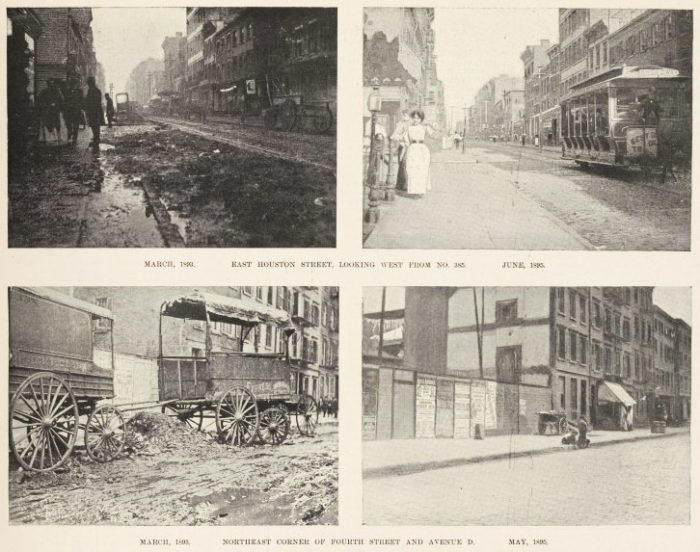
			<itunes:summary><![CDATA[<p>How do we elect people, including a United States President, who act on and steward the environment?</p><p>I'm going to present a plan that I believe can win the next election that transcends the usual divisions that led to today's political situation, political misery, feelings of futility, and filth that we live in in air, land, and water, as well as our bodies.</p><p>The links and images I referred to:</p><ul><li><a href="https://www.foxnews.com/us/disgusting-piles-of-trash-a-fixture-outside-nycs-first-green-school-residents-say" target="_blank">'Disgusting' piles of trash a fixture outside NYC's first 'green' school, residents say</a></li><li><a href="https://www.foxnews.com/us/new-york-city-stops-sewage-train-to-alabama-after-residents-complain-of-horrific-smell" target="_blank">New York City stops sewage train to Alabama after residents complain of ‘horrific’ smell</a></li><li><a href="https://nypost.com/2018/07/08/san-franciscos-crisis-looks-like-new-yorks-future/" target="_blank">San Francisco’s crisis looks like New York’s future</a></li></ul><h1>New York City's 1895 trash and sewage transformation <img src="http://joshuaspodek.com/wp-content/uploads/2018/10/harpers-june-22-1895-700x552.jpg"> </h1><p>&nbsp;</p><p><img src="http://joshuaspodek.com/wp-content/uploads/2018/10/children-and-dead-horse-street-in-new-york-c-1895.jpg"> </p><h1>Buzzfeed videos on getting fit</h1><p><a href="https://www.youtube.com/watch?v=Wm7OtVr7yCE" target="_blank">https://www.youtube.com/watch?v=Wm7OtVr7yCE</a></p><p><a href="https://www.youtube.com/watch?v=5wXbPghYuRs" target="_blank">https://www.youtube.com/watch?v=5wXbPghYuRs</a></p><p><a href="https://www.youtube.com/watch?v=okM3OYaBQGg" target="_blank">https://www.youtube.com/watch?v=okM3OYaBQGg</a></p><br><p><br></p><p><br></p><h1>My electric bill</h1><p><img src="http://joshuaspodek.com/wp-content/uploads/2018/10/coned-700x410.png"> My electric </p><h1>Martha Graham's quote</h1><p>Here is the quote:</p><p>The dancer is realistic. His craft teaches him to be. Either the foot is pointed or it is not. No amount of dreaming will point it for you. This requires discipline, not drill, not something imposed from without, but discipline imposed by you yourself upon yourself.</p><p>Your goal is freedom. But freedom may only be achieved through discipline. In the studio you learn to conform, to submit yourself to the demands of your craft, so that you may finally be free.</p><p>Here it is in her voice:</p><p>[archiveorg MarthaGrahamFree width=640 height=480 frameborder=0 webkitallowfullscreen=true mozallowfullscreen=true]</p><br><p><br></p><p><br></p><h1>Over a year to fill one bag of garbage</h1><p><a href="https://youtu.be/L0Ud7gqcIMg" target="_blank">https://youtu.be/L0Ud7gqcIMg</a></p><br><p><br></p><p><br></p><h1>Feeding 50 people with no packaging at under $3 per person</h1><p><a href="https://www.flickr.com/gp/fahertybrand/1H3090" target="_blank">See the pictures of the event here</a>. Note everyone enjoying themselves.</p><hr><p style='color:grey; font-size:0.75em;'> Hosted on Acast. See <a style='color:grey;' target='_blank' rel='noopener noreferrer' href='https://acast.com/privacy'>acast.com/privacy</a> for more information.</p>]]></itunes:summary>
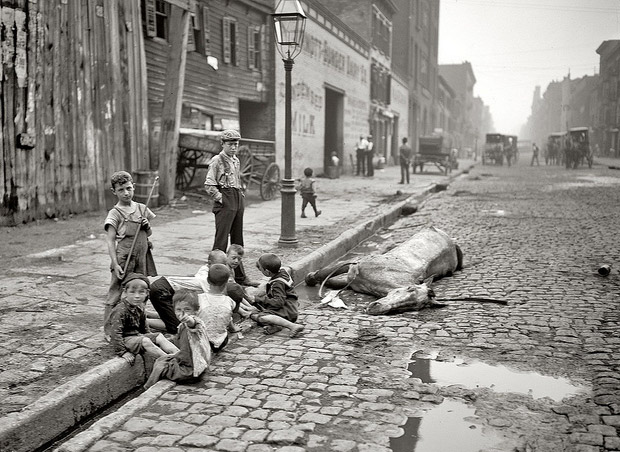
		</item>
		<item>
			<title>092: Paternalism and pride: why fly to Africa to eek out minor efficiencies when we waste hundreds of times more?</title>
			<itunes:title>092: Paternalism and pride: why fly to Africa to eek out minor efficiencies when we waste hundreds of times more?</itunes:title>
			<pubDate>Sat, 06 Oct 2018 15:56:13 GMT</pubDate>
			<itunes:duration>9:10</itunes:duration>
			<enclosure url="https://sphinx.acast.com/p/open/s/5a481aca95dfbf9d13d4dc6f/e/5bb8db1dac8922f843285c2e/media.mp3" length="6610603" type="audio/mpeg"/>
			<guid isPermaLink="false">5bb8db1dac8922f843285c2e</guid>
			<itunes:explicit>false</itunes:explicit>
			<link>https://shows.acast.com/leadership-and-the-environment/episodes/092-paternalism-and-pride-why-fly-to-africa-to-eek-out-minor</link>
			<acast:episodeId>5bb8db1dac8922f843285c2e</acast:episodeId>
			<acast:showId>5a481aca95dfbf9d13d4dc6f</acast:showId>
			<acast:episodeUrl>092-paternalism-and-pride-why-fly-to-africa-to-eek-out-minor</acast:episodeUrl>
			<acast:settings><![CDATA[FYjHyZbXWHZ7gmX8Pp1rmbKbhgrQiwYShz70Q9/ffXZ/Ynvgc/bVSlxbfa1LTdZ/NS0G6+1uBWmuf3KXrHlJ0izxnDClosxN1ZvN1RuhNrkM2D9qk8CT5/T+Vq4AywDnkJ6/yV3Ni4rWAM/iYtvUmlMd38IhuULwHYGCLBynXemQfUfEfVY4wGFDGNJv9/yrm3W/qBlJus83kgrA0OSiuzRP49V5IQcKEqZMCZh9uH0=]]></acast:settings>
			<itunes:episodeType>full</itunes:episodeType>
			<itunes:episode>92</itunes:episode>
			<itunes:image href="https://assets.pippa.io/shows/5a481aca95dfbf9d13d4dc6f/1538840781981-5d4bf853422fe1572f401d38216cb839.jpeg"/>
			<description><![CDATA[<p>First world people pollute hundreds of times more than third world people yet the material prosperity doesn't translate to greater happiness.</p><p>We could reduce our waste by 75% while <em>improving</em> our quality of life, yet we claim we can't do it.</p><p>Yet we travel to the third world to change them!</p><p>Leaders are more effective when humble than proud. Paternalism rarely helps any relationships.</p><p>In this post I explore how we in the first world act with paternalism and pride to justify our extravagant, wasteful behavior, missing how we could learn from others.</p><hr><p style='color:grey; font-size:0.75em;'> Hosted on Acast. See <a style='color:grey;' target='_blank' rel='noopener noreferrer' href='https://acast.com/privacy'>acast.com/privacy</a> for more information.</p>]]></description>
			<itunes:summary><![CDATA[<p>First world people pollute hundreds of times more than third world people yet the material prosperity doesn't translate to greater happiness.</p><p>We could reduce our waste by 75% while <em>improving</em> our quality of life, yet we claim we can't do it.</p><p>Yet we travel to the third world to change them!</p><p>Leaders are more effective when humble than proud. Paternalism rarely helps any relationships.</p><p>In this post I explore how we in the first world act with paternalism and pride to justify our extravagant, wasteful behavior, missing how we could learn from others.</p><hr><p style='color:grey; font-size:0.75em;'> Hosted on Acast. See <a style='color:grey;' target='_blank' rel='noopener noreferrer' href='https://acast.com/privacy'>acast.com/privacy</a> for more information.</p>]]></itunes:summary>
		</item>
		<item>
			<title>091: What Works That We Can Build On</title>
			<itunes:title>091: What Works That We Can Build On</itunes:title>
			<pubDate>Fri, 28 Sep 2018 03:42:25 GMT</pubDate>
			<itunes:duration>14:31</itunes:duration>
			<enclosure url="https://sphinx.acast.com/p/open/s/5a481aca95dfbf9d13d4dc6f/e/5bada3213bb283fc278c1bc5/media.mp3" length="10457186" type="audio/mpeg"/>
			<guid isPermaLink="false">5bada3213bb283fc278c1bc5</guid>
			<itunes:explicit>false</itunes:explicit>
			<link>https://shows.acast.com/leadership-and-the-environment/episodes/091-what-works-that-we-can-build-on</link>
			<acast:episodeId>5bada3213bb283fc278c1bc5</acast:episodeId>
			<acast:showId>5a481aca95dfbf9d13d4dc6f</acast:showId>
			<acast:episodeUrl>091-what-works-that-we-can-build-on</acast:episodeUrl>
			<acast:settings><![CDATA[FYjHyZbXWHZ7gmX8Pp1rmbKbhgrQiwYShz70Q9/ffXZ/Ynvgc/bVSlxbfa1LTdZ/NS0G6+1uBWmuf3KXrHlJ0izxnDClosxN1ZvN1RuhNrkM2D9qk8CT5/T+Vq4AywDnkJ6/yV3Ni4rWAM/iYtvUmjo1RJyM8Ga21ixhdBUyhGL3icDtmiIjfVgoijY1mi64rgF2qnkw2mEGw6M9OQqc6H8SwyV+KBzN9oJNhqQepk0=]]></acast:settings>
			<itunes:episodeType>full</itunes:episodeType>
			<itunes:episode>91</itunes:episode>
			<itunes:image href="https://assets.pippa.io/shows/5a481aca95dfbf9d13d4dc6f/1538105772427-27ad9000feaa89da49e53b2209a68a12.jpeg"/>
			<description><![CDATA[<p>People ask if I think we can make it out of our environmental mess.</p><p>I don't know, but I act on my values.</p><p>Many examples of cultural change suggest we can make it, including</p><ul><li>Smoking</li><li>Drunk driving</li><li>Seat belts</li><li>Leaded gas and paint</li><li>The ozone layer</li><li>Bike lanes in New York City</li><li>My podcast guests</li><li>My podcast</li><li>Starting a sustainability committee</li></ul><p>and more</p><hr><p style='color:grey; font-size:0.75em;'> Hosted on Acast. See <a style='color:grey;' target='_blank' rel='noopener noreferrer' href='https://acast.com/privacy'>acast.com/privacy</a> for more information.</p>]]></description>
			<itunes:summary><![CDATA[<p>People ask if I think we can make it out of our environmental mess.</p><p>I don't know, but I act on my values.</p><p>Many examples of cultural change suggest we can make it, including</p><ul><li>Smoking</li><li>Drunk driving</li><li>Seat belts</li><li>Leaded gas and paint</li><li>The ozone layer</li><li>Bike lanes in New York City</li><li>My podcast guests</li><li>My podcast</li><li>Starting a sustainability committee</li></ul><p>and more</p><hr><p style='color:grey; font-size:0.75em;'> Hosted on Acast. See <a style='color:grey;' target='_blank' rel='noopener noreferrer' href='https://acast.com/privacy'>acast.com/privacy</a> for more information.</p>]]></itunes:summary>
		</item>
		<item>
			<title>090: Obesity and the Environment</title>
			<itunes:title>090: Obesity and the Environment</itunes:title>
			<pubDate>Tue, 25 Sep 2018 19:20:27 GMT</pubDate>
			<itunes:duration>29:15</itunes:duration>
			<enclosure url="https://sphinx.acast.com/p/open/s/5a481aca95dfbf9d13d4dc6f/e/5baa8a7b7641acc43d5020af/media.mp3" length="21066557" type="audio/mpeg"/>
			<guid isPermaLink="false">5baa8a7b7641acc43d5020af</guid>
			<itunes:explicit>false</itunes:explicit>
			<link>https://shows.acast.com/leadership-and-the-environment/episodes/090-obesity-and-the-environment</link>
			<acast:episodeId>5baa8a7b7641acc43d5020af</acast:episodeId>
			<acast:showId>5a481aca95dfbf9d13d4dc6f</acast:showId>
			<acast:episodeUrl>090-obesity-and-the-environment</acast:episodeUrl>
			<acast:settings><![CDATA[FYjHyZbXWHZ7gmX8Pp1rmbKbhgrQiwYShz70Q9/ffXZ/Ynvgc/bVSlxbfa1LTdZ/NS0G6+1uBWmuf3KXrHlJ0izxnDClosxN1ZvN1RuhNrkM2D9qk8CT5/T+Vq4AywDnkJ6/yV3Ni4rWAM/iYtvUmnkuESExQNk2CkRI/sQ52LO51xkhqyYTFwLM+zWYjanTbWIACTjvPM+lJCCVg3Gm3sR804pna8G7+/PmzxiqEfY=]]></acast:settings>
			<itunes:episodeType>full</itunes:episodeType>
			<itunes:episode>90</itunes:episode>
			<itunes:image href="https://assets.pippa.io/shows/5a481aca95dfbf9d13d4dc6f/1537903200313-5f15698e324c61ccdb664d79e1622d7b.jpeg"/>
			<description><![CDATA[<p>How we treat our bodies is how we are treating our environment.</p><p>How we treat the environment is how we are treating our bodies.</p><p>The fat and CO2 concentrations aren't the cause of the problem. The are the effects.</p><p>The cause is our behavior. Our behavior is rooted in our beliefs, emotions, and behaviors.</p><p>If we want to change the effects, we have to change the causes, which is our behavior and changing behavior is the realm of leadership.</p><p>Our environmental and obesity-related behaviors, beliefs, emotions, and motivations are more similar than different, they come from similar cultural trends, they have documented problems of disease and death no matter how people change standards to accept them, there's just no changing standards on suffering and death, and <strong>the way out is through leadership</strong>.</p><hr><p style='color:grey; font-size:0.75em;'> Hosted on Acast. See <a style='color:grey;' target='_blank' rel='noopener noreferrer' href='https://acast.com/privacy'>acast.com/privacy</a> for more information.</p>]]></description>
			<itunes:summary><![CDATA[<p>How we treat our bodies is how we are treating our environment.</p><p>How we treat the environment is how we are treating our bodies.</p><p>The fat and CO2 concentrations aren't the cause of the problem. The are the effects.</p><p>The cause is our behavior. Our behavior is rooted in our beliefs, emotions, and behaviors.</p><p>If we want to change the effects, we have to change the causes, which is our behavior and changing behavior is the realm of leadership.</p><p>Our environmental and obesity-related behaviors, beliefs, emotions, and motivations are more similar than different, they come from similar cultural trends, they have documented problems of disease and death no matter how people change standards to accept them, there's just no changing standards on suffering and death, and <strong>the way out is through leadership</strong>.</p><hr><p style='color:grey; font-size:0.75em;'> Hosted on Acast. See <a style='color:grey;' target='_blank' rel='noopener noreferrer' href='https://acast.com/privacy'>acast.com/privacy</a> for more information.</p>]]></itunes:summary>
		</item>
		<item>
			<title>089: Evelina Utterdahl, part 1: Traveling the world without flying</title>
			<itunes:title>089: Evelina Utterdahl, part 1: Traveling the world without flying</itunes:title>
			<pubDate>Mon, 24 Sep 2018 14:21:42 GMT</pubDate>
			<itunes:duration>46:17</itunes:duration>
			<enclosure url="https://sphinx.acast.com/p/open/s/5a481aca95dfbf9d13d4dc6f/e/5ba8f2f743859f360bdf4ed4/media.mp3" length="44437837" type="audio/mpeg"/>
			<guid isPermaLink="false">5ba8f2f743859f360bdf4ed4</guid>
			<itunes:explicit>false</itunes:explicit>
			<link>https://shows.acast.com/leadership-and-the-environment/episodes/089-evelina-utterdahl-part-1-traveling-the-world-without-fly</link>
			<acast:episodeId>5ba8f2f743859f360bdf4ed4</acast:episodeId>
			<acast:showId>5a481aca95dfbf9d13d4dc6f</acast:showId>
			<acast:episodeUrl>089-evelina-utterdahl-part-1-traveling-the-world-without-fly</acast:episodeUrl>
			<acast:settings><![CDATA[FYjHyZbXWHZ7gmX8Pp1rmbKbhgrQiwYShz70Q9/ffXZ/Ynvgc/bVSlxbfa1LTdZ/NS0G6+1uBWmuf3KXrHlJ0izxnDClosxN1ZvN1RuhNrkM2D9qk8CT5/T+Vq4AywDnkJ6/yV3Ni4rWAM/iYtvUmpBpqa+OoLnhzc6bbHxu4EDwYxduHQzAQflvEQWKcRiLer3jGIuvRV49V+Oz01MNZjOF2xmYgJ+OdT7pAeLBjO4=]]></acast:settings>
			<itunes:episodeType>full</itunes:episodeType>
			<itunes:episode>89</itunes:episode>
			<itunes:image href="https://assets.pippa.io/shows/5a481aca95dfbf9d13d4dc6f/1537798842357-69660446eeb64608d68718aece7a41b4.jpeg"/>
			<description><![CDATA[<p>Evelina&nbsp;Utterdahl&nbsp;travels more than most. She writes travel columns. She loves&nbsp;travel&nbsp;as much as anyone, maybe more.</p><p>Yet she&nbsp;chooses not to fly, as she wrote in <a href="http://www.earthwanderess.com/why-i-have-chosen-to-travel-the-world-without-flying/" target="_blank">Why I have chosen to travel the world without flying</a>.</p><p>If you've had trouble aligning your life with your values, you may learn from her. Part of a growing number of people who think before they fly, she chooses not to fly not out of ignorance or guilt but</p><ul><li>Experience</li><li>Self-awareness</li><li>Desire to learn and grow</li><li>Stewardship of her environment and community</li><li>Fun</li></ul><p>in other words, the important skills of&nbsp;leadership, teamwork, and business success.</p><p>She's practicing in living by her values what many wish we could do but don't have the courage to.</p><p>"Wait," you might say. "Isn't she missing out on the best parts of life? What about family and making a living? I have work. She must not. Probably a trust fund kid."</p><p>On the contrary. She has the same obligations as anyone else. As you'll see, she has learned to get&nbsp;the&nbsp;<em>value</em>&nbsp;and&nbsp;<em>experience</em>&nbsp;of travel without the environmental costs.</p><p><br></p><h1>Fun, joy, discovery</h1><p>Since I avoid flying too, I finally found someone I could share our mutual fun, joy, and discovery, not the usual arguments everyone gives about how flying is necessary.</p><p>This conversation shows two people sharing joy about something people considered impossible. Prepare for your beliefs to be challenged. Prepare to grow.</p><hr><p style='color:grey; font-size:0.75em;'> Hosted on Acast. See <a style='color:grey;' target='_blank' rel='noopener noreferrer' href='https://acast.com/privacy'>acast.com/privacy</a> for more information.</p>]]></description>
			<itunes:summary><![CDATA[<p>Evelina&nbsp;Utterdahl&nbsp;travels more than most. She writes travel columns. She loves&nbsp;travel&nbsp;as much as anyone, maybe more.</p><p>Yet she&nbsp;chooses not to fly, as she wrote in <a href="http://www.earthwanderess.com/why-i-have-chosen-to-travel-the-world-without-flying/" target="_blank">Why I have chosen to travel the world without flying</a>.</p><p>If you've had trouble aligning your life with your values, you may learn from her. Part of a growing number of people who think before they fly, she chooses not to fly not out of ignorance or guilt but</p><ul><li>Experience</li><li>Self-awareness</li><li>Desire to learn and grow</li><li>Stewardship of her environment and community</li><li>Fun</li></ul><p>in other words, the important skills of&nbsp;leadership, teamwork, and business success.</p><p>She's practicing in living by her values what many wish we could do but don't have the courage to.</p><p>"Wait," you might say. "Isn't she missing out on the best parts of life? What about family and making a living? I have work. She must not. Probably a trust fund kid."</p><p>On the contrary. She has the same obligations as anyone else. As you'll see, she has learned to get&nbsp;the&nbsp;<em>value</em>&nbsp;and&nbsp;<em>experience</em>&nbsp;of travel without the environmental costs.</p><p><br></p><h1>Fun, joy, discovery</h1><p>Since I avoid flying too, I finally found someone I could share our mutual fun, joy, and discovery, not the usual arguments everyone gives about how flying is necessary.</p><p>This conversation shows two people sharing joy about something people considered impossible. Prepare for your beliefs to be challenged. Prepare to grow.</p><hr><p style='color:grey; font-size:0.75em;'> Hosted on Acast. See <a style='color:grey;' target='_blank' rel='noopener noreferrer' href='https://acast.com/privacy'>acast.com/privacy</a> for more information.</p>]]></itunes:summary>
		</item>
		<item>
			<title>088: Bea Johnson: The Priestess of Waste-Free Living</title>
			<itunes:title>088: Bea Johnson: The Priestess of Waste-Free Living</itunes:title>
			<pubDate>Thu, 20 Sep 2018 03:24:40 GMT</pubDate>
			<itunes:duration>34:33</itunes:duration>
			<enclosure url="https://sphinx.acast.com/p/open/s/5a481aca95dfbf9d13d4dc6f/e/5ba312f970b289f7213e290f/media.mp3" length="33183868" type="audio/mpeg"/>
			<guid isPermaLink="false">5ba312f970b289f7213e290f</guid>
			<itunes:explicit>false</itunes:explicit>
			<link>https://shows.acast.com/leadership-and-the-environment/episodes/088-bea-johnson-the-priestess-of-waste-free-living</link>
			<acast:episodeId>5ba312f970b289f7213e290f</acast:episodeId>
			<acast:showId>5a481aca95dfbf9d13d4dc6f</acast:showId>
			<acast:episodeUrl>088-bea-johnson-the-priestess-of-waste-free-living</acast:episodeUrl>
			<acast:settings><![CDATA[FYjHyZbXWHZ7gmX8Pp1rmbKbhgrQiwYShz70Q9/ffXZ/Ynvgc/bVSlxbfa1LTdZ/NS0G6+1uBWmuf3KXrHlJ0izxnDClosxN1ZvN1RuhNrkM2D9qk8CT5/T+Vq4AywDnkJ6/yV3Ni4rWAM/iYtvUmuyfQWSvyFPS2h1/FvZ4quRHnpjHtEK+dWsbGDmnN42N9fHrLvyVnRPY6BE+MzW7ipcZ31jEkpy+neI5u5Bubak=]]></acast:settings>
			<itunes:episodeType>full</itunes:episodeType>
			<itunes:episode>88</itunes:episode>
			<itunes:image href="https://assets.pippa.io/shows/5a481aca95dfbf9d13d4dc6f/1537413841737-0c0594e01952a9c8aa4a7658c722a5a8.jpeg"/>
			<description><![CDATA[<p>Bea has become a role model, maybe even a hero to me.</p><p>People keep saying they're impressed with my waste. It's easy to allow your standards to slide.</p><p>One problem: my fellow Americans waste more than nearly anyone in human history. I don't want to relax my cleanliness and integrity.</p><p>Bea has reduced waste for longer and has spoken more about it. She knows what works, what doesn't, how to express it, and more.</p><p>Most of all, <strong>she enjoys it</strong>. Like anyone, she started with doubt and incredulity. She worked through the challenges, which shows that you can too.</p><p>In our conversation she shares what works, how to start, how to face and overcome challenges, and, most of all, how to enjoy living by your values. As with everyone who takes on the difficult challenge of choosing between a deep value and comfort and convenience, the choice improved her life.</p><p>You will find your life improves the same.</p><p>Listening to Bea will get you started.</p><p>For tips and insights on her waste-free lifestyle, join her on <a href="https://facebook.com/ZeroWasteHome" target="_blank">Facebook</a>,&nbsp;<a href="https://www.instagram.com/zerowastehome/" target="_blank">Instagram </a>and<a href="https://www.instagram.com/zerowastehome/" target="_blank">&nbsp;</a><a href="https://twitter.com/zerowastehome" target="_blank">Twitter&nbsp;</a>(@zerowastehome).</p><p>And watch <a href="https://www.youtube.com/user/ZeroWasteHome" target="_blank">her videos</a>, including her multiple <a href="https://www.youtube.com/results?search_query=bea+johnson+ted" target="_blank">TEDx talks</a>.</p><hr><p style='color:grey; font-size:0.75em;'> Hosted on Acast. See <a style='color:grey;' target='_blank' rel='noopener noreferrer' href='https://acast.com/privacy'>acast.com/privacy</a> for more information.</p>]]></description>
			<itunes:summary><![CDATA[<p>Bea has become a role model, maybe even a hero to me.</p><p>People keep saying they're impressed with my waste. It's easy to allow your standards to slide.</p><p>One problem: my fellow Americans waste more than nearly anyone in human history. I don't want to relax my cleanliness and integrity.</p><p>Bea has reduced waste for longer and has spoken more about it. She knows what works, what doesn't, how to express it, and more.</p><p>Most of all, <strong>she enjoys it</strong>. Like anyone, she started with doubt and incredulity. She worked through the challenges, which shows that you can too.</p><p>In our conversation she shares what works, how to start, how to face and overcome challenges, and, most of all, how to enjoy living by your values. As with everyone who takes on the difficult challenge of choosing between a deep value and comfort and convenience, the choice improved her life.</p><p>You will find your life improves the same.</p><p>Listening to Bea will get you started.</p><p>For tips and insights on her waste-free lifestyle, join her on <a href="https://facebook.com/ZeroWasteHome" target="_blank">Facebook</a>,&nbsp;<a href="https://www.instagram.com/zerowastehome/" target="_blank">Instagram </a>and<a href="https://www.instagram.com/zerowastehome/" target="_blank">&nbsp;</a><a href="https://twitter.com/zerowastehome" target="_blank">Twitter&nbsp;</a>(@zerowastehome).</p><p>And watch <a href="https://www.youtube.com/user/ZeroWasteHome" target="_blank">her videos</a>, including her multiple <a href="https://www.youtube.com/results?search_query=bea+johnson+ted" target="_blank">TEDx talks</a>.</p><hr><p style='color:grey; font-size:0.75em;'> Hosted on Acast. See <a style='color:grey;' target='_blank' rel='noopener noreferrer' href='https://acast.com/privacy'>acast.com/privacy</a> for more information.</p>]]></itunes:summary>
		</item>
		<item>
			<title>087: The U.S. Constitution guides my environmental behavior</title>
			<itunes:title>087: The U.S. Constitution guides my environmental behavior</itunes:title>
			<pubDate>Mon, 17 Sep 2018 17:38:11 GMT</pubDate>
			<itunes:duration>12:30</itunes:duration>
			<enclosure url="https://sphinx.acast.com/p/open/s/5a481aca95dfbf9d13d4dc6f/e/5b9fe68431a35a390556f26e/media.mp3" length="9003942" type="audio/mpeg"/>
			<guid isPermaLink="false">5b9fe68431a35a390556f26e</guid>
			<itunes:explicit>false</itunes:explicit>
			<link>https://shows.acast.com/leadership-and-the-environment/episodes/087-the-us-constitution-guides-my-environmental-behavior</link>
			<acast:episodeId>5b9fe68431a35a390556f26e</acast:episodeId>
			<acast:showId>5a481aca95dfbf9d13d4dc6f</acast:showId>
			<acast:episodeUrl>087-the-us-constitution-guides-my-environmental-behavior</acast:episodeUrl>
			<acast:settings><![CDATA[FYjHyZbXWHZ7gmX8Pp1rmbKbhgrQiwYShz70Q9/ffXZ/Ynvgc/bVSlxbfa1LTdZ/NS0G6+1uBWmuf3KXrHlJ0izxnDClosxN1ZvN1RuhNrkM2D9qk8CT5/T+Vq4AywDnkJ6/yV3Ni4rWAM/iYtvUmmjkzIhln9dcWI4CfFEjmYvYbyneioK8oPptLYS2UAo7ICWAzxE90b3XoflgFIi9LxMtxLZcOuBs6yOBQEAOx+s=]]></acast:settings>
			<itunes:episodeType>full</itunes:episodeType>
			<itunes:episode>87</itunes:episode>
			<itunes:image href="https://assets.pippa.io/shows/5a481aca95dfbf9d13d4dc6f/1537205510743-8230bf55b2ecbb1c3b3ad444f7ace429.jpeg"/>
			<description><![CDATA[<p>Why do I think about the United States Constitution when my pressure cooker finishes cooking? Or when I leave a room?</p><p>The U.S. Constitution guides my environmental behavior and has since I learned it in elementary school.</p><p>Today is U.S. Constitution Day since today in 1787 the delegates to the Constitutional Convention signed the document in Philadelphia and that's why today I'm sharing why I love the document, live by it, and think about it daily---specifically Article VI, paragraph 2, which I read and talk about in today's post.</p><hr><p style='color:grey; font-size:0.75em;'> Hosted on Acast. See <a style='color:grey;' target='_blank' rel='noopener noreferrer' href='https://acast.com/privacy'>acast.com/privacy</a> for more information.</p>]]></description>
			<itunes:summary><![CDATA[<p>Why do I think about the United States Constitution when my pressure cooker finishes cooking? Or when I leave a room?</p><p>The U.S. Constitution guides my environmental behavior and has since I learned it in elementary school.</p><p>Today is U.S. Constitution Day since today in 1787 the delegates to the Constitutional Convention signed the document in Philadelphia and that's why today I'm sharing why I love the document, live by it, and think about it daily---specifically Article VI, paragraph 2, which I read and talk about in today's post.</p><hr><p style='color:grey; font-size:0.75em;'> Hosted on Acast. See <a style='color:grey;' target='_blank' rel='noopener noreferrer' href='https://acast.com/privacy'>acast.com/privacy</a> for more information.</p>]]></itunes:summary>
		</item>
		<item>
			<title>086: Awareness means nothing. Or less.</title>
			<itunes:title>086: Awareness means nothing. Or less.</itunes:title>
			<pubDate>Wed, 12 Sep 2018 11:46:49 GMT</pubDate>
			<itunes:duration>10:53</itunes:duration>
			<enclosure url="https://sphinx.acast.com/p/open/s/5a481aca95dfbf9d13d4dc6f/e/5b87e9d0dcde974a50d9f219/media.mp3" length="7845986" type="audio/mpeg"/>
			<guid isPermaLink="false">5b87e9d0dcde974a50d9f219</guid>
			<itunes:explicit>false</itunes:explicit>
			<link>https://shows.acast.com/leadership-and-the-environment/episodes/86-awareness-means-nothing-or-less</link>
			<acast:episodeId>5b87e9d0dcde974a50d9f219</acast:episodeId>
			<acast:showId>5a481aca95dfbf9d13d4dc6f</acast:showId>
			<acast:episodeUrl>86-awareness-means-nothing-or-less</acast:episodeUrl>
			<acast:settings><![CDATA[FYjHyZbXWHZ7gmX8Pp1rmbKbhgrQiwYShz70Q9/ffXZ/Ynvgc/bVSlxbfa1LTdZ/NS0G6+1uBWmuf3KXrHlJ0izxnDClosxN1ZvN1RuhNrkM2D9qk8CT5/T+Vq4AywDnkJ6/yV3Ni4rWAM/iYtvUmjL2UaoXPtq6FjYjADtfQUostWqe+8CqunHWfDOYrYNvaklPaCPYrGd4YH/j5ycI86IOjffePz89YknhlZMhKM0=]]></acast:settings>
			<itunes:episodeType>full</itunes:episodeType>
			<itunes:episode>86</itunes:episode>
			<itunes:image href="https://assets.pippa.io/shows/5a481aca95dfbf9d13d4dc6f/1607568708606-ddbbab92b7e0736c16ba3a24a6ef974f.jpeg"/>
			<description><![CDATA[<p>Neither the environment nor your life responds to your awareness. They respond to your behavior.</p><p>People who speak the truth say, "I'm telling the truth." People who lie say the same thing.</p><p>People who are aware say they are aware. People who are unaware say the same thing too. Only we're all unaware of what we're unaware of. Saying we're aware only reveals our ignorance of our unawareness. That's pride.</p><p>If you want to improve the environment or your life, claiming awareness may sound like progress and may get you social approval, but in more cases it stops people from acting.</p><p>What works? Humility. Viewing action as skills that you develop and practice. How do you develop skills? Practice, practice, practice.</p><p>The results? Greatness, authenticity, genuine self-expression, and all the other results of mastery, even from environmental skills.</p><p>Want results? Avoid seeing awareness as a goal. Act. Do. Develop skills.</p><hr><p style='color:grey; font-size:0.75em;'> Hosted on Acast. See <a style='color:grey;' target='_blank' rel='noopener noreferrer' href='https://acast.com/privacy'>acast.com/privacy</a> for more information.</p>]]></description>
			<itunes:summary><![CDATA[<p>Neither the environment nor your life responds to your awareness. They respond to your behavior.</p><p>People who speak the truth say, "I'm telling the truth." People who lie say the same thing.</p><p>People who are aware say they are aware. People who are unaware say the same thing too. Only we're all unaware of what we're unaware of. Saying we're aware only reveals our ignorance of our unawareness. That's pride.</p><p>If you want to improve the environment or your life, claiming awareness may sound like progress and may get you social approval, but in more cases it stops people from acting.</p><p>What works? Humility. Viewing action as skills that you develop and practice. How do you develop skills? Practice, practice, practice.</p><p>The results? Greatness, authenticity, genuine self-expression, and all the other results of mastery, even from environmental skills.</p><p>Want results? Avoid seeing awareness as a goal. Act. Do. Develop skills.</p><hr><p style='color:grey; font-size:0.75em;'> Hosted on Acast. See <a style='color:grey;' target='_blank' rel='noopener noreferrer' href='https://acast.com/privacy'>acast.com/privacy</a> for more information.</p>]]></itunes:summary>
		</item>
		<item>
			<title>085: Daniel Bauer, part 2, Going car-free is beautiful</title>
			<itunes:title>085: Daniel Bauer, part 2, Going car-free is beautiful</itunes:title>
			<pubDate>Tue, 11 Sep 2018 10:02:52 GMT</pubDate>
			<itunes:duration>26:51</itunes:duration>
			<enclosure url="https://sphinx.acast.com/p/open/s/5a481aca95dfbf9d13d4dc6f/e/5b7d9aedef5c7548230b5653/media.mp3" length="25981393" type="audio/mpeg"/>
			<guid isPermaLink="false">5b7d9aedef5c7548230b5653</guid>
			<itunes:explicit>false</itunes:explicit>
			<link>https://shows.acast.com/leadership-and-the-environment/episodes/daniel-bauer-part-2</link>
			<acast:episodeId>5b7d9aedef5c7548230b5653</acast:episodeId>
			<acast:showId>5a481aca95dfbf9d13d4dc6f</acast:showId>
			<acast:episodeUrl>daniel-bauer-part-2</acast:episodeUrl>
			<acast:settings><![CDATA[FYjHyZbXWHZ7gmX8Pp1rmbKbhgrQiwYShz70Q9/ffXZ/Ynvgc/bVSlxbfa1LTdZ/NS0G6+1uBWmuf3KXrHlJ0izxnDClosxN1ZvN1RuhNrkM2D9qk8CT5/T+Vq4AywDnkJ6/yV3Ni4rWAM/iYtvUmvogu4OBJNxr37SqnOpazlqeNND4wplonHjoJdYE8Rx0X2C0yHvFs4BQmTdGsE0XxMvl0tFUZpOHAHMogT7oWyA=]]></acast:settings>
			<itunes:episodeType>full</itunes:episodeType>
			<itunes:episode>85</itunes:episode>
			<itunes:image href="https://assets.pippa.io/shows/5a481aca95dfbf9d13d4dc6f/1534958248093-201b5e7a8795b5fc04cfe5254bd3025c.jpeg"/>
			<description><![CDATA[<p>Going car-free is beautiful</p><br><p>Daniel got rid of a car! He chose to from Texas!</p><br><p>And he thanks me for inspiring him.</p><p>Would you think losing a car would cripple your life? Listen on to hear how it brought him joy and happiness. Yes, that's right. Getting rid of what Americans associate with freedom and independence brought him more freedom and independence.</p><br><p>Daniel discusses enjoying not having a car. Being able to ride his bike everywhere has changed his perspectives in ways he couldn't have predicted. We also discuss the challenges including the weather and if curses me during these times of struggle.&nbsp;</p><br><p>You’ll also hear how Daniel uses my book to teach peer leaders in his mastermind groups on perspective and leadership.&nbsp;</p><hr><p style='color:grey; font-size:0.75em;'> Hosted on Acast. See <a style='color:grey;' target='_blank' rel='noopener noreferrer' href='https://acast.com/privacy'>acast.com/privacy</a> for more information.</p>]]></description>
			<itunes:summary><![CDATA[<p>Going car-free is beautiful</p><br><p>Daniel got rid of a car! He chose to from Texas!</p><br><p>And he thanks me for inspiring him.</p><p>Would you think losing a car would cripple your life? Listen on to hear how it brought him joy and happiness. Yes, that's right. Getting rid of what Americans associate with freedom and independence brought him more freedom and independence.</p><br><p>Daniel discusses enjoying not having a car. Being able to ride his bike everywhere has changed his perspectives in ways he couldn't have predicted. We also discuss the challenges including the weather and if curses me during these times of struggle.&nbsp;</p><br><p>You’ll also hear how Daniel uses my book to teach peer leaders in his mastermind groups on perspective and leadership.&nbsp;</p><hr><p style='color:grey; font-size:0.75em;'> Hosted on Acast. See <a style='color:grey;' target='_blank' rel='noopener noreferrer' href='https://acast.com/privacy'>acast.com/privacy</a> for more information.</p>]]></itunes:summary>
		</item>
		<item>
			<title>084: Geoffrey West, part 1: Simplicity beneath it all</title>
			<itunes:title>084: Geoffrey West, part 1: Simplicity beneath it all</itunes:title>
			<pubDate>Mon, 10 Sep 2018 12:00:55 GMT</pubDate>
			<itunes:duration>1:28:33</itunes:duration>
			<enclosure url="https://sphinx.acast.com/p/open/s/5a481aca95dfbf9d13d4dc6f/e/5b847fde5121cc03595665ff/media.mp3" length="85017076" type="audio/mpeg"/>
			<guid isPermaLink="false">5b847fde5121cc03595665ff</guid>
			<itunes:explicit>false</itunes:explicit>
			<link>https://shows.acast.com/leadership-and-the-environment/episodes/084-geoffrey-west-part-1-simplicity-beneath-it-all</link>
			<acast:episodeId>5b847fde5121cc03595665ff</acast:episodeId>
			<acast:showId>5a481aca95dfbf9d13d4dc6f</acast:showId>
			<acast:episodeUrl>084-geoffrey-west-part-1-simplicity-beneath-it-all</acast:episodeUrl>
			<acast:settings><![CDATA[FYjHyZbXWHZ7gmX8Pp1rmbKbhgrQiwYShz70Q9/ffXZ/Ynvgc/bVSlxbfa1LTdZ/NS0G6+1uBWmuf3KXrHlJ0izxnDClosxN1ZvN1RuhNrkM2D9qk8CT5/T+Vq4AywDnkJ6/yV3Ni4rWAM/iYtvUmtxW8qa4RZ0i3KhnStJtMw24UHueLK5jCBuyPP9/R2tCI6/IxCbbBknhgCepWnbOTlrzAStyB3V07OglJMJr/lo=]]></acast:settings>
			<itunes:episodeType>full</itunes:episodeType>
			<itunes:episode>84</itunes:episode>
			<itunes:image href="https://assets.pippa.io/shows/5a481aca95dfbf9d13d4dc6f/1535410105590-1358698004682e69c7a45564cf2b3df3.jpeg"/>
			<description><![CDATA[<p>Geoffrey West's work beautifully and elegantly ties biology to how we interact with our environment. Amazingly, his unique views lead to the same conclusions as mine, though coming from totally unrelated directions.</p><p>You've never seen work like his.</p><p>If you love nature and science, you'll love Geoffrey's approach. You'll see life and death in new ways.</p><p>I hope you'll also catch my enthusiasm for his view and a chemistry in our conversation, which I see stemming from the passion and view of the world physicists have that drew me to the field and that tell us new, important things.</p><p>I kept the conversation mostly intact since if you like nature, you'll appreciate his views. If so, I urge you to stick through to the end, where his views converge with mine.</p><hr><p style='color:grey; font-size:0.75em;'> Hosted on Acast. See <a style='color:grey;' target='_blank' rel='noopener noreferrer' href='https://acast.com/privacy'>acast.com/privacy</a> for more information.</p>]]></description>
			<itunes:summary><![CDATA[<p>Geoffrey West's work beautifully and elegantly ties biology to how we interact with our environment. Amazingly, his unique views lead to the same conclusions as mine, though coming from totally unrelated directions.</p><p>You've never seen work like his.</p><p>If you love nature and science, you'll love Geoffrey's approach. You'll see life and death in new ways.</p><p>I hope you'll also catch my enthusiasm for his view and a chemistry in our conversation, which I see stemming from the passion and view of the world physicists have that drew me to the field and that tell us new, important things.</p><p>I kept the conversation mostly intact since if you like nature, you'll appreciate his views. If so, I urge you to stick through to the end, where his views converge with mine.</p><hr><p style='color:grey; font-size:0.75em;'> Hosted on Acast. See <a style='color:grey;' target='_blank' rel='noopener noreferrer' href='https://acast.com/privacy'>acast.com/privacy</a> for more information.</p>]]></itunes:summary>
		</item>
		<item>
			<title>083: Alisa Cohn, part2: Gurus are people too</title>
			<itunes:title>083: Alisa Cohn, part2: Gurus are people too</itunes:title>
			<pubDate>Sat, 08 Sep 2018 12:00:43 GMT</pubDate>
			<itunes:duration>31:25</itunes:duration>
			<enclosure url="https://sphinx.acast.com/p/open/s/5a481aca95dfbf9d13d4dc6f/e/5b847442cf28a25d0ecf365f/media.mp3" length="30168710" type="audio/mpeg"/>
			<guid isPermaLink="false">5b847442cf28a25d0ecf365f</guid>
			<itunes:explicit>false</itunes:explicit>
			<link>https://shows.acast.com/leadership-and-the-environment/episodes/083-alisa-cohn-part2-when-a-guru-stumbles</link>
			<acast:episodeId>5b847442cf28a25d0ecf365f</acast:episodeId>
			<acast:showId>5a481aca95dfbf9d13d4dc6f</acast:showId>
			<acast:episodeUrl>083-alisa-cohn-part2-when-a-guru-stumbles</acast:episodeUrl>
			<acast:settings><![CDATA[FYjHyZbXWHZ7gmX8Pp1rmbKbhgrQiwYShz70Q9/ffXZ/Ynvgc/bVSlxbfa1LTdZ/NS0G6+1uBWmuf3KXrHlJ0izxnDClosxN1ZvN1RuhNrkM2D9qk8CT5/T+Vq4AywDnkJ6/yV3Ni4rWAM/iYtvUmiwnMgzrbqICmD5rEHLVPwtSrT7Mk9mwVKyqcdtK/yfOo+93slfvrgj5iS6Vj1/HkA7zlckqB02RJvm/U2sfnbw=]]></acast:settings>
			<itunes:episodeType>full</itunes:episodeType>
			<itunes:episode>83</itunes:episode>
			<itunes:image href="https://assets.pippa.io/shows/5a481aca95dfbf9d13d4dc6f/1535406798216-d72131c2d2101c793f1c093aecc3f344.jpeg"/>
			<description><![CDATA[<p>Alisa shares what happens behind the scenes to everyone, including world-ranked coaches and speakers.</p><p>Listening to a podcast with <em>leadership</em> in the title means you've probably read many gurus' books and watched their videos, which are all edited and produced to make them look perfect.</p><p>We know they aren't perfect.</p><p>Alisa is humble, open, and generous enough to share what few top leaders do.</p><p>I bet you'll find her reactions very similar to yours, but I bet also with key differences. Those differences in how she handles not meeting her expectations are what put her on those world rankings.</p><hr><p style='color:grey; font-size:0.75em;'> Hosted on Acast. See <a style='color:grey;' target='_blank' rel='noopener noreferrer' href='https://acast.com/privacy'>acast.com/privacy</a> for more information.</p>]]></description>
			<itunes:summary><![CDATA[<p>Alisa shares what happens behind the scenes to everyone, including world-ranked coaches and speakers.</p><p>Listening to a podcast with <em>leadership</em> in the title means you've probably read many gurus' books and watched their videos, which are all edited and produced to make them look perfect.</p><p>We know they aren't perfect.</p><p>Alisa is humble, open, and generous enough to share what few top leaders do.</p><p>I bet you'll find her reactions very similar to yours, but I bet also with key differences. Those differences in how she handles not meeting her expectations are what put her on those world rankings.</p><hr><p style='color:grey; font-size:0.75em;'> Hosted on Acast. See <a style='color:grey;' target='_blank' rel='noopener noreferrer' href='https://acast.com/privacy'>acast.com/privacy</a> for more information.</p>]]></itunes:summary>
		</item>
		<item>
			<title>082: Ben Feder, Part 1, Take off your shoes</title>
			<itunes:title>082: Ben Feder, Part 1, Take off your shoes</itunes:title>
			<pubDate>Fri, 07 Sep 2018 07:00:34 GMT</pubDate>
			<itunes:duration>26:59</itunes:duration>
			<enclosure url="https://sphinx.acast.com/p/open/s/5a481aca95dfbf9d13d4dc6f/e/5b7da170ad8d04697c943d2d/media.mp3" length="24943722" type="audio/mpeg"/>
			<guid isPermaLink="false">5b7da170ad8d04697c943d2d</guid>
			<itunes:explicit>false</itunes:explicit>
			<link>https://shows.acast.com/leadership-and-the-environment/episodes/082-ben-feder-part-1-take-off-your-shoes</link>
			<acast:episodeId>5b7da170ad8d04697c943d2d</acast:episodeId>
			<acast:showId>5a481aca95dfbf9d13d4dc6f</acast:showId>
			<acast:episodeUrl>082-ben-feder-part-1-take-off-your-shoes</acast:episodeUrl>
			<acast:settings><![CDATA[FYjHyZbXWHZ7gmX8Pp1rmbKbhgrQiwYShz70Q9/ffXZ/Ynvgc/bVSlxbfa1LTdZ/NS0G6+1uBWmuf3KXrHlJ0izxnDClosxN1ZvN1RuhNrkM2D9qk8CT5/T+Vq4AywDnkJ6/yV3Ni4rWAM/iYtvUmlnus40Rd64K0cjSOi9DUIBpXQVfG8rrCoP3ce7MgiimrzwKpVHfJv0/VJFwFJccIKj/1FJRUxT09v5FzjYyEjw=]]></acast:settings>
			<itunes:episodeType>full</itunes:episodeType>
			<itunes:episode>82</itunes:episode>
			<itunes:image href="https://assets.pippa.io/shows/5a481aca95dfbf9d13d4dc6f/1534959920974-a51fc9405d386c7d39c3be278faeb753.jpeg"/>
			<description><![CDATA[<p>Ben Feder is a high level executive who realized he was losing the things that were important to him due to his pursuit of success -- until then defined by others' values.&nbsp;</p><br><p>We talk about him taking a year sabbatical with his whole family in Africa, Asia, and Bali, and how it transformed his life and his family.</p><br><p>I share how much I’m enjoying his book and how even though he wrote it for his family, its being personal makes it more universal.&nbsp;</p><br><p>If you've thought about an extended retreat, Ben's insight and experience will help you with your vision.</p><hr><p style='color:grey; font-size:0.75em;'> Hosted on Acast. See <a style='color:grey;' target='_blank' rel='noopener noreferrer' href='https://acast.com/privacy'>acast.com/privacy</a> for more information.</p>]]></description>
			<itunes:summary><![CDATA[<p>Ben Feder is a high level executive who realized he was losing the things that were important to him due to his pursuit of success -- until then defined by others' values.&nbsp;</p><br><p>We talk about him taking a year sabbatical with his whole family in Africa, Asia, and Bali, and how it transformed his life and his family.</p><br><p>I share how much I’m enjoying his book and how even though he wrote it for his family, its being personal makes it more universal.&nbsp;</p><br><p>If you've thought about an extended retreat, Ben's insight and experience will help you with your vision.</p><hr><p style='color:grey; font-size:0.75em;'> Hosted on Acast. See <a style='color:grey;' target='_blank' rel='noopener noreferrer' href='https://acast.com/privacy'>acast.com/privacy</a> for more information.</p>]]></itunes:summary>
		</item>
		<item>
			<title>081: Jonathan Haidt: The Coddling of the American Mind</title>
			<itunes:title>081: Jonathan Haidt: The Coddling of the American Mind</itunes:title>
			<pubDate>Tue, 04 Sep 2018 12:41:25 GMT</pubDate>
			<itunes:duration>36:58</itunes:duration>
			<enclosure url="https://sphinx.acast.com/p/open/s/5a481aca95dfbf9d13d4dc6f/e/5b8e7d76ff4af14b6ec625ef/media.mp3" length="35503541" type="audio/mpeg"/>
			<guid isPermaLink="false">5b8e7d76ff4af14b6ec625ef</guid>
			<itunes:explicit>false</itunes:explicit>
			<link>https://shows.acast.com/leadership-and-the-environment/episodes/081-jonathan-haidt-the-coddling-of-the-american-mind</link>
			<acast:episodeId>5b8e7d76ff4af14b6ec625ef</acast:episodeId>
			<acast:showId>5a481aca95dfbf9d13d4dc6f</acast:showId>
			<acast:episodeUrl>081-jonathan-haidt-the-coddling-of-the-american-mind</acast:episodeUrl>
			<acast:settings><![CDATA[FYjHyZbXWHZ7gmX8Pp1rmbKbhgrQiwYShz70Q9/ffXZ/Ynvgc/bVSlxbfa1LTdZ/NS0G6+1uBWmuf3KXrHlJ0izxnDClosxN1ZvN1RuhNrkM2D9qk8CT5/T+Vq4AywDnkJ6/yV3Ni4rWAM/iYtvUmhZlIaIlqoUmYcPZ8LrhwLtQ24LNmDlPuR9G8JtDdmtdkRJV33CY45kWHCE8quH/EopgnFHECrKogY8cGJr3RdY=]]></acast:settings>
			<itunes:episodeType>full</itunes:episodeType>
			<itunes:episode>81</itunes:episode>
			<itunes:image href="https://assets.pippa.io/shows/5a481aca95dfbf9d13d4dc6f/1536064259055-30bc7b1d4a6894a4089d5a44af51bbfa.jpeg"/>
			<description><![CDATA[<p>I met Jonathan at the <a href="https://www.worldsciencefestival.com/programs/roots-extremism-fundamentalist-brain" target="_blank">World Science Festival</a> and recorded a<a href="http://joshuaspodek.com/guests/jonathan-haidt" target="_blank"><u>&nbsp;podcast interview of him</u></a>&nbsp;that changed my approach to leadership—in principle and in practice. I seek more opposing views. I listen more. I look to learn their intent and the beliefs and values motivating that intent. I challenge myself more.</p><p>As he colorfully&nbsp;<a href="http://joshuaspodek.com/guests/jonathan-haidt" target="_blank">said to me</a>:</p><p class="ql-indent-1"><em>We are going through an extraordinary time in which social media and other recent changes are turning us all into self-righteous jerks.</em></p><p class="ql-indent-1"><em>Our combined jerkitude threatens to destroy society.</em></p><p class="ql-indent-1"><em>We all have to turn it down, be more humble. We don't know the truth. We don't have privileged access to the truth and we have to give each other the benefit of the doubt.</em></p><br><p><span class="ql-cursor">﻿</span>The links Jonathan mentioned:</p><ul><li><a href="https://righteousmind.com/about-the-book/discussions-of-the-book/" target="_blank">Resources on environmental action based on The Righteous Mind</a></li><li class="ql-indent-1">Feinberg &amp; Willer (2012). <a href="http://pss.sagepub.com/content/24/1/56.short" target="_blank">The Moral Roots of Environmental Attitudes</a>. <em>Psychological Science. S</em>hows that messages that speak to conservatives’ morals narrow partisan gap on environment. See essay summarizing the research <a href="http://www.sciencedaily.com/releases/2012/12/121210163749.htm?utm_source=feedburner&amp;utm_medium=email&amp;utm_campaign=Feed%3A+sciencedaily+%28ScienceDaily%3A+Latest+Science+News%29" target="_blank">here.</a></li><li class="ql-indent-1">Kidwell, Farmer, &amp; Hardesty (2013),&nbsp;<a href="http://www.jstor.org/stable/10.1086/670610" target="_blank">Getting Liberals and Conservatives to Go Green</a>: Political Ideology and Congruent Appeals. <em>Journal of Consumer Research</em>. Shows that messages framed using the right moral foundations can appeal to conservatives or liberals, on recycling.</li><li class="ql-indent-1">Day, Fiske et al. (2014). <a href="http://scholar.harvard.edu/files/mday/files/day_fiske_downing_trail_inpress_shifting_attitudes_using_moral_foundations_0.pdf" target="_blank">Shifting Liberal and Conservative Attitudes Using Moral Foundations Theory</a>. PSPB.</li><li class="ql-indent-1">Wolsko, Ariceaga, &amp; Seiden (2016). <a href="http://www.sciencedirect.com/science/article/pii/S0022103116301056" target="_blank">Red, white, and blue enough to be green</a>: Effects of moral framing on climate change attitudes and conservation behaviors.&nbsp;<em>Journal of Experimental Social Psychology</em>.&nbsp;From the abstract: “While liberals did not generally differ across conditions, conservatives shifted substantially in the pro-environmental direction after exposure to a binding moral frame, in which protecting the natural environment was portrayed as a matter of obeying authority, defending the purity of nature, and demonstrating one’s patriotism to the United States.”</li><li><a href="https://heterodoxacademy.org/resources/tools/" target="_blank">John Stuart Mill's <em>On Liberty</em></a> (edited and illustrated by Jonathan and collaborators) at <a href="https://heterodoxacademy.org" target="_blank">Heterodox Academy</a></li><li><a href="http://www.yourmorals.org/index.php" target="_blank">YourMorals.org</a>, where you can explore your morality</li></ul><p><br></p><hr><p style='color:grey; font-size:0.75em;'> Hosted on Acast. See <a style='color:grey;' target='_blank' rel='noopener noreferrer' href='https://acast.com/privacy'>acast.com/privacy</a> for more information.</p>]]></description>
			<itunes:summary><![CDATA[<p>I met Jonathan at the <a href="https://www.worldsciencefestival.com/programs/roots-extremism-fundamentalist-brain" target="_blank">World Science Festival</a> and recorded a<a href="http://joshuaspodek.com/guests/jonathan-haidt" target="_blank"><u>&nbsp;podcast interview of him</u></a>&nbsp;that changed my approach to leadership—in principle and in practice. I seek more opposing views. I listen more. I look to learn their intent and the beliefs and values motivating that intent. I challenge myself more.</p><p>As he colorfully&nbsp;<a href="http://joshuaspodek.com/guests/jonathan-haidt" target="_blank">said to me</a>:</p><p class="ql-indent-1"><em>We are going through an extraordinary time in which social media and other recent changes are turning us all into self-righteous jerks.</em></p><p class="ql-indent-1"><em>Our combined jerkitude threatens to destroy society.</em></p><p class="ql-indent-1"><em>We all have to turn it down, be more humble. We don't know the truth. We don't have privileged access to the truth and we have to give each other the benefit of the doubt.</em></p><br><p><span class="ql-cursor">﻿</span>The links Jonathan mentioned:</p><ul><li><a href="https://righteousmind.com/about-the-book/discussions-of-the-book/" target="_blank">Resources on environmental action based on The Righteous Mind</a></li><li class="ql-indent-1">Feinberg &amp; Willer (2012). <a href="http://pss.sagepub.com/content/24/1/56.short" target="_blank">The Moral Roots of Environmental Attitudes</a>. <em>Psychological Science. S</em>hows that messages that speak to conservatives’ morals narrow partisan gap on environment. See essay summarizing the research <a href="http://www.sciencedaily.com/releases/2012/12/121210163749.htm?utm_source=feedburner&amp;utm_medium=email&amp;utm_campaign=Feed%3A+sciencedaily+%28ScienceDaily%3A+Latest+Science+News%29" target="_blank">here.</a></li><li class="ql-indent-1">Kidwell, Farmer, &amp; Hardesty (2013),&nbsp;<a href="http://www.jstor.org/stable/10.1086/670610" target="_blank">Getting Liberals and Conservatives to Go Green</a>: Political Ideology and Congruent Appeals. <em>Journal of Consumer Research</em>. Shows that messages framed using the right moral foundations can appeal to conservatives or liberals, on recycling.</li><li class="ql-indent-1">Day, Fiske et al. (2014). <a href="http://scholar.harvard.edu/files/mday/files/day_fiske_downing_trail_inpress_shifting_attitudes_using_moral_foundations_0.pdf" target="_blank">Shifting Liberal and Conservative Attitudes Using Moral Foundations Theory</a>. PSPB.</li><li class="ql-indent-1">Wolsko, Ariceaga, &amp; Seiden (2016). <a href="http://www.sciencedirect.com/science/article/pii/S0022103116301056" target="_blank">Red, white, and blue enough to be green</a>: Effects of moral framing on climate change attitudes and conservation behaviors.&nbsp;<em>Journal of Experimental Social Psychology</em>.&nbsp;From the abstract: “While liberals did not generally differ across conditions, conservatives shifted substantially in the pro-environmental direction after exposure to a binding moral frame, in which protecting the natural environment was portrayed as a matter of obeying authority, defending the purity of nature, and demonstrating one’s patriotism to the United States.”</li><li><a href="https://heterodoxacademy.org/resources/tools/" target="_blank">John Stuart Mill's <em>On Liberty</em></a> (edited and illustrated by Jonathan and collaborators) at <a href="https://heterodoxacademy.org" target="_blank">Heterodox Academy</a></li><li><a href="http://www.yourmorals.org/index.php" target="_blank">YourMorals.org</a>, where you can explore your morality</li></ul><p><br></p><hr><p style='color:grey; font-size:0.75em;'> Hosted on Acast. See <a style='color:grey;' target='_blank' rel='noopener noreferrer' href='https://acast.com/privacy'>acast.com/privacy</a> for more information.</p>]]></itunes:summary>
		</item>
		<item>
			<title>080: Nataly Kogan, Part 1, Influencing others to live happier</title>
			<itunes:title>080: Nataly Kogan, Part 1, Influencing others to live happier</itunes:title>
			<pubDate>Fri, 31 Aug 2018 07:00:48 GMT</pubDate>
			<itunes:duration>30:57</itunes:duration>
			<enclosure url="https://sphinx.acast.com/p/open/s/5a481aca95dfbf9d13d4dc6f/e/5b7d65a8b779e95745817e1f/media.mp3" length="29680487" type="audio/mpeg"/>
			<guid isPermaLink="false">5b7d65a8b779e95745817e1f</guid>
			<itunes:explicit>false</itunes:explicit>
			<link>https://shows.acast.com/leadership-and-the-environment/episodes/nataly_kogan_part1</link>
			<acast:episodeId>5b7d65a8b779e95745817e1f</acast:episodeId>
			<acast:showId>5a481aca95dfbf9d13d4dc6f</acast:showId>
			<acast:episodeUrl>nataly_kogan_part1</acast:episodeUrl>
			<acast:settings><![CDATA[FYjHyZbXWHZ7gmX8Pp1rmbKbhgrQiwYShz70Q9/ffXZ/Ynvgc/bVSlxbfa1LTdZ/NS0G6+1uBWmuf3KXrHlJ0izxnDClosxN1ZvN1RuhNrkM2D9qk8CT5/T+Vq4AywDnkJ6/yV3Ni4rWAM/iYtvUmqwZHKz/FA0PrC4LaVbjZYhztaVi+s2Jigp0YJ3C93lfX/w6l489plon4WmWLQ2Ei/JpQ+WefZLrvEFXbyqRM6M=]]></acast:settings>
			<itunes:episodeType>full</itunes:episodeType>
			<itunes:episode>80</itunes:episode>
			<itunes:image href="https://assets.pippa.io/shows/5a481aca95dfbf9d13d4dc6f/1534944606688-a78da7a7e9eea4ed0fd82f3ba2cf46c8.jpeg"/>
			<description><![CDATA[<p>Happier Now</p><p>Nataly starts by sharing her personal story of her family escaping Russia to America, navigating life with immigrant parents. She shares some vulnerable and raw experiences. Even so, she shares feeling blessed to be living in Detroit projects. Listen for why.</p><br><p>She talks about taking many wrong turns, decades chasing happiness through achievements and success, trying to hide from feelings of pain, sadness, or stress. She hit a wall, but eventually discovered happiness here and now, not always having to strive, is the key.</p><br><p>Nataly shares her 5 core happier skills that you can implement now. They're&nbsp;<a href="https://www.happier.com/" target="_blank">free on her page</a>, with videos, and comprehensively in her book&nbsp;<a href="https://www.amazon.com/Happier-Now-Perfection-Everyday-Difficult/dp/1683641108" target="_blank"><em>Happier Now</em></a>. When talking about her challenge we talk about making it fun for her family.</p><hr><p style='color:grey; font-size:0.75em;'> Hosted on Acast. See <a style='color:grey;' target='_blank' rel='noopener noreferrer' href='https://acast.com/privacy'>acast.com/privacy</a> for more information.</p>]]></description>
			<itunes:summary><![CDATA[<p>Happier Now</p><p>Nataly starts by sharing her personal story of her family escaping Russia to America, navigating life with immigrant parents. She shares some vulnerable and raw experiences. Even so, she shares feeling blessed to be living in Detroit projects. Listen for why.</p><br><p>She talks about taking many wrong turns, decades chasing happiness through achievements and success, trying to hide from feelings of pain, sadness, or stress. She hit a wall, but eventually discovered happiness here and now, not always having to strive, is the key.</p><br><p>Nataly shares her 5 core happier skills that you can implement now. They're&nbsp;<a href="https://www.happier.com/" target="_blank">free on her page</a>, with videos, and comprehensively in her book&nbsp;<a href="https://www.amazon.com/Happier-Now-Perfection-Everyday-Difficult/dp/1683641108" target="_blank"><em>Happier Now</em></a>. When talking about her challenge we talk about making it fun for her family.</p><hr><p style='color:grey; font-size:0.75em;'> Hosted on Acast. See <a style='color:grey;' target='_blank' rel='noopener noreferrer' href='https://acast.com/privacy'>acast.com/privacy</a> for more information.</p>]]></itunes:summary>
		</item>
		<item>
			<title>079: Andrew Revkin, Part 1; Global Warming, pollution, and hope for our future</title>
			<itunes:title>079: Andrew Revkin, Part 1; Global Warming, pollution, and hope for our future</itunes:title>
			<pubDate>Tue, 28 Aug 2018 07:00:07 GMT</pubDate>
			<itunes:duration>31:16</itunes:duration>
			<enclosure url="https://sphinx.acast.com/p/open/s/5a481aca95dfbf9d13d4dc6f/e/5b7d5faf7fcf6ace13c63402/media.mp3" length="28715108" type="audio/mpeg"/>
			<guid isPermaLink="false">5b7d5faf7fcf6ace13c63402</guid>
			<itunes:explicit>false</itunes:explicit>
			<link>https://shows.acast.com/leadership-and-the-environment/episodes/079-andrew-revkin-part-1-global-warming-pollution-and-hope-f</link>
			<acast:episodeId>5b7d5faf7fcf6ace13c63402</acast:episodeId>
			<acast:showId>5a481aca95dfbf9d13d4dc6f</acast:showId>
			<acast:episodeUrl>079-andrew-revkin-part-1-global-warming-pollution-and-hope-f</acast:episodeUrl>
			<acast:settings><![CDATA[FYjHyZbXWHZ7gmX8Pp1rmbKbhgrQiwYShz70Q9/ffXZ/Ynvgc/bVSlxbfa1LTdZ/NS0G6+1uBWmuf3KXrHlJ0izxnDClosxN1ZvN1RuhNrkM2D9qk8CT5/T+Vq4AywDnkJ6/yV3Ni4rWAM/iYtvUmgZHTzwjKjI+wiBrt+NnyjAnK9OLibsDj2GktLJFmYsxHCEpF52U5B32gW9AIc4gGoQvgIl1ShpTu5L5bP3W4uU=]]></acast:settings>
			<itunes:episodeType>full</itunes:episodeType>
			<itunes:episode>79</itunes:episode>
			<itunes:image href="https://assets.pippa.io/shows/5a481aca95dfbf9d13d4dc6f/1534943102834-a956fd4bd9d7c206636259ad5ca83091.jpeg"/>
			<description><![CDATA[<p>I met Andrew Revkin through the World Science Festival this year, then recorded at my visited me in my New York apartment. I wish I could have brought you the whole conversation. You get the highlights.</p><br><p>We covered global warming, pollution, history, relevant people, and why he is hopeful, even seeing the challenges he sees from the vantage point of National Geographic and the New York Times.</p><br><p>Andrew shares the decades work he’s done on these issues. He reinforces the importance of action, not just talking,</p><p>He takes the challenge seriously, even -- gasp -- flying less, which most people consider impossible. Want to expand your horizons? Listen to hear how a guy who has already done a lot takes on doing more -- to improve his life.</p><hr><p style='color:grey; font-size:0.75em;'> Hosted on Acast. See <a style='color:grey;' target='_blank' rel='noopener noreferrer' href='https://acast.com/privacy'>acast.com/privacy</a> for more information.</p>]]></description>
			<itunes:summary><![CDATA[<p>I met Andrew Revkin through the World Science Festival this year, then recorded at my visited me in my New York apartment. I wish I could have brought you the whole conversation. You get the highlights.</p><br><p>We covered global warming, pollution, history, relevant people, and why he is hopeful, even seeing the challenges he sees from the vantage point of National Geographic and the New York Times.</p><br><p>Andrew shares the decades work he’s done on these issues. He reinforces the importance of action, not just talking,</p><p>He takes the challenge seriously, even -- gasp -- flying less, which most people consider impossible. Want to expand your horizons? Listen to hear how a guy who has already done a lot takes on doing more -- to improve his life.</p><hr><p style='color:grey; font-size:0.75em;'> Hosted on Acast. See <a style='color:grey;' target='_blank' rel='noopener noreferrer' href='https://acast.com/privacy'>acast.com/privacy</a> for more information.</p>]]></itunes:summary>
		</item>
		<item>
			<title>078: When Did Polluting Become Normal?</title>
			<itunes:title>078: When Did Polluting Become Normal?</itunes:title>
			<pubDate>Thu, 23 Aug 2018 17:20:15 GMT</pubDate>
			<itunes:duration>4:38</itunes:duration>
			<enclosure url="https://sphinx.acast.com/p/open/s/5a481aca95dfbf9d13d4dc6f/e/5b7eeccff452959d14699f9c/media.mp3" length="3346133" type="audio/mpeg"/>
			<guid isPermaLink="false">5b7eeccff452959d14699f9c</guid>
			<itunes:explicit>false</itunes:explicit>
			<link>https://shows.acast.com/leadership-and-the-environment/episodes/078-when-did-polluting-become-normal</link>
			<acast:episodeId>5b7eeccff452959d14699f9c</acast:episodeId>
			<acast:showId>5a481aca95dfbf9d13d4dc6f</acast:showId>
			<acast:episodeUrl>078-when-did-polluting-become-normal</acast:episodeUrl>
			<acast:settings><![CDATA[FYjHyZbXWHZ7gmX8Pp1rmbKbhgrQiwYShz70Q9/ffXZ/Ynvgc/bVSlxbfa1LTdZ/NS0G6+1uBWmuf3KXrHlJ0izxnDClosxN1ZvN1RuhNrkM2D9qk8CT5/T+Vq4AywDnkJ6/yV3Ni4rWAM/iYtvUmmigz/C5t73XwWK0ivEG9thG6DklvJUt7MvxbO0OYdX2VOFM0Jw4DLp8+hFJb8Phj5I2b8FaBRc28yLKbXQIVXE=]]></acast:settings>
			<itunes:episodeType>full</itunes:episodeType>
			<itunes:episode>78</itunes:episode>
			<itunes:image href="https://assets.pippa.io/shows/5a481aca95dfbf9d13d4dc6f/1535044721277-920ac572d1f015b6bb936cd4c7166a4d.jpeg"/>
			<description><![CDATA[<p>People seem impressed when people don't pollute. They say, "That's so <em>good</em> of you!"</p><p>If not polluting is good, doesn't that mean polluting is normal?</p><p>I don't think we should see not polluting as special.</p><p>Let's view it as normal.</p><hr><p style='color:grey; font-size:0.75em;'> Hosted on Acast. See <a style='color:grey;' target='_blank' rel='noopener noreferrer' href='https://acast.com/privacy'>acast.com/privacy</a> for more information.</p>]]></description>
			<itunes:summary><![CDATA[<p>People seem impressed when people don't pollute. They say, "That's so <em>good</em> of you!"</p><p>If not polluting is good, doesn't that mean polluting is normal?</p><p>I don't think we should see not polluting as special.</p><p>Let's view it as normal.</p><hr><p style='color:grey; font-size:0.75em;'> Hosted on Acast. See <a style='color:grey;' target='_blank' rel='noopener noreferrer' href='https://acast.com/privacy'>acast.com/privacy</a> for more information.</p>]]></itunes:summary>
		</item>
		<item>
			<title>077: Overcoming adversity while still finding the fire; Scott Mautz, Part 2</title>
			<itunes:title>077: Overcoming adversity while still finding the fire; Scott Mautz, Part 2</itunes:title>
			<pubDate>Tue, 21 Aug 2018 07:00:34 GMT</pubDate>
			<itunes:duration>29:09</itunes:duration>
			<enclosure url="https://sphinx.acast.com/p/open/s/5a481aca95dfbf9d13d4dc6f/e/5b69ad520e4286ae72a2eb7f/media.mp3" length="28272386" type="audio/mpeg"/>
			<guid isPermaLink="false">5b69ad520e4286ae72a2eb7f</guid>
			<itunes:explicit>false</itunes:explicit>
			<link>https://shows.acast.com/leadership-and-the-environment/episodes/scottmautzpart2</link>
			<acast:episodeId>5b69ad520e4286ae72a2eb7f</acast:episodeId>
			<acast:showId>5a481aca95dfbf9d13d4dc6f</acast:showId>
			<acast:episodeUrl>scottmautzpart2</acast:episodeUrl>
			<acast:settings><![CDATA[FYjHyZbXWHZ7gmX8Pp1rmbKbhgrQiwYShz70Q9/ffXZ/Ynvgc/bVSlxbfa1LTdZ/NS0G6+1uBWmuf3KXrHlJ0izxnDClosxN1ZvN1RuhNrkM2D9qk8CT5/T+Vq4AywDnkJ6/yV3Ni4rWAM/iYtvUmsp5UyecHD2p4ha1+HxdTjskM3Xbyf0e6qgGKst3mM4rC8UIhZnQxdGUVQg76UB88XvJZAiANWjYETRe4uQXa9Q=]]></acast:settings>
			<itunes:episodeType>full</itunes:episodeType>
			<itunes:episode>77</itunes:episode>
			<itunes:image href="https://assets.pippa.io/shows/5a481aca95dfbf9d13d4dc6f/1533652091270-4a1e11f13ea3409c1dde52a7bcdb17cf.jpeg"/>
			<description><![CDATA[<p>Sometimes what looks like a hurdle activates your team.</p><br><p>Scott details how he launched his book---last I checked at 96% 5-star reviews. He tells it from the trenches, so if you lead, hope to lead, or want to write a book, you’ll want to tune into this episode.</p><br><p>We also go into his challenge of saving electricity. He found that he was probably the biggest offender in the house. So he had to be humble first to lead by example. He didn't make excuses. What great leaders do?</p><br><p>Despite obstacles like his book launch and unexpected surgery, I think you’ll be surprised with how Scott took on his challenge.</p><p><br></p><hr><p style='color:grey; font-size:0.75em;'> Hosted on Acast. See <a style='color:grey;' target='_blank' rel='noopener noreferrer' href='https://acast.com/privacy'>acast.com/privacy</a> for more information.</p>]]></description>
			<itunes:summary><![CDATA[<p>Sometimes what looks like a hurdle activates your team.</p><br><p>Scott details how he launched his book---last I checked at 96% 5-star reviews. He tells it from the trenches, so if you lead, hope to lead, or want to write a book, you’ll want to tune into this episode.</p><br><p>We also go into his challenge of saving electricity. He found that he was probably the biggest offender in the house. So he had to be humble first to lead by example. He didn't make excuses. What great leaders do?</p><br><p>Despite obstacles like his book launch and unexpected surgery, I think you’ll be surprised with how Scott took on his challenge.</p><p><br></p><hr><p style='color:grey; font-size:0.75em;'> Hosted on Acast. See <a style='color:grey;' target='_blank' rel='noopener noreferrer' href='https://acast.com/privacy'>acast.com/privacy</a> for more information.</p>]]></itunes:summary>
		</item>
		<item>
			<title>076: You learned leadership wrong; New England Patriot Marquis Flowers</title>
			<itunes:title>076: You learned leadership wrong; New England Patriot Marquis Flowers</itunes:title>
			<pubDate>Fri, 17 Aug 2018 11:30:38 GMT</pubDate>
			<itunes:duration>28:27</itunes:duration>
			<enclosure url="https://sphinx.acast.com/p/open/s/5a481aca95dfbf9d13d4dc6f/e/5b71bfe5462a836d0988fd4e/media.mp3" length="27314049" type="audio/mpeg"/>
			<guid isPermaLink="false">5b71bfe5462a836d0988fd4e</guid>
			<itunes:explicit>false</itunes:explicit>
			<link>https://shows.acast.com/leadership-and-the-environment/episodes/076-you-learned-leadership-wrong-new-england-patriot-marquis</link>
			<acast:episodeId>5b71bfe5462a836d0988fd4e</acast:episodeId>
			<acast:showId>5a481aca95dfbf9d13d4dc6f</acast:showId>
			<acast:episodeUrl>076-you-learned-leadership-wrong-new-england-patriot-marquis</acast:episodeUrl>
			<acast:settings><![CDATA[FYjHyZbXWHZ7gmX8Pp1rmbKbhgrQiwYShz70Q9/ffXZ/Ynvgc/bVSlxbfa1LTdZ/NS0G6+1uBWmuf3KXrHlJ0izxnDClosxN1ZvN1RuhNrkM2D9qk8CT5/T+Vq4AywDnkJ6/yV3Ni4rWAM/iYtvUmoV2doB6yG6k3RK+ZI9AV2OydCQGM5DXifQCOQUpntHTZzCbhVdmr30eSy8pqb9Xg3V1e53Errormqbj0ypd78s=]]></acast:settings>
			<itunes:episodeType>full</itunes:episodeType>
			<itunes:episode>76</itunes:episode>
			<itunes:image href="https://assets.pippa.io/shows/5a481aca95dfbf9d13d4dc6f/1534181288280-8e53ed3fdd8cfcca88978e6ea6c1b4fe.jpeg"/>
			<description><![CDATA[<p>Which is more common - an athlete becoming a leading political figure, or a political figure becoming an athlete? After talking to Marquis Flowers of the New England Patriots, I still say that leadership lessons from sports stars are some are some of the best I hear.</p><p>Listen in to this episode to hear about teams, commitments, riding highs, and getting through lows. As Marquis puts it, what's going to get you through when that 30 minute task suddenly takes 3 hours?</p><hr><p style='color:grey; font-size:0.75em;'> Hosted on Acast. See <a style='color:grey;' target='_blank' rel='noopener noreferrer' href='https://acast.com/privacy'>acast.com/privacy</a> for more information.</p>]]></description>
			<itunes:summary><![CDATA[<p>Which is more common - an athlete becoming a leading political figure, or a political figure becoming an athlete? After talking to Marquis Flowers of the New England Patriots, I still say that leadership lessons from sports stars are some are some of the best I hear.</p><p>Listen in to this episode to hear about teams, commitments, riding highs, and getting through lows. As Marquis puts it, what's going to get you through when that 30 minute task suddenly takes 3 hours?</p><hr><p style='color:grey; font-size:0.75em;'> Hosted on Acast. See <a style='color:grey;' target='_blank' rel='noopener noreferrer' href='https://acast.com/privacy'>acast.com/privacy</a> for more information.</p>]]></itunes:summary>
		</item>
		<item>
			<title>075: Palestine and Coffee; RJ Khalaf, part 3</title>
			<itunes:title>075: Palestine and Coffee; RJ Khalaf, part 3</itunes:title>
			<pubDate>Thu, 16 Aug 2018 11:30:07 GMT</pubDate>
			<itunes:duration>33:29</itunes:duration>
			<enclosure url="https://sphinx.acast.com/p/open/s/5a481aca95dfbf9d13d4dc6f/e/5b6df42aa2fcb44b5a9b018f/media.mp3" length="32150673" type="audio/mpeg"/>
			<guid isPermaLink="false">5b6df42aa2fcb44b5a9b018f</guid>
			<itunes:explicit>false</itunes:explicit>
			<link>https://shows.acast.com/leadership-and-the-environment/episodes/075-palestine-and-coffee-rj-khalaf-part-3</link>
			<acast:episodeId>5b6df42aa2fcb44b5a9b018f</acast:episodeId>
			<acast:showId>5a481aca95dfbf9d13d4dc6f</acast:showId>
			<acast:episodeUrl>075-palestine-and-coffee-rj-khalaf-part-3</acast:episodeUrl>
			<acast:settings><![CDATA[FYjHyZbXWHZ7gmX8Pp1rmbKbhgrQiwYShz70Q9/ffXZ/Ynvgc/bVSlxbfa1LTdZ/NS0G6+1uBWmuf3KXrHlJ0izxnDClosxN1ZvN1RuhNrkM2D9qk8CT5/T+Vq4AywDnkJ6/yV3Ni4rWAM/iYtvUmr/RTljpfFNR51Lp0Lb7J+DjevF7dNBtA+lnTUBKEhnEctKRaH2GNC6D3rQcgY3ClpnIqt00w8Uw91p7xk9jwTk=]]></acast:settings>
			<itunes:episodeType>full</itunes:episodeType>
			<itunes:episode>75</itunes:episode>
			<itunes:image href="https://assets.pippa.io/shows/5a481aca95dfbf9d13d4dc6f/1533932522880-1b32bd467eeba49f2710daebbc0e7d2f.jpeg"/>
			<description><![CDATA[<p>Even leaders need to remember to check-in and communicate with their closest friends.</p><p>In RJ's third conversation here, he shares what integrity, listening, and communication mean for leaders. He acts with these skills in his professional and personal life. From running mentorship camps to sticking to his values on something so seemingly small as a disposable cup at a bus station, RJ puts actions behind his words.</p><p>Do you think it's coincidence that someone who acts on details also succeeds at such a global level? I don't, and I suggest that if you pay attention to such detail and act on it then you will help yourself more than anyone else and more than you expect.</p><p>Check out <a href="http://www.leadpalestine.com/" target="_blank">www.leadpalestine.com</a> to learn more about his work, watch <a href="http://joshuaspodek.com/rjs-tedx-talk-began-homework" target="_blank">his TEDx talk</a>, and listen to this interview to hear how you can start with simple actions to make big impact.</p><hr><p style='color:grey; font-size:0.75em;'> Hosted on Acast. See <a style='color:grey;' target='_blank' rel='noopener noreferrer' href='https://acast.com/privacy'>acast.com/privacy</a> for more information.</p>]]></description>
			<itunes:summary><![CDATA[<p>Even leaders need to remember to check-in and communicate with their closest friends.</p><p>In RJ's third conversation here, he shares what integrity, listening, and communication mean for leaders. He acts with these skills in his professional and personal life. From running mentorship camps to sticking to his values on something so seemingly small as a disposable cup at a bus station, RJ puts actions behind his words.</p><p>Do you think it's coincidence that someone who acts on details also succeeds at such a global level? I don't, and I suggest that if you pay attention to such detail and act on it then you will help yourself more than anyone else and more than you expect.</p><p>Check out <a href="http://www.leadpalestine.com/" target="_blank">www.leadpalestine.com</a> to learn more about his work, watch <a href="http://joshuaspodek.com/rjs-tedx-talk-began-homework" target="_blank">his TEDx talk</a>, and listen to this interview to hear how you can start with simple actions to make big impact.</p><hr><p style='color:grey; font-size:0.75em;'> Hosted on Acast. See <a style='color:grey;' target='_blank' rel='noopener noreferrer' href='https://acast.com/privacy'>acast.com/privacy</a> for more information.</p>]]></itunes:summary>
		</item>
		<item>
			<title>074: Scott Mautz, part 1, Finding the Fire</title>
			<itunes:title>074: Scott Mautz, part 1, Finding the Fire</itunes:title>
			<pubDate>Wed, 15 Aug 2018 07:00:47 GMT</pubDate>
			<itunes:duration>27:29</itunes:duration>
			<enclosure url="https://sphinx.acast.com/p/open/s/5a481aca95dfbf9d13d4dc6f/e/5b620d191c6ba7cf60928418/media.mp3" length="22075919" type="audio/mpeg"/>
			<guid isPermaLink="false">5b620d191c6ba7cf60928418</guid>
			<itunes:explicit>false</itunes:explicit>
			<link>https://shows.acast.com/leadership-and-the-environment/episodes/finding-the-fire-scott-mautz</link>
			<acast:episodeId>5b620d191c6ba7cf60928418</acast:episodeId>
			<acast:showId>5a481aca95dfbf9d13d4dc6f</acast:showId>
			<acast:episodeUrl>finding-the-fire-scott-mautz</acast:episodeUrl>
			<acast:settings><![CDATA[FYjHyZbXWHZ7gmX8Pp1rmbKbhgrQiwYShz70Q9/ffXZ/Ynvgc/bVSlxbfa1LTdZ/NS0G6+1uBWmuf3KXrHlJ0izxnDClosxN1ZvN1RuhNrkM2D9qk8CT5/T+Vq4AywDnkJ6/yV3Ni4rWAM/iYtvUmv2IpStVcWscbOT+7/58eCalE87OnALMR3rXprNv93YkA/6XbvHdj6lfbN8PeJW59UAgEqsX50sSzGdYk+f0eJ8=]]></acast:settings>
			<itunes:episodeType>full</itunes:episodeType>
			<itunes:episode>74</itunes:episode>
			<itunes:image href="https://assets.pippa.io/shows/5a481aca95dfbf9d13d4dc6f/1533152365005-067981d09015eeea6a3c044952f9fbe0.jpeg"/>
			<description><![CDATA[<p>Scott takes on a three-part challenge in this episode . . in the middle of a book launch!</p><p>We discuss how Scott is bringing his experience running multibillion dollar companies within Proctor and Gamble to helping people make sense of how they see work . . . and to create meaning and purpose in a world that doesn't do it for them any more.</p><p>We discuss the life of a leader, speaker, and leadership speaker---what I was new to when we spoke (and that he's helped me with before and since). He reiterates one of the major themes emerging from nearly every effective leader on this podcast---that effective leaders focus on the other person.</p><p>In his case, he focuses on helping others help others.</p><p>I'll put to you, the reader:</p><ul><li>How often when you act&nbsp;<em>for </em>your environmental values are you doing it to help others?</li><li>How often when you act&nbsp;<em>against </em>your environmental values are you putting your interests first?</li><li>What do effective leaders do?</li></ul><p>I’m interested to see how Scott holds up on his 3 part challenge while promoting his book. Stay tuned.</p><hr><p style='color:grey; font-size:0.75em;'> Hosted on Acast. See <a style='color:grey;' target='_blank' rel='noopener noreferrer' href='https://acast.com/privacy'>acast.com/privacy</a> for more information.</p>]]></description>
			<itunes:summary><![CDATA[<p>Scott takes on a three-part challenge in this episode . . in the middle of a book launch!</p><p>We discuss how Scott is bringing his experience running multibillion dollar companies within Proctor and Gamble to helping people make sense of how they see work . . . and to create meaning and purpose in a world that doesn't do it for them any more.</p><p>We discuss the life of a leader, speaker, and leadership speaker---what I was new to when we spoke (and that he's helped me with before and since). He reiterates one of the major themes emerging from nearly every effective leader on this podcast---that effective leaders focus on the other person.</p><p>In his case, he focuses on helping others help others.</p><p>I'll put to you, the reader:</p><ul><li>How often when you act&nbsp;<em>for </em>your environmental values are you doing it to help others?</li><li>How often when you act&nbsp;<em>against </em>your environmental values are you putting your interests first?</li><li>What do effective leaders do?</li></ul><p>I’m interested to see how Scott holds up on his 3 part challenge while promoting his book. Stay tuned.</p><hr><p style='color:grey; font-size:0.75em;'> Hosted on Acast. See <a style='color:grey;' target='_blank' rel='noopener noreferrer' href='https://acast.com/privacy'>acast.com/privacy</a> for more information.</p>]]></itunes:summary>
		</item>
		<item>
			<title>073: Sustainable resources on a global scale; Jared Angaza, Part 1</title>
			<itunes:title>073: Sustainable resources on a global scale; Jared Angaza, Part 1</itunes:title>
			<pubDate>Tue, 14 Aug 2018 07:09:56 GMT</pubDate>
			<itunes:duration>31:15</itunes:duration>
			<enclosure url="https://sphinx.acast.com/p/open/s/5a481aca95dfbf9d13d4dc6f/e/5b6230215a6ff04d62cd3b44/media.mp3" length="25995956" type="audio/mpeg"/>
			<guid isPermaLink="false">5b6230215a6ff04d62cd3b44</guid>
			<itunes:explicit>false</itunes:explicit>
			<link>https://shows.acast.com/leadership-and-the-environment/episodes/073-sustainable-resources-on-a-global-scale-jared-angaza-par</link>
			<acast:episodeId>5b6230215a6ff04d62cd3b44</acast:episodeId>
			<acast:showId>5a481aca95dfbf9d13d4dc6f</acast:showId>
			<acast:episodeUrl>073-sustainable-resources-on-a-global-scale-jared-angaza-par</acast:episodeUrl>
			<acast:settings><![CDATA[FYjHyZbXWHZ7gmX8Pp1rmbKbhgrQiwYShz70Q9/ffXZ/Ynvgc/bVSlxbfa1LTdZ/NS0G6+1uBWmuf3KXrHlJ0izxnDClosxN1ZvN1RuhNrkM2D9qk8CT5/T+Vq4AywDnkJ6/yV3Ni4rWAM/iYtvUmvFwaSp3RPq0kSL+zZqkbOdbEBCq3VWpB1nosq2K/7nlgRSkq6qZ6NuNsbwiuQohc7lgruYct8YxI83H4IOzxsA=]]></acast:settings>
			<itunes:episodeType>full</itunes:episodeType>
			<itunes:image href="https://assets.pippa.io/shows/5a481aca95dfbf9d13d4dc6f/1533161404897-c43d6b6a00894f92c0bb61effe0c1025.jpeg"/>
			<description><![CDATA[<p>Jared and I have deep, engaging conversations, starting from before my appearances on his podcast a year before we recorded this one.</p><br><p>You’ll hear we quickly get deep on this one. It follows an earlier conversation a topic that many won't talk about or listen on, but that we consider essential, at least to talk about.</p><br><p>We discuss resources per person as our populations grow. Some societies controlled their population for thousands of years in concert with their available resources. I wonder how. What mechanisms did they use, since that duration suggests it wasn't by luck. If you know, please let me know.</p><br><p>What challenge will Jordan take on? I think you’ll really enjoy this semi-controversial conversation between the two of us.</p><p><br></p><hr><p style='color:grey; font-size:0.75em;'> Hosted on Acast. See <a style='color:grey;' target='_blank' rel='noopener noreferrer' href='https://acast.com/privacy'>acast.com/privacy</a> for more information.</p>]]></description>
			<itunes:summary><![CDATA[<p>Jared and I have deep, engaging conversations, starting from before my appearances on his podcast a year before we recorded this one.</p><br><p>You’ll hear we quickly get deep on this one. It follows an earlier conversation a topic that many won't talk about or listen on, but that we consider essential, at least to talk about.</p><br><p>We discuss resources per person as our populations grow. Some societies controlled their population for thousands of years in concert with their available resources. I wonder how. What mechanisms did they use, since that duration suggests it wasn't by luck. If you know, please let me know.</p><br><p>What challenge will Jordan take on? I think you’ll really enjoy this semi-controversial conversation between the two of us.</p><p><br></p><hr><p style='color:grey; font-size:0.75em;'> Hosted on Acast. See <a style='color:grey;' target='_blank' rel='noopener noreferrer' href='https://acast.com/privacy'>acast.com/privacy</a> for more information.</p>]]></itunes:summary>
		</item>
		<item>
			<title>072: Teaching leaders how to lead; Daniel Bauer, Part 1</title>
			<itunes:title>072: Teaching leaders how to lead; Daniel Bauer, Part 1</itunes:title>
			<pubDate>Fri, 10 Aug 2018 07:00:38 GMT</pubDate>
			<itunes:duration>28:44</itunes:duration>
			<enclosure url="https://sphinx.acast.com/p/open/s/5a481aca95dfbf9d13d4dc6f/e/5b6212a527412187296280bd/media.mp3" length="23804300" type="audio/mpeg"/>
			<guid isPermaLink="false">5b6212a527412187296280bd</guid>
			<itunes:explicit>false</itunes:explicit>
			<link>https://shows.acast.com/leadership-and-the-environment/episodes/072</link>
			<acast:episodeId>5b6212a527412187296280bd</acast:episodeId>
			<acast:showId>5a481aca95dfbf9d13d4dc6f</acast:showId>
			<acast:episodeUrl>072</acast:episodeUrl>
			<acast:settings><![CDATA[FYjHyZbXWHZ7gmX8Pp1rmbKbhgrQiwYShz70Q9/ffXZ/Ynvgc/bVSlxbfa1LTdZ/NS0G6+1uBWmuf3KXrHlJ0izxnDClosxN1ZvN1RuhNrkM2D9qk8CT5/T+Vq4AywDnkJ6/yV3Ni4rWAM/iYtvUminBIXNSpFQ7JMBrjLSM+f/h8+gDiuaWZx7oHEmYMo2Xl+jQcRIsVEfnOxVlLsBvSmR+lT4CPo7TNKYqRDN2pIg=]]></acast:settings>
			<itunes:episodeType>full</itunes:episodeType>
			<itunes:episode>75</itunes:episode>
			<itunes:image href="https://assets.pippa.io/shows/5a481aca95dfbf9d13d4dc6f/1533153908618-36aa134b9a0b4d9ea6cecb51c13ce48d.jpeg"/>
			<description><![CDATA[<p>(Spoiler alert: Daniel takes on the biggest challenge so far. You could argue his circumstances make it easier than it sounds, but he's coming from Texas!)</p><br><p>Leadership education and practice can begin in school. Sadly, in most systems it doesn't.</p><p>My K-12, college, and graduate school nearly completely lacked training in the social and emotional skills of leadership, and I went to some of the world's great schools.</p><br><p>That's why I wish the world had more Daniel Bauers.</p><br><p>Beyond being a successful leader as a principal, he is also helping other principals lead more effectively too. He’s promoting servant leadership and leading by example within and outside educational bureaucracies.&nbsp;</p><br><p>He doesn't have to. Most of my teachers and principals were satisfied to do their best in their classrooms and schools. Leaders create movements, instigate conversations, and influence systems.</p><br><p>Daniel and I became friends before this conversation and seeing the challenges he takes on regularly, I’m not surprised by Daniel's commitment here. Listen and consider what you're capable of.</p><hr><p style='color:grey; font-size:0.75em;'> Hosted on Acast. See <a style='color:grey;' target='_blank' rel='noopener noreferrer' href='https://acast.com/privacy'>acast.com/privacy</a> for more information.</p>]]></description>
			<itunes:summary><![CDATA[<p>(Spoiler alert: Daniel takes on the biggest challenge so far. You could argue his circumstances make it easier than it sounds, but he's coming from Texas!)</p><br><p>Leadership education and practice can begin in school. Sadly, in most systems it doesn't.</p><p>My K-12, college, and graduate school nearly completely lacked training in the social and emotional skills of leadership, and I went to some of the world's great schools.</p><br><p>That's why I wish the world had more Daniel Bauers.</p><br><p>Beyond being a successful leader as a principal, he is also helping other principals lead more effectively too. He’s promoting servant leadership and leading by example within and outside educational bureaucracies.&nbsp;</p><br><p>He doesn't have to. Most of my teachers and principals were satisfied to do their best in their classrooms and schools. Leaders create movements, instigate conversations, and influence systems.</p><br><p>Daniel and I became friends before this conversation and seeing the challenges he takes on regularly, I’m not surprised by Daniel's commitment here. Listen and consider what you're capable of.</p><hr><p style='color:grey; font-size:0.75em;'> Hosted on Acast. See <a style='color:grey;' target='_blank' rel='noopener noreferrer' href='https://acast.com/privacy'>acast.com/privacy</a> for more information.</p>]]></itunes:summary>
		</item>
		<item>
			<title>071: The importance of high-level coaching; Jordan Harbinger, Part 1</title>
			<itunes:title>071: The importance of high-level coaching; Jordan Harbinger, Part 1</itunes:title>
			<pubDate>Tue, 07 Aug 2018 07:00:28 GMT</pubDate>
			<itunes:duration>33:56</itunes:duration>
			<enclosure url="https://sphinx.acast.com/p/open/s/5a481aca95dfbf9d13d4dc6f/e/5b6208a427412187296280b6/media.mp3" length="32094026" type="audio/mpeg"/>
			<guid isPermaLink="false">5b6208a427412187296280b6</guid>
			<itunes:explicit>false</itunes:explicit>
			<link>https://shows.acast.com/leadership-and-the-environment/episodes/071-the-importance-of-high-level-coaching-with-jordan-harbin</link>
			<acast:episodeId>5b6208a427412187296280b6</acast:episodeId>
			<acast:showId>5a481aca95dfbf9d13d4dc6f</acast:showId>
			<acast:episodeUrl>071-the-importance-of-high-level-coaching-with-jordan-harbin</acast:episodeUrl>
			<acast:settings><![CDATA[FYjHyZbXWHZ7gmX8Pp1rmbKbhgrQiwYShz70Q9/ffXZ/Ynvgc/bVSlxbfa1LTdZ/NS0G6+1uBWmuf3KXrHlJ0izxnDClosxN1ZvN1RuhNrkM2D9qk8CT5/T+Vq4AywDnkJ6/yV3Ni4rWAM/iYtvUmgfToT25s1RBi251X9xJOHap0EW4mqKrXGv/oekGcbixL+y9hOhBVfpBGlyjgXV0f+hp8JKG7p+gdcvTr0UPzWk=]]></acast:settings>
			<itunes:episodeType>full</itunes:episodeType>
			<itunes:episode>71</itunes:episode>
			<itunes:image href="https://assets.pippa.io/shows/5a481aca95dfbf9d13d4dc6f/1533151272434-079c4e9e7eafea2f2bfc3d6d681d16e7.jpeg"/>
			<description><![CDATA[<p>Jordan and I got to be friends over a decade ago before he moved to California. We'd get burritos around the corner from my place.</p><p>In the meantime we toured North Korea not once but twice together and I've seen him in Los Angeles.</p><p>This time I hosted him and his wife for my famous no-packaging vegetable stew.You get to hear from him how it tasted (spoiler alert: he says it tastes great).</p><br><p>He shared the importance of high-level coaching. Listening to Jordan on the Jordan Harbinger show, it's easy to think he was born with the skills of one of today's great interviewers. He's humble enough to share what I think we all need reminding of---that help from people with more skills and experience helps.</p><br><p>In other words, he got coaching and a lot of it. He also mentions practice and preparing more than necessary.</p><p>He and his wife consider themselves environmentally aware and conscious, but, as with nearly everyone, he shares that he may waste water showering and shaving. He doesn't know the answer, which he incorporates into his challenge.</p><br><p>He openly shares what he doesn't know and potential flaws---what most of us hide. Any wonder why he emerged as a leader among leaders?</p><br><p>Noticing these subtle things and making ourselves conscious of what we normally suppress tells us what to focus on to improve by our standards.</p><hr><p style='color:grey; font-size:0.75em;'> Hosted on Acast. See <a style='color:grey;' target='_blank' rel='noopener noreferrer' href='https://acast.com/privacy'>acast.com/privacy</a> for more information.</p>]]></description>
			<itunes:summary><![CDATA[<p>Jordan and I got to be friends over a decade ago before he moved to California. We'd get burritos around the corner from my place.</p><p>In the meantime we toured North Korea not once but twice together and I've seen him in Los Angeles.</p><p>This time I hosted him and his wife for my famous no-packaging vegetable stew.You get to hear from him how it tasted (spoiler alert: he says it tastes great).</p><br><p>He shared the importance of high-level coaching. Listening to Jordan on the Jordan Harbinger show, it's easy to think he was born with the skills of one of today's great interviewers. He's humble enough to share what I think we all need reminding of---that help from people with more skills and experience helps.</p><br><p>In other words, he got coaching and a lot of it. He also mentions practice and preparing more than necessary.</p><p>He and his wife consider themselves environmentally aware and conscious, but, as with nearly everyone, he shares that he may waste water showering and shaving. He doesn't know the answer, which he incorporates into his challenge.</p><br><p>He openly shares what he doesn't know and potential flaws---what most of us hide. Any wonder why he emerged as a leader among leaders?</p><br><p>Noticing these subtle things and making ourselves conscious of what we normally suppress tells us what to focus on to improve by our standards.</p><hr><p style='color:grey; font-size:0.75em;'> Hosted on Acast. See <a style='color:grey;' target='_blank' rel='noopener noreferrer' href='https://acast.com/privacy'>acast.com/privacy</a> for more information.</p>]]></itunes:summary>
		</item>
		<item>
			<title>070: Seth Godin: a teaser</title>
			<itunes:title>070: Seth Godin: a teaser</itunes:title>
			<pubDate>Thu, 02 Aug 2018 14:32:16 GMT</pubDate>
			<itunes:duration>3:23</itunes:duration>
			<enclosure url="https://sphinx.acast.com/p/open/s/5a481aca95dfbf9d13d4dc6f/e/5b6315f1f6b6afe97c040b88/media.mp3" length="2436445" type="audio/mpeg"/>
			<guid isPermaLink="false">5b6315f1f6b6afe97c040b88</guid>
			<itunes:explicit>false</itunes:explicit>
			<link>https://shows.acast.com/leadership-and-the-environment/episodes/070-seth-godin-a-teaser</link>
			<acast:episodeId>5b6315f1f6b6afe97c040b88</acast:episodeId>
			<acast:showId>5a481aca95dfbf9d13d4dc6f</acast:showId>
			<acast:episodeUrl>070-seth-godin-a-teaser</acast:episodeUrl>
			<acast:settings><![CDATA[FYjHyZbXWHZ7gmX8Pp1rmbKbhgrQiwYShz70Q9/ffXZ/Ynvgc/bVSlxbfa1LTdZ/NS0G6+1uBWmuf3KXrHlJ0izxnDClosxN1ZvN1RuhNrkM2D9qk8CT5/T+Vq4AywDnkJ6/yV3Ni4rWAM/iYtvUmjxgK7LCBxa/YRE7ewFXcJBjpQbzjcw+beJ/9BL9t+KpJH/WxfKsOBhauv+DvFDIQ5FXHKxJJr7K5BD1Z+J689c=]]></acast:settings>
			<itunes:episodeType>full</itunes:episodeType>
			<itunes:episode>70</itunes:episode>
			<itunes:image href="https://assets.pippa.io/shows/5a481aca95dfbf9d13d4dc6f/1533214658583-74e9a4c7112ce299a3c5ab8b2f567017.jpeg"/>
			<description><![CDATA[<p>This short recording is a teaser for my full interview with Seth Godin, who needs no introduction. It begins and ends with messages from Seth, sandwiching my top-level impressions from meeting with him at his home and talking at length.</p><p>He talks about his new book, <a href="https://www.sethgodin.com/#the-new-book-is-almost" target="_blank">This Is Marketing: You Can't Be Seen Until You Learn to See</a>, in our conversation so the full recording will come out when the book does, in November.</p><p>I prepared by reading <em>Linchpin</em> and <em>Purple Cow</em>, and watching hours of his video and reading dozens maybe hundreds of his blog posts. Then since talking to him, I've reread, rewatched, and read&nbsp;<em>Tribes</em> in his voice, and his work came alive beyond my expectations.</p><p>Because of hearing him speak on a topic I've spoken to others on so much, I found he answered in unique ways, at least ways I hadn't heard before. Several times I thought he was off track but as he clarified, I realized he was steps ahead of others, anticipating and staving off arguments and excuses.</p><p>I learned a lot about leadership and the environment---<em>my topic</em>.</p><p>If you haven't heard Seth on the environment, you'll love his application of marketing and leadership to it in the full conversation. You'll learn about leadership, marketing, education, personal growth, and all the things you expect from Seth, but from a new perspective.</p><p>Some things I disagreed with or thought he missed, so I'm not blanket or blindly praising him.</p><p>He and I connected when he wrote a blurb for my book and he was generous enough to meet me at his home. He met my train on his way back from his farmers market with two full bags of vegetables. We spoke about volunteering, <a href="http://joshuaspodek.com/delicious-reason-community-supported" target="_blank">CSA</a>s, and salt-of-the-earth, community supporting things. I saw they letters and cards of gratitude from people he's helped and how touching and heartfelt they are.</p><p>Catch you in November for inside scoops of Seth's next book, <a href="https://www.sethgodin.com/#the-new-book-is-almost" target="_blank">This Is Marketing: You Can't Be Seen Until You Learn to See</a>.</p><hr><p style='color:grey; font-size:0.75em;'> Hosted on Acast. See <a style='color:grey;' target='_blank' rel='noopener noreferrer' href='https://acast.com/privacy'>acast.com/privacy</a> for more information.</p>]]></description>
			<itunes:summary><![CDATA[<p>This short recording is a teaser for my full interview with Seth Godin, who needs no introduction. It begins and ends with messages from Seth, sandwiching my top-level impressions from meeting with him at his home and talking at length.</p><p>He talks about his new book, <a href="https://www.sethgodin.com/#the-new-book-is-almost" target="_blank">This Is Marketing: You Can't Be Seen Until You Learn to See</a>, in our conversation so the full recording will come out when the book does, in November.</p><p>I prepared by reading <em>Linchpin</em> and <em>Purple Cow</em>, and watching hours of his video and reading dozens maybe hundreds of his blog posts. Then since talking to him, I've reread, rewatched, and read&nbsp;<em>Tribes</em> in his voice, and his work came alive beyond my expectations.</p><p>Because of hearing him speak on a topic I've spoken to others on so much, I found he answered in unique ways, at least ways I hadn't heard before. Several times I thought he was off track but as he clarified, I realized he was steps ahead of others, anticipating and staving off arguments and excuses.</p><p>I learned a lot about leadership and the environment---<em>my topic</em>.</p><p>If you haven't heard Seth on the environment, you'll love his application of marketing and leadership to it in the full conversation. You'll learn about leadership, marketing, education, personal growth, and all the things you expect from Seth, but from a new perspective.</p><p>Some things I disagreed with or thought he missed, so I'm not blanket or blindly praising him.</p><p>He and I connected when he wrote a blurb for my book and he was generous enough to meet me at his home. He met my train on his way back from his farmers market with two full bags of vegetables. We spoke about volunteering, <a href="http://joshuaspodek.com/delicious-reason-community-supported" target="_blank">CSA</a>s, and salt-of-the-earth, community supporting things. I saw they letters and cards of gratitude from people he's helped and how touching and heartfelt they are.</p><p>Catch you in November for inside scoops of Seth's next book, <a href="https://www.sethgodin.com/#the-new-book-is-almost" target="_blank">This Is Marketing: You Can't Be Seen Until You Learn to See</a>.</p><hr><p style='color:grey; font-size:0.75em;'> Hosted on Acast. See <a style='color:grey;' target='_blank' rel='noopener noreferrer' href='https://acast.com/privacy'>acast.com/privacy</a> for more information.</p>]]></itunes:summary>
		</item>
		<item>
			<title>069: Why you will follow me to fly less</title>
			<itunes:title>069: Why you will follow me to fly less</itunes:title>
			<pubDate>Wed, 01 Aug 2018 17:57:59 GMT</pubDate>
			<itunes:duration>2:53</itunes:duration>
			<enclosure url="https://sphinx.acast.com/p/open/s/5a481aca95dfbf9d13d4dc6f/e/5b61f4a715a47fb43d4fb12a/media.mp3" length="2079403" type="audio/mpeg"/>
			<guid isPermaLink="false">5b61f4a715a47fb43d4fb12a</guid>
			<itunes:explicit>false</itunes:explicit>
			<link>https://shows.acast.com/leadership-and-the-environment/episodes/069-why-you-will-follow-me-to-fly-less</link>
			<acast:episodeId>5b61f4a715a47fb43d4fb12a</acast:episodeId>
			<acast:showId>5a481aca95dfbf9d13d4dc6f</acast:showId>
			<acast:episodeUrl>069-why-you-will-follow-me-to-fly-less</acast:episodeUrl>
			<acast:settings><![CDATA[FYjHyZbXWHZ7gmX8Pp1rmbKbhgrQiwYShz70Q9/ffXZ/Ynvgc/bVSlxbfa1LTdZ/NS0G6+1uBWmuf3KXrHlJ0izxnDClosxN1ZvN1RuhNrkM2D9qk8CT5/T+Vq4AywDnkJ6/yV3Ni4rWAM/iYtvUmnqyzoollCS4tHkHsvoDFB+VvM9YHaxgYdSxO4nTYJIFroFoqyM/qzspiFuExEx10GvGj48zDOO+yAasqXhPEs8=]]></acast:settings>
			<itunes:episodeType>full</itunes:episodeType>
			<itunes:episode>69</itunes:episode>
			<itunes:image href="https://assets.pippa.io/shows/5a481aca95dfbf9d13d4dc6f/1533146521137-eec14efa9fe6cb21d68d0b390c7746c6.jpeg"/>
			<description><![CDATA[<p>2 minutes and 53 seconds to show you the trends people are following back to what used to be normal and healthy.</p><p>Fight against clean and pure all you want.</p><p>You'll follow eventually.</p><p>Why not start now and lead?</p><hr><p style='color:grey; font-size:0.75em;'> Hosted on Acast. See <a style='color:grey;' target='_blank' rel='noopener noreferrer' href='https://acast.com/privacy'>acast.com/privacy</a> for more information.</p>]]></description>
			<itunes:summary><![CDATA[<p>2 minutes and 53 seconds to show you the trends people are following back to what used to be normal and healthy.</p><p>Fight against clean and pure all you want.</p><p>You'll follow eventually.</p><p>Why not start now and lead?</p><hr><p style='color:grey; font-size:0.75em;'> Hosted on Acast. See <a style='color:grey;' target='_blank' rel='noopener noreferrer' href='https://acast.com/privacy'>acast.com/privacy</a> for more information.</p>]]></itunes:summary>
		</item>
		<item>
			<title><![CDATA[068: "You've got to do what you believe in"; Tensie Whelan, part 2]]></title>
			<itunes:title><![CDATA[068: "You've got to do what you believe in"; Tensie Whelan, part 2]]></itunes:title>
			<pubDate>Fri, 27 Jul 2018 12:00:32 GMT</pubDate>
			<itunes:duration>36:06</itunes:duration>
			<enclosure url="https://sphinx.acast.com/p/open/s/5a481aca95dfbf9d13d4dc6f/e/5b548084c612267b5bfe8e99/media.mp3" length="34668877" type="audio/mpeg"/>
			<guid isPermaLink="false">5b548084c612267b5bfe8e99</guid>
			<itunes:explicit>false</itunes:explicit>
			<link>https://shows.acast.com/leadership-and-the-environment/episodes/067-youve-got-to-do-what-you-believe-in-tensie-whelan-part-2</link>
			<acast:episodeId>5b548084c612267b5bfe8e99</acast:episodeId>
			<acast:showId>5a481aca95dfbf9d13d4dc6f</acast:showId>
			<acast:episodeUrl>067-youve-got-to-do-what-you-believe-in-tensie-whelan-part-2</acast:episodeUrl>
			<acast:settings><![CDATA[FYjHyZbXWHZ7gmX8Pp1rmbKbhgrQiwYShz70Q9/ffXZ/Ynvgc/bVSlxbfa1LTdZ/NS0G6+1uBWmuf3KXrHlJ0izxnDClosxN1ZvN1RuhNrkM2D9qk8CT5/T+Vq4AywDnkJ6/yV3Ni4rWAM/iYtvUmi6nAZ3o1myqXbRPe/CmedSed9ODTu91Bj3FUGkOfs8YwKomhvlqrGLM/Bvx11hu0hsmHHKHPZrWKTK8d15pbLQ=]]></acast:settings>
			<itunes:episodeType>full</itunes:episodeType>
			<itunes:episode>68</itunes:episode>
			<itunes:image href="https://assets.pippa.io/shows/5a481aca95dfbf9d13d4dc6f/1532262599697-eb257924a73a771bc5f4138c15aa25c0.jpeg"/>
			<description><![CDATA[<p>Tensie and I talked about wine, creating and changing habits, and eating bugs, which happens when you work with the Rainforest Alliance.</p><p>We also talk about dealing with people when you change, influencing them, and perspectives that make these things work. The people she influences run multi-billion dollar companies.</p><p>Tensie described and lives the point of this podcast: a lifetime of acting on your values, what you care about, not imposing on others, and having fun.</p><p>I didn't hear a whisper of guilt, blame, doom, gloom, helplessness, despair, or what many people associate with acting on the environment.</p><p>I talk to a lot of people who say that they're doing all they can for the environment---usually people still with a lot of easy changes they'd probably like once they did them.</p><p>Despite all she's done, she found something she could work on. However modest, it didn't stop anything else. On the contrary, it led to more---more self-awareness, fun, interacting with others, and leading others.</p><p>When you expect the change to improve your life, you find more. Why wouldn't you, as Tensie did?</p><hr><p style='color:grey; font-size:0.75em;'> Hosted on Acast. See <a style='color:grey;' target='_blank' rel='noopener noreferrer' href='https://acast.com/privacy'>acast.com/privacy</a> for more information.</p>]]></description>
			<itunes:summary><![CDATA[<p>Tensie and I talked about wine, creating and changing habits, and eating bugs, which happens when you work with the Rainforest Alliance.</p><p>We also talk about dealing with people when you change, influencing them, and perspectives that make these things work. The people she influences run multi-billion dollar companies.</p><p>Tensie described and lives the point of this podcast: a lifetime of acting on your values, what you care about, not imposing on others, and having fun.</p><p>I didn't hear a whisper of guilt, blame, doom, gloom, helplessness, despair, or what many people associate with acting on the environment.</p><p>I talk to a lot of people who say that they're doing all they can for the environment---usually people still with a lot of easy changes they'd probably like once they did them.</p><p>Despite all she's done, she found something she could work on. However modest, it didn't stop anything else. On the contrary, it led to more---more self-awareness, fun, interacting with others, and leading others.</p><p>When you expect the change to improve your life, you find more. Why wouldn't you, as Tensie did?</p><hr><p style='color:grey; font-size:0.75em;'> Hosted on Acast. See <a style='color:grey;' target='_blank' rel='noopener noreferrer' href='https://acast.com/privacy'>acast.com/privacy</a> for more information.</p>]]></itunes:summary>
		</item>
		<item>
			<title>067: Become a person of value: John Lee Dumas, part 2</title>
			<itunes:title>067: Become a person of value: John Lee Dumas, part 2</itunes:title>
			<pubDate>Wed, 25 Jul 2018 11:58:46 GMT</pubDate>
			<itunes:duration>20:34</itunes:duration>
			<enclosure url="https://sphinx.acast.com/p/open/s/5a481aca95dfbf9d13d4dc6f/e/5b5474bf16dc658776c0054d/media.mp3" length="19749406" type="audio/mpeg"/>
			<guid isPermaLink="false">5b5474bf16dc658776c0054d</guid>
			<itunes:explicit>false</itunes:explicit>
			<link>https://shows.acast.com/leadership-and-the-environment/episodes/066-become-a-person-of-value-john-lee-dumas-part-2</link>
			<acast:episodeId>5b5474bf16dc658776c0054d</acast:episodeId>
			<acast:showId>5a481aca95dfbf9d13d4dc6f</acast:showId>
			<acast:episodeUrl>066-become-a-person-of-value-john-lee-dumas-part-2</acast:episodeUrl>
			<acast:settings><![CDATA[FYjHyZbXWHZ7gmX8Pp1rmbKbhgrQiwYShz70Q9/ffXZ/Ynvgc/bVSlxbfa1LTdZ/NS0G6+1uBWmuf3KXrHlJ0izxnDClosxN1ZvN1RuhNrkM2D9qk8CT5/T+Vq4AywDnkJ6/yV3Ni4rWAM/iYtvUmtprLAnajn7qclffRCZS4mgF/Tq+1j7mWoKx3q2y+PQh87stOBwQKQnO7NDz51uXhjHaxEd1xsc4MAhKGoSQqkA=]]></acast:settings>
			<itunes:episodeType>full</itunes:episodeType>
			<itunes:episode>67</itunes:episode>
			<itunes:image href="https://assets.pippa.io/shows/5a481aca95dfbf9d13d4dc6f/1532261545733-f609435e936c2b7f000ff77165d9dd37.jpeg"/>
			<description><![CDATA[<p>John Lee Dumas took on one of the biggest and longest-term commitment of any guest. Six months in and he's only half through it.</p><p>He also inspired me back as much as any guest, which is probably related---not to think about things or talk, but to action. As with all environmental action, I expect I'll enjoy it after the initial challenge. I like running as I always have, so trying running how I talk about with him will challenge me.</p><p>You'll hear how his challenge become something he</p><ul><li>Enjoys</li><li>Shares with his family</li><li>Shares with his community</li><li>Leads others with, who also enjoy and share it.</li><li>Learns from</li><li>Will augment</li></ul><p>Do you think acting on the environment is a distraction? That it keeps you from getting ahead? That it's dirty?</p><p>I just checked John's site. Last month, June 2018, he made $165,644. That's a typical month. <strong>He can pay people to pick up garbage.</strong> Yet he enjoys doing it. He shares it. Others follow him.</p><p>Maybe acting on his values is what led him to success like that.</p><hr><p style='color:grey; font-size:0.75em;'> Hosted on Acast. See <a style='color:grey;' target='_blank' rel='noopener noreferrer' href='https://acast.com/privacy'>acast.com/privacy</a> for more information.</p>]]></description>
			<itunes:summary><![CDATA[<p>John Lee Dumas took on one of the biggest and longest-term commitment of any guest. Six months in and he's only half through it.</p><p>He also inspired me back as much as any guest, which is probably related---not to think about things or talk, but to action. As with all environmental action, I expect I'll enjoy it after the initial challenge. I like running as I always have, so trying running how I talk about with him will challenge me.</p><p>You'll hear how his challenge become something he</p><ul><li>Enjoys</li><li>Shares with his family</li><li>Shares with his community</li><li>Leads others with, who also enjoy and share it.</li><li>Learns from</li><li>Will augment</li></ul><p>Do you think acting on the environment is a distraction? That it keeps you from getting ahead? That it's dirty?</p><p>I just checked John's site. Last month, June 2018, he made $165,644. That's a typical month. <strong>He can pay people to pick up garbage.</strong> Yet he enjoys doing it. He shares it. Others follow him.</p><p>Maybe acting on his values is what led him to success like that.</p><hr><p style='color:grey; font-size:0.75em;'> Hosted on Acast. See <a style='color:grey;' target='_blank' rel='noopener noreferrer' href='https://acast.com/privacy'>acast.com/privacy</a> for more information.</p>]]></itunes:summary>
		</item>
		<item>
			<title><![CDATA[066: "And that is how you make progress"; Dorie Clark, part 2]]></title>
			<itunes:title><![CDATA[066: "And that is how you make progress"; Dorie Clark, part 2]]></itunes:title>
			<pubDate>Mon, 23 Jul 2018 12:00:59 GMT</pubDate>
			<itunes:duration>37:27</itunes:duration>
			<enclosure url="https://sphinx.acast.com/p/open/s/5a481aca95dfbf9d13d4dc6f/e/5b5470740079d0cf79d1a286/media.mp3" length="35962043" type="audio/mpeg"/>
			<guid isPermaLink="false">5b5470740079d0cf79d1a286</guid>
			<itunes:explicit>false</itunes:explicit>
			<link>https://shows.acast.com/leadership-and-the-environment/episodes/065-and-that-is-how-you-make-progress-dorie-clark-part-2</link>
			<acast:episodeId>5b5470740079d0cf79d1a286</acast:episodeId>
			<acast:showId>5a481aca95dfbf9d13d4dc6f</acast:showId>
			<acast:episodeUrl>065-and-that-is-how-you-make-progress-dorie-clark-part-2</acast:episodeUrl>
			<acast:settings><![CDATA[FYjHyZbXWHZ7gmX8Pp1rmbKbhgrQiwYShz70Q9/ffXZ/Ynvgc/bVSlxbfa1LTdZ/NS0G6+1uBWmuf3KXrHlJ0izxnDClosxN1ZvN1RuhNrkM2D9qk8CT5/T+Vq4AywDnkJ6/yV3Ni4rWAM/iYtvUml1PNM4TwH/X2j40FXJMMZ9uxd195Mz4pxkoe6W0K256f0R2ObjbbNlaM9RDmWzGUvf2unZaoBwTDruRQBoSlOo=]]></acast:settings>
			<itunes:episodeType>full</itunes:episodeType>
			<itunes:episode>66</itunes:episode>
			<itunes:image href="https://assets.pippa.io/shows/5a481aca95dfbf9d13d4dc6f/1532260434223-fead98e8a2cadd78ef2ffe93fc46e8c1.jpeg"/>
			<description><![CDATA[<p>Dorie shares about the six-month habit she committed to---one of the longest of any guest.</p><p>Wait, can you just decide one day to start or stop a habit? Isn't that supposed to be impossible?</p><p>Listen to Dorie's results. She's a master of habits: how to create them, start them, and teach others to do so. She shares how she works.</p><p>With some guests you feel like they're always conscious of the microphone. Not Dorie. Most of us are so genuine with friends and family. I think we all wish we could stay that way in public, without pretense or affectation.</p><p>We have a lot of mutual friends. Every one of them will tell you that she's incredibly open, sharing about herself. She shares how she achieves this personal mastery, methodically and effectively.</p><p>This conversation is more about personal leadership, which environmental action needs, if you ask me. Few people who work on the environment show it.</p><p>We met at the café of her commitment so you'll hear we're on the street. I liked the informality.</p><hr><p style='color:grey; font-size:0.75em;'> Hosted on Acast. See <a style='color:grey;' target='_blank' rel='noopener noreferrer' href='https://acast.com/privacy'>acast.com/privacy</a> for more information.</p>]]></description>
			<itunes:summary><![CDATA[<p>Dorie shares about the six-month habit she committed to---one of the longest of any guest.</p><p>Wait, can you just decide one day to start or stop a habit? Isn't that supposed to be impossible?</p><p>Listen to Dorie's results. She's a master of habits: how to create them, start them, and teach others to do so. She shares how she works.</p><p>With some guests you feel like they're always conscious of the microphone. Not Dorie. Most of us are so genuine with friends and family. I think we all wish we could stay that way in public, without pretense or affectation.</p><p>We have a lot of mutual friends. Every one of them will tell you that she's incredibly open, sharing about herself. She shares how she achieves this personal mastery, methodically and effectively.</p><p>This conversation is more about personal leadership, which environmental action needs, if you ask me. Few people who work on the environment show it.</p><p>We met at the café of her commitment so you'll hear we're on the street. I liked the informality.</p><hr><p style='color:grey; font-size:0.75em;'> Hosted on Acast. See <a style='color:grey;' target='_blank' rel='noopener noreferrer' href='https://acast.com/privacy'>acast.com/privacy</a> for more information.</p>]]></itunes:summary>
		</item>
		<item>
			<title>065: Inspiring others through action; Jeff Brown, Part 4</title>
			<itunes:title>065: Inspiring others through action; Jeff Brown, Part 4</itunes:title>
			<pubDate>Fri, 20 Jul 2018 07:00:00 GMT</pubDate>
			<itunes:duration>31:31</itunes:duration>
			<enclosure url="https://sphinx.acast.com/p/open/s/5a481aca95dfbf9d13d4dc6f/e/5b476f5bafad657e5e374ab5/media.mp3" length="30771448" type="audio/mpeg"/>
			<guid isPermaLink="false">5b476f5bafad657e5e374ab5</guid>
			<itunes:explicit>false</itunes:explicit>
			<link>https://shows.acast.com/leadership-and-the-environment/episodes/065-inspiring-others-through-action-jeff-brown-part-4</link>
			<acast:episodeId>5b476f5bafad657e5e374ab5</acast:episodeId>
			<acast:showId>5a481aca95dfbf9d13d4dc6f</acast:showId>
			<acast:episodeUrl>065-inspiring-others-through-action-jeff-brown-part-4</acast:episodeUrl>
			<acast:settings><![CDATA[FYjHyZbXWHZ7gmX8Pp1rmbKbhgrQiwYShz70Q9/ffXZ/Ynvgc/bVSlxbfa1LTdZ/NS0G6+1uBWmuf3KXrHlJ0izxnDClosxN1ZvN1RuhNrkM2D9qk8CT5/T+Vq4AywDnkJ6/yV3Ni4rWAM/iYtvUmkr6n6CYoPhnkt/vAsxsBaEPOzF9klrdQVUTGws0iqKUEx/2U5OJ7/2NwvspK2inhwAgld4UIZ+arQCTGtzCRXo=]]></acast:settings>
			<itunes:episodeType>full</itunes:episodeType>
			<itunes:episode>65</itunes:episode>
			<itunes:image href="https://assets.pippa.io/shows/5a481aca95dfbf9d13d4dc6f/1531407943917-5699f6551c35aeedd3ae9d7627536844.jpeg"/>
			<description><![CDATA[<p>This podcast continues to break ground.</p><br><p>Jeff Brown returns for an unprecedented 4th time. We dive deeper into his work with his home owners association (HOA)---how he created a team of people from his community, how he's making things happen, and his results.</p><br><p>We talk about how it need only take a simple decision, a few conversations, and some work---but work you enjoy that creates community---to change this world.</p><br><p>Jeff's success inspired me to talk to my co-op board to start creating a sustainability committee. I hope it inspires you too.</p><hr><p style='color:grey; font-size:0.75em;'> Hosted on Acast. See <a style='color:grey;' target='_blank' rel='noopener noreferrer' href='https://acast.com/privacy'>acast.com/privacy</a> for more information.</p>]]></description>
			<itunes:summary><![CDATA[<p>This podcast continues to break ground.</p><br><p>Jeff Brown returns for an unprecedented 4th time. We dive deeper into his work with his home owners association (HOA)---how he created a team of people from his community, how he's making things happen, and his results.</p><br><p>We talk about how it need only take a simple decision, a few conversations, and some work---but work you enjoy that creates community---to change this world.</p><br><p>Jeff's success inspired me to talk to my co-op board to start creating a sustainability committee. I hope it inspires you too.</p><hr><p style='color:grey; font-size:0.75em;'> Hosted on Acast. See <a style='color:grey;' target='_blank' rel='noopener noreferrer' href='https://acast.com/privacy'>acast.com/privacy</a> for more information.</p>]]></itunes:summary>
		</item>
		<item>
			<title>064: The world has become more colorful; Balint Horvath, Part 3</title>
			<itunes:title>064: The world has become more colorful; Balint Horvath, Part 3</itunes:title>
			<pubDate>Tue, 17 Jul 2018 07:00:56 GMT</pubDate>
			<itunes:duration>26:24</itunes:duration>
			<enclosure url="https://sphinx.acast.com/p/open/s/5a481aca95dfbf9d13d4dc6f/e/5b4754268a703e835e945438/media.mp3" length="25820543" type="audio/mpeg"/>
			<guid isPermaLink="false">5b4754268a703e835e945438</guid>
			<itunes:explicit>false</itunes:explicit>
			<link>https://shows.acast.com/leadership-and-the-environment/episodes/balint-horvath-part-3</link>
			<acast:episodeId>5b4754268a703e835e945438</acast:episodeId>
			<acast:showId>5a481aca95dfbf9d13d4dc6f</acast:showId>
			<acast:episodeUrl>balint-horvath-part-3</acast:episodeUrl>
			<acast:settings><![CDATA[FYjHyZbXWHZ7gmX8Pp1rmbKbhgrQiwYShz70Q9/ffXZ/Ynvgc/bVSlxbfa1LTdZ/NS0G6+1uBWmuf3KXrHlJ0izxnDClosxN1ZvN1RuhNrkM2D9qk8CT5/T+Vq4AywDnkJ6/yV3Ni4rWAM/iYtvUmuCxn8lo9p6IFF6gjVtRdAq3KPouhNDm3FxVyJN+q1dnwUT1NmAFH9uv53rYNzWsriUyoWcu11nHAJ9sqoLQLW4=]]></acast:settings>
			<itunes:episodeType>full</itunes:episodeType>
			<itunes:episode>64</itunes:episode>
			<itunes:image href="https://assets.pippa.io/shows/5a481aca95dfbf9d13d4dc6f/1531401173270-e5414227fa8f4426923d4660db7aca48.jpeg"/>
			<description><![CDATA[<p>Does sacrificing something you love mean a worse life?Balint shares his enthusiasm to experiment and find new recipes, tastes and experiences---I would say not&nbsp;<em>despite</em>&nbsp;but&nbsp;<em>because of</em>&nbsp;his choice to act on his values. What you value is better for you.. In his words: "The world is more colorful."</p><br><p>His experience shows the difference to your life between&nbsp;<em>talking</em>&nbsp;about acting and&nbsp;<em>acting</em>&nbsp;(not to mention that talking about environmental change doesn't change the environment, and most people stop at talking).</p><br><p>Creating momentum toward goals we care about leads to support from others and enthusiasm and joy in yourself.Will Balint continue and augment his commitment? What’s next for him and his challenges? Listen.</p><hr><p style='color:grey; font-size:0.75em;'> Hosted on Acast. See <a style='color:grey;' target='_blank' rel='noopener noreferrer' href='https://acast.com/privacy'>acast.com/privacy</a> for more information.</p>]]></description>
			<itunes:summary><![CDATA[<p>Does sacrificing something you love mean a worse life?Balint shares his enthusiasm to experiment and find new recipes, tastes and experiences---I would say not&nbsp;<em>despite</em>&nbsp;but&nbsp;<em>because of</em>&nbsp;his choice to act on his values. What you value is better for you.. In his words: "The world is more colorful."</p><br><p>His experience shows the difference to your life between&nbsp;<em>talking</em>&nbsp;about acting and&nbsp;<em>acting</em>&nbsp;(not to mention that talking about environmental change doesn't change the environment, and most people stop at talking).</p><br><p>Creating momentum toward goals we care about leads to support from others and enthusiasm and joy in yourself.Will Balint continue and augment his commitment? What’s next for him and his challenges? Listen.</p><hr><p style='color:grey; font-size:0.75em;'> Hosted on Acast. See <a style='color:grey;' target='_blank' rel='noopener noreferrer' href='https://acast.com/privacy'>acast.com/privacy</a> for more information.</p>]]></itunes:summary>
		</item>
		<item>
			<title>063: Technology won’t solve environmental issues and you know it</title>
			<itunes:title>063: Technology won’t solve environmental issues and you know it</itunes:title>
			<pubDate>Fri, 13 Jul 2018 13:35:34 GMT</pubDate>
			<itunes:duration>12:31</itunes:duration>
			<enclosure url="https://sphinx.acast.com/p/open/s/5a481aca95dfbf9d13d4dc6f/e/5b462441a0758472765f98a6/media.mp3" length="9013346" type="audio/mpeg"/>
			<guid isPermaLink="false">5b462441a0758472765f98a6</guid>
			<itunes:explicit>false</itunes:explicit>
			<link>https://shows.acast.com/leadership-and-the-environment/episodes/063-technology-wont-solve-environmental-issues-and-you-know</link>
			<acast:episodeId>5b462441a0758472765f98a6</acast:episodeId>
			<acast:showId>5a481aca95dfbf9d13d4dc6f</acast:showId>
			<acast:episodeUrl>063-technology-wont-solve-environmental-issues-and-you-know</acast:episodeUrl>
			<acast:settings><![CDATA[FYjHyZbXWHZ7gmX8Pp1rmbKbhgrQiwYShz70Q9/ffXZ/Ynvgc/bVSlxbfa1LTdZ/NS0G6+1uBWmuf3KXrHlJ0izxnDClosxN1ZvN1RuhNrkM2D9qk8CT5/T+Vq4AywDnkJ6/yV3Ni4rWAM/iYtvUmv/RXOht++DWbPV14z4X7bZp0BR5VzJny9R7uc7eBP/RXqx2JWWCftOSSnLVFzG0pDdI4PtkyyGzj79PdXeZK0g=]]></acast:settings>
			<itunes:episodeType>full</itunes:episodeType>
			<itunes:episode>63</itunes:episode>
			<itunes:image href="https://assets.pippa.io/shows/5a481aca95dfbf9d13d4dc6f/1531323368859-81c2a89ccc3f94d9057e8618456120c4.jpeg"/>
			<description><![CDATA[<p>If anything marked the beginning of the industrial revolution, it was James Watt’s steam engine. It wasn’t the first steam engine, but was more efficient than any before.</p><p><img src="https://i1.wp.com/joshuaspodek.com/wp-content/uploads/2018/07/SteamEngine_BoultonWatt_1784.png?resize=220%2C252"></p><p>More efficient means using less energy and less pollution, right?</p><p>Wrong.</p><p>Each engine, yes, but more people used engines, so Watt engines used more energy and polluted more than anything. They drained mines, which helped collect more coal, which fed more engines.</p><p>The direct result is today’s polluted world. If you fantasize that technological improvements will, after centuries since the industrial revolution <strong>increasing pollution and demand for natural resources</strong> somehow, magically, in your lifetime change their effects, you’re dreaming.</p><p>Two main effects drive this pattern—obvious when you see them, however counterintuitive at first. People believe self-serving myths in the opposite direction of millennia of countervailing evidence, probably because they prefer comfort and convenience over the guilt that would come from conscious awareness of how they’re hurting other people. We know the polluted world we were born into. We know the pollution we’re causing—that is, unless we keep lowering our self-awareness with myths.</p><br><p><br></p><p><br></p><h1>Efficiency <em>increases</em> overall use, not decreases</h1><p>When costs drop, people use more. For example:</p><ul><li>LEDs are more efficient than incandescents and now people light things they didn’t—by more than the energy saved.</li><li>Gas engines are more efficient today than decades ago and people make cars bigger, heavier, and faster—so mileage is lower than many cars from half a century ago.</li></ul><p>A similar effect: building more lands and roads <em>creates</em> more traffic. People already project that autonomous vehicles will increase traffic too.</p><p><img src="https://i2.wp.com/joshuaspodek.com/wp-content/uploads/2018/07/traffic.jpg?resize=300%2C225"></p><p>If you think electric cars, solar power, nuclear power, a hyperloop train system, etc will lower pollution, you’re ignoring history.</p><br><p><br></p><p><br></p><h1>Making a system more efficient achieves its goals <em>more</em></h1><p>Steam engines, LED bulbs, nuclear reactors, and technology in general are <em>elements</em> of a system. Even the whole economy is an element of a global system including the environment and other human systems.</p><p>The goals of this overall system have long included growth and individual comfort and convenience. As long as those goals remain, technological innovation will drive them over competing considerations such as conservation and community.</p><p>We took generations to learn that building more roads increased traffic, congestion, pollution, time lost, and so on. In that time we locked in infrastructure parts of which will endure centuries, increasing traffic, congestion, pollution, time lost, and so on.</p><p>As long as we hold on to these myths that solar planes or whatever will lower overall pollution, we’re locking in more damage.</p><br><p><br></p><p><br></p><h1>How you know it</h1><p>If you think, “Technology may have increased pollution since the steam engine and before, but this time it will be different,” then you see that we have to change just applying technology as we used to.</p><p>You know that for a different result we have to do things differently. Efficiency alone won’t reduce pollution and will likely increase it.</p><br><p><br></p><p><br></p><h1>There is a way out</h1><p>We don’t have to work <em>within</em> the system. We can work <em>on</em> it.</p><p>Instead of making the existing polluting system more efficient, we can <strong>change the system</strong>. That’s the point of my <a href="http://joshuaspodek.com/podcast" target="_blank">Leadership and the Environment podcast</a>. Leaders change systems. Some do, anyway.</p><p>Steam engines, LED bulbs, nuclear reactors, and technology in general affect parts of this system but they don’t change it overall.</p><p>Changing the beliefs and goals of a system change it. I’m trying to help people change their beliefs and goals—not just anyone but influential people that many follow. If we don’t change the most influential people then people will keep following them and not adopt new beliefs and goals.</p><br><p><br></p><p><br></p><h1>We’ve done it before. We can do it again.</h1><p>Christianity was more merciful than many systems before it.</p><p>Buddhism was more compassionate.</p><p>The Enlightenment more observation-based.</p><p>Science more skeptical.</p><p>We’ve changed systemic goals many times.</p><p>We can change from <em>growth</em>—always wanting more—to <em>enough</em>, or as I think: <em>loving what you have</em>. When you realize you can’t have <em>everything</em>, you learn to appreciate, celebrate, and love what you have—in my experience <em>more</em> than when you believe the fantasy.</p><p>We can change from <em>individual comfort and convenience</em> to <em>responsibility and caring how we affect others</em>. As any parent, pet owner, or team member will tell you, taking others into account and caring how you affect them increases your compassion, empathy, and overall emotional reward.</p><hr><p style='color:grey; font-size:0.75em;'> Hosted on Acast. See <a style='color:grey;' target='_blank' rel='noopener noreferrer' href='https://acast.com/privacy'>acast.com/privacy</a> for more information.</p>]]></description>
			<itunes:summary><![CDATA[<p>If anything marked the beginning of the industrial revolution, it was James Watt’s steam engine. It wasn’t the first steam engine, but was more efficient than any before.</p><p><img src="https://i1.wp.com/joshuaspodek.com/wp-content/uploads/2018/07/SteamEngine_BoultonWatt_1784.png?resize=220%2C252"></p><p>More efficient means using less energy and less pollution, right?</p><p>Wrong.</p><p>Each engine, yes, but more people used engines, so Watt engines used more energy and polluted more than anything. They drained mines, which helped collect more coal, which fed more engines.</p><p>The direct result is today’s polluted world. If you fantasize that technological improvements will, after centuries since the industrial revolution <strong>increasing pollution and demand for natural resources</strong> somehow, magically, in your lifetime change their effects, you’re dreaming.</p><p>Two main effects drive this pattern—obvious when you see them, however counterintuitive at first. People believe self-serving myths in the opposite direction of millennia of countervailing evidence, probably because they prefer comfort and convenience over the guilt that would come from conscious awareness of how they’re hurting other people. We know the polluted world we were born into. We know the pollution we’re causing—that is, unless we keep lowering our self-awareness with myths.</p><br><p><br></p><p><br></p><h1>Efficiency <em>increases</em> overall use, not decreases</h1><p>When costs drop, people use more. For example:</p><ul><li>LEDs are more efficient than incandescents and now people light things they didn’t—by more than the energy saved.</li><li>Gas engines are more efficient today than decades ago and people make cars bigger, heavier, and faster—so mileage is lower than many cars from half a century ago.</li></ul><p>A similar effect: building more lands and roads <em>creates</em> more traffic. People already project that autonomous vehicles will increase traffic too.</p><p><img src="https://i2.wp.com/joshuaspodek.com/wp-content/uploads/2018/07/traffic.jpg?resize=300%2C225"></p><p>If you think electric cars, solar power, nuclear power, a hyperloop train system, etc will lower pollution, you’re ignoring history.</p><br><p><br></p><p><br></p><h1>Making a system more efficient achieves its goals <em>more</em></h1><p>Steam engines, LED bulbs, nuclear reactors, and technology in general are <em>elements</em> of a system. Even the whole economy is an element of a global system including the environment and other human systems.</p><p>The goals of this overall system have long included growth and individual comfort and convenience. As long as those goals remain, technological innovation will drive them over competing considerations such as conservation and community.</p><p>We took generations to learn that building more roads increased traffic, congestion, pollution, time lost, and so on. In that time we locked in infrastructure parts of which will endure centuries, increasing traffic, congestion, pollution, time lost, and so on.</p><p>As long as we hold on to these myths that solar planes or whatever will lower overall pollution, we’re locking in more damage.</p><br><p><br></p><p><br></p><h1>How you know it</h1><p>If you think, “Technology may have increased pollution since the steam engine and before, but this time it will be different,” then you see that we have to change just applying technology as we used to.</p><p>You know that for a different result we have to do things differently. Efficiency alone won’t reduce pollution and will likely increase it.</p><br><p><br></p><p><br></p><h1>There is a way out</h1><p>We don’t have to work <em>within</em> the system. We can work <em>on</em> it.</p><p>Instead of making the existing polluting system more efficient, we can <strong>change the system</strong>. That’s the point of my <a href="http://joshuaspodek.com/podcast" target="_blank">Leadership and the Environment podcast</a>. Leaders change systems. Some do, anyway.</p><p>Steam engines, LED bulbs, nuclear reactors, and technology in general affect parts of this system but they don’t change it overall.</p><p>Changing the beliefs and goals of a system change it. I’m trying to help people change their beliefs and goals—not just anyone but influential people that many follow. If we don’t change the most influential people then people will keep following them and not adopt new beliefs and goals.</p><br><p><br></p><p><br></p><h1>We’ve done it before. We can do it again.</h1><p>Christianity was more merciful than many systems before it.</p><p>Buddhism was more compassionate.</p><p>The Enlightenment more observation-based.</p><p>Science more skeptical.</p><p>We’ve changed systemic goals many times.</p><p>We can change from <em>growth</em>—always wanting more—to <em>enough</em>, or as I think: <em>loving what you have</em>. When you realize you can’t have <em>everything</em>, you learn to appreciate, celebrate, and love what you have—in my experience <em>more</em> than when you believe the fantasy.</p><p>We can change from <em>individual comfort and convenience</em> to <em>responsibility and caring how we affect others</em>. As any parent, pet owner, or team member will tell you, taking others into account and caring how you affect them increases your compassion, empathy, and overall emotional reward.</p><hr><p style='color:grey; font-size:0.75em;'> Hosted on Acast. See <a style='color:grey;' target='_blank' rel='noopener noreferrer' href='https://acast.com/privacy'>acast.com/privacy</a> for more information.</p>]]></itunes:summary>
		</item>
		<item>
			<title>062: Business and systemic change: Michael Lenox, part 2</title>
			<itunes:title>062: Business and systemic change: Michael Lenox, part 2</itunes:title>
			<pubDate>Thu, 12 Jul 2018 19:19:07 GMT</pubDate>
			<itunes:duration>21:03</itunes:duration>
			<enclosure url="https://sphinx.acast.com/p/open/s/5a481aca95dfbf9d13d4dc6f/e/5b43b491f423e16d5ab2c8a8/media.mp3" length="15162200" type="audio/mpeg"/>
			<guid isPermaLink="false">5b43b491f423e16d5ab2c8a8</guid>
			<itunes:explicit>false</itunes:explicit>
			<link>https://shows.acast.com/leadership-and-the-environment/episodes/062-business-and-systemic-change-michael-lenox-part-2</link>
			<acast:episodeId>5b43b491f423e16d5ab2c8a8</acast:episodeId>
			<acast:showId>5a481aca95dfbf9d13d4dc6f</acast:showId>
			<acast:episodeUrl>062-business-and-systemic-change-michael-lenox-part-2</acast:episodeUrl>
			<acast:settings><![CDATA[FYjHyZbXWHZ7gmX8Pp1rmbKbhgrQiwYShz70Q9/ffXZ/Ynvgc/bVSlxbfa1LTdZ/NS0G6+1uBWmuf3KXrHlJ0izxnDClosxN1ZvN1RuhNrkM2D9qk8CT5/T+Vq4AywDnkJ6/yV3Ni4rWAM/iYtvUmkFALVUzkGRgFDGHZybIcsRFs/27o/tPAQGqFPqF687grv2zt5TCmfZb2oJJeIL1QWL153DA0nV1noOPZD7uPLg=]]></acast:settings>
			<itunes:episodeType>full</itunes:episodeType>
			<itunes:episode>62</itunes:episode>
			<itunes:image href="https://assets.pippa.io/shows/5a481aca95dfbf9d13d4dc6f/1531163166050-a21642603b9ca2cfdd21102a98c865aa.jpeg"/>
			<description><![CDATA[<p>Michael's book tour was taking him to China, up and down the U.S. east coast, and across the country, but he kept at his commitment. Tell me if you don't hear him smiling in talking about it.</p><p>He said it was easy, but many people considering the same action put it off.</p><p>His book covers systemic change, focusing on the role of business. I find that his personal action brings in a missing piece of what you can do here and now.</p><p>Partly acting here and now achieves something, but individual actions don't achieve that much, as he points out and we all know.</p><p>More importantly, acting here and now leads to acting on bigger, more effective things. People who don't start little things never reach big, effective things. People who do, do.</p><p>Maybe most of all, acting on your values on whatever scale improves your life. When the action take no time or other resources and make you smile, why not?</p><hr><p style='color:grey; font-size:0.75em;'> Hosted on Acast. See <a style='color:grey;' target='_blank' rel='noopener noreferrer' href='https://acast.com/privacy'>acast.com/privacy</a> for more information.</p>]]></description>
			<itunes:summary><![CDATA[<p>Michael's book tour was taking him to China, up and down the U.S. east coast, and across the country, but he kept at his commitment. Tell me if you don't hear him smiling in talking about it.</p><p>He said it was easy, but many people considering the same action put it off.</p><p>His book covers systemic change, focusing on the role of business. I find that his personal action brings in a missing piece of what you can do here and now.</p><p>Partly acting here and now achieves something, but individual actions don't achieve that much, as he points out and we all know.</p><p>More importantly, acting here and now leads to acting on bigger, more effective things. People who don't start little things never reach big, effective things. People who do, do.</p><p>Maybe most of all, acting on your values on whatever scale improves your life. When the action take no time or other resources and make you smile, why not?</p><hr><p style='color:grey; font-size:0.75em;'> Hosted on Acast. See <a style='color:grey;' target='_blank' rel='noopener noreferrer' href='https://acast.com/privacy'>acast.com/privacy</a> for more information.</p>]]></itunes:summary>
		</item>
		<item>
			<title>060: Consistent change creates big improvements; Robbie Samuels, Part 2</title>
			<itunes:title>060: Consistent change creates big improvements; Robbie Samuels, Part 2</itunes:title>
			<pubDate>Tue, 10 Jul 2018 07:00:08 GMT</pubDate>
			<itunes:duration>29:18</itunes:duration>
			<enclosure url="https://sphinx.acast.com/p/open/s/5a481aca95dfbf9d13d4dc6f/e/5b3a6047e1db77ff0c0480c4/media.mp3" length="31599131" type="audio/mpeg"/>
			<guid isPermaLink="false">5b3a6047e1db77ff0c0480c4</guid>
			<itunes:explicit>false</itunes:explicit>
			<link>https://shows.acast.com/leadership-and-the-environment/episodes/robbie-samuel</link>
			<acast:episodeId>5b3a6047e1db77ff0c0480c4</acast:episodeId>
			<acast:showId>5a481aca95dfbf9d13d4dc6f</acast:showId>
			<acast:episodeUrl>robbie-samuel</acast:episodeUrl>
			<acast:settings><![CDATA[FYjHyZbXWHZ7gmX8Pp1rmbKbhgrQiwYShz70Q9/ffXZ/Ynvgc/bVSlxbfa1LTdZ/NS0G6+1uBWmuf3KXrHlJ0izxnDClosxN1ZvN1RuhNrkM2D9qk8CT5/T+Vq4AywDnkJ6/yV3Ni4rWAM/iYtvUmg8MZzPg305imp3L6zPQI6vMEGag3cesD2SZTMhCvLVgw6C0vmSTdAgSMmxrwRYDM7qz8V8eJij0WVjxRc7NWjg=]]></acast:settings>
			<itunes:episodeType>full</itunes:episodeType>
			<itunes:episode>60</itunes:episode>
			<itunes:image href="https://assets.pippa.io/shows/5a481aca95dfbf9d13d4dc6f/1530552609659-1b237d3facc6b873d44e3c18c8342422.jpeg"/>
			<description><![CDATA[<p>Right off the bat you can hear my joy to hear how composting has changed Robbie’s life. I used to see composting as an odd thing that I probably should do but didn't know how so didn't. I think most people see it that way, especially if they don't have gardens.</p><br><p>In this episode Robbie shares about composting and giving slop for pig feed. He talks about how he loves the idea that what would be trash goes instead into the soil.</p><br><p>His enthusiasm to act more is apparent, but I want to make sure he acts on his values---what he cares about, which leadership concerns, not just complying with something I suggest, which is more the domain of management. Leadership leads people to do more because they&nbsp;<em>want</em>to. Seeking compliance based on authority often provokes resistance---the opposite of leadership.</p><br><p>Consistent change, even if small at first, can create big improvements. What big changes will come up? What’s next for Robbie? Listen.</p><hr><p style='color:grey; font-size:0.75em;'> Hosted on Acast. See <a style='color:grey;' target='_blank' rel='noopener noreferrer' href='https://acast.com/privacy'>acast.com/privacy</a> for more information.</p>]]></description>
			<itunes:summary><![CDATA[<p>Right off the bat you can hear my joy to hear how composting has changed Robbie’s life. I used to see composting as an odd thing that I probably should do but didn't know how so didn't. I think most people see it that way, especially if they don't have gardens.</p><br><p>In this episode Robbie shares about composting and giving slop for pig feed. He talks about how he loves the idea that what would be trash goes instead into the soil.</p><br><p>His enthusiasm to act more is apparent, but I want to make sure he acts on his values---what he cares about, which leadership concerns, not just complying with something I suggest, which is more the domain of management. Leadership leads people to do more because they&nbsp;<em>want</em>to. Seeking compliance based on authority often provokes resistance---the opposite of leadership.</p><br><p>Consistent change, even if small at first, can create big improvements. What big changes will come up? What’s next for Robbie? Listen.</p><hr><p style='color:grey; font-size:0.75em;'> Hosted on Acast. See <a style='color:grey;' target='_blank' rel='noopener noreferrer' href='https://acast.com/privacy'>acast.com/privacy</a> for more information.</p>]]></itunes:summary>
		</item>
		<item>
			<title>061: The Rainforest Alliance, United Nations, and NYU-Stern: Tensie Whelan</title>
			<itunes:title>061: The Rainforest Alliance, United Nations, and NYU-Stern: Tensie Whelan</itunes:title>
			<pubDate>Mon, 09 Jul 2018 16:05:17 GMT</pubDate>
			<itunes:duration>48:03</itunes:duration>
			<enclosure url="https://sphinx.acast.com/p/open/s/5a481aca95dfbf9d13d4dc6f/e/5b4387bdef00702464440f33/media.mp3" length="46134333" type="audio/mpeg"/>
			<guid isPermaLink="false">5b4387bdef00702464440f33</guid>
			<itunes:explicit>false</itunes:explicit>
			<link>https://shows.acast.com/leadership-and-the-environment/episodes/061-the-rainforest-alliance-united-nations-and-nyu-stern-ten</link>
			<acast:episodeId>5b4387bdef00702464440f33</acast:episodeId>
			<acast:showId>5a481aca95dfbf9d13d4dc6f</acast:showId>
			<acast:episodeUrl>061-the-rainforest-alliance-united-nations-and-nyu-stern-ten</acast:episodeUrl>
			<acast:settings><![CDATA[FYjHyZbXWHZ7gmX8Pp1rmbKbhgrQiwYShz70Q9/ffXZ/Ynvgc/bVSlxbfa1LTdZ/NS0G6+1uBWmuf3KXrHlJ0izxnDClosxN1ZvN1RuhNrkM2D9qk8CT5/T+Vq4AywDnkJ6/yV3Ni4rWAM/iYtvUmk1Pc3vxzQZW9kGEYFN5tWvmw+LY+PoqTOQueZpTdqt2s/YJjbmOxS80f5dCJb0RqtjNE+80P7Ryke5X1/ZgKP8=]]></acast:settings>
			<itunes:episodeType>full</itunes:episodeType>
			<itunes:episode>61</itunes:episode>
			<itunes:image href="https://assets.pippa.io/shows/5a481aca95dfbf9d13d4dc6f/1531151759127-048d636421c79400d9c8b13147756e8c.jpeg"/>
			<description><![CDATA[<p>Tensie is helping unravel my preconceived notions of academics focusing more on facts than action.</p><p>Maybe because she was President of the Rainforest Alliance. Maybe because I met her when she brought the U.N. Secretary General to NYU.</p><p>You'll hear other global organizations and people she's influenced, led, and collaborated with in a remarkable and effective career so far.</p><p>She brings a new perspective on leading organizations to this podcast, as I've mostly focused on leading people.</p><p>She shares stories that massive change is possible. She lived it. She talks experience, not just theory.</p><p>She also shares practical advice and histories of what worked and what takes more patience since it's not easy. Always dealing with people. Some points you'll hear from her work:</p><p>- Effective leadership is rarely, if ever, about being right.</p><p>- Empathy helps lead about people and organizations. You still have to understand organizations as you do people.</p><p>- It's hard in practice -- emotionally, internally. Maintaining integrity while empathizing with people doing things you disagree with.</p><p>- But if you want change, being effective is more important than venting.</p><p>A younger, angrier, less skilled me would only think to protest organizations I disagreed with. As she shares, confrontation is still important, but also to engage and lead.</p><p>Hard work is exciting.</p><hr><p style='color:grey; font-size:0.75em;'> Hosted on Acast. See <a style='color:grey;' target='_blank' rel='noopener noreferrer' href='https://acast.com/privacy'>acast.com/privacy</a> for more information.</p>]]></description>
			<itunes:summary><![CDATA[<p>Tensie is helping unravel my preconceived notions of academics focusing more on facts than action.</p><p>Maybe because she was President of the Rainforest Alliance. Maybe because I met her when she brought the U.N. Secretary General to NYU.</p><p>You'll hear other global organizations and people she's influenced, led, and collaborated with in a remarkable and effective career so far.</p><p>She brings a new perspective on leading organizations to this podcast, as I've mostly focused on leading people.</p><p>She shares stories that massive change is possible. She lived it. She talks experience, not just theory.</p><p>She also shares practical advice and histories of what worked and what takes more patience since it's not easy. Always dealing with people. Some points you'll hear from her work:</p><p>- Effective leadership is rarely, if ever, about being right.</p><p>- Empathy helps lead about people and organizations. You still have to understand organizations as you do people.</p><p>- It's hard in practice -- emotionally, internally. Maintaining integrity while empathizing with people doing things you disagree with.</p><p>- But if you want change, being effective is more important than venting.</p><p>A younger, angrier, less skilled me would only think to protest organizations I disagreed with. As she shares, confrontation is still important, but also to engage and lead.</p><p>Hard work is exciting.</p><hr><p style='color:grey; font-size:0.75em;'> Hosted on Acast. See <a style='color:grey;' target='_blank' rel='noopener noreferrer' href='https://acast.com/privacy'>acast.com/privacy</a> for more information.</p>]]></itunes:summary>
		</item>
		<item>
			<title>059: The domino effect of creating change; Balint Horvath, part 2</title>
			<itunes:title>059: The domino effect of creating change; Balint Horvath, part 2</itunes:title>
			<pubDate>Fri, 06 Jul 2018 07:00:59 GMT</pubDate>
			<itunes:duration>32:06</itunes:duration>
			<enclosure url="https://sphinx.acast.com/p/open/s/5a481aca95dfbf9d13d4dc6f/e/5b3a4cc6e1db77ff0c0480bb/media.mp3" length="31747551" type="audio/mpeg"/>
			<guid isPermaLink="false">5b3a4cc6e1db77ff0c0480bb</guid>
			<itunes:explicit>false</itunes:explicit>
			<link>https://shows.acast.com/leadership-and-the-environment/episodes/balint-horvath-part2</link>
			<acast:episodeId>5b3a4cc6e1db77ff0c0480bb</acast:episodeId>
			<acast:showId>5a481aca95dfbf9d13d4dc6f</acast:showId>
			<acast:episodeUrl>balint-horvath-part2</acast:episodeUrl>
			<acast:settings><![CDATA[FYjHyZbXWHZ7gmX8Pp1rmbKbhgrQiwYShz70Q9/ffXZ/Ynvgc/bVSlxbfa1LTdZ/NS0G6+1uBWmuf3KXrHlJ0izxnDClosxN1ZvN1RuhNrkM2D9qk8CT5/T+Vq4AywDnkJ6/yV3Ni4rWAM/iYtvUmpuFciPEIgk8lhHlGh47Jt54+wDmCCPkW/8Xch1x3ykPuuILivXtYJit3wcKhBeKM1L6551dDNU6gExy9+fuydU=]]></acast:settings>
			<itunes:episodeType>full</itunes:episodeType>
			<itunes:episode>59</itunes:episode>
			<itunes:image href="https://assets.pippa.io/shows/5a481aca95dfbf9d13d4dc6f/1530552641423-feea688fc068f48ebb9be545afce1a4c.jpeg"/>
			<description><![CDATA[<p>Balint took on one of the bigger challenges on this podcast---one that nearly everyone knows the value of, many mean to do, but few do. He cut his beef intake from almost daily to once a month.</p><br><p>How did he do it? How did his body react? His relationships? His health? Would he do it again?</p><br><p>He shares how he became more aware of the different forms of protein and how his eyes and palate opened up to new tastes and dishes. He shared how it affected his relationship with his girlfriend.</p><br><p>Most people I talk to know beef as one of the major contributors to greenhouse gas emissions, pollution, resource depletion, and other environmental effect. Balint shares some numbers he's long known but didn't act on, such as how much water beef production takes, which caught me off guard.</p><br><p>Still, his main thrust is not water use or gas emissions but his taste, health, and joy.</p><hr><p style='color:grey; font-size:0.75em;'> Hosted on Acast. See <a style='color:grey;' target='_blank' rel='noopener noreferrer' href='https://acast.com/privacy'>acast.com/privacy</a> for more information.</p>]]></description>
			<itunes:summary><![CDATA[<p>Balint took on one of the bigger challenges on this podcast---one that nearly everyone knows the value of, many mean to do, but few do. He cut his beef intake from almost daily to once a month.</p><br><p>How did he do it? How did his body react? His relationships? His health? Would he do it again?</p><br><p>He shares how he became more aware of the different forms of protein and how his eyes and palate opened up to new tastes and dishes. He shared how it affected his relationship with his girlfriend.</p><br><p>Most people I talk to know beef as one of the major contributors to greenhouse gas emissions, pollution, resource depletion, and other environmental effect. Balint shares some numbers he's long known but didn't act on, such as how much water beef production takes, which caught me off guard.</p><br><p>Still, his main thrust is not water use or gas emissions but his taste, health, and joy.</p><hr><p style='color:grey; font-size:0.75em;'> Hosted on Acast. See <a style='color:grey;' target='_blank' rel='noopener noreferrer' href='https://acast.com/privacy'>acast.com/privacy</a> for more information.</p>]]></itunes:summary>
		</item>
		<item>
			<title>058: Sailing, fishing, conserving, and the snap of halyards: David Allen, part 2</title>
			<itunes:title>058: Sailing, fishing, conserving, and the snap of halyards: David Allen, part 2</itunes:title>
			<pubDate>Wed, 04 Jul 2018 12:14:49 GMT</pubDate>
			<itunes:duration>29:45</itunes:duration>
			<enclosure url="https://sphinx.acast.com/p/open/s/5a481aca95dfbf9d13d4dc6f/e/5b3cba3a3cea1f0957d9177c/media.mp3" length="28566255" type="audio/mpeg"/>
			<guid isPermaLink="false">5b3cba3a3cea1f0957d9177c</guid>
			<itunes:explicit>false</itunes:explicit>
			<link>https://shows.acast.com/leadership-and-the-environment/episodes/058-sailing-fishing-and-conserving-david-allen-part-2</link>
			<acast:episodeId>5b3cba3a3cea1f0957d9177c</acast:episodeId>
			<acast:showId>5a481aca95dfbf9d13d4dc6f</acast:showId>
			<acast:episodeUrl>058-sailing-fishing-and-conserving-david-allen-part-2</acast:episodeUrl>
			<acast:settings><![CDATA[FYjHyZbXWHZ7gmX8Pp1rmbKbhgrQiwYShz70Q9/ffXZ/Ynvgc/bVSlxbfa1LTdZ/NS0G6+1uBWmuf3KXrHlJ0izxnDClosxN1ZvN1RuhNrkM2D9qk8CT5/T+Vq4AywDnkJ6/yV3Ni4rWAM/iYtvUmmoQWImH/t5xU65jaK4yd0lymyMQeEdDAWJh2t2vvJmeTsbKGUk2mR4eC+qE/gG9W1Xg0QYsQSmJWSuXMI/w0P4=]]></acast:settings>
			<itunes:episodeType>full</itunes:episodeType>
			<itunes:episode>58</itunes:episode>
			<itunes:image href="https://assets.pippa.io/shows/5a481aca95dfbf9d13d4dc6f/1530706020231-28f1cfa8bb602b13186f020a8cc19557.jpeg"/>
			<description><![CDATA[<p>David and I talked about the ocean, water, and sailing in this conversation for a couple reasons.</p><p>For one thing, we find open water beautiful.</p><p>For another, he helped spark my interest in learning to sail as a way to cross oceans without burning fossil fuels on the scale that flying does. Last time we spoke he mentioned an event in Europe next summer that gave me a deadline to take sailing lessons, which I did. He grew up sailing, which led us to talk about it.</p><p>For another, his challenge was to eat less fish and to take more care about where the fish came from.</p><p>Most guests find their challenges easier than they expected, leading them to wish they'd done it earlier, or, if challenging, a rewarding challenge that enriched their lives.</p><p>David was no exception. Hear how he improved his life and lowered his environmental impact at once. Also hear him talking about halyards and other sailing talk.</p><hr><p style='color:grey; font-size:0.75em;'> Hosted on Acast. See <a style='color:grey;' target='_blank' rel='noopener noreferrer' href='https://acast.com/privacy'>acast.com/privacy</a> for more information.</p>]]></description>
			<itunes:summary><![CDATA[<p>David and I talked about the ocean, water, and sailing in this conversation for a couple reasons.</p><p>For one thing, we find open water beautiful.</p><p>For another, he helped spark my interest in learning to sail as a way to cross oceans without burning fossil fuels on the scale that flying does. Last time we spoke he mentioned an event in Europe next summer that gave me a deadline to take sailing lessons, which I did. He grew up sailing, which led us to talk about it.</p><p>For another, his challenge was to eat less fish and to take more care about where the fish came from.</p><p>Most guests find their challenges easier than they expected, leading them to wish they'd done it earlier, or, if challenging, a rewarding challenge that enriched their lives.</p><p>David was no exception. Hear how he improved his life and lowered his environmental impact at once. Also hear him talking about halyards and other sailing talk.</p><hr><p style='color:grey; font-size:0.75em;'> Hosted on Acast. See <a style='color:grey;' target='_blank' rel='noopener noreferrer' href='https://acast.com/privacy'>acast.com/privacy</a> for more information.</p>]]></itunes:summary>
		</item>
		<item>
			<title>057: The power of relationship building; Robbie Samuels, Part 1</title>
			<itunes:title>057: The power of relationship building; Robbie Samuels, Part 1</itunes:title>
			<pubDate>Tue, 03 Jul 2018 07:00:46 GMT</pubDate>
			<itunes:duration>29:56</itunes:duration>
			<enclosure url="https://sphinx.acast.com/p/open/s/5a481aca95dfbf9d13d4dc6f/e/5b2d440fe0c0fad01c1adc0a/media.mp3" length="31957056" type="audio/mpeg"/>
			<guid isPermaLink="false">5b2d440fe0c0fad01c1adc0a</guid>
			<itunes:explicit>false</itunes:explicit>
			<link>https://shows.acast.com/leadership-and-the-environment/episodes/robbie-samuels-part-1</link>
			<acast:episodeId>5b2d440fe0c0fad01c1adc0a</acast:episodeId>
			<acast:showId>5a481aca95dfbf9d13d4dc6f</acast:showId>
			<acast:episodeUrl>robbie-samuels-part-1</acast:episodeUrl>
			<acast:settings><![CDATA[FYjHyZbXWHZ7gmX8Pp1rmbKbhgrQiwYShz70Q9/ffXZ/Ynvgc/bVSlxbfa1LTdZ/NS0G6+1uBWmuf3KXrHlJ0izxnDClosxN1ZvN1RuhNrkM2D9qk8CT5/T+Vq4AywDnMw5VD8oD7b0Wog2Hr7eGZQjbj/4VCmCGSgLx6pUlbjoN8vbGpOdMRWGMrI3Dq8GZUSoGPR3l3sUe95KDgl1rfC0Ekp9Kca/Rov6Dbr39GlA=]]></acast:settings>
			<itunes:episodeType>full</itunes:episodeType>
			<itunes:episode>57</itunes:episode>
			<itunes:image href="https://assets.pippa.io/shows/5a481aca95dfbf9d13d4dc6f/1529693174210-dc0bec8510372d50e95bbfc4dff28a69.jpeg"/>
			<description><![CDATA[<p>What happens when you start with your passion and what you care about?</p><br><p>Robbie Samuels is also a podcaster who has created great relationships through his show. He shares how he learned. He sounds like a natural, but he didn't start that way.</p><br><p>In this episode we discuss the value of the skill of creating meaningful conversations with influencers. We talk about relationship building skills, which Robbie builds his podcast and business on.</p><br><p>We then discuss the challenges and joys of composting and how Robbie has brought into his household. Where many people see problems and give up, Robbie sees potential to build relationships. Listen to how much he laughs.</p><p>Leaders don't see other people as problems.</p><hr><p style='color:grey; font-size:0.75em;'> Hosted on Acast. See <a style='color:grey;' target='_blank' rel='noopener noreferrer' href='https://acast.com/privacy'>acast.com/privacy</a> for more information.</p>]]></description>
			<itunes:summary><![CDATA[<p>What happens when you start with your passion and what you care about?</p><br><p>Robbie Samuels is also a podcaster who has created great relationships through his show. He shares how he learned. He sounds like a natural, but he didn't start that way.</p><br><p>In this episode we discuss the value of the skill of creating meaningful conversations with influencers. We talk about relationship building skills, which Robbie builds his podcast and business on.</p><br><p>We then discuss the challenges and joys of composting and how Robbie has brought into his household. Where many people see problems and give up, Robbie sees potential to build relationships. Listen to how much he laughs.</p><p>Leaders don't see other people as problems.</p><hr><p style='color:grey; font-size:0.75em;'> Hosted on Acast. See <a style='color:grey;' target='_blank' rel='noopener noreferrer' href='https://acast.com/privacy'>acast.com/privacy</a> for more information.</p>]]></itunes:summary>
		</item>
		<item>
			<title>056: The joys of leading a movement; Jeff Brown, Part 3</title>
			<itunes:title>056: The joys of leading a movement; Jeff Brown, Part 3</itunes:title>
			<pubDate>Fri, 29 Jun 2018 07:00:26 GMT</pubDate>
			<itunes:duration>15:32</itunes:duration>
			<enclosure url="https://sphinx.acast.com/p/open/s/5a481aca95dfbf9d13d4dc6f/e/5b2d40d6e0c0fad01c1adc08/media.mp3" length="15734302" type="audio/mpeg"/>
			<guid isPermaLink="false">5b2d40d6e0c0fad01c1adc08</guid>
			<itunes:explicit>false</itunes:explicit>
			<link>https://shows.acast.com/leadership-and-the-environment/episodes/joys-of-leading-a-movement-jeff-brown-part-3</link>
			<acast:episodeId>5b2d40d6e0c0fad01c1adc08</acast:episodeId>
			<acast:showId>5a481aca95dfbf9d13d4dc6f</acast:showId>
			<acast:episodeUrl>joys-of-leading-a-movement-jeff-brown-part-3</acast:episodeUrl>
			<acast:settings><![CDATA[FYjHyZbXWHZ7gmX8Pp1rmbKbhgrQiwYShz70Q9/ffXZ/Ynvgc/bVSlxbfa1LTdZ/NS0G6+1uBWmuf3KXrHlJ0izxnDClosxN1ZvN1RuhNrkM2D9qk8CT5/T+Vq4AywDnMw5VD8oD7b0Wog2Hr7eGZSx57cFXh0BbaNXLMLQlbZQkW7iT2oAUPpA0mRNIx0t5AyqFc1UQE+NWWWb3o65BHMnLafSlCUrcWs/h8DGgQtw=]]></acast:settings>
			<itunes:episodeType>full</itunes:episodeType>
			<itunes:episode>56</itunes:episode>
			<itunes:image href="https://assets.pippa.io/shows/5a481aca95dfbf9d13d4dc6f/1529692310582-820dce7e12f846f9ceba16313f996ec4.jpeg"/>
			<description><![CDATA[<p>Can you enjoy leading a movement to change a neighborhood?</p><br><p>In this episode we dive deeper into Jeff's experience leading the charge to bring recycling amenities to his housing association.</p><br><p>His voice reveals and exudes the emotional reward the challenge creates for him and how he’s creating relationships with his community.</p><br><p>I don't think there's any question that this activity is not the end but the start -- of action, connection, and fun.</p><p>As a leadership author, I can't help but repeat that Jeff has reviewed hundreds of leadership books. He could have taken this leadership role at any time, but books&nbsp;<em>about</em>&nbsp;leadership don't develop leadership skills, experience does, which is why my book and podcast teach leadership experientially.</p><hr><p style='color:grey; font-size:0.75em;'> Hosted on Acast. See <a style='color:grey;' target='_blank' rel='noopener noreferrer' href='https://acast.com/privacy'>acast.com/privacy</a> for more information.</p>]]></description>
			<itunes:summary><![CDATA[<p>Can you enjoy leading a movement to change a neighborhood?</p><br><p>In this episode we dive deeper into Jeff's experience leading the charge to bring recycling amenities to his housing association.</p><br><p>His voice reveals and exudes the emotional reward the challenge creates for him and how he’s creating relationships with his community.</p><br><p>I don't think there's any question that this activity is not the end but the start -- of action, connection, and fun.</p><p>As a leadership author, I can't help but repeat that Jeff has reviewed hundreds of leadership books. He could have taken this leadership role at any time, but books&nbsp;<em>about</em>&nbsp;leadership don't develop leadership skills, experience does, which is why my book and podcast teach leadership experientially.</p><hr><p style='color:grey; font-size:0.75em;'> Hosted on Acast. See <a style='color:grey;' target='_blank' rel='noopener noreferrer' href='https://acast.com/privacy'>acast.com/privacy</a> for more information.</p>]]></itunes:summary>
		</item>
		<item>
			<title>055: Our first Leadership and the Environment Panel of Experts</title>
			<itunes:title>055: Our first Leadership and the Environment Panel of Experts</itunes:title>
			<pubDate>Tue, 26 Jun 2018 07:00:48 GMT</pubDate>
			<itunes:duration>1:05:09</itunes:duration>
			<enclosure url="https://sphinx.acast.com/p/open/s/5a481aca95dfbf9d13d4dc6f/e/5b2d3c0ce0c0fad01c1adc06/media.mp3" length="61523396" type="audio/mpeg"/>
			<guid isPermaLink="false">5b2d3c0ce0c0fad01c1adc06</guid>
			<itunes:explicit>false</itunes:explicit>
			<link>https://shows.acast.com/leadership-and-the-environment/episodes/leadership-and-the-environment-panel-of-expert</link>
			<acast:episodeId>5b2d3c0ce0c0fad01c1adc06</acast:episodeId>
			<acast:showId>5a481aca95dfbf9d13d4dc6f</acast:showId>
			<acast:episodeUrl>leadership-and-the-environment-panel-of-expert</acast:episodeUrl>
			<acast:settings><![CDATA[FYjHyZbXWHZ7gmX8Pp1rmbKbhgrQiwYShz70Q9/ffXZ/Ynvgc/bVSlxbfa1LTdZ/NS0G6+1uBWmuf3KXrHlJ0izxnDClosxN1ZvN1RuhNrkM2D9qk8CT5/T+Vq4AywDnMw5VD8oD7b0Wog2Hr7eGZS2HhHQHYV177HzRXMCz0JAcALTJ+WUm2ScX2IpbXCX4WdQzZEzVNb9aRC+q6oP/z3won5OvWwjW6yCQ7u8LHGk=]]></acast:settings>
			<itunes:episodeType>full</itunes:episodeType>
			<itunes:episode>55</itunes:episode>
			<itunes:image href="https://assets.pippa.io/shows/5a481aca95dfbf9d13d4dc6f/1607568708606-ddbbab92b7e0736c16ba3a24a6ef974f.jpeg"/>
			<description><![CDATA[<p>Do you care about the environment?</p><p>Do you care about leading?</p><p>The&nbsp;<strong>Leadership and the Environment</strong>&nbsp;podcast</p><p>NYU’s&nbsp;<strong>School of Liberal Studies</strong></p><p>invite you to listen in on our <strong>Panel of Leadership and Environment Experts</strong></p><p>which was held on Tuesday, April 3rd at the NYU Silver Building</p><br><p>Featuring</p><p>&nbsp;<strong>Vincent Stanley</strong></p><p>Vincent, co-author with Yvon Chouinard of&nbsp;<em>The Responsible Company</em>, has been with Patagonia since its beginning in 1973, including executive roles as head of sales or marketing. Informally, he is Patagonia’s chief storyteller. He helped develop the&nbsp;<em>Footprint Chronicles</em>, the company’s interactive website that outlines the social and environmental impact of its products; the Common Threads Partnership; and Patagonia Books. He serves as the company’s Director, Patagonia Philosophy, and is a visiting fellow at the Yale School of Management. He is also a poet whose work has appeared in&nbsp;<em>Best American Poetry</em>.</p><br><p>&nbsp;<strong>Robin Nagle</strong></p><p>Robin’s book,&nbsp;<em>Picking Up,</em>&nbsp;is an ethnography of New York City’s Department of Sanitation based on a decade of work with the Department, including working as a uniformed sanitation worker. She is also a clinical professor of anthropology and environmental studies in NYU’s School of Liberal Studies, with research in the new interdisciplinary field of discard studies. She considers the category of material culture known generically as waste, with a specific emphasis on the infrastructures and organizational demands that municipal garbage imposes on urban areas. Since 2006 she has been the DSNY’s anthropologist-in-residence, an unsalaried position structured around several projects.&nbsp;<a href="https://www.ted.com/speakers/robin_nagle" target="_blank">Her TED talk</a>&nbsp;gives a quick overview of and more detail about her work.</p><br><p>&nbsp;<strong>RJ Khalaf</strong></p><p>RJ is a senior at New York University pursuing a degree in Global Liberal Studies with a concentration in Politics, Rights, and Development and a minor in Social Entrepreneurship. Recently named one of NYU’s most influential students by Washington Square News, he is the President of the NYU Muslim Students Association and is a Dalai Lama Fellow. RJ is the founder and director of LEAD Palestine, an organization that aims to inspire, motivate, and empower the next generation of Palestine’s youth through a hands-on and fun leadership-based summer camp.</p><br><p>&nbsp;<strong>Joshua Spodek</strong></p><p>Joshua PhD MBA, bestselling author of&nbsp;<em>Leadership Step by Step</em>&nbsp;and host of the award-winning&nbsp;<em>Leadership and the Environment</em>&nbsp;podcast, is an adjunct professor at NYU, leadership coach and workshop leader for Columbia Business School, columnist for Inc., and founder of SpodekAcademy.com.</p><hr><p style='color:grey; font-size:0.75em;'> Hosted on Acast. See <a style='color:grey;' target='_blank' rel='noopener noreferrer' href='https://acast.com/privacy'>acast.com/privacy</a> for more information.</p>]]></description>
			<itunes:summary><![CDATA[<p>Do you care about the environment?</p><p>Do you care about leading?</p><p>The&nbsp;<strong>Leadership and the Environment</strong>&nbsp;podcast</p><p>NYU’s&nbsp;<strong>School of Liberal Studies</strong></p><p>invite you to listen in on our <strong>Panel of Leadership and Environment Experts</strong></p><p>which was held on Tuesday, April 3rd at the NYU Silver Building</p><br><p>Featuring</p><p>&nbsp;<strong>Vincent Stanley</strong></p><p>Vincent, co-author with Yvon Chouinard of&nbsp;<em>The Responsible Company</em>, has been with Patagonia since its beginning in 1973, including executive roles as head of sales or marketing. Informally, he is Patagonia’s chief storyteller. He helped develop the&nbsp;<em>Footprint Chronicles</em>, the company’s interactive website that outlines the social and environmental impact of its products; the Common Threads Partnership; and Patagonia Books. He serves as the company’s Director, Patagonia Philosophy, and is a visiting fellow at the Yale School of Management. He is also a poet whose work has appeared in&nbsp;<em>Best American Poetry</em>.</p><br><p>&nbsp;<strong>Robin Nagle</strong></p><p>Robin’s book,&nbsp;<em>Picking Up,</em>&nbsp;is an ethnography of New York City’s Department of Sanitation based on a decade of work with the Department, including working as a uniformed sanitation worker. She is also a clinical professor of anthropology and environmental studies in NYU’s School of Liberal Studies, with research in the new interdisciplinary field of discard studies. She considers the category of material culture known generically as waste, with a specific emphasis on the infrastructures and organizational demands that municipal garbage imposes on urban areas. Since 2006 she has been the DSNY’s anthropologist-in-residence, an unsalaried position structured around several projects.&nbsp;<a href="https://www.ted.com/speakers/robin_nagle" target="_blank">Her TED talk</a>&nbsp;gives a quick overview of and more detail about her work.</p><br><p>&nbsp;<strong>RJ Khalaf</strong></p><p>RJ is a senior at New York University pursuing a degree in Global Liberal Studies with a concentration in Politics, Rights, and Development and a minor in Social Entrepreneurship. Recently named one of NYU’s most influential students by Washington Square News, he is the President of the NYU Muslim Students Association and is a Dalai Lama Fellow. RJ is the founder and director of LEAD Palestine, an organization that aims to inspire, motivate, and empower the next generation of Palestine’s youth through a hands-on and fun leadership-based summer camp.</p><br><p>&nbsp;<strong>Joshua Spodek</strong></p><p>Joshua PhD MBA, bestselling author of&nbsp;<em>Leadership Step by Step</em>&nbsp;and host of the award-winning&nbsp;<em>Leadership and the Environment</em>&nbsp;podcast, is an adjunct professor at NYU, leadership coach and workshop leader for Columbia Business School, columnist for Inc., and founder of SpodekAcademy.com.</p><hr><p style='color:grey; font-size:0.75em;'> Hosted on Acast. See <a style='color:grey;' target='_blank' rel='noopener noreferrer' href='https://acast.com/privacy'>acast.com/privacy</a> for more information.</p>]]></itunes:summary>
		</item>
		<item>
			<title>054: The connection between entrepreneurship, academia, and environment; Balint Horvath , Part 1</title>
			<itunes:title>054: The connection between entrepreneurship, academia, and environment; Balint Horvath , Part 1</itunes:title>
			<pubDate>Fri, 22 Jun 2018 08:00:13 GMT</pubDate>
			<itunes:duration>30:14</itunes:duration>
			<enclosure url="https://sphinx.acast.com/p/open/s/5a481aca95dfbf9d13d4dc6f/e/5b26807a5bfd5dda402d5014/media.mp3" length="30089717" type="audio/mpeg"/>
			<guid isPermaLink="false">5b26807a5bfd5dda402d5014</guid>
			<itunes:explicit>false</itunes:explicit>
			<link>https://shows.acast.com/leadership-and-the-environment/episodes/balint-horvath</link>
			<acast:episodeId>5b26807a5bfd5dda402d5014</acast:episodeId>
			<acast:showId>5a481aca95dfbf9d13d4dc6f</acast:showId>
			<acast:episodeUrl>balint-horvath</acast:episodeUrl>
			<acast:settings><![CDATA[FYjHyZbXWHZ7gmX8Pp1rmbKbhgrQiwYShz70Q9/ffXZ/Ynvgc/bVSlxbfa1LTdZ/NS0G6+1uBWmuf3KXrHlJ0izxnDClosxN1ZvN1RuhNrkM2D9qk8CT5/T+Vq4AywDnMw5VD8oD7b0Wog2Hr7eGZeAZQ0RhUpLKJv/0zVMstrSfhCHSY70PprUoy/90YFkLcJd2zt3PuzYqoPI4rExYiWzBRGwW4uJ8kB9hfgBb0B0=]]></acast:settings>
			<itunes:episodeType>full</itunes:episodeType>
			<itunes:episode>54</itunes:episode>
			<itunes:image href="https://assets.pippa.io/shows/5a481aca95dfbf9d13d4dc6f/1529249906853-eb64610e3a801b44c4b07cbd5de01897.jpeg"/>
			<description><![CDATA[<p>Balint Horvath and I are physicists and both podcasters -- a rare combination. I think the connection helps make this conversation inspire. That's the goal.</p><br><p>I originally appeared on his podcast, where we connected. His love for environment and interviewing skill brought out mine last summer, when this podcast was taking shape in my mind. He played a big role in&nbsp;<em>Leadership and the Environment</em>&nbsp;forming and my taking the necessary concrete steps to implement it.</p><br><p>We talk about his podcast and how he separates entrepreneurship and academia. We discuss how he views environment and leadership as related and important.</p><br><p>This was this podcast's first recording, which for various reasons emerged from the editing cycle later, so we dive into what my mission and goal is with this show and why creating these challenges are there to change the world.&nbsp;</p><p>Listen to hear Balint's challenge, which many listeners think about, and why he enjoys it. I think you’ll enjoy it too.</p><hr><p style='color:grey; font-size:0.75em;'> Hosted on Acast. See <a style='color:grey;' target='_blank' rel='noopener noreferrer' href='https://acast.com/privacy'>acast.com/privacy</a> for more information.</p>]]></description>
			<itunes:summary><![CDATA[<p>Balint Horvath and I are physicists and both podcasters -- a rare combination. I think the connection helps make this conversation inspire. That's the goal.</p><br><p>I originally appeared on his podcast, where we connected. His love for environment and interviewing skill brought out mine last summer, when this podcast was taking shape in my mind. He played a big role in&nbsp;<em>Leadership and the Environment</em>&nbsp;forming and my taking the necessary concrete steps to implement it.</p><br><p>We talk about his podcast and how he separates entrepreneurship and academia. We discuss how he views environment and leadership as related and important.</p><br><p>This was this podcast's first recording, which for various reasons emerged from the editing cycle later, so we dive into what my mission and goal is with this show and why creating these challenges are there to change the world.&nbsp;</p><p>Listen to hear Balint's challenge, which many listeners think about, and why he enjoys it. I think you’ll enjoy it too.</p><hr><p style='color:grey; font-size:0.75em;'> Hosted on Acast. See <a style='color:grey;' target='_blank' rel='noopener noreferrer' href='https://acast.com/privacy'>acast.com/privacy</a> for more information.</p>]]></itunes:summary>
		</item>
		<item>
			<title>053: Leadership without judgement; David Burkus, Part 2</title>
			<itunes:title>053: Leadership without judgement; David Burkus, Part 2</itunes:title>
			<pubDate>Tue, 19 Jun 2018 08:00:39 GMT</pubDate>
			<itunes:duration>30:42</itunes:duration>
			<enclosure url="https://sphinx.acast.com/p/open/s/5a481aca95dfbf9d13d4dc6f/e/5b267923a83cf7f47eccf942/media.mp3" length="31645050" type="audio/mpeg"/>
			<guid isPermaLink="false">5b267923a83cf7f47eccf942</guid>
			<itunes:explicit>false</itunes:explicit>
			<link>https://shows.acast.com/leadership-and-the-environment/episodes/053-leadership-without-judgement-david-burkus-part-2</link>
			<acast:episodeId>5b267923a83cf7f47eccf942</acast:episodeId>
			<acast:showId>5a481aca95dfbf9d13d4dc6f</acast:showId>
			<acast:episodeUrl>053-leadership-without-judgement-david-burkus-part-2</acast:episodeUrl>
			<acast:settings><![CDATA[FYjHyZbXWHZ7gmX8Pp1rmbKbhgrQiwYShz70Q9/ffXZ/Ynvgc/bVSlxbfa1LTdZ/NS0G6+1uBWmuf3KXrHlJ0izxnDClosxN1ZvN1RuhNrkM2D9qk8CT5/T+Vq4AywDnMw5VD8oD7b0Wog2Hr7eGZT8SGjrLEgZtZw9mBfKCG3AuXx/WCnb0x8r+PnZCJUvKBEzkrZClL3CLyQA4LPI0EwxKNI3qF4Fkoy+orMhXGCE=]]></acast:settings>
			<itunes:episodeType>full</itunes:episodeType>
			<itunes:episode>53</itunes:episode>
			<itunes:image href="https://assets.pippa.io/shows/5a481aca95dfbf9d13d4dc6f/1529247891082-07563066d2f034e5124ecfc8dc0ff819.jpeg"/>
			<description><![CDATA[<p>David Burkus returns to share his cold shower challenge.</p><br><p>He's a leadership expert and shares great insight, especially about networking and tolerance. There's a lot to learn from him.</p><br><p>If I'm honest, in contrast to my usual enthusiasm at a guest's actions, you'll hear a failure of leadership on my part. I believe effective leadership is based on learning the motivations and cares of the other person and connecting them to the task, which imbues the task with meaning for them. I don't think I did that with David. It sounds to me like he did something out of motivation for me as a friend since he heard me respond positively to cold showers. The result, to my ears, is that he sounds more like he's complying than acting on his values.</p><br><p>The result in this case is compliance without passion or desire to do more.</p><br><p>I would say that my interaction with David shows how you can get close to effective leadership and show many signs of it without achieving it. I didn't pick up on it while talking with him, only after. I think there's as much leadership to learn from this interaction as any other.</p><hr><p style='color:grey; font-size:0.75em;'> Hosted on Acast. See <a style='color:grey;' target='_blank' rel='noopener noreferrer' href='https://acast.com/privacy'>acast.com/privacy</a> for more information.</p>]]></description>
			<itunes:summary><![CDATA[<p>David Burkus returns to share his cold shower challenge.</p><br><p>He's a leadership expert and shares great insight, especially about networking and tolerance. There's a lot to learn from him.</p><br><p>If I'm honest, in contrast to my usual enthusiasm at a guest's actions, you'll hear a failure of leadership on my part. I believe effective leadership is based on learning the motivations and cares of the other person and connecting them to the task, which imbues the task with meaning for them. I don't think I did that with David. It sounds to me like he did something out of motivation for me as a friend since he heard me respond positively to cold showers. The result, to my ears, is that he sounds more like he's complying than acting on his values.</p><br><p>The result in this case is compliance without passion or desire to do more.</p><br><p>I would say that my interaction with David shows how you can get close to effective leadership and show many signs of it without achieving it. I didn't pick up on it while talking with him, only after. I think there's as much leadership to learn from this interaction as any other.</p><hr><p style='color:grey; font-size:0.75em;'> Hosted on Acast. See <a style='color:grey;' target='_blank' rel='noopener noreferrer' href='https://acast.com/privacy'>acast.com/privacy</a> for more information.</p>]]></itunes:summary>
		</item>
		<item>
			<title>051: Changing a community through leadership; Jeff Brown, Part 2</title>
			<itunes:title>051: Changing a community through leadership; Jeff Brown, Part 2</itunes:title>
			<pubDate>Fri, 15 Jun 2018 07:00:01 GMT</pubDate>
			<itunes:duration>27:29</itunes:duration>
			<enclosure url="https://sphinx.acast.com/p/open/s/5a481aca95dfbf9d13d4dc6f/e/5b211063cd0a3d825e07a7c9/media.mp3" length="21486612" type="audio/mpeg"/>
			<guid isPermaLink="false">5b211063cd0a3d825e07a7c9</guid>
			<itunes:explicit>false</itunes:explicit>
			<link>https://shows.acast.com/leadership-and-the-environment/episodes/jeff-brown</link>
			<acast:episodeId>5b211063cd0a3d825e07a7c9</acast:episodeId>
			<acast:showId>5a481aca95dfbf9d13d4dc6f</acast:showId>
			<acast:episodeUrl>jeff-brown</acast:episodeUrl>
			<acast:settings><![CDATA[FYjHyZbXWHZ7gmX8Pp1rmbKbhgrQiwYShz70Q9/ffXZ/Ynvgc/bVSlxbfa1LTdZ/NS0G6+1uBWmuf3KXrHlJ0izxnDClosxN1ZvN1RuhNrkM2D9qk8CT5/T+Vq4AywDnMw5VD8oD7b0Wog2Hr7eGZZVMEDBok0DlmLKfUo79Z+5mC9HME62N46YndAym4YRFkn4cplaiR84M4B0HGEwgdAuFCopGqPkeK5KOyIF9AUU=]]></acast:settings>
			<itunes:episodeType>full</itunes:episodeType>
			<itunes:episode>51</itunes:episode>
			<itunes:image href="https://assets.pippa.io/shows/5a481aca95dfbf9d13d4dc6f/1528893479344-9388af19a2b89a035d3e34547be4a97c.jpeg"/>
			<description><![CDATA[<p>Can a small change lead a community?</p><p>&nbsp;</p><p>Our conversation with Jeff Brown shows how a small action on what you care about can inspire and lead a community. Even small actions, when based on your values---what you care about---can make big differences because humans are social and share many values---for example, clean air and water. Helping his neighborhood recycle acts on those shared values.</p><br><p>Jeff likes business ideas and leadership---enough to start a podcast on it. You can hear the potential he anticipates in being a leader to help people around him. Acting on the environment starts the process. Helping others and himself make it more meaningful, at least as I hear it.</p><br><p>Jeff shows that simple beginnings, acting on your values, can change your life, your town, and the world.</p><hr><p style='color:grey; font-size:0.75em;'> Hosted on Acast. See <a style='color:grey;' target='_blank' rel='noopener noreferrer' href='https://acast.com/privacy'>acast.com/privacy</a> for more information.</p>]]></description>
			<itunes:summary><![CDATA[<p>Can a small change lead a community?</p><p>&nbsp;</p><p>Our conversation with Jeff Brown shows how a small action on what you care about can inspire and lead a community. Even small actions, when based on your values---what you care about---can make big differences because humans are social and share many values---for example, clean air and water. Helping his neighborhood recycle acts on those shared values.</p><br><p>Jeff likes business ideas and leadership---enough to start a podcast on it. You can hear the potential he anticipates in being a leader to help people around him. Acting on the environment starts the process. Helping others and himself make it more meaningful, at least as I hear it.</p><br><p>Jeff shows that simple beginnings, acting on your values, can change your life, your town, and the world.</p><hr><p style='color:grey; font-size:0.75em;'> Hosted on Acast. See <a style='color:grey;' target='_blank' rel='noopener noreferrer' href='https://acast.com/privacy'>acast.com/privacy</a> for more information.</p>]]></itunes:summary>
		</item>
		<item>
			<title>050: Disconnecting means reconnecting; Vincent Stanley, part 2</title>
			<itunes:title>050: Disconnecting means reconnecting; Vincent Stanley, part 2</itunes:title>
			<pubDate>Tue, 12 Jun 2018 08:00:53 GMT</pubDate>
			<itunes:duration>27:39</itunes:duration>
			<enclosure url="https://sphinx.acast.com/p/open/s/5a481aca95dfbf9d13d4dc6f/e/5b1e6de5bba588e74d6662e7/media.mp3" length="25190599" type="audio/mpeg"/>
			<guid isPermaLink="false">5b1e6de5bba588e74d6662e7</guid>
			<itunes:explicit>false</itunes:explicit>
			<link>https://shows.acast.com/leadership-and-the-environment/episodes/050-disconnecting-means-reconnecting-vincent-stanley-part-2</link>
			<acast:episodeId>5b1e6de5bba588e74d6662e7</acast:episodeId>
			<acast:showId>5a481aca95dfbf9d13d4dc6f</acast:showId>
			<acast:episodeUrl>050-disconnecting-means-reconnecting-vincent-stanley-part-2</acast:episodeUrl>
			<acast:settings><![CDATA[FYjHyZbXWHZ7gmX8Pp1rmbKbhgrQiwYShz70Q9/ffXZ/Ynvgc/bVSlxbfa1LTdZ/NS0G6+1uBWmuf3KXrHlJ0izxnDClosxN1ZvN1RuhNrkM2D9qk8CT5/T+Vq4AywDnMw5VD8oD7b0Wog2Hr7eGZajLx1kWJKuIE0lFiDlFCEJ9LWk/rmGls7W58SosCzJNZFEQk2hjgwomxcNzMk/P5nuH73U2K+1z+QeuBL444Mc=]]></acast:settings>
			<itunes:episodeType>full</itunes:episodeType>
			<itunes:episode>50</itunes:episode>
			<itunes:image href="https://assets.pippa.io/shows/5a481aca95dfbf9d13d4dc6f/1528737797691-d93091e5a5da6701f6458a8a75dd4107.jpeg"/>
			<description><![CDATA[<p>For such a successful man, Vincent Stanley is as down to earth as they come.</p><p>He returns to discuss his experience disconnecting from technology and reconnecting with his values, especially his words. People seem to believe that technology saves time or gives us attention despite experience, research, and headlines to the contrary. Vincent shares that disconnecting actually created more time for him. He felt less consumed and the need to be doing multiple things at one time truly diminished.</p><br><p>We all know it will happen. The experience of doing it helps more than talking or reading about it.</p><p>Vincent says that the experience of this challenge was “wonderful” -- something he wanted to do before we met because this is what connects with his values. Isn’t it funny how “disconnecting” allows us to “connect?&nbsp;</p><p>We dive deeper in the reasons behind Patagonia suing the government, why it was natural and normal for them, not PR. We discuss how doing something that stands true to your values and spending time and resources there is much more valuable than plastering your images everywhere.&nbsp;</p><br><p>Does Vincent take on a second challenge? I think you’ll be pleasantly surprised with how he’s viewed his first challenge and how he’s looking to level that up.</p><br><p>(Note since I hosted him at my place, there's background noise of Manhattan.)</p><hr><p style='color:grey; font-size:0.75em;'> Hosted on Acast. See <a style='color:grey;' target='_blank' rel='noopener noreferrer' href='https://acast.com/privacy'>acast.com/privacy</a> for more information.</p>]]></description>
			<itunes:summary><![CDATA[<p>For such a successful man, Vincent Stanley is as down to earth as they come.</p><p>He returns to discuss his experience disconnecting from technology and reconnecting with his values, especially his words. People seem to believe that technology saves time or gives us attention despite experience, research, and headlines to the contrary. Vincent shares that disconnecting actually created more time for him. He felt less consumed and the need to be doing multiple things at one time truly diminished.</p><br><p>We all know it will happen. The experience of doing it helps more than talking or reading about it.</p><p>Vincent says that the experience of this challenge was “wonderful” -- something he wanted to do before we met because this is what connects with his values. Isn’t it funny how “disconnecting” allows us to “connect?&nbsp;</p><p>We dive deeper in the reasons behind Patagonia suing the government, why it was natural and normal for them, not PR. We discuss how doing something that stands true to your values and spending time and resources there is much more valuable than plastering your images everywhere.&nbsp;</p><br><p>Does Vincent take on a second challenge? I think you’ll be pleasantly surprised with how he’s viewed his first challenge and how he’s looking to level that up.</p><br><p>(Note since I hosted him at my place, there's background noise of Manhattan.)</p><hr><p style='color:grey; font-size:0.75em;'> Hosted on Acast. See <a style='color:grey;' target='_blank' rel='noopener noreferrer' href='https://acast.com/privacy'>acast.com/privacy</a> for more information.</p>]]></itunes:summary>
		</item>
		<item>
			<title>049: David Allen, conversation 1: Creating work of enduring value</title>
			<itunes:title>049: David Allen, conversation 1: Creating work of enduring value</itunes:title>
			<pubDate>Tue, 29 May 2018 12:39:26 GMT</pubDate>
			<itunes:duration>43:41</itunes:duration>
			<enclosure url="https://sphinx.acast.com/p/open/s/5a481aca95dfbf9d13d4dc6f/e/5b0d49fe931098b93dc0d5c2/media.mp3" length="41943457" type="audio/mpeg"/>
			<guid isPermaLink="false">5b0d49fe931098b93dc0d5c2</guid>
			<itunes:explicit>false</itunes:explicit>
			<link>https://shows.acast.com/leadership-and-the-environment/episodes/049-david-allen-conversation-1</link>
			<acast:episodeId>5b0d49fe931098b93dc0d5c2</acast:episodeId>
			<acast:showId>5a481aca95dfbf9d13d4dc6f</acast:showId>
			<acast:episodeUrl>049-david-allen-conversation-1</acast:episodeUrl>
			<acast:settings><![CDATA[FYjHyZbXWHZ7gmX8Pp1rmbKbhgrQiwYShz70Q9/ffXZ/Ynvgc/bVSlxbfa1LTdZ/NS0G6+1uBWmuf3KXrHlJ0izxnDClosxN1ZvN1RuhNrkM2D9qk8CT5/T+Vq4AywDnMw5VD8oD7b0Wog2Hr7eGZW/OkOwvtaGkbPrP8Qf4hRyv3O8ugBrvjr+6p01cm/R+RU33B21+XHEIpVOXxAfrO63v7R1kqAfdipIbcYFIbhA=]]></acast:settings>
			<itunes:episodeType>full</itunes:episodeType>
			<itunes:episode>45</itunes:episode>
			<itunes:image href="https://assets.pippa.io/shows/5a481aca95dfbf9d13d4dc6f/1527597473952-55207bd903e024ae6515b363f22f3f1b.jpeg"/>
			<description><![CDATA[<p>In our first conversation, David and I talk mostly about creating a work of enduring value. As David says, the way to keep you book so high up on Amazon is by writing a great book.</p><p>If you want your work to endure and for people to follow, creating quality work is how to do it.</p><p>David shares about his years of developing, rewriting, and creation, as opposed to get-rich-quick marketing so prevalent today. Without pretense or affectation, we bring in historical masters like Rembrandt, Van Gogh, and Mozart.</p><p>Want to be a great leader? You can learn from present-day and historical masters.</p><p>On the environment, he shares a common issue---that when you've already changed a lot to live by your values, it can feel harder to find new things.</p><p>Many Americans compare themselves to other Americans, see themselves polluting relatively less, and let go of their values. Since Americans pollute more than nearly any of the billions who have lived since the dawn of humanity, that's about the lowest bar you could use for your integrity.</p><p>So if you feel like you have everything covered, listen to David, his challenge, and how he grew from it in conversation 2 to come.</p><hr><p style='color:grey; font-size:0.75em;'> Hosted on Acast. See <a style='color:grey;' target='_blank' rel='noopener noreferrer' href='https://acast.com/privacy'>acast.com/privacy</a> for more information.</p>]]></description>
			<itunes:summary><![CDATA[<p>In our first conversation, David and I talk mostly about creating a work of enduring value. As David says, the way to keep you book so high up on Amazon is by writing a great book.</p><p>If you want your work to endure and for people to follow, creating quality work is how to do it.</p><p>David shares about his years of developing, rewriting, and creation, as opposed to get-rich-quick marketing so prevalent today. Without pretense or affectation, we bring in historical masters like Rembrandt, Van Gogh, and Mozart.</p><p>Want to be a great leader? You can learn from present-day and historical masters.</p><p>On the environment, he shares a common issue---that when you've already changed a lot to live by your values, it can feel harder to find new things.</p><p>Many Americans compare themselves to other Americans, see themselves polluting relatively less, and let go of their values. Since Americans pollute more than nearly any of the billions who have lived since the dawn of humanity, that's about the lowest bar you could use for your integrity.</p><p>So if you feel like you have everything covered, listen to David, his challenge, and how he grew from it in conversation 2 to come.</p><hr><p style='color:grey; font-size:0.75em;'> Hosted on Acast. See <a style='color:grey;' target='_blank' rel='noopener noreferrer' href='https://acast.com/privacy'>acast.com/privacy</a> for more information.</p>]]></itunes:summary>
		</item>
		<item>
			<title>048: Anisa Heming, conversation 2: I became very grateful</title>
			<itunes:title>048: Anisa Heming, conversation 2: I became very grateful</itunes:title>
			<pubDate>Tue, 22 May 2018 12:36:53 GMT</pubDate>
			<itunes:duration>35:54</itunes:duration>
			<enclosure url="https://sphinx.acast.com/p/open/s/5a481aca95dfbf9d13d4dc6f/e/5af8d77c2590f81e4ce218fe/media.mp3" length="34473690" type="audio/mpeg"/>
			<guid isPermaLink="false">5af8d77c2590f81e4ce218fe</guid>
			<itunes:explicit>false</itunes:explicit>
			<link>https://shows.acast.com/leadership-and-the-environment/episodes/048-anisa-heming-conversation-2</link>
			<acast:episodeId>5af8d77c2590f81e4ce218fe</acast:episodeId>
			<acast:showId>5a481aca95dfbf9d13d4dc6f</acast:showId>
			<acast:episodeUrl>048-anisa-heming-conversation-2</acast:episodeUrl>
			<acast:settings><![CDATA[FYjHyZbXWHZ7gmX8Pp1rmbKbhgrQiwYShz70Q9/ffXZ/Ynvgc/bVSlxbfa1LTdZ/NS0G6+1uBWmuf3KXrHlJ0izxnDClosxN1ZvN1RuhNrkM2D9qk8CT5/T+Vq4AywDnMw5VD8oD7b0Wog2Hr7eGZYgbgw/ceaLwI7fQd2181y6yWaYpAg3u3axhbIYmoX52PX+I20pPQ2BX+lLJQe+BExRSrBlm08J+MpfurtoWw48=]]></acast:settings>
			<itunes:episodeType>full</itunes:episodeType>
			<itunes:episode>48</itunes:episode>
			<itunes:image href="https://assets.pippa.io/shows/5a481aca95dfbf9d13d4dc6f/1526257605399-f3bec4a42f7009721a5ed188dd9a13f2.jpeg"/>
			<description><![CDATA[<p>This episode contains a lot of laughter.</p><br><p>It's about making behaviors conscious. Many people tell me how hard they envision living by their values. They think you have to prepare with planning, analysis, and so on.</p><br><p>Anisa's experience suggests the opposite: starting and acting leads you to figure things out. As she points out, if you try to solve everything, you'll never start. If you start, you'll find you can solve more and more things.</p><br><p>Hear from Anisa how much easier changing is when you just start.</p><hr><p style='color:grey; font-size:0.75em;'> Hosted on Acast. See <a style='color:grey;' target='_blank' rel='noopener noreferrer' href='https://acast.com/privacy'>acast.com/privacy</a> for more information.</p>]]></description>
			<itunes:summary><![CDATA[<p>This episode contains a lot of laughter.</p><br><p>It's about making behaviors conscious. Many people tell me how hard they envision living by their values. They think you have to prepare with planning, analysis, and so on.</p><br><p>Anisa's experience suggests the opposite: starting and acting leads you to figure things out. As she points out, if you try to solve everything, you'll never start. If you start, you'll find you can solve more and more things.</p><br><p>Hear from Anisa how much easier changing is when you just start.</p><hr><p style='color:grey; font-size:0.75em;'> Hosted on Acast. See <a style='color:grey;' target='_blank' rel='noopener noreferrer' href='https://acast.com/privacy'>acast.com/privacy</a> for more information.</p>]]></itunes:summary>
		</item>
		<item>
			<title>047: Michael Lenox, conversation 1: Can Business Save the Earth?</title>
			<itunes:title>047: Michael Lenox, conversation 1: Can Business Save the Earth?</itunes:title>
			<pubDate>Mon, 21 May 2018 18:42:19 GMT</pubDate>
			<itunes:duration>31:33</itunes:duration>
			<enclosure url="https://sphinx.acast.com/p/open/s/5a481aca95dfbf9d13d4dc6f/e/5b03130bdb503700612f9135/media.mp3" length="30300368" type="audio/mpeg"/>
			<guid isPermaLink="false">5b03130bdb503700612f9135</guid>
			<itunes:explicit>false</itunes:explicit>
			<link>https://shows.acast.com/leadership-and-the-environment/episodes/047-michael-lenox-conversation-1</link>
			<acast:episodeId>5b03130bdb503700612f9135</acast:episodeId>
			<acast:showId>5a481aca95dfbf9d13d4dc6f</acast:showId>
			<acast:episodeUrl>047-michael-lenox-conversation-1</acast:episodeUrl>
			<acast:settings><![CDATA[FYjHyZbXWHZ7gmX8Pp1rmbKbhgrQiwYShz70Q9/ffXZ/Ynvgc/bVSlxbfa1LTdZ/NS0G6+1uBWmuf3KXrHlJ0izxnDClosxN1ZvN1RuhNrkM2D9qk8CT5/T+Vq4AywDnMw5VD8oD7b0Wog2Hr7eGZY+JlChVpaOPDyZpRSE5sD7Gde8wpAY/pVBIJkJen06zer3Ooj2tZC3JkNlxRGj8y35bMVhxjrOO8/bGGKZY8Fs=]]></acast:settings>
			<itunes:episodeType>full</itunes:episodeType>
			<itunes:episode>47</itunes:episode>
			<itunes:image href="https://assets.pippa.io/shows/5a481aca95dfbf9d13d4dc6f/1526927735258-cdae859f308df4d2f9fc78086b354c52.jpeg"/>
			<description><![CDATA[<p>At last I spoke to someone with a systems perspective!</p><br><p>Michael spoke about how many areas we could work in, not to say it's too much but that you can find a place to contribute.</p><br><p>Many people wish there was a silver bullet. As far as I know there isn't one. His about-to-launch book, Can Business Save the Earth, treats action on the environment systemically, a perspective I consider essential for environmental leadership.</p><br><p>What may seem initially overwhelming doesn't end up that way when you see the big picture, which is what his book covers, and when you find a place to act.</p><br><p>Plus, his personal challenge is one a lot of people think about doing but don't, so if you've thought of changing your diet, I recommend listening to Michael's challenge.</p><hr><p style='color:grey; font-size:0.75em;'> Hosted on Acast. See <a style='color:grey;' target='_blank' rel='noopener noreferrer' href='https://acast.com/privacy'>acast.com/privacy</a> for more information.</p>]]></description>
			<itunes:summary><![CDATA[<p>At last I spoke to someone with a systems perspective!</p><br><p>Michael spoke about how many areas we could work in, not to say it's too much but that you can find a place to contribute.</p><br><p>Many people wish there was a silver bullet. As far as I know there isn't one. His about-to-launch book, Can Business Save the Earth, treats action on the environment systemically, a perspective I consider essential for environmental leadership.</p><br><p>What may seem initially overwhelming doesn't end up that way when you see the big picture, which is what his book covers, and when you find a place to act.</p><br><p>Plus, his personal challenge is one a lot of people think about doing but don't, so if you've thought of changing your diet, I recommend listening to Michael's challenge.</p><hr><p style='color:grey; font-size:0.75em;'> Hosted on Acast. See <a style='color:grey;' target='_blank' rel='noopener noreferrer' href='https://acast.com/privacy'>acast.com/privacy</a> for more information.</p>]]></itunes:summary>
		</item>
		<item>
			<title>046: Systems, values, and learning from the military</title>
			<itunes:title>046: Systems, values, and learning from the military</itunes:title>
			<pubDate>Sat, 19 May 2018 03:33:53 GMT</pubDate>
			<itunes:duration>20:31</itunes:duration>
			<enclosure url="https://sphinx.acast.com/p/open/s/5a481aca95dfbf9d13d4dc6f/e/5aff9b21beb378261e0365d6/media.mp3" length="14781496" type="audio/mpeg"/>
			<guid isPermaLink="false">5aff9b21beb378261e0365d6</guid>
			<itunes:explicit>false</itunes:explicit>
			<link>https://shows.acast.com/leadership-and-the-environment/episodes/046-systems-values-and-learning-from-the-military</link>
			<acast:episodeId>5aff9b21beb378261e0365d6</acast:episodeId>
			<acast:showId>5a481aca95dfbf9d13d4dc6f</acast:showId>
			<acast:episodeUrl>046-systems-values-and-learning-from-the-military</acast:episodeUrl>
			<acast:settings><![CDATA[FYjHyZbXWHZ7gmX8Pp1rmbKbhgrQiwYShz70Q9/ffXZ/Ynvgc/bVSlxbfa1LTdZ/NS0G6+1uBWmuf3KXrHlJ0izxnDClosxN1ZvN1RuhNrkM2D9qk8CT5/T+Vq4AywDnMw5VD8oD7b0Wog2Hr7eGZYdtkzQDcR40v51Bznj7y9sIgomsJyscPrj2fFd4JHww5u+2D1aKBvGSHLMVIaPiLiNUlAl34u7ks5rrACm7tLU=]]></acast:settings>
			<itunes:episodeType>full</itunes:episodeType>
			<itunes:episode>46</itunes:episode>
			<itunes:image href="https://assets.pippa.io/shows/5a481aca95dfbf9d13d4dc6f/1607568708606-ddbbab92b7e0736c16ba3a24a6ef974f.jpeg"/>
			<description><![CDATA[<p>Why do people who haven't tried it call not flying impossible, yet it was just as challenging for me and I find it one of the most rewarding experiences of my life.</p><br><p>Being in a system without realizing it makes it easy to confuse that system's values with your own or with absolute reality. What looks impossible is just impossible within that system.</p><br><p>To change, it's easier to exit the system first so you don't feel constrained by its constraints.</p><br><p>We were born to some strong systems that make not flying look impossible but not flying is simple. You're probably not flying right now.</p><br><p>I present a couple cases -- one simple, the other complex and expensive -- that illustrate what happens when you're trapped in a system versus when you free yourself from it.</p><hr><p style='color:grey; font-size:0.75em;'> Hosted on Acast. See <a style='color:grey;' target='_blank' rel='noopener noreferrer' href='https://acast.com/privacy'>acast.com/privacy</a> for more information.</p>]]></description>
			<itunes:summary><![CDATA[<p>Why do people who haven't tried it call not flying impossible, yet it was just as challenging for me and I find it one of the most rewarding experiences of my life.</p><br><p>Being in a system without realizing it makes it easy to confuse that system's values with your own or with absolute reality. What looks impossible is just impossible within that system.</p><br><p>To change, it's easier to exit the system first so you don't feel constrained by its constraints.</p><br><p>We were born to some strong systems that make not flying look impossible but not flying is simple. You're probably not flying right now.</p><br><p>I present a couple cases -- one simple, the other complex and expensive -- that illustrate what happens when you're trapped in a system versus when you free yourself from it.</p><hr><p style='color:grey; font-size:0.75em;'> Hosted on Acast. See <a style='color:grey;' target='_blank' rel='noopener noreferrer' href='https://acast.com/privacy'>acast.com/privacy</a> for more information.</p>]]></itunes:summary>
		</item>
		<item>
			<title>045: Anisa Heming, conversation 1: Every day you make choices. Make them conscious</title>
			<itunes:title>045: Anisa Heming, conversation 1: Every day you make choices. Make them conscious</itunes:title>
			<pubDate>Sun, 13 May 2018 17:03:24 GMT</pubDate>
			<itunes:duration>35:09</itunes:duration>
			<enclosure url="https://sphinx.acast.com/p/open/s/5a481aca95dfbf9d13d4dc6f/e/5af86fdd9da871234c0ecf59/media.mp3" length="33746023" type="audio/mpeg"/>
			<guid isPermaLink="false">5af86fdd9da871234c0ecf59</guid>
			<itunes:explicit>false</itunes:explicit>
			<link>https://shows.acast.com/leadership-and-the-environment/episodes/045-anisa-heming-conversation-1</link>
			<acast:episodeId>5af86fdd9da871234c0ecf59</acast:episodeId>
			<acast:showId>5a481aca95dfbf9d13d4dc6f</acast:showId>
			<acast:episodeUrl>045-anisa-heming-conversation-1</acast:episodeUrl>
			<acast:settings><![CDATA[FYjHyZbXWHZ7gmX8Pp1rmbKbhgrQiwYShz70Q9/ffXZ/Ynvgc/bVSlxbfa1LTdZ/NS0G6+1uBWmuf3KXrHlJ0izxnDClosxN1ZvN1RuhNrkM2D9qk8CT5/T+Vq4AywDnMw5VD8oD7b0Wog2Hr7eGZdn92UDYL1O0I36dNs/amAy5b5PqpqKBPW8XwSJSuNZ69L6A/Qxp77g7SU2zjW8uQNRuUSy5xPDNHn07xRnnh9E=]]></acast:settings>
			<itunes:episodeType>full</itunes:episodeType>
			<itunes:episode>45</itunes:episode>
			<itunes:image href="https://assets.pippa.io/shows/5a481aca95dfbf9d13d4dc6f/1526229818059-42d67a6564661ff91221969fa3a39f7f.jpeg"/>
			<description><![CDATA[<p>Anisa is another counterexample to believing that working on the environment distracts from getting ahead.</p><br><p>She rose to become the director of the Center for Green Schools at the U.S. Green Building Council despite being early in her career. Though she was doing fine in architecture, she responded to the call for help people and communities in New Orleans after hurricanes Rita and Katrina.</p><br><p>Doing what people cared about helped others and led her to positions to help more people, leading her to Washington, DC and being named one of the Most Powerful Women in Sustainability.</p><br><p>Still friendly and humble, she shared her environmental values, including where she felt she wasn't living up to them---what many people hide. Then she chose to act on them, recognizing the difficulty.</p><br><p>I see her as a role model for improving one's leadership through self-awareness and action.</p><hr><p style='color:grey; font-size:0.75em;'> Hosted on Acast. See <a style='color:grey;' target='_blank' rel='noopener noreferrer' href='https://acast.com/privacy'>acast.com/privacy</a> for more information.</p>]]></description>
			<itunes:summary><![CDATA[<p>Anisa is another counterexample to believing that working on the environment distracts from getting ahead.</p><br><p>She rose to become the director of the Center for Green Schools at the U.S. Green Building Council despite being early in her career. Though she was doing fine in architecture, she responded to the call for help people and communities in New Orleans after hurricanes Rita and Katrina.</p><br><p>Doing what people cared about helped others and led her to positions to help more people, leading her to Washington, DC and being named one of the Most Powerful Women in Sustainability.</p><br><p>Still friendly and humble, she shared her environmental values, including where she felt she wasn't living up to them---what many people hide. Then she chose to act on them, recognizing the difficulty.</p><br><p>I see her as a role model for improving one's leadership through self-awareness and action.</p><hr><p style='color:grey; font-size:0.75em;'> Hosted on Acast. See <a style='color:grey;' target='_blank' rel='noopener noreferrer' href='https://acast.com/privacy'>acast.com/privacy</a> for more information.</p>]]></itunes:summary>
		</item>
		<item>
			<title>044: Jeff Brown, Conversation 1: Leading means more than reading and writing</title>
			<itunes:title>044: Jeff Brown, Conversation 1: Leading means more than reading and writing</itunes:title>
			<pubDate>Tue, 08 May 2018 23:23:11 GMT</pubDate>
			<itunes:duration>41:27</itunes:duration>
			<enclosure url="https://sphinx.acast.com/p/open/s/5a481aca95dfbf9d13d4dc6f/e/5af23160246ededc6449781b/media.mp3" length="39797654" type="audio/mpeg"/>
			<guid isPermaLink="false">5af23160246ededc6449781b</guid>
			<itunes:explicit>false</itunes:explicit>
			<link>https://shows.acast.com/leadership-and-the-environment/episodes/044-jeff-brown-conversation-1</link>
			<acast:episodeId>5af23160246ededc6449781b</acast:episodeId>
			<acast:showId>5a481aca95dfbf9d13d4dc6f</acast:showId>
			<acast:episodeUrl>044-jeff-brown-conversation-1</acast:episodeUrl>
			<acast:settings><![CDATA[FYjHyZbXWHZ7gmX8Pp1rmbKbhgrQiwYShz70Q9/ffXZ/Ynvgc/bVSlxbfa1LTdZ/NS0G6+1uBWmuf3KXrHlJ0izxnDClosxN1ZvN1RuhNrkM2D9qk8CT5/T+Vq4AywDnMw5VD8oD7b0Wog2Hr7eGZfdnYBp+1BnEcwacbgczqNN885WU+rsqLgn5u/7UaZsKiVdRgg+lTXGq2QTWozCFweI9KXu3ns4UQPPMDXNdCw4=]]></acast:settings>
			<itunes:episodeType>full</itunes:episodeType>
			<itunes:image href="https://assets.pippa.io/shows/5a481aca95dfbf9d13d4dc6f/1525821759184-c5dd0972adf237a83c96767d47180877.jpeg"/>
			<description><![CDATA[<p>Jeff has interviewed authors of leadership books since before I started writing mine. I enjoyed being a guest on his podcast.</p><br><p>This time he's on mine, and it's a landmark event, as the next section describes.</p><br><p>If you're here for leadership, Jeff is a great example of turning an interest into becoming an important person in a field.</p><br><p>If you're here for environmental leadership, listen for Jeff's project---one of the biggest of any guest so far in terms of leading himself and others. I'll let you listen to find out the details, but I'll mention that he takes a leadership role in his community to help people achieve something they all want but no one else has done.</p><br><p>Later episodes will reveal how his project goes, but already you can hear his interest in acting over just waiting.</p><p><br></p><h1>Why I'm proud</h1><p>I note that Jeff has read hundreds of leadership books and spoken to hundreds of leadership authors. My book, <a href="https://www.amazon.com/Leadership-Step-Become-Person-Others/dp/0814437931/" target="_blank">Leadership Step by Step</a>, and this podcast are the first that led Jeff to lead---not just to talk, read, or write about leadership but to act.</p><hr><p style='color:grey; font-size:0.75em;'> Hosted on Acast. See <a style='color:grey;' target='_blank' rel='noopener noreferrer' href='https://acast.com/privacy'>acast.com/privacy</a> for more information.</p>]]></description>
			<itunes:summary><![CDATA[<p>Jeff has interviewed authors of leadership books since before I started writing mine. I enjoyed being a guest on his podcast.</p><br><p>This time he's on mine, and it's a landmark event, as the next section describes.</p><br><p>If you're here for leadership, Jeff is a great example of turning an interest into becoming an important person in a field.</p><br><p>If you're here for environmental leadership, listen for Jeff's project---one of the biggest of any guest so far in terms of leading himself and others. I'll let you listen to find out the details, but I'll mention that he takes a leadership role in his community to help people achieve something they all want but no one else has done.</p><br><p>Later episodes will reveal how his project goes, but already you can hear his interest in acting over just waiting.</p><p><br></p><h1>Why I'm proud</h1><p>I note that Jeff has read hundreds of leadership books and spoken to hundreds of leadership authors. My book, <a href="https://www.amazon.com/Leadership-Step-Become-Person-Others/dp/0814437931/" target="_blank">Leadership Step by Step</a>, and this podcast are the first that led Jeff to lead---not just to talk, read, or write about leadership but to act.</p><hr><p style='color:grey; font-size:0.75em;'> Hosted on Acast. See <a style='color:grey;' target='_blank' rel='noopener noreferrer' href='https://acast.com/privacy'>acast.com/privacy</a> for more information.</p>]]></itunes:summary>
		</item>
		<item>
			<title><![CDATA[043: Ken Blanchard, Conversation 1: We're here to help each other]]></title>
			<itunes:title><![CDATA[043: Ken Blanchard, Conversation 1: We're here to help each other]]></itunes:title>
			<pubDate>Tue, 08 May 2018 19:59:40 GMT</pubDate>
			<itunes:duration>37:34</itunes:duration>
			<enclosure url="https://sphinx.acast.com/p/open/s/5a481aca95dfbf9d13d4dc6f/e/5af201aca205167f4c62d73f/media.mp3" length="36075310" type="audio/mpeg"/>
			<guid isPermaLink="false">5af201aca205167f4c62d73f</guid>
			<itunes:explicit>false</itunes:explicit>
			<link>https://shows.acast.com/leadership-and-the-environment/episodes/043-ken-blanchard-conversation-1-were-here-to-help-each-othe</link>
			<acast:episodeId>5af201aca205167f4c62d73f</acast:episodeId>
			<acast:showId>5a481aca95dfbf9d13d4dc6f</acast:showId>
			<acast:episodeUrl>043-ken-blanchard-conversation-1-were-here-to-help-each-othe</acast:episodeUrl>
			<acast:settings><![CDATA[FYjHyZbXWHZ7gmX8Pp1rmbKbhgrQiwYShz70Q9/ffXZ/Ynvgc/bVSlxbfa1LTdZ/NS0G6+1uBWmuf3KXrHlJ0izxnDClosxN1ZvN1RuhNrkM2D9qk8CT5/T+Vq4AywDnMw5VD8oD7b0Wog2Hr7eGZX7UGsJNHXS7bMLDlgF2kEu3jUfKzVlvjra1x2UDcTEBM5oGnvLbOcZuPBd+2UD4YJIu7bvph+V0am0KmU6NRT8=]]></acast:settings>
			<itunes:episodeType>full</itunes:episodeType>
			<itunes:episode>43</itunes:episode>
			<itunes:image href="https://assets.pippa.io/shows/5a481aca95dfbf9d13d4dc6f/1525808715612-d96c5279a89893eb37c4b1fa3397c7d9.jpeg"/>
			<description><![CDATA[<p>21 million books sold among 60 titles---including one I remember from my mom's shelf as long as I can remember---a lifetime of research, speaking, and consulting, and more.</p><br><p>Since I don't often get to speak with people who have achieved so much, I was torn between acting like a fan and speaking to him like a regular guy. I hope I balanced them by sharing my One Minute Manager story at the beginning, then talking servant leadership.</p><br><p>Ken just released his latest book, <a href="https://www.amazon.com/Servant-Leadership-Action-Achieve-Relationships/dp/152309396X" target="_blank">Servant Leadership in Action</a>, compiling lessons from top leadership thinkers and writers. He spoke about the book, the people in it, and their stories. More than one has been on this podcast, so click the link to find which.</p><br><p>Ken shares increasingly valuable wisdom as the podcast goes on, so I recommend listening to the end. There is no substitute for experience (why I teach experientially) and Ken has more than nearly anyone.</p><hr><p style='color:grey; font-size:0.75em;'> Hosted on Acast. See <a style='color:grey;' target='_blank' rel='noopener noreferrer' href='https://acast.com/privacy'>acast.com/privacy</a> for more information.</p>]]></description>
			<itunes:summary><![CDATA[<p>21 million books sold among 60 titles---including one I remember from my mom's shelf as long as I can remember---a lifetime of research, speaking, and consulting, and more.</p><br><p>Since I don't often get to speak with people who have achieved so much, I was torn between acting like a fan and speaking to him like a regular guy. I hope I balanced them by sharing my One Minute Manager story at the beginning, then talking servant leadership.</p><br><p>Ken just released his latest book, <a href="https://www.amazon.com/Servant-Leadership-Action-Achieve-Relationships/dp/152309396X" target="_blank">Servant Leadership in Action</a>, compiling lessons from top leadership thinkers and writers. He spoke about the book, the people in it, and their stories. More than one has been on this podcast, so click the link to find which.</p><br><p>Ken shares increasingly valuable wisdom as the podcast goes on, so I recommend listening to the end. There is no substitute for experience (why I teach experientially) and Ken has more than nearly anyone.</p><hr><p style='color:grey; font-size:0.75em;'> Hosted on Acast. See <a style='color:grey;' target='_blank' rel='noopener noreferrer' href='https://acast.com/privacy'>acast.com/privacy</a> for more information.</p>]]></itunes:summary>
		</item>
		<item>
			<title>042: More valuable than hope</title>
			<itunes:title>042: More valuable than hope</itunes:title>
			<pubDate>Sun, 06 May 2018 04:42:12 GMT</pubDate>
			<itunes:duration>20:18</itunes:duration>
			<enclosure url="https://sphinx.acast.com/p/open/s/5a481aca95dfbf9d13d4dc6f/e/5aee87a5e866cccc289b59ff/media.mp3" length="14625075" type="audio/mpeg"/>
			<guid isPermaLink="false">5aee87a5e866cccc289b59ff</guid>
			<itunes:explicit>false</itunes:explicit>
			<link>https://shows.acast.com/leadership-and-the-environment/episodes/042-volunteering-hudson</link>
			<acast:episodeId>5aee87a5e866cccc289b59ff</acast:episodeId>
			<acast:showId>5a481aca95dfbf9d13d4dc6f</acast:showId>
			<acast:episodeUrl>042-volunteering-hudson</acast:episodeUrl>
			<acast:settings><![CDATA[FYjHyZbXWHZ7gmX8Pp1rmbKbhgrQiwYShz70Q9/ffXZ/Ynvgc/bVSlxbfa1LTdZ/NS0G6+1uBWmuf3KXrHlJ0izxnDClosxN1ZvN1RuhNrkM2D9qk8CT5/T+Vq4AywDnMw5VD8oD7b0Wog2Hr7eGZYfscqVTnwDYq68F3DSZTdZjcRQbg8fxfO6TDBqH2vBf0QVFTgd2OLkFPut8SNUCnlD0GshKUjW82BUbo13DbnQ=]]></acast:settings>
			<itunes:episodeType>full</itunes:episodeType>
			<itunes:episode>42</itunes:episode>
			<itunes:image href="https://assets.pippa.io/shows/5a481aca95dfbf9d13d4dc6f/1607568708606-ddbbab92b7e0736c16ba3a24a6ef974f.jpeg"/>
			<description><![CDATA[<p>This morning I volunteered to pick up trash along the Hudson River.</p><br><p>The experience included baby geese, a crab, lots of plastic and waste, and people not connecting their behavior with all this garbage.</p><hr><p style='color:grey; font-size:0.75em;'> Hosted on Acast. See <a style='color:grey;' target='_blank' rel='noopener noreferrer' href='https://acast.com/privacy'>acast.com/privacy</a> for more information.</p>]]></description>
			<itunes:summary><![CDATA[<p>This morning I volunteered to pick up trash along the Hudson River.</p><br><p>The experience included baby geese, a crab, lots of plastic and waste, and people not connecting their behavior with all this garbage.</p><hr><p style='color:grey; font-size:0.75em;'> Hosted on Acast. See <a style='color:grey;' target='_blank' rel='noopener noreferrer' href='https://acast.com/privacy'>acast.com/privacy</a> for more information.</p>]]></itunes:summary>
		</item>
		<item>
			<title>041: David Burkus, Conversation 1: Flipping the mental model</title>
			<itunes:title>041: David Burkus, Conversation 1: Flipping the mental model</itunes:title>
			<pubDate>Thu, 03 May 2018 19:38:20 GMT</pubDate>
			<itunes:duration>34:15</itunes:duration>
			<enclosure url="https://sphinx.acast.com/p/open/s/5a481aca95dfbf9d13d4dc6f/e/5aeb652c0f406bec73783227/media.mp3" length="32883355" type="audio/mpeg"/>
			<guid isPermaLink="false">5aeb652c0f406bec73783227</guid>
			<itunes:explicit>false</itunes:explicit>
			<link>https://shows.acast.com/leadership-and-the-environment/episodes/041-david-burkus-conversation-1</link>
			<acast:episodeId>5aeb652c0f406bec73783227</acast:episodeId>
			<acast:showId>5a481aca95dfbf9d13d4dc6f</acast:showId>
			<acast:episodeUrl>041-david-burkus-conversation-1</acast:episodeUrl>
			<acast:settings><![CDATA[FYjHyZbXWHZ7gmX8Pp1rmbKbhgrQiwYShz70Q9/ffXZ/Ynvgc/bVSlxbfa1LTdZ/NS0G6+1uBWmuf3KXrHlJ0izxnDClosxN1ZvN1RuhNrkM2D9qk8CT5/T+Vq4AywDnMw5VD8oD7b0Wog2Hr7eGZSXQpzlaFlCo6G1I4Y1bQ1nHRXUYQuE/QEkhi32Y+xvKZCXUr9azpfudykQBq/yeqUrnFKcIybpNJpGWJYbRk2I=]]></acast:settings>
			<itunes:episodeType>full</itunes:episodeType>
			<itunes:episode>41</itunes:episode>
			<itunes:image href="https://assets.pippa.io/shows/5a481aca95dfbf9d13d4dc6f/1525376315310-99bc05da6ff0afdb5fbbf4c466c235b5.jpeg"/>
			<description><![CDATA[<p>David has helped me many times. I felt honored to host him and, I hope, help start his environmental legacy.</p><p>We covered two main things.</p><br><p>First, his new book, <a href="http://amzn.to/2up15sv" target="_blank">Friend of a Friend</a>, on networking. His background as a professor and practitioner means he approaches networking systematically and practically, so beyond learning to network more effectively, you understand <em>networking</em> as a process.</p><br><p>Second, his environmental commitment. I loved his choice for reasons you'll hear when you listen. I believe it will improve his life beyond just living by his environmental values.</p><br><p>David is direct, knowledgeable, experienced, and plain-spoken. Enjoy!</p><hr><p style='color:grey; font-size:0.75em;'> Hosted on Acast. See <a style='color:grey;' target='_blank' rel='noopener noreferrer' href='https://acast.com/privacy'>acast.com/privacy</a> for more information.</p>]]></description>
			<itunes:summary><![CDATA[<p>David has helped me many times. I felt honored to host him and, I hope, help start his environmental legacy.</p><p>We covered two main things.</p><br><p>First, his new book, <a href="http://amzn.to/2up15sv" target="_blank">Friend of a Friend</a>, on networking. His background as a professor and practitioner means he approaches networking systematically and practically, so beyond learning to network more effectively, you understand <em>networking</em> as a process.</p><br><p>Second, his environmental commitment. I loved his choice for reasons you'll hear when you listen. I believe it will improve his life beyond just living by his environmental values.</p><br><p>David is direct, knowledgeable, experienced, and plain-spoken. Enjoy!</p><hr><p style='color:grey; font-size:0.75em;'> Hosted on Acast. See <a style='color:grey;' target='_blank' rel='noopener noreferrer' href='https://acast.com/privacy'>acast.com/privacy</a> for more information.</p>]]></itunes:summary>
		</item>
		<item>
			<title>040: Which is easier, freeing slaves or not using disposable bottles?</title>
			<itunes:title>040: Which is easier, freeing slaves or not using disposable bottles?</itunes:title>
			<pubDate>Thu, 19 Apr 2018 03:16:22 GMT</pubDate>
			<itunes:duration>14:52</itunes:duration>
			<enclosure url="https://sphinx.acast.com/p/open/s/5a481aca95dfbf9d13d4dc6f/e/5ad80a0632e76aa35a18dbad/media.mp3" length="10708275" type="audio/mpeg"/>
			<guid isPermaLink="false">5ad80a0632e76aa35a18dbad</guid>
			<itunes:explicit>false</itunes:explicit>
			<link>https://shows.acast.com/leadership-and-the-environment/episodes/040-which-is-easier-freeing-slaves</link>
			<acast:episodeId>5ad80a0632e76aa35a18dbad</acast:episodeId>
			<acast:showId>5a481aca95dfbf9d13d4dc6f</acast:showId>
			<acast:episodeUrl>040-which-is-easier-freeing-slaves</acast:episodeUrl>
			<acast:settings><![CDATA[FYjHyZbXWHZ7gmX8Pp1rmbKbhgrQiwYShz70Q9/ffXZ/Ynvgc/bVSlxbfa1LTdZ/NS0G6+1uBWmuf3KXrHlJ0izxnDClosxN1ZvN1RuhNrkM2D9qk8CT5/T+Vq4AywDnMw5VD8oD7b0Wog2Hr7eGZaspG6ar/Pt+lq0CGX1Nbsjw4jakMRwSLhDOJmyjPUTJe1pcpcgqBfyeBq/RlvD57HXeFGW+kRtV0/DAUwJx8wA=]]></acast:settings>
			<itunes:episodeType>full</itunes:episodeType>
			<itunes:episode>40</itunes:episode>
			<itunes:image href="https://assets.pippa.io/shows/5a481aca95dfbf9d13d4dc6f/1607568708606-ddbbab92b7e0736c16ba3a24a6ef974f.jpeg"/>
			<description><![CDATA[<p>Which is easier, for a slave owner to free his or her slaves or for you to stop using disposable water bottles and food packaging, flying around the world, turning down the thermostat and wearing a sweater in the winter, and so on?</p><br><p>If you had slaves, would you free them?</p><br><p>I think most people would say it's a lot easier to avoid plastic than to free slaves, but they would also say they would free their slaves -- at least when no one can check. But they don't act environmentally.</p><br><p>If you believe you would make the difficult choices hypothetically, will you also make the easier choices here and now?</p><hr><p style='color:grey; font-size:0.75em;'> Hosted on Acast. See <a style='color:grey;' target='_blank' rel='noopener noreferrer' href='https://acast.com/privacy'>acast.com/privacy</a> for more information.</p>]]></description>
			<itunes:summary><![CDATA[<p>Which is easier, for a slave owner to free his or her slaves or for you to stop using disposable water bottles and food packaging, flying around the world, turning down the thermostat and wearing a sweater in the winter, and so on?</p><br><p>If you had slaves, would you free them?</p><br><p>I think most people would say it's a lot easier to avoid plastic than to free slaves, but they would also say they would free their slaves -- at least when no one can check. But they don't act environmentally.</p><br><p>If you believe you would make the difficult choices hypothetically, will you also make the easier choices here and now?</p><hr><p style='color:grey; font-size:0.75em;'> Hosted on Acast. See <a style='color:grey;' target='_blank' rel='noopener noreferrer' href='https://acast.com/privacy'>acast.com/privacy</a> for more information.</p>]]></itunes:summary>
		</item>
		<item>
			<title>039: Vincent Stanley, conversation 1: business success through environmental support</title>
			<itunes:title>039: Vincent Stanley, conversation 1: business success through environmental support</itunes:title>
			<pubDate>Mon, 02 Apr 2018 18:54:11 GMT</pubDate>
			<itunes:duration>30:06</itunes:duration>
			<enclosure url="https://sphinx.acast.com/p/open/s/5a481aca95dfbf9d13d4dc6f/e/5ac27c548f41a68d2b67383e/media.mp3" length="28908146" type="audio/mpeg"/>
			<guid isPermaLink="false">5ac27c548f41a68d2b67383e</guid>
			<itunes:explicit>false</itunes:explicit>
			<link>https://shows.acast.com/leadership-and-the-environment/episodes/039-vincent-stanley-conversation-1-business-success</link>
			<acast:episodeId>5ac27c548f41a68d2b67383e</acast:episodeId>
			<acast:showId>5a481aca95dfbf9d13d4dc6f</acast:showId>
			<acast:episodeUrl>039-vincent-stanley-conversation-1-business-success</acast:episodeUrl>
			<acast:settings><![CDATA[FYjHyZbXWHZ7gmX8Pp1rmbKbhgrQiwYShz70Q9/ffXZ/Ynvgc/bVSlxbfa1LTdZ/NS0G6+1uBWmuf3KXrHlJ0izxnDClosxN1ZvN1RuhNrkM2D9qk8CT5/T+Vq4AywDnMw5VD8oD7b0Wog2Hr7eGZYTouMO2oYj8+V05k4444CmMDA0G90r5peVXo4m3PUpf6UGv/BeicoMzkEc2I9PLNctgDHSRW95ghV0UTICraHI=]]></acast:settings>
			<itunes:episodeType>full</itunes:episodeType>
			<itunes:episode>39</itunes:episode>
			<itunes:image href="https://assets.pippa.io/shows/5a481aca95dfbf9d13d4dc6f/1522695263200-f00be8ae5e04ea41287769c3b18e2ad6.jpeg"/>
			<description><![CDATA[<p>Vincent shares several stories of Patagonia growing from a few dedicated outdoors people to discovering business growth, the usual ways businesses abandon values besides profit, and their not accepting that abdication of responsibility.</p><br><p>The company grew financially, its employees grew emotionally and socially, and its community grew numerically.</p><br><p>If you think you're alone in wanting to act, Vincent and Patagonia go farther. Vincent shares how the company made difficult decisions to protect the environment, its employees, its suppliers, their employees, and so on---decisions most people think would hurt companies financially---but didn't.</p><br><p>As someone who dislikes many major corporations for what many consider standard business practices, I find in Patagonia and its decision-makers role models we can learn from. Having been there from nearly the start, Vincent gives an inside view.</p><br><p>His personal challenge also differs from many others', but I expect you'll like it. Mechanically simple, I bet he'll find it insidiously difficult and incredibly rewarding.</p><hr><p style='color:grey; font-size:0.75em;'> Hosted on Acast. See <a style='color:grey;' target='_blank' rel='noopener noreferrer' href='https://acast.com/privacy'>acast.com/privacy</a> for more information.</p>]]></description>
			<itunes:summary><![CDATA[<p>Vincent shares several stories of Patagonia growing from a few dedicated outdoors people to discovering business growth, the usual ways businesses abandon values besides profit, and their not accepting that abdication of responsibility.</p><br><p>The company grew financially, its employees grew emotionally and socially, and its community grew numerically.</p><br><p>If you think you're alone in wanting to act, Vincent and Patagonia go farther. Vincent shares how the company made difficult decisions to protect the environment, its employees, its suppliers, their employees, and so on---decisions most people think would hurt companies financially---but didn't.</p><br><p>As someone who dislikes many major corporations for what many consider standard business practices, I find in Patagonia and its decision-makers role models we can learn from. Having been there from nearly the start, Vincent gives an inside view.</p><br><p>His personal challenge also differs from many others', but I expect you'll like it. Mechanically simple, I bet he'll find it insidiously difficult and incredibly rewarding.</p><hr><p style='color:grey; font-size:0.75em;'> Hosted on Acast. See <a style='color:grey;' target='_blank' rel='noopener noreferrer' href='https://acast.com/privacy'>acast.com/privacy</a> for more information.</p>]]></itunes:summary>
		</item>
		<item>
			<title>038: RJ Khalaf, conversation 2: Making productive leaders from hopeless martyrs</title>
			<itunes:title>038: RJ Khalaf, conversation 2: Making productive leaders from hopeless martyrs</itunes:title>
			<pubDate>Wed, 28 Mar 2018 15:04:29 GMT</pubDate>
			<itunes:duration>30:42</itunes:duration>
			<enclosure url="https://sphinx.acast.com/p/open/s/5a481aca95dfbf9d13d4dc6f/e/5abbaefd92f7951f19976051/media.mp3" length="29488273" type="audio/mpeg"/>
			<guid isPermaLink="false">5abbaefd92f7951f19976051</guid>
			<itunes:explicit>false</itunes:explicit>
			<link>https://shows.acast.com/leadership-and-the-environment/episodes/038-rj-khalaf-conversation-2</link>
			<acast:episodeId>5abbaefd92f7951f19976051</acast:episodeId>
			<acast:showId>5a481aca95dfbf9d13d4dc6f</acast:showId>
			<acast:episodeUrl>038-rj-khalaf-conversation-2</acast:episodeUrl>
			<acast:settings><![CDATA[FYjHyZbXWHZ7gmX8Pp1rmbKbhgrQiwYShz70Q9/ffXZ/Ynvgc/bVSlxbfa1LTdZ/NS0G6+1uBWmuf3KXrHlJ0izxnDClosxN1ZvN1RuhNrkM2D9qk8CT5/T+Vq4AywDnMw5VD8oD7b0Wog2Hr7eGZdkuOAvcdYvfPTCCTVHxdmCNobI46joiCd+OOjM8TtnyPLo5x3dQ6vsgkPSKsMsLQE5TAeLGrDtBETsx5U32KDs=]]></acast:settings>
			<itunes:episodeType>full</itunes:episodeType>
			<itunes:episode>38</itunes:episode>
			<itunes:image href="https://assets.pippa.io/shows/5a481aca95dfbf9d13d4dc6f/1522249484250-2686c3bf2d814d2853a96c37b83f176e.jpeg"/>
			<description><![CDATA[<p>RJ and I talk about the early success of <a href="http://leadpalestine.com/" target="_blank">LEAD Palestine</a>, the organization he began to teach leadership to youths that most of the world abandoned in Palestine.</p><br><p>Where their environment made it natural to respond with hopelessness and what comes from it---desperation to the point of aspiring to blow oneself up---RJ is bringing social and emotional development to create hope themselves.</p><br><p>They happen to have been born into a world where leadership meant in politics authoritarianism and militarism, which bled into personal relationships. Nobody taught alternatives and those who acted on those models succeeded, however much at others' costs.</p><br><p>RJ is teaching an effective style of leadership built on personal skill. I can't help but imagine a lot of it came from my class, though, obviously he deserves the overwhelming credit for implementing it. Though the class he took with me was social entrepreneurship, that semester, several students showed great interest and initiative and I'd stay after class to teach and coach leadership exercises, sometimes for hours. Among those students, RJ stood out.</p><br><p>I also ask him about his personal role as a student barely older than the people he's helping, as well as his personal challenge of avoiding plastic bottles.</p><br><p>For a self-aware, thoughtful, active leader, the modest personal challenge increased his mindfulness, activity, awareness at no cost in time, money, or other resource.</p><hr><p style='color:grey; font-size:0.75em;'> Hosted on Acast. See <a style='color:grey;' target='_blank' rel='noopener noreferrer' href='https://acast.com/privacy'>acast.com/privacy</a> for more information.</p>]]></description>
			<itunes:summary><![CDATA[<p>RJ and I talk about the early success of <a href="http://leadpalestine.com/" target="_blank">LEAD Palestine</a>, the organization he began to teach leadership to youths that most of the world abandoned in Palestine.</p><br><p>Where their environment made it natural to respond with hopelessness and what comes from it---desperation to the point of aspiring to blow oneself up---RJ is bringing social and emotional development to create hope themselves.</p><br><p>They happen to have been born into a world where leadership meant in politics authoritarianism and militarism, which bled into personal relationships. Nobody taught alternatives and those who acted on those models succeeded, however much at others' costs.</p><br><p>RJ is teaching an effective style of leadership built on personal skill. I can't help but imagine a lot of it came from my class, though, obviously he deserves the overwhelming credit for implementing it. Though the class he took with me was social entrepreneurship, that semester, several students showed great interest and initiative and I'd stay after class to teach and coach leadership exercises, sometimes for hours. Among those students, RJ stood out.</p><br><p>I also ask him about his personal role as a student barely older than the people he's helping, as well as his personal challenge of avoiding plastic bottles.</p><br><p>For a self-aware, thoughtful, active leader, the modest personal challenge increased his mindfulness, activity, awareness at no cost in time, money, or other resource.</p><hr><p style='color:grey; font-size:0.75em;'> Hosted on Acast. See <a style='color:grey;' target='_blank' rel='noopener noreferrer' href='https://acast.com/privacy'>acast.com/privacy</a> for more information.</p>]]></itunes:summary>
		</item>
		<item>
			<title>037: Our first Leadership and the Environment Panel of Experts: April 3 at NYU</title>
			<itunes:title>037: Our first Leadership and the Environment Panel of Experts: April 3 at NYU</itunes:title>
			<pubDate>Wed, 28 Mar 2018 01:13:30 GMT</pubDate>
			<itunes:duration>4:48</itunes:duration>
			<enclosure url="https://sphinx.acast.com/p/open/s/5a481aca95dfbf9d13d4dc6f/e/5abaec3addec57cd3c6e1cca/media.mp3" length="3466505" type="audio/mpeg"/>
			<guid isPermaLink="false">5abaec3addec57cd3c6e1cca</guid>
			<itunes:explicit>false</itunes:explicit>
			<link>https://shows.acast.com/leadership-and-the-environment/episodes/first-panel-of-experts-april-3</link>
			<acast:episodeId>5abaec3addec57cd3c6e1cca</acast:episodeId>
			<acast:showId>5a481aca95dfbf9d13d4dc6f</acast:showId>
			<acast:episodeUrl>first-panel-of-experts-april-3</acast:episodeUrl>
			<acast:settings><![CDATA[FYjHyZbXWHZ7gmX8Pp1rmbKbhgrQiwYShz70Q9/ffXZ/Ynvgc/bVSlxbfa1LTdZ/NS0G6+1uBWmuf3KXrHlJ0izxnDClosxN1ZvN1RuhNrkM2D9qk8CT5/T+Vq4AywDnMw5VD8oD7b0Wog2Hr7eGZXGbf/XKxw/1eRX3rpMw1ClRYrJwdDeRI0y/VPSyEZ4WfrzkE4wTbl0jwm6IHQXLfYFNYOeQZFGmyIn16HO6q1w=]]></acast:settings>
			<itunes:episodeType>full</itunes:episodeType>
			<itunes:episode>37</itunes:episode>
			<itunes:image href="https://assets.pippa.io/shows/5a481aca95dfbf9d13d4dc6f/1607568708606-ddbbab92b7e0736c16ba3a24a6ef974f.jpeg"/>
			<description><![CDATA[<p><img src="http://joshuaspodek.com/wp-content/uploads/2018/03/LatE_Patagonia_LiberalStudies_logos-300x61.png"></p><p>Do you care about the environment?</p><p>Do you care about leading?</p><br><p>The <strong>Leadership and the Environment</strong> podcast and</p><p>NYU's <strong>School of Liberal Studies</strong></p><br><p>invite you to improve both at a</p><br><p><strong>Panel of Leadership and Environment Experts</strong></p><br><p>Tuesday, April 3, 6pm – 8pm</p><p>NYU Silver Building, 100 Washington Sq E (at Washington Sq N), room 405</p><p>Free, <a href="https://www.eventbrite.com/e/panel-of-leadership-and-the-environment-experts-ft-vincent-stanley-rj-khalaf-joshua-spodek-tickets-44369083122" target="_blank">register here</a></p><br><p>Featuring</p><br><p><br></p><p><img src="http://joshuaspodek.com/wp-content/uploads/2018/03/Vincent-Stanley_crop-150x150.jpg">&nbsp;<strong>Vincent Stanley</strong></p><p>Vincent, co-author with Yvon Chouinard of <em>The Responsible Company</em>, has been with Patagonia since its beginning in 1973, including executive roles as head of sales or marketing. Informally, he is Patagonia’s chief storyteller. He helped develop the <em>Footprint Chronicles</em>, the company’s interactive website that outlines the social and environmental impact of its products; the Common Threads Partnership; and Patagonia Books. He serves as the company’s Director, Patagonia Philosophy, and is a visiting fellow at the Yale School of Management. He is also a poet whose work has appeared in <em>Best American Poetry</em>.</p><br><p><img src="http://joshuaspodek.com/wp-content/uploads/2018/03/Robin-Nagle-150x150.jpg">&nbsp;<strong>Robin Nagle</strong></p><p>Robin's book, <em>Picking Up,</em> is an ethnography of New York City’s Department of Sanitation based on a decade of work with the Department, including working as a uniformed sanitation worker. She is also a clinical professor of anthropology and environmental studies in NYU’s School of Liberal Studies, with research in the new interdisciplinary field of discard studies. She considers the category of material culture known generically as waste, with a specific emphasis on the infrastructures and organizational demands that municipal garbage imposes on urban areas. Since 2006 she has been the DSNY’s anthropologist-in-residence, an unsalaried position structured around several projects. Her TED talk gives a quick overview of and more detail about her work.</p><br><p><img src="http://joshuaspodek.com/wp-content/uploads/2018/03/RJ_picture_crop-1-150x150.jpg">&nbsp;<strong>RJ Khalaf</strong></p><p>RJ is a senior at New York University pursuing a degree in Global Liberal Studies with a concentration in Politics, Rights, and Development and a minor in Social Entrepreneurship. Recently named one of NYU's most influential students by Washington Square News, he is the President of the NYU Muslim Students Association and is a Dalai Lama Fellow. RJ is the founder and director of LEAD Palestine, an organization that aims to inspire, motivate, and empower the next generation of Palestine's youth through a hands-on and fun leadership-based summer camp.</p><br><p><img src="http://joshuaspodek.com/wp-content/uploads/2017/01/JoshuaSpodek_532_crop-150x150.jpg">&nbsp;<strong>Joshua Spodek</strong></p><p>Joshua PhD MBA, bestselling author of <em>Leadership Step by Step</em> and host of the award-winning <em>Leadership and the Environment</em> podcast, is an adjunct professor at NYU, leadership coach and workshop leader for Columbia Business School, columnist for Inc., and founder of SpodekAcademy.com.</p><p>&nbsp;</p><p>&nbsp;</p><p>Free, <a href="https://www.eventbrite.com/e/panel-of-leadership-and-the-environment-experts-ft-vincent-stanley-rj-khalaf-joshua-spodek-tickets-44369083122" target="_blank">register here</a></p><hr><p style='color:grey; font-size:0.75em;'> Hosted on Acast. See <a style='color:grey;' target='_blank' rel='noopener noreferrer' href='https://acast.com/privacy'>acast.com/privacy</a> for more information.</p>]]></description>
			<itunes:summary><![CDATA[<p><img src="http://joshuaspodek.com/wp-content/uploads/2018/03/LatE_Patagonia_LiberalStudies_logos-300x61.png"></p><p>Do you care about the environment?</p><p>Do you care about leading?</p><br><p>The <strong>Leadership and the Environment</strong> podcast and</p><p>NYU's <strong>School of Liberal Studies</strong></p><br><p>invite you to improve both at a</p><br><p><strong>Panel of Leadership and Environment Experts</strong></p><br><p>Tuesday, April 3, 6pm – 8pm</p><p>NYU Silver Building, 100 Washington Sq E (at Washington Sq N), room 405</p><p>Free, <a href="https://www.eventbrite.com/e/panel-of-leadership-and-the-environment-experts-ft-vincent-stanley-rj-khalaf-joshua-spodek-tickets-44369083122" target="_blank">register here</a></p><br><p>Featuring</p><br><p><br></p><p><img src="http://joshuaspodek.com/wp-content/uploads/2018/03/Vincent-Stanley_crop-150x150.jpg">&nbsp;<strong>Vincent Stanley</strong></p><p>Vincent, co-author with Yvon Chouinard of <em>The Responsible Company</em>, has been with Patagonia since its beginning in 1973, including executive roles as head of sales or marketing. Informally, he is Patagonia’s chief storyteller. He helped develop the <em>Footprint Chronicles</em>, the company’s interactive website that outlines the social and environmental impact of its products; the Common Threads Partnership; and Patagonia Books. He serves as the company’s Director, Patagonia Philosophy, and is a visiting fellow at the Yale School of Management. He is also a poet whose work has appeared in <em>Best American Poetry</em>.</p><br><p><img src="http://joshuaspodek.com/wp-content/uploads/2018/03/Robin-Nagle-150x150.jpg">&nbsp;<strong>Robin Nagle</strong></p><p>Robin's book, <em>Picking Up,</em> is an ethnography of New York City’s Department of Sanitation based on a decade of work with the Department, including working as a uniformed sanitation worker. She is also a clinical professor of anthropology and environmental studies in NYU’s School of Liberal Studies, with research in the new interdisciplinary field of discard studies. She considers the category of material culture known generically as waste, with a specific emphasis on the infrastructures and organizational demands that municipal garbage imposes on urban areas. Since 2006 she has been the DSNY’s anthropologist-in-residence, an unsalaried position structured around several projects. Her TED talk gives a quick overview of and more detail about her work.</p><br><p><img src="http://joshuaspodek.com/wp-content/uploads/2018/03/RJ_picture_crop-1-150x150.jpg">&nbsp;<strong>RJ Khalaf</strong></p><p>RJ is a senior at New York University pursuing a degree in Global Liberal Studies with a concentration in Politics, Rights, and Development and a minor in Social Entrepreneurship. Recently named one of NYU's most influential students by Washington Square News, he is the President of the NYU Muslim Students Association and is a Dalai Lama Fellow. RJ is the founder and director of LEAD Palestine, an organization that aims to inspire, motivate, and empower the next generation of Palestine's youth through a hands-on and fun leadership-based summer camp.</p><br><p><img src="http://joshuaspodek.com/wp-content/uploads/2017/01/JoshuaSpodek_532_crop-150x150.jpg">&nbsp;<strong>Joshua Spodek</strong></p><p>Joshua PhD MBA, bestselling author of <em>Leadership Step by Step</em> and host of the award-winning <em>Leadership and the Environment</em> podcast, is an adjunct professor at NYU, leadership coach and workshop leader for Columbia Business School, columnist for Inc., and founder of SpodekAcademy.com.</p><p>&nbsp;</p><p>&nbsp;</p><p>Free, <a href="https://www.eventbrite.com/e/panel-of-leadership-and-the-environment-experts-ft-vincent-stanley-rj-khalaf-joshua-spodek-tickets-44369083122" target="_blank">register here</a></p><hr><p style='color:grey; font-size:0.75em;'> Hosted on Acast. See <a style='color:grey;' target='_blank' rel='noopener noreferrer' href='https://acast.com/privacy'>acast.com/privacy</a> for more information.</p>]]></itunes:summary>
		</item>
		<item>
			<title>036: Bryan Braman, Super Bowl Champion Philadelphia Eagle (who composts): World Championship leadership</title>
			<itunes:title>036: Bryan Braman, Super Bowl Champion Philadelphia Eagle (who composts): World Championship leadership</itunes:title>
			<pubDate>Sun, 25 Mar 2018 20:50:26 GMT</pubDate>
			<itunes:duration>31:22</itunes:duration>
			<enclosure url="https://sphinx.acast.com/p/open/s/5a481aca95dfbf9d13d4dc6f/e/5ab80b93bb6ddf45527e0790/media.mp3" length="24560585" type="audio/mpeg"/>
			<guid isPermaLink="false">5ab80b93bb6ddf45527e0790</guid>
			<itunes:explicit>false</itunes:explicit>
			<link>https://shows.acast.com/leadership-and-the-environment/episodes/036-bryan-braman-super-bowl-champion</link>
			<acast:episodeId>5ab80b93bb6ddf45527e0790</acast:episodeId>
			<acast:showId>5a481aca95dfbf9d13d4dc6f</acast:showId>
			<acast:episodeUrl>036-bryan-braman-super-bowl-champion</acast:episodeUrl>
			<acast:settings><![CDATA[FYjHyZbXWHZ7gmX8Pp1rmbKbhgrQiwYShz70Q9/ffXZ/Ynvgc/bVSlxbfa1LTdZ/NS0G6+1uBWmuf3KXrHlJ0izxnDClosxN1ZvN1RuhNrkM2D9qk8CT5/T+Vq4AywDnMw5VD8oD7b0Wog2Hr7eGZaCfeq9W0wGPLbXjTaLLOteH2DvXiPQalpxRnwTCEVALLU4Rrr64XgyDSTIB/gI9m6evwSdG26zhm0N/fOYcfS8=]]></acast:settings>
			<itunes:episodeType>full</itunes:episodeType>
			<itunes:episode>36</itunes:episode>
			<itunes:image href="https://assets.pippa.io/shows/5a481aca95dfbf9d13d4dc6f/1522011222980-cadcf175ac3355ab0b5c7a7278ff3700.jpeg"/>
			<description><![CDATA[<p>I created this podcast to bring leadership to environmental action.</p><br><p>Who leads?</p><br><p>As much as I value science and education, scientists and educators rarely lead effectively. We've mistakenly looked to them for leadership for too long. For science and facts, I see looking to them, but motivation? I don't see it.</p><br><p>Besides, the science is overwhelming and everyone knows enough facts. Even if you doubt global warming, you don't want mercury in your fish or litter on the beach.</p><br><p><strong>How about a man who got over 100 million people to stand and cheer, winning the Super Bowl?</strong></p><p><strong>Today's episode features Philadelphia Eagle #50 Bryan Braman, about to block a punt in this picture</strong>.</p><p>[<img src="http://joshuaspodek.com/wp-content/uploads/2018/03/IMG_8329.jpg"></p><p>I predict you'll find yourself happily surprised at how much he cares and acts environmentally---to say nothing of his humility and dedication to give his all on the field, starting years before the game.</p><br><p>Does his achievement sound relevant to the environment: giving, acting for an uncertain goal, caring, teamwork, enjoying the challenge?</p><br><p>The challenge now is to motivate action among people who care. Listening to Bryan renews my faith that our greatest joys, memories, relationships, and achievements come from trying, working, challenging ourselves, and persevering, not comfort and convenience.</p><br><p>I'd love a Super Bowl ring, but Bryan shares that the work to get there is the reward.</p><br><p>This picture looks sweet and what I learn from Bryan is that you can achieve the same feeling for yourself. All you need is to value and enjoy the challenge.</p><p><img src="http://joshuaspodek.com/wp-content/uploads/2018/03/IMG_8328.jpg"></p><hr><p style='color:grey; font-size:0.75em;'> Hosted on Acast. See <a style='color:grey;' target='_blank' rel='noopener noreferrer' href='https://acast.com/privacy'>acast.com/privacy</a> for more information.</p>]]></description>
			<itunes:summary><![CDATA[<p>I created this podcast to bring leadership to environmental action.</p><br><p>Who leads?</p><br><p>As much as I value science and education, scientists and educators rarely lead effectively. We've mistakenly looked to them for leadership for too long. For science and facts, I see looking to them, but motivation? I don't see it.</p><br><p>Besides, the science is overwhelming and everyone knows enough facts. Even if you doubt global warming, you don't want mercury in your fish or litter on the beach.</p><br><p><strong>How about a man who got over 100 million people to stand and cheer, winning the Super Bowl?</strong></p><p><strong>Today's episode features Philadelphia Eagle #50 Bryan Braman, about to block a punt in this picture</strong>.</p><p>[<img src="http://joshuaspodek.com/wp-content/uploads/2018/03/IMG_8329.jpg"></p><p>I predict you'll find yourself happily surprised at how much he cares and acts environmentally---to say nothing of his humility and dedication to give his all on the field, starting years before the game.</p><br><p>Does his achievement sound relevant to the environment: giving, acting for an uncertain goal, caring, teamwork, enjoying the challenge?</p><br><p>The challenge now is to motivate action among people who care. Listening to Bryan renews my faith that our greatest joys, memories, relationships, and achievements come from trying, working, challenging ourselves, and persevering, not comfort and convenience.</p><br><p>I'd love a Super Bowl ring, but Bryan shares that the work to get there is the reward.</p><br><p>This picture looks sweet and what I learn from Bryan is that you can achieve the same feeling for yourself. All you need is to value and enjoy the challenge.</p><p><img src="http://joshuaspodek.com/wp-content/uploads/2018/03/IMG_8328.jpg"></p><hr><p style='color:grey; font-size:0.75em;'> Hosted on Acast. See <a style='color:grey;' target='_blank' rel='noopener noreferrer' href='https://acast.com/privacy'>acast.com/privacy</a> for more information.</p>]]></itunes:summary>
		</item>
		<item>
			<title>035: RJ Khalaf, conversation 1: Leading on the West Bank with the Dalai Lama</title>
			<itunes:title>035: RJ Khalaf, conversation 1: Leading on the West Bank with the Dalai Lama</itunes:title>
			<pubDate>Sun, 18 Mar 2018 02:00:29 GMT</pubDate>
			<itunes:duration>31:23</itunes:duration>
			<enclosure url="https://sphinx.acast.com/p/open/s/5a481aca95dfbf9d13d4dc6f/e/5aadc83e8e7a903275f1f822/media.mp3" length="30144051" type="audio/mpeg"/>
			<guid isPermaLink="false">5aadc83e8e7a903275f1f822</guid>
			<itunes:explicit>false</itunes:explicit>
			<link>https://shows.acast.com/leadership-and-the-environment/episodes/035-rj-khalaf-conversation-1-leading-on-the-west-bank</link>
			<acast:episodeId>5aadc83e8e7a903275f1f822</acast:episodeId>
			<acast:showId>5a481aca95dfbf9d13d4dc6f</acast:showId>
			<acast:episodeUrl>035-rj-khalaf-conversation-1-leading-on-the-west-bank</acast:episodeUrl>
			<acast:settings><![CDATA[FYjHyZbXWHZ7gmX8Pp1rmbKbhgrQiwYShz70Q9/ffXZ/Ynvgc/bVSlxbfa1LTdZ/NS0G6+1uBWmuf3KXrHlJ0izxnDClosxN1ZvN1RuhNrkM2D9qk8CT5/T+Vq4AywDnMw5VD8oD7b0Wog2Hr7eGZff3MJidzsPwtPE/OhmGCYm2bTEegVsCbnvscg/SQBDcr0OQKy7/I7GeeQxok1ilETCWzzHiBwaiOfblEbUFMrE=]]></acast:settings>
			<itunes:episodeType>full</itunes:episodeType>
			<itunes:episode>35</itunes:episode>
			<itunes:image href="https://assets.pippa.io/shows/5a481aca95dfbf9d13d4dc6f/1521338443103-faa0a3dc735b2d857df9ccf8c9314684.jpeg"/>
			<description><![CDATA[<p>I encourage you to review RJ's leadership program in Palestine for yourself. Check out <a href="http://www.leadpalestine.com" target="_blank">www.leadpalestine.com</a>.</p><br><p>RJ Khalaf is my youngest guest so far, still an undergrad at NYU, but achieving beyond student status. He took my social entrepreneurship classes.</p><br><p>In this episode, you'll hear RJ on his passion and success: a leadership program that teaches leadership skills to Palestinian kids who would otherwise throw stones or worse, as you'll hear. He makes it happen at the New Askar refugee camp, which has been around for more than 50 years.</p><br><p>RJ says he feels in over his head, but he's acting on his values. He teaches leadership to come from kindness and care. He acts with integrity, discipline, compassion, vision, and things leaders twice his age often lack.</p><br><p>The camp students and mentors love the message.</p><br><p>You'll also hear about his environment challenge---one many listeners can probably relate to, but few have acted on.</p><hr><p style='color:grey; font-size:0.75em;'> Hosted on Acast. See <a style='color:grey;' target='_blank' rel='noopener noreferrer' href='https://acast.com/privacy'>acast.com/privacy</a> for more information.</p>]]></description>
			<itunes:summary><![CDATA[<p>I encourage you to review RJ's leadership program in Palestine for yourself. Check out <a href="http://www.leadpalestine.com" target="_blank">www.leadpalestine.com</a>.</p><br><p>RJ Khalaf is my youngest guest so far, still an undergrad at NYU, but achieving beyond student status. He took my social entrepreneurship classes.</p><br><p>In this episode, you'll hear RJ on his passion and success: a leadership program that teaches leadership skills to Palestinian kids who would otherwise throw stones or worse, as you'll hear. He makes it happen at the New Askar refugee camp, which has been around for more than 50 years.</p><br><p>RJ says he feels in over his head, but he's acting on his values. He teaches leadership to come from kindness and care. He acts with integrity, discipline, compassion, vision, and things leaders twice his age often lack.</p><br><p>The camp students and mentors love the message.</p><br><p>You'll also hear about his environment challenge---one many listeners can probably relate to, but few have acted on.</p><hr><p style='color:grey; font-size:0.75em;'> Hosted on Acast. See <a style='color:grey;' target='_blank' rel='noopener noreferrer' href='https://acast.com/privacy'>acast.com/privacy</a> for more information.</p>]]></itunes:summary>
		</item>
		<item>
			<title><![CDATA[034: Joshua Spodek, Before, Living by Others' Values]]></title>
			<itunes:title><![CDATA[034: Joshua Spodek, Before, Living by Others' Values]]></itunes:title>
			<pubDate>Fri, 16 Mar 2018 01:00:56 GMT</pubDate>
			<itunes:duration>16:14</itunes:duration>
			<enclosure url="https://sphinx.acast.com/p/open/s/5a481aca95dfbf9d13d4dc6f/e/5aab174860bce4676d91bf51/media.mp3" length="11696129" type="audio/mpeg"/>
			<guid isPermaLink="false">5aab174860bce4676d91bf51</guid>
			<itunes:explicit>false</itunes:explicit>
			<link>https://shows.acast.com/leadership-and-the-environment/episodes/034-joshua-spodek-before</link>
			<acast:episodeId>5aab174860bce4676d91bf51</acast:episodeId>
			<acast:showId>5a481aca95dfbf9d13d4dc6f</acast:showId>
			<acast:episodeUrl>034-joshua-spodek-before</acast:episodeUrl>
			<acast:settings><![CDATA[FYjHyZbXWHZ7gmX8Pp1rmbKbhgrQiwYShz70Q9/ffXZ/Ynvgc/bVSlxbfa1LTdZ/NS0G6+1uBWmuf3KXrHlJ0izxnDClosxN1ZvN1RuhNrkM2D9qk8CT5/T+Vq4AywDnMw5VD8oD7b0Wog2Hr7eGZVXKRQs6Zzz8kCiOzRX7voMOSn1xkYlwp0CqeMwGVN+ArhSp2VsiNgBk1ZiWqbYMFZcD88wX7wextK7tu0crNO0=]]></acast:settings>
			<itunes:episodeType>full</itunes:episodeType>
			<itunes:episode>34</itunes:episode>
			<itunes:image href="https://assets.pippa.io/shows/5a481aca95dfbf9d13d4dc6f/1521162088945-73a19c0f6f4f9b856d9543164fc0048a.jpeg"/>
			<description><![CDATA[After sharing my "after" stories about after taking on my environmental challenges, in this episode I share the "before" situations.<hr><p style='color:grey; font-size:0.75em;'> Hosted on Acast. See <a style='color:grey;' target='_blank' rel='noopener noreferrer' href='https://acast.com/privacy'>acast.com/privacy</a> for more information.</p>]]></description>
			<itunes:summary><![CDATA[After sharing my "after" stories about after taking on my environmental challenges, in this episode I share the "before" situations.<hr><p style='color:grey; font-size:0.75em;'> Hosted on Acast. See <a style='color:grey;' target='_blank' rel='noopener noreferrer' href='https://acast.com/privacy'>acast.com/privacy</a> for more information.</p>]]></itunes:summary>
		</item>
		<item>
			<title><![CDATA[033: David Biello, conversation 3: "It's easier than you think"]]></title>
			<itunes:title><![CDATA[033: David Biello, conversation 3: "It's easier than you think"]]></itunes:title>
			<pubDate>Tue, 06 Mar 2018 15:46:17 GMT</pubDate>
			<itunes:duration>29:17</itunes:duration>
			<enclosure url="https://sphinx.acast.com/p/open/s/5a481aca95dfbf9d13d4dc6f/e/5a9eb7c9796a3ef06e473006/media.mp3" length="28119039" type="audio/mpeg"/>
			<guid isPermaLink="false">5a9eb7c9796a3ef06e473006</guid>
			<itunes:explicit>false</itunes:explicit>
			<link>https://shows.acast.com/leadership-and-the-environment/episodes/033-david-biello-conversation-3</link>
			<acast:episodeId>5a9eb7c9796a3ef06e473006</acast:episodeId>
			<acast:showId>5a481aca95dfbf9d13d4dc6f</acast:showId>
			<acast:episodeUrl>033-david-biello-conversation-3</acast:episodeUrl>
			<acast:settings><![CDATA[FYjHyZbXWHZ7gmX8Pp1rmbKbhgrQiwYShz70Q9/ffXZ/Ynvgc/bVSlxbfa1LTdZ/NS0G6+1uBWmuf3KXrHlJ0izxnDClosxN1ZvN1RuhNrkM2D9qk8CT5/T+Vq4AywDnMw5VD8oD7b0Wog2Hr7eGZYHi3e0FOrkzJEKk+WuSSv+Bxl0zg/DTjAIWZ8NREUoyBiEOnP0GRyndvvIljHYMEb5uS1c+pvRMduMMZrngg0o=]]></acast:settings>
			<itunes:episodeType>full</itunes:episodeType>
			<itunes:episode>33</itunes:episode>
			<itunes:image href="https://assets.pippa.io/shows/5a481aca95dfbf9d13d4dc6f/1520351193885-6f5738d8df71a53eec4454c77dd1ea0e.jpeg"/>
			<description><![CDATA[<p>David shares what happens when you act on your values:</p><br><p><strong>Act on your values -&gt; better life -&gt; act on your values more -&gt; yet better life -&gt; etc</strong></p><br><p>This cycle is <em>the opposite</em> mainstream society suggests---that environmental action distracts from getting ahead, costs more, or whatever excuse.</p><br><p>Acting on your values distracts from living by <em>others' values</em>---in particular, the values of people and institutions trying to influence you most. Who are they? Top ones I think of include:</p><ul><li>Ads trying to sell you aspiration</li><li>"Food" companies trying to sell you sugar, fat, and salt</li><li>News media selling you outrage, fear, and offense</li><li>TV and movies selling you violence and sex</li></ul><p>and so on.</p><br><p>Your first steps away from it reveal how rewarding and, after the initial struggle, easy continuing is.</p><p><br></p><h1>David shares his mental blocks</h1><p><br></p><p>You still have to start, which David shares.</p><br><p>Conversations with people who have acted, as David has, differ from with people who haven't. People who act are less defensive, less "what about you", more thoughtful, and more enthusiastic to act more.</p><br><p>Once you start, you'll find many reasons to continue. The ones not to continue---lethargy, complacency, conforming, etc---are ones you probably want to grow out of if you listen to a podcast with the word "Leadership" in the title.</p><p><br></p><h1>What's next?</h1><p>You can hear David on the verge of taking on greater challenges. What will he do next? Will his changes influence TED?</p><br><p>Listen to hear what he starts considering for more living by his values.</p><hr><p style='color:grey; font-size:0.75em;'> Hosted on Acast. See <a style='color:grey;' target='_blank' rel='noopener noreferrer' href='https://acast.com/privacy'>acast.com/privacy</a> for more information.</p>]]></description>
			<itunes:summary><![CDATA[<p>David shares what happens when you act on your values:</p><br><p><strong>Act on your values -&gt; better life -&gt; act on your values more -&gt; yet better life -&gt; etc</strong></p><br><p>This cycle is <em>the opposite</em> mainstream society suggests---that environmental action distracts from getting ahead, costs more, or whatever excuse.</p><br><p>Acting on your values distracts from living by <em>others' values</em>---in particular, the values of people and institutions trying to influence you most. Who are they? Top ones I think of include:</p><ul><li>Ads trying to sell you aspiration</li><li>"Food" companies trying to sell you sugar, fat, and salt</li><li>News media selling you outrage, fear, and offense</li><li>TV and movies selling you violence and sex</li></ul><p>and so on.</p><br><p>Your first steps away from it reveal how rewarding and, after the initial struggle, easy continuing is.</p><p><br></p><h1>David shares his mental blocks</h1><p><br></p><p>You still have to start, which David shares.</p><br><p>Conversations with people who have acted, as David has, differ from with people who haven't. People who act are less defensive, less "what about you", more thoughtful, and more enthusiastic to act more.</p><br><p>Once you start, you'll find many reasons to continue. The ones not to continue---lethargy, complacency, conforming, etc---are ones you probably want to grow out of if you listen to a podcast with the word "Leadership" in the title.</p><p><br></p><h1>What's next?</h1><p>You can hear David on the verge of taking on greater challenges. What will he do next? Will his changes influence TED?</p><br><p>Listen to hear what he starts considering for more living by his values.</p><hr><p style='color:grey; font-size:0.75em;'> Hosted on Acast. See <a style='color:grey;' target='_blank' rel='noopener noreferrer' href='https://acast.com/privacy'>acast.com/privacy</a> for more information.</p>]]></itunes:summary>
		</item>
		<item>
			<title><![CDATA[032: David Biello, conversation 2: "Way better than I expected ... and easier" ]]></title>
			<itunes:title><![CDATA[032: David Biello, conversation 2: "Way better than I expected ... and easier" ]]></itunes:title>
			<pubDate>Tue, 06 Mar 2018 13:17:26 GMT</pubDate>
			<itunes:duration>19:51</itunes:duration>
			<enclosure url="https://sphinx.acast.com/p/open/s/5a481aca95dfbf9d13d4dc6f/e/5a9e94e634de691f463f4846/media.mp3" length="19070222" type="audio/mpeg"/>
			<guid isPermaLink="false">5a9e94e634de691f463f4846</guid>
			<itunes:explicit>false</itunes:explicit>
			<link>https://shows.acast.com/leadership-and-the-environment/episodes/032-david-biello-conversation-2</link>
			<acast:episodeId>5a9e94e634de691f463f4846</acast:episodeId>
			<acast:showId>5a481aca95dfbf9d13d4dc6f</acast:showId>
			<acast:episodeUrl>032-david-biello-conversation-2</acast:episodeUrl>
			<acast:settings><![CDATA[FYjHyZbXWHZ7gmX8Pp1rmbKbhgrQiwYShz70Q9/ffXZ/Ynvgc/bVSlxbfa1LTdZ/NS0G6+1uBWmuf3KXrHlJ0izxnDClosxN1ZvN1RuhNrkM2D9qk8CT5/T+Vq4AywDnMw5VD8oD7b0Wog2Hr7eGZW8TdhpqxxdzjTe3kVJrnAEgTRM9yr1Grvvy0ROt9ehcP7TiAkxdCY9BnJ2PkLrrqwbiJ3w/MpA6EQrAL7RUOQ0=]]></acast:settings>
			<itunes:episodeType>full</itunes:episodeType>
			<itunes:episode>32</itunes:episode>
			<itunes:image href="https://assets.pippa.io/shows/5a481aca95dfbf9d13d4dc6f/1520342269363-e44ee995aaaf977dfe9bf511ea5f0aed.jpeg"/>
			<description><![CDATA[<p>David's challenged himself to reduce his meat eating. Right off the bat, he said he found it way better and easier than expected. He felt good and wants to do more.</p><br><p><strong>What are you waiting for?</strong></p><br><p>Chances are your choice to live by your values will be easier and you'll want to do more.</p><br><p>You'll also hear from David how he made it work---using his community, choosing his beliefs, considering his goals, and so on.</p><br><p><strong>He feels physically better.</strong></p><p>&nbsp;</p><p>This conversation set a tone for the podcast of finding joy in the change.</p><p><br></p><h1>The value of acting and involving others</h1><p><br></p><p>You might wonder why he didn't change earlier. He knew the issues and felt the motivation before. Yet he sounded happily surprised at his results.</p><br><p>That's the value of acting, not just talking and thinking. Sharing with others engages and attracts them to help. </p><br><p>You have to lead them, not accept their criticism based on the values of a system you are rejecting.</p><br><p>As you think about your values and a challenge to act on it, his experience implies you will enjoy it more than you expect.</p><hr><p style='color:grey; font-size:0.75em;'> Hosted on Acast. See <a style='color:grey;' target='_blank' rel='noopener noreferrer' href='https://acast.com/privacy'>acast.com/privacy</a> for more information.</p>]]></description>
			<itunes:summary><![CDATA[<p>David's challenged himself to reduce his meat eating. Right off the bat, he said he found it way better and easier than expected. He felt good and wants to do more.</p><br><p><strong>What are you waiting for?</strong></p><br><p>Chances are your choice to live by your values will be easier and you'll want to do more.</p><br><p>You'll also hear from David how he made it work---using his community, choosing his beliefs, considering his goals, and so on.</p><br><p><strong>He feels physically better.</strong></p><p>&nbsp;</p><p>This conversation set a tone for the podcast of finding joy in the change.</p><p><br></p><h1>The value of acting and involving others</h1><p><br></p><p>You might wonder why he didn't change earlier. He knew the issues and felt the motivation before. Yet he sounded happily surprised at his results.</p><br><p>That's the value of acting, not just talking and thinking. Sharing with others engages and attracts them to help. </p><br><p>You have to lead them, not accept their criticism based on the values of a system you are rejecting.</p><br><p>As you think about your values and a challenge to act on it, his experience implies you will enjoy it more than you expect.</p><hr><p style='color:grey; font-size:0.75em;'> Hosted on Acast. See <a style='color:grey;' target='_blank' rel='noopener noreferrer' href='https://acast.com/privacy'>acast.com/privacy</a> for more information.</p>]]></itunes:summary>
		</item>
		<item>
			<title>031: Frances Hesselbein, Conversation 1: Where you can make the greatest difference</title>
			<itunes:title>031: Frances Hesselbein, Conversation 1: Where you can make the greatest difference</itunes:title>
			<pubDate>Thu, 01 Mar 2018 20:08:06 GMT</pubDate>
			<itunes:duration>43:06</itunes:duration>
			<enclosure url="https://sphinx.acast.com/p/open/s/5a481aca95dfbf9d13d4dc6f/e/5a985da7898ced6171a51d45/media.mp3" length="41381301" type="audio/mpeg"/>
			<guid isPermaLink="false">5a985da7898ced6171a51d45</guid>
			<itunes:explicit>false</itunes:explicit>
			<link>https://shows.acast.com/leadership-and-the-environment/episodes/031-frances-hesselbein-conversation-1</link>
			<acast:episodeId>5a985da7898ced6171a51d45</acast:episodeId>
			<acast:showId>5a481aca95dfbf9d13d4dc6f</acast:showId>
			<acast:episodeUrl>031-frances-hesselbein-conversation-1</acast:episodeUrl>
			<acast:settings><![CDATA[FYjHyZbXWHZ7gmX8Pp1rmbKbhgrQiwYShz70Q9/ffXZ/Ynvgc/bVSlxbfa1LTdZ/NS0G6+1uBWmuf3KXrHlJ0izxnDClosxN1ZvN1RuhNrkM2D9qk8CT5/T+Vq4AywDntuUrtKZ4RQibx9XEzfzQtKTm7kYtYSpIcM6Up15i3fIaPwBHR1Dj9zFKMmzZJopuLmRQrZfqRxGjkO4lg04dhRKXKEXsdUbha26WYP+BVYc=]]></acast:settings>
			<itunes:episodeType>full</itunes:episodeType>
			<itunes:episode>31</itunes:episode>
			<itunes:image href="https://assets.pippa.io/shows/5a481aca95dfbf9d13d4dc6f/1519934940943-878986f32a480b0c498af918d64344dd.jpeg"/>
			<description><![CDATA[<p>Having worked with many people and generations, Frances sees great hope in millennials. She points to research that they are like the so-called Greatest Generation, who fought World War II and then helped rebuild the world. </p><br><p>Moreover, we see them as having done it because "it was the right thing to do," not fame or fortune.</p><br><p>The environment could use such perspective and results. I hope she's right.</p><br><p>I recommend listening to how she has made her life about taking on challenges, which bring her emotional reward. </p><br><p>She takes them on deliberately. I believe she expects that work serving others will create emotional reward and meaning.</p><br><p>I didn't hear her talk about pursuing comfort and convenience. I think she knows that taking easy, traditional routes don't create long-term reward.</p><br><p>The result? I doubt you'll find a happier person, nor a more respectable and accomplished circle of friends and colleagues.</p><br><p>I share her main environmental leadership message: that working for others improves your life. Serving others makes you feel good. This perspective contrasts with the predominant feelings I see of "I want to act but if others don't it won't matter" and guilt.</p><br><p>She describes <em>creating</em> meaning through serving others, not <em>hoping</em> for it.</p><br><p>I'm particularly taken by her characterization of how the men in her life served: "It was just what we did." I don't hear that voice today on the environment, but I'm working to create it.</p><br><p>Something you don't hear in the recording that I happened to see in her notes after we finished. She wrote a fourth 'R' here:</p><p class="ql-indent-1">Reduce, reuse, recycle, responsibility</p><br><p>She didn't refer to environmental challenges. She called them opportunities.</p><hr><p style='color:grey; font-size:0.75em;'> Hosted on Acast. See <a style='color:grey;' target='_blank' rel='noopener noreferrer' href='https://acast.com/privacy'>acast.com/privacy</a> for more information.</p>]]></description>
			<itunes:summary><![CDATA[<p>Having worked with many people and generations, Frances sees great hope in millennials. She points to research that they are like the so-called Greatest Generation, who fought World War II and then helped rebuild the world. </p><br><p>Moreover, we see them as having done it because "it was the right thing to do," not fame or fortune.</p><br><p>The environment could use such perspective and results. I hope she's right.</p><br><p>I recommend listening to how she has made her life about taking on challenges, which bring her emotional reward. </p><br><p>She takes them on deliberately. I believe she expects that work serving others will create emotional reward and meaning.</p><br><p>I didn't hear her talk about pursuing comfort and convenience. I think she knows that taking easy, traditional routes don't create long-term reward.</p><br><p>The result? I doubt you'll find a happier person, nor a more respectable and accomplished circle of friends and colleagues.</p><br><p>I share her main environmental leadership message: that working for others improves your life. Serving others makes you feel good. This perspective contrasts with the predominant feelings I see of "I want to act but if others don't it won't matter" and guilt.</p><br><p>She describes <em>creating</em> meaning through serving others, not <em>hoping</em> for it.</p><br><p>I'm particularly taken by her characterization of how the men in her life served: "It was just what we did." I don't hear that voice today on the environment, but I'm working to create it.</p><br><p>Something you don't hear in the recording that I happened to see in her notes after we finished. She wrote a fourth 'R' here:</p><p class="ql-indent-1">Reduce, reuse, recycle, responsibility</p><br><p>She didn't refer to environmental challenges. She called them opportunities.</p><hr><p style='color:grey; font-size:0.75em;'> Hosted on Acast. See <a style='color:grey;' target='_blank' rel='noopener noreferrer' href='https://acast.com/privacy'>acast.com/privacy</a> for more information.</p>]]></itunes:summary>
		</item>
		<item>
			<title>030: Joel Runyon, conversation 2: Almost too easy</title>
			<itunes:title>030: Joel Runyon, conversation 2: Almost too easy</itunes:title>
			<pubDate>Mon, 26 Feb 2018 14:53:09 GMT</pubDate>
			<itunes:duration>34:31</itunes:duration>
			<enclosure url="https://sphinx.acast.com/p/open/s/5a481aca95dfbf9d13d4dc6f/e/5a941f560157b6f91b5b1d6b/media.mp3" length="33137892" type="audio/mpeg"/>
			<guid isPermaLink="false">5a941f560157b6f91b5b1d6b</guid>
			<itunes:explicit>false</itunes:explicit>
			<link>https://shows.acast.com/leadership-and-the-environment/episodes/030-joel-runyon-conversation-2-almost-too-easy</link>
			<acast:episodeId>5a941f560157b6f91b5b1d6b</acast:episodeId>
			<acast:showId>5a481aca95dfbf9d13d4dc6f</acast:showId>
			<acast:episodeUrl>030-joel-runyon-conversation-2-almost-too-easy</acast:episodeUrl>
			<acast:settings><![CDATA[FYjHyZbXWHZ7gmX8Pp1rmbKbhgrQiwYShz70Q9/ffXZ/Ynvgc/bVSlxbfa1LTdZ/NS0G6+1uBWmuf3KXrHlJ0izxnDClosxN1ZvN1RuhNrkM2D9qk8CT5/T+Vq4AywDntuUrtKZ4RQibx9XEzfzQtAXriNub+lp62YBg7DSNXPTX5Z2xV3mfuR7vmwWR7NZatn47Z/UIGkw3xsXNDYDgk82RnpsP7CM69nf7MDZW5Fs=]]></acast:settings>
			<itunes:episodeType>full</itunes:episodeType>
			<itunes:episode>30</itunes:episode>
			<itunes:image href="https://assets.pippa.io/shows/5a481aca95dfbf9d13d4dc6f/1519656797175-1c70bf43599e492857e6088fb73e4aa4.jpeg"/>
			<description><![CDATA[<p><strong>How do you treat the world?</strong></p><br><p>True to form, Joel committed to a double challenge of avoiding bottled beverages and picking up trash, so we talked about both.</p><br><p>I recommend trying the challenge of picking up trash daily for a month or so. It takes almost no time or effort but gives you insight into how little many people value material objects or how much they pollute. Or maybe their ignorance.</p><br><p>Joel and I talked about the results. We can't figure it out, but you can't help considering it when you experience how people treat the world.</p><br><p>When was the last time you littered? Where does it come from? We speculated. Write me if you have ideas. I find it very confusing.</p><br><p>We don't value stuff. That's why we give it away.</p><br><p>I hope you see that acquiring bags, disposable things, and so on lead to garbage, which is waste, which hurts others. Stop acquiring.</p><br><p>Also true to form, Joel remarked that making a difference is "almost too easy," yet he learned more about the environment than he would have reading statistics.</p><p><br></p><h1>Takeaways</h1><p><br></p><p>Habits make new behaviors trivial, no mental effort. Habits enable you to live by your values. In his case, beyond the environment, he ate and drank less sugar and unhealthy stuff with gain in joy and refreshment. He experienced more nature.</p><br><p>I don't know your values, but if they include clean land, air, and water, he presents two you can start with little effort.</p><br><p>Be warned: you'll care more. You'll change. You'll improve as a leader.</p><br><p>You'll be surprised and notice others' behavior and yours. You'll probably become less tolerant for litter and waste. Don't we want to tolerate litter less?</p><br><p>With experience, the skills you learn might get you promoted, hired, funded elsewhere in life.</p><br><p>Start your snowball.</p><hr><p style='color:grey; font-size:0.75em;'> Hosted on Acast. See <a style='color:grey;' target='_blank' rel='noopener noreferrer' href='https://acast.com/privacy'>acast.com/privacy</a> for more information.</p>]]></description>
			<itunes:summary><![CDATA[<p><strong>How do you treat the world?</strong></p><br><p>True to form, Joel committed to a double challenge of avoiding bottled beverages and picking up trash, so we talked about both.</p><br><p>I recommend trying the challenge of picking up trash daily for a month or so. It takes almost no time or effort but gives you insight into how little many people value material objects or how much they pollute. Or maybe their ignorance.</p><br><p>Joel and I talked about the results. We can't figure it out, but you can't help considering it when you experience how people treat the world.</p><br><p>When was the last time you littered? Where does it come from? We speculated. Write me if you have ideas. I find it very confusing.</p><br><p>We don't value stuff. That's why we give it away.</p><br><p>I hope you see that acquiring bags, disposable things, and so on lead to garbage, which is waste, which hurts others. Stop acquiring.</p><br><p>Also true to form, Joel remarked that making a difference is "almost too easy," yet he learned more about the environment than he would have reading statistics.</p><p><br></p><h1>Takeaways</h1><p><br></p><p>Habits make new behaviors trivial, no mental effort. Habits enable you to live by your values. In his case, beyond the environment, he ate and drank less sugar and unhealthy stuff with gain in joy and refreshment. He experienced more nature.</p><br><p>I don't know your values, but if they include clean land, air, and water, he presents two you can start with little effort.</p><br><p>Be warned: you'll care more. You'll change. You'll improve as a leader.</p><br><p>You'll be surprised and notice others' behavior and yours. You'll probably become less tolerant for litter and waste. Don't we want to tolerate litter less?</p><br><p>With experience, the skills you learn might get you promoted, hired, funded elsewhere in life.</p><br><p>Start your snowball.</p><hr><p style='color:grey; font-size:0.75em;'> Hosted on Acast. See <a style='color:grey;' target='_blank' rel='noopener noreferrer' href='https://acast.com/privacy'>acast.com/privacy</a> for more information.</p>]]></itunes:summary>
		</item>
		<item>
			<title>029: Joel Runyon, conversation 1: Discipline and resilience</title>
			<itunes:title>029: Joel Runyon, conversation 1: Discipline and resilience</itunes:title>
			<pubDate>Mon, 26 Feb 2018 14:19:49 GMT</pubDate>
			<itunes:duration>51:26</itunes:duration>
			<enclosure url="https://sphinx.acast.com/p/open/s/5a481aca95dfbf9d13d4dc6f/e/5a9417850157b6f91b5b1d69/media.mp3" length="49383548" type="audio/mpeg"/>
			<guid isPermaLink="false">5a9417850157b6f91b5b1d69</guid>
			<itunes:explicit>false</itunes:explicit>
			<link>https://shows.acast.com/leadership-and-the-environment/episodes/029-joel-runyon-conversation-1-discipline-and-resilience</link>
			<acast:episodeId>5a9417850157b6f91b5b1d69</acast:episodeId>
			<acast:showId>5a481aca95dfbf9d13d4dc6f</acast:showId>
			<acast:episodeUrl>029-joel-runyon-conversation-1-discipline-and-resilience</acast:episodeUrl>
			<acast:settings><![CDATA[FYjHyZbXWHZ7gmX8Pp1rmbKbhgrQiwYShz70Q9/ffXZ/Ynvgc/bVSlxbfa1LTdZ/NS0G6+1uBWmuf3KXrHlJ0izxnDClosxN1ZvN1RuhNrkM2D9qk8CT5/T+Vq4AywDntuUrtKZ4RQibx9XEzfzQtPS+VtIiTgv6Gqn4XdIZxAelmmSZMGbqqOrmmmV/dQT48TKE6YJqkMuap18rmSO0zhI8hCDgHjy1HZpi45BfNwY=]]></acast:settings>
			<itunes:episodeType>full</itunes:episodeType>
			<itunes:episode>29</itunes:episode>
			<itunes:image href="https://assets.pippa.io/shows/5a481aca95dfbf9d13d4dc6f/1519654808275-3fcd54e823d057dda363c22c9b875718.jpeg"/>
			<description><![CDATA[<p>If you're here for leadership, especially personal leadership, you're going to hear about one of the most important things you can do to improve.</p><p>What Joel talks about and how he lives are how you develop skills people think you can't learn, such as integrity, discipline, and resilience. You can, but you have to act---specifically to challenge yourself, not just passively read about or watch.</p><br><p>We talk about cold showers, a big sidcha of mine, and one of the simplest ways to challenge yourself. If you've read about my cold shower practice and found it confusing, our conversation brings a couple experienced guys talking about it.</p><br><p>You are your habits. Joel turned his life around with his, which is what this podcast is about. From nothing, he lived world class accomplishments, setting records running ultramarathons and starting schools in the process.</p><br><p>I recommend watching his <a href="https://www.youtube.com/watch?v=Gb0h8ZKvJW4" target="_blank">TEDx talk</a> to see how much you can change your life.</p><br><p>If you want to affect the environment, you will face "I want to act but if no one else does it won't make a difference," in others if not yourself. Joel's life is the opposite and it looks like he loves his life more than the people who accept such lack of meaning, accepting the resulting complacency.</p><hr><p style='color:grey; font-size:0.75em;'> Hosted on Acast. See <a style='color:grey;' target='_blank' rel='noopener noreferrer' href='https://acast.com/privacy'>acast.com/privacy</a> for more information.</p>]]></description>
			<itunes:summary><![CDATA[<p>If you're here for leadership, especially personal leadership, you're going to hear about one of the most important things you can do to improve.</p><p>What Joel talks about and how he lives are how you develop skills people think you can't learn, such as integrity, discipline, and resilience. You can, but you have to act---specifically to challenge yourself, not just passively read about or watch.</p><br><p>We talk about cold showers, a big sidcha of mine, and one of the simplest ways to challenge yourself. If you've read about my cold shower practice and found it confusing, our conversation brings a couple experienced guys talking about it.</p><br><p>You are your habits. Joel turned his life around with his, which is what this podcast is about. From nothing, he lived world class accomplishments, setting records running ultramarathons and starting schools in the process.</p><br><p>I recommend watching his <a href="https://www.youtube.com/watch?v=Gb0h8ZKvJW4" target="_blank">TEDx talk</a> to see how much you can change your life.</p><br><p>If you want to affect the environment, you will face "I want to act but if no one else does it won't make a difference," in others if not yourself. Joel's life is the opposite and it looks like he loves his life more than the people who accept such lack of meaning, accepting the resulting complacency.</p><hr><p style='color:grey; font-size:0.75em;'> Hosted on Acast. See <a style='color:grey;' target='_blank' rel='noopener noreferrer' href='https://acast.com/privacy'>acast.com/privacy</a> for more information.</p>]]></itunes:summary>
		</item>
		<item>
			<title><![CDATA[028: Sandy Reisky, Conversation 1: Providing 10 percent of America's New Wind Power]]></title>
			<itunes:title><![CDATA[028: Sandy Reisky, Conversation 1: Providing 10 percent of America's New Wind Power]]></itunes:title>
			<pubDate>Thu, 22 Feb 2018 16:36:45 GMT</pubDate>
			<itunes:duration>58:57</itunes:duration>
			<enclosure url="https://sphinx.acast.com/p/open/s/5a481aca95dfbf9d13d4dc6f/e/5a8ef19de27672f646ad3252/media.mp3" length="42448503" type="audio/mpeg"/>
			<guid isPermaLink="false">5a8ef19de27672f646ad3252</guid>
			<itunes:explicit>false</itunes:explicit>
			<link>https://shows.acast.com/leadership-and-the-environment/episodes/028-sandy-reisky-conversation-1</link>
			<acast:episodeId>5a8ef19de27672f646ad3252</acast:episodeId>
			<acast:showId>5a481aca95dfbf9d13d4dc6f</acast:showId>
			<acast:episodeUrl>028-sandy-reisky-conversation-1</acast:episodeUrl>
			<acast:settings><![CDATA[FYjHyZbXWHZ7gmX8Pp1rmbKbhgrQiwYShz70Q9/ffXZ/Ynvgc/bVSlxbfa1LTdZ/NS0G6+1uBWmuf3KXrHlJ0izxnDClosxN1ZvN1RuhNrkM2D9qk8CT5/T+Vq4AywDntuUrtKZ4RQibx9XEzfzQtEpgiWcFmYNgsoJQ9CLRb0ESvKzdkopg1aOAOWi6framghe03tbfy1Xd+1FeaEOyT7A/dBSwpdmfS4eB3VOvWhM=]]></acast:settings>
			<itunes:episodeType>full</itunes:episodeType>
			<itunes:episode>28</itunes:episode>
			<itunes:image href="https://assets.pippa.io/shows/5a481aca95dfbf9d13d4dc6f/1519317556180-97169c20f5fa96327ad08801efd133cc.jpeg"/>
			<description><![CDATA[<p>Many people excuse themselves from acting on the environment with the complaint "but acting on the environment will distract me from getting ahead."</p><br><p>There is national and global demand for environmental leadership.&nbsp;How they miss that opportunity to advance at any level <em>if they act</em>, I don't know. Maybe fear?</p><br><p>I think they're expressing a lack of imagination. Most of these people who think they are choosing leadership are actually following traditional paths set by others' values also known as the rat race.</p><br><p>Today's guest shows what opportunity you can create for yourself.</p><br><p>With no industry experience, connections, or money, Sandy Reisky followed the huge demand he saw for renewable energy production. Without relevant background he just attended industry events, learned, connected, and planned.</p><br><p>The results? How about starting a company from scratch in 2009 that now builds about 10% of Americas new wind energy installations (on average over the past three years).</p><br><p>Listen for his story and to learn where he sees new opportunities with demand for leadership.</p><br><p>If you want to lead in the environment (or anywhere), Sandy is one of the most accomplished people to learn from. You don't have to start billion-dollar companies or supply national-level power to make a difference, but the opportunities are there at every level.</p><br><p>If you don't know where to start, you can start by volunteering with <a href="https://www.generation180.org" target="_blank">Generation 180</a>.</p><br><p>And I recommend watching Generation 180's one-minute video "<a href="https://blog.generation180.org/new-face-of-energy" target="_blank">The New Face of Energy</a>", which I consider the future of environmental leadership. Then watch Sandy's <a href="https://www.generation180.org/generation-180-presentation" target="_blank">presentation on Generation 180's core mission</a>---to spread the idea that energy awareness is an idea whose time has come.</p><hr><p style='color:grey; font-size:0.75em;'> Hosted on Acast. See <a style='color:grey;' target='_blank' rel='noopener noreferrer' href='https://acast.com/privacy'>acast.com/privacy</a> for more information.</p>]]></description>
			<itunes:summary><![CDATA[<p>Many people excuse themselves from acting on the environment with the complaint "but acting on the environment will distract me from getting ahead."</p><br><p>There is national and global demand for environmental leadership.&nbsp;How they miss that opportunity to advance at any level <em>if they act</em>, I don't know. Maybe fear?</p><br><p>I think they're expressing a lack of imagination. Most of these people who think they are choosing leadership are actually following traditional paths set by others' values also known as the rat race.</p><br><p>Today's guest shows what opportunity you can create for yourself.</p><br><p>With no industry experience, connections, or money, Sandy Reisky followed the huge demand he saw for renewable energy production. Without relevant background he just attended industry events, learned, connected, and planned.</p><br><p>The results? How about starting a company from scratch in 2009 that now builds about 10% of Americas new wind energy installations (on average over the past three years).</p><br><p>Listen for his story and to learn where he sees new opportunities with demand for leadership.</p><br><p>If you want to lead in the environment (or anywhere), Sandy is one of the most accomplished people to learn from. You don't have to start billion-dollar companies or supply national-level power to make a difference, but the opportunities are there at every level.</p><br><p>If you don't know where to start, you can start by volunteering with <a href="https://www.generation180.org" target="_blank">Generation 180</a>.</p><br><p>And I recommend watching Generation 180's one-minute video "<a href="https://blog.generation180.org/new-face-of-energy" target="_blank">The New Face of Energy</a>", which I consider the future of environmental leadership. Then watch Sandy's <a href="https://www.generation180.org/generation-180-presentation" target="_blank">presentation on Generation 180's core mission</a>---to spread the idea that energy awareness is an idea whose time has come.</p><hr><p style='color:grey; font-size:0.75em;'> Hosted on Acast. See <a style='color:grey;' target='_blank' rel='noopener noreferrer' href='https://acast.com/privacy'>acast.com/privacy</a> for more information.</p>]]></itunes:summary>
		</item>
		<item>
			<title>027: Alisa Cohn, Conversation 1: Progressive daily wins</title>
			<itunes:title>027: Alisa Cohn, Conversation 1: Progressive daily wins</itunes:title>
			<pubDate>Thu, 22 Feb 2018 03:51:10 GMT</pubDate>
			<itunes:duration>43:45</itunes:duration>
			<enclosure url="https://sphinx.acast.com/p/open/s/5a481aca95dfbf9d13d4dc6f/e/5a8e3e2e8d58a0f538cbf9de/media.mp3" length="42004479" type="audio/mpeg"/>
			<guid isPermaLink="false">5a8e3e2e8d58a0f538cbf9de</guid>
			<itunes:explicit>false</itunes:explicit>
			<link>https://shows.acast.com/leadership-and-the-environment/episodes/027-alisa-cohn-conversation-1</link>
			<acast:episodeId>5a8e3e2e8d58a0f538cbf9de</acast:episodeId>
			<acast:showId>5a481aca95dfbf9d13d4dc6f</acast:showId>
			<acast:episodeUrl>027-alisa-cohn-conversation-1</acast:episodeUrl>
			<acast:settings><![CDATA[FYjHyZbXWHZ7gmX8Pp1rmbKbhgrQiwYShz70Q9/ffXZ/Ynvgc/bVSlxbfa1LTdZ/NS0G6+1uBWmuf3KXrHlJ0izxnDClosxN1ZvN1RuhNrkM2D9qk8CT5/T+Vq4AywDntuUrtKZ4RQibx9XEzfzQtE0wqZe6Lj+ttrknZ9GTF9uX5Bwy0nMEjnCMm9lw9IuFmx2T/iVuARzU8XstQIJyFfS0yTBThk1/j73dx9p7v9g=]]></acast:settings>
			<itunes:episodeType>full</itunes:episodeType>
			<itunes:episode>27</itunes:episode>
			<itunes:image href="https://assets.pippa.io/shows/5a481aca95dfbf9d13d4dc6f/1519271488526-e183c5de4dcc737d405abcd9a6fe439d.jpeg"/>
			<description><![CDATA[<p>Alisa Cohn is at the top of the leadership coaching and speaking game. Inc. Magazine named her a top 100 speaker. Marshall Goldsmith selected her as a top 100 coach.</p><br><p>Since I've known her for a while, I also happen to know she's a charming, fun, engaging person. Since I think a lot of listeners want to lead more effectively, I wanted to share how someone who is at the top of the game is a regular person at heart, just who worked persistently and with dedication.</p><br><p>In our conversation she shares how she chose leadership coaching as a direction, how she reached where she is, and the importance of service when leading others.</p><br><p>I think this conversation had the most laughter so far, which is probably related to her success.</p><br><p>It relates to how she took on her challenge. I recommend listening for how much she enjoys it---at least that was my impression. She's already acted in several ways to live by her environmental values. Here she takes another step.</p><br><p>It's food-related and I think one many listeners are thinking of, so if you haven't started your challenge yet and have environmental values around food, you may enjoy Alisa's approach.</p><hr><p style='color:grey; font-size:0.75em;'> Hosted on Acast. See <a style='color:grey;' target='_blank' rel='noopener noreferrer' href='https://acast.com/privacy'>acast.com/privacy</a> for more information.</p>]]></description>
			<itunes:summary><![CDATA[<p>Alisa Cohn is at the top of the leadership coaching and speaking game. Inc. Magazine named her a top 100 speaker. Marshall Goldsmith selected her as a top 100 coach.</p><br><p>Since I've known her for a while, I also happen to know she's a charming, fun, engaging person. Since I think a lot of listeners want to lead more effectively, I wanted to share how someone who is at the top of the game is a regular person at heart, just who worked persistently and with dedication.</p><br><p>In our conversation she shares how she chose leadership coaching as a direction, how she reached where she is, and the importance of service when leading others.</p><br><p>I think this conversation had the most laughter so far, which is probably related to her success.</p><br><p>It relates to how she took on her challenge. I recommend listening for how much she enjoys it---at least that was my impression. She's already acted in several ways to live by her environmental values. Here she takes another step.</p><br><p>It's food-related and I think one many listeners are thinking of, so if you haven't started your challenge yet and have environmental values around food, you may enjoy Alisa's approach.</p><hr><p style='color:grey; font-size:0.75em;'> Hosted on Acast. See <a style='color:grey;' target='_blank' rel='noopener noreferrer' href='https://acast.com/privacy'>acast.com/privacy</a> for more information.</p>]]></itunes:summary>
		</item>
		<item>
			<title>026: Joshua Spodek, The View From The Future</title>
			<itunes:title>026: Joshua Spodek, The View From The Future</itunes:title>
			<pubDate>Mon, 19 Feb 2018 18:56:04 GMT</pubDate>
			<itunes:duration>10:58</itunes:duration>
			<enclosure url="https://sphinx.acast.com/p/open/s/5a481aca95dfbf9d13d4dc6f/e/5a8b1dc48014ec5137b61630/media.mp3" length="7901156" type="audio/mpeg"/>
			<guid isPermaLink="false">5a8b1dc48014ec5137b61630</guid>
			<itunes:explicit>false</itunes:explicit>
			<link>https://shows.acast.com/leadership-and-the-environment/episodes/026-joshua-spodek-the-view-from-the-future</link>
			<acast:episodeId>5a8b1dc48014ec5137b61630</acast:episodeId>
			<acast:showId>5a481aca95dfbf9d13d4dc6f</acast:showId>
			<acast:episodeUrl>026-joshua-spodek-the-view-from-the-future</acast:episodeUrl>
			<acast:settings><![CDATA[FYjHyZbXWHZ7gmX8Pp1rmbKbhgrQiwYShz70Q9/ffXZ/Ynvgc/bVSlxbfa1LTdZ/NS0G6+1uBWmuf3KXrHlJ0izxnDClosxN1ZvN1RuhNrkM2D9qk8CT5/T+Vq4AywDntuUrtKZ4RQibx9XEzfzQtHQTyWOVHmPvSW0Z0GWoqvCWkaXSAMeLpRPLlnX1qhzHinine3fdgW6Zb9phlLa8JX41nZx2ZfWeSZ/s9VjD4Ic=]]></acast:settings>
			<itunes:episodeType>full</itunes:episodeType>
			<itunes:episode>26</itunes:episode>
			<itunes:image href="https://assets.pippa.io/shows/5a481aca95dfbf9d13d4dc6f/1519128482067-60c0721ecd89c10a8e424661090458f1.jpeg"/>
			<description><![CDATA[<p>Our world is filled with systems based on beliefs that made sense in the past, but that evidence contradicts.</p><br><p>Growth and technology are contributing to environmental degradation. The invisible hand doesn't win against the tragedy of the commons. And so on.</p><br><p>We didn't create these systems but we can act to create new ones based on new beliefs, such as accepting having enough, or considering the results of our actions on others more, say, when we pollute or expand into new territory.</p><br><p>Actions are easier when we adopt beliefs that will work in the future, based on what we know about the planet that we didn't before.</p><br><p>In this episode I look at our world from a future where we've made things work to guide our actions today.</p><hr><p style='color:grey; font-size:0.75em;'> Hosted on Acast. See <a style='color:grey;' target='_blank' rel='noopener noreferrer' href='https://acast.com/privacy'>acast.com/privacy</a> for more information.</p>]]></description>
			<itunes:summary><![CDATA[<p>Our world is filled with systems based on beliefs that made sense in the past, but that evidence contradicts.</p><br><p>Growth and technology are contributing to environmental degradation. The invisible hand doesn't win against the tragedy of the commons. And so on.</p><br><p>We didn't create these systems but we can act to create new ones based on new beliefs, such as accepting having enough, or considering the results of our actions on others more, say, when we pollute or expand into new territory.</p><br><p>Actions are easier when we adopt beliefs that will work in the future, based on what we know about the planet that we didn't before.</p><br><p>In this episode I look at our world from a future where we've made things work to guide our actions today.</p><hr><p style='color:grey; font-size:0.75em;'> Hosted on Acast. See <a style='color:grey;' target='_blank' rel='noopener noreferrer' href='https://acast.com/privacy'>acast.com/privacy</a> for more information.</p>]]></itunes:summary>
		</item>
		<item>
			<title>025: David Biello, Conversation 1: We Can Do This</title>
			<itunes:title>025: David Biello, Conversation 1: We Can Do This</itunes:title>
			<pubDate>Sat, 17 Feb 2018 22:19:22 GMT</pubDate>
			<itunes:duration>38:51</itunes:duration>
			<enclosure url="https://sphinx.acast.com/p/open/s/5a481aca95dfbf9d13d4dc6f/e/5a88aa6a69068ed60eb0ecaf/media.mp3" length="37312051" type="audio/mpeg"/>
			<guid isPermaLink="false">5a88aa6a69068ed60eb0ecaf</guid>
			<itunes:explicit>false</itunes:explicit>
			<link>https://shows.acast.com/leadership-and-the-environment/episodes/025-david-biello-conversation-1-we-can-do-this</link>
			<acast:episodeId>5a88aa6a69068ed60eb0ecaf</acast:episodeId>
			<acast:showId>5a481aca95dfbf9d13d4dc6f</acast:showId>
			<acast:episodeUrl>025-david-biello-conversation-1-we-can-do-this</acast:episodeUrl>
			<acast:settings><![CDATA[FYjHyZbXWHZ7gmX8Pp1rmbKbhgrQiwYShz70Q9/ffXZ/Ynvgc/bVSlxbfa1LTdZ/NS0G6+1uBWmuf3KXrHlJ0izxnDClosxN1ZvN1RuhNrkM2D9qk8CT5/T+Vq4AywDntuUrtKZ4RQibx9XEzfzQtM0jxhh6N2SyMewlNeh+MRmR5qGHL80XX0Lri8F9gxnh6lT2xT6ckGxfyspI5v7LVZnXvgfxycz15adEw8fROdI=]]></acast:settings>
			<itunes:episodeType>full</itunes:episodeType>
			<itunes:episode>25</itunes:episode>
			<itunes:image href="https://assets.pippa.io/shows/5a481aca95dfbf9d13d4dc6f/1518905994628-b095b482c9b5e1f8f7414ed13642b817.jpeg"/>
			<description><![CDATA[<p>David Biello is one of the few people I've met who understands environmental issues, doesn't complain or vent doom and gloom. Instead he approaches with a simple, but responsible and thoughtful perspective.</p><br><p>I met David after reading a review of his book, <a href="https://www.amazon.com/Unnatural-World-Remake-Civilization-Earths/dp/1476743908" target="_blank">The Unnatural World: The Race to Remake Civilization in Earth's Newest Age</a>, saying that David says:</p><p><br></p><p class="ql-indent-1">we already have the money and technology to make profound environmental change; what we need is large-scale motivation. With a defiantly hopeful tone, he profiles some of the most effective change-makers.</p><br><p>Large-scale motivation means leadership to me. Having heard this view almost nowhere, but considering it the most important, I contacted him. He writes for Scientific American and elsewhere and is the Science Curator for TED.</p><br><p>If you want to know about what's happening environmentally in a straightforward, no nonsense way, listen. Also read his book. He knows the issues and he cares. He's thought about the issues people's motivations, what holds people back, what can work.</p><br><p>He also committed to a personal challenge many of you will resonate with.</p><br><p>He reminds us that making a difference requires taking responsibility. People may prefer technological silver bullets, government silver bullets, and other ways for others to act first, but all those <em>deus ex machina</em>s people dream of will come if we act first. You and I.</p><br><p>He offers many examples of hope. We've done more before: smoking, freeing South Africa and India, slavery.</p><hr><p style='color:grey; font-size:0.75em;'> Hosted on Acast. See <a style='color:grey;' target='_blank' rel='noopener noreferrer' href='https://acast.com/privacy'>acast.com/privacy</a> for more information.</p>]]></description>
			<itunes:summary><![CDATA[<p>David Biello is one of the few people I've met who understands environmental issues, doesn't complain or vent doom and gloom. Instead he approaches with a simple, but responsible and thoughtful perspective.</p><br><p>I met David after reading a review of his book, <a href="https://www.amazon.com/Unnatural-World-Remake-Civilization-Earths/dp/1476743908" target="_blank">The Unnatural World: The Race to Remake Civilization in Earth's Newest Age</a>, saying that David says:</p><p><br></p><p class="ql-indent-1">we already have the money and technology to make profound environmental change; what we need is large-scale motivation. With a defiantly hopeful tone, he profiles some of the most effective change-makers.</p><br><p>Large-scale motivation means leadership to me. Having heard this view almost nowhere, but considering it the most important, I contacted him. He writes for Scientific American and elsewhere and is the Science Curator for TED.</p><br><p>If you want to know about what's happening environmentally in a straightforward, no nonsense way, listen. Also read his book. He knows the issues and he cares. He's thought about the issues people's motivations, what holds people back, what can work.</p><br><p>He also committed to a personal challenge many of you will resonate with.</p><br><p>He reminds us that making a difference requires taking responsibility. People may prefer technological silver bullets, government silver bullets, and other ways for others to act first, but all those <em>deus ex machina</em>s people dream of will come if we act first. You and I.</p><br><p>He offers many examples of hope. We've done more before: smoking, freeing South Africa and India, slavery.</p><hr><p style='color:grey; font-size:0.75em;'> Hosted on Acast. See <a style='color:grey;' target='_blank' rel='noopener noreferrer' href='https://acast.com/privacy'>acast.com/privacy</a> for more information.</p>]]></itunes:summary>
		</item>
		<item>
			<title>024: Michael Bungay Stanier, Conversation 2: How to Create Habits</title>
			<itunes:title>024: Michael Bungay Stanier, Conversation 2: How to Create Habits</itunes:title>
			<pubDate>Wed, 14 Feb 2018 23:34:52 GMT</pubDate>
			<itunes:duration>26:00</itunes:duration>
			<enclosure url="https://sphinx.acast.com/p/open/s/5a481aca95dfbf9d13d4dc6f/e/5a84c79d93d03b9925522745/media.mp3" length="24964701" type="audio/mpeg"/>
			<guid isPermaLink="false">5a84c79d93d03b9925522745</guid>
			<itunes:explicit>false</itunes:explicit>
			<link>https://shows.acast.com/leadership-and-the-environment/episodes/024-michael-bungay-stanier-conversation-2</link>
			<acast:episodeId>5a84c79d93d03b9925522745</acast:episodeId>
			<acast:showId>5a481aca95dfbf9d13d4dc6f</acast:showId>
			<acast:episodeUrl>024-michael-bungay-stanier-conversation-2</acast:episodeUrl>
			<acast:settings><![CDATA[FYjHyZbXWHZ7gmX8Pp1rmbKbhgrQiwYShz70Q9/ffXZ/Ynvgc/bVSlxbfa1LTdZ/NS0G6+1uBWmuf3KXrHlJ0izxnDClosxN1ZvN1RuhNrkM2D9qk8CT5/T+Vq4AywDntuUrtKZ4RQibx9XEzfzQtAIhZV0id8CyBZf+eaFuI6ub4xWf+bpWGCLrzTaygFTKoUiHroo3sfblEWBYhPVvth2EsmReVEpGqD8M2Q7lZ5o=]]></acast:settings>
			<itunes:episodeType>full</itunes:episodeType>
			<itunes:episode>24</itunes:episode>
			<itunes:image href="https://assets.pippa.io/shows/5a481aca95dfbf9d13d4dc6f/1518651444366-b88a87ef801897dddaa2a20268ef4803.jpeg"/>
			<description><![CDATA[<p>Michael's schedule turned a modest one-month challenge into a five-month one.</p><br><p>Many would give up. I suspect most people respond that way to environmental challenges---when it gets harder or unpredictable, they abandon it.</p><br><p>I wondered how Michael would handle it.</p><br><p>Needless to say, he stuck to it---amid the extra time, involving his wife, travel, and more.</p><br><p>What do you know, the challenge was easy. Not trivial, but something he could have done earlier.</p><p><br></p><h1>Habits</h1><p>Michael is an expert at creating habits, so if you're listening in part to learn to create yours, his story will help.</p><br><p>He called some conventional wisdom on habit formation "bollocks," which made me cringe. Until I heard his explanation, which taught me new things and made more sense than what I thought before. I consider myself <a href="http://sidcha.com/" target="_blank">knowledgeable and experienced on habit formation</a>.</p><br><p>As usual, success involved turning community into a teammate. In Michael's case, he enlisted his wife's help and (mutual) support. Sound obvious? It is with experience, but most people find other people obstruct their habits.</p><br><p>Michael's story isn't the first where a challenge others might consider big became easy. He described the resulting feeling as warm and fuzzy.</p><p><br></p><h1>My big lesson</h1><p>My big lesson was that it's hard to do big things when you haven't done the small things.</p><br><p>But doing the small things enables the big things, so doing the small things helps. The key is <em>doing</em>, not just talking, planning, or settling for awareness.</p><hr><p style='color:grey; font-size:0.75em;'> Hosted on Acast. See <a style='color:grey;' target='_blank' rel='noopener noreferrer' href='https://acast.com/privacy'>acast.com/privacy</a> for more information.</p>]]></description>
			<itunes:summary><![CDATA[<p>Michael's schedule turned a modest one-month challenge into a five-month one.</p><br><p>Many would give up. I suspect most people respond that way to environmental challenges---when it gets harder or unpredictable, they abandon it.</p><br><p>I wondered how Michael would handle it.</p><br><p>Needless to say, he stuck to it---amid the extra time, involving his wife, travel, and more.</p><br><p>What do you know, the challenge was easy. Not trivial, but something he could have done earlier.</p><p><br></p><h1>Habits</h1><p>Michael is an expert at creating habits, so if you're listening in part to learn to create yours, his story will help.</p><br><p>He called some conventional wisdom on habit formation "bollocks," which made me cringe. Until I heard his explanation, which taught me new things and made more sense than what I thought before. I consider myself <a href="http://sidcha.com/" target="_blank">knowledgeable and experienced on habit formation</a>.</p><br><p>As usual, success involved turning community into a teammate. In Michael's case, he enlisted his wife's help and (mutual) support. Sound obvious? It is with experience, but most people find other people obstruct their habits.</p><br><p>Michael's story isn't the first where a challenge others might consider big became easy. He described the resulting feeling as warm and fuzzy.</p><p><br></p><h1>My big lesson</h1><p>My big lesson was that it's hard to do big things when you haven't done the small things.</p><br><p>But doing the small things enables the big things, so doing the small things helps. The key is <em>doing</em>, not just talking, planning, or settling for awareness.</p><hr><p style='color:grey; font-size:0.75em;'> Hosted on Acast. See <a style='color:grey;' target='_blank' rel='noopener noreferrer' href='https://acast.com/privacy'>acast.com/privacy</a> for more information.</p>]]></itunes:summary>
		</item>
		<item>
			<title>023: Dov Baron, Conversation 2: Freedom and the Jaguar</title>
			<itunes:title>023: Dov Baron, Conversation 2: Freedom and the Jaguar</itunes:title>
			<pubDate>Wed, 14 Feb 2018 23:03:45 GMT</pubDate>
			<itunes:duration>1:01:14</itunes:duration>
			<enclosure url="https://sphinx.acast.com/p/open/s/5a481aca95dfbf9d13d4dc6f/e/5a84c051576019dd5728f96a/media.mp3" length="58785540" type="audio/mpeg"/>
			<guid isPermaLink="false">5a84c051576019dd5728f96a</guid>
			<itunes:explicit>false</itunes:explicit>
			<link>https://shows.acast.com/leadership-and-the-environment/episodes/023-dov-baron-conversation-2</link>
			<acast:episodeId>5a84c051576019dd5728f96a</acast:episodeId>
			<acast:showId>5a481aca95dfbf9d13d4dc6f</acast:showId>
			<acast:episodeUrl>023-dov-baron-conversation-2</acast:episodeUrl>
			<acast:settings><![CDATA[FYjHyZbXWHZ7gmX8Pp1rmbKbhgrQiwYShz70Q9/ffXZ/Ynvgc/bVSlxbfa1LTdZ/NS0G6+1uBWmuf3KXrHlJ0izxnDClosxN1ZvN1RuhNrkM2D9qk8CT5/T+Vq4AywDntuUrtKZ4RQibx9XEzfzQtMP0Hr1lphLD5/BbFVxHP0FyN+k2ndg7yTOkqb8P4at6XOJxK6RybQXybk8FNv3daT7tSBv18uWhQz597rvB83c=]]></acast:settings>
			<itunes:episodeType>full</itunes:episodeType>
			<itunes:episode>23</itunes:episode>
			<itunes:image href="https://assets.pippa.io/shows/5a481aca95dfbf9d13d4dc6f/1518649477408-452f439784801044b6b9ed77bc45dcbd.jpeg"/>
			<description><![CDATA[<p>Who doesn't have a dream car?</p><br><p>If you can afford it, especially if you've aspired to it your whole life, isn't owning and driving your dream car one of the great joys and well-earned accomplishments in life?</p><br><p>What if you found something better? What if what you liked better was <em>not having the car</em>?</p><br><p>Does the idea of getting rid of one of your highest value sound crazy?</p><br><p>That's the value of knowing your values. You learn what's better for you.</p><br><p>Dov loves his Jaguar. He worked his whole life to get it. His personal challenge led him to consider that letting go of it could improve his life more than keeping it?</p><br><p>Sound crazy? Listen to this episode to learn how his greater experience led him to see greater values than his car---in freedom, consciousness, responsibility, and things many people with authority <em>talk about</em> but few <em>live</em>.</p><br><p>Speaking of values, freedom, responsibility, and so on, I've read a lot of leadership books. They all talk about values and so on, abstractly. In this episode Dov talks about them in his life---genuinely, authentically, connecting to his life and choices that affect him and people he cares about.</p><br><p>I put what Dov shares against the content of any leadership book and suggest that Dov shares more. Talking about values and such in the abstract doesn't translate to action and how you live your life. Now that I've met many leadership teachers, authors, and coaches, I've seen some not live the values the profess.</p><br><p>I'm glad this podcast is giving people the chance to examine their values, face internal conflict between their values, their actions, comfort, and convenience, and discover the value in persevering through the struggle to live by what they care about.</p><br><p><br></p><p><br></p><h1>Highlights</h1><p>We start with plants, gardening, and cooking. While I enjoy hearing a world class speaker talking about digging in dirt (<a href="http://joshuaspodek.com/integrity-successful-leaders-gandhi" target="_blank">as Gandhi did</a>), the deep, surprising stuff comes about halfway through and keeps building</p><br><p>We talk about awareness versus willful ignorance, distraction from what matters, how to get back to what matters, how freedom can be a prison, reflection, meditation, and learning about oneself---not lecturing but in connection to daily life.</p><br><p>He also talked about his challenge, what he loves, and living by his values, overcoming internal conflict. It's not what you lose, but what you replace it with and what you learn about yourself.</p><br><p><br></p><p><br></p><h1>Dov's results</h1><p>Dov's results speak for themselves.</p><br><p>He felt great. He savored. He said he was more than glad he did it. Considering getting rid of his car improved his life by including considering others in his actions.</p><br><p>He increased his freedom. However much getting rid of something he could afford sounds like a loss or restriction, listen to Dov to learn how it increased his freedom. If you think you know better, consider that he experienced more as a result of his challenge.</p><br><p><br></p><p><br></p><h1>What I learned</h1><p>Dov's considering getting rid of a car took podcast to new level and increased my expectation that starting with as little as a set of one-on-one podcast conversation can lead to global change.</p><br><p>I'm releasing it before other conversations I recorded after. Mugs instead of cups won't change the world. I wondered if podcast could make a meaningful difference.</p><br><p>I hope you consider what your Jaguar is and what your delicious is so that you can act on it.</p><br><p><br></p><p><br></p><h1>Dov's odometer</h1><p><img src="http://joshuaspodek.com/wp-content/uploads/2018/02/before_and_after-700x395.jpg"> Dov's odometer, before and after[/caption]</p><hr><p style='color:grey; font-size:0.75em;'> Hosted on Acast. See <a style='color:grey;' target='_blank' rel='noopener noreferrer' href='https://acast.com/privacy'>acast.com/privacy</a> for more information.</p>]]></description>
			<itunes:summary><![CDATA[<p>Who doesn't have a dream car?</p><br><p>If you can afford it, especially if you've aspired to it your whole life, isn't owning and driving your dream car one of the great joys and well-earned accomplishments in life?</p><br><p>What if you found something better? What if what you liked better was <em>not having the car</em>?</p><br><p>Does the idea of getting rid of one of your highest value sound crazy?</p><br><p>That's the value of knowing your values. You learn what's better for you.</p><br><p>Dov loves his Jaguar. He worked his whole life to get it. His personal challenge led him to consider that letting go of it could improve his life more than keeping it?</p><br><p>Sound crazy? Listen to this episode to learn how his greater experience led him to see greater values than his car---in freedom, consciousness, responsibility, and things many people with authority <em>talk about</em> but few <em>live</em>.</p><br><p>Speaking of values, freedom, responsibility, and so on, I've read a lot of leadership books. They all talk about values and so on, abstractly. In this episode Dov talks about them in his life---genuinely, authentically, connecting to his life and choices that affect him and people he cares about.</p><br><p>I put what Dov shares against the content of any leadership book and suggest that Dov shares more. Talking about values and such in the abstract doesn't translate to action and how you live your life. Now that I've met many leadership teachers, authors, and coaches, I've seen some not live the values the profess.</p><br><p>I'm glad this podcast is giving people the chance to examine their values, face internal conflict between their values, their actions, comfort, and convenience, and discover the value in persevering through the struggle to live by what they care about.</p><br><p><br></p><p><br></p><h1>Highlights</h1><p>We start with plants, gardening, and cooking. While I enjoy hearing a world class speaker talking about digging in dirt (<a href="http://joshuaspodek.com/integrity-successful-leaders-gandhi" target="_blank">as Gandhi did</a>), the deep, surprising stuff comes about halfway through and keeps building</p><br><p>We talk about awareness versus willful ignorance, distraction from what matters, how to get back to what matters, how freedom can be a prison, reflection, meditation, and learning about oneself---not lecturing but in connection to daily life.</p><br><p>He also talked about his challenge, what he loves, and living by his values, overcoming internal conflict. It's not what you lose, but what you replace it with and what you learn about yourself.</p><br><p><br></p><p><br></p><h1>Dov's results</h1><p>Dov's results speak for themselves.</p><br><p>He felt great. He savored. He said he was more than glad he did it. Considering getting rid of his car improved his life by including considering others in his actions.</p><br><p>He increased his freedom. However much getting rid of something he could afford sounds like a loss or restriction, listen to Dov to learn how it increased his freedom. If you think you know better, consider that he experienced more as a result of his challenge.</p><br><p><br></p><p><br></p><h1>What I learned</h1><p>Dov's considering getting rid of a car took podcast to new level and increased my expectation that starting with as little as a set of one-on-one podcast conversation can lead to global change.</p><br><p>I'm releasing it before other conversations I recorded after. Mugs instead of cups won't change the world. I wondered if podcast could make a meaningful difference.</p><br><p>I hope you consider what your Jaguar is and what your delicious is so that you can act on it.</p><br><p><br></p><p><br></p><h1>Dov's odometer</h1><p><img src="http://joshuaspodek.com/wp-content/uploads/2018/02/before_and_after-700x395.jpg"> Dov's odometer, before and after[/caption]</p><hr><p style='color:grey; font-size:0.75em;'> Hosted on Acast. See <a style='color:grey;' target='_blank' rel='noopener noreferrer' href='https://acast.com/privacy'>acast.com/privacy</a> for more information.</p>]]></itunes:summary>
		</item>
		<item>
			<title>022: John Lee Dumas: Puerto Rico post hurricanes</title>
			<itunes:title>022: John Lee Dumas: Puerto Rico post hurricanes</itunes:title>
			<pubDate>Wed, 07 Feb 2018 04:53:15 GMT</pubDate>
			<itunes:duration>20:52</itunes:duration>
			<enclosure url="https://sphinx.acast.com/p/open/s/5a481aca95dfbf9d13d4dc6f/e/5a7a863b6714ed9f1a970b75/media.mp3" length="20046157" type="audio/mpeg"/>
			<guid isPermaLink="false">5a7a863b6714ed9f1a970b75</guid>
			<itunes:explicit>false</itunes:explicit>
			<link>https://shows.acast.com/leadership-and-the-environment/episodes/022-john-lee-dumas-puerto-rico-post-hurricanes</link>
			<acast:episodeId>5a7a863b6714ed9f1a970b75</acast:episodeId>
			<acast:showId>5a481aca95dfbf9d13d4dc6f</acast:showId>
			<acast:episodeUrl>022-john-lee-dumas-puerto-rico-post-hurricanes</acast:episodeUrl>
			<acast:settings><![CDATA[FYjHyZbXWHZ7gmX8Pp1rmbKbhgrQiwYShz70Q9/ffXZ/Ynvgc/bVSlxbfa1LTdZ/NS0G6+1uBWmuf3KXrHlJ0izxnDClosxN1ZvN1RuhNrkM2D9qk8CT5/T+Vq4AywDntuUrtKZ4RQibx9XEzfzQtIcWGIBeyfQrVoabcgn8FSDJH+F1p4tJRPrJGBmLsQ6DdwTP6yh8yZN7QGSLD9fai4kipdnqKBehGdoZnX1wVg4=]]></acast:settings>
			<itunes:episodeType>full</itunes:episodeType>
			<itunes:episode>22</itunes:episode>
			<itunes:image href="https://assets.pippa.io/shows/5a481aca95dfbf9d13d4dc6f/1517979217637-92e61bfbe15735cd4f917c0311cab7e4.jpeg"/>
			<description><![CDATA[<p>John Lee Dumas and I met at a talk at the New York Public Library a week after the hurricanes hit his home in Puerto Rico. I was surprised at how that context affected his perception of the environment.</p><br><p>When I teach leadership based on people's existing motivations and passions, people often ask, "What if the person has no motivation or passion." I usually answer that people care about things more than they let on at first. To share what you care about makes you vulnerable, so many people protect their vulnerabilities by hiding them.</p><br><p>When I first asked him for what he cared about the environment, he gave me very little to work with. You'll hear how I handled it. If you're here in part to improve your leadership, I think you'll hear things to learn from.</p><br><p>John ended up sharing something he noticed, thought about, and cared about a lot, but never thought about acting on. <strong>By the end, he committed to one of the biggest, most enduring challenges of the podcast so far</strong>.</p><hr><p style='color:grey; font-size:0.75em;'> Hosted on Acast. See <a style='color:grey;' target='_blank' rel='noopener noreferrer' href='https://acast.com/privacy'>acast.com/privacy</a> for more information.</p>]]></description>
			<itunes:summary><![CDATA[<p>John Lee Dumas and I met at a talk at the New York Public Library a week after the hurricanes hit his home in Puerto Rico. I was surprised at how that context affected his perception of the environment.</p><br><p>When I teach leadership based on people's existing motivations and passions, people often ask, "What if the person has no motivation or passion." I usually answer that people care about things more than they let on at first. To share what you care about makes you vulnerable, so many people protect their vulnerabilities by hiding them.</p><br><p>When I first asked him for what he cared about the environment, he gave me very little to work with. You'll hear how I handled it. If you're here in part to improve your leadership, I think you'll hear things to learn from.</p><br><p>John ended up sharing something he noticed, thought about, and cared about a lot, but never thought about acting on. <strong>By the end, he committed to one of the biggest, most enduring challenges of the podcast so far</strong>.</p><hr><p style='color:grey; font-size:0.75em;'> Hosted on Acast. See <a style='color:grey;' target='_blank' rel='noopener noreferrer' href='https://acast.com/privacy'>acast.com/privacy</a> for more information.</p>]]></itunes:summary>
		</item>
		<item>
			<title>021: Emily Ann Peterson, Conversation 2: Turn Off Your Computer</title>
			<itunes:title>021: Emily Ann Peterson, Conversation 2: Turn Off Your Computer</itunes:title>
			<pubDate>Fri, 02 Feb 2018 00:47:35 GMT</pubDate>
			<itunes:duration>40:22</itunes:duration>
			<enclosure url="https://sphinx.acast.com/p/open/s/5a481aca95dfbf9d13d4dc6f/e/5a73b527c23608e51d4a75b1/media.mp3" length="38755264" type="audio/mpeg"/>
			<guid isPermaLink="false">5a73b527c23608e51d4a75b1</guid>
			<itunes:explicit>false</itunes:explicit>
			<link>https://shows.acast.com/leadership-and-the-environment/episodes/021-emily-ann-peterson-conversation-2</link>
			<acast:episodeId>5a73b527c23608e51d4a75b1</acast:episodeId>
			<acast:showId>5a481aca95dfbf9d13d4dc6f</acast:showId>
			<acast:episodeUrl>021-emily-ann-peterson-conversation-2</acast:episodeUrl>
			<acast:settings><![CDATA[FYjHyZbXWHZ7gmX8Pp1rmbKbhgrQiwYShz70Q9/ffXZ/Ynvgc/bVSlxbfa1LTdZ/NS0G6+1uBWmuf3KXrHlJ0izxnDClosxN1ZvN1RuhNrkM2D9qk8CT5/T+Vq4AywDntuUrtKZ4RQibx9XEzfzQtHVIqI8HO0ezoDZVzEfpKsGGofpv13y7FSLSO6NkkJV3dLfX6GeTpRsHqGG16gHQXqjsBprqo4Pv+iWkBpbCV08=]]></acast:settings>
			<itunes:episodeType>full</itunes:episodeType>
			<itunes:episode>21</itunes:episode>
			<itunes:image href="https://assets.pippa.io/shows/5a481aca95dfbf9d13d4dc6f/1517532473285-6c0a6b6211165c920273d83fd6aeb927.jpeg"/>
			<description><![CDATA[<p>During a book launch, Emily still turned off her computer in a stressful time. Book launches are crazy and people want your time like crazy. She still did it.</p><br><p>Despite her defining environmental differently than I expected, her experience was similar. As others found, it's not what you avoid, it's what you replace it with. I didn't hear her describe the experience negatively.</p><br><p>Instead I heard her talk about ritual, alignment, values, relationships, family, and other things the experience contributed to. As others found, acting on values leads to finding value and wanting to do more.</p><br><p>We also talked about bravery, her just-released book, and the experiences that led to it.</p><br><p>Beyond her challenge and book, you'll hear her sign up for another personal challenge.</p><hr><p style='color:grey; font-size:0.75em;'> Hosted on Acast. See <a style='color:grey;' target='_blank' rel='noopener noreferrer' href='https://acast.com/privacy'>acast.com/privacy</a> for more information.</p>]]></description>
			<itunes:summary><![CDATA[<p>During a book launch, Emily still turned off her computer in a stressful time. Book launches are crazy and people want your time like crazy. She still did it.</p><br><p>Despite her defining environmental differently than I expected, her experience was similar. As others found, it's not what you avoid, it's what you replace it with. I didn't hear her describe the experience negatively.</p><br><p>Instead I heard her talk about ritual, alignment, values, relationships, family, and other things the experience contributed to. As others found, acting on values leads to finding value and wanting to do more.</p><br><p>We also talked about bravery, her just-released book, and the experiences that led to it.</p><br><p>Beyond her challenge and book, you'll hear her sign up for another personal challenge.</p><hr><p style='color:grey; font-size:0.75em;'> Hosted on Acast. See <a style='color:grey;' target='_blank' rel='noopener noreferrer' href='https://acast.com/privacy'>acast.com/privacy</a> for more information.</p>]]></itunes:summary>
		</item>
		<item>
			<title>020: Joshua Spodek, The Big Picture</title>
			<itunes:title>020: Joshua Spodek, The Big Picture</itunes:title>
			<pubDate>Wed, 31 Jan 2018 04:12:00 GMT</pubDate>
			<itunes:duration>18:54</itunes:duration>
			<enclosure url="https://sphinx.acast.com/p/open/s/5a481aca95dfbf9d13d4dc6f/e/5a7151402936f2a518650a4f/media.mp3" length="13611942" type="audio/mpeg"/>
			<guid isPermaLink="false">5a7151402936f2a518650a4f</guid>
			<itunes:explicit>false</itunes:explicit>
			<link>https://shows.acast.com/leadership-and-the-environment/episodes/020-joshua-spodek-the-big-picture</link>
			<acast:episodeId>5a7151402936f2a518650a4f</acast:episodeId>
			<acast:showId>5a481aca95dfbf9d13d4dc6f</acast:showId>
			<acast:episodeUrl>020-joshua-spodek-the-big-picture</acast:episodeUrl>
			<acast:settings><![CDATA[FYjHyZbXWHZ7gmX8Pp1rmbKbhgrQiwYShz70Q9/ffXZ/Ynvgc/bVSlxbfa1LTdZ/NS0G6+1uBWmuf3KXrHlJ0izxnDClosxN1ZvN1RuhNrkM2D9qk8CT5/T+Vq4AywDntuUrtKZ4RQibx9XEzfzQtJvAWlJEFpG3mCwXazta0jeYPaLGKZZqFaQVdJQeM+3E4SGP6SP04BTQsuuvASVzSuexkO+mQWjJyI8rJDqnNkM=]]></acast:settings>
			<itunes:episodeType>full</itunes:episodeType>
			<itunes:episode>20</itunes:episode>
			<itunes:image href="https://assets.pippa.io/shows/5a481aca95dfbf9d13d4dc6f/1517375823947-57577fcd7d55786e3967c525f392a721.jpeg"/>
			<description><![CDATA[<p>I describe the big picture of this podcast. So far I've influenced a few people to make modest changes.</p><br><p>The big picture for this podcast is systemic change on a national, even global level.</p><br><p>I'm not just hoping to achieve it. I have a strategy. It's different and I expect it to work more than the existing strategies.</p><br><p>I describe how you can help.</p><hr><p style='color:grey; font-size:0.75em;'> Hosted on Acast. See <a style='color:grey;' target='_blank' rel='noopener noreferrer' href='https://acast.com/privacy'>acast.com/privacy</a> for more information.</p>]]></description>
			<itunes:summary><![CDATA[<p>I describe the big picture of this podcast. So far I've influenced a few people to make modest changes.</p><br><p>The big picture for this podcast is systemic change on a national, even global level.</p><br><p>I'm not just hoping to achieve it. I have a strategy. It's different and I expect it to work more than the existing strategies.</p><br><p>I describe how you can help.</p><hr><p style='color:grey; font-size:0.75em;'> Hosted on Acast. See <a style='color:grey;' target='_blank' rel='noopener noreferrer' href='https://acast.com/privacy'>acast.com/privacy</a> for more information.</p>]]></itunes:summary>
		</item>
		<item>
			<title>019: Emily Ann Peterson, Conversation 1: Bare Naked Bravery</title>
			<itunes:title>019: Emily Ann Peterson, Conversation 1: Bare Naked Bravery</itunes:title>
			<pubDate>Sun, 28 Jan 2018 16:50:50 GMT</pubDate>
			<itunes:duration>42:21</itunes:duration>
			<enclosure url="https://sphinx.acast.com/p/open/s/5a481aca95dfbf9d13d4dc6f/e/5a6dff6b259453506caa3614/media.mp3" length="40671607" type="audio/mpeg"/>
			<guid isPermaLink="false">5a6dff6b259453506caa3614</guid>
			<itunes:explicit>false</itunes:explicit>
			<link>https://shows.acast.com/leadership-and-the-environment/episodes/019-emily-ann-peterson-conversation1</link>
			<acast:episodeId>5a6dff6b259453506caa3614</acast:episodeId>
			<acast:showId>5a481aca95dfbf9d13d4dc6f</acast:showId>
			<acast:episodeUrl>019-emily-ann-peterson-conversation1</acast:episodeUrl>
			<acast:settings><![CDATA[FYjHyZbXWHZ7gmX8Pp1rmbKbhgrQiwYShz70Q9/ffXZ/Ynvgc/bVSlxbfa1LTdZ/NS0G6+1uBWmuf3KXrHlJ0izxnDClosxN1ZvN1RuhNrkM2D9qk8CT5/T+Vq4AywDntuUrtKZ4RQibx9XEzfzQtMkpz479KMsTAG4BJH1YoNdrX7R3AGkqqw+1iREwk9p6GhRvfV0zMRZquSk/kDMHZE+pYR+/qGg+IXCUKx7rZdk=]]></acast:settings>
			<itunes:episodeType>full</itunes:episodeType>
			<itunes:episode>19</itunes:episode>
			<itunes:image href="https://assets.pippa.io/shows/5a481aca95dfbf9d13d4dc6f/1517158269848-ed09aa6fefb21972b03ffd745ddc231b.jpeg"/>
			<description><![CDATA[<p>I've been part of <a href="https://www.facebook.com/groups/bnbravery/?fref=mentions" target="_blank">Emily's community</a> since <a href="https://www.emilyannpeterson.com/episode/046-leadership-lessons-from-authoritarianism-the-pursuit-of-sustainability-and-joshua-spodek" target="_blank">she interviewed me on her podcast in June</a>. I've seen support, growth, openness, and everything you'd expect from a group formed around bare naked bravery.</p><br><p>Learning more about her just-released book, <a href="https://www.emilyannpeterson.com/book-launch-team" target="_blank">Bare Naked Bravery: How to Be Creatively Courageous</a>, I see why I like her methods of developing bravery. They're based on the same effective techniques I base mine on for developing leadership---active, experiential learning, starting with the basics and building. She brings her techniques from music---the Suzuki Method in particular---which makes sense. Think of the bravery to perform in front of an audience, to reveal your truth and beauty, knowing others will critique and criticize.</p><br><p>If you want to be more brave, I recommend listening. We talk about how acting---to be brave, to act on your environmental values---apply everywhere in life. Explore her community online and read her book.</p><br><p><br></p><br><p><br></p><p><br></p><h2>Emily's personal challenge</h2><p><br></p><p>Emily interpreted environment differently than others, which give me something to learn, which is part of why I'm doing this podcast.</p><br><p>If you're considering committing to a personal challenge but haven't narrowed it down yet, hers may give you ideas on how to.</p><hr><p style='color:grey; font-size:0.75em;'> Hosted on Acast. See <a style='color:grey;' target='_blank' rel='noopener noreferrer' href='https://acast.com/privacy'>acast.com/privacy</a> for more information.</p>]]></description>
			<itunes:summary><![CDATA[<p>I've been part of <a href="https://www.facebook.com/groups/bnbravery/?fref=mentions" target="_blank">Emily's community</a> since <a href="https://www.emilyannpeterson.com/episode/046-leadership-lessons-from-authoritarianism-the-pursuit-of-sustainability-and-joshua-spodek" target="_blank">she interviewed me on her podcast in June</a>. I've seen support, growth, openness, and everything you'd expect from a group formed around bare naked bravery.</p><br><p>Learning more about her just-released book, <a href="https://www.emilyannpeterson.com/book-launch-team" target="_blank">Bare Naked Bravery: How to Be Creatively Courageous</a>, I see why I like her methods of developing bravery. They're based on the same effective techniques I base mine on for developing leadership---active, experiential learning, starting with the basics and building. She brings her techniques from music---the Suzuki Method in particular---which makes sense. Think of the bravery to perform in front of an audience, to reveal your truth and beauty, knowing others will critique and criticize.</p><br><p>If you want to be more brave, I recommend listening. We talk about how acting---to be brave, to act on your environmental values---apply everywhere in life. Explore her community online and read her book.</p><br><p><br></p><br><p><br></p><p><br></p><h2>Emily's personal challenge</h2><p><br></p><p>Emily interpreted environment differently than others, which give me something to learn, which is part of why I'm doing this podcast.</p><br><p>If you're considering committing to a personal challenge but haven't narrowed it down yet, hers may give you ideas on how to.</p><hr><p style='color:grey; font-size:0.75em;'> Hosted on Acast. See <a style='color:grey;' target='_blank' rel='noopener noreferrer' href='https://acast.com/privacy'>acast.com/privacy</a> for more information.</p>]]></itunes:summary>
		</item>
		<item>
			<title>018: Joshua Spodek: Enron Environmentalism</title>
			<itunes:title>018: Joshua Spodek: Enron Environmentalism</itunes:title>
			<pubDate>Sun, 28 Jan 2018 04:11:28 GMT</pubDate>
			<itunes:duration>3:57</itunes:duration>
			<enclosure url="https://sphinx.acast.com/p/open/s/5a481aca95dfbf9d13d4dc6f/e/5a6d4d705b9512d669493c5f/media.mp3" length="2845836" type="audio/mpeg"/>
			<guid isPermaLink="false">5a6d4d705b9512d669493c5f</guid>
			<itunes:explicit>false</itunes:explicit>
			<link>https://shows.acast.com/leadership-and-the-environment/episodes/018-joshua-spodek-enron-environmentalism</link>
			<acast:episodeId>5a6d4d705b9512d669493c5f</acast:episodeId>
			<acast:showId>5a481aca95dfbf9d13d4dc6f</acast:showId>
			<acast:episodeUrl>018-joshua-spodek-enron-environmentalism</acast:episodeUrl>
			<acast:settings><![CDATA[FYjHyZbXWHZ7gmX8Pp1rmbKbhgrQiwYShz70Q9/ffXZ/Ynvgc/bVSlxbfa1LTdZ/NS0G6+1uBWmuf3KXrHlJ0izxnDClosxN1ZvN1RuhNrkM2D9qk8CT5/T+Vq4AywDntuUrtKZ4RQibx9XEzfzQtF3ZiX6yuCHHsT+9VePfEMn05D+t9tiinpSzPOgG58Gk/HfoveX8ZAfobOnjLotZ8c6vVvD300yhOaYX4ZlIkZo=]]></acast:settings>
			<itunes:episodeType>full</itunes:episodeType>
			<itunes:episode>18</itunes:episode>
			<itunes:image href="https://assets.pippa.io/shows/5a481aca95dfbf9d13d4dc6f/1517112748683-89c66263f102e0dd7232558c4698d950.jpeg"/>
			<description><![CDATA[<p>I coined the term <em>Enron Environmentalism</em> to explain the gap between what people <em>say</em> they value about the environment and what they <em>do</em>.</p><br><p>If you're an American, you probably practice Enron Environmentalism. Sadly, it's the opposite of self-awareness and integrity, as this episode of the podcast shows.</p><br><p>Here are the articles I mention:</p><ul><li>My Inc. article: <a href="https://www.inc.com/joshua-spodek/enron-environmentalism.html" target="_blank">Are You an Enron Environmentalist?</a></li><li>From <em>Energy Policy Journal</em>: <a href="https://www.sciencedirect.com/science/article/pii/S0301421513008537" target="_blank">Does pro-environmental behaviour affect carbon emissions?</a></li><li>From <em>Environment and Behavior Journal</em>: <a href="http://journals.sagepub.com/doi/abs/10.1177/0013916517710685" target="_blank">Good Intents, but Low Impacts: Diverging Importance of Motivational and Socioeconomic Determinants Explaining Pro-Environmental Behavior, Energy Use, and Carbon Footprint</a></li></ul><p><br></p><p>Enjoy the episode.</p><hr><p style='color:grey; font-size:0.75em;'> Hosted on Acast. See <a style='color:grey;' target='_blank' rel='noopener noreferrer' href='https://acast.com/privacy'>acast.com/privacy</a> for more information.</p>]]></description>
			<itunes:summary><![CDATA[<p>I coined the term <em>Enron Environmentalism</em> to explain the gap between what people <em>say</em> they value about the environment and what they <em>do</em>.</p><br><p>If you're an American, you probably practice Enron Environmentalism. Sadly, it's the opposite of self-awareness and integrity, as this episode of the podcast shows.</p><br><p>Here are the articles I mention:</p><ul><li>My Inc. article: <a href="https://www.inc.com/joshua-spodek/enron-environmentalism.html" target="_blank">Are You an Enron Environmentalist?</a></li><li>From <em>Energy Policy Journal</em>: <a href="https://www.sciencedirect.com/science/article/pii/S0301421513008537" target="_blank">Does pro-environmental behaviour affect carbon emissions?</a></li><li>From <em>Environment and Behavior Journal</em>: <a href="http://journals.sagepub.com/doi/abs/10.1177/0013916517710685" target="_blank">Good Intents, but Low Impacts: Diverging Importance of Motivational and Socioeconomic Determinants Explaining Pro-Environmental Behavior, Energy Use, and Carbon Footprint</a></li></ul><p><br></p><p>Enjoy the episode.</p><hr><p style='color:grey; font-size:0.75em;'> Hosted on Acast. See <a style='color:grey;' target='_blank' rel='noopener noreferrer' href='https://acast.com/privacy'>acast.com/privacy</a> for more information.</p>]]></itunes:summary>
		</item>
		<item>
			<title>017: Dorie Clark, Conversation 1, Make Yourself Known</title>
			<itunes:title>017: Dorie Clark, Conversation 1, Make Yourself Known</itunes:title>
			<pubDate>Tue, 23 Jan 2018 23:14:33 GMT</pubDate>
			<itunes:duration>41:25</itunes:duration>
			<enclosure url="https://sphinx.acast.com/p/open/s/5a481aca95dfbf9d13d4dc6f/e/5a67c1da6539e8445c9e2665/media.mp3" length="39762128" type="audio/mpeg"/>
			<guid isPermaLink="false">5a67c1da6539e8445c9e2665</guid>
			<itunes:explicit>false</itunes:explicit>
			<link>https://shows.acast.com/leadership-and-the-environment/episodes/017-dorie-clark-conversation-1</link>
			<acast:episodeId>5a67c1da6539e8445c9e2665</acast:episodeId>
			<acast:showId>5a481aca95dfbf9d13d4dc6f</acast:showId>
			<acast:episodeUrl>017-dorie-clark-conversation-1</acast:episodeUrl>
			<acast:settings><![CDATA[FYjHyZbXWHZ7gmX8Pp1rmbKbhgrQiwYShz70Q9/ffXZ/Ynvgc/bVSlxbfa1LTdZ/NS0G6+1uBWmuf3KXrHlJ0izxnDClosxN1ZvN1RuhNrkM2D9qk8CT5/T+Vq4AywDntuUrtKZ4RQibx9XEzfzQtD1QVriKE04SkrlA+c1GeE7ej7cYbfM+W7VRKjJGoYMjtOM9I75iPkVPU+qtnwndPLCEemJd0hTjnE+zG0+y2Bc=]]></acast:settings>
			<itunes:episodeType>full</itunes:episodeType>
			<itunes:episode>17</itunes:episode>
			<itunes:image href="https://assets.pippa.io/shows/5a481aca95dfbf9d13d4dc6f/1516749305375-1234acdefd191e98853fb37661b35872.jpeg"/>
			<description><![CDATA[<p>Talk about a generous conversation!</p><br><p>Dorie Clark shares about how to make yourself known, to become a leader, and to connect with others.</p><br><p>She shares her personal experiences, since she didn't start with any advantages, and some of what she shares in her books. We talked about one of my big questions: do you need to go through a major life challenge---a crucible---to achieve greatness or to become a leader.</p><br><p>When we got to talking about the environment and her personal challenge, you can hear in how she takes on hers that she's taken on many challenges before. If you want to improve your skills in taking on challenges and succeeding at them, her perspective reveals a lot to learn from.</p><br><p>Her challenge is, I think, the longest challenge someone committed to as her first. Listen to hear it.</p><hr><p style='color:grey; font-size:0.75em;'> Hosted on Acast. See <a style='color:grey;' target='_blank' rel='noopener noreferrer' href='https://acast.com/privacy'>acast.com/privacy</a> for more information.</p>]]></description>
			<itunes:summary><![CDATA[<p>Talk about a generous conversation!</p><br><p>Dorie Clark shares about how to make yourself known, to become a leader, and to connect with others.</p><br><p>She shares her personal experiences, since she didn't start with any advantages, and some of what she shares in her books. We talked about one of my big questions: do you need to go through a major life challenge---a crucible---to achieve greatness or to become a leader.</p><br><p>When we got to talking about the environment and her personal challenge, you can hear in how she takes on hers that she's taken on many challenges before. If you want to improve your skills in taking on challenges and succeeding at them, her perspective reveals a lot to learn from.</p><br><p>Her challenge is, I think, the longest challenge someone committed to as her first. Listen to hear it.</p><hr><p style='color:grey; font-size:0.75em;'> Hosted on Acast. See <a style='color:grey;' target='_blank' rel='noopener noreferrer' href='https://acast.com/privacy'>acast.com/privacy</a> for more information.</p>]]></itunes:summary>
		</item>
		<item>
			<title>016: Daniel Gefen, Conversation 1, Vulnerability and Openness</title>
			<itunes:title>016: Daniel Gefen, Conversation 1, Vulnerability and Openness</itunes:title>
			<pubDate>Sun, 21 Jan 2018 20:18:44 GMT</pubDate>
			<itunes:duration>1:43:09</itunes:duration>
			<enclosure url="https://sphinx.acast.com/p/open/s/5a481aca95dfbf9d13d4dc6f/e/5a64f5a49c1030783179088e/media.mp3" length="99034173" type="audio/mpeg"/>
			<guid isPermaLink="false">5a64f5a49c1030783179088e</guid>
			<itunes:explicit>false</itunes:explicit>
			<link>https://shows.acast.com/leadership-and-the-environment/episodes/016-daniel-gefen-conversation-1</link>
			<acast:episodeId>5a64f5a49c1030783179088e</acast:episodeId>
			<acast:showId>5a481aca95dfbf9d13d4dc6f</acast:showId>
			<acast:episodeUrl>016-daniel-gefen-conversation-1</acast:episodeUrl>
			<acast:settings><![CDATA[FYjHyZbXWHZ7gmX8Pp1rmbKbhgrQiwYShz70Q9/ffXZ/Ynvgc/bVSlxbfa1LTdZ/NS0G6+1uBWmuf3KXrHlJ0izxnDClosxN1ZvN1RuhNrkM2D9qk8CT5/T+Vq4AywDntuUrtKZ4RQibx9XEzfzQtD/DVAn/uFyY0ulkVX9opQBKcN3tIDhKGwJVH167kgbsXSi7ZC9BIax3Ul9Ozwgh+Sz1uHV+r8Gk/guZhEGBgD8=]]></acast:settings>
			<itunes:episodeType>full</itunes:episodeType>
			<itunes:episode>16</itunes:episode>
			<itunes:image href="https://assets.pippa.io/shows/5a481aca95dfbf9d13d4dc6f/1516565932481-0c60e0d6c4d0e10117ab478962aedeb2.jpeg"/>
			<description><![CDATA[<p>Not often when two men chat on the internet do tears well up and they get choked up.</p><br><p>I loved this conversation for its being unscripted and unguarded. Daniel allowed himself to be vulnerable. He asked about posting this interview on his podcast because of the rawness of the emotion that came up.</p><p><br></p><h1>My leadership mistake</h1><p><br></p><p>I recorded this conversation early and I dropped the ball on leading Daniel.</p><br><p>If you listen to this podcast in part to learn to lead, when we reach talking about the environment, you'll hear me make big mistakes that provoked resistance. I led him to do the opposite of committing to a personal challenge---he lectured me on what I should and shouldn't do.</p><br><p>Someone you're trying to influence lecturing at you means you didn't lead effectively. See if you can listen to where and how I lost him. Learn from my mistake.</p><br><p>Notice how I lead others differently. For example, listen to my interview with John Lee Dumas to hear how I led someone who said he didn't care about the environment to identify something he cared about, create a big task to act on that care, and to commit to it with public accountability.</p><hr><p style='color:grey; font-size:0.75em;'> Hosted on Acast. See <a style='color:grey;' target='_blank' rel='noopener noreferrer' href='https://acast.com/privacy'>acast.com/privacy</a> for more information.</p>]]></description>
			<itunes:summary><![CDATA[<p>Not often when two men chat on the internet do tears well up and they get choked up.</p><br><p>I loved this conversation for its being unscripted and unguarded. Daniel allowed himself to be vulnerable. He asked about posting this interview on his podcast because of the rawness of the emotion that came up.</p><p><br></p><h1>My leadership mistake</h1><p><br></p><p>I recorded this conversation early and I dropped the ball on leading Daniel.</p><br><p>If you listen to this podcast in part to learn to lead, when we reach talking about the environment, you'll hear me make big mistakes that provoked resistance. I led him to do the opposite of committing to a personal challenge---he lectured me on what I should and shouldn't do.</p><br><p>Someone you're trying to influence lecturing at you means you didn't lead effectively. See if you can listen to where and how I lost him. Learn from my mistake.</p><br><p>Notice how I lead others differently. For example, listen to my interview with John Lee Dumas to hear how I led someone who said he didn't care about the environment to identify something he cared about, create a big task to act on that care, and to commit to it with public accountability.</p><hr><p style='color:grey; font-size:0.75em;'> Hosted on Acast. See <a style='color:grey;' target='_blank' rel='noopener noreferrer' href='https://acast.com/privacy'>acast.com/privacy</a> for more information.</p>]]></itunes:summary>
		</item>
		<item>
			<title>015: Dov Baron, Conversation 1</title>
			<itunes:title>015: Dov Baron, Conversation 1</itunes:title>
			<pubDate>Wed, 17 Jan 2018 20:24:55 GMT</pubDate>
			<itunes:duration>1:10:17</itunes:duration>
			<enclosure url="https://sphinx.acast.com/p/open/s/5a481aca95dfbf9d13d4dc6f/e/5a5fb118a4d96aa520f89226/media.mp3" length="67487868" type="audio/mpeg"/>
			<guid isPermaLink="false">5a5fb118a4d96aa520f89226</guid>
			<itunes:explicit>false</itunes:explicit>
			<link>https://shows.acast.com/leadership-and-the-environment/episodes/015-dov-baron-conversation-1</link>
			<acast:episodeId>5a5fb118a4d96aa520f89226</acast:episodeId>
			<acast:showId>5a481aca95dfbf9d13d4dc6f</acast:showId>
			<acast:episodeUrl>015-dov-baron-conversation-1</acast:episodeUrl>
			<acast:settings><![CDATA[FYjHyZbXWHZ7gmX8Pp1rmbKbhgrQiwYShz70Q9/ffXZ/Ynvgc/bVSlxbfa1LTdZ/NS0G6+1uBWmuf3KXrHlJ0izxnDClosxN1ZvN1RuhNrkM2D9qk8CT5/T+Vq4AywDntuUrtKZ4RQibx9XEzfzQtHFOob3jNUaWWuhnd34HvYllJ91Pig3yW6M3CVDqsaLu6O4ErmGI9QiGG9pQ2+GLrzaTQ508XVjCNxwxCZX6iW0=]]></acast:settings>
			<itunes:episodeType>full</itunes:episodeType>
			<itunes:episode>15</itunes:episode>
			<itunes:image href="https://assets.pippa.io/shows/5a481aca95dfbf9d13d4dc6f/1516220713626-88d433cb49a13abd7165791ffd995926.jpeg"/>
			<description><![CDATA[<p>You will not forget this conversation. Dov brings his full self intellectually and emotionally, especially starting about 20 minutes in.</p><br><p>I guarantee you will hear a person speaking a way you want to---unfiltered yet thoughtful, enthusiastic yet measured.</p><br><p>Dov shares details of his life, authentically and raw, even when it hurts. He shares how he developed his authenticity, radically so because he wasn't always.</p><br><p>He shares examples and stories most of us wish we could emulate in our lives. I don't know about you, but hearing someone living it leads me to raise my standards for myself.</p><br><p>In regular life I talk a lot but Dov left me speechless several times.</p><br><p>He also thought of his personal environmental challenge before we spoke. Not all guests do, but doing so suggests the underlying values, enthusiasm, or both mean more to the guest. I'd say both with Dov. You'll enjoy hearing his challenge and look forward to his results in his second conversation.</p><hr><p style='color:grey; font-size:0.75em;'> Hosted on Acast. See <a style='color:grey;' target='_blank' rel='noopener noreferrer' href='https://acast.com/privacy'>acast.com/privacy</a> for more information.</p>]]></description>
			<itunes:summary><![CDATA[<p>You will not forget this conversation. Dov brings his full self intellectually and emotionally, especially starting about 20 minutes in.</p><br><p>I guarantee you will hear a person speaking a way you want to---unfiltered yet thoughtful, enthusiastic yet measured.</p><br><p>Dov shares details of his life, authentically and raw, even when it hurts. He shares how he developed his authenticity, radically so because he wasn't always.</p><br><p>He shares examples and stories most of us wish we could emulate in our lives. I don't know about you, but hearing someone living it leads me to raise my standards for myself.</p><br><p>In regular life I talk a lot but Dov left me speechless several times.</p><br><p>He also thought of his personal environmental challenge before we spoke. Not all guests do, but doing so suggests the underlying values, enthusiasm, or both mean more to the guest. I'd say both with Dov. You'll enjoy hearing his challenge and look forward to his results in his second conversation.</p><hr><p style='color:grey; font-size:0.75em;'> Hosted on Acast. See <a style='color:grey;' target='_blank' rel='noopener noreferrer' href='https://acast.com/privacy'>acast.com/privacy</a> for more information.</p>]]></itunes:summary>
		</item>
		<item>
			<title><![CDATA[014: Joshua Spodek: My friend's anger and why I'm doing the show]]></title>
			<itunes:title><![CDATA[014: Joshua Spodek: My friend's anger and why I'm doing the show]]></itunes:title>
			<pubDate>Sun, 14 Jan 2018 04:58:48 GMT</pubDate>
			<itunes:duration>8:29</itunes:duration>
			<enclosure url="https://sphinx.acast.com/p/open/s/5a481aca95dfbf9d13d4dc6f/e/5a5ae388176260983784cbe8/media.mp3" length="6111560" type="audio/mpeg"/>
			<guid isPermaLink="false">5a5ae388176260983784cbe8</guid>
			<itunes:explicit>false</itunes:explicit>
			<link>https://shows.acast.com/leadership-and-the-environment/episodes/014-joshua-spodek-my-friends-anger-and-why-im-doing-the-show</link>
			<acast:episodeId>5a5ae388176260983784cbe8</acast:episodeId>
			<acast:showId>5a481aca95dfbf9d13d4dc6f</acast:showId>
			<acast:episodeUrl>014-joshua-spodek-my-friends-anger-and-why-im-doing-the-show</acast:episodeUrl>
			<acast:settings><![CDATA[FYjHyZbXWHZ7gmX8Pp1rmbKbhgrQiwYShz70Q9/ffXZ/Ynvgc/bVSlxbfa1LTdZ/NS0G6+1uBWmuf3KXrHlJ0izxnDClosxN1ZvN1RuhNrkM2D9qk8CT5/T+Vq4AywDntuUrtKZ4RQibx9XEzfzQtE1sG9ZppWBub/MlvWhV4mpF2lVJS1cu+veKNedLcSndNV2tVOL7RH/AhmteHxF8XRl8URDKIQKdFDdQWOJ+tYw=]]></acast:settings>
			<itunes:episodeType>full</itunes:episodeType>
			<itunes:episode>14</itunes:episode>
			<itunes:image href="https://assets.pippa.io/shows/5a481aca95dfbf9d13d4dc6f/1515905953198-279d78fedf472a61b3883e9daa8b3222.jpeg"/>
			<description><![CDATA[<p>My friend told me this show angered him -- hearing people act as if little changes were significant... not knowing not to get new plastic bags.</p><br><p>I shared some of my thoughts on people making trivial changes and what motivates me.</p><br><p>I expect I'll share more personal thoughts on leadership and the environment as I develop my voice.</p><hr><p style='color:grey; font-size:0.75em;'> Hosted on Acast. See <a style='color:grey;' target='_blank' rel='noopener noreferrer' href='https://acast.com/privacy'>acast.com/privacy</a> for more information.</p>]]></description>
			<itunes:summary><![CDATA[<p>My friend told me this show angered him -- hearing people act as if little changes were significant... not knowing not to get new plastic bags.</p><br><p>I shared some of my thoughts on people making trivial changes and what motivates me.</p><br><p>I expect I'll share more personal thoughts on leadership and the environment as I develop my voice.</p><hr><p style='color:grey; font-size:0.75em;'> Hosted on Acast. See <a style='color:grey;' target='_blank' rel='noopener noreferrer' href='https://acast.com/privacy'>acast.com/privacy</a> for more information.</p>]]></itunes:summary>
		</item>
		<item>
			<title>013: Dan Pink, Conversation 2</title>
			<itunes:title>013: Dan Pink, Conversation 2</itunes:title>
			<pubDate>Thu, 11 Jan 2018 23:22:55 GMT</pubDate>
			<itunes:duration>21:47</itunes:duration>
			<enclosure url="https://sphinx.acast.com/p/open/s/5a481aca95dfbf9d13d4dc6f/e/5a57f1cf0090e0fe24f45b28/media.mp3" length="20927633" type="audio/mpeg"/>
			<guid isPermaLink="false">5a57f1cf0090e0fe24f45b28</guid>
			<itunes:explicit>false</itunes:explicit>
			<link>https://shows.acast.com/leadership-and-the-environment/episodes/013-dan-pink-conversation-2</link>
			<acast:episodeId>5a57f1cf0090e0fe24f45b28</acast:episodeId>
			<acast:showId>5a481aca95dfbf9d13d4dc6f</acast:showId>
			<acast:episodeUrl>013-dan-pink-conversation-2</acast:episodeUrl>
			<acast:settings><![CDATA[FYjHyZbXWHZ7gmX8Pp1rmbKbhgrQiwYShz70Q9/ffXZ/Ynvgc/bVSlxbfa1LTdZ/NS0G6+1uBWmuf3KXrHlJ0izxnDClosxN1ZvN1RuhNrkM2D9qk8CT5/T+Vq4AywDntuUrtKZ4RQibx9XEzfzQtNduFa+hck7pNUnMVy63xXpWYWmZjenyWeVYW89hHRxLw4CaZc03izHCqc0J7pTZDw9R/EeZVa1JW+0m8zOIfJA=]]></acast:settings>
			<itunes:episodeType>full</itunes:episodeType>
			<itunes:episode>13</itunes:episode>
			<itunes:image href="https://assets.pippa.io/shows/5a481aca95dfbf9d13d4dc6f/1515713012274-df1870744a8febb596cde8a99c8c244c.jpeg"/>
			<description><![CDATA[<p>Dan Pink's second conversation was short and sweet, like his personal challenge.</p><br><p>After a few guests learning, growing, and leading from having to overcome big challenges, Dan shared an easy, simple experience.</p><br><p>The story was that there was no story. While many portray changing your diet as impossible or a big challenge, </p><br><p>Dan and his wife simply stopped eating most meat.</p><br><p>That's it.</p><br><p>He stopped. He could have stopped earlier. What problems arose were small and he solved quickly.</p><br><p>If you're thinking of committing to a personal challenge, sometimes it's easy.</p><br><p>Listen to the conversation for how to choose challenges so they're easy for you. You can always build to harder </p><p>ones.</p><p><br></p><h1>Dan's new book <em>When</em> and TED</h1><p><br></p><p>Dan's book was released a few days ago. You may have also seen him in the news.</p><br><p>We talked about writing, marketing big releases, and preparing for TED talks.</p><hr><p style='color:grey; font-size:0.75em;'> Hosted on Acast. See <a style='color:grey;' target='_blank' rel='noopener noreferrer' href='https://acast.com/privacy'>acast.com/privacy</a> for more information.</p>]]></description>
			<itunes:summary><![CDATA[<p>Dan Pink's second conversation was short and sweet, like his personal challenge.</p><br><p>After a few guests learning, growing, and leading from having to overcome big challenges, Dan shared an easy, simple experience.</p><br><p>The story was that there was no story. While many portray changing your diet as impossible or a big challenge, </p><br><p>Dan and his wife simply stopped eating most meat.</p><br><p>That's it.</p><br><p>He stopped. He could have stopped earlier. What problems arose were small and he solved quickly.</p><br><p>If you're thinking of committing to a personal challenge, sometimes it's easy.</p><br><p>Listen to the conversation for how to choose challenges so they're easy for you. You can always build to harder </p><p>ones.</p><p><br></p><h1>Dan's new book <em>When</em> and TED</h1><p><br></p><p>Dan's book was released a few days ago. You may have also seen him in the news.</p><br><p>We talked about writing, marketing big releases, and preparing for TED talks.</p><hr><p style='color:grey; font-size:0.75em;'> Hosted on Acast. See <a style='color:grey;' target='_blank' rel='noopener noreferrer' href='https://acast.com/privacy'>acast.com/privacy</a> for more information.</p>]]></itunes:summary>
		</item>
		<item>
			<title>012: Judith Glaser, Conversation 2</title>
			<itunes:title>012: Judith Glaser, Conversation 2</itunes:title>
			<pubDate>Mon, 08 Jan 2018 20:40:43 GMT</pubDate>
			<itunes:duration>43:49</itunes:duration>
			<enclosure url="https://sphinx.acast.com/p/open/s/5a481aca95dfbf9d13d4dc6f/e/5a53d74c3886138a16a4cc31/media.mp3" length="42069262" type="audio/mpeg"/>
			<guid isPermaLink="false">5a53d74c3886138a16a4cc31</guid>
			<itunes:explicit>false</itunes:explicit>
			<link>https://shows.acast.com/leadership-and-the-environment/episodes/012-judith-glaser-conversation-2</link>
			<acast:episodeId>5a53d74c3886138a16a4cc31</acast:episodeId>
			<acast:showId>5a481aca95dfbf9d13d4dc6f</acast:showId>
			<acast:episodeUrl>012-judith-glaser-conversation-2</acast:episodeUrl>
			<acast:settings><![CDATA[FYjHyZbXWHZ7gmX8Pp1rmbKbhgrQiwYShz70Q9/ffXZ/Ynvgc/bVSlxbfa1LTdZ/NS0G6+1uBWmuf3KXrHlJ0izxnDClosxN1ZvN1RuhNrkM2D9qk8CT5/T+Vq4AywDntuUrtKZ4RQibx9XEzfzQtBjLoQfF/I8Ebq6/ZSI5QC/nPNmtHSmvxYJD+mD1LJ+yF2xsgMHQiBxMCtmS/BgEGoHPYhz8aMtInvGhd1RjJfA=]]></acast:settings>
			<itunes:episodeType>full</itunes:episodeType>
			<itunes:episode>12</itunes:episode>
			<itunes:image href="https://assets.pippa.io/shows/5a481aca95dfbf9d13d4dc6f/1515444240238-0594ded6d1670fe71a0c901b7c3ab5aa.jpeg"/>
			<description><![CDATA[<p>This conversation was fun and engaging since Judith is charismatic, experienced, and cheerful, even though it started solemnly, owing to a terrorist attack in Manhattan the day before. We covered politics a bit -- now that I think of it, one of this podcast's few forays there.</p><br><p>We talked about leadership from many perspectives, including her storied experience, given her experience with globally known leaders (Donna Karan, etc) and top organizations (Harvard, Apple, etc). Most of us rarely get to talk to people with such connections and history.</p><br><p>I continued to follow Judith's lead from our first conversation to use her definition of "environment," which wasn't my usual one, roughly meaning the air, land, and water we share. Her definition is more about people and relationships.</p><br><p>I treated the conversation as somewhat challenging, to enter someone else's world. I went into this podcast as much to learn as to influence, expecting everyone to have unique views on the environment, leadership, community, and other subjects, so I welcomed it.</p><br><p>By challenging, I don't mean the conversation was unpleasant or uncomfortable. Just that given my experimental physics background, we were far from my touch points like measurables like concentrations of molecules and concepts like conservation of energy.</p><br><p>I presume listeners with backgrounds different than mine and more like Judith's will resonate with the conversation. My goal is to make the podcast as much for you as for me.</p><hr><p style='color:grey; font-size:0.75em;'> Hosted on Acast. See <a style='color:grey;' target='_blank' rel='noopener noreferrer' href='https://acast.com/privacy'>acast.com/privacy</a> for more information.</p>]]></description>
			<itunes:summary><![CDATA[<p>This conversation was fun and engaging since Judith is charismatic, experienced, and cheerful, even though it started solemnly, owing to a terrorist attack in Manhattan the day before. We covered politics a bit -- now that I think of it, one of this podcast's few forays there.</p><br><p>We talked about leadership from many perspectives, including her storied experience, given her experience with globally known leaders (Donna Karan, etc) and top organizations (Harvard, Apple, etc). Most of us rarely get to talk to people with such connections and history.</p><br><p>I continued to follow Judith's lead from our first conversation to use her definition of "environment," which wasn't my usual one, roughly meaning the air, land, and water we share. Her definition is more about people and relationships.</p><br><p>I treated the conversation as somewhat challenging, to enter someone else's world. I went into this podcast as much to learn as to influence, expecting everyone to have unique views on the environment, leadership, community, and other subjects, so I welcomed it.</p><br><p>By challenging, I don't mean the conversation was unpleasant or uncomfortable. Just that given my experimental physics background, we were far from my touch points like measurables like concentrations of molecules and concepts like conservation of energy.</p><br><p>I presume listeners with backgrounds different than mine and more like Judith's will resonate with the conversation. My goal is to make the podcast as much for you as for me.</p><hr><p style='color:grey; font-size:0.75em;'> Hosted on Acast. See <a style='color:grey;' target='_blank' rel='noopener noreferrer' href='https://acast.com/privacy'>acast.com/privacy</a> for more information.</p>]]></itunes:summary>
		</item>
		<item>
			<title>011: Tanner Gers, Conversation 3</title>
			<itunes:title>011: Tanner Gers, Conversation 3</itunes:title>
			<pubDate>Sat, 06 Jan 2018 01:46:21 GMT</pubDate>
			<itunes:duration>51:18</itunes:duration>
			<enclosure url="https://sphinx.acast.com/p/open/s/5a481aca95dfbf9d13d4dc6f/e/5a502a6d3ae240ab4d03dcec/media.mp3" length="49258160" type="audio/mpeg"/>
			<guid isPermaLink="false">5a502a6d3ae240ab4d03dcec</guid>
			<itunes:explicit>false</itunes:explicit>
			<link>https://shows.acast.com/leadership-and-the-environment/episodes/011-tanner-gers-conversation-3</link>
			<acast:episodeId>5a502a6d3ae240ab4d03dcec</acast:episodeId>
			<acast:showId>5a481aca95dfbf9d13d4dc6f</acast:showId>
			<acast:episodeUrl>011-tanner-gers-conversation-3</acast:episodeUrl>
			<acast:settings><![CDATA[FYjHyZbXWHZ7gmX8Pp1rmbKbhgrQiwYShz70Q9/ffXZ/Ynvgc/bVSlxbfa1LTdZ/NS0G6+1uBWmuf3KXrHlJ0izxnDClosxN1ZvN1RuhNrkM2D9qk8CT5/T+Vq4AywDntuUrtKZ4RQibx9XEzfzQtIO+TXBUhgO5tHGOVF8dTJaXDGeVp8FZZj7SWV9FuW2zACiIIZrFZhiQl13sxpFOP+FmDeLHk+vc1L760EuOzfs=]]></acast:settings>
			<itunes:episodeType>full</itunes:episodeType>
			<itunes:episode>11</itunes:episode>
			<itunes:image href="https://assets.pippa.io/shows/5a481aca95dfbf9d13d4dc6f/1515203203726-36483b42e366a404c9673d284ae1ce95.jpeg"/>
			<description><![CDATA[<p>Tanner's third conversation continues his project beyond just polluting less himself to influencing a store, in fact a whole grocery store chain. You can hear his growing enthusiasm, that the more he works on his project, the more he finds parts of it to love and act on.</p><br><p>Do you think because he's a gold medal winner things come easier for him?</p><br><p>On the contrary, things don't go his way. But he doesn't give up.</p><br><p>If you try projects and they don't work out, which describes me, I think it will help to see that people as successful as Tanner don't succeed on their first tries either. I don't know about you, but when I read their books or see them on TV, their success seems more given. Here Tanner reveals that he had to regroup and restart.</p><br><p>From my perspective, he sounds like he holds himself overly accountable, including for things outside of his control, but I also read that he found ways that work for him. Some may look for the positive. Tanner seems to look for the accountable.</p><br><p>But listen to how his perspective turns into enthusiasm. I look forward to the next time I feel like giving up on a project that's not going my way. I'm listening to this episode.</p><br><p>I hope you can also hear how much fun we have together.</p><hr><p style='color:grey; font-size:0.75em;'> Hosted on Acast. See <a style='color:grey;' target='_blank' rel='noopener noreferrer' href='https://acast.com/privacy'>acast.com/privacy</a> for more information.</p>]]></description>
			<itunes:summary><![CDATA[<p>Tanner's third conversation continues his project beyond just polluting less himself to influencing a store, in fact a whole grocery store chain. You can hear his growing enthusiasm, that the more he works on his project, the more he finds parts of it to love and act on.</p><br><p>Do you think because he's a gold medal winner things come easier for him?</p><br><p>On the contrary, things don't go his way. But he doesn't give up.</p><br><p>If you try projects and they don't work out, which describes me, I think it will help to see that people as successful as Tanner don't succeed on their first tries either. I don't know about you, but when I read their books or see them on TV, their success seems more given. Here Tanner reveals that he had to regroup and restart.</p><br><p>From my perspective, he sounds like he holds himself overly accountable, including for things outside of his control, but I also read that he found ways that work for him. Some may look for the positive. Tanner seems to look for the accountable.</p><br><p>But listen to how his perspective turns into enthusiasm. I look forward to the next time I feel like giving up on a project that's not going my way. I'm listening to this episode.</p><br><p>I hope you can also hear how much fun we have together.</p><hr><p style='color:grey; font-size:0.75em;'> Hosted on Acast. See <a style='color:grey;' target='_blank' rel='noopener noreferrer' href='https://acast.com/privacy'>acast.com/privacy</a> for more information.</p>]]></itunes:summary>
		</item>
		<item>
			<title>010: Jim Harshaw, Conversation 2</title>
			<itunes:title>010: Jim Harshaw, Conversation 2</itunes:title>
			<pubDate>Tue, 02 Jan 2018 00:16:21 GMT</pubDate>
			<itunes:duration>39:19</itunes:duration>
			<enclosure url="https://sphinx.acast.com/p/open/s/5a481aca95dfbf9d13d4dc6f/e/5a4acf565b8a226b774692bf/media.mp3" length="37745474" type="audio/mpeg"/>
			<guid isPermaLink="false">5a4acf565b8a226b774692bf</guid>
			<itunes:explicit>false</itunes:explicit>
			<link>https://shows.acast.com/leadership-and-the-environment/episodes/010-jim-harshaw-conversation-2</link>
			<acast:episodeId>5a4acf565b8a226b774692bf</acast:episodeId>
			<acast:showId>5a481aca95dfbf9d13d4dc6f</acast:showId>
			<acast:episodeUrl>010-jim-harshaw-conversation-2</acast:episodeUrl>
			<acast:settings><![CDATA[FYjHyZbXWHZ7gmX8Pp1rmbKbhgrQiwYShz70Q9/ffXZ/Ynvgc/bVSlxbfa1LTdZ/NS0G6+1uBWmuf3KXrHlJ0izxnDClosxN1ZvN1RuhNrkM2D9qk8CT5/T+Vq4AywDntuUrtKZ4RQibx9XEzfzQtMrUwst16BdmxVKs85I8Ql3KVbQXmu8VJPgZ2NcMEodjWGiP4K8yI8W96KiF/63WWj0qmAucnytLtoRKtITOkVc=]]></acast:settings>
			<itunes:subtitle>Jim finishes his personal challenges</itunes:subtitle>
			<itunes:episodeType>full</itunes:episodeType>
			<itunes:episode>10</itunes:episode>
			<itunes:image href="https://assets.pippa.io/shows/5a481aca95dfbf9d13d4dc6f/1514852204171-b4dc584f59e4c1fbd858b2b97b22cb3f.jpeg"/>
			<description><![CDATA[<p>In conversation 1, Jim shared his values and committed to live by one.</p><br><p>In conversation 1.5, he shared problems with the challenge and how he overcame them.</p><br><p>In this conversation he shares how it worked. Listen to hear how persevering through challenges <strong>to live by your values</strong> leads to a better life.</p><br><p>Judge for yourself what you find from his experience. I heard:</p><p><br></p><ul><li>More time with his family</li><li>Quality time with his family</li><li>Fun</li><li>Finding more challenges (why not, if they're fun?)</li><li>Things became easier than before</li><li><br></li></ul><h1>Take off your wet socks</h1><p><br></p><p>I introduce my wet socks analogy for not living by your values in this episode, which is:</p><p><br></p><p class="ql-indent-1">Say you step in a puddle and get your socks wet in the morning. You can still go about your day. If you're busy, you might not notice them.</p><p class="ql-indent-1"><br></p><p class="ql-indent-1">It's still a relief when you get home and take them off at the end of the day. Finally you feel fresh, clean air against your skin instead of wet sock. You look back and realize they've been annoying you all day. Making yourself busy distracted you from noticing them, but never made them go away. You wish you had taken them off earlier.</p><p class="ql-indent-1"><br></p><p class="ql-indent-1">Living by your values after ignoring them feels like taking off wet socks. As with wet socks, you look back and realize that abandoning your values has annoyed you your whole life. Making yourself busy distracted you from noticing that you weren't living by them, but never made it go away. You wish you had chosen to live by them earlier.</p><p class="ql-indent-1"><br></p><p class="ql-indent-1">Denying that you're abandoning minor values, prevents you from noticing big ones. On the other hand, fixing the little ones opens your eyes to others, which motivates you to fix them, then to fix bigger ones, and so on.</p><p class="ql-indent-1"><br></p><p class="ql-indent-1">You may consider small denial not that big a deal, but once you take off those socks, you realize you could have long before. Living in conflict with your values means living without integrity. It eats you up inside.</p><p class="ql-indent-1"><br></p><p class="ql-indent-1">Take off your wet socks. Enjoy the freedom of living by your values. The environment is a great place to start.</p><hr><p style='color:grey; font-size:0.75em;'> Hosted on Acast. See <a style='color:grey;' target='_blank' rel='noopener noreferrer' href='https://acast.com/privacy'>acast.com/privacy</a> for more information.</p>]]></description>
			<itunes:summary><![CDATA[<p>In conversation 1, Jim shared his values and committed to live by one.</p><br><p>In conversation 1.5, he shared problems with the challenge and how he overcame them.</p><br><p>In this conversation he shares how it worked. Listen to hear how persevering through challenges <strong>to live by your values</strong> leads to a better life.</p><br><p>Judge for yourself what you find from his experience. I heard:</p><p><br></p><ul><li>More time with his family</li><li>Quality time with his family</li><li>Fun</li><li>Finding more challenges (why not, if they're fun?)</li><li>Things became easier than before</li><li><br></li></ul><h1>Take off your wet socks</h1><p><br></p><p>I introduce my wet socks analogy for not living by your values in this episode, which is:</p><p><br></p><p class="ql-indent-1">Say you step in a puddle and get your socks wet in the morning. You can still go about your day. If you're busy, you might not notice them.</p><p class="ql-indent-1"><br></p><p class="ql-indent-1">It's still a relief when you get home and take them off at the end of the day. Finally you feel fresh, clean air against your skin instead of wet sock. You look back and realize they've been annoying you all day. Making yourself busy distracted you from noticing them, but never made them go away. You wish you had taken them off earlier.</p><p class="ql-indent-1"><br></p><p class="ql-indent-1">Living by your values after ignoring them feels like taking off wet socks. As with wet socks, you look back and realize that abandoning your values has annoyed you your whole life. Making yourself busy distracted you from noticing that you weren't living by them, but never made it go away. You wish you had chosen to live by them earlier.</p><p class="ql-indent-1"><br></p><p class="ql-indent-1">Denying that you're abandoning minor values, prevents you from noticing big ones. On the other hand, fixing the little ones opens your eyes to others, which motivates you to fix them, then to fix bigger ones, and so on.</p><p class="ql-indent-1"><br></p><p class="ql-indent-1">You may consider small denial not that big a deal, but once you take off those socks, you realize you could have long before. Living in conflict with your values means living without integrity. It eats you up inside.</p><p class="ql-indent-1"><br></p><p class="ql-indent-1">Take off your wet socks. Enjoy the freedom of living by your values. The environment is a great place to start.</p><hr><p style='color:grey; font-size:0.75em;'> Hosted on Acast. See <a style='color:grey;' target='_blank' rel='noopener noreferrer' href='https://acast.com/privacy'>acast.com/privacy</a> for more information.</p>]]></itunes:summary>
		</item>
		<item>
			<title>009: Tanner Gers, Conversation 2</title>
			<itunes:title>009: Tanner Gers, Conversation 2</itunes:title>
			<pubDate>Sun, 31 Dec 2017 21:01:44 GMT</pubDate>
			<itunes:duration>1:07:30</itunes:duration>
			<enclosure url="https://sphinx.acast.com/p/open/s/5a481aca95dfbf9d13d4dc6f/e/5a49503995dfbf9d13d4dd6e/media.mp3" length="48602801" type="audio/mpeg"/>
			<guid isPermaLink="false">5a49503995dfbf9d13d4dd6e</guid>
			<itunes:explicit>true</itunes:explicit>
			<link>https://shows.acast.com/leadership-and-the-environment/episodes/009-tanner-gers-conversation-2</link>
			<acast:episodeId>5a49503995dfbf9d13d4dd6e</acast:episodeId>
			<acast:showId>5a481aca95dfbf9d13d4dc6f</acast:showId>
			<acast:episodeUrl>009-tanner-gers-conversation-2</acast:episodeUrl>
			<acast:settings><![CDATA[FYjHyZbXWHZ7gmX8Pp1rmbKbhgrQiwYShz70Q9/ffXZ/Ynvgc/bVSlxbfa1LTdZ/NS0G6+1uBWmuf3KXrHlJ0izxnDClosxN1ZvN1RuhNrkM2D9qk8CT5/T+Vq4AywDnMw5VD8oD7b0Wog2Hr7eGZdp+bB7Gxp70XPtCoq28Xw95HiU5+yck8enUWqIkqnUw1ysGEvUGwBR+NyvB5+ejZsOh1D8FYTmtN9e4m/iqTjA=]]></acast:settings>
			<itunes:episodeType>full</itunes:episodeType>
			<itunes:episode>9</itunes:episode>
			<itunes:image href="https://assets.pippa.io/shows/5a481aca95dfbf9d13d4dc6f/1514754230602-e177704b1bb24611de88336a0d299dc6.jpeg"/>
			<description><![CDATA[<p>Do you want to improve your life?</p><br><p>... and enjoy doing it?</p><br><p>I usually don't laugh out loud at people talking about the environment, but Tanner made me.</p><br><p>Listen to Tanner's second conversation to hear how a master approaches a modest challenge, makes it fun, makes it bigger (if it's fun, why wouldn't you), involves others, and keeps building.</p><br><p>He shares what makes him a top athlete, husband, and all-around fun guy. He's no more or less human than anyone.</p><br><p>We talk about challenges, successes, Navy SEALS, and what makes a person and life great. It all starts from plastic bags, the awareness that comes from paying attention to how you affect others, and acting with integrity.</p><hr><p style='color:grey; font-size:0.75em;'> Hosted on Acast. See <a style='color:grey;' target='_blank' rel='noopener noreferrer' href='https://acast.com/privacy'>acast.com/privacy</a> for more information.</p>]]></description>
			<itunes:summary><![CDATA[<p>Do you want to improve your life?</p><br><p>... and enjoy doing it?</p><br><p>I usually don't laugh out loud at people talking about the environment, but Tanner made me.</p><br><p>Listen to Tanner's second conversation to hear how a master approaches a modest challenge, makes it fun, makes it bigger (if it's fun, why wouldn't you), involves others, and keeps building.</p><br><p>He shares what makes him a top athlete, husband, and all-around fun guy. He's no more or less human than anyone.</p><br><p>We talk about challenges, successes, Navy SEALS, and what makes a person and life great. It all starts from plastic bags, the awareness that comes from paying attention to how you affect others, and acting with integrity.</p><hr><p style='color:grey; font-size:0.75em;'> Hosted on Acast. See <a style='color:grey;' target='_blank' rel='noopener noreferrer' href='https://acast.com/privacy'>acast.com/privacy</a> for more information.</p>]]></itunes:summary>
		</item>
		<item>
			<title>008: Jim Harshaw, Conversation 1.5</title>
			<itunes:title>008: Jim Harshaw, Conversation 1.5</itunes:title>
			<pubDate>Mon, 25 Dec 2017 15:12:19 GMT</pubDate>
			<itunes:duration>36:43</itunes:duration>
			<enclosure url="https://sphinx.acast.com/p/open/s/5a481aca95dfbf9d13d4dc6f/e/f31f81395f5c10afc1e7bfb3f1030ca8/media.mp3" length="0" type="audio/mpeg"/>
			<guid isPermaLink="false">f31f81395f5c10afc1e7bfb3f1030ca8</guid>
			<itunes:explicit>false</itunes:explicit>
			<link>https://shows.acast.com/leadership-and-the-environment/episodes/5a481aeb4d903aa213317875</link>
			<acast:episodeId>5a481aeb4d903aa213317875</acast:episodeId>
			<acast:showId>5a481aca95dfbf9d13d4dc6f</acast:showId>
			<acast:settings><![CDATA[FYjHyZbXWHZ7gmX8Pp1rmbKbhgrQiwYShz70Q9/ffXZ/Ynvgc/bVSlxbfa1LTdZ/NS0G6+1uBWmuf3KXrHlJ0izxnDClosxN1ZvN1RuhNrkM2D9qk8CT5/T+Vq4AywDnPc4DcOB4uHNBAUbvuBvRZbcwDyuHrPu4QQRd0lxosxx46tzjDc0q80+m8EiHOmr6BbF2WfkQxxw24ba78DcMmw==]]></acast:settings>
			<itunes:subtitle>I will recommend this episode a lot. You’ll hear an accomplished man struggle with a goal he expected to be easy. You’ll also hear him triumph, bringing his wife and children to the triumph—creating it with them. I’m releasing it on a holiday...</itunes:subtitle>
			<itunes:image href="https://assets.pippa.io/shows/5a481aca95dfbf9d13d4dc6f/2125c55b45d1a0269e5e1e80fcea53a2.jpg"/>
			<description><![CDATA[<p>I will recommend this episode a lot. You’ll hear an accomplished man struggle with a goal he expected to be easy.</p> <p>You’ll also hear him triumph, bringing his wife and children to the triumph—creating it with them.</p> <p>I’m releasing it on a holiday because it’s as heartwarming a story of a father bringing his family and community together as any—despite, or because of, adversity and the skills he’s learned to handle it. Skills you can learn, starting by listening to his story.</p> <p>You think challenges are easier for him or anyone else? They aren’t. He’s just learned to handle them. You can too.</p> <p>This episode is a real-time update from someone implementing a change in his life, facing resistance, figuring out how to handle it, and succeeding through failure where most people give up.</p> <p>I scheduled this conversation because Jim wrote me that he was struggling to meet the personal challenge he came up with. Between that email and scheduling the conversation, he figured out a solution better for him than the original challenge.</p> <p>Many people decide to change their lives then face unexpected challenges. Most give up or let their standards slide.</p> Overcoming challenges <p>With the plan fresh in his mind, Jim shares</p> <ul> <li>How he understood the situation</li> <li>What he did to solve it</li> <li>How he involved others</li> <li>He he built community</li> <li>His mindset</li> </ul> <p>If you’ve struggled making commitments, Jim’s story will help you.</p> Leading without authority <p>Beyond personal change, the episode also reveals the leadership techniques I’m finding work in leading people when you don’t have authority over them. For full depth, read and do the exercises in my book, <a href= "https://www.amazon.com/Leadership-Step-Become-Person-Others/dp/0814437931/"> Leadership Step by Step</a>. You can hear me practice them in my first conversation and their results here:</p> <ul> <li>In conversation 1, I didn’t tell him what to do, I asked him what he cared about, then invited him to act on those values</li> <li>As a result <ul> <li>In conversation 1.5, he saw doing this challenge as for himself, acting on his values</li> </ul> </li> <li>In conversation 1, I set up future conversations, creating accountability</li> <li>As a result <ul> <li>In conversation 1.5, he described motivation to meet those expectations</li> </ul> </li> </ul> <p>See if you can find other techniques in how I framed and led starting the challenge and the resulting behavior.</p><hr><p style='color:grey; font-size:0.75em;'> Hosted on Acast. See <a style='color:grey;' target='_blank' rel='noopener noreferrer' href='https://acast.com/privacy'>acast.com/privacy</a> for more information.</p>]]></description>
			<itunes:summary><![CDATA[<p>I will recommend this episode a lot. You’ll hear an accomplished man struggle with a goal he expected to be easy.</p> <p>You’ll also hear him triumph, bringing his wife and children to the triumph—creating it with them.</p> <p>I’m releasing it on a holiday because it’s as heartwarming a story of a father bringing his family and community together as any—despite, or because of, adversity and the skills he’s learned to handle it. Skills you can learn, starting by listening to his story.</p> <p>You think challenges are easier for him or anyone else? They aren’t. He’s just learned to handle them. You can too.</p> <p>This episode is a real-time update from someone implementing a change in his life, facing resistance, figuring out how to handle it, and succeeding through failure where most people give up.</p> <p>I scheduled this conversation because Jim wrote me that he was struggling to meet the personal challenge he came up with. Between that email and scheduling the conversation, he figured out a solution better for him than the original challenge.</p> <p>Many people decide to change their lives then face unexpected challenges. Most give up or let their standards slide.</p> Overcoming challenges <p>With the plan fresh in his mind, Jim shares</p> <ul> <li>How he understood the situation</li> <li>What he did to solve it</li> <li>How he involved others</li> <li>He he built community</li> <li>His mindset</li> </ul> <p>If you’ve struggled making commitments, Jim’s story will help you.</p> Leading without authority <p>Beyond personal change, the episode also reveals the leadership techniques I’m finding work in leading people when you don’t have authority over them. For full depth, read and do the exercises in my book, <a href= "https://www.amazon.com/Leadership-Step-Become-Person-Others/dp/0814437931/"> Leadership Step by Step</a>. You can hear me practice them in my first conversation and their results here:</p> <ul> <li>In conversation 1, I didn’t tell him what to do, I asked him what he cared about, then invited him to act on those values</li> <li>As a result <ul> <li>In conversation 1.5, he saw doing this challenge as for himself, acting on his values</li> </ul> </li> <li>In conversation 1, I set up future conversations, creating accountability</li> <li>As a result <ul> <li>In conversation 1.5, he described motivation to meet those expectations</li> </ul> </li> </ul> <p>See if you can find other techniques in how I framed and led starting the challenge and the resulting behavior.</p><hr><p style='color:grey; font-size:0.75em;'> Hosted on Acast. See <a style='color:grey;' target='_blank' rel='noopener noreferrer' href='https://acast.com/privacy'>acast.com/privacy</a> for more information.</p>]]></itunes:summary>
		</item>
		<item>
			<title>007b: Judith Glaser, Conversation 1: A different environment</title>
			<itunes:title>007b: Judith Glaser, Conversation 1: A different environment</itunes:title>
			<pubDate>Fri, 22 Dec 2017 02:55:00 GMT</pubDate>
			<itunes:duration>27:17</itunes:duration>
			<enclosure url="https://sphinx.acast.com/p/open/s/5a481aca95dfbf9d13d4dc6f/e/5ac4da83fc6b5eac5c1f8004/media.mp3" length="19268327" type="audio/mpeg"/>
			<guid isPermaLink="false">5ac4da83fc6b5eac5c1f8004</guid>
			<itunes:explicit>false</itunes:explicit>
			<link>https://shows.acast.com/leadership-and-the-environment/episodes/007b-judith-glaser-conversation-1</link>
			<acast:episodeId>5ac4da83fc6b5eac5c1f8004</acast:episodeId>
			<acast:showId>5a481aca95dfbf9d13d4dc6f</acast:showId>
			<acast:episodeUrl>007b-judith-glaser-conversation-1</acast:episodeUrl>
			<acast:settings><![CDATA[FYjHyZbXWHZ7gmX8Pp1rmbKbhgrQiwYShz70Q9/ffXZ/Ynvgc/bVSlxbfa1LTdZ/NS0G6+1uBWmuf3KXrHlJ0izxnDClosxN1ZvN1RuhNrkM2D9qk8CT5/T+Vq4AywDnMw5VD8oD7b0Wog2Hr7eGZVvvFFtXJacZKCXHUbAHSskAumckbvUAR3w2yL+UtRRh2LWwlSSeet+ZGGVIMDLG4rNwgKV4w+6+tqspaV3LAMo=]]></acast:settings>
			<itunes:episodeType>full</itunes:episodeType>
			<itunes:image href="https://assets.pippa.io/shows/5a481aca95dfbf9d13d4dc6f/1522850459834-47a26de3c3b71f755bbfbcbe8ef5773c.jpeg"/>
			<description><![CDATA[A 30-minute highlight version of conversation 1 with Judith Glaser.<hr><p style='color:grey; font-size:0.75em;'> Hosted on Acast. See <a style='color:grey;' target='_blank' rel='noopener noreferrer' href='https://acast.com/privacy'>acast.com/privacy</a> for more information.</p>]]></description>
			<itunes:summary><![CDATA[A 30-minute highlight version of conversation 1 with Judith Glaser.<hr><p style='color:grey; font-size:0.75em;'> Hosted on Acast. See <a style='color:grey;' target='_blank' rel='noopener noreferrer' href='https://acast.com/privacy'>acast.com/privacy</a> for more information.</p>]]></itunes:summary>
		</item>
		<item>
			<title>007: Judith Glaser, Conversation 1</title>
			<itunes:title>007: Judith Glaser, Conversation 1</itunes:title>
			<pubDate>Thu, 21 Dec 2017 18:44:49 GMT</pubDate>
			<itunes:duration>58:42</itunes:duration>
			<enclosure url="https://sphinx.acast.com/p/open/s/5a481aca95dfbf9d13d4dc6f/e/7f3154d7ca540a55ec628d5645315407/media.mp3" length="0" type="audio/mpeg"/>
			<guid isPermaLink="false">7f3154d7ca540a55ec628d5645315407</guid>
			<itunes:explicit>false</itunes:explicit>
			<link>https://shows.acast.com/leadership-and-the-environment/episodes/5a481aeb4d903aa213317876</link>
			<acast:episodeId>5a481aeb4d903aa213317876</acast:episodeId>
			<acast:showId>5a481aca95dfbf9d13d4dc6f</acast:showId>
			<acast:settings><![CDATA[FYjHyZbXWHZ7gmX8Pp1rmbKbhgrQiwYShz70Q9/ffXZ/Ynvgc/bVSlxbfa1LTdZ/NS0G6+1uBWmuf3KXrHlJ0izxnDClosxN1ZvN1RuhNrkM2D9qk8CT5/T+Vq4AywDnQsRRhd0fT+FuoQSis/0uHAtonPgoxtudzLX8vx3sahcOFj84be/wqL0semVhQqkfYCLYV6taCQiiFZytwj+dzw==]]></acast:settings>
			<itunes:subtitle>Judith co-founded the Harvard Coaching Institute as well as her own consulting and coaching firms -- Benchmark Communications and Creating WE -- through which she has worked with culture-setting companies such as Apple, Burberry, and Donna Karan....</itunes:subtitle>
			<itunes:image href="https://assets.pippa.io/shows/5a481aca95dfbf9d13d4dc6f/a0f2301110b48937b4ea4d520496889c.jpg"/>
			<description><![CDATA[<p>Judith co-founded the Harvard Coaching Institute as well as her own consulting and coaching firms -- Benchmark Communications and Creating WE -- through which she has worked with culture-setting companies such as Apple, Burberry, and Donna Karan. She's written seven books. She's on the board of Expeditionary Learning. And more, so if credentials are important to you, she has them.</p> <p>Yet she's almost counter-cultural in her way of going against the mainstream grain when it holds her or her clients back.</p> <p>Yet she's friendly and approachable. Since she lives a subway ride away from me, I met her in person, which made our conversation more friendly and behind-the scenes.</p> <p>I'm nerdy and look at the world more conventionally than she does, so we'll see a different way of looking at the environment, science, and nature than my usual way.</p> <p>She talks about her big breaks, making mistakes and rolling with them. She walks through how to use her books and materials.</p> <p>You can see how she's gotten great clients and speaks to such prominent organizations</p><hr><p style='color:grey; font-size:0.75em;'> Hosted on Acast. See <a style='color:grey;' target='_blank' rel='noopener noreferrer' href='https://acast.com/privacy'>acast.com/privacy</a> for more information.</p>]]></description>
			<itunes:summary><![CDATA[<p>Judith co-founded the Harvard Coaching Institute as well as her own consulting and coaching firms -- Benchmark Communications and Creating WE -- through which she has worked with culture-setting companies such as Apple, Burberry, and Donna Karan. She's written seven books. She's on the board of Expeditionary Learning. And more, so if credentials are important to you, she has them.</p> <p>Yet she's almost counter-cultural in her way of going against the mainstream grain when it holds her or her clients back.</p> <p>Yet she's friendly and approachable. Since she lives a subway ride away from me, I met her in person, which made our conversation more friendly and behind-the scenes.</p> <p>I'm nerdy and look at the world more conventionally than she does, so we'll see a different way of looking at the environment, science, and nature than my usual way.</p> <p>She talks about her big breaks, making mistakes and rolling with them. She walks through how to use her books and materials.</p> <p>You can see how she's gotten great clients and speaks to such prominent organizations</p><hr><p style='color:grey; font-size:0.75em;'> Hosted on Acast. See <a style='color:grey;' target='_blank' rel='noopener noreferrer' href='https://acast.com/privacy'>acast.com/privacy</a> for more information.</p>]]></itunes:summary>
		</item>
		<item>
			<title>006: Jim Harshaw junior, Conversation 1</title>
			<itunes:title>006: Jim Harshaw junior, Conversation 1</itunes:title>
			<pubDate>Wed, 13 Dec 2017 23:45:07 GMT</pubDate>
			<itunes:duration>50:33</itunes:duration>
			<enclosure url="https://sphinx.acast.com/p/open/s/5a481aca95dfbf9d13d4dc6f/e/27d7ca1287b469446845df1e4b0a1c2f/media.mp3" length="0" type="audio/mpeg"/>
			<guid isPermaLink="false">27d7ca1287b469446845df1e4b0a1c2f</guid>
			<itunes:explicit>false</itunes:explicit>
			<link>https://shows.acast.com/leadership-and-the-environment/episodes/5a481aeb4d903aa213317877</link>
			<acast:episodeId>5a481aeb4d903aa213317877</acast:episodeId>
			<acast:showId>5a481aca95dfbf9d13d4dc6f</acast:showId>
			<acast:settings><![CDATA[FYjHyZbXWHZ7gmX8Pp1rmbKbhgrQiwYShz70Q9/ffXZ/Ynvgc/bVSlxbfa1LTdZ/NS0G6+1uBWmuf3KXrHlJ0izxnDClosxN1ZvN1RuhNrkM2D9qk8CT5/T+Vq4AywDnnITyw1sqB4NunCo5N51m0lOb/xyKq7XN+N2Q8jeiVxJXfMjY/6M/iCZWhmndgzvZuH3farPgbH8L5mw/8XQeyw==]]></acast:settings>
			<itunes:subtitle><![CDATA[Jim and I have become friends since I did his podcast, Success Through Failure, twice. He's as friendly and approachable as anyone you'll meet, despite or maybe because of his reaching the top levels of one of our most demanding sports. I'll put his...]]></itunes:subtitle>
			<itunes:image href="https://assets.pippa.io/shows/5a481aca95dfbf9d13d4dc6f/4bf4fd31e0025797a20a3d4493eb5395.jpg"/>
			<description><![CDATA[<p>Jim and I have become friends since I did his podcast, Success Through Failure, twice. He's as friendly and approachable as anyone you'll meet, despite or maybe because of his reaching the top levels of one of our most demanding sports.</p> <p>I'll put his description below, but printed words don't express his enthusiastic approach to life and helping others. You can almost hear the excited sparkle in his eyes at what fun and growth he extracts from life and that he enables his clients to.</p> <p>I expect to refer to Jim's episodes more than most, maybe most because how he approaches changing himself is so effective for himself and people around him. It comes from his attitude, the questions he asks himself, how he involves others, and more, all of which he shares.</p> <p>We get to know him in this episode---a regular guy who happens to have been an All-American Wrestling champion and now coaches people to potentials beyond their dreams.</p> <p>We also hear his challenge, which sounds simple, but its unexpected twists will prompt him to show what makes him a leader for whom hardship just prompts him to grow more---skills we can all learn from him.</p>  <p>From his <a href="http://jimharshawjr.com/about/">About page</a>:</p> <p style="padding-left: 30px;">My name is Jim Harshaw. I’m a speaker, personal coach and former Division I All American wrestler.</p> <p style="padding-left: 30px;">I grew up in a blue-collar home so learned the value of hard work early on.</p> <p style="padding-left: 30px;">I have spent my life surrounded by Olympians, CEO’s and millionaires. They’ve all struggled and failed on their way to success. Just like you.</p> <p style="padding-left: 30px;">You need to understand this…</p> <p style="padding-left: 30px;">Every success story includes crushing failure. Steve Jobs, Michael Jordan, Phil Knight, Elon Musk have all failed.</p> <p style="padding-left: 30px;">When you realize this, you’ll see that failure isn’t the opposite of success. <em>It’s a necessary step on the path to success.</em></p> <p style="padding-left: 30px;">But we live in a society that tells us that when we fail it means we’re not good enough or not smart enough or not capable enough. When people fail, they lower their goals and settle for less.</p> <p style="padding-left: 30px;">—</p> <p style="padding-left: 30px;">On March 20, 1998, my sixteenth year of wrestling ended in a locker room with blood on my face and tears in my eyes. I’d just lost the match to become an NCAA Division I All American.</p> <p style="padding-left: 30px;">But I had one more season at the University of Virginia. One more chance. And exactly one year later, in front of over 14,000 fans at the NCAA Championships, I did it. I earned a place on the podium as one of just eight wrestlers in the country with the status of Division I All American.</p> <p style="padding-left: 30px;">I followed a blueprint for success to get there. The same blueprint got me invited to the Olympic Training Center and took me overseas to compete on a US National Team.</p> <p style="padding-left: 30px;">Unfortunately, no one taught me how to apply this blueprint to life outside of athletics.</p> <p style="padding-left: 30px;">Fast forward 15 years, and I’m working below my potential and feeling stuck. But then I started noticing patterns in my life. Patterns of failure and success. I noticed them in business, in personal relationships, in my health and well-being, and in my level of happiness. These patterns reminded me of how I’d failed as a wrestler. And how I’d been successful.</p> <p style="padding-left: 30px;">I began to see how those lessons could be replicated throughout my life. When I looked at other former athletes who had been able to achieve success, the same patterns were there.</p> <p style="padding-left: 30px;">That’s when I knew I’d found a framework for creating a path to elite success in the real world.</p> <p style="padding-left: 30px;">Since then, I’ve shared this blueprint with others. They say things like:</p> <p style="padding-left: 30px;"><em>“I’m shattering the goals I’ve set for myself already. I feel pretty much unstoppable. Every aspect of my life has been affected positively.”</em> -Neal Ewers, marketing director, Beat the Streets Toronto</p> <p style="padding-left: 30px;"><em>“What I found most valuable was getting a level of clarity on my most important goals that I haven’t had since I was competing in college.”</em> -Sam Shames, MIT grad, entrepreneur, 4X All American wrestler</p> <p style="padding-left: 30px;"><em>“[Your program] helped me get clarity and knowledge on my life. It helped me develop a system for getting the right things done.”</em> -Jake Bloom, M.A., LPC, NCC, Counselor, AOD Program Specialist</p> <p style="padding-left: 30px;"><em>“I took away two game changers that are now a regular part of my life.”</em> -UFC veteran, author and motivational speaker, Charlie “The Spaniard” Brenneman</p> <p style="padding-left: 30px;"><em>“I  know it sounds cliche but I really do think it helped me change my life.”</em> -Trevor Kittleson, Engineering Teacher, Football and Wrestling Coach</p> <p style="padding-left: 30px;">My clients include Olympic coaches, professional athletes, and entrepreneurs. They’ve achieved their personal best and now you can too.</p> <p style="padding-left: 30px;">You <em>can</em> regain the confidence, clarity and accountability that you had as an athlete. Once you do, failure will be your secret weapon for success.</p> <p style="padding-left: 30px;">You have unique skills because of your background as an athlete. You can achieve success by harnessing the power of failure. You just need the framework to put it all together.</p> <p style="padding-left: 30px;">I will teach you. </p><hr><p style='color:grey; font-size:0.75em;'> Hosted on Acast. See <a style='color:grey;' target='_blank' rel='noopener noreferrer' href='https://acast.com/privacy'>acast.com/privacy</a> for more information.</p>]]></description>
			<itunes:summary><![CDATA[<p>Jim and I have become friends since I did his podcast, Success Through Failure, twice. He's as friendly and approachable as anyone you'll meet, despite or maybe because of his reaching the top levels of one of our most demanding sports.</p> <p>I'll put his description below, but printed words don't express his enthusiastic approach to life and helping others. You can almost hear the excited sparkle in his eyes at what fun and growth he extracts from life and that he enables his clients to.</p> <p>I expect to refer to Jim's episodes more than most, maybe most because how he approaches changing himself is so effective for himself and people around him. It comes from his attitude, the questions he asks himself, how he involves others, and more, all of which he shares.</p> <p>We get to know him in this episode---a regular guy who happens to have been an All-American Wrestling champion and now coaches people to potentials beyond their dreams.</p> <p>We also hear his challenge, which sounds simple, but its unexpected twists will prompt him to show what makes him a leader for whom hardship just prompts him to grow more---skills we can all learn from him.</p>  <p>From his <a href="http://jimharshawjr.com/about/">About page</a>:</p> <p style="padding-left: 30px;">My name is Jim Harshaw. I’m a speaker, personal coach and former Division I All American wrestler.</p> <p style="padding-left: 30px;">I grew up in a blue-collar home so learned the value of hard work early on.</p> <p style="padding-left: 30px;">I have spent my life surrounded by Olympians, CEO’s and millionaires. They’ve all struggled and failed on their way to success. Just like you.</p> <p style="padding-left: 30px;">You need to understand this…</p> <p style="padding-left: 30px;">Every success story includes crushing failure. Steve Jobs, Michael Jordan, Phil Knight, Elon Musk have all failed.</p> <p style="padding-left: 30px;">When you realize this, you’ll see that failure isn’t the opposite of success. <em>It’s a necessary step on the path to success.</em></p> <p style="padding-left: 30px;">But we live in a society that tells us that when we fail it means we’re not good enough or not smart enough or not capable enough. When people fail, they lower their goals and settle for less.</p> <p style="padding-left: 30px;">—</p> <p style="padding-left: 30px;">On March 20, 1998, my sixteenth year of wrestling ended in a locker room with blood on my face and tears in my eyes. I’d just lost the match to become an NCAA Division I All American.</p> <p style="padding-left: 30px;">But I had one more season at the University of Virginia. One more chance. And exactly one year later, in front of over 14,000 fans at the NCAA Championships, I did it. I earned a place on the podium as one of just eight wrestlers in the country with the status of Division I All American.</p> <p style="padding-left: 30px;">I followed a blueprint for success to get there. The same blueprint got me invited to the Olympic Training Center and took me overseas to compete on a US National Team.</p> <p style="padding-left: 30px;">Unfortunately, no one taught me how to apply this blueprint to life outside of athletics.</p> <p style="padding-left: 30px;">Fast forward 15 years, and I’m working below my potential and feeling stuck. But then I started noticing patterns in my life. Patterns of failure and success. I noticed them in business, in personal relationships, in my health and well-being, and in my level of happiness. These patterns reminded me of how I’d failed as a wrestler. And how I’d been successful.</p> <p style="padding-left: 30px;">I began to see how those lessons could be replicated throughout my life. When I looked at other former athletes who had been able to achieve success, the same patterns were there.</p> <p style="padding-left: 30px;">That’s when I knew I’d found a framework for creating a path to elite success in the real world.</p> <p style="padding-left: 30px;">Since then, I’ve shared this blueprint with others. They say things like:</p> <p style="padding-left: 30px;"><em>“I’m shattering the goals I’ve set for myself already. I feel pretty much unstoppable. Every aspect of my life has been affected positively.”</em> -Neal Ewers, marketing director, Beat the Streets Toronto</p> <p style="padding-left: 30px;"><em>“What I found most valuable was getting a level of clarity on my most important goals that I haven’t had since I was competing in college.”</em> -Sam Shames, MIT grad, entrepreneur, 4X All American wrestler</p> <p style="padding-left: 30px;"><em>“[Your program] helped me get clarity and knowledge on my life. It helped me develop a system for getting the right things done.”</em> -Jake Bloom, M.A., LPC, NCC, Counselor, AOD Program Specialist</p> <p style="padding-left: 30px;"><em>“I took away two game changers that are now a regular part of my life.”</em> -UFC veteran, author and motivational speaker, Charlie “The Spaniard” Brenneman</p> <p style="padding-left: 30px;"><em>“I  know it sounds cliche but I really do think it helped me change my life.”</em> -Trevor Kittleson, Engineering Teacher, Football and Wrestling Coach</p> <p style="padding-left: 30px;">My clients include Olympic coaches, professional athletes, and entrepreneurs. They’ve achieved their personal best and now you can too.</p> <p style="padding-left: 30px;">You <em>can</em> regain the confidence, clarity and accountability that you had as an athlete. Once you do, failure will be your secret weapon for success.</p> <p style="padding-left: 30px;">You have unique skills because of your background as an athlete. You can achieve success by harnessing the power of failure. You just need the framework to put it all together.</p> <p style="padding-left: 30px;">I will teach you. </p><hr><p style='color:grey; font-size:0.75em;'> Hosted on Acast. See <a style='color:grey;' target='_blank' rel='noopener noreferrer' href='https://acast.com/privacy'>acast.com/privacy</a> for more information.</p>]]></itunes:summary>
		</item>
		<item>
			<title>005: Tanner Gers, Conversation 1</title>
			<itunes:title>005: Tanner Gers, Conversation 1</itunes:title>
			<pubDate>Wed, 13 Dec 2017 23:26:51 GMT</pubDate>
			<itunes:duration>50:31</itunes:duration>
			<enclosure url="https://sphinx.acast.com/p/open/s/5a481aca95dfbf9d13d4dc6f/e/596e557f0c96005566b148650ebb1b1f/media.mp3" length="0" type="audio/mpeg"/>
			<guid isPermaLink="false">596e557f0c96005566b148650ebb1b1f</guid>
			<itunes:explicit>false</itunes:explicit>
			<link>https://shows.acast.com/leadership-and-the-environment/episodes/5a481aeb4d903aa213317878</link>
			<acast:episodeId>5a481aeb4d903aa213317878</acast:episodeId>
			<acast:showId>5a481aca95dfbf9d13d4dc6f</acast:showId>
			<acast:settings><![CDATA[FYjHyZbXWHZ7gmX8Pp1rmbKbhgrQiwYShz70Q9/ffXZ/Ynvgc/bVSlxbfa1LTdZ/NS0G6+1uBWmuf3KXrHlJ0izxnDClosxN1ZvN1RuhNrkM2D9qk8CT5/T+Vq4AywDnDsBA+6PpQnExqw6zD4GoRZ4CMJJat7fI+fs44JbSxe9mnbF3wlvgRDRHQ4UIQYgiYmQVfI82CHJJBexGPI2STQ==]]></acast:settings>
			<itunes:subtitle><![CDATA[Tanner Gers has been through more than you have, almost surely. If you want a role model for taking on challenges that you know will improve your life but you aren't sure how, listen and learn from Tanner. I wanted his conversation early because...]]></itunes:subtitle>
			<itunes:image href="https://assets.pippa.io/shows/5a481aca95dfbf9d13d4dc6f/13c911829151a330100372a7ba55892c.jpg"/>
			<description><![CDATA[<p>Tanner Gers has been through more than you have, almost surely.</p> <p>If you want a role model for taking on challenges that you know will improve your life but you aren't sure how, listen and learn from Tanner.</p> <p>I wanted his conversation early because whatever most of us have been through, materially speaking, he's had it harder than most of us. I say materially speaking because emotionally and purposefully, the car accident that left him blind doesn't register as a problem.</p> <p>Tanner will help you grab life by the reins and forget your problems, or use them to advance.</p> <p>His personal challenge starts modest in this conversation but grows in later ones, so listen on.</p><hr><p style='color:grey; font-size:0.75em;'> Hosted on Acast. See <a style='color:grey;' target='_blank' rel='noopener noreferrer' href='https://acast.com/privacy'>acast.com/privacy</a> for more information.</p>]]></description>
			<itunes:summary><![CDATA[<p>Tanner Gers has been through more than you have, almost surely.</p> <p>If you want a role model for taking on challenges that you know will improve your life but you aren't sure how, listen and learn from Tanner.</p> <p>I wanted his conversation early because whatever most of us have been through, materially speaking, he's had it harder than most of us. I say materially speaking because emotionally and purposefully, the car accident that left him blind doesn't register as a problem.</p> <p>Tanner will help you grab life by the reins and forget your problems, or use them to advance.</p> <p>His personal challenge starts modest in this conversation but grows in later ones, so listen on.</p><hr><p style='color:grey; font-size:0.75em;'> Hosted on Acast. See <a style='color:grey;' target='_blank' rel='noopener noreferrer' href='https://acast.com/privacy'>acast.com/privacy</a> for more information.</p>]]></itunes:summary>
		</item>
		<item>
			<title>003 Elizabeth Kolbert, Conversation 1</title>
			<itunes:title>003 Elizabeth Kolbert, Conversation 1</itunes:title>
			<pubDate>Fri, 01 Dec 2017 00:46:01 GMT</pubDate>
			<itunes:duration>45:17</itunes:duration>
			<enclosure url="https://sphinx.acast.com/p/open/s/5a481aca95dfbf9d13d4dc6f/e/54b51e9f3cd5cf20aa49f41509bd3f1a/media.mp3" length="0" type="audio/mpeg"/>
			<guid isPermaLink="false">54b51e9f3cd5cf20aa49f41509bd3f1a</guid>
			<itunes:explicit>false</itunes:explicit>
			<link>https://shows.acast.com/leadership-and-the-environment/episodes/5a481aeb4d903aa213317879</link>
			<acast:episodeId>5a481aeb4d903aa213317879</acast:episodeId>
			<acast:showId>5a481aca95dfbf9d13d4dc6f</acast:showId>
			<acast:settings><![CDATA[FYjHyZbXWHZ7gmX8Pp1rmbKbhgrQiwYShz70Q9/ffXZ/Ynvgc/bVSlxbfa1LTdZ/NS0G6+1uBWmuf3KXrHlJ0izxnDClosxN1ZvN1RuhNrkM2D9qk8CT5/T+Vq4AywDn00Ytx5MnLR8fq13eBLyIxliFM7TFygutcjfdio6BJ00tAE52NzaeX/ZO7EKr+nV4DBPTj9ZS/gxRYPMyMa0ixA==]]></acast:settings>
			<itunes:subtitle><![CDATA[Reading Elizabeth Kolbert's haunting The Sixth Extinction was difficult but enlightening. She presents what most people fear facing but is happening around us. We are causing the loss of almost unbelievably large parts of the natural world on which we...]]></itunes:subtitle>
			<itunes:image href="https://assets.pippa.io/shows/5a481aca95dfbf9d13d4dc6f/c5827b0acf8fac1525bc89f4804bb969.jpg"/>
			<description><![CDATA[<p>Reading Elizabeth Kolbert's haunting <em>The Sixth Extinction</em> was difficult but enlightening. She presents what most people fear facing but is happening around us. We are causing the loss of almost unbelievably large parts of the natural world on which we rely without realizing it---sleepwalking, I would say.</p> <p>Her writing in the <em>New Yorker</em> cover more issues most people are too uncomfortable or lazy to learn about: overpopulation, the limits of technology to solve the problems most people think technology will solve, and the like.</p> <p>She presents the issues simply and directly, forcing you to draw your conclusions.</p> <p>I considered it critical to bring a guest so thoughtful and knowledgeable about relevant issues she saw firsthand. Her perspective is difficult to face, but the alternative of putting your head in the sand prevents you from solving the problems.</p><hr><p style='color:grey; font-size:0.75em;'> Hosted on Acast. See <a style='color:grey;' target='_blank' rel='noopener noreferrer' href='https://acast.com/privacy'>acast.com/privacy</a> for more information.</p>]]></description>
			<itunes:summary><![CDATA[<p>Reading Elizabeth Kolbert's haunting <em>The Sixth Extinction</em> was difficult but enlightening. She presents what most people fear facing but is happening around us. We are causing the loss of almost unbelievably large parts of the natural world on which we rely without realizing it---sleepwalking, I would say.</p> <p>Her writing in the <em>New Yorker</em> cover more issues most people are too uncomfortable or lazy to learn about: overpopulation, the limits of technology to solve the problems most people think technology will solve, and the like.</p> <p>She presents the issues simply and directly, forcing you to draw your conclusions.</p> <p>I considered it critical to bring a guest so thoughtful and knowledgeable about relevant issues she saw firsthand. Her perspective is difficult to face, but the alternative of putting your head in the sand prevents you from solving the problems.</p><hr><p style='color:grey; font-size:0.75em;'> Hosted on Acast. See <a style='color:grey;' target='_blank' rel='noopener noreferrer' href='https://acast.com/privacy'>acast.com/privacy</a> for more information.</p>]]></itunes:summary>
		</item>
		<item>
			<title>001: Dan Pink, Conversation 1</title>
			<itunes:title>001: Dan Pink, Conversation 1</itunes:title>
			<pubDate>Thu, 30 Nov 2017 23:28:56 GMT</pubDate>
			<itunes:duration>39:12</itunes:duration>
			<enclosure url="https://sphinx.acast.com/p/open/s/5a481aca95dfbf9d13d4dc6f/e/f295f6422d6667fdef64f87f5ac54b2f/media.mp3" length="0" type="audio/mpeg"/>
			<guid isPermaLink="false">f295f6422d6667fdef64f87f5ac54b2f</guid>
			<itunes:explicit>false</itunes:explicit>
			<link>https://shows.acast.com/leadership-and-the-environment/episodes/5a481aeb4d903aa21331787a</link>
			<acast:episodeId>5a481aeb4d903aa21331787a</acast:episodeId>
			<acast:showId>5a481aca95dfbf9d13d4dc6f</acast:showId>
			<acast:settings><![CDATA[FYjHyZbXWHZ7gmX8Pp1rmbKbhgrQiwYShz70Q9/ffXZ/Ynvgc/bVSlxbfa1LTdZ/NS0G6+1uBWmuf3KXrHlJ0izxnDClosxN1ZvN1RuhNrkM2D9qk8CT5/T+Vq4AywDno983HOozKH3ZrEG8oUpcQozF5H3n+QbdWy8e750rcCNy0lOXB+/XR/wwNYhDkKgQQCjWxZQ0maNEVt/i9PY7cg==]]></acast:settings>
			<itunes:subtitle><![CDATA[Everyone in leadership knows Dan Pink, his books and his TED talks. If you want to lead, influence, or motivate people, it's a matter of time until you read or watch something of his. I started with Drive: the Surprising Truth of What Motivates Us,...]]></itunes:subtitle>
			<itunes:episodeType>full</itunes:episodeType>
			<itunes:episode>1</itunes:episode>
			<itunes:image href="https://assets.pippa.io/shows/5a481aca95dfbf9d13d4dc6f/640ccd0b67f746eac9269fc0a95f1891.jpg"/>
			<description><![CDATA[<p>Everyone in leadership knows Dan Pink, his books and his TED talks.</p><br><p>If you want to lead, influence, or motivate people, it's a matter of time until you read or watch something of his. I started with <em>Drive: the Surprising Truth of What Motivates Us</em>, which led me to contact him (and criticize his work, listen to the podcast for the story).</p><br><p>Since then, he's supported my work and was enthusiastic about his personal challenge. As a writer and educator, I indulged in asking him about his technique, so if you're interested in improving your technique and style, you'll hear some great tips from him.</p><br><p>You also get a sneak preview about his new book, <em>When: the Scientific Secrets of Perfect Planning</em>, if it's before January 9, 2018.</p><hr><p style='color:grey; font-size:0.75em;'> Hosted on Acast. See <a style='color:grey;' target='_blank' rel='noopener noreferrer' href='https://acast.com/privacy'>acast.com/privacy</a> for more information.</p>]]></description>
			<itunes:summary><![CDATA[<p>Everyone in leadership knows Dan Pink, his books and his TED talks.</p><br><p>If you want to lead, influence, or motivate people, it's a matter of time until you read or watch something of his. I started with <em>Drive: the Surprising Truth of What Motivates Us</em>, which led me to contact him (and criticize his work, listen to the podcast for the story).</p><br><p>Since then, he's supported my work and was enthusiastic about his personal challenge. As a writer and educator, I indulged in asking him about his technique, so if you're interested in improving your technique and style, you'll hear some great tips from him.</p><br><p>You also get a sneak preview about his new book, <em>When: the Scientific Secrets of Perfect Planning</em>, if it's before January 9, 2018.</p><hr><p style='color:grey; font-size:0.75em;'> Hosted on Acast. See <a style='color:grey;' target='_blank' rel='noopener noreferrer' href='https://acast.com/privacy'>acast.com/privacy</a> for more information.</p>]]></itunes:summary>
		</item>
		<item>
			<title>004 Michael Bungay Stanier, Conversation 1</title>
			<itunes:title>004 Michael Bungay Stanier, Conversation 1</itunes:title>
			<pubDate>Thu, 30 Nov 2017 17:00:00 GMT</pubDate>
			<itunes:duration>47:19</itunes:duration>
			<enclosure url="https://sphinx.acast.com/p/open/s/5a481aca95dfbf9d13d4dc6f/e/c64750daa21151926746c177abf8735d/media.mp3" length="0" type="audio/mpeg"/>
			<guid isPermaLink="false">c64750daa21151926746c177abf8735d</guid>
			<itunes:explicit>false</itunes:explicit>
			<link>https://shows.acast.com/leadership-and-the-environment/episodes/5a481aeb4d903aa21331787b</link>
			<acast:episodeId>5a481aeb4d903aa21331787b</acast:episodeId>
			<acast:showId>5a481aca95dfbf9d13d4dc6f</acast:showId>
			<acast:settings><![CDATA[FYjHyZbXWHZ7gmX8Pp1rmbKbhgrQiwYShz70Q9/ffXZ/Ynvgc/bVSlxbfa1LTdZ/NS0G6+1uBWmuf3KXrHlJ0izxnDClosxN1ZvN1RuhNrkM2D9qk8CT5/T+Vq4AywDnGAThNbMuOZC1aFAloqWEFMlfEEX9M84r9pCPUvZXEorCrBRDBuY6/9WDhJGX8CuLCw/1rPoMlgEYtMAI1ZfohA==]]></acast:settings>
			<itunes:subtitle><![CDATA[Michael is a coach's coach. Our conversation became a two-way interview on leadership, values, and acting on them. I was pleasantly surprised that though he wasn't sure what to do specifically, he had thought about acting on the environment. I think a...]]></itunes:subtitle>
			<itunes:episodeType>full</itunes:episodeType>
			<itunes:episode>4</itunes:episode>
			<itunes:image href="https://assets.pippa.io/shows/5a481aca95dfbf9d13d4dc6f/35f3f2e7c6195bbb367c7ce90b4e409c.jpg"/>
			<description><![CDATA[<p>Michael is a coach's coach. Our conversation became a two-way interview on leadership, values, and acting on them.</p><br><p>I was pleasantly surprised that though he wasn't sure what to do specifically, he had thought about acting on the environment. I think a lot of people feel the same way. If that fits you---that you want to act but don't know how---our conversation may give you direction.</p><hr><p style='color:grey; font-size:0.75em;'> Hosted on Acast. See <a style='color:grey;' target='_blank' rel='noopener noreferrer' href='https://acast.com/privacy'>acast.com/privacy</a> for more information.</p>]]></description>
			<itunes:summary><![CDATA[<p>Michael is a coach's coach. Our conversation became a two-way interview on leadership, values, and acting on them.</p><br><p>I was pleasantly surprised that though he wasn't sure what to do specifically, he had thought about acting on the environment. I think a lot of people feel the same way. If that fits you---that you want to act but don't know how---our conversation may give you direction.</p><hr><p style='color:grey; font-size:0.75em;'> Hosted on Acast. See <a style='color:grey;' target='_blank' rel='noopener noreferrer' href='https://acast.com/privacy'>acast.com/privacy</a> for more information.</p>]]></itunes:summary>
		</item>
		<item>
			<title>002 Marshall Goldsmith, Conversation 1</title>
			<itunes:title>002 Marshall Goldsmith, Conversation 1</itunes:title>
			<pubDate>Tue, 28 Nov 2017 17:00:00 GMT</pubDate>
			<itunes:duration>34:29</itunes:duration>
			<enclosure url="https://sphinx.acast.com/p/open/s/5a481aca95dfbf9d13d4dc6f/e/6630130e35679c695ea3c9a6ba1dc345/media.mp3" length="0" type="audio/mpeg"/>
			<guid isPermaLink="false">6630130e35679c695ea3c9a6ba1dc345</guid>
			<itunes:explicit>false</itunes:explicit>
			<link>https://shows.acast.com/leadership-and-the-environment/episodes/5a481aeb4d903aa21331787c</link>
			<acast:episodeId>5a481aeb4d903aa21331787c</acast:episodeId>
			<acast:showId>5a481aca95dfbf9d13d4dc6f</acast:showId>
			<acast:settings><![CDATA[FYjHyZbXWHZ7gmX8Pp1rmbKbhgrQiwYShz70Q9/ffXZ/Ynvgc/bVSlxbfa1LTdZ/NS0G6+1uBWmuf3KXrHlJ0izxnDClosxN1ZvN1RuhNrkM2D9qk8CT5/T+Vq4AywDnRXxFgf+PgyPGwsoMLCi+5sikD3p9sDOoxHhHTDLyECVc1W1WmxNCqKARhT4NpsUb2js33NCaiIvVpA/UI3TeUw==]]></acast:settings>
			<itunes:subtitle>I first heard of Marshall Goldsmith when business school leadership class assigned reading the New Yorker article about him in 2005. He became one of my most influential mentors since I met him in person shortly after. His insight and advice have been...</itunes:subtitle>
			<itunes:image href="https://assets.pippa.io/shows/5a481aca95dfbf9d13d4dc6f/b3680360083fdf780324a32d6371075a.jpg"/>
			<description><![CDATA[<p>I first heard of Marshall Goldsmith when business school leadership class assigned reading the New Yorker article about him in 2005. He became one of my most influential mentors since I met him in person shortly after. His insight and advice have been insightful and incisive---what best friends tell you because casual acquaintances are too nervous to---but simple and actionable.</p> <p>This podcast's practice of leading and influencing people through simple (not always easy) action, not by authority or expecting giving facts to influence behavior, owes a lot to Marshall.</p> <p>We talked about leadership, influence, values, and more. Marshall's advice and views merit listening multiple times to learn from and implement.</p><hr><p style='color:grey; font-size:0.75em;'> Hosted on Acast. See <a style='color:grey;' target='_blank' rel='noopener noreferrer' href='https://acast.com/privacy'>acast.com/privacy</a> for more information.</p>]]></description>
			<itunes:summary><![CDATA[<p>I first heard of Marshall Goldsmith when business school leadership class assigned reading the New Yorker article about him in 2005. He became one of my most influential mentors since I met him in person shortly after. His insight and advice have been insightful and incisive---what best friends tell you because casual acquaintances are too nervous to---but simple and actionable.</p> <p>This podcast's practice of leading and influencing people through simple (not always easy) action, not by authority or expecting giving facts to influence behavior, owes a lot to Marshall.</p> <p>We talked about leadership, influence, values, and more. Marshall's advice and views merit listening multiple times to learn from and implement.</p><hr><p style='color:grey; font-size:0.75em;'> Hosted on Acast. See <a style='color:grey;' target='_blank' rel='noopener noreferrer' href='https://acast.com/privacy'>acast.com/privacy</a> for more information.</p>]]></itunes:summary>
		</item>
		<item>
			<title>000: What Leadership and the Environment is about</title>
			<itunes:title>000: What Leadership and the Environment is about</itunes:title>
			<pubDate>Tue, 24 Oct 2017 11:41:35 GMT</pubDate>
			<itunes:duration>31:06</itunes:duration>
			<enclosure url="https://sphinx.acast.com/p/open/s/5a481aca95dfbf9d13d4dc6f/e/320d0fbb0bcf7e53290dd3f8a4909c23/media.mp3" length="0" type="audio/mpeg"/>
			<guid isPermaLink="false">320d0fbb0bcf7e53290dd3f8a4909c23</guid>
			<itunes:explicit>false</itunes:explicit>
			<link>https://shows.acast.com/leadership-and-the-environment/episodes/000-what-leadership-and-the-environment-is-about</link>
			<acast:episodeId>5a481aeb4d903aa21331787d</acast:episodeId>
			<acast:showId>5a481aca95dfbf9d13d4dc6f</acast:showId>
			<acast:episodeUrl>000-what-leadership-and-the-environment-is-about</acast:episodeUrl>
			<acast:settings><![CDATA[FYjHyZbXWHZ7gmX8Pp1rmbKbhgrQiwYShz70Q9/ffXZ/Ynvgc/bVSlxbfa1LTdZ/NS0G6+1uBWmuf3KXrHlJ0izxnDClosxN1ZvN1RuhNrkM2D9qk8CT5/T+Vq4AywDnu1V2Qn/wJhXzhbNFmo2GDEGNN0nCnbqpaJs9PIJe1A/pw2dMTehs6qycgPKj0t7NOdc7IxEmyBDuogkMg+Gcug==]]></acast:settings>
			<itunes:subtitle>Origins and goals</itunes:subtitle>
			<itunes:episodeType>full</itunes:episodeType>
			<itunes:image href="https://assets.pippa.io/shows/5a481aca95dfbf9d13d4dc6f/1623095524644-dfd7c830ff5b30425f4862d983f634fa.jpeg"/>
			<description><![CDATA[<p>Why Joshua Spodek created <em>Leadership and the Environment</em>, what it does, and how you can help.</p><br><p>EDIT: A team has formed and we changed the podcast name to <em>This Sustainable Life</em>.</p><hr><p style='color:grey; font-size:0.75em;'> Hosted on Acast. See <a style='color:grey;' target='_blank' rel='noopener noreferrer' href='https://acast.com/privacy'>acast.com/privacy</a> for more information.</p>]]></description>
			<itunes:summary><![CDATA[<p>Why Joshua Spodek created <em>Leadership and the Environment</em>, what it does, and how you can help.</p><br><p>EDIT: A team has formed and we changed the podcast name to <em>This Sustainable Life</em>.</p><hr><p style='color:grey; font-size:0.75em;'> Hosted on Acast. See <a style='color:grey;' target='_blank' rel='noopener noreferrer' href='https://acast.com/privacy'>acast.com/privacy</a> for more information.</p>]]></itunes:summary>
		</item>
    	<itunes:category text="Society &amp; Culture"/>
		<itunes:category text="Science">
			<itunes:category text="Nature"/>
		</itunes:category>
		<itunes:category text="Education">
			<itunes:category text="Self-Improvement"/>
		</itunes:category>
    </channel>
</rss>